
Toyota Corolla: Price, Specs, Features & Pros and Cons
The Toyota Corolla is a compact sedan for drivers who want sensible pricing, strong fuel economy, standard safety technology, and low-stress everyday ownership. The current US lineup includes regular gas and hybrid models, giving buyers a simple choice between a lower purchase price and much lower fuel use.
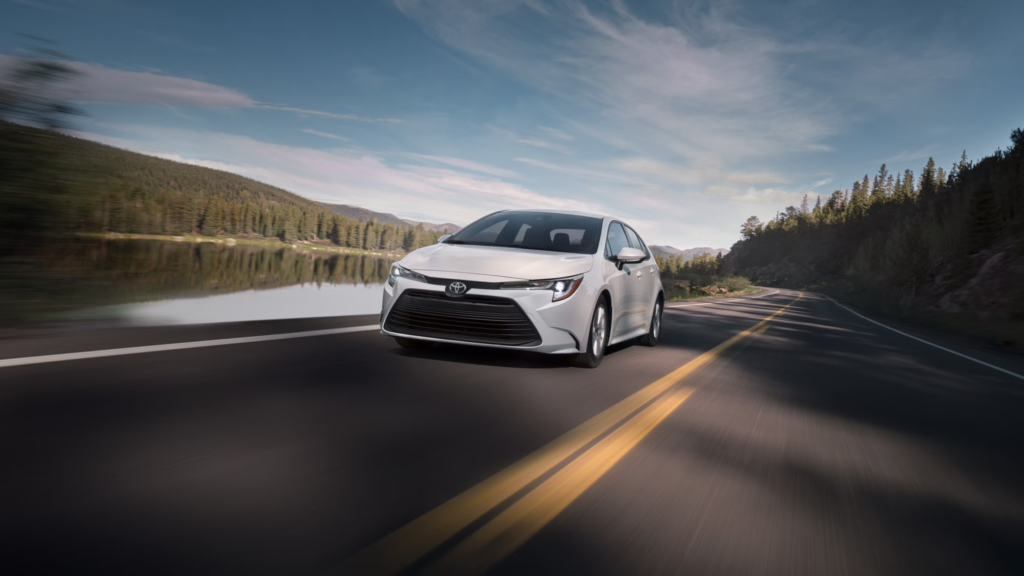
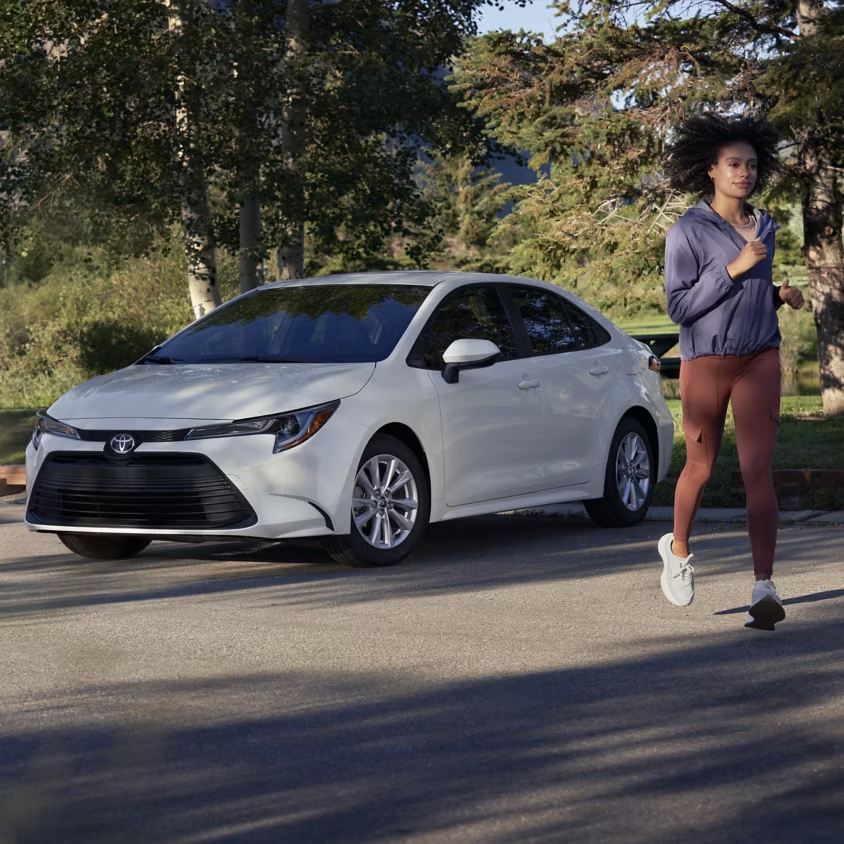
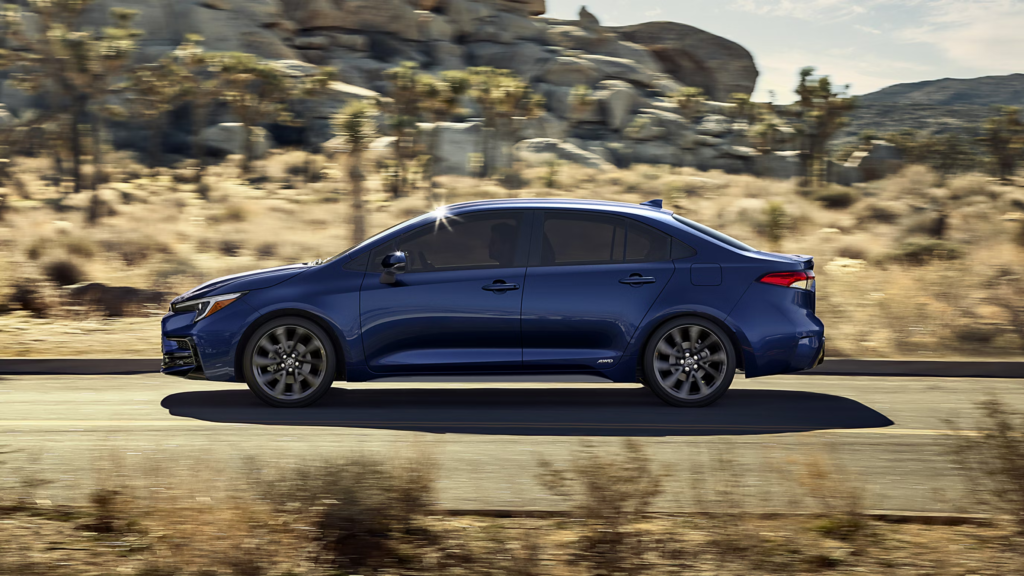
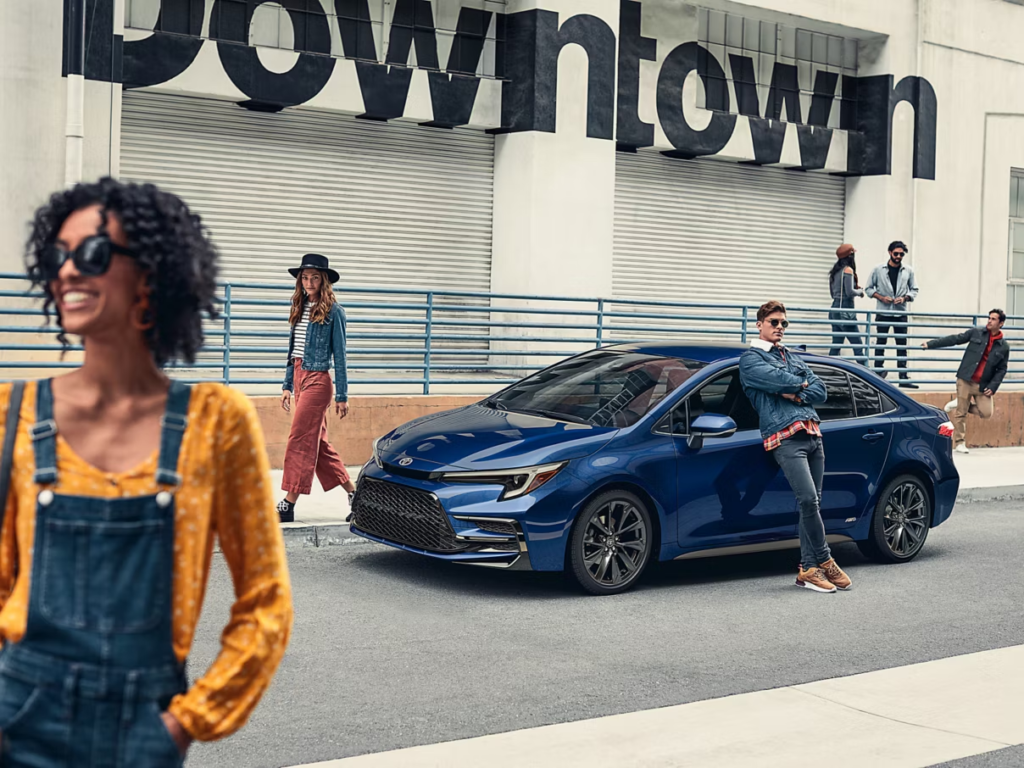
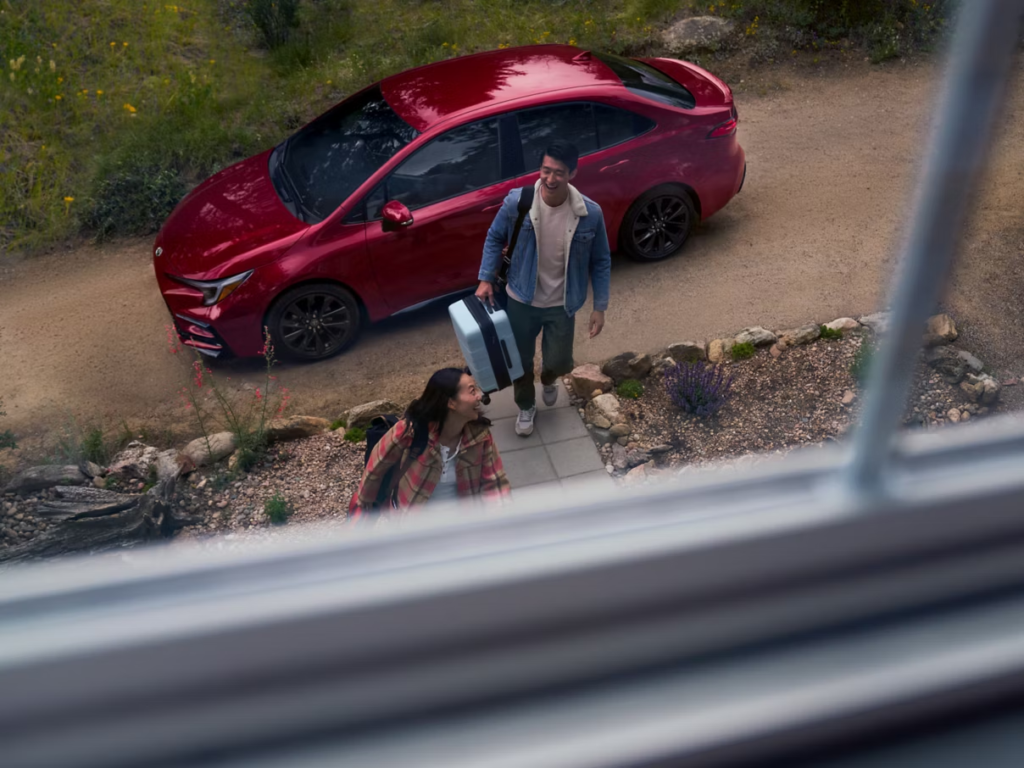
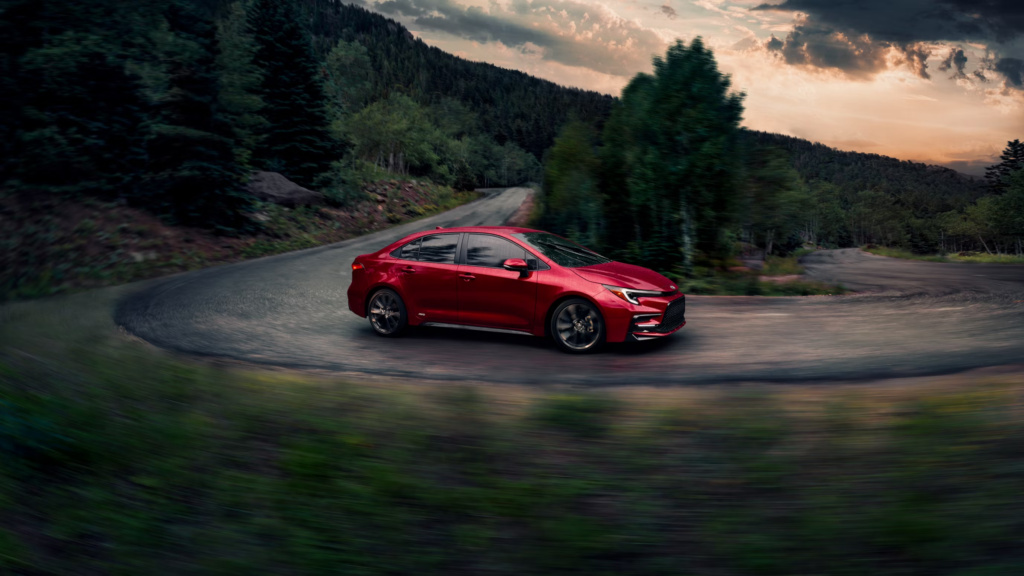
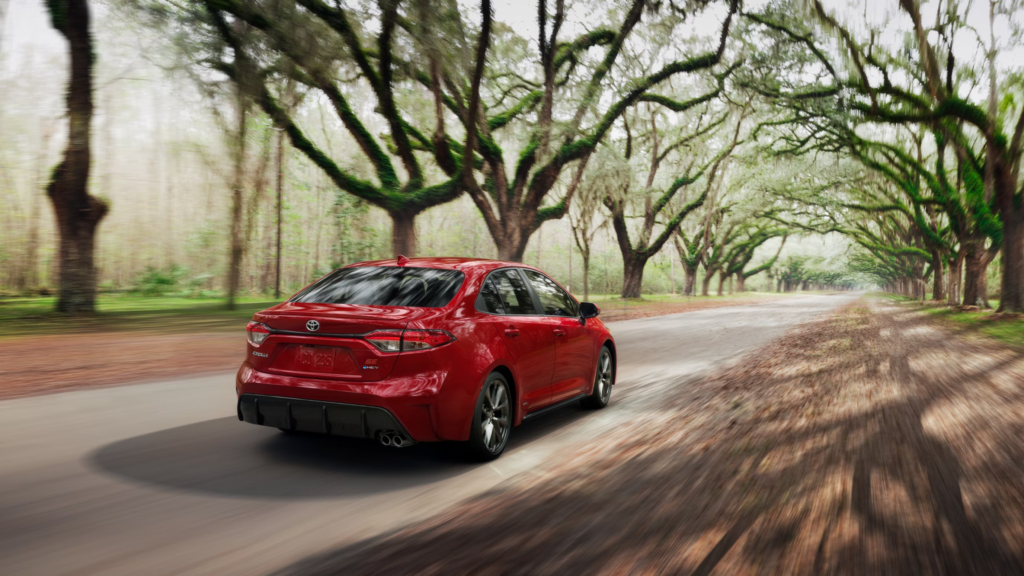
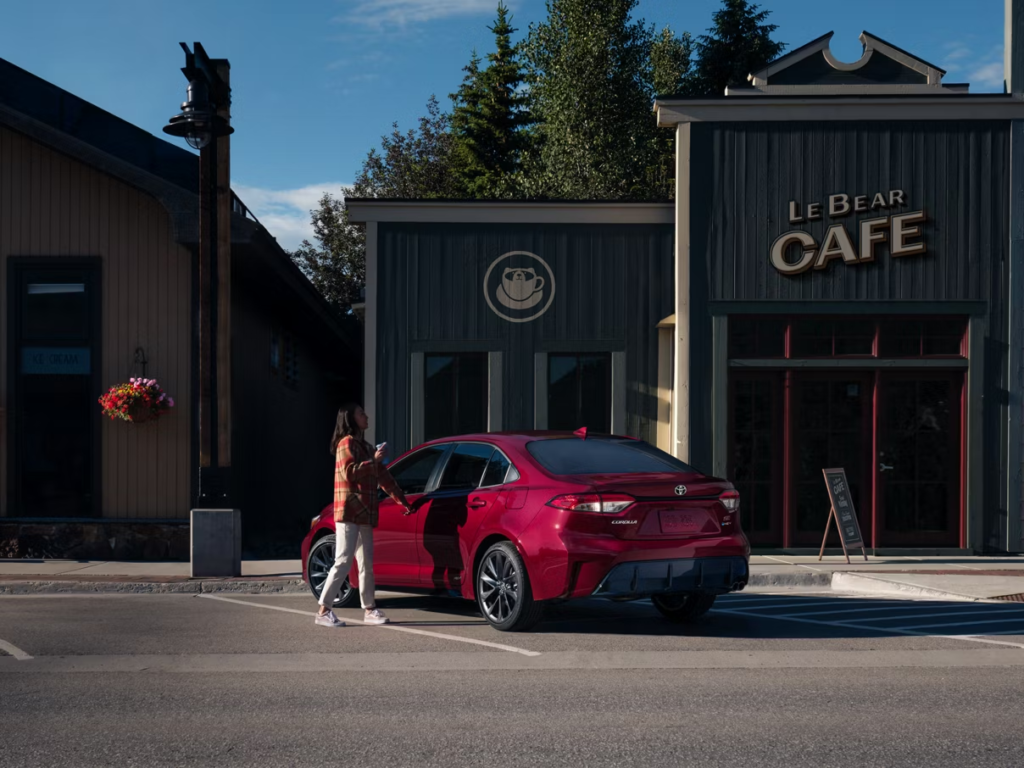
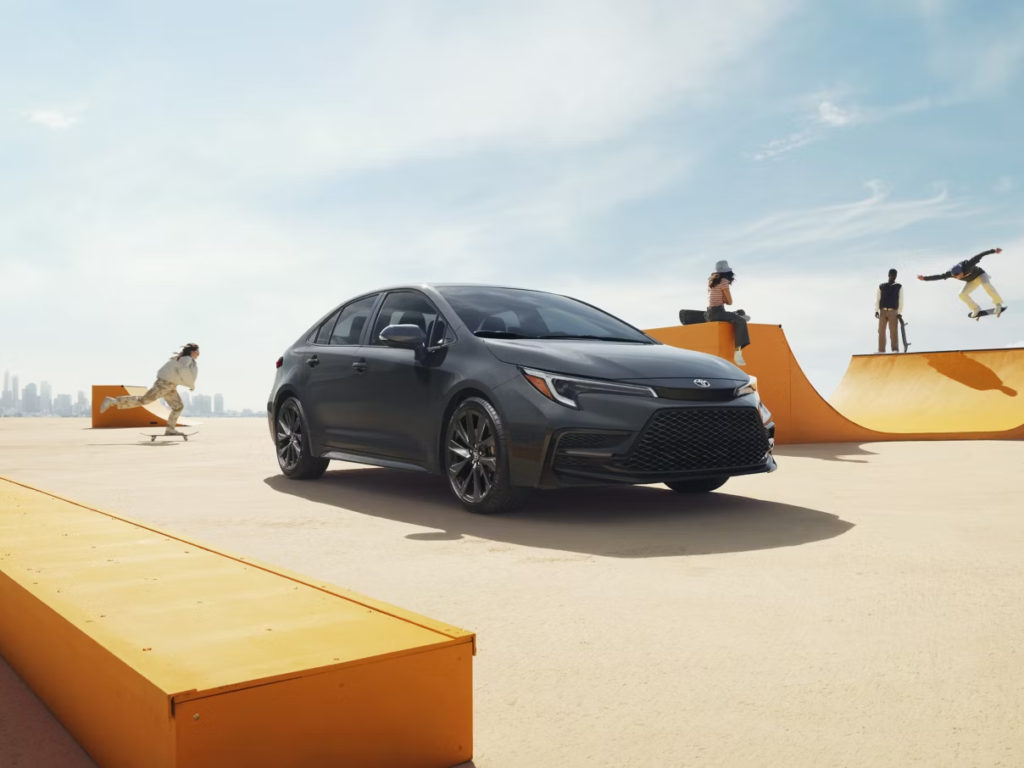
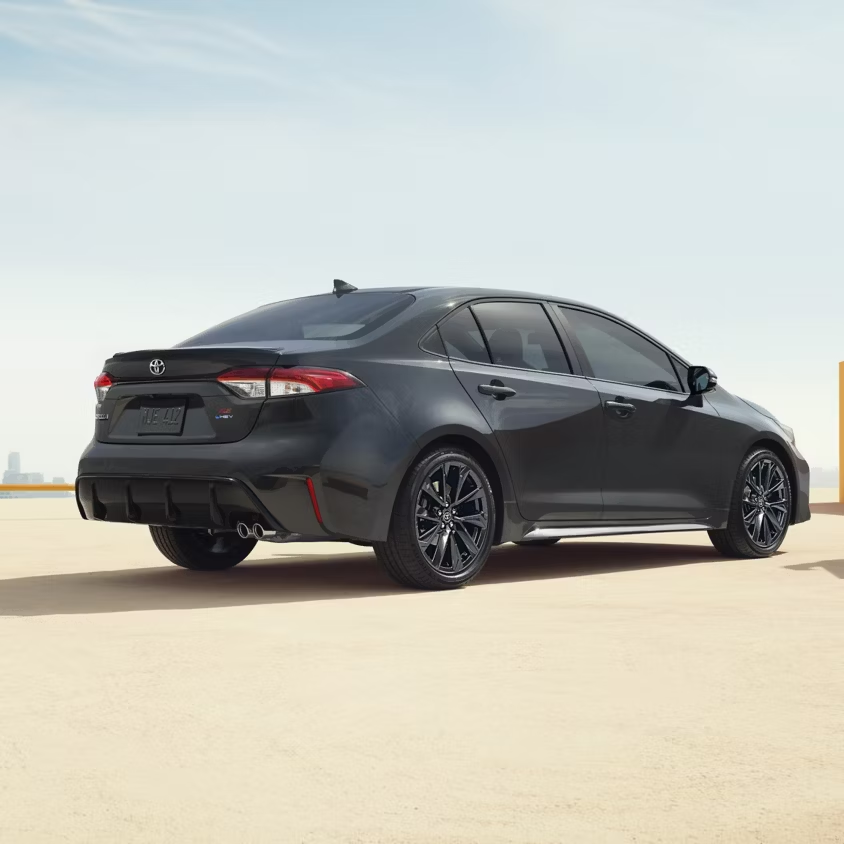
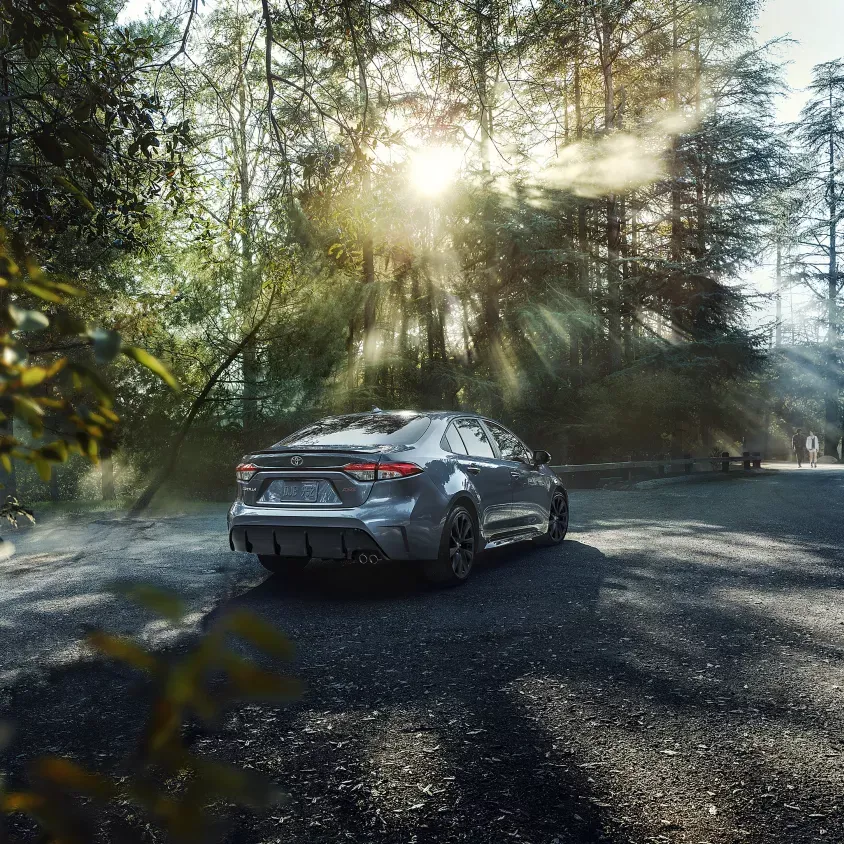
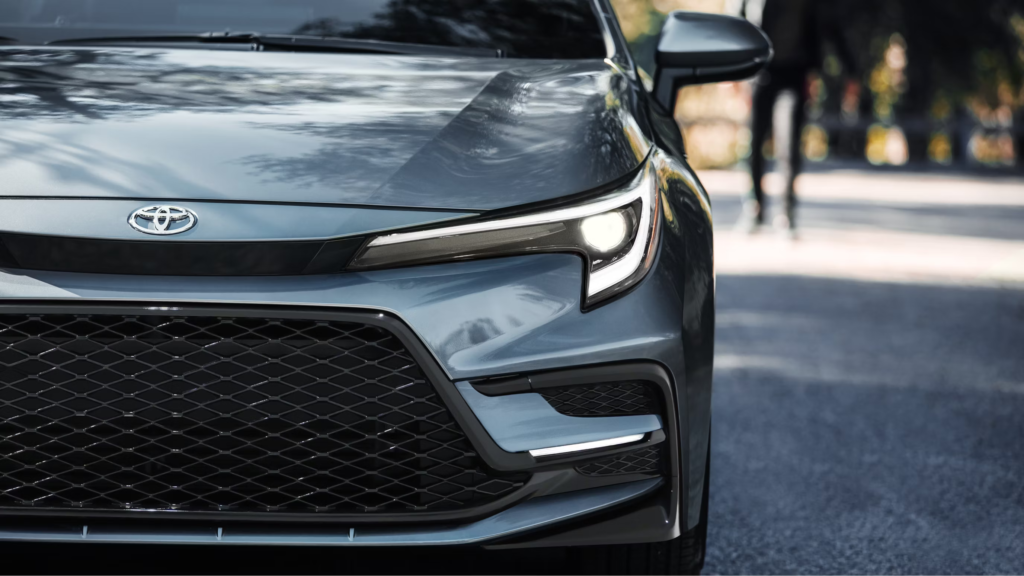
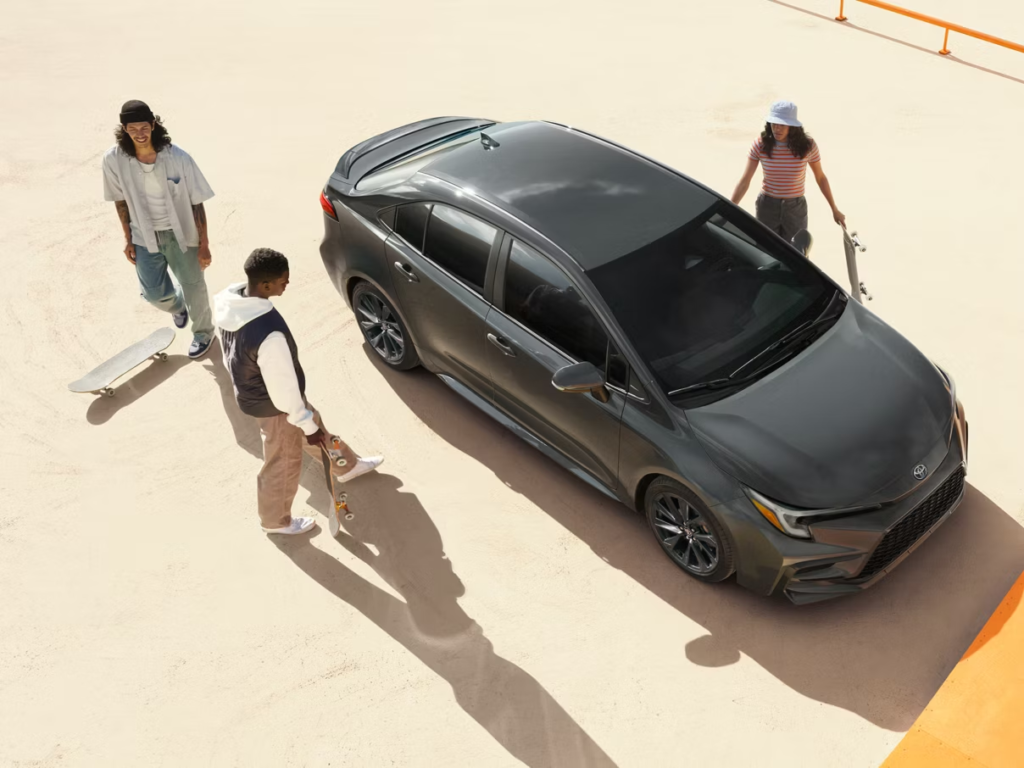
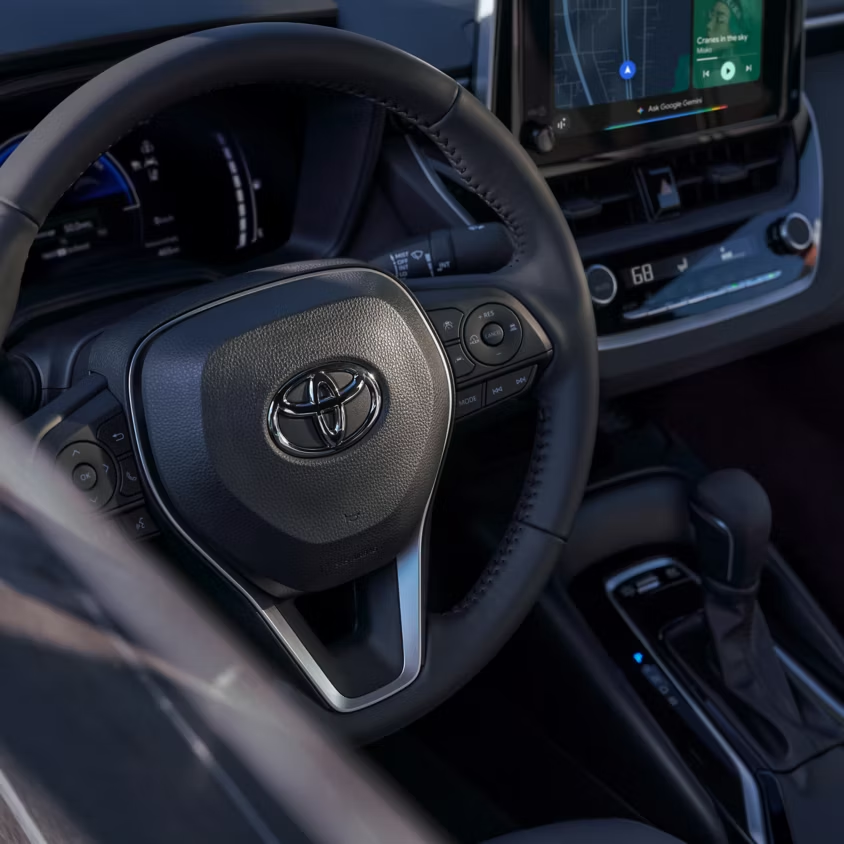
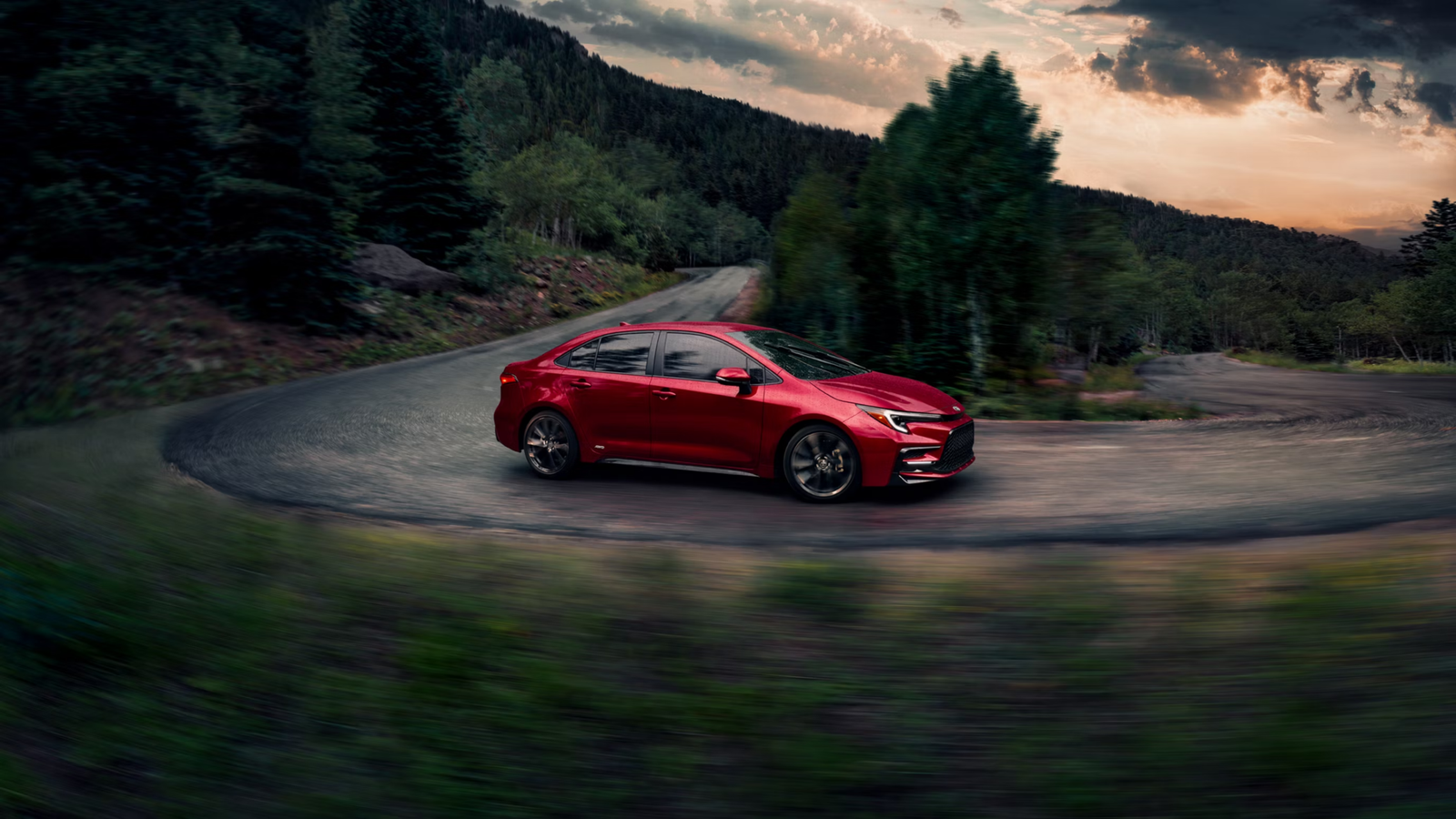
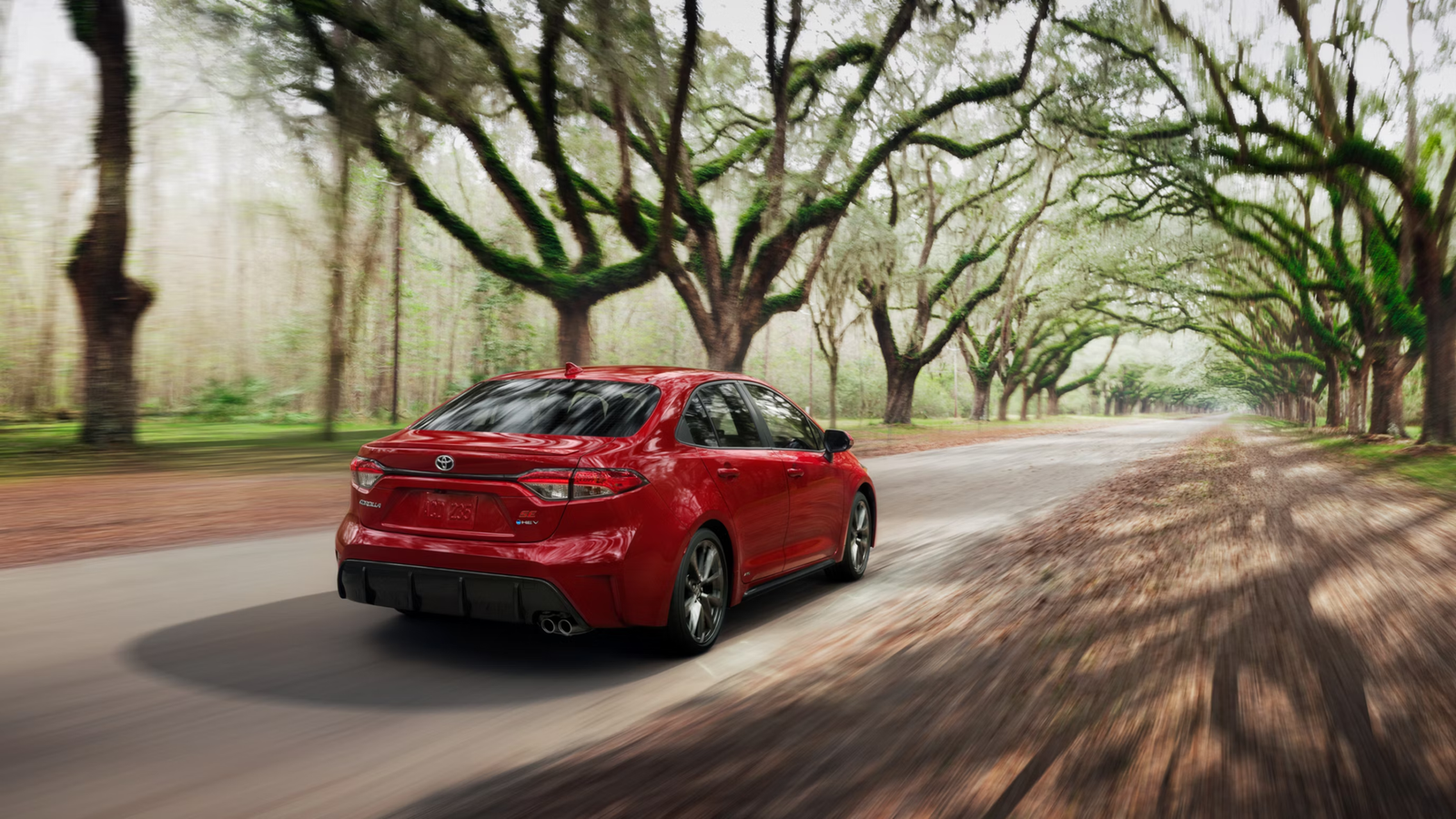
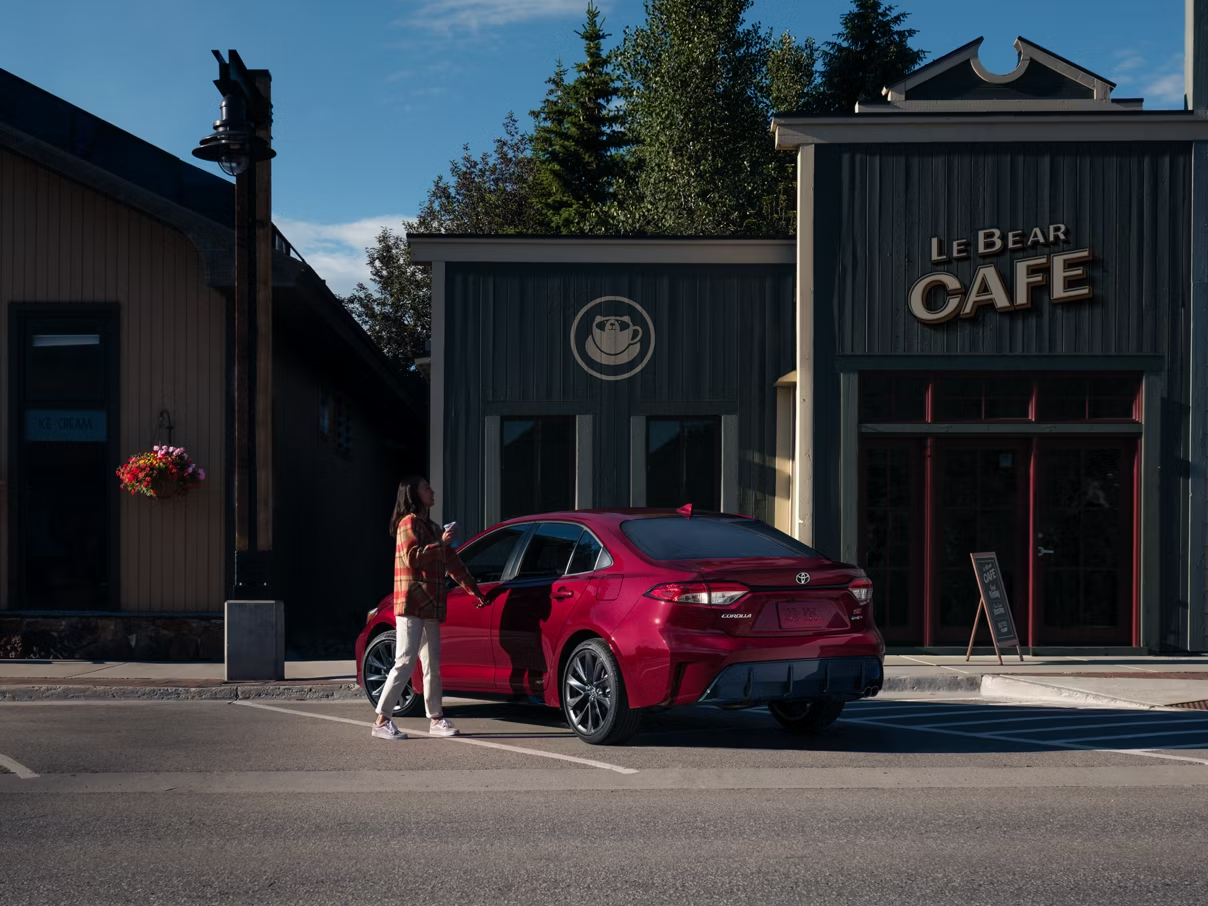
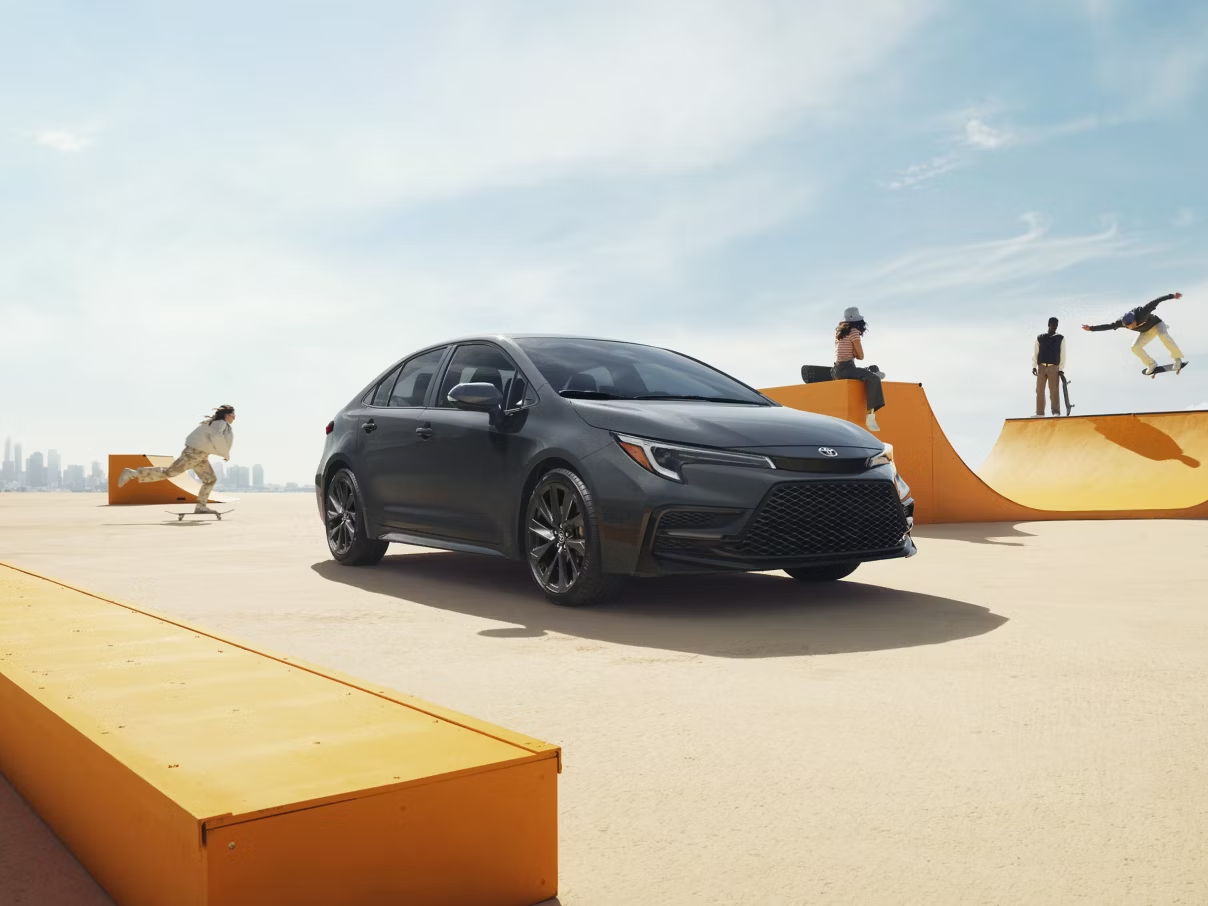
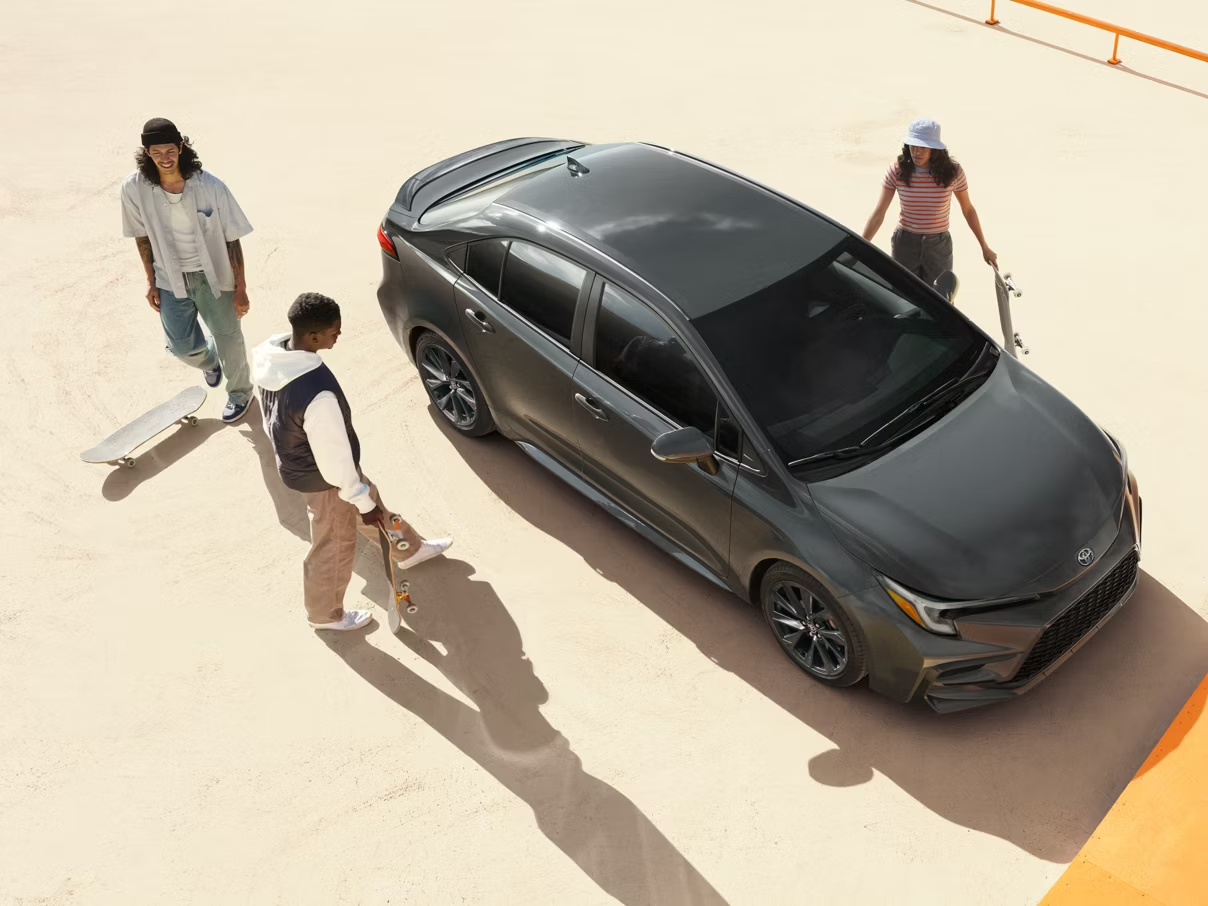
It is not the roomiest or quickest compact car, but the Corolla remains one of the most balanced choices for daily commuters, first-time buyers, small households, and anyone who values long-term running costs over flashy performance.
This page covers the Corolla sedan and Corolla Hybrid; the Corolla Hatchback and GR Corolla are separate models.
WheelPedia Rating: 8.8/10
The Toyota Corolla earns an 8.8/10 Rating for its efficiency, standard safety equipment, sensible pricing, and strong ownership case. Its biggest limits are modest rear-seat space, a small trunk for the class, and performance that is adequate rather than exciting.
| Rating Category | Score | Weight |
| Safety | 8.5/10 | 20% |
| Reliability and ownership | 9.5/10 | 15% |
| Performance and driving | 8.0/10 | 15% |
| Comfort and practicality | 8.5/10 | 15% |
| Efficiency | 9.5/10 | 15% |
| Features and technology | 8.5/10 | 10% |
| Price and value | 9.0/10 | 10% |
| Overall WheelPedia Rating | 8.8/10 | — |
See how we rate cars for the full scoring method.
Key Highlights
- Starts from $23,125 MSRP in the US, before delivery, taxes, registration, and dealer-installed extras.
- Available with a 169-hp 2.0-liter gas engine or a 138-net-hp hybrid system.
- Hybrid models return up to an EPA-estimated 50 mpg combined.
- All-wheel drive is available on Hybrid LE and Hybrid SE models only.
- Blind Spot Monitor with Rear Cross-Traffic Alert is standard across the current lineup.
- Toyota Safety Sense 3.0 is standard on every Corolla.
- Seats five and provides 13.1 cubic feet of trunk space.
- Best for commuters, first-time buyers, and drivers who want a practical compact sedan.
Quick Specifications
| Specification | Toyota Corolla |
| Vehicle type | Compact sedan |
| Seating capacity | 5 |
| Gas engine | 2.0L four-cylinder |
| Gas output | 169 hp / 151 lb-ft |
| Hybrid system | 1.8L four-cylinder hybrid |
| Hybrid output | 138 net hp |
| Transmission | CVT on gas models; eCVT on hybrids |
| Drivetrain | FWD standard; AWD available on selected hybrid trims |
| Best gas fuel economy | Up to 35 mpg combined |
| Best hybrid fuel economy | Up to 50 mpg combined |
| Cargo capacity | 13.1 cu. ft. |
| Length | 182.5 in. |
| Width | 70.1 in. |
| Height | 56.5 in. |
| Wheelbase | 106.3 in. |
Expert Tip
The Hybrid LE is the strongest all-round Corolla for high-mileage commuters. Choose the gas LE if your budget is tight, or the Hybrid SE if you want sharper styling, larger wheels, and available AWD.
About the Toyota Corolla
The Corolla provides dependable, efficient, easy-to-live-with transportation without making ownership complicated. The gas models are affordable and efficient enough for most drivers, while the hybrid models make more sense when city driving or annual mileage is high.
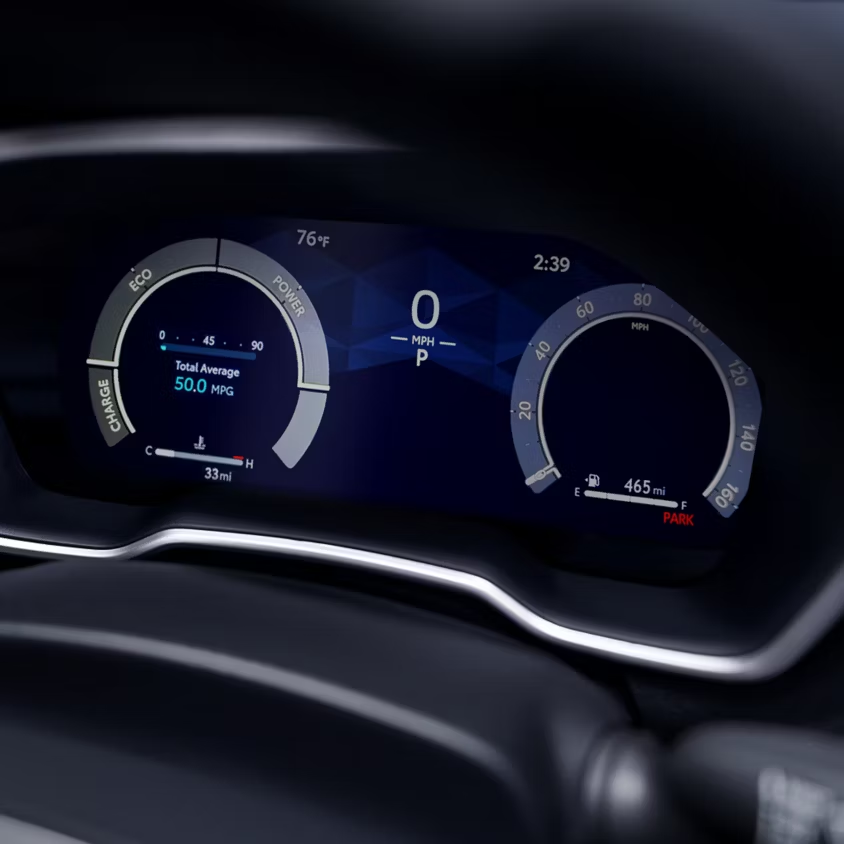
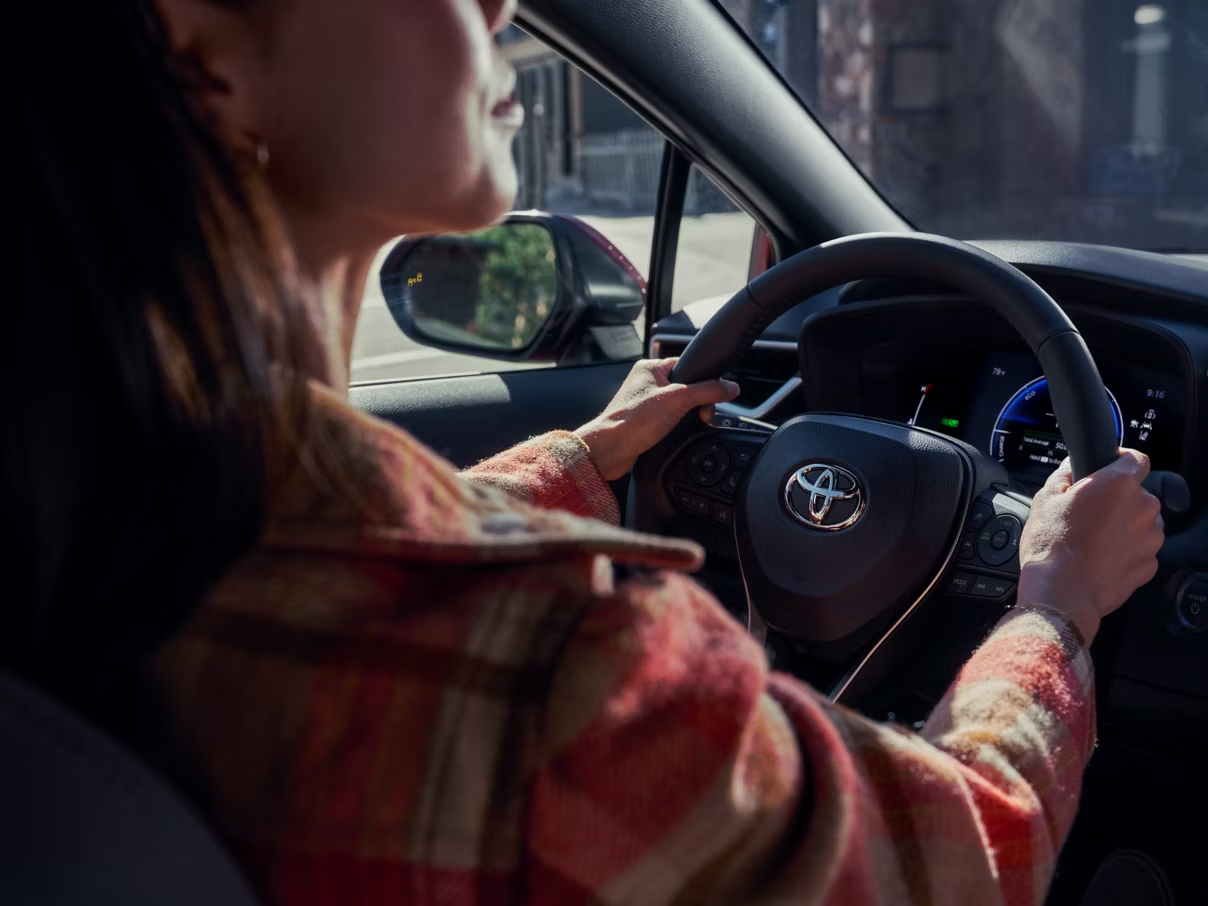
For the current model year, Toyota added a standard Blind Spot Monitor with Rear Cross-Traffic Alert across all trims. LE and SE models also receive a 7-inch digital gauge display, while the XSE and Hybrid XLE use a 12.3-inch display.
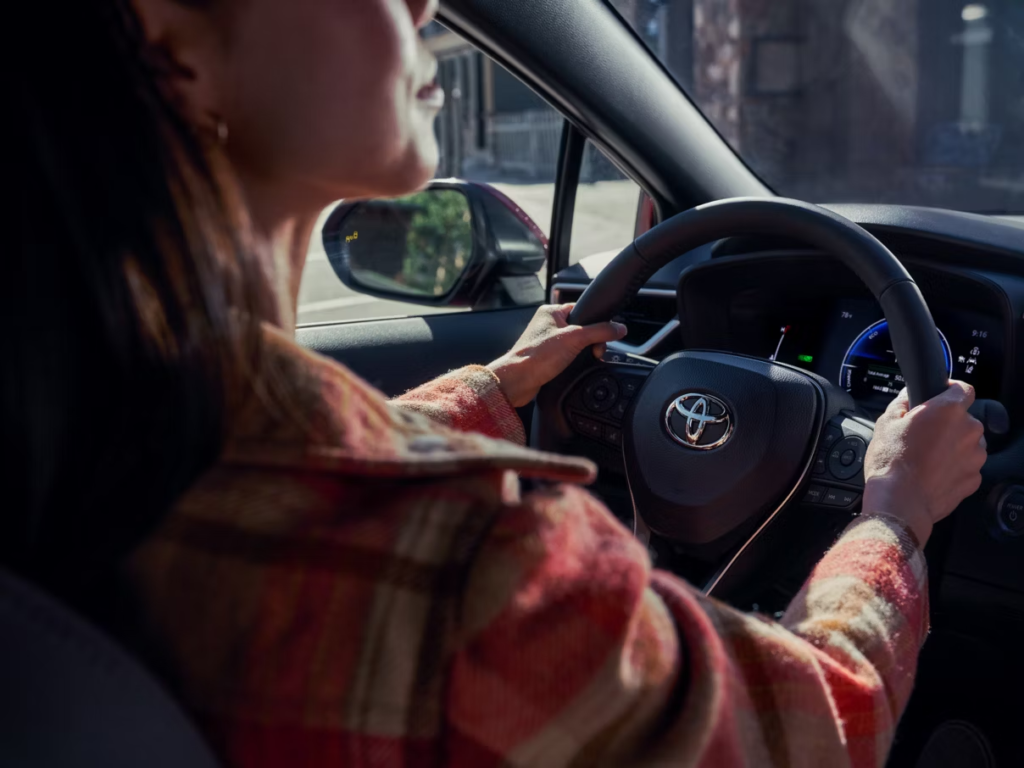
The Corolla is not designed as a performance sedan. Instead, it suits buyers who want predictable handling, easy parking, a comfortable driving position, and fuel costs that stay under control.
Price and Trims
The following US prices are base MSRPs and can change by market, delivery charge, options, and dealer pricing. Check the current Toyota Corolla lineup before buying.
| Trim | Starting MSRP | Powertrain | Key Reason to Choose |
| LE | $23,125 | 169-hp gas, FWD | Lowest entry price and strong 35 mpg combined rating |
| SE | $25,565 | 169-hp gas, FWD | Sportier design, 18-inch wheels, drive modes |
| XSE | $28,840 | 169-hp gas, FWD | Best-equipped gas Corolla with upgraded cabin features |
| Hybrid LE | $24,975 | 138-hp hybrid, FWD | Best efficiency value; up to 50 mpg combined |
| Hybrid LE AWD | $26,375 | 138-hp hybrid, AWD | Lower-cost all-weather Corolla |
| Hybrid SE | $27,415 | 138-hp hybrid, FWD | Sportier hybrid styling and equipment |
| Hybrid SE AWD | $28,815 | 138-hp hybrid, AWD | Hybrid economy with added traction |
| Hybrid XLE | $29,340 | 138-hp hybrid, FWD | Comfort-focused hybrid with premium features |
Engine, Powertrain, and Performance
Gas Corolla models use a 2.0-liter four-cylinder engine producing 169 horsepower and 151 lb-ft of torque. It sends power to the front wheels through a continuously variable transmission with a launch gear that gives the car a more natural feel from a stop than many older CVTs.
The Corolla Hybrid uses Toyota’s fifth-generation hybrid system, pairing a 1.8-liter engine with electric motors for 138 net horsepower. It is tuned for smooth low-speed driving and fuel savings, not quick acceleration. Hybrid LE and Hybrid SE trims offer electronic on-demand AWD, which uses a rear electric motor when extra traction is needed.
Toyota Corolla 0–60 MPH Performance
Toyota does not publish official 0–60 mph times for the Corolla. The gas model is the quicker and more responsive choice for highway merging and passing, while the hybrid feels strongest in city traffic where electric assistance helps at lower speeds.
Neither version is aimed at buyers seeking rapid acceleration. If performance is a major priority, consider the separate Toyota GR Corolla or compare sport-focused compact cars before deciding.
Driving Experience
The Corolla is easy to place on narrow roads and in crowded parking areas. Steering is light enough for daily driving but controlled at highway speeds. The SE and XSE trims feel more composed through turns thanks to their sportier setup, while the LE is tuned more for comfort and value.
Ride quality is generally good for a compact sedan, though the larger 18-inch wheels on sport trims can make broken pavement more noticeable. Road noise is present at higher speeds, particularly on rough surfaces, but it is not out of place for this price range.
The hybrid is the calmer commuter choice. It moves quietly at low speeds, transitions smoothly between electric and gasoline power, and makes stop-and-go driving less tiring.
Fuel Economy
| Model | EPA-Estimated City/Highway/Combined |
| Corolla LE | 32 / 41 / 35 mpg |
| Corolla SE | 31 / 40 / 34 mpg |
| Corolla XSE | 31 / 38 / 34 mpg |
| Hybrid LE / Hybrid XLE FWD | 53 / 46 / 50 mpg |
| Hybrid LE AWD | 51 / 44 / 48 mpg |
| Hybrid SE FWD | 50 / 43 / 47 mpg |
| Hybrid SE AWD | 47 / 41 / 44 mpg |
The gas Corolla is already efficient enough for many commuters. The hybrid becomes the smarter financial choice when you drive often in city traffic, cover a high number of miles each year, or want fewer fuel stops without moving to a larger hybrid sedan.
Real-world fuel economy will vary with traffic, weather, driving style, wheel size, passenger load, and use of heating or air conditioning.
Interior, Comfort, and Technology
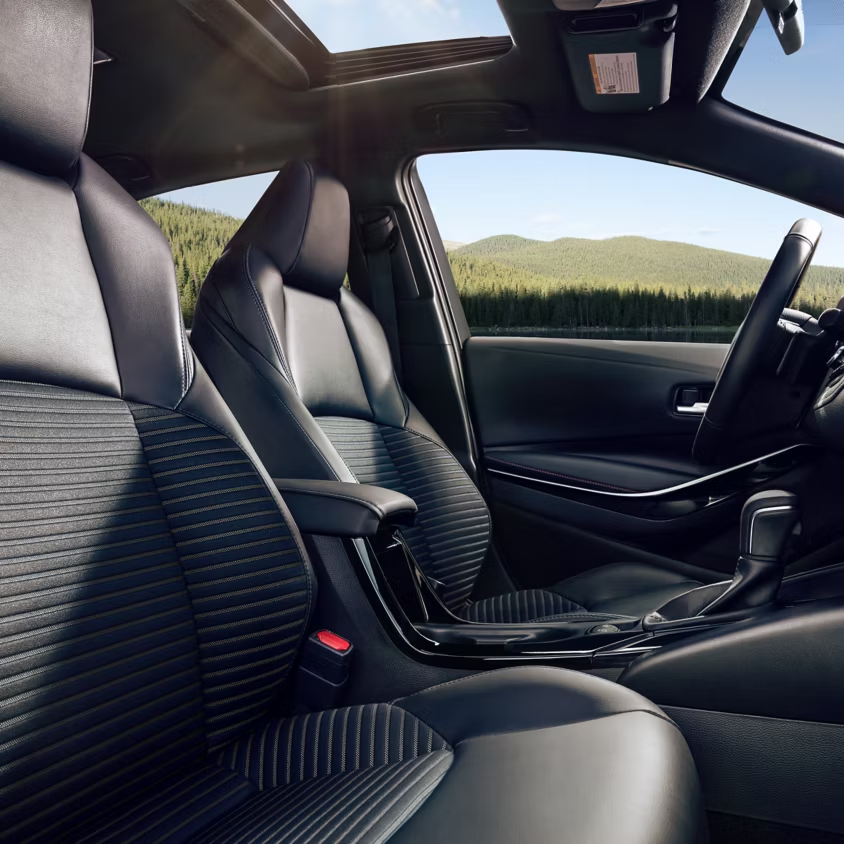
The Corolla’s interior is simple, tidy, and functional. It does not try to feel like a luxury sedan, but the layout is easy to understand and higher trims add enough comfort features to make daily travel more pleasant.
Standard and available features include:
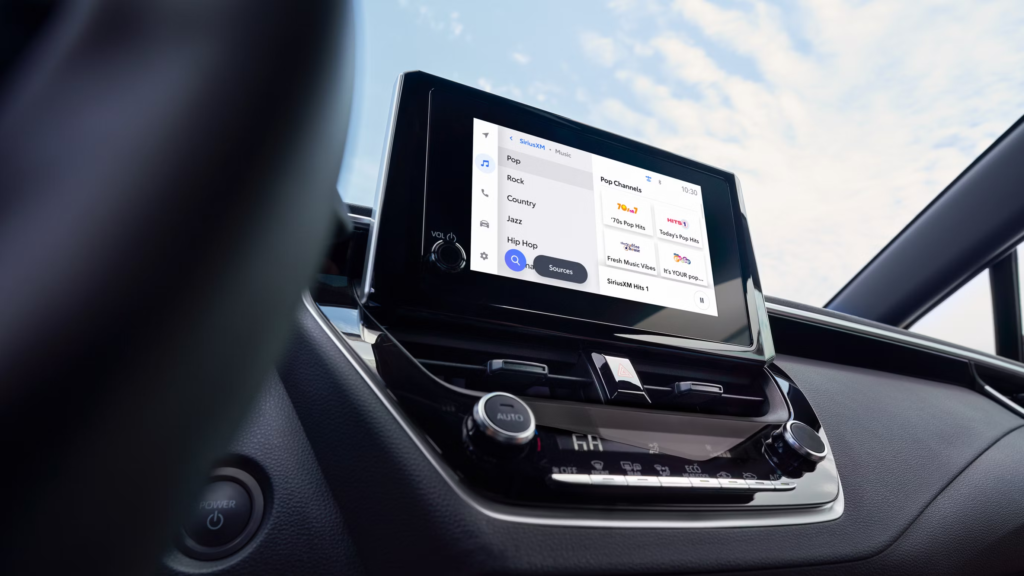
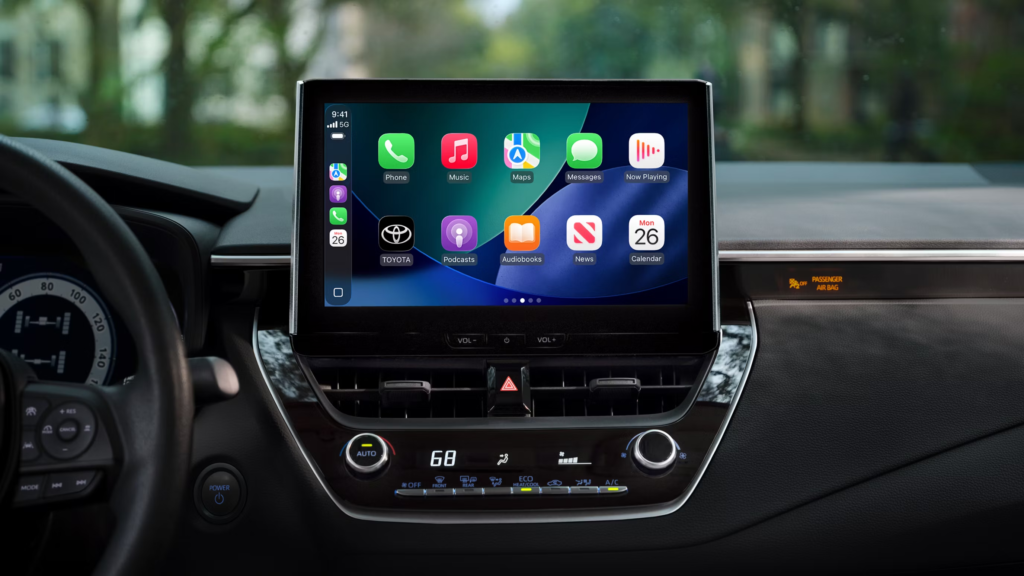
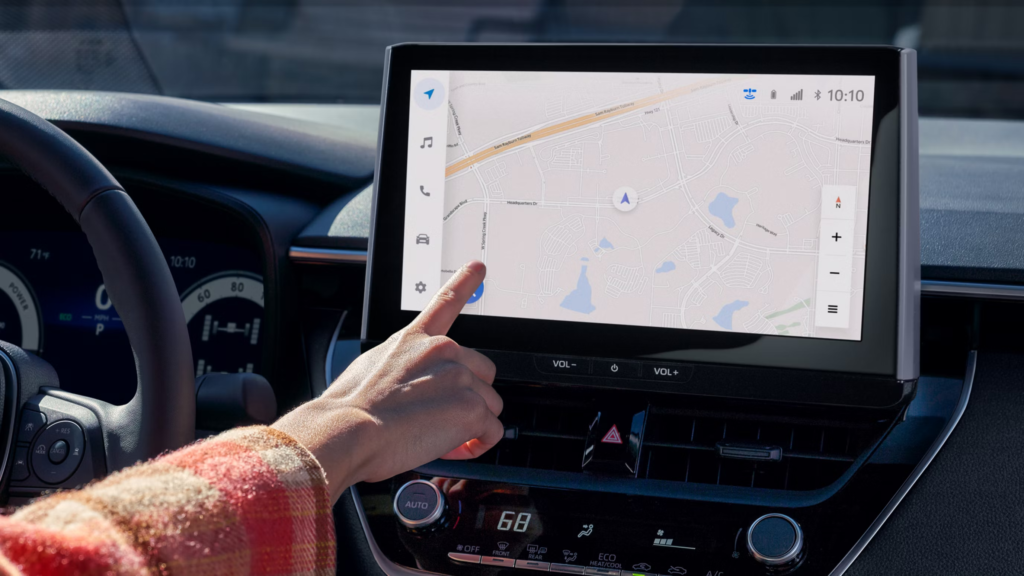
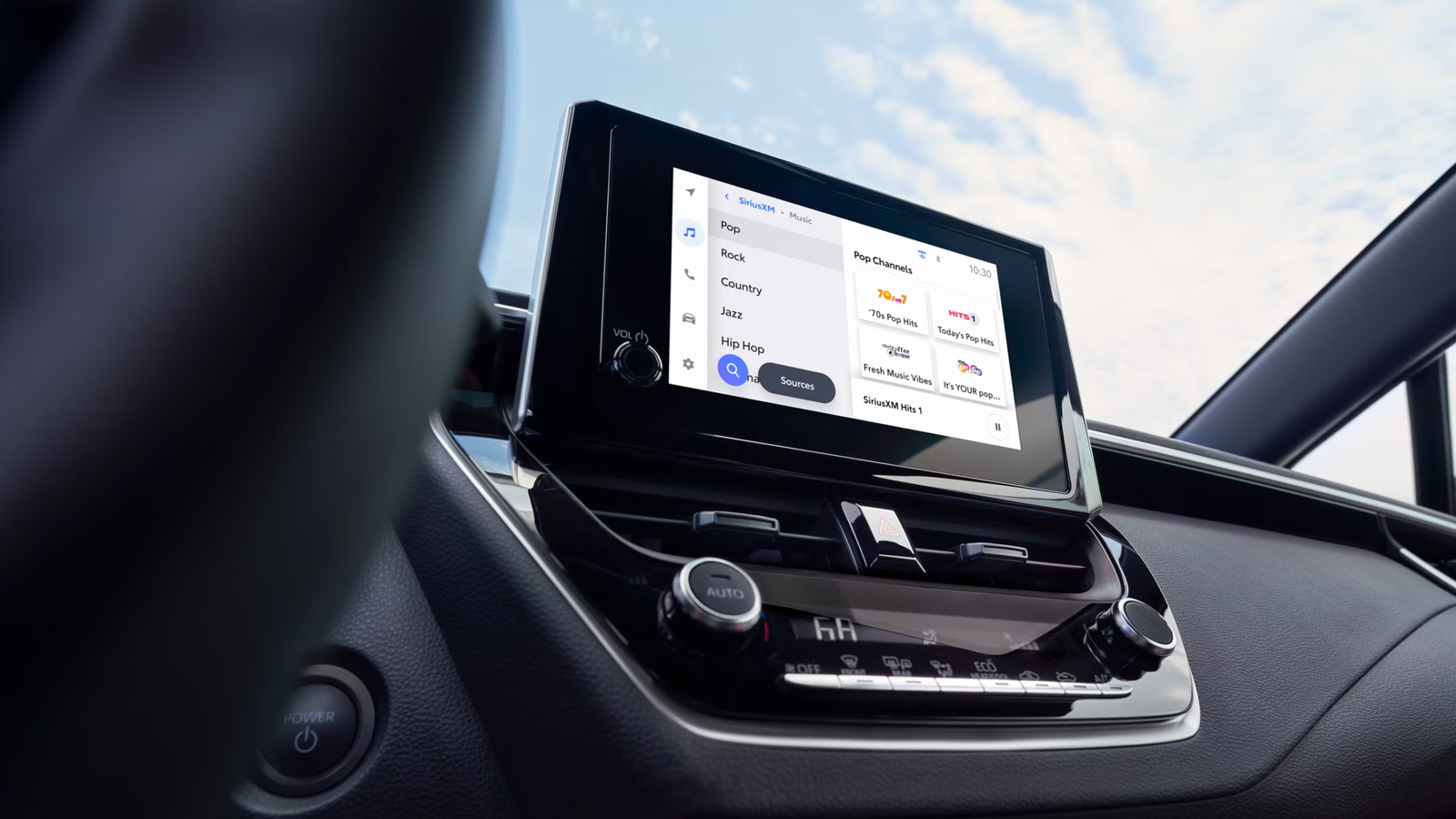
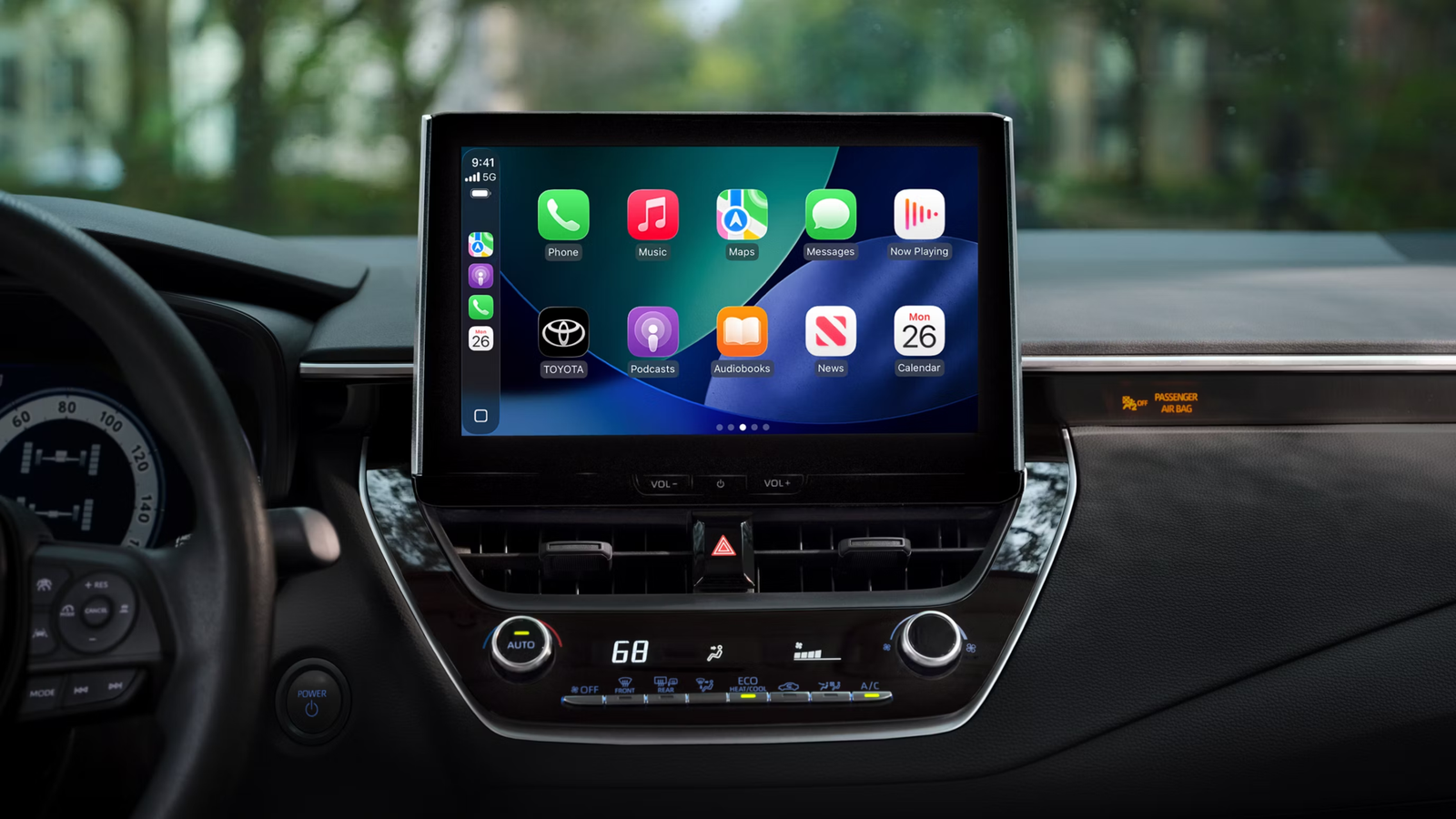
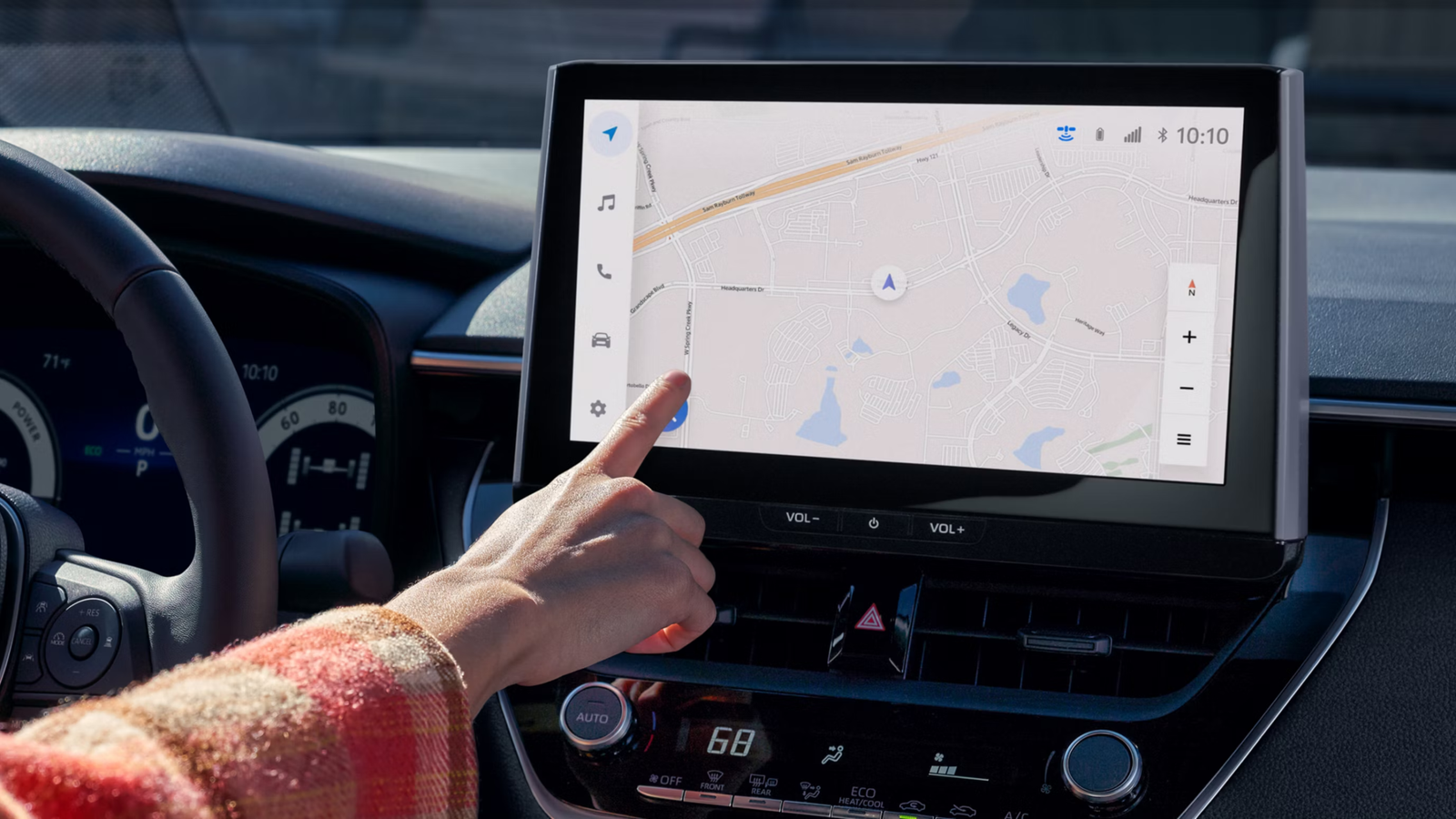
- 8-inch Toyota Audio Multimedia touchscreen
- Wireless Apple CarPlay and Android Auto
- Six-speaker audio system
- Dual Bluetooth phone connectivity
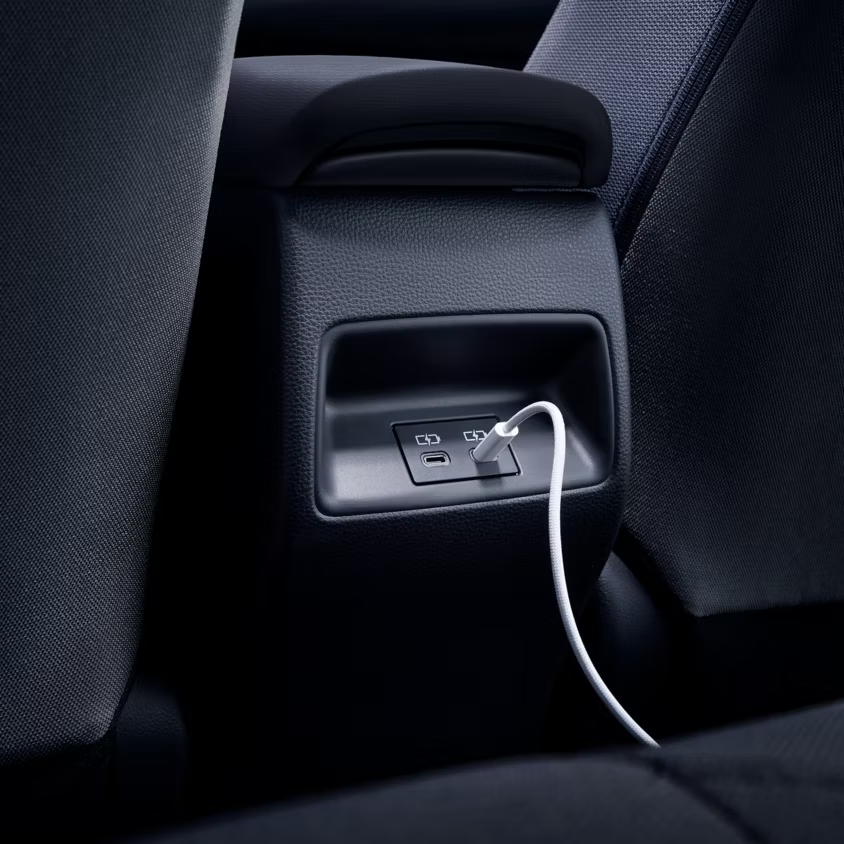
- Two front and two rear USB-C ports
- Available 10.5-inch touchscreen on SE; standard on XSE and Hybrid XLE
- 7-inch digital gauge cluster on LE and SE models
- 12.3-inch digital gauge cluster on XSE and Hybrid XLE
- Available Qi-compatible wireless charging
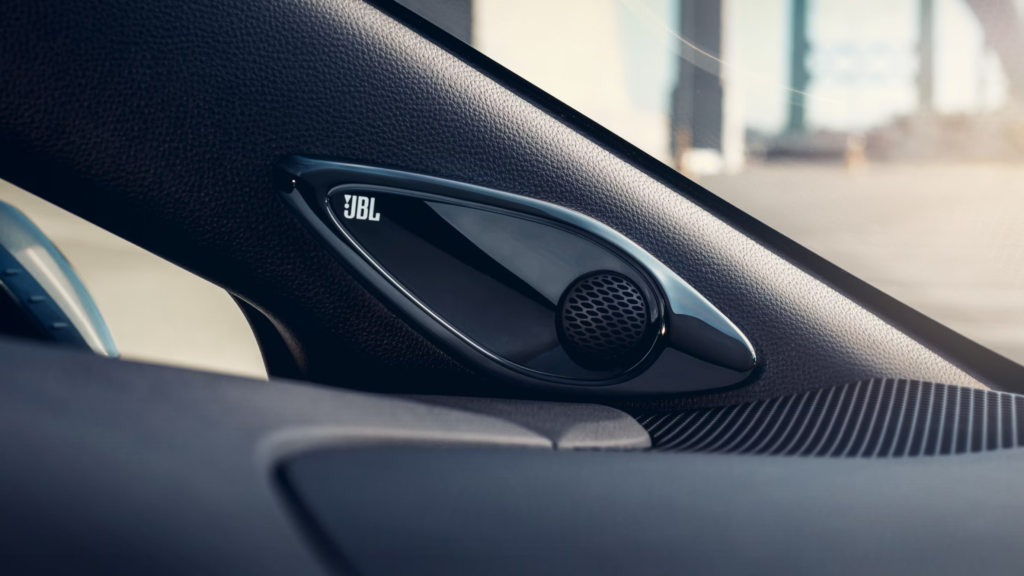
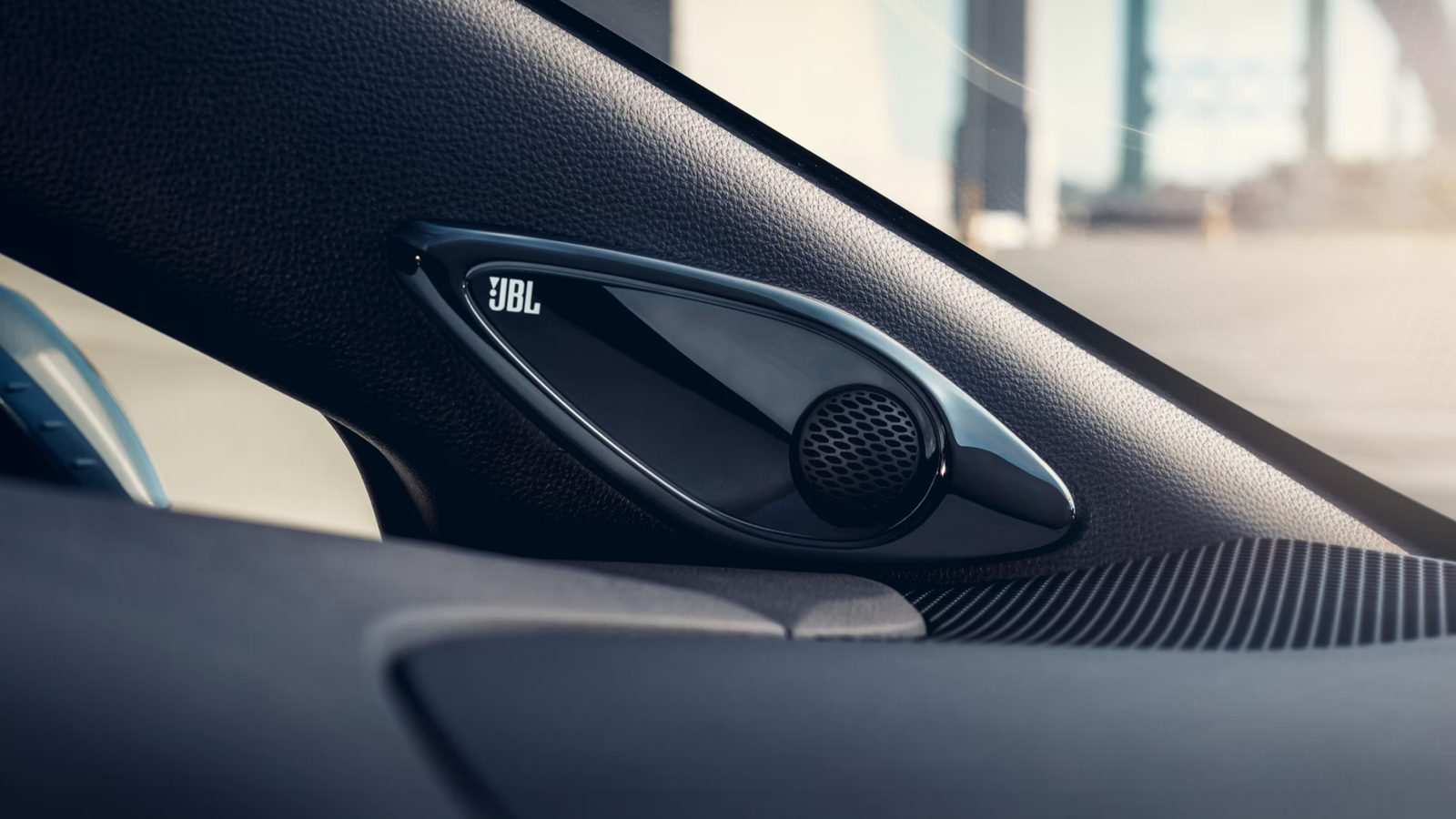
- Available JBL premium audio system
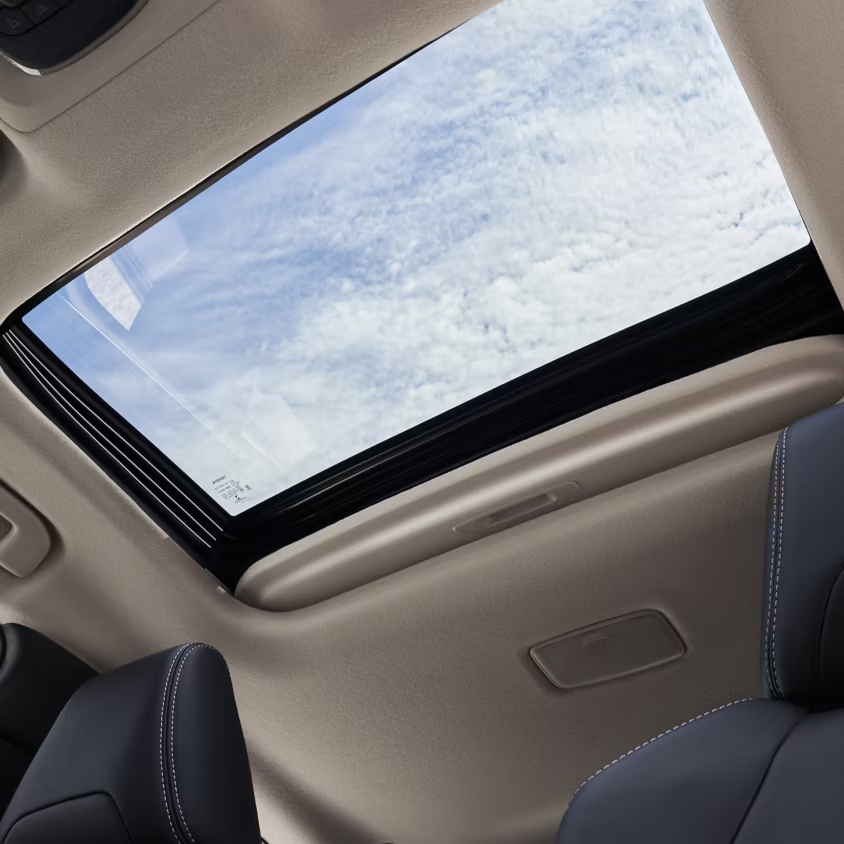
- Available moonroof
- Available heated front seats and power-adjustable driver’s seat
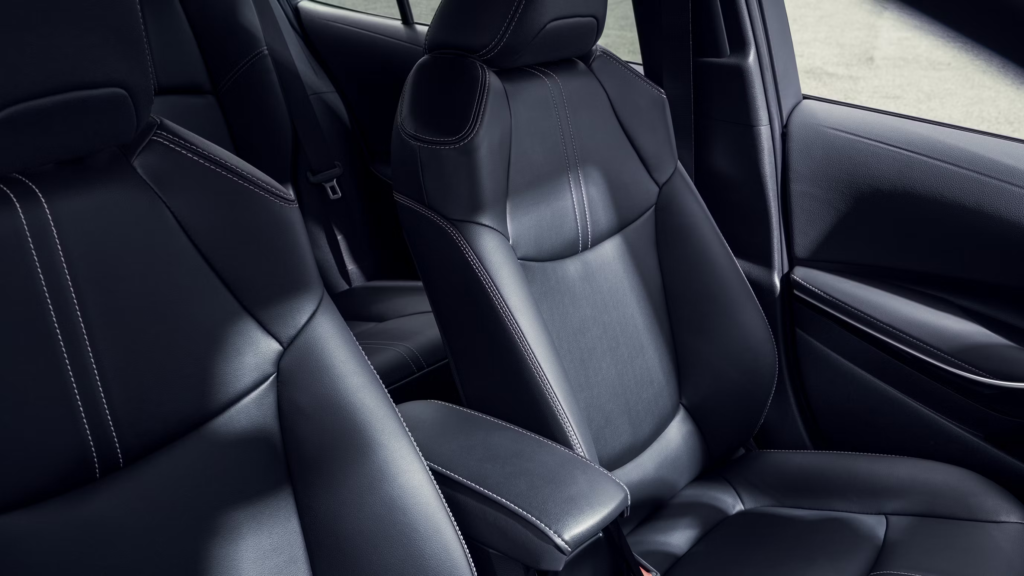
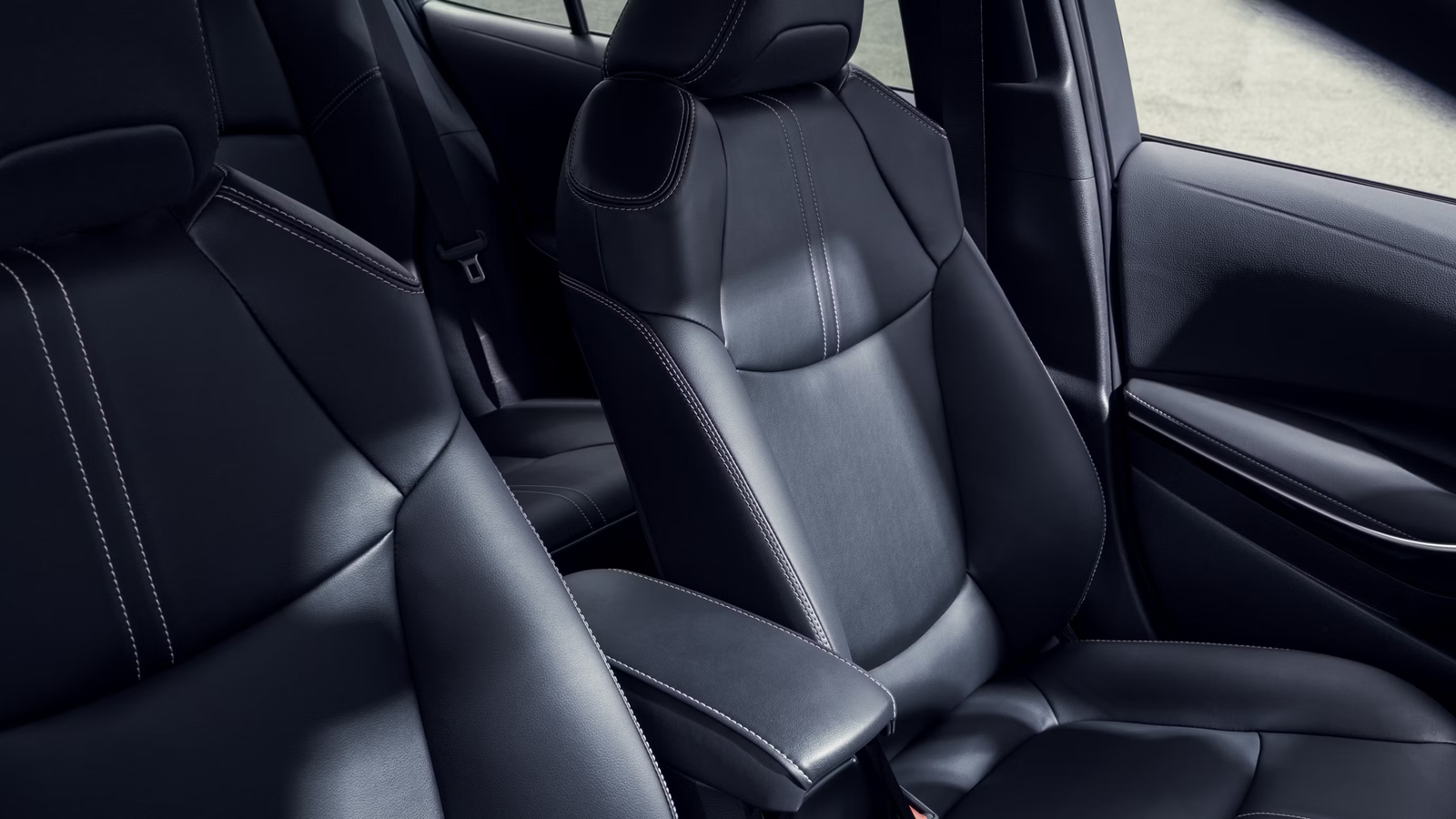
The front seats provide good support for daily use. Rear-seat space is acceptable for children and average-sized adults, but taller passengers may want more legroom on longer trips.
Dimensions, Cargo, and Practicality
| Dimension | Measurement |
| Length | 182.5 in. |
| Width | 70.1 in. |
| Height | 56.5 in. |
| Wheelbase | 106.3 in. |
| Front legroom | 42.0 in. |
| Rear legroom | 34.8 in. |
| Trunk capacity | 13.1 cu. ft. |
| Seating | 5 passengers |
The Corolla’s 13.1-cubic-foot trunk is useful for groceries, luggage, and daily errands, but it is smaller than some compact-sedan rivals. The 60/40-split rear seat helps when carrying longer items.
Buyers who need more cargo room, a higher seating position, or easier loading may prefer the Toyota Corolla Cross. Drivers who want a larger sedan and more rear-seat room should also look at the Toyota Camry.
Exterior Design
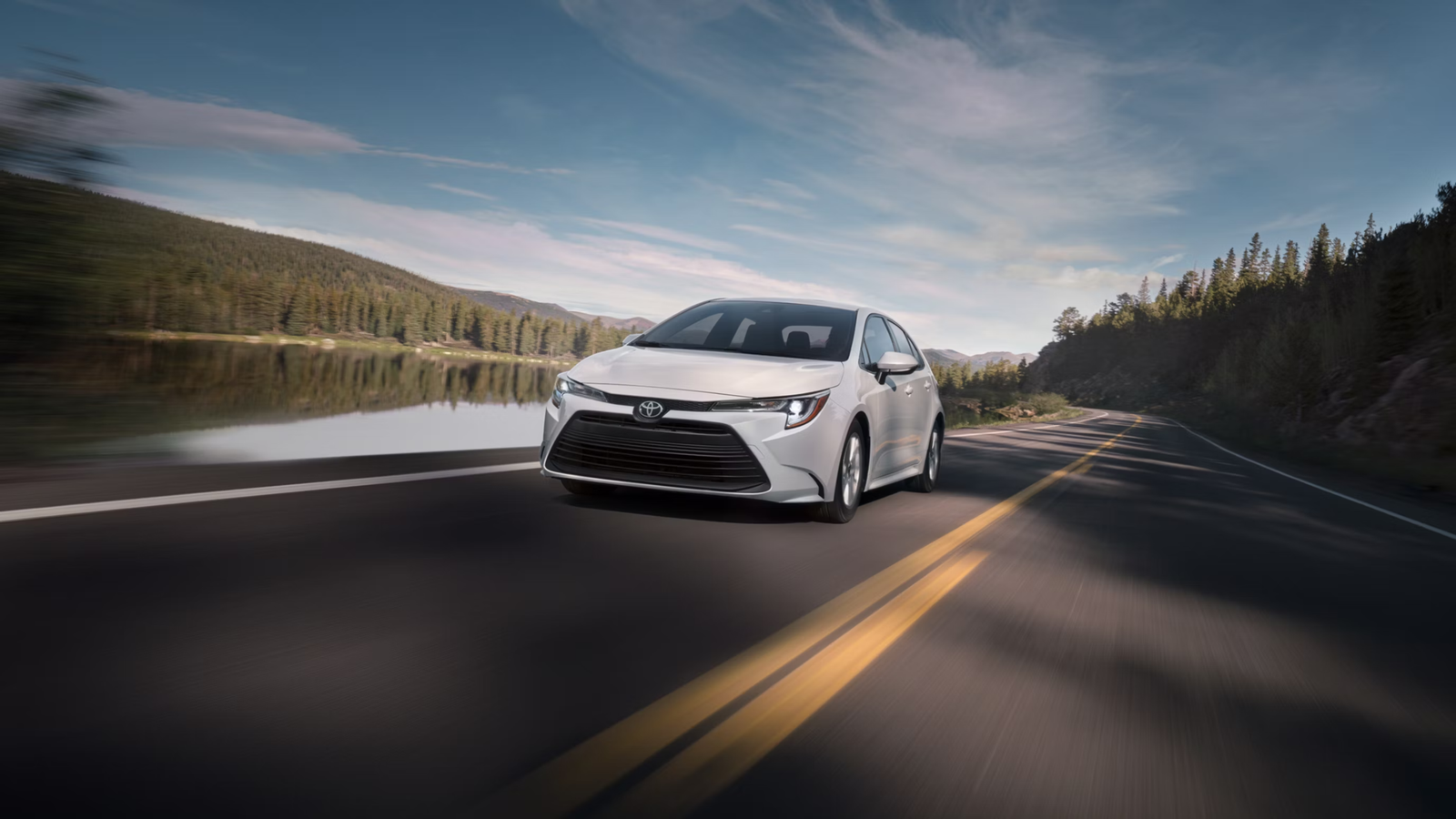
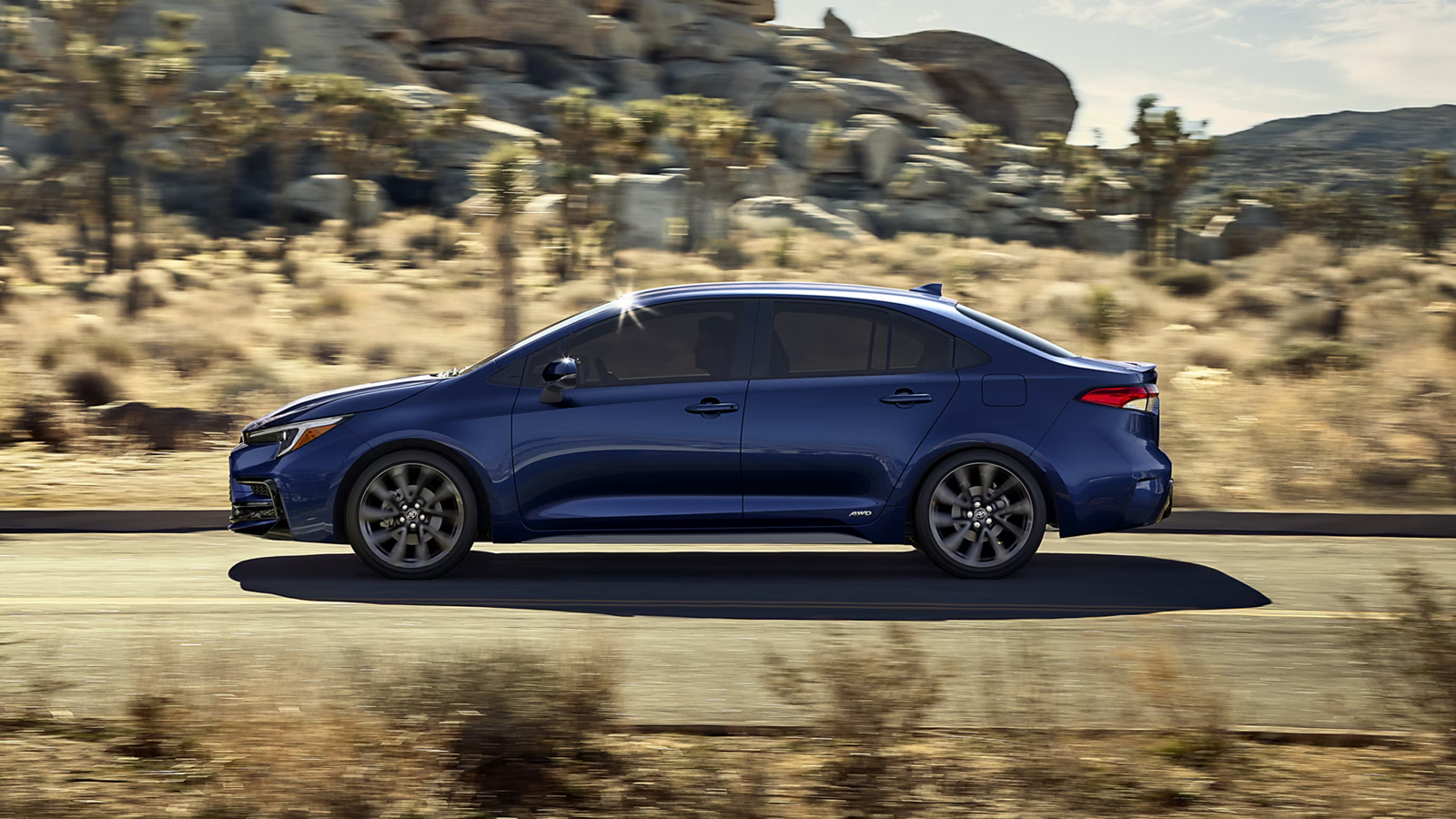
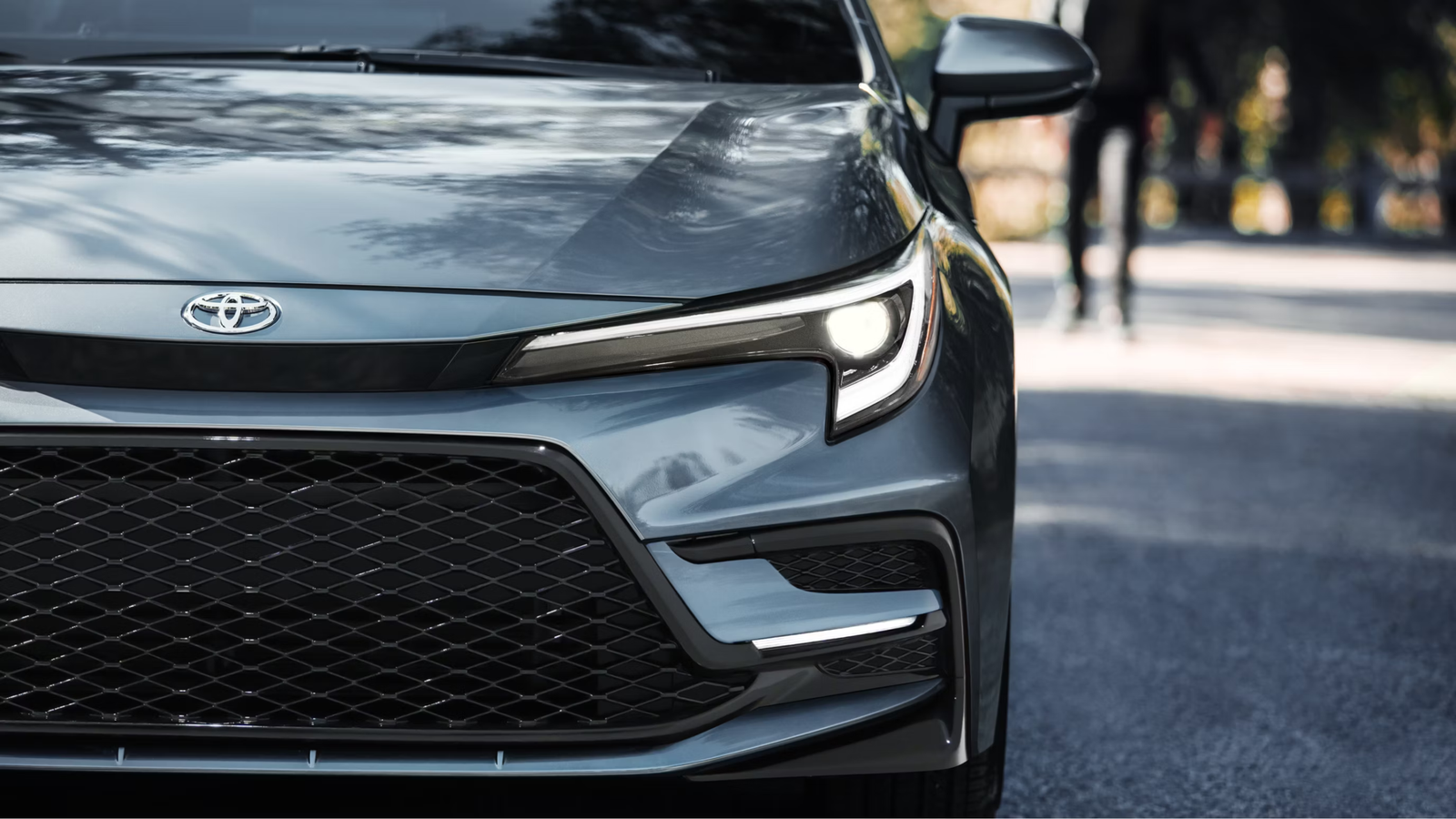
The Corolla LE has a more restrained look, with a horizontal grille and 16-inch wheels. SE and XSE models use a black mesh grille, sportier bumpers, rear diffuser styling, and 18-inch alloy wheels for a more aggressive appearance.
The hybrid lineup follows the same basic design split. Hybrid LE is more understated, Hybrid SE brings sportier visual details, and Hybrid XLE focuses more on comfort-oriented equipment.
Safety Features and Ratings
Every Corolla includes Toyota Safety Sense 3.0, which brings a useful set of standard driver-assistance features:
- Pre-Collision System with Pedestrian Detection
- Full-Speed Range Dynamic Radar Cruise Control
- Lane Departure Alert with Steering Assist
- Lane Tracing Assist
- Road Sign Assist
- Automatic High Beams
- Proactive Driving Assist
- Blind Spot Monitor
- Rear Cross-Traffic Alert
- Rearview camera
- Ten airbags
Safety performance needs careful reading. The 2026 Corolla sedan received Good ratings in IIHS small-overlap and updated side-impact testing, but a Marginal rating in the updated moderate-overlap front test because of rear-passenger injury and restraint measures.
Those results apply to specific gas-sedan configurations, so buyers should check the full IIHS Corolla rating details for the exact model being considered.
NHTSA has selected the current Corolla sedan for testing, but buyers should not assume a final star rating until the agency publishes it. See the current NHTSA testing list.
Reliability, Warranty, and Ownership
The Corolla is a strong ownership-focused choice because it combines straightforward engineering, efficient powertrains, widespread dealer support, and low routine running costs.
Regular maintenance still matters: follow the service schedule, use the correct fluids, and check the vehicle’s VIN for open recalls before buying new or used.
| Coverage | Length |
| Basic warranty | 3 years / 36,000 miles |
| Powertrain warranty | 5 years / 60,000 miles |
| Corrosion perforation warranty | 5 years / unlimited miles |
| ToyotaCare scheduled maintenance | 2 years / 25,000 miles |
| Roadside assistance | 2 years / unlimited miles |
| Hybrid-related component coverage | 8 years / 100,000 miles |
| Hybrid battery coverage | 10 years / 150,000 miles |
The hybrid’s battery coverage is a meaningful advantage for buyers keeping the car long term. The gas LE remains the simplest choice for buyers who prefer a conventional powertrain and lower initial cost.
Pros and Cons
What We Like
- Strong fuel economy across the range
- Excellent hybrid efficiency, reaching up to 50 mpg combined
- Standard blind-spot monitoring and rear cross-traffic alert
- Available AWD on selected hybrid trims
- Sensible pricing and low running-cost potential
- Easy to drive, park, and live with
- Good standard infotainment and phone connectivity
What We Don’t Like
- Rear-seat legroom is only average
- Trunk space is modest for the compact-sedan class
- Gas models do not offer AWD
- Acceleration is adequate, not exciting
- Sport trims can ride more firmly on rough roads
- Updated IIHS moderate-overlap result raises a rear-passenger safety concern
Competitors
The Corolla should be compared with other compact sedans based on the priorities that matter most to you:
- The Honda Civic is worth considering if rear-seat space and a more polished driving feel matter most.
- The Hyundai Elantra is a strong alternative for buyers who want bold styling, interior room, and feature value.
- The Mazda3 is aimed more at drivers who value steering feel and cabin design.
- The Nissan Sentra is worth a look for buyers seeking a comfortable, straightforward compact sedan.
- The Toyota Prius makes more sense than a Corolla Hybrid for buyers willing to pay more for even better efficiency and a more distinctive design.
Related Content
If the Corolla is your first major vehicle purchase, read our guide to the best cars for first-time buyers and follow our checklist to buy your first car.
Before agreeing to finance a Corolla, understand how car financing works and consider getting a car loan preapproval before visiting a dealer. Used-car shoppers should also compare the benefits of a new vs. used car.
Should You Buy the Toyota Corolla?
Buy the Toyota Corolla if you want a compact sedan that is efficient, easy to own, well equipped with standard safety technology, and priced for real-world budgets.
Choose the gas LE if you want the lowest upfront cost. Choose the Hybrid LE if fuel savings are more important and you drive regularly in town. Choose a Hybrid AWD model if you need added traction in winter conditions.
Move up to the XSE or Hybrid XLE only if you will genuinely use the larger displays, upgraded seat features, and extra comfort equipment.
Skip the Corolla if you regularly carry tall rear passengers, need a large trunk, want quick acceleration, or would be better served by a compact SUV.
FAQs
How much does the Toyota Corolla cost?
The current Toyota Corolla starts from $23,125 MSRP in the US. Hybrid models start from $24,975 MSRP. Delivery, taxes, registration, options, and dealer-installed accessories add to the final price.
Is the Toyota Corolla available as a hybrid?
Yes. The Corolla Hybrid is available in LE, LE AWD, SE, SE AWD, and XLE trims. It reaches up to an EPA-estimated 50 mpg combined.
Does the Toyota Corolla have all-wheel drive?
All-wheel drive is not available on gas Corolla models. It is available on Corolla Hybrid LE and Hybrid SE trims.
What fuel economy does the Toyota Corolla get?
The gas Corolla returns up to 35 mpg combined. The Corolla Hybrid returns up to 50 mpg combined in Hybrid LE and Hybrid XLE front-wheel-drive form.
Is the Toyota Corolla good for first-time buyers?
Yes. Its manageable size, predictable driving manners, available safety technology, efficient engines, and relatively low entry price make it a strong first-car option.
Does the Toyota Corolla have Apple CarPlay and Android Auto?
Yes. Every current Corolla includes wireless Apple CarPlay and Android Auto compatibility.
How much trunk space does the Toyota Corolla have?
The Corolla sedan has 13.1 cubic feet of trunk space, plus 60/40-split folding rear seats for longer items.
Is the Toyota Corolla safe?
The Corolla includes Toyota Safety Sense 3.0, Blind Spot Monitor, and Rear Cross-Traffic Alert as standard. Buyers should still review the exact IIHS and NHTSA results for their selected configuration.
Is the Toyota Corolla fast?
No. The 169-hp gas Corolla is adequate for daily driving, while the hybrid prioritizes fuel economy and smooth city performance over quick acceleration.
How long is the Toyota Corolla warranty?
The standard warranty is 3 years or 36,000 miles, with a 5-year/60,000-mile powertrain warranty. Hybrid batteries are covered for 10 years or 150,000 miles.
Final Verdict
The Toyota Corolla remains one of the safest compact-car bets for buyers who want efficient, dependable, sensible transportation. The gas model delivers strong value at the lower end of the range, while the hybrid offers fuel economy that many buyers will find worth the extra upfront cost.
Its weaknesses are clear: modest rear-seat room, limited trunk capacity, and no real performance option within this sedan lineup. Still, those trade-offs are manageable for the people the Corolla is made for.
For most commuters and first-time buyers, the Corolla Hybrid LE is the standout trim. For budget-focused buyers who drive fewer miles, the gas LE covers the essentials without feeling stripped down.
Prices, specifications, safety ratings, and feature availability can change by model year, trim, and market.