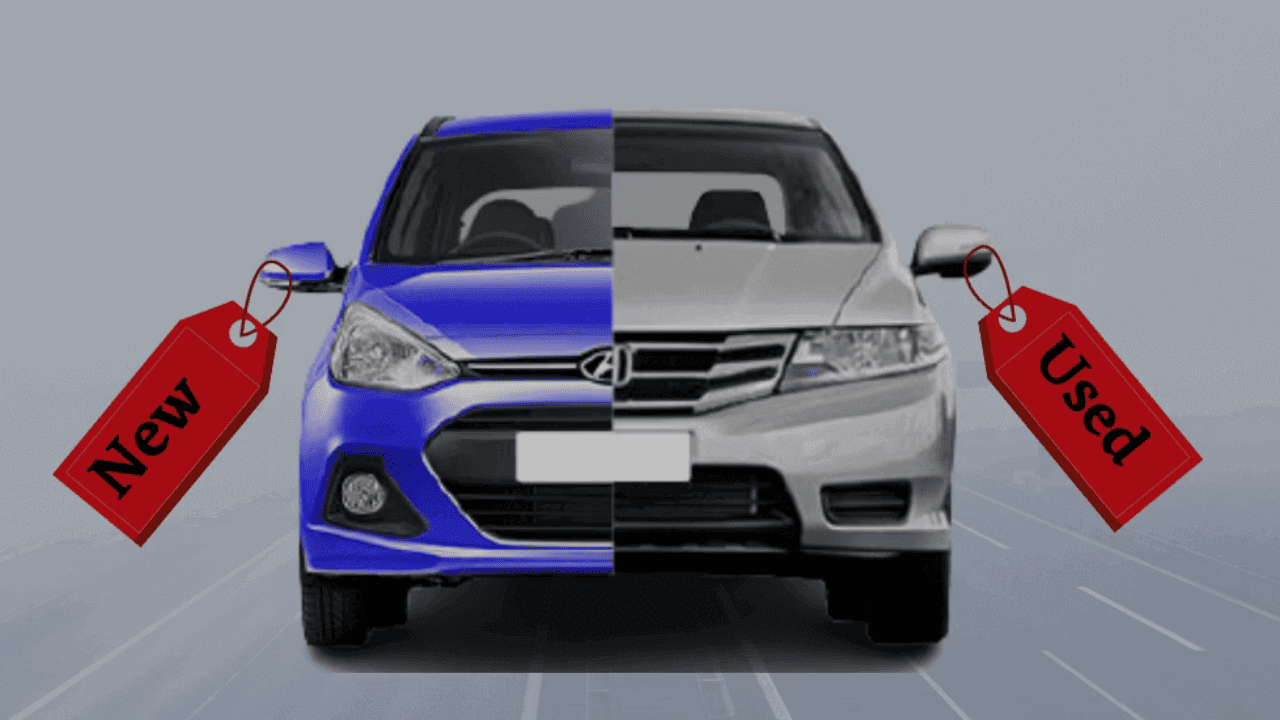
A used car loan usually saves more upfront because the vehicle price is lower. A new car loan may offer a lower APR, better warranty coverage and manufacturer incentives, but the higher purchase price and faster depreciation often make it more expensive overall.
In Q1 2026, Experian reported an average 6.39% APR for new-car loans and 11.43% APR for used-car loans. New-car loans were cheaper by rate, but new vehicles also carried a much higher average payment of $770 per month. Used-car financing can still save money when the lower price more than offsets the higher APR.
A used car loan usually saves more when the car is reliable, fairly priced and not too old. A new car loan may save more only when a low manufacturer APR, rebate, warranty coverage and lower repair risk outweigh the higher purchase price and depreciation.
New Car vs Used Car Loan at a Glance
| Factor | New car loan | Used car loan | Usual savings edge |
| Purchase price | Higher | Lower | Used |
| APR | Often lower | Often higher | New |
| Monthly payment | Usually higher | Usually lower | Used |
| Depreciation | Faster early loss | Slower after first owner | Used |
| Warranty | Full factory warranty | Partial, expired or CPO | New |
| Repair risk | Lower early on | Higher as age/mileage rise | New |
| Insurance | Often higher | Often lower | Used |
| Loan term | May allow longer terms | May have more restrictions | Depends |
| Incentives | More common | Less common | New |
| Total cost | Often higher | Often lower if inspected well | Used |
Why New Car Loans Often Have Lower APRs
New car loans usually have lower rates because the vehicle is newer, easier to value, covered by a manufacturer warranty and often backed by manufacturer finance promotions.
Lenders may view a new car as safer collateral because:
- It has no previous owner history
- It has lower mileage
- It has full warranty coverage
- Its value is easier to verify
- It may qualify for manufacturer finance support
- It may be easier to resell if repossessed
Manufacturer finance companies may also offer promotional APRs on selected models, such as 0%, 1.9% or 2.9% for qualified buyers. These offers can make a new-car loan look attractive, but they are usually tied to credit approval, specific models, shorter terms and limited-time deals.
Why Used Car Loans Often Cost More by APR
Used car loans often carry higher APRs because older vehicles have more uncertainty.
A used car may have:
- Higher mileage
- Unknown maintenance history
- Accident or repair history
- Less warranty coverage
- More repair risk
- Lower resale predictability
- Title or valuation concerns
Experian’s Q1 2026 data shows the rate gap clearly: average used-car APR was 11.43%, compared with 6.39% for new-car loans.
That does not automatically make the used car more expensive. The loan rate is only one part of the calculation.
Price vs Rate
The new car may win on APR. The used car may win on price.
That is the core trade-off.
Example:
| Scenario | New car | Used car |
| Price before taxes and fees | $38,000 | $25,000 |
| APR | 6.39% | 11.43% |
| Term | 60 months | 60 months |
| Loan balance before down payment | Higher | Lower |
| Monthly payment | Higher | Lower |
| Depreciation risk | Higher | Lower |
Even with a higher APR, the used car may cost less because the buyer is borrowing much less money.
The FTC advises buyers to compare the total cost of financing, not only the monthly payment or advertised rate. Total cost depends on vehicle price, APR and loan length.
New Car Loan vs Used Car Loan (Example)
This simplified example shows why APR alone can mislead buyers.
| Item | New car | Used car |
| Out-the-door price | $40,000 | $27,000 |
| Down payment | $4,000 | $4,000 |
| Amount financed | $36,000 | $23,000 |
| APR | 6.5% | 11.5% |
| Term | 60 months | 60 months |
| Estimated monthly payment | Higher | Lower |
| Total interest | Higher or similar | Lower or similar |
| Depreciation | Higher | Lower |
The new car has a better rate, but the used car starts with a much lower loan balance. In many cases, borrowing less at a higher APR can still cost less than borrowing much more at a lower APR.
Monthly Payment
Used cars usually have lower monthly payments because the purchase price is lower.
However, the payment depends on:
- Car amount financed
- APR
- Loan term
- Down payment
- Trade-in value
- Taxes and fees
- Add-ons
- Negative equity
A used car with a high APR and long term may still create a surprisingly high payment. A new car with a manufacturer promotional APR may sometimes be closer than expected.
The CFPB warns buyers not to compare only the monthly payment because longer loan terms can lower payment while increasing the total amount paid over the life of the loan.
Depreciation (The Used Car’s Biggest Advantage)
Depreciation is the loss in vehicle value over time.
New cars often lose value fastest during the early ownership period. The first owner usually absorbs the steepest part of depreciation.
A used-car buyer may benefit because:
- The previous owner absorbed early depreciation
- The purchase price is lower
- The loan balance may be smaller
- The vehicle may lose value more slowly from that point
- Insurance may be cheaper
Depreciation matters because it affects resale value, trade-in value and negative-equity risk.
A low APR does not protect a new car from losing value.
Warranty and Repairs
New cars usually include full factory warranty coverage.
That can reduce early repair risk and make budgeting easier.
A new car may include:
- Basic warranty
- Powertrain warranty
- Battery warranty for EVs
- Roadside assistance
- Free maintenance in some markets
- Recall and software support
- Full service history from day one
Used cars may have:
- Remaining factory warranty
- Certified pre-owned warranty
- Aftermarket service contract
- No warranty
- Unknown repair history
A used car saves money only if it is mechanically sound. An unreliable used vehicle can erase the loan savings through repairs and downtime.
The FTC recommends checking vehicle history, warranty details and financing total cost when buying a used car from a dealer.
Certified Pre-Owned
A certified pre-owned vehicle can sit between new and used.
CPO cars may offer:
- Lower price than new
- Manufacturer inspection
- Extended warranty
- Roadside assistance
- Lower depreciation than new
- Better condition than average used cars
But they may also cost more than a similar non-certified used car.
A CPO loan may still carry a used-car APR, although some manufacturers offer special CPO financing.
CPO can save more when the added warranty and inspection value justify the higher price.
Insurance (New vs Used)
Insurance is often higher for new cars because replacement and repair costs are higher.
New cars may also require full coverage when financed.
Used cars may be cheaper to insure, but this depends on:
- Vehicle value
- Repair cost
- Safety systems
- Theft risk
- Driver profile
- Location
- Coverage level
- Loan requirements
Always request insurance quotes before choosing between new and used. A lower car payment can be offset by higher insurance on certain vehicles.
Taxes and Fees
Taxes and registration fees may be higher on a new car because they are often based on purchase price or vehicle value.
Used cars may save money here when the taxable price is lower.
However, exact rules vary by country, state and registration system.
Compare the full out-the-door price, not only the advertised price.
New Car Incentives Can Change the Math
A new car may save more when the buyer qualifies for strong incentives.
Examples include:
- Low APR financing
- Cash rebates
- Loyalty offers
- Conquest offers
- EV incentives
- Dealer discounts
- Free maintenance
- Lease-to-buy incentives
A new car with a large rebate and low APR may beat a lightly used car.
But compare carefully. Sometimes choosing low APR means giving up a rebate.
Ask the dealer to show both scenarios in writing:
- Low APR with no or smaller rebate
- Normal APR with larger rebate
Then compare the total cost.
Used Car Bargains Can Also Be Misleading
A used car can look cheap and still cost more than expected.
Watch for:
- High APR
- Long loan term
- Poor condition
- Accident history
- Missing service records
- High insurance
- Expensive repairs
- Worn tyres
- Expired warranty
- Add-ons financed into the loan
- Dealer fees
- Negative equity from trade-in
The vehicle must be inspected before the savings are trusted.
Loan Term Differences
New cars may qualify for longer loan terms because they are newer and easier for lenders to value.
Used cars may face restrictions based on:
- Age
- Mileage
- Loan amount
- Title status
- Vehicle type
- Seller type
A longer loan term lowers monthly payment but can increase total cost and negative-equity risk.
For most buyers, the goal should not be the longest term possible. It should be the shortest term that keeps the payment affordable.
Negative Equity Risk
Negative equity means you owe more than the car is worth.
New cars can create negative equity quickly because of early depreciation, especially when:
- Down payment is small
- Loan term is long
- APR is high
- Add-ons are financed
- Taxes and fees are rolled in
- Trade-in negative equity is added
Used cars can also create negative equity when:
- The vehicle is overpriced
- APR is high
- The term is too long
- The car has repair or title issues
- Mileage rises quickly
A used car is not automatically safer. It must be bought at a fair price with a sensible loan.
New EV vs Used EV Loan
Electric vehicles add more factors to the decision.
A new EV may offer:
- Full battery warranty
- Latest range and charging technology
- Newer safety systems
- Manufacturer incentives
- Lower repair uncertainty
- Better software support
A used EV may offer:
- Lower purchase price
- Lower depreciation exposure
- Useful remaining battery warranty
- Lower insurance value in some cases
- Good value if battery health is documented
Before financing a used EV, check:
- Battery state of health
- Remaining battery warranty
- AC charging
- DC rapid charging
- Underbody condition
- Recall status
- Software transfer
- Charging cables
Read what to check before buying a used EV before financing one.
When a New Car Loan Saves More
A new car loan may save more when:
- Manufacturer APR is very low
- Cash rebate is large
- Warranty prevents major repair risk
- Used-car prices are unusually high
- Used-car APR is much higher
- Insurance difference is small
- You keep the car long term
- You value latest safety features
- You need exact trim, warranty and history
- You qualify for EV or tax incentives
The new car is more likely to win when the price gap between new and lightly used is small.
When a Used Car Loan Saves More
A used car loan usually saves more when:
- Purchase price is much lower
- Vehicle is reliable
- Inspection is clean
- Mileage is reasonable
- Depreciation has slowed
- Insurance is lower
- APR difference is manageable
- Loan term is not stretched
- Warranty remains or CPO coverage applies
- You avoid unnecessary add-ons
The used car is more likely to win when the vehicle is three to five years old, well-maintained and fairly priced.
Simple Decision Rule
Choose the new car loan when the new car’s lower APR, incentives and warranty are worth more than the higher price and depreciation.
Choose the used car loan when the lower purchase price and slower depreciation outweigh the higher APR and repair risk.
The best answer comes from calculating the full cost, not guessing from the payment.
Frequently Asked Questions
Is it cheaper to finance a new or used car?
Used cars are usually cheaper to finance overall because the purchase price is lower. New cars often have lower APRs, but the higher price and depreciation can make them more expensive.
Why are new car loan rates lower than used car rates?
New cars are easier for lenders to value, have full warranty coverage and may qualify for manufacturer finance promotions.
Why are used car loan rates higher?
Used cars have more age, mileage, repair and resale uncertainty, so lenders often charge higher APRs.
Can a new car loan save more than a used car loan?
Yes. A new car may save more if it has a very low promotional APR, strong rebate, full warranty and small price gap compared with a used version.
Can a used car cost more than a new car?
Yes. A high APR, long term, major repairs, poor condition or overpriced used car can make the used option more expensive.
Should I compare monthly payments?
Yes, but not alone. Compare APR, term, amount financed, finance charge and total ownership cost.
Is a certified pre-owned car a good middle option?
It can be. CPO vehicles may cost less than new while offering inspection and warranty coverage.
Is insurance cheaper on a used car?
Often, but not always. Request quotes for both vehicles before deciding.
Does depreciation matter when financing?
Yes. Depreciation affects resale value, trade-in value and negative-equity risk.
Should I get preapproved before comparing new and used cars?
Yes. Preapproval helps you compare dealer financing and outside loan offers.
Are used EV loans risky?
They can be if battery health and charging performance are not checked. A used EV should have documented battery condition before financing.
Is a low APR more important than a low price?
No. A low APR on a much higher loan balance can still cost more than a higher APR on a lower-priced car.
What is the best age for a used car loan?
Many buyers find strong value in a three- to five-year-old car with reasonable mileage, good service records and remaining warranty or proven reliability.
Should I buy new if I keep cars for a long time?
Buying new may make more sense if you keep the car long enough to spread depreciation, benefit from warranty coverage and avoid unknown history.
What is the best way to know which saves more?
Compare total ownership cost over your expected ownership period, including loan cost, depreciation, insurance, repairs and resale value.
Summary
A used car loan usually saves more because the purchase price is lower and the steepest depreciation has already happened.
A new car loan can still be the better deal when manufacturer incentives, low APR financing, full warranty coverage and lower repair risk outweigh the higher price.
The smartest buyer compares the full ownership cost: out-the-door price, APR, term, monthly payment, finance charge, insurance, repairs, warranty and expected resale value.
Do not choose new because the APR is lower. Do not choose used because the sticker price is lower. Choose the option that costs less over the time you actually plan to own the car.