
Car loan preapproval is a conditional loan offer from a lender before you buy a vehicle. It tells you how much you may be able to borrow, what annual percentage rate you may qualify for, how long the loan term may be, and what monthly payment range to expect.
A preapproval does not mean you must use that lender. It gives you a finance benchmark before you visit the dealer. If the dealer can beat the APR, loan term, and total cost, you can compare both offers. If not, you can use your preapproved loan.
Getting preapproved is one of the smartest steps before buying a new or used car because it helps you separate the vehicle price from the financing conversation. The FTC says preapproval helps buyers know their APR, loan length, and maximum borrowing amount before shopping, which makes it easier to ask dealers for a written out-the-door price.
Car Loan Preapproval at a Glance
| Question | Answer |
| What is it? | A conditional auto loan offer before purchase |
| Where do you get it? | Bank, credit union, online lender, or finance company |
| Is it final approval? | No, final approval depends on the vehicle and contract |
| Does it show your rate? | Usually yes, if it is a real preapproval |
| Does it affect credit? | Often yes if it uses a hard inquiry |
| Is it required? | No, but it is strongly recommended |
| Does the dealer have to accept it? | Not always, but many dealers can work with outside financing |
| Can the dealer beat it? | Yes, and that is one reason to get preapproved |
| Does it guarantee the car? | No, it only relates to financing |
| How long does it last? | Often 30 to 60 days, depending on lender |
What Is Car Loan Preapproval?
Car loan preapproval is when a lender reviews your financial profile and gives you a conditional loan offer before you choose or finalize a car purchase.
The preapproval may include:
- Maximum loan amount
- Estimated or approved APR
- Loan term options
- Monthly payment estimate
- Required down payment
- Vehicle restrictions
- Expiration date
- Required documents
- Final approval conditions
The lender may still need to approve the exact vehicle before funding the loan. That is because the car itself acts as collateral.
A lender may reject or adjust a preapproval if the vehicle is too old, has too many miles, has a branded title, is overpriced, is sold by an unsupported seller, or does not meet its loan-to-value rules.
Preapproval vs Prequalification
Preapproval and prequalification are often confused, but they are not always the same.
| Feature | Prequalification | Preapproval |
| Credit review | Often soft inquiry | Often hard inquiry |
| Accuracy | Rough estimate | More specific offer |
| Documents | May require fewer details | May require more details |
| APR shown | Estimated | Usually closer to actual offer |
| Strength at dealership | Weaker | Stronger |
| Final approval still required | Yes | Yes |
A prequalification can be useful early in research, especially when you want to see possible rates without a hard credit inquiry. A preapproval is stronger when you are close to buying.
Always read the lender’s wording. Some companies use these terms differently.
Why Get Preapproved Before Buying a Car?
It gives you a realistic budget
A preapproval helps you understand how much a lender may allow you to borrow. More importantly, it shows whether the monthly payment and total cost fit your real budget.
A lender may approve more than you should spend, so use the preapproval as a ceiling, not a spending target.
It helps you compare dealer financing
Dealers can arrange financing through banks, credit unions, finance companies, or manufacturer finance arms. The CFPB explains that dealers may forward your information to one or more prospective auto lenders after you agree to buy through that dealership.
When you already have a preapproval, the dealer has to compete against a real offer.
It keeps the negotiation cleaner
Without preapproval, buyers may negotiate around monthly payment. That can hide a higher car price, longer loan term, add-ons, or a worse APR.
With preapproval, you can first negotiate:
- Out-the-door price
- Trade-in value
- Fees
- Add-ons
- Warranty products
Then compare financing separately.
It may save money
The CFPB says getting preapprovals from different lenders before visiting a dealer helps you compare offers and may save hundreds or thousands of dollars over the life of the loan.
Even if you ultimately use dealer financing, a preapproval gives you leverage.
How Car Loan Preapproval Works Step by Step
1. Check your credit and budget
Before applying, review:
- Credit score
- Credit report
- Monthly income
- Existing debt
- Rent or mortgage payment
- Insurance estimate
- Down payment amount
- Trade-in equity or negative equity
- Comfortable monthly payment
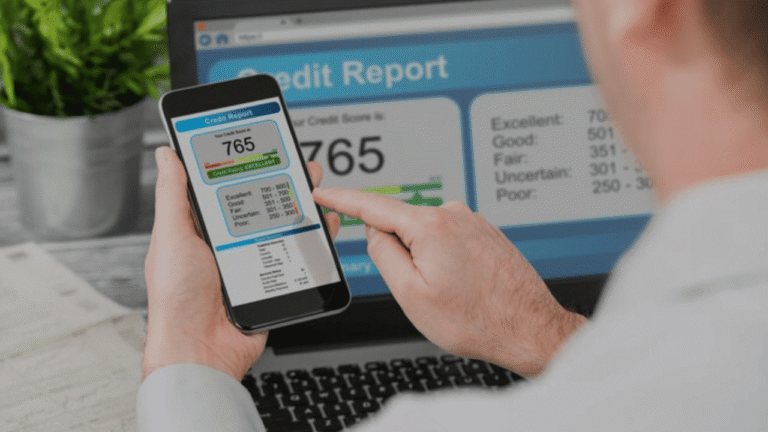
The CFPB notes that credit reports and scores are among the most important factors lenders use when setting auto loan rates.
2. Compare lenders
Check offers from:
- Banks
- Credit unions
- Online lenders
- Manufacturer finance companies
- Existing financial institutions
Credit unions may offer competitive rates for some buyers, while manufacturer finance companies may offer promotional rates on specific new vehicles.
3. Apply for preapproval
The lender may ask for:
- Name
- Address
- Date of birth
- Social Security number or local tax ID
- Employment status
- Income
- Housing payment
- Existing debts
- Desired loan amount
- Down payment
- Vehicle type
- New or used preference
Some lenders ask for the exact vehicle. Others issue a broader preapproval with conditions.
4. Review the offer
Look beyond the monthly payment.
Review:
- APR
- Loan amount
- Loan term
- Monthly payment
- Total finance charge
- Total of payments
- Down payment
- Fees
- Expiration date
- Vehicle restrictions
- Early payoff rules
The CFPB says buyers should compare loan offers beyond the monthly payment, including APR, loan term, and total cost of ownership.
5. Shop for the car
Use the preapproval to stay within your budget.
Ask the dealer for the written out-the-door price, including:
- Vehicle price
- Taxes
- Registration
- Documentation fees
- Dealer fees
- Required accessories
- Add-ons
- Any market adjustment
Do not let the conversation move directly to monthly payment.
6. Let the dealer compete
You can tell the dealer you are already preapproved and ask whether they can beat the offer.
Compare any dealer offer against your preapproval using:
- Same loan amount
- Same loan term
- Same down payment
- Same add-ons
- Same total cost
A lower monthly payment is not better if the dealer stretched the loan term or added products.
7. Finalize the loan
The lender will usually need vehicle details before final approval.
They may check:
- VIN
- Purchase price
- Vehicle age
- Mileage
- Title status
- Seller type
- Loan-to-value ratio
- Insurance
- Registration information
Once approved, the lender provides funding instructions to the dealer or seller.
What Documents Do You Need for Car Loan Preapproval?
Common requirements include:
- Government-issued ID
- Proof of income
- Proof of residence
- Employment information
- Social Security number or tax ID
- Credit authorization
- Bank account information
- Down payment source
- Trade-in payoff details
- Vehicle information, if already selected
Self-employed buyers may need additional documents, such as:
- Bank statements
- Tax returns
- Profit-and-loss statement
- Business registration
- Recent invoices or contracts
Requirements vary by lender and country.
Does Car Loan Preapproval Hurt Your Credit?
It depends on the type of credit inquiry.
A soft inquiry usually does not affect your credit score. A hard inquiry may affect it slightly.
Many true preapprovals use a hard credit inquiry because the lender is making a more specific credit decision. Some prequalification tools use only a soft inquiry.
The CFPB recommends shopping around with multiple lenders before visiting a dealer and says buyers should aim to keep the car-buying process to a few weeks, because dealer-arranged financing may involve several potential lenders reviewing your information.
The practical move: complete your serious auto-loan shopping within a short window rather than applying randomly over several months.
How Long Does Car Loan Preapproval Last?
A car loan preapproval often lasts 30 to 60 days, but the exact period depends on the lender.
Check the offer for:
- Expiration date
- Rate-lock period
- Required purchase deadline
- Vehicle restrictions
- Whether rechecking credit is required after expiry
If the preapproval expires before purchase, you may need to reapply. The new offer may have a different APR if your credit, income, debt, or market rates change.
Does Preapproval Guarantee Final Approval?
No. Preapproval is conditional.
Final approval may change or fail if:
- Your credit changes
- Your income cannot be verified
- You choose a car outside lender rules
- The car is overpriced
- The vehicle has too many miles
- The vehicle is too old
- The title is branded or rebuilt
- The seller type is unsupported
- Your debt increases
- You apply after the preapproval expires
- Vehicle inspection or valuation fails
- Required insurance is not available
Do not sign a purchase contract or pay a non-refundable deposit until you understand the lender’s conditions.
How Much Should You Get Preapproved For?
Get preapproved for the amount you may need, but do not spend the full amount automatically.
Your real budget should include:
- Car payment
- Insurance
- Fuel or charging
- Maintenance
- Repairs
- Registration
- Taxes
- Parking
- Tolls
- Emergency fund
The FTC recommends budgeting before financing a car so the payment fits alongside other monthly expenses.
A car can be “approved” and still be unaffordable.
What Is a Good Preapproval Offer?
A strong preapproval usually has:
- Competitive APR
- Reasonable loan term
- Affordable monthly payment
- Low or no unnecessary fees
- No prepayment penalty
- Clear expiration date
- Clear vehicle rules
- Simple funding process
- No forced add-ons
- Transparent total cost
A weak offer may include:
- High APR
- Very long loan term
- Large lender fees
- Strict conditions
- Balloon payment
- Add-on products
- Prepayment penalties
- Unclear funding steps
Bank vs Credit Union vs Online Lender Preapproval
Bank preapproval
A bank may be convenient if you already have accounts there. It may offer autopay discounts or existing-customer benefits.
Credit union preapproval
Credit unions can be competitive for auto loans. They may also be more flexible for members, although membership requirements may apply.
Online lender preapproval
Online lenders can offer fast applications and broad comparisons. Review fees, funding rules, customer service, and vehicle restrictions before relying on the offer.
Manufacturer finance preapproval
Automaker finance companies may provide special rates, rebates, or lease offers. These offers are usually tied to specific new cars, model years, trims, or credit tiers.
Dealer Financing vs Outside Preapproval
Dealer financing is not automatically bad. Outside preapproval is not automatically best.
The right choice is the offer with the better full terms.
| Factor | Outside preapproval | Dealer financing |
| Timing | Before shopping | At dealership |
| Negotiation power | Stronger benchmark | Convenient if competitive |
| APR comparison | Known before dealer visit | Must be reviewed carefully |
| Promotional rates | Usually no | Sometimes yes |
| Add-on risk | Lower if loan is separate | Higher if bundled into loan |
| Convenience | May require extra steps | Usually easier at purchase |
| Best use | Budgeting and leverage | Beating or matching your offer |
Ask the dealer to beat your preapproval, but compare the same loan term and amount financed.
How to Use a Preapproval at the Dealership
Step 1: Negotiate the out-the-door price
Ask for the full price before discussing financing.
The out-the-door price should include taxes, fees, registration, and required charges.
Step 2: Separate trade-in discussion
Negotiate the trade-in value separately.
A dealer may increase the trade-in offer while raising the car price or adding fees.
Step 3: Decline unnecessary add-ons
Do not finance add-ons unless you understand the cost and value.
Common add-ons include:
- Extended warranty
- GAP insurance
- Tyre and wheel protection
- Paint protection
- Interior protection
- Key replacement
- Theft protection
- Service plans
Step 4: Compare dealer financing against your preapproval
Ask for the dealer’s finance offer in writing.
Compare:
- APR
- Term
- Amount financed
- Monthly payment
- Finance charge
- Total of payments
- Down payment
- Add-ons
- Prepayment rules
Step 5: Use the better offer
Use your preapproval if the dealer cannot beat it. Use dealer financing if it is cheaper and the contract is clean.
Should You Tell the Dealer You Are Preapproved?
Yes, but not too early in the negotiation.
A smart order is:
- Discuss the vehicle.
- Get the written out-the-door price.
- Negotiate trade-in separately.
- Review add-ons.
- Then mention your preapproval and ask them to beat it.
This keeps the dealer from shaping the whole deal around a monthly payment.
Can a Dealer Refuse Outside Financing?
Some dealers may prefer their own financing and may create friction around outside lenders.
A dealer may have policies about:
- Wire transfers
- Draft checks
- Credit union checks
- Private-party lender funding
- Out-of-state lenders
- Timing of funds
- Identity verification
Before committing, ask whether the dealer accepts your lender and how funding must be completed.
If a dealer says outside financing changes the price, ask for that policy in writing and compare the final cost carefully.
What If the Dealer Offers a Lower Monthly Payment?
Do not accept a lower payment until you know why it is lower.
It may be lower because of:
- Lower APR
- Longer loan term
- Larger down payment
- Different amount financed
- Removed taxes or fees from the quote
- Balloon payment
- Deferred payment structure
- Hidden add-ons
- Different vehicle price
A dealer offer is better only if the total terms are better.
Preapproval for a New Car
New-car preapproval may be easier because lenders can value new vehicles more predictably.
New cars may also qualify for:
- Manufacturer promotional APRs
- Cash rebates
- Loyalty incentives
- EV incentives
- Longer loan terms
- Better warranty coverage
However, new cars may have higher purchase prices and faster early depreciation.
Compare manufacturer financing with your outside preapproval.
Preapproval for a Used Car
Used-car preapproval may come with more restrictions.
The lender may limit:
- Vehicle age
- Mileage
- Seller type
- Title status
- Loan-to-value ratio
- Minimum loan amount
- Maximum loan amount
- Private-party purchases
Used-car APRs are often higher than new-car APRs. That does not make used cars a bad choice, but buyers need to compare total cost.
For electric vehicles, check battery health and remaining warranty before finalizing financing. See what to check before buying a car.
Preapproval for a Private-Party Car Purchase
Private-party auto loans can be different from dealer loans.
Lenders may require:
- Vehicle title
- VIN
- Seller information
- Purchase agreement
- Payoff information
- Inspection
- Registration documents
- Proof of insurance
Some lenders do not finance private-party purchases at all.
If buying from a private seller, get preapproved by a lender that specifically supports private-party auto loans.
Preapproval With Bad Credit
Preapproval can be especially useful when your credit is weak because it shows what terms are available before dealership pressure begins.
A lower-credit buyer may need:
- Larger down payment
- Shorter loan amount
- Cheaper vehicle
- Proof of income
- Co-signer
- Bank statements
- Lower debt load
Avoid loans that rely on extremely long terms just to make the payment look possible.
A high-APR loan on a depreciating vehicle can create negative equity quickly.
Read what credit score you need to buy a car before applying.
Preapproval With No Credit
No-credit buyers may still qualify, but the lender may need more proof of ability to repay.
Helpful items include:
- Stable income
- Longer job history
- Larger down payment
- Lower-priced vehicle
- Co-signer
- Relationship with a bank or credit union
- Proof of residence
A smaller first auto loan may be more realistic than financing an expensive vehicle immediately.
Preapproval With a Co-Signer
A co-signer may improve approval odds if they have strong credit and income.
However, the co-signer becomes legally responsible for the debt.
If payments are missed:
- Their credit can be damaged
- They may be contacted for payment
- They may be sued or pursued depending on local law
- Their ability to borrow may be affected
Use a co-signer only when both parties understand the risk.
Preapproval and Trade-Ins
A trade-in can change the amount financed.
If your old car has positive equity, that equity can reduce the new loan balance.
If your old car has negative equity, the unpaid balance may be rolled into the new loan. This increases the amount financed and can weaken the deal.
Example:
| Item | Amount |
| New car out-the-door price | $30,000 |
| Old car value | $12,000 |
| Old loan payoff | $15,000 |
| Negative equity | $3,000 |
| New amount before down payment | $33,000 |
Your preapproval may not cover the extra debt unless the lender allows it.
Preapproval and Down Payment
A larger down payment can improve a loan application because it reduces the lender’s risk.
It can also:
- Lower monthly payment
- Reduce total interest
- Lower negative-equity risk
- Help approval on older or higher-mileage vehicles
- Make a shorter term more affordable
The CFPB says a larger down payment may reduce monthly payment and total financing cost.
Preapproval and Add-Ons
Add-ons can change the financing numbers.
If you agree to dealer products, they may increase the amount financed.
Examples include:
- Extended service contract
- GAP waiver
- Maintenance plan
- Protection package
- Vehicle tracking product
- Tyre and wheel package
- Paint protection
- Key replacement
Ask whether each add-on is optional, how much it costs, and whether it is included in the loan.
The FTC warns buyers to compare total cost and watch for add-ons or extra charges in the deal.
Preapproval and Electric Cars
Preapproval for an electric car works like a normal auto loan, but the buyer should consider additional ownership costs.
Check:
- Home charger installation
- Electricity cost
- Public charging cost
- Battery warranty
- EV incentives
- Insurance
- Tyres
- Depreciation
- Repair support
Before financing a used EV, confirm battery health, charging performance, and remaining battery warranty.
For new EV buyers, compare financing with total ownership value. Our guide to whether electric cars are worth it explains the full cost picture.
Car Loan Preapproval Mistakes to Avoid
Applying without checking your credit
Errors or high balances may hurt your offer.
Confusing prequalification with preapproval
A soft prequalification may not be strong enough for final negotiation.
Shopping by payment only
A low payment can hide a longer term or higher total cost.
Letting the dealer rewrite the deal
Compare dealer financing against your preapproval line by line.
Financing unnecessary add-ons
Add-ons raise the loan balance and may create interest charges.
Ignoring vehicle restrictions
Your lender may reject the specific car later.
Letting the preapproval expire
A new application may produce different terms.
Rolling in negative equity
Old debt can make the new car immediately underwater.
Forgetting insurance
A car loan approval does not mean the insurance premium is affordable.
Signing before final approval is clear
Understand whether delivery is final or conditional.
Spot Delivery and Conditional Financing
Some dealerships allow a buyer to take the car before financing is fully finalized. This is sometimes called spot delivery or conditional delivery.
Be careful.
If financing falls through, the dealer may ask you to:
- Return the car
- Accept a different APR
- Increase the down payment
- Add a co-signer
- Sign a new contract
Before taking delivery, ask:
- Is financing final?
- Who is the lender?
- What are the exact terms?
- Can the terms change?
- What happens if funding fails?
- Is my trade-in already sold?
- Can I unwind the deal?
Do not rely on verbal promises. Get the conditions in writing.
Car Loan Preapproval Checklist
Before applying:
- Check your credit report
- Estimate your budget
- Decide your down payment
- Check insurance estimates
- Review trade-in payoff
- Compare lenders
- Gather income documents
When reviewing the offer:
- APR
- Loan amount
- Loan term
- Monthly payment
- Finance charge
- Fees
- Expiration date
- Vehicle restrictions
- Early payoff rules
- Required down payment
At the dealership:
- Get out-the-door price in writing
- Keep trade-in separate
- Decline unwanted add-ons
- Ask dealer to beat your preapproval
- Compare total cost
- Confirm final approval
- Keep copies of every document
Frequently Asked Questions
What is car loan preapproval?
Car loan preapproval is a conditional loan offer from a lender before you buy a vehicle. It usually shows the loan amount, APR, term, and conditions.
Is car loan preapproval the same as final approval?
No. Final approval usually depends on the exact vehicle, purchase price, title status, insurance, and updated financial information.
Does car loan preapproval hurt your credit?
It can if the lender uses a hard inquiry. Some early prequalification tools use soft inquiries. Always check before applying.
How long does auto loan preapproval last?
Many preapprovals last 30 to 60 days, but the exact period depends on the lender.
Should I get preapproved before going to a dealer?
Yes. Preapproval helps you set a budget, compare dealer financing, and avoid payment-focused sales pressure.
Can a dealer beat my preapproval?
Yes. Dealers may have access to lenders or manufacturer finance offers that beat your outside loan. Compare the full terms before deciding.
Can I use preapproval for a used car?
Yes, but the lender may limit vehicle age, mileage, title status, seller type, or loan-to-value ratio.
Can I get preapproved with bad credit?
Possibly. You may need a larger down payment, lower loan amount, proof of income, or co-signer.
Is prequalification enough to buy a car?
It may help with early research, but preapproval is usually stronger when you are ready to buy.
Should I tell the dealer I am preapproved?
Yes, but first get the out-the-door price. Then ask the dealer whether they can beat your preapproved terms.
Can a dealer refuse outside financing?
Some dealers may have policies or restrictions. Ask before committing and compare the final cost carefully.
What documents do I need for preapproval?
You may need ID, income details, employment information, residence details, credit authorization, and vehicle information.
Does preapproval lock my APR?
Some lenders lock the rate for a set period. Others may change it before final approval. Read the offer terms.
Can I get multiple preapprovals?
Yes. Comparing lenders can help you find better terms. Try to keep serious rate shopping within a short period.
What should I compare in preapproval offers?
Compare APR, loan amount, term, monthly payment, finance charge, total payments, fees, vehicle restrictions, and early payoff rules.
Summary
Car loan preapproval gives you control before you enter the dealership.
It shows your likely borrowing limit, APR, term, and monthly payment before a salesperson starts shaping the deal around a vehicle. More importantly, it gives you a benchmark to compare dealer financing.
A good preapproval does not mean you should spend the maximum amount. It means you know the ceiling and can choose a car that fits your real budget.
The best approach is simple: check your credit, get preapproved by at least one outside lender, ask for the dealer’s written out-the-door price, compare any dealer financing against your preapproval, and sign only when the full cost is clear.