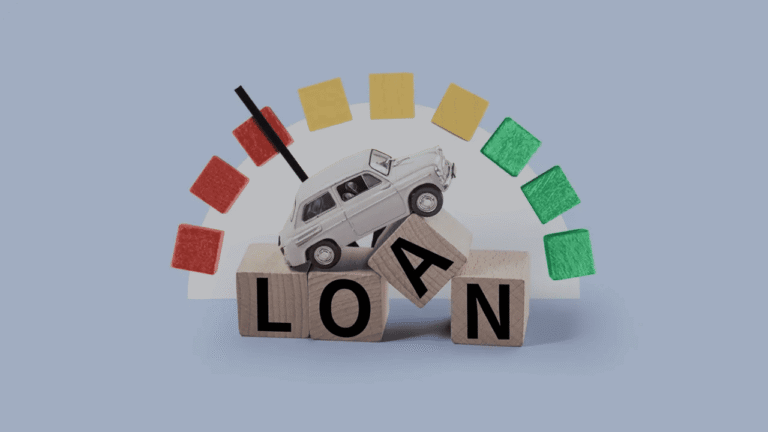

Car financing lets you buy a vehicle now and pay for it over time through monthly payments. Instead of paying the full price upfront, you borrow money from a lender, agree to repay the amount financed, and pay borrowing costs through interest and other finance charges.
A car loan is usually secured by the vehicle. That means the lender can repossess the car if the borrower stops making payments. The buyer normally becomes the registered owner, but the lender may hold a legal interest in the vehicle until the loan is paid off.
The most important numbers in car financing are the vehicle price, down payment, trade-in value, amount financed, annual percentage rate, loan term, monthly payment and total amount paid.
A low monthly payment can look attractive, but it may hide a longer loan term, higher interest cost or expensive add-ons. The smartest buyers compare the full finance package, not only the monthly payment.
Car financing works by spreading the cost of a vehicle across monthly payments. The lender pays the seller, and the buyer repays the loan with interest over an agreed term. A larger down payment, lower APR and shorter loan term usually reduce the total borrowing cost.
Car Financing at a Glance
| Term | Meaning |
| Vehicle price | The negotiated selling price of the car |
| Down payment | Money paid upfront by the buyer |
| Trade-in value | Amount credited for the buyer’s old vehicle |
| Amount financed | The loan balance after down payment, trade-in and fees |
| APR | Annual percentage rate showing borrowing cost as a yearly rate |
| Interest rate | Cost charged for borrowing money, usually shown as a percentage |
| Loan term | Number of months used to repay the loan |
| Monthly payment | Amount paid each month |
| Finance charge | Total cost of credit over the loan |
| Total amount paid | Down payment plus all monthly payments and finance costs |
| Lien | Lender’s legal claim on the vehicle until the loan is repaid |
| Negative equity | When the loan balance is higher than the car’s value |
How Car Financing Works
Car financing usually follows this process:
- The buyer chooses a vehicle.
- The buyer applies for financing.
- The lender reviews credit, income, debt and vehicle details.
- The lender offers loan terms.
- The buyer compares APR, term, monthly car payment and total cost.
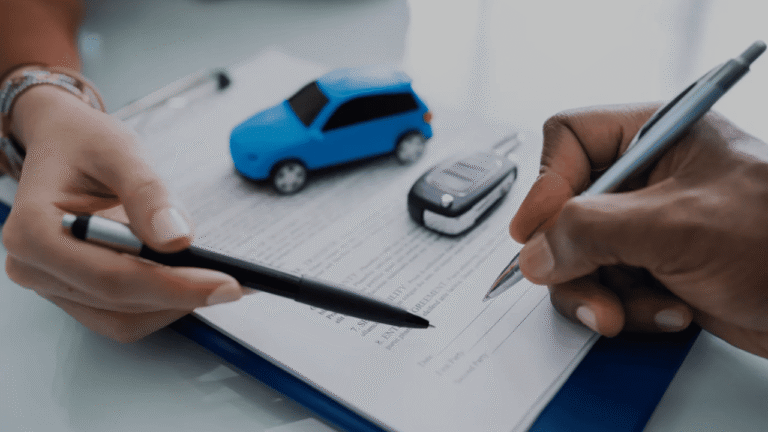
- The buyer signs the finance contract.
- The lender pays the dealer or seller.
- The buyer makes monthly payments.
- The lender releases its lien once the loan is fully repaid.
The exact process varies by country, lender and dealer, but the core idea is the same: the buyer borrows money to purchase the vehicle and repays it over time.
What Is a Car Loan?
A car loan is a type of instalment loan used to buy a vehicle.
The borrower agrees to repay the lender through a fixed number of scheduled payments. Most auto loans use monthly payments.
A typical car loan includes:
- Principal
- Interest
- Loan term
- APR
- Monthly payment
- Fees
- Payment due date
- Late-payment rules
- Repossession terms
- Early payoff terms
The principal is the amount borrowed. Interest is the cost of borrowing that money.
In many markets, auto loans are secured loans. The vehicle acts as collateral, so the lender can take back the car if the borrower defaults.
The Main Parts of Car Financing
Vehicle price
This is the price agreed between the buyer and seller before financing.
Buyers should negotiate the vehicle price separately from the monthly payment. A dealer may make the payment look affordable by extending the loan term rather than reducing the actual price.
Down payment
A down payment is cash paid upfront.
A larger down payment can:
- Reduce the amount financed
- Lower the monthly payment
- Reduce total interest
- Improve approval chances
- Lower the risk of negative equity
A larger down payment can reduce both the monthly payment and the total cost of financing.
Trade-in
A trade-in is the buyer’s current vehicle used as part of the deal.
If the trade-in has positive equity, its value can reduce the amount financed.
If it has negative equity, the unpaid loan balance may be added to the new loan. That can make the new car more expensive and increase the risk of owing more than the vehicle is worth.
Amount financed
The amount financed is the balance borrowed after credits and additions are included.
It may include:
- Vehicle price
- Taxes
- Registration fees
- Dealer documentation fees
- Add-on products
- Negative equity from a trade-in
minus:
- Down payment
- Trade-in credit
- Rebates
- Discounts
Buyers should review this number carefully. A loan can become expensive when add-ons and old debt are rolled into it.
APR
APR stands for annual percentage rate.
It shows the cost of credit as a yearly rate and is one of the most important ways to compare loan offers. APR and interest rate are among the most important measures of the price paid for borrowing money.
APR may differ from the interest rate because APR can include certain fees and finance charges, depending on local rules.
When comparing offers, use APR, amount financed, loan term and total repayment—not the monthly payment alone.
Loan term
The loan term is the length of the loan, usually measured in months.
Common terms include:
- 36 months
- 48 months
- 60 months
- 72 months
- 84 months
A longer term usually lowers the monthly payment but increases the total interest paid. It can also keep the borrower in debt longer and raise the chance of negative equity.
The CFPB advises shoppers to compare loan offers beyond the monthly payment and notes that some financial experts recommend keeping auto loans to five years or less.
Monthly payment
The monthly payment is the amount due each month.
It is affected by:
- Amount financed
- APR
- Loan term
- Fees
- Add-ons
- Taxes
- Trade-in equity or negative equity
- Down payment
A lower payment is not always a better deal. It may come from a longer term, higher total interest or a larger balance financed.
Total cost
The total cost includes every dollar paid to buy and finance the car.
This includes:
- Down payment
- Monthly payments
- Finance charges
- Fees
- Taxes
- Add-ons
- Trade-in negative equity
- Early payoff or late fees where applicable
The FTC advises buyers to compare the total cost, not only the advertised rate or payment.
Example
Suppose a buyer chooses a car with these numbers:
| Item | Amount |
| Vehicle price | $30,000 |
| Taxes and fees | $2,000 |
| Down payment | $4,000 |
| Trade-in credit | $3,000 |
| Amount financed | $25,000 |
| APR | 7% |
| Loan term | 60 months |
The buyer does not pay $30,000 upfront. Instead, the buyer finances $25,000 and repays it monthly over five years.
The final amount paid will be higher than $25,000 because interest is added over the loan term.
If the buyer extends the loan to 72 or 84 months, the monthly payment may fall. However, the total interest cost will usually rise.
How Monthly Car Payments Are Calculated
A car payment depends mainly on three things:
- Amount financed
- APR
- Loan term
A larger loan creates a higher payment. A higher APR increases the cost of borrowing. A longer term spreads payments over more months but usually increases total interest.
Simplified example
| Loan amount | APR | Term | Monthly payment direction |
| $25,000 | 5% | 60 months | Lower |
| $25,000 | 9% | 60 months | Higher |
| $25,000 | 9% | 72 months | Lower monthly, higher total cost |
| $30,000 | 9% | 72 months | Higher than financing $25,000 |
This is why buyers should not shop only by payment.
A dealer can often adjust the payment by changing the term, down payment or add-ons. That does not always mean the car is cheaper.
APR vs Interest Rate
APR and interest rate are related, but they are not always identical.
Interest rate
The interest rate is the basic cost the lender charges for borrowing money.
APR
APR expresses the cost of credit as a yearly rate and may include certain fees or finance charges. It is often a better comparison tool between loans.
When comparing two finance offers, the offer with the lower monthly payment is not always cheaper. Compare:
- APR
- Amount financed
- Loan term
- Finance charge
- Total of payments
- Required down payment
The FTC recommends getting financing information in writing before visiting the dealer so offers can be compared more fairly.
What Affects Your Car Loan APR?
Lenders may consider:
- Credit score
- Credit history
- Income
- Debt-to-income ratio
- Employment stability
- Loan amount
- Down payment
- Vehicle age
- Vehicle mileage
- New or used status
- Loan term
- Market interest rates
- Co-signer availability
- Lender policies
A buyer with strong credit and a large down payment may receive better terms than a buyer with weak credit and little upfront cash.
Used cars may sometimes have higher APRs than new cars because lenders view them as higher-risk or less predictable collateral.
Dealer Financing vs Bank or Credit Union Financing
Car buyers can finance through a dealer, bank, credit union, online lender or manufacturer finance company.
Dealer financing
With dealer financing, the dealer arranges the loan through partner lenders or a manufacturer finance arm.
Possible advantages:
- Convenient process
- Promotional manufacturer rates
- One-stop purchase and finance
- Access to captive finance deals
- Fast approval
Possible disadvantages:
- Dealer may mark up the rate
- Add-ons may be bundled into the loan
- Payment-focused negotiation can hide total cost
- Buyer may not know whether outside financing is better
Bank or credit union financing
With outside financing, the buyer gets preapproved before visiting the dealer.
Possible advantages:
- Clear budget before shopping
- Better comparison power
- Stronger negotiating position
- Potentially lower APR
- Less pressure in the finance office
The FTC recommends checking banks, credit unions and finance companies first, and says preapproval helps buyers compare dealer offers by APR, loan term and amount financed.
Manufacturer financing
Manufacturer financing is offered through the automaker’s finance company.
It may include:
- Low APR promotions
- Cash rebates
- Loyalty offers
- Lease deals
- EV incentives
- Short-term promotional loans
Promotional rates can be excellent, but buyers should compare whether taking a rebate with a normal APR is cheaper than taking a low APR without the rebate.
What Is Preapproval?
Preapproval means a lender reviews your financial profile and gives you a conditional loan offer before you choose or buy the car.
A preapproval may show:
- Maximum loan amount
- APR
- Loan term
- Required down payment
- Expiration date
- Vehicle restrictions
Preapproval helps because it gives the buyer a benchmark. If the dealer offers better terms, the buyer can choose the dealer offer. If not, the buyer can use the outside approval.
The CFPB says making financial decisions before shopping can help buyers get better terms and avoid surprises.
What Is a Down Payment?
A down payment is the buyer’s upfront contribution toward the purchase.
For example:
- Vehicle price and costs: $30,000
- Down payment: $5,000
- Amount financed: $25,000
A larger down payment reduces lender risk and buyer debt.
Benefits include:
- Lower loan balance
- Lower monthly payment
- Less interest paid
- Better chance of approval
- Lower chance of negative equity
A small down payment may be acceptable for a buyer with strong credit and a low APR, but it increases the risk of owing more than the vehicle is worth if the car depreciates quickly.
What Is Negative Equity?
Negative equity means the car is worth less than the amount owed on the loan.
Example:
- Loan balance: $24,000
- Car value: $19,000
- Negative equity: $5,000
This is also called being upside down or underwater.
Negative equity can happen when:
- The down payment is small
- The loan term is long
- The APR is high
- Add-ons are financed
- The car depreciates quickly
- Old debt is rolled into the new loan
Negative equity is risky because selling or trading the car may not cover the loan balance.
What Happens If You Trade In a Car With Negative Equity?
If the trade-in has negative equity, the dealer may offer to pay off the old loan and add the unpaid balance to the new loan.
This can make the new monthly payment look manageable while increasing the new loan balance.
Example:
| Item | Amount |
| New car price | $28,000 |
| Old loan balance | $16,000 |
| Old car trade-in value | $12,000 |
| Negative equity | $4,000 |
| New amount before fees | $32,000 |
The buyer is now financing the new car plus part of the old car.
This can create a cycle of increasing debt.
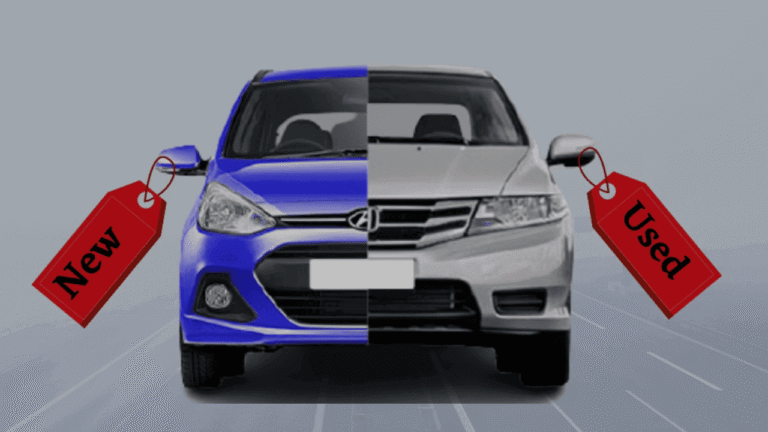
New Car Financing vs Used Car Financing
New car financing
New cars may offer:
- Lower promotional APRs
- Longer warranty coverage
- Manufacturer incentives
- Lower maintenance risk
- Higher purchase price
- Faster early depreciation
Used car financing
Used cars may offer:
- Lower purchase price
- Lower depreciation risk
- Smaller loan amount
- Higher APR in some cases
- Shorter remaining warranty
- More inspection risk
A used car with a higher APR may still cost less overall if the purchase price is much lower. Buyers should compare total cost, not just the rate.
For electric vehicles, also check battery health, charging performance and remaining battery warranty before financing. See our guide on what to check before buying a car.
Car Financing vs Leasing
Financing and leasing are different.
Financing
When you finance a car, you are buying it with borrowed money. Once the loan is paid off, you own the vehicle outright.
Financing may suit buyers who:
- Want long-term ownership
- Drive high mileage
- Want to modify the vehicle
- Prefer no mileage restrictions
- Want equity after repayment
Leasing
When you lease, you pay to use the vehicle for a set period. At the end, you may return it, buy it or lease another vehicle, depending on the contract.
Leasing may suit buyers who:
- Want lower monthly payments
- Prefer changing cars often
- Drive predictable mileage
- Want warranty-covered ownership
- Do not want long-term resale risk
Leases can include mileage limits, wear charges and end-of-term fees. The FTC advises buyers to understand whether they are financing or leasing and to compare written terms carefully before signing.
What Is Balloon Financing?
Balloon financing uses smaller monthly payments followed by a large final payment at the end of the term.
Example:
- Regular monthly payments for several years
- Large final balloon payment due at the end
Balloon plans may look attractive because the monthly payment is lower. The risk is that the buyer must be ready to pay, refinance or sell the car when the balloon payment becomes due.
Before choosing balloon financing, ask:
- How large is the final payment?
- Can I afford it?
- Can I refinance it?
- What if the car is worth less than the balloon amount?
- Are there mileage or condition rules?
- What happens if I want to exit early?
What Is 0% APR Car Financing?
A 0% APR offer means the lender is not charging interest during the loan term.
These offers are usually manufacturer promotions and may require strong credit.
A 0% APR deal can be excellent, but buyers should check:
- Whether the car price is still negotiable
- Whether cash rebates are forfeited
- Whether the term is shorter
- Whether the model is overpriced
- Whether add-ons are included
- Whether the buyer qualifies
Sometimes a cash rebate with a normal APR can be cheaper than a 0% APR deal without the rebate. Run both calculations.
What Are Car Finance Add-Ons?
Dealers may offer extra products in the finance office.
Common add-ons include:
- Extended warranties
- Service contracts
- GAP insurance
- Tyre and wheel protection
- Paint protection
- Interior protection
- Key replacement
- Anti-theft products
- Maintenance plans
Some add-ons may be useful, but they increase the amount financed when rolled into the loan. That means the buyer may pay interest on them.
The FTC warns that written financing information can help buyers catch extra charges and add-ons that may enter the deal.
What Is GAP Insurance?
GAP stands for Guaranteed Asset Protection.
It may cover the difference between the insurance payout and the remaining loan balance if the car is stolen or written off.
Example:
- Loan balance: $28,000
- Insurance payout: $23,000
- Gap: $5,000
GAP can be useful when the buyer has:
- A small down payment
- A long loan term
- Negative equity
- A fast-depreciating car
- A high loan-to-value ratio
It may be less useful when the buyer has a large down payment and strong equity.
Check whether GAP is available through an insurer or lender at a lower cost before buying it at the dealer.
What Credit Score Is Needed to Finance a Car?
There is no single required score.
Different lenders use different criteria. Some specialise in prime borrowers, while others serve subprime or first-time buyers.
A higher credit score may help secure:
- Lower APR
- Larger loan approval
- Better terms
- Lower required down payment
- More lender options
A lower score may lead to:
- Higher APR
- Larger down payment requirement
- Co-signer request
- Shorter loan term
- Smaller approval amount
- Denial
Buyers with limited or weak credit should compare offers carefully because a high APR can raise the total cost sharply.
What Is a Co-Signer?
A co-signer agrees to take legal responsibility for the loan if the primary borrower does not pay. A co-signer may improve approval chances or terms, but it creates serious risk for the co-signer.
If payments are missed:
- The co-signer’s credit can be damaged
- The lender can pursue the co-signer
- The relationship may be affected
- The co-signer may have difficulty getting their own credit
A co-signer should not be treated as a casual favour.
What Happens If You Miss Car Payments?
Missing payments can lead to:
- Late fees
- Credit-score damage
- Collection calls
- Default
- Repossession
- Legal costs
- Difficulty getting future loans
Because car loans are often secured by the vehicle, the lender may repossess the car after default according to local law and contract terms.
If payment trouble begins, contact the lender early. Options may include deferment, hardship assistance, refinancing or selling the vehicle before the situation worsens.
How to Compare Car Finance Offers
Do not compare offers only by monthly payment.
Use this checklist:
| Comparison item | Why it matters |
| Vehicle price | A low payment can hide an inflated price |
| Amount financed | Shows how much debt you are taking |
| APR | Helps compare borrowing cost |
| Loan term | Longer terms usually raise total interest |
| Monthly payment | Must fit the budget |
| Finance charge | Shows total cost of credit |
| Total of payments | Shows what you will pay over time |
| Down payment | Affects equity and payment |
| Trade-in value | Can hide price manipulation |
| Add-ons | May increase the loan balance |
| Prepayment rules | Affect early payoff flexibility |
The CFPB specifically advises comparing APR, interest rate, loan term, monthly payment and total cost of ownership—not only payment size.
How Much Car Payment Can You Afford?
A lender may approve more than you should comfortably spend.
Budget for total ownership, not only the payment.
Include:
- Loan payment
- Insurance
- Fuel or charging
- Maintenance
- Repairs
- Tyres
- Registration
- Parking
- Tolls
- Depreciation
- Emergency fund
The FTC recommends using a budget before financing so the car payment fits alongside other monthly expenses.
A car that stretches the monthly budget can become unaffordable when insurance, fuel, repairs or interest costs are added.
Car Financing Checklist Before Signing
Before signing, confirm:
- Final vehicle price
- Down payment
- Trade-in allowance
- Negative equity amount
- Amount financed
- APR
- Interest rate
- Loan term
- Monthly payment
- Finance charge
- Total of payments
- Add-ons and optional products
- Early payoff rules
- Late-payment rules
- Lender name
- First payment due date
- Title or lien process
- Any conditional delivery terms
Do not sign blank or incomplete documents.
Ask for copies of everything signed.
Frequently Asked Questions
How does financing a car work?
Car financing works by borrowing money to buy a vehicle and repaying that amount through monthly payments. The buyer pays interest and any finance charges over the loan term.
Do you own the car when financing it?
Usually, yes, but the lender normally has a legal claim on the car until the loan is paid off. If payments are not made, the lender may repossess the vehicle.
What is APR on a car loan?
APR is the annual percentage rate. It expresses the yearly cost of credit and helps buyers compare financing offers.
Is a lower monthly payment always better?
No. A lower monthly payment may come from a longer loan term, which can increase total interest and negative-equity risk.
Is it better to finance through a dealer or bank?
It depends on the offers. Dealer financing may include promotional rates, while banks or credit unions may provide stronger preapproval terms. Compare APR, term, amount financed and total cost.
Should I get preapproved before buying a car?
Yes. Preapproval gives you a benchmark and helps you compare dealer offers more confidently.
How much down payment should I make on a car?
A larger down payment usually lowers monthly payments, reduces interest and lowers negative-equity risk. The right amount depends on your budget and loan terms.
What is negative equity?
Negative equity means you owe more on the car loan than the car is worth.
Can I finance a used car?
Yes. Used car financing is common, but APRs, terms and approval conditions may differ from new-car loans.
Can I pay off a car loan early?
Many loans allow early payoff, but check whether there are prepayment penalties or fees.
What happens if I miss car payments?
Missed payments can lead to late fees, credit damage, default and repossession.
Is 0% APR always the best deal?
Not always. Sometimes a cash rebate with a normal APR may cost less overall than 0% APR without the rebate.
What is the total of payments?
The total of payments is the full amount paid over the loan term, including principal and finance charges.
Are car finance add-ons required?
Many add-ons are optional. Ask what each product costs, what it covers and whether it can be declined.
What should I check before signing a car finance contract?
Check the vehicle price, amount financed, APR, term, monthly payment, finance charge, total of payments, add-ons, down payment and early payoff rules.
Summary
Car financing works by letting a buyer purchase a vehicle with borrowed money and repay that loan over time.
The monthly payment matters, but it should never be the only number considered. APR, loan term, amount financed, finance charge and total cost decide whether the deal is genuinely affordable.
A good financing decision starts before visiting the dealer. Check your budget, compare preapproval offers, research the car’s value and decide how much you can afford without relying on a stretched loan term.
The best car finance deal is not always the one with the smallest payment. It is the one that gives you the right vehicle at a fair price, with a manageable term, transparent costs and no unnecessary debt.