
Getting the best car loan rate starts before you visit a dealership. Your credit score, credit history, down payment, loan term, vehicle choice, lender comparison and negotiation process can all affect the APR you receive.
The best rate is usually available to buyers with strong credit, stable income, low debt, a sensible loan amount and a vehicle that fits the lender’s rules. But even if your credit is not perfect, you may still improve the offer by getting preapproved, comparing multiple lenders, choosing a shorter term, making a larger down payment and avoiding unnecessary finance-office add-ons.
To get the best car loan rate, check your credit early, fix credit-report errors, reduce debt, save a larger down payment, get preapproved by multiple lenders, compare APRs, choose a reasonable loan term and ask the dealer to beat your best written offer.
Best Car Loan Rate Checklist
| Step | Why it helps |
| Check your credit before applying | Lets you fix errors and understand your rate tier |
| Pay down revolving debt | May improve credit utilization and approval strength |
| Get preapproved | Gives you a rate benchmark before dealer financing |
| Compare several lenders | Rates can vary widely between banks, credit unions and dealers |
| Make a larger down payment | Reduces lender risk and amount financed |
| Choose a shorter term when affordable | May reduce total interest and sometimes the APR |
| Buy a car within budget | A smaller loan can improve approval odds |
| Avoid unnecessary add-ons | Keeps the amount financed lower |
| Compare APR, not payment alone | APR is better for comparing loan cost |
| Read the contract before signing | Confirms the rate, term, fees and total cost |
1. Check Your Credit Before Shopping
Your credit is one of the biggest factors in the car loan rate you receive.
Before applying, review:
- Credit score
- Credit report
- Late payments
- Collections
- Credit card balances
- Open loans
- Recent hard inquiries
- Incorrect accounts
- Fraudulent activity
A higher credit score usually helps you qualify for a lower APR. Experian’s Q1 2026 auto finance data shows a wide gap between credit tiers: average new-car rates ranged from 4.55% for super-prime borrowers to 16.01% for deep-subprime borrowers, while used-car rates ranged from 6.30% to 21.77%.
That difference can add thousands of dollars over the life of a loan.
2. Fix Credit-Report Errors Early
Check your credit reports before applying.
Look for:
- Payments incorrectly marked late
- Accounts that are not yours
- Wrong balances
- Duplicate collections
- Incorrect personal details
- Old negative items that should no longer appear
- Fraudulent accounts
A mistake can push you into a worse rate tier. If you find an error, dispute it before applying where possible.
This is especially important if you are near a better credit tier. A small score improvement may create better offers.
3. Reduce Credit Card Balances
Paying down revolving debt can help your credit profile.
High credit card balances may hurt your score and increase your debt-to-income pressure. Lower balances can make you look less risky to lenders.
Focus on:
- Reducing credit utilization
- Paying all bills on time
- Avoiding new unnecessary debt
- Keeping accounts current
- Avoiding large purchases before applying
A lender is not only asking whether you have a good score. It is also asking whether the new car payment fits your current financial life.
4. Avoid New Credit Before Applying
In the months before applying for a car loan, avoid opening unnecessary new credit accounts.
New credit can affect:
- Credit score
- Average account age
- Debt load
- Hard inquiries
- Lender risk perception
Do not finance furniture, electronics or other major purchases shortly before applying for an auto loan if it can be avoided.
A lower debt load and cleaner credit profile may help you qualify for a better rate.
5. Get Preapproved Before Visiting the Dealer
Preapproval gives you a real financing offer before dealership negotiation begins.
A preapproval may show:
- Loan amount
- APR
- Loan term
- Monthly payment estimate
- Expiration date
- Vehicle restrictions
Getting preapproved before shopping helps buyers know the APR, loan length and maximum amount they can borrow. We also recommend comparing a preapproved offer with dealer financing by APR, loan term and amount financed.
Preapproval gives you leverage. If the dealer can beat it, you may use the dealer offer. If not, your outside loan remains a benchmark.
Read our car loan preapproval guide before starting applications.
6. Compare Banks, Credit Unions, Online Lenders and Dealer Financing
Do not rely on one lender.
Compare offers from:
- Your current bank
- Credit unions
- Online lenders
- Dealer-arranged financing
- Manufacturer finance companies
Different lenders may price the same borrower differently. A credit union may beat a bank. A manufacturer finance company may offer a promotional APR on a specific new model. A dealer may have access to multiple lenders, but that does not mean its first offer is the best.
Ask each lender for:
- APR
- Interest rate
- Loan term
- Monthly payment
- Amount financed
- Finance charge
- Total of payments
- Fees
- Prepayment rules
- Vehicle restrictions
7. Shop Within a Short Rate-Shopping Window
Applying with multiple lenders can create hard inquiries, but auto-loan rate shopping is often treated more favorably when done within a short period.
We recommend shopping around and keeping the car-buying process within a few weeks. Getting preapprovals from different lenders may save hundreds or thousands of dollars over the loan’s life.
Compare serious offers close together instead of spreading applications across several months.
8. Make a Larger Down Payment
A larger down payment can improve your loan profile because it reduces the lender’s risk.
It can also:
- Lower the amount financed
- Reduce monthly payment
- Reduce total interest
- Lower negative-equity risk
- Improve approval odds
- Make a shorter loan term easier to afford
A down payment reduces the amount you need to finance.
A buyer who finances nearly the full car price may look riskier than one who contributes more upfront.
9. Choose a Shorter Loan Term When Affordable
A shorter loan term may produce a higher monthly payment, but it can reduce total interest and sometimes help you qualify for a better rate.
Common auto loan terms include:
- 36 months
- 48 months
- 60 months
- 72 months
- 84 months
Longer terms make monthly payments look easier, but they can cost more overall and increase negative-equity risk.
The CFPB warns that longer loan terms can lower the monthly payment while increasing total cost over the full term.
A 60-month loan with a slightly higher payment may be safer than an 84-month loan that keeps you underwater for years.
10. Compare APR, Not Just Interest Rate
The interest rate is the basic cost of borrowing. APR gives a broader yearly cost of credit because it may include interest plus certain fees.
When comparing offers, use APR as the first comparison number.
For a deeper explanation, see our guide to APR vs interest rate on a car loan.
Compare:
- APR to APR
- Term to term
- Amount financed to amount financed
- Total of payments to total of payments
A lower interest rate is not always the cheaper offer if the APR, fees or loan term are worse.
11. Negotiate the Car Price Separately From Financing
A good loan rate cannot fix an overpriced car.
Negotiate the vehicle’s out-the-door price before focusing on the monthly payment.
Ask for a written price that includes:
- Vehicle price
- Taxes
- Registration
- Documentation fee
- Dealer fees
- Required accessories
- Add-ons
- Market adjustment where applicable
Keep these conversations separate:
- Vehicle price
- Trade-in value
- Financing
- Add-ons
If everything is blended into one monthly payment, it becomes harder to see whether the rate is truly good.
12. Avoid Unnecessary Dealer Add-Ons
Dealer add-ons can increase the amount financed and make the loan more expensive.
Common add-ons include:
- Extended service contract
- GAP product
- Tyre and wheel protection
- Paint protection
- Interior protection
- Key replacement
- Anti-theft package
- Maintenance plan
- VIN etching
- Ceramic coating
The FTC advises buyers to watch for extra add-ons and compare total cost, not just advertised rates or monthly payments.
Ask:
- Is this optional?
- What does it cost?
- Is it already included?
- Can I buy it later?
- Can I cancel it?
- Will I pay interest on it?
- What exactly is covered?
An unnecessary $2,000 add-on can erase the benefit of a lower APR.
13. Choose the Right Vehicle for Financing
The car itself affects the loan offer.
Lenders may consider:
- New or used status
- Vehicle age
- Mileage
- Resale value
- Title status
- Loan-to-value ratio
- Vehicle price
- Model risk
- Warranty coverage
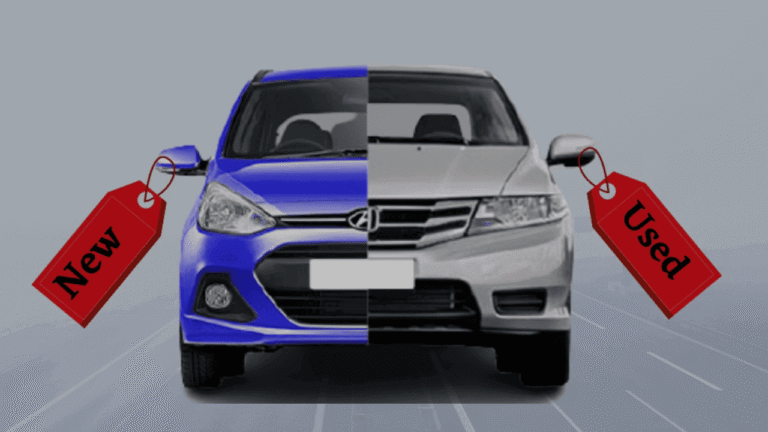
Used cars often carry higher rates than new cars. Experian reported average Q1 2026 rates of 6.39% for new cars and 11.43% for used cars.
A cheaper used car may still be the better deal, but buyers should compare the full cost.
14. Watch Loan-to-Value Ratio
Loan-to-value ratio compares the amount borrowed with the vehicle’s value.
A lower loan-to-value ratio usually looks safer to lenders.
Example:
| Vehicle value | Loan amount | Loan-to-value |
| $30,000 | $24,000 | 80% |
| $30,000 | $30,000 | 100% |
| $30,000 | $34,000 | 113% |
The third example may happen when taxes, fees, add-ons or negative equity are rolled into the loan.
A high loan-to-value ratio can hurt approval, increase APR and create negative equity.
15. Do Not Roll Negative Equity Into the New Loan
Negative equity means you owe more on your current car than it is worth.
Example:
- Current loan payoff: $18,000
- Trade-in value: $14,000
- Negative equity: $4,000
If that $4,000 is rolled into the new loan, the new car starts with extra debt.
The FTC advises buyers to ask how negative equity affects new financing before agreeing to a deal.
Rolling negative equity into a new loan can make it harder to get the best rate because the lender is financing more than the new vehicle’s value.
16. Consider a Co-Signer Carefully
A strong co-signer may help a buyer with weak or limited credit qualify for a better rate.
However, the co-signer becomes legally responsible for the loan.
If payments are missed:
- Their credit can be damaged
- They may be contacted for payment
- Their own borrowing ability may be affected
- The relationship may be harmed
A co-signer can help reduce rate risk, but it should not be used to buy a car that is too expensive for the primary borrower.
17. Use Manufacturer Promotions Carefully
Manufacturer finance companies may offer promotional APR deals on selected new cars.
Examples may include:
- 0% APR
- 1.9% APR
- 2.9% APR
- Short-term special financing
- Loyalty finance offers
- EV finance incentives
These offers can be strong, but they often require excellent credit and may apply only to specific models or terms.
Check whether choosing the promotional APR means giving up:
- Cash rebate
- Dealer discount
- Lease incentive
- Other finance offer
Sometimes a rebate with a normal APR costs less than a low promotional APR without the rebate.
18. Ask the Dealer to Beat Your Best Offer
Once you have a written preapproval, use it.
Tell the dealer:
“I already have a preapproved loan at this APR and term. Can you beat it without changing the vehicle price, amount financed or adding products?”
Compare the dealer offer line by line.
| Item | Your preapproval | Dealer offer |
| Vehicle price | ||
| Amount financed | ||
| APR | ||
| Loan term | ||
| Monthly payment | ||
| Finance charge | ||
| Total of payments | ||
| Add-ons |
A dealer offer is better only if the full terms are better.
19. Read the Finance Contract Before Signing
Before signing, confirm:
- APR
- Interest rate
- Amount financed
- Loan term
- Monthly payment
- Payment due date
- Finance charge
- Total of payments
- Add-ons
- Fees
- Prepayment penalty
- Late-payment terms
- Lender name
- Whether financing is final or conditional
Do not rely on verbal promises.
The contract controls the deal.
20. Refinance Later if Your Credit Improves
If you cannot get the best rate now, you may be able to refinance later.
Refinancing may help when:
- Your credit score improves
- Market rates fall
- Your income improves
- You have built equity
- You want to remove a co-signer
- The original APR was high
Refinancing may not help when:
- The car is too old
- Mileage is too high
- You owe more than the vehicle is worth
- Fees erase the savings
- The new term extends debt too long
Do not accept a bad loan assuming refinancing is guaranteed.
Best Car Loan Rate by Buyer Situation
| Buyer situation | Best strategy |
| Excellent credit | Compare manufacturer, credit union and bank offers |
| Fair credit | Get preapproved and consider a larger down payment |
| Bad credit | Improve credit first if possible; avoid very long high-APR loans |
| No credit | Consider a co-signer, smaller loan or credit union relationship |
| Used car buyer | Compare APR carefully; inspect the vehicle before financing |
| New car buyer | Check promotional APR versus rebates |
| EV buyer | Include charger, insurance, electricity and battery warranty in budget |
| Trade-in with negative equity | Avoid rolling old debt into the new loan if possible |
| High monthly payment pressure | Lower car price before stretching loan term |
Frequently Asked Questions
How do I get the best car loan rate?
Check your credit, reduce debt, save a down payment, get preapproved by multiple lenders, compare APRs and ask the dealer to beat your best written offer.
What credit score gets the best car loan rate?
The strongest average rates usually go to super-prime borrowers. Experian’s Q1 2026 data shows the lowest average rates for buyers in the 781–850 credit tier.
Should I get preapproved before buying a car?
Yes. Preapproval gives you a benchmark and helps you compare dealer financing. The FTC recommends comparing APR, loan term and amount financed against dealer offers.
Is a credit union better for a car loan?
Sometimes. Credit unions can offer competitive rates, but the best choice depends on your credit, membership, vehicle and loan terms.
Does a bigger down payment help my rate?
It can. A larger down payment reduces the amount financed and lender risk, which may improve approval strength.
Is a shorter car loan better?
A shorter loan often costs less overall, though the monthly payment may be higher. Longer terms can lower payment but increase total cost.
Can I negotiate my car loan rate?
Yes. Get preapproved, compare lenders and ask the dealer to beat your offer.
Is dealer financing always more expensive?
No. Dealer financing can be competitive, especially with manufacturer promotions. Compare the full terms before choosing.
Does buying new or used affect the rate?
Yes. Used-car loans often have higher average APRs than new-car loans, though the lower purchase price can still make a used car cheaper overall.
Should I choose 0% APR or a rebate?
Compare both total costs. A rebate with normal APR may sometimes be cheaper than 0% APR without the rebate.
Can I get a good rate with bad credit?
It is harder, but a larger down payment, co-signer, lower-priced car or improved credit may help.
Does checking multiple lenders hurt my credit?
Multiple auto-loan inquiries are often treated more favorably when done within a short shopping period. Shop seriously within a few weeks.
What is more important: APR or monthly payment?
APR and total cost are more important for comparing loans. Monthly payment matters for budgeting but can be lowered by extending the loan term.
Can refinancing get me a better rate later?
Possibly. Refinancing may help if your credit improves, market rates fall or you build equity in the vehicle.
What should I check before signing a car loan?
Check APR, interest rate, loan term, monthly payment, amount financed, finance charge, total of payments, fees, add-ons and early payoff rules.
Summary
The best car loan rate usually goes to the buyer who prepares early.
Check your credit, fix errors, reduce debt, save a down payment and get preapproved before talking numbers at the dealership. Compare lenders by APR, loan term, amount financed and total cost—not monthly payment alone.
A low APR matters, but it is only one part of the deal. A fair vehicle price, clean contract, reasonable loan term and controlled add-ons are just as important.
Know your credit, know your budget, bring a written preapproval and make the dealer compete for your financing.