
Toyota Corolla Cross: Price, Specs, Features & Review
The Toyota Corolla Cross is a small SUV for buyers who want more cargo room, ground clearance, and easier entry than the Toyota Corolla, without moving to a larger and more expensive compact SUV.
 Corolla Cross (Red Color)
- Corolla Cross
- Corolla Cross (RightSide)
- Corolla Cross (RightSide)
- Corolla Cross
- Corolla Cross (RightSide)
- Corolla (LeftSide)
- Corolla Cross
- Corolla Cross
- Corolla (FrontSide)
- Corolla (Front side)
- Corolla Cross (Frontside)
- Corolla Cross (FontSide)
- Corolla Cross
- Corolla Cross (Wheel)
- Corolla Cross
- Corolla (Interior)
- Corolla Cross (nterior)
- Corolla Cross (Gear Lever)
- Corolla Cross
- Corolla Cross (Seats)
- Corolla Cross


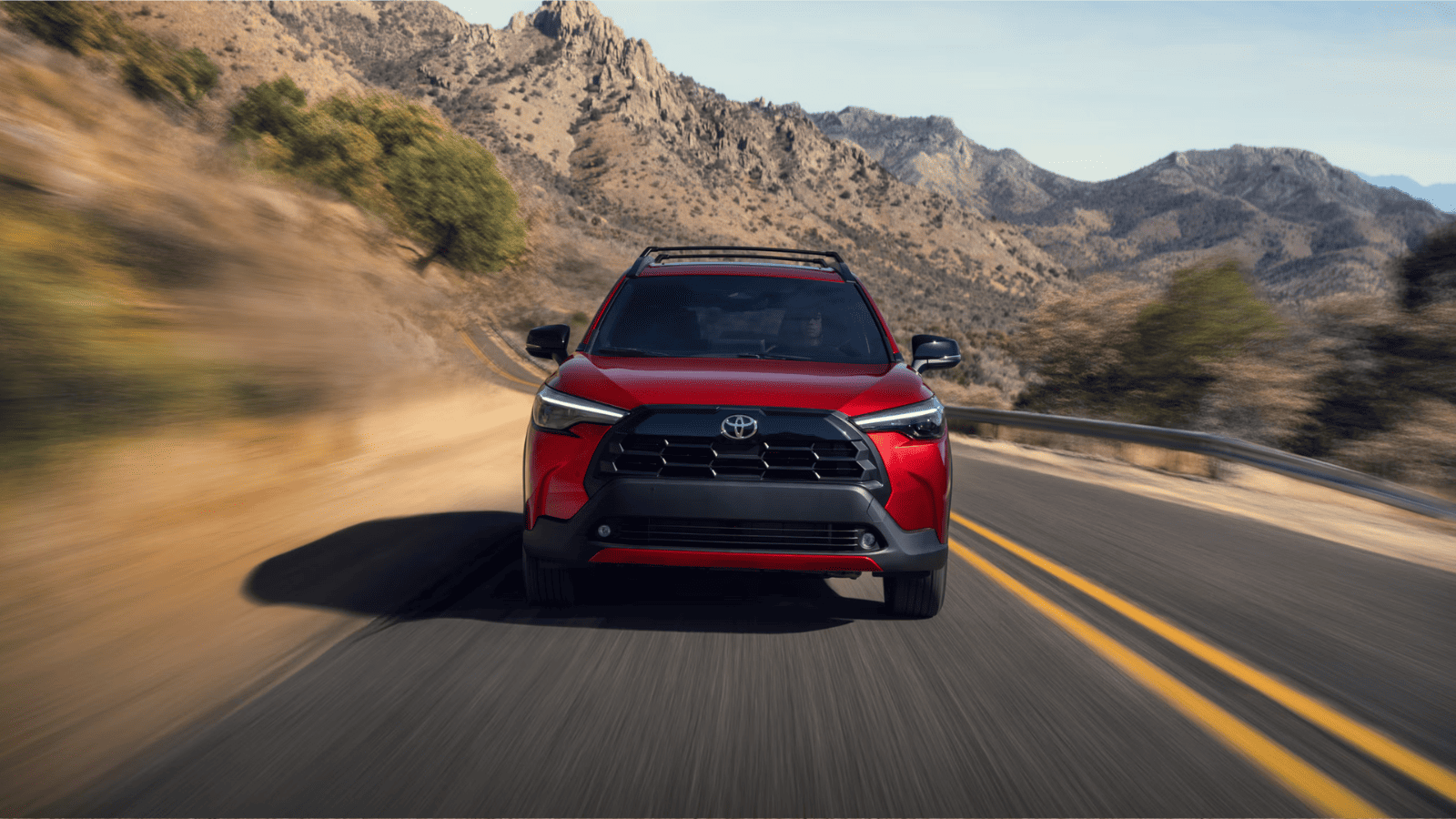
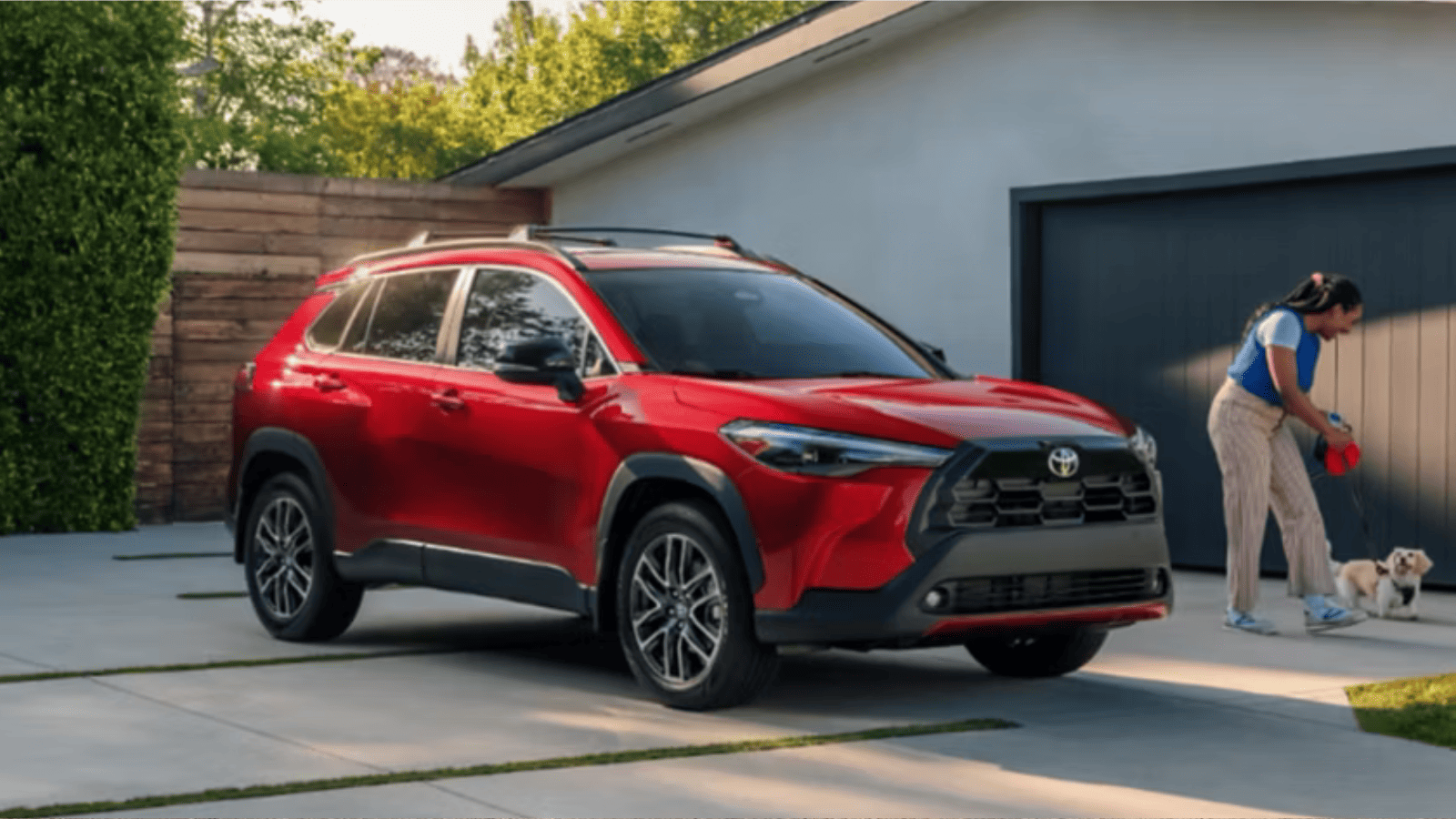
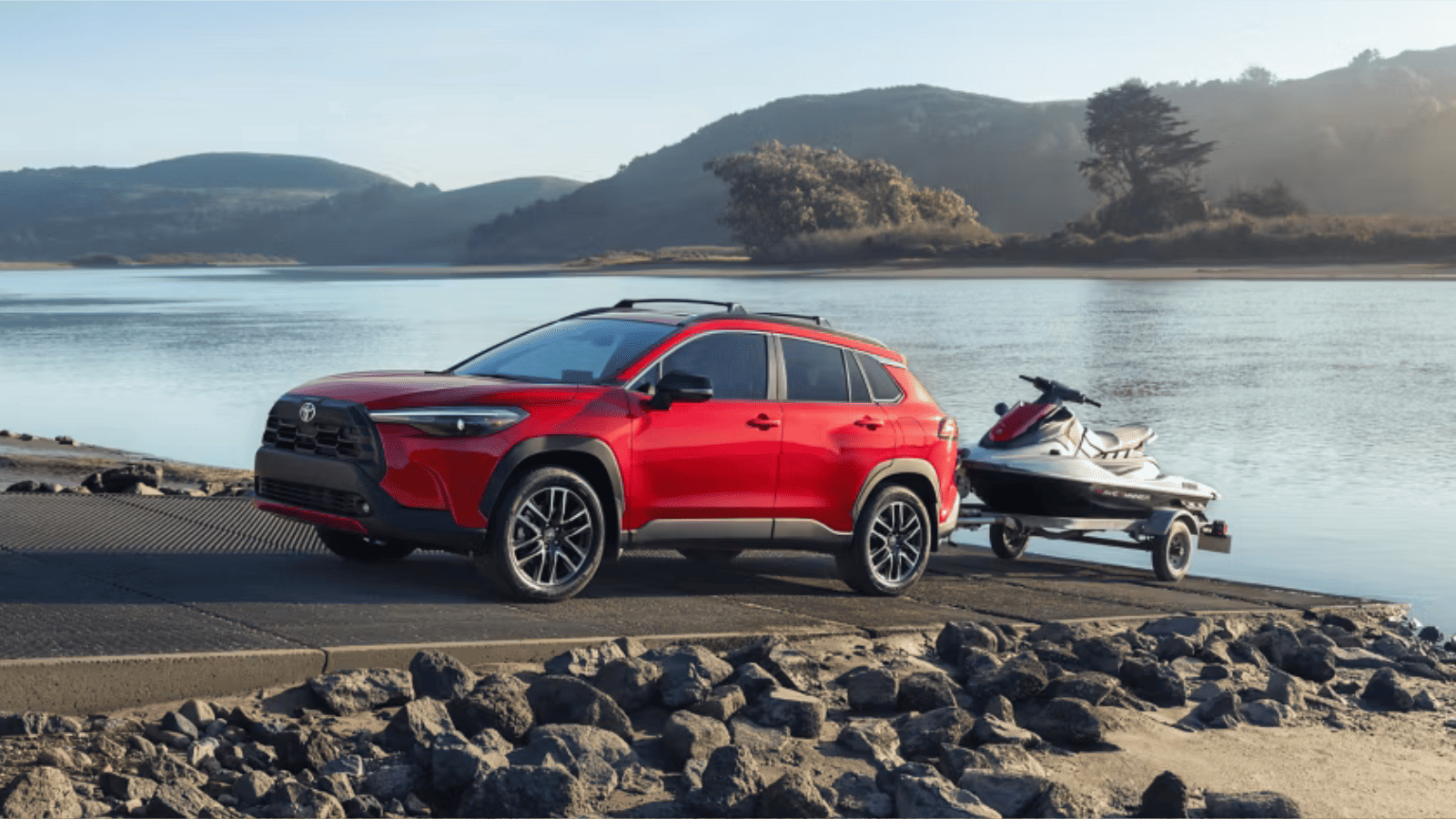
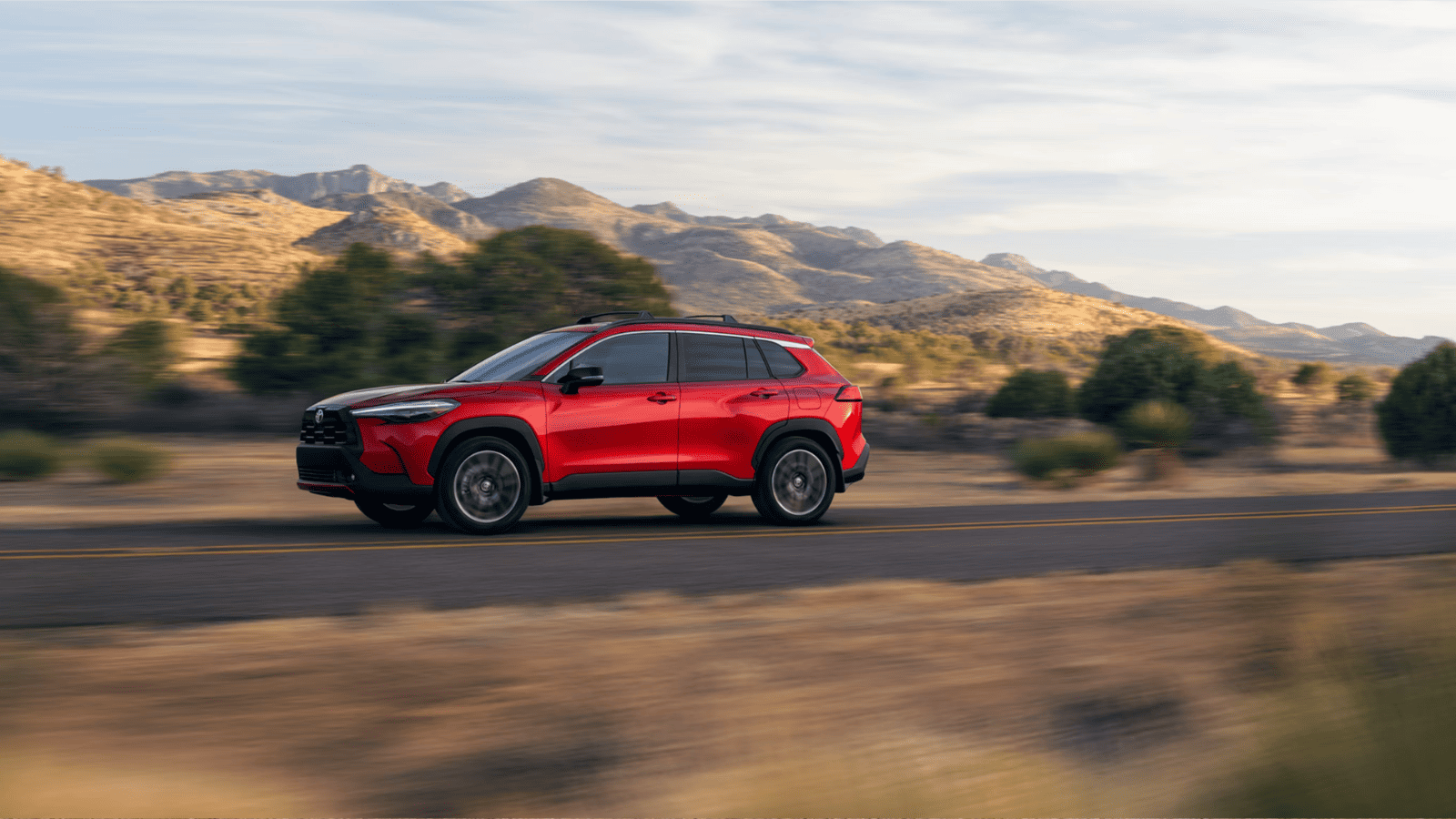
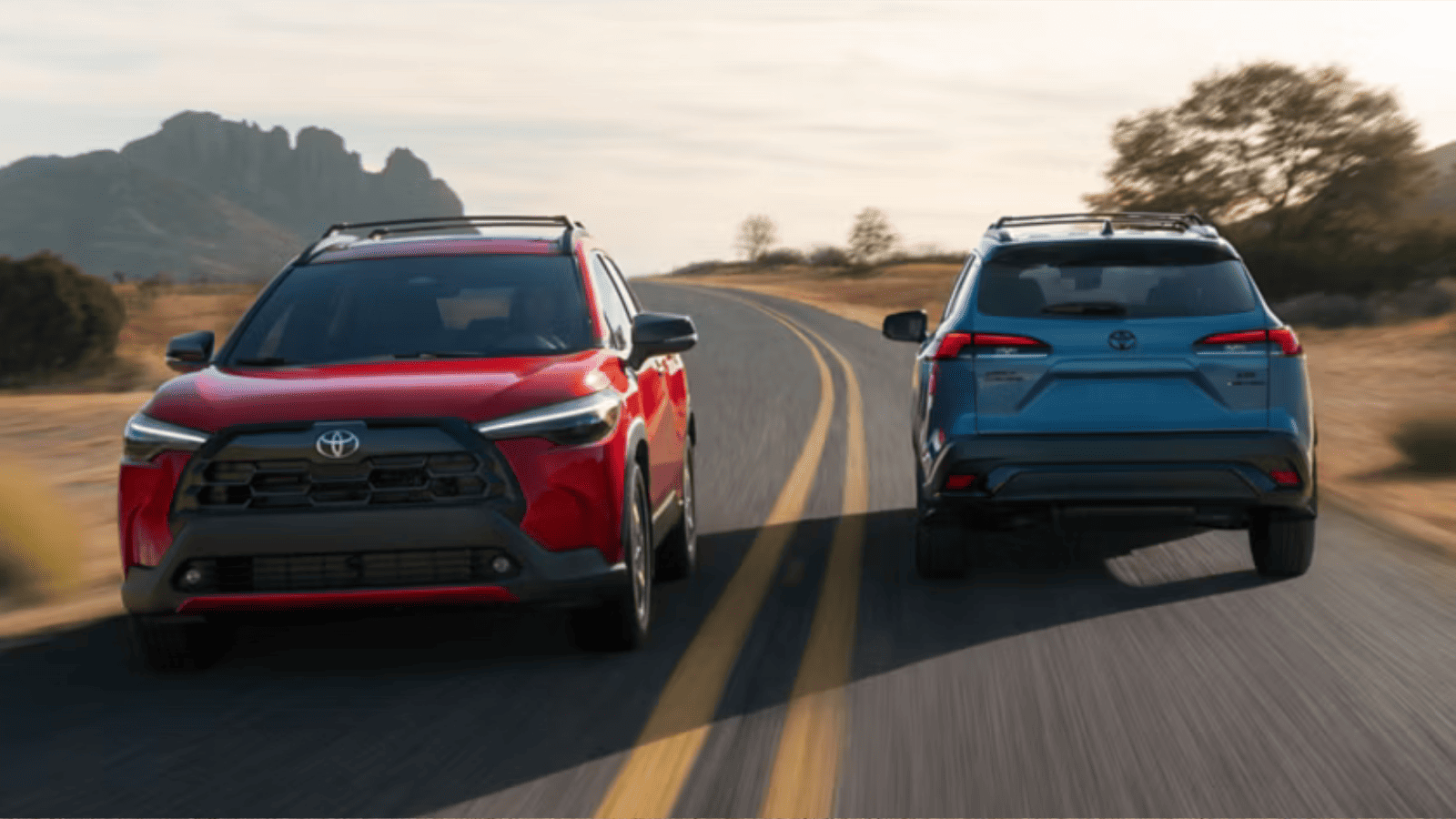
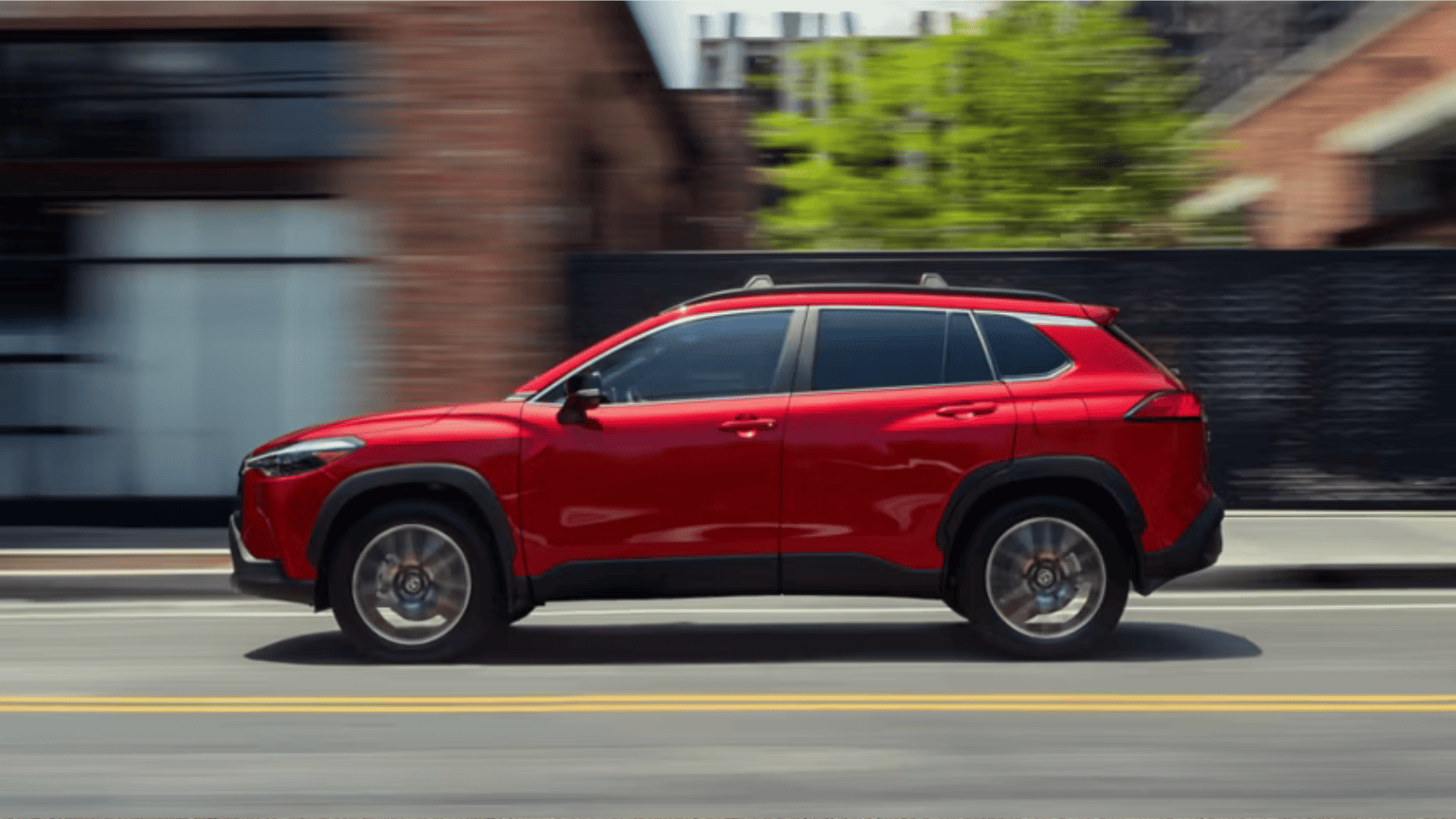
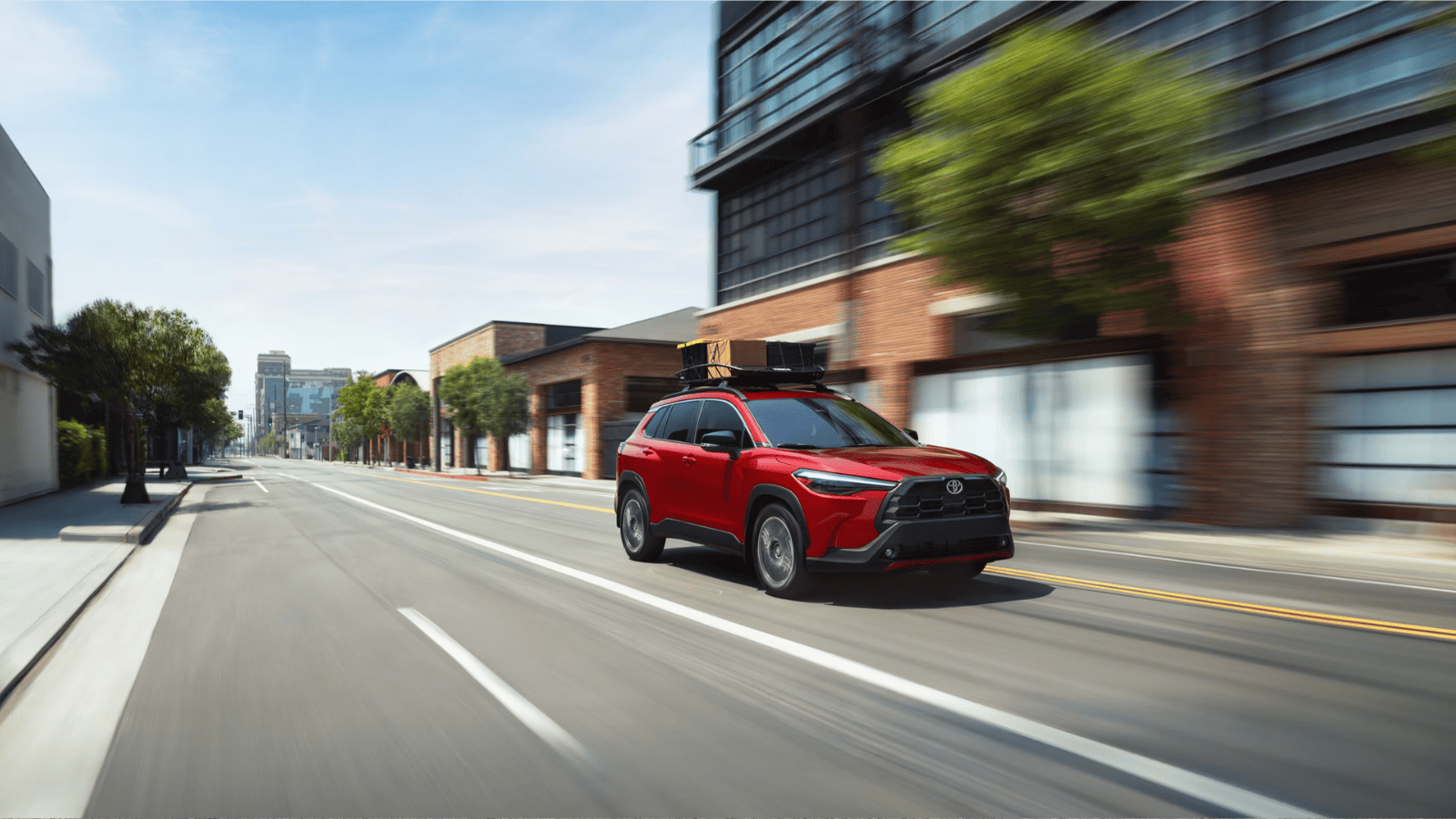
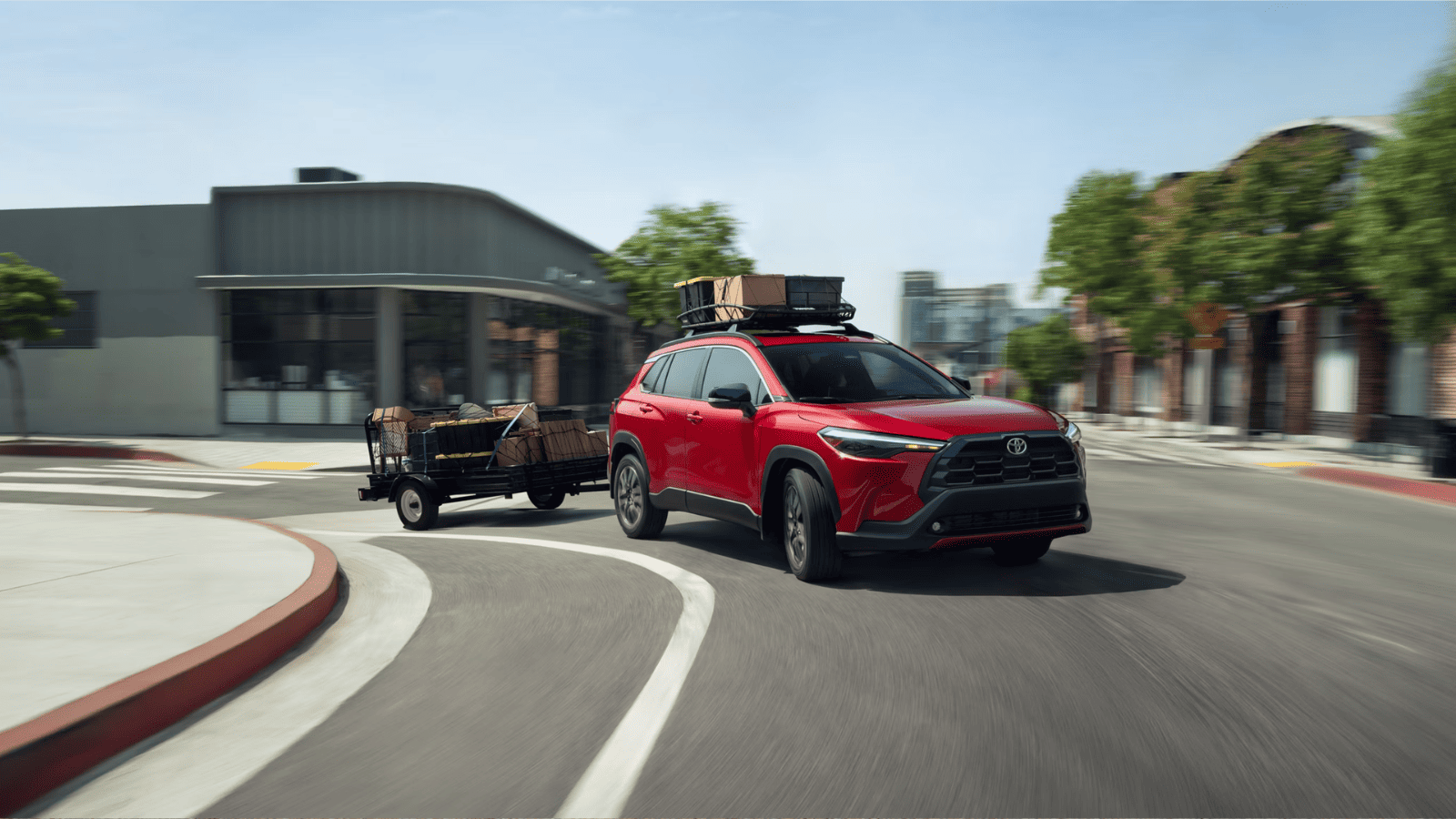

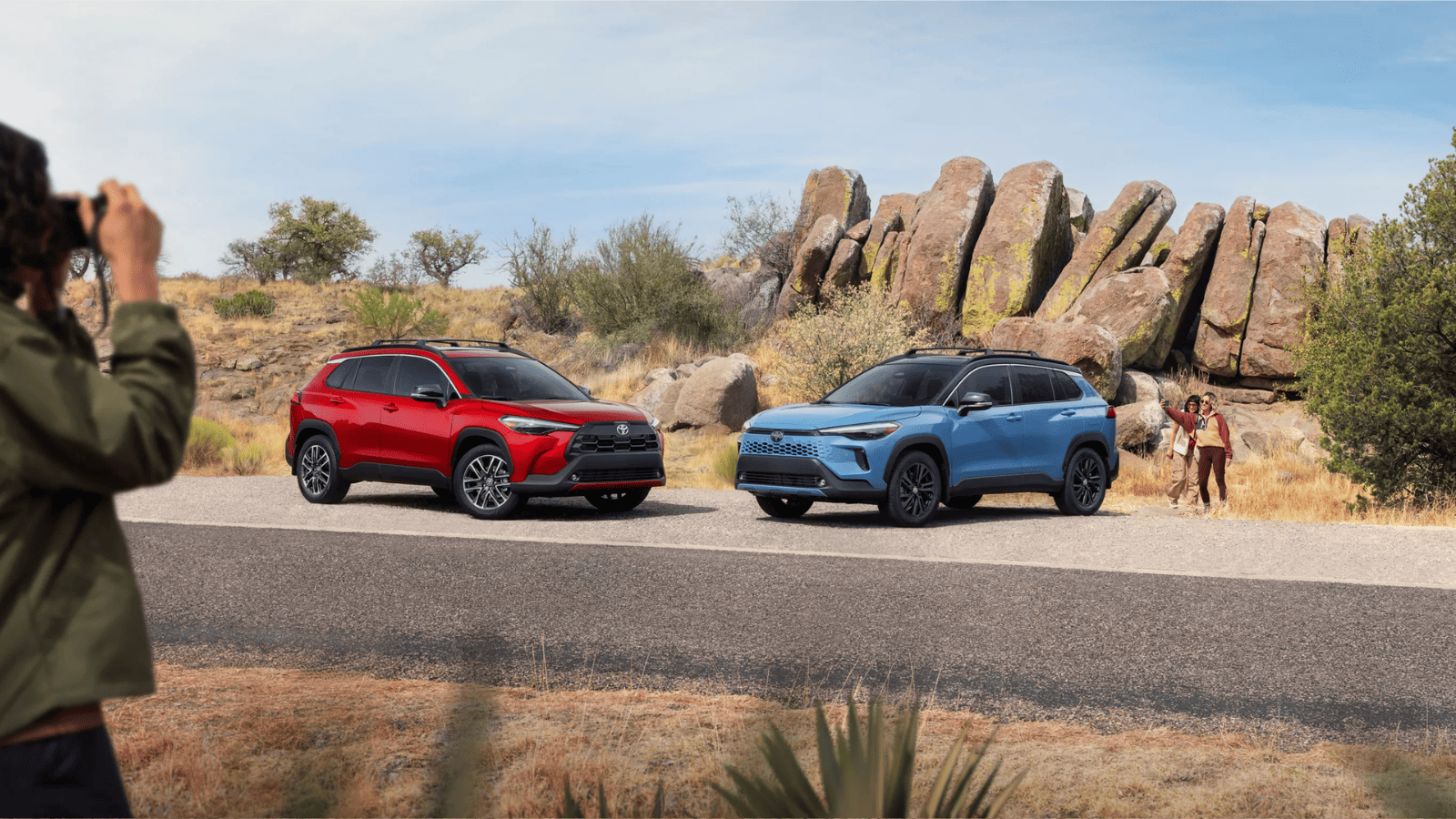

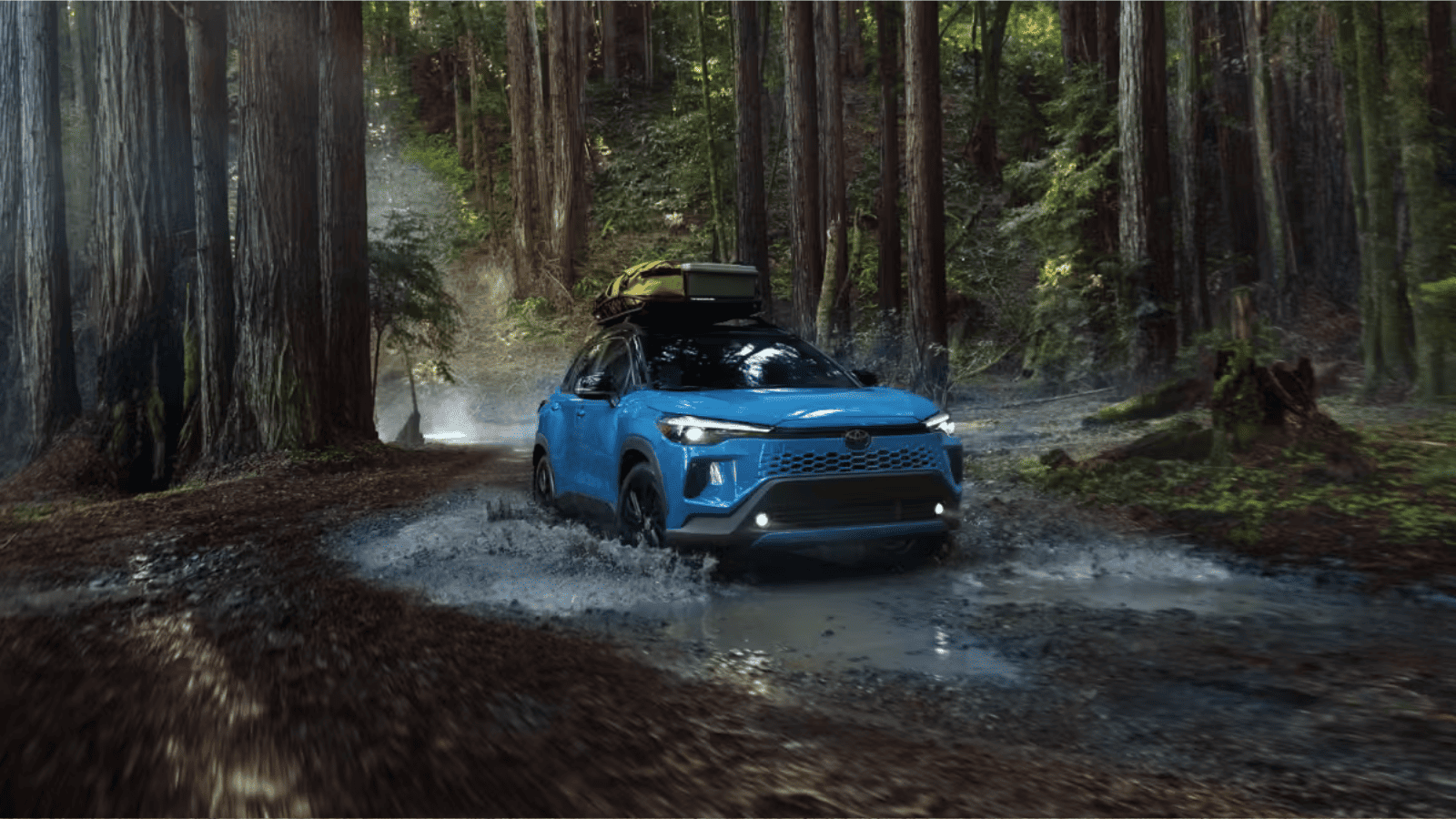
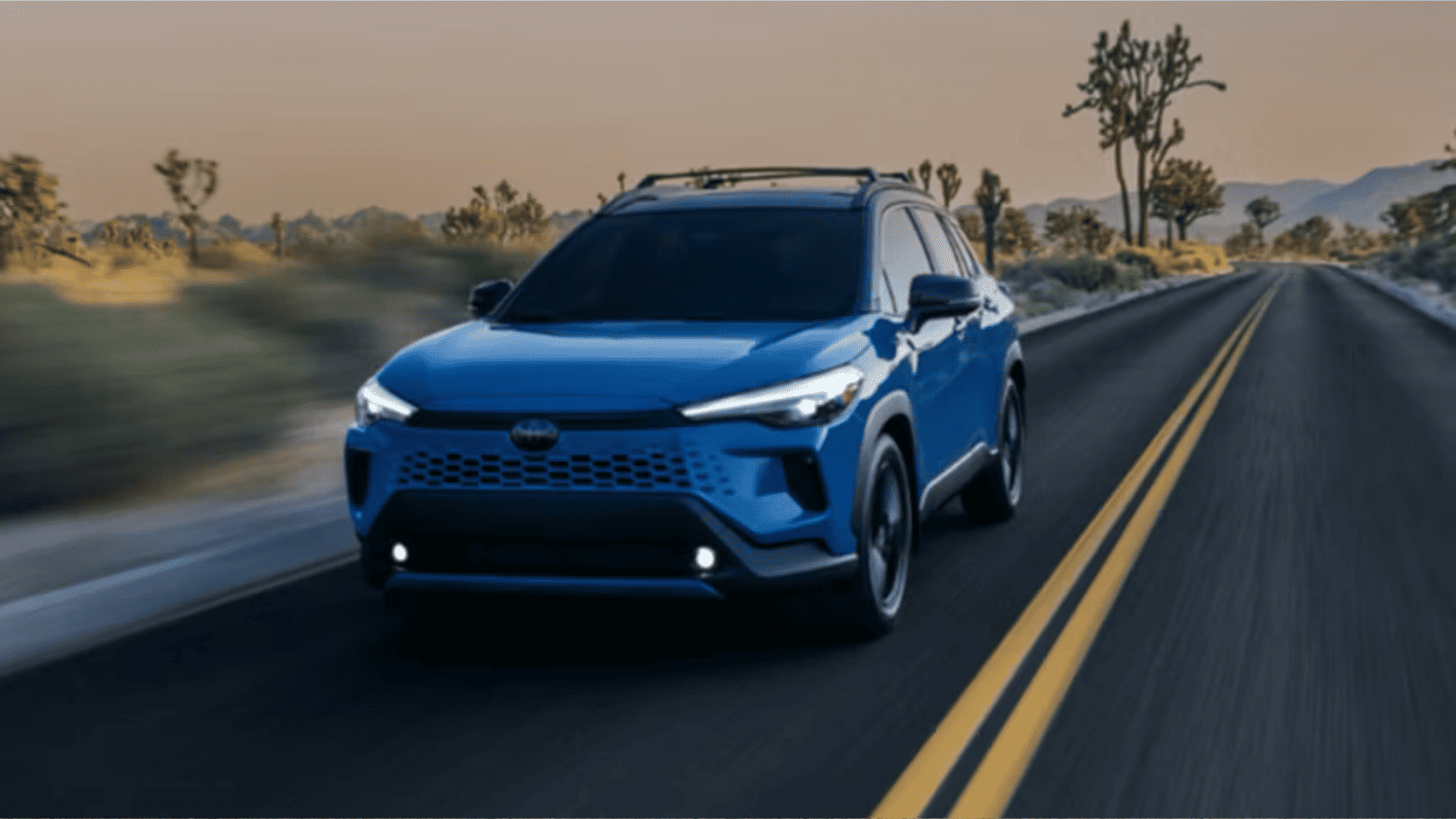
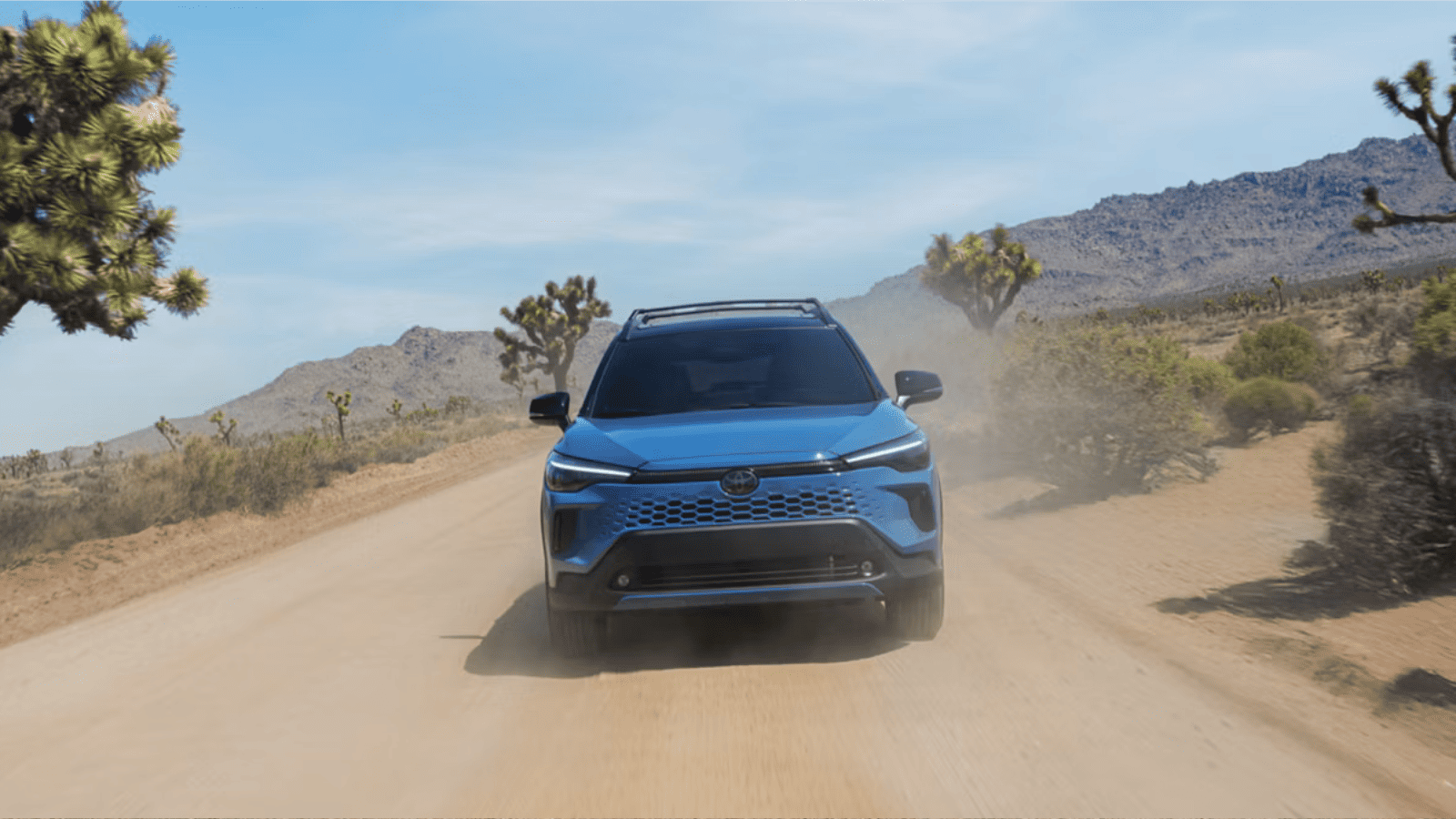
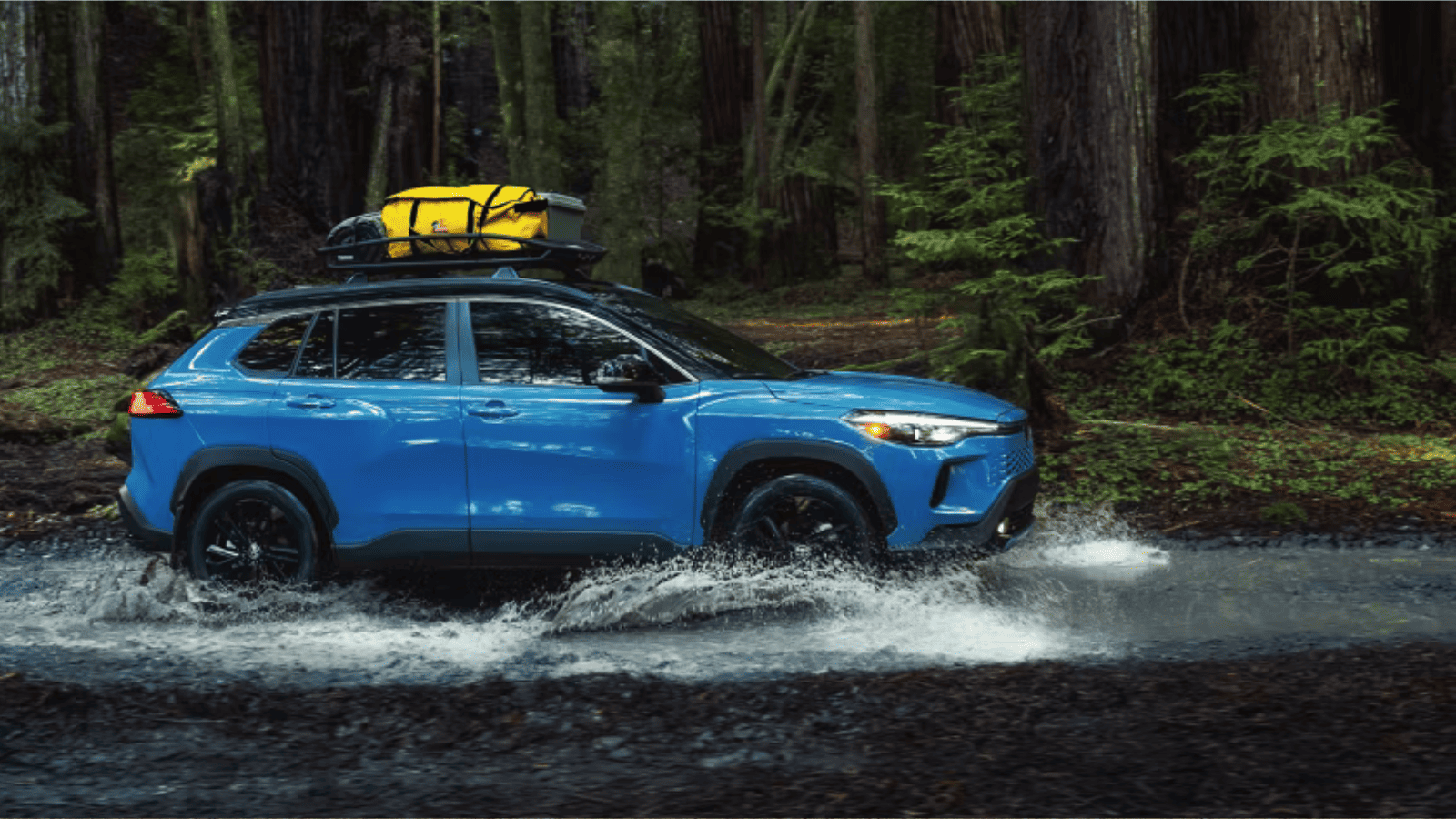
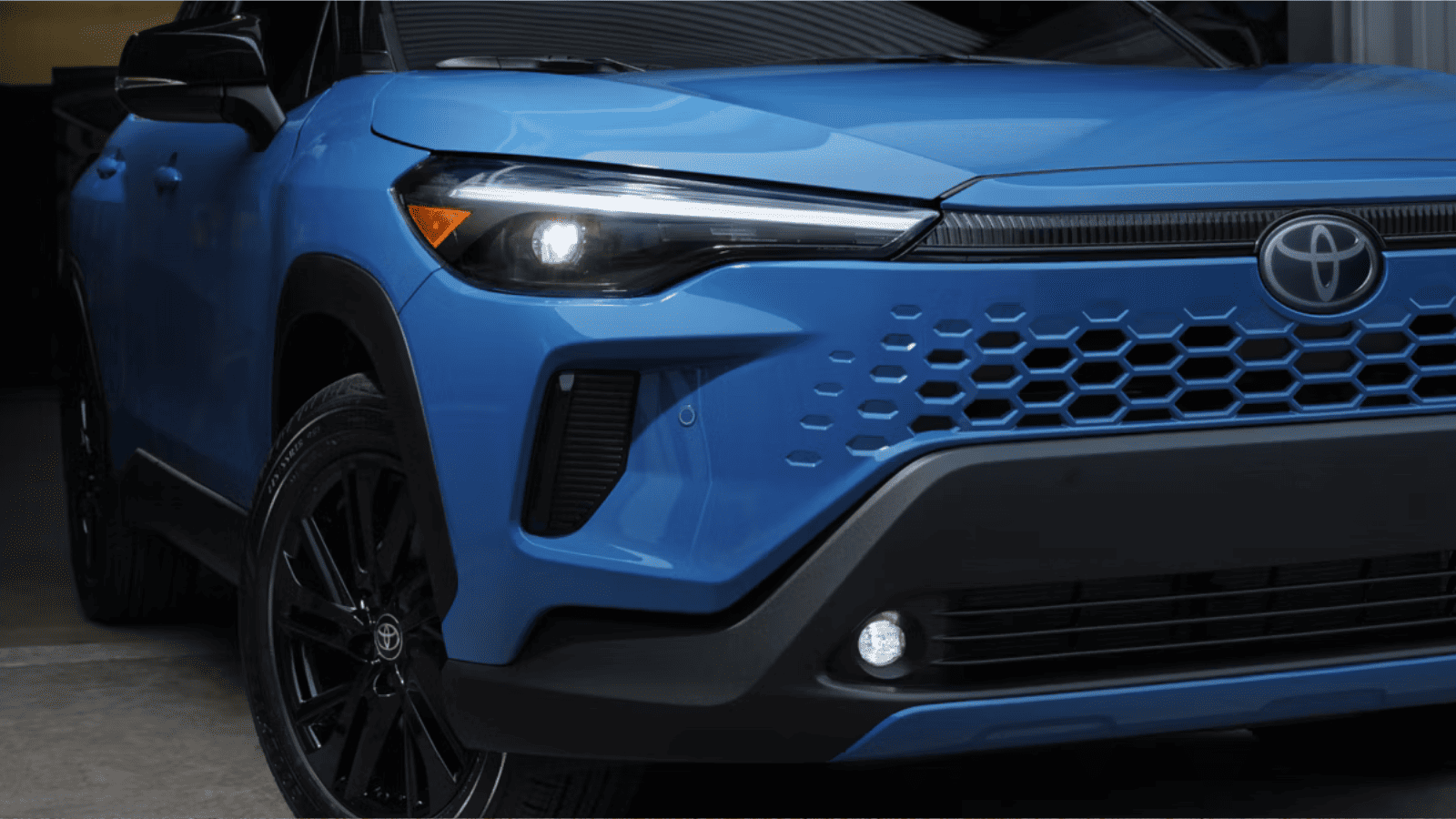
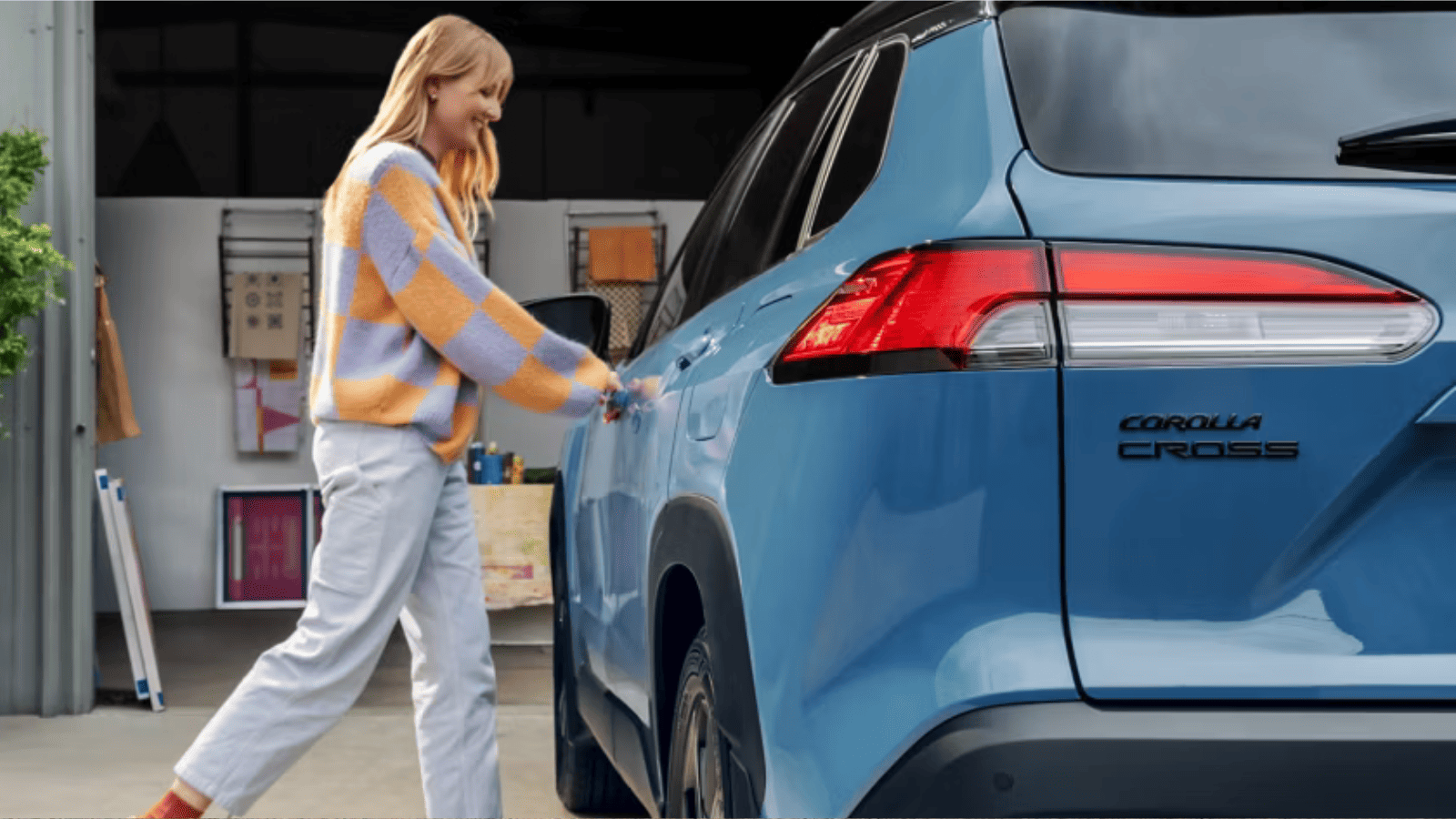
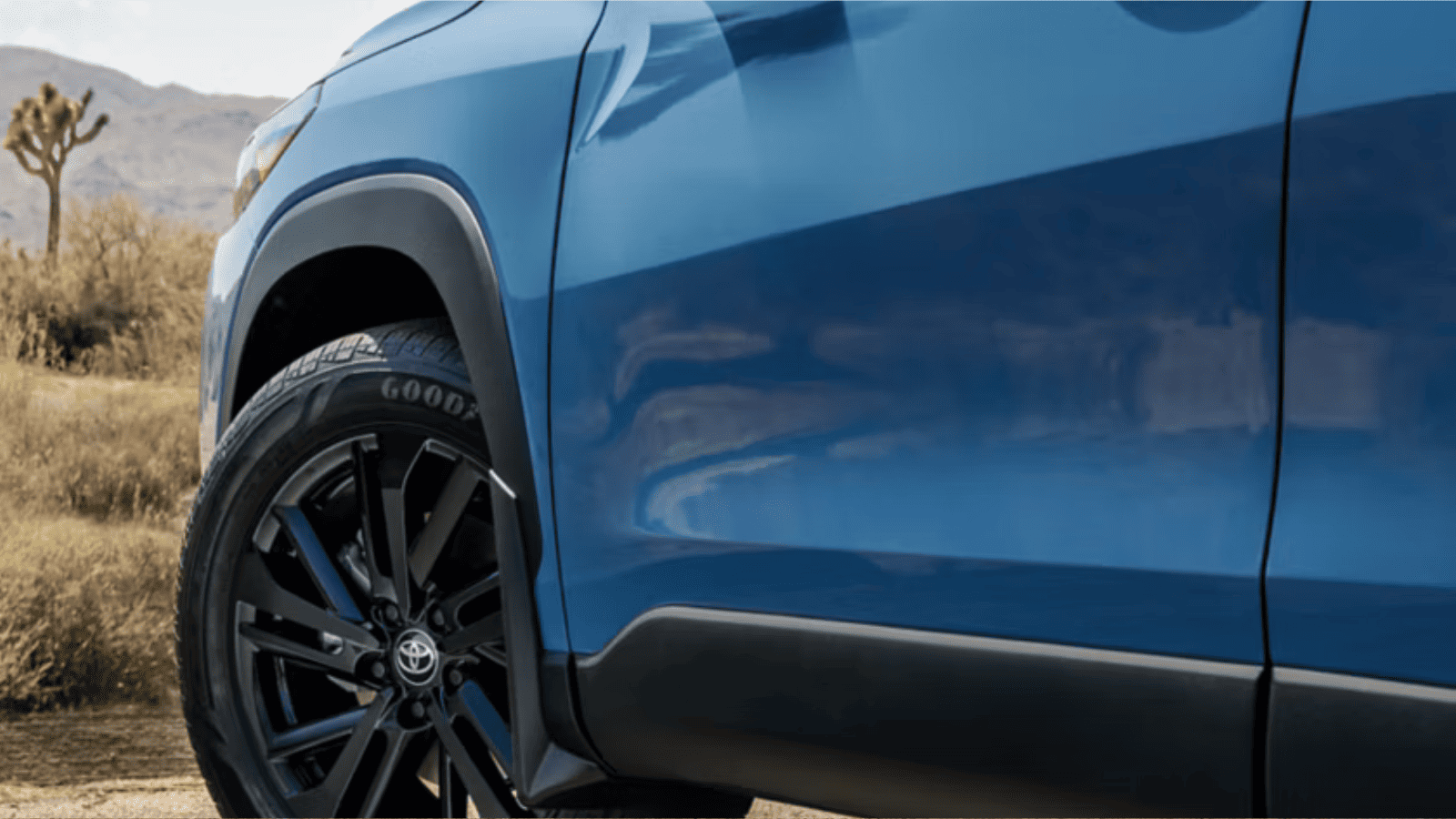
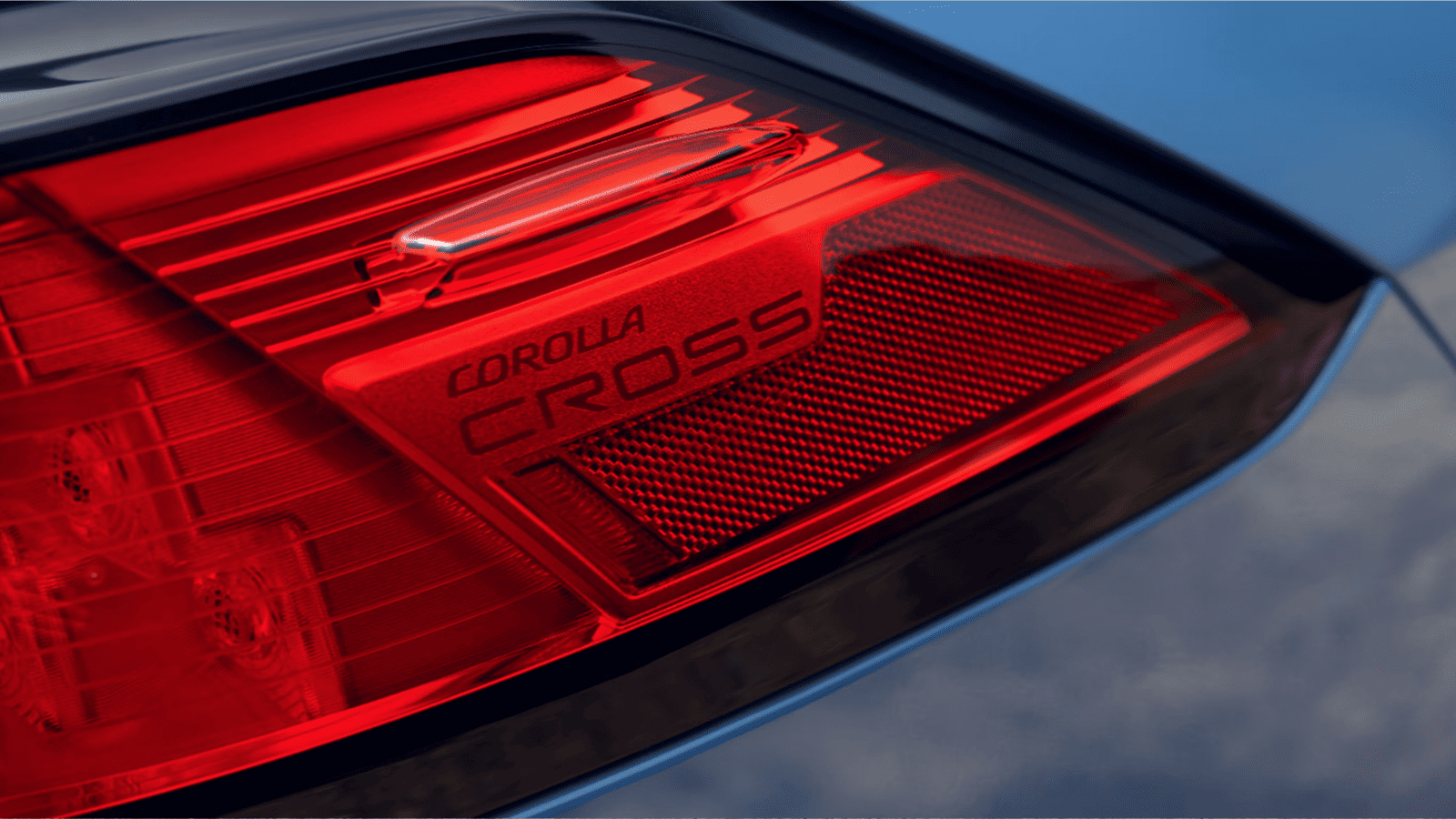
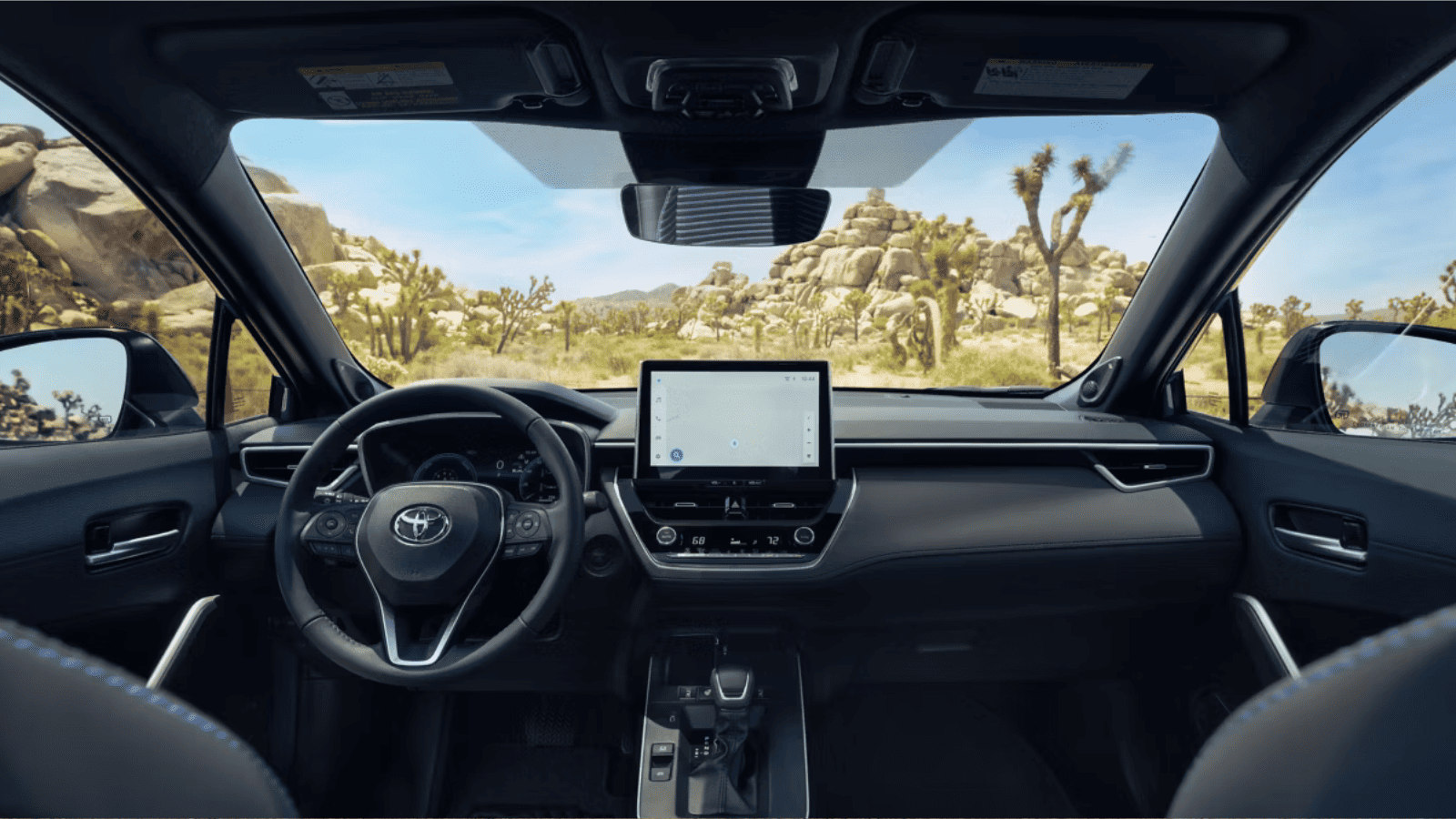
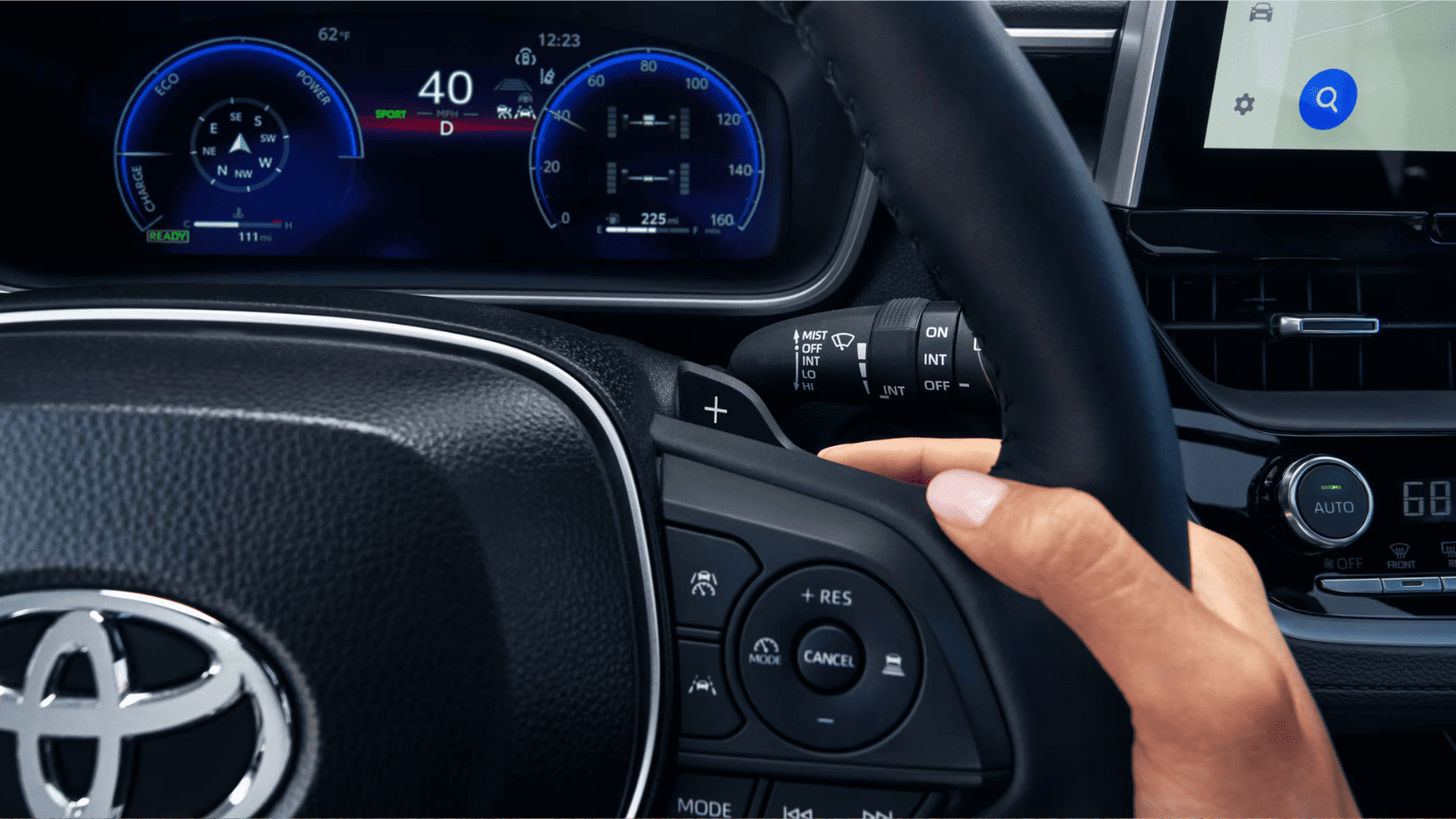
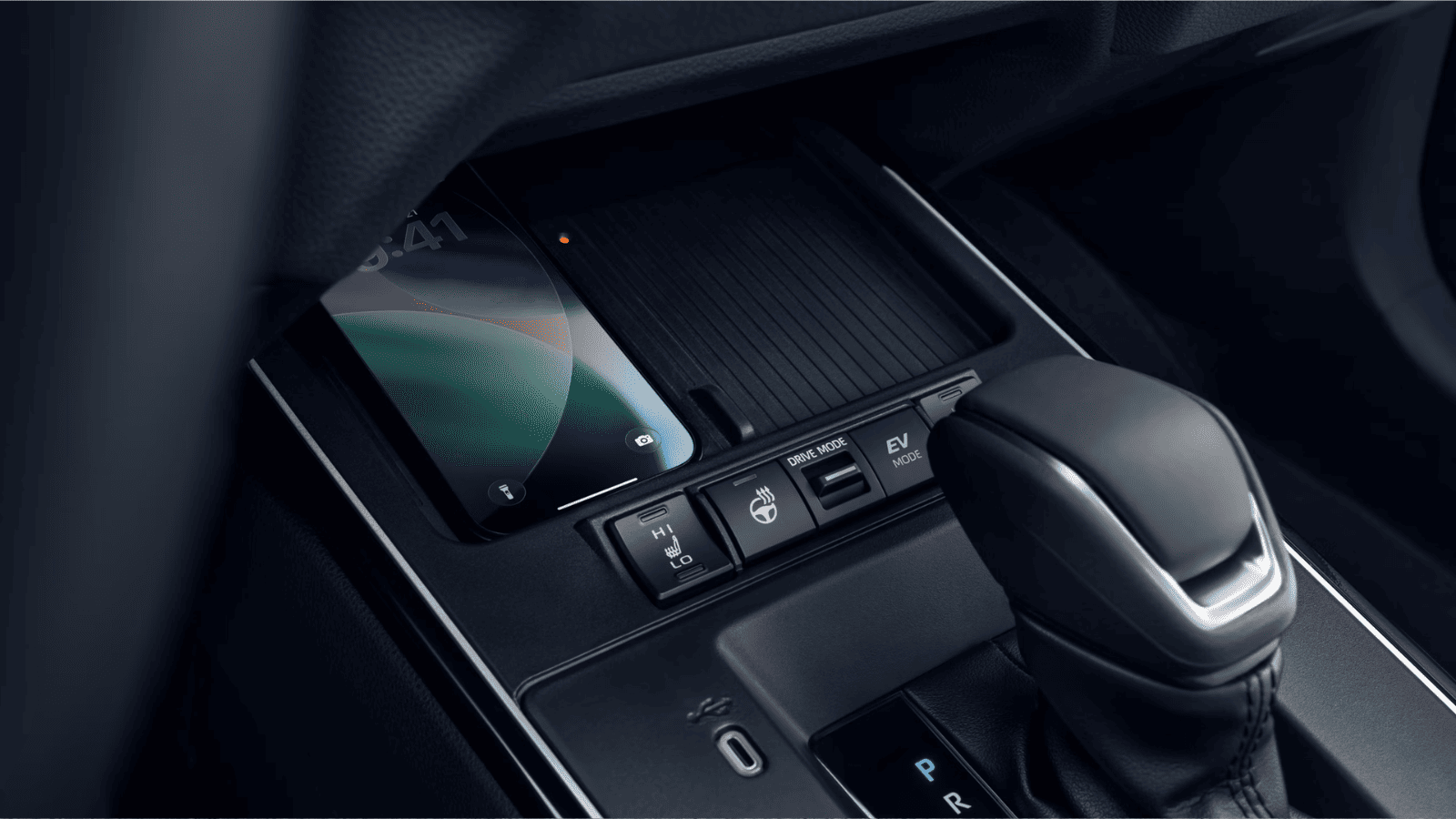
It is available with a 169-hp gas engine or a 196-hp hybrid system. Gas models offer front-wheel drive or all-wheel drive, while every Corolla Cross Hybrid has all-wheel drive as standard. The hybrid is quicker, more efficient, and generally the better version of this SUV if its higher price fits your budget.
The Corolla Cross suits commuters, small families, first-time SUV buyers, and drivers who want Toyota’s reputation for sensible ownership. Its biggest weaknesses are a basic cabin in lower trims, limited rear-seat legroom for taller adults, and a gas engine that feels slow when fully loaded.
WheelPedia Rating: 8.4/10
The Toyota Corolla Cross earns an 8.4/10 WheelPedia Rating. It scores well for fuel economy, safety equipment, practical cargo space, easy driving manners, and low-stress ownership.
The hybrid improves the package considerably with stronger acceleration, standard AWD, and 42 mpg combined. The regular gas version is more affordable, but its engine and CVT feel less refined under hard acceleration.
| Rating Category | Score | Weight |
| Safety | 8.7/10 | 20% |
| Reliability and ownership | 8.8/10 | 15% |
| Performance and driving | 7.6/10 | 15% |
| Comfort and practicality | 7.9/10 | 15% |
| Efficiency | 9.1/10 | 15% |
| Features and technology | 8.4/10 | 10% |
| Price and value | 8.0/10 | 10% |
| Overall WheelPedia Rating | 8.4/10 | — |
See how we rate cars for the full scoring method.
Key Highlights
- Starts from $25,235 MSRP in the US before delivery, tax, registration, options, and dealer fees.
- Gas models use a 169-hp 2.0-liter four-cylinder engine.
- Hybrid models produce 196 combined horsepower.
- Gas versions return up to 32 mpg combined.
- Hybrid versions return up to 42 mpg combined.
- Gas models offer front-wheel drive or all-wheel drive.
- Corolla Cross Hybrid includes all-wheel drive as standard.
- Provides up to 24 cubic feet of cargo space behind the rear seats.
- Can tow up to 1,500 pounds when properly equipped.
- Seats up to five passengers.
- Available in L, LE, XLE, Hybrid S, Hybrid SE, and Hybrid XSE trims.
Quick Specifications
| Specification | Toyota Corolla Cross |
| Vehicle type | Small SUV |
| Seating capacity | 5 |
| Gas engine | 2.0L four-cylinder |
| Gas horsepower | 169 hp |
| Gas torque | 151 lb-ft |
| Hybrid output | 196 combined hp |
| Transmission | CVT automatic / eCVT hybrid |
| Drivetrain | FWD or AWD gas; AWD hybrid |
| Best fuel economy | Up to 42 mpg combined |
| Cargo capacity | Up to 24.0 cu. ft. |
| Towing capacity | Up to 1,500 lbs. |
| Ground clearance | 8.1 in. |
| Length | 176.1 in. |
| Width | 71.9 in. |
| Height | 64.9 in. |
| Wheelbase | 103.9 in. |
Expert Tip
The Hybrid S is the strongest choice for most buyers who can afford it. It gives you standard AWD, much better fuel economy, and noticeably quicker acceleration for a reasonable step up from the gas range. If you want to spend less, the gas LE FWD is the best value-focused trim.
About the Toyota Corolla Cross
The Corolla Cross sits between the Corolla sedan and the larger Toyota RAV4. It is not designed for serious off-roading or fast driving. Its job is simple: provide practical everyday transport with a higher seating position, useful cargo area, and manageable size.
Compared with the Toyota Corolla Hatchback, the Corolla Cross gives you more ground clearance, easier access to the rear seats, a taller cargo opening, and available AWD. It is also less engaging to drive and costs more.
The hybrid version changes the character of the vehicle most. It is not just more efficient; it also has more power, smoother low-speed response, and standard electronic AWD. For city driving, that makes it the more complete Corolla Cross.
Price and Trims
The following are 2026 US base MSRPs. Delivery charges, taxes, accessories, and dealer pricing can raise the final amount.
| Trim | Starting MSRP | Powertrain | Drivetrain | Fuel Economy |
| L | $25,235 | 2.0L gas | FWD | 31 city / 33 highway / 32 combined mpg |
| LE | $27,565 | 2.0L gas | FWD | 31 city / 33 highway / 32 combined mpg |
| XLE | $30,160 | 2.0L gas | FWD | 31 city / 33 highway / 32 combined mpg |
| Hybrid S | $29,595 | 2.0L hybrid | AWD | 46 city / 39 highway / 42 combined mpg |
| Hybrid SE | $30,915 | 2.0L hybrid | AWD | 46 city / 39 highway / 42 combined mpg |
| Hybrid XSE | $33,630 | 2.0L hybrid | AWD | 46 city / 39 highway / 42 combined mpg |
All gas trims can also be ordered with AWD, which reduces fuel economy to an EPA-estimated 29 city / 31 highway / 30 combined mpg.
The Hybrid S is the trim most buyers should consider first. It has standard AWD, 196 horsepower, sportier styling, strong city fuel economy, and a lower price than the gas XLE.
The LE FWD is the sensible pick for buyers who want the lowest ownership cost without paying for the hybrid system. It adds useful equipment over the base L, including Blind Spot Monitor and Rear Cross-Traffic Alert.
The Hybrid XSE is the best-equipped version, with 18-inch wheels, a 12.3-inch digital gauge cluster, and a 10.5-inch multimedia touchscreen. It is worthwhile only if you will use those upgrades regularly.
Engine, Powertrain, and Performance
Gas Corolla Cross models use a 2.0-liter four-cylinder engine with 169 horsepower and 151 lb-ft of torque. It sends power through a continuously variable automatic transmission.
The gas model is adequate for calm daily driving, errands, and highway commuting. But the engine gets loud when you accelerate hard, particularly with passengers or luggage onboard. It is one of the slower powertrains in this class.
The Corolla Cross Hybrid uses a 2.0-liter engine, electric motors, a lithium-ion battery, and an electronic continuously variable transmission. Its total system output is 196 horsepower, and every hybrid model has electronic all-wheel drive.
0–60 MPH Performance
Toyota does not publish official 0–60 mph times for the Corolla Cross.
Independent testing puts the gas Corolla Cross at roughly 9 seconds to 60 mph, while the hybrid reaches 60 mph in roughly 7 to 8 seconds. The difference is easy to notice in normal driving.
The hybrid responds more cleanly from a stop and requires less planning when merging or overtaking. Buyers who regularly carry passengers, drive on highways, or live in hilly areas should strongly consider it.
Driving Experience
The Corolla Cross is easy to drive, easy to park, and comfortable enough for everyday use. Its compact dimensions and light steering make it well suited to city streets, tight parking lots, and new drivers.
The gas version is best driven calmly. The CVT keeps the engine at higher revs during hard acceleration, which can make the cabin noisy.
Hybrid models feel more responsive at lower speeds because the electric motors provide immediate assistance. Toyota also gives the Corolla Cross Hybrid a sport-tuned suspension, though it remains a comfort-focused small SUV rather than a sporty crossover.
The available AWD systems add useful traction for wet roads, snow, and loose surfaces. However, the Corolla Cross is not intended for difficult off-road trails.
Fuel Economy
| Configuration | EPA-Estimated City | EPA-Estimated Highway | EPA-Estimated Combined |
| Gas FWD | 31 mpg | 33 mpg | 32 mpg |
| Gas AWD | 29 mpg | 31 mpg | 30 mpg |
| Hybrid AWD | 46 mpg | 39 mpg | 42 mpg |
The hybrid is the clear winner for fuel use. It is especially useful for drivers who spend a lot of time in slow traffic, where regenerative braking and electric assistance can reduce fuel consumption.
The gas FWD model still delivers respectable economy, but the small saving in purchase price may not offset the hybrid’s better performance, AWD, and fuel efficiency for high-mileage drivers.
Real-world results vary with weather, speed, terrain, tire pressure, passenger load, and driving habits.
Interior, Comfort, and Technology
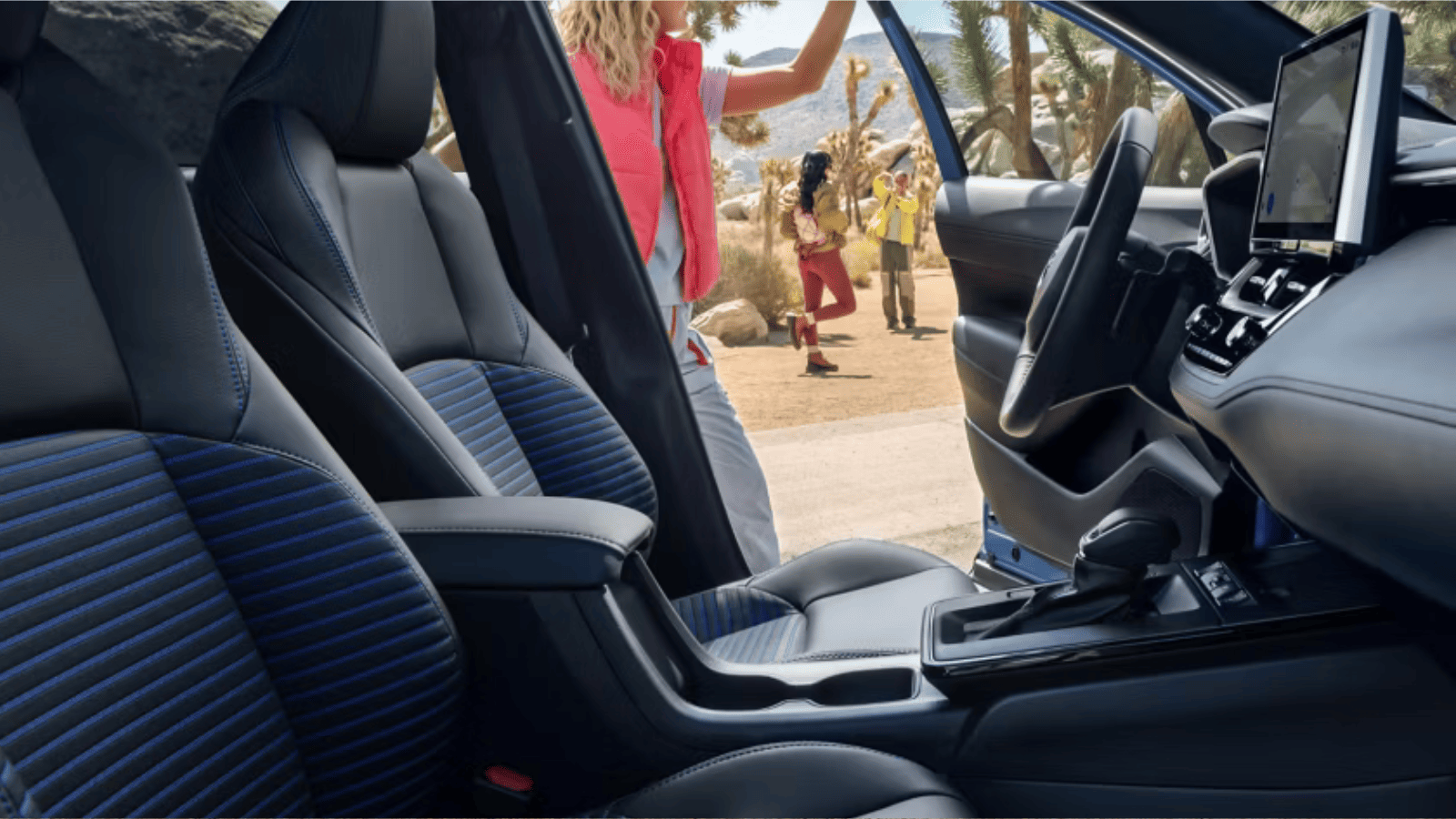
The Corolla Cross interior is functional and easy to understand. Lower trims use more hard plastic than some newer rivals, but the controls are placed logically and the cabin feels built for daily use rather than showroom drama.
Standard and available features include:
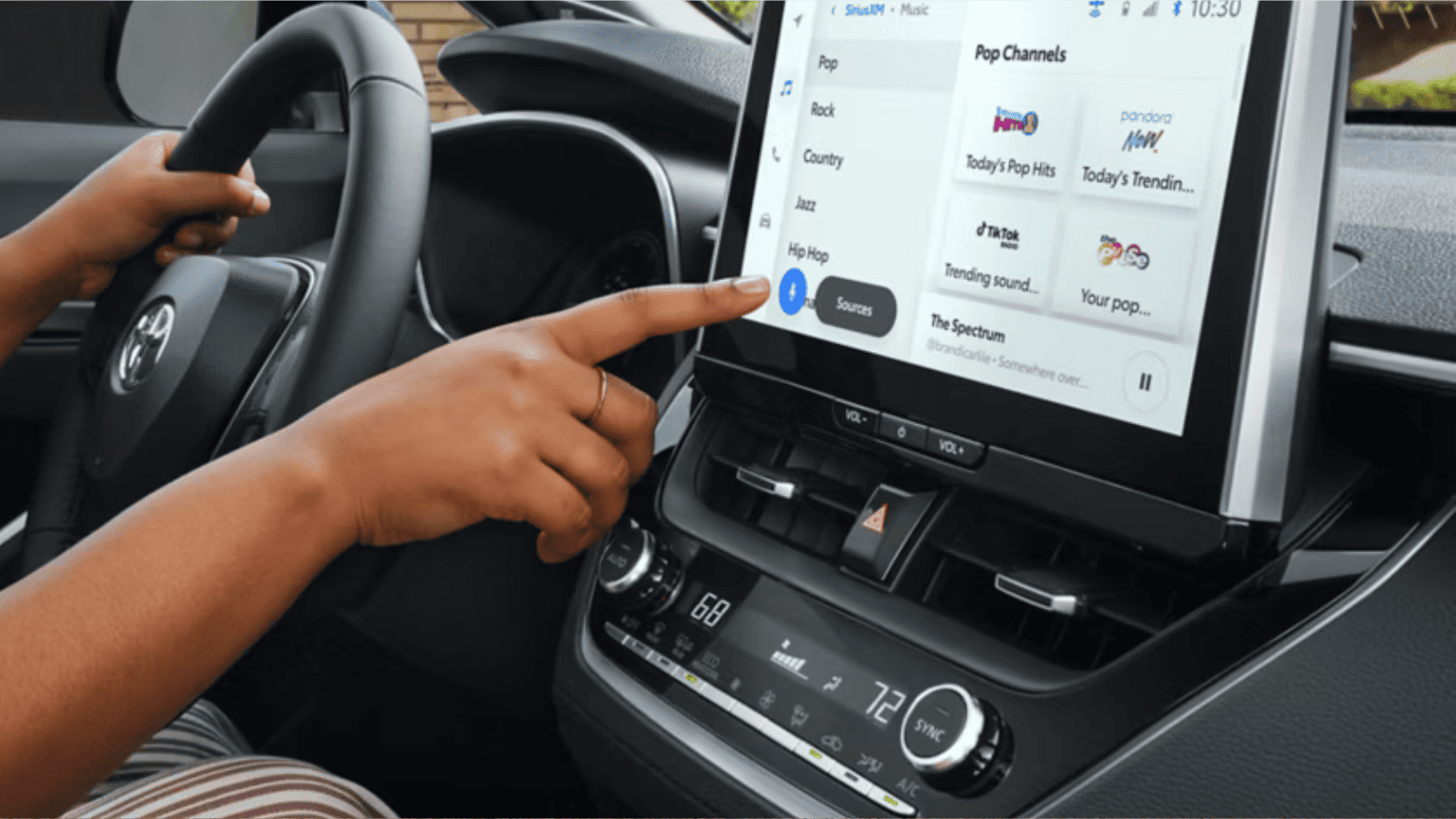
- 8-inch Toyota Audio Multimedia touchscreen
- Available 10.5-inch touchscreen
- Wireless Apple CarPlay and Android Auto
- Wireless Bluetooth connectivity
- Six-speaker audio system
- Available JBL premium audio
- Standard rear-seat air vents
- Available dual-zone automatic climate control
- Available heated front seats
- Available heated steering wheel
- Available wireless charging
- Available 12.3-inch digital gauge cluster
- Available power liftgate
- Toyota Safety Connect and connected-service capability
Front-seat comfort is good for most drivers. The higher seating position gives a clear view of traffic, and the available heated seats make the XLE and XSE trims more appealing in colder areas.
Rear-seat space is acceptable for children and average-sized adults. Taller adults may find rear legroom limiting on longer trips.
Dimensions, Cargo, and Practicality
| Dimension | Measurement |
| Length | 176.1 in. |
| Width | 71.9 in. |
| Height | 64.9 in. |
| Wheelbase | 103.9 in. |
| Ground clearance | 8.1 in. |
| Cargo space, gas FWD | Up to 24.0 cu. ft. |
| Cargo space, AWD and hybrid | 21.5 cu. ft. |
| Maximum cargo space, gas FWD | Up to 46.9 cu. ft. |
| Seating | 5 passengers |
| Towing capacity | Up to 1,500 lbs. |
The Corolla Cross is more practical than the Corolla sedan and hatchback for buyers who need a taller cargo opening and easier rear-seat access.
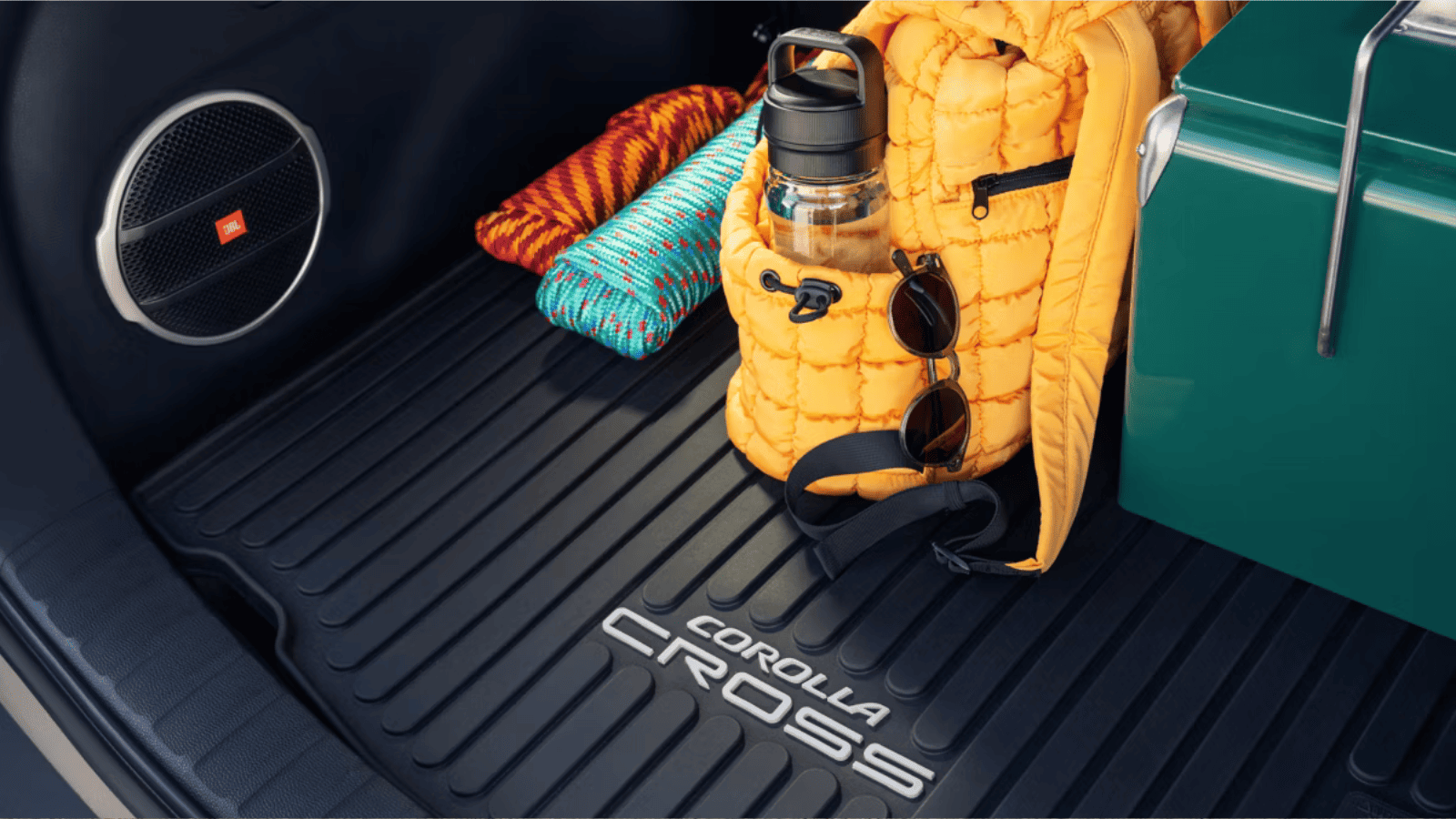
Gas front-wheel-drive models offer the most cargo space. AWD and hybrid models have slightly less room behind the rear seats, but still provide useful space for groceries, luggage, strollers, and everyday gear.
The 60/40-split rear seats fold for longer items. The load floor is not completely flat when the seats are folded, so buyers who regularly transport bulky cargo should check the space in person.
Exterior Design
The Corolla Cross has a clean, upright SUV shape that makes it look more substantial than the Corolla sedan. It remains compact enough for city use while offering a more rugged appearance and useful ground clearance.
Gas and hybrid versions have different front-end styling.
- Gas models: more traditional SUV-style grille and design details.
- Hybrid models: sportier grille, darker exterior accents, and a more athletic appearance.
- L and LE: simpler wheels and practical design.
- XLE and Hybrid XSE: larger 18-inch alloy wheels and a more upscale finish.
The Hybrid S gives buyers the sportiest look for the money, with black exterior details, heated black mirrors, and a more aggressive front-end design.
Safety Features and Ratings
Every Corolla Cross includes Toyota Safety Sense 3.0. Standard driver-assistance features include:
- Pre-Collision System with Pedestrian Detection
- Full-Speed Range Dynamic Radar Cruise Control
- Lane Departure Alert with Steering Assist
- Lane Tracing Assist
- Road Sign Assist
- Automatic High Beams
- Proactive Driving Assist
- Rearview camera
- Tire Pressure Monitor System
- Vehicle Stability Control
- Traction Control
Blind Spot Monitor with Rear Cross-Traffic Alert is standard on LE, XLE, Hybrid SE, and Hybrid XSE trims. Front and Rear Parking Assist with Automatic Braking is available on selected higher trims.
The 2026 Corolla Cross is an IIHS Top Safety Pick. It earns Good ratings in the small-overlap front and updated side-impact tests, along with Good pedestrian crash-prevention performance. Its updated moderate-overlap front rating and headlights are rated Acceptable.
Review the full IIHS Corolla Cross ratings for exact test details.
Driver-assistance systems can support the driver, but they do not replace alert driving or safe following distances.
Reliability, Warranty, and Ownership
The Corolla Cross has a strong ownership case because it uses familiar Toyota mechanicals, has broad dealer support, and offers efficient gas and hybrid powertrains.
The gas model has a simple naturally aspirated engine, while the hybrid adds more power and fuel-saving hardware. Both should be maintained according to Toyota’s schedule, especially if you drive in heavy traffic, extreme temperatures, or dusty conditions.
| Coverage | Length |
| Basic warranty | 3 years / 36,000 miles |
| Powertrain warranty | 5 years / 60,000 miles |
| Corrosion perforation warranty | 5 years / unlimited miles |
| Hybrid-related component coverage | 8 years / 100,000 miles |
| Hybrid battery warranty | 10 years / 150,000 miles |
| ToyotaCare scheduled maintenance | 2 years / 25,000 miles |
| Roadside assistance | 2 years / unlimited miles |
The gas LE FWD should be the least expensive trim to buy and maintain. The Hybrid S should cost less to fuel and may be the better long-term choice for high-mileage drivers.
Before buying a used Corolla Cross, check its vehicle history, service records, tire condition, and open recalls. Read our guide on how to check a car’s accident history.
Pros and Cons
What We Like
- Hybrid has strong fuel economy and better acceleration
- Standard AWD on every hybrid trim
- Easy to drive and park
- Useful cargo area for its size
- Available AWD on gas models
- 1,500-pound towing capacity
- Standard Toyota Safety Sense 3.0
- IIHS Top Safety Pick status
- Standard rear-seat air vents
- Strong ownership and warranty appeal
What We Don’t Like
- Gas engine feels slow under hard acceleration
- CVT can make the gas model noisy
- Lower trims have a basic cabin
- Rear-seat legroom is limited for tall adults
- Hybrid cargo space is smaller than gas FWD cargo space
- Blind Spot Monitor is not standard on the base L or Hybrid S
- Higher trims begin to overlap with larger SUV prices
- Not intended for serious off-road driving
Competitors
The Corolla Cross should be compared with several small SUVs before you decide:
- Honda HR-V: better suited to buyers who value passenger comfort and a refined ride.
- Mazda CX-30: a stronger option for drivers who care more about handling and interior design.
- Subaru Crosstrek: worth considering for standard AWD and more outdoor-focused capability.
- Hyundai Kona: offers bolder styling, more technology, and stronger warranty coverage.
- Kia Niro: a good alternative for buyers who prioritize hybrid efficiency and everyday practicality.
- Toyota RAV4: better for buyers who need more rear-seat room, cargo space, and towing ability.
The Toyota Corolla is the better fit if you do not need SUV space or ground clearance. The Toyota Corolla Hatchback is worth considering if you want a smaller, lower, more car-like option with a liftgate.
Related Content
Before financing a Corolla Cross, read how car financing works and consider getting car loan preapproval before visiting a dealer.
If you are deciding whether a used SUV may make more financial sense, compare the benefits of a new car vs. used car and learn how to get the best car loan rate.
Should You Buy the Toyota Corolla Cross?
Buy the Toyota Corolla Cross if you want a small, easy-to-own SUV with useful cargo space, a higher driving position, good safety technology, and optional or standard AWD.
Choose the Hybrid S if your budget allows. It is quicker, more efficient, and includes standard AWD. Choose the gas LE FWD if you want a lower purchase price but still want Blind Spot Monitor and Rear Cross-Traffic Alert. Choose the Hybrid XSE only if you value its larger screens, upgraded trim, and extra features.
Skip the gas Corolla Cross if you want quick acceleration, a premium interior, or a more engaging driving experience. Skip the Corolla Cross entirely if you regularly carry tall rear passengers, need much more cargo space, or plan to tow more than 1,500 pounds.
FAQs
How much does the Toyota Corolla Cross cost?
The 2026 Toyota Corolla Cross starts from $25,235 MSRP in the US. The Corolla Cross Hybrid starts from $29,595 MSRP. Delivery, tax, registration, accessories, and dealer fees add to the final price.
Is the Toyota Corolla Cross available as a hybrid?
Yes. The Corolla Cross Hybrid is available in S, SE, and XSE trims. Every hybrid model has standard AWD and produces 196 combined horsepower.
Does the Corolla Cross have all-wheel drive?
Yes. AWD is optional on gas Corolla Cross models and standard on every Corolla Cross Hybrid.
What fuel economy does the Corolla Cross get?
Gas FWD models return up to 32 mpg combined. Gas AWD models return up to 30 mpg combined. Corolla Cross Hybrid models return up to 42 mpg combined.
Is the Corolla Cross Hybrid faster than the gas model?
Yes. The hybrid has 196 combined horsepower, compared with 169 hp in the gas model. It accelerates more smoothly and reaches 60 mph noticeably quicker.
How much cargo space does the Corolla Cross have?
Gas FWD models provide up to 24 cubic feet of cargo space behind the rear seats. AWD and hybrid models provide 21.5 cubic feet.
Can the Corolla Cross tow a trailer?
Yes. The Corolla Cross can tow up to 1,500 pounds when properly equipped. Always check the owner information and local towing requirements before towing.
Does the Corolla Cross have Apple CarPlay and Android Auto?
Yes. Every current Corolla Cross includes wireless Apple CarPlay and Android Auto compatibility.
Is the Toyota Corolla Cross safe?
It includes Toyota Safety Sense 3.0 as standard and earned an IIHS Top Safety Pick award for 2026. It receives Good ratings in several major IIHS tests, though its updated moderate-overlap front test and headlights are rated Acceptable.
Is the Corolla Cross bigger than the Corolla?
Yes. The Corolla Cross is taller and more practical than the Corolla sedan and hatchback. It offers more ground clearance, a taller cargo area, and easier rear-seat access.
How long is the Corolla Cross warranty?
The basic warranty lasts 3 years or 36,000 miles, while the powertrain warranty lasts 5 years or 60,000 miles. Hybrid batteries are covered for 10 years or 150,000 miles.
Final Verdict
The Toyota Corolla Cross is a sensible small SUV that delivers the things many buyers actually need: useful cargo space, easy parking, good safety equipment, efficient engines, and available AWD.
The gas model is a reasonable entry point, but the hybrid is the version to buy if you can afford it. It is faster, more efficient, smoother in city traffic, and includes AWD as standard.
For most buyers, the Hybrid S is the best choice. For budget-focused shoppers who drive fewer miles, the LE FWD offers the right balance of price and everyday features.
Prices, specifications, safety ratings, and feature availability can change by model year, trim, and market.