
Hyundai Elantra: Price, Specs, Features & Review
The Hyundai Elantra is a value-focused compact sedan for commuters, first-time buyers, small families, and drivers who want strong standard technology without moving into a higher price bracket.
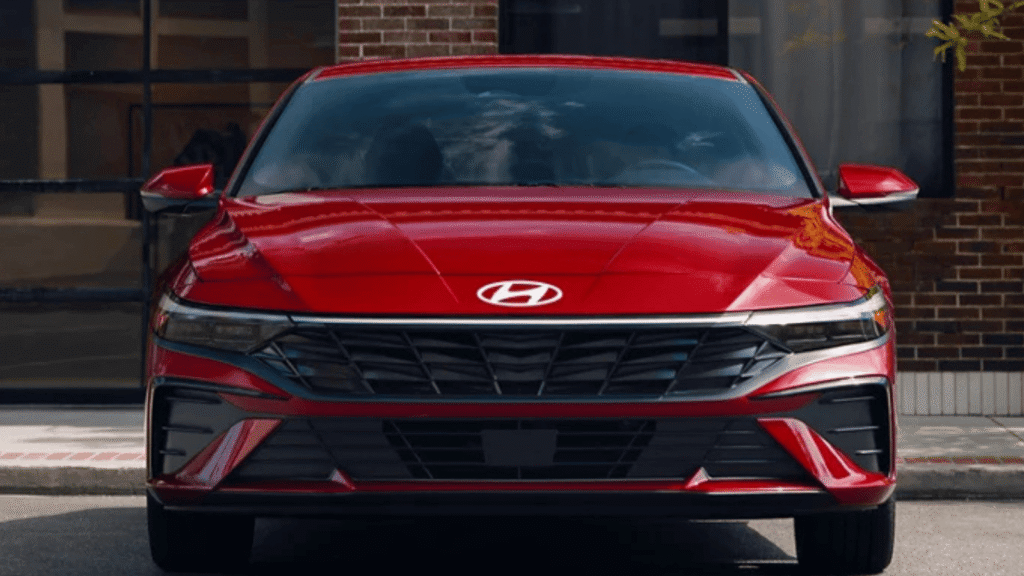
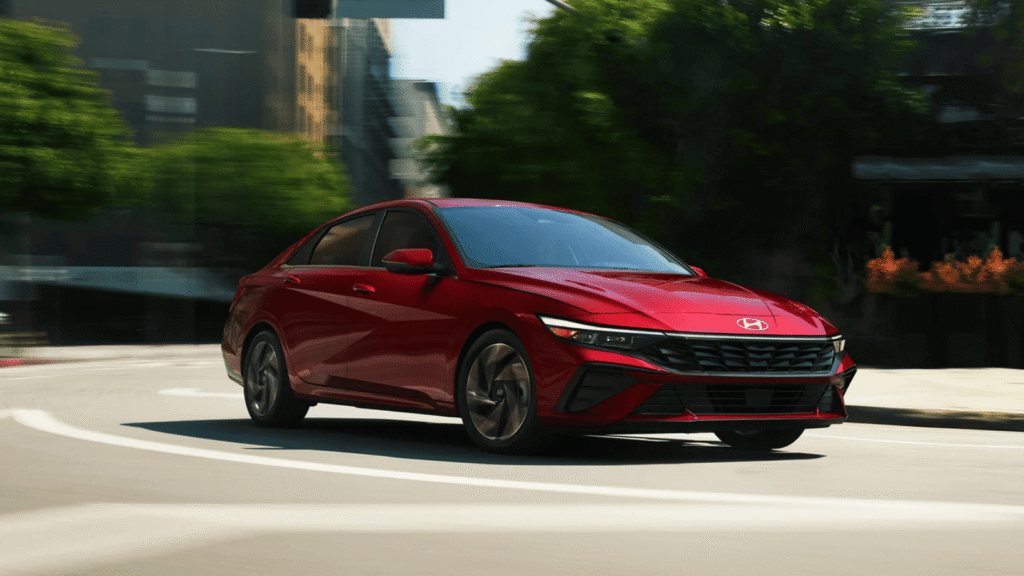
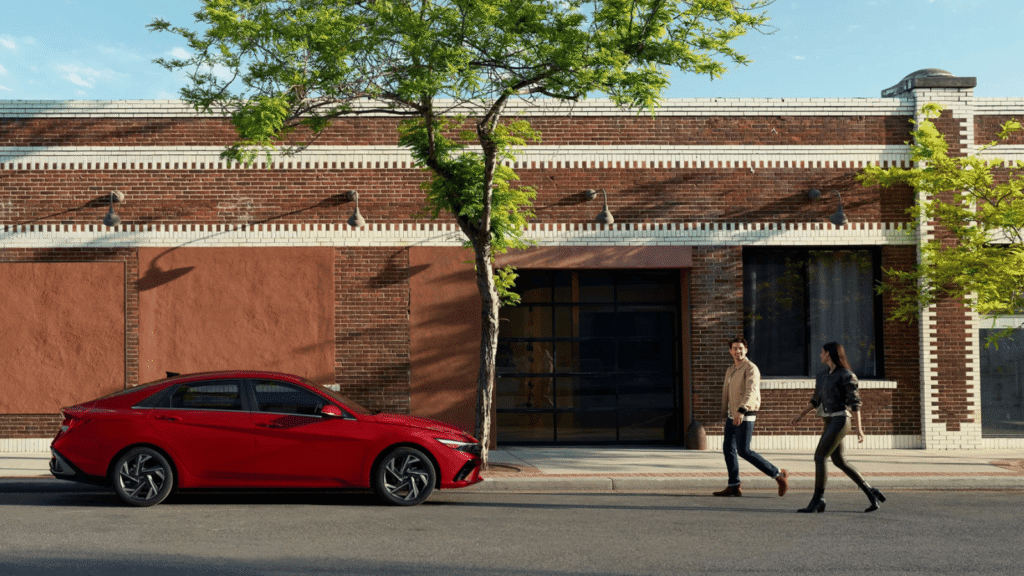
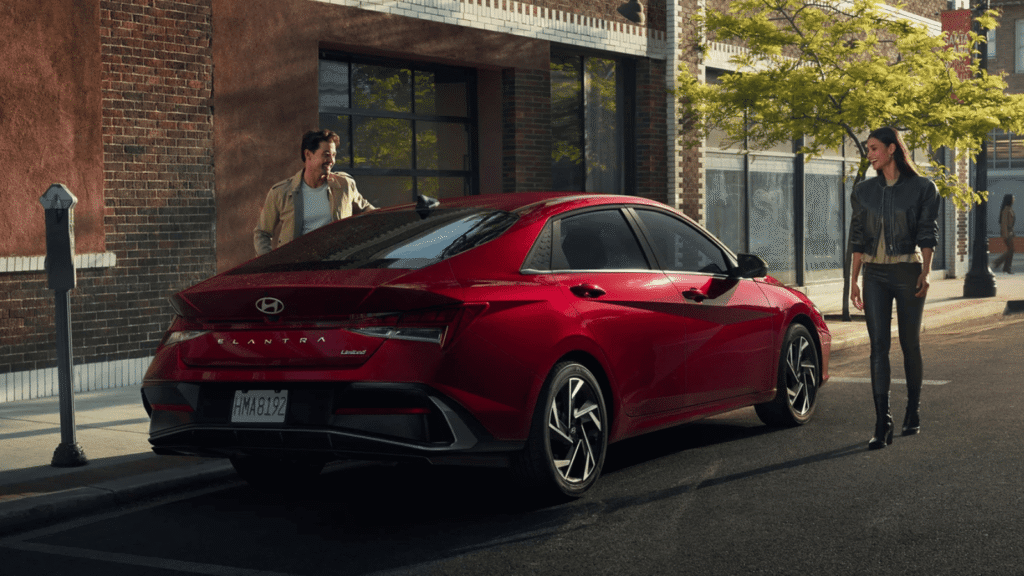
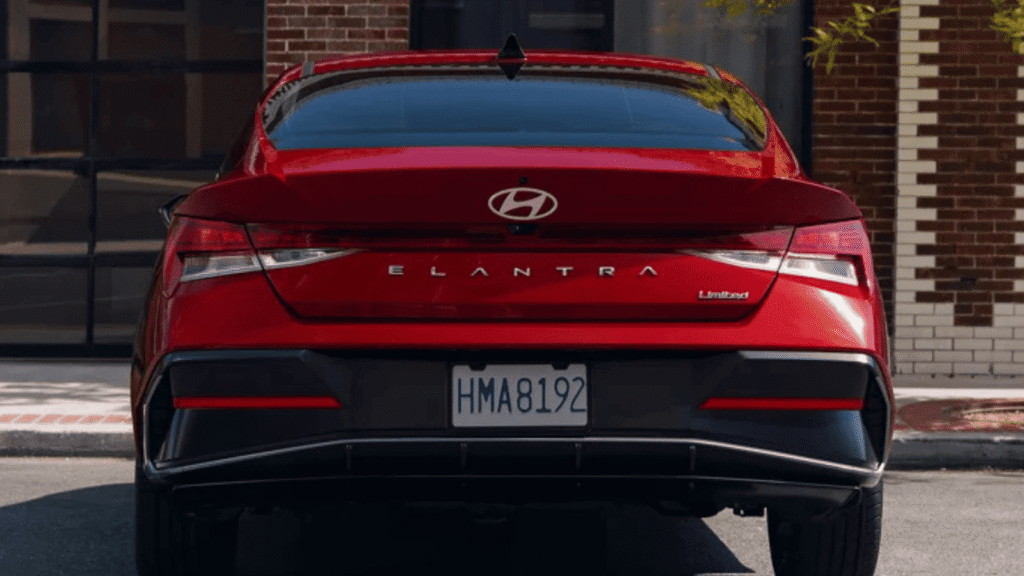

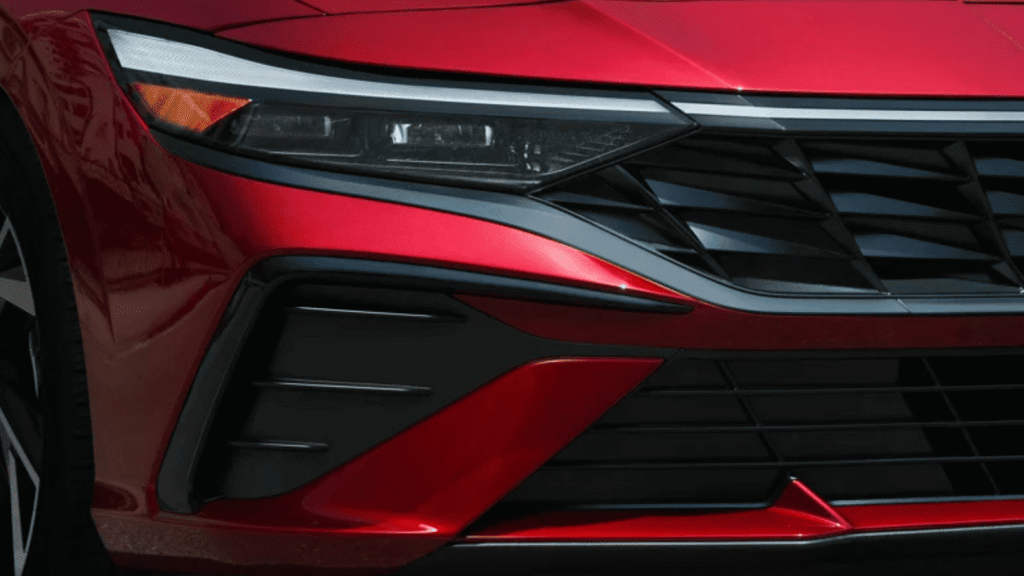
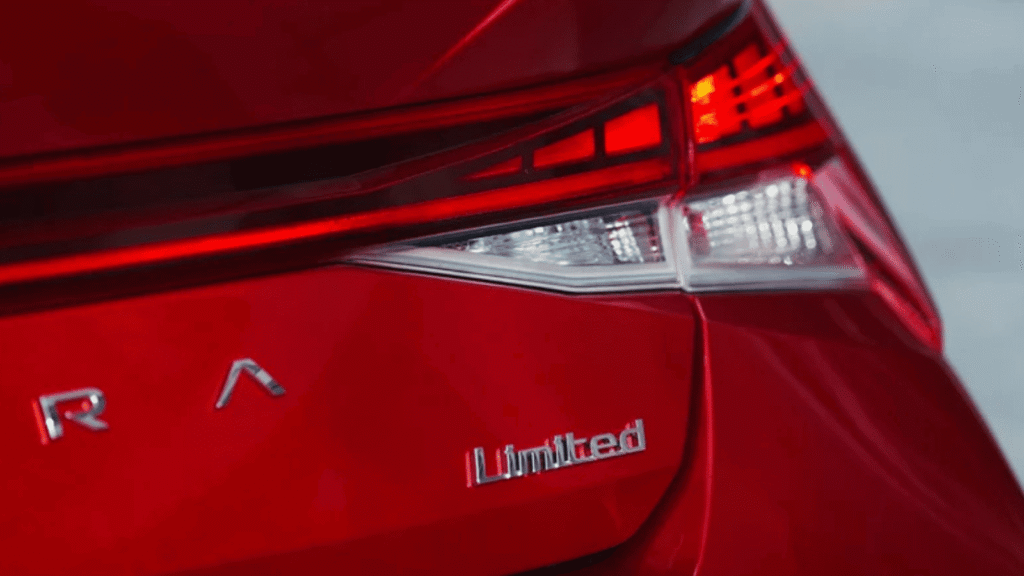
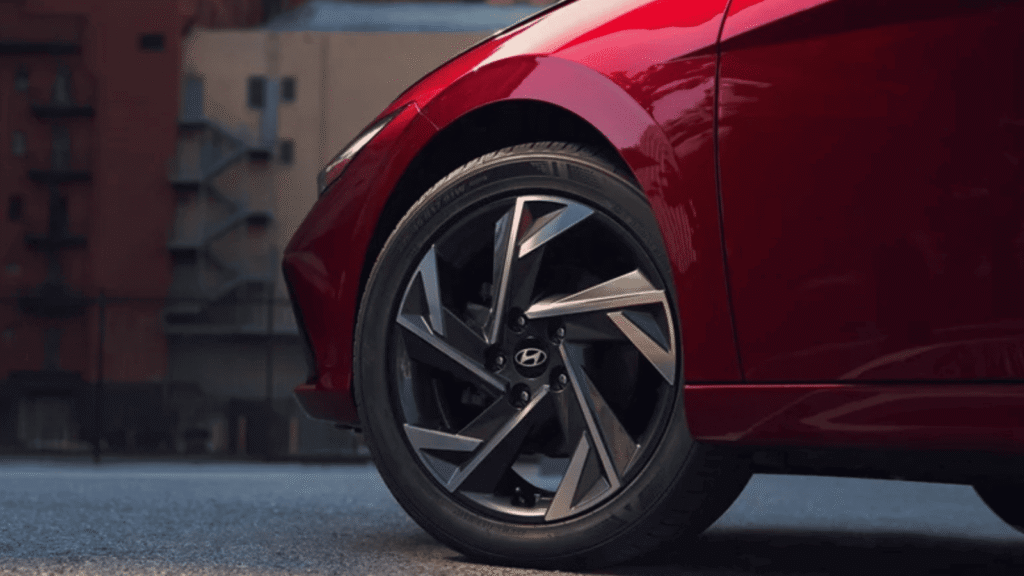
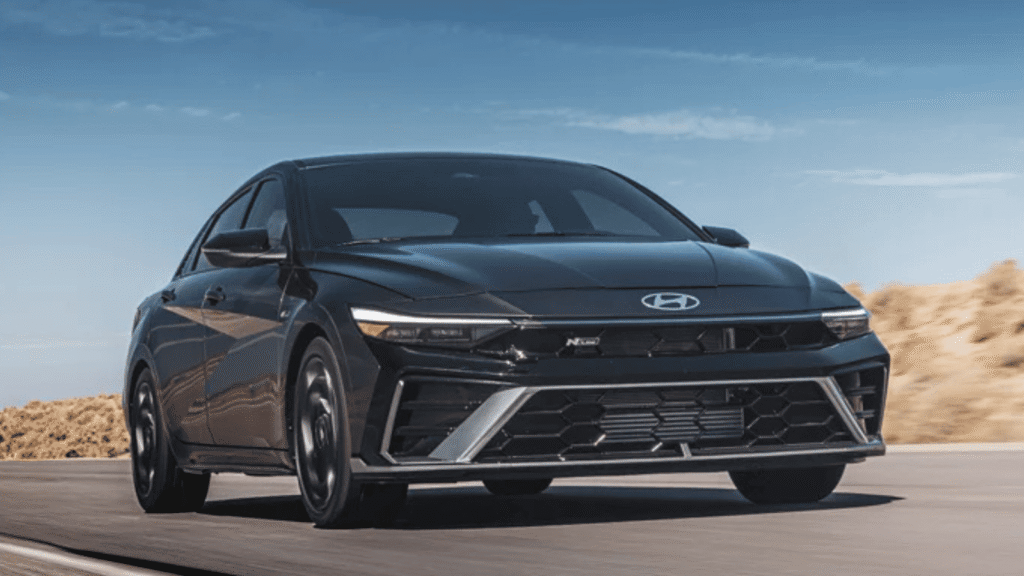
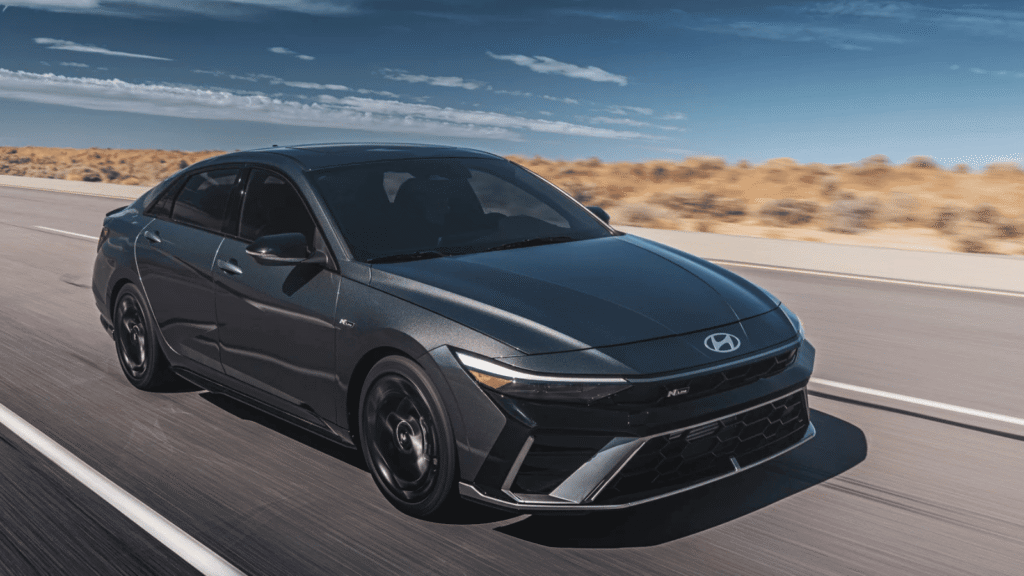
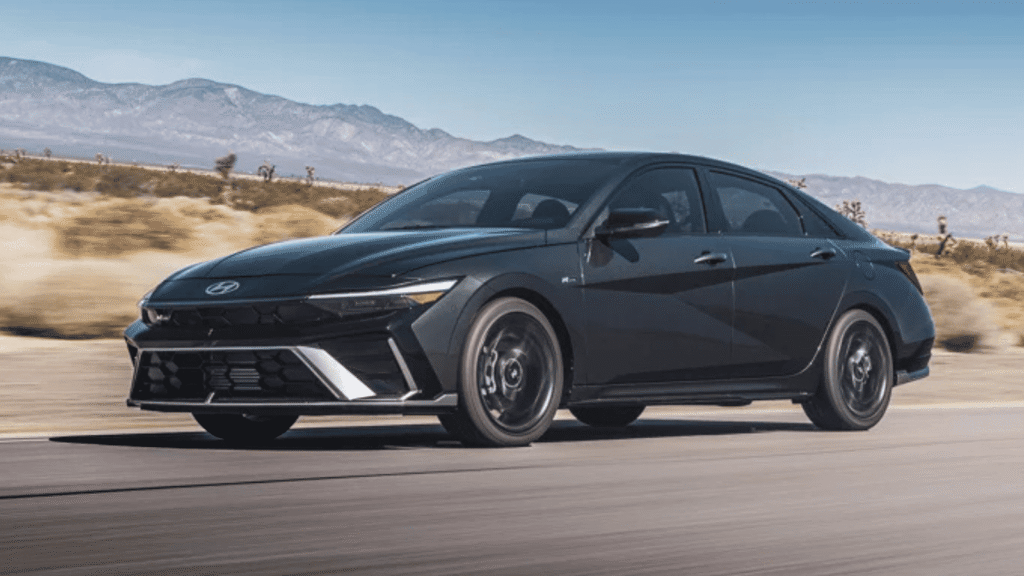
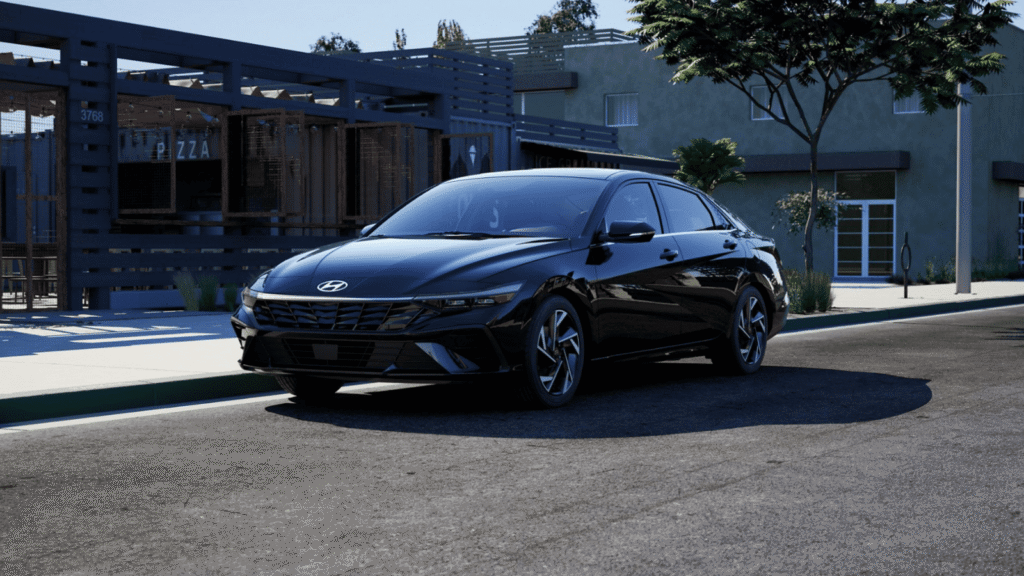
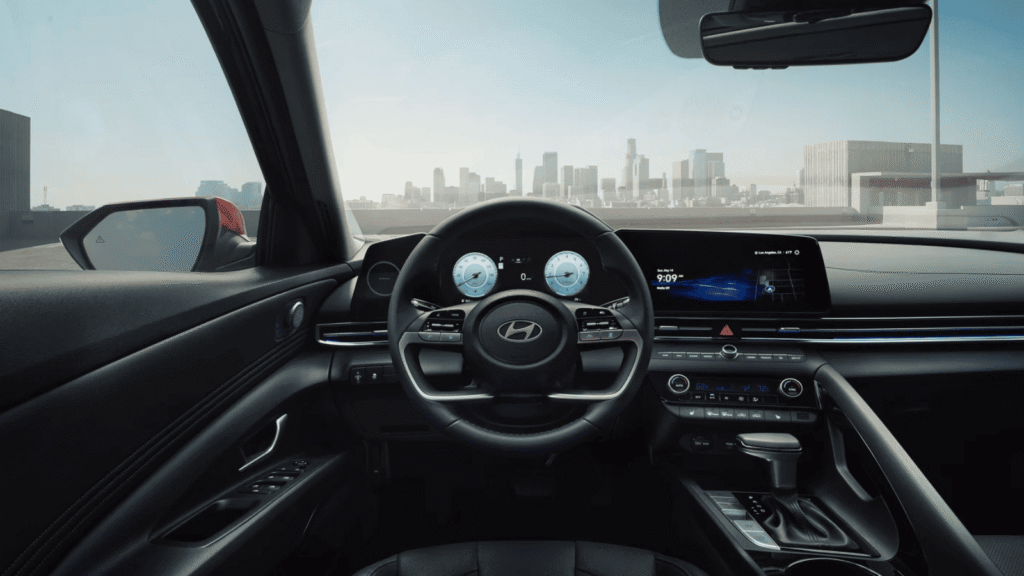
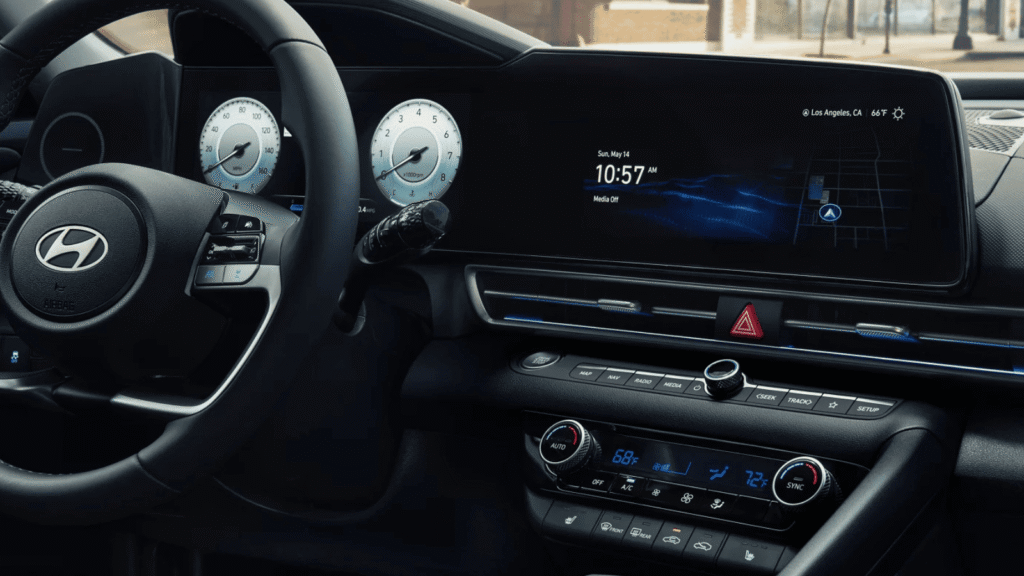
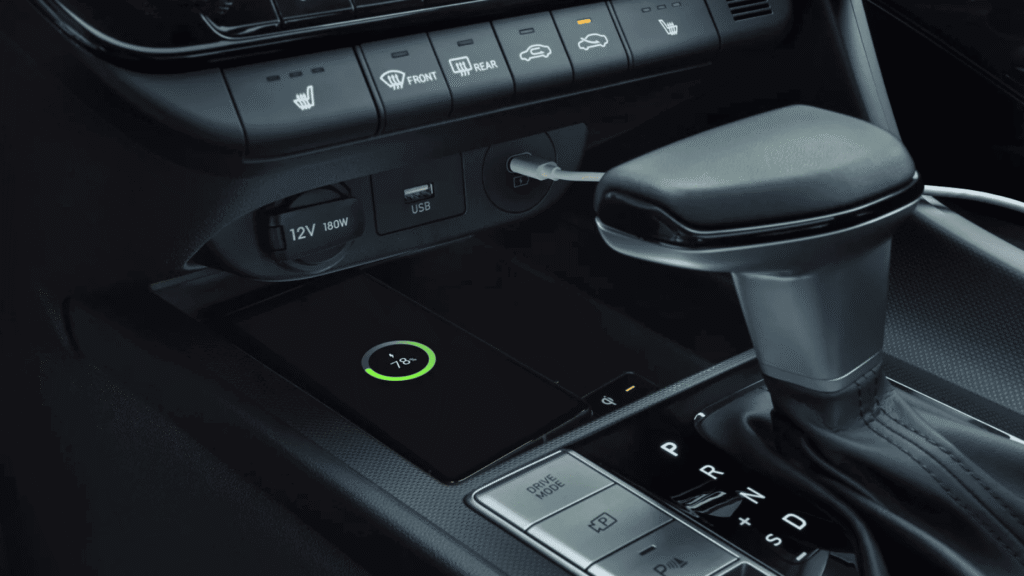
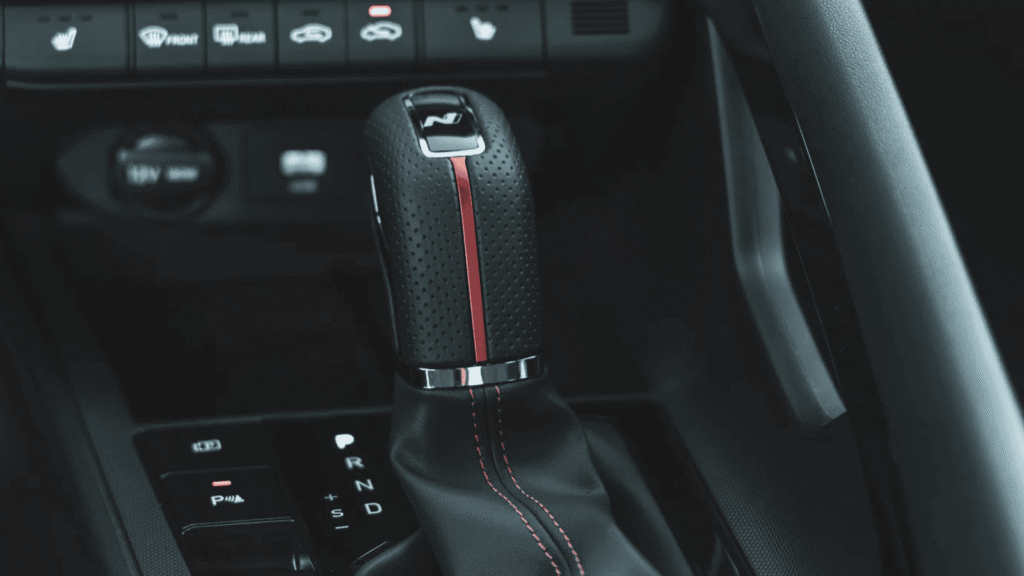
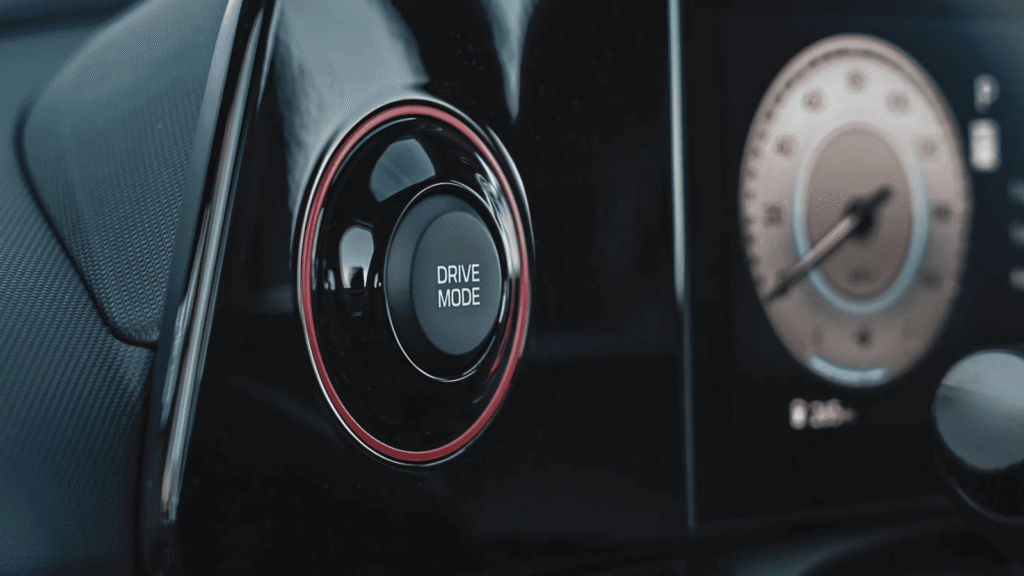
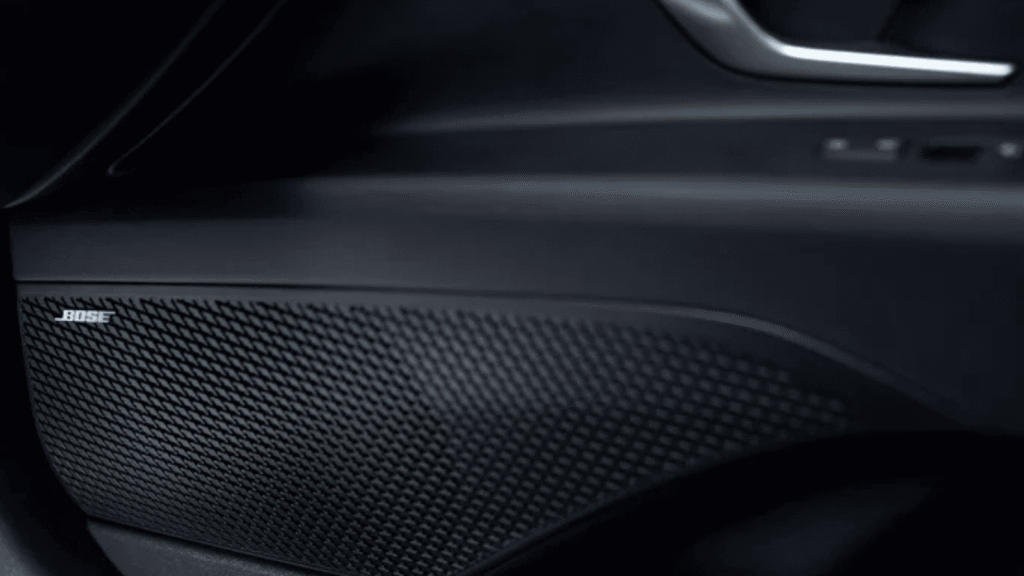
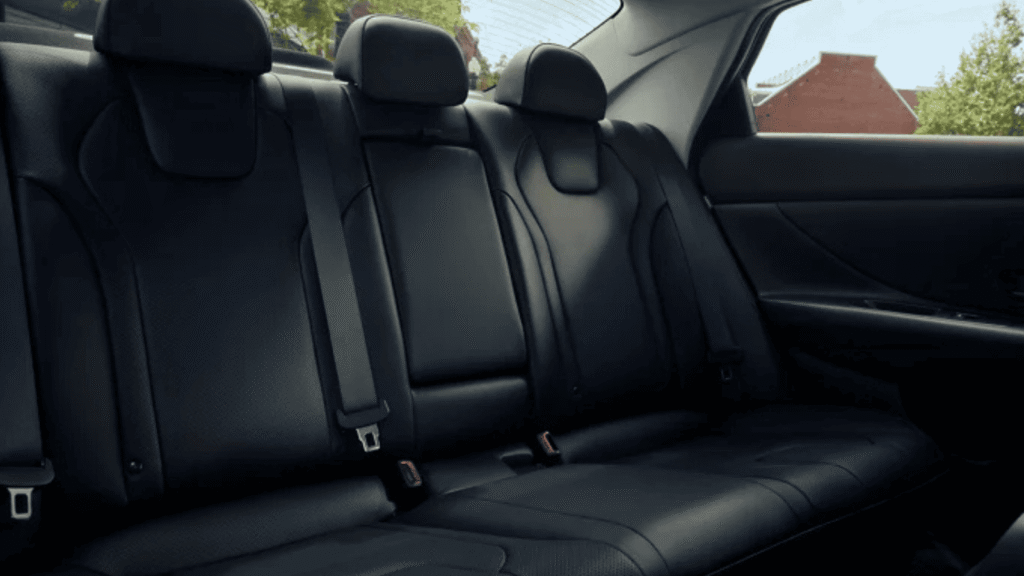
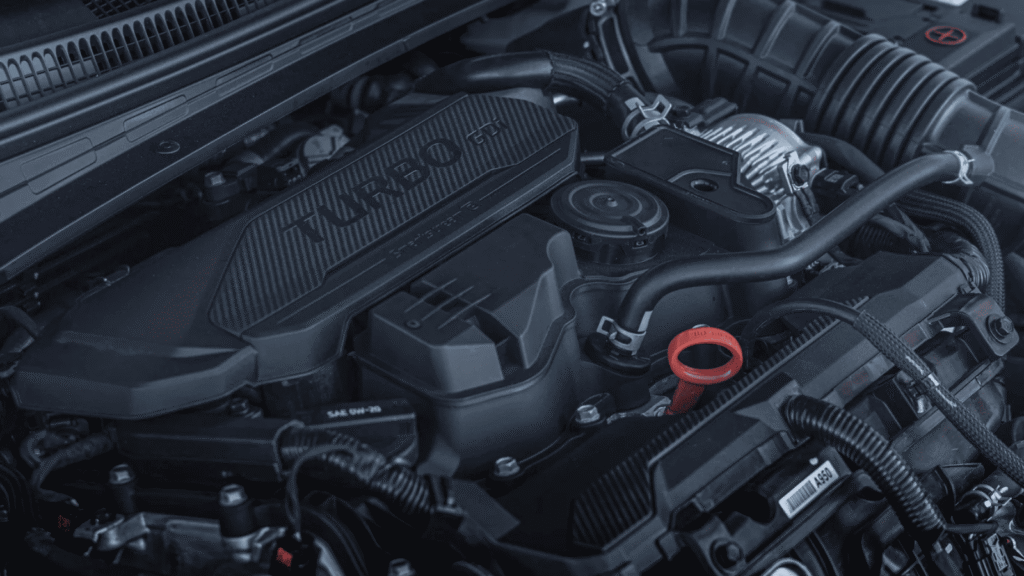
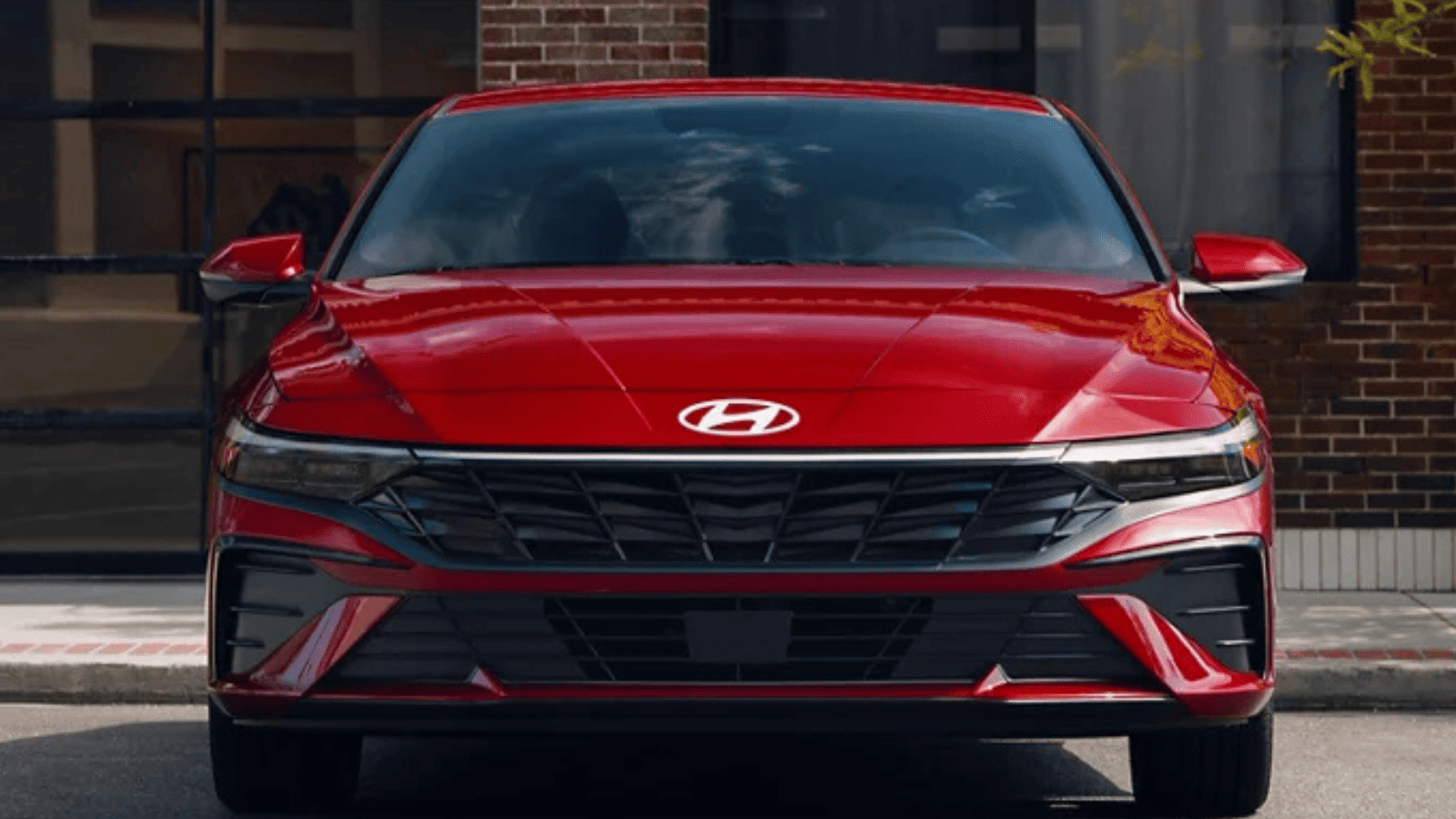
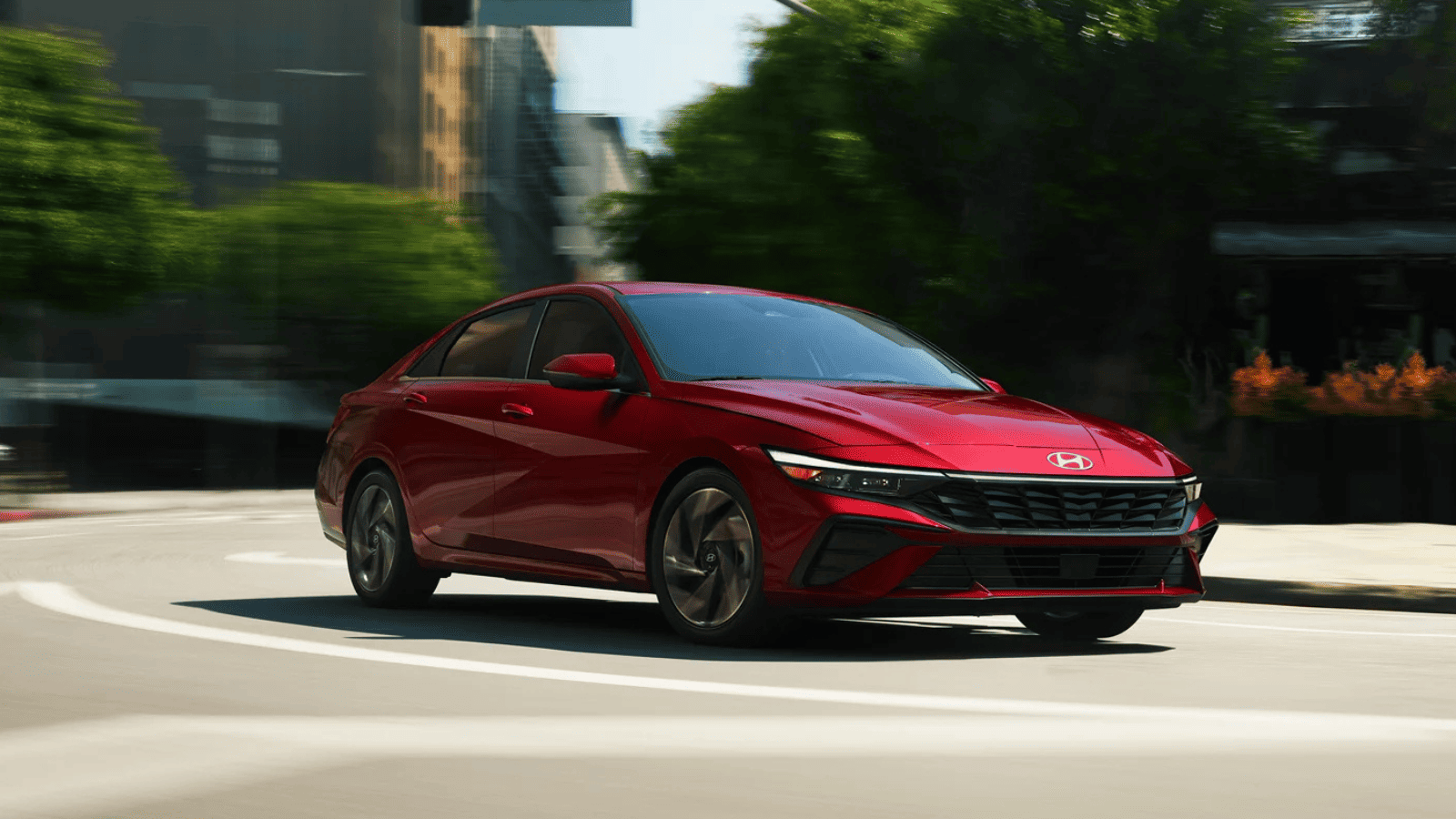
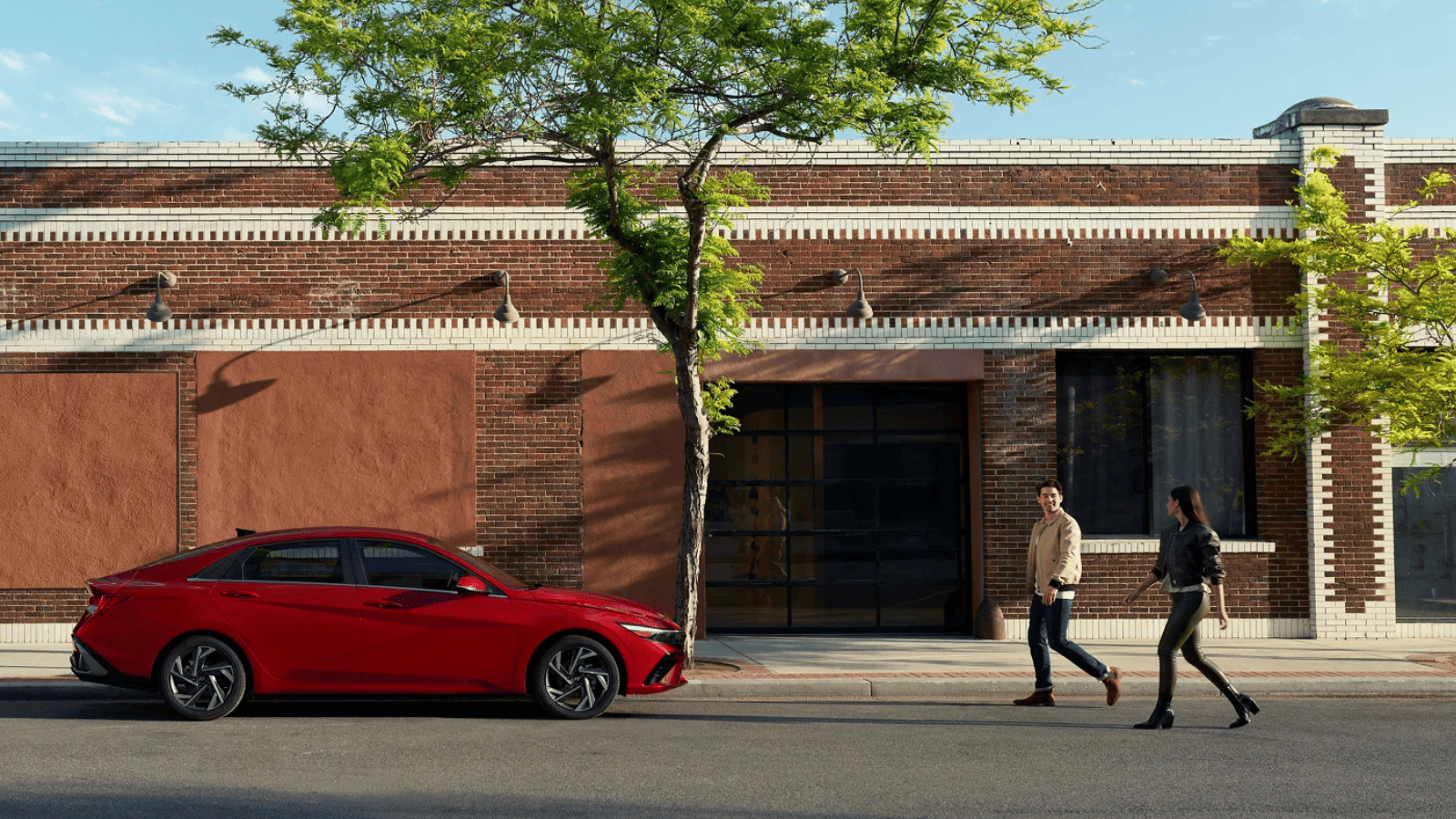
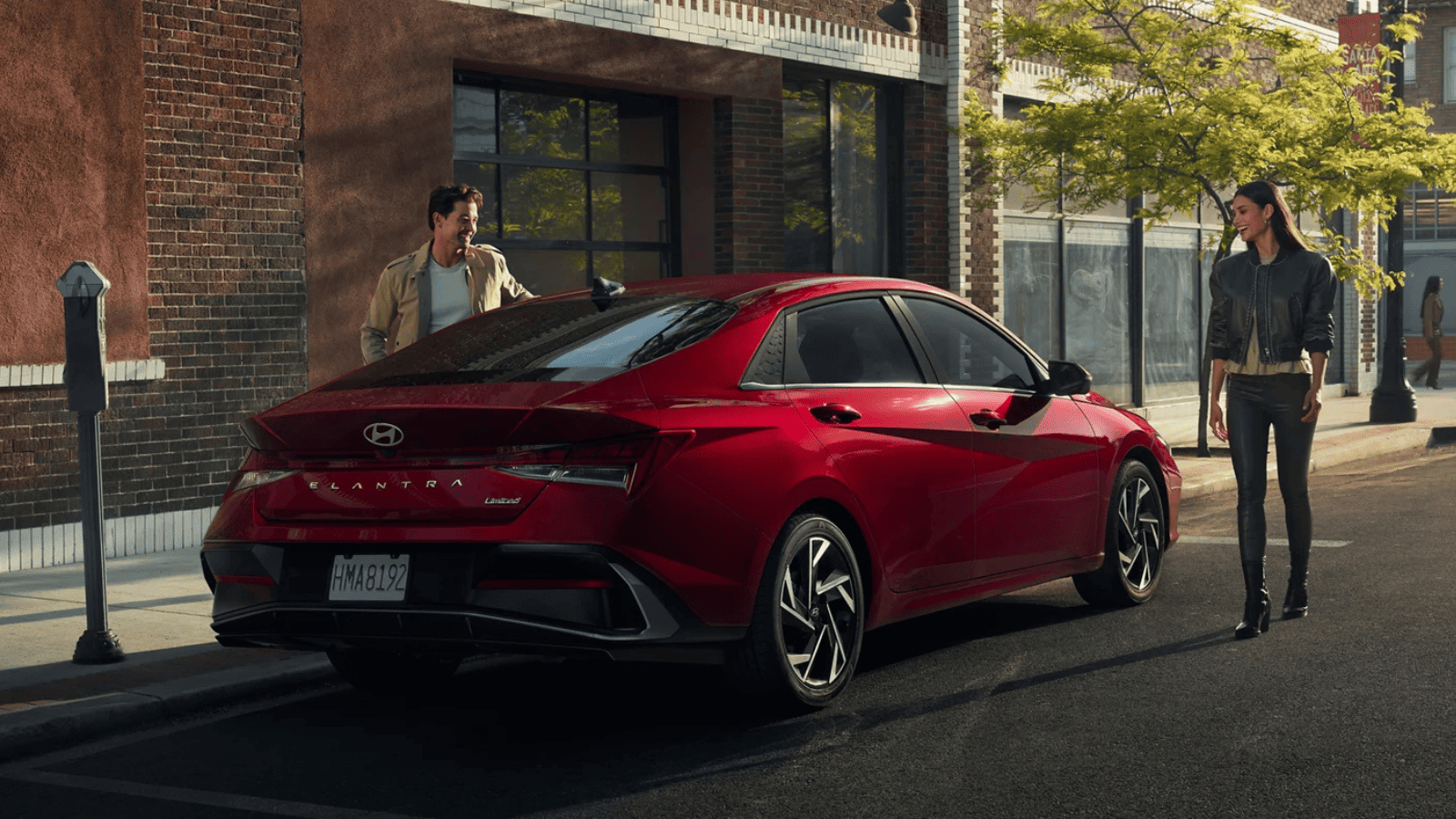
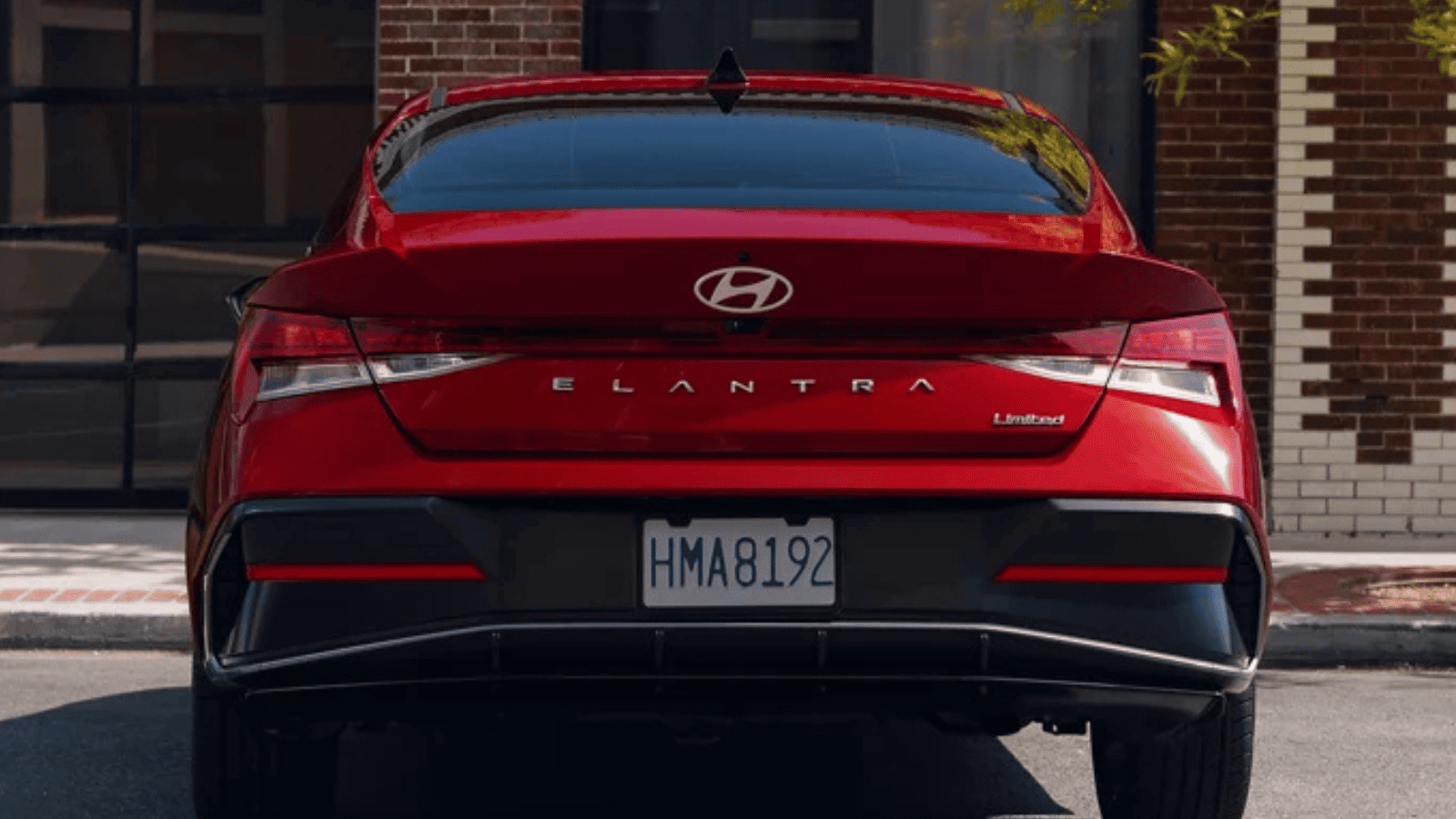

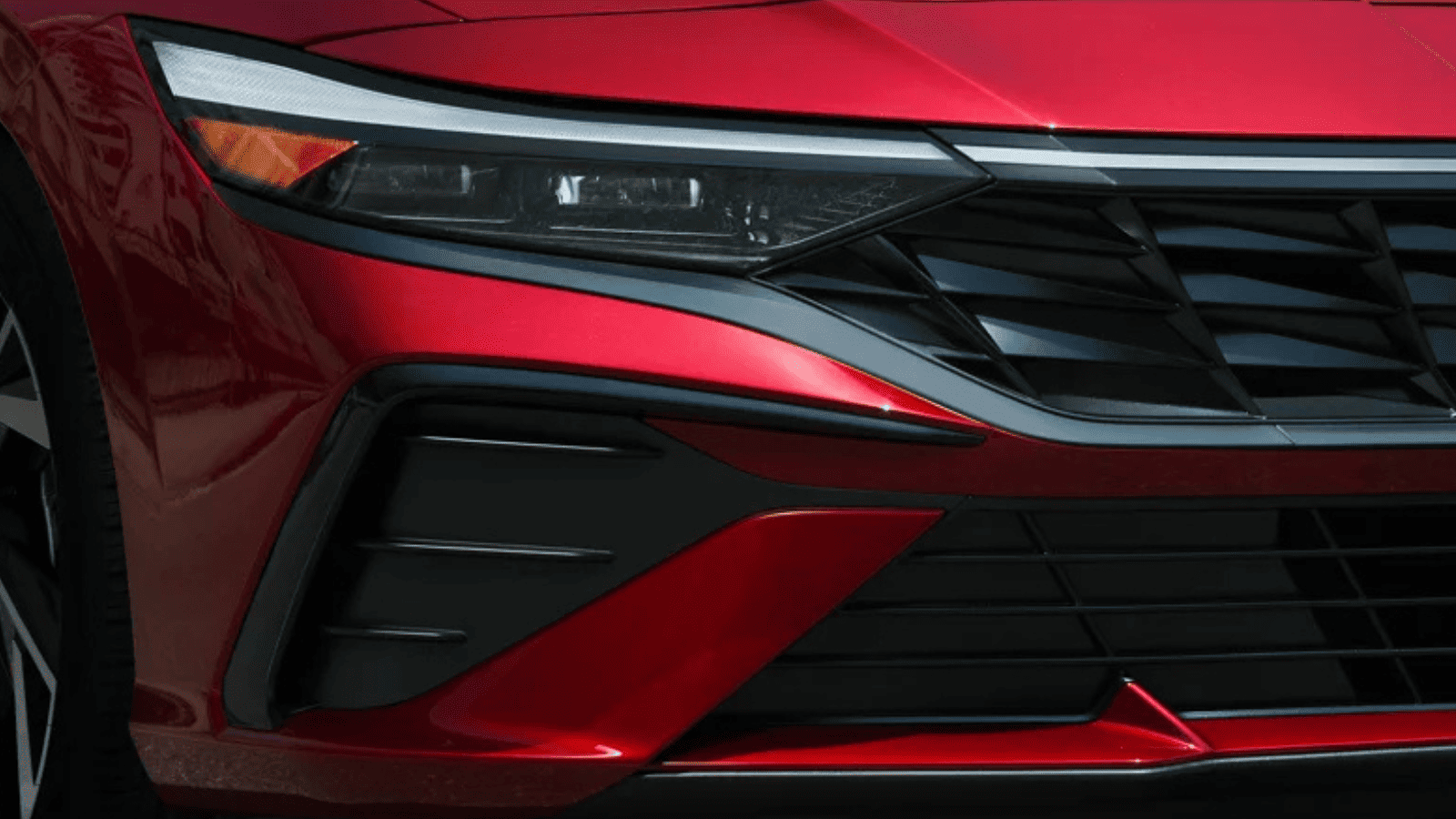
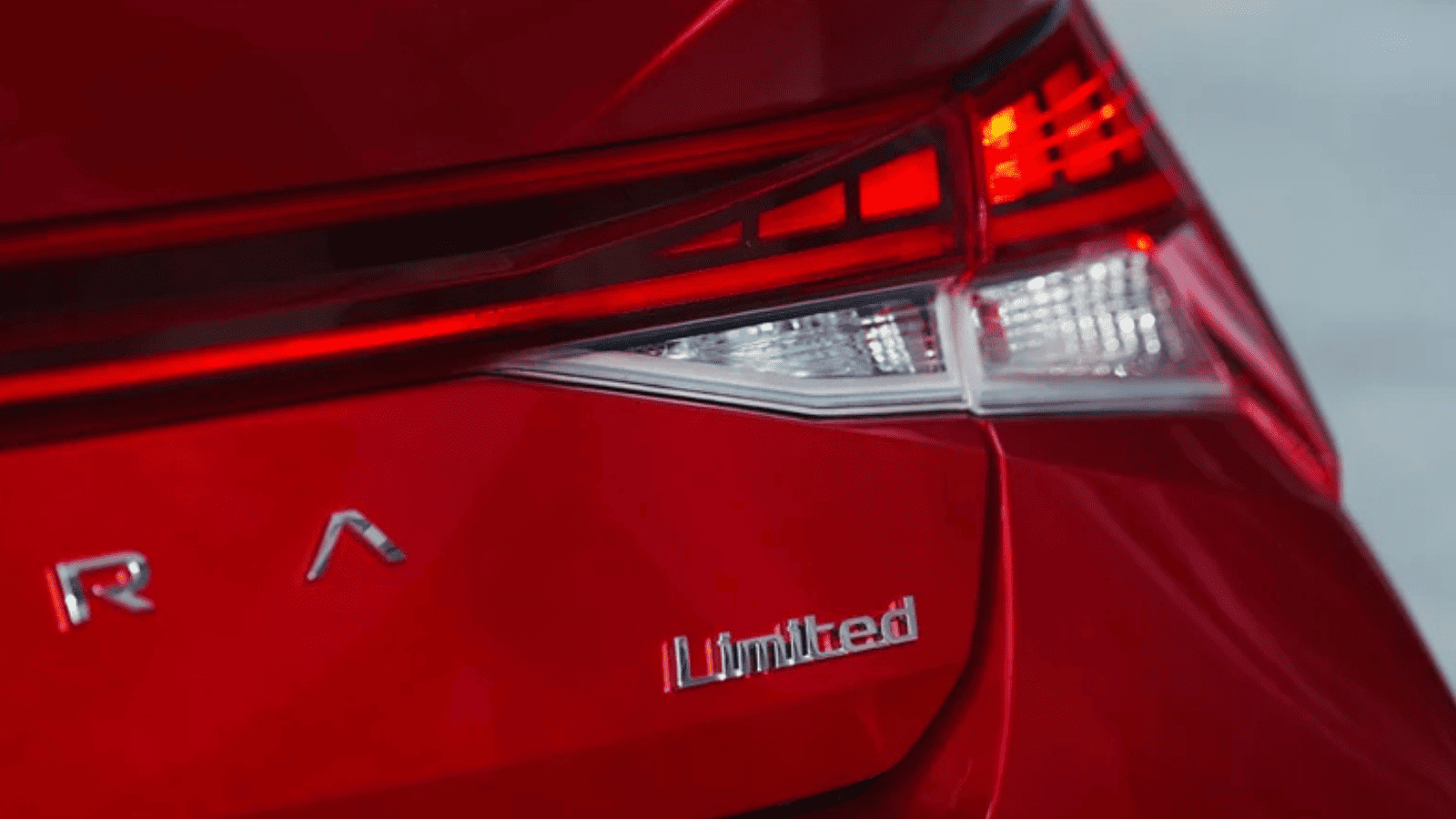
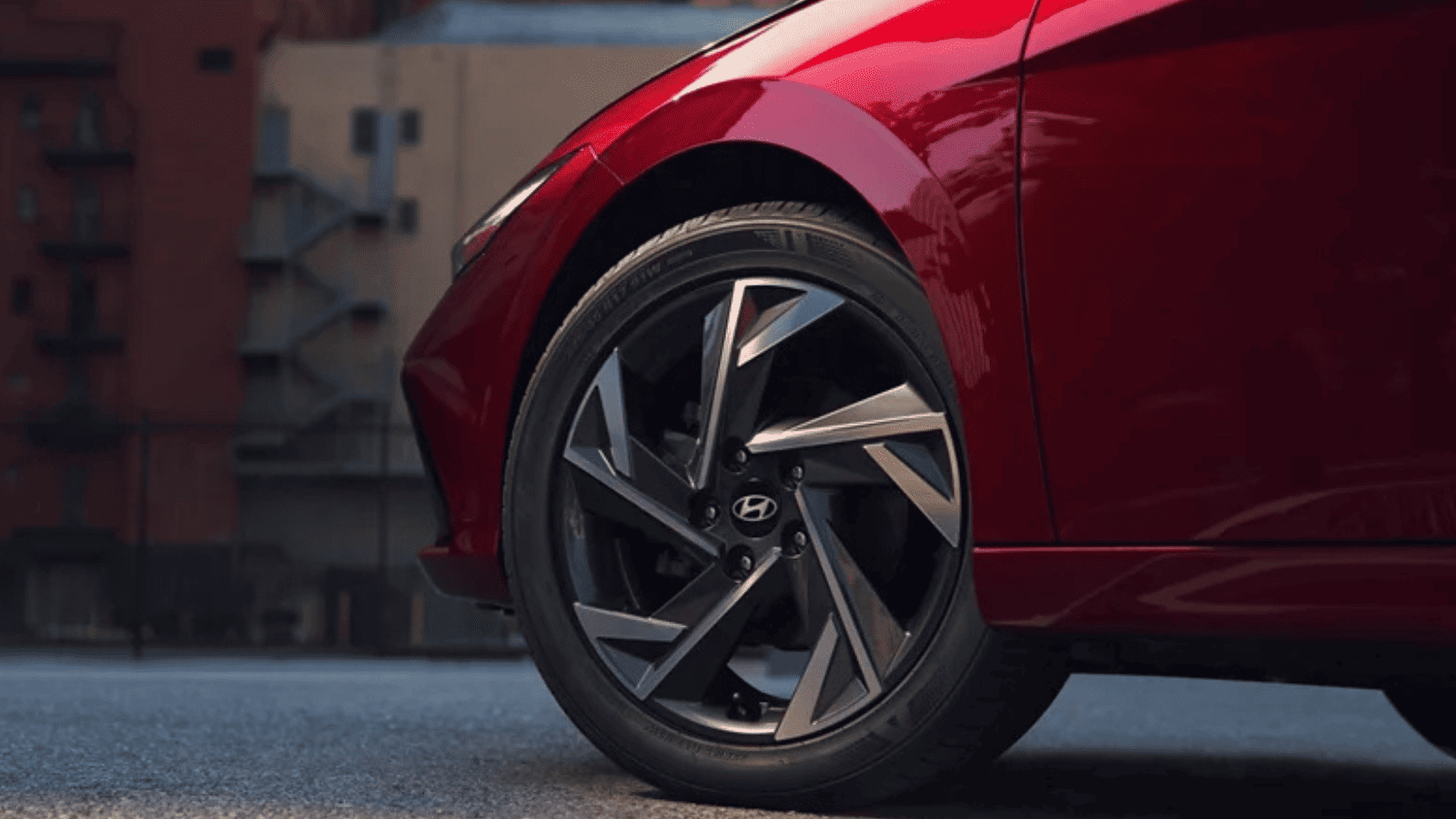
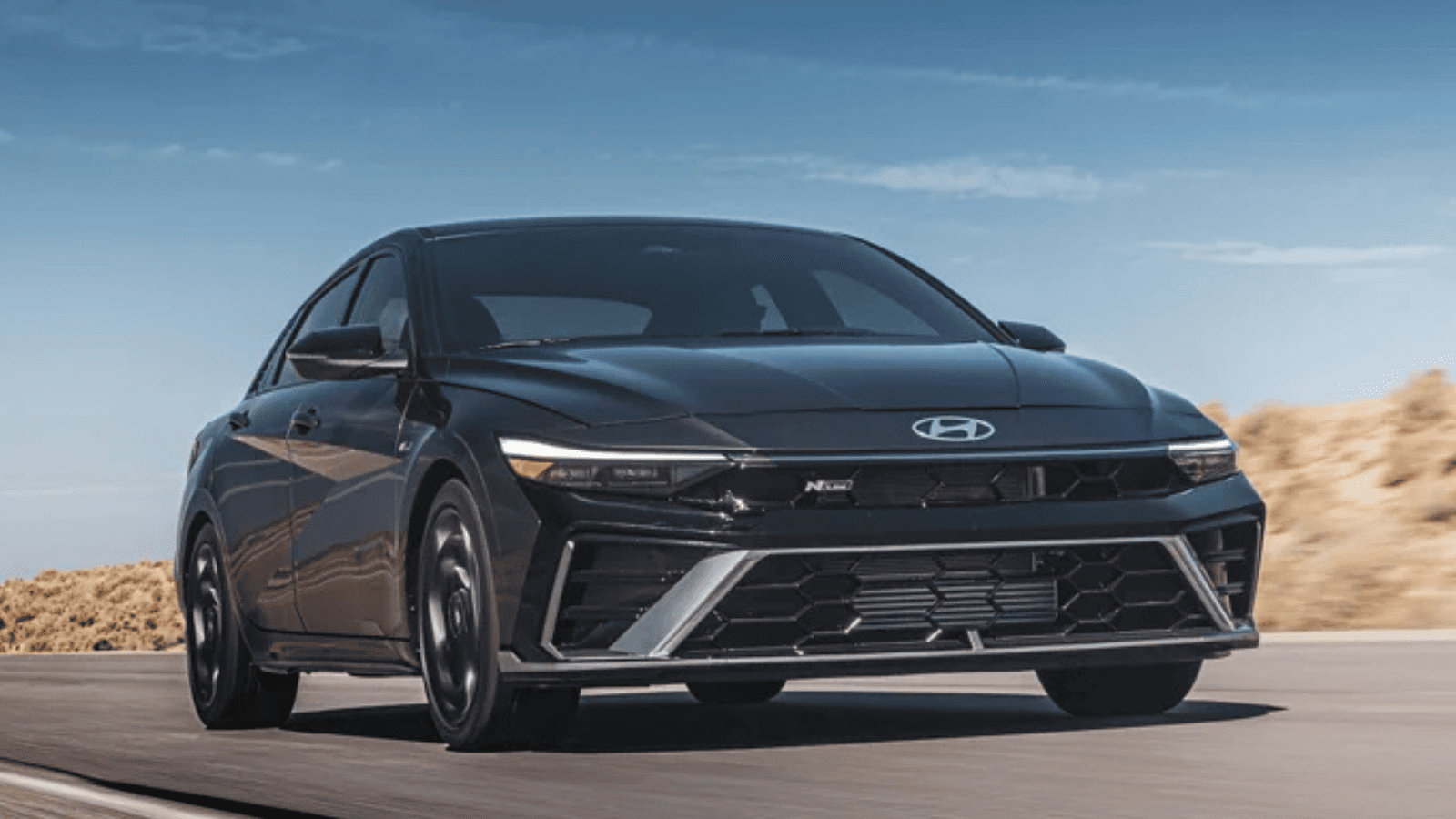
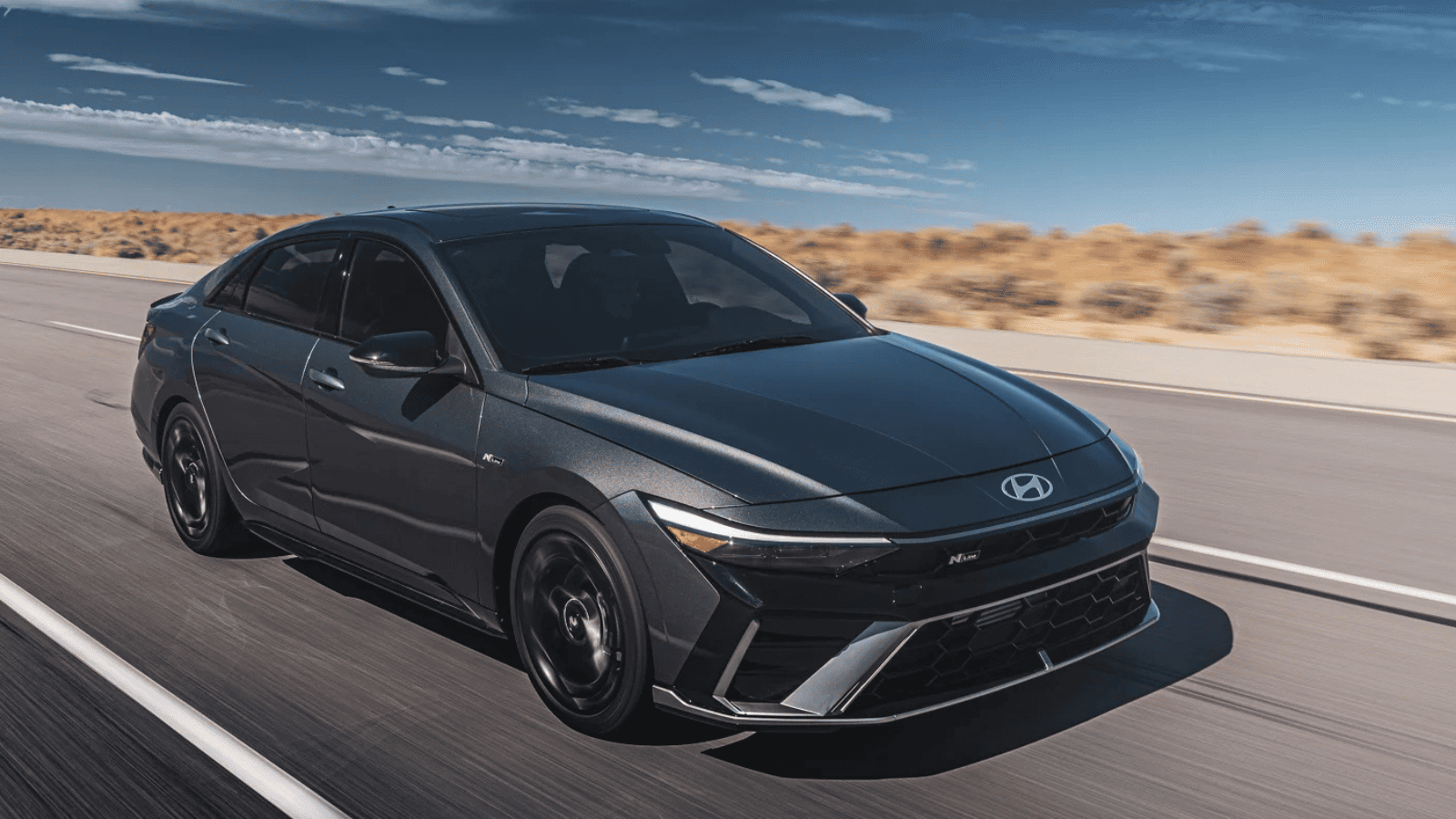
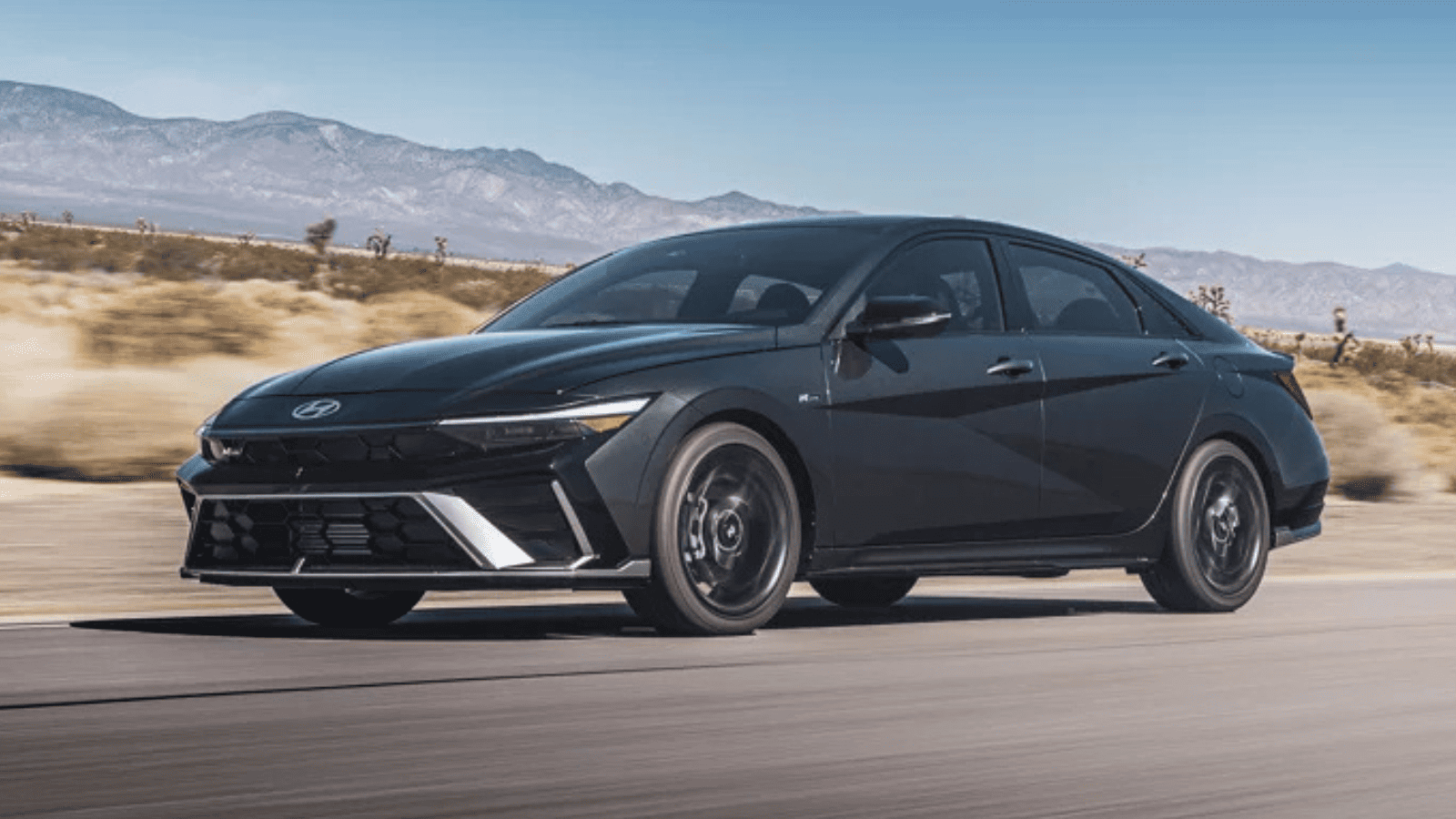
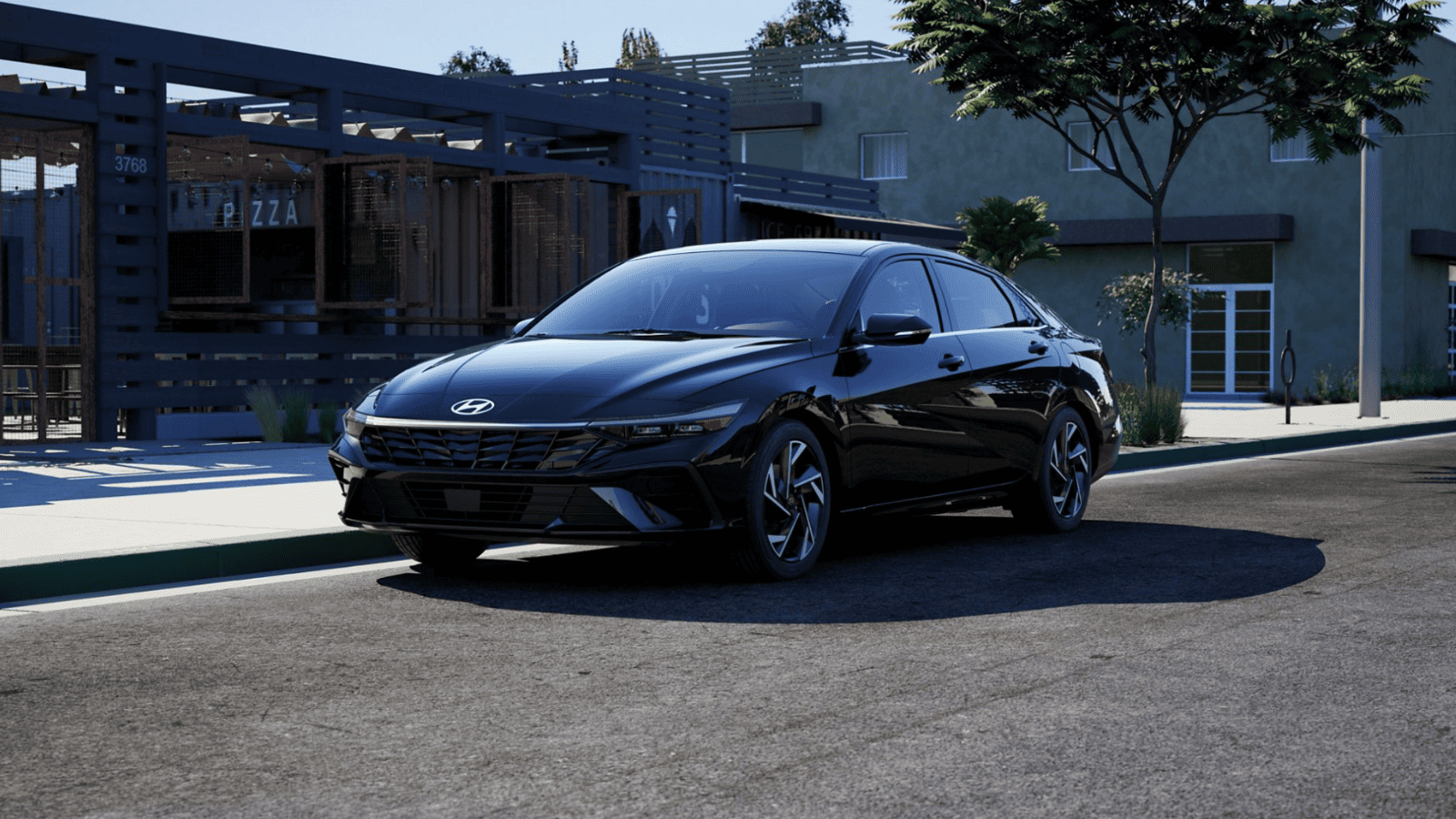
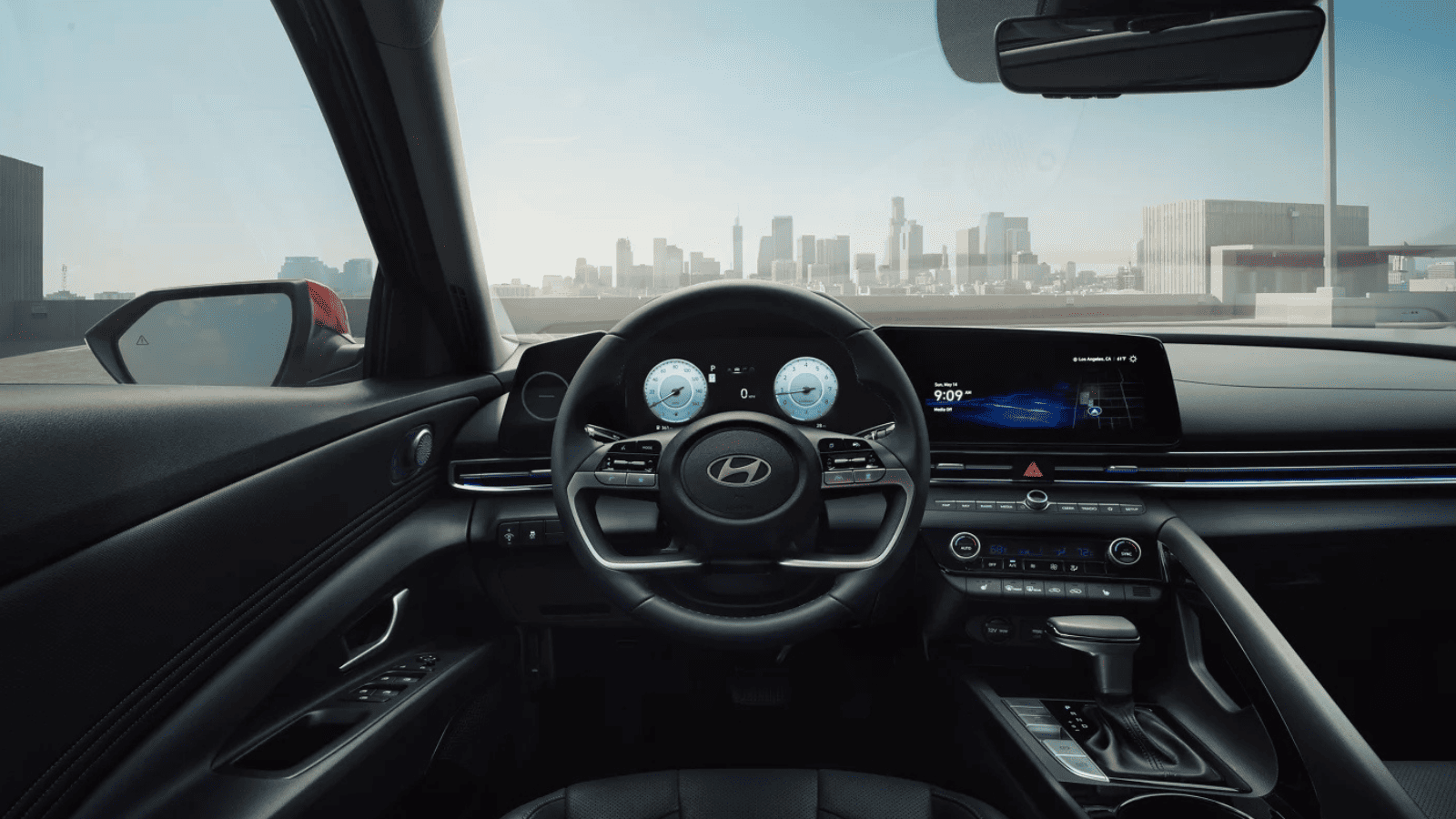
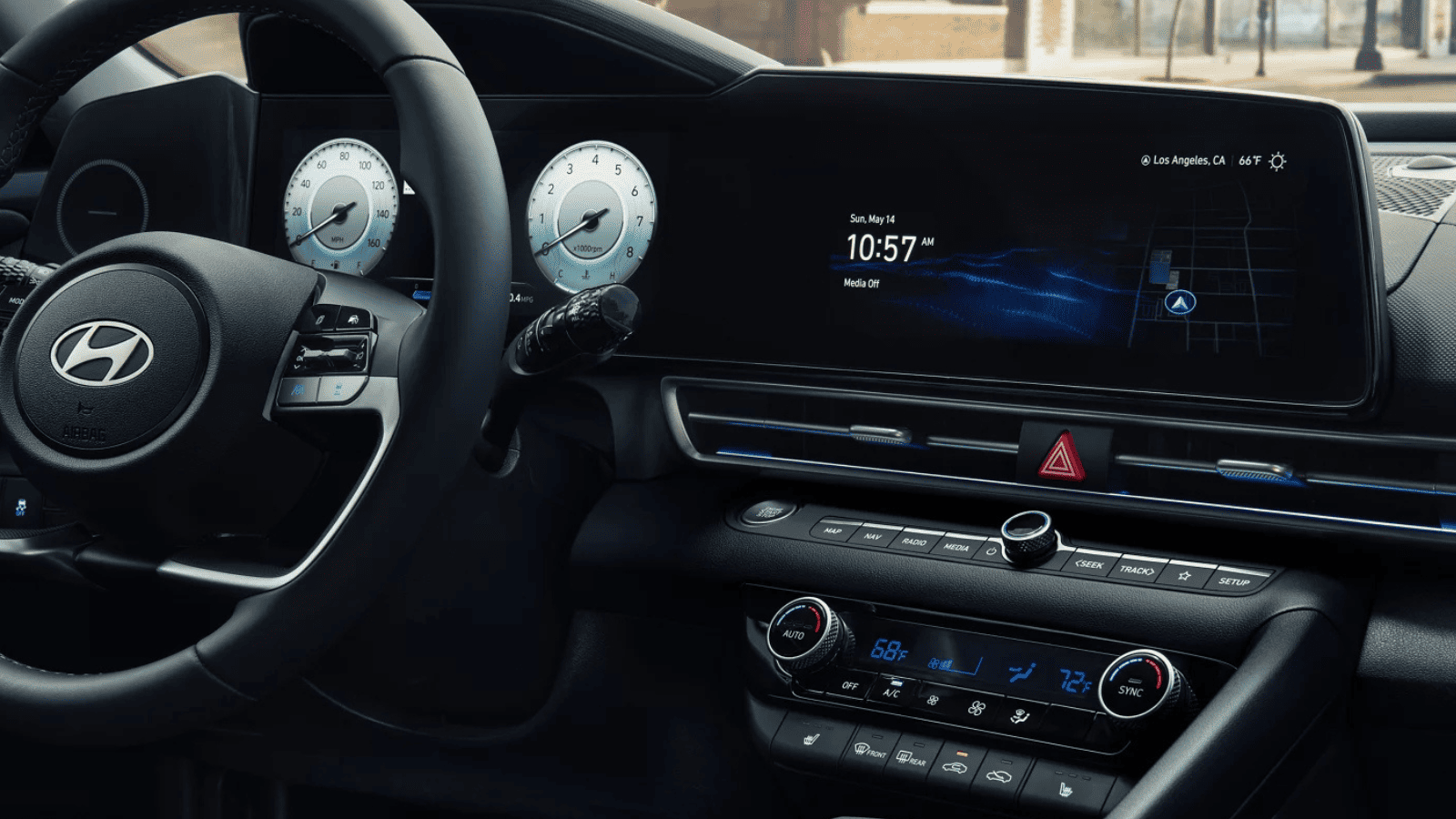
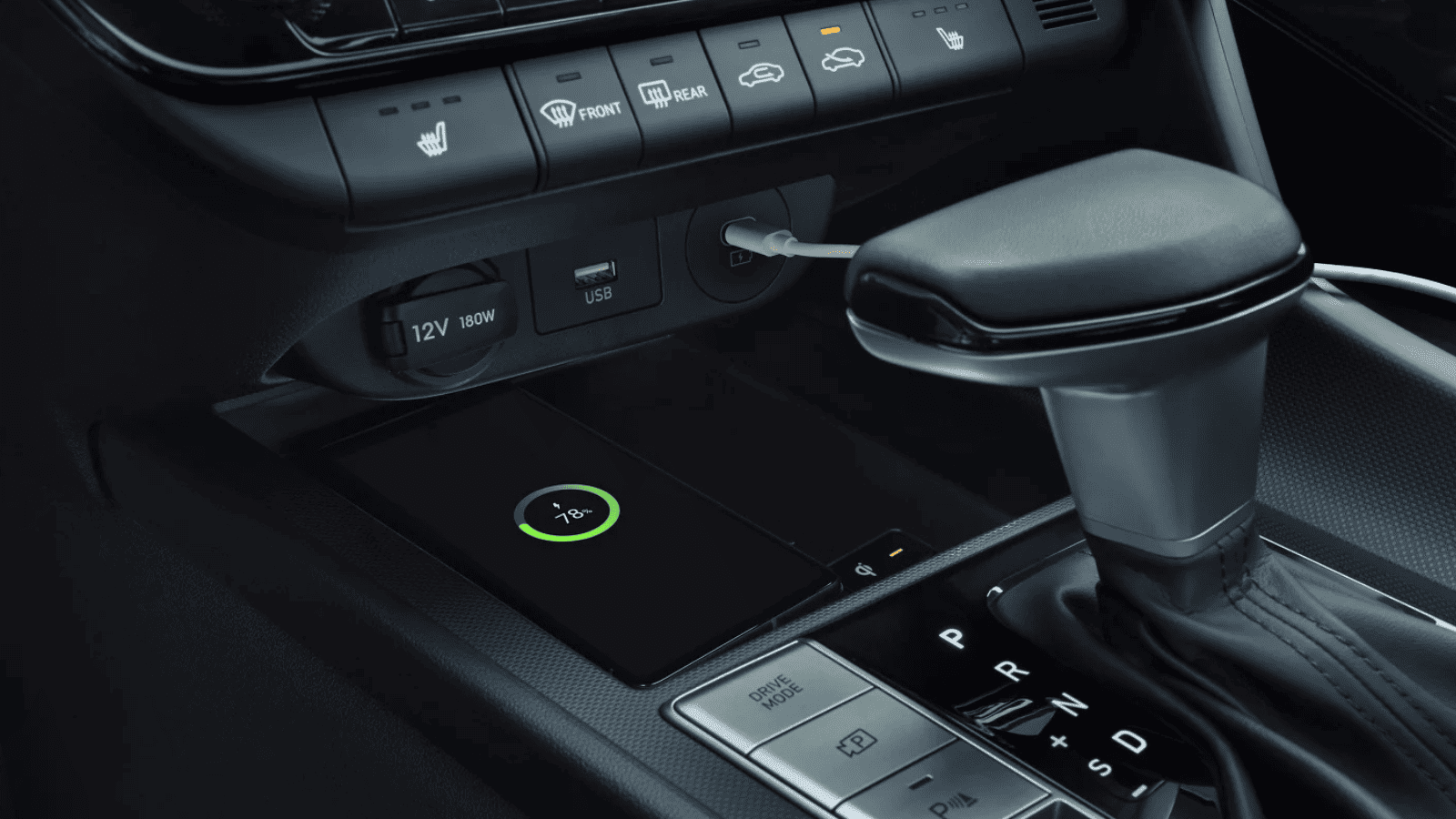
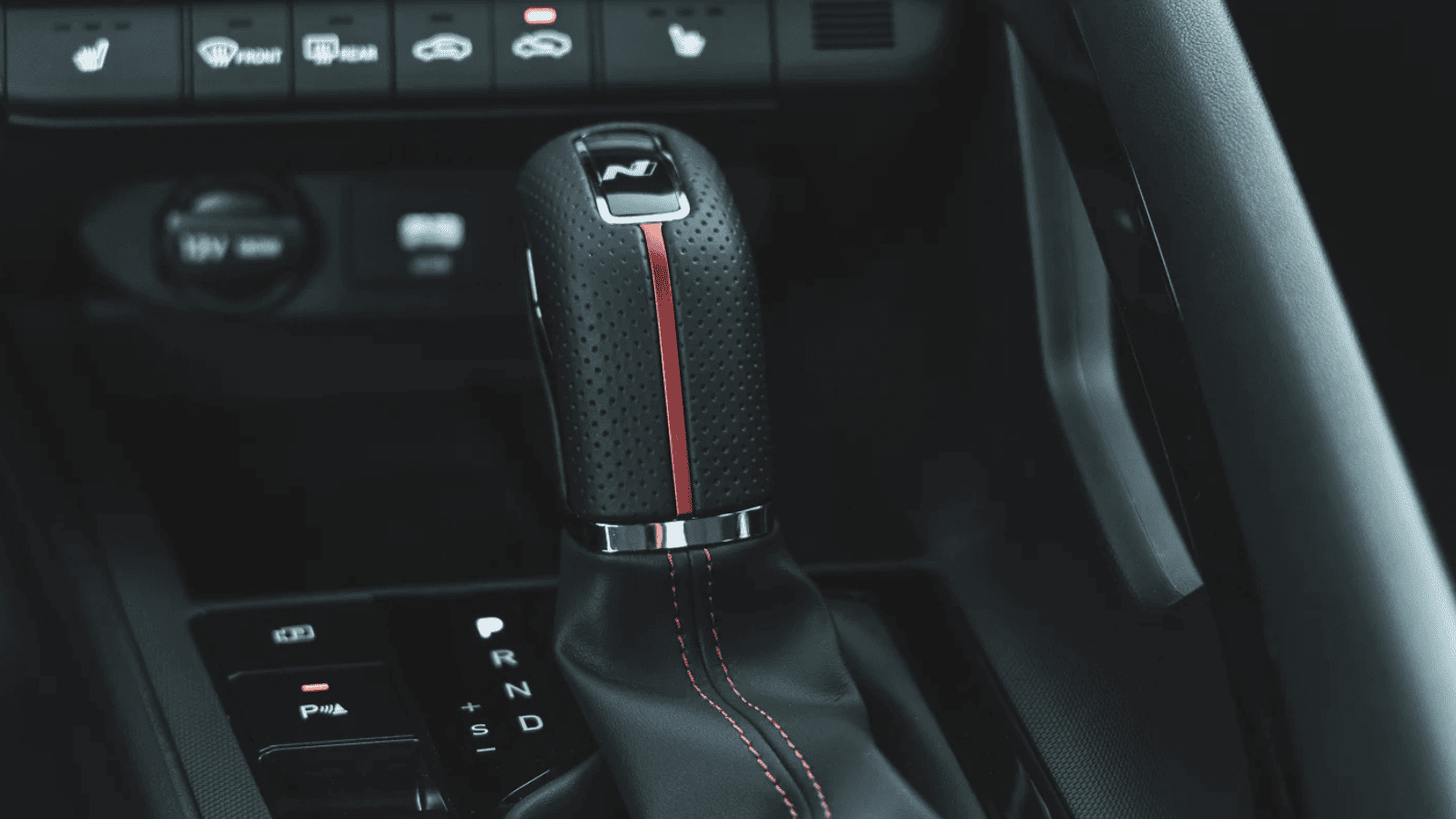
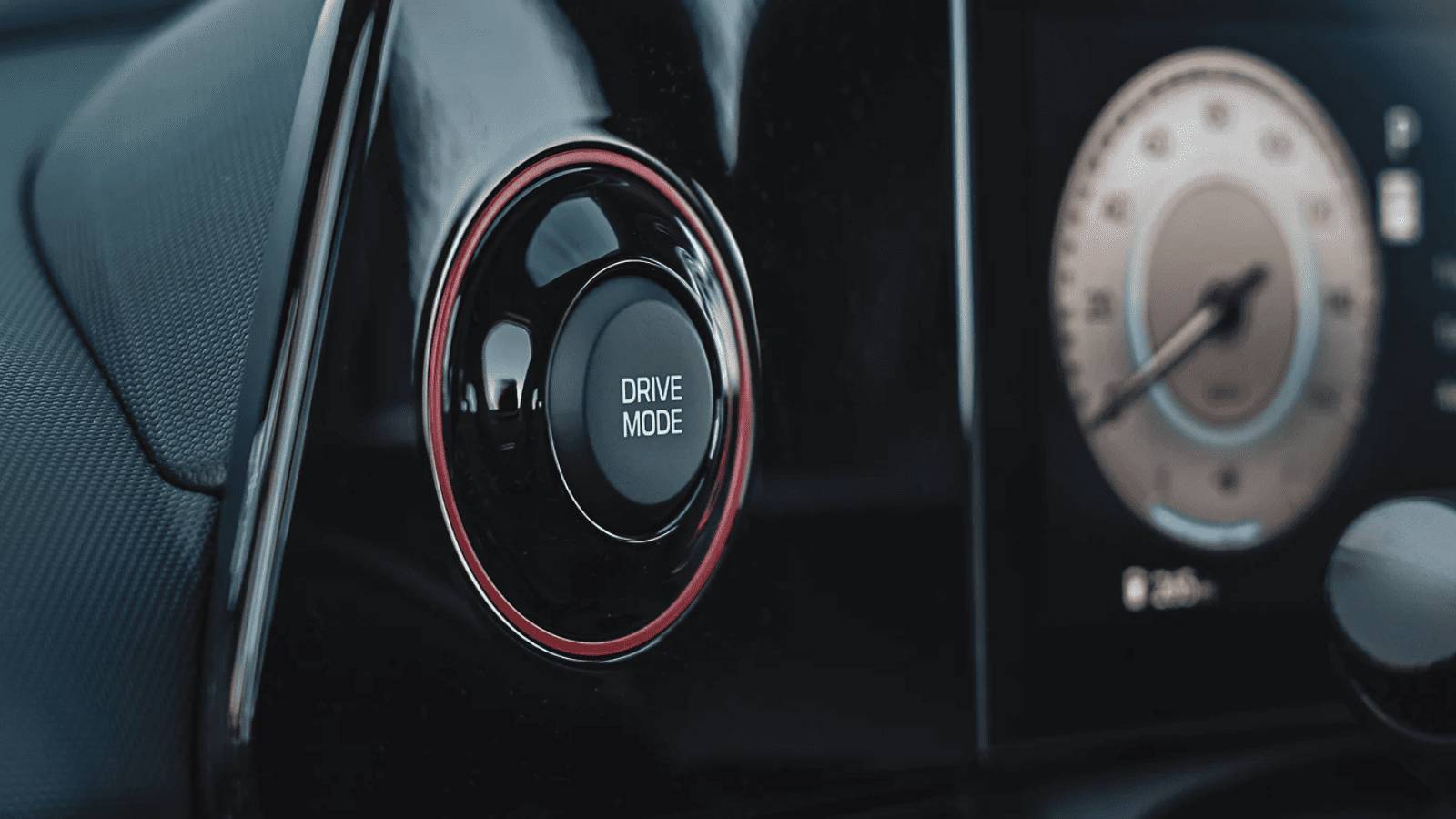
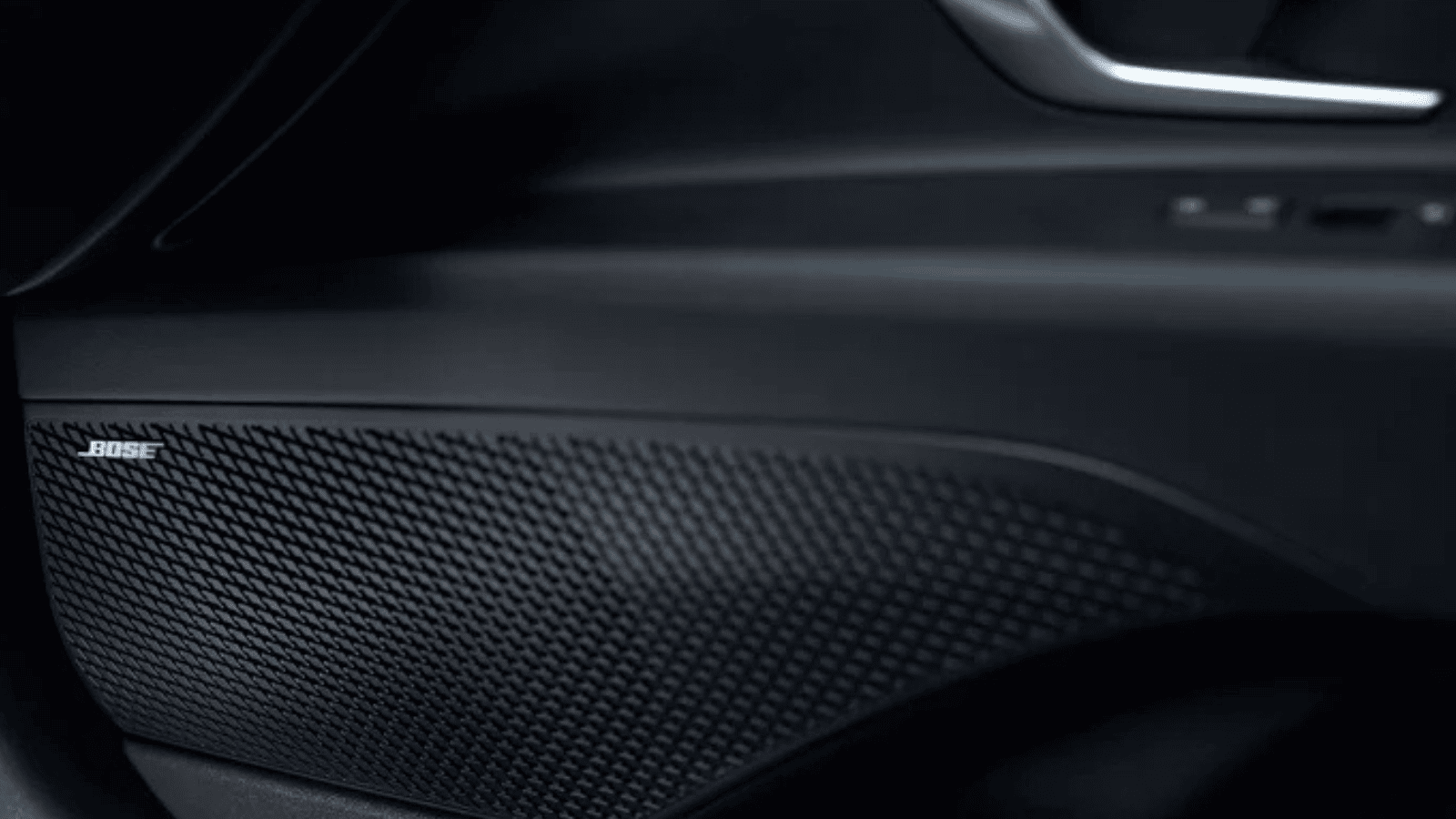
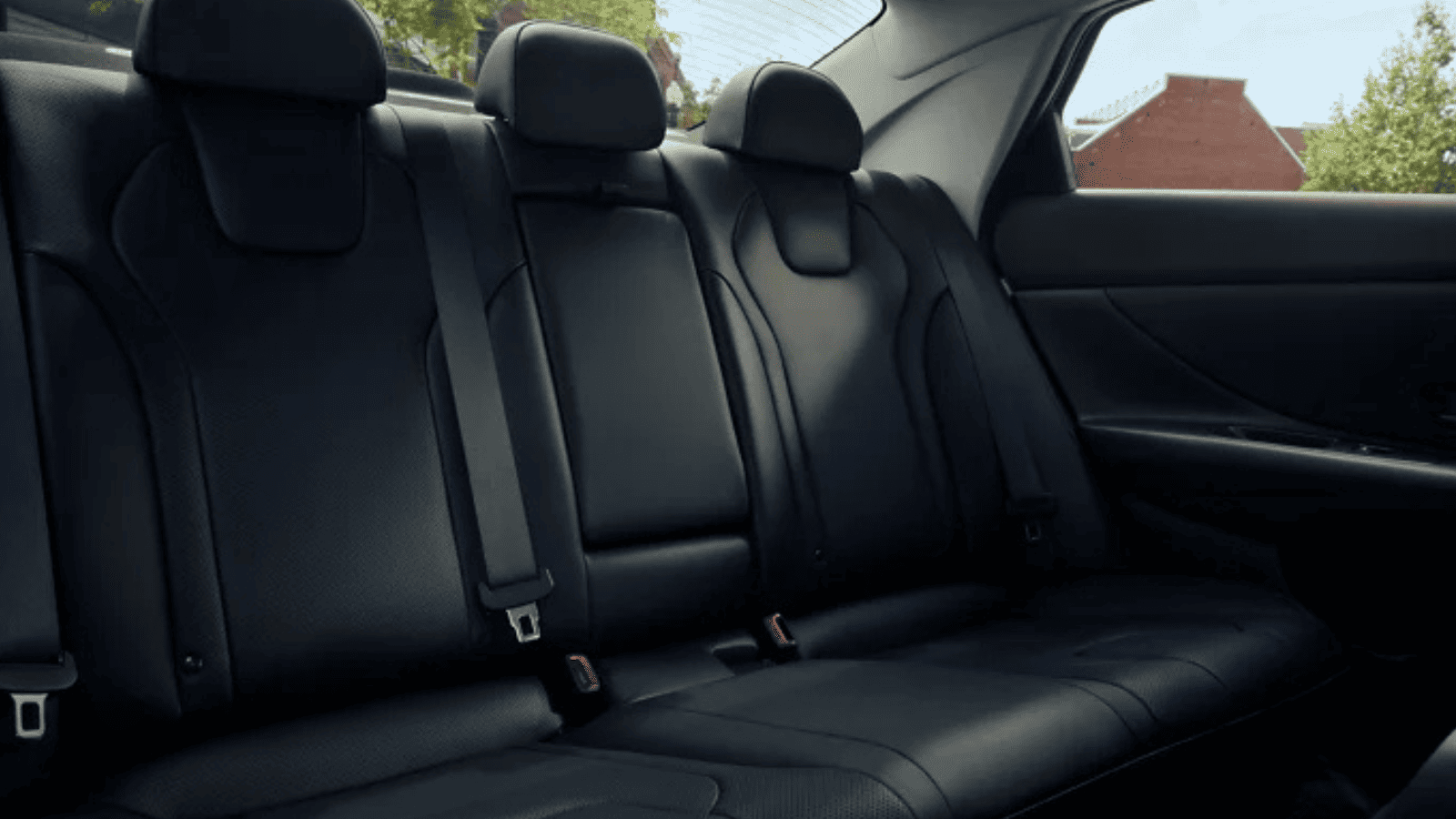
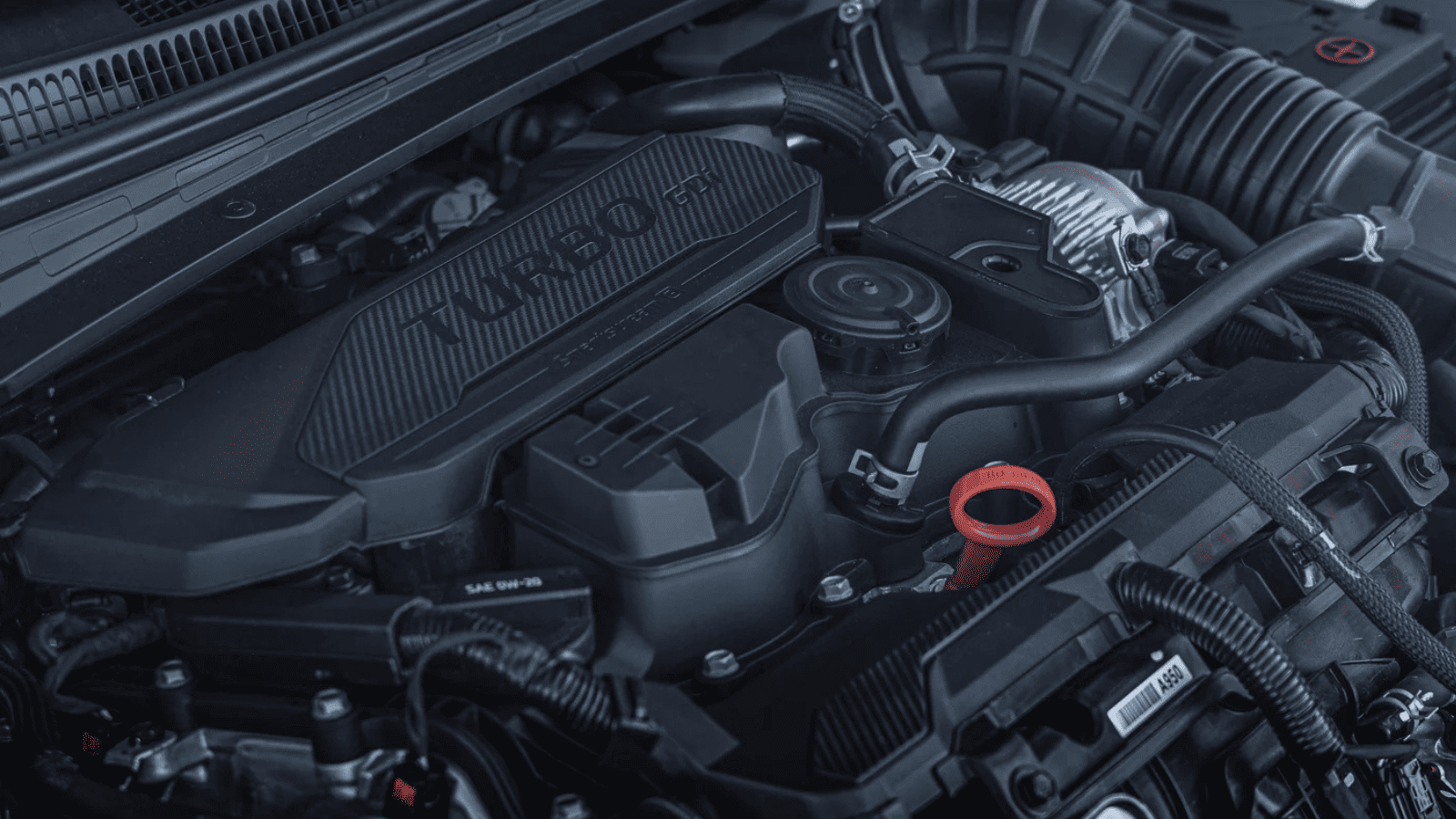
It stands out with sharp styling, a roomy cabin for its size, a large trunk, and a broad trim range. Most Elantra models focus on affordable daily driving and fuel economy, while the N Line adds much stronger acceleration and a sportier setup. The Elantra Hybrid and high-performance Elantra N are covered separately.
WheelPedia Rating: 8.6/10
The Hyundai Elantra earns an 8.6/10 WheelPedia Rating. It offers a lot of car for the money, including a practical interior, standard driver-assistance features, a long warranty, and good fuel economy. The standard engine is not quick, and the ride can become firmer on larger wheels.
| Rating Category | Score | Weight |
| Safety | 9.0/10 | 20% |
| Reliability and Ownership | 8.0/10 | 15% |
| Performance and Driving | 8.0/10 | 15% |
| Comfort and Practicality | 8.5/10 | 15% |
| Efficiency | 8.5/10 | 15% |
| Features and Technology | 9.0/10 | 10% |
| Price and Value | 9.0/10 | 10% |
| Overall WheelPedia Rating | 8.6/10 | — |
See how WheelPedia rates cars for the full methodology.
Key Highlights
- Starts from $22,825 MSRP in the United States, before destination, taxes, registration, options, and dealer charges.
- Standard models use a 147-hp 2.0-liter four-cylinder engine.
- The Elantra N Line gets a 201-hp turbocharged engine.
- Standard Elantra SE returns up to an EPA-estimated 35 mpg combined.
- Offers a spacious 14.2-cubic-foot trunk.
- Includes Hyundai SmartSense driver-assistance technology as standard.
- Earned a 2026 IIHS Top Safety Pick award.
- Best suited to commuters, first-time buyers, and value-focused sedan shoppers.
Quick Specifications
| Specification | Hyundai Elantra |
| Vehicle type | Compact sedan |
| Seating capacity | 5 |
| Standard engine | 2.0L four-cylinder |
| Standard output | 147 hp / 132 lb-ft |
| N Line engine | 1.6L turbocharged four-cylinder |
| N Line output | 201 hp / 195 lb-ft |
| Transmission | IVT automatic; 7-speed dual-clutch automatic on N Line |
| Drivetrain | Front-wheel drive |
| Best fuel economy | Up to 35 mpg combined |
| Cargo capacity | 14.2 cu. ft. |
| Length | 184.1 in. |
| Width | 71.9 in. |
| Height | 55.7 in. |
| Wheelbase | 107.1 in. |
Expert Tip
The SEL Sport is the best fit for most buyers because it adds more comfort and convenience equipment without pushing the price close to the Limited. Choose the SE if upfront cost matters most, or the N Line only if stronger acceleration is a real priority.
About the Hyundai Elantra
The Elantra is Hyundai’s compact sedan, positioned for buyers who want more cabin room, technology, and visual character than the most basic affordable cars offer.
Its bold exterior design helps it stand apart from more conservative compact sedans. Inside, the Elantra has a driver-focused dashboard layout, useful storage, and a rear seat that works well for adults on shorter and medium-length trips.
The standard 2.0-liter engine is designed for efficiency and uncomplicated daily driving. It is enough for commuting, errands, and highway travel, but it is not aimed at enthusiastic drivers. Buyers who want more power should look at the Elantra N Line rather than expecting quick performance from the regular models.
Price and Trims
The following prices are current starting MSRPs for the 2026 Hyundai Elantra. Your final price can vary by location, destination charge, accessories, dealer pricing, and availability.
| Trim | Starting MSRP | Engine | Best For |
| SE | $22,825 | 147-hp 2.0L four-cylinder | Budget-focused buyers and commuters |
| SEL Sport | $23,950 | 147-hp 2.0L four-cylinder | Best overall balance of value and equipment |
| SEL Sport Premium | $24,450 | 147-hp 2.0L four-cylinder | Buyers wanting more convenience features |
| Limited | $27,375 | 147-hp 2.0L four-cylinder | Comfort and technology-focused buyers |
| N Line | $29,600 | 201-hp 1.6L turbocharged four-cylinder | Drivers wanting stronger performance |
Which Hyundai Elantra Trim Is Best?
- Best value: SEL Sport
- Best low-price choice: SE
- Best for more features: Limited
- Best for performance: N Line
- Best for long-distance fuel savings: Elantra Hybrid Blue, covered separately
The SE is a sensible entry point, especially for buyers focused on monthly payments. However, the SEL Sport is likely worth the extra cost for most people because it gives the Elantra a more complete everyday feel.
The Limited is appealing if you want equipment such as upgraded interior materials, more comfort features, and additional technology. But at its price, it is worth comparing against a well-equipped Toyota Corolla and other compact sedans before committing.
Engine, Powertrain, and Performance
Most Elantra trims use a 2.0-liter naturally aspirated four-cylinder engine making 147 horsepower and 132 lb-ft of torque. It works with Hyundai’s Intelligent Variable Transmission, which functions similarly to a continuously variable automatic transmission.
This powertrain is smooth and efficient in everyday driving. It is best suited to drivers who value fuel economy, easy operation, and low running costs over quick acceleration.
The Elantra N Line changes the character of the car. Its 1.6-liter turbocharged four-cylinder produces 201 horsepower and 195 lb-ft of torque, paired with a seven-speed dual-clutch automatic transmission. It also adds a sport-tuned suspension, larger brakes, 18-inch wheels, and a more aggressive exterior design.
All Elantra versions are front-wheel drive. All-wheel drive is not available.
0–60 MPH Performance
Hyundai does not publish official 0–60 mph times for the Elantra.
The standard 147-hp Elantra provides acceptable acceleration for normal commuting and highway merging, but it can feel slow when fully loaded or during quick passing maneuvers.
The N Line is much quicker and more responsive. It is the version to consider if you regularly drive on fast highways, enjoy back-road driving, or simply do not want the standard engine’s relaxed pace.
WheelPedia has not independently tested the Elantra’s acceleration, so this page does not present a tested 0–60 mph result.
Driving Experience
The standard Elantra is easy to drive in daily traffic. Visibility is generally good, steering is light, and its compact dimensions make parking straightforward.
Ride comfort is one of its stronger points on lower trims with smaller wheels. The suspension handles normal city roads well, though rough pavement can become more noticeable on trims with larger wheels.
The standard engine is quiet enough during relaxed driving, but it becomes louder when pushed hard. The transmission is tuned for efficiency, so drivers expecting quick response may find it less satisfying than a conventional automatic or a turbocharged competitor.
The N Line feels more focused. It has stronger acceleration, tighter body control, and more engaging steering. Its firmer ride and sportier setup make sense for buyers who enjoy driving, but it is not as relaxed as a standard Elantra for rough-road commuting.
Fuel Economy
| Model | EPA-Estimated City/Highway/Combined Fuel Economy |
| Elantra SE | 31 / 40 / 35 mpg |
| Elantra SEL Sport | 30 / 40 / 34 mpg |
| Elantra SEL Sport Premium | 30 / 40 / 34 mpg |
| Elantra Limited | 30 / 40 / 34 mpg |
| Elantra N Line | Lower than standard Elantra models; check the window sticker for the exact rating |
The standard Elantra is efficient enough for most drivers. A 35-mpg combined rating in the SE helps keep fuel costs manageable without requiring a hybrid powertrain.
For buyers who drive high annual mileage, spend a lot of time in traffic, or want the lowest possible fuel use, the Elantra Hybrid deserves a separate look. The Hybrid Blue is rated at up to 54 mpg combined.
Actual fuel economy will vary with driving style, traffic, weather, wheel choice, passenger load, and air-conditioning use.
Interior, Comfort, and Technology
The Elantra’s cabin looks more modern than its price suggests. The dashboard uses a driver-oriented design, while the controls are logically placed and easy to reach.
Standard and available equipment includes:
- Apple CarPlay and Android Auto
- Touchscreen infotainment system
- Bluetooth connectivity
- USB charging ports
- Digital instrument display on selected trims
- Available larger touchscreen display
- Available wireless device charging
- Available Hyundai Digital Key
- Available Bose premium audio
- Available heated and ventilated front seats
- Available leather-trimmed seating surfaces
- Available sunroof
The front seats are supportive enough for everyday commuting. Rear-seat space is good for a compact sedan, especially compared with smaller or older designs in this category.
The rear seat is still better suited to two adults than three, particularly on long trips. The middle rear seat is usable when needed, but it is not the most comfortable position for regular passengers.
Dimensions, Cargo, and Practicality
| Dimension | Measurement |
| Length | 184.1 in. |
| Width | 71.9 in. |
| Height | 55.7 in. |
| Wheelbase | 107.1 in. |
| Front legroom | 42.3 in. |
| Rear legroom | 38.0 in. |
| Trunk capacity | 14.2 cu. ft. |
| Seating | 5 passengers |
The Elantra’s 14.2-cubic-foot trunk is a major practical advantage. It has enough room for groceries, luggage, work gear, and everyday errands, making it more useful than many buyers may expect from a compact sedan.
The rear seat folds to create more flexibility for longer items. However, buyers who regularly carry bulky cargo, strollers, or large sports equipment may still be better served by a compact SUV.
Exterior Design
The Elantra has a sharp, angular look that makes it one of the more distinctive compact sedans. Its wide grille, sculpted body lines, and low roofline give it a more dramatic appearance than many practical sedans.
SE and SEL Sport trims keep the design relatively clean. The Limited adds more polished exterior details, while the N Line has sportier bumpers, side skirts, alloy wheels, and performance-inspired styling.
Its design will not appeal to everyone. Buyers who prefer a conservative, understated sedan may find the Toyota Corolla more suitable. But drivers who want an affordable car that does not look anonymous may prefer the Elantra.
Safety Features and Ratings
Every Hyundai Elantra includes Hyundai SmartSense driver-assistance technology. Standard and available features include:
- Forward Collision-Avoidance Assist with Pedestrian Detection
- Lane Keeping Assist
- Lane Following Assist
- Driver Attention Warning
- High Beam Assist
- Rear Occupant Alert
- Blind-Spot Collision Warning
- Rear Cross-Traffic Collision-Avoidance Assist
- Safe Exit Warning
- Rear automatic emergency braking
- Smart Cruise Control on selected trims
The 2026 Hyundai Elantra earned an IIHS Top Safety Pick award. It received Good ratings in the small-overlap front, updated moderate-overlap front, and updated side crash tests. Its headlights and standard pedestrian front-crash-prevention system also earned Good ratings.
The award applies to 2025–2026 Elantras built after October 2024. Buyers should confirm the manufacturing date and review the full IIHS Elantra safety results for their exact vehicle.
NHTSA’s rating page did not show a final 2026 overall star rating at this time. Buyers should check the exact VIN and current federal safety information before purchase.
Reliability, Warranty, and Ownership
The Elantra makes a strong ownership case because of its efficient engines, practical size, wide dealer network, and long warranty coverage.
Hyundai’s warranty is one of the strongest standard packages in this segment.
| Coverage | Length |
| New vehicle limited warranty | 5 years / 60,000 miles |
| Powertrain limited warranty | 10 years / 100,000 miles |
| Roadside assistance | 5 years / unlimited miles |
| Anti-perforation warranty | 7 years / unlimited miles |
The warranty is especially valuable for buyers planning to keep the car for several years. Still, warranty coverage does not remove the need for routine maintenance. Follow the maintenance schedule, keep service records, and check the VIN for open recalls before buying a new or used Elantra.
Pros and Cons
What We Like
- Affordable starting price
- Strong standard safety technology
- Long powertrain warranty
- Spacious cabin for a compact sedan
- Large trunk
- Good fuel economy
- Wide choice of trims
- N Line provides a genuine performance upgrade
- Modern infotainment and available convenience features
What We Don’t Like
- Standard engine is not quick
- No all-wheel-drive option
- Larger wheels can reduce ride comfort
- Some cabin materials still feel budget-focused
- N Line costs considerably more than the standard trims
- Bold styling may not suit every buyer
Competitors
The Hyundai Elantra competes with compact sedans such as the Toyota Corolla, Honda Civic, Kia K4, Nissan Sentra, and Mazda3.
The Elantra is a strong option when price, warranty coverage, cabin space, and technology matter most. The Corolla remains a better fit for buyers who prioritize proven long-term ownership confidence and hybrid availability within the same main lineup. The Civic is worth considering for buyers who place more importance on refined driving manners and overall interior polish.
If you are buying your first car, read our guide to how to buy your first car before visiting a dealership.
Before arranging finance, review how car financing works and consider getting a car loan preapproval. Used-car buyers should also understand the difference between a new vs. used car.
Should You Buy the Hyundai Elantra?
Buy the Hyundai Elantra if you want an affordable compact sedan with a roomy interior, useful trunk space, standard safety technology, and warranty coverage that provides extra ownership confidence.
Choose the SE if your priority is the lowest possible purchase price. Choose the SEL Sport if you want the strongest mix of value, features, and everyday comfort. Choose the Limited if you want more premium features and expect to keep the car long enough to use them. Choose the N Line if performance matters more than maximum fuel economy.
Skip the Elantra if you need all-wheel drive, regularly carry a full load of tall rear passengers, or want a quieter and more premium-feeling cabin without moving up in price.
FAQs
How much does the Hyundai Elantra cost?
The 2026 Hyundai Elantra starts at $22,825 MSRP in the United States. The final purchase price will increase with destination, taxes, registration, accessories, and dealer charges.
Is the Hyundai Elantra good on gas?
Yes. The Elantra SE is EPA-rated at up to 35 mpg combined, while SEL Sport, SEL Sport Premium, and Limited models are rated at up to 34 mpg combined.
Does the Hyundai Elantra have all-wheel drive?
No. Every standard Hyundai Elantra is front-wheel drive. Hyundai does not offer all-wheel drive on this model.
Is the Hyundai Elantra available as a hybrid?
Yes, but Hyundai sells the Elantra Hybrid as a separate model line. The Elantra Hybrid Blue returns up to an EPA-estimated 54 mpg combined.
Is the Hyundai Elantra N Line fast?
The Elantra N Line is significantly quicker than the standard Elantra. It uses a 201-hp turbocharged engine and a seven-speed dual-clutch automatic transmission.
Is the Hyundai Elantra safe?
The 2026 Elantra earned an IIHS Top Safety Pick award. It includes standard driver-assistance features, but buyers should check the exact safety rating and manufacturing date for the car they are considering.
How much trunk space does the Hyundai Elantra have?
The Elantra has 14.2 cubic feet of trunk space, which is generous for a compact sedan.
Does the Hyundai Elantra have Apple CarPlay and Android Auto?
Yes. Apple CarPlay and Android Auto are available across the Elantra range.
How long is the Hyundai Elantra warranty?
The Elantra includes a 5-year/60,000-mile new-vehicle limited warranty and a 10-year/100,000-mile powertrain limited warranty.
Is the Hyundai Elantra good for first-time buyers?
Yes. Its manageable size, affordable starting price, useful safety technology, fuel economy, and long warranty make it a sensible option for many first-time buyers.
Final Verdict
The Hyundai Elantra is one of the better value choices in the compact-sedan class. It gives buyers a practical cabin, a large trunk, strong standard safety technology, good fuel economy, and warranty coverage that many rivals do not match.
The standard engine is its main limitation. It does the job, but drivers who want strong acceleration should move to the N Line or consider another performance-focused compact car.
For most buyers, the SEL Sport is the trim to target. It keeps the Elantra affordable while adding enough equipment to make it feel like a well-rounded everyday sedan.
Prices, specifications, feature availability, fuel-economy ratings, and safety results can change by model year, trim, build date, and market.