
Toyota Prius: Price, Specs, Features & Review
The Toyota Prius is a compact hybrid hatchback built for buyers who want outstanding fuel economy without settling for slow acceleration, dated technology, or the old Prius shape.
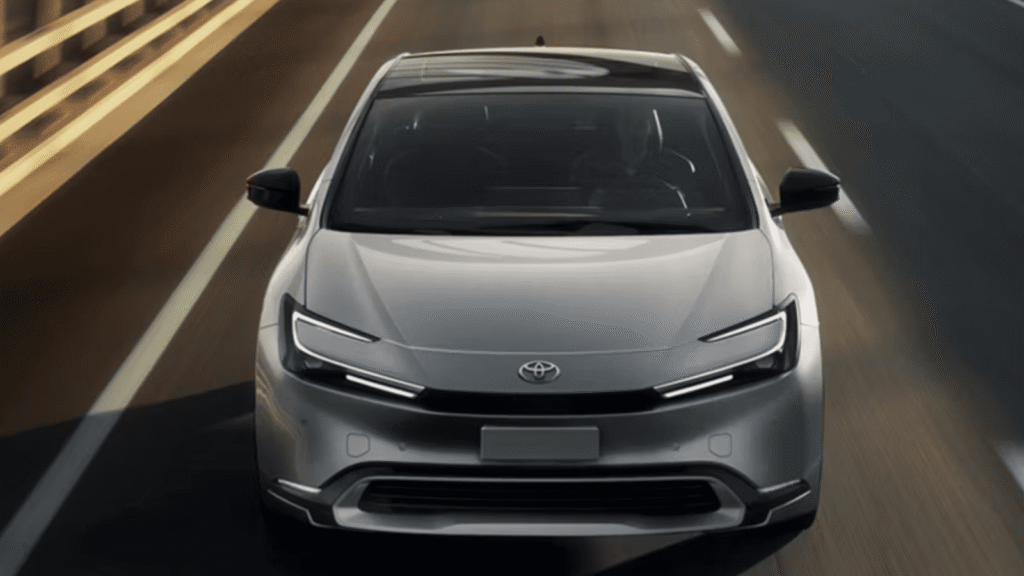
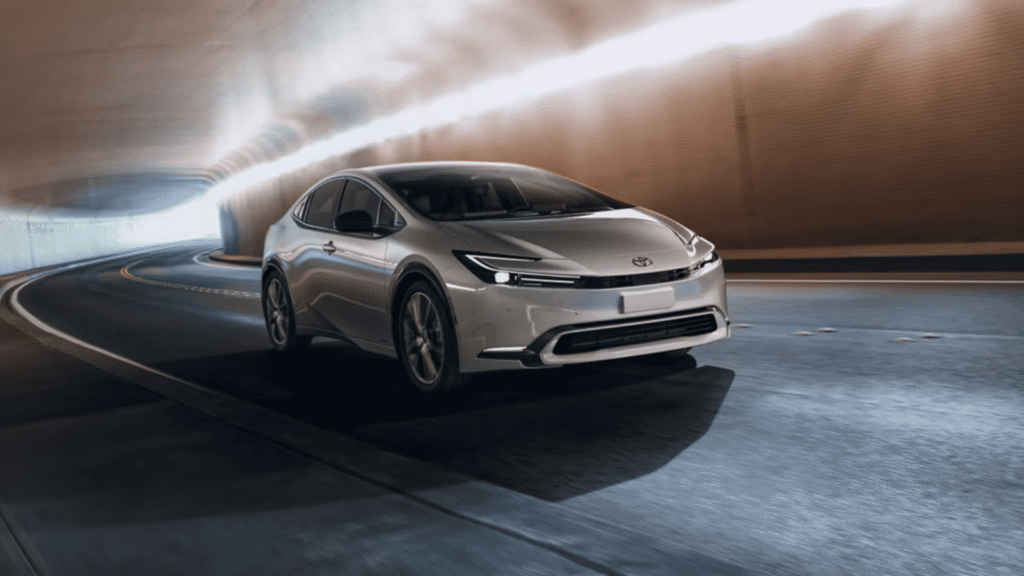
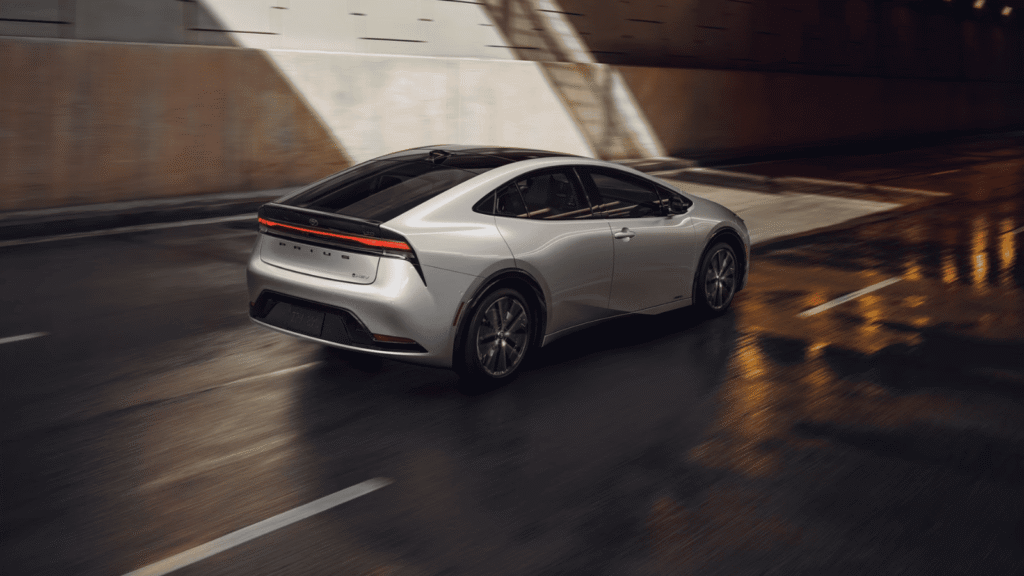
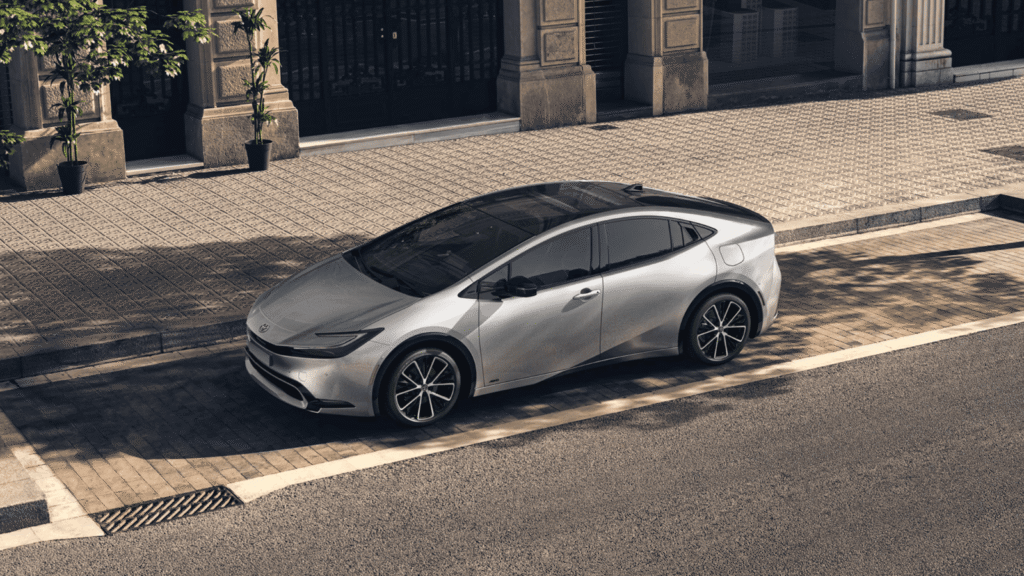


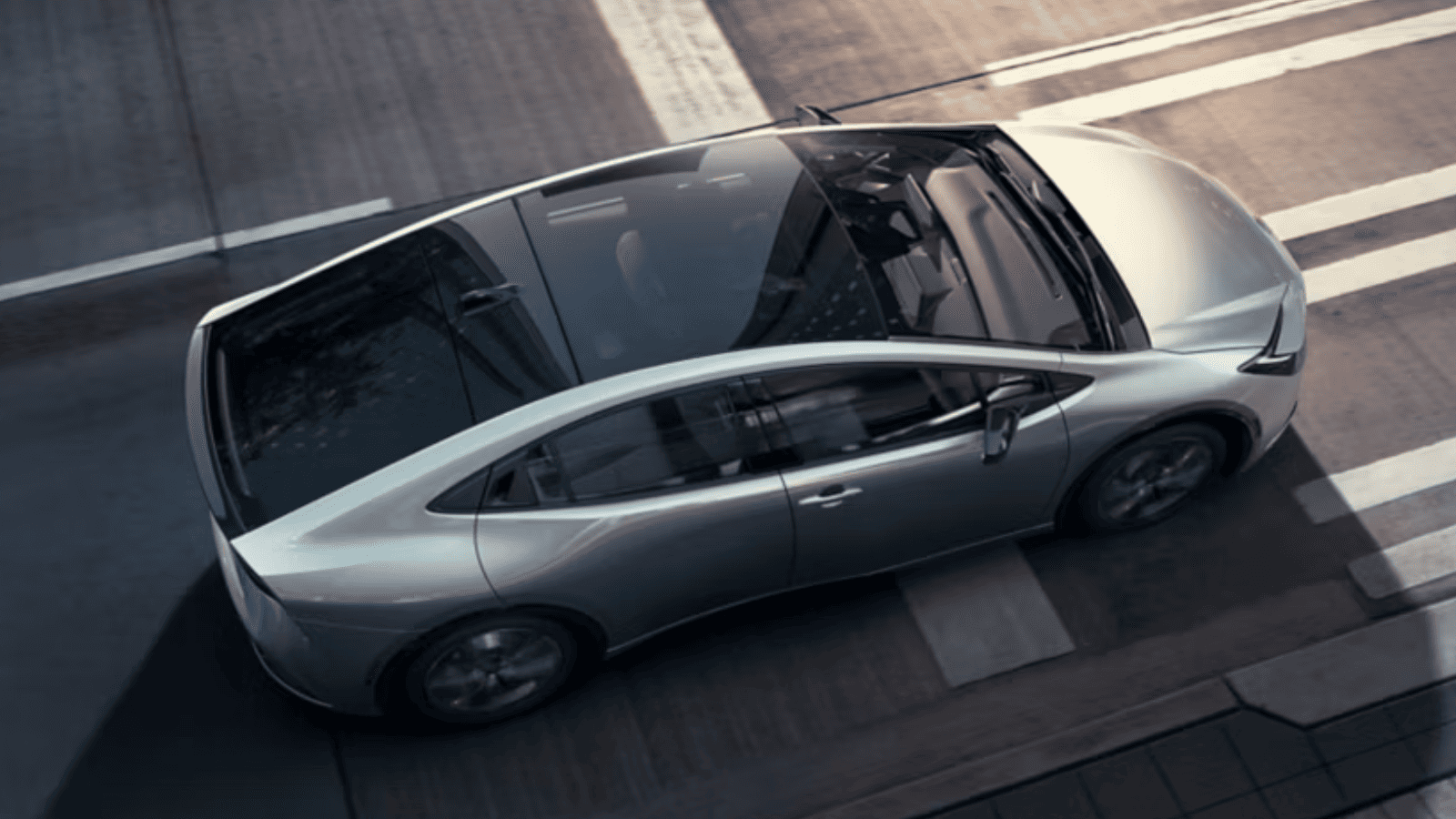
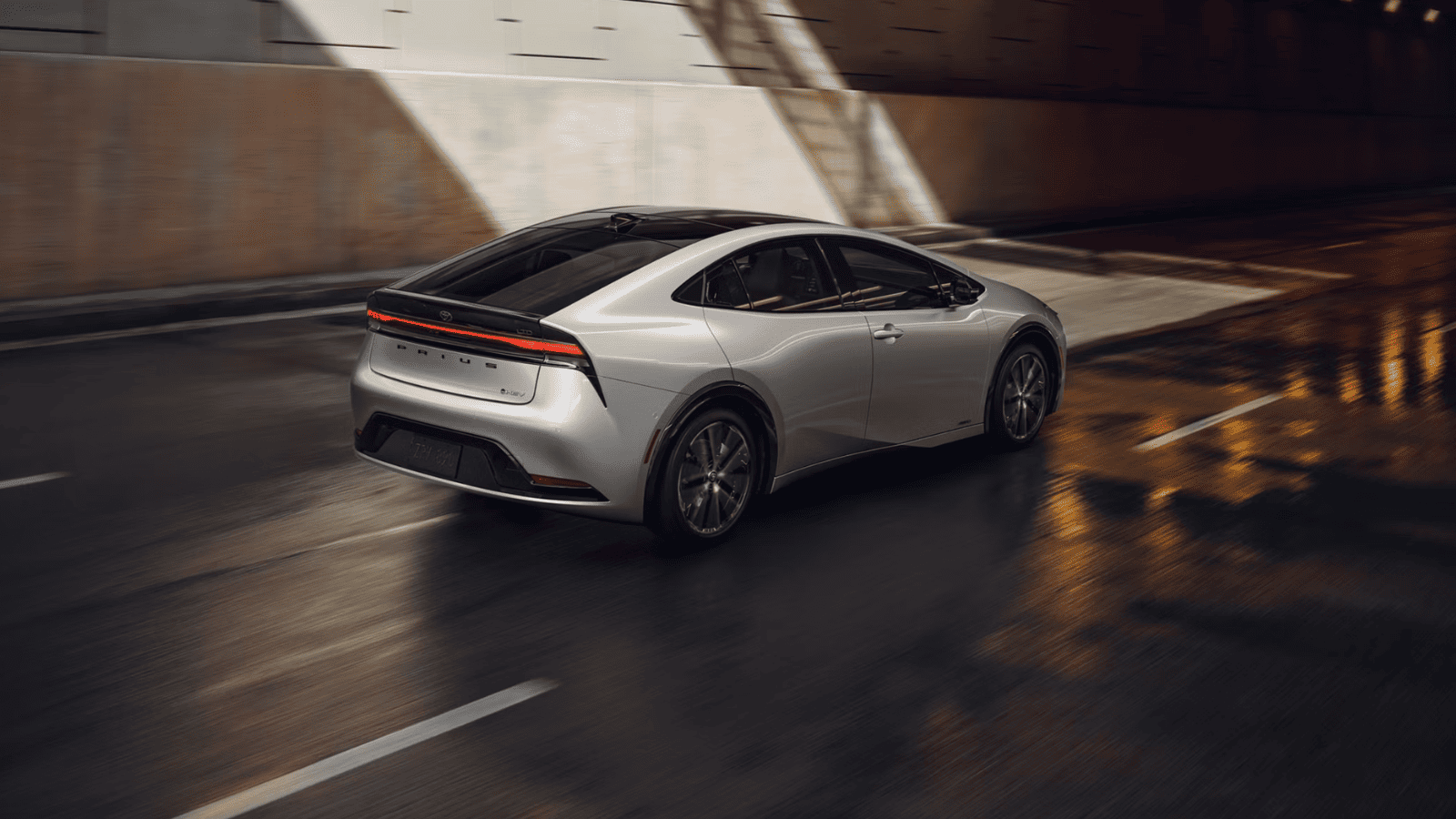
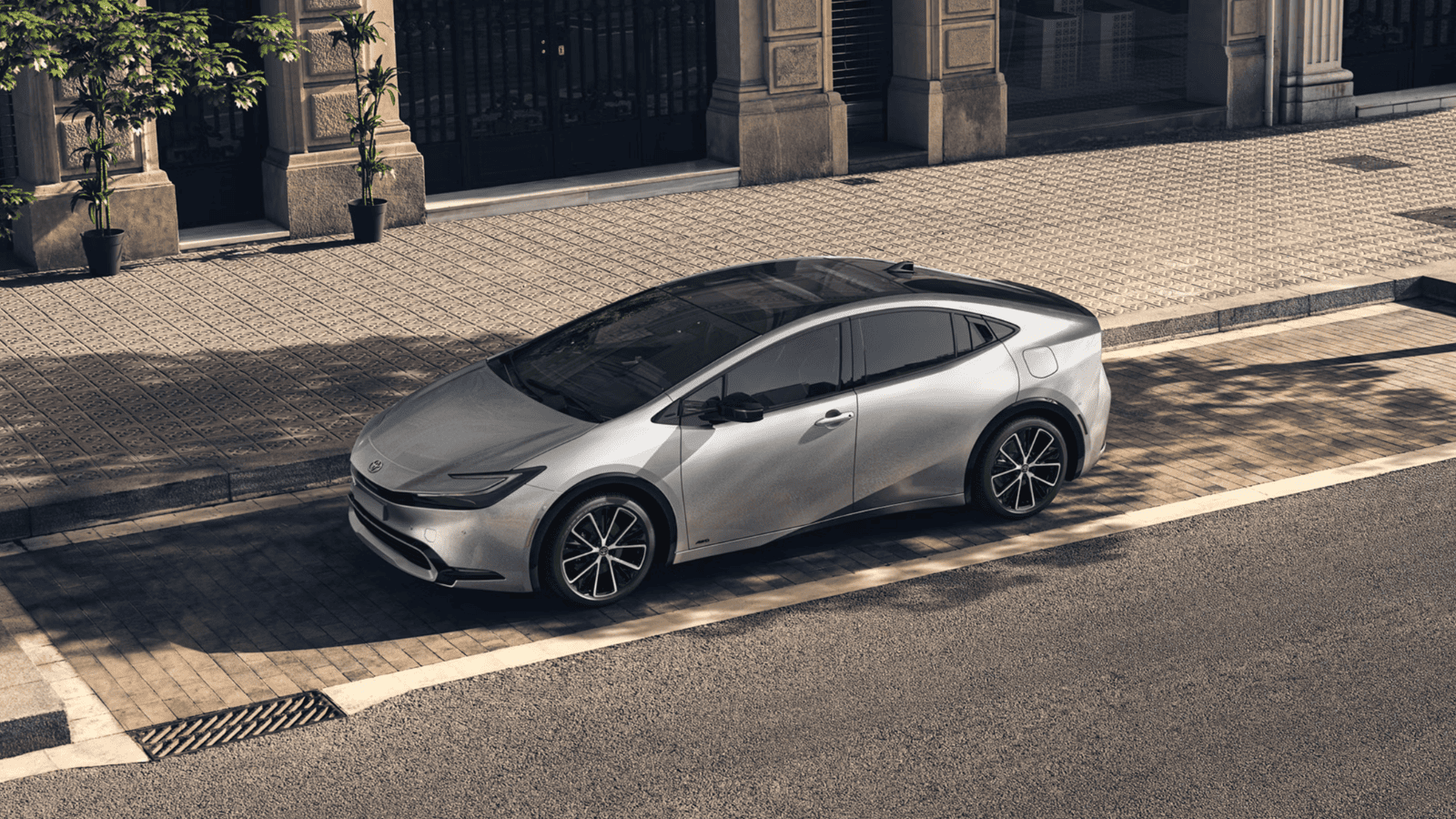
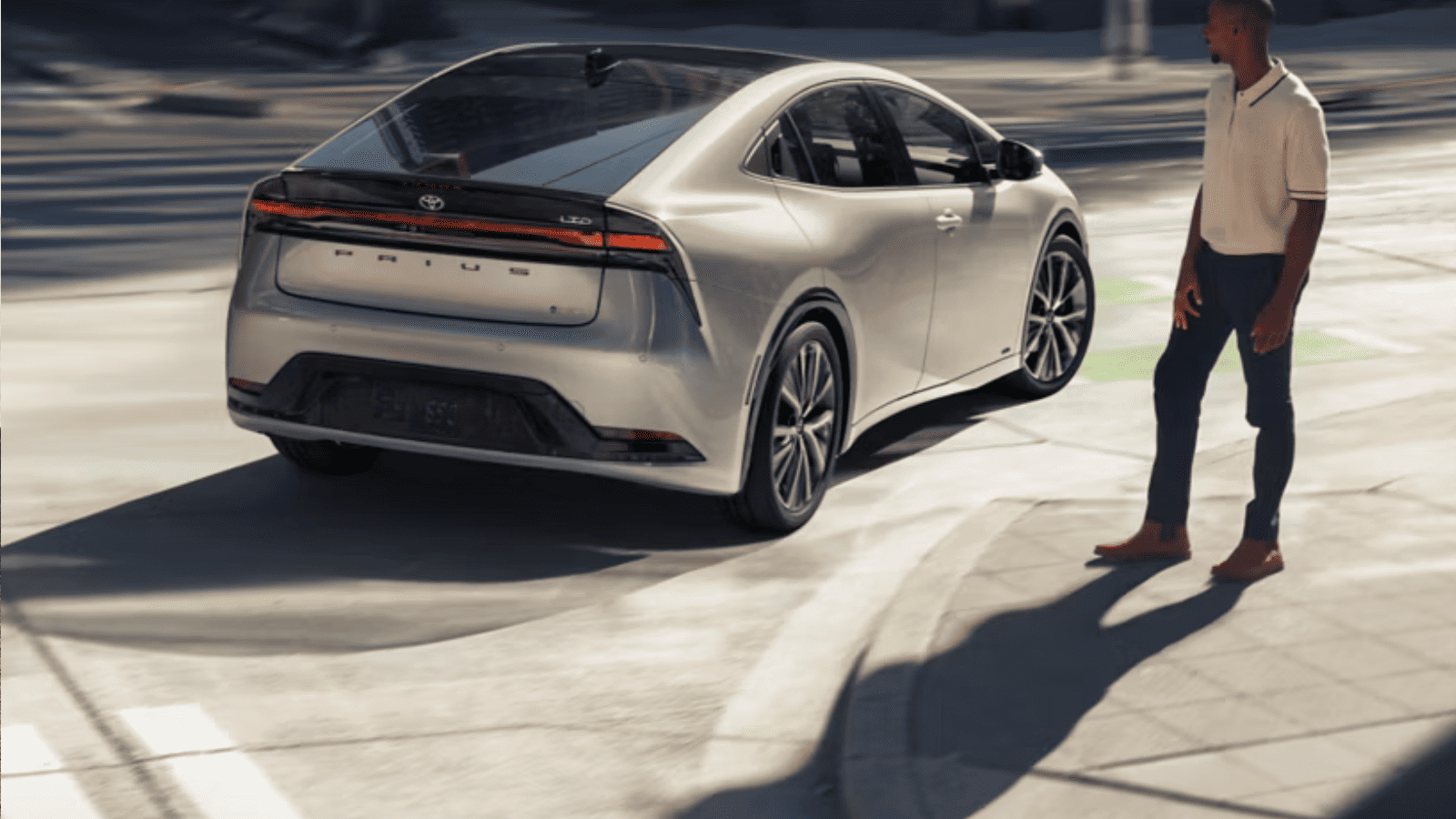
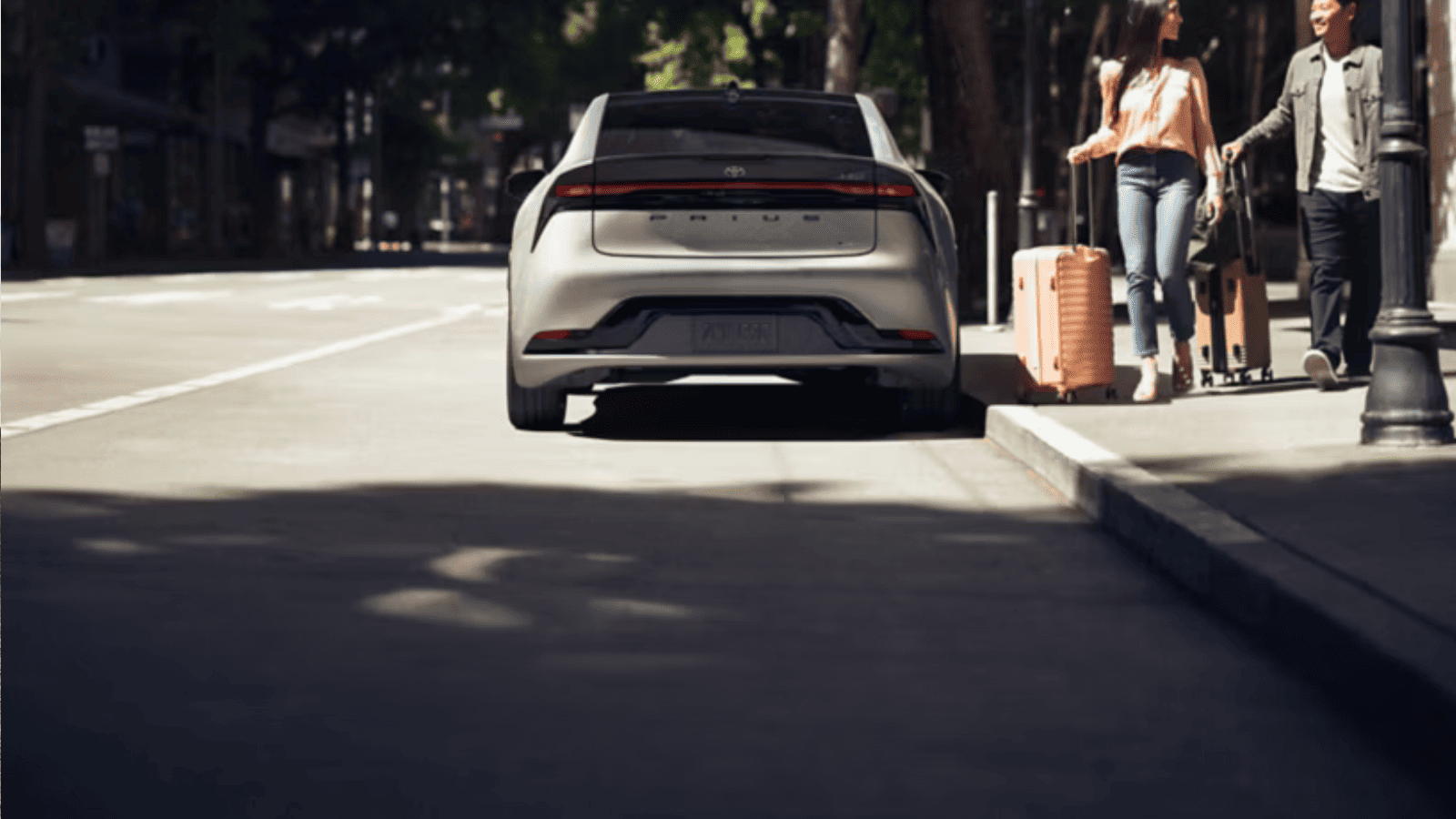
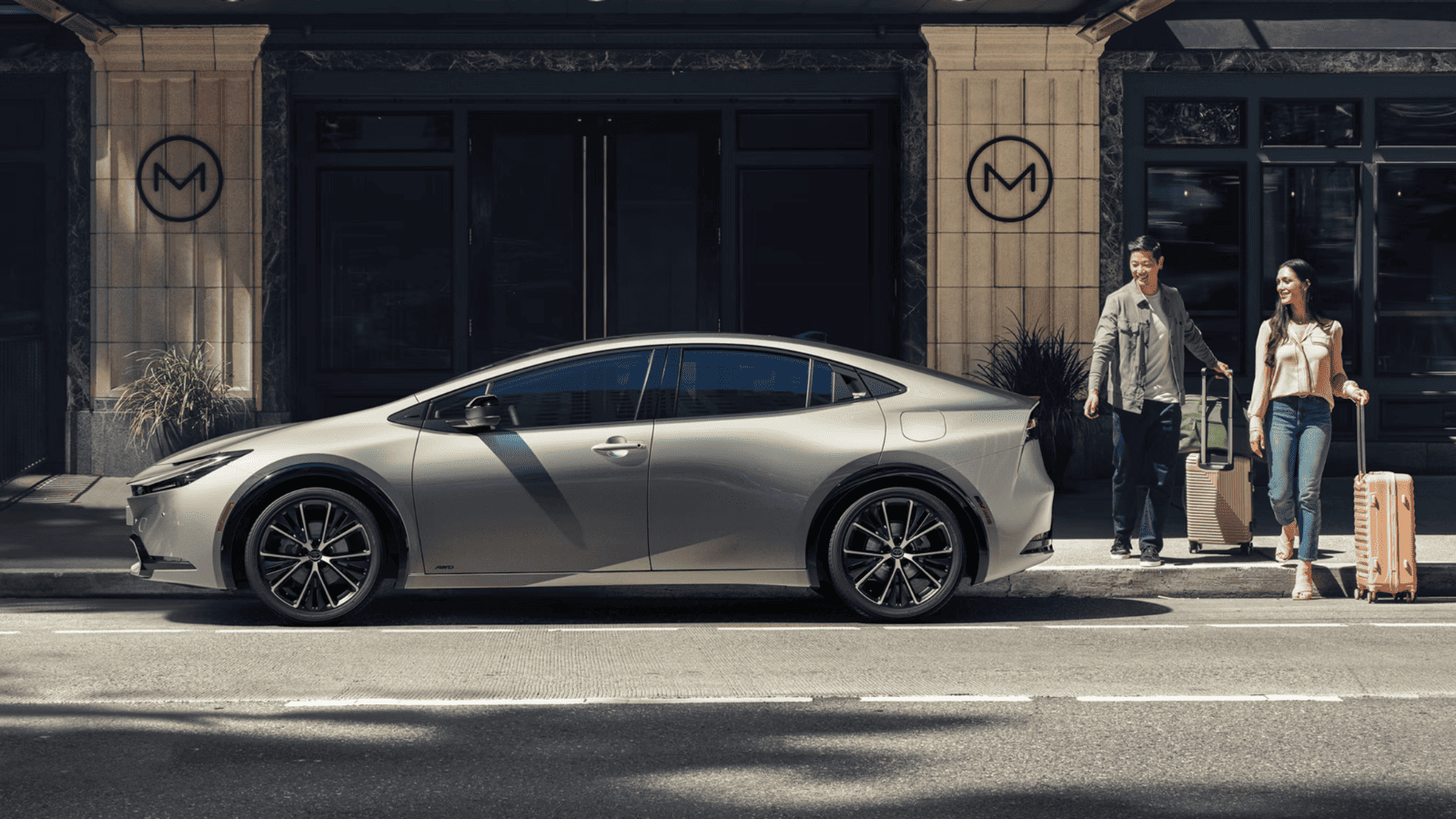
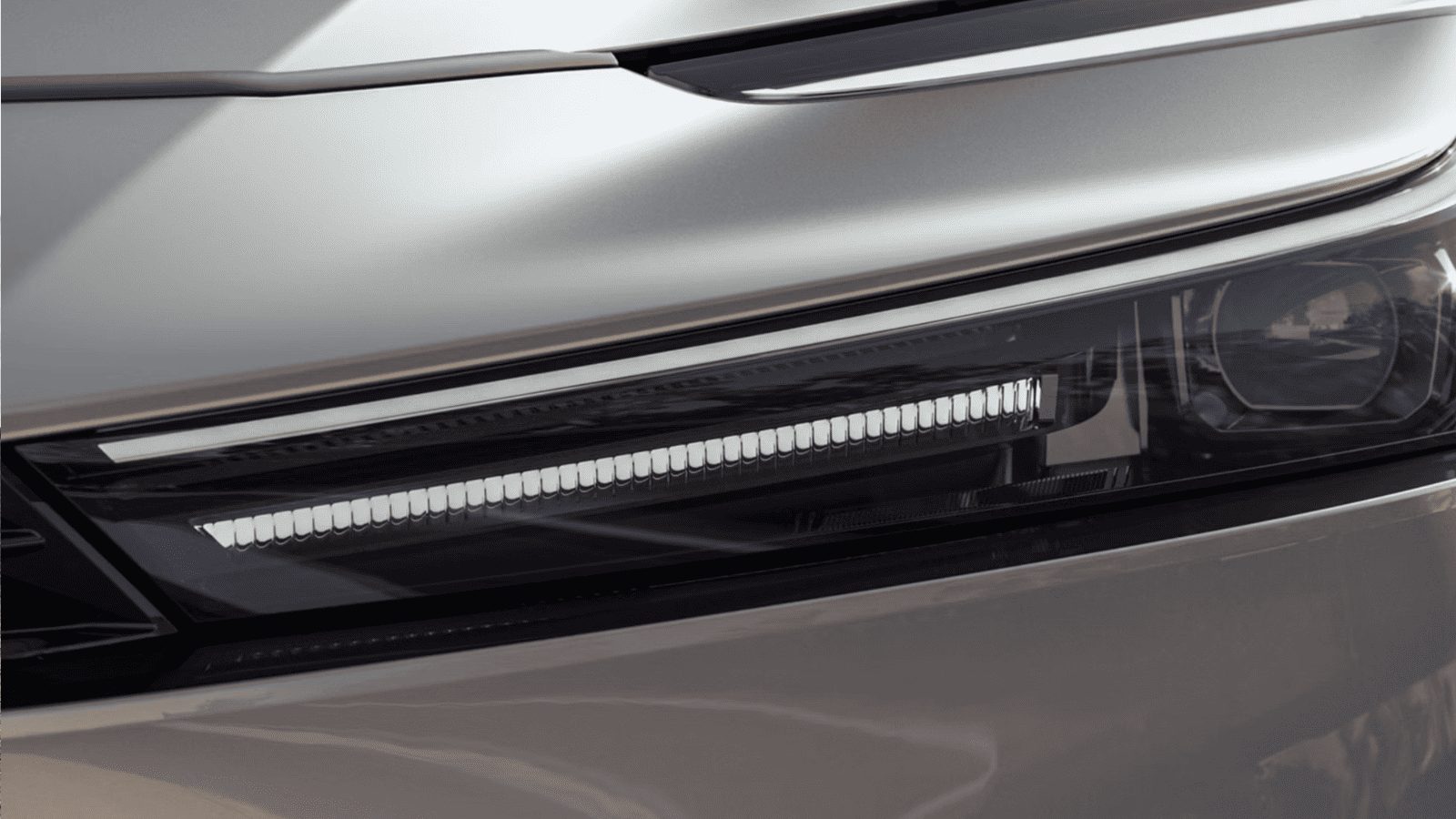
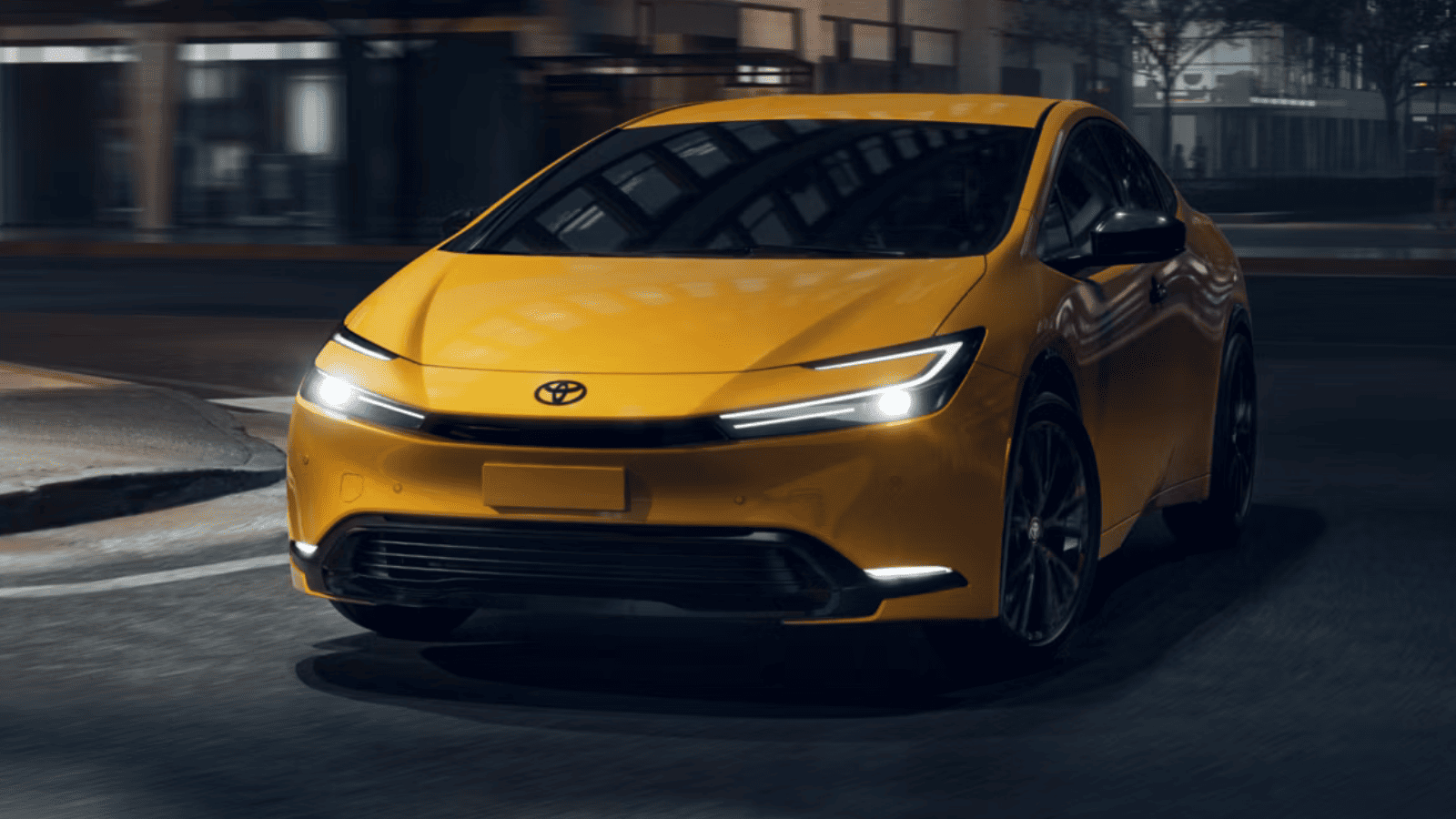
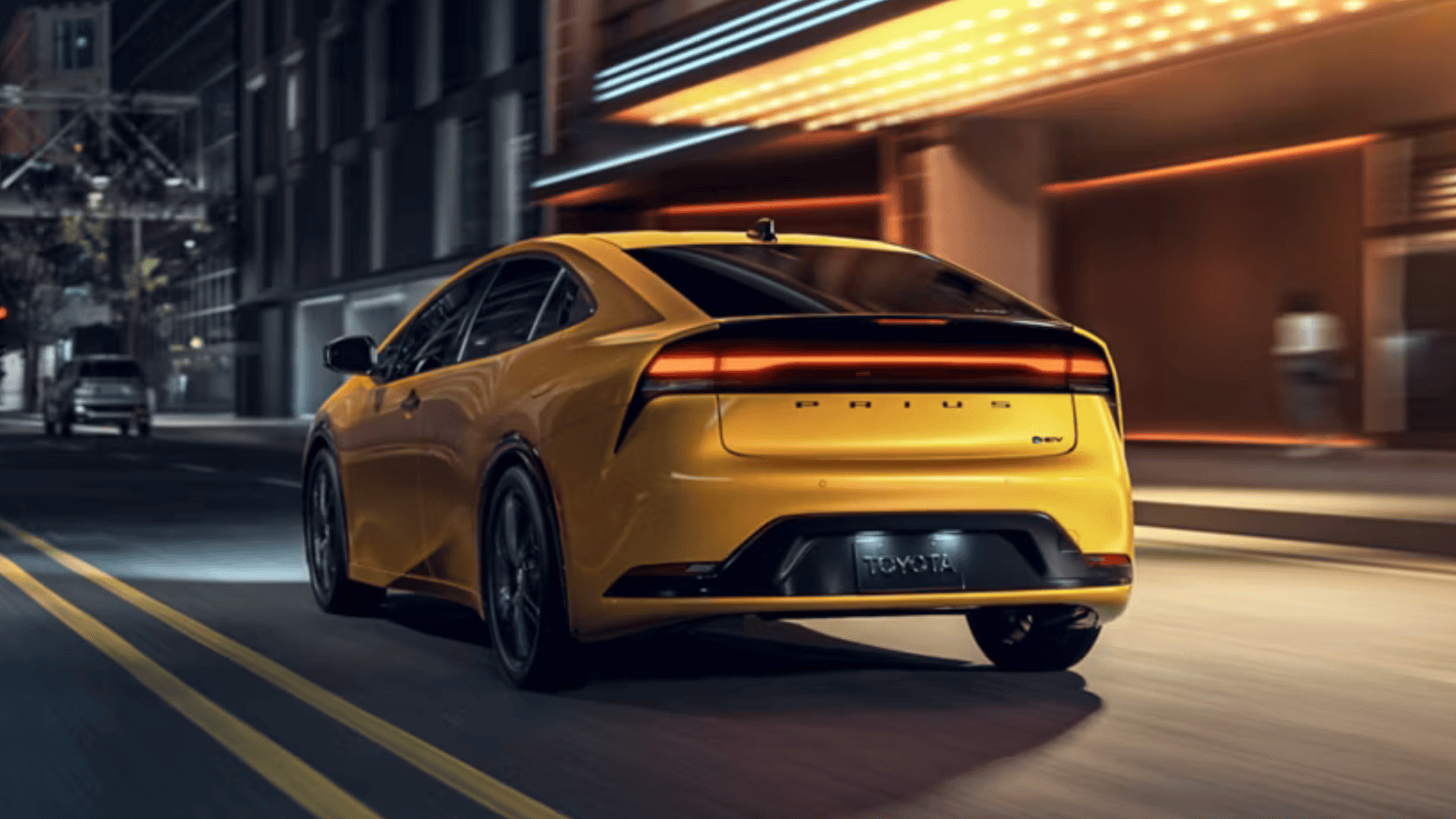
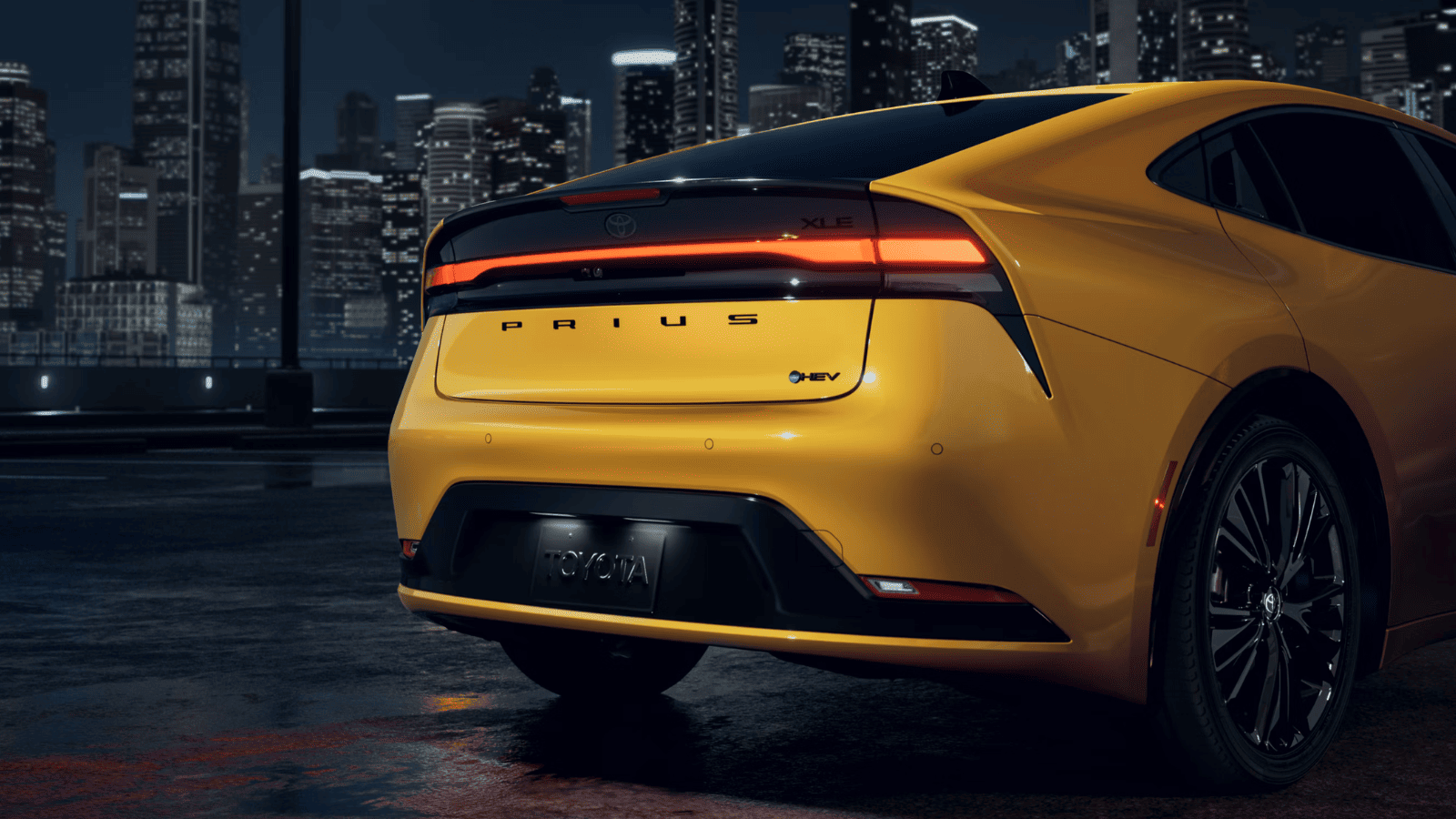


The current Prius uses a 2.0-liter hybrid powertrain with 194 horsepower in front-wheel-drive models and 196 horsepower with available all-wheel drive. The LE FWD returns up to an EPA-estimated 57 mpg combined, while upper trims still achieve up to 52 mpg combined.
It is an excellent choice for daily commuting, city drivers, first-time buyers, and anyone who wants to cut fuel costs without charging a vehicle. Its main compromises are tight rear-seat headroom, a low roofline that can make entry harder, and a cabin that becomes noisy when the engine is working hard.
WheelPedia Rating: 8.9/10
The Toyota Prius earns an 8.9/10 WheelPedia Rating. It is one of the best compact cars for fuel economy, everyday running costs, safety equipment, and practical hatchback cargo space.
The fifth-generation Prius is also much quicker and more composed than older versions. It is no longer just a car for buyers focused only on mpg. However, taller rear-seat passengers and buyers who want a quieter, more spacious cabin may prefer the Toyota Camry or Honda Civic Hybrid.
| Rating Category | Score | Weight |
| Safety | 9.3/10 | 20% |
| Reliability and ownership | 9.0/10 | 15% |
| Performance and driving | 8.4/10 | 15% |
| Comfort and practicality | 8.0/10 | 15% |
| Efficiency | 10.0/10 | 15% |
| Features and technology | 8.6/10 | 10% |
| Price and value | 8.7/10 | 10% |
| Overall WheelPedia Rating | 8.9/10 | — |
See how we rate cars for the full scoring method.
Key Highlights
- Starts from $28,550 MSRP in the US.
- 2.0-liter hybrid powertrain with 194 hp FWD or 196 hp AWD.
- Returns up to 57 mpg combined in LE FWD form.
- Available electronic on-demand all-wheel drive.
- Four trims: LE, XLE, Nightshade Edition, and Limited.
- Toyota estimates 0–60 mph in 7.2 seconds FWD and 7.0 seconds AWD.
- Standard Blind Spot Monitor and Rear Cross-Traffic Alert.
- Standard Toyota Safety Sense 3.0 driver-assistance suite.
- Up to 23.8 cubic feet of cargo space behind the rear seats.
- 2026 IIHS Top Safety Pick+.
- Best for drivers who want maximum mpg without a plug-in hybrid or EV.
Quick Specifications
| Specification | Toyota Prius |
| Vehicle type | Compact hybrid hatchback |
| Seating capacity | 5 |
| Engine | 2.0L four-cylinder hybrid |
| Horsepower, FWD | 194 combined hp |
| Horsepower, AWD | 196 combined hp |
| Transmission | Electronically controlled CVT |
| Drivetrain | FWD or electronic on-demand AWD |
| Best fuel economy | Up to 57 mpg combined |
| Cargo capacity | 20.3–23.8 cu. ft. |
| Length | 181.1 in. |
| Width | 70.2 in. |
| Height | 55.9–56.3 in. |
| Wheelbase | 108.3 in. |
| Ground clearance | 5.6 in. |
Expert Tip
The LE FWD is the Prius to buy if low running costs matter most. It has the best fuel-economy rating, useful standard safety features, and the larger 23.8-cubic-foot cargo area. Choose AWD only if winter traction is a real need, and choose the XLE or Limited if comfort features matter more than maximum mpg.
About the Toyota Prius
The Prius is Toyota’s regular hybrid hatchback. It does not need to be plugged in, and it can be refueled like a conventional gas car.
Toyota also sells the Prius Plug-in Hybrid, which has a larger battery and can travel on electricity alone for a limited distance before operating as a regular hybrid. That is a separate model from the standard Prius covered here.
Compared with the Toyota Corolla, the Prius costs more but provides much better fuel economy, stronger acceleration, more cargo flexibility, and a more upscale design. The Corolla Hybrid remains the lower-cost hybrid choice.
The Toyota Camry is better for buyers who need more rear-seat room, a more relaxed highway ride, and a larger midsize-car cabin. The Prius is the stronger pick for people who drive many miles and want the lowest fuel use.
Price and Trims
The following prices are current US base MSRPs from the official 2026 Toyota Prius page. Delivery, tax, registration, accessories, dealer-installed equipment, and local fees increase the final price.
| Trim | FWD Starting MSRP | AWD Starting MSRP | Key Features |
| LE | $28,550 | $29,950 | 17-in. alloy wheels, 8-in. touchscreen, Blind Spot Monitor, Rear Cross-Traffic Alert |
| XLE | $31,995 | $33,395 | 19-in. wheels, SofTex-trimmed seats, power driver’s seat, wireless charging |
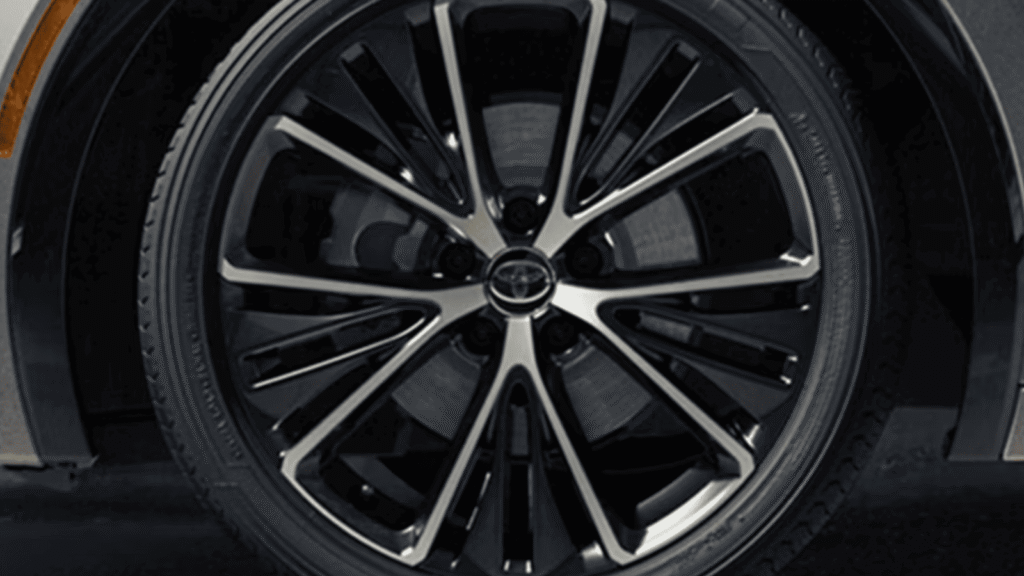
| Nightshade Edition | $32,800 | $34,200 | Black 19-in. wheels, black exterior accents, dark interior details |
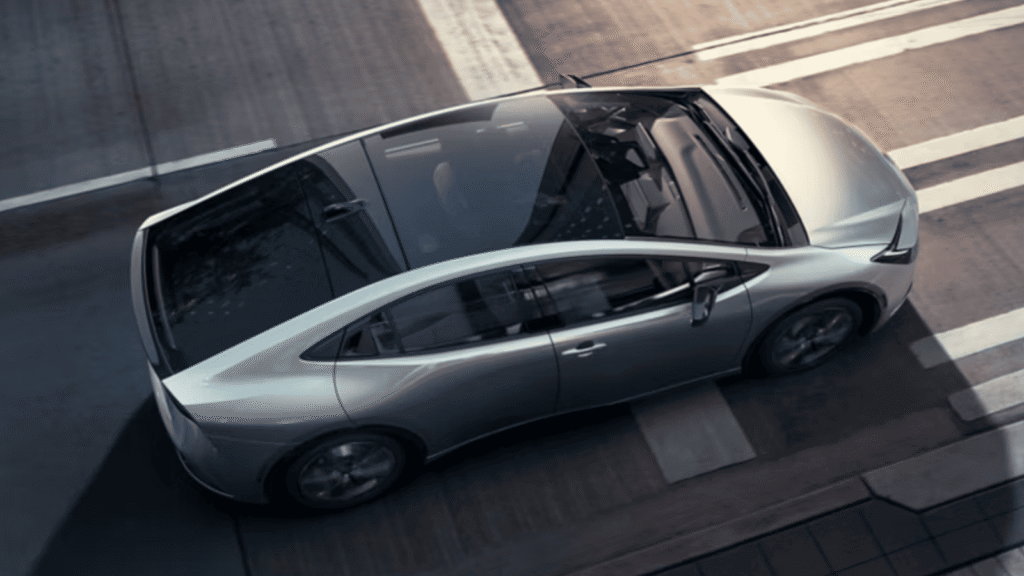
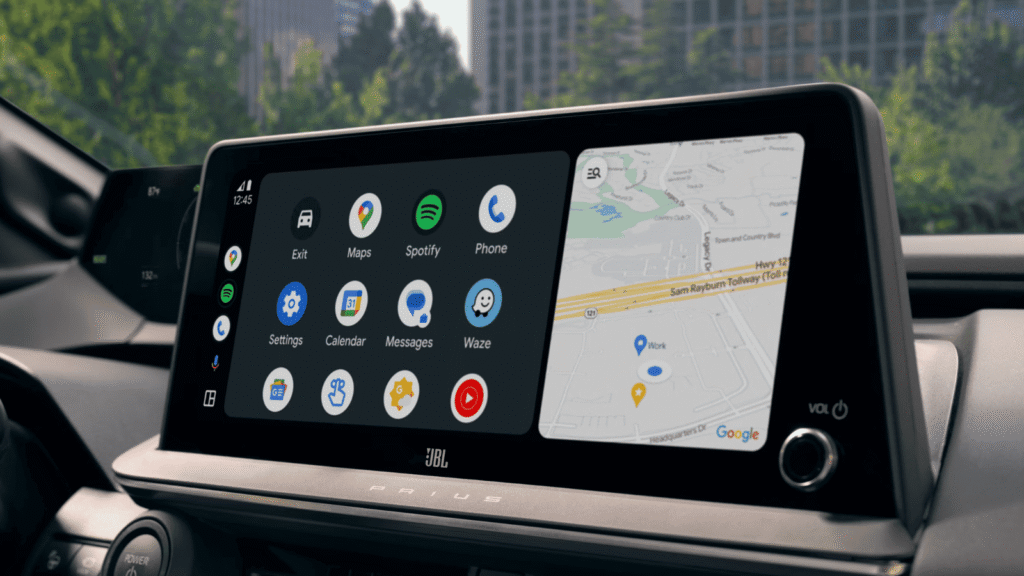
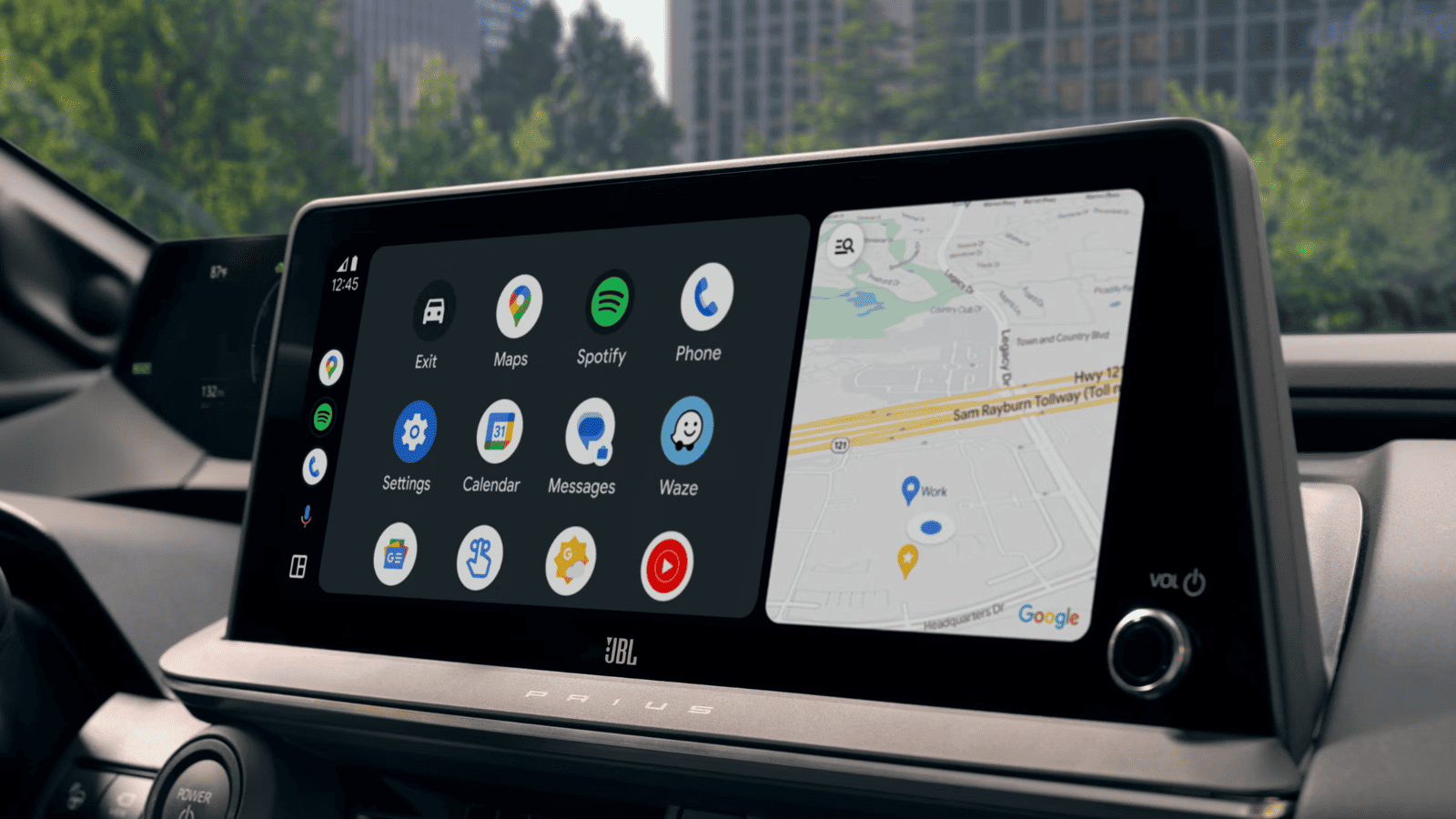
| Limited | $35,565 | $36,965 | 12.3-in. touchscreen, JBL audio, fixed glass roof, heated and ventilated front seats |
The LE FWD is the right Prius for most people. It has the highest 57 mpg combined rating, the lowest price, standard driver-assistance technology, wireless Apple CarPlay and Android Auto, and the largest cargo area.
The XLE is worth considering if you want SofTex-trimmed seating, a power-adjustable driver’s seat, wireless phone charging, and a more premium feel. Its larger wheels reduce combined fuel economy to 52 mpg FWD or 49 mpg AWD.
The Nightshade Edition is mainly an XLE-based visual upgrade. It adds black wheels, black badges, black trim, and darker interior details. Buy it for the appearance, not for added practicality or performance.
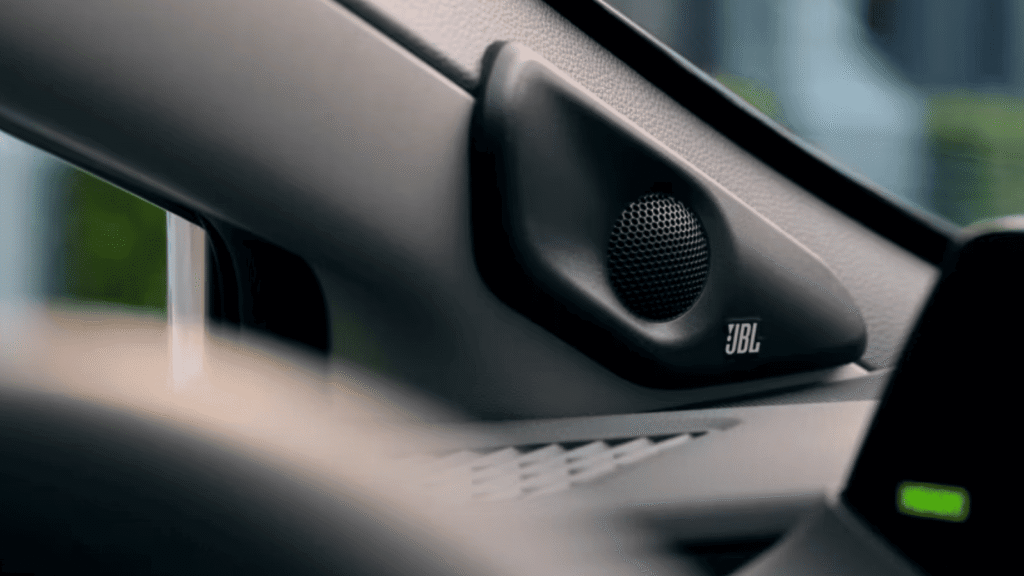
The Limited is the best choice for buyers who want the full Prius feature set. It adds the 12.3-inch touchscreen, JBL premium audio, fixed glass roof, and heated and ventilated front seats. It is well equipped, though its price moves closer to larger hybrid cars.
Engine, Hybrid System, and Performance
Every Prius uses Toyota’s fifth-generation hybrid system. It pairs a 2.0-liter four-cylinder gas engine with electric motors and a lithium-ion battery.
Front-wheel-drive models produce 194 combined horsepower. AWD models add an electric motor at the rear axle, bringing total system output to 196 horsepower.
The Prius uses an electronically controlled continuously variable transmission. It is tuned for smooth, efficient daily driving, but the engine can sound loud when accelerating hard or climbing steep grades.
0–60 MPH Performance
Toyota estimates the Prius reaches 60 mph in:
| Drivetrain | Toyota-Estimated 0–60 MPH |
| FWD | 7.2 seconds |
| AWD | 7.0 seconds |
That is a major improvement over older Prius generations. An independent testing recorded a 7.1-second 0–60 mph run in a front-wheel-drive Prius.
The Prius is quick enough for confident highway merging, passing slower traffic, and carrying passengers. It is not a performance hatchback, but it is much more responsive than buyers may expect.
Driving Experience
The Prius feels stable, light, and easy to place on the road. Its low center of gravity helps it feel more secure in corners than older Prius models.
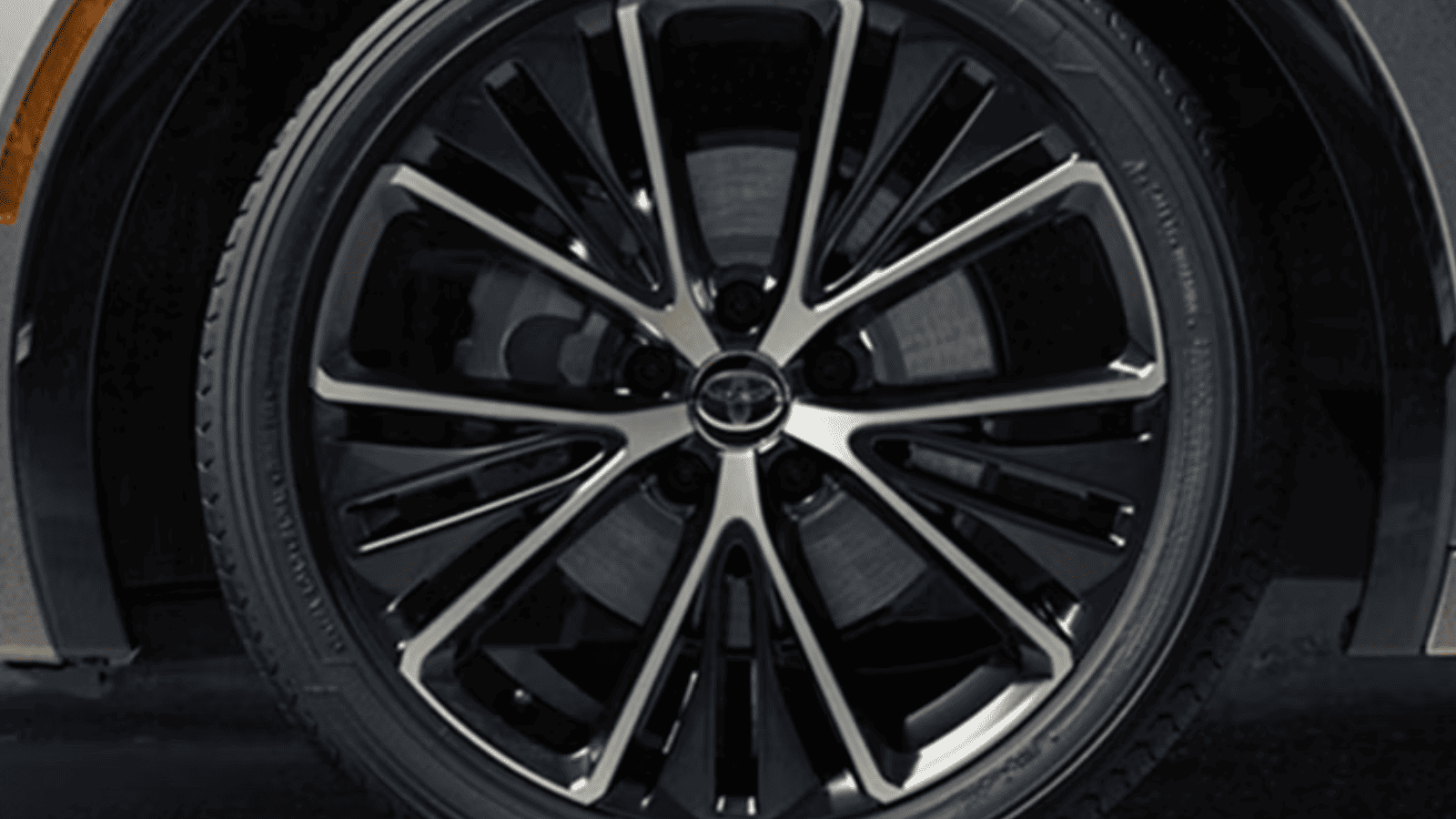
The ride is generally comfortable over everyday roads, especially in the LE with its smaller wheels. XLE, Nightshade, and Limited trims use 19-inch wheels, which sharpen the appearance but make the ride firmer over broken pavement.
Steering is light and predictable, making the Prius easy to park in busy areas. The hybrid system operates quietly at low speeds, but hard acceleration brings more engine noise into the cabin.
Available AWD can add confidence in rain, snow, and slippery conditions. It is not meant for off-road driving, but it can be useful for drivers who regularly face winter weather.
Fuel Economy
| Configuration | EPA-Estimated City | EPA-Estimated Highway | EPA-Estimated Combined |
| LE FWD | 57 mpg | 56 mpg | 57 mpg |
| LE AWD | 53 mpg | 54 mpg | 54 mpg |
| XLE FWD | 52 mpg | 52 mpg | 52 mpg |
| XLE AWD | 49 mpg | 50 mpg | 49 mpg |
| Nightshade FWD | 52 mpg | 52 mpg | 52 mpg |
| Nightshade AWD | 49 mpg | 50 mpg | 49 mpg |
| Limited FWD | 52 mpg | 52 mpg | 52 mpg |
| Limited AWD | 49 mpg | 50 mpg | 49 mpg |
The LE FWD is the clear efficiency winner. Its smaller wheels help it return an EPA-estimated 57 mpg combined.
Adding AWD reduces the LE rating to 54 mpg combined, which is still excellent. The larger wheels on XLE, Nightshade, and Limited trims lower fuel economy further, but 49–52 mpg combined remains among the best results in the compact-car class.
See the EPA’s 2026 Prius ratings for current fuel-economy information.
Interior, Comfort, and Technology
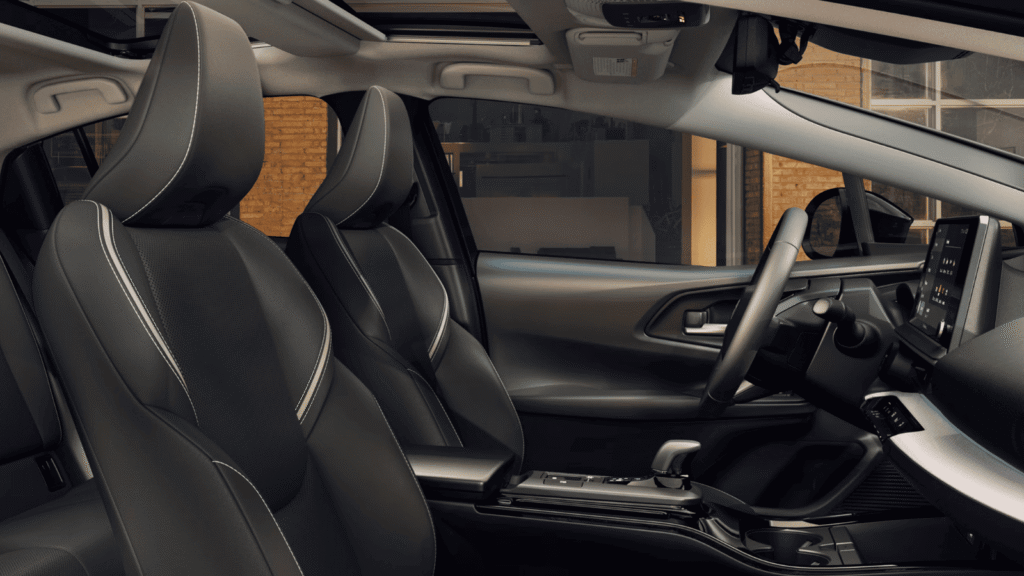
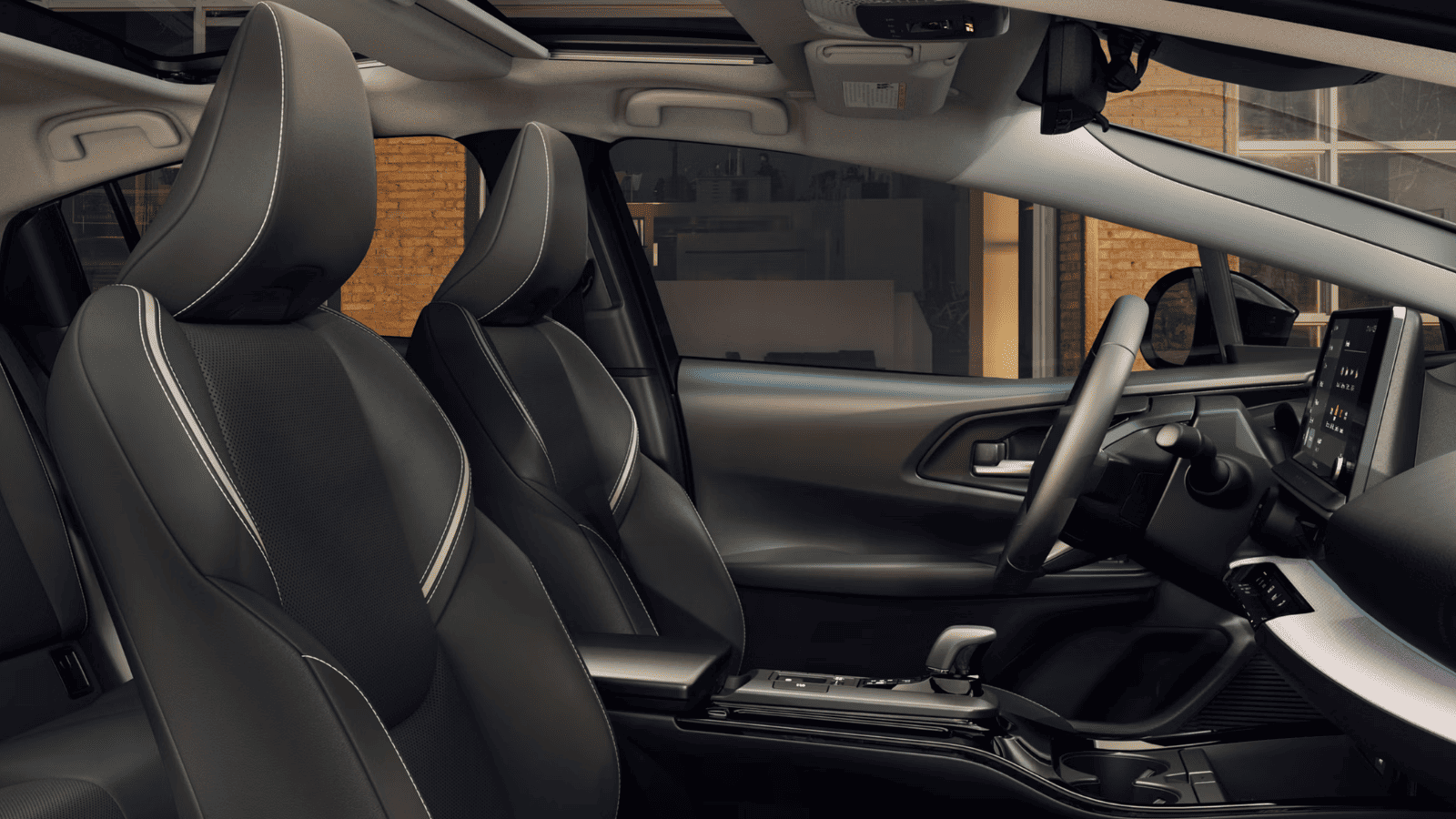
The Prius cabin has a modern, driver-focused layout. Its dashboard is simple to use, and the touchscreen sits high enough for easy access. However, the small instrument display is mounted above the steering wheel, and some drivers may need to adjust the wheel carefully to keep it fully visible.
Standard and available features include:
- 8-inch or 12.3-inch Toyota Audio Multimedia touchscreen
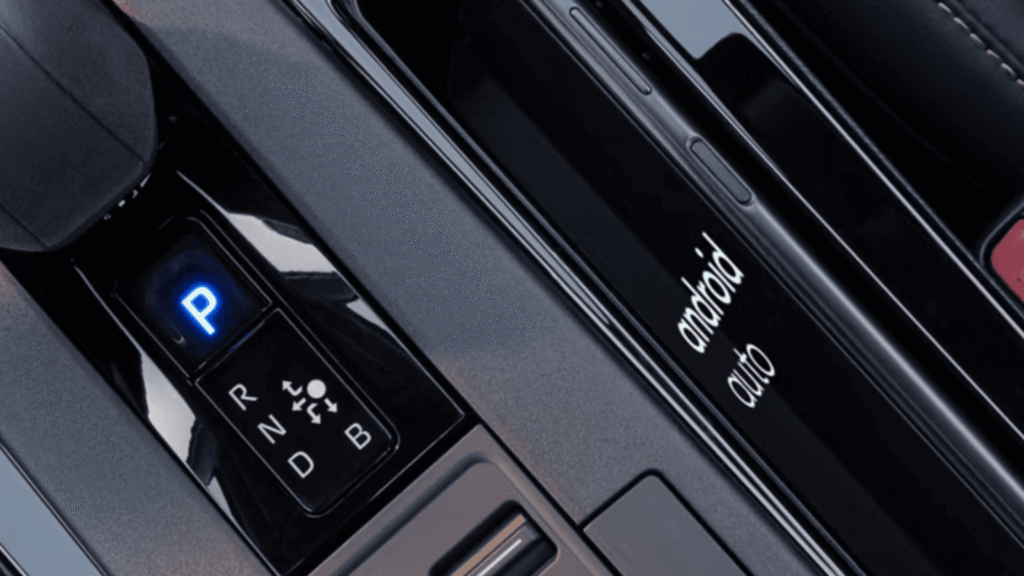
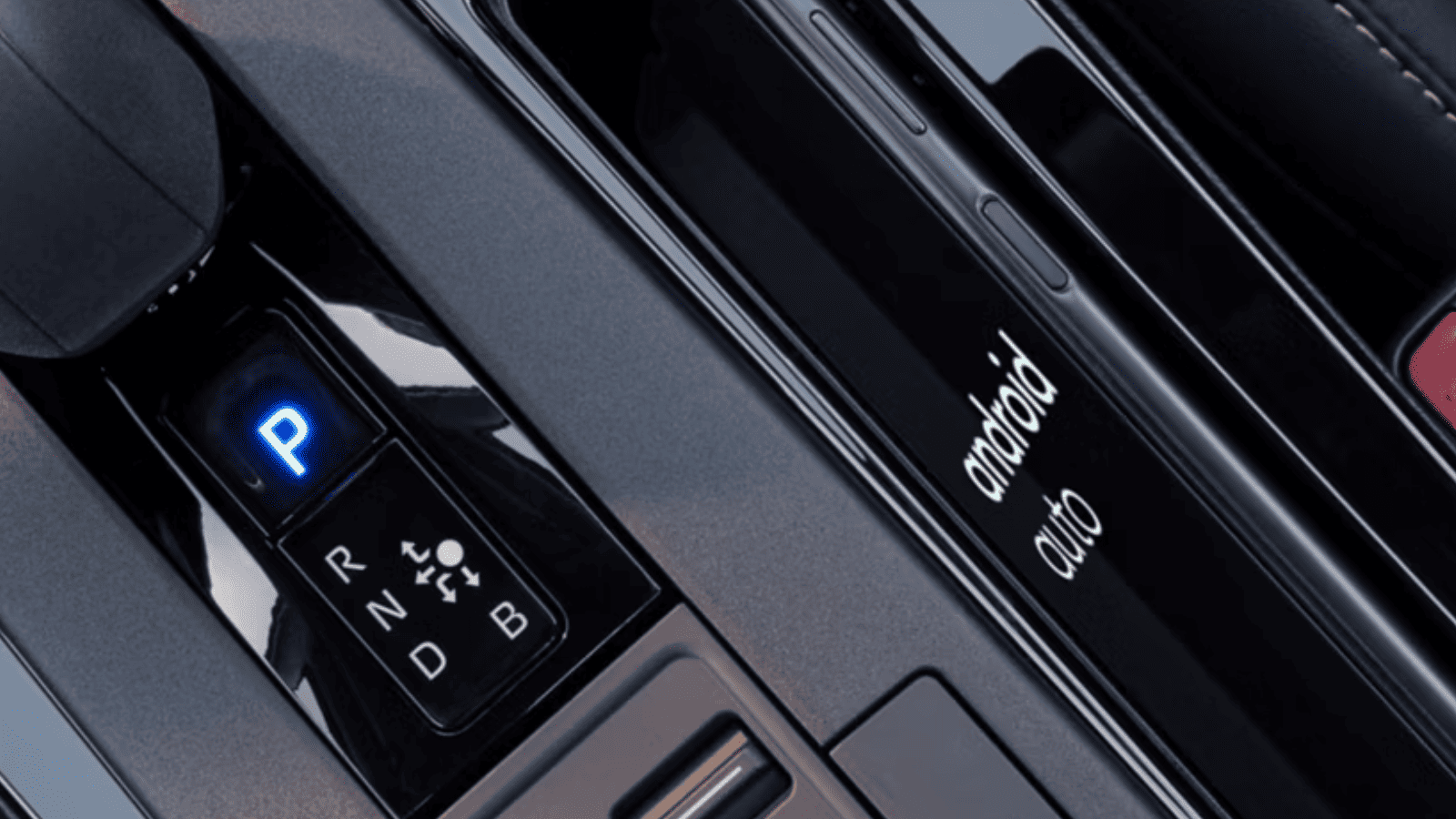
- Wireless Apple CarPlay and Android Auto
- Wireless smartphone charging
- Wi-Fi connectivity capability
- Digital Key capability on selected trims
- 7-inch driver information display
- Six-speaker standard audio system
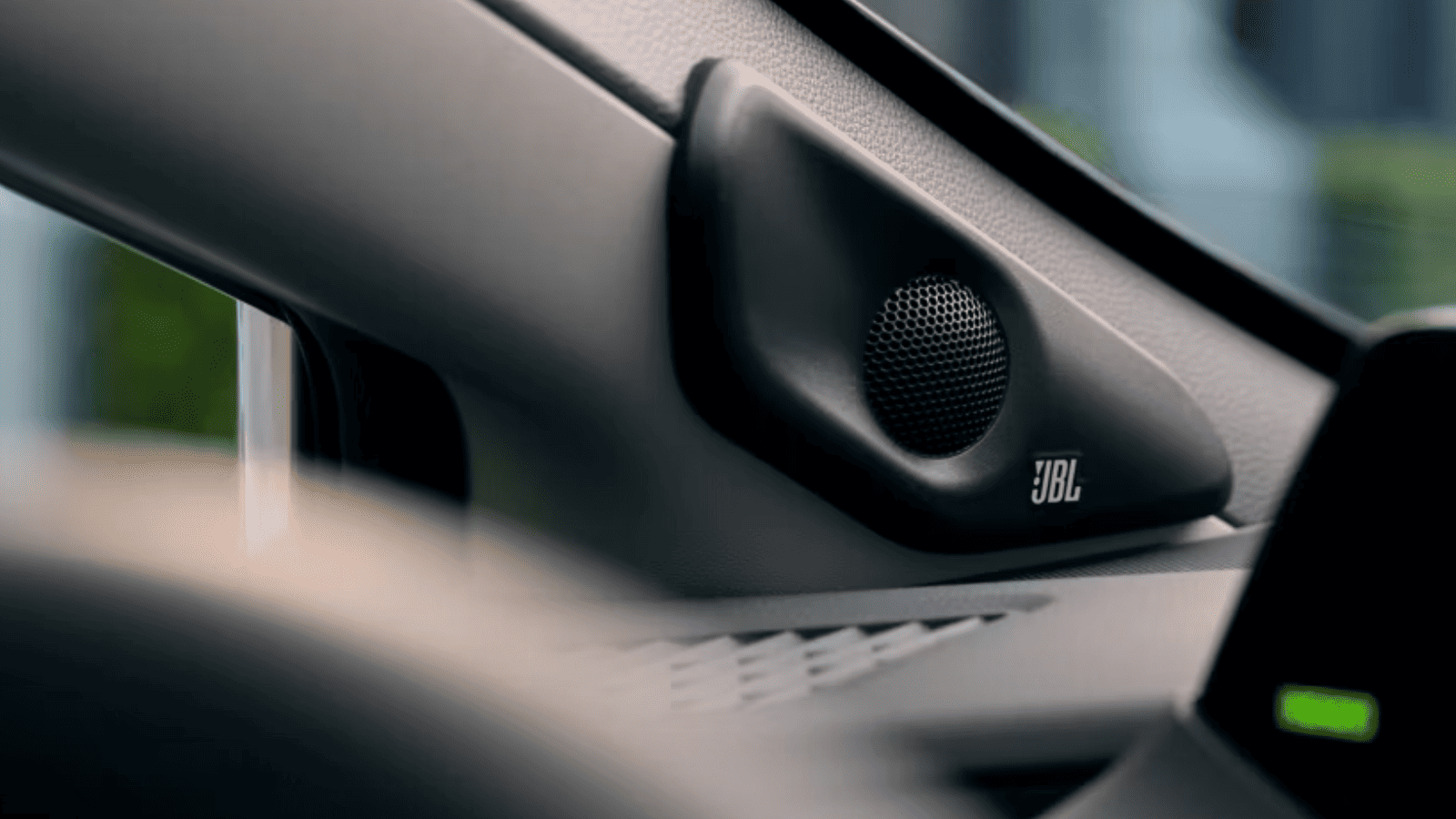
- Available eight-speaker JBL premium audio
- Available heated and ventilated front seats
- Available fixed glass roof
- Available digital rearview mirror
- Toyota Safety Connect and connected-service capability
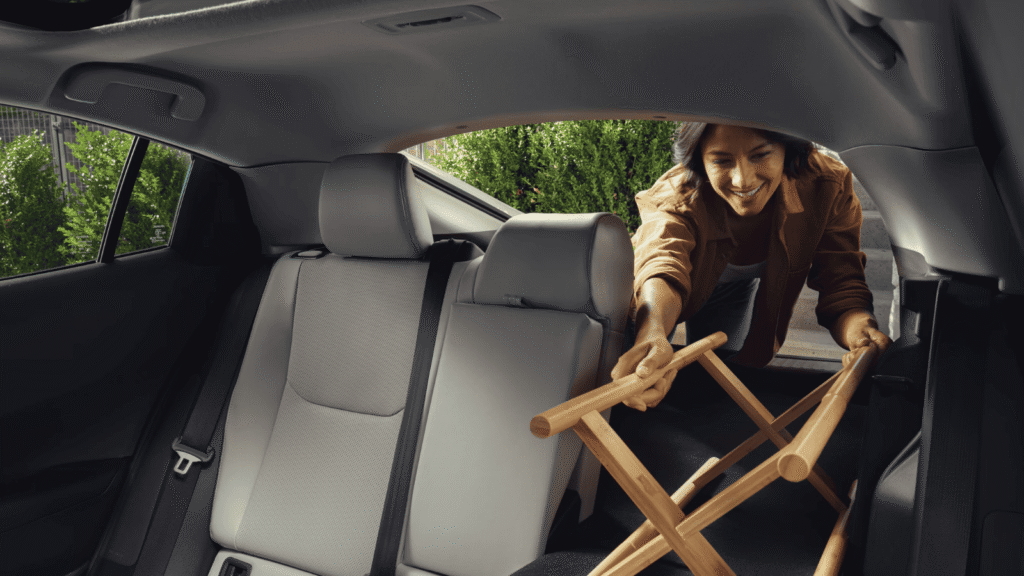
Front-seat space is good for a compact hatchback. The low roofline, however, affects rear-seat headroom. Adults can fit in the back, but taller passengers may need to duck when getting in and may feel cramped on longer trips.
The Prius uses a single-zone automatic climate-control system rather than dual-zone climate control. That is one of the few areas where the cabin feels less generous than some similarly priced rivals.
Dimensions, Cargo, and Practicality
| Dimension | Measurement |
| Length | 181.1 in. |
| Width | 70.2 in. |
| Height | 55.9–56.3 in. |
| Wheelbase | 108.3 in. |
| Front legroom | 43.2 in. |
| Rear legroom | 35.9 in. |
| Passenger volume | 91.0 cu. ft. |
| LE cargo capacity | 23.8 cu. ft. |
| XLE, Nightshade, and Limited cargo capacity | 20.3 cu. ft. |
| Seating | 5 passengers |
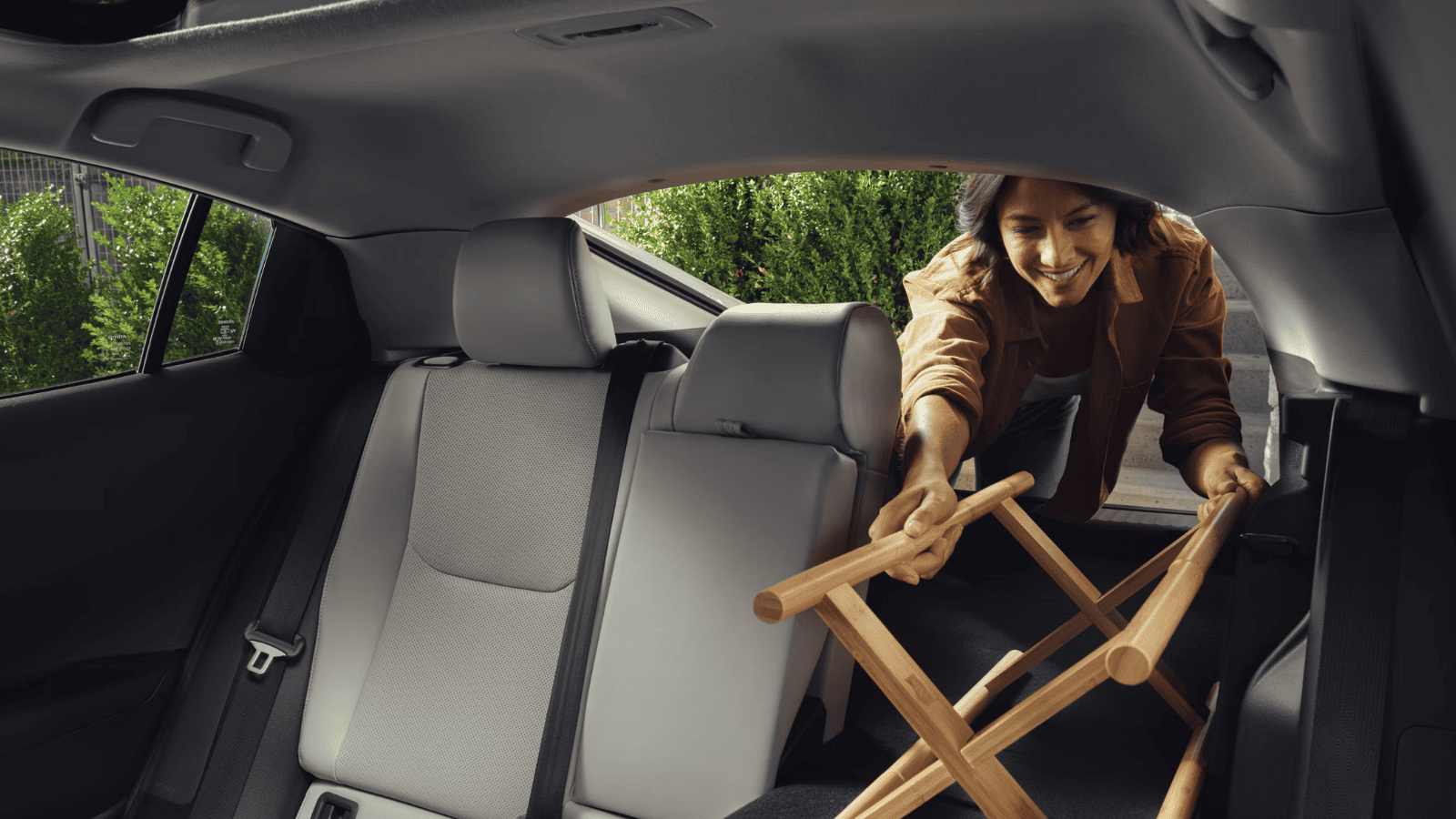
The Prius hatchback body gives it a major practical advantage over a traditional compact sedan. The LE has 23.8 cubic feet of cargo room behind the rear seats, while upper trims have 20.3 cubic feet because of their larger wheels and tire packaging.
Every Prius has 60/40-split folding rear seats for longer items. It can handle groceries, luggage, small furniture, and everyday gear well, though buyers who often carry bulky equipment or large pets may prefer the Toyota Corolla Cross.
Toyota does not list a US towing rating for the Prius.
Exterior Design
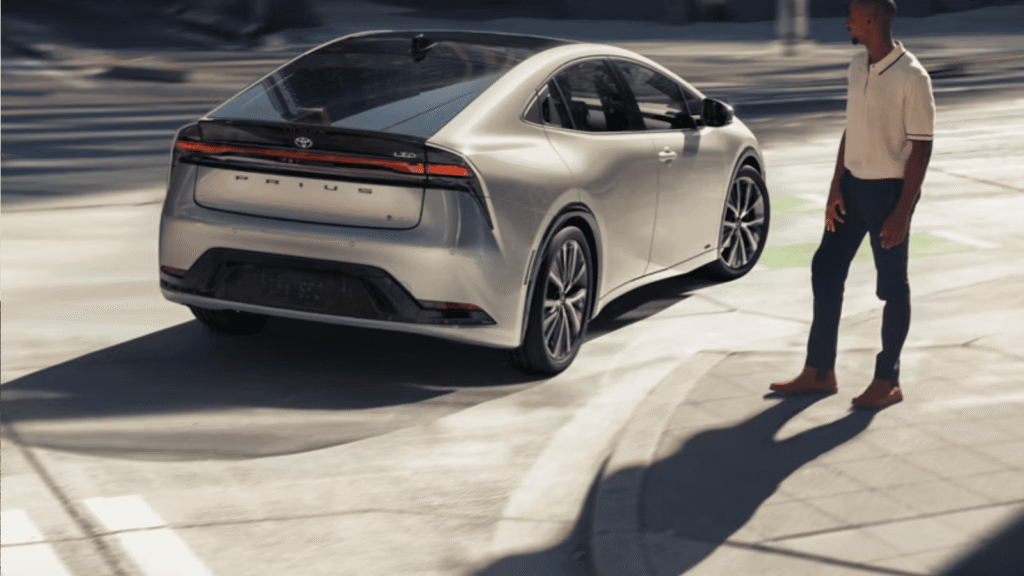
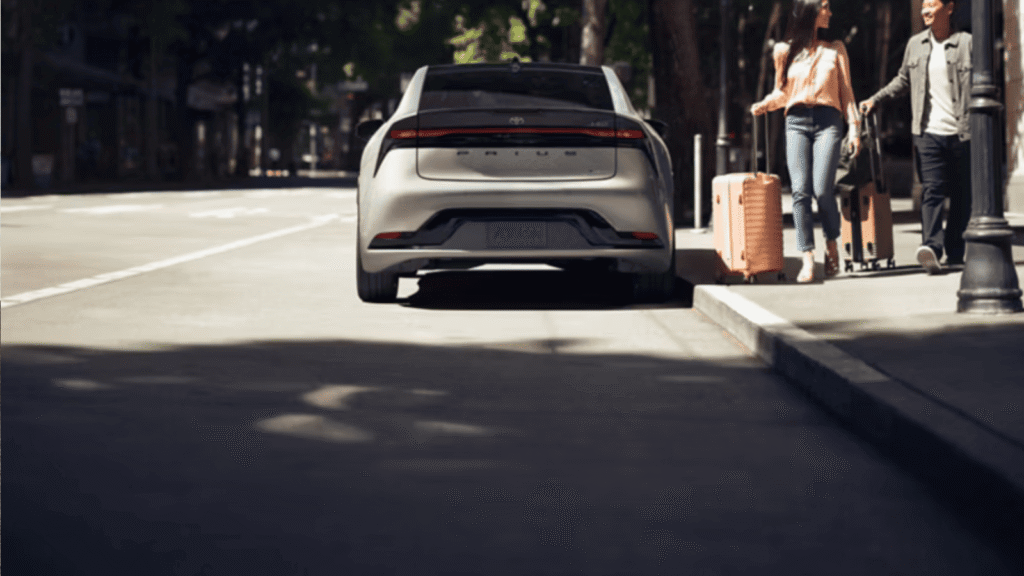
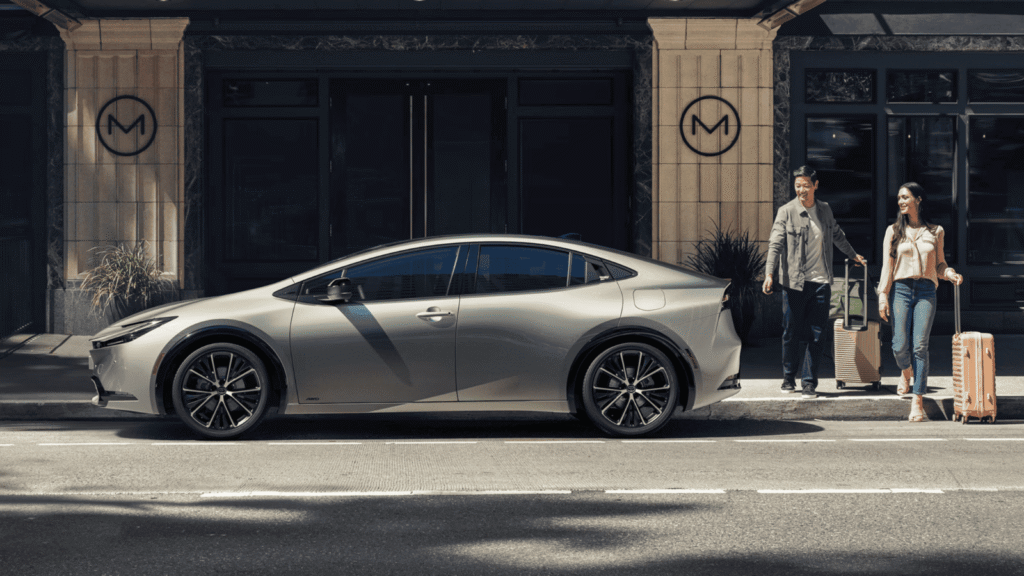
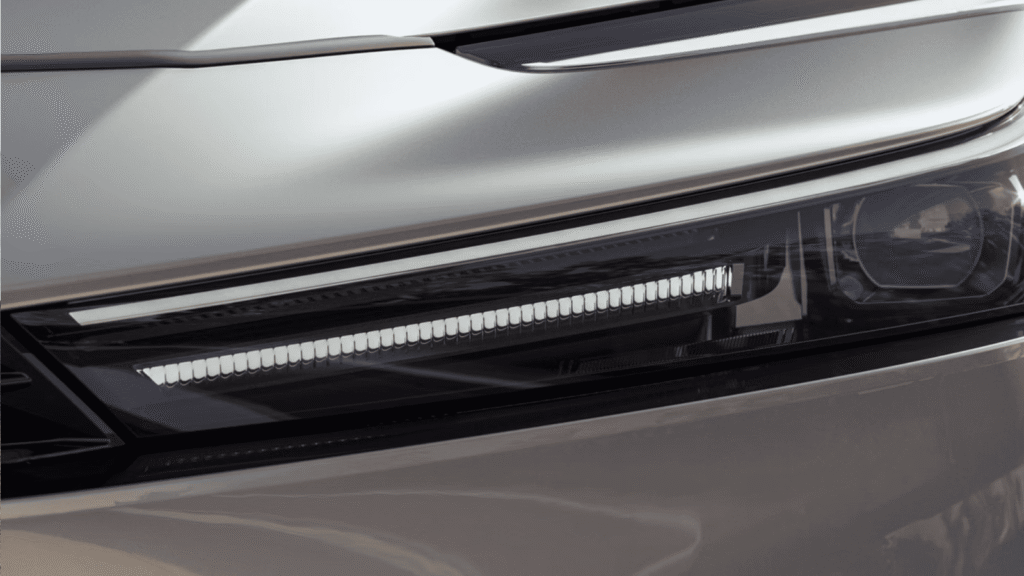
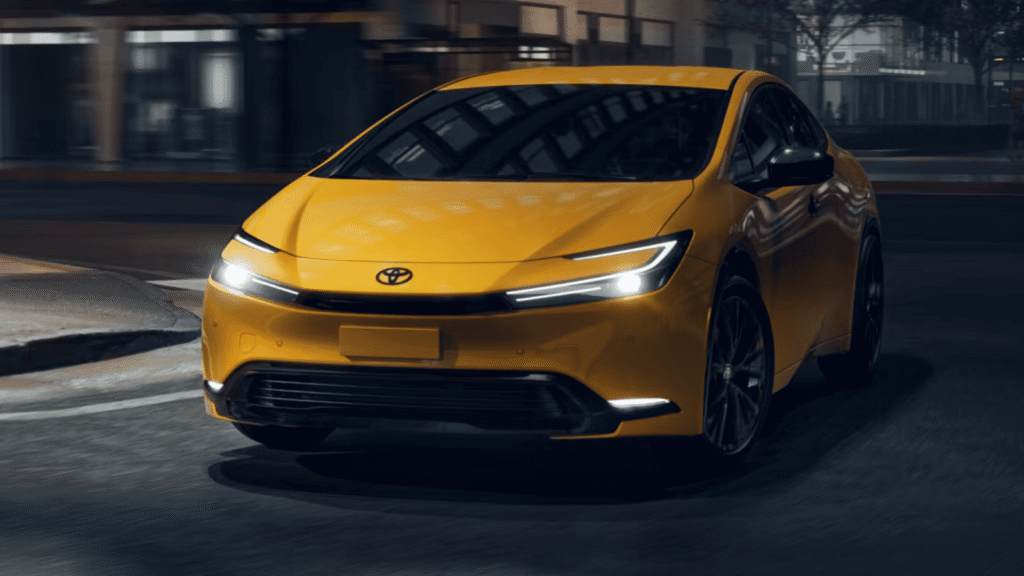
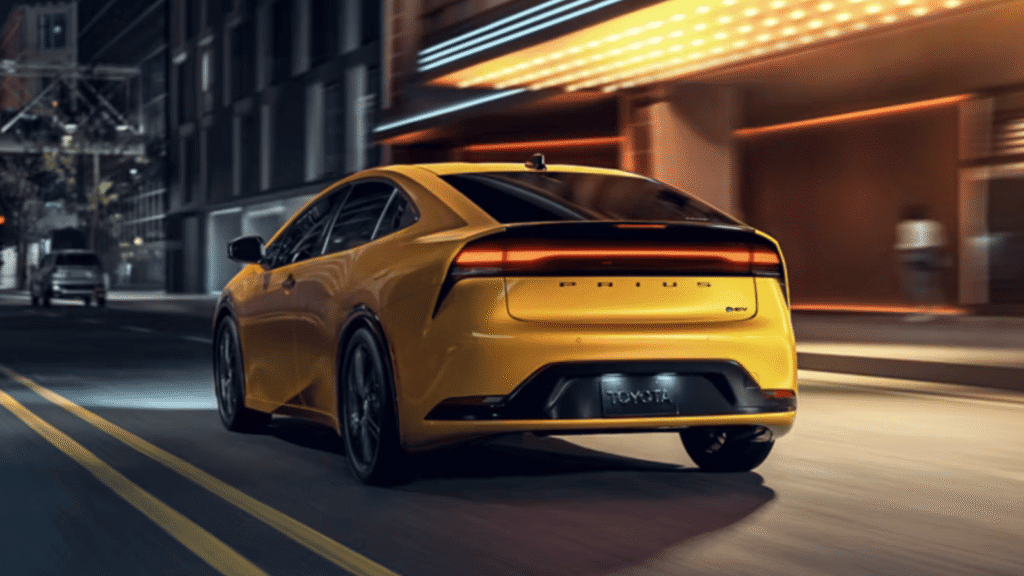
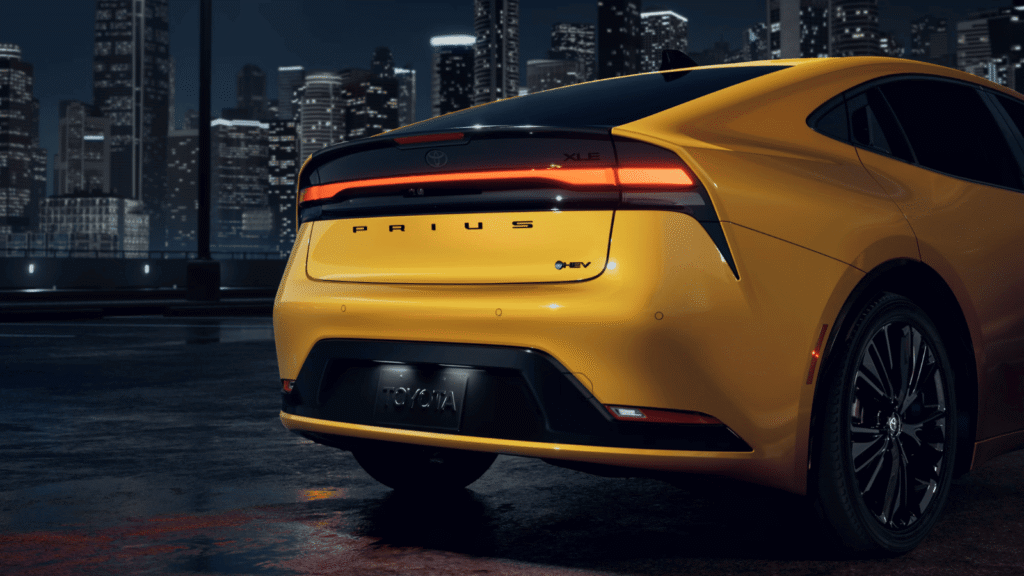
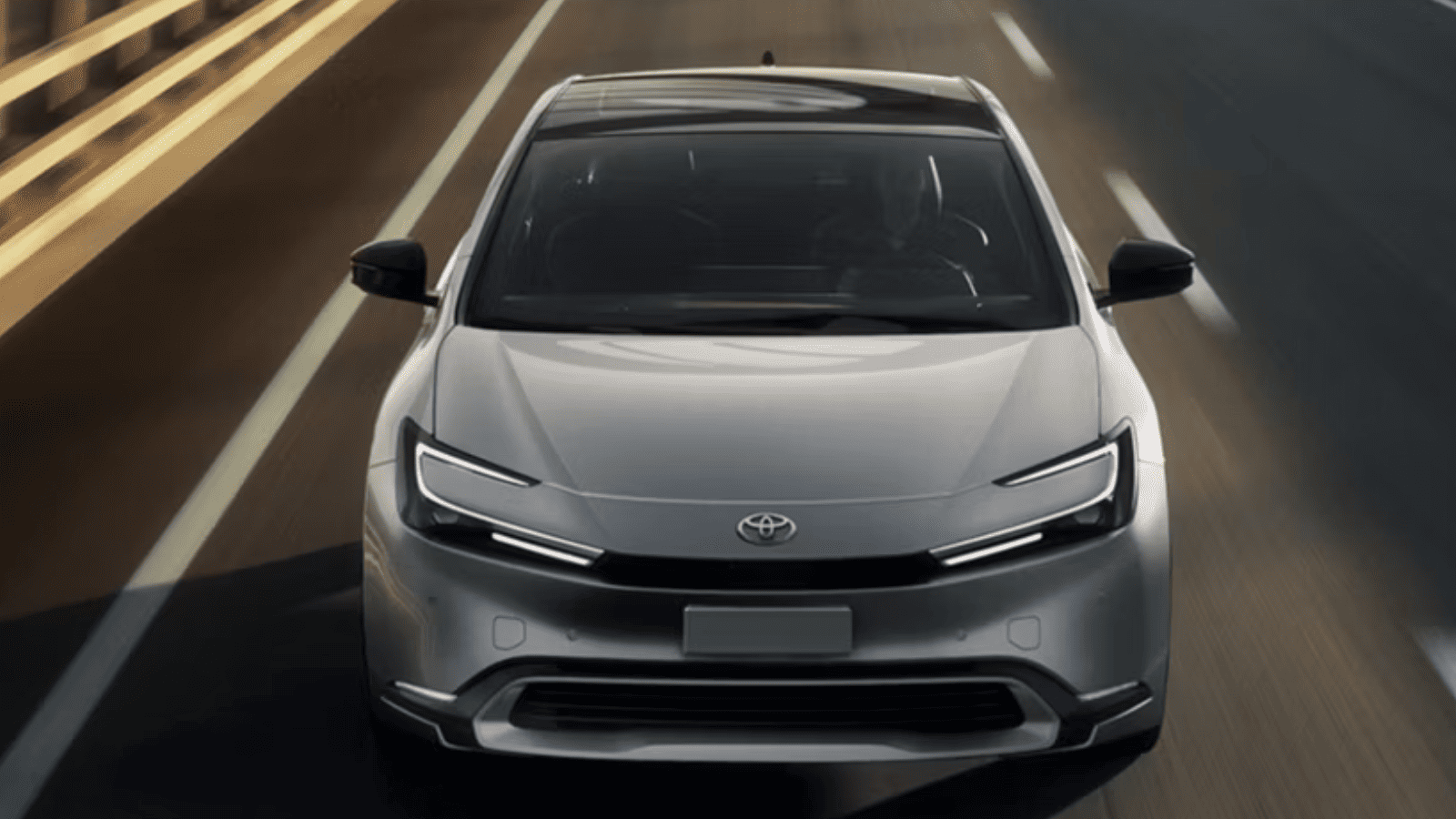
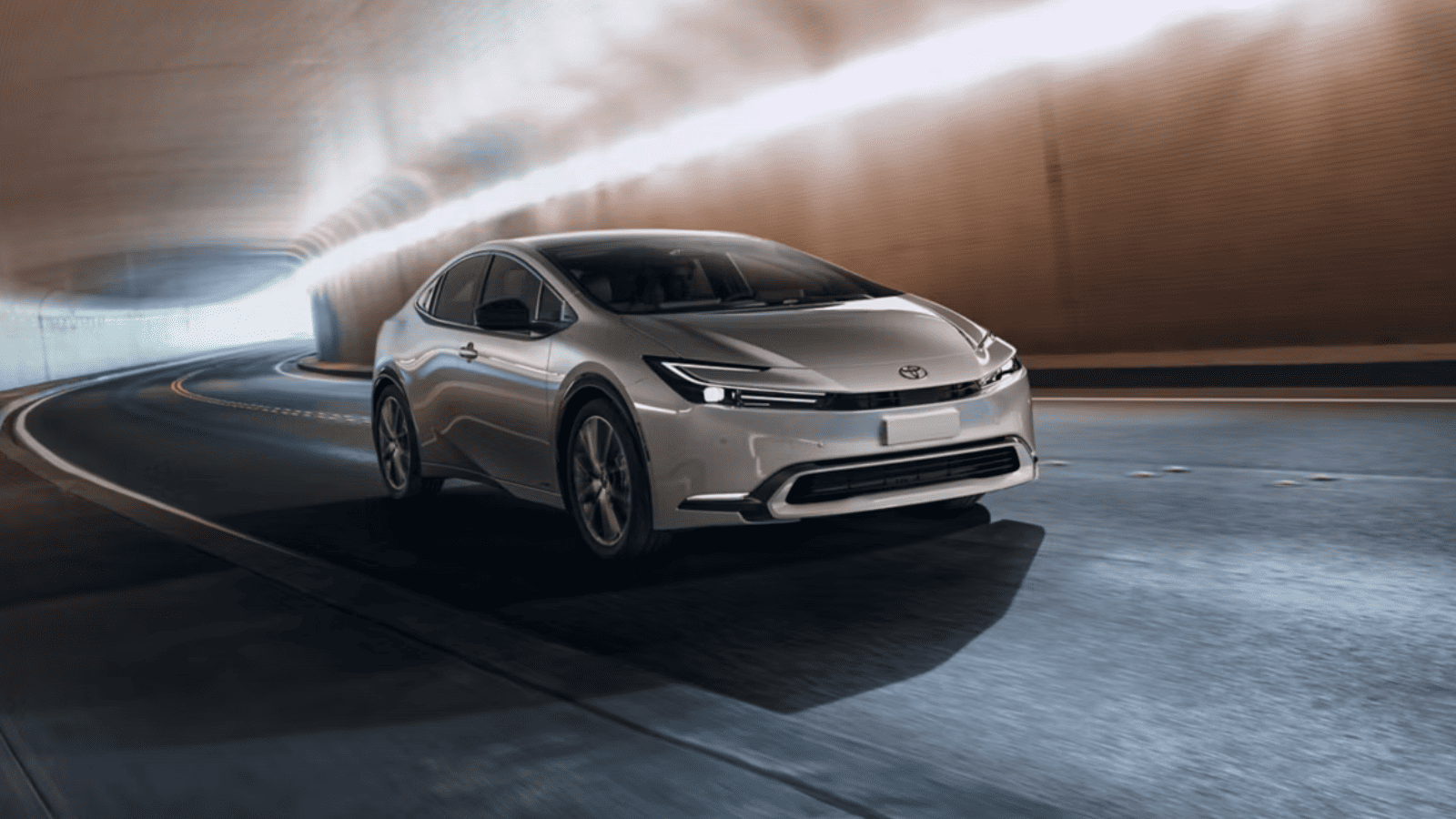
The current Prius has a low, sharp, and modern shape that is very different from earlier generations. Its sloping roofline, slim LED lighting, wide stance, and clean body surfaces make it look more like a compact sportback than a traditional economy hybrid.
- LE: understated design with 17-inch alloy wheels.
- XLE: adds 19-inch alloy wheels and more premium exterior details.
- Nightshade Edition: black 19-inch wheels, black badges, black trim, and darker styling details.
- Limited: adds premium equipment and available exterior upgrades.
The Nightshade Edition is the visual standout, while the LE gives buyers the best combination of efficiency and useful cargo capacity.
Safety Features and Ratings
Every Toyota Prius includes Toyota Safety Sense 3.0 and a strong set of standard driver-assistance features:
- Pre-Collision System with Pedestrian Detection
- Full-Speed Range Dynamic Radar Cruise Control
- Lane Departure Alert with Steering Assist
- Lane Tracing Assist
- Proactive Driving Assist
- Road Sign Assist
- Automatic High Beams
- Blind Spot Monitor
- Rear Cross-Traffic Alert
- Rearview camera
- Tire Pressure Monitor System
- Eight airbags
Available equipment includes Front and Rear Parking Assist with Automatic Braking, a Panoramic View Monitor, and a digital rearview mirror.
The 2026 Prius earns an IIHS Top Safety Pick+ award. It receives Good ratings in the small-overlap front, updated moderate-overlap front, and updated side-impact tests. Its standard vehicle-to-vehicle and pedestrian front crash-prevention systems also earn Good ratings. Headlights are rated Acceptable.
See the full IIHS Prius ratings for current test details.
Driver-assistance systems can support the driver, but they cannot replace attention, safe speeds, or a proper following distance.
Reliability, Warranty, and Ownership
The Prius has one of the strongest ownership cases in the hybrid market. Toyota has decades of hybrid experience, and the Prius offers low fuel use, broad dealer support, widely available parts, and strong resale-value appeal.
The current generation launched for 2023, so its long-term model-specific record is still developing. Still, the core hybrid system is based on proven Toyota engineering rather than a new turbocharged or plug-in-only setup.
| Coverage | Length |
| Basic warranty | 3 years / 36,000 miles |
| Powertrain warranty | 5 years / 60,000 miles |
| Hybrid-related component coverage | 8 years / 100,000 miles |
| Hybrid battery warranty | 10 years / 150,000 miles |
| Corrosion perforation warranty | 5 years / unlimited miles |
| ToyotaCare scheduled maintenance | 2 years / 25,000 miles |
| Roadside assistance | 2 years / unlimited miles |
A January 2026 safety recall, NHTSA 26V049, covers certain 2023–2026 Prius vehicles. Water may enter the rear-door opener switch, potentially causing a short circuit and allowing an unlocked rear door to open unexpectedly. Check the vehicle identification number before buying used and confirm that all recall work is complete.
For used buyers, inspect maintenance records, tire wear, hybrid-system operation, cargo-area condition, and open recalls. Our guide on how to check a car’s accident history can help before purchase.
Pros and Cons
What We Like
- Up to 57 mpg combined
- Faster and more composed than older Prius models
- Available AWD
- Strong standard safety equipment
- IIHS Top Safety Pick+ status
- Useful hatchback cargo area
- Easy-to-use infotainment system
- Wireless Apple CarPlay and Android Auto are standard
- Good expected long-term ownership value
- No charging required
What We Don’t Like
- Rear-seat headroom is tight
- Low roofline can make rear entry awkward
- Instrument display can be blocked by the steering wheel
- Engine becomes loud under hard acceleration
- Single-zone climate control
- Upper trims lose cargo space and fuel economy
- Limited trim gets expensive for a compact car
- No US towing rating
Competitors
Compare the Toyota Prius with these alternatives before deciding:
- Toyota Corolla Hybrid: lower-cost choice for buyers who want a traditional compact sedan.
- Toyota Camry: better for buyers who want more space, a quieter ride, and midsize-sedan comfort.
- Toyota Prius Plug-in Hybrid: better for drivers who can charge at home and want electric-only driving for shorter trips.
- Honda Civic Hybrid: a strong choice for buyers who want a roomier cabin and more conventional dashboard layout.
- Hyundai Elantra Hybrid: offers a lower starting price, good fuel economy, and a longer basic warranty.
- Kia Niro: worth considering if you want a more upright hatchback shape and easier entry.
- Toyota Corolla Cross Hybrid: better for buyers who want higher seating, easier access, and SUV-style cargo loading.
Related Content
Before financing a Prius, learn how car financing works and consider getting car loan preapproval before visiting a dealer.
If you are deciding whether buying used makes more sense, compare the benefits of a new car vs. used car and learn how to get the best car loan rate.
Should You Buy the Toyota Prius?
Buy the Toyota Prius if you want one of the most efficient non-plug-in cars available, strong safety technology, practical hatchback cargo space, and low day-to-day fuel costs.
Choose the LE FWD if maximum mpg and value matter most. Choose the LE AWD if winter weather is a regular part of your driving. Choose the XLE if you want more comfort features and are comfortable giving up some efficiency. Choose the Limited if the larger screen, JBL audio, glass roof, and ventilated seats justify the higher price.
Skip the Prius if you regularly carry tall rear passengers, need a quiet premium cabin, want a higher seating position, or need much more cargo space.
FAQs
How much does the Toyota Prius cost?
The 2026 Toyota Prius starts from $28,550 MSRP in the US. The Limited starts from $35,565 with FWD or $36,965 with AWD. Delivery, tax, registration, options, and dealer fees add to the final price.
Is the Toyota Prius a hybrid?
Yes. Every Toyota Prius is a regular hybrid that combines a gas engine with electric motors. It does not need to be plugged in.
Does the Toyota Prius have all-wheel drive?
Yes. Electronic on-demand AWD is available on every Prius trim. It adds a rear electric motor and increases total output from 194 hp to 196 hp.
What fuel economy does the Toyota Prius get?
The Prius LE FWD returns up to an EPA-estimated 57 mpg city, 56 mpg highway, and 57 mpg combined. Other versions return between 49 and 54 mpg combined, depending on trim and drivetrain.
Is the Toyota Prius fast?
The Prius is much quicker than older generations. Toyota estimates 0–60 mph in 7.2 seconds with FWD and 7.0 seconds with AWD. Independent testing has recorded about 7.1 seconds for a FWD Prius.
How much cargo space does the Toyota Prius have?
The Prius LE has 23.8 cubic feet of cargo space behind the rear seats. XLE, Nightshade, and Limited trims have 20.3 cubic feet.
Does the Toyota Prius have Apple CarPlay and Android Auto?
Yes. Every current Prius includes wireless Apple CarPlay and Android Auto compatibility.
Is the Toyota Prius safe?
Yes. Every Prius has Toyota Safety Sense 3.0, Blind Spot Monitor, and Rear Cross-Traffic Alert as standard. The 2026 Prius is also an IIHS Top Safety Pick+.
Does the Toyota Prius need to be charged?
No. The standard Prius does not need to be plugged in. Its battery is charged through the gas engine and regenerative braking.
Can the Toyota Prius tow a trailer?
Toyota does not list a US towing rating for the Prius. It should not be bought as a towing vehicle.
Which Toyota Prius trim is best?
The LE FWD is the best Prius for most buyers because it has the lowest price, best fuel economy, largest cargo area, and strong standard safety equipment.
How long is the Prius hybrid battery warranty?
The Prius hybrid battery is covered for 10 years or 150,000 miles in the US.
Final Verdict
The Toyota Prius is one of the best choices for buyers who want to spend less on fuel without moving to a plug-in hybrid or full EV.
It combines class-leading mpg, useful hatchback practicality, available AWD, strong safety equipment, and enough power for normal highway driving. Its shape and driving character are also far more appealing than those of older Prius generations.
For most buyers, the LE FWD is the Prius to buy. It delivers the full ownership benefit of the model at the lowest price, returns up to 57 mpg combined, and has the most cargo space. The XLE is the right step up for comfort-focused buyers, while the Limited makes sense only if its premium features are worth its higher price.
Prices, specifications, safety ratings, recalls, and feature availability can change by model year, trim, and market.