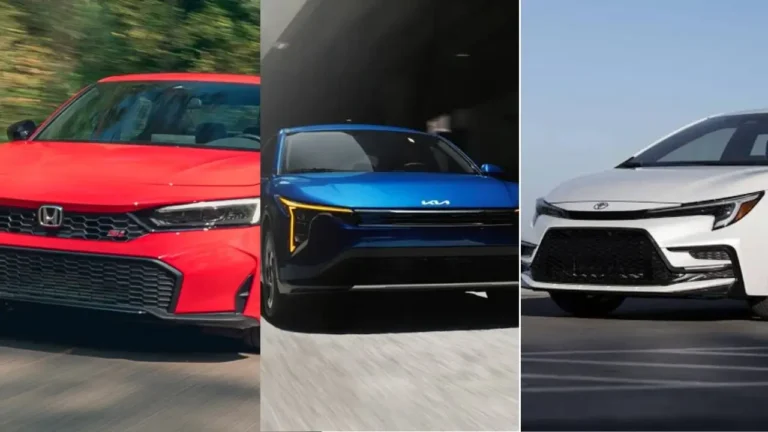
The best small cars for city driving should be easy to park, economical in slow traffic, comfortable over rough streets, and simple to maneuver in narrow spaces. Strong visibility and predictable controls often matter more in an urban car than horsepower or high-speed performance.
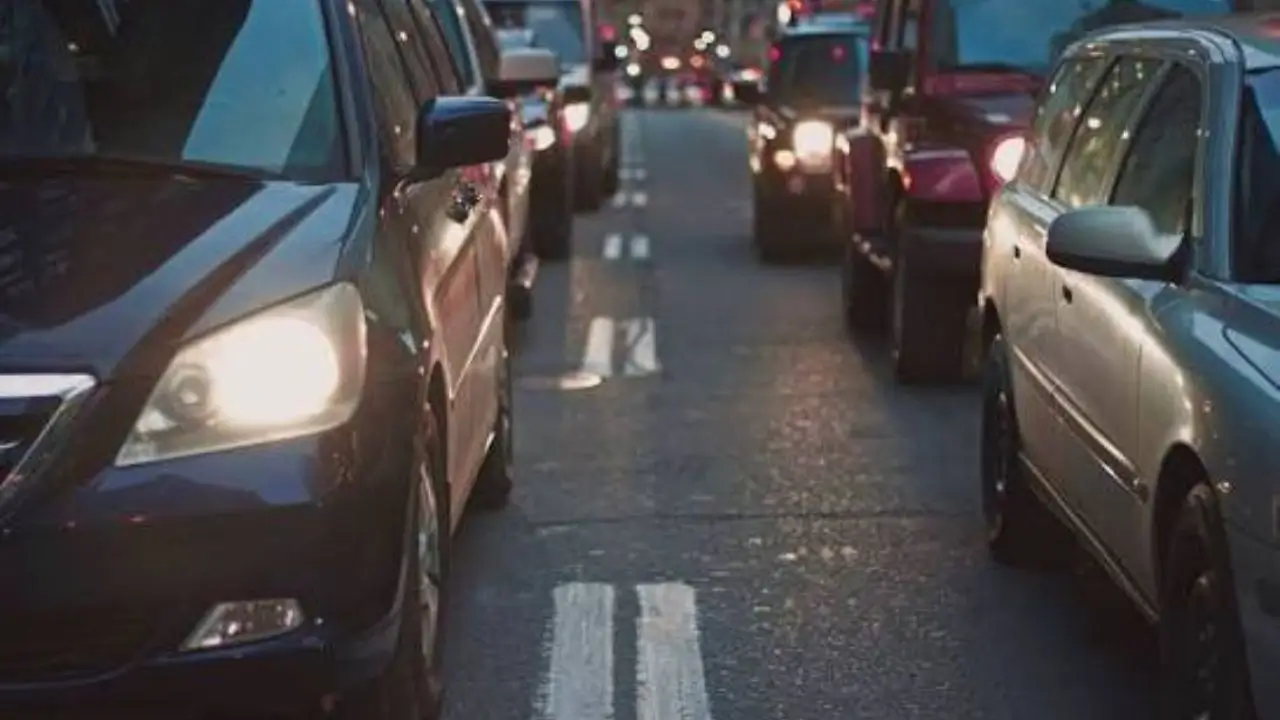
City drivers face challenges that are less important on open highways. Tight parking spaces, crowded intersections, cyclists, pedestrians, delivery vehicles, potholes, and frequent stopping can make an oversized or poorly designed car frustrating to use.
A good city car should also control everyday ownership costs. Fuel, insurance, parking, tires, and minor body repairs can add considerably to the purchase price.
Quick Picks
- Best Overall: 2026 Toyota Corolla
- Best for Visibility and Road Manners: 2026 Honda Civic
- Best Budget Choice: 2026 Kia K4
- Best for Standard Features: 2026 Hyundai Elantra
- Best Comfortable City Commuter: 2026 Nissan Sentra
- Best for Fuel Economy: 2026 Toyota Prius
- Best City Hatchback: 2026 Subaru Impreza
- Best Premium-Feeling Choice: 2026 Mazda3 Sedan
- Best Small SUV: 2026 Chevrolet Trax
Best Small Cars for City Driving
| Model | Starting MSRP | City/Combined Economy | Power | Body Style | City-Driving Strength |
| Toyota Corolla | About $23,125 | 32 city/35 combined mpg | 169 hp | Sedan | Best overall balance |
| Honda Civic | $24,695 | 32 city/36 combined mpg | 150 hp | Sedan | Visibility and handling |
| Kia K4 | $22,290 | 29 city/33 combined mpg | 147 hp | Sedan | Budget and rear space |
| Hyundai Elantra | $22,625 | 31 city/35 combined mpg | 147 hp | Sedan | Features and efficiency |
| Nissan Sentra | About $22,600 | Up to 30 city mpg | Approx. 149 hp | Sedan | Ride comfort |
| Toyota Prius | $28,550 | Up to 57 combined mpg | Hybrid system | Hatchback | Lowest fuel use |
| Subaru Impreza | About $26,600 | Up to 27 city/33 highway mpg | Varies by trim | Hatchback | Cargo and AWD |
| Mazda3 Sedan | $24,550 | 27 city/30 combined mpg | 186 hp | Sedan | Premium cabin |
| Chevrolet Trax | About $21,700 | 30 combined mpg | 137 hp | Small SUV | Cargo flexibility |
*Prices and specifications can change during the model year. Starting MSRPs usually exclude destination fees, taxes, registration, optional equipment, and dealer charges.
1. 2026 Toyota Corolla — Best Overall
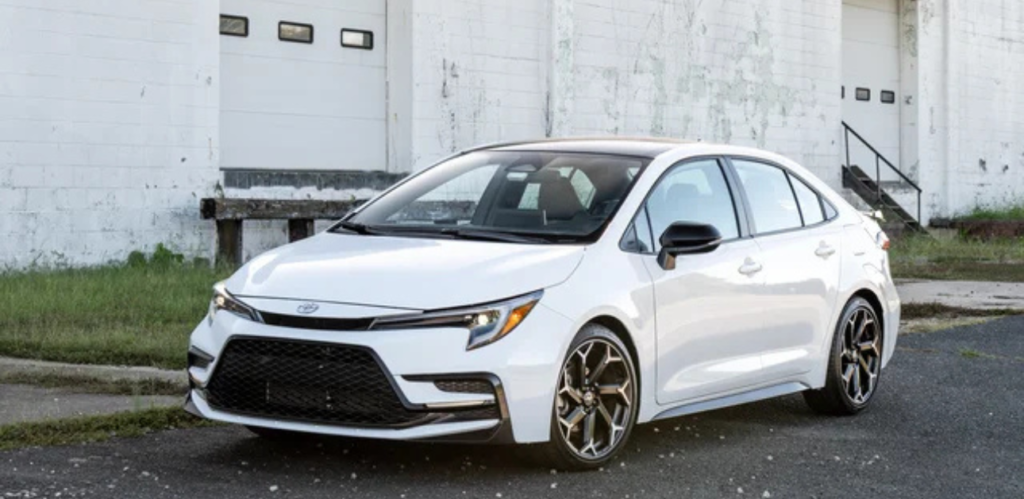
The 2026 Toyota Corolla is the best small car for most city drivers because it combines compact dimensions, predictable controls, strong fuel economy, and straightforward ownership.
The gasoline Corolla uses a 2.0-liter four-cylinder engine producing 169 horsepower. The LE returns an estimated 32 mpg in the city, 41 mpg on the highway, and 35 mpg combined.
Those figures make the standard Corolla economical enough for most commuters without requiring the higher purchase price of a hybrid. Drivers covering substantial mileage in heavy traffic can also consider the Corolla Hybrid, which reaches up to an estimated 50 mpg combined.
The Corolla feels manageable in parking areas. Its steering is light, acceleration is controlled, and the suspension is suited to daily use rather than aggressive cornering. Toyota also includes a group of active safety systems as standard.
The cabin has a simple layout, which reduces the time required to find common controls. Rear-seat room and trunk capacity are adequate but not outstanding.
The Corolla is best for:
- Daily city commuters
- Students
- First-time buyers
- Drivers seeking low fuel use
- Buyers planning long ownership
Its main strength is balance. Several competitors provide more interior room, stronger performance, or a lower price, but few combine the Corolla’s city-friendly qualities as consistently.
2. 2026 Honda Civic — Best for Visibility and Road Manners
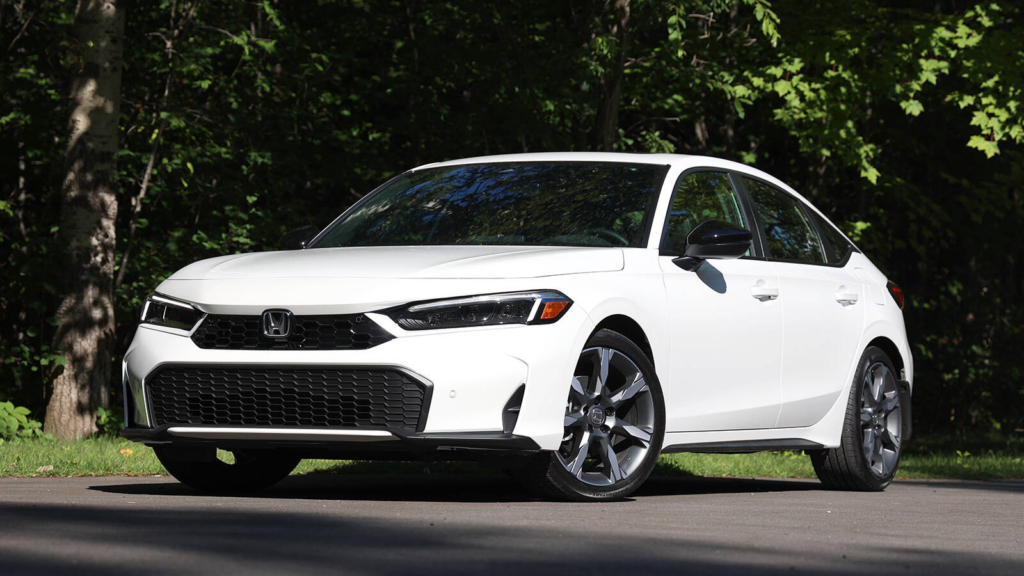
The 2026 Honda Civic is one of the easiest compact sedans to drive confidently in mixed city and highway conditions.
The Civic LX starts at approximately $24,695 and uses a 150-horsepower 2.0-liter engine with a continuously variable automatic transmission. It returns an estimated 32 mpg city, 41 mpg highway, and 36 mpg combined.
A low dashboard, stable road behavior, and progressive steering help the Civic feel natural from the driver’s seat. The brakes and accelerator are also easy to control during stop-and-go traffic.
The Civic is larger than some drivers may expect from a compact sedan, but its proportions remain manageable. Its additional size provides stronger rear-seat space and a useful trunk.
The available Civic Hybrid is much more powerful and returns about 49 mpg combined. It can be a strong option for high-mileage urban commuters, although its higher starting price may not be justified for drivers completing only short weekly trips.
The Civic is best for:
- Drivers splitting time between city and highway
- Buyers who value strong outward visibility
- Small families
- Drivers needing rear-seat room
- Buyers planning to keep the car for years
Its main disadvantages are the higher starting price and potentially higher insurance cost compared with less expensive competitors.
3. 2026 Kia K4 — Best Budget Choice
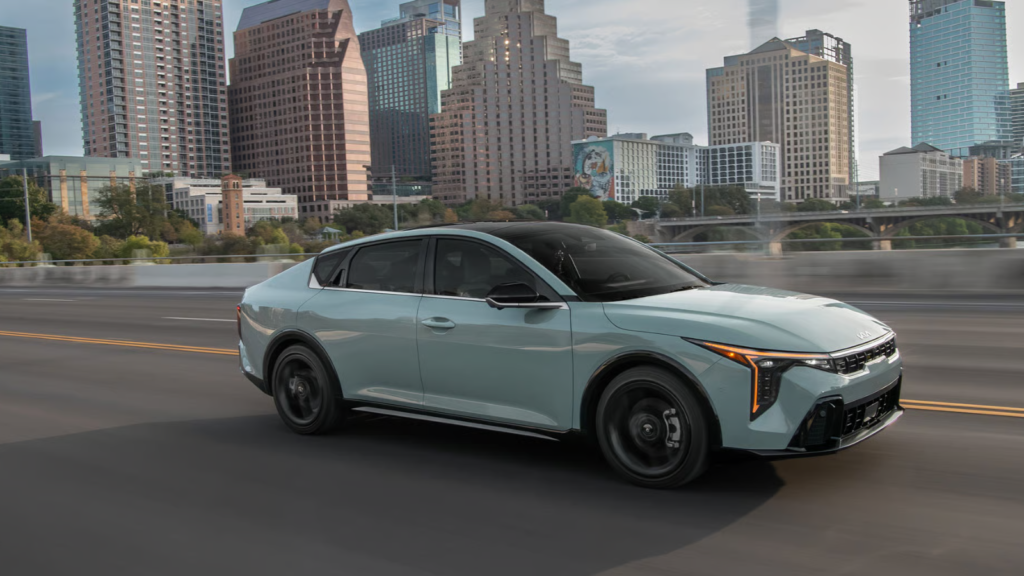
The 2026 Kia K4 offers a modern cabin, generous passenger space, and a low starting price.
The base K4 LX starts at approximately $22,290. Its standard 2.0-liter four-cylinder engine produces 147 horsepower and returns an estimated 29 mpg city, 39 mpg highway, and 33 mpg combined.
The K4 is longer than some traditional city cars, so buyers who regularly use very tight street spaces should test its parking behavior carefully. However, that additional length gives it excellent rear-seat room for the class.
Its standard engine delivers moderate power that is well suited to urban commuting. The available turbocharged version is quicker, but it costs more and can increase fuel, insurance, and tire expenses.
The dashboard uses a modern digital layout. Drivers should spend time testing the controls, as screen-heavy interfaces may require more attention than traditional buttons.
The K4 is best for:
- Budget-focused new-car buyers
- Drivers carrying adult passengers
- Students and young professionals
- Buyers who value cabin technology
- City drivers with access to regular parking spaces
The K4 provides considerable equipment for its price, but its newer nameplate means its long-term resale pattern is less established than those of the Corolla or Civic.
4. 2026 Hyundai Elantra — Best for Standard Features
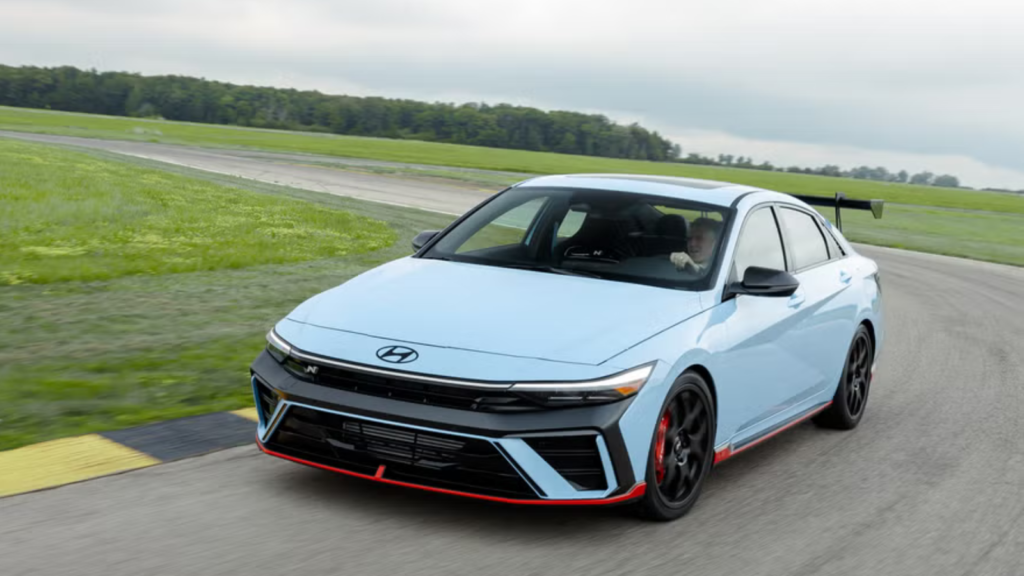
The 2026 Hyundai Elantra is a strong choice for drivers who want good fuel economy, useful cabin space, and generous equipment at an accessible price.
The Elantra SE starts at approximately $22,625. Its 147-horsepower engine returns an estimated 31 mpg city, 40 mpg highway, and 35 mpg combined.
Light steering makes it easy to maneuver at lower speeds. The car is also comfortable enough for longer journeys outside the city.
Rear-seat space and trunk capacity are strong for the class. This makes the Elantra suitable for commuters who also need to carry friends, family, luggage, or work equipment.
The Elantra Hybrid is particularly attractive for dense urban driving. Its Blue trim can return around 54 mpg combined, while other hybrid versions return about 50 mpg combined.
The gasoline model remains the better choice for buyers focused on the lowest purchase cost. The hybrid makes more sense when annual mileage and congestion are high enough to produce meaningful fuel savings.
The Elantra is best for:
- Urban commuters
- Buyers wanting plenty of standard equipment
- Drivers needing passenger space
- High-mileage hybrid shoppers
- Buyers comparing value against the Kia K4
Avoid performance-focused versions such as the N Line or Elantra N when low ownership cost and easy city driving are the main priorities.
5. 2026 Nissan Sentra — Best Comfortable City Commuter
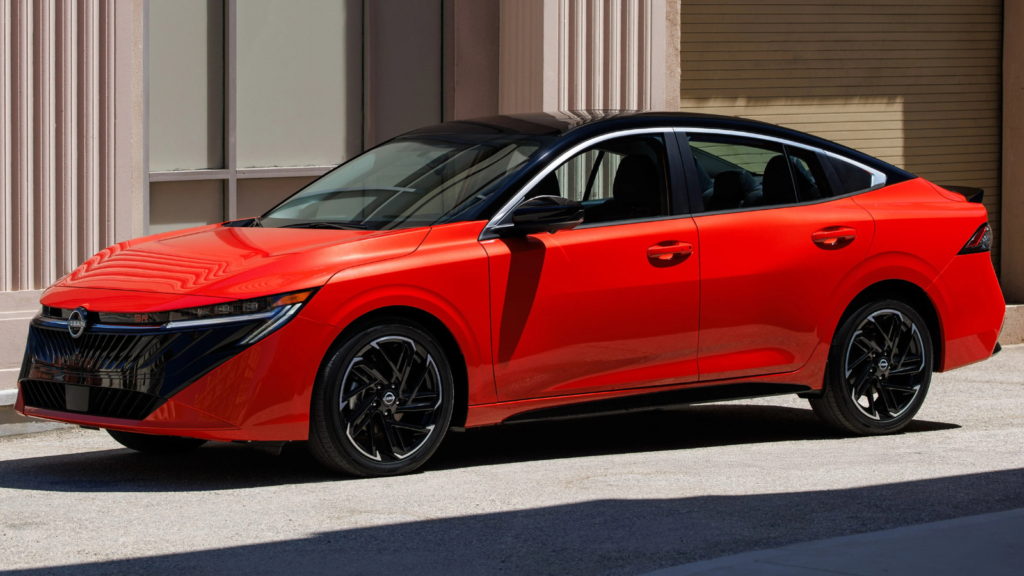
The redesigned 2026 Nissan Sentra provides a comfortable ride, moderate performance, and an affordable route into new-car ownership.
The Sentra starts at approximately $22,600 and returns up to an estimated 30 mpg city and 38 mpg highway. Its engine produces around 149 horsepower and works with a continuously variable automatic transmission.
The Sentra is tuned more for comfort than aggressive driving. That suits city commuters dealing with uneven pavement, frequent stops, and slower traffic.
Its power delivery is predictable, while the cabin provides enough space for everyday passengers and cargo. Available driver-assistance and parking features vary by trim, so buyers should check the exact equipment fitted to the car.
The Sentra can become a strong value when local discounts place it below competing compact sedans.
The Sentra is best for:
- Drivers prioritizing ride comfort
- Daily commuters
- Budget-focused buyers
- Drivers who find a strong local offer
- Buyers wanting moderate, manageable performance
Compare the out-the-door price rather than the advertised discount. Dealer accessories and financing terms can make an apparently cheap car more expensive than expected.
6. 2026 Toyota Prius — Best for Fuel Economy
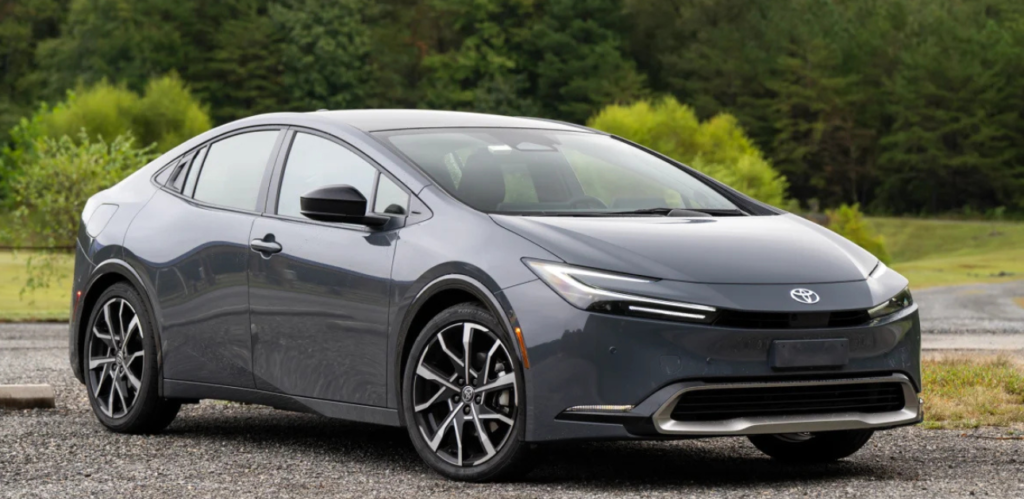
The 2026 Toyota Prius is the strongest option for urban drivers who want to minimize gasoline use.
The Prius LE starts at approximately $28,550 and reaches up to an EPA-estimated 57 mpg combined. Its hybrid system provides smooth power in slow traffic and does not require external charging.
Regenerative braking recovers energy as the car slows. This helps the Prius perform particularly well during repeated city stops.
The hatchback body provides more cargo flexibility than a conventional sedan. Its low roof and sloping rear design may reduce rearward visibility for some drivers, so a proper test drive is important.
The Prius also costs considerably more than a base Corolla, Elantra, K4, or Sentra. A driver covering only a few thousand miles per year may not recover that difference through fuel savings.
The Prius is best for:
- High-mileage commuters
- Drivers spending substantial time in congestion
- Rideshare drivers
- Buyers wanting hatchback practicality
- Drivers planning long ownership
Before buying, compare the Prius with lower-priced hybrids such as the Corolla Hybrid and Elantra Hybrid. The best choice depends on purchase price, insurance, cargo needs, and local availability.
7. 2026 Subaru Impreza — Best City Hatchback
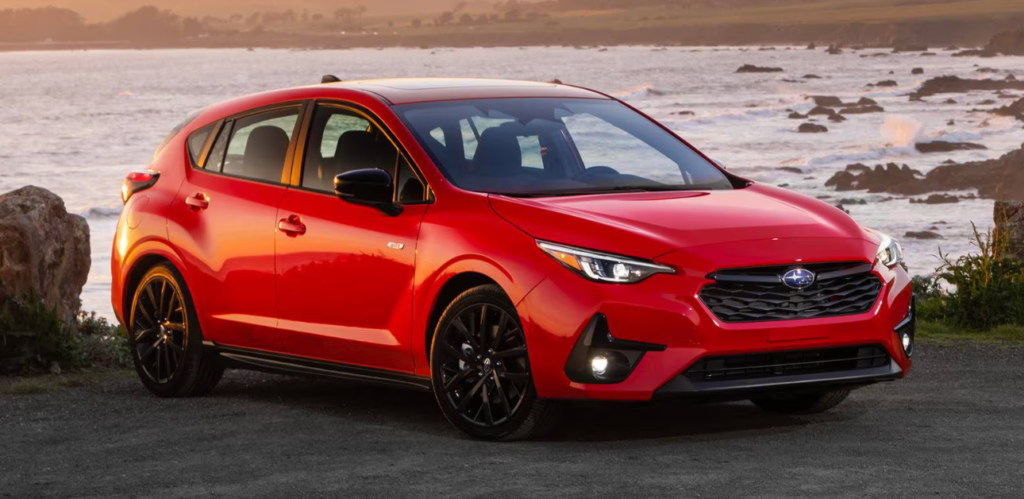
The 2026 Subaru Impreza offers hatchback practicality, clear visibility, and standard all-wheel drive.
Its 2.0-liter versions return up to an estimated 27 mpg city and 33 mpg highway. The hatchback provides approximately 20.4 cubic feet of cargo space behind the rear seats.
The Impreza’s rear hatch makes it easier to load bulky items than a sedan trunk. It works well for drivers carrying bicycles, sports gear, pets, or apartment furniture.
Good outward visibility and predictable road behavior help in crowded traffic. Standard all-wheel drive is useful in cities that regularly experience snow or heavy rain.
However, all-wheel drive adds mechanical complexity and does not provide a major benefit in warm, dry urban areas. It can also create additional tire considerations because all four tires should remain closely matched.
The Impreza is best for:
- City drivers in snowy regions
- Buyers wanting a practical hatchback
- Outdoor-focused owners
- Drivers carrying bulky cargo
- Buyers who value outward visibility
Its fuel economy and starting price are less competitive than those of front-wheel-drive sedans. Buyers in mild climates may get better value from a Corolla, Elantra, or Civic.
8. 2026 Mazda3 Sedan — Best Premium-Feeling Choice
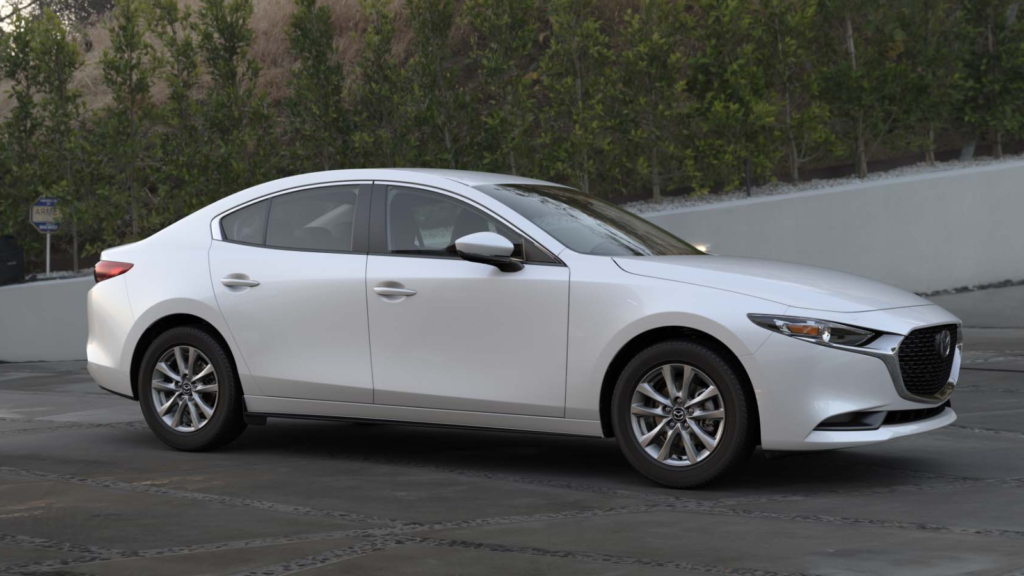
The 2026 Mazda3 Sedan provides a more refined cabin and stronger standard performance than many affordable compact cars.
The base sedan starts at approximately $24,550. Its 2.5-liter four-cylinder engine uses a six-speed conventional automatic transmission and returns around 27 mpg city, 36 mpg highway, and 30 mpg combined.
The Mazda3 has precise steering and controlled body movement. It feels enjoyable on open roads while remaining manageable in the city.
Its conventional automatic also provides a more familiar shifting feel than the continuously variable transmissions used by many competitors.
The main urban disadvantage is visibility. Thick rear pillars and a relatively small rear window can make parking and monitoring adjacent traffic more difficult. Buyers should check whether the reversing camera and mirrors provide enough confidence.
Rear-seat space is also tighter than in the Civic, Elantra, or K4.
The Mazda3 is best for:
- Drivers who value interior quality
- Buyers wanting stronger performance
- Young professionals
- Drivers comfortable with the visibility
- Buyers who regularly travel beyond city streets
The standard front-wheel-drive sedan is the sensible configuration. Turbocharged and all-wheel-drive versions cost more to buy and operate.
9. 2026 Chevrolet Trax — Best Small SUV
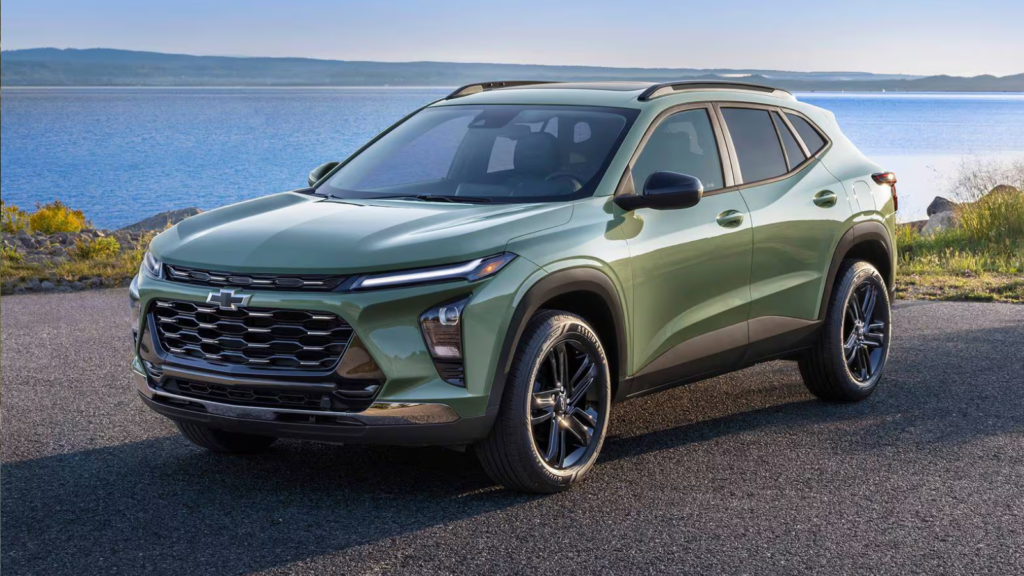
The 2026 Chevrolet Trax is a practical alternative for city drivers who prefer a higher seating position and more cargo flexibility.
Its 1.2-liter turbocharged engine returns an EPA-estimated 30 mpg combined. The Trax is front-wheel drive and uses a conventional six-speed automatic transmission.
The higher driving position may improve forward visibility for some drivers. Its hatchback-style cargo area is also more practical than a sedan trunk for large shopping trips, pets, or bulky equipment.
Despite being marketed as a small SUV, the Trax is longer than some compact sedans. Drivers using very small street-parking spaces should test it carefully.
Its 137-horsepower engine provides enough performance for normal city use, though highway passing can require planning when the vehicle is fully loaded.
The Trax is best for:
- Drivers wanting an SUV-style seating position
- Pet owners
- Buyers carrying bulky cargo
- City residents with access to suitable parking
- Drivers who do not need all-wheel drive
The Trax offers attractive space for its price, but a small sedan will generally use less road space and may deliver better fuel economy.
Sedan vs Hatchback for City Driving
Choose a Sedan When You Want:
- Lower purchase price
- Strong fuel economy
- Secure enclosed trunk
- Quieter cargo area
- Familiar driving position
Choose a Hatchback When You Want:
- Flexible cargo loading
- Easier access to bulky items
- Folding rear seats
- Shorter rear overhang on some models
- More practical apartment living
A hatchback is not automatically shorter than a sedan. Compare the actual dimensions.
Hybrid vs Gasoline for City Use
Hybrids are particularly effective in stop-and-go traffic, but the purchase must still make financial sense.
Choose a Hybrid When:
- Annual mileage is high.
- Most driving occurs in congestion.
- Fuel prices are high.
- You plan to keep the car for years.
- The hybrid premium fits your budget.
Choose a Gasoline Car When:
- Annual mileage is low.
- The purchase budget is limited.
- The hybrid costs substantially more.
- Most journeys occur on open roads.
- Insurance is cheaper on the gasoline version.
Calculate fuel savings rather than assuming the hybrid will always cost less.
Ownership Cost Considerations
Fuel
The Prius, Corolla Hybrid, Civic Hybrid, and Elantra Hybrid can reduce gasoline use in urban traffic. Efficient gasoline models such as the Corolla and Elantra remain good choices for lower-mileage drivers.
Insurance
City insurance premiums can be affected by:
- Theft rates
- Collision frequency
- Street parking
- Repair costs
- Driver history
- Vehicle trim
- Local claims data
Get quotes for the exact model and trim before buying.
Parking
Consider:
- Monthly garage charges
- Residential permits
- Meter costs
- Workplace parking
- Risk of street damage
- Vehicle size restrictions
A smaller car may save more through easier parking than it does through fuel economy.
Tires and Wheels
Potholes, curbs, and broken road surfaces can damage:
- Tires
- Wheels
- Alignment
- Suspension components
Base trims with smaller wheels often provide the lowest long-term cost.
Minor Body Damage
City cars are more exposed to parking dents, bumper scrapes, and mirror damage. Check the price of replacement lights, mirrors, sensors, and painted trim before choosing an expensive appearance package.
New vs Used City Cars
A used compact car can provide better value than a new one when it has been maintained properly.
A three- to five-year-old vehicle may offer:
- Lower purchase price
- Less depreciation
- Modern safety equipment
- Lower loan amount
- Potentially cheaper insurance
Strong used candidates include earlier versions of:
- Toyota Corolla
- Honda Civic
- Hyundai Elantra
- Mazda3
- Subaru Impreza
- Kia Forte
- Toyota Prius
Before buying used:
- Verify the VIN and title.
- Review the history report.
- Check maintenance records.
- Search for open recalls.
- Inspect the tires, brakes, and body.
- Test every electrical feature.
- Complete a full city and highway test drive.
- Arrange an independent inspection.
Pay particular attention to wheel, tire, bumper, and suspension damage on cars that have spent most of their lives in dense urban areas.
Final Buying Advice
The 2026 Toyota Corolla is the best small car for most city drivers. It is efficient, manageable, easy to understand, and affordable enough for a broad range of buyers.
The Honda Civic is the stronger choice for drivers who want more cabin space, clear visibility, and better mixed city-highway performance.
The Kia K4 and Hyundai Elantra provide strong value for budget-conscious buyers. The K4 offers more rear-seat space, while the Elantra provides particularly competitive fuel economy.
Choose the Toyota Prius when annual mileage is high enough to justify its higher purchase price. Select the Subaru Impreza when winter traction and hatchback practicality are genuine needs.
The Chevrolet Trax works well for drivers who need flexible cargo room, but it should be compared carefully with smaller sedans if street parking is limited.
Before buying, test at least three cars in realistic city conditions. Check visibility, parking behavior, turning space, tire size, insurance, and the complete ownership cost.
The best city car is not necessarily the smallest or cheapest model. It is the one that fits your parking environment, daily route, passenger needs, and budget without making routine driving unnecessarily difficult.