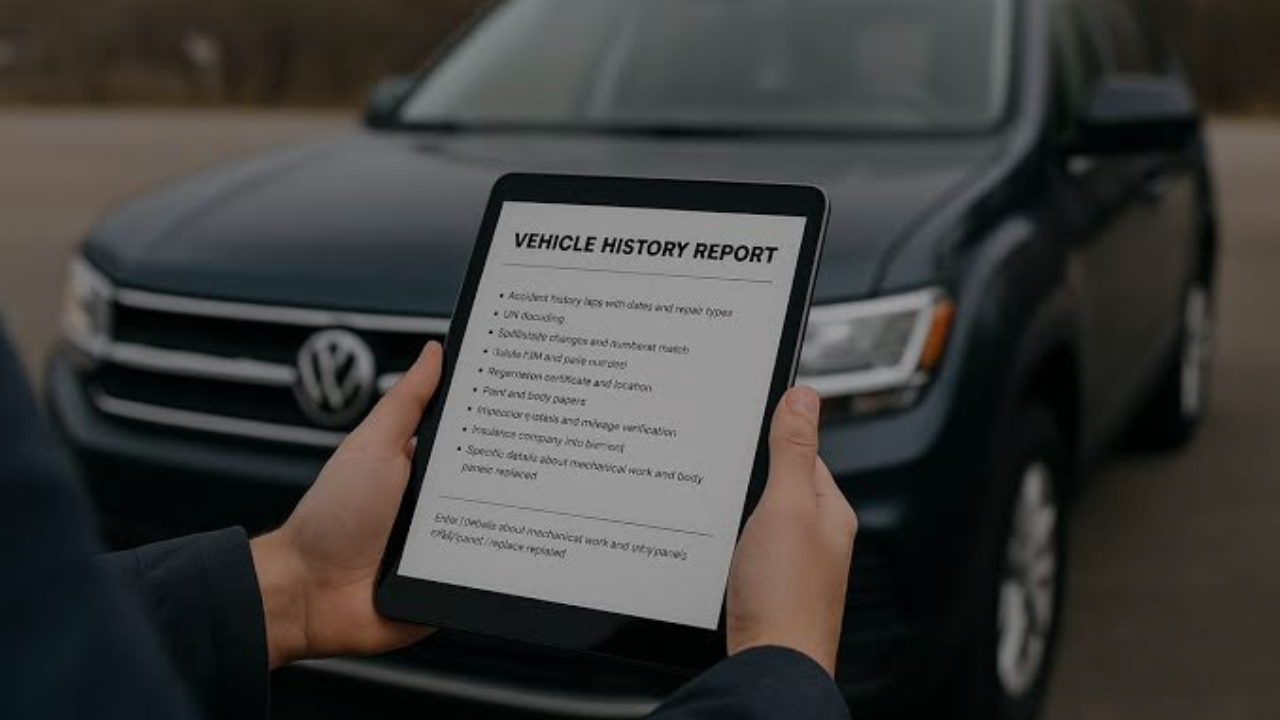
Checking a car’s accident history means using the VIN, title records, vehicle history reports, insurance databases, service records and physical inspection clues to find signs of previous crash damage.
A vehicle history report is a useful first step, but it is not enough by itself. The FTC says a vehicle history report may list accidents and flood damage, but it typically will not list mechanical problems. That is why a pre-purchase inspection is still important before buying a used car.
To check a car’s accident history, get the VIN, compare it across the car and documents, run a trusted vehicle history report, check title brands, search for salvage or theft records, review service records, inspect for body repairs, and get an independent mechanic or body-shop inspection before buying.
Car Accident History Check at a Glance
| Step | What to check | Why it matters |
| 1 | VIN on car and documents | Confirms the vehicle identity |
| 2 | Vehicle history report | May show reported accidents, title brands and mileage records |
| 3 | Title history | Reveals salvage, rebuilt, flood or other brands |
| 4 | NICB VINCheck | Can show participating insurer theft or salvage records |
| 5 | NMVTIS-based report | Helps check title and brand history |
| 6 | Service records | May reveal body repairs, airbag work or structural damage |
| 7 | Visual inspection | Finds repair clues not always in reports |
| 8 | Test drive | Helps spot alignment, suspension or steering issues |
| 9 | Pre-purchase inspection | Confirms whether repairs were done safely |
| 10 | Seller questions | Tests whether the seller’s story matches the records |
Why Accident History Matters
A previous accident does not always mean a car is unsafe or a bad buy. A minor bumper repair is very different from structural damage, airbag deployment, flood damage or a salvage rebuild.
Accident history matters because it can affect:
- Safety
- Resale value
- Insurance cost
- Financing approval
- Warranty coverage
- Alignment
- Suspension wear
- Airbag system condition
- Rust risk
- Electrical reliability
- Future repair costs
- Trade-in value
A car with repaired accident damage may still be worth buying if the damage was minor, repairs were documented and the price reflects the history.
A car with hidden structural damage, poor welding, missing airbags or title problems should be avoided.
Step 1: Get the VIN
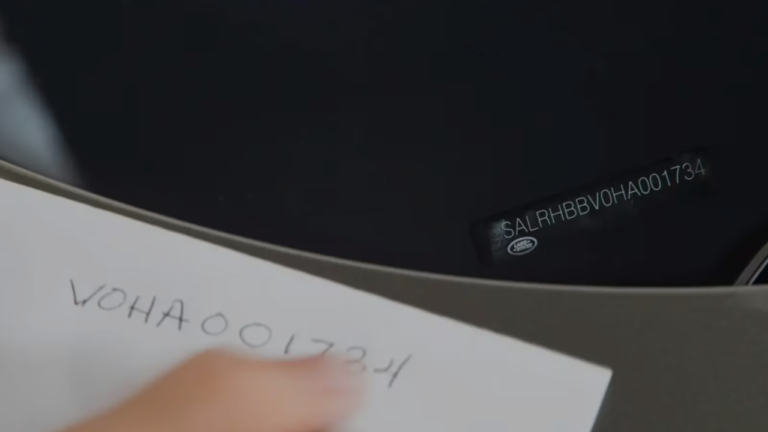
Start with the VIN, or vehicle identification number.
The VIN is usually found:
- On the dashboard near the windshield
- On the driver-side door jamb
- On the title or ownership document
- On registration paperwork
- On insurance documents
- In service records
- In dealer listings
Check that the VIN on the dashboard, door label, title and seller documents all match. A mismatch is a serious red flag.
NHTSA provides a VIN decoder that can help identify basic vehicle information from the VIN.
Read Guide: How to Read a VIN Number
Step 2: Run a Vehicle History Report
A vehicle history report can show records collected from insurers, auctions, title agencies, repair shops, police reports, emissions stations and other sources.
A report may include:
- Reported accidents
- Damage reports
- Airbag deployment
- Salvage title
- Rebuilt title
- Flood title
- Odometer readings
- Ownership changes
- Registration history
- Service records
- Auction records
- Lemon-law branding where available
- Theft records
- Total-loss records
The FTC recommends getting a vehicle history report before buying a used car.
Popular report sources may include paid vehicle-history providers, government-linked title systems, insurer databases and dealer-provided reports. Do not rely only on a free listing badge or seller screenshot. Run or verify the report yourself when the purchase is serious.
Step 3: Check the Title Brand
A title brand is a label placed on a vehicle title to describe major history.
Common title brands include:
- Salvage
- Rebuilt
- Flood
- Fire
- Hail
- Lemon
- Odometer discrepancy
- Junk
- Total loss
- Manufacturer buyback
A branded title does not always mean the car is illegal to buy, but it usually lowers value and can affect insurance, financing and resale.
NMVTIS is designed to help consumers find information on a vehicle’s title, most recent odometer reading, brand history and, in some cases, historical theft data.
Step 4: Use NICB VINCheck
NICB VINCheck is a free tool from the National Insurance Crime Bureau.
It can help determine whether a vehicle may have a record of an insurance theft claim and was not recovered, or whether it has been reported as a salvage vehicle by participating NICB member insurance companies.
NICB also warns that VINCheck is not a full vehicle history report and should not be the only source used when buying a vehicle.
Use it as one layer, not the final answer.
Step 5: Check NMVTIS-Based Records
NMVTIS stands for the National Motor Vehicle Title Information System.
It is useful for checking title and brand history, but it is not perfect. The official NMVTIS consumer page notes that consumers should be aware of possible false negatives, such as a report showing “no junk or salvage history” even though not all required entities may be reporting data.
This is important: a clean report does not guarantee the car has never been damaged.
Use NMVTIS-based reports together with:
- Paid vehicle history report
- Title check
- Inspection
- Service records
- Seller disclosure
- Insurance quote
- Body-shop inspection
Step 6: Check for Open Recalls
A recall is not the same as accident history, but it is part of used-car safety checking.
NHTSA says a recall is issued when a manufacturer or NHTSA determines that a vehicle, equipment, car seat or tire creates an unreasonable safety risk or fails to meet minimum safety standards.
Use the VIN to check for open recalls before buying.
Open recalls can matter more when the car has previous accident damage because unrepaired safety systems, airbags, seatbelts or electrical components may already be questionable.
Step 7: Review Service and Repair Records
Service records can reveal repairs that do not appear on a history report.
Ask for:
- Body-shop invoices
- Paintwork receipts
- Alignment records
- Airbag replacement records
- Seatbelt pretensioner records
- Suspension repair receipts
- Wheel replacement invoices
- Glass replacement records
- Insurance repair estimates
- Dealer service history
- Warranty repair history
- Inspection reports
A vehicle history report may miss repairs if the work was paid in cash, done privately, completed by an unreported shop or never processed through insurance.
A seller who says “minor accident” should be able to explain what was damaged, who repaired it and whether the airbags deployed.
Step 8: Look for Exterior Accident Clues
Walk around the car slowly in daylight.
Check for:
- Uneven panel gaps
- Mismatched paint
- Overspray on trim or rubber seals
- Different texture on one panel
- Wavy reflections in body panels
- New headlight on one side only
- Misaligned bumper
- Uneven hood gaps
- Uneven trunk gaps
- Replacement doors or fenders
- Missing VIN stickers on panels
- Different glass date codes
- Rust around repaired areas
- Cracked paint near seams
- Poorly fitted weatherstripping
Stand at the front, rear and sides. Look down the body lines. Uneven reflection can reveal repaired panels.
Step 9: Check Under the Hood
Under the hood, inspect:
- Bent radiator support
- New parts on one side only
- Uneven bolts or missing paint on bolts
- Cracked plastic covers
- Replaced headlights
- Different fender fasteners
- Uneven hood alignment
- Fresh seam sealer
- Weld marks
- Coolant leaks
- Damaged wiring
- Poor repairs near frame rails
Bolt heads with damaged paint may mean panels were removed or adjusted. That can be normal after minor repairs, but it should match the seller’s explanation.
Step 10: Check the Trunk and Rear Structure
Rear-end damage can be hidden under carpets and trim.
Check:
- Spare-wheel well
- Trunk floor
- Rear bumper mounts
- Water leaks
- Cracked seam sealer
- Fresh paint inside trunk
- Uneven welds
- Bent metal
- Rust stains
- Missing clips
- Poor carpet fit
- Tail-light replacement
- Rear-panel alignment
Lift the trunk mat if possible. A clean exterior can still hide rear structural repair.
Step 11: Inspect the Undercarriage
A lift inspection is best, but even a ground-level look can help.
Check for:
- Bent suspension parts
- Scraped frame rails
- Fresh undercoating hiding repairs
- Crushed jacking points
- Uneven subframe position
- Leaking shocks or struts
- Exhaust damage
- Rusty repair areas
- Poor welding
- Uneven tyre wear
- Fluid leaks
Structural damage underneath can be expensive and dangerous.
Step 12: Check the Airbag and Safety Systems
Airbag deployment is a major accident clue.
Look for:
- Airbag warning light that stays on
- Airbag warning light that never illuminates at startup
- Dashboard panels that do not fit correctly
- Steering wheel cover mismatch
- Seatbelt pretensioner replacement
- SRS fault codes
- Replaced interior panels
- Cut or repaired wiring under seats
- Seller cannot explain airbag history
A scan tool may detect stored or active airbag system faults.
Do not buy a car with questionable airbag repairs unless a qualified technician confirms the system is correct.
Step 13: Check Tyres and Alignment
Accident damage can show up in tyre wear.
Look for:
- Uneven tyre wear
- Feathered tread
- One tyre newer than the others
- Car pulling to one side
- Steering wheel off-center
- Vibration at speed
- Repeated alignment records
- Different wheel on one corner
- Bent wheel
- Suspension noises
A car that cannot hold alignment may have structural or suspension damage.
Step 14: Test Drive the Car
During the test drive, check:
- Does the car track straight?
- Is the steering wheel centered?
- Does it pull under braking?
- Are there clunks over bumps?
- Is there vibration at highway speed?
- Do brakes pulse?
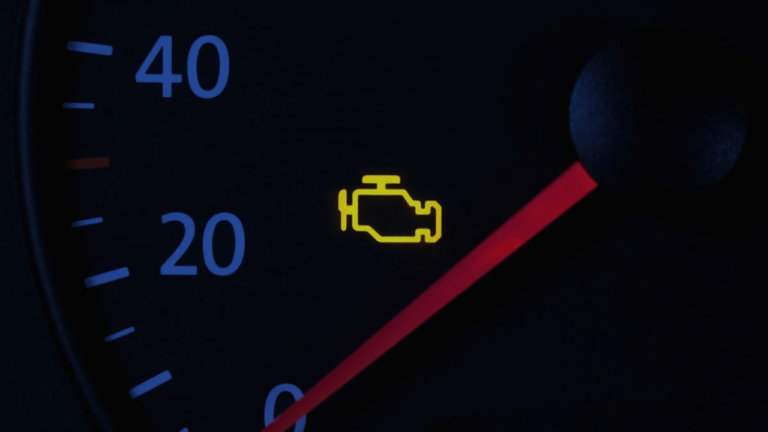
- Are there warning lights?
- Does the cruise control work?
- Do parking sensors and cameras work?
- Does lane assist or driver-assist calibration seem normal?
- Is there wind noise from doors or windshield?
Modern cars may need sensor calibration after accident repairs. Poor repairs can affect cameras, radar, parking sensors and driver assistance systems.
Step 15: Get a Pre-Purchase Inspection
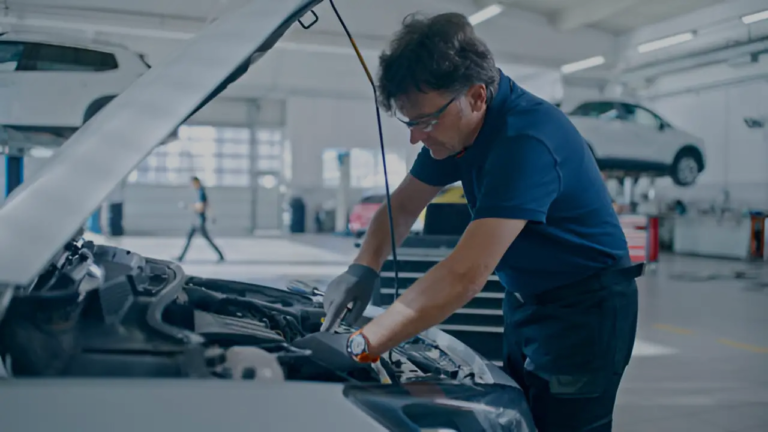
A pre-purchase inspection is one of the best ways to catch hidden accident damage.
Use:
- Independent mechanic
- Body shop
- Brand specialist
- EV specialist for electric cars
- Dealer service department for complex models
Ask the inspector to check:
- Frame and structural points
- Paint thickness
- Airbag system
- Suspension geometry
- Underbody
- Previous welds
- Water leaks
- Diagnostic trouble codes
- Alignment
- Safety sensors
- Battery enclosure on EVs
The FTC says vehicle history reports typically will not list mechanical problems and that buyers can use inspection results to negotiate if they still decide to buy.
Accident History Red Flags
Be careful if:
- Seller refuses to provide the VIN
- VIN does not match the title
- History report shows salvage, rebuilt or flood title
- Seller says “minor damage” but records show airbag deployment
- Car has uneven panel gaps
- Paint does not match
- Airbag warning light is on
- Steering pulls or vibrates
- Tyres wear unevenly
- Car was sold at salvage auction
- Dealer avoids inspection
- Repair invoices are missing
- Vehicle price is far below market
- Title is from another state or country without clear reason
- Fresh undercoating hides the underside
- Electrical problems appear after rain
- Safety systems show faults
A cheap car with hidden accident damage can become expensive quickly.
Accident History and Car Value
Accident history usually lowers resale value.
The discount depends on:
- Damage severity
- Repair quality
- Title status
- Vehicle age
- Mileage
- Brand reputation
- Market demand
- Whether airbags deployed
- Whether structural repair was involved
- Documentation quality
A seller should not charge clean-title, no-accident pricing for a car with known crash history.
Accident History and Financing
Lenders may reject or limit financing on vehicles with:
- Salvage title
- Rebuilt title
- Flood title
- Frame damage
- Unclear ownership
- Incorrect VIN
- Very low market value
- Severe accident history
If you plan to finance, ask your lender before paying a deposit.
Read Guide: How Car Financing Works
Accident History and Insurance
Insurance companies may charge more or limit coverage on vehicles with serious title brands.
Before buying, request an insurance quote using the exact VIN.
Ask whether the insurer will provide:
- Liability coverage
- Comprehensive coverage
- Collision coverage
- Agreed value where relevant
- GAP eligibility
- Coverage for rebuilt or branded-title vehicles
Do not assume a car can be insured normally just because it can be registered.
Accident History and EVs
Accident history is especially important for electric vehicles because the battery pack is usually mounted under the floor.
For used EVs, inspect:
- Battery enclosure
- Underbody dents
- Coolant leaks
- Charging port damage
- High-voltage cable damage
- Battery warranty status
- Airbag deployment
- Structural repair near battery mounts
- DC fast-charging function
- Diagnostic fault codes
A used EV can have a clean-looking body but hidden underbody or battery-pack damage.
Read Guide: What to Check Before Buying a Used EV
Accident History Checklist Before Buying
Before buying a used car, check:
- VIN on dashboard
- VIN on door label
- VIN on title
- Vehicle history report
- NMVTIS title/brand history
- NICB theft or salvage check
- Open recalls
- Service records
- Body repair invoices
- Airbag history
- Paint and panel gaps
- Underbody condition
- Tyre wear
- Alignment
- Test drive
- Pre-purchase inspection
- Insurance quote
- Financing approval
Do not skip inspection because the report looks clean.
Final Thoughts
Checking a car’s accident history requires more than one report.
Start with the VIN, run a trusted vehicle history report, check title and brand records, use NICB and NMVTIS-based tools where available, review service documents, inspect the body carefully and get an independent pre-purchase inspection.
A clean report does not prove a car was never damaged. Some accidents are repaired privately, paid in cash, missed by databases or never reported.
The safest used car is not just the one with no accident record. It is the one with matching VINs, clean documents, honest seller answers, strong inspection results and a price that reflects its real condition.
Frequently Asked Questions
How do I check a car’s accident history?
Get the VIN, run a vehicle history report, check title brands, search theft or salvage databases, review service records and get a pre-purchase inspection.
Can a VIN show accident history?
The VIN itself identifies the car. You use the VIN to search reports and databases that may show reported accidents, salvage history or title brands.
Is a vehicle history report enough?
No. Reports can miss accidents, mechanical problems or private repairs. Always inspect the car and consider a professional pre-purchase inspection.
Can a car have an accident and still have a clean title?
Yes. Minor or even repaired damage may not create a title brand. Some accidents also may not be reported.
What does salvage title mean?
A salvage title usually means the vehicle was declared a total loss or severely damaged under local rules. Exact definitions vary by market.
What does rebuilt title mean?
A rebuilt title usually means a salvage vehicle was repaired and passed required inspection. It may still carry lower value and higher risk.
Should I buy a car with accident history?
It depends on damage severity, repair quality, inspection result, title status and price. Avoid cars with hidden structural or safety-system damage.
How much does accident history reduce car value?
It depends on the car, damage severity, title status and repair quality. Structural damage or salvage branding usually reduces value much more than minor cosmetic repair.
Can a mechanic find previous accident damage?
A mechanic can find many clues, especially underneath and in suspension areas. A body shop may be better for paint, panel, frame and structural repair checks.
What are signs of previous accident damage?
Uneven panel gaps, mismatched paint, overspray, poor alignment, airbag warning lights, uneven tyre wear, replaced panels and damaged underbody parts are common signs.
Can accident history affect insurance?
Yes. Serious accident history or title brands can affect coverage, premiums or eligibility.
Can accident history affect financing?
Yes. Some lenders restrict loans on salvage, rebuilt, flood or heavily damaged vehicles.
What is NICB VINCheck?
NICB VINCheck is a free tool that can show whether participating insurers have reported a vehicle as stolen and unrecovered or as salvage. It is not a complete history report.
What is NMVTIS?
NMVTIS is a title and vehicle-history system that can help consumers check title, brand, odometer and some theft information before buying.
What should I do if the seller hides accident history?
Do not proceed unless the issue is fully explained and documented. Consider walking away, especially if the VIN, title or inspection results do not match the seller’s claims.