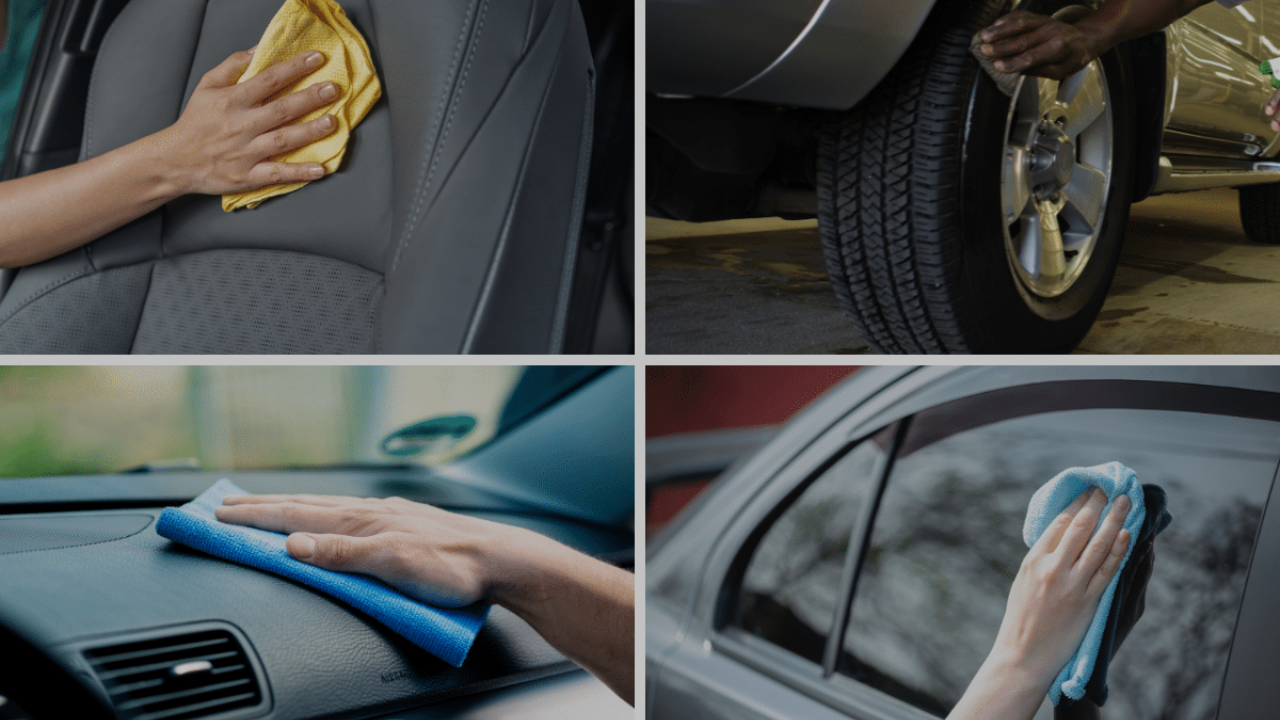
The best way to keep your car interior clean is to prevent mess before it builds up. Remove trash daily, vacuum regularly, wipe high-touch surfaces, protect seats and floor mats, clean spills quickly and use products made for automotive interiors.
A clean cabin is not only about appearance. Dust, food crumbs, pet hair, stains, odors and sticky surfaces can make a car unpleasant to use and harder to sell later. Consumer Reports recommends using microfiber cloths, automotive interior cleaner and gentle tools such as detailing brushes or cotton swabs for tight areas.
Keep your car interior clean by removing trash every day, vacuuming weekly, wiping the dashboard and touchpoints, cleaning spills immediately, protecting seats and carpets, avoiding eating in the car, and using material-safe cleaners for fabric, leather, vinyl, plastic and screens.
Car Interior Cleaning at a Glance
| Area | Best habit | How often |
| Trash | Remove wrappers, bottles and receipts | Daily or every trip |
| Floor mats | Shake out and vacuum | Weekly |
| Seats | Vacuum and spot-clean | Weekly or as needed |
| Dashboard | Dust with microfiber | Weekly |
| Touchpoints | Wipe steering wheel, gear selector, handles and controls | Weekly |
| Screens | Use soft microfiber and screen-safe method | Weekly |
| Cup holders | Empty and wipe | Weekly |
| Windows | Clean interior glass | Monthly or as needed |
| Trunk/cargo area | Remove clutter and vacuum | Monthly |
| Full interior detail | Deep clean seats, carpets, vents and trim | Every 3–6 months |
1. Remove Trash Every Day
The simplest way to keep your car clean is to stop trash from collecting.
Remove:
- Food wrappers
- Coffee cups
- Water bottles
- Receipts
- Tissues
- Parking tickets
- Empty snack packs
- Takeout bags
- Old masks
- Random packaging
Keep a small trash bag or bin in the car and empty it regularly. This prevents bad smells, sticky cup holders and clutter that makes the cabin feel neglected.
A car that never collects trash is much easier to clean.
2. Use Floor Mats Properly
Floor mats protect carpet from mud, sand, water, dust and food crumbs.
For better protection:
- Use mats that fit your exact car
- Choose rubber mats for rain, snow, kids or pets
- Remove mats before vacuuming
- Shake dirt outside the car
- Wash rubber mats separately
- Let mats dry before reinstalling
- Make sure driver-side mat clips are secured
Never stack loose mats on the driver’s side. A loose mat can interfere with pedals and create a safety risk.
3. Vacuum Weekly
Vacuuming is the foundation of interior cleaning.
Focus on:
- Floor carpets
- Floor mats
- Seat cracks
- Under seats
- Door pockets
- Cup holders
- Center console
- Trunk or cargo area
- Child-seat area
- Pet seating area
Use a crevice tool for tight spaces and a soft brush attachment for seats and delicate areas.
Vacuum before using liquid cleaners. If you wet dirt and crumbs first, they can turn into stains or mud.
4. Wipe High-Touch Surfaces
High-touch areas collect oils, sweat, dust and germs.
Wipe regularly:
- Steering wheel
- Gear selector
- Door handles
- Seatbelt buckles
- Window switches
- Infotainment controls
- Touchscreen border
- Climate controls
- Parking brake
- Armrests
- Cup holders
- Start button
- Key fob
The CDC recommends cleaning high-touch surfaces regularly and using cleaning products appropriate for the surface.
For most car interiors, use a microfiber cloth and an automotive interior cleaner. Spray cleaner onto the cloth, not directly onto electronics or switches.
5. Clean Spills Immediately
Spills are easier to remove when fresh.
For liquid spills:
- Blot, do not rub.
- Use a clean microfiber towel.
- Absorb as much liquid as possible.
- Use the correct cleaner for the material.
- Dry the area fully.
- Leave windows open briefly if safe.
- Check later for odor.
For sticky spills like soda, coffee or juice, use a damp cloth first, then a mild interior cleaner. Sugar residue can attract more dirt and create smell.
Fast action prevents stains, mold and lingering odor.
6. Avoid Eating Full Meals in the Car
Eating in the car is one of the fastest ways to create crumbs, grease marks and odors.
Try to avoid:
- Fast food
- Saucy foods
- Chocolate
- Ice cream
- Open drinks
- Crumbly snacks
- Strong-smelling meals
If kids or long trips make food unavoidable, keep wipes, napkins and a small trash bag in the car. Clean cup holders and seat gaps afterward.
7. Keep Cup Holders Clean
Cup holders collect coffee spills, dust, crumbs and sticky residue.
Clean them by:
- Removing loose items
- Vacuuming crumbs
- Wiping with a damp microfiber cloth
- Using a soft brush or cotton swab around edges
- Drying fully
- Using removable cup-holder liners if available
For sticky buildup, use a small amount of interior cleaner on a cloth. Do not flood the area with liquid.
8. Dust the Dashboard and Trim
Dust makes a car look old and neglected.
Use:
- Soft microfiber cloth
- Detailing brush
- Soft paintbrush
- Cotton swabs for tight areas
- Automotive interior cleaner when needed
Avoid glossy dashboard sprays. Consumer Reports warns that products leaving a wet or glossy dashboard finish can create glare on the windshield.
A clean, matte dashboard usually looks better and is safer in bright sunlight.
9. Clean Air Vents
Air vents collect dust and can spread musty smells.
To clean vents:
- Use a detailing brush
- Use compressed air carefully
- Vacuum near the vent while brushing
- Wipe vent slats with microfiber
- Replace cabin air filter if airflow smells bad
If the car has a persistent musty smell, the issue may be the cabin filter, AC evaporator, water leak or mold growth. Cleaning the vent surface alone may not solve it.
10. Clean the Touchscreen Safely
Modern cars often have large touchscreens, digital clusters and glossy control panels.
Clean screens carefully:
- Turn the screen off if possible
- Use a clean dry microfiber cloth
- Use an eyeglass-style cloth for fingerprints
- Avoid paper towels
- Avoid harsh chemicals
- Do not spray liquid directly on the screen
- Follow the owner’s manual
Consumer Reports recommends wiping infotainment screens gently with a clean, dry microfiber cloth, with an eyeglass cleaning cloth being a good option.
The CDC also advises following manufacturer instructions when cleaning electronics and using wipeable covers where appropriate.
11. Clean Interior Glass
Dirty interior glass creates glare, fogging and poor visibility.
Clean:
- Windshield inside
- Side windows
- Rear window
- Mirror
- Sunroof glass if fitted
Tips:
- Use automotive glass cleaner
- Spray the cloth, not the glass
- Use one cloth to apply cleaner
- Use another dry cloth to finish
- Clean in shade
- Avoid overspray on dashboard or upholstery
Consumer Reports recommends using two cloths to avoid streaks and spraying the cloth instead of the glass to avoid cleaner landing on upholstery.
12. Protect Fabric Seats
Fabric seats collect dust, sweat, food, pet hair and stains.
To keep fabric seats clean:
- Vacuum regularly
- Blot spills immediately
- Use fabric-safe upholstery cleaner
- Avoid soaking the seat
- Use seat covers for pets or kids
- Let seats dry fully after cleaning
- Use a soft brush for stains
- Test cleaner in a hidden area first
Too much moisture can cause odor, mold or water marks.
13. Protect Leather Seats
Leather needs gentle cleaning and protection.
To maintain leather:
- Vacuum seat seams first
- Use leather-safe cleaner
- Apply cleaner to cloth, not directly to seat
- Wipe gently
- Avoid harsh chemicals
- Condition if recommended
- Keep leather out of extreme sun where possible
- Clean body oils from armrests and bolsters
Consumer Reports recommends following leather cleaning with an automotive-specific leather conditioner to prevent upholstery from drying out.
Do not use household bleach, strong degreasers or rough brushes on leather.
14. Clean Vinyl and Synthetic Leather Carefully
Many modern “leather” interiors use synthetic leather, vinyl or coated materials.
For these surfaces:
- Use mild automotive interior cleaner
- Wipe with microfiber
- Avoid abrasive pads
- Avoid oily dressings
- Do not over-condition if the material is not real leather
- Check the owner’s manual
Synthetic materials may not absorb conditioner like natural leather. A simple clean and dry wipe may be enough.
15. Remove Pet Hair
Pet hair can be stubborn, especially on carpets and fabric seats.
Useful methods:
- Vacuum first
- Use a rubber pet-hair brush
- Use a rubber glove slightly dampened
- Use a lint roller for small areas
- Use seat covers
- Keep pets in a travel crate or harness
- Clean after each pet trip
Pet odors often come from hair, dander, saliva and moisture. Remove the source before using odor products.
16. Keep the Interior Clean With Kids
Kids can make car interiors messy quickly.
Use:
- Seat-back protectors
- Floor liners
- Child-seat mats
- Snack containers
- Spill-proof bottles
- Small trash bags
- Wet wipes
- Storage organizers
- Washable seat covers
- Regular weekly cleanouts
Check under child seats often. Crumbs and spilled drinks can hide underneath and create odor or stains.
17. Control Bad Odors
Odors usually have a source.
Common causes include:
- Food crumbs
- Spilled drinks
- Wet carpets
- Pet hair
- Smoke
- Mold
- Dirty cabin filter
- AC system odor
- Gym clothes
- Trash
- Water leak
To remove odor:
- Remove trash and food.
- Vacuum thoroughly.
- Clean spills and stains.
- Replace cabin air filter if needed.
- Dry damp carpets fully.
- Clean floor mats.
- Check for leaks.
- Avoid simply covering odor with perfume.
Air fresheners can mask odor, but they do not fix the cause.
18. Prevent Moisture and Mold
Moisture can create mold, mildew and bad smell.
Prevent moisture by:
- Drying wet mats
- Not leaving windows open in rain
- Checking door seals
- Cleaning sunroof drains if fitted
- Fixing AC drain problems
- Removing wet clothes and umbrellas
- Using rubber mats in wet seasons
- Drying carpet after spills
If carpets stay wet, inspect for water leaks. A musty smell after rain is a warning sign.
19. Keep a Small Cleaning Kit in the Car
A small kit helps stop mess early.
Include:
- Microfiber cloth
- Small trash bags
- Interior-safe wipes
- Tissues
- Hand sanitizer
- Small soft brush
- Travel-size glass cloth
- Stain blotting cloth
- Pet hair roller
- Disposable gloves if needed
Do not store pressurized aerosol cans in extreme heat.
20. Clean the Trunk or Cargo Area
The trunk often collects forgotten items.
Clean it monthly:
- Remove unused items
- Vacuum carpet
- Check spare tire area
- Check for moisture
- Organize emergency tools
- Secure loose objects
- Clean cargo cover
- Wash removable liners
A clean trunk also helps during resale, roadside emergencies and long trips.
21. Use Organizers
Organizers prevent clutter from spreading.
Useful options include:
- Trunk organizer
- Seat-back organizer
- Console tray
- Glovebox pouch
- Document folder
- Cable organizer
- Child-seat storage bin
- Pet travel bag
Keep only what you use. Too many organizers can become clutter themselves.
22. Avoid Harsh Household Cleaners
Not every household cleaner is safe for car interiors.
Avoid using harsh products on sensitive surfaces such as leather, screens, soft-touch plastics and piano-black trim.
Be careful with:
- Bleach
- Ammonia-based cleaners
- Strong degreasers
- Abrasive pads
- Paper towels on screens
- Oily dressings
- Too much water
- Solvents
- Scent-heavy sprays
Use cleaners designed for automotive interiors and test first in a hidden area.
The CDC advises using cleaning products appropriate for the surface being cleaned.
23. Clean Before Disinfecting
Cleaning and disinfecting are not the same.
- Cleaning removes dirt, dust and many germs from surfaces.
- Disinfecting uses chemicals to kill germs on surfaces.
The CDC explains that cleaning with soap or detergent removes germs and dirt from surfaces, while disinfecting uses chemicals to kill germs.
In a car, clean first. Then disinfect only when needed, such as after illness, shared driving, ride-share use or transporting someone sick.
Use disinfectants carefully because some products can damage leather, screens or trim.
24. Do a Seasonal Deep Clean
A deep clean every few months helps reset the cabin.
Seasonal cleaning may include:
- Full vacuum
- Seat cleaning
- Carpet cleaning
- Floor mat washing
- Vent cleaning
- Interior glass cleaning
- Door jamb cleaning
- Trunk cleaning
- Cabin filter replacement if due
- Leather care
- Odor treatment
- Child-seat area cleaning
- Pet-hair removal
Spring cleaning is good after winter mud and salt. Fall cleaning helps prepare for wet or cold months.
25. Keep the Interior Clean for Resale Value
Interior condition affects resale value.
A clean interior suggests the car was cared for. A dirty, stained or smoky interior can lower buyer confidence, even if the car runs well.
Protect resale value by:
- Keeping receipts for detailing if professional work is done
- Avoiding smoke odors
- Cleaning stains quickly
- Protecting seats from pets and kids
- Keeping mats in place
- Fixing broken trim
- Replacing missing knobs or covers
- Keeping owner’s manual and spare keys organized
Read Guide: How to Increase Your Car’s Resale Value
Weekly Car Interior Cleaning Routine
Use this simple weekly routine:
- Remove trash.
- Take out floor mats.
- Shake and vacuum mats.
- Vacuum carpets and seats.
- Wipe dashboard and console.
- Clean cup holders.
- Wipe high-touch surfaces.
- Clean fingerprints from screen.
- Check for stains or spills.
- Return only useful items to the car.
This routine usually takes less time when done consistently.
Monthly Car Interior Cleaning Routine
Once a month:
- Clean interior glass
- Vacuum trunk
- Brush vents
- Check under seats
- Clean door pockets
- Wipe seatbelts carefully
- Clean pedals
- Inspect floor mats
- Remove unused items
- Check cabin odor
- Organize documents
- Check spare tire area where applicable
Monthly cleaning catches hidden mess before it becomes permanent.
Car Interior Cleaning Mistakes to Avoid
Avoid:
- Spraying cleaner directly on screens
- Soaking fabric seats
- Using bleach on interior trim
- Using glossy dashboard products
- Ignoring cup holders
- Cleaning glass with dirty towels
- Letting spills dry
- Hiding odor with strong perfume
- Scrubbing leather aggressively
- Forgetting under-seat areas
- Using oily products on pedals or steering wheel
- Leaving wet mats inside the car
- Using harsh brushes on soft-touch trim
A good interior clean should make the cabin safer, fresher and easier to use, not slippery, shiny or chemical-smelling.
Frequently Asked Questions
What is the best way to keep a car interior clean?
Remove trash daily, vacuum weekly, wipe high-touch surfaces, clean spills immediately and protect seats and floor mats.
How often should I clean my car interior?
Do a quick clean weekly and a deeper clean every 3 to 6 months. Clean spills and trash immediately.
How often should I vacuum my car?
Weekly is ideal for daily drivers, families and pet owners. Light-use cars may need vacuuming less often.
What should I use to clean the dashboard?
Use a soft microfiber cloth and automotive interior cleaner. Avoid glossy products that can create windshield glare.
How do I clean a car touchscreen?
Use a clean dry microfiber or eyeglass cloth. Do not spray cleaner directly onto the screen.
How do I keep car seats clean?
Vacuum regularly, clean spills quickly, use material-safe cleaners and consider seat covers for kids or pets.
How do I clean leather car seats?
Vacuum seams, use leather-safe cleaner, wipe gently with microfiber and use automotive leather conditioner if recommended.
How do I remove bad smells from a car?
Remove the odor source, vacuum, clean spills, dry damp carpet, replace the cabin filter if needed and check for leaks or mold.
How do I keep a car clean with kids?
Use floor liners, seat-back protectors, child-seat mats, snack containers, wipes and a small trash bag.
How do I remove pet hair from car seats?
Vacuum first, then use a rubber brush, damp rubber glove or lint roller. Seat covers help prevent buildup.
Can I use household cleaners inside a car?
Be careful. Some household cleaners can damage leather, screens, plastics or soft-touch trim. Use automotive-safe products when possible.
Should I disinfect my car interior?
Disinfect high-touch surfaces when needed, especially after illness or shared driving. Clean first and use surface-safe products.
How do I stop car windows from getting greasy inside?
Clean interior glass with automotive glass cleaner and two microfiber cloths. Avoid overspray from dashboard products.
How do I keep my car smelling fresh?
Keep trash and food out, dry wet mats, vacuum regularly, clean spills quickly and replace the cabin filter when needed.
Does a clean interior improve resale value?
Yes. A clean, odor-free interior with minimal stains and good records can make the car easier to sell and more attractive to buyers.
Summary
Keeping your car interior clean is mostly about small habits.
Remove trash daily, vacuum weekly, wipe touchpoints, clean spills quickly and protect the areas that get the most abuse. Use microfiber cloths, automotive-safe cleaners and gentle techniques for screens, leather, fabric and soft-touch trim.
A clean interior makes every drive more comfortable. It can also protect resale value, reduce odors, prevent stains and make the car feel newer for longer.
The easiest car to clean is the one that never gets too dirty in the first place.