Most cars should be serviced at least once a year or every 10,000 to 12,000 miles, but the exact interval depends on the vehicle, engine type, oil type, driving conditions and manufacturer schedule. Many cars also need smaller checks every few months and major maintenance at specific mileage points.
The owner’s manual is the most important source. Consumer Reports advises owners to follow the recommended service intervals and ask questions if a mechanic recommends tighter intervals that are not required by the manual or severe-duty driving conditions.
Service your car according to the owner’s manual, usually every 6 to 12 months or 5,000 to 12,000 miles depending on the car and driving conditions. Check tyres, fluids, lights and wipers more often, and follow mileage-based intervals for oil, filters, brake fluid, coolant, transmission fluid, spark plugs and timing belts.
Car Service Intervals at a Glance
| Interval | What to check or service |
| Every week or fuel stop | Tyre condition, visible leaks, lights, windshield washer fluid |
| Every month | Tyre pressure, engine oil level, coolant level, wipers, battery condition |
| Every 5,000–7,500 miles | Oil and filter on many vehicles, tyre rotation, brake inspection |
| Every 10,000–12,000 miles | Annual or scheduled service on many modern cars |
| Every 20,000–30,000 miles | Cabin filter, air filter, brake inspection, fluid checks |
| Every 30,000–60,000 miles | Transmission fluid, coolant, brake fluid, belts depending on vehicle |
| Every 60,000–100,000 miles | Spark plugs, timing belt if fitted, major inspection |
| Every year | Full inspection even if mileage is low |
These are general guide ranges. Always follow the service schedule for the exact year, make, model, engine and transmission.
What Does “Servicing a Car” Mean?
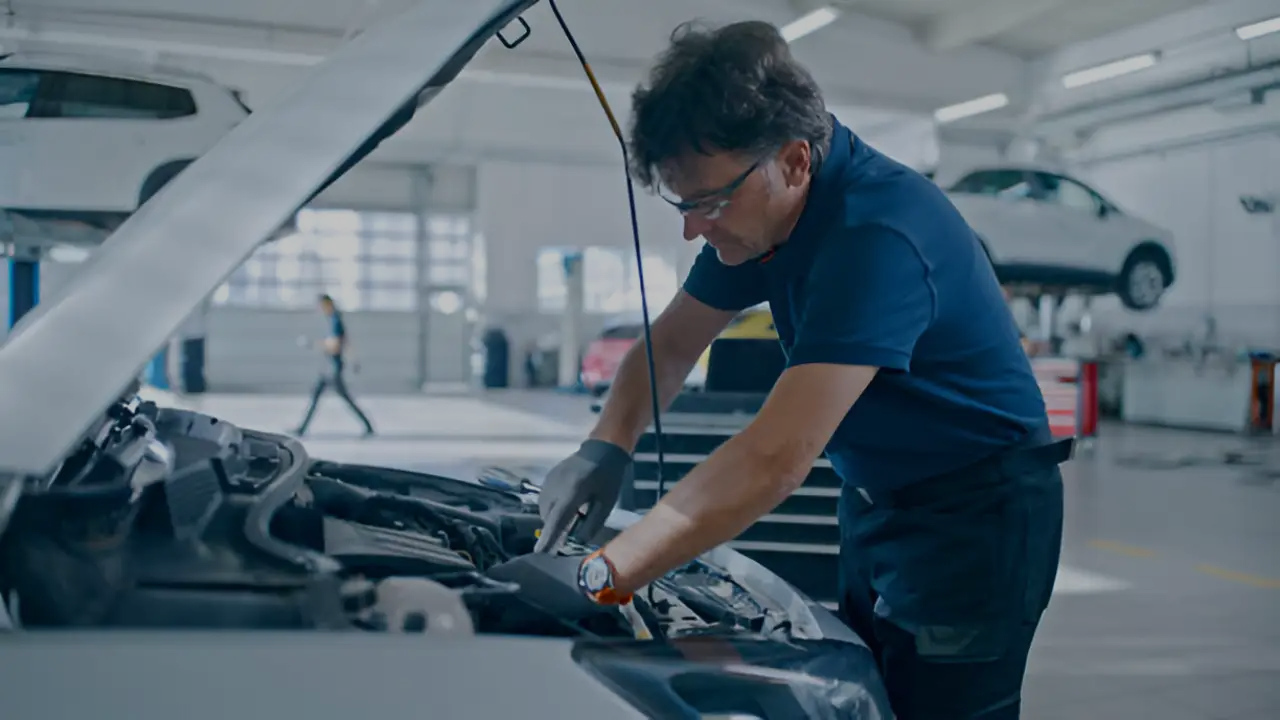
Servicing a car means inspecting and maintaining key systems so the vehicle stays safe, reliable and efficient.
A service may include:
- Engine oil and oil filter change
- Tyre pressure and tread check
- Tyre rotation
- Brake inspection
- Fluid level checks
- Coolant inspectionfinter
- Transmission fluid inspection
- Battery test
- Lights check
- Wiper check
- Air filter check
- Cabin filter check
- Belt and hose inspection
- Suspension and steering check
- Exhaust check
- Diagnostic scan where needed
- Safety recall check
- Road test
A basic service focuses on regular wear and fluid items. A major service includes deeper inspections and scheduled replacements.
Follow the Owner’s Manual First
The correct service interval is the one listed in your owner’s manual or official maintenance schedule.
This matters because intervals vary by:
- Engine design
- Oil specification
- Fuel type
- Transmission type
- Hybrid or EV system
- Climate
- Driving conditions
- Towing use
- Mileage
- Age
Consumer Reports says owners should follow manufacturer service intervals and be cautious if a shop suggests more frequent work without a clear reason.
A mechanic may recommend extra maintenance when the car is used in harsh conditions, but the reason should be explained.
Normal Service vs Severe Service
Many owner’s manuals include two schedules:
- Normal service
- Severe service
Severe service does not always mean extreme driving. It can include normal-looking daily use that is harder on the car.
Severe service may include:
- Frequent short trips
- Stop-and-go traffic
- Very hot weather
- Very cold weather
- Dusty roads
- Rough roads
- Towing
- Mountain driving
- Long idling
- Ride-share or delivery use
- Heavy loads
- Mostly city driving
If your driving fits severe service, you may need shorter intervals for oil, filters, transmission fluid, coolant and brake inspections.
How Often Should You Change Engine Oil?
Many modern cars use oil-life monitors or intervals between 5,000 and 10,000+ miles, depending on the vehicle and oil type.
However, the right interval depends on:
- Manufacturer schedule
- Oil type
- Engine design
- Turbocharged engine
- Driving conditions
- Short-trip use
- Climate
- Towing
- Vehicle age
AAA notes that oil-change frequency depends on the vehicle, driving habits and oil type.
Do not assume every car needs a 3,000-mile oil change. Also do not ignore the manual if the car has severe-service requirements.
Oil change signs
Change or check oil sooner if you notice:
- Oil warning light
- Low oil level
- Dark gritty oil
- Burning-oil smell
- Engine ticking
- Oil leak
- Overdue service reminder
Oil is one of the most important maintenance items because it protects the engine light from wear, heat and contamination.
How Often Should You Rotate Tyres?
Many cars need tyre rotation around 5,000 to 7,500 miles, but the exact interval depends on the vehicle, tyre type and drivetrain.
Tyre rotation helps even out wear between front and rear tyres.
NHTSA highlights tyre maintenance as essential for safety and ownership cost, and provides consumer guidance on tyre condition, pressure and safety ratings.
Check tyres monthly for:
- Pressure
- Tread depth
- Uneven wear
- Cracks
- Bulges
- Nails or punctures
- Sidewall damage
Uneven tyre wear may point to alignment, suspension or inflation problems.
How Often Should Brakes Be Serviced?
Brakes should be inspected at regular services and whenever symptoms appear.
Brake pads do not have one fixed lifespan. They may last 25,000 to 70,000 miles depending on driving style, road conditions, vehicle weight and brake design.
Brake service may include:
- Pad thickness check
- Rotor condition check
- Brake-fluid check
- Brake hose inspection
- Parking brake check
- ABS warning-light check
- Caliper inspection
Get brakes checked immediately if you notice:
- Grinding
- Squealing
- Pulsing pedal
- Soft brake pedal
- Longer stopping distance
- Car pulling under braking
- Brake warning light
The UK Highway Code warns that low brake fluid may result in brake failure and a crash.
How Often Should Brake Fluid Be Changed?
Brake fluid is often should changed every 2 to 3 years, but the exact interval depends on the manufacturer.
Brake fluid can absorb moisture over time, which may reduce braking performance and contribute to corrosion inside the brake system.
Check your manual for the correct interval.
Brake fluid should also be checked if:
- Pedal feels soft
- Brake warning light appears
- Fluid looks dark or contaminated
- Brake work has been performed
- Vehicle is used in mountains or heavy traffic
How Often Should Coolant Be Changed?
Coolant service varies widely.
Some vehicles need coolant replacement around 30,000 miles, while others use long-life coolant with longer intervals.
Coolant protects the engine from overheating, freezing and corrosion.
Coolant problems can damage:
- Radiator
- Water pump
- Thermostat
- Hoses
- Heater core
- Head gasket
- Engine block
Check coolant only when the engine is cool. AAA also warns to check coolant levels only after the engine has fully cooled.
How Often Should Transmission Fluid Be Changed?
Transmission-fluid intervals vary widely by vehicle.
Some cars have recommended service around 30,000 to 60,000 miles, while others list longer intervals. Vehicles used for towing, heavy traffic or severe service may need more frequent maintenance.
Transmission service is especially important for:
- Automatic transmissions
- CVTs
- Dual-clutch transmissions
- Towing vehicles
- Cars used in hot climates
Consumer Reports advises changing automatic-transmission fluid according to the manufacturer schedule.
Warning signs include:
- Delayed gear engagement
- Slipping
- Shuddering
- Hard shifts
- Burning smell
- Fluid leaks
- Transmission warning light
How Often Should Air Filters Be Replaced?
Engine air filters often need replacement around 15,000 to 30,000 miles, but dusty roads can shorten the interval.
A dirty engine air filter can affect:
- Engine breathing
- Fuel economy
- Acceleration
- Engine wear protection
Cabin air filters may also need replacement every 12 months or 12,000 to 15,000 miles, especially in dusty or polluted areas.
Cabin filter signs include:
- Weak airflow
- Musty smell
- Dusty vents
- Noisy blower
- Allergy symptoms inside the car
How Often Should Spark Plugs Be Changed?
Many modern spark plugs last around 60,000 to 100,000 miles, but the exact interval depends on plug type and engine design.
Consumer Reports notes that spark plugs in many vehicles often last about 100,000 miles.
Bad spark plugs can cause:
- Misfires
- Rough idle
- Poor acceleration
- Higher fuel use
- Check-engine light
- Hard starting
Turbocharged and performance engines may have shorter plug intervals.
How Often Should a Timing Belt Be Replaced?
If your car has a timing belt, it must be replaced on schedule.
Many timing belts are replaced around 60,000 to 100,000 miles, depending on the vehicle.
Consumer Reports notes that if a vehicle uses a timing belt instead of a chain, owners should follow the recommended replacement interval, often around 60,000 to 80,000 miles, because a broken belt can cause expensive engine damage.
A timing belt failure can destroy some engines.
If your car has a timing chain, it may last much longer, but it still depends on oil maintenance and engine design.
Basic Service vs Full Service vs Major Service
| Service type | Typical timing | Common items |
| Basic service | Every 6–12 months | Oil, filter, tyre check, fluid check, visual inspection |
| Full service | Around once a year | Basic service plus brakes, filters, battery, suspension, belts, hoses |
| Major service | Mileage-based | Spark plugs, coolant, transmission fluid, timing belt, deeper inspection |
Terms vary by country, dealer and repair shop. Always ask what is included before approving the work.
What Should Be Checked Every Month?
Monthly checks help catch small problems early.
Check:
- Tyre pressure
- Tyre tread
- Engine oil level
- Coolant level
- Windshield washer fluid
- Lights
- Wipers
- Battery terminals
- Visible leaks
- Warning lights
- Unusual noises
These checks take only a few minutes and can prevent expensive repairs.
What Should Be Checked Before a Long Trip?
Before a long drive, check:
- Engine oil
- Coolant
- Tyre pressure
- Spare tyre or repair kit
- Brake feel
- Lights
- Wipers
- Washer fluid
- Battery condition
- Belts and hoses
- Air conditioning
- Emergency kit
- Navigation and charging cables
- EV range and charging plan if driving electric
NHTSA emphasizes tyre maintenance for safety and savings, especially before road trips and routine upkeep.
How Often Should You Service a Low-Mileage Car?
A low-mileage car still needs time-based servicing.
Even if you drive very little, fluids, rubber parts and batteries age.
Low-mileage cars may still need:
- Annual oil change
- Brake-fluid service
- Coolant service
- Tyre age inspection
- Battery test
- Wiper replacement
- Belt and hose inspection
- Rust inspection
- Fuel system attention
A car that sits unused can develop flat-spotted tyres, weak battery, stale fuel and seized brakes.
How Often Should You Service a High-Mileage Car?
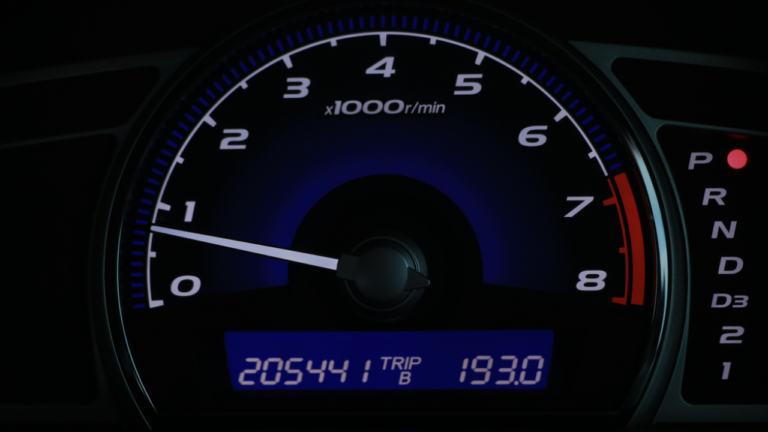
A high-mileage car should usually be inspected more carefully and may need shorter checks.
Focus on:
- Oil leaks
- Coolant leaks
- Transmission condition
- Suspension wear
- Brake condition
- Wheel bearings
- Engine mounts
- Belts and hoses
- Rust
- Battery and charging system
- Exhaust condition
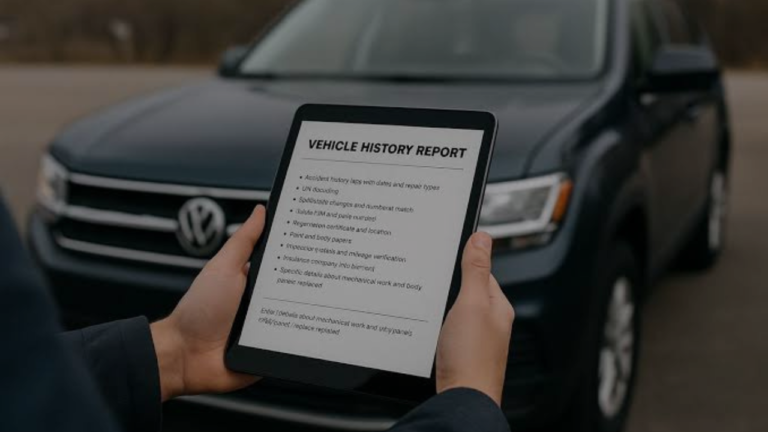
High mileage does not automatically mean unreliable, but maintenance records become more important.
Read Guide: How Many Miles Can a Car Last?
How Often Should You Service an Electric Car?
Electric cars do not need engine oil changes, spark plugs or traditional exhaust-system service.
But EVs still need regular maintenance.
EV service may include:
- Tyre rotation
- Brake inspection
- Brake-fluid replacement
- Cabin filter replacement
- Coolant checks for battery thermal management
- Suspension inspection
- Steering inspection
- Wiper and washer service
- 12V battery check
- Software updates
- Charging-port inspection
- High-voltage system checks
The U.S. Department of Energy notes that EVs typically require less maintenance than conventional vehicles because they have fewer moving parts and no oil changes, but tyres, brakes, fluids and other components still require attention.
For a used EV, also check battery health and charging performance. Check our used EV buying checklist.
How Often Should You Service a Hybrid?
Hybrids need both traditional and electric-system maintenance.
A hybrid may need:
- Engine oil changes
- Engine air filter
- Coolant service
- Hybrid battery cooling checks
- Brake inspection
- Brake-fluid replacement
- Tyre rotation
- Transmission or e-CVT service where required
- 12V battery check
- Software updates
Hybrids may wear brakes more slowly because of regenerative braking, but brake inspections are still important.
Service Schedule by Mileage
Use this general guide only as a starting point.
| Mileage | Common service items |
| 5,000–7,500 miles | Oil and filter on many cars, tyre rotation, brake check |
| 10,000–15,000 miles | Inspection, cabin filter, tyre rotation, oil if due |
| 20,000–30,000 miles | Air filter, brake inspection, fluid checks, alignment if needed |
| 30,000–60,000 miles | Brake fluid, coolant, transmission fluid depending on schedule |
| 60,000–100,000 miles | Spark plugs, timing belt if fitted, belts, hoses, major inspection |
| 100,000+ miles | Suspension, leaks, mounts, transmission, cooling system, major wear items |
Always compare this with the manual.
Signs Your Car Needs Service Now
Do not wait for the scheduled interval if the car shows warning signs.
Service the car soon if you notice:
- Check-engine light
- Oil pressure warning
- Overheating
- Brake warning light
- Battery warning light
- Grinding brakes
- Fluid leak
- Burning smell
- Rough idle
- Hard starting
- Loss of power
- Steering vibration
- Pulling to one side
- Tyre bulge
- Strange knocking or clunking
- Transmission slipping
Some warning lights require immediate attention.
What Happens If You Skip Service?
Skipping service can lead to:
- Engine wear
- Overheating
- Transmission damage
- Poor fuel economy
- Brake problems
- Tyre failure
- Battery failure
- Higher repair bills
- Lower resale value
- Warranty issues
- Safety risks
Preventive maintenance is usually cheaper than major repair.
Frequently Asked Questions
How often should you service your car?
Most cars should be serviced every 6 to 12 months or every 5,000 to 12,000 miles, depending on the vehicle and driving conditions.
Should I service my car every 6 months?
You may need 6-month service if you drive in severe conditions, make short trips, tow, drive in heavy traffic or have an older vehicle.
Is annual car service enough?
Annual service may be enough for some modern cars with normal driving, but mileage-based items still need attention.
How often should I change engine oil?
Follow the owner’s manual or oil-life monitor. Many modern cars fall between 5,000 and 10,000+ miles, depending on oil type and use.
How often should tyres be rotated?
Many vehicles need tyre rotation around 5,000 to 7,500 miles, but follow the vehicle and tyre manufacturer guidance.
How often should brake fluid be changed?
Many cars need brake-fluid service every 2 to 3 years, but the correct interval depends on the vehicle.
How often should coolant be changed?
Coolant intervals vary widely. Check the manual because some coolants last much longer than others.
How often should transmission fluid be changed?
It depends on the vehicle and driving conditions. Some vehicles need it around 30,000 to 60,000 miles, while others list longer intervals.
Does an electric car need servicing?
Yes. EVs do not need oil changes, but they still need tyre, brake, coolant, filter, suspension, software and battery-system checks.
Does a hybrid need more servicing?
A hybrid needs traditional engine maintenance plus hybrid-system checks, but regenerative braking may reduce brake wear.
What happens if I skip car service?
Skipping service can increase wear, reduce safety, lower resale value and cause expensive repairs.
Should I use dealer service or an independent mechanic?
Use a dealer for warranty, recalls, software and brand-specific issues. A good independent mechanic can be cost-effective for routine maintenance.
Can I service my car late?
A small delay may not cause damage, but repeated late service increases risk. Check the manual and do not ignore warning lights.
What is included in a full car service?
A full service usually includes oil, filters, tyres, brakes, fluids, battery, lights, suspension, belts, hoses and a general safety inspection.
How do I know my car needs service immediately?
Warning lights, overheating, brake noise, fluid leaks, burning smells, rough running, transmission slipping or tyre damage should be checked quickly.
Summary
Most cars should be serviced at least once a year, but mileage and driving conditions matter.
The best answer is always in your owner’s manual. Use it as the main schedule, then adjust for severe service if your driving includes frequent short trips, traffic, towing, harsh weather, dusty roads or heavy loads.
Do not wait for problems before maintaining the car. Oil, tyres, brakes, coolant, transmission fluid, filters, belts and battery checks all help the car stay safe and last longer.
A well-serviced car is usually cheaper to own, easier to sell and more reliable than a neglected one.