You can increase your car’s resale value by keeping it clean, servicing it on time, fixing visible problems, maintaining good records, avoiding unnecessary modifications and selling it with a clear, honest history.
A used car is worth more when buyers can trust its condition. That trust comes from matching VINs, complete service records, clean title status, working features, good tyres, no warning lights and a professional presentation.
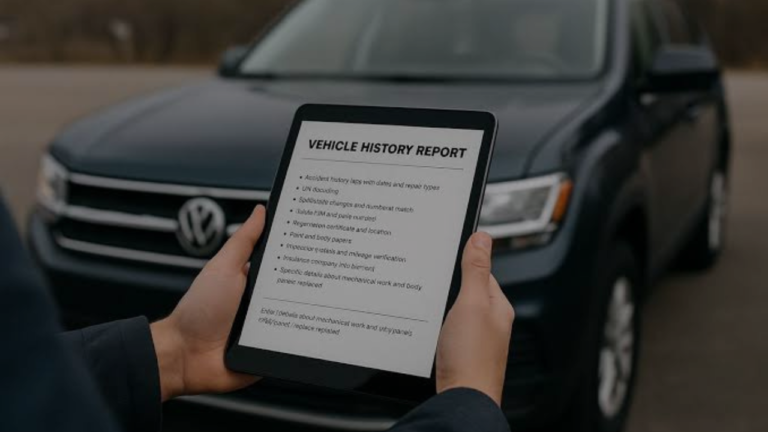
The FTC recommends that used-car buyers get a vehicle history report and independent inspection because history reports may show accidents or flood damage but may not show mechanical problems. That means sellers who can show service records, repair documents and inspection confidence are in a stronger position.
To increase your car’s resale value, service it on time, keep records, fix small faults, clean it properly, repair obvious cosmetic damage, check recalls, avoid risky modifications, price it correctly and make the car easy for buyers to verify.
Car Resale Value at a Glance
| Action | Resale value impact | Why it helps |
| Keep service records | High | Builds buyer trust |
| Fix warning lights | High | Reduces buyer fear |
| Detail the car | Medium to high | Improves first impression |
| Repair major leaks | High | Removes serious red flags |
| Replace worn tyres | Medium | Improves safety and appearance |
| Check open recalls | Medium | Shows responsible ownership |
| Repair small dents/scratches | Medium | Helps presentation |
| Avoid heavy modifications | Medium | Keeps buyer pool wider |
| Keep mileage reasonable | High | Protects long-term value |
| Sell with clean documents | High | Makes transaction easier |
What Determines a Car’s Resale Value?
A car’s resale value depends on several factors, including:
- Make and model
- Age
- Mileage
- Trim level
- Engine and drivetrain
- Fuel type
- Reliability reputation
- Service history
- Accident history
- Title status
- Exterior condition
- Interior condition
- Tyre condition
- Mechanical condition
- Market demand
- Color
- Options and features
- Local fuel prices
- Season and timing
- Number of previous owners
- Recall status
Some factors cannot be changed, such as model year or original trim. But many resale factors can be improved before selling.
1. Keep Complete Service Records
Service records are one of the strongest ways to protect resale value.
Buyers want proof that the car was maintained, not just a verbal promise.
Keep records for:
- Oil changes
- Tyre rotations
- Brake service
- Battery replacement
- Coolant service
- Transmission service
- Spark plugs
- Timing belt or chain work
- Suspension repairs
- Air filter and cabin filter replacement
- Recall repairs
- Major repairs
- Warranty work
- Inspection reports
A car with clear records often feels safer than a similar car with no history.
Read Guide: How Often Should You Service Your Car?
2. Follow the Maintenance Schedule
A car that has been serviced on time usually sells better.
Follow the owner’s manual for:
- Oil and filter changes
- Brake fluid
- Coolant
- Transmission fluid
- Spark plugs
- Timing belt if fitted
- Filters
- Belts and hoses
- Hybrid or EV system checks
If your car is used in severe conditions, such as short trips, heavy traffic, towing, rough roads or extreme temperatures, shorter intervals may apply.
A neglected car may lose value even if it looks clean.
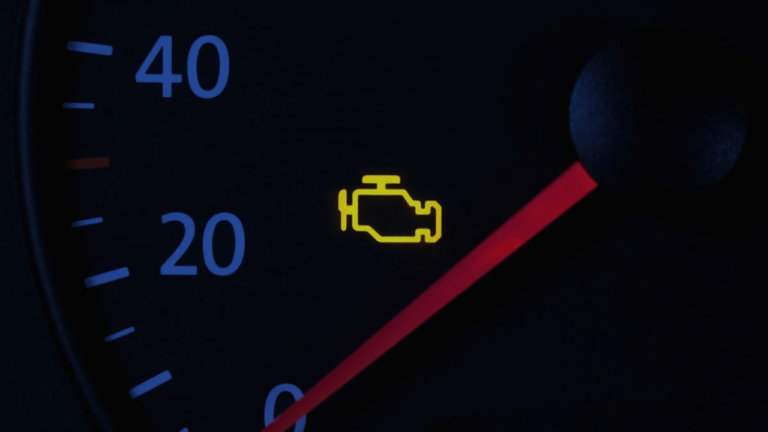
3. Fix Warning Lights Before Selling
Warning lights scare buyers and lower offers.
Before listing the car, address:
- Check-engine light
- ABS warning light
- Airbag/SRS light
- Battery warning light
- Oil pressure warning
- Brake warning
- TPMS warning
- Transmission warning
- Hybrid or EV system warning
A buyer may assume the worst if a warning light is on.
Fixing a simple sensor, battery issue or tyre-pressure fault can protect value. If the repair is expensive and you choose not to fix it, disclose it honestly and price the car accordingly.
4. Repair Mechanical Problems That Affect Trust
You do not need to rebuild the whole car before selling. But problems that make the car feel unsafe or unreliable can reduce resale value sharply.
Prioritize:
- Fluid leaks
- Overheating issues
- Brake problems
- Steering problems
- Suspension noises
- Transmission slipping
- Starting problems
- Rough idle
- Battery weakness
- Bad tyres
- Non-working lights
- AC or heater failure
- Safety-system faults
A buyer may accept normal wear. They are less likely to accept signs of neglect.
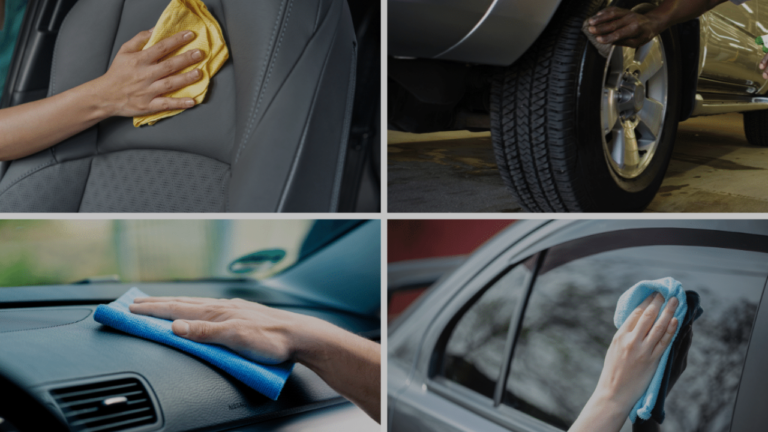
5. Clean and Detail the Car Properly
A clean car usually sells faster and for a better price.
Detailing helps because buyers judge condition within seconds.
Before photos or viewings:
- Wash exterior
- Clean wheels and tyres
- Vacuum interior
- Remove trash and personal items
- Clean glass
- Clean dashboard and vents
- Shampoo carpets if needed
- Remove stains where possible
- Clean leather or fabric seats
- Remove bad odors
- Clean trunk or cargo area
- Wash engine bay carefully if appropriate
Avoid hiding leaks or damage. The goal is presentation, not deception.
6. Fix Small Cosmetic Damage
Small cosmetic problems can make a car look neglected.
Consider fixing:
- Minor dents
- Light scratches
- Scuffed bumpers
- Cracked trim
- Foggy headlights
- Broken mirror covers
- Missing badges
- Curb-rash wheels
- Torn floor mats
- Small interior stains
Paintless dent repair, headlight restoration and minor trim replacement can be cost-effective.
Do not overspend on cosmetic repairs that will not return their cost. Get estimates and compare them with the expected increase in selling price.
7. Replace or Improve Worn Tyres
Tyres affect safety, appearance and buyer confidence.
Check:
- Tread depth
- Age
- Uneven wear
- Cracks
- Bulges
- Matching brands
- Correct size
- Proper pressure
- Alignment signs
NHTSA emphasizes tyre maintenance as important for safety and ownership cost, and it provides consumer guidance for checking tyre condition and pressure.
You do not always need premium new tyres before selling, but bald, cracked or mismatched tyres can lower offers.
8. Check and Complete Open Recalls
Before selling, check for open safety recalls using the VIN.
NHTSA says a recall is issued when a manufacturer or NHTSA determines that a vehicle, equipment, car seat or tire creates an unreasonable safety risk or fails minimum safety standards. Its recall tool can show whether a vehicle has unrepaired recalls associated with the VIN.
Completing recall work can help resale value because it shows the car is up to date on safety-related repairs.
Keep proof of recall completion with your service records.
9. Keep the Car as Original as Possible
Heavy modifications can reduce resale value because they narrow the buyer pool.
Risky modifications include:
- Loud exhausts
- Lowered suspension
- Engine tuning
- Non-factory wheels
- Poor wiring
- Aftermarket lights
- Cheap body kits
- Removed emissions equipment
- Interior modifications
- Bad audio-system wiring
- Performance tunes without records
Some buyers like modifications, but many lenders, insurers and everyday buyers prefer stock vehicles.
If the car is modified, keep receipts, show quality parts and consider returning it to stock if practical.
10. Protect the Interior
Interior condition matters because buyers sit inside the car and imagine owning it.
Protect resale value by:
- Avoiding smoking inside
- Cleaning spills quickly
- Using floor mats
- Protecting seats from pets
- Avoiding strong air fresheners
- Fixing torn upholstery
- Repairing broken switches
- Keeping dashboard clean
- Preventing sun damage
- Keeping cargo areas clean
Odors from smoke, pets, mold or water leaks can reduce value significantly.
11. Protect the Exterior
Exterior condition affects first impressions and listing photos.
Protect the exterior by:
- Washing regularly
- Removing bird droppings quickly
- Waxing or applying paint protection where appropriate
- Parking in shade when possible
- Repairing chips before rust spreads
- Avoiding cheap automatic car washes if they scratch paint
- Cleaning road salt
- Checking drainage areas
Rust, faded paint and obvious neglected damage usually reduce resale value.
12. Avoid Accident Damage and Document Repairs
Accident history usually lowers resale value, but documentation helps.
If the car was repaired after an accident, keep:
- Insurance estimate
- Body-shop invoice
- Photos before and after
- Parts list
- Alignment report
- Airbag or safety-system repair proof
- Warranty on repair work
The FTC recommends buyers get a vehicle history report and independent inspection because reports may list accidents and flood damage but typically do not list mechanical problems.
Honest documentation can reduce buyer uncertainty.
Read Guide: How to Check a Car’s Accident History
13. Keep Mileage Under Control
Mileage is one of the biggest resale-value factors.
You cannot reverse mileage, but you can manage unnecessary mileage by:
- Combining errands
- Avoiding unnecessary long drives
- Using the right vehicle for heavy trips
- Maintaining tyres and alignment
- Avoiding delivery or ride-share use unless it is worth the income
- Keeping service records if mileage is high
A high-mileage car can still sell well if maintenance is excellent, but lower mileage usually attracts more buyers.
Read Guide: How Many Miles Can a Car Last?
14. Keep Ownership Documents Ready
A clean sale process can increase buyer trust.
Prepare:
- Title or ownership document
- Registration
- Service records
- Repair receipts
- Recall completion proof
- Warranty documents
- Owner’s manual
- Spare keys
- Vehicle history report
- Loan payoff information if financed
- Emissions or inspection certificate if required
- EV charging cables
- Window sticker if available
Missing keys, manuals, charging cables or service records may reduce offers.
15. Get a Pre-Sale Inspection
A pre-sale inspection can help you sell with confidence.
It can show:
- No major mechanical issues
- Brake and tyre condition
- Fluid leak status
- Suspension condition
- Warning-light diagnosis
- Battery health
- AC performance
- Safety concerns
- Repair priorities
If the report is good, share it with buyers. If it shows issues, decide whether to fix them or price the car honestly.
A recent inspection can reduce negotiation pressure.
16. Improve EV Resale Value
Electric vehicles have extra resale factors.
To improve EV resale value:
- Keep battery-health records if available
- Keep charging history where useful
- Confirm battery warranty status
- Check open recalls
- Keep charging cables
- Test AC and DC charging
- Maintain tyres
- Keep software updated
- Avoid repeated deep discharge
- Avoid visible underbody damage
- Keep service and warranty documents
For used EVs, buyers care strongly about battery condition, real-world range and charging reliability.
Read Guide: What to Check Before Buying a Used EV
17. Improve Hybrid Resale Value
Hybrid buyers often look for proof that both the gasoline and hybrid systems are healthy.
Keep records for:
- Engine service
- Hybrid battery checks
- Inverter coolant service
- Brake service
- 12V battery replacement
- Cooling-system service
- Software updates
- Recall completion
A hybrid with strong fuel economy, smooth operation and clean maintenance records can attract more confident buyers.
18. Fix Cheap Problems Before Expensive Ones
Some repairs give better resale return than others.
Good pre-sale fixes may include:
- Warning-light diagnosis
- Fresh oil change if due
- Wiper blades
- Headlight restoration
- Interior cleaning
- Battery replacement if weak
- Tyre replacement if unsafe
- Minor dent repair
- Brake repair if worn
- AC recharge only if leak is diagnosed and repair is sensible
Poor-value pre-sale spending may include:
- Expensive performance upgrades
- Full repaint on an older car
- Premium wheels
- Major engine work on a low-value car
- Costly cosmetic work that buyers may not pay for
- Accessories that do not suit most buyers
Fix safety and trust problems first.
19. Price the Car Correctly
A fair price can protect value better than an unrealistic listing.
Before pricing, compare:
- Similar make and model
- Same model year
- Similar mileage
- Same trim
- Similar condition
- Same title status
- Local market listings
- Dealer retail price
- Private-party value
- Trade-in value
- Accident history impact
- Recent repairs
Price slightly above your minimum acceptable amount if negotiation is common in your market.
Do not hide problems to ask a clean-car price.
20. Take Better Photos
Good photos can increase buyer interest.
Take photos in daylight and show:
- Front
- Rear
- Both sides
- Wheels
- Interior front seats
- Rear seats
- Dashboard
- Odometer
- Infotainment
- Trunk/cargo area
- Engine bay
- Tyres
- Keys and manuals
- Service records
- Charging cables for EVs
- Any damage honestly
Clean, honest photos attract better buyers and reduce wasted messages.
21. Write an Honest Listing
A strong listing should include:
- Year, make and model
- Trim
- Mileage
- Engine or battery size where relevant
- Transmission
- Ownership history
- Service history
- Recent maintenance
- Accident history if any
- Title status
- Tyre condition
- Features
- Reason for selling
- Asking price
- Location
- VIN availability
- Inspection welcome
Honesty builds trust and can reduce lowball offers.
22. Sell at the Right Time
Timing can affect demand.
Examples:
- Convertibles may sell better before summer.
- SUVs and AWD vehicles may sell better before winter in cold markets.
- Fuel-efficient cars may attract more interest when fuel prices are high.
- Trucks may sell well when work and towing demand is strong.
- EVs may sell better when incentives, charging access or fuel prices make them attractive.
Avoid selling during urgent financial pressure if possible. Buyers sense urgency and negotiate harder.
23. Private Sale vs Trade-In
A private sale usually brings more money, while trade-in is easier.
| Selling method | Pros | Cons |
| Private sale | Often higher resale value | More time, messages and paperwork |
| Dealer trade-in | Convenient | Usually lower offer |
| Online buyer | Fast quote and simple process | Offer may be lower after inspection |
| Consignment | Professional selling help | Fees reduce final amount |
If your goal is maximum resale value, private sale often wins. If speed matters more, trade-in may be better.
24. If the Car Has a Loan Balance
A loan balance does not prevent selling or trading, but it adds steps.
Before selling:
- Get payoff amount
- Check positive or negative equity
- Ask lender about title release
- Confirm payment process
- Avoid handing over the car before payoff is handled safely
If trading in, make sure the dealer’s payoff and trade-in numbers are shown clearly in writing.
Read Guide: How to Trade In a Car With a Loan Balance
25. Resale Value Mistakes to Avoid
Avoid:
- Skipping maintenance
- Losing service records
- Ignoring warning lights
- Selling with dirty interior
- Hiding accident history
- Overpricing the car
- Installing cheap modifications
- Letting tyres wear out
- Ignoring recalls
- Selling with missing documents
- Using poor listing photos
- Waiting until major failure
- Making repairs that cost more than they return
- Misrepresenting title status
Resale value is built over the whole ownership period, not only the week before selling.
Resale Value Checklist Before Listing
Before listing your car:
- Wash and detail it
- Remove personal items
- Fix warning lights
- Check tyre condition
- Replace cheap worn items
- Gather service records
- Check recall status
- Confirm title status
- Get payoff amount if financed
- Run or prepare a vehicle history report
- Take clear photos
- Write honest listing copy
- Get an insurance-safe test-drive plan
- Decide your lowest acceptable price
Frequently Asked Questions
How can I increase my car’s resale value?
Service it on time, keep records, fix warning lights, clean it properly, repair visible damage, check recalls, avoid heavy modifications and prepare clean documents.
Do service records increase car value?
Yes. Service records build trust and help prove the car was maintained.
Should I fix scratches before selling my car?
Fix minor scratches if the repair is affordable and improves presentation. Avoid expensive paintwork if it will not return the cost.
Should I detail my car before selling?
Yes. A clean car usually photographs better, attracts more buyers and creates a stronger first impression.
Do new tyres increase resale value?
Safe, matching tyres can help. Bald, cracked or mismatched tyres reduce buyer confidence.
Do modifications reduce resale value?
Often, yes. Heavy modifications can narrow the buyer pool and raise concerns about reliability or insurance.
Do open recalls affect resale value?
They can. Checking and completing open recalls shows responsible ownership and improves buyer confidence.
Does accident history reduce resale value?
Usually, yes. The amount depends on damage severity, repair quality, title status and documentation.
Does mileage affect resale value?
Yes. Lower mileage usually helps value, but service history and condition are also important.
Is it worth repairing a car before selling?
Repair safety issues, warning lights and obvious problems first. Avoid spending more than the repair will add to the sale price.
Should I get a pre-sale inspection?
It can help, especially if the car is older, high-mileage or higher-value. A clean inspection report can reduce buyer hesitation.
Is private sale better than trade-in?
Private sale often brings more money, but trade-in is faster and easier.
Does a clean title increase resale value?
Yes. Clean title vehicles usually sell for more than salvage, rebuilt, flood or branded-title vehicles.
How do I sell a car with a loan balance?
Get the payoff amount, check equity, coordinate payment with the lender and make sure title release is handled correctly.
What matters most for resale value?
Condition, mileage, service records, title status, accident history, market demand and honest documentation matter most.
Summary
Increasing your car’s resale value is mostly about trust.
A buyer pays more when the car looks cared for, drives properly, has clean documents and comes with proof of maintenance. A clean interior, good tyres and polished photos help, but service history, title status, recall completion and mechanical condition matter more.
The best time to protect resale value is from the first day you own the car. Service it on time, keep records, avoid neglect, repair small problems early and be honest about its history.