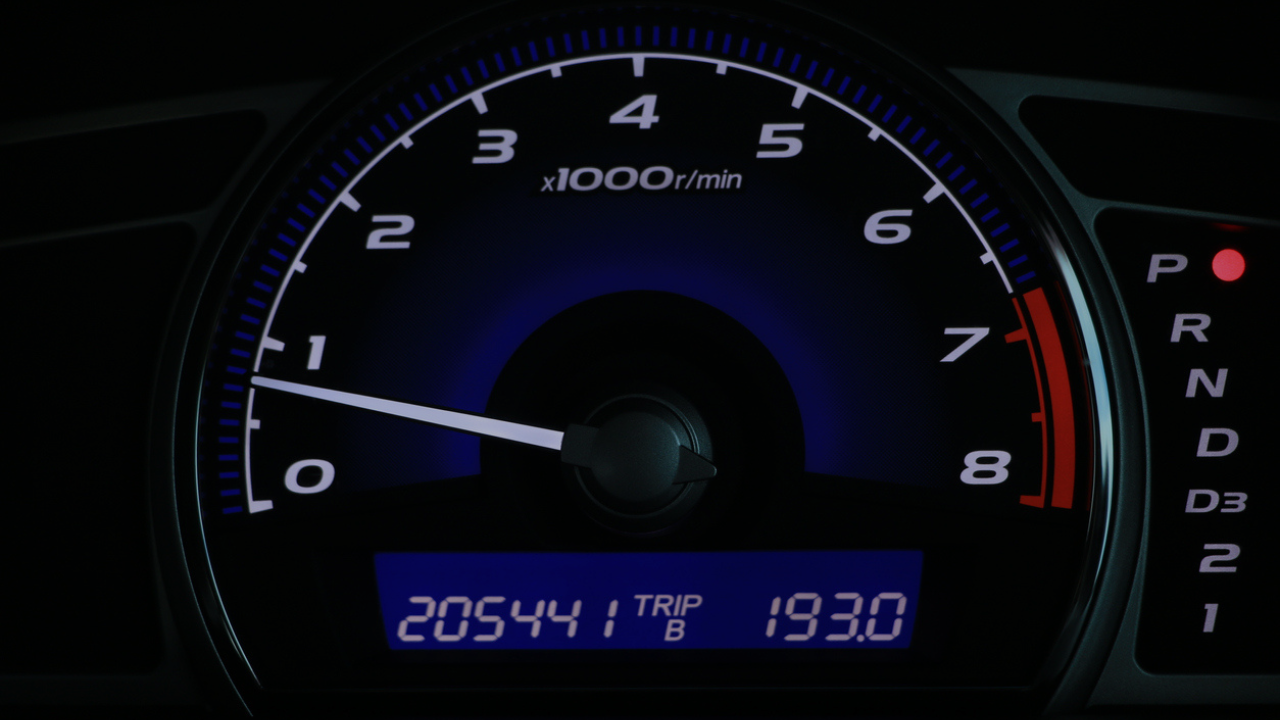
A modern car can often last 200,000 miles or more with proper maintenance, sensible driving, timely repairs and a reliable design. Some vehicles reach 250,000, 300,000 or even more, but that is not guaranteed for every car.
Mileage alone does not decide how long a car lasts. A 150,000-mile car with regular oil changes, clean service history and mostly highway driving may be healthier than an 80,000-mile car with neglected maintenance, accident damage and constant short trips.
Consumer Reports notes that modern cars from reliable brands can be capable of 200,000 miles or more when owners follow the manufacturer’s service intervals.
Many modern cars can last 150,000 to 200,000 miles, and well-maintained reliable models can go beyond 200,000 miles. The real limit depends on maintenance, driving conditions, rust, repair costs, parts availability and whether the engine lights, transmission, battery or body remains healthy.
Car Lifespan at a Glance
| Mileage | What it usually means |
| 0–50,000 miles | Low mileage; usually within early ownership or warranty period |
| 50,000–100,000 miles | Normal used-car range; maintenance history becomes important |
| 100,000–150,000 miles | Higher mileage; inspect wear items and major service records |
| 150,000–200,000 miles | Long-life range; condition matters more than age alone |
| 200,000+ miles | Possible for well-maintained reliable models |
| 250,000–300,000+ miles | Achievable, but usually requires strong maintenance and repair discipline |
How Many Miles Does the Average Car Last?
A reasonable expectation for many modern cars is 150,000 to 200,000 miles.
A well-maintained car from a reliable brand can often exceed that. A neglected car, hard-used vehicle or poorly repaired accident car may become uneconomical much earlier.
The average vehicle on U.S. roads has also become older over time. AP reported that the average age of cars, trucks and SUVs on U.S. roads reached 12.6 years in 2024, showing that many owners are keeping vehicles longer because replacement costs are high.
Mileage and age should be judged together. A 12-year-old car with 70,000 miles can still have age-related rubber, battery, corrosion and fluid issues. A five-year-old car with 150,000 highway miles may have high mileage but less age-related deterioration.
Can a Car Last 200,000 Miles?
Yes. Many modern cars can last 200,000 miles if they are maintained correctly.
Consumer Reports says the first time rule of reaching 200,000 miles and beyond is to follow a maintenance plan. It also notes that major repairs may appear as mileage rises, including oil leaks, transmission rebuilds, exhaust replacement or head-gasket work.
To reach 200,000 miles, a car usually needs:
- Regular oil and filter changes
- Correct coolant service
- Transmission service where required
- Timing belt replacement if fitted
- Brake and suspension maintenance
- Tyre rotations and alignments
- Clean cooling system
- Prompt repair of leaks
- Rust prevention
- Quality replacement parts
- Sensible driving habits
A car does not reach high mileage only because the engine is strong. The transmission, electronics, suspension, cooling system, body and interior clean must also remain usable.
How Many Miles Is Too Many for a Car?
There is no single mileage that is “too many.”
A car with 120,000 miles may be a good buy if it has service records and a clean inspection. A car with 60,000 miles may be a bad buy if it was flooded, crashed, overheated or poorly maintained.
Mileage becomes concerning when it comes with:
- Missing service history
- Transmission slipping
- Engine smoke
- Oil consumption
- Overheating history
- Rust on frame or structure
- Warning lights
- Poor previous repairs
- Major fluid leaks
- Expensive upcoming maintenance
- Low market value compared with repair cost
The better question is not “how many miles is too many?” It is “what condition is the car in at this mileage?”
Mileage vs Maintenance
Maintenance often matters more than mileage.
A high-mileage car with proper service can be reliable. A low-mileage car with neglected oil changes, old tyres, weak battery and dirty fluids can become expensive quickly.
Important maintenance records include:
- Oil change intervals
- Transmission fluid service
- Coolant replacement
- Brake fluid replacement
- Timing belt or chain work
- Spark plugs
- Filters
- Suspension repairs
- Tyre replacement
- Recall work
- Battery replacement
- Major repairs
Consumer Reports says many late-model cars and trucks should be able to reach 200,000 miles with regular upkeep.
What Shortens a Car’s Life?
A car may fail early because of:
- Poor maintenance
- Overheating
- Low oil level
- Dirty or wrong fluids
- Ignored warning lights
- Rust
- Flood damage
- Accident damage
- Severe towing
- Repeated short trips
- Hard driving
- Cheap poor-quality repairs
- Skipped timing belt service
- Transmission neglect
- Long storage without care
- Electrical problems
The engine may be capable of high mileage, but one severe overheating event can shorten its life dramatically.
How Long Does an Engine Last?
A well-maintained modern engine can often last 150,000 to 200,000 miles or more.
Some engines last far longer, especially when they are simple, well-designed and maintained correctly.
Engine life depends on:
- Oil quality and change interval
- Cooling system health
- Driving style
- Fuel quality
- Air filtration
- Timing belt or chain condition
- Overheating history
- Engine design
- Repair quality
Warning signs of engine wear include:
- Blue exhaust smoke
- Knocking noises
- Low compression
- Heavy oil consumption
- Coolant loss
- Overheating
- Metal particles in oil
- Repeated misfires
How Long Does a Transmission Last?
A transmission can last 150,000 miles or more, but it depends heavily on design, maintenance and use.
Transmission life is affected by:
- Fluid condition
- Fluid change interval
- Towing load
- Stop-and-go driving
- Overheating
- Driving style
- Software updates
- Manufacturing design
- Previous repairs
Warning signs include:
- Slipping
- Delayed engagement
- Hard shifting
- Shuddering
- Burning smell
- Fluid leaks
- Warning lights
- Noisy operation
Transmission failure can be expensive enough to decide whether the car is worth keeping.
How Long Do Brakes, Tyres and Suspension Last?
These parts are expected to wear out during a car’s life.
| Component | Common lifespan range | Notes |
| Tyres | 25,000–60,000 miles | Depends on tyre type, alignment, rotation and driving |
| Brake pads | 25,000–70,000 miles | City driving wears brakes faster |
| Brake rotors | 50,000–100,000 miles | May need resurfacing or replacement |
| Shocks/struts | 80,000+ miles | Rough roads and heavy loads shorten life |
| Spark plugs | Around 100,000 miles on many modern cars | Follow manufacturer schedule |
| Timing belt | Often 60,000–100,000 miles if fitted | Skipping can destroy some engines |
Consumer Reports notes that shocks and struts can last 80,000 miles or more, spark plugs often last about 100,000 miles, and timing belts commonly have replacement intervals around 60,000 to 80,000 miles depending on vehicle.
How Long Can an Electric Car Last?
An electric car can also last many years and high mileage, but the key long-term component is the battery pack.
The U.S. Department of Energy’s Alternative Fuels Data Center states that several EV manufacturers offer 8-year/100,000-mile battery warranties. It also notes that today’s EV batteries may last 12 to 15 years in moderate climates and 8 to 12 years in extreme climates, depending on driving, charging patterns, battery chemistry, design and thermal management.
EV longevity depends on:
- Battery state of health
- Charging habits
- Climate
- Thermal management
- Software support
- Motor and inverter reliability
- Suspension and tyre wear
- Body condition
- Repair network
- Battery warranty
Mileage alone is not enough when judging a used EV. Battery health matters more than the odometer by itself.
How Long Can a Hybrid Last?
A hybrid can last 150,000 to 200,000 miles or more if properly maintained.
Hybrid longevity depends on both traditional and electric components:
- Gasoline engine
- Hybrid battery
- Electric motor
- Inverter
- Cooling system
- Transmission or e-CVT
- Brake system
- High-voltage electronics
Hybrids can be very durable, but battery condition, cooling system health and service records are important when buying used.
How Many Miles Can a Diesel Car Last?
Diesel engines can last high mileage when built well and maintained properly.
Some diesel cars and trucks can exceed 250,000 miles, especially if they are driven long distances and serviced correctly.
But diesel longevity depends on:
- Fuel quality
- Oil changes
- Emissions system health
- Turbocharger condition
- Injector condition
- Cooling system
- Driving pattern
- Maintenance cost
Modern diesel emissions systems can be expensive to repair, especially if the vehicle is mostly used for short trips.
High-Mileage Car Buying Checklist
Before buying a high-mileage car:
- Check service records
- Verify mileage history
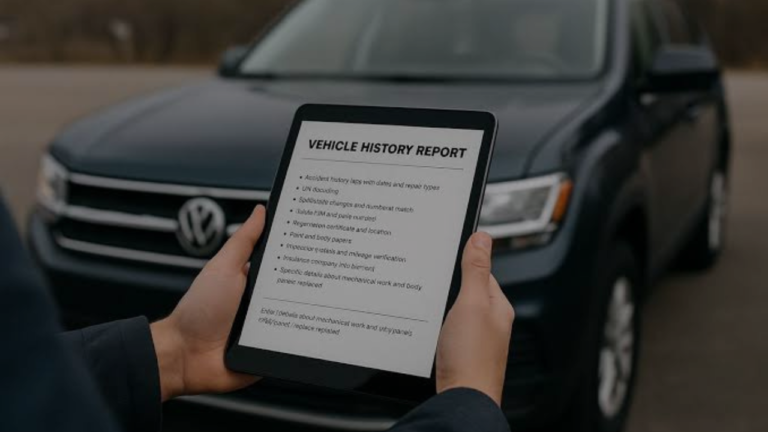
- Get a vehicle history report
- Inspect for rust
- Check for leaks
- Test drive cold and warm
- Check transmission behavior
- Inspect suspension
- Check brakes and tyres
- Scan for trouble codes
- Review recalls
- Check title status
- Get a pre-purchase inspection
- Compare repair costs with vehicle value
For a used EV, add battery state of health and charging tests to the checklist. Read our guide on what to check before buying a used ev.
Mileage Milestones to Watch
| Mileage | What to check |
| 30,000 miles | Filters, tyres, brakes, fluids depending on schedule |
| 60,000 miles | Spark plugs on some cars, transmission service, belts, coolant |
| 90,000 miles | Suspension wear, brakes, tyres, major service items |
| 100,000 miles | Spark plugs, timing belt if required, coolant, transmission health |
| 150,000 miles | Leaks, suspension, engine mounts, transmission, cooling system |
| 200,000 miles | Major repairs become more likely; compare repair cost with value |
Always follow the exact service schedule for your vehicle, not a generic mileage chart.
Frequently Asked Questions
How many miles can a car last?
Many modern cars can last 150,000 to 200,000 miles. Well-maintained reliable models can exceed 200,000 miles.
Can a car last 300,000 miles?
Yes, some cars can reach 300,000 miles, but it usually requires excellent maintenance, reliable design and timely repairs.
Is 100,000 miles a lot for a car?
It is no longer extremely high for a modern car, but service history and condition become very important.
Is 150,000 miles too much for a used car?
Not always. A 150,000-mile car can be worth buying if it has strong maintenance records, no major rust and a clean inspection.
Is 200,000 miles too many?
It depends on condition. At 200,000 miles, major repairs are more likely, but a well-maintained car may still be useful.
How long does a car engine last?
Many modern engines can last 150,000 to 200,000 miles or more with proper oil changes, cooling-system care and maintenance.
How long does a transmission last?
A transmission can last 150,000 miles or more, but design, fluid condition, towing and driving style matter.
Do highway miles or city miles matter more?
Highway miles are usually easier on a car than city miles because they involve fewer cold starts, stops, gear changes and hard braking.
Can an electric car last 200,000 miles?
Yes, some EVs can reach high mileage. Battery health, charging habits, climate and thermal management are key factors.
How long do EV batteries last?
DOE’s Alternative Fuels Data Center says many manufacturers offer 8-year/100,000-mile battery warranties, and today’s batteries may last 12 to 15 years in moderate climates.
Are low-mileage older cars better?
Not always. Age can cause rubber, tyre, battery, fluid, rust and electrical problems even when mileage is low.
What kills cars before high mileage?
Neglected maintenance, overheating, rust, transmission failure, accident damage and expensive repairs often should end a car before mileage alone does.
Should I keep repairing a high-mileage car?
Keep repairing it if the car is safe, reliable and repair costs are lower than replacement costs. Consider replacing it when repairs exceed value or reliability becomes poor.
What is the best way to make a car last longer?
Follow the owner’s manual, change fluids on time, prevent overheating, fix leaks early, protect against rust and drive smoothly.
Is mileage more important than maintenance?
Maintenance is often more important. A well-maintained high-mileage car can be better than a neglected low-mileage car.
Summary
Many modern cars can last 150,000 to 200,000 miles, and reliable well-maintained vehicles can go beyond 200,000 miles.
But mileage is only part of the story. Maintenance, driving conditions, rust, repair history, vehicle design and ownership habits matter just as much.
A high-mileage car is not automatically bad. A low-mileage car is not automatically good. The best long-life car is one with a reliable design, complete service history, clean inspection and repair costs that still make financial sense.
If you want your car to last, follow the maintenance schedule, fix small problems early, protect it from rust and avoid judging its health by the odometer alone.