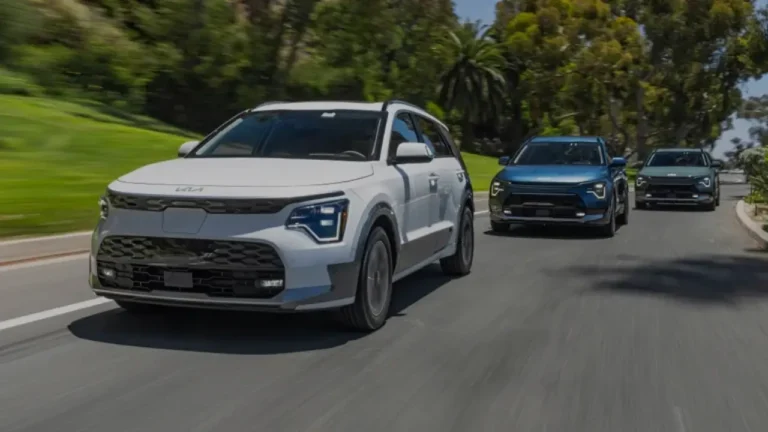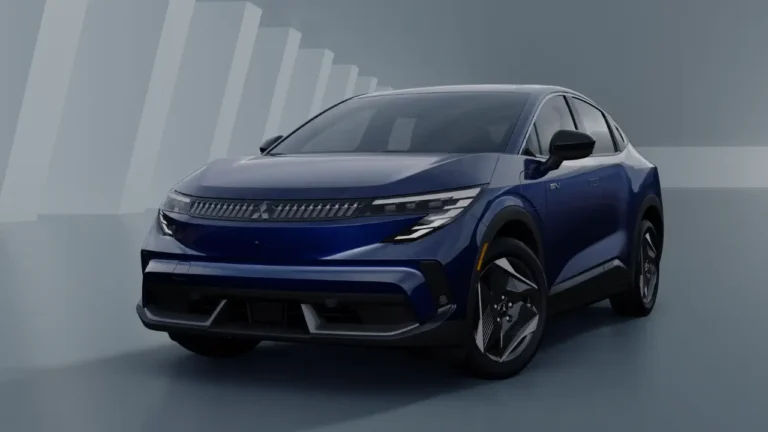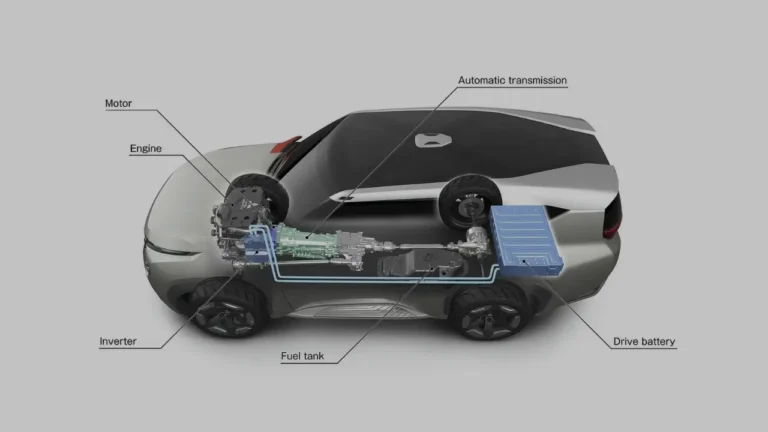
The best electric cars in 2026 combine dependable real-world range, efficient energy use, fast charging, practical interiors, strong safety equipment, and sensible ownership costs.
The Tesla Model 3 is the best overall electric car for many buyers in 2026 because it combines strong efficiency, useful range, rapid charging access, performance, and competitive pricing. The Hyundai Ioniq 5 is the better family-focused alternative, while the Kia EV3 is one of the strongest compact electric SUVs.
Best Electric Cars
| Model | Best for | Maximum quoted range* | Fast-charging highlight* | Body style |
| Tesla Model 3 | Overall value | Up to 750 km WLTP in selected markets | Strong Supercharger access | Saloon |
| Hyundai Ioniq 5 | Families | Up to 354 miles WLTP | 10–80% in about 18 minutes | Crossover |
| Kia EV3 | Compact SUV buyers | Market and version dependent | Long Range supports battery preconditioning | Compact SUV |
| Renault 5 E-Tech | Urban value | Up to 252 miles WLTP | 15–80% in about 30 minutes | Hatchback |
| Tesla Model Y | Cargo and everyday use | Up to 321 miles EPA in the US | Up to 160 miles added in 15 minutes | Midsize SUV |
| BMW iX3 | Premium long-distance use | Up to 805 km WLTP | Up to 400 kW; 10–80% in about 21 minutes | Premium SUV |
| Hyundai Ioniq 9 | Large families | Up to 620 km WLTP | 10–80% in about 24 minutes | Three-row SUV |
| Škoda Elroq | Practical value | Version dependent | Up to 175 kW; 10–80% in about 28 minutes | Compact SUV |
| BYD Seal | Value-focused saloon buyers | Up to 354 miles WLTP | 30–80% in about 26 minutes | Saloon |
| Porsche Taycan | Performance | Up to 700 km WLTP | 10–80% in about 18 minutes | Sports saloon |
| Lucid Air | Maximum range | Up to 512 miles EPA | Up to 200 miles added in 12 minutes | Luxury saloon |
*Range and charging figures use different regional test procedures and configurations. EPA, WLTP, and other ratings should not be compared directly. Always check the specification sold in your market.
1. Tesla Model 3 — Best Electric Car Overall
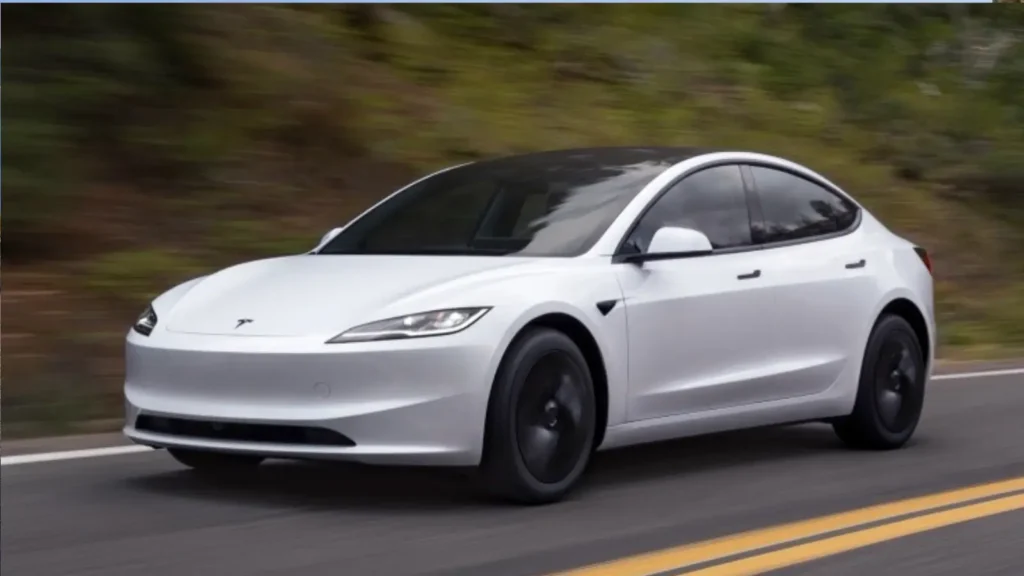
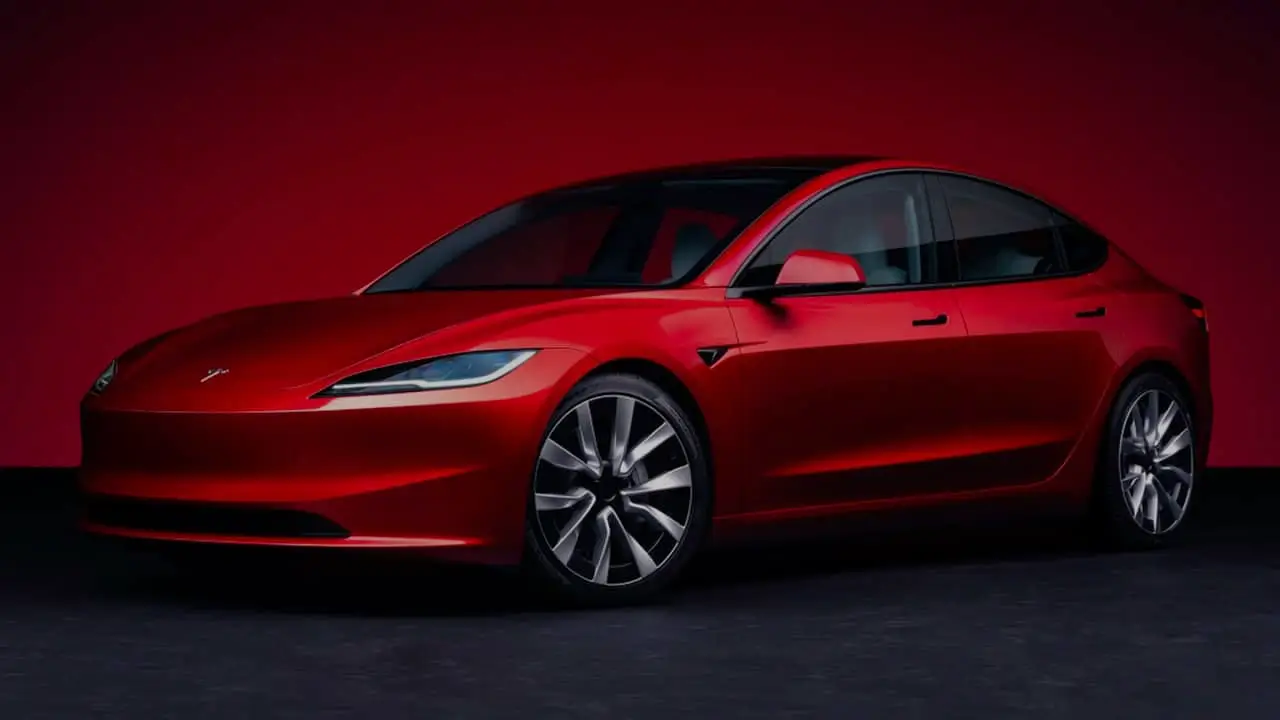
The Tesla Model 3 remains one of the most complete electric cars in 2026.
It combines low energy consumption, useful passenger space, a large boot and front storage area, responsive performance, route-aware charging software, and access to Tesla’s charging ecosystem. Depending on the market and version, buyers can choose between lower-cost rear-wheel drive, longer-range models, all-wheel drive, and the Performance variant.
Selected versions offer more than 300 miles of EPA-estimated range in North America, while the Long Range Rear-Wheel Drive has been quoted at up to 750 kilometres under WLTP testing in some markets.
- Strong range for its battery size
- Efficient motorway performance
- Broad rapid-charging access
- Good acceleration across the range
- Useful front and rear storage
- Regular software updates
- Competitive pricing in several markets
- Proven long-distance route planning
The minimalist cabin will not suit everyone. Many controls are placed on the central touchscreen, and the low seating position may be less convenient for buyers who prefer an SUV.
Ride comfort, indicator controls, service access, insurance costs, and build consistency should be assessed in the buyer’s local market.
Best for
Drivers who want an efficient electric car for commuting, motorway travel, and general household use without moving into a large SUV.
Read our guide to how far electric cars can travel before selecting a battery and trim.
2. Hyundai Ioniq 5 — Best Electric Car for Families
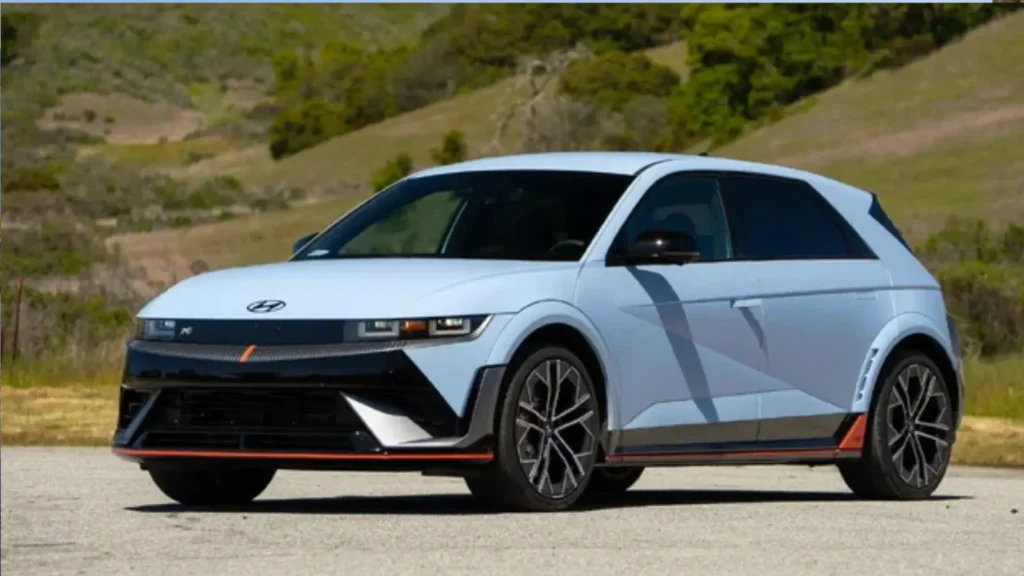
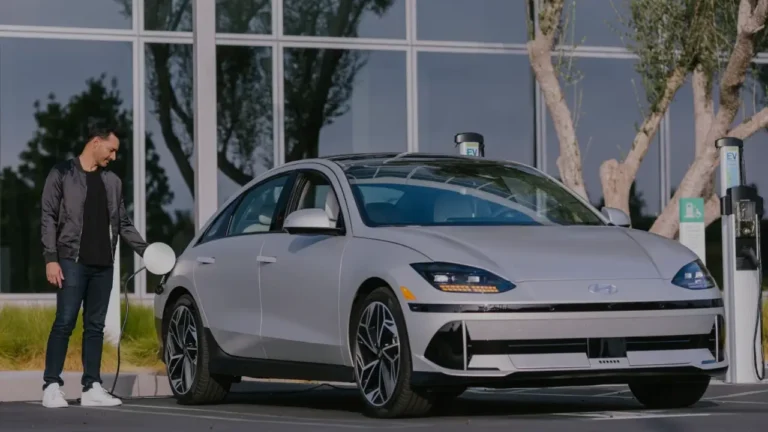
The Hyundai Ioniq 5 remains one of the strongest all-round family EVs because it combines a spacious cabin with excellent rapid-charging performance.
Its long wheelbase creates generous passenger space, while the flat floor and flexible interior make it easier to use for family travel. The updated model is available with a larger battery in many markets and offers up to 354 miles of WLTP range in selected configurations.
The 800-volt electrical system is the main technical advantage. Under suitable conditions, Hyundai quotes a 10–80% charging time of about 18 minutes at a compatible high-power station.
- Large, airy passenger compartment
- Very fast charging
- Comfortable ride
- Flexible rear seating
- Battery preconditioning
- Vehicle-to-load capability in supported versions
- Useful real-world range
- Distinctive but practical design
Its exterior dimensions are larger than photographs suggest. Parking in narrow urban spaces may be difficult, and some versions become expensive after adding all-wheel drive and premium equipment.
Best for
Families that need cabin space, comfortable long-distance travel, and short charging stops.
See how long electric cars take to charge to understand why the Ioniq 5’s charging architecture matters.
3. Kia EV3 — Best Compact Electric SUV
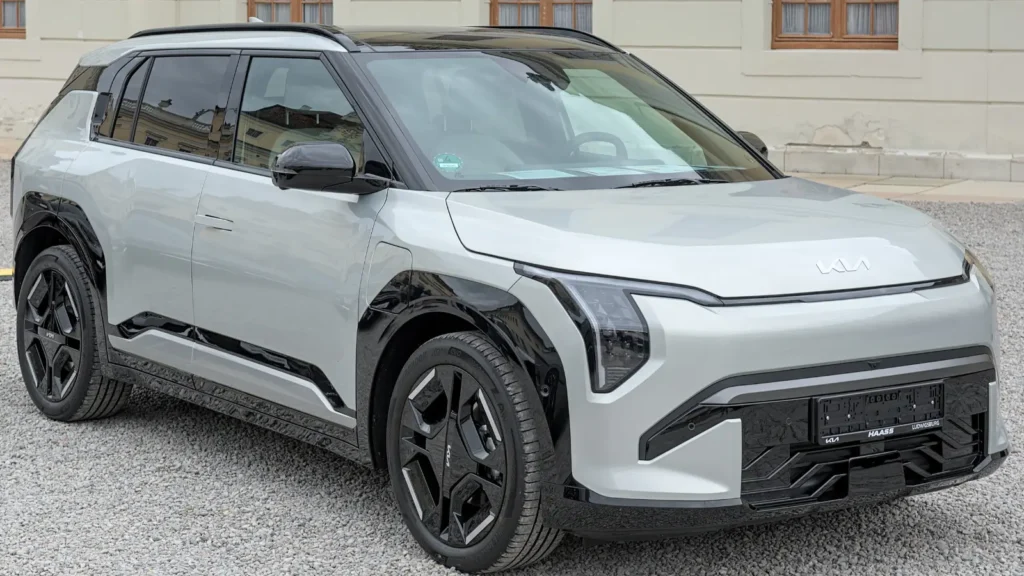
The Kia EV3 brings many of the ideas used in larger Kia EVs into a more affordable and manageable package.
Its compact footprint suits city and suburban use, but the upright body creates a practical interior. Long Range versions use an 81.4 kWh battery in several markets, giving the EV3 enough capacity for commuting and longer journeys.
Battery preconditioning, connected navigation, a practical cabin, and Kia’s long warranty make it a strong first EV.
- Compact exterior dimensions
- Practical SUV-shaped cabin
- Long Range battery option
- Good standard technology
- Battery preconditioning
- Useful driver-assistance systems
- Strong warranty in many markets
- Lower entry point than larger electric SUVs
Its 400-volt charging system cannot match the fastest 800-volt cars. The design may also divide opinion, and higher trims can weaken its value advantage.
Best for
Drivers who want a practical electric SUV without the size and cost of a Tesla Model Y, Hyundai Ioniq 5, or Kia EV9.
4. Renault 5 E-Tech Electric — Best Affordable Small Electric Car
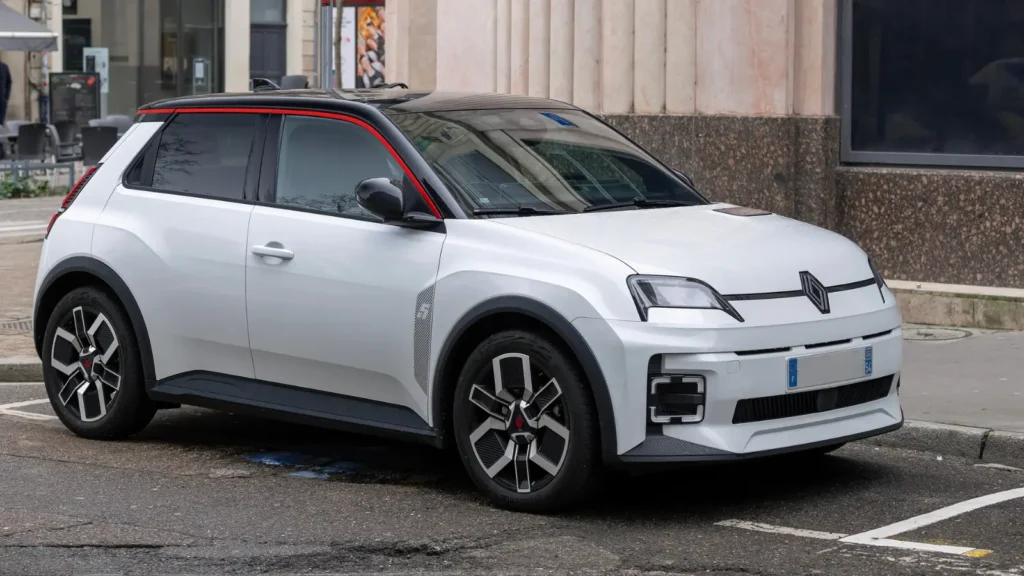
The Renault 5 E-Tech Electric proves that an affordable EV does not need to feel basic or anonymous.
Its compact dimensions make it well suited to narrow roads and city parking, while its retro-influenced design gives it more personality than many entry-level electric cars.
The range includes smaller and larger battery options. Depending on the version, official range reaches approximately 252 miles under WLTP testing. Renault quotes a 15–80% charging time of around 30 minutes for compatible versions.
- Accessible pricing in markets where it is sold
- Distinctive design
- Efficient urban dimensions
- Modern infotainment
- Up to 252 miles of WLTP range
- Practical rapid charging for a small EV
- Comfortable daily-driving focus
Rear space and luggage capacity cannot match larger electric SUVs. The lower-cost battery is better suited to city and regional travel than frequent long motorway journeys.
Availability is also limited outside Europe and selected markets.
Best for
Urban drivers, couples, second-car households, and buyers who want a smaller EV with character.
5. Tesla Model Y — Best Practical Electric SUV
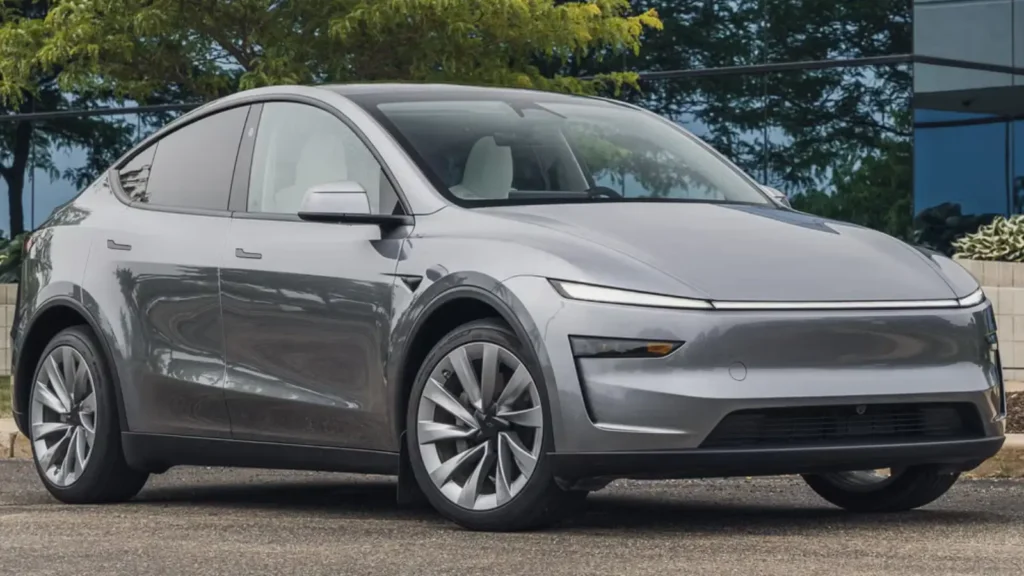
The Tesla Model Y remains one of the easiest electric SUVs to recommend for buyers who prioritise storage space, range, and charging access.
The updated Model Y offers a large rear cargo area, useful front storage, a roomy five-seat cabin, and fold-flat rear seats. Tesla quotes up to approximately 75 cubic feet of maximum cargo capacity in selected configurations.
US versions offer up to 321 miles of EPA-estimated range, while other markets use different batteries, trims, and WLTP figures.
- Large cargo capacity
- Efficient for an SUV
- Good long-distance charging ecosystem
- Useful route-planning software
- Strong acceleration
- Spacious cabin
- Familiar ownership base
- Wide international availability
The touchscreen-heavy interface and limited physical controls remain divisive. Ride comfort and cabin refinement should be checked against rivals such as the Ioniq 5, Škoda Enyaq, and BMW iX3.
Best for
Families and business users who need more luggage space than a saloon but do not need three seating rows.
6. BMW iX3 — Best Premium Electric SUV
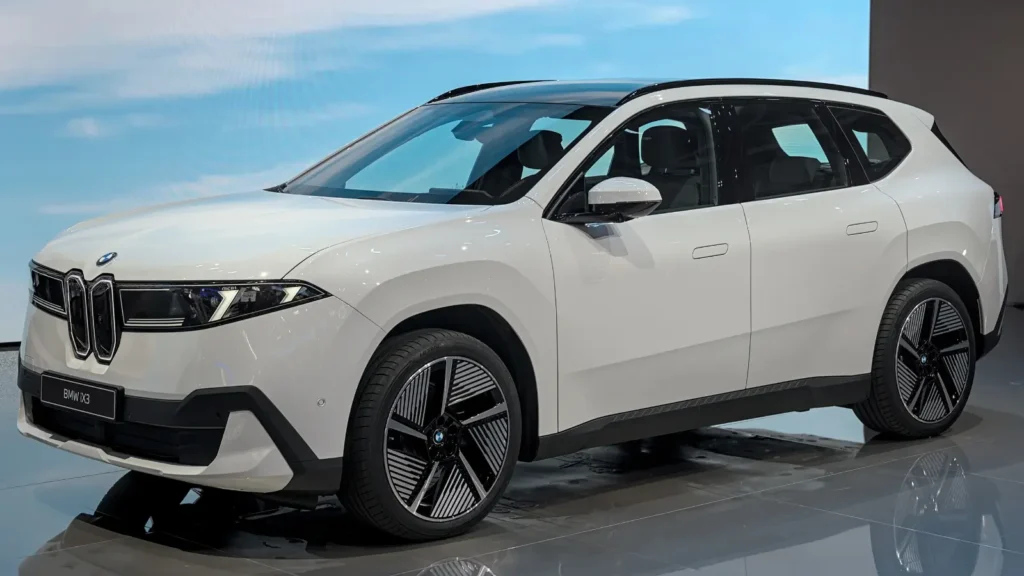
The new BMW iX3 is one of the most important premium EV launches of 2026.
Built around BMW’s Neue Klasse electric platform, the iX3 brings a major increase in range, charging power, efficiency, software capability, and cabin technology.
BMW quotes up to 805 kilometres of WLTP range for the iX3 50 xDrive in selected specifications. Its 800-volt electrical system supports up to 400 kW DC charging, with a claimed 10–80% time of about 21 minutes under suitable conditions.
- Up to 805 km of quoted WLTP range
- Maximum 400 kW charging capability
- Fast 10–80% charging
- Premium cabin and materials
- Generous cargo space
- All-wheel-drive availability
- New-generation BMW software
- Strong long-distance potential
The iX3 sits in a premium price category, and optional equipment can raise the final cost considerably. Early buyers should also assess software stability, real-world range, insurance, and service support as deliveries expand.
Best for
Premium SUV buyers who want long range and high charging performance without moving into an oversized three-row model.
7. Hyundai Ioniq 9 — Best Three-Row Electric SUV
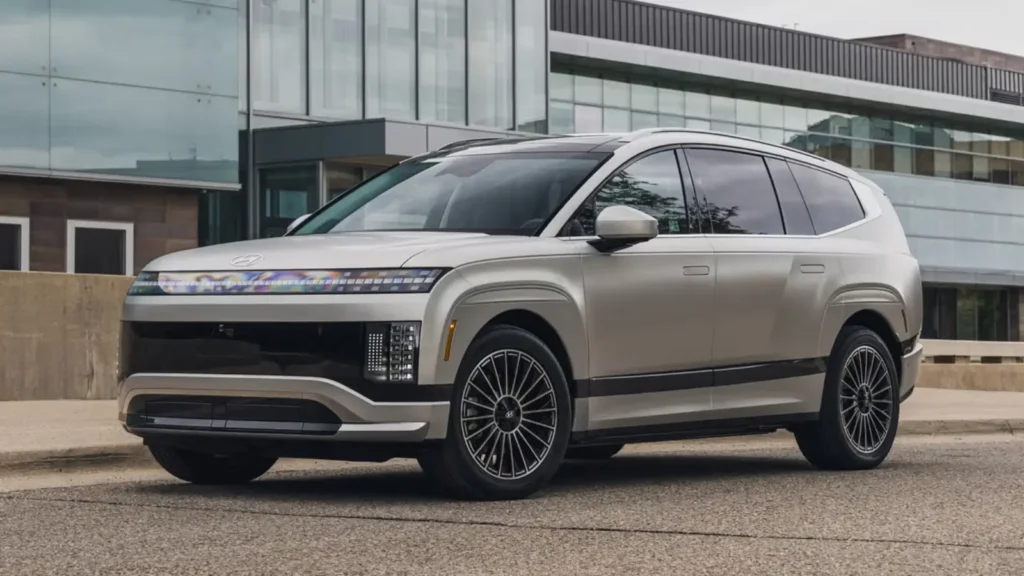
The Hyundai Ioniq 9 is designed for families that need genuine passenger space across three rows.
It combines a large 110 kWh battery, up to seven seats, a quiet cabin, flexible interior layouts, and Hyundai’s 800-volt charging platform.
The Long Range rear-wheel-drive version is rated at up to approximately 620 kilometres WLTP, depending on market and specification. Hyundai quotes 10–80% charging in about 24 minutes under ideal conditions.
- Three usable seating rows
- Large battery
- Up to 620 km WLTP range
- Fast 800-volt charging
- Comfortable long-distance focus
- Flexible seating configurations
- Vehicle-to-load capability
- Strong family practicality
It is a large and expensive vehicle. Urban manoeuvrability, parking space, tyre costs, and energy consumption will be less favourable than in a smaller EV.
Buyers should compare it directly with the Kia EV9 and Lucid Gravity where those models are sold.
Best for
Large families that regularly carry six or seven people and want to move away from a petrol or diesel three-row SUV.
8. Škoda Elroq — Best Value-Focused Family SUV
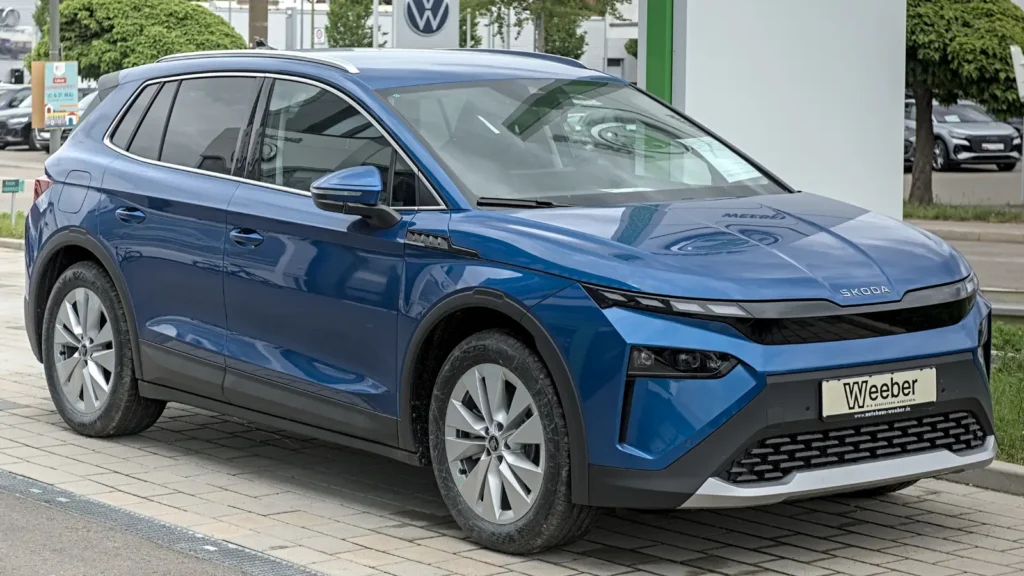
The Škoda Elroq is one of the strongest choices for buyers who care more about practical details than brand status.
It offers several battery and power options, a sensible cabin, useful luggage capacity, and a compact-SUV body that is easier to manage than a full-size family EV.
Higher-capacity versions support up to 175 kW DC charging. Škoda quotes approximately 28 minutes for a 10–80% session on the 82 kWh 85x under suitable conditions.
- Practical interior
- Sensible controls
- Multiple battery choices
- Competitive charging times
- Family-friendly packaging
- More manageable than a large SUV
- Strong value in European markets
- Useful driver-assistance features
Availability is concentrated in Europe and related markets. Some competitors charge faster, while optional equipment may be needed to match the standard specification of certain rivals.
Best for
Families seeking a rational, comfortable electric SUV with good space and ownership value.
9. BYD Seal — Best Value Electric Saloon
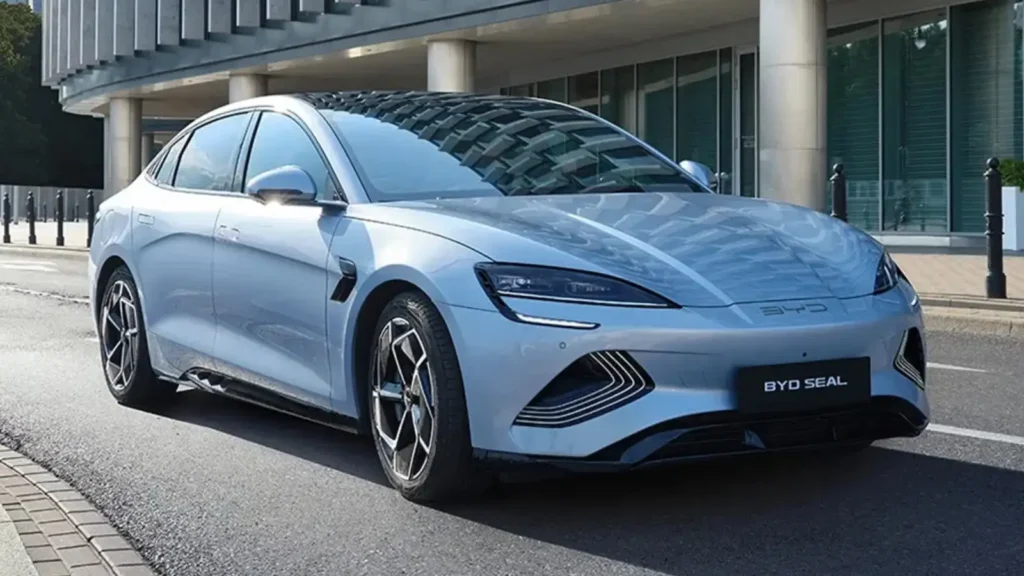
The BYD Seal gives buyers an alternative to the Tesla Model 3, Hyundai Ioniq 6, and premium European electric saloons.
It combines a low, aerodynamic body with BYD’s Blade Battery, strong standard equipment, rear- or all-wheel-drive configurations, and competitive pricing in many markets.
Selected versions offer up to approximately 354 miles of WLTP range. BYD quotes around 26 minutes for charging from 30% to 80% at up to 150 kW.
- Competitive equipment levels
- Comfortable cabin
- Strong performance
- Useful driving range
- Rear- and all-wheel-drive options
- LFP Blade Battery technology
- Front and rear luggage areas
- Competitive pricing against established brands
Its rapid-charging speed is respectable rather than class-leading. Software, driver-assistance calibration, dealer coverage, and resale values should be assessed by market.
Best for
Buyers who want a well-equipped electric saloon and are willing to consider a newer brand in their region.
10. Porsche Taycan — Best Performance Electric Car
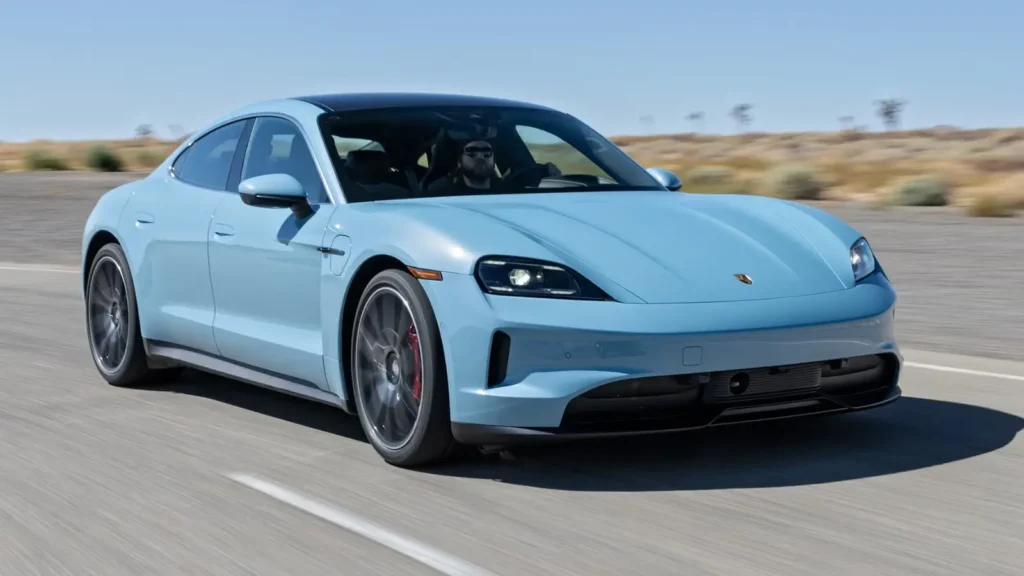
The Porsche Taycan remains the reference point for drivers who want an EV that feels like a genuine performance car.
It offers precise steering, strong body control, powerful acceleration, and a low seating position. Unlike many fast EVs, the Taycan’s appeal is not limited to straight-line speed.
The latest generation also improves the qualities that matter away from a track. Porsche quotes up to 700 kilometres of WLTP range for selected versions and a 10–80% charging time of approximately 18 minutes under ideal conditions.
- Excellent steering and handling
- Strong braking performance
- Broad model range
- Up to 700 km WLTP range
- Very fast 800-volt charging
- Repeatable performance
- High-quality cabin
- Saloon, Sport Turismo, and Cross Turismo formats
Purchase price, options, insurance, tyres, and servicing can be costly. Rear passenger room is also less generous than in similarly priced luxury SUVs.
Best for
Enthusiasts who want an electric car with serious driving involvement rather than only rapid acceleration.
11. Lucid Air — Best Long-Range Luxury Electric Car
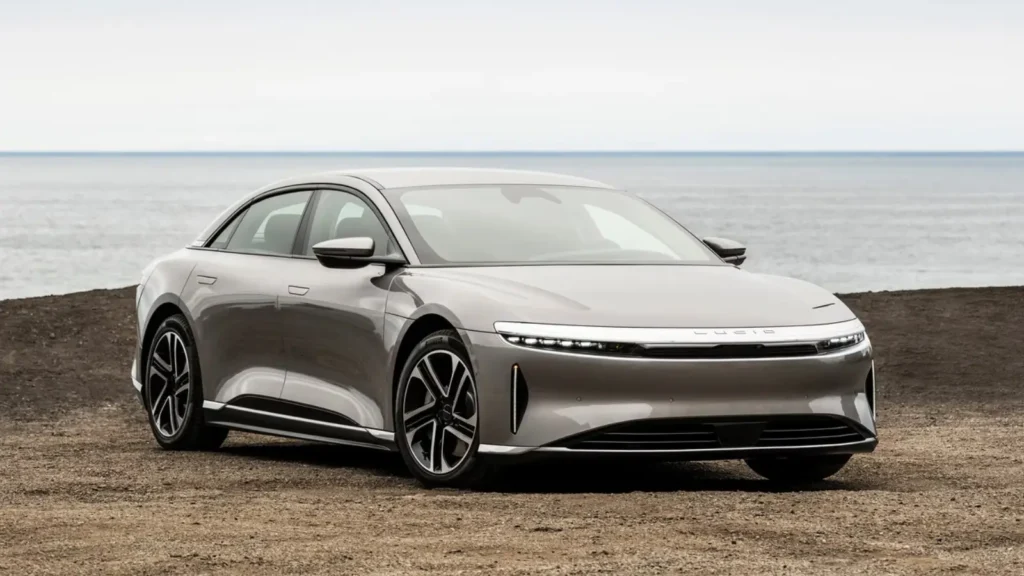
The Lucid Air remains the range leader among electric luxury saloons sold in North America.
For 2026, the Air Grand Touring offers up to 512 miles of EPA-estimated range, while the Air Touring reaches up to 431 miles and the lower-priced Air Pure up to 420 miles in selected configurations.
Lucid also combines its long range with strong efficiency, high performance, a spacious cabin, and rapid charging. The Grand Touring can add up to 200 miles of range in about 12 minutes under suitable conditions.
- Up to 512 miles of EPA-estimated range
- Excellent energy efficiency
- Fast charging
- Spacious passenger cabin
- Strong acceleration
- High-end interior
- Large front storage compartment
- Long-distance comfort
Lucid has a much smaller sales and service network than Tesla, BMW, Hyundai, or Kia. Availability is limited, and buyers should investigate local repair access, insurance, depreciation, and parts support.
Best for
Luxury buyers who prioritise maximum range, efficiency, space, and performance—and live within reach of dependable Lucid support.
How We Selected the Best Electric Cars
We assessed each model against the factors that have the greatest effect on real ownership.
Real-world usability
An EV must work for commuting, shopping, family use, and occasional unexpected journeys—not only produce an impressive laboratory range.
Range and efficiency
A large battery is useful, but efficient energy use matters just as much. Efficient EVs travel farther per kilowatt-hour, cost less to charge, and add more usable distance during a short rapid-charging stop.
Charging performance
We considered:
- Maximum DC charging power
- Typical 10–80% time
- Charging curve
- Battery preconditioning
- AC home-charging capability
- Charging-network access
Practicality
Passenger room, storage, seating flexibility, exterior size, visibility, and daily comfort affect whether an EV works as a household car.
Purchase and ownership value
The cheapest model is not always the best value. Equipment, warranty, insurance, depreciation, charging costs, servicing, and expected ownership period all matter.
Market availability
This is a global guide, but not every vehicle is sold in every country. Models with limited regional availability are included only when they lead a specific category.
How to Choose the Best Electric Car
Decide where you will charge
Home charging makes EV ownership easier and usually cheaper. Buyers without residential charging need a dependable workplace or public-charging routine.
Calculate your dependable range requirement
Record your:
- Average daily distance
- Longest regular journey
- Motorway mileage
- Winter travel
- Towing use
- Charging opportunities
Do not pay for a 400-mile battery when a 200-mile EV comfortably handles every normal journey. Equally, do not choose a model whose official range barely covers your cold-weather commute.
Compare charging time, not only peak kW
A high peak figure does not guarantee a short stop.
Look for:
- 10–80% charging time
- Average charging power
- Battery preconditioning
- Range added in 15 or 20 minutes
- Repeat rapid-charging performance
Check the exact model and wheel size
Range can change with:
- Battery
- Motor layout
- Trim
- Wheel diameter
- Tyres
- Equipment
- Local testing method
The longest-range version may use smaller wheels and rear-wheel drive rather than the configuration shown in advertising.
Price the full ownership period
Include:
- Purchase price
- Financing
- Charger installation
- Electricity
- Public charging
- Insurance
- Servicing
- Tyres
- Taxes
- Depreciation
A lower list price does not always produce the lowest total cost.
Check battery and vehicle warranties
Battery warranties differ in duration, mileage, transferability, and retained-capacity coverage.
High-mileage drivers should pay particular attention to mileage limits.
Should You Buy an Electric Car in 2026?
An electric car is likely to make sense when:
- You can charge at home or work
- Your normal travel fits comfortably within its real-world range
- Suitable public chargers cover longer routes
- Electricity costs less than fuel
- Insurance is affordable
- You plan to keep the car long enough to benefit from lower running costs
A hybrid may be the better choice when charging is unreliable, long remote trips are frequent, or heavy towing forms a large part of the vehicle’s use.
Our EV vs hybrid vs plug-in hybrid comparison explains the practical differences.
Frequently Asked Questions
What is the best electric car in 2026?
The Tesla Model 3 is the best overall electric car for many buyers because it combines efficiency, range, performance, competitive pricing, and dependable rapid-charging access. The best model for an individual buyer depends on budget, charging access, passenger space, and regular journey length.
What is the best electric SUV in 2026?
The Hyundai Ioniq 5 is the best all-round family electric crossover, while the Tesla Model Y offers greater cargo flexibility. The BMW iX3 is the premium choice, and the Hyundai Ioniq 9 is best for three-row seating.
What is the best affordable electric car?
The Renault 5 E-Tech Electric is one of the strongest affordable small EVs in markets where it is sold. The Kia EV3 is a better option for buyers who need SUV practicality and more range.
Which electric car has the longest range?
The 2026 Lucid Air Grand Touring offers up to 512 miles of EPA-estimated range in its most efficient configuration.
Which EV charges fastest?
The BMW iX3 supports up to 400 kW charging, while the Porsche Taycan can complete a 10–80% session in approximately 18 minutes under ideal conditions. Actual performance depends on the charger, temperature, battery percentage, and vehicle configuration.
Which EV is best for families?
The Hyundai Ioniq 5 is the best five-seat family choice. The Hyundai Ioniq 9 and Kia EV9 are stronger options for households that need three rows.
Which EV is best for motorway driving?
The BMW iX3, Tesla Model 3, Porsche Taycan, Lucid Air, and Hyundai Ioniq 5 are strong long-distance choices because they combine useful range with effective rapid charging.
Is the Tesla Model 3 still worth buying?
Yes, particularly for buyers who prioritise efficiency, charging access, software, and range. Those who prefer physical controls, a higher seating position, or a conventional dashboard should compare it with the BYD Seal, Hyundai Ioniq 6, and BMW i4.
Is a larger EV battery always better?
No. A larger battery can increase range but also adds cost and weight. Efficiency, charging speed, and the buyer’s actual mileage may matter more.
How much EV range do most drivers need?
Many drivers can comfortably live with 200 to 250 miles of dependable range when home charging is available. Frequent motorway drivers, cold-climate users, and drivers without regular charging may benefit from more.
Should I wait for newer electric cars?
Waiting may make sense when current choices exceed your budget or charging access is unresolved. Buying now is reasonable when an available model meets your needs at an acceptable total cost.
Summary
The Tesla Model 3 is our best overall electric car for 2026 because it offers one of the strongest combinations of efficiency, range, charging access, performance, storage, and price.
The Hyundai Ioniq 5 is the better family-focused all-rounder, while the Kia EV3 gives compact-SUV buyers a more affordable entry point. The Renault 5 is the standout small EV, and the Tesla Model Y remains one of the most practical electric family SUVs.
Premium buyers should consider the new BMW iX3 for its range and charging performance. Large families are better served by the Hyundai Ioniq 9, while the Porsche Taycan and Lucid Air lead the performance and long-range luxury categories.