
Tesla Model Y: Price, Range, Specs, Features & Pros and Cons
The Tesla Model Y is a midsize electric crossover for buyers who want long driving range, strong acceleration, useful cargo space, access to Tesla’s Supercharger network, and simple app-based ownership. The current US lineup includes lower-cost RWD and AWD versions, longer-range Premium models, Performance, and the larger six-seat Model Y L.
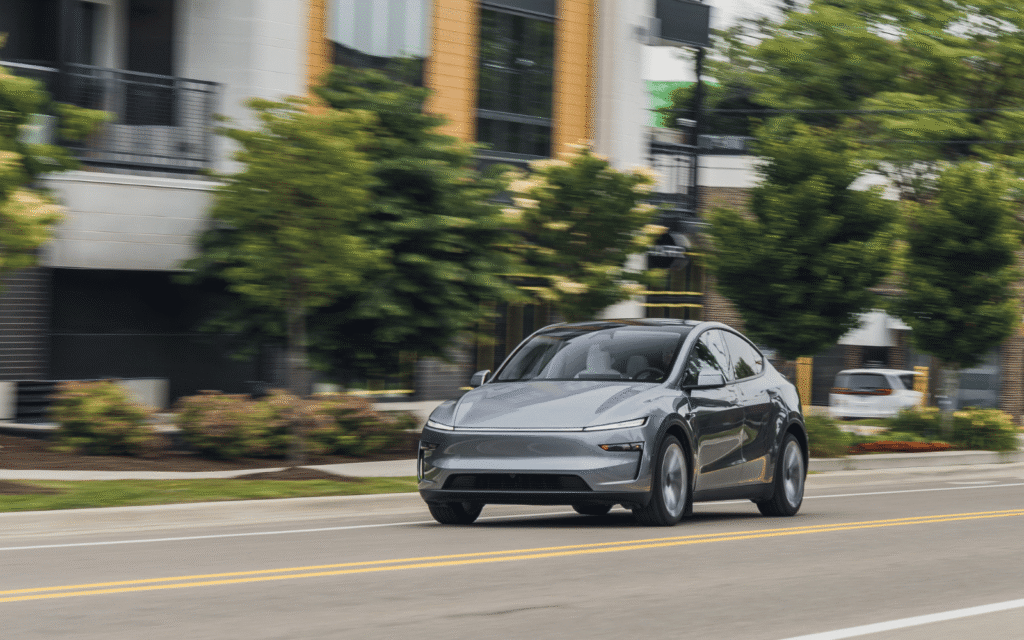
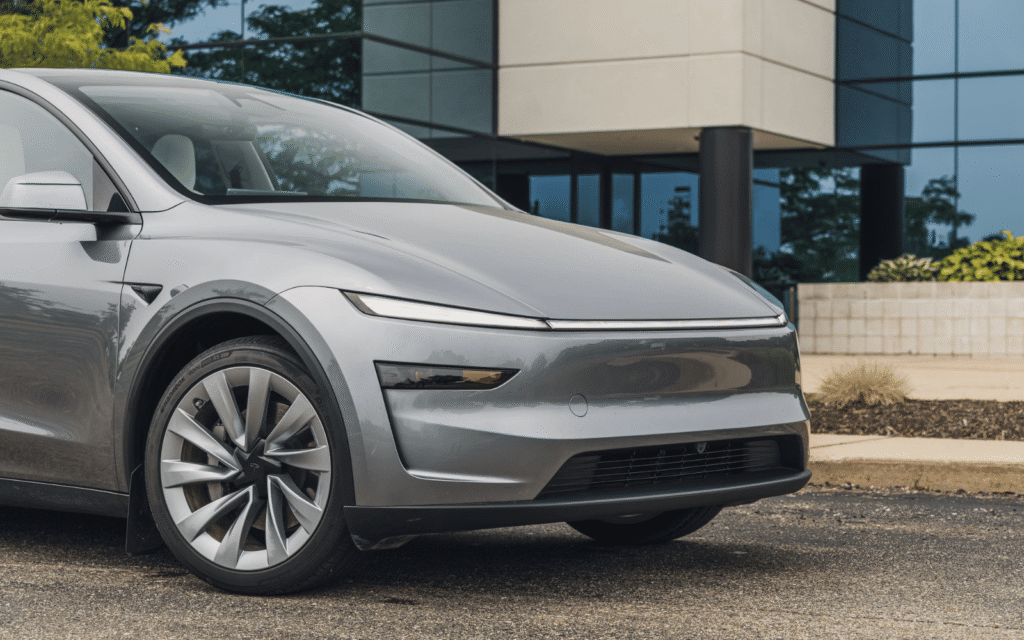
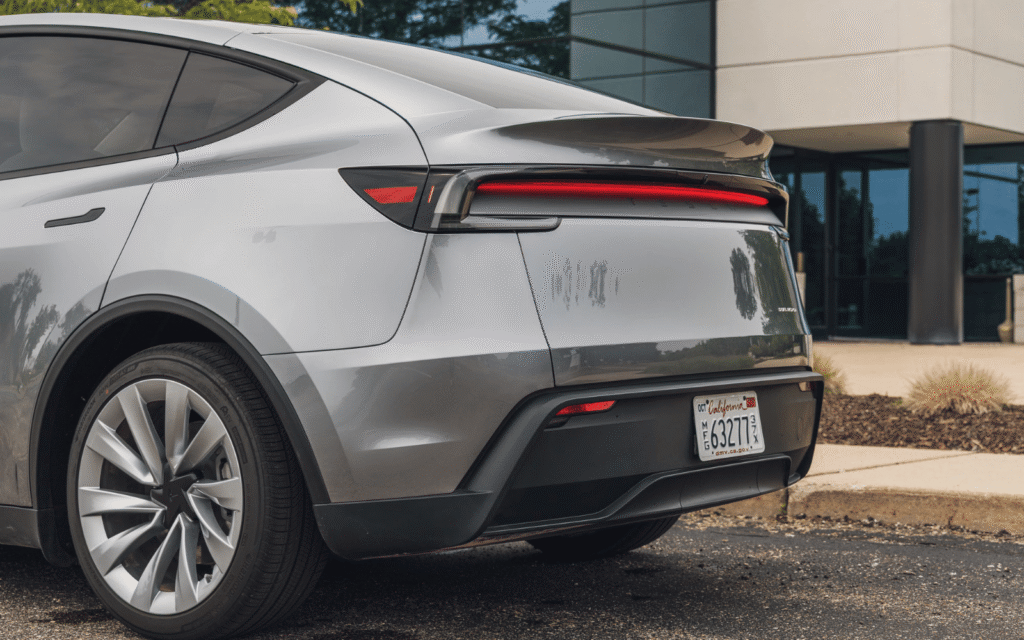
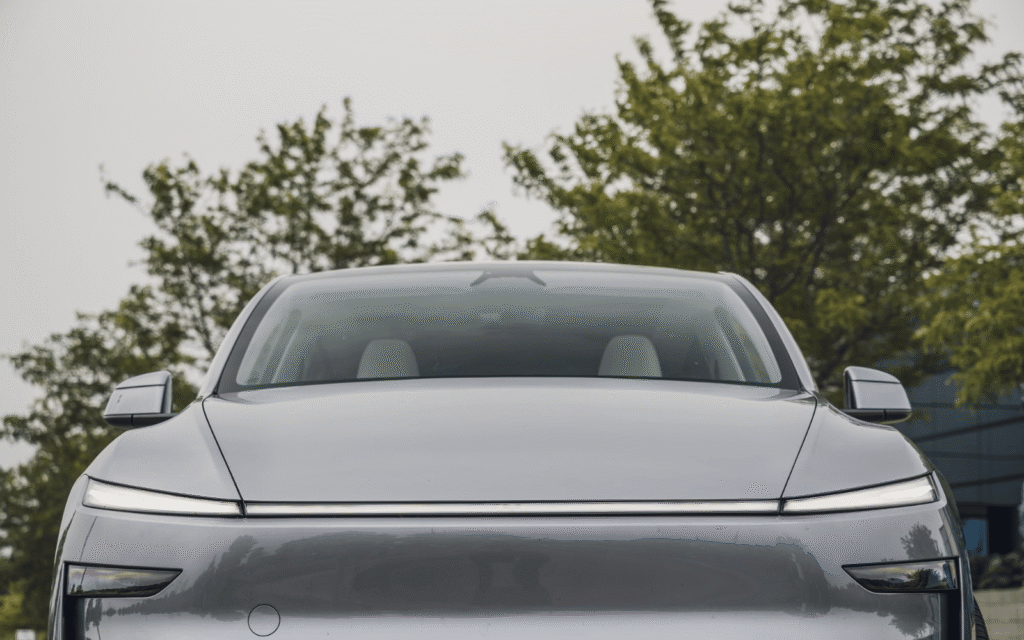
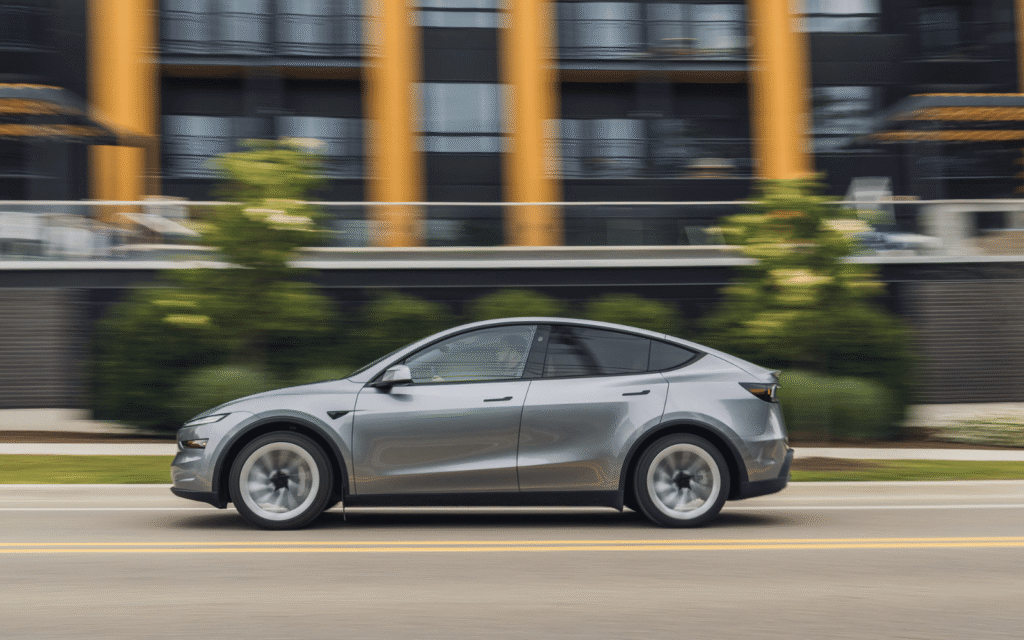
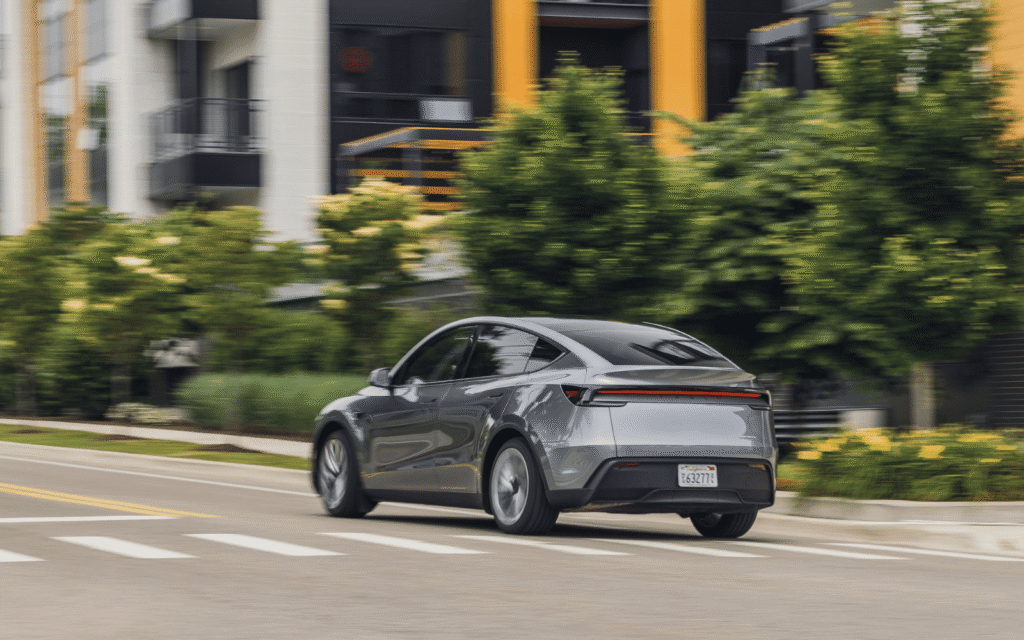
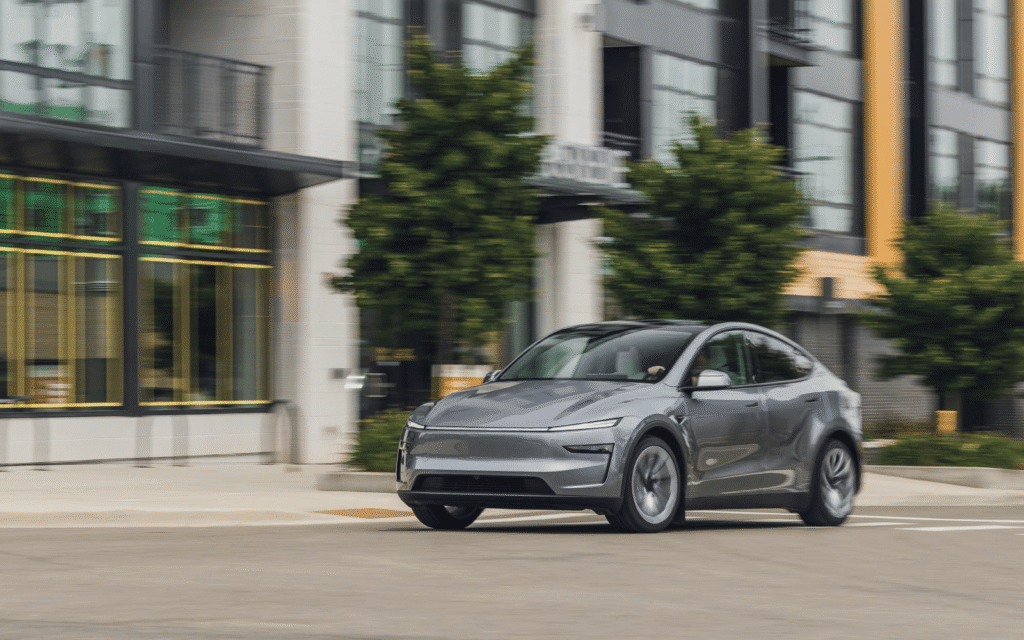
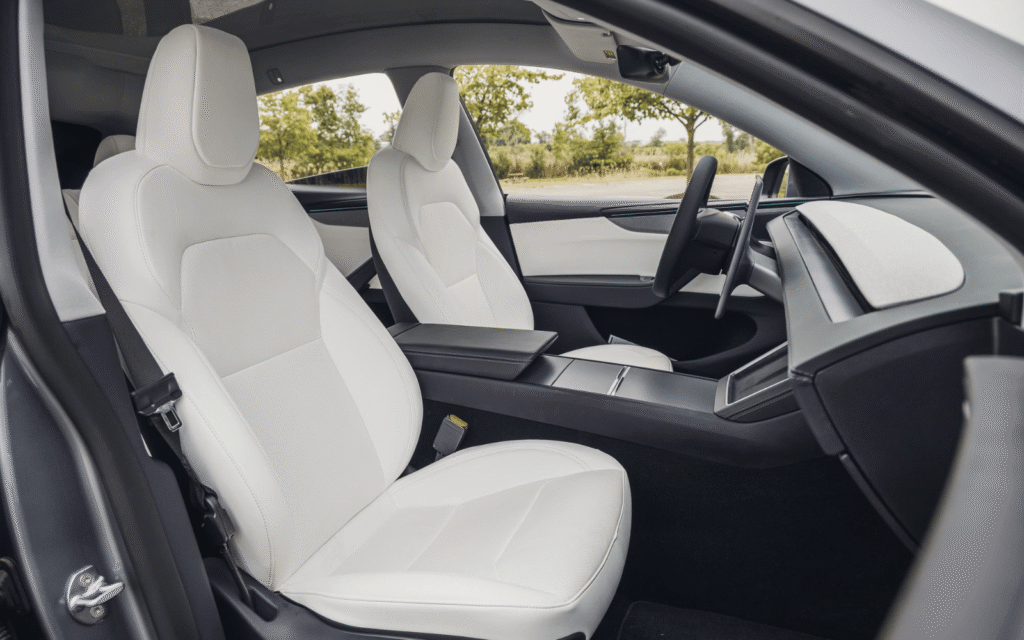
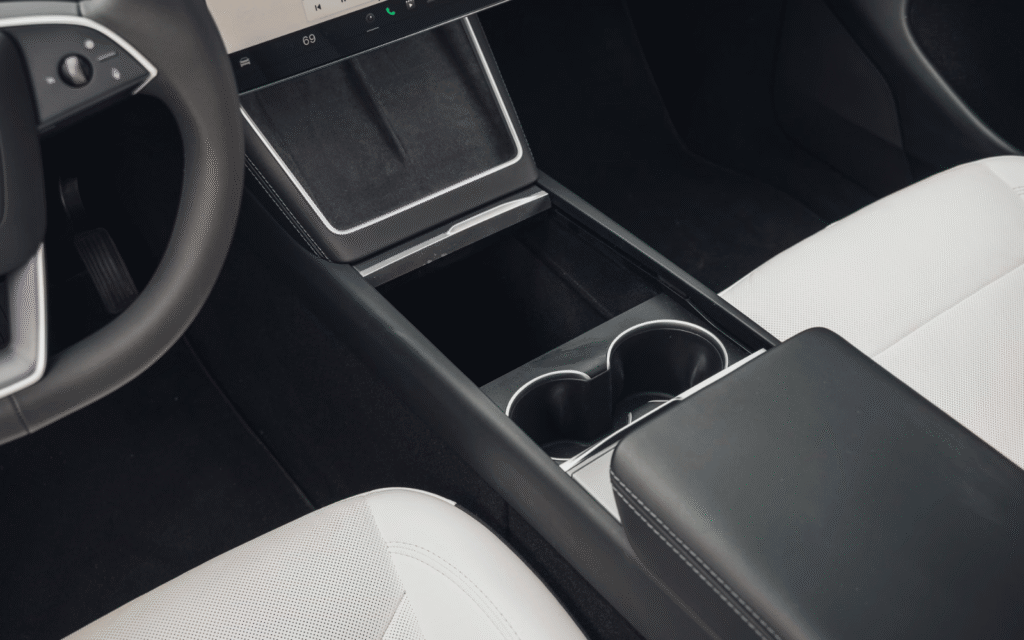
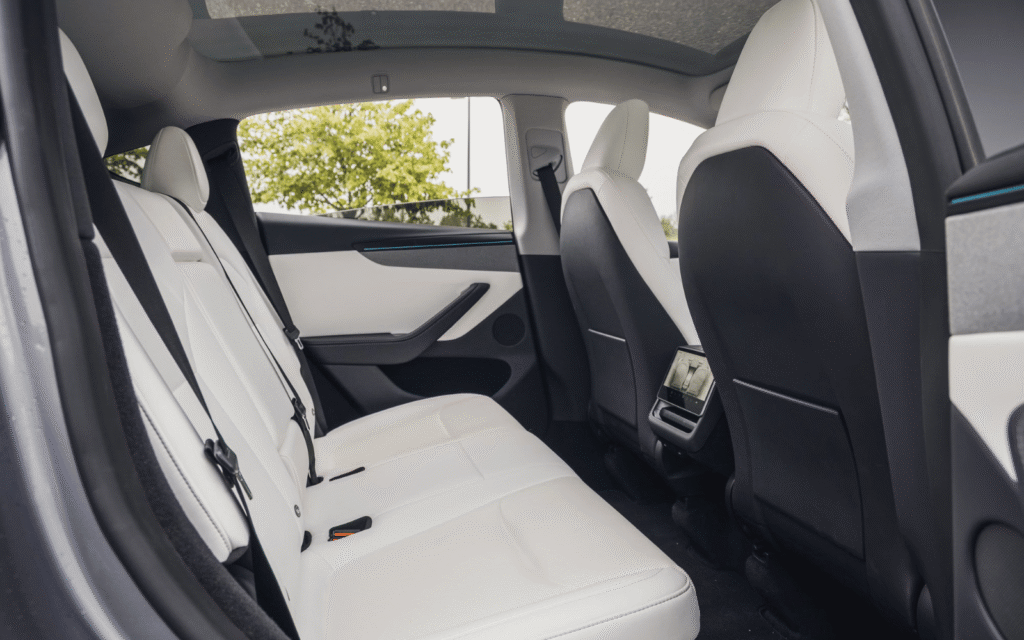
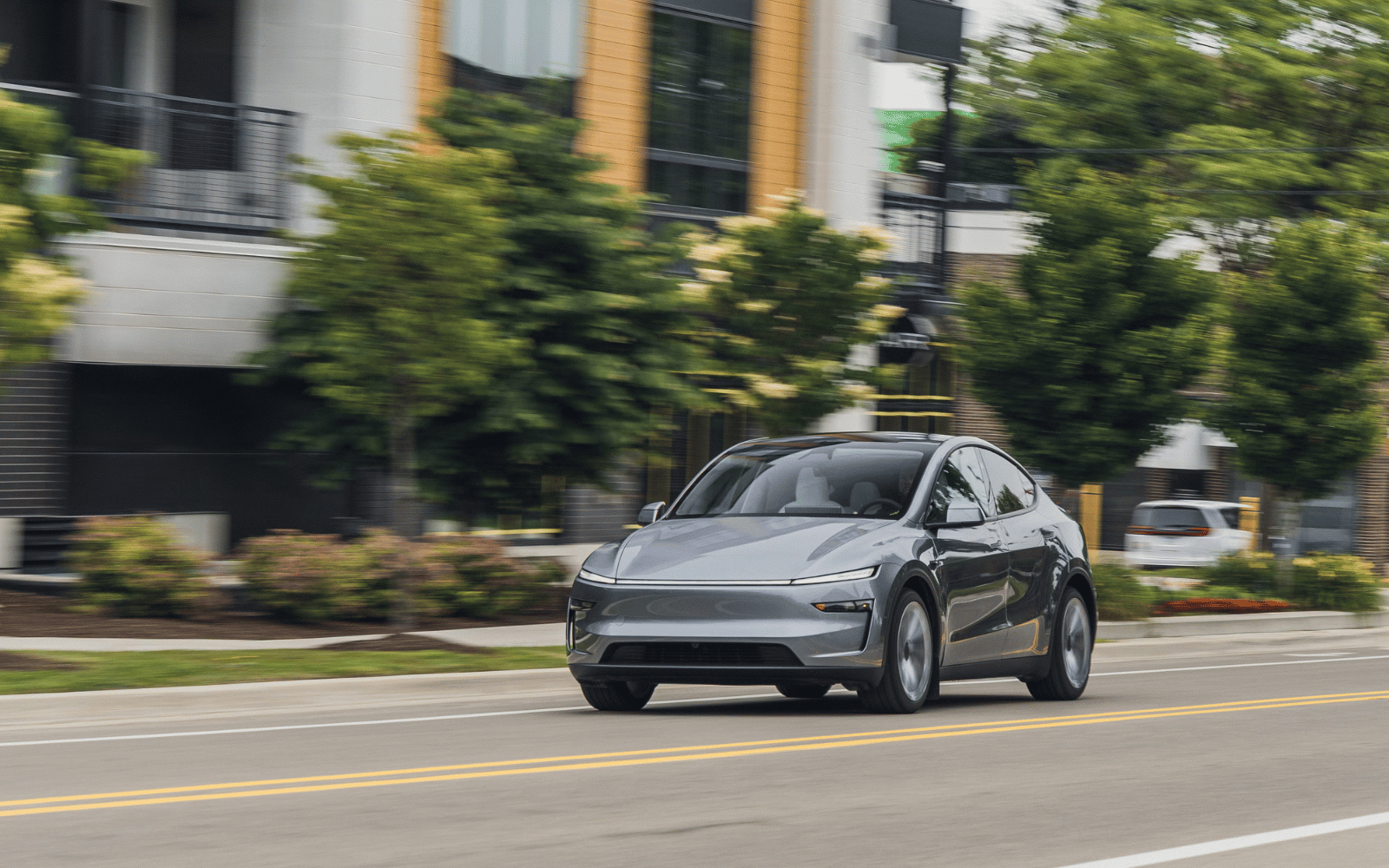
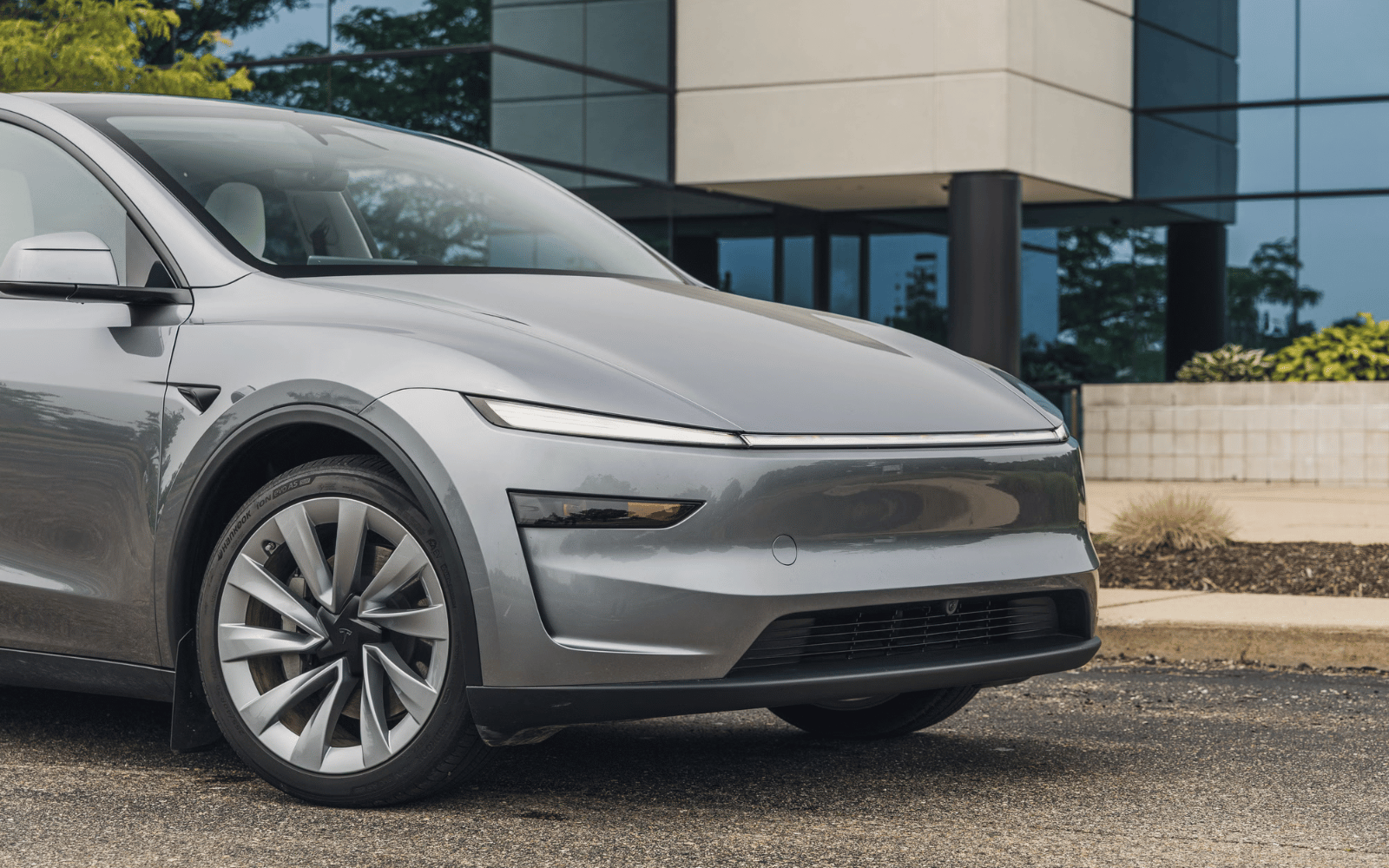
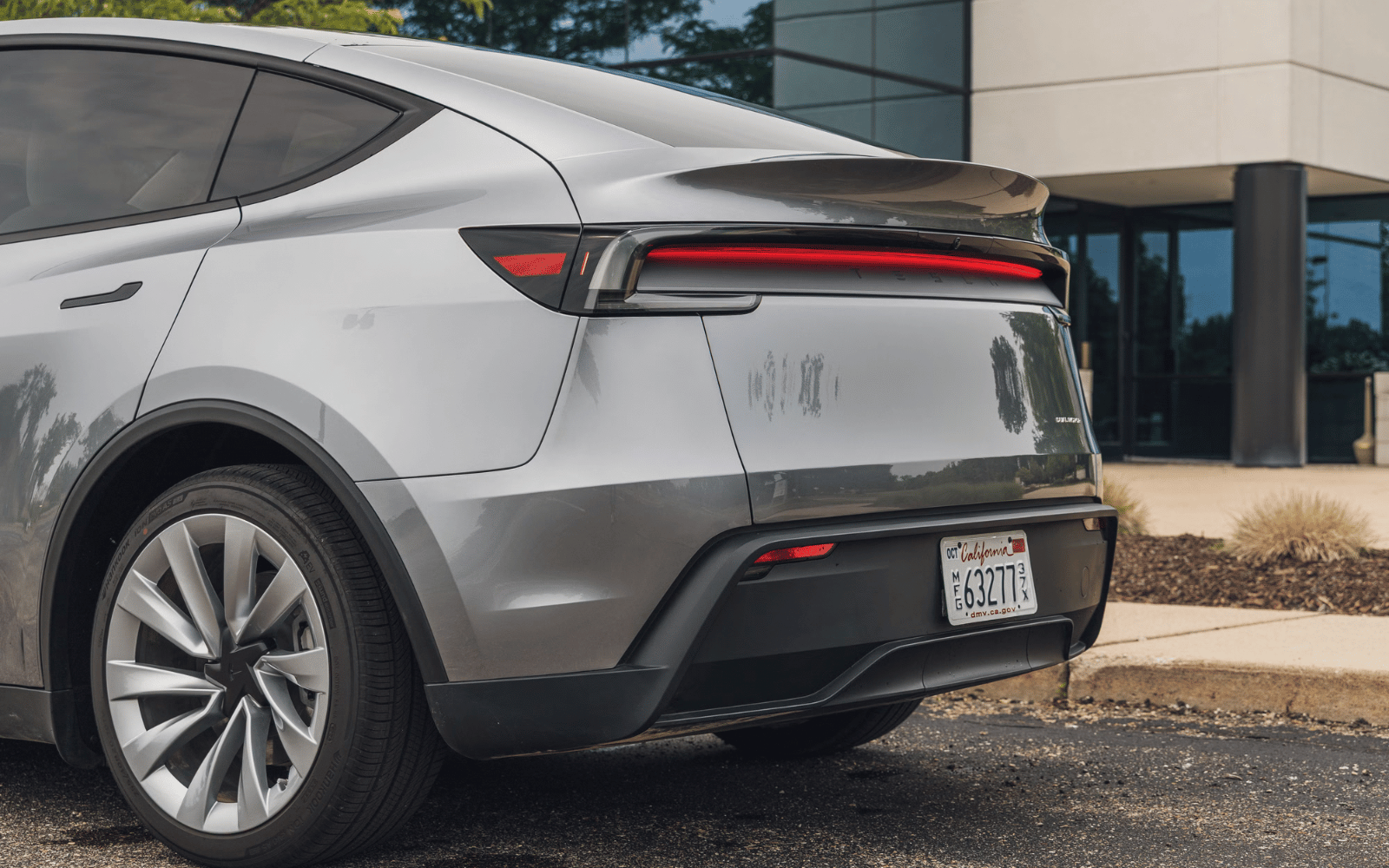
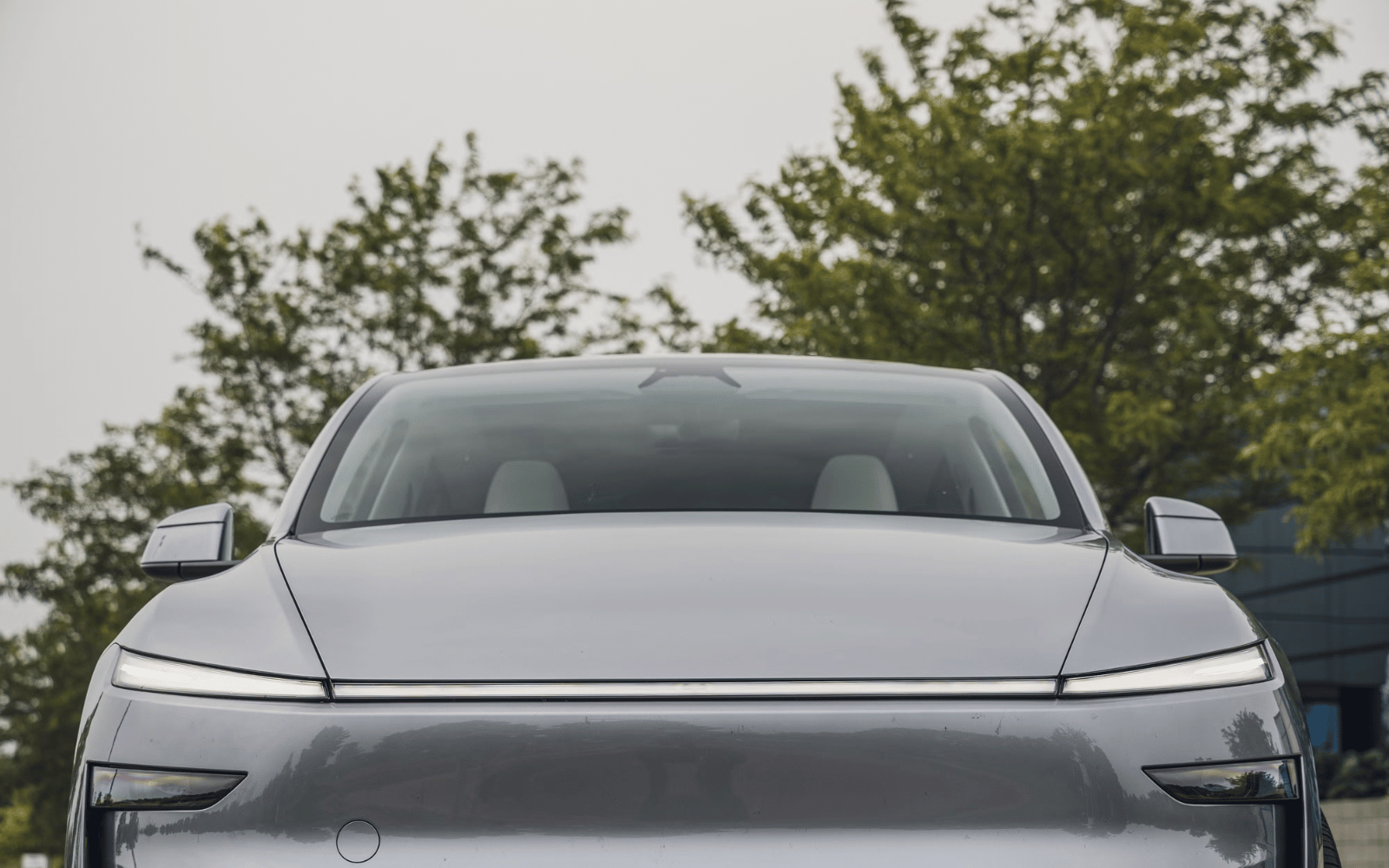
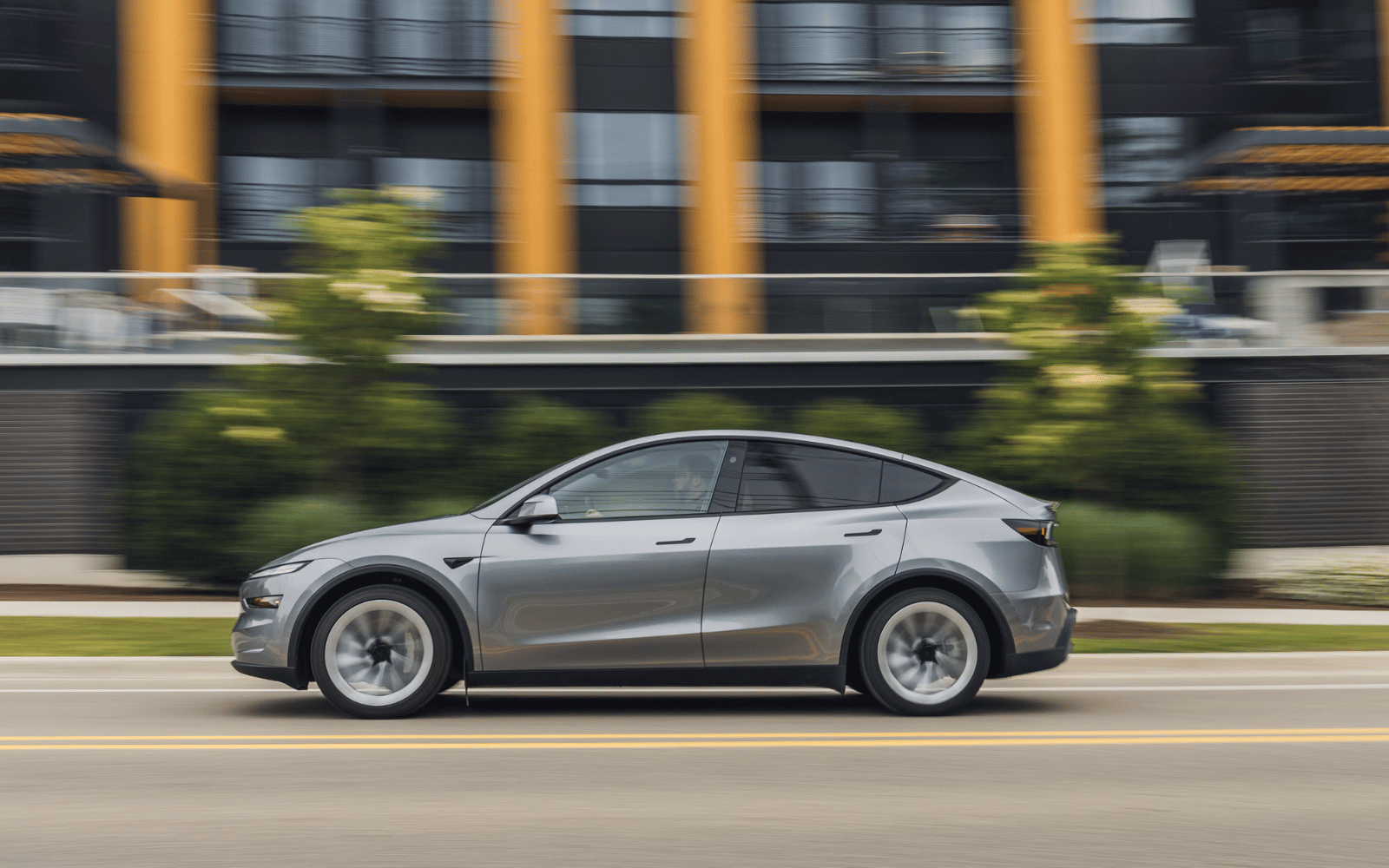
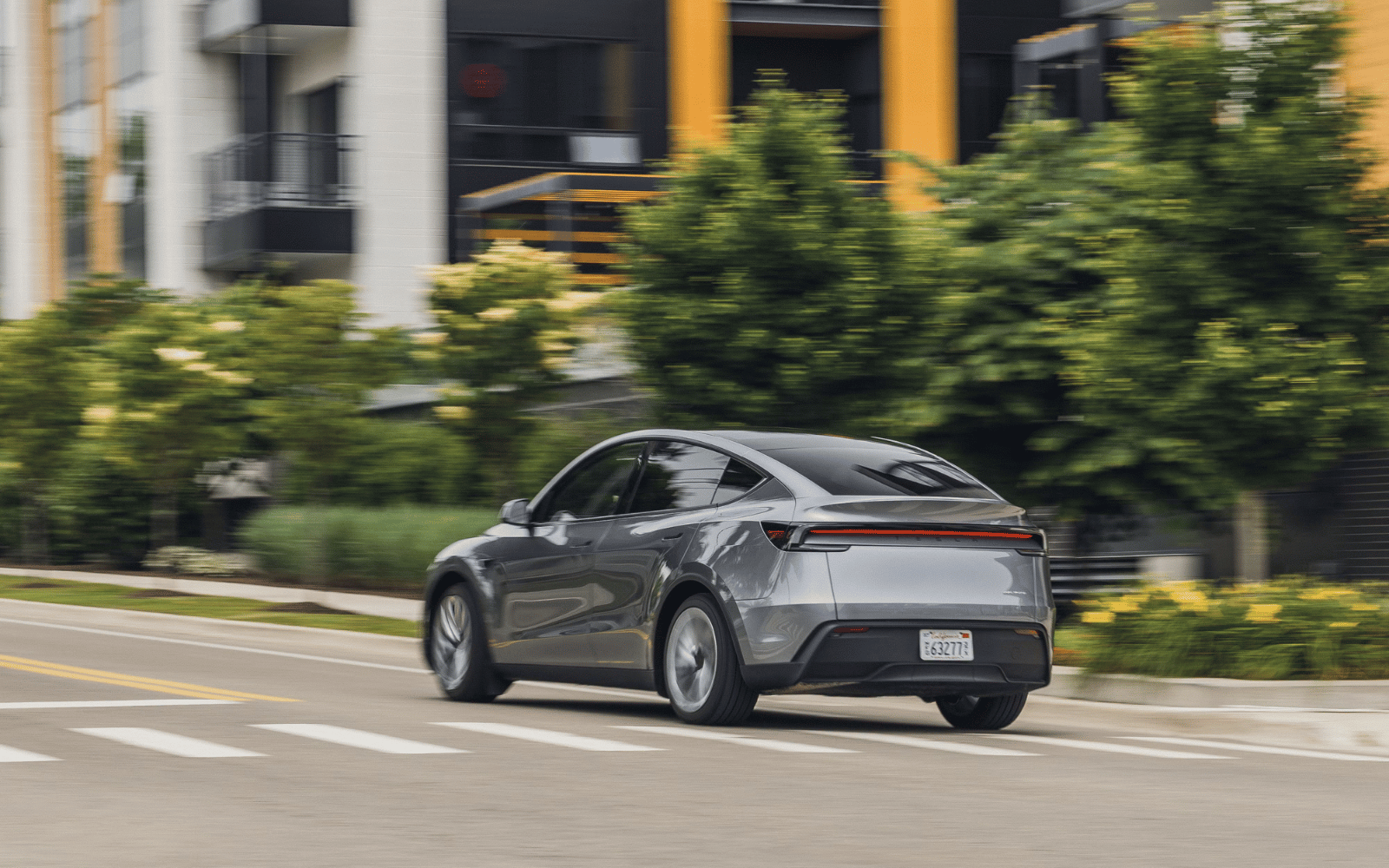
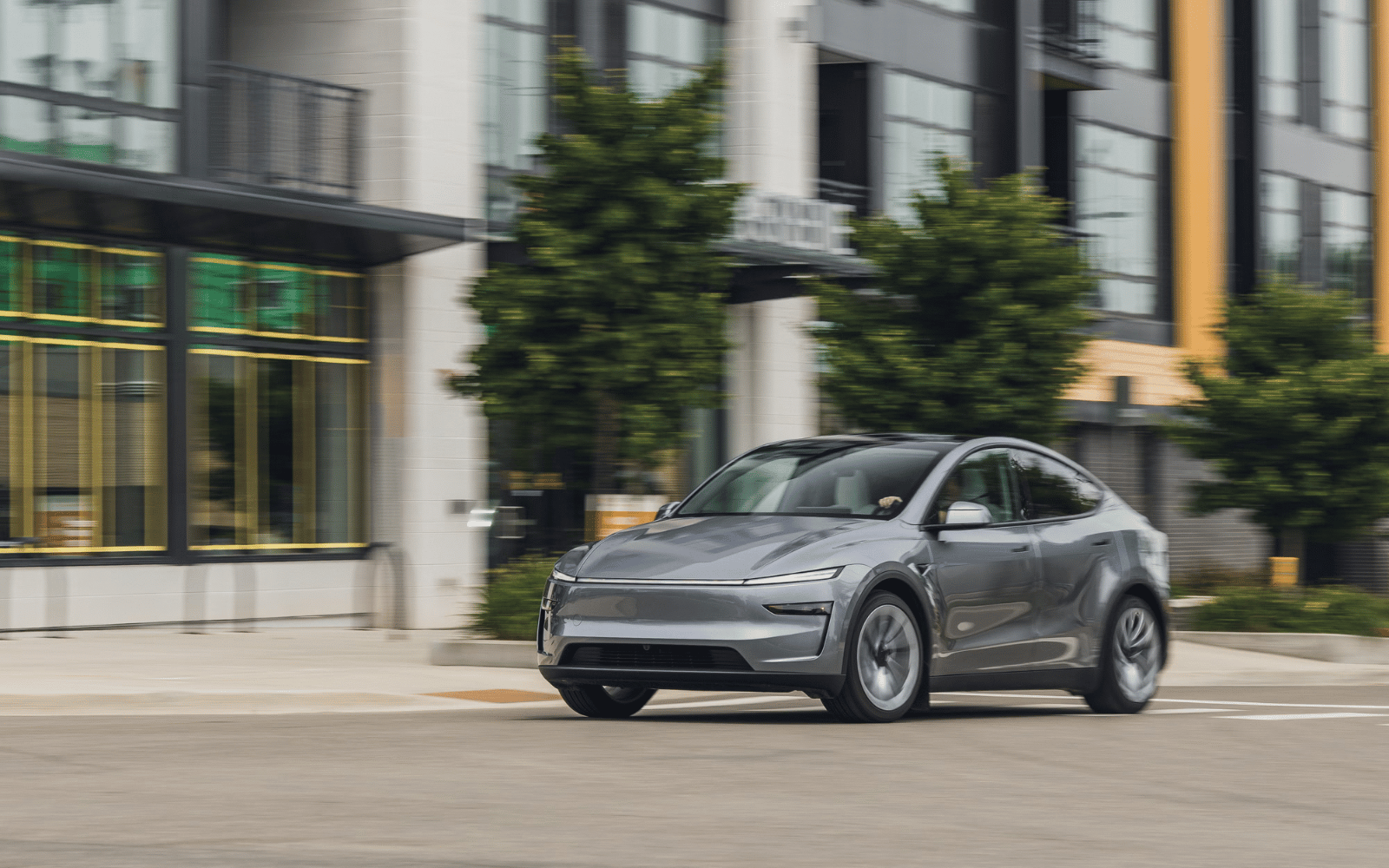
The regular RWD offers the lowest starting price, while the Premium RWD is the range leader. Premium AWD is the most balanced all-weather choice and the only standard-wheelbase version available with seven seats. Model Y L adds a longer body, captain’s chairs, and a more useful third row.
WheelPedia Rating: 9.2/10
The Tesla Model Y earns a 9.2/10 WheelPedia Rating for its efficiency, range, safety results, cargo capacity, charging access, performance, and competitive pricing. Its screen-heavy controls, lack of Apple CarPlay and Android Auto, inconsistent cabin finish, and subscription requirement for lane-centering assistance hold it back from a higher score.
| Rating Category | Score | Weight |
| Safety | 9.5/10 | 20% |
| Reliability and ownership | 8.2/10 | 15% |
| Performance and driving | 9.2/10 | 15% |
| Comfort and practicality | 9.3/10 | 15% |
| Efficiency and range | 9.6/10 | 15% |
| Features and technology | 9.0/10 | 10% |
| Price and value | 9.1/10 | 10% |
| Overall WheelPedia Rating | 9.2/10 | — |
See how WheelPedia rates cars for the full scoring method.
Key Highlights
- Starts from $39,990 MSRP before destination, order fees, taxes, and options.
- Current lineup includes RWD, AWD, Premium RWD, Premium AWD, Performance, and Model Y L.
- EPA-estimated range reaches up to 357 miles with Premium RWD.
- Performance accelerates from 0–60 mph in approximately 3.3 seconds.
- Base RWD provides up to 321 miles of EPA-estimated range.
- Premium models can accept up to 250 kW at compatible DC fast chargers.
- Tesla estimates that Premium RWD can add up to 182 miles in 15 minutes.
- Premium AWD offers an optional seven-seat interior.
- Model Y L uses a longer wheelbase and fixed six-seat layout.
- Maximum cargo capacity reaches approximately 76 cubic feet in Premium models and 89 cubic feet in Model Y L.
- Maximum towing capacity reaches 3,500 pounds, depending on seating, wheels, and passenger load.
- The 2026 Model Y received the IIHS Top Safety Pick+ award.
- Standard Autosteer is no longer included on new US vehicles.
Quick Specifications
| Specification | Tesla Model Y |
| Vehicle type | Electric midsize crossover SUV |
| Seating capacity | 5; optional 7 on Premium AWD; 6 on Model Y L |
| Powertrain | Single- or dual-motor electric |
| Drivetrain | RWD or AWD |
| EPA-estimated range | 294–357 miles; up to 332 miles for Model Y L |
| 0–60 mph | Approximately 3.3–6.8 seconds |
| Maximum DC charging rate | Up to 225 or 250 kW, depending on version |
| Home charging | Up to 11.5 kW |
| Maximum cargo capacity | Approximately 74–89 cu. ft., depending on version |
| Maximum towing capacity | 3,500 lbs., subject to configuration and load |
| Standard Model Y length | 188.6 in. |
| Model Y L length | Approximately 195.6 in. |
| Standard Model Y wheelbase | 113.8 in. |
| Model Y L wheelbase | Approximately 119.7 in. |
| Standard Model Y wheels | 18–21 inches, depending on version |
| Model Y L wheels | 19 or 20 inches |
Expert tip:
Premium RWD is the range leader, but Premium AWD is the strongest overall choice for buyers who face winter weather or want the optional third row. Choose the regular RWD if purchase price matters most.
About the Tesla Model Y
The Model Y combines the battery, motors, software, and touchscreen-focused cabin of the Model 3 with a taller body, higher seating position, rear liftgate, and larger cargo area.
The latest version received substantial changes to its styling, cabin, suspension, lighting, noise insulation, seating, and technology. It is quieter and more comfortable than earlier Model Y vehicles, which could feel firm over broken pavement.
Tesla’s now covers several vehicles with meaningful differences. The lower-cost RWD and AWD models have simpler equipment, while Premium adds more comfort and cabin features. Performance brings quicker acceleration and sport-focused hardware. Model Y L has a longer body and three-row, six-seat interior.
Tesla updates prices, software, and available configurations frequently. Buyers should check the live order page before placing a deposit.
Price and Versions
The following prices are current US base MSRPs before the destination and order fees, taxes, registration, paint, wheels, seating, subscriptions, and accessories.
| Version | Starting MSRP | Drivetrain | EPA-Estimated Range | 0–60 MPH | Seating |
| Model Y RWD | $39,990 | RWD | 321 miles | 6.8 sec. | 5 |
| Model Y AWD | $41,990 | AWD | 294 miles | 4.6 sec. | 5 |
| Model Y Premium RWD | $45,990 | RWD | 357 miles | 5.4 sec. | 5 |
| Model Y Premium AWD | $49,990 | AWD | 327 miles | 4.6 sec. | 5 or 7 |
| Model Y Performance AWD | $57,990 | AWD | 306 miles | 3.3 sec. | 5 |
| Model Y L Premium AWD | $61,990 | AWD | Up to 332 miles | 4.4 sec. | 6 |
The destination and order fees add approximately $1,640 to the advertised base price. For example, Tesla lists the Model Y L at approximately $63,630 with those mandatory fees but before taxes and other charges.
Tesla sometimes displays estimated fuel savings, state rebates, or promotional discounts more prominently than the actual purchase price. Compare vehicles using their price before estimated savings.
The $39,990 RWD covers the main Model Y benefits at the lowest price. However, its interior is less richly equipped than the Premium models.
Premium RWD is worth considering for high-mileage drivers because its 357-mile EPA estimate can reduce charging stops. Premium AWD is the better all-round purchase for buyers who value traction, quicker acceleration, cabin equipment, and the option of seven seats.
Electric Motors, Battery, and Performance
RWD models use a single rear motor. They provide smooth power delivery, good highway performance, and better efficiency than comparable AWD versions.
AWD models add a front motor. The extra motor improves acceleration and traction but adds weight and energy use. The lower-cost AWD version is much quicker than the base RWD, although its 294-mile range is the lowest in the regular lineup.
Performance uses dual-motor AWD with revised suspension, larger wheels, stronger brakes, sport seats, and track-focused software. Its acceleration competes with significantly more expensive performance SUVs.
Tesla does not publish official usable battery-capacity figures for every current Model Y version. Battery chemistry and supplier can also vary by factory, version, and production date. Range, charging speed, warranty, and the specific vehicle’s condition are more useful buyer comparisons than unofficial capacity estimates.
| Performance Specification | RWD | AWD | Premium RWD | Premium AWD | Performance | Model Y L |
| Drivetrain | RWD | AWD | RWD | AWD | AWD | AWD |
| EPA-estimated range | 321 mi. | 294 mi. | 357 mi. | 327 mi. | 306 mi. | Up to 332 mi. |
| 0–60 mph | 6.8 sec. | 4.6 sec. | 5.4 sec. | 4.6 sec. | 3.3 sec. | 4.4 sec. |
| Maximum DC charging | 225 kW | 225 kW | 250 kW | 250 kW | 250 kW | 250 kW |
| Main priority | Price | Low-cost AWD | Range | Balance | Speed | Passenger space |
0–60 MPH Performance
The base RWD reaches 60 mph in approximately 6.8 seconds. It is the slowest current Model Y, but it remains quick enough for normal merging, passing, and city driving.
The lower-cost AWD and Premium AWD models both reach 60 mph in approximately 4.6 seconds. That makes them substantially quicker without the cost, firm ride, or tire compromises of Performance.
Premium RWD takes approximately 5.4 seconds, while the heavier Model Y L completes the run in around 4.4 seconds.
Performance reduces the claimed time to approximately 3.3 seconds. Acceleration can change with battery temperature, state of charge, tires, weather, passenger load, and road surface.
Driving Experience
The Model Y feels responsive and easy to place for a crossover. Its low-mounted battery limits body movement, while quick steering helps the SUV change direction without feeling slow or heavy.
The latest suspension is more comfortable than the setup used in many earlier Model Y vehicles. Road and wind noise are also better controlled, particularly in Premium models with upgraded glass and sound insulation.
The regular RWD rides well on its smaller wheels but has less acceleration and grip than the AWD versions. Premium AWD provides the best balance of ride comfort, traction, and performance.
Performance feels more controlled during quick cornering and hard braking, but its 21-inch wheels and lower-profile tires create a firmer ride. Those tires also cost more to replace and may wear quickly under repeated hard acceleration.
Regenerative braking supports one-pedal driving in most traffic situations. The accelerator response is easy to control once the driver becomes familiar with the system.
The Model Y is designed mainly for paved-road driving. Its all-wheel-drive system helps on snow-covered or wet roads, but its ground clearance, tires, and body shape are not intended for serious off-road use.
EV Range and Charging
| Version | EPA-Estimated Range | Estimated Range Added in 15 Minutes |
| Model Y RWD | 321 miles | Up to 160 miles |
| Model Y AWD | 294 miles | Configuration-dependent |
| Model Y Premium RWD | 357 miles | Up to 182 miles |
| Model Y Premium AWD | 327 miles | Up to 169 miles |
| Model Y Performance | 306 miles | Configuration-dependent |
| Model Y L | Up to 332 miles | Configuration-dependent |
Premium RWD is the strongest highway version because it has the highest EPA estimate and the most favorable range-added figure.
Lower-cost RWD and AWD versions accept up to approximately 225 kW at a suitable charger. Premium, Performance, and Model Y L versions can accept up to 250 kW.
Peak power is only available during part of a charging session. Battery temperature, state of charge, charger output, weather, and battery preparation affect the result.
The vehicle’s route planner can add charging stops and prepare the battery before arrival. Tesla states that its 15-minute estimates assume steady highway-speed efficiency, so buyers should not treat them as guaranteed charging results.
A compatible 240-volt Wall Connector can provide up to 11.5 kW. The actual home-charging rate depends on the vehicle’s onboard charger, circuit capacity, installation, and local electrical system.
Range can fall because of:
- Cold weather
- High-speed highway driving
- Strong headwinds
- Large wheels
- Heavy passenger or cargo loads
- Roof-mounted accessories
- Cabin heating or cooling
- Towing
- Frequent hard acceleration
Read how long it takes to charge an electric car for more information about home and public charging.
Interior, Comfort, and Technology
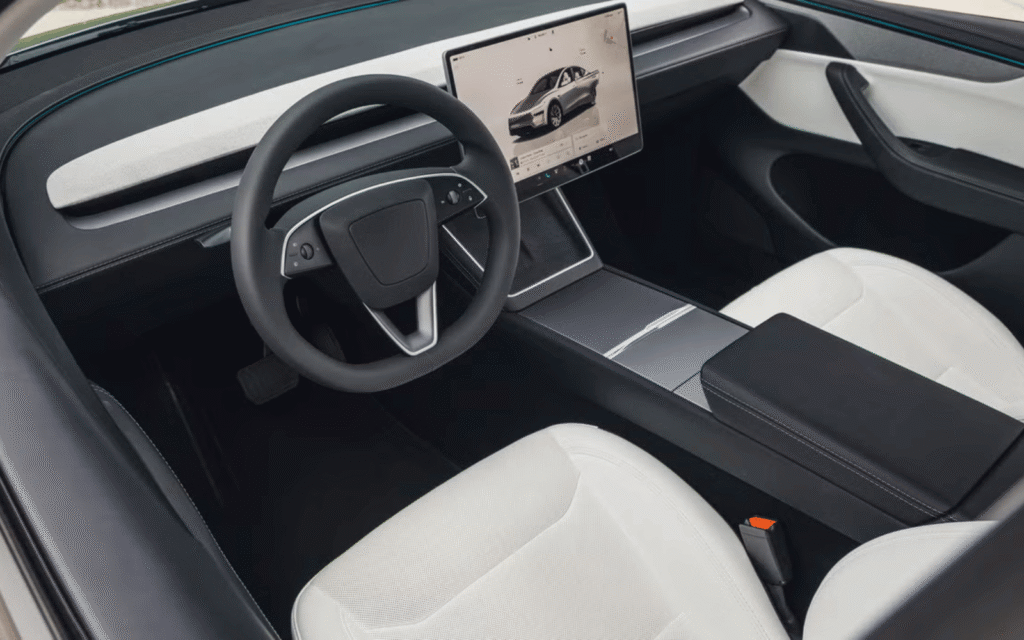
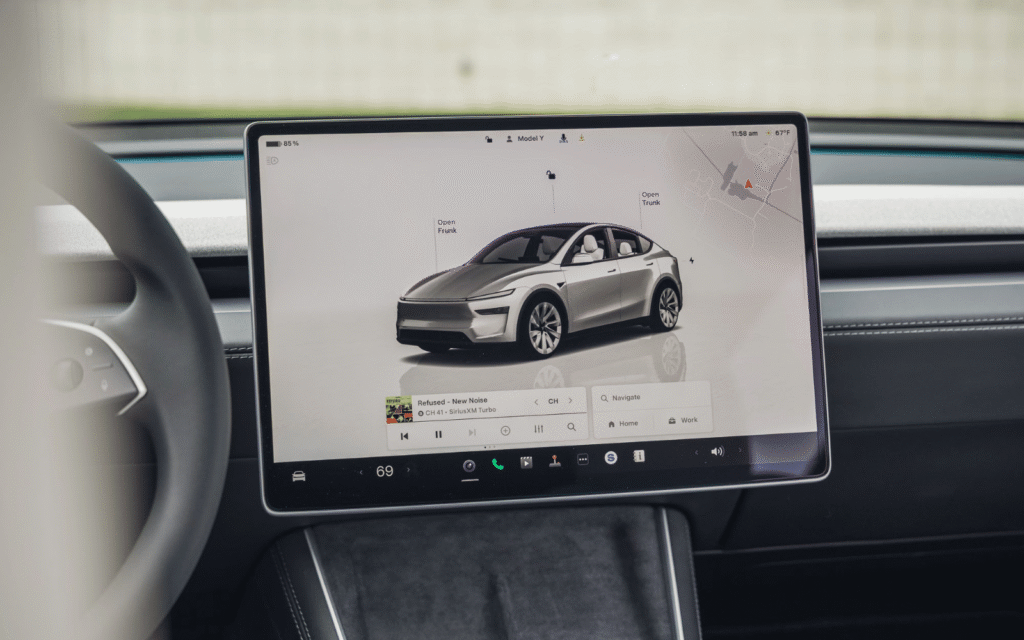
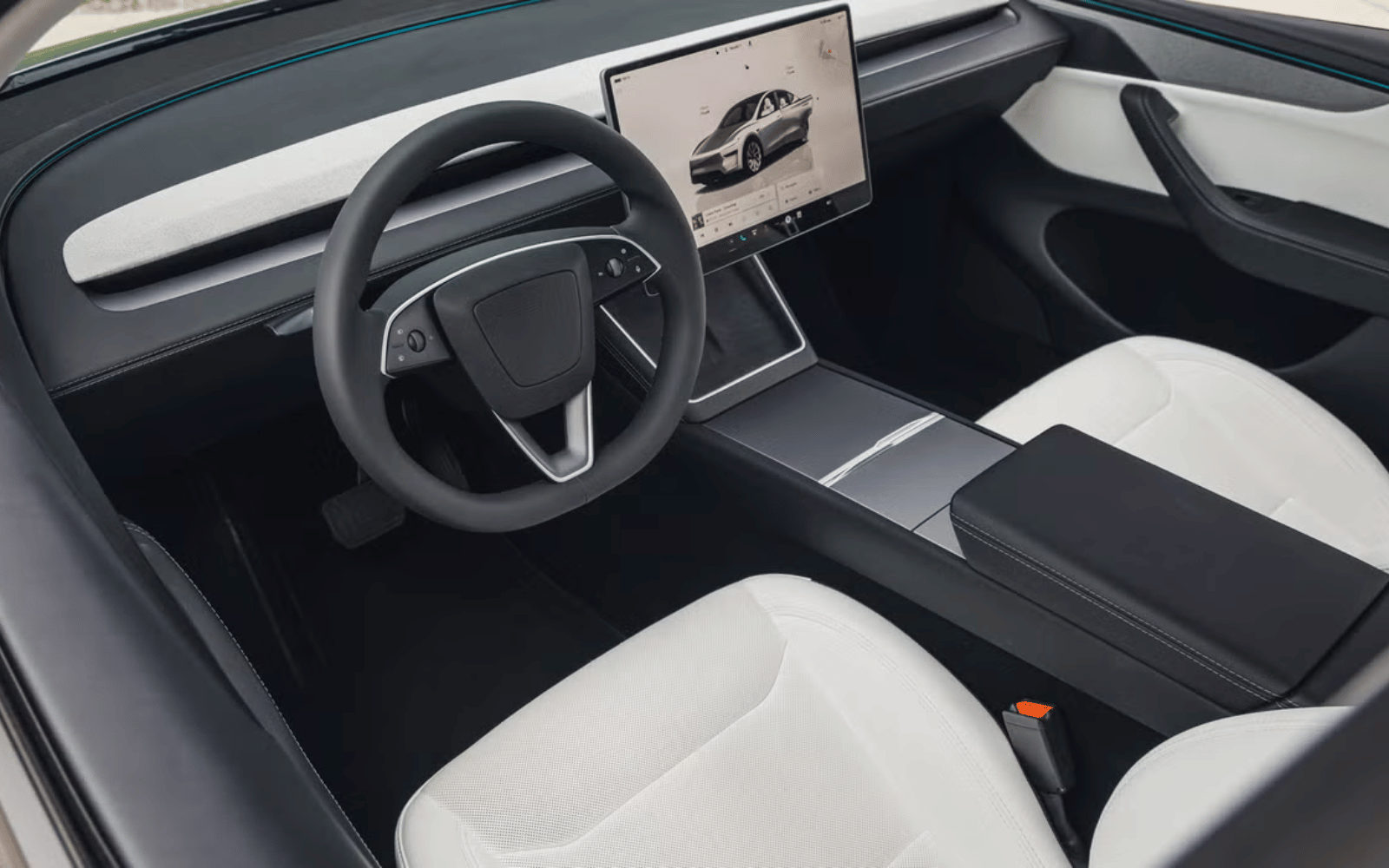
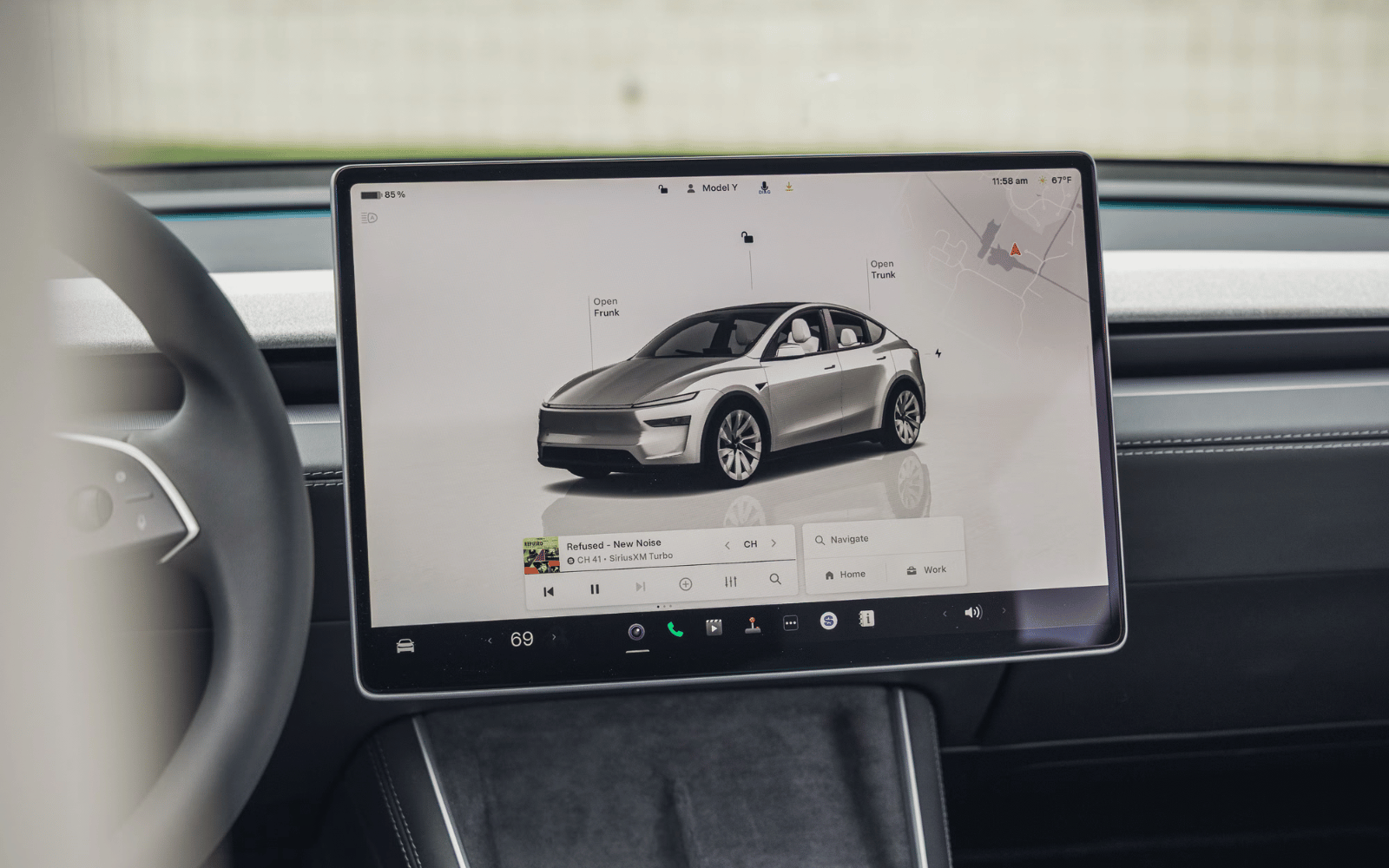
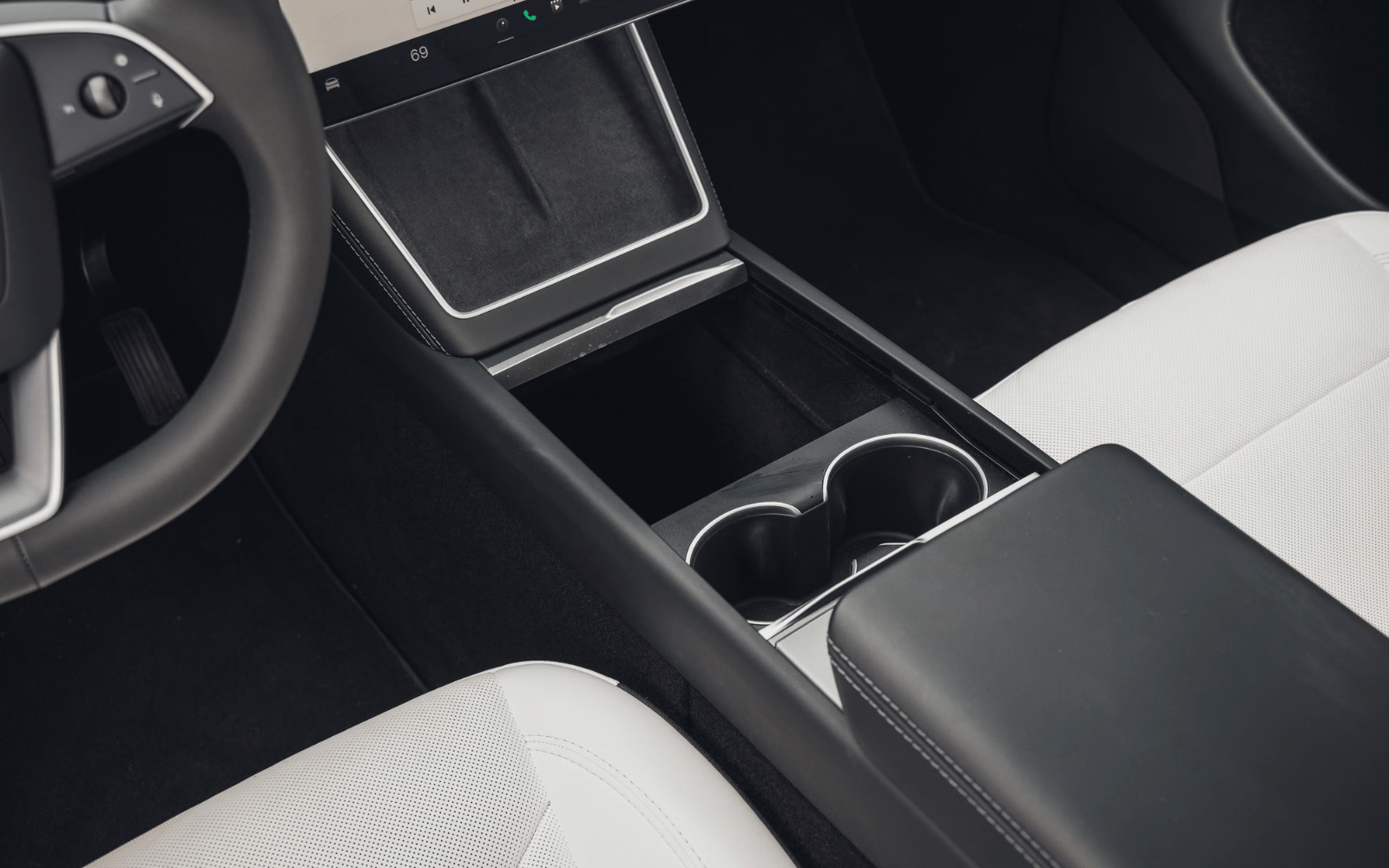
The Model Y cabin has a simple dashboard with most functions placed within the central touchscreen. There is no conventional gauge cluster directly in front of the driver.
Available equipment includes:
- Large central touchscreen
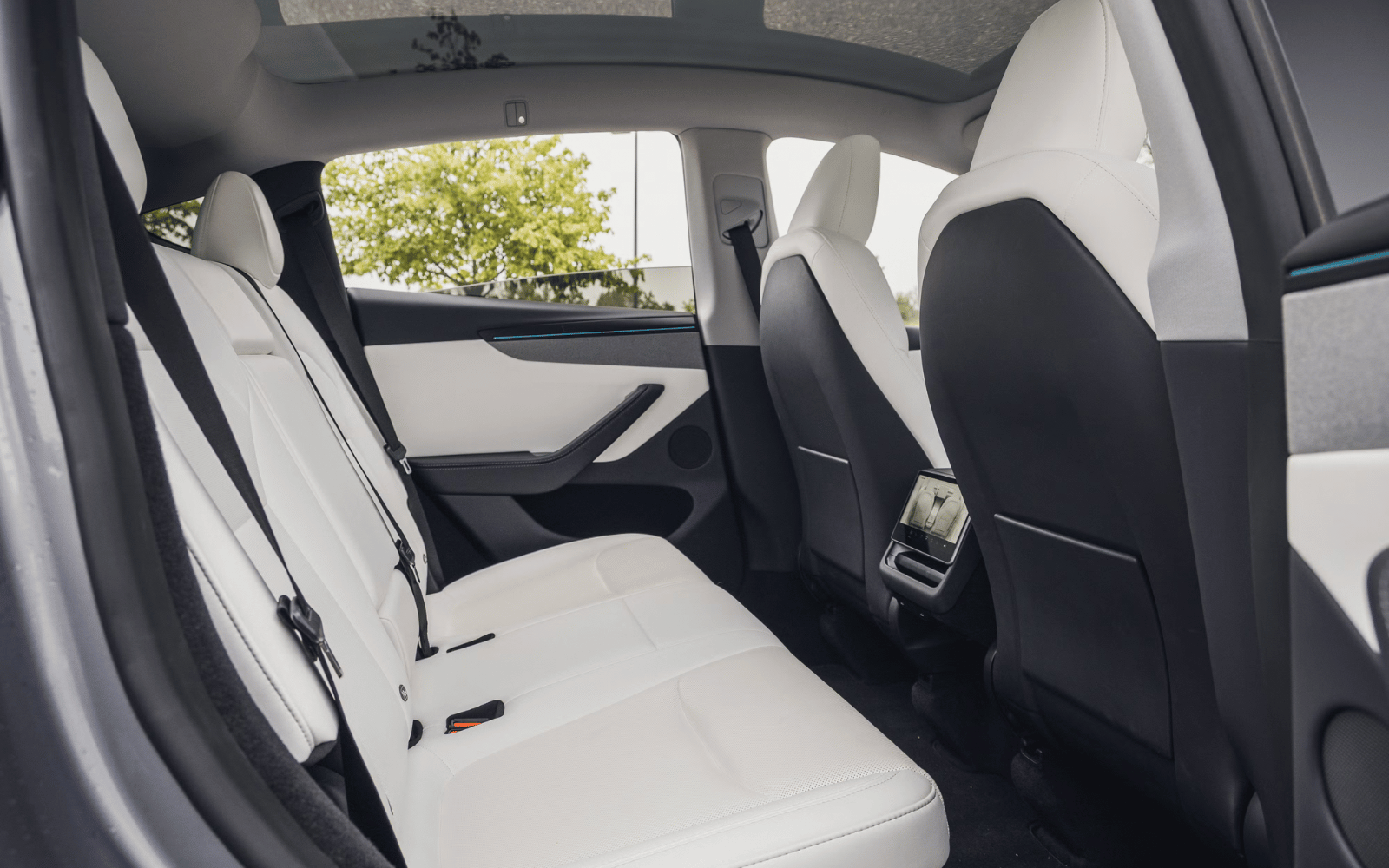
- Rear passenger touchscreen on selected versions
- Heated front seats
- Heated rear seats on Premium models
- Ventilated front seats on Premium and Performance versions
- Power-adjustable front seats
- Dual wireless phone chargers
- USB-C charging ports
- Glass roof on Premium models
- HEPA air filtration on selected versions
- Ambient interior lighting
- Premium multi-speaker audio
- Dashcam and Sentry Mode
- Tesla mobile-app access
- Phone Key
- Over-the-air software updates
- Streaming, gaming, and internet-browser functions
- Cabin temperature controls through the Tesla app
Equipment differs sharply between the lower-cost and Premium versions. Buyers should not assume the $39,990 Model Y includes everything shown in promotional photos.
Lower-Cost RWD and AWD Interior
The lower-priced versions use simpler seat materials, fewer speakers, and reduced rear-seat equipment. They do not provide the same ventilated seats, rear touchscreen, audio system, or visible glass-roof experience as Premium.
These changes help lower the purchase price without reducing the basic passenger or cargo area. They make sense for budget-focused buyers who care more about range, charging, and space than premium cabin features.
Premium Interior
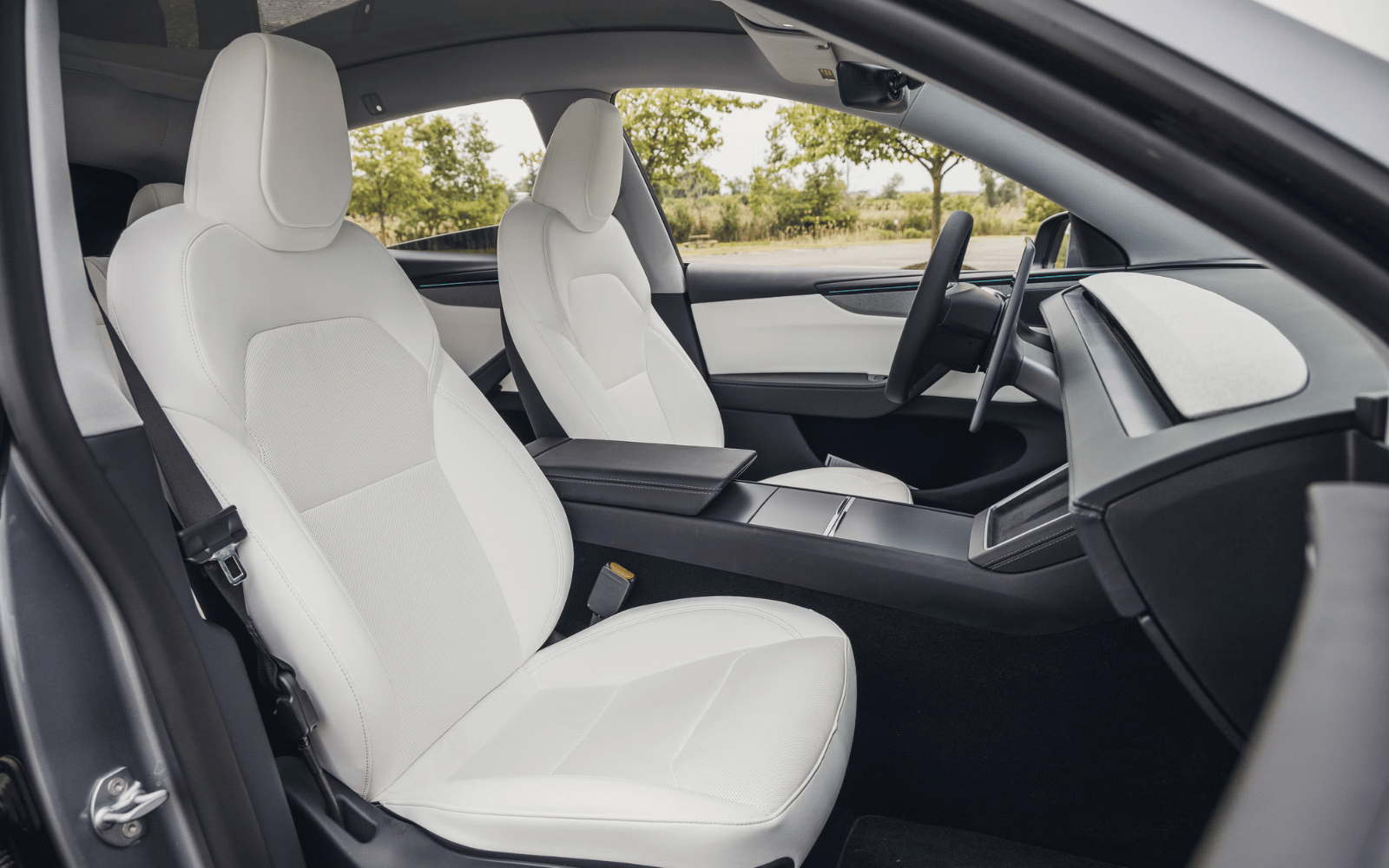
Premium versions add a richer cabin with ventilated front seats, more speakers, a rear display, better sound insulation, ambient lighting, and a glass roof.
Premium AWD also offers the optional seven-seat interior. The third row is small and reduces luggage space, so it is better for children or occasional short-distance use than regular adult travel.
Model Y L Interior
Model Y L uses a 2+2+2 seating layout:
- Two front seats
- Two individual second-row captain’s chairs
- Two third-row seats
Its cabin includes a 16-inch front display, 8-inch rear display, 19-speaker audio system, ventilated second-row seats, heated third-row seats, and power-adjustable rear seating.
The longer wheelbase makes the third row considerably more useful than the compact optional seats in the regular Model Y. However, it remains smaller and lower than three-row SUVs such as the Hyundai IONIQ 9 or Kia EV9.
Apple CarPlay and Android Auto
The Model Y does not include native Apple CarPlay or Android Auto. Tesla’s software handles navigation, media, calls, messages, charging stops, and vehicle settings.
The built-in system works closely with the car’s battery and charging data, but drivers who prefer familiar smartphone apps may see the missing phone-projection systems as a major weakness.
Dimensions, Cargo, and Practicality
| Dimension | Standard Model Y | Model Y L |
| Length | 188.6 in. | Approximately 195.6 in. |
| Width without mirrors | 75.6 in. | Approximately 75.6 in. |
| Height | Approximately 63.9 in. | Approximately 65.7 in. |
| Wheelbase | 113.8 in. | Approximately 119.7 in. |
| Seating | 5 or optional 7 | 6 |
| Maximum cargo capacity | Approximately 74–76 cu. ft. | Approximately 89 cu. ft. |
| Wheels | 18–21 in. | 19 or 20 in. |
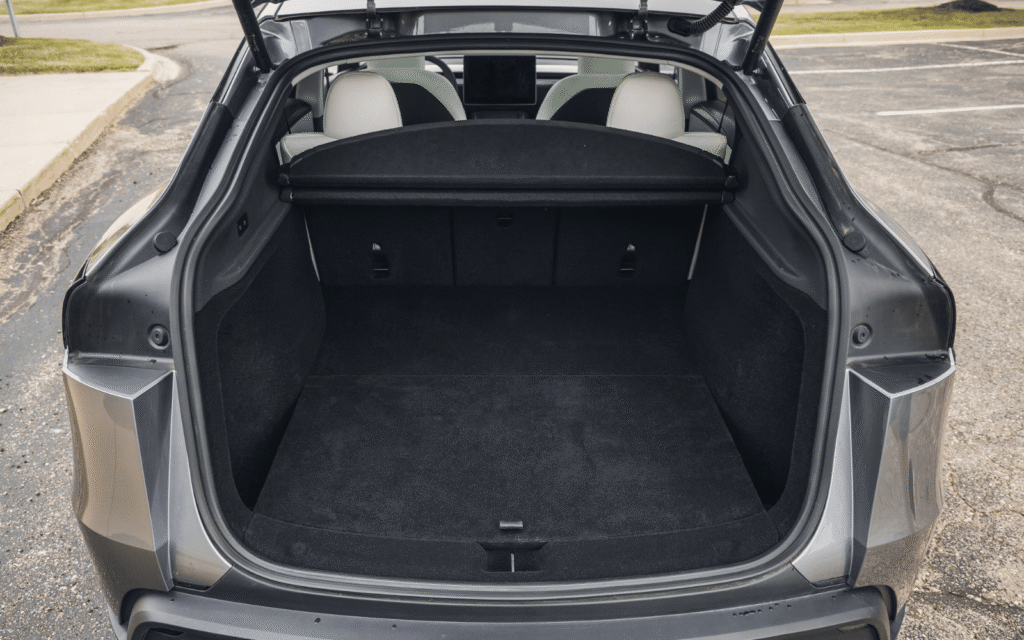
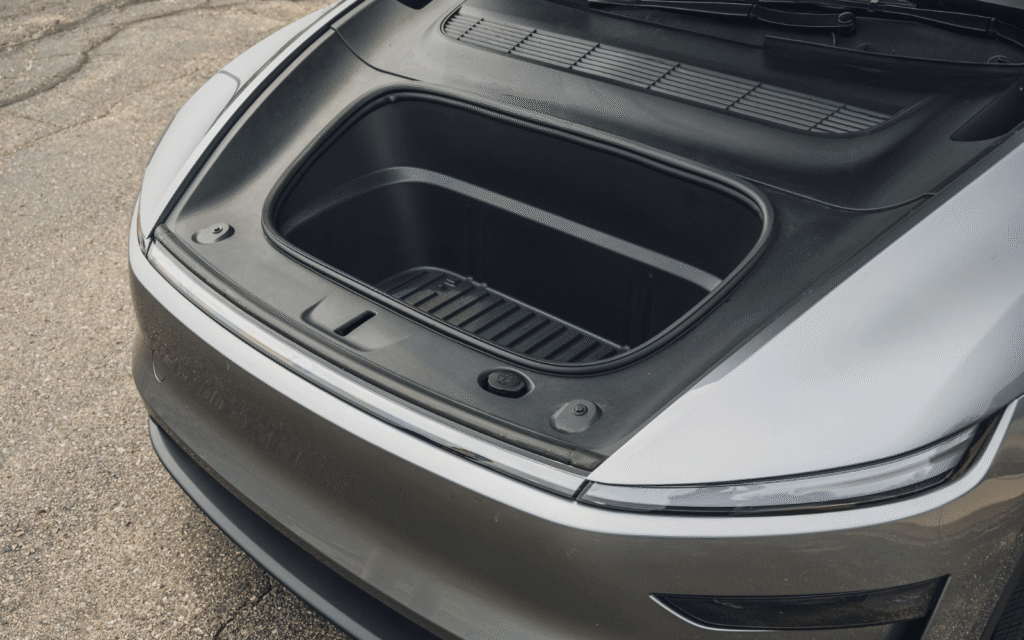
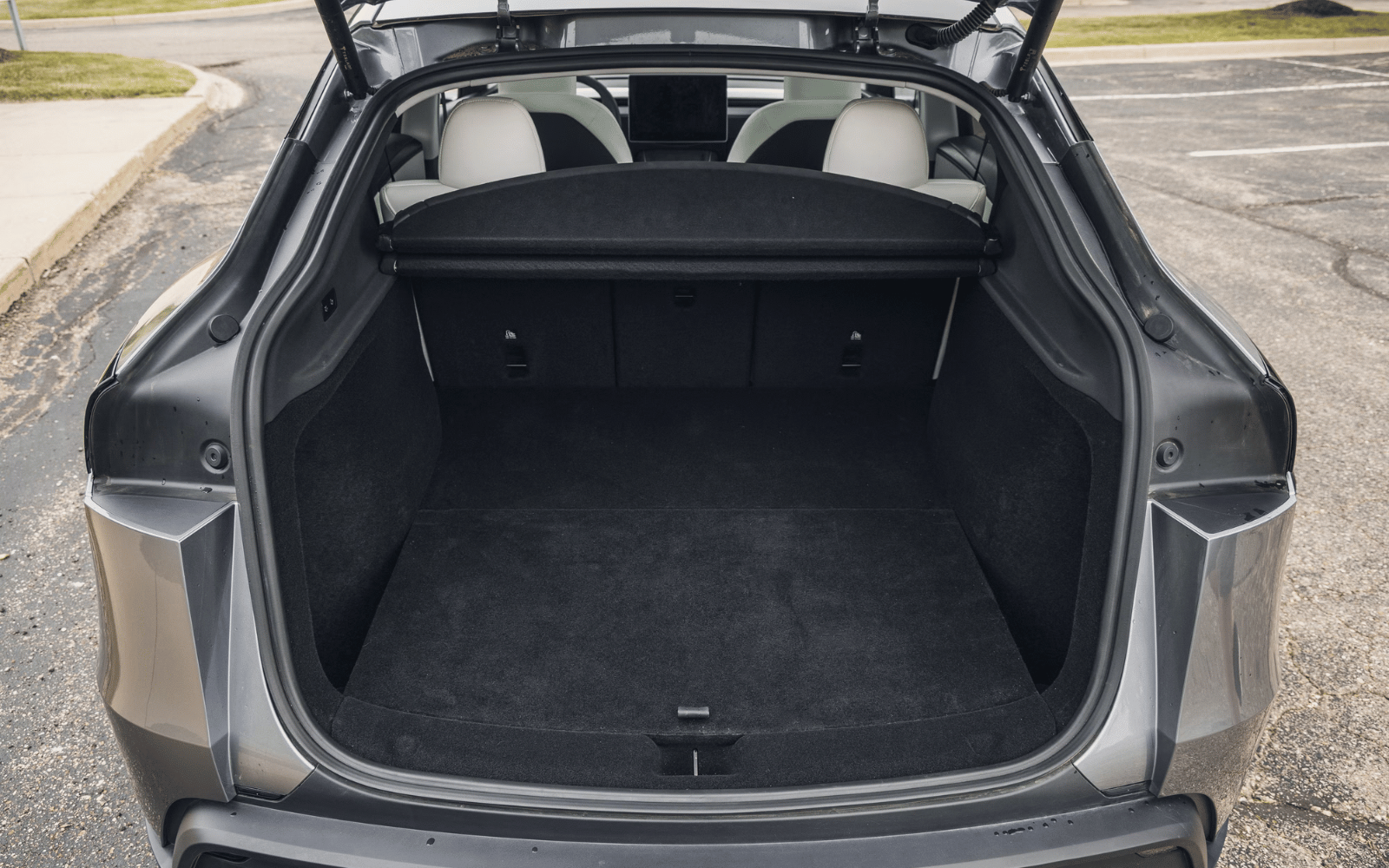
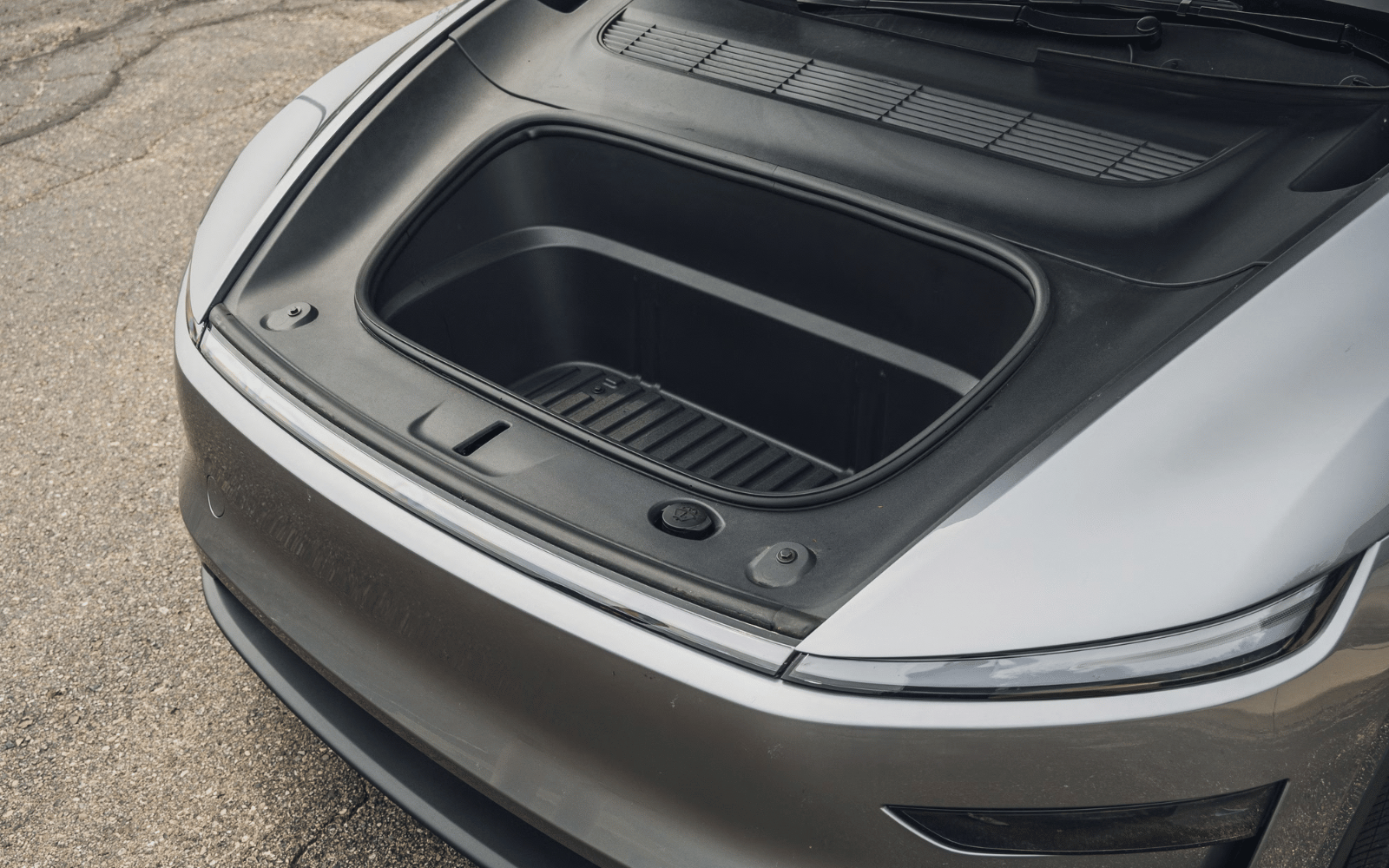
The standard five-seat Model Y provides enough cargo room for weekly shopping, luggage, sports equipment, strollers, and many household items. Its rear seats fold for longer loads, and the front trunk provides separate storage for small bags or charging equipment.
Premium models provide up to approximately 76 cubic feet of total cargo capacity. The lower-cost versions offer around 74 cubic feet because of differences in interior trim and storage design.
Adding the optional third row reduces space behind the seats. Access is also tighter than in Model Y L because the standard-wheelbase body was not originally designed around adult-sized third-row passengers.
Model Y L provides up to approximately 89 cubic feet of total storage. Its longer body and folding rear seats make it the better choice for families who regularly carry more than five people.
Towing Capacity
The Model Y can tow up to 3,500 pounds when fitted with the proper equipment. The actual rating changes with the seating layout, wheels, passenger count, and cargo load.
| Configuration | Maximum Towing Capacity |
| Five-seat Model Y | Up to 3,500 lbs. |
| Six-seat Model Y L with four or fewer occupants | Up to 3,500 lbs. |
| Six-seat Model Y L with all seats occupied | As low as 2,300 lbs. |
| Seven-seat Model Y with six or fewer occupants and 19-inch wheels | Up to 3,500 lbs. |
| Seven-seat Model Y with all seats occupied | As low as 2,000 lbs. |
| Seven-seat version with 20-inch wheels and seven occupants | Towing not permitted |
Tesla’s Model Y towing guide should be checked before attaching a trailer because passenger and wheel choices can materially reduce the rating.
Towing also lowers electric range, especially at highway speeds. Drivers should plan more charging stops and account for whether the trailer blocks access to the charging port.
Exterior Design
The latest Model Y uses a smooth, rounded crossover body with a sloping roof, flush door handles, frameless windows, and a large rear liftgate.
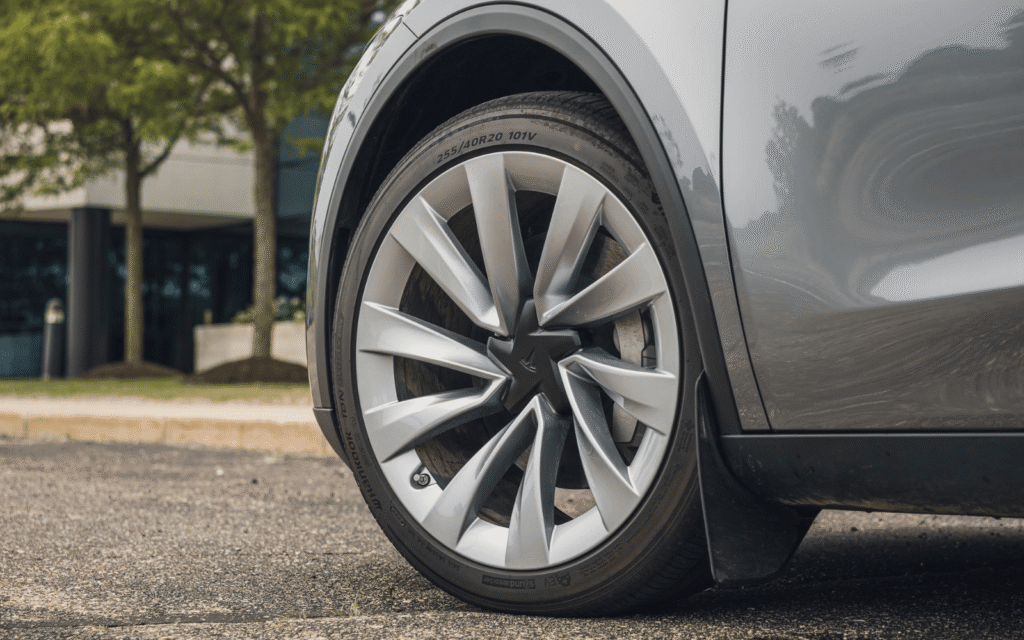
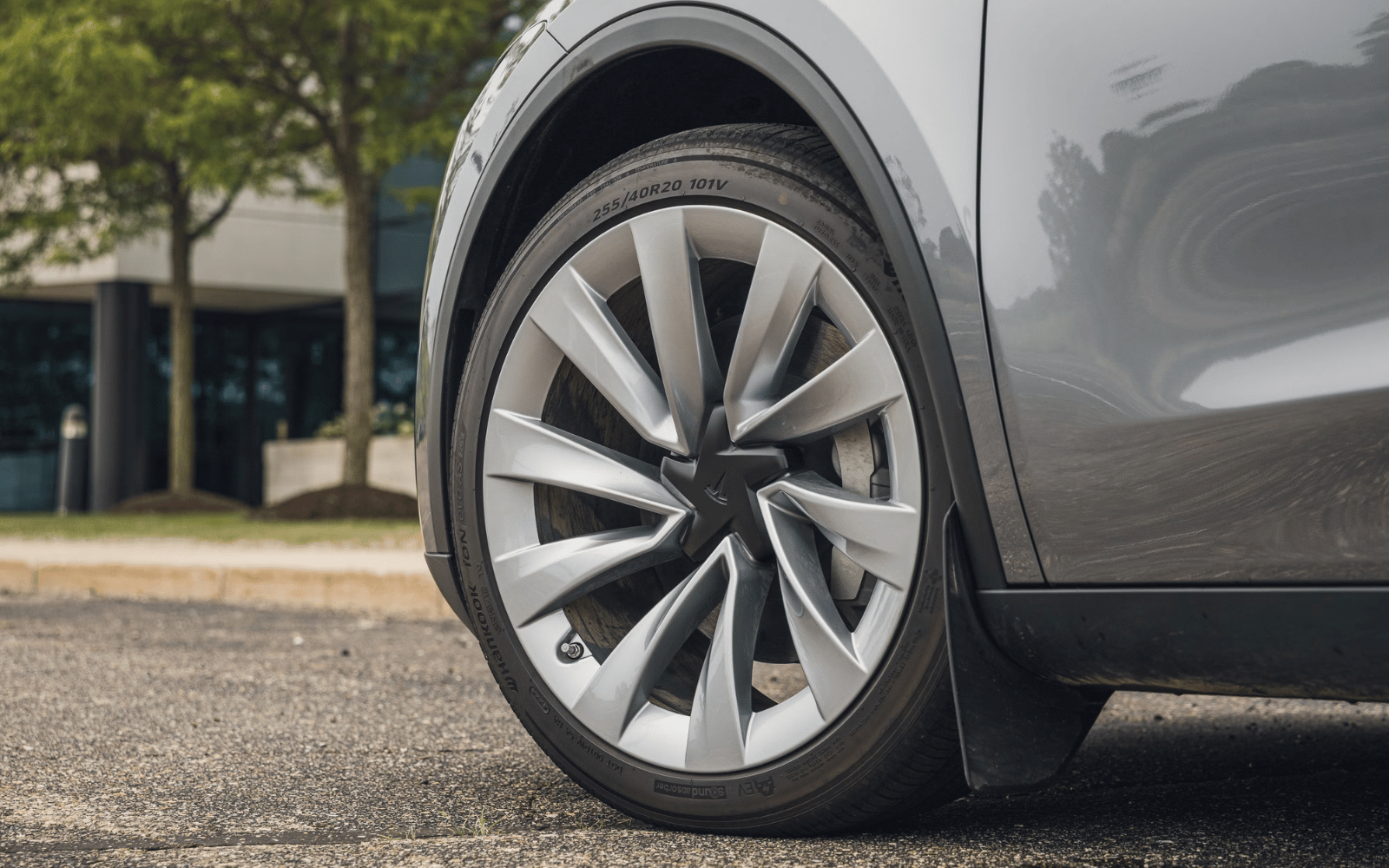
Premium versions use full-width lighting elements at the front and rear, creating a more distinctive appearance than the simplified lower-cost models. Aerodynamic wheels help reduce energy use, while larger optional wheels trade some range and ride comfort for sharper styling.
Exterior features include:
- LED exterior lighting
- Flush door handles
- Frameless side windows
- Powered rear liftgate
- Glass roof on Premium versions
- Aerodynamic underbody
- Heated exterior mirrors
- Front and rear cameras
- Available tow hitch
- Performance-specific bumpers and spoiler
- Performance-specific 21-inch wheels
The coupe-like roof gives the Model Y a cleaner profile than a traditional upright SUV. The trade-off is less third-row headroom and rear visibility than boxier electric crossovers.
Safety Features and Ratings
Standard safety technology includes:
- Forward Collision Warning
- Automatic Emergency Braking
- Pedestrian detection
- Lane Departure Avoidance
- Emergency Lane Departure Avoidance
- Blind Spot Warning
- Blind Spot Collision Avoidance
- Blind Spot Camera
- Rear Cross-Traffic Alert
- Multiple exterior cameras
- Front and rear parking assistance
- Automatic high beams
- Driver monitoring
- Electronic stability control
- Traction control
- Tire-pressure monitoring
- Multiple airbags
The redesigned 2026 Model Y earned the IIHS Top Safety Pick+ award. IIHS gave it Good ratings in the small-overlap front, moderate-overlap front, side-impact, headlight, vehicle-to-vehicle prevention, and pedestrian-prevention evaluations. Its seat-belt reminder system received a Marginal rating. See the complete IIHS Model Y results.
The Model Y was also the first vehicle to pass NHTSA’s newer driver-assistance benchmark, covering pedestrian automatic braking, lane-keeping assistance, blind-spot warning, and blind-spot intervention. This result applies to qualifying vehicles built from November 12, 2025. See the NHTSA announcement.
Autosteer and Full Self-Driving
New US-market Model Y vehicles include Traffic-Aware Cruise Control, but Tesla removed standard Autosteer in January 2026. Lane-centering and additional driving-assistance functions now require Full Self-Driving (Supervised).
Tesla currently offers Full Self-Driving (Supervised) for $99 per month. It requires active driver supervision and does not turn the Model Y into a fully autonomous vehicle.
Reliability, Warranty, and Ownership
The Model Y avoids many gasoline-vehicle service requirements, including engine oil changes, spark plugs, exhaust repairs, and emissions checks. Regenerative braking can also reduce brake-pad wear.
Routine powertrain maintenance is low, but owners still need to budget for tires, alignment, cabin filters, brake-fluid checks, wipers, suspension work, insurance, and collision repairs.
| Warranty Coverage | RWD and Lower-Cost AWD | Premium, Performance, and Model Y L |
| Basic vehicle warranty | 4 years / 50,000 miles | 4 years / 50,000 miles |
| Supplemental restraint system | 5 years / 60,000 miles | 5 years / 60,000 miles |
| Battery and drive unit | 8 years / 100,000 miles | 8 years / 120,000 miles |
| Minimum battery retention | 70% | 70% |
| Body rust perforation | 12 years / unlimited miles | 12 years / unlimited miles |
| Tesla-certified pre-owned coverage | Usually 1 year / 10,000 miles after remaining basic warranty | Same |
Tesla’s vehicle warranty page should be checked for the exact version and purchase date.
Recommended service and ownership checks include:
- Tire rotation every 6,250 miles or when tread-depth differences require it
- Brake-fluid contamination test every four years
- Cabin air filter replacement approximately every two years
- HEPA and carbon filter replacement when required
- Annual brake cleaning and lubrication in areas using road salt
- Wheel alignment when the vehicle pulls or tires wear unevenly
- Regular tire, suspension, wiper, and washer-fluid checks
What to Check Before Buying a Used Model Y
- Remaining basic and battery warranty
- Battery condition and displayed range
- DC charging performance
- Accident, flood, and body-repair history
- Uneven tire wear
- Suspension noises
- Wheel or underbody damage
- Heat-pump and climate-system operation
- Charging-port operation
- Cameras, touchscreen, microphones, and speakers
- Door and liftgate alignment
- Water leaks or interior moisture
- Included driver-assistance software
- Whether paid software stays with the vehicle
- Open recalls and completed recall work
Read what to check before buying a used EV before inspecting a pre-owned Model Y.
Pros and Cons
What We Like
- Starts below $40,000 before mandatory fees
- Up to 357 miles of EPA-estimated range
- Strong efficiency across the lineup
- Wide selection of RWD and AWD versions
- Premium AWD offers optional seven-seat capacity
- Model Y L provides a more practical six-seat cabin
- Excellent acceleration, even without Performance
- Up to 250-kW DC charging
- Access to Tesla’s Supercharger network
- Large cargo area and useful front trunk
- IIHS Top Safety Pick+ award
- Strong crash-prevention performance
- Easy route planning and battery preparation
- Useful mobile app
- Frequent software updates
- Low routine powertrain maintenance
What We Don’t Like
- Autosteer is no longer standard
- Full Self-Driving requires a monthly subscription
- No Apple CarPlay or Android Auto
- Nearly every control is placed within the touchscreen
- No conventional driver instrument display
- Lower-cost versions lose several comfort features
- Optional seven-seat third row is very small
- Performance rides more firmly and uses expensive tires
- Large wheels reduce range
- Cabin fit and finish can vary
- Collision and insurance costs may be high
- Prices and standard equipment change frequently
- Physical emergency door releases may not be obvious to passengers
Competitors
The Model Y competes with electric crossovers based on price, range, charging, performance, and passenger space.
- The Hyundai IONIQ 5 is a strong alternative for buyers wanting quick charging, a more conventional cabin, and Apple CarPlay.
- The Kia EV6 offers sportier road manners and a driver-focused interior.
- The Ford Mustang Mach-E gives drivers a conventional instrument display and familiar physical controls.
- The Chevrolet Equinox EV focuses on purchase value, range, and a more traditional SUV interface.
- The Honda Prologue provides a comfortable ride and straightforward cabin.
- The Volkswagen ID.4 prioritizes passenger space and comfort over outright acceleration.
- The Nissan Ariya has a calmer cabin and more conventional controls.
- The Rivian R2 is worth considering for buyers wanting a boxier shape and greater outdoor capability.
- The Hyundai IONIQ 9 and Kia EV9 provide larger three-row cabins than Model Y L.
- The Tesla Model 3 is cheaper, quicker, and more efficient but offers less cargo space and a lower seating position.
- The Tesla Model X is larger and faster but considerably more expensive and no longer in production.
Related Content
Before choosing the Model Y, read are electric cars worth it? to compare charging access, annual mileage, electricity costs, and ownership needs.
You can also read:
- Tesla Model 3
- Tesla Model S
- Tesla Model X
- Hyundai IONIQ 5
- Hyundai IONIQ 9
- Best electric cars
- How electric cars work
- How long electric cars take to charge
- What to check before buying a used EV
Should You Buy the Tesla Model Y?
Buy the Model Y if you want an efficient electric crossover with long range, strong safety results, useful cargo capacity, quick acceleration, and easy access to a large fast-charging network.
Choose the regular RWD if keeping the purchase price low is the main priority. Its cabin is less richly equipped, but its 321-mile EPA estimate is enough for many households.
Choose Premium RWD if range matters most. Its 357-mile estimate makes it the strongest option for long commutes and regular highway travel.
Choose Premium AWD if you want the best overall balance. It provides strong range, quick acceleration, better cabin equipment, all-weather traction, and optional seven-seat capacity.
Choose Performance if acceleration and sportier handling matter more than maximum range, ride comfort, and tire costs.
Choose Model Y L if you regularly carry more than five people. Its six-seat layout and longer body are more practical than the small optional third row in Premium AWD.
Skip the Model Y if you want physical controls, native smartphone projection, standard lane-centering assistance, a conventional instrument cluster, or a truly spacious third row.
FAQs
How much does the Tesla Model Y cost?
The Model Y starts from $39,990 MSRP in the US. Premium RWD starts at $45,990, Premium AWD at $49,990, Performance at $57,990, and Model Y L at $61,990. Mandatory destination and order fees add approximately $1,640.
Which Model Y has the longest range?
Premium RWD has the longest EPA-estimated range at 357 miles. The base RWD provides 321 miles, while Premium AWD provides 327 miles.
How far can the Model Y L travel?
Tesla currently lists up to 332 miles of EPA-estimated range for Model Y L. Wheels, speed, weather, temperature, and load affect actual range.
How long does it take to charge a Model Y?
Premium RWD can add up to 182 miles in 15 minutes under Tesla’s specified conditions. A full charging session takes longer because power falls as the battery fills.
Can the Model Y use Tesla Superchargers?
Yes. Every Model Y uses the North American Charging Standard connector and can charge at compatible Tesla Superchargers.
Is the Tesla Model Y available with all-wheel drive?
Yes. The lineup includes a lower-cost AWD model, Premium AWD, Performance AWD, and Model Y L Premium AWD.
Does the Model Y have seven seats?
Premium AWD offers an optional seven-seat interior. The third row is small and better suited to children or occasional use.
How many people can the Model Y L seat?
Model Y L has six seats arranged across three rows. Its second row uses two individual captain’s chairs.
How fast is the Tesla Model Y?
Acceleration ranges from approximately 6.8 seconds in the base RWD to 3.3 seconds in Performance. Premium AWD reaches 60 mph in approximately 4.6 seconds.
How much can the Model Y tow?
The Model Y can tow up to 3,500 pounds when properly equipped. Passenger count, wheel size, and seating configuration can reduce the rating.
How much cargo space does the Model Y have?
The regular Model Y provides approximately 74–76 cubic feet of maximum total cargo capacity, depending on version. Model Y L provides up to approximately 89 cubic feet.
Does the Model Y have Apple CarPlay or Android Auto?
No. Tesla uses its own infotainment, navigation, media, charging, and phone-integration systems.
Does the Model Y come with Autopilot?
New US vehicles include Traffic-Aware Cruise Control, but Autosteer is no longer standard. Lane-centering and additional assistance require Full Self-Driving (Supervised), currently offered as a $99 monthly subscription.
Is Full Self-Driving actually autonomous?
No. Full Self-Driving (Supervised) is a driver-assistance system. The driver must remain attentive and ready to take control.
Is the Tesla Model Y safe?
Yes. The redesigned 2026 Model Y earned the IIHS Top Safety Pick+ award and became the first vehicle to pass NHTSA’s updated driver-assistance benchmark.
Is the Tesla Model Y reliable?
The Model Y has low routine powertrain maintenance, but tires, suspension work, body repairs, electronics, and insurance can be expensive. Build quality and long-term condition can also vary between individual vehicles.
What warranty does the Model Y have?
Every Model Y receives a four-year/50,000-mile basic warranty. Lower-cost RWD and AWD versions receive an eight-year/100,000-mile battery warranty, while Premium, Performance, and Model Y L versions receive eight years or 120,000 miles.
Final Verdict
The Tesla Model Y remains one of the strongest electric crossover choices for buyers who prioritize range, efficiency, performance, cargo space, and public charging access.
The expanded lineup now covers a broad price range. The $39,990 RWD provides the core ownership benefits without the Premium cabin, while Premium RWD delivers the best range. Premium AWD is the standout for most buyers because it balances traction, acceleration, range, comfort, and available seating.
Performance is genuinely quick, but its firmer ride and higher tire costs make it a specialist choice. Model Y L is the better family option for buyers who need six usable seats and more cargo room.
The Model Y’s main weaknesses are no longer range or charging. They are the lack of smartphone projection, dependence on the central display, uneven cabin finish, and Tesla’s decision to place Autosteer behind the Full Self-Driving subscription.
For most households with reliable home charging, Premium AWD is the version to buy. Budget-focused drivers should choose the regular RWD, while high-mileage commuters should consider Premium RWD.
Prices, ranges, equipment, charging performance, incentives, subscriptions, and availability can change without notice.