
Hyundai IONIQ 5: Price, Range, Specs & Review
The Hyundai IONIQ 5 is a compact electric SUV that stands out for its spacious cabin, fast charging, useful cargo area, and available 318-mile EPA-estimated driving range.
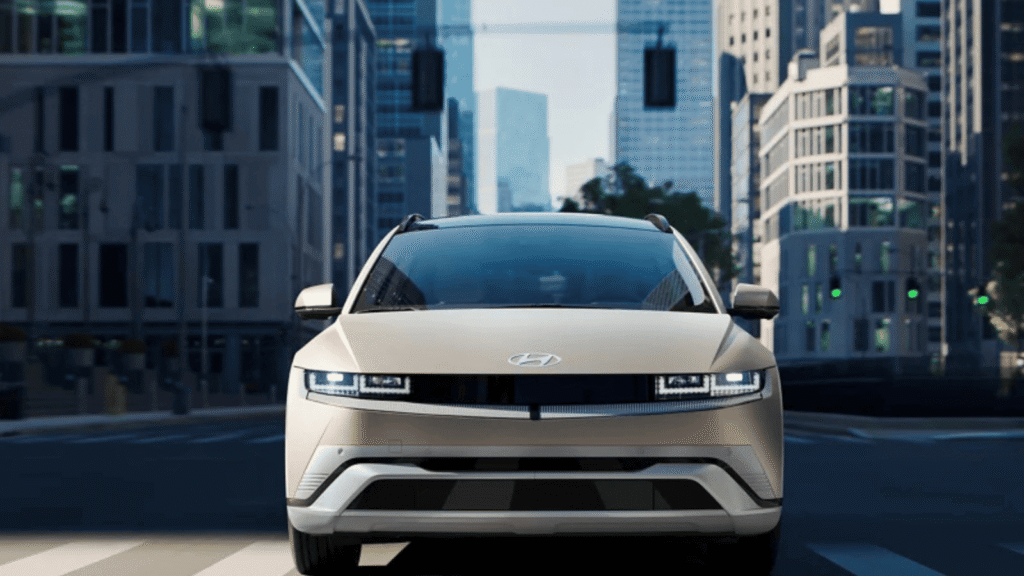
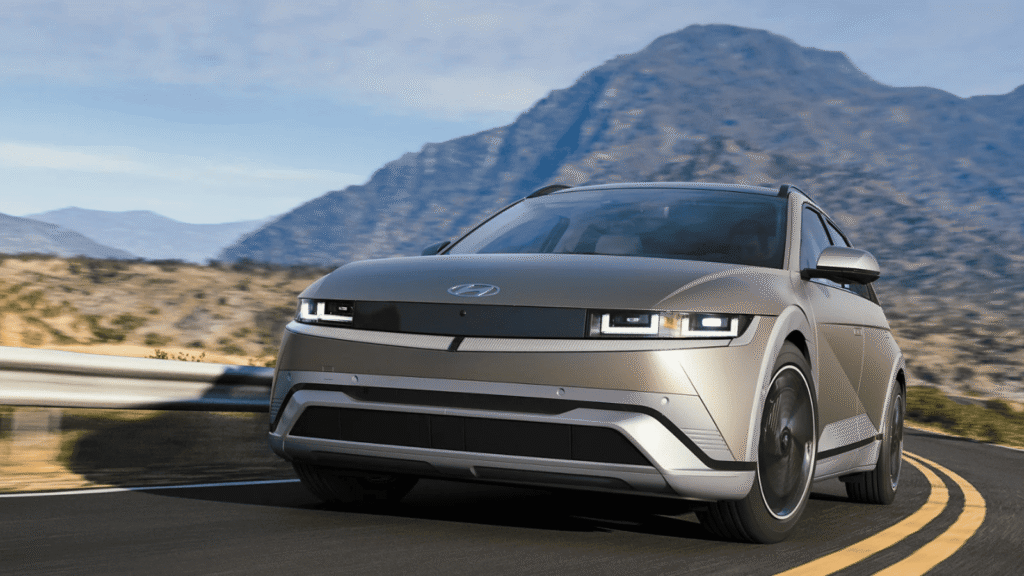
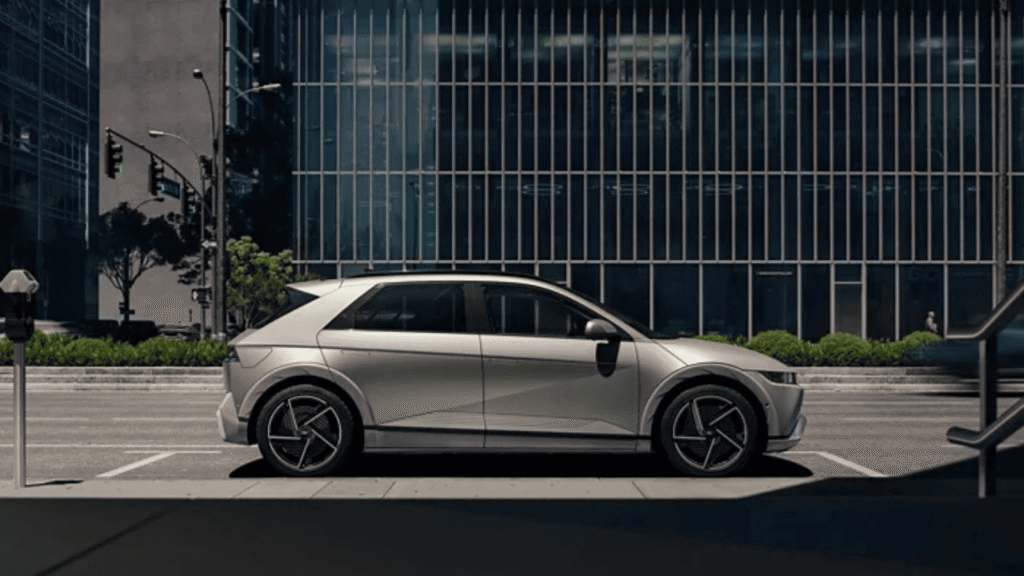
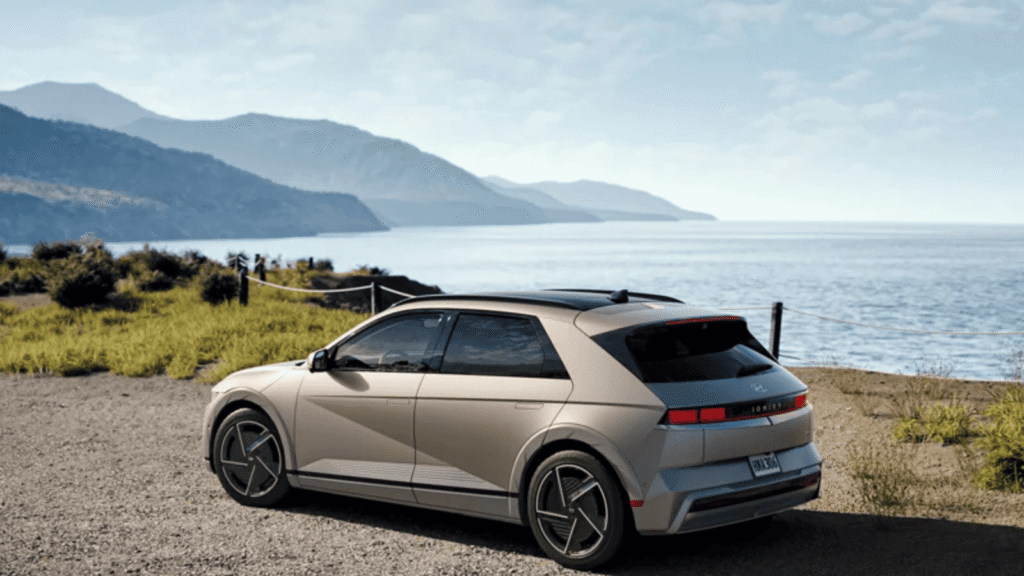
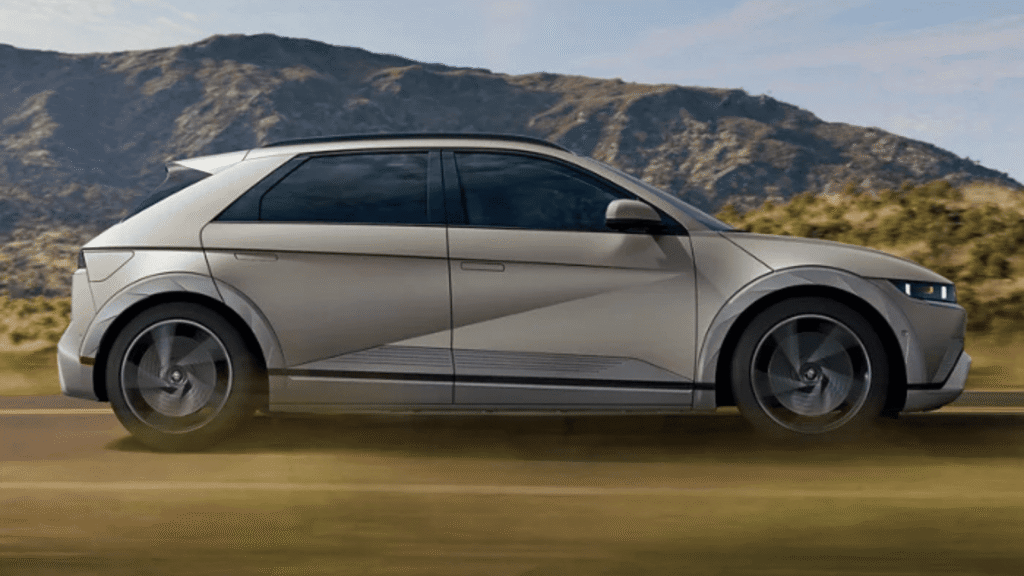
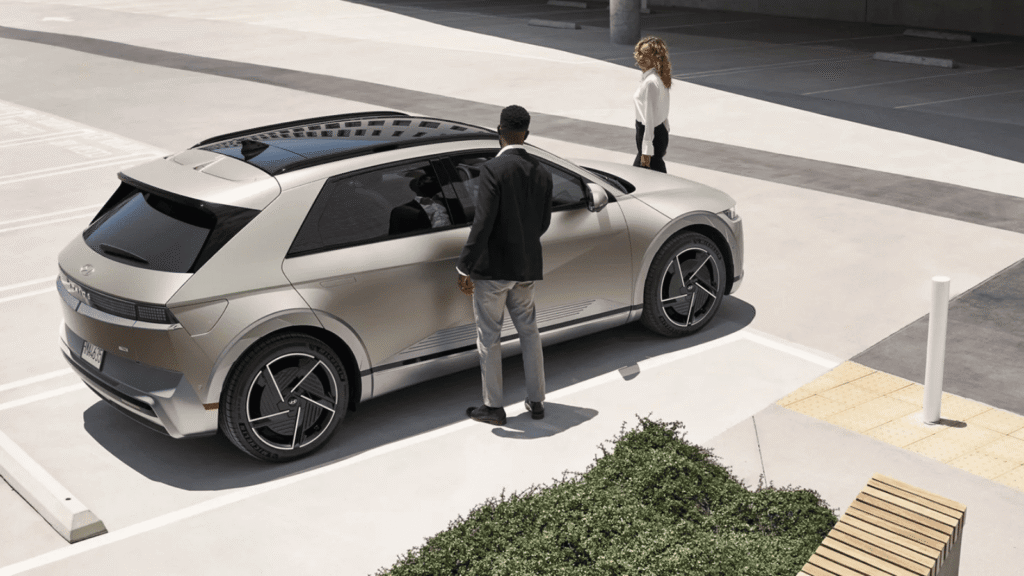
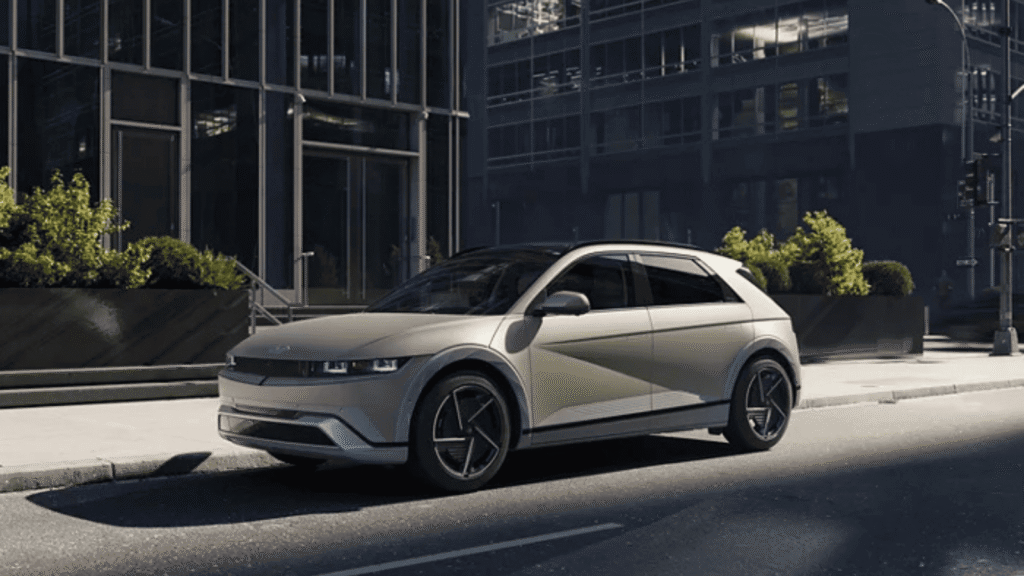
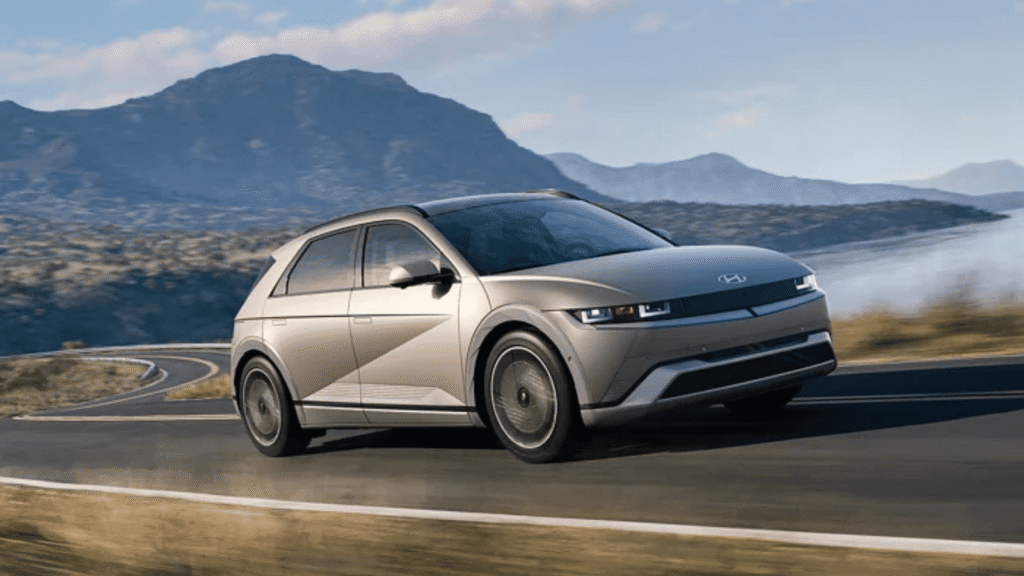
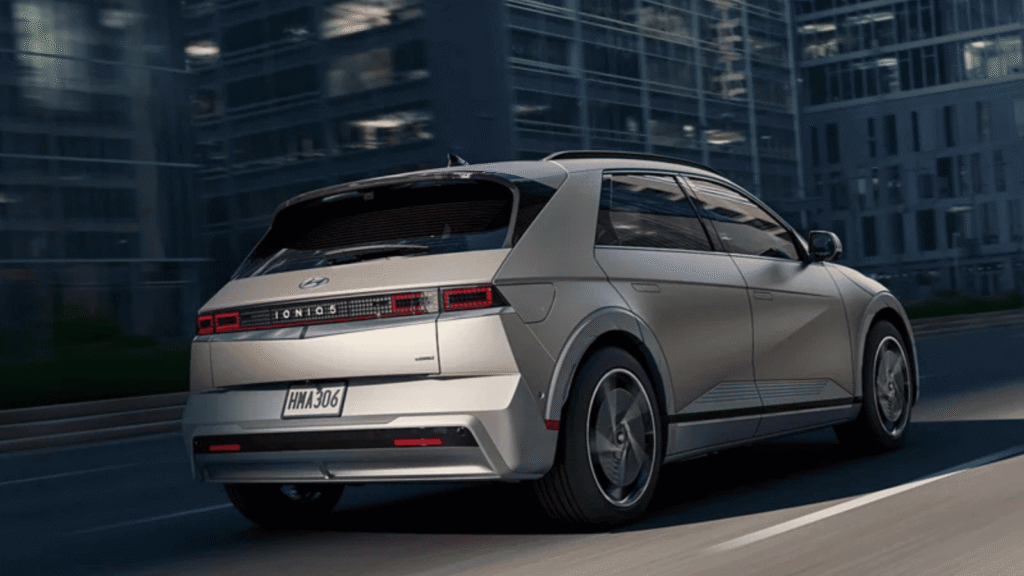
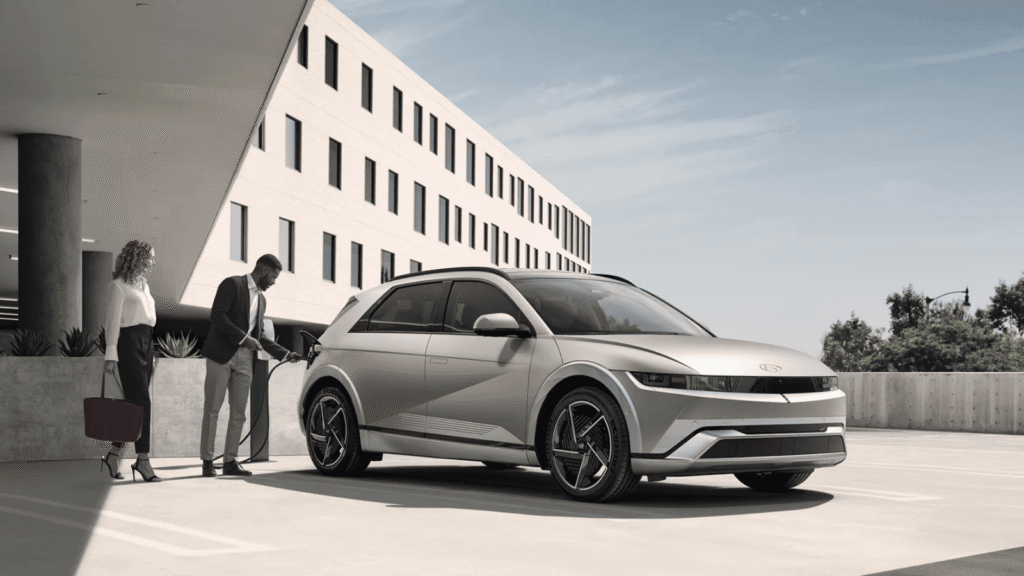
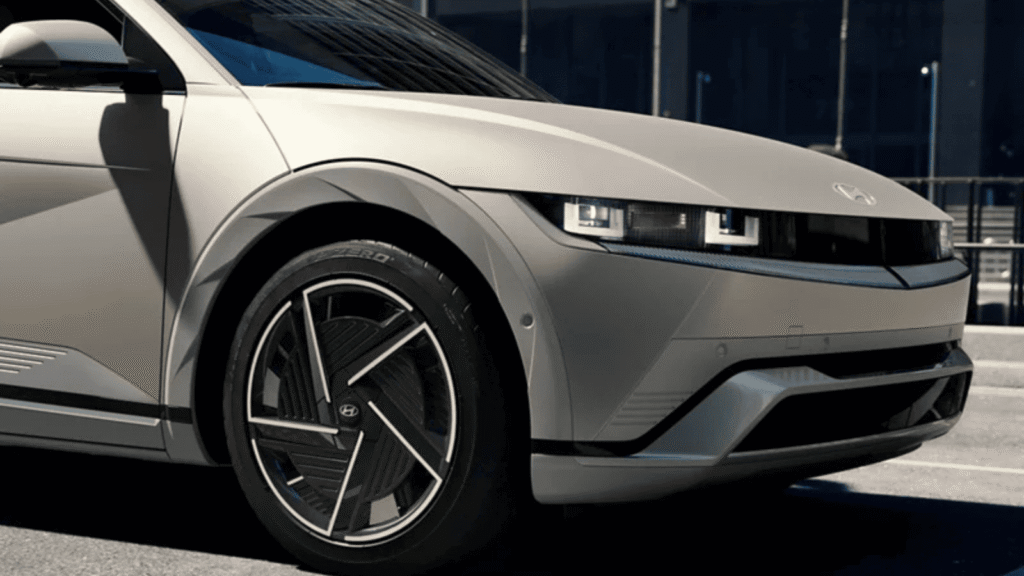
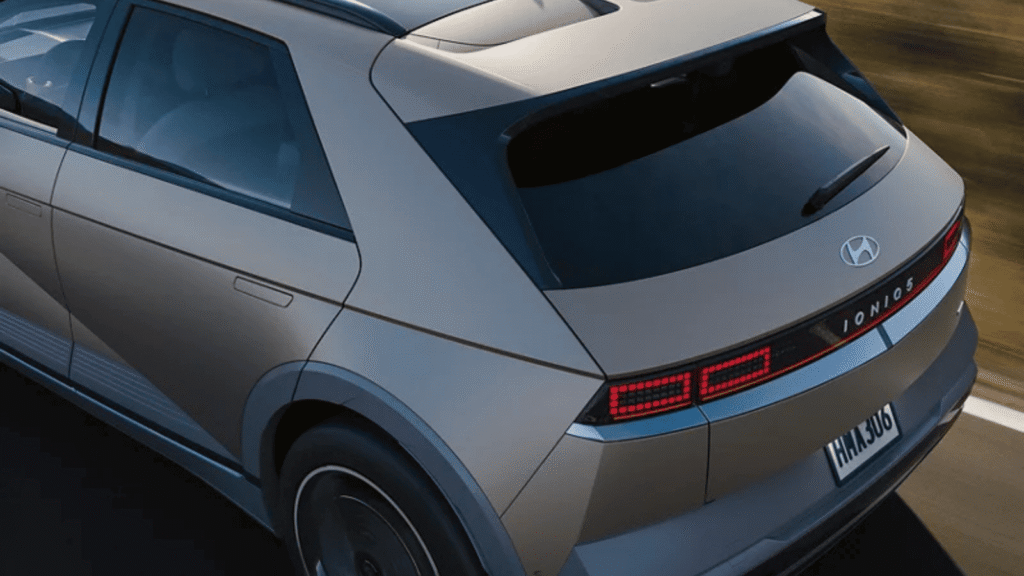
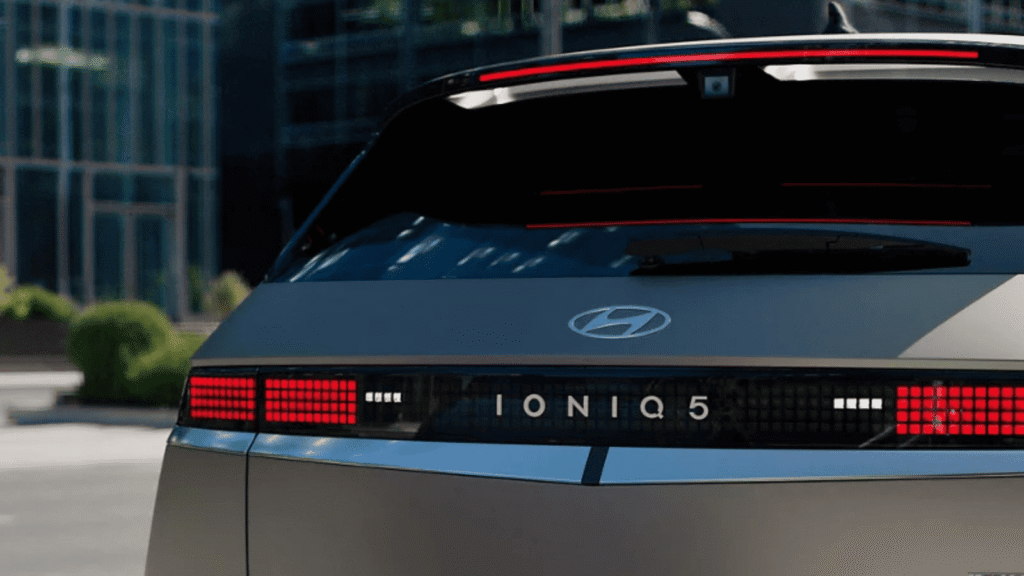
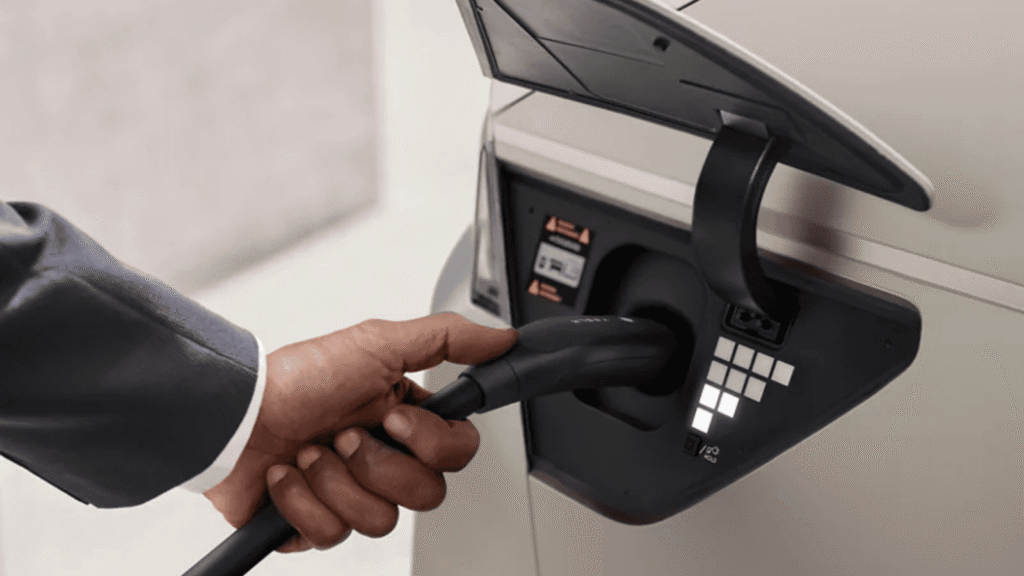
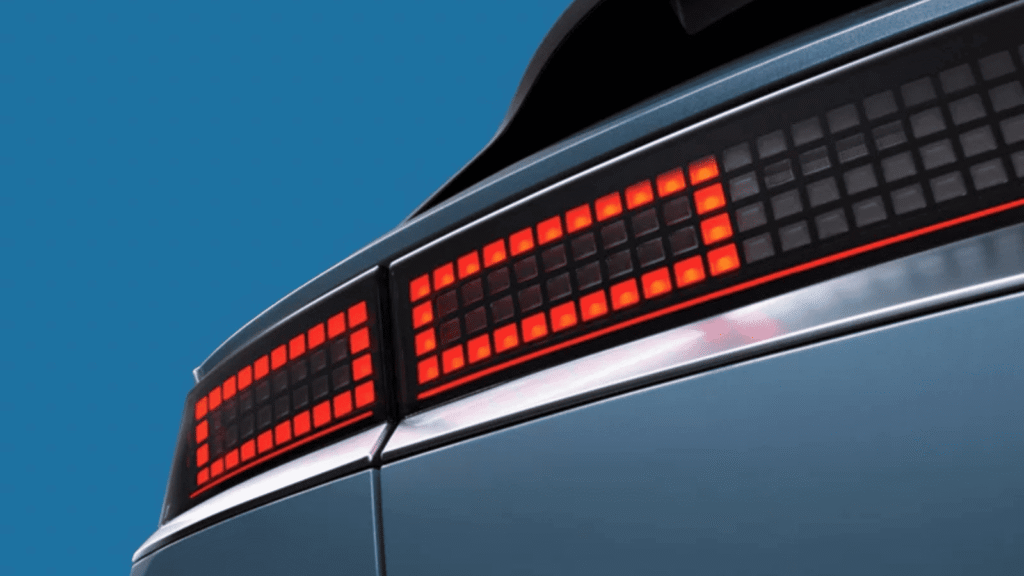
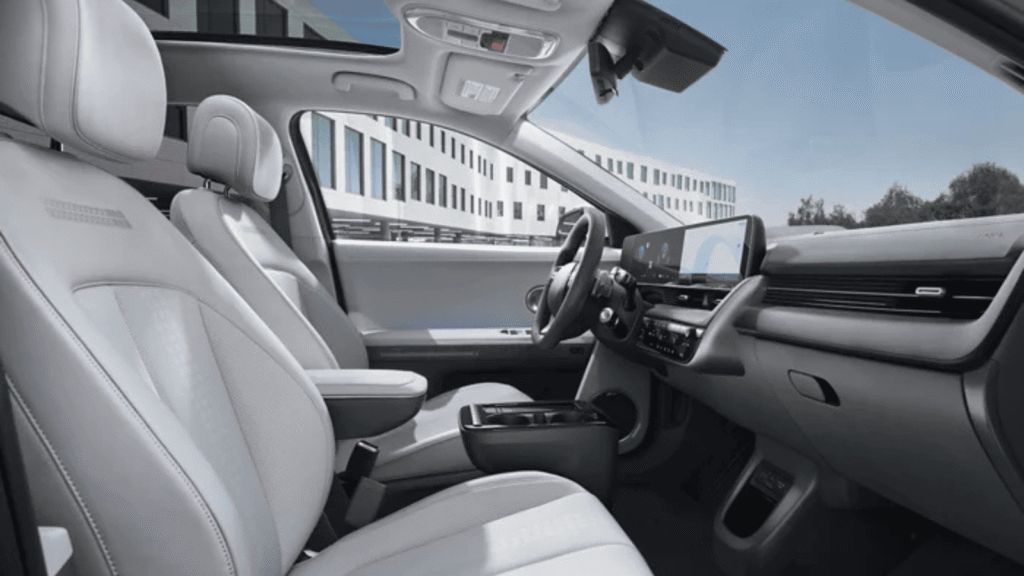
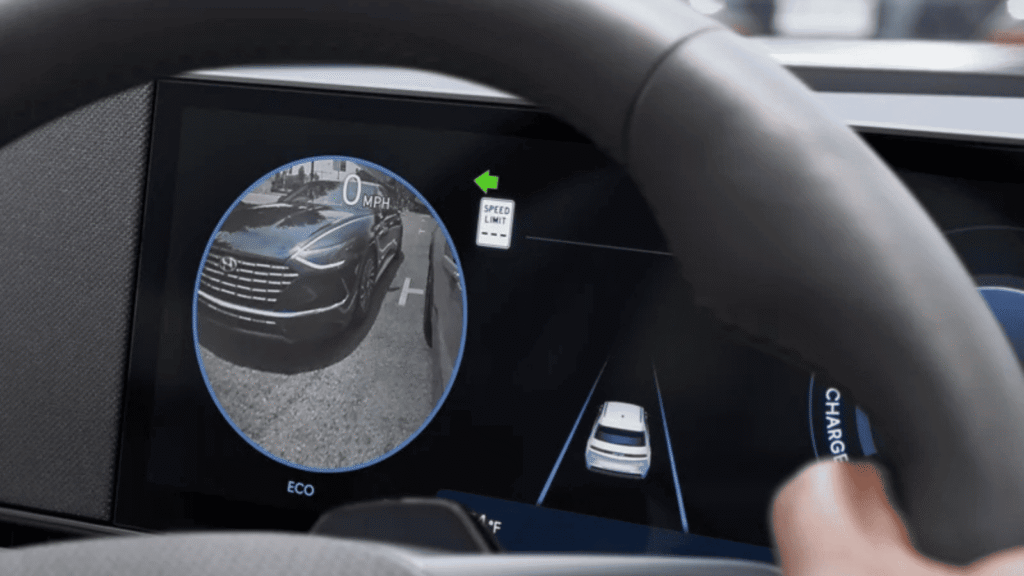
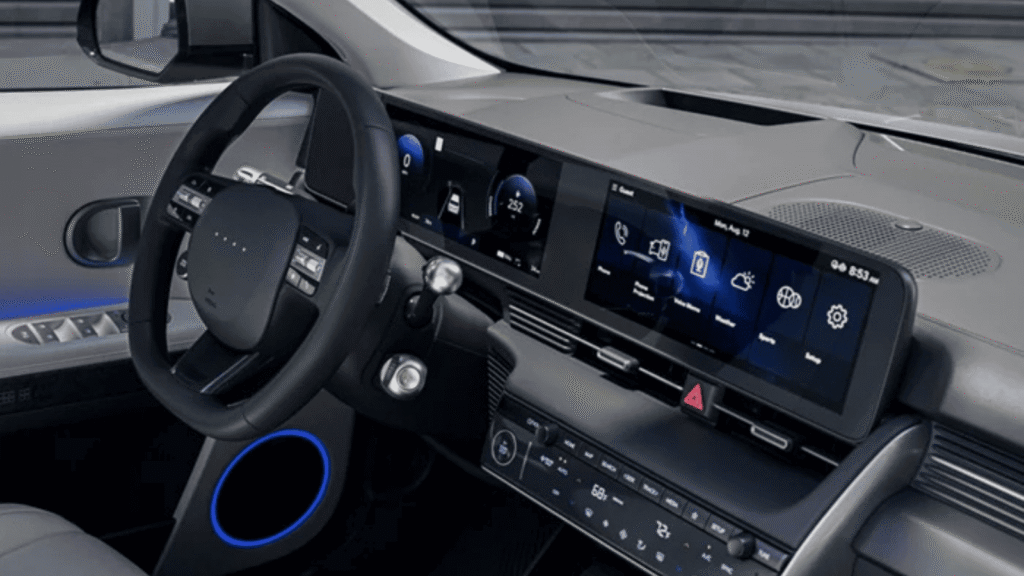
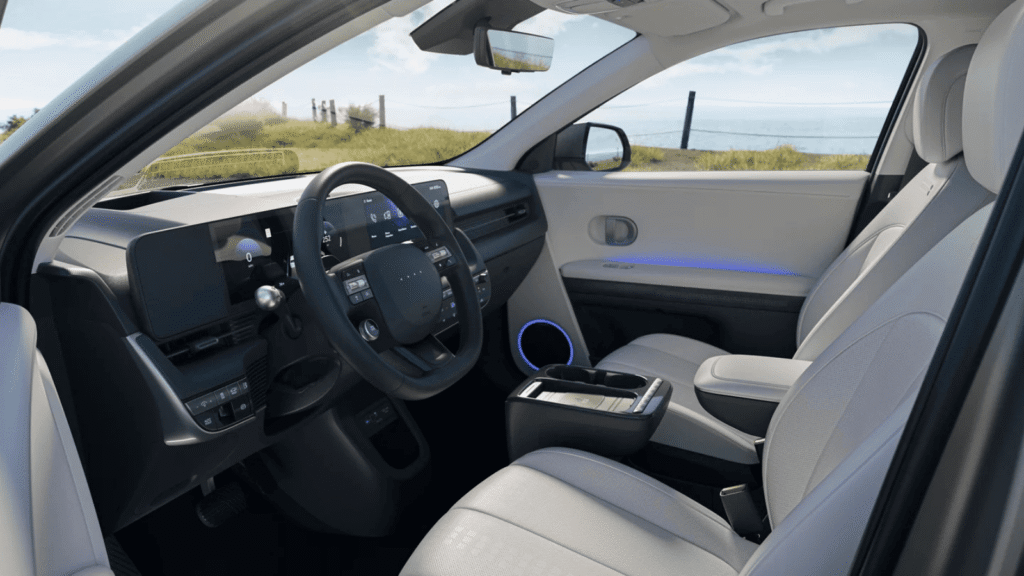
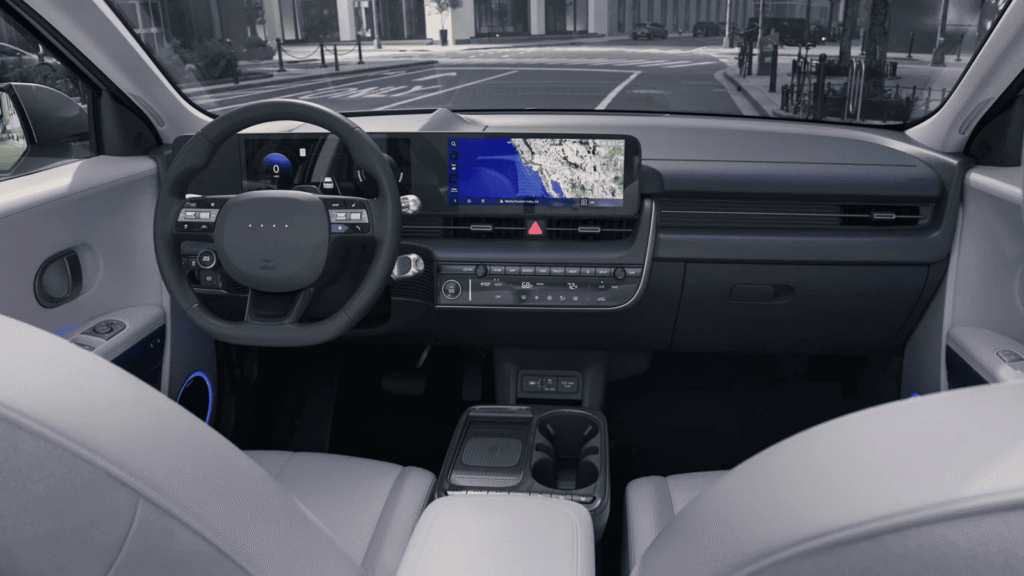
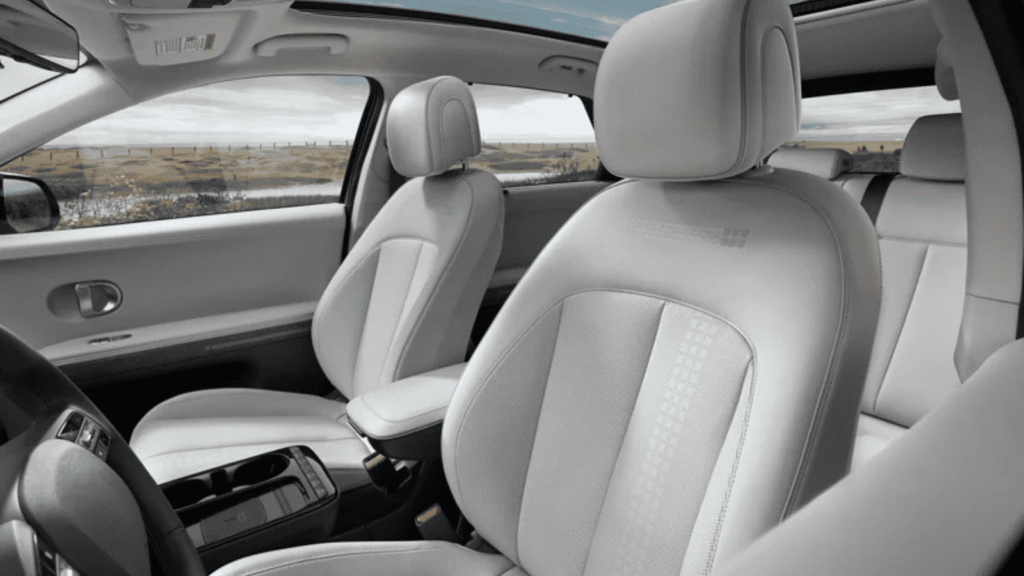

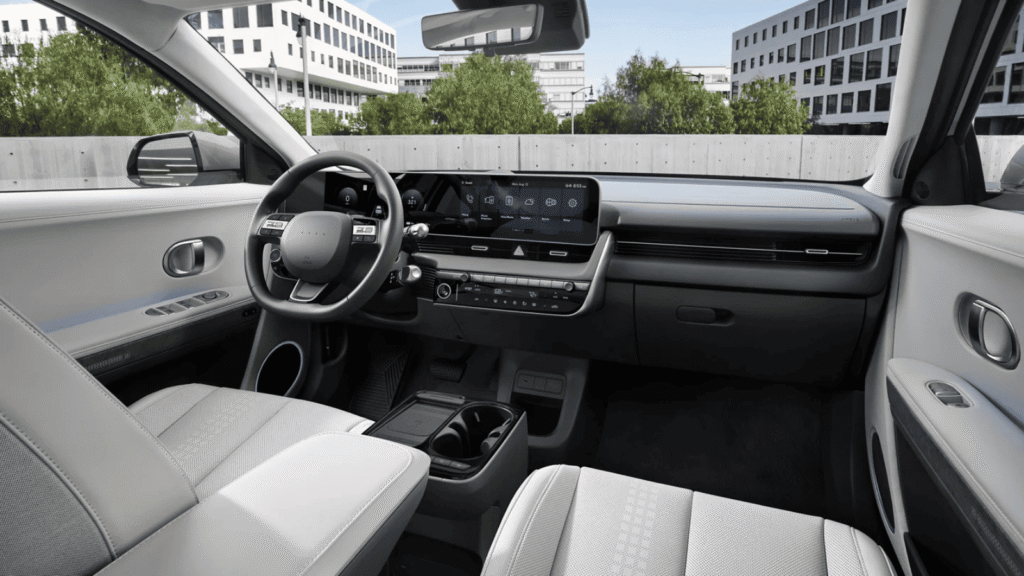
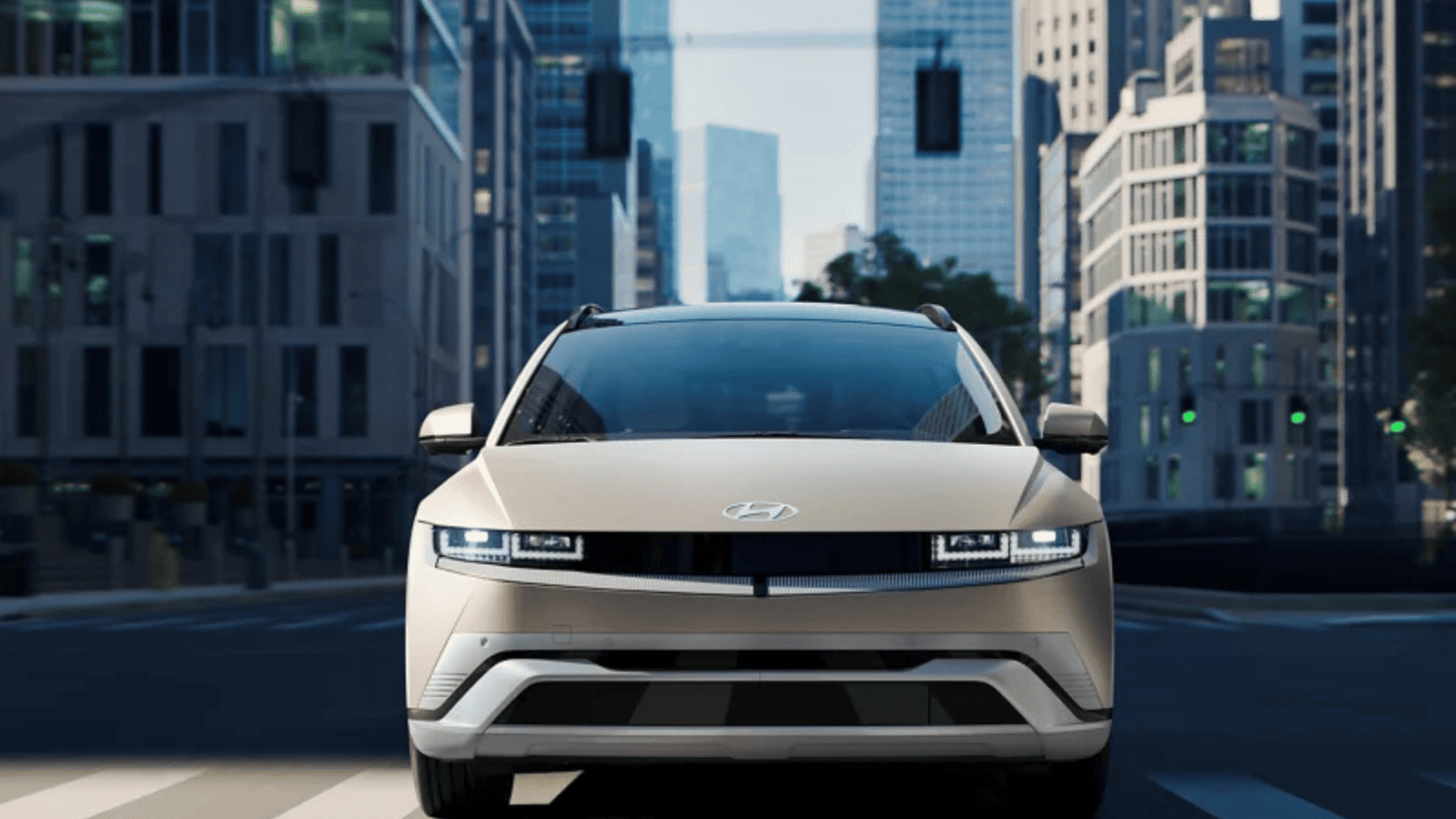
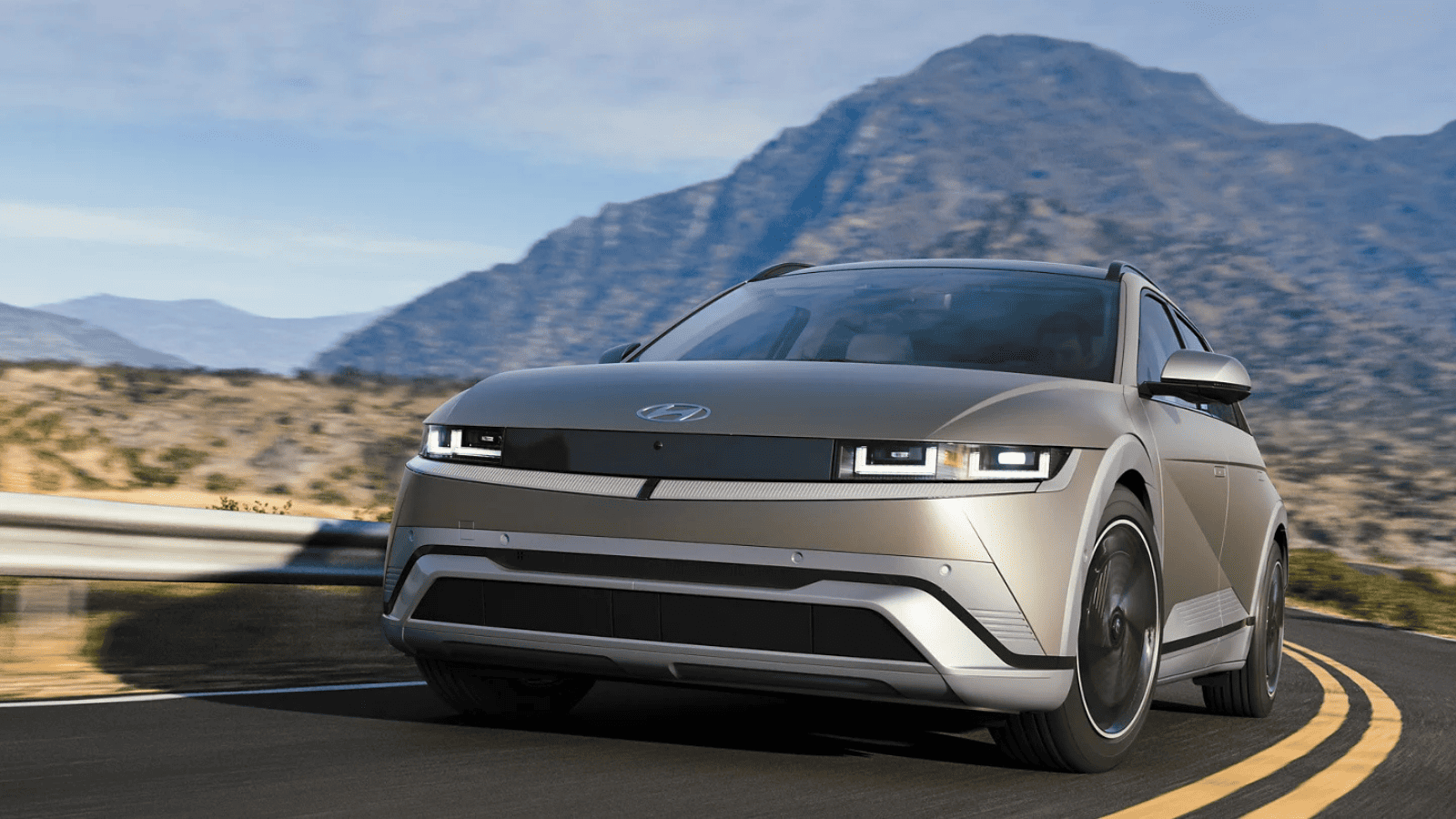
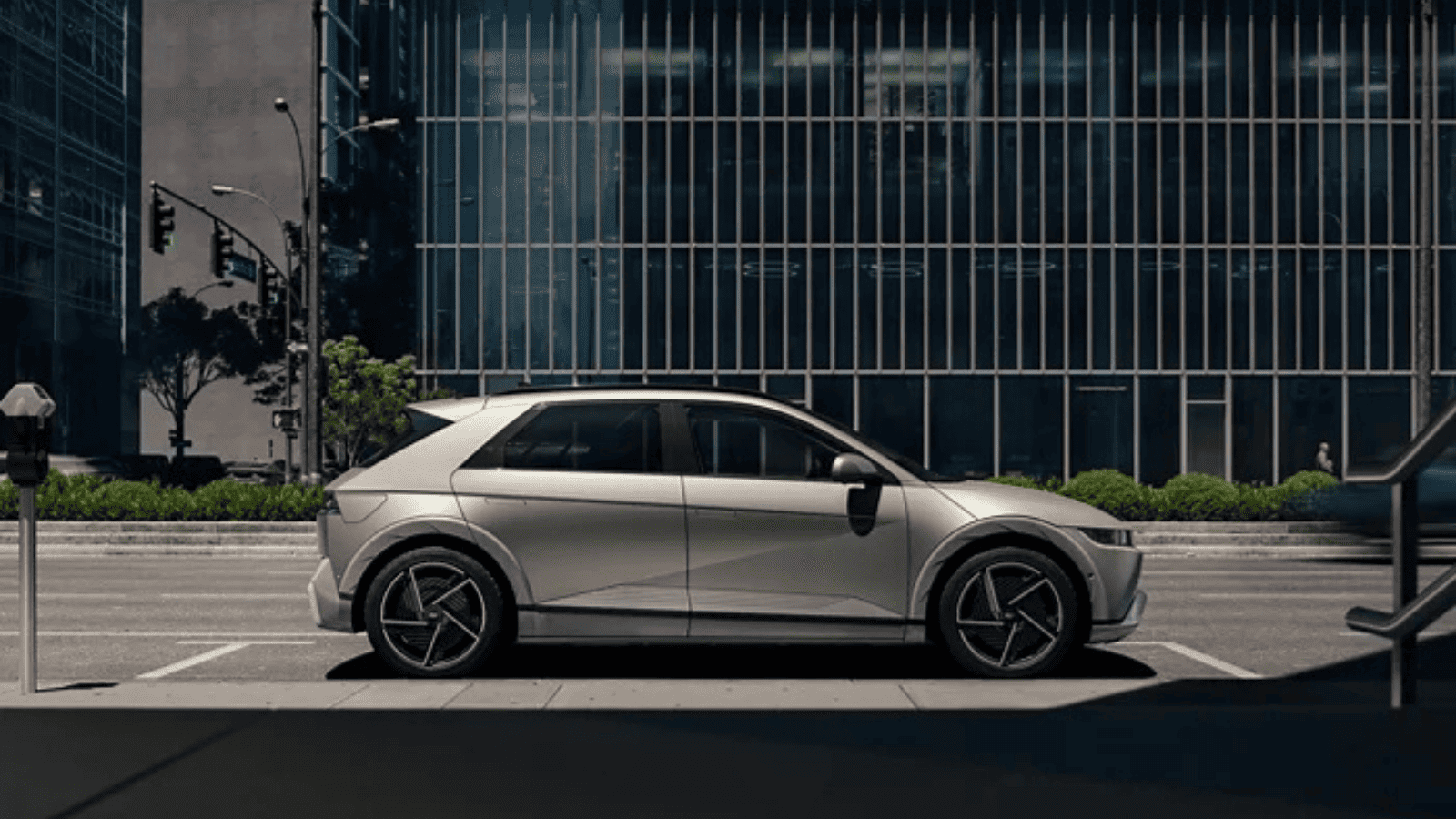
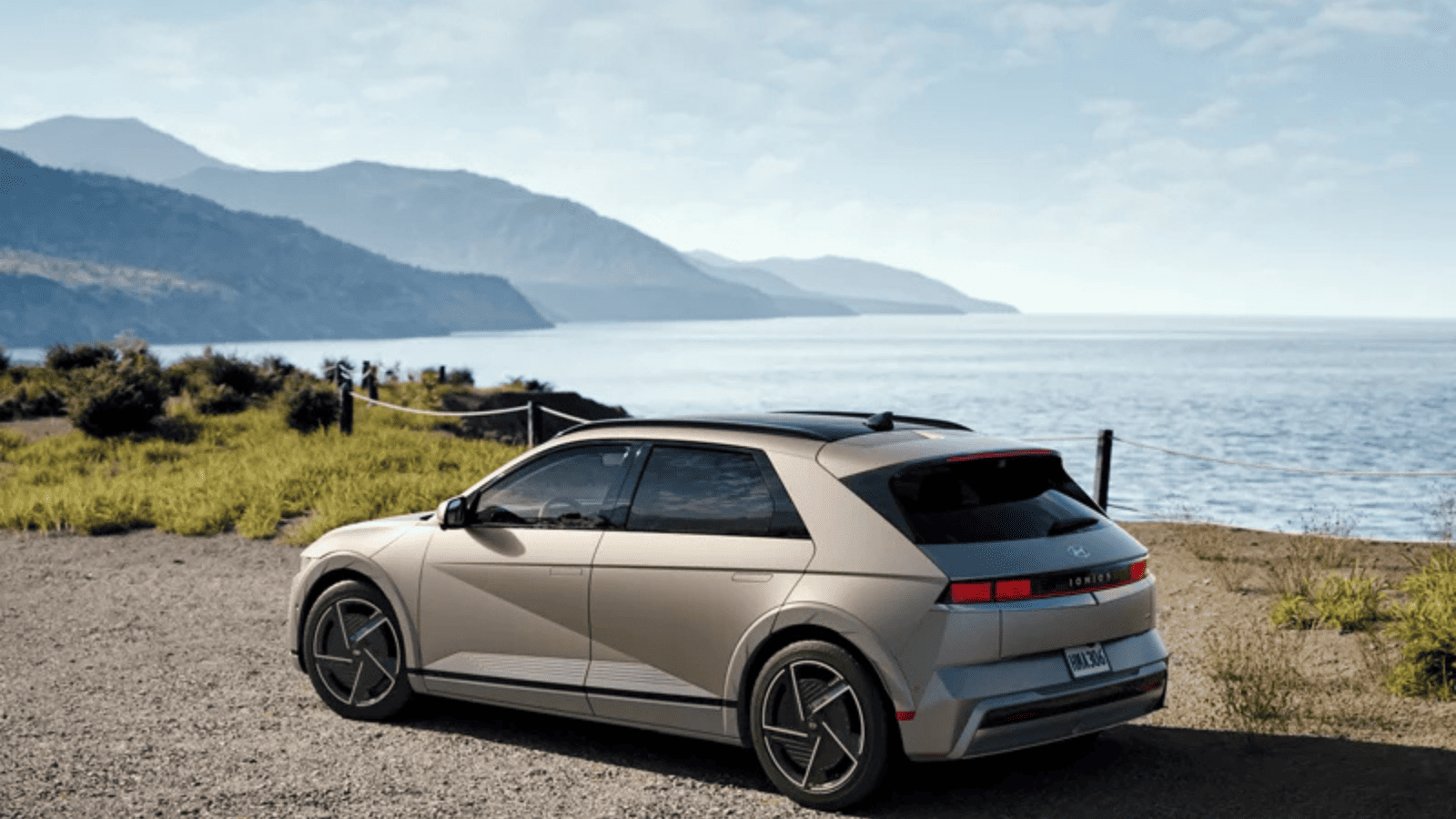
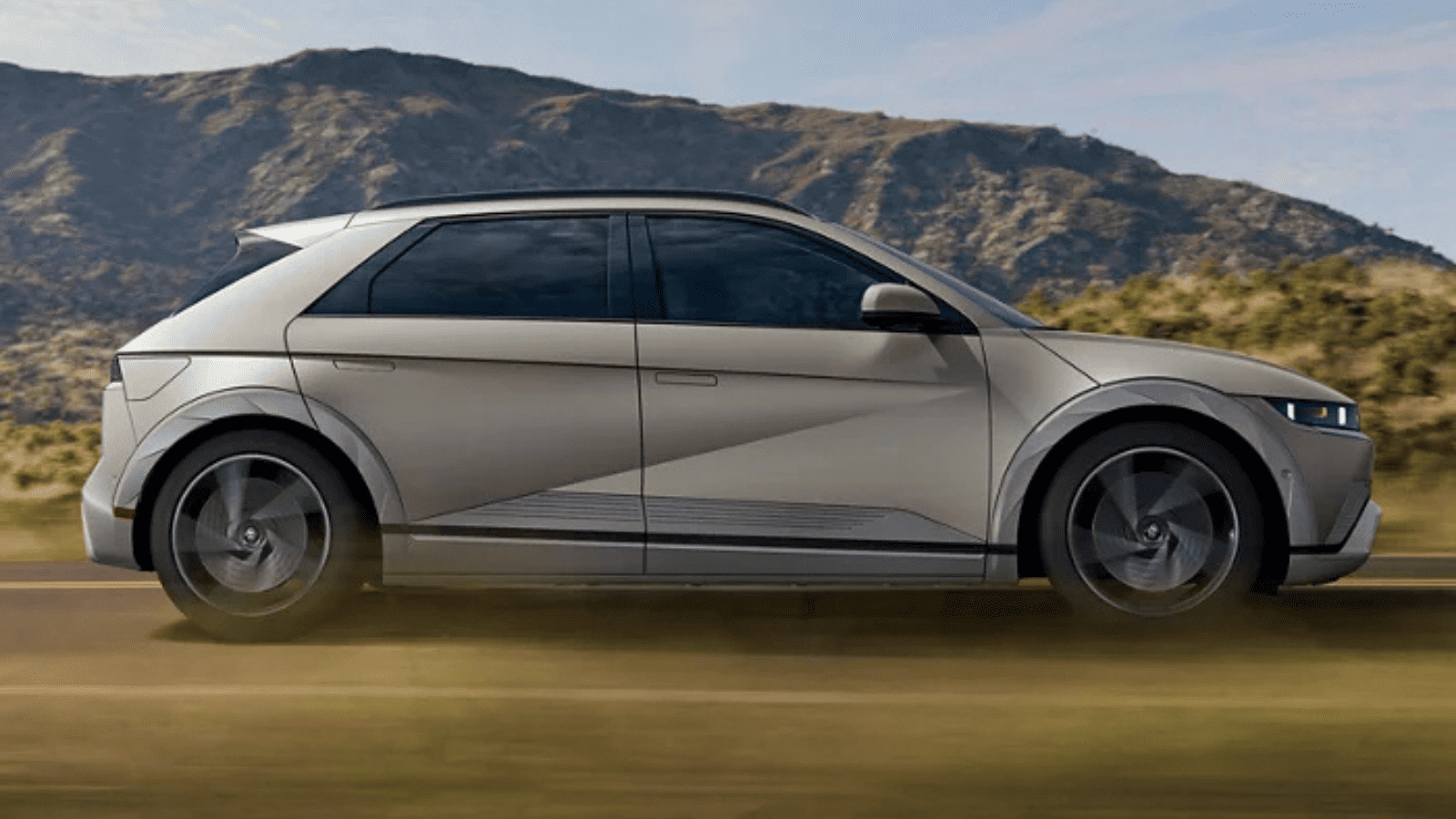
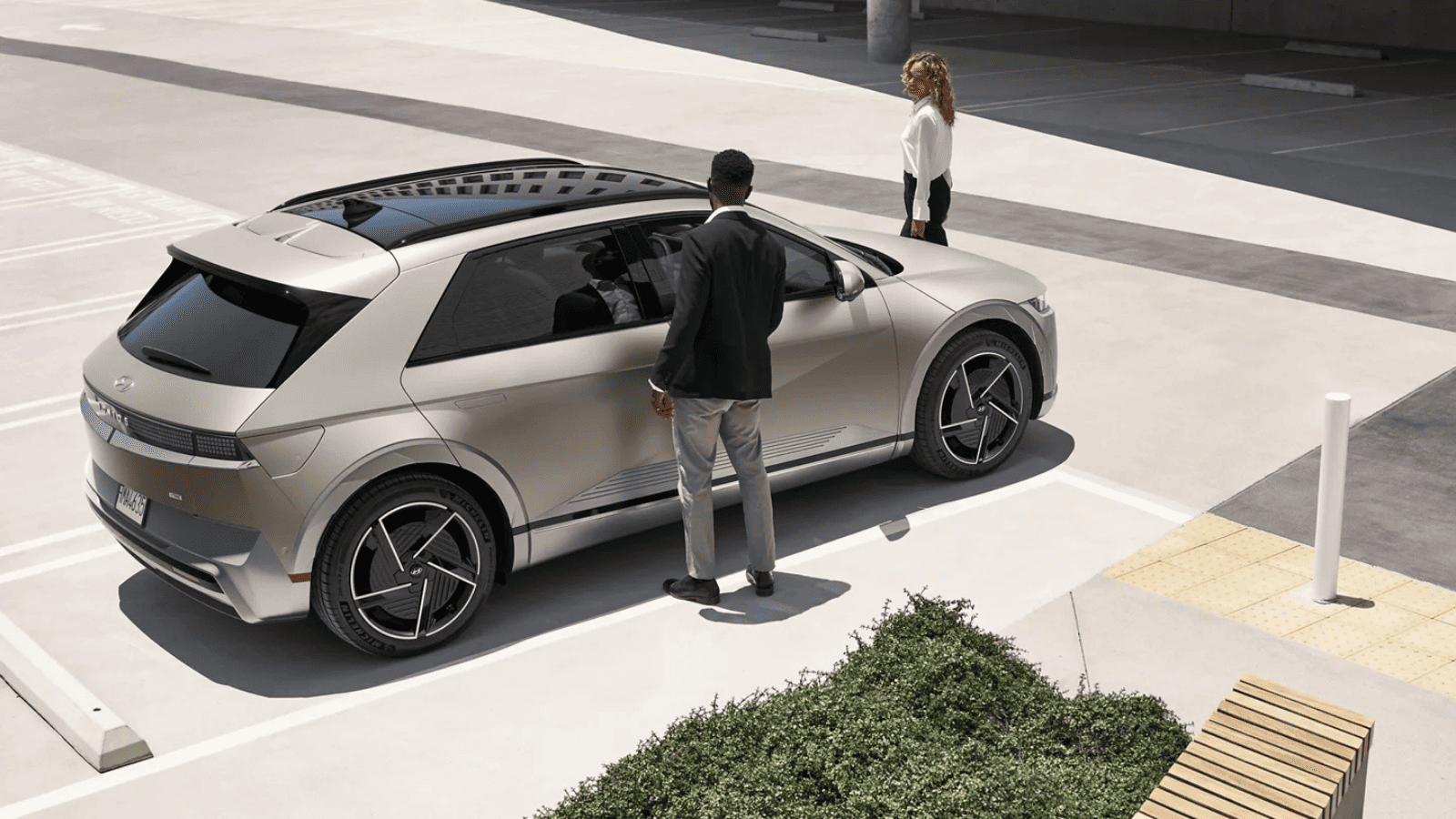
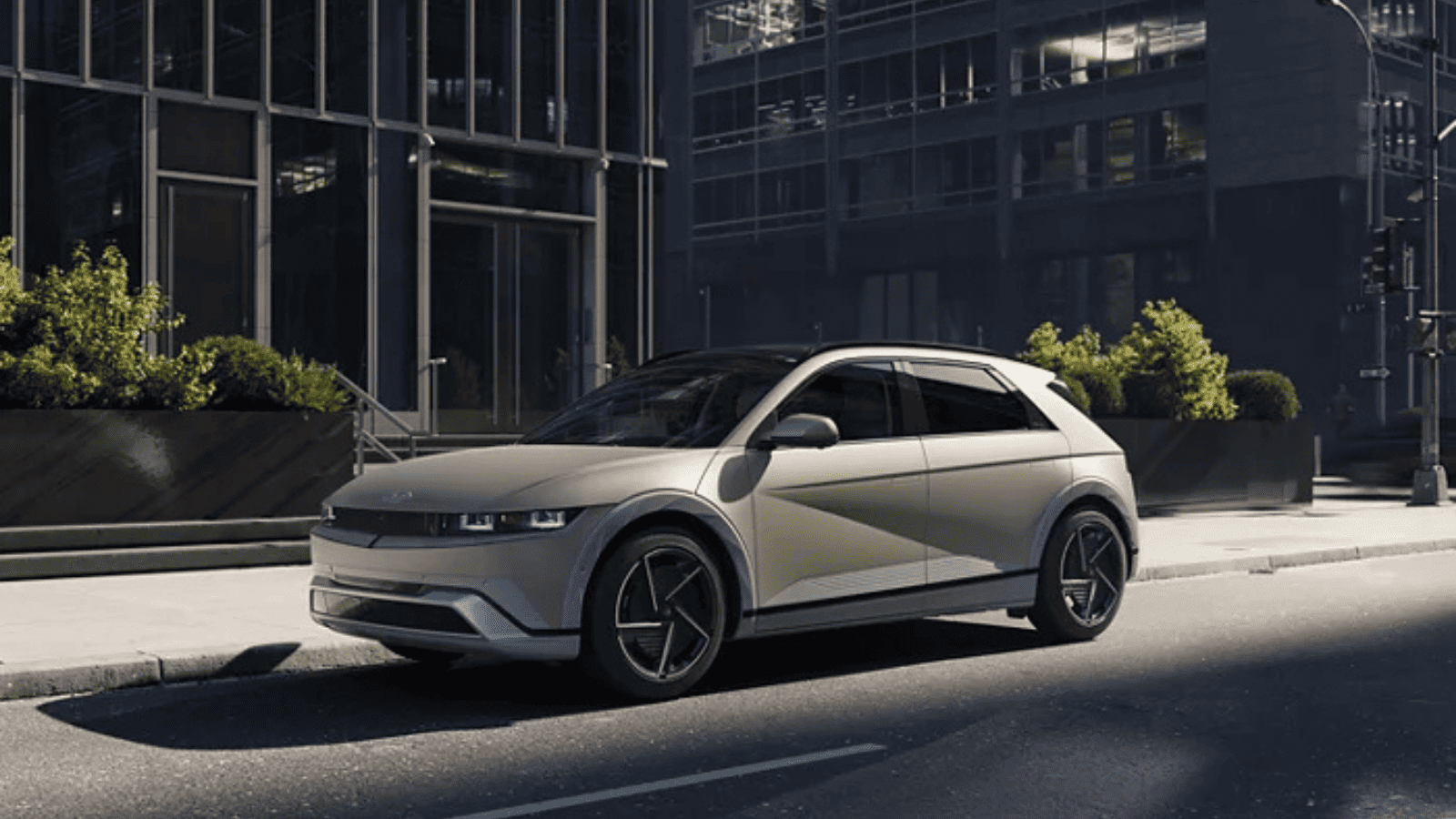
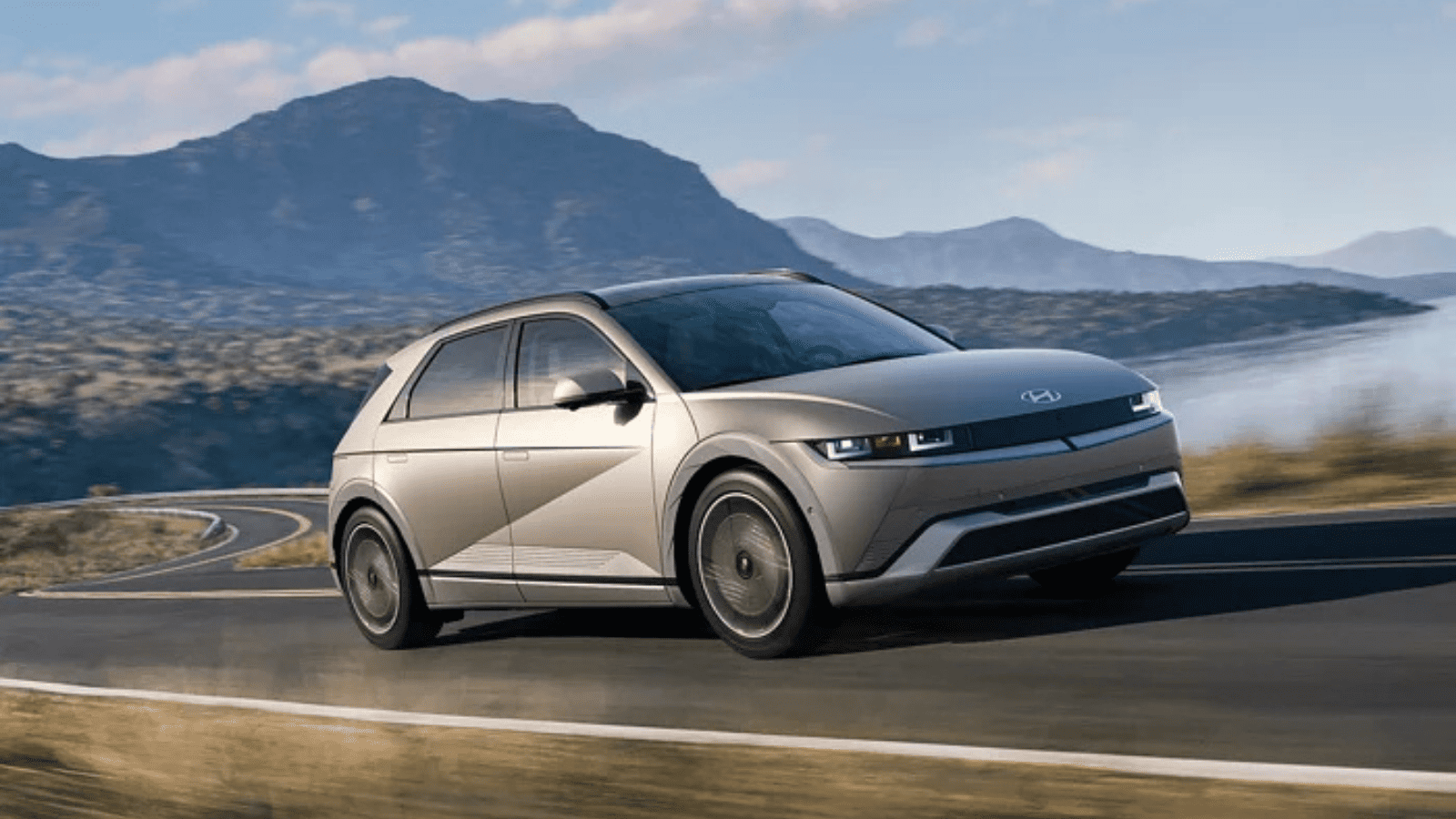
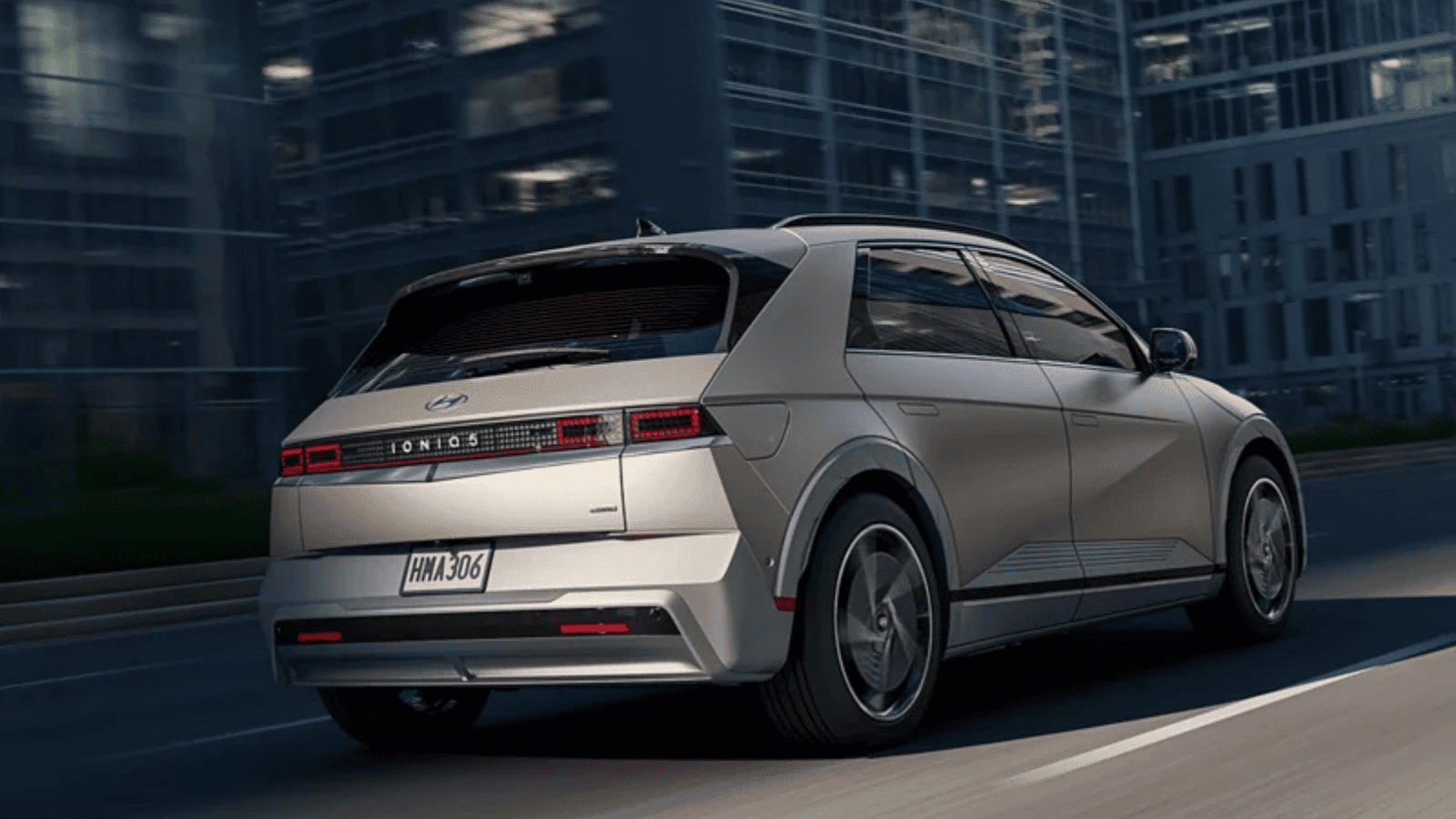
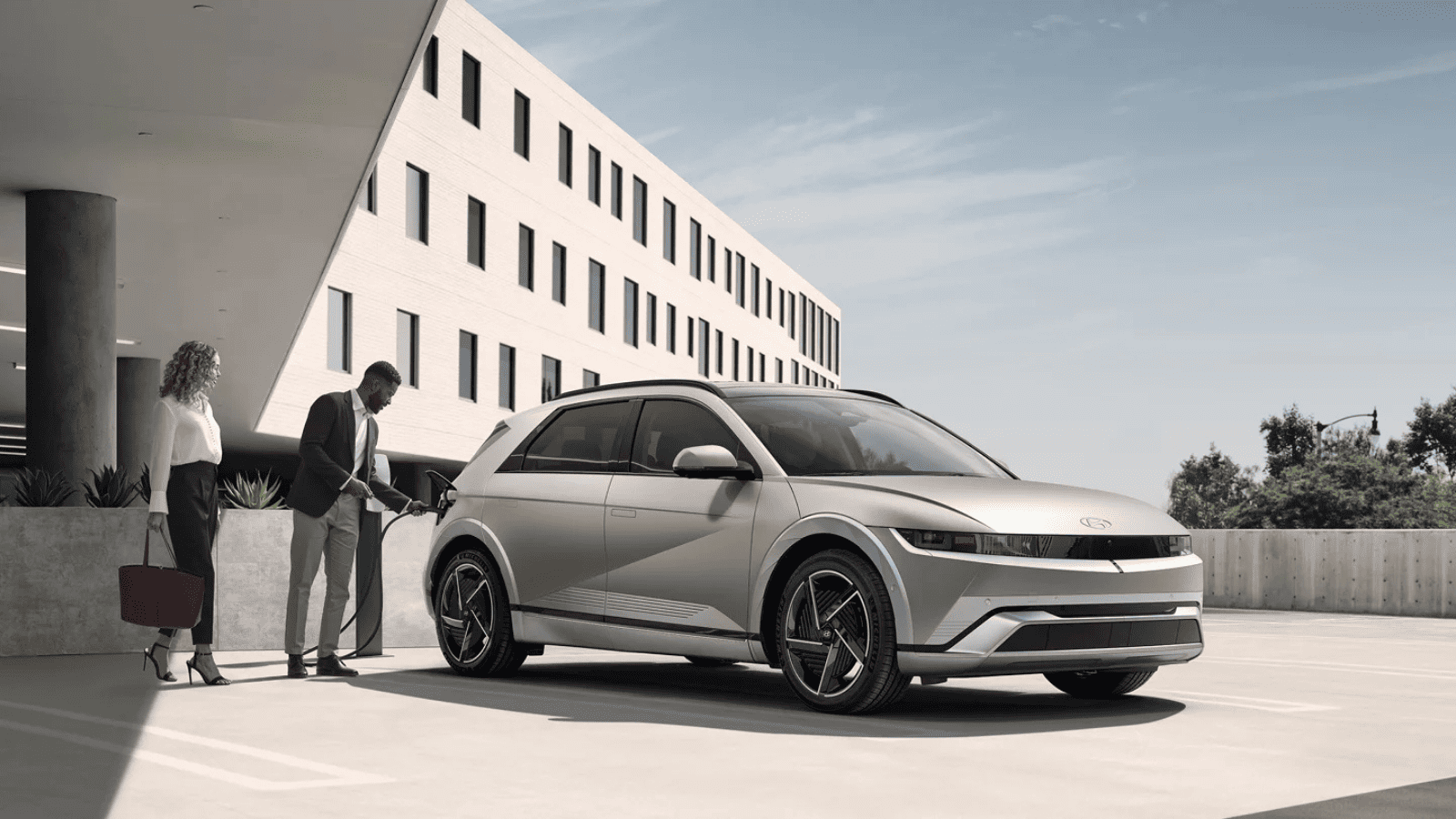
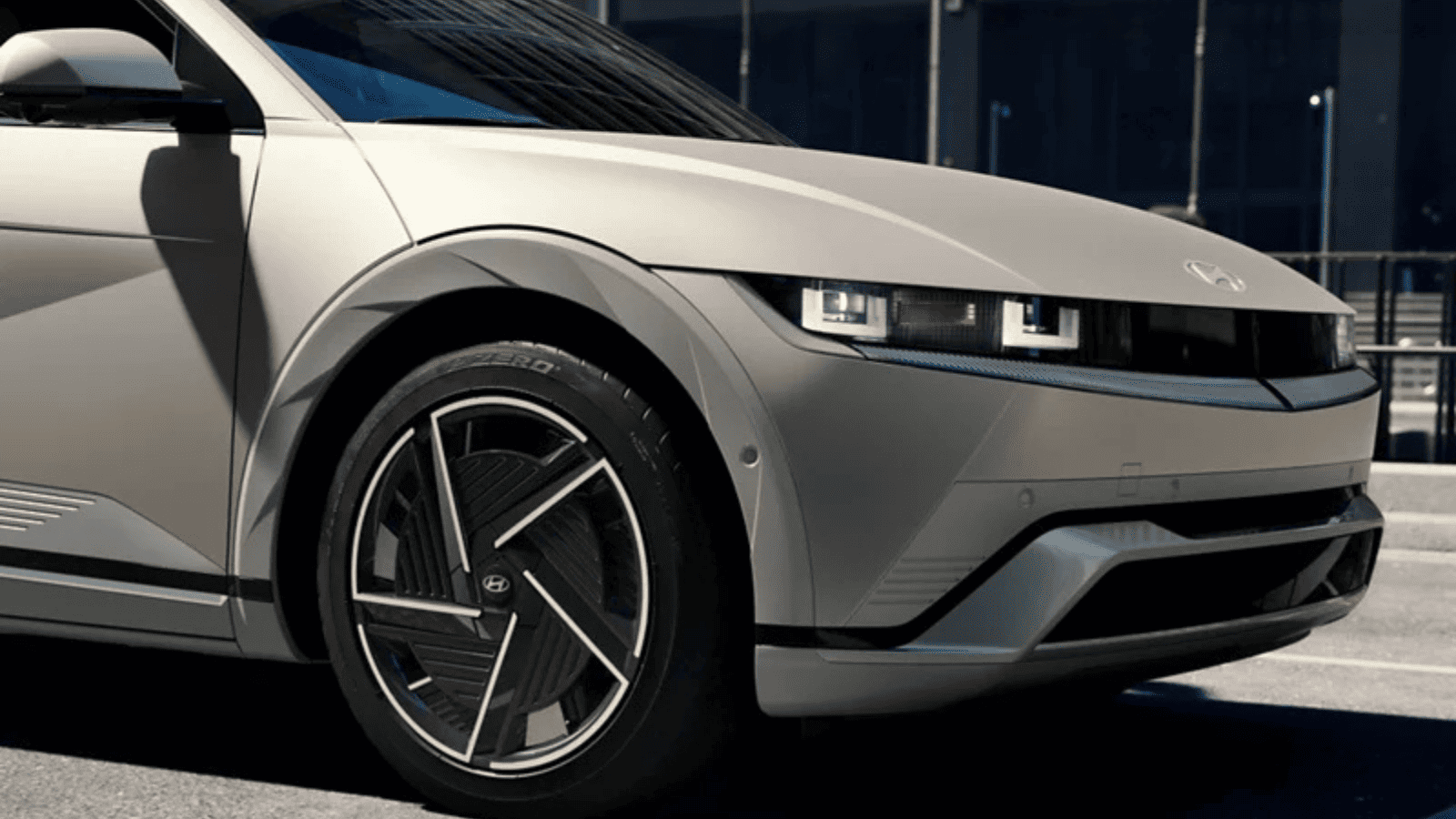
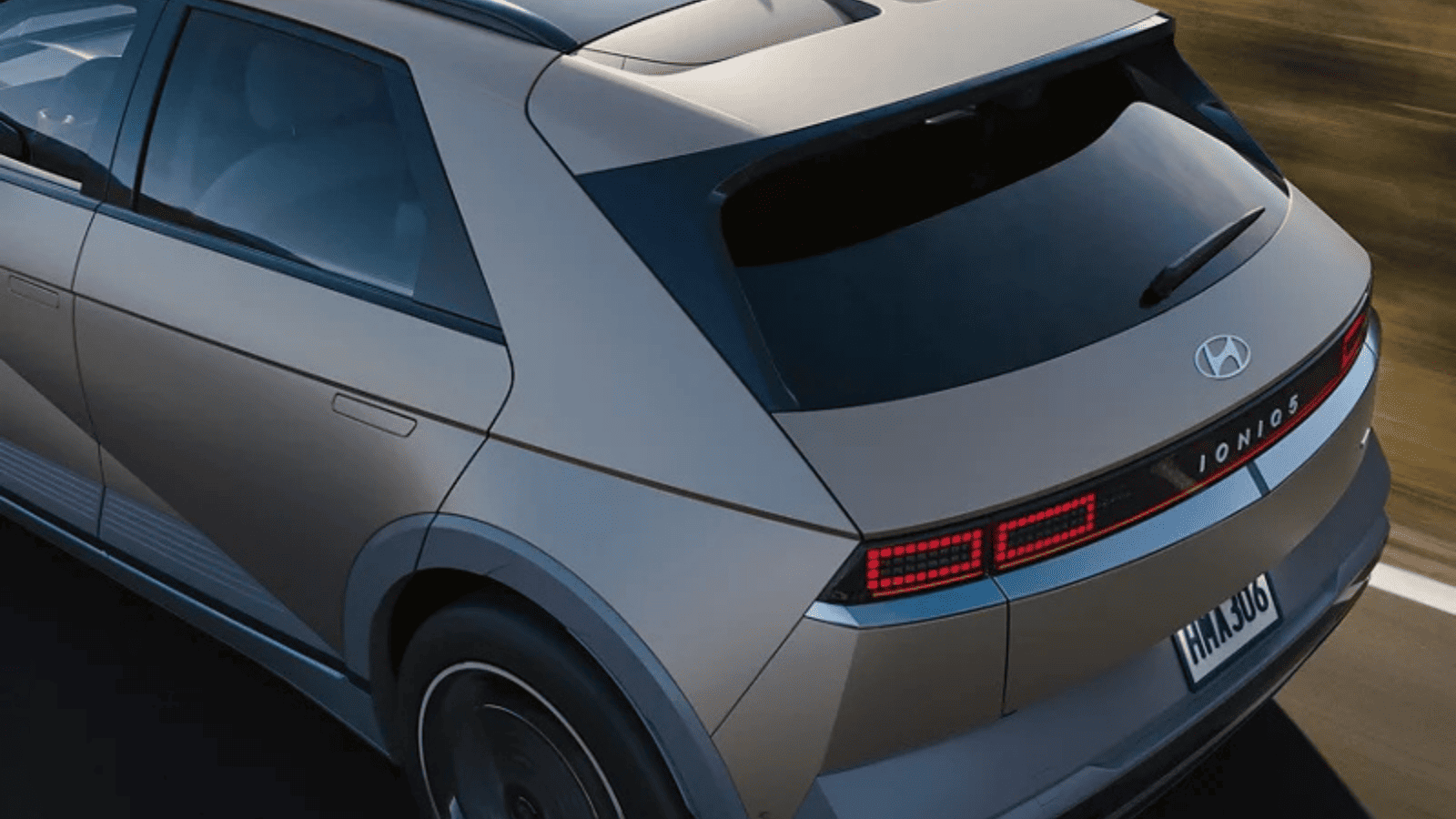
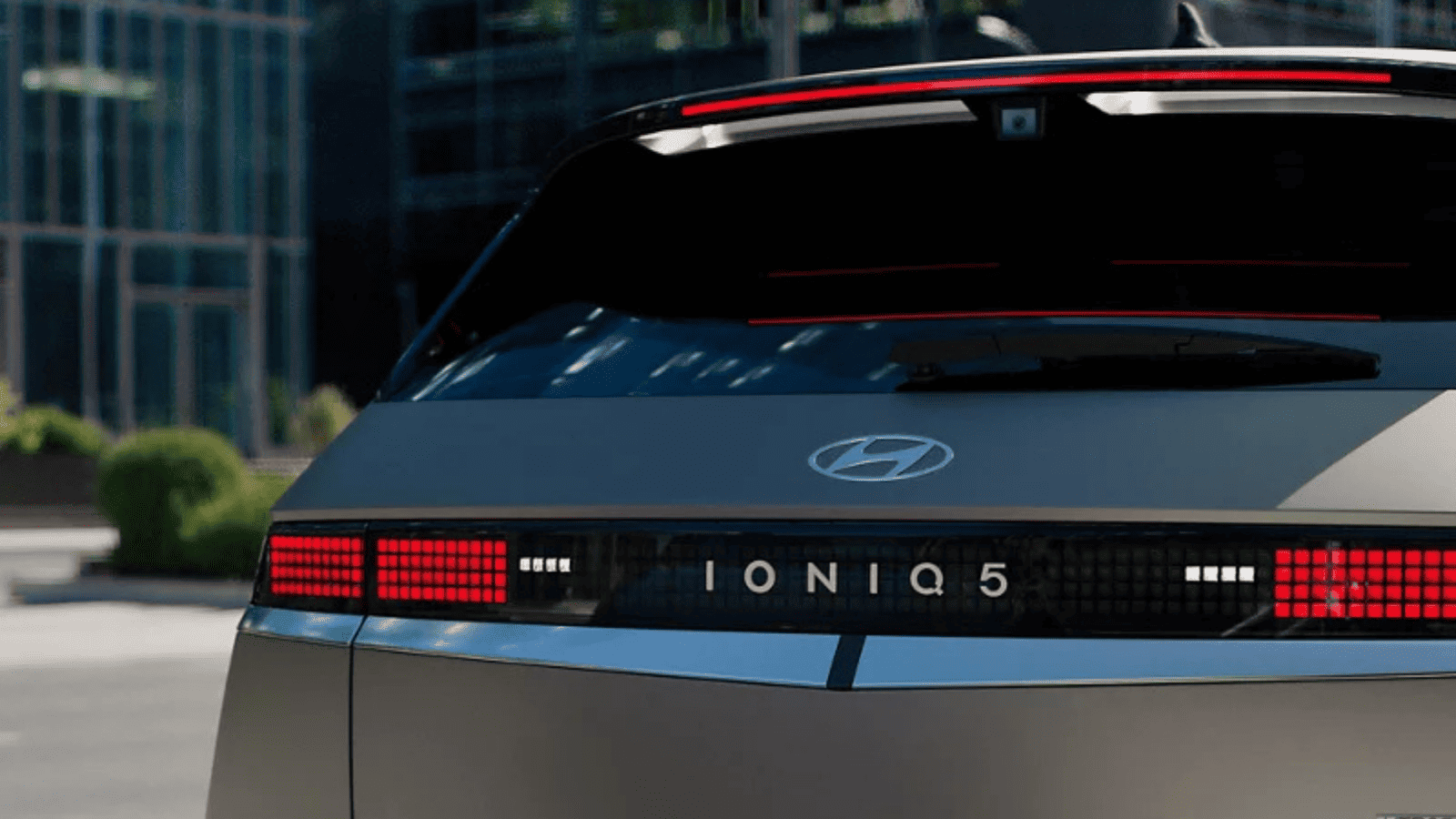
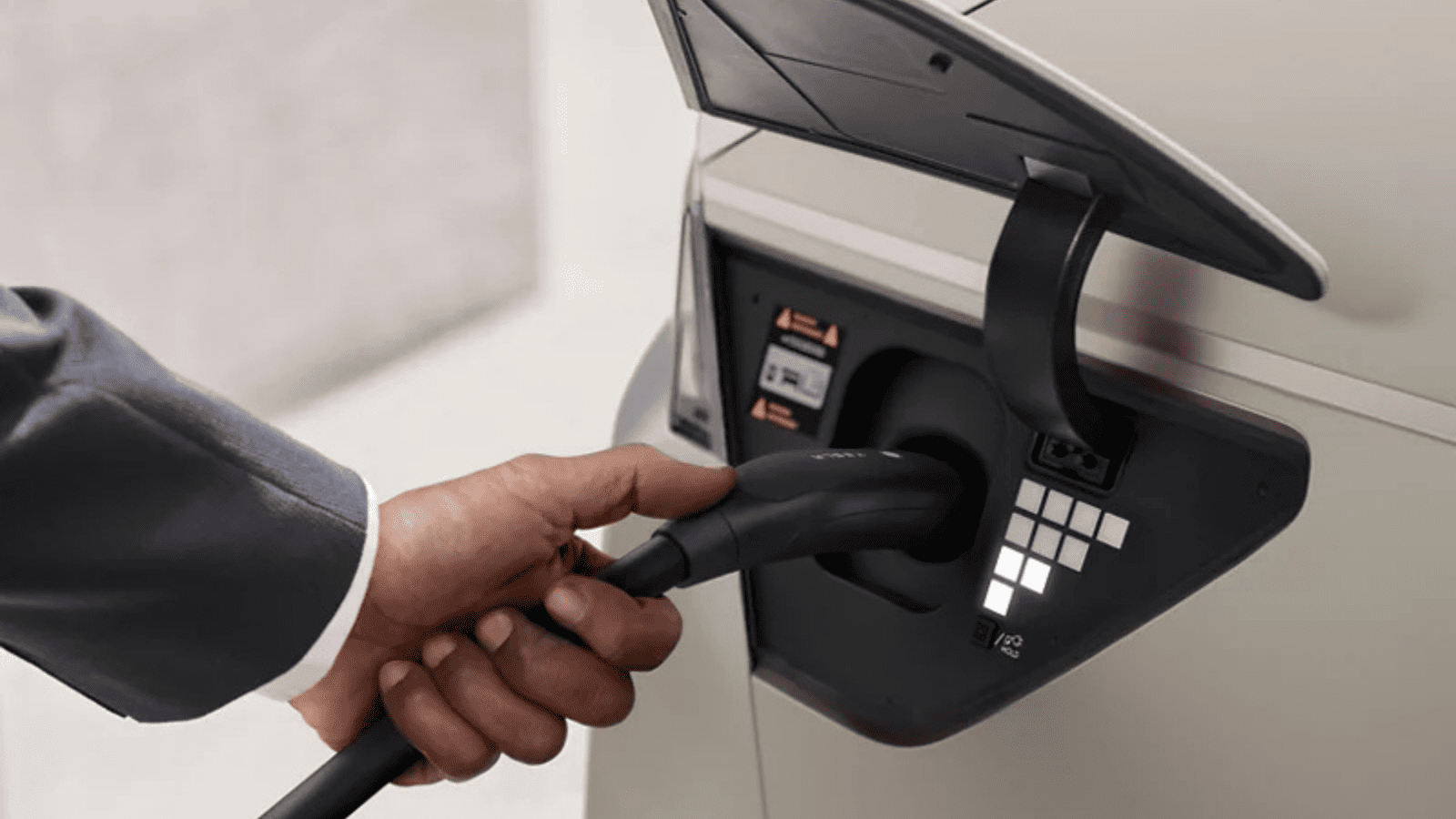
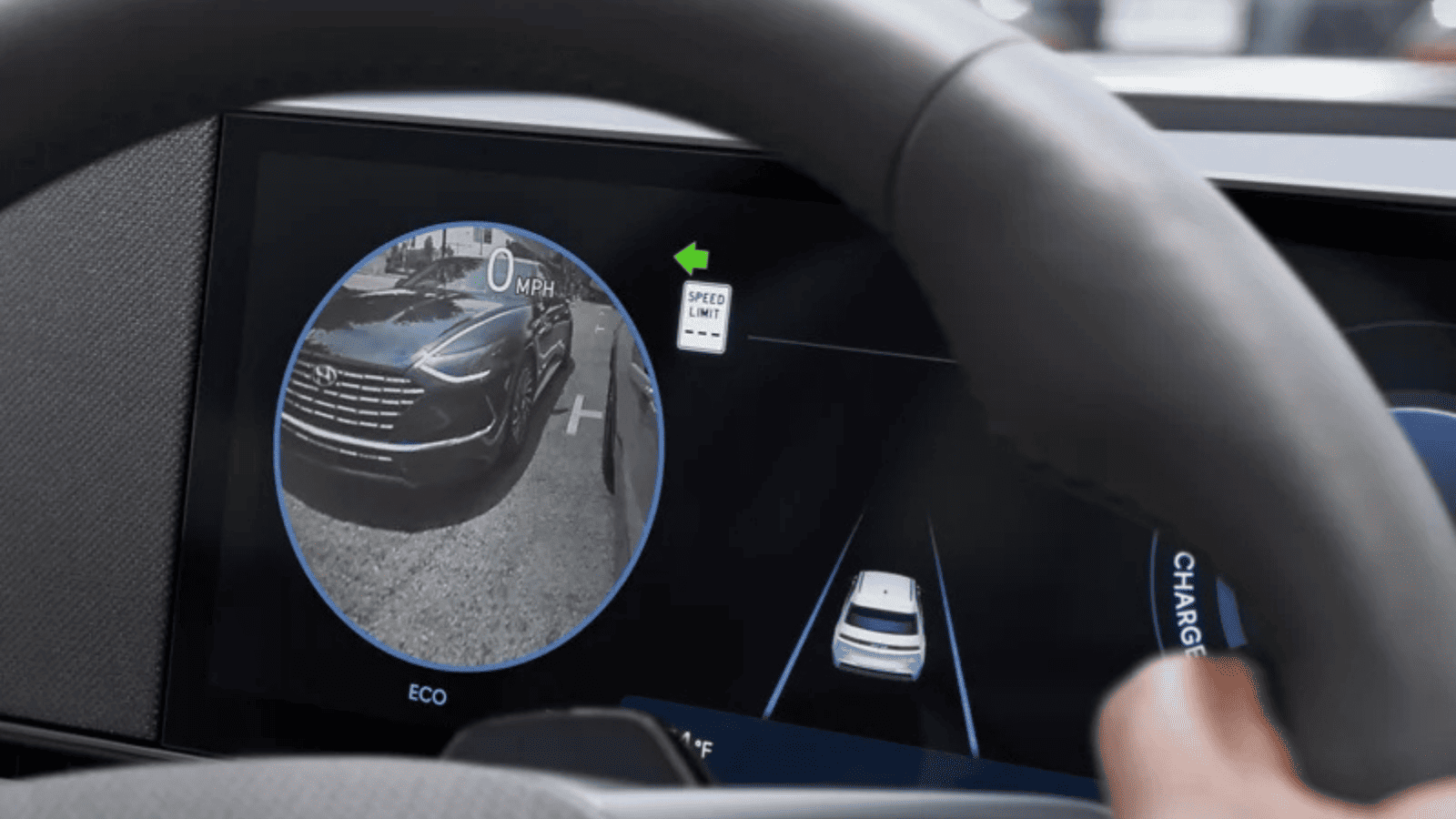
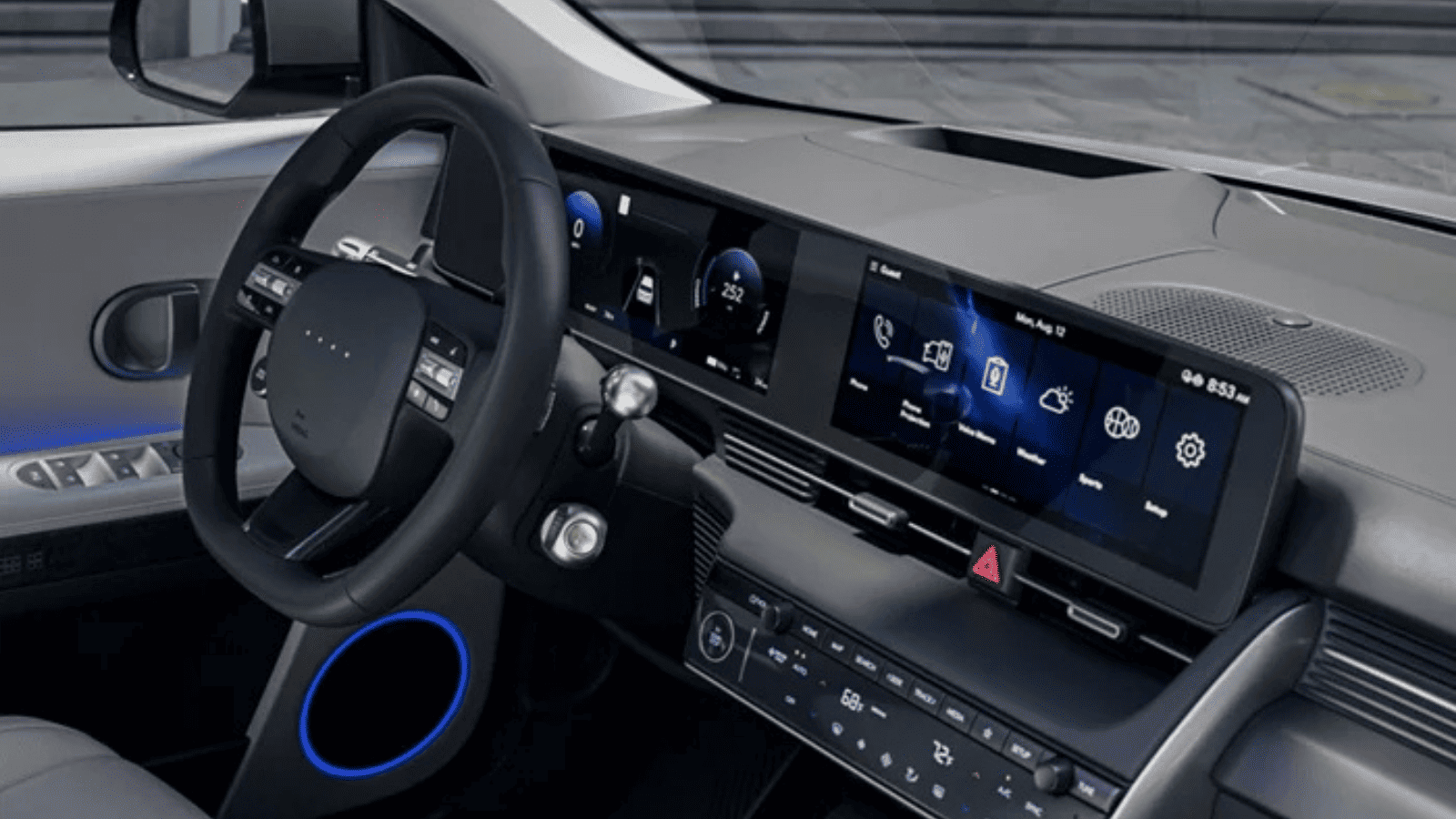
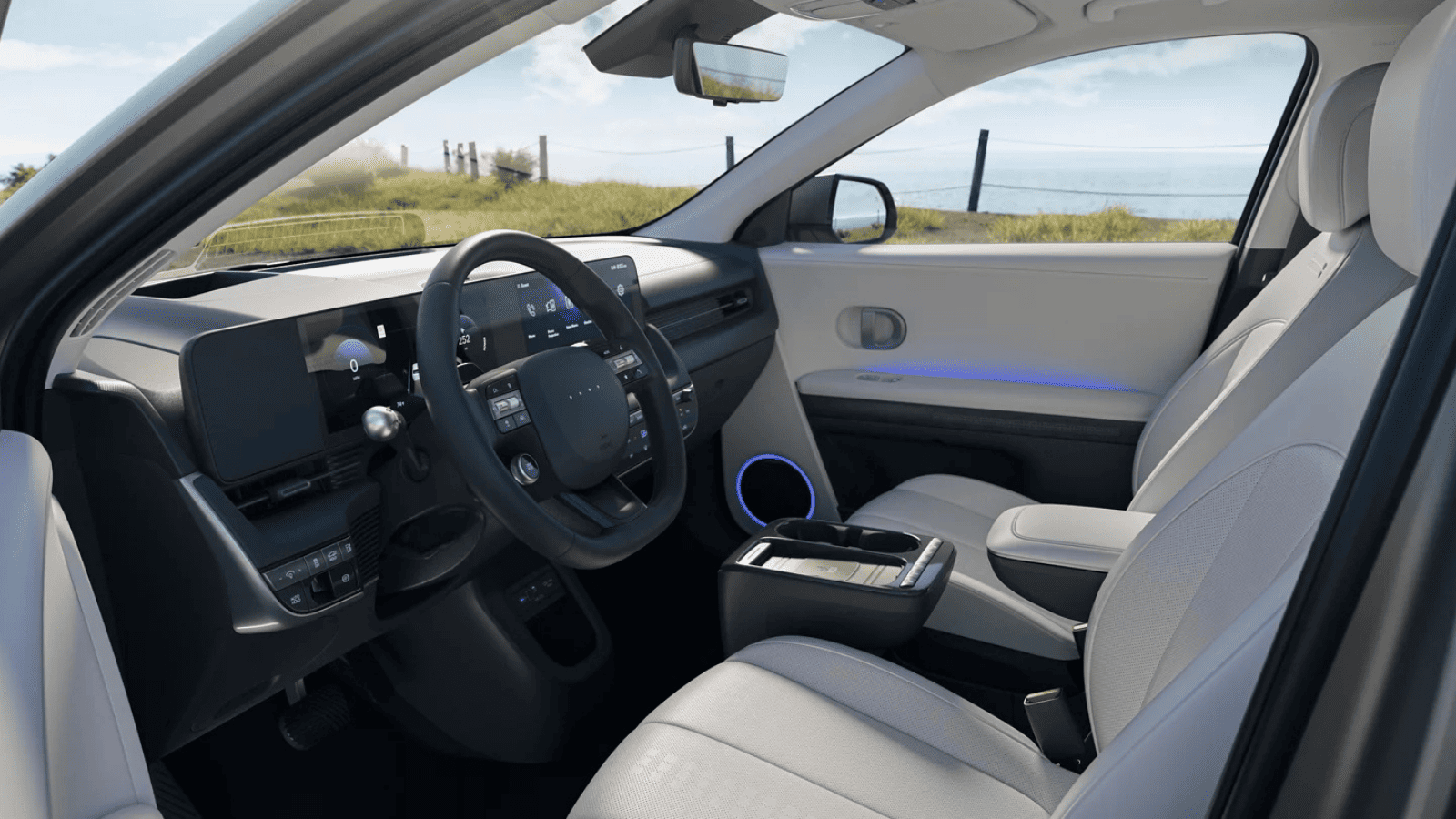
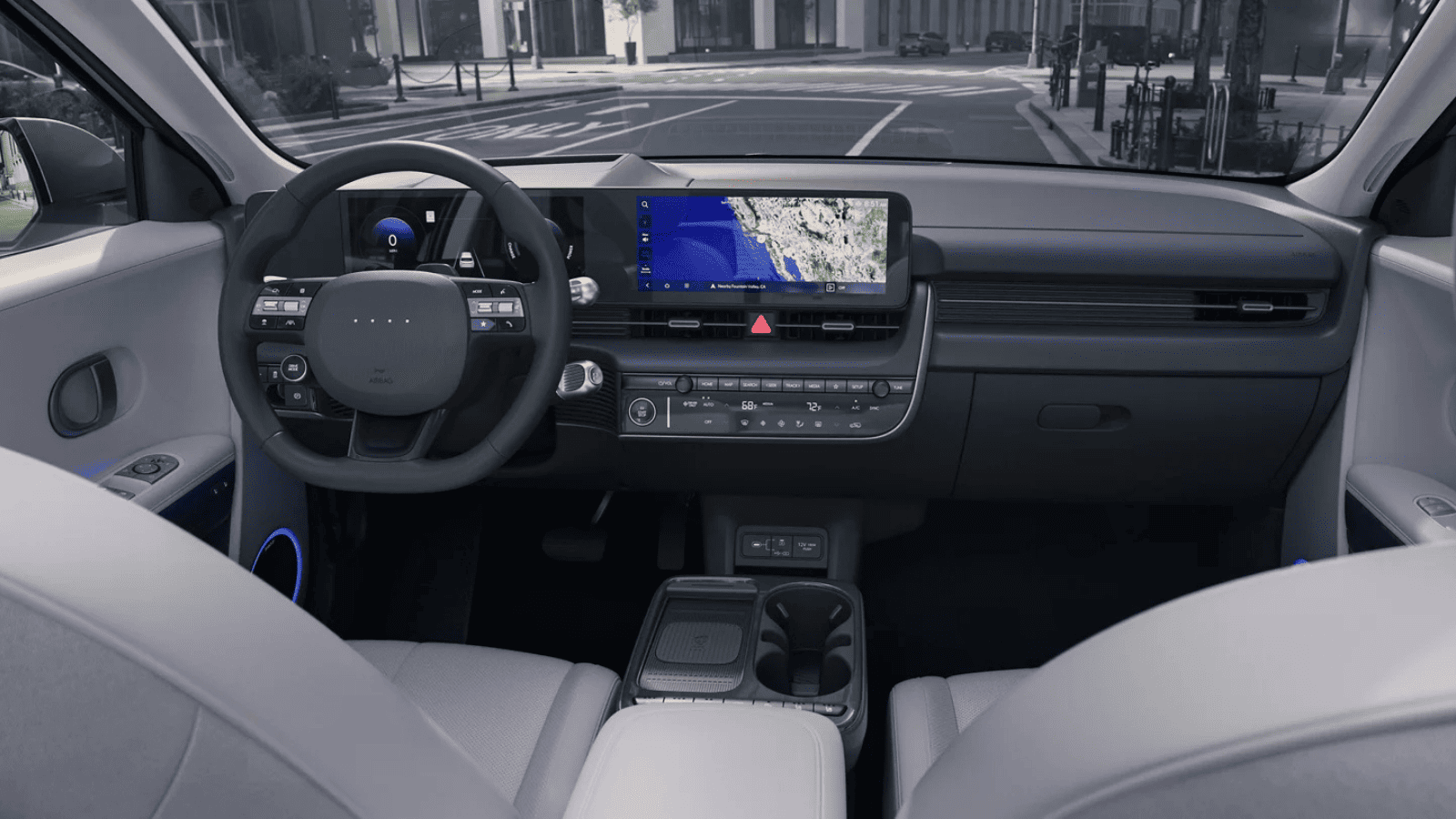
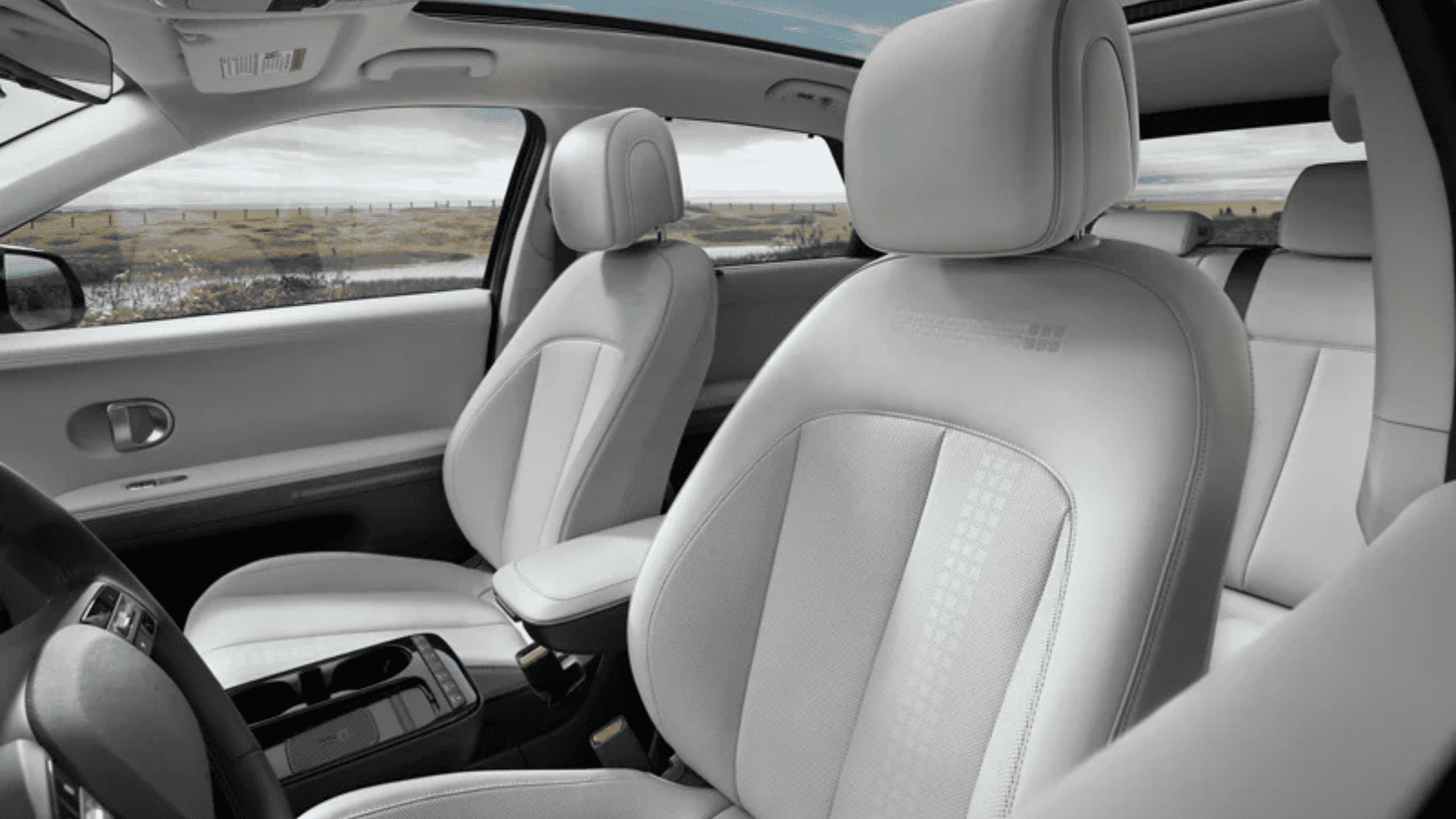

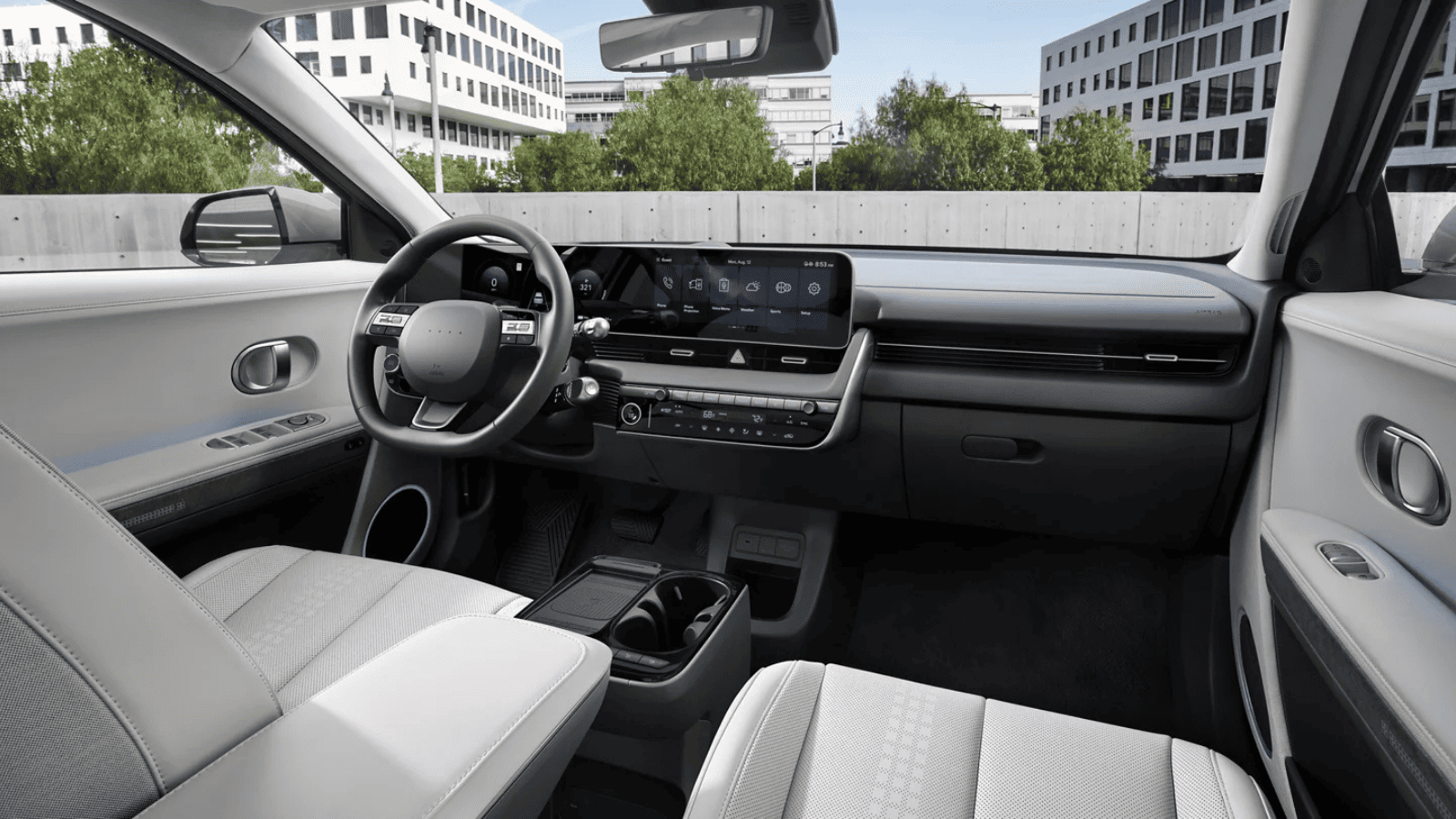
It is aimed at buyers who want an EV that feels practical rather than experimental. The IONIQ 5 has a squared-off hatchback shape, sliding and reclining rear seats, available all-wheel drive, and enough room for family use without moving to a larger three-row SUV.
The lineup ranges from the lower-cost SE Standard Range to the comfort-focused Limited and the more rugged XRT. Most buyers should focus on the long-range SEL, which offers the best balance of price, range, everyday equipment, and available all-wheel drive.
WheelPedia Rating: 8.8/10
The Hyundai IONIQ 5 earns an 8.8/10 WheelPedia Rating for its long available range, quick DC charging, roomy interior, practical cargo space, strong safety record, and long battery warranty. Its main trade-offs are public-charging dependence for drivers without home charging, a higher purchase price than gasoline SUVs, and reduced range on all-wheel-drive and XRT versions.
| Rating Category | Score | Weight |
| Safety | 9.3/10 | 20% |
| Reliability and Ownership | 8.1/10 | 15% |
| Performance and Driving | 8.2/10 | 15% |
| Comfort and Practicality | 9.0/10 | 15% |
| Efficiency | 9.0/10 | 15% |
| Features and Technology | 9.0/10 | 10% |
| Price and Value | 8.9/10 | 10% |
| Overall WheelPedia Rating | 8.8/10 | — |
See how WheelPedia rates cars for the full methodology.
Key Highlights
- Starts at $35,000 MSRP in the United States, before freight, taxes, registration, options, and dealer charges.
- Available EPA-estimated range of up to 318 miles.
- SE Standard Range model offers an EPA-estimated 245 miles of range.
- Rear-wheel-drive long-range models produce 225 hp.
- All-wheel-drive models produce 320 hp.
- XRT adds all-wheel drive, all-terrain tires, terrain modes, and a suspension lift.
- Supports 800-volt DC fast charging from 10% to 80% in as little as about 20 minutes at a compatible 350-kW charger.
- Offers 26.3 cubic feet of cargo space behind the rear seats and 58.5 cubic feet with them folded.
- Every trim includes a 12.3-inch touchscreen, navigation, and wireless Apple CarPlay and Android Auto.
- The 2026 IONIQ 5 earned an IIHS Top Safety Pick+ award.
Quick Specifications
| Specification | Hyundai IONIQ 5 |
| Vehicle type | Compact electric SUV |
| Seating capacity | 5 |
| Battery options | 63 kWh or 84 kWh lithium-ion |
| Drivetrain | Rear-wheel drive or all-wheel drive |
| Standard-range output | 168 hp |
| Long-range RWD output | 225 hp |
| Long-range AWD output | 320 hp |
| Transmission | Single-speed reduction gear |
| Maximum EPA-estimated range | 318 miles |
| Maximum EPA-estimated efficiency | 115 MPGe combined |
| DC fast charging, 10%–80% | As little as about 20 minutes |
| Cargo capacity | 26.3–58.5 cu. ft. |
| Length | 183.3 in. |
| Width | 74.4 in. |
| Wheelbase | 118.1 in. |
Expert Tip: The IONIQ 5 SEL rear-wheel drive is the version to target if range and value matter most. Choose all-wheel drive if winter traction or stronger acceleration is more important than the extra range. The XRT is a niche choice for buyers who genuinely need its all-terrain tires and added clearance.
About the Hyundai IONIQ 5
The IONIQ 5 is Hyundai’s mainstream electric SUV. It is not a hybrid and does not use gasoline. You charge it through a home charger or public charging station.
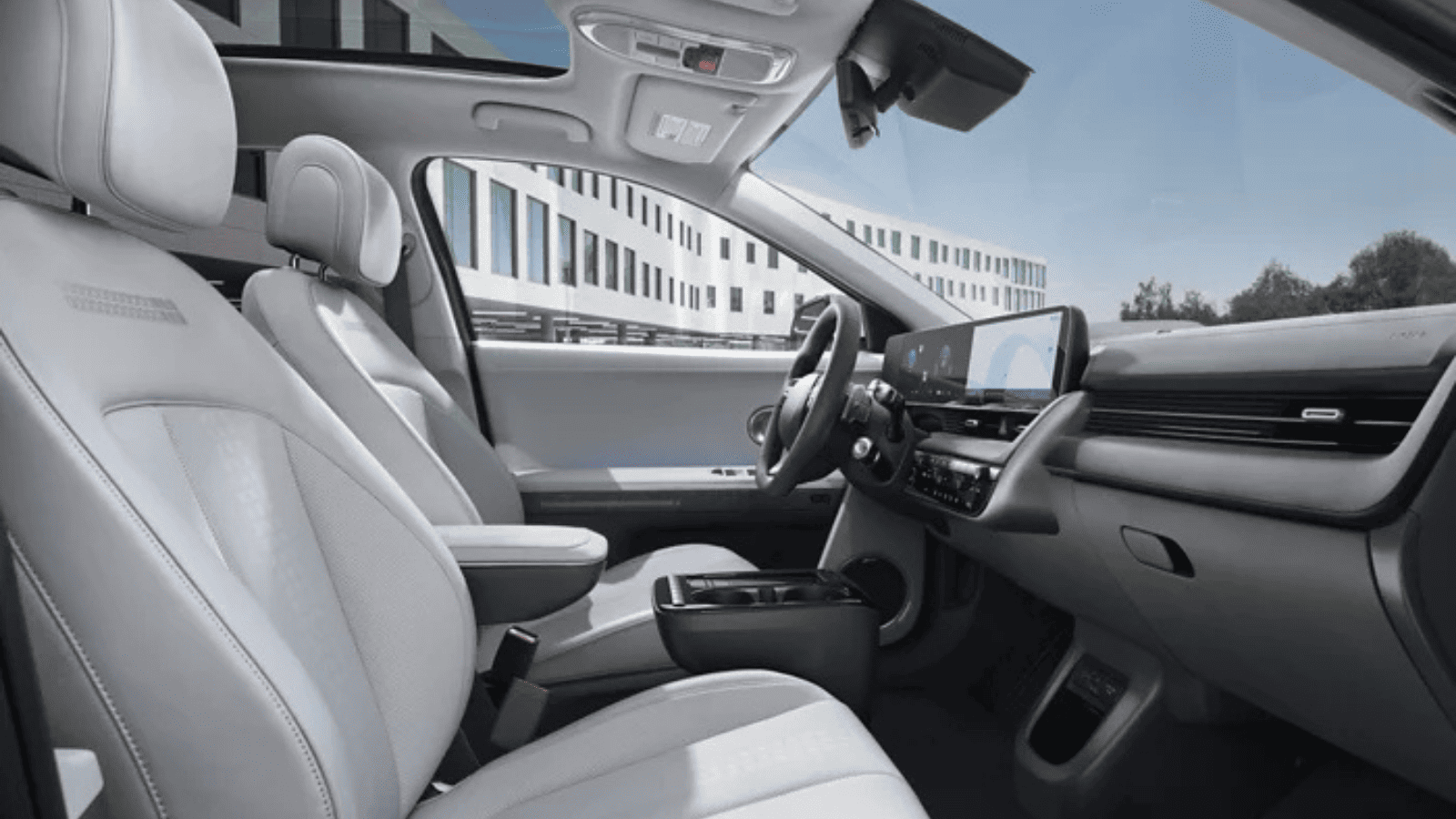
Its electric-only design gives it a flat floor, a long wheelbase, and more interior room than its exterior size suggests. The rear seats can slide and recline, which helps it work for adults, child seats, luggage, and normal family travel.
The IONIQ 5 is also one of Hyundai’s quickest-charging EVs. Its 800-volt electrical architecture allows it to take advantage of compatible high-output DC fast chargers. That matters on road trips, where shorter charging stops make electric ownership easier.
Drivers who want the same basic layout with far more performance should consider the separately reviewed Hyundai IONIQ 5 N.
Price and Trims
The following prices are starting MSRPs for the 2026 Hyundai IONIQ 5. Prices exclude freight, taxes, title, registration, dealer-installed accessories, and dealer pricing.
| Trim | Starting MSRP | Drivetrain | EPA-Estimated Range | Best For |
| SE Standard Range | $35,000 | RWD | 245 miles | Lowest-price entry into IONIQ 5 ownership |
| SE | $37,500 | RWD or AWD | Up to 318 miles | Buyers wanting long range at a lower price |
| SEL | $39,800 | RWD or AWD | Up to 318 miles | Best overall blend of equipment and value |
| Limited | $45,075 | RWD or AWD | Up to 318 miles | Buyers wanting more comfort and technology |
| XRT | $46,275 | AWD | 259 miles | Buyers wanting extra clearance and all-terrain ability |
For current availability, equipment, colors, and local pricing, see the Hyundai IONIQ 5 lineup.
Which Hyundai IONIQ 5 Trim Is Best?
- Best overall: SEL RWD
- Best for maximum range: SE, SEL, or Limited RWD
- Best lower-price option: SE Standard Range
- Best for winter weather: SEL AWD
- Best for extra comfort and technology: Limited
- Best for light off-pavement use: XRT
The SE Standard Range makes sense for drivers with shorter commutes, reliable home charging, and a tight budget. Its 245-mile range is enough for many households, but the long-range battery is worth the extra money for most buyers.
The SE is the value-focused long-range trim. It offers up to 318 miles of EPA-estimated range in rear-wheel-drive form and gives buyers an affordable route into the larger battery.
The SEL is the strongest choice for most shoppers. It adds more daily-use features, including Highway Driving Assist 2, a hands-free smart liftgate, wireless device charging, and H-Tex-trimmed seating surfaces.
The Limited is the comfort and technology choice. It adds features such as a Vision Roof, head-up display, heated rear seats, ventilated front seats, a surround-view camera, and Remote Smart Parking Assist 2.
The XRT is different from the rest of the range. It has standard all-wheel drive, a 23-mm suspension lift, 18-inch wheels with all-terrain tires, and Snow, Mud, and Sand terrain modes. Its 259-mile range is lower because of its AWD system, tires, and taller ride height.
Electric Powertrain and Performance
The IONIQ 5 is available with three power outputs.
| Configuration | Power | Drivetrain | Best Use |
| Standard-range battery | 168 hp | RWD | Lower-cost daily driving |
| Long-range battery | 225 hp | RWD | Maximum range and efficient commuting |
| Dual-motor long-range battery | 320 hp | AWD | Stronger acceleration and added traction |
The standard-range model uses a 63-kWh battery and rear-wheel drive. Long-range versions use an 84-kWh battery.
Rear-wheel-drive long-range models are the best choice for buyers who cover a lot of highway miles. They offer the highest EPA-estimated range and still have enough power for normal merging and passing.
All-wheel-drive models add a second motor and more confident traction in rain, snow, and loose surfaces. They are noticeably quicker, but their range is lower than that of comparable RWD models.
0–60 MPH Performance
Hyundai does not publish official 0–60 mph times for every IONIQ 5 trim.
The 168-hp standard-range model is designed for normal daily driving rather than quick acceleration. The 225-hp long-range RWD models feel more confident in highway traffic, while the 320-hp AWD versions provide much stronger response from a stop.
Buyers who want maximum acceleration should consider the Hyundai IONIQ 5 N, which is a separate high-performance model with up to 641 hp.
Driving Experience
The IONIQ 5 is easy to drive around town. Its electric powertrain is quiet, acceleration is immediate, and the compact exterior footprint makes parking simpler than in a larger SUV.
Ride quality is generally comfortable, especially on the regular SE, SEL, and Limited trims. The long wheelbase helps the vehicle feel stable on the highway, and its low-mounted battery gives it a planted feel through turns.
The XRT is more focused on rougher roads. Its all-terrain tires and raised suspension help on dirt roads, snow-covered access roads, and uneven campsites. It is not a hard-core off-road vehicle, but it gives buyers more confidence away from smooth pavement.
Regenerative braking allows the IONIQ 5 to recover energy when slowing down. Drivers can adjust braking response using steering-wheel paddles, which is useful for those who prefer stronger one-pedal-style driving or a more conventional coasting feel.
Range, Efficiency, and Charging
| Model | EPA-Estimated Range |
| IONIQ 5 SE Standard Range RWD | 245 miles |
| IONIQ 5 SE RWD | 318 miles |
| IONIQ 5 SEL RWD | 318 miles |
| IONIQ 5 Limited RWD | 318 miles |
| IONIQ 5 SE AWD | 290 miles |
| IONIQ 5 SEL AWD | 290 miles |
| IONIQ 5 Limited AWD | 269 miles |
| IONIQ 5 XRT AWD | 259 miles |
The long-range rear-wheel-drive IONIQ 5 is the mileage leader. Its 318-mile EPA-estimated range makes it the sensible choice for drivers who take frequent highway trips or cannot charge every night.
The SE Standard Range still has a useful 245-mile rating, particularly for households with home charging and predictable driving needs.
All-wheel drive reduces range because it adds another motor and more weight. The XRT gives up additional range for its all-terrain tires, added clearance, and terrain-focused hardware.
Charging Times
| Charging Method | Approximate Charging Time |
| 240-volt Level 2 home charger | Overnight; time varies by battery size and charger output |
| 350-kW DC fast charger | 10%–80% in as little as about 20 minutes |
| Lower-output DC fast charger | Longer charging time, depending on charger speed |
The IONIQ 5 supports ultra-fast 800-volt charging. Hyundai estimates that a compatible 350-kW DC fast charger can charge the battery from 10% to 80% in as little as about 20 minutes.
A home Level 2 charger is the practical answer for most owners. Plugging in overnight means the vehicle can start each day with a full or near-full battery.
Actual charging speed changes with battery temperature, charger condition, charger output, battery state of charge, weather, and the number of vehicles using the station.
Interior, Comfort, and Technology
The IONIQ 5 has a clean, open cabin with a flat floor and useful rear-seat space. It feels more spacious than many compact SUVs because of its long wheelbase and electric-only platform.
Standard and available features include:
- 12.3-inch touchscreen with navigation
- 12.3-inch digital instrument cluster
- Wireless Apple CarPlay and Android Auto
- Wi-Fi hotspot capability
- Bluetooth connectivity
- USB-C charging ports
- Hyundai Digital Key on selected trims
- Bluelink+ connected-car services
- Wireless device charging on selected trims
- Heated front seats
- Available ventilated front seats
- Available heated rear seats
- Available Bose premium audio system
- Available head-up display
- Available Vision Roof
- Available surround-view camera
- Available Remote Smart Parking Assist 2
- Vehicle-to-Load charging capability
The front seats are comfortable for daily commuting and longer drives. Rear-seat room is generous for this class, and the rear bench can slide and recline to balance passenger comfort against cargo needs.
The Limited is the trim to choose if you want the most premium cabin. The SEL remains the more sensible choice for buyers who want useful comfort features without paying for every available extra.
Dimensions, Cargo, and Practicality
| Dimension | Measurement |
| Length | 183.3 in. |
| Width | 74.4 in. |
| Height | 63.0 in. |
| XRT height | 64.0 in. |
| Wheelbase | 118.1 in. |
| Ground clearance | 6.1 in. |
| XRT ground clearance | 7.0 in. |
| Front legroom | 41.7 in. |
| Rear legroom | 39.4 in. |
| Passenger volume | 106.5 cu. ft. |
| Cargo space behind rear seats | 26.3 cu. ft. |
| Cargo space with rear seats folded | 58.5 cu. ft. |
| Seating | 5 passengers |
The IONIQ 5 is highly practical for a compact electric SUV. Its 26.3-cubic-foot cargo area can handle groceries, strollers, luggage, and sports equipment. Fold the rear seats and cargo capacity grows to 58.5 cubic feet.
The rear seats slide and recline, so owners can prioritize rear-passenger legroom or cargo space depending on the trip.
The load floor is low and the hatch opening is wide, making it easier to load bulkier items than in a traditional sedan.
Exterior Design
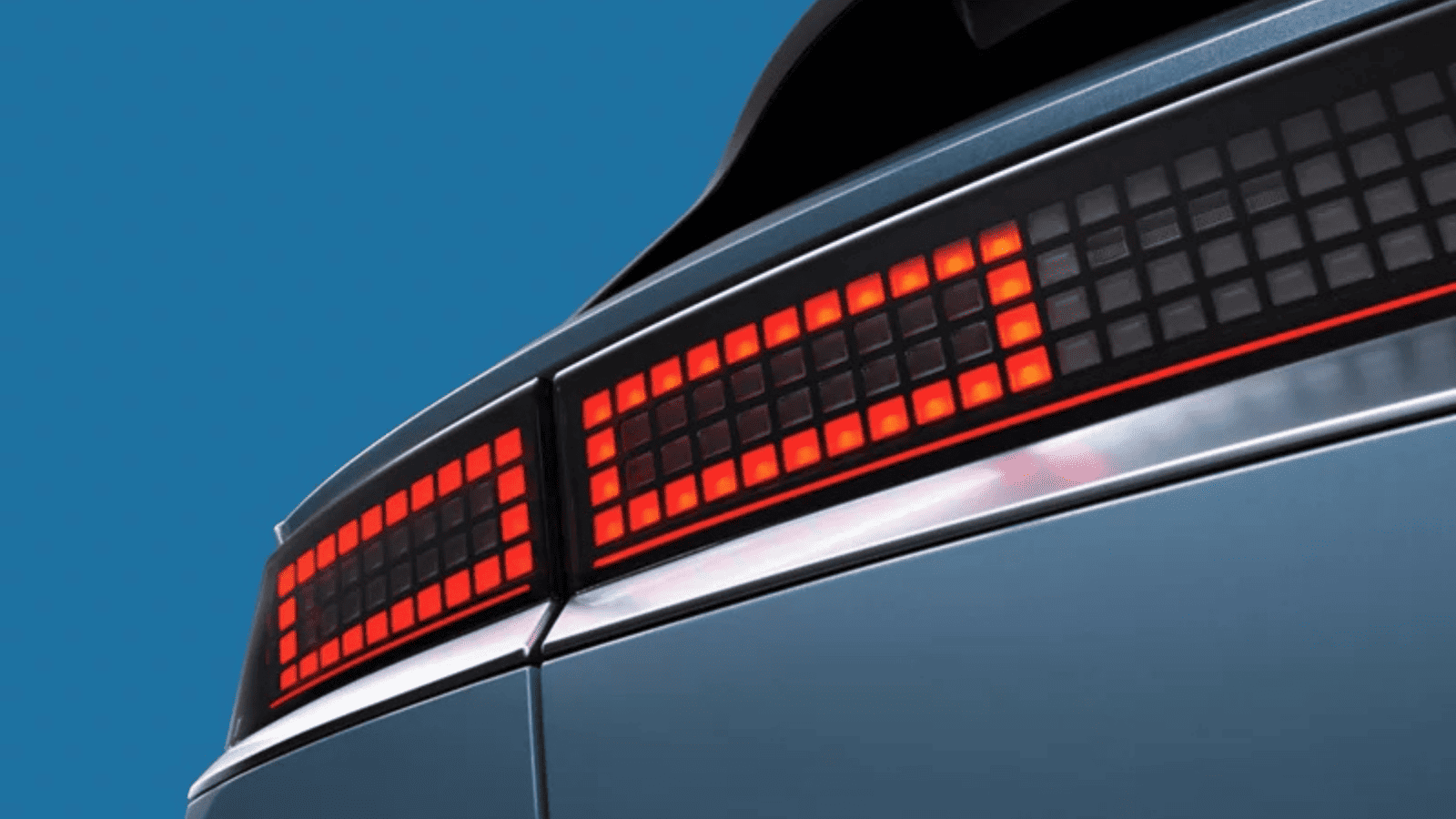
The IONIQ 5 has a distinctive shape that blends retro details with modern EV proportions. Its squared body, pixel-style lighting, short overhangs, and long wheelbase help it stand apart from more conventional compact SUVs.
SE and SEL trims have a clean, modern look. The Limited adds more upscale visual details, while the XRT has a more rugged appearance with exclusive bumpers, dark trim, all-terrain tires, and extra ride height.
The design will not appeal to buyers who want a traditional SUV shape. However, it gives the IONIQ 5 a clear visual identity without sacrificing interior room or cargo usefulness.
Safety Features and Ratings
Every Hyundai IONIQ 5 includes Hyundai SmartSense driver-assistance technology. Standard and available features include:
- Forward Collision-Avoidance Assist
- Pedestrian and cyclist detection
- Blind-Spot Collision-Avoidance Assist
- Rear Cross-Traffic Collision-Avoidance Assist
- Lane Keeping Assist
- Lane Following Assist
- Driver Attention Warning
- Smart Cruise Control with Stop & Go
- Highway Driving Assist 2 on selected trims
- High Beam Assist
- Safe Exit Assist
- Parking Distance Warning
- Available Parking Collision-Avoidance Assist
- Available surround-view camera
- Available Blind-Spot View Monitor
- Rear automatic emergency braking
- Rear Occupant Alert
- Six airbags
- LATCH child-seat anchors
The 2026 Hyundai IONIQ 5 earned an IIHS Top Safety Pick+ award. It received Good ratings in the small-overlap front, updated moderate-overlap front, updated side-impact, and whiplash tests. The XRT and Limited headlights earned Good ratings, while SE and SEL headlights earned Acceptable ratings. Review the full IIHS IONIQ 5 safety results for exact trim and test details.
Safety equipment can assist the driver, but it does not replace attentive driving, appropriate tires, safe speed, or proper child-seat installation.
Reliability, Warranty, and Ownership
The IONIQ 5 offers Hyundai’s long standard warranty package, including high-voltage battery coverage.
| Coverage | Length |
| New vehicle limited warranty | 5 years / 60,000 miles |
| Powertrain limited warranty | 10 years / 100,000 miles |
| High-voltage battery limited warranty | 10 years / 100,000 miles |
| Roadside assistance | 5 years / unlimited miles |
| Anti-perforation warranty | 7 years / unlimited miles |
The battery warranty covers defects in factory workmanship or materials, subject to Hyundai’s warranty terms. It is transferable to later owners.
Electric vehicles have fewer routine mechanical service items than gasoline vehicles, but ownership still requires attention. Tires, brake fluid, cabin filters, suspension components, and the 12-volt battery still need maintenance.
Before buying, confirm that you have dependable home charging or convenient nearby public charging. Used-car buyers should inspect battery condition, tires, charging equipment, service history, and open recalls.
Pros and Cons
What We Like
- Up to 318 miles of EPA-estimated range
- Fast 800-volt DC charging capability
- Spacious cabin for a compact SUV
- Generous rear-seat legroom
- Useful cargo area and fold-flat rear seats
- Available all-wheel drive
- XRT offers extra clearance and all-terrain tires
- Strong standard technology package
- Wireless Apple CarPlay and Android Auto
- Long battery and powertrain warranty coverage
- Excellent IIHS safety result
What We Don’t Like
- Public charging can still be inconvenient without a home charger
- All-wheel drive reduces range
- XRT gives up a meaningful amount of range
- Limited trim is expensive
- Rear visibility is not as open as some more upright SUVs
- Some drivers may prefer physical controls for more functions
- Cold weather and high-speed driving can reduce range
- The XRT is not intended for serious off-road use
Alternatives
The Hyundai IONIQ 5 is the better Hyundai EV choice for buyers who want a balance of passenger room, cargo flexibility, range, and fast charging.
Choose the Hyundai IONIQ 5 N if performance, track capability, and acceleration matter more than maximum range and ride comfort.
Buyers who need more passenger capacity should consider Hyundai’s larger SUV range. Those who want the lowest possible EV ownership cost should focus on the SE Standard Range and confirm that its 245-mile range fits their normal driving routine.
Related WheelPedia Content
Before arranging finance, read how car financing works and consider a car loan preapproval before visiting a dealer.
If this is your first vehicle purchase, read how to buy your first car. Used-EV shoppers should also know how to check a car’s accident history before making an offer.
Should You Buy the Hyundai IONIQ 5?
Buy the Hyundai IONIQ 5 if you want an electric SUV with useful everyday range, fast charging, a roomy cabin, and cargo space that works for real life.
Choose the SE Standard Range if your driving needs are modest and keeping the purchase price down matters most. Choose the SE RWD if you want the long-range battery at a lower price. Choose the SEL RWD if you want the strongest mix of range, features, and value.
Choose AWD if winter traction or quicker acceleration matters more than maximum range. Choose the Limited if you want the most luxury and technology features. Choose the XRT only if its higher ride height, all-terrain tires, and terrain modes match your actual driving needs.
Skip the IONIQ 5 if home charging is unavailable, your local public charging network is unreliable, or you regularly need three rows of seating.
Hyundai IONIQ 5 FAQs
How much does the Hyundai IONIQ 5 cost?
The 2026 Hyundai IONIQ 5 starts at $35,000 MSRP for the SE Standard Range. Prices rise to $46,275 MSRP for the XRT before freight, taxes, registration, accessories, and dealer charges.
What is the Hyundai IONIQ 5’s range?
The IONIQ 5 has an EPA-estimated range of up to 318 miles in SE, SEL, and Limited rear-wheel-drive models. The SE Standard Range is rated at 245 miles.
Does the Hyundai IONIQ 5 have all-wheel drive?
Yes. All-wheel drive is available on the SE, SEL, and Limited trims. It is standard on the XRT.
How long does the IONIQ 5 take to charge?
At a compatible 350-kW DC fast charger, Hyundai estimates a 10% to 80% charge in as little as about 20 minutes. Charging at home with a 240-volt Level 2 charger usually takes overnight.
Is the Hyundai IONIQ 5 a hybrid?
No. The IONIQ 5 is fully electric. It does not use gasoline and must be charged from a home charger or public charging station.
How much horsepower does the Hyundai IONIQ 5 have?
The SE Standard Range has 168 hp. Long-range rear-wheel-drive models have 225 hp, while all-wheel-drive models have 320 hp.
What is the Hyundai IONIQ 5 XRT?
The XRT is the more rugged IONIQ 5 trim. It has standard AWD, all-terrain tires, an added suspension lift, terrain modes, and a 259-mile EPA-estimated range.
How much cargo space does the Hyundai IONIQ 5 have?
The IONIQ 5 has 26.3 cubic feet of cargo space behind the rear seats and 58.5 cubic feet with the rear seats folded.
Is the Hyundai IONIQ 5 safe?
Yes. The 2026 IONIQ 5 earned an IIHS Top Safety Pick+ award and includes a wide range of standard driver-assistance features.
Does the Hyundai IONIQ 5 have Apple CarPlay and Android Auto?
Yes. Wireless Apple CarPlay and Android Auto are standard across the IONIQ 5 lineup.
How long is the IONIQ 5 battery warranty?
The high-voltage battery is covered for 10 years or 100,000 miles, subject to Hyundai’s warranty terms.
Final Verdict
The Hyundai IONIQ 5 is one of the strongest all-round electric SUVs for buyers who want range, fast charging, passenger space, and cargo flexibility without moving to a much larger vehicle.
Its 318-mile long-range RWD models are the standout versions. They combine useful road-trip range with a spacious interior and charging speeds that make longer travel more manageable.
For most buyers, the IONIQ 5 SEL RWD is the trim to choose. It offers the long-range battery, useful everyday equipment, and a price that remains easier to justify than the Limited or XRT.