
Toyota 4Runner: Price, Specs, Features & Review
The Toyota 4Runner is a body-on-frame midsize SUV for buyers who want real off-road capability, available hybrid power, useful cargo space, and available third-row seating.
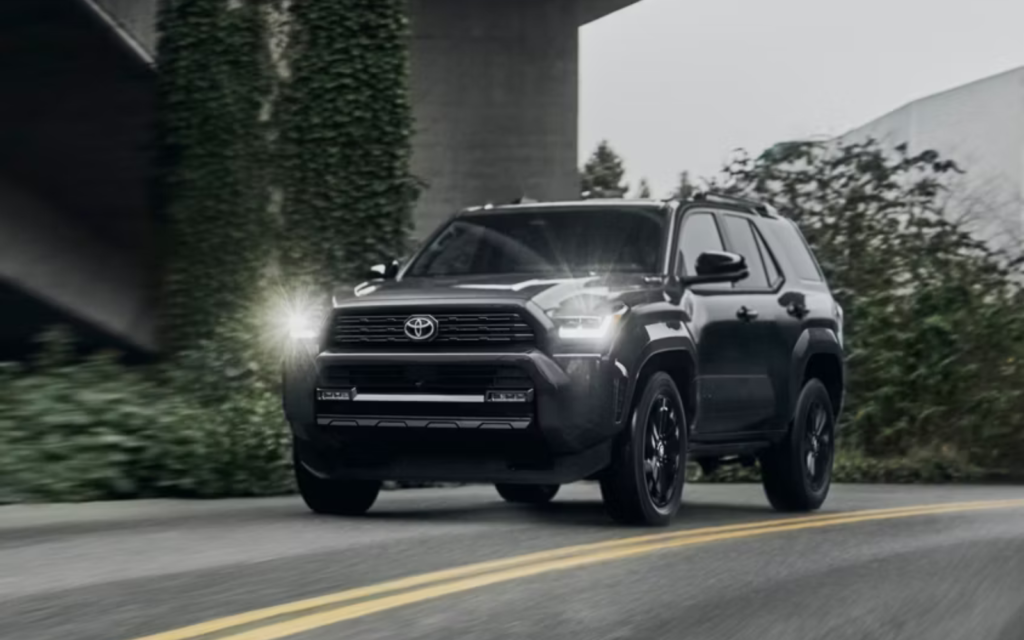
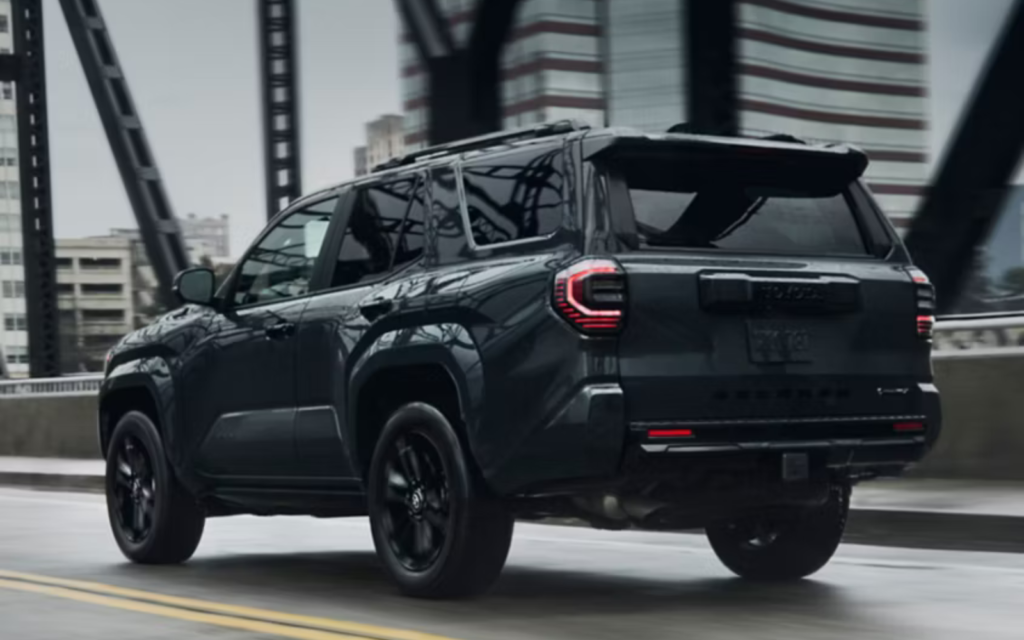
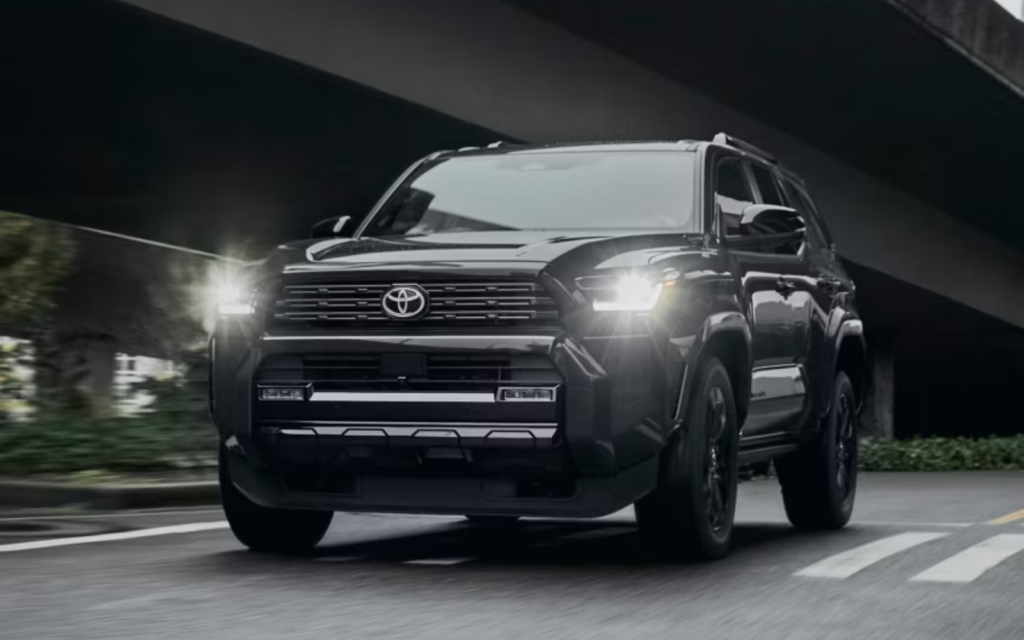
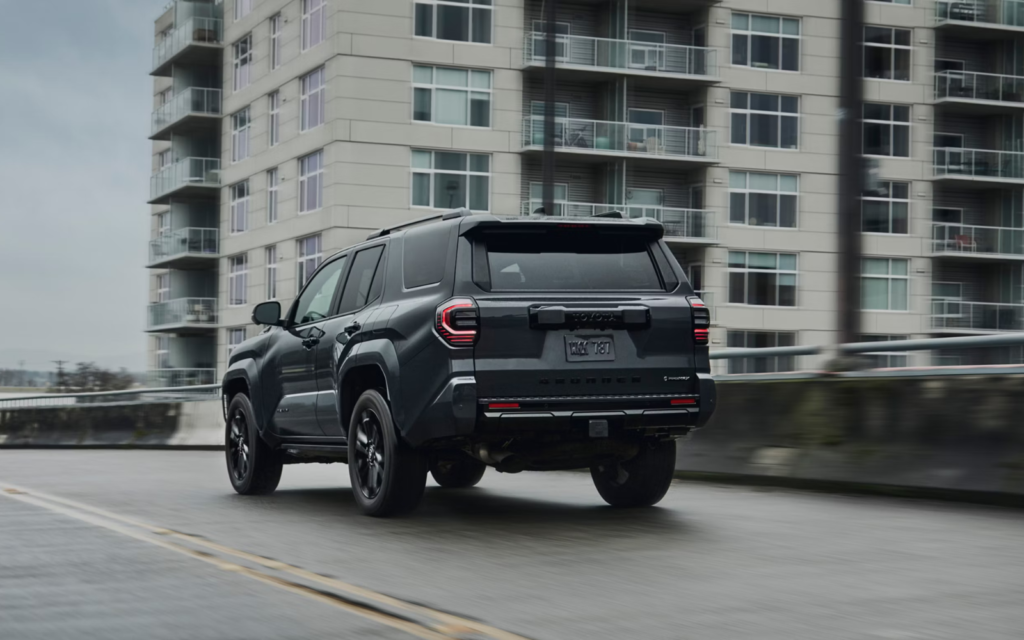
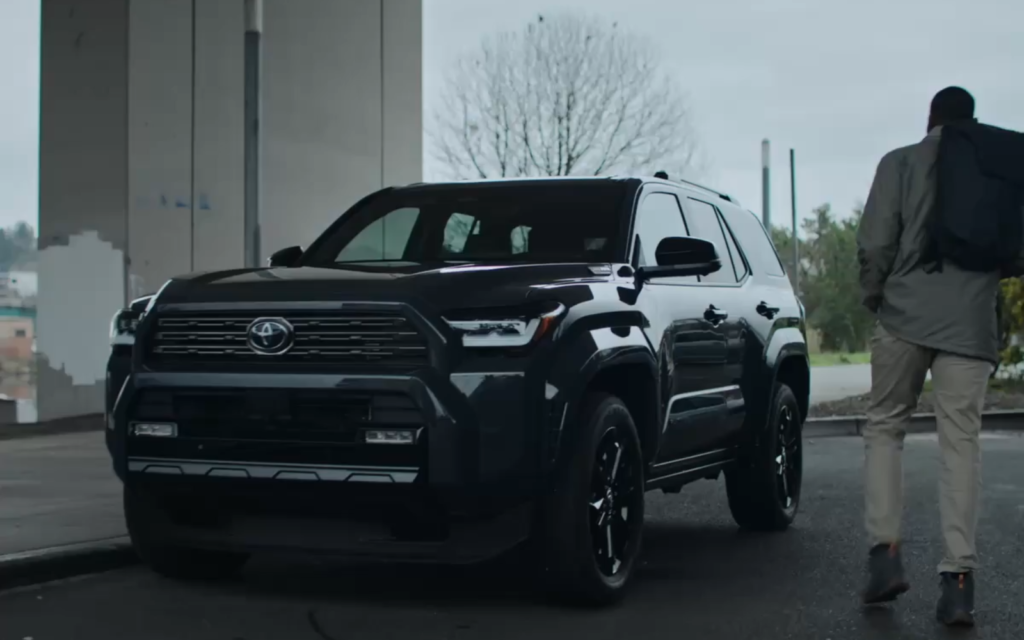
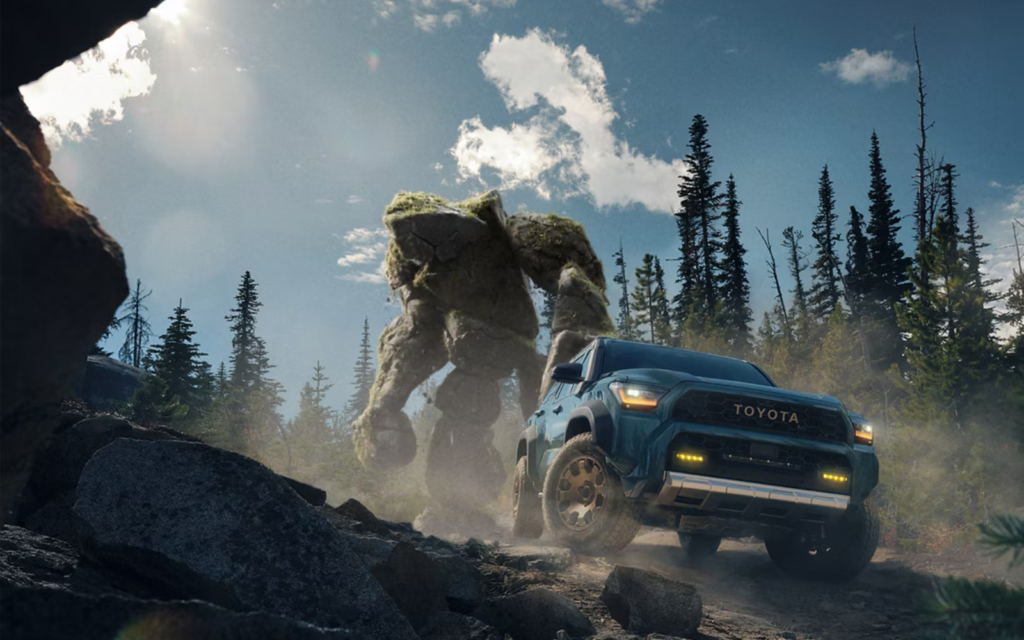
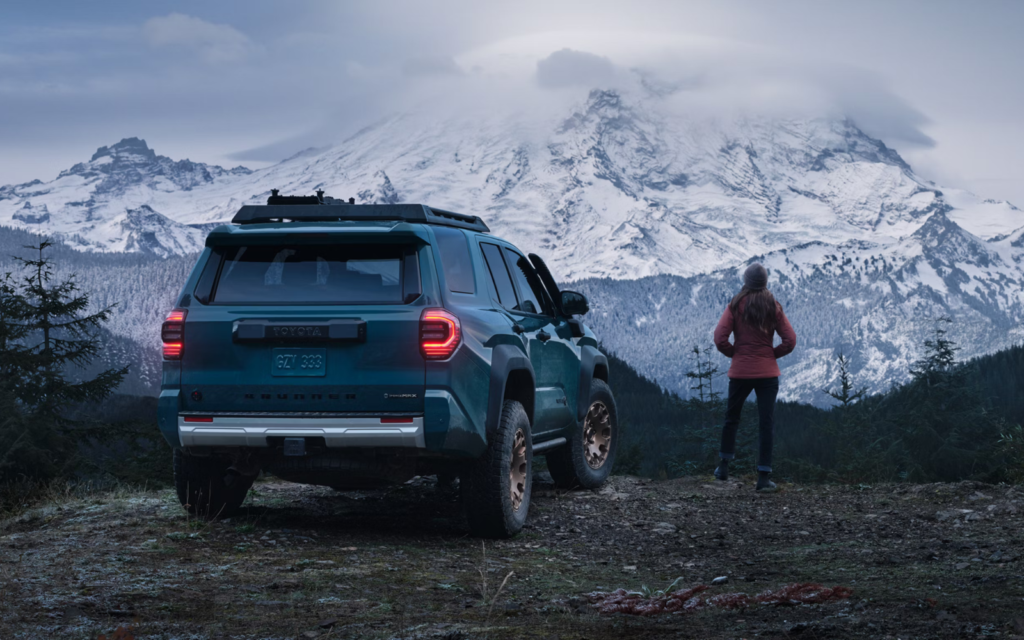
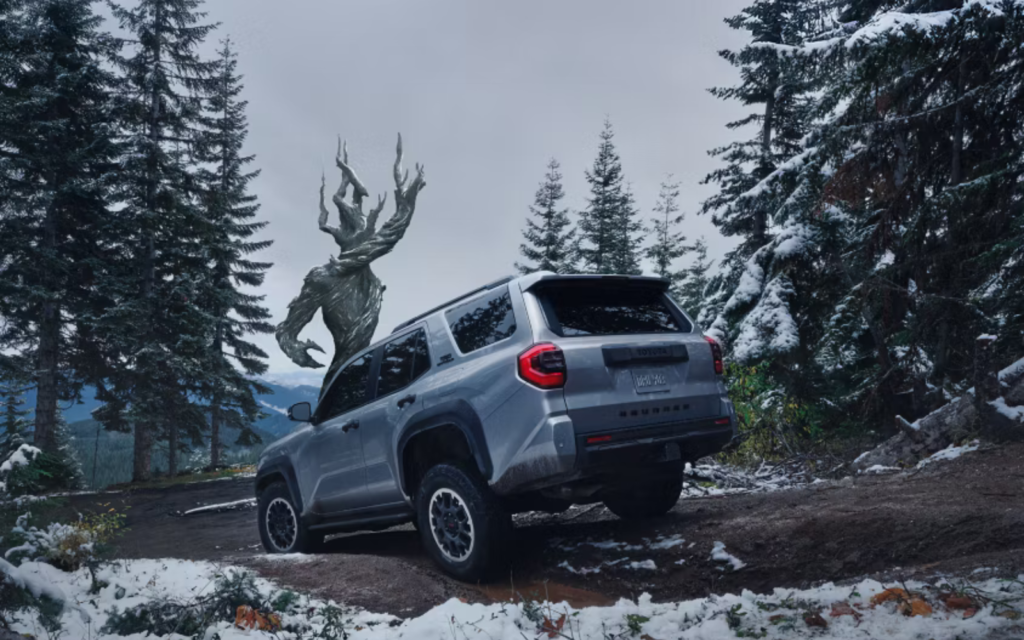
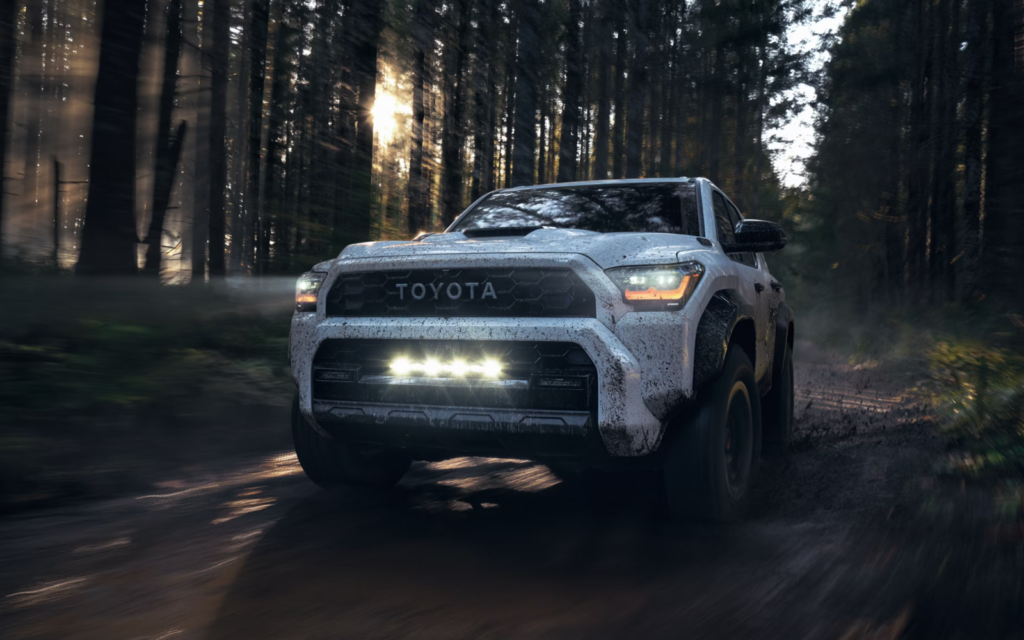
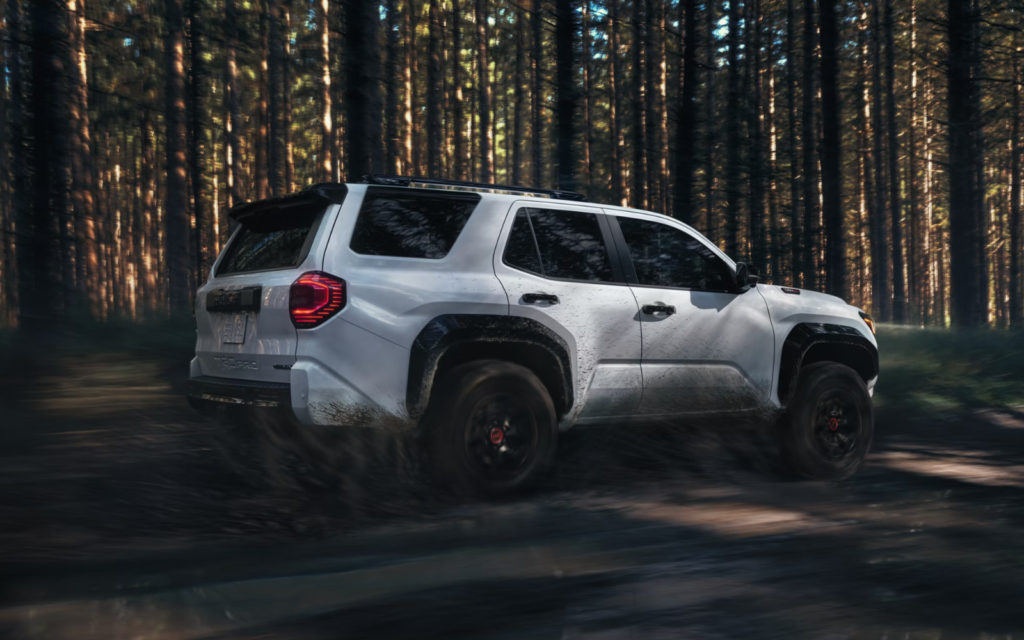
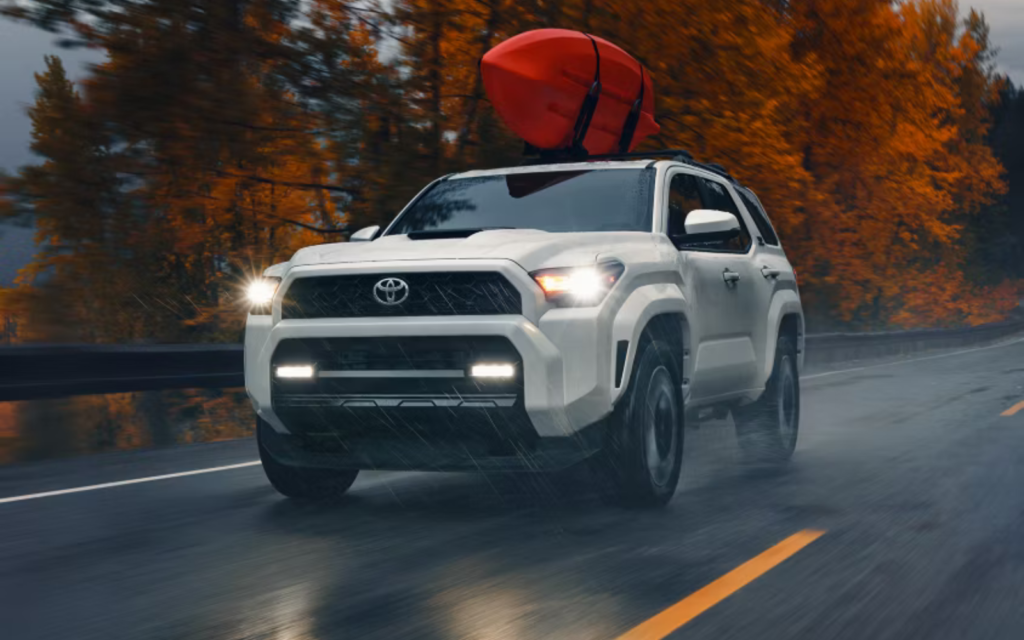

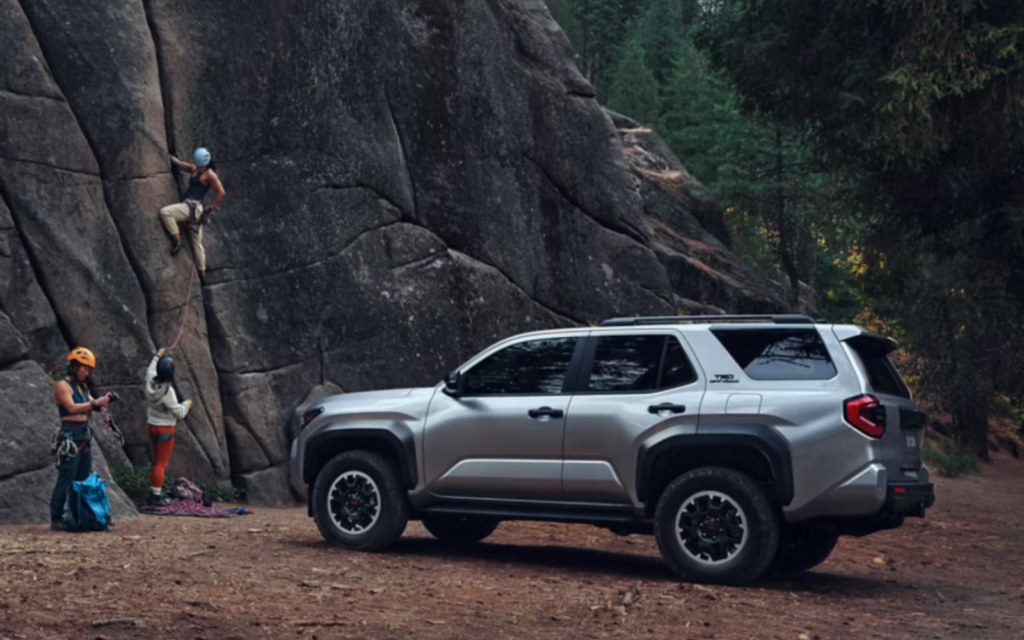
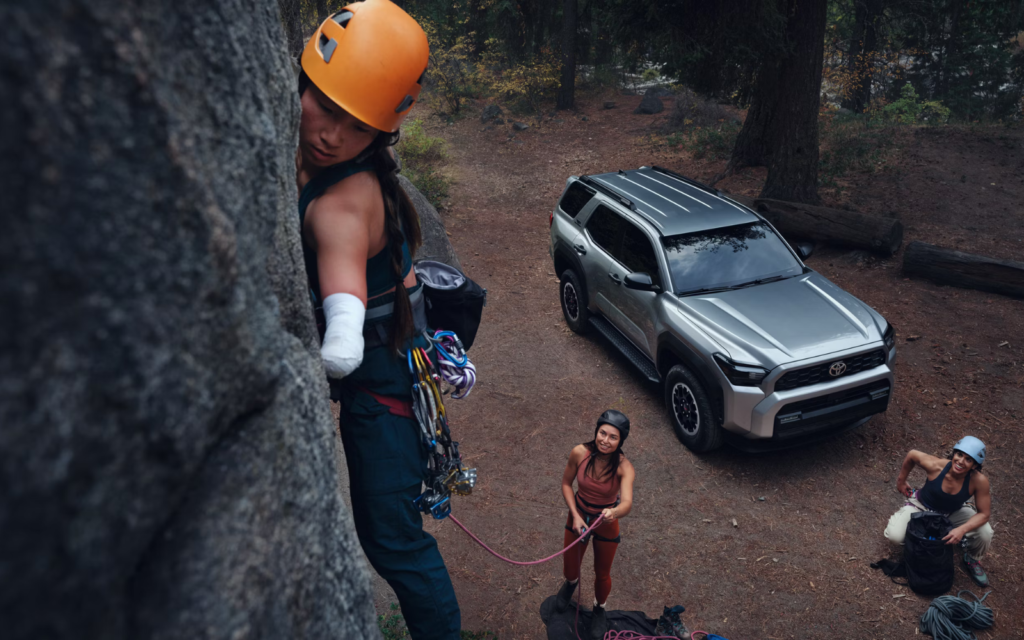
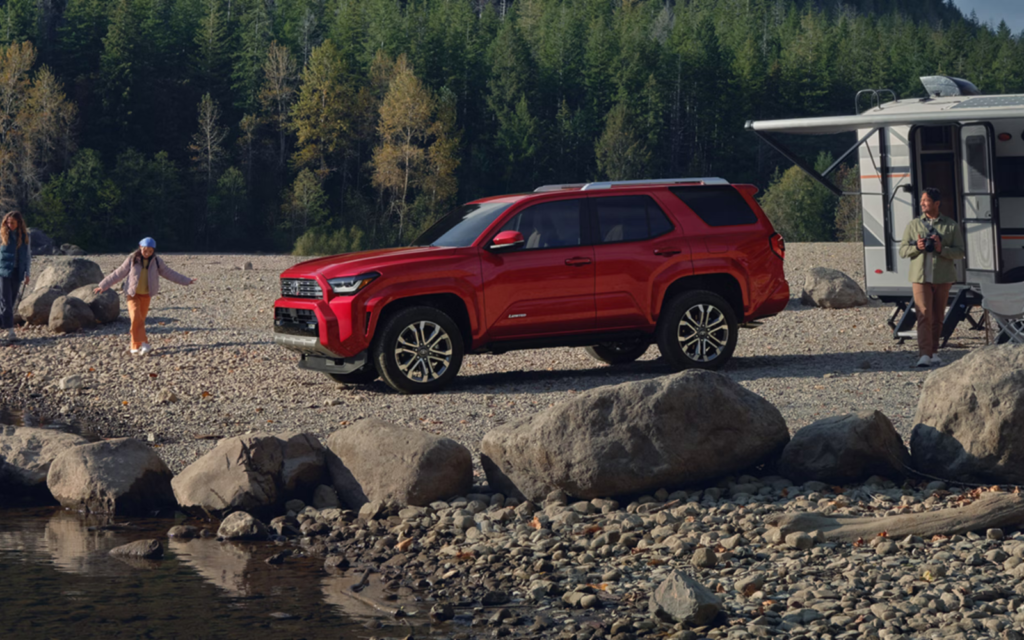
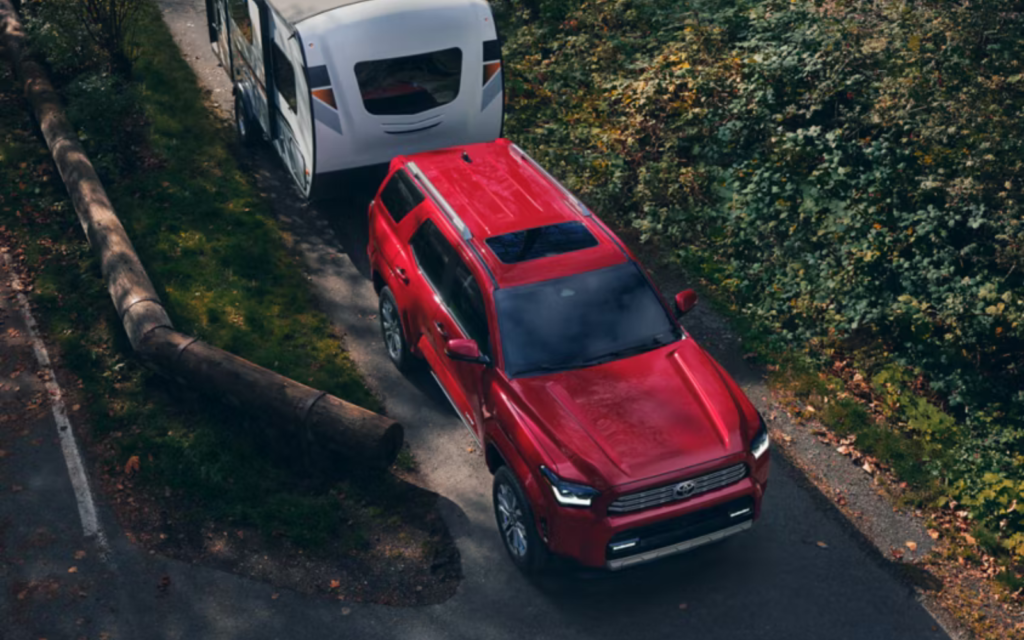
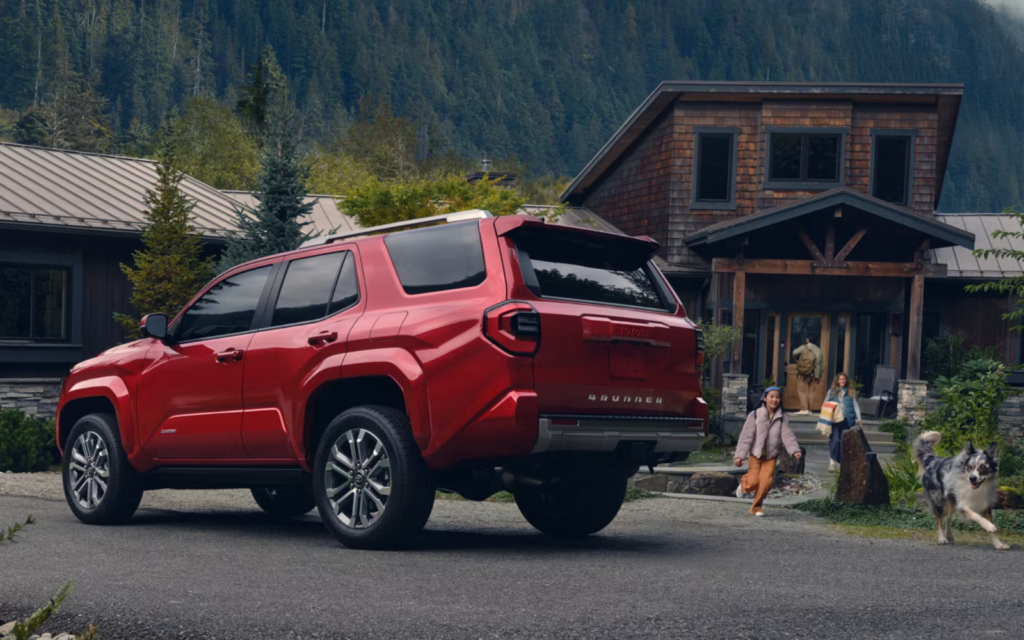
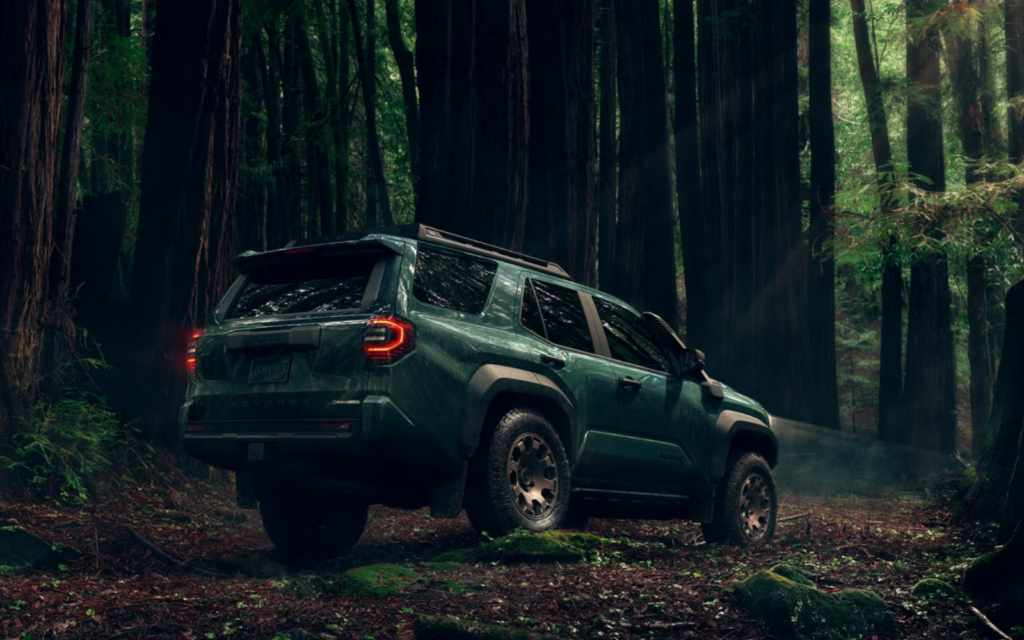
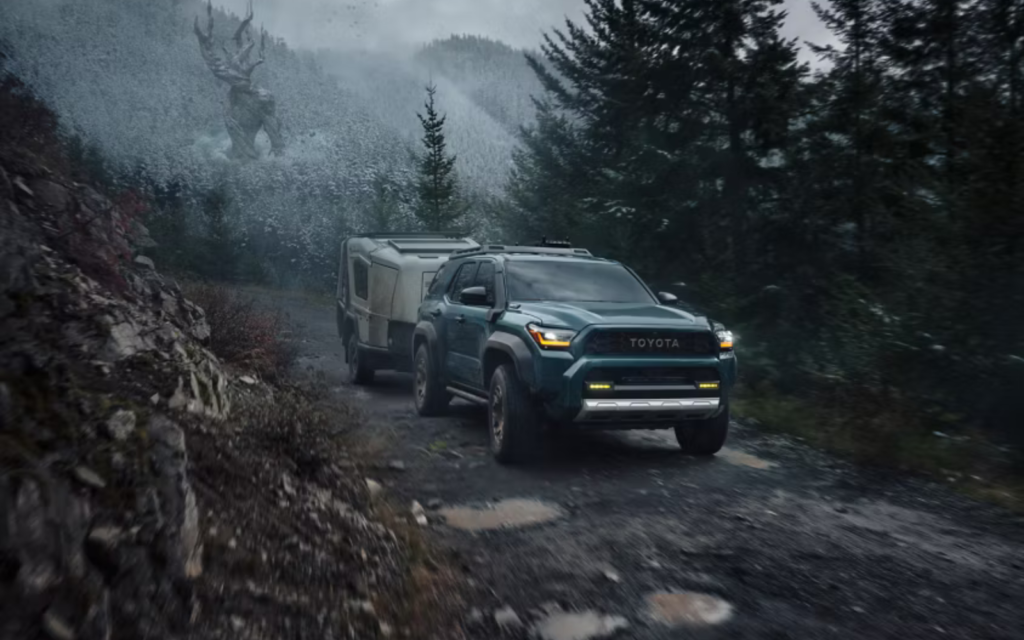
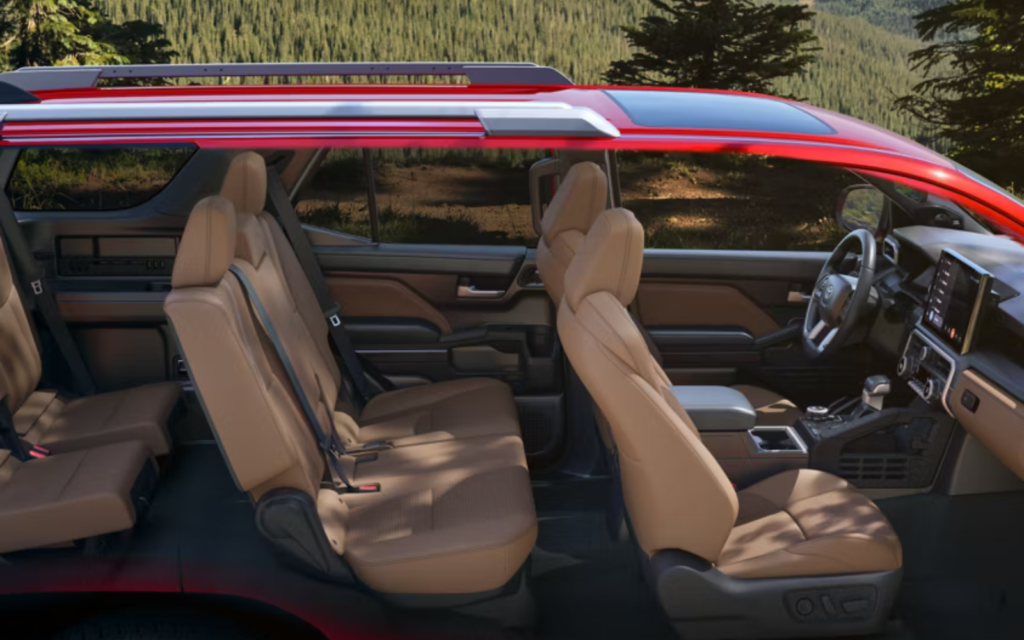
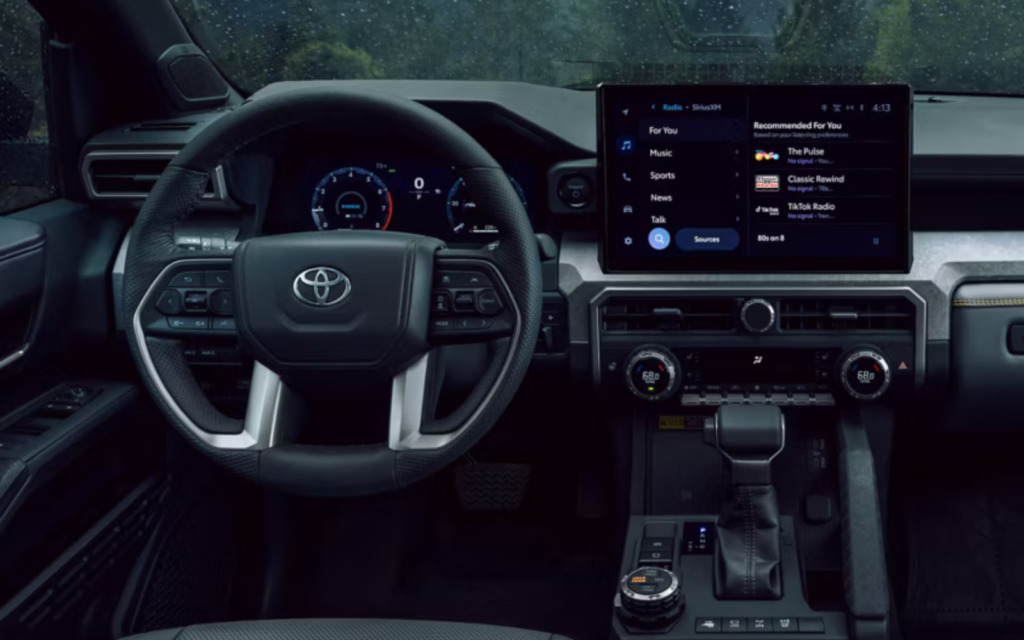
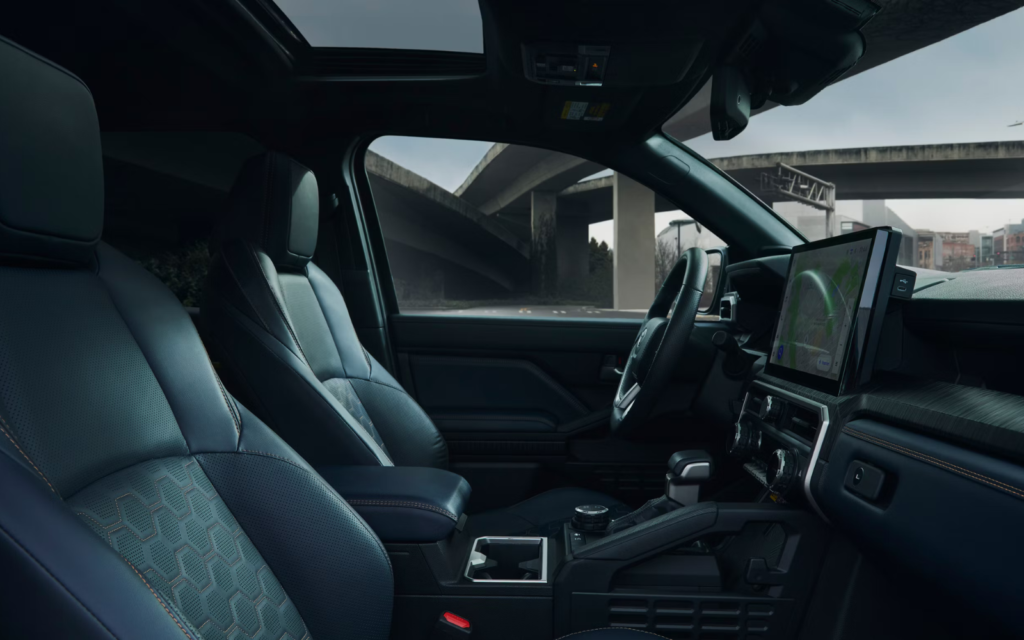
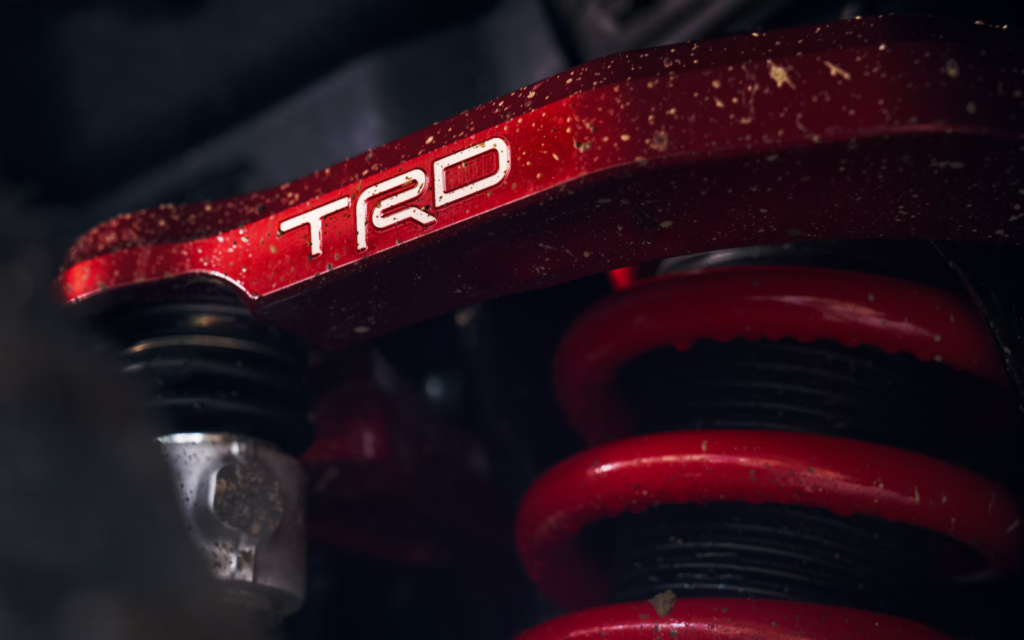
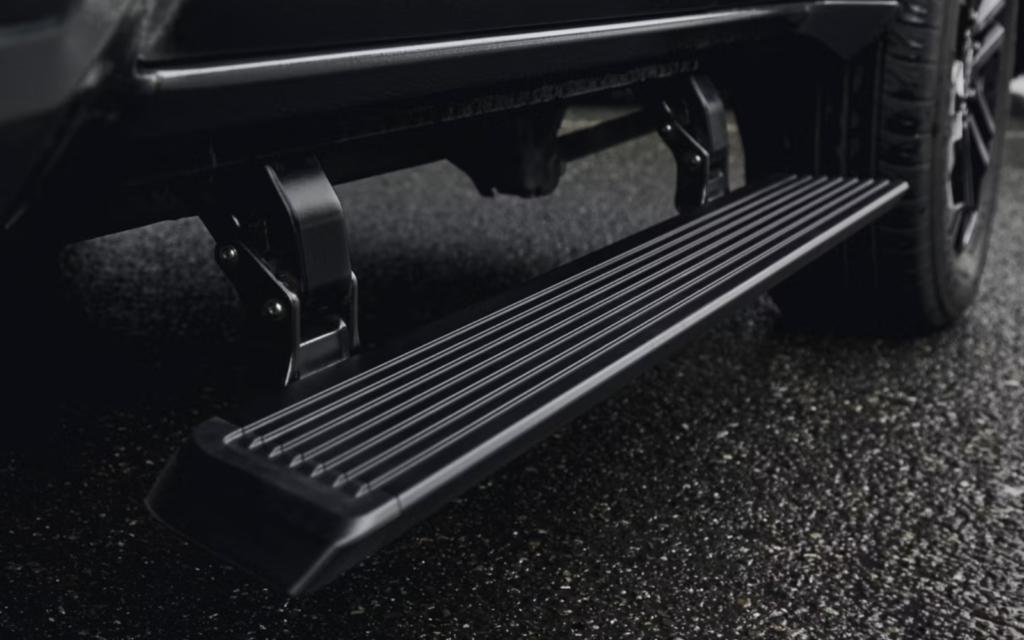
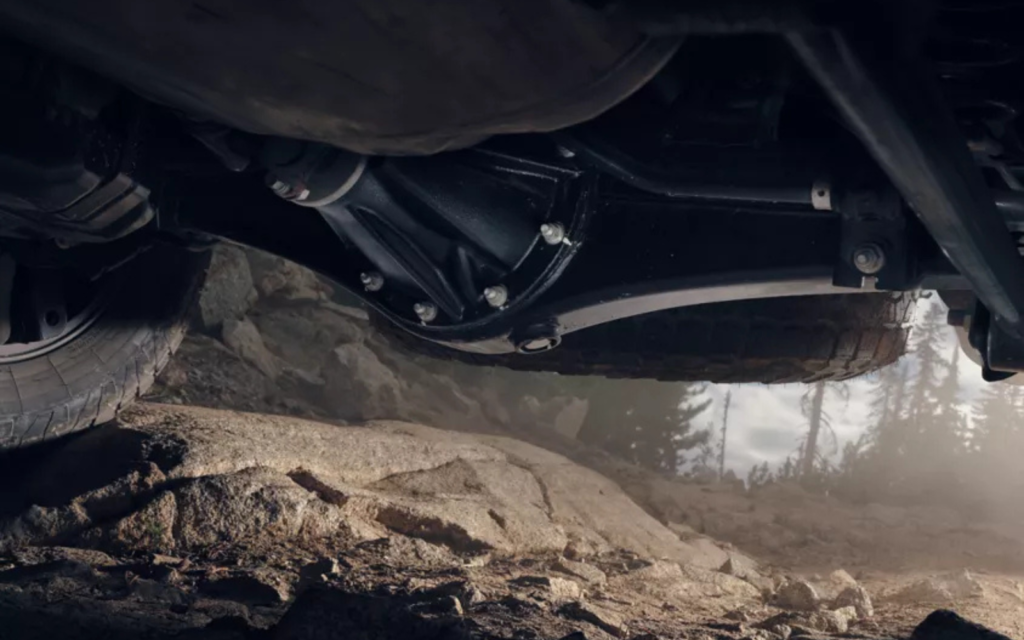
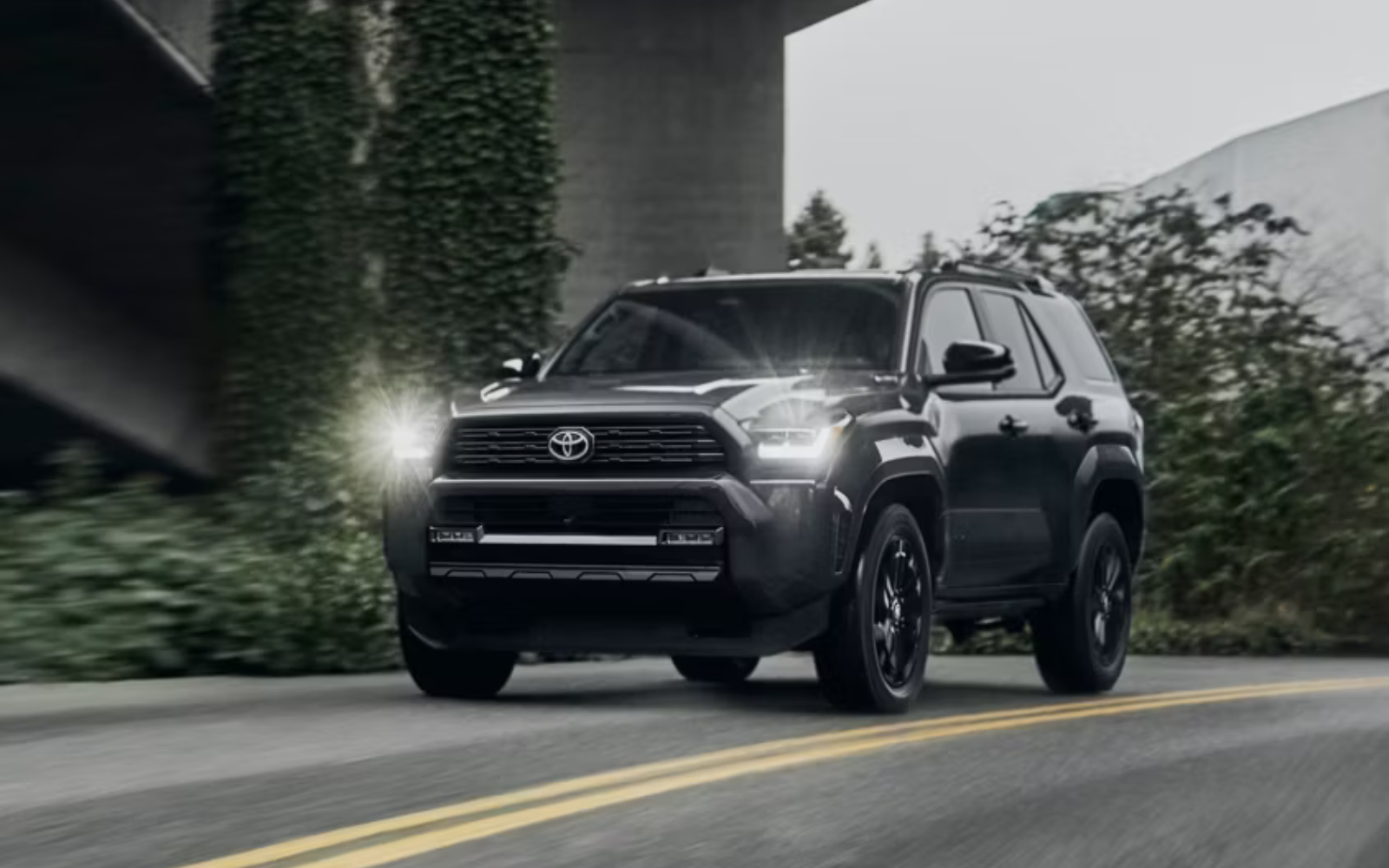
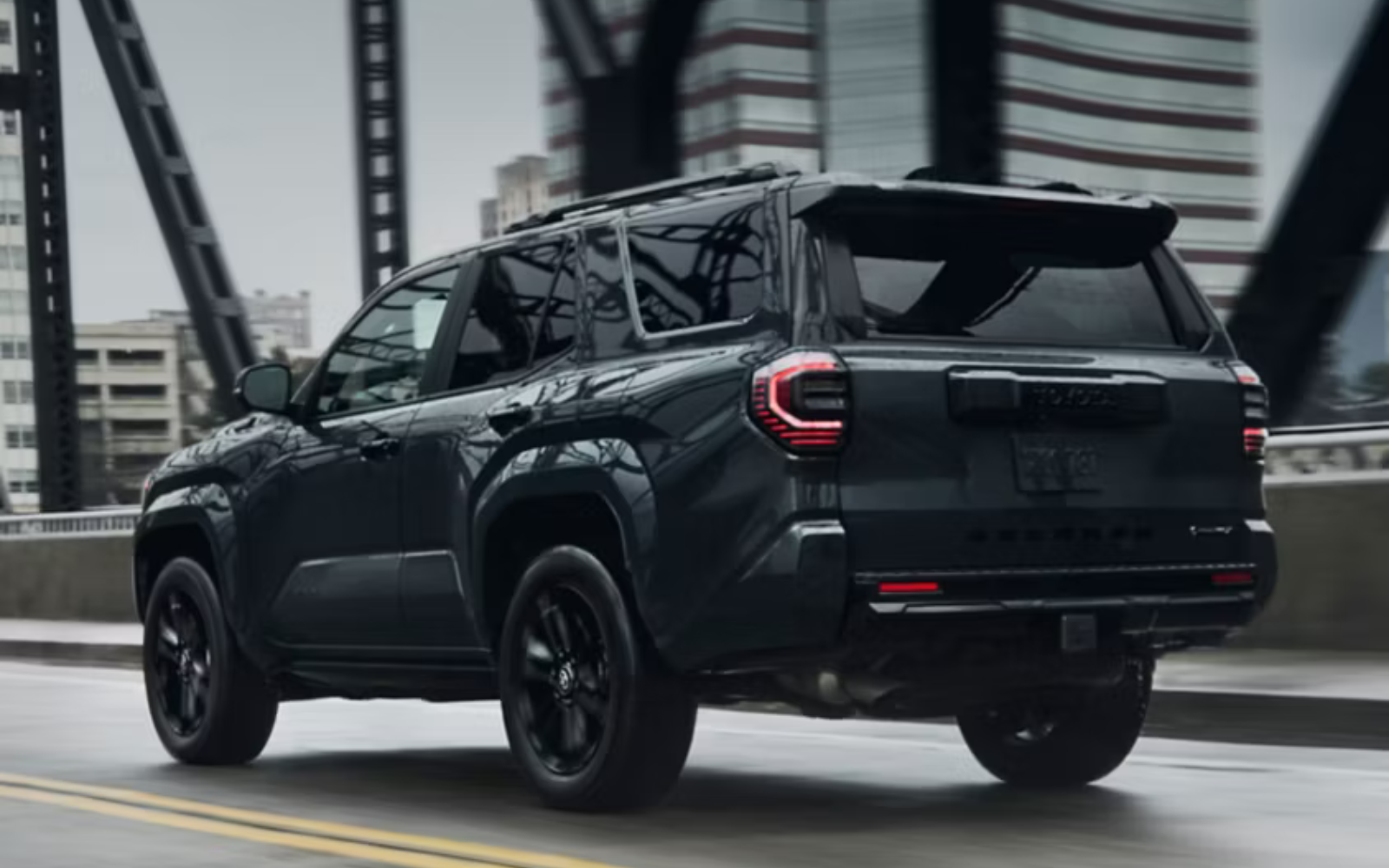
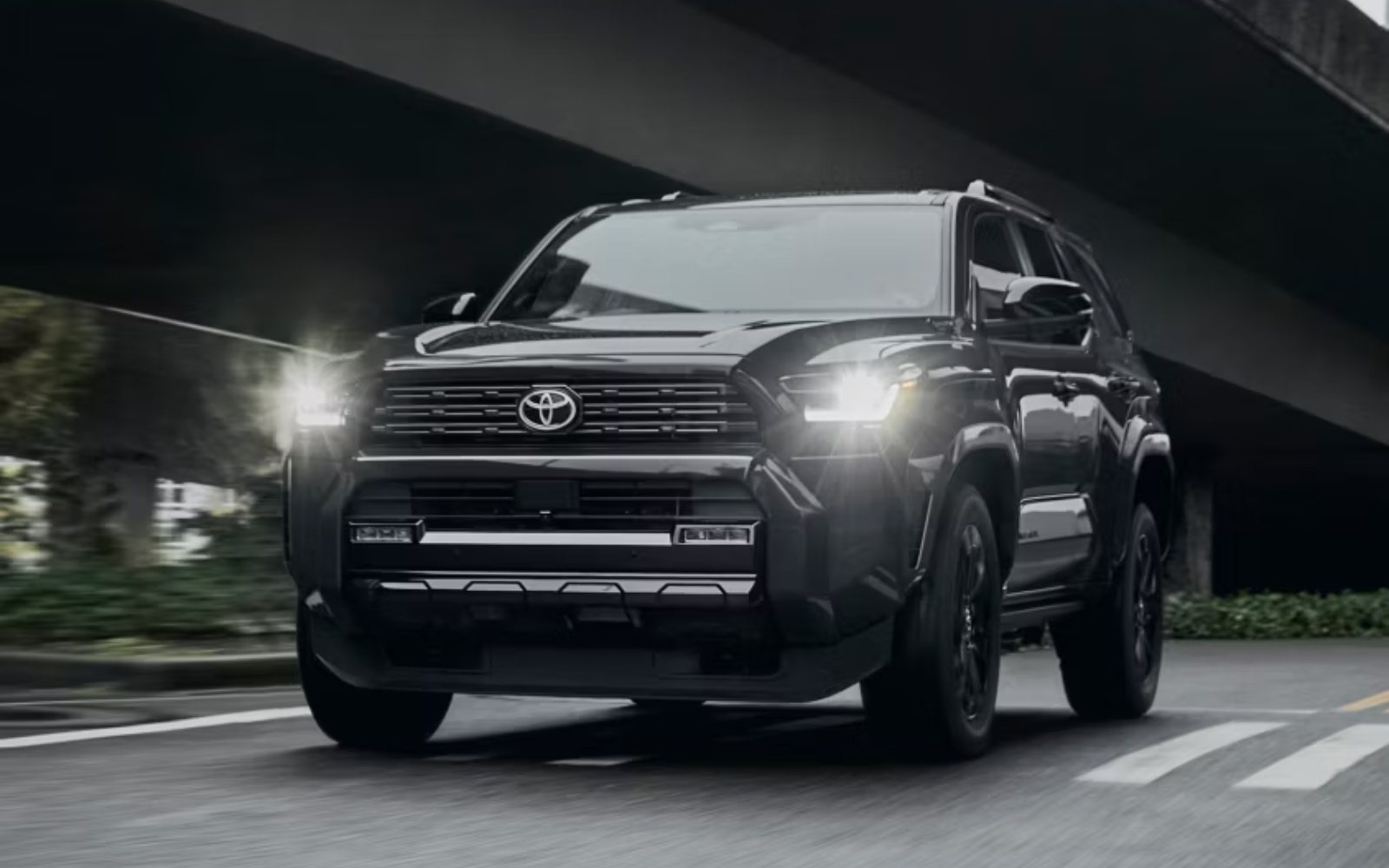
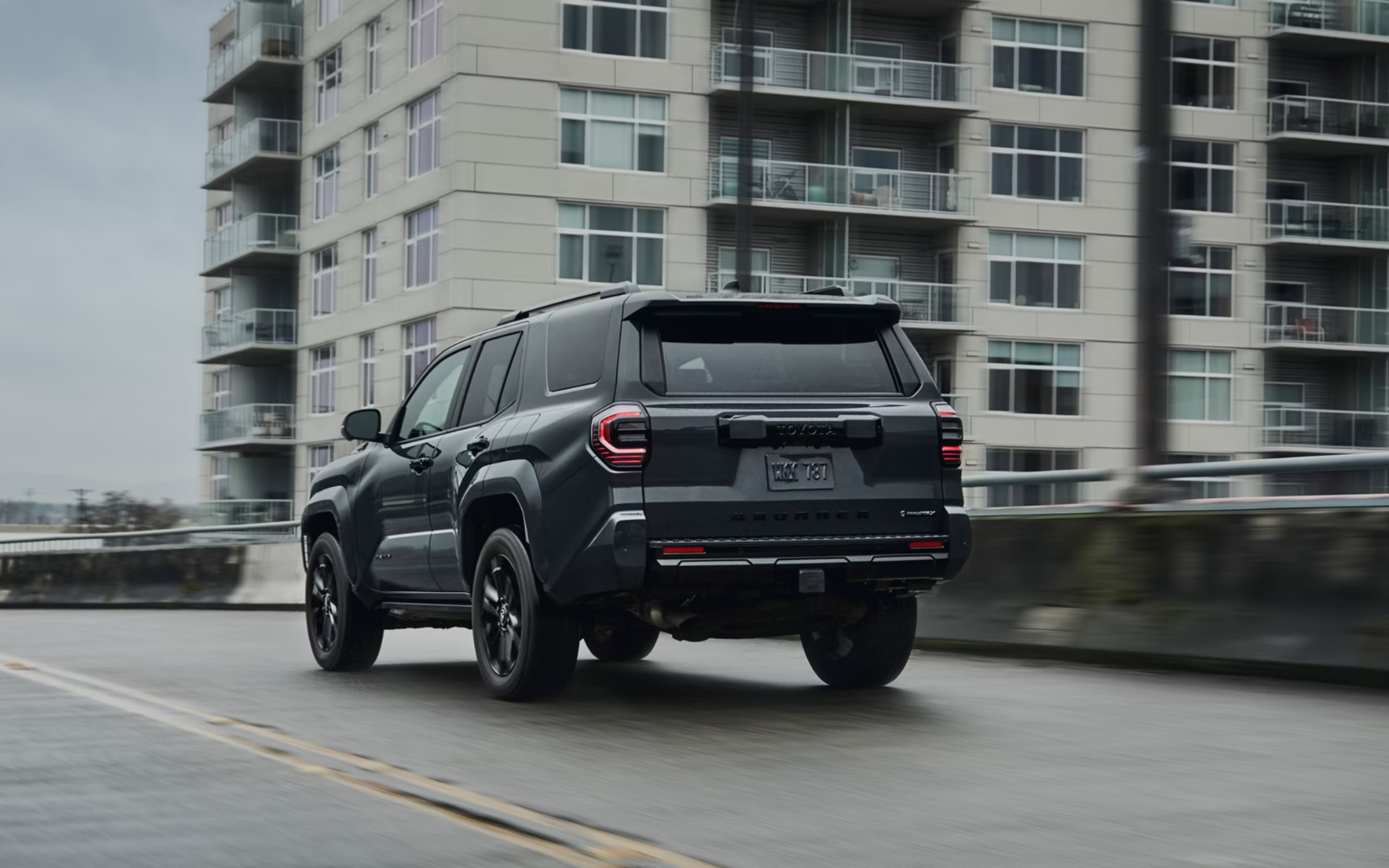
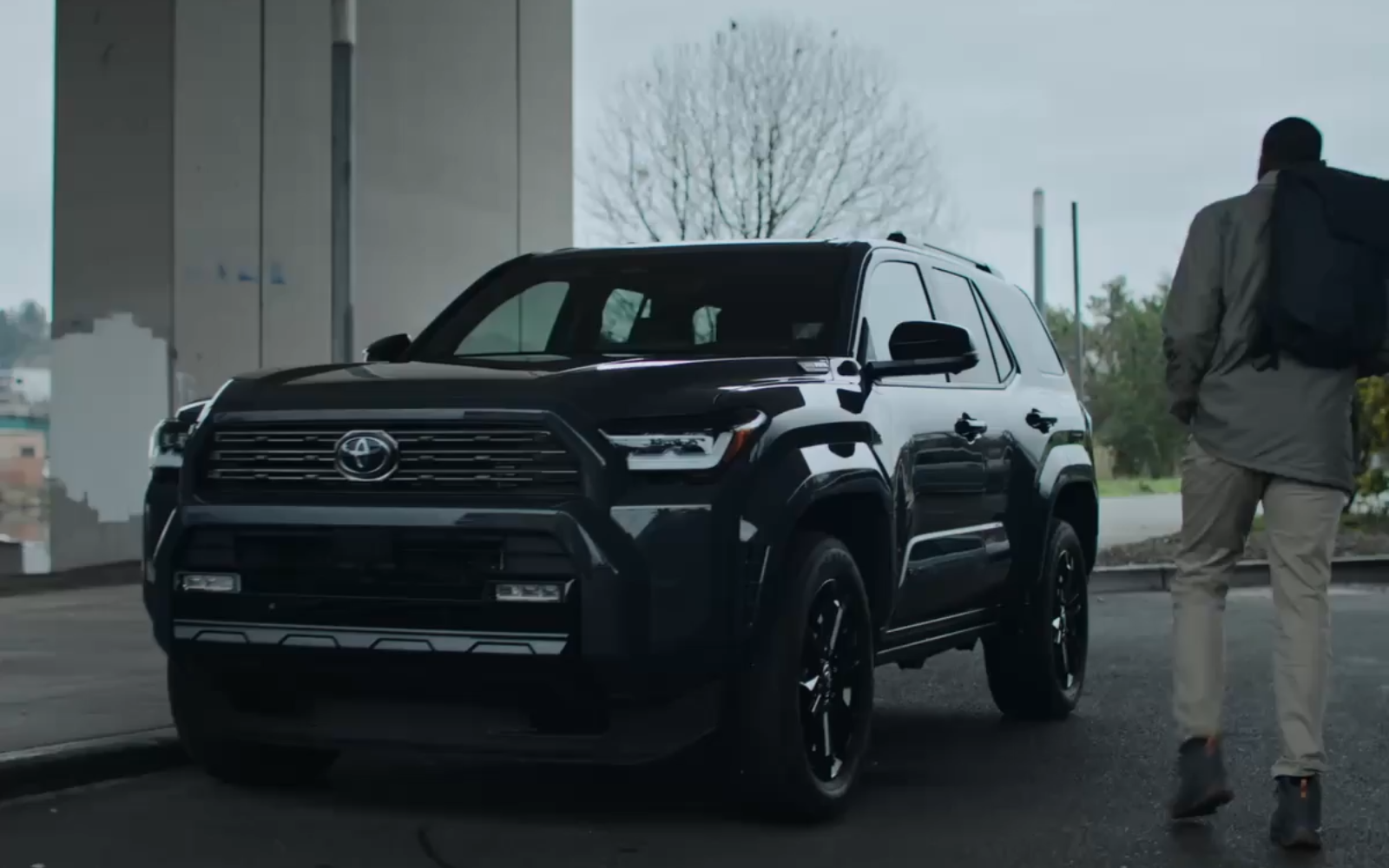
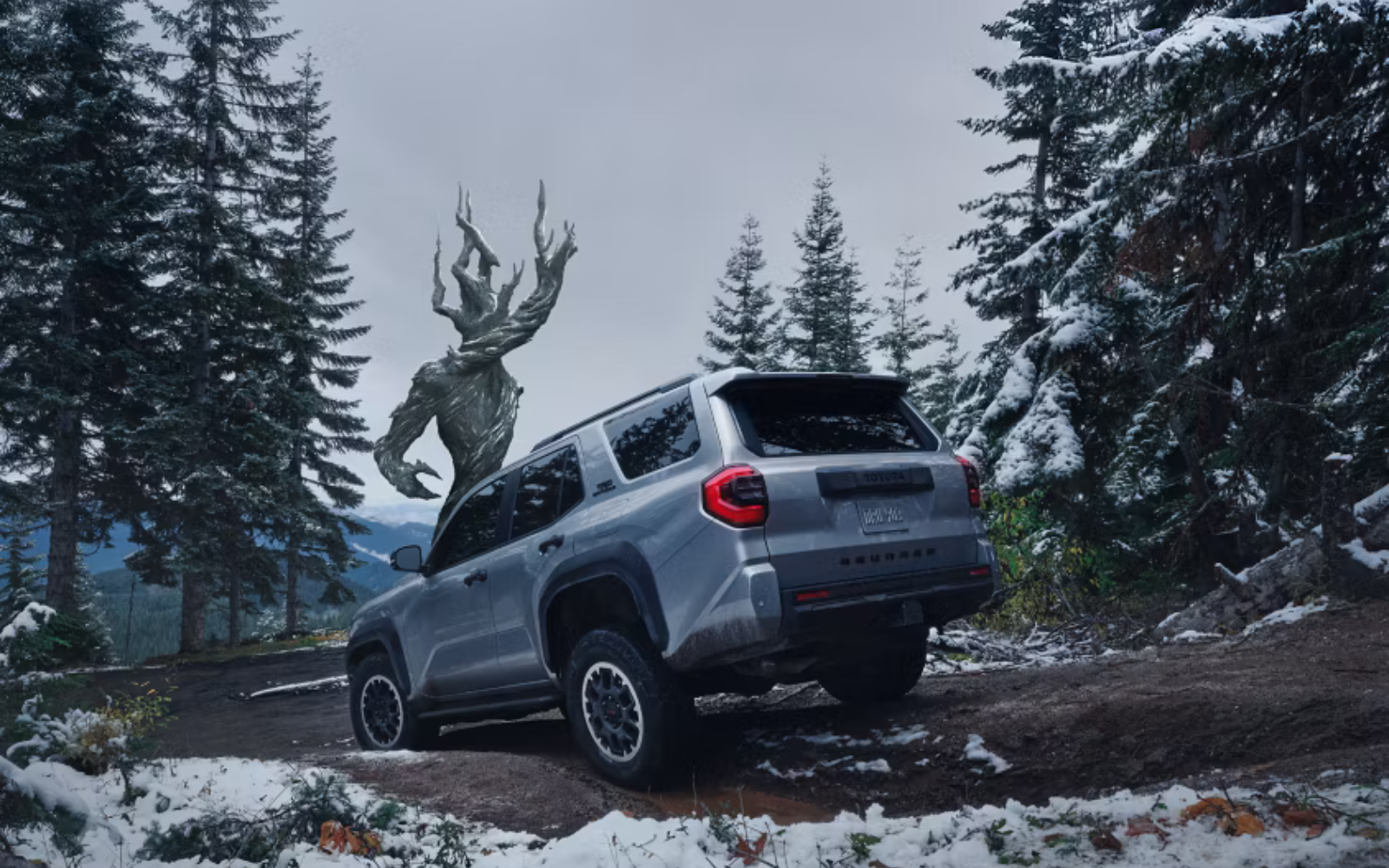
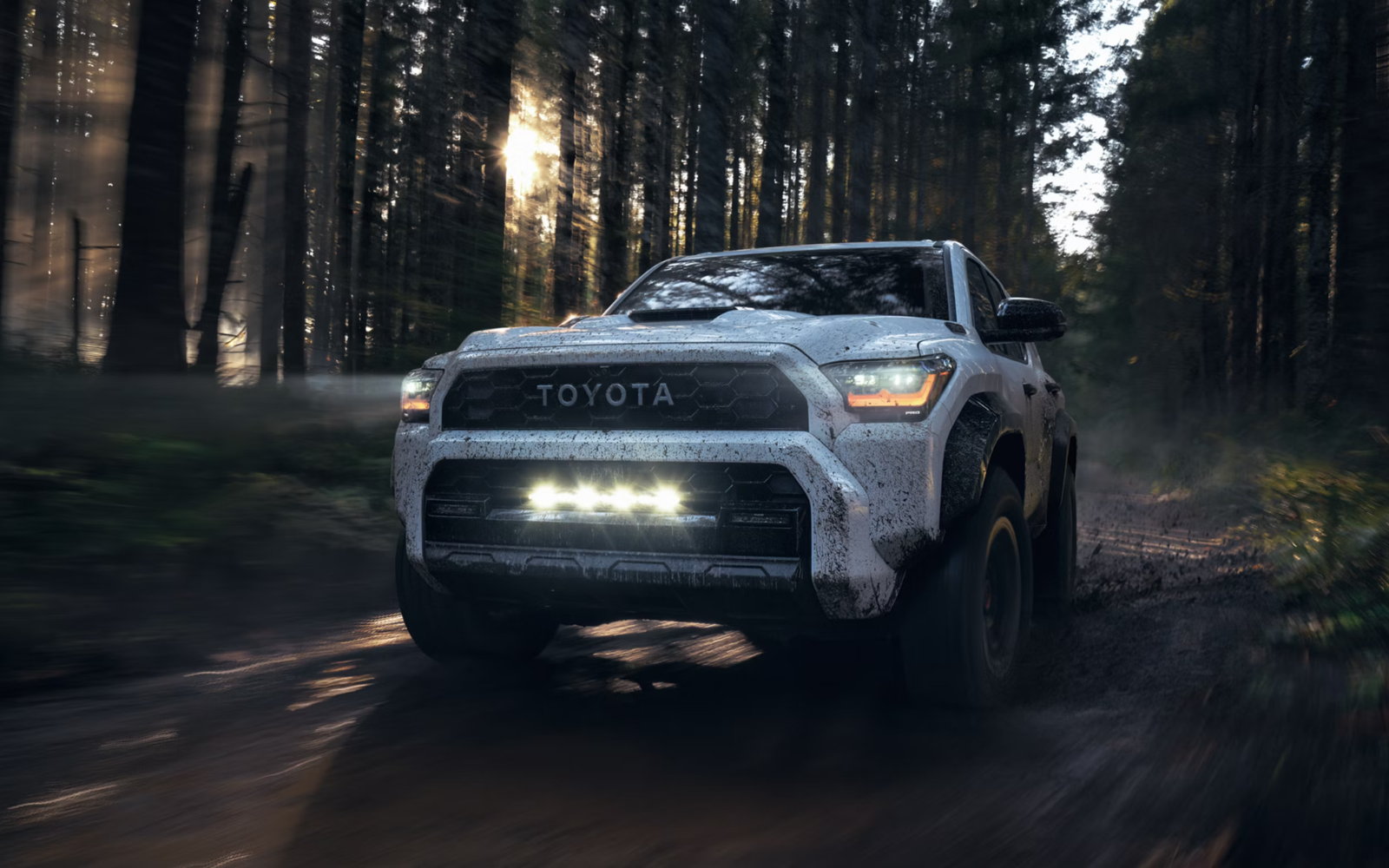
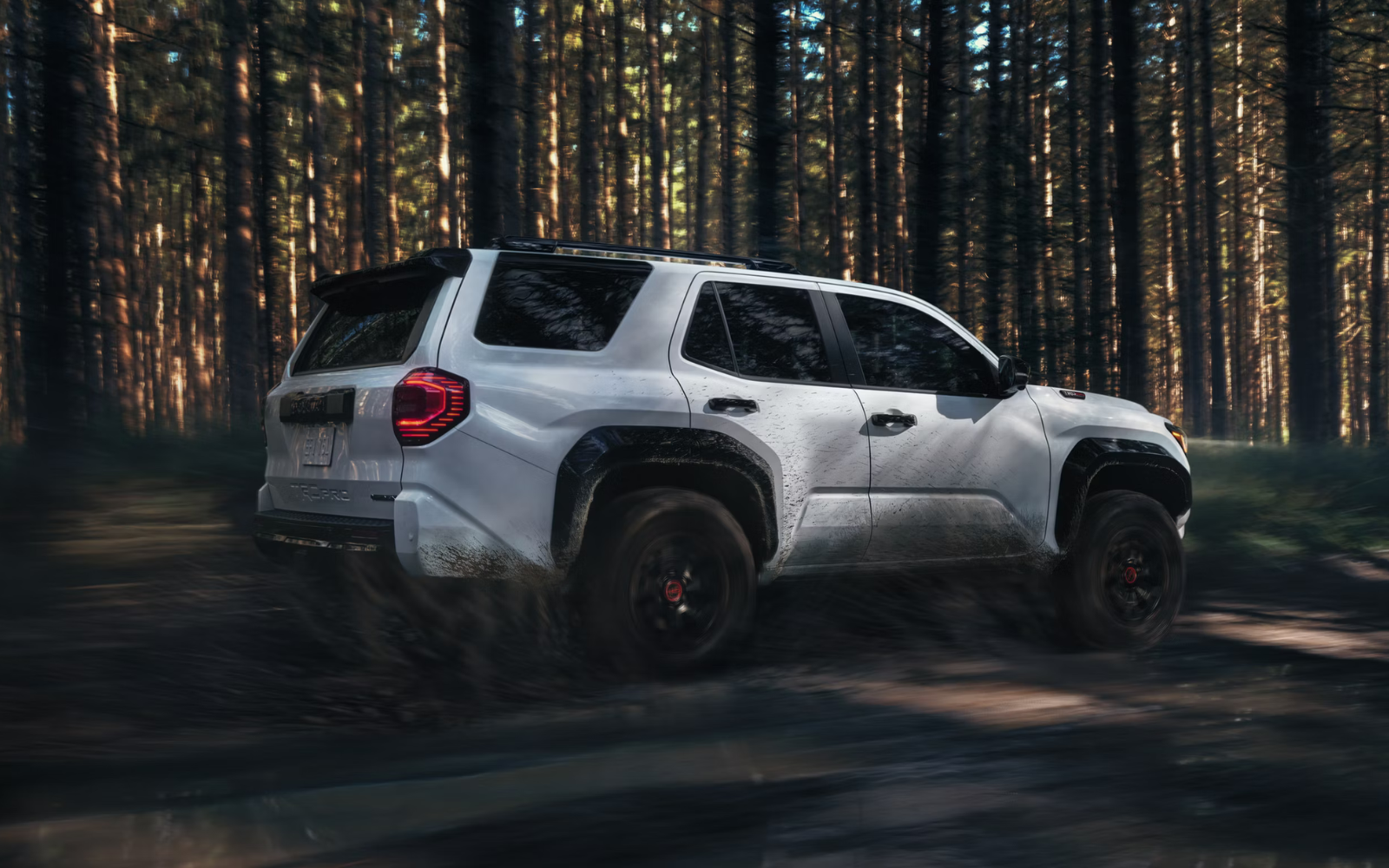
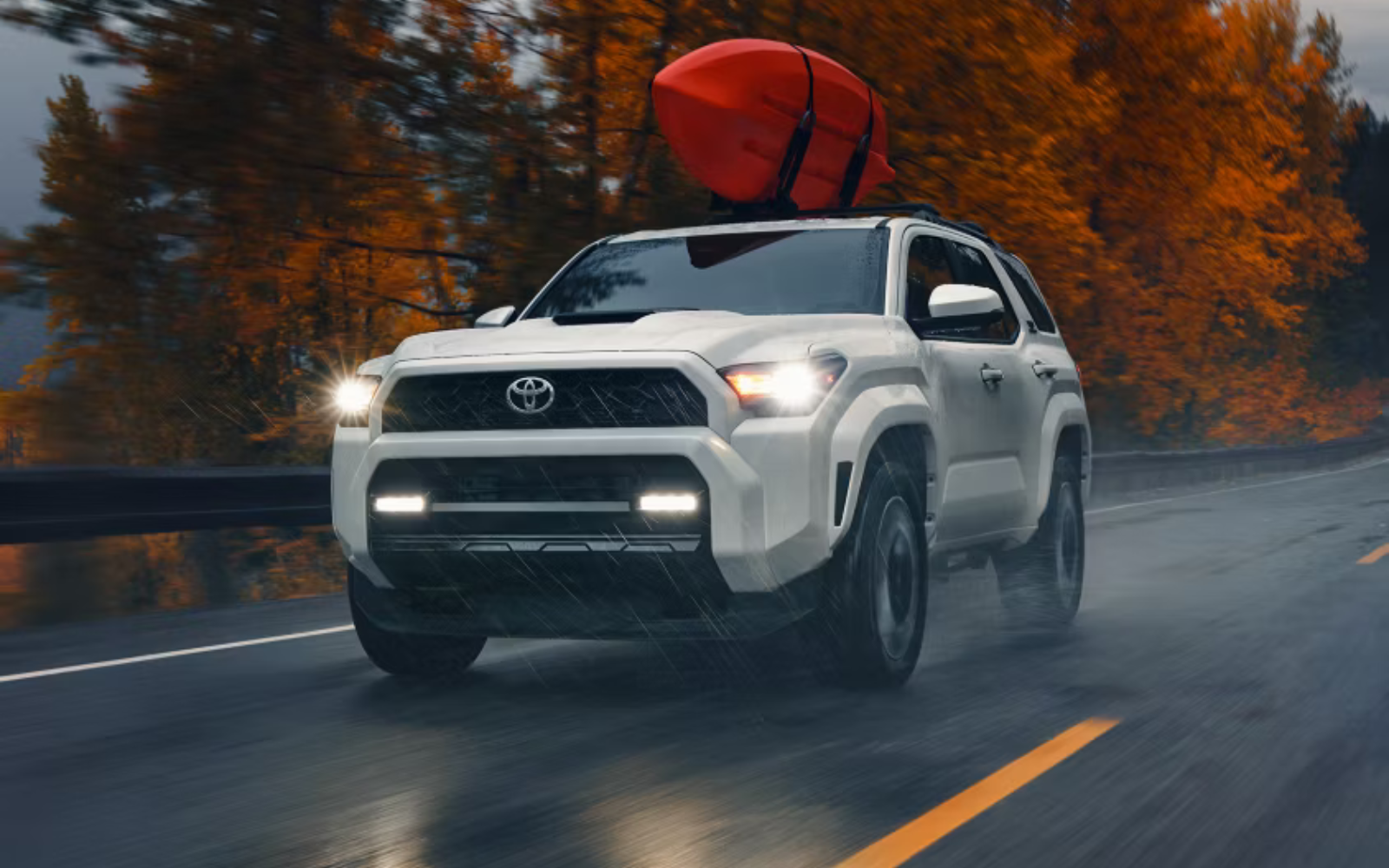

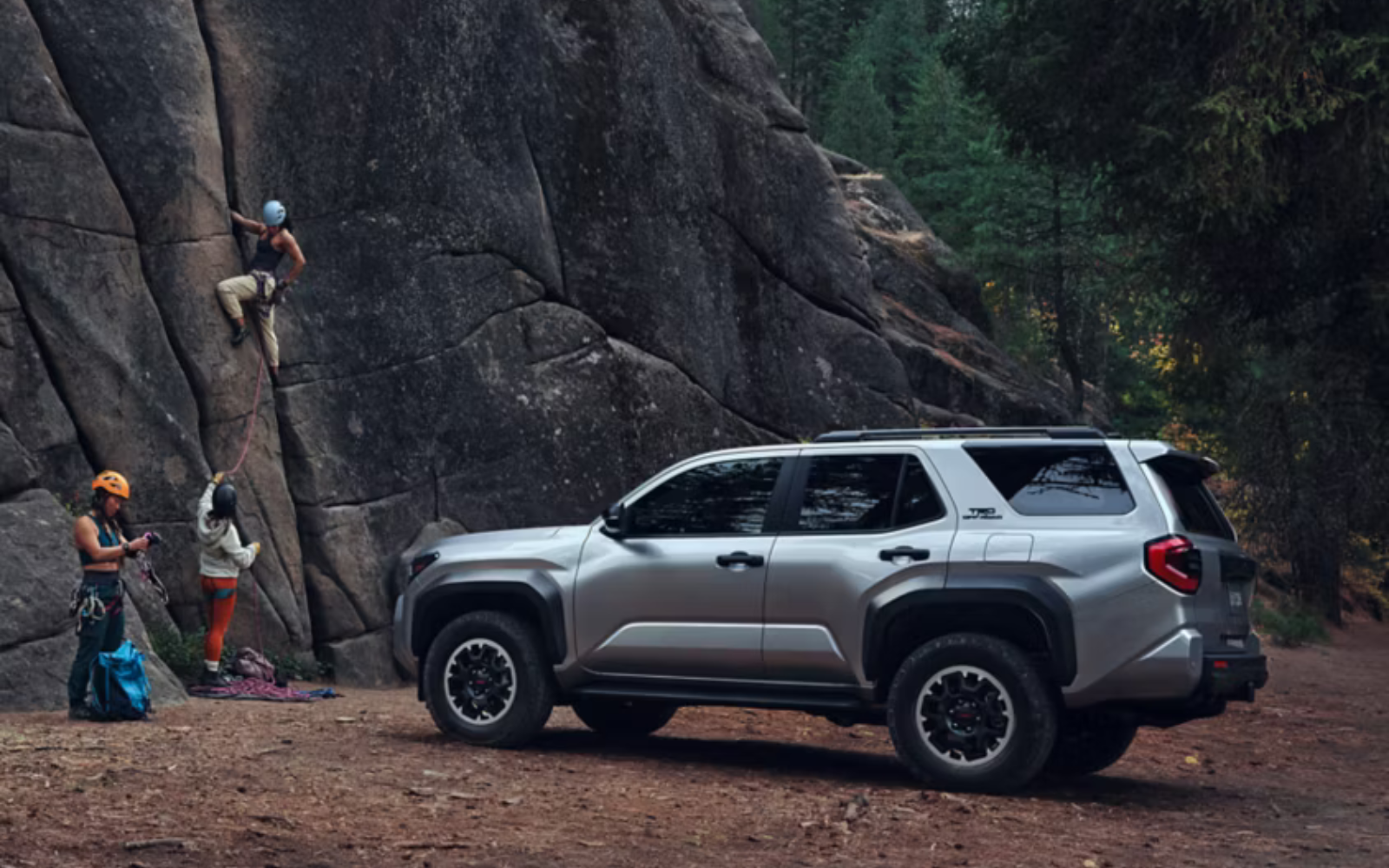
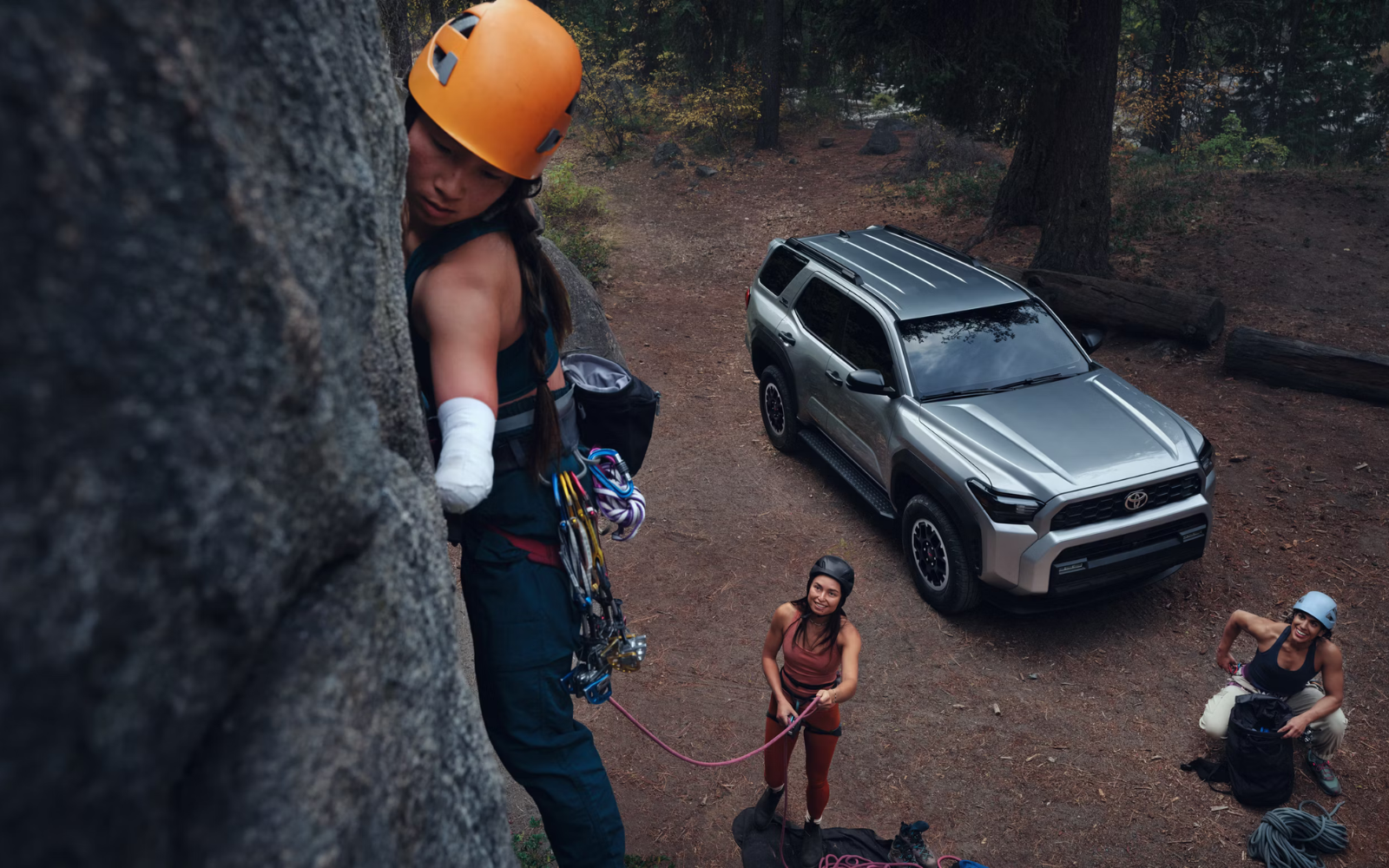
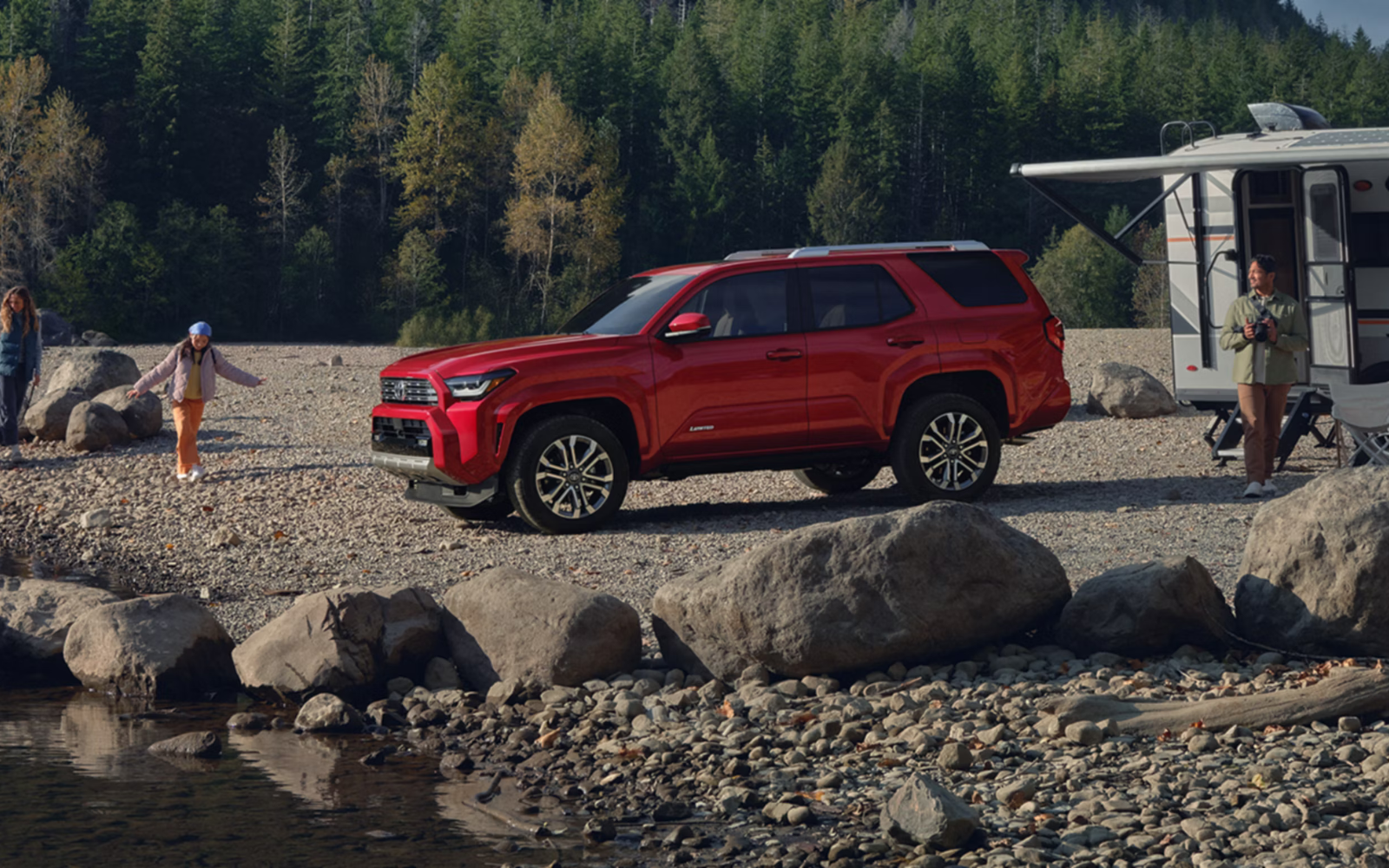
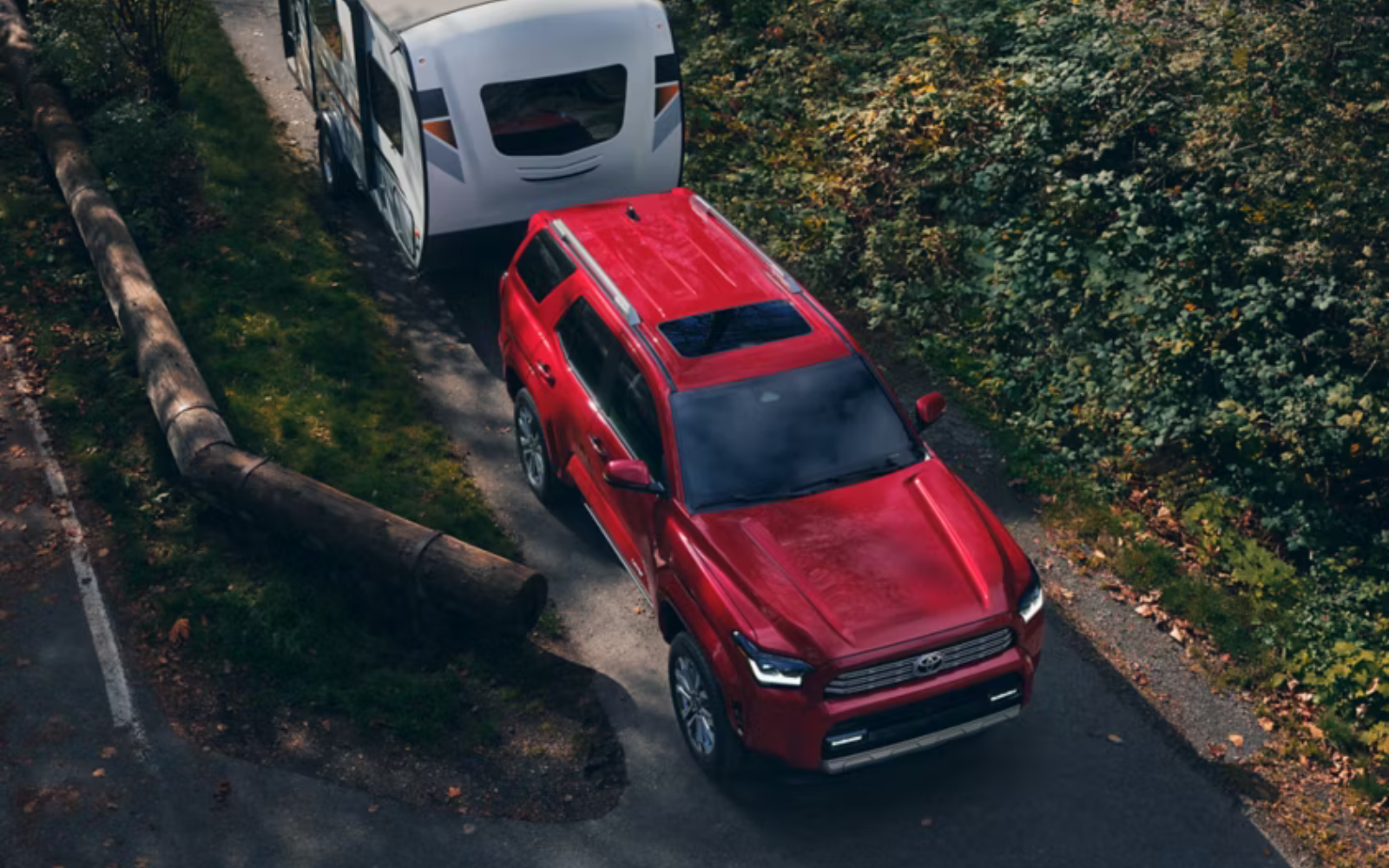
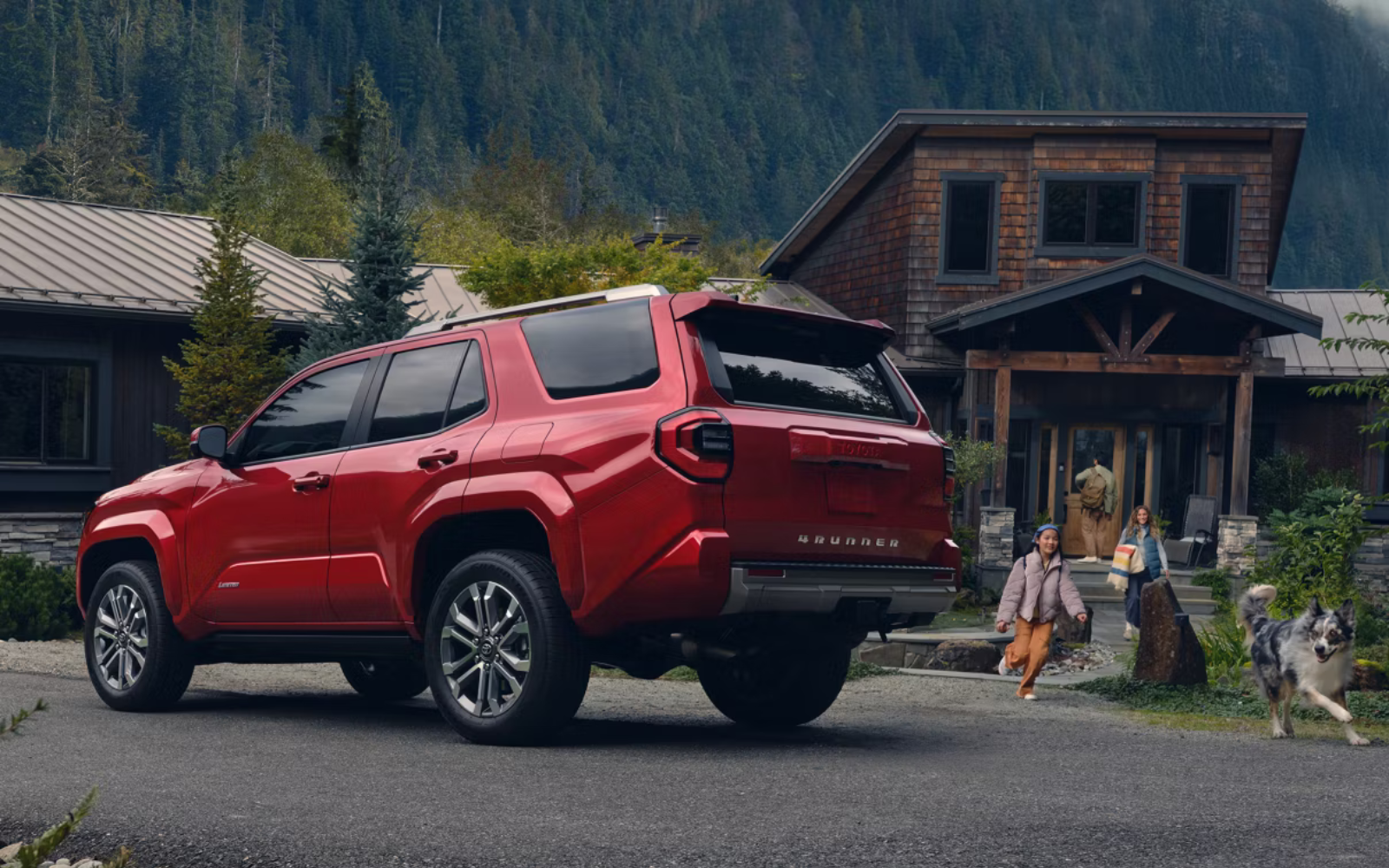
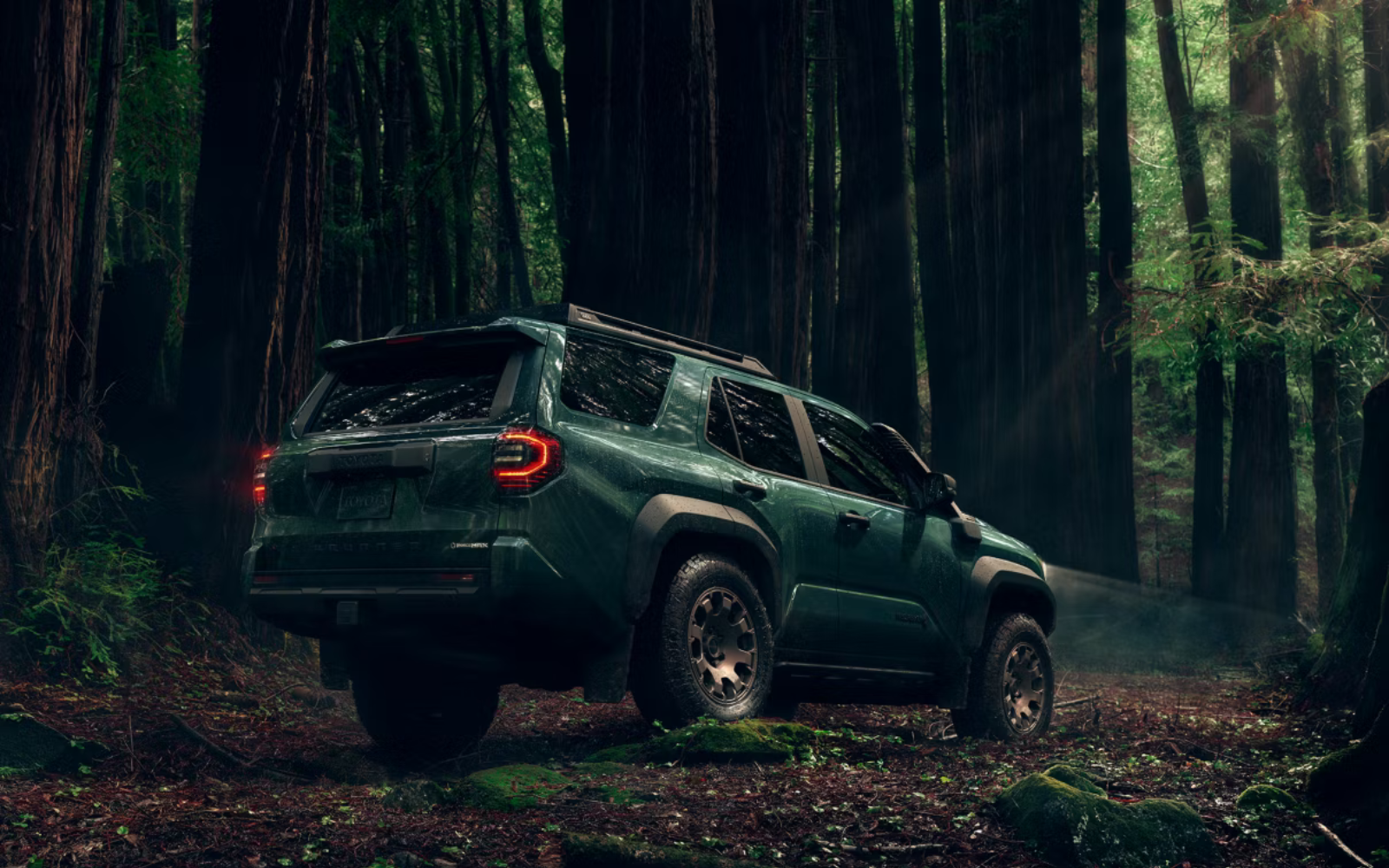
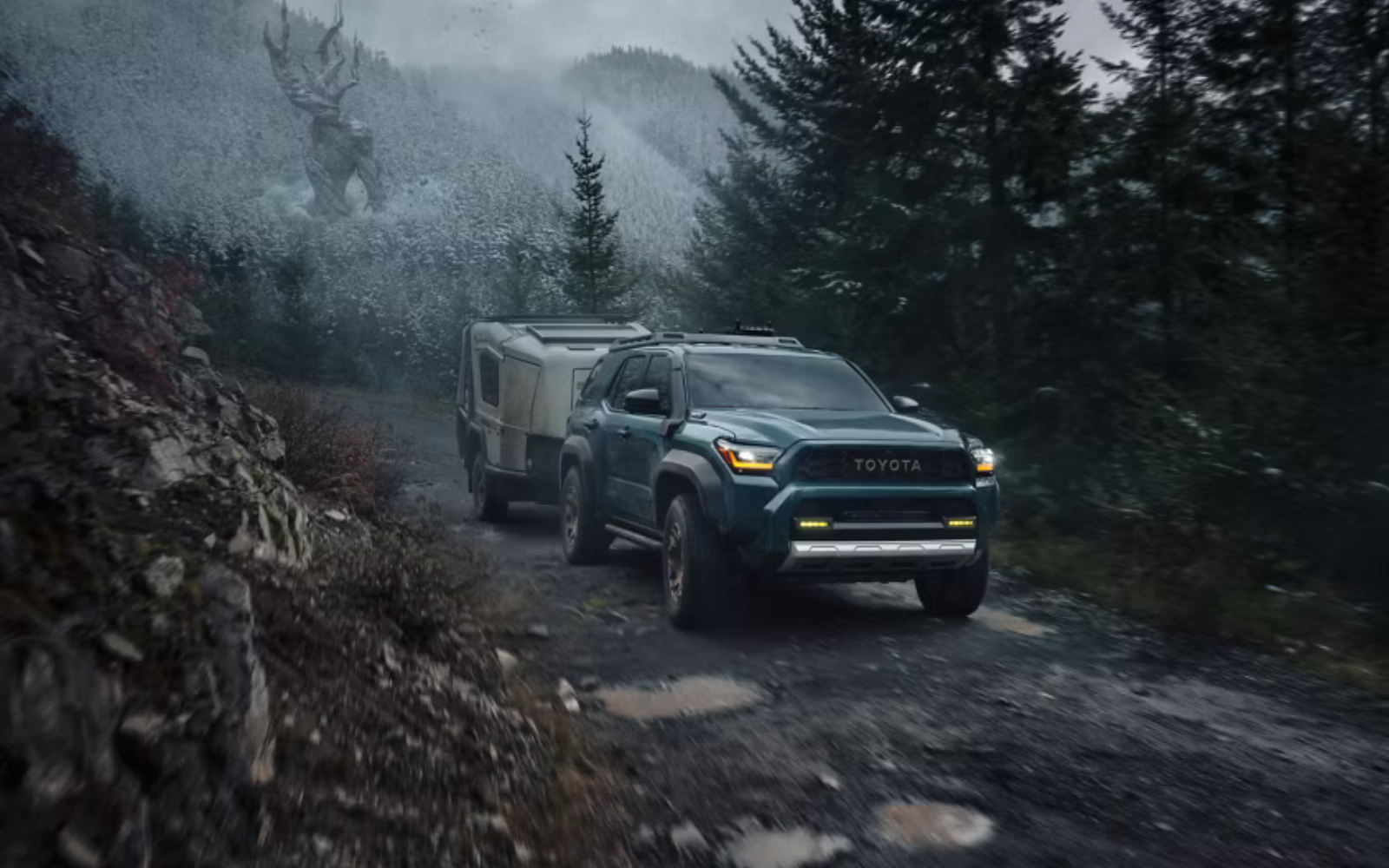
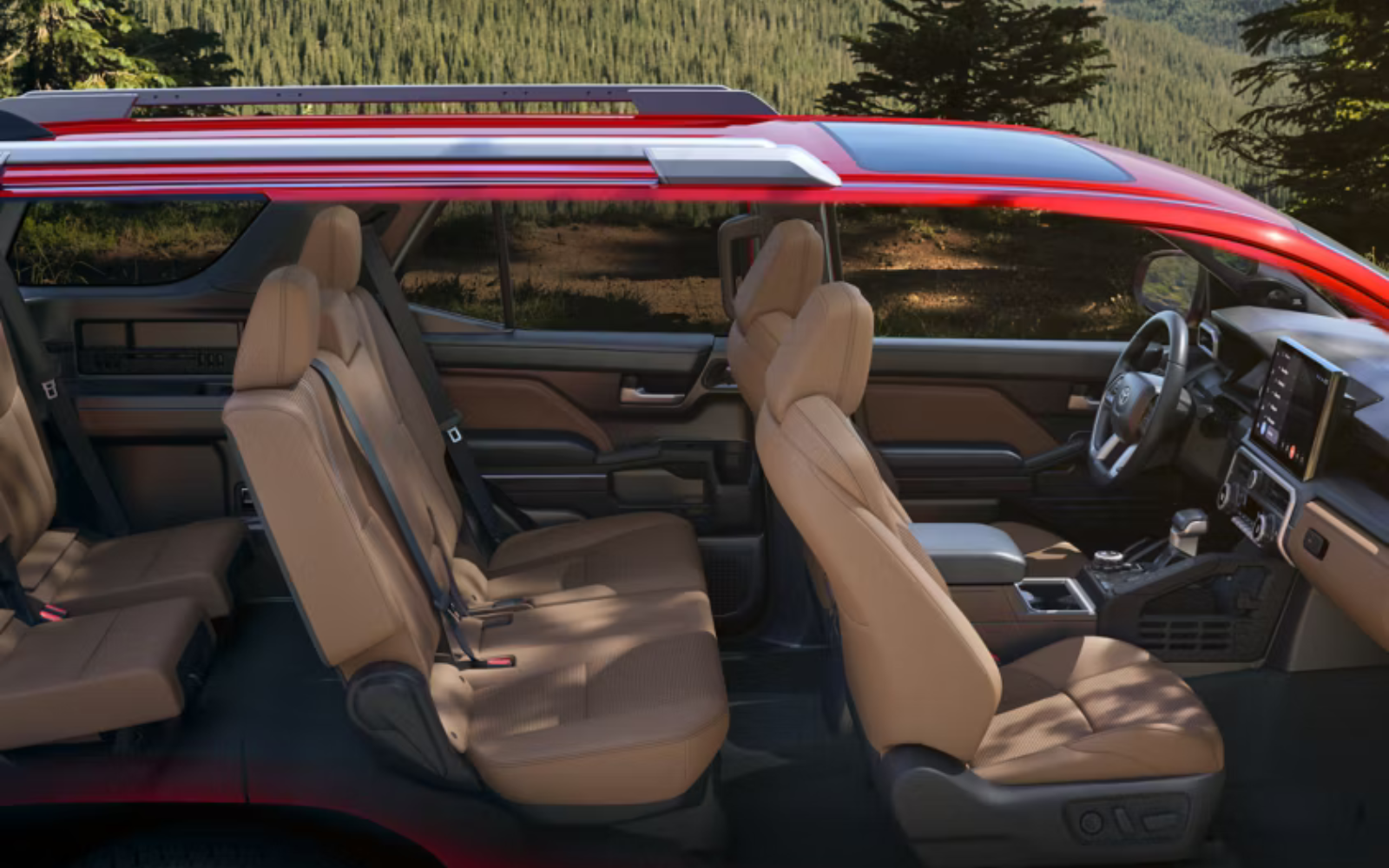
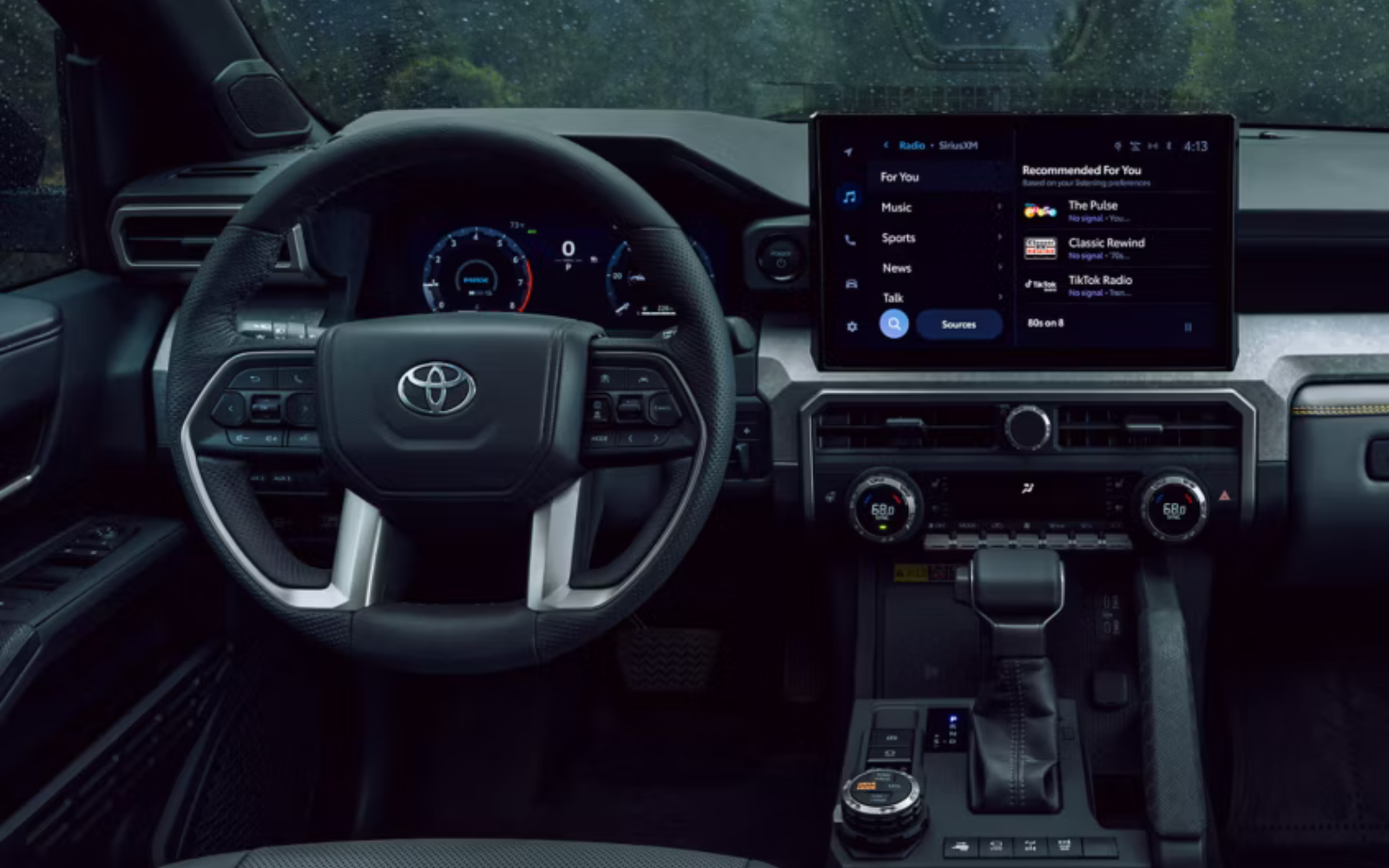
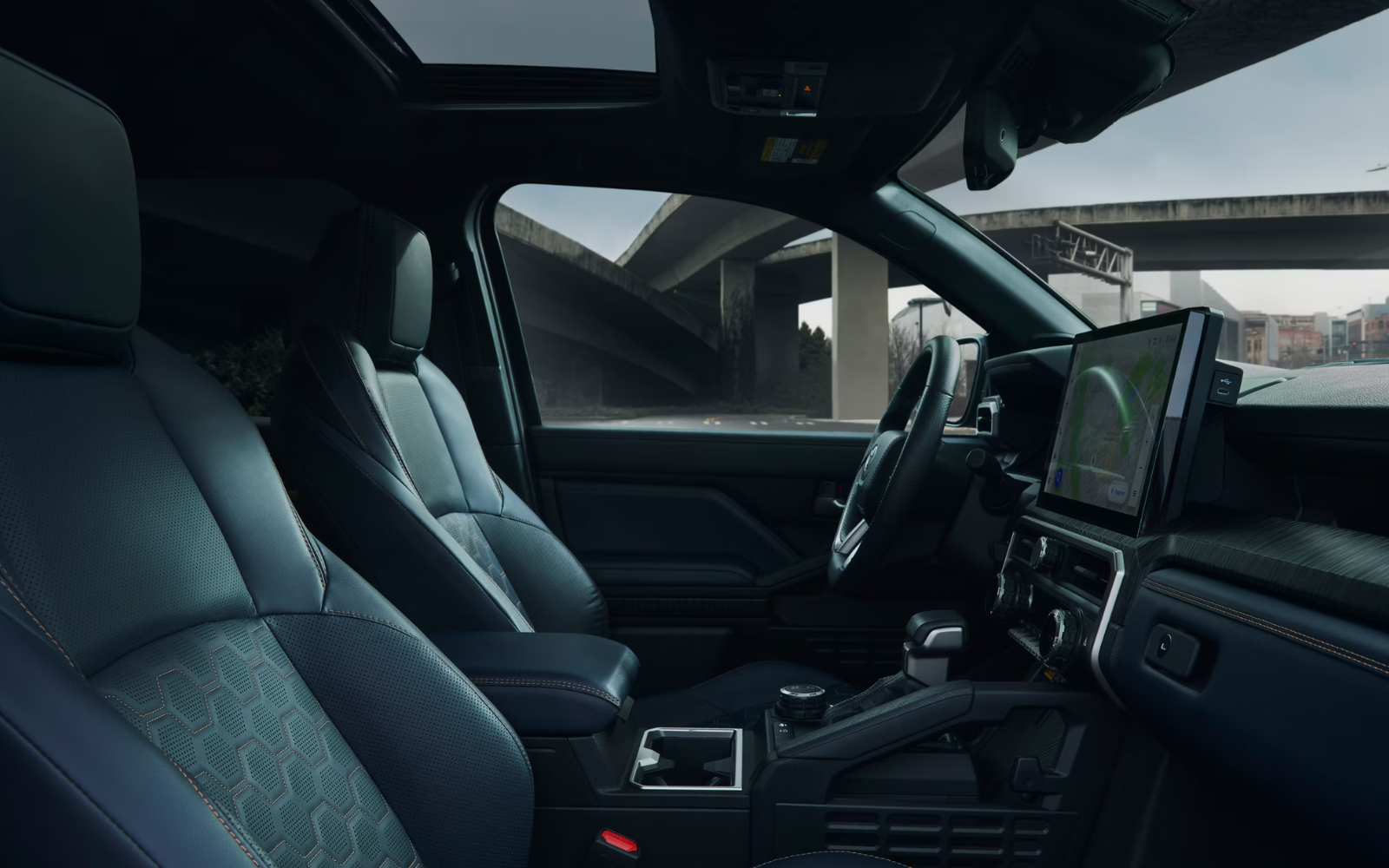
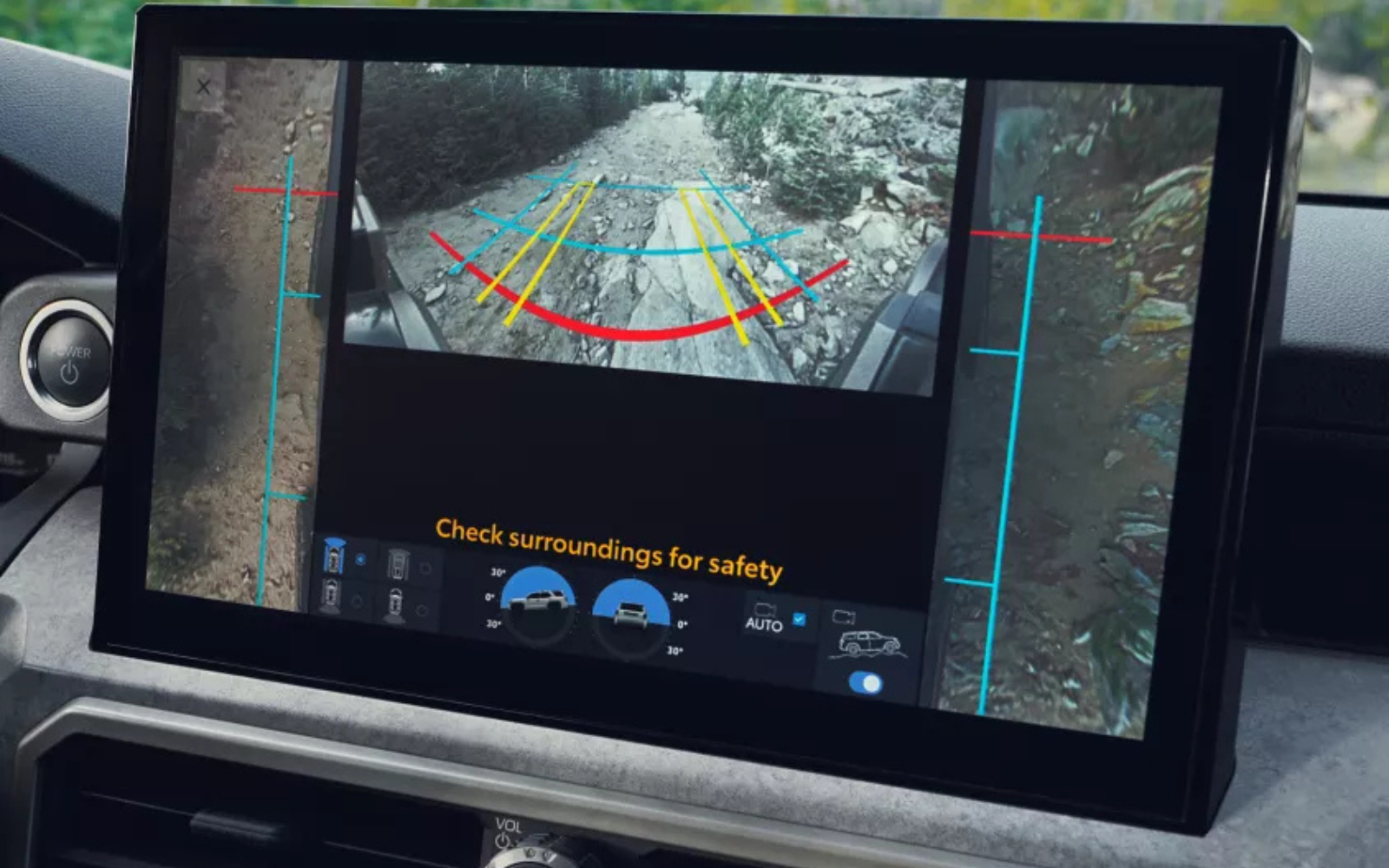
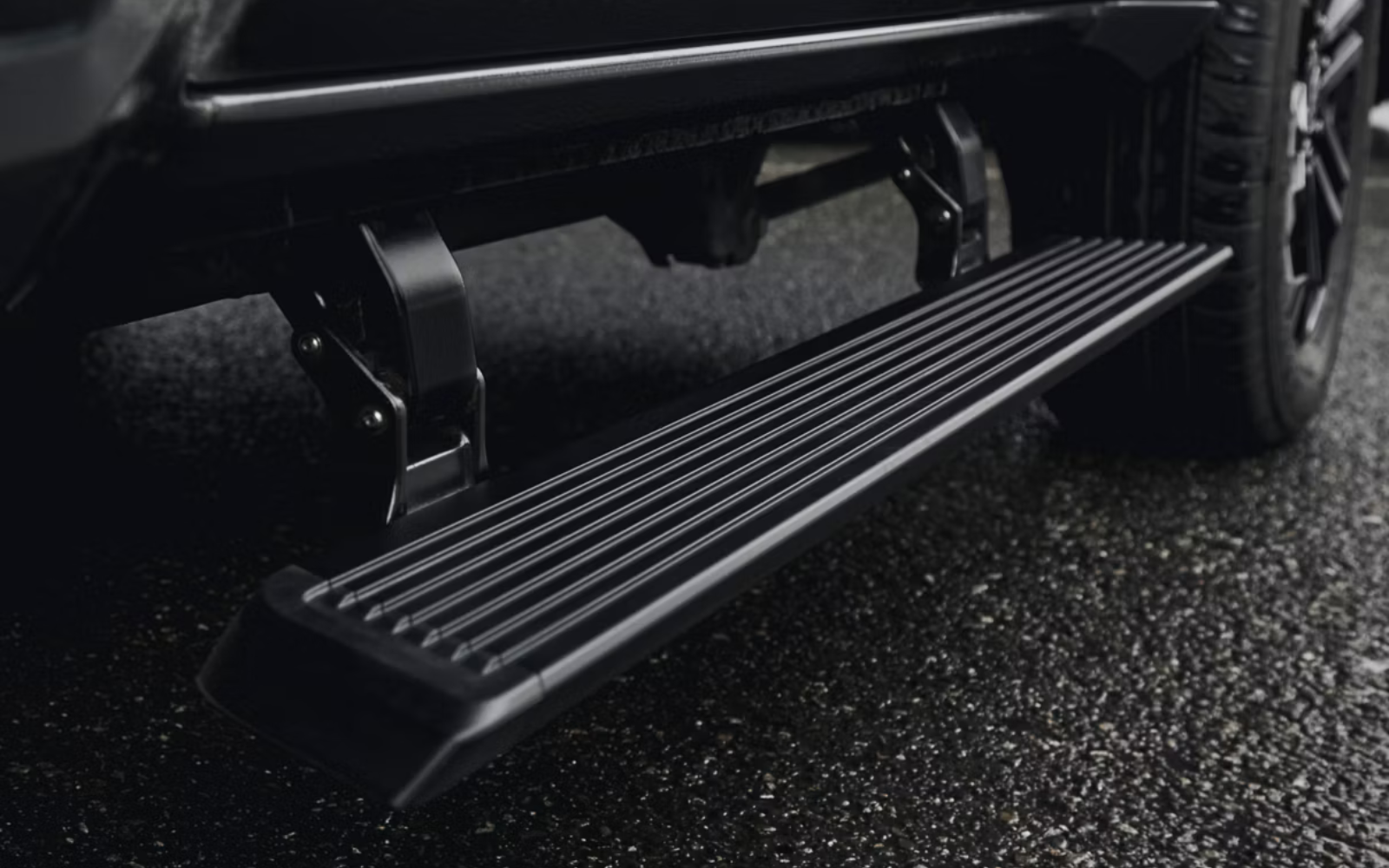
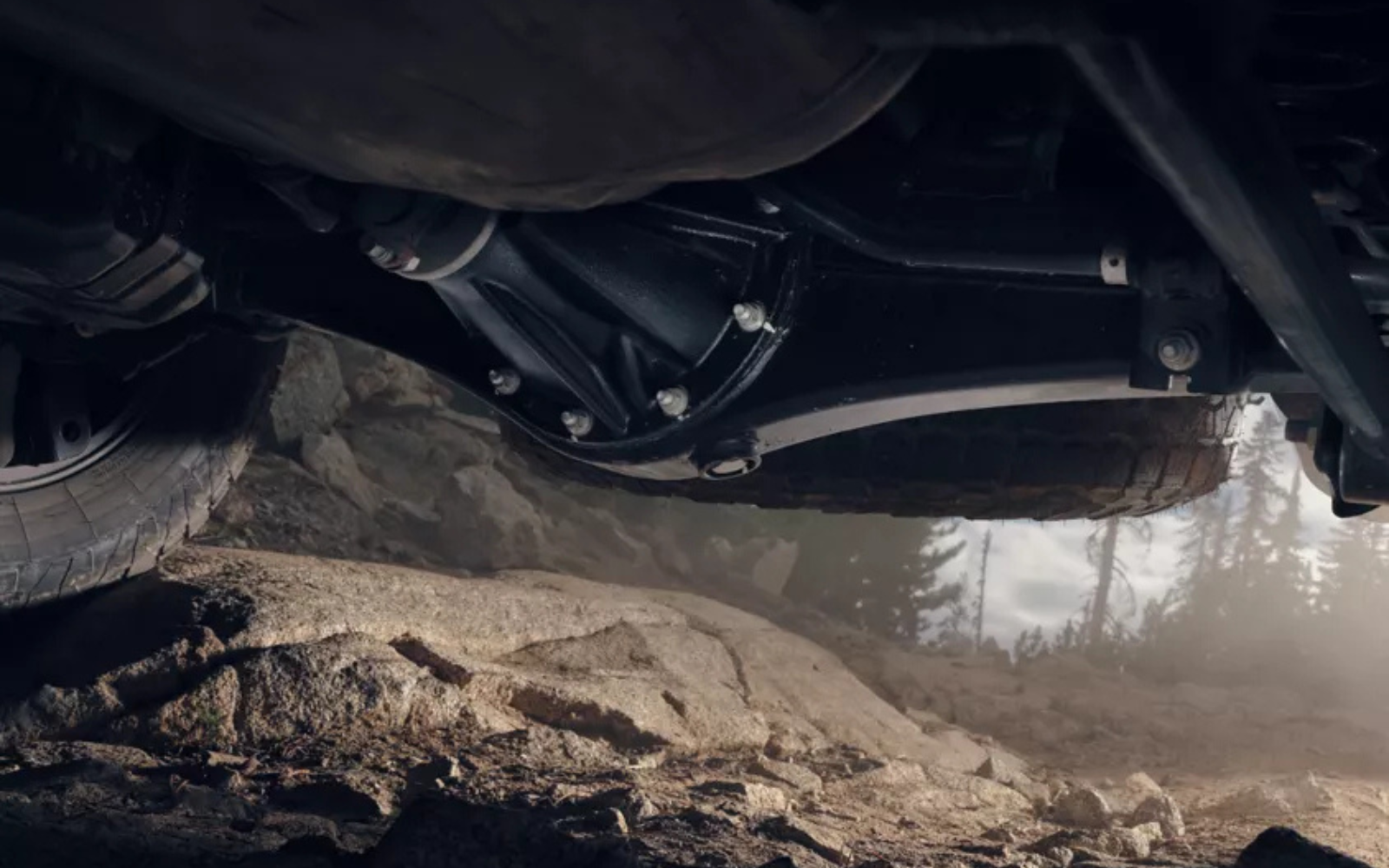
The lineup ranges from practical SR5 models to serious trail-focused TRD Pro and Trailhunter versions. Gas models produce 278 horsepower, while i-FORCE MAX hybrid models make 326 horsepower and 465 lb.-ft. of torque.
It is a strong choice for outdoor-focused buyers, families who use rough roads, and drivers who want more towing and trail ability than a crossover SUV offers. The trade-offs are higher fuel costs than a typical crossover, truck-like handling, and expensive upper trims.
WheelPedia Rating: 8.6/10
The Toyota 4Runner earns an 8.6/10 WheelPedia Rating. It has a broad trim range, proven off-road hardware, strong hybrid torque, and more day-to-day practicality than many purpose-built off-road SUVs.
Its main weaknesses are price, fuel economy on gas trims, and a ride that is less refined than a crossover-based SUV.
| Rating Category | Score | Weight |
| Safety | 8.8/10 | 20% |
| Reliability and ownership | 8.5/10 | 15% |
| Performance and driving | 8.7/10 | 15% |
| Comfort and practicality | 8.3/10 | 15% |
| Efficiency and fuel economy | 8.1/10 | 15% |
| Features and technology | 8.6/10 | 10% |
| Price and value | 8.1/10 | 10% |
| Overall WheelPedia Rating | 8.6/10 | — |
See how WheelPedia rates cars for the full scoring method.
Key Highlights
- Starts from $42,270 MSRP in the US.
- Body-on-frame midsize SUV with seating for up to seven.
- Gas and i-FORCE MAX hybrid powertrains available.
- Gas engine produces 278 hp and 317 lb.-ft. of torque.
- Hybrid produces 326 hp and 465 lb.-ft. of torque.
- Available 2WD, part-time 4WD, and full-time 4WD.
- Up to 23 mpg combined on hybrid versions.
- Up to 6,000 pounds of towing capacity when properly equipped.
- Up to 90.2 cubic feet of cargo space with seats folded.
- Available ground clearance of up to 10.1 inches.
- Standard Toyota Safety Sense 3.0.
- Best for buyers who want a capable SUV for trails, towing, camping, and daily driving.
Key Specifications
| Specification | Toyota 4Runner |
| Vehicle type | Midsize body-on-frame SUV |
| Seating capacity | Up to 7 |
| Gas engine | Turbocharged 2.4L four-cylinder |
| Gas output | 278 hp / 317 lb.-ft. |
| Hybrid output | 326 hp / 465 lb.-ft. |
| Transmission | Eight-speed automatic |
| Drivetrains | 2WD, part-time 4WD, or full-time 4WD |
| Best fuel economy | Up to 23 mpg combined |
| Maximum towing capacity | Up to 6,000 lbs. |
| Maximum cargo space | Up to 90.2 cu. ft. |
| Maximum ground clearance | Up to 10.1 in. |
Expert Tip:
The 4Runner TRD Off-Road i-FORCE MAX is the best trim for buyers who want real off-road ability without paying for the Trailhunter or TRD Pro. It has the stronger hybrid system, all-terrain tires, Bilstein shocks, trail equipment, and useful everyday features at a lower price than the flagship off-road trims.
About the Toyota 4Runner
The Toyota 4Runner is Toyota’s rugged midsize SUV. Unlike the Toyota RAV4 and Toyota Grand Highlander, it uses body-on-frame construction and is designed for towing, trail use, and rough-road durability.
The current generation introduces a turbocharged four-cylinder engine and an available i-FORCE MAX hybrid powertrain. It also brings more modern infotainment, improved towing technology, and a much broader set of off-road trims.
The 4Runner is the better choice for buyers who use trails, tow recreational equipment, or want a truck-like SUV. Buyers who prioritize a soft ride, low fuel costs, and easy urban driving should consider a crossover instead.
Price and Trims
Destination, tax, registration, accessories, dealer-installed equipment, and local fees increase the final purchase price.
| Trim | Starting MSRP | Powertrain | EPA-Estimated City / Highway MPG | Key Features |
| SR5 | $42,270 | Gas | 20 / 26 mpg | 17-in. wheels, 8-in. touchscreen, available third row |
| TRD Sport | $48,750 | Gas | 20 / 26 mpg | 20-in. wheels, sport-tuned suspension |
| TRD Off-Road | $50,690 | Gas | 19 / 25 mpg | All-terrain tires, Bilstein shocks, Crawl Control |
| TRD Sport Premium | $54,110 | Gas | 20 / 26 mpg | Heated and ventilated front seats, 14-in. touchscreen |
| TRD Off-Road Premium | $56,470 | Gas | 19 / 25 mpg | Heated and ventilated front seats, off-road equipment |
| Limited | $56,900 | Gas | 20 / 24 mpg | Leather seating, 20-in. wheels, available third row |
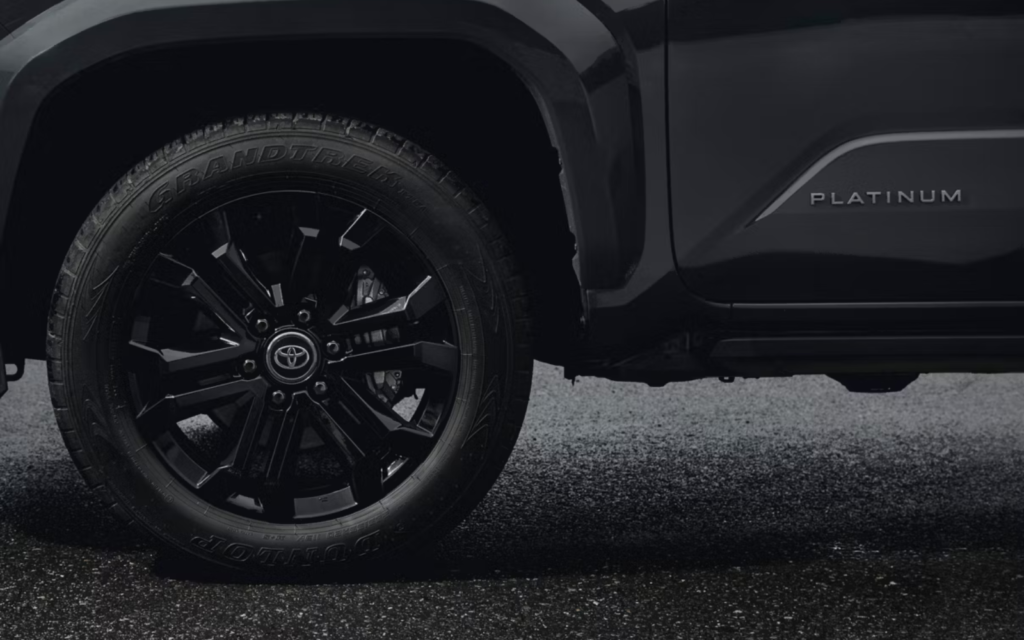
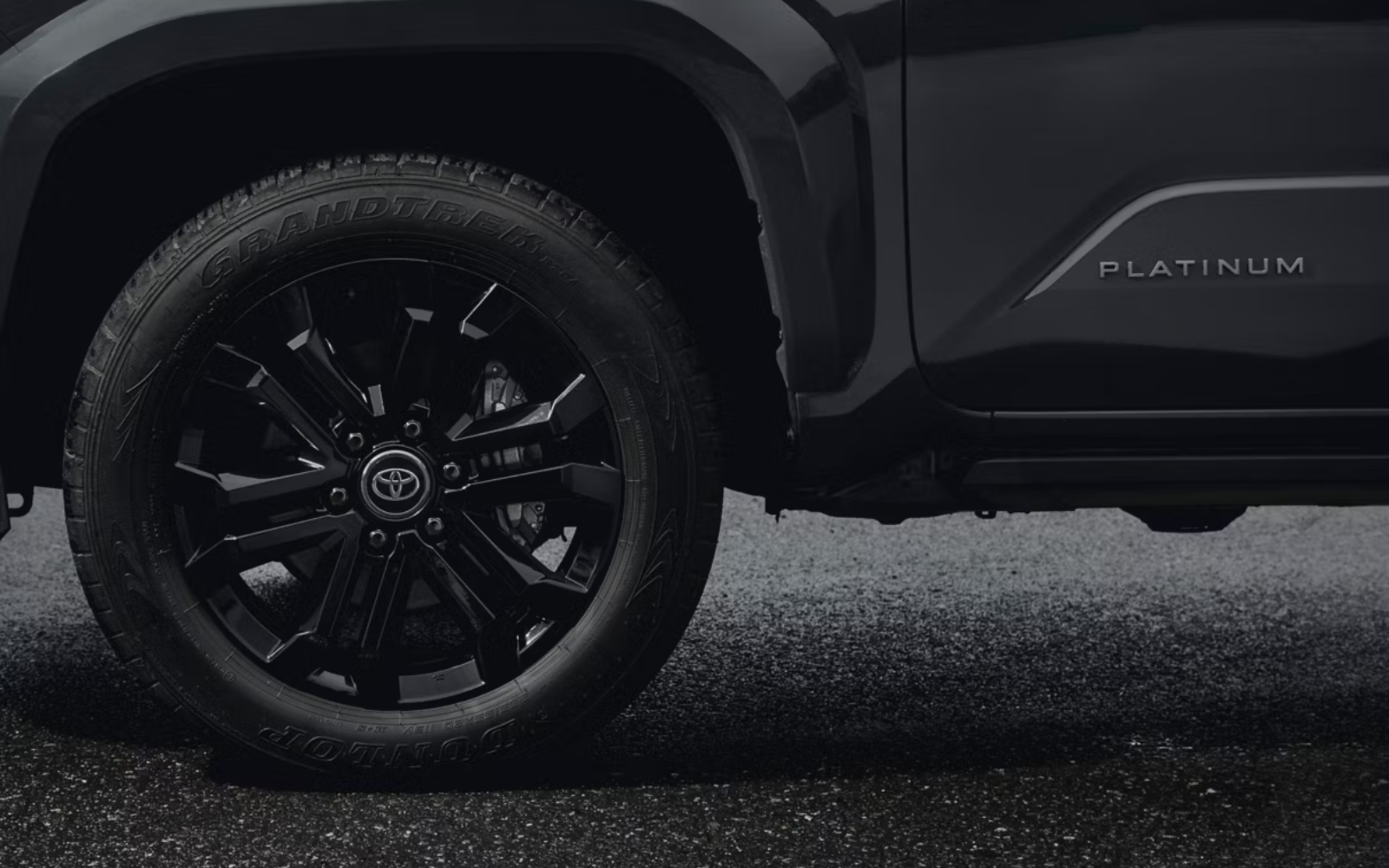
| Platinum | $64,360 | Gas | 23 / 24 mpg | Premium leather, black wheels, upscale exterior details |
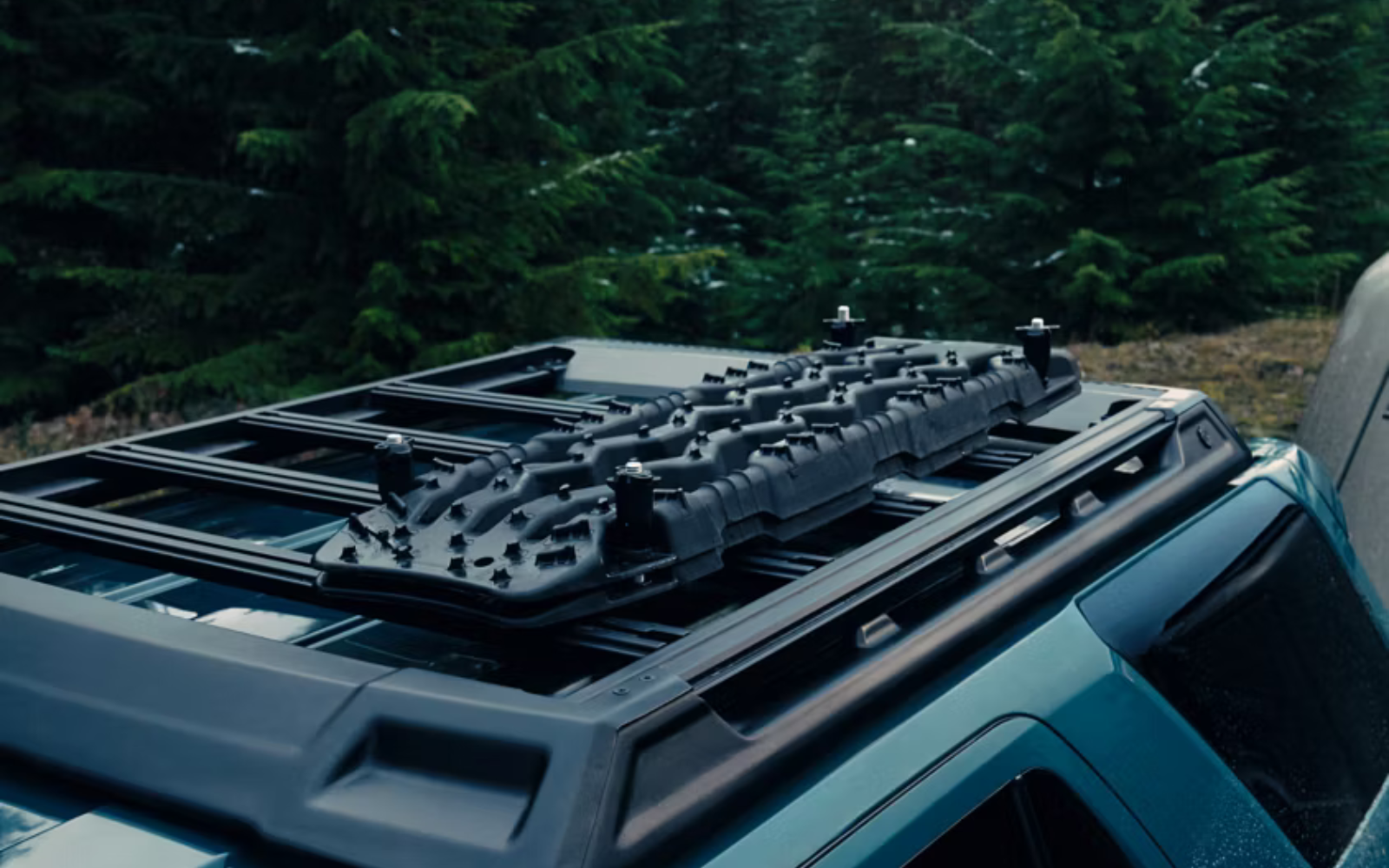
| Trailhunter | $68,400 | Hybrid | 23 / 24 mpg | Old Man Emu shocks, ARB roof rack, all-terrain tires |
| TRD Pro | $68,600 | Hybrid | 23 / 24 mpg | FOX shocks, stabilizer disconnect, 33-in. all-terrain tires |
| TRD Off-Road i-FORCE MAX | $53,490 | Hybrid | 23 / 24 mpg | Hybrid torque, Bilstein shocks, power liftgate |
| TRD Off-Road Premium i-FORCE MAX | $59,270 | Hybrid | 23 / 24 mpg | Multi-Terrain Monitor, 14-in. touchscreen |
| Limited i-FORCE MAX | $61,700 | Hybrid | 23 / 24 mpg | Leather seating, hybrid power, premium exterior details |
The SR5 is the sensible entry point for buyers who want a capable SUV and may use the available third row. It has the lowest price and enough equipment for normal family use.
The TRD Off-Road i-FORCE MAX is the best all-round choice for outdoor-focused buyers. It adds the stronger hybrid system, all-terrain tires, Bilstein shocks, trail controls, and more torque for towing and low-speed off-road driving.
The Trailhunter is best for overlanding and long remote trips. The TRD Pro is aimed at drivers who want maximum trail performance and its FOX shock setup.
Engine, Hybrid System, and Performance
The standard 4Runner engine is a turbocharged 2.4-liter four-cylinder that produces 278 horsepower and 317 lb.-ft. of torque. It uses an eight-speed automatic transmission.
The available i-FORCE MAX hybrid system produces 326 horsepower and 465 lb.-ft. of torque. It provides much stronger low-speed response than the gas engine and is the better choice for buyers who tow, drive in the mountains, or want quicker highway passing.
Available drivetrain systems include 2WD, part-time 4WD, and full-time 4WD. The exact setup depends on trim.
0–60 MPH Performance
Toyota does not publish official 0–60 mph times for every 4Runner configuration.
The i-FORCE MAX hybrid should be meaningfully quicker than the gas version because of its 465 lb.-ft. of torque. It is the better choice for buyers who regularly carry passengers, tow trailers, or want stronger passing response.
Driving Experience
The 4Runner feels more substantial and truck-like than a crossover SUV. Its tall seating position, body-on-frame structure, and available off-road suspension help it deal with rough terrain, but they also make it less agile in city driving.
The SR5 and Limited are the better choices for paved-road use. The TRD Sport is aimed at buyers who want sharper on-road responses, while the TRD Off-Road, Trailhunter, and TRD Pro are more focused on trail performance.
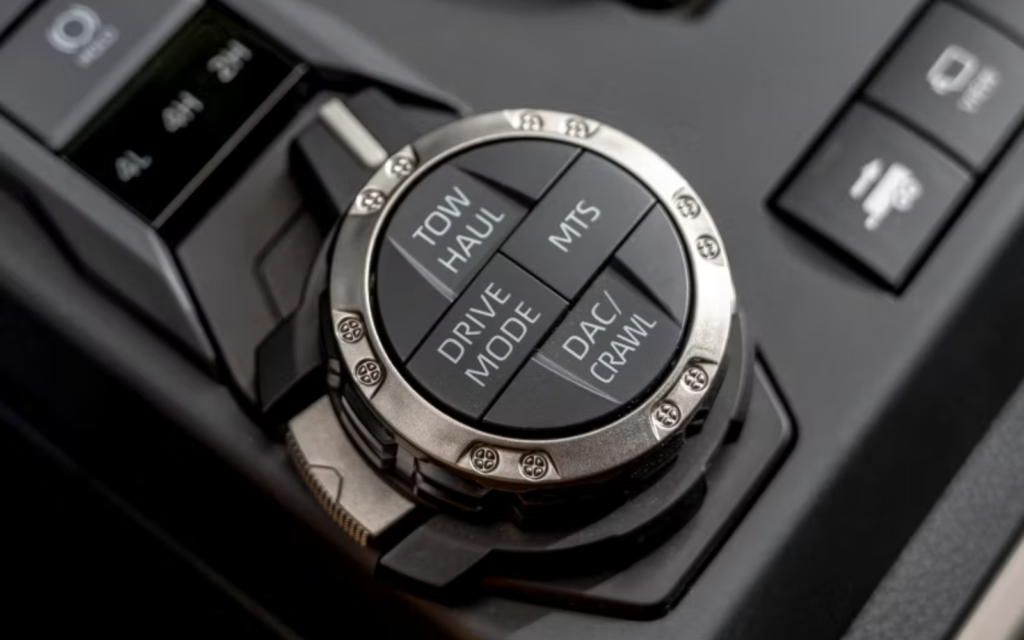
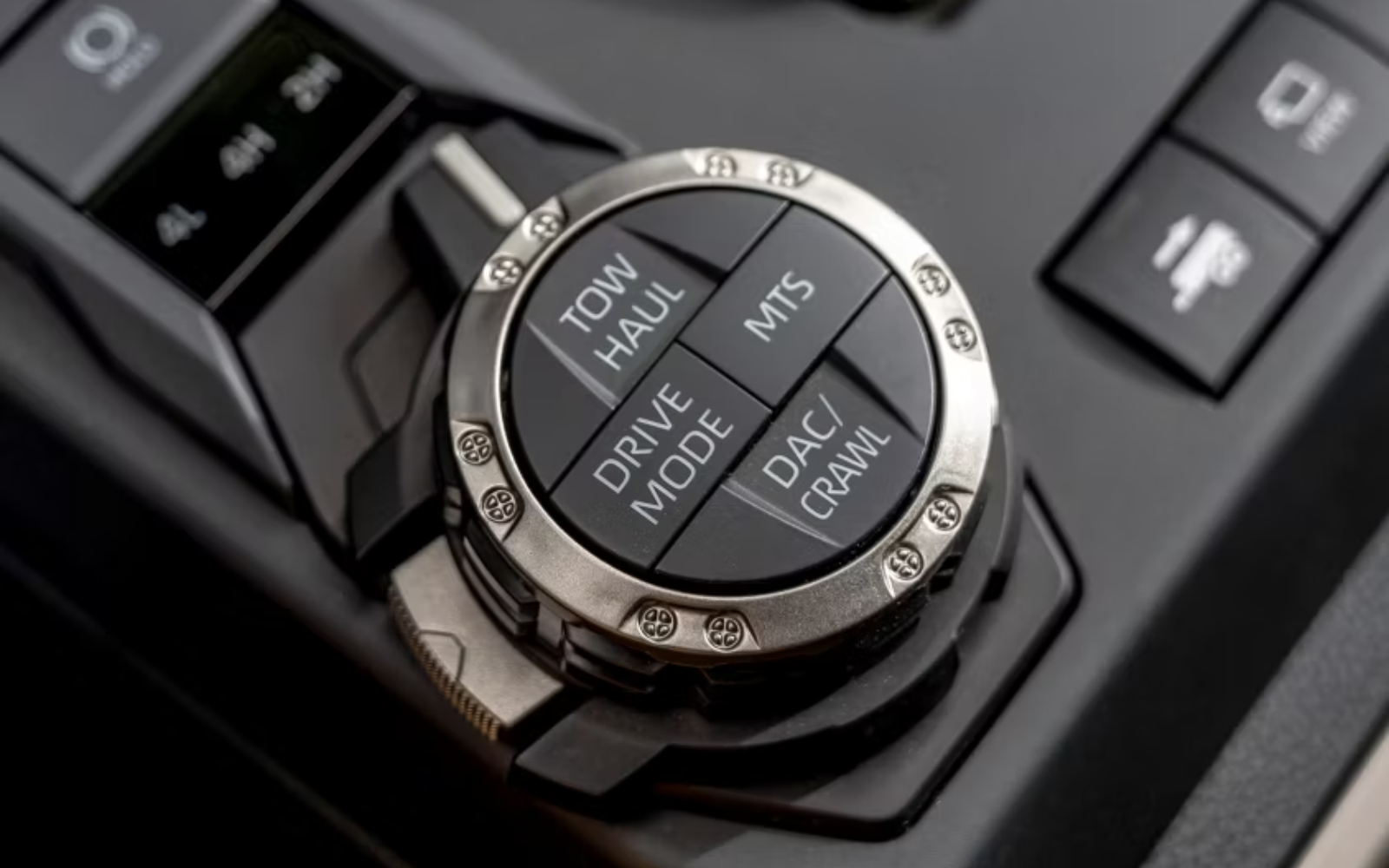
Toyota lists up to 10.1 inches of ground clearance. Combined with available locking differentials, Multi-Terrain Select, Crawl Control, and a stabilizer disconnect system, that gives the 4Runner serious off-road ability.
Fuel Economy
| Powertrain | EPA-Estimated City MPG | EPA-Estimated Highway MPG | Best For |
| Gas 2WD | Up to 20 mpg | Up to 26 mpg | Lowest-cost entry point |
| Gas 4WD off-road models | Up to 19 mpg | Up to 25 mpg | Traditional trail use |
| i-FORCE MAX hybrid | 23 mpg | 24 mpg | Torque, efficiency, and towing |
The hybrid system is the best ownership choice for buyers who drive frequently. It returns better fuel economy than gas off-road trims while adding stronger acceleration and towing response.
The hybrid does not need to be plugged in. Its battery charges through the gas engine and regenerative braking.
Fuel economy changes with tire choice, roof racks, towing, cargo, weather, trail use, and driving style.
Interior, Comfort, and Technology
The 4Runner has a practical interior designed around outdoor use. It offers two rows as standard, with available third-row seating on selected SR5 and Limited configurations.
Standard and available features include:
- 8-inch or 14-inch Toyota Audio Multimedia touchscreen
- Wireless Apple CarPlay and Android Auto
- Wireless smartphone charging
- USB-C ports
- Available heated and ventilated front seats
- Available leather-trimmed seating
- Available third-row seating
- Available power liftgate
- Signature power rear window
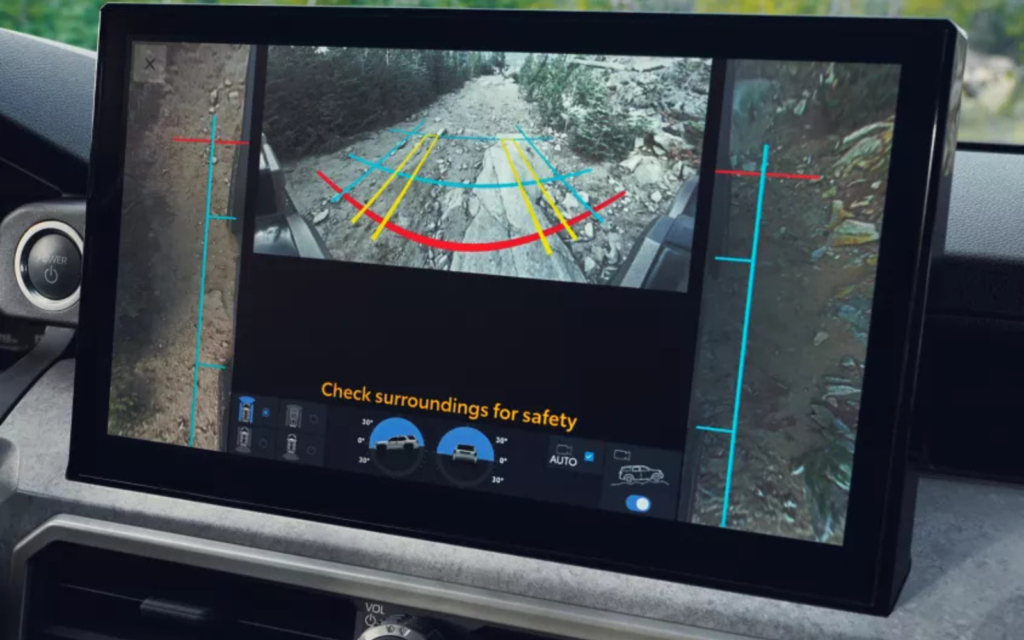
- Available Multi-Terrain Monitor
- Available head-up display
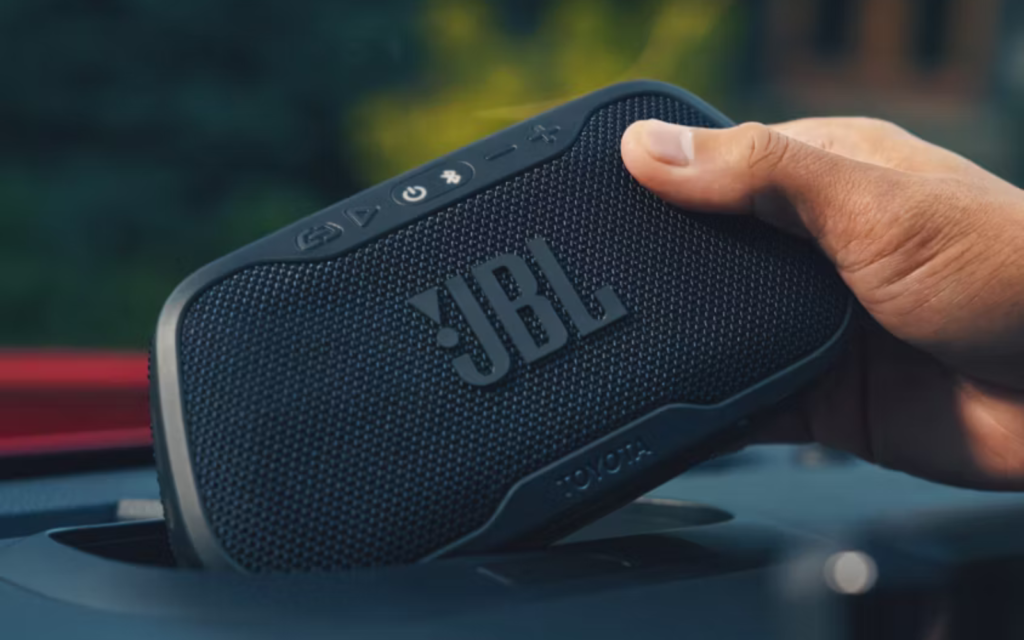
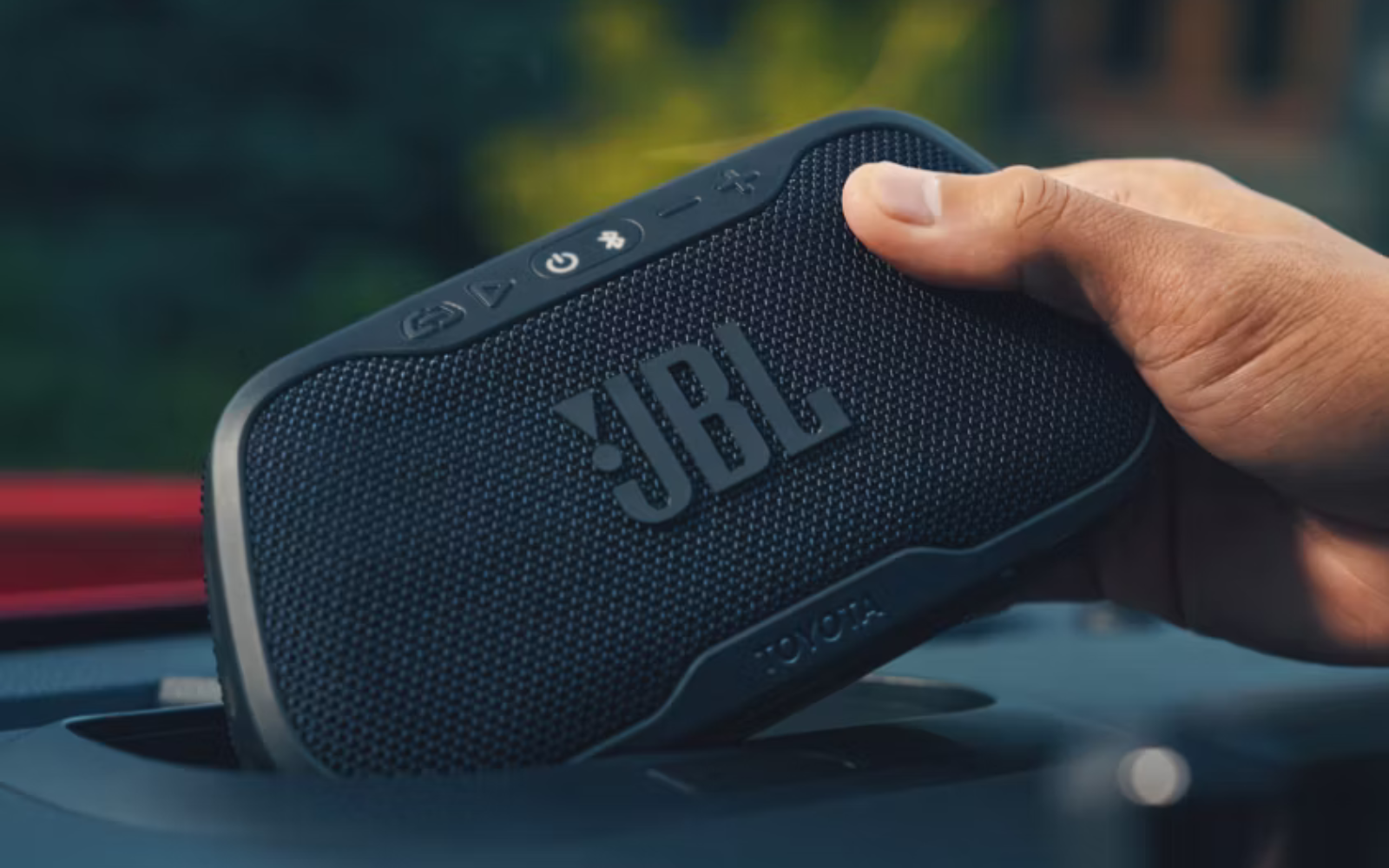
- Available JBL premium audio
- Available onboard air compressor
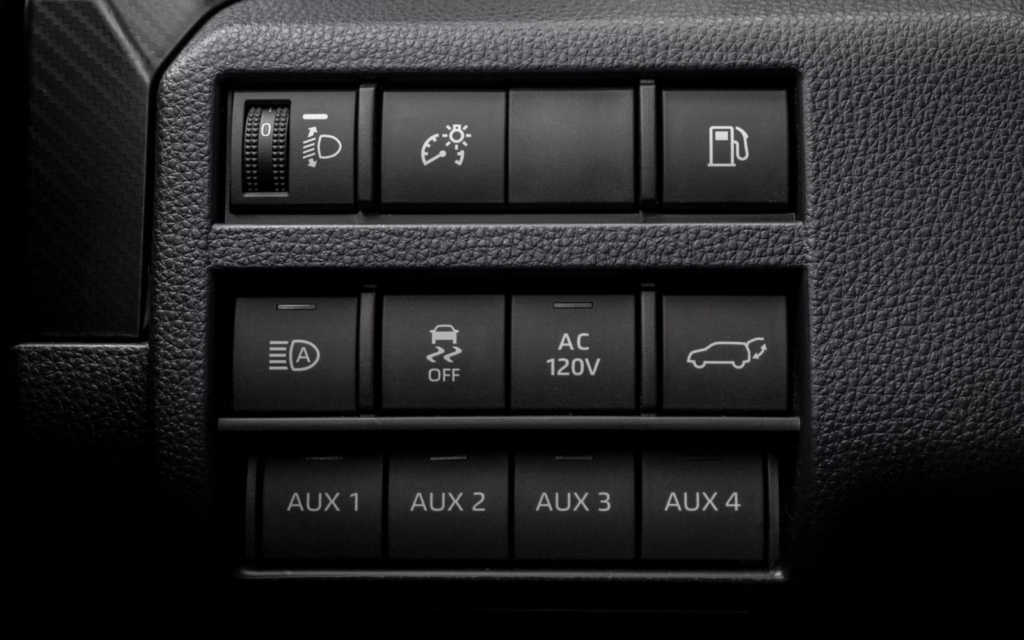
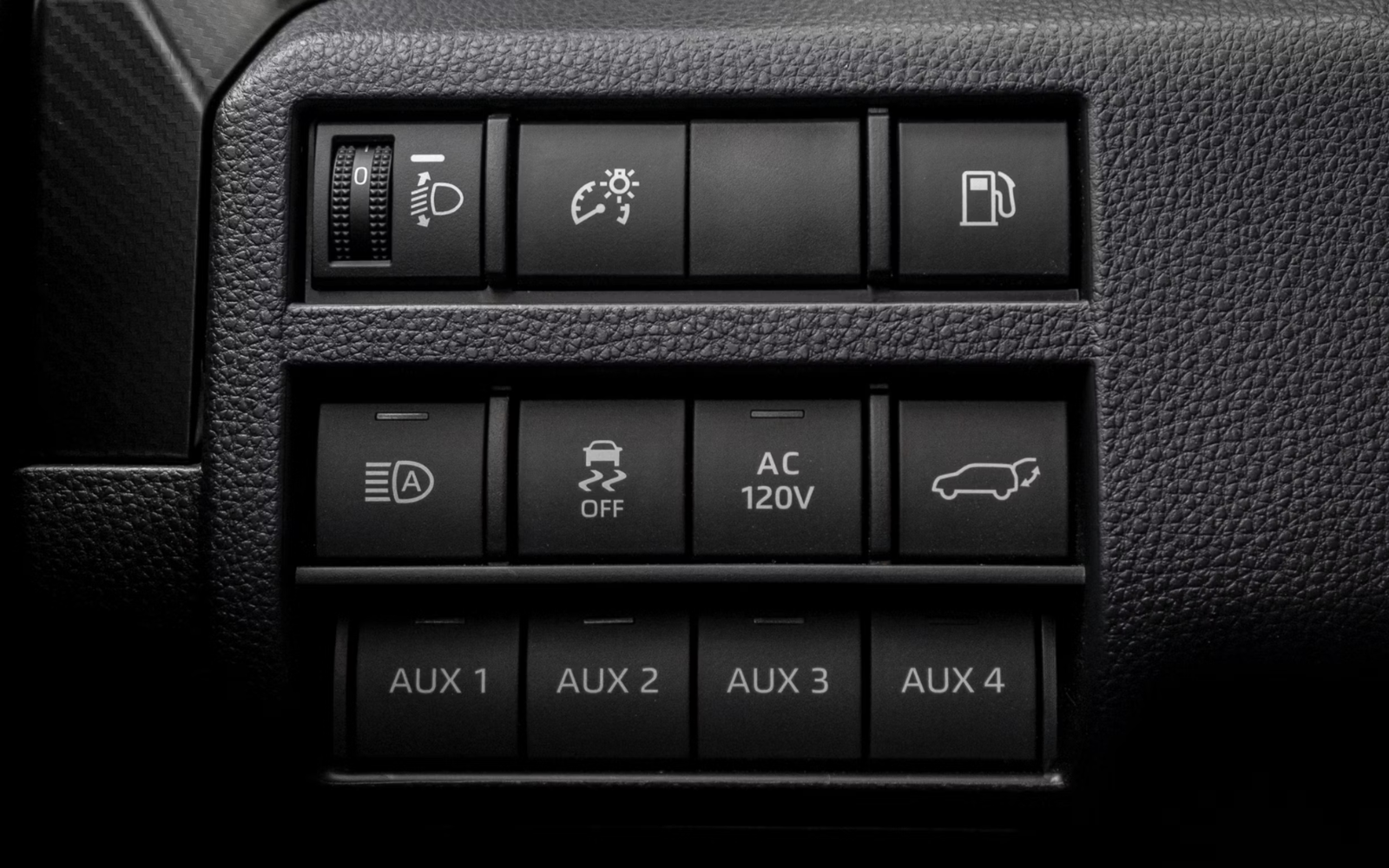
- Available prewired auxiliary switches
- Toyota Safety Sense 3.0
The power rear window remains one of the 4Runner’s most useful features. It makes loading gear easier and helps with ventilation when camping or carrying pets.
Dimensions, Cargo, and Practicality
| Practicality Feature | Toyota 4Runner |
| Seating | Up to 7 passengers |
| Cargo configuration | Two rows standard; third row available on selected trims |
| Maximum cargo space | Up to 90.2 cu. ft. |
| Rear-seat design | Tumble-fold rear seats |
| Maximum ground clearance | Up to 10.1 in. |
| Maximum towing capacity | Up to 6,000 lbs. |
The 4Runner has useful cargo capacity for camping gear, luggage, dogs, tools, and outdoor equipment. Folding the rear seats creates a large load area, though the third-row option reduces cargo space when it is in use.
Buyers who need three rows every day should compare the 4Runner with the Grand Highlander or Toyota Sequoia. The 4Runner’s third row is best for children and occasional use.
Exterior Design
The 4Runner keeps its familiar upright profile and rear quarter-window design while adding trim-specific styling.
- SR5: Traditional SUV appearance with 17-inch wheels.
- TRD Sport: Sportier grille, hood scoop, and 20-inch wheels.
- TRD Off-Road: All-terrain tires, Bilstein shocks, and trail-focused hardware.
- Limited and Platinum: More premium trim, leather seating, and road-focused details.
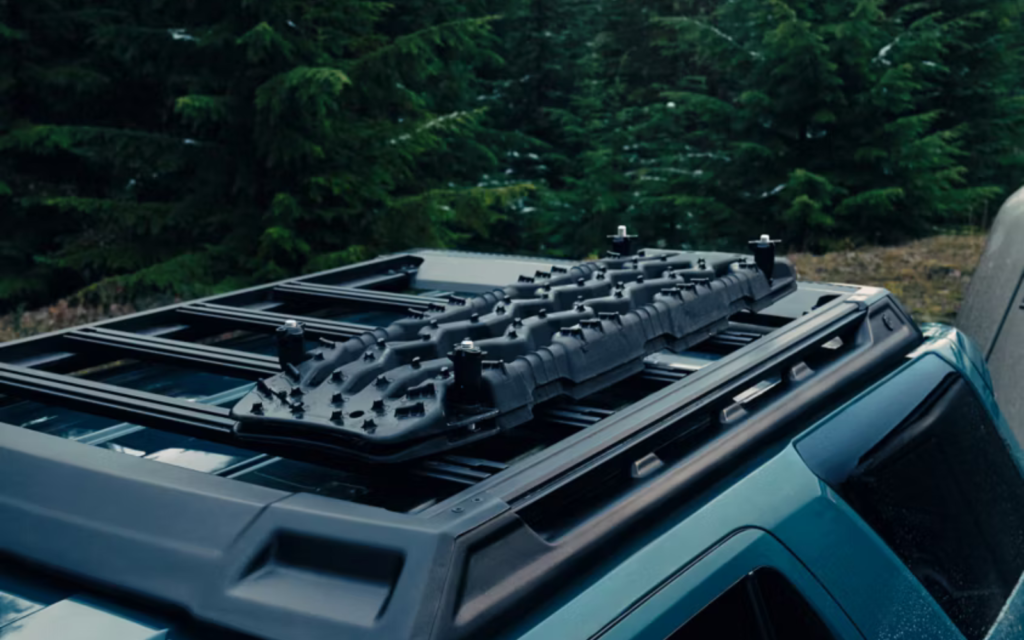
- Trailhunter: Bronze wheels, ARB roof rack, Old Man Emu shocks, and overlanding equipment.
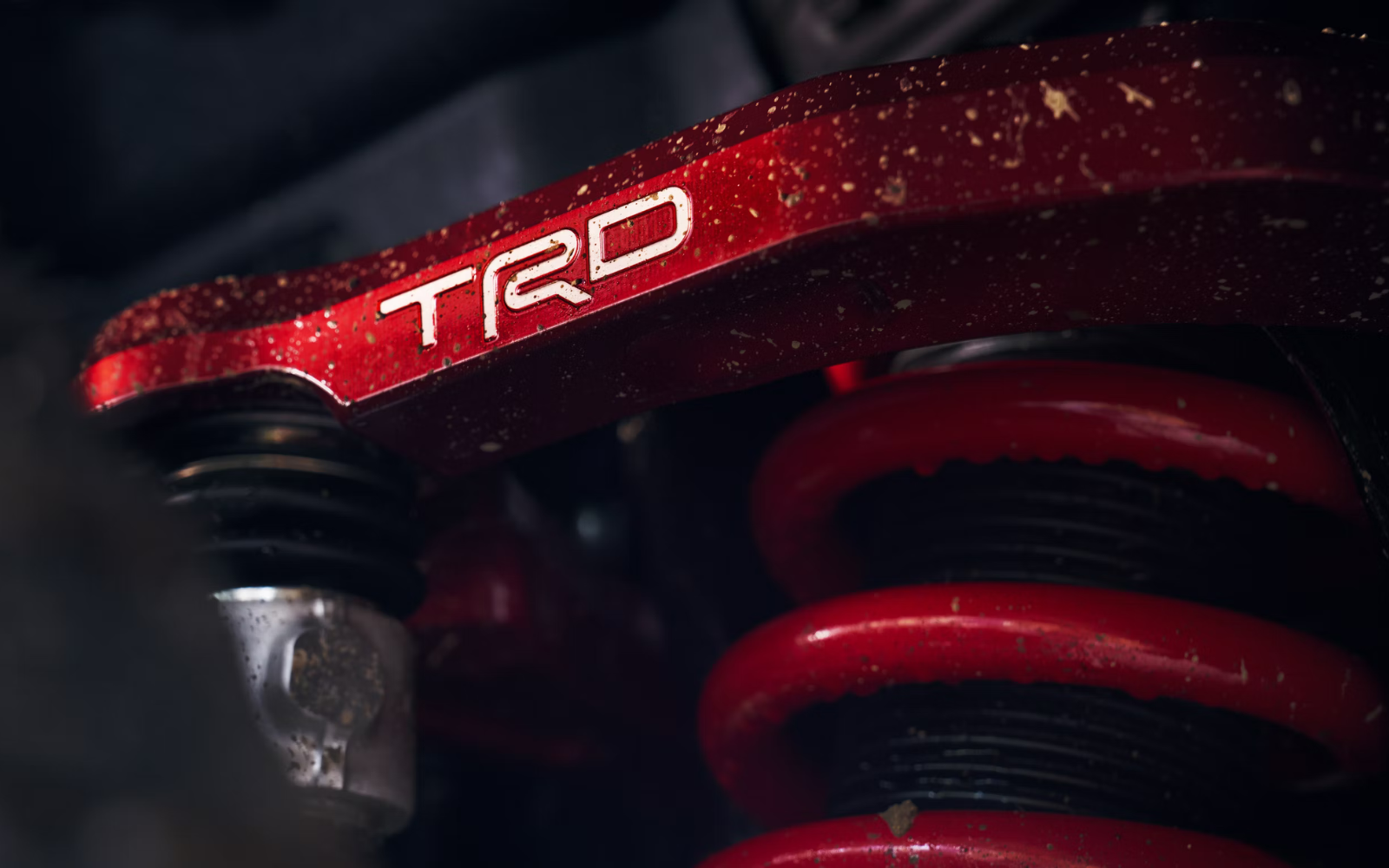
- TRD Pro: FOX shocks, 33-inch tires, widened fenders, and the most aggressive trail styling.
The Trailhunter is the best visual and equipment match for overlanding. The TRD Pro is the choice for buyers who prefer a more performance-oriented off-road setup.
Safety Features and Ratings
Every 4Runner includes Toyota Safety Sense 3.0 and standard driver-assistance features:
- Pre-Collision System with Pedestrian Detection
- Full-Speed Range Dynamic Radar Cruise Control
- Lane Departure Alert with Steering Assist
- Lane Tracing Assist
- Road Sign Assist
- Automatic High Beams
- Proactive Driving Assist
- Blind Spot Monitor
- Rear Cross-Traffic Alert
- Rearview camera
- Tire Pressure Monitor System
- Multiple airbags
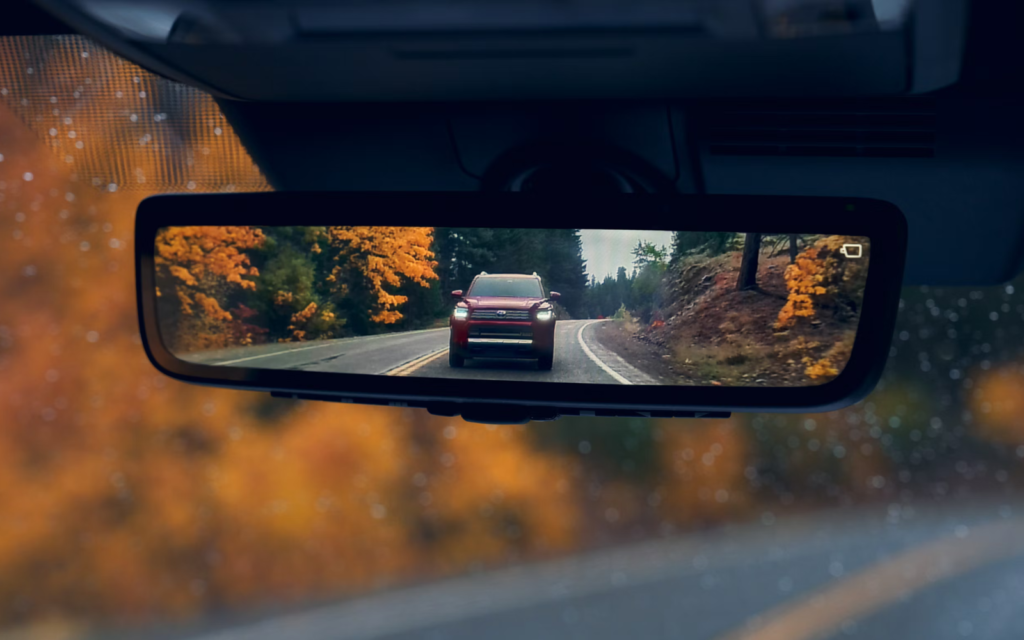
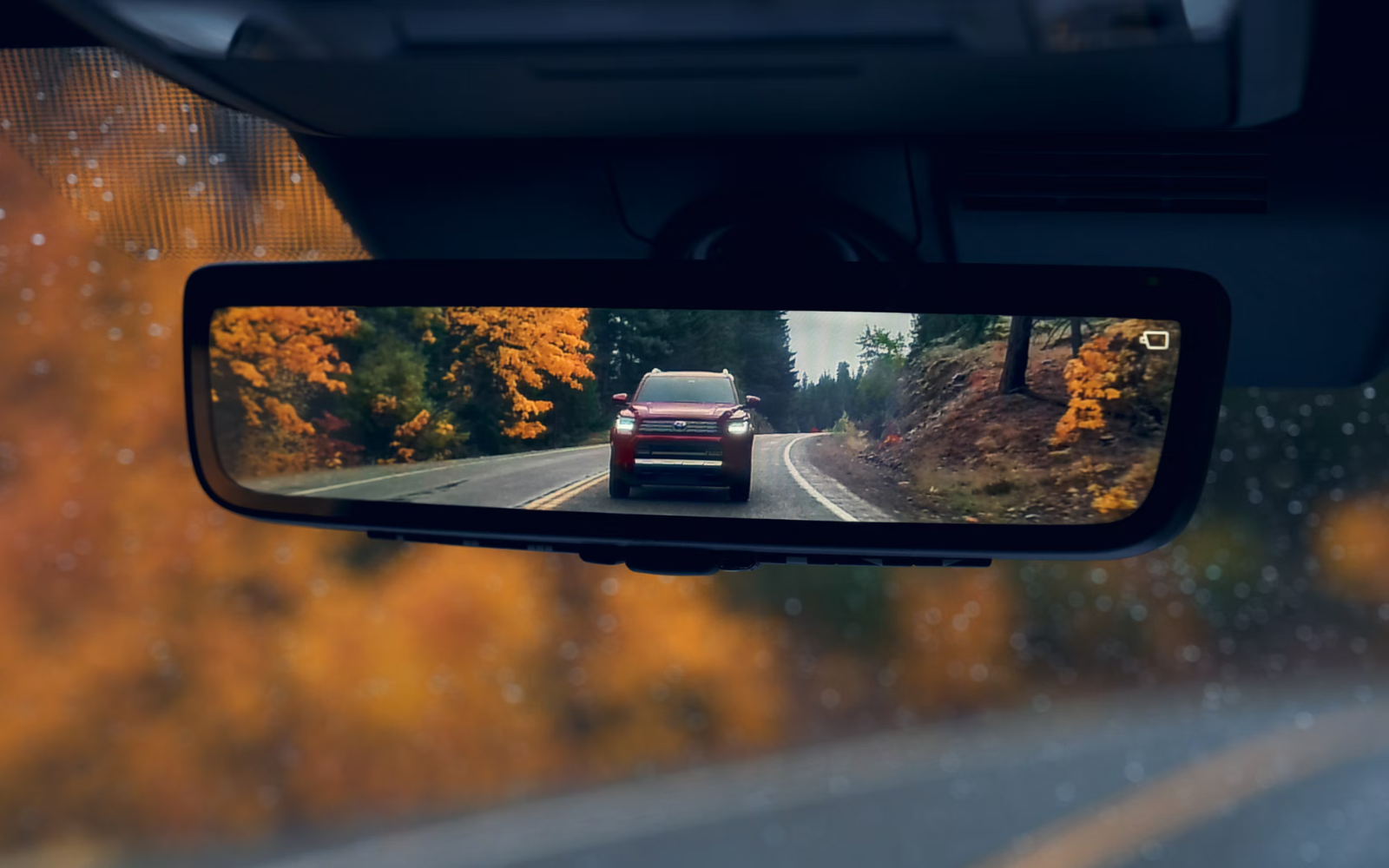
Available features include Front and Rear Parking Assist with Automatic Braking, Panoramic View Monitor, and a digital rearview mirror.
Check current IIHS and NHTSA ratings before purchase because safety results can change by model year and configuration.
Driver-assistance features can support the driver, but they do not replace attention, safe speeds, or responsible off-road driving.
Reliability, Warranty, and Ownership
The 4Runner has a strong ownership case for buyers who need its capability. Toyota has extensive experience with truck-based SUVs, and the current model retains the durable body-on-frame layout that attracts many 4Runner buyers.
However, the newest generation and hybrid system have less long-term model-specific reliability data than the previous generation. Buyers should treat Toyota’s reputation as a positive indicator, not a guarantee.
Off-road tires, roof racks, towing, and trail damage can raise ownership costs. The SR5 is likely the least expensive version to buy and maintain, while Trailhunter and TRD Pro tires, shocks, and accessories can cost more to replace.
| Coverage | Length |
| Basic warranty | 3 years / 36,000 miles |
| Powertrain warranty | 5 years / 60,000 miles |
| Corrosion perforation warranty | 5 years / unlimited miles |
| Hybrid-related component coverage | 8 years / 100,000 miles |
| Hybrid battery warranty | 10 years / 150,000 miles |
| ToyotaCare scheduled maintenance | 2 years / 25,000 miles |
| Roadside assistance | 2 years / unlimited miles |
Used buyers should inspect underbody damage, tire wear, suspension condition, off-road modifications, towing equipment, service records, and open recalls. Read our guide on how to check a car’s accident history before buying used.
Pros and Cons
What We Like
- Broad trim lineup for different uses
- Available 326-hp hybrid system
- Strong 465 lb.-ft. of hybrid torque
- Available part-time and full-time 4WD
- Up to 6,000 pounds of towing capacity
- Up to 10.1 inches of ground clearance
- Real off-road hardware on TRD Off-Road, Trailhunter, and TRD Pro
- Up to 90.2 cubic feet of cargo space
- Available third-row seating
- Signature power rear window
- Strong standard safety technology
- Hybrid improves fuel economy over gas off-road trims
What We Don’t Like
- Price rises quickly on upper trims
- Gas models are less efficient than crossover SUVs
- Truck-like ride and handling
- Third row is small and not available on every trim
- Trailhunter and TRD Pro are expensive
- Large all-terrain tires may be costly to replace
- New-generation long-term reliability data is limited
- Not the best choice for buyers who stay on pavement
Competitors
Consider these alternatives before choosing a Toyota 4Runner:
- Toyota Land Cruiser: better for buyers who want standard full-time 4WD, hybrid power, and a more premium two-row interior.
- Toyota Sequoia: better for buyers who need a larger third row and higher towing capacity.
- Toyota Grand Highlander: better for families who need a roomy third row and more road-focused comfort.
- Ford Bronco: a strong alternative for open-air driving and trail-focused customization.
- Jeep Wrangler Unlimited: better for buyers who want removable doors, removable roof panels, and extreme off-road aftermarket support.
- Honda Passport: better for buyers who want a more comfortable, crossover-like daily driver.
- Land Rover Defender: a premium alternative with luxury features and off-road ability.
Related WheelPedia Content
Before financing a 4Runner, learn how car financing works and consider getting car loan preapproval before visiting a dealer.
If you are deciding between a new and used SUV, compare the benefits of a new car vs. used car and learn how to get the best car loan rate.
Should You Buy the Toyota 4Runner?
Buy the Toyota 4Runner if you want a rugged midsize SUV with real trail ability, available hybrid power, useful cargo capacity, and strong towing capability.
Choose the SR5 if you want the lowest price, practical family use, and the available third row. Choose the TRD Off-Road i-FORCE MAX if you want the strongest mix of off-road capability, torque, efficiency, and value.
Choose the Trailhunter if your priority is overlanding equipment. Choose the TRD Pro if you want the most trail-focused suspension setup.
Skip the 4Runner if you need maximum rear-seat space, the lowest fuel costs, a soft crossover-style ride, or luxury features at a lower price.
FAQs
How much does the Toyota 4Runner cost?
The 2026 Toyota 4Runner starts from $42,270 MSRP in the US. The TRD Pro starts from $68,600 MSRP, before destination, tax, registration, options, and dealer fees.
Is the Toyota 4Runner available as a hybrid?
Yes. The 4Runner is available with Toyota’s i-FORCE MAX hybrid powertrain.
How much horsepower does the Toyota 4Runner have?
Gas models produce 278 horsepower. i-FORCE MAX hybrid models produce 326 horsepower and 465 lb.-ft. of torque.
Does the Toyota 4Runner have four-wheel drive?
Four-wheel drive is available on many trims. Depending on trim, the 4Runner offers part-time 4WD or full-time 4WD.
How much can the Toyota 4Runner tow?
When properly equipped, the Toyota 4Runner can tow up to 6,000 pounds.
How many people can the Toyota 4Runner seat?
The 4Runner seats five people as standard. Selected SR5 and Limited configurations offer a third row and seating for up to seven.
How much cargo space does the Toyota 4Runner have?
The Toyota 4Runner has up to 90.2 cubic feet of cargo space with the rear seats folded.
Is the Toyota 4Runner good off-road?
Yes. Off-road trims offer all-terrain tires, Bilstein or FOX shocks, locking differentials, Multi-Terrain Select, Crawl Control, and available stabilizer disconnect hardware.
What fuel economy does the Toyota 4Runner get?
Hybrid versions return up to an EPA-estimated 23 mpg combined. Gas versions return up to 20 mpg city and 26 mpg highway.
Does the Toyota 4Runner have Apple CarPlay and Android Auto?
Yes. Every current 4Runner includes wireless Apple CarPlay and Android Auto compatibility.
Which Toyota 4Runner trim is best?
The TRD Off-Road i-FORCE MAX is the best choice for most outdoor-focused buyers because it combines hybrid torque, off-road equipment, useful technology, and a lower price than Trailhunter and TRD Pro models.
How long is the 4Runner hybrid battery warranty?
The hybrid battery is covered for 10 years or 150,000 miles in the US.
Final Verdict
The Toyota 4Runner is one of the strongest midsize SUVs for buyers who want legitimate off-road ability without giving up everyday usefulness.
Its new hybrid system improves torque, performance, and fuel economy, while its wide trim range lets buyers choose between family use, trail driving, overlanding, and premium equipment.
For most buyers who will use the 4Runner as intended, the TRD Off-Road i-FORCE MAX is the trim to choose. It delivers the power, hardware, and practicality that make the 4Runner appealing without the flagship price of the Trailhunter or TRD Pro.
Prices, specifications, fuel-economy estimates, safety ratings, recalls, and feature availability can change by model year, trim, and market.