
Toyota Sequoia: Price, Specs, Features & Review
The Toyota Sequoia is a full-size three-row SUV for buyers who need serious towing ability, standard hybrid power, available off-road equipment, and Toyota truck-based durability.
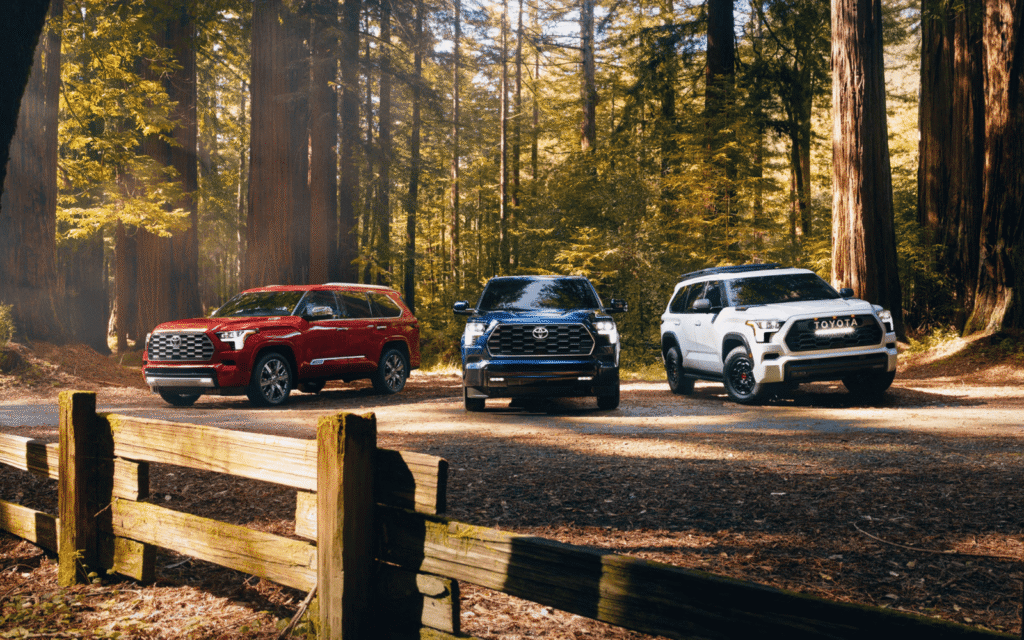
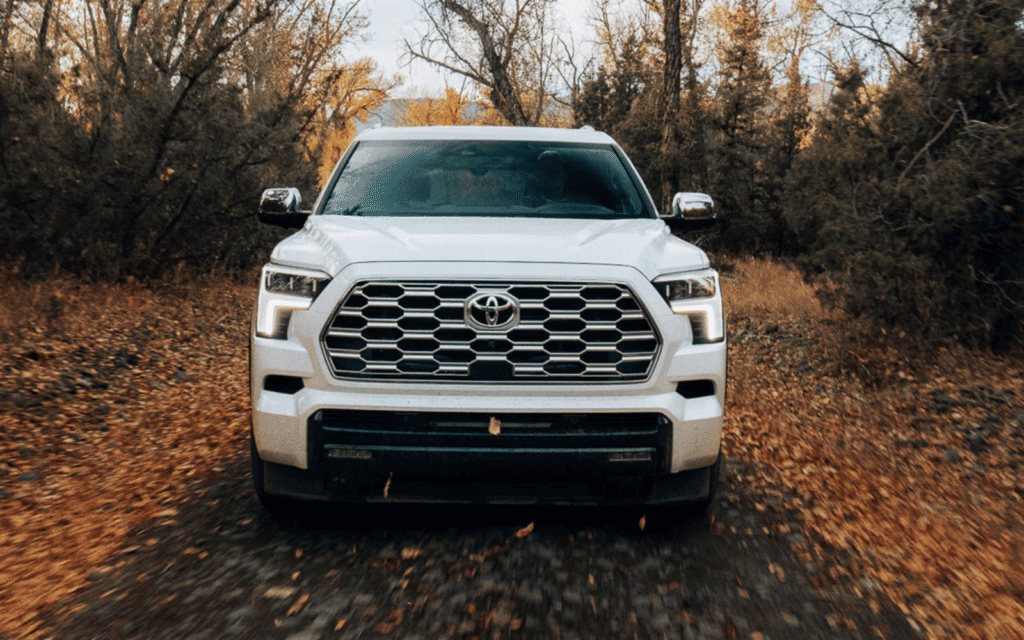
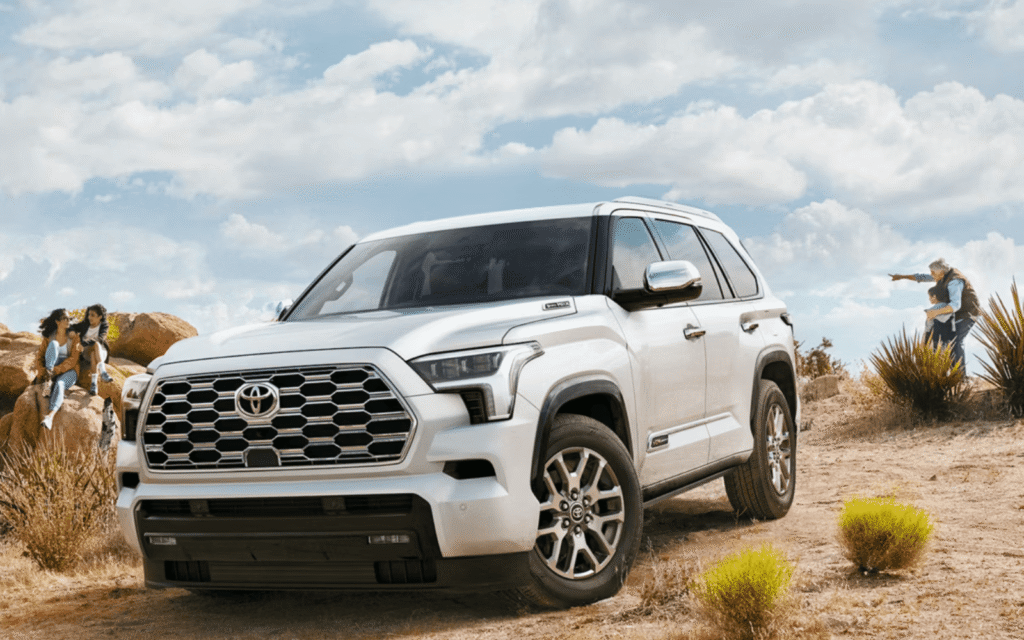
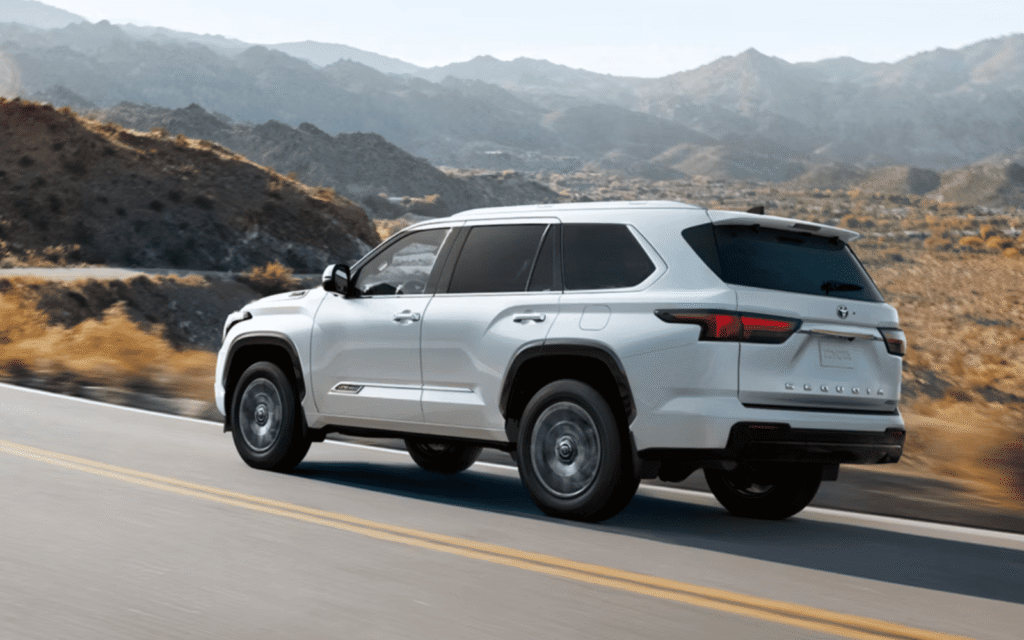
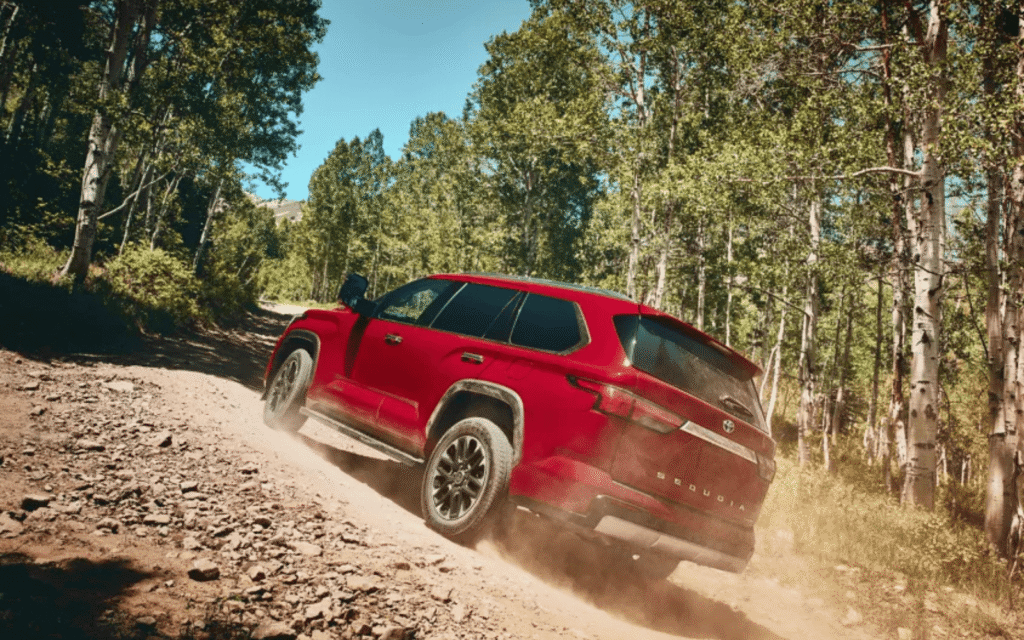
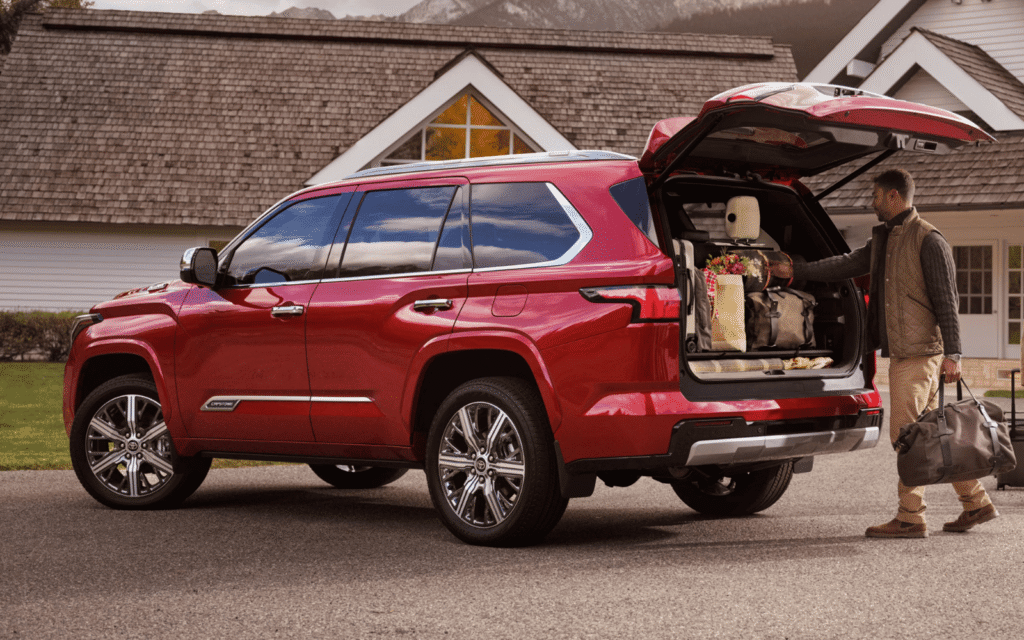
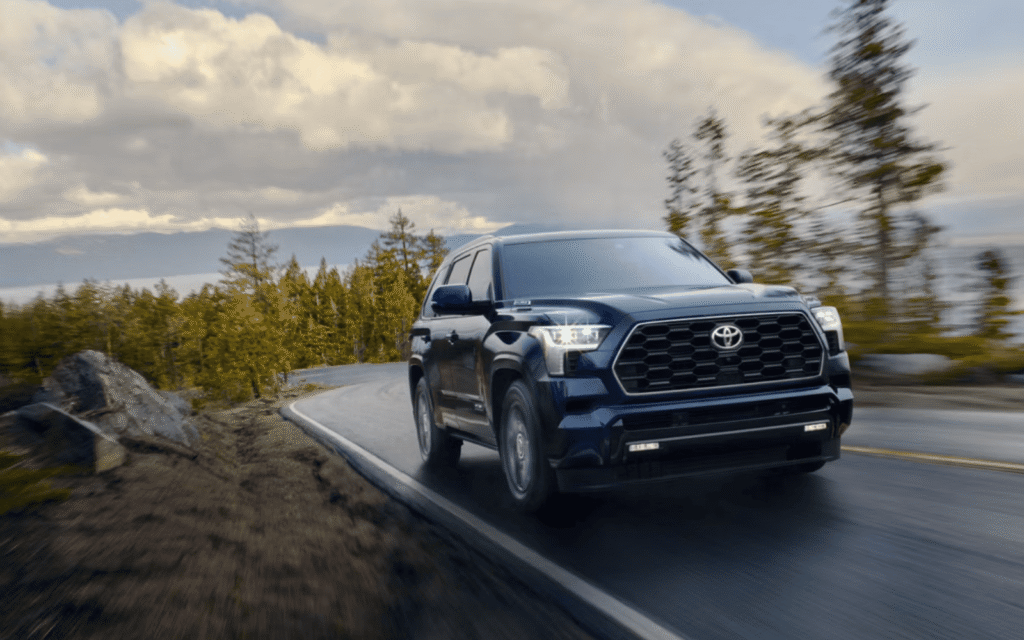
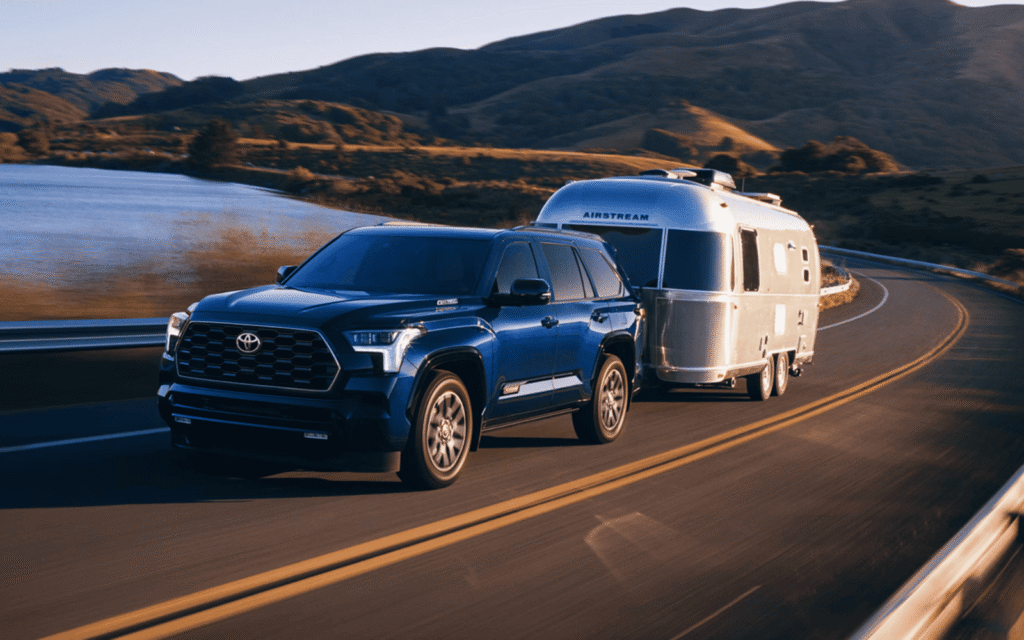
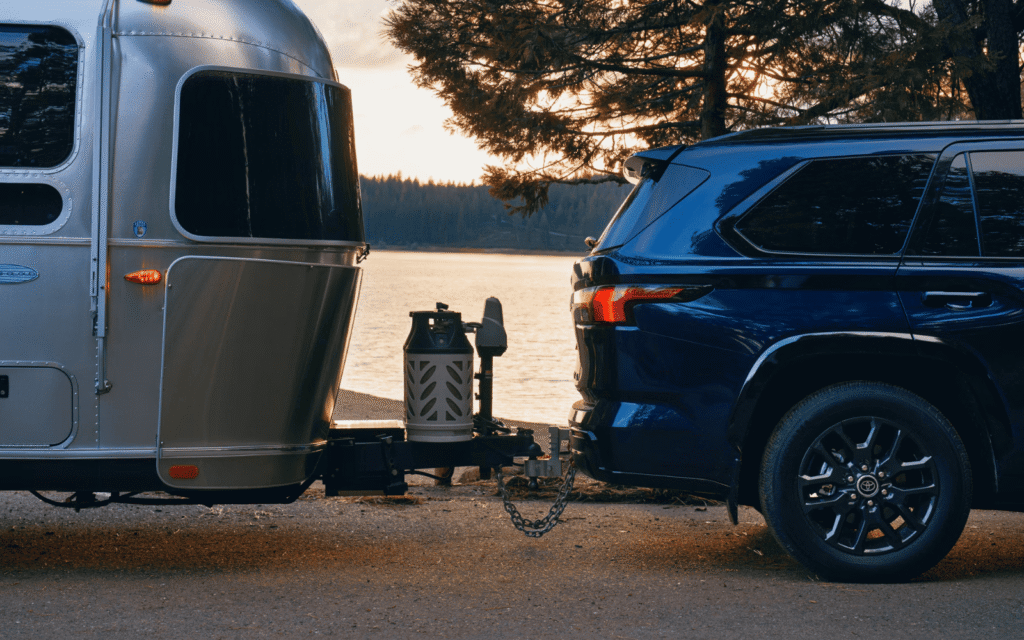
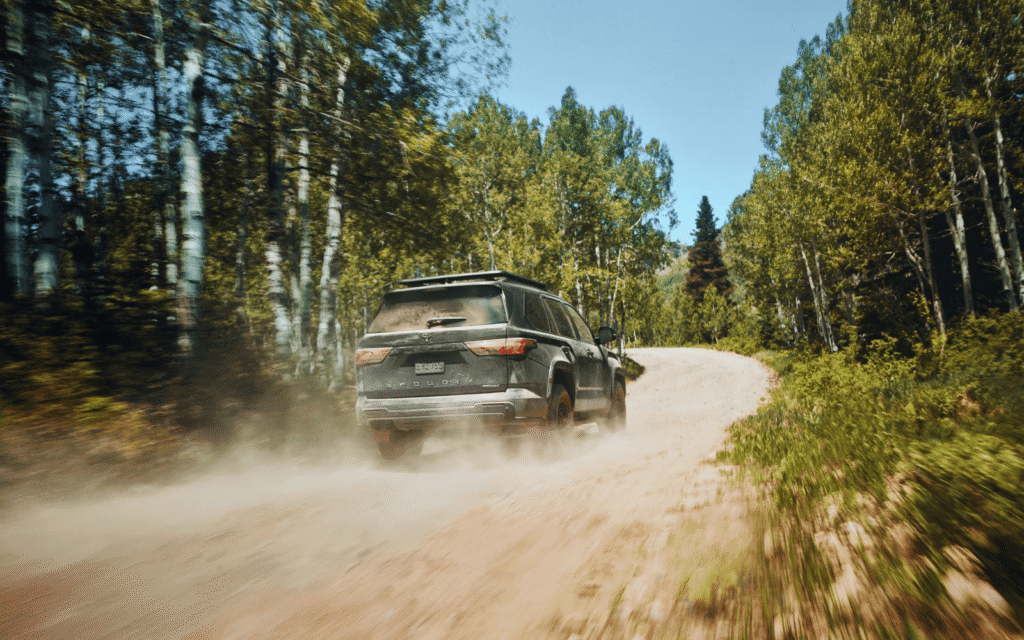
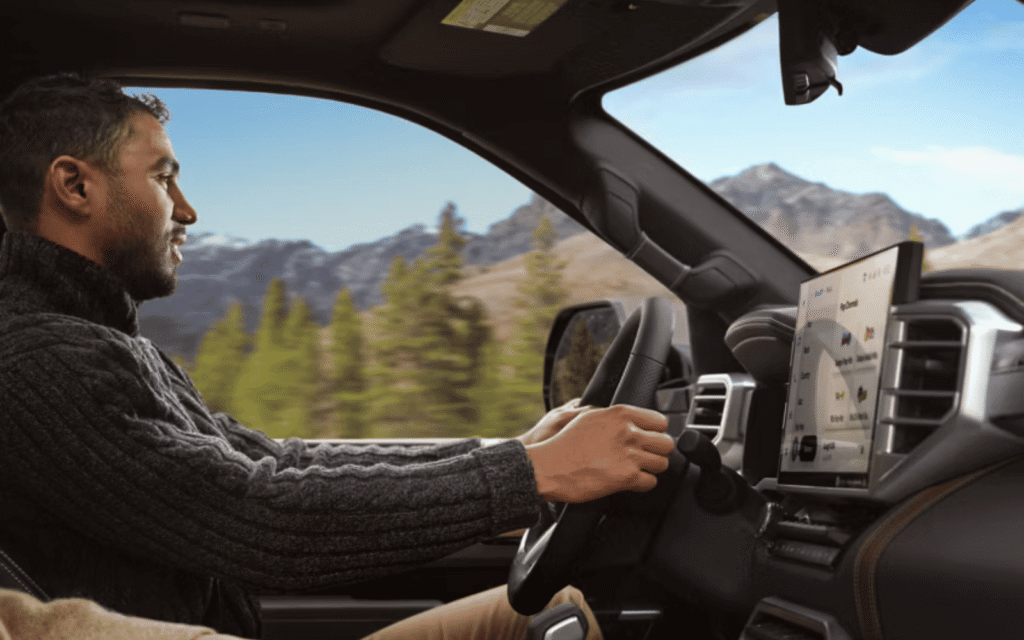
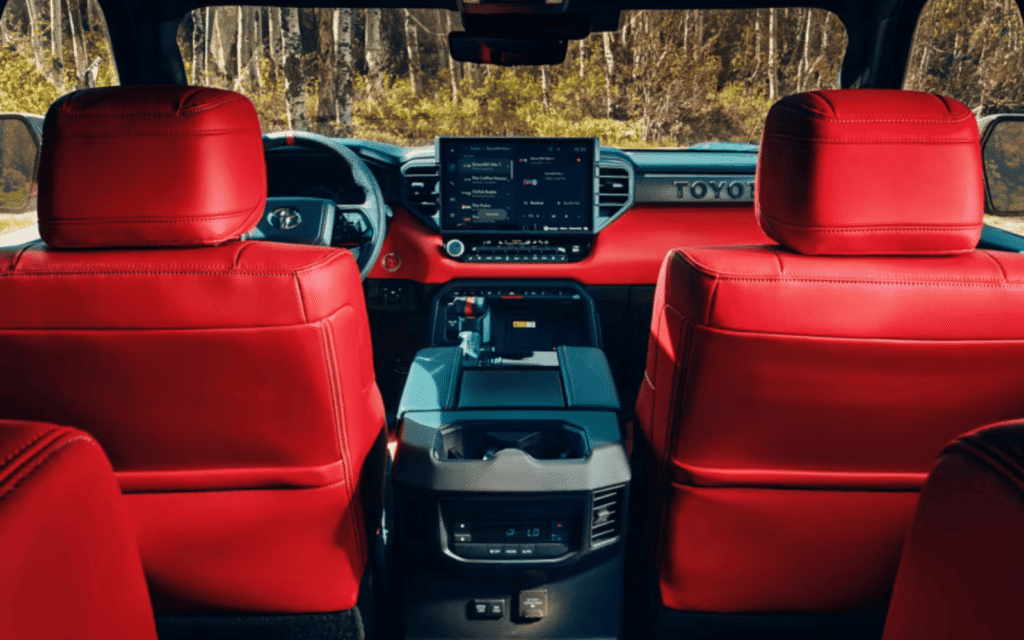
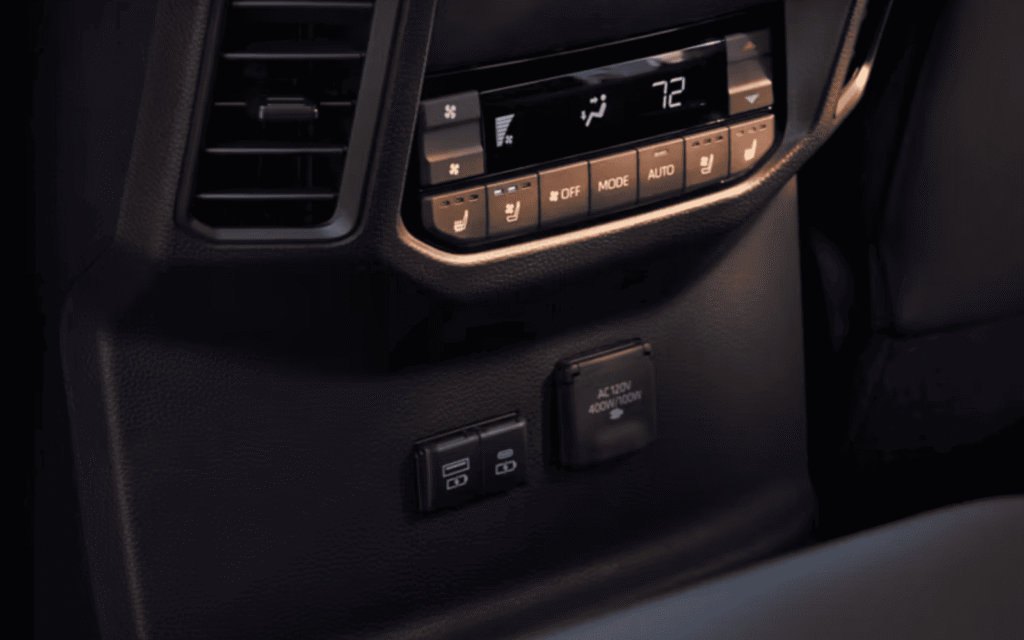
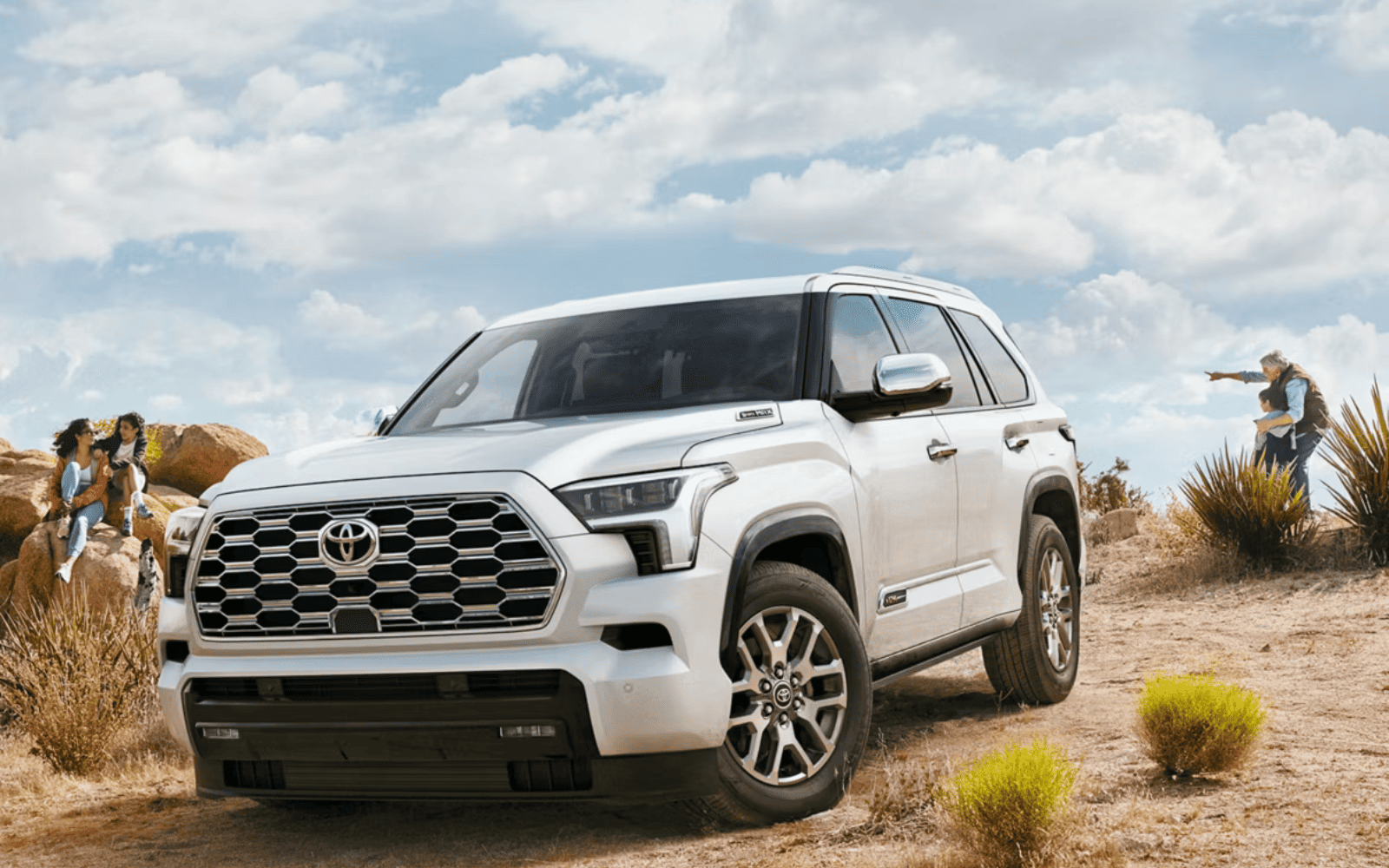
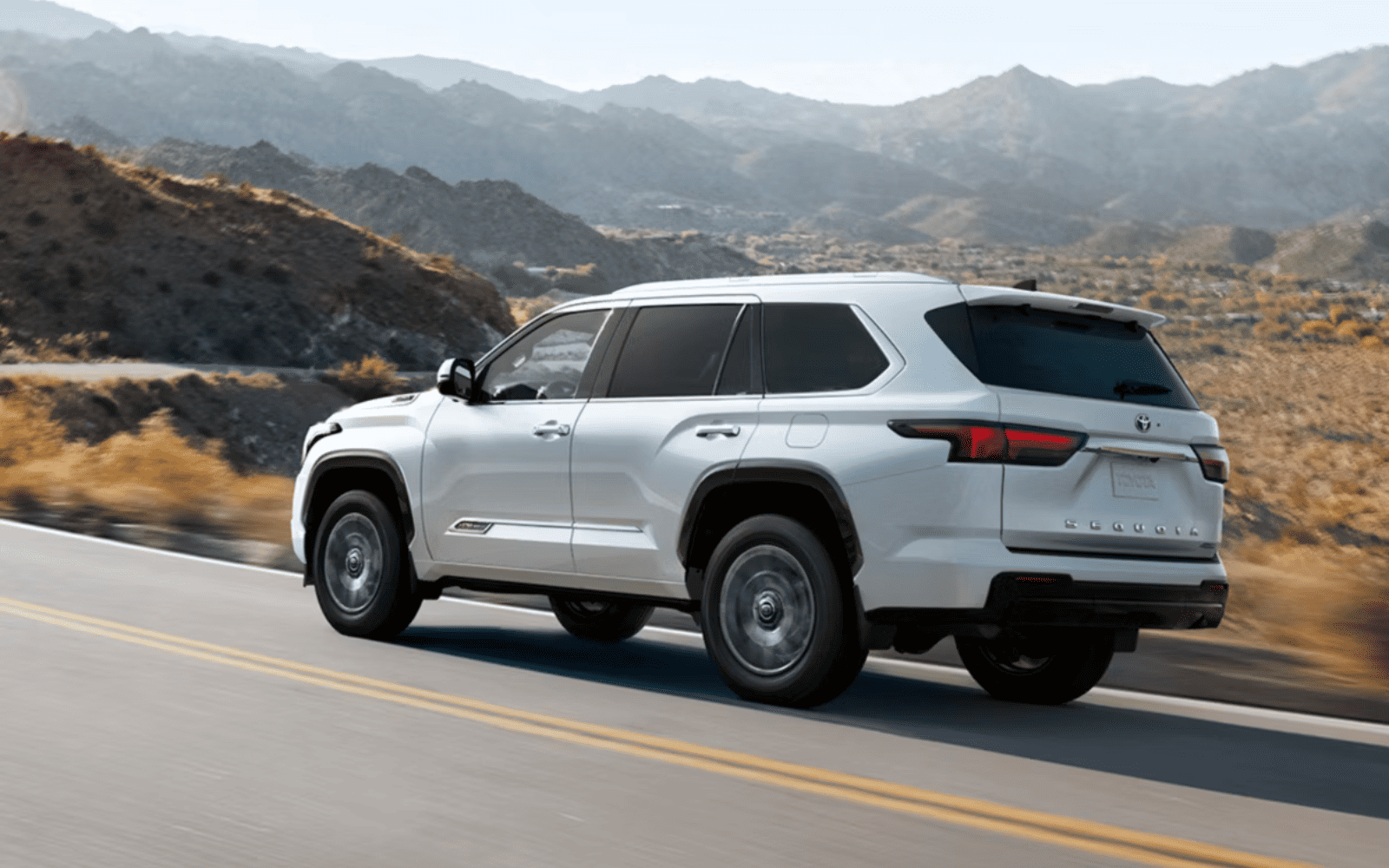
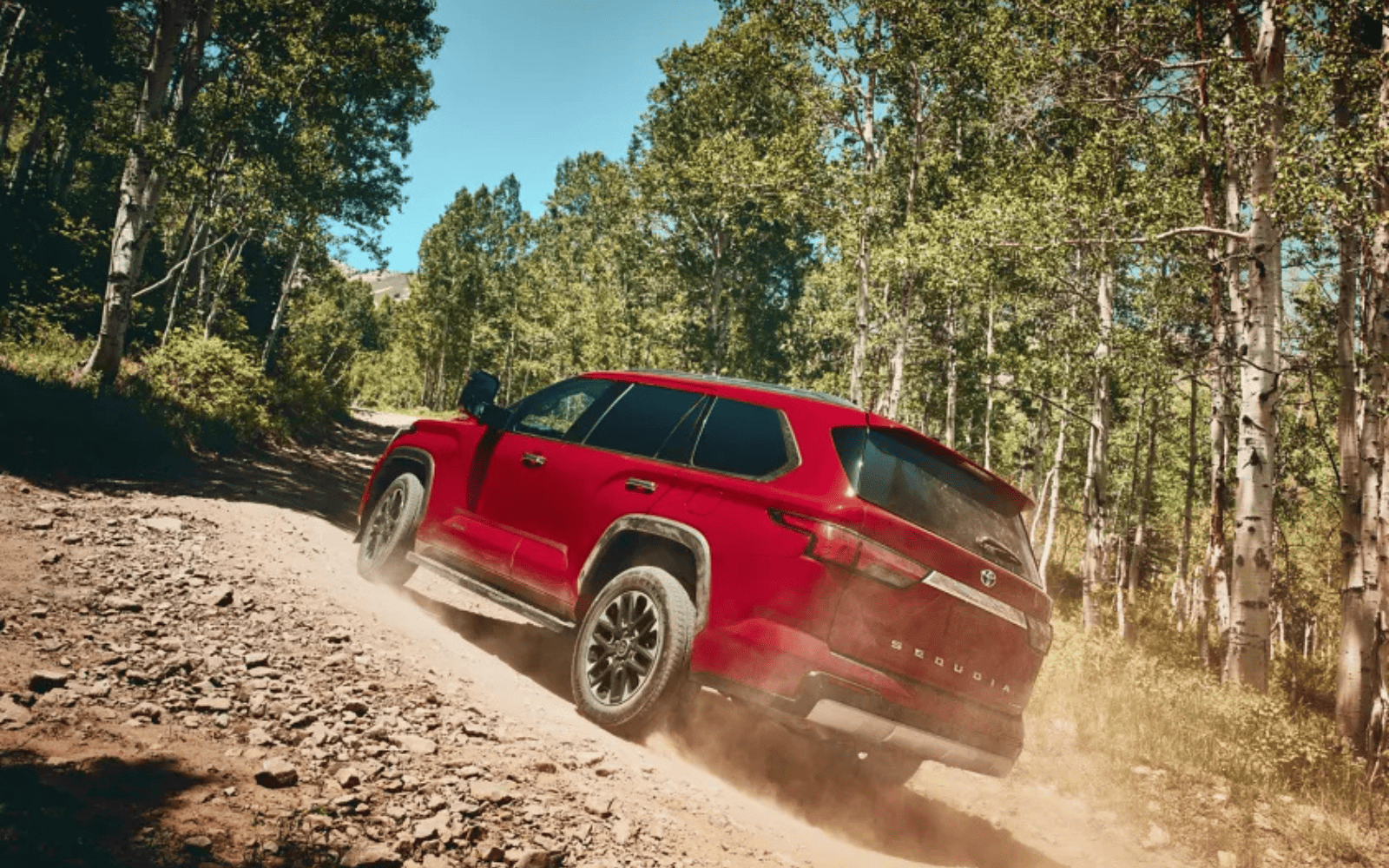
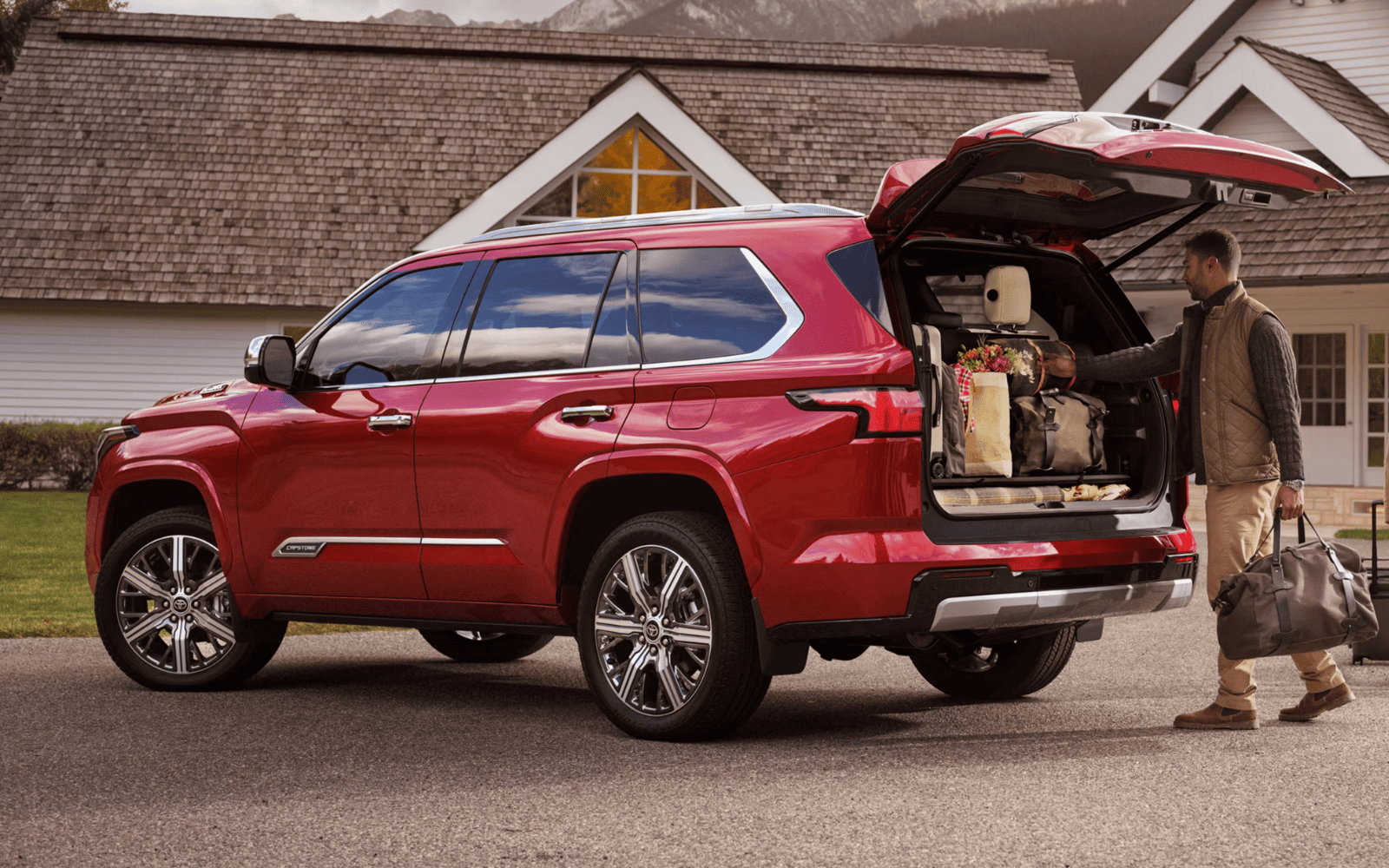
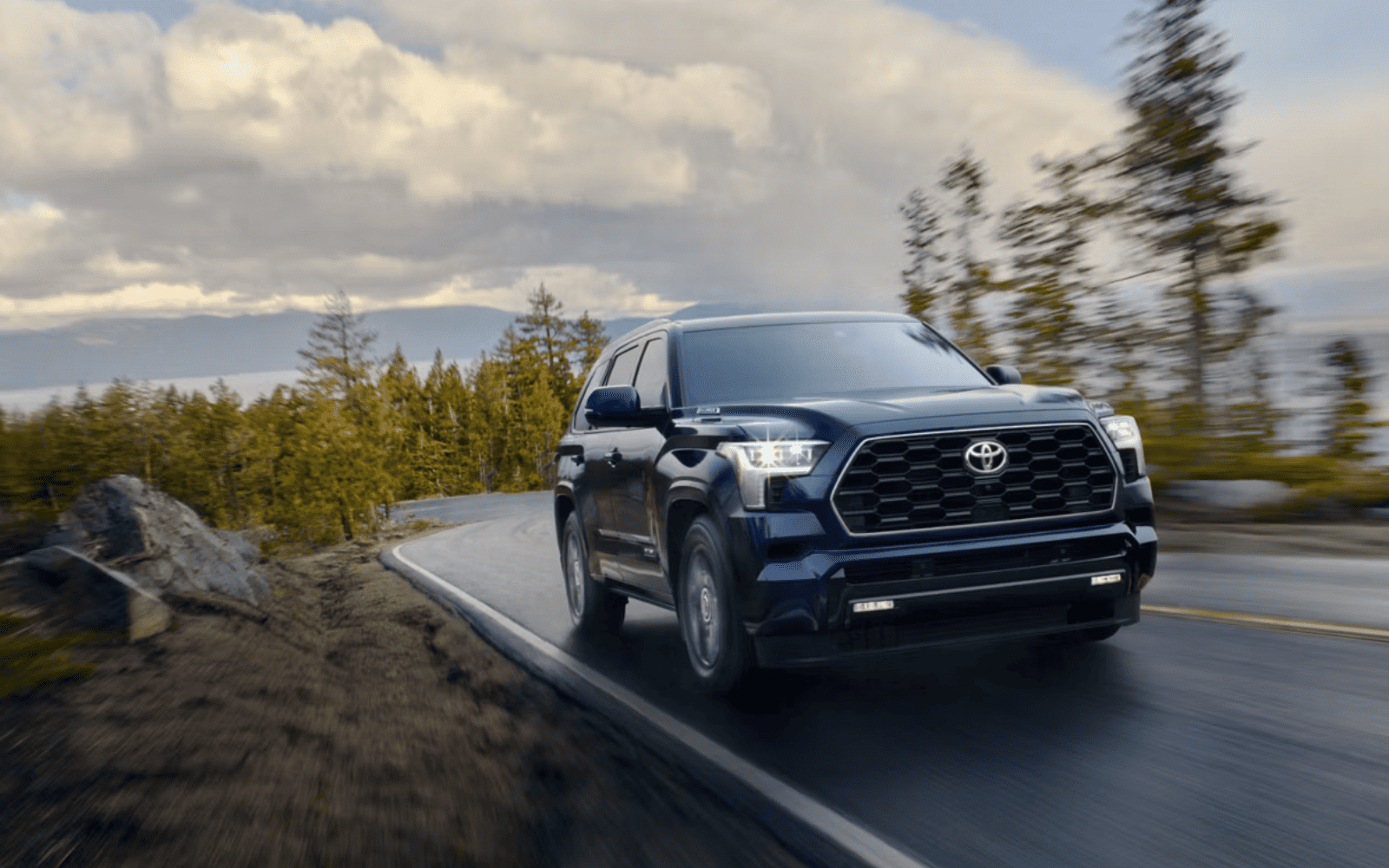
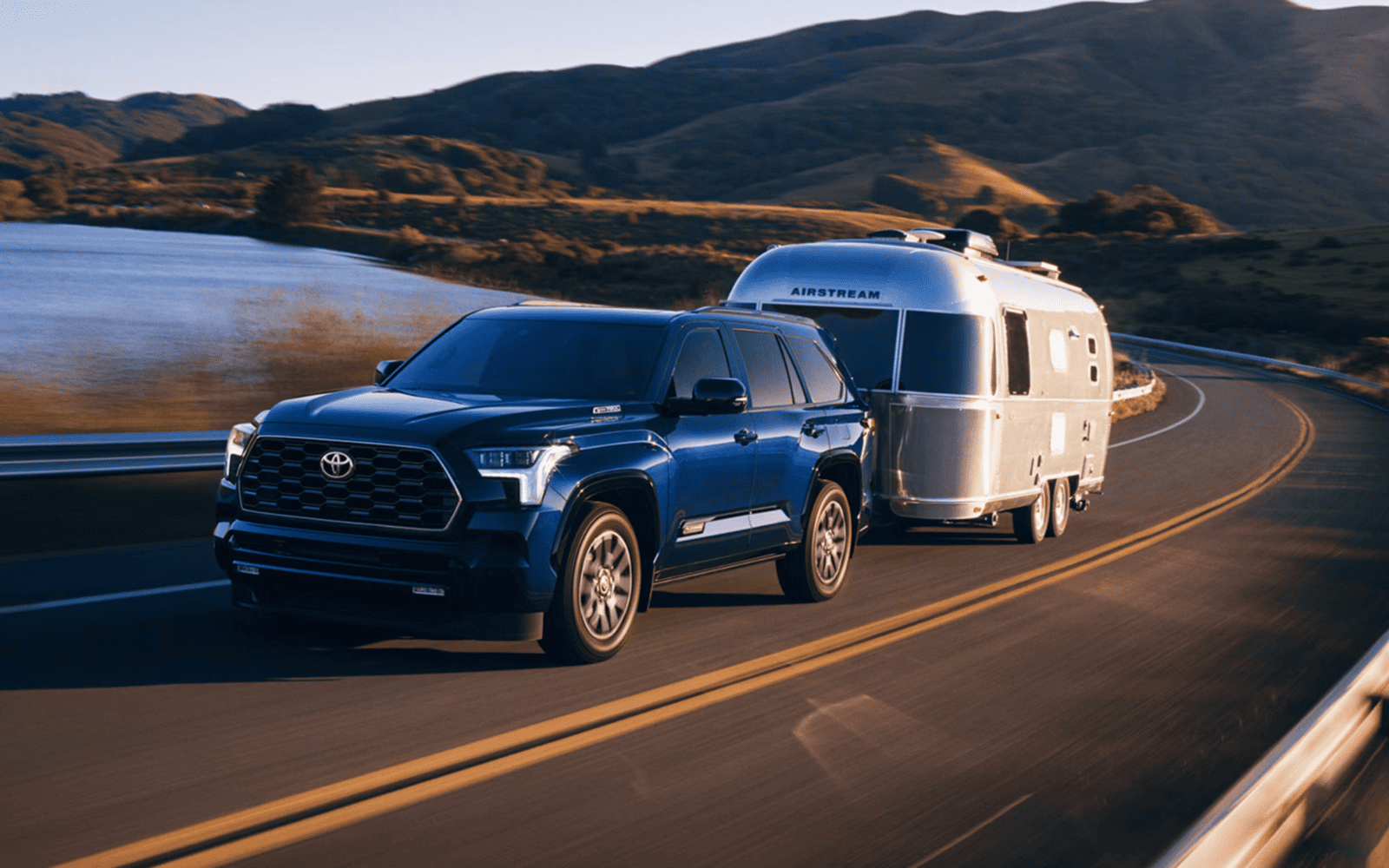
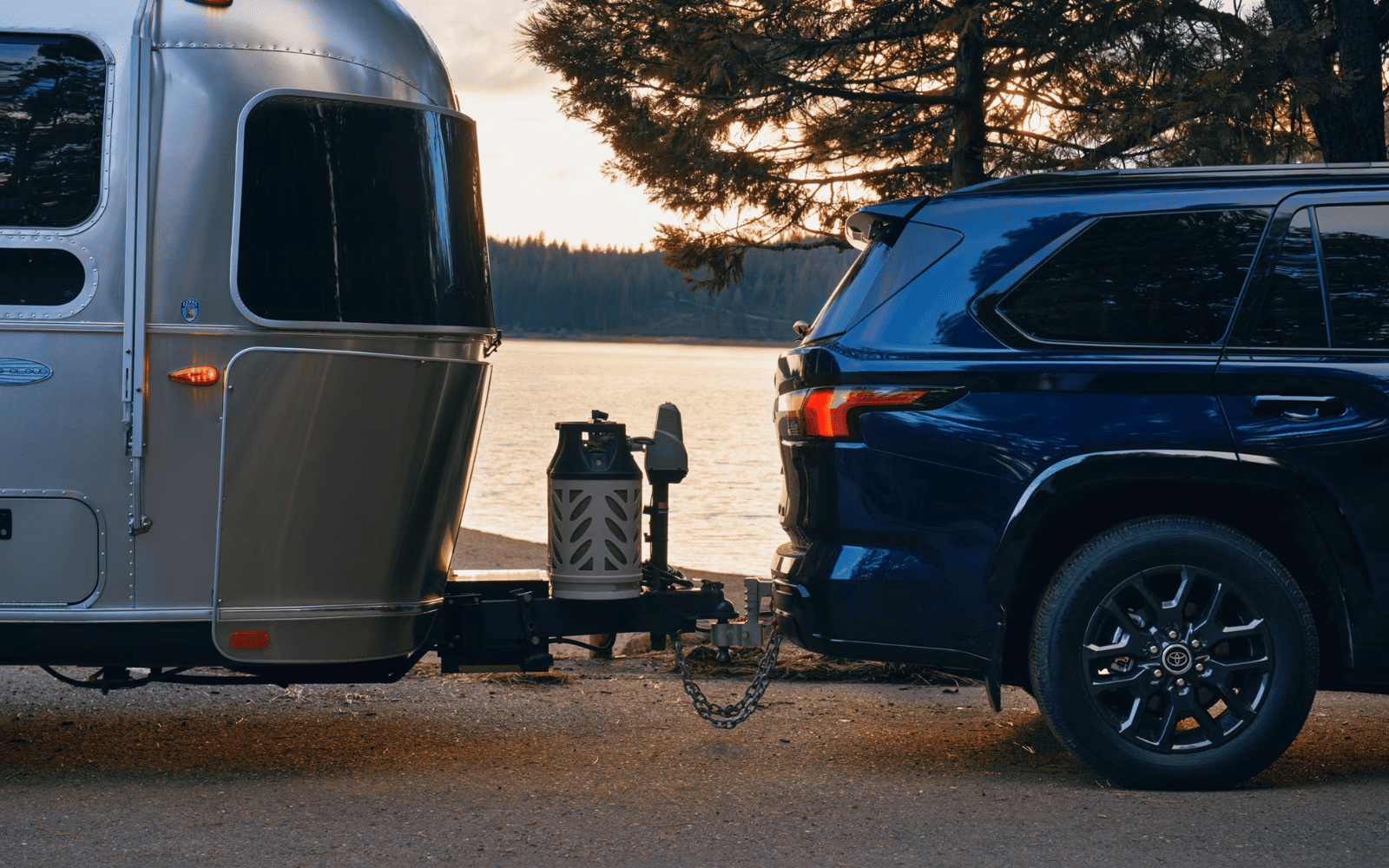
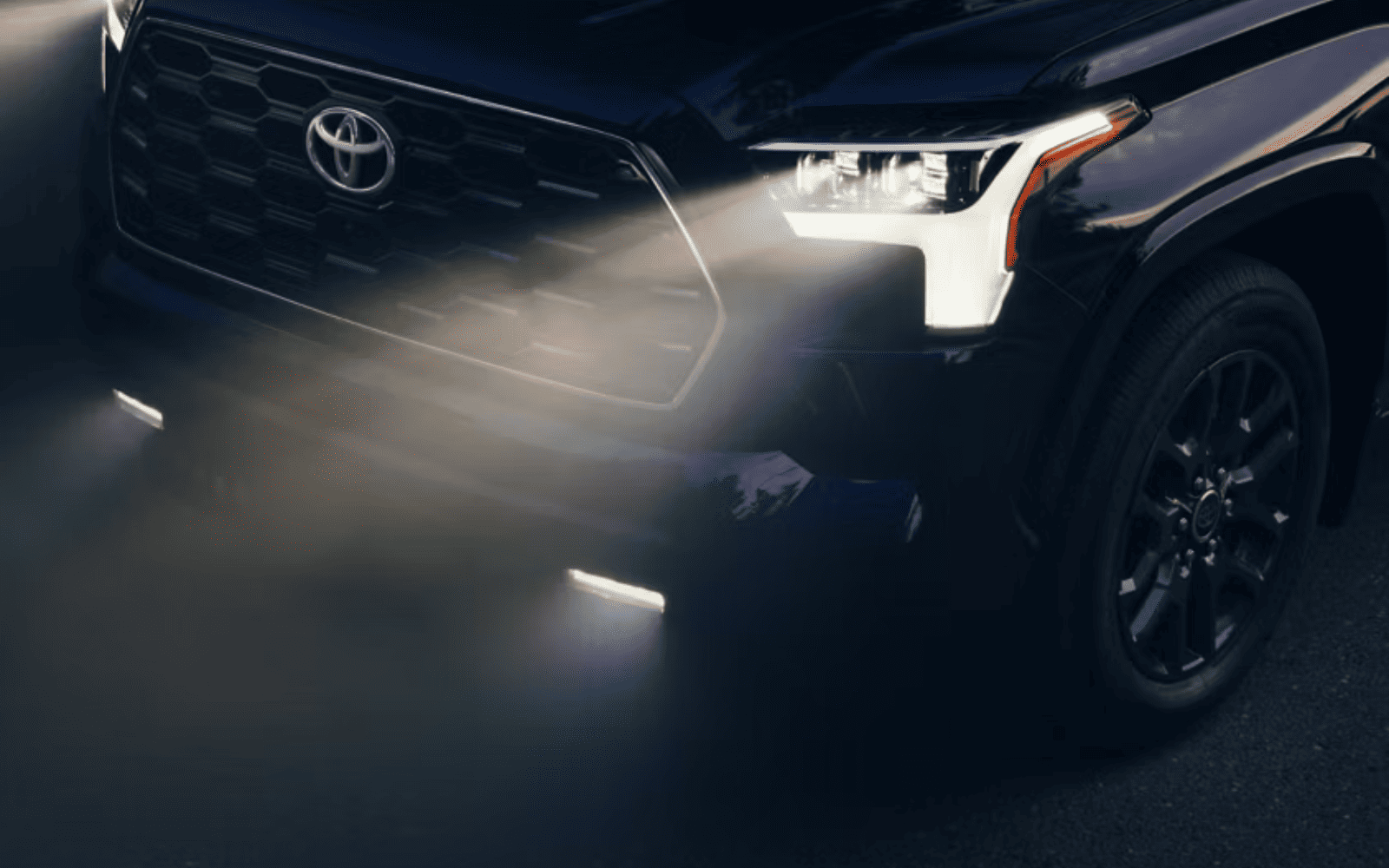
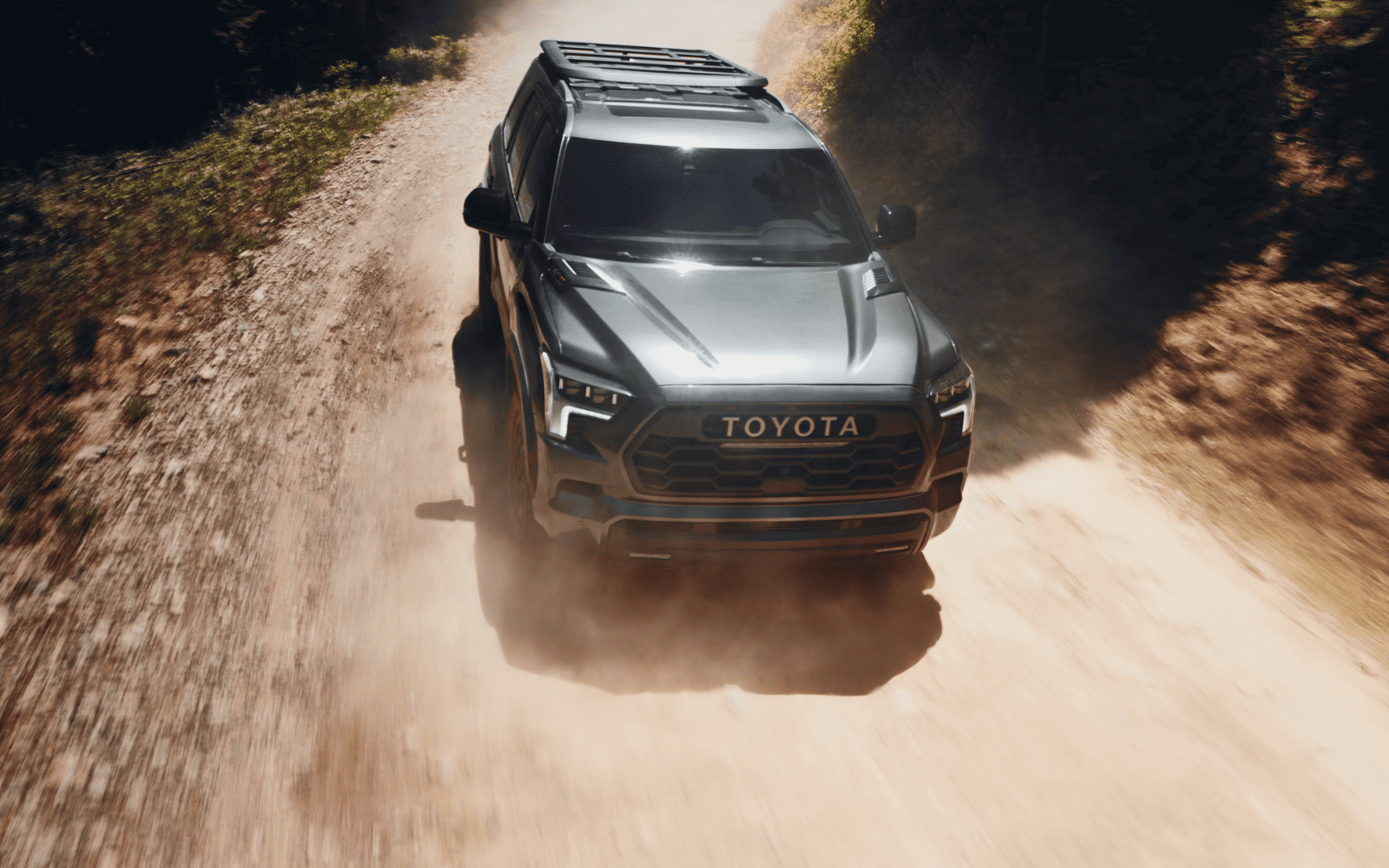
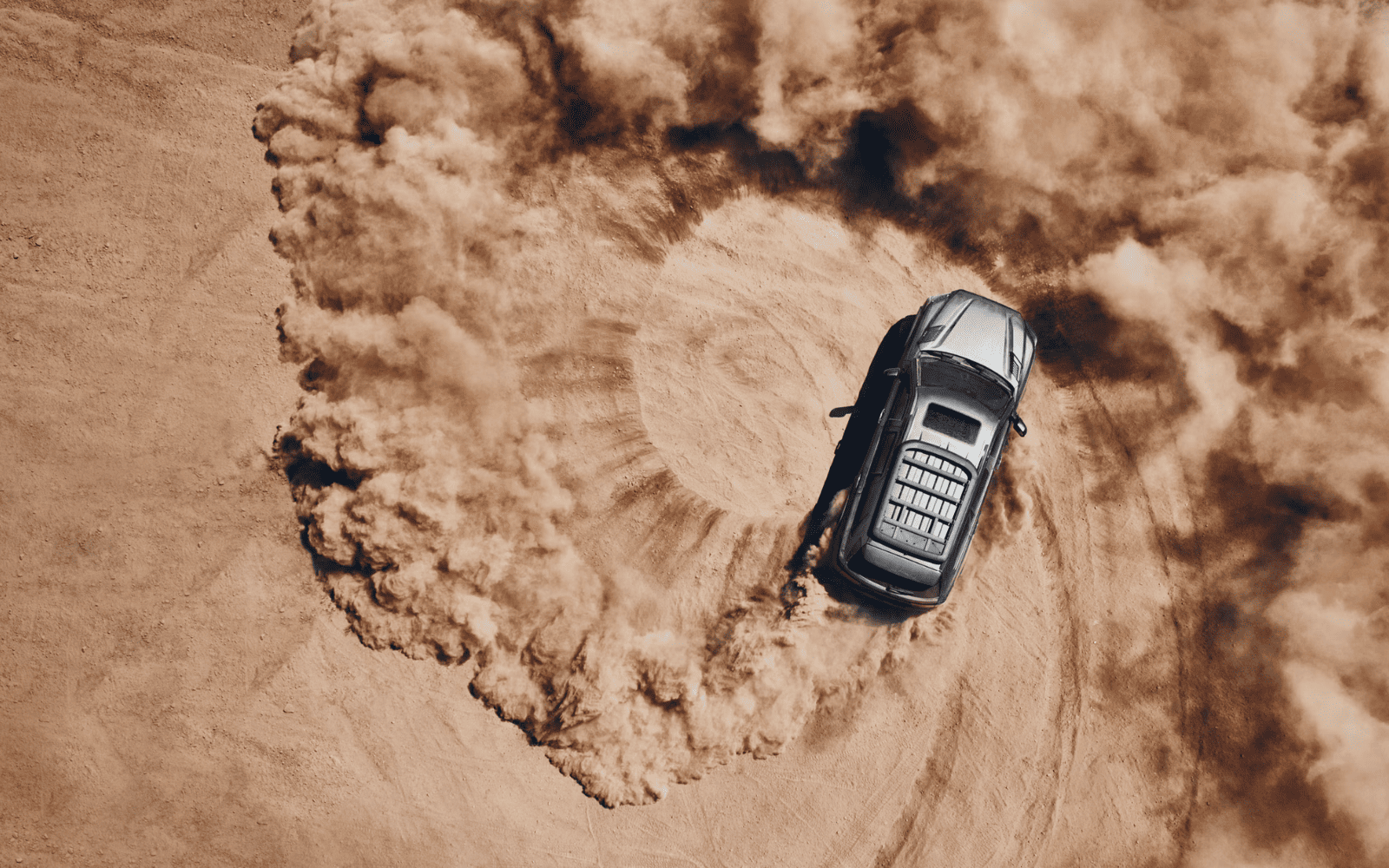
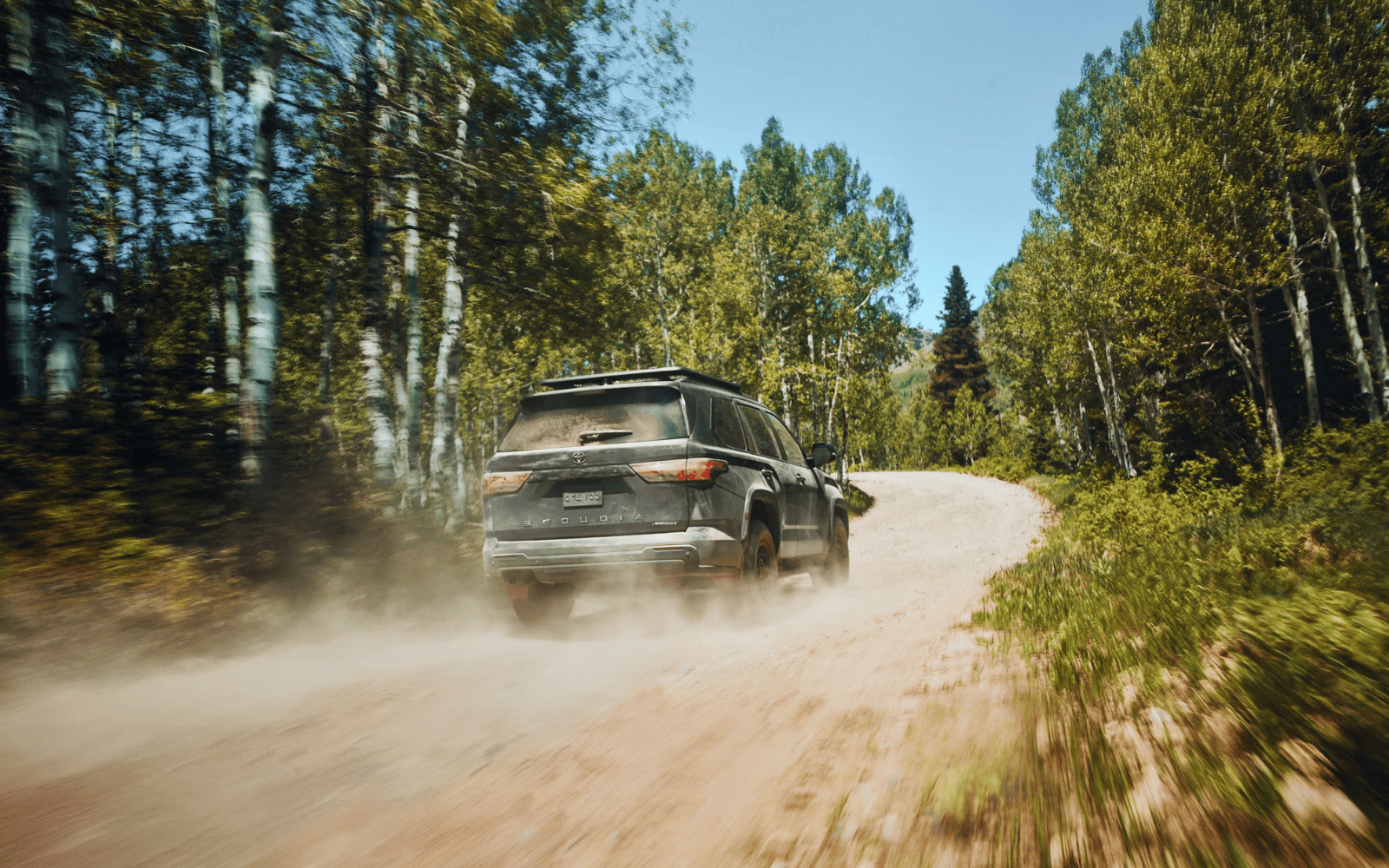
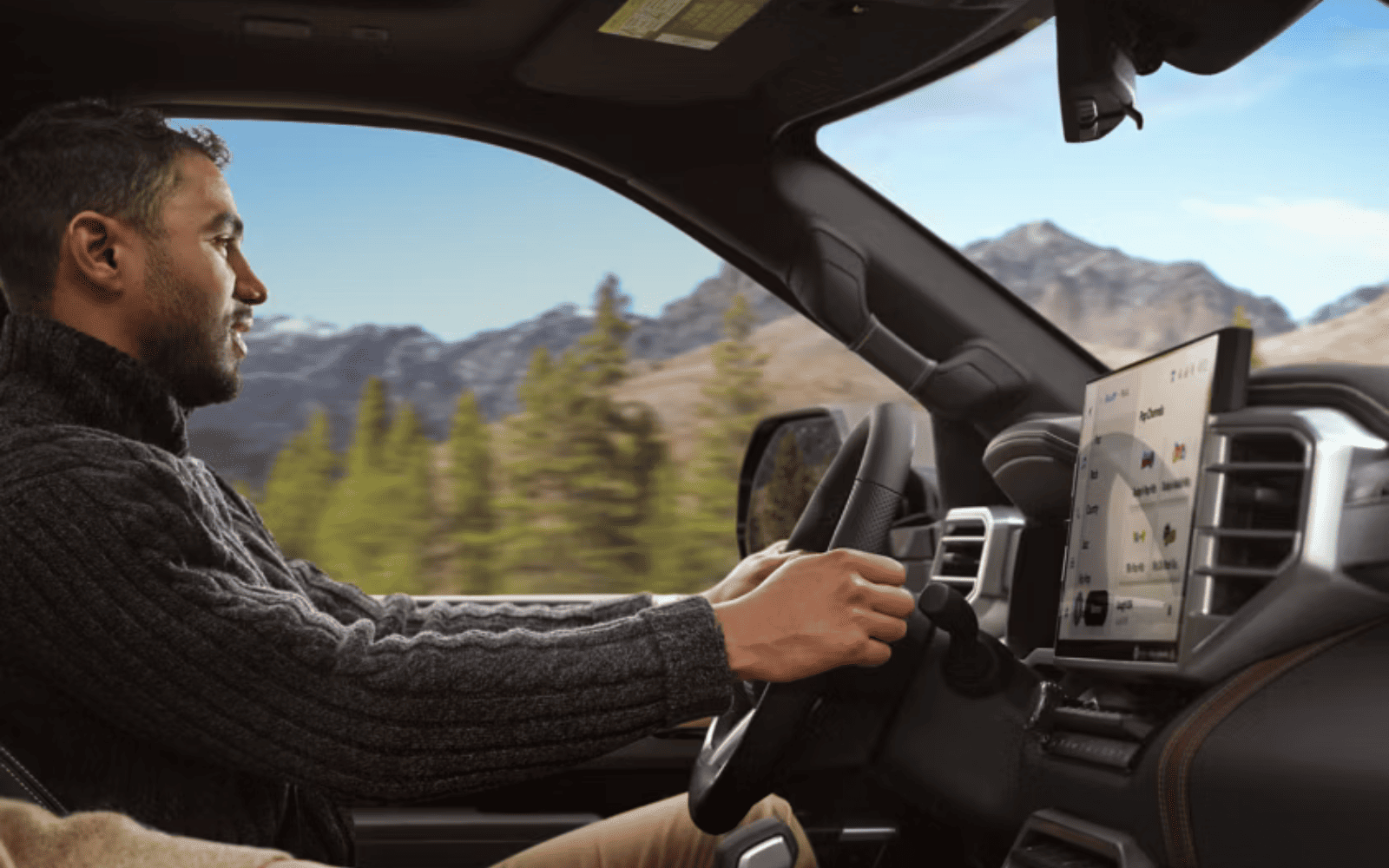
Every Sequoia uses Toyota’s twin-turbo V6 i-FORCE MAX hybrid powertrain, producing 437 horsepower and 583 lb.-ft. of torque. Properly equipped models can tow up to 9,520 pounds.
Its biggest compromise is cargo layout. The hybrid battery affects the third-row floor, so the third row does not fold fully flat. Buyers who need maximum family cargo space should compare it with a minivan or a more cargo-focused full-size SUV.
WheelPedia Rating: 8.3/10
The Toyota Sequoia earns an 8.3/10 WheelPedia Rating. It combines strong hybrid power, excellent towing ability, available four-wheel drive, and a wide trim range from family-focused to off-road-ready.
It loses points for its high price, modest cargo space behind the third row, and less-than-ideal third-row folding arrangement.
| Rating Category | Score | Weight |
| Safety | 8.7/10 | 20% |
| Reliability and ownership | 8.5/10 | 15% |
| Performance and driving | 8.8/10 | 15% |
| Comfort and practicality | 7.7/10 | 15% |
| Efficiency and fuel economy | 7.8/10 | 15% |
| Features and technology | 8.6/10 | 10% |
| Price and value | 7.5/10 | 10% |
| Overall WheelPedia Rating | 8.3/10 | — |
See how WheelPedia rates cars for the full scoring method.
Key Highlights
- Starts from about $66,295 MSRP in the US.
- Full-size three-row SUV with standard hybrid power.
- Twin-turbo 3.4-liter V6 hybrid system.
- 437 hp and 583 lb.-ft. of torque.
- Up to 9,520 pounds of towing capacity when properly equipped.
- Available rear-wheel drive, part-time 4WD, and full-time 4WD, depending on trim.
- Seats up to eight passengers on selected trims.
- EPA-estimated up to 22 mpg combined with RWD.
- Available TRD Pro trim for off-road use.
- Available Capstone trim for luxury-focused buyers.
- Best for buyers who need truck-like towing in a family-friendly SUV.
Quick Specifications
| Specification | Toyota Sequoia |
| Vehicle type | Full-size three-row SUV |
| Seating capacity | Up to 8 |
| Engine | Twin-turbocharged 3.4L V6 hybrid |
| Power output | 437 hp / 583 lb.-ft. |
| Transmission | 10-speed automatic |
| Drivetrain | RWD, part-time 4WD, or full-time 4WD |
| Best EPA-estimated fuel economy | Up to 21 city / 24 highway / 22 combined mpg |
| Maximum towing capacity | Up to 9,520 lbs. |
| Cargo space behind third row | 11.5 cu. ft. |
| Maximum cargo space | Up to 86.9 cu. ft. |
| Length | 208.1 in. |
| Wheelbase | 122.0 in. |
Expert Tip:
The Sequoia Limited is the best version for most buyers. It has the same 437-hp hybrid system and major towing capability as the more expensive trims, while adding useful family equipment such as a larger touchscreen, power liftgate, heated and ventilated front seats, and available captain’s chairs.
About the Toyota Sequoia
The Toyota Sequoia is Toyota’s largest SUV. It shares much of its hardware with the Toyota Tundra pickup, including its body-on-frame construction and i-FORCE MAX hybrid powertrain.
That gives it more towing and off-road potential than crossover-based three-row SUVs such as the Toyota Grand Highlander and Toyota Highlander.
The Sequoia is best for families who tow boats, campers, utility trailers, or recreational equipment. It is less ideal for buyers whose main priority is a low step-in height, maximum cargo room, or easy third-row access.
Price and Trims
The following pricing reflects the current US Sequoia lineup. Confirm the exact price, equipment, drivetrain.
| Trim | Starting MSRP | Drivetrain Availability | Key Features |
| SR5 | $66,295 | RWD or 4WD | 18-in. wheels, 14-in. touchscreen, three-zone climate control |
| Limited | $72,690 | RWD or 4WD | 20-in. wheels, heated and ventilated front seats, power liftgate |
| Platinum | $83,885 | 4WD | Adaptive Variable Suspension, panoramic roof, premium cabin materials |
| 1794 Edition | $84,610 | 4WD | Western-inspired leather interior, premium comfort features |
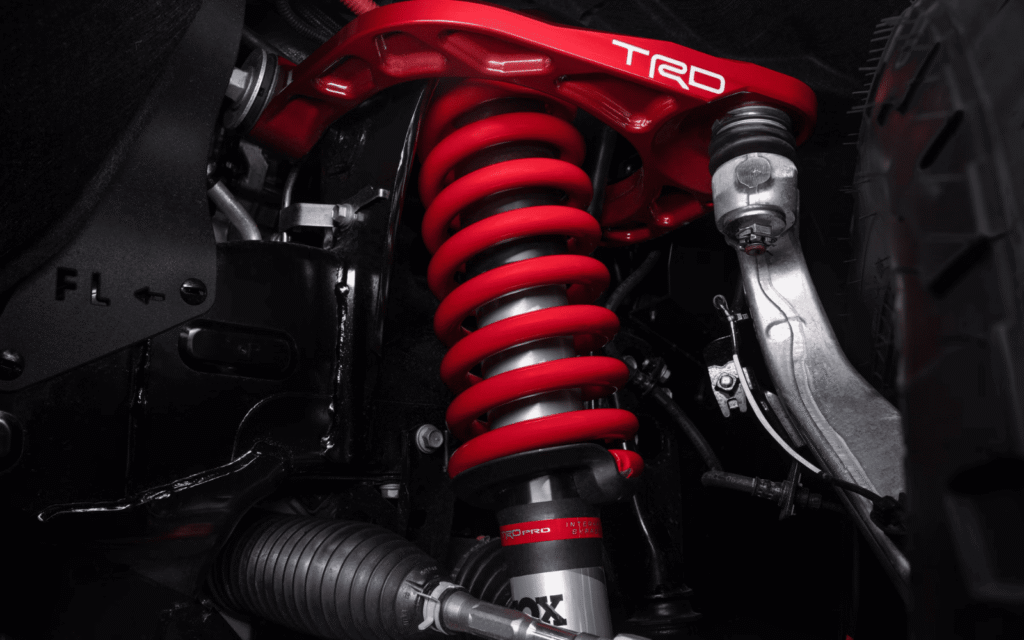
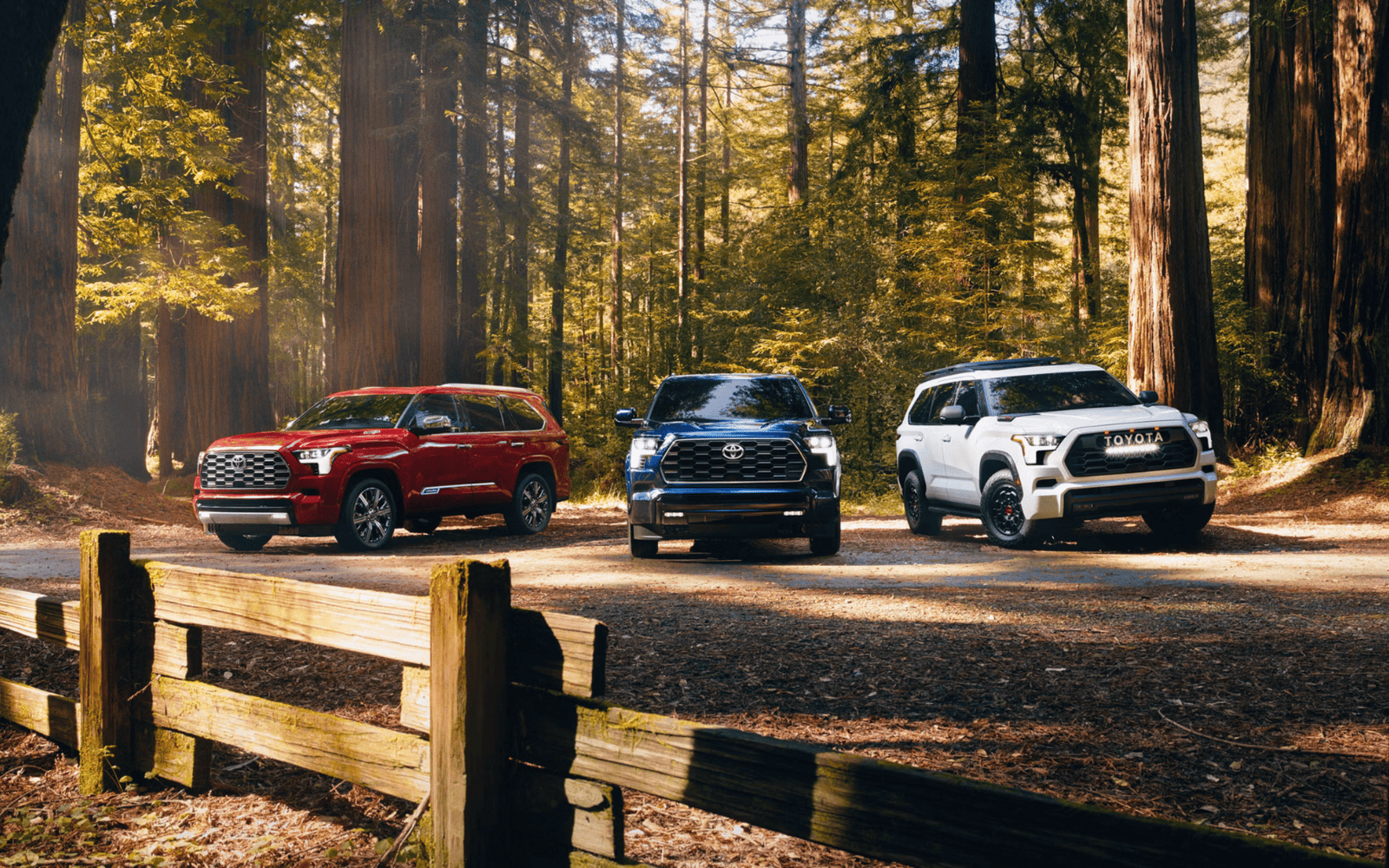
| TRD Pro | $85,575 | 4WD | FOX shocks, skid plate, off-road hardware, all-terrain tires |
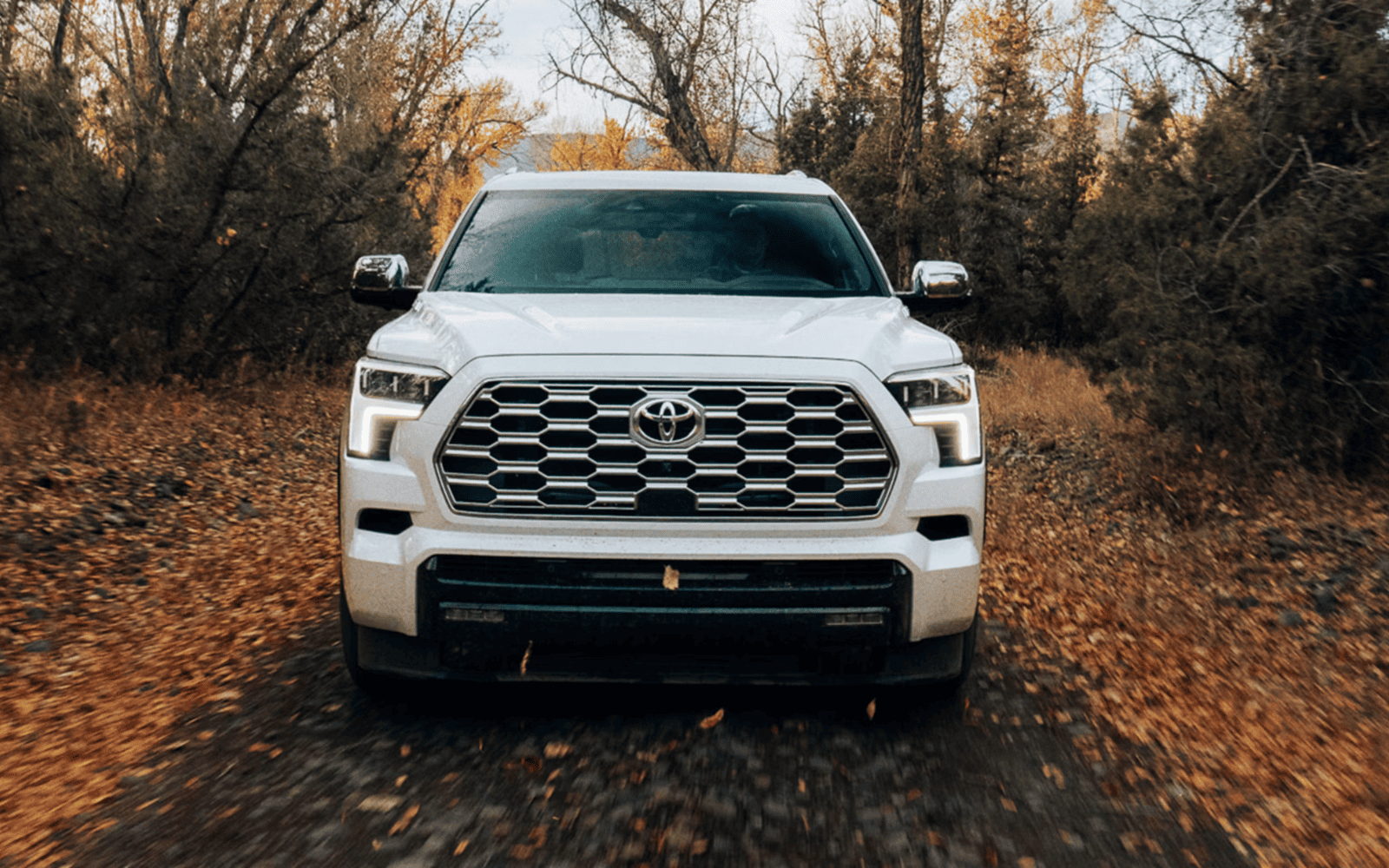
| Capstone | $87,345 | 4WD | Semi-aniline leather, 22-in. wheels, acoustic glass, premium luxury equipment |
The Limited is the best choice for most buyers because it adds important comfort and convenience features without the major price increase of the Platinum, 1794 Edition, TRD Pro, or Capstone.
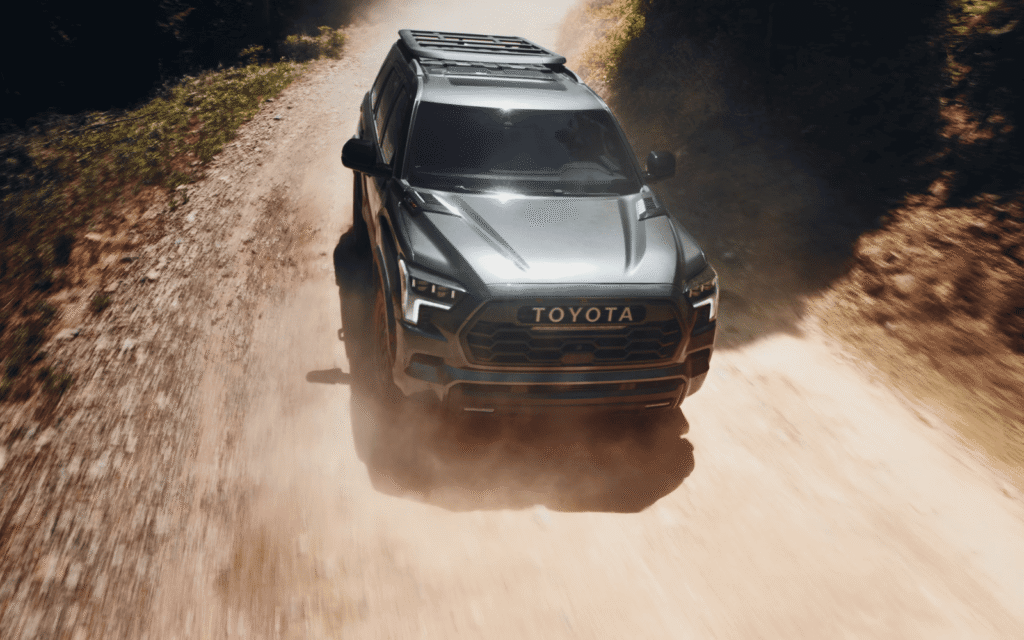
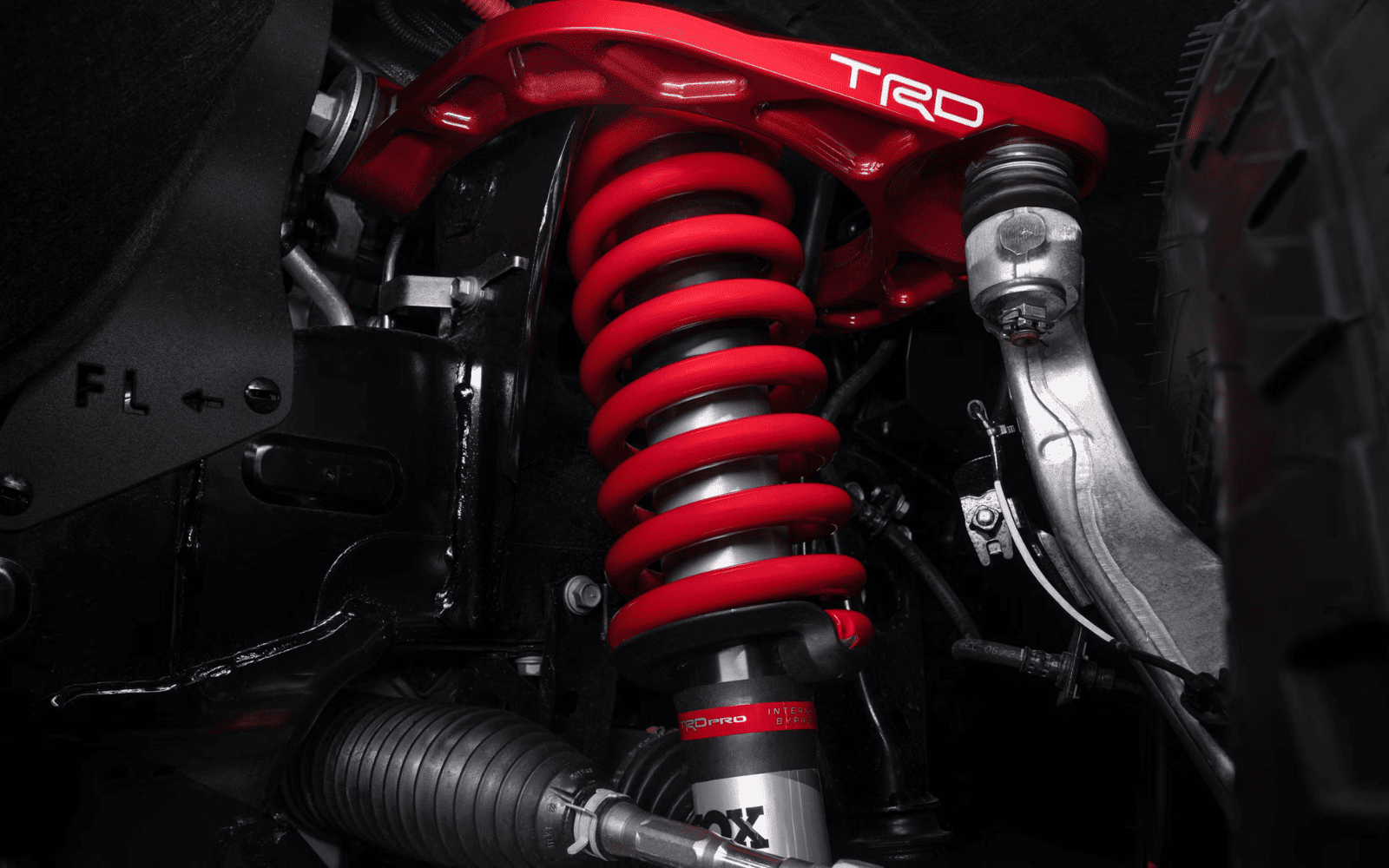
The TRD Pro is the correct choice for frequent off-road use. It adds FOX internal-bypass shocks, a skid plate, all-terrain tires, Multi-Terrain Select, Crawl Control, and TRD-specific styling.
The Capstone is for buyers who want the most luxurious Sequoia. It is well equipped, but its price overlaps with premium-brand full-size SUVs.
Engine, Hybrid System, and Performance
Every Sequoia uses Toyota’s i-FORCE MAX hybrid system. It combines a twin-turbocharged 3.4-liter V6 engine with an electric motor integrated into the 10-speed automatic transmission.
Total output is 437 horsepower and 583 lb.-ft. of torque. The hybrid system is designed mainly for stronger low-end torque and towing performance, not electric-only driving.
The Sequoia feels strong when accelerating with passengers, cargo, or a trailer. Its torque output is especially useful for merging, passing, climbing hills, and pulling heavy loads.
0–60 MPH Performance
Toyota does not publish an official 0–60 mph time for the Sequoia.
Independent testing of recent Sequoia models has generally placed it in the mid-six-second range to 60 mph. That is quick for a body-on-frame SUV of this size.
Driving Experience
The Sequoia drives more like a truck-based SUV than a crossover. It has a higher seating position, stronger towing capability, and more off-road durability, but it is also larger and less nimble in tight parking areas.
The hybrid powertrain provides strong low-speed response, while the 10-speed automatic helps keep the engine in its useful torque range.
The SR5 and Limited offer the best balance for normal road use. Platinum and Capstone trims add comfort-focused equipment, while the TRD Pro is tuned for rough terrain and may feel firmer on pavement.
Fuel Economy
| Configuration | EPA-Estimated City MPG | EPA-Estimated Highway MPG | EPA-Estimated Combined MPG |
| Sequoia RWD | 21 mpg | 24 mpg | 22 mpg |
| Sequoia 4WD | 19 mpg | 22 mpg | 20 mpg |
| TRD Pro 4WD | 19 mpg | 22 mpg | 20 mpg |
The Sequoia’s hybrid system helps it return better fuel economy than many V8-powered full-size SUVs. Still, it remains a large, heavy vehicle, and towing, cargo, winter conditions, and off-road tires can reduce real-world mpg substantially.
The Sequoia does not need to be plugged in. Its hybrid battery charges through the gas engine and regenerative braking.
Interior, Comfort, and Technology
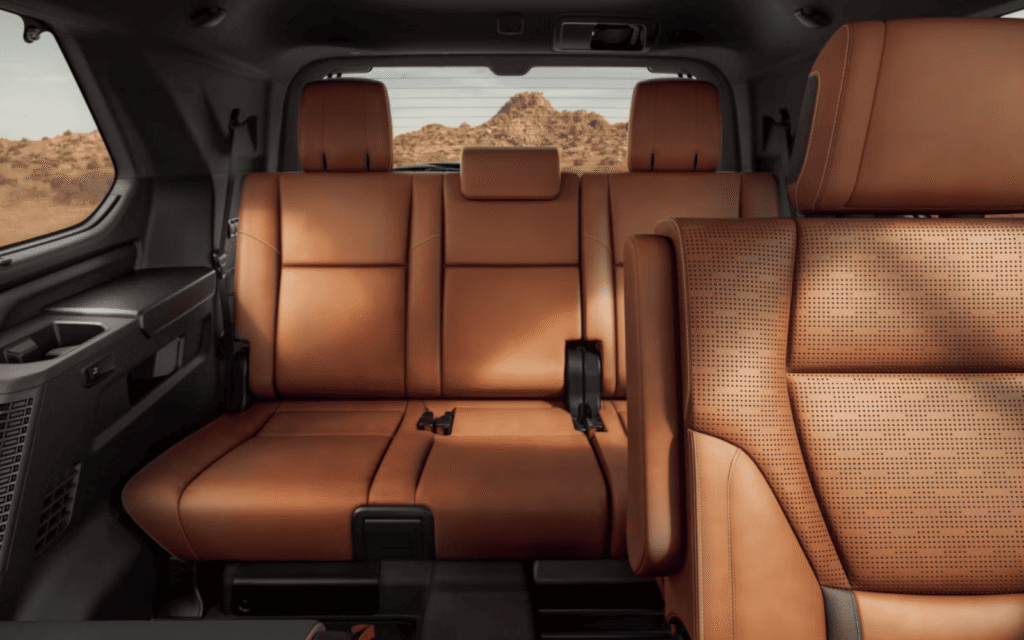
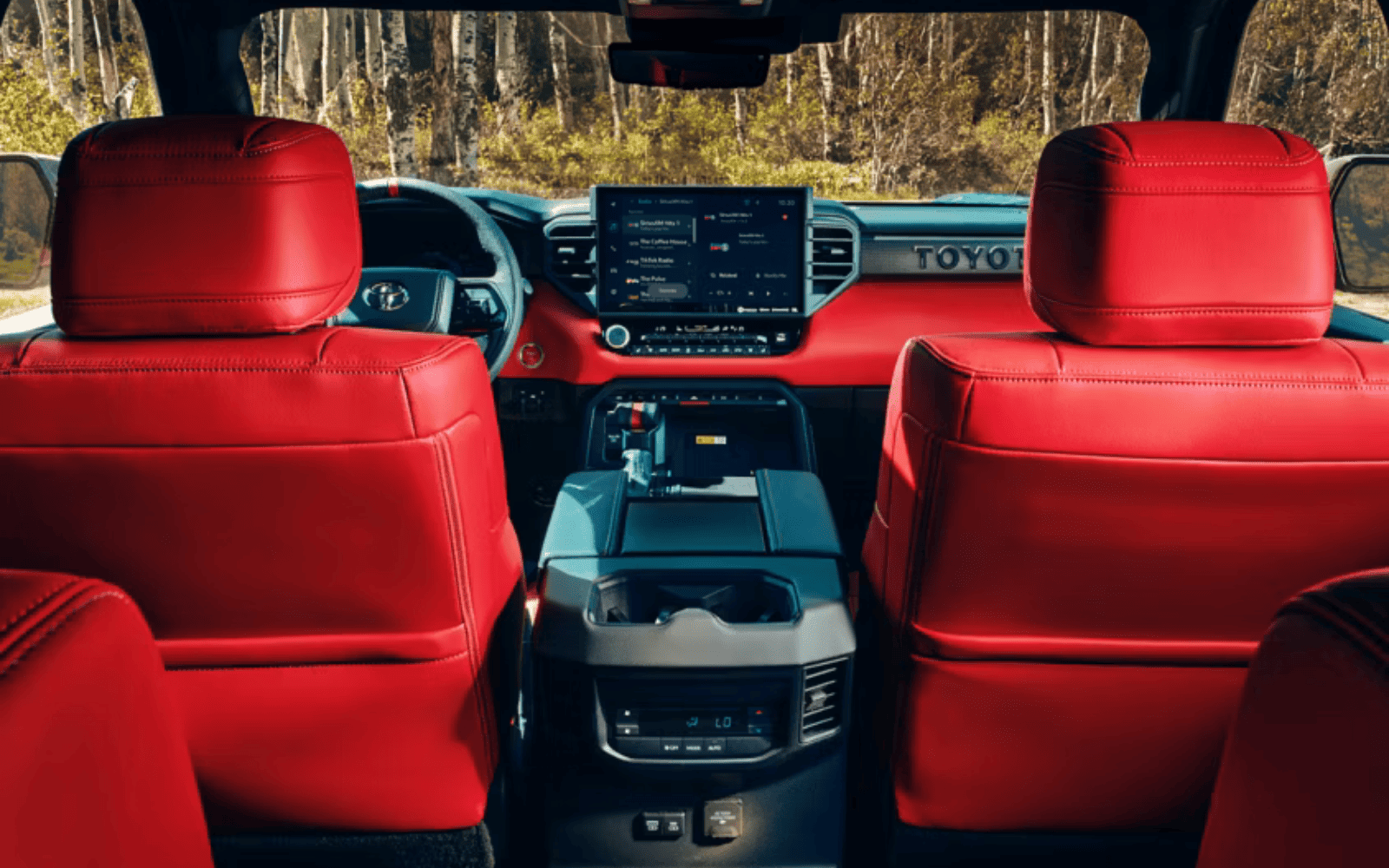
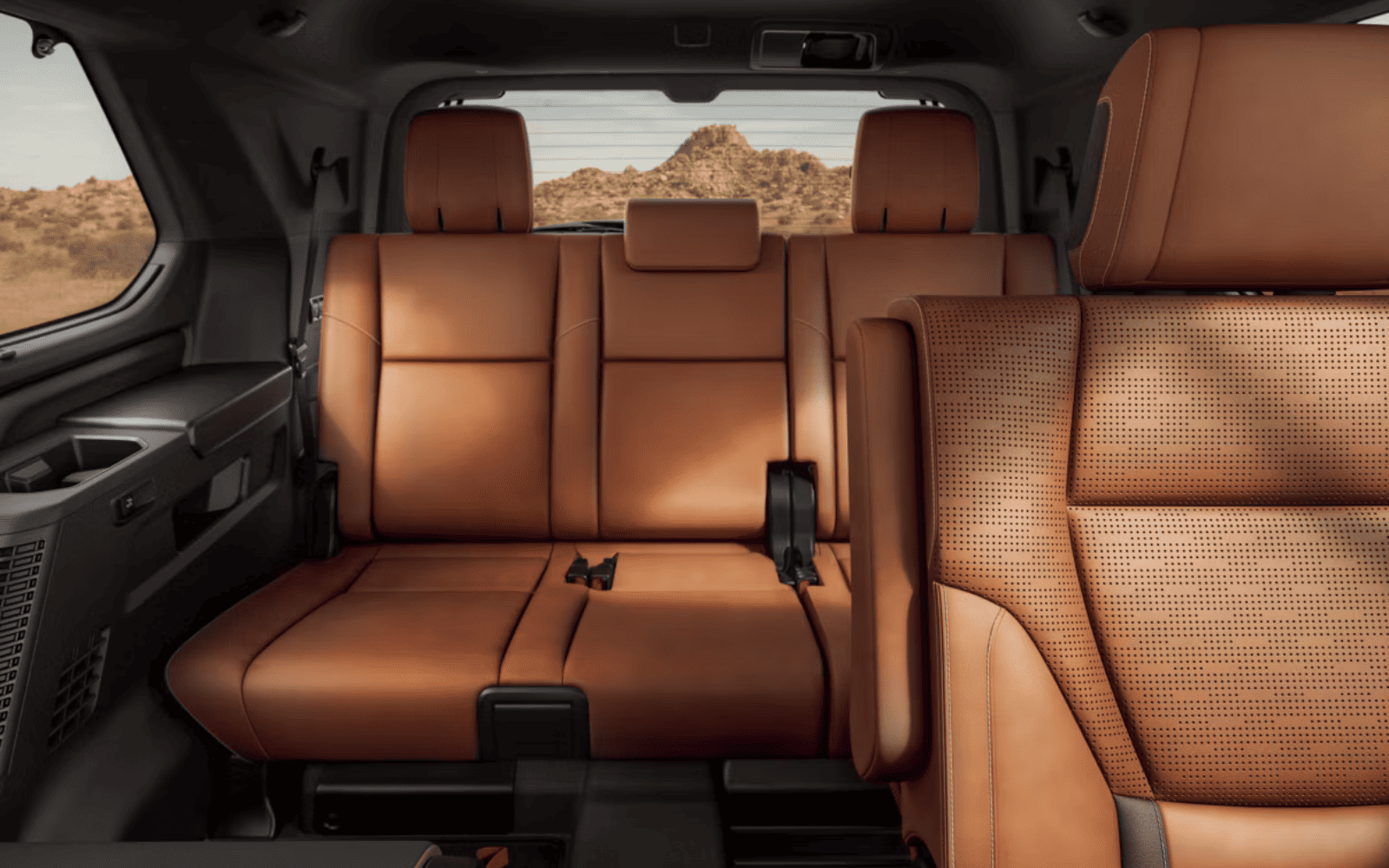
The Sequoia has a spacious first and second row, a tall driving position, and available premium features. The third row is usable for children and occasional adult passengers, though it is less flexible than the third rows in some crossover-based SUVs.
Standard and available features include:
- 8-inch or 14-inch Toyota Audio Multimedia touchscreen
- Wireless Apple CarPlay and Android Auto
- Available 14-inch digital gauge cluster
- Wireless smartphone charging
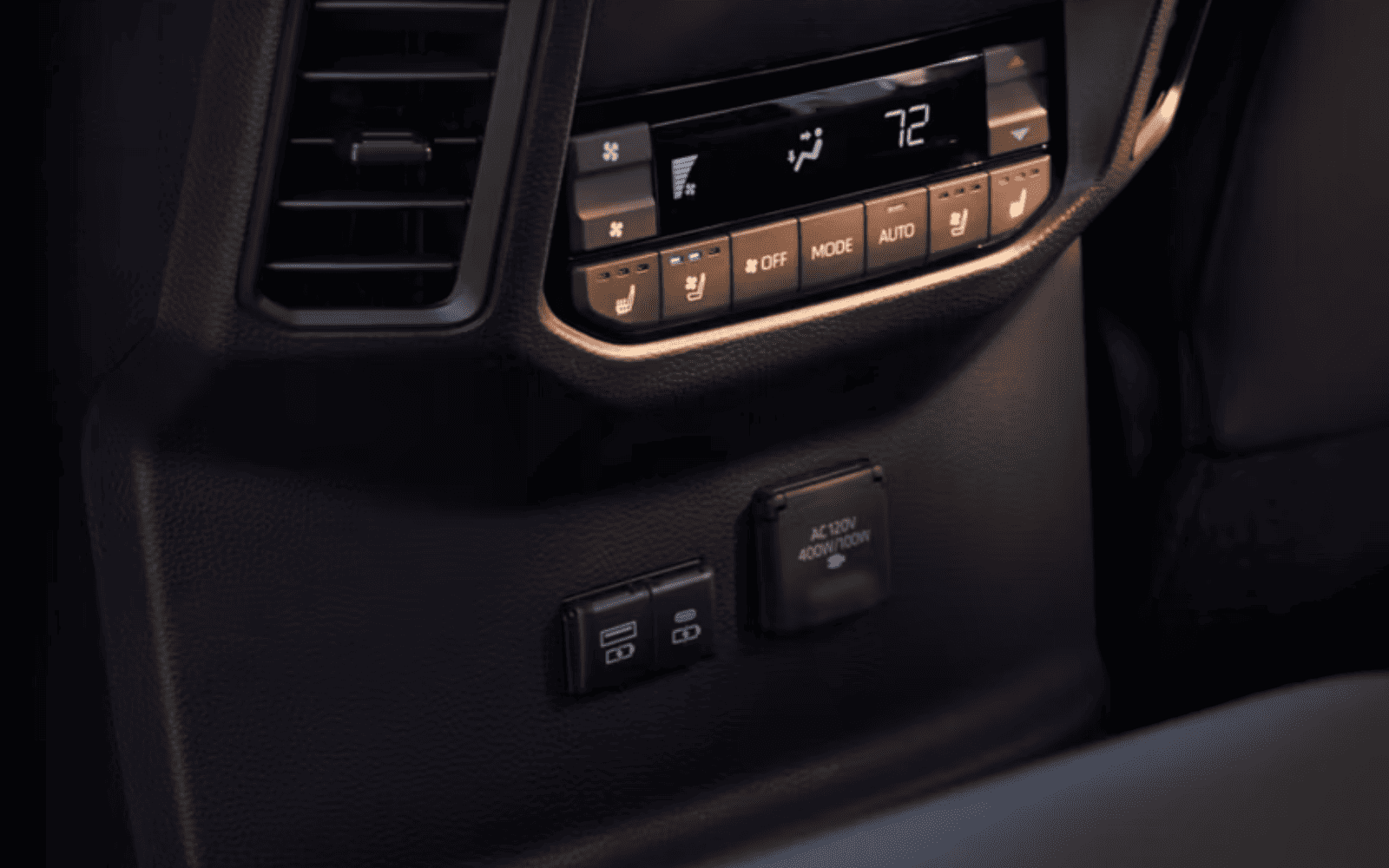
- Multiple USB charging ports
- Three-zone automatic climate control
- Available heated and ventilated front seats
- Available heated and ventilated second-row seats
- Available second-row captain’s chairs
- Available panoramic moonroof
- Available 14-speaker JBL premium audio
- Available head-up display
- Available Panoramic View Monitor
- Available digital rearview mirror
- Available power running boards
- Available hands-free power liftgate
The Limited provides the best balance of family comfort and value. The Capstone and 1794 Edition feel more upscale, while the TRD Pro focuses more on durability and trail use.
Dimensions, Cargo, and Practicality
| Practicality Feature | Toyota Sequoia |
| Seating | Up to 8 passengers |
| Cargo space behind third row | 11.5 cu. ft. |
| Maximum cargo space | Up to 86.9 cu. ft. |
| Maximum towing capacity | Up to 9,520 lbs. |
| Rear-seat layout | Available second-row bench or captain’s chairs |
| Third-row configuration | Sliding, reclining, power-folding third row |
The Sequoia’s major practicality weakness is its cargo area behind the third row. It is smaller than many families expect from a full-size SUV.
The third row can slide and recline, helping buyers balance passenger room and cargo space. However, it does not fold fully flat because of the hybrid-battery packaging beneath the rear floor.
That is not a major issue for towing-focused buyers, but it matters for families who often carry bulky gear with the third row folded.
Exterior Design
The Sequoia has a bold, square-shouldered design that reflects its truck-based platform.
- SR5: Straightforward, practical full-size SUV design.
- Limited: More upscale wheels and exterior trim.
- Platinum: Premium details and adaptive suspension.
- 1794 Edition: Luxury-focused styling with distinctive interior and exterior touches.
- TRD Pro: Rugged bumpers, black trim, off-road wheels, skid plate, and roof rack.
- Capstone: Chrome details, 22-inch wheels, and the most upscale appearance.
The TRD Pro is the most visually aggressive version. The Limited is more suitable for buyers who spend most of their time on pavement.
Safety Features and Ratings
Every Toyota Sequoia includes Toyota Safety Sense 2.5, with standard driver-assistance features such as:
- Pre-Collision System with Pedestrian Detection
- Full-Speed Range Dynamic Radar Cruise Control
- Lane Departure Alert with Steering Assist
- Lane Tracing Assist
- Road Sign Assist
- Automatic High Beams
- Blind Spot Monitor
- Rear Cross-Traffic Alert
- Rearview camera
- Rear Seat Reminder
- Tire Pressure Monitor System
Available features include Front and Rear Parking Assist with Automatic Braking, Panoramic View Monitor, and a digital rearview mirror.
Check current IIHS and NHTSA results before purchase because safety ratings can change by model year and configuration.
Driver-assistance systems can help reduce workload, but they do not replace an attentive driver or safe towing practices.
Reliability, Warranty, and Ownership
The Sequoia has a strong long-term ownership case for buyers who need its capability. Toyota’s truck platform, dealer network, and hybrid experience support its appeal.
However, it is still an expensive vehicle to own. Large tires, towing equipment, fuel, insurance, and body-on-frame maintenance can cost more than with a crossover SUV.
The hybrid system adds complexity compared with an older naturally aspirated V8, and newer-model long-term reliability data is still developing.
| Coverage | Length |
| Basic warranty | 3 years / 36,000 miles |
| Powertrain warranty | 5 years / 60,000 miles |
| Corrosion perforation warranty | 5 years / unlimited miles |
| Hybrid-related component coverage | 8 years / 100,000 miles |
| Hybrid battery warranty | 10 years / 150,000 miles |
| ToyotaCare scheduled maintenance | 2 years / 25,000 miles |
| Roadside assistance | 2 years / unlimited miles |
Used buyers should inspect towing equipment, tire wear, suspension condition, underbody damage, service records, and open recalls. Read our guide on how to check a car’s accident history before buying used.
Pros and Cons
What We Like
- Standard 437-hp hybrid powertrain
- Strong 583 lb.-ft. of torque
- Up to 9,520 pounds of towing capacity
- Available 4WD and serious off-road hardware
- Better fuel economy than many full-size V8 SUVs
- Available premium interior equipment
- Strong standard safety technology
- Useful second-row space
- Wide trim range
- TRD Pro is a capable off-road option
- Capstone provides a luxury-focused alternative
What We Don’t Like
- High starting price
- Very expensive upper trims
- Limited cargo space behind the third row
- Third row does not fold completely flat
- Large size makes city parking difficult
- Fuel economy is still modest
- Not as easy to enter or exit as a crossover or minivan
- Large wheels and tires can be expensive to replace
Competitors
Consider these alternatives before choosing a Toyota Sequoia:
- Toyota Land Cruiser: better for buyers who want off-road ability in a smaller, more maneuverable SUV.
- Toyota Grand Highlander: better for families who need more usable third-row and cargo space but less towing capacity.
- Chevrolet Tahoe: worth considering for more cargo flexibility and a broader range of engine options.
- Ford Expedition: a strong alternative for families who need a spacious third row and high towing capacity.
- GMC Yukon: better for buyers who want a more premium truck-based SUV.
- Nissan Armada: worth comparing for V8 power and full-size SUV space.
- Jeep Wagoneer: better for buyers who prioritize large cabin space and luxury features.
Related WheelPedia Content
Before financing a Sequoia, learn how car financing works and consider getting car loan preapproval before visiting a dealer.
If you are deciding between a new and used SUV, compare the benefits of a new car vs. used car and learn how to get the best car loan rate.
Should You Buy the Toyota Sequoia?
Buy the Toyota Sequoia if you need a large SUV with serious towing capability, strong hybrid torque, available four-wheel drive, and Toyota truck durability.
Choose the Limited if you want the best balance of features, price, towing ability, and family comfort.
Choose the TRD Pro if you will actually use its off-road hardware. Choose the Capstone or 1794 Edition if premium materials and luxury features matter more than overall value.
Skip the Sequoia if you need maximum cargo space behind the third row, a fully flat load floor, easy urban maneuverability, or the lower ownership costs of a crossover SUV.
FAQs
How much does the Toyota Sequoia cost?
The Toyota Sequoia starts from about $66,295 MSRP in the US. The Capstone starts from about $87,345 MSRP, before destination, tax, registration, options, and dealer fees.
Is the Toyota Sequoia a hybrid?
Yes. Every Sequoia uses Toyota’s i-FORCE MAX twin-turbo V6 hybrid powertrain.
How much horsepower does the Toyota Sequoia have?
The Toyota Sequoia produces 437 horsepower and 583 lb.-ft. of torque.
How much can the Toyota Sequoia tow?
When properly equipped, the Toyota Sequoia can tow up to 9,520 pounds.
Does the Toyota Sequoia have four-wheel drive?
Four-wheel drive is available on most trims and standard on some versions, including the TRD Pro and Capstone.
How many people can the Toyota Sequoia seat?
The Sequoia can seat up to eight passengers when equipped with a second-row bench seat. Models with second-row captain’s chairs seat seven.
How much cargo space does the Toyota Sequoia have?
It has 11.5 cubic feet of cargo space behind the third row and up to 86.9 cubic feet with the rear seats folded.
Does the Toyota Sequoia have a flat-folding third row?
No. The third row folds and slides, but it does not fold completely flat because of hybrid-battery packaging.
What fuel economy does the Toyota Sequoia get?
Rear-wheel-drive versions return up to an EPA-estimated 21 mpg city, 24 mpg highway, and 22 mpg combined. Four-wheel-drive versions return up to 20 mpg combined.
Does the Toyota Sequoia have Apple CarPlay and Android Auto?
Yes. Every current Sequoia includes wireless Apple CarPlay and Android Auto compatibility.
Which Toyota Sequoia trim is best?
The Limited is the best choice for most buyers because it adds important comfort, technology, and convenience features without the very high price of the Platinum, TRD Pro, 1794 Edition, or Capstone.
How long is the Sequoia hybrid battery warranty?
The hybrid battery is covered for 10 years or 150,000 miles in the US.
Final Verdict
The Toyota Sequoia is one of the best full-size SUVs for buyers who prioritize towing, hybrid torque, available off-road ability, and Toyota ownership appeal.
Its standard hybrid system gives it much stronger low-end torque and better fuel economy than many traditional V8 rivals. The trade-off is a less practical cargo layout than some families expect from a vehicle of this size.
For most buyers, the Sequoia Limited is the trim to choose. It offers the core capability, useful family features, and the best balance between price and equipment. Choose the TRD Pro for frequent trail use and the Capstone only if luxury features justify its high price.
Prices, specifications, towing ratings, fuel-economy estimates, safety ratings, recalls, and feature availability can change by model year, trim, and market.