
Toyota C-HR: Price, Specs, Features & Review
The Toyota C-HR is a compact electric SUV with standard all-wheel drive, 338 horsepower, and up to 287 miles of EPA-estimated range.
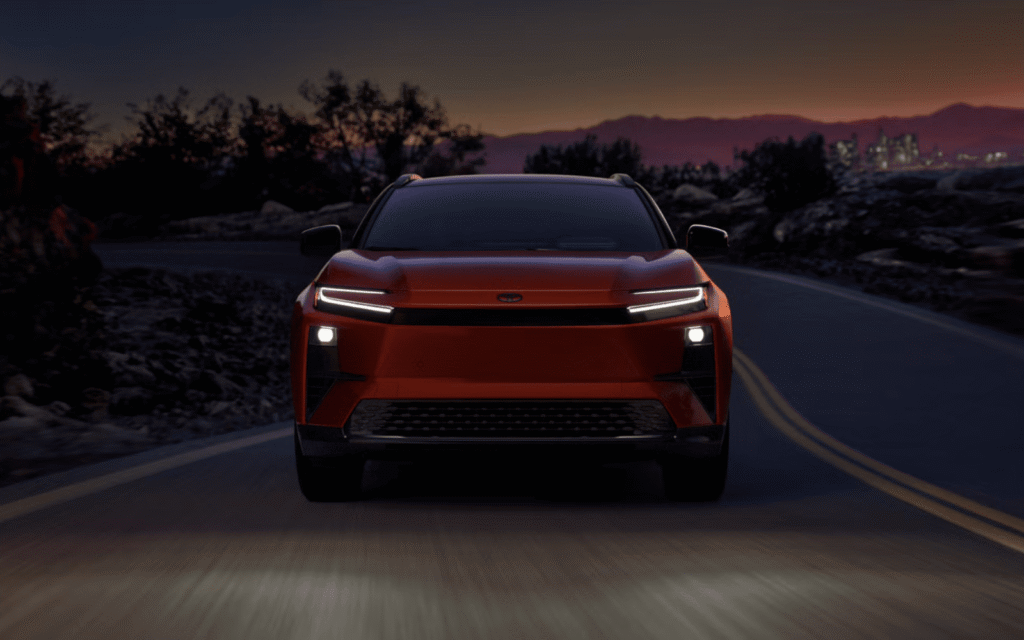
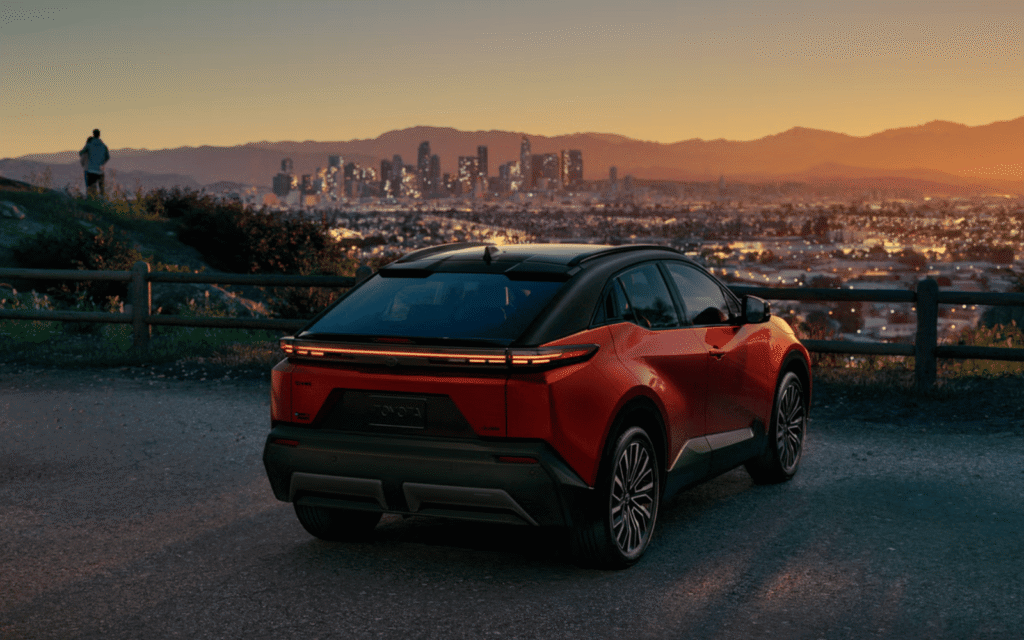
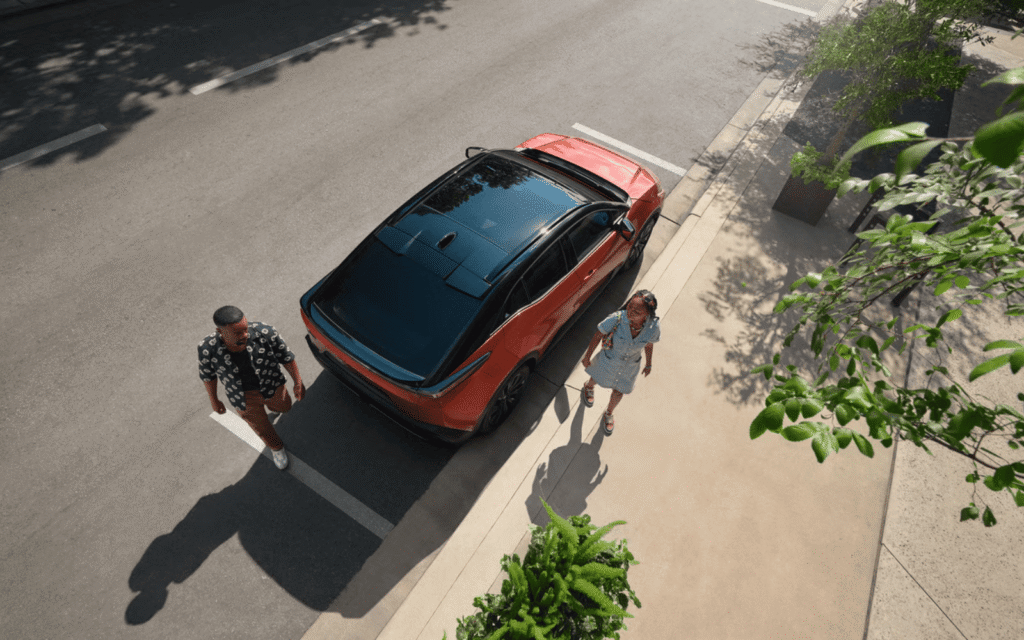
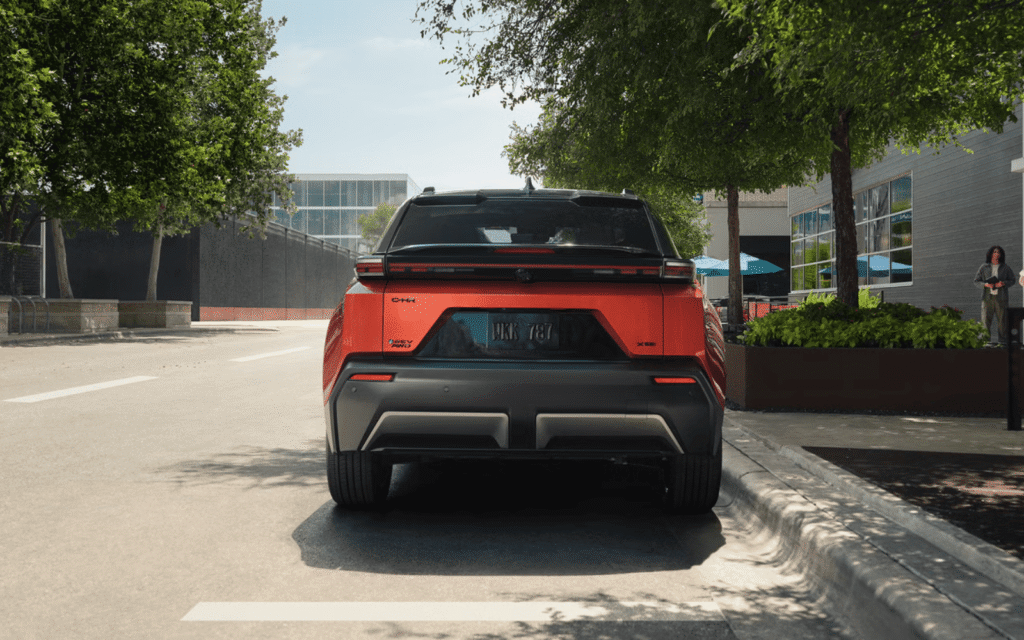
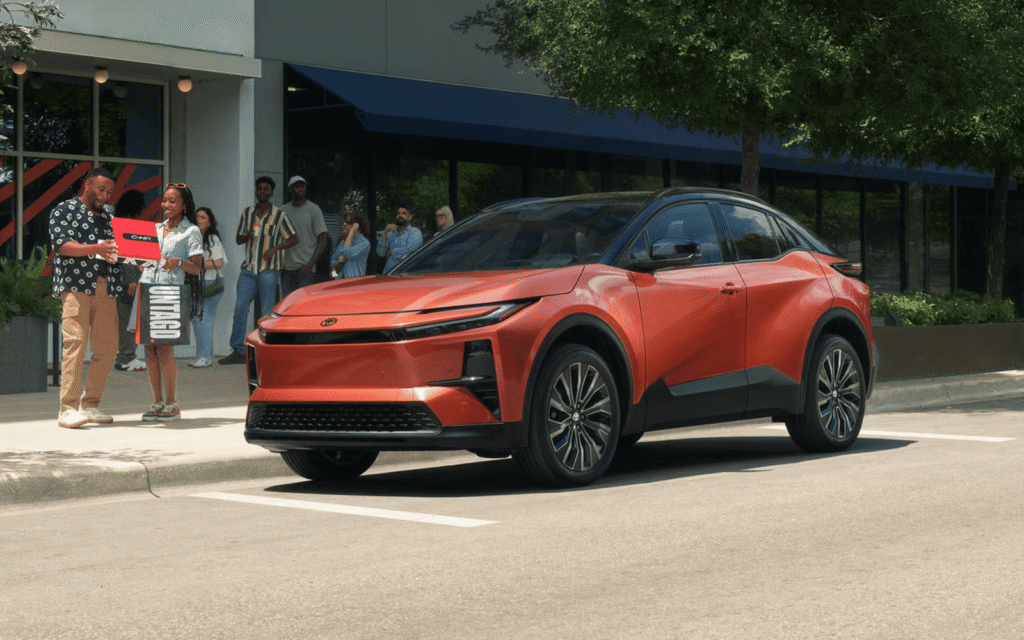
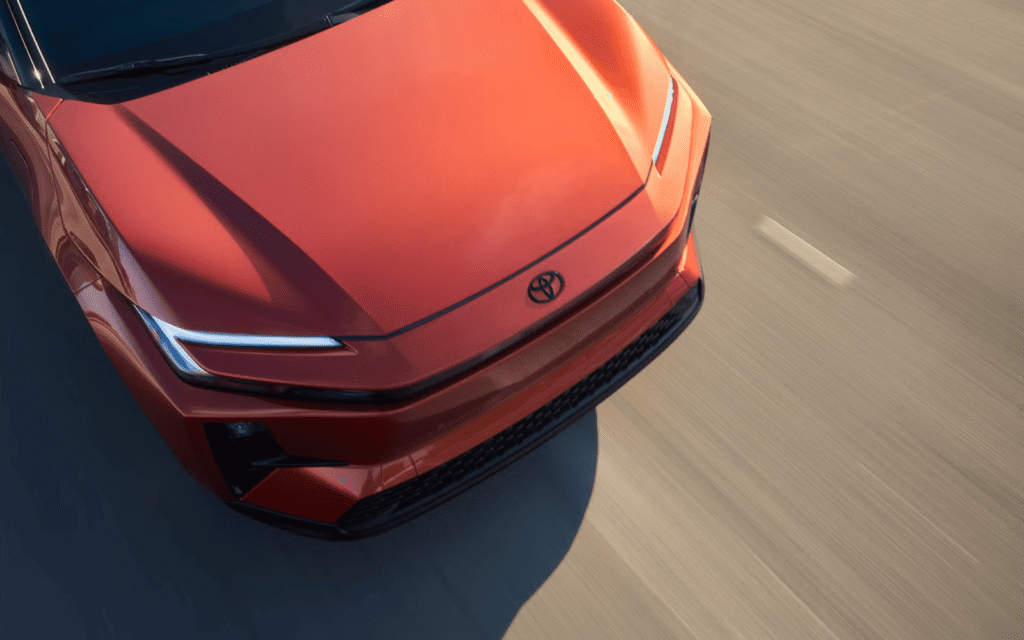
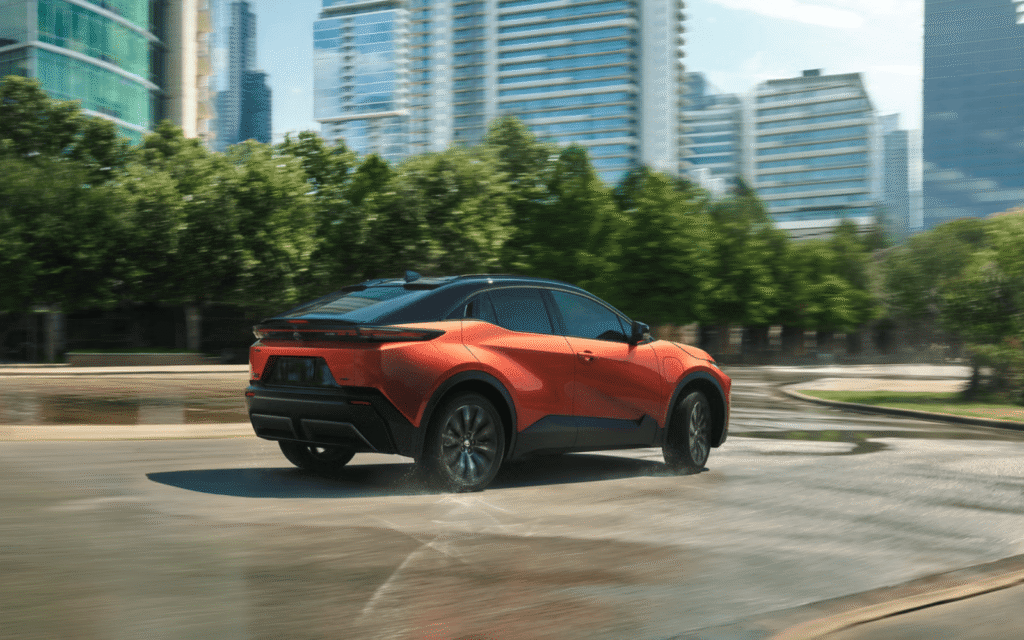
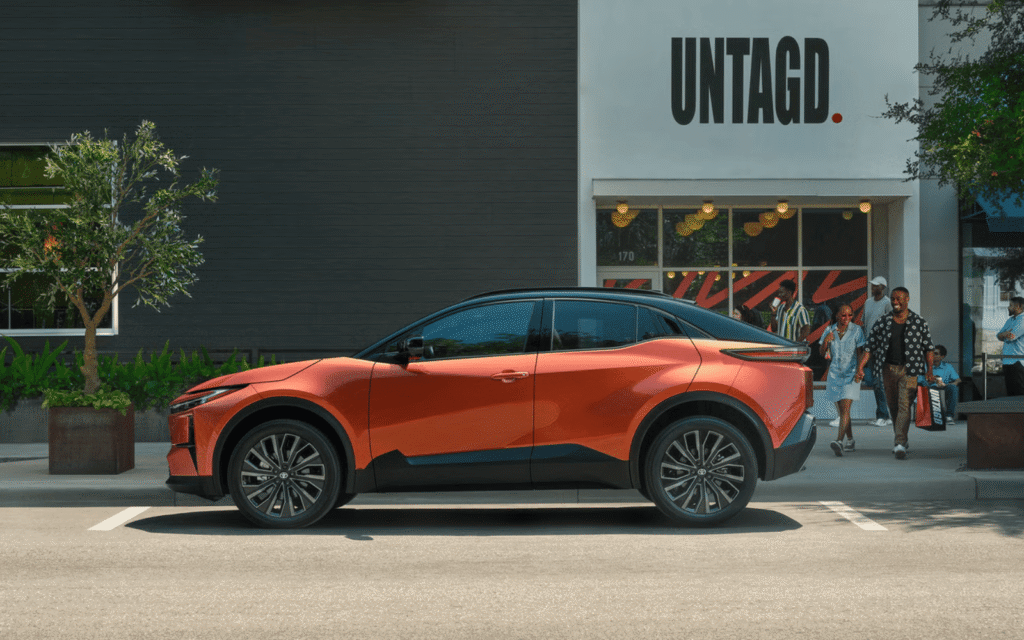
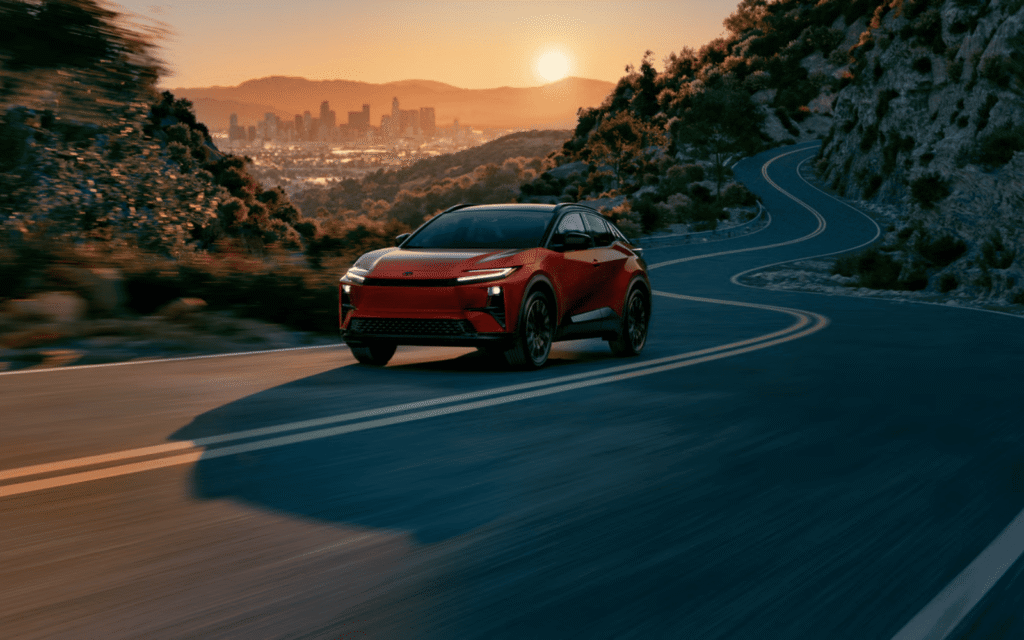
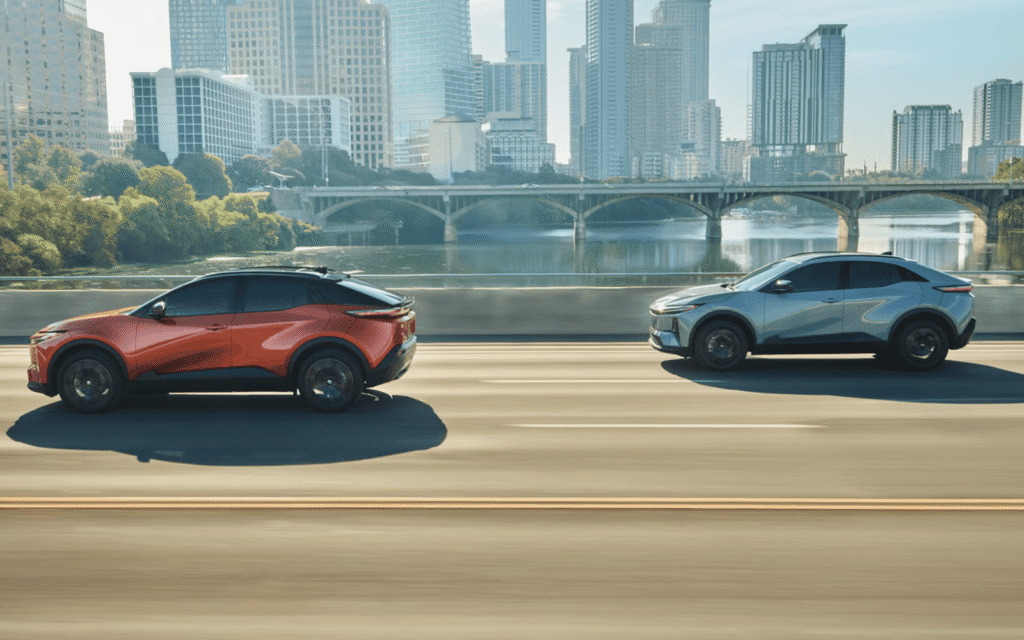
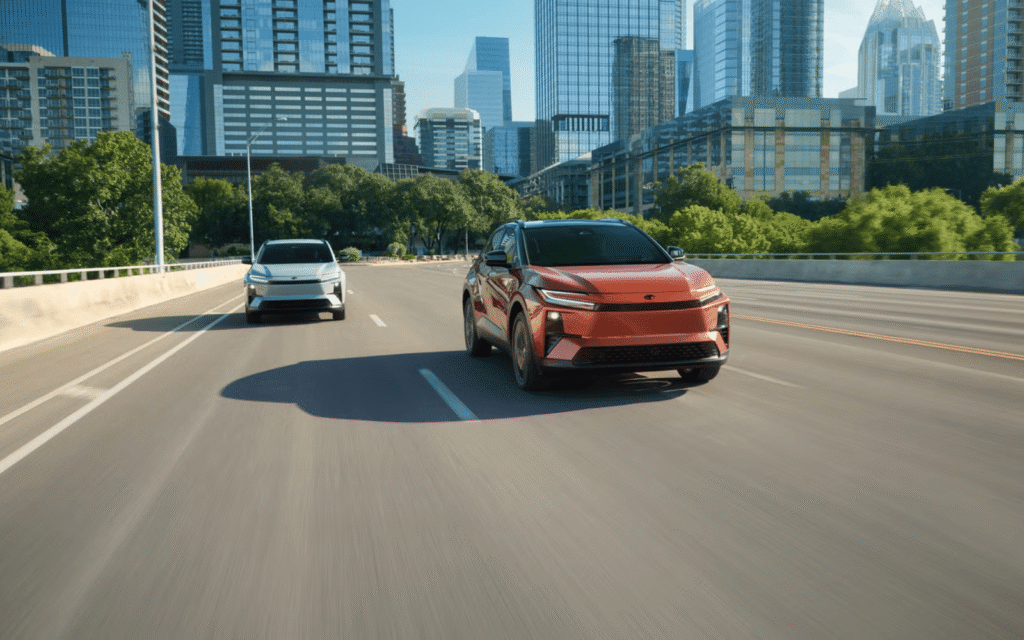

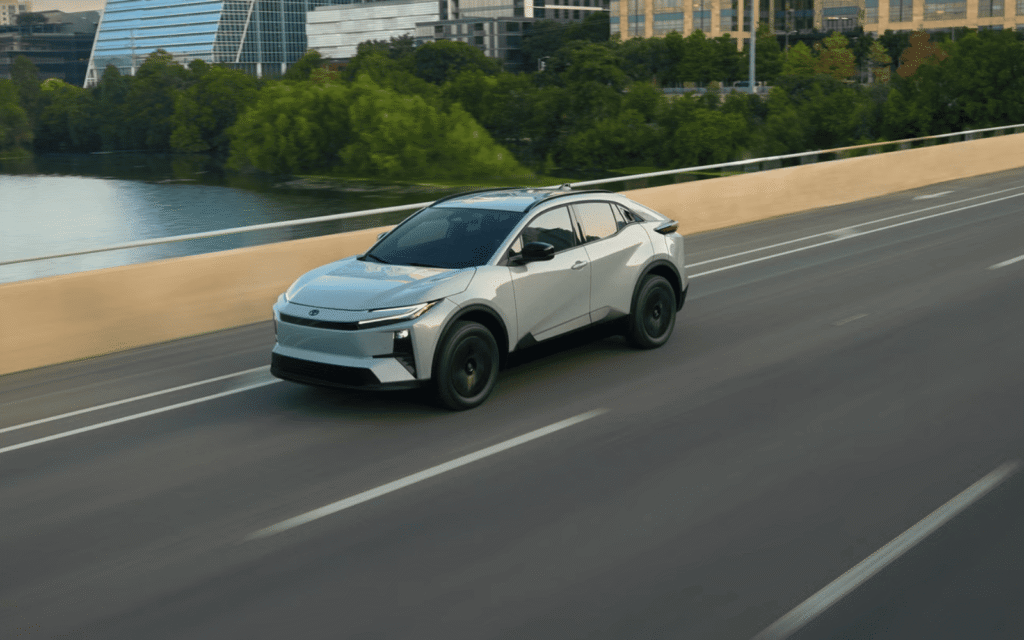
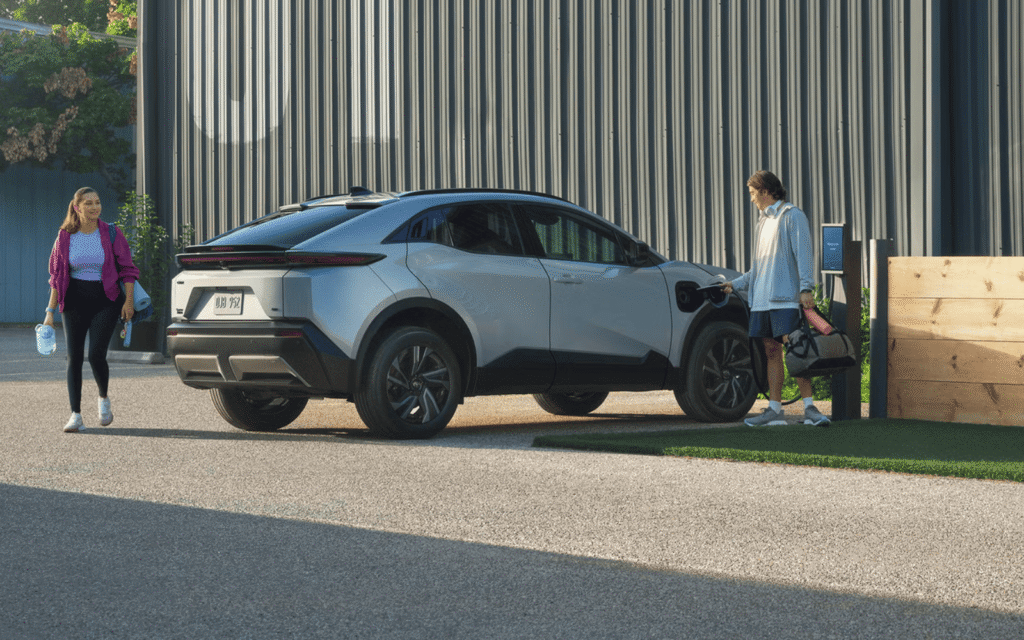
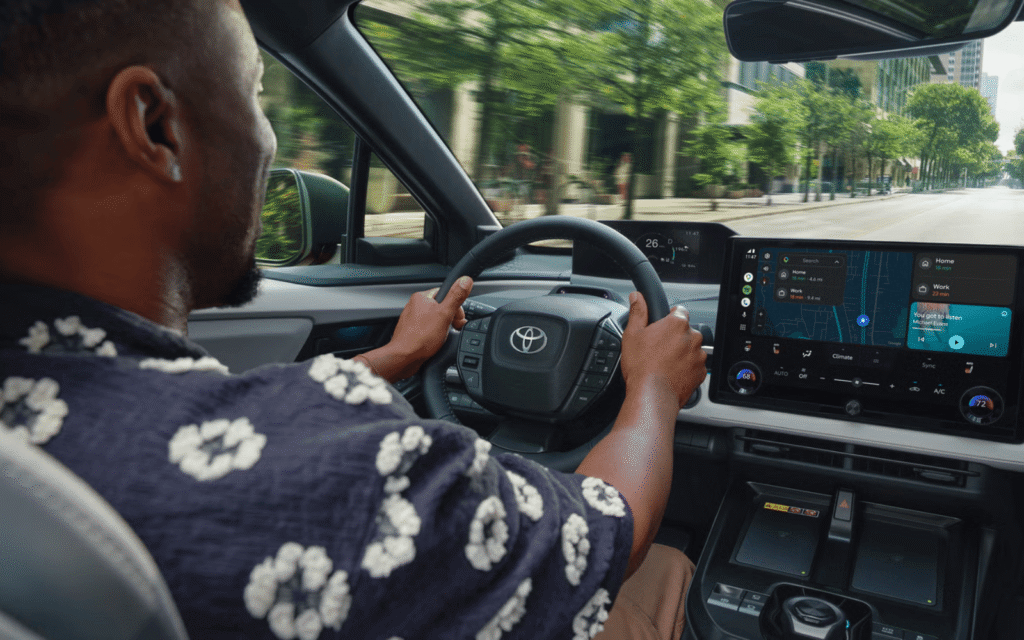
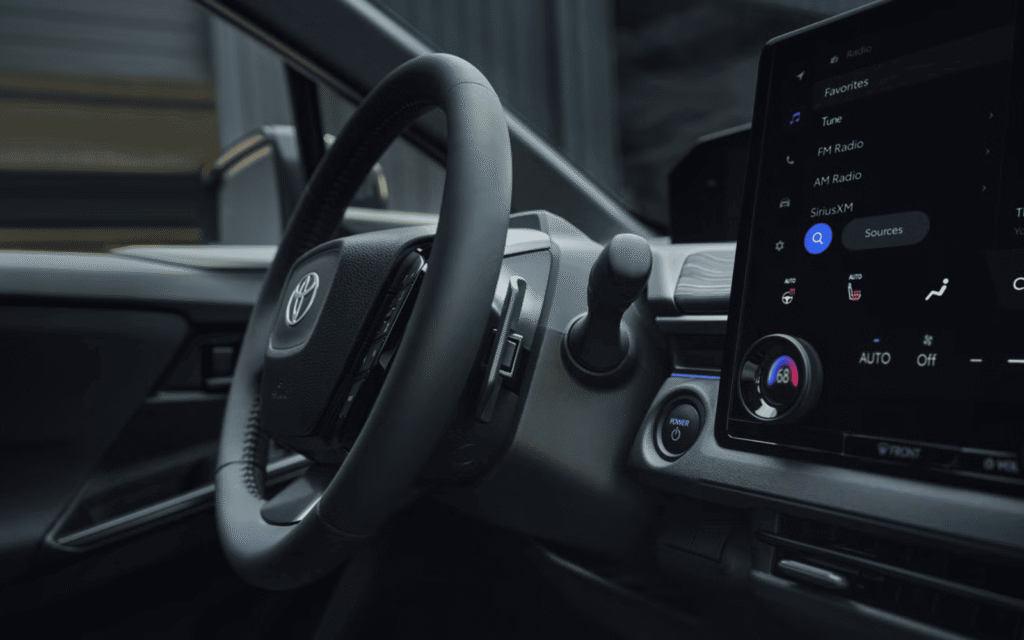
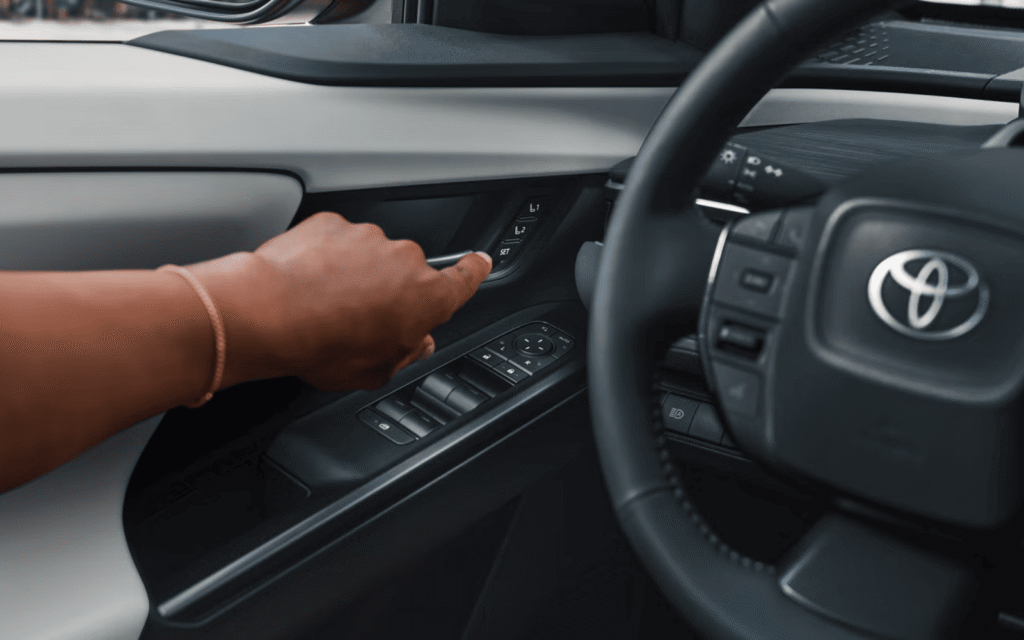
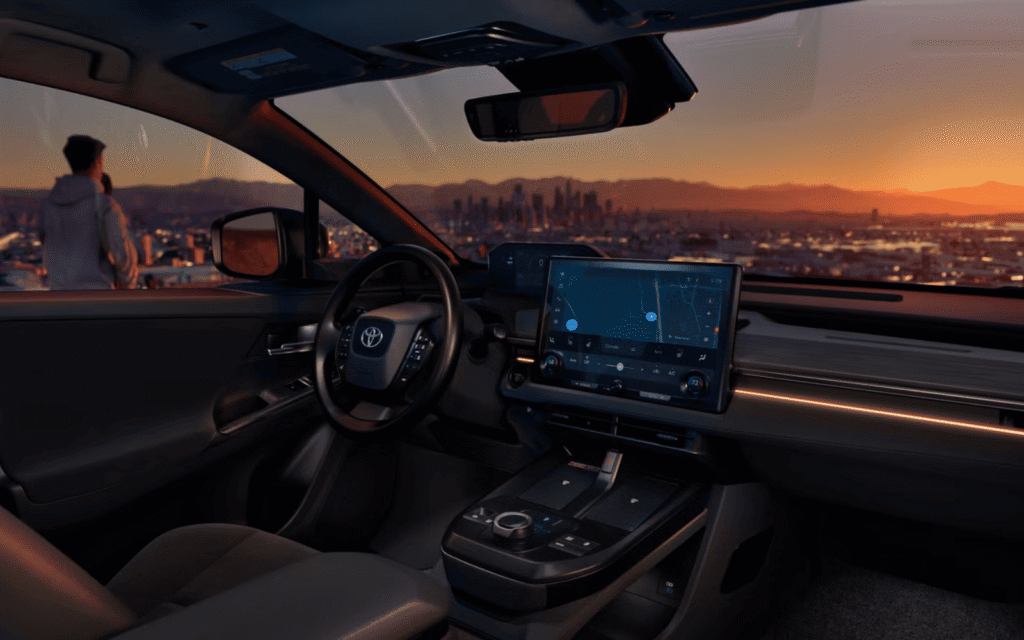
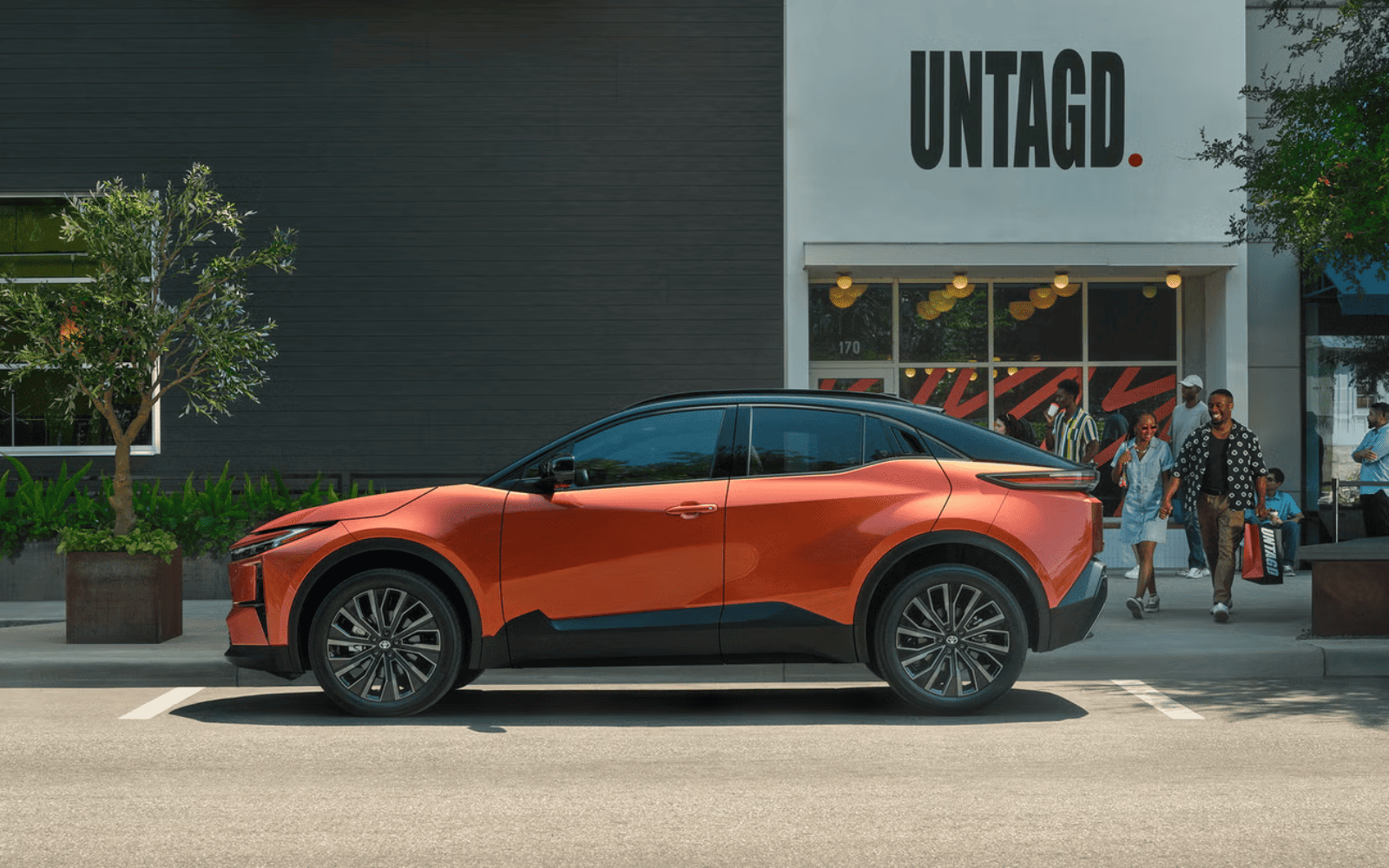
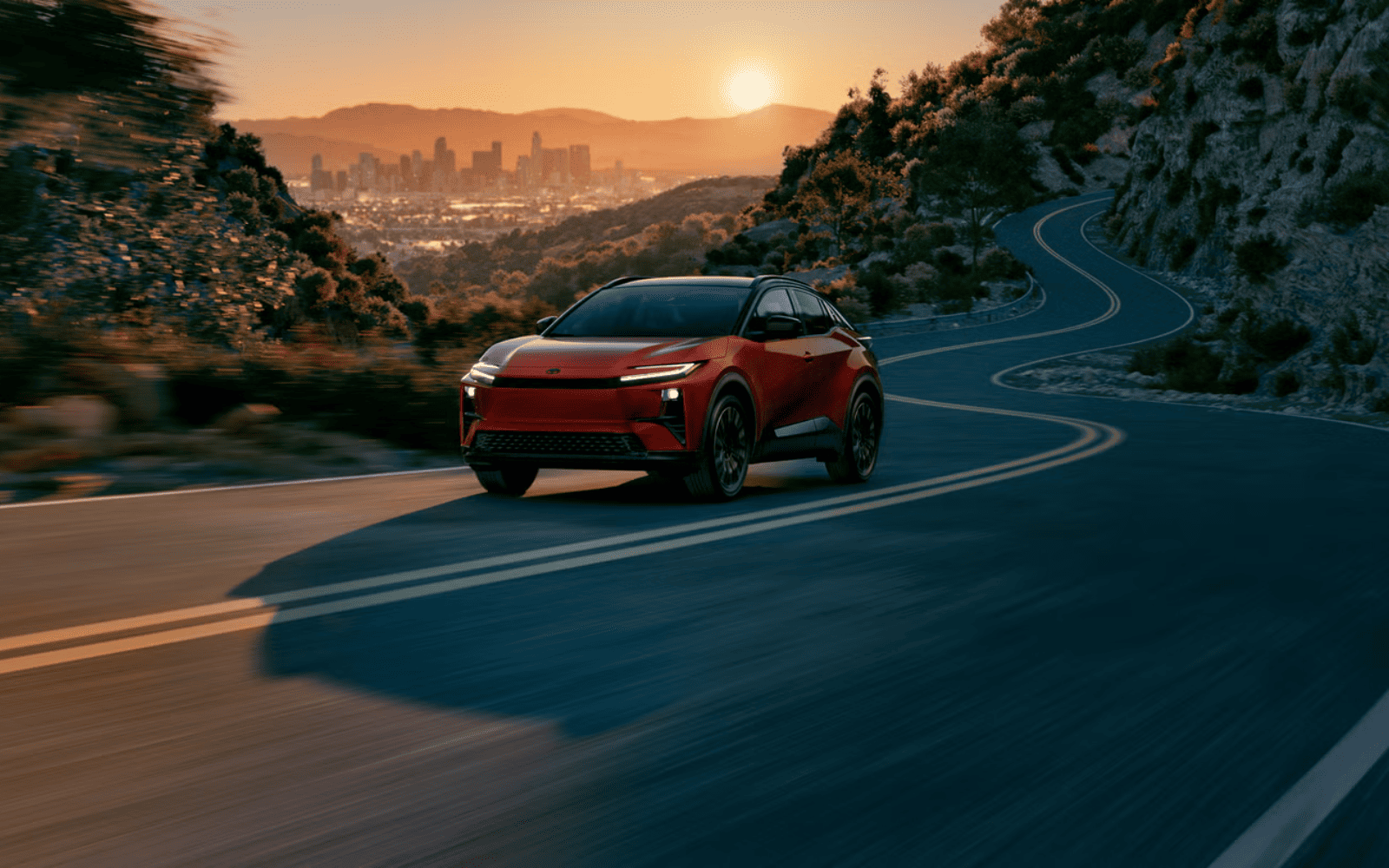
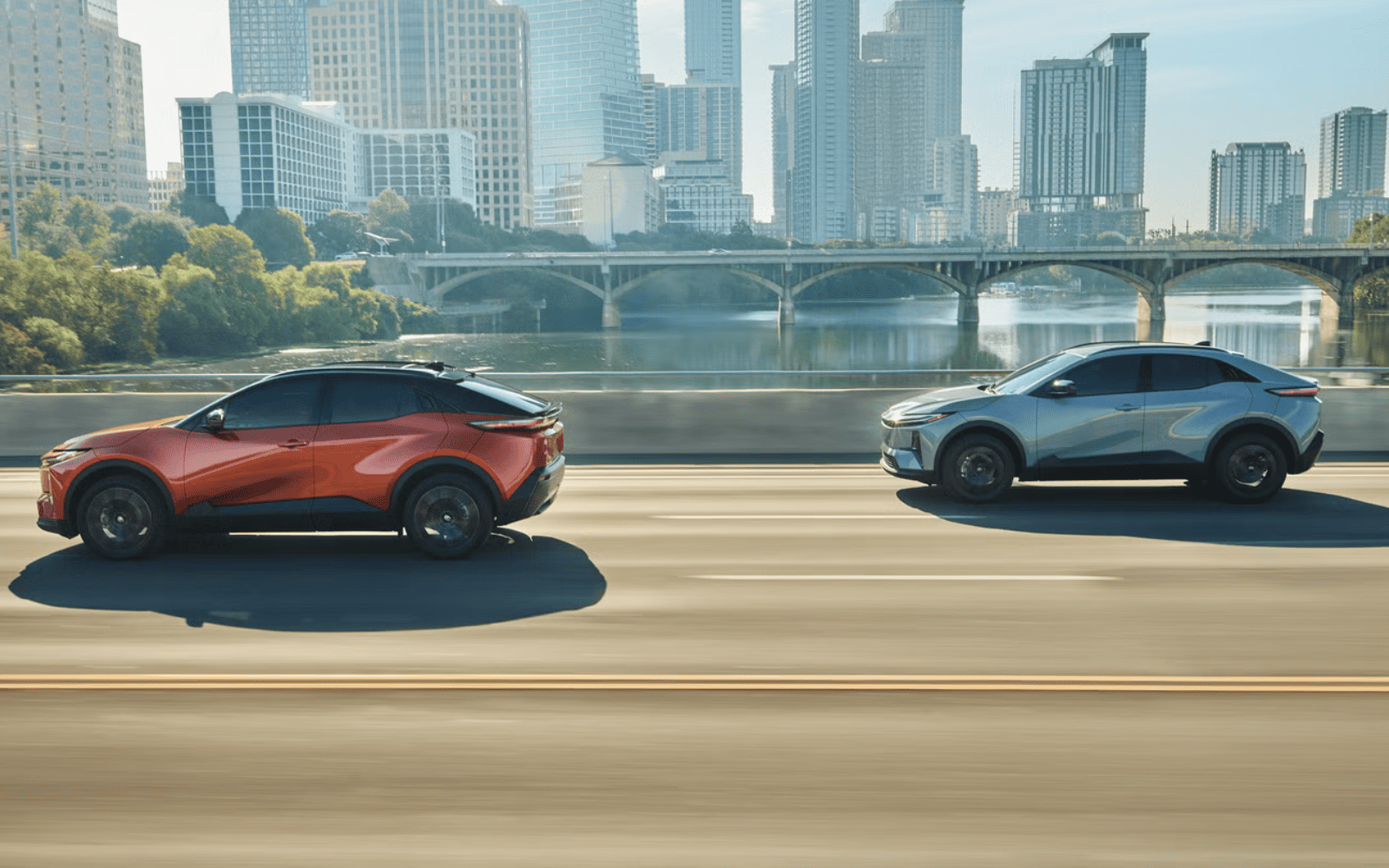
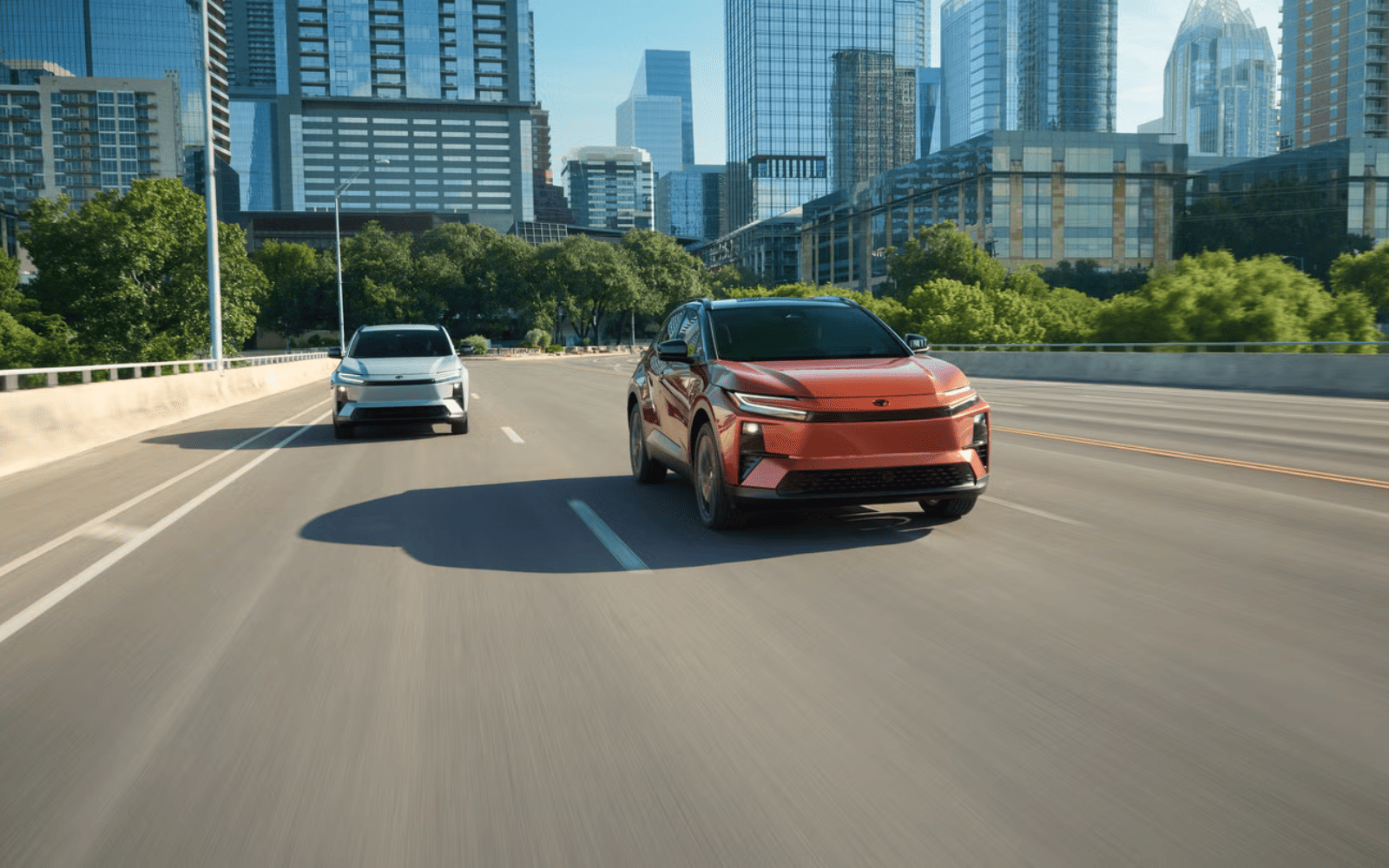

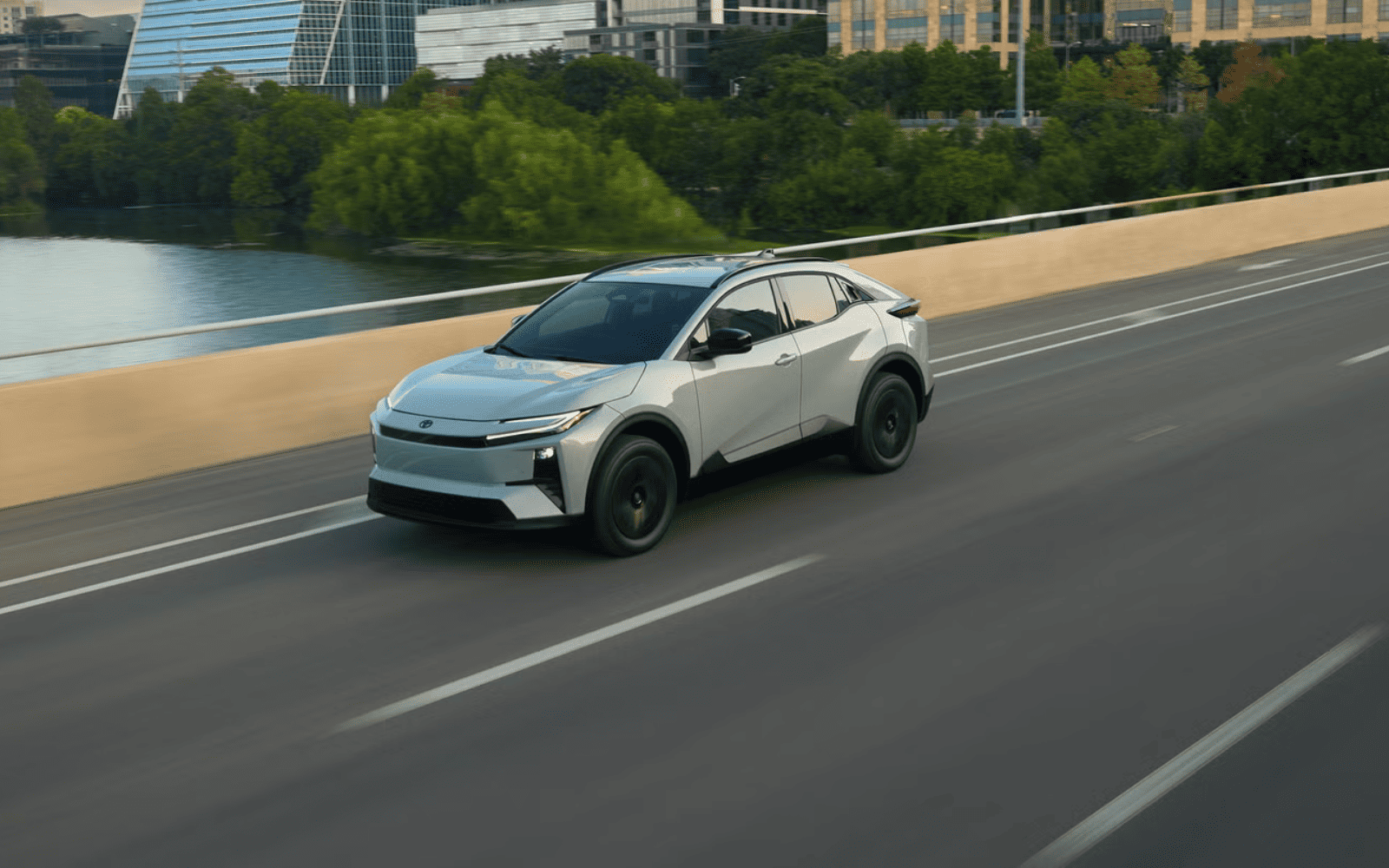
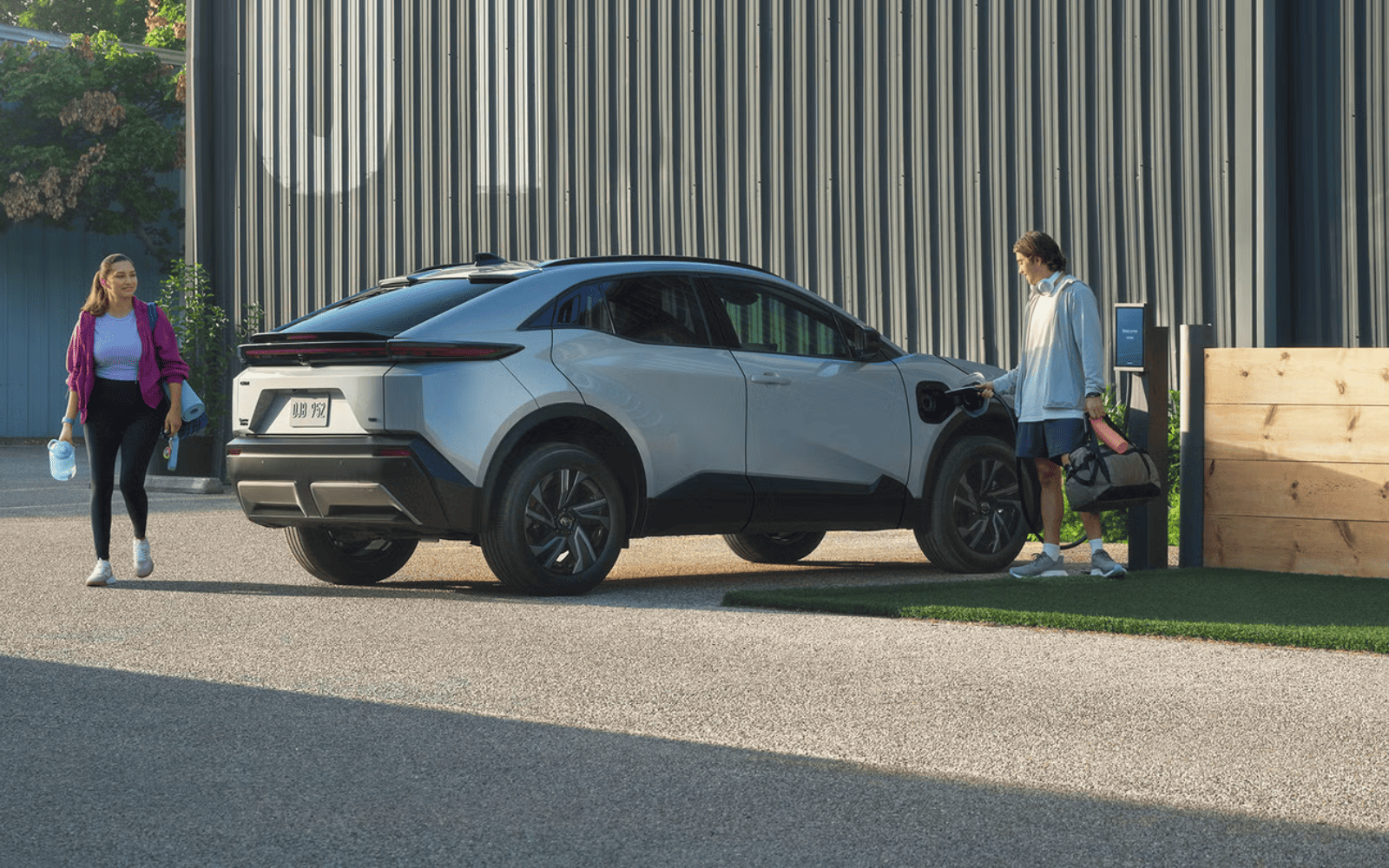
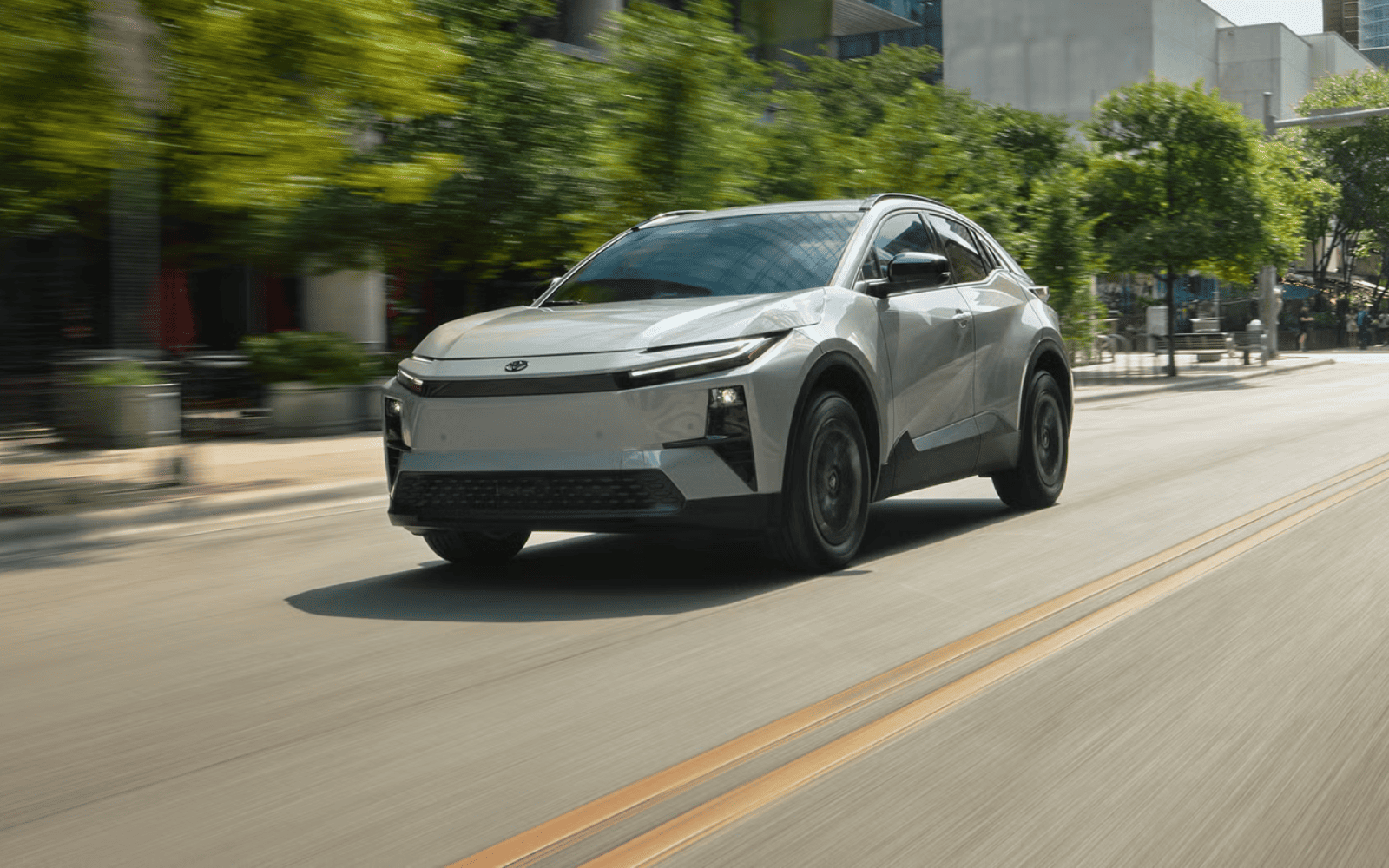
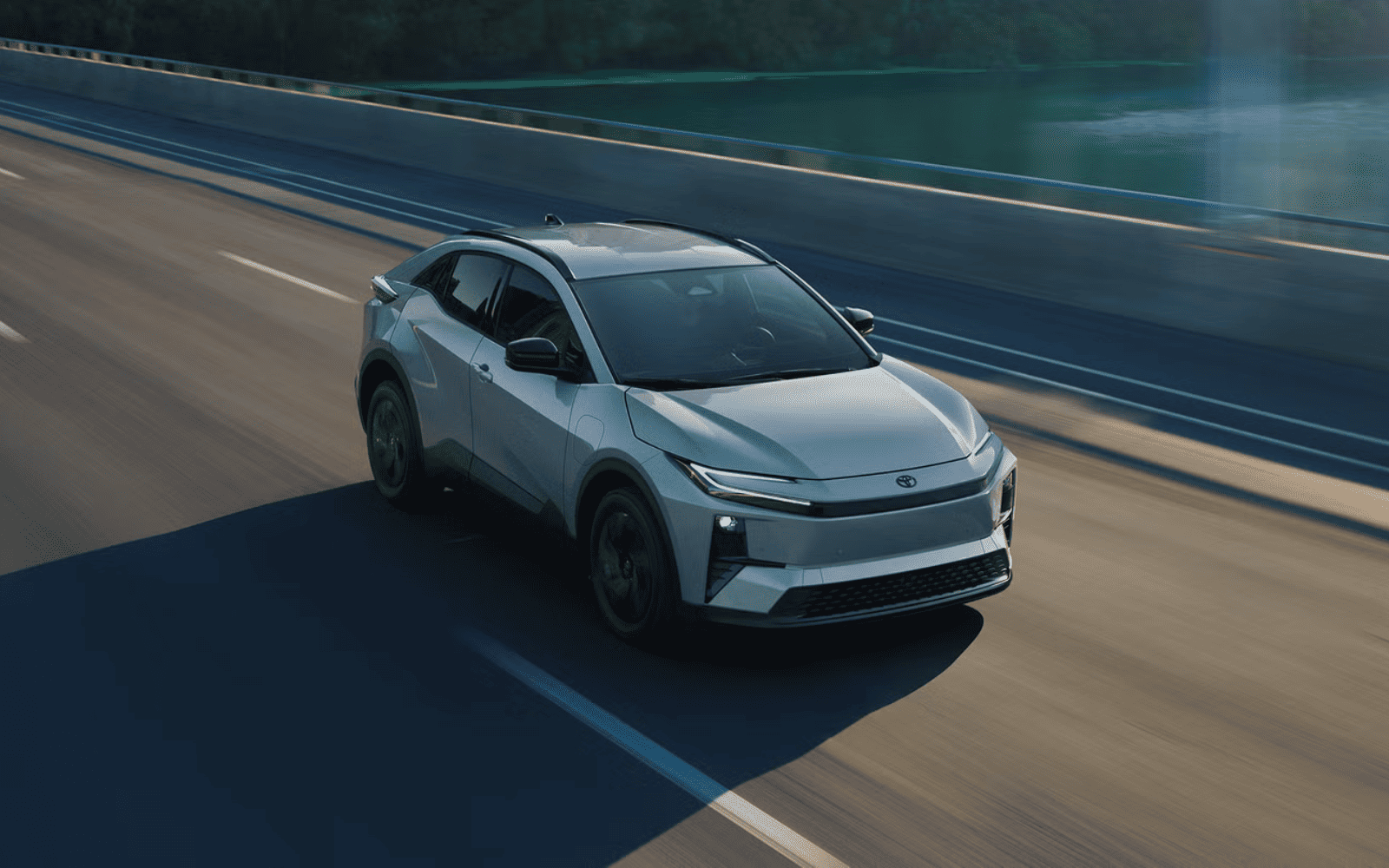
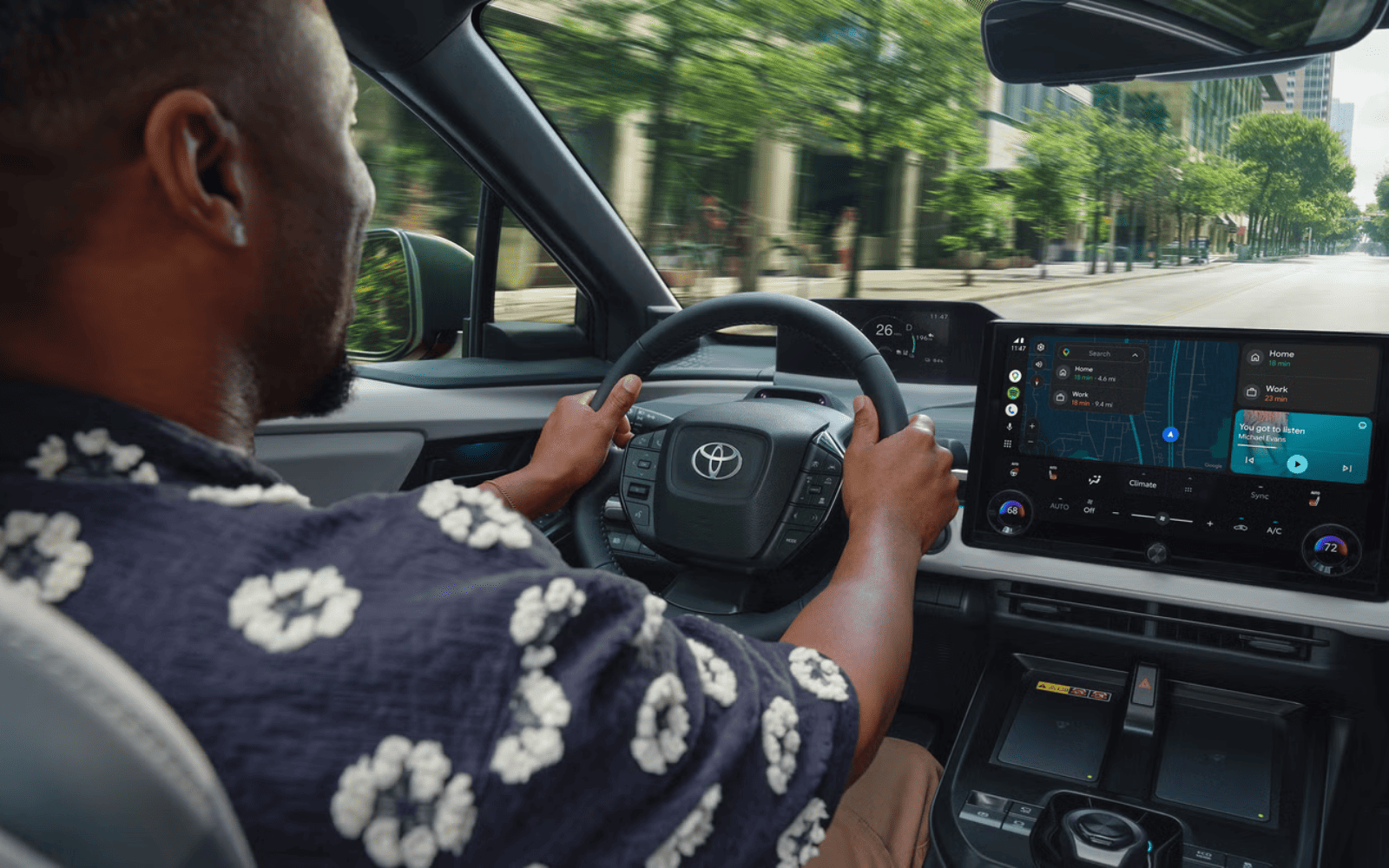
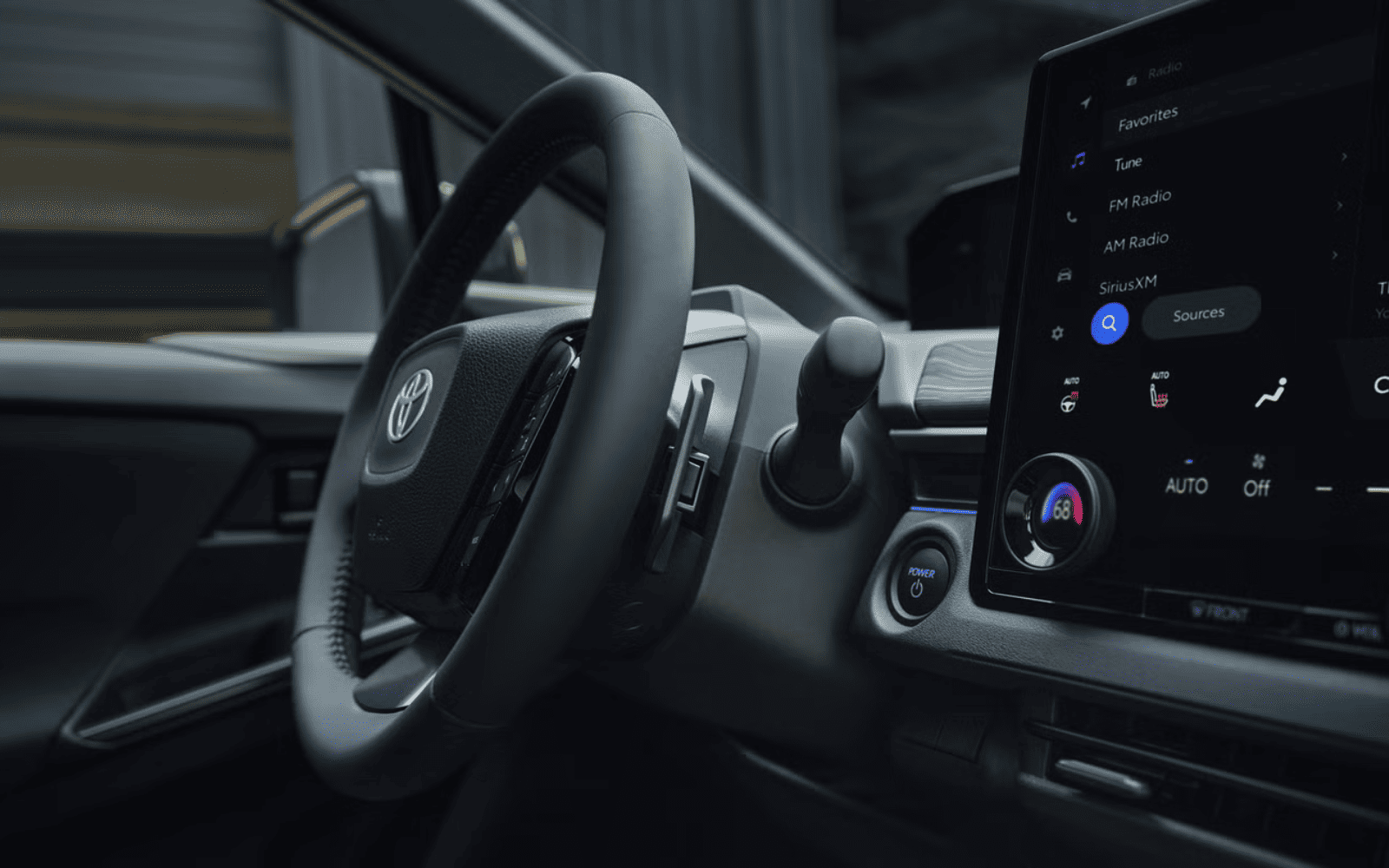
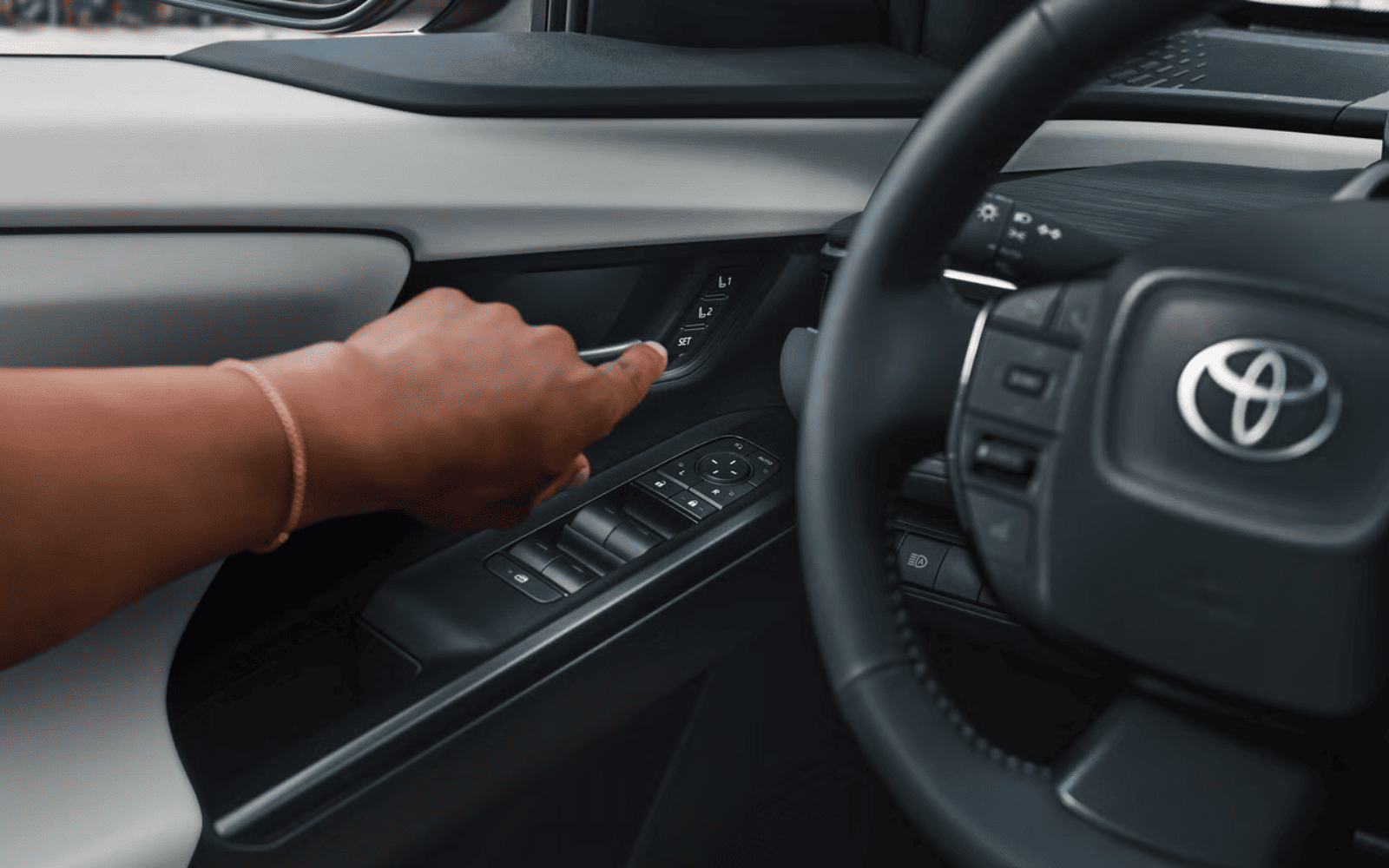
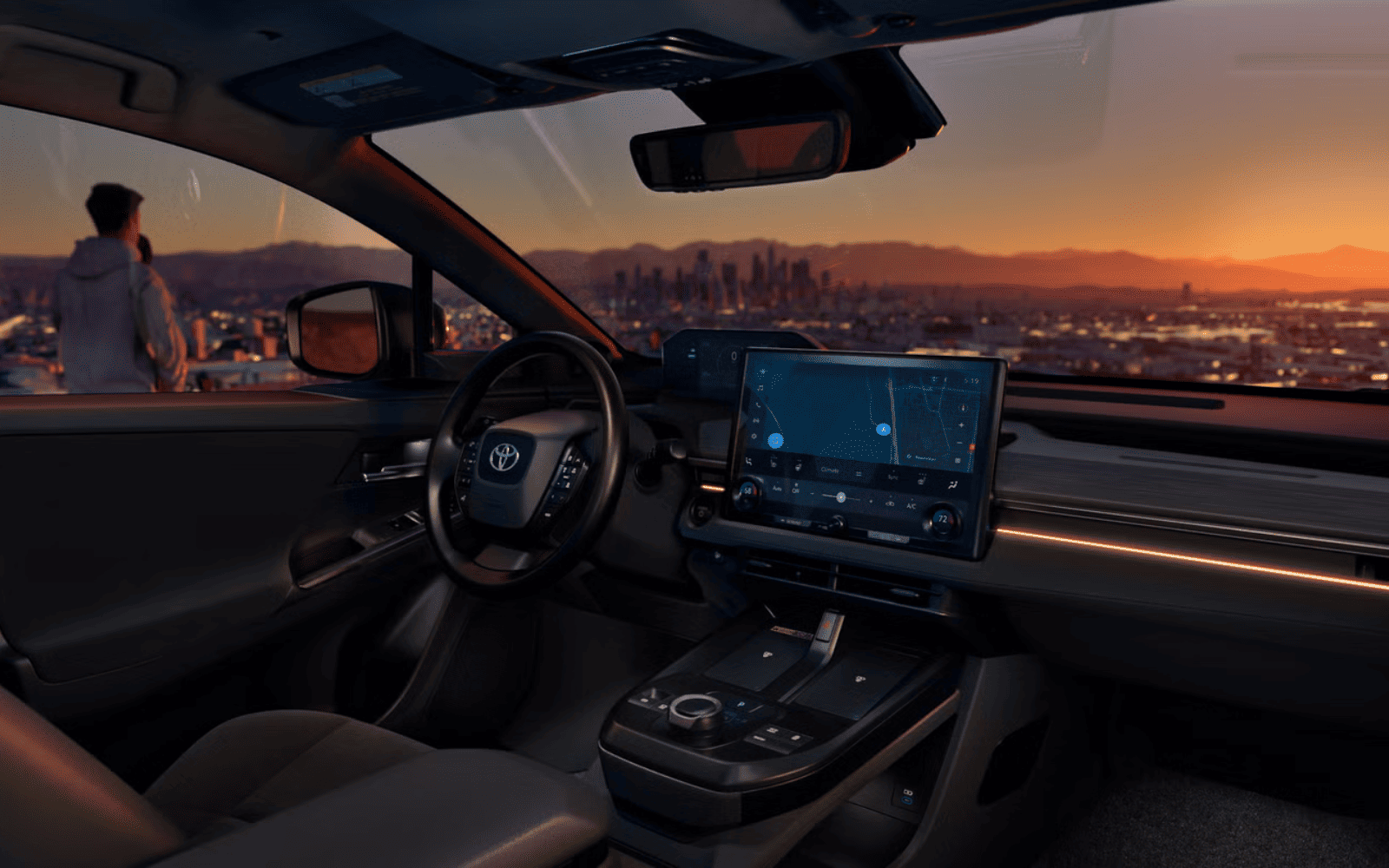
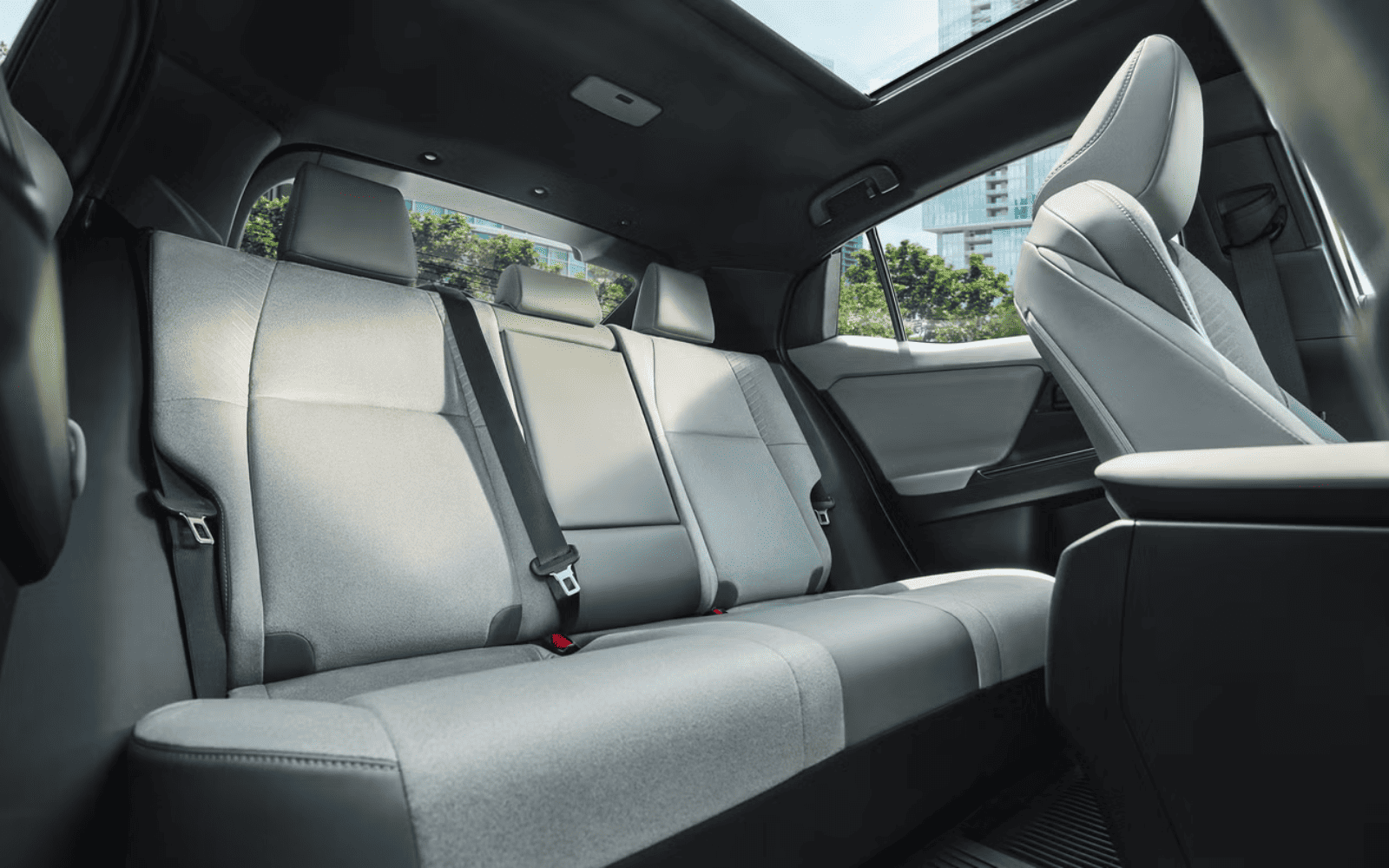
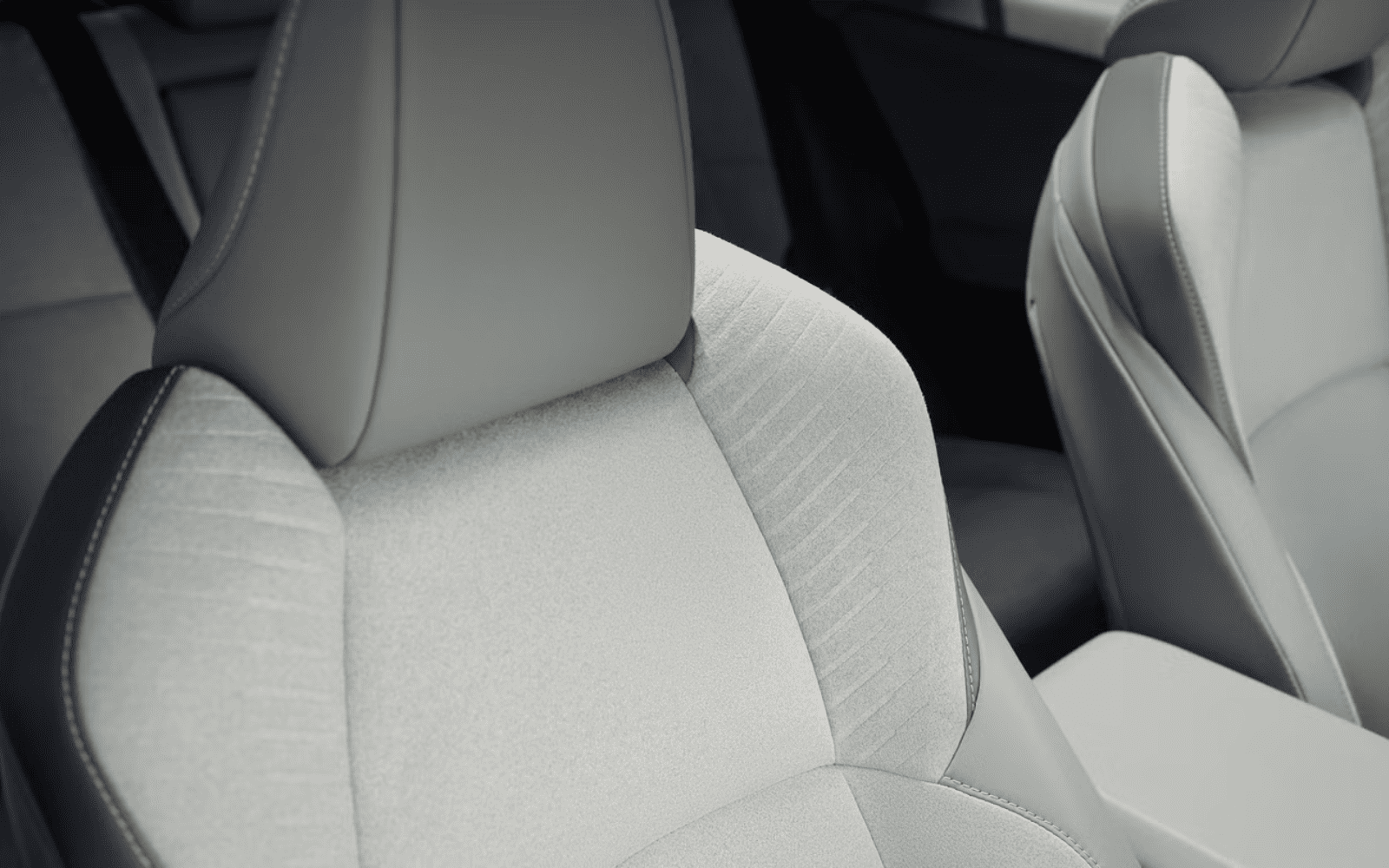
Unlike the former gas-powered C-HR, the current model is fully electric. It is aimed at buyers who want fast acceleration, everyday EV range, a high-equipment cabin, and a smaller footprint than the Toyota bZ or Toyota bZ Woodland.
The main trade-off is practicality. The C-HR is quick and well equipped for its price, but its rear-seat room and cargo space are modest compared with many compact electric SUVs.
WheelPedia Rating: 8.4/10
The Toyota C-HR earns an 8.4/10 WheelPedia Rating. It offers strong performance, standard AWD, useful range, fast-charging capability, and unusually generous standard technology.
Its lower score in practicality and long-term ownership reflects its compact rear cabin, limited cargo area behind the rear seats, and the fact that this EV version is still new enough to lack a long model-specific reliability record.
| Rating Category | Score | Weight |
| Safety | 8.3/10 | 20% |
| Reliability and ownership | 7.7/10 | 15% |
| Performance and driving | 9.0/10 | 15% |
| Comfort and practicality | 7.9/10 | 15% |
| Efficiency and electric range | 8.7/10 | 15% |
| Features and technology | 8.9/10 | 10% |
| Price and value | 8.4/10 | 10% |
| Overall WheelPedia Rating | 8.4/10 | — |
See how WheelPedia rates cars for the full scoring method.
Key Highlights
- Starts from $37,080 MSRP in the US, before destination, tax, registration, options, and dealer fees.
- Fully electric compact SUV with standard all-wheel drive.
- Produces 338 horsepower.
- Toyota-estimated 0–60 mph time of 4.9 seconds.
- EPA-estimated range of up to 287 miles.
- DC fast charging from 10% to 80% takes about 30 minutes in ideal conditions.
- Uses a 74.7-kWh lithium-ion battery.
- Includes a North American Charging Standard (NACS) port for compatible Tesla Superchargers.
- Up to 25.3 cubic feet of cargo space behind the rear seats and 59.5 cubic feet with them folded.
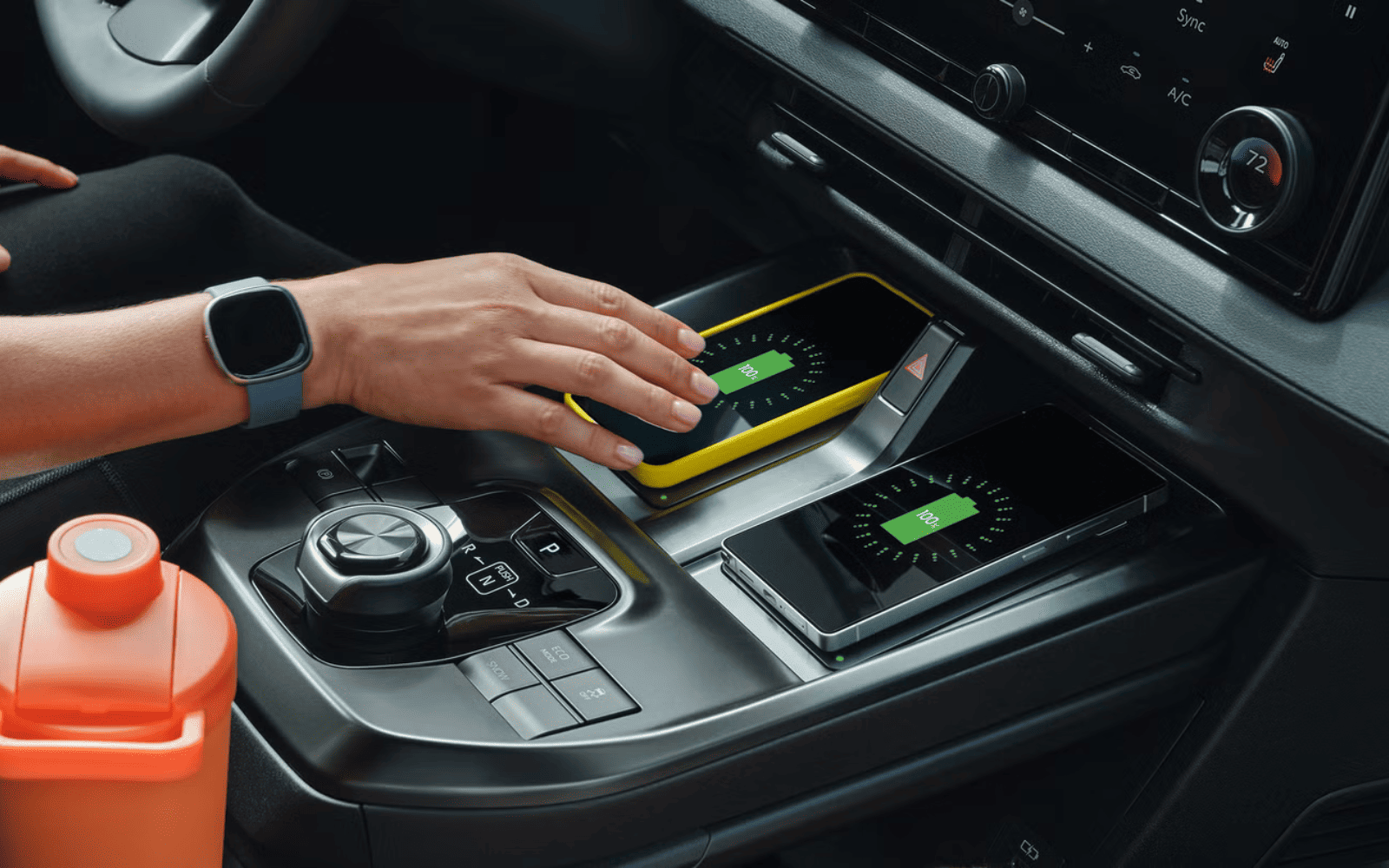
- Standard 14-inch touchscreen, wireless Apple CarPlay, wireless Android Auto, dual wireless phone chargers, heated front seats, and heated steering wheel.
- Best for buyers who want a quick, well-equipped electric SUV without moving up to a larger or more expensive model.
Quick Specifications
| Specification | Toyota C-HR |
| Vehicle type | Compact electric SUV |
| Seating capacity | 5 |
| Battery | 74.7-kWh lithium-ion |
| Power output | 338 hp |
| Drivetrain | Dual-motor AWD |
| Transmission | Single-speed electric drive |
| Best EPA-estimated range | Up to 287 miles |
| DC fast charging | 10%–80% in about 30 minutes |
| Level 2 charging | 10%–100% in about 7 hours |
| Onboard AC charger | 11 kW |
| Cargo capacity | 25.3–59.5 cu. ft. |
| Length | 177.9 in. |
| Width | 73.6 in. |
| Height | 63.8 in. |
| Wheelbase | 108.3 in. |
Expert Tip:
The C-HR SE is the best version for most buyers. It costs $2,000 less than the XSE, has the same 338-hp AWD system, and delivers 14 more miles of EPA-estimated range. Its 18-inch wheels should also provide a more comfortable ride and lower replacement-tire costs.
About the Toyota C-HR
The current Toyota C-HR is an electric SUV, not a continuation of the former gasoline C-HR sold in the US through 2022. It uses a dual-motor AWD system, a larger battery, and a more premium interior than the earlier model.
It is positioned below the larger Toyota bZ and is best suited to commuters, couples, small families, and EV buyers who want more performance than an entry-level electric crossover usually provides.
The C-HR is not intended as a trail-focused SUV. Buyers who need more ground clearance, more cargo room, or towing ability should consider the Toyota bZ Woodland or a larger SUV.
Price and Trims
Final pricing varies with destination charges, accessories, taxes, registration, and dealer-installed equipment.
| Trim | Starting MSRP | Drivetrain | EPA-Estimated Range | Key Features |
| SE | $37,080 | Dual-motor AWD | 287 miles | 18-in. wheels, 14-in. touchscreen, heated front seats, heated steering wheel, power liftgate |
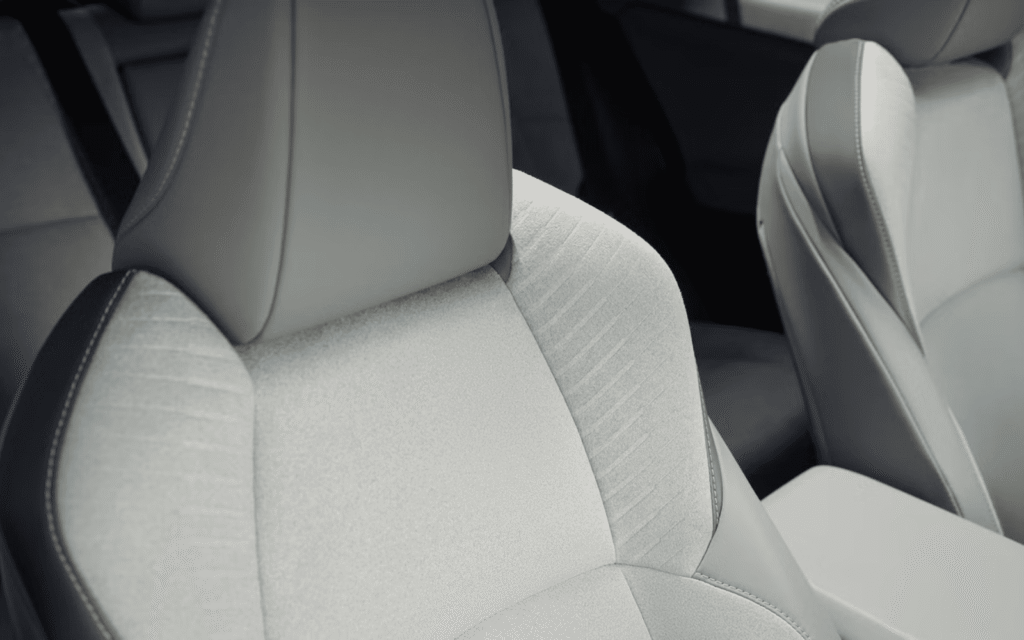
| XSE | $39,080 | Dual-motor AWD | 273 miles | 20-in. wheels, synthetic suede/SofTex seating, passenger power seat, driver memory, Panoramic View Monitor |
The SE provides the full C-HR experience. It has the same battery, AWD system, 338-hp output, fast-charging hardware, 14-inch touchscreen, and major safety equipment as the XSE.
The XSE is best for buyers who value its upgraded seating, driver-memory function, 20-inch wheels, Panoramic View Monitor, Lane Change Assist, and Traffic Jam Assist capability. Its larger wheels reduce EPA-estimated range from 287 miles to 273 miles.
Electric Powertrain and Performance
Every C-HR uses a 74.7-kWh lithium-ion battery and electric motors on both axles. Combined output is 338 horsepower, making it considerably quicker than most compact electric SUVs at this price.
Toyota estimates a 0–60 mph time of 4.9 seconds. That is enough for confident highway merging and quick passing, and it gives the C-HR a more energetic character than its practical shape suggests.
The electric powertrain delivers immediate response from a stop and standard AWD gives the C-HR useful traction in rain, snow, and slippery conditions. AWD improves all-weather confidence, but it does not make the vehicle an off-road SUV.
Driving Experience
The C-HR is tuned to feel more responsive than a typical entry-level electric crossover. Its battery sits low in the vehicle, helping it feel planted through turns, while the dual-motor system gives it strong acceleration without waiting for a transmission to downshift.
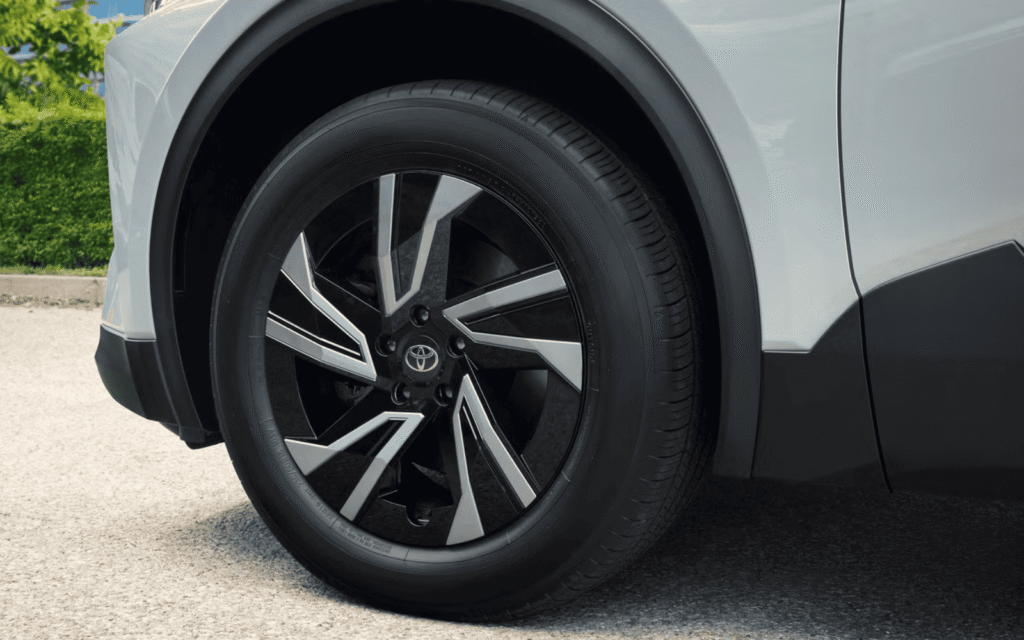
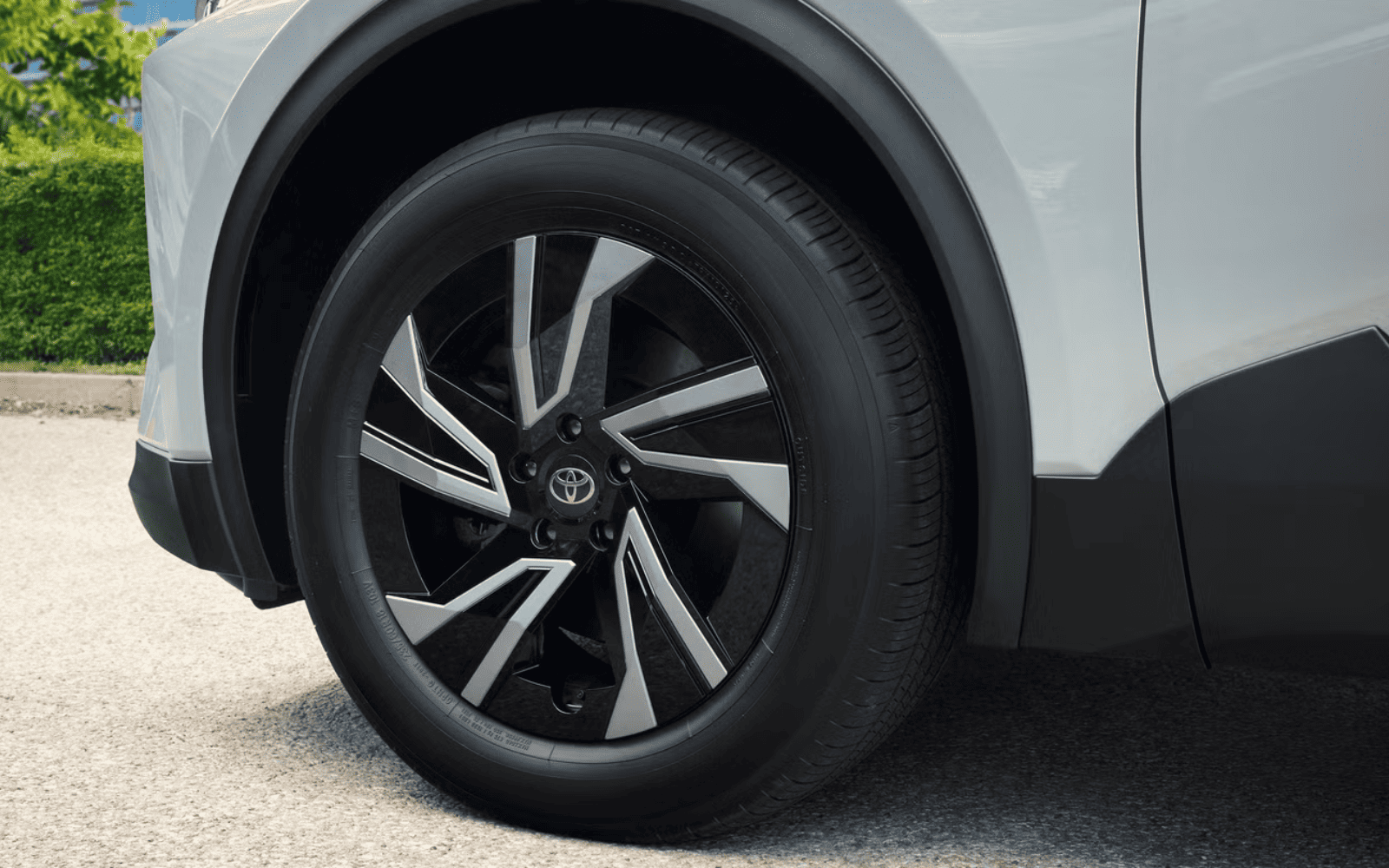
The SE’s 18-inch wheels are the smarter option for rough roads. They should provide more tire sidewall, a more forgiving ride, and lower tire-replacement costs than the XSE’s 20-inch wheels.
The C-HR is still a compact SUV, so rear passengers do not get the space found in larger EVs. Buyers who routinely carry adults in the second row should compare it with the Toyota bZ, Hyundai Ioniq 5, Kia EV6, and Tesla Model Y.
Electric Range, Efficiency, and Charging
| Trim | EPA-Estimated Range | Charging Hardware |
| SE | Up to 287 miles | 11-kW Level 2 charging, DC fast charging, NACS port |
| XSE | Up to 273 miles | 11-kW Level 2 charging, DC fast charging, NACS port |
The SE is the range leader because its 18-inch wheels are more efficiency-focused. The XSE’s 20-inch wheels reduce range by 14 miles, although 273 miles remains enough for most daily driving and many road trips.
The C-HR can charge from 10% to 80% in about 30 minutes on a suitable DC fast charger under ideal conditions. Toyota also estimates roughly seven hours for a 10%–100% charge from a 240V Level 2 charger.
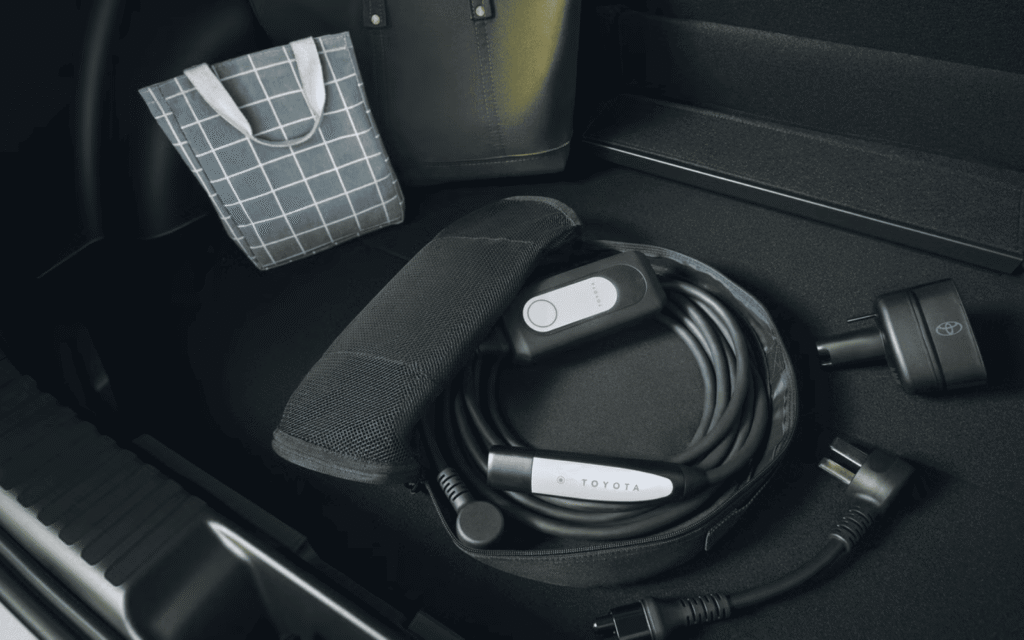
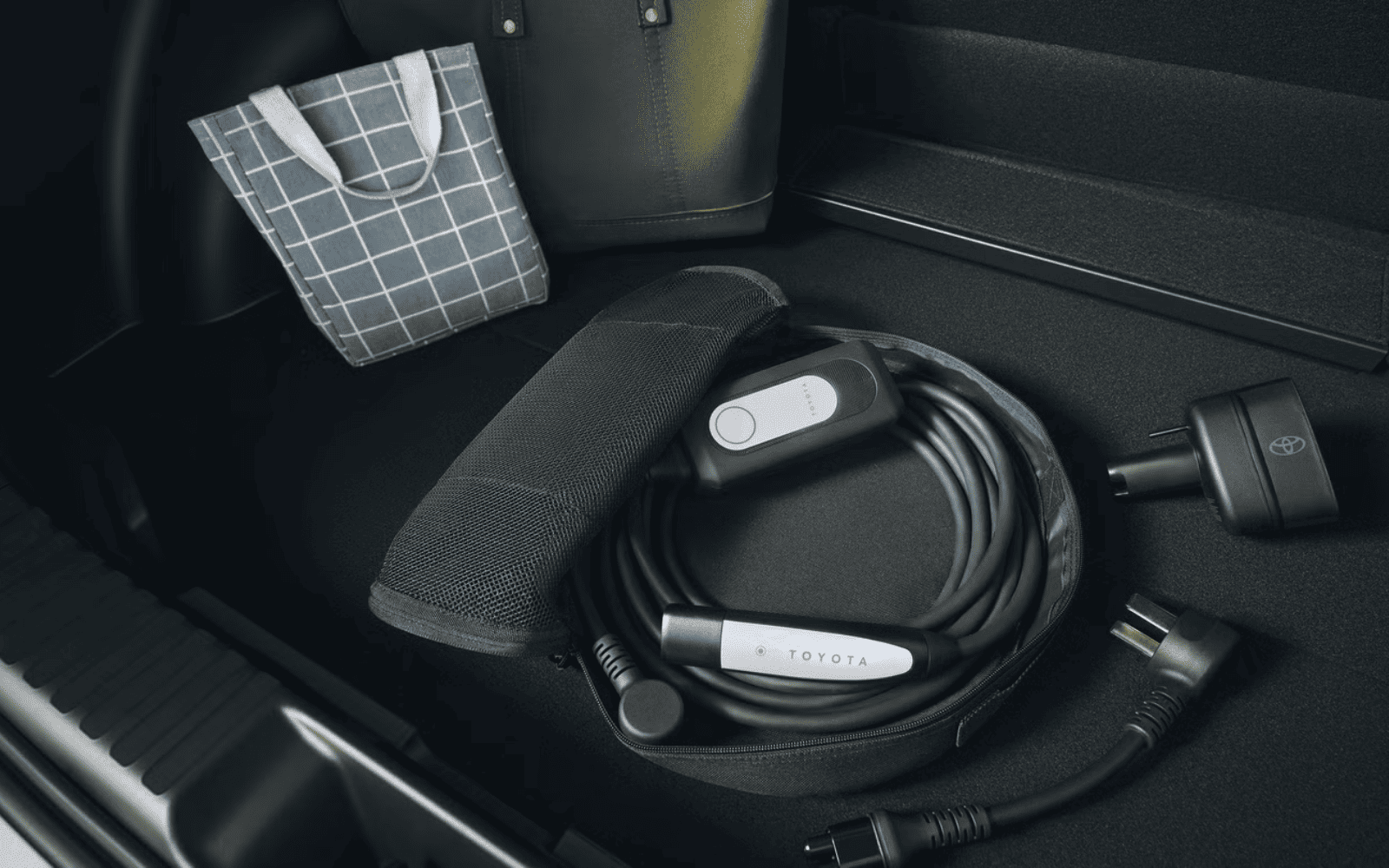
Charging times change with battery temperature, charger output, weather, battery state of charge, and charging-station conditions. The C-HR includes a dual-voltage charging cable and has battery preconditioning to help prepare the battery for fast charging.
Can the Toyota C-HR Use Tesla Superchargers?
Yes. The C-HR has a NACS charging port and can use compatible Tesla Supercharger locations. It can also use CCS and J1772 charging equipment with the proper Toyota-approved adapters.
Before relying on a specific charger during a road trip, check its connector type, operating status, payment requirements, and access rules.
Interior, Comfort, and Technology
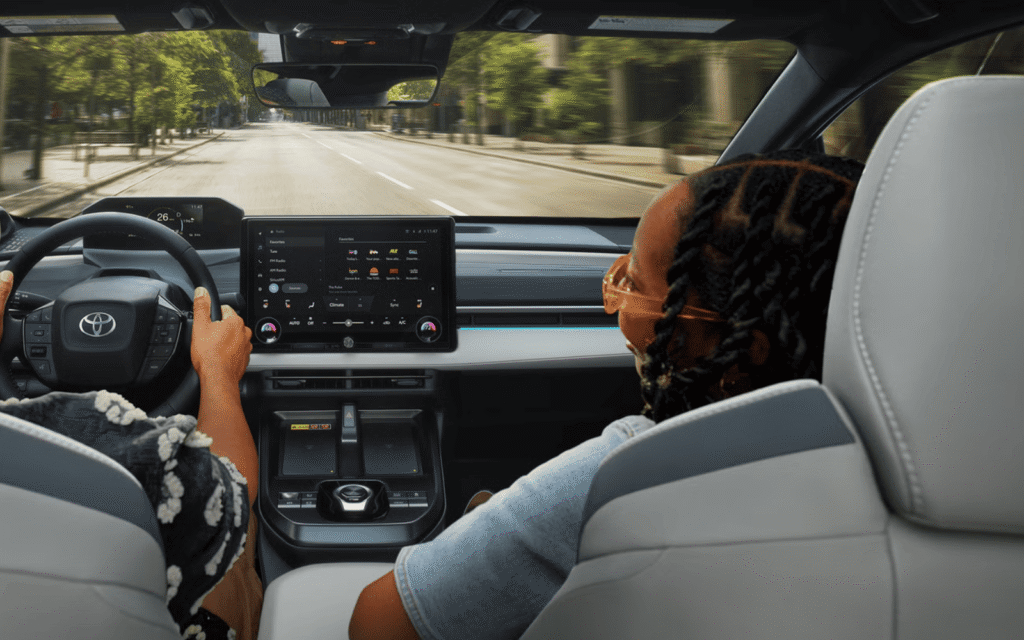
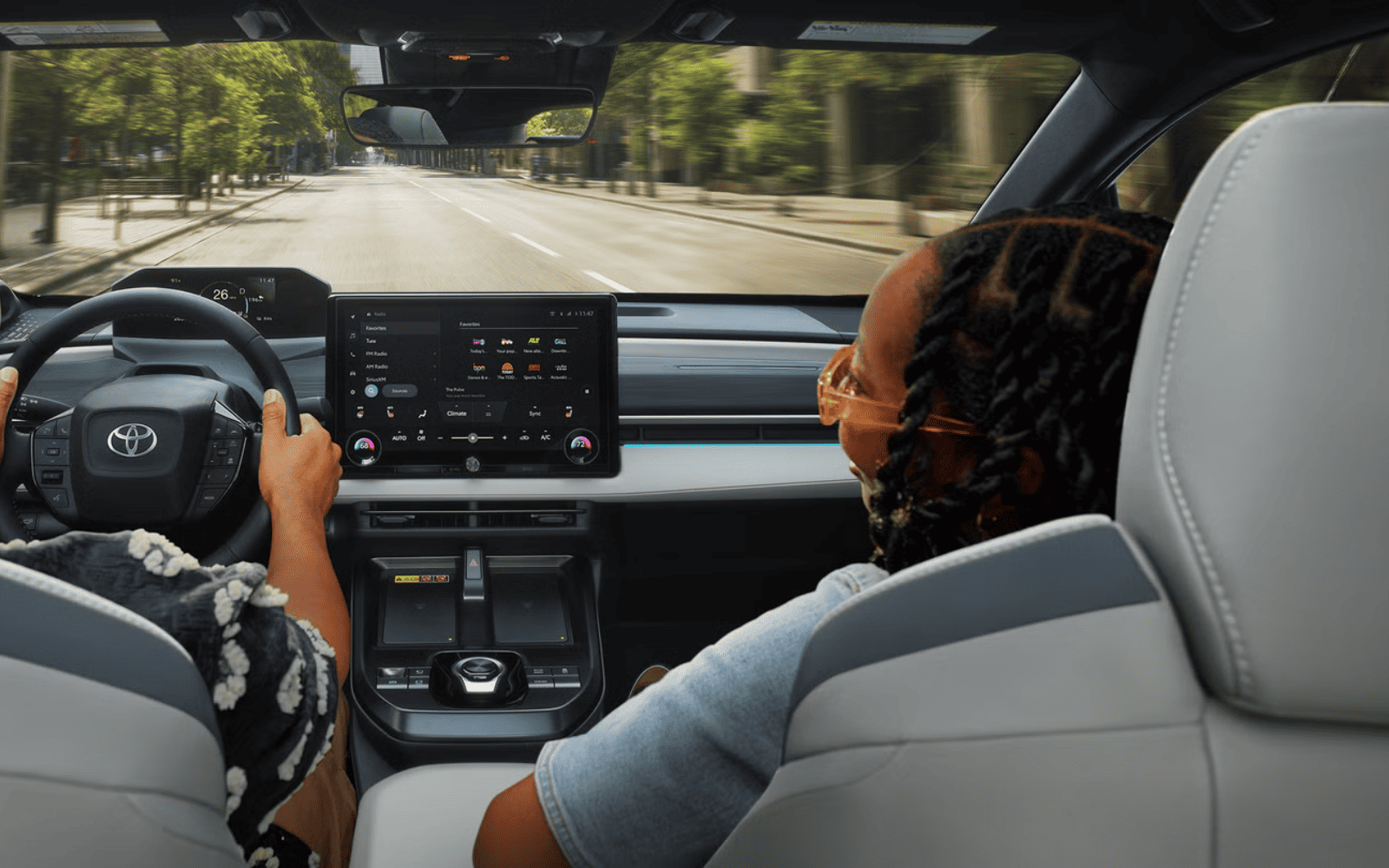
The C-HR has a modern cabin with a standard 14-inch Toyota Audio Multimedia touchscreen. This is one of its strongest advantages because many competing EVs reserve large displays and premium convenience features for higher trims.
Standard and available features include:
- 14-inch touchscreen
- Wireless Apple CarPlay and Android Auto
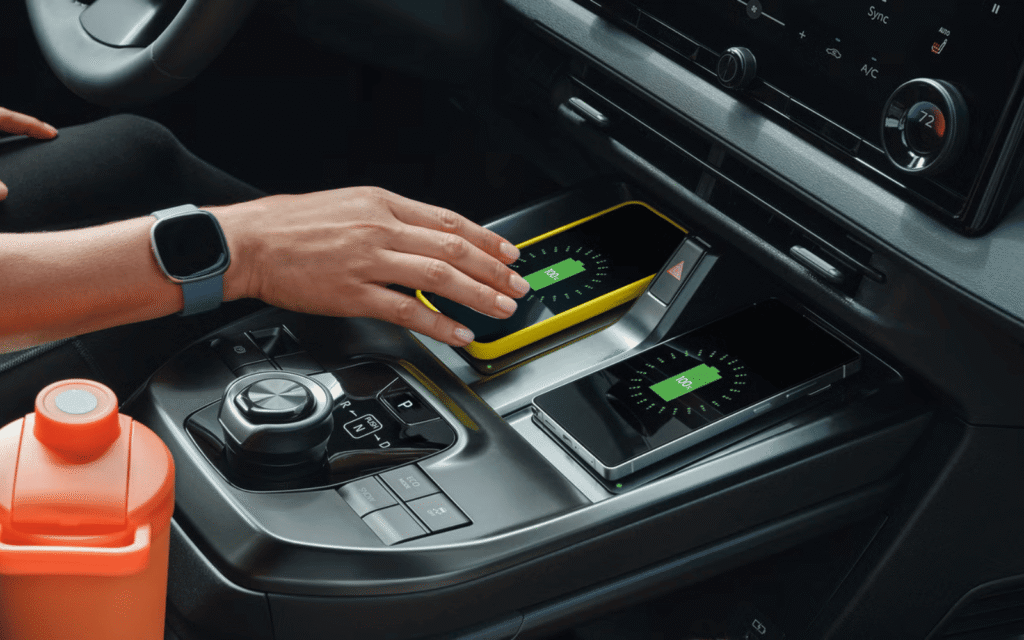
- Dual wireless smartphone charging pads
- Digital gauge display
- Four USB-C charging ports
- Heated front seats
- Heated steering wheel
- Eight-way power driver’s seat
- Power liftgate
- Rain-sensing windshield wipers
- Roof rails
- Blind Spot Monitor
- Rear Cross-Traffic Alert
- Safe Exit Alert
- Available synthetic suede and SofTex-trimmed seating
- Available powered front-passenger seat
- Available driver-seat memory
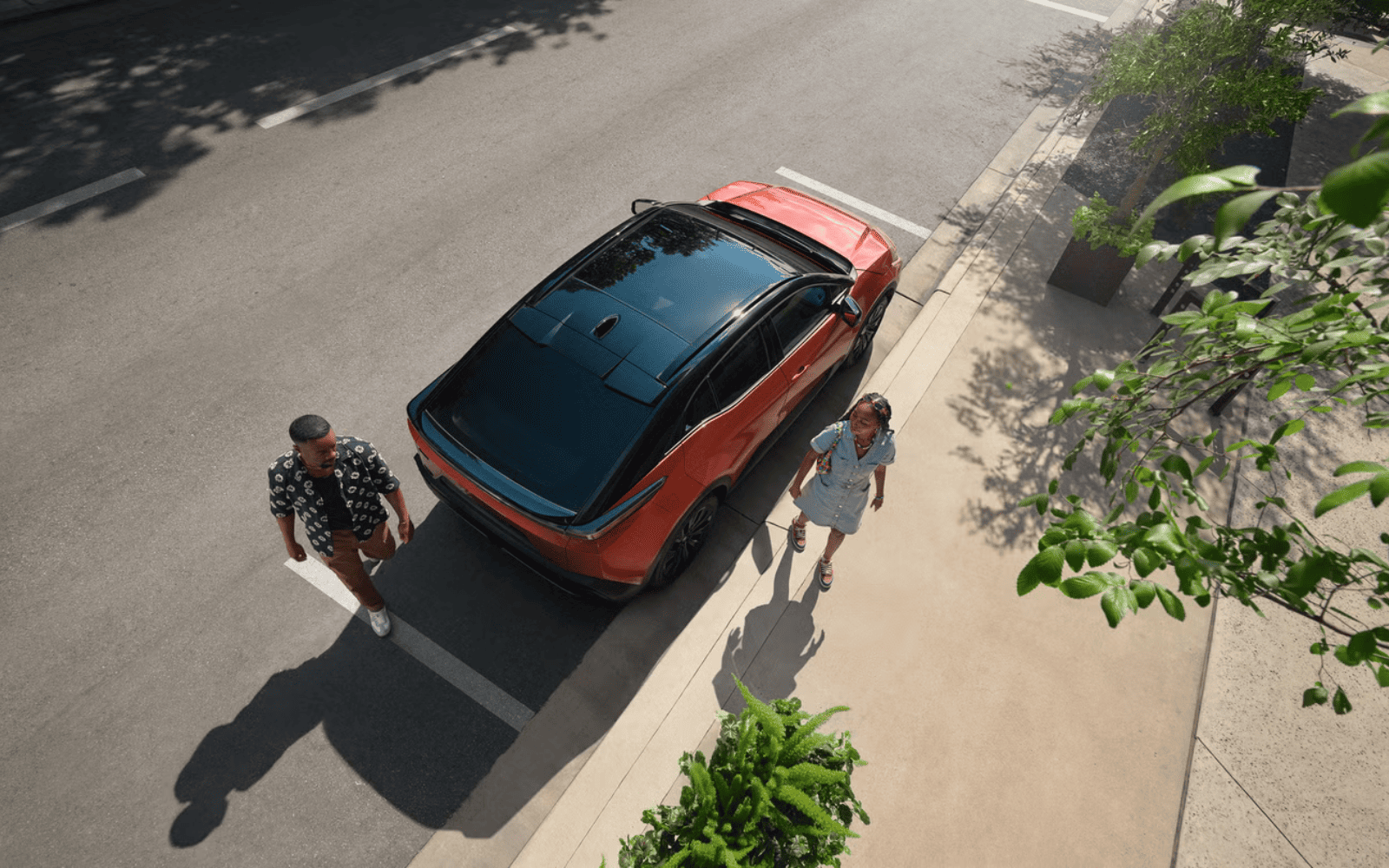
- Available panoramic fixed-glass roof
- Available Panoramic View Monitor
- Available premium JBL audio system
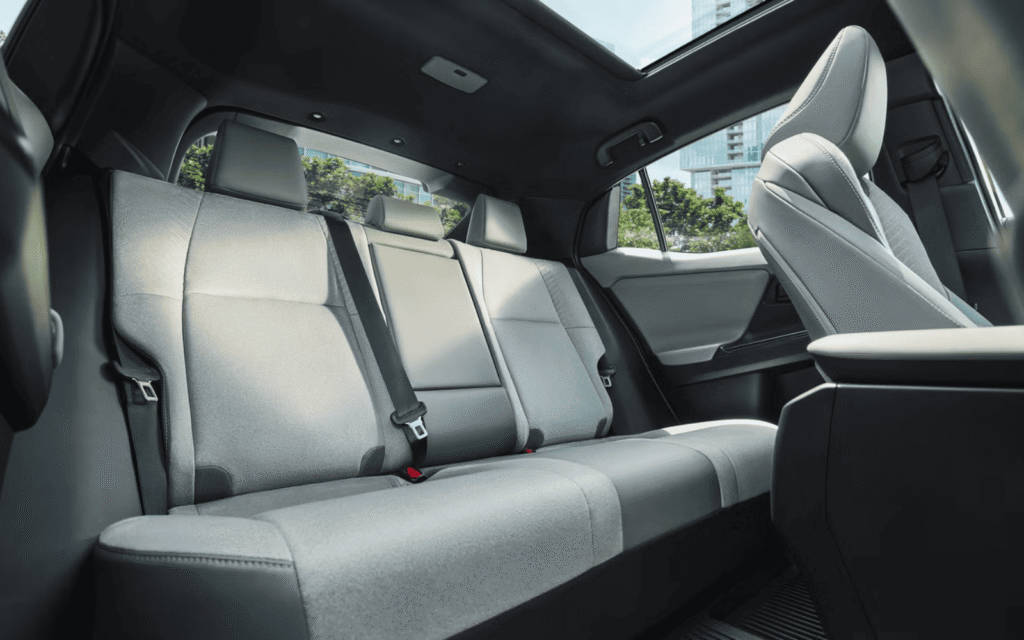
Front-seat comfort should be strong for the class, especially on the XSE. Rear seating is better for children, smaller adults, and shorter trips than for regular long-distance use with tall passengers.
Dimensions, Cargo, and Practicality
| Dimension | Measurement |
| Length | 177.9 in. |
| Width | 73.6 in. |
| Height | 63.8 in. |
| Wheelbase | 108.3 in. |
| Cargo space behind rear seats | 25.3 cu. ft. |
| Maximum cargo space | 59.5 cu. ft. |
| Seating | 5 passengers |
The C-HR has useful cargo space for groceries, backpacks, luggage, and normal weekend gear. Folding the rear seats expands the load area substantially, making it practical for larger boxes and home-improvement purchases.
However, buyers who frequently carry a stroller, large dog crate, camping equipment, or bulky sports gear should compare it with larger electric SUVs before buying.
Toyota does not list a US towing rating for the C-HR. It should not be chosen as a tow vehicle.
Exterior Design
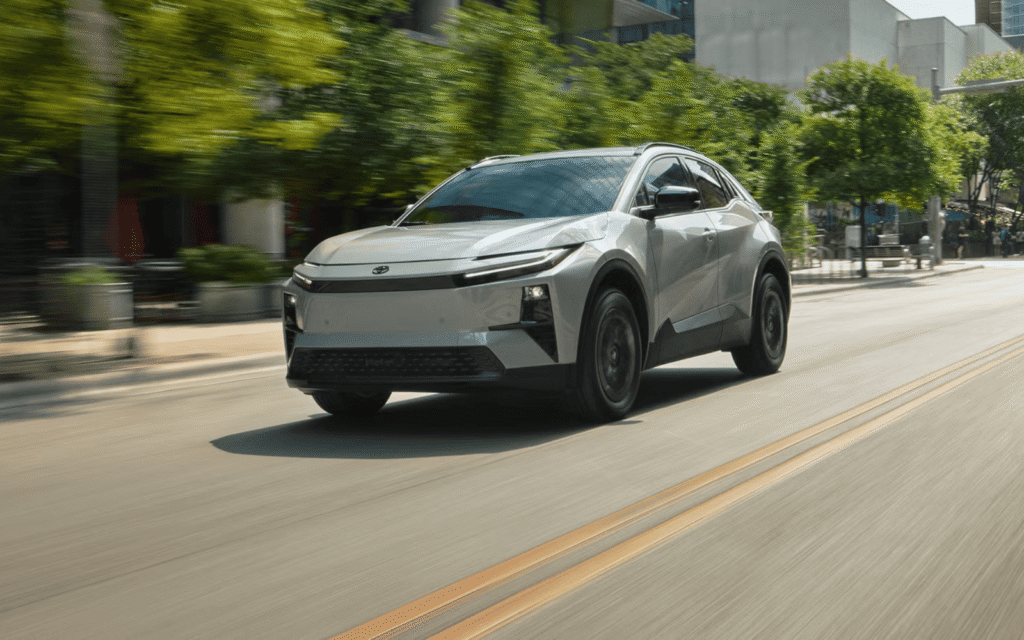
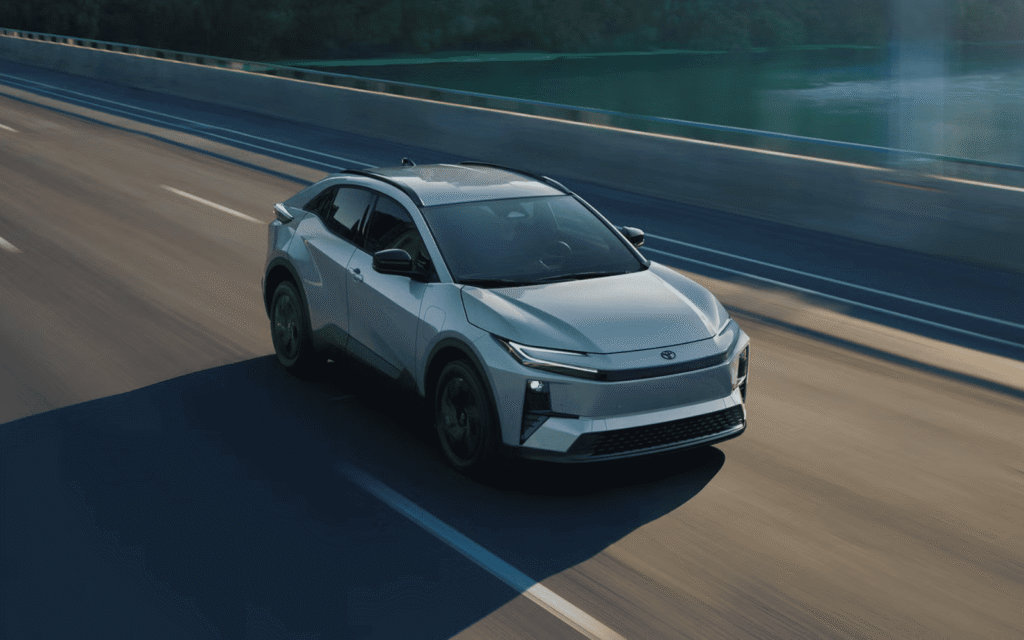
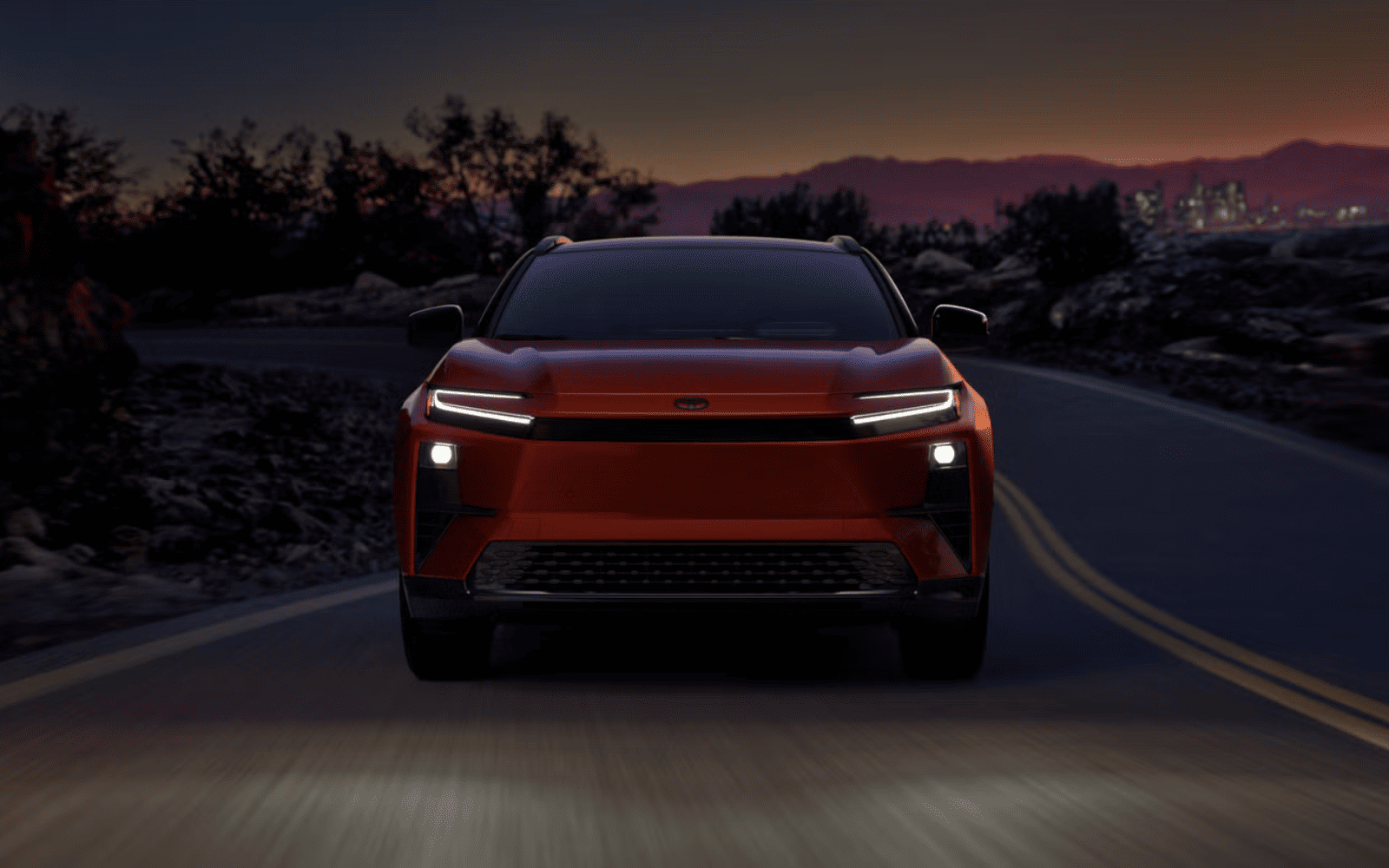
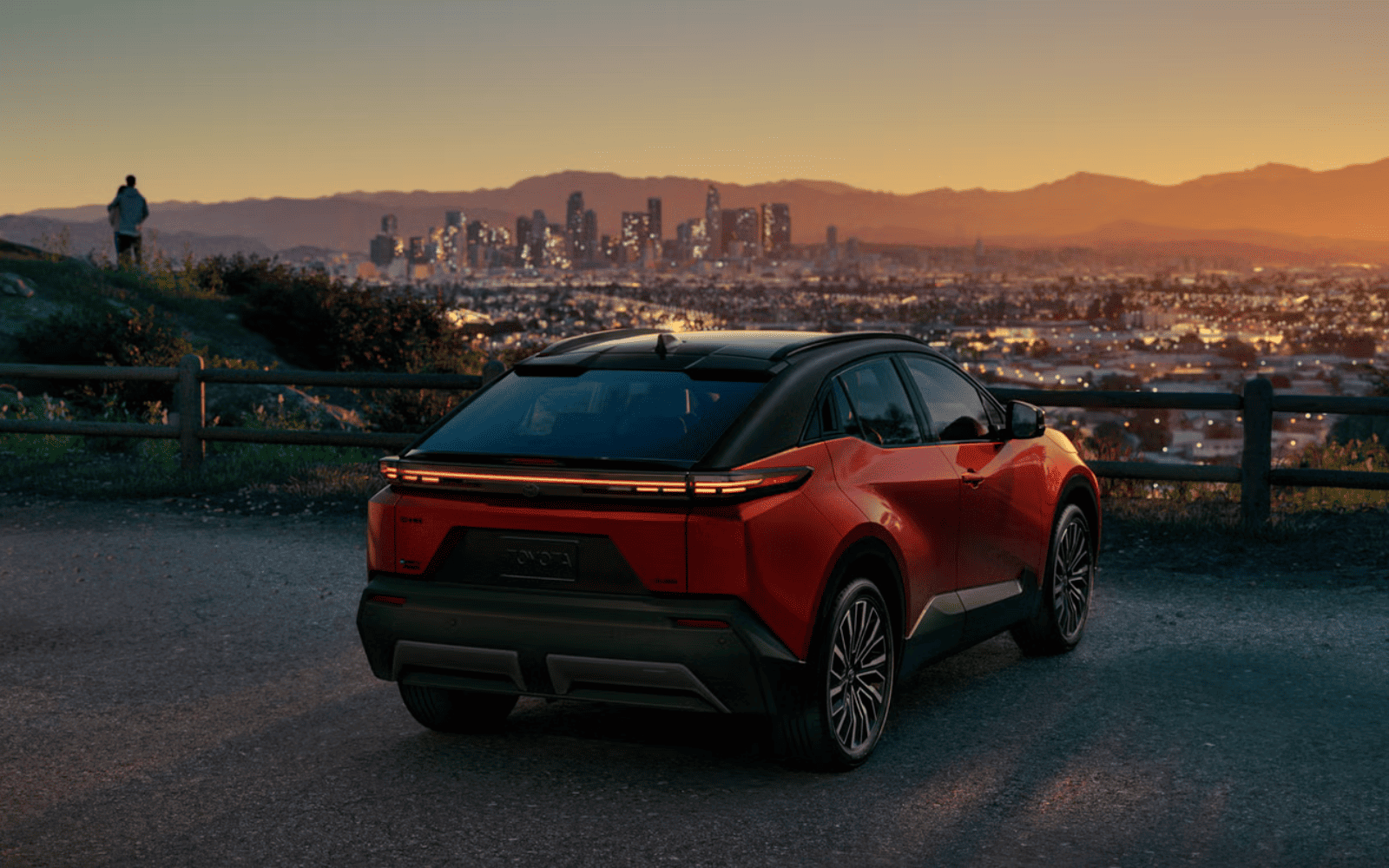
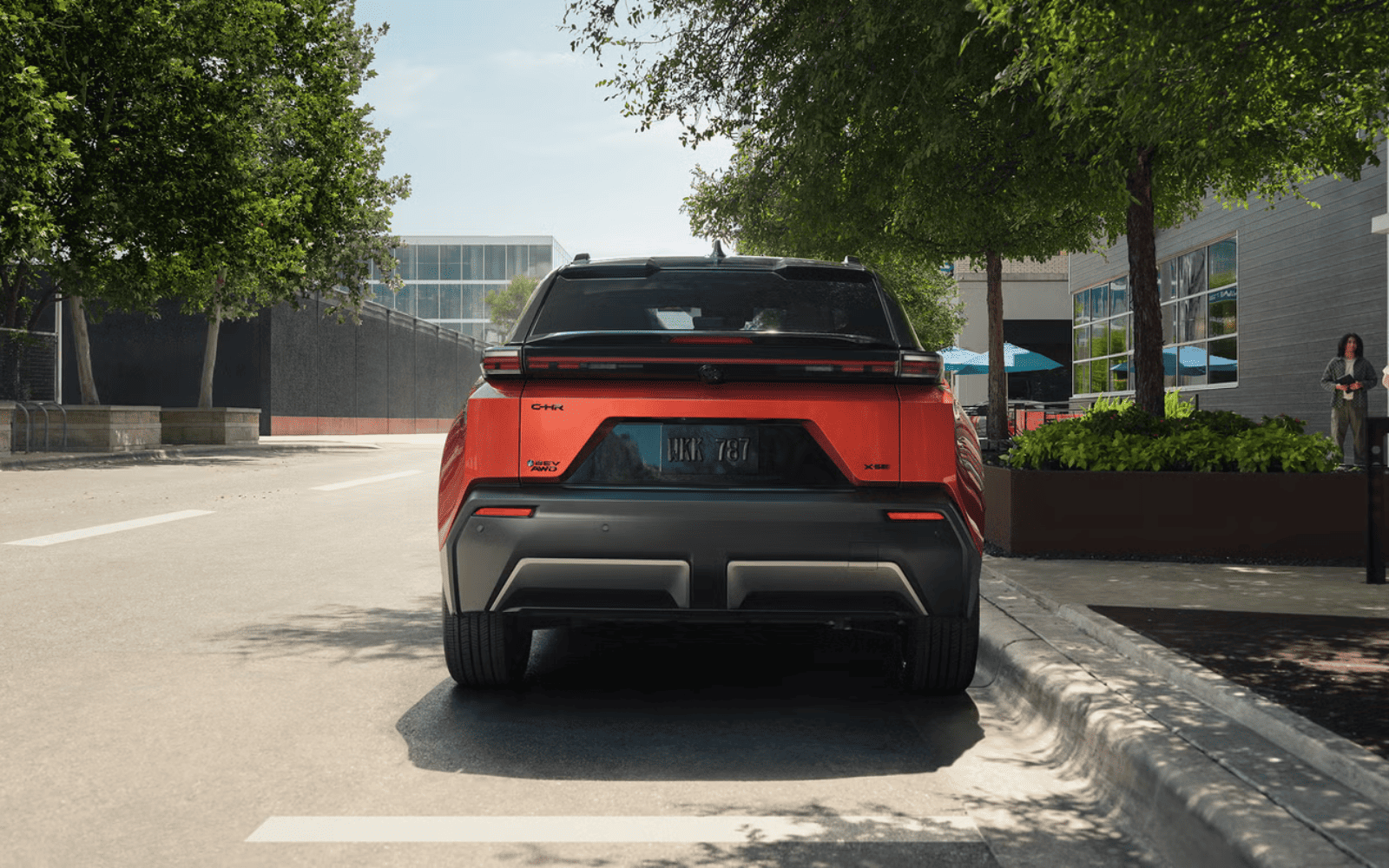
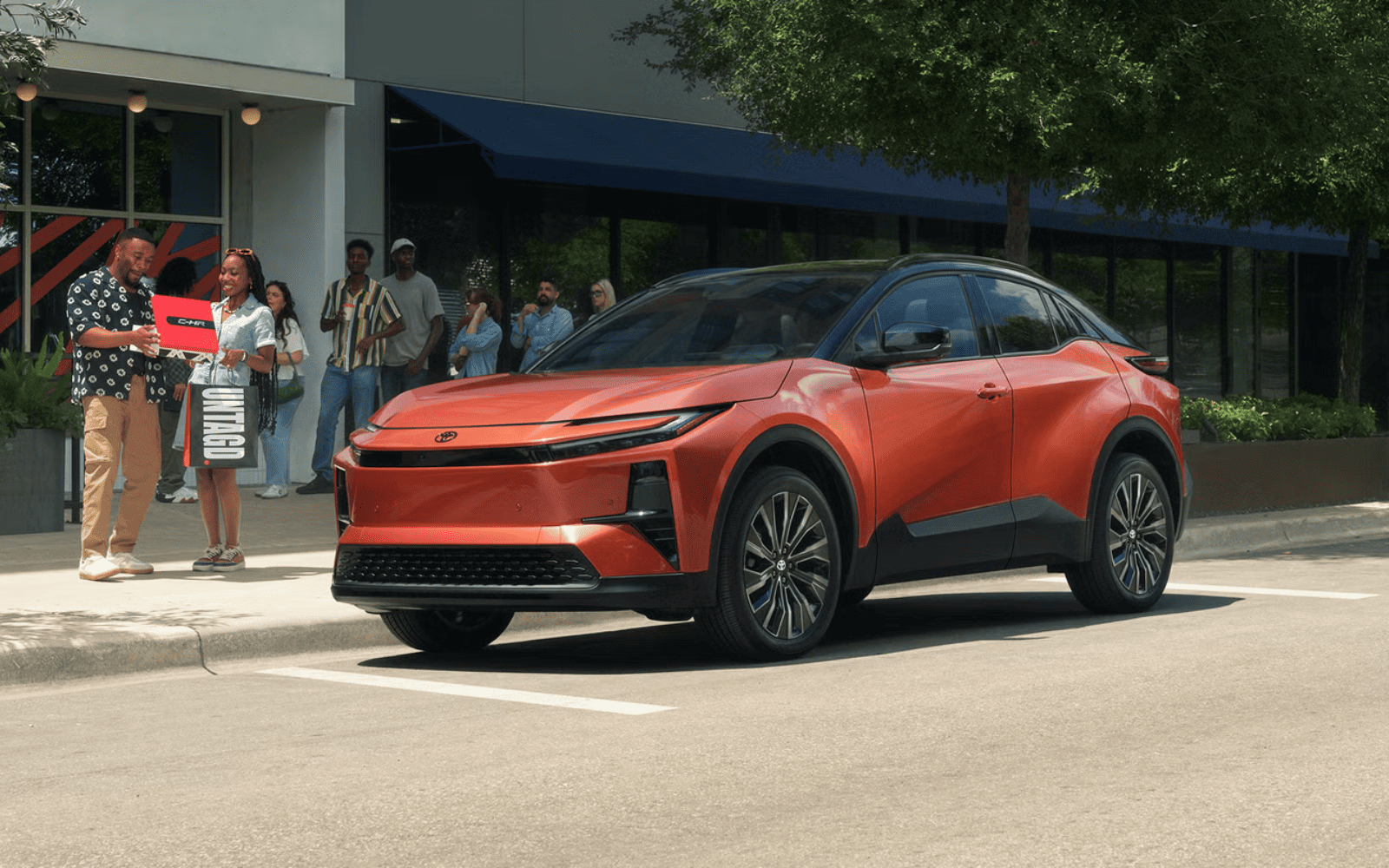
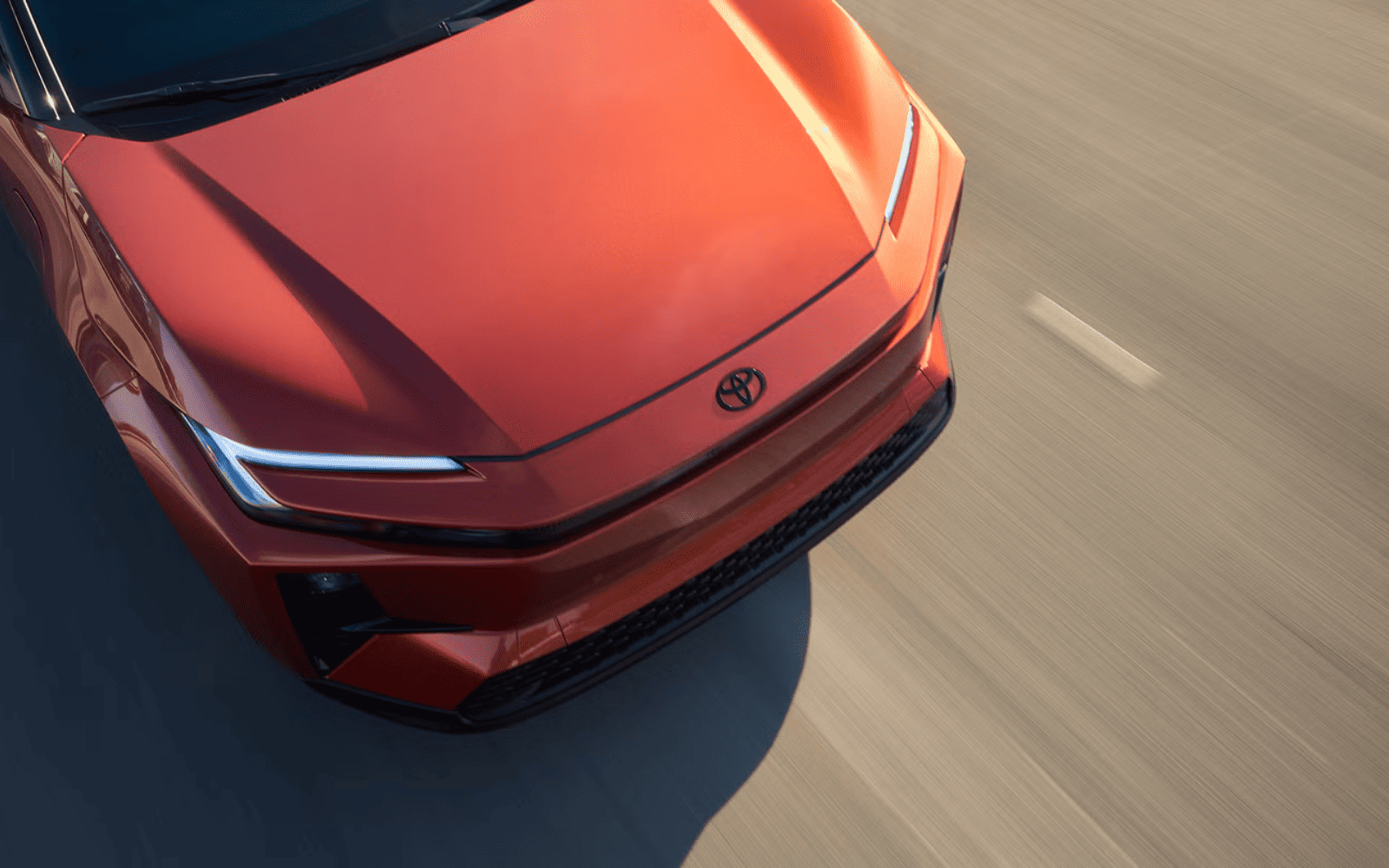
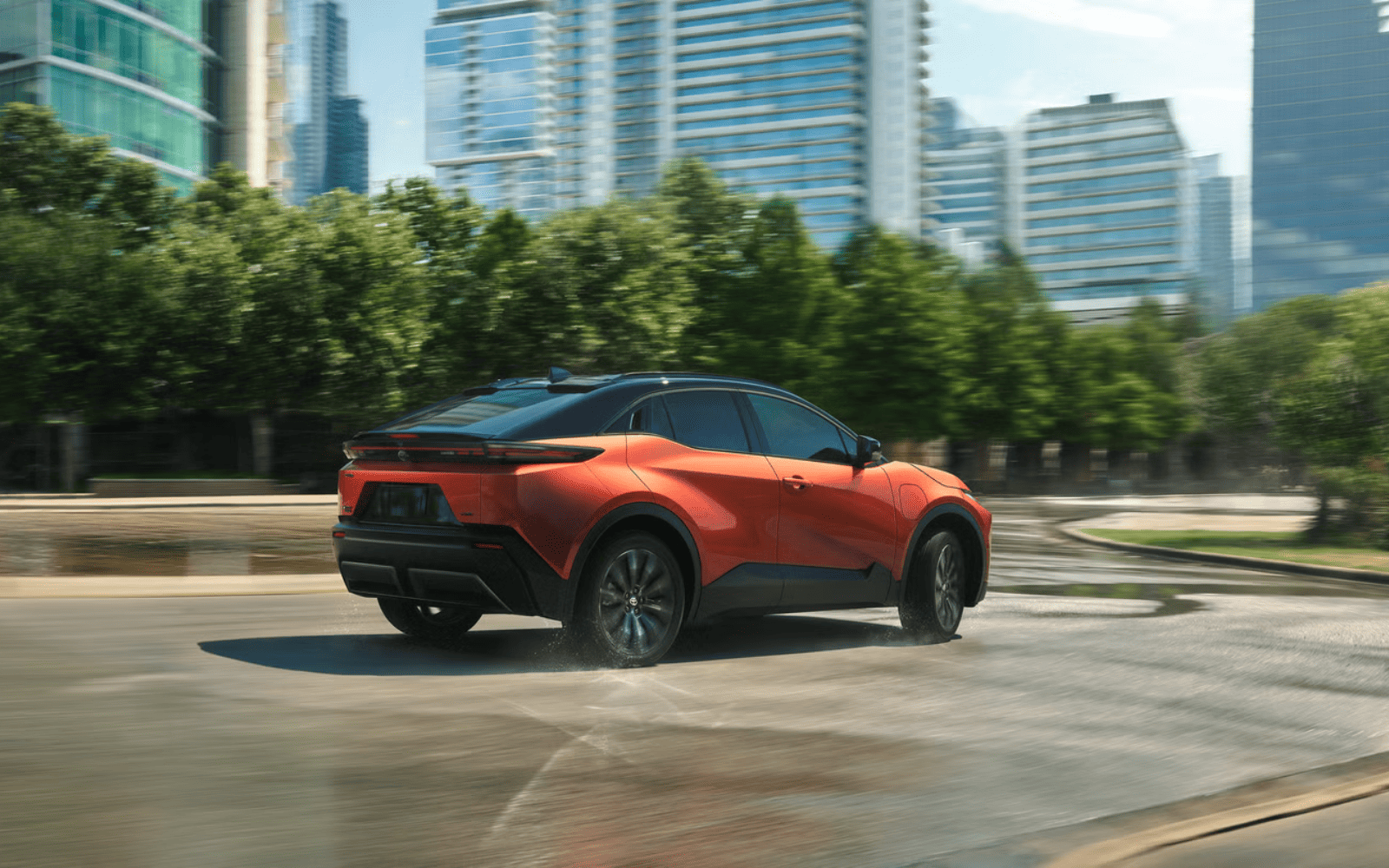
The C-HR has a sharper, more coupe-like profile than the boxier Toyota bZ. Its short overhangs, slim lighting, wide stance, and sculpted body panels give it a sportier look than most compact crossovers.
- SE: 18-inch wheels and a cleaner, more efficiency-focused appearance.
- XSE: 20-inch wheels, more upscale seating materials, and available panoramic glass roof.
The XSE is the more visually dramatic version, but the SE is likely the better ownership choice for buyers who prioritize range, comfort, and tire costs.
Safety Features and Ratings
Every Toyota C-HR includes Toyota Safety Sense 3.0 and a broad set of standard driver-assistance features:
- Pre-Collision System with Pedestrian Detection
- Full-Speed Range Dynamic Radar Cruise Control
- Lane Departure Alert with Steering Assist
- Lane Tracing Assist
- Road Sign Assist
- Automatic High Beams
- Proactive Driving Assist
- Blind Spot Monitor
- Rear Cross-Traffic Alert
- Safe Exit Alert
- Front and Rear Parking Assist with Automatic Braking
- Rearview camera
- Rear automatic braking
The XSE adds or makes available features such as Lane Change Assist, Traffic Jam Assist capability, and a Panoramic View Monitor.
IIHS ratings for the closely related 2026 C-HR include a Good rating for standard headlights and Good ratings for its standard vehicle-to-vehicle and daytime pedestrian front crash-prevention systems. Its passenger-side small-overlap front test is rated Acceptable. Check the latest IIHS C-HR ratings before purchase because testing and ratings can change by model year.
Driver-assistance systems can support a driver, but they do not replace attention, safe speeds, or a proper following distance.
Reliability, Warranty, and Ownership
The C-HR has a promising ownership case because it uses a simple electric drivetrain, has no oil changes, and includes Toyota’s established EV warranty coverage.
However, this C-HR is still a newer model, so long-term, model-specific reliability data is limited. Used buyers should verify battery condition, charging performance, tire wear, software updates, accident history, and open recalls.
| Coverage | Length |
| Basic warranty | 3 years / 36,000 miles |
| Powertrain warranty | 5 years / 60,000 miles |
| Corrosion perforation warranty | 5 years / unlimited miles |
| EV components and traction battery | 8 years / 100,000 miles |
| ToyotaCare scheduled maintenance | 1 year / 10,000 miles |
| Roadside assistance | 3 years / unlimited miles |
Toyota includes battery coverage for eight years or 100,000 miles. The Toyota C-HR launch information also confirms the vehicle’s 59.5-cubic-foot maximum cargo capacity and standard AWD configuration.
Read our guide on how to check a car’s accident history before buying used.
Pros and Cons
What We Like
- Standard dual-motor AWD
- Strong 338-hp electric powertrain
- Quick 4.9-second Toyota-estimated 0–60 mph time
- Up to 287 miles of EPA-estimated range
- NACS port for compatible Tesla Supercharger access
- About 30-minute DC fast charging in ideal conditions
- Large 14-inch touchscreen on every trim
- Standard heated front seats and heated steering wheel
- Strong standard safety technology
- Useful maximum cargo capacity with rear seats folded
- SE trim offers strong value
What We Don’t Like
- Rear-seat room is limited for adults
- Cargo space behind the rear seats is modest
- XSE loses range because of its larger wheels
- New EV version has limited long-term reliability history
- No US towing rating
- No low-cost, front-wheel-drive version
- 20-inch tires may be expensive to replace
- Charging access still depends on local infrastructure
Competitors
Consider these alternatives before choosing a Toyota C-HR:
- Toyota bZ: better for buyers who want a more conventional crossover shape, more cabin space, or a lower starting price.
- Toyota bZ Woodland: better for buyers who need more cargo room, ground clearance, and a towing rating.
- Hyundai Kona Electric: a strong choice for buyers who want a smaller, efficiency-focused EV.
- Kia Niro EV: worth considering for its practical upright shape and easy-to-use interior.
- Kia EV6: better for buyers who want a larger, more road-trip-focused EV.
- Hyundai Ioniq 5: better for families who need more rear-seat room and cargo space.
- Tesla Model Y: worth comparing for its charging network access, cargo room, and software features.
- Subaru Uncharted: a close alternative for buyers who want a similarly sized AWD electric SUV.
Related WheelPedia Content
Before financing a C-HR, learn how car financing works and consider getting car loan preapproval before visiting a dealer.
If you are deciding between a new and used EV, compare the benefits of a new car vs. used car and learn how to get the best car loan rate.
Should You Buy the Toyota C-HR?
Buy the Toyota C-HR if you want a quick electric SUV with standard AWD, good range, fast charging, modern technology, and a smaller footprint than a midsize EV.
Choose the SE if you want the strongest value. It has the same powertrain and major equipment as the XSE, costs less, offers more range, and should be easier on rough roads.
Choose the XSE if you want its upgraded cabin, larger wheels, driver-memory feature, Panoramic View Monitor, and available fixed-glass roof.
Skip the C-HR if you need maximum rear-seat room, a large cargo area with all seats in use, towing capability, or the lowest possible EV purchase price.
FAQs
How much does the Toyota C-HR cost?
The 2027 Toyota C-HR starts from $37,080 MSRP in the US. The XSE starts from $39,080 MSRP, before destination, tax, registration, options, and dealer fees.
Is the Toyota C-HR fully electric?
Yes. The current Toyota C-HR is a fully electric SUV with a 74.7-kWh lithium-ion battery and dual electric motors.
How much range does the Toyota C-HR have?
The C-HR SE has up to 287 miles of EPA-estimated range. The XSE has up to 273 miles.
Does the Toyota C-HR have all-wheel drive?
Yes. Every current Toyota C-HR has dual-motor all-wheel drive as standard.
How much horsepower does the Toyota C-HR have?
The Toyota C-HR produces 338 horsepower.
How fast is the Toyota C-HR?
Toyota estimates that the C-HR reaches 60 mph in 4.9 seconds.
How long does the Toyota C-HR take to fast charge?
Toyota estimates that a suitable DC fast charger can charge the battery from 10% to 80% in about 30 minutes under ideal conditions.
Can the Toyota C-HR use Tesla Superchargers?
Yes. The C-HR has a NACS charging port and can use compatible Tesla Supercharger locations.
How much cargo space does the Toyota C-HR have?
It has 25.3 cubic feet of cargo space behind the rear seats and up to 59.5 cubic feet with the rear seats folded.
Is the Toyota C-HR safe?
Every C-HR includes Toyota Safety Sense 3.0, Blind Spot Monitor, Rear Cross-Traffic Alert, Safe Exit Alert, and parking-assist braking. IIHS gives the 2026 model Good ratings for standard headlights and key front crash-prevention systems.
Can the Toyota C-HR tow a trailer?
Toyota does not list a US towing rating for the C-HR.
Which Toyota C-HR trim is best?
The SE is the best choice for most buyers because it has the same 338-hp AWD powertrain as the XSE, more driving range, a lower price, and smaller wheels.
How long is the Toyota C-HR battery warranty?
The traction battery and EV components are covered for 8 years or 100,000 miles in the US.
Final Verdict
The Toyota C-HR is a compelling compact EV for buyers who want more than basic transportation. Its standard 338-hp AWD system, quick acceleration, 287-mile maximum range, large touchscreen, and NACS charging port make it feel well equipped for its price.
Its main weakness is space. Rear-seat room and cargo capacity behind the second row are limited, so it is better for commuters, couples, and smaller families than for buyers who regularly carry adult passengers or bulky gear.
For most shoppers, the C-HR SE is the trim to buy. It has the same performance as the XSE, offers the best range, and avoids the higher tire costs and firmer ride that can come with 20-inch wheels.
Prices, specifications, charging performance, safety ratings, recalls, and feature availability can change by model year, trim, and market.