
Tesla Model S: Price, Range, Specs, Features & Review
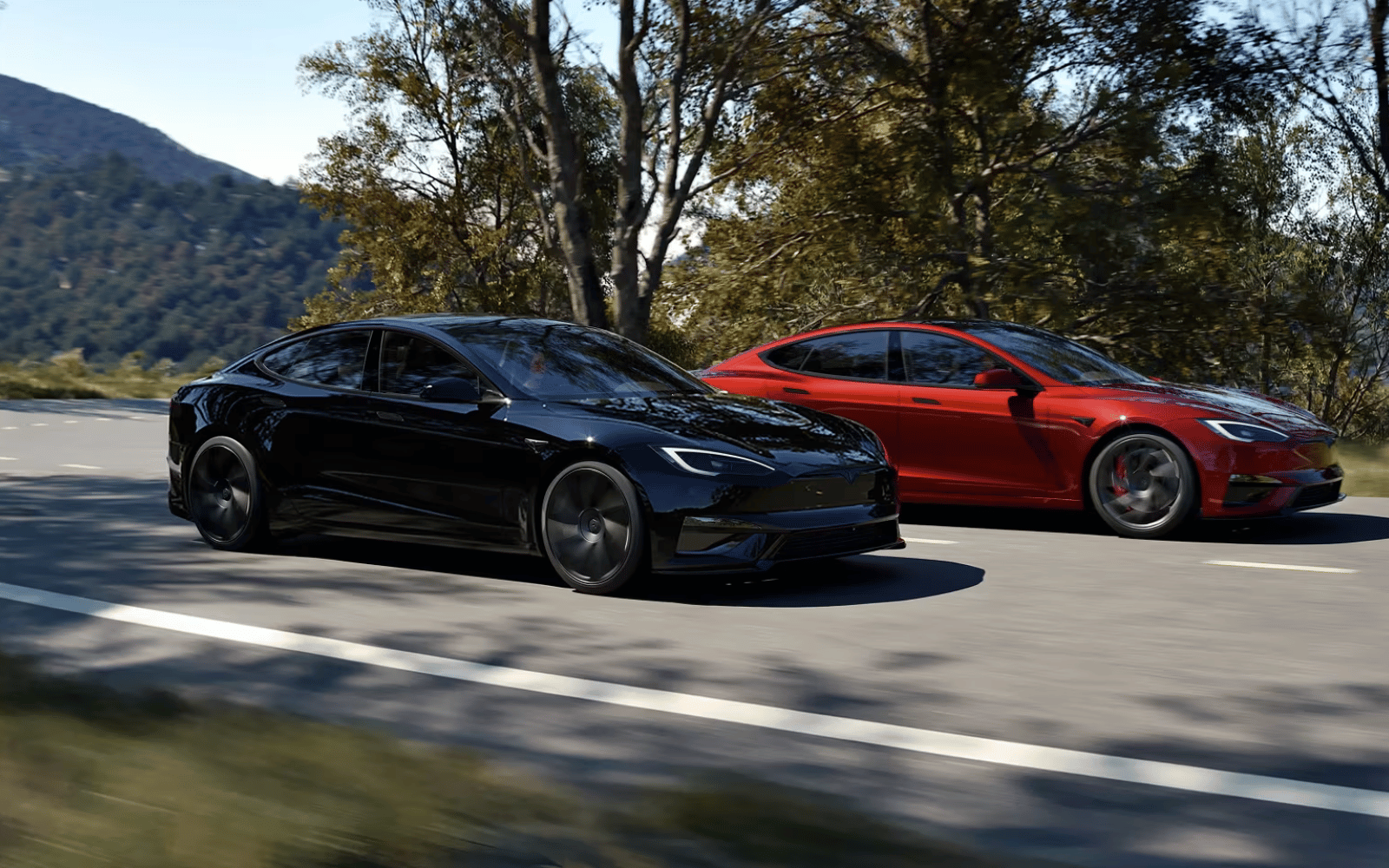
The Tesla Model S is a five-seat luxury electric liftback known for its long driving range, practical cargo area, quick acceleration, and access to Tesla’s Supercharger network. The regular dual-motor version balances performance and range, while the three-motor Plaid delivers acceleration that few road cars can match.
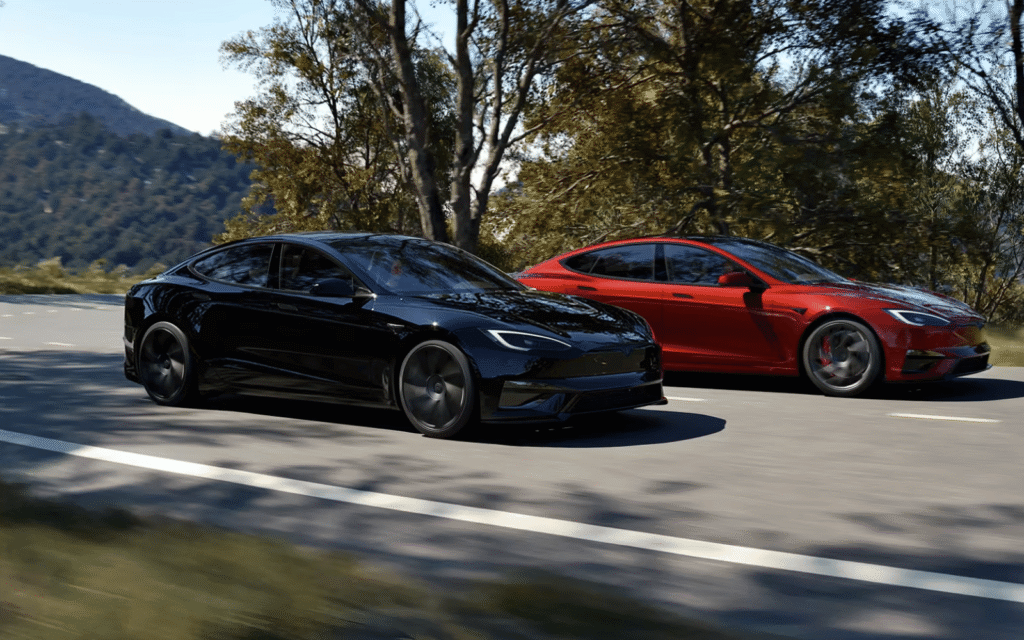
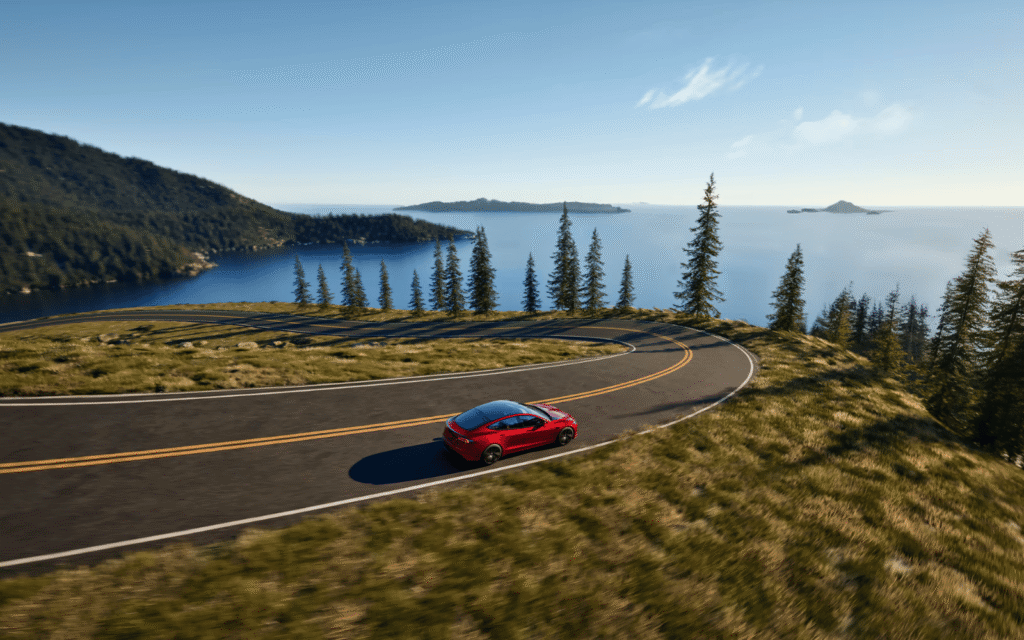
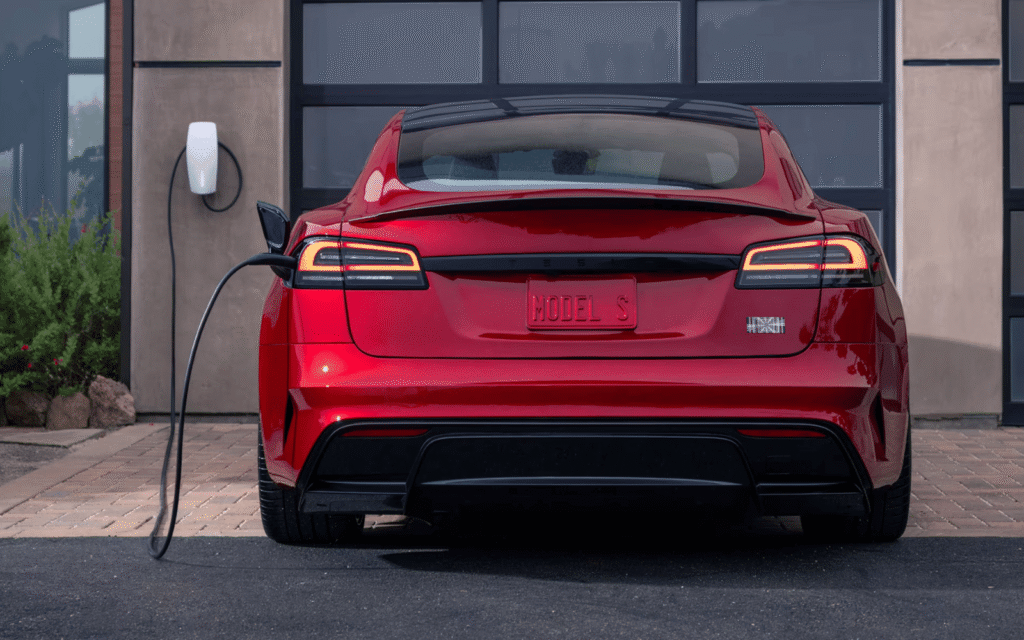
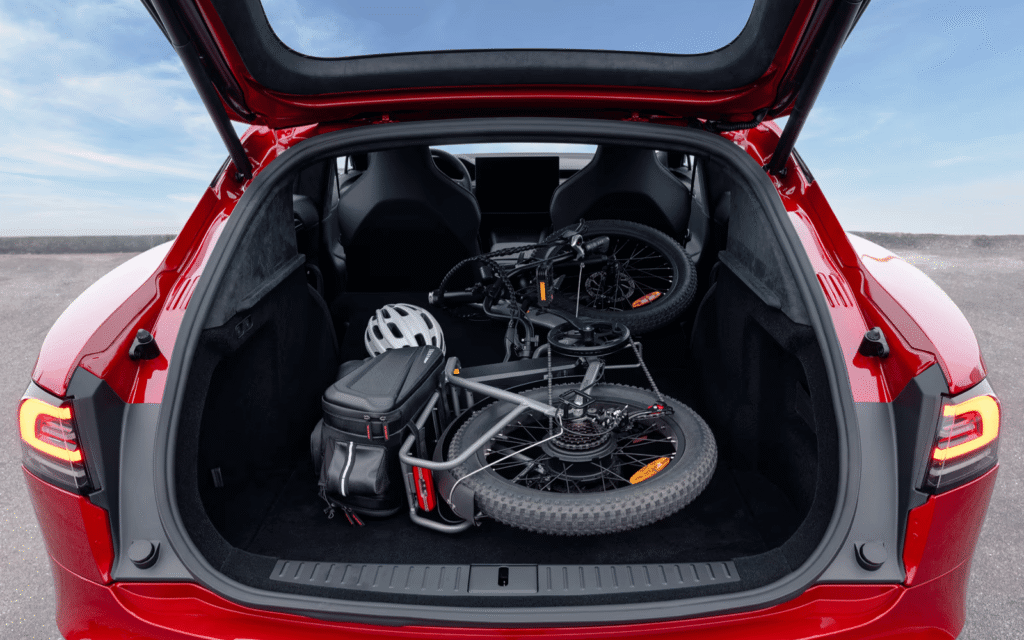
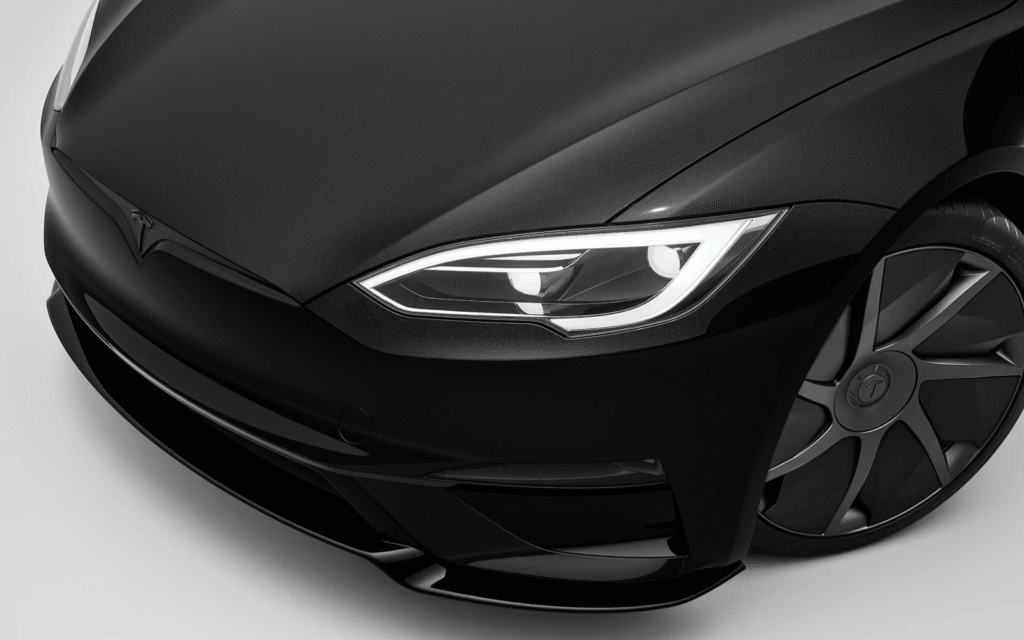
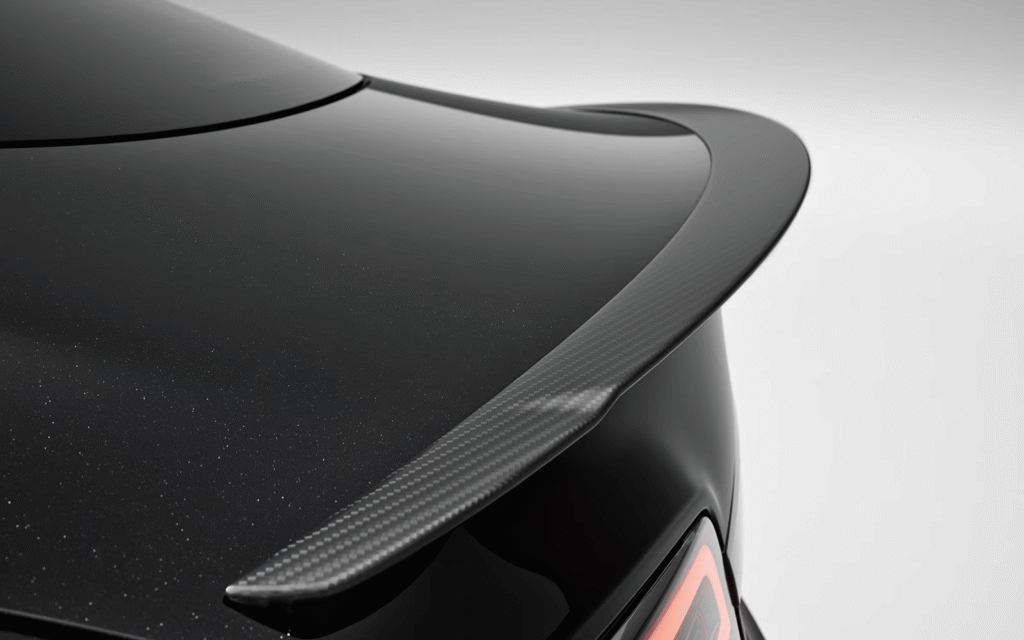
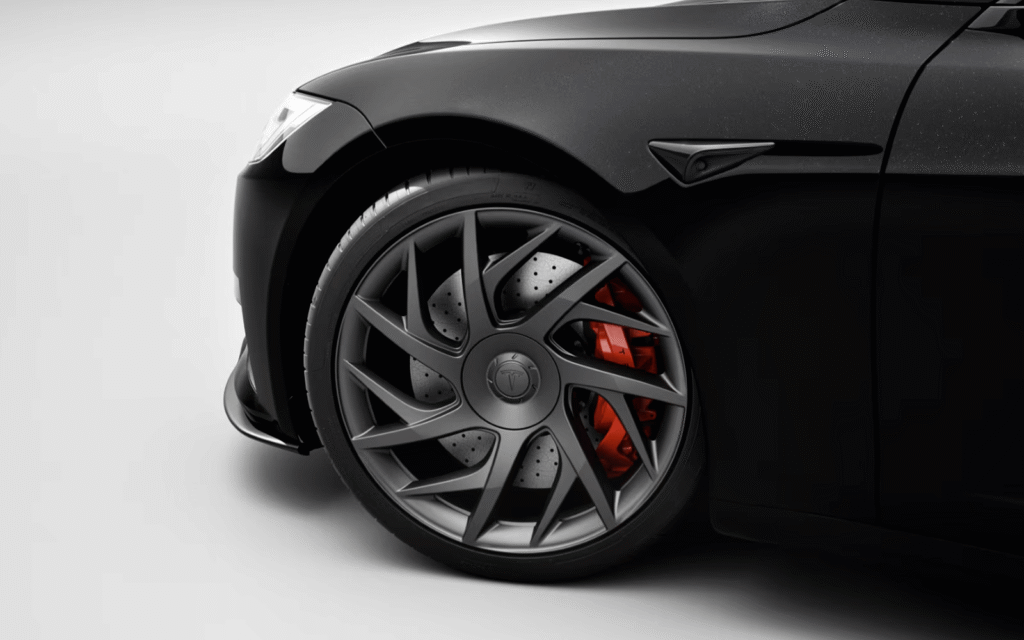
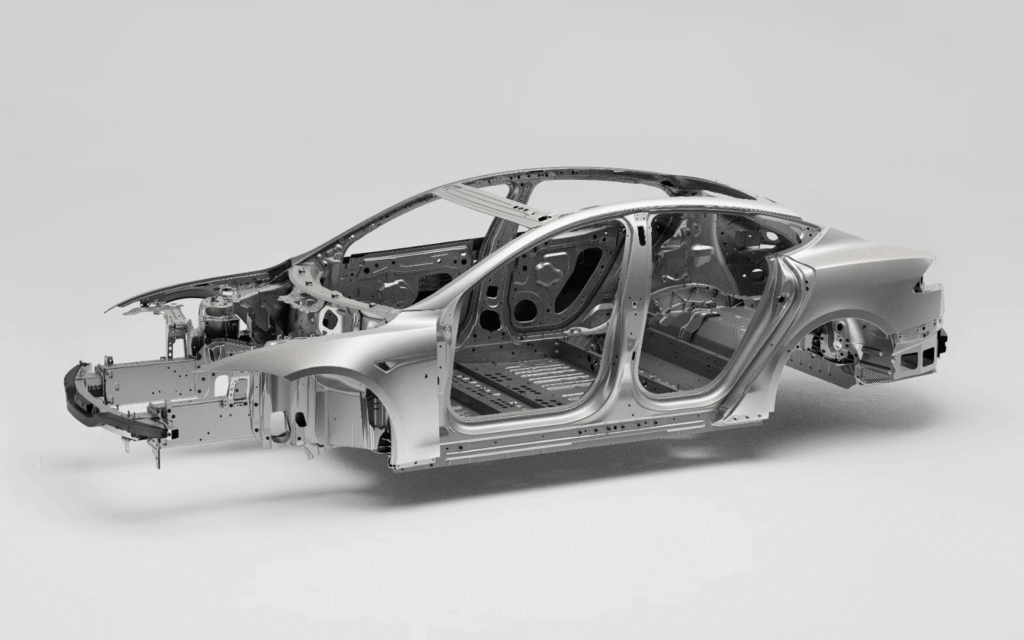
Tesla ended Model S production in 2026. New factory orders are no longer available, although unsold inventory and pre-owned vehicles may still appear. This page focuses on the final Model S and Model S Plaid specifications while also helping used-car shoppers understand the differences between earlier versions.
WheelPedia Rating: 8.6/10
The Tesla Model S earns an 8.6/10 WheelPedia Rating for its exceptional performance, long range, useful liftback design, strong charging network, and feature-rich cabin. Its high purchase cost, uneven cabin finish, lack of Apple CarPlay and Android Auto, limited current crash-test data, and uncertain post-production resale values reduce its overall score.
| Rating Category | Score | Weight |
| Safety | 8.0/10 | 20% |
| Reliability and ownership | 7.6/10 | 15% |
| Performance and driving | 9.9/10 | 15% |
| Comfort and practicality | 9.0/10 | 15% |
| Efficiency and range | 9.5/10 | 15% |
| Features and technology | 9.2/10 | 10% |
| Price and value | 7.0/10 | 10% |
| Overall WheelPedia Rating | 8.6/10 | — |
See how WheelPedia rates cars for the full scoring method.
Key Highlights
- Tesla ended Model S production in 2026.
- Final lineup included dual-motor AWD and three-motor Plaid models.
- EPA-estimated range reached up to 410 miles.
- Model S Plaid produced 1,020 horsepower.
- Tesla estimated a 1.99-second 0–60 mph time for Plaid with rollout subtracted.
- Maximum DC fast-charging rate was 250 kW.
- Tesla claimed up to 205 miles of range in 15 minutes under specified conditions.
- Five-seat cabin with a rear liftgate, folding seats, and front trunk.
- Best suited to buyers wanting long range and serious performance in one EV.
- New factory orders are closed, making this primarily an inventory and used-car purchase.
Key Specifications
| Specification | Tesla Model S |
| Vehicle type | Luxury electric liftback sedan |
| Production status | Discontinued in 2026 |
| Seating capacity | 5 |
| Powertrain | Dual-motor or tri-motor electric |
| Drivetrain | All-wheel drive |
| Power | 670 hp or 1,020 hp |
| EPA-estimated range | Up to 410 miles |
| 0–60 mph | 3.1 seconds or 1.99 seconds |
| Maximum charging rate | 250 kW |
| Wheels | 19 or 21 inches |
| Cargo capacity with five occupants | Approximately 28.2 cu. ft., including frunk |
| Maximum cargo capacity | Approximately 64.6 cu. ft. |
| Length | 197.7–198.7 in. |
| Width without mirrors | 78.2 in. |
| Height | 56.3 in. |
| Wheelbase | 116.5 in. |
| Curb weight | Approximately 4,561–4,802 lbs. |
Expert tip:
The dual-motor Model S is the better choice for most buyers. It still offers very quick acceleration but provides more range and normally costs less than Plaid. Choose Plaid only if its extreme performance is a genuine priority.
About the Tesla Model S
The Model S helped prove that an electric car could combine long-distance usability, luxury-car pricing, and sports-car acceleration. It entered production in 2012 and received years of battery, motor, software, interior, and styling changes before Tesla stopped building it in 2026.
The final version was sold in two main configurations. The regular Model S used two electric motors and all-wheel drive, while Plaid added a third motor and far more power. Both offered a large rear liftgate, a front trunk, air suspension, several displays, and access to Tesla’s charging network.
Tesla now states on its official Model S page that the car is no longer in production. Pre-owned examples and remaining non-Signature inventory may still be available.
Because Model S hardware changed several times, used buyers should not assume that every car has the range, performance, interior, charging hardware, or driver-assistance equipment shown for the final model.
Price and Trims
The Model S no longer has a current new-car starting price because Tesla has closed factory orders. Prices for remaining inventory and pre-owned vehicles depend on model year, mileage, battery and motor configuration, condition, location, wheel size, and included software.
For reference, the final regular 2026 lineup had the following starting prices before later inventory adjustments:
| Version | Reference Starting MSRP | Power | EPA-Estimated Range | Main Reason to Choose |
| Model S AWD | Approximately $94,990 | 670 hp | 410 miles | Best range and better overall value |
| Model S Plaid | Approximately $109,990 | 1,020 hp | 368 miles | Maximum acceleration and track-focused performance |
| Signature Edition | Limited release | Plaid-based | Configuration-dependent | Collector-focused final edition |
These prices exclude destination charges, taxes, registration, and options. Tesla changed inventory pricing after announcing the end of production, so they should be treated as historical references rather than current transaction prices.
The standard AWD car already produces 670 horsepower and reaches 60 mph in approximately 3.1 seconds. Plaid is much quicker, but most drivers will not be able to use its extra performance regularly.
Electric Motors, Battery, and Performance
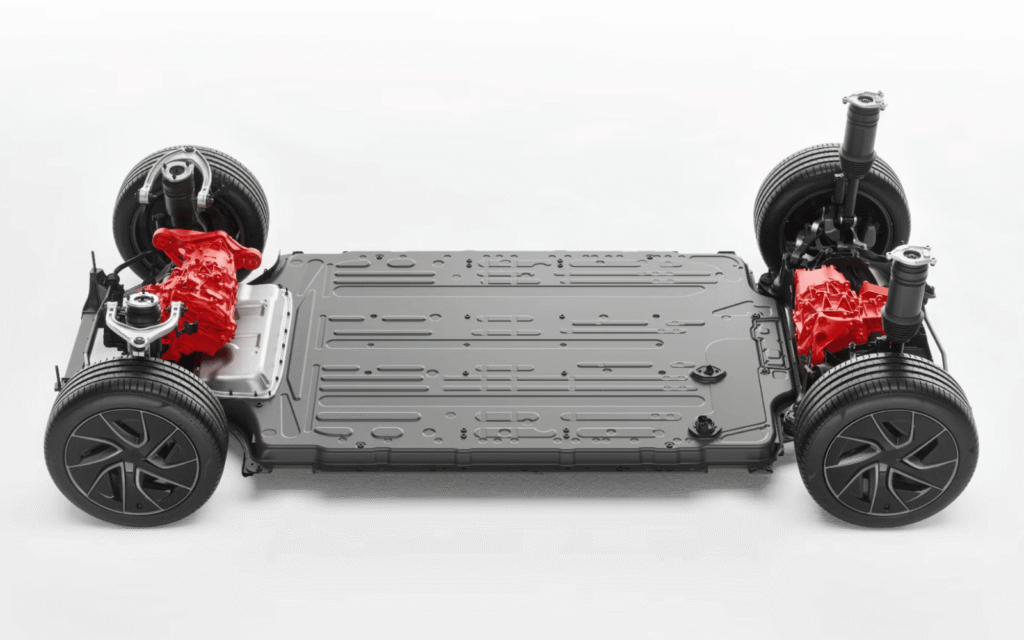
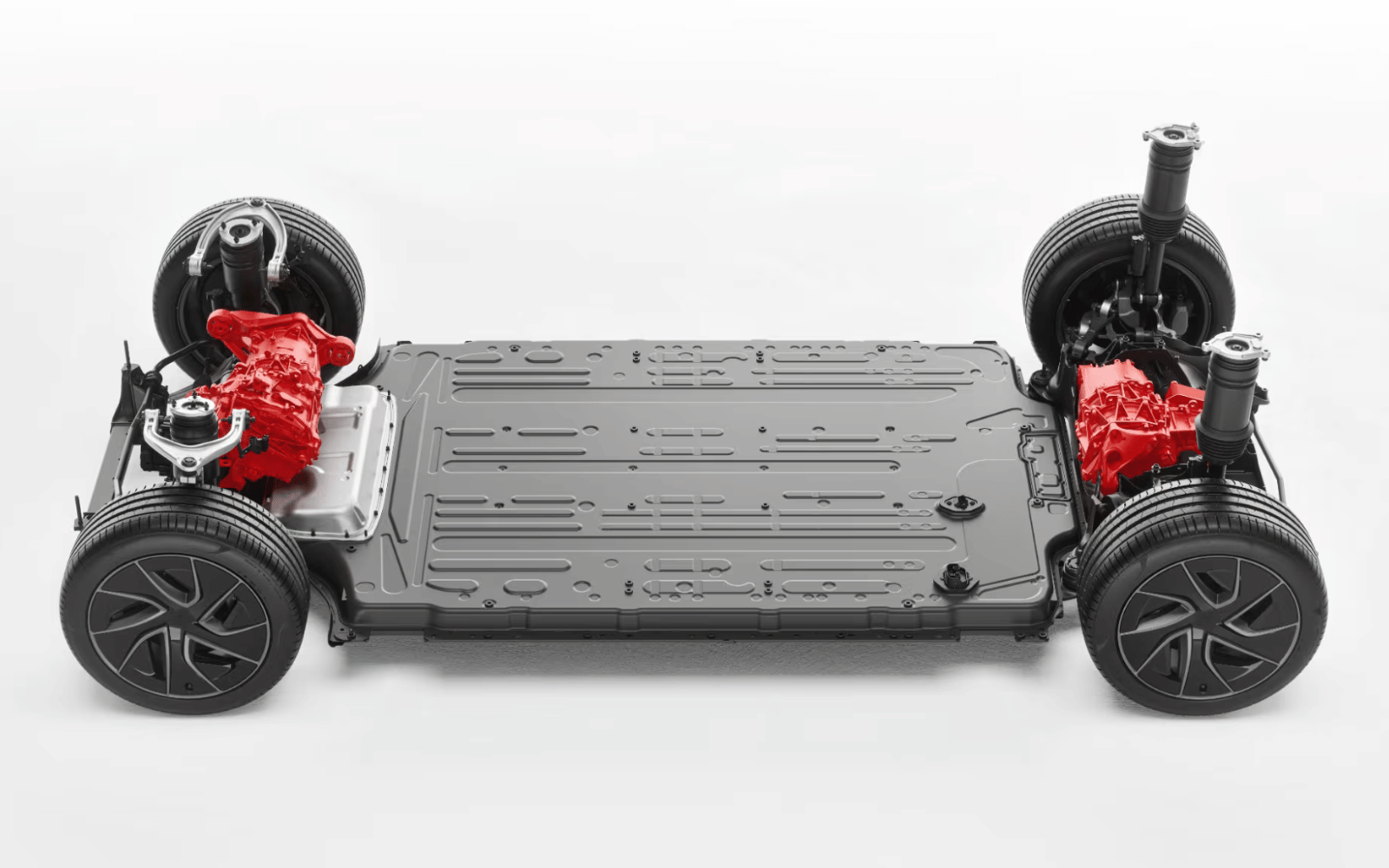
The regular Model S uses one electric motor at each axle, giving it all-wheel drive and a combined output of 670 horsepower. Power delivery is immediate, and acceleration remains strong well beyond normal highway speeds.
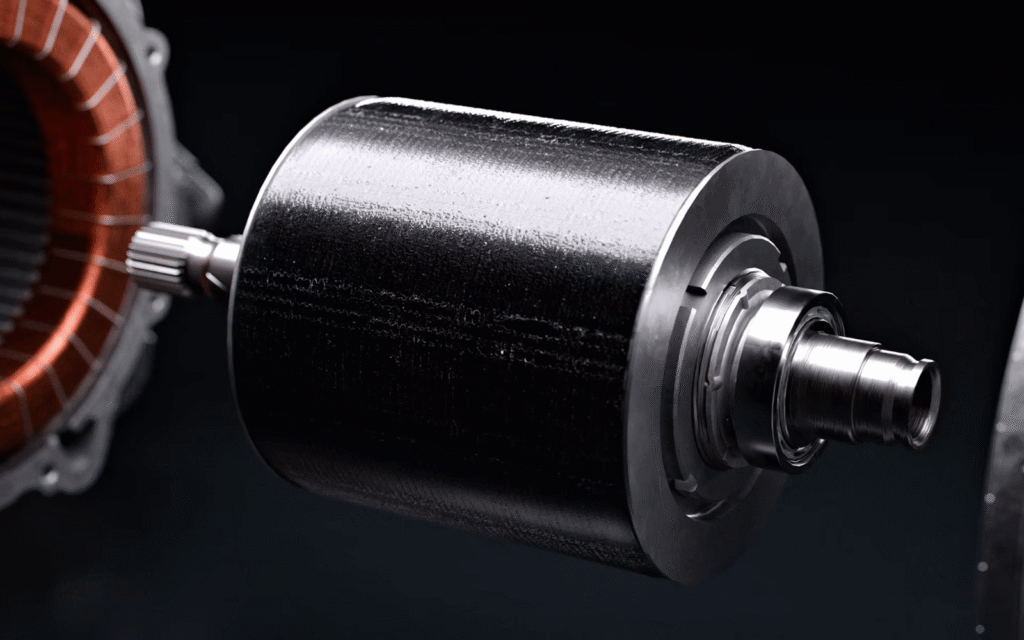
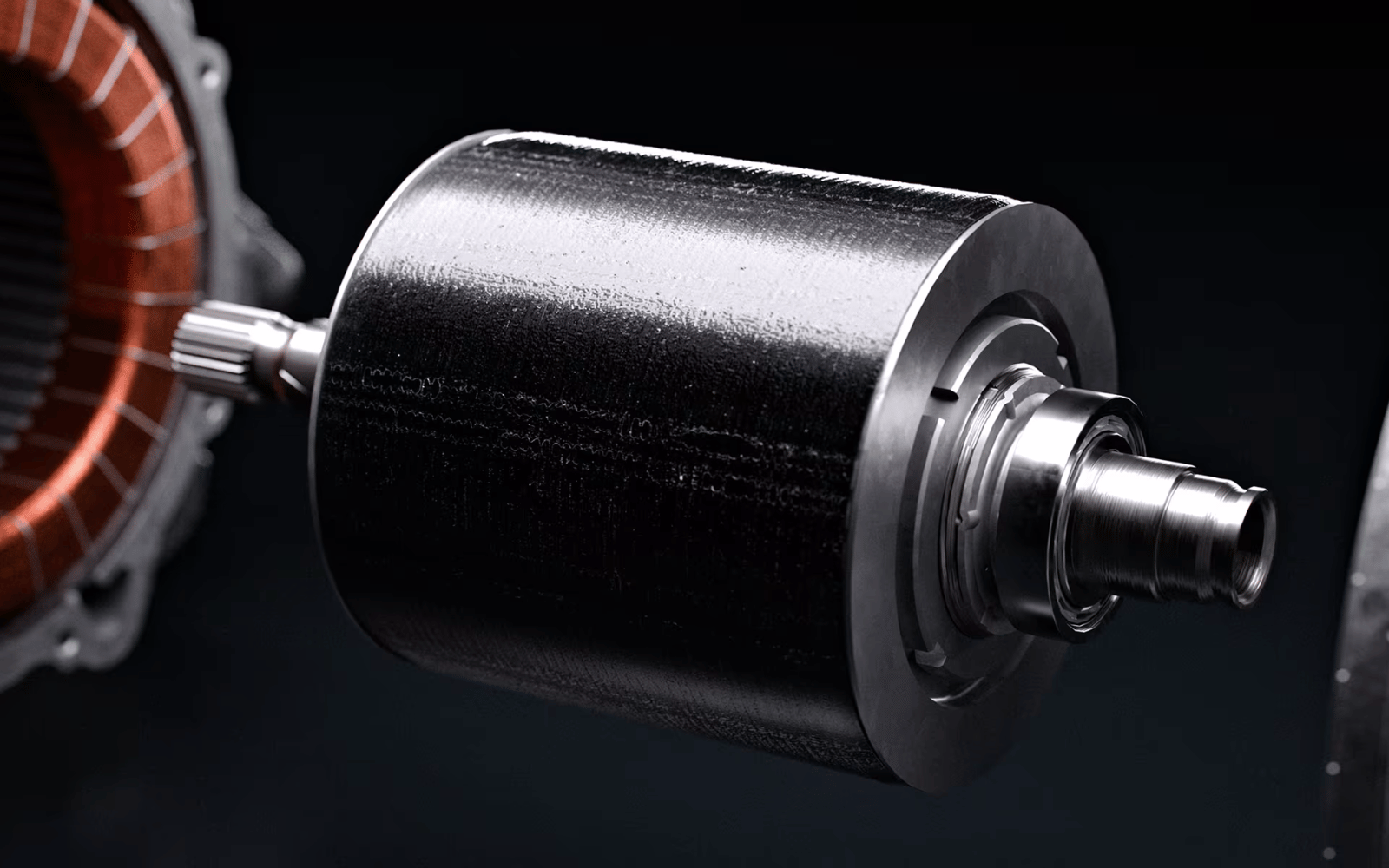
Model S Plaid uses three motors with carbon-sleeved rotors. It produces 1,020 horsepower and can repeatedly deliver very strong acceleration when the battery, motors, and tires are within their correct operating ranges.
Tesla does not publicly state an official usable battery capacity for the final Model S. Estimates from outside sources vary, so buyers should focus on the vehicle’s EPA range, displayed battery health, charging performance, and real-world condition instead of relying on an unofficial capacity figure.
| Performance Specification | Model S AWD | Model S Plaid |
| Motors | Dual motor | Tri motor |
| Drivetrain | AWD | AWD |
| Peak power | 670 hp | 1,020 hp |
| Tesla-estimated 0–60 mph | 3.1 seconds | 1.99 seconds |
| Top speed | Approximately 130 mph | Up to 200 mph with required hardware |
| EPA-estimated range | 410 miles | 368 miles |
| Curb weight | Approximately 4,561 lbs. | Approximately 4,802 lbs. |
Plaid’s advertised 200-mph top speed requires specific paid hardware. Without that equipment, the electronically limited top speed is lower.
0–60 MPH Performance
Tesla estimates that the regular Model S can accelerate from 0–60 mph in 3.1 seconds. That is already quicker than many dedicated sports cars.
The Model S Plaid has an advertised 1.99-second 0–60 mph time, but Tesla calculates this figure with rollout subtracted. Rollout removes the first short distance of movement from the timing measurement, so the result is not directly comparable with every independent standing-start test.
Acceleration can also change with:
- Battery temperature and charge level
- Tire condition and road surface
- Wheel and tire selection
- Passenger and cargo weight
- Weather and elevation
- Use of performance preparation settings
Plaid is the clear choice for maximum acceleration. The standard AWD model is easier to justify for daily use because it remains exceptionally quick while offering more range.
Driving Experience
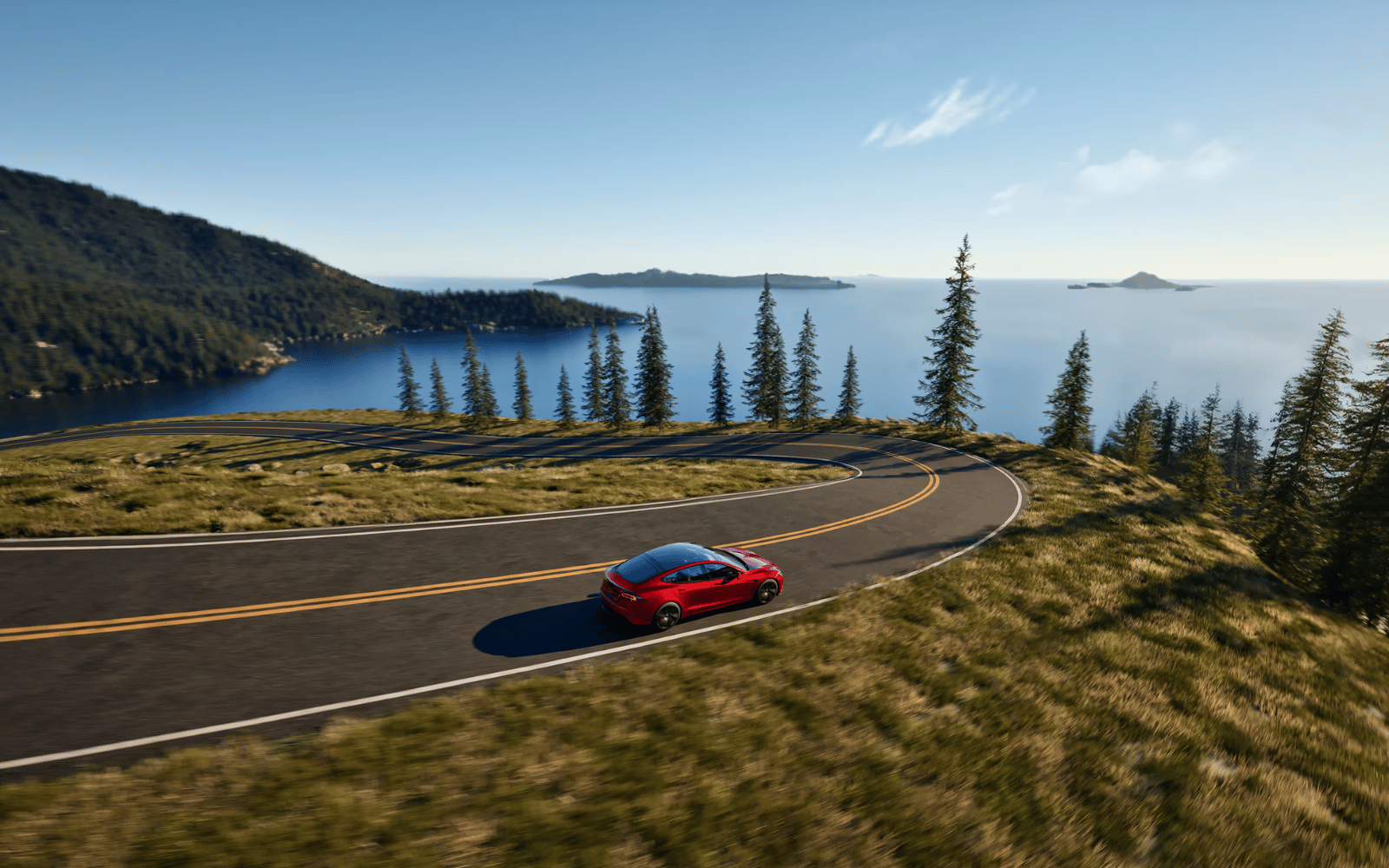
The Model S feels quick and stable rather than small and agile. Its battery pack creates a low center of gravity, while the all-wheel-drive system can distribute power without waiting for an engine or transmission to respond.
Adaptive air suspension adjusts ride height and damping based on driving conditions. The car generally feels settled on the highway, but the 21-inch wheels can make potholes and broken surfaces more noticeable. They can also increase replacement tire costs and reduce driving range.
Steering is fast and direct, although feedback is limited compared with sports sedans built around driver involvement. Plaid provides huge straight-line performance, but its size and weight remain noticeable on narrow or technical roads.
Regenerative braking supports one-pedal driving in many situations. New drivers may need a short adjustment period, but it can make urban traffic less tiring once it becomes familiar.
EV Range and Charging
| Charging and Range Specification | Model S AWD | Model S Plaid |
| EPA-estimated range | 410 miles | 368 miles |
| Maximum DC charging rate | 250 kW | 250 kW |
| Range added in 15 minutes | Up to 205 miles | Configuration and conditions affect results |
| Maximum home charging power | Up to 11.5 kW on a suitable setup | Up to 11.5 kW on a suitable setup |
| Charging connector | North American Charging Standard | North American Charging Standard |
The standard Model S is the better long-distance version. Its 410-mile EPA estimate reduces the need for charging stops and remains competitive with much newer luxury EVs.
Tesla says the car can add up to 205 miles in 15 minutes under specified conditions. Actual charging speed changes throughout the session and depends on battery temperature, state of charge, charger output, weather, and whether the vehicle prepared the battery before arrival.
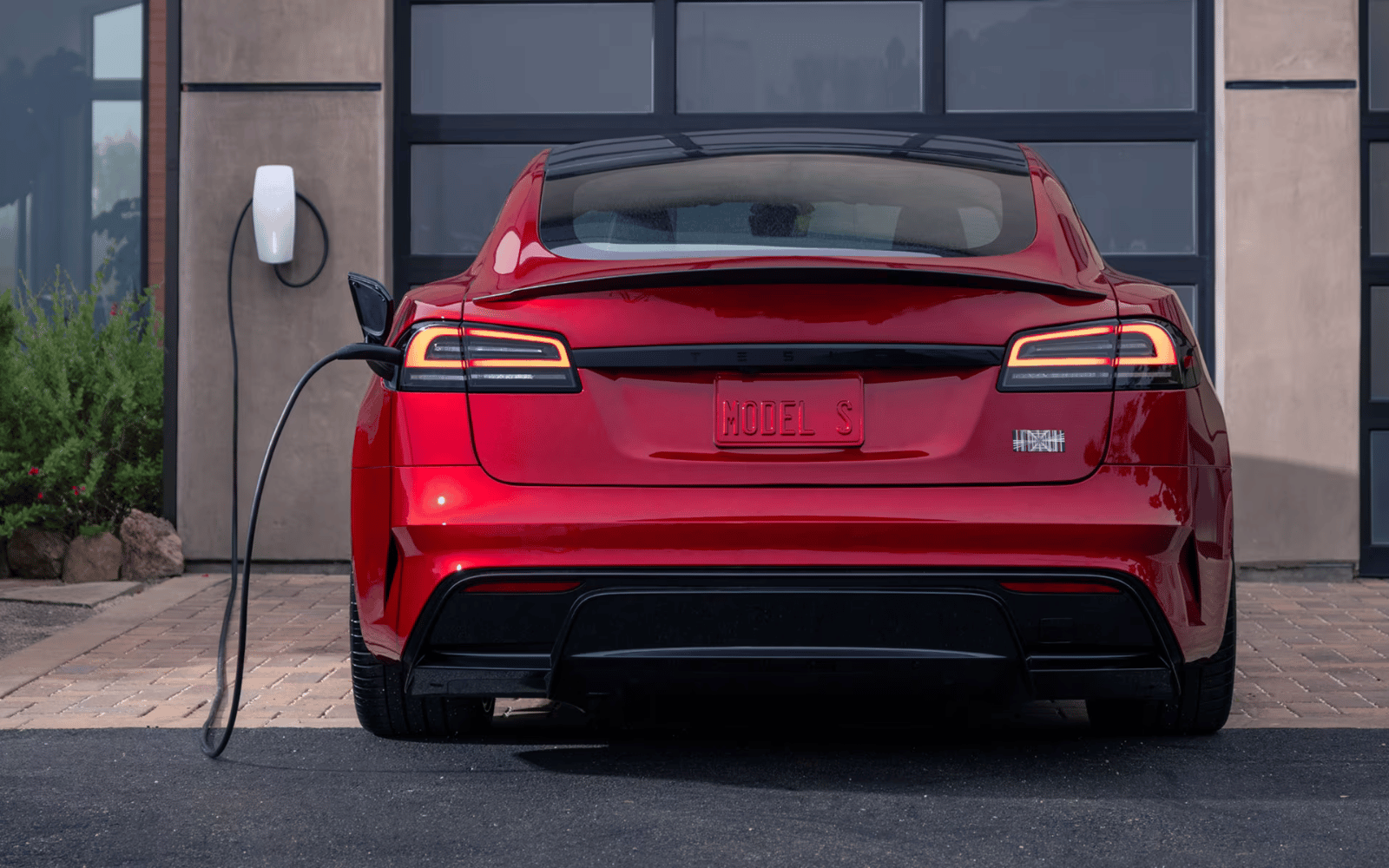
A suitable 240-volt home charger can add approximately 41 miles of range per hour at the Model S maximum AC rate. Homes with lower electrical capacity will charge more slowly.
The Trip Planner can add Supercharger stops to a route and prepare the battery before arrival. This makes the car easier to use for long trips, but drivers should still allow extra time during cold weather, holiday travel, or visits to busy charging locations.
Read how long it takes to charge an electric car for a fuller explanation of home and public charging times.
Interior, Comfort, and Technology
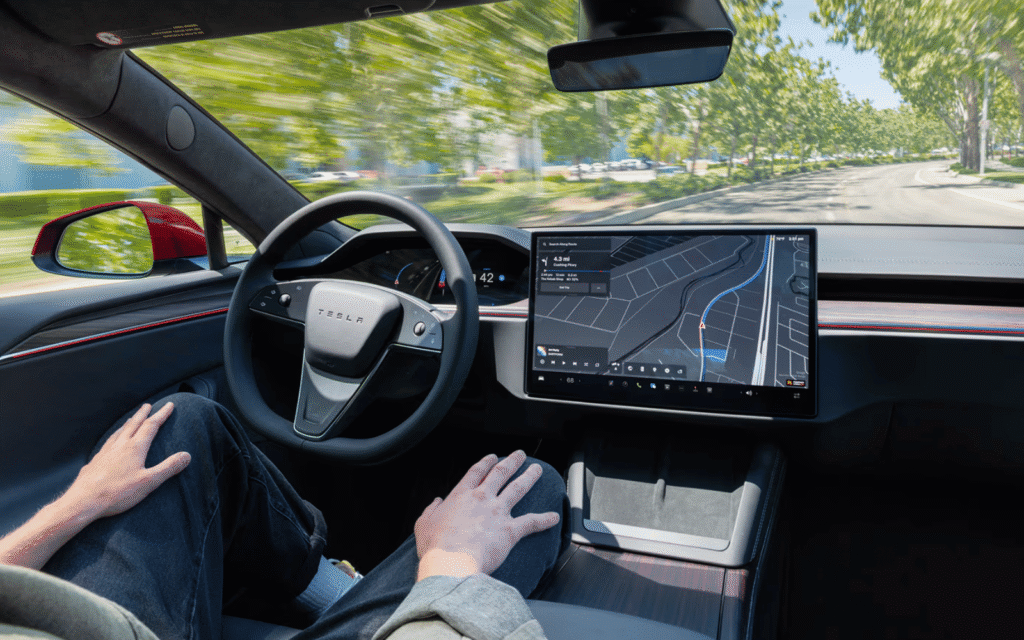
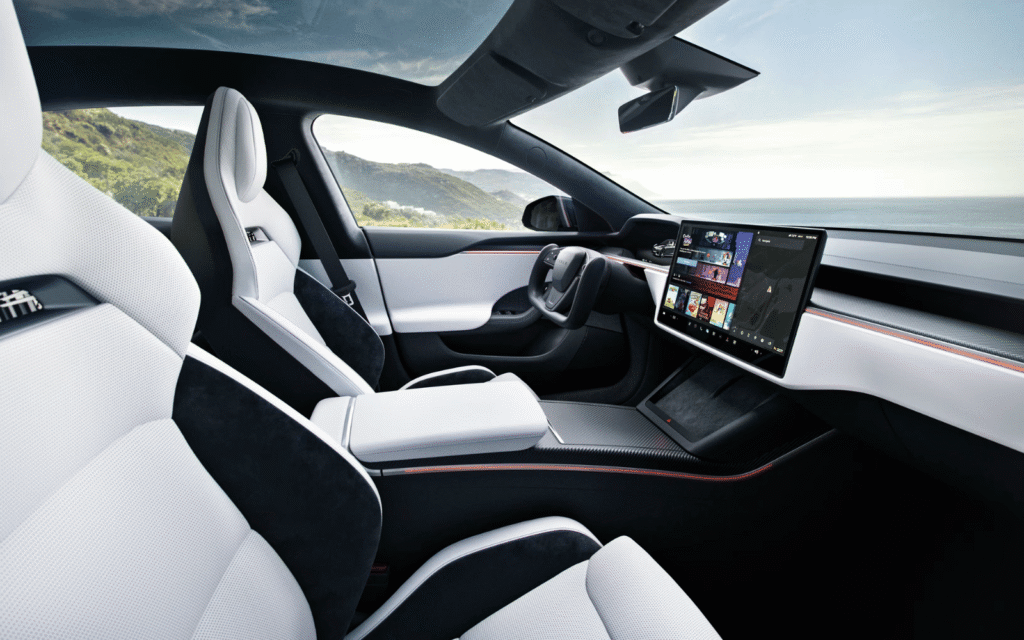
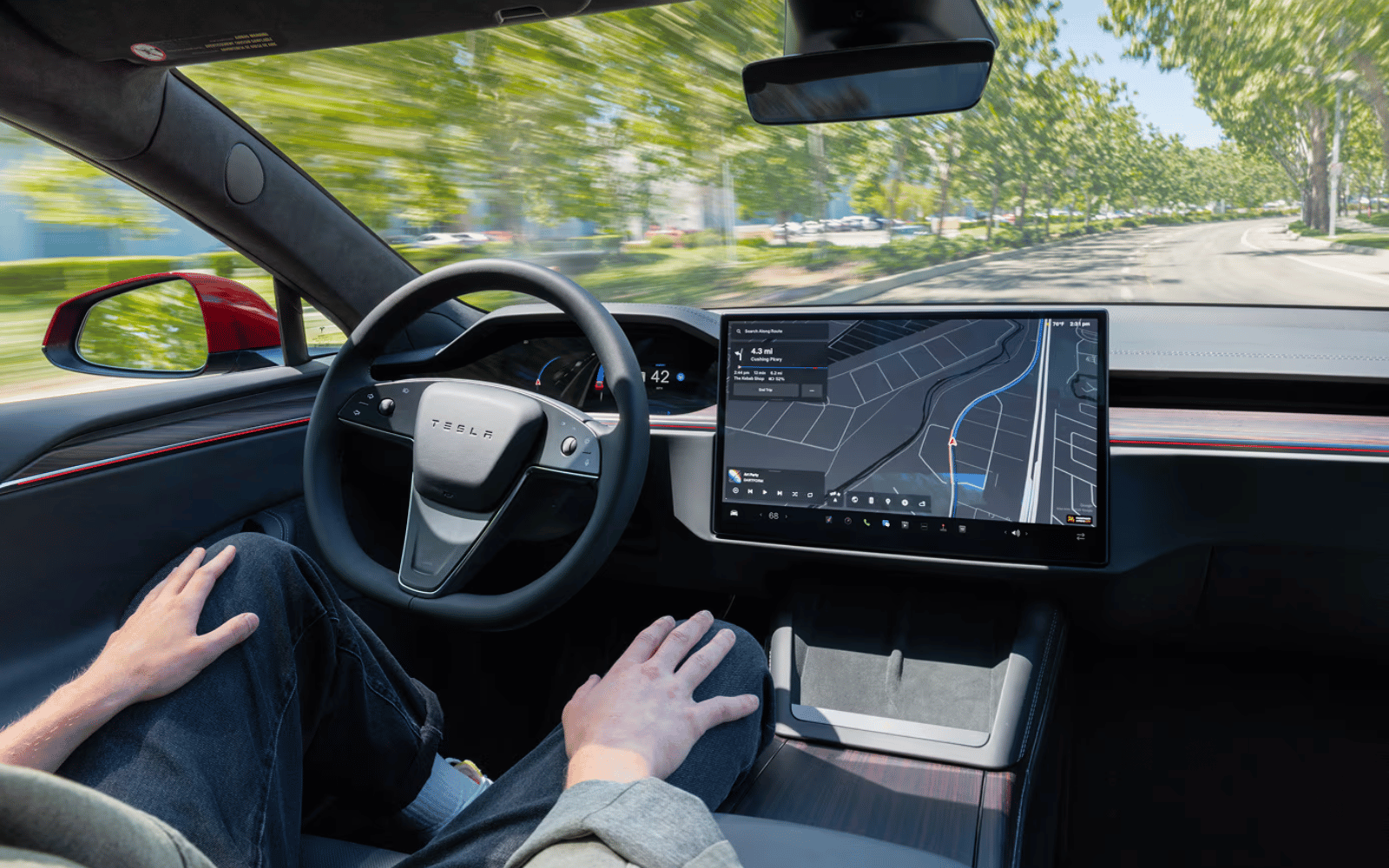
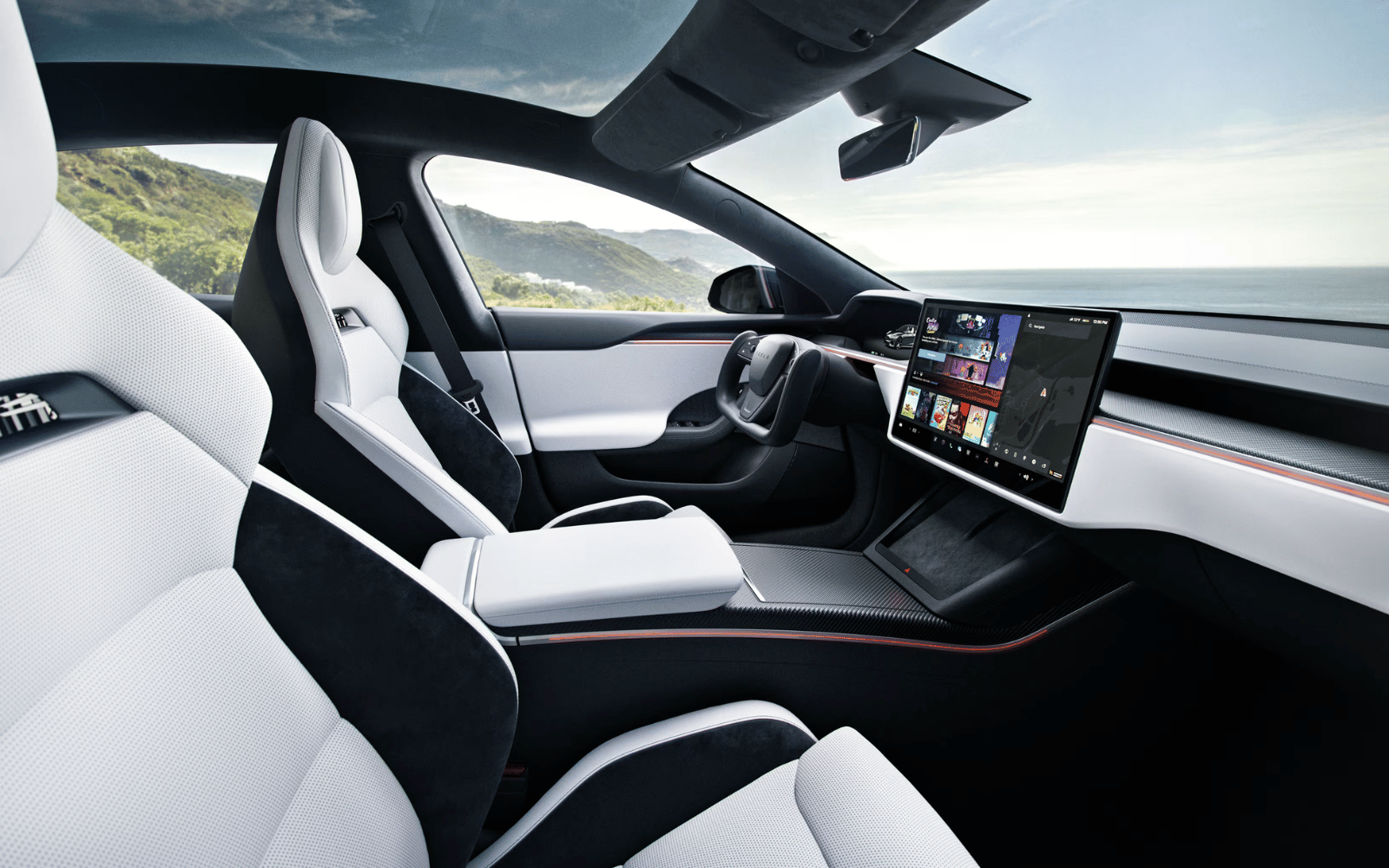
The final Model S cabin has a clean dashboard with most vehicle settings placed within the central touchscreen. The layout feels open and modern, but drivers who prefer physical climate and audio controls may find the screen-dependent interface distracting at first.
Main interior features include:
- 17.4-inch central touchscreen
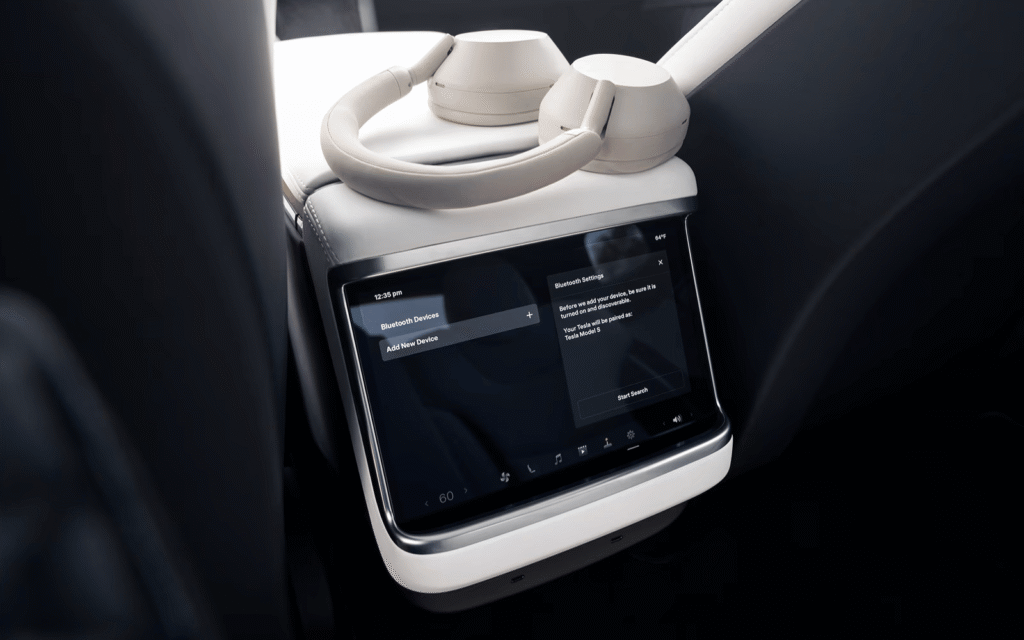
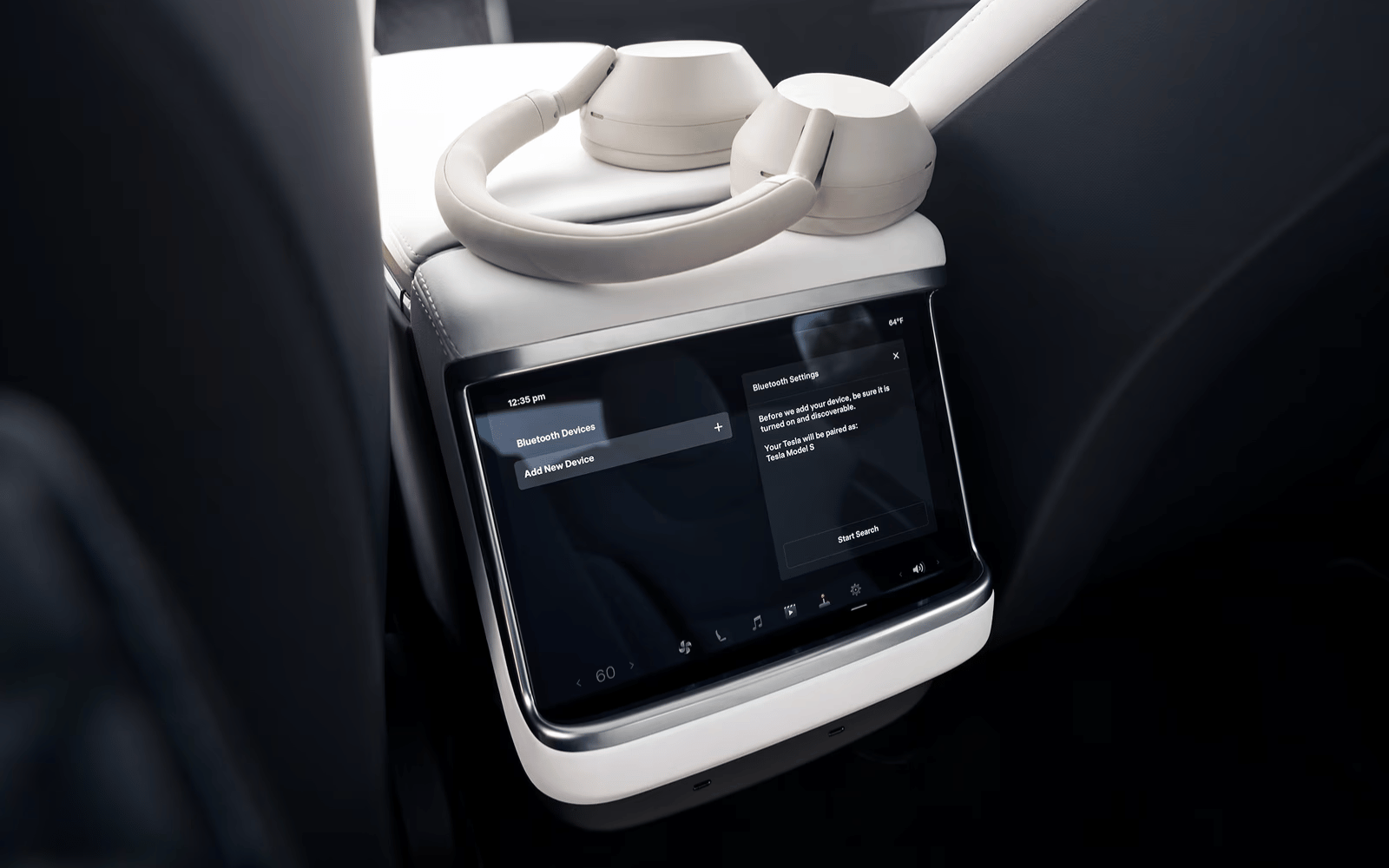
- 9.4-inch rear touchscreen
- Separate digital driver display
- Heated seats throughout the cabin
- Ventilated front seats
- Tri-zone climate control
- HEPA air filtration
- Wireless phone charging
- Bluetooth headphone support for rear passengers
- 22-speaker, 960-watt sound system
- Customizable ambient lighting
- Glass roof
- Premium Connectivity support
- Over-the-air software updates
Rear passengers can control entertainment through the second-row display and connect compatible Bluetooth headphones. The rear seat can fit three adults, although the low roofline and limited rear headroom may feel tight for taller passengers.
The Model S does not include native Apple CarPlay or Android Auto. Tesla’s own navigation, media, voice-control, and phone-integration systems handle most functions instead.
Some connected features require Premium Connectivity or Wi-Fi. Feature availability can also change through software updates or subscription terms.
Dimensions, Cargo, and Practicality
| Dimension | Model S |
| Length | 197.7 in. |
| Plaid length | 198.7 in. |
| Width without mirrors | 78.2 in. |
| Width with mirrors | 86.2 in. |
| Height | 56.3 in. |
| Wheelbase | 116.5 in. |
| Front legroom | 42.4 in. |
| Rear legroom | 35.5 in. |
| Front headroom | 39.7 in. |
| Rear headroom | 38.1 in. |
| Rear cargo area | 25.0 cu. ft. |
| Front trunk | 3.1 cu. ft. |
| Maximum cargo volume | 64.6 cu. ft. |
| Seating | 5 passengers |
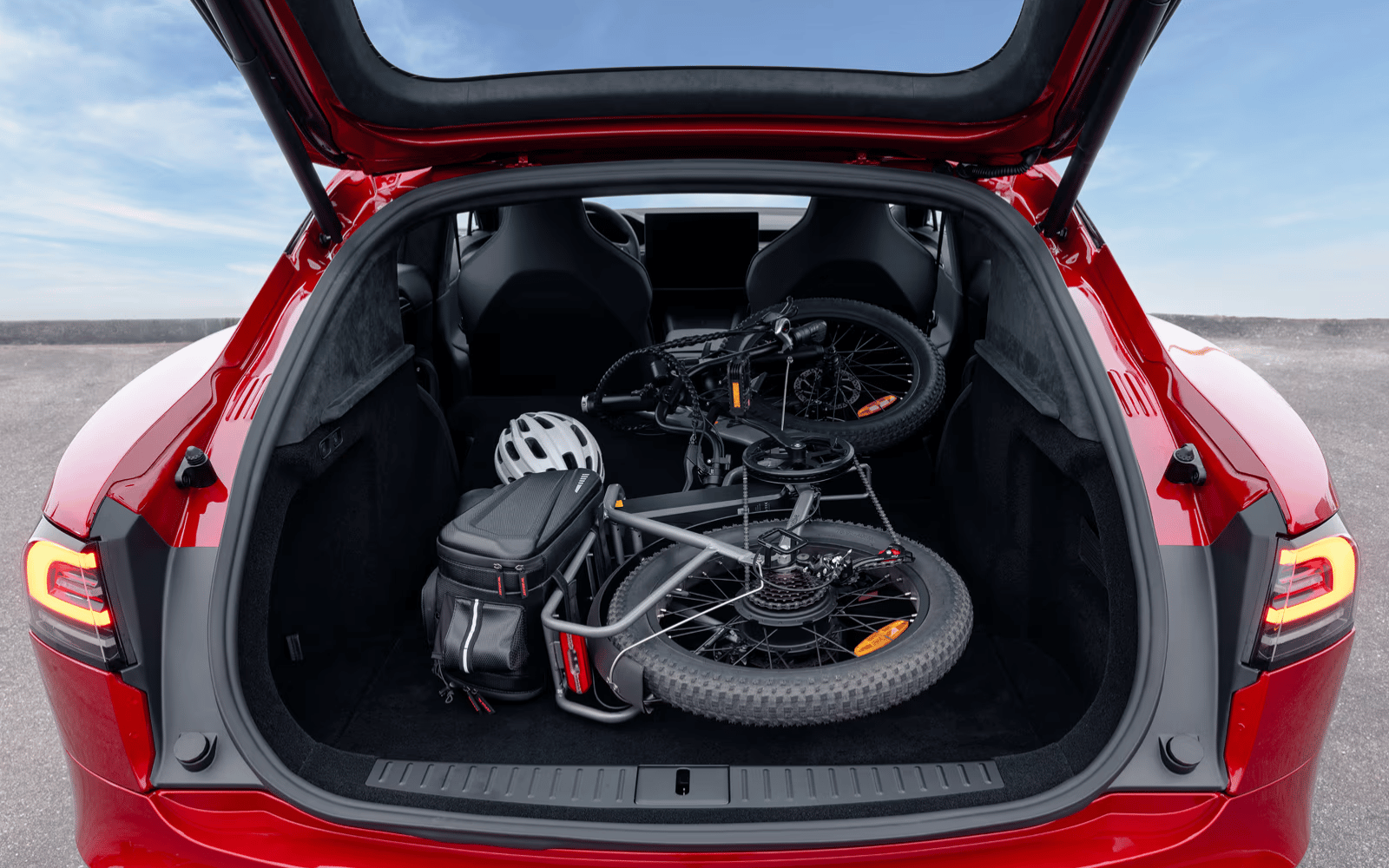
Although commonly called a sedan, the Model S has a large rear liftgate. This creates a wider loading opening than a conventional trunk and gives the car more cargo flexibility than many luxury sedans.
The rear seats fold flat for larger items, while the front trunk can hold charging equipment, a small bag, or items that should remain separate from the main cargo area.
Its overall width requires care in narrow parking spaces. The long wheelbase also makes the car less convenient in small urban garages than a Model 3 or other compact EV.
Exterior Design
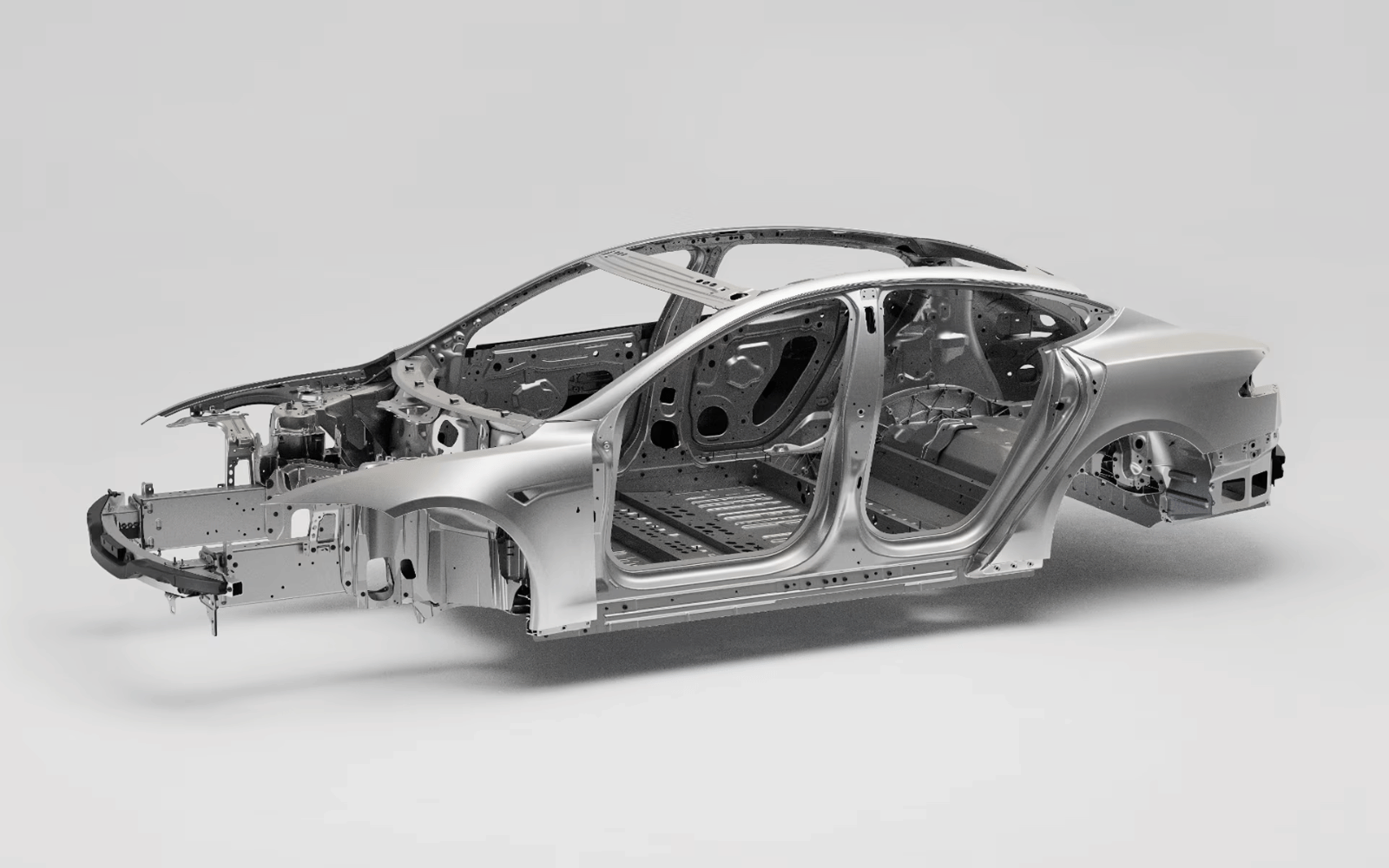
The Model S kept the same basic low-roof liftback shape throughout its later years. Its body uses a short front section, flush door handles, frameless windows, and a smooth underside to reduce aerodynamic drag.
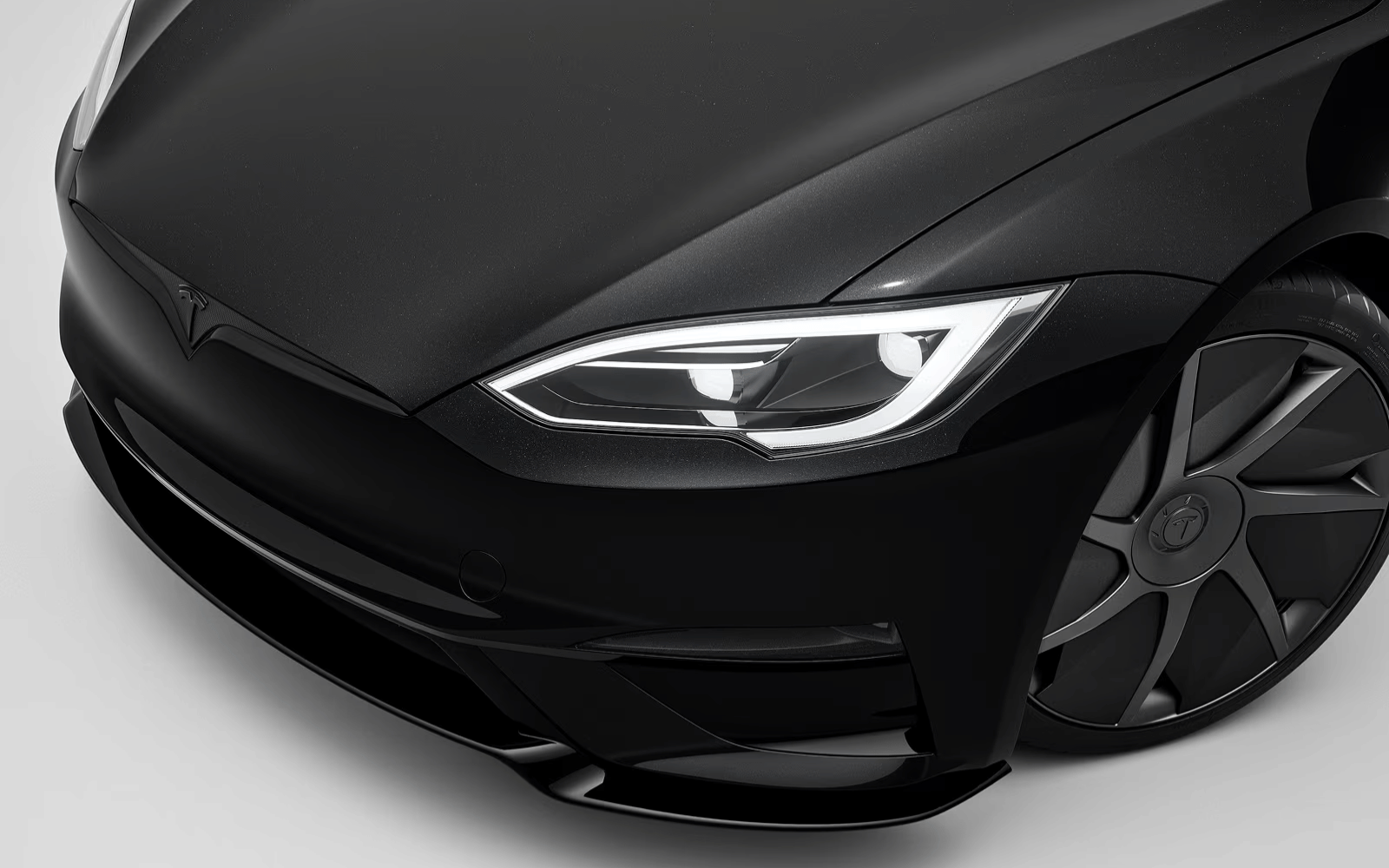
The final version received revised front and rear styling, a wider stance, new wheel designs, and lighting changes. Its listed drag coefficient was 0.23 Cd, helping the car produce strong highway efficiency despite its size and performance.
Available exterior features included:
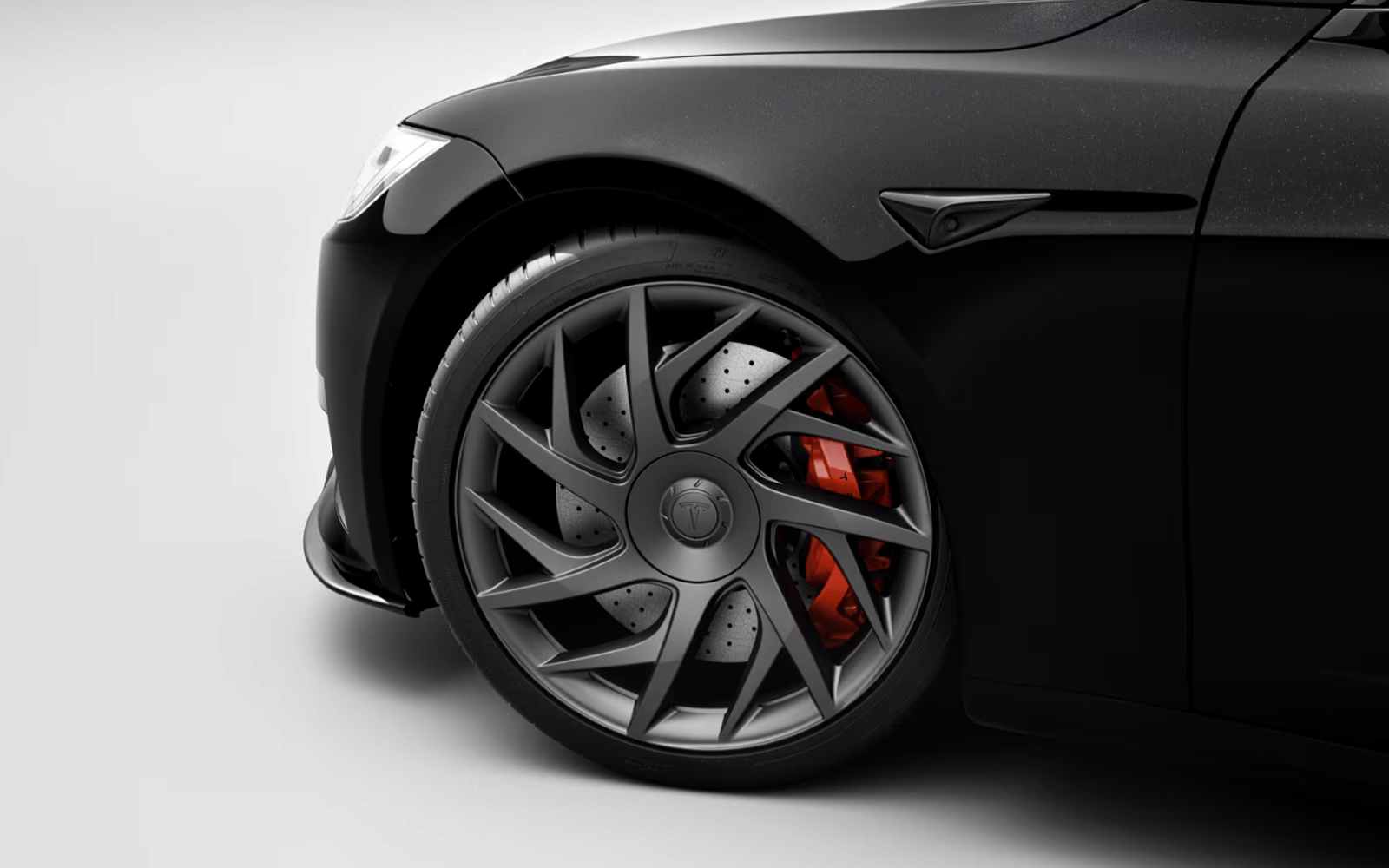
- 19-inch or 21-inch wheels
- Adaptive headlights
- Glass roof
- Power-operated liftgate
- Flush exterior door handles
- Plaid-specific aerodynamic details
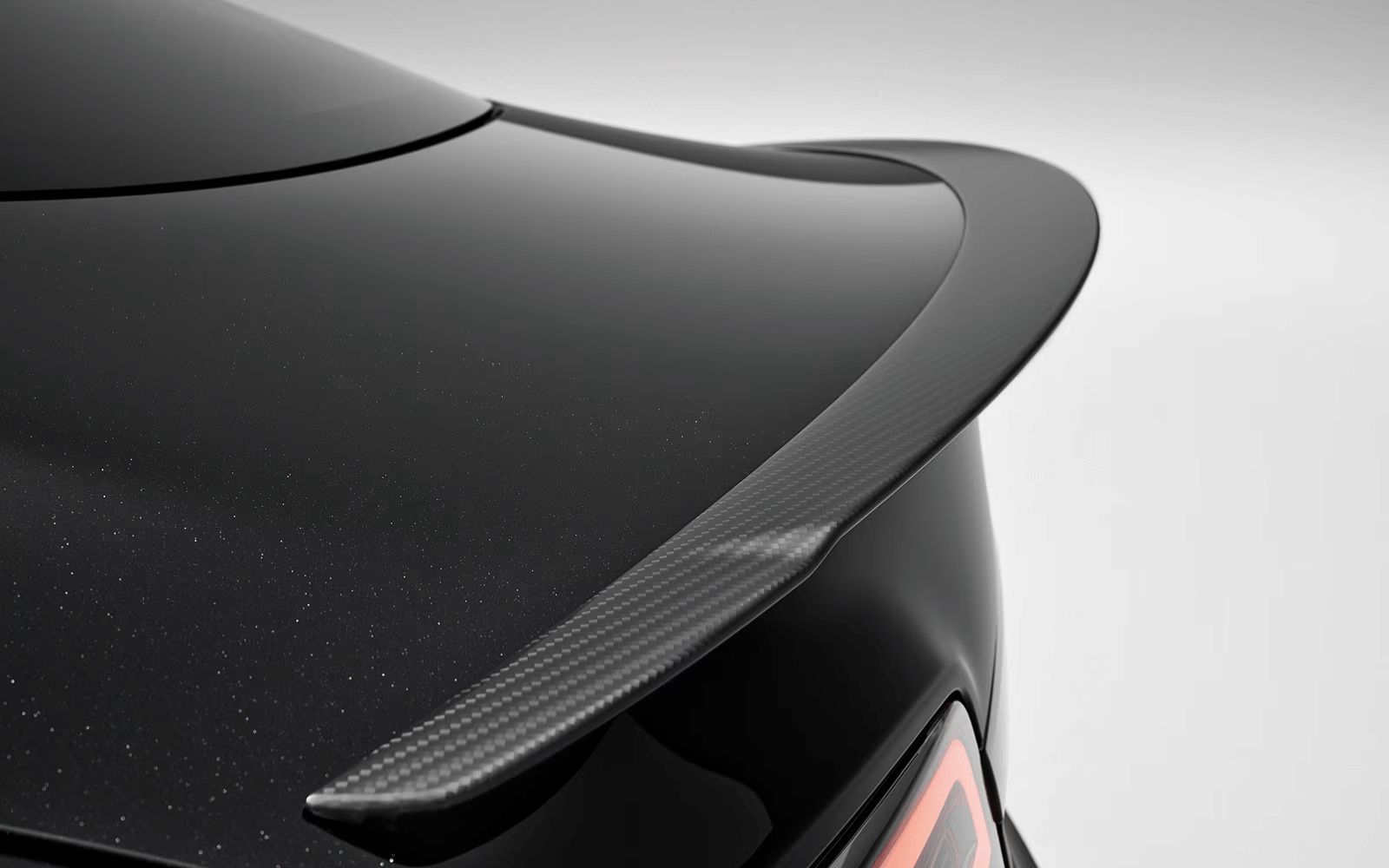
- Rear spoiler
- Available carbon-ceramic brakes for Plaid
The 19-inch wheels are the better option for most owners because they provide more range, a softer ride, and lower tire replacement costs. The 21-inch wheels look sportier but carry clear efficiency and ownership compromises.
Safety Features and Ratings
Standard active safety features include:
- Forward Collision Warning
- Automatic Emergency Braking
- Lane Departure Avoidance
- Emergency Lane Departure Avoidance
- Blind-spot monitoring and collision warnings
- Multiple exterior cameras
- Parking assistance
- Automatic high beams
- Stability and traction control
- Multiple airbags
- Tire-pressure monitoring
Full Self-Driving (Supervised) can provide additional driving assistance, depending on the vehicle’s hardware, software, and paid package or subscription. It requires an attentive driver and does not turn the Model S into a fully autonomous car.
The final 2026 Model S was not included in NHTSA’s published list of vehicles selected for new crash testing. It also lacks a current complete IIHS crash-test profile for the final configuration. Older Model S results should not automatically be applied to a newer vehicle because its structure, restraints, software, and equipment may differ. Buyers can review the NHTSA 2026 testing list and search by VIN for recalls.
The lack of current independent test results does not mean the Model S is unsafe. It means there is not enough current third-party crash-test data to make a direct ratings-based comparison with every newer luxury EV.
Reliability, Warranty, and Ownership
An electric Model S avoids oil changes, spark plugs, exhaust repairs, and many other services required by gasoline cars. Regenerative braking can also reduce brake-pad wear.
However, low routine maintenance does not mean low total ownership costs. The Model S is a heavy, powerful luxury vehicle with expensive tires, air suspension, complex electronics, large body panels, and costly collision repairs.
| Warranty Coverage | Length |
| Basic vehicle warranty | 4 years / 50,000 miles |
| Supplemental restraint system | 5 years / 60,000 miles |
| Battery and drive unit | 8 years / 150,000 miles |
| Minimum battery retention during battery warranty | 70% |
| Body rust perforation | 12 years / unlimited miles |
| Tesla-certified pre-owned additional coverage | Usually 1 year / 10,000 miles after remaining basic coverage |
Coverage depends on the vehicle’s original sale date and warranty terms. Used buyers should check the remaining coverage within the Tesla app or confirm it using the VIN.
Recommended routine checks and services include:
- Tire rotation approximately every 6,250 miles or when tread-depth differences require it
- Brake-fluid contamination test every four years
- Cabin air filter replacement every three years on newer models
- HEPA and carbon filter replacement every three years when equipped
- Annual brake cleaning and lubrication in areas that use road salt
- Regular tire, alignment, suspension, and wiper inspections
What to Check Before Buying a Used Model S
- Remaining battery, drive-unit, and basic warranty coverage
- Displayed range at a known charge level
- Battery health and charging performance
- Accident and body-repair history
- Air-suspension operation at every height
- Uneven tire wear or wheel damage
- Noise from suspension, half shafts, or wheel bearings
- Operation of screens, cameras, door handles, liftgate, and climate control
- Included driver-assistance software
- Whether paid software stays with the vehicle
- Open recalls and completed recall work
- Supercharging capability and account-transfer status
Older Model S versions can differ greatly from the final car. Read our guide on what to check before buying a used EV before inspecting one.
Pros and Cons
What We Like
- Up to 410 miles of EPA-estimated range
- Exceptional acceleration in both versions
- Plaid produces 1,020 horsepower
- Large rear liftgate and useful front trunk
- Strong highway comfort
- Access to Tesla’s Supercharger network
- Quick route planning and charging preparation
- Useful over-the-air software updates
- Heated seats throughout the cabin
- Low routine powertrain maintenance
- Long battery and drive-unit warranty
What We Don’t Like
- Production has ended
- No current factory-order price
- High used and remaining-inventory prices
- Limited current independent crash-test data
- Expensive tires, insurance, and collision repairs
- Large wheels reduce range and ride comfort
- No Apple CarPlay or Android Auto
- Too many controls are placed within the touchscreen
- Cabin materials do not always match similarly priced luxury cars
- Plaid’s performance is unnecessary for most drivers
- Used specifications vary greatly by model year
- Post-production resale values may be difficult to predict
Competitors
The Model S competes with luxury electric sedans and liftbacks that focus on range, performance, technology, or rear-seat comfort.
- Lucid Air: A strong choice for buyers focused on maximum range, cabin space, and a current production model.
- Porsche Taycan: Better suited to drivers who place steering, braking, and road feel ahead of maximum range.
- Mercedes-Benz EQS Sedan: Focuses more heavily on ride comfort, cabin isolation, and traditional luxury.
- BMW i7: A better fit for buyers who prioritize rear-seat space and executive-sedan comfort.
- Audi e-tron GT: Combines quick performance with a more conventional premium interior.
- Tesla Model 3 Performance: Smaller and less practical for passengers, but newer and considerably cheaper.
- Hyundai IONIQ 6: Offers strong efficiency and fast charging at a lower purchase price.
The end of Model S production changes the comparison. Buyers choosing a current-production rival receive a factory-configured car and a clearer future product cycle, while Model S shoppers are limited to existing stock and used vehicles.
Related Content
Before choosing any EV, read are electric cars worth it? to compare charging access, mileage, maintenance, and ownership costs.
You can also read:
- Best electric cars
- How electric cars work
- How long electric cars take to charge
- What to check before buying a used EV
Should You Buy the Tesla Model S?
Buy a Model S if you want long electric range, very quick acceleration, a spacious cargo area, and Tesla’s charging ecosystem in a low-roof luxury car.
The dual-motor AWD is the strongest option for most buyers. It provides more range than Plaid, remains extremely quick, and avoids paying extra for performance that is difficult to use on public roads.
Choose Plaid if acceleration is one of the main reasons you are buying the car and you accept its higher price, shorter range, and increased tire costs.
A used Model S can be appealing when depreciation brings it closer to the price of a newer mainstream EV. However, the purchase only makes sense after checking the exact hardware, battery warranty, software package, suspension condition, wheels, tires, and repair history.
Skip the Model S if you want a factory-orderable luxury EV, consistent physical controls, low insurance costs, or the reassurance of current independent crash-test ratings.
FAQs
Is the Tesla Model S still in production?
No. Tesla ended Model S production in 2026. Pre-owned vehicles and remaining inventory may still be available, but new factory orders are closed.
How much does a Tesla Model S cost?
There is no current factory-order price. Before later inventory adjustments, the final 2026 Model S AWD started at approximately $94,990, while Plaid started at approximately $109,990. Current inventory and used prices vary.
How far can the Tesla Model S travel on one charge?
The final dual-motor Model S had an EPA-estimated range of up to 410 miles. Model S Plaid was rated at up to 368 miles. Wheel choice, speed, weather, temperature, and driving style affect actual range.
How long does it take to charge a Model S?
At a suitable Supercharger, Tesla claimed that the Model S could add up to 205 miles in 15 minutes. A compatible 240-volt home setup can add approximately 41 miles per hour at its maximum AC charging rate.
How fast is the Tesla Model S?
The regular Model S can reach 60 mph in approximately 3.1 seconds. Tesla estimates 1.99 seconds for Plaid with rollout subtracted.
How much horsepower does the Model S have?
The dual-motor Model S produces 670 horsepower. The three-motor Model S Plaid produces 1,020 horsepower.
What is the Model S battery capacity?
Tesla does not publish an official usable battery-capacity figure for the final Model S. Unofficial estimates should not be treated as confirmed specifications.
Is the Tesla Model S a sedan or hatchback?
Tesla markets it as a sedan, but it uses a large rear liftgate rather than a conventional trunk lid. It can also be described as a luxury electric liftback.
How much cargo space does the Model S have?
It offers approximately 25 cubic feet behind the rear seats and a 3.1-cubic-foot front trunk. Maximum cargo capacity is approximately 64.6 cubic feet with the rear seats folded.
Does the Tesla Model S have Apple CarPlay or Android Auto?
No. The Model S uses Tesla’s own infotainment, navigation, media, voice-control, and phone-integration systems.
Is the Tesla Model S reliable?
It requires less routine powertrain maintenance than a gasoline luxury car, but repairs involving suspension, electronics, bodywork, wheels, or the battery system can be expensive. Reliability also varies considerably by production year.
What warranty does the Model S have?
New vehicles received a four-year/50,000-mile basic warranty and an eight-year/150,000-mile battery and drive-unit warranty with at least 70% battery-capacity retention during the coverage period.
Final Verdict
The Tesla Model S remains one of the most capable long-range performance EVs of its era. The final dual-motor version combines a 410-mile EPA estimate, 670 horsepower, useful cargo space, and quick charging without requiring buyers to move up to Plaid.
Plaid is the headline model, but its 1,020 horsepower and 1.99-second advertised acceleration come with higher costs and less range. The regular AWD version makes more sense for daily driving and long-distance travel.
Production ending in 2026 changes the buying decision. The Model S is no longer a conventional new-car purchase. Buyers must compare remaining inventory or used examples based on their exact model year, battery warranty, hardware, software, condition, and price.
For the right buyer, a carefully inspected post-2021 Model S AWD can still offer an impressive mix of range, performance, technology, and practicality. Buyers seeking a current factory-orderable luxury EV should compare newer alternatives before deciding.
Tesla Model S production has ended. Prices, inventory, specifications, software, charging performance, and warranty coverage can differ by model year, vehicle configuration, and market.