
Mercedes-Benz EQS SUV: Price, Range, Specs & Pros and Cons
The Mercedes-Benz EQS SUV is a large electric luxury SUV built around quiet long-distance comfort, a high-end cabin, and available three-row seating. It is aimed at buyers who want an electric alternative to a full-size luxury SUV without giving up all-wheel drive, strong performance, or family-friendly cargo flexibility.
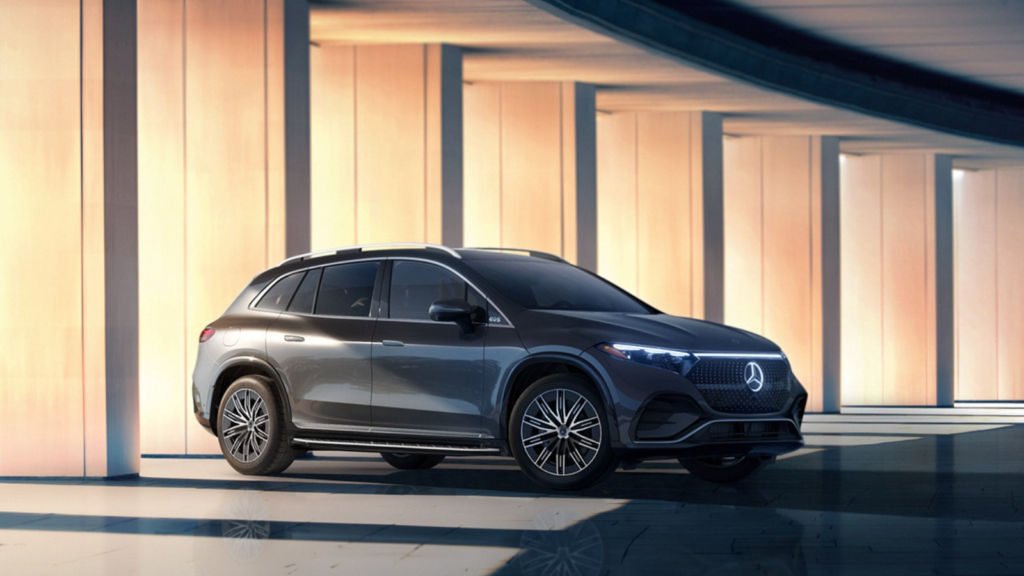
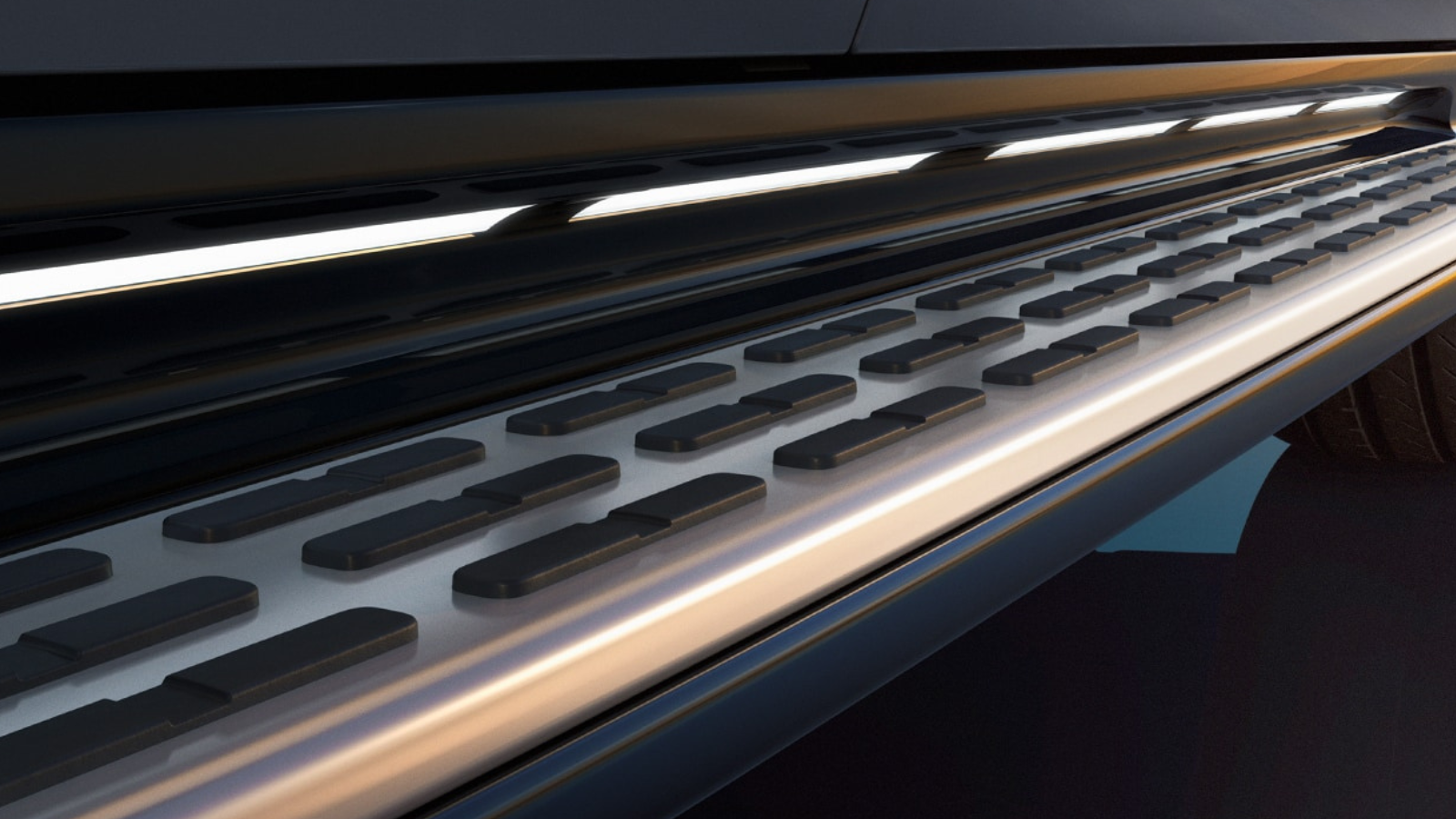
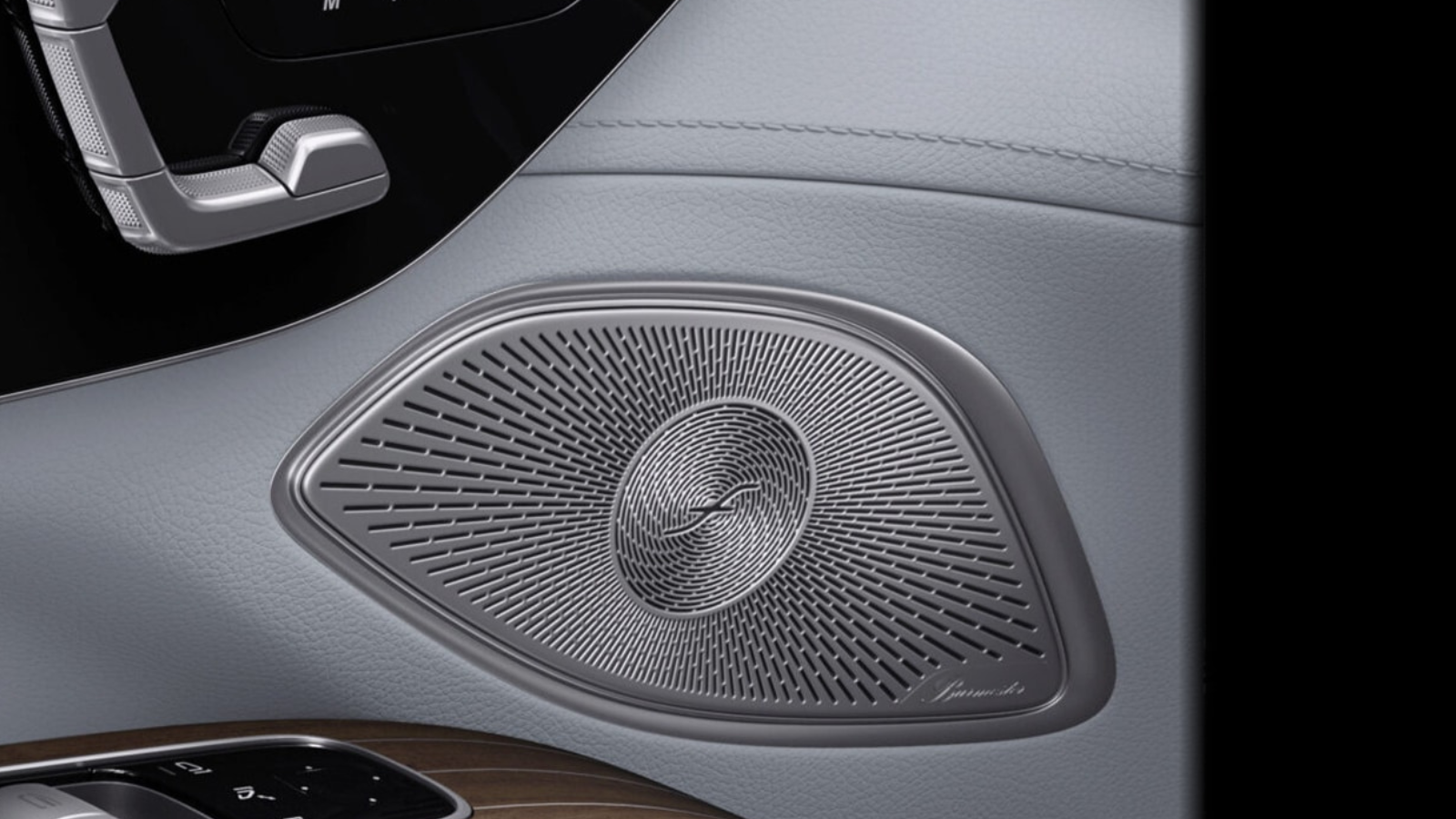
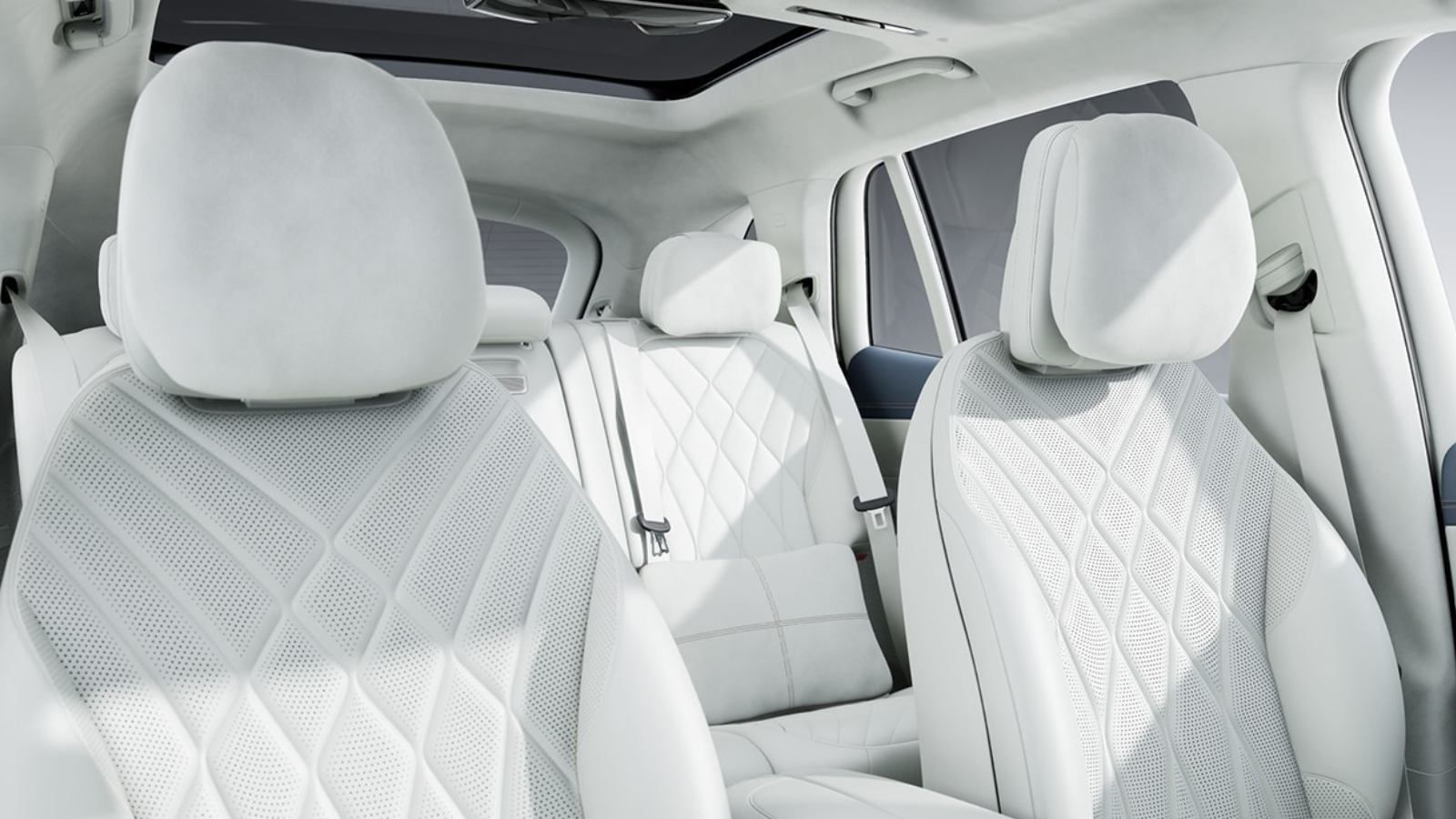
The current US lineup includes the EQS 400 4MATIC SUV and the more powerful EQS 550 4MATIC SUV. Both use dual electric motors, a large 118-kWh battery, standard air suspension, rear-wheel steering, and a cabin packed with screens and comfort features.
WheelPedia Rating: 8.5/10
The EQS SUV earns an 8.5/10 WheelPedia Rating for its exceptionally comfortable ride, refined interior, usable electric range, powerful all-wheel-drive powertrains, and flexible seating layout.
Its main drawbacks are its high price, very heavy curb weight, limited value compared with some newer luxury EVs, and ownership uncertainty once the factory warranty expires.
| Rating Category | Score | Weight |
| Safety | 8.0/10 | 20% |
| Reliability and ownership | 7.8/10 | 15% |
| Performance and driving | 8.8/10 | 15% |
| Comfort and practicality | 9.4/10 | 15% |
| Efficiency and range | 8.8/10 | 15% |
| Features and technology | 9.3/10 | 10% |
| Price and value | 7.3/10 | 10% |
| Overall WheelPedia Rating | 8.5/10 | — |
See how WheelPedia rates cars for the full scoring method.
Key Highlights
- Starts from $89,950 MSRP in the US, before destination, taxes, registration, and options.
- Two current all-wheel-drive models: EQS 400 and EQS 550.
- EQS 400 produces 355 hp and reaches 60 mph in 5.9 seconds.
- EQS 550 produces 536 hp and reaches 60 mph in 4.6 seconds.
- EPA-estimated range is up to 317 miles, depending on model and configuration.
- Uses a 118-kWh battery and supports DC fast charging at up to 200 kW.
- Mercedes estimates a 10–80% DC fast charge in about 31 minutes under suitable conditions.
- Seats five as standard; a third row is optional.
- Provides 23 to 74 cubic feet of cargo space.
- Best for buyers who prioritize ride comfort, quietness, technology, and electric family travel over sporty handling.
Quick Specifications
| Specification | EQS 400 4MATIC SUV |
| Vehicle type | Large luxury electric SUV |
| Seating capacity | 5 standard; 7 optional |
| Motors | Dual permanent-magnet synchronous motors |
| Power | 355 hp |
| Torque | 590 lb-ft |
| Drivetrain | Fully variable 4MATIC all-wheel drive |
| Transmission | Single-speed automatic |
| Battery capacity | 118 kWh |
| EPA-estimated range | Up to 312 miles |
| 0–60 mph | 5.9 seconds |
| DC fast-charging speed | Up to 200 kW |
| DC fast-charging time | 10–80% in about 31 minutes |
| Cargo capacity | 23–74 cu. ft. |
| Maximum towing capacity | 3,500 lbs. |
Expert Tip: The EQS 400 4MATIC is the better choice for most buyers. It delivers the same core luxury experience, standard all-wheel drive, three-row availability, and nearly the same driving range as the EQS 550 for substantially less money.
About the Mercedes-Benz EQS SUV
The EQS SUV is Mercedes-Benz’s flagship electric SUV, positioned above the Mercedes-Benz EQE SUV in size, interior space, and price. It is not designed to feel like a smaller performance SUV. Instead, it focuses on smooth acceleration, low cabin noise, soft ride quality, and relaxed highway travel.
Its shape is more rounded than traditional three-row SUVs, which helps efficiency but gives it a different look from the boxier Mercedes-Benz G-Class or gasoline-powered GLS. The EQS SUV also has a lower roofline than some conventional luxury SUVs, so the optional third row is best viewed as occasional-use seating rather than a full-time adult seating area.
Price and Trims
These are current US starting MSRPs. Destination charges, paint, wheels, option packages, accessories, and dealer pricing can significantly increase the final transaction price. Check the current Mercedes-Benz EQS SUV lineup before buying.
| Trim | Starting MSRP | Power | Torque | EPA-Estimated Range | 0–60 mph |
| EQS 400 4MATIC SUV | $89,950 | 355 hp | 590 lb-ft | Up to 312 miles | 5.9 sec |
| EQS 550 4MATIC SUV | $112,450 | 536 hp | 633 lb-ft | Up to 317 miles | 4.6 sec |
The EQS 550 is much quicker, but its extra performance does not transform the vehicle’s basic character. It remains a large, comfort-first luxury SUV. The EQS 400 is already quick enough for normal highway merging and passing, making it the more rational choice.
Powertrain and Performance
Every EQS SUV uses two electric motors and fully variable 4MATIC all-wheel drive. The system can distribute power between the front and rear axles as conditions change, helping traction in rain, snow, and low-grip situations.
| Model | Power | Torque | Drivetrain | 0–60 mph |
| EQS 400 4MATIC SUV | 355 hp | 590 lb-ft | AWD | 5.9 sec |
| EQS 550 4MATIC SUV | 536 hp | 633 lb-ft | AWD | 4.6 sec |
The EQS 400 feels strong from a stop because electric motors deliver torque immediately. It is not tuned to be dramatic, but it has more than enough power for daily driving.
The EQS 550 is notably quicker and responds more forcefully at highway speeds. Choose it if brisk acceleration matters to you, but not because you expect it to handle like a smaller sport SUV.
Driving Experience
The EQS SUV is at its best on longer drives and rougher roads. Its standard AIRMATIC air suspension uses adaptive damping and self-leveling capability to keep the ride controlled while reducing the impact of broken pavement.
Rear-axle steering is standard, turning the rear wheels up to 4.5 degrees. An available system increases that angle to 10 degrees, which can make parking and low-speed turns easier than expected for a vehicle this large.
The trade-off is weight. At more than 6,300 pounds in EQS 400 form, the EQS SUV does not feel light or especially agile when pushed through quick corners. It is composed and secure, but buyers who want sharper handling should also drive the BMW iX or a more performance-focused electric SUV.
Range and Charging
| Model | EPA-Estimated Range | Battery | DC Fast-Charging Capability |
| EQS 400 4MATIC SUV | Up to 312 miles | 118 kWh | Up to 200 kW |
| EQS 550 4MATIC SUV | Up to 317 miles | 118 kWh | Up to 200 kW |
The EQS 400 is rated at up to 80 MPGe city, 78 MPGe highway, and 79 MPGe combined. The EQS 550 uses more power but has a slightly higher stated driving-range figure in its current configuration.
At a compatible DC fast charger, Mercedes estimates that the battery can charge from 10% to 80% in approximately 31 minutes. At home, the onboard 9.6-kW AC charging system takes roughly 14 hours to charge from 10% to 100% on suitable Level 2 equipment.
Actual range changes with speed, weather, elevation, wheel and tire choice, passenger load, and climate-control use. Cold-weather highway driving can reduce range substantially, so buyers in winter climates should not plan trips around the maximum published number.
Mercedes lists access to a large public-charging network, including compatibility with CCS stations and, with the appropriate adapter, selected NACS DC fast chargers. Confirm charging access, adapter availability, and billing terms before purchase.
Interior, Comfort, and Technology
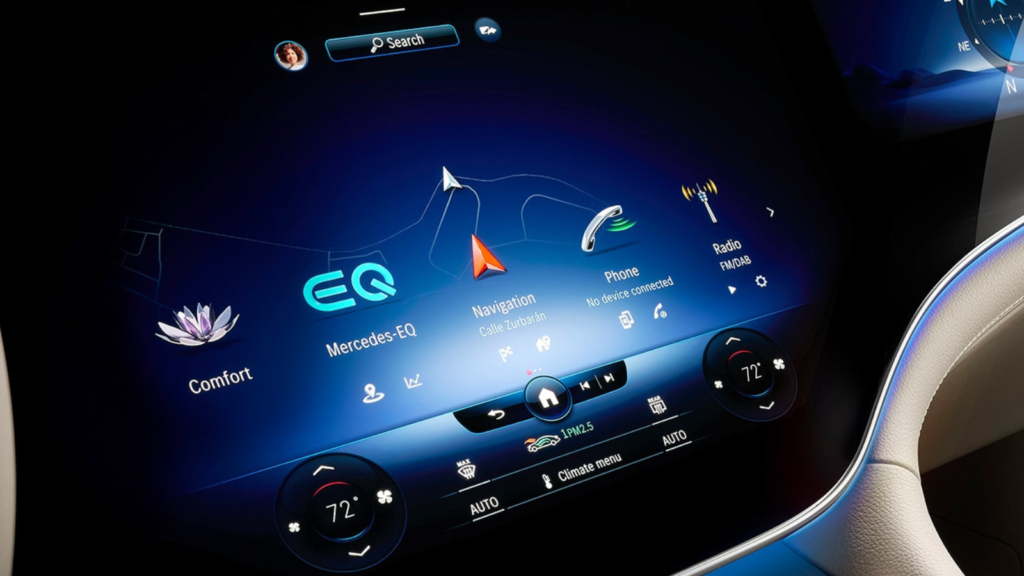
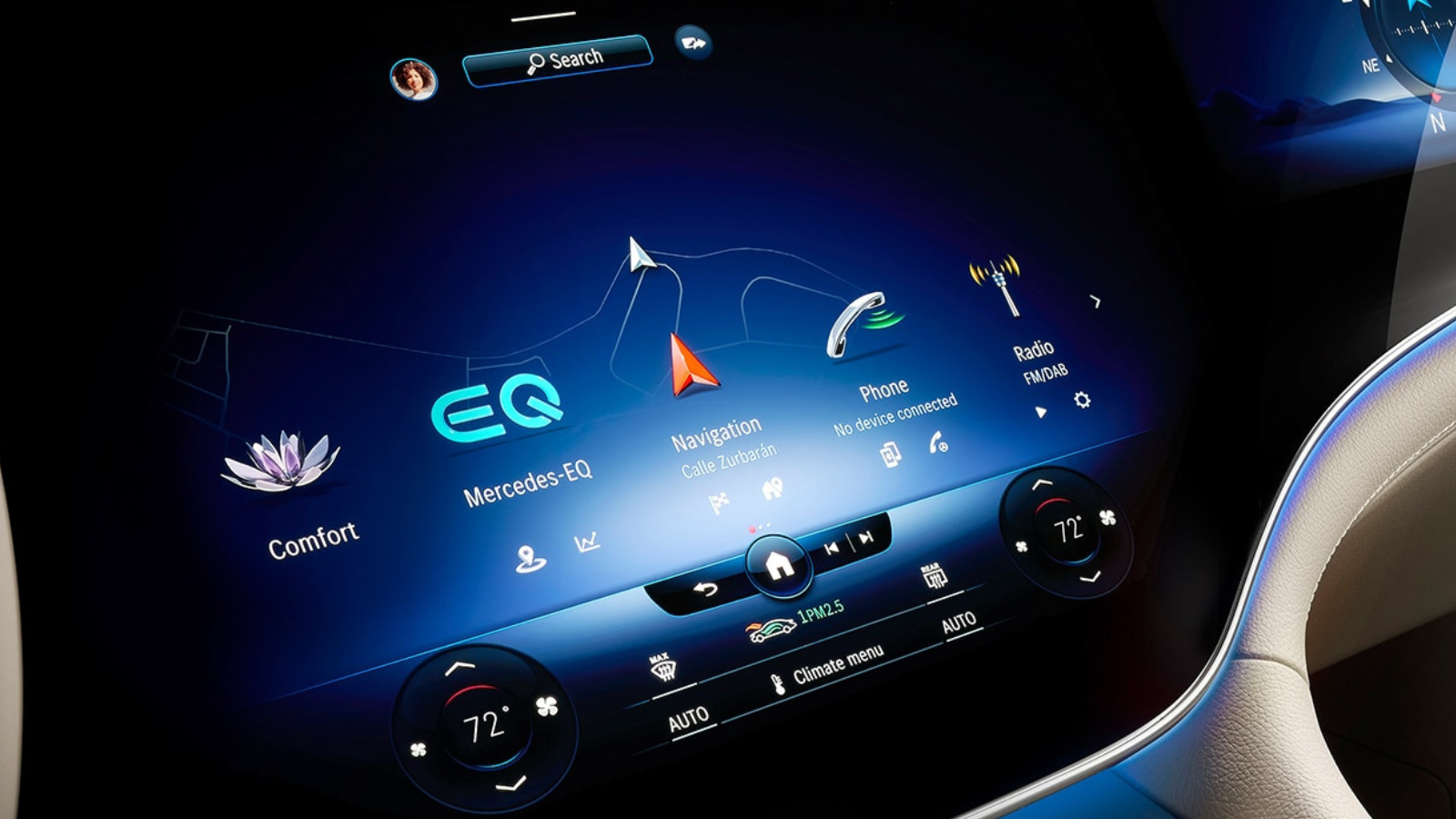
The EQS SUV cabin is designed to feel more like a luxury lounge than a conventional SUV interior. It is quiet, spacious in the first two rows, and focused heavily on digital displays.
Standard and available features include:
- MBUX infotainment and voice control
- Large digital instrument display
- MBUX Hyperscreen with three displays
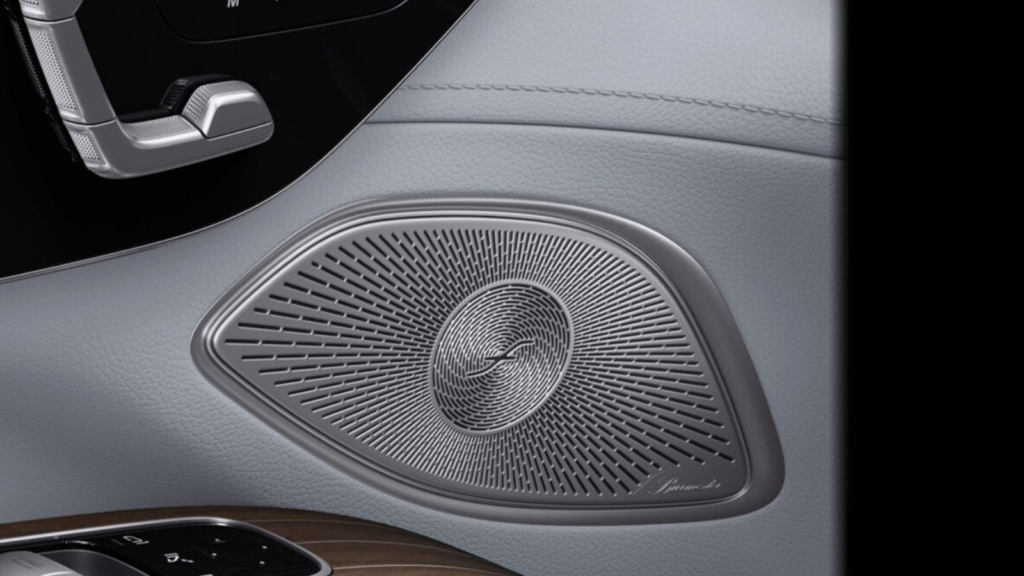
- Burmester 3D Surround Sound system
- Dolby Atmos audio capability
- Heated, power-adjustable front seats
- Available ventilated and massaging front seats
- Heated second-row seats
- Available heated third-row seats
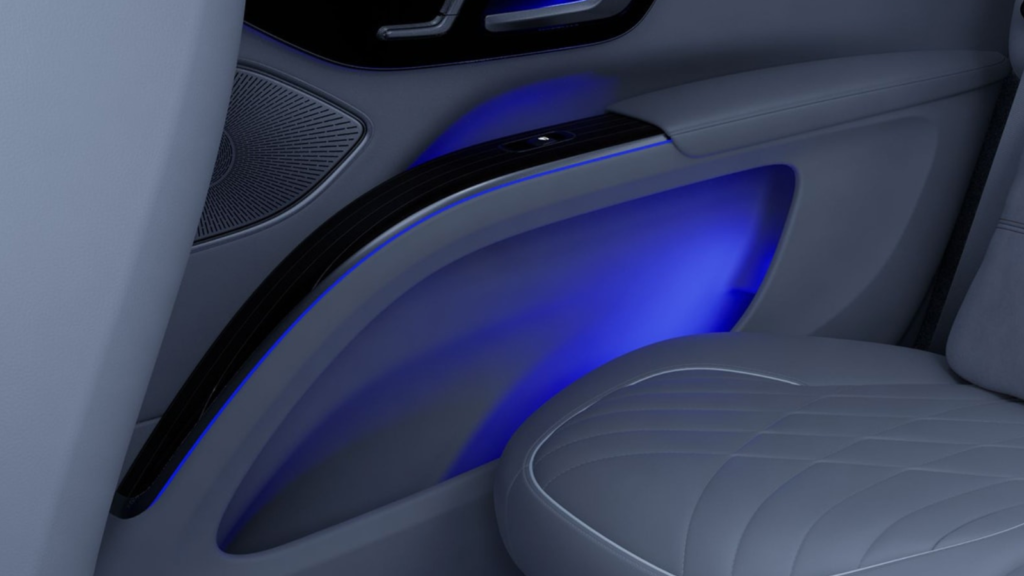
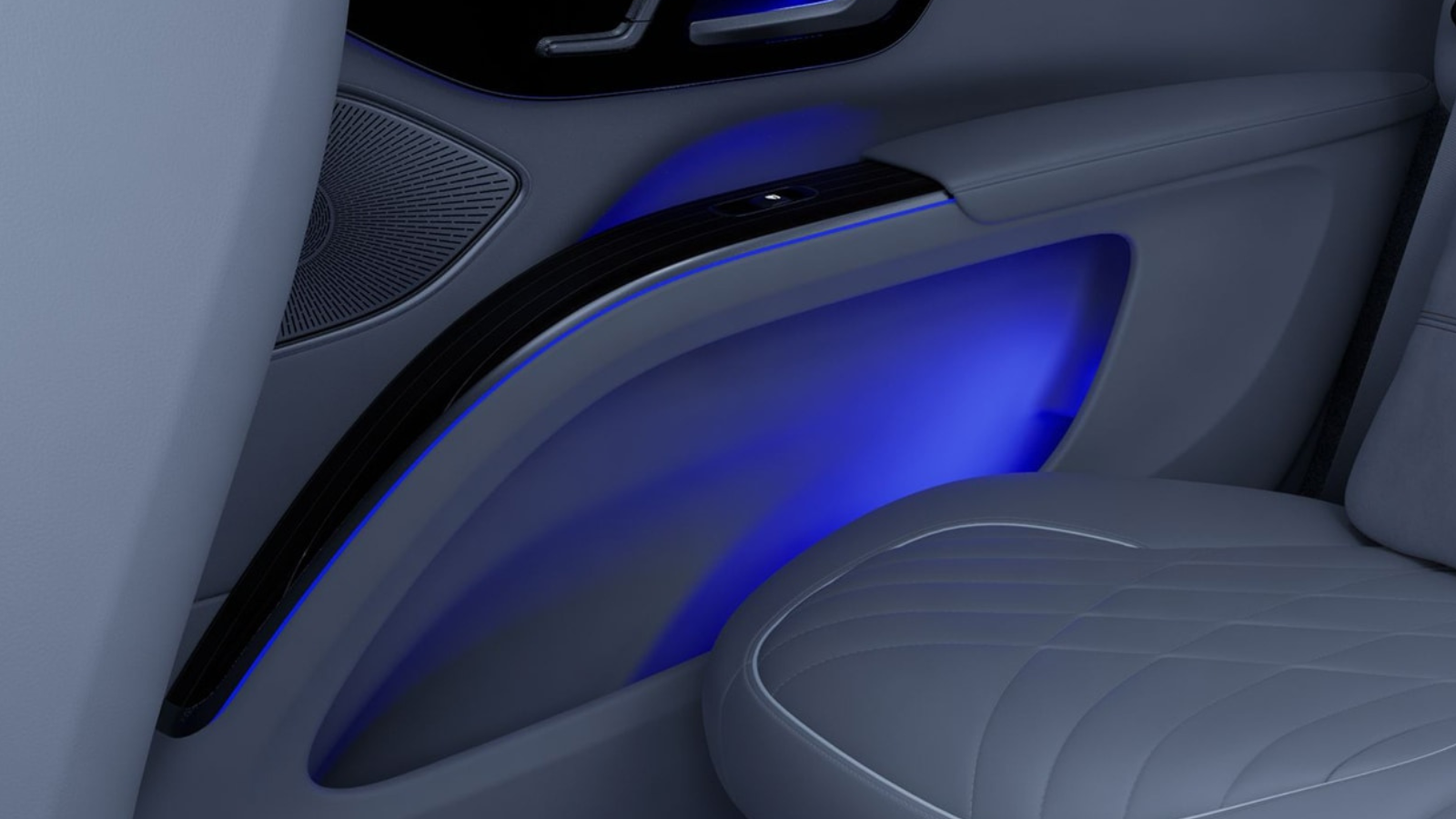
- 64-color ambient lighting
- Panoramic roof
- MBUX Navigation with Electric Intelligence
- Wireless phone integration and charging availability
- Multi-camera Surround View System
- Active Parking Assist
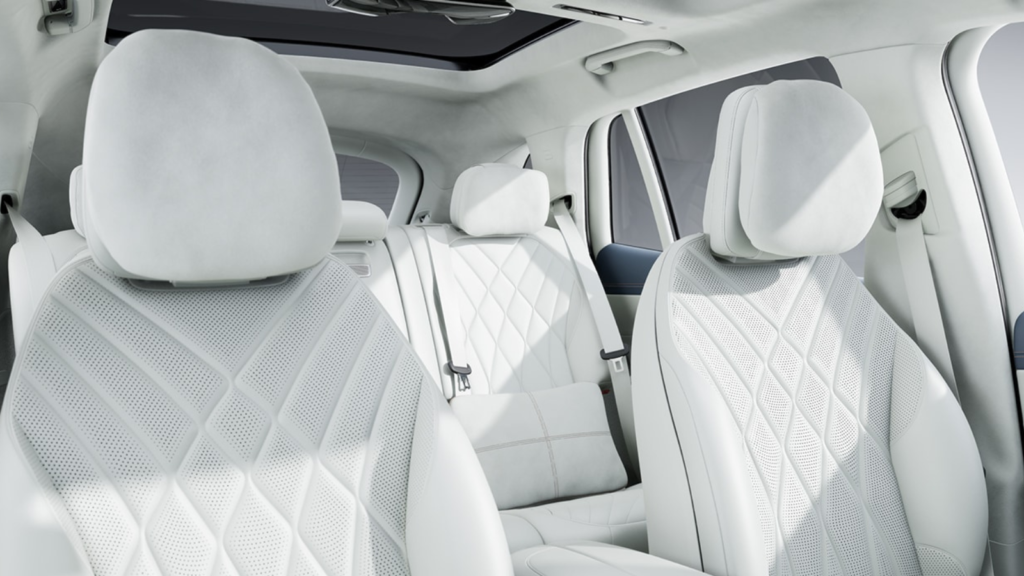
The front seats are excellent for long trips, with good support and a relaxed driving position. Second-row headroom and legroom are generous. The optional third row is useful for children or occasional extra passengers, but adults will likely find it tight on longer journeys.
Dimensions, Cargo, and Practicality
| Dimension | Measurement |
| Length | 201.8 in. |
| Width without mirrors | 80.1 in. |
| Width with mirrors | 84.9 in. |
| Height | 67.8 in. |
| Wheelbase | 126.4 in. |
| Front headroom | 40.7 in. |
| Rear headroom | 40.6 in. |
| Front legroom | 40.6 in. |
| Rear legroom | 41.3 in. |
| Cargo capacity | 23–74 cu. ft. |
| Seating capacity | 5 standard; 7 optional |
The EQS SUV offers strong maximum cargo capacity when the rear seats are folded. Its 40/20/40-split second row makes it easier to carry longer items while preserving some passenger seating.
The optional third row adds flexibility but reduces the space available for luggage when it is occupied. Families that frequently carry six or seven full-size passengers should compare the EQS SUV carefully with more traditionally shaped three-row SUVs before deciding.
Exterior Design
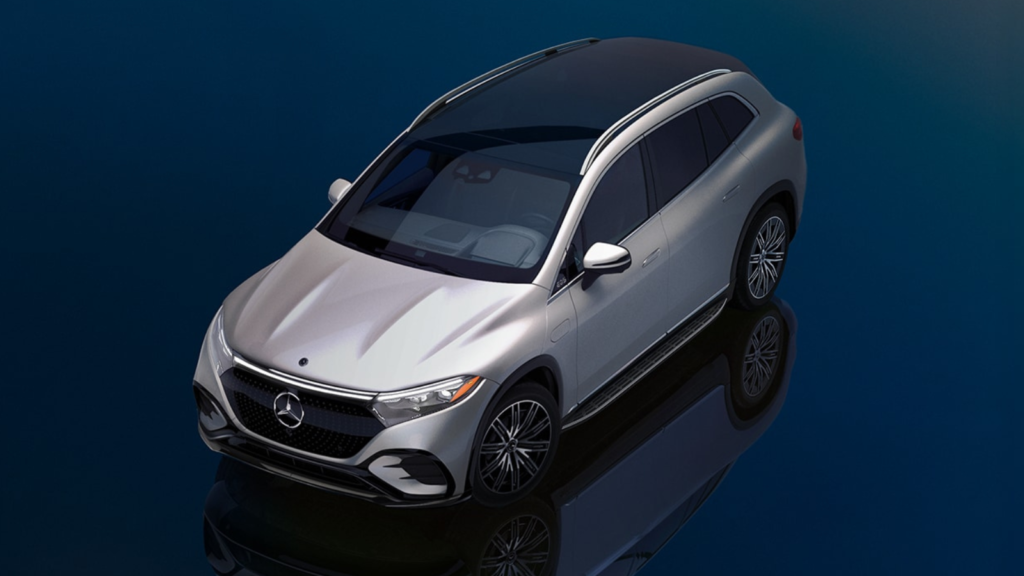
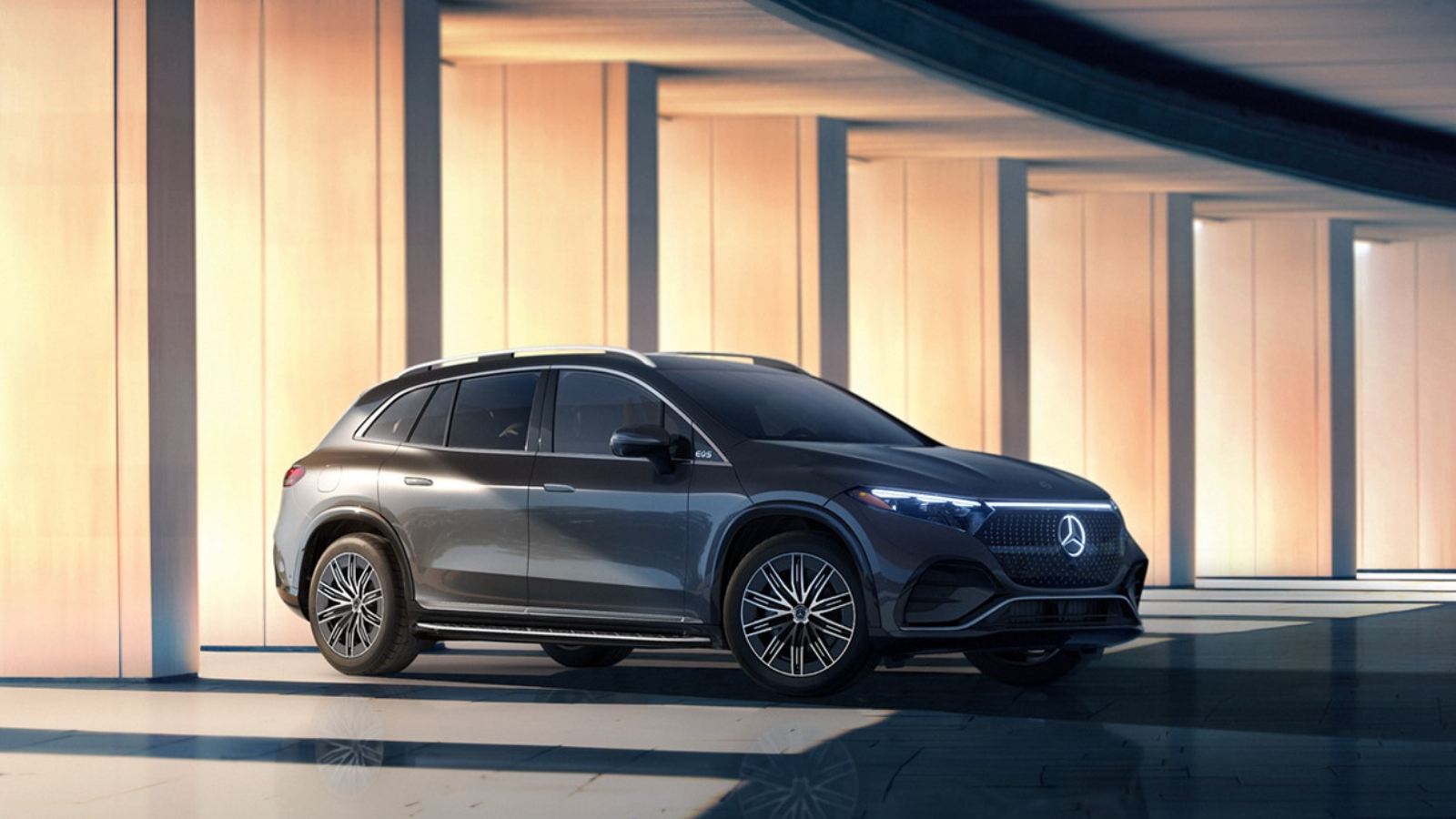
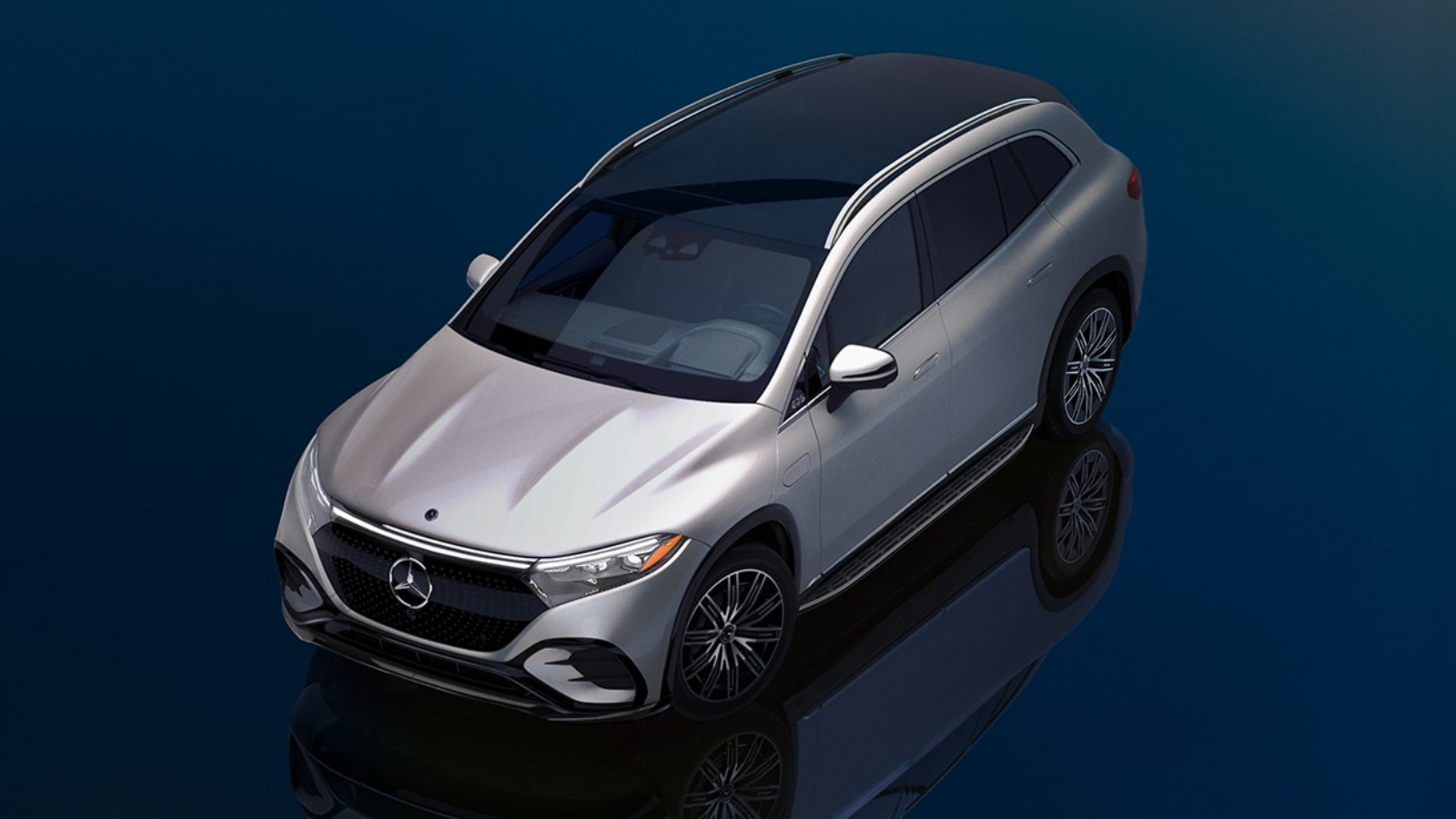
The EQS SUV uses a rounded, aerodynamic design rather than the upright proportions of a traditional large SUV. Its black-panel grille, smooth body sides, full-width lighting elements, and short front overhang make it immediately recognizable as an electric Mercedes-Benz.
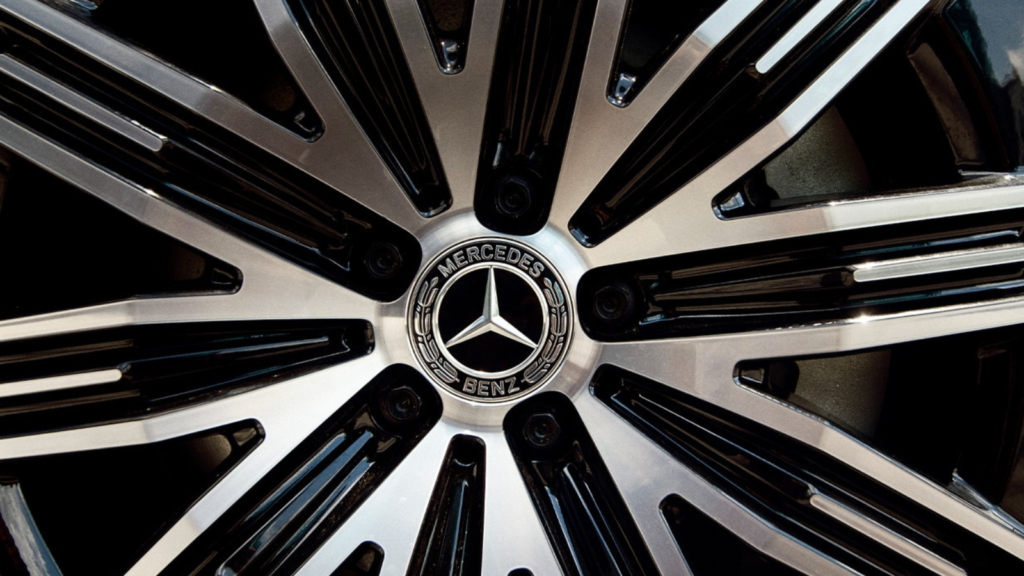
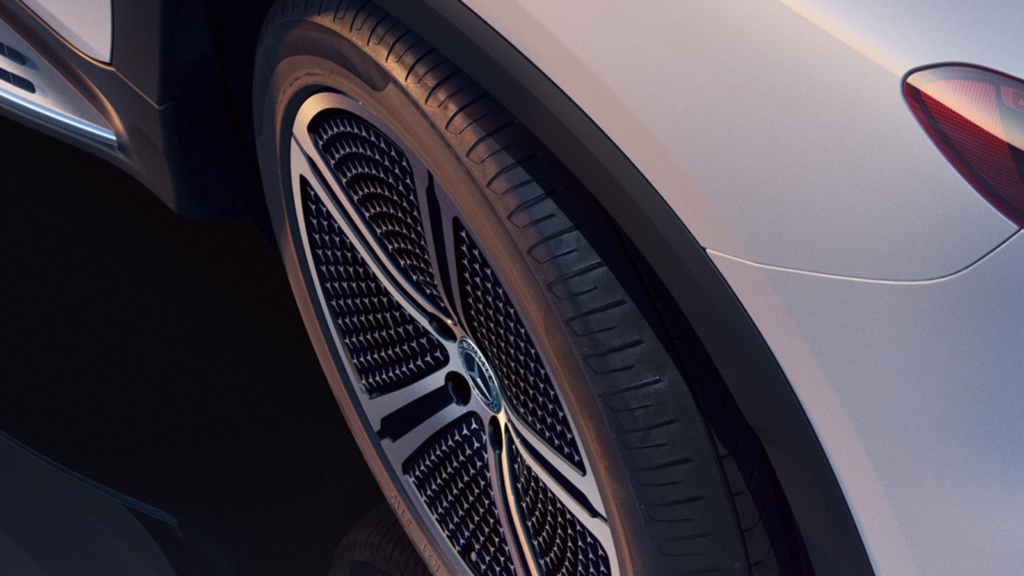
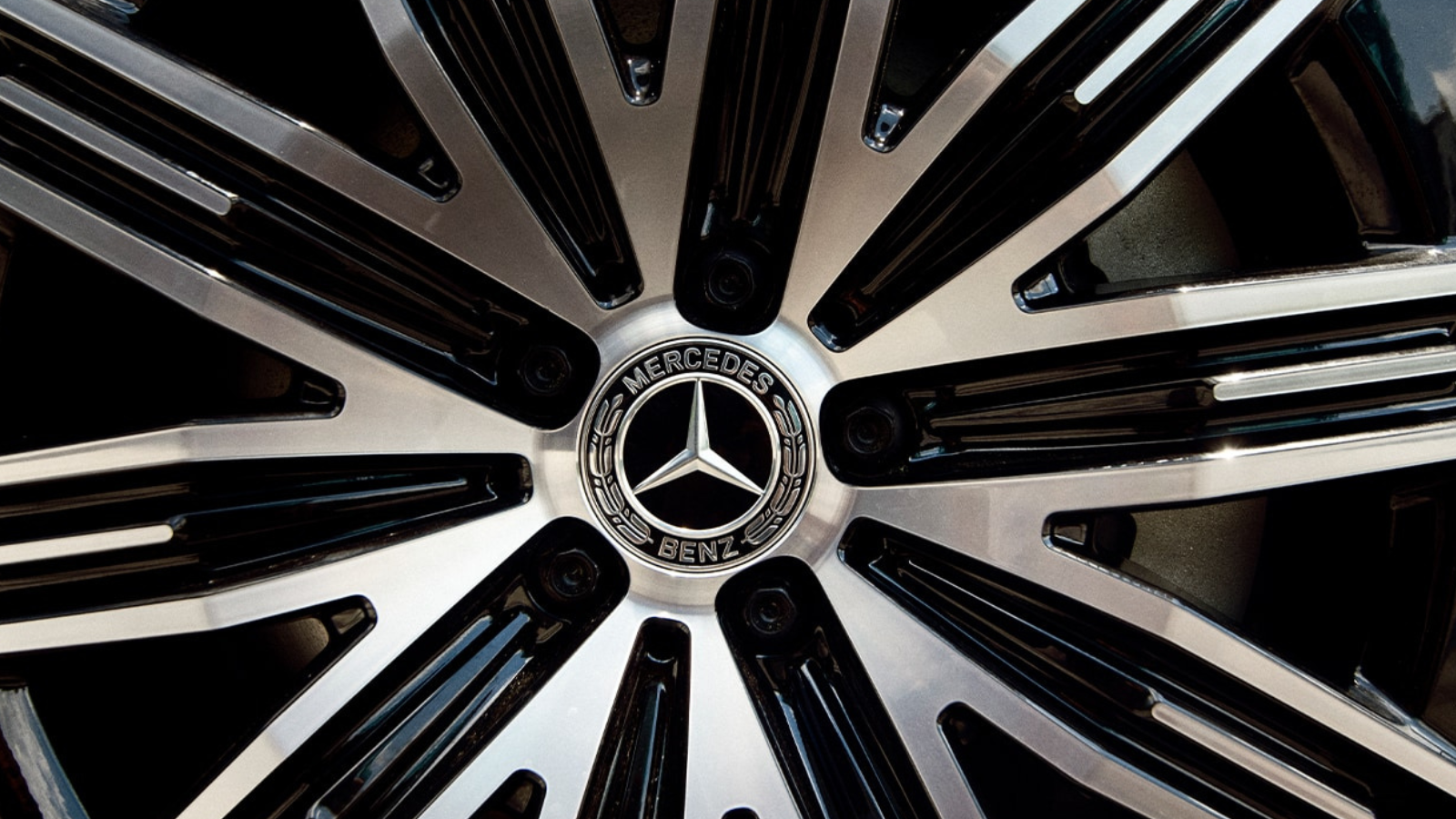
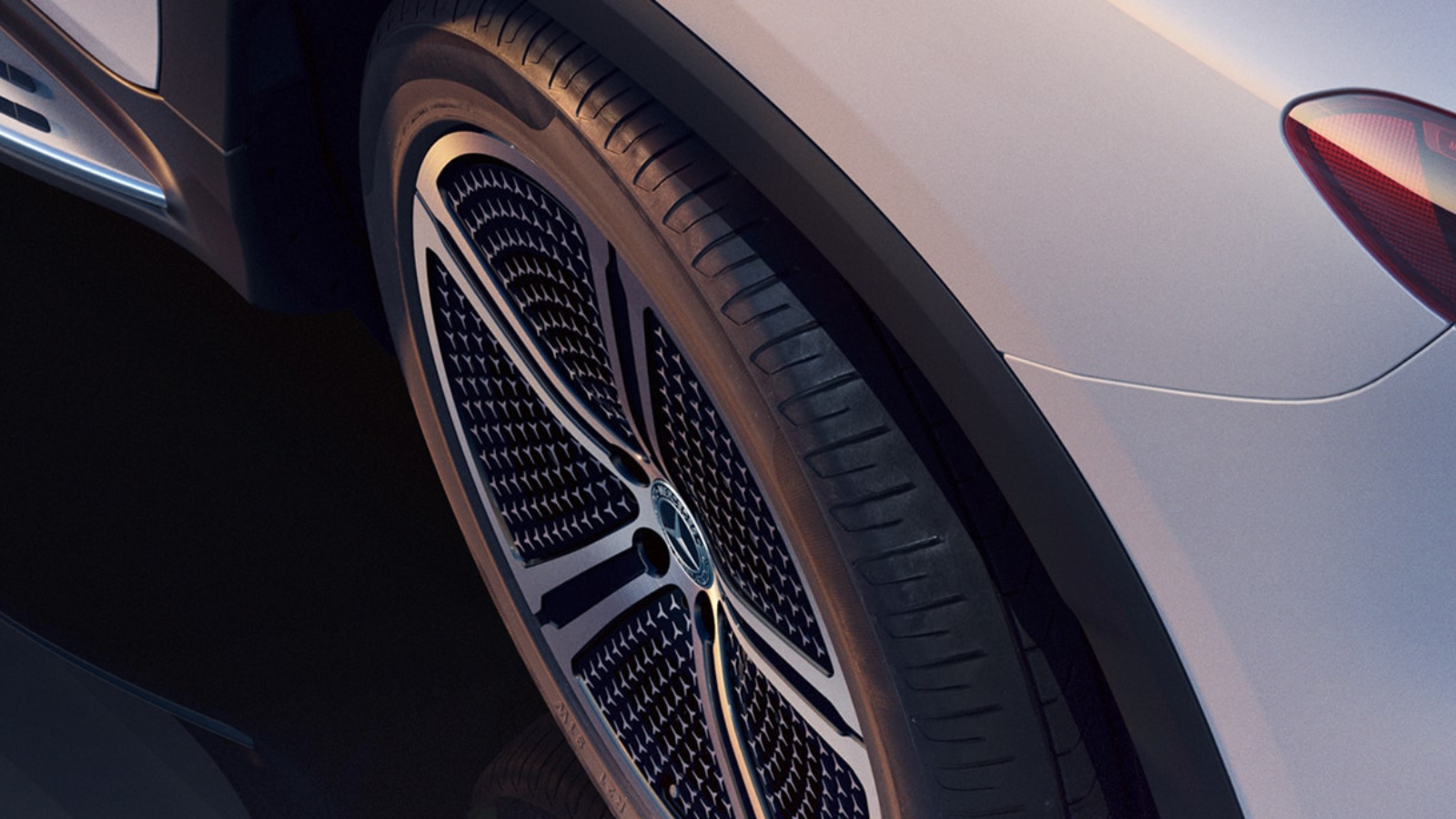
Standard 21-inch wheels give the EQS SUV a substantial stance. Available 22-inch wheels look more dramatic but can reduce ride comfort and make tire replacement more expensive. For most buyers, the standard wheel setup is the better everyday choice.
Safety Features and Ratings
Standard and available driver-assistance features include:
- Active Brake Assist
- Blind Spot Assist
- ATTENTION ASSIST driver monitoring
- PRE-SAFE occupant-protection system
- Surround View System
- Active Parking Assist
- Adaptive cruise-control capability
- Lane-keeping and lane-centering assistance availability
- Navigation-based route and range planning
- GUARD 360 vehicle-monitoring features
The EQS SUV has not received a current published crash-test rating from IIHS, and it is not included in NHTSA’s current 2026 vehicle-testing list. Buyers should check the IIHS vehicle-ratings database and NHTSA safety-ratings site again before purchase, as ratings and tested configurations can change.
Driver-assistance features can help reduce risk, but they do not replace attentive driving. Verify which systems are standard or optional on the exact vehicle you are considering.
Reliability, Warranty, and Ownership
The EQS SUV has a sophisticated electrical system, air suspension, rear-wheel steering, advanced displays, cameras, and driver-assistance hardware. That makes it a highly capable luxury EV, but it also means post-warranty repairs can be expensive.
| Coverage | Length |
| New Vehicle Limited Warranty | 4 years / 50,000 miles |
| Roadside Assistance | 4 years / 50,000 miles |
| High-voltage battery coverage | 10 years / 155,000 miles |
| Included scheduled maintenance | Up to 2 years, subject to plan terms |
The battery warranty is an important strength for long-term EV ownership. Still, buyers planning to keep an EQS SUV beyond its main vehicle warranty should budget for tires, brakes, suspension components, electronics, and insurance.
For a used EQS SUV, check its service history, battery condition, tire wear, charging performance, software status, operation of the air suspension and rear-wheel steering, and open recalls. A Mercedes-Benz Certified Pre-Owned vehicle can be worth considering for its added warranty coverage.
Pros and Cons
What We Like
- Exceptionally quiet and comfortable on long drives
- Strong electric range for a large luxury SUV
- Standard all-wheel drive
- Powerful EQS 550 performance
- Spacious first and second rows
- Optional third-row seating
- Useful maximum cargo capacity
- Excellent digital displays and available Hyperscreen
- Standard air suspension and rear-wheel steering
- Fast DC charging capability
What We Don’t Like
- High purchase price before options
- Heavy curb weight limits handling agility
- Optional third row is tight for adults
- High-tech systems can be expensive outside warranty
- Large wheels can reduce ride comfort and raise tire costs
- Value is weakened by luxury-EV depreciation risk
- No current IIHS or NHTSA crash-test rating published
Competitors
The EQS SUV competes with several premium electric SUVs:
- The BMW iX is a strong alternative for buyers who want more engaging handling and a lower starting price.
- The Cadillac Vistiq is worth considering for buyers who want a more conventional three-row SUV layout.
- The Volvo EX90 offers a more upright design and safety-focused family appeal.
- The Lucid Gravity is aimed at buyers who want exceptional range and performance in a luxury three-row EV.
- The Mercedes-Benz EQE SUV is a better fit for buyers who want Mercedes electric luxury in a smaller and less expensive package.
Related Content
Compare the EQS SUV with the smaller Mercedes-Benz EQB if you need occasional three-row seating but want a more manageable vehicle size.
Buyers considering a luxury EV should understand the financing side before visiting a dealer. Read our guides to car loan preapproval and APR vs. interest rate on a car loan.
For a pre-owned EQS SUV, review how to check a car’s accident history and how to read a VIN number before completing the purchase.
Should You Buy the Mercedes-Benz EQS SUV?
Buy the EQS SUV if you want a large electric luxury SUV that prioritizes comfort, quietness, premium technology, all-wheel-drive capability, and occasional third-row flexibility.
Choose the EQS 400 4MATIC SUV if you want the strongest overall value. It has plenty of performance, strong range, and the same basic interior and practicality as the EQS 550.
Choose the EQS 550 4MATIC SUV if rapid acceleration matters to you and the added cost fits comfortably within your budget.
Skip the EQS SUV if you want the lowest possible ownership costs, regularly need a roomy adult-friendly third row, prefer sporty handling, or cannot charge reliably at home or work.
FAQs
How much does the Mercedes-Benz EQS SUV cost?
The EQS SUV starts from $89,950 MSRP for the EQS 400 4MATIC SUV. The EQS 550 4MATIC SUV starts from $112,450. Destination charges, options, taxes, registration, and dealer pricing increase the final cost.
How much range does the EQS SUV have?
The EQS 400 4MATIC SUV has an EPA-estimated range of up to 312 miles. The EQS 550 4MATIC SUV is rated at up to 317 miles. Actual range varies with weather, speed, terrain, wheels, and climate-control use.
Is the EQS SUV available with a third row?
Yes. The EQS SUV seats five as standard, and a third row is optional. The third row is most suitable for children or occasional extra passengers.
How fast is the EQS SUV?
The EQS 400 4MATIC SUV reaches 60 mph in 5.9 seconds. The EQS 550 4MATIC SUV does it in 4.6 seconds.
Does the EQS SUV have all-wheel drive?
Yes. Both current EQS SUV models use fully variable 4MATIC all-wheel drive.
How long does the EQS SUV take to charge?
At a compatible DC fast charger, Mercedes estimates a 10–80% charge in about 31 minutes. A suitable Level 2 home charger can take about 14 hours for a 10–100% charge.
How much cargo space does the EQS SUV have?
The EQS SUV offers 23 cubic feet of cargo space behind the rear seating area and up to 74 cubic feet with the rear seats folded.
Can the EQS SUV tow?
Yes. The EQS 400 4MATIC SUV is rated to tow up to 3,500 pounds when properly equipped.
Is the EQS SUV safe?
It includes a wide range of standard and available driver-assistance technology. However, current IIHS and NHTSA crash-test ratings are not published for the EQS SUV, so buyers should check the latest results before purchase.
What is the best EQS SUV trim?
For most buyers, the EQS 400 4MATIC SUV is the best trim. It provides the key comfort, range, technology, cargo, and all-wheel-drive benefits at a much lower price than the EQS 550.
Final Verdict
The Mercedes-Benz EQS SUV is one of the most comfortable electric SUVs available. It combines a quiet cabin, air-suspension ride quality, strong range, standard all-wheel drive, and a useful optional third row in a package that works especially well for long-distance family travel.
The EQS 400 4MATIC is the better buy for most people. The EQS 550 is quicker, but it costs substantially more without adding much practical capability.
The biggest question is value. The EQS SUV is expensive, its options can push the price much higher, and long-term repair costs deserve careful consideration. But if comfort and luxury matter more than driving sharpness or bargain pricing, it remains a compelling electric flagship SUV.