
BMW i7: Price, Range, Specs & Review
The BMW i7 is BMW’s flagship electric luxury sedan. It is built for buyers who want first-class rear-seat comfort, advanced technology, a quiet ride, and strong electric performance without moving to an SUV.
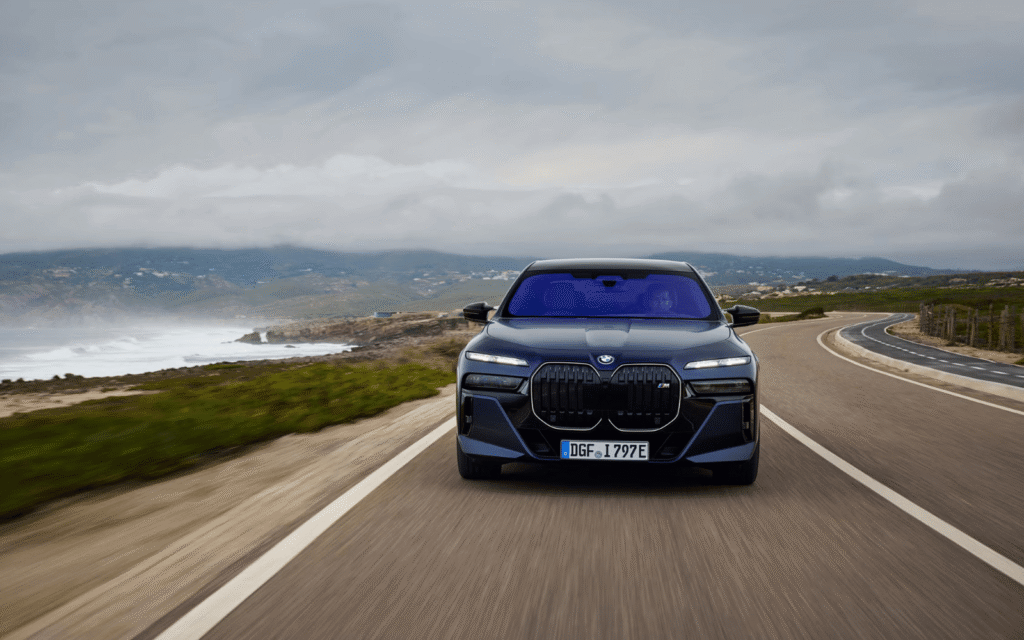
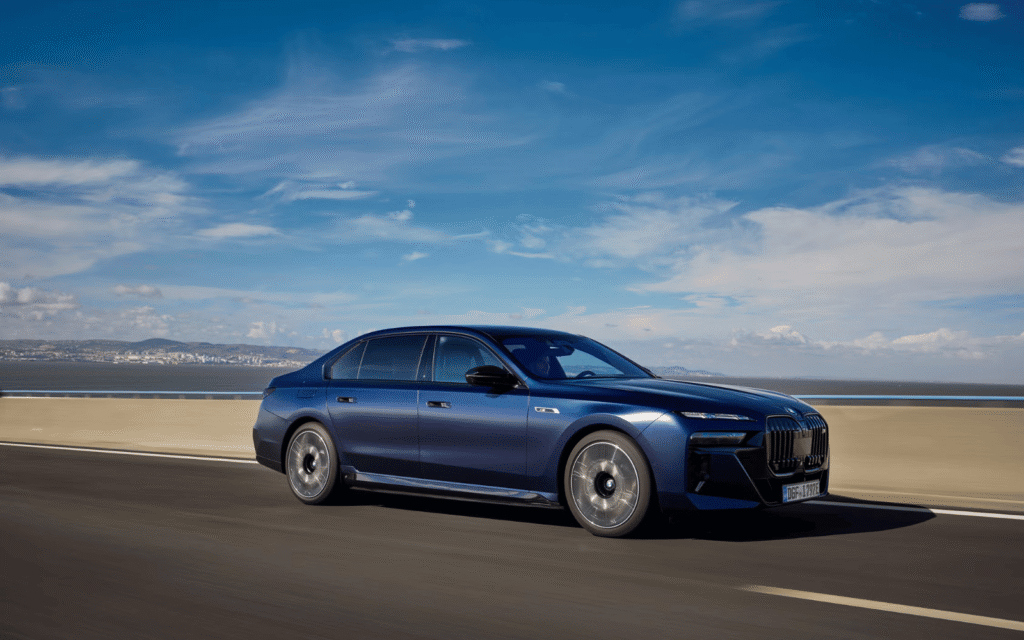
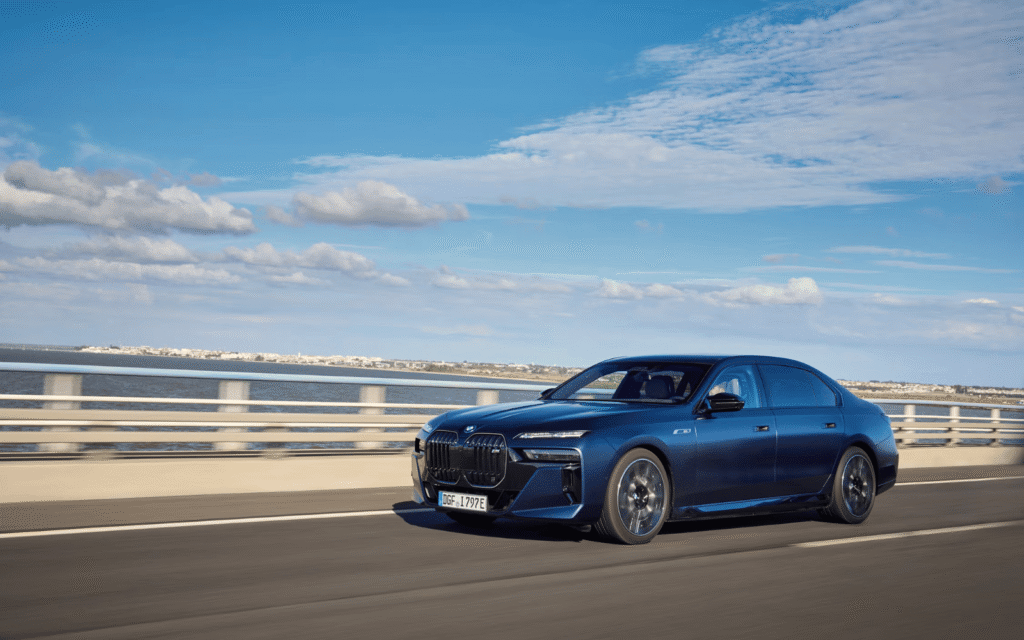
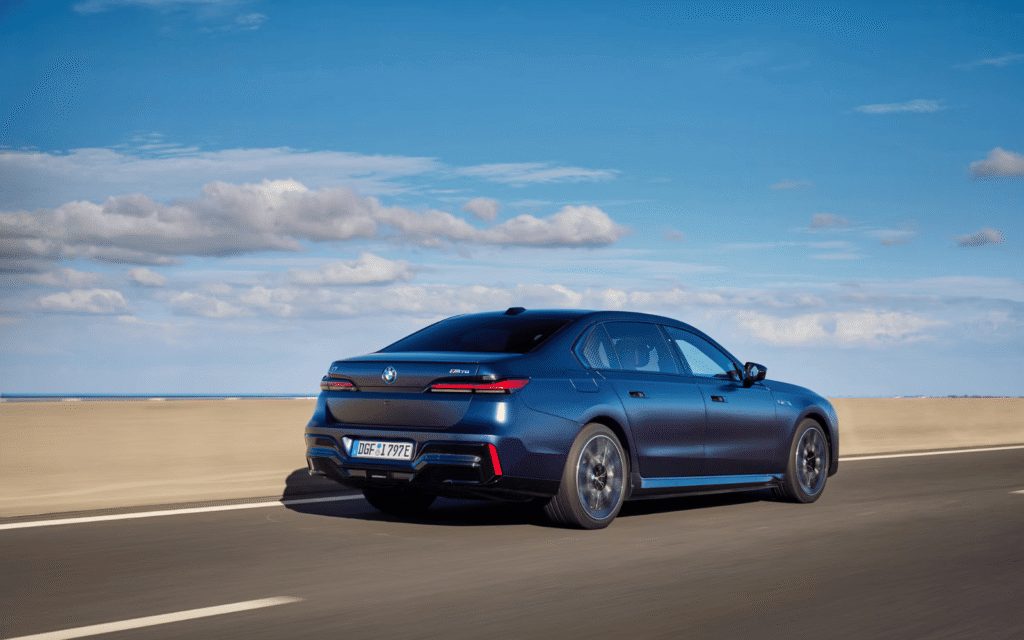
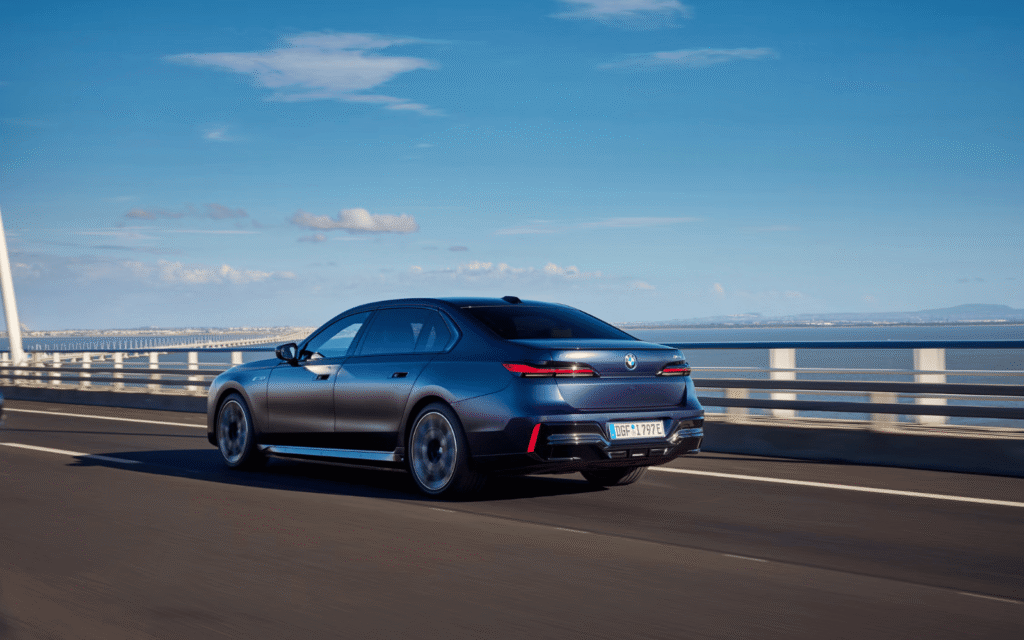
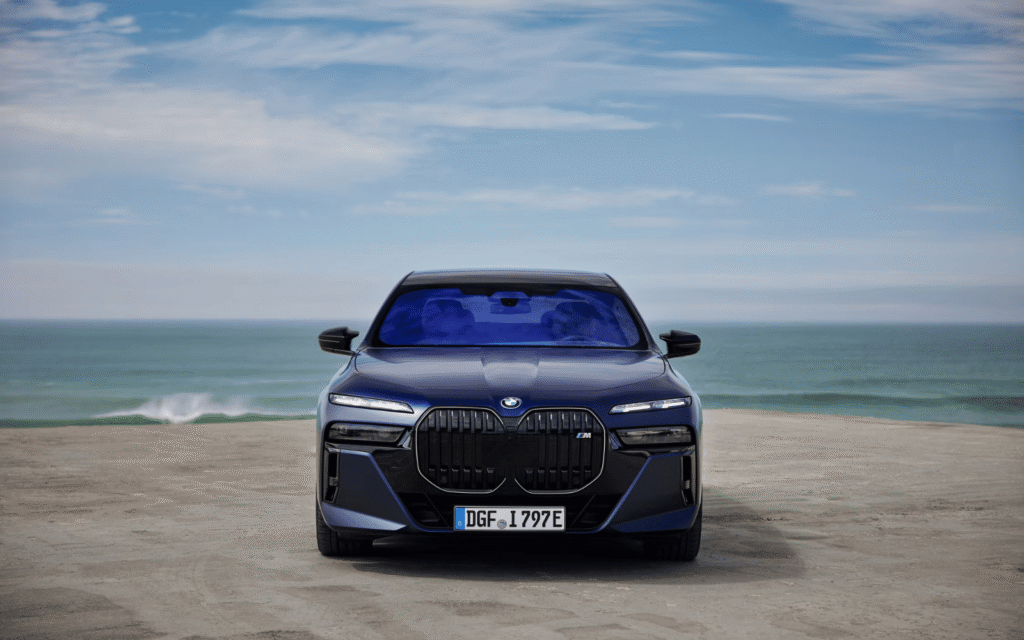
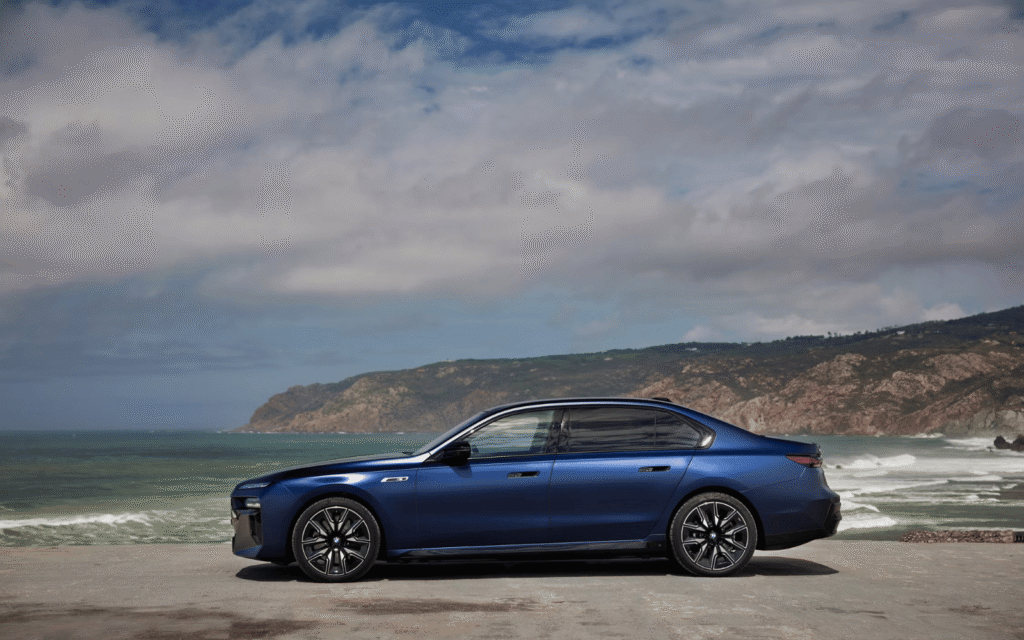
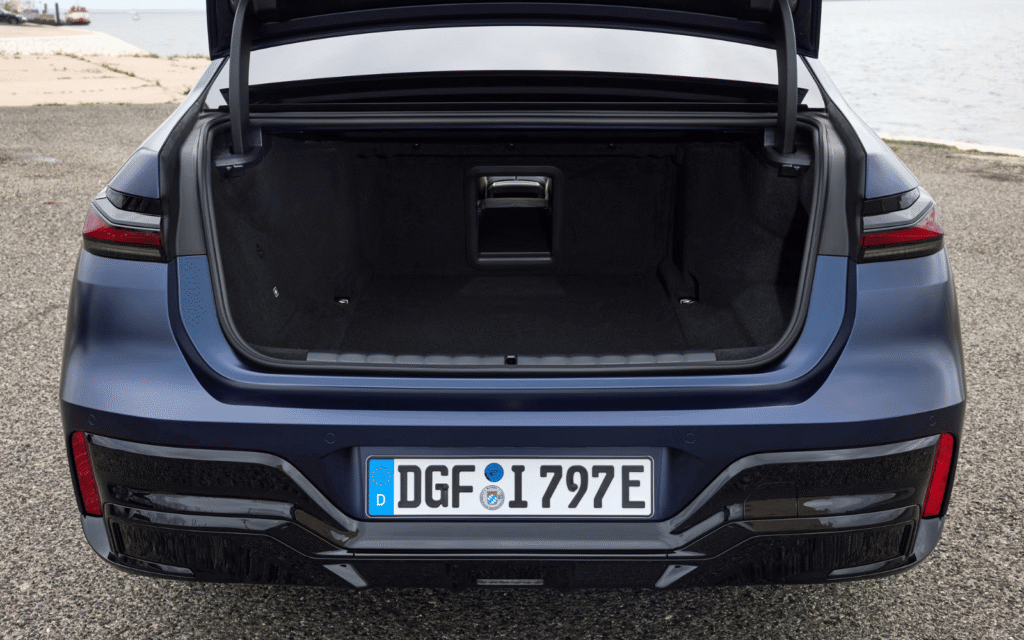
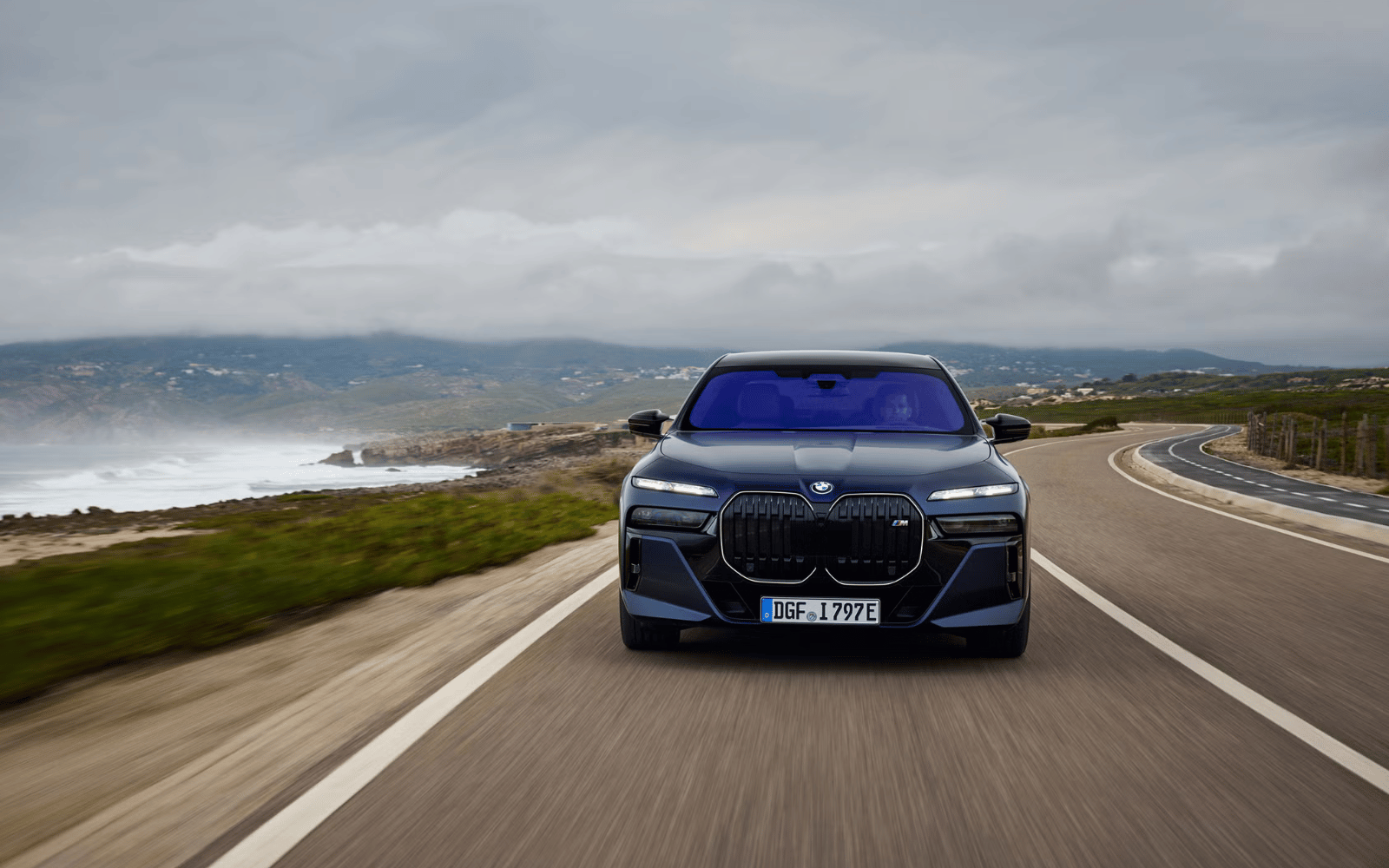
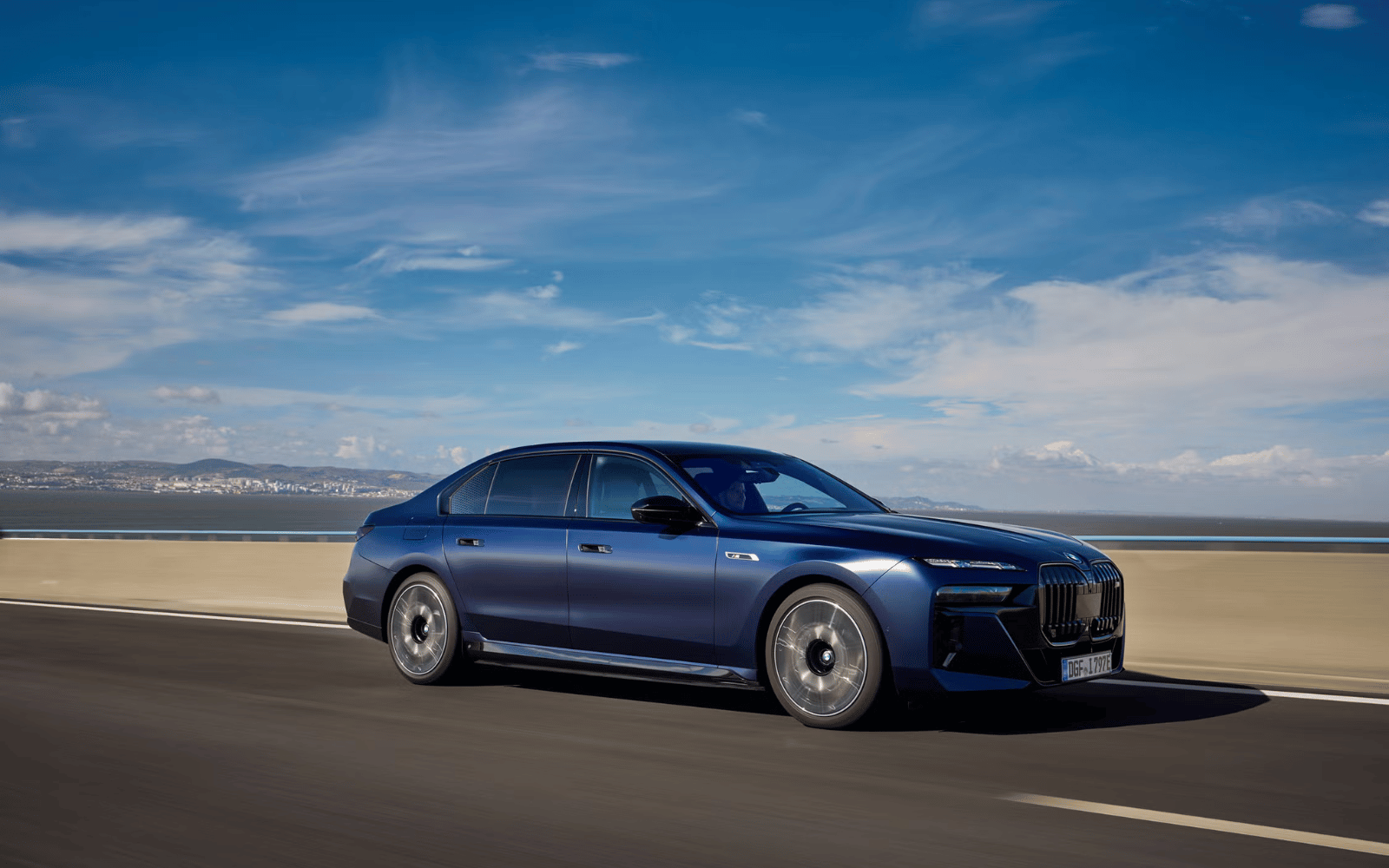
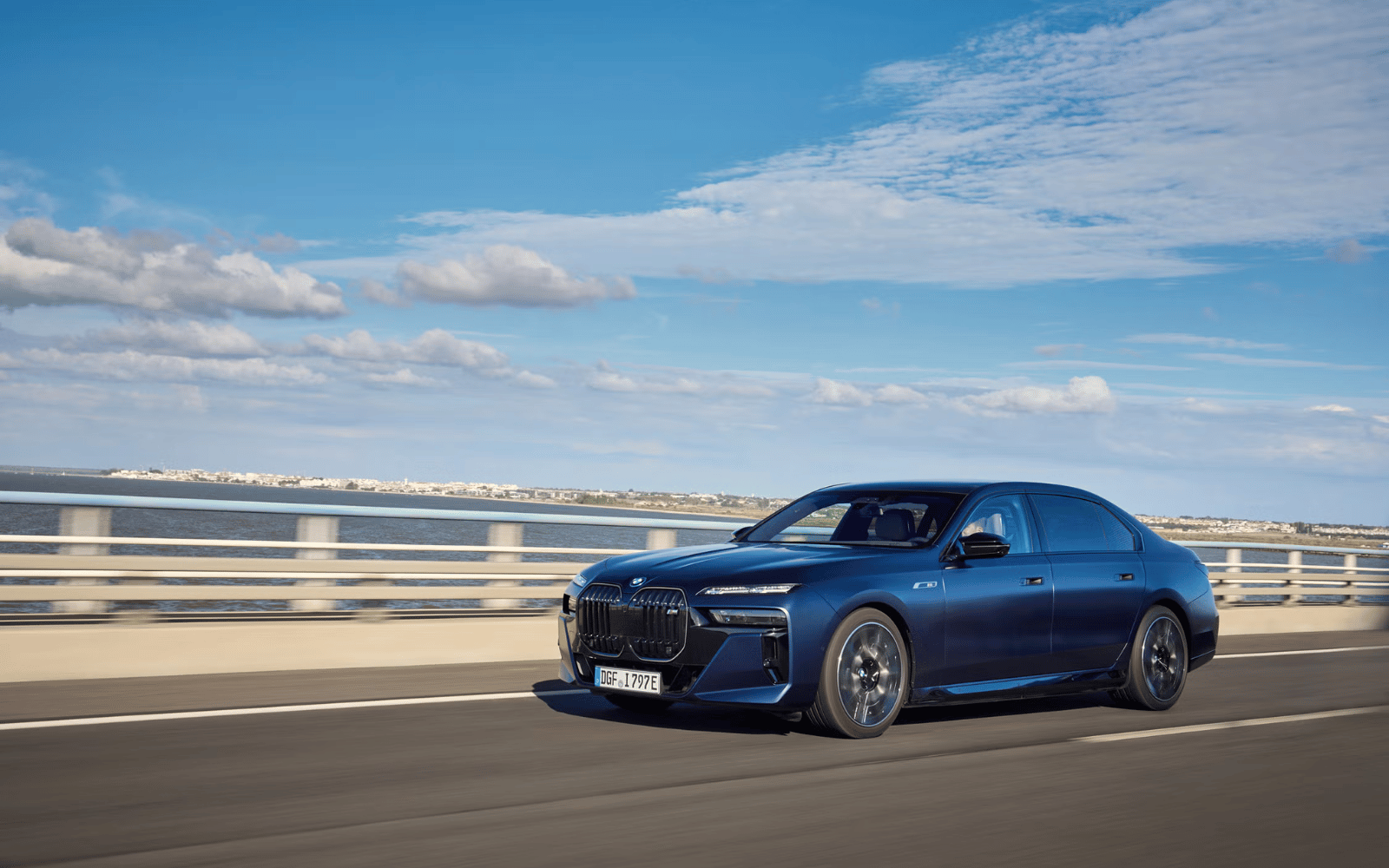
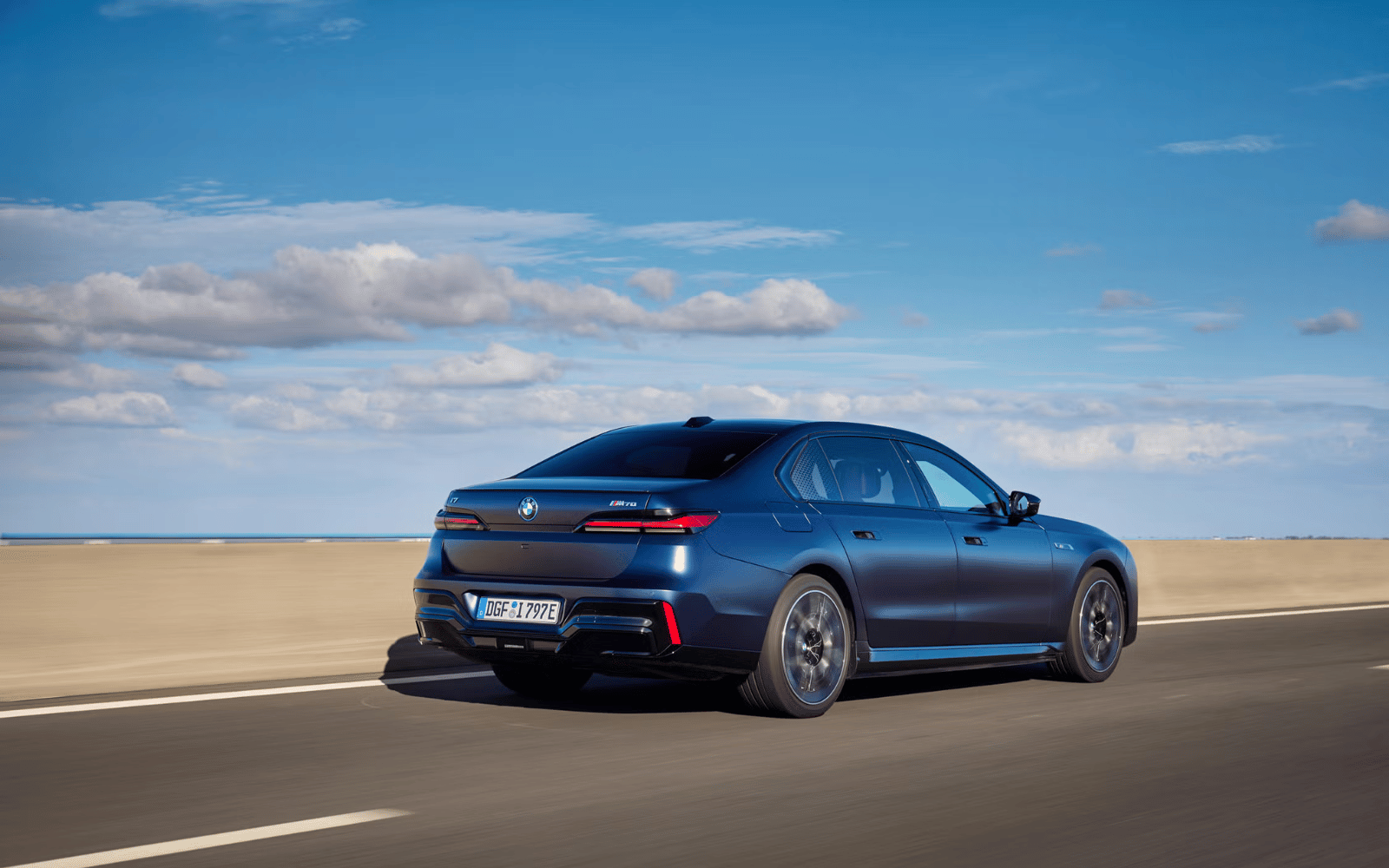
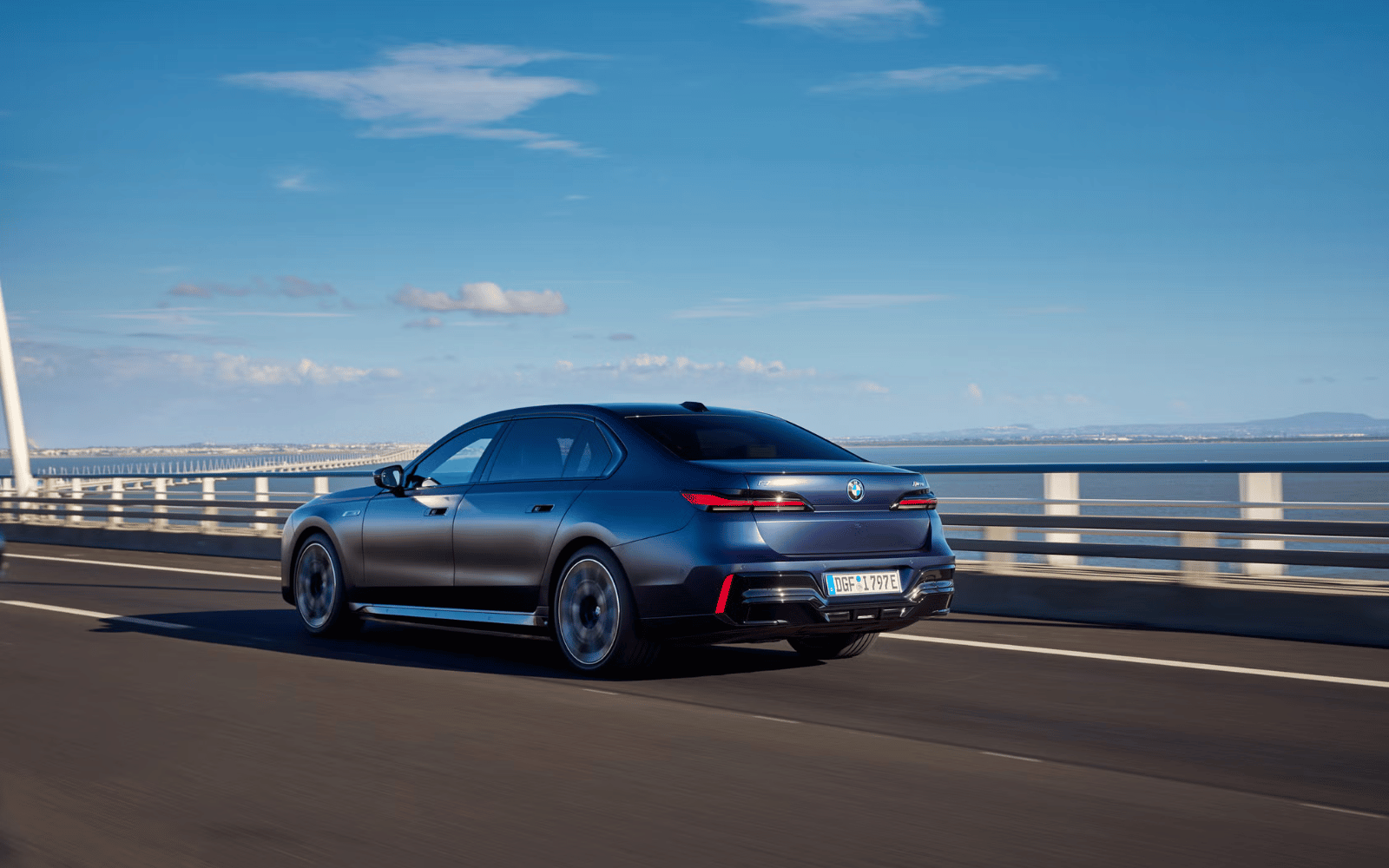
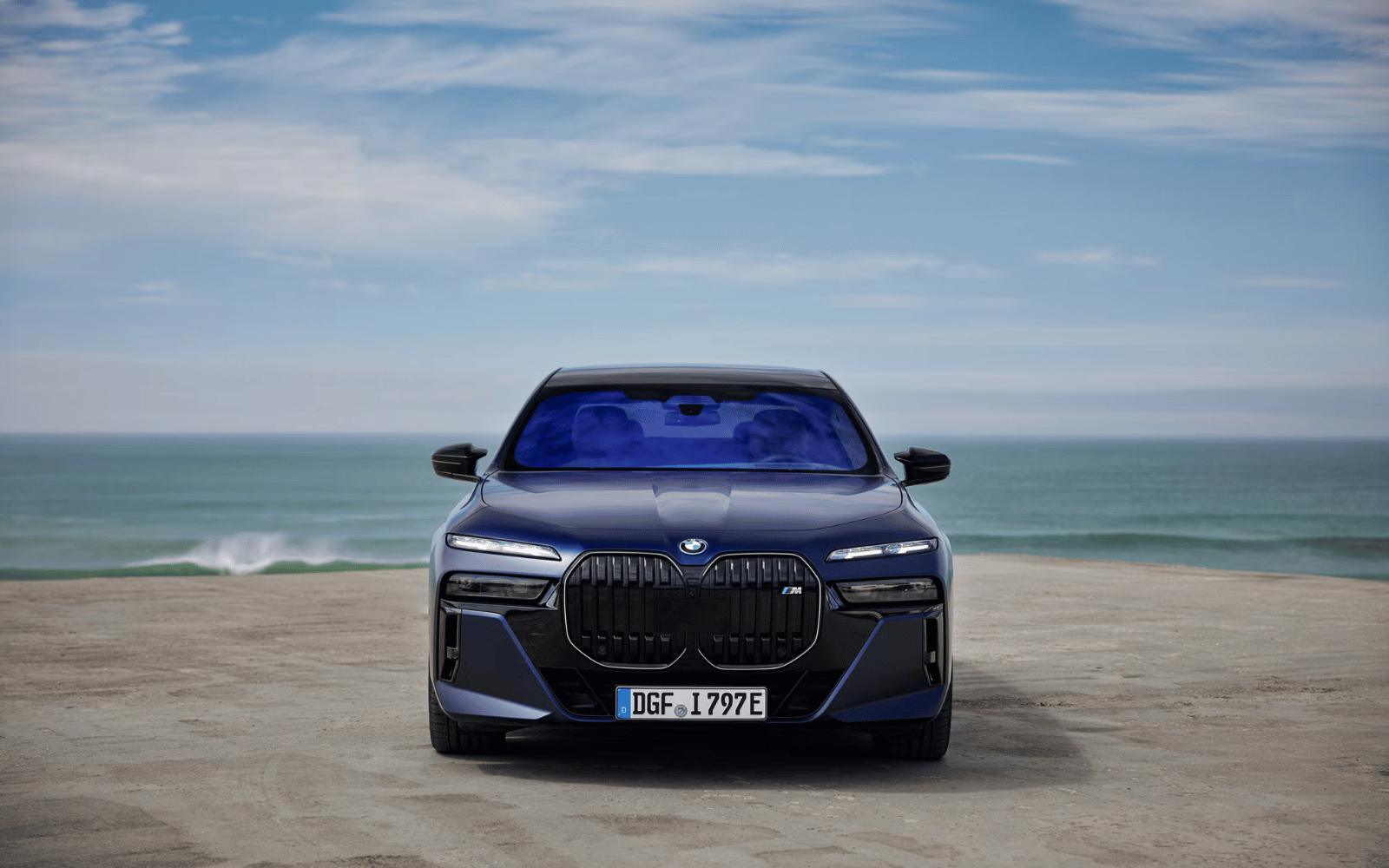
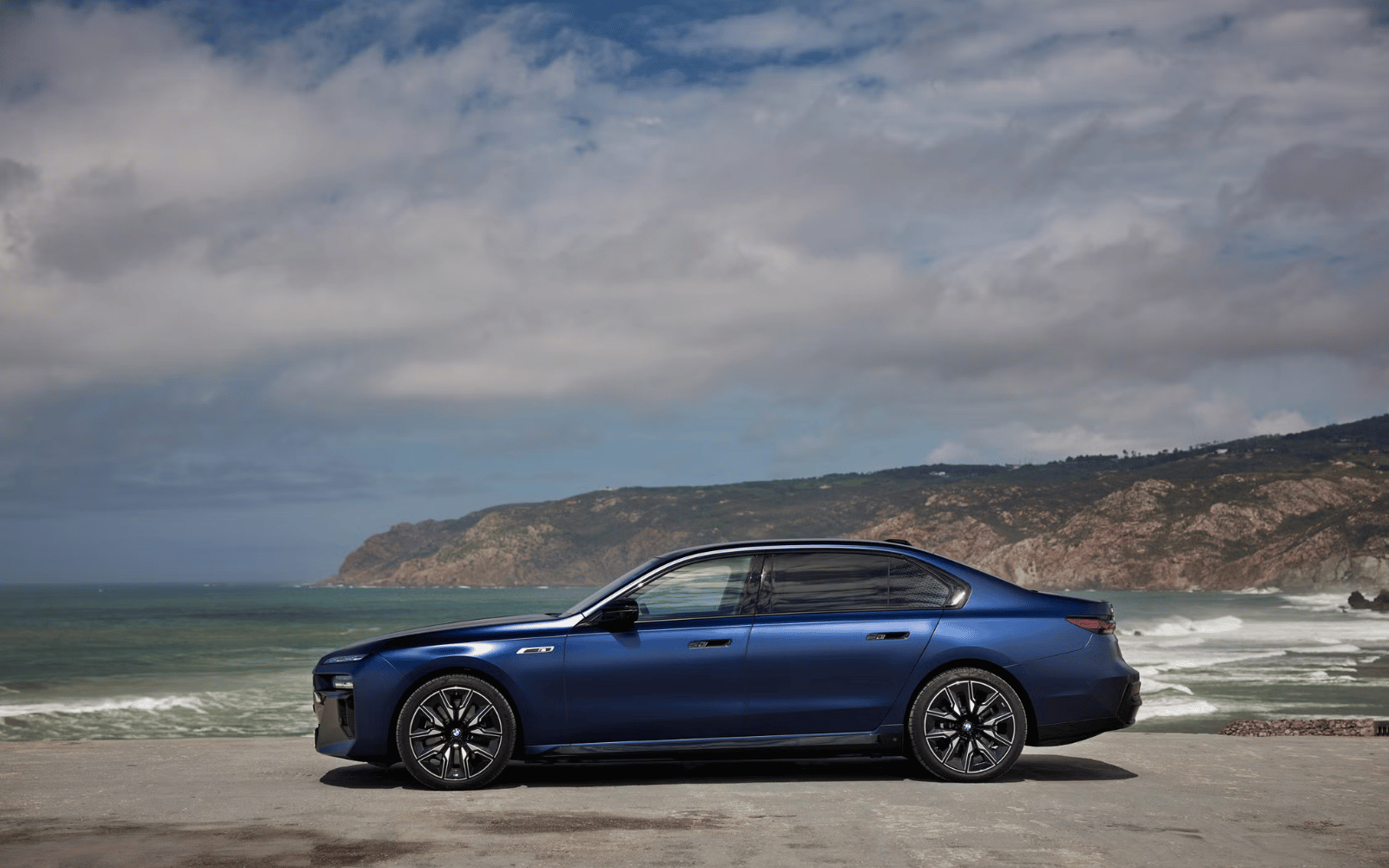
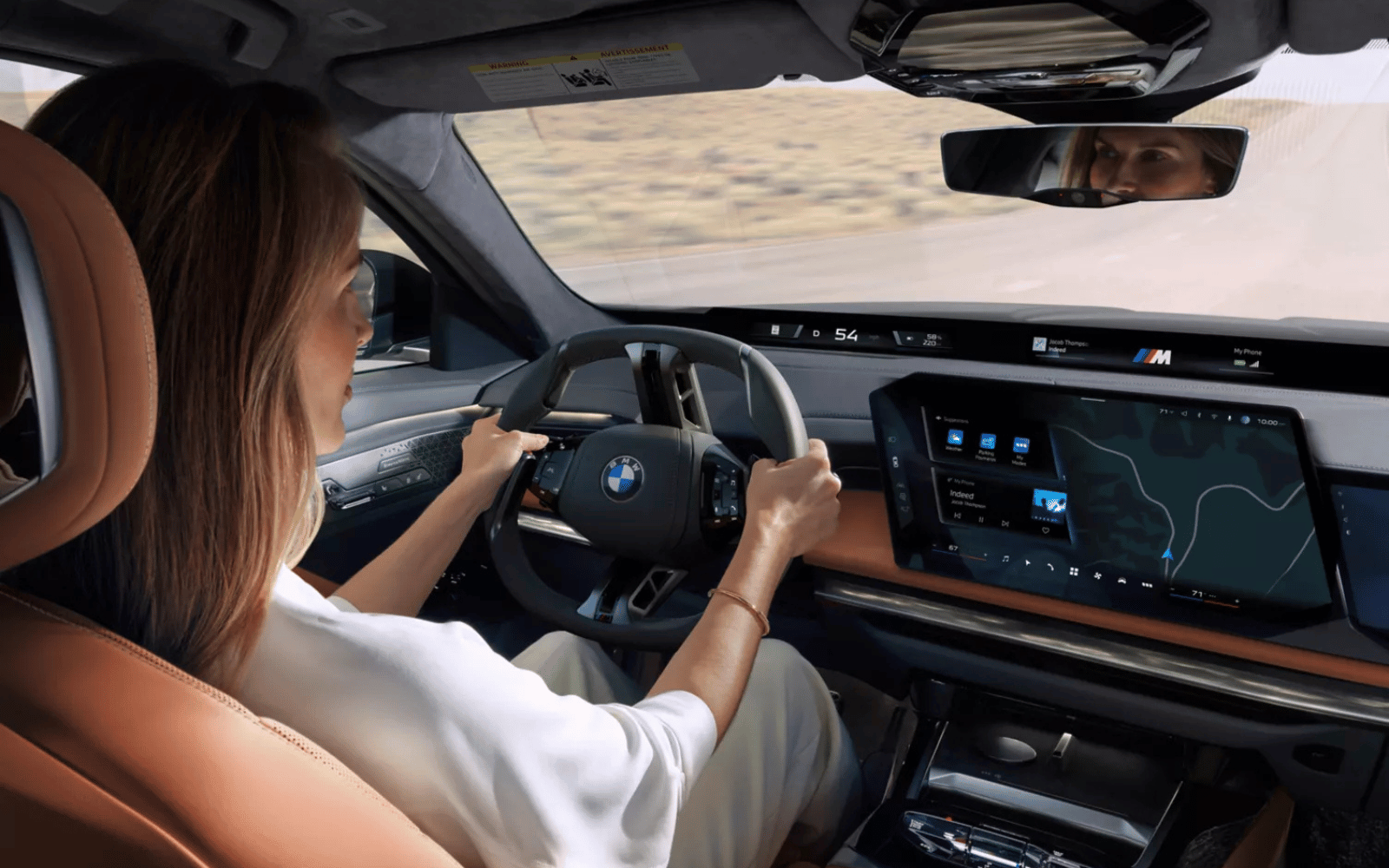
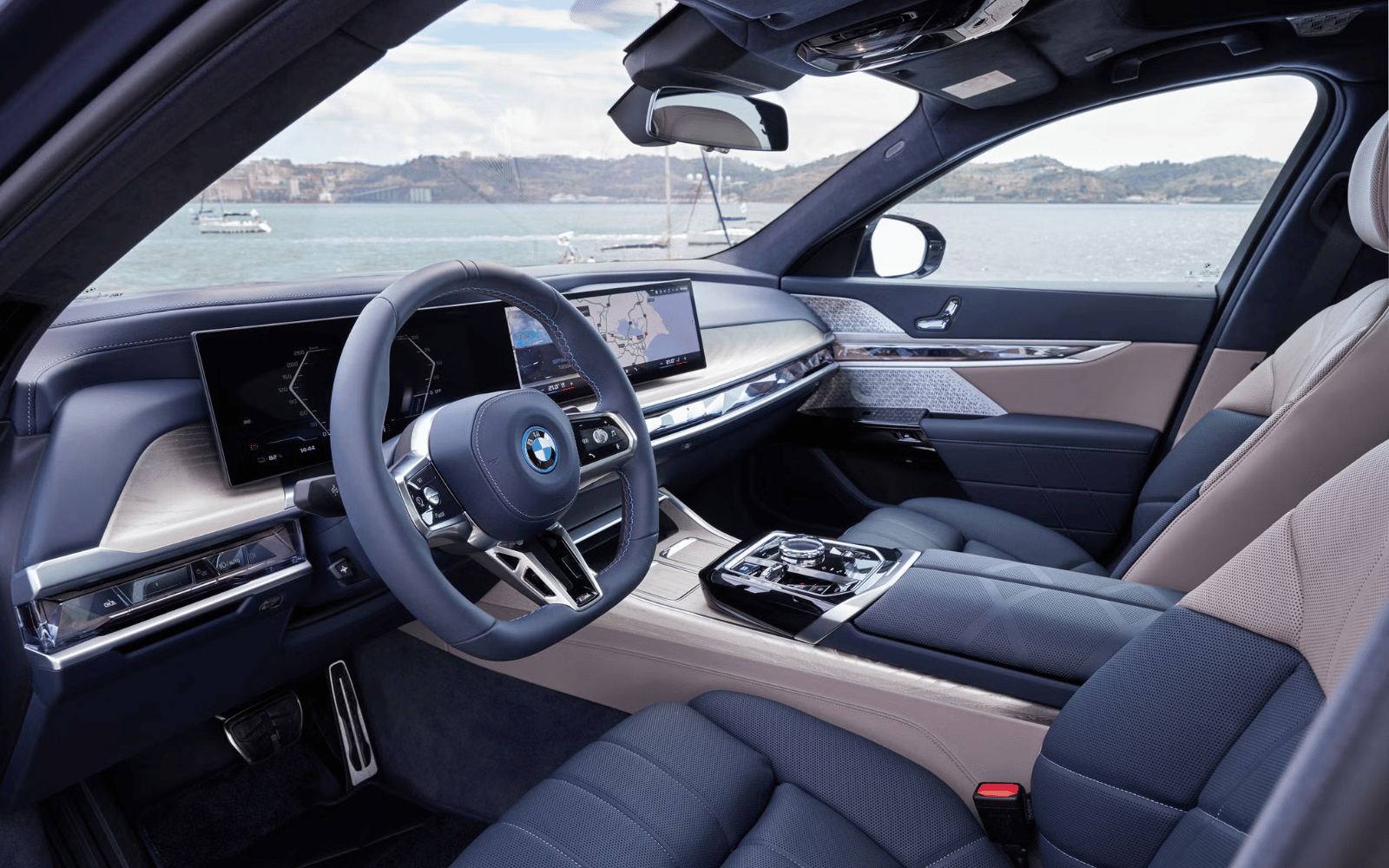
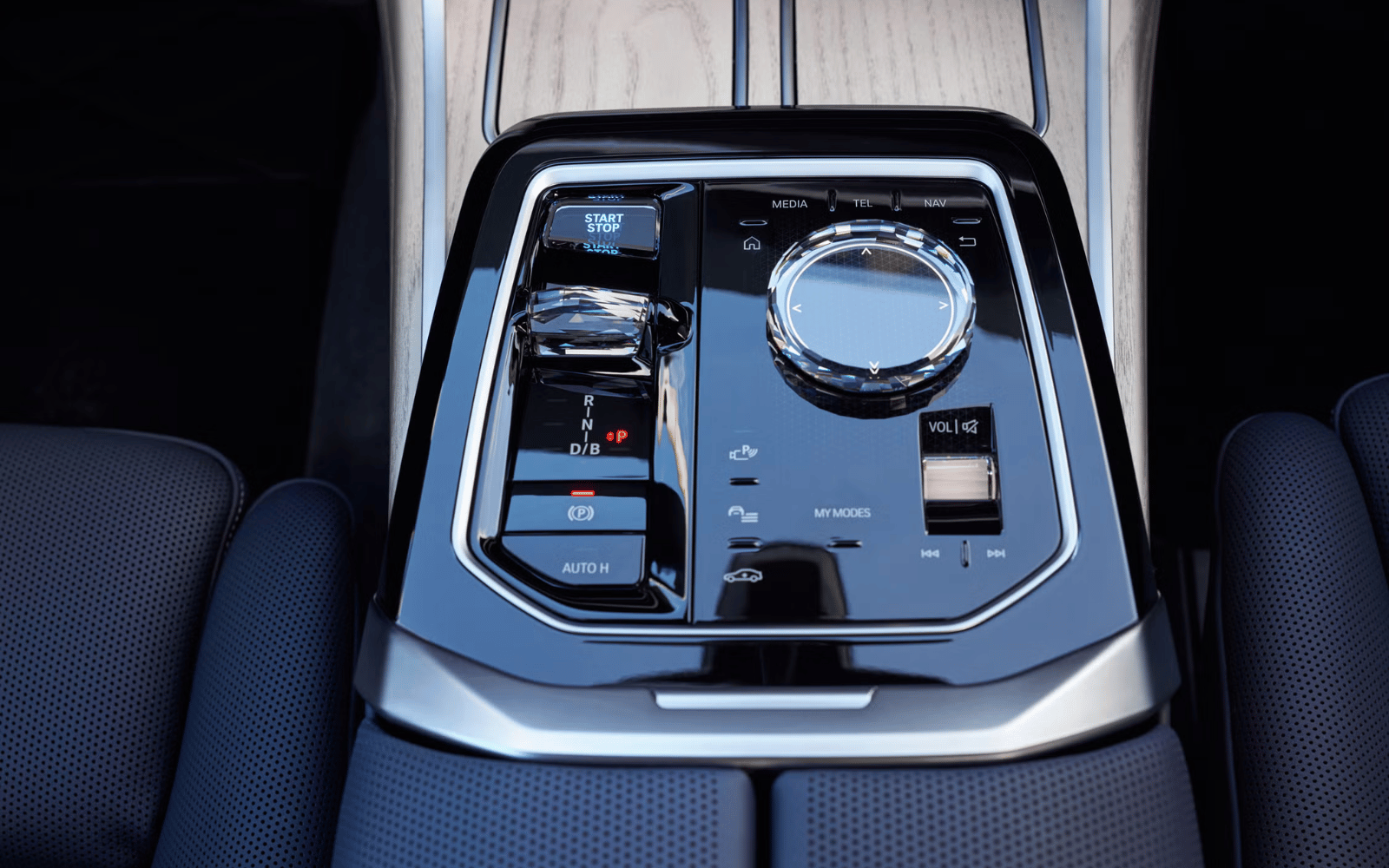
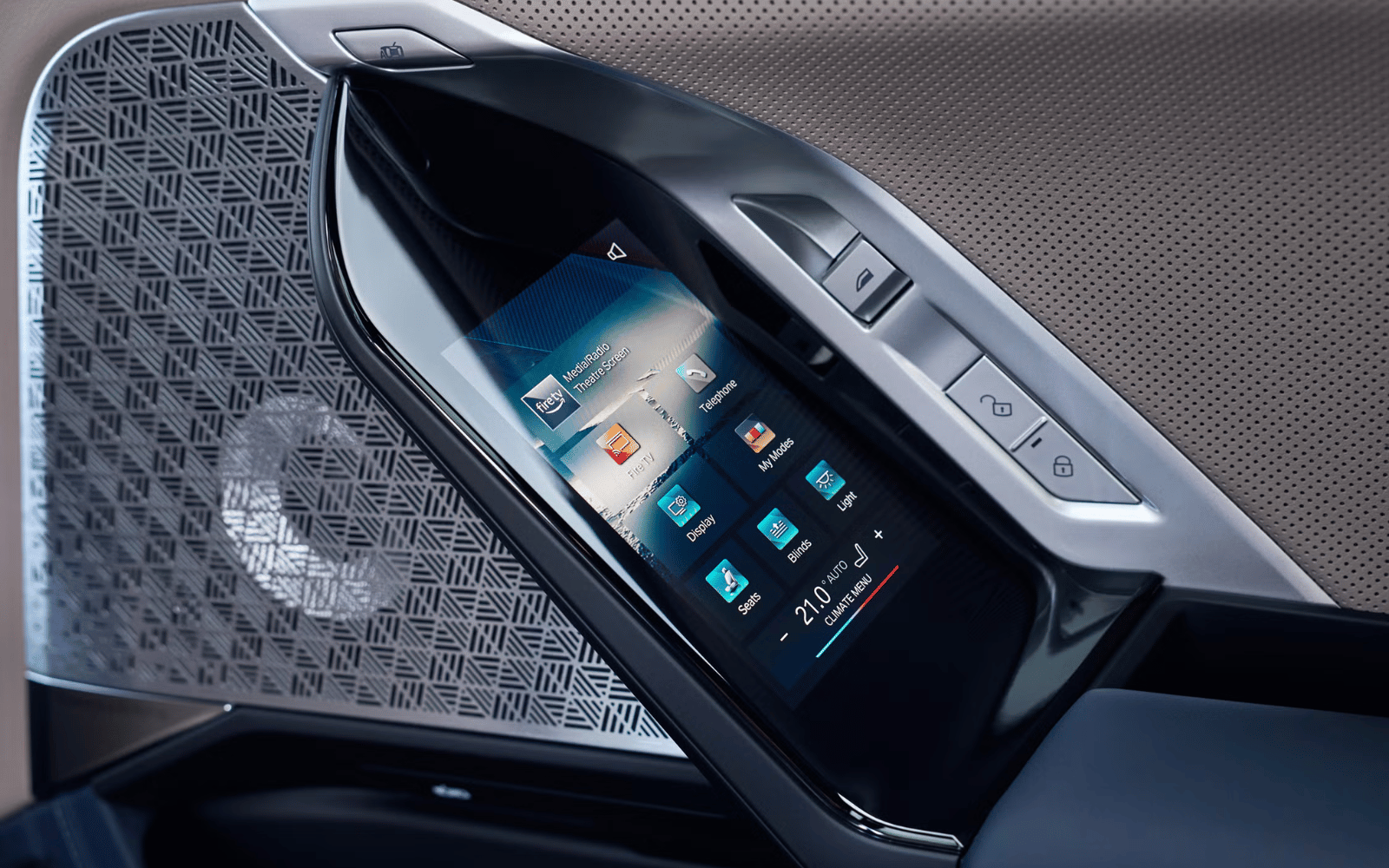
For 2027, the i7 is offered in two all-wheel-drive versions: the i7 50 xDrive and the more powerful i7 60 xDrive. Both use BMW’s latest electric-drive hardware, a larger battery, faster charging, and a native NACS charging port.
The i7 50 xDrive is the version most buyers should choose. It has more than enough power, the longest estimated range, and a lower starting price. The i7 60 xDrive is quicker, but its performance advantage is difficult to use on public roads.
WheelPedia Rating: 8.6/10
WheelPedia’s score is an editorial assessment based on current specifications, safety equipment, ownership factors, pricing, and class context.
| Rating Category | Score | Weight |
| Safety | 8.5/10 | 20% |
| Reliability and ownership | 7.8/10 | 15% |
| Performance and driving | 8.8/10 | 15% |
| Comfort and practicality | 9.5/10 | 15% |
| Efficiency and range | 8.9/10 | 15% |
| Features and technology | 9.4/10 | 10% |
| Price and value | 7.3/10 | 10% |
| Overall WheelPedia Rating | 8.6/10 | — |
Read How We Rate Cars to see how WheelPedia calculates vehicle ratings.
Key Highlights
- Starts from about $107,750 MSRP for the 2027 i7 50 xDrive, before destination, taxes, registration, dealer fees, and options.
- Two all-wheel-drive electric models: i7 50 xDrive and i7 60 xDrive.
- Up to 536 horsepower in the i7 60 xDrive.
- BMW-estimated range of up to 362 miles.
- BMW-estimated 0–60 mph time of 4.6 seconds for the i7 60 xDrive.
- New sixth-generation BMW electric-drive system and battery.
- DC fast charging at up to 250 kW.
- BMW estimates a 10–80% DC fast charge in about 28 minutes.
- Native NACS charge port for compatible Tesla Superchargers.
- Standard adaptive two-axle air suspension and rear-wheel steering.
- Available 31.3-inch 8K BMW Theatre Screen for rear passengers.
- Seats five people and provides limousine-like rear-seat comfort.
Quick Specifications
| Specification | BMW i7 |
| Vehicle type | Full-size luxury electric sedan |
| Seating capacity | 5 |
| Battery capacity | About 113 kWh |
| Power output | 449–536 hp |
| Drivetrain | Standard all-wheel drive |
| Fastest BMW-estimated 0–60 mph | 4.6 seconds |
| Maximum BMW-estimated range | Up to 362 miles |
| DC fast charging | Up to 250 kW |
| Length | About 212.2 in. |
| Wheelbase | About 126.6 in. |
| Cargo capacity | About 17.7 cu. ft. |
| Towing capacity | Not rated for towing in the US |
Expert Tip:
The i7 50 xDrive is the better buy for nearly every owner. It is already quick, has the longest estimated range, and offers the same core luxury experience as the i7 60 xDrive.
About the BMW i7
The i7 is the electric version of the BMW 7 Series. It is designed as a flagship sedan, not merely an electric alternative to a traditional luxury car.
For 2027, the i7 receives a major technical update. It gains BMW’s newer electric-drive system, a higher-capacity battery, quicker DC charging, a native NACS port, and a redesigned digital cabin with BMW Panoramic Vision and BMW Operating System X.
The i7 is best suited to buyers who value comfort, rear-seat amenities, and quiet long-distance travel. It is less focused on sharp driving responses than the Porsche Taycan, but it is more spacious and more luxurious for passengers.
Price and Trims
These are current US starting prices for the 2027 BMW i7 range. Prices exclude destination, taxes, title, registration, dealer fees, accessories, and options.
| Trim | Starting MSRP | Drivetrain | Power | BMW-Estimated Range | Best For |
| i7 50 xDrive | About $107,750 | AWD | 449 hp | Up to 362 miles | Most buyers and maximum range |
| i7 60 xDrive | About $126,250 | AWD | 536 hp | Up to 344 miles | Buyers who want more power |
The i7 50 xDrive is the sensible choice. Its 449-hp dual-motor system is quick enough for any normal driving situation, and it offers the best range in the lineup.
The i7 60 xDrive adds 536 horsepower and faster acceleration. It is appealing if you want stronger passing power and the highest-output i7 currently available, but it is a costly upgrade.
Electric Motors, Performance, and Driving Experience
| Trim | Motors | Drivetrain | Power | BMW-Estimated 0–60 mph |
| i7 50 xDrive | Dual electric motors | AWD | 449 hp | About 5.3 seconds |
| i7 60 xDrive | Dual electric motors | AWD | 536 hp | 4.6 seconds |
Every i7 uses two electric motors and BMW xDrive all-wheel drive. The instant torque makes this large sedan feel much quicker than its size suggests.
The i7 50 xDrive is smooth and effortless. It is the better match for the i7’s quiet, luxurious personality.
The i7 60 xDrive has stronger acceleration, but comfort remains the main focus. Its suspension and steering are tuned to make the car feel composed rather than aggressively sporty.
Standard driving hardware includes:
- Adaptive two-axle air suspension
- Integral Active Steering
- Rear-wheel steering
- Adaptive dampers
- BMW xDrive all-wheel drive
- Regenerative braking
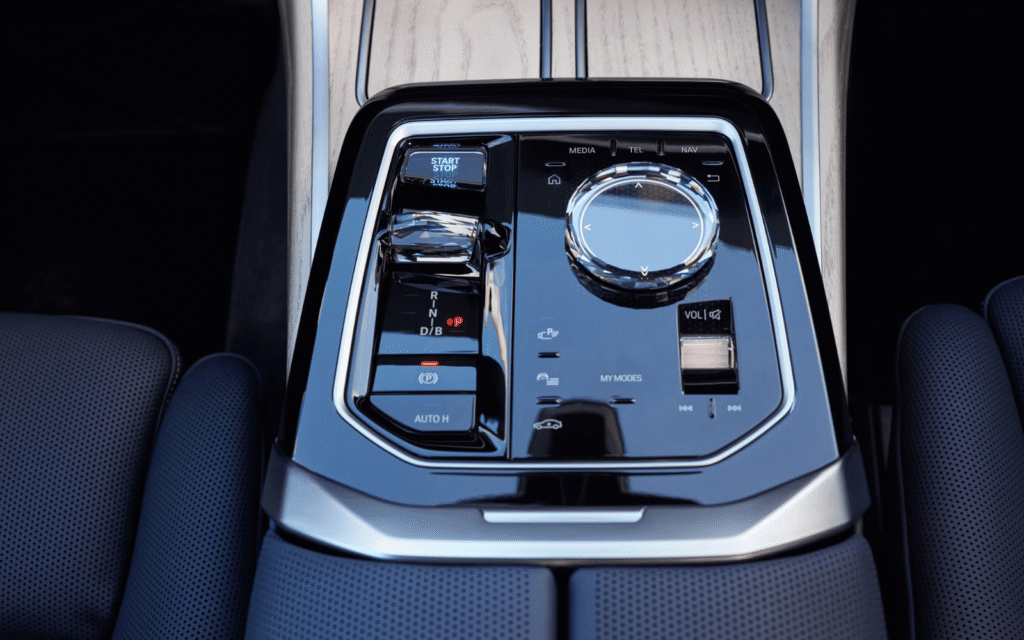
- Multiple My Modes for drive, display, lighting, and sound settings
Rear-wheel steering is especially useful because it reduces the turning circle at lower speeds. That matters in a sedan more than 17 feet long.
Range, Battery, and Charging
The 2027 i7 uses BMW’s updated electric-drive system and a battery pack with about 113 kWh of capacity.
| Model | BMW-Estimated Range |
| i7 50 xDrive | Up to 362 miles |
| i7 60 xDrive | Up to 344 miles |
These figures are preliminary BMW estimates. Final EPA ratings can differ.
Real-world range depends on temperature, highway speed, wheel and tire choice, terrain, driving style, use of heat or air conditioning, passenger load, and battery condition.
The i7 50 xDrive has enough range for most long-distance travel. The i7 60 xDrive gives up some range for stronger performance.
Charging Times
| Charging Method | Expected Result |
| 120V household outlet | Slow; best for emergency use |
| 240V Level 2 charging | Full charge overnight |
| DC fast charging | 10–80% in about 28 minutes |
| Maximum DC charging rate | Up to 250 kW |
For 2027, the i7 has a native NACS charge port. It can access compatible Tesla Superchargers directly and includes adapters for CCS public fast chargers.
BMW’s charging network also includes compatible IONNA, Electrify America, EVgo, ChargePoint, Shell Recharge, and other charging locations through the My BMW app.
Efficiency
The i7 is more efficient than a gasoline-powered V8 flagship sedan, but it is still a very large and heavy luxury vehicle.
Its energy use will be higher than smaller EVs such as the BMW i4 Gran Coupe or BMW i5. Large wheels, rapid acceleration, cold weather, and frequent high-speed driving will reduce range.
Home charging is usually the most convenient and cost-effective way to own an i7. Frequent DC fast charging costs more and can add time to longer trips.
Interior, Comfort, and Technology
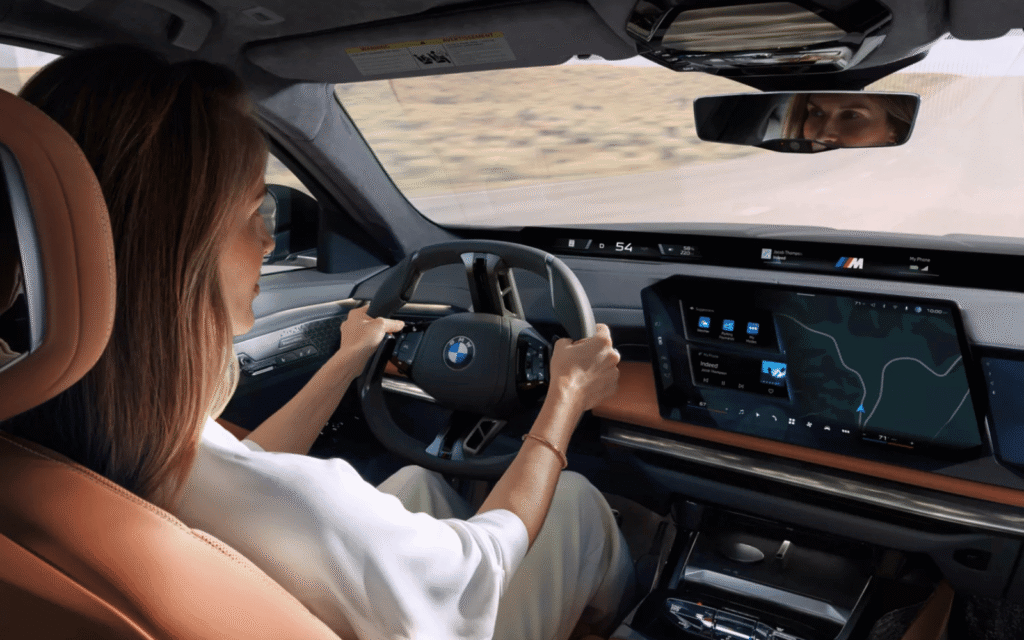
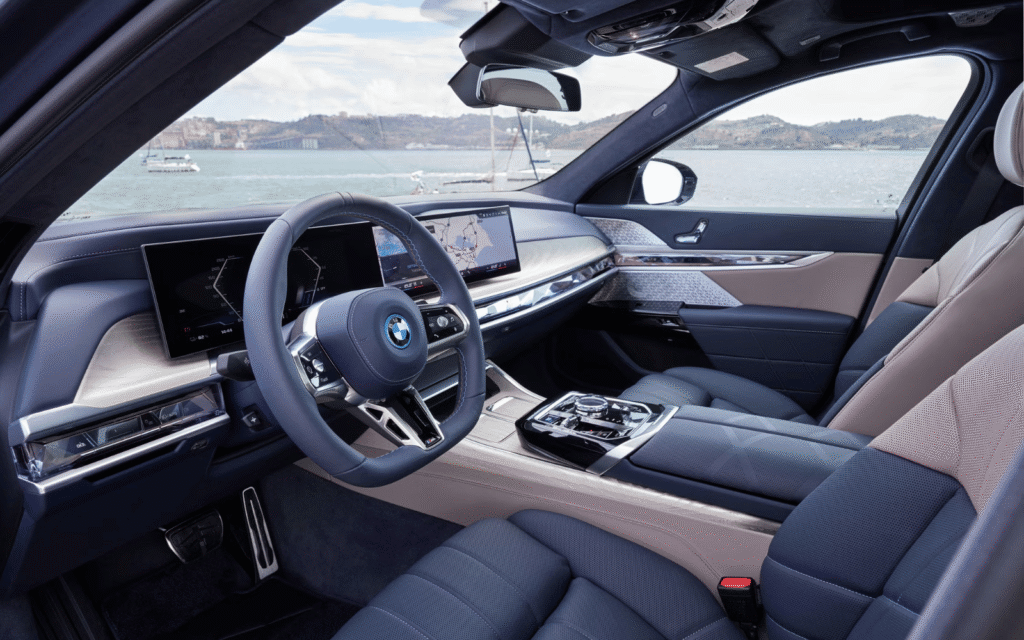
The i7 has one of the most advanced cabins in BMW’s lineup. Its main purpose is comfort, especially for rear passengers.
Standard and available features include:
- BMW Panoramic Vision display across the base of the windshield
- BMW Operating System X
- 17.9-inch central display
- 14.6-inch front-passenger display
- BMW 3D Head-up Display
- BMW Intelligent Personal Assistant
- BMW Digital Key Plus
- My BMW app connectivity
- Available BMW Theatre Screen
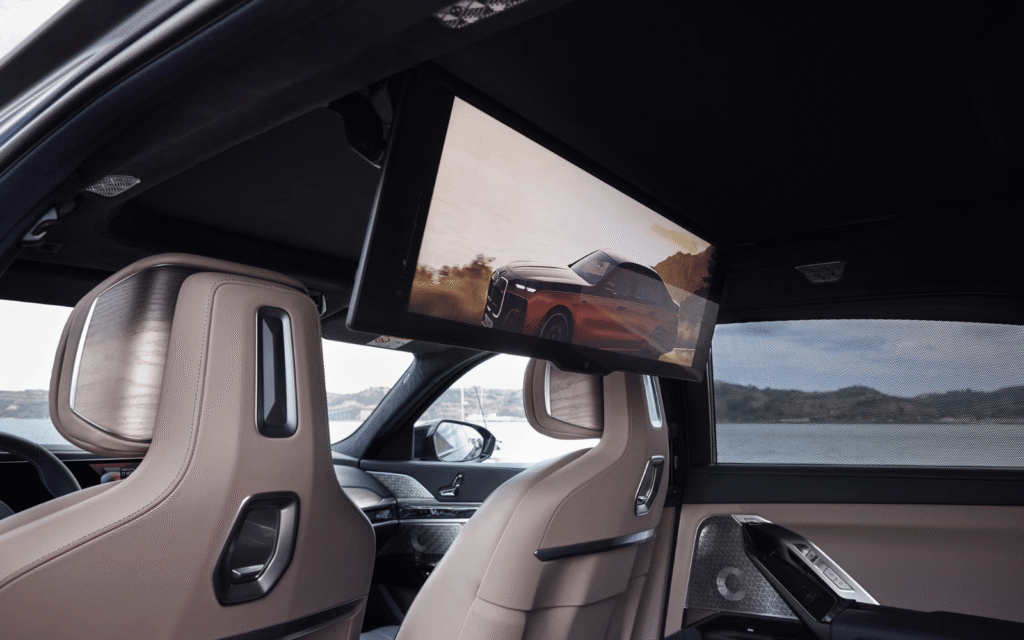
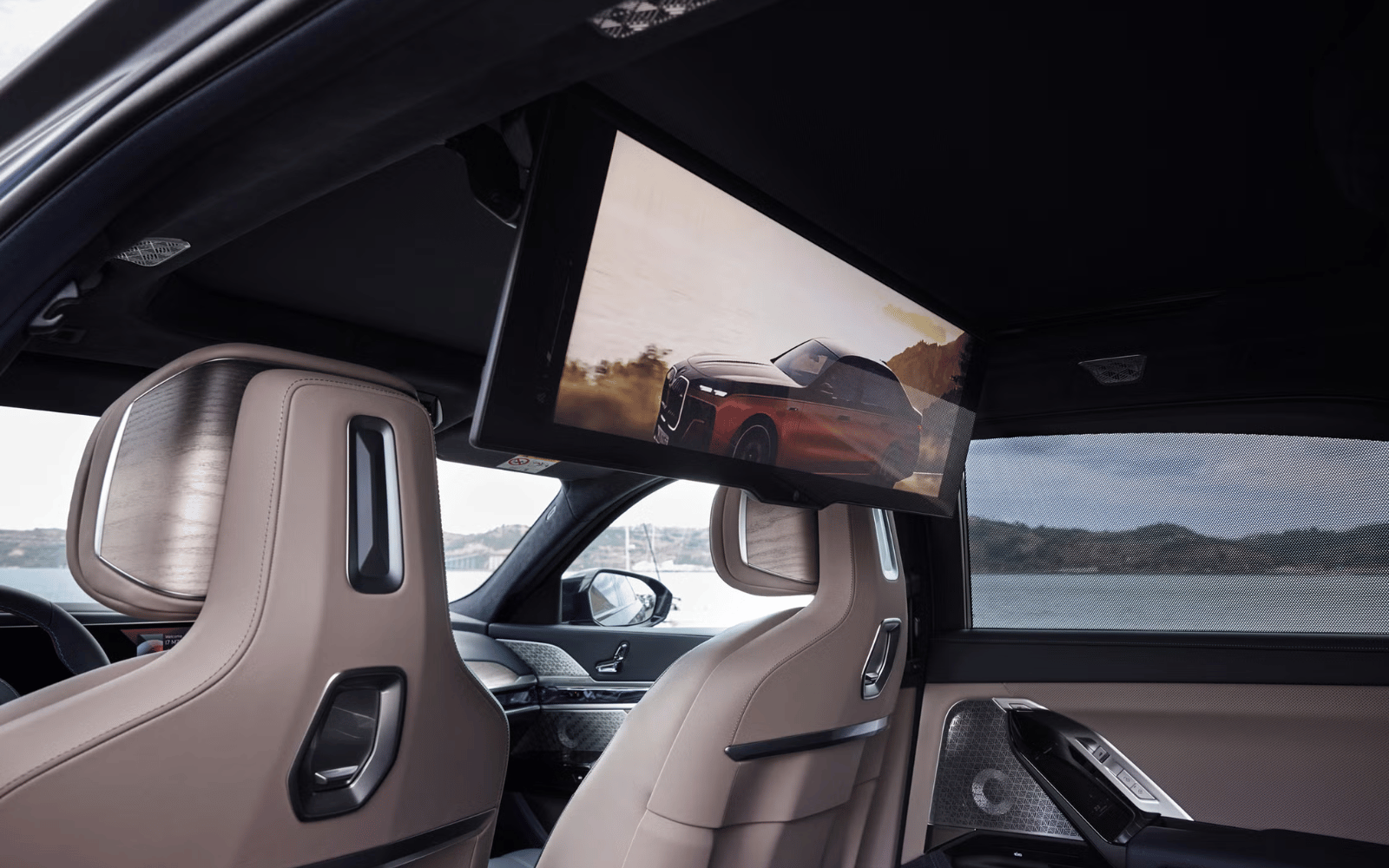
- Available 31.3-inch 8K rear entertainment display
- Available Bowers & Wilkins Diamond Surround Sound System with Dolby Atmos
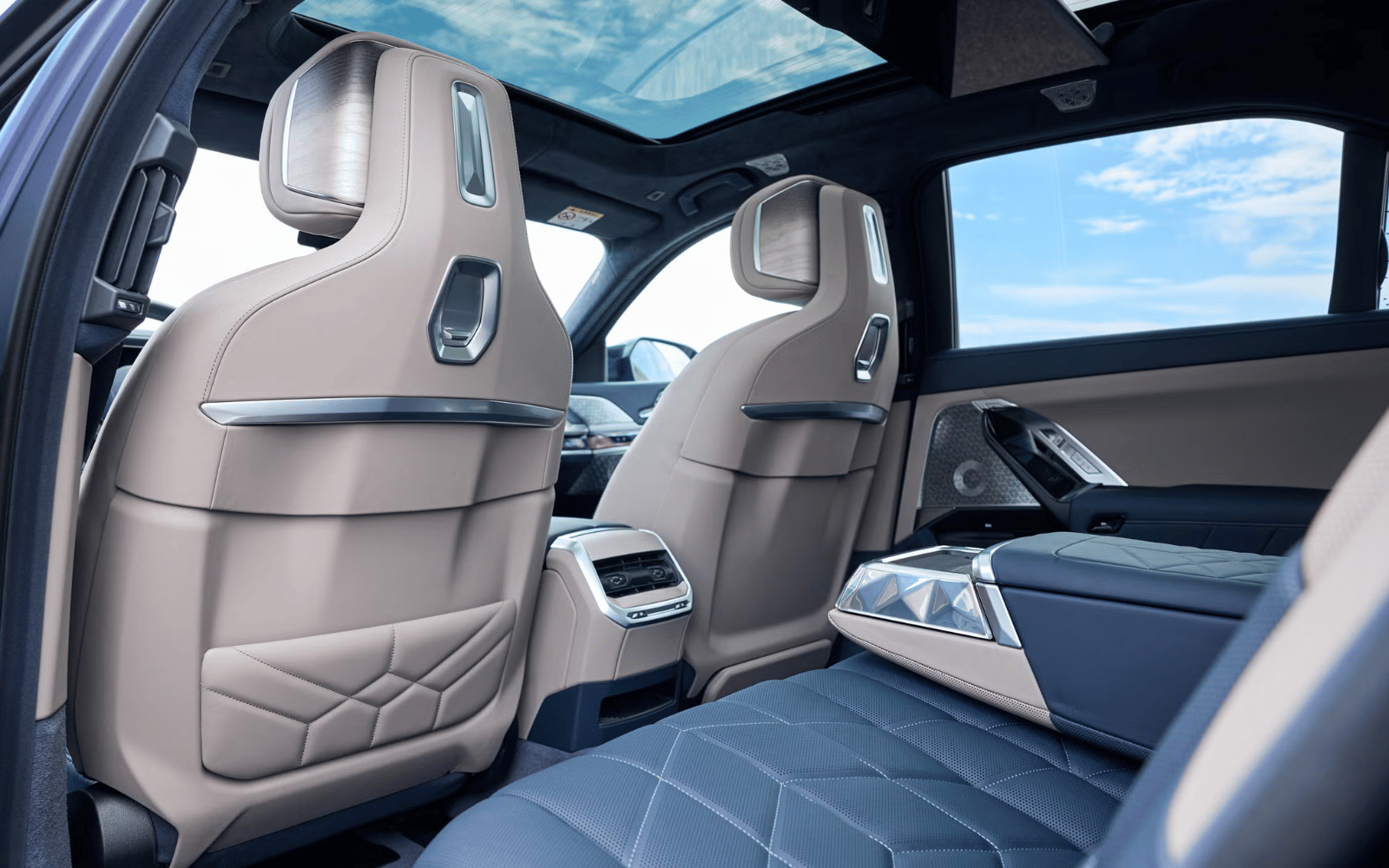
- Available Executive Lounge rear seating
- Available rear-seat massage function
- Available heated and ventilated rear seats
- Available reclining rear seat with footrest
- Available automatic doors
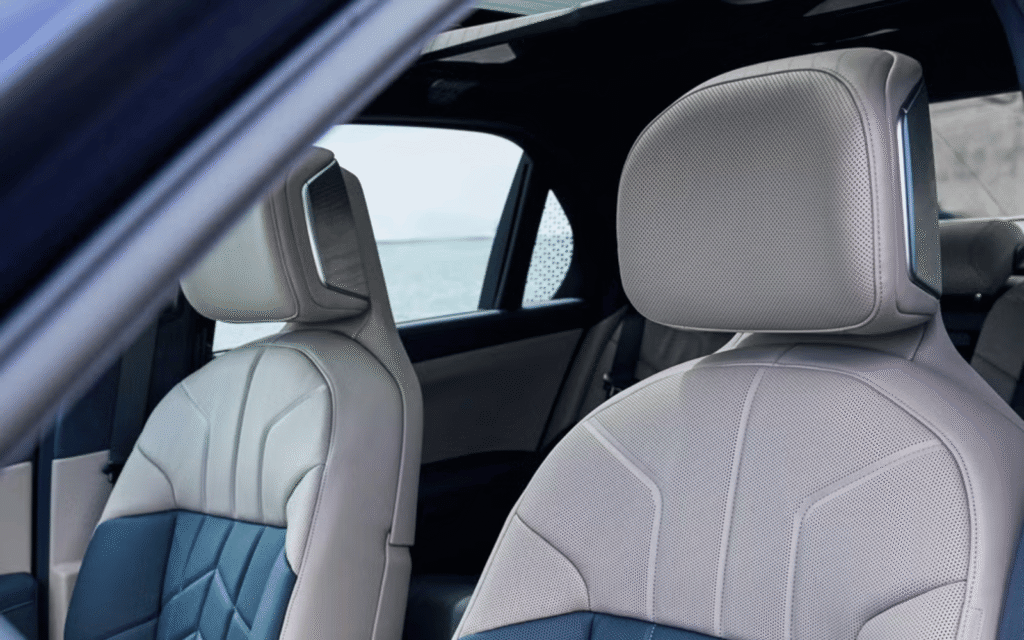
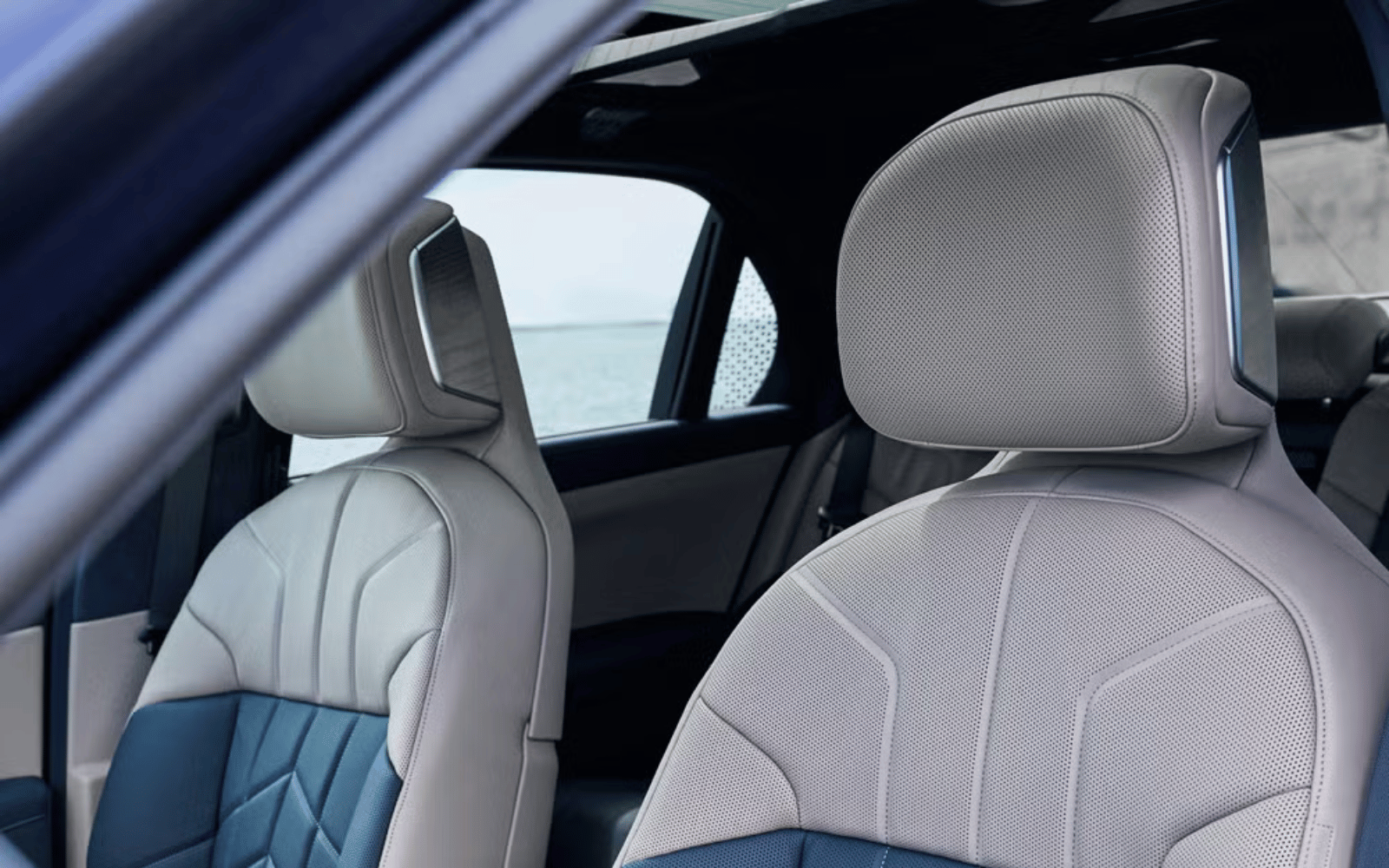
- Available full Merino leather upholstery
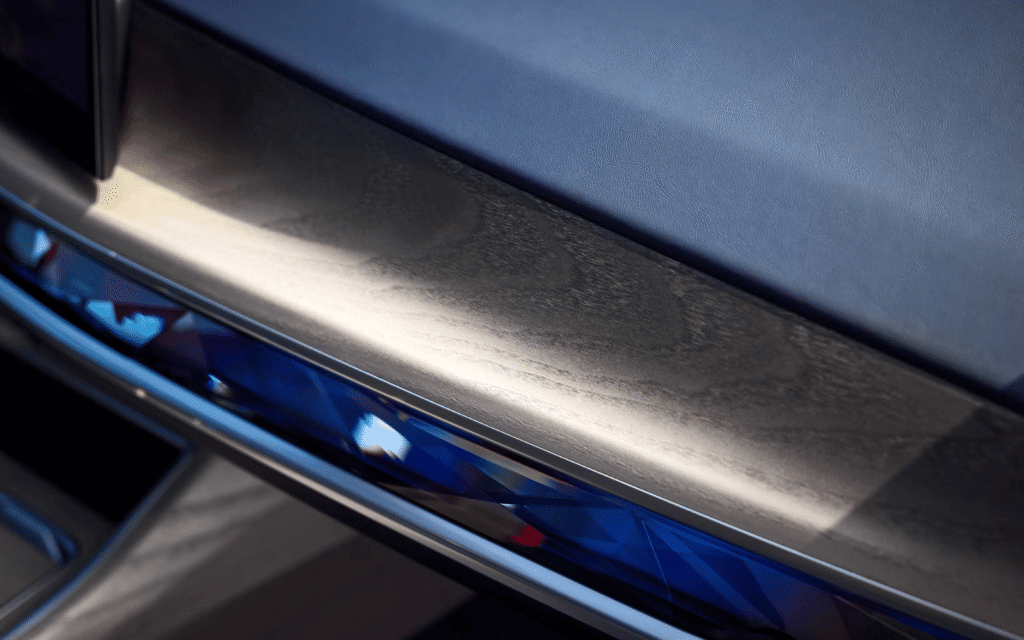
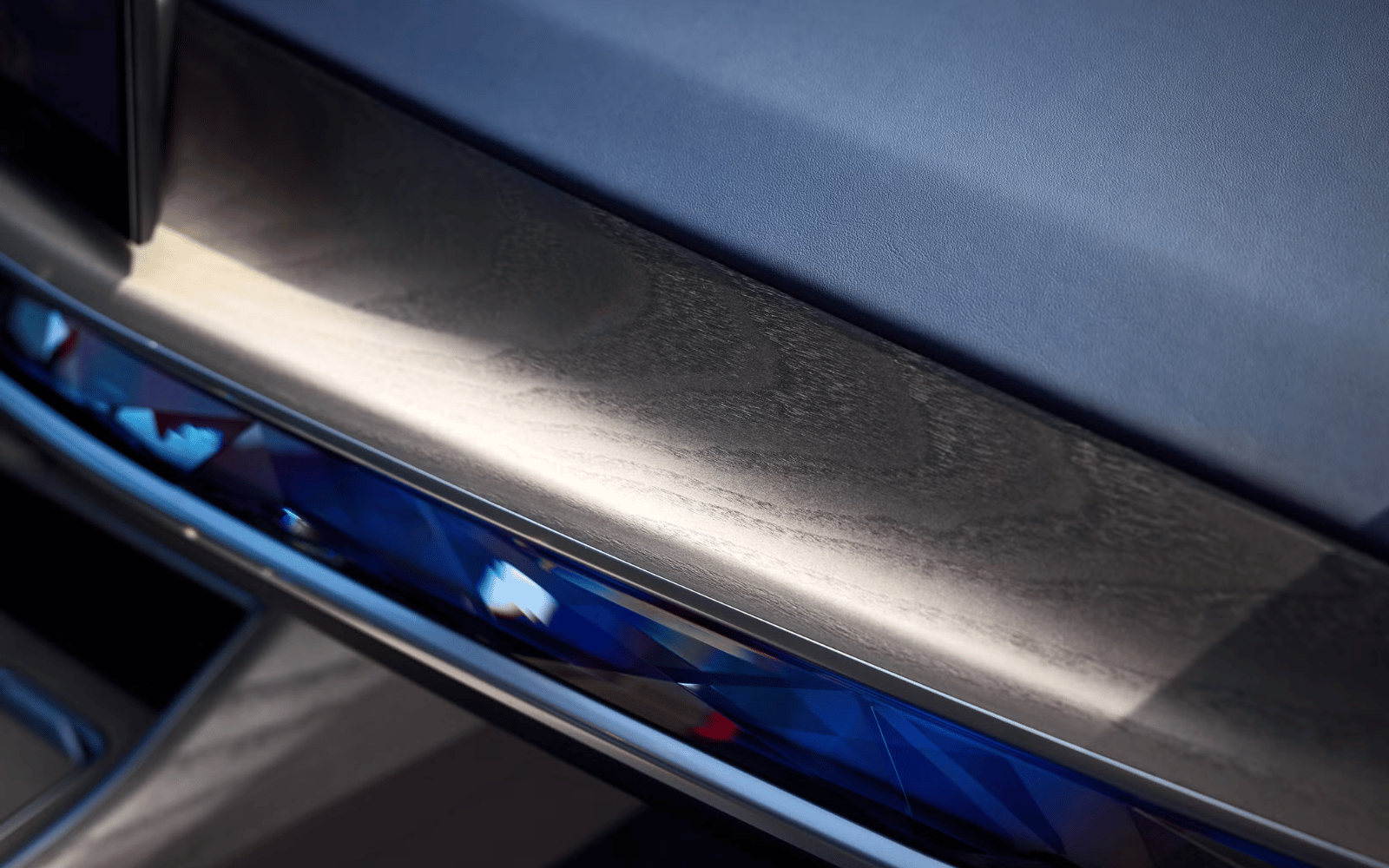
- Available cashmere wool trim
- Available glass controls
- Available Panoramic Sky Lounge LED Roof
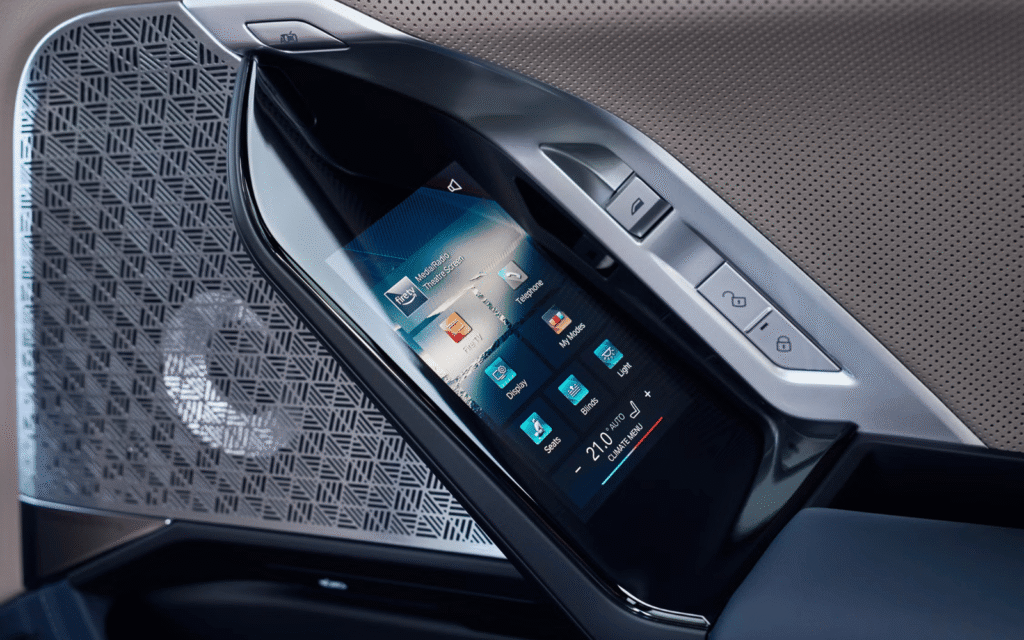
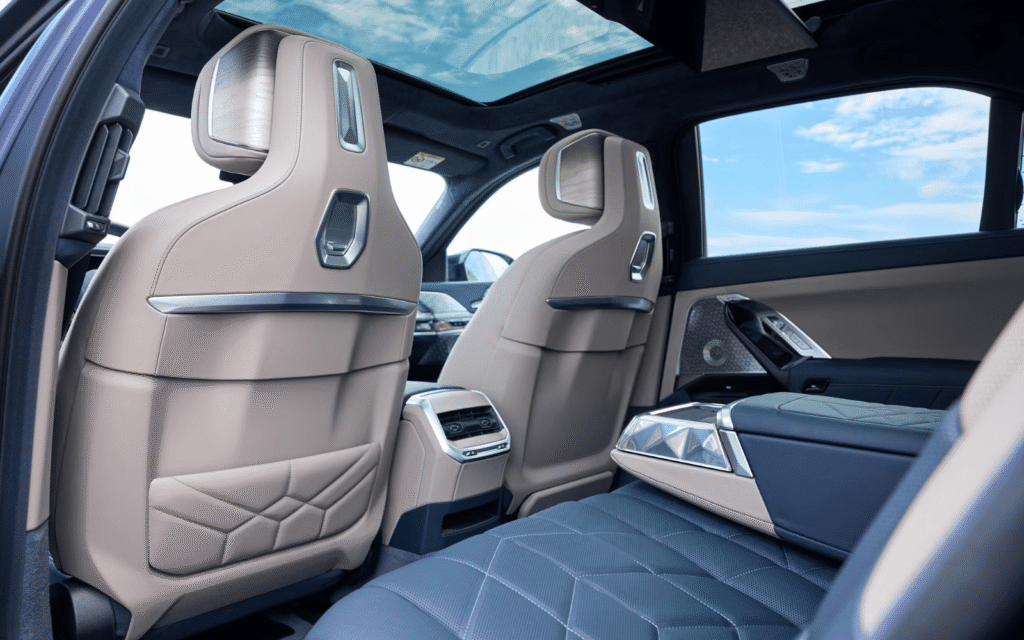
- Rear-door touchscreens for climate, lighting, seating, and entertainment controls
The rear cabin is the i7’s standout feature. In Executive Lounge configuration, the passenger-side rear seat can recline while the front passenger seat moves forward to create more legroom.
The available Theatre Screen is impressive, but it is expensive and best suited to owners who will regularly use chauffeured or rear-seat travel.
Dimensions, Cargo, and Practicality
| Dimension | Measurement |
| Length | About 212.2 in. |
| Width | About 76.8 in. |
| Height | About 60.8 in. |
| Wheelbase | About 126.6 in. |
| Seating capacity | 5 |
| Cargo space | About 17.7 cu. ft. |
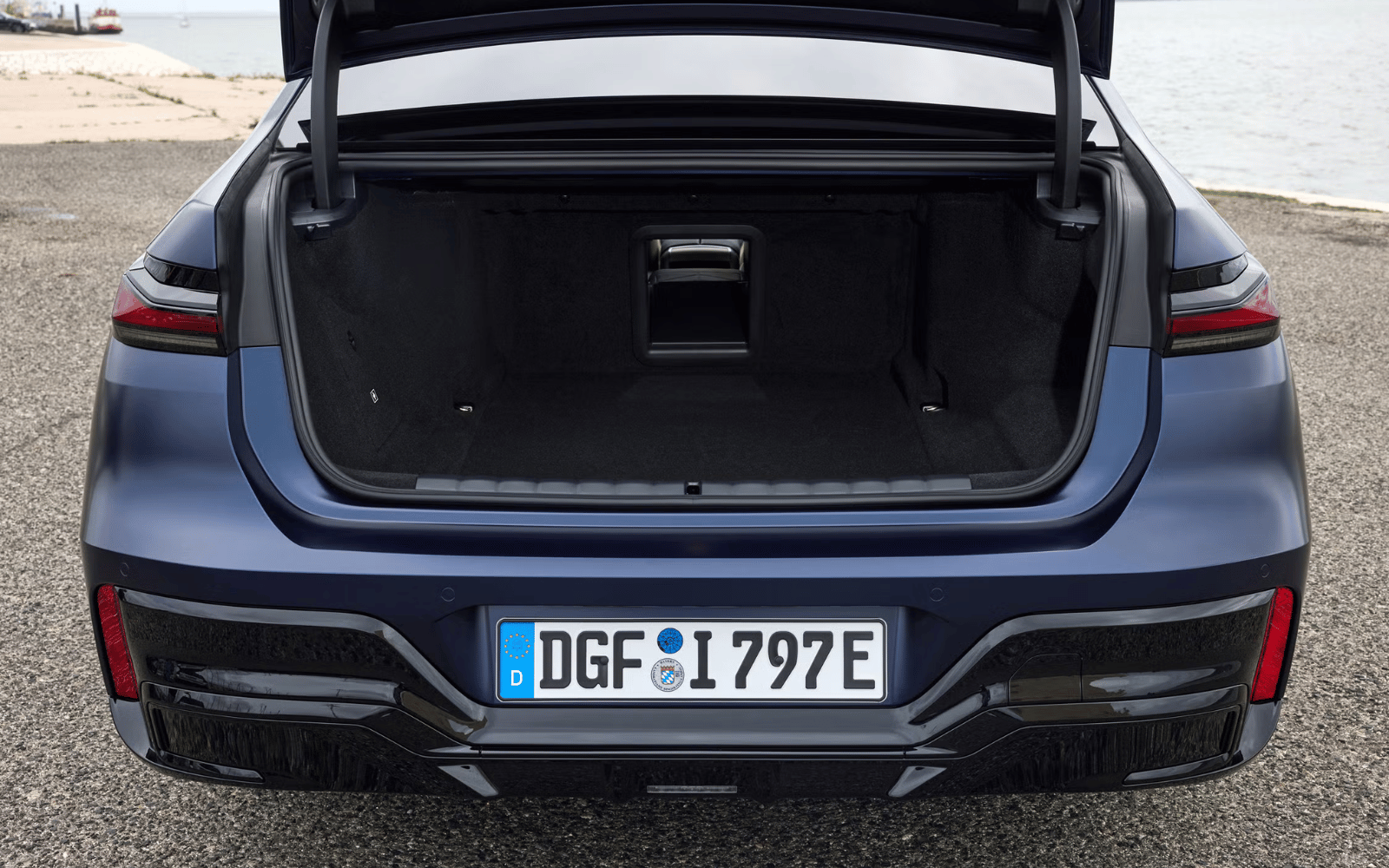
The i7 is exceptionally roomy for passengers, especially in the rear. Its trunk is large enough for airport luggage, business travel, and daily errands, but it is not designed for bulky cargo.
The i7 is also very large. It can feel difficult to park in older garages, narrow city streets, and tight parking lots. Rear-wheel steering and the available camera systems help, but buyers should consider its size carefully.
The BMW iX is the better BMW EV for buyers who need a high seating position and more cargo flexibility.
Exterior Design
The i7 has a formal, upright flagship-sedan design. It is longer and more imposing than the i5, with a wide grille, slim lighting, long hood, and extended rear cabin.
Exterior highlights include:
- Illuminated BMW Iconic Glow kidney grille
- Available BMW Crystal Headlights
- LED lighting front and rear
- Available two-tone BMW Individual paint finishes
- Available Ceremonial Light Carpet
- Available automatic doors
- Large alloy-wheel options
- Long-wheelbase flagship-sedan proportions
The i7 50 xDrive looks elegant and restrained for a vehicle of its size. The i7 60 xDrive adds more performance presence without becoming as aggressive as a BMW M model.
Safety Features and Ratings
Standard and available driver-assistance features include:
- Emergency Brake Assistant
- Forward collision warning
- Pedestrian detection
- Lane Keeping Assistant
- Steering Assistant
- Active Blind Spot Detection
- Rearview camera
- Park Assist with 360-degree camera system
- Available Highway & Commuting Assistant
- Available Active Lane Change support
- Available Parking Assistant Professional
- Available remote-control parking functions
The available Highway & Commuting Assistant can provide hands-free driving support on eligible controlled-access roads at speeds up to 85 mph. It does not make the i7 self-driving. The driver must remain attentive and ready to take control.
Current US crash-test data for the 2027 i7 is limited. Check the latest NHTSA safety database for ratings, recalls, and notices for the exact vehicle before purchase.
Reliability, Warranty, and Ownership
The i7 has fewer regular mechanical service needs than a gasoline-powered luxury sedan. It does not require oil changes, spark plugs, exhaust work, or many engine-related services.
However, it is a complex flagship vehicle with advanced electronics, air suspension, rear-wheel steering, automated door systems, cameras, displays, large wheels, and expensive luxury features.
BMW’s US coverage includes:
| Coverage | Length |
| New vehicle limited warranty | 4 years / 50,000 miles |
| Scheduled maintenance | 3 years / 36,000 miles |
| Roadside assistance | 4 years / unlimited miles |
| High-voltage battery defect warranty | 8 years / 100,000 miles |
| Battery capacity coverage | 8 years / 100,000 miles if capacity falls below 70%, subject to BMW terms |
For a used BMW i7, inspect:
- Battery-condition information
- Charging-port and fast-charging operation
- Air-suspension function
- Rear-wheel-steering operation
- Rear-screen, audio, and climate features
- Automatic door operation
- Tire wear and wheel condition
- Accident history
- Software updates
- Open recalls
Read How to Check a Car’s Accident History and use a VIN check before buying a used luxury EV.
Pros and Cons
What We Like
- Exceptional rear-seat comfort
- Up to 362 miles of estimated range
- Fast 250-kW DC charging
- Quiet, refined highway ride
- Strong performance from both models
- Native NACS charging port
- High-quality materials and finishing
- Advanced displays and infotainment
- Available Theatre Screen and Executive Lounge
- Standard air suspension and rear-wheel steering
What We Don’t Like
- Very high purchase price
- Large size makes parking harder
- Expensive options
- Conventional trunk is less flexible than an SUV cargo area
- Complex technology may be costly outside warranty
- Large wheels and tires are expensive
- No US towing rating
- More performance-focused buyers may prefer the Porsche Taycan
- Rear entertainment features are costly and not essential for every owner
Competitors
The BMW i7 competes with:
- Mercedes-Benz EQS Sedan
- Lucid Air
- Porsche Taycan
- Audi A8 e-tron
- Mercedes-Maybach EQS SUV
- Rolls-Royce Spectre
- BMW 7 Series
- BMW iX
The Mercedes-Benz EQS Sedan is the i7’s closest electric luxury-sedan rival. It is more aerodynamic and can offer strong range, while the BMW has a more formal cabin layout and stronger rear-seat entertainment options.
The Lucid Air offers better range and fast charging, but the BMW i7 delivers a more traditional flagship-luxury experience.
The Porsche Taycan is the better choice for drivers who prioritize handling and charging performance. The i7 is the better choice for rear-seat comfort and limousine-style luxury.
Related Content
For a smaller and less expensive BMW electric sedan, compare the BMW i5.
For a compact electric BMW with a sportier feel and liftback cargo access, see the BMW i4 Gran Coupe.
For a luxury BMW electric SUV with more cargo flexibility, compare the BMW iX.
Before buying an EV, read How Electric Cars Work, How to Charge an Electric Car, and What EV Range Really Means.
Should You Buy the BMW i7?
Buy the BMW i7 if you want one of the most luxurious electric sedans available, especially if rear-seat comfort, advanced technology, and quiet long-distance driving matter more than sporty handling.
Choose the i7 50 xDrive if you want the best balance of range, comfort, equipment, and purchase price. It is the version most buyers should choose.
Choose the i7 60 xDrive if you want more power and quicker acceleration and are comfortable with the higher price.
Skip the i7 if you need SUV-level cargo room, want lower ownership costs, prefer a smaller vehicle, or need the highest possible electric range for frequent long-distance driving.
FAQs
How much does the BMW i7 cost?
The 2027 BMW i7 starts from about $107,750 MSRP for the i7 50 xDrive. The i7 60 xDrive starts from about $126,250. Destination, taxes, registration, dealer fees, packages, and options raise the final price.
What is the range of the BMW i7?
BMW estimates the i7 50 xDrive can travel up to 362 miles on a full charge. The i7 60 xDrive has an estimated range of up to 344 miles. Final EPA figures may differ.
Is the BMW i7 all-wheel drive?
Yes. Both 2027 BMW i7 models have dual electric motors and standard xDrive all-wheel drive.
How fast is the BMW i7?
BMW estimates the i7 60 xDrive reaches 60 mph in 4.6 seconds. The i7 50 xDrive does it in about 5.3 seconds.
How much horsepower does the BMW i7 have?
The i7 50 xDrive has 449 horsepower. The i7 60 xDrive has up to 536 horsepower in Sport mode.
How long does it take to charge a BMW i7?
On a compatible DC fast charger, BMW estimates the i7 can charge from 10–80% in about 28 minutes. A 240V Level 2 charger can replenish the battery overnight.
Can the BMW i7 use Tesla Superchargers?
Yes. The 2027 BMW i7 has a native NACS charge port and can use compatible Tesla Superchargers. BMW includes an adapter for CCS fast chargers.
Does the BMW i7 have a battery warranty?
Yes. BMW covers the i7’s high-voltage battery for 8 years or 100,000 miles. Battery-capacity coverage applies if capacity falls below 70% during the coverage period, subject to BMW terms.
How much cargo space does the BMW i7 have?
The BMW i7 has about 17.7 cubic feet of trunk space.
Can the BMW i7 tow a trailer?
BMW does not provide a US towing rating for the i7. It should not be purchased as a towing vehicle.
Does the BMW i7 have a Theatre Screen?
Yes. The available BMW Theatre Screen is a 31.3-inch 8K rear entertainment display with streaming, gaming, video-call, and audio options.
Final Verdict
The BMW i7 is one of the strongest flagship electric sedans for buyers who care about comfort, technology, and rear-seat luxury.
The i7 50 xDrive is the smart choice. It provides strong performance, the longest estimated range, standard all-wheel drive, and the same core interior experience as the more expensive model.
The i7 60 xDrive is faster, but the i7 is at its best when it is used as a calm, quiet, highly comfortable long-distance luxury sedan.
It is expensive, large, and complex. But for buyers who want an EV that can serve as a true executive sedan rather than simply an electric commuter car, the i7 is an excellent option.
Prices, specifications, range, charging speeds, safety ratings, recalls, and feature availability can change by model year, trim, options, and market.