
BMW 7 Series: Price, Specs, Features & Review
The BMW 7 Series is BMW’s flagship luxury sedan. It is designed for buyers who want a spacious, quiet, technology-packed car that feels equally suited to being driven or chauffeuring rear-seat passengers.
The current US 7 Series range starts with the six-cylinder 740 and 740 xDrive. A plug-in-hybrid 750e xDrive is scheduled to join later. The fully electric BMW i7 shares the same flagship role but is a separate electric model with its own range, charging, and ownership considerations.
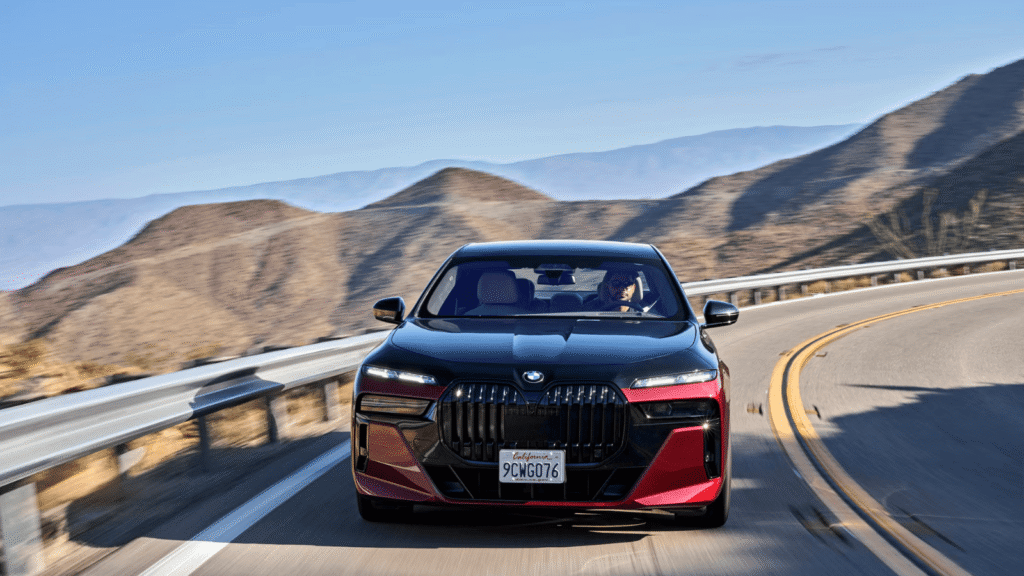
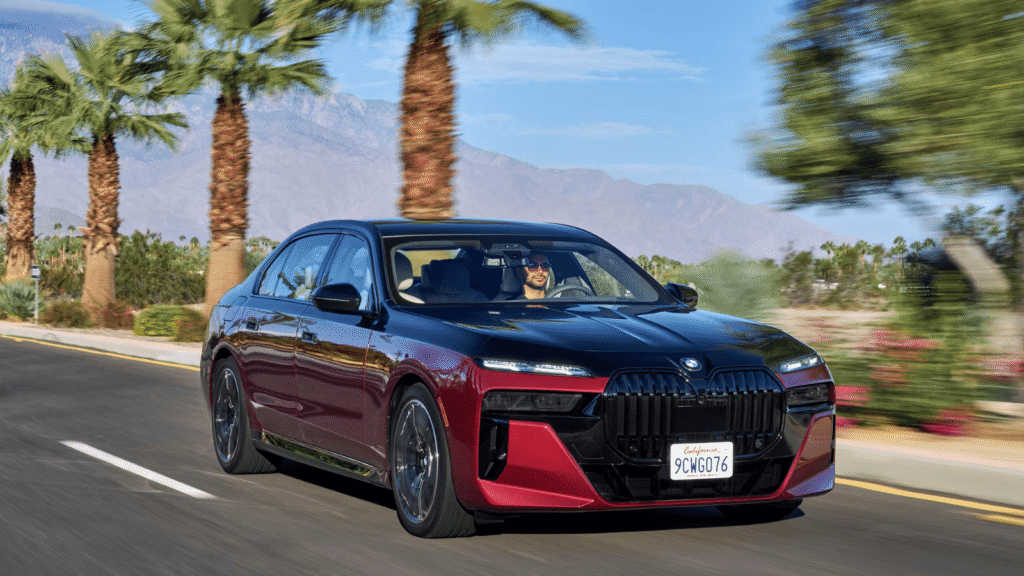
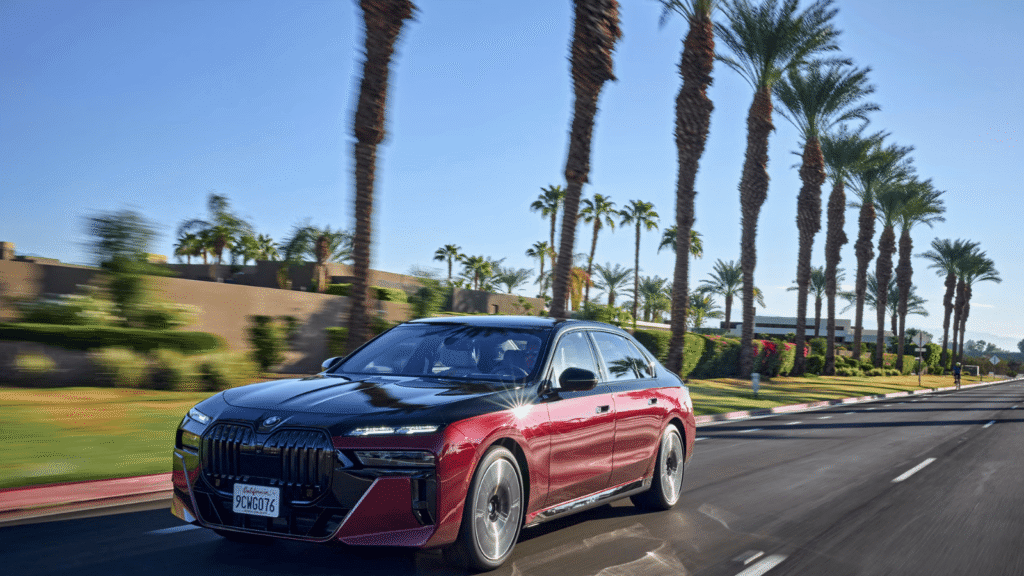
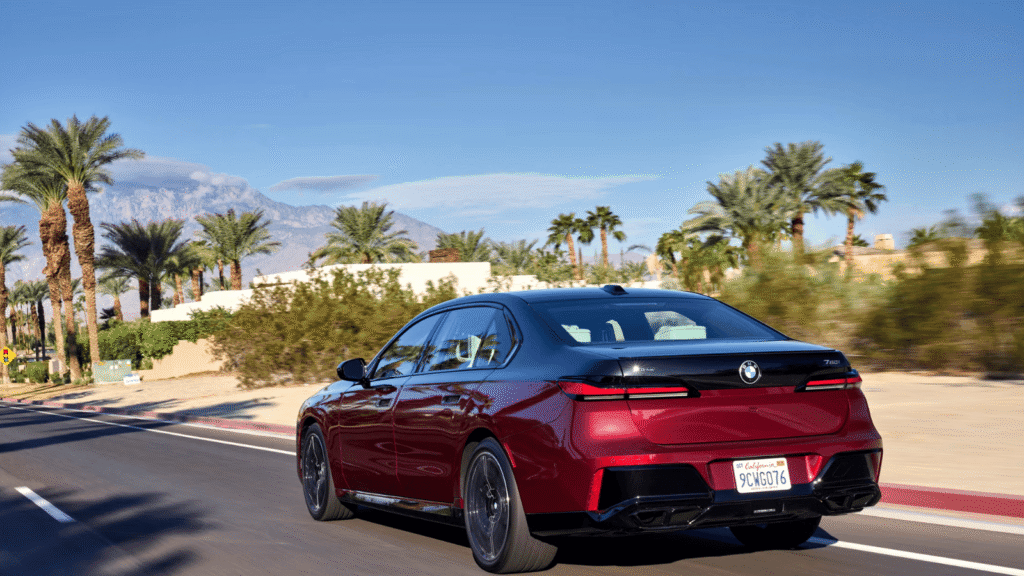
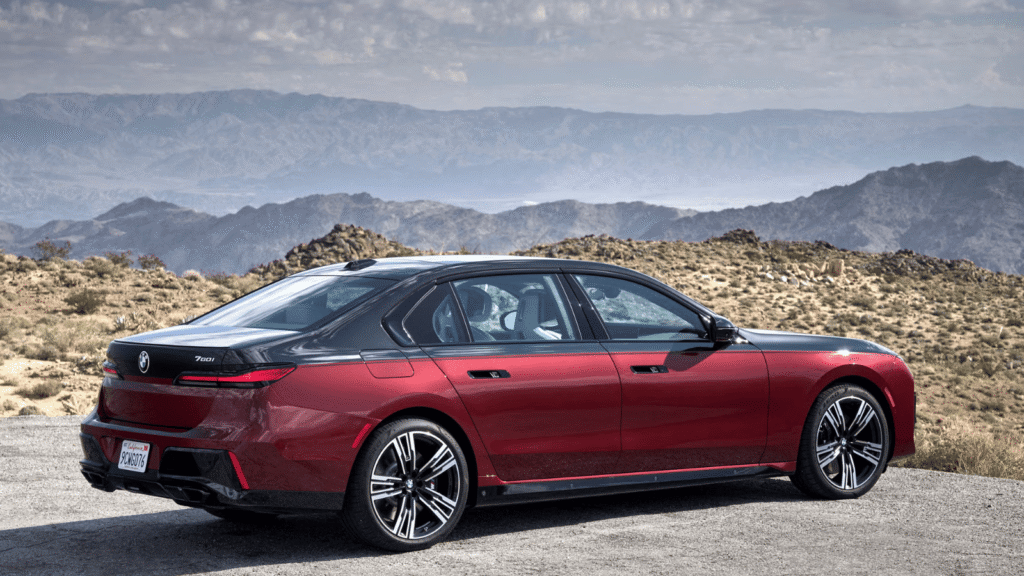
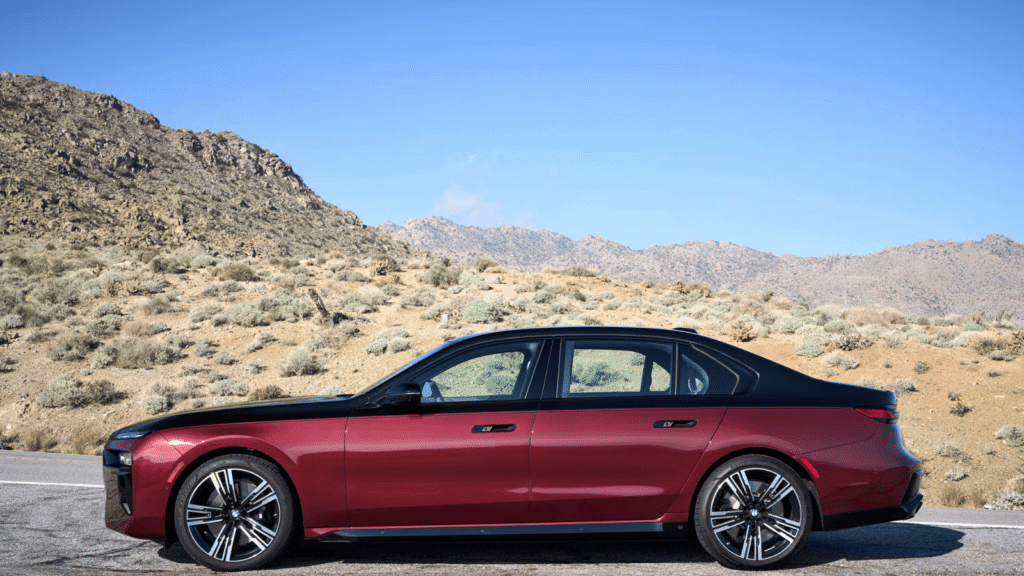
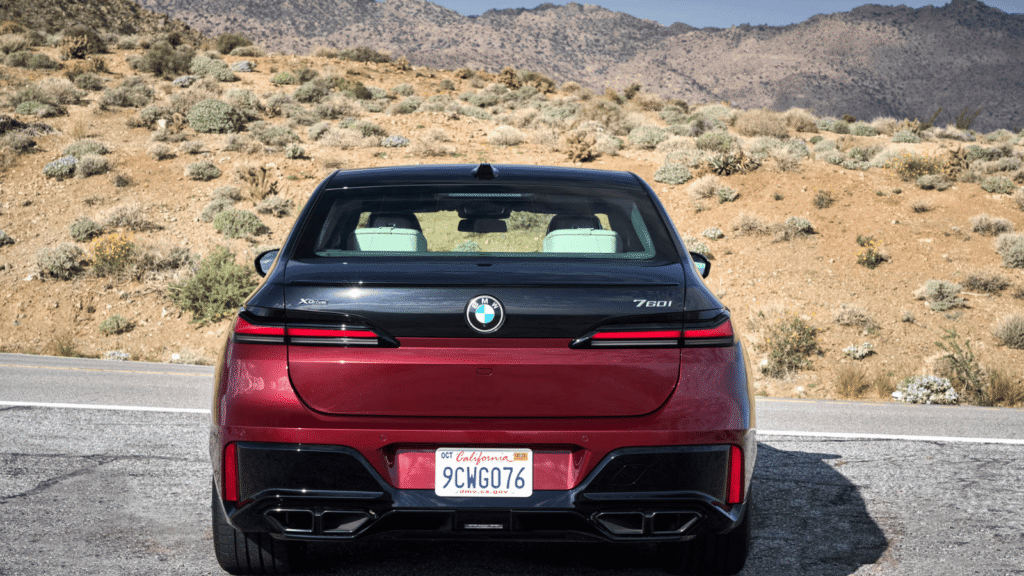
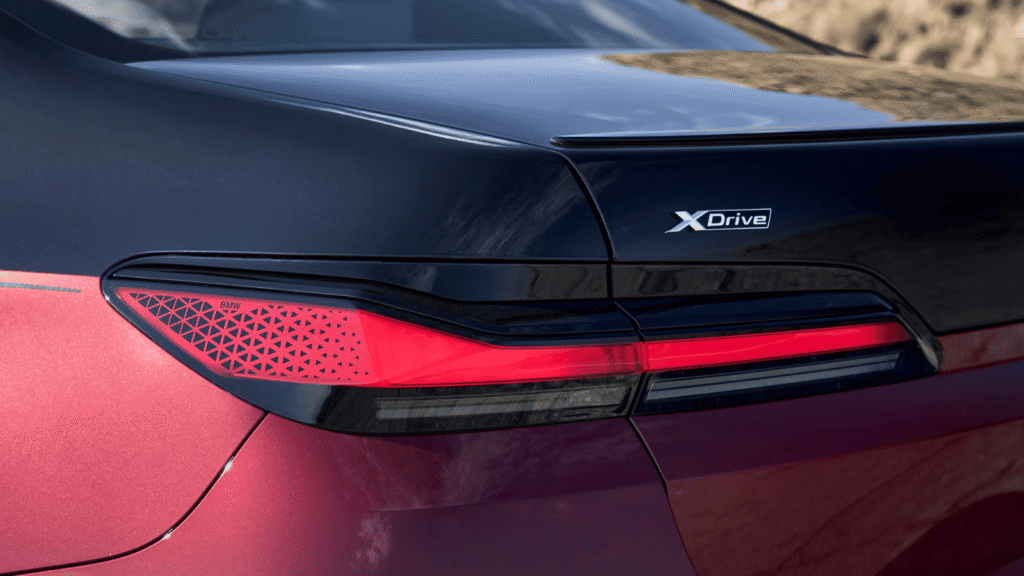
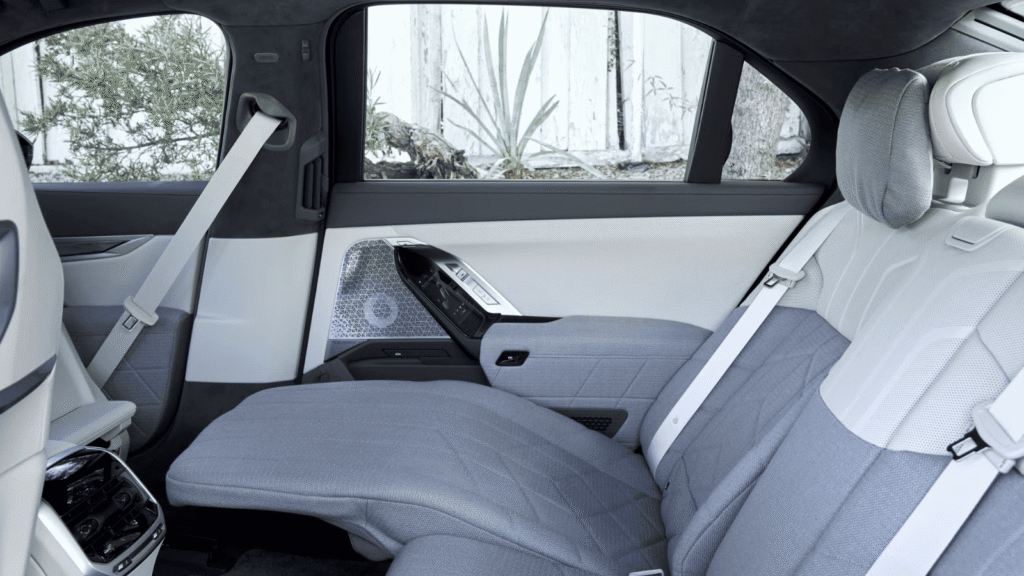
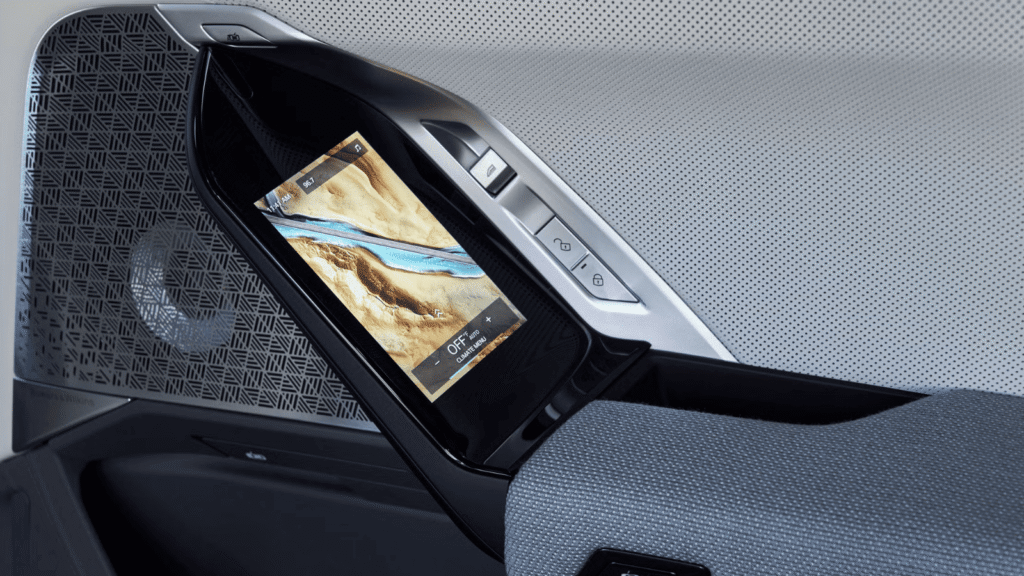
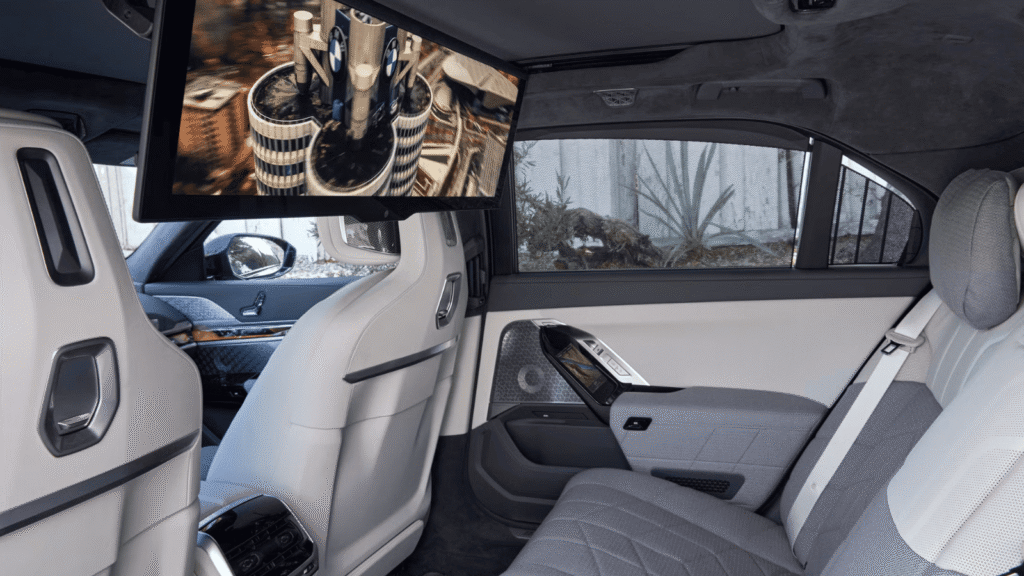
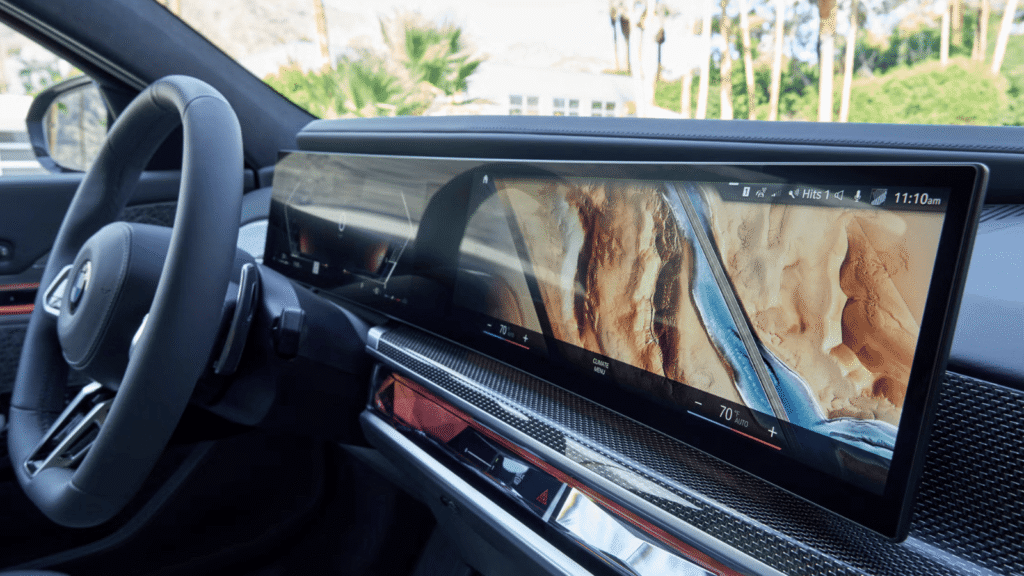
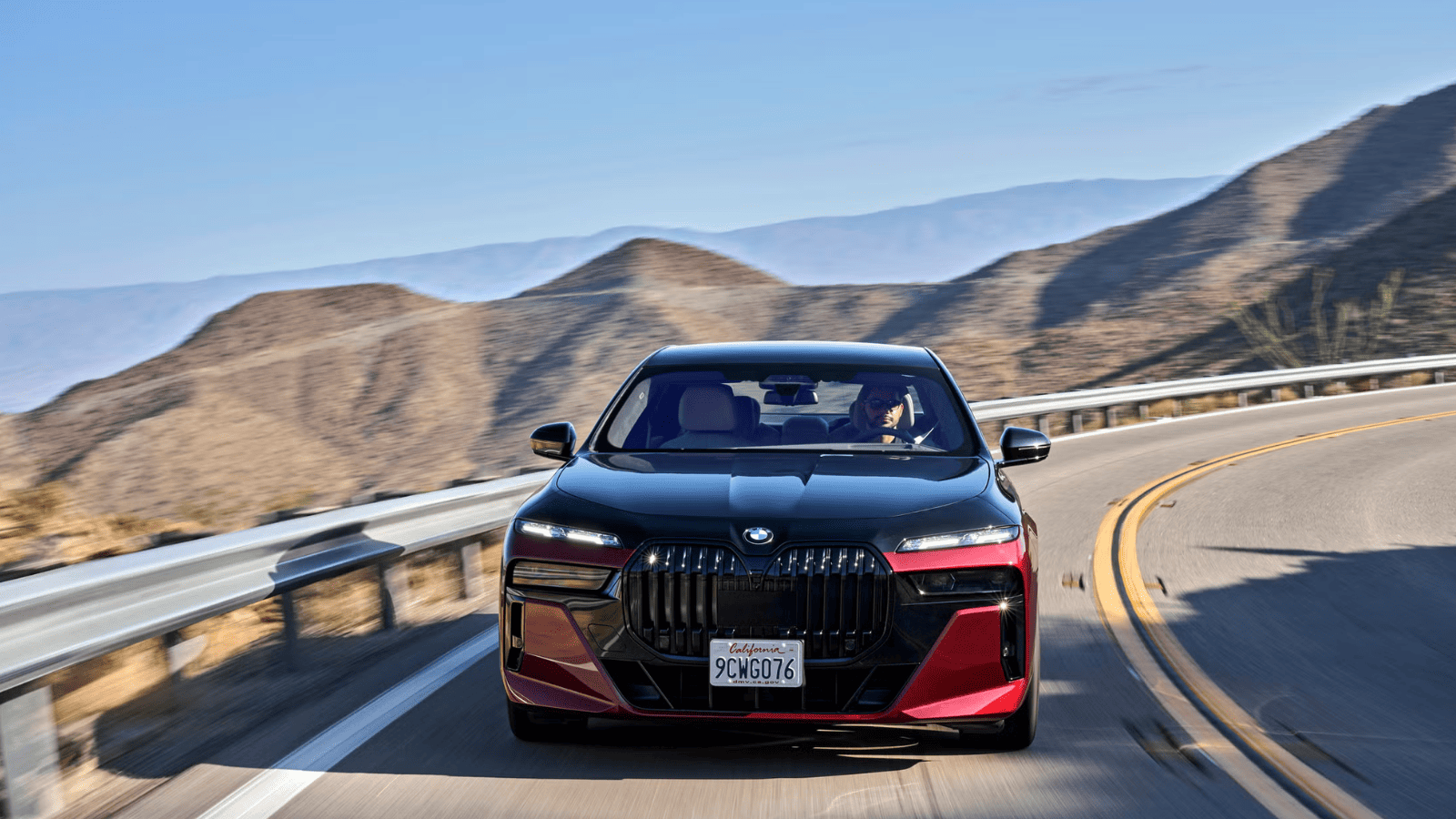
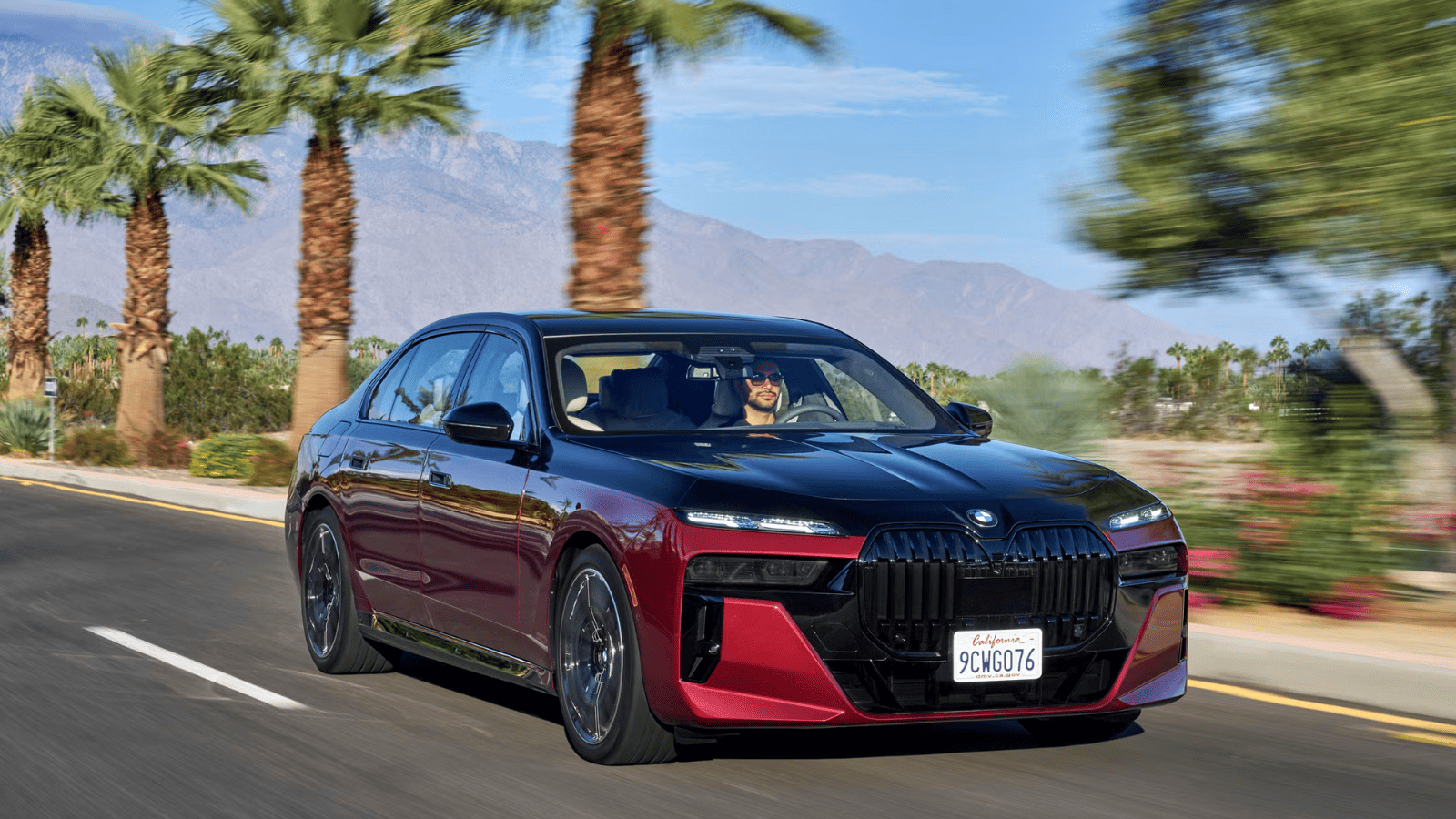
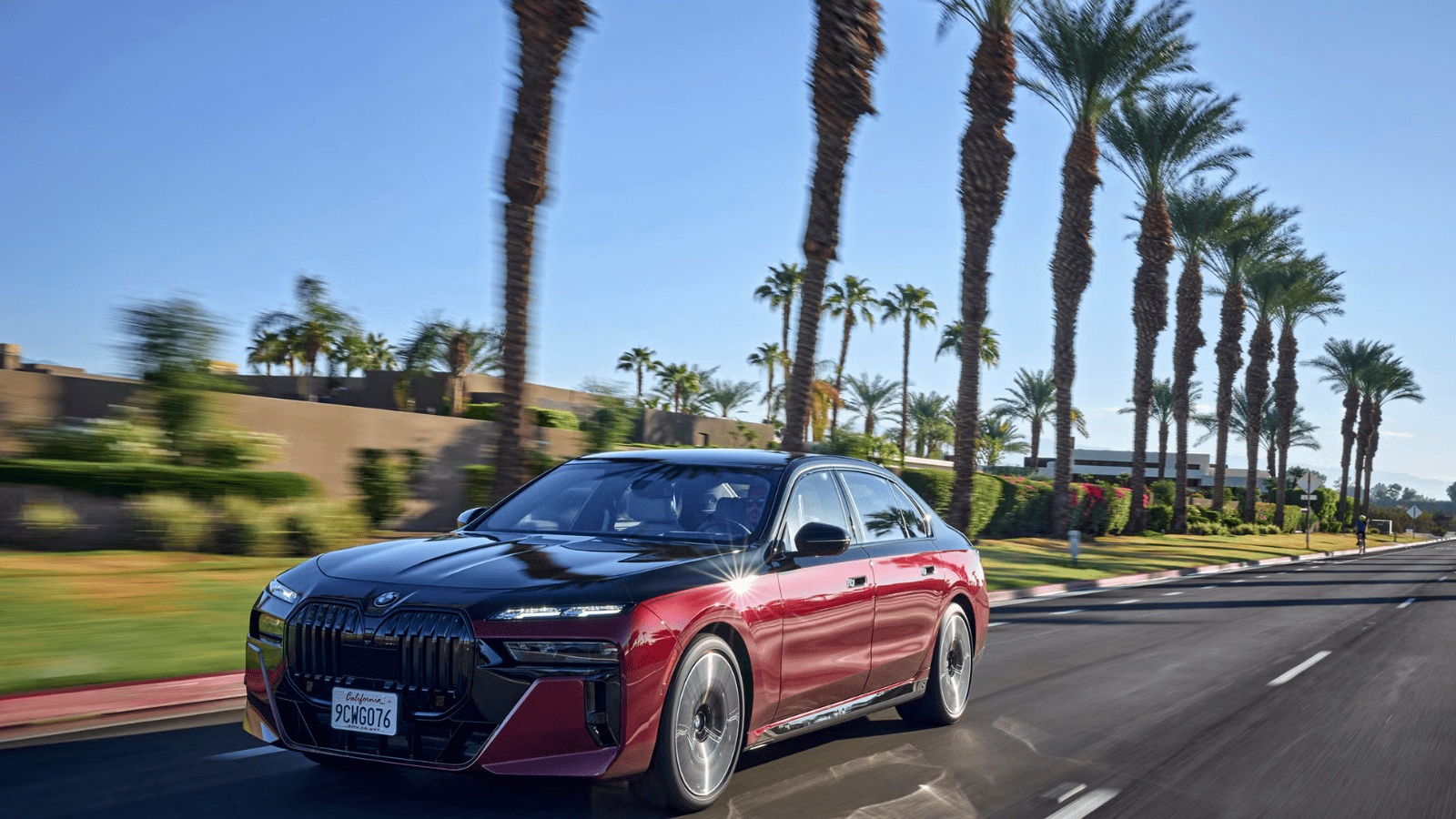
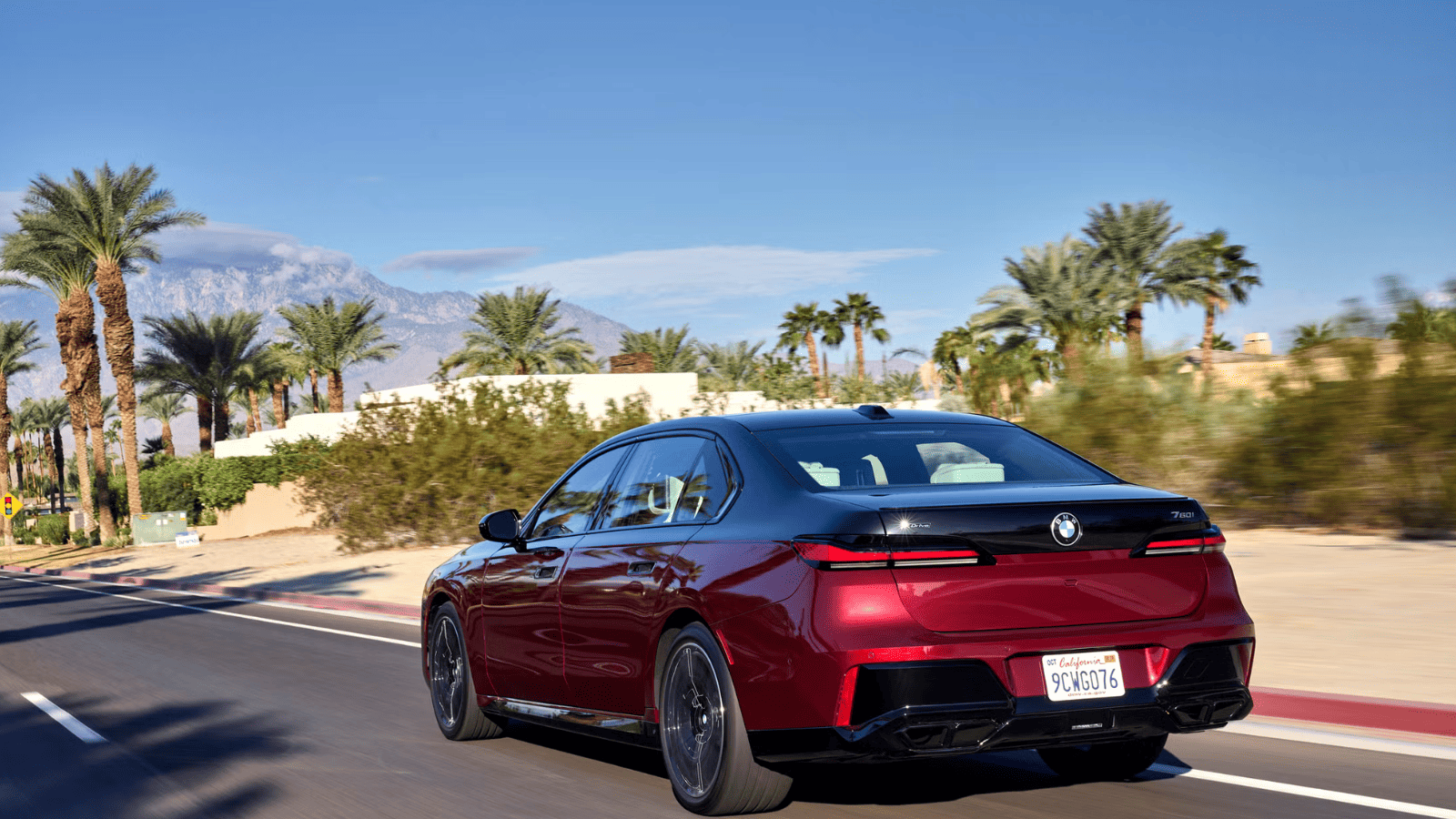
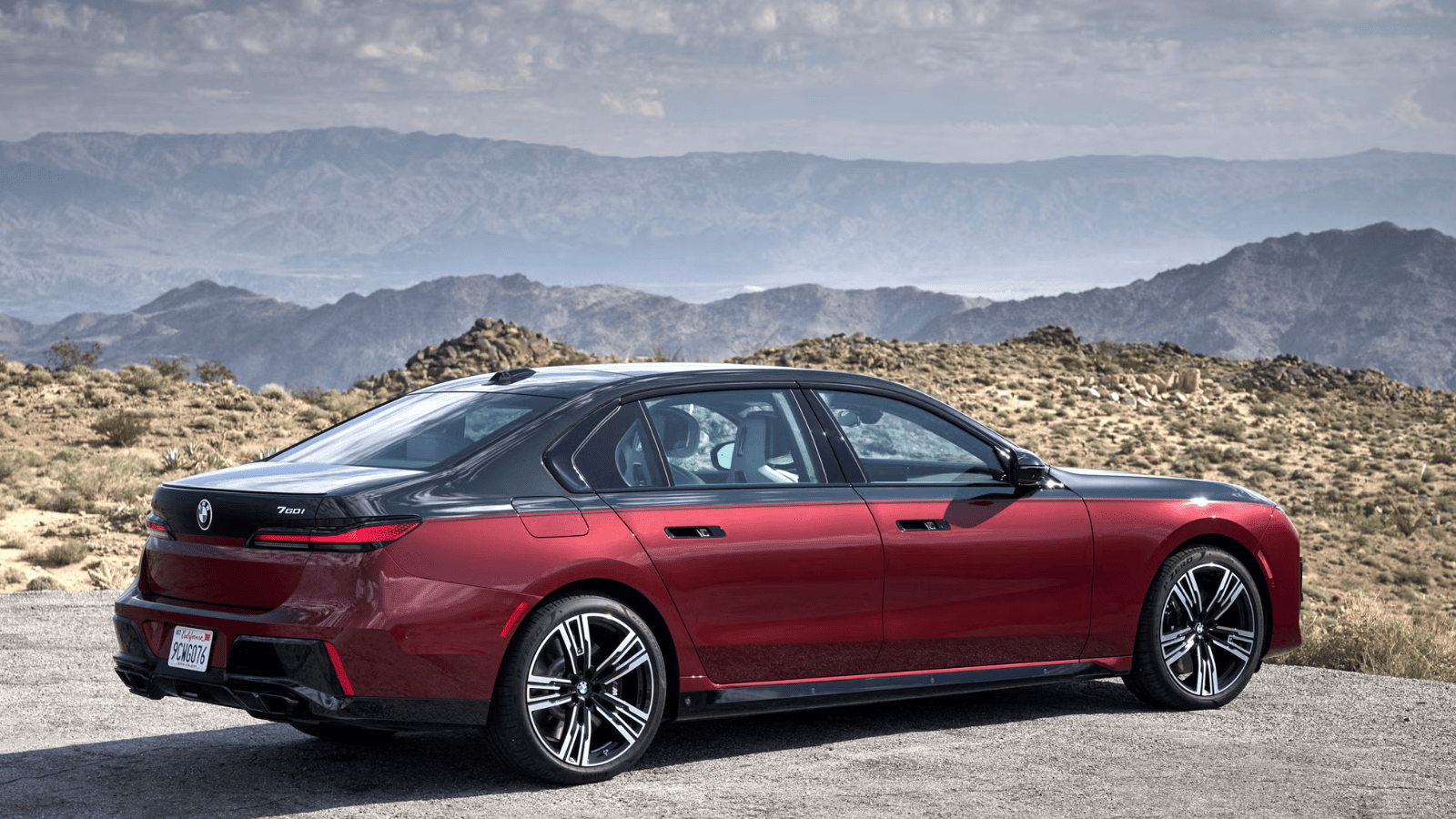
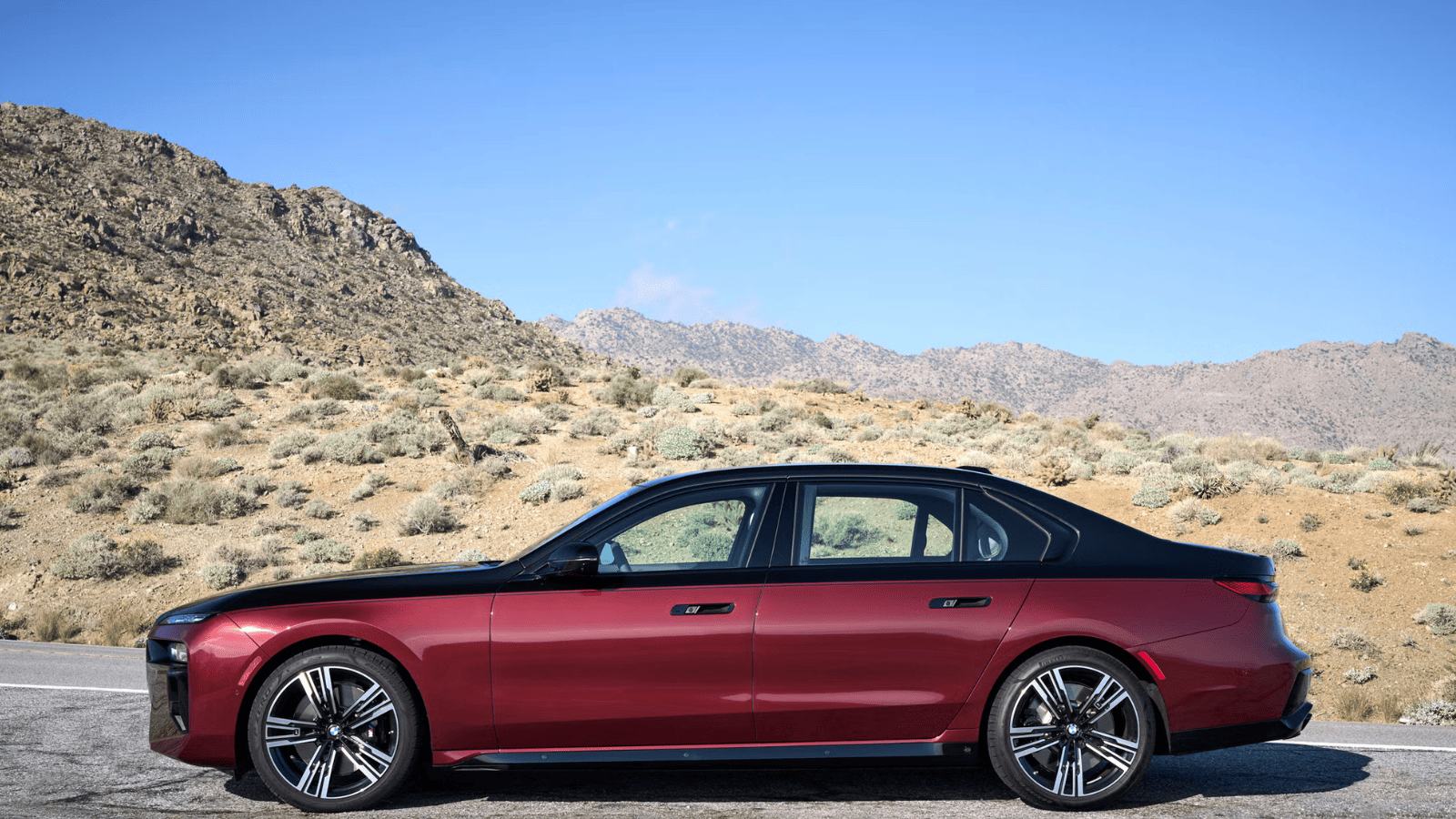
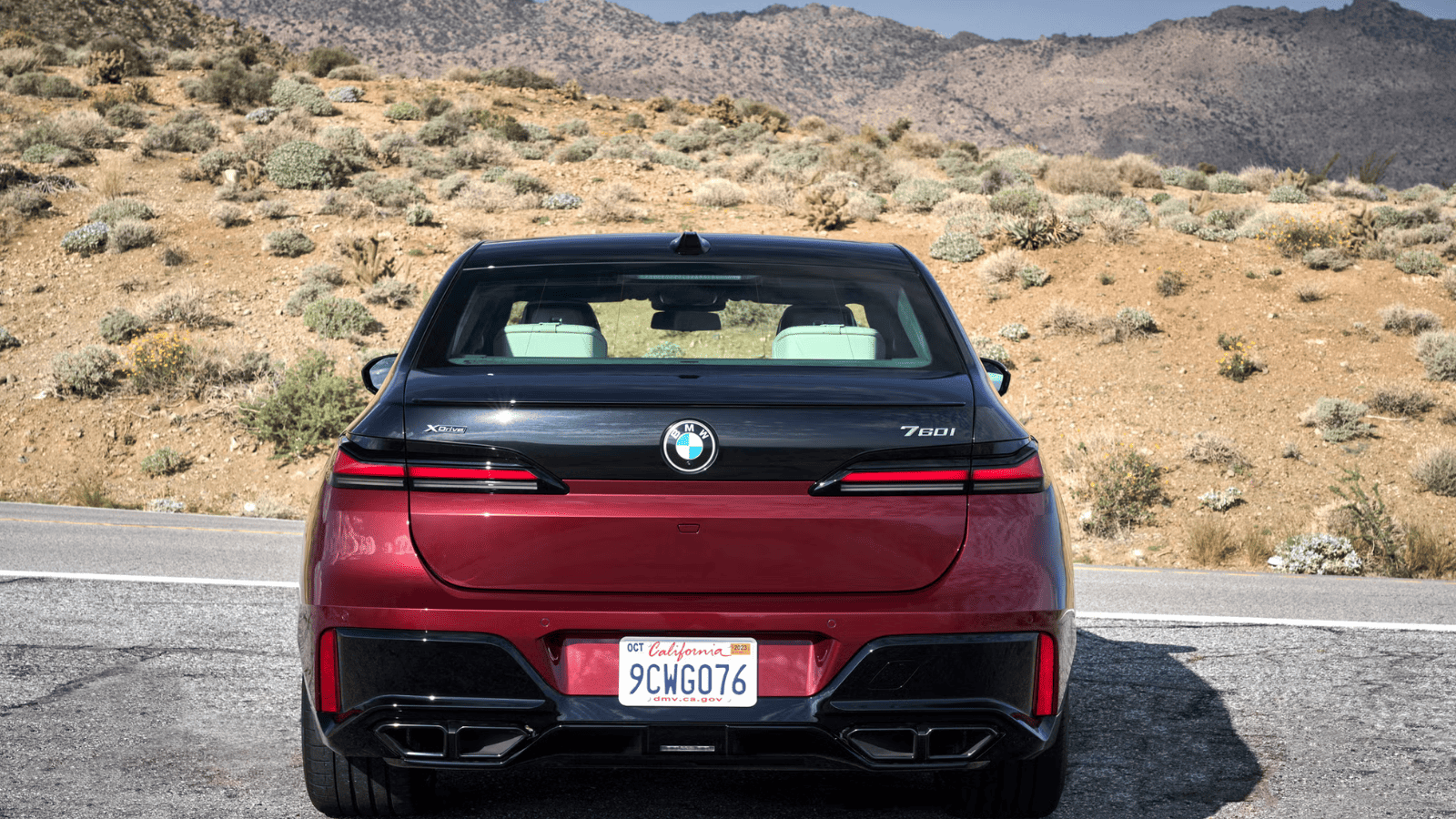
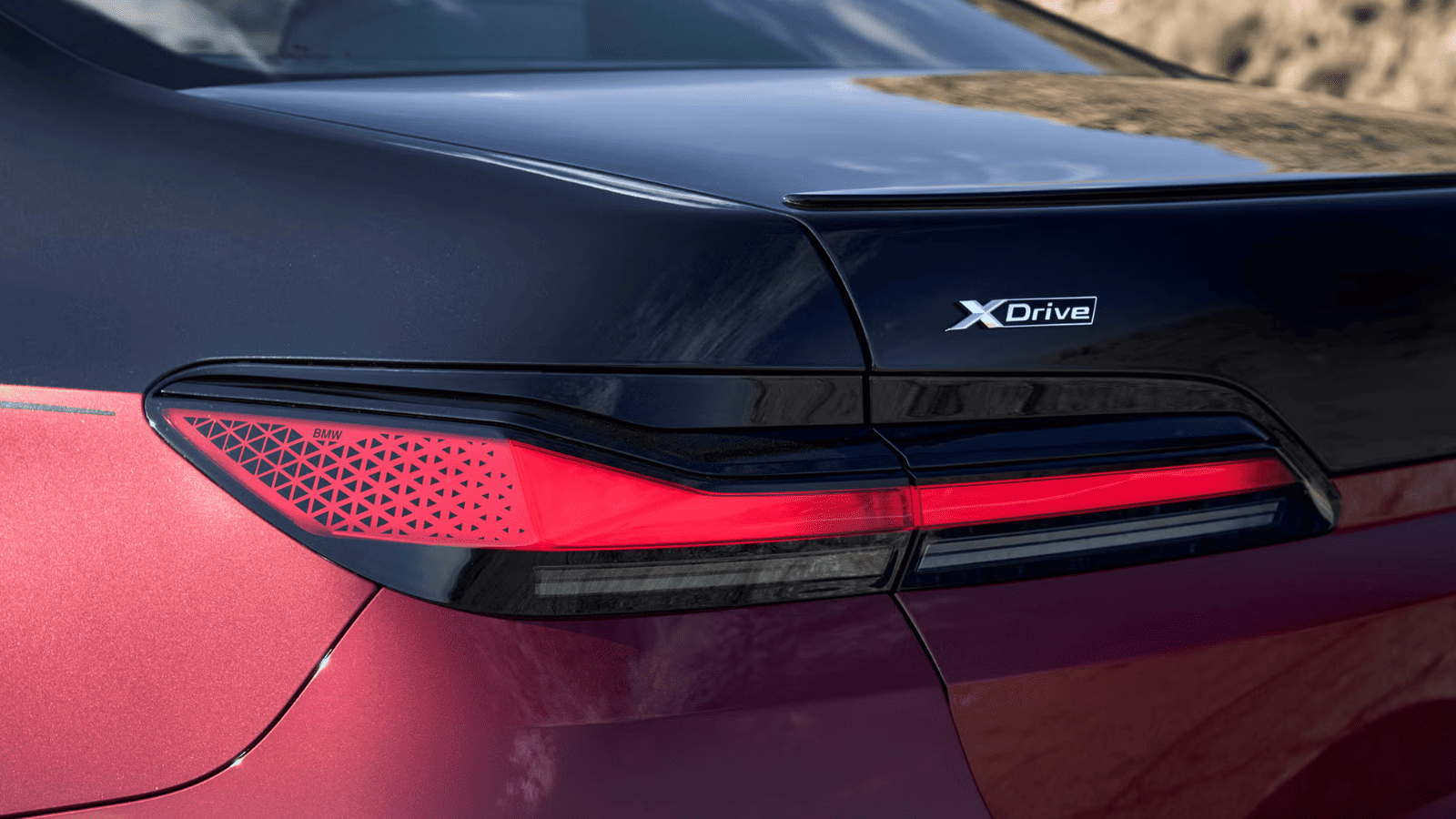
The 7 Series is an excellent choice for first time buyers who value rear-seat comfort, advanced in-car technology, strong highway performance, and a more driver-focused feel than many traditional luxury limousines. Its main drawbacks are obvious: a six-figure starting price, expensive options, high insurance and maintenance costs, and limited long-term data for the newly updated generation.
WheelPedia Rating: 8.5/10
The BMW 7 Series earns an 8.5/10 WheelPedia Rating. It offers exceptional comfort, cabin technology, rear-seat space, cargo capacity, and straight-line performance.
It loses points for its very high price, costly options, expected long-term ownership expenses, and the lack of independent safety and reliability data for the newest version.
| Rating Category | Score | Weight |
| Safety | 8.0/10 | 20% |
| Reliability and ownership | 7.5/10 | 15% |
| Performance and driving | 8.8/10 | 15% |
| Comfort and practicality | 9.8/10 | 15% |
| Efficiency | 8.2/10 | 15% |
| Features and technology | 9.8/10 | 10% |
| Price and value | 7.4/10 | 10% |
| Overall WheelPedia Rating | 8.5/10 | — |
Read How We Rate Cars to see how WheelPedia calculates vehicle ratings.
Key Highlights
- Starts from $99,800 MSRP for the rear-wheel-drive BMW 740, before destination, taxes, registration, options, and dealer fees.
- The 740 and 740 xDrive use a 394-hp turbocharged inline-six with 48-volt mild-hybrid assistance.
- The 740 xDrive reaches 60 mph in a BMW-estimated 4.9 seconds.
- The upcoming 750e xDrive plug-in hybrid produces 483 hp and has an estimated electric range of up to 35 miles.
- Rear-wheel drive is standard on the 740; xDrive all-wheel drive is available on the 740 and standard on the 750e.
- The 7 Series is 212.6 inches long and has 19.1 cubic feet of trunk space.
- Standard technology includes BMW Panoramic Vision, a front-passenger screen, wireless Apple CarPlay, and wireless Android Auto.
- Available rear-seat upgrades include Executive Lounge seating, a 31.3-inch BMW Theatre Screen, massaging seats, and Bowers & Wilkins Diamond audio.
- Best for buyers who want flagship comfort but still prefer a sedan that feels composed from the driver’s seat.
Quick Specifications
| Specification | BMW 7 Series |
| Vehicle type | Full-size luxury sedan |
| Seating capacity | 5 |
| Engines | 3.0L turbocharged inline-six with mild-hybrid assistance; plug-in-hybrid inline-six |
| Power output | 394–483 hp |
| Transmission | Automatic |
| Drivetrain | RWD or AWD, depending on trim |
| Fastest BMW-estimated 0–60 mph time | 4.6 seconds for 750e xDrive |
| 740 xDrive BMW-estimated 0–60 mph time | 4.9 seconds |
| Plug-in-hybrid electric range | Up to 35 miles, estimated |
| Cargo capacity | 19.1 cu. ft. |
| Length | 212.6 in. |
| Fuel requirement | Premium unleaded gasoline for gasoline and plug-in-hybrid models |
Expert Tip
The 740 xDrive is the best current choice for most 7 Series buyers. It has the same smooth six-cylinder engine as the rear-wheel-drive 740 but adds all-weather traction for a relatively small price increase. Wait for the 750e xDrive only if you can charge regularly and want stronger acceleration with electric commuting capability.
About the BMW 7 Series
The 7 Series sits above the BMW 5 Series as the brand’s largest and most luxurious sedan. It competes with cars such as the Mercedes-Benz S-Class, Genesis G90, Audi A8, and Lexus LS.
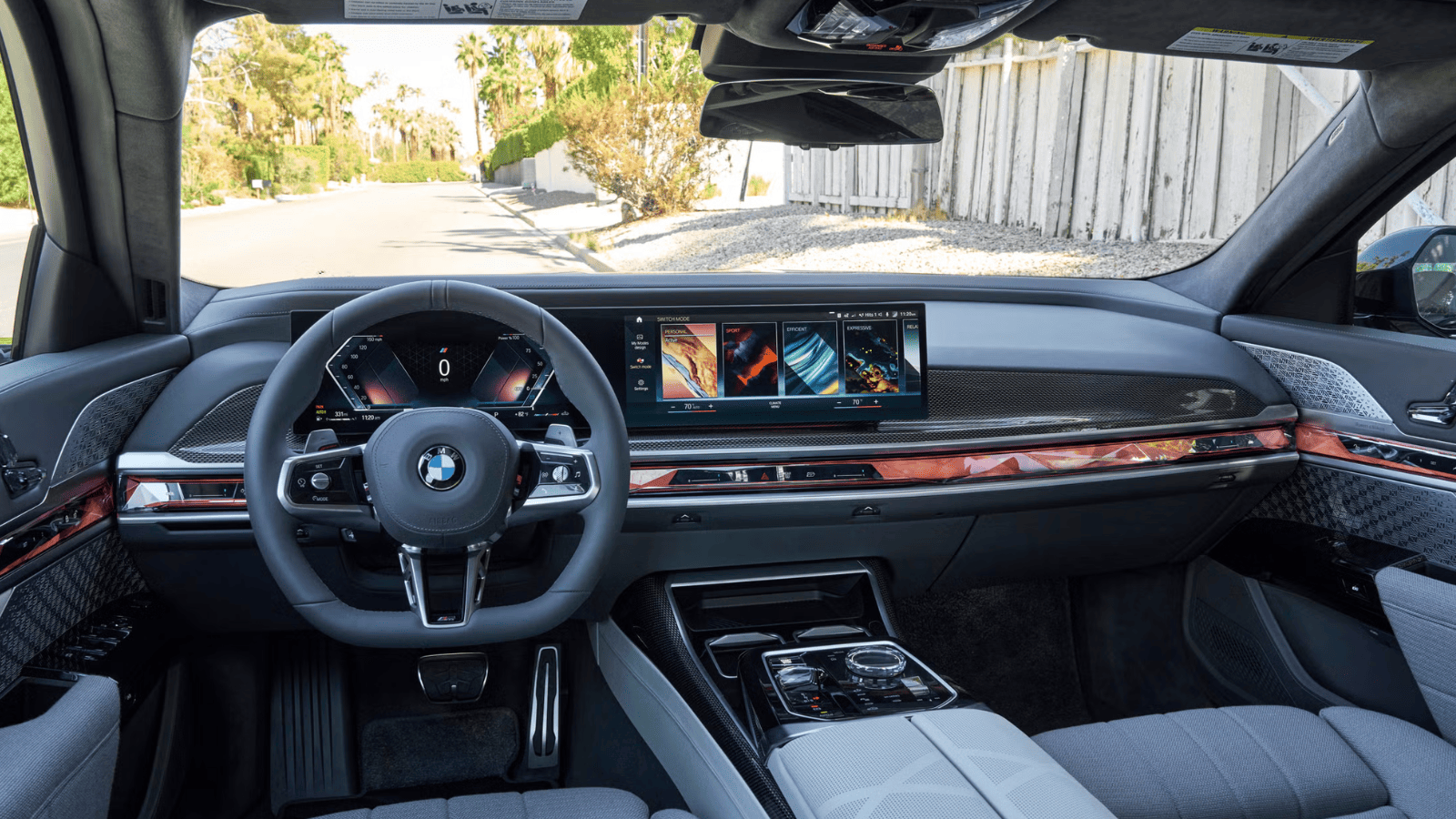
For 2027, BMW has substantially updated the 7 Series with new exterior styling, a redesigned dashboard, BMW Panoramic iDrive, a front-passenger display, and new driver-assistance technology. The latest model also drops the previous “i” suffix from the gasoline models, so the 740i is now simply called the 740.
The 7 Series is far more than a larger BMW 5 Series. It has a longer wheelbase, a much roomier rear seat, more available luxury equipment, and a stronger focus on passenger comfort. However, it remains more engaging to drive than many large luxury sedans.
Price and Trims
The following are current US starting prices for the 2027 BMW 7 Series. They exclude BMW’s $1,550 destination and handling charge, taxes, registration, dealer fees, accessories, and options.
Verify the exact specification through the current BMW 7 Series lineup before buying.
| Trim | Starting MSRP | Drivetrain | Power | Availability | Best For |
| 740 | $99,800 | RWD | 394 hp | Available | Buyers who want the lowest entry price |
| 740 xDrive | $102,800 | AWD | 394 hp | Available | Most buyers and all-weather driving |
| 750e xDrive | Price not announced | AWD | 483 hp | Expected later in the model year | Plug-in-hybrid commuting and stronger performance |
BMW has also confirmed that a V8-powered M Performance 7 Series will follow later, but final US specifications and pricing had not been announced at the time of this update.
Which Trim Is Best?
- Best value: 740
- Best all-round choice: 740 xDrive
- Best for frequent chauffeur use: 740 xDrive with Executive Lounge options
- Best plug-in-hybrid choice: 750e xDrive
- Best for wet or snowy climates: 740 xDrive
The rear-wheel-drive 740 is enough for buyers in warm climates who want the lowest price and traditional rear-drive balance. The 740 xDrive is the stronger choice for most shoppers because it gives up very little efficiency while adding useful traction.
The 750e xDrive should appeal to buyers who can plug in at home or work. If you cannot charge regularly, the 740 xDrive is likely the simpler and more sensible option.
Engine, Powertrain, and Performance
The 740 and 740 xDrive use a turbocharged 3.0-liter inline-six engine with 48-volt mild-hybrid assistance. It produces 394 horsepower and 398 lb-ft of torque.
This engine gives the 7 Series effortless power for highway merging, passing, and long-distance travel. It is quick enough to feel special without becoming as costly or thirsty as a V8-powered flagship sedan.
The 750e xDrive plug-in hybrid pairs a 308-hp turbocharged inline-six with a 194-hp electric motor integrated into the transmission. Combined output is 483 horsepower and 516 lb-ft of torque.
0–60 MPH Performance
| Trim | BMW-Estimated 0–60 mph Time |
| 740 | Not published at the time of update |
| 740 xDrive | 4.9 seconds |
| 750e xDrive | 4.6 seconds |
BMW’s figures are manufacturer estimates. Actual acceleration varies with weather, tires, road surface, vehicle equipment, and driving conditions.
The 740 xDrive is already much quicker than most large luxury sedans need to be. The 750e adds more immediate low-speed response from its electric motor and should be the stronger option for buyers who want flagship luxury with near-performance-sedan acceleration.
Driving Experience
The BMW 7 Series prioritizes ride quality and isolation, but it is not purely a comfort-first sedan. It remains stable, responsive, and easy to place for such a large vehicle.
Adaptive two-axle air suspension is standard. It helps the car absorb poor road surfaces while keeping the body controlled at highway speeds. Integral Active Steering also turns the rear wheels, which improves low-speed maneuverability and adds stability during faster lane changes.
Available Adaptive Chassis Control Professional adds active roll stabilization. It is worth considering for buyers who want the 7 Series to feel more controlled on winding roads without giving up its smooth ride.
The 7 Series is still a very large sedan. Rear-wheel steering helps in parking garages, but it will not feel as easy to manage in city traffic as a BMW 3 Series or BMW 5 Series.
Fuel Economy and Plug-In-Hybrid Range
Official EPA fuel-economy ratings for the updated 2027 BMW 7 Series had not been published at the time of this update. Check the EPA fuel-economy database before buying for the final ratings of your exact trim and wheel package.
The 740 and 740 xDrive use premium gasoline. Their mild-hybrid system can improve smoothness and efficiency, but buyers should still expect higher fuel costs than with a mainstream sedan.
The upcoming 750e xDrive can travel up to 35 miles on electric power, according to BMW’s preliminary estimate. Actual electric range depends on temperature, wheel and tire choice, driving style, climate-control use, terrain, and charging habits.
The 750e makes the most sense for owners who can charge frequently. If the battery is rarely charged, the heavier and more complex plug-in hybrid is difficult to justify over the 740 xDrive.
Interior, Comfort, and Technology
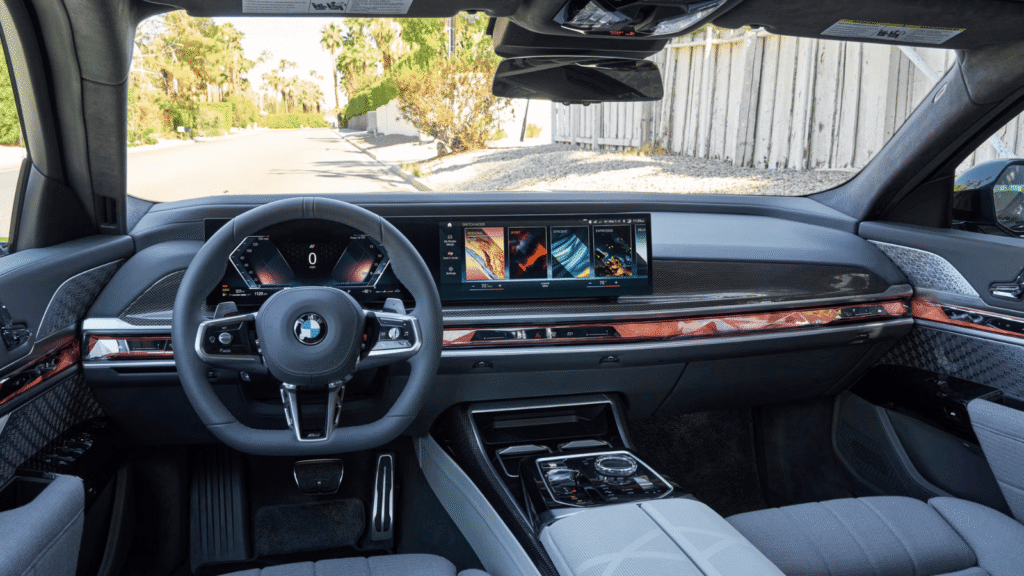
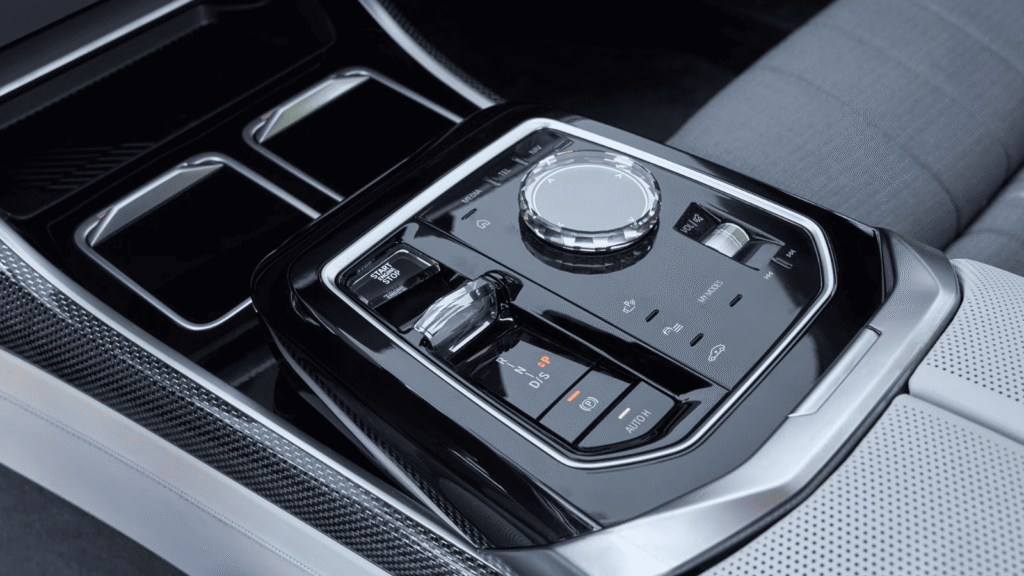
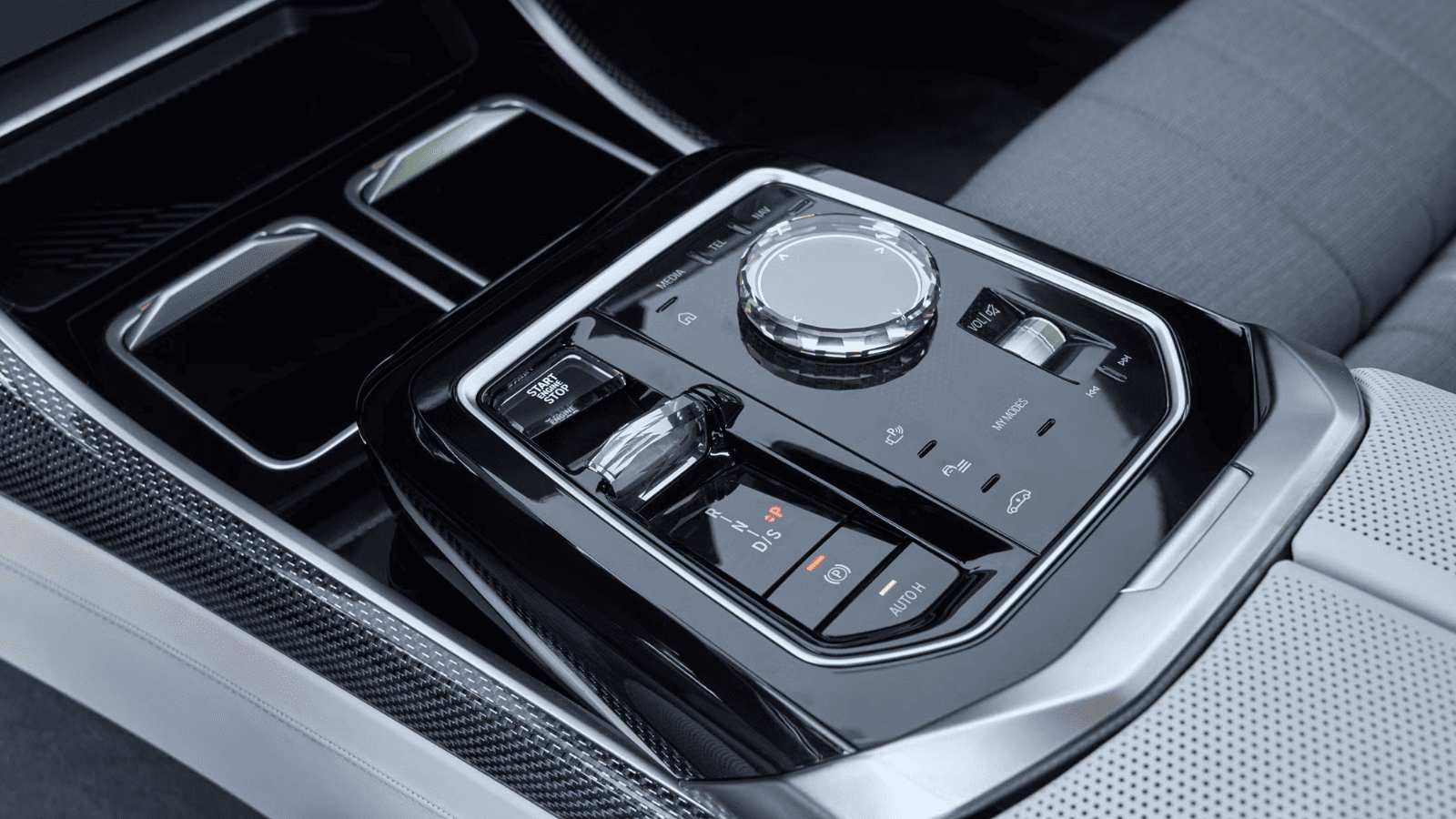
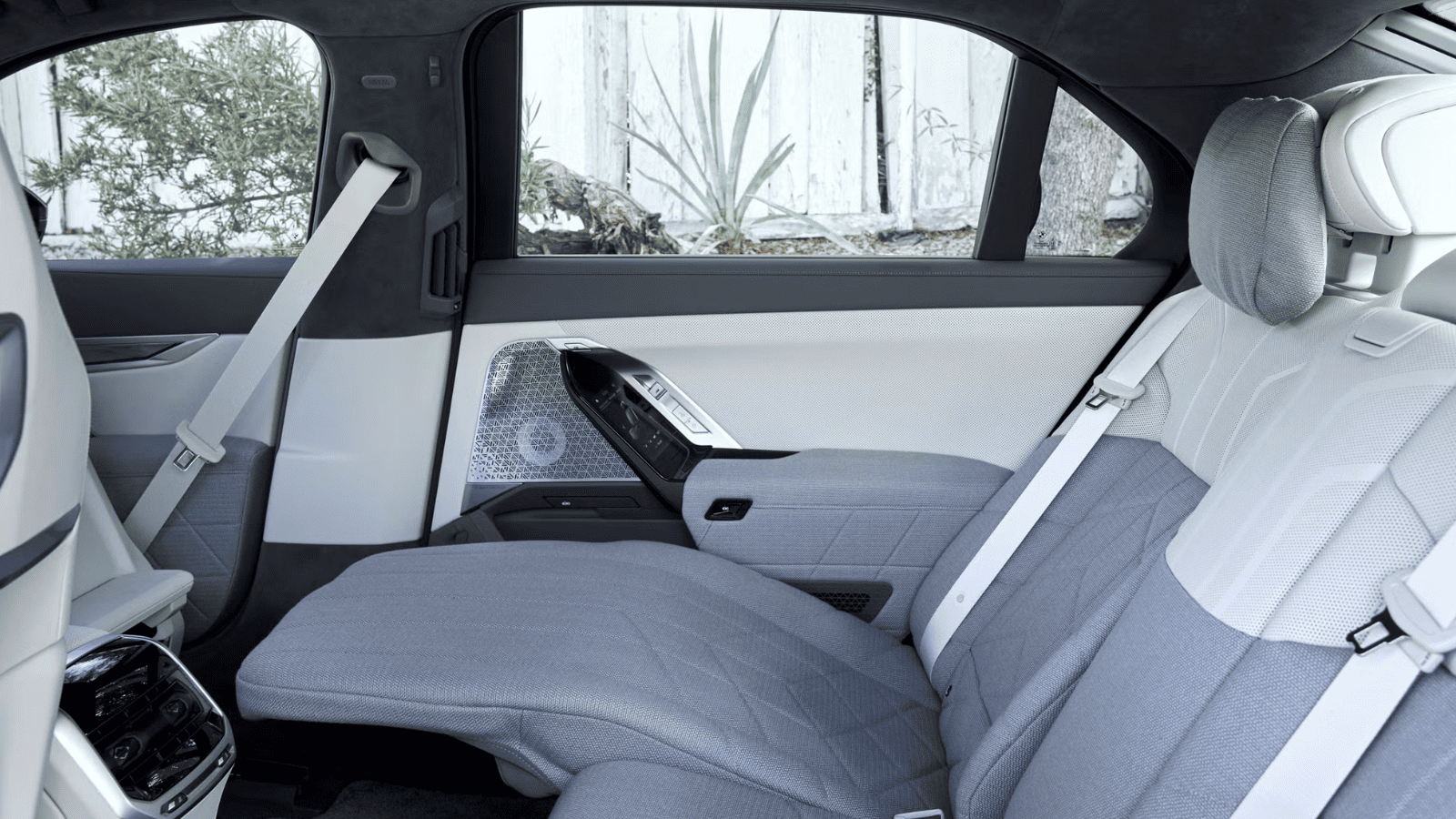
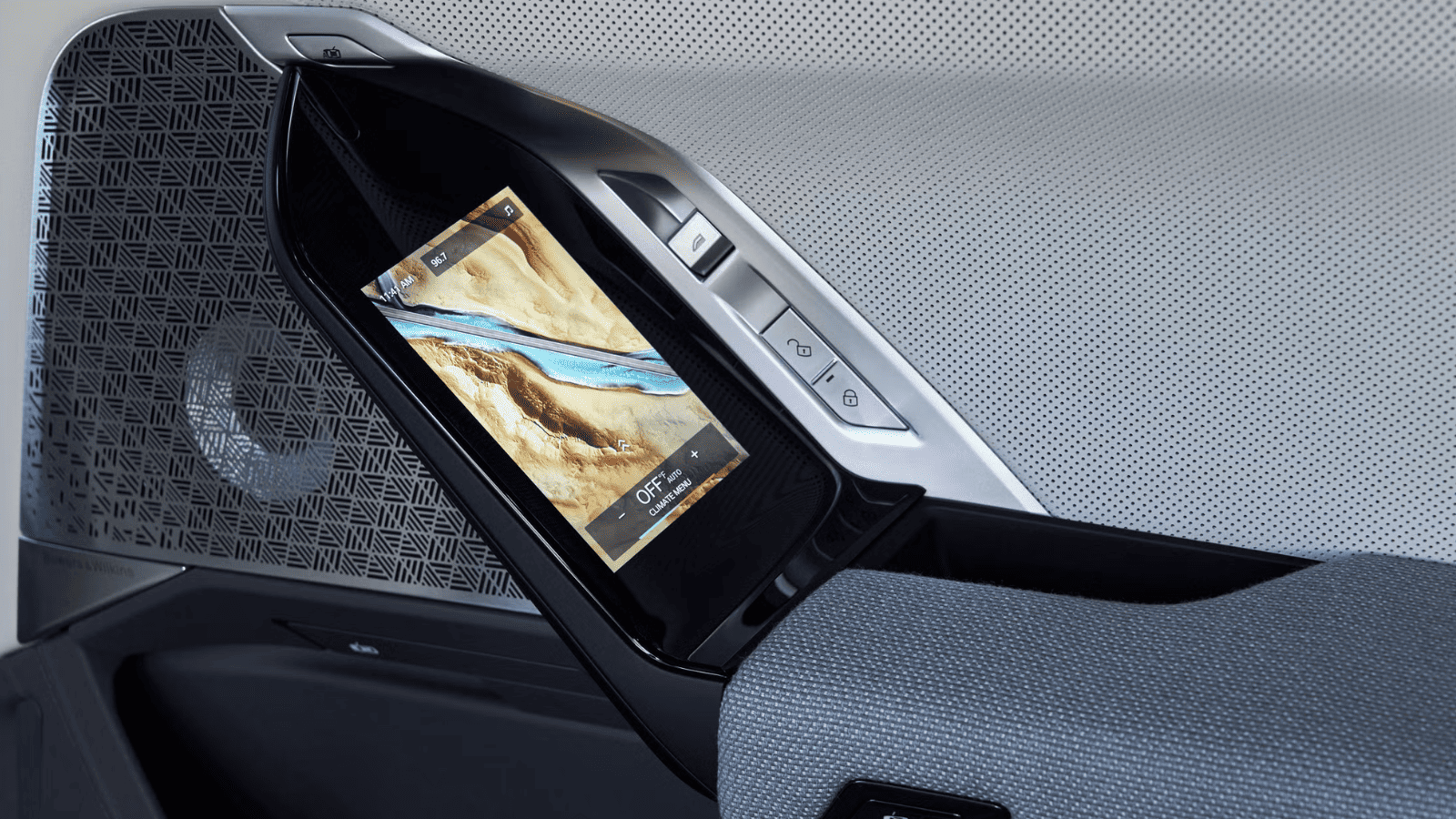
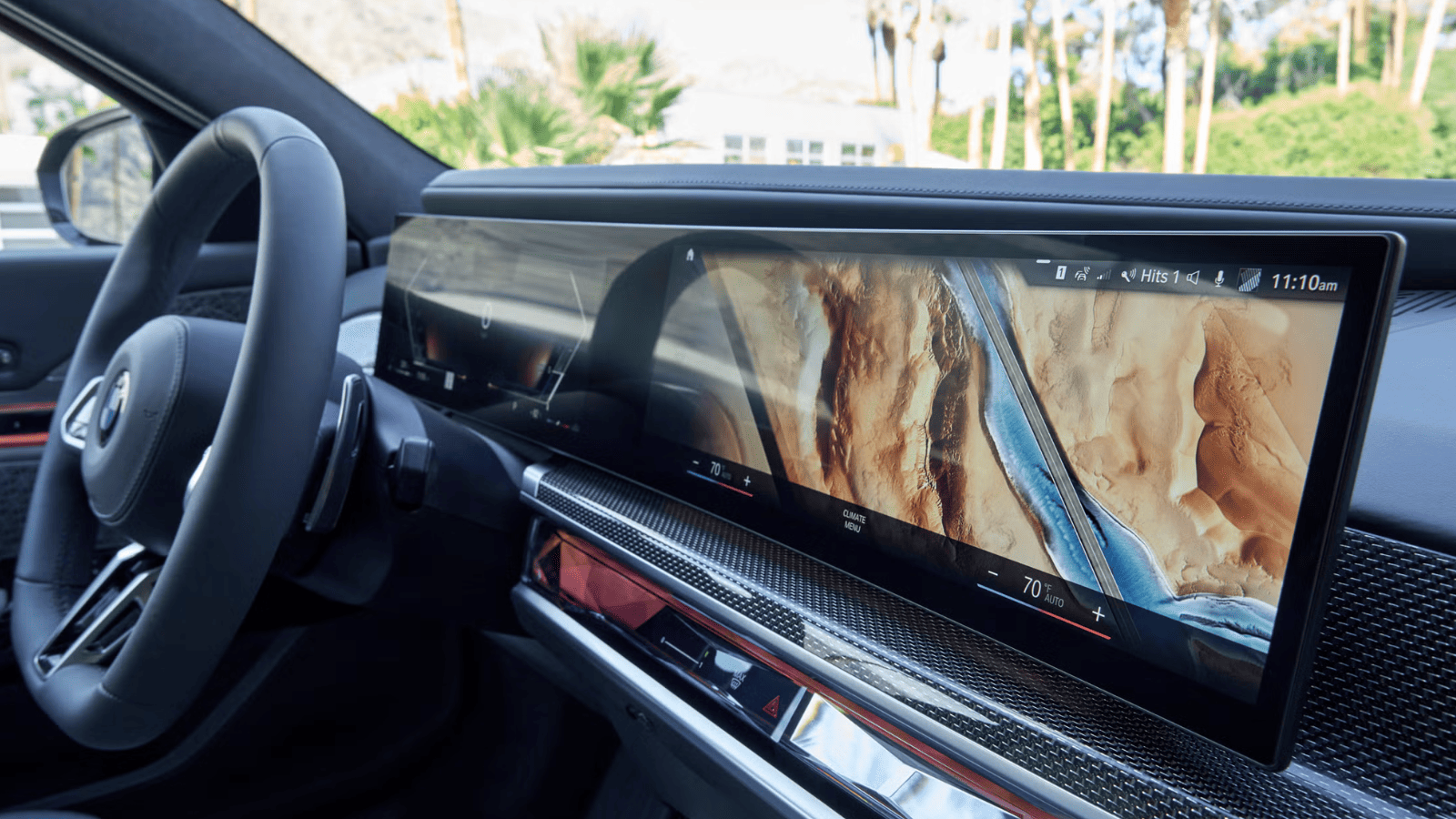
The 7 Series has one of the most impressive cabins in the luxury-sedan class. It combines wide digital displays, premium materials, extensive seat adjustment, and unusually strong rear-seat entertainment options.
Standard and available features include:
- BMW Panoramic Vision display across the base of the windshield
- BMW Operating System X
- BMW Passenger Screen
- Wireless Apple CarPlay and Android Auto
- BMW Intelligent Personal Assistant
- BMW Digital Key Plus
- Wireless phone charging
- Multi-function front seats
- Heated, ventilated, and massaging front seats
- Available heated, ventilated, and massaging rear seats
- Available Executive Lounge seating
- Available automatic doors
- Panoramic Sky Lounge LED Roof
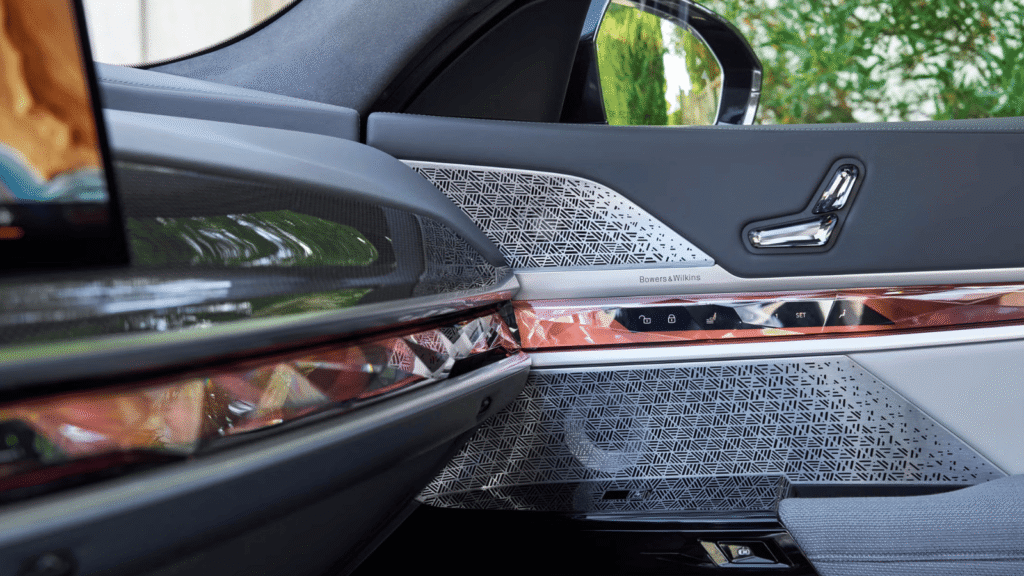
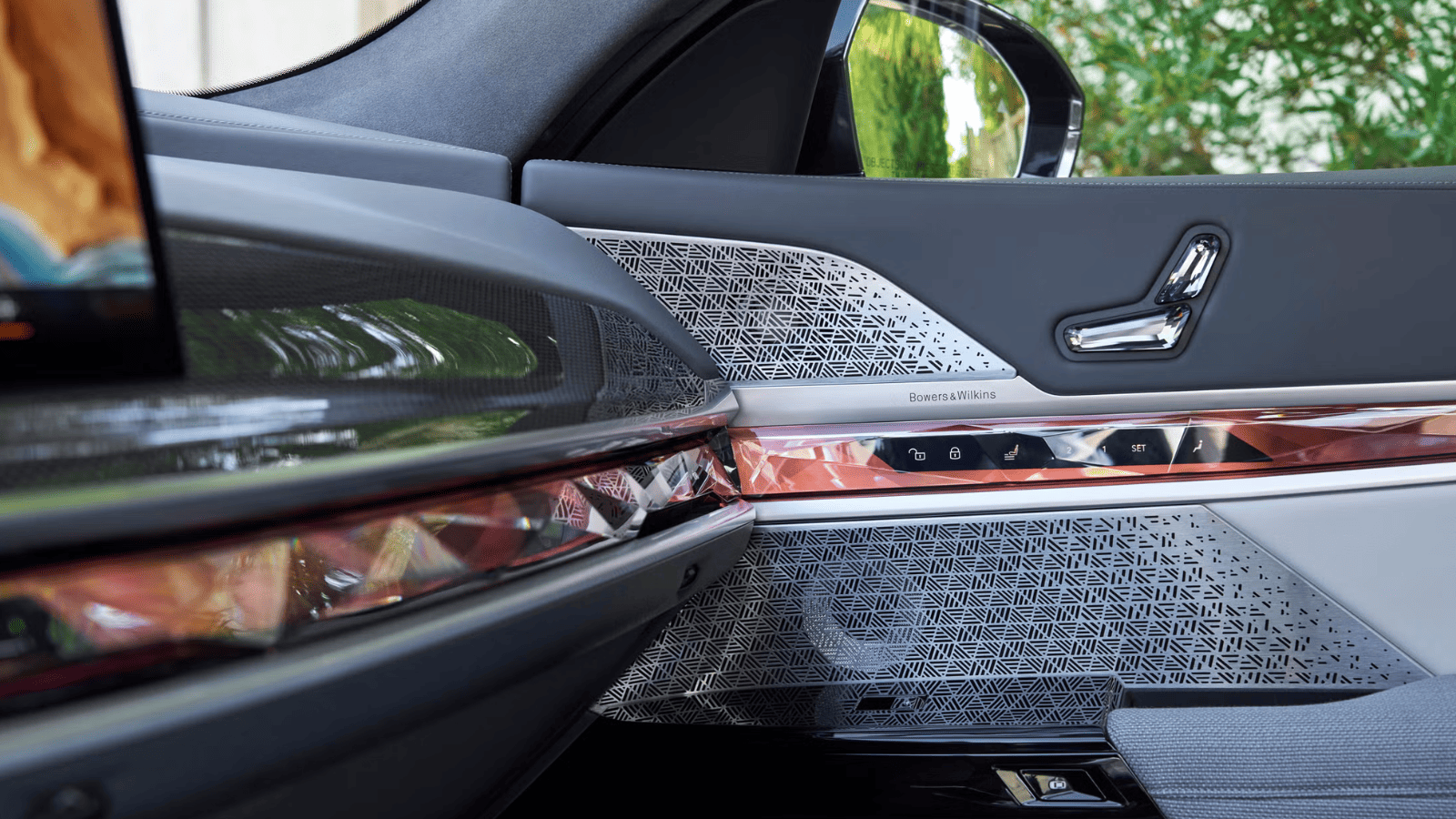
- Standard Bowers & Wilkins Surround Sound System
- Available Bowers & Wilkins Diamond Surround Sound System with Dolby Atmos
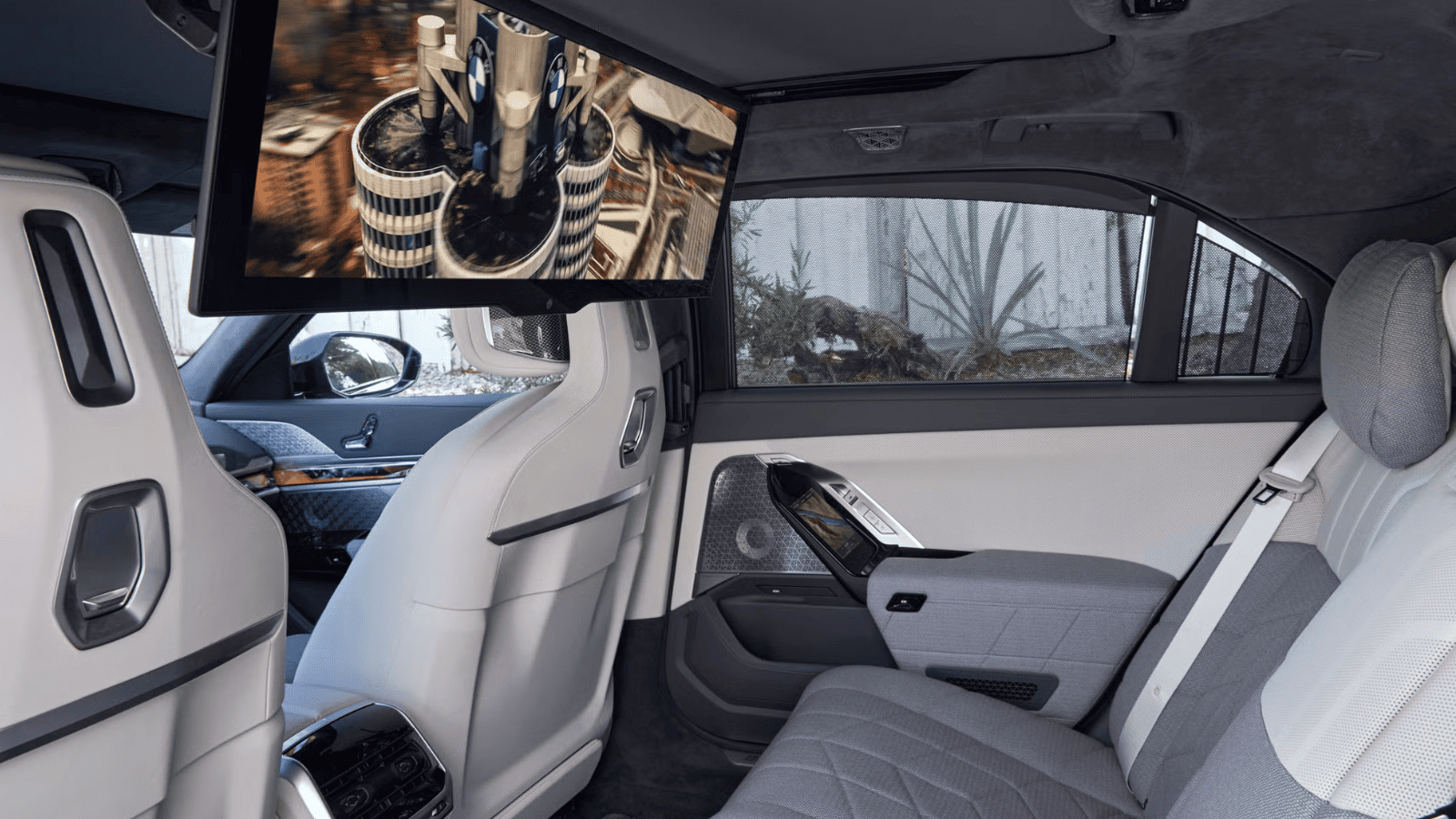
- Available 31.3-inch 8K BMW Theatre Screen
- Available Zoom video-call capability for rear passengers
- Available digital interior rear-view mirror
The front seats are highly adjustable and comfortable for long road trips. The rear seat is where the 7 Series separates itself from smaller luxury sedans, especially with the Executive Lounge package.
The rear-seat upgrades can make the 7 Series feel like a private lounge. They also add significantly to the final price, so buyers should decide early whether they will regularly use those features.
Dimensions, Cargo, and Practicality
| Dimension | Measurement |
| Length | 212.6 in. |
| Cargo capacity | 19.1 cu. ft. |
| Seating capacity | 5 passengers |
The 7 Series is long, wide, and designed around passenger space. Its rear seat is suitable for adults on long trips, and its trunk can handle several suitcases, business travel, airport runs, or family luggage.
Its 19.1-cubic-foot trunk is large for a luxury sedan, but buyers who need taller or bulkier cargo space should consider an SUV such as the BMW X7.
The 7 Series can work for a family, although its low seating position and sedan trunk shape are less convenient for child seats, strollers, and bulky gear than a luxury SUV.
Exterior Design
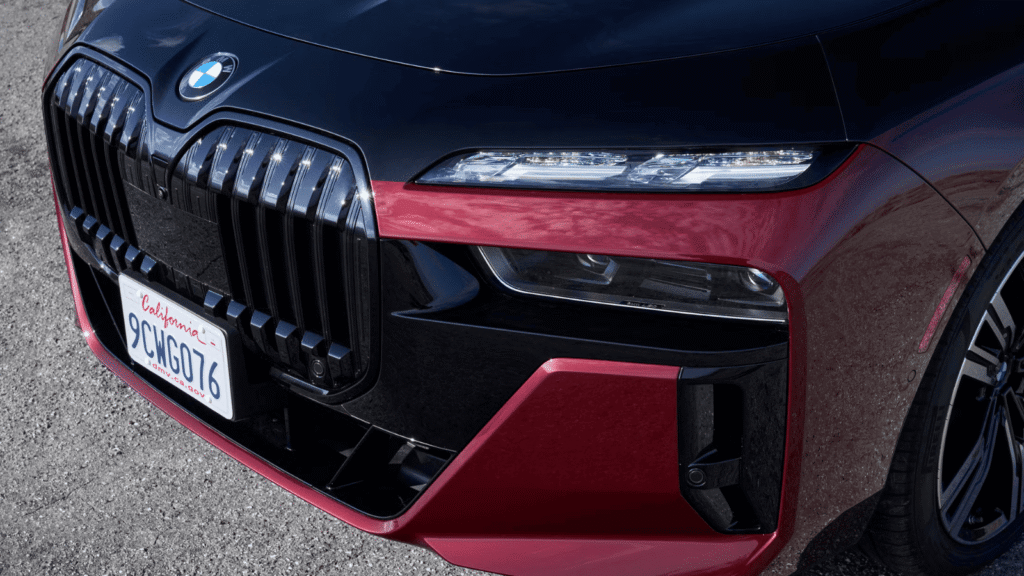
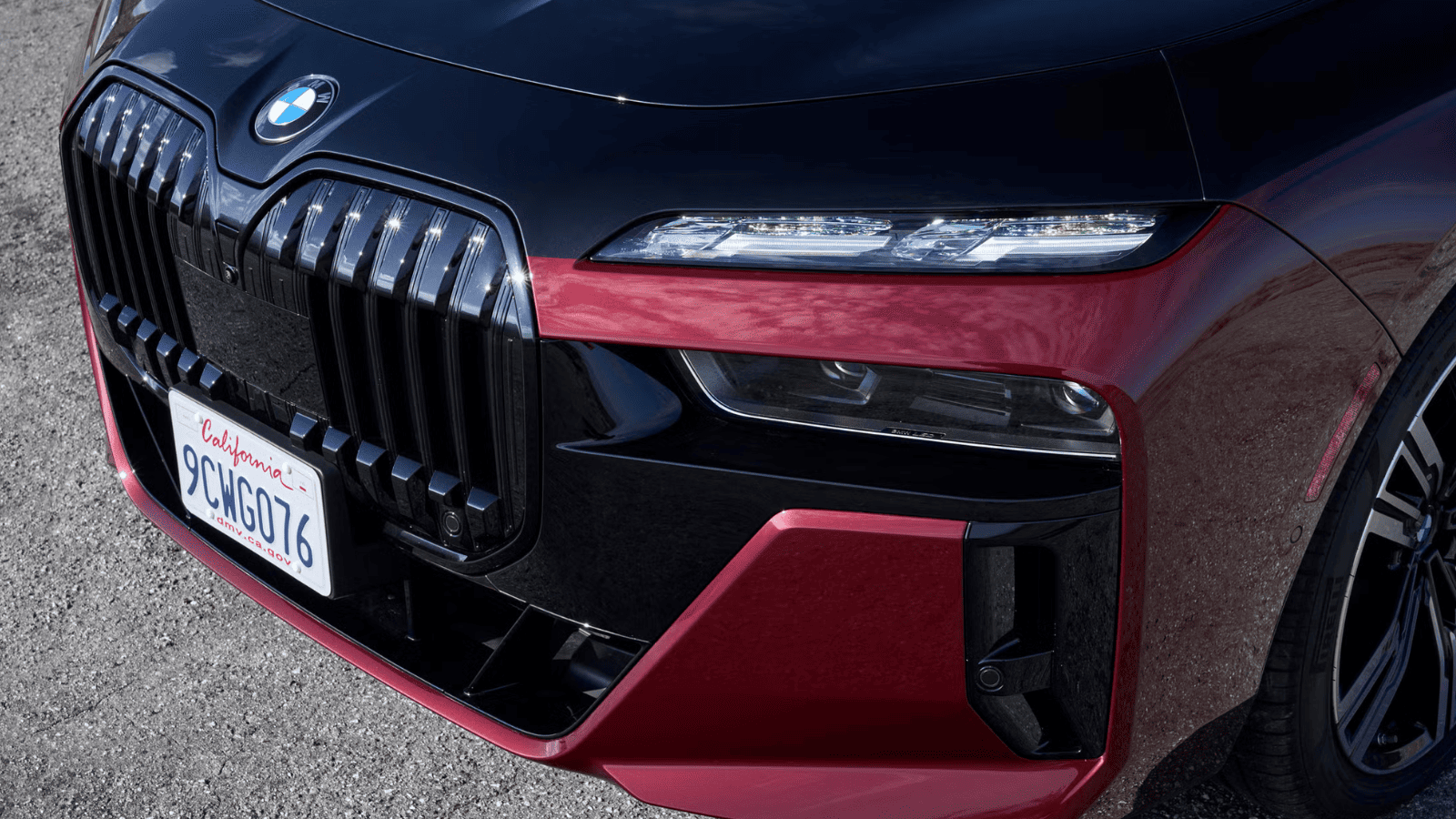
The latest BMW 7 Series has a bold but cleaner look than before. It uses a more upright illuminated kidney grille, slim upper lighting elements, a long formal profile, and simplified rear lights.
Available upgrades include:
- BMW Iconic Glow illuminated grille
- BMW Individual Crystal Headlights
- M Sport Package
- M Sport Package Professional
- 20- to 22-inch wheel choices
- BMW Individual paint finishes
- Two-tone BMW Individual Dual-Finish paint
The M Sport packages give the 7 Series more aggressive bumpers, larger wheels, darker exterior trim, and sportier visual details. They look good, but the standard wheel setup is usually the better choice for ride comfort, tire replacement costs, and pothole resistance.
Safety Features and Ratings
The latest 7 Series includes a long list of standard driver-assistance and parking features, including:
- Forward Collision Mitigation with Evasion Assistant
- Automatic emergency braking
- Lane Keeping Assistant with active lane return
- Active Blind Spot Detection
- Side Collision Protection
- Cross Traffic Warning Front with brake intervention
- Exit warning for approaching cyclists and vehicles
- Automatic Park Assistant
- Parking Assistant Plus with 360-degree camera views
- Rearview camera
- Front and rear parking sensors
- Automatic high beams
- Multiple front, side, and head-protection airbags
Available Highway & Commuting Assistant can provide hands-free driving support on compatible roads at speeds up to 85 mph when conditions allow. It is a Level 2 driver-assistance system, not a self-driving system. The driver must stay alert and be ready to take control.
The redesigned 2027 BMW 7 Series had not yet received published IIHS or NHTSA crash-test ratings at the time of this update. Check the latest IIHS ratings and NHTSA safety database before making a purchase decision.
Reliability, Warranty, and Ownership
The current 7 Series has been heavily updated, so long-term reliability data is limited. Its turbocharged inline-six engine is based on a well-established BMW engine family, but the latest car adds extensive digital systems, rear-seat entertainment, air suspension, rear-wheel steering, active chassis hardware, and advanced driver-assistance technology.
These systems make the car more comfortable and capable, but they can also become expensive outside warranty coverage.
The standard 740 is the least complex ownership choice. The 740 xDrive adds all-wheel-drive hardware but remains a straightforward option compared with the upcoming 750e plug-in hybrid.
The 750e xDrive adds a battery, electric motor, charging equipment, and hybrid components. It is best for buyers who will use the electric range often and who are comfortable with greater long-term complexity.
BMW’s current US warranty coverage includes:
| Coverage | Length |
| New vehicle limited warranty | 4 years / 50,000 miles |
| Scheduled maintenance | 3 years / 36,000 miles |
| Roadside assistance | 4 years / unlimited miles |
| Rust perforation warranty | 12 years / unlimited miles |
| Plug-in-hybrid high-voltage battery warranty | 8 years / 100,000 miles |
Confirm 2027 warranty coverage and included maintenance at the time of purchase, as programs can change.
For a used 7 Series, review complete service records, suspension operation, tire wear, driver-assistance features, electronics, open recalls, and accident history. Use a VIN check to confirm the vehicle’s identity and original specification.
Pros and Cons
What We Like
- Exceptional rear-seat comfort and space
- Large trunk for a luxury sedan
- Smooth and powerful turbocharged inline-six engine
- Standard air suspension and rear-wheel steering
- Extensive technology and passenger entertainment options
- Available Executive Lounge and BMW Theatre Screen
- Strong highway comfort and quiet cabin
- Available all-wheel drive
- Plug-in-hybrid option for electric commuting
- More engaging to drive than many large luxury sedans
What We Don’t Like
- Six-figure starting price
- Options can raise the final price dramatically
- Premium fuel, insurance, tires, and maintenance are expensive
- Very large dimensions can make city parking difficult
- Long-term reliability data for the updated model is limited
- Advanced technology can be costly after warranty coverage ends
- 750e only makes sense with regular charging
- Independent IIHS and NHTSA ratings were not yet available for the newest model
Competitors
The BMW 7 Series competes with other full-size luxury sedans, including:
- Mercedes-Benz S-Class
- Genesis G90
- Audi A8
- Lexus LS
- Lucid Air
- Porsche Panamera
The Mercedes-Benz S-Class is the clearest alternative for buyers who place rear-seat luxury and comfort first. The Genesis G90 offers generous standard equipment and a stronger warranty at a lower price. The Lexus LS may appeal to buyers who prioritize a more conservative ownership experience.
The BMW 7 Series is the better choice for buyers who want a flagship sedan that can still feel composed and rewarding from the driver’s seat.
Related Content
If you want flagship luxury in a smaller, more manageable sedan, see the BMW 5 Series. Buyers who want a more compact and sport-focused luxury sedan should compare the BMW 3 Series.
Before financing a 7 Series, learn how car financing works and consider getting a car loan preapproval before visiting a dealer.
Used-car shoppers should also read our guide on how to check a car’s accident history before making an offer.
Should You Buy the BMW 7 Series?
Buy the BMW 7 Series if you want one of the most comfortable and technology-packed luxury sedans available, with a large rear seat, strong highway performance, and more driving involvement than many traditional flagship sedans.
Choose the 740 if you want the lowest entry price, live in a warm climate, and prefer rear-wheel drive. Choose the 740 xDrive if you want the most complete current 7 Series because it adds all-wheel drive without changing the core ownership experience.
Wait for the 750e xDrive if you can charge often and want a quicker plug-in hybrid with meaningful electric-only driving range.
Skip the 7 Series if you want low ownership costs, simple controls, easy city parking, or SUV-level cargo flexibility.
FAQs
How much does the BMW 7 Series cost?
The 2027 BMW 740 starts from $99,800 MSRP, while the 740 xDrive starts from $102,800. These prices exclude destination, taxes, registration, options, and dealer fees. BMW had not announced US pricing for the 750e xDrive at the time of this update.
Is the BMW 7 Series all-wheel drive?
The BMW 740 is rear-wheel drive. The 740 xDrive and upcoming 750e xDrive use BMW’s xDrive all-wheel-drive system.
How fast is the BMW 7 Series?
BMW estimates the 740 xDrive reaches 60 mph in 4.9 seconds. The upcoming 750e xDrive plug-in hybrid is estimated to reach 60 mph in 4.6 seconds.
Does the BMW 7 Series have a V8 engine?
BMW has confirmed that a V8-powered M Performance 7 Series will arrive later. Final US specifications, availability, and pricing had not been announced at the time of this update.
Is the BMW 7 Series a plug-in hybrid?
Yes. The 750e xDrive is the plug-in-hybrid version. It produces 483 horsepower and has an estimated electric range of up to 35 miles.
Does the BMW 7 Series require premium gasoline?
Yes. BMW recommends premium unleaded gasoline for the gasoline and plug-in-hybrid 7 Series models.
How much trunk space does the BMW 7 Series have?
The BMW 7 Series has 19.1 cubic feet of trunk space, which is useful for several suitcases, airport runs, business travel, and everyday errands.
Does the BMW 7 Series have Apple CarPlay and Android Auto?
Yes. Wireless Apple CarPlay and Android Auto are standard on the latest BMW 7 Series.
Does the BMW 7 Series have a rear-seat TV screen?
An available 31.3-inch 8K BMW Theatre Screen can lower from the roof for rear passengers. It supports video streaming, gaming, video calls, and HDMI connectivity.
Is the BMW i7 included on this page?
No. The BMW i7 is the all-electric version of BMW’s flagship sedan. It has separate electric motors, battery capacity, range, charging equipment, and ownership requirements.
Is the BMW 7 Series reliable?
The updated 7 Series is still too new for a complete long-term reliability picture. Buyers should follow the maintenance schedule, keep service records, and budget for expensive repairs once warranty coverage ends.
Final Verdict
The BMW 7 Series is an outstanding flagship luxury sedan for buyers who want comfort, technology, rear-seat space, and strong performance without giving up a driver-focused feel.
The 740 xDrive is the best current choice. Its smooth 394-hp inline-six, all-wheel drive, air suspension, rear-wheel steering, and strong standard technology make it the most balanced model in the range.
The 7 Series is expensive to buy, equip, insure, and maintain. But for buyers who want a true executive sedan with one of the best rear-seat experiences in the segment, it remains a compelling choice.
Prices, specifications, fuel-economy ratings, electric range, safety ratings, and feature availability can change by model year, trim, options, and market.