
BMW 3 Series: Price, Specs, Features & Review
The BMW 3 Series is a compact luxury sports sedan that combines sharp performance, premium technology, everyday comfort, and a useful rear seat. It remains one of the strongest choices for buyers who want a luxury car that is enjoyable to drive without giving up practicality.
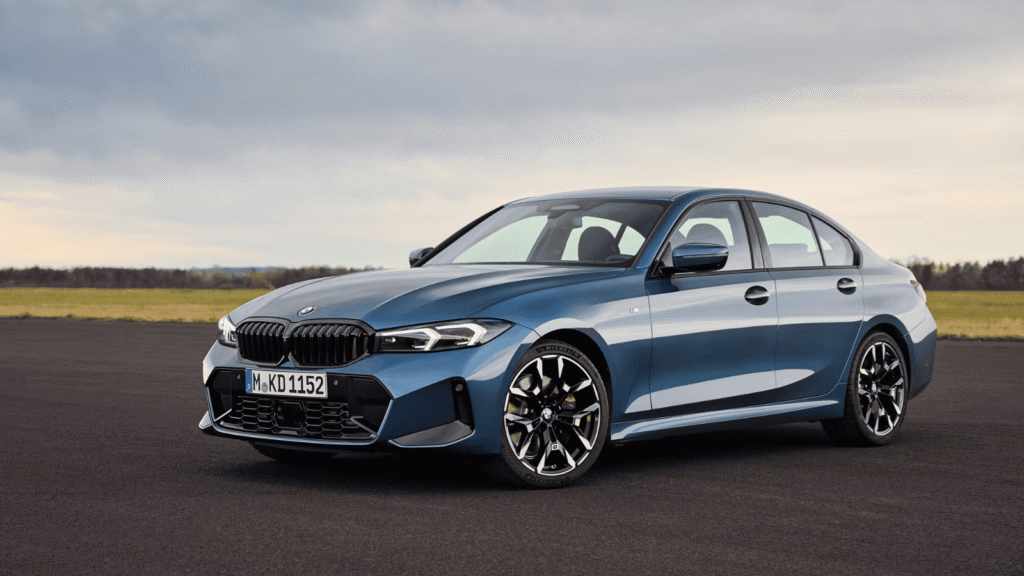
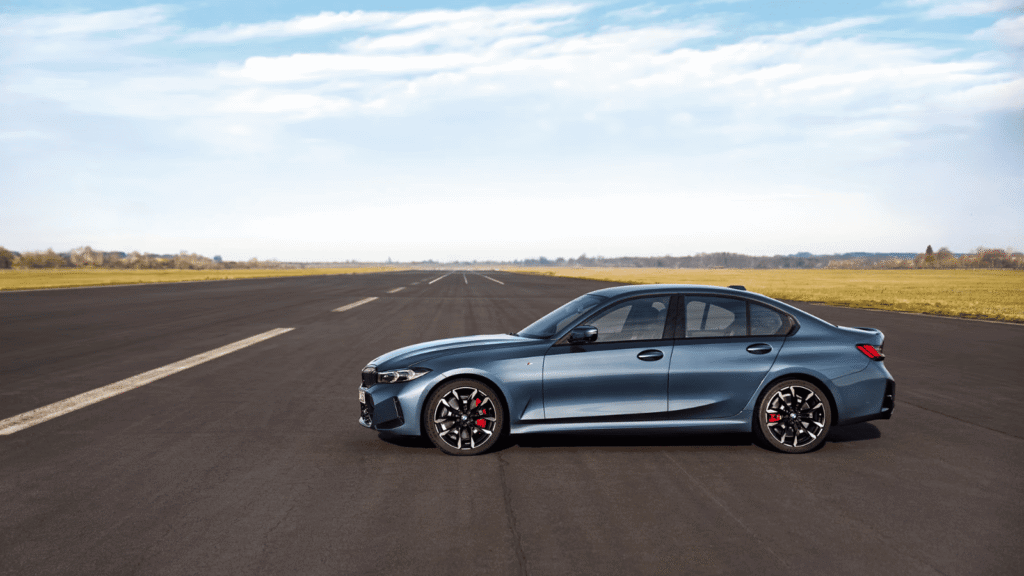
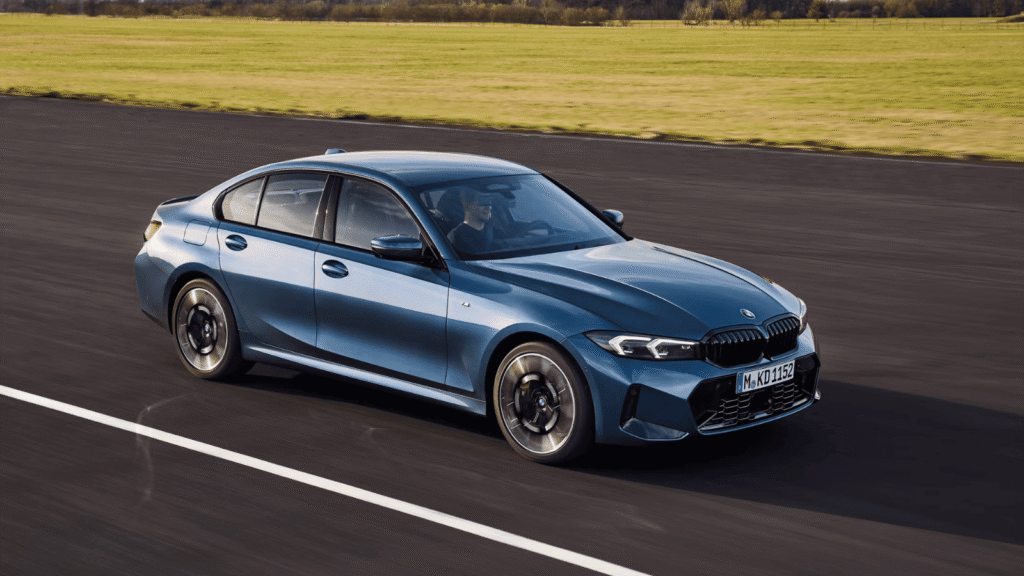
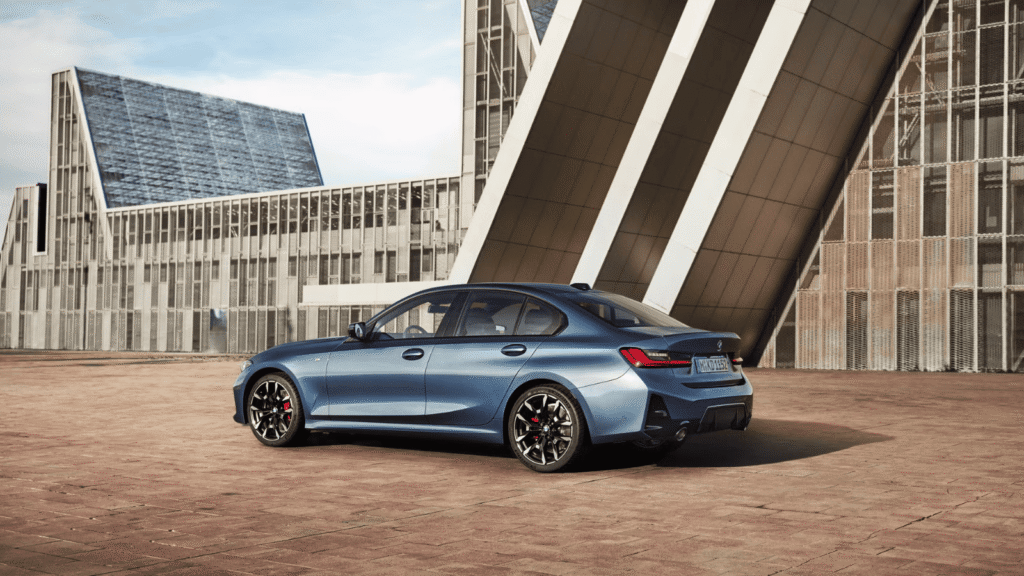
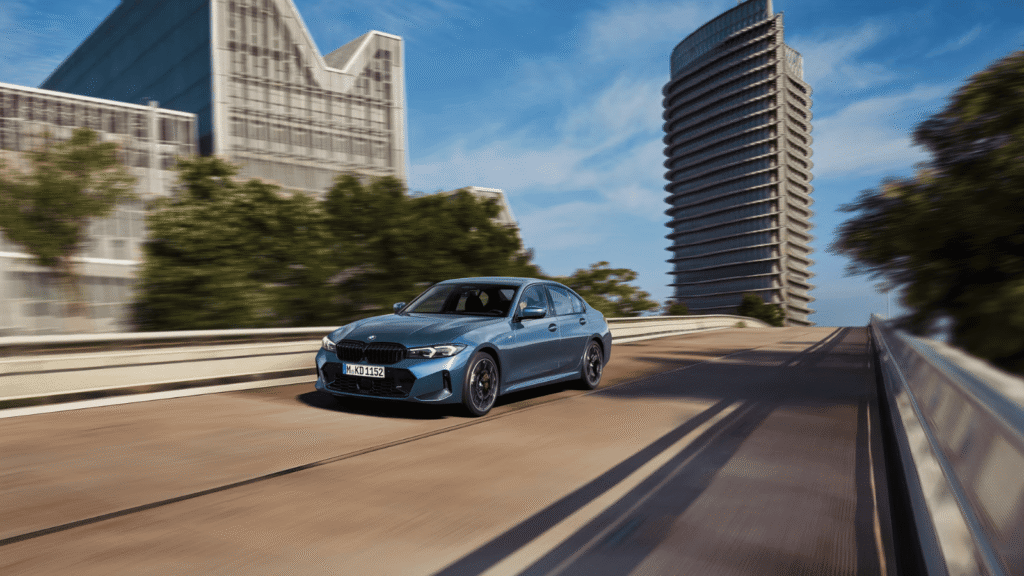
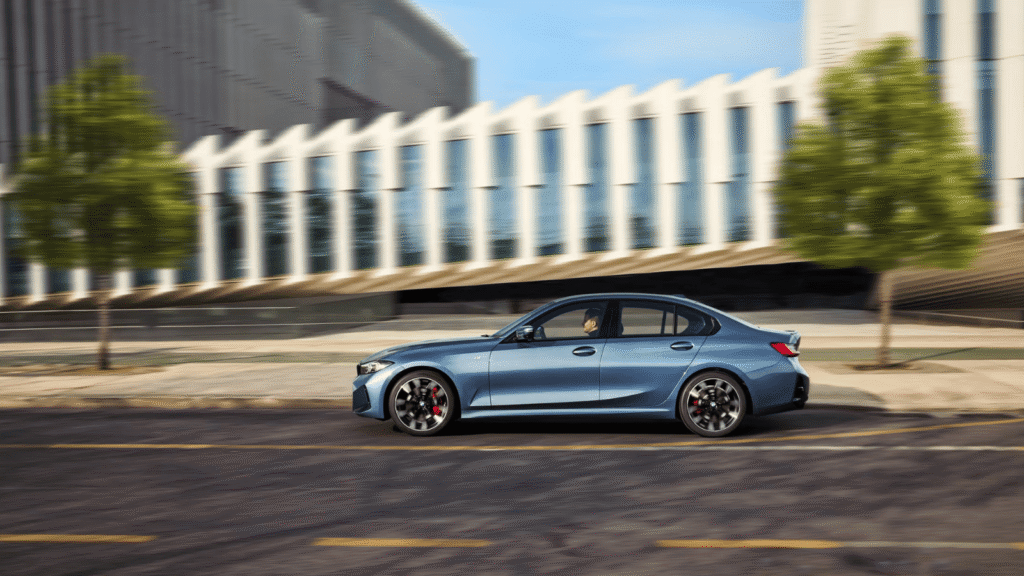
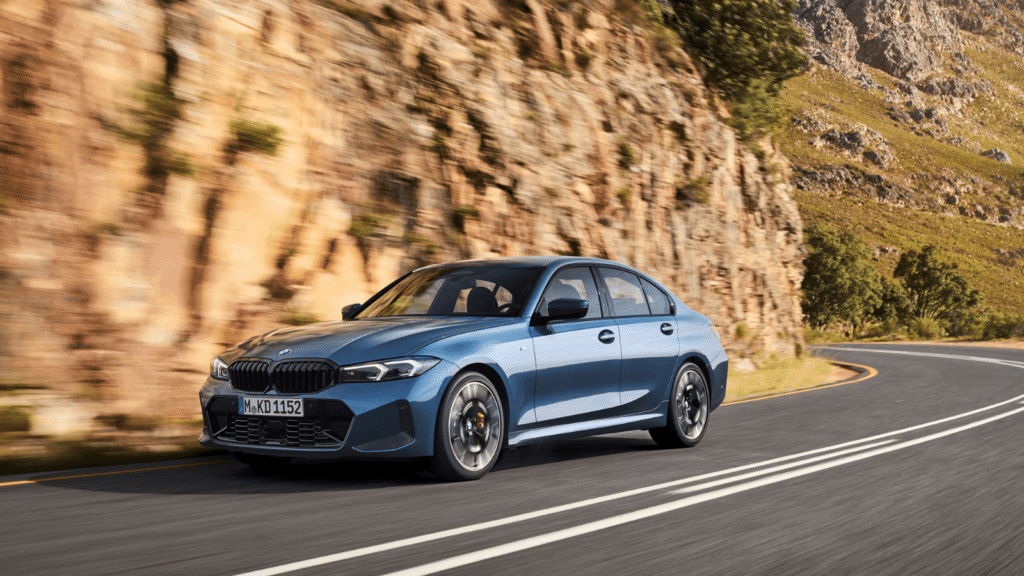
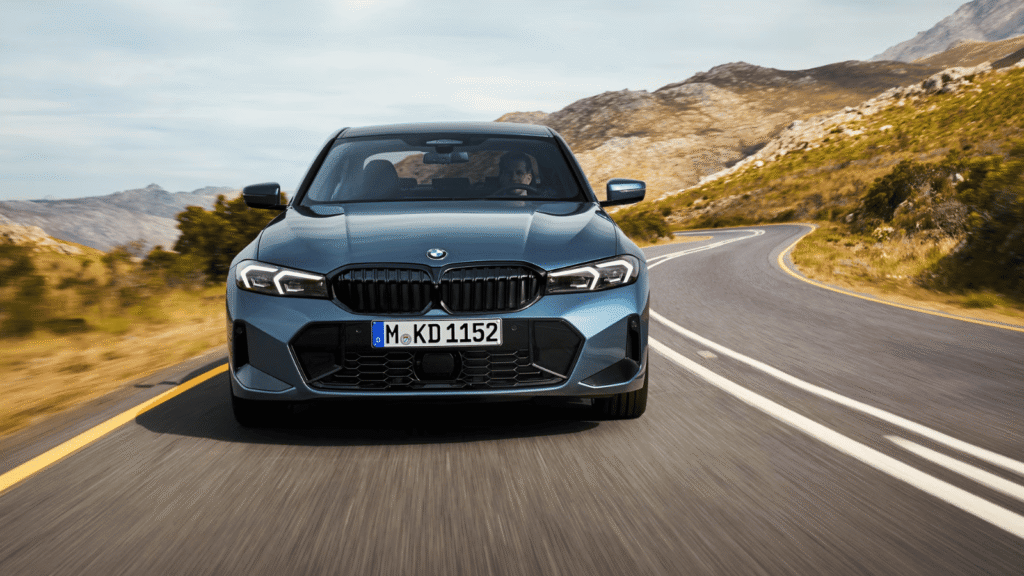
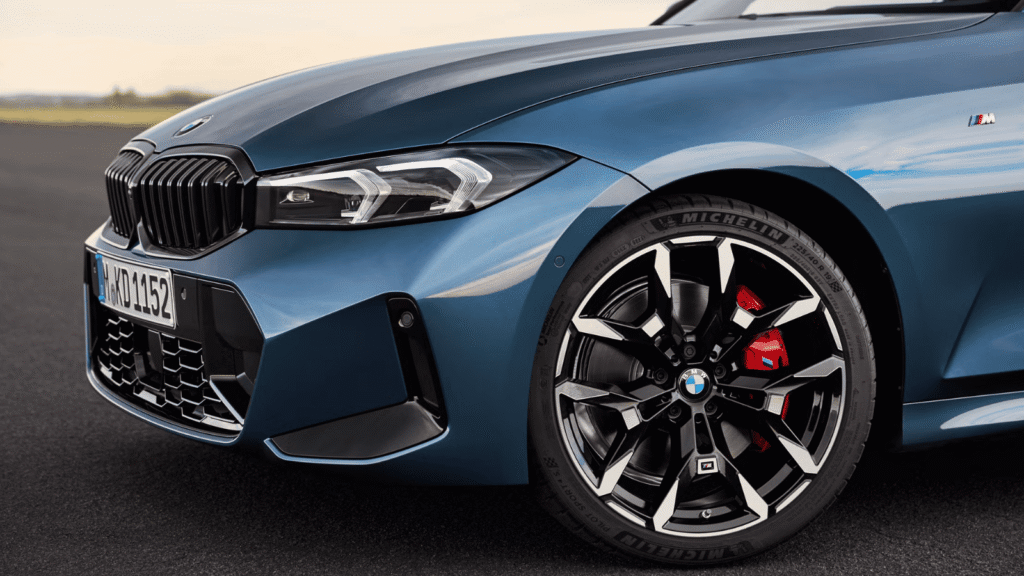
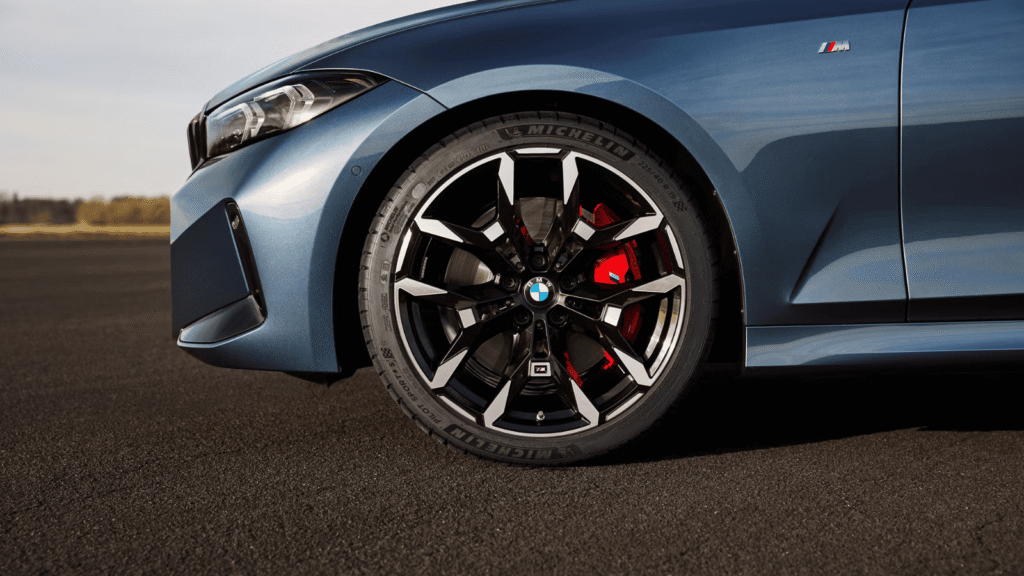
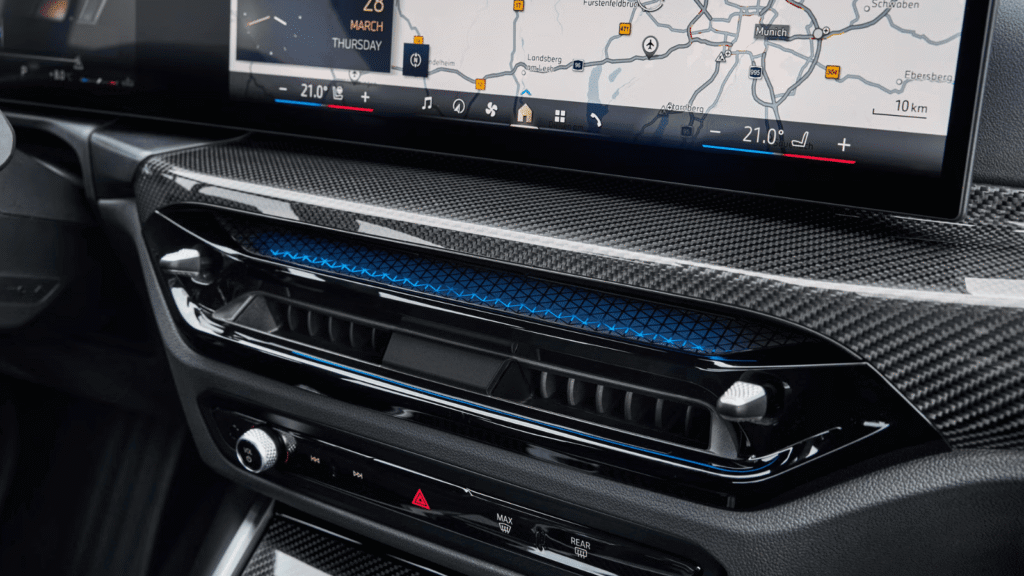
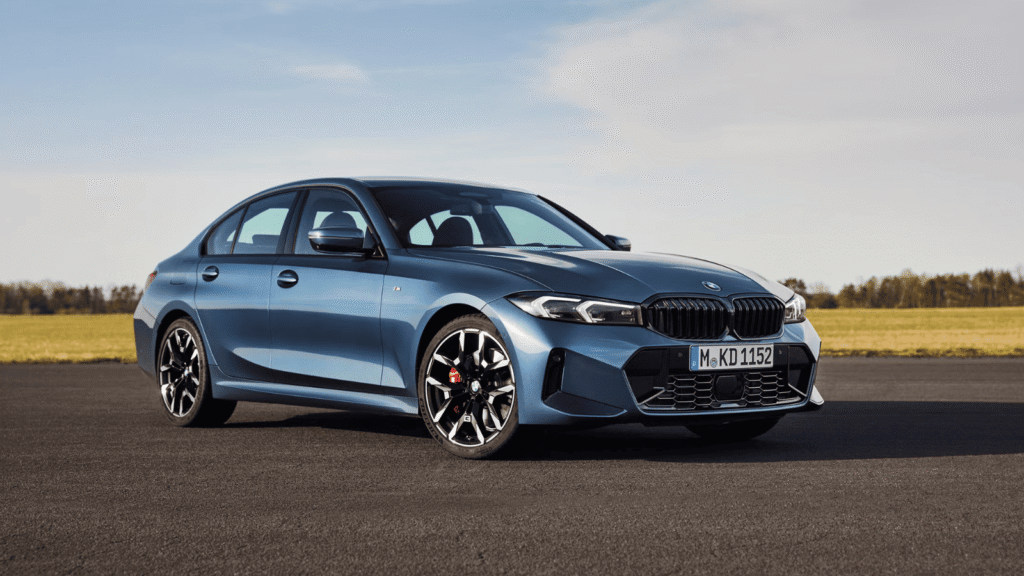
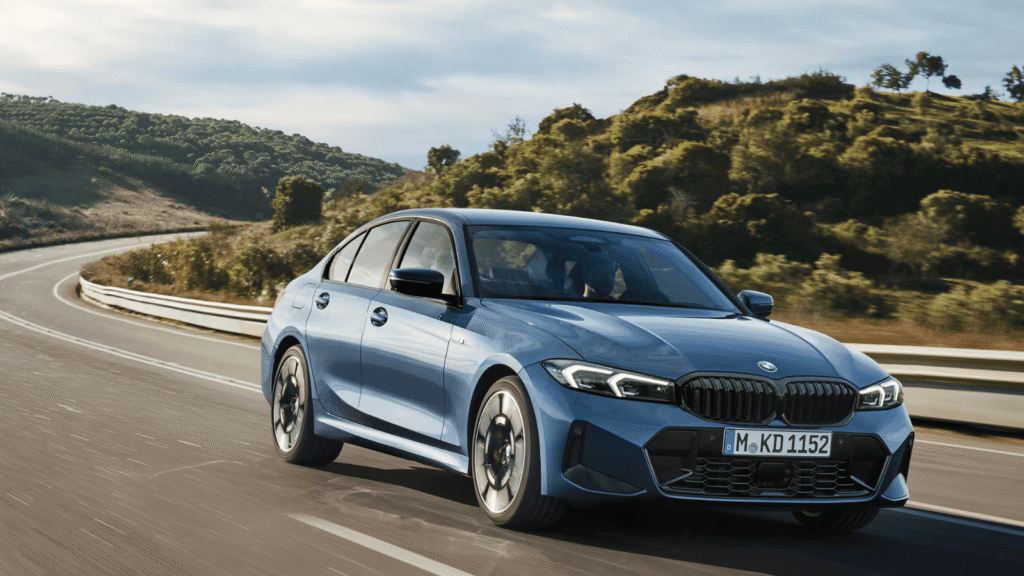
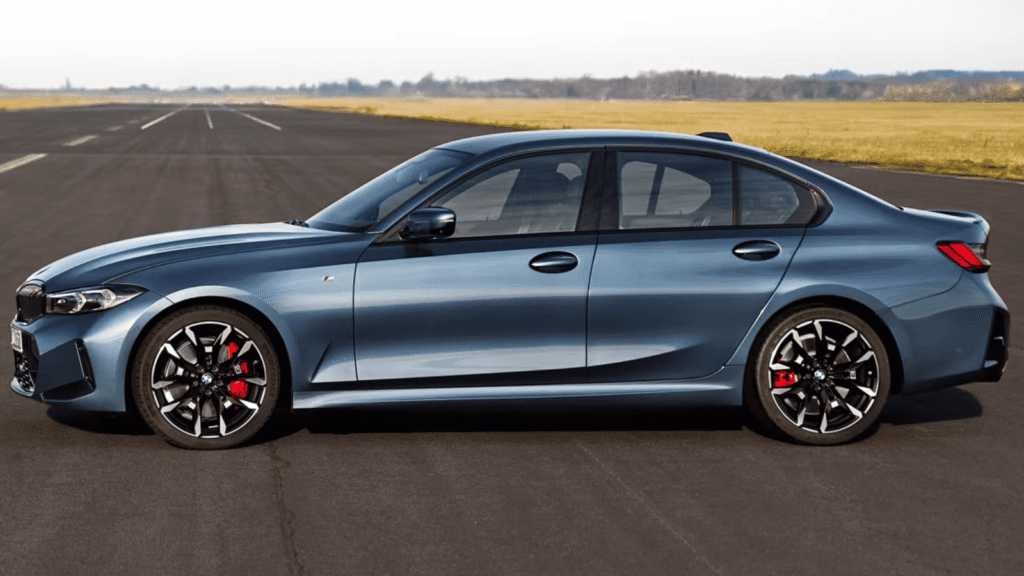
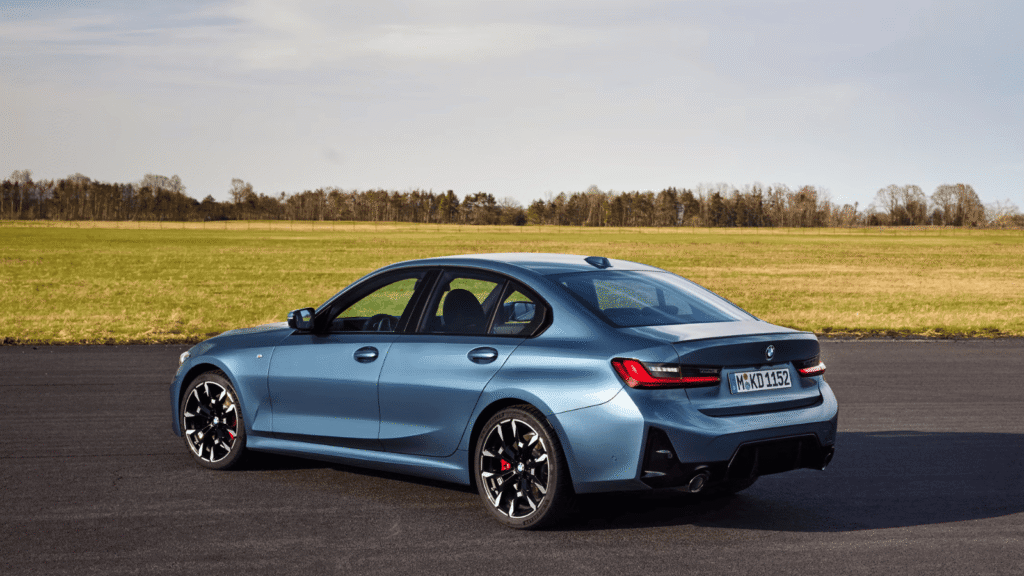
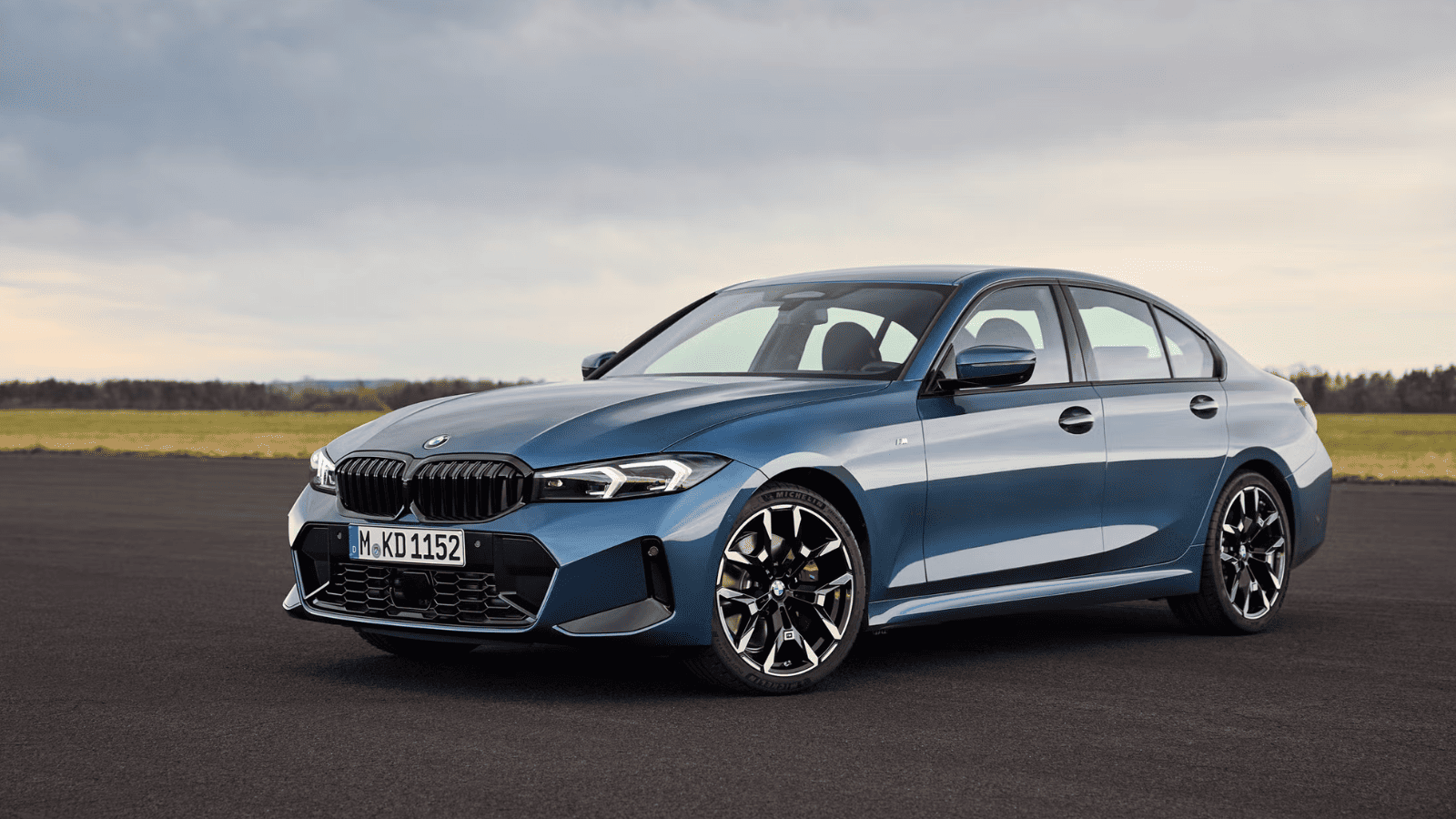
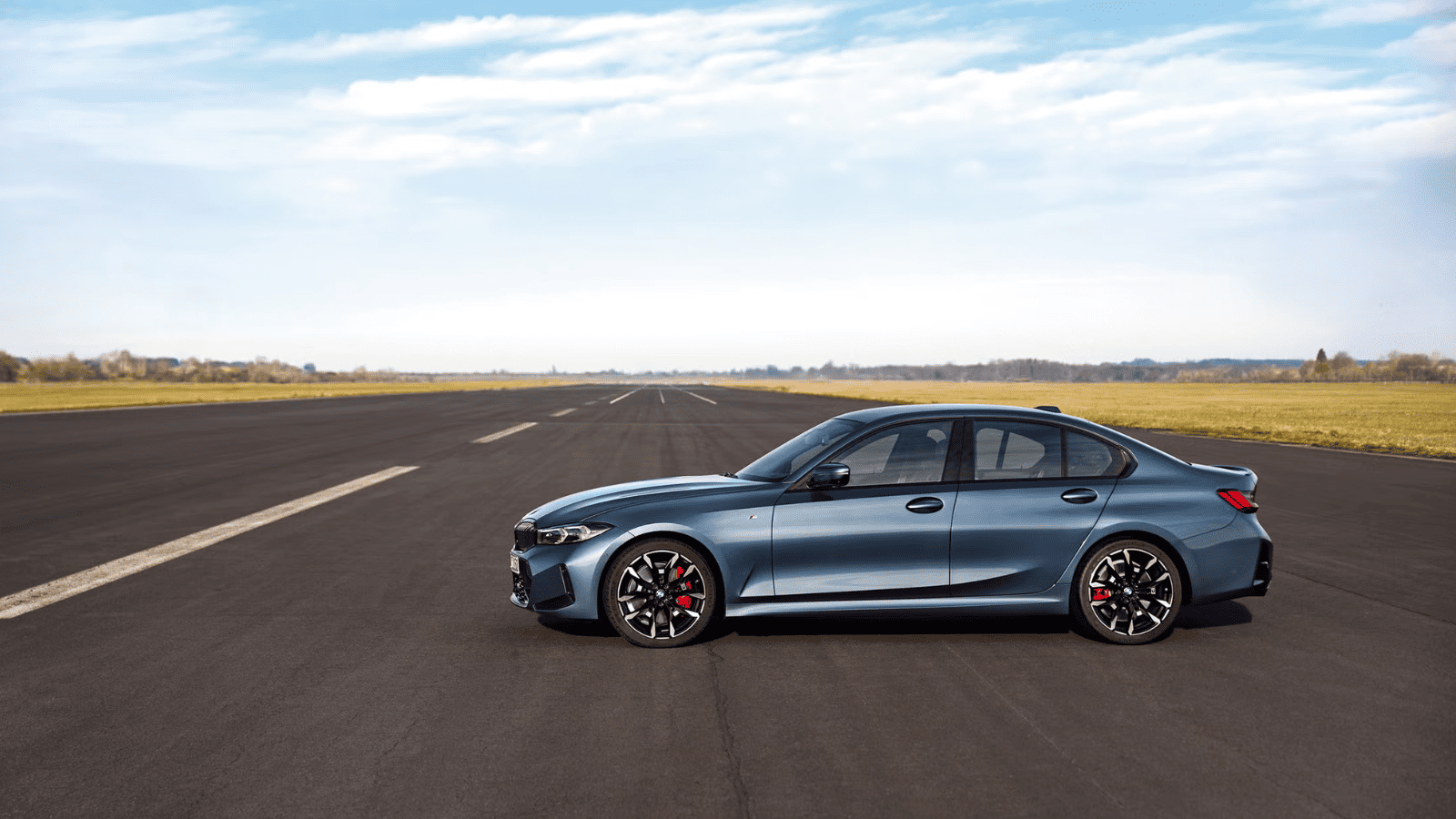
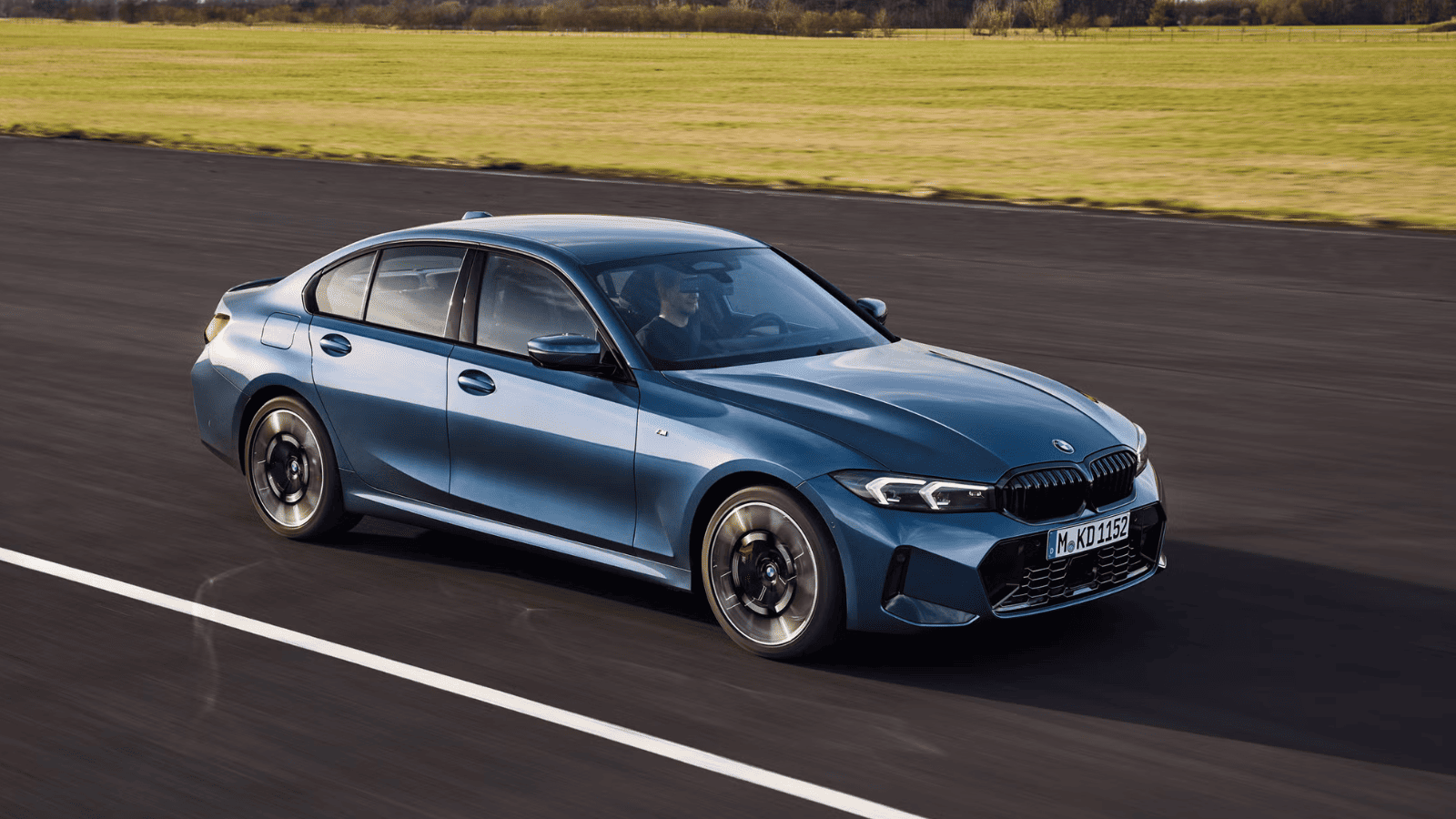
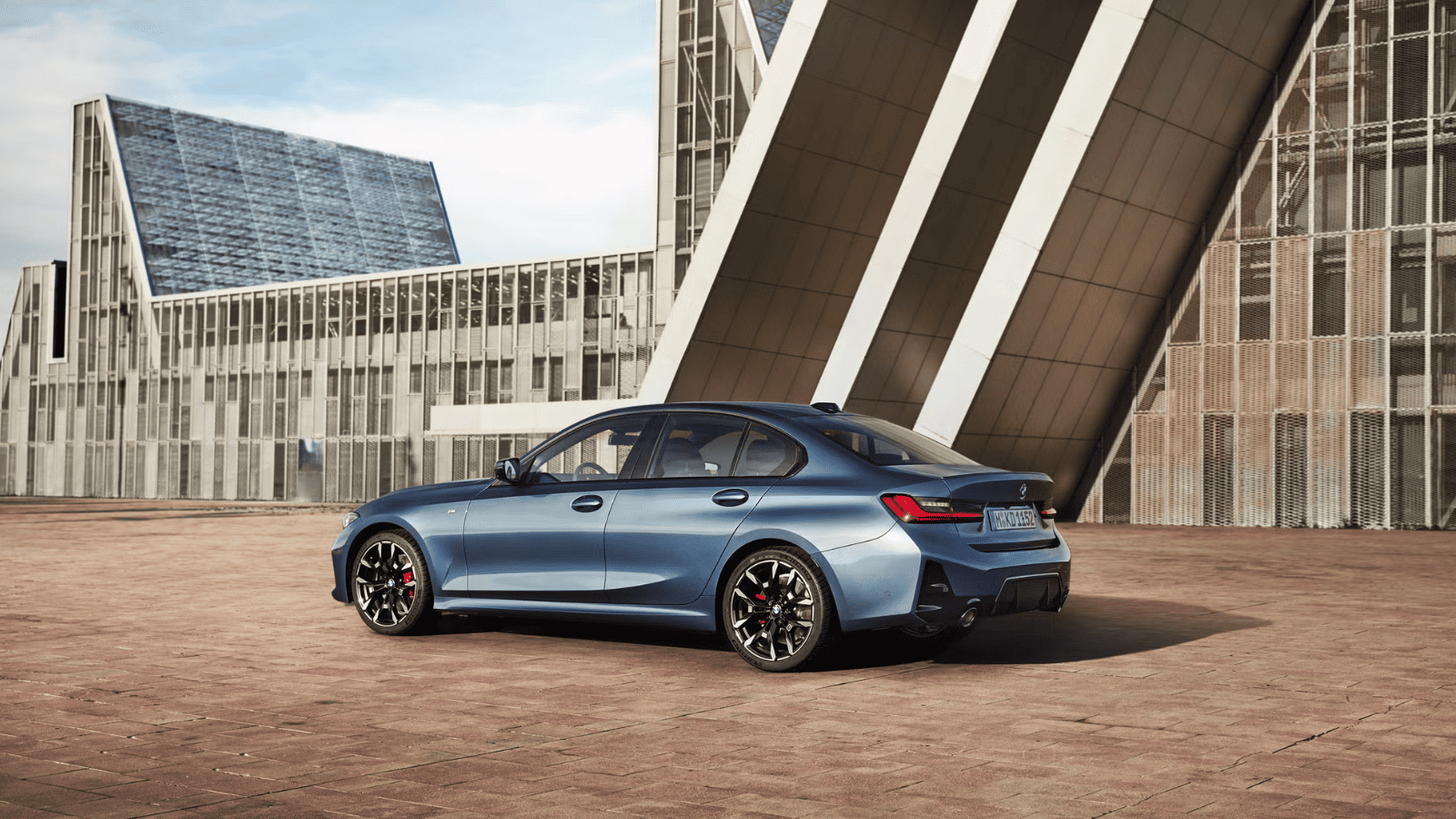
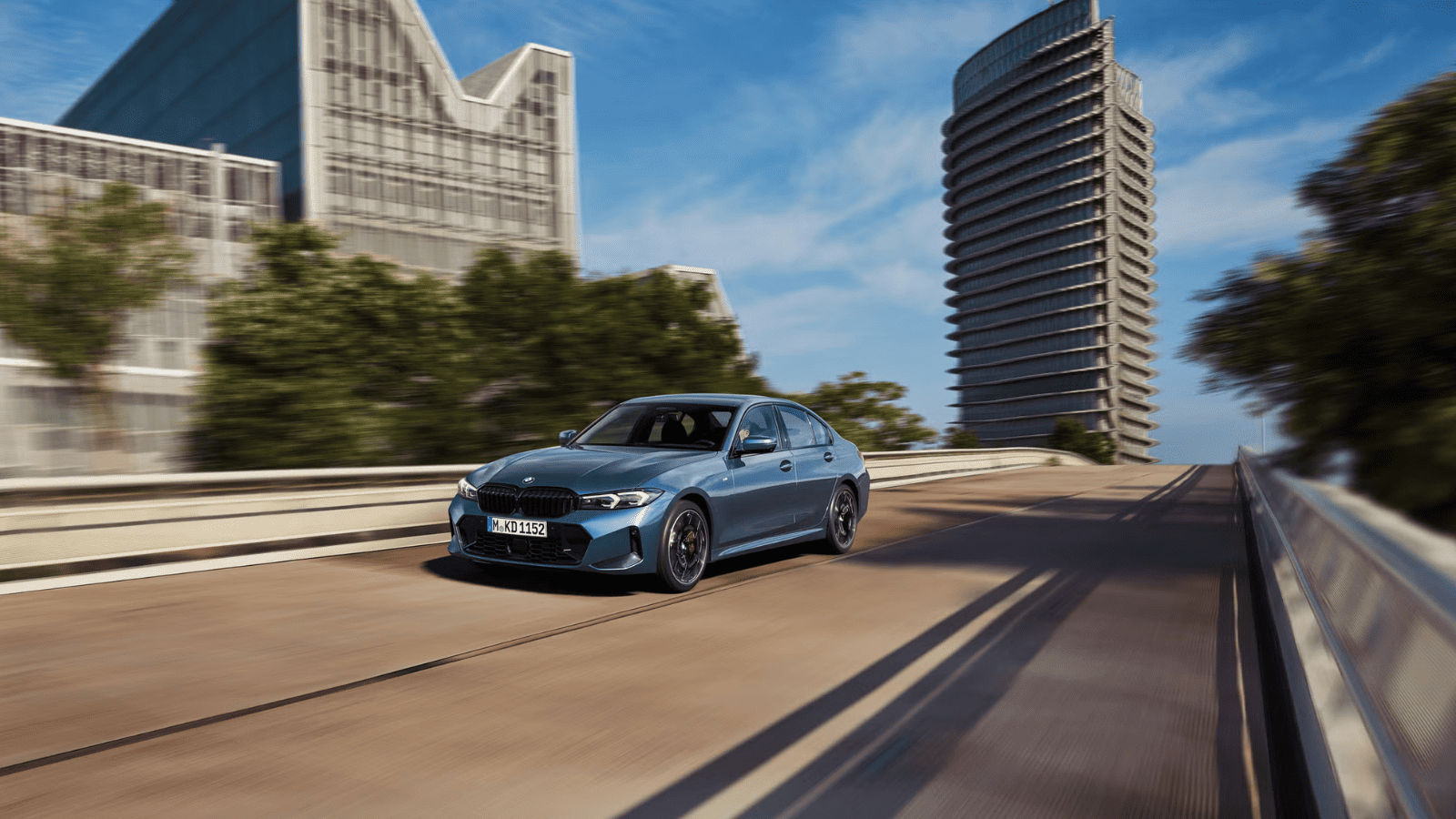
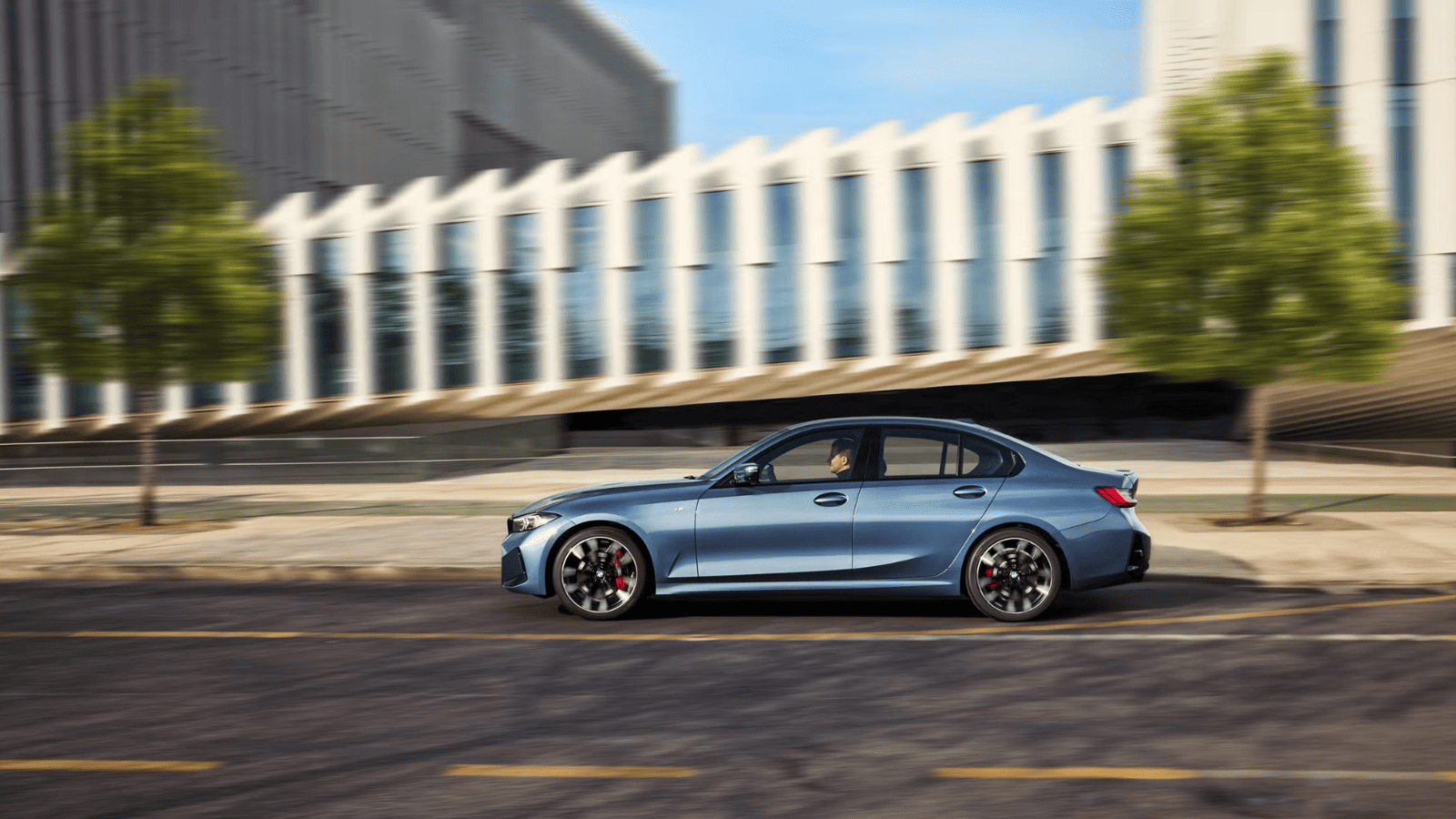
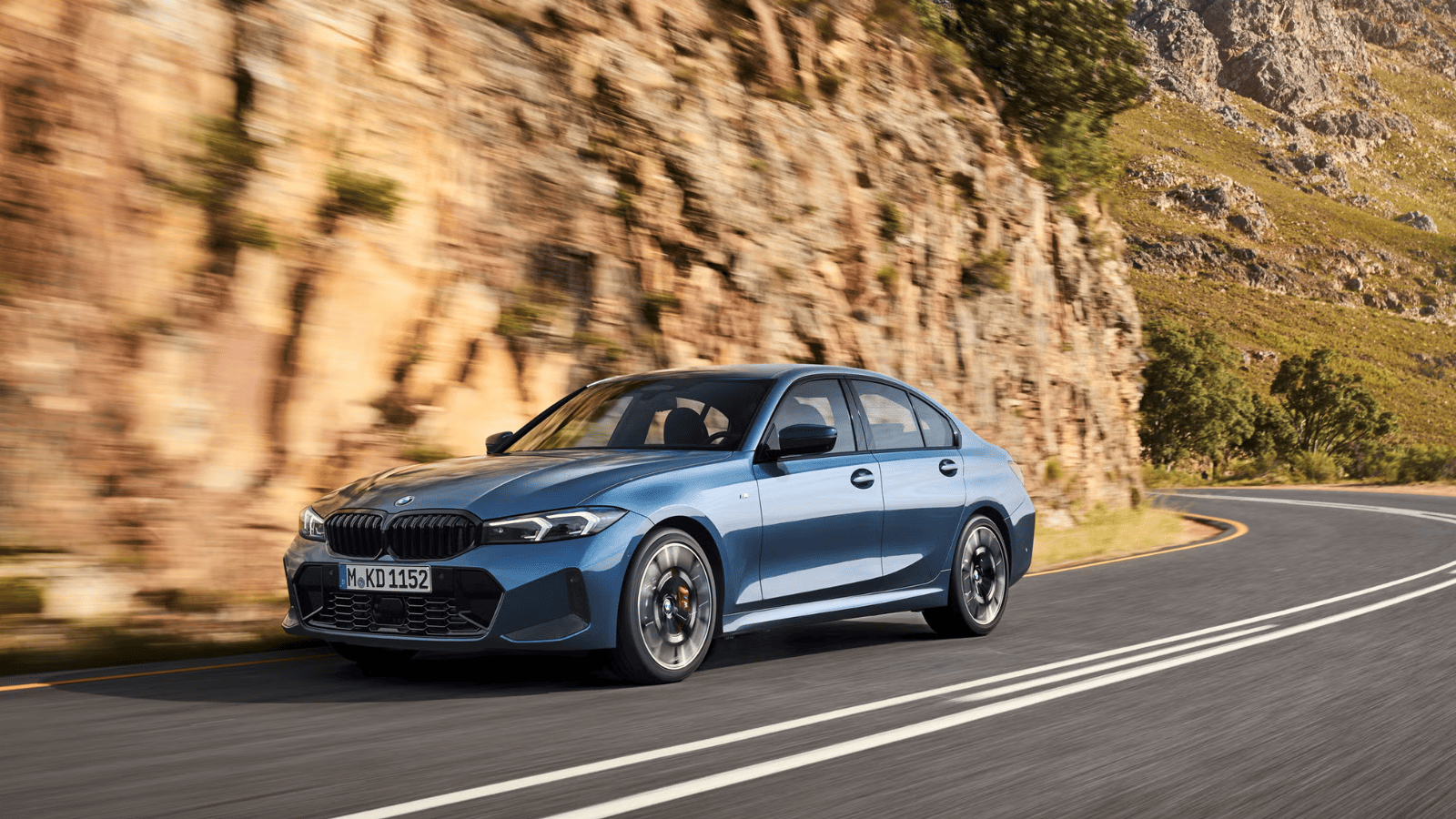
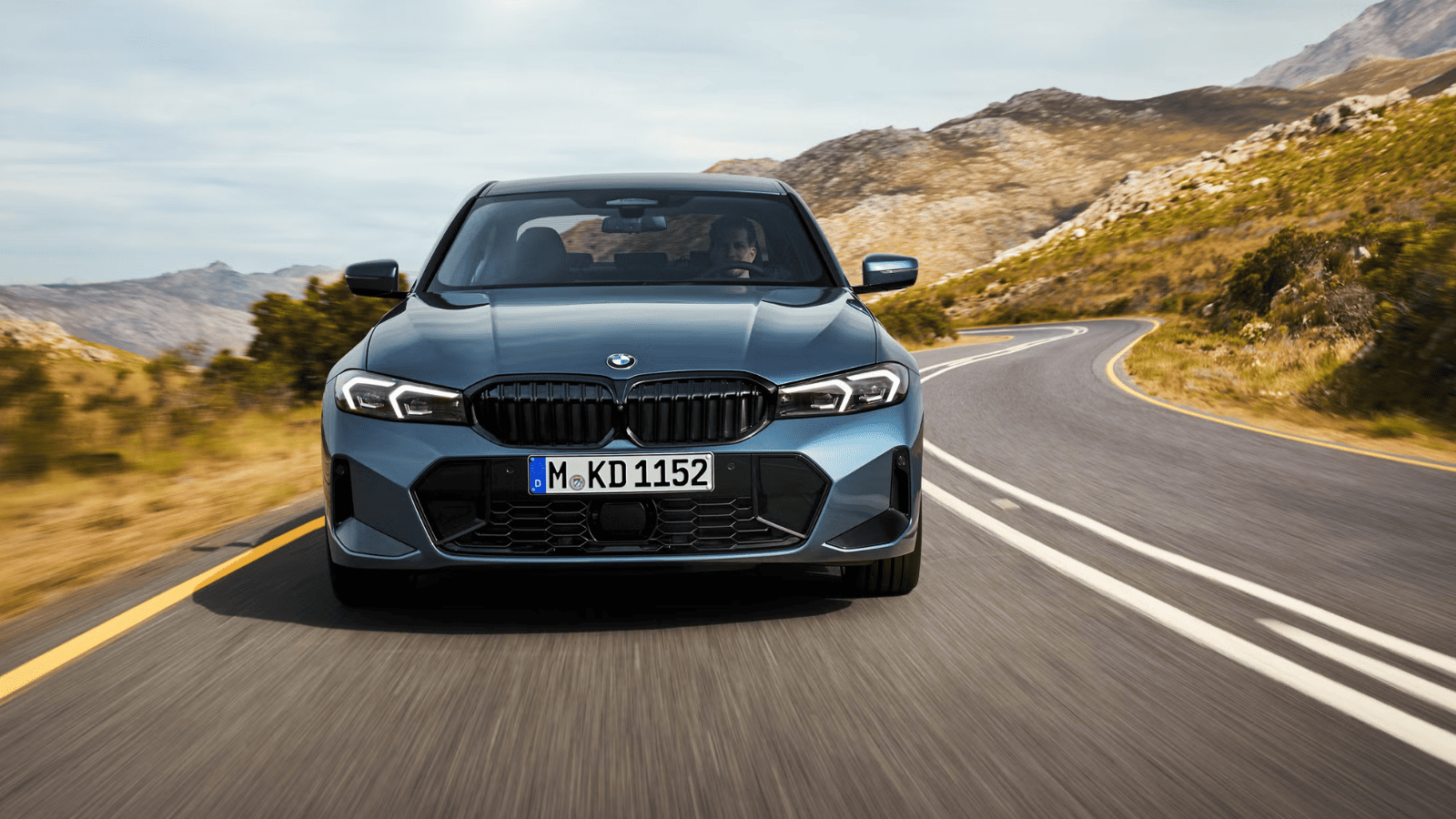
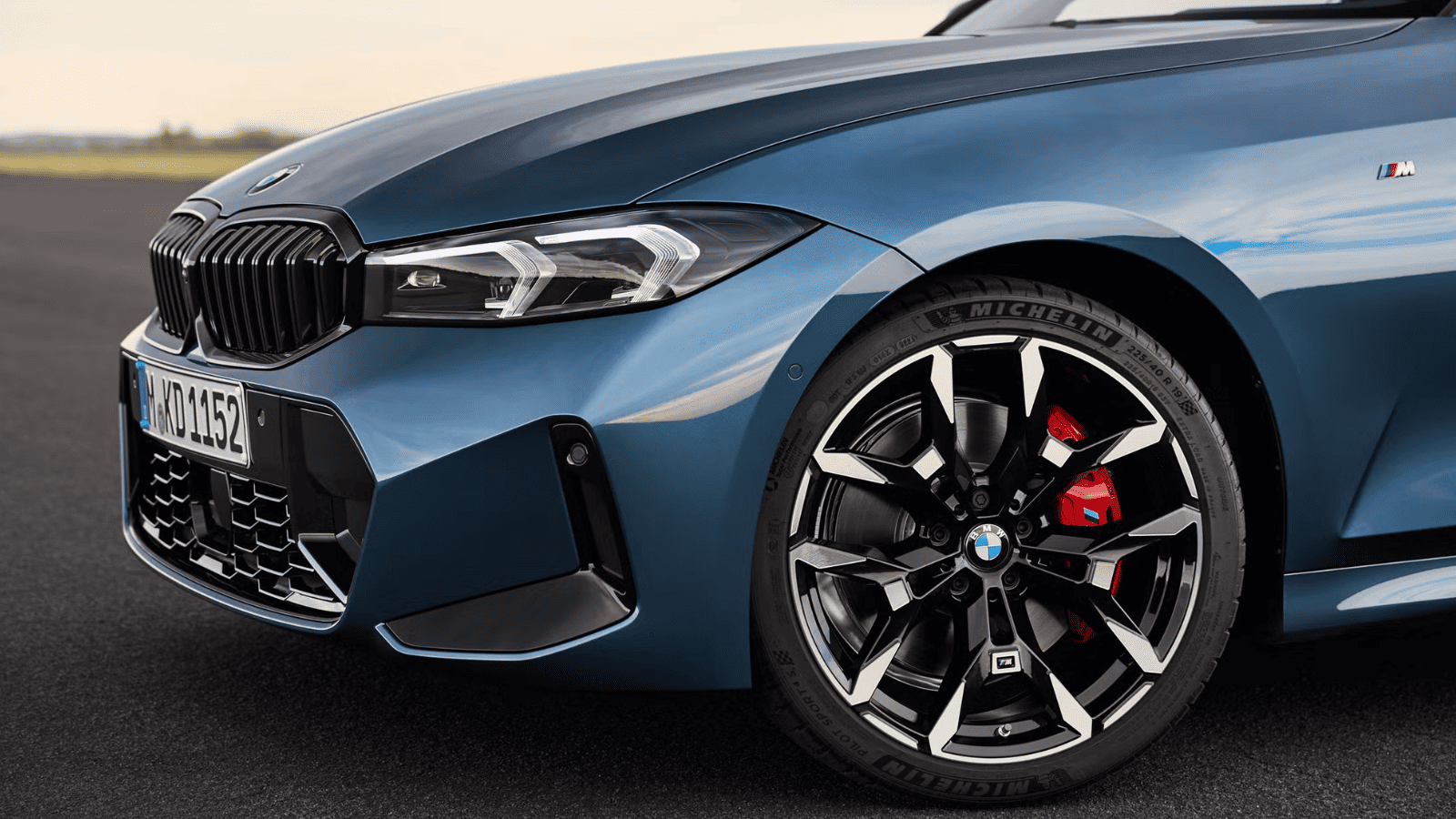
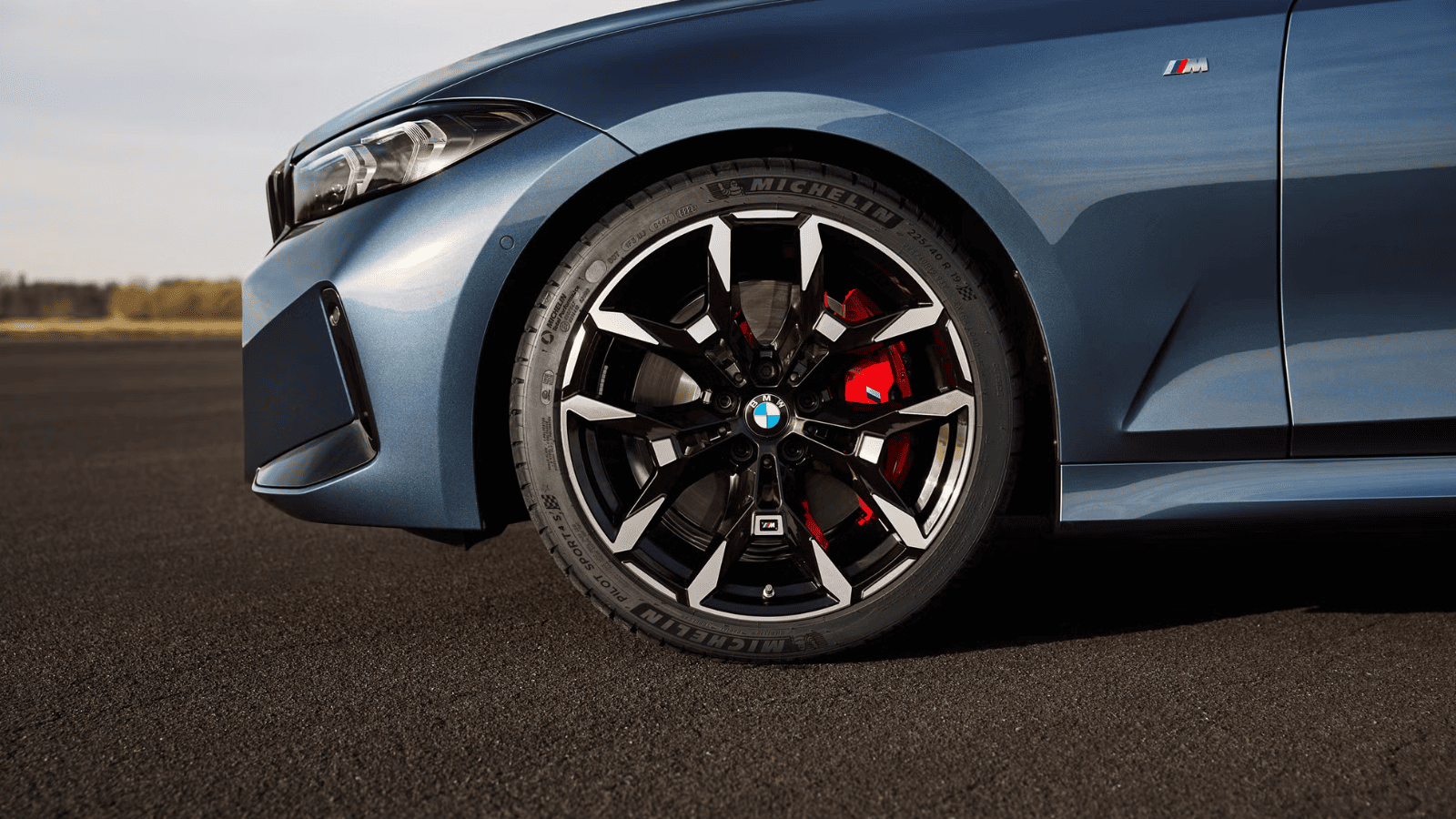
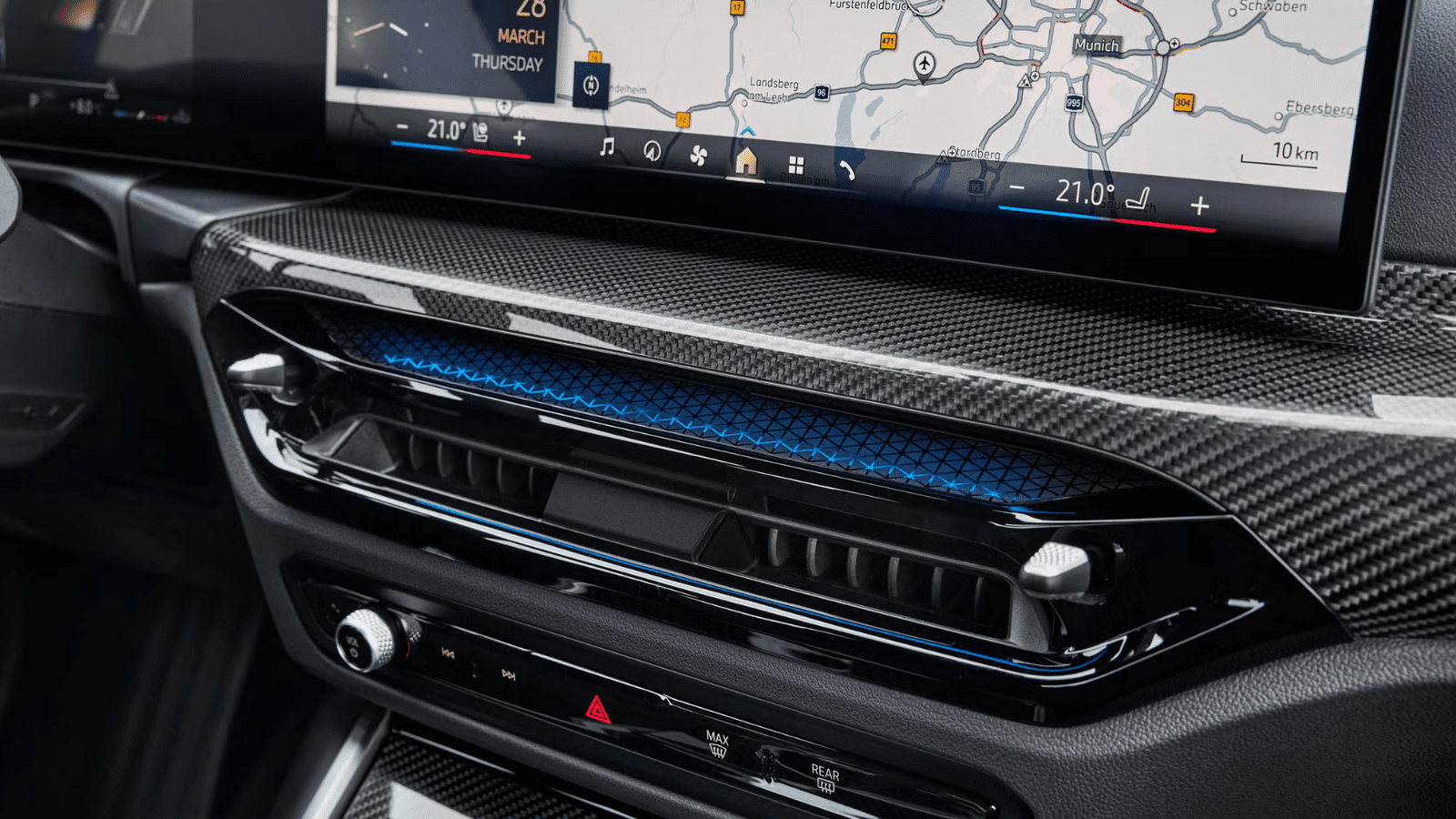
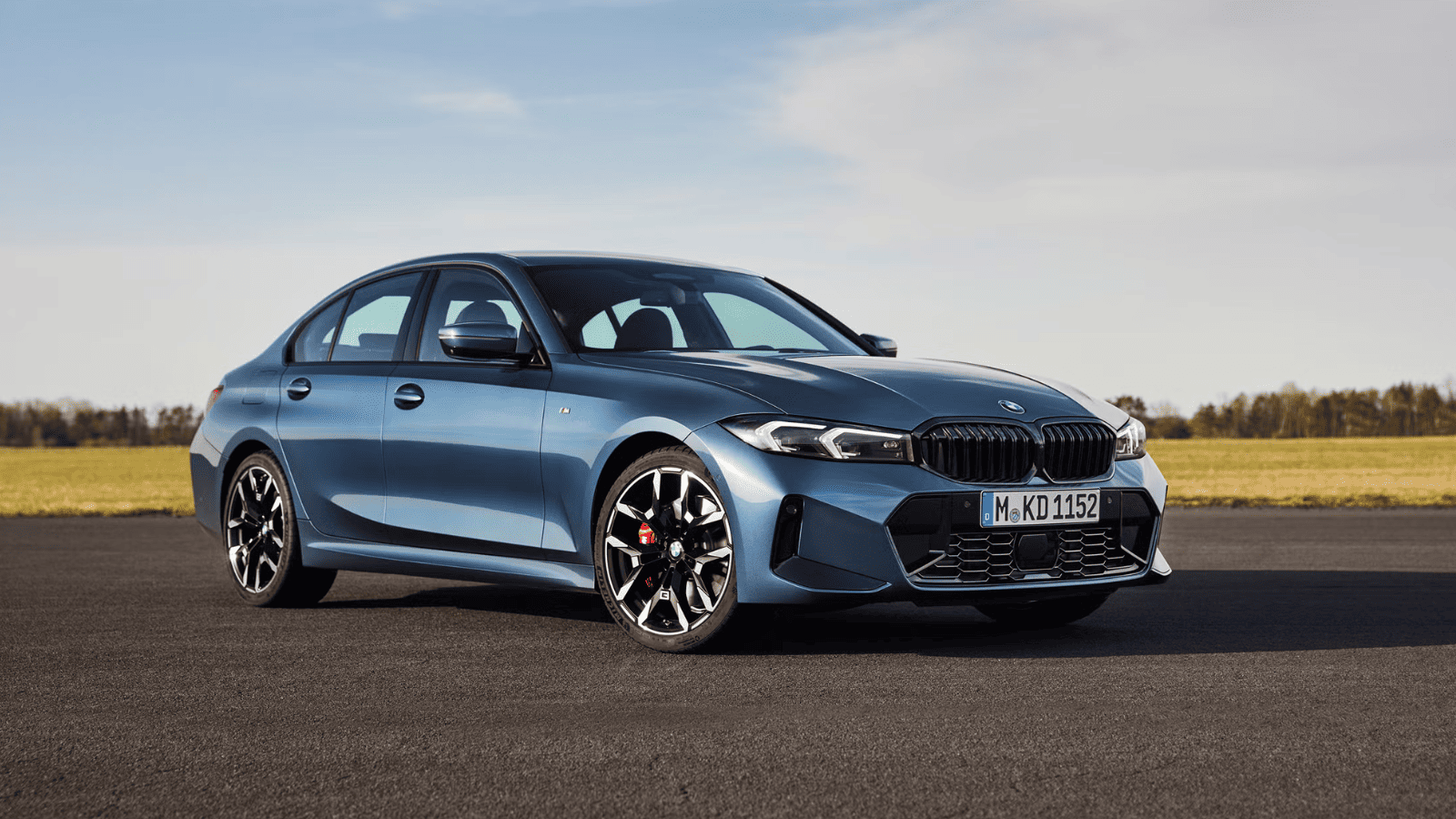
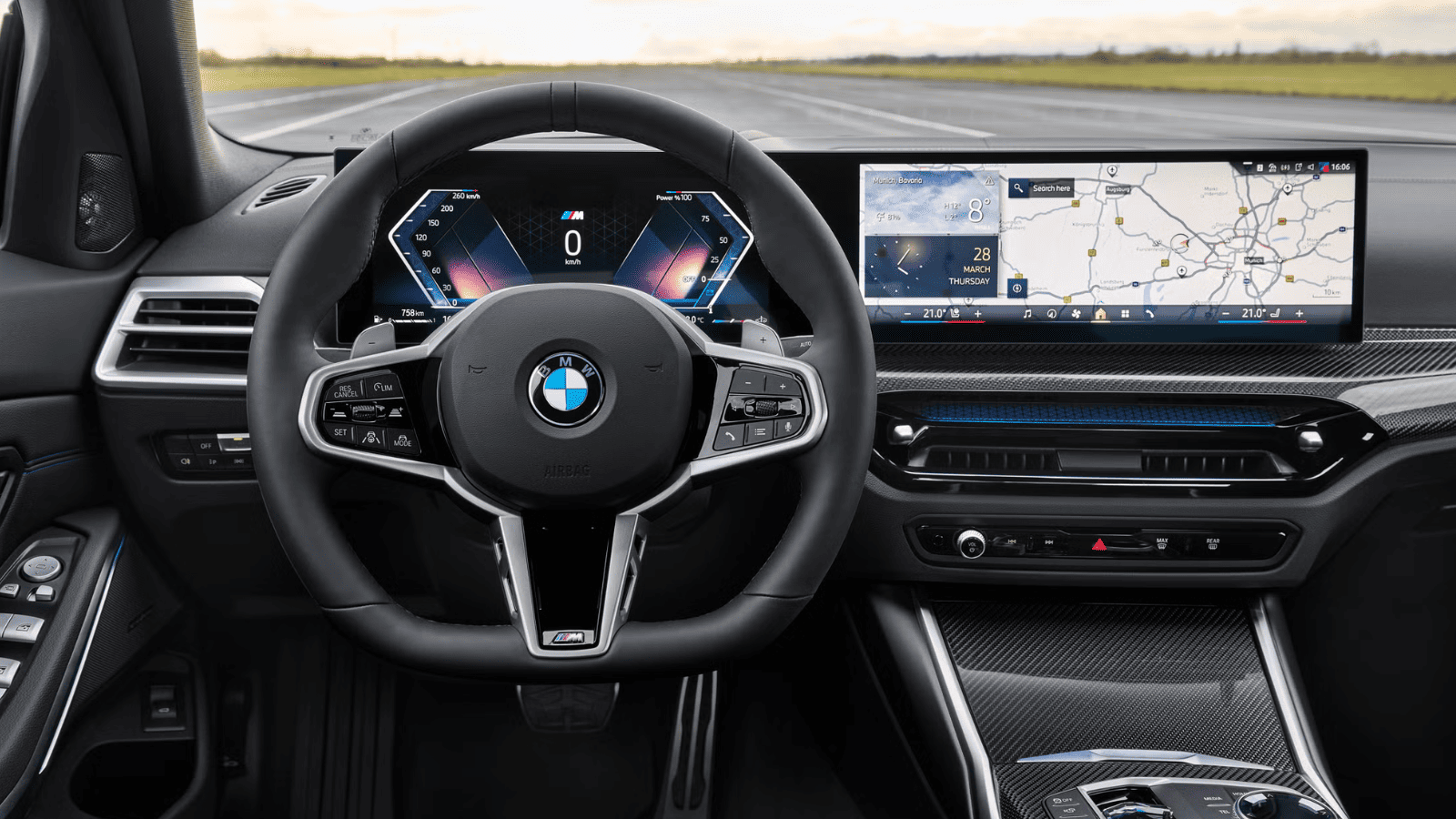
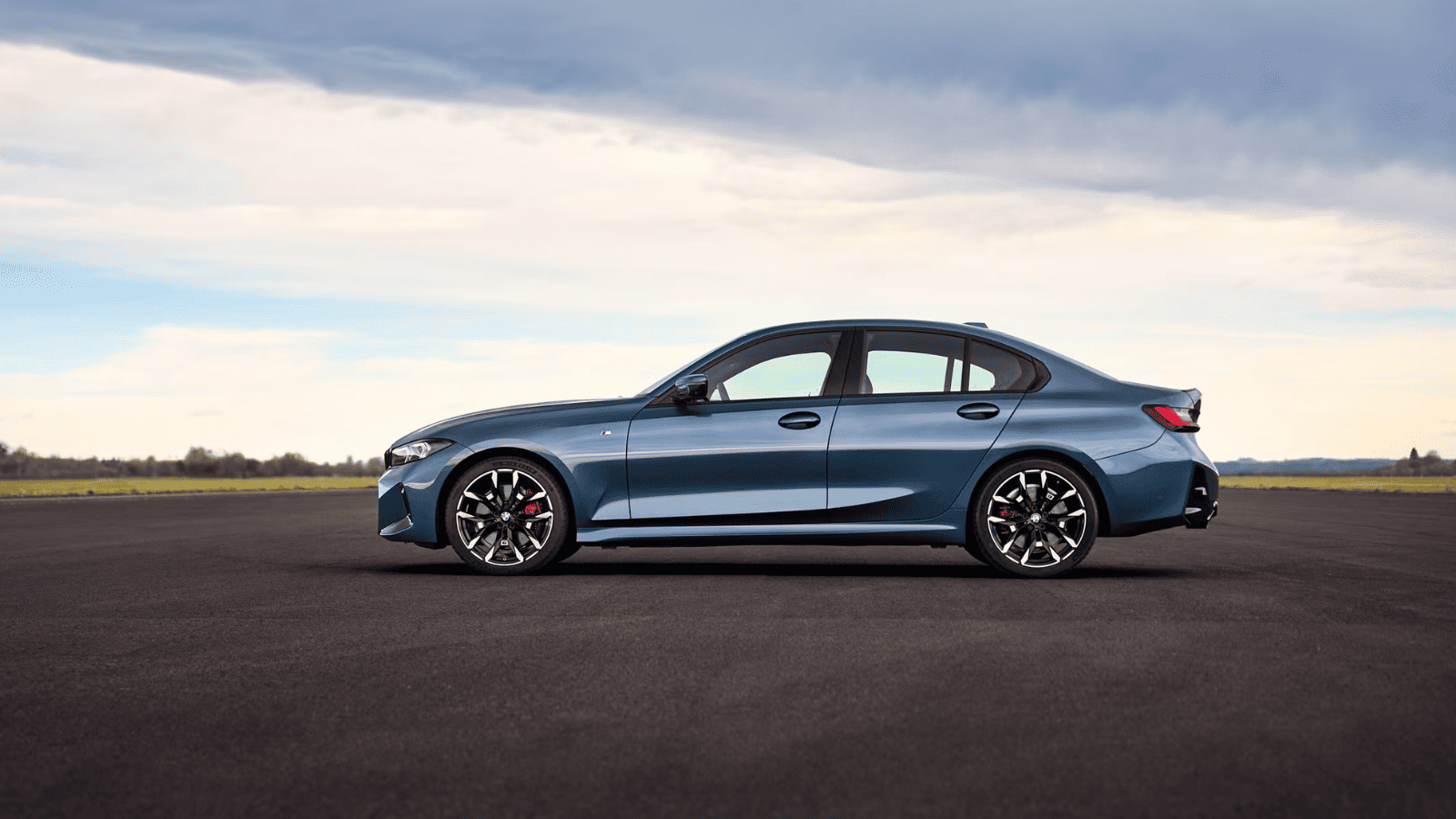
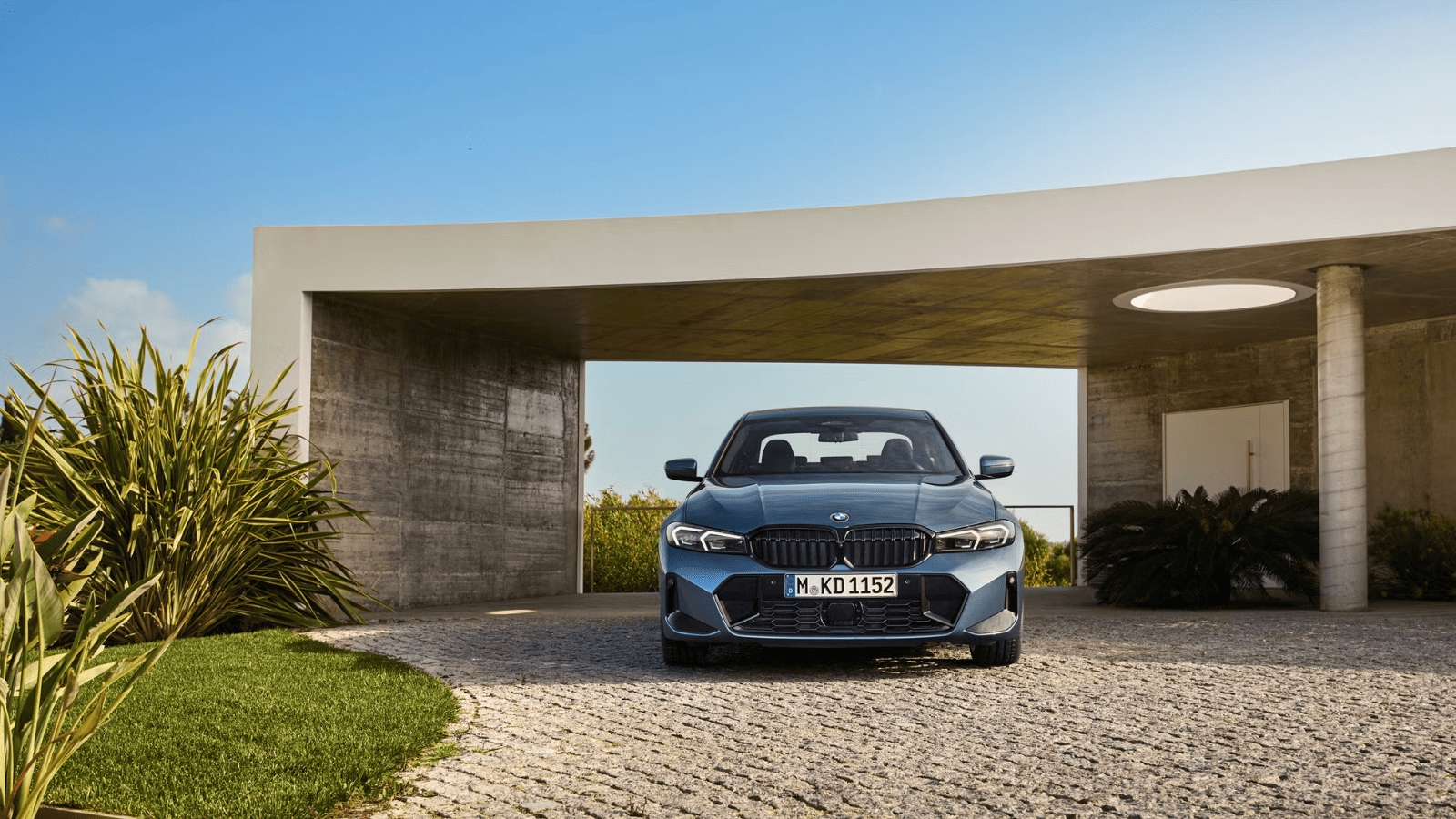
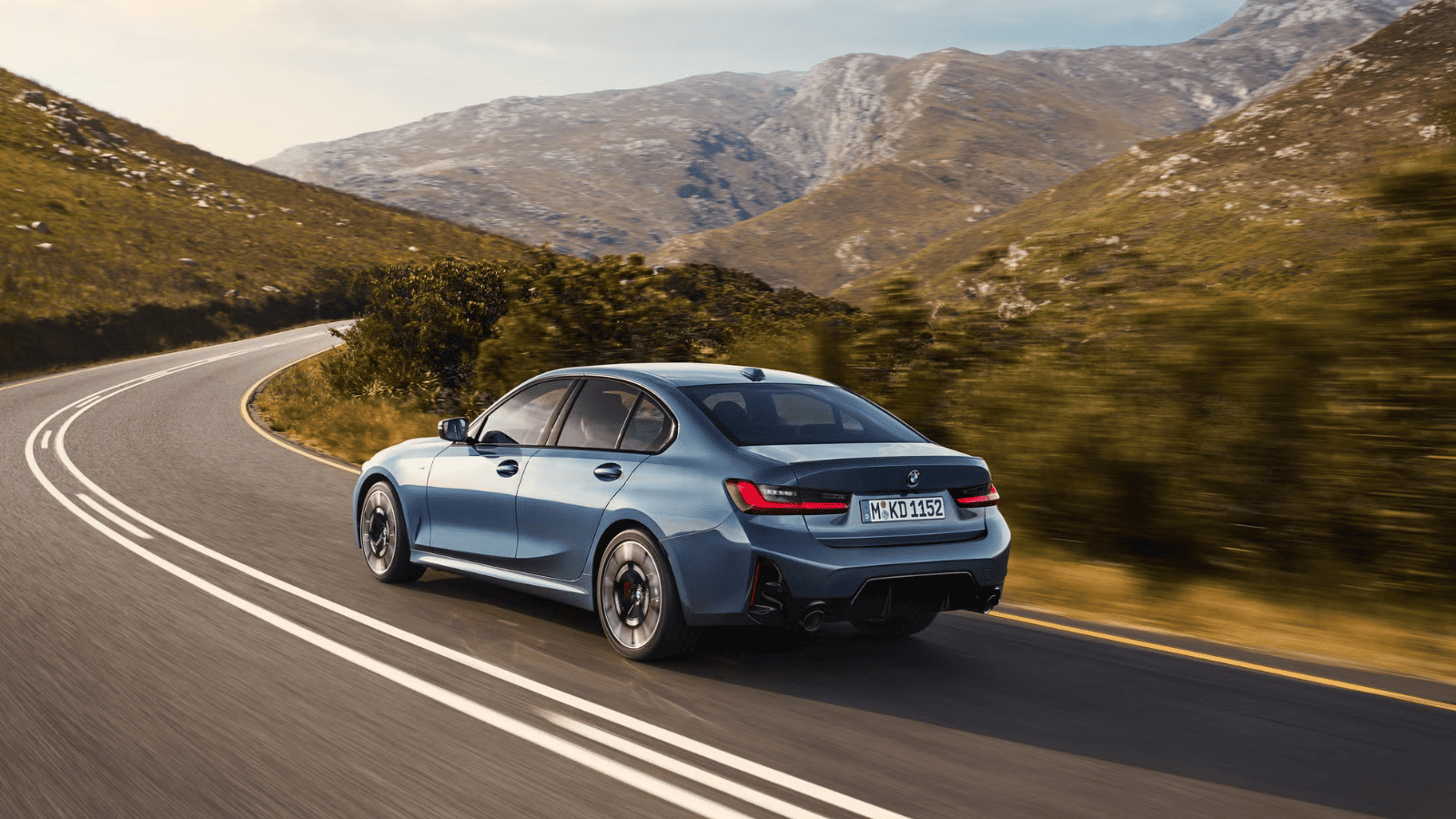
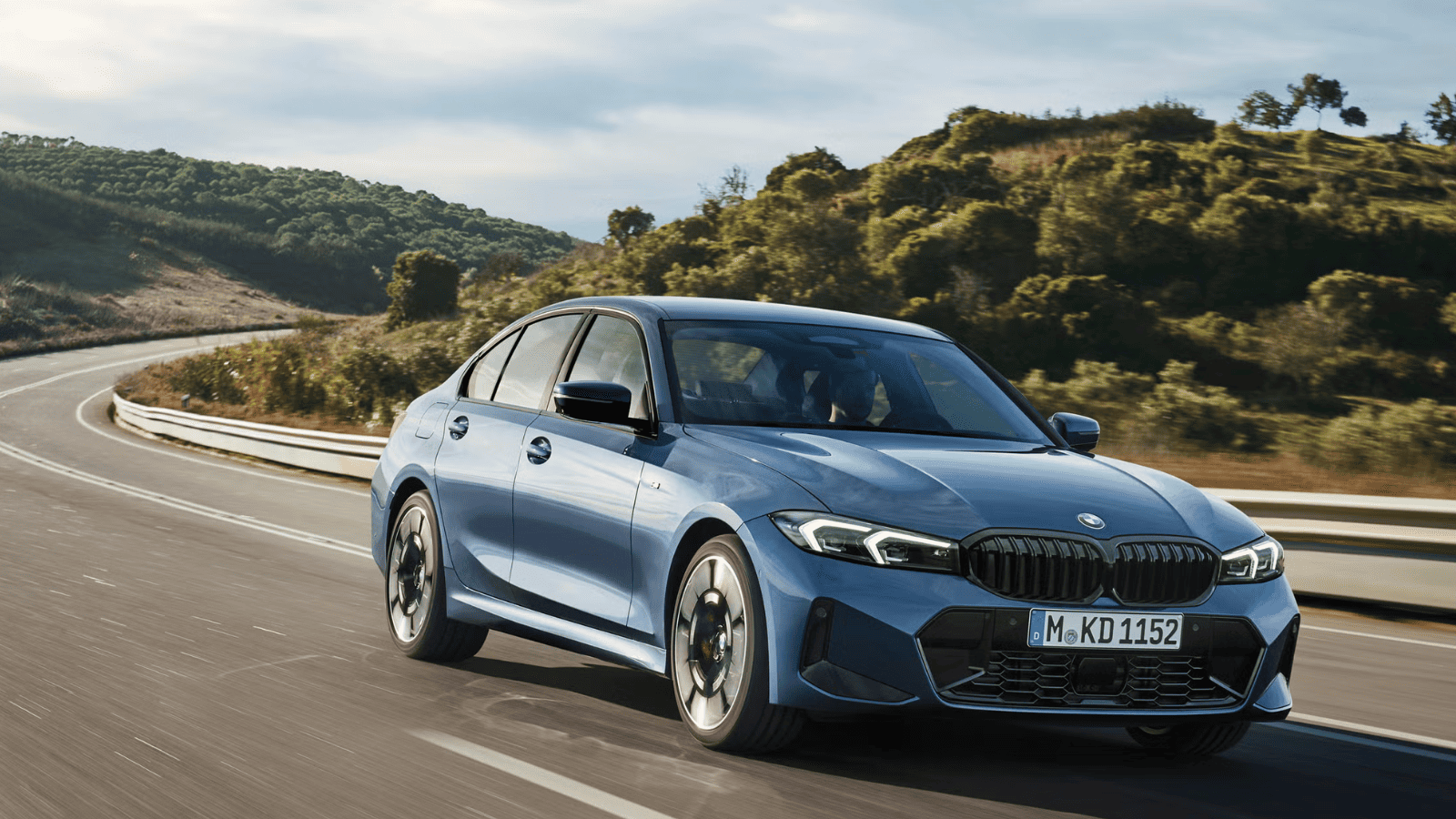
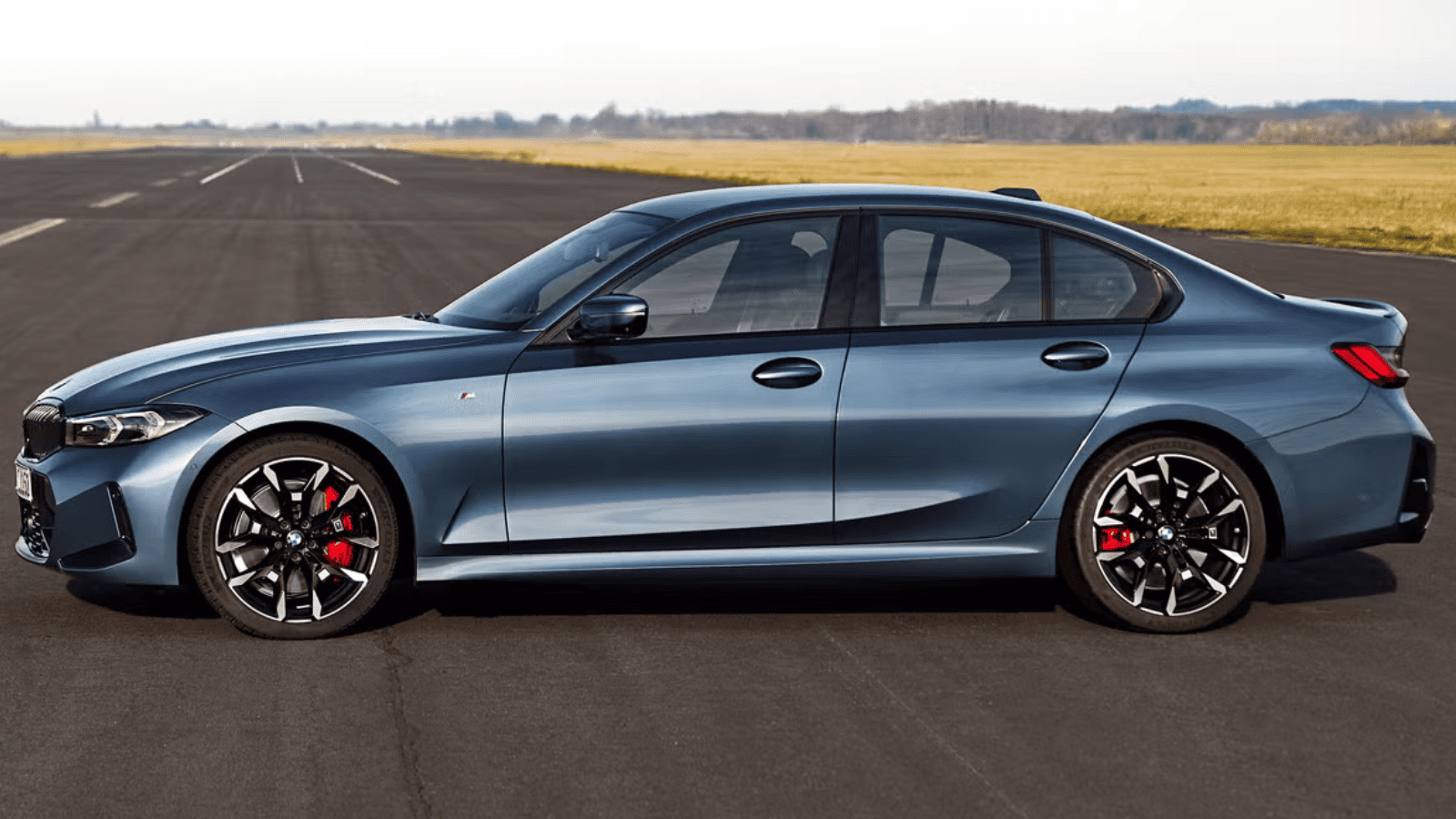
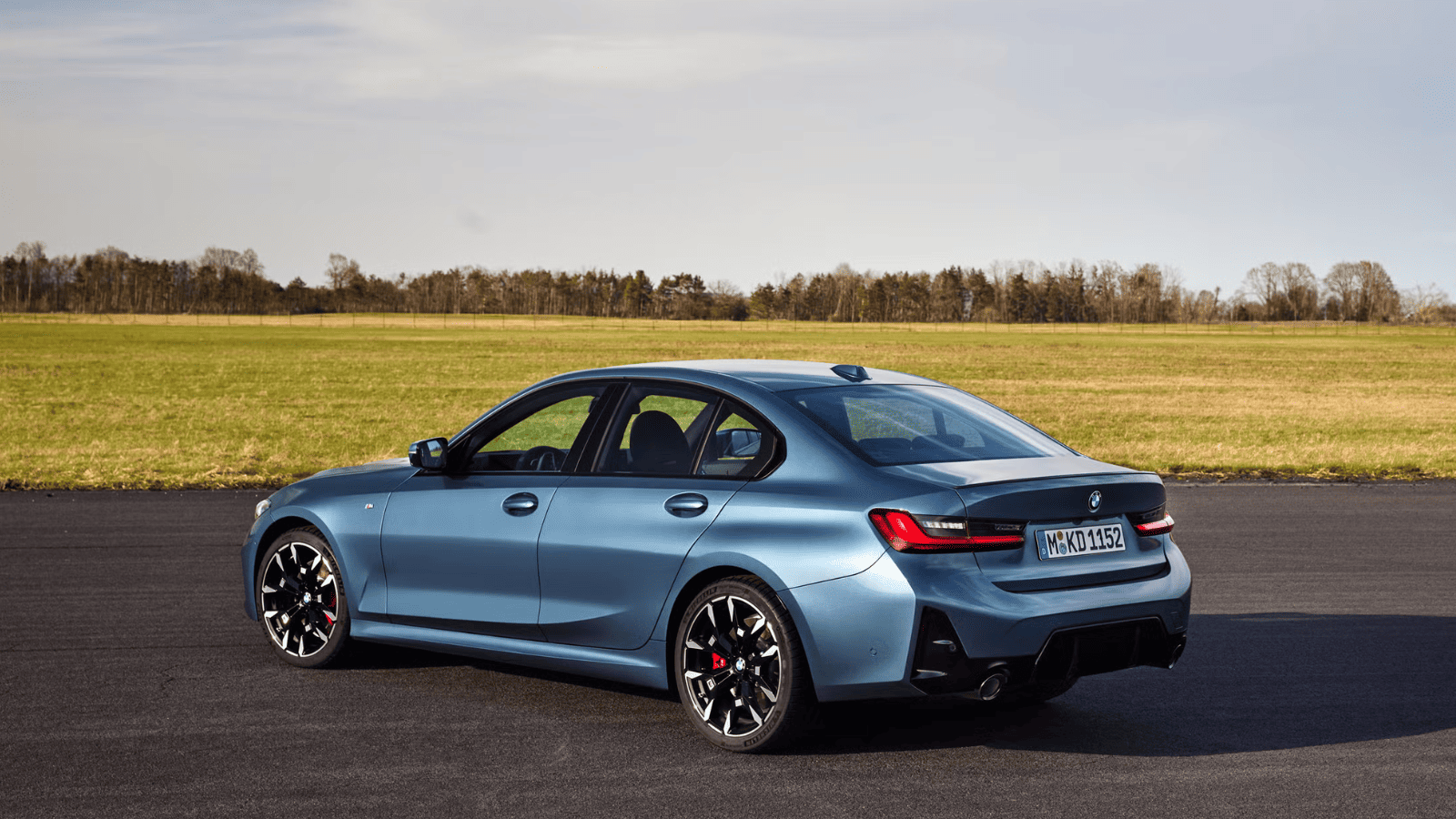
The current US range includes the four-cylinder 330i and 330i xDrive, plus the much quicker six-cylinder M340i and M340i xDrive. The M3 is a separate high-performance model and is not covered on this page.
The 3 Series is best for drivers who value handling, acceleration, modern in-car technology, and a traditional sedan shape. It costs more to buy and maintain than a mainstream sedan, but it offers a noticeably more engaging driving experience.
WheelPedia Rating: 9.0/10
The BMW 3 Series earns a 9.0/10 WheelPedia Rating. It delivers one of the best blends of performance, comfort, technology, efficiency, and everyday usability in the luxury sedan class.
Its biggest drawbacks are high ownership costs, optional safety equipment that can raise the final price, and a rear seat that is useful but not especially spacious for taller adults.
| Rating Category | Score | Weight |
| Safety | 8.5/10 | 20% |
| Reliability and ownership | 8.5/10 | 15% |
| Performance and driving | 9.8/10 | 15% |
| Comfort and practicality | 9.0/10 | 15% |
| Efficiency | 8.7/10 | 15% |
| Features and technology | 9.5/10 | 10% |
| Price and value | 9.0/10 | 10% |
| Overall WheelPedia Rating | 9.0/10 | — |
Read How We Rate Cars to see how WheelPedia calculates vehicle ratings.
Key Highlights
- Starts from $48,000 MSRP for the 330i Sedan, before destination, taxes, registration, options, and dealer fees.
- The 330i uses a 255-hp turbocharged four-cylinder engine.
- The M340i uses a 386-hp turbocharged inline-six with 48-volt mild-hybrid assistance.
- Rear-wheel drive is standard; BMW xDrive all-wheel drive is available on every non-M3 3 Series trim.
- BMW estimates 0–60 mph in as little as 4.1 seconds for the M340i xDrive.
- The 330i returns up to an EPA-estimated 31 mpg combined.
- Standard BMW Curved Display includes a 12.3-inch digital instrument display and 14.9-inch central touchscreen.
- The sedan seats five and has 16.9 cubic feet of trunk space.
- Best for drivers who want a well-rounded luxury sedan that still feels genuinely sporty.
Quick Specifications
| Specification | BMW 3 Series |
| Vehicle type | Compact luxury sedan |
| Seating capacity | 5 |
| Engines | 2.0L turbocharged four-cylinder or 3.0L turbocharged inline-six |
| 330i output | 255 hp / 295 lb-ft |
| M340i output | 386 hp / 398 lb-ft |
| Transmission | 8-speed automatic |
| Drivetrain | RWD or AWD, depending on trim |
| 0–60 mph | 4.1–5.6 seconds, depending on trim |
| Best EPA-estimated fuel economy | Up to 31 mpg combined |
| Cargo capacity | 16.9 cu. ft. |
| Length | 185.9 in. |
| Width | 71.9 in. |
| Wheelbase | 112.2 in. |
| Fuel tank capacity | 15.6 gallons |
Expert Tip
The 330i xDrive is the broadest sweet spot for most buyers. It has the 330i’s lower price and better fuel economy, while adding all-wheel-drive confidence for wet, cold, or snowy conditions. Choose the M340i only if its six-cylinder performance is a real priority.
About the BMW 3 Series
The 3 Series has long been BMW’s core sports sedan. The current generation keeps the formula simple: a compact four-door body, a driver-focused cabin, turbocharged engines, an eight-speed automatic transmission, and rear-wheel-drive-based dynamics.
The 330i models are the practical side of the lineup. They are quick enough for daily traffic, comfortable enough for long trips, and efficient for a luxury sedan. The M340i models add significantly more power, M Performance hardware, stronger brakes, sportier tuning, and a six-cylinder engine that makes the car feel much more serious.
Buyers should not confuse the M340i with the BMW M3. The M340i is a fast M Performance sedan designed for everyday use. The M3 is a separate full-performance model with more aggressive chassis tuning, more power, and a much higher price.
Price and Trims
BMW’s US model-year rollout currently lists the 330i models as 2026 vehicles, while the M340i models are listed as 2027 vehicles. Prices below are current manufacturer MSRPs and can change by trim, options, dealer pricing, and destination charges.
Check the current BMW 3 Series lineup before buying.
| Trim | Starting MSRP | Drivetrain | Power | Best For |
| 330i Sedan | $48,000 | RWD | 255 hp | Buyers who want the lowest entry price |
| 330i xDrive Sedan | $50,000 | AWD | 255 hp | Most buyers seeking all-weather confidence |
| M340i Sedan | $62,300 | RWD | 386 hp | Drivers who want stronger performance and rear-drive balance |
| M340i xDrive Sedan | $64,300 | AWD | 386 hp | Buyers who want maximum year-round speed and traction |
Which Trim Is Best?
- Best value: 330i Sedan
- Best all-round choice: 330i xDrive Sedan
- Best performance choice: M340i xDrive Sedan
- Best for driving enthusiasts: M340i Sedan
- Best for snowy or wet climates: 330i xDrive Sedan
The 330i is the sensible choice for most buyers. It is quick, refined, and substantially less expensive than the M340i. The M340i is excellent, but its higher price, insurance costs, tire costs, and fuel use make sense only if you will use the extra performance.
Engine, Powertrain, and Performance
The 330i and 330i xDrive use a 2.0-liter turbocharged four-cylinder engine producing 255 horsepower and 295 lb-ft of torque. Power comes on smoothly and strongly at lower speeds, so the car feels responsive in city traffic and during highway passing.
The M340i and M340i xDrive use a turbocharged 3.0-liter inline-six with 48-volt mild-hybrid assistance. Total system output is 386 horsepower and 398 lb-ft of torque. It is one of the main reasons the M340i is so highly regarded: it offers serious acceleration without becoming difficult to use every day.
All models use an eight-speed automatic transmission. Rear-wheel drive is standard, while BMW xDrive all-wheel drive is available for buyers who want added traction.
0–60 MPH Performance
| Trim | BMW-Estimated 0–60 mph Time |
| 330i Sedan | 5.6 seconds |
| 330i xDrive Sedan | 5.4 seconds |
| M340i Sedan | 4.4 seconds |
| M340i xDrive Sedan | 4.1 seconds |
BMW’s figures are manufacturer estimates. Actual acceleration can vary with weather, tires, road surface, vehicle equipment, and driving conditions.
The 330i is already quicker than most drivers need. The M340i is in a different category, offering acceleration that can rival many dedicated performance cars.
Driving Experience
The 3 Series stands out because it feels composed and controlled without becoming uncomfortable. Its steering, chassis balance, and rear-wheel-drive-based platform give it a more connected feel than many luxury sedans that focus mainly on isolation.
The 330i is the better daily-driver choice. It is light enough on its feet, easy to place on narrow roads, and comfortable for daily commuting. The standard suspension provides a good balance for most buyers, while the available Adaptive M Suspension can adjust more noticeably between comfort-focused and sportier driving.
The M340i is the enthusiast choice. It adds the stronger inline-six engine, M Sport Differential, M Sport Brakes, sportier suspension tuning, and more aggressive exterior details. It is faster and more engaging, but larger wheels and performance-oriented tires can make rough roads more noticeable.
Fuel Economy
The 3 Series uses premium gasoline. EPA figures below apply to the 2026 models and may vary by wheel size, drivetrain, equipment, weather, and driving style.
See the official EPA fuel-economy listings for the latest figures.
| Model | EPA-Estimated City/Highway/Combined |
| 330i Sedan | 28 / 35 / 31 mpg |
| 330i xDrive Sedan | 26 / 34 / 29 mpg |
| M340i Sedan | 27 / 33 / 29 mpg |
| M340i xDrive Sedan | 26 / 33 / 29 mpg |
The 330i is the best choice if fuel costs matter. Its 31 mpg combined rating is strong for a rear-wheel-drive luxury sedan with 255 horsepower.
The M340i is less efficient in real-world driving when its performance is used often, although its official combined rating remains respectable. Premium fuel, however, will increase ownership costs compared with a mainstream sedan.
Interior, Comfort, and Technology
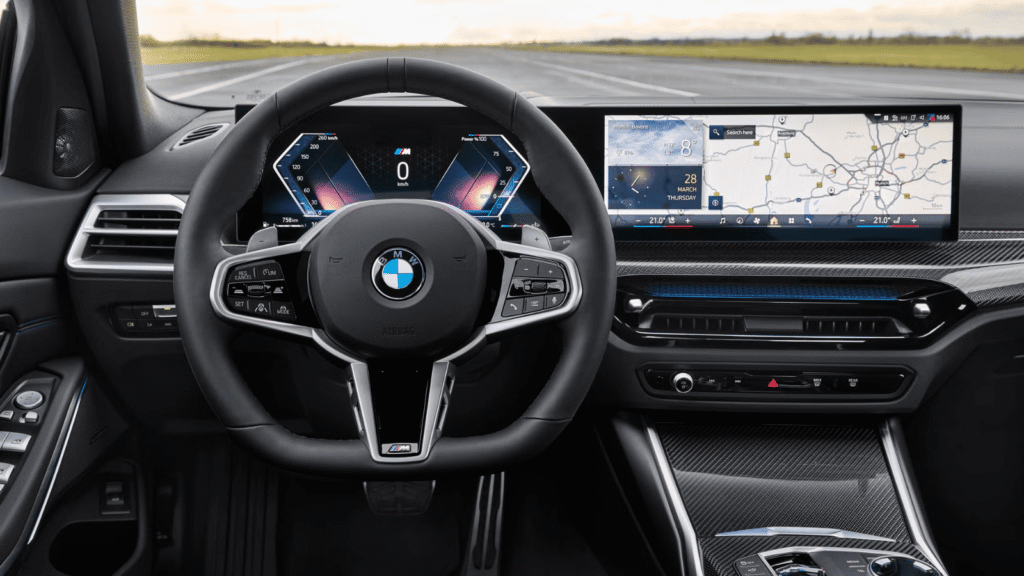
The 3 Series cabin is clean, modern, and built around the driver. BMW’s wide Curved Display gives the dashboard a more contemporary look than the previous generation, while the physical controls that remain are placed where they are easy to use.
Standard and available features include:
- 12.3-inch digital instrument display
- 14.9-inch central touchscreen
- BMW Operating System 8.5 with QuickSelect
- Navigation and real-time traffic information
- Wireless Apple CarPlay and Android Auto
- BMW Intelligent Personal Assistant
- BMW Digital Key
- Ambient interior lighting
- Power-adjustable front seats
- Available heated front and rear seats
- Available ventilated front seats
- Available head-up display
- Available Harman Kardon surround-sound system
- Available wireless phone charging
- Available remote engine start
- Available parking-assistance and surround-view camera systems
The front seats are supportive and comfortable for daily commuting and longer drives. Rear-seat space is good enough for children and average-sized adults, but taller passengers may want more knee room on longer journeys.
Dimensions, Cargo, and Practicality
| Dimension | Measurement |
| Length | 185.9 in. |
| Width | 71.9 in. |
| Height | 56.4–57.0 in., depending on trim |
| Wheelbase | 112.2 in. |
| Cargo capacity | 16.9 cu. ft. |
| Seating capacity | 5 passengers |
| Fuel capacity | 15.6 gallons |
The 3 Series is practical for a compact luxury sedan. Its trunk is larger than many buyers may expect and can handle groceries, luggage, or several carry-on bags. Folding rear seats also make it easier to carry longer items.
It is a good fit for couples, professionals, and small families. Buyers who regularly carry three adults in the rear seat or need more child-seat space may be better served by a larger sedan or SUV.
Exterior Design
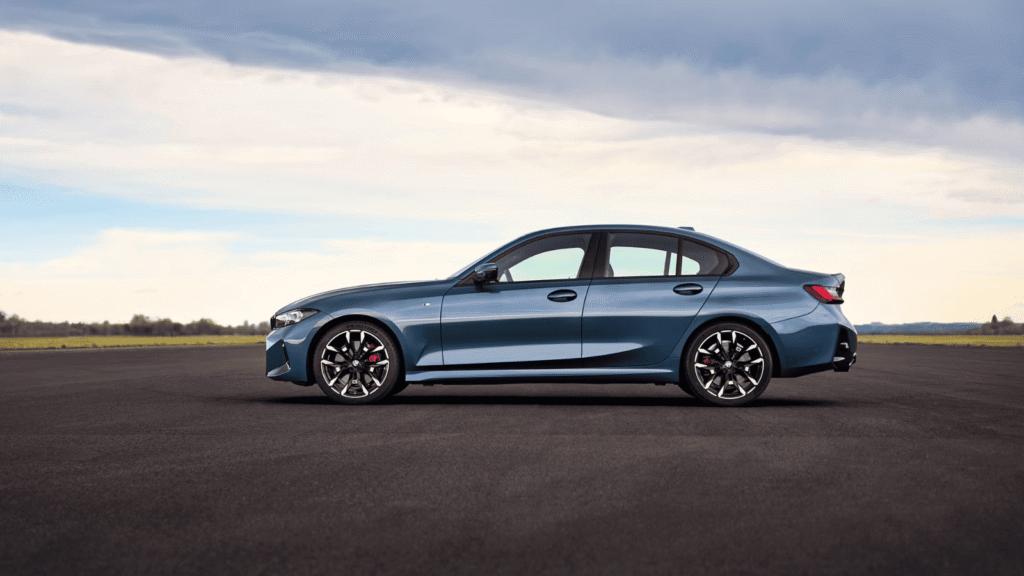
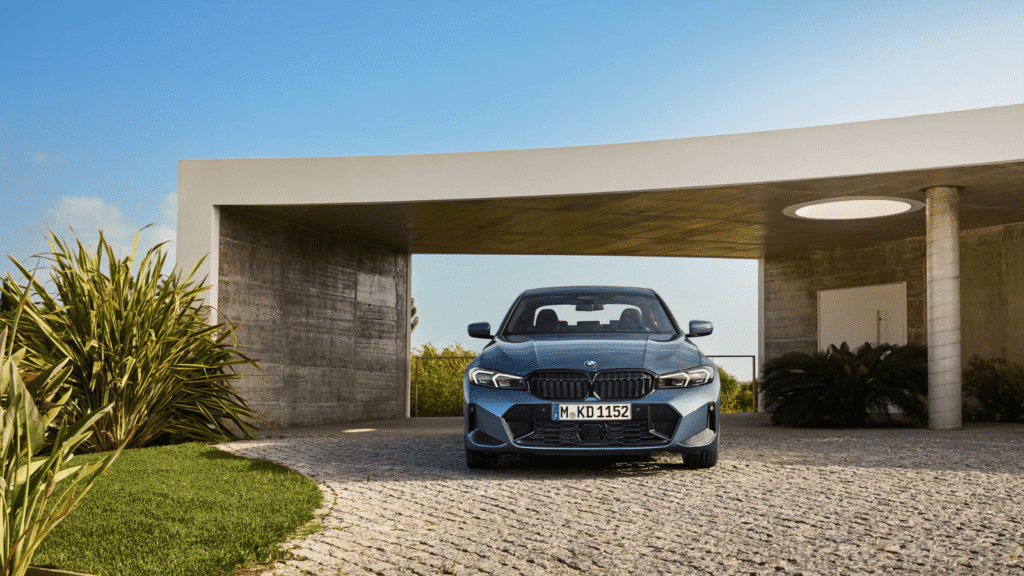
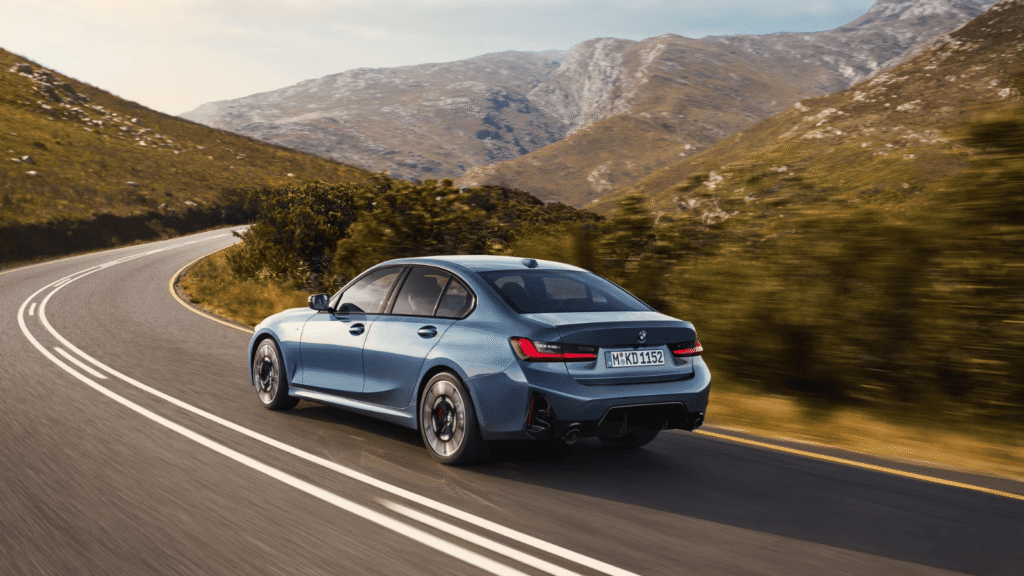
The BMW 3 Series has a clean, athletic shape with a long hood, short rear deck, and traditional sedan proportions. The 330i has a more restrained look, while the available M Sport Package adds sportier bumpers, wheels, steering wheel, and exterior trim.
The M340i looks more aggressive from the factory. It includes M-specific styling, larger performance brakes, distinctive grille details, sportier wheels, and visible exhaust outlets.
The standard wheel and tire setup is usually the smarter choice for buyers prioritizing ride comfort and replacement costs. Larger wheels improve the appearance but can make the ride firmer and replacement tires more expensive.
Safety Features and Ratings
Standard safety equipment includes:
- Frontal Collision Warning with City Collision Mitigation
- Automatic emergency braking
- Lane Departure Warning
- Rearview camera
- Front and rear parking sensors
- Automatic high beams
- Tire-pressure monitoring system
- Multiple front, side, and head-protection airbags
Available driver-assistance features include:
- Active Blind Spot Detection
- Lane Keeping Assistant
- Active Cruise Control with Stop & Go
- Traffic Jam Assistant
- Evasion Aid
- Side-collision protection
- Cross-traffic warning
- Parking Assistant Plus
- Surround View cameras
- Remote 3D View
The 2026 BMW 3 Series earned a Good rating in the IIHS small-overlap front test and an Acceptable rating in the updated moderate-overlap front test. The updated moderate-overlap result reflects a Marginal rear-passenger restraint and dummy-kinematics score.
Its standard pedestrian crash-prevention system earned a Good rating, while the vehicle-to-vehicle front crash-prevention system earned a Marginal result.
Buyers can review the exact details on the IIHS 3 Series ratings page.
NHTSA had not published a current overall star rating for the 2026 BMW 3 Series at the time of this update. Check the NHTSA ratings database before buying.
Reliability, Warranty, and Ownership
The 3 Series has a stronger ownership case than many buyers may assume, especially with the widely used 2.0-liter four-cylinder and 3.0-liter inline-six engines. However, it remains a German luxury car, so scheduled maintenance, premium fuel, insurance, tires, brake components, and out-of-warranty repairs can be expensive.
The 330i is the safer long-term choice for cost-conscious buyers because it has fewer performance parts and a lower starting price. The M340i’s B58 inline-six is a desirable engine, but the car’s higher performance level can lead to greater tire, brake, fuel, and insurance costs.
| Coverage | Length |
| New vehicle limited warranty | 4 years / 50,000 miles |
| Scheduled maintenance | 3 years / 36,000 miles |
| Roadside assistance | 4 years / unlimited miles |
| Rust perforation warranty | 12 years / unlimited miles |
For a used 3 Series, check service records, tire and brake condition, open recalls, option packages, and accident history. Use a VIN check to confirm the vehicle’s identity and factory specification.
Pros and Cons
What We Like
- Excellent handling and balanced rear-wheel-drive-based platform
- Strong turbocharged engines across the range
- M340i offers outstanding six-cylinder performance
- Premium, modern cabin with excellent screens and software
- Good trunk space for a compact luxury sedan
- Available xDrive all-wheel drive
- 330i delivers strong fuel economy for the class
- Useful combination of comfort, performance, and everyday practicality
What We Don’t Like
- Options can raise the final price quickly
- Premium fuel and luxury-car maintenance costs
- Blind-spot monitoring and some advanced driver-assistance features are optional
- Rear seat is not ideal for tall adults on long trips
- M340i ownership costs are much higher than those of the 330i
- Larger wheels can reduce ride comfort
- IIHS updated moderate-overlap and vehicle-to-vehicle crash-prevention results are not class-leading
Competitors
The BMW 3 Series competes with other compact luxury sedans, including:
- Audi A5
- Mercedes-Benz C-Class
- Genesis G70
- Cadillac CT4
- Lexus IS
- Alfa Romeo Giulia
- Tesla Model 3
The Audi A5 is worth considering for buyers who want a more modern fastback-style design. The Mercedes-Benz C-Class focuses more on comfort and cabin luxury. The Genesis G70 offers strong value and a long warranty, while the Lexus IS may appeal to buyers who put reliability near the top of their list.
The BMW is still one of the most balanced choices for buyers who care equally about daily usability and driving enjoyment.
Related Content
Before financing a 3 Series, understand how car financing works and consider getting a car loan preapproval before visiting a dealer.
Used-car buyers should compare the costs in our new vs. used car guide and learn how to check a car’s accident history before making an offer.
Should You Buy the BMW 3 Series?
Buy the BMW 3 Series if you want a luxury sedan that is genuinely enjoyable to drive, comfortable enough for everyday use, and equipped with modern technology.
Choose the 330i Sedan if you want the lowest entry price, rear-wheel-drive handling, and the best fuel economy. Choose the 330i xDrive if you want the best overall balance of performance, efficiency, comfort, and all-weather confidence.
Choose the M340i if you want a powerful six-cylinder engine and a more enthusiast-focused sedan. The M340i xDrive is the fastest all-round option, but it is also the most expensive to buy and run.
Skip the 3 Series if low running costs, a large rear seat, or SUV-level cargo room are more important than driving dynamics.
BMW 3 Series FAQs
How much does the BMW 3 Series cost?
The BMW 3 Series starts from $48,000 MSRP for the 330i Sedan. The 330i xDrive starts from $50,000, while the M340i starts from $62,300. Destination, taxes, registration, options, and dealer fees increase the final price.
Is the BMW 3 Series all-wheel drive?
The 330i and M340i are rear-wheel drive as standard. The 330i xDrive and M340i xDrive use BMW’s all-wheel-drive system.
How fast is the BMW 3 Series?
BMW estimates the 330i reaches 60 mph in 5.6 seconds, while the M340i xDrive reaches 60 mph in 4.1 seconds.
Does the BMW 3 Series require premium gas?
Yes. BMW recommends premium unleaded gasoline for the 3 Series engines to support their intended performance and efficiency.
What is the difference between the BMW 330i and M340i?
The 330i uses a 255-hp turbocharged four-cylinder engine. The M340i uses a 386-hp turbocharged inline-six with mild-hybrid assistance, plus performance-focused brakes, suspension tuning, differential hardware, and styling.
Is the BMW 3 Series reliable?
The 3 Series can be reliable when it is serviced on schedule, but ownership costs are higher than for a mainstream sedan. Buyers should budget for premium fuel, tires, brakes, insurance, and repairs after the factory warranty ends.
Does the BMW 3 Series have Apple CarPlay and Android Auto?
Yes. Wireless Apple CarPlay and Android Auto are standard.
How much trunk space does the BMW 3 Series have?
The BMW 3 Series sedan has 16.9 cubic feet of trunk space, which is useful for luggage, groceries, and everyday errands.
Is the BMW 3 Series good for families?
It can work well for a small family, especially with one or two child seats. However, taller rear passengers and families carrying bulky gear regularly may prefer a larger sedan or SUV.
Is the BMW M3 included on this page?
No. This page covers the BMW 330i and M340i models. The BMW M3 is a separate high-performance model with its own engine, chassis, pricing, and buyer profile.
Final Verdict
The BMW 3 Series remains one of the best luxury sedans for buyers who do not want to choose between comfort, technology, practicality, and driving enjoyment.
The 330i xDrive is the best choice for most shoppers. It is quick, efficient, practical, and capable in changing weather without the high running costs of the M340i. The M340i is the trim to choose if the inline-six engine and much stronger acceleration are worth the added cost.
Its weaknesses are mainly financial rather than mechanical: expensive options, premium fuel, higher maintenance costs, and costly performance parts. But for buyers who value a true sports-sedan feel, the 3 Series remains a benchmark.
Prices, specifications, fuel-economy ratings, safety ratings, and feature availability can change by model year, trim, options, and market.