Buying a used electric vehicle can reduce the initial cost of switching to electric driving, but it requires a different inspection process from buying a used petrol or diesel car.
The most important checks are the traction battery’s state of health, remaining battery warranty, range, AC and DC charging operation, recall status, service records, tyres, brakes and the underside of the battery pack.
A clean dashboard and a high estimated range do not prove that the battery is healthy. The displayed range changes with recent driving, temperature and climate-control use. Buyers should request a proper battery-health report and arrange an independent inspection by a technician who understands high-voltage vehicles.
Used EV Inspection Checklist
| Item to check | Why it matters | Best evidence |
| Battery state of health | Shows remaining usable capacity | Manufacturer diagnostic report |
| Battery warranty | May cover failure or excessive capacity loss | Written warranty confirmation |
| Real-world range | Shows whether the car meets your travel needs | Long test drive and energy-use data |
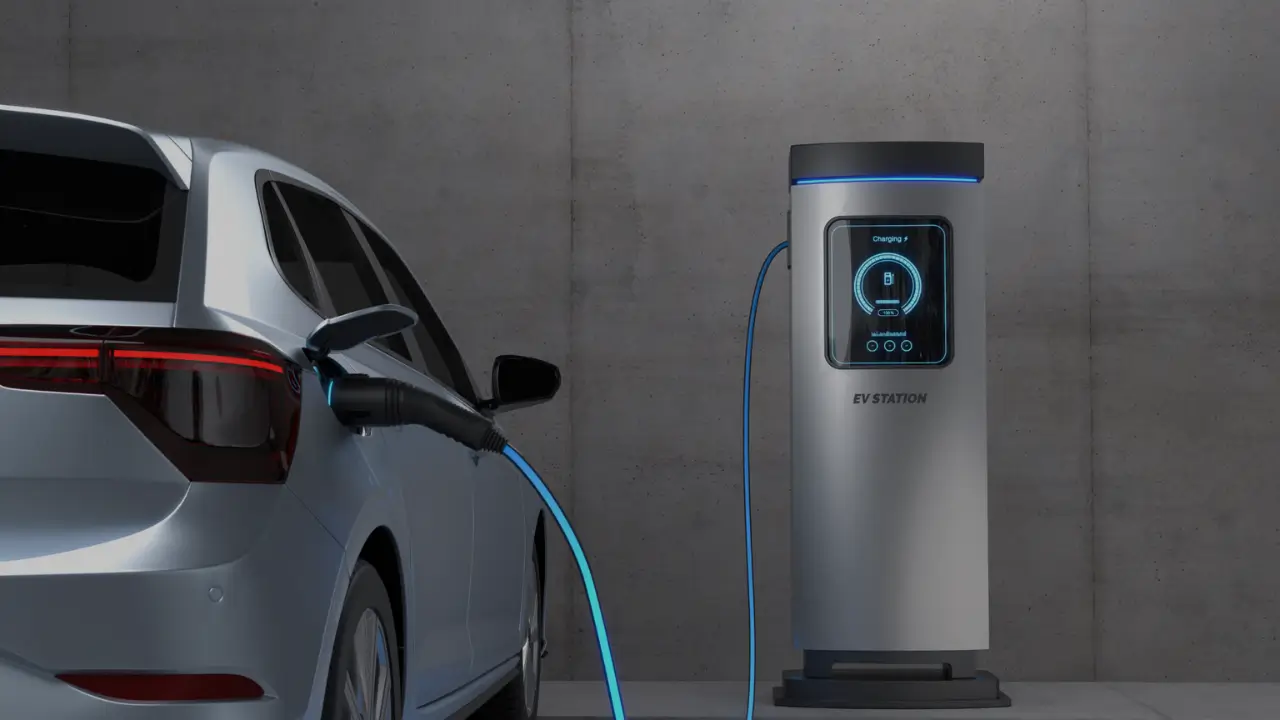
| AC charging | Needed for home and destination charging | Live charging test |
| DC rapid charging | Important for long journeys | Rapid-charging test or verified records |
| Charge port | Damage can cause connection or repair problems | Physical inspection |
| Underbody and battery case | Impact damage may affect safety and value | Vehicle lifted by an EV technician |
| Recall status | Uncompleted repairs may create safety risks | VIN-based recall search |
| Service history | Reveals repairs, updates and recurring faults | Itemised invoices and digital records |
| Tyres | EV weight and torque can cause costly wear | Tread and wear-pattern inspection |
| Brakes | Low use can lead to corrosion | Physical inspection and test drive |
| Heating and air conditioning | Faults can reduce comfort and range | Test from cold |
| Software and connected services | Features may depend on updates or account transfer | System screen and manufacturer account |
| Insurance cost | Some EVs are costly to repair | Quote for the exact VIN or version |
| Included cables and keys | Replacements can be expensive | Physical inventory |
1. Check the Traction Battery’s State of Health
The high-voltage traction battery is the most important and potentially expensive component in a used EV.
All lithium-ion batteries lose some usable capacity with age and use. This process is called battery degradation.
A battery’s state of health, often shortened to SOH, compares its current usable capacity with its estimated capacity when new.
For example:
- 100% SOH: close to original usable capacity
- 90% SOH: approximately 90% of the original usable capacity remains
- 80% SOH: a more noticeable reduction in available driving range
The figure should be treated as an estimate rather than a perfect measurement. Different manufacturers and diagnostic tools may calculate battery health differently.
Ask for a proper battery report
Request one of the following:
- An official manufacturer battery-health certificate
- A dealer diagnostic report
- A battery-management-system scan
- A specialist third-party battery report
- A recent warranty capacity test
The report should ideally show:
- Estimated state of health
- Usable battery capacity
- Cell or module imbalance
- Stored battery fault codes
- Battery temperature faults
- Charging errors
- High-voltage isolation faults
- Warranty status
Do not rely solely on a generic OBD application unless its readings are known to be accurate for that specific model.
2. Do Not Judge the Battery by Dashboard Range Alone
The distance shown on the dashboard is an estimate based on current battery charge and recent energy use.
It may change according to:
- Recent motorway driving
- City driving
- Outside temperature
- Cabin heating or cooling
- Driving style
- Elevation
- Wheel and tyre setup
- Battery temperature
A seller can sometimes make the estimate appear higher by driving slowly before the viewing or resetting recent consumption data.
A high number on the dashboard does not prove that the battery retains its original capacity.
A better range check
During a proper test drive:
- Record the starting battery percentage.
- Record the starting predicted range.
- Reset or note the trip energy consumption.
- Drive a meaningful mixed route.
- Include urban and higher-speed roads.
- Record the ending battery percentage.
- Compare energy used with distance covered.
- Check whether the result is reasonable for that model and weather.
A short five-minute drive is not enough to assess battery range.
3. Confirm the Remaining Battery Warranty
Battery warranties differ between manufacturers, models, countries and model years.
Many manufacturers provide battery coverage around eight years or 100,000 miles, but the exact period, mileage and capacity terms must be checked for the specific car.
Some warranties cover only complete battery failure. Others may also cover capacity falling below a stated threshold.
Do not accept “the battery has an eight-year warranty” without written confirmation.
The warranty usually starts when the car was first registered or placed into service, not when you buy it used.
4. Check Whether the Battery Has Been Repaired or Replaced
A replacement battery is not automatically a problem. It may be a major benefit when the work was completed correctly under manufacturer supervision.
Ask for documentation showing:
- Why the battery was repaired
- Whether the complete pack or individual modules were replaced
- Who performed the work
- Whether new, remanufactured or used components were installed
- The battery’s current capacity
- Remaining warranty coverage
- Whether software calibration was completed
A seller who cannot explain a major battery repair should be treated cautiously.
Check that the battery serial number and repair records match the vehicle where documentation is available.
5. Inspect the Battery Case and Underbody
Many EV battery packs are mounted beneath the passenger compartment.
This position helps vehicle packaging and stability, but it leaves the enclosure exposed to possible damage from:
- Road debris
- Kerbs
- Incorrect lifting
- Speed humps
- Off-road impacts
- Collisions
- Floodwater
- Corrosion
- Poorly performed repairs
Have the vehicle lifted by someone who understands its approved jacking points.
Look for:
- Dents in the battery enclosure
- Deep scratches
- Cracks
- Bent protection panels
- Missing fasteners
- Signs of coolant leakage
- Corrosion
- Seal damage
- Non-original repair materials
- Incorrectly placed jack marks
- Damaged high-voltage cable covers
A superficial scrape may be harmless, but battery-case damage needs professional assessment.
Do not touch orange high-voltage cables or attempt to remove battery covers.
6. Check the Charging Port Carefully
Inspect the charge port in good lighting.
Look for:
- Bent or damaged pins
- Cracks
- Burn marks
- Corrosion
- Water damage
- Loose fittings
- Dirt or foreign objects
- A damaged flap
- A faulty connector lock
- Warning lights or error messages
The cable should insert and release normally.
On vehicles that lock the connector during charging, confirm that the locking mechanism works. A failed lock can interrupt charging or prevent the cable from being released.
7. Test AC Charging
Do not buy a used EV without confirming that it can charge from an AC source.
AC charging is commonly used at:
- Home
- Work
- Hotels
- Public destination chargers
- Shopping centres
During the test:
- Connect a compatible cable.
- Confirm that the car recognises the charger.
- Check that charging starts.
- Review the reported charging rate.
- Check for warning messages.
- Stop the session normally.
- Confirm that the connector releases.
- Test charging schedules where possible.
A vehicle may drive normally while still having a fault with its onboard AC charger.
8. Test DC Rapid Charging
A DC charging test is particularly important if you expect to make long journeys.
The test can reveal faults involving:
- The rapid-charging port
- Battery temperature control
- Communication with the charger
- Charging speed
- Battery fault codes
- Connector locking
- The high-voltage system
A brief rapid-charging session is better than no test, but charging speed must be interpreted carefully.
The rate depends on:
- Battery percentage
- Battery temperature
- Charger power
- Station load
- Vehicle software
- The model’s charging curve
A cold battery at 75% charge may accept little power even when nothing is wrong. Test from a suitable charge level and temperature where possible.
9. Confirm Which Charging Connectors the Car Uses
Charging standards differ by country, vehicle and production year.
Possible connectors include:
- CCS
- NACS
- CHAdeMO
- Type 1
- Type 2
- Market-specific standards
Before buying, check:
- Whether the car fits your home-charging equipment
- Whether local rapid chargers support it
- Whether an adapter is needed
- Whether that adapter supports AC, DC or both
- Whether future network support is likely
- The vehicle’s maximum AC and DC charging rates
Older vehicles using a less common rapid-charging standard may remain useful for local driving but become less convenient for long-distance travel.
10. Check Every Charging Cable and Adapter
Confirm exactly what is included in the sale.
The original equipment may have included:
- A domestic charging cable
- A portable charging unit
- A public AC cable
- Connector adapters
- A storage case
- A wall-charger cable
- Emergency-release tools
Inspect each item for:
- Cuts
- Cracks
- Heat damage
- Bent pins
- Corrosion
- Damaged plugs
- Unapproved repairs
- Missing safety labels
Replacement cables and manufacturer-approved adapters can be expensive.
Never use a damaged cable merely because it still starts a charging session.
11. Review the Car’s Range
Find the official range for the exact:
- Model year
- Battery version
- Motor configuration
- Trim
- Wheel size
Do not use a figure from a newer model or a larger-battery version.
Then account for:
- Current battery health
- Winter conditions
- Motorway driving
- Heating and air conditioning
- Your normal passenger load
- Roof equipment
- Towing
Example
A used EV originally rated for 250 miles may no longer provide that distance.
If the battery retains 88% of its capacity, a rough starting estimate would be:
250 × 0.88 = 220 miles
The actual motorway or winter range may be lower.
Buy a vehicle based on its dependable range, not its best-case estimate.
12. Check the Service and Repair History
EVs require fewer routine drivetrain services than combustion cars, but they are not maintenance-free.
Review records for:
- Brake-fluid changes
- Cabin-filter replacement
- Battery-coolant service where required
- Air-conditioning service
- Reduction-gear oil where specified
- Suspension repairs
- Wheel alignment
- Tyres
- 12-volt battery replacement
- Charging-system repairs
- Software updates
- Battery campaigns
- Recall work
- Accident repairs
Missing engine-oil records are irrelevant to a fully electric car, but missing EV-specific inspections may still be a concern.
Check whether the vehicle was maintained by:
- An authorised dealer
- A qualified EV specialist
- A general workshop with high-voltage training
- An unknown or unqualified repairer
13. Search for Open Recalls Using the VIN
Obtain the complete vehicle identification number before paying a deposit.
Use the official recall service in the country where the vehicle is registered.
In the United States, NHTSA’s VIN search shows unrepaired safety recalls. Other countries have their own government or manufacturer systems.
Pay particular attention to recalls involving:
- High-voltage batteries
- Battery fire risk
- Charging systems
- Inverters
- Power loss
- Brake software
- Low-voltage systems
- Thermal management
Ask for proof that completed recalls were carried out.
A recall itself does not always make the vehicle a poor purchase. An unresolved recall, ignored warning or unavailable repair may be more important.
14. Check for Manufacturer Service Campaigns
Not every repair programme is a formal safety recall.
Manufacturers may issue:
- Technical service bulletins
- Customer satisfaction campaigns
- Software campaigns
- Battery inspections
- Extended warranties
- Charging-system updates
- Component replacement programmes
Ask an authorised service centre to check the VIN for outstanding work.
This can reveal issues that do not appear in a public recall search.
15. Verify the VIN and Vehicle Specification
Make sure the VIN matches:
- The windscreen plate
- Door-jamb label
- Registration documents
- Service records
- Insurance records
- Battery or recall documents
Use a VIN decoder or manufacturer system to confirm:
- Model year
- Factory
- Motor type
- Battery version
- Trim
- Drive configuration
Used EV advertisements sometimes list the wrong battery size, motor output or trim.
16. Check for Accident and Flood Damage
Accident history is particularly important when the battery is mounted under the floor.
A collision can affect:
- Battery enclosure
- Cooling pipes
- High-voltage wiring
- Charge ports
- Structural protection
- Sensors
- Driver-assistance calibration
Look for:
- Uneven panel gaps
- Overspray
- Different paint shades
- Non-original welds
- Missing underbody panels
- Warning lights
- Poor wheel alignment
- Water marks
- Damp smells
- Corroded connectors
- Condensation inside lights
Flood exposure requires special caution because water can affect electrical connections long after the event.
Arrange a professional inspection when there is any doubt about structural or water damage.
17. Inspect the Tyres
Tyres are a major used-EV expense.
Electric vehicles can be heavy and deliver strong torque, which may increase wear when the car is driven aggressively or has poor wheel alignment.
Check:
- Tread depth
- Inner-edge wear
- Outer-edge wear
- Cracks
- Sidewall damage
- Uneven wear between tyres
- Correct load and speed ratings
- Matching tyres on each axle
- Age codes
- Repair plugs or patches
- Manufacturer-approved specifications where required
Uneven wear may indicate:
- Poor alignment
- Worn suspension
- Collision damage
- Incorrect tyre pressures
Some EV tyres are designed to handle higher loads or reduce noise. Replacing all four may be expensive, so include this in negotiations.
18. Inspect the Brakes
Regenerative braking can reduce friction-brake use, but low use may create corrosion.
Inspect:
- Brake discs
- Pads
- Calipers
- Brake-fluid history
- Parking brake
- Brake hoses
- Warning lights
During the test drive, check for:
- Grinding
- Pulsation
- Pulling to one side
- Weak friction braking
- A sticking parking brake
- Unusual pedal feel
Test the brakes safely after regenerative braking has been reduced or set to a lower level where the vehicle permits it.
19. Check the Suspension and Steering
Battery weight places significant loads on suspension components.
Listen for:
- Knocking
- Clunking
- Creaking
- Wheel-bearing noise
- Steering vibration
Check whether the car:
- Tracks straight
- Returns to centre
- Feels stable under braking
- Sits evenly
- Has abnormal tyre wear
- Makes noise over bumps
Air suspension can be costly to repair, so inspect compressors, struts and vehicle ride height on equipped models.
20. Check the Heating, Air Conditioning and Heat Pump
Climate systems affect both comfort and range.
Test:
- Cabin heating
- Air conditioning
- Front and rear demisting
- Heated seats
- Heated steering wheel
- Remote climate control
- Heat-pump operation where fitted
A heater fault can make winter driving uncomfortable and reduce the ability to clear the windscreen safely.
Some EVs use high-voltage heaters, heat pumps or battery coolant systems that can be expensive to repair.
Start the test while the car is cold rather than after the seller has already warmed the cabin.
21. Inspect the Battery Thermal-Management System
The battery may use air cooling, liquid cooling or another thermal strategy.
Check service records for:
- Coolant changes
- Coolant leaks
- Pump replacement
- Valve faults
- Heater faults
- Cooling-fan problems
- Battery temperature warnings
During a rapid-charging test, watch for abnormal charging slowdown or warnings.
Thermal-management faults can affect:
- Charging speed
- Range
- Performance
- Battery lifespan
- Safety
22. Test the 12-Volt Battery
EVs still use a low-voltage battery to operate locks, computers, lights and high-voltage contactors.
A weak 12-volt battery may cause:
- Failure to start
- Warning messages
- Charging problems
- Door-lock faults
- Infotainment resets
- Intermittent electrical issues
Ask when it was last replaced and have it tested.
A car with a healthy traction battery can still become immobile because of a failed low-voltage battery.
23. Check Software and Infotainment
Software affects more than entertainment in an EV.
It may control:
- Charging
- Battery preconditioning
- Route planning
- Range estimates
- Driver assistance
- Remote access
- Climate settings
- Power output
Check:
- Current software version
- Pending updates
- Update failures
- Navigation operation
- Charger routing
- Mobile connectivity
- Bluetooth
- Cameras
- Sensors
- Driver profiles
- Charging schedules
Confirm whether updates require:
- A paid subscription
- A dealer visit
- An active data connection
- A manufacturer account
24. Confirm That the Car Can Be Transferred to Your Account
Some connected features remain tied to the previous owner until the vehicle is transferred through the manufacturer.
Confirm that you can gain control of:
- Mobile-app access
- Remote locking
- Charging history
- Cabin preconditioning
- Location tracking
- Digital keys
- Subscription services
- Plug-and-charge accounts
The previous owner should remove the car from their account and erase personal data.
Factory-resetting the infotainment system may not complete the manufacturer ownership transfer.
25. Check Subscription-Based Features
A used car may display features that require continued payment.
Examples can include:
- Connected navigation
- Live traffic
- Remote app access
- Driver-assistance packages
- Heated-seat functions
- Premium connectivity
- Charging-network access
- Performance upgrades
Ask whether each feature is:
- Permanently purchased
- Included for a trial period
- Linked to the original owner
- Transferable
- Subscription-based
Do not value the vehicle based on a feature that will disappear after transfer.
26. Test Every Driver-Assistance System
Check:
- Adaptive cruise control
- Lane assistance
- Parking sensors
- Blind-spot monitoring
- Cameras
- Automatic emergency braking
- Traffic-sign recognition
- Parking assistance
A fault may result from:
- Damaged sensors
- Windscreen replacement
- Collision repairs
- Incorrect calibration
- Software problems
Driver-assistance repair and calibration can be costly.
27. Check the Keys and Digital Access
Confirm that all original keys, cards and digital access devices are included.
Replacement smart keys may require:
- Dealer programming
- Identity checks
- Account access
- Significant cost
Check:
- Both physical keys
- Key cards
- Emergency key blades
- NFC access
- Phone key
- Remote app
- Charging-port release
Remove the previous owner’s digital keys before completing the sale.
28. Inspect the Interior for High-Mileage Use
EV mileage can be understated by a clean drivetrain because there is no engine noise to reveal wear.
Check high-contact areas:
- Steering wheel
- Pedals
- Driver’s seat
- Door handles
- Touchscreen
- Charging cable
- Boot floor
- Rear seats
Excessive wear may suggest:
- Taxi or ride-hailing use
- Delivery work
- Higher use than expected
- Poor care
Compare physical wear with the recorded mileage and service history.
29. Ask How the EV Was Previously Used
The previous use can affect suitability and value.
Ask whether the vehicle was:
- A private family car
- A company car
- A rental
- A taxi
- A ride-hailing vehicle
- A delivery car
- A demonstration vehicle
- Frequently rapid charged
- Regularly stored at very high or low charge
Frequent rapid charging is not automatic proof of battery damage. However, commercial use, high mileage and heavy charging demand should be reflected in the battery report and price.
30. Test Drive the EV Properly
A proper used-EV test drive should last long enough to evaluate range, noise, braking, suspension and software.
Before driving
Check:
- Starting battery percentage
- Warning lights
- Estimated range
- Recent consumption
- Tyre pressures
- Climate operation
- Charge-port warnings
During the drive
Test:
- Gentle acceleration
- Stronger acceleration where safe
- Regenerative braking
- Friction brakes
- Low-speed manoeuvring
- Rough surfaces
- Motorway or higher-speed travel
- Steering alignment
- Cabin noise
- Heating and air conditioning
- Driver-assistance functions
After the drive
Review:
- Battery percentage used
- Distance covered
- Energy consumption
- New warning messages
- Cooling-fan noise
- Fluid leaks
- Charging operation
Some motor and inverter sounds are normal. Grinding, repeated clunks, strong vibration or drivetrain warnings are not.
31. Arrange an Independent EV Inspection
A normal used-car inspection may not include battery diagnostics or high-voltage systems.
Use a technician who can assess:
- Battery state of health
- High-voltage fault codes
- Battery-cell balance
- Charging systems
- Thermal management
- Battery enclosure
- Electric motor
- Inverter
- Onboard charger
- DC-to-DC converter
- Low-voltage battery
The inspection should also cover conventional items such as brakes, suspension, tyres, body condition and steering.
Do not allow a seller’s general workshop report to replace an independent inspection unless it contains EV-specific diagnostic results.
32. Compare Insurance Before Buying
Some used EVs are inexpensive to purchase but costly to insure.
Insurance pricing may reflect:
- Battery repair costs
- Performance
- Parts availability
- Specialist labour
- Body construction
- Sensor calibration
- Theft risk
- Previous claim data
Request a quote for the exact model, trim and preferably the specific VIN before paying a deposit.
33. Check Local Service and Parts Support
A low-priced EV may be poor value when the nearest qualified repair centre is several hours away.
Check:
- Authorised dealer locations
- Independent EV specialists
- Battery repair availability
- Replacement-part lead times
- Windscreen and body repair support
- Charging-port availability
- Software support
- Mobile service options
This is particularly important for imported vehicles and brands with a limited local network.
34. Calculate the Real Ownership Cost
Do not judge a used EV by purchase price alone.
Include:
- Financing
- Home charger installation
- Electricity
- Public charging
- Insurance
- Tyres
- Scheduled servicing
- Repairs
- Registration
- Battery warranty
- Depreciation
- Paid software features
A deeply discounted luxury EV may still carry luxury-level tyre, suspension, insurance and repair costs.
Our guide to whether electric cars are worth buying explains the wider cost calculation.
35. Confirm That the EV Fits Your Charging Routine
Before buying, identify where the car will charge each week.
Check:
- Home charging availability
- Electrical installation cost
- Workplace charging
- Nearby public AC chargers
- Rapid chargers on regular routes
- Connector compatibility
- Charging prices
- Station reliability
A used EV with limited range may be an excellent commuter when it can charge at home.
The same vehicle may be inconvenient for a driver who depends on public charging and travels long distances.
Used EV Red Flags
Walk away or obtain specialist advice when you find:
- No battery-health information
- Battery or high-voltage warning lights
- Significant underbody or battery-case damage
- A seller who refuses an independent inspection
- Unexplained loss of range
- AC or DC charging faults
- Missing battery-repair records
- Flood history
- Open high-risk recalls without a repair plan
- Repeated charging-system errors
- Severe tyre wear on one edge
- Structural accident damage
- Missing ownership documents
- VIN inconsistencies
- Software or account-transfer problems
- No qualified local repair support
A low price does not compensate for an unknown battery or damaged high-voltage system.
Documents to Request
Ask for:
- Registration and ownership documents
- Complete VIN
- Service history
- Battery-health report
- Battery warranty terms
- Recall completion records
- Repair invoices
- Battery replacement documentation
- Charging cables and adapter list
- User manual
- Inspection certificate
- Accident-history report where available
- Finance-clearance evidence
- Manufacturer account-transfer instructions
Save copies before completing the purchase.
Questions to Ask the Seller
- What is the battery’s current state of health?
- Is the battery still under warranty?
- Has the battery ever been repaired or replaced?
- Does AC charging work normally?
- Has DC rapid charging been tested recently?
- Are all charging cables included?
- Are there any open recalls?
- Has the vehicle been in an accident or flood?
- Why is the vehicle being sold?
- Was it used commercially?
- Has it received all software updates?
- Are all app and connected services transferable?
- When was the 12-volt battery replaced?
- What real-world range does the owner normally achieve?
- Can the vehicle undergo an independent EV inspection?
Frequently Asked Questions
What is the most important thing to check on a used EV?
The traction battery’s state of health is the most important EV-specific check. It should be supported by a diagnostic report rather than the dashboard range estimate alone.
What is a good battery state of health for a used EV?
There is no single acceptable percentage. Battery health should be judged against age, mileage, price and required range. A car with lower capacity may still be suitable for short daily journeys.
How can I check a used EV battery?
Request a manufacturer or EV-specialist diagnostic report showing estimated capacity, fault codes and cell balance. Combine this with a meaningful test drive and charging test.
Is the displayed range a battery-health test?
No. The range estimate changes with recent driving, temperature and climate use. It does not directly prove remaining battery capacity.
Should I avoid a used EV that has been rapid charged frequently?
Not automatically. Battery design, temperature control and overall condition matter. A diagnostic report is more useful than assumptions based only on rapid-charging frequency.
How long are EV batteries usually covered?
Many manufacturers offer battery warranties around eight years or 100,000 miles, but terms vary by manufacturer, market and model. Check the exact written coverage.
Does an EV battery warranty transfer to a used buyer?
Many do, but transfer rules differ. Confirm coverage with the manufacturer using the VIN.
Should I rapid charge the car before buying it?
Yes, where practical. A DC charging test can reveal compatibility, communication, thermal-management and charging-speed problems.
Do used EVs need a service history?
Yes. They may require fewer drivetrain services, but records can reveal battery repairs, software campaigns, coolant work, brake maintenance and recurring faults.
Are used electric cars expensive to repair?
Some repairs can be costly because they require specialist high-voltage training, manufacturer tools or battery components. Local repair support should be checked before buying.
Should I check the underside of a used EV?
Yes. Many battery packs are mounted under the floor and may be damaged by impacts or incorrect lifting.
Why do EV brakes sometimes rust?
Regenerative braking reduces friction-brake use. The discs and calipers may therefore develop corrosion if they are used infrequently or the car is stored in damp conditions.
Do used EVs still have 12-volt batteries?
Yes. A weak 12-volt battery can cause starting, locking, charging and electronic faults even when the main traction battery is charged.
Can I buy a used EV without home charging?
Yes, but confirm that workplace or public charging is convenient, compatible and affordable before buying.
Is an older short-range EV worth buying?
It can be a cost-effective commuter or second car when its remaining real-world range comfortably covers regular journeys.
Summary
A used EV can be an excellent purchase when its battery condition, charging system, warranty and price are properly verified.
Start with the high-voltage battery. Obtain a credible state-of-health report, confirm the remaining battery warranty and inspect the underbody for damage. Test both AC and DC charging rather than accepting the seller’s assurance that the car charges normally.
Then check the areas that still matter on any used car: tyres, brakes, suspension, accident history, service records, recalls, insurance and local repair support.
Never skip an independent EV-specific inspection. The cost of that inspection is small compared with the potential expense of a damaged battery enclosure, failed onboard charger or unsupported high-voltage repair.