
Hyundai Sonata: Price, Specs, MPG & Review
The Hyundai Sonata is a midsize sedan that gives buyers a choice of affordable gas models, a 290-hp performance-focused N Line, and highly efficient hybrid trims returning up to an EPA-estimated 51 mpg combined.
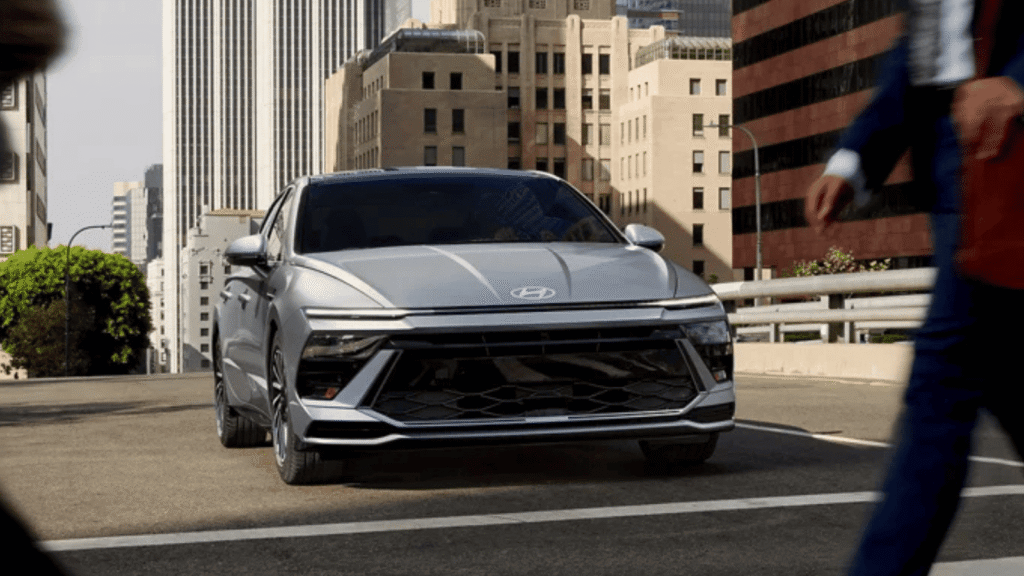
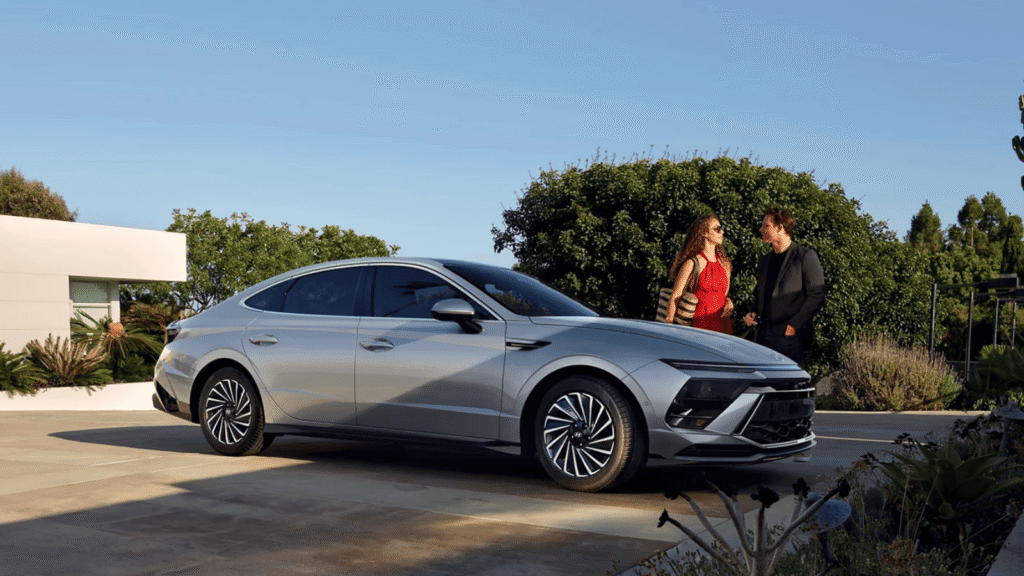
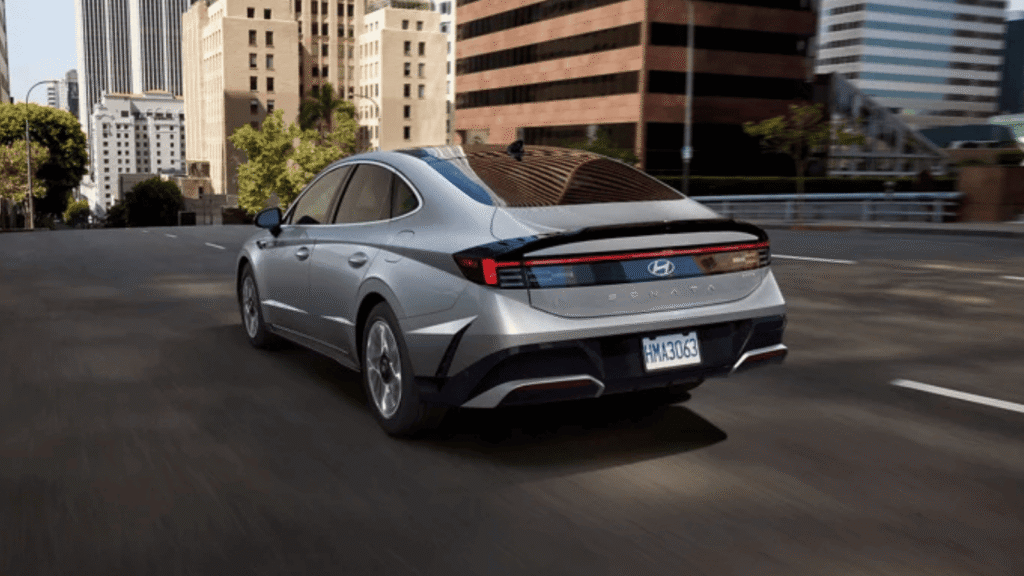
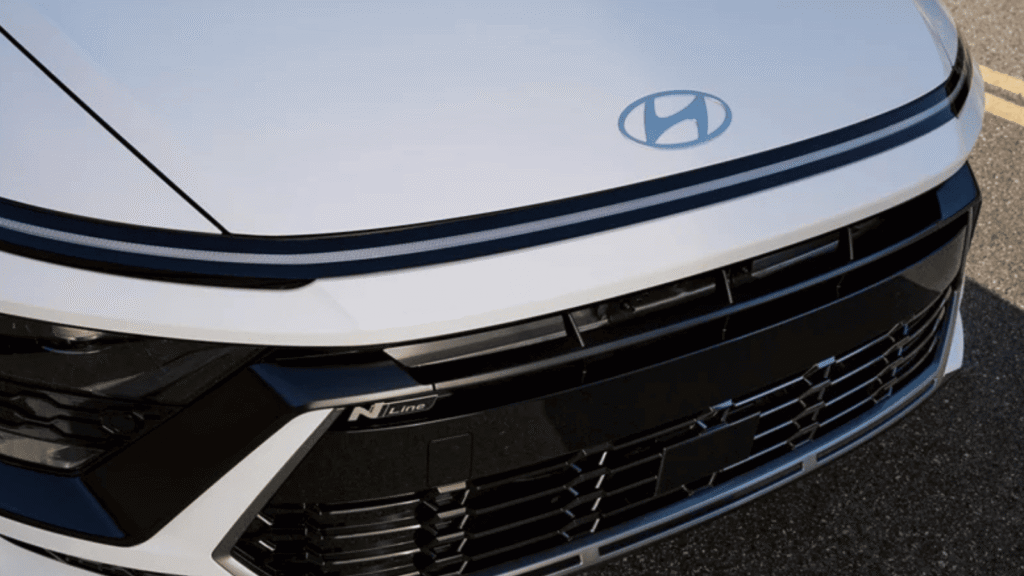
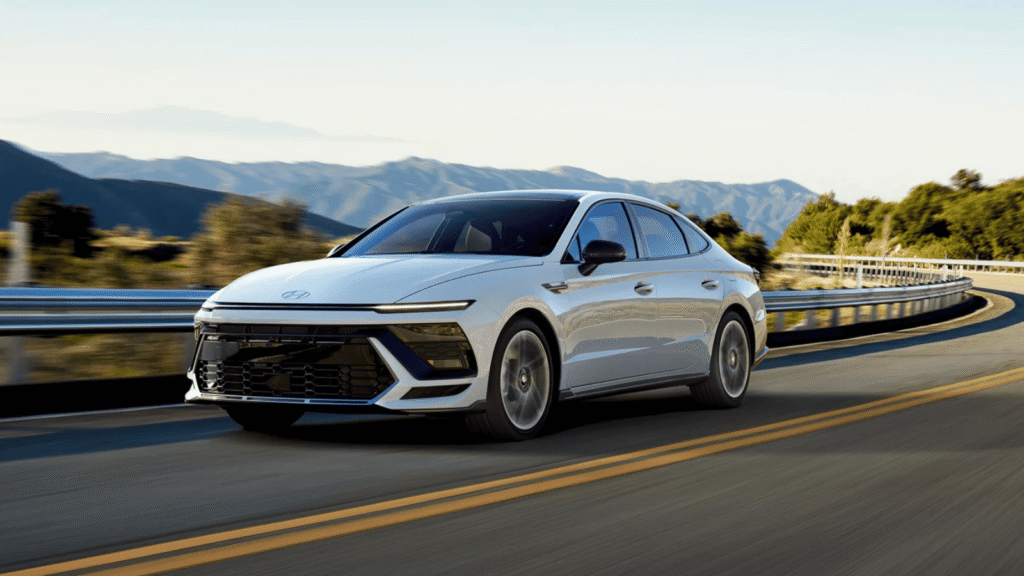
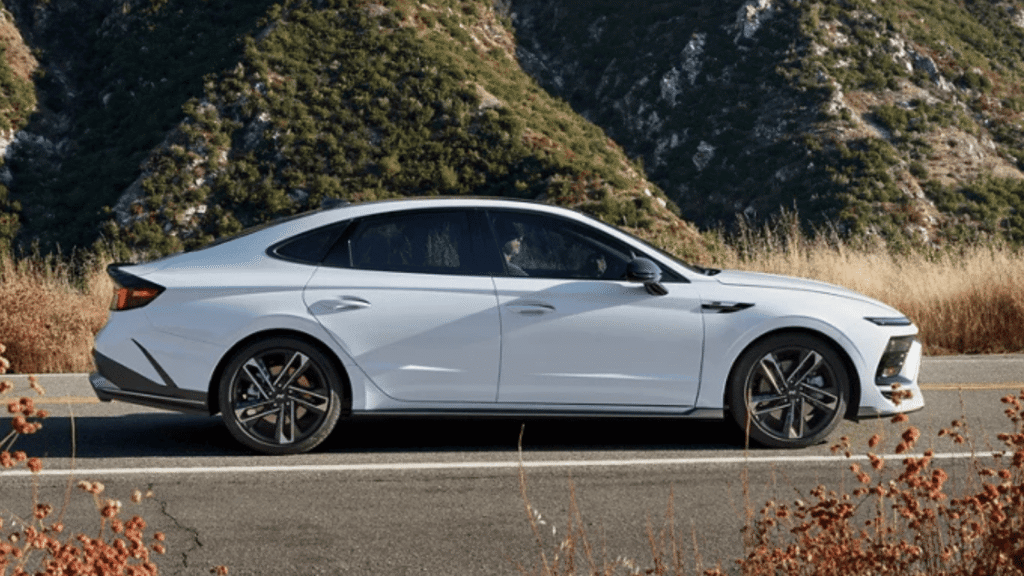
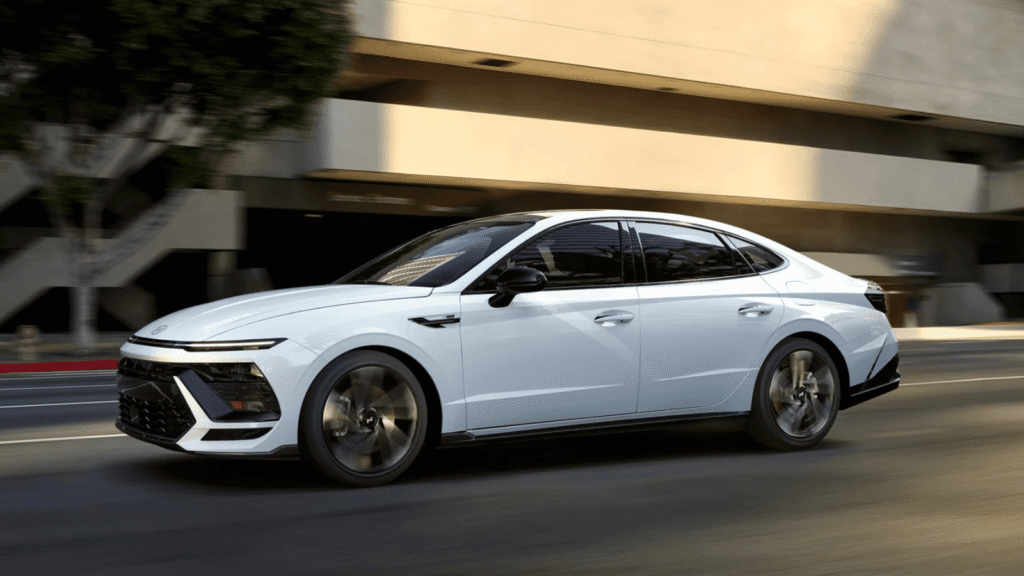
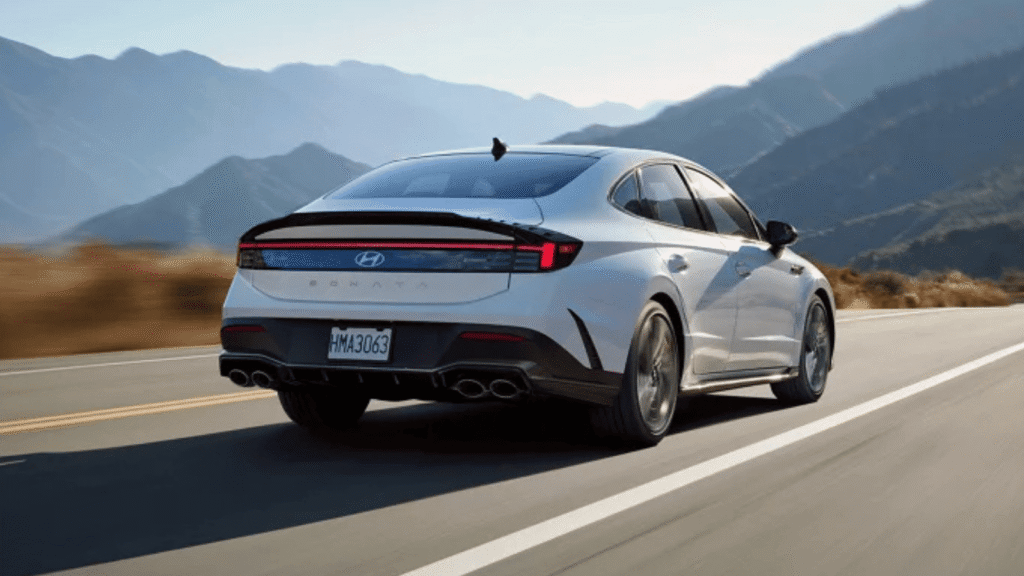
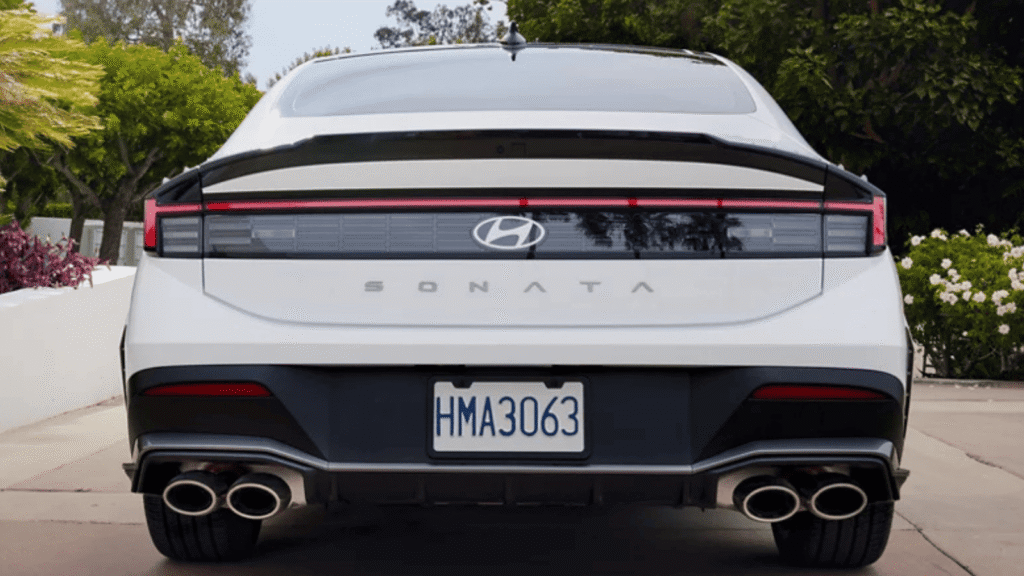
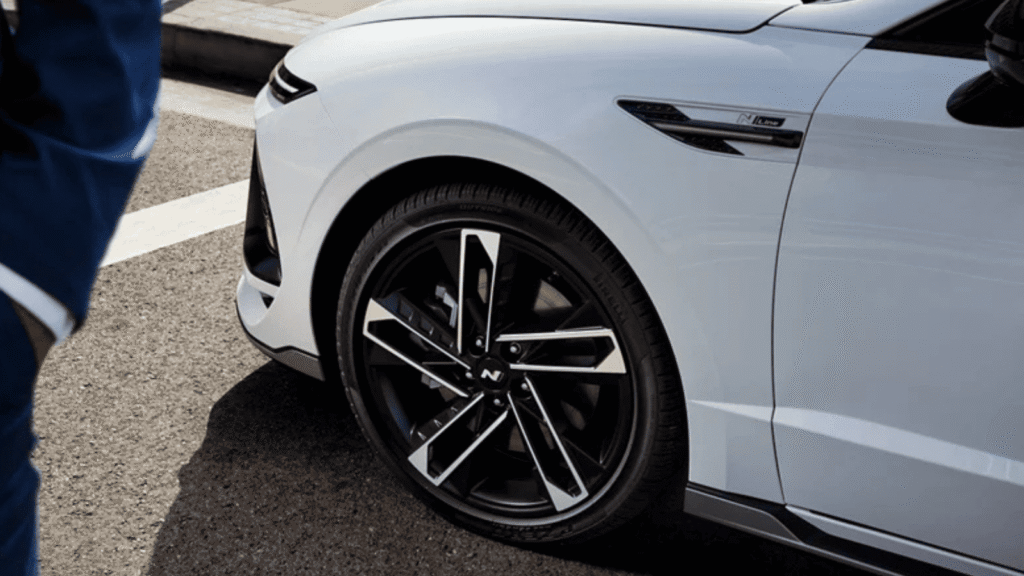
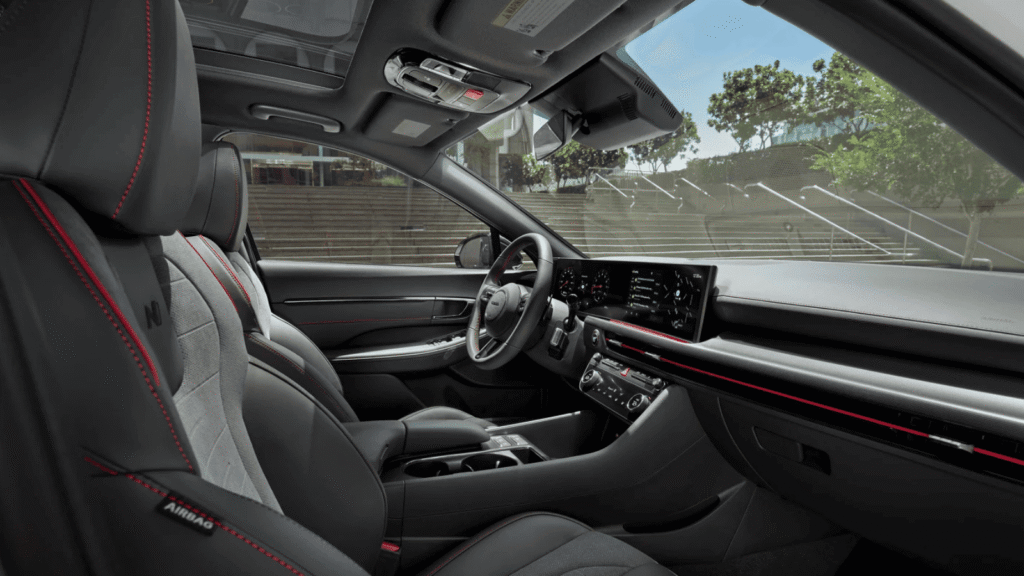
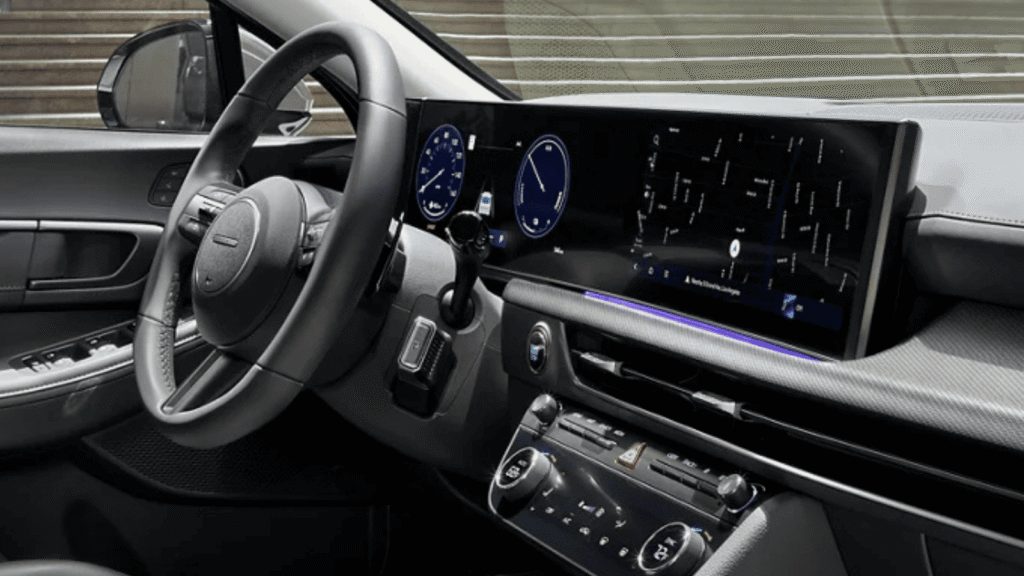
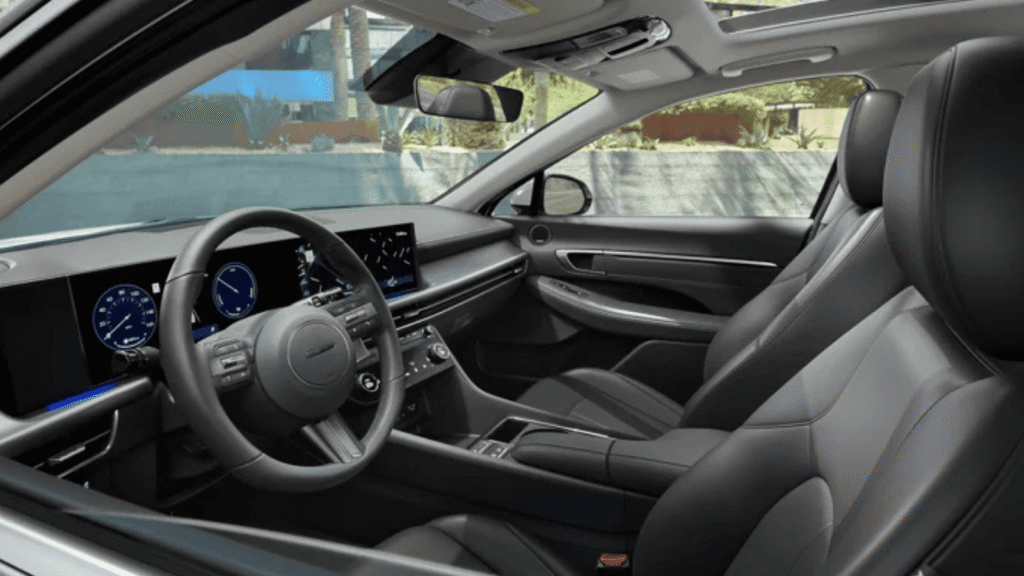
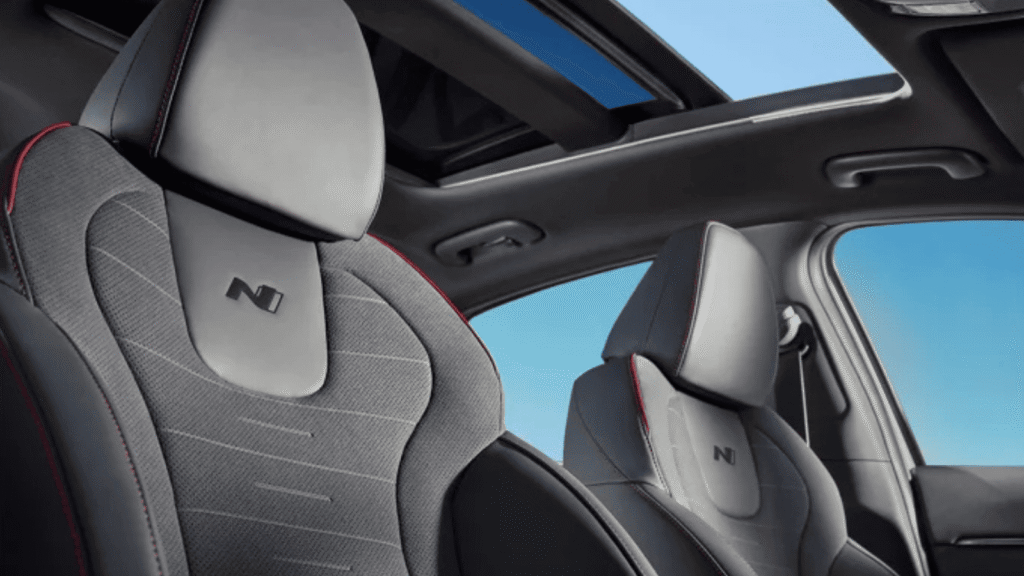
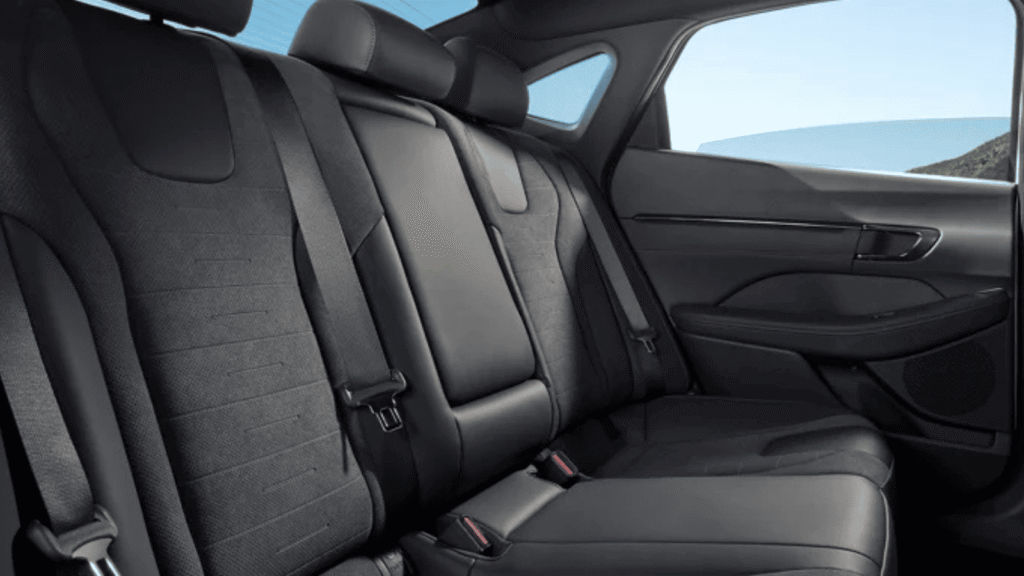
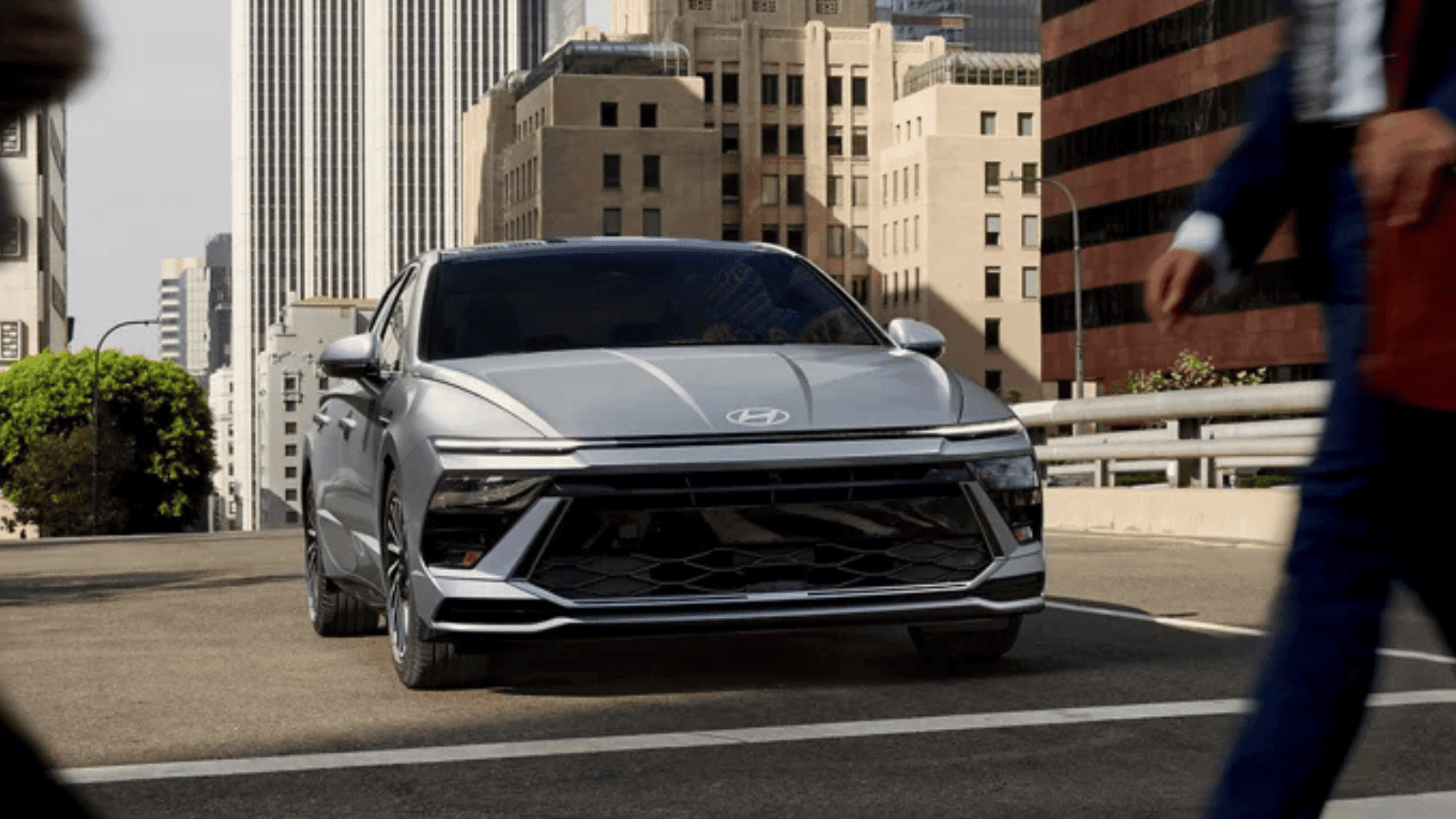
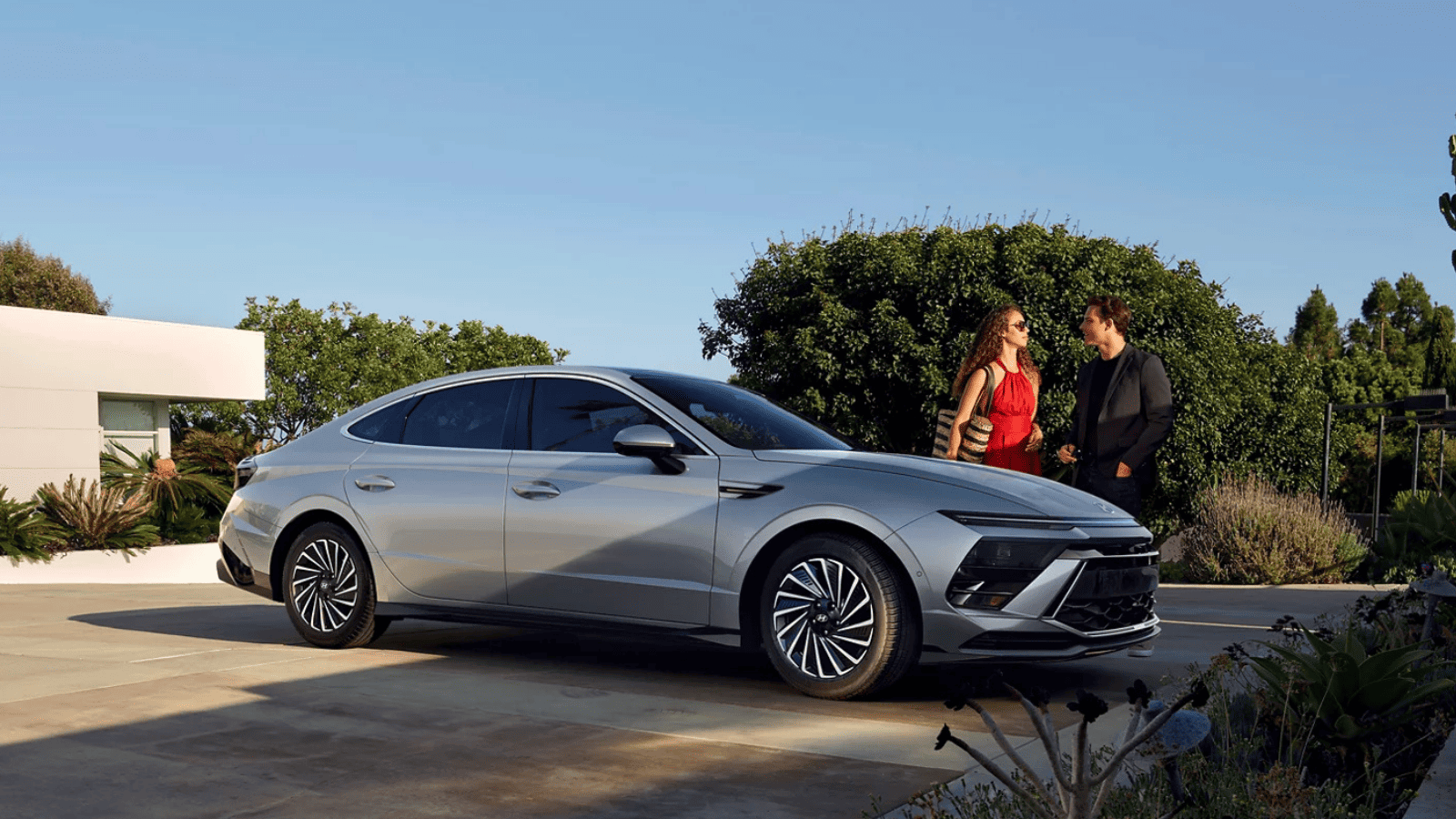
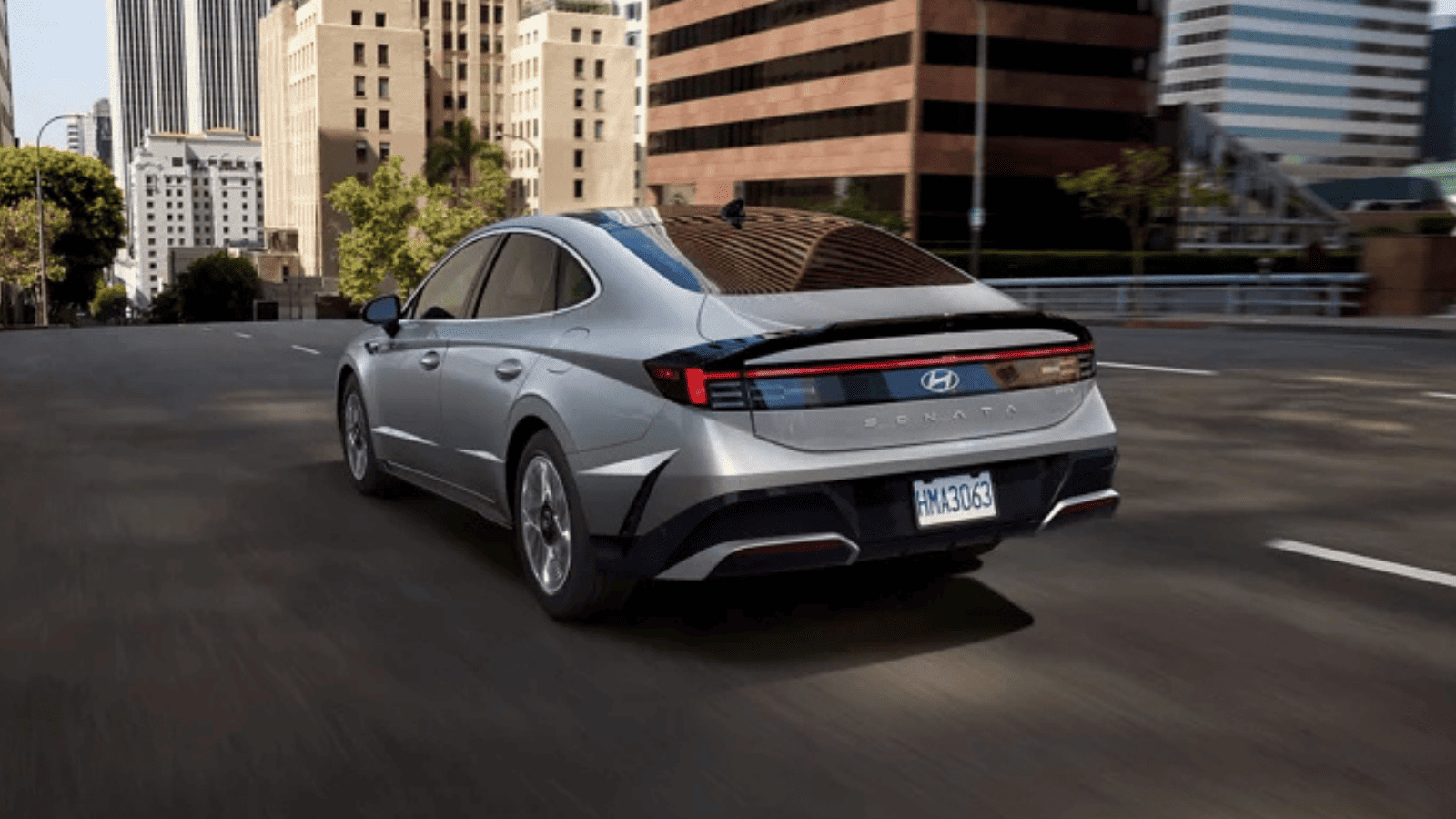
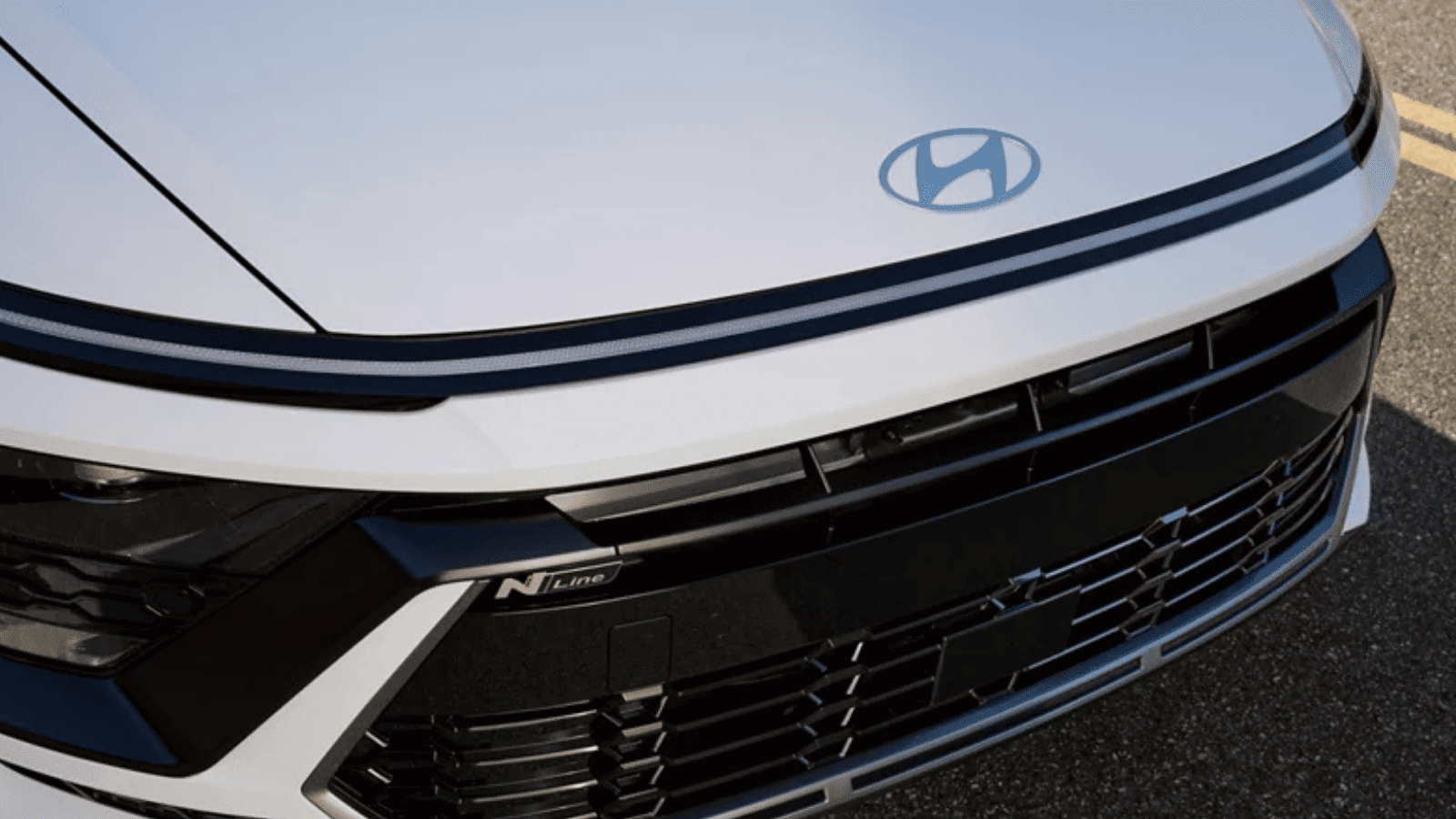
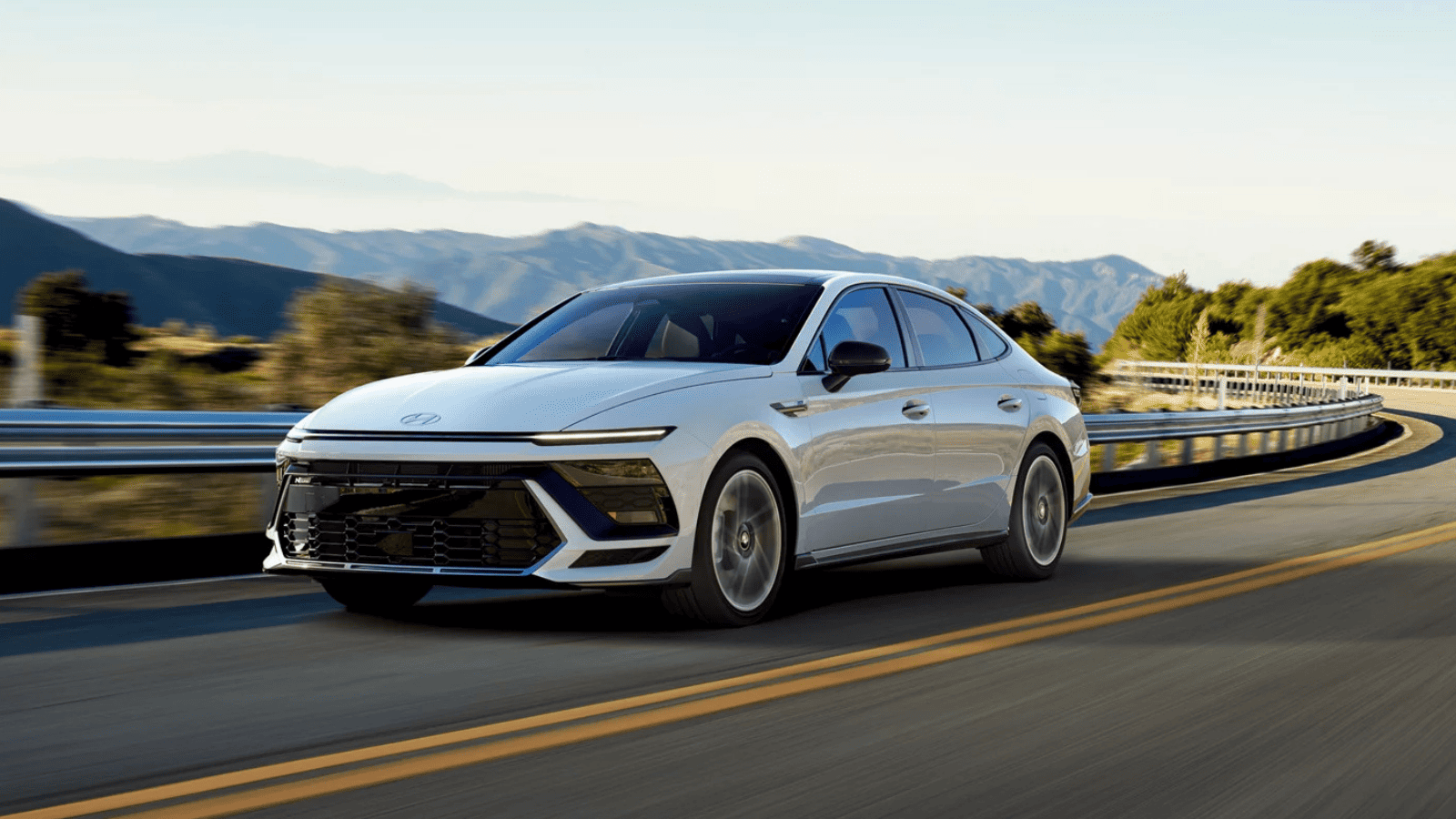
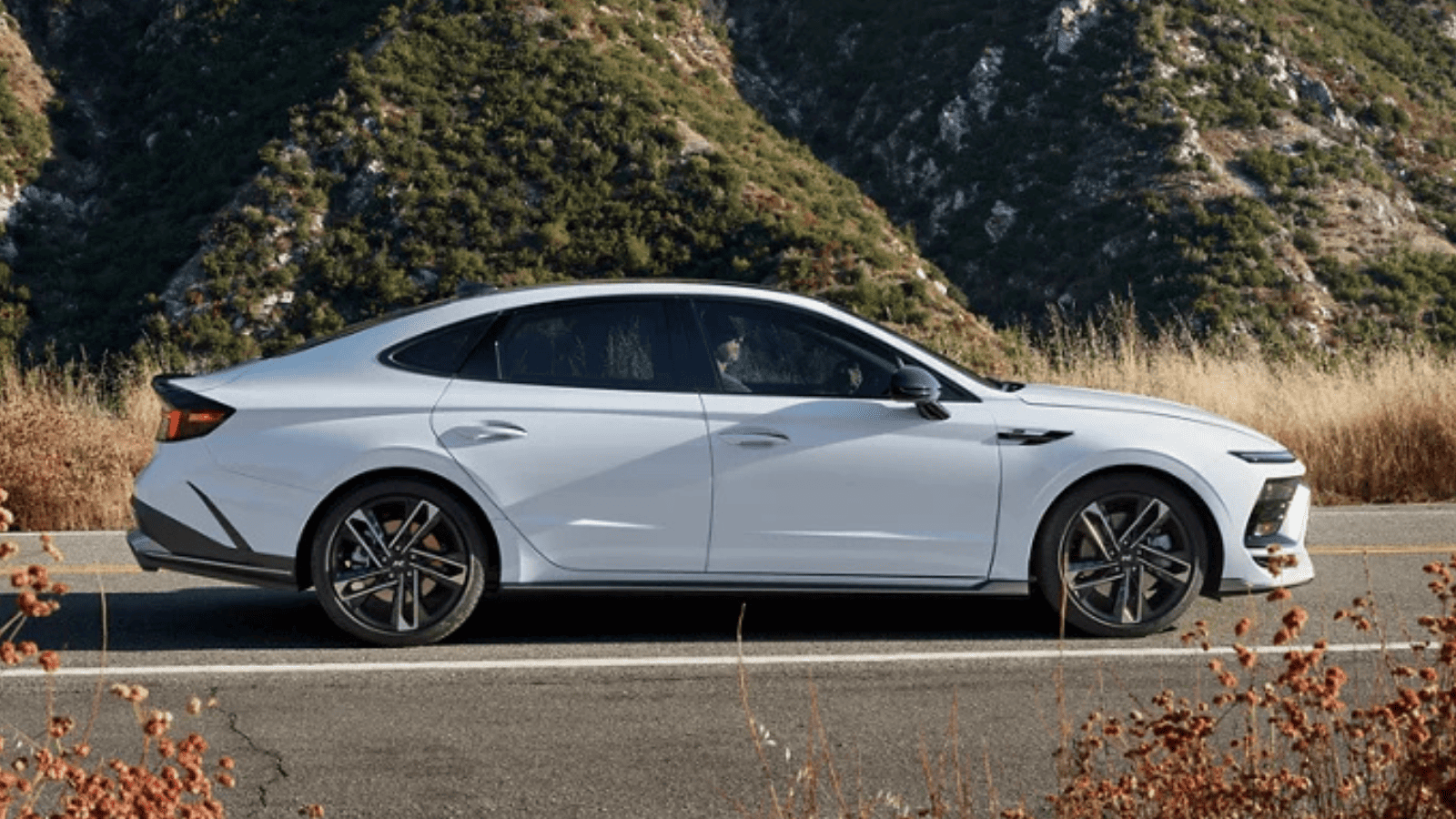
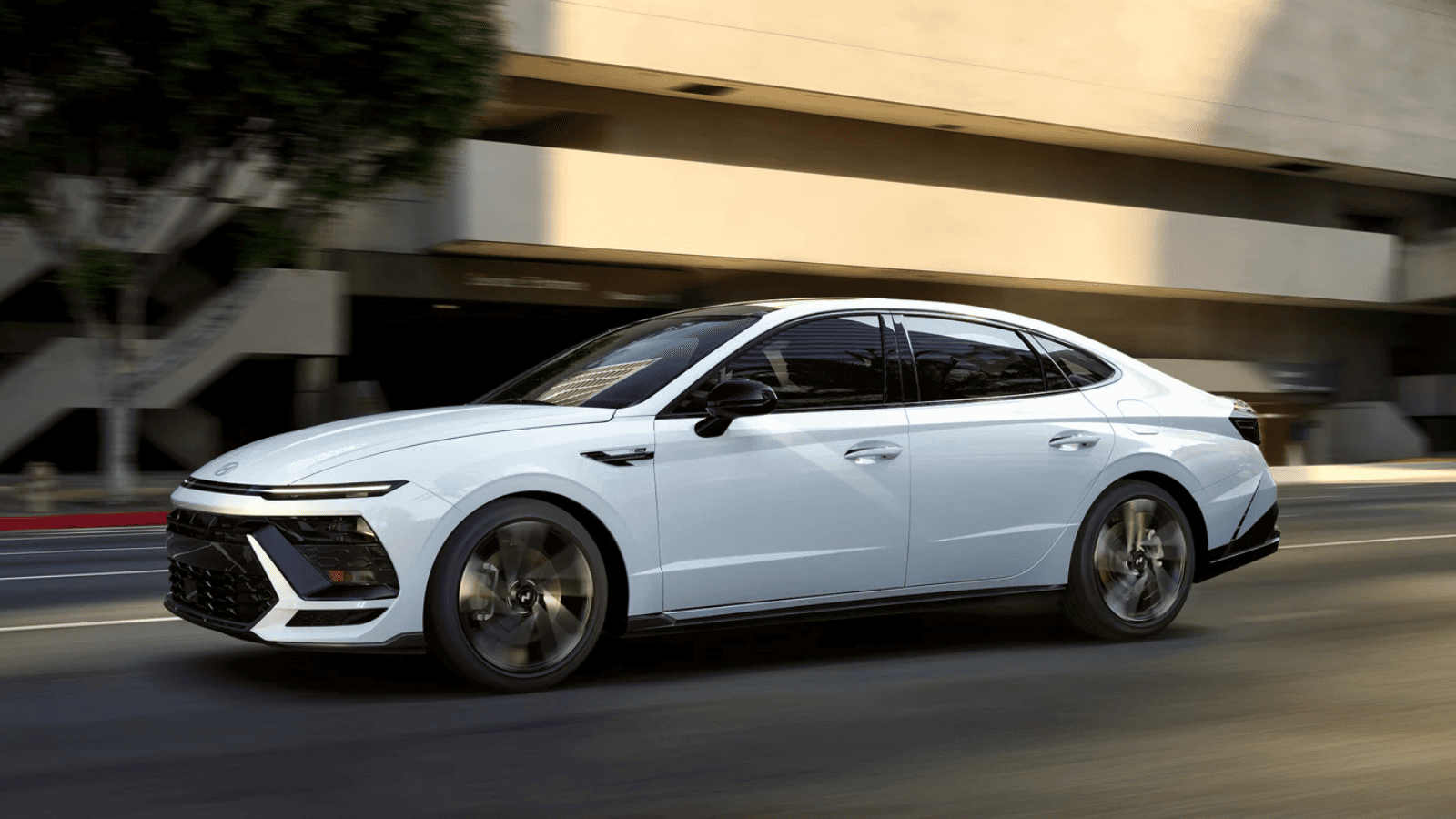
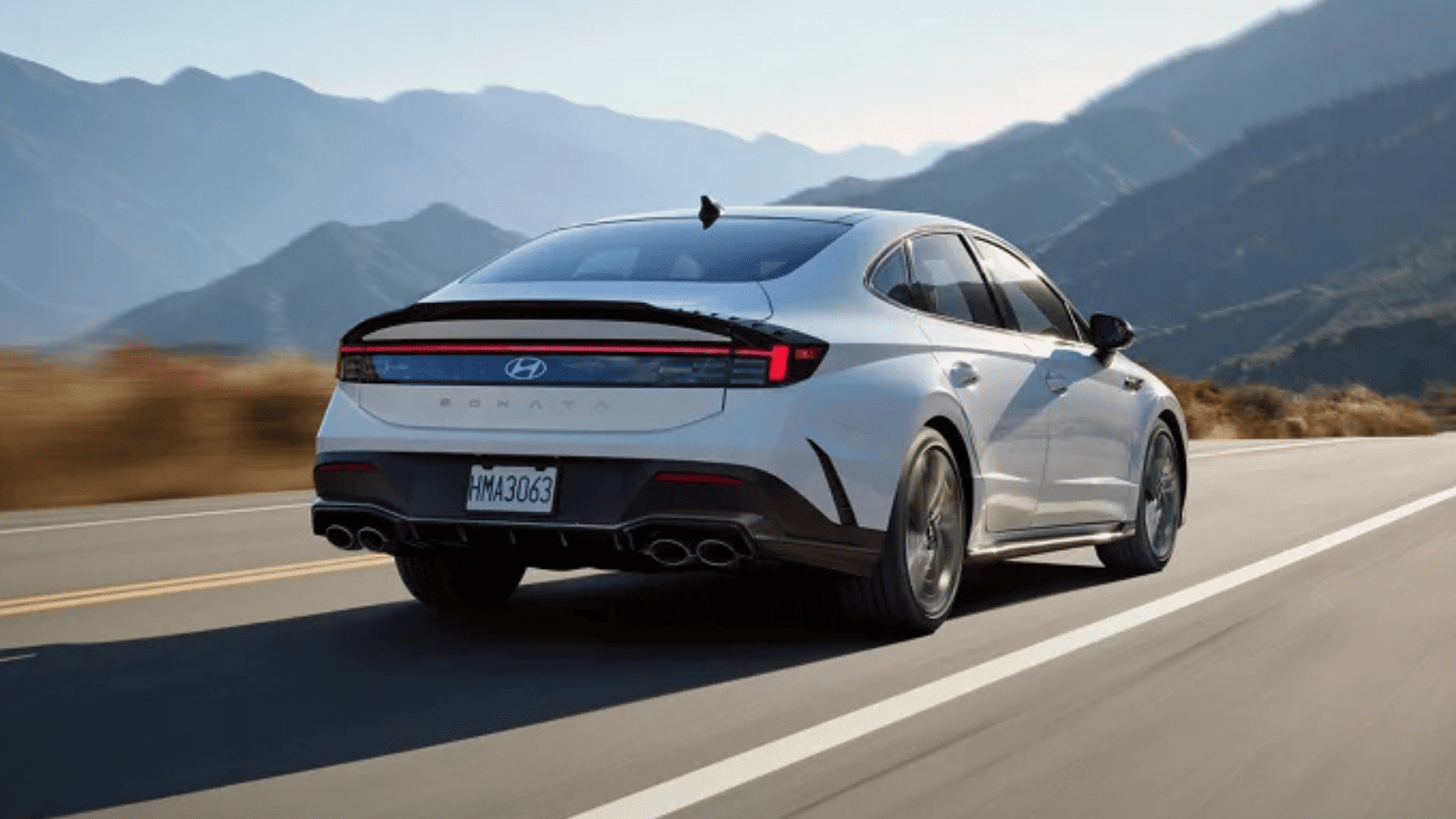
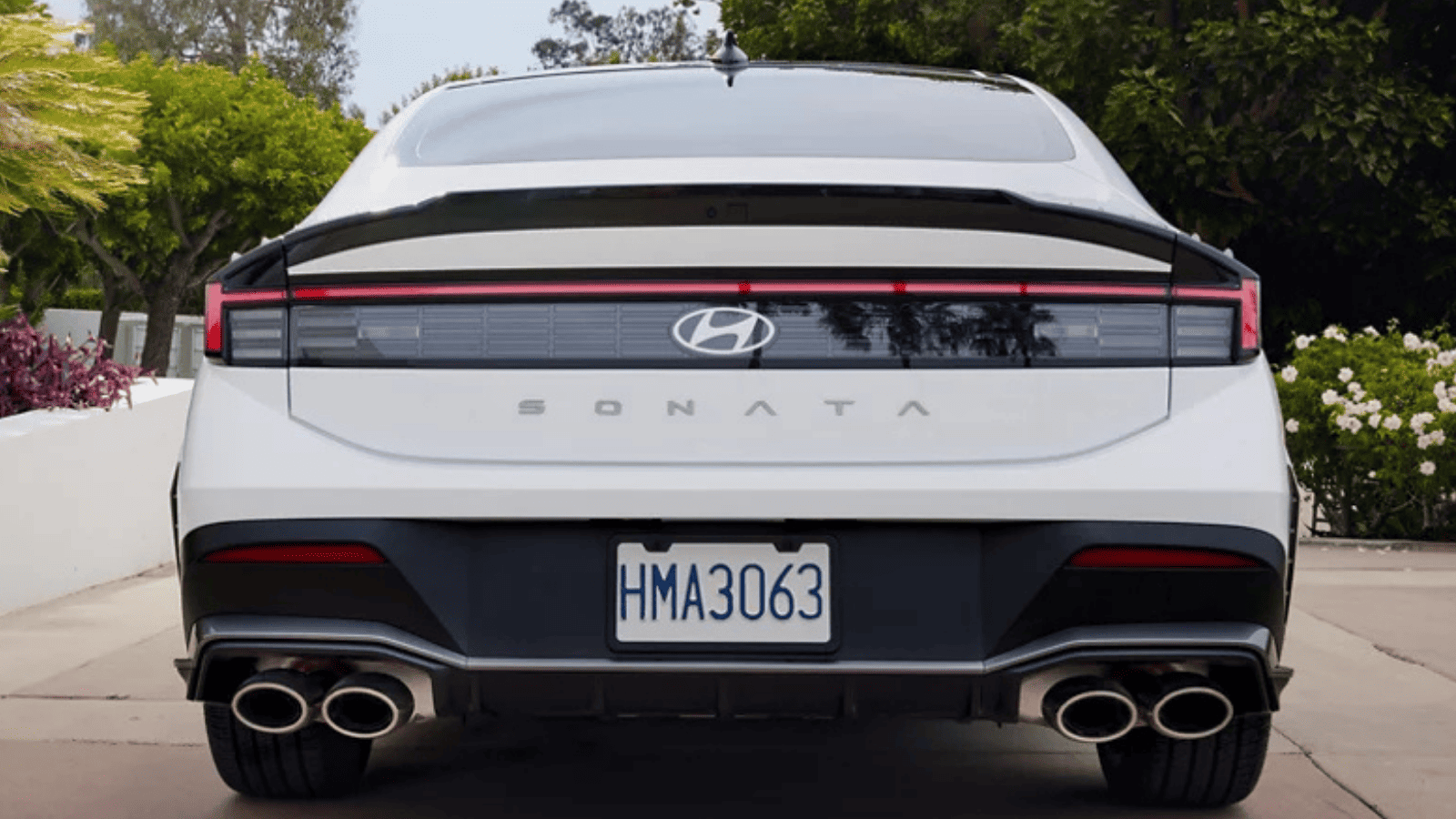
For 2026, the Sonata lineup includes six trims: SE, SEL Sport, N Line, Blue Hybrid, SEL Hybrid, and Limited Hybrid. This broad range gives buyers a choice between low upfront cost, available all-wheel drive, stronger performance, or maximum fuel savings.
The Sonata is best for daily commuters, small families, first-time buyers, and drivers who want sedan comfort, useful trunk space, modern safety technology, and strong warranty coverage.
WheelPedia Rating: 8.7/10
The Hyundai Sonata earns an 8.7/10 WheelPedia Rating for its wide powertrain range, excellent hybrid fuel economy, spacious cabin, large trunk, strong safety results, and long warranty. Its main trade-offs are limited rear-seat legroom compared with a few midsize rivals, no all-wheel drive on the hybrid or N Line models, and a driving experience that prioritizes comfort over handling.
| Rating Category | Score | Weight |
| Safety | 9.5/10 | 20% |
| Reliability and Ownership | 8.0/10 | 15% |
| Performance and Driving | 8.2/10 | 15% |
| Comfort and Practicality | 8.4/10 | 15% |
| Efficiency | 8.8/10 | 15% |
| Features and Technology | 9.0/10 | 10% |
| Price and Value | 9.1/10 | 10% |
| Overall WheelPedia Rating | 8.7/10 | — |
See how WheelPedia rates cars for the full methodology.
Key Highlights
- Starts from $27,450 MSRP in the United States, before freight, taxes, registration, options, and dealer charges.
- Six trims, including three hybrid models.
- Standard gas engine makes 191 hp.
- N Line produces 290 hp from a turbocharged engine.
- Blue Hybrid returns up to an EPA-estimated 51 mpg combined.
- SEL Sport is the only Sonata with available all-wheel drive.
- Every trim includes a 12.3-inch touchscreen.
- Provides 15.6 cubic feet of trunk space.
- Earned a 2026 IIHS Top Safety Pick+ award.
- Best for buyers who want a comfortable, well-equipped midsize sedan with several powertrain choices.
Quick Specifications
| Specification | Hyundai Sonata |
| Vehicle type | Midsize sedan |
| Seating capacity | 5 |
| Standard engine | 2.5L four-cylinder |
| Standard output | 191 hp |
| N Line engine | 2.5L turbocharged four-cylinder |
| N Line output | 290 hp / 311 lb-ft |
| Hybrid powertrain | 2.0L hybrid system |
| Hybrid output | 192 hp combined |
| Transmission | 8-speed automatic, 8-speed wet DCT, or 6-speed hybrid automatic |
| Drivetrain | FWD standard; AWD available on SEL Sport |
| Best fuel economy | Up to 51 mpg combined |
| Trunk capacity | 15.6 cu. ft. |
| Length | 193.3 in. |
| Width | 73.2 in. |
| Height | 56.9 in. |
| Wheelbase | 111.8 in. |
Expert Tip: The SEL Sport is the best overall choice for most gas-model buyers because it adds comfort features and optional AWD. Choose the Blue Hybrid if lower fuel costs are the priority, or the N Line if you want meaningful performance.
About the Hyundai Sonata
The Sonata is Hyundai’s midsize sedan and sits above the Hyundai Elantra in size, passenger room, and refinement.
Its strongest advantage is choice. The SE and SEL Sport focus on affordability and normal commuting. The N Line turns the Sonata into a genuinely quick sport sedan. Hybrid trims are designed for buyers who want strong fuel economy without moving to a compact car.
Every Sonata has four doors, room for five, a 60/40 split-folding rear seat, and a useful 15.6-cubic-foot trunk. It is a strong alternative for buyers who do not need an SUV’s higher seating position or cargo height.
Price and Trims
These are starting MSRPs for the 2026 Hyundai Sonata before freight, taxes, registration, accessories, and dealer charges.
| Trim | Starting MSRP | Powertrain | Best For |
| SE | $27,450 | 191-hp 2.5L / FWD | Buyers seeking the lowest price |
| SEL Sport | $29,150 | 191-hp 2.5L / FWD or AWD | Best gas-model value |
| Blue Hybrid | $29,200 | 192-hp hybrid / FWD | Maximum fuel economy |
| SEL Hybrid | $32,450 | 192-hp hybrid / FWD | Best mix of hybrid features and value |
| N Line | $36,050 | 290-hp turbo / FWD | Performance-focused buyers |
| Limited Hybrid | $38,250 | 192-hp hybrid / FWD | Buyers wanting the best-equipped hybrid |
For current specifications, local prices, and availability, see the official Hyundai Sonata page.
Which Hyundai Sonata Trim Is Best?
- Best overall gas trim: SEL Sport
- Best for fuel economy: Blue Hybrid
- Best hybrid value: SEL Hybrid
- Best for performance: N Line
- Best for premium hybrid features: Limited Hybrid
The SE is a good choice for buyers who want a large, modern sedan at the lowest price. The SEL Sport is the trim most gas-model buyers should consider because it adds more convenience features and is the only Sonata with available AWD.
The Blue Hybrid is the right choice for high-mileage drivers. Its 51-mpg combined rating can make a major difference in fuel spending. The SEL Hybrid adds more features while still returning an excellent 47 mpg combined.
The N Line is for drivers who care more about power and sharper responses than maximum fuel economy. The Limited Hybrid is best for buyers who want premium comfort, technology, and hybrid efficiency in one package.
Engines, Hybrid System, and Performance
The Sonata has three distinct powertrain choices.
2.5L Four-Cylinder Engine
SE and SEL Sport models use a 2.5-liter four-cylinder engine producing 191 horsepower. It is designed for everyday driving, commuting, and lower ownership costs.
The SE is front-wheel drive only. SEL Sport models are available with front-wheel drive or HTRAC all-wheel drive.
2.5L Turbocharged N Line Engine
The Sonata N Line uses a turbocharged 2.5-liter four-cylinder producing 290 horsepower and 311 lb-ft of torque. It sends power to the front wheels through an N eight-speed wet dual-clutch transmission with paddle shifters.
The N Line is significantly quicker than the standard Sonata and has N-specific suspension tuning, sport seats, larger wheels, upgraded brakes, and more aggressive exterior styling.
Hybrid Powertrain
Blue Hybrid, SEL Hybrid, and Limited Hybrid models use a 2.0-liter gasoline-electric hybrid powertrain with 192 combined horsepower and a six-speed automatic transmission.
The Sonata Hybrid is not a plug-in hybrid. You do not charge it at home; it recharges its battery through the gasoline engine and regenerative braking.
Driving Experience
The standard Sonata is easy to drive, comfortable on long trips, and well suited to daily commuting. The ride is generally smooth, steering is light, and the long wheelbase gives it a stable feel on the highway.
The SEL Sport with AWD is a good choice for buyers in snowy or wet climates. It will not turn the Sonata into a performance sedan, but it provides more traction confidence than the front-wheel-drive trims.
The Sonata Hybrid feels particularly well suited to city traffic. Its electric assistance helps it pull away smoothly, and the hybrid system can reduce engine noise at lower speeds.
The N Line is the enthusiast choice. It has much stronger acceleration and more direct responses, but its larger wheels and sport-focused setup make it firmer than the standard Sonata.
Fuel Economy
| Model | EPA-Estimated City/Highway/Combined MPG |
| Sonata SE | 28 / 38 / 32 mpg |
| Sonata SEL Sport FWD | 25 / 36 / 29 mpg |
| Sonata SEL Sport AWD | 24 / 33 / 27 mpg |
| Sonata N Line | 23 / 32 / 27 mpg |
| Sonata Blue Hybrid | 47 / 56 / 51 mpg |
| Sonata SEL Hybrid | 44 / 51 / 47 mpg |
| Sonata Limited Hybrid | 44 / 51 / 47 mpg |
The Blue Hybrid is the fuel-economy leader. Its 51-mpg combined rating makes it one of the most efficient midsize sedans available without needing a plug.
Actual fuel economy will vary with traffic, temperature, driving style, cargo, tire pressure, weather, and climate-control use.
Interior, Comfort, and Technology
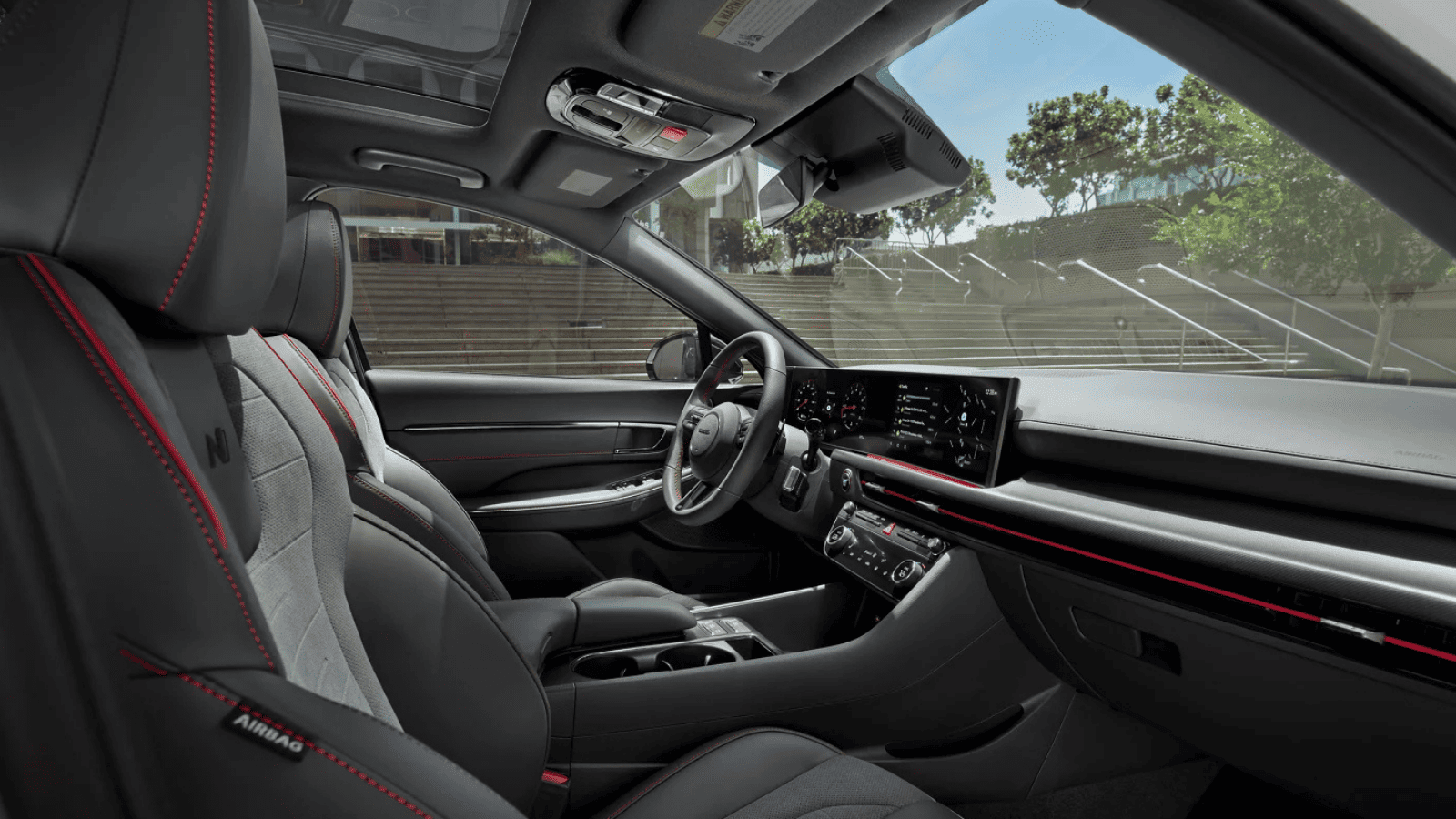
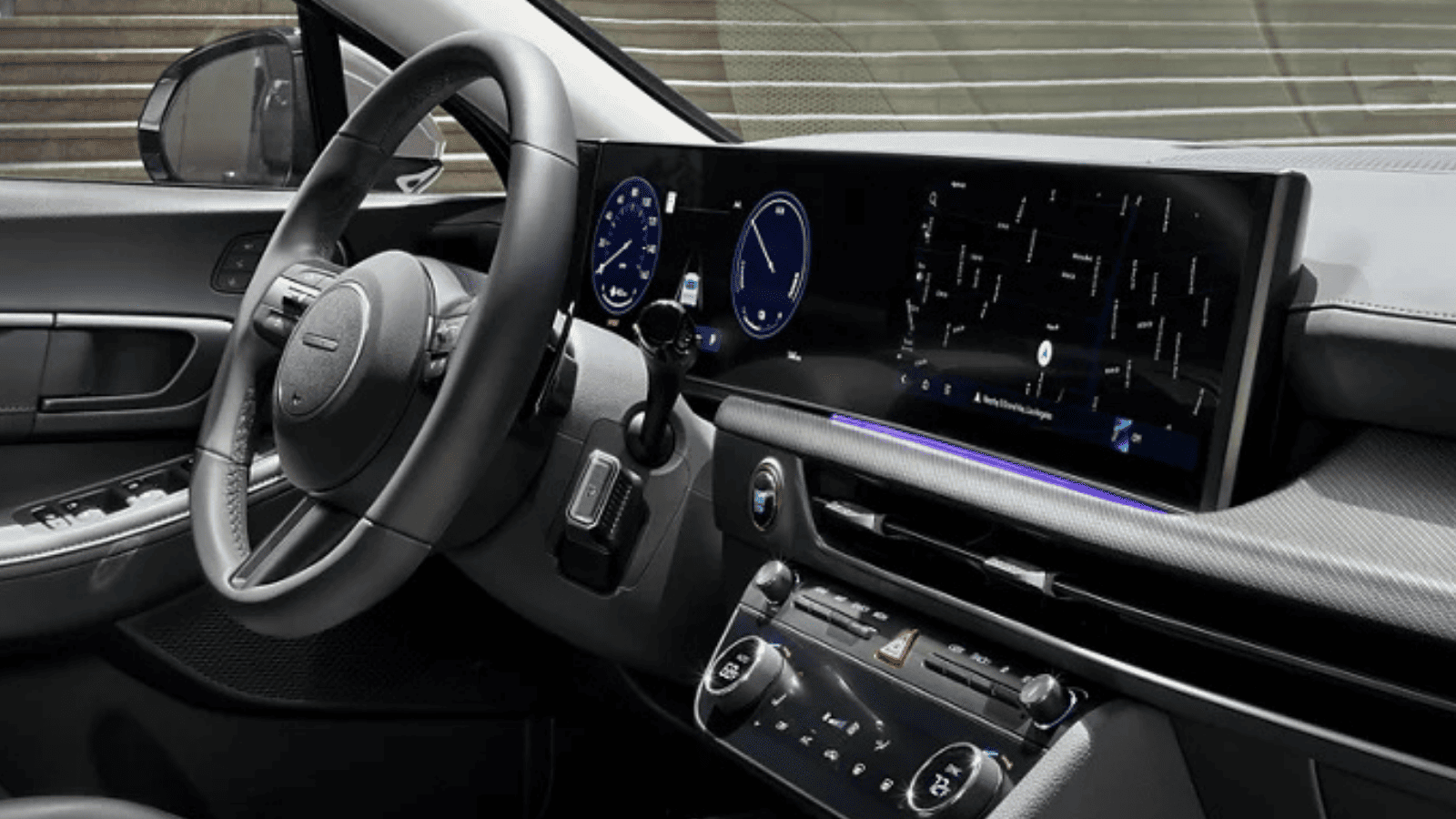
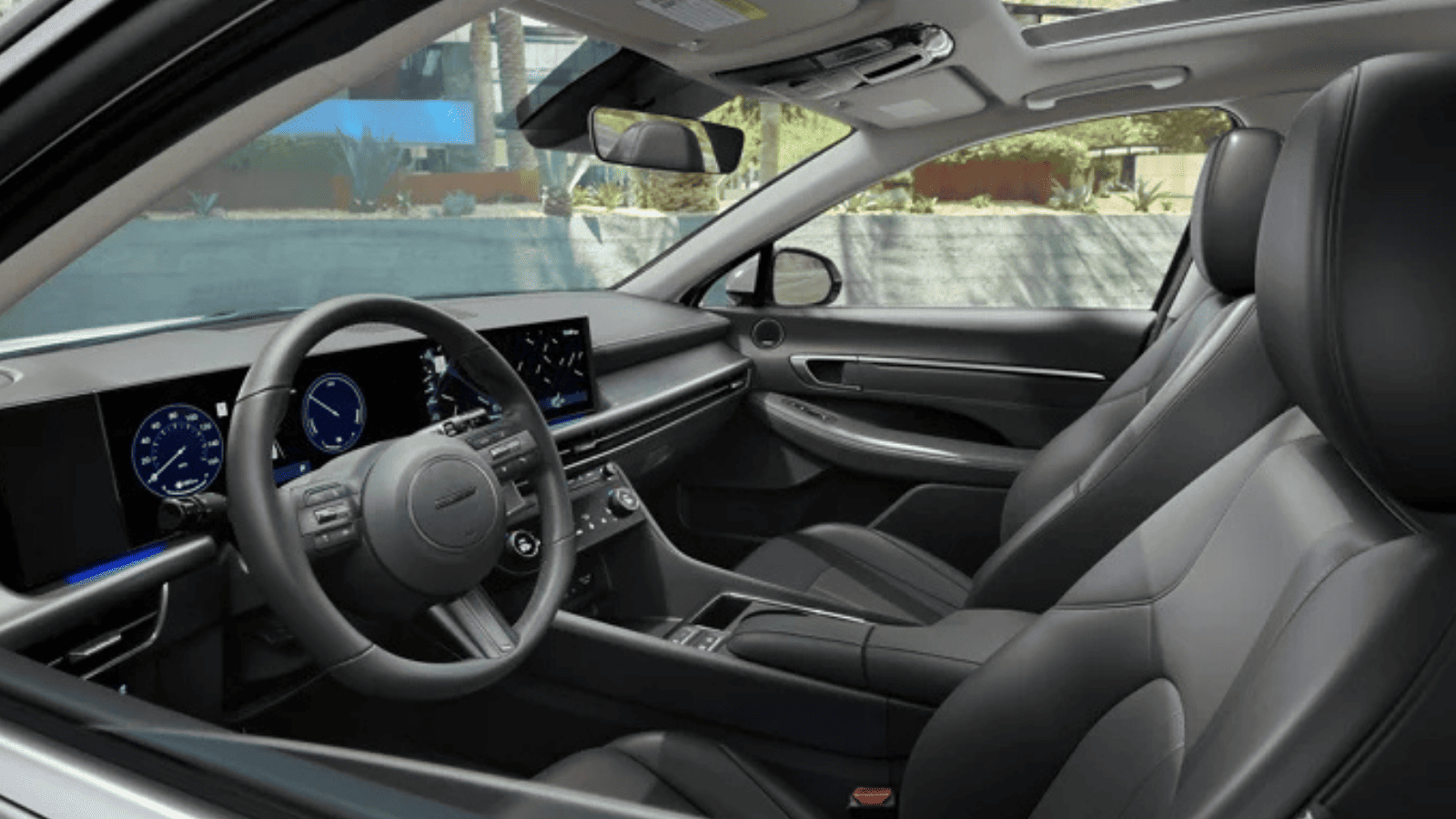
The Sonata has a clean, driver-focused interior with a standard 12.3-inch touchscreen and a layout that is easy to understand.
Standard and available features include:
- 12.3-inch touchscreen infotainment display
- Wireless Apple CarPlay and Android Auto
- Bluetooth and USB-C charging ports
- Available 12.3-inch digital instrument cluster
- Hyundai Digital Key 2 Premium on selected trims
- Bluelink+ connected-car services
- Available wireless phone charging
- Available Bose premium audio system
- Available heated and ventilated front seats
- Available heated steering wheel
- Available panoramic sunroof
- Available navigation
- Available Highway Driving Assist
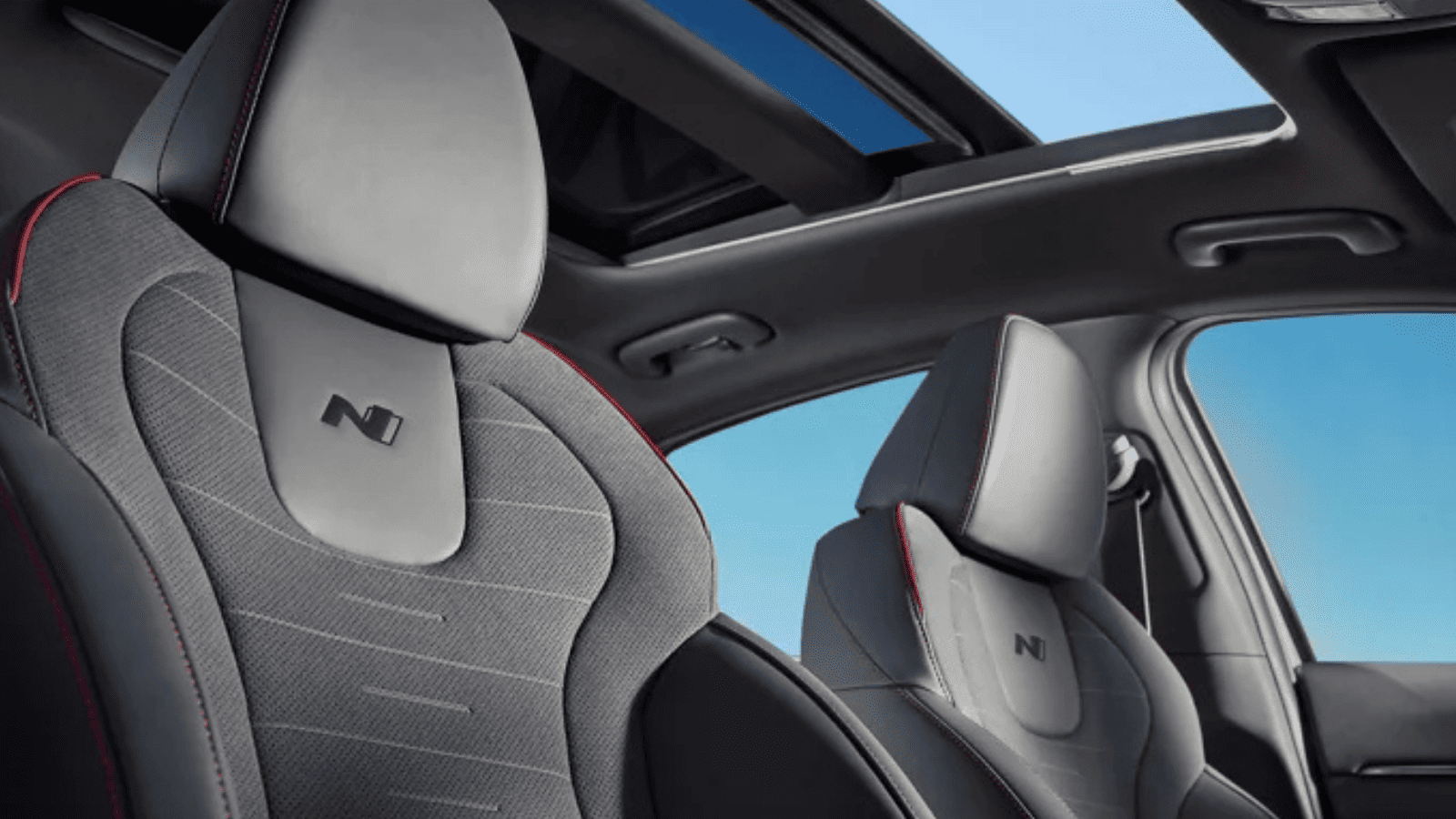
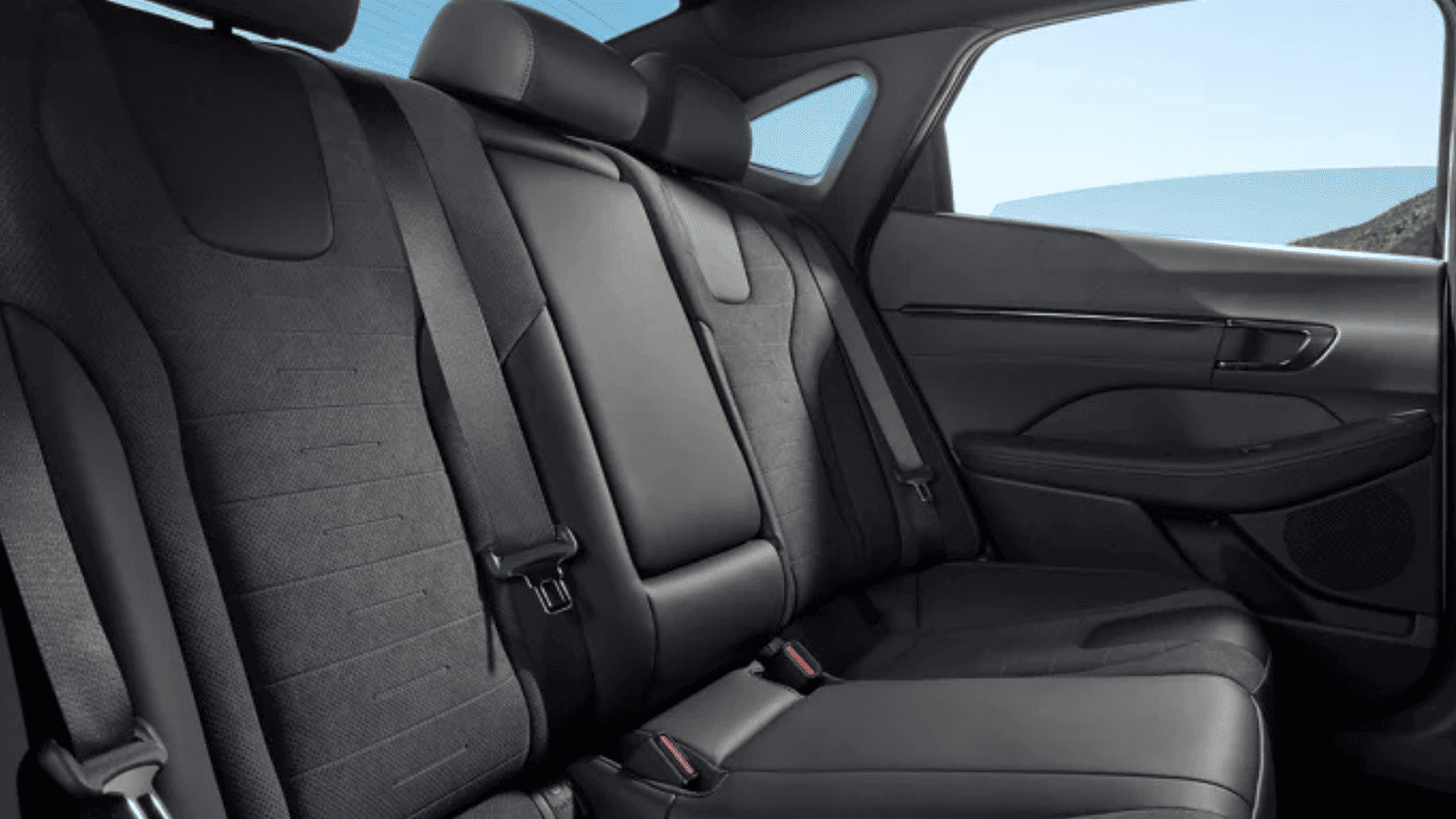
The front seats are comfortable for commuting and road trips. Rear-seat room is adequate for adults, but taller rear passengers may want more legroom than the Sonata provides.
The N Line has unique sport front seats with microfiber inserts and more visible performance-focused details. The Limited Hybrid gives buyers the most comfort and convenience equipment.
Dimensions, Trunk Space, and Practicality
| Measurement | Sonata |
| Front legroom | 46.1 in. |
| Rear legroom | 34.8 in. |
| Front headroom | 40.0 in. |
| Rear headroom | 37.8 in. |
| Trunk capacity | 15.6 cu. ft. |
| Seating | 5 passengers |
The Sonata’s 15.6-cubic-foot trunk is generous for a midsize sedan. It has enough room for groceries, luggage, work equipment, and most family errands.
The 60/40 split-folding rear seat adds flexibility for longer items. Still, buyers who regularly carry bulky cargo, tall pets, or strollers may prefer a midsize SUV.
Exterior Design
The Hyundai Sonata has a sleek, low-slung design with a wide grille, thin lighting elements, and a coupe-like roofline. It looks more dramatic than many traditional midsize sedans.
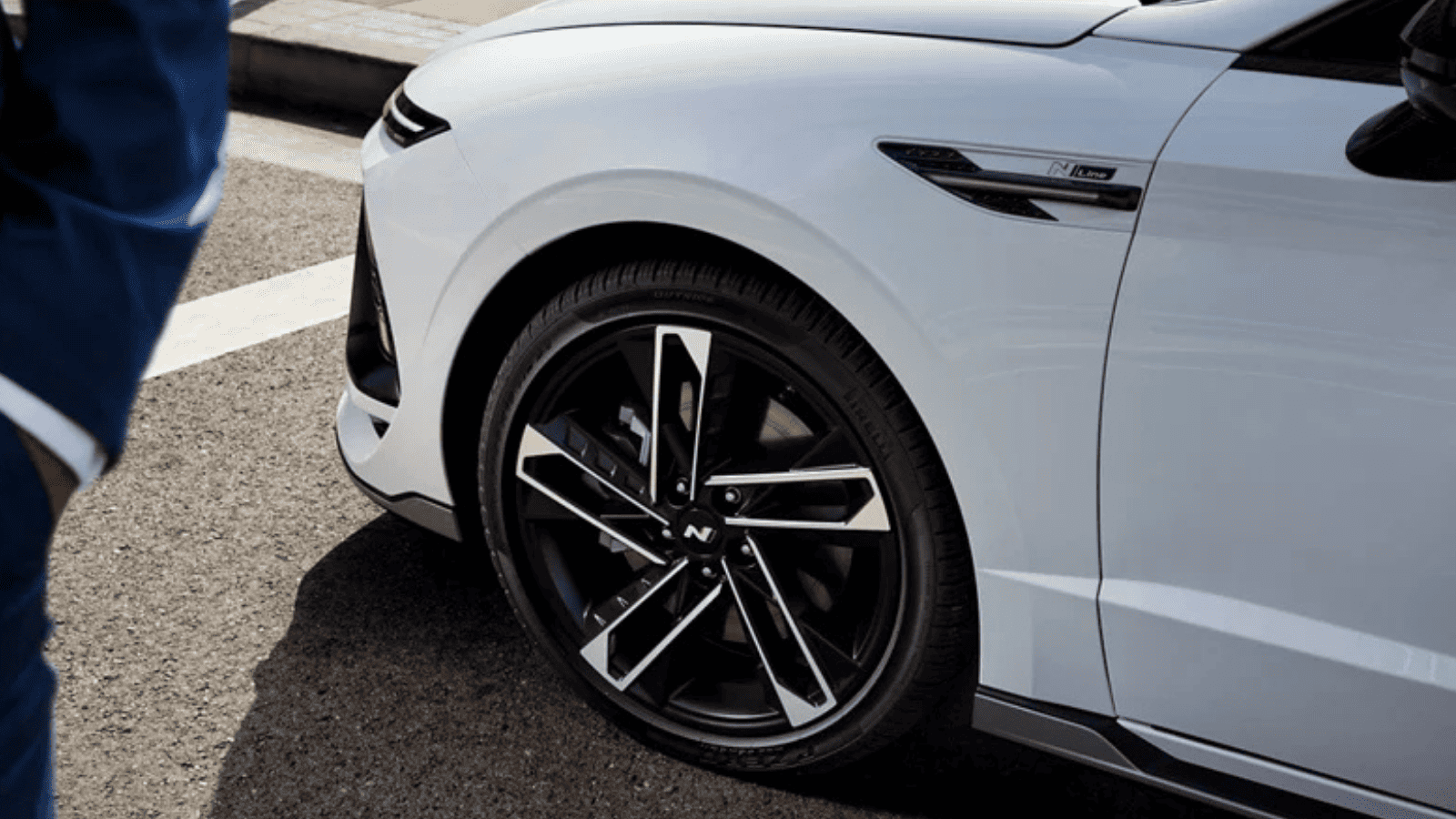
SE and SEL Sport trims have a clean, modern look. The N Line has a more aggressive front fascia, unique wheels, sportier side skirts, rear diffuser styling, and dual exhaust outlets.
Hybrid models look similar to the gas trims but focus more on efficiency than performance. The Limited Hybrid has the most polished appearance within the hybrid lineup.
Safety Features and Ratings
The Sonata includes Hyundai SmartSense driver-assistance technology. Standard and available features include:
- Forward Collision-Avoidance Assist
- Pedestrian and cyclist detection
- Lane Keeping Assist
- Lane Following Assist
- Driver Attention Warning
- High Beam Assist
- Blind-Spot Collision Warning
- Rear Cross-Traffic Collision-Avoidance Assist
- Rear automatic emergency braking
- Safe Exit Warning
- Smart Cruise Control
- Navigation-based Smart Cruise Control
- Highway Driving Assist
- Available surround-view monitor
The 2026 Hyundai Sonata earned an IIHS Top Safety Pick+ award. Its current IIHS results include Good ratings in small-overlap front, updated moderate-overlap front, and updated side-impact tests. IIHS also lists Good pedestrian front-crash prevention and seat-belt reminder ratings. Review the full IIHS midsize-car safety results for current details.
Buyers should also check the latest NHTSA information and run a VIN-specific recall search before buying new or used.
Reliability, Warranty, and Ownership
The Sonata makes a strong ownership case because it combines a practical sedan body style, good gas or hybrid fuel economy, and Hyundai’s long standard warranty.
| Coverage | Length |
| New vehicle limited warranty | 5 years / 60,000 miles |
| Powertrain limited warranty | 10 years / 100,000 miles |
| Hybrid battery and system components | 10 years / 100,000 miles |
| Roadside assistance | 5 years / unlimited miles |
| Anti-perforation warranty | 7 years / unlimited miles |
The hybrid models should cost less to fuel than the gas and N Line models. The N Line will likely have higher insurance, tire, brake, and fuel costs because of its turbocharged engine and performance equipment.
Follow Hyundai’s maintenance schedule, retain service records, and confirm open recall work before purchasing.
Pros and Cons
What We Like
- Wide choice of gas, hybrid, AWD, and performance options
- Blue Hybrid returns up to 51 mpg combined
- N Line has a strong 290-hp turbocharged engine
- 15.6-cubic-foot trunk is useful for a sedan
- Standard 12.3-inch touchscreen
- Strong standard safety technology
- Long powertrain and hybrid-system warranty
- Comfortable front seats and stable highway ride
- 2026 IIHS Top Safety Pick+ award
- SEL Sport offers available AWD
What We Don’t Like
- Rear-seat legroom is only average for the class
- Hybrid and N Line models are front-wheel drive only
- N Line ride is firmer than standard trims
- No plug-in hybrid option
- Upper hybrid trims get expensive
- Standard gas engine is not especially quick
- Sedan shape is less useful for bulky cargo than an SUV
Competitors
The Hyundai Sonata competes with midsize sedans such as the Toyota Camry, Honda Accord, Nissan Altima, Kia K5, and Mazda6.
The Sonata stands out because it offers a true performance N Line, a highly efficient 51-mpg hybrid, and available AWD on the SEL Sport. The Toyota Camry is worth considering for buyers who want a hybrid-only lineup and available AWD on selected hybrid trims. The Honda Accord is a strong alternative for buyers who prioritize refined driving manners and rear-seat space.
Related WheelPedia Content
Before financing a Sonata, read how car financing works and consider getting a car loan preapproval before visiting a dealership.
If you are deciding whether a sedan is the right choice, review our new vs. used car guide. Used-car buyers should also read how to check a car’s accident history before making an offer.
Should You Buy the Hyundai Sonata?
Buy the Hyundai Sonata if you want a well-equipped midsize sedan with modern safety technology, a useful trunk, long warranty coverage, and several powertrain choices.
Choose the SE if price matters most. Choose the SEL Sport if you want the best gas-model balance and available AWD. Choose the Blue Hybrid if you want maximum fuel savings. Choose the SEL Hybrid if you want more features without sacrificing much MPG. Choose the N Line if performance matters most. Choose the Limited Hybrid if you want the most premium hybrid version.
Skip the Sonata if you need a full-size back seat for tall adults, SUV cargo flexibility, all-wheel drive with a hybrid powertrain, or heavier towing capability.
Hyundai Sonata FAQs
How much does the Hyundai Sonata cost?
The 2026 Hyundai Sonata starts at $27,450 MSRP in the United States, before freight, taxes, registration, options, and dealer charges.
What is the most fuel-efficient Hyundai Sonata?
The Sonata Blue Hybrid is the most efficient version. It returns up to an EPA-estimated 47 mpg city, 56 mpg highway, and 51 mpg combined.
Does the Hyundai Sonata have all-wheel drive?
Yes, but only the Sonata SEL Sport offers available HTRAC all-wheel drive. SE, N Line, and hybrid models are front-wheel drive.
How much horsepower does the Hyundai Sonata have?
SE and SEL Sport models produce 191 horsepower. The Sonata N Line produces 290 horsepower. Hybrid models produce 192 combined horsepower.
Is the Hyundai Sonata Hybrid a plug-in hybrid?
No. It is a conventional hybrid that recharges its battery through the engine and regenerative braking. You do not plug it in to charge.
Is the Hyundai Sonata N Line fast?
Yes. The Sonata N Line is significantly quicker than other Sonata trims because of its 290-hp turbocharged engine and wet dual-clutch transmission.
How much trunk space does the Hyundai Sonata have?
The Sonata has 15.6 cubic feet of trunk space and a 60/40 split-folding rear seat.
Is the Hyundai Sonata safe?
Yes. The 2026 Sonata earned an IIHS Top Safety Pick+ award and includes a useful range of standard driver-assistance features. Confirm the exact trim, build date, and current VIN-specific recall status before buying.
Does the Hyundai Sonata have Apple CarPlay and Android Auto?
Yes. Apple CarPlay and Android Auto are available across the Sonata lineup.
How long is the Hyundai Sonata warranty?
The Sonata includes a 5-year/60,000-mile new-vehicle limited warranty and a 10-year/100,000-mile powertrain limited warranty. Hybrid models also have 10-year/100,000-mile hybrid battery and system-component coverage.
Final Verdict
The Hyundai Sonata is one of the most flexible midsize sedan choices available. Buyers can choose low-cost gas models, an AWD-equipped SEL Sport, a 290-hp N Line, or hybrid trims that return up to 51 mpg combined.
Its rear seat is not the roomiest in the class, but the Sonata makes up for that with a useful trunk, strong standard technology, excellent hybrid efficiency, and a warranty package that many rivals do not match.
For most buyers, the SEL Sport is the version to target. For commuters and high-mileage drivers, the Blue Hybrid is the smarter long-term choice.