
Toyota Mirai: Price, Specs, Features & Review
The Toyota Mirai is a hydrogen fuel-cell sedan for a very specific type of buyer: someone who lives near dependable hydrogen stations and wants electric driving with gasoline-like refueling rather than plug-in charging.
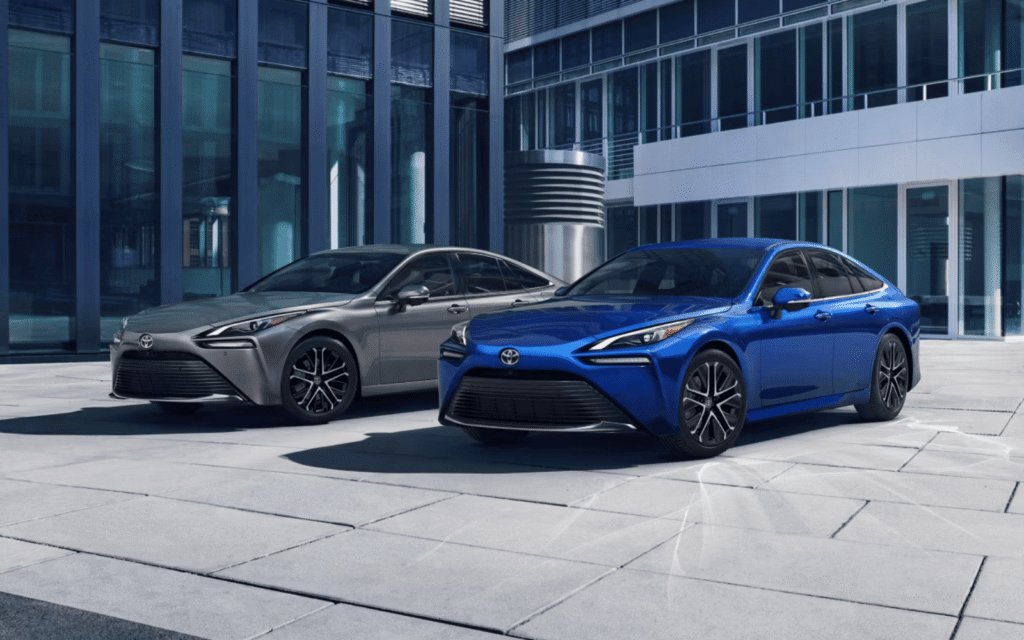
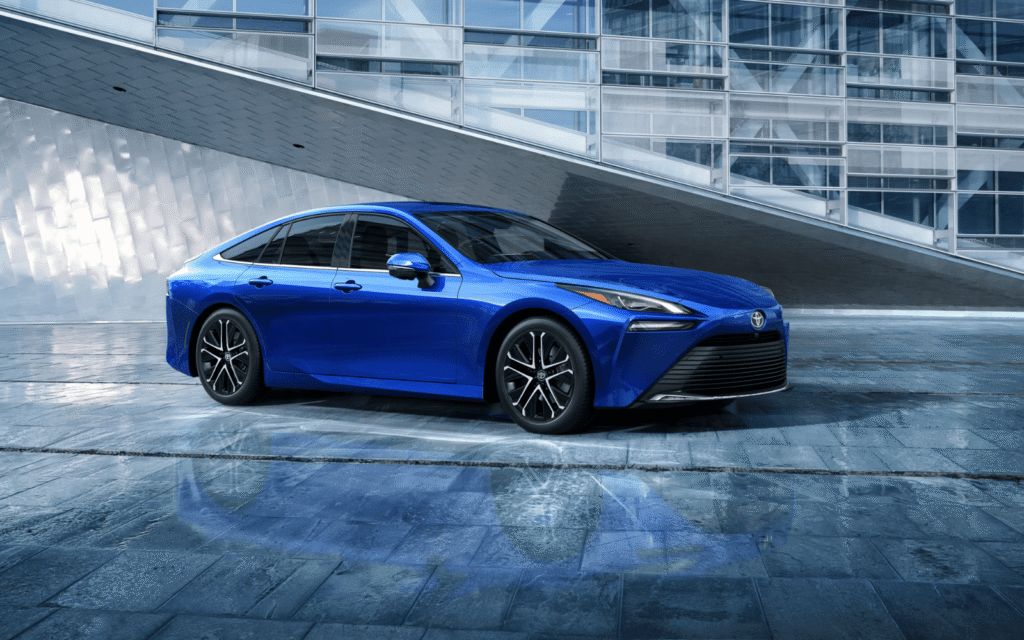
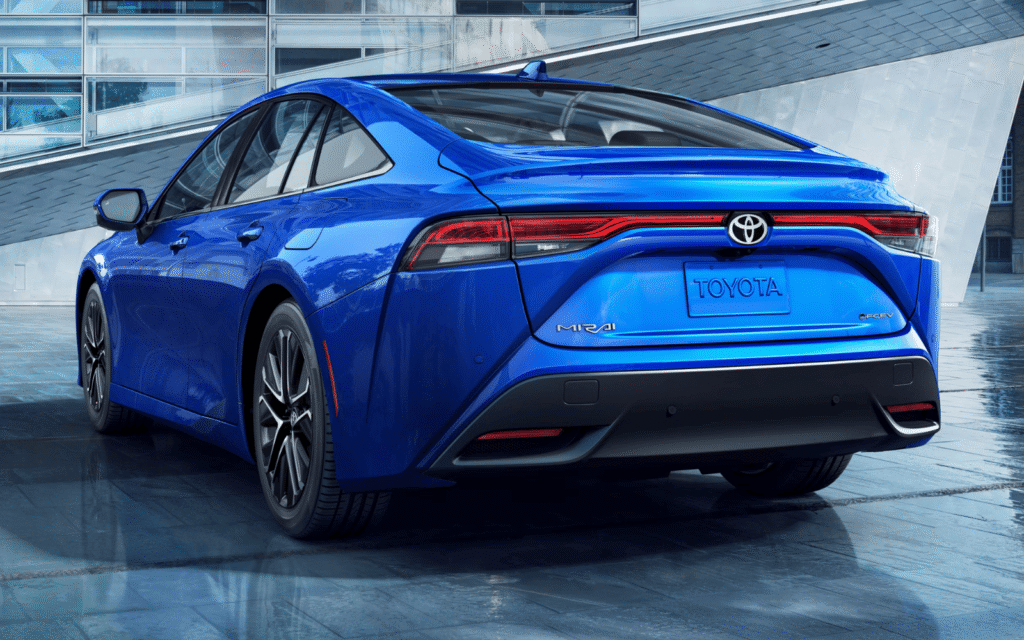
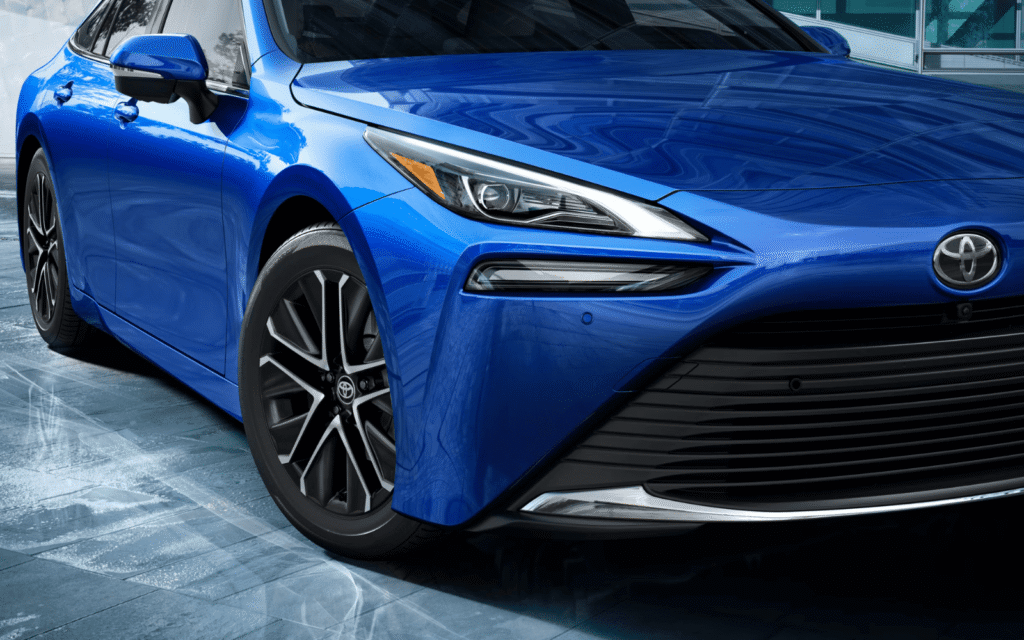
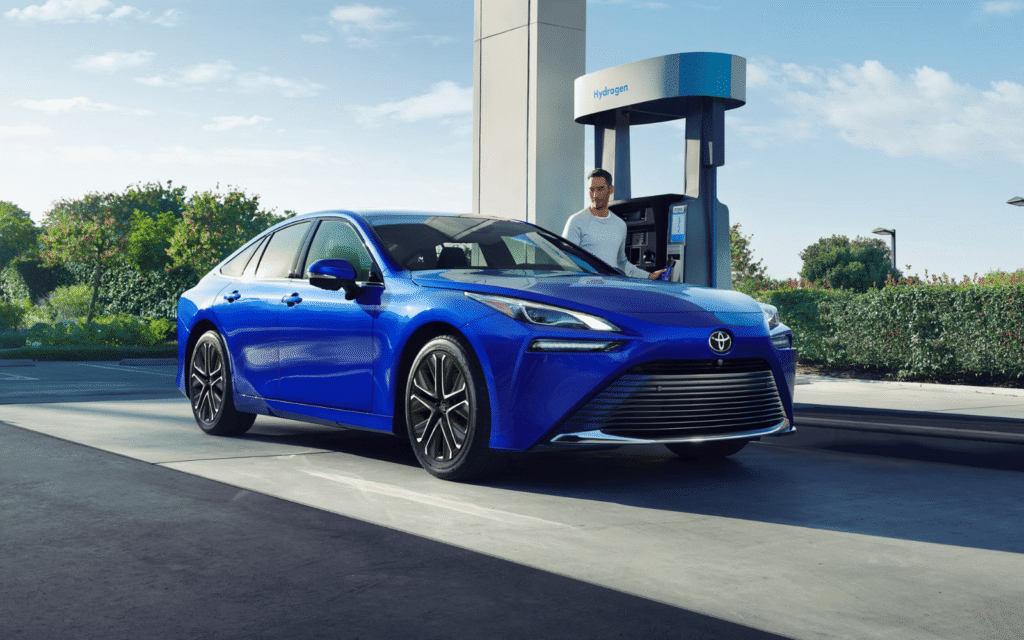
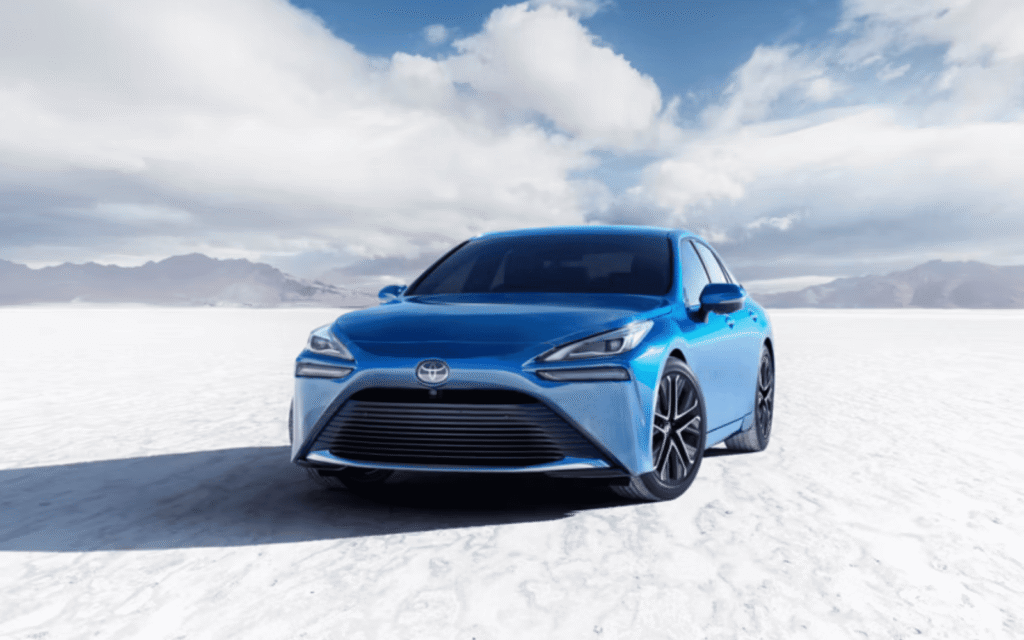
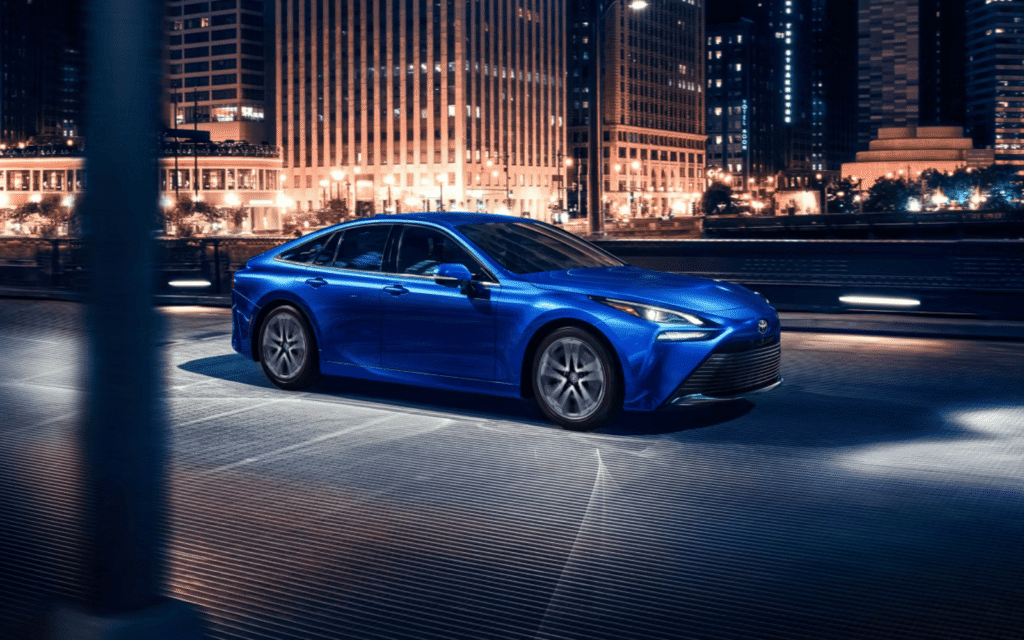
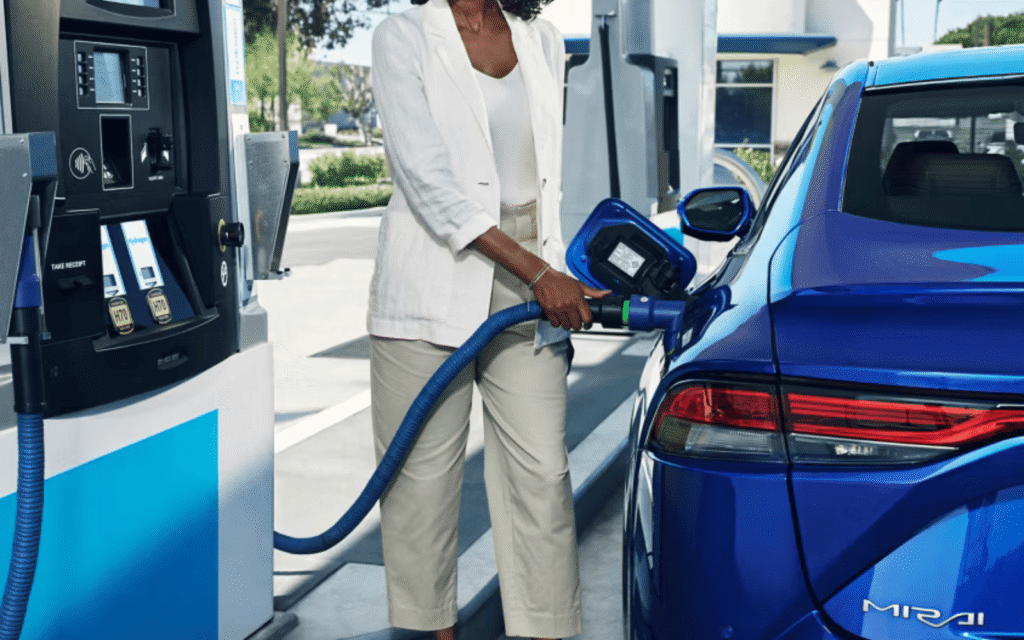
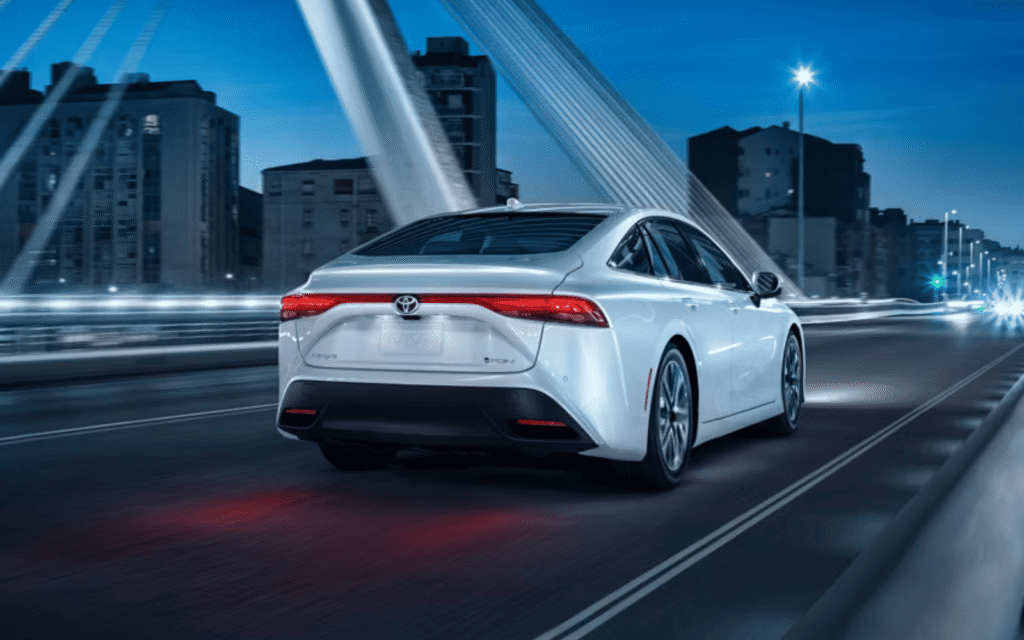
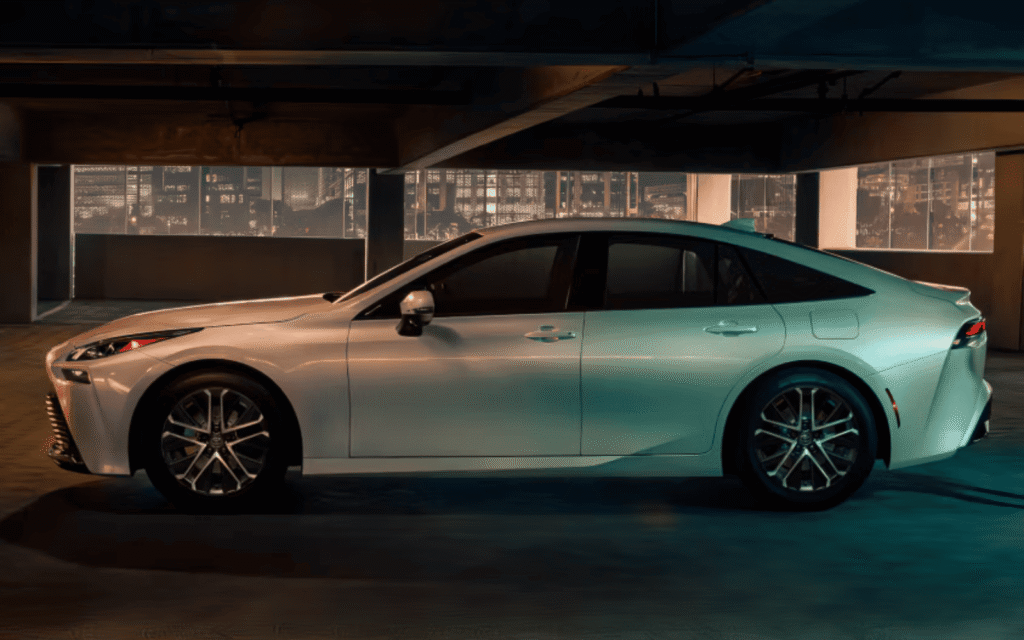
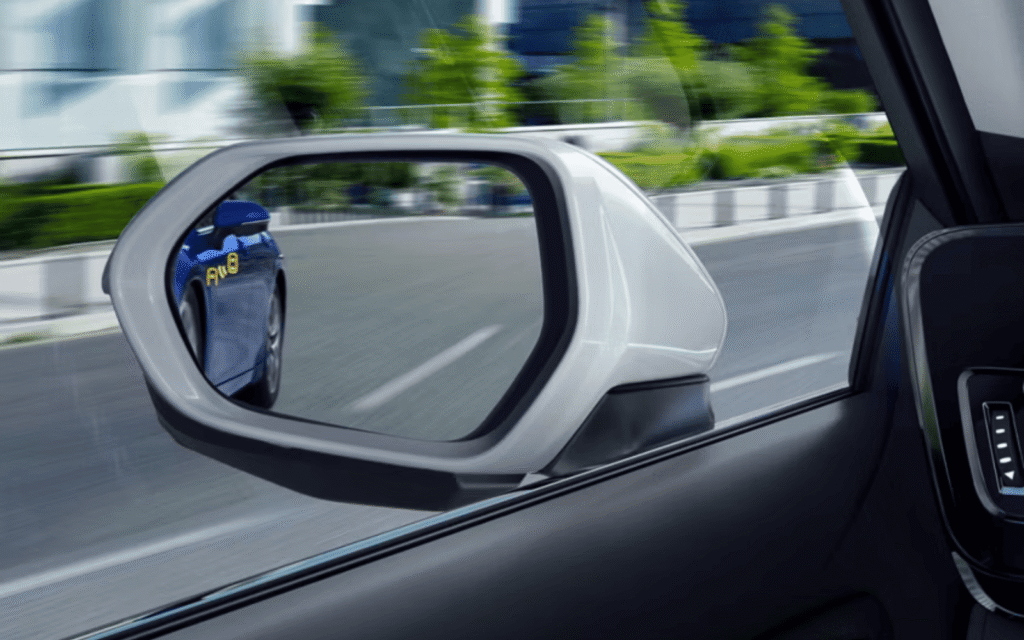
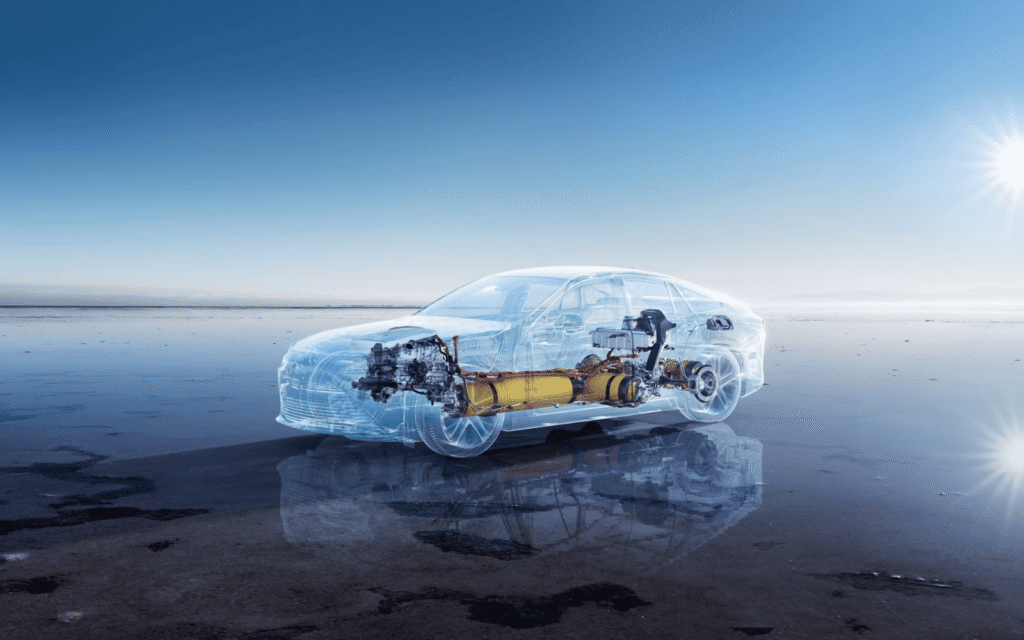
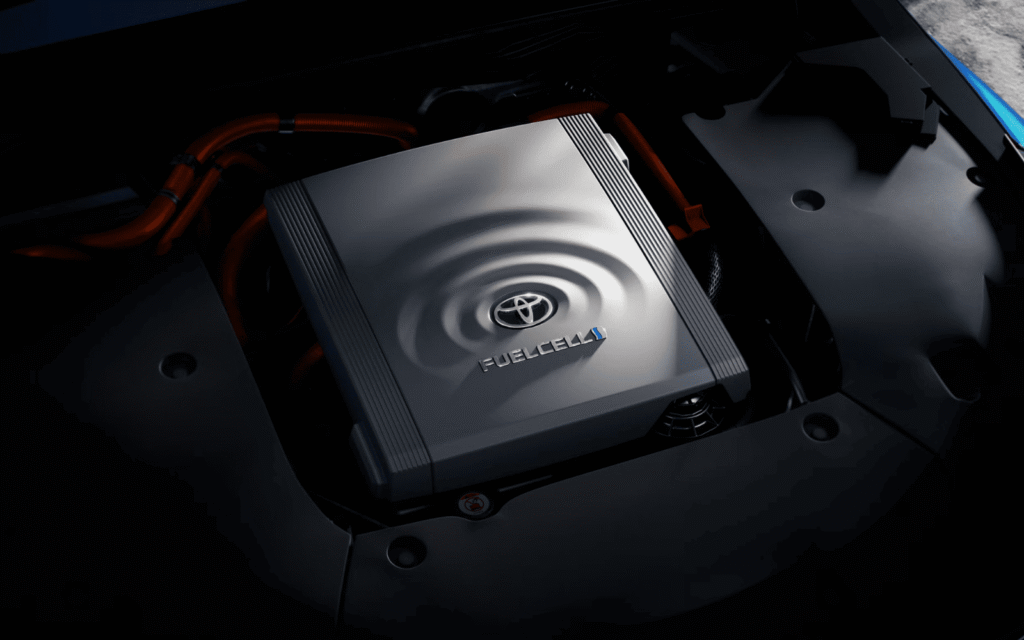
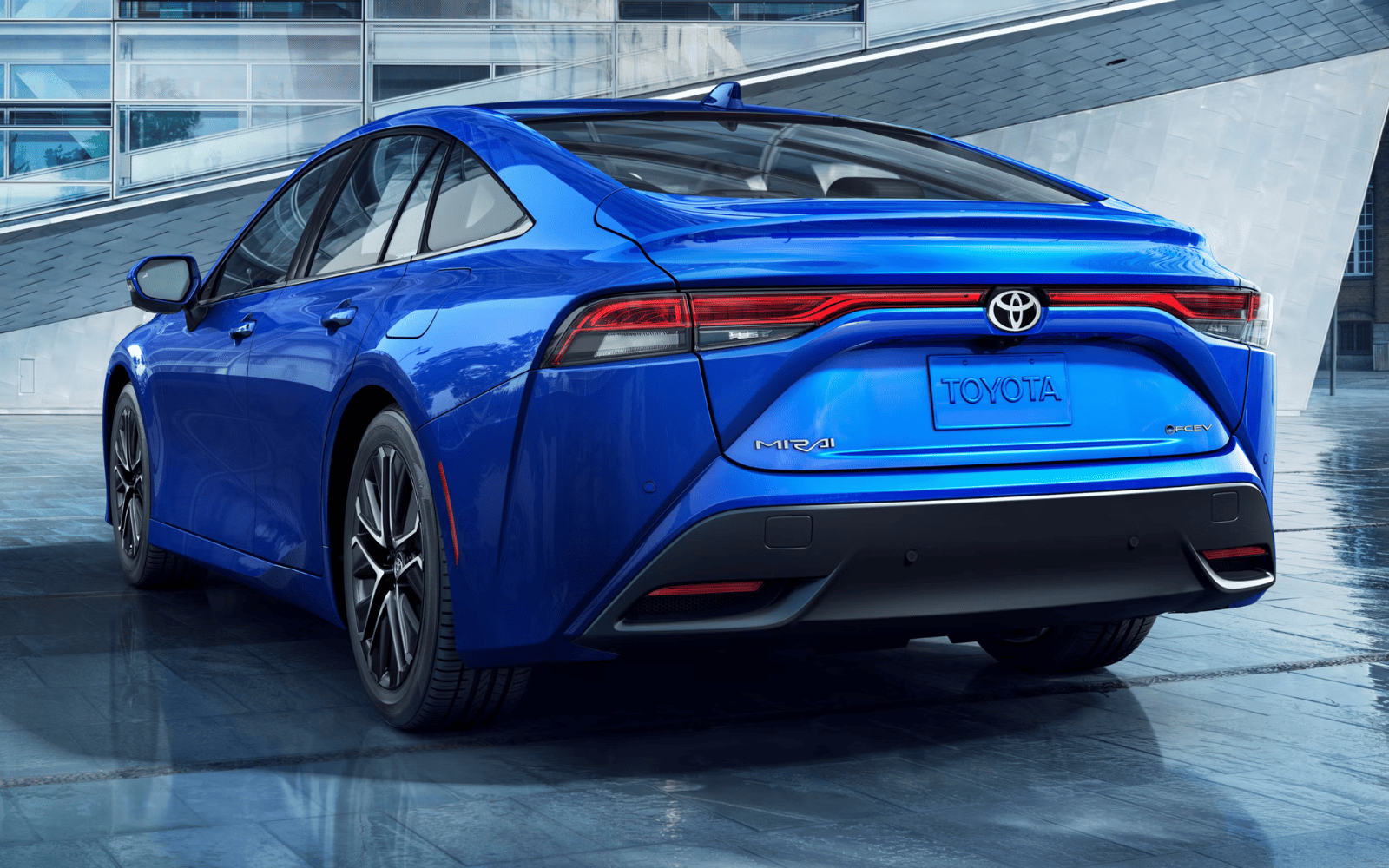
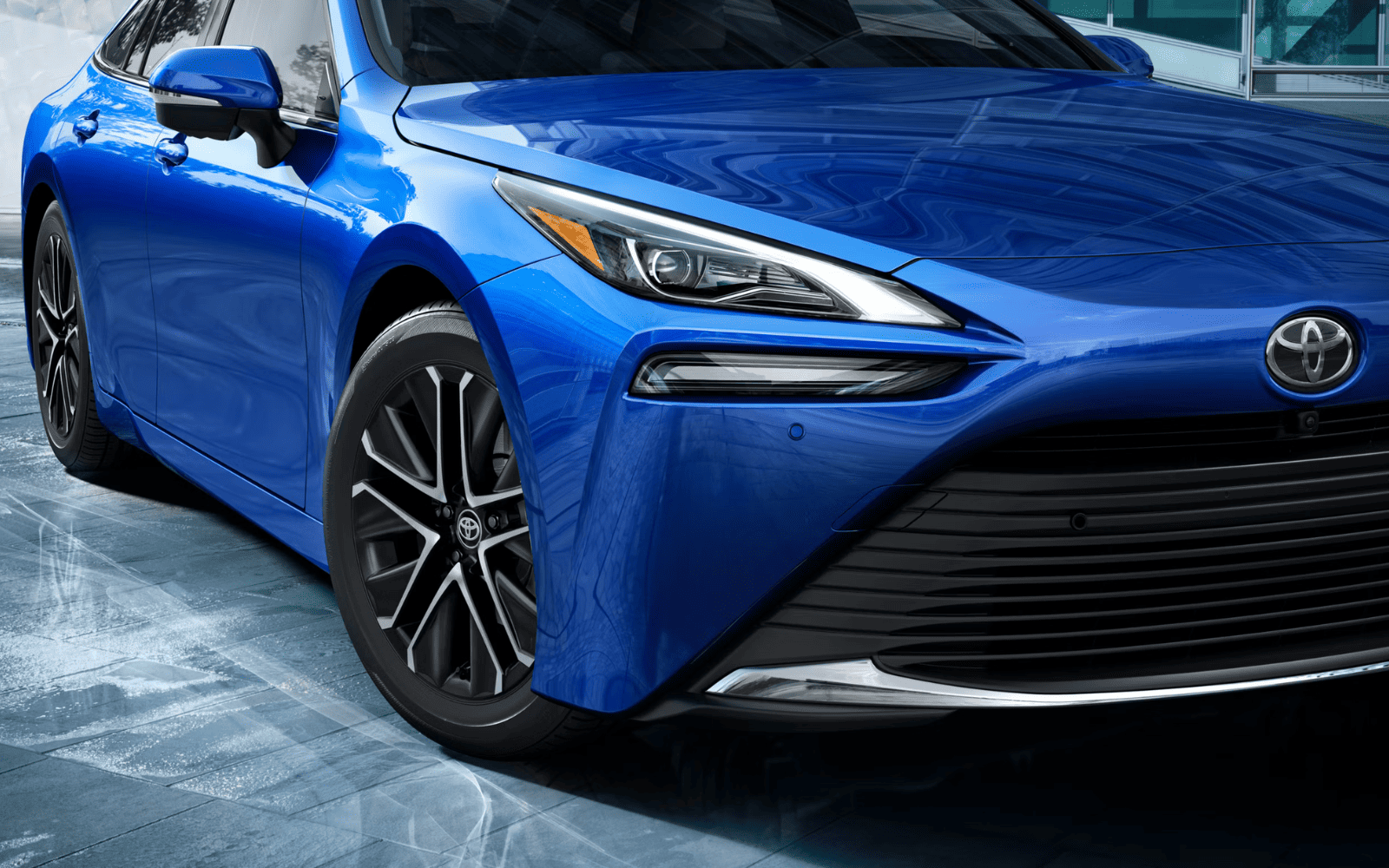
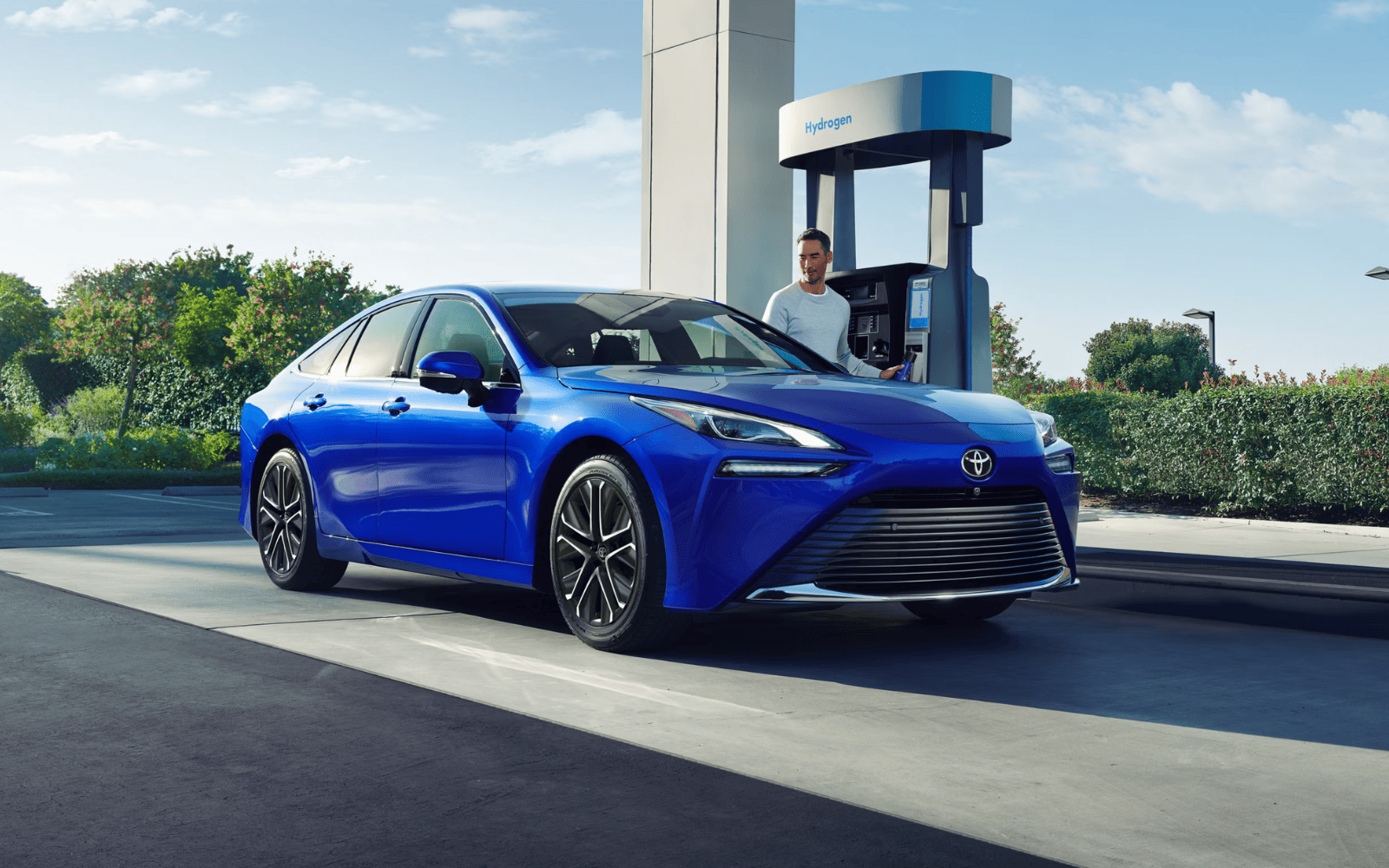
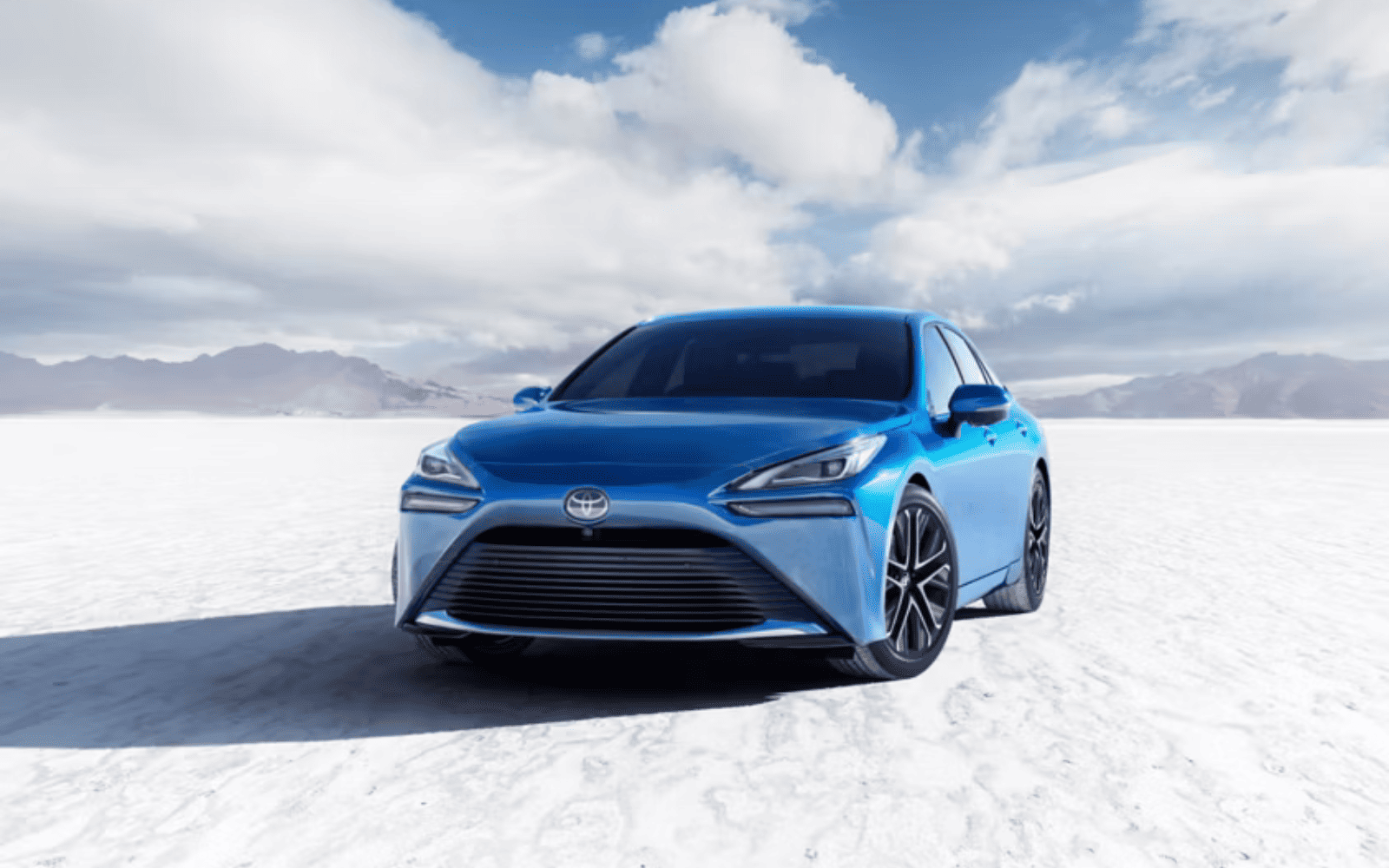
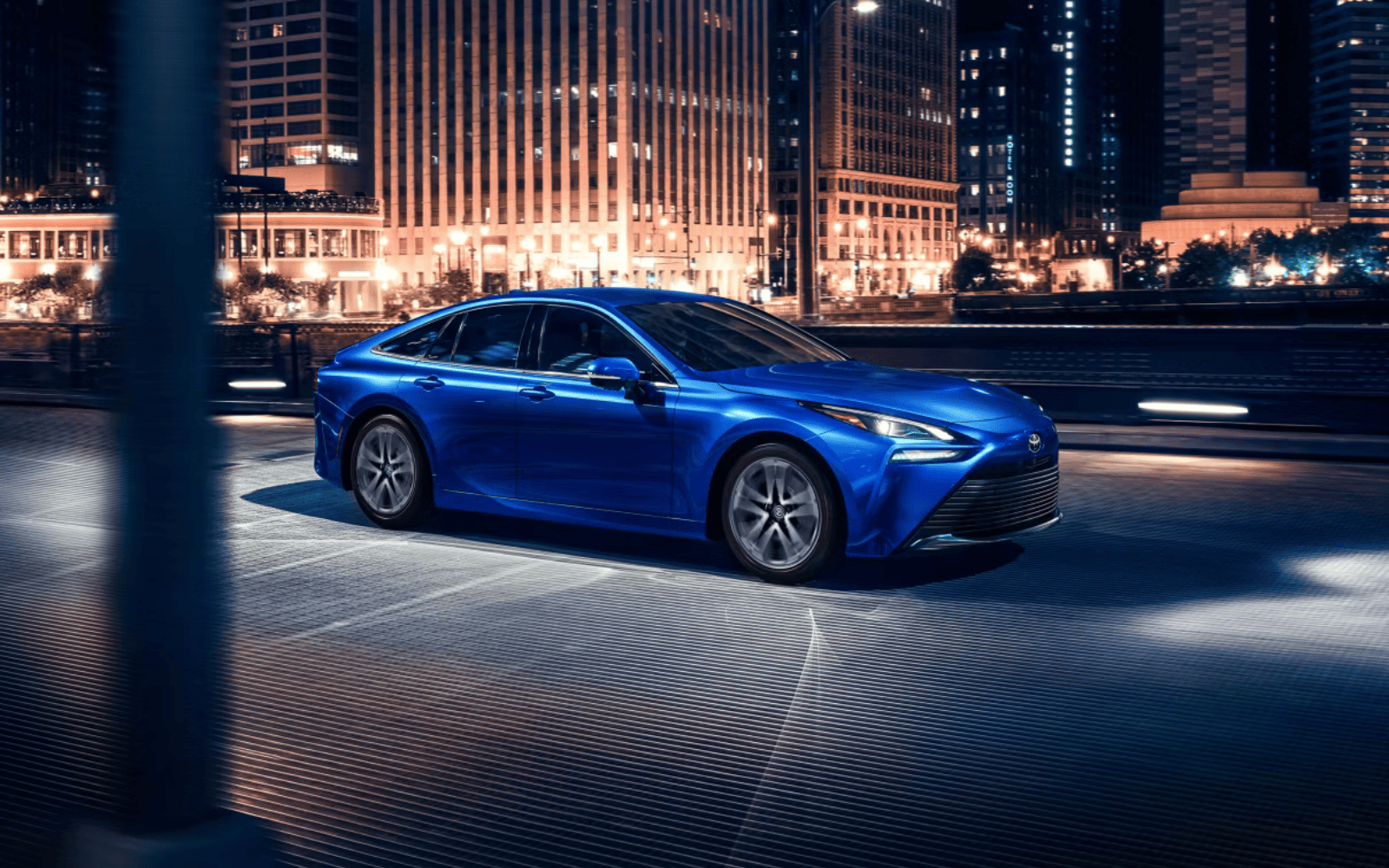
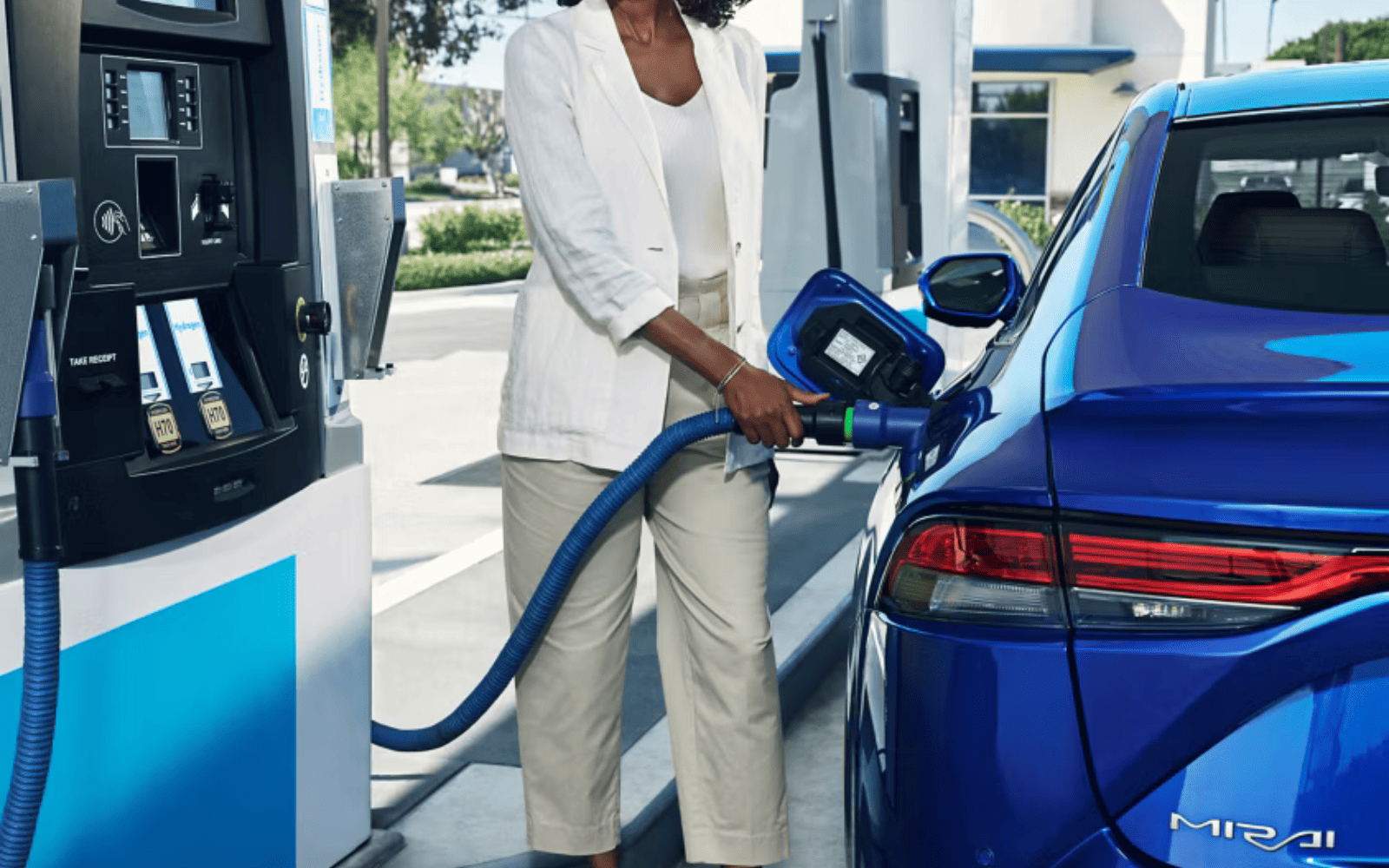
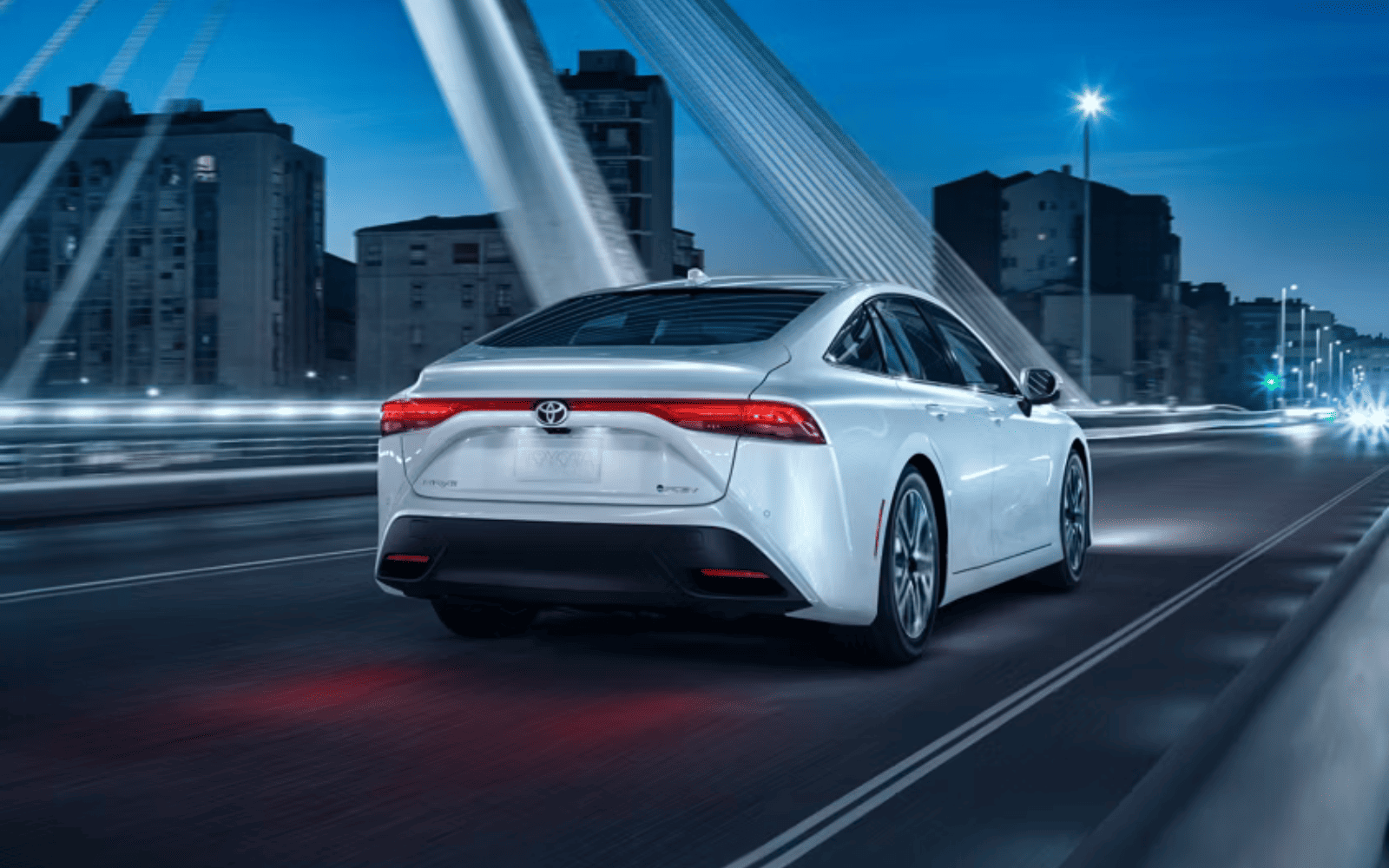
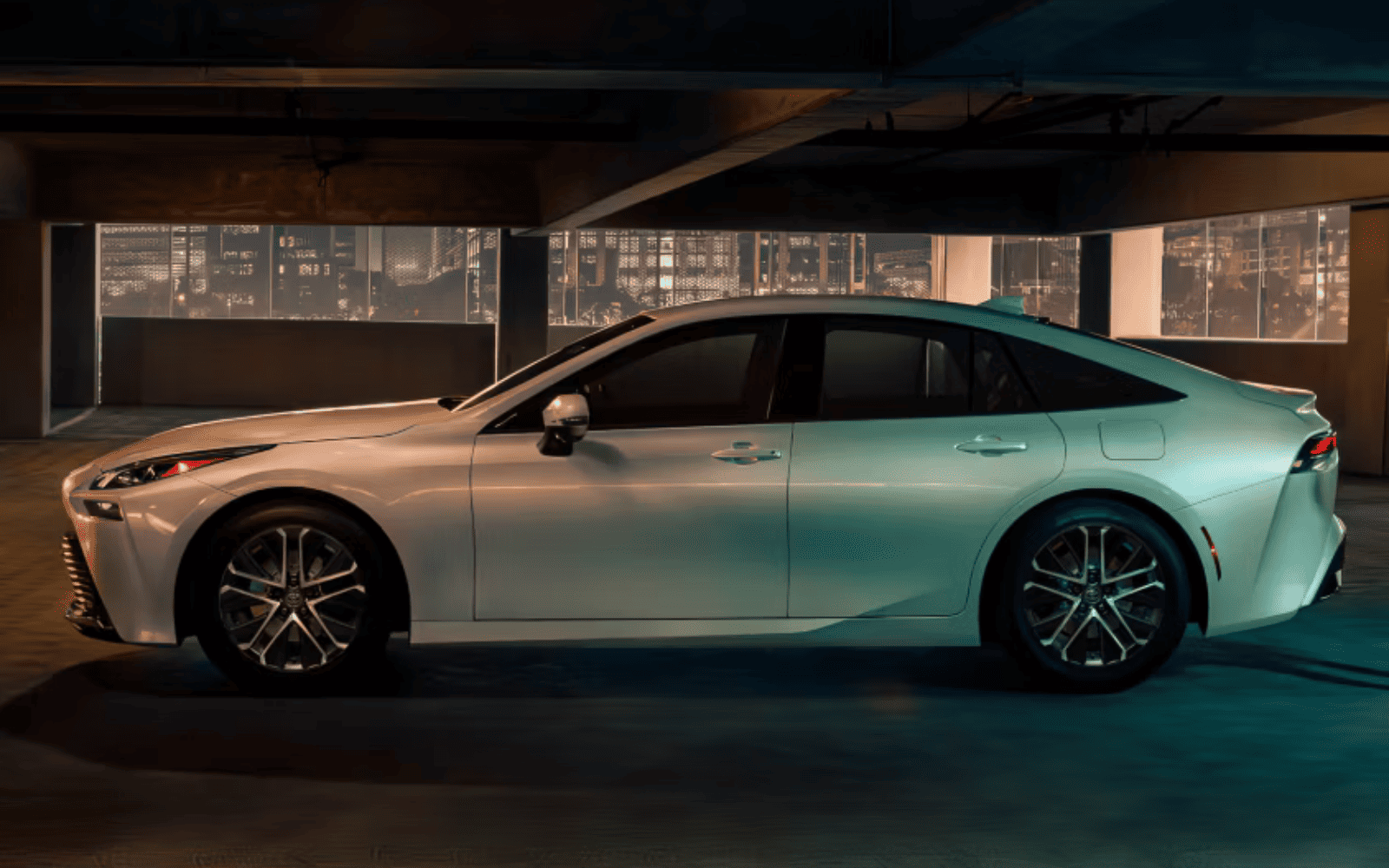
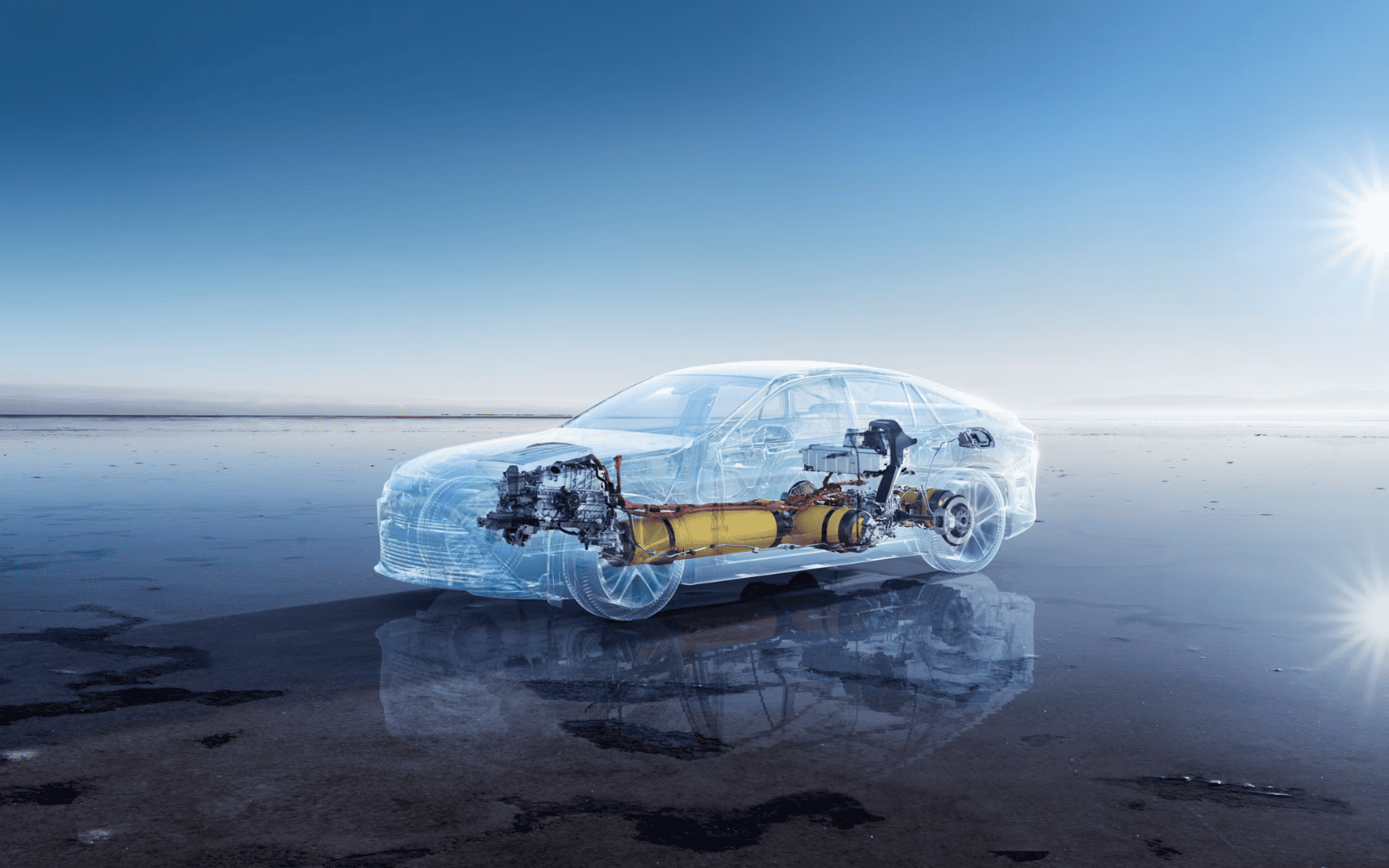
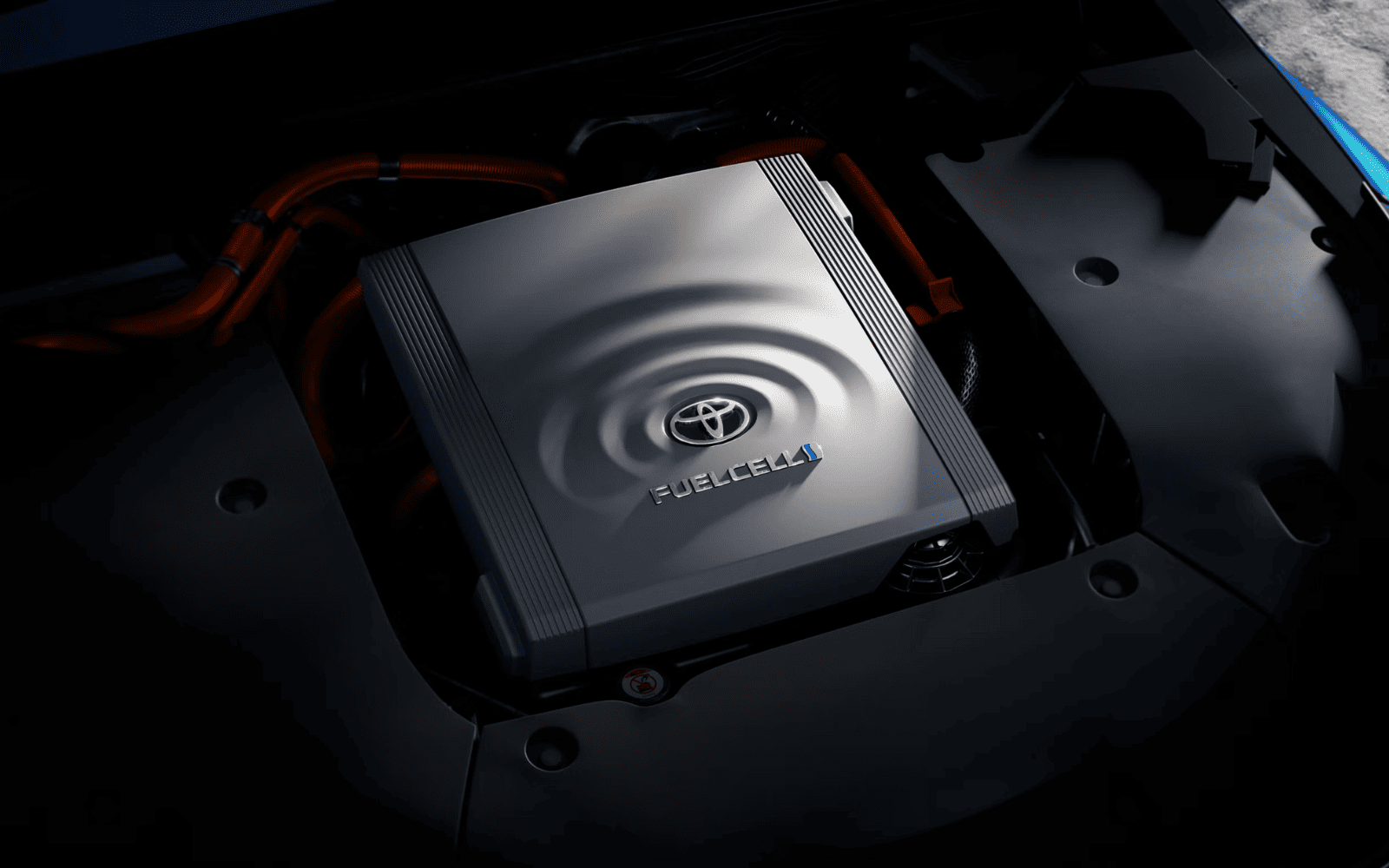
The 2026 Mirai uses hydrogen stored in three high-pressure tanks and oxygen from the air to create electricity for its rear-mounted electric motor. Its only tailpipe by-product is water. It has an EPA-estimated range of 402 miles, returns 76 city / 71 highway MPGe, and comes with up to $15,000 of complimentary hydrogen fuel.
The major issue is not the car itself—it is hydrogen availability. The Mirai only makes sense when nearby 70 MPa stations are open, reliable, and convenient for your daily travel. For nearly all U.S. buyers, a battery-electric vehicle, hybrid, or plug-in hybrid is the more practical choice.
WheelPedia Rating: 6.9/10
The Toyota Mirai earns a 6.9/10 WheelPedia Rating. It is a refined, comfortable, long-range zero-tailpipe-emission sedan with strong standard equipment and quick refueling potential.
However, its ownership case is seriously limited by the hydrogen network. Station availability can change, outages are common, and the vehicle is effectively a California-focused product for most U.S. buyers. The Mirai’s rating reflects the car and its real ownership environment—not just its technical promise.
| Rating Category | Score | Weight |
| Safety | 8.2/10 | 20% |
| Reliability and ownership | 5.0/10 | 15% |
| Performance and driving | 7.2/10 | 15% |
| Comfort and practicality | 7.4/10 | 15% |
| Efficiency and range | 7.5/10 | 15% |
| Features and technology | 8.5/10 | 10% |
| Price and value | 3.2/10 | 10% |
| Overall WheelPedia Rating | 6.9/10 | — |
See how WheelPedia rates cars for the full scoring method.
Key Highlights
- Starts from $51,795 MSRP in the U.S.
- Hydrogen fuel-cell electric sedan with rear-wheel drive.
- 182-hp rear electric motor.
- EPA-estimated 402-mile driving range.
- EPA-estimated 76 city / 71 highway / 74 combined MPGe.
- Three hydrogen tanks hold about 5.6 kg of compressed hydrogen.
- Single well-equipped trim for 2026.
- Up to $15,000 in complimentary hydrogen fuel.
- Purchase fuel benefit: six years or $15,000, whichever comes first.
- Lease fuel benefit: three years or $15,000, whichever comes first.
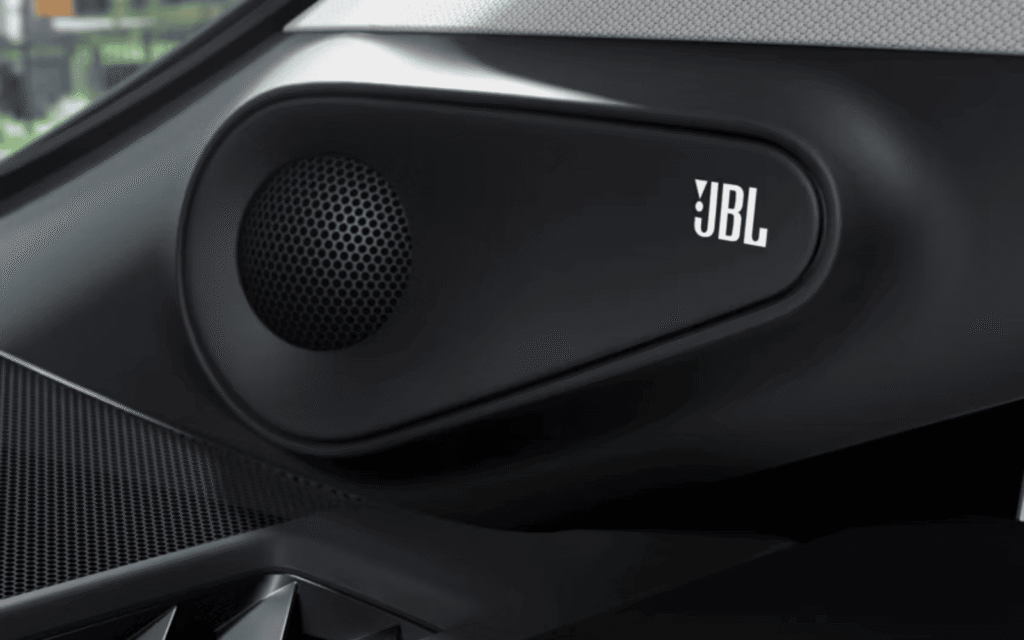
- Standard 12.3-inch touchscreen and 14-speaker JBL audio.
- Standard Toyota Safety Sense 3.0, Blind Spot Monitor, and Rear Cross-Traffic Alert.
- Only sensible for buyers with reliable local hydrogen refueling access.
Key Specifications
| Specification | Toyota Mirai |
| Vehicle type | Hydrogen fuel-cell electric sedan |
| Seating capacity | 5 |
| Powertrain | Fuel-cell system with rear electric motor |
| Power output | 182 hp |
| Torque | 221 lb.-ft. |
| Drivetrain | Rear-wheel drive |
| Hydrogen storage | Three tanks, about 5.6 kg total |
| Battery | 1.24-kWh lithium-ion |
| EPA-estimated range | 402 miles |
| EPA-estimated efficiency | 76 city / 71 highway / 74 combined MPGe |
| Cargo capacity | 9.6 cu. ft. |
| Length | 195.8 in. |
| Width | 74.2 in. |
| Height | 57.9 in. |
| Wheelbase | 114.9 in. |
| Ground clearance | 5.9 in. |
Expert Tip:
Do not buy or lease a Mirai based on its 402-mile range or complimentary-fuel offer alone. First confirm that you have at least two convenient, operational 70 MPa hydrogen stations near your home, work, and usual routes. Check station status repeatedly before committing.
About the Toyota Mirai
The Toyota Mirai is not a plug-in hybrid or a conventional battery-electric car. It creates electricity onboard through a fuel-cell stack, which combines stored hydrogen with oxygen from the air. The electricity powers the rear wheels, while excess energy from braking is stored in a small lithium-ion battery.
The main benefit is refueling convenience. Instead of waiting for a battery charge, drivers fill the car with compressed hydrogen at a compatible station. The Mirai then drives much like an electric sedan: quiet, smooth, and responsive from a stop.
The major limitation is infrastructure. Hydrogen stations are uncommon in the U.S. and concentrated in California. More importantly, an existing station is not automatically a dependable station. Drivers must check real-time operating status, fuel supply, opening hours, and 70 MPa compatibility.
Price and Trim
The 2026 Toyota Mirai is sold in one well-equipped trim. Pricing is from the official Toyota Mirai page. Taxes, registration, accessories, destination charges, dealer fees, and local equipment can increase the final purchase price.
| Trim | Starting MSRP | Range | Drivetrain | Key Features |
| Mirai | $51,795 | 402 miles | Rear-wheel drive | 12.3-in. touchscreen, 14-speaker JBL audio, 19-in. wheels, Toyota Safety Sense 3.0 |
Hydrogen Powertrain and Performance
The Mirai uses Toyota’s fuel-cell system, a 1.24-kWh lithium-ion battery, and a rear-mounted electric motor producing 182 horsepower and 221 lb.-ft. of torque.
Its three carbon-fiber-reinforced hydrogen tanks hold about 5.6 kg of compressed hydrogen. The vehicle combines hydrogen and oxygen in its fuel-cell stack to generate electricity, with water as the only tailpipe emission.
0–60 MPH Performance
Toyota estimates that the Mirai reaches 60 mph in about 9.2 seconds.
That is adequate for calm commuting, but the Mirai is not quick by modern EV standards. Its power delivery is smooth and quiet, though it does not have the strong instant acceleration of many battery-electric cars.
Driving Experience
The Mirai feels more like a premium rear-wheel-drive sedan than a science project. It rides quietly, has a low seating position, and feels stable at highway speeds. Its long wheelbase and rear-wheel-drive layout also give it a balanced, composed character.
The steering is direct enough for everyday driving, and the car is particularly relaxed around town because there is no engine noise, vibration, or conventional shifting.
The main driving limitation is not how the Mirai behaves on the road. It is where you can confidently drive it. A 402-mile EPA range can look reassuring, but it does not solve the problem of limited or unavailable hydrogen stations at your destination.
Hydrogen Range, MPGe, and Refueling
| Measurement | Toyota Mirai |
| EPA-estimated city efficiency | 76 MPGe |
| EPA-estimated highway efficiency | 71 MPGe |
| EPA-estimated combined efficiency | 74 MPGe |
| EPA-estimated driving range | 402 miles |
| Hydrogen capacity | About 5.6 kg |
The Mirai’s 402-mile range is excellent for a zero-tailpipe-emission car. It can cover long highway trips between fills—if the route has dependable operating hydrogen stations.
Hydrogen Refueling
Hydrogen refueling is closer to filling a gas-powered car than charging an EV. The nozzle locks onto the vehicle’s fuel port and fills the car’s high-pressure tanks.
However, hydrogen ownership comes with major practical limits:
- You cannot refuel at home.
- Most U.S. drivers do not have local station access.
- Stations may be temporarily unavailable, out of fuel, under maintenance, or limited to certain hours.
- Long trips require much more route planning than the EPA range number suggests.
- Hydrogen pricing after the complimentary fuel benefit is used can be expensive.
Toyota provides a station locator, and the California Fuel Cell Partnership station map lists live station status. At the time of review, that map shows several California stations as unavailable, cancelled, or still in commissioning. Treat current station status as a required pre-purchase check.
Complimentary Hydrogen Fuel
Toyota includes a fuel benefit with new Mirai purchases and leases:
| Ownership Type | Complimentary Fuel Benefit |
| Purchase | Up to $15,000 or 6 years, whichever comes first |
| Lease | Up to $15,000 or 3 years, whichever comes first |
This benefit lowers the cost of early ownership, but it does not make hydrogen access more reliable. A fuel card is only useful when compatible stations are open and have supply.
Interior, Comfort, and Technology
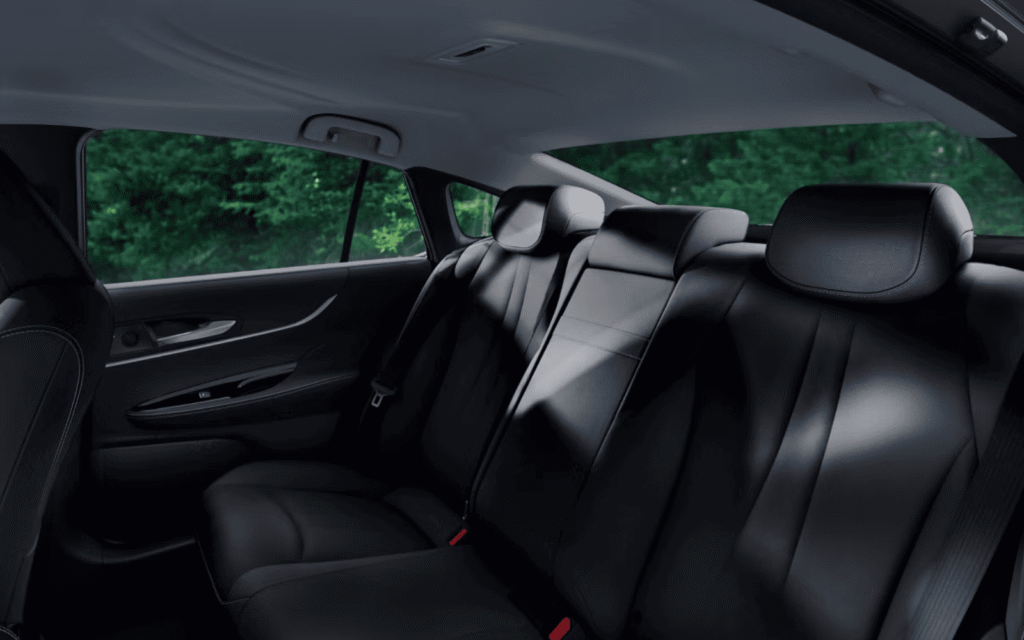
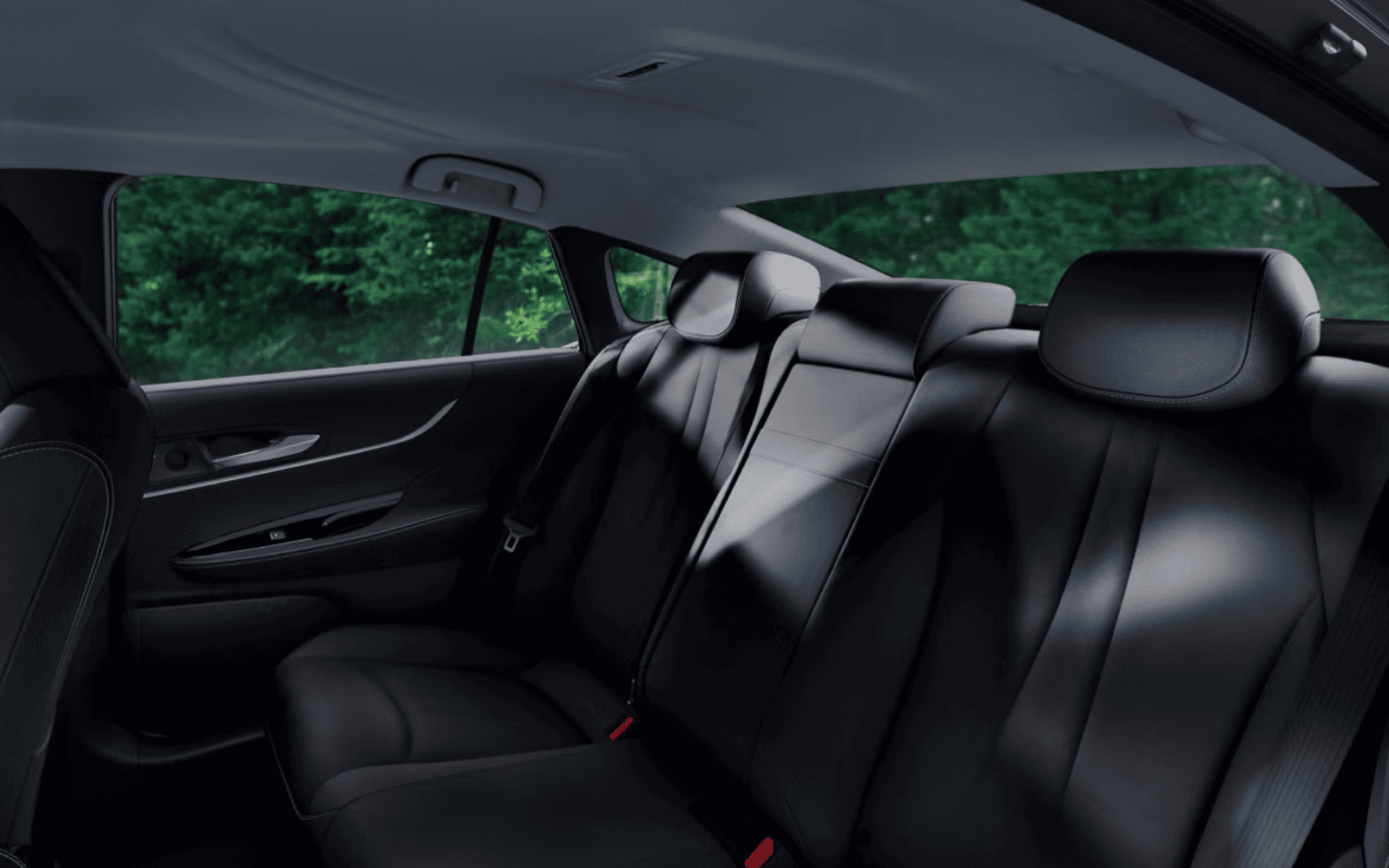
The Mirai has a polished, upscale interior with a clean dashboard design, quiet cabin, and strong standard equipment. The front seats are comfortable, and the rear seat is usable for two adults.
Standard features include:
- 12.3-inch Toyota Audio Multimedia touchscreen
- Wireless Apple CarPlay and Android Auto
- 14-speaker JBL premium audio system
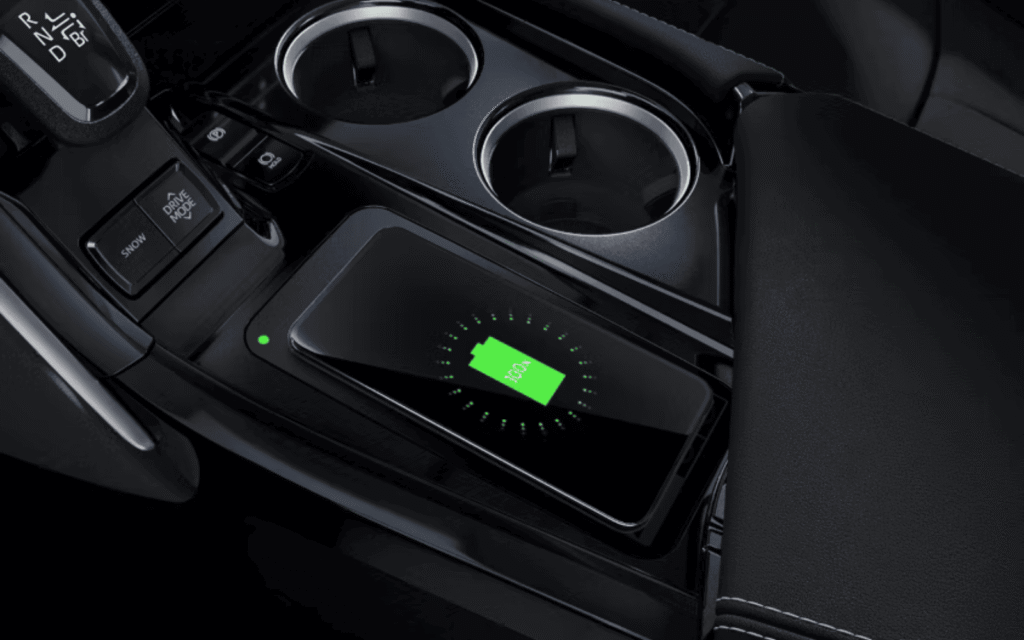
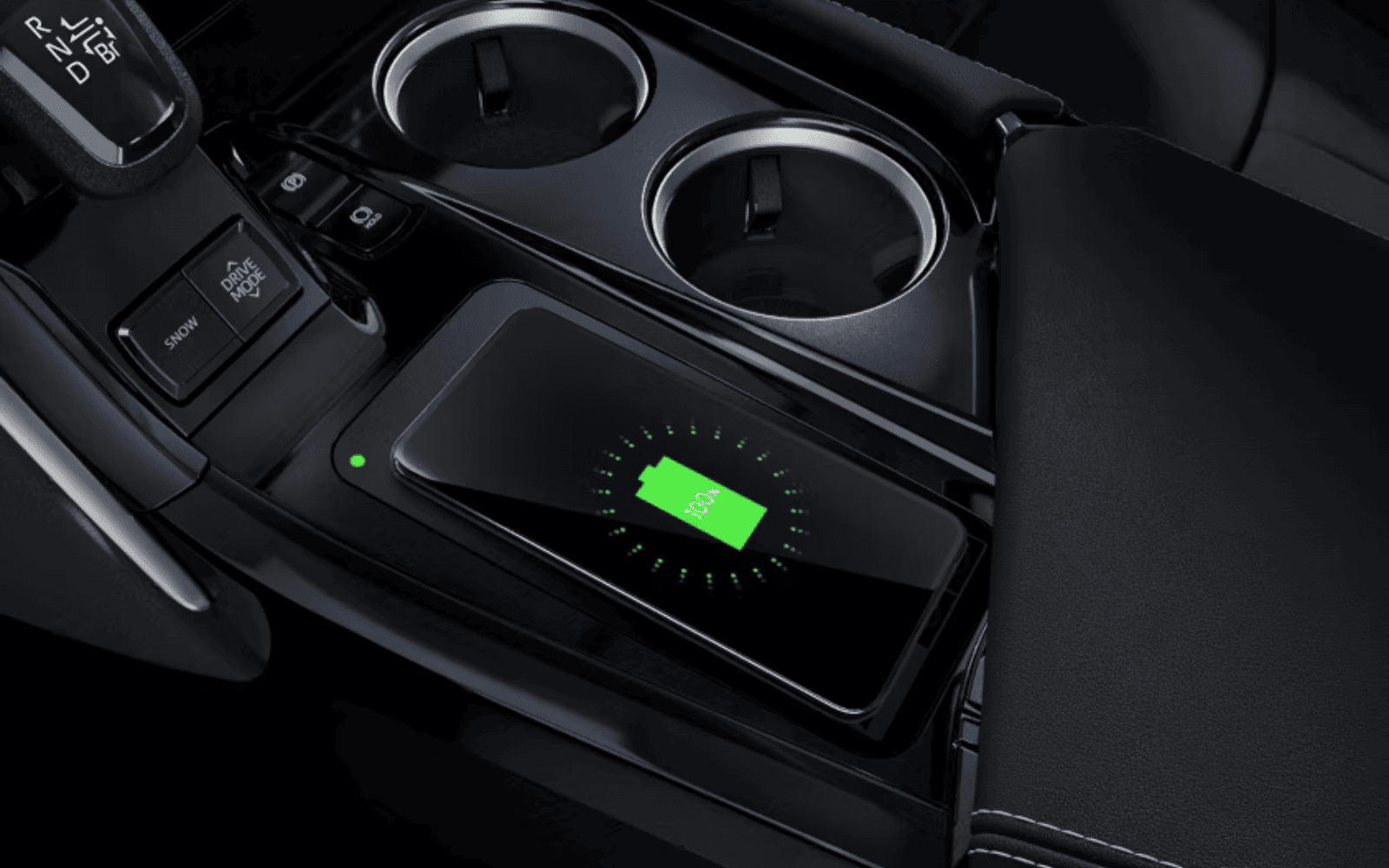
- Wireless smartphone charging
- Digital gauge display
- Dual-zone automatic climate control
- Heated and ventilated front seats
- Heated rear seats
- Heated steering wheel
- Power-adjustable front seats
- Digital Key capability
- Head-up display
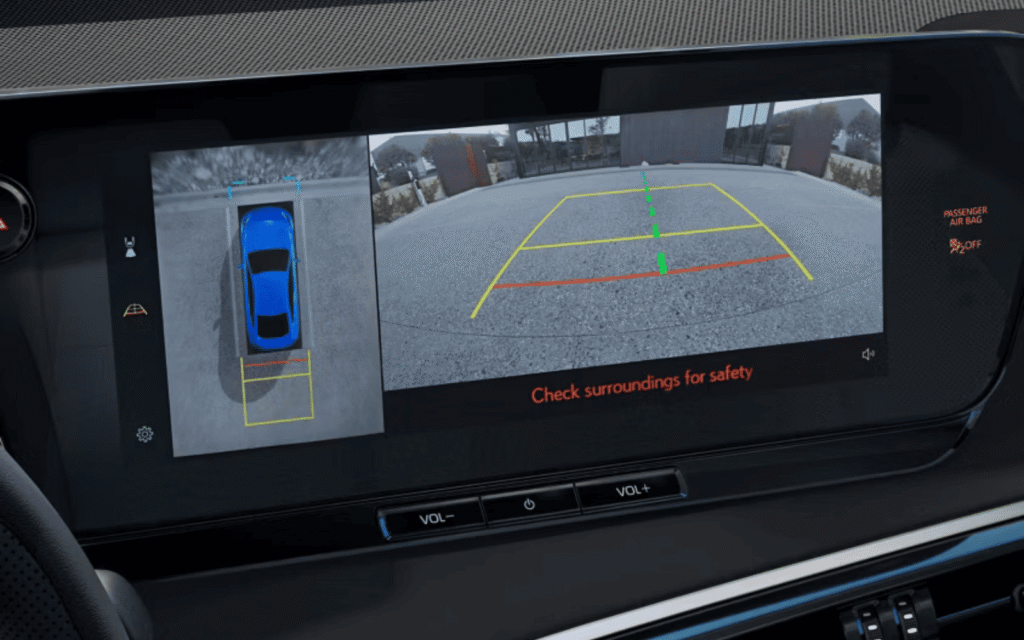
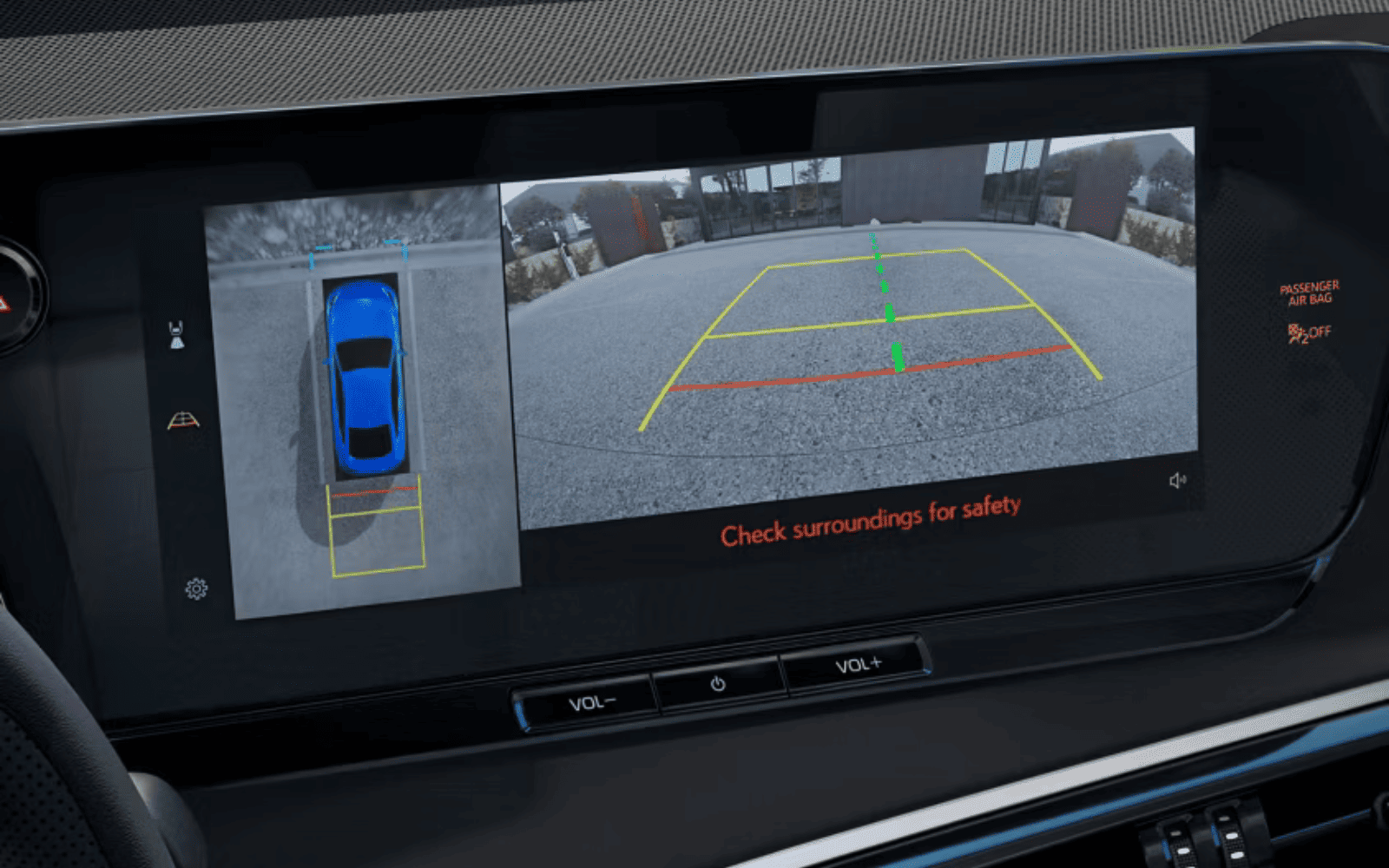
- Panoramic View Monitor
- Toyota Safety Connect and connected-service capability
The Mirai offers a more premium experience than its single-trim lineup suggests. Its cabin is quiet and well equipped, making it pleasant for commuting and highway travel.
Dimensions, Cargo, and Practicality
| Dimension | Measurement |
| Length | 195.8 in. |
| Width | 74.2 in. |
| Height | 57.9 in. |
| Wheelbase | 114.9 in. |
| Front legroom | 42.2 in. |
| Rear legroom | 33.1 in. |
| Cargo space | 9.6 cu. ft. |
| Seating | 5 passengers |
The Mirai is a long sedan with useful passenger space, but its trunk is small. The third hydrogen tank occupies space under the trunk floor, leaving only 9.6 cubic feet for luggage.
That is enough for groceries, backpacks, and a few smaller bags. It is not ideal for airport runs, family road trips, golf clubs, bulky work equipment, or buyers who often carry large items.
Toyota does not list a U.S. towing rating for the Mirai.
Exterior Design
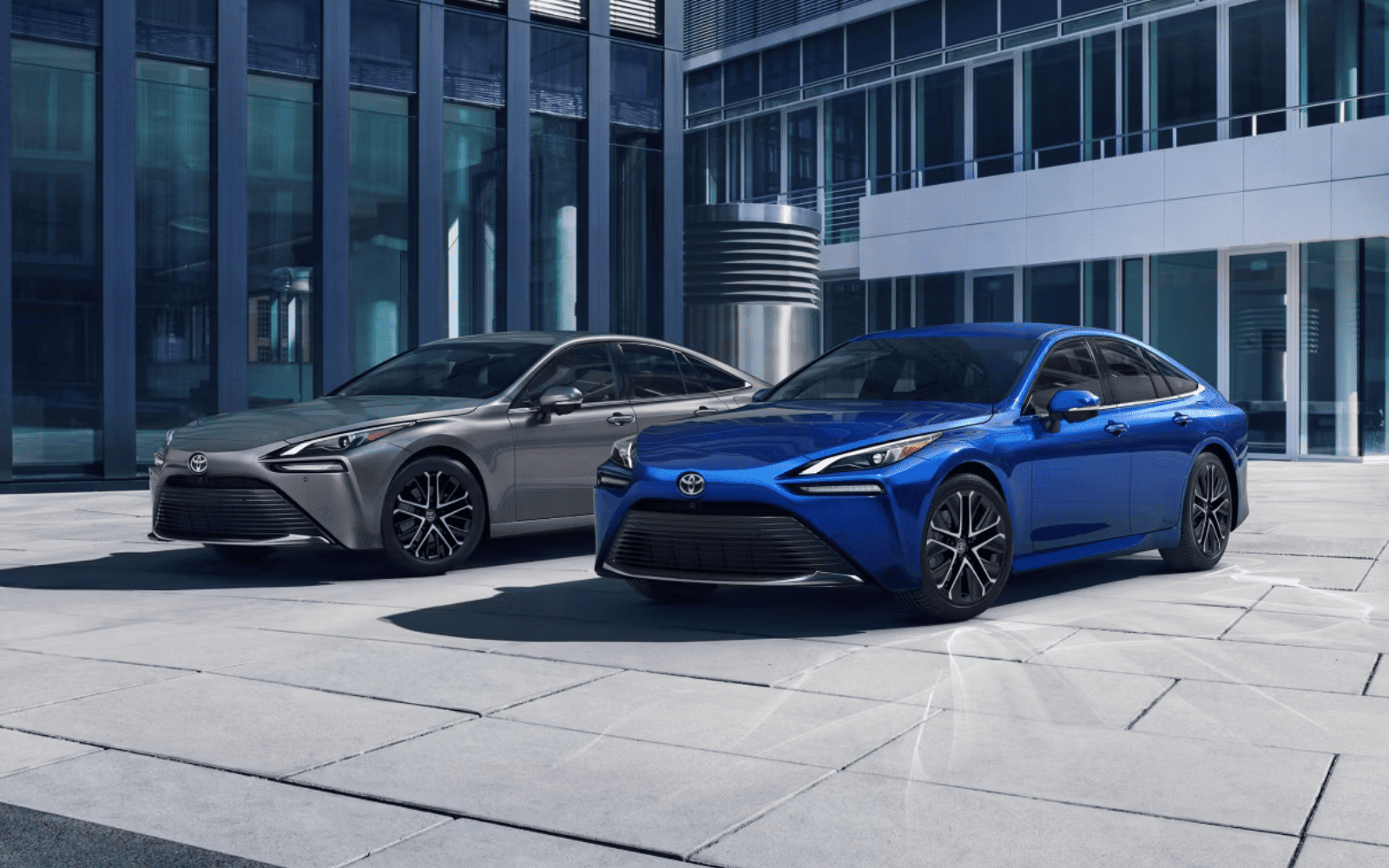
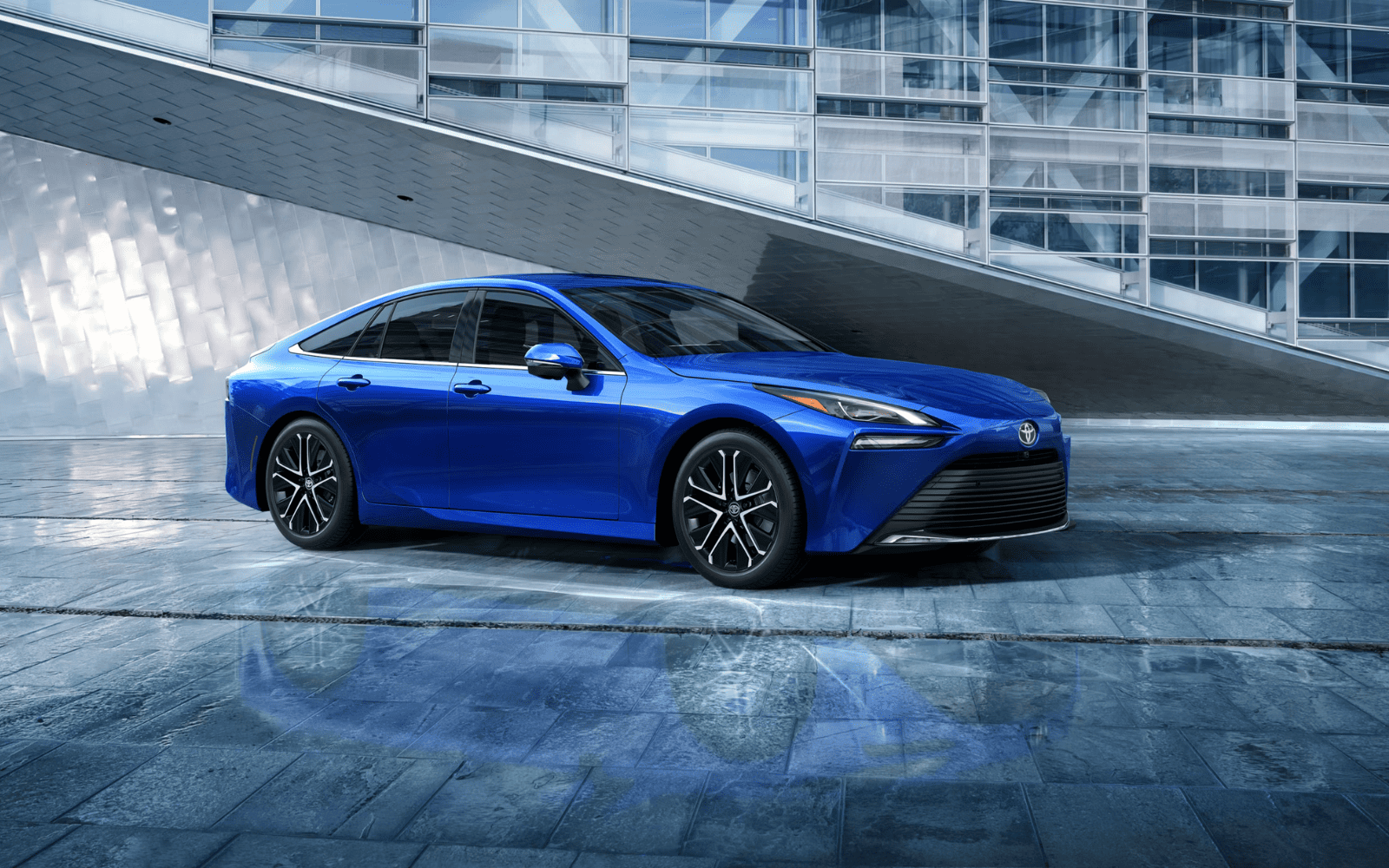
The Mirai has a long, low, wide stance that gives it a more premium look than a typical alternative-fuel sedan. Its rear-wheel-drive proportions, sharp lighting, large grille, and 19-inch wheels make it visually distinct.
Standard exterior details include:
- 19-inch black machine-finished aluminum-alloy wheels
- LED headlights and daytime running lights
- Power-folding heated side mirrors
- Power tilt-and-slide moonroof
- Hands-free power trunk
- Low, wide sedan profile
The design is more conventional and elegant than the first-generation Mirai. It can easily pass for a premium sedan, which may appeal to buyers who do not want their low-emission vehicle to look unusual.
Safety Features and Ratings
Every Toyota Mirai includes Toyota Safety Sense 3.0 and a strong set of driver-assistance features:
- Pre-Collision System with Pedestrian Detection
- Full-Speed Range Dynamic Radar Cruise Control
- Lane Departure Alert with Steering Assist
- Lane Tracing Assist
- Road Sign Assist
- Automatic High Beams
- Proactive Driving Assist
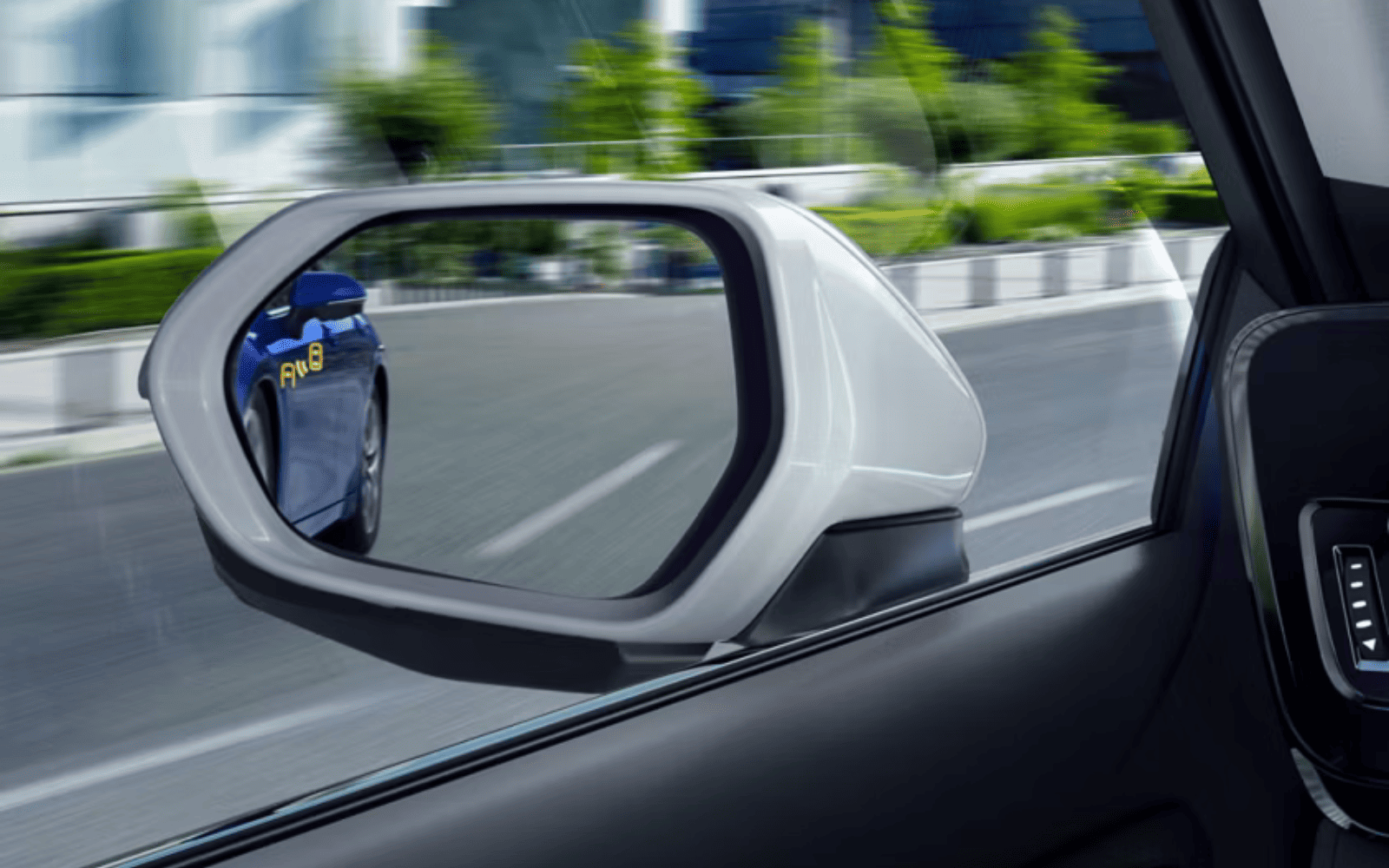
- Blind Spot Monitor
- Rear Cross-Traffic Alert
- Panoramic View Monitor
- Front and Rear Parking Assist with Automatic Braking
- Safe Exit Alert
- Rearview camera
- Tire Pressure Monitor System
- Toyota Star Safety System
Toyota also uses hydrogen sensors and automatic tank shutoff valves designed to close if a leak or collision is detected.
The Mirai has not received a current U.S. IIHS or NHTSA crash-test rating for the 2026 model. In Europe, the second-generation Mirai earned a five-star Euro NCAP rating in 2021, but that result should not be treated as a substitute for current U.S. testing.
Driver-assistance systems can help support the driver, but they cannot replace alert driving, safe speeds, and proper following distance.
Reliability, Warranty, and Ownership
Toyota has more fuel-cell passenger-car experience than most mainstream automakers, but the Mirai remains a niche model with a small U.S. owner base. The underlying vehicle has been on sale in its current generation since 2021, but fuel availability is a much bigger ownership risk than the car’s mechanical hardware.
| Coverage | Length |
| Basic warranty | 3 years / 36,000 miles |
| Powertrain warranty | 5 years / 60,000 miles |
| Corrosion perforation warranty | 5 years / unlimited miles |
| Fuel-cell-related components | 8 years / 100,000 miles |
| Fuel-cell battery warranty | 10 years / 150,000 miles |
| ToyotaCare maintenance | 3 years / 35,000 miles |
| Enhanced roadside assistance | 3 years |
The Mirai should need less routine maintenance than a gasoline sedan because it does not require oil changes, spark plugs, or traditional transmission service. But its fuel-cell system is specialized, and service access is more limited than for a conventional Toyota.
Pros and Cons
What We Like
- 402-mile EPA-estimated driving range
- Zero tailpipe emissions other than water
- Refuels more like a gas vehicle than a battery EV
- Quiet, smooth electric driving experience
- Rear-wheel-drive platform gives it balanced road manners
- Well-equipped single trim
- Premium-feeling cabin and large touchscreen
- Standard JBL premium audio
- Strong standard safety technology
- Complimentary hydrogen fuel benefit
- Long fuel-cell and battery warranty coverage
What We Don’t Like
- Hydrogen infrastructure is extremely limited
- Station outages and fuel availability can disrupt ownership
- No home-refueling option
- Expensive purchase price
- Hydrogen can be costly after the fuel benefit ends
- Small 9.6-cubic-foot trunk
- Slow acceleration by modern EV standards
- No AWD option
- No U.S. towing rating
- Very limited resale-market certainty
- Not practical for most U.S. buyers
Competitors
The Mirai has very few direct hydrogen-fuel-cell competitors in the United States. Most buyers should instead compare it with battery-electric, hybrid, and plug-in hybrid alternatives.
- Toyota bZ: Better for buyers with home or public EV charging who want a more practical all-electric Toyota.
- Toyota Prius Plug-in Hybrid: Better for drivers who want electric commuting with a gasoline backup for long trips.
- Toyota Crown: Better for buyers who want a premium-feeling, efficient sedan without fuel-infrastructure concerns.
- Toyota Crown Signia: Better for buyers who want hybrid efficiency, AWD, and SUV practicality.
- Hyundai IONIQ 6: Better for buyers who want an efficient long-range electric sedan with broader public-charging options.
- Tesla Model 3: Better for buyers who prioritize EV performance, charging access, and long-distance usability.
- Honda Accord Hybrid: Better for buyers who want strong fuel economy, simple ownership, and nationwide refueling access.
Related WheelPedia Content
Before financing a Mirai, learn how car financing works and consider getting car loan preapproval before visiting a dealer.
If you are comparing ownership costs, read our guides on new car vs. used car and how to get the best car loan rate.
Should You Buy the Toyota Mirai?
Buy the Toyota Mirai only if all of the following are true:
- You live near multiple reliable hydrogen stations.
- You have checked recent station status, fuel supply, and operating hours.
- Your normal routes do not depend on a single station.
- You understand the complimentary fuel benefit is limited by both time and dollar amount.
- You accept the risk of a small and changing hydrogen network.
The Mirai can be a fascinating, quiet, comfortable, and genuinely low-tailpipe-emission sedan in the right place. It is not a sensible default choice for the average buyer.
Skip the Mirai if you live outside a reliable hydrogen-service area, need a large trunk, want AWD, drive long routes without confirmed hydrogen access, or want the simplest path to zero-emission driving.
FAQs
How much does the Toyota Mirai cost?
The 2026 Toyota Mirai starts from $51,795 MSRP in the U.S., before taxes, registration, accessories, destination charges, and dealer fees.
Is the Toyota Mirai electric?
Yes. The Mirai is an electric vehicle, but it does not charge from a plug. It makes electricity onboard through a hydrogen fuel-cell system.
Does the Toyota Mirai need gasoline?
No. The Mirai does not use gasoline. It runs on compressed hydrogen fuel.
How far can the Toyota Mirai drive?
The 2026 Toyota Mirai has an EPA-estimated driving range of 402 miles on a full hydrogen fill.
How much horsepower does the Toyota Mirai have?
The Toyota Mirai has a rear-mounted electric motor producing 182 horsepower and 221 lb.-ft. of torque.
How long does it take to refuel a Toyota Mirai?
Hydrogen refueling is similar to filling a gas-powered vehicle and generally takes only several minutes. However, the larger ownership challenge is finding an open, compatible station with available fuel.
Where can you refuel a Toyota Mirai?
Most U.S. hydrogen stations are in California. Before buying, check the current California Fuel Cell Partnership station map and confirm nearby stations dispense 70 MPa hydrogen.
Does Toyota give Mirai owners free hydrogen?
Toyota offers up to $15,000 in complimentary hydrogen fuel. For purchases, it lasts up to six years; for leases, it lasts up to three years. In both cases, the benefit ends when either limit is reached.
Is the Toyota Mirai available nationwide?
The Mirai is effectively a California-focused vehicle for most U.S. buyers because hydrogen refueling infrastructure is heavily concentrated there. Confirm local purchase availability and station access before shopping.
Does the Toyota Mirai have a battery?
Yes. It has a small 1.24-kWh lithium-ion battery that stores electricity from the fuel-cell system and regenerative braking. Its main energy source is stored hydrogen, not the battery.
Does the Toyota Mirai have a good warranty?
Yes. Toyota covers fuel-cell-related components for 8 years or 100,000 miles and the fuel-cell battery for 10 years or 150,000 miles.
Is the Toyota Mirai safe?
It includes Toyota Safety Sense 3.0, Blind Spot Monitor, Rear Cross-Traffic Alert, a panoramic camera system, and parking assist with automatic braking. Current U.S. IIHS and NHTSA ratings for the 2026 Mirai are not available.
Final Verdict
The Toyota Mirai proves that hydrogen fuel-cell technology can deliver smooth electric driving, long range, and quick refueling in a premium-looking sedan. The car itself is polished, well equipped, and genuinely interesting.
But the Mirai is only as usable as the hydrogen stations around it. With current station outages and limited coverage, it is a specialty vehicle—not a general recommendation.
For most drivers, the Toyota bZ, Toyota Prius Plug-in Hybrid, or another EV or hybrid is the safer ownership decision. Choose the Mirai only after independently confirming that your local hydrogen network can support your actual driving life.
Prices, hydrogen fuel benefits, station availability, safety ratings, range, and feature availability can change by model year and market.