
Tesla Cybertruck: Price, Range, Specs, Features & Pros and Cons
The Tesla Cybertruck is a five-seat electric pickup with an unpainted stainless-steel body, a six-foot cargo bed, all-wheel drive, rear-wheel steering, and up to 325 miles of EPA-estimated range. It combines pickup capability with sports-car acceleration and Tesla’s Supercharger network.
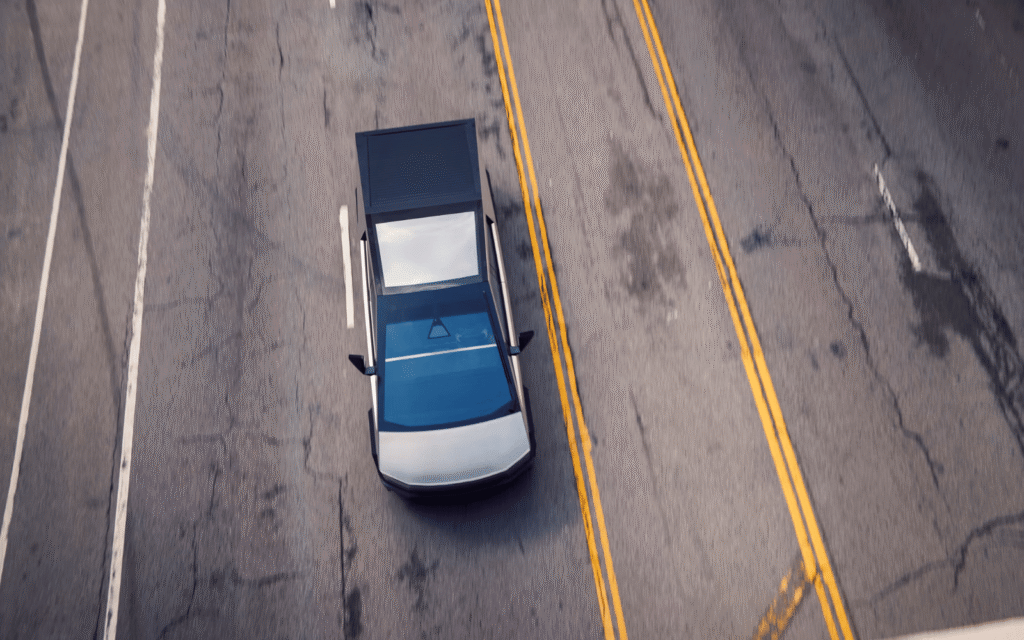
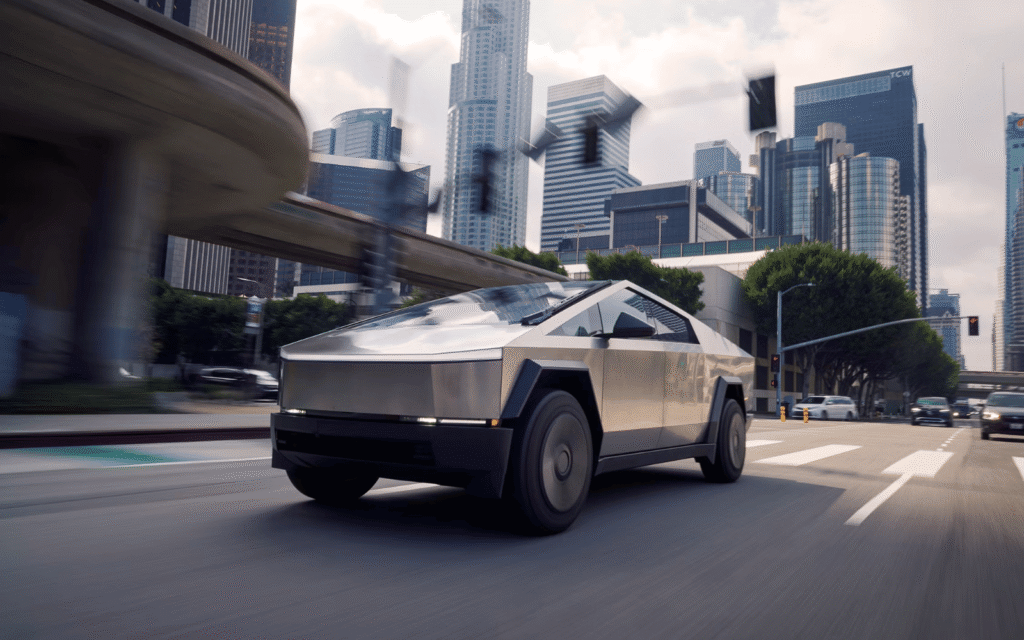
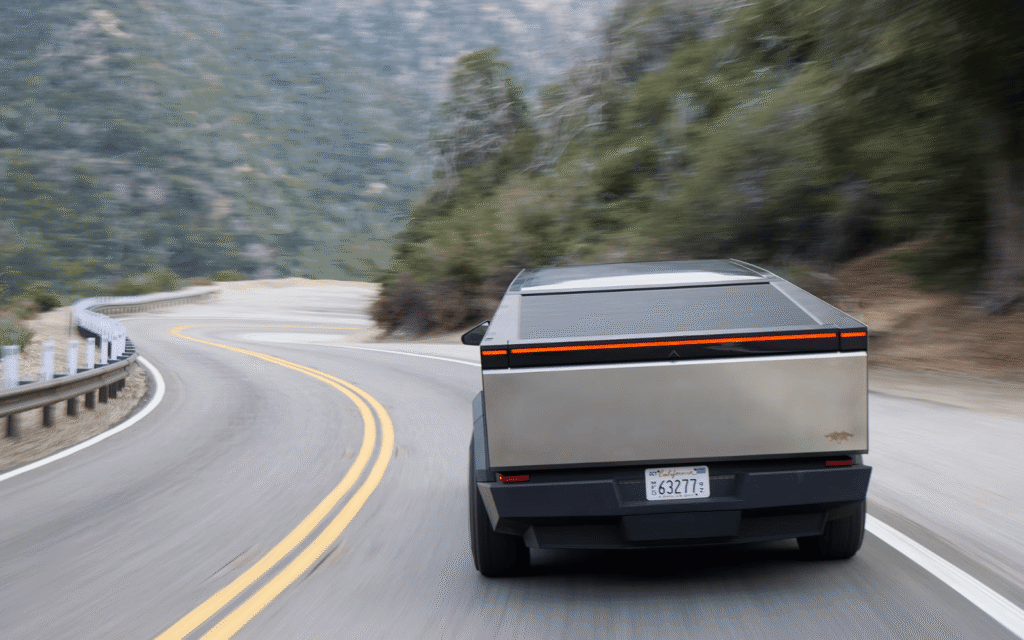
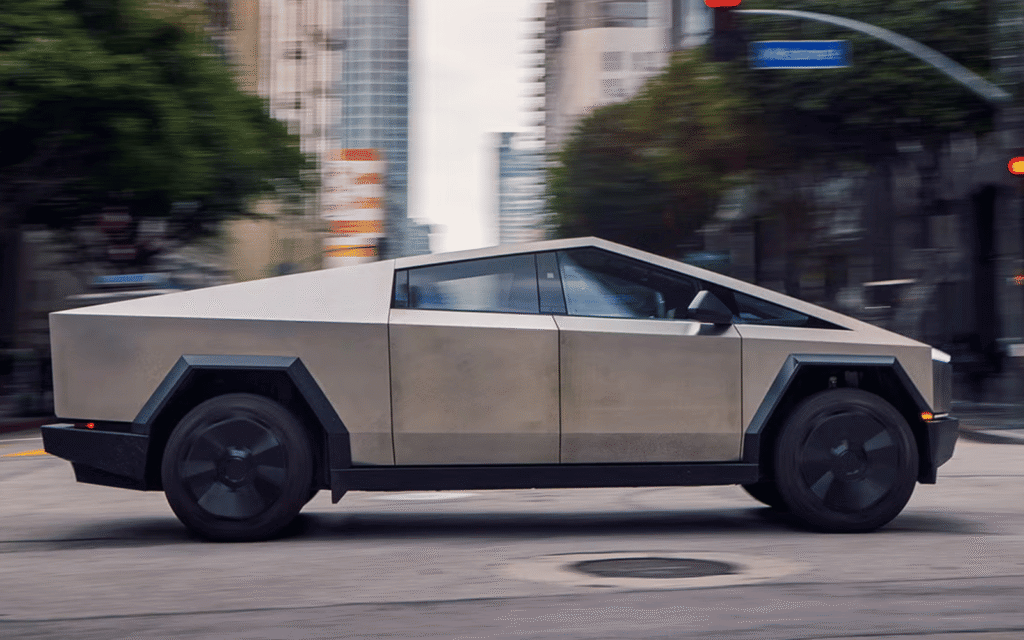
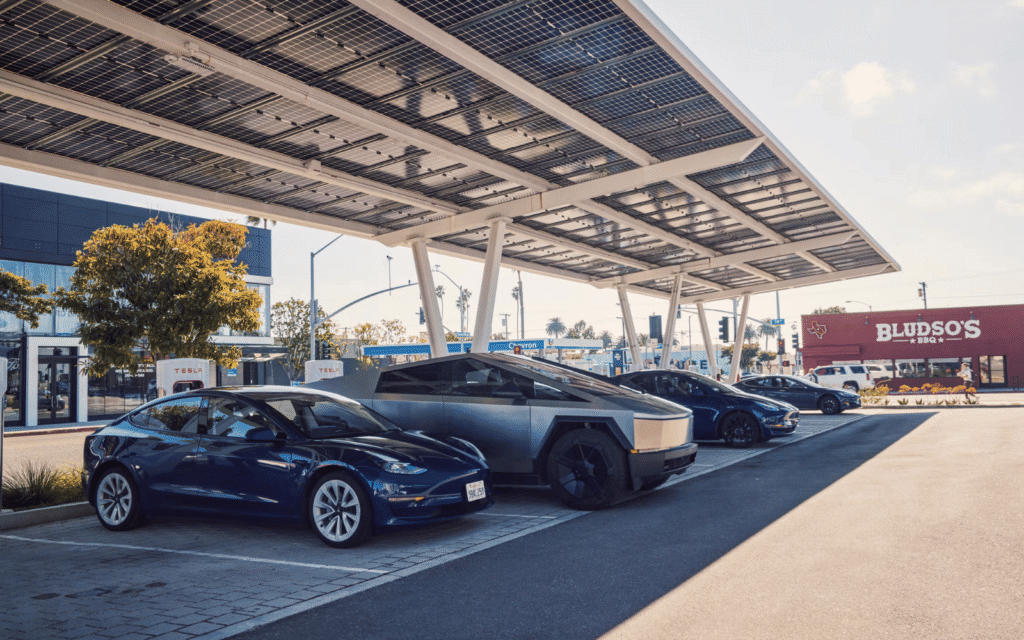
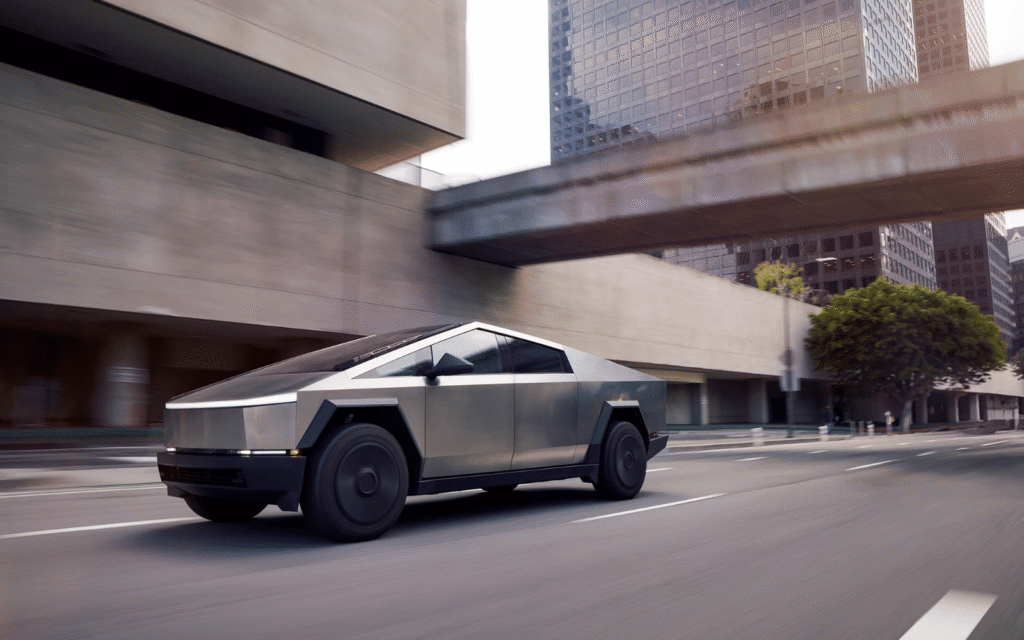
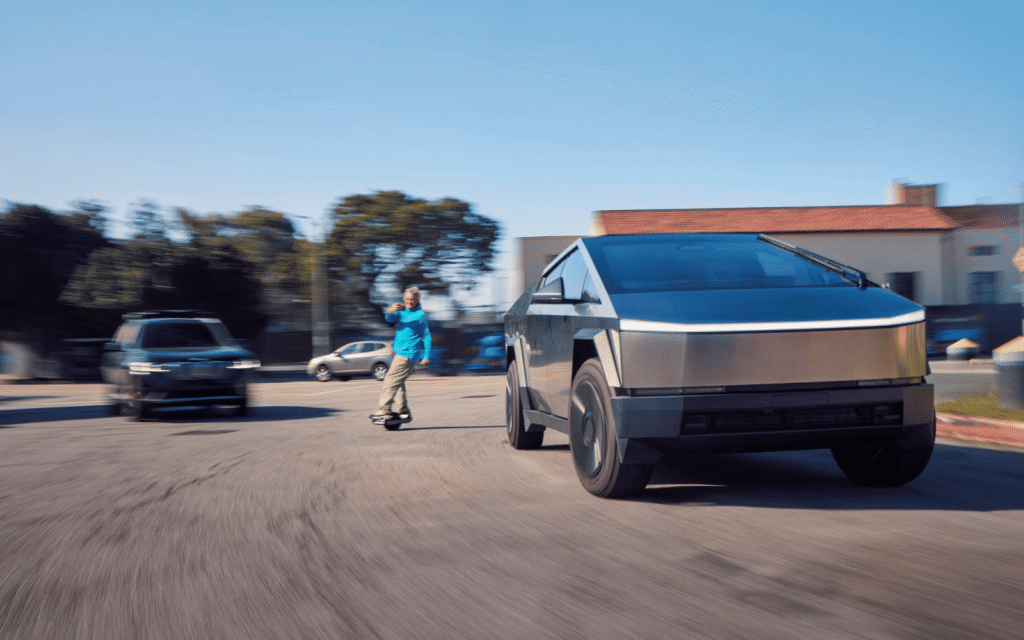
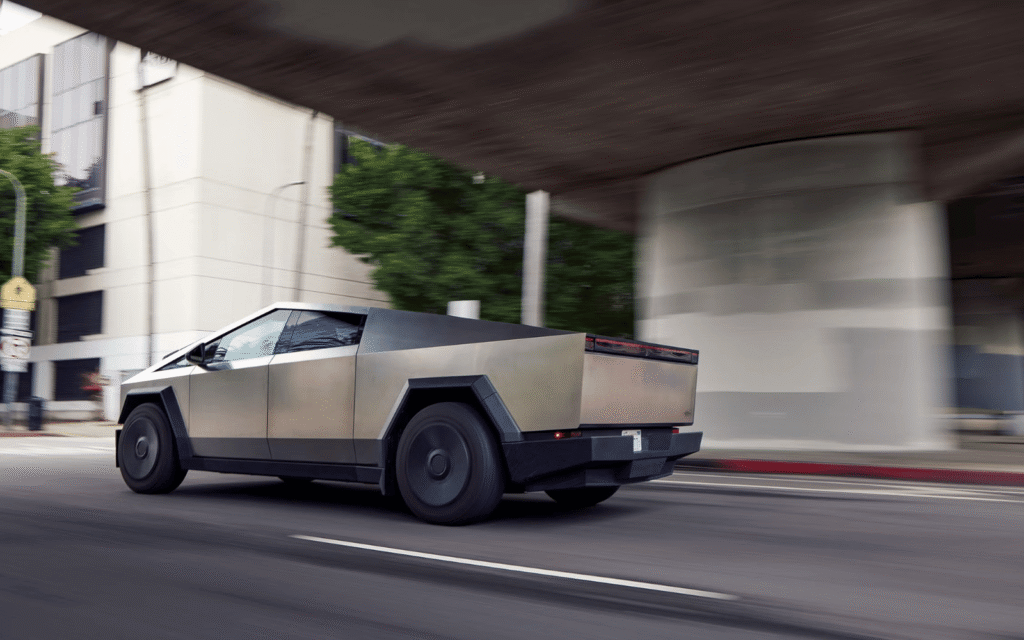
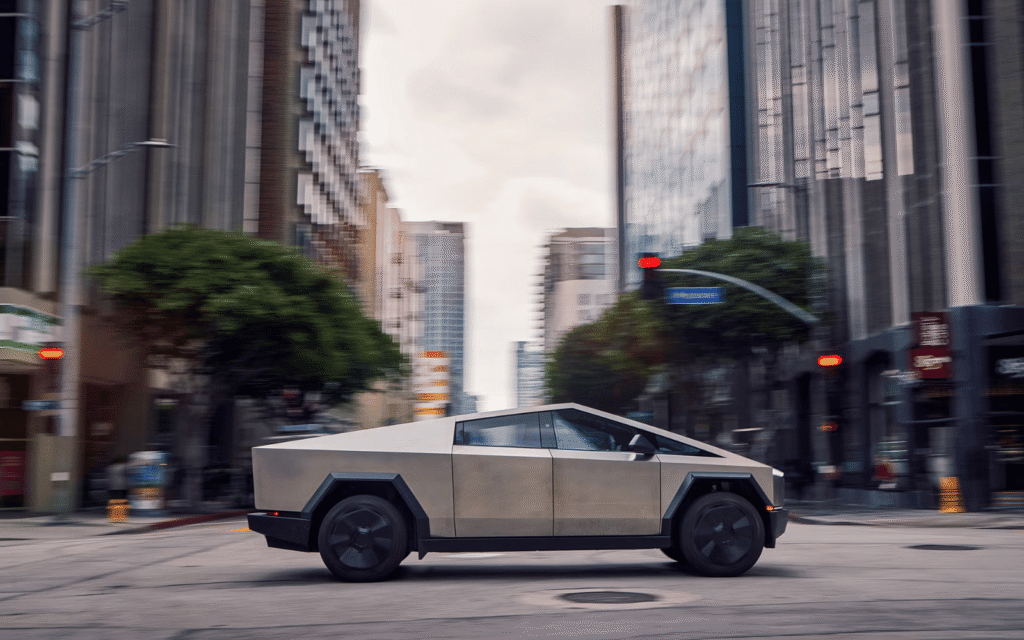

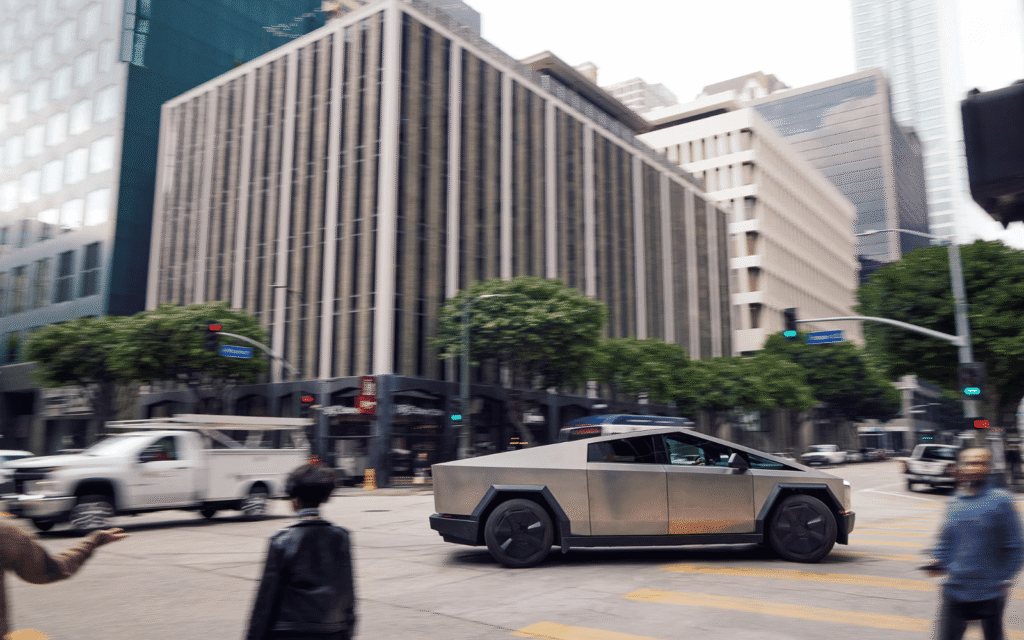
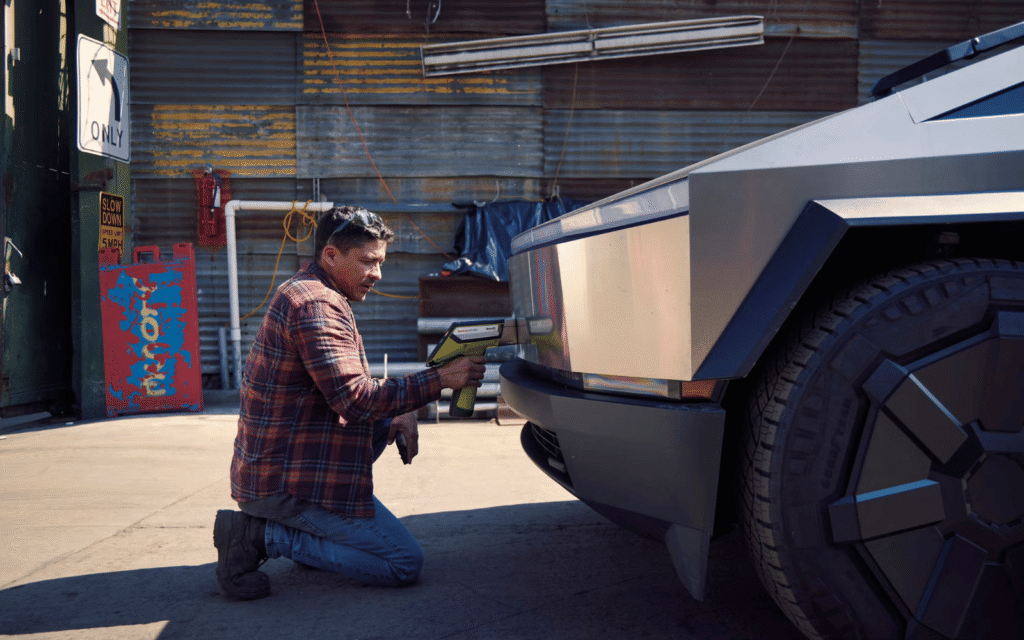
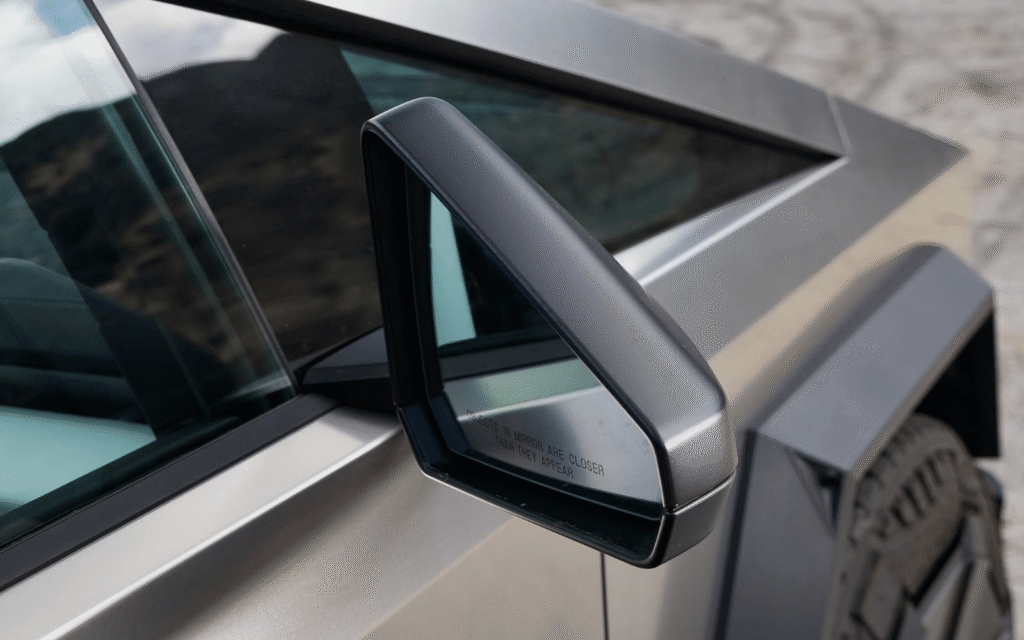
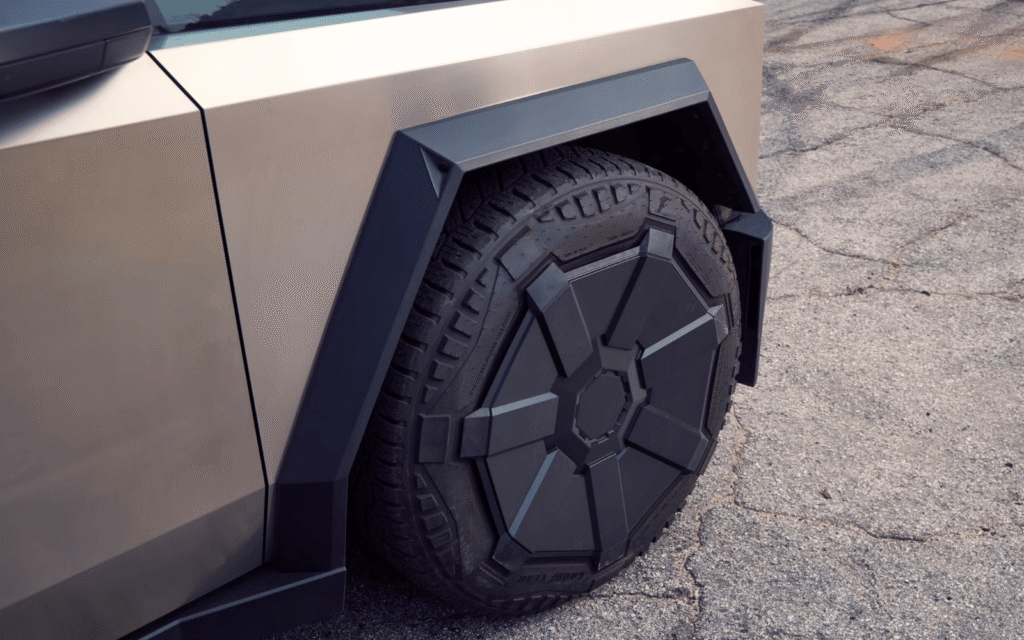
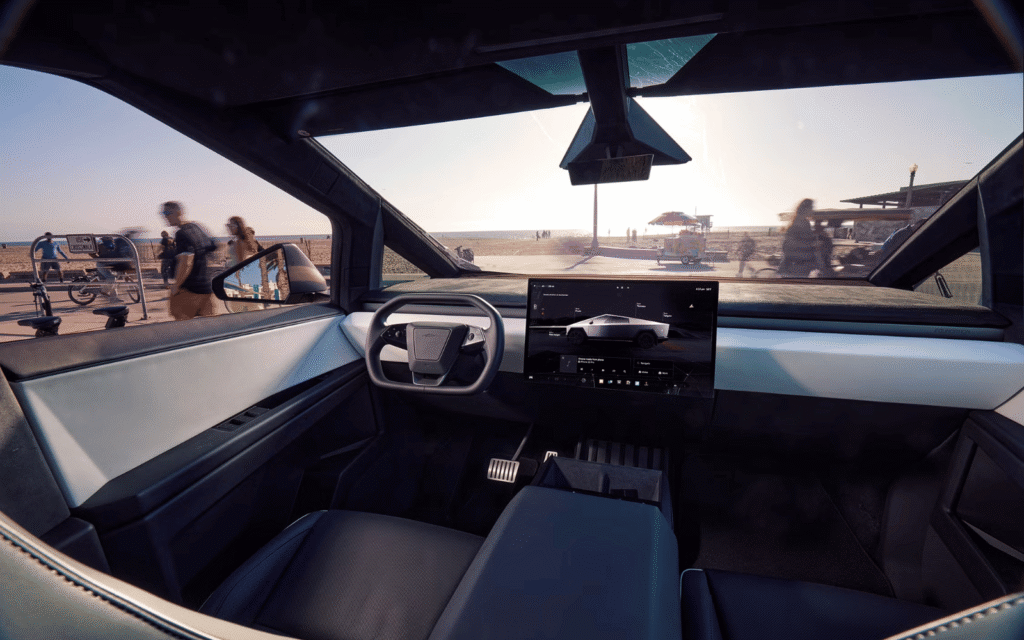
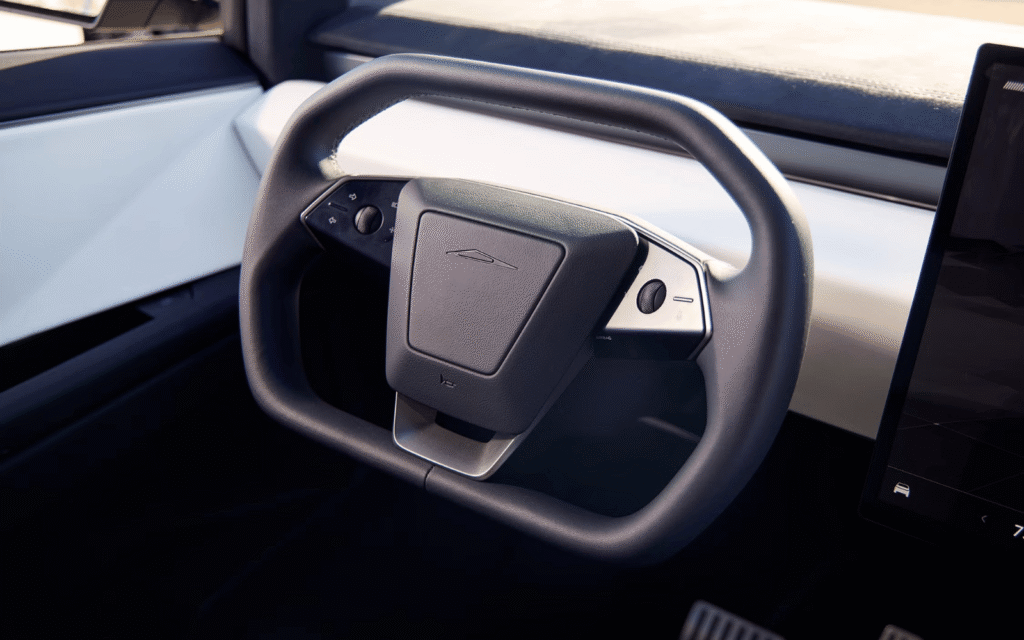
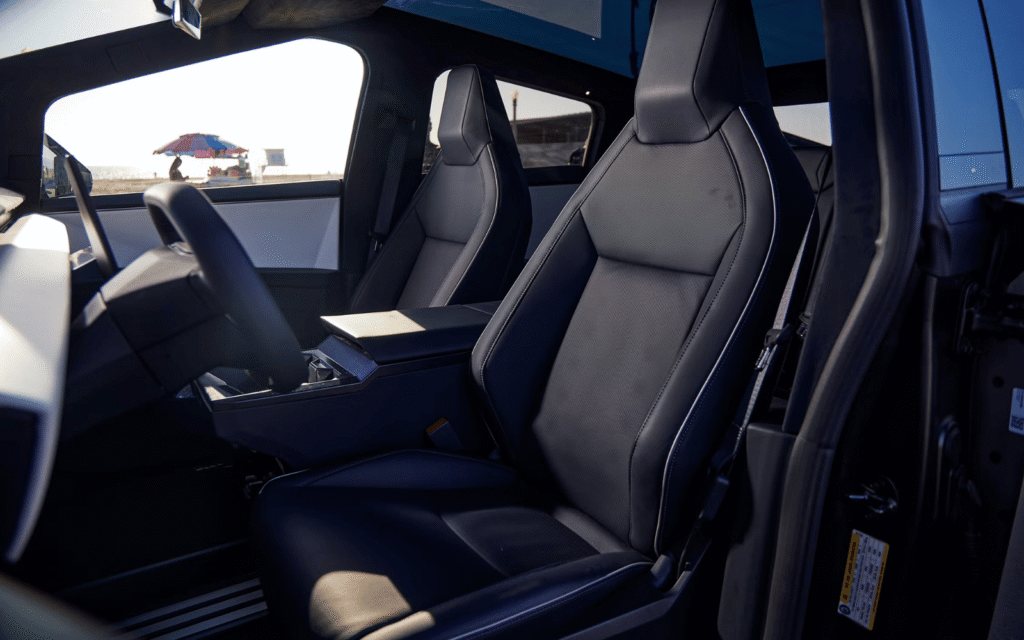
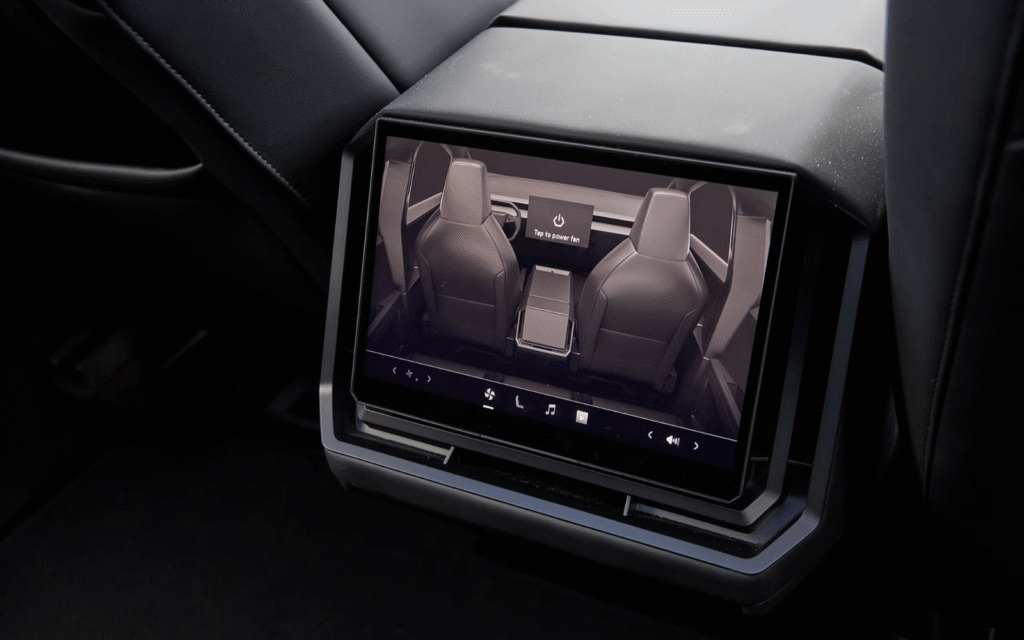
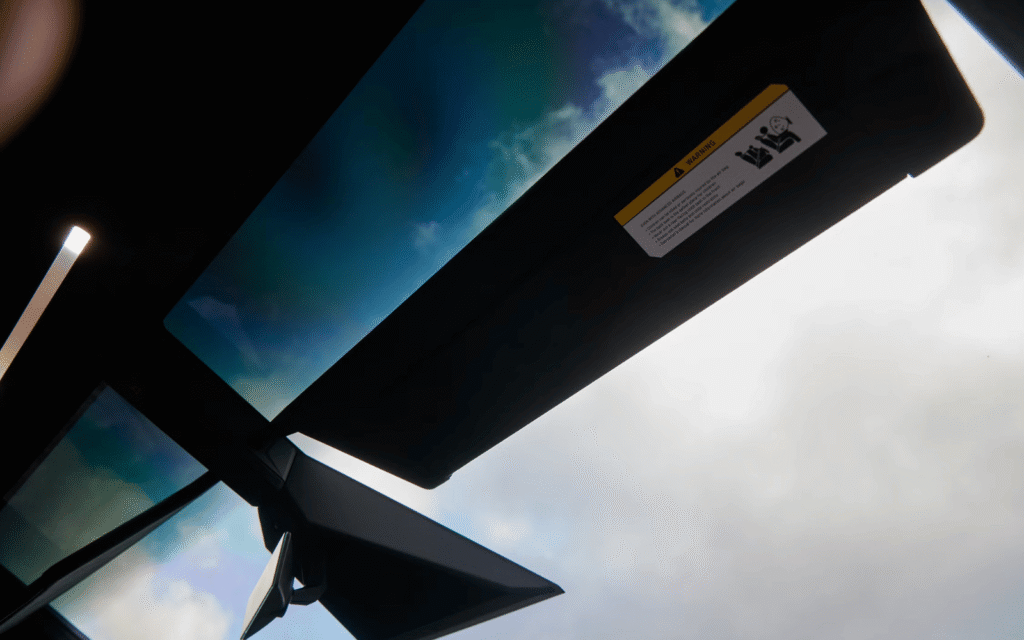
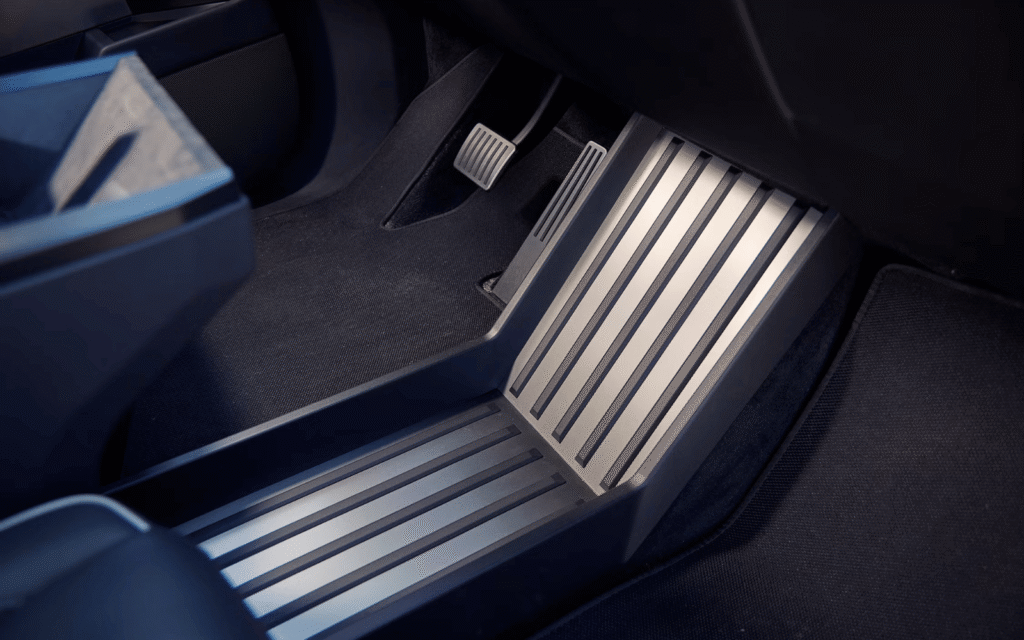
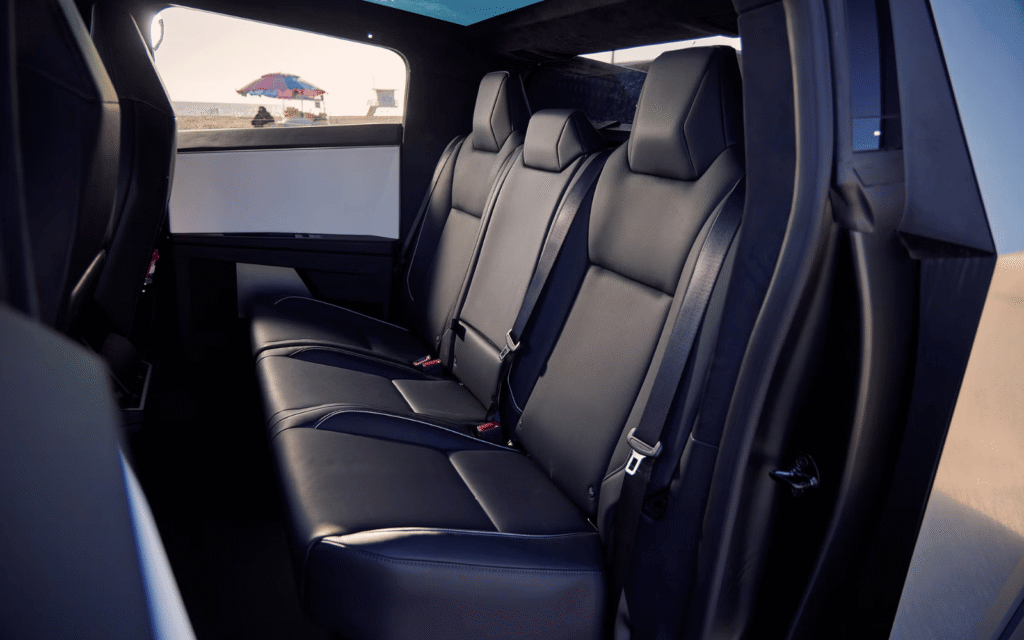
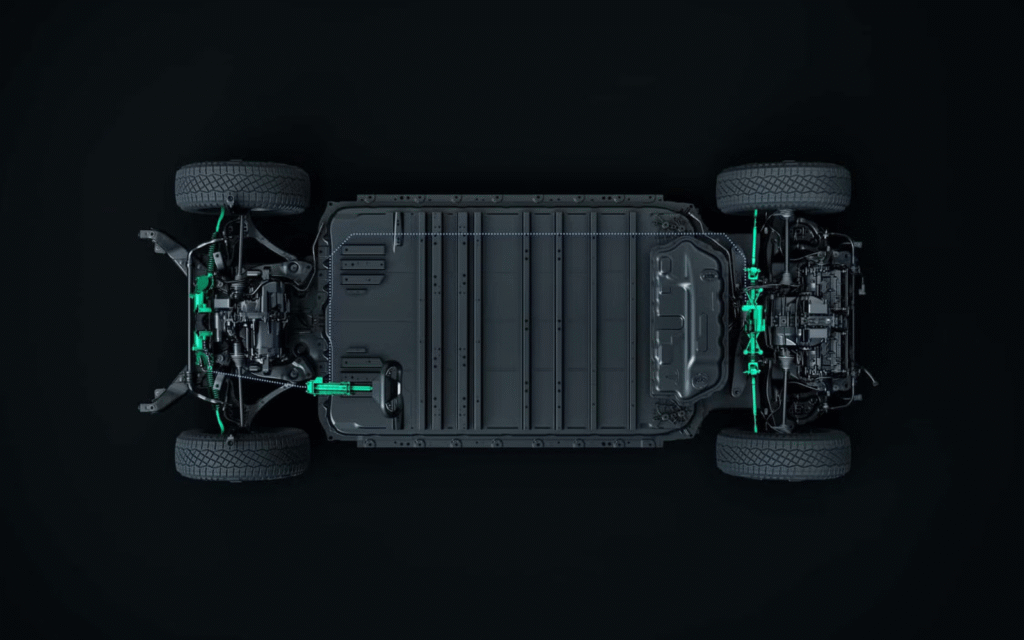
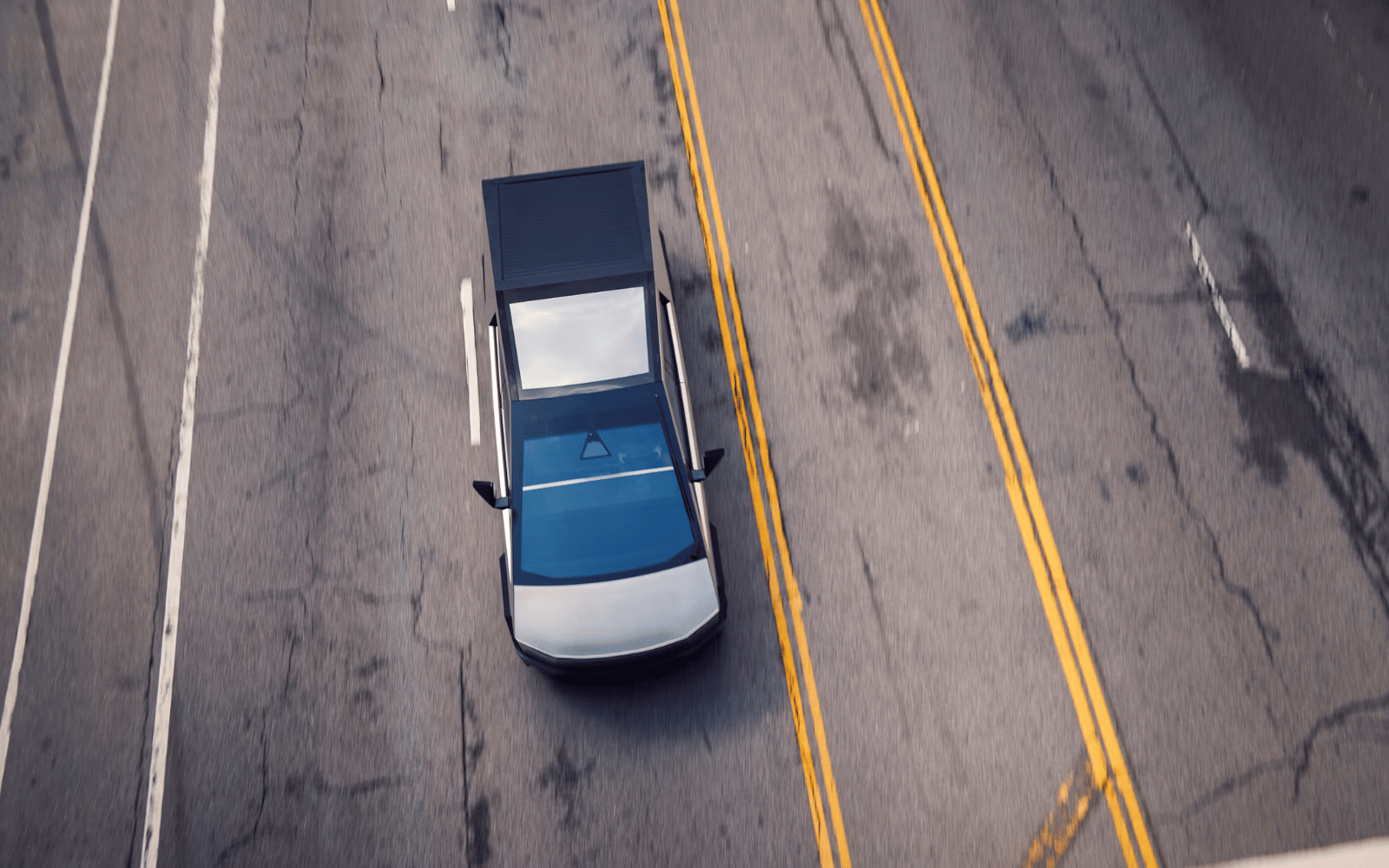
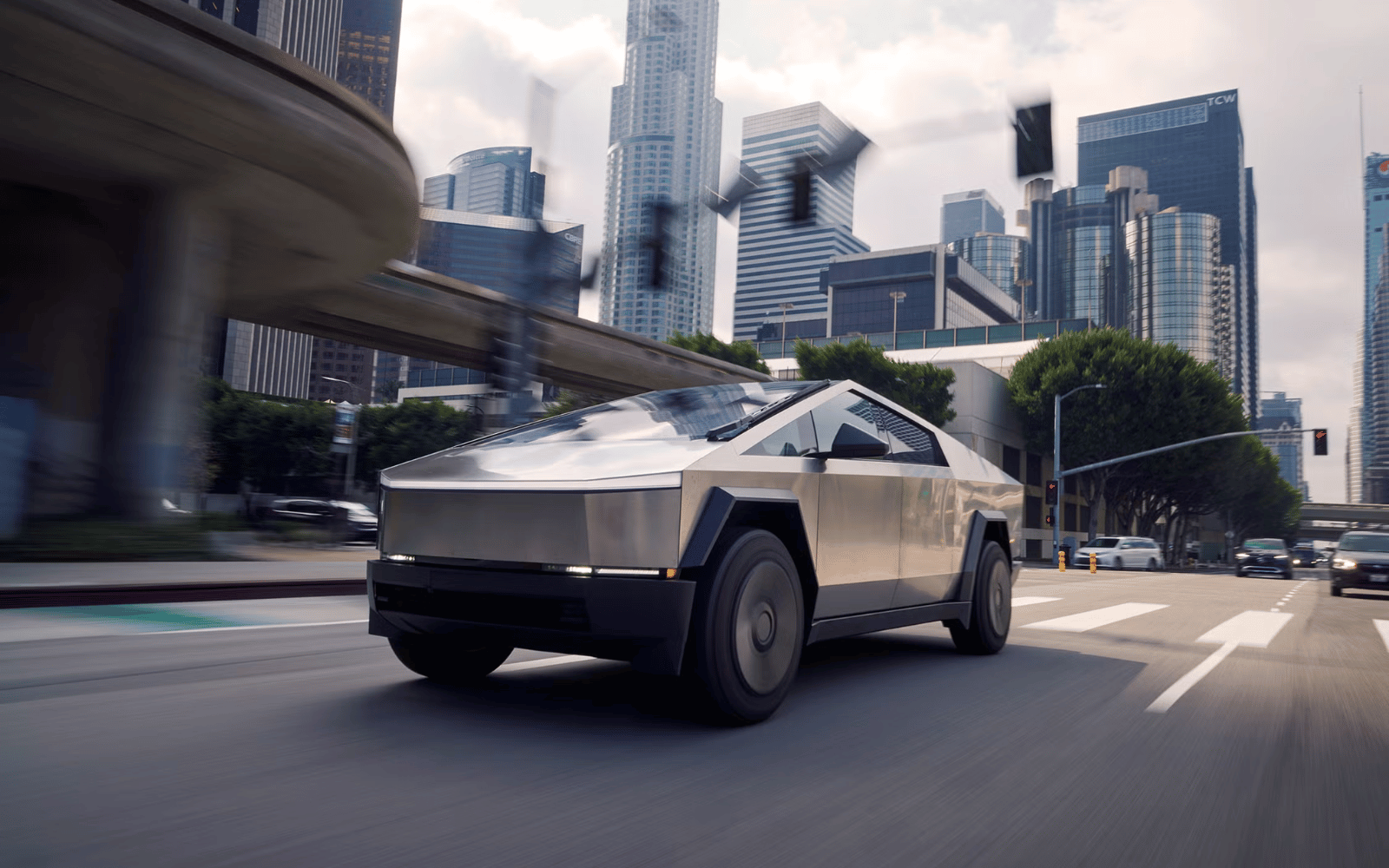
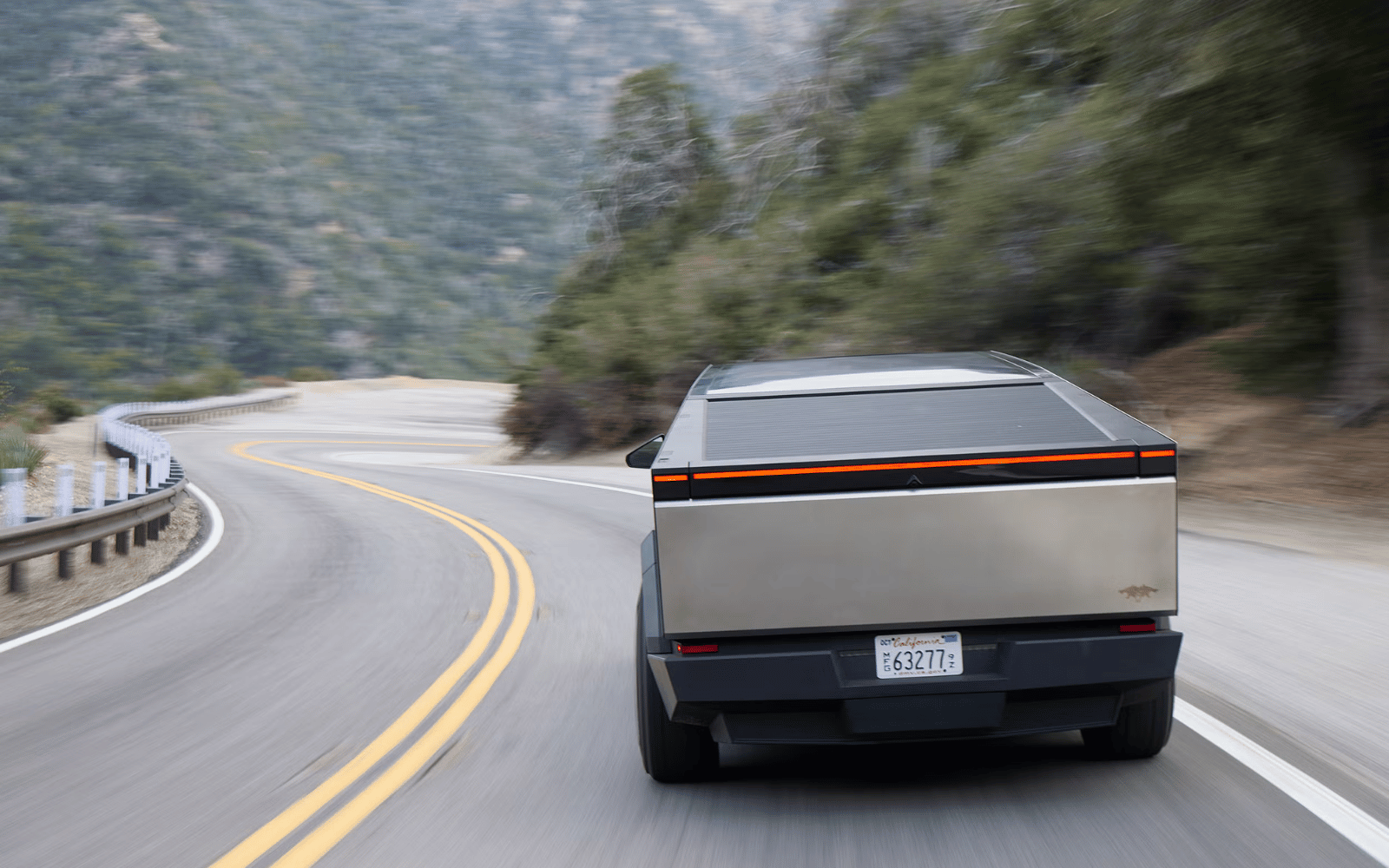
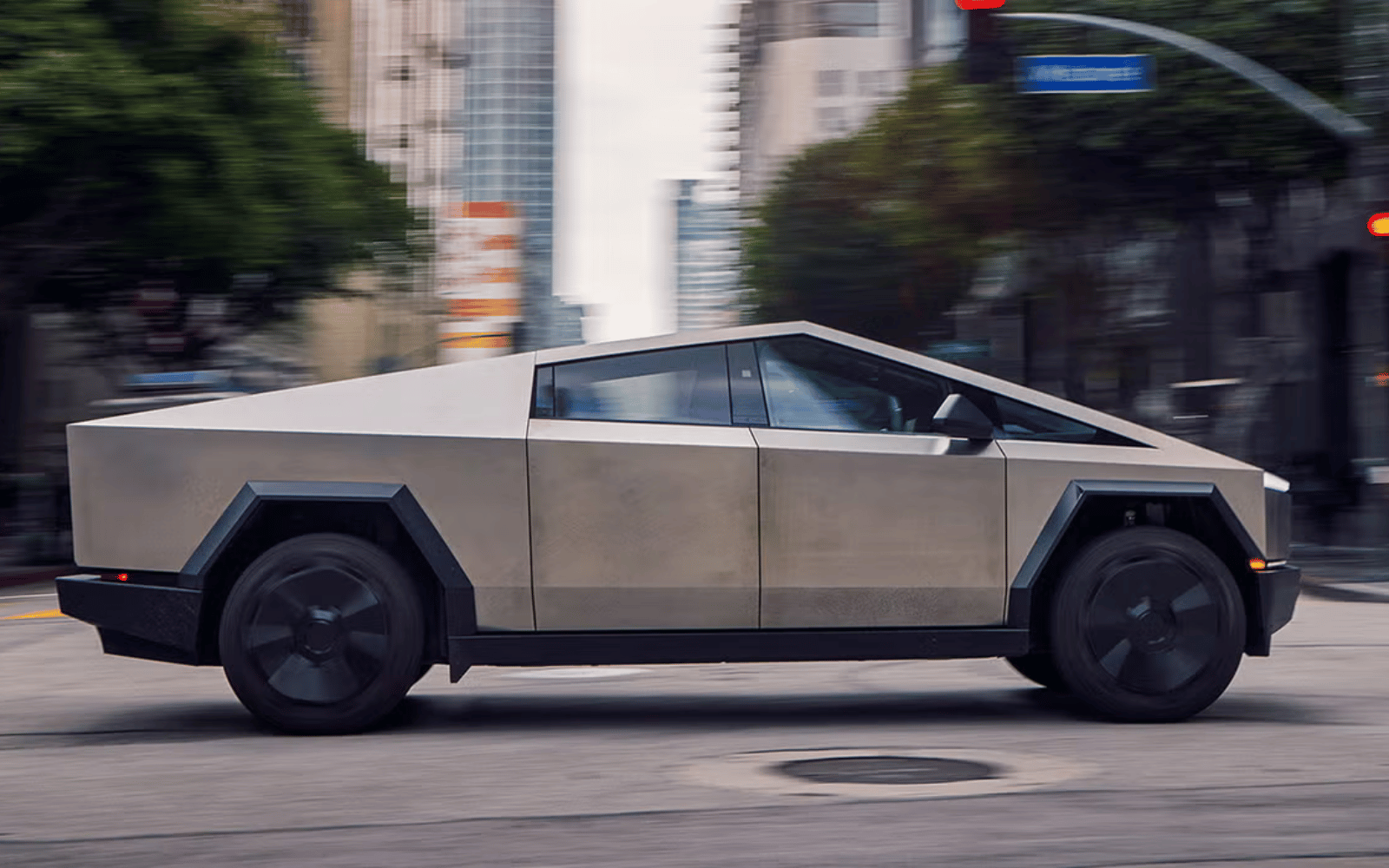
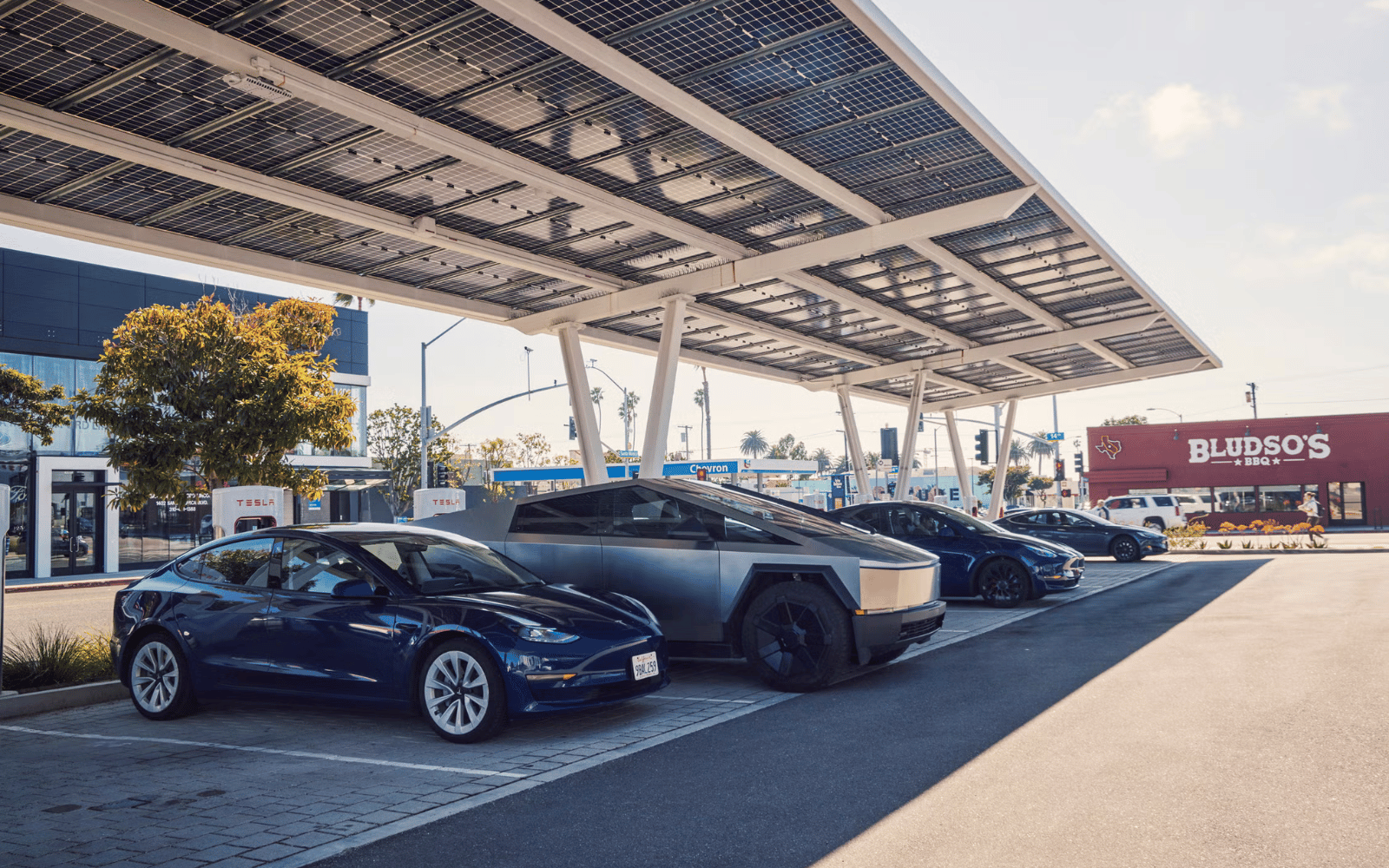
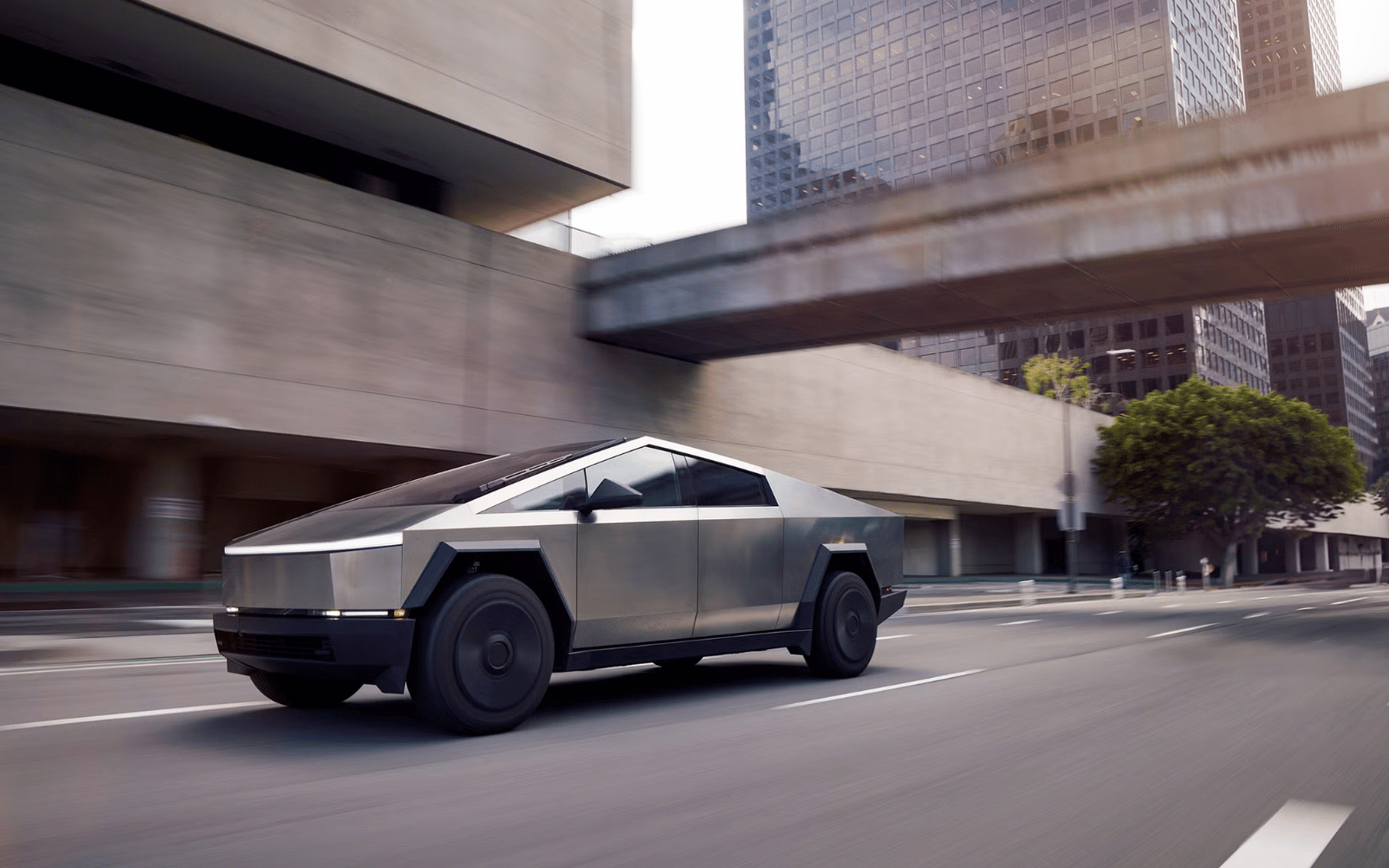
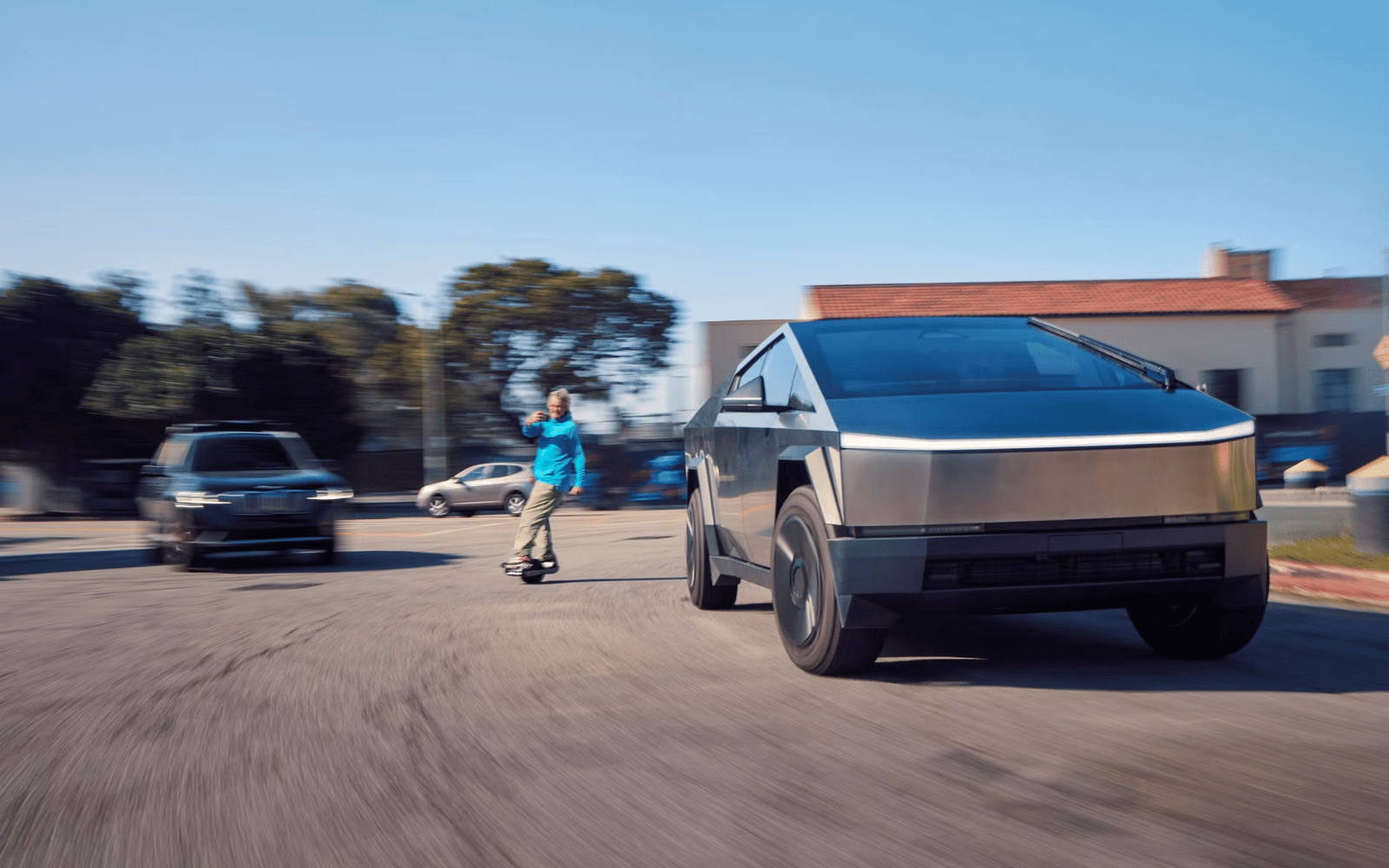
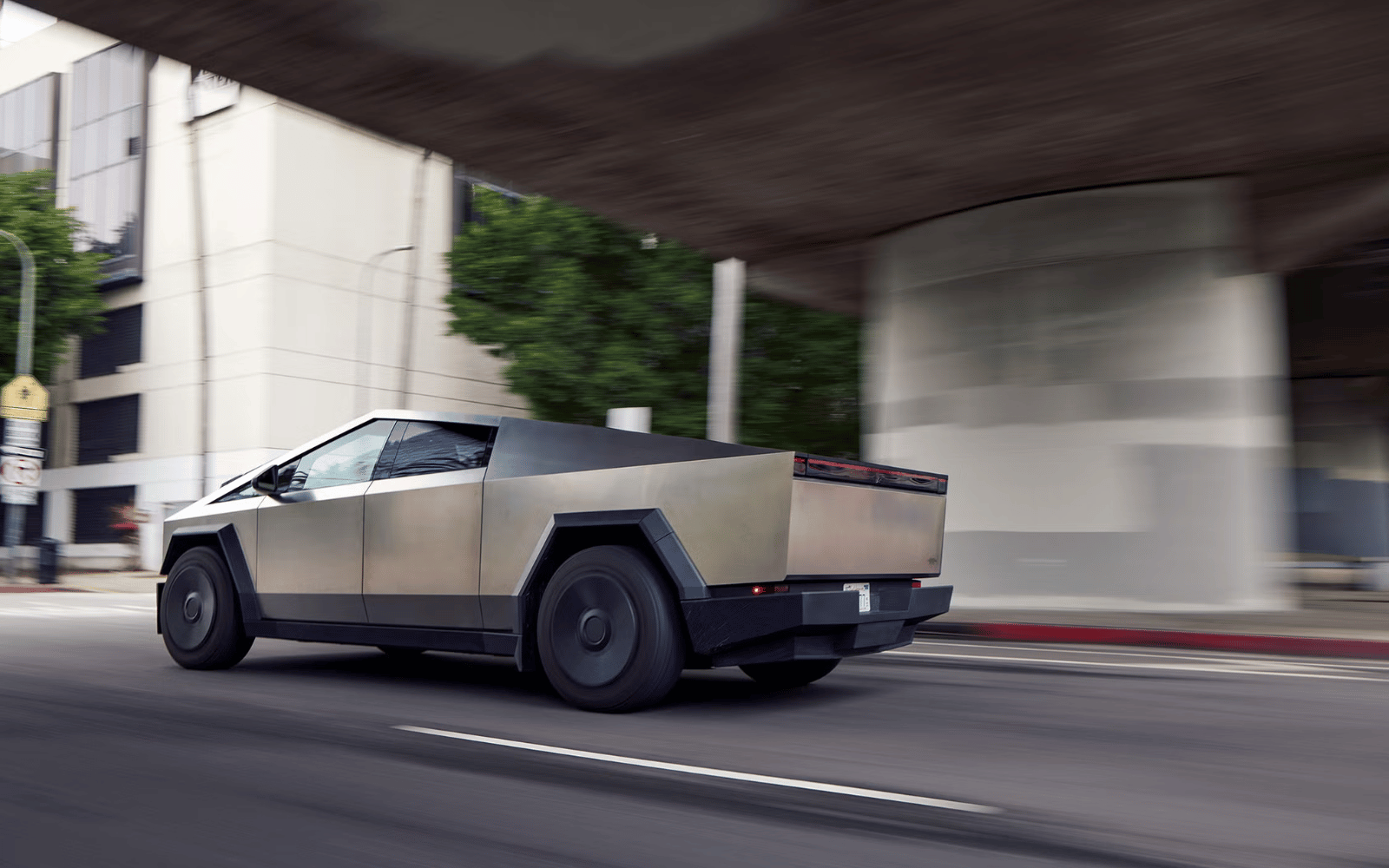
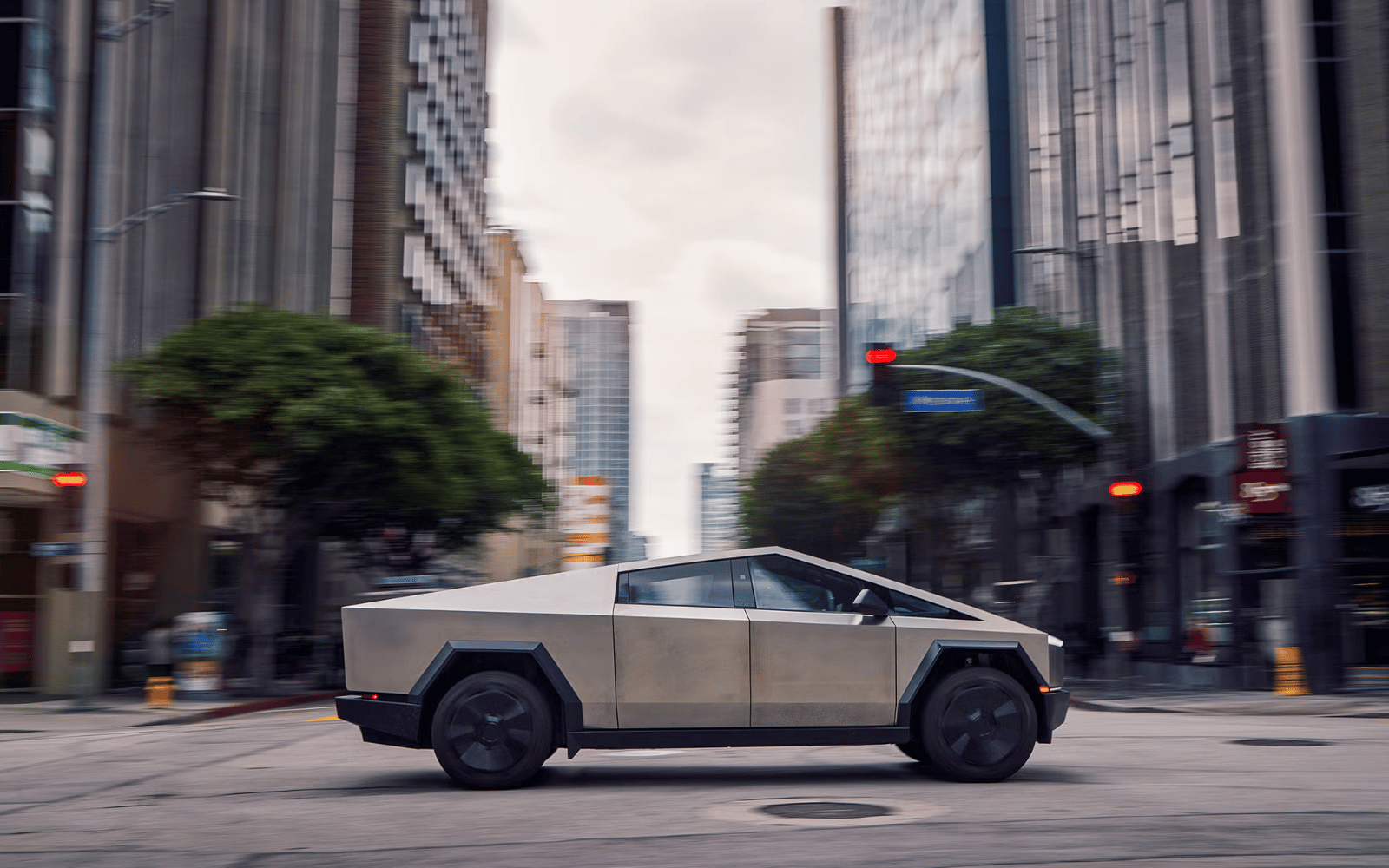
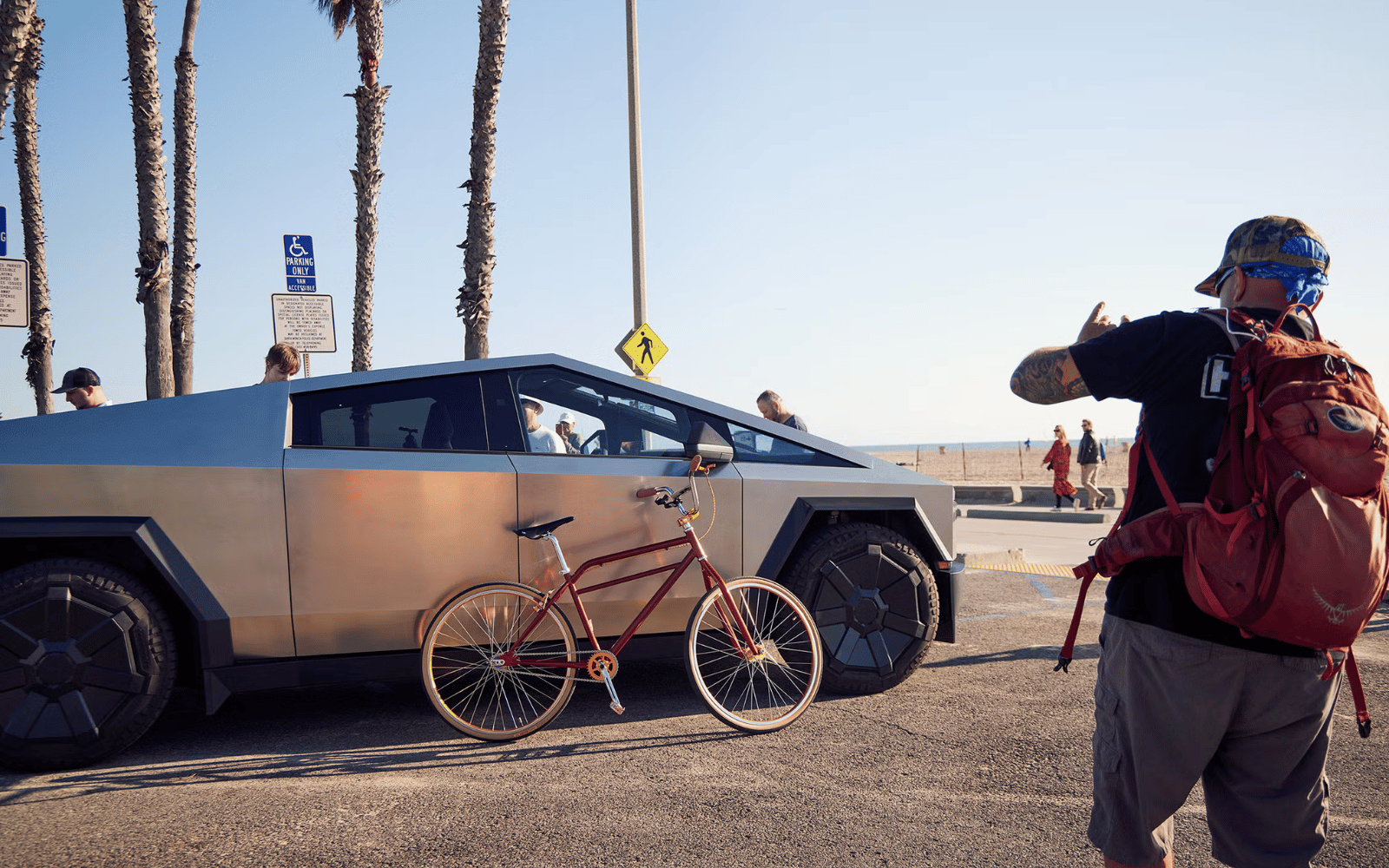
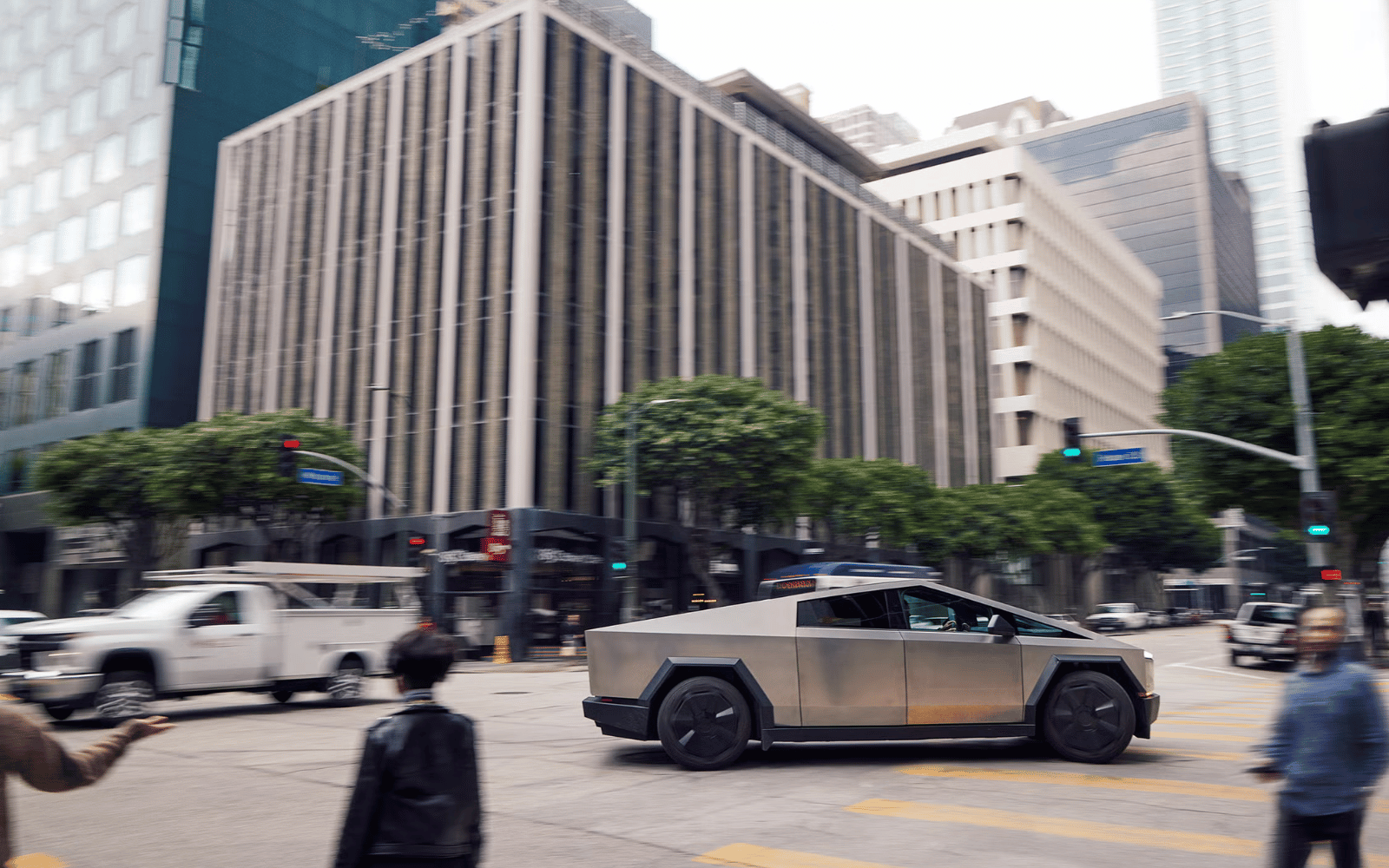
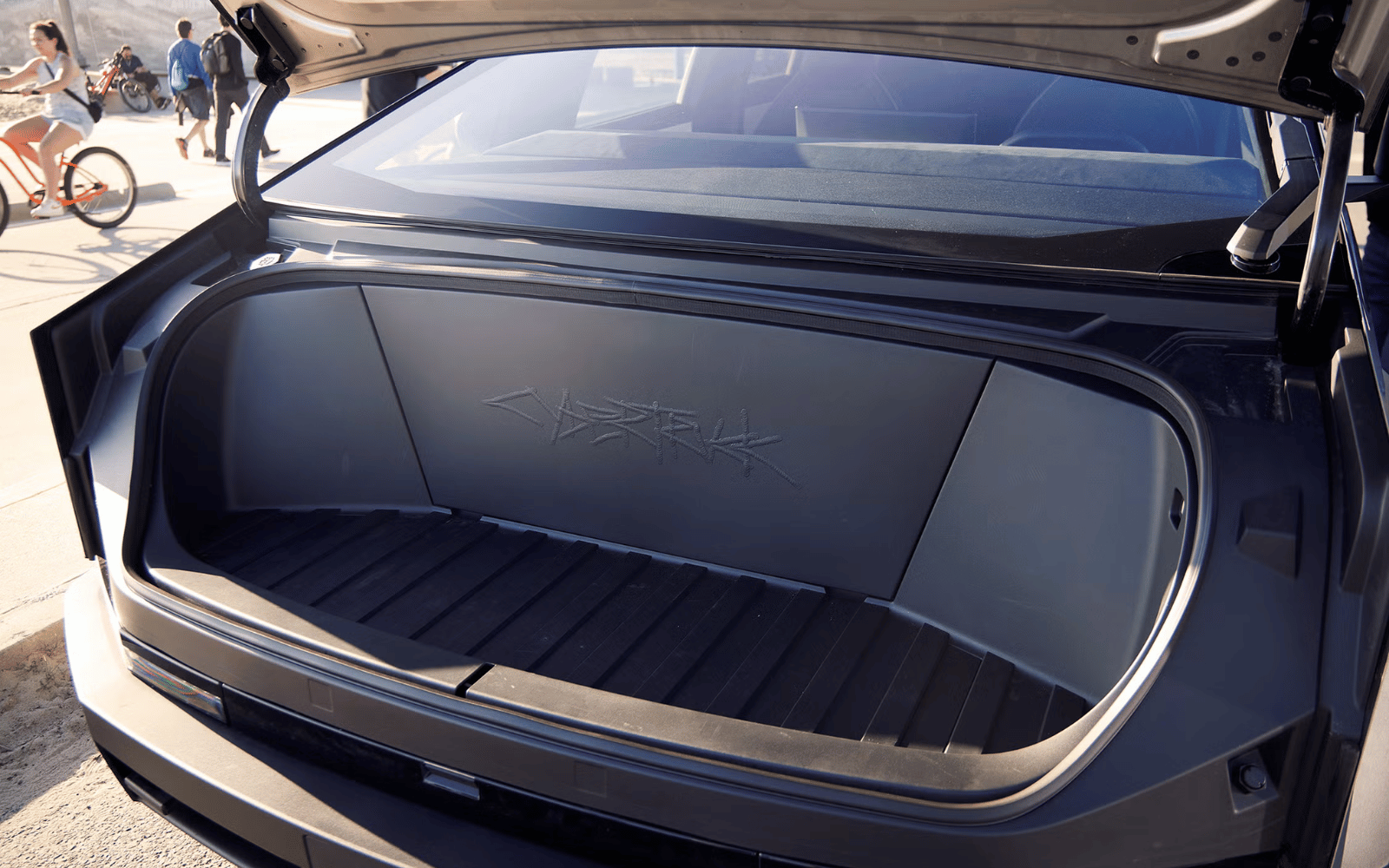
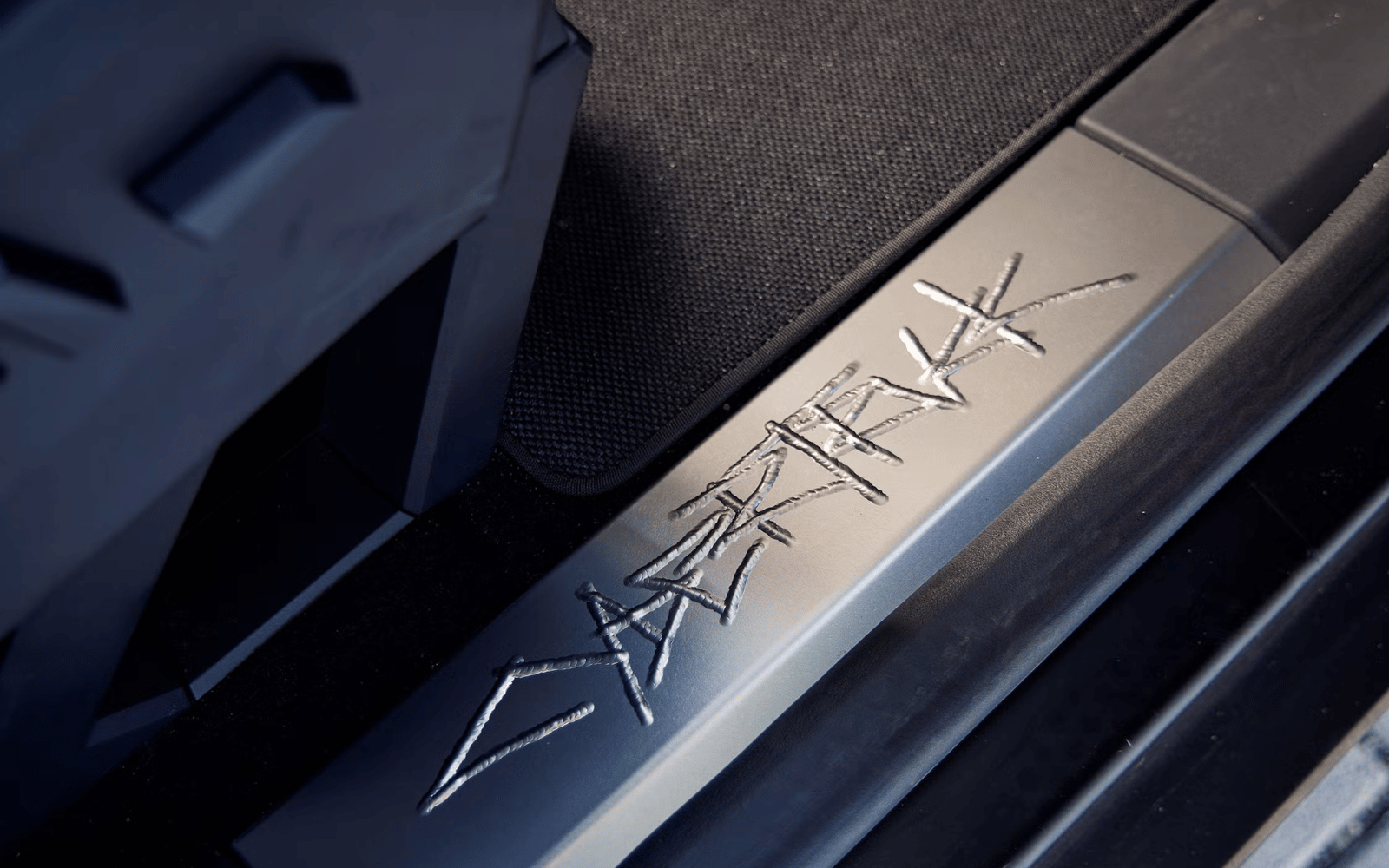
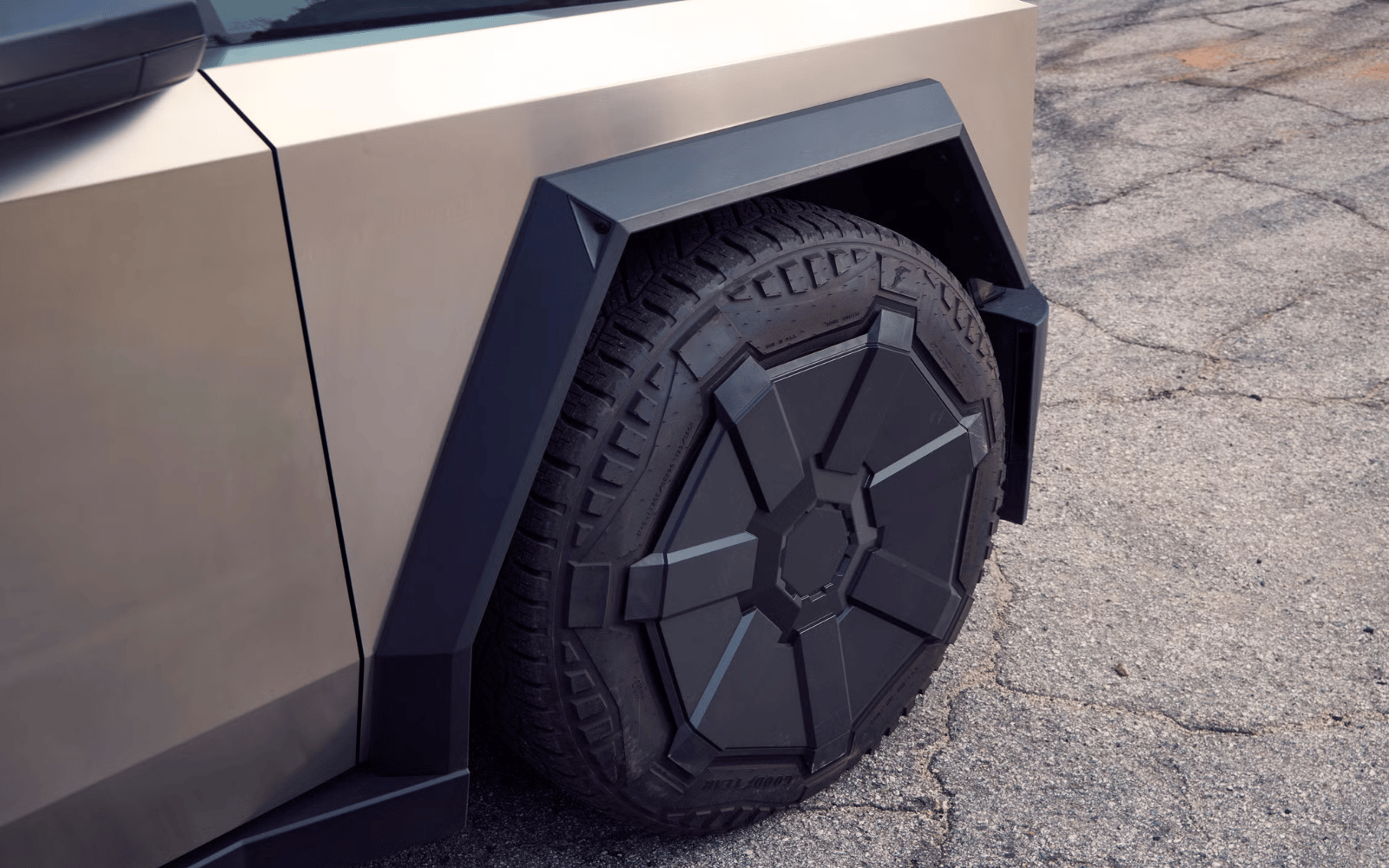
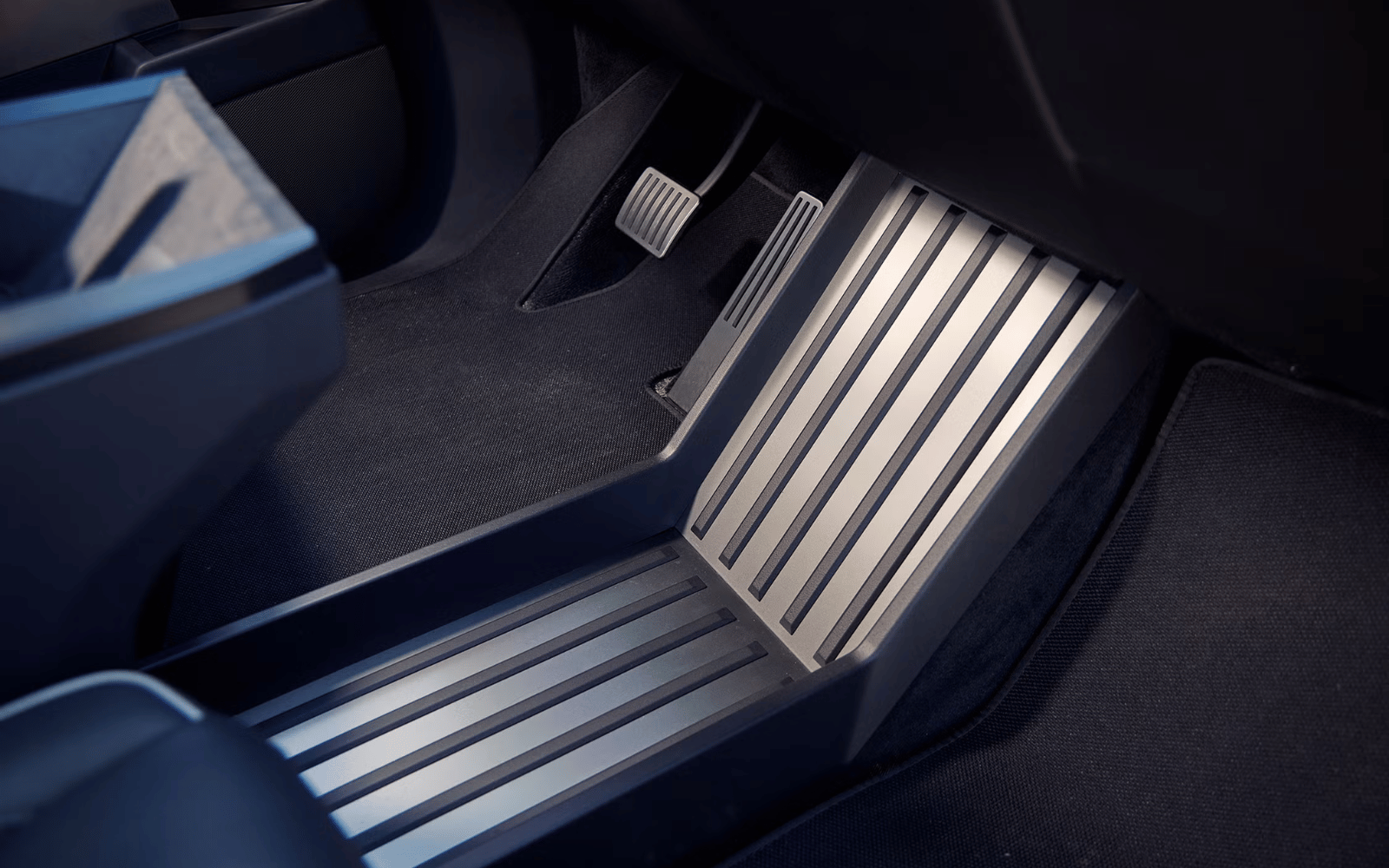
The current US lineup consists of Dual Motor All-Wheel Drive, Premium All-Wheel Drive, and Cyberbeast versions. The entry truck uses fixed-height suspension and has a 7,500-pound towing limit, while Premium AWD and Cyberbeast add adjustable air suspension and can tow up to 11,000 pounds.
Its performance and technology are impressive, but buyers must also consider its width, weight, high price, limited long-term reliability history, unusual repair requirements, and substantial range loss when towing.
WheelPedia Rating: 8.4/10
The Tesla Cybertruck earns an 8.4/10 WheelPedia Rating for its strong crash-test results, exceptional performance, practical cargo bed, useful onboard power, and clever steering system. Its price, energy consumption, ownership risks, limited repair history, and awkward dimensions reduce its overall score.
| Rating Category | Score | Weight |
| Safety | 9.2/10 | 20% |
| Reliability and ownership | 7.2/10 | 15% |
| Performance and driving | 9.5/10 | 15% |
| Comfort and practicality | 8.6/10 | 15% |
| Efficiency and range | 7.8/10 | 15% |
| Features and technology | 9.3/10 | 10% |
| Price and value | 6.7/10 | 10% |
| Overall WheelPedia Rating | 8.4/10 | — |
See how WheelPedia rates cars for the full scoring method.
Key Highlights
- Starts from $74,990 MSRP in the US before destination, order fees, taxes, and options.
- Three current versions: Dual Motor AWD, Premium AWD, and Cyberbeast.
- EPA-estimated range reaches 325 miles.
- Cyberbeast produces approximately 845 horsepower.
- Tesla estimates a 2.6-second 0–60 mph time for Cyberbeast.
- Maximum towing capacity ranges from 7,500 to 11,000 pounds.
- Maximum payload ranges from approximately 2,000 to 2,500 pounds, depending on version and tires.
- Six-foot composite cargo bed with a powered hard tonneau cover.
- Premium AWD and Cyberbeast provide up to 16.02 inches of ground clearance.
- Supports fast charging at up to approximately 325 kW on compatible equipment.
- Available onboard 120-volt and 240-volt outlets can power tools and appliances.
- Powershare can provide up to 11.5 kW for compatible home-backup systems.
- The 2026 Cybertruck is an IIHS Top Safety Pick+.
- Best for buyers who want an electric pickup with unusual styling, quick acceleration, and strong onboard-power capability.
Quick Specifications
| Specification | Tesla Cybertruck |
| Vehicle type | Full-size electric crew-cab pickup |
| Seating capacity | 5 |
| Powertrain | Dual-motor or tri-motor electric |
| Drivetrain | All-wheel drive |
| Power | Approximately 600–845 hp |
| EPA-estimated range | 320–325 miles |
| 0–60 mph | 4.1 or 2.6 seconds |
| Maximum towing capacity | 7,500–11,000 lbs. |
| Maximum payload | 2,006–2,500 lbs. |
| Maximum DC charging rate | Approximately 325 kW |
| Home charging | Up to 11.5 kW |
| Cargo-bed length | 71.84 in. |
| Cargo-bed width at floor | 51.00 in. |
| Length | 223.74 in. |
| Width without mirrors | 79.98 in. |
| Width with mirrors | 95.01 in. |
| Wheelbase | 143.11 in. |
| Curb weight | Approximately 6,537–6,898 lbs. |
| Maximum ground clearance | 9.76 in. on base AWD; 16.02 in. on air-suspension models |
Expert tip:
At current prices, Premium AWD is the strongest all-round Cybertruck. It costs $10,000 more than the base truck but adds adjustable air suspension, an 11,000-pound towing rating, upgraded seats, a rear display, better audio, cabin outlets, and additional cargo features. Choose the base AWD only if you do not need those upgrades.
About the Tesla Cybertruck
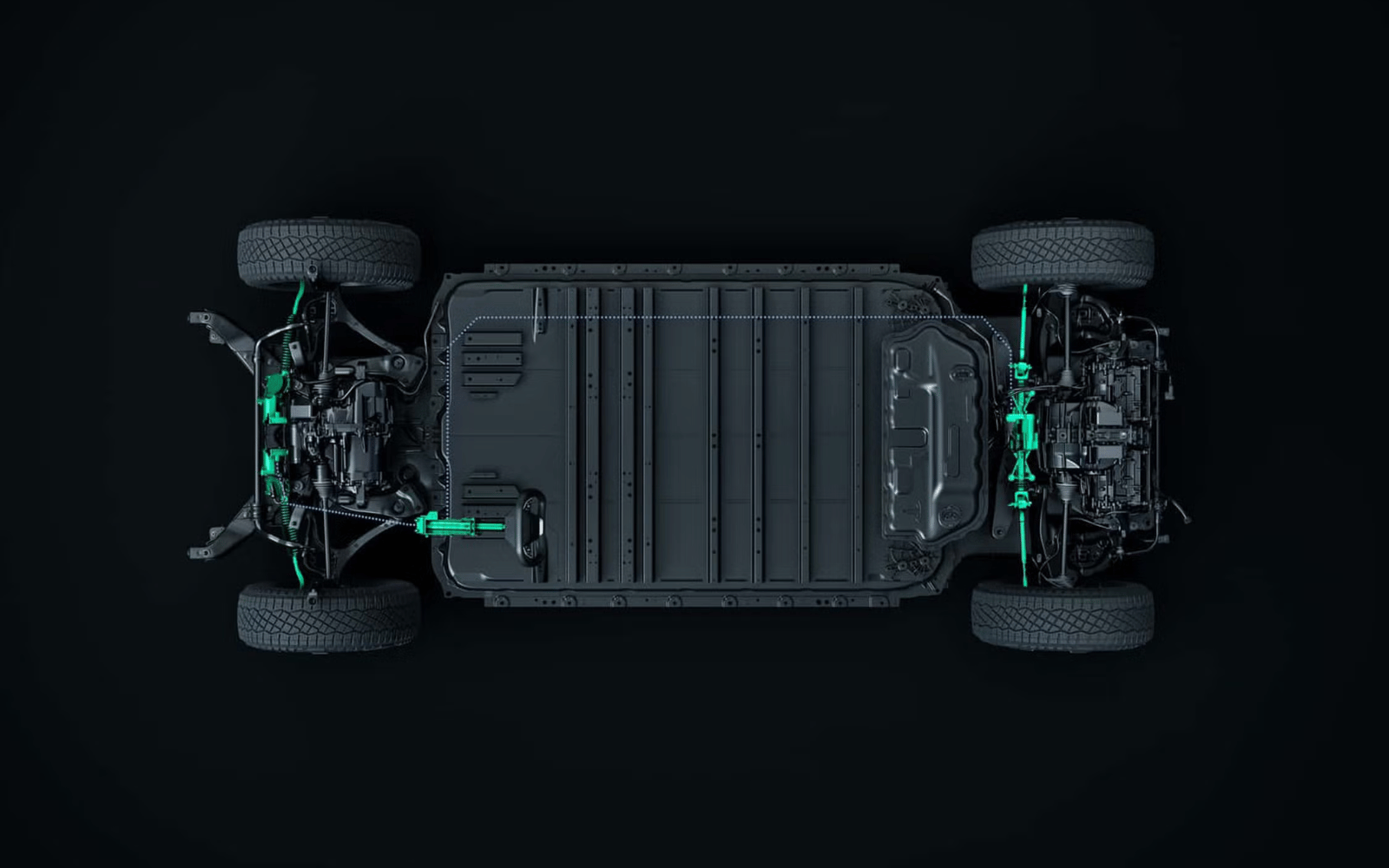
The Cybertruck is Tesla’s first production pickup. Deliveries began in late 2023 after the concept was originally shown in 2019. Its design differs sharply from a conventional body-on-frame truck, using a large cast structure, stainless-steel exterior panels, steer-by-wire, rear-wheel steering, and a structural battery pack.
Tesla has revised the lineup several times. A rear-wheel-drive Long Range model was briefly offered before being removed. The earlier dual-motor AWD version has effectively become Premium AWD, while the current lower-priced Dual Motor AWD uses different suspension and carries less standard equipment.
The official Tesla Cybertruck page lists the current truck and directs shoppers to Tesla’s live configurator. Because Tesla can change prices, equipment, and estimated delivery dates without waiting for a traditional model-year update, buyers should confirm the final order details before paying a deposit.
Price and Versions
Tesla increased the prices of its two dual-motor versions in August 2026. The following are current base MSRPs before destination, Tesla’s order fee, taxes, registration, paint film, wheels, accessories, and software purchases.
| Version | Starting MSRP | EPA Range | Towing Capacity | Main Reason to Choose |
| Dual Motor All-Wheel Drive | $74,990 | 325 miles | 7,500 lbs. | Lowest current entry price |
| Premium All-Wheel Drive | $84,990 | 325 miles | 11,000 lbs. | Best balance of equipment and capability |
| Cyberbeast | $99,990 | 320 miles | 11,000 lbs. | Maximum acceleration and power |
Tesla also charges destination and order fees. With the currently listed $1,995 destination charge and $250 order fee, the approximate prices before taxes and options are $77,235, $87,235, and $102,235.
The base and Premium trucks provide similar acceleration and the same 325-mile range estimate. The main differences involve towing, suspension, wheels, interior materials, audio equipment, rear-seat technology, cabin outlets, and additional storage.
Cyberbeast is the quickest version, but Premium AWD is more sensible for towing and everyday use. It costs less, weighs less, and has a slightly longer range estimate.
Electric Motors, Battery, and Performance
Dual Motor AWD and Premium AWD use one motor at each axle. Combined output is approximately 600 horsepower, giving both trucks a Tesla-estimated 4.1-second 0–60 mph time.
Cyberbeast adds a third motor and produces approximately 845 horsepower. Two rear motors allow more precise control of power across the rear axle, while the front motor assists with traction and acceleration.
Tesla does not publish an official usable battery-capacity figure for the current Cybertruck. Outside estimates should not be treated as confirmed factory specifications. Buyers can compare the versions more reliably through their EPA range, charging performance, towing limits, and displayed battery health.
| Performance Specification | Dual Motor AWD | Premium AWD | Cyberbeast |
| Motors | 2 | 2 | 3 |
| Drivetrain | AWD | AWD | AWD |
| Approximate power | 600 hp | 600 hp | 845 hp |
| Tesla-estimated 0–60 mph | 4.1 sec. | 4.1 sec. | 2.6 sec. |
| Approximate top speed | 112 mph | 112 mph | 130 mph |
| EPA-estimated range | 325 miles | 325 miles | 320 miles |
| Maximum towing capacity | 7,500 lbs. | 11,000 lbs. | 11,000 lbs. |
0–60 MPH Performance
The two dual-motor trucks can accelerate from 0–60 mph in approximately 4.1 seconds. That is exceptionally quick for a vehicle weighing well over 6,500 pounds and is more than enough performance for merging, passing, and daily driving.
Tesla estimates that Cyberbeast can complete the same run in 2.6 seconds, with rollout subtracted. Rollout removes the first short distance of vehicle movement from the measurement, so the result is not directly comparable with every standing-start test.
Acceleration depends on:
- Battery temperature and charge level
- Tire type and condition
- Road surface
- Passenger and cargo weight
- Trailer use
- Weather and elevation
- Performance preparation settings
Cyberbeast’s acceleration is dramatic, but it does not improve towing capacity or day-to-day practicality compared with Premium AWD.
Driving Experience
The Cybertruck drives smaller than its dimensions suggest. Rear-wheel steering turns the rear wheels in the opposite direction from the fronts at lower speeds, reducing the space needed for tight corners and parking maneuvers.
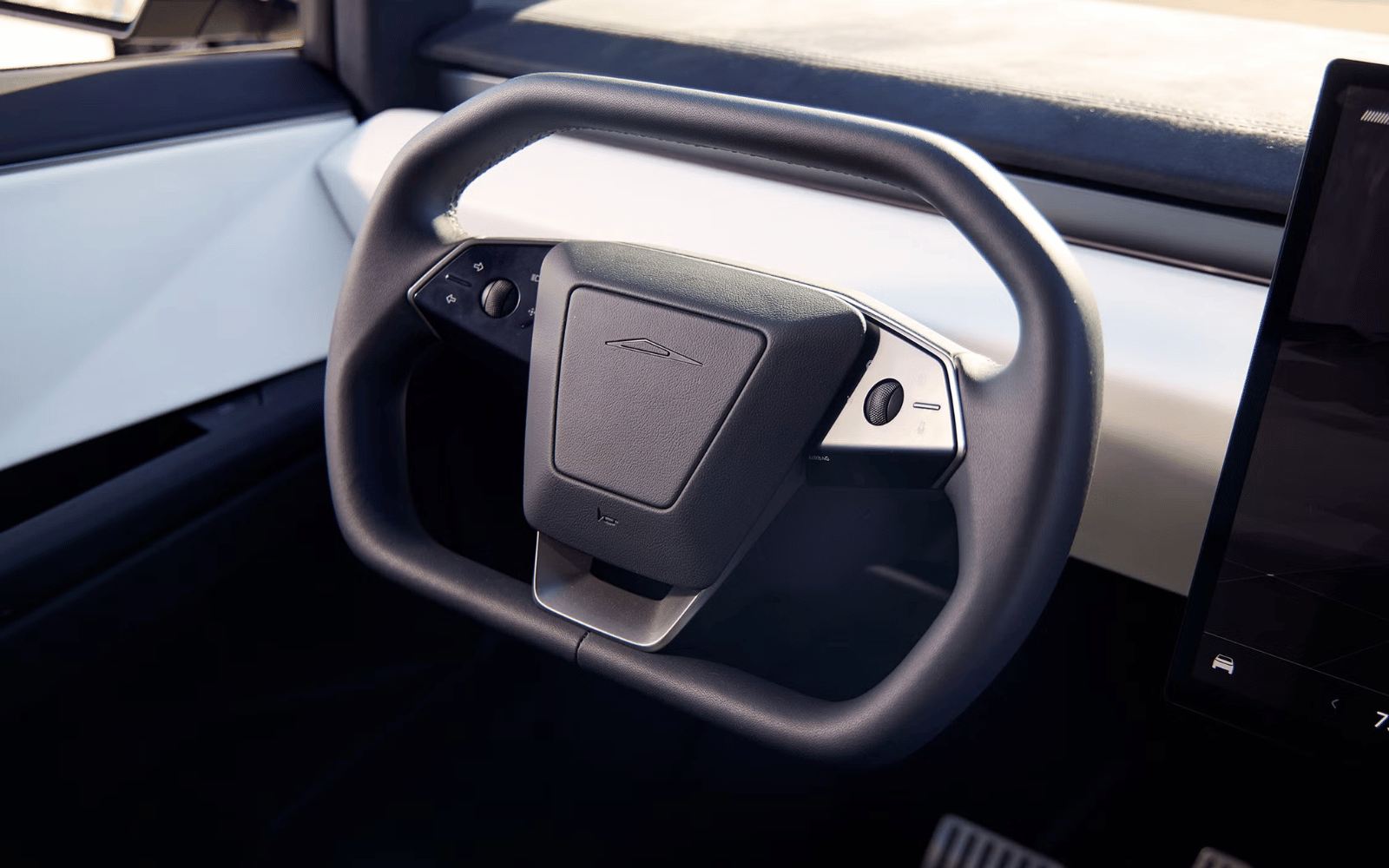
Steer-by-wire removes the mechanical steering column connection and changes the steering ratio according to speed. The driver does not need to rotate the steering wheel several times when parking, while smaller inputs produce calmer responses at highway speeds.
The system is quick and easy to learn, although it feels different from a conventional pickup. Buyers should still test-drive the truck before ordering because some drivers may prefer the predictable steering behavior of a mechanical system.
The base Dual Motor AWD uses coil springs with adaptive dampers and has a fixed ride height. Premium AWD and Cyberbeast use adaptive air suspension, which can lower the truck for entry and highway travel or raise it for rough terrain.
Its weight remains noticeable under braking and during sudden direction changes. Ride quality is generally controlled, but broken pavement and larger all-terrain tires can produce more impact noise than buyers may expect from a vehicle at this price.
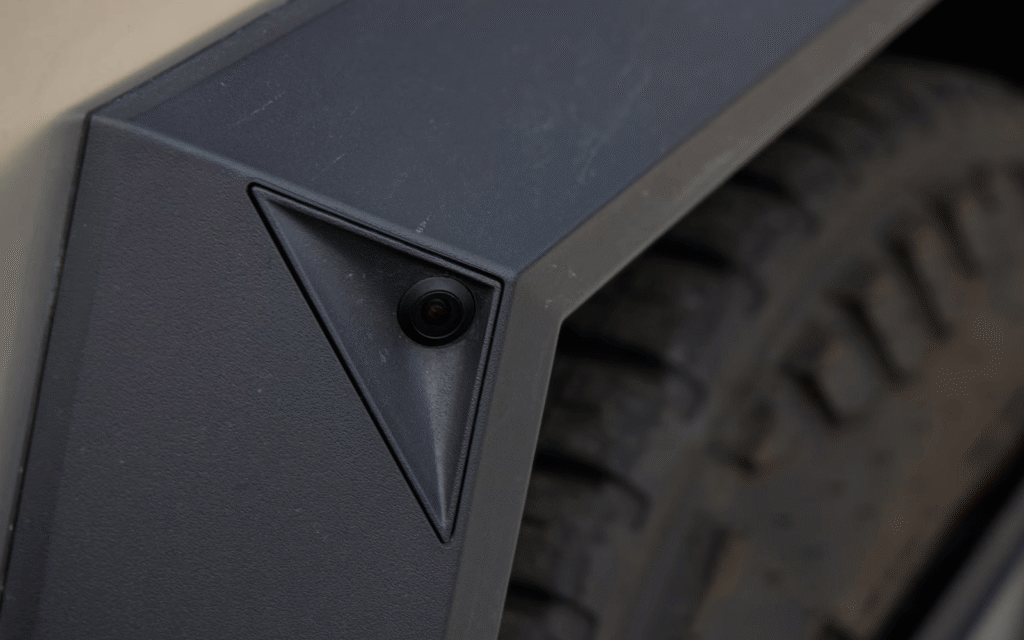
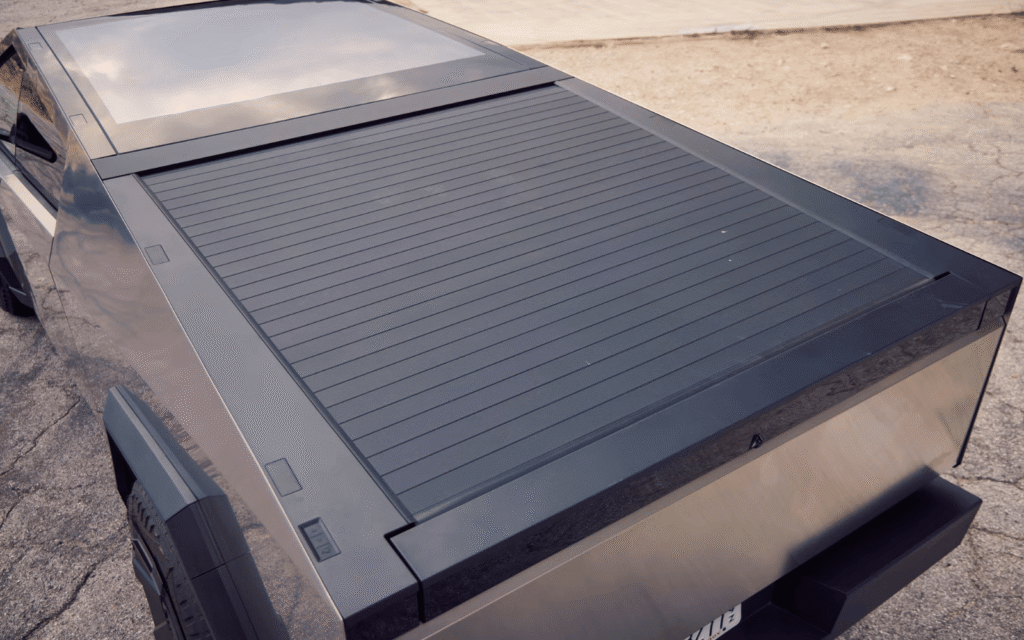
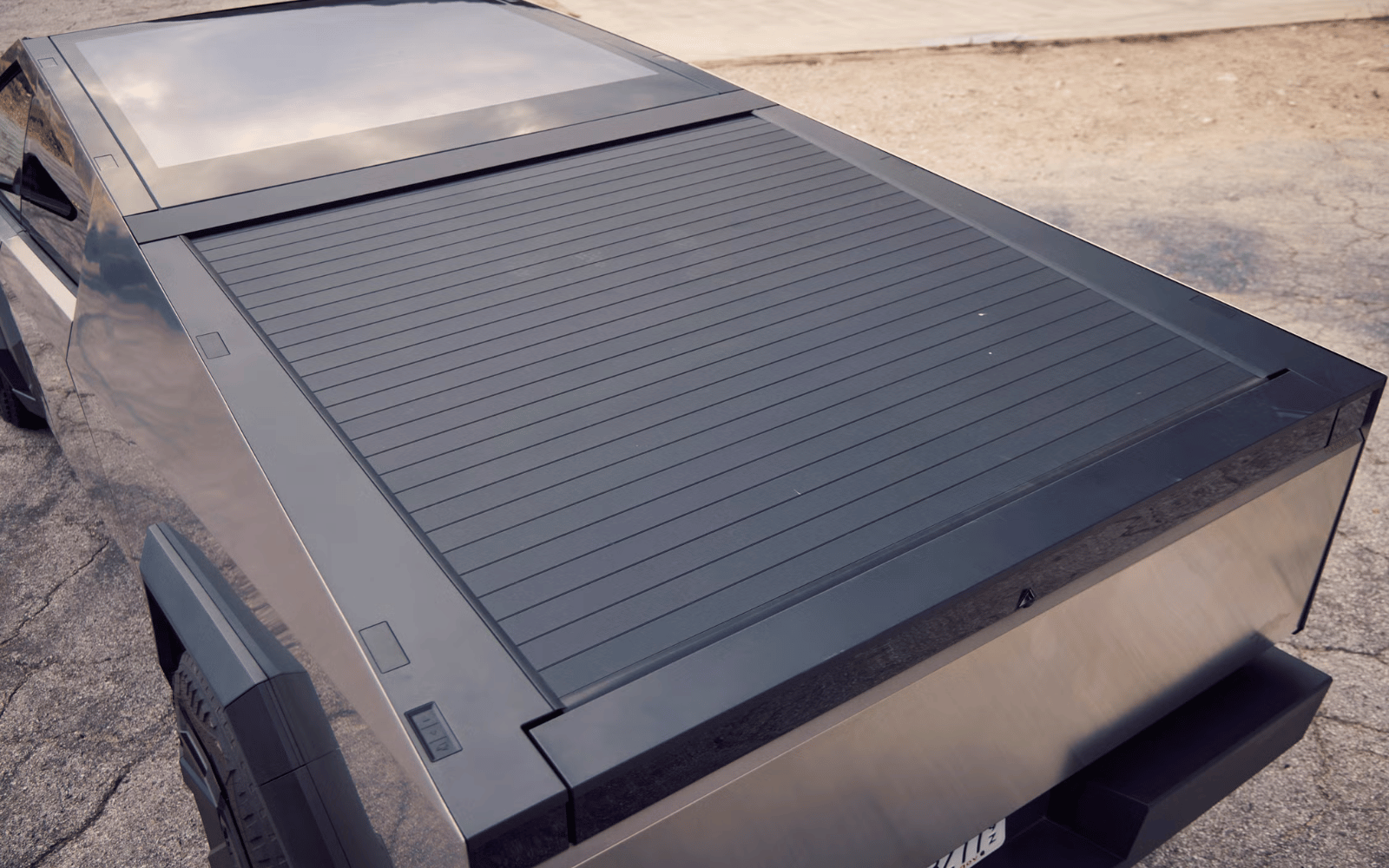
Rear visibility also requires adjustment. The powered tonneau cover blocks the direct view through the rear window when closed, so the driver relies heavily on the rear camera display. Dirt, water, snow, or glare on the camera can affect that view.
EV Range and Charging
| Range and Charging Specification | Dual Motor AWD | Premium AWD | Cyberbeast |
| EPA-estimated range | 325 miles | 325 miles | 320 miles |
| Range added in 15 minutes | Up to 132 miles | Up to 137 miles | Up to 135 miles |
| Approximate peak DC rate | Up to 325 kW | Up to 325 kW | Up to 325 kW |
| Maximum AC charging power | 11.5 kW | 11.5 kW | 11.5 kW |
| Charging connector | NACS | NACS | NACS |
Tesla’s charging support page states that a Cybertruck can add up to 137 miles in 15 minutes, although the exact result depends on configuration and conditions. Charging slows as the battery fills, so the peak rate only occurs during part of a session. Tesla also notes that battery temperature, state of charge, vehicle configuration, and charger output affect charging speed.
A compatible 240-volt home charger can supply up to 11.5 kW. Charging from a standard 120-volt household outlet is impractically slow for a battery of this size and should not be the truck’s main charging method.
Cold weather, highway speed, all-terrain tires, heavy payloads, and cabin heating can reduce real-world range. Towing creates a much larger penalty because the trailer adds weight and aerodynamic drag. Depending on the trailer, speed, weather, and route, towing range can fall to roughly half the unladen figure.
The Cybertruck’s route planner calculates Supercharger stops and prepares the battery before arrival. Drivers towing large trailers should check whether charging sites provide pull-through spaces or enough room to disconnect safely.
Read how long it takes to charge an electric car for more information about home and public charging.
Interior, Comfort, and Technology
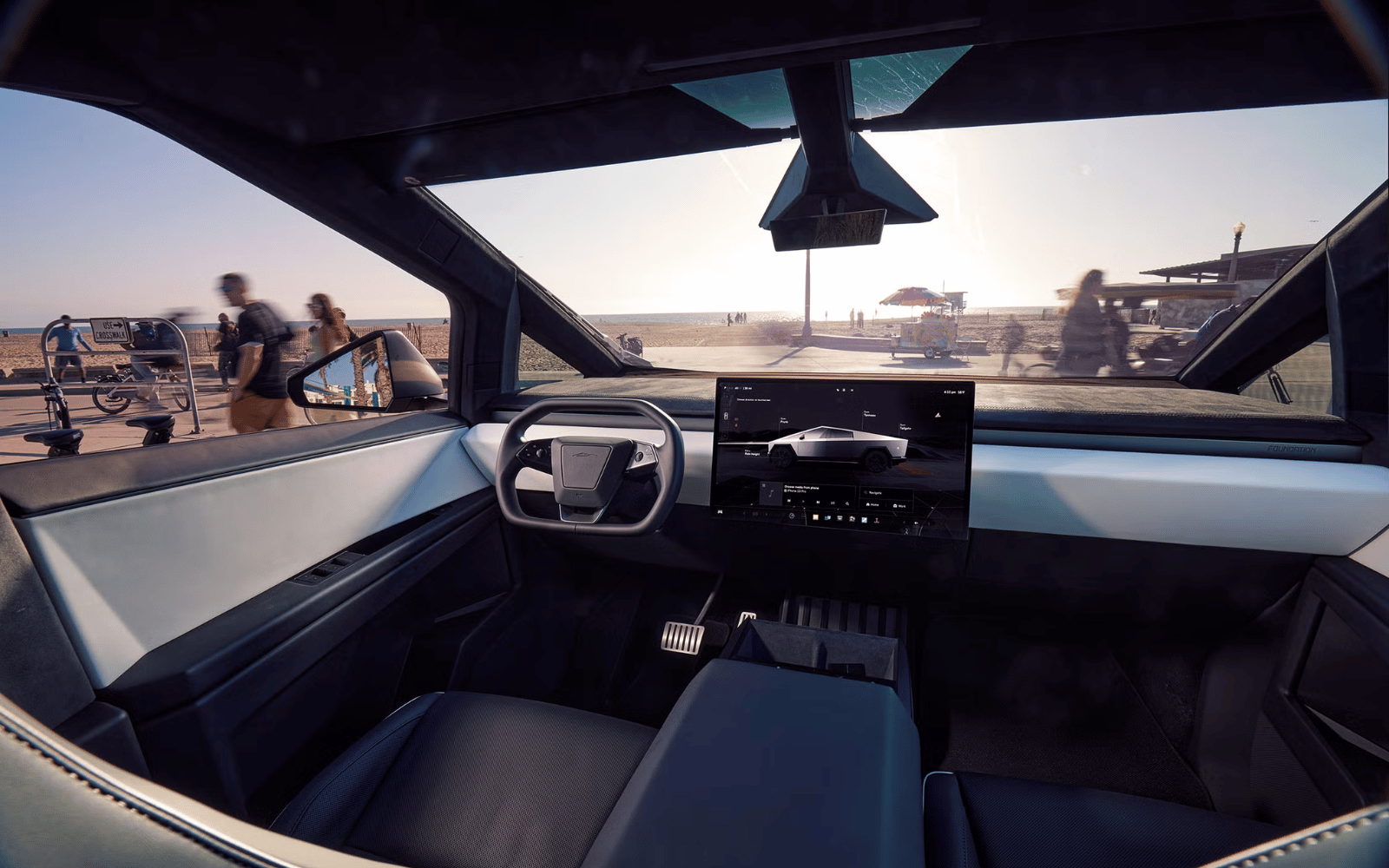
The Cybertruck’s cabin is spacious and simple, with most controls placed within a large central display. There is no separate driver instrument panel or head-up display, so speed, range, camera feeds, and vehicle information appear on the center screen.
Standard and available cabin equipment includes:
- 18.5-inch front touchscreen
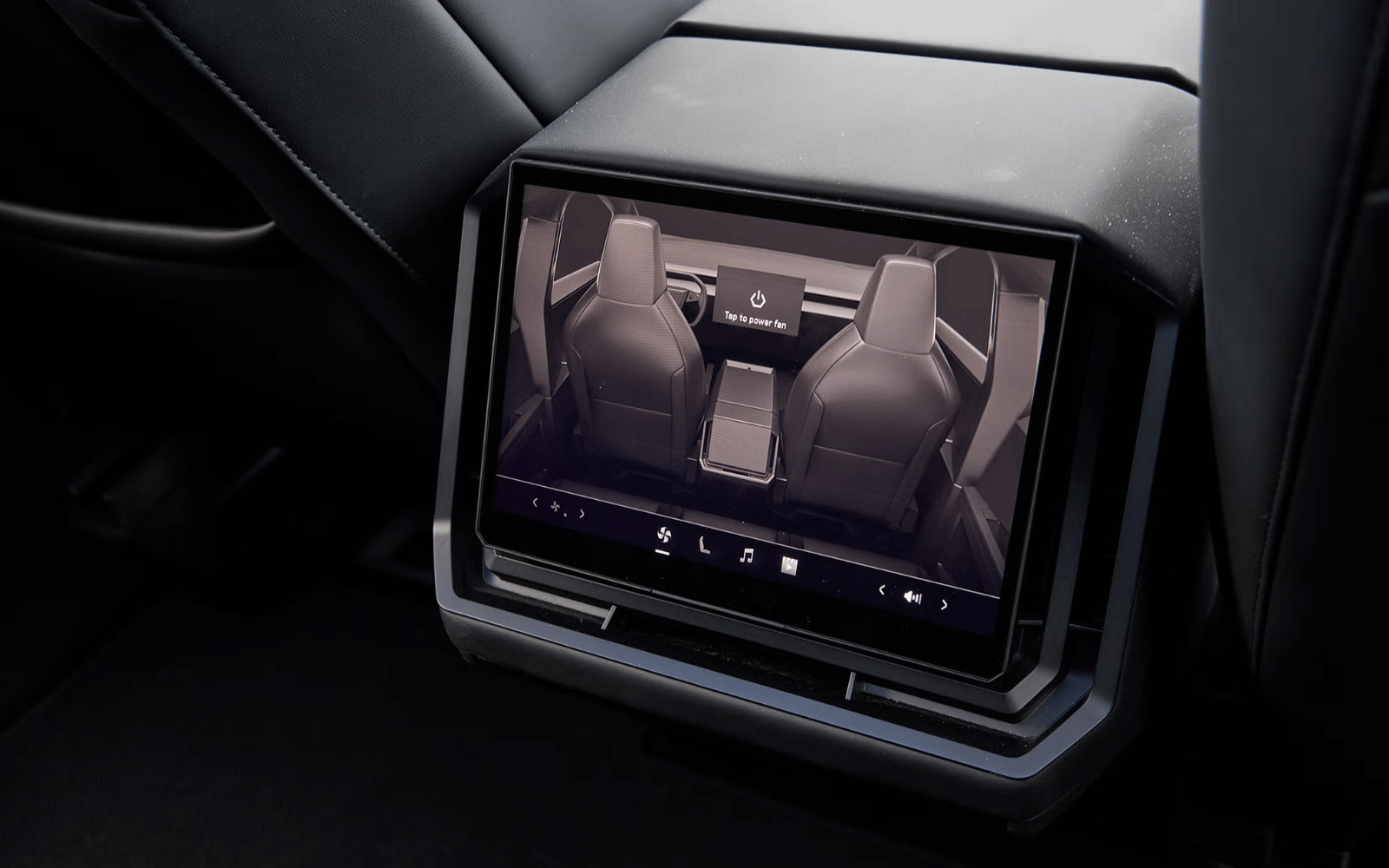
- Available 9.4-inch rear touchscreen
- Heated front seats
- Available ventilated front seats
- Available heated rear seats
- Heated steering wheel
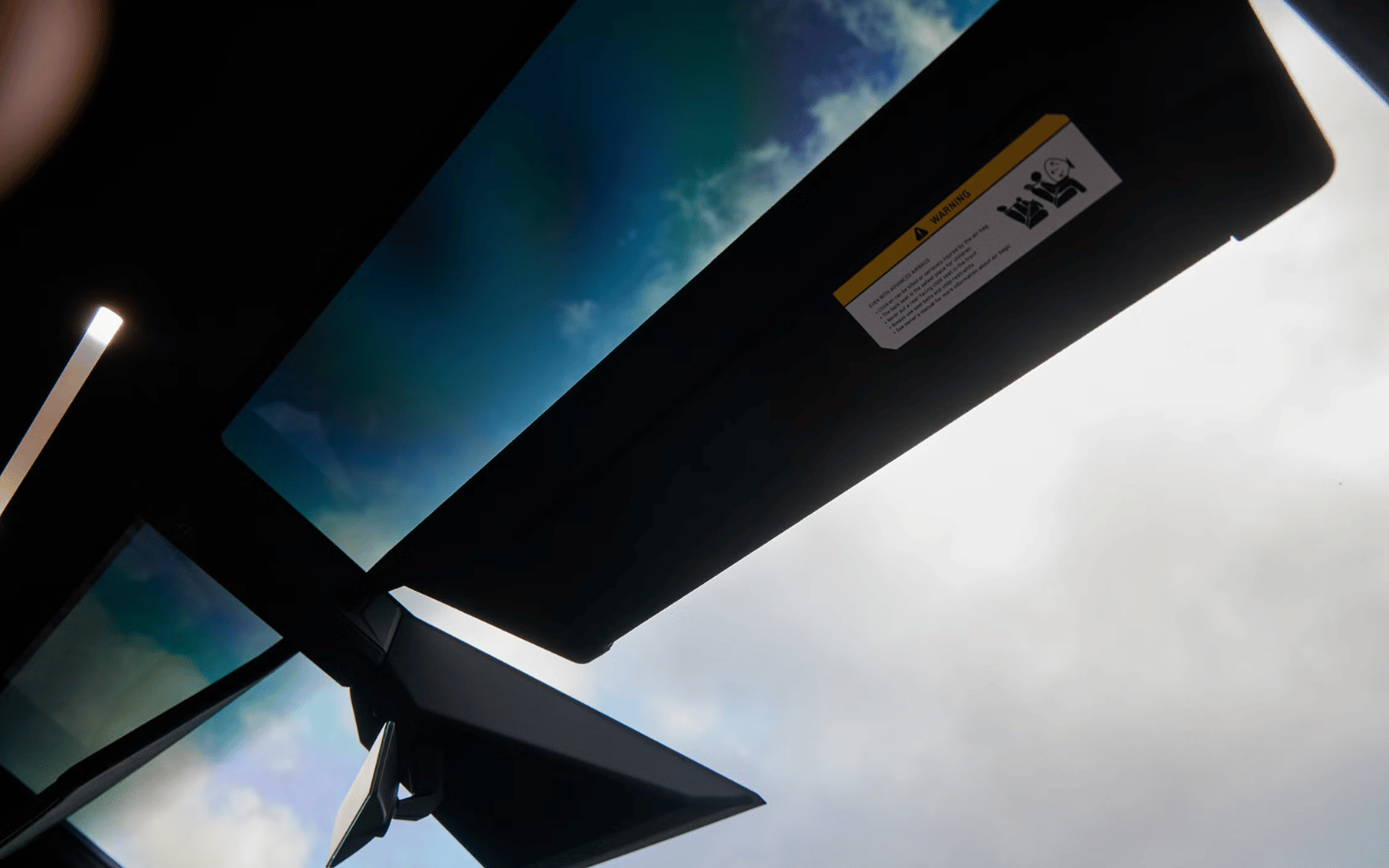
- Glass roof
- HEPA air filtration
- Dual wireless phone chargers
- Multiple USB-C ports
- Available 15-speaker audio system
- Available active road-noise reduction
- Bluetooth connectivity
- Over-the-air software updates
- Sentry Mode and built-in dashcam recording
- Camp Mode and Pet Mode
- Tesla app access
- Available cabin AC outlets
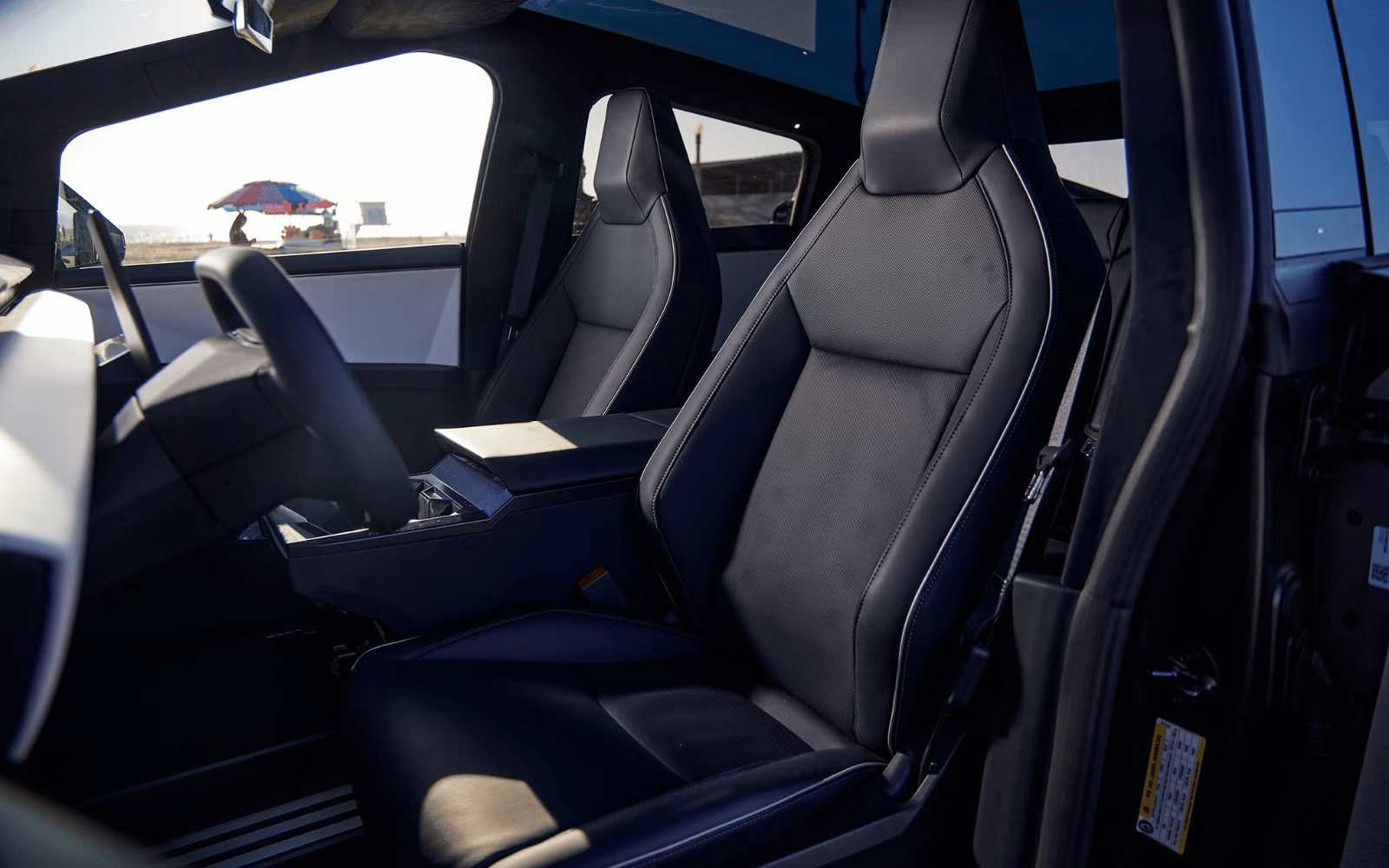
The base Dual Motor AWD uses textile upholstery, heated front seats, a seven-speaker audio system, and no rear touchscreen. It also lacks ventilated front seats, heated rear seats, active road-noise reduction, and cabin AC outlets.
Premium AWD and Cyberbeast add synthetic upholstery, ventilated front seats, heated rear seats, the rear touchscreen, a 15-speaker sound system, active road-noise reduction, and two 120-volt cabin outlets.
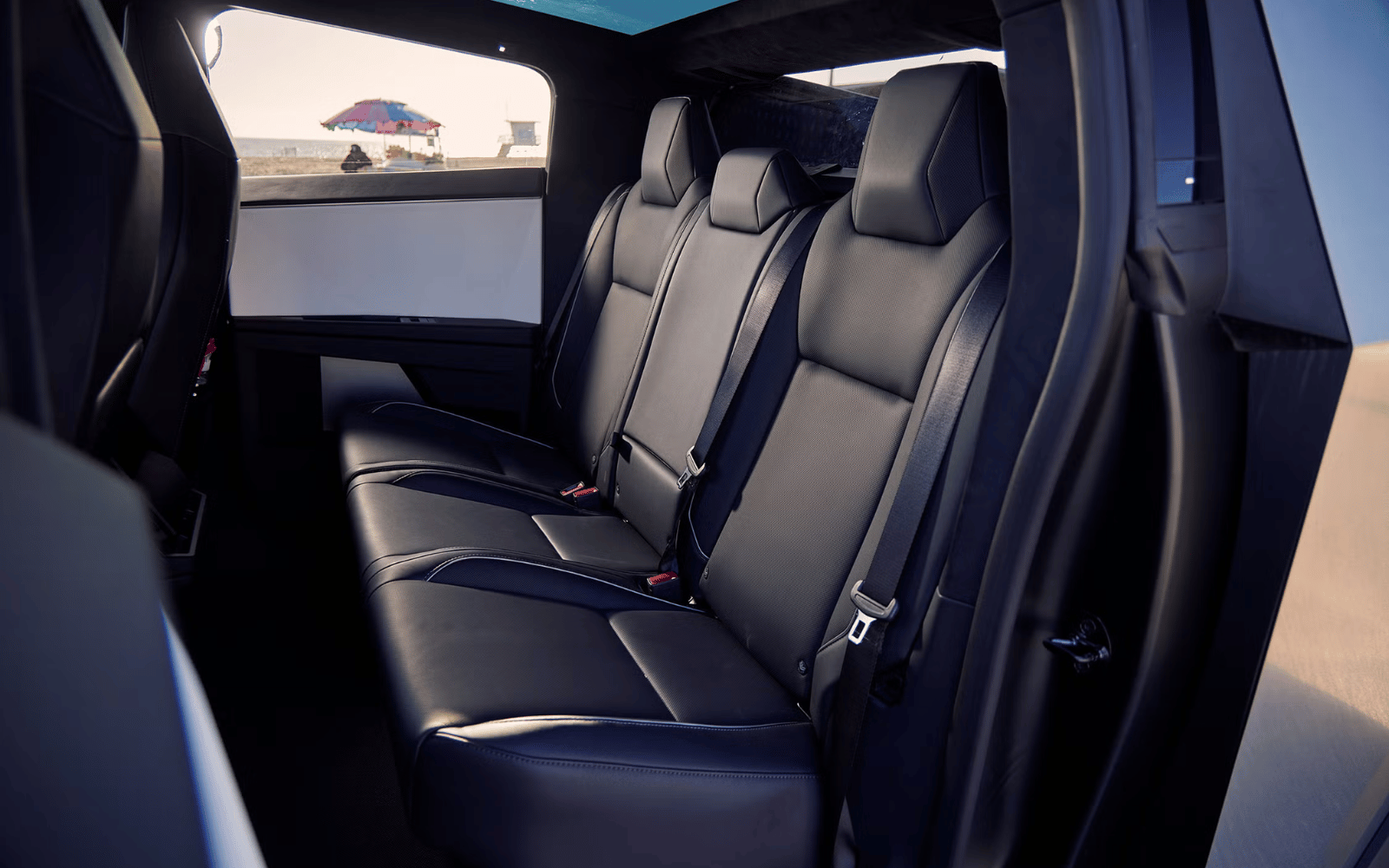
Rear legroom is generous, and the flat floor makes the center position more usable. The rear seat cushions can fold upward, creating approximately 54 cubic feet of interior storage behind the front seats.
The Cybertruck does not include native Apple CarPlay or Android Auto. Tesla supplies its own maps, media apps, voice control, phone integration, and charging-route planning. Some connected services require Premium Connectivity or Wi-Fi.
Dimensions, Cargo, and Practicality
| Dimension | Measurement |
| Length | 223.74 in. |
| Width without mirrors | 79.98 in. |
| Width with folded mirrors | 86.64 in. |
| Width with mirrors | 95.01 in. |
| Base AWD height | 70.40 in. |
| Air-suspension height range | 68.46–76.53 in. |
| Wheelbase | 143.11 in. |
| Front headroom | 41.69 in. |
| Rear headroom | 39.05 in. |
| Front legroom | 41.09 in. |
| Rear legroom | 40.90 in. |
| Bed length at floor | 71.84 in. |
| Bed width at floor | 51.00 in. |
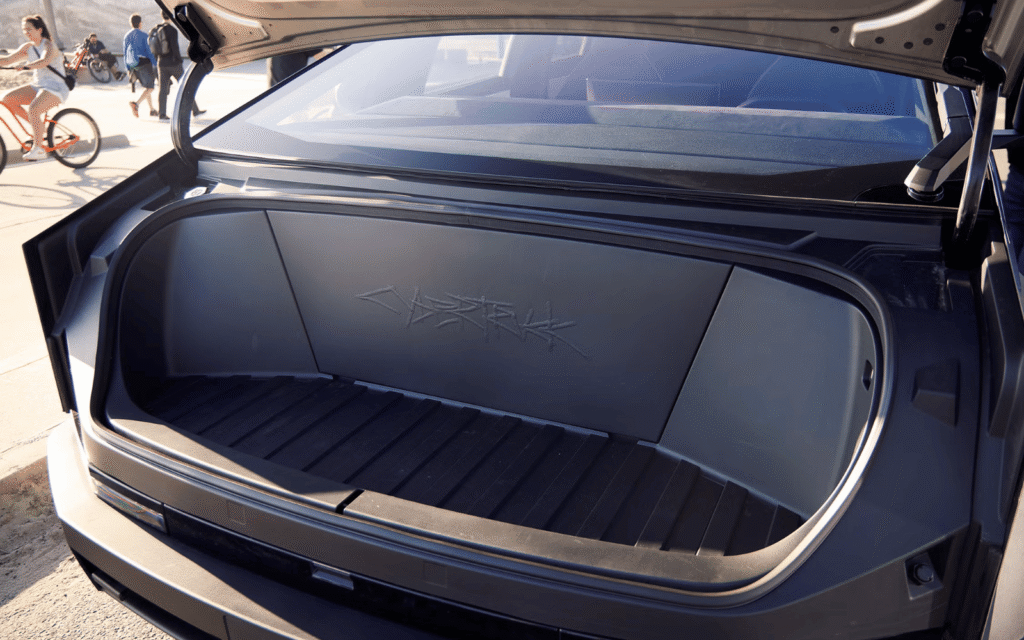
| Premium AWD/Cyberbeast frunk | 7.1 cu. ft. |
| Enclosed bed volume | 56.1 cu. ft. |
| Under-bed storage | 3.4 cu. ft. |
| Maximum two-passenger storage | 120.7 cu. ft. |
| Seating | 5 passengers |
Tesla’s official Cybertruck measurements show that it is nearly eight feet wide with its mirrors extended. Buyers should measure their garage entrance, parking space, and home-charging location before ordering.
The composite bed is approximately six feet long and slightly more than four feet wide at floor level. Its powered tonneau cover can secure cargo and create a weather-resistant enclosed area, although it is not equivalent to a fully watertight trunk.
Premium AWD and Cyberbeast also have a 3.4-cubic-foot under-bed compartment. All versions include a powered front trunk, but equipment and storage details can vary by configuration.
The tailgate is wide and heavy, and the sloping bed sides limit access from the side compared with a conventional pickup. The air suspension’s lower setting makes loading easier on Premium AWD and Cyberbeast.
Towing, Payload, and Off-Road Capability
The Cybertruck’s capability changes substantially by version and tire package.
| Version and Tires | Curb Weight | Payload | Maximum Towing |
| Dual Motor AWD | 6,537 lbs. | 2,006 lbs. | 7,500 lbs. |
| Premium AWD, all-season tires | 6,634 lbs. | 2,200 lbs. | 11,000 lbs. |
| Premium AWD, all-terrain tires | 6,669 lbs. | 2,500 lbs. | 11,000 lbs. |
| Cyberbeast, all-season tires | 6,863 lbs. | 2,000 lbs. | 11,000 lbs. |
| Cyberbeast, all-terrain tires | 6,898 lbs. | 2,270 lbs. | 11,000 lbs. |
The payload rating includes passengers, cargo, accessories, and trailer tongue weight. A truck can reach its payload or axle limit before reaching the maximum trailer rating, particularly when carrying several passengers and towing a heavy trailer.
Premium AWD is the strongest towing choice. It has the same 11,000-pound maximum as Cyberbeast but weighs less and can carry more payload with either tire type.
The base truck has 9.76 inches of fixed ground clearance. Premium AWD and Cyberbeast provide settings ranging from 7.95 inches to 16.02 inches. Off-road modes can adjust traction, stability control, suspension behavior, and differential operation for different surfaces.
Despite its clearance and traction technology, its long wheelbase, width, weight, and expensive stainless-steel panels require care on narrow trails. Air-suspension height settings also have speed restrictions, and maximum clearance should not be treated as a normal road setting.
Onboard Power and Powershare
Depending on configuration, the cargo bed has two 120-volt outlets with a shared 20-amp limit and one 240-volt outlet rated for up to 40 amps. Premium AWD and Cyberbeast add two 120-volt outlets inside the cabin. Tesla’s Cybertruck outlet specifications state that all AC outlets share a combined 40-amp limit.
These outlets can run tools, compressors, camping equipment, and some home appliances. Owners must account for the device’s continuous and startup power needs.
Powershare can also supply a compatible home with up to 11.5 kW during an outage. It requires approved charging and electrical equipment, and grid-support availability varies by region. Tesla lists the current Powershare requirements and regional limitations.
Exterior Design
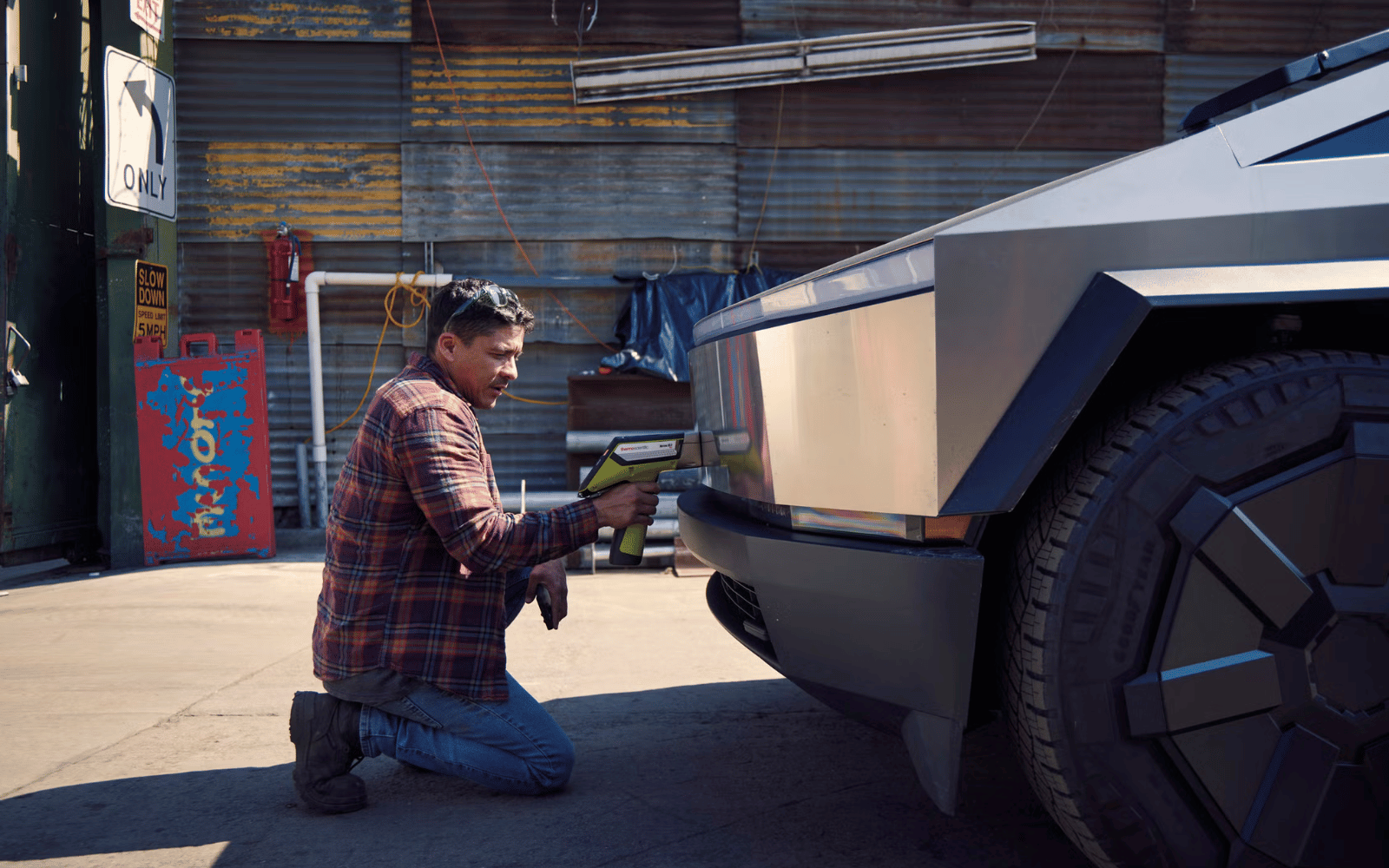
The Cybertruck’s exterior uses flat, unpainted stainless-steel panels rather than conventional painted bodywork. This helps resist small dents and eliminates paint chips, but stainless steel is not maintenance-free.
Fingerprints, road film, salt, grease, and mineral deposits can remain visible. The panels may also develop changes in color or surface appearance. Contamination should be cleaned promptly using products and methods approved for the truck.
Major body repairs can be complicated because the panels require different equipment and techniques from ordinary painted steel or aluminum. Replacement-part availability and the number of trained repair facilities may affect repair time and insurance costs.
Exterior features include:
- Stainless-steel body panels
- Powered front trunk
- Powered rear tonneau cover
- Power-operated tailgate
- Full-width front and rear lighting
- Large single-arm windshield wiper
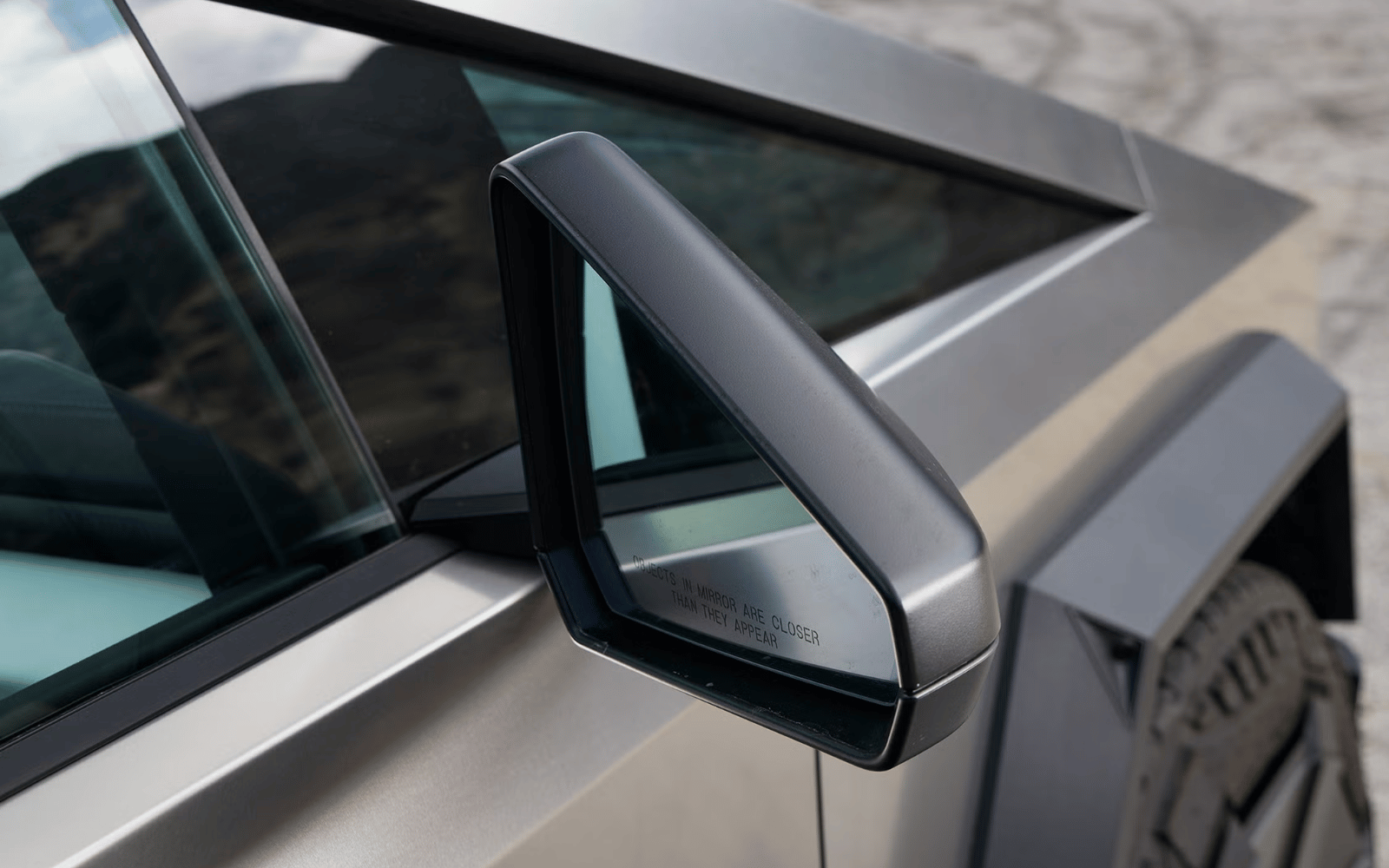
- Frameless side windows
- Glass roof
- 18-inch or 20-inch wheels, depending on configuration
- Available all-terrain tires
- Available off-road light bar
- Integrated bed lighting and power outlets
The design is its biggest visual strength and its clearest drawback. Some buyers specifically want a vehicle that attracts attention, while others may find its appearance and public reaction difficult to live with.
Safety Features and Ratings
Standard active safety equipment includes:
- Forward Collision Warning
- Automatic Emergency Braking
- Pedestrian and cyclist detection
- Lane Departure Avoidance
- Emergency Lane Departure Avoidance
- Blind-spot warning
- Blind-spot camera view
- Side Collision Warning
- Rear Cross-Traffic Warning
- Speed Assist
- Automatic high beams
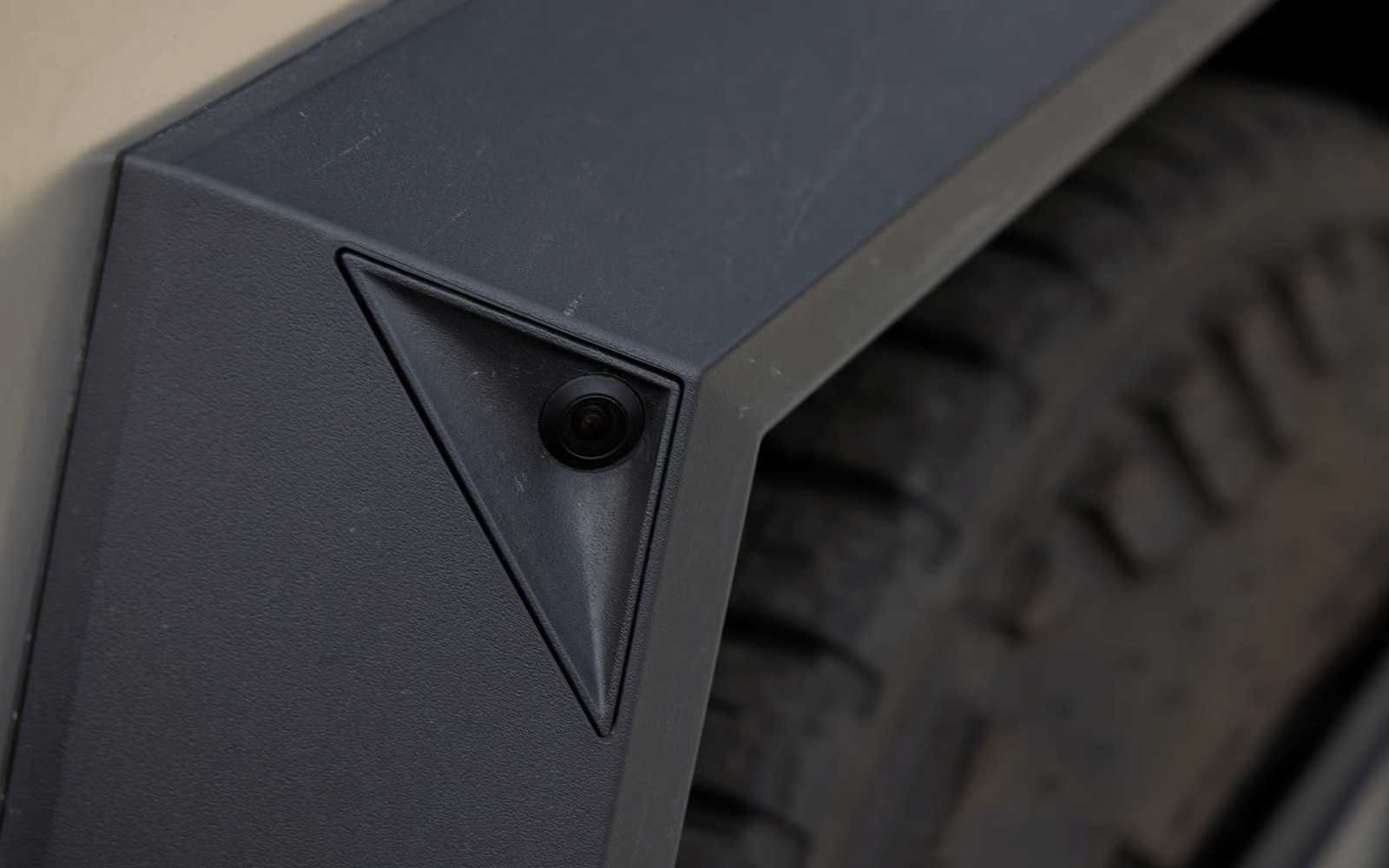
- Parking cameras
- Driver-monitoring camera
- Cabin radar
- Stability and traction control
- Multiple airbags
- Tire-pressure monitoring
The 2026 Cybertruck is an IIHS Top Safety Pick+. It earned Good ratings in small-overlap front, updated moderate-overlap front, and updated side-impact testing, along with Good ratings for headlights and front crash prevention. Its seat-belt reminder system received a Marginal rating, and LATCH ease of use was Acceptable. The award applies to 2025 models built after April 2025 and 2026 models. See the full IIHS Cybertruck results.
The 2025 Cybertruck also earned a five-star overall NHTSA rating. It received five stars for the overall frontal and side categories and four stars for rollover resistance. Buyers can check the NHTSA Cybertruck record for ratings, complaints, investigations, and recalls.
IIHS front-crash-prevention testing evaluates whether the truck avoids or reduces a collision with a pedestrian. It does not rate the physical injury risk created by the body shape if an impact still occurs.
Full Self-Driving (Supervised) can add more driver-assistance functions through a purchase or subscription. It requires continuous driver attention and does not make the Cybertruck autonomous.
Because the truck uses electronic door buttons, every regular occupant should learn the location of the manual emergency releases before travel.
Reliability, Warranty, and Ownership
The Cybertruck has only been in customer use since late 2023, so there is not enough long-term evidence to predict how its battery, 48-volt electrical system, steer-by-wire hardware, powered tonneau cover, air suspension, and stainless-steel body will age over ten or more years.
Early trucks have been covered by recalls involving items such as the accelerator-pedal trim, windshield wiper, reverse-camera display, drive inverter, exterior trim, and lighting software. Some repairs were completed through software updates, while others required physical service.
This history does not prove that every truck will be troublesome, but it makes the VIN recall check and a careful pre-delivery inspection particularly important.
| Warranty Coverage | Length |
| Basic vehicle warranty | 4 years / 50,000 miles |
| Supplemental restraint system | 5 years / 60,000 miles |
| Battery and drive unit | 8 years / 150,000 miles |
| Minimum battery retention during warranty | 70% |
| Body rust perforation | 12 years / unlimited miles |
| Tesla-certified pre-owned additional coverage | Usually 1 year / 10,000 miles after remaining basic coverage |
Tesla’s current warranty terms state that the Cybertruck battery and drive unit are covered for eight years or 150,000 miles, with at least 70% battery-capacity retention during that period.
Routine service recommendations include:
- Tire rotation every 6,250 miles or when tread differences require it
- Brake-fluid health check every four years
- HEPA filter replacement every two years
- Annual HEPA replacement when regularly driving off-road or on dirt roads
- Annual wiper-blade replacement
- Annual brake-caliper cleaning and lubrication in areas using winter road salt
- Regular inspections of wheels, tires, alignment, suspension, and the powered tonneau cover
The Cybertruck maintenance schedule also notes that towing, mountain driving, and heavy braking may require more frequent brake-fluid checks.
What to Check Before Buying a Used Cybertruck
- Manufacturing date, particularly for IIHS rating applicability
- Open recalls and completed physical repairs
- Remaining basic and battery warranty
- Battery health and DC charging performance
- Uneven tire wear or wheel damage
- Steering warnings or unusual steering behavior
- Air-suspension operation on Premium AWD and Cyberbeast
- Operation of the powered tonneau cover, tailgate, and frunk
- Stainless-steel panel alignment and surface condition
- Evidence of collision or underbody damage
- Camera condition and rear-view image quality
- Bed and cabin power outlets
- Charging-port condition
- Included driver-assistance software
- Whether paid software remains with the vehicle
- Insurance cost before completing the purchase
Read what to check before buying a used EV before inspecting a pre-owned truck.
Pros and Cons
What We Like
- Up to 325 miles of EPA-estimated range
- Exceptionally quick acceleration
- Five-star overall NHTSA safety rating
- 2026 IIHS Top Safety Pick+ award
- Up to 11,000 pounds of towing capacity
- Strong payload ratings
- Practical six-foot cargo bed
- Powered hard tonneau cover
- Large powered front trunk
- Rear-wheel steering aids low-speed maneuverability
- Up to 16.02 inches of ground clearance
- Useful 120-volt and 240-volt outlets
- Available home-backup power
- Good rear-seat legroom
- Supercharger access and useful route planning
What We Don’t Like
- High purchase price
- Base truck loses major features while costing only $10,000 less than Premium AWD
- Very wide body requires a large garage and parking space
- Heavy curb weight
- Towing can reduce range substantially
- No Apple CarPlay or Android Auto
- No conventional driver instrument display
- Rear visibility depends heavily on cameras
- Many controls are placed within the touchscreen
- Expensive tires, body repairs, and insurance
- Limited long-term reliability data
- Multiple early recall campaigns
- Stainless steel needs specific cleaning and repair methods
- Cyberbeast performance is unnecessary for most owners
- Styling and public attention will not suit every buyer
Competitors
The Cybertruck competes with electric pickups that take very different approaches to design, towing, range, and everyday usability.
- Ford F-150 Lightning: A better fit for buyers who want a familiar pickup layout, a broad service network, and easier fleet integration.
- Rivian R1T: Smaller and easier to place on trails, with a more conventional premium cabin and strong off-road ability.
- Chevrolet Silverado EV: Worth considering for long-range driving, work-focused utility, and a more traditional truck shape.
- GMC Sierra EV: Combines high range and towing capability with a more conventional luxury-pickup cabin.
- GMC Hummer EV Pickup: A heavy and expensive alternative aimed more heavily at dramatic off-road hardware.
- Tesla Model X: Better suited to families that want Tesla technology and charging access without an open cargo bed.
- Tesla Model Y: Considerably smaller and less expensive for buyers who do not genuinely need pickup capability.
Related Content
Before buying an electric pickup, read are electric cars worth it? to compare charging access, annual mileage, electricity costs, and long-term ownership.
You can also read:
- Best electric cars
- How electric cars work
- How long electric cars take to charge
- What to check before buying a used EV
- Tesla Model 3
- Tesla Model Y
- Tesla Model S
- Tesla Model X
Should You Buy the Tesla Cybertruck?
Buy the Cybertruck if you want an electric pickup with quick acceleration, useful cargo space, onboard power, strong safety ratings, and access to Tesla’s charging network. It also makes sense for buyers who specifically want its unusual design and are prepared for the attention it attracts.
Choose Premium All-Wheel Drive for the strongest overall package. Its $10,000 premium over the base version pays for substantially more towing capacity, adjustable air suspension, better cabin equipment, additional power outlets, and more cargo functionality.
Choose Dual Motor All-Wheel Drive if you do not tow more than 7,500 pounds and prefer fixed-height suspension. Its 325-mile range and 4.1-second acceleration match Premium AWD, but its current price is less compelling than when the version was first announced.
Choose Cyberbeast only if its 2.6-second acceleration is a central reason for buying the truck. It does not tow more than Premium AWD and has slightly less range.
Skip the Cybertruck if you frequently tow over long distances, park in narrow urban spaces, want a conventional pickup bed and cabin, depend on a widespread repair network, or prefer a vehicle with less public attention.
FAQs
How much does the Tesla Cybertruck cost?
The Cybertruck starts from $74,990 for Dual Motor All-Wheel Drive. Premium AWD starts from $84,990, and Cyberbeast starts from $99,990. Destination, order fees, taxes, registration, accessories, wheels, and software increase the final price.
How far can the Cybertruck travel on one charge?
Dual Motor AWD and Premium AWD have EPA-estimated ranges of up to 325 miles. Cyberbeast is rated at up to 320 miles. Actual range changes with speed, temperature, tires, payload, towing, and climate-control use.
How fast does the Cybertruck charge?
The Cybertruck can charge at up to approximately 325 kW on compatible high-output equipment. Tesla states that it can add up to 137 miles in 15 minutes, depending on version and conditions.
How long does home charging take?
A compatible 240-volt home charger can provide up to 11.5 kW. A near-empty-to-full session usually requires overnight charging. A standard 120-volt outlet is too slow to serve as the main charging method for most owners.
How much can the Cybertruck tow?
Dual Motor AWD can tow up to 7,500 pounds. Premium AWD and Cyberbeast can tow up to 11,000 pounds when properly equipped.
What is the Cybertruck’s payload capacity?
Payload ranges from approximately 2,000 to 2,500 pounds. The exact figure depends on version and tire configuration and includes occupants, cargo, accessories, and trailer tongue weight.
How fast is the Tesla Cybertruck?
Dual Motor AWD and Premium AWD reach 60 mph in approximately 4.1 seconds. Tesla estimates that Cyberbeast can complete the run in 2.6 seconds with rollout subtracted.
Is the Cybertruck safe?
Yes. The 2026 Cybertruck is an IIHS Top Safety Pick+ and the 2025 model earned a five-star overall NHTSA rating. The IIHS award for 2025 models applies only to trucks built after April 2025.
How many people can the Cybertruck seat?
The Cybertruck seats five people across two rows. It is not available with a front bench or six-seat configuration.
Does the Cybertruck have Apple CarPlay or Android Auto?
No. It uses Tesla’s own infotainment, navigation, media, and phone-integration systems.
Does the Cybertruck have a driver display?
No. Speed, range, warnings, and other driving information appear on the central 18.5-inch touchscreen. There is no conventional gauge cluster or head-up display.
Can the Cybertruck power a house?
Yes, when fitted with the required home-charging and electrical equipment. Powershare can supply up to 11.5 kW and can provide backup power during an outage. Installation requirements and availability vary by region.
Is the Cybertruck rustproof?
No vehicle should be treated as completely rustproof. Its stainless-steel panels resist ordinary corrosion and do not have conventional paint, but they can still show staining, contamination, discoloration, or surface changes.
Is the Cybertruck bulletproof?
The stainless-steel panels and glass provide greater impact resistance than many conventional body panels, but the Cybertruck is not a certified civilian armored vehicle. Owners should not treat it as bulletproof.
What is the Cybertruck’s battery capacity?
Tesla does not publish an official usable battery-capacity figure for the current Cybertruck. Outside estimates vary and should not be presented as confirmed Tesla specifications.
Does the Cybertruck have air suspension?
Premium AWD and Cyberbeast have adjustable air suspension. The current base Dual Motor AWD uses fixed-height coil springs with adaptive dampers.
What warranty does the Cybertruck have?
It has a four-year/50,000-mile basic warranty and an eight-year/150,000-mile battery and drive-unit warranty. Tesla guarantees at least 70% battery-capacity retention during the battery warranty period.
Final Verdict
The Tesla Cybertruck is one of the most technically interesting electric pickups on sale. It combines sports-car acceleration, a practical six-foot bed, strong payload and towing ratings, onboard AC power, rear-wheel steering, and good independent crash-test results.
Its strengths do not make it the right truck for everyone. It is expensive, exceptionally wide, heavy, dependent on screen-based controls, and costly to repair. Towing also cuts into its 320- to 325-mile range, making frequent long-distance trailer use more difficult than the headline numbers suggest.
Premium AWD is the standout version. It provides the 11,000-pound towing capacity, adjustable air suspension, upgraded cabin, additional outlets, and stronger payload capability without Cyberbeast’s added cost.
The base Dual Motor AWD remains quick and has the same range estimate, but its $10,000 saving now feels modest relative to the equipment it loses. Cyberbeast supplies remarkable acceleration but offers little additional utility.
For buyers who want a distinctive electric truck and can charge at home, the Cybertruck is fast, capable, and practical in unexpected ways. Buyers seeking a conventional work truck, predictable repair costs, or stress-free parking should compare its rivals carefully.
Prices, versions, range estimates, charging performance, software, equipment, incentives, and delivery dates can change.