
Ford Bronco Sport: Price, Specs, MPG & Features
Most trims use a fuel-efficient 1.5-liter turbocharged three-cylinder engine. The Badlands receives a stronger 2.0-liter turbocharged four-cylinder, an advanced four-wheel-drive system, additional terrain modes, underbody protection, and more off-road equipment.
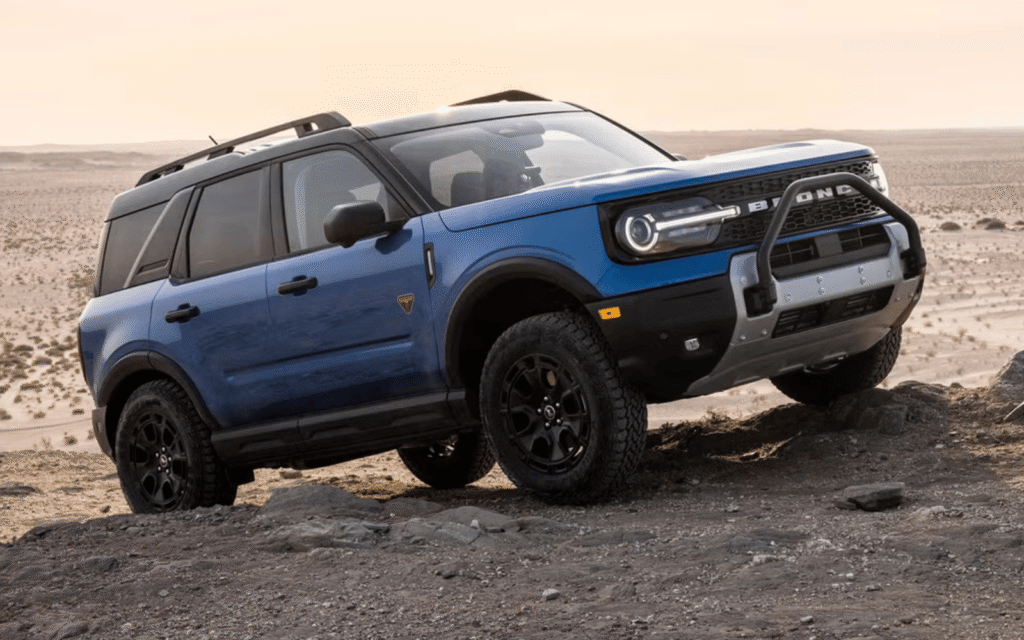
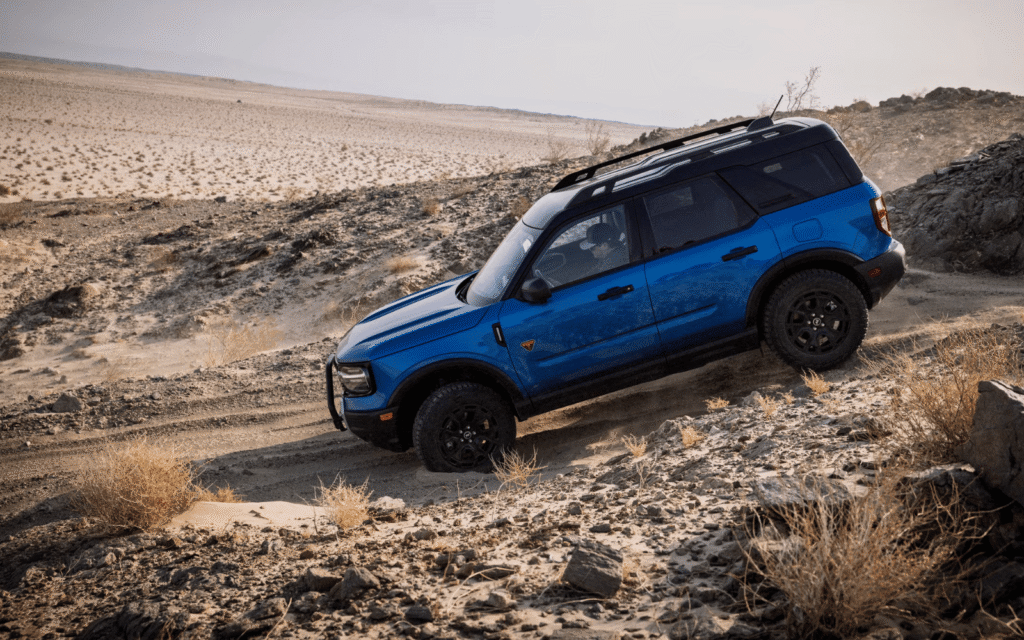
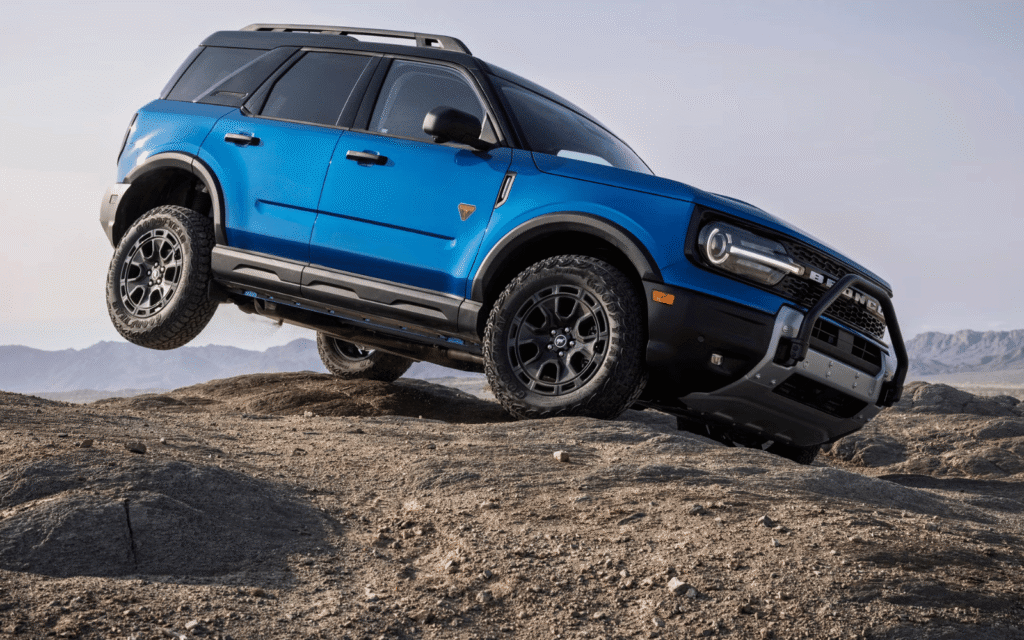
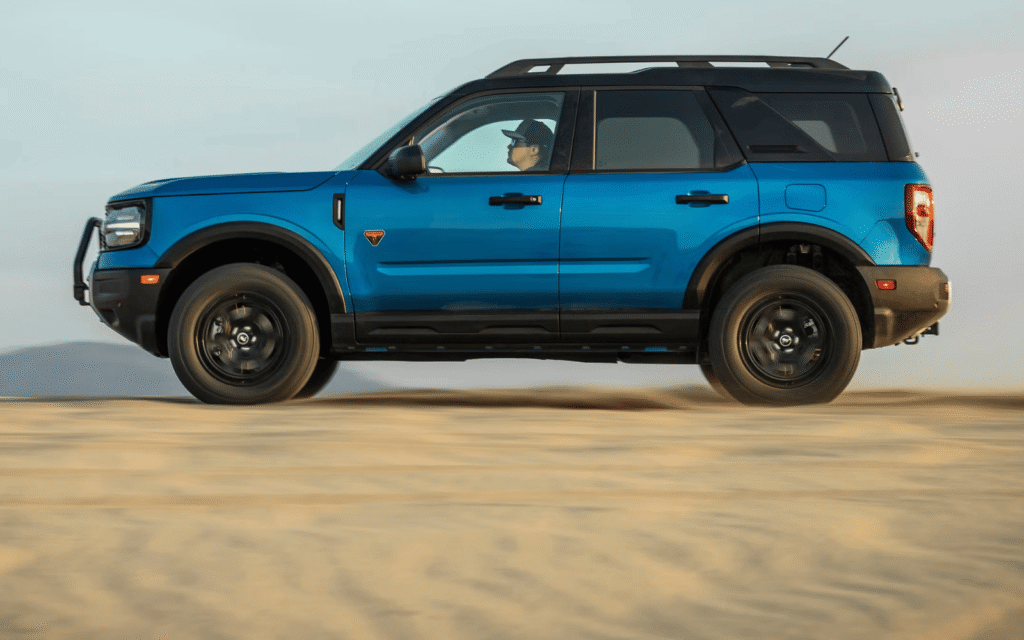
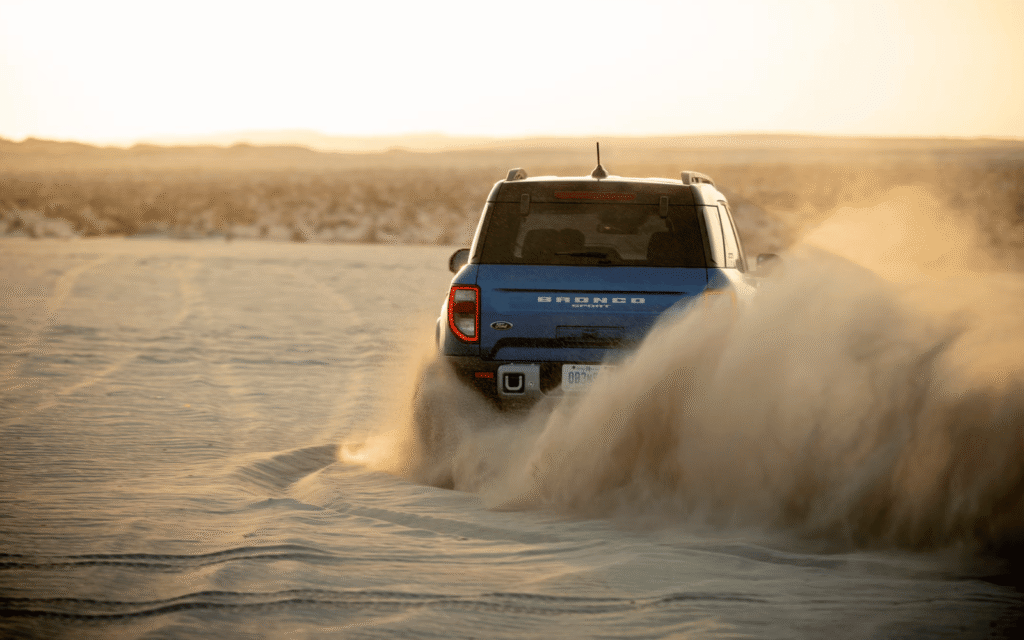
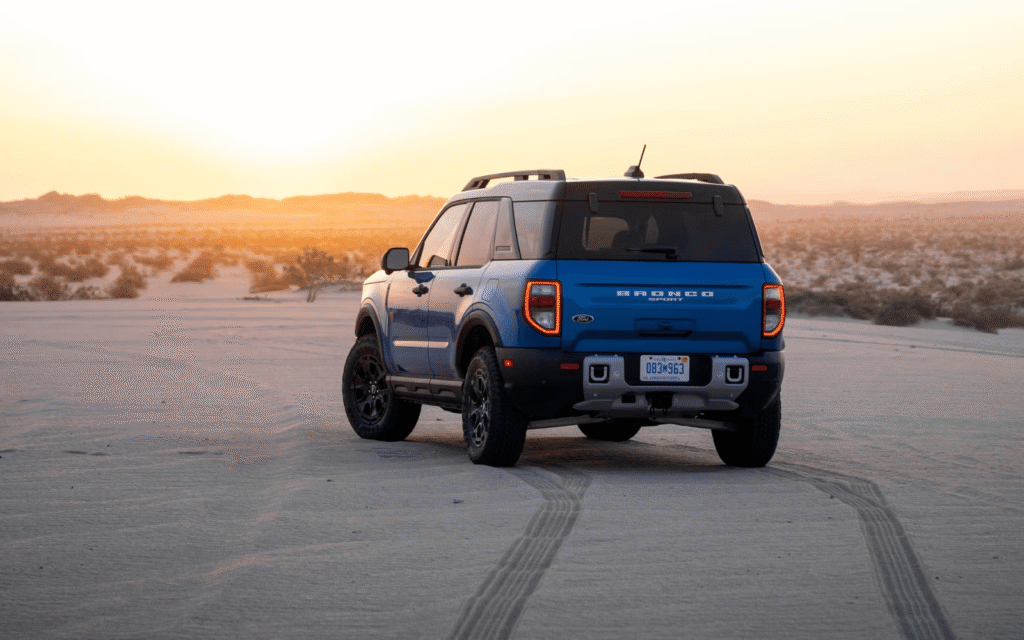
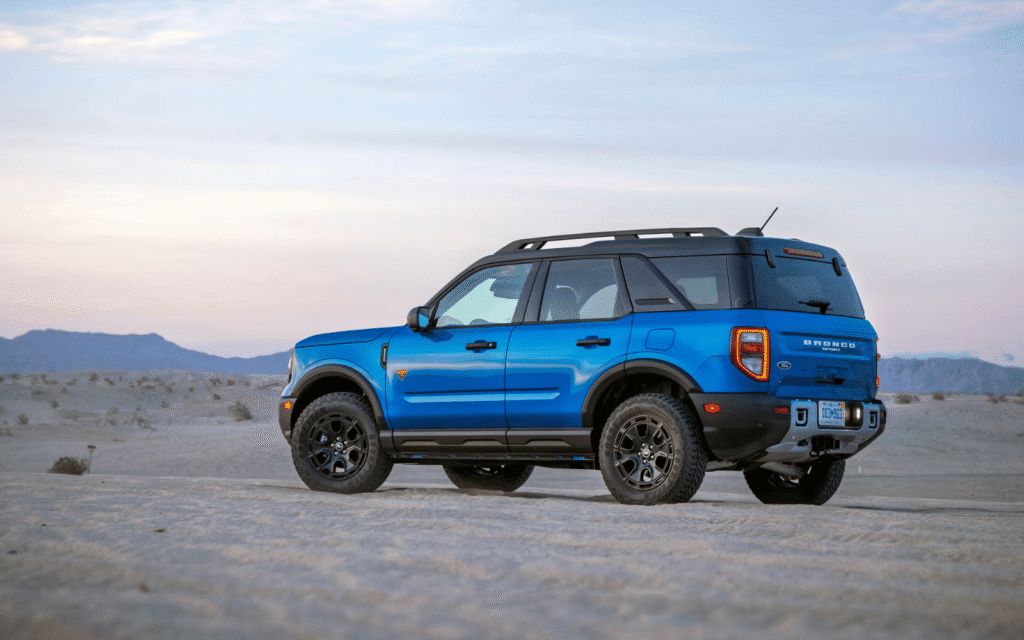
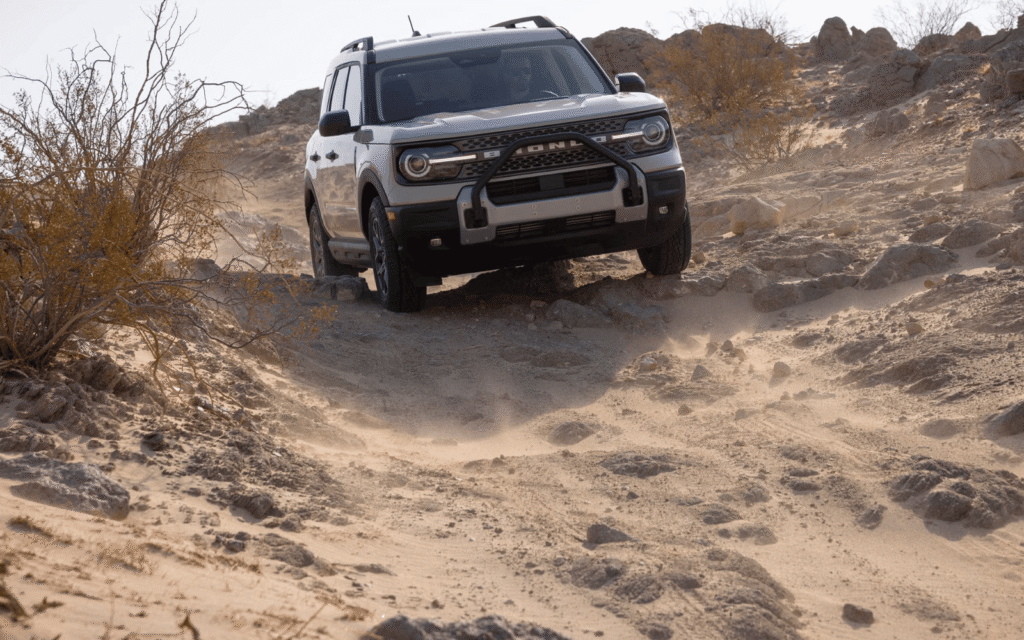
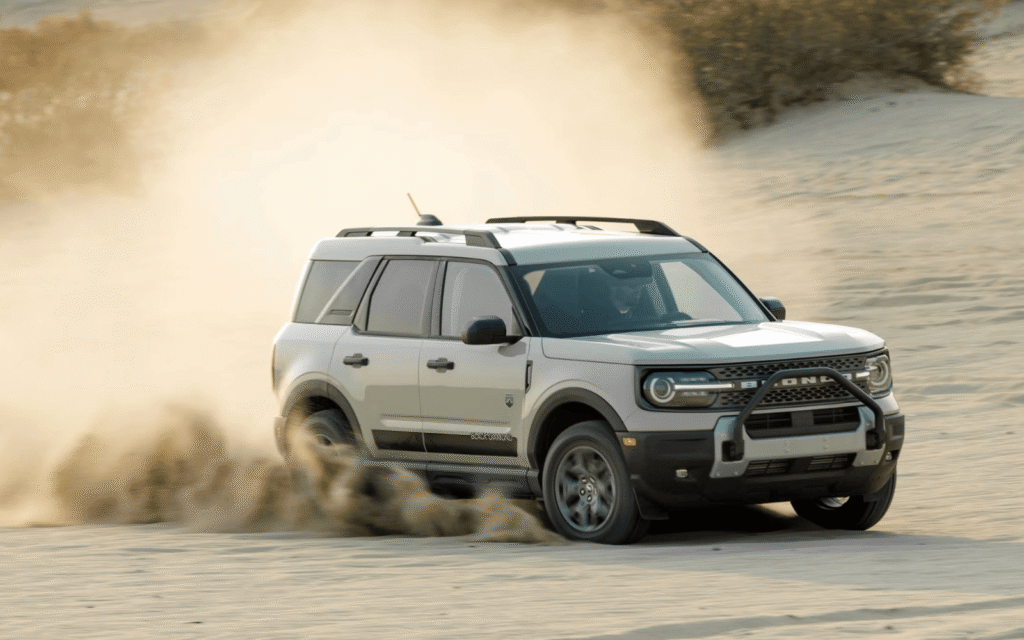
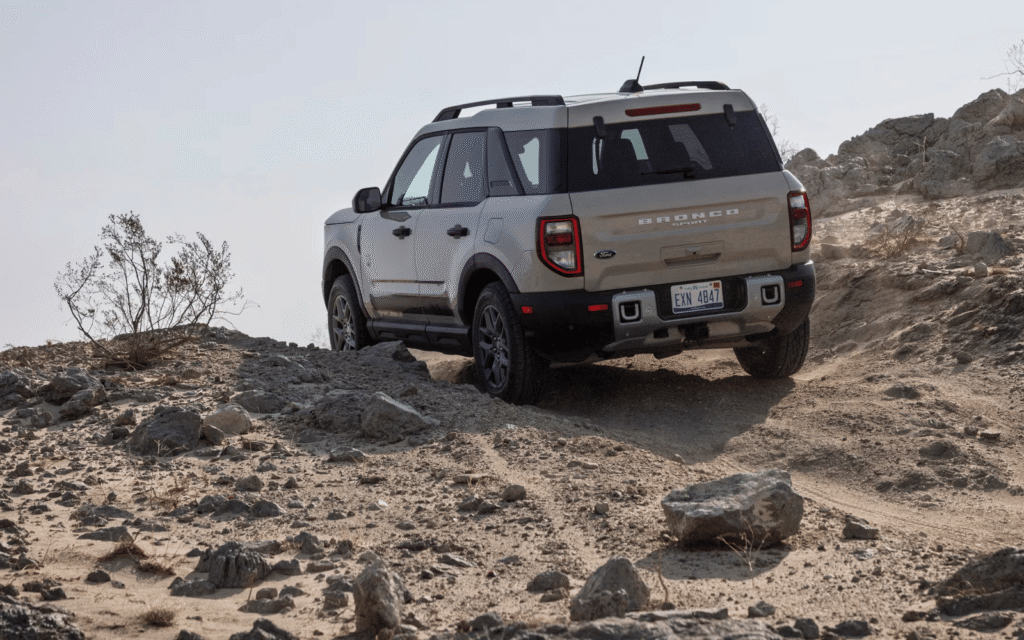
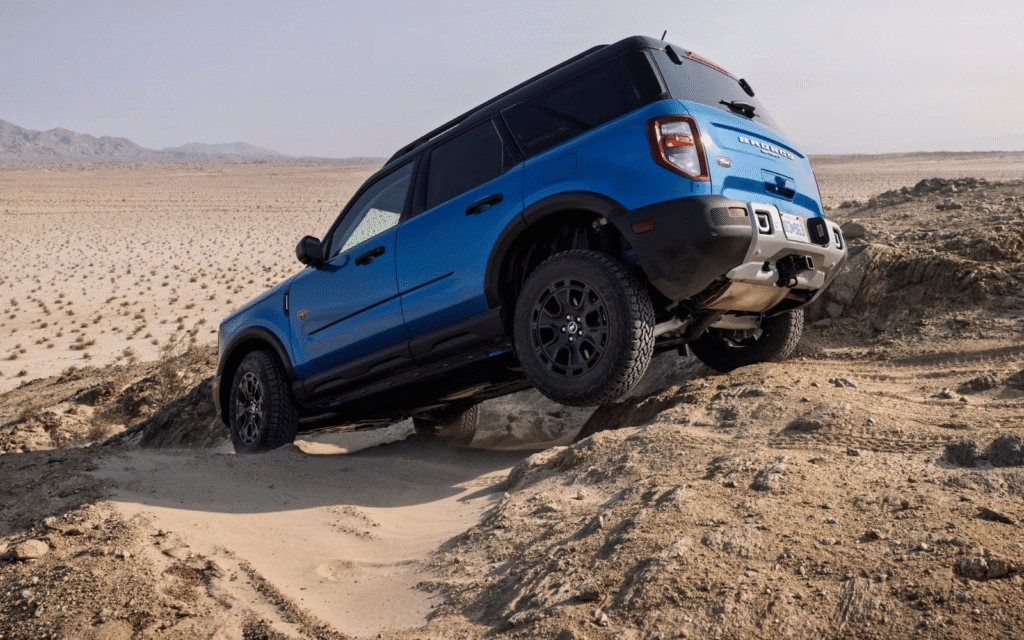
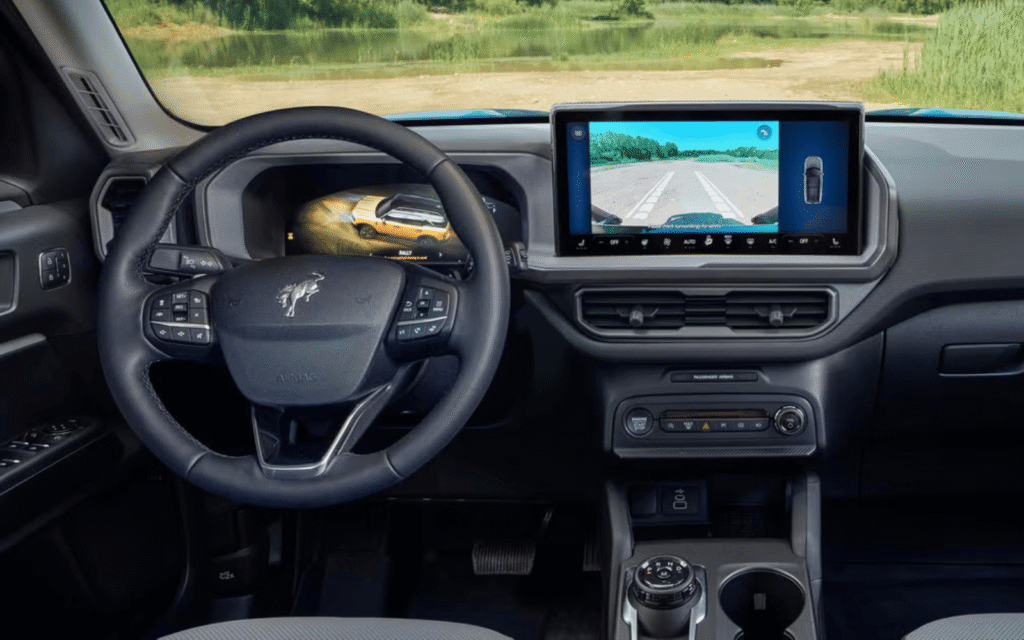
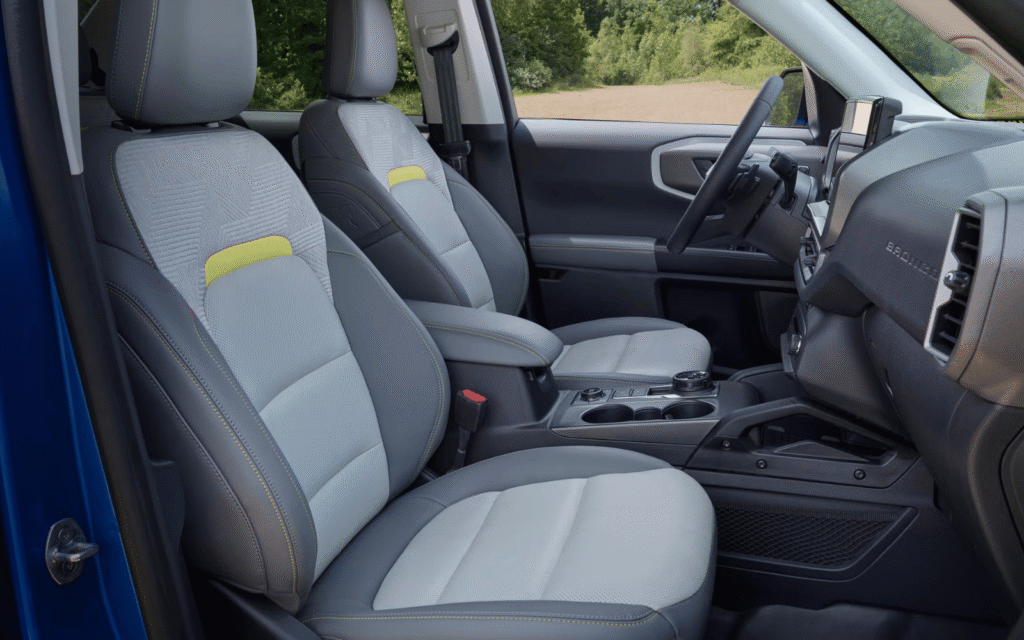
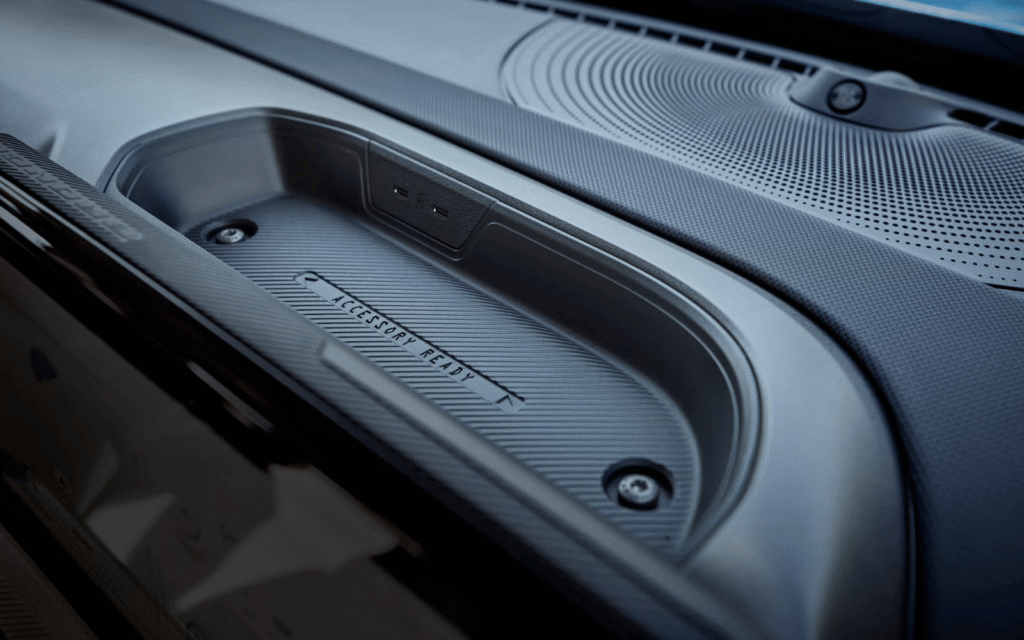
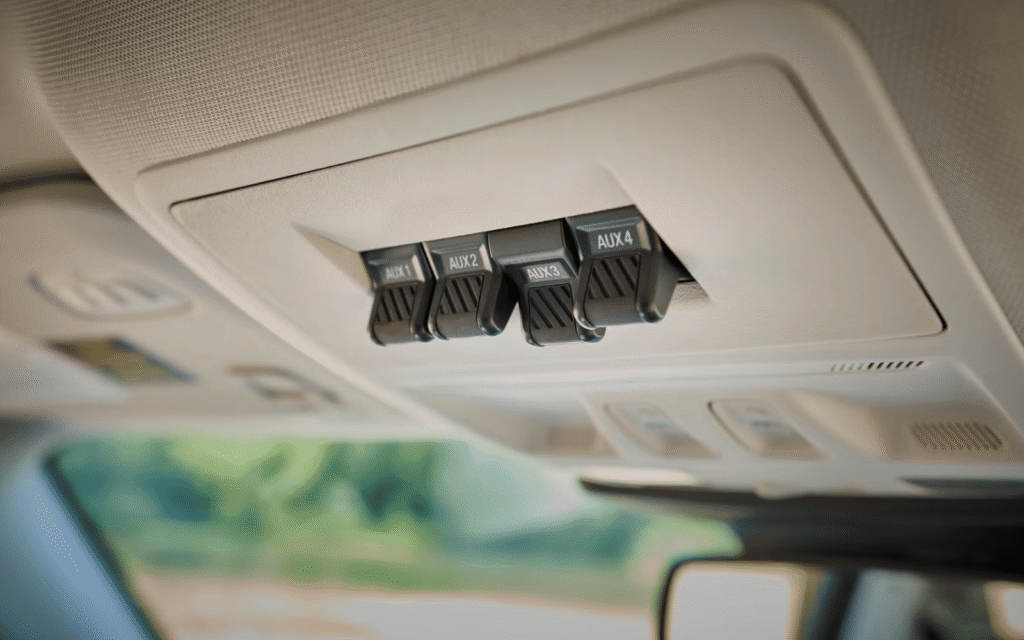
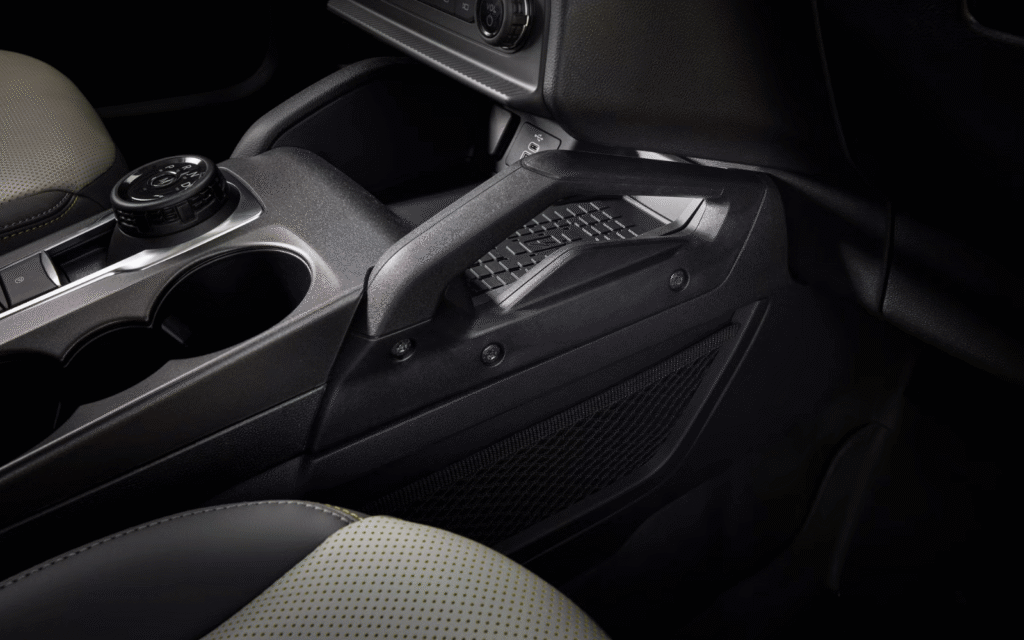
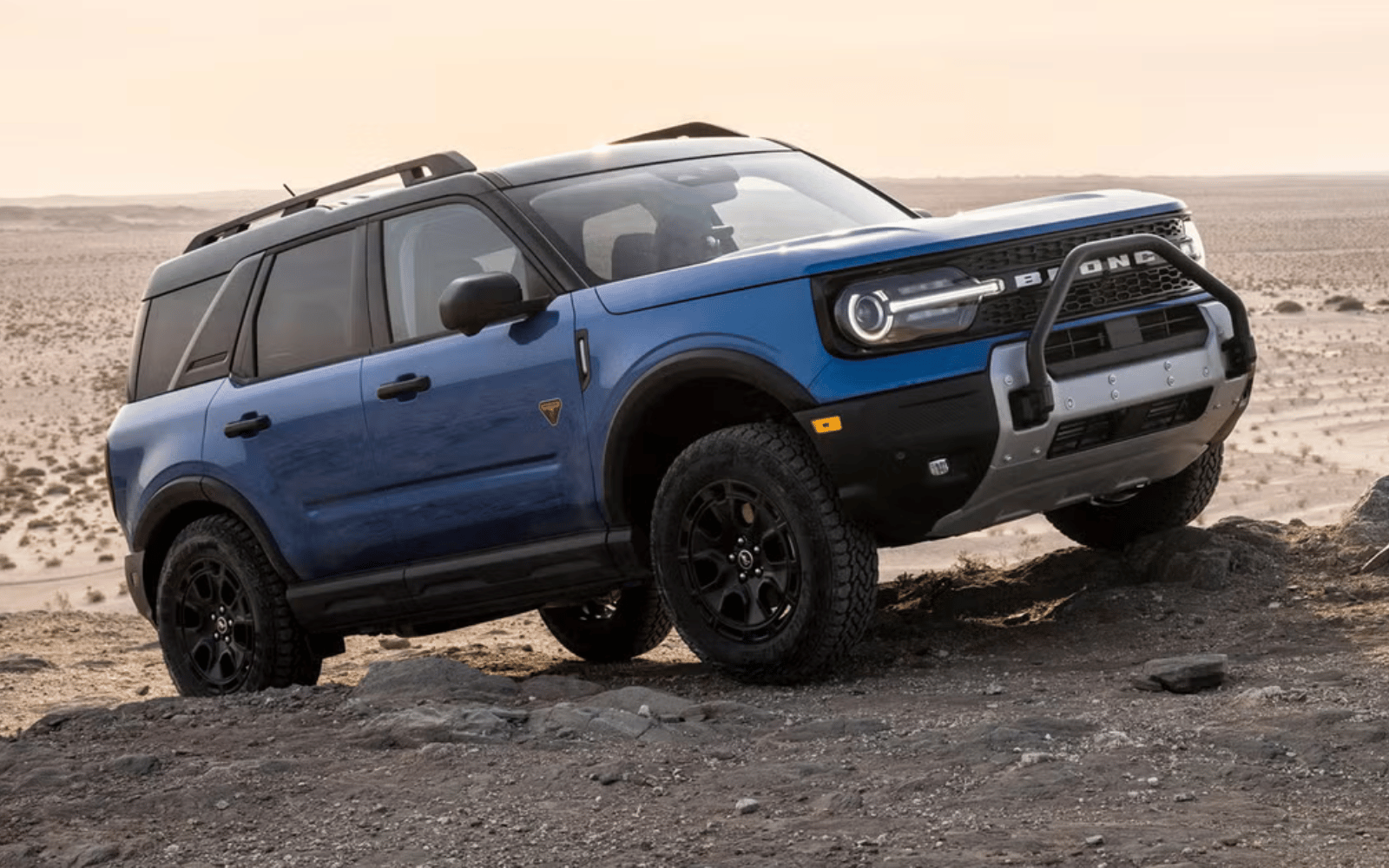
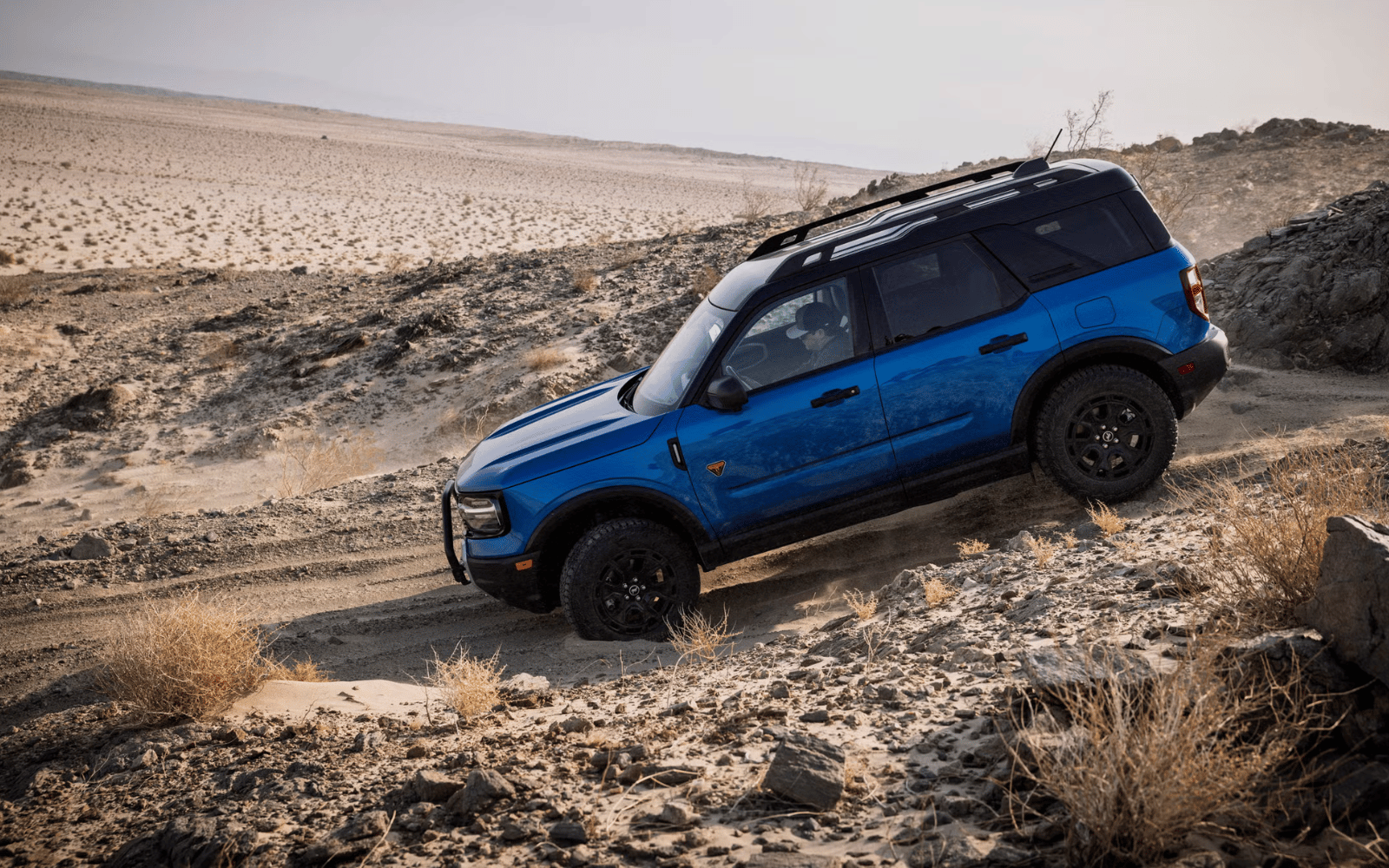
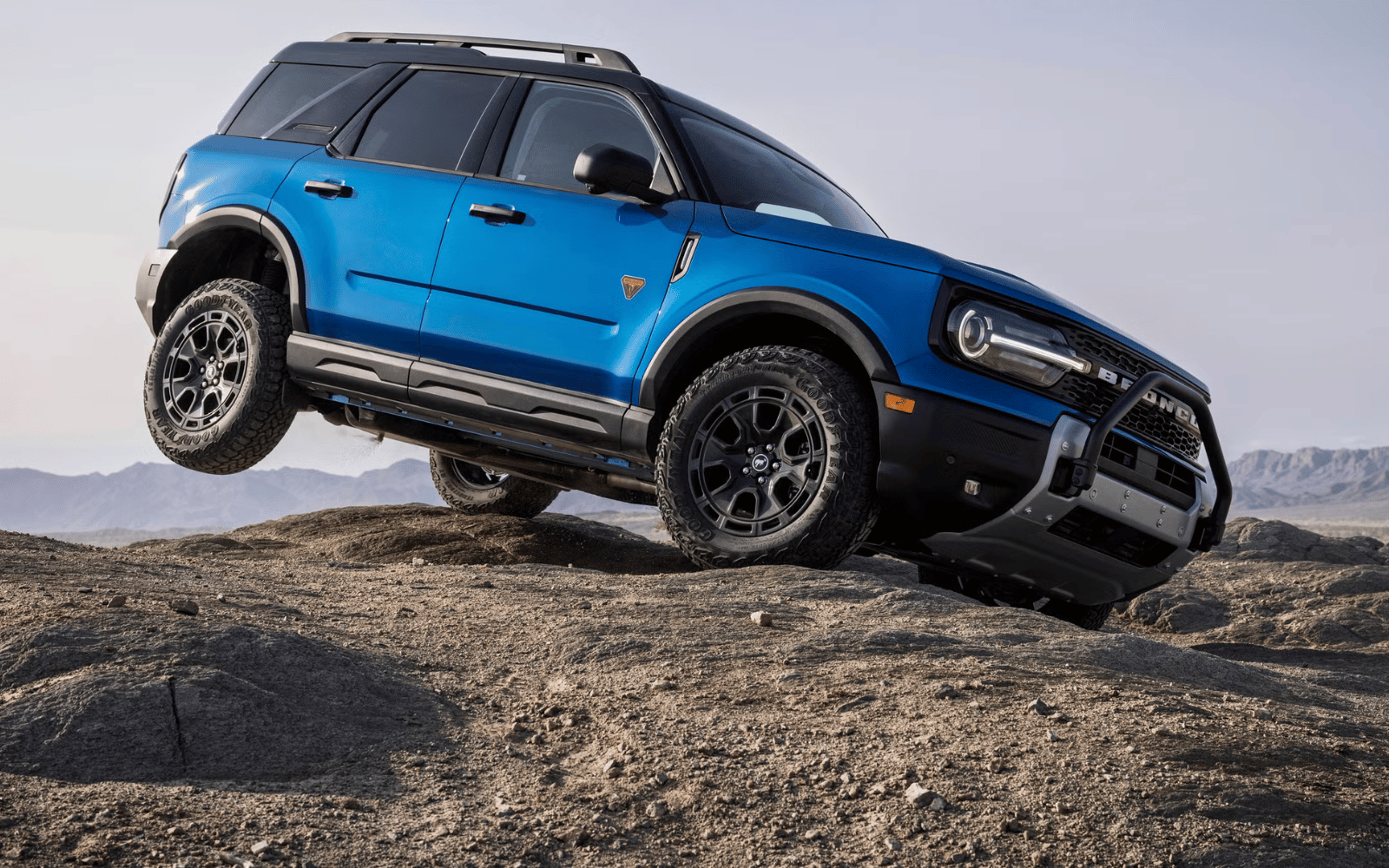
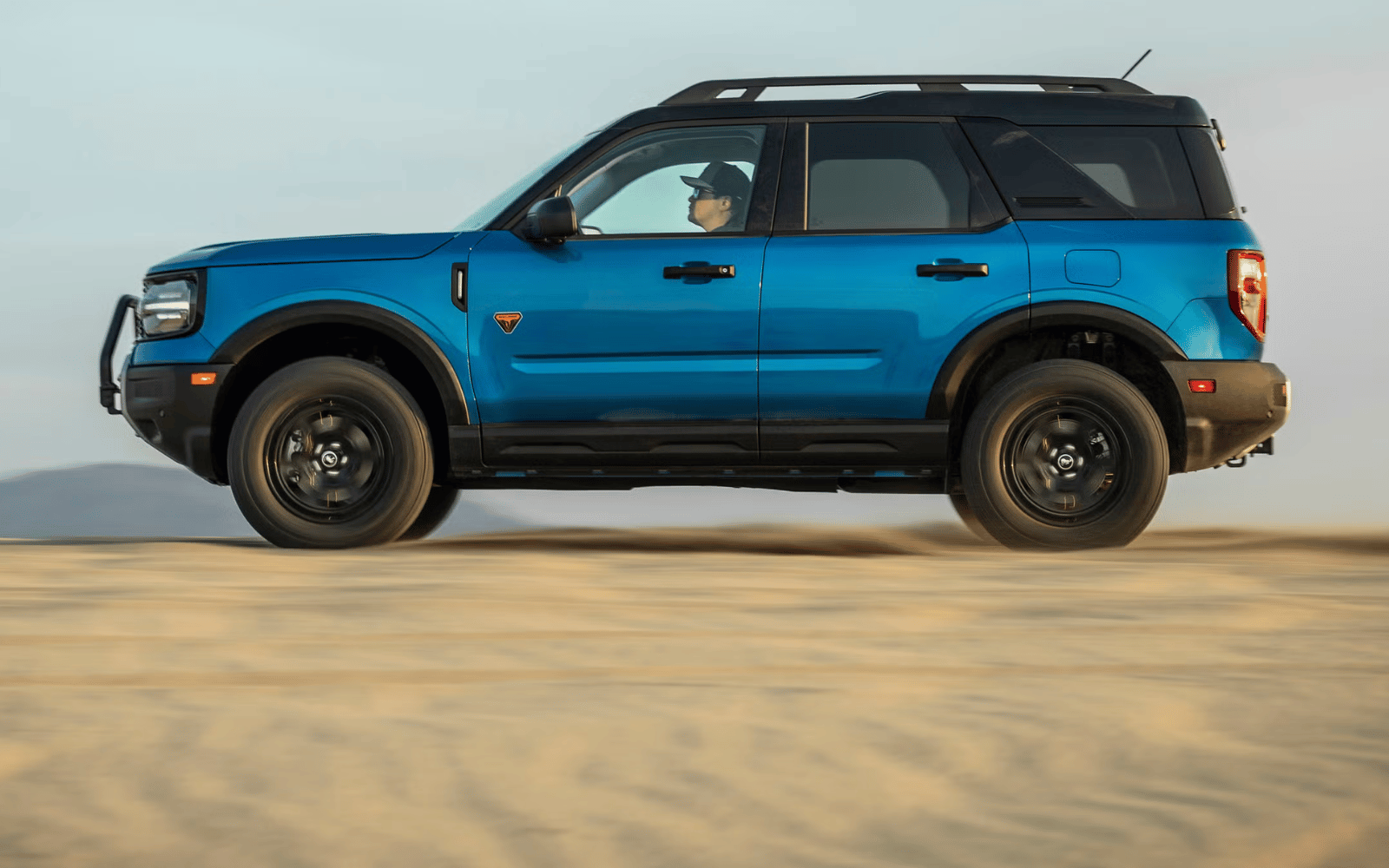
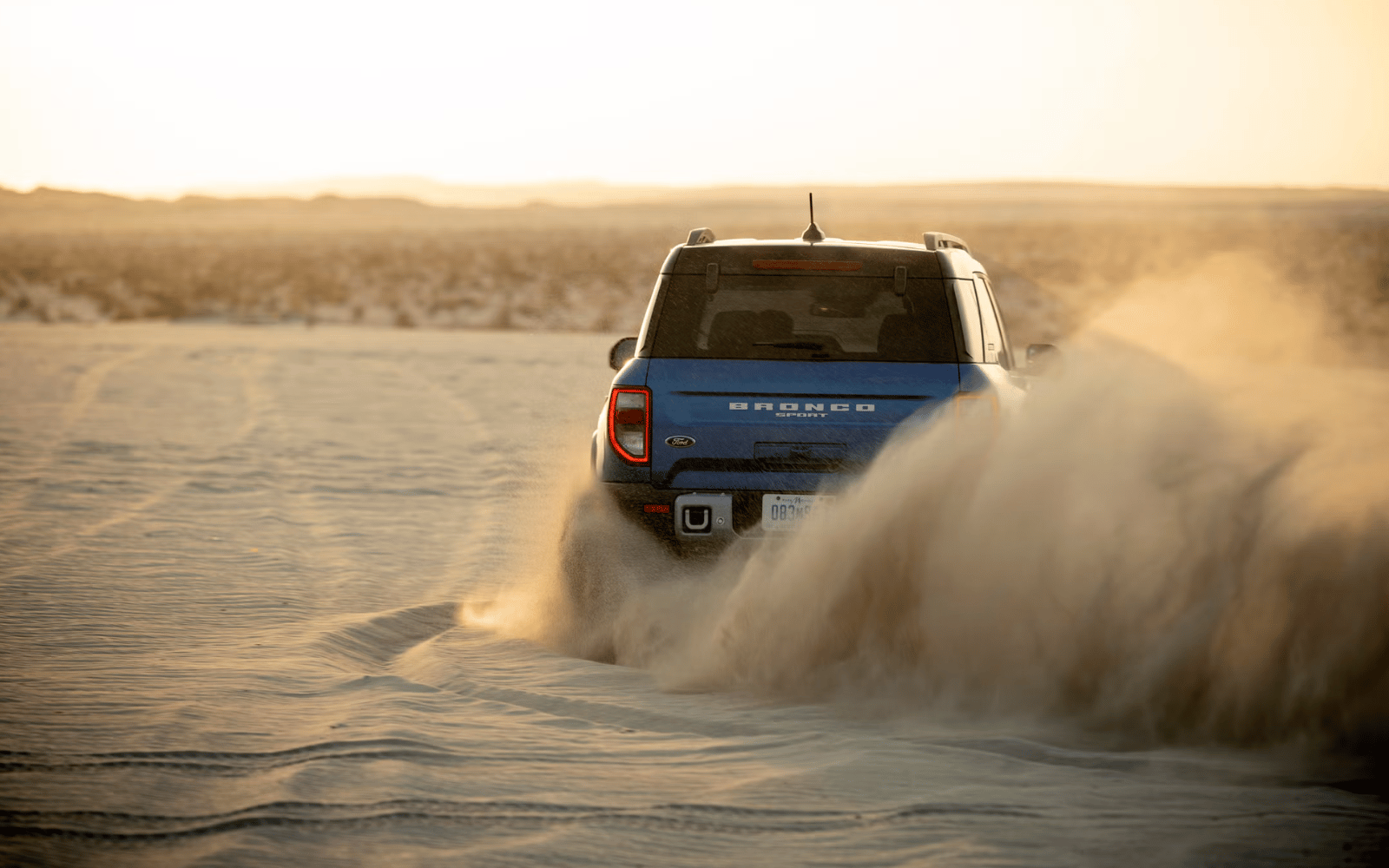
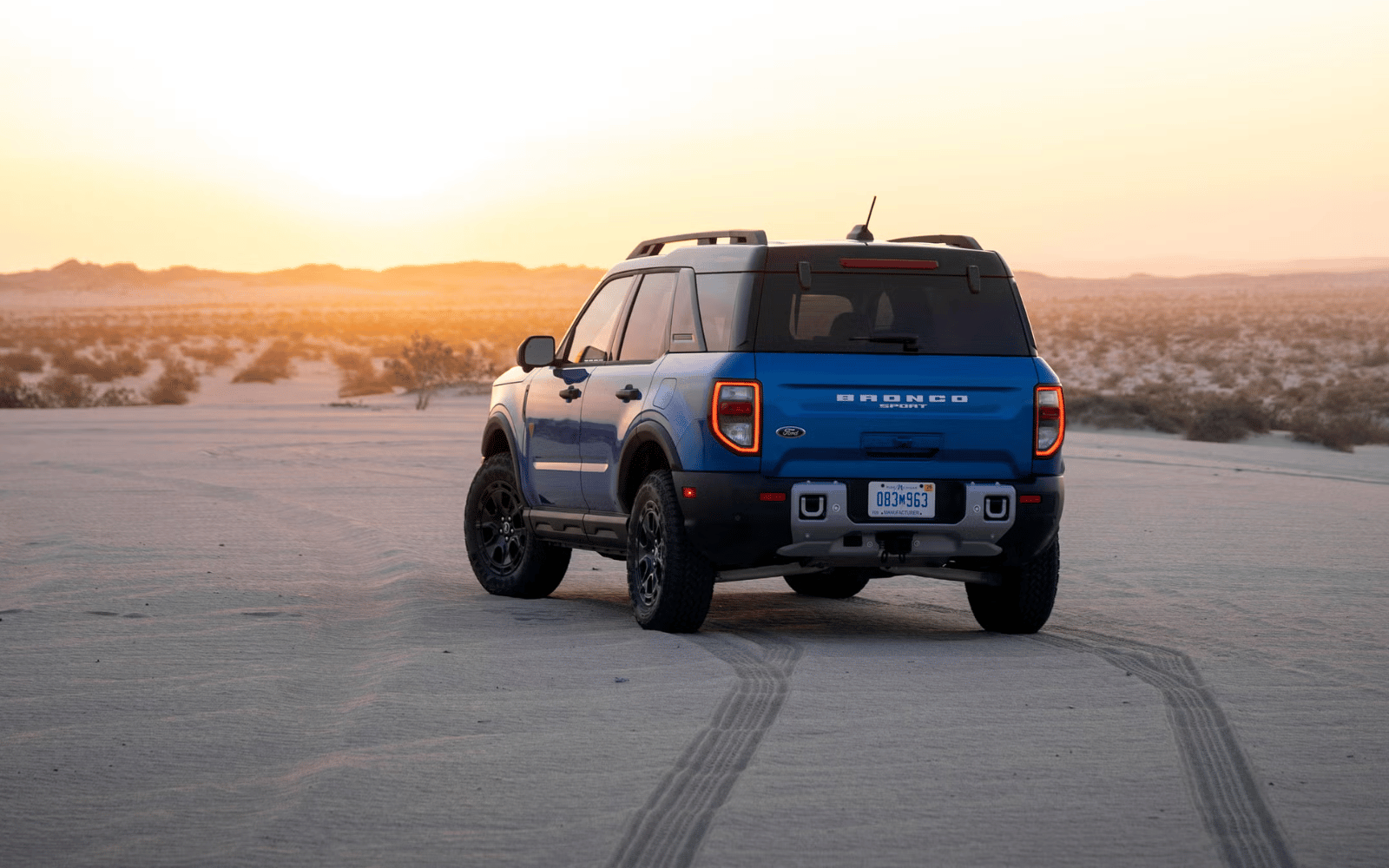
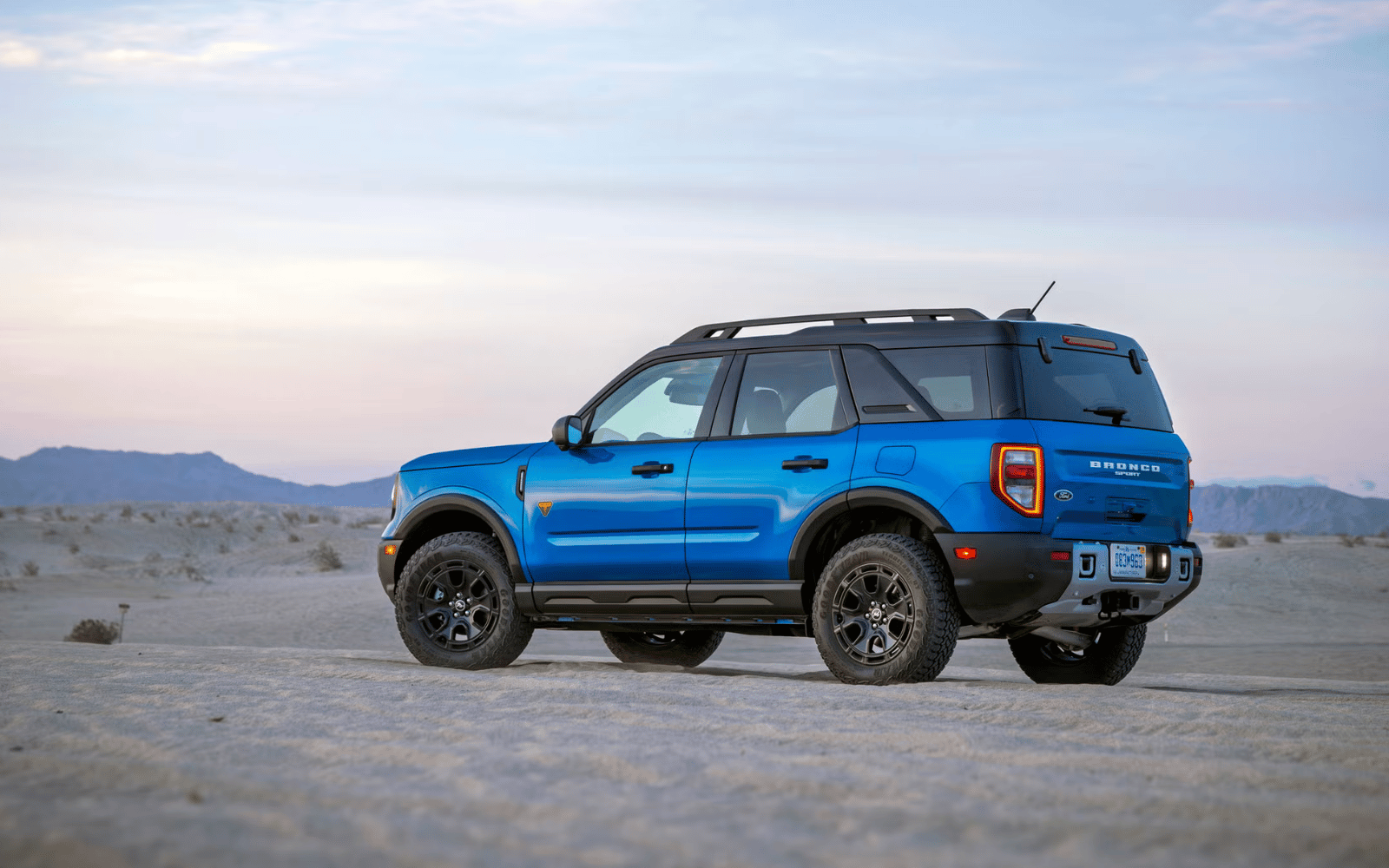
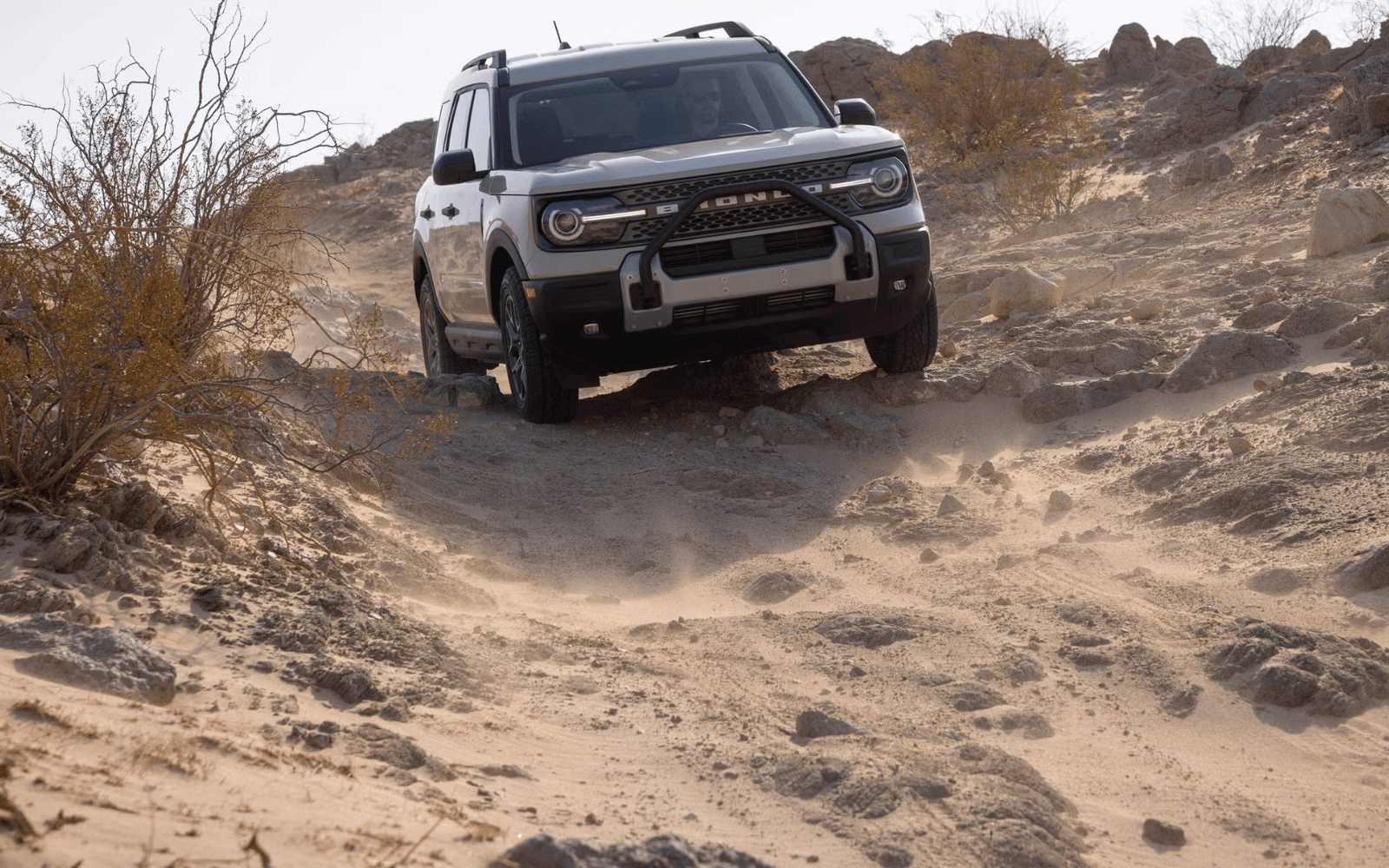
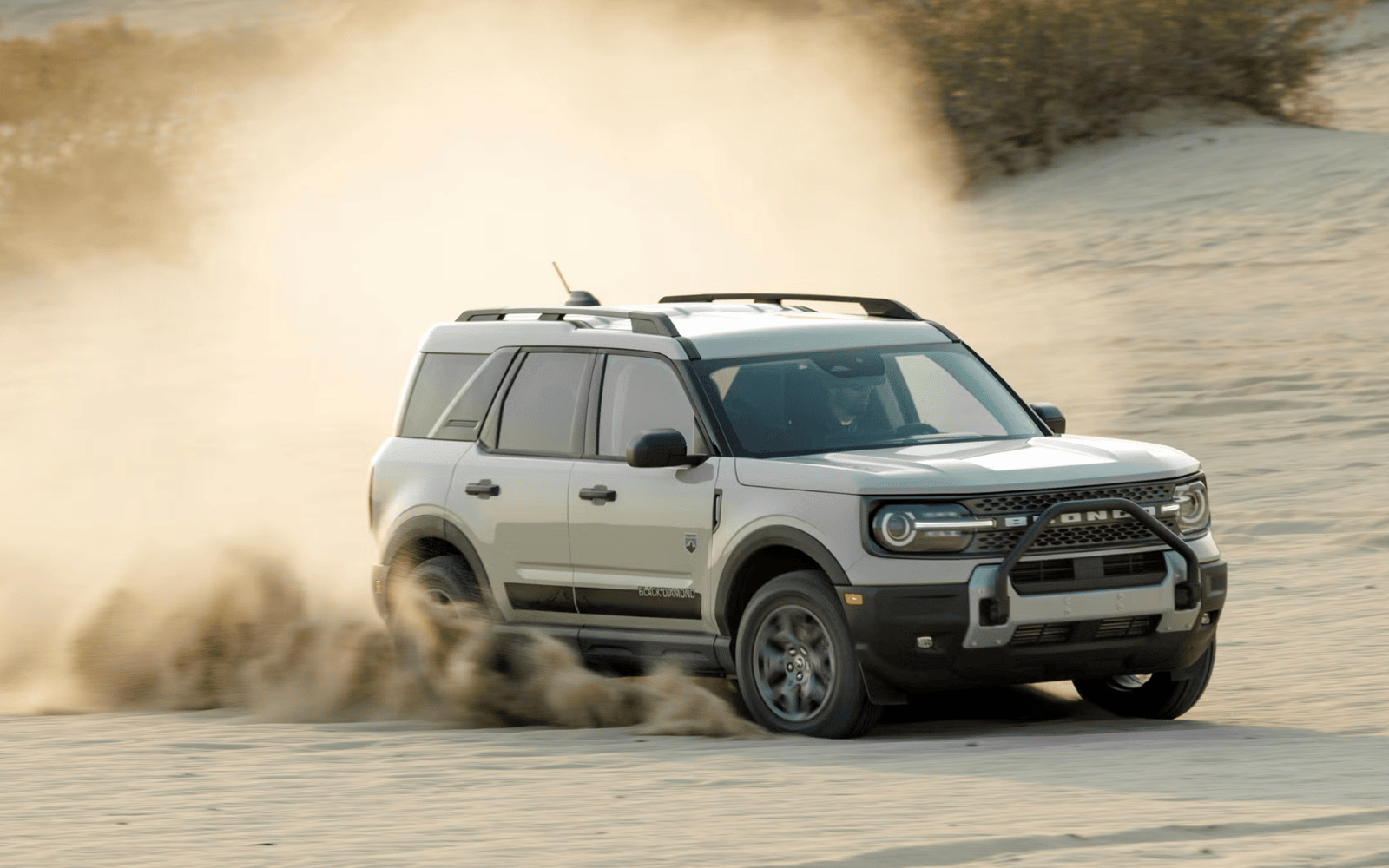
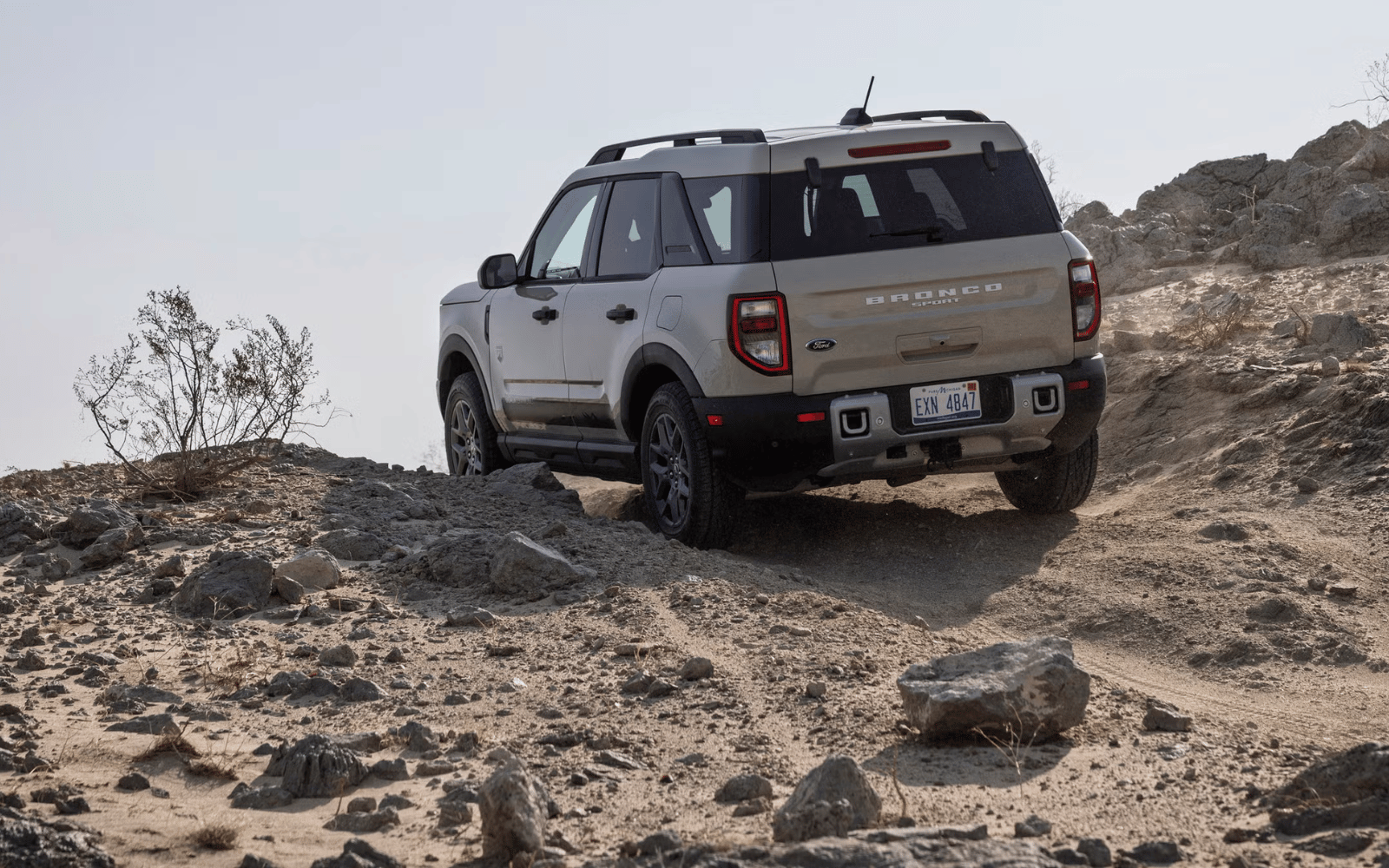
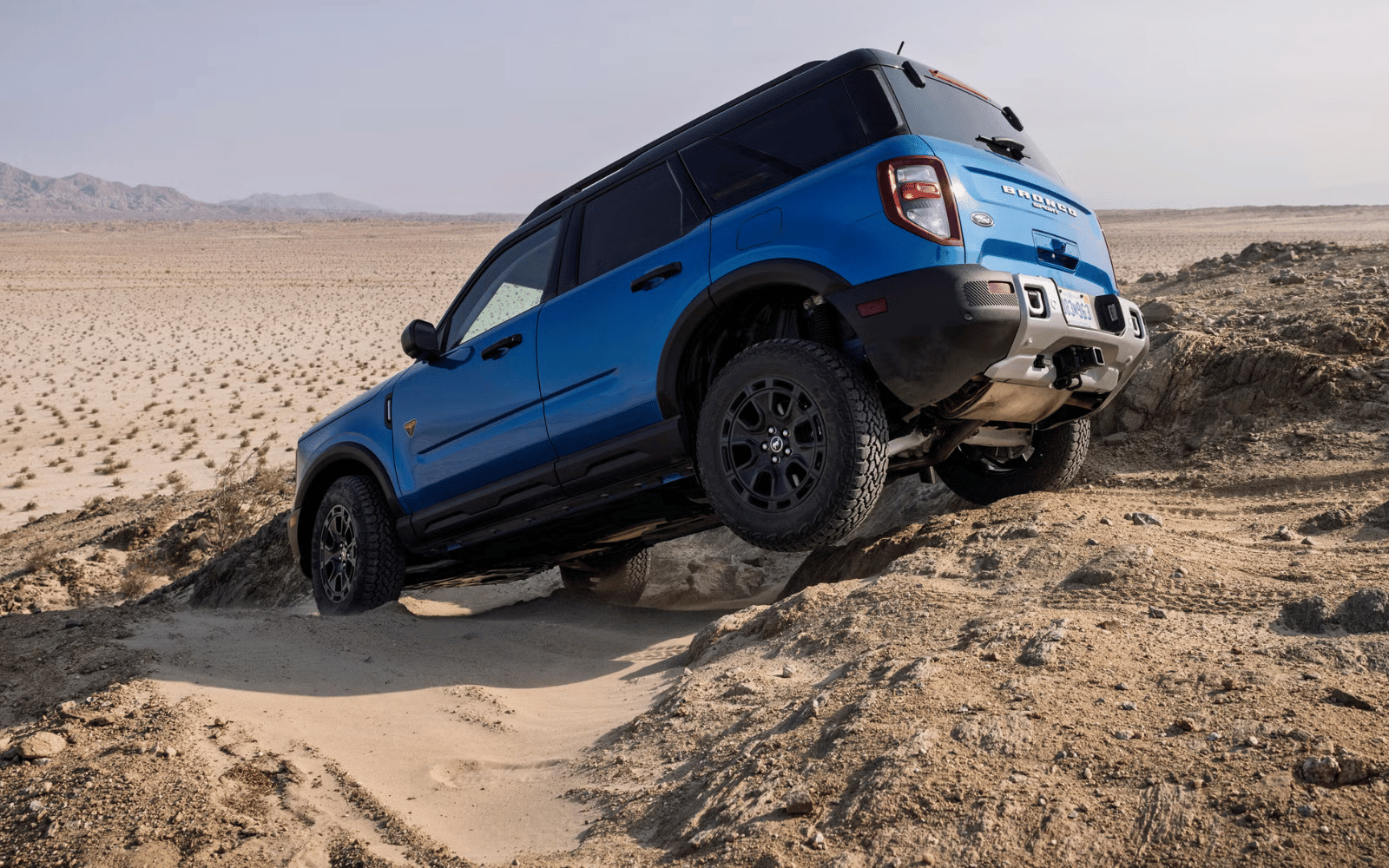
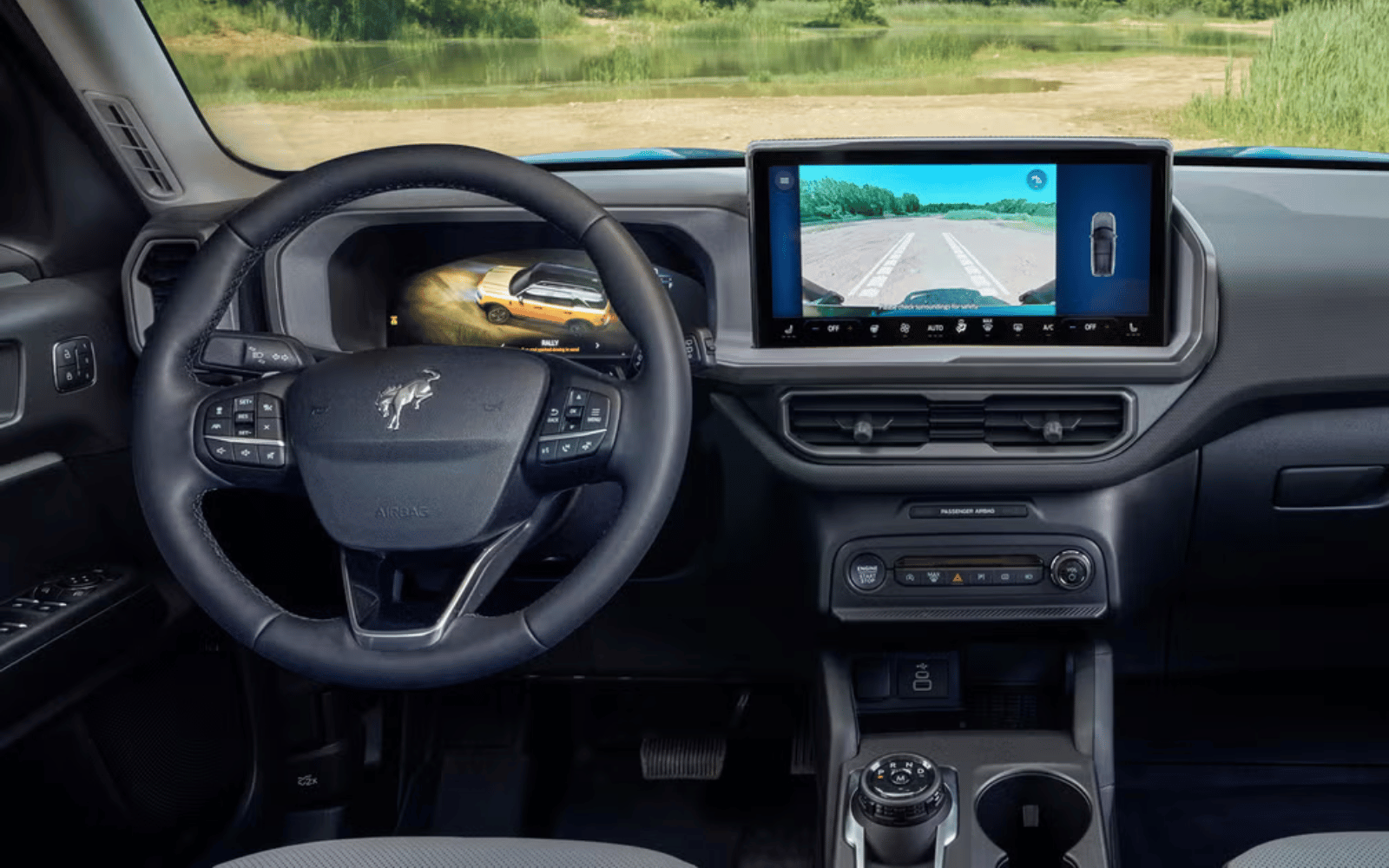
The Ford Bronco Sport is a compact SUV that combines standard four-wheel drive, practical cargo space, and more off-road ability than most small crossovers. It shares its name and some design cues with the larger Bronco but uses a separate unibody platform and a fixed roof.
The Bronco Sport works best for buyers who want an easy-to-park daily vehicle that can also handle snow, dirt roads, campsites, and moderate trails. Its main limits are average rear-seat space, a firm ride with off-road packages, some low-cost cabin materials, and less capability than the body-on-frame Ford Bronco.
WheelPedia Rating: 8.2/10
The Ford Bronco Sport earns an 8.2/10 Rating for its standard four-wheel drive, practical cargo area, easy-to-use technology, useful safety features, and above-average off-road ability.
It loses points for mixed IIHS crash-test results, modest base-engine performance, average rear legroom, and rising prices when fitted with advanced off-road or comfort packages.
| Rating Category | Score | Weight |
| Safety | 7.8/10 | 20% |
| Reliability and ownership | 8.0/10 | 15% |
| Performance and driving | 8.2/10 | 15% |
| Comfort and practicality | 8.3/10 | 15% |
| Efficiency | 8.2/10 | 15% |
| Features and technology | 8.8/10 | 10% |
| Price and value | 8.2/10 | 10% |
| Overall WheelPedia Rating | 8.2/10 | — |
See how we rate cars for the complete scoring method.
Key Highlights
- Starts from $32,340 MSRP before destination and other charges.
- Standard four-wheel drive on every trim.
- Seats five people.
- Big Bend, Heritage, and Outer Banks use a 1.5-liter turbocharged engine.
- Badlands uses a 2.0-liter turbocharged four-cylinder.
- Eight-speed automatic transmission across the range.
- EPA-estimated fuel economy reaches 25 mpg city and 30 mpg highway.
- Badlands can tow up to 2,700 pounds when properly equipped.
- Standard 13.2-inch touchscreen.
- Wireless Apple CarPlay and Android Auto are standard.
- Up to seven selectable G.O.A.T. terrain modes.
- Available Sasquatch Packages for Outer Banks and Badlands.
- Badlands includes an advanced twin-clutch rear-drive unit.
- Maximum cargo capacity of approximately 65.2 cubic feet.
- Best for commuters, outdoor-focused buyers, small families, and drivers who regularly face snow or unpaved roads.
Quick Specifications
| Specification | Ford Bronco Sport |
| Vehicle type | Compact crossover SUV |
| Seating capacity | 5 |
| Standard engine | 1.5L turbocharged three-cylinder |
| Standard output | 180 hp / 200 lb-ft |
| Badlands engine | 2.0L turbocharged four-cylinder |
| Badlands output | 250 hp / 277 lb-ft |
| Transmission | 8-speed automatic |
| Drivetrain | 4WD standard |
| Best fuel economy | 25 city / 30 highway mpg |
| Maximum towing capacity | 2,700 lbs |
| Standard ground clearance | 7.8 in. |
| Badlands ground clearance | 8.1 in. before selected packages |
| Cargo space behind rear seats | Up to approximately 32.5 cu. ft. |
| Maximum cargo capacity | Up to approximately 65.2 cu. ft. |
| Length | Approximately 172.7 in. |
| Wheelbase | Approximately 105.1 in. |
Expert Tip
The Big Bend is the strongest value for most buyers. Choose the Badlands if you will regularly drive on rough trails or want the stronger 2.0-liter engine. The Outer Banks makes more sense for buyers who prioritize heated seats, cabin comfort, and appearance.
About the Ford Bronco Sport
The Bronco Sport is smaller and less specialized than the full-size Bronco. Its compact dimensions make it easier to park, more efficient, and better suited to commuting.
Unlike many compact SUVs, every Bronco Sport includes four-wheel drive. Standard models use a conventional system that automatically sends power between the front and rear wheels. The Badlands adds a twin-clutch rear-drive unit that can direct more power to either rear wheel for added traction.
Its upright body creates useful headroom and a square cargo area. The rear glass can open separately from the liftgate, making it easier to place smaller items in the cargo area when another vehicle is parked close behind.
Price and Trims
The following prices are starting MSRPs before destination, taxes, registration, optional equipment, accessories, and dealer charges.
| Trim | Starting MSRP | Powertrain | Key Reason to Choose |
| Big Bend | $32,340 | 1.5L turbo, standard 4WD | Best value and widest appeal |
| Heritage | $33,395 | 1.5L turbo, standard 4WD | Retro styling and all-terrain tires |
| Outer Banks | $35,640 | 1.5L turbo, standard 4WD | Better comfort and interior equipment |
| Badlands | $38,260 | 2.0L turbo, advanced 4WD | Best performance and off-road ability |
The Heritage costs only slightly more than the Big Bend but is mainly an appearance-led choice. Its Oxford White roof, white grille, retro graphics, plaid seat inserts, and all-terrain tires give it a distinctive look.
The Outer Banks adds premium-trimmed heated front seats, a heated steering wheel, dual-zone climate control, a power driver’s seat with memory, and more exterior detailing.
The Badlands adds the stronger engine, advanced four-wheel drive, seven terrain modes, steel protection, front recovery points, rubberized flooring, and a 360-degree camera with Trail View.
Engine, Powertrain, and Performance
1.5-Liter EcoBoost Engine
Big Bend, Heritage, and Outer Banks models use a turbocharged 1.5-liter three-cylinder engine producing approximately 180 horsepower and 200 lb-ft of torque.
It is paired with an eight-speed automatic transmission and standard four-wheel drive.
The three-cylinder provides enough power for commuting, urban driving, and steady highway travel. It can feel strained during fast passing, steep climbs, or trips with several passengers and heavy cargo.
Drivers may also notice the engine’s three-cylinder sound and vibration when accelerating hard. At a steady speed, it becomes less noticeable.
Its main advantages are lower purchase cost and better fuel economy. Buyers who do not need quick acceleration or advanced trail hardware should find it adequate.
2.0-Liter EcoBoost Engine
The Badlands uses a turbocharged 2.0-liter four-cylinder producing approximately 250 horsepower and 277 lb-ft of torque.
It also uses an eight-speed automatic, but the Badlands receives an advanced four-wheel-drive system with a twin-clutch rear-drive unit.
The larger engine gives the Badlands much stronger acceleration. It is more responsive when joining highways, overtaking, climbing grades, or carrying passengers and equipment.
The Badlands is the only trim for buyers who want both stronger road performance and the highest off-road capability.
Driving Experience
The Bronco Sport is easier to drive on paved roads than the larger Bronco. Its compact footprint, independent suspension, and car-based construction make it manageable in traffic and parking areas.
Steering is light and predictable. The square hood and upright windshield make the vehicle’s front corners relatively easy to judge.
Ride quality is controlled but can feel firm over broken pavement. Models fitted with all-terrain tires or advanced off-road packages may produce more noise and transmit more small road impacts into the cabin.
The 1.5-liter models feel light and easy to place on narrow roads. The Badlands feels stronger and more planted, although its off-road tires and suspension settings create a slightly busier highway ride.
Wind noise is noticeable around the upright windshield and mirrors, but the fixed roof makes the Bronco Sport quieter than the removable-roof Bronco.
Off-Road Capability
Every Bronco Sport includes four-wheel drive and selectable G.O.A.T. Modes, meaning Goes Over Any Type of Terrain.
Big Bend, Heritage, and Outer Banks models offer five standard modes, including settings for normal driving, slippery surfaces, and off-road conditions.
The Badlands includes seven modes, adding settings such as Rock Crawl and Rally. It also receives:
- Advanced four-wheel drive
- Twin-clutch rear-drive unit
- HOSS 2.0 suspension
- Steel-plated front bumper
- Underbody protection
- Front recovery hooks
- All-terrain tires
- 360-degree camera with Trail View
- Rubberized flooring
- Additional ground clearance
- Upgraded cooling
- Paddle shifters
The twin-clutch rear-drive unit can send more power to an individual rear wheel. This can help the vehicle maintain movement when another wheel has limited traction.
Black Diamond Off-Road Package
The available Black Diamond package for selected lower trims adds useful trail equipment without requiring buyers to move to the Badlands.
Equipment may include:
- All-terrain tires
- Steel skid plates
- Recovery points
- Additional exterior protection
- Off-road appearance details
It is a sensible choice for gravel roads, snow, campsites, and moderate trails.
Sasquatch Package
Sasquatch Packages are available for Outer Banks and Badlands models.
The Outer Banks Sasquatch Package adds features such as:
- Advanced four-wheel drive
- HOSS 2.0 suspension
- All-terrain tires
- Additional underbody protection
- Off-road appearance changes
- Extra terrain capability
The Badlands Sasquatch Package moves to HOSS 3.0 suspension with upgraded rear dampers and additional equipment intended for harder trail use.
The Badlands without Sasquatch is already capable. The package makes the most sense for buyers who will use the suspension and added protection regularly.
Towing Capacity
Towing limits depend on the engine and equipment.
| Configuration | Maximum Towing Capacity |
| Big Bend | Up to 2,200 lbs |
| Heritage | Up to 2,200 lbs |
| Outer Banks | Up to 2,200 lbs |
| Badlands | Up to 2,700 lbs |
The maximum ratings require the correct factory towing equipment.
The Bronco Sport can tow a small utility trailer, lightweight camper, personal watercraft, or small motorcycle trailer. It is not designed for large travel trailers or heavy boats.
Buyers with greater towing needs should compare the full-size Ford Bronco, the Ford Expedition, or a pickup such as the Ford Ranger.
Fuel Economy
| Model | EPA-Estimated City/Highway |
| Big Bend | 25 / 30 mpg |
| Heritage | 25 / 30 mpg |
| Outer Banks | 25 / 30 mpg |
| Badlands | 21 / 27 mpg |
The 1.5-liter trims provide good fuel economy for a compact SUV with standard four-wheel drive.
The Badlands consumes more fuel because of its larger engine, advanced drivetrain, off-road tires, and additional equipment.
Real-world economy can vary with:
- Tire type
- Roof-mounted cargo
- Highway speed
- Temperature
- Passenger and cargo load
- Short trips
- Off-road driving
- Towing
- Use of heating or air conditioning
Check the exact vehicle through the EPA fuel-economy database, especially when comparing standard models with Sasquatch or other off-road packages.
Interior, Comfort, and Technology
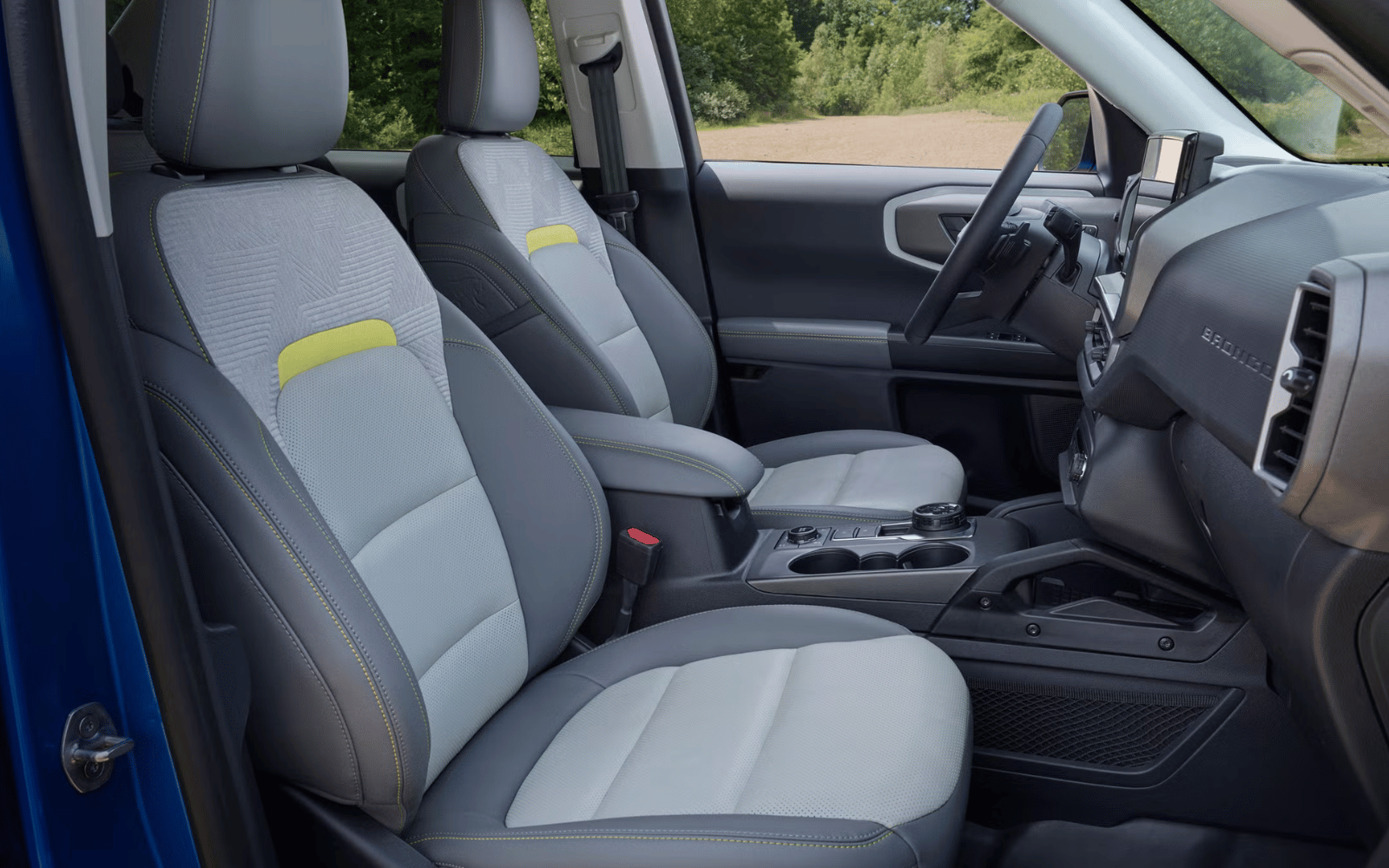
The Bronco Sport’s cabin uses a practical, upright layout. Visibility is good in most directions, and the controls are easier to understand than those in many screen-heavy compact SUVs.
Standard and available features include:
- 13.2-inch SYNC 4 touchscreen
- 8-inch digital instrument display
- Wireless Apple CarPlay
- Wireless Android Auto
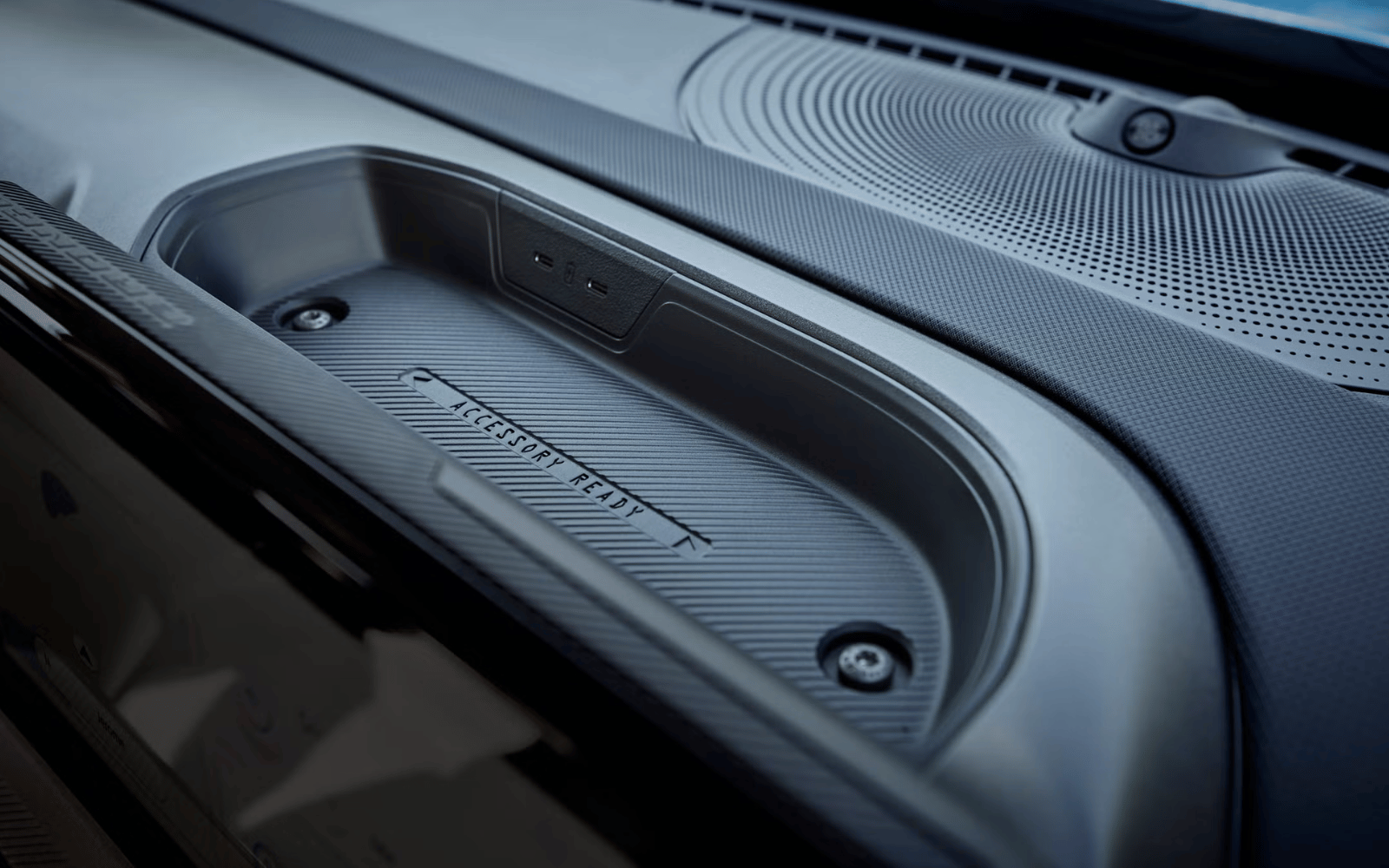
- Multiple USB ports
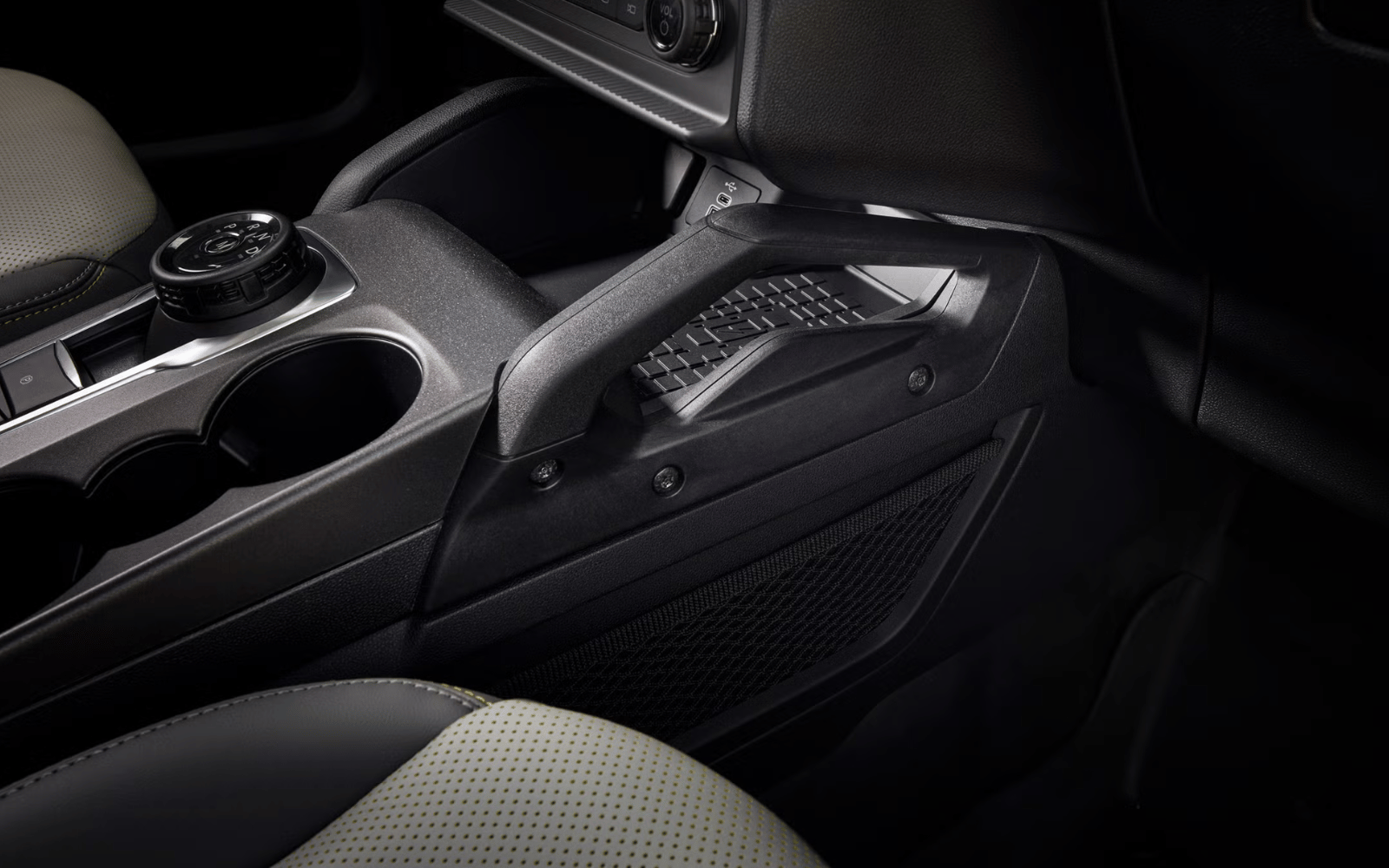
- Available wireless phone charging
- Available connected navigation
- Available Wi-Fi hotspot
- Available B&O audio system
- Available heated front seats
- Available heated steering wheel
- Available dual-zone automatic climate control
- Available power driver’s seat with memory
- Available moonroof
- Available 360-degree camera
- Adjustable liftgate floodlights
- MOLLE-compatible seatback straps
- Ford Power-Up software updates
The 13.2-inch touchscreen is standard throughout the range. Its large icons and wireless phone integration reduce the need to move to a higher trim for basic technology.
Front-seat space is good for a compact SUV. The upright roof gives taller occupants useful headroom.
Rear legroom is acceptable but not class-leading. Taller adults may find it tight behind tall front-seat occupants.
Cabin materials are selected for durability and easy cleaning rather than a premium feel. The Outer Banks adds better seat trim and comfort features, but buyers should not expect luxury-SUV materials.
Dimensions, Cargo, and Practicality
| Dimension | Measurement |
| Length | Approximately 172.7 in. |
| Width without mirrors | Approximately 74.3 in. |
| Wheelbase | Approximately 105.1 in. |
| Front legroom | Approximately 42.4 in. |
| Rear legroom | Approximately 36.9 in. |
| Seating capacity | 5 |
| Ground clearance | 7.8–8.1 in. before selected packages |
| Cargo capacity behind rear seats | Up to approximately 32.5 cu. ft. |
| Maximum cargo capacity | Up to approximately 65.2 cu. ft. |
Cargo measurements vary by trim, engine, spare-tire arrangement, and equipment. Badlands models may provide less cargo volume than 1.5-liter versions because of their drivetrain and full-size spare arrangement.
The square cargo opening and tall roof make the space useful for coolers, camping equipment, luggage, bicycles, and pet carriers.
The rear seats fold in a 60/40 split. Selected trims also include storage beneath a rear seat and washable cargo materials.
The rear glass opens separately from the main liftgate. This allows smaller items to be loaded without raising the full door.
Available liftgate floodlights can illuminate the cargo area or campsite after dark. These can be useful for camping, roadside work, or loading outdoor equipment.
Exterior Design
The Bronco Sport has a square roof, upright windshield, round headlight elements, short overhangs, and large Bronco lettering across the grille.
Its appearance is related to the larger Bronco, but the two vehicles do not share the same body structure or removable panels.
Big Bend models use simpler wheels and exterior details. The Heritage adds:
- Oxford White-painted roof
- Oxford White grille
- Red Bronco grille lettering
- White wheels
- Heritage body graphics
- Retro-inspired badging
Outer Banks models have a more street-focused appearance with an 18-inch wheel design, body-color door handles, a black-painted roof, and trim-specific badges.
Badlands models use all-terrain tires, front recovery hooks, underbody protection, a steel-plated front bumper, and a more functional off-road appearance.
Available Bronze and Black Appearance Packages add alternative wheel finishes, badges, and exterior accents.
Safety Features and Ratings
Standard and available safety features include:
- Pre-Collision Assist with Automatic Emergency Braking
- Forward-collision warning
- Pedestrian detection
- Blind Spot Information System
- Rear Cross-Traffic Alert
- Lane-Keeping System
- Automatic high beams
- Rear automatic braking
- Rear parking sensors
- Adaptive cruise control
- Lane centering
- Evasive Steering Assist
- 360-degree camera
- Front, side, knee, and curtain airbags
- AdvanceTrac stability control
- Tire-pressure monitoring
The Bronco Sport received mixed results from IIHS:
| IIHS Test | Rating |
| Small-overlap front | Good |
| Updated moderate-overlap front | Marginal |
| Updated side test | Acceptable |
| Whiplash prevention | Poor |
| Headlights | Good |
| Vehicle-to-vehicle front crash prevention | Acceptable |
| Pedestrian front crash prevention | Good |
| LATCH ease of use | Acceptable |
The Marginal updated moderate-overlap rating reflects rear-passenger measurements and restraint performance. In the updated side test, IIHS recorded a Poor driver-pelvis injury measure even though the overall side rating was Acceptable.
The head-restraint and seat assessment received a Poor whiplash-prevention rating. This is an important limitation that buyers should consider rather than relying only on the model’s standard driver-assistance features.
On the positive side, IIHS rated the headlights and pedestrian front-crash-prevention system Good. Check the exact model year and configuration through NHTSA for any available federal crash-test results and recalls.
Reliability, Warranty, and Ownership
The Bronco Sport uses engines, transmissions, and electronic systems shared with other Ford vehicles. The 1.5-liter engine provides lower fuel consumption, while the 2.0-liter Badlands adds more performance and mechanical complexity.
| Coverage | Length |
| Basic warranty | 3 years / 36,000 miles |
| Powertrain warranty | 5 years / 60,000 miles |
| Safety-restraint coverage | 5 years / 60,000 miles |
| Corrosion-perforation coverage | 5 years / unlimited miles |
| Roadside assistance | 5 years / 60,000 miles |
| Complimentary scheduled maintenance | Not included |
Routine ownership costs should remain below those of the larger Bronco, particularly on standard 1.5-liter trims.
Badlands and Sasquatch-equipped models may cost more to operate because of:
- All-terrain tire replacement
- Increased fuel consumption
- Underbody inspections after trail use
- Wheel-alignment needs
- Additional drivetrain-fluid service
- Brake and suspension wear
- Damage to wheels, tires, or protective plates
Owners should follow the maintenance schedule, use the specified engine oil, and inspect the vehicle after off-road driving.
Used-car shoppers should check the service history, underbody, suspension, tires, wheel alignment, and VIN recall record before purchasing.
Pros and Cons
What We Like
- Standard four-wheel drive
- Useful cargo area
- Compact exterior dimensions
- Good fuel economy from the 1.5-liter engine
- Strong performance from the Badlands
- Standard 13.2-inch touchscreen
- Wireless Apple CarPlay and Android Auto
- Good outward visibility
- Separate-opening rear glass
- Available washable interior materials
- Above-average off-road ability
- Multiple off-road packages
- Good IIHS headlight rating
- Good pedestrian front-crash-prevention rating
- Distinctive exterior design
What We Don’t Like
- Modest base-engine acceleration
- Rear legroom is only average
- Some low-cost cabin materials
- Firm ride with off-road tires
- Wind and tire noise at highway speeds
- Options can raise the price quickly
- No hybrid powertrain
- Badlands fuel economy drops noticeably
- Marginal updated IIHS moderate-overlap rating
- Acceptable updated IIHS side rating
- Poor IIHS whiplash-prevention rating
- Less capable than the larger Bronco
- Maximum towing capacity is limited
Competitors
The Bronco Sport competes with compact SUVs that offer standard or available all-wheel drive and outdoor-focused equipment:
- Subaru Forester: Provides more passenger space, good visibility, standard all-wheel drive, and better everyday comfort.
- Subaru Crosstrek: Smaller and more efficient, with strong bad-weather ability and an available Wilderness trim.
- Toyota RAV4: Offers more powertrain choices, including hybrid and plug-in hybrid versions, along with a strong ownership case.
- Honda CR-V: More spacious and refined, with available hybrid power, but less suited to difficult trails.
- Mazda CX-50: Offers a more polished interior and stronger road manners, with available turbo performance.
- Jeep Compass: Similar size and available off-road equipment, particularly in Trailhawk form.
- Jeep Renegade: A used-market alternative with boxy styling and available off-road hardware.
- Kia Sportage: Provides more rear-seat room, a longer warranty, and hybrid choices.
- Hyundai Tucson: Roomier and available with hybrid power, but less trail-focused.
- Ford Escape: More road-focused and efficient, with hybrid choices, but less distinctive and less capable away from pavement.
The larger Ford Bronco is the better choice for difficult trails, removable doors, low-range four-wheel drive, and greater modification potential.
Related Content
Before choosing a Bronco Sport payment plan, read how car financing works and compare dealer vs. bank car financing.
You can estimate affordability with our guide on how to calculate a monthly car payment and learn how to get the best car loan rate.
Used-car buyers should compare the benefits of a new vs. used car and arrange an independent inspection before purchasing a vehicle that has been used off-road.
Should You Buy the Ford Bronco Sport?
Buy the Bronco Sport if you want a compact SUV with standard four-wheel drive, useful cargo space, distinctive styling, and more trail ability than the average crossover.
Add a Sasquatch Package only if the suspension, tires, protection, and traction equipment match how you plan to use the vehicle. Standard models are already suitable for snow, gravel roads, and light trail use.
Skip the Bronco Sport if you need a roomy rear seat, hybrid fuel economy, a soft highway ride, high towing capacity, or the removable doors and roof of the larger Bronco.
FAQs
How much does the Ford Bronco Sport cost?
The 2026 Bronco Sport starts at $32,340 for the Big Bend. The Heritage starts at $33,395, the Outer Banks at $35,640, and the Badlands at $38,260 before destination and other charges.
Is every Ford Bronco Sport four-wheel drive?
Yes. Four-wheel drive is standard across the lineup. The Badlands uses a more advanced system with a twin-clutch rear-drive unit.
What engine does the Bronco Sport have?
Big Bend, Heritage, and Outer Banks models use a turbocharged 1.5-liter three-cylinder. The Badlands uses a turbocharged 2.0-liter four-cylinder.
How much horsepower does the Bronco Sport have?
The 1.5-liter engine produces approximately 180 horsepower. The Badlands model’s 2.0-liter engine produces approximately 250 horsepower.
What fuel economy does the Bronco Sport get?
Models with the 1.5-liter engine return an EPA-estimated 25 mpg city and 30 mpg highway. The Badlands returns 21 mpg city and 27 mpg highway.
How many people can the Bronco Sport seat?
The Bronco Sport seats five people across two rows.
How much cargo space does the Bronco Sport have?
Selected models provide approximately 32.5 cubic feet behind the rear seats and 65.2 cubic feet with the rear seats folded. Capacity varies by trim and equipment.
How much can the Bronco Sport tow?
The 1.5-liter models can tow up to 2,200 pounds when properly equipped. The Badlands increases the maximum to 2,700 pounds.
Is the Bronco Sport good off-road?
Yes, relative to most compact crossovers. Every trim has four-wheel drive and terrain modes. The Badlands adds advanced four-wheel drive, underbody protection, recovery points, and specialized suspension.
What is the Bronco Sport Sasquatch Package?
The available Sasquatch Packages add off-road suspension, all-terrain tires, extra protection, and drivetrain upgrades. Equipment differs between Outer Banks and Badlands versions.
What is the difference between the Bronco Sport and Bronco?
The Bronco Sport is a compact unibody crossover with a fixed roof. The Bronco is a larger body-on-frame SUV with low-range four-wheel drive, removable doors, removable roof panels, and greater trail ability.
Does the Bronco Sport have Apple CarPlay and Android Auto?
Yes. Wireless Apple CarPlay and Android Auto are standard.
Is the Bronco Sport available as a hybrid?
No. The current US lineup uses gasoline turbocharged engines only.
Is the Bronco Sport safe?
It includes automatic emergency braking, blind-spot monitoring, lane assistance, and other driver aids. IIHS results are mixed, including Good small-overlap and headlight ratings but a Marginal updated moderate-overlap result and Poor whiplash-prevention rating.
Final Verdict
The Ford Bronco Sport gives compact-SUV buyers a useful mix of standard four-wheel drive, practical cargo space, modern technology, and genuine all-weather ability.
The Big Bend is efficient enough for daily commuting and capable enough for snow, gravel roads, and camping trips. The Outer Banks adds worthwhile comfort equipment, while the Badlands provides a major increase in power and off-road ability.
Prices, specifications, safety ratings, fuel-economy figures, towing limits, and feature availability can change by trim, package, model year, and market.