
Ford Expedition: Price, Specs, MPG, Towing & Pros and Cons
The Ford Expedition is a full-size, three-row SUV built for families that need real passenger space, strong towing capacity, and more cargo room than a typical midsize SUV can provide. It seats seven or eight people and is available in standard-length and extended-length Expedition MAX versions.
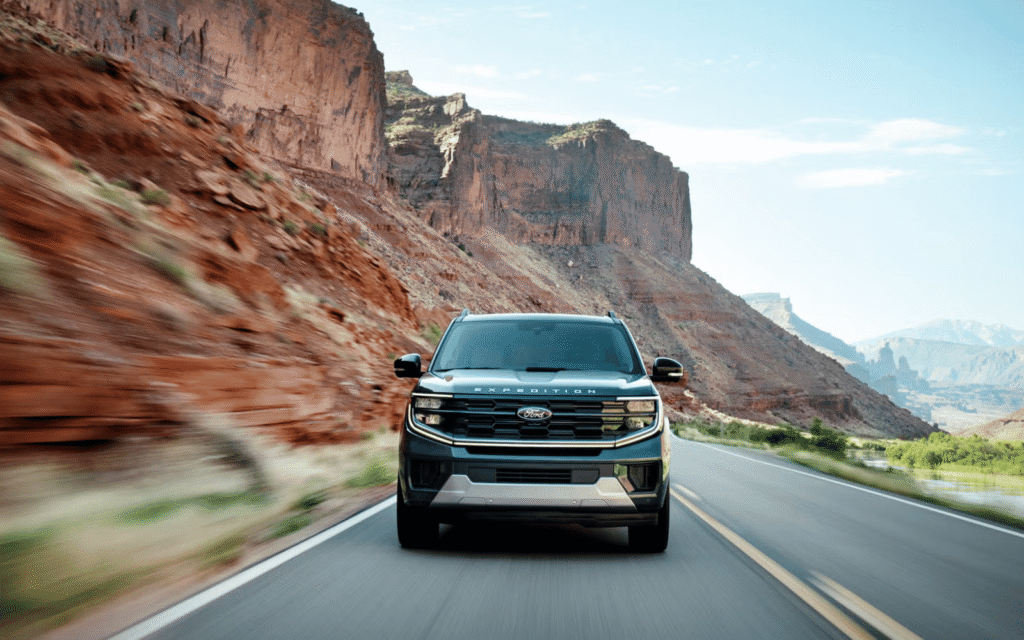
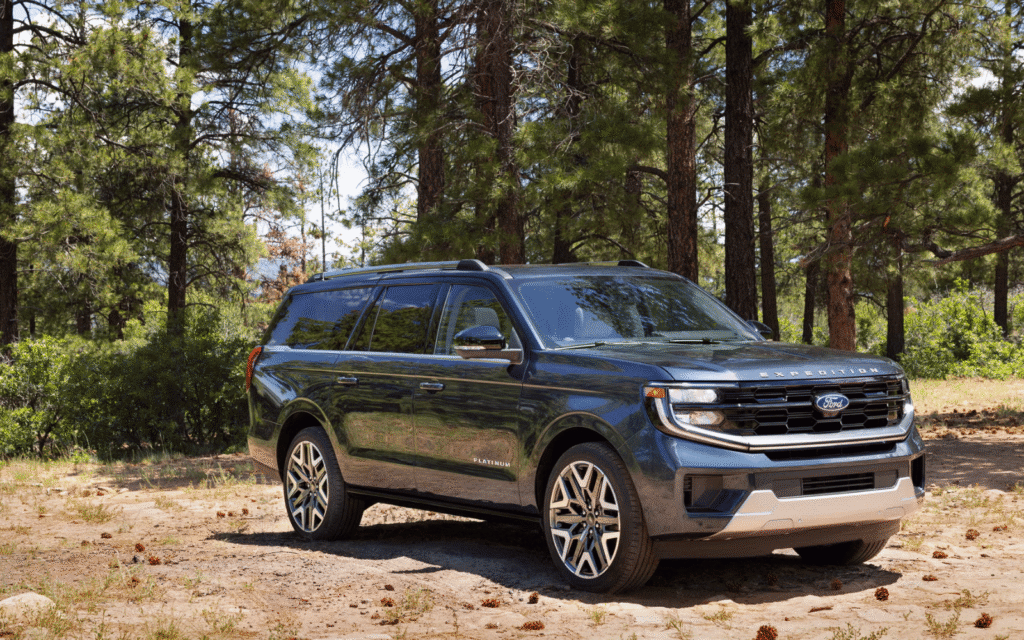
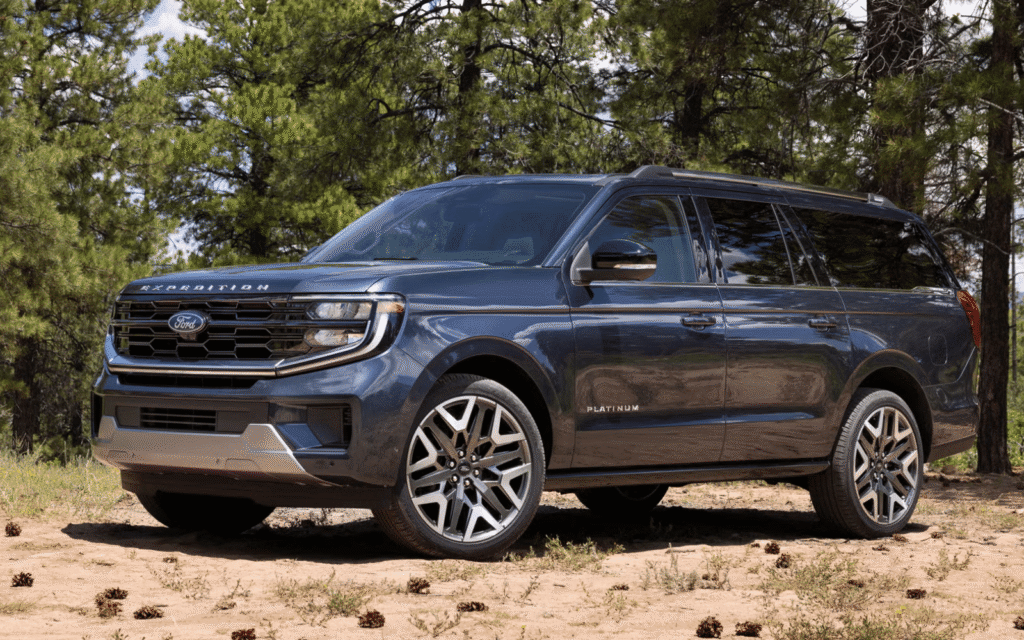
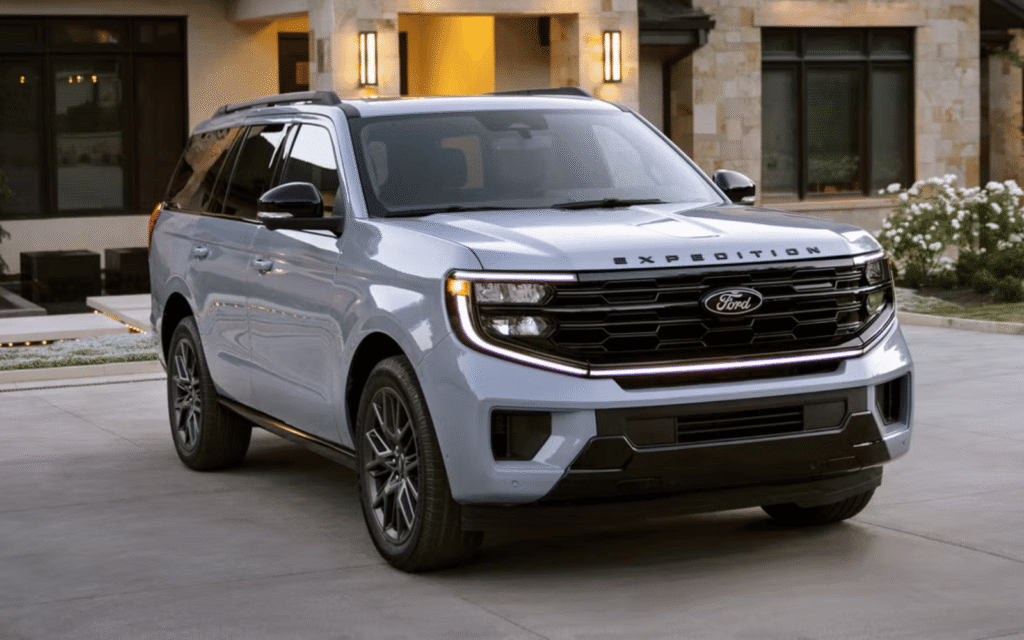
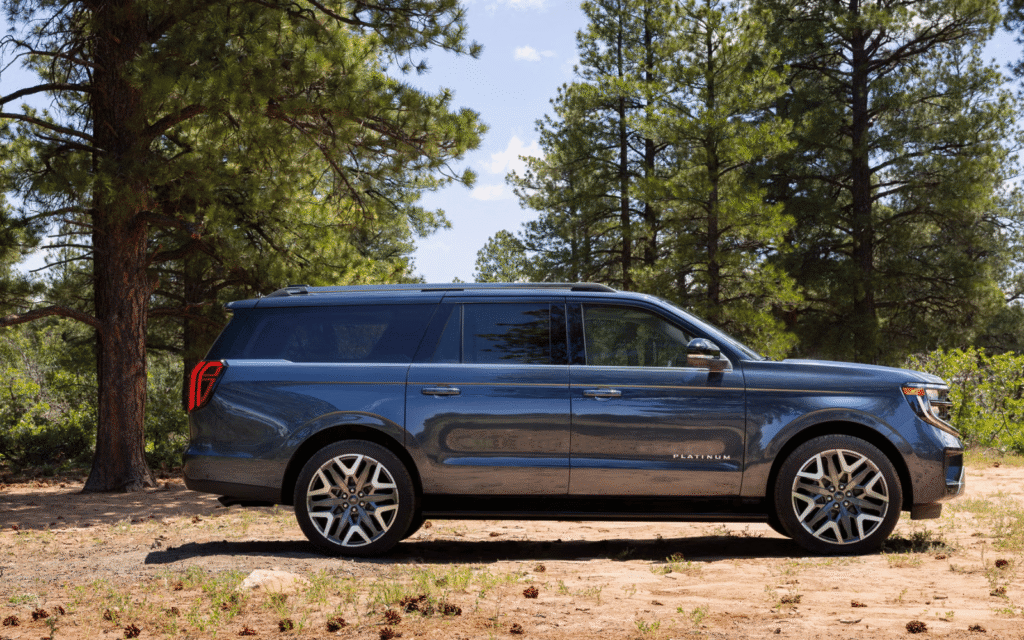
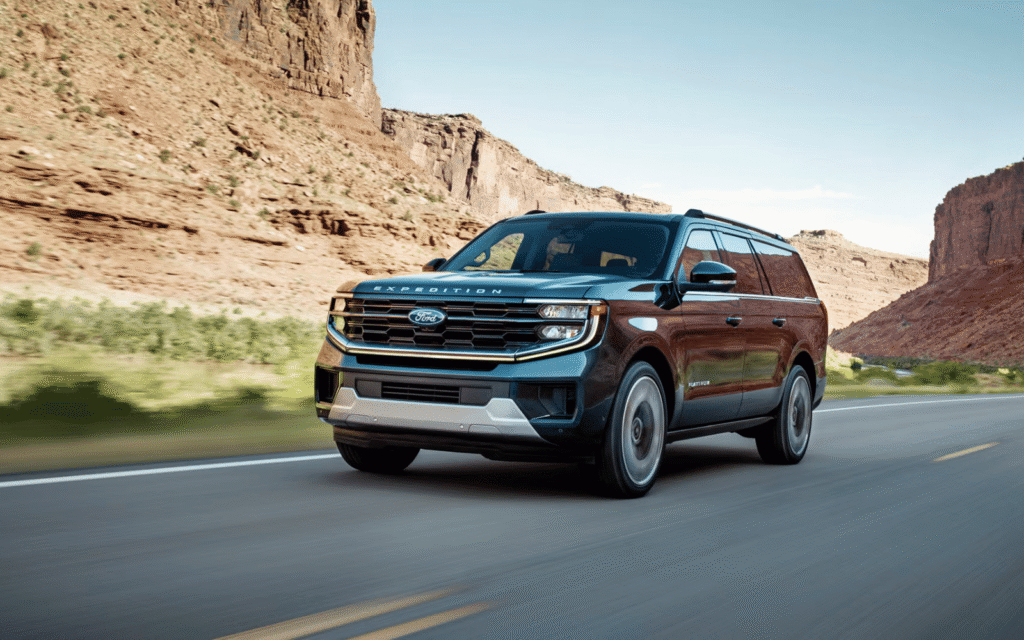
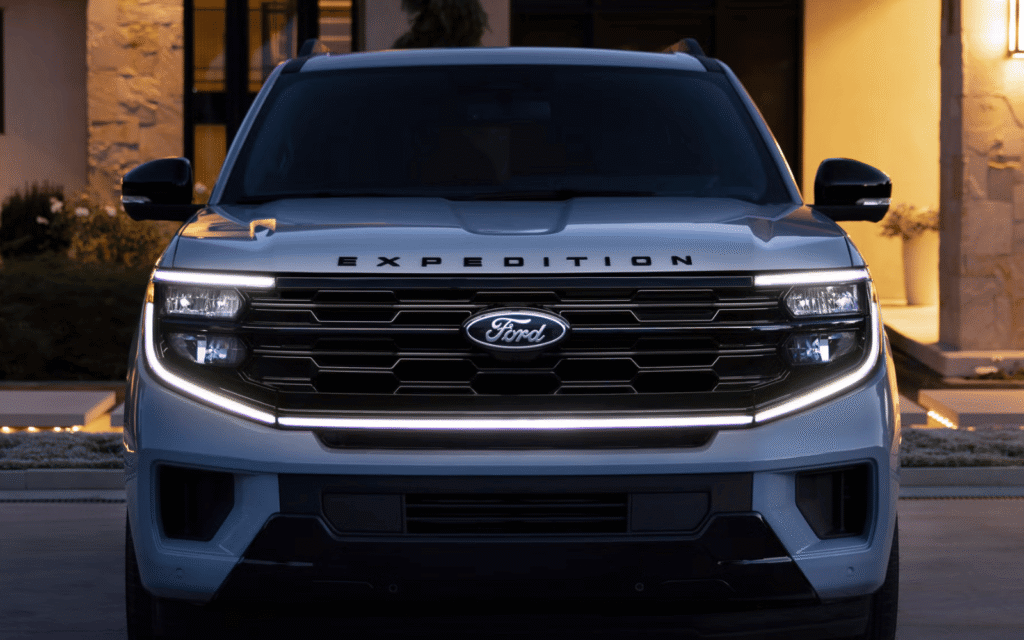
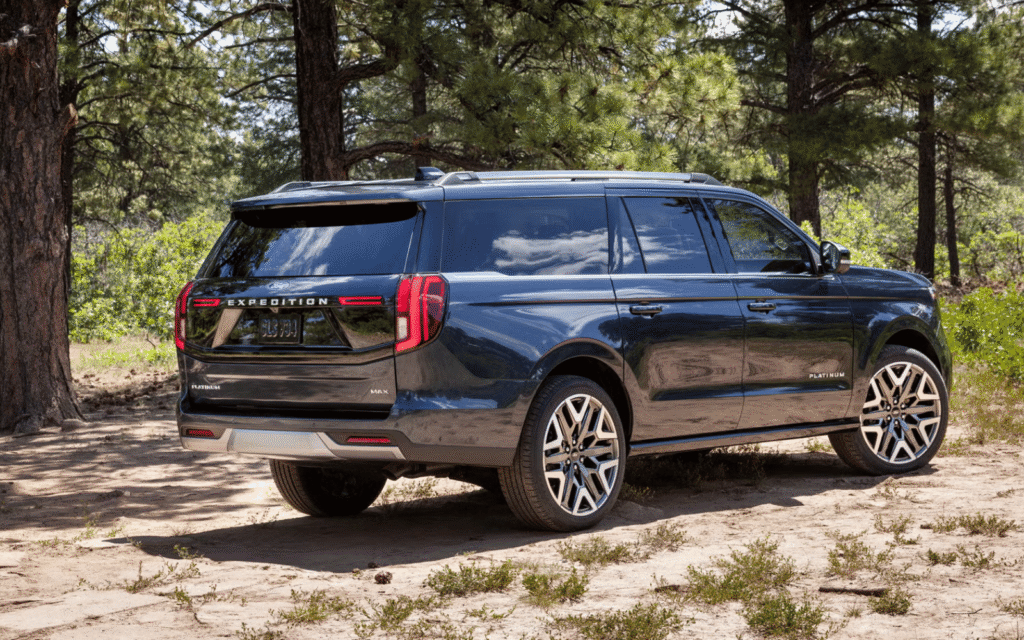
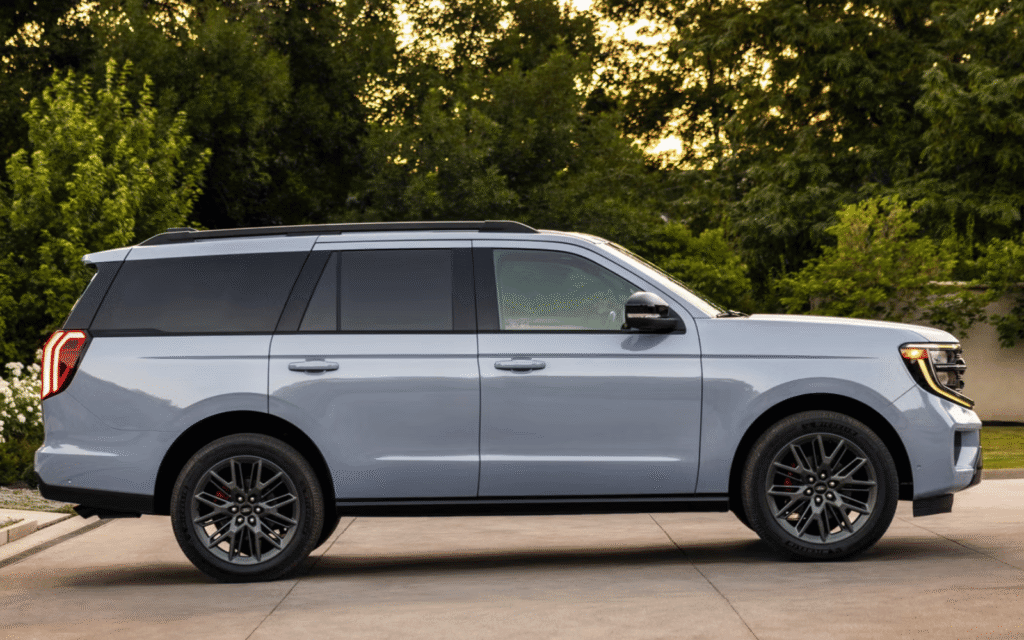
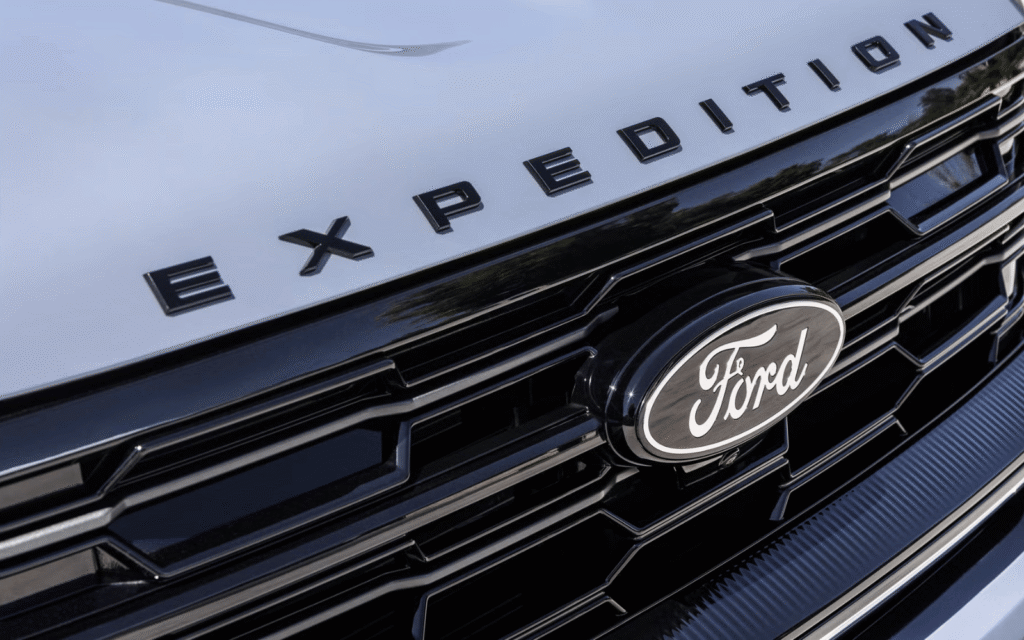
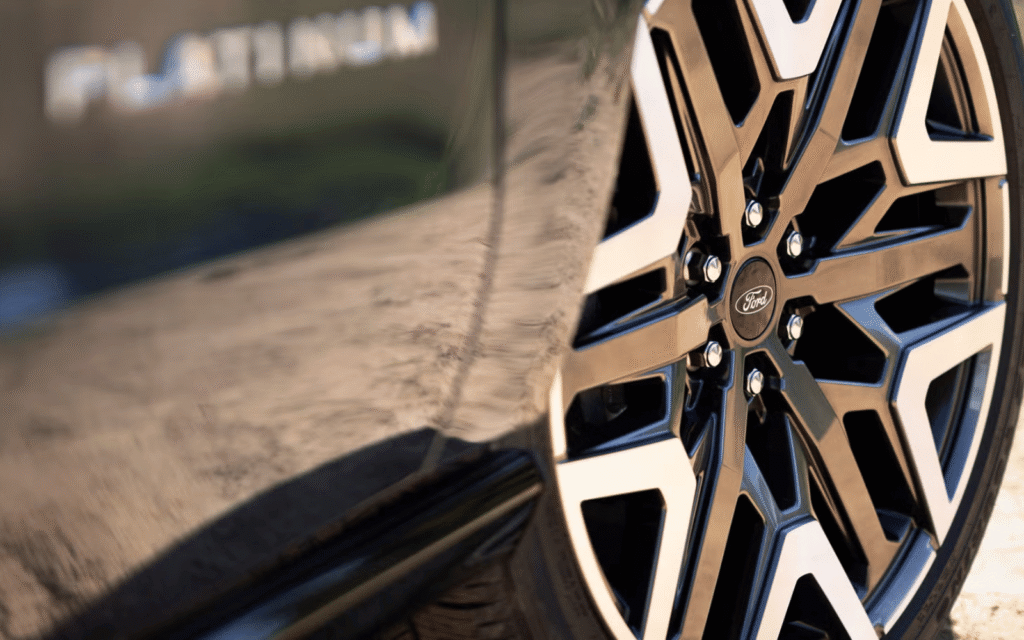
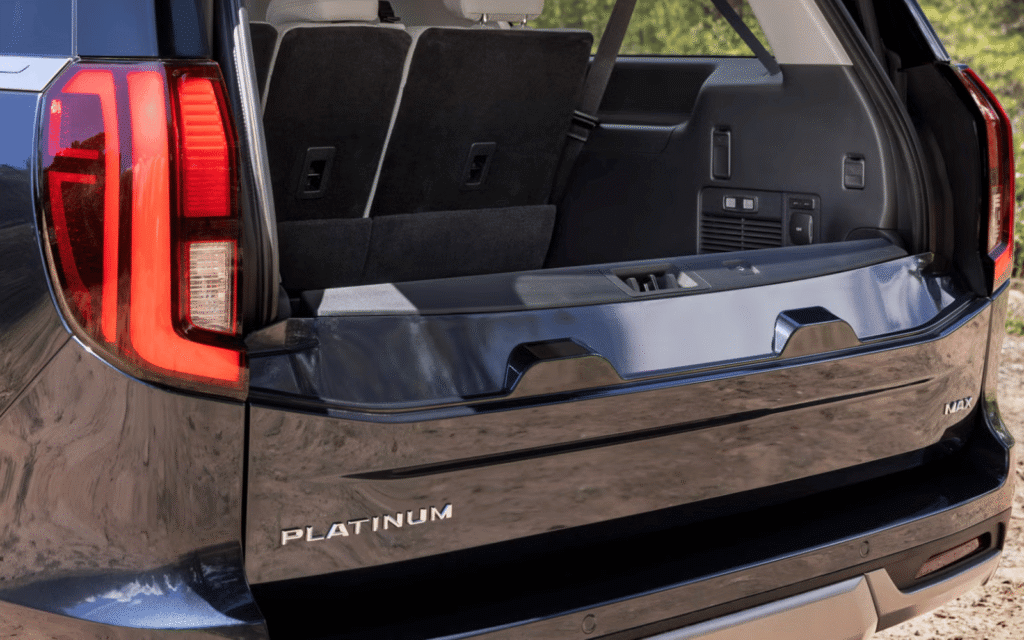
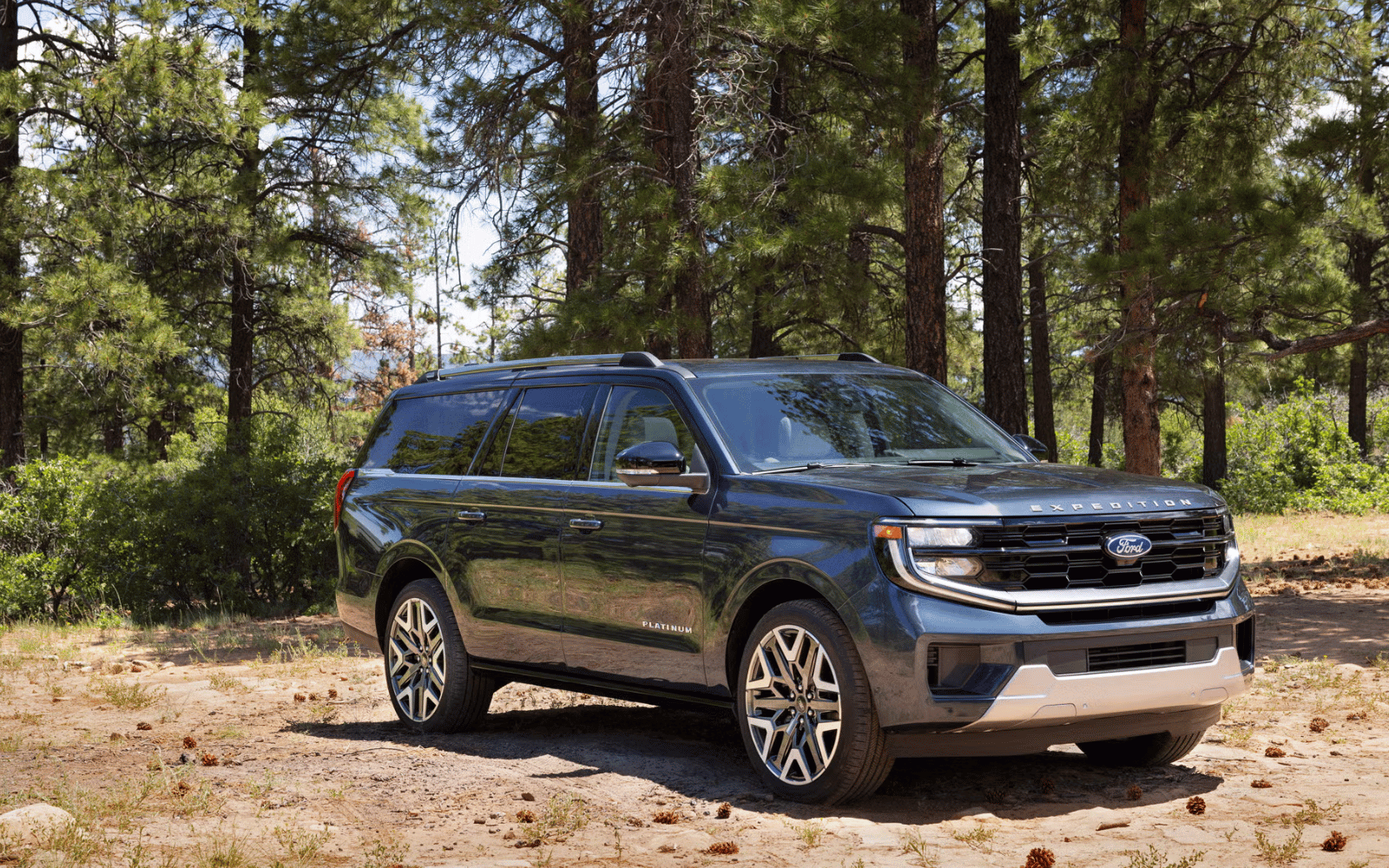
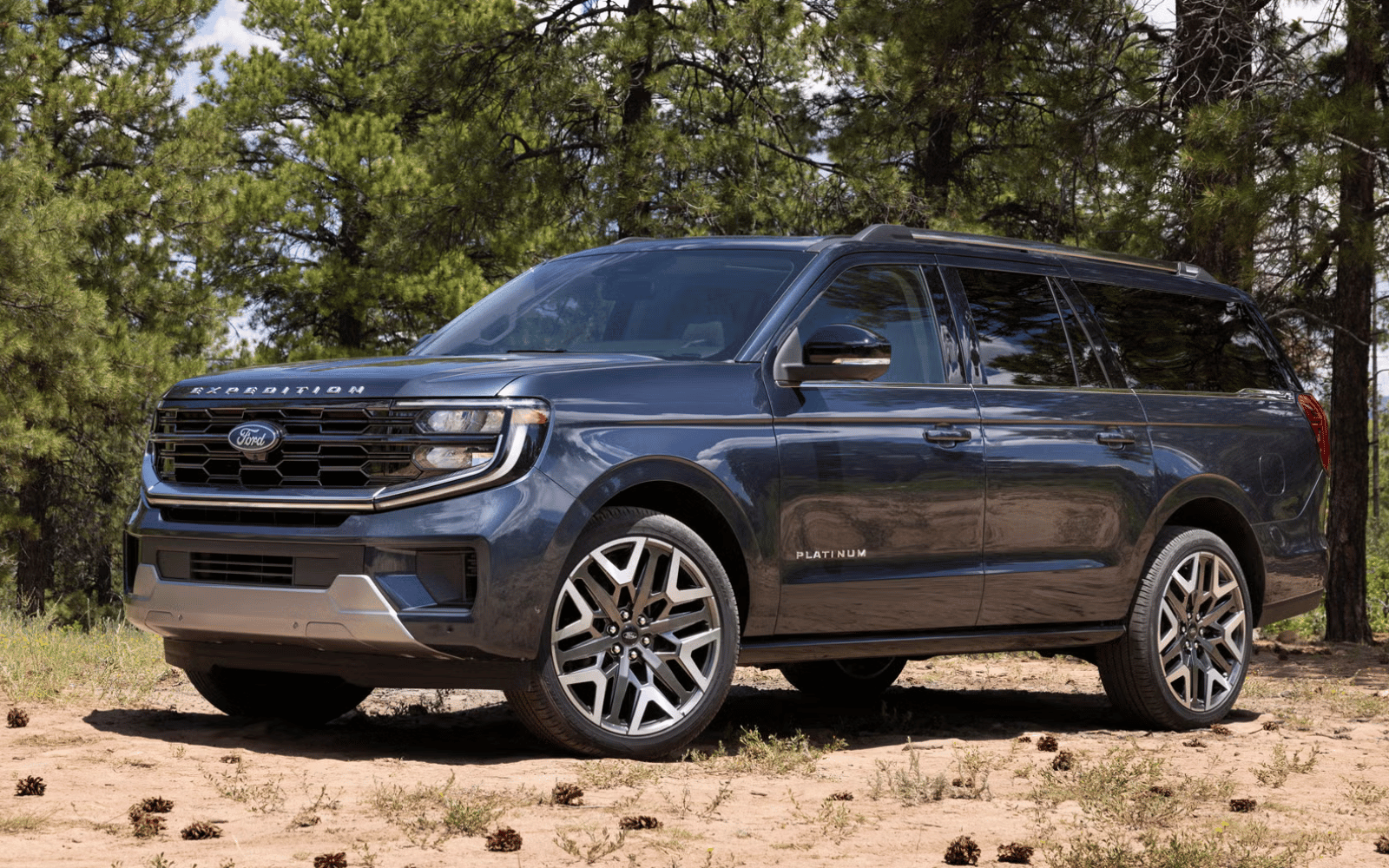
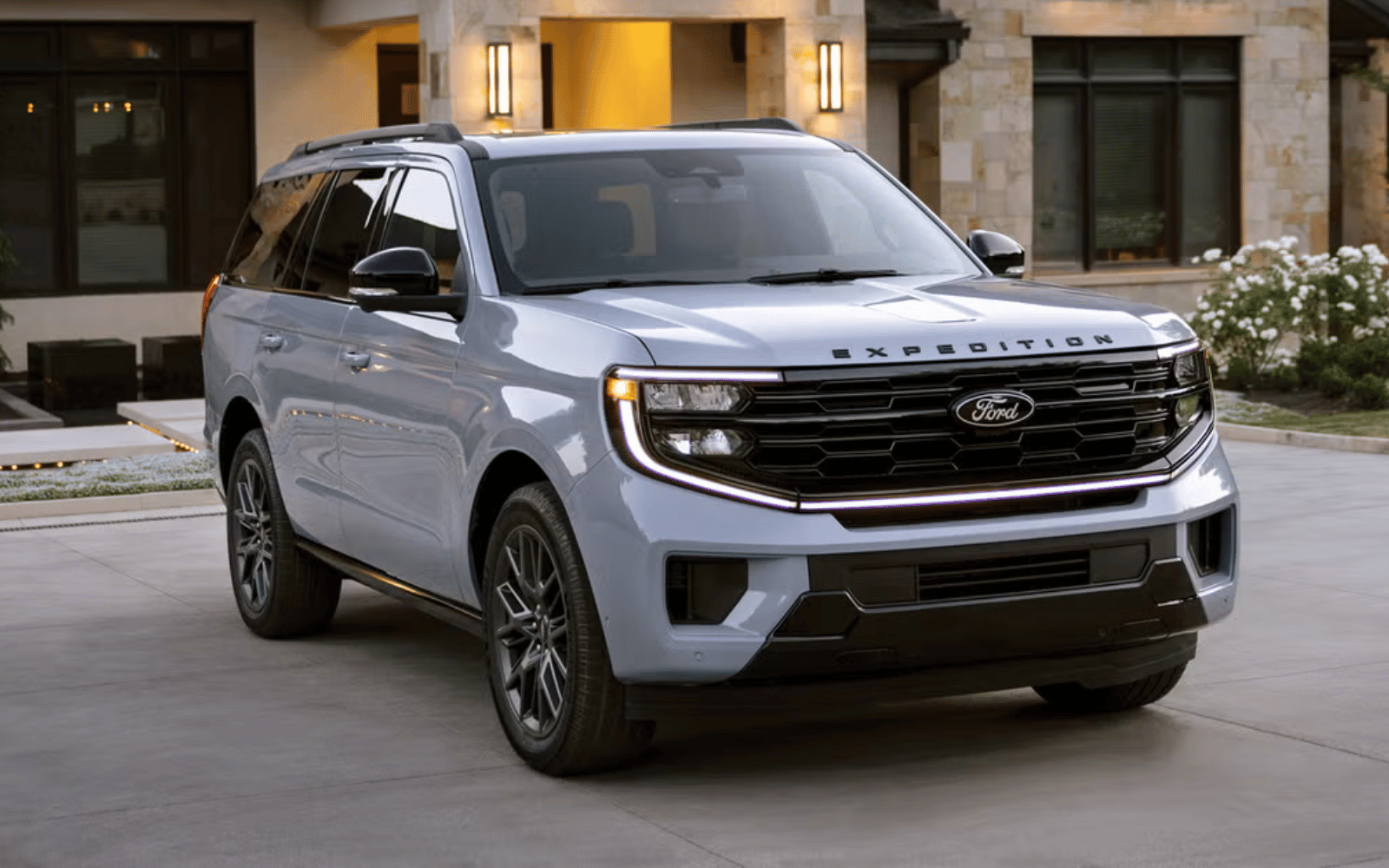
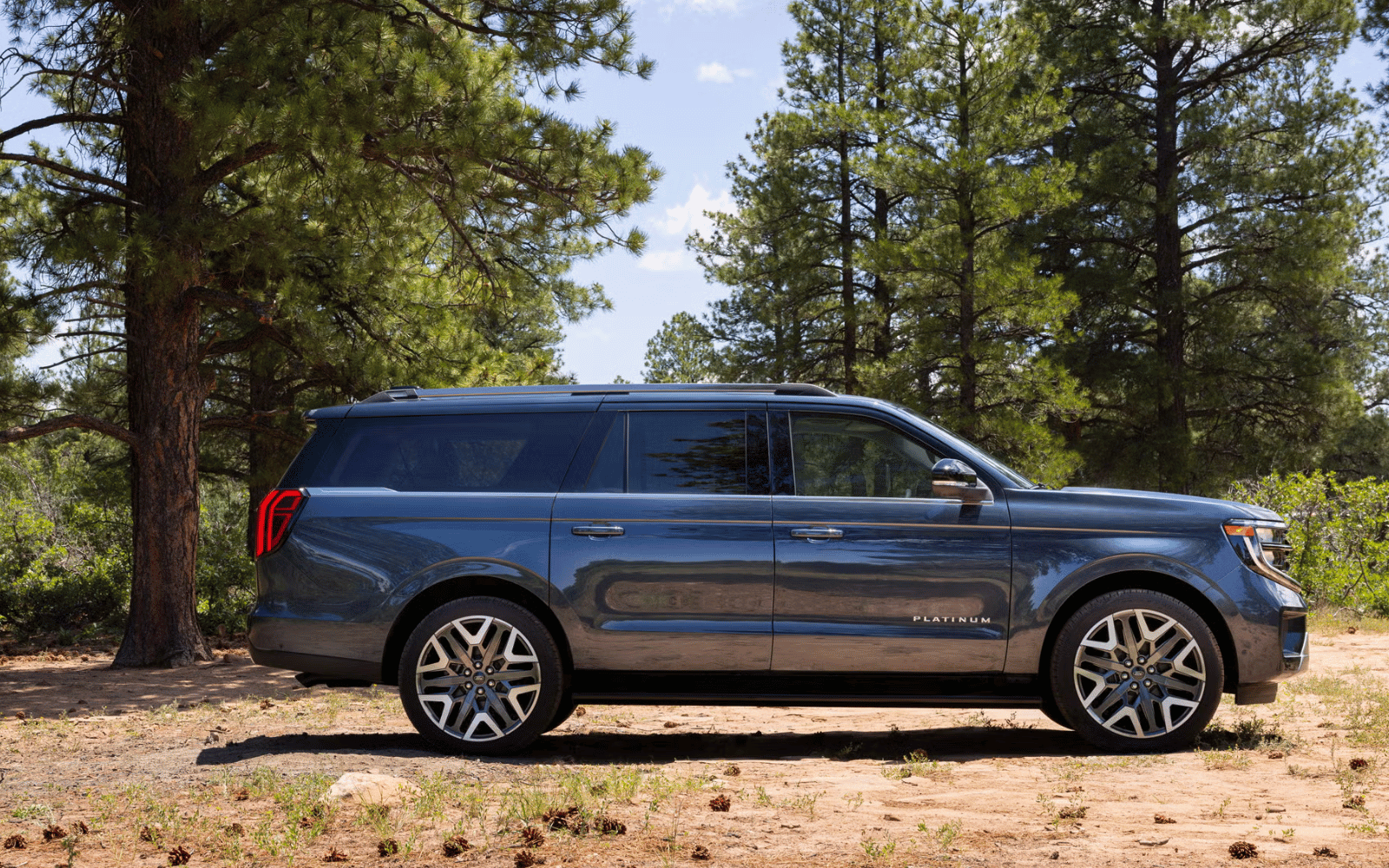
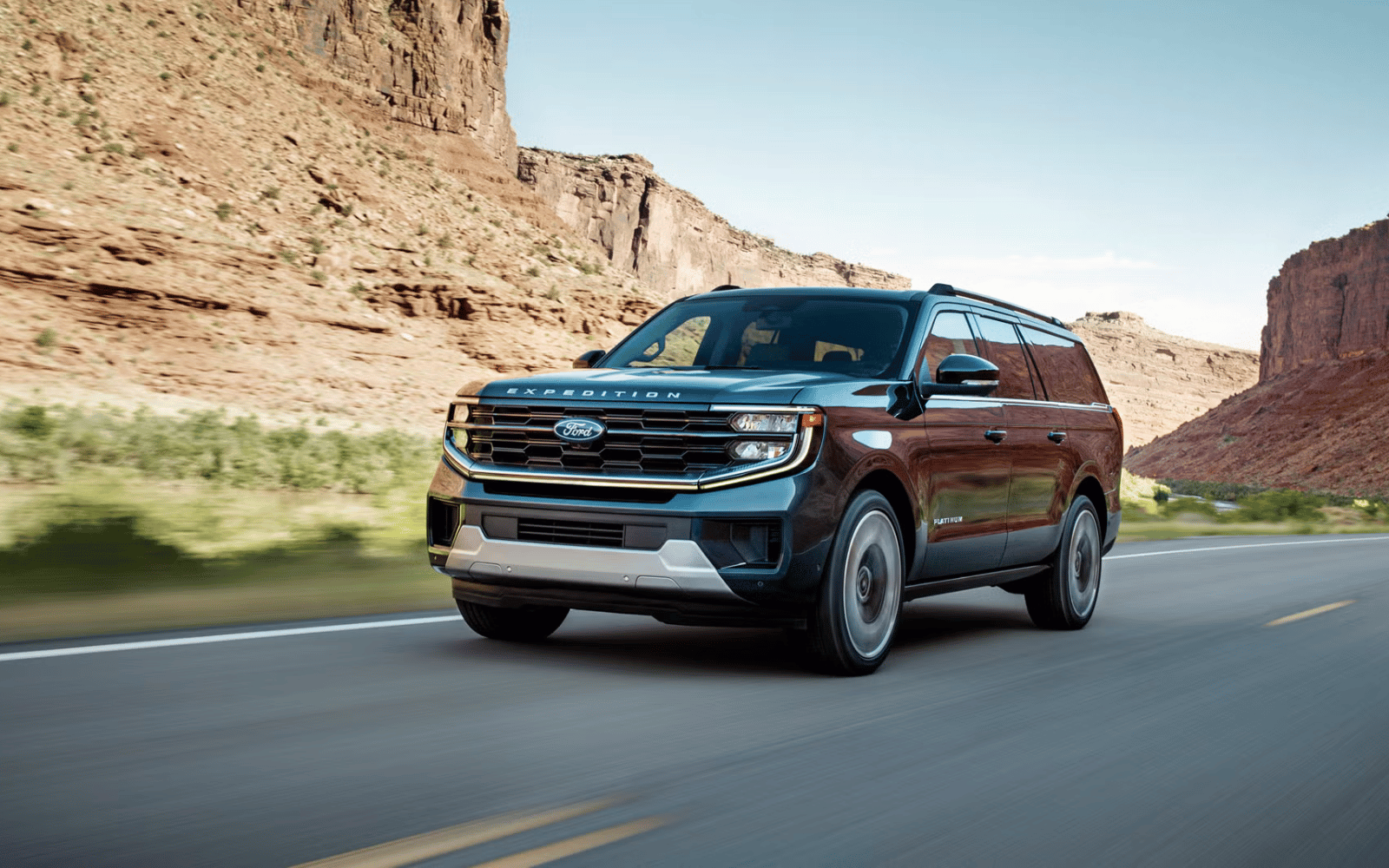
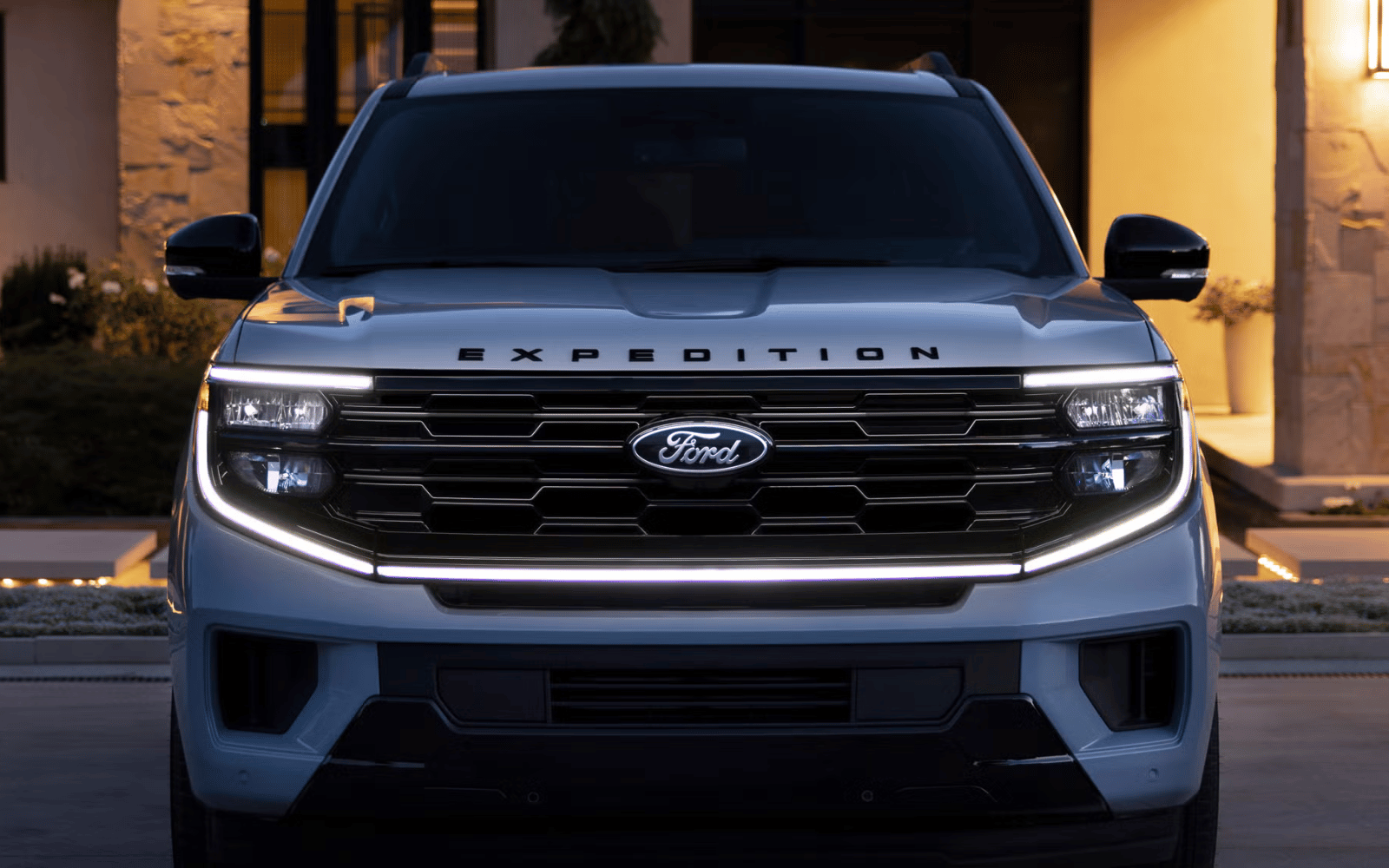
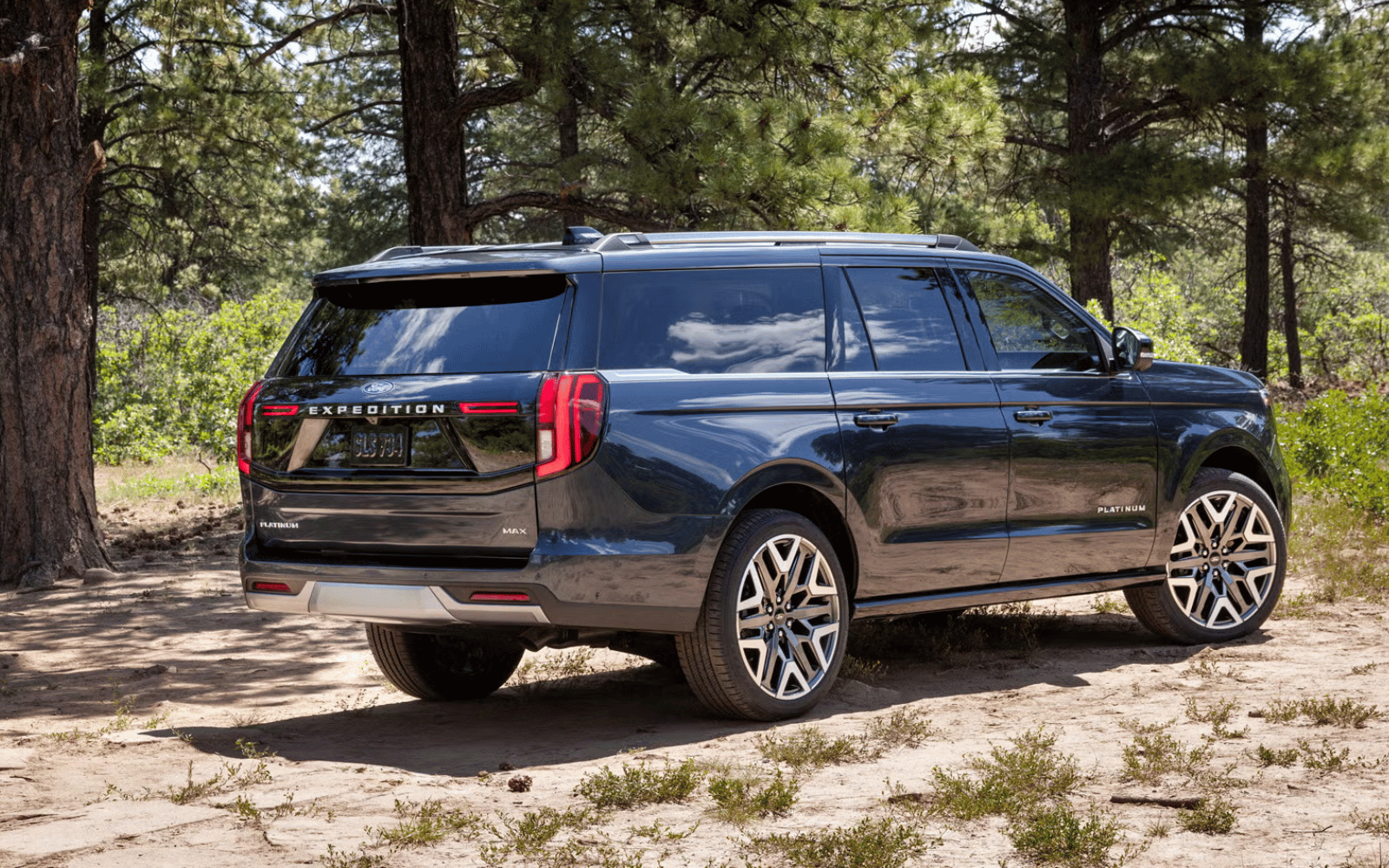
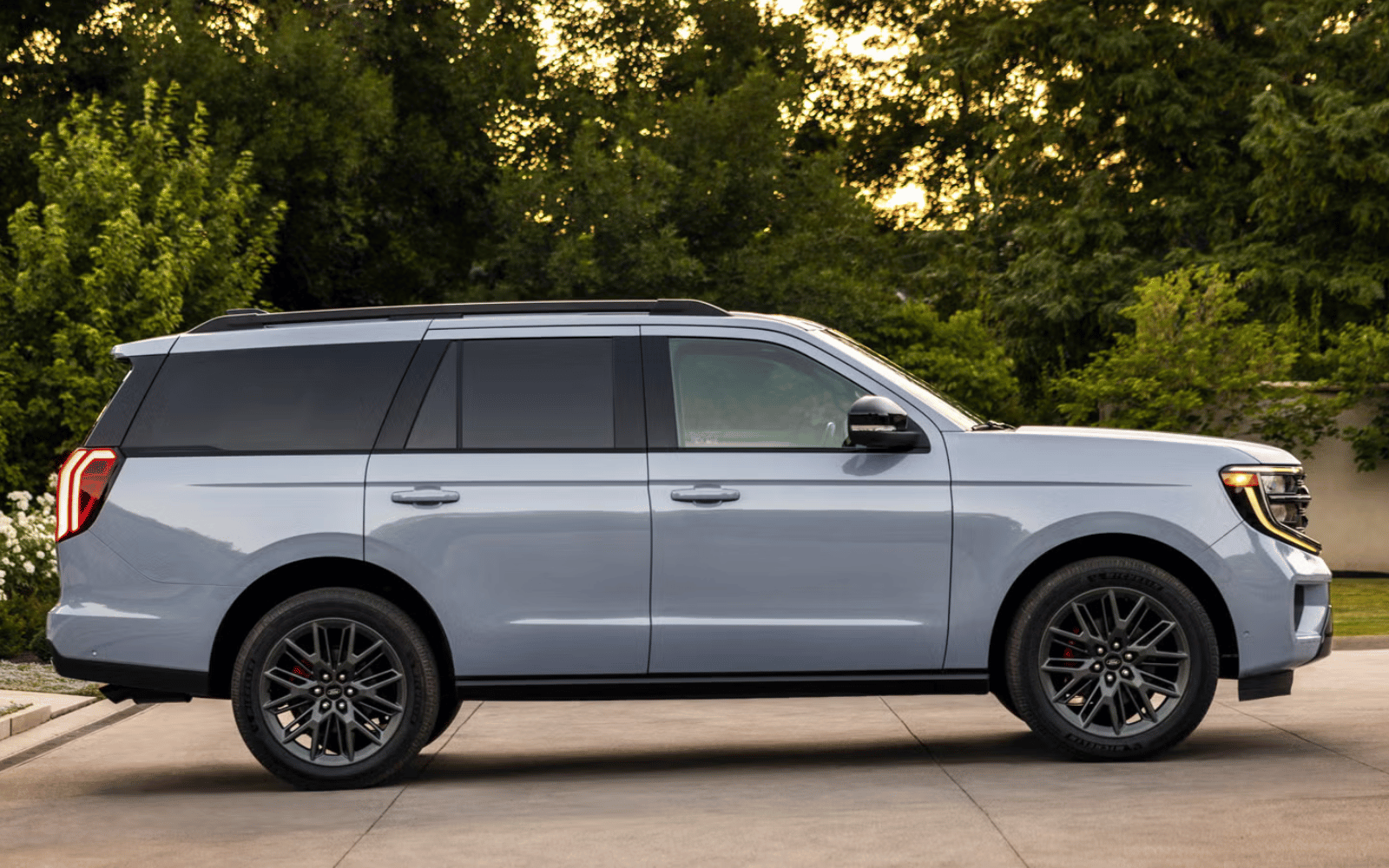
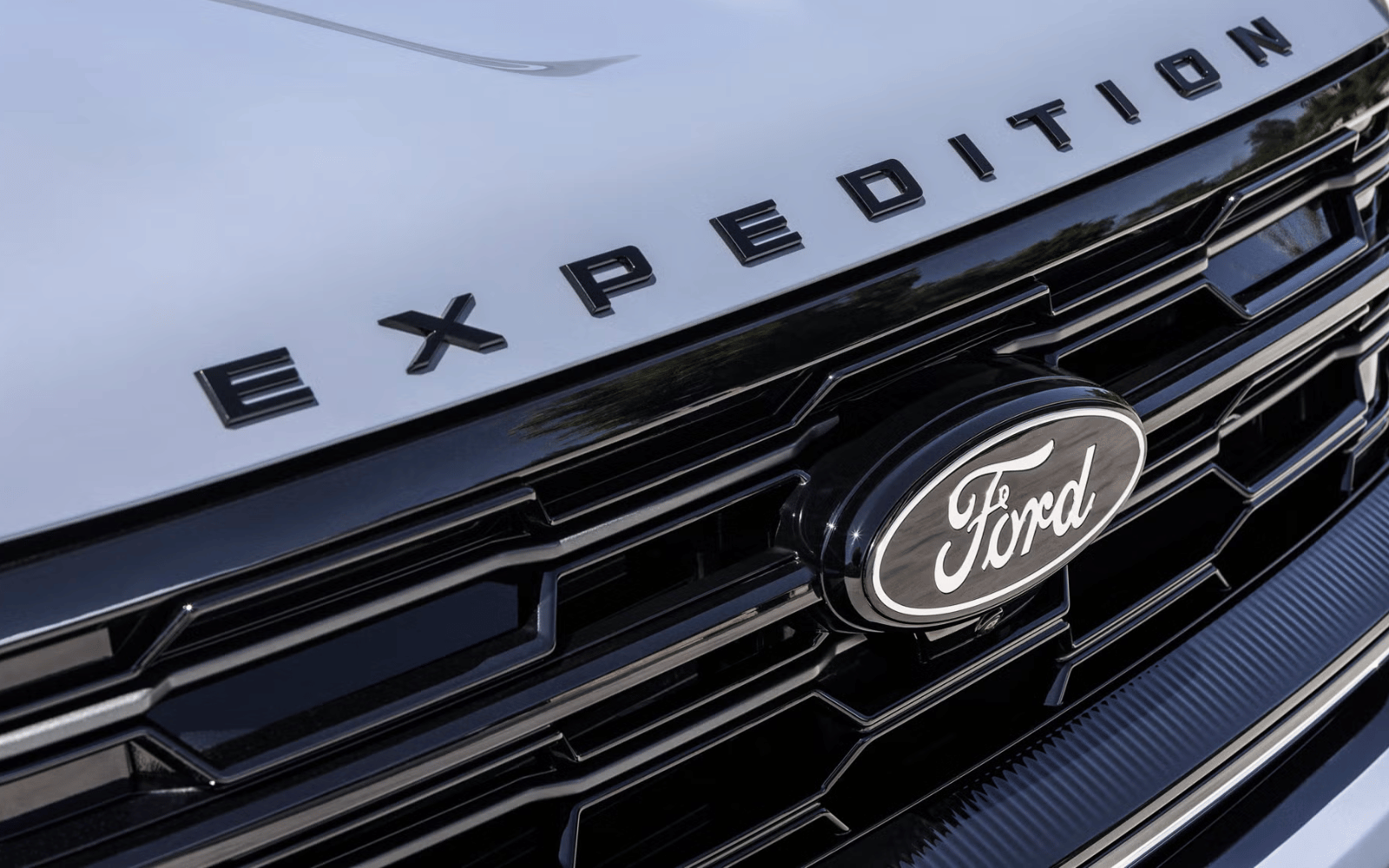
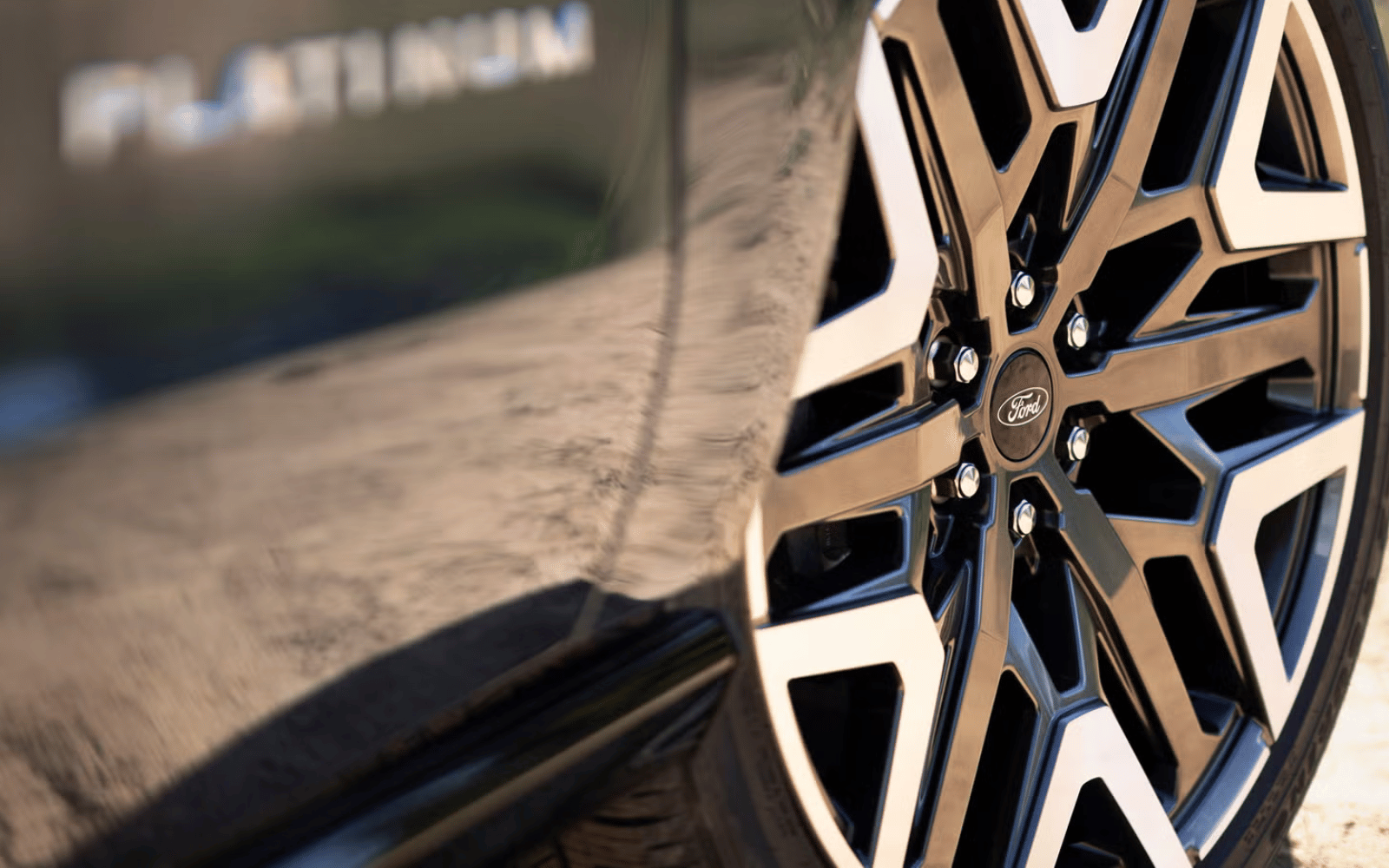
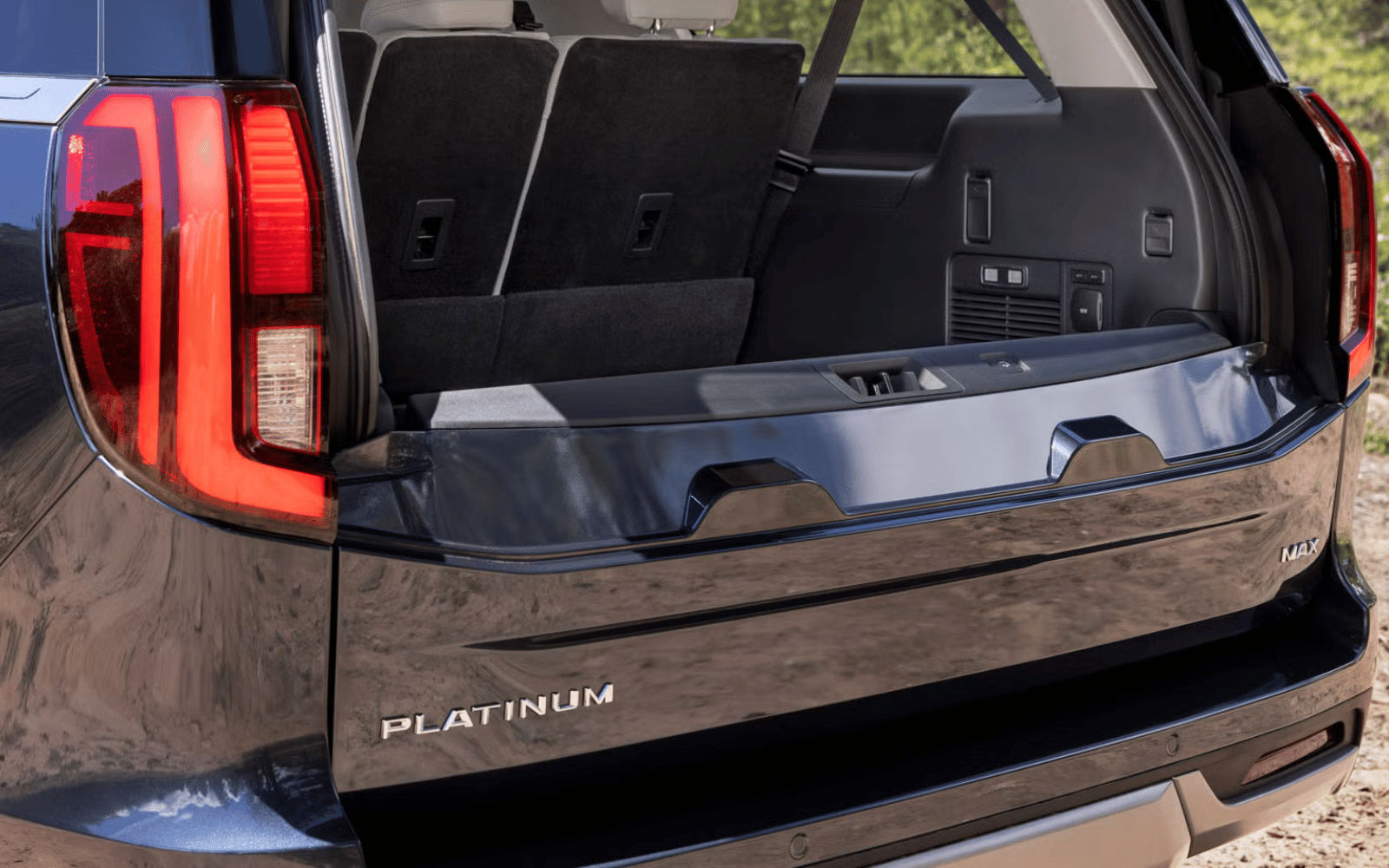
Every model uses a twin-turbocharged 3.5-liter EcoBoost V6 and a ten-speed automatic transmission. Most versions produce 400 horsepower, while the high-output engine develops 440 horsepower in the off-road Tremor and selected Platinum configurations.
WheelPedia Rating: 8.0/10
The Ford Expedition earns an 8.0/10 WheelPedia Rating for its passenger space, towing ability, strong engines, flexible cargo area, and family-focused technology.
It loses points for poor fuel economy, a high entry price, costly options, large exterior dimensions, and the lack of complete crash-test results for the current model year.
| Rating Category | Score | Weight |
| Safety | 7.5/10 | 20% |
| Reliability and ownership | 8.0/10 | 15% |
| Performance and driving | 8.8/10 | 15% |
| Comfort and practicality | 9.3/10 | 15% |
| Efficiency | 6.0/10 | 15% |
| Features and technology | 9.0/10 | 10% |
| Price and value | 7.8/10 | 10% |
| Overall WheelPedia Rating | 8.0/10 | — |
See how we rate cars for the complete scoring method.
Key Highlights
- Full-size, body-on-frame SUV with three rows of seating.
- Standard and extended-length Expedition MAX versions.
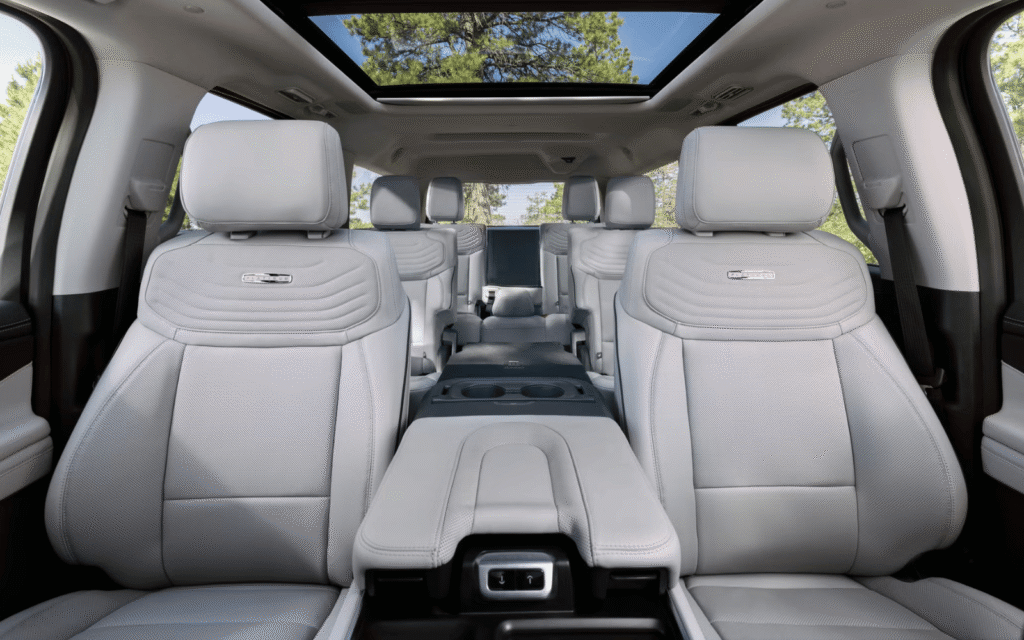
- Seats up to eight with a second-row bench or seven with captain’s chairs.
- Standard 400-hp twin-turbocharged 3.5-liter V6.
- Available high-output engine with 440 horsepower and 510 lb-ft of torque.
- Ten-speed automatic transmission across the range.
- Rear-wheel drive available on selected models.
- Four-wheel drive standard or available, depending on the configuration.
- Maximum towing capacity of up to 9,600 pounds when properly equipped.
- Expedition MAX provides up to 37.4 cubic feet of cargo room behind the third row.
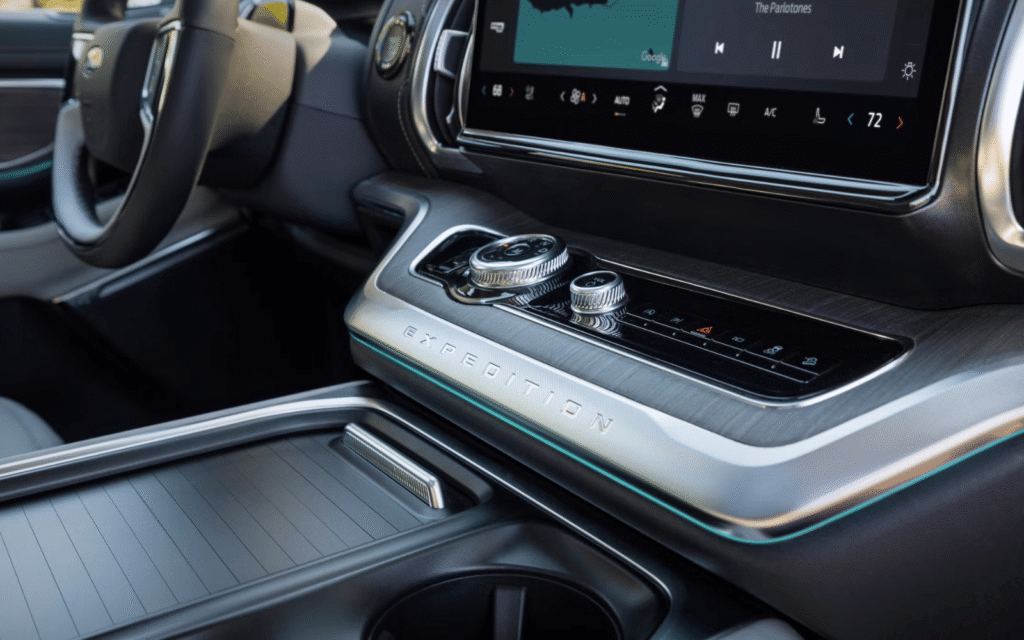
- Standard 24-inch panoramic display and 13.2-inch center touchscreen.
- Available BlueCruise hands-free highway driving.
- Tremor adds 33-inch all-terrain tires, skid plates, and 10.6 inches of ground clearance.
- Best for large families, frequent road trips, towing, and buyers who need adult-friendly third-row seating.
Quick Specifications
| Specification | Ford Expedition |
| Vehicle type | Full-size three-row SUV |
| Body lengths | Expedition and Expedition MAX |
| Seating capacity | 7 or 8 |
| Standard engine | 3.5L twin-turbo EcoBoost V6 |
| Standard output | 400 hp / 480 lb-ft |
| High-output engine | 3.5L twin-turbo EcoBoost V6 |
| High-output rating | 440 hp / 510 lb-ft |
| Transmission | 10-speed automatic |
| Drivetrain | RWD or 4WD, depending on configuration |
| Maximum towing capacity | Up to 9,600 lbs |
| Best fuel economy | 16 city / 23 highway mpg |
| Standard-length maximum cargo space | Up to 108.5 cu. ft. |
| Expedition MAX maximum cargo space | Up to 123.1 cu. ft. |
| Standard-length wheelbase | 122.5 in. |
| Expedition MAX wheelbase | 131.5 in. |
| Standard-length overall length | 209.9 in. |
| Expedition MAX overall length | 221.7 in. |
Expert Tip
The Expedition Active with four-wheel drive and the Heavy-Duty Trailer Tow Package is the strongest value for most families. Choose the Expedition MAX if you regularly carry luggage with all three seating rows occupied. The standard-length model is easier to park and offers the highest available towing capacity.
About the Ford Expedition
The Expedition is Ford’s largest passenger SUV. It sits above the Ford Explorer and uses body-on-frame construction that gives it the strength and towing ability expected from a full-size SUV.
Ford redesigned the Expedition for the 2025 model year. The current generation introduced a split rear gate, a new display layout, revised styling, improved cargo features, and more family-focused technology.
The standard Expedition provides generous passenger space without becoming as long as an extended full-size SUV. The Expedition MAX adds 11.8 inches of overall length and considerably more cargo space behind the third row.
For 2027, Ford added a 30th Anniversary Appearance Package for the Platinum, three new exterior colors, and revised package availability. The main engines, interior layout, and core trim structure remain familiar.
The lineup includes Active, Platinum, Tremor, and King Ranch. Active, Platinum, and King Ranch can also be ordered in MAX form, creating seven main configurations.
Price and Trims
The following figures are starting US MSRPs before destination, taxes, registration, options, and dealer charges. MAX configurations cost more than equivalent standard-length models.
| Model | Starting MSRP | Powertrain | Key Reason to Choose |
| Active | $64,095 | 400-hp V6; RWD or 4WD | Lowest entry price and available eight-seat layout |
| Platinum | $71,545 | 400-hp V6; available 440-hp V6 | More comfort, technology, and package choices |
| Tremor | $82,895 | 440-hp V6; 4WD | Best off-road capability |
| King Ranch | $83,690 | 400-hp V6; 4WD | Distinctive luxury interior and high equipment level |
Active, Platinum, and King Ranch buyers can select the longer Expedition MAX. Ford lists current equipment and configuration pricing through its official Expedition build-and-price tool.
Options can raise the final price substantially. Four-wheel drive, the MAX body, premium packages, large wheels, upgraded audio, towing hardware, appearance packages, and BlueCruise plans can push a well-equipped Expedition beyond $90,000.
Engine, Powertrain, and Performance
Standard 3.5-Liter EcoBoost V6
Most Expedition models use a twin-turbocharged 3.5-liter V6 producing 400 horsepower and 480 lb-ft of torque. It is paired with a ten-speed automatic transmission.
The engine provides enough low-speed torque to move the Expedition without feeling strained. It also supports serious towing when the SUV is fitted with the correct drivetrain and trailer package.
Turbocharged power arrives strongly at low and middle engine speeds, which is useful when merging, passing, climbing grades, or pulling a trailer. Drivers do not need to rev the engine heavily to access useful torque.
High-Output 3.5-Liter EcoBoost V6
The high-output version produces 440 horsepower and 510 lb-ft of torque. It is standard in the Tremor and available with selected Platinum configurations and performance packages.
The extra output gives the Expedition stronger acceleration and more immediate passing power. However, the standard 400-hp engine is already sufficient for most family and towing needs.
Both engines use a ten-speed automatic. The transmission provides a wide ratio range, but it can make frequent shifts when road speed, load, or throttle position changes.
Driving Experience
The Expedition drives more like a large pickup-based SUV than a car-based crossover. Its high seating position, substantial width, and long body are noticeable in crowded streets and parking areas.
Steering is light enough for daily use, while the independent rear suspension helps the Expedition ride more comfortably than many older body-on-frame SUVs. The vehicle remains large and heavy, so drivers should allow additional space when braking, turning, and changing lanes.
Ride comfort is good on standard and moderately sized wheels. Larger 22-inch wheels may transfer more road impacts into the cabin and add to replacement-tire costs.
The standard-length Expedition is easier to place on the road than the MAX. The MAX requires more care in parking lots but feels stable on the highway and provides much more luggage room when the third row is in use.
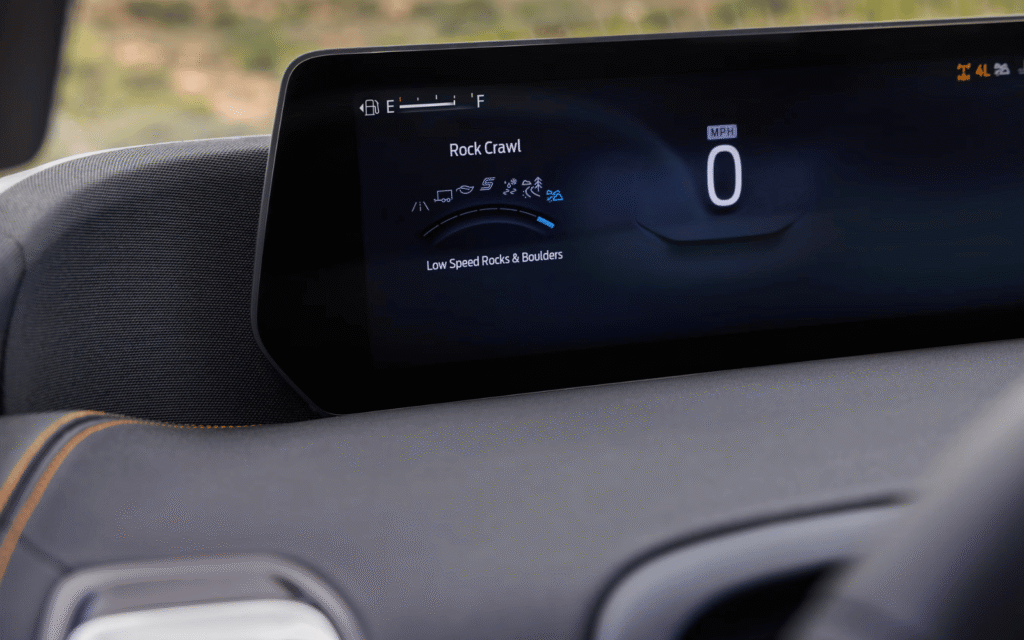
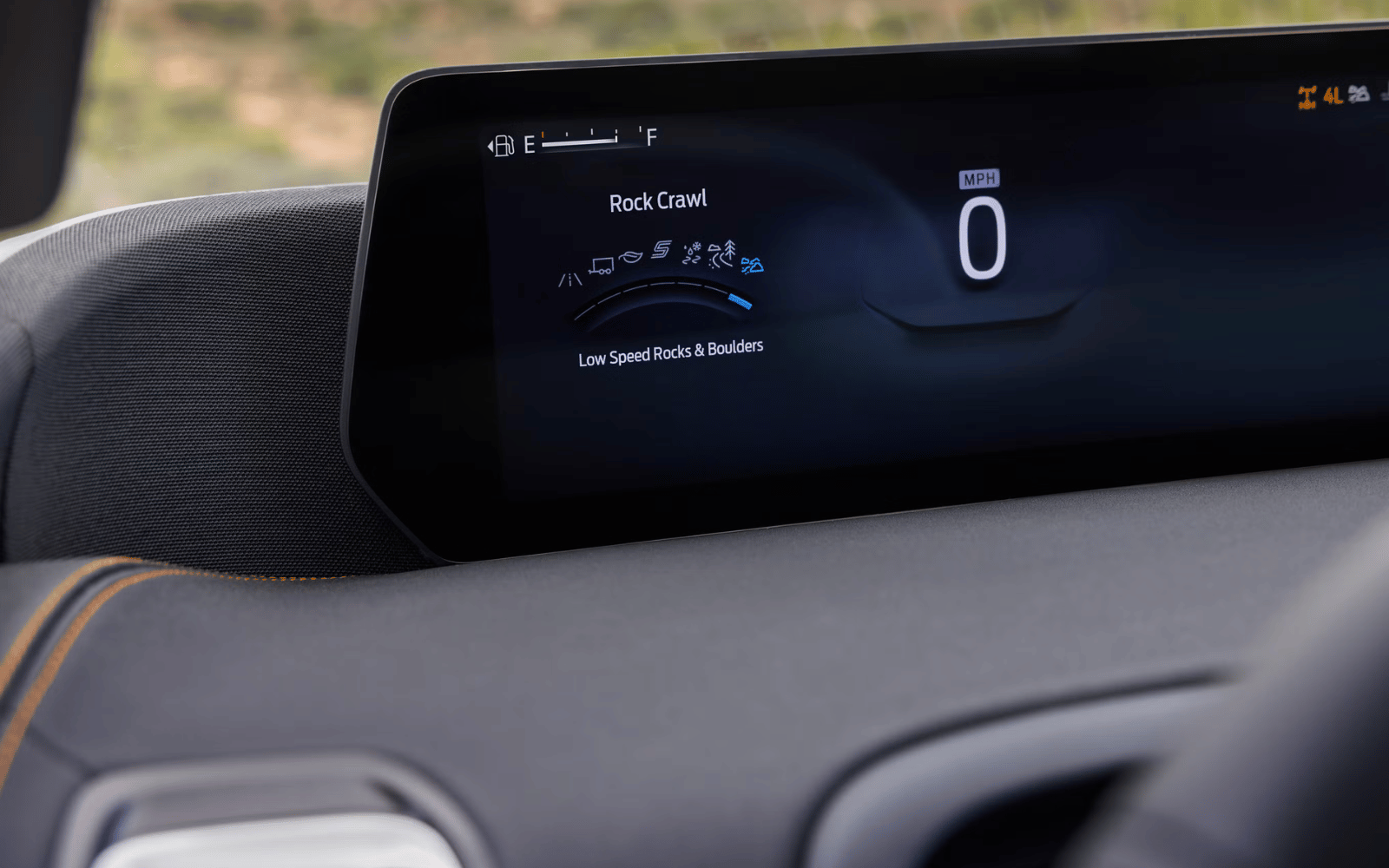
The Tremor uses 33-inch all-terrain tires, specialized suspension tuning, skid plates, a 3.73 electronic-locking rear differential, and 10.6 inches of ground clearance. It is better suited to trails, snow, sand, and uneven surfaces, but its off-road tires may produce more road noise than regular all-season tires.
Towing Capacity
The Expedition’s towing ability is one of its main advantages over midsize three-row crossovers.
| Configuration | Maximum Towing Capacity |
| Standard Expedition 4×2 | Up to 6,000 lbs |
| Expedition MAX 4×2 | Up to 6,300 lbs |
| Standard Expedition 4×4 | Up to 9,600 lbs |
| Expedition Tremor | Up to 9,300 lbs |
| Expedition MAX 4×4 | Up to 9,000 lbs |
The maximum 9,600-pound rating requires a properly configured standard-wheelbase 4×4 model with the Heavy-Duty Trailer Tow Package. The exact rating can change with trim, drivetrain, axle ratio, passengers, cargo, and optional equipment.
Available towing features include:
- Integrated trailer brake controller
- Pro Trailer Backup Assist
- Pro Trailer Hitch Assist
- Blind-spot coverage for a connected trailer
- Tow/Haul drive mode
- Trailer reverse guidance
- Heavy-duty radiator
- Two-speed transfer case on selected 4×4 models
- Additional hitch and cooling hardware
Buyers should check the door-jamb payload label and the vehicle-specific towing guide rather than relying only on the advertised maximum. Passenger and cargo weight can reduce the amount of trailer weight the vehicle can safely handle.
Fuel Economy
| Configuration | EPA-Estimated City/Highway |
| Expedition 4×2 with standard engine | 16 / 23 mpg |
| Expedition 4×4 with standard engine | 15 / 22 mpg |
| Expedition MAX 4×2 | 16 / 23 mpg |
| Expedition MAX 4×4 | 15 / 22 mpg |
| Expedition Tremor | 15 / 22 mpg |
The rear-wheel-drive Expedition is the most efficient configuration, but fuel economy remains low compared with midsize crossovers and hybrid family vehicles.
Four-wheel drive, all-terrain tires, towing, roof-mounted cargo, heavy passenger loads, and frequent short trips can reduce real-world results. The effect is particularly noticeable when towing a large travel trailer.
Premium fuel may be recommended for maximum engine performance, especially with the high-output engine or under demanding conditions. Buyers should confirm the fuel requirements and current ratings for their exact configuration through Ford or the EPA fuel-economy database.
Interior, Comfort, and Technology
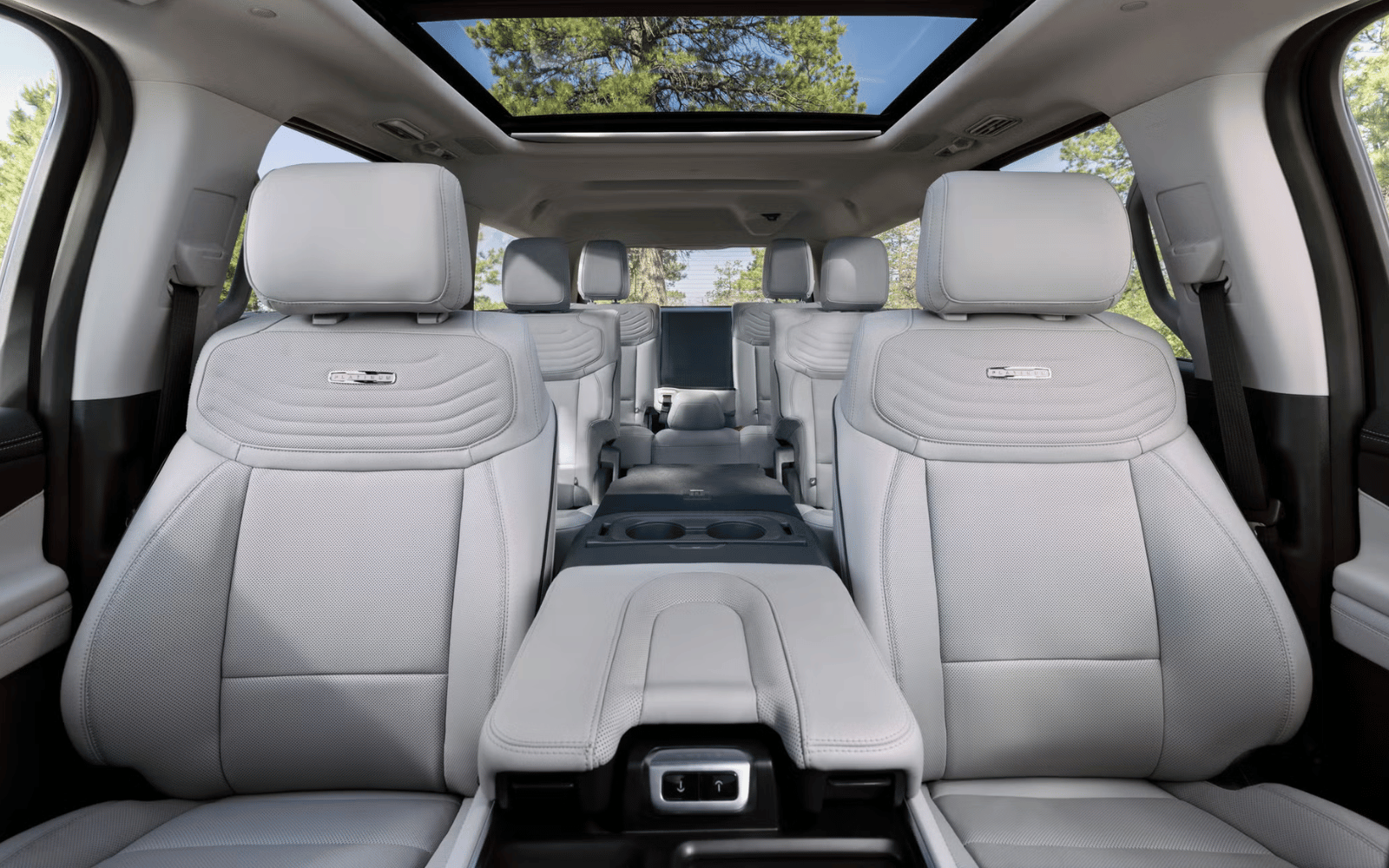
The Expedition’s interior is designed around family travel. The first two rows provide generous space, while the third row can accommodate adults more comfortably than the rear seats in many smaller three-row SUVs.
A second-row bench increases capacity to eight. Captain’s chairs reduce capacity to seven but provide easier access to the third row and more personal space for second-row passengers.
Standard and available features include:
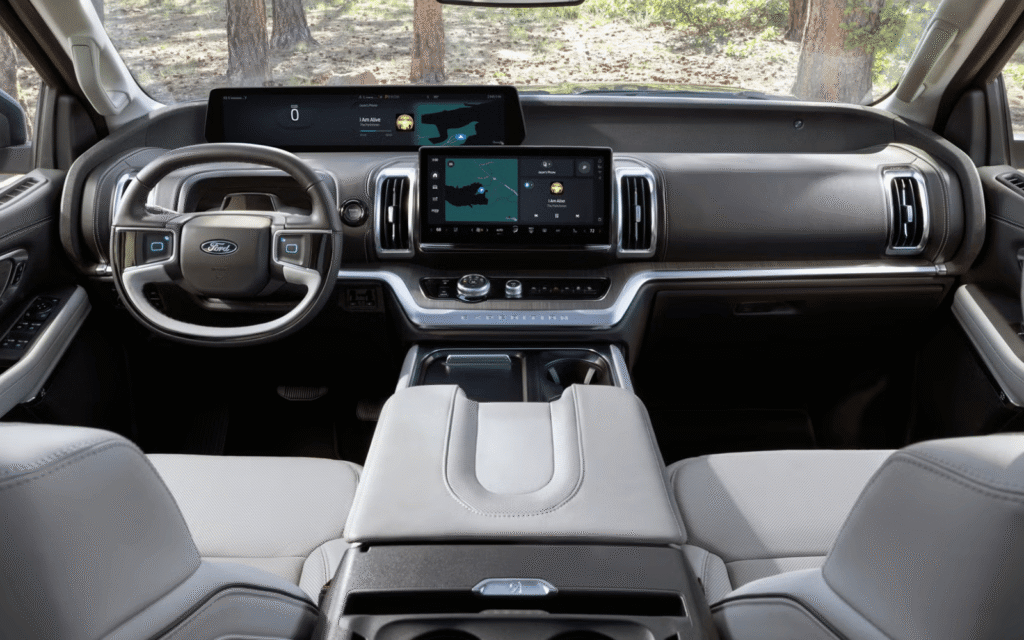
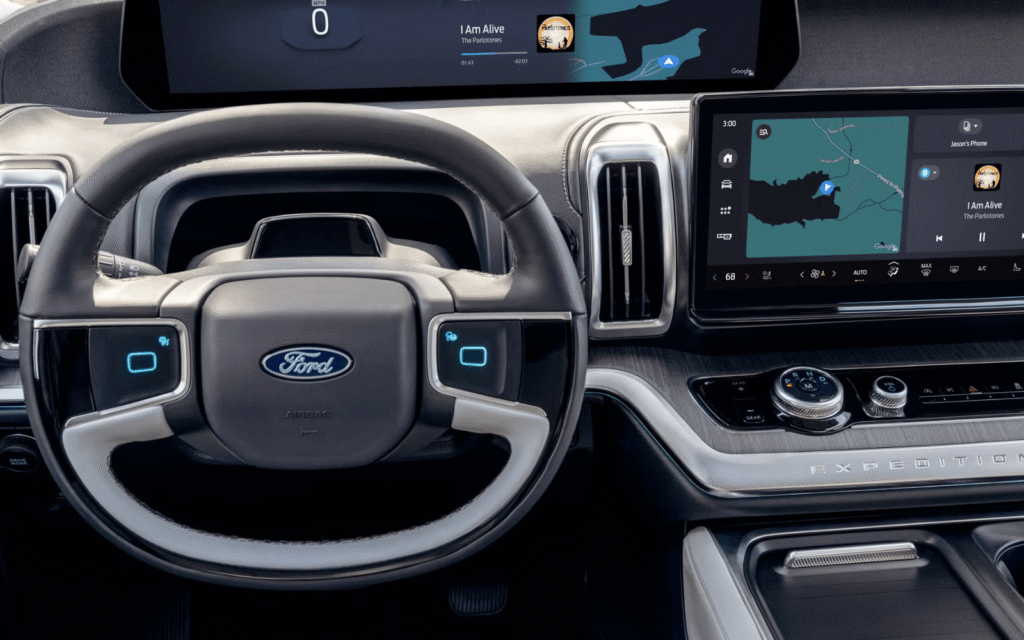
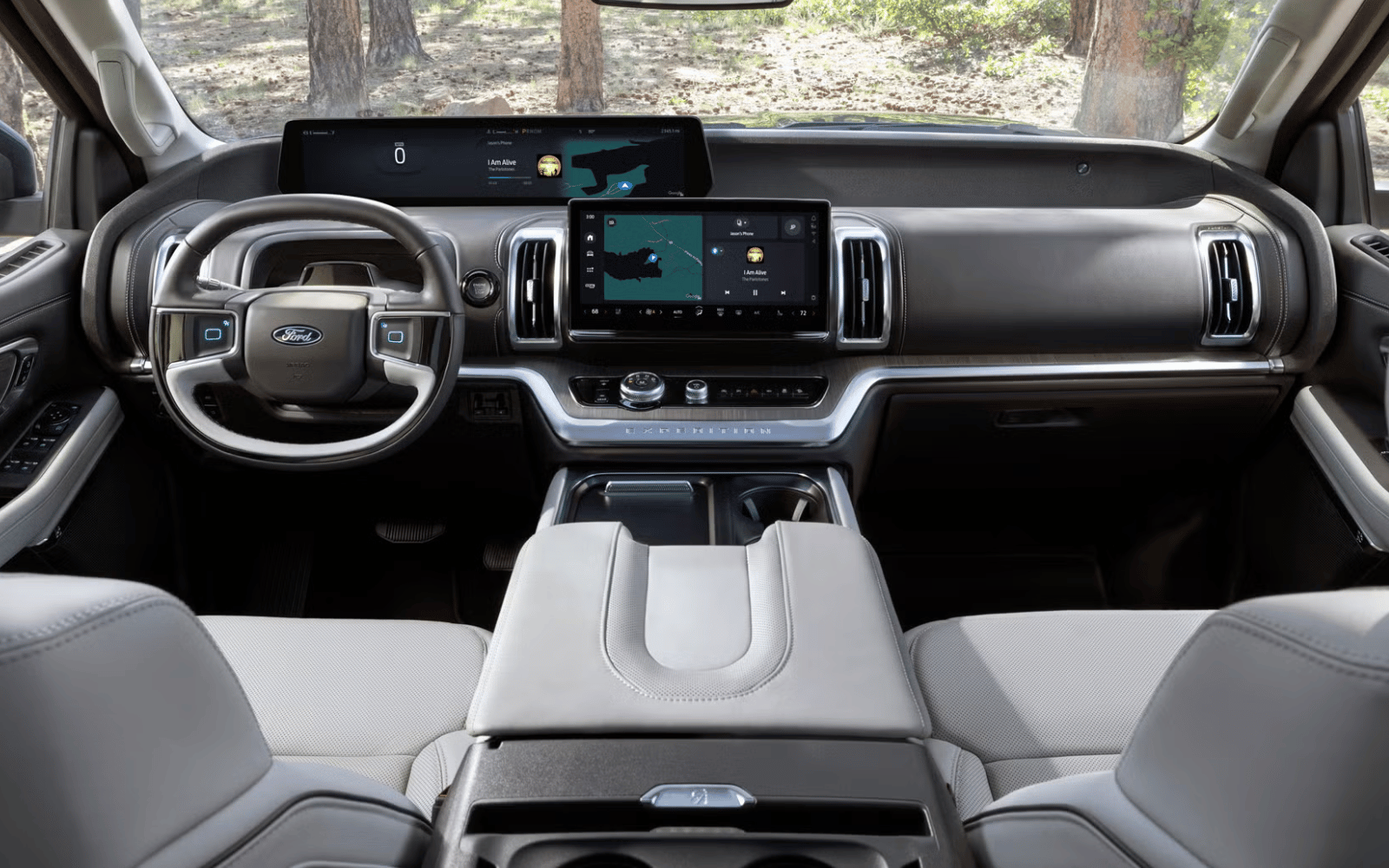
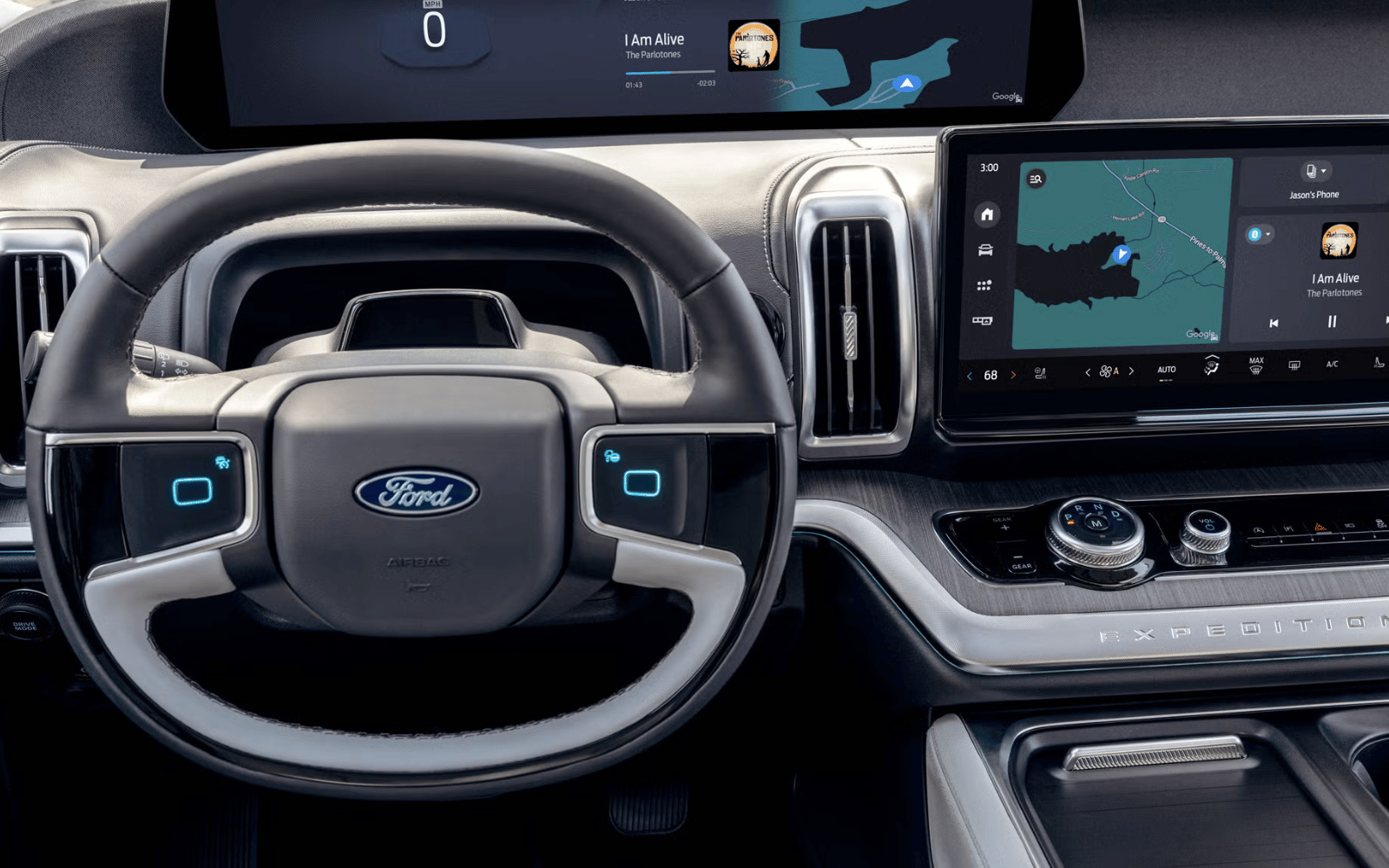
- 24-inch panoramic display
- 13.2-inch center touchscreen
- Ford Digital Experience
- Wireless Apple CarPlay and Android Auto
- Google Maps and Google Play integration
- Multiple USB charging ports
- Available wireless phone charging
- Available 5G Wi-Fi hotspot
- Available panoramic Vista Roof
- Available heated and ventilated front seats
- Available heated second-row seats
- Available power-folding second-row captain’s chairs
- Power-folding and reclining third row
- Available Flex Powered Console
- Available device holders for rear passengers
- Available 22-speaker B&O audio system
- Available BlueCruise hands-free highway driving
- Over-the-air software updates
The 24-inch display sits high across the dashboard, allowing important information to remain close to the driver’s line of sight. The center screen controls media, navigation, connected apps, and vehicle settings.
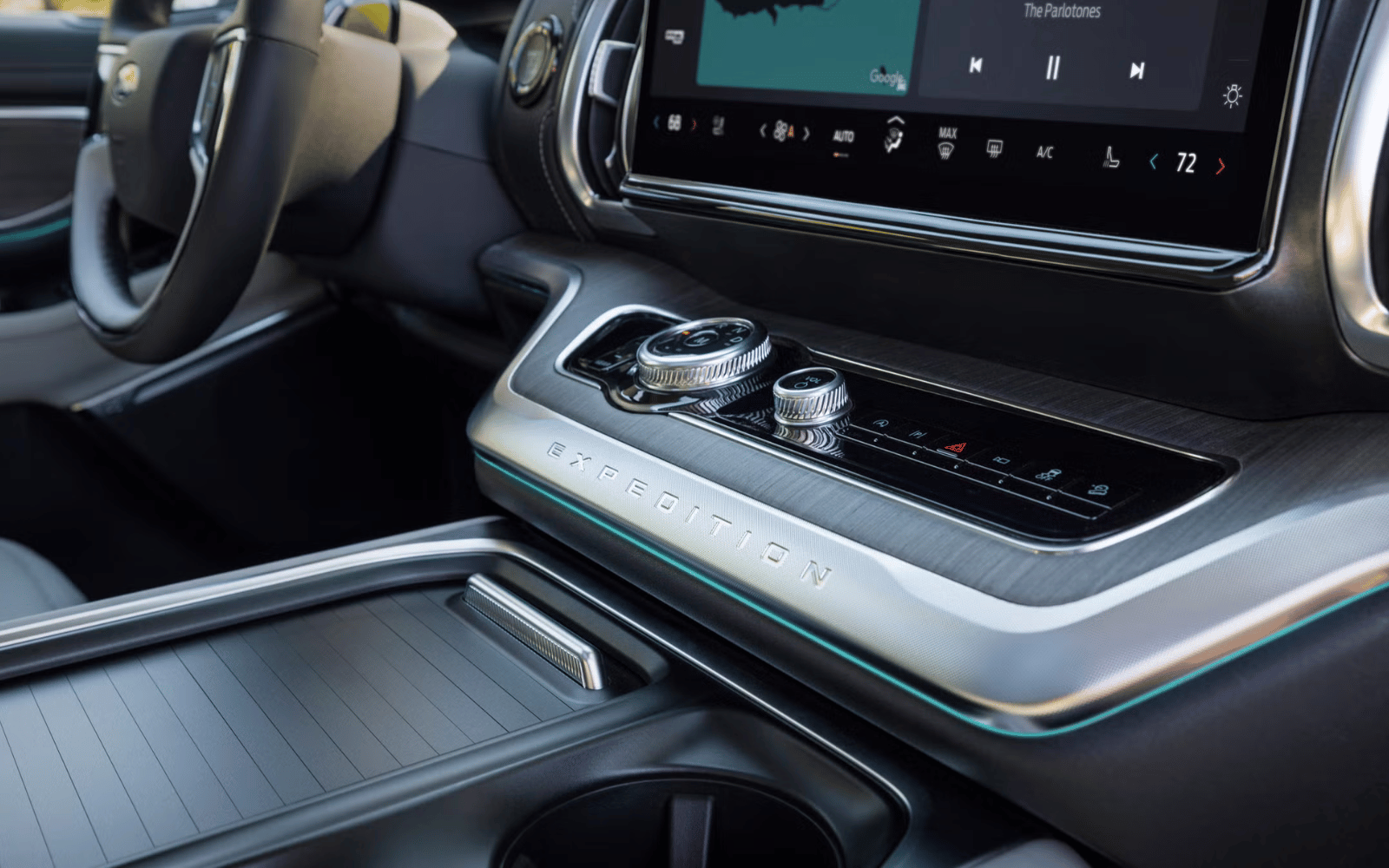
Some buyers may need time to adjust to the screen-heavy layout. Frequently used controls should be checked during a test drive, particularly if the driver prefers physical buttons.
Dimensions, Cargo, and Practicality
| Dimension | Expedition | Expedition MAX |
| Length | 209.9 in. | 221.7 in. |
| Wheelbase | 122.5 in. | 131.5 in. |
| First-row legroom | 43.9 in. | 43.9 in. |
| Second-row legroom | Up to 42.2 in. | Up to 42.2 in. |
| Third-row legroom | 36.5 in. | 36.5 in. |
| Cargo space behind third row | Up to 22.9 cu. ft. | Up to 37.4 cu. ft. |
| Cargo space behind second row | Up to 69.9 cu. ft. | Up to 84.5 cu. ft. |
| Maximum cargo space | 108.5 cu. ft. | 123.1 cu. ft. |
| Maximum cargo length | 90.4 in. | 102.2 in. |
| Seating capacity | 7 or 8 | 7 or 8 |
Ford’s highest behind-row figures use the available optimized seating positions. Cargo capacity with seats in normal passenger positions may be lower.
The standard Expedition offers enough room for many families, but the MAX is substantially better when all three rows are occupied. Its 37.4 cubic feet behind the third row can carry more suitcases, groceries, sports equipment, or baby gear without folding seats.
The power-operated Ford Split Gate divides the rear opening into upper and lower sections. The lower portion can help hold items in place, provide a loading surface, or function as a seat at a campsite or sporting event.
An available Cargo Tailgate Manager can serve as a shelf, table, or backrest. These are useful features for families, although buyers should confirm that the split-gate design works with their normal loading routine.
Exterior Design
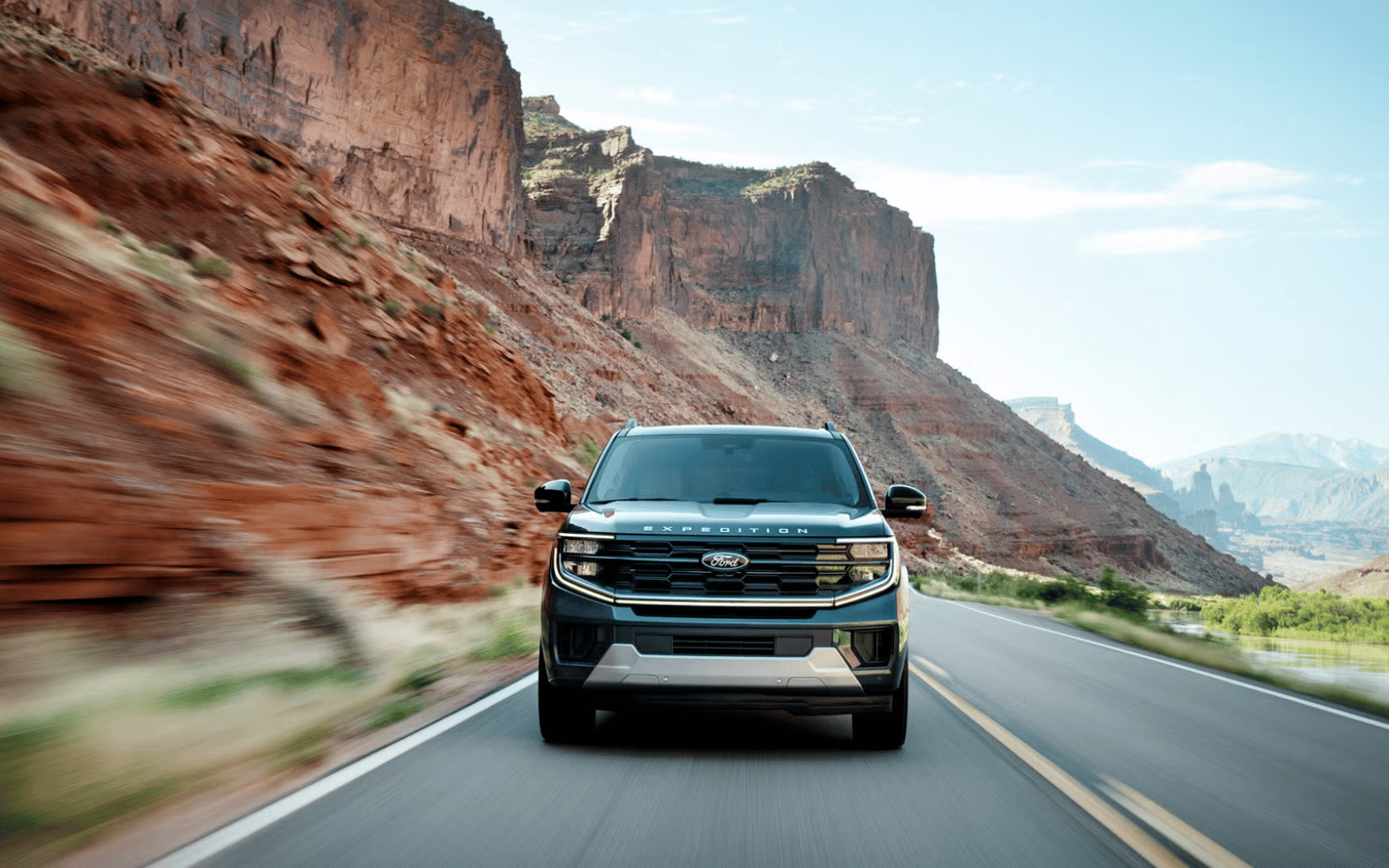
The Expedition has a tall, squared-off body with a broad grille, large windows, and upright rear styling. The design gives passengers good outward visibility while creating a substantial road presence.
Active models have a simpler appearance with 18-inch wheels and black exterior details. Platinum models add brighter trim, larger available wheels, and more appearance-package choices.
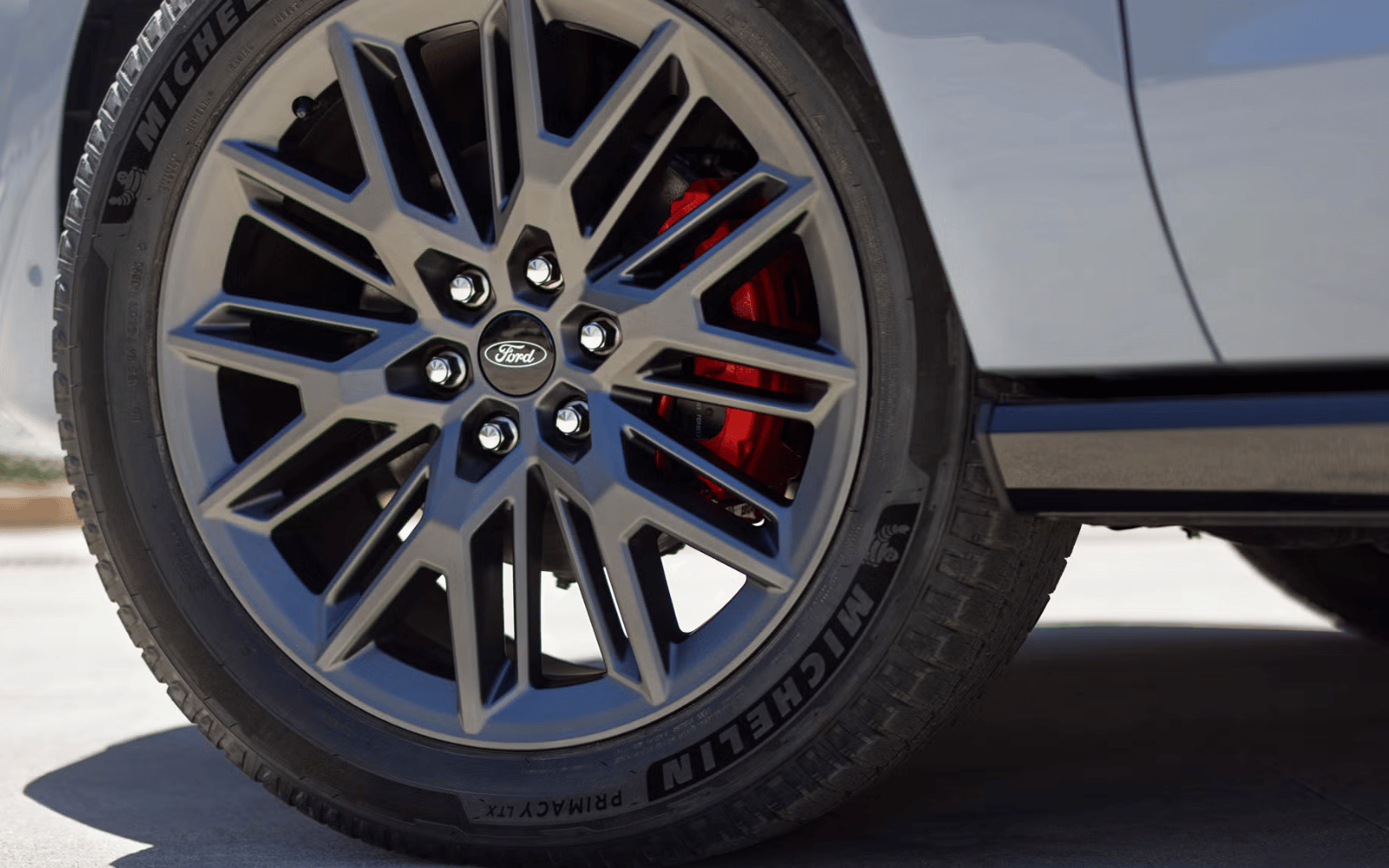
The Tremor uses a distinct grille with auxiliary lighting, model-specific accents, Raptor-inspired running boards, skid plates, tow hooks, and 18-inch wheels with 33-inch all-terrain tires.
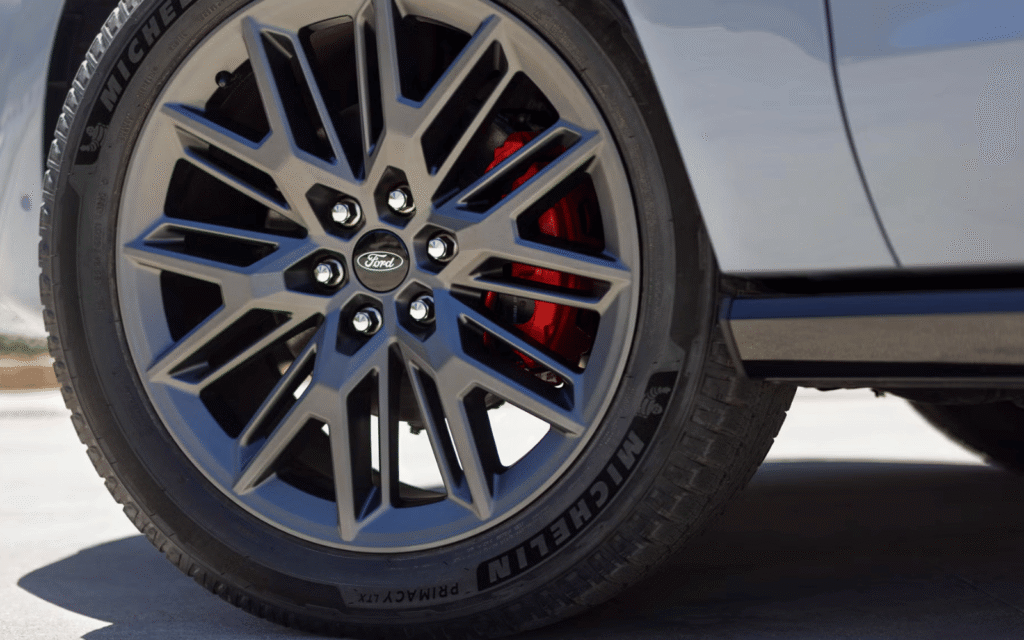
King Ranch models use Sinister Bronze exterior details, 22-inch wheels, power-deployable running boards, and unique badging.
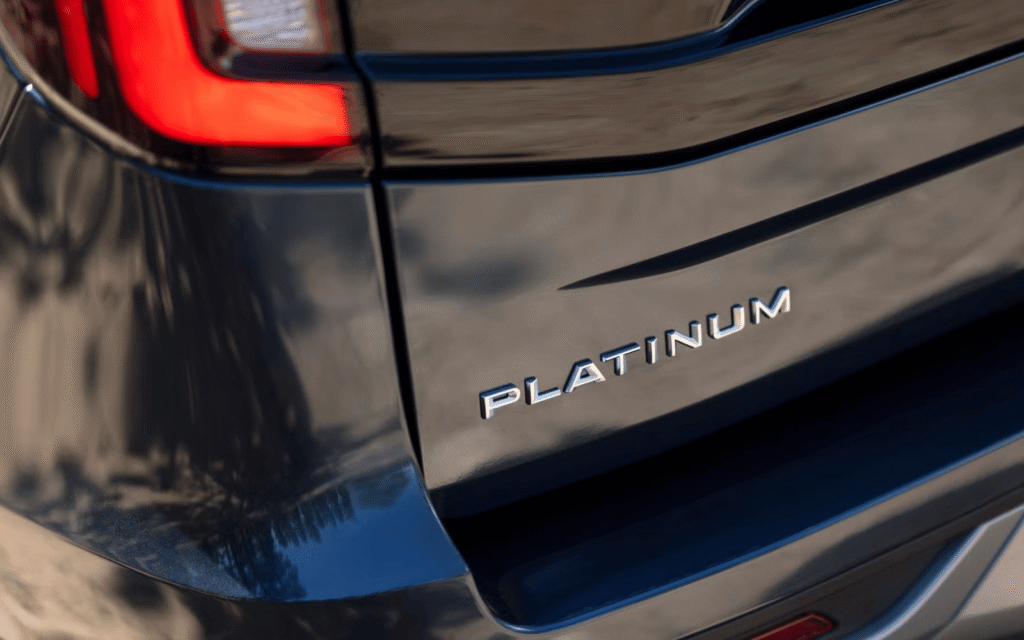
The 2027 Platinum is available with a 30th Anniversary Appearance Package. It includes anniversary badging, unique 22-inch wheels, interior details, and access to Blue Ember Metallic paint.
Safety Features and Ratings
Standard or available driver-assistance features include:
- Pre-Collision Assist with Automatic Emergency Braking
- Pedestrian detection
- Blind Spot Information System
- Rear Cross-Traffic Braking
- Lane-Keeping System
- Adaptive Cruise Control with Stop-and-Go
- Lane centering
- Predictive speed assistance
- Intersection Assist
- Evasive Steering Assist
- Front and rear parking sensors
- 360-degree camera
- Pro Trailer Backup Assist
- Pro Trailer Hitch Assist
- Trailer blind-spot coverage
- Available BlueCruise
- Front, side, and curtain airbags
IIHS ratings listed for the 2026 Expedition apply to 2023–2026 models rather than the 2027 model. Those results include Marginal ratings in the driver- and passenger-side small-overlap front tests, a Marginal rating in the updated moderate-overlap test, and a Good rating in the updated side test. The small-overlap assessments identified weak structural performance and elevated lower-leg or foot injury measures.
Buyers can review the published IIHS Expedition test details, but they should not automatically treat those results as confirmed ratings for the 2027 model.
The Expedition includes a useful set of crash-avoidance features, but its safety score remains below class-leading until current-model crash testing provides clearer evidence.
Reliability, Warranty, and Ownership
The Expedition’s 3.5-liter EcoBoost V6 and ten-speed automatic are established Ford powertrain designs. However, this is a complex, heavy vehicle with turbochargers, four-wheel-drive hardware, large tires, extensive electronics, and multiple powered interior features.
Long-term ownership costs can be much higher than those of a midsize SUV. Buyers should budget for:
- High fuel consumption
- Large tire replacement costs
- Four-wheel alignment
- Brake service
- Turbocharged-engine maintenance
- Four-wheel-drive fluid service
- Higher insurance premiums
- Trailer-related wear
- Power running-board or split-gate repairs outside warranty
- BlueCruise and connectivity subscriptions after included periods end
| Coverage | Length |
| Basic warranty | 3 years / 36,000 miles |
| Powertrain warranty | 5 years / 60,000 miles |
| Safety-restraint coverage | 5 years / 60,000 miles |
| Corrosion-perforation coverage | 5 years / unlimited miles |
| Roadside assistance | 5 years / 60,000 miles |
| Complimentary scheduled maintenance | Not included |
A pre-purchase inspection is important when buying a used Expedition. The inspection should cover the engine, transmission, cooling system, suspension, four-wheel-drive components, electronics, power-folding seats, and signs of heavy trailer use.
Buyers should also check the VIN for recalls and confirm that all software updates and recall repairs have been completed.
Pros and Cons
What We Like
- Strong standard 400-hp engine
- Available 440-hp high-output engine
- Adult-friendly third-row seating
- Seats seven or eight people
- Standard and extended-length body choices
- Up to 9,600 pounds of towing capacity
- Large cargo area, particularly in the MAX
- Useful split rear gate
- Standard 24-inch panoramic display
- Wireless Apple CarPlay and Android Auto
- Available hands-free highway driving
- Tremor offers meaningful off-road hardware
- Independent rear suspension supports a comfortable ride
What We Don’t Like
- Poor fuel economy
- High starting price
- Options can push the price beyond $90,000
- Large dimensions make parking difficult
- MAX is especially long for urban use
- No hybrid powertrain
- No V8 option for buyers who prefer one
- Earlier IIHS results include several Marginal ratings
- Current-model crash-test coverage is incomplete
- Large wheels and tires are expensive to replace
- Some connected features require subscriptions
- Screen-heavy cabin may not suit every driver
Competitors
The Expedition competes with other large three-row SUVs:
- Chevrolet Tahoe: Offers several engine choices, including a diesel, and has a broad trim range. Its third row and cargo area make it one of the Expedition’s closest rivals.
- Chevrolet Suburban: The natural comparison for the Expedition MAX because of its extended body and large cargo area.
- GMC Yukon: Shares its basic platform with the Tahoe but offers different styling and more luxury-focused trims.
- GMC Yukon XL: Competes directly with the Expedition MAX for buyers who need maximum cargo room.
- Jeep Wagoneer: Provides a roomy cabin, strong power, and a high-quality interior, but pricing and running costs can also be substantial.
- Toyota Sequoia: Uses a standard hybrid powertrain and has strong towing ability, but its cargo packaging is less convenient.
- Nissan Armada: Provides full-size dimensions and strong power, with a different balance of pricing, luxury, and capability.
- Cadillac Escalade: More luxurious and more expensive, with additional display technology and stronger status appeal.
- Lincoln Navigator: Closely related to the Expedition but provides a more luxurious cabin, more standard equipment, and a much higher price.
Buyers who do not need maximum towing or adult-friendly third-row space should also consider the smaller Ford Explorer. It is easier to park, consumes less fuel, and costs considerably less.
Related Content
Before financing an Expedition, read how car financing works and compare dealer vs. bank car financing.
You can also estimate the total monthly cost with our guide to calculating a car payment and learn how to get the best car loan rate.
Drivers who need off-road ability but not three rows should compare the Ford Bronco. Buyers focused mainly on towing heavy trailers may be better served by a pickup such as the Ford Super Duty.
Should You Buy the Ford Expedition?
Buy the Expedition if you need three usable rows, strong towing capacity, a large cargo area, and more family space than a midsize crossover can provide.
Choose the Expedition Active if you want the essential space and capability at the lowest price. Add four-wheel drive if you regularly travel in snow, use unpaved roads, or want access to the highest towing ratings.
Choose the Expedition Active MAX if you regularly carry seven or eight passengers with luggage. Its extra cargo room behind the third row is more useful than the standard model’s luxury upgrades for many families.
Choose the Platinum if comfort features, leather upholstery, upgraded audio, larger wheels, and available BlueCruise matter more than keeping the price down.
Choose the Tremor if you genuinely drive away from paved roads. Its ground clearance, tires, underbody protection, locking rear differential, and high-output engine give it capabilities that an appearance package cannot match.
Choose the King Ranch if you prefer its Western-inspired interior and distinctive styling. It is a personal-choice model rather than the range’s strongest value.
Skip the Expedition if you rarely use the third row, do not tow, live in a dense urban area, or want low fuel and maintenance costs. A midsize three-row SUV will be easier and cheaper to own.
FAQs
How much does the Ford Expedition cost?
The 2027 Ford Expedition starts at $64,095 for the Active. The Platinum starts at $71,545, the Tremor at $82,895, and the King Ranch at $83,690 before destination, options, taxes, and registration.
How many people can the Ford Expedition seat?
The Expedition seats up to eight people with a second-row bench. Models fitted with second-row captain’s chairs seat seven.
What is the difference between the Expedition and Expedition MAX?
The Expedition MAX is 11.8 inches longer and has a nine-inch-longer wheelbase. It provides up to 37.4 cubic feet of cargo space behind the third row and 123.1 cubic feet with the rear seats folded.
How much can the Ford Expedition tow?
A properly equipped standard-length Expedition 4×4 can tow up to 9,600 pounds. The Expedition MAX 4×4 can tow up to 9,000 pounds, while the Tremor is rated for up to 9,300 pounds.
What engine does the Ford Expedition have?
Most models use a twin-turbocharged 3.5-liter EcoBoost V6 producing 400 horsepower and 480 lb-ft of torque. A high-output version produces 440 horsepower and 510 lb-ft.
Does the Ford Expedition have a V8?
No. The current Expedition is only offered with twin-turbocharged 3.5-liter V6 engines.
Does the Ford Expedition have four-wheel drive?
Four-wheel drive is available on the Active and standard on several higher configurations. Rear-wheel drive remains available on selected standard and MAX models.
What fuel economy does the Ford Expedition get?
Rear-wheel-drive models return up to an EPA-estimated 16 mpg city and 23 mpg highway. Four-wheel-drive models generally return 15 mpg city and 22 mpg highway.
Is the Ford Expedition good for families?
Yes. It has three usable seating rows, available eight-passenger capacity, a large cargo area, multiple charging connections, flexible seats, and useful family features such as the split rear gate.
Is the Expedition MAX worth buying?
The MAX is worth buying if you regularly use the third row and still need space for luggage, strollers, sports equipment, or groceries. The standard Expedition is easier to park and tow with.
What is the best Ford Expedition trim?
The Active is the strongest value for most buyers. The Platinum is better for luxury and technology, while the Tremor is the correct choice for regular off-road use.
What is special about the Expedition Tremor?
The Tremor includes a 440-hp engine, four-wheel drive, 33-inch all-terrain tires, 10.6 inches of ground clearance, skid plates, an electronic-locking rear differential, tow hooks, and a Rock Crawl drive mode.
Does the Ford Expedition have Apple CarPlay and Android Auto?
Yes. Wireless Apple CarPlay and Android Auto are included.
Does the Ford Expedition have BlueCruise?
BlueCruise hands-free highway driving is available or equipped on selected models. Continued access may require a paid plan after the included trial or service period.
Is the Ford Expedition safe?
It includes automatic emergency braking, blind-spot monitoring, lane assistance, adaptive cruise control, and other driver aids. However, complete 2027 crash-test results were not available at the time, and earlier IIHS testing included several Marginal results.
Final Verdict
The Ford Expedition is a strong choice for buyers who genuinely need a full-size SUV. Its roomy third row, flexible seating, powerful turbocharged engines, useful cargo features, and available 9,600-pound towing capacity give it abilities that most midsize crossovers cannot match.
The Expedition MAX is particularly useful for large families because it provides meaningful luggage space without folding the third row. The standard-length model is better for buyers who want easier parking and the highest available towing rating.
Poor fuel economy and high pricing are unavoidable drawbacks. The lack of current crash-test coverage also prevents the Expedition from receiving a stronger safety score.
Prices, specifications, safety ratings, fuel-economy figures, towing limits, and feature availability can change by model year, configuration, and market.