
Kia Forte: Specs, Features, Pros and Cons
The Kia Forte is a discontinued compact sedan that offers a lot of space, fuel economy, and equipment for the money. The final US-market version was sold for the 2024 model year, after which Kia moved buyers toward the newer K4.
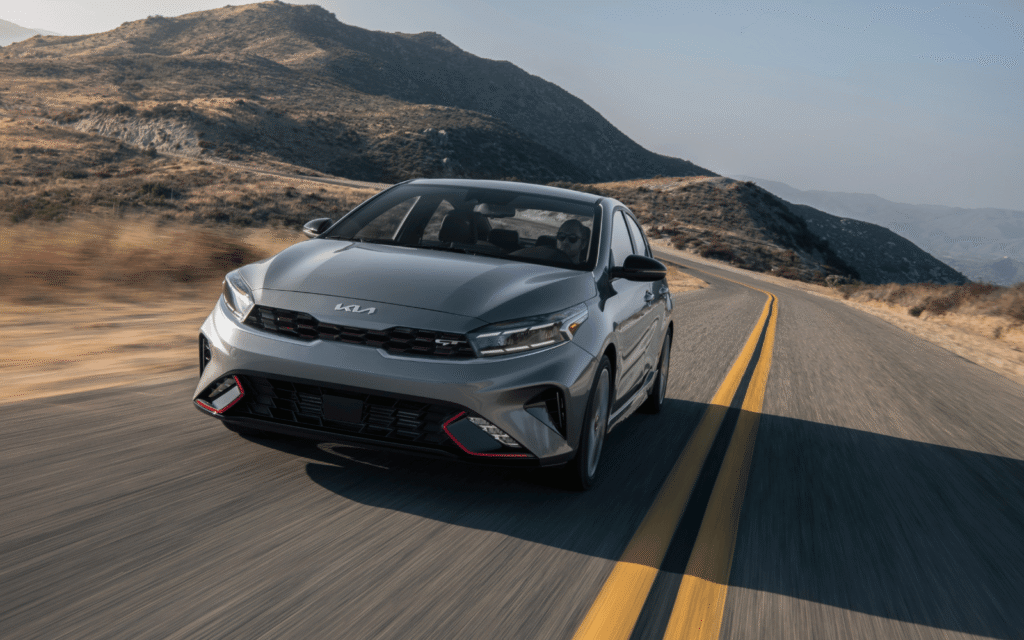
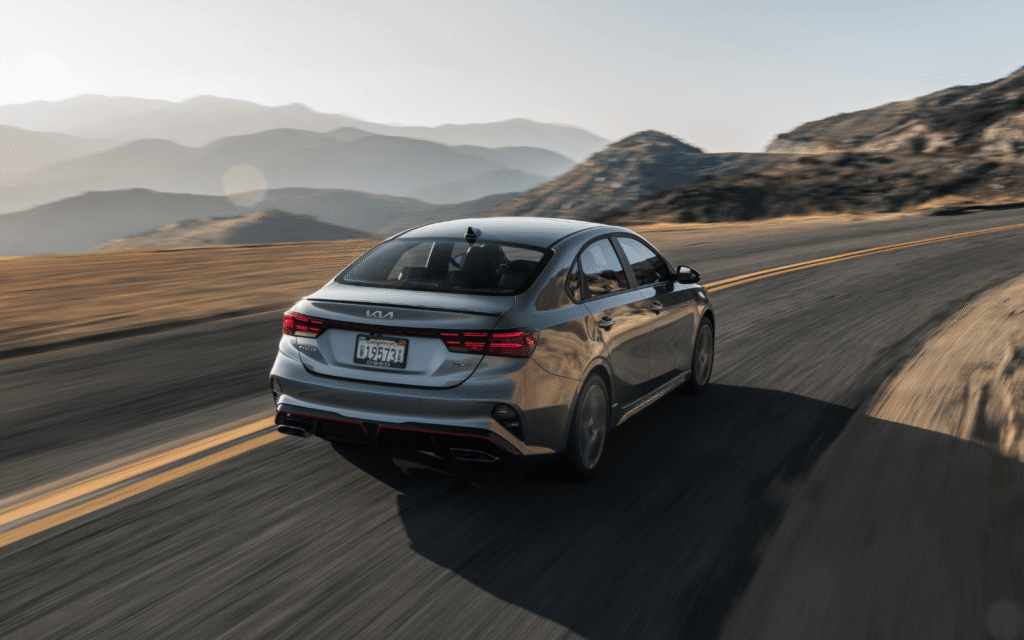
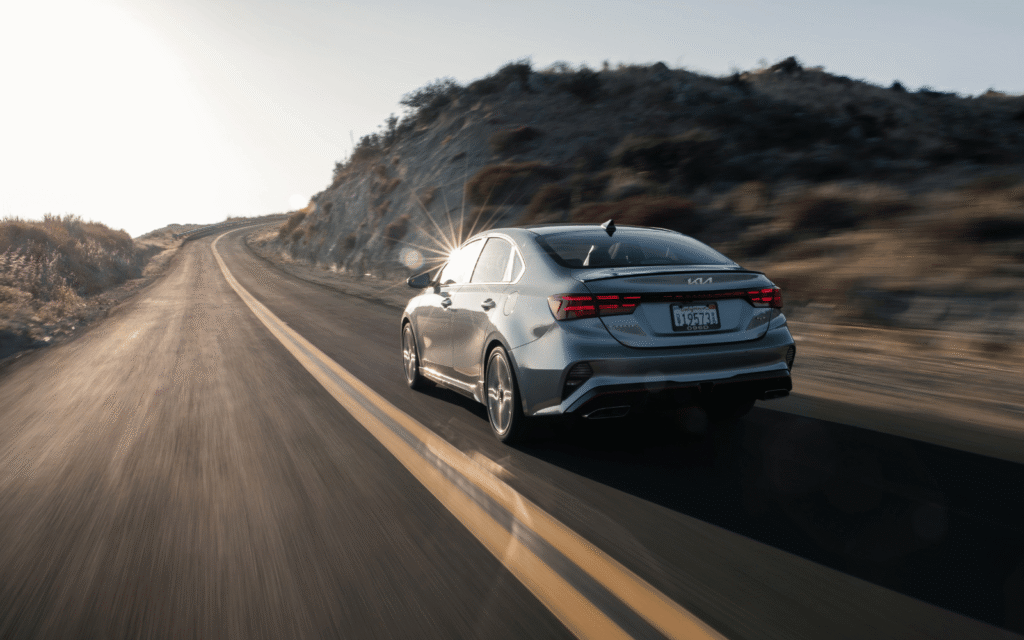
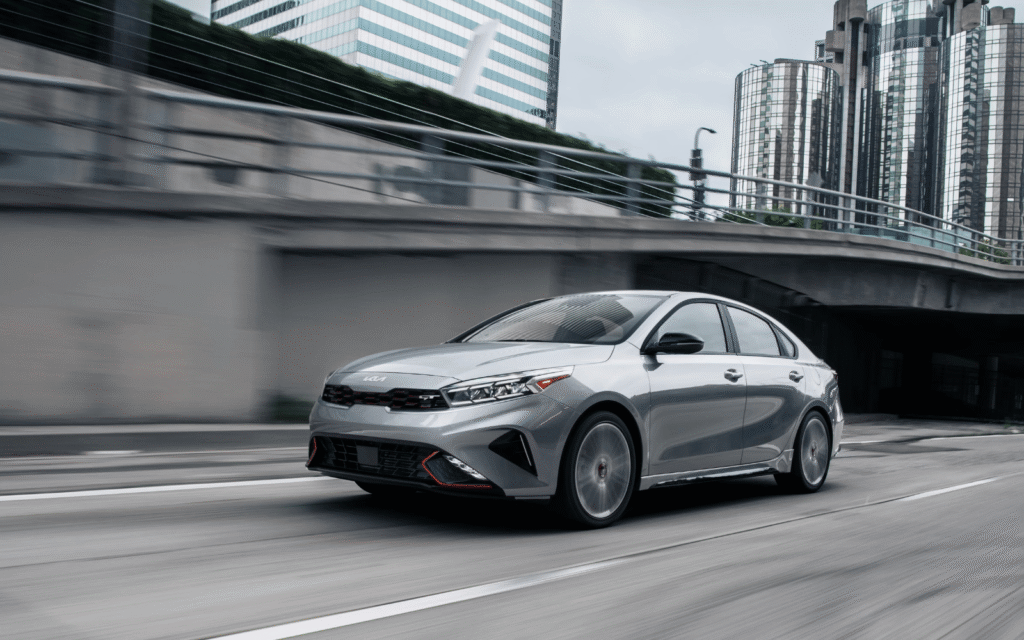
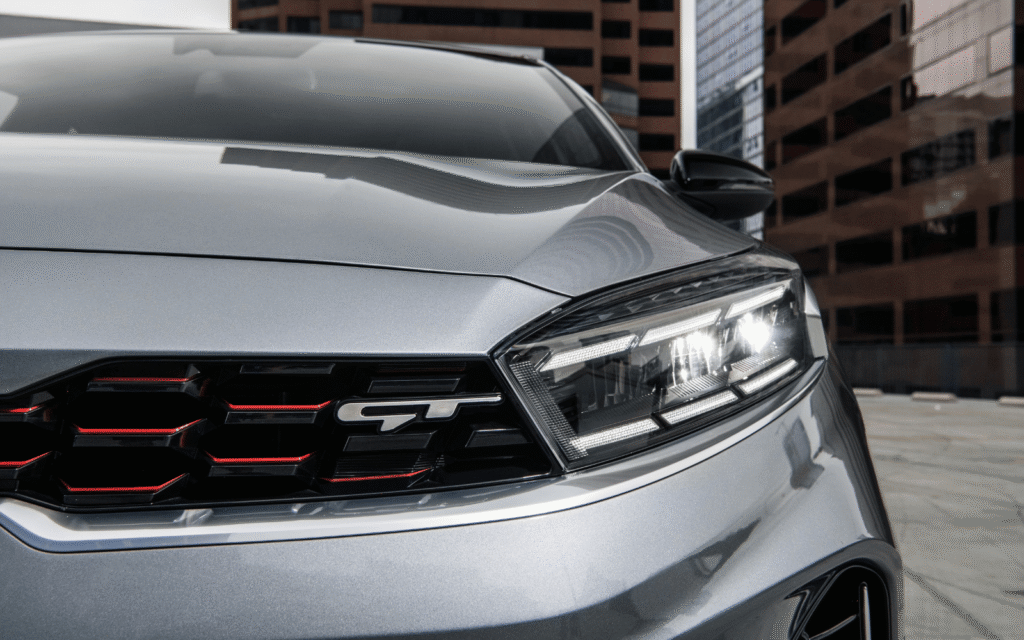
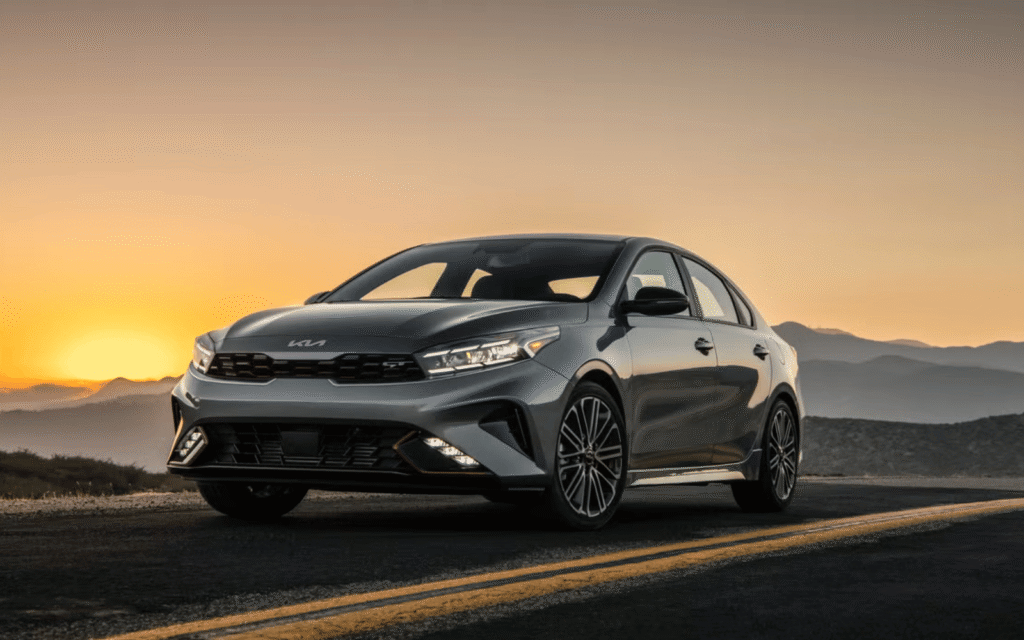
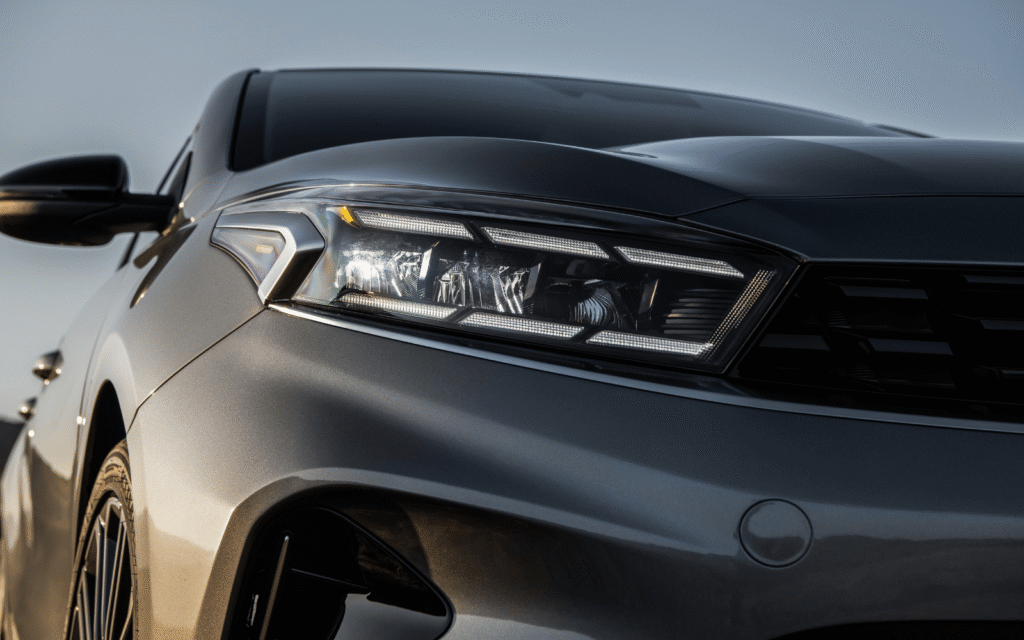
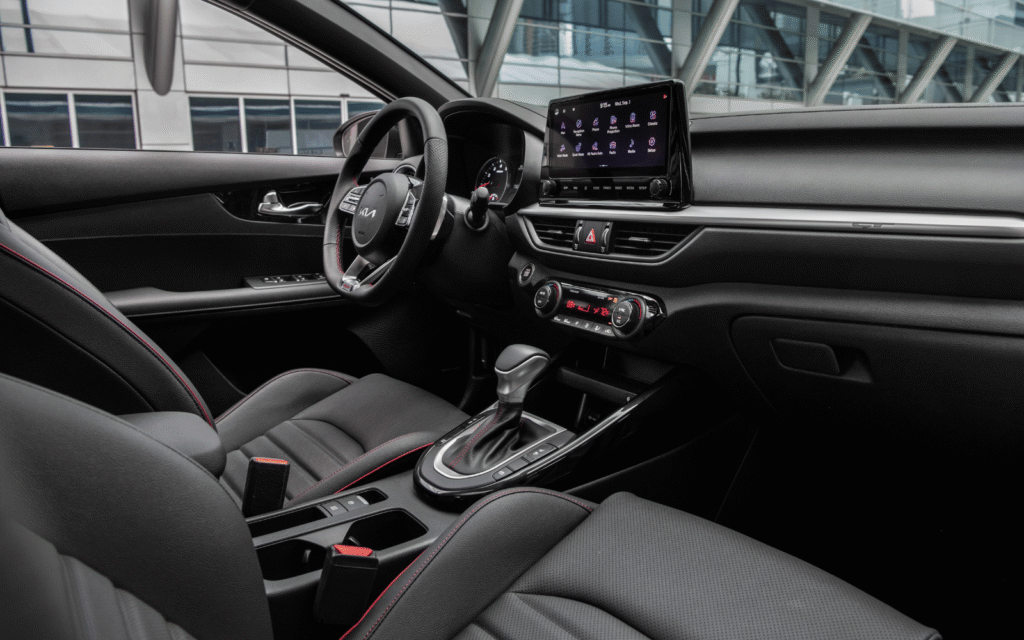
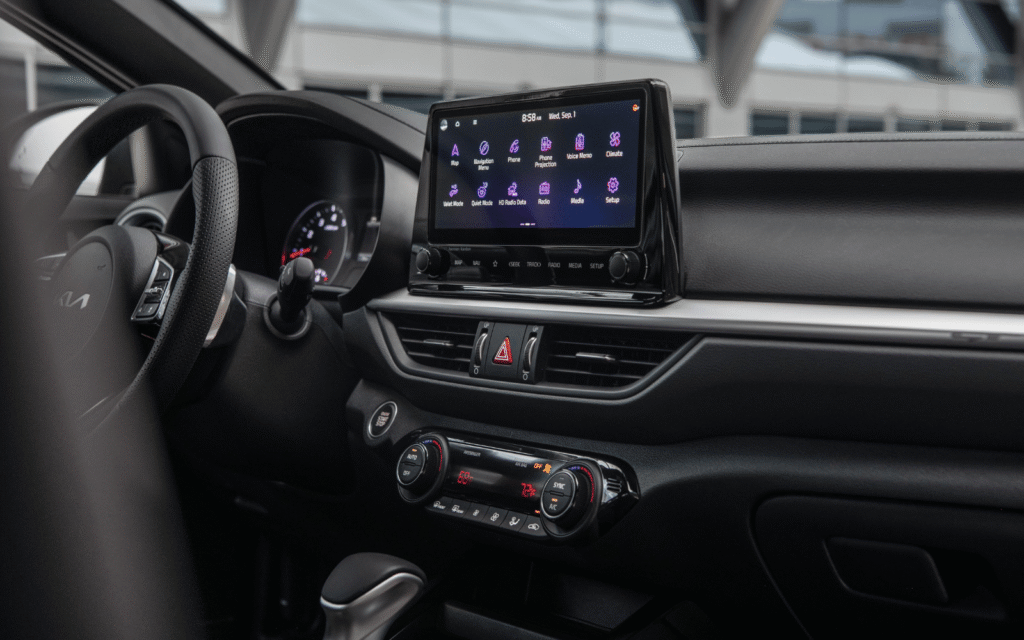
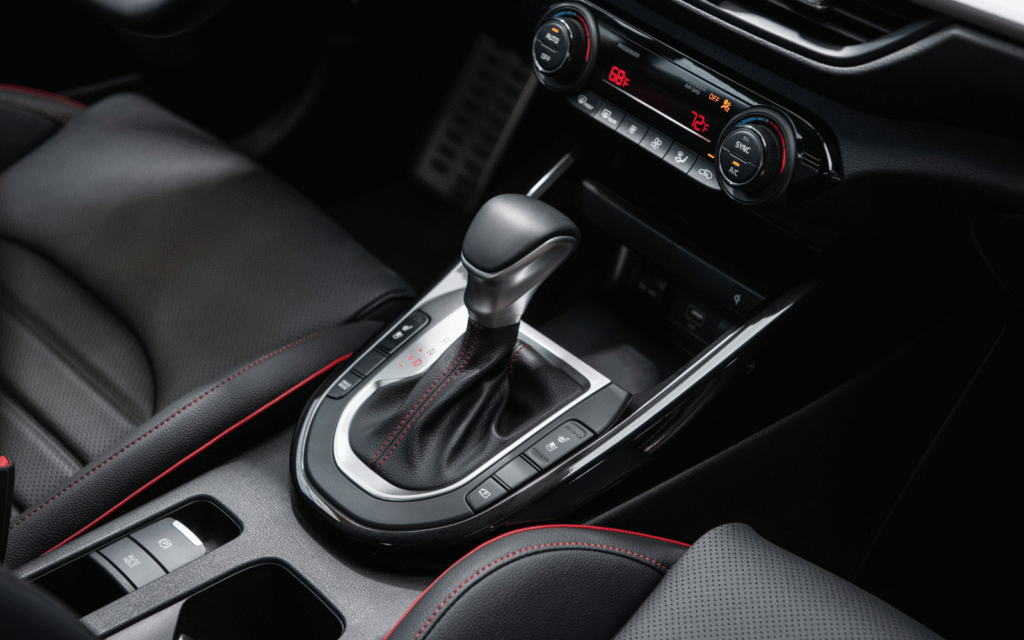
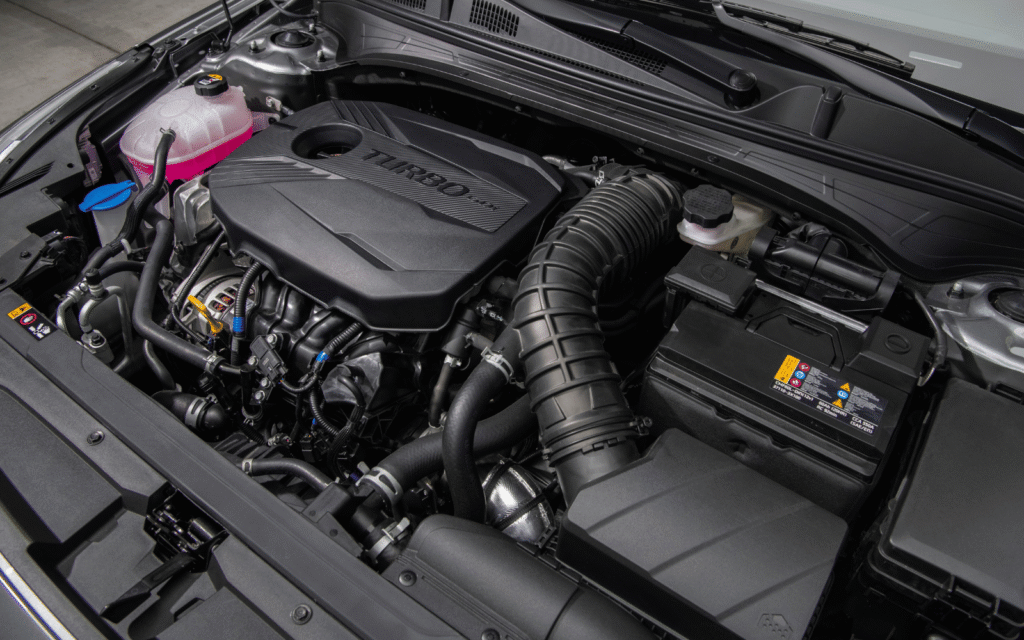
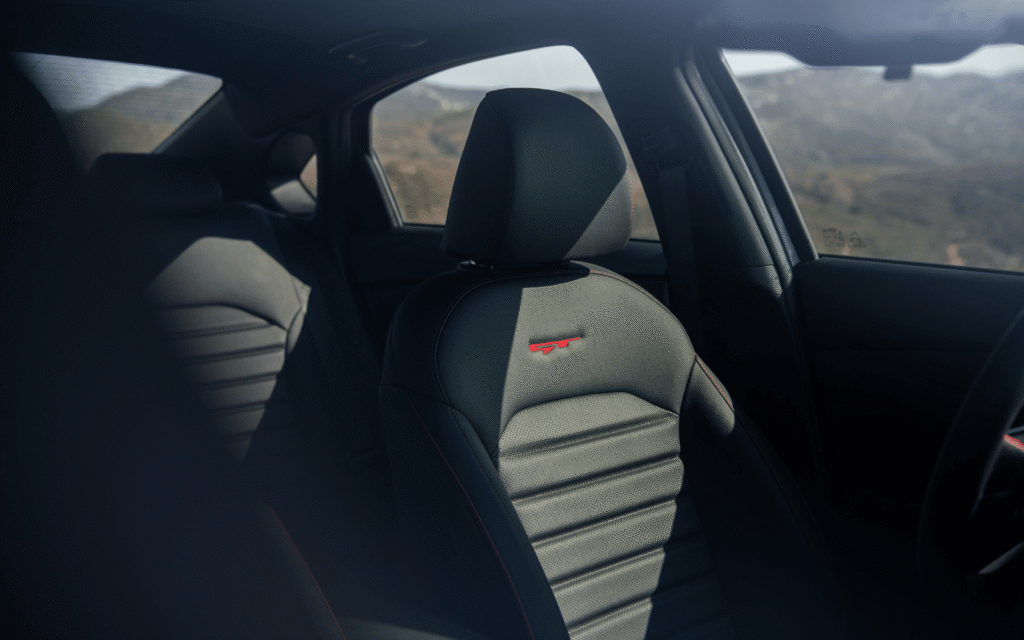
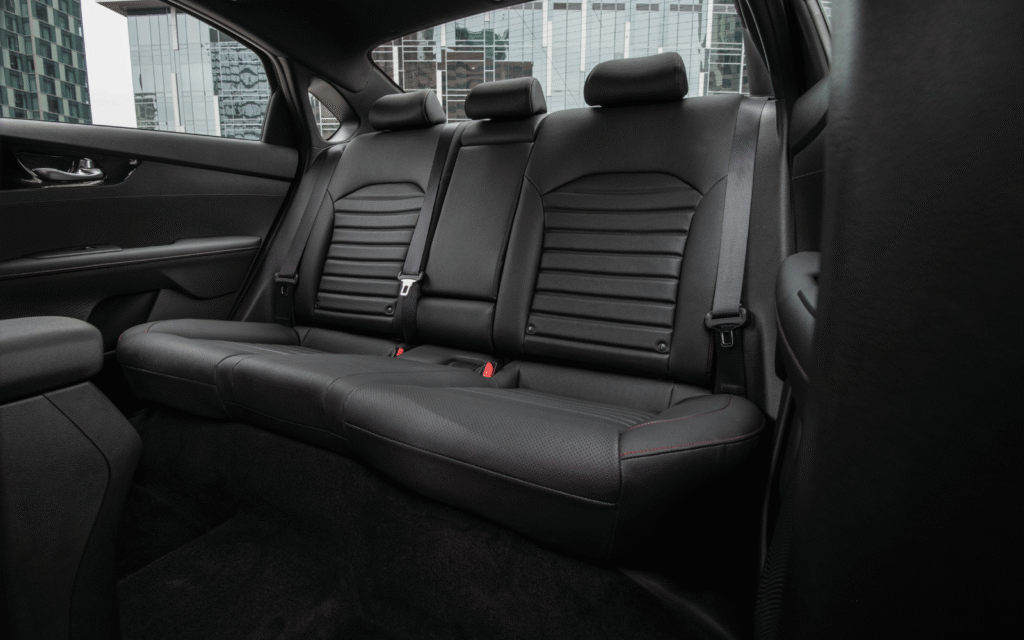
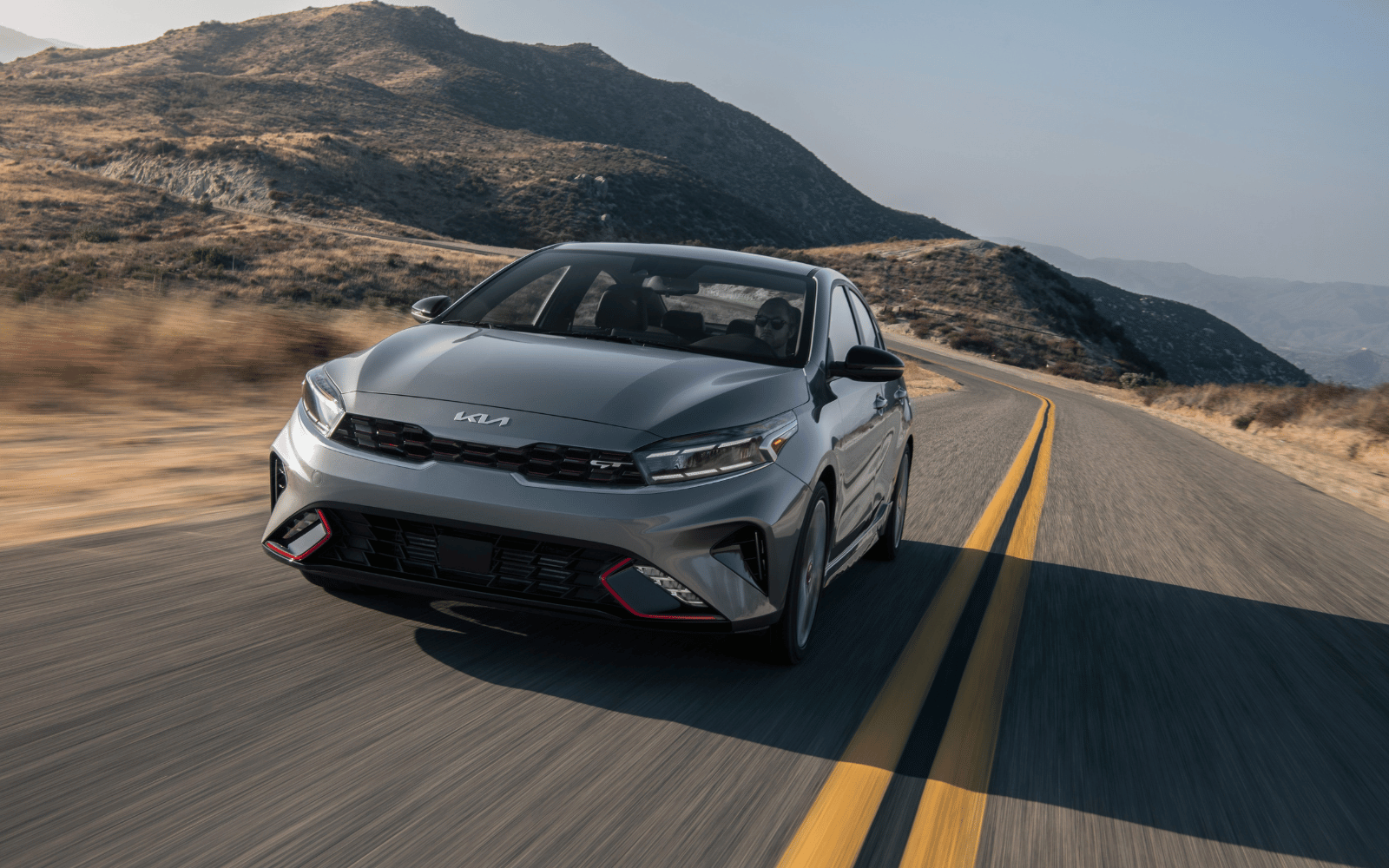
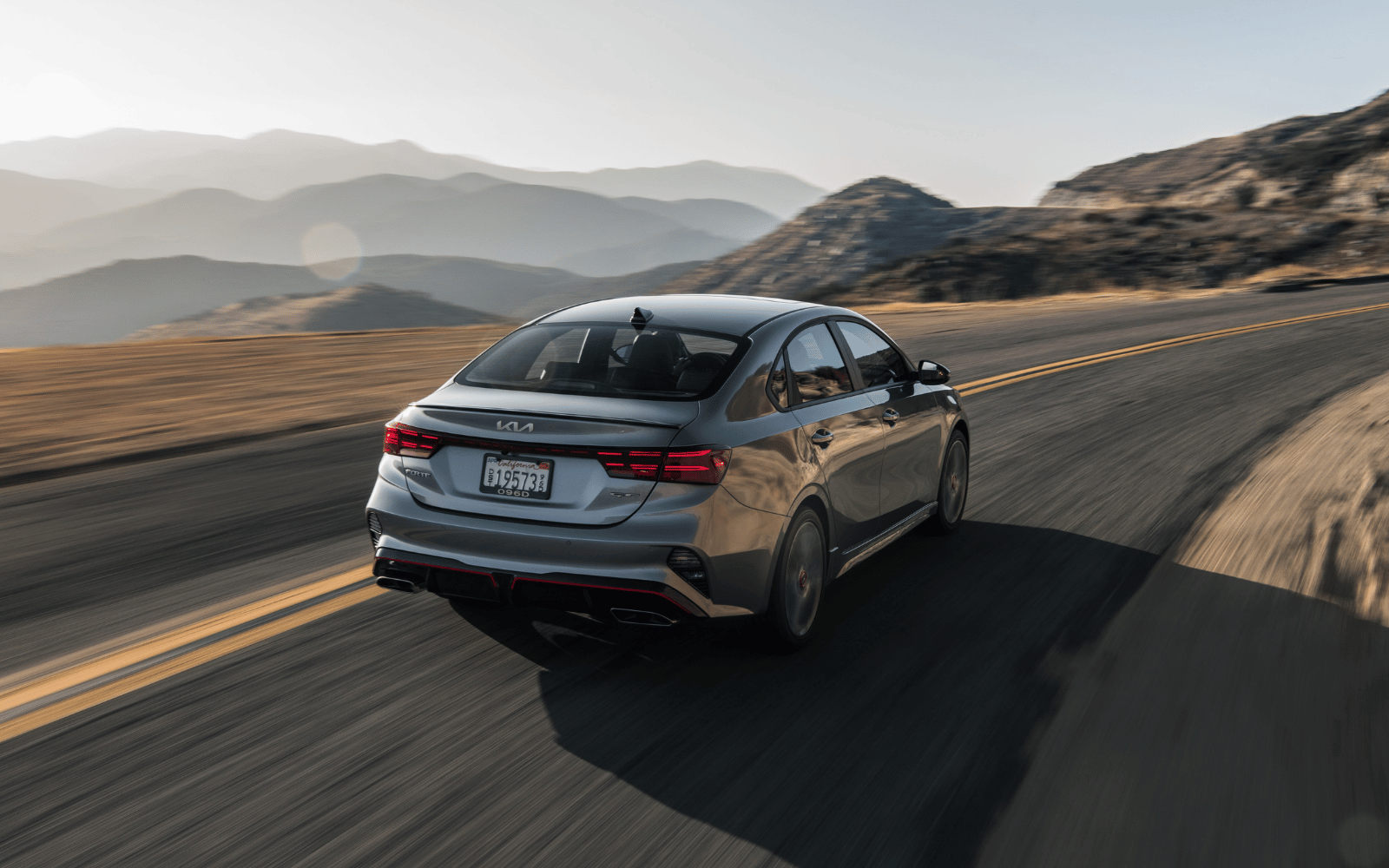
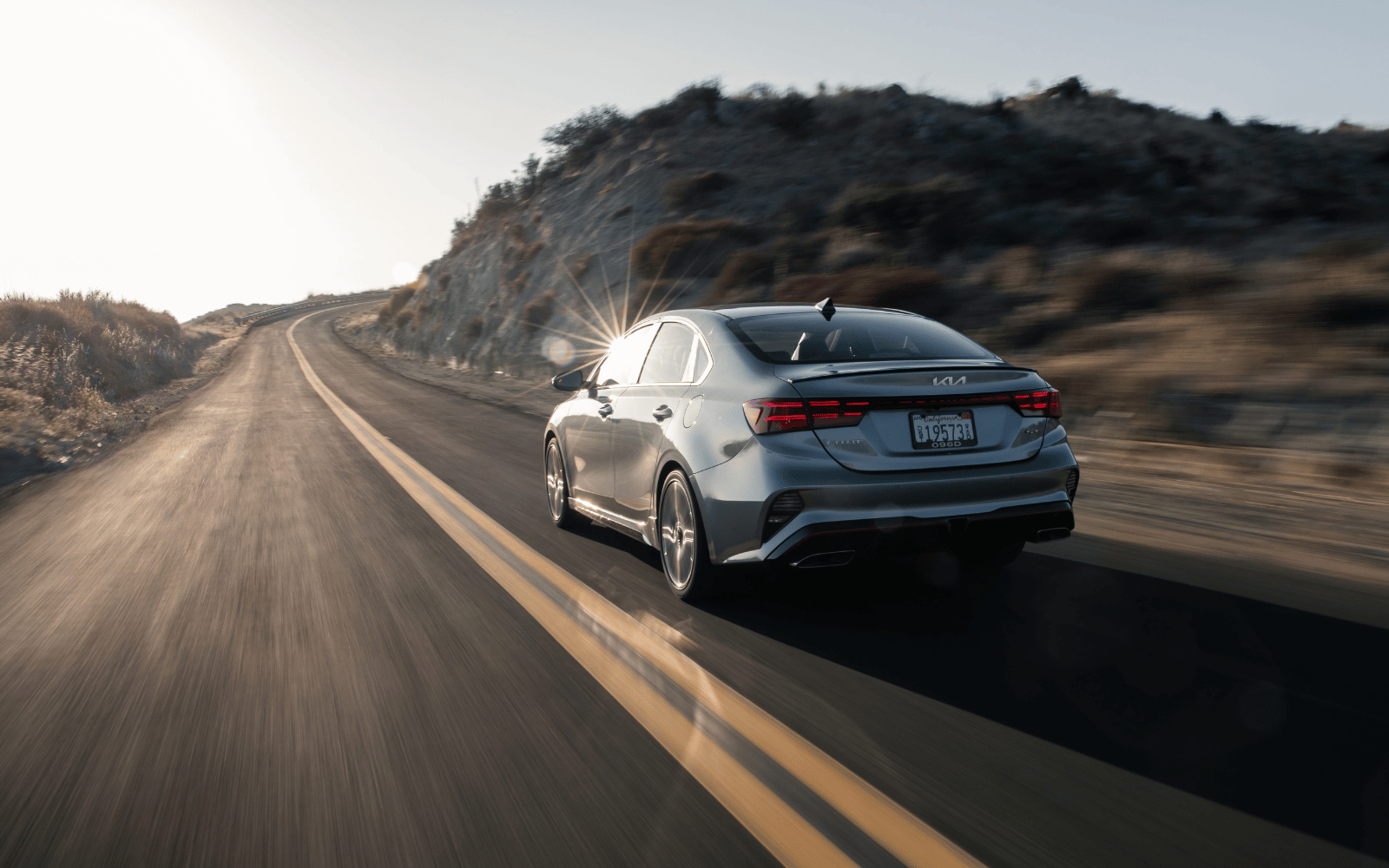
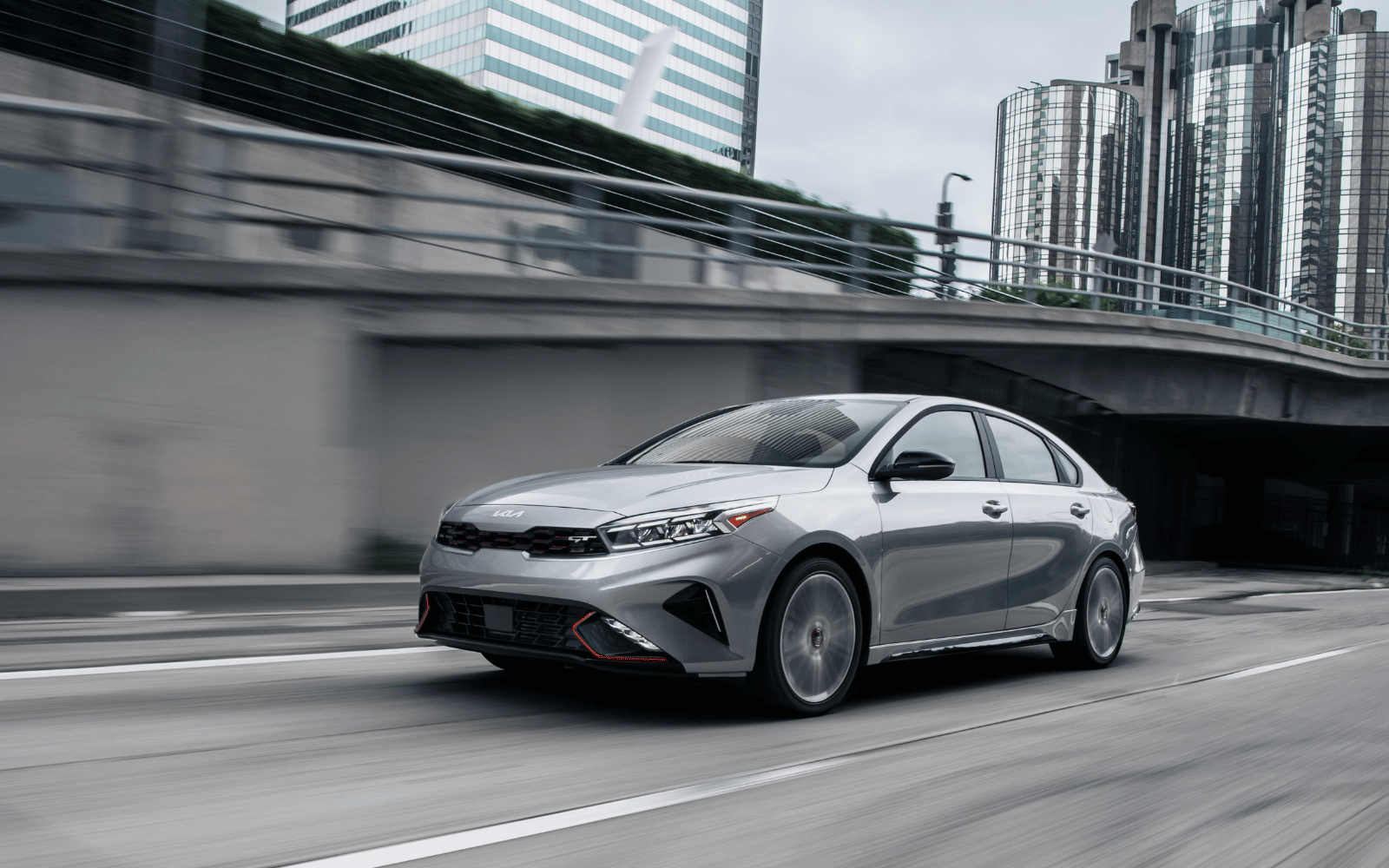
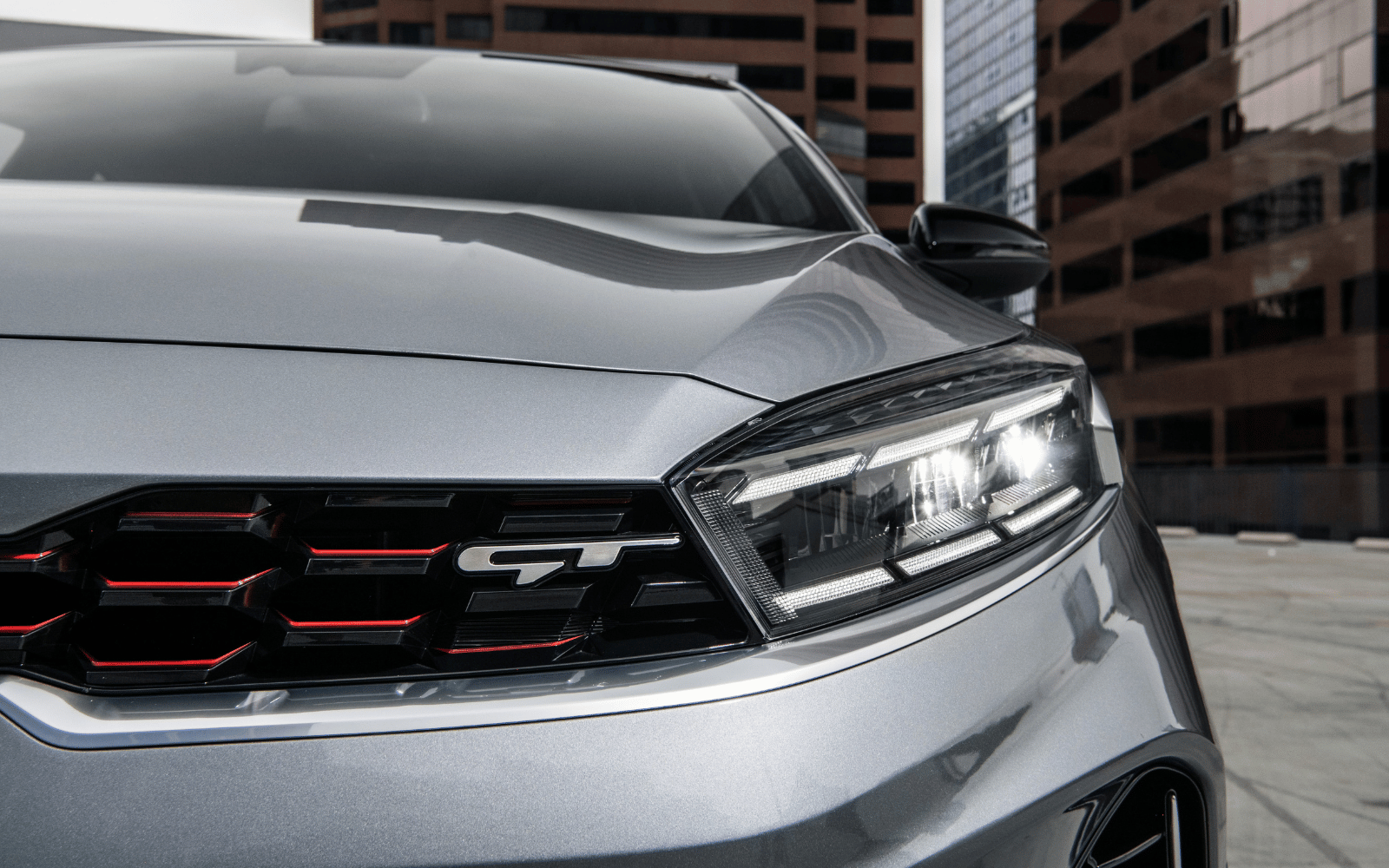
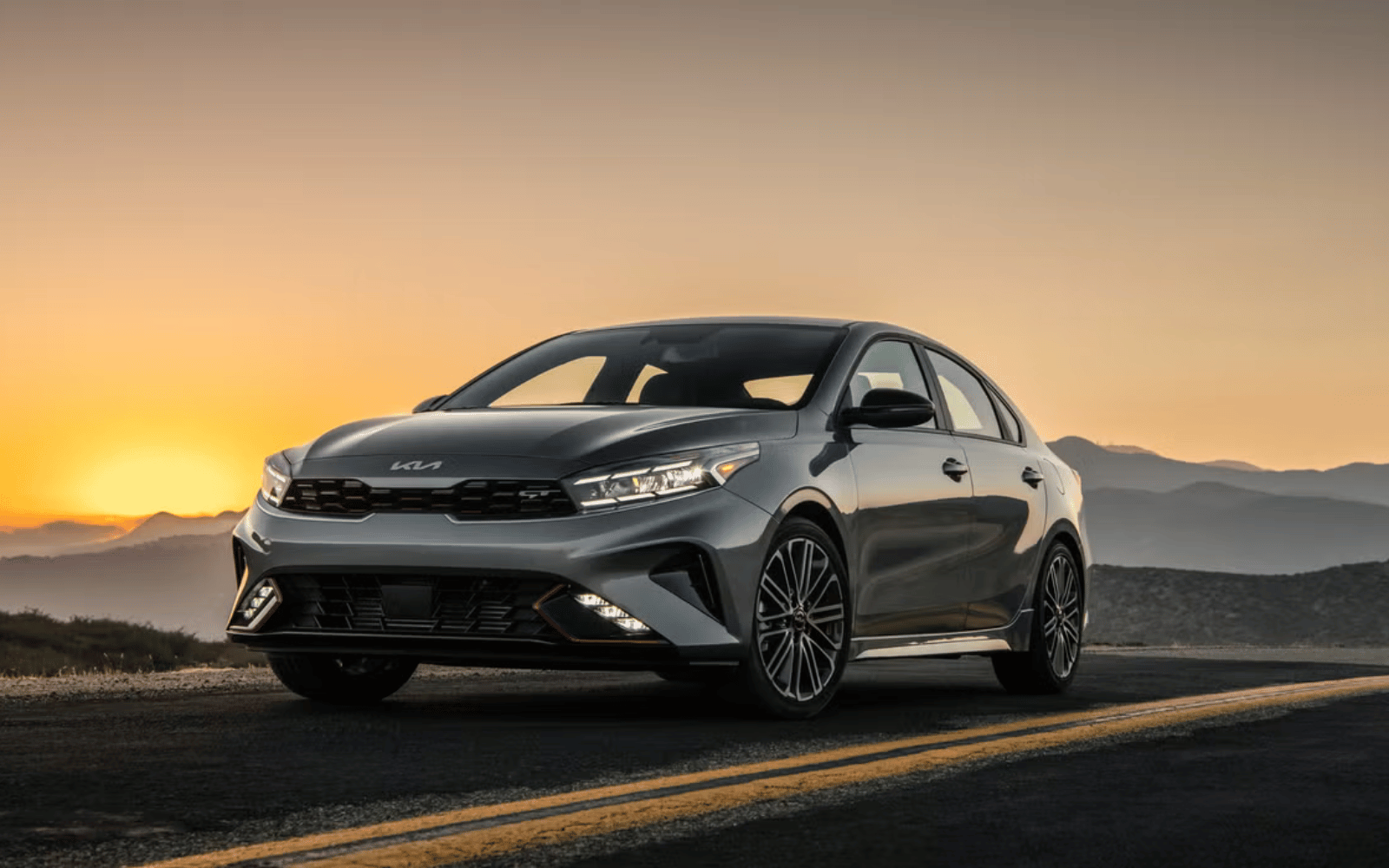
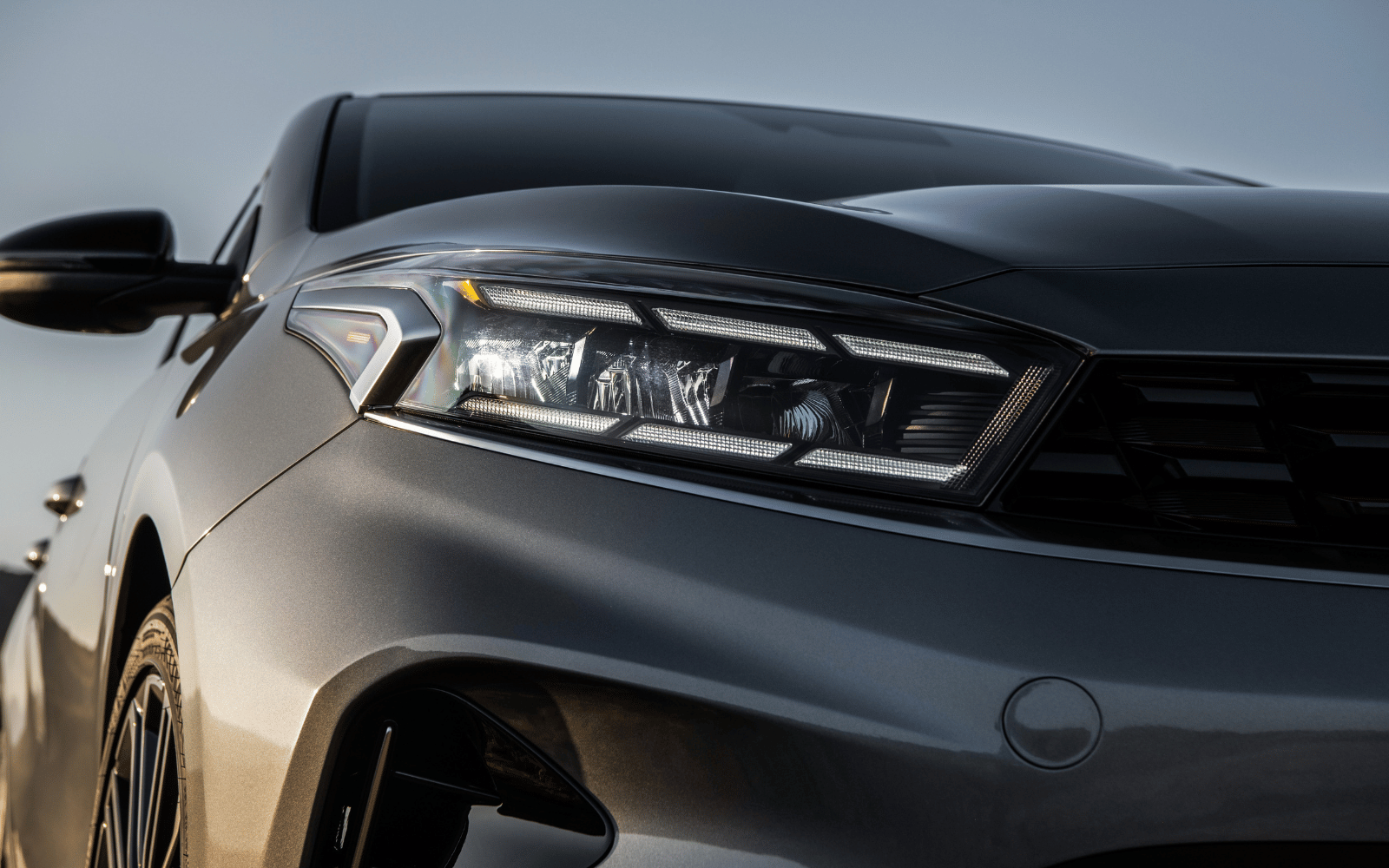
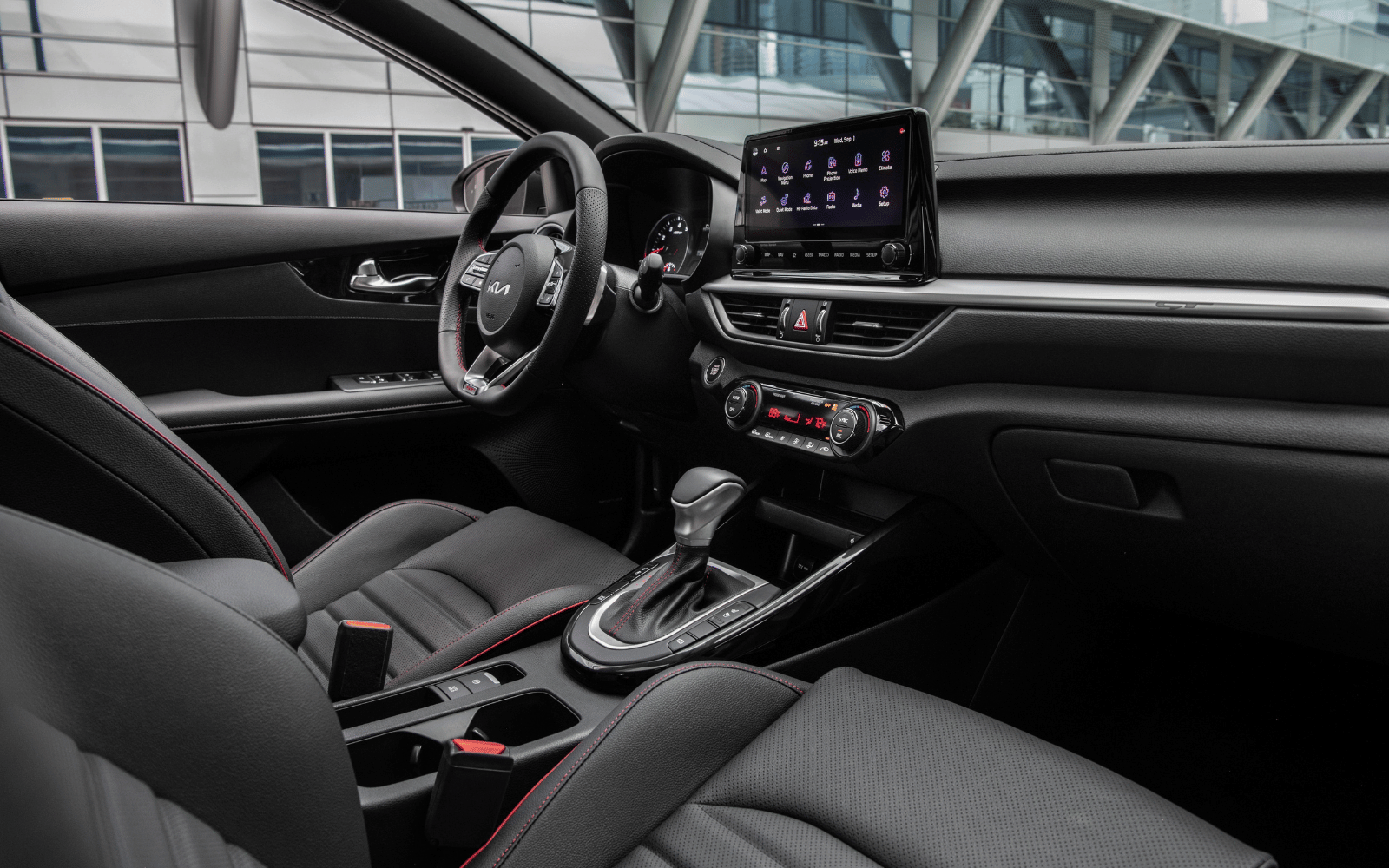
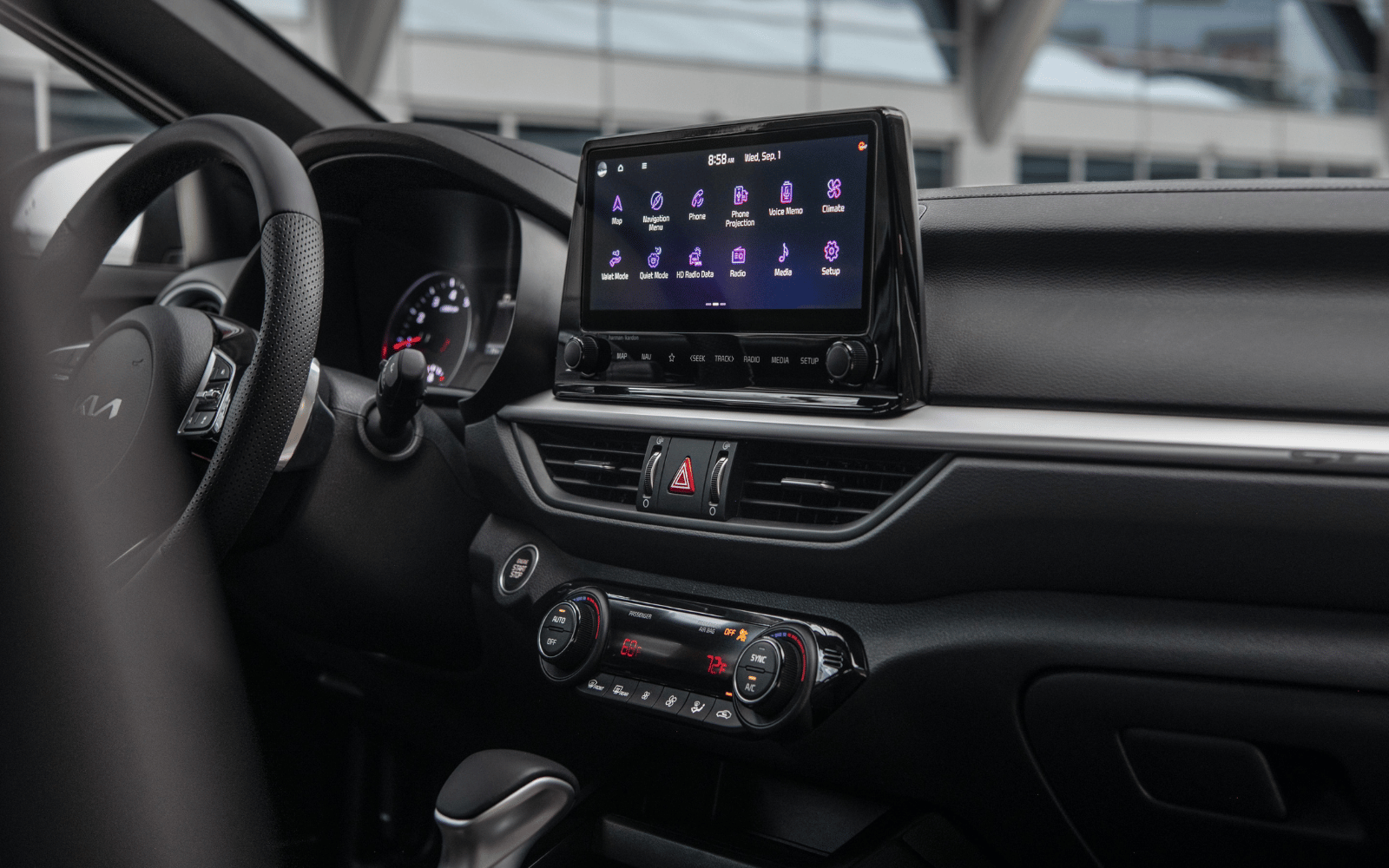
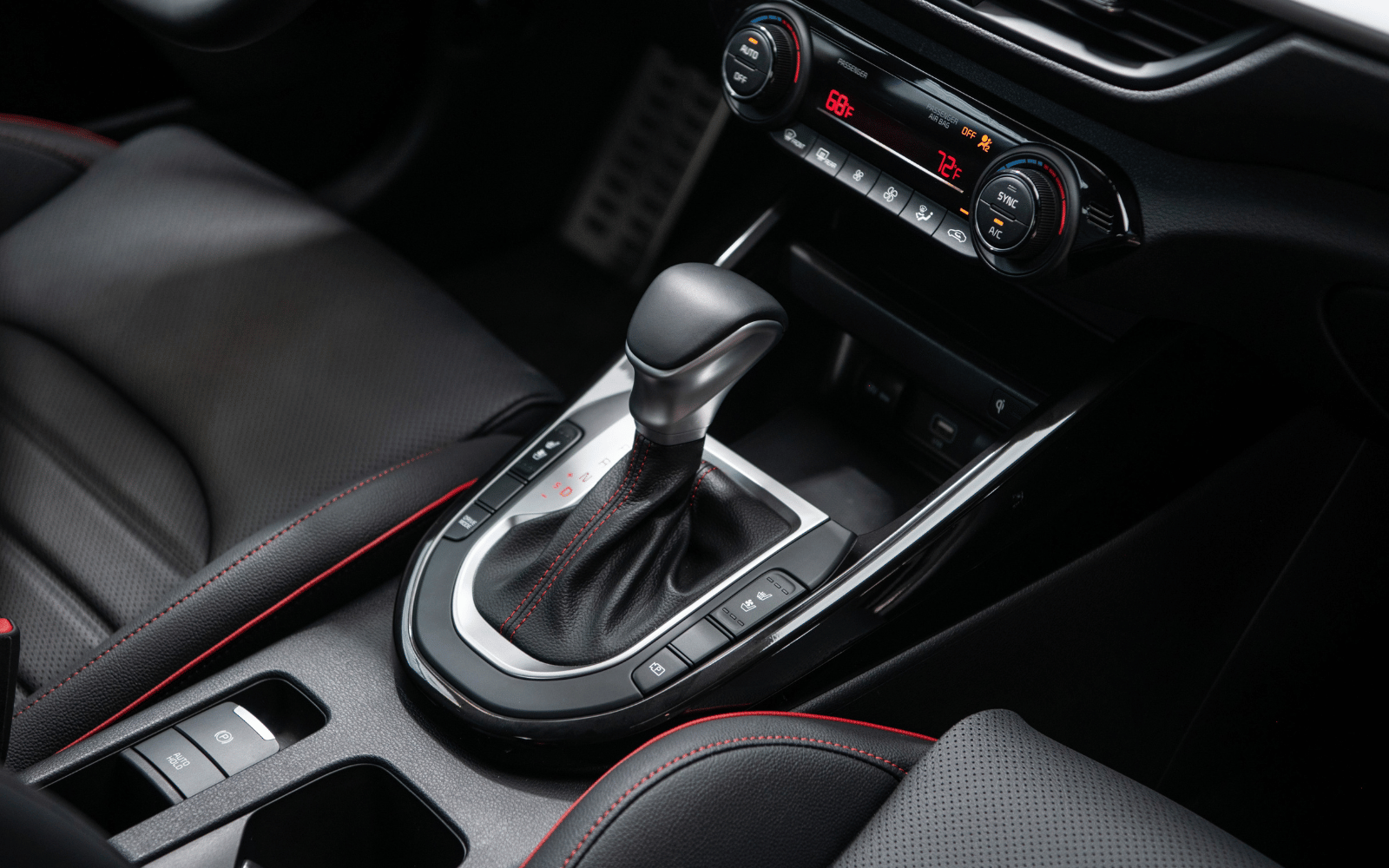
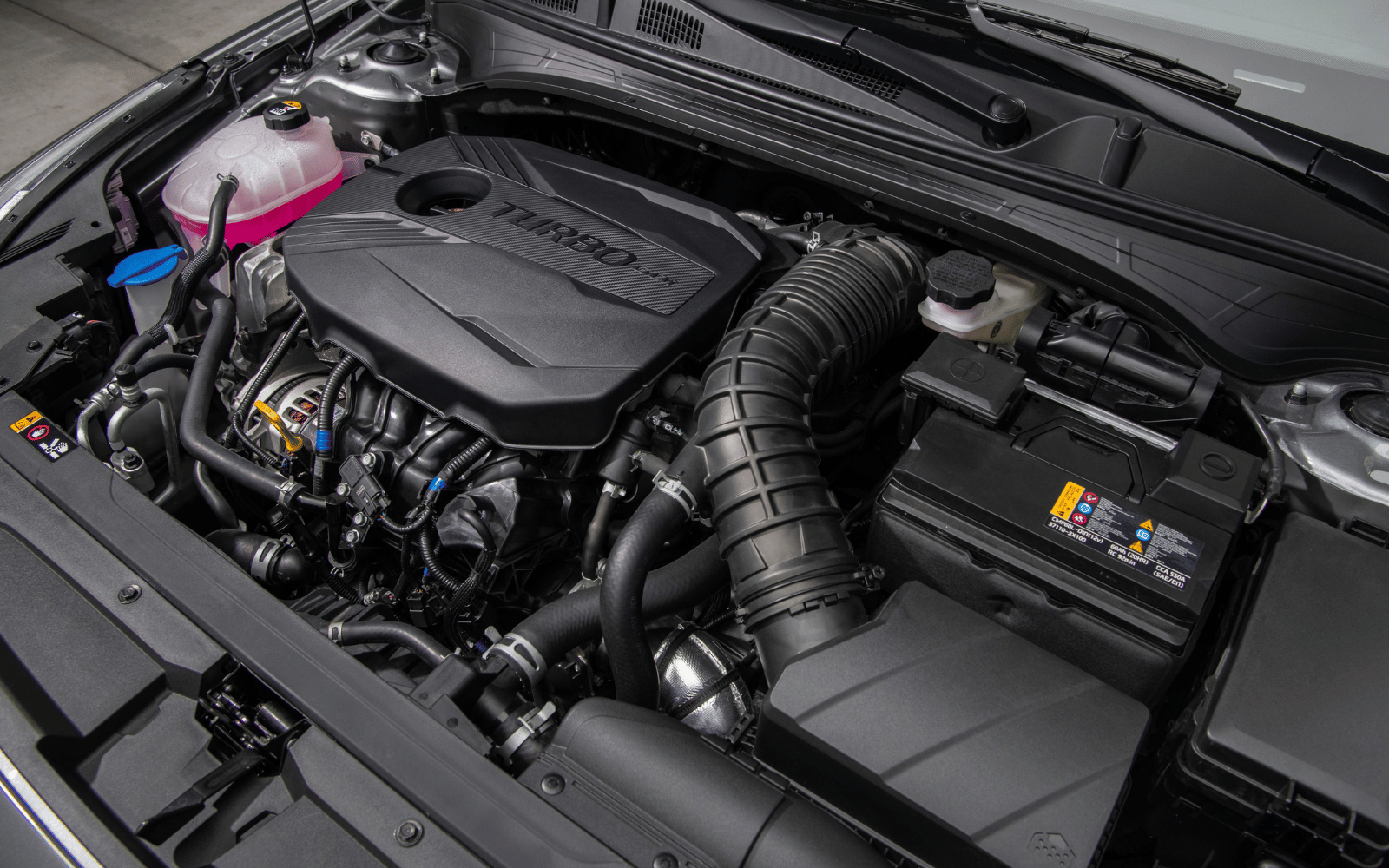
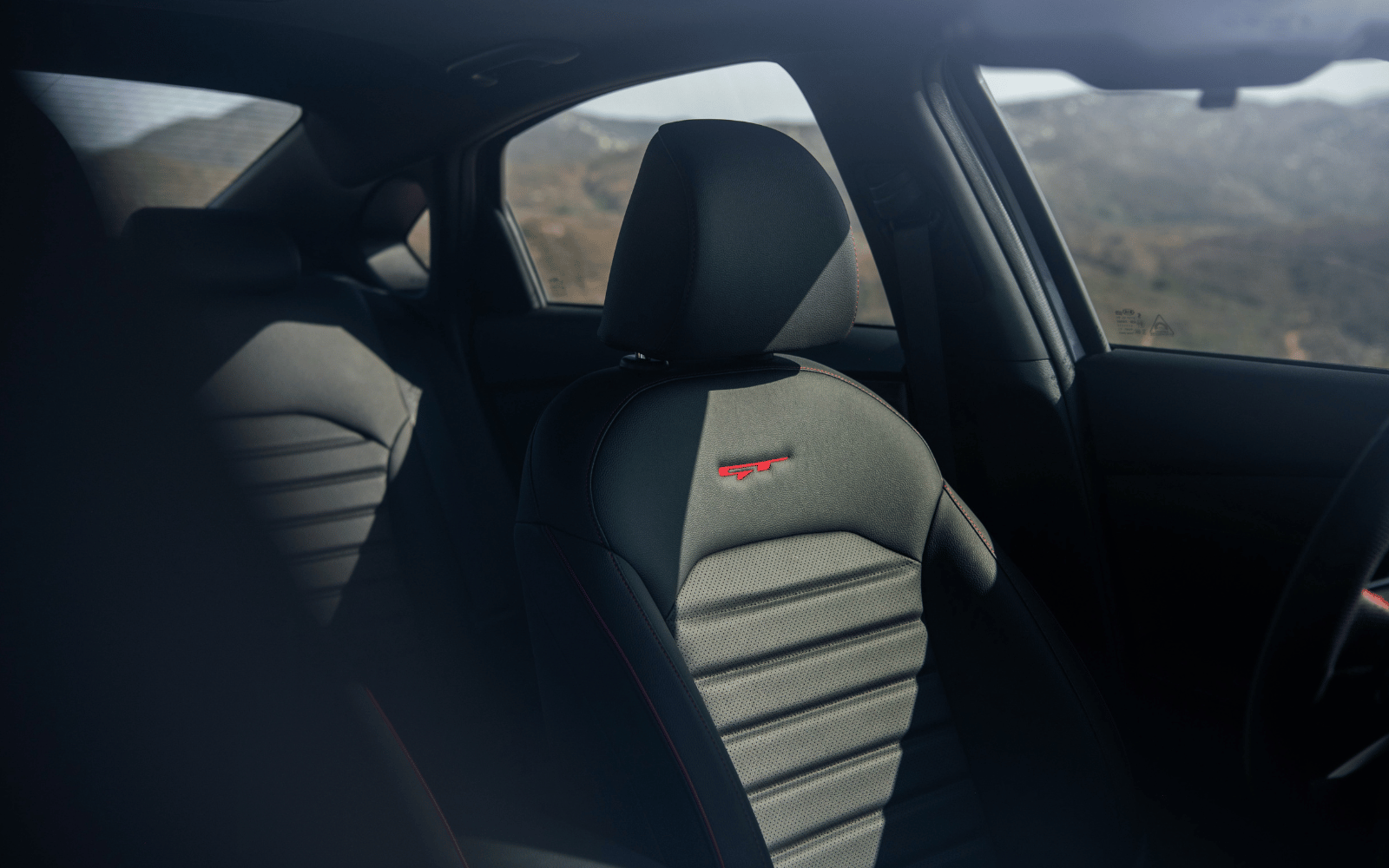
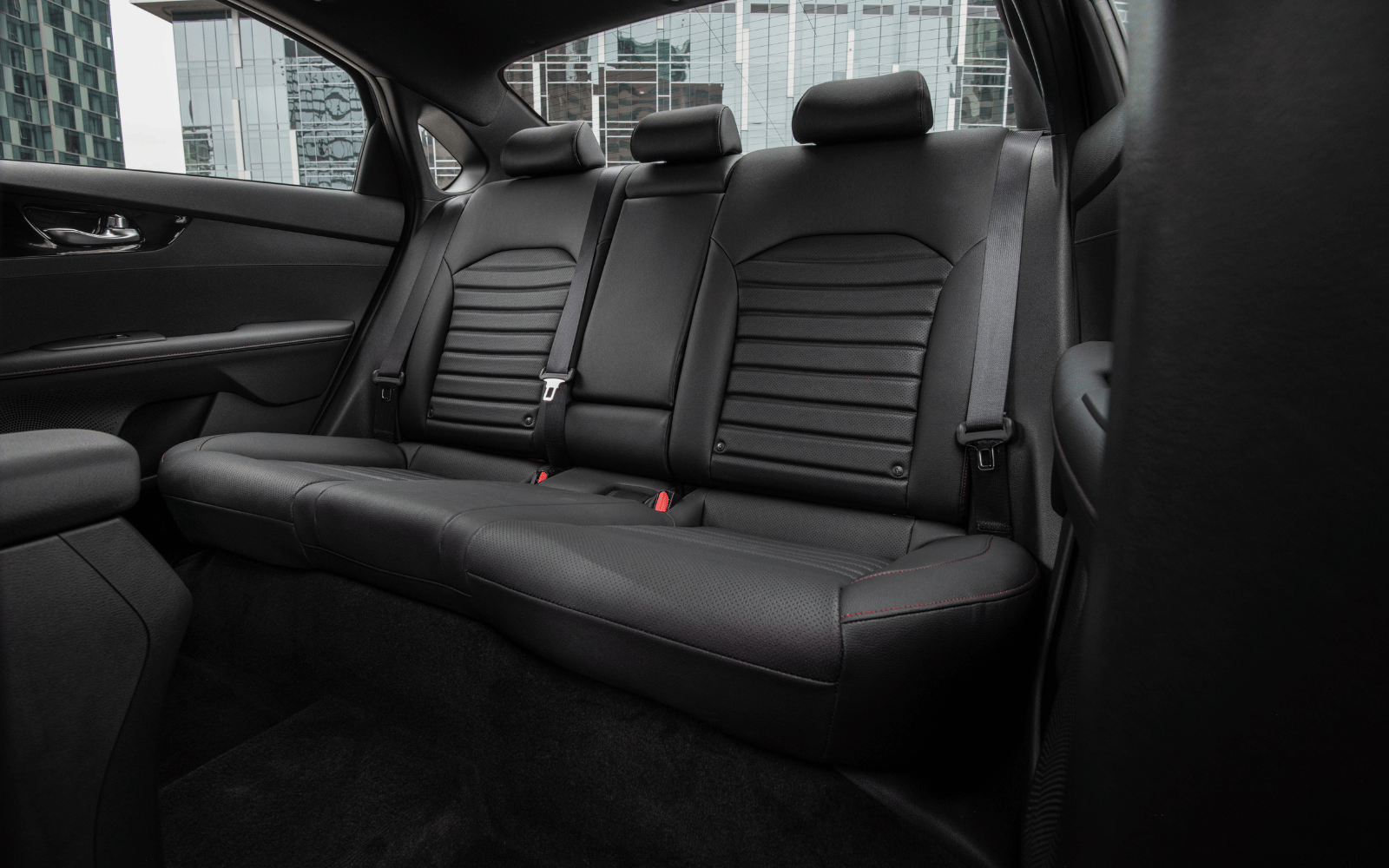
That does not make the Forte irrelevant. It remains a sensible used-car option for daily commuters, students, first-time buyers, and small households who want a modern sedan without paying current new-car prices. Its large trunk, available turbocharged GT trim, and long original-owner powertrain warranty help it stand out.
The main compromise is safety. While the Forte performed well in some earlier crash tests, its results in newer IIHS side-impact and moderate-overlap evaluations were weak. This should be part of any buying decision, especially for drivers carrying rear passengers often.
WheelPedia Rating: 7.4/10
The Kia Forte earns a 7.4/10 WheelPedia Rating. It offers strong used-market value, practical interior space, efficient standard engines, and an available performance-focused GT model. Its rating is held back by outdated crash-test results, weak headlights on several trims, no hybrid option, and a cabin that feels less refined than newer compact sedans.
| Rating Category | Score | Weight |
| Safety | 6.0/10 | 20% |
| Reliability and Ownership | 7.5/10 | 15% |
| Performance and Driving | 7.5/10 | 15% |
| Comfort and Practicality | 7.4/10 | 15% |
| Efficiency | 8.4/10 | 15% |
| Features and Technology | 7.5/10 | 10% |
| Price and Value | 8.5/10 | 10% |
| Overall WheelPedia Rating | 7.4/10 | — |
See how WheelPedia rates cars for the full scoring method.
Key Highlights
- Discontinued after the 2024 model year; now mainly a used-car option.
- Final-year starting MSRP was $19,990, before destination, taxes, and dealer charges.
- Standard 2.0-liter engine produces 147 horsepower.
- Forte GT uses a 1.6-liter turbocharged engine with 201 horsepower.
- Standard-engine models return up to an EPA-estimated 34 mpg combined.
- Offers a large 15.3-cubic-foot trunk.
- Front-wheel drive is standard across every trim; AWD was not offered.
- Kia’s 10-year/100,000-mile powertrain warranty applied to original owners, not automatically to later used-car buyers.
- Best for budget-conscious commuters who want a conventional compact sedan.
- Safety results need careful attention before purchase.
Quick Specifications
| Specification | Kia Forte |
| Vehicle type | Compact sedan |
| Final US model year | 2024 |
| Seating capacity | 5 |
| Standard engine | 2.0L four-cylinder |
| Standard output | 147 hp / 132 lb-ft |
| GT engine | 1.6L turbocharged four-cylinder |
| GT output | 201 hp / 195 lb-ft |
| Transmission | IVT automatic; GT offered 7-speed dual-clutch automatic or 6-speed manual |
| Drivetrain | Front-wheel drive |
| Best fuel economy | Up to 30 city / 41 highway / 34 combined mpg |
| Cargo capacity | 15.3 cu. ft. |
| Length | 182.7 in. |
| Wheelbase | 106.3 in. |
Expert tip:
For most used-car buyers, the LXS or GT-Line offers the best balance of price, safety equipment, and daily comfort. Choose the GT only if you genuinely value quicker acceleration and are comfortable with higher fuel, tire, and maintenance costs.
About the Kia Forte
The Kia Forte was built around a simple formula: offer a compact sedan with an affordable purchase price, useful passenger room, a large trunk, and more features than buyers might expect at the lower end of the market.
The standard 2.0-liter engine is not quick, but it is efficient and straightforward. The GT version changes the car’s character with a turbocharged engine, firmer suspension tuning, larger wheels, and available manual transmission.
Because the Forte ended after 2024, buyers should treat this page as a guide to the final generation, particularly 2019–2024 models. Used-car condition, mileage, accident history, maintenance records, and open recalls matter more than trim badges alone.
Price and Trims
The figures below are original 2024 US MSRPs, not current used-car prices. Actual resale prices vary widely by mileage, condition, location, history report, and trim.
| Trim | Original MSRP | Engine | Transmission | Key Reason to Choose |
| LX | $19,990 | 2.0L, 147 hp | IVT automatic | Lowest-cost entry point |
| LXS | $20,490 | 2.0L, 147 hp | IVT automatic | Better everyday equipment and value |
| GT-Line | $22,490 | 2.0L, 147 hp | IVT automatic | Sportier design and added technology |
| GT DCT | $24,690 | 1.6L turbo, 201 hp | 7-speed dual-clutch automatic | Quickest automatic Forte |
| GT Manual | $25,390 | 1.6L turbo, 201 hp | 6-speed manual | Best choice for drivers wanting involvement |
The LXS is usually the sensible used-car choice. It avoids the bare-minimum feel of some base models without asking GT-Line money. The GT-Line looks more aggressive but keeps the standard engine, so do not buy it expecting GT-level performance.
Engine, Performance, and Driving Experience
Most Forte models use a 2.0-liter four-cylinder engine producing 147 horsepower and 132 lb-ft of torque. It is paired with Kia’s intelligent variable transmission, a type of automatic designed to prioritize fuel economy.
This setup is fine for city driving,for daily commuting, and normal highway use. It can feel slow when fully loaded or when making quick highway passes, but it is not difficult to drive.
The Forte GT gets a 1.6-liter turbocharged four-cylinder with 201 horsepower and 195 lb-ft of torque. It is noticeably stronger from a stop and more confident when merging or passing. Buyers could choose a seven-speed dual-clutch automatic or a six-speed manual transmission.
The GT also brings sportier suspension tuning, larger wheels, and a more focused driving feel. The trade-off is a firmer ride and lower fuel economy than the standard-engine models.
0–60 MPH Performance
Kia did not publish official 0–60 mph figures for the Forte.
The standard 2.0-liter model is built for efficiency rather than speed and generally needs around eight seconds to reach 60 mph. The turbocharged GT is much quicker, with independent tests placing it roughly in the mid-six-second range depending on transmission and conditions.
For most buyers, the standard engine is enough. The GT is worth considering only if faster acceleration is a real priority.
Fuel Economy
| Model | EPA-Estimated City / Highway / Combined Fuel Economy |
| Forte LX | 30 / 41 / 34 mpg |
| Forte LXS | 28 / 39 / 32 mpg |
| Forte GT-Line | 28 / 39 / 32 mpg |
| Forte GT DCT | 27 / 35 / 30 mpg |
| Forte GT Manual | 22 / 31 / 26 mpg |
The standard-engine Forte is the better option for high-mileage commuters. Its 34 mpg combined rating is competitive for a non-hybrid compact sedan, and the large fuel-economy advantage over the GT can add up over time.
The GT’s fuel use is still manageable, but it makes less sense for buyers whose main goal is low running costs.
Interior, Comfort, and Technology
The Forte’s cabin is practical and easy to understand. It does not feel premium, particularly in lower trims, but it gives buyers useful controls, good front-seat space, and more rear-seat room than many people expect from a compact sedan.
Standard and available features across the final lineup included:
- 8-inch touchscreen display
- Apple CarPlay and Android Auto
- Bluetooth connectivity
- Rearview camera
- Remote keyless entry
- Available 10.25-inch touchscreen with navigation
- Available wireless phone charging
- Available dual-zone automatic climate control
- Available heated and ventilated front seats
- Available Harman Kardon premium audio system
- Available push-button start
- Available sunroof
The front seats are comfortable enough for regular commuting. Rear-seat space is usable for adults on shorter trips and works well for children or occasional passengers. Taller rear passengers may want more legroom for longer journeys.
Dimensions, Cargo, and Practicality
| Dimension | Measurement |
| Length | 182.7 in. |
| Width | 70.9 in. |
| Height | 56.5 in. |
| Wheelbase | 106.3 in. |
| Front legroom | 42.2 in. |
| Rear legroom | 35.7 in. |
| Trunk capacity | 15.3 cu. ft. |
| Seating | 5 passengers |
The Forte’s 15.3-cubic-foot trunk is one of its strongest practical advantages. It is large enough for grocery runs, luggage, work bags, and many everyday errands without needing an SUV.
A 60/40-split folding rear seat adds flexibility for longer items. Still, buyers who need to carry bulky equipment, strollers, or large furniture often may be better served by a hatchback or compact SUV.
Exterior Design
The Forte has a clean, sharp sedan design that aged reasonably well through the final 2024 model year.
- LX and LXS models have a simpler appearance and smaller wheels.
- GT-Line models add sportier bumpers, darker exterior details, and a more aggressive grille design.
- GT models stand out with larger wheels, sport-focused styling, and visual details that match the turbocharged powertrain.
The GT-Line is the right trim for buyers who want a sportier look without the higher ownership costs of the turbocharged GT.
Safety Features and Ratings
Standard and available driver-assistance features varied by trim and package. Buyers should verify the exact equipment on the vehicle they are considering.
Available safety features included:
- Forward Collision-Avoidance Assist with Pedestrian Detection
- Lane Departure Warning
- Lane Keeping Assist
- Lane Following Assist
- Driver Attention Warning
- Rear Occupant Alert
- Available Blind-Spot Collision Warning
- Available Rear Cross-Traffic Collision-Avoidance Assist
- Available Smart Cruise Control
- Available Rear Parking Sensors
The Forte’s safety results are a major reason it does not score higher. The IIHS gave 2019–2024 Forte models Good ratings in small-overlap and original moderate-overlap frontal testing. However, the newer updated moderate-overlap front test and updated side-impact test both received Poor ratings. The Institute also rated the halogen headlights on LX, LXS, and GT-Line trims Poor. See the full IIHS Kia Forte safety results before buying.
This does not mean every Forte is unsafe to drive. It does mean buyers should not rely only on its feature list or earlier crash-test scores. Families who regularly carry rear passengers should compare newer compact sedans with stronger updated crash-test performance.
Reliability, Warranty, and Ownership
The Forte can be an affordable car to own when it has been maintained properly. Its standard 2.0-liter engine and conventional front-wheel-drive layout are the lower-risk choice for buyers who want simple daily transportation.
The GT is more engaging, but the turbocharged engine and dual-clutch transmission add complexity. A GT with poor maintenance records, rough shifting, warning lights, or modified parts deserves extra caution.
Original Kia Warranty Coverage
| Coverage | Original Coverage |
| Basic limited warranty | 5 years / 60,000 miles |
| Powertrain limited warranty | 10 years / 100,000 miles for original owners |
| Powertrain coverage for later owners | Usually 5 years / 60,000 miles |
| Anti-perforation warranty | 5 years / 100,000 miles |
| Roadside assistance | 5 years / 60,000 miles |
The 10-year/100,000-mile powertrain warranty is a major selling point, but used buyers should not assume it transfers in full. Confirm remaining warranty coverage by VIN number before purchase.
Before buying a used Forte:
- Run the VIN through the NHTSA recall database.
- Review maintenance records.
- Check for accident damage and airbag repairs.
- Test the transmission from cold and after a longer drive.
- Inspect tires, brakes, and suspension wear.
- Have an independent mechanic complete a pre-purchase inspection.
- Confirm which driver-assistance features are fitted to that exact trim.
Pros and Cons
What We Like
- Strong used-car value
- Efficient standard engine
- Large trunk for a compact sedan
- Available turbocharged GT model
- Available manual transmission
- Good feature availability on upper trims
- Long original-owner powertrain warranty
- Easy size for city driving and parking
What We Don’t Like
- Discontinued, so new inventory is no longer a realistic option
- Weak updated IIHS side-impact and moderate-overlap results
- Poor headlights on several trims
- No hybrid or all-wheel-drive option
- Standard engine feels slow under hard acceleration
- Lower trims use basic cabin materials
- GT models cost more to fuel and maintain
Competitors
The Kia Forte is best compared with other compact sedans from the same era.
- The Toyota Corolla is a stronger choice for buyers who prioritize hybrid fuel economy, long-term ownership confidence, and standard safety equipment.
- The Honda Civic is worth considering for a more refined driving feel and stronger overall interior quality.
- The Hyundai Elantra is a close alternative for buyers focused on feature value, bold styling, and a roomy cabin.
- The Mazda3 suits drivers who care more about handling and interior design.
- The Nissan Sentra is another practical option for buyers who want a comfortable compact sedan.
For a buyer considering a Forte today, vehicle condition matters more than choosing the “best” badge on paper.
Related Content
Before purchasing a used Forte, read our guide to new vs. used cars to decide whether a late-model used sedan is the right fit for your budget.
If you plan to finance, review how car financing works and arrange car loan preapproval before negotiating with a seller or dealership.
Should You Buy the Kia Forte?
Buy a Kia Forte if you want an affordable compact sedan with a large trunk, efficient standard engine, useful technology, and a good chance of finding a well-equipped example below the cost of a newer model.
The LXS is the best choice for most people. It gives you a better balance of features and value than the base LX. The GT-Line makes sense if you prefer the sportier styling and added tech but do not need the GT’s power. Choose the GT only if you value performance enough to accept higher operating costs.
Skip the Forte if updated crash-test performance is your top priority, if you frequently carry adult rear passengers, or if you want a hybrid, AWD, or the latest infotainment and driver-assistance systems.
FAQs
Is the Kia Forte discontinued?
Yes. The Kia Forte ended after the 2024 model year in the US. Kia now sells the K4 in this part of the compact-sedan market.
What was the last model year for the Kia Forte?
The final US-model-year Kia Forte was the 2024 Forte.
Is the Kia Forte a good used car?
It can be a good used car if it has a clean history, documented maintenance, no unresolved recalls, and passes an independent pre-purchase inspection. The LXS and GT-Line are the strongest choices for most buyers.
Which Kia Forte trim is best?
The Forte LXS is the best all-round used option for most buyers. The GT-Line is best for sportier styling, while the GT is the performance choice.
Does the Kia Forte have a turbocharged engine?
Only the Forte GT uses a turbocharged engine. It has a 1.6-liter turbocharged four-cylinder producing 201 horsepower.
Is the Kia Forte fuel efficient?
Yes. Standard-engine LX models are rated up to 34 mpg combined. LXS and GT-Line models are rated at up to 32 mpg combined.
Does the Kia Forte have all-wheel drive?
No. Every Kia Forte uses front-wheel drive. All-wheel drive was not available.
How much trunk space does the Kia Forte have?
The Forte has 15.3 cubic feet of trunk space, which is generous for a compact sedan.
Is the Kia Forte GT fast?
The Forte GT is noticeably quicker than standard models. Its 201-hp turbocharged engine makes it suitable for buyers who want stronger acceleration, but it is not a full high-performance sports sedan.
Is the Kia Forte safe?
The Forte includes useful driver-assistance features, but its updated IIHS moderate-overlap and side-impact crash-test ratings were Poor. Buyers should review the safety record closely and compare it with newer alternatives.
Does the Kia Forte have Apple CarPlay and Android Auto?
Yes. Final-generation Forte models included Apple CarPlay and Android Auto compatibility, though the exact connection method and screen size vary by trim and model year.
Does Kia’s 10-year/100,000-mile warranty transfer to used buyers?
Not in full. The long powertrain warranty was mainly for original owners. Later owners generally receive shorter remaining powertrain coverage, so confirm the exact warranty status by VIN.
Final Verdict
The Kia Forte remains a practical used compact sedan, particularly for buyers who want a large trunk, good fuel economy, and a low purchase price. It is not the most polished or safest option in the segment, but a clean, well-maintained example can still make financial sense.
The LXS is the smart everyday pick. The GT-Line is best for buyers who want a more modern look, while the GT is the choice for drivers who want real performance from a small sedan.
Safety is the key deciding factor. If you find a Forte at an attractive price, do not let the low monthly payment or long original warranty distract from its updated crash-test weaknesses. Compare it with newer compact sedans, inspect it thoroughly, and buy only if the individual vehicle’s condition is strong.
The Kia Forte is discontinued in the US. Specifications, equipment, warranty coverage, recall status, and used-car pricing vary by model year, trim, VIN, condition, and location.