
Kia Niro EV: Range, Specs, Features, Pros and Cons
The Kia Niro EV is a discontinued small electric crossover that combines useful cargo space, an easy-to-drive size, and up to 253 miles of EPA-estimated range. The final US model year is 2026, and Kia’s newer Niro lineup is hybrid-only.
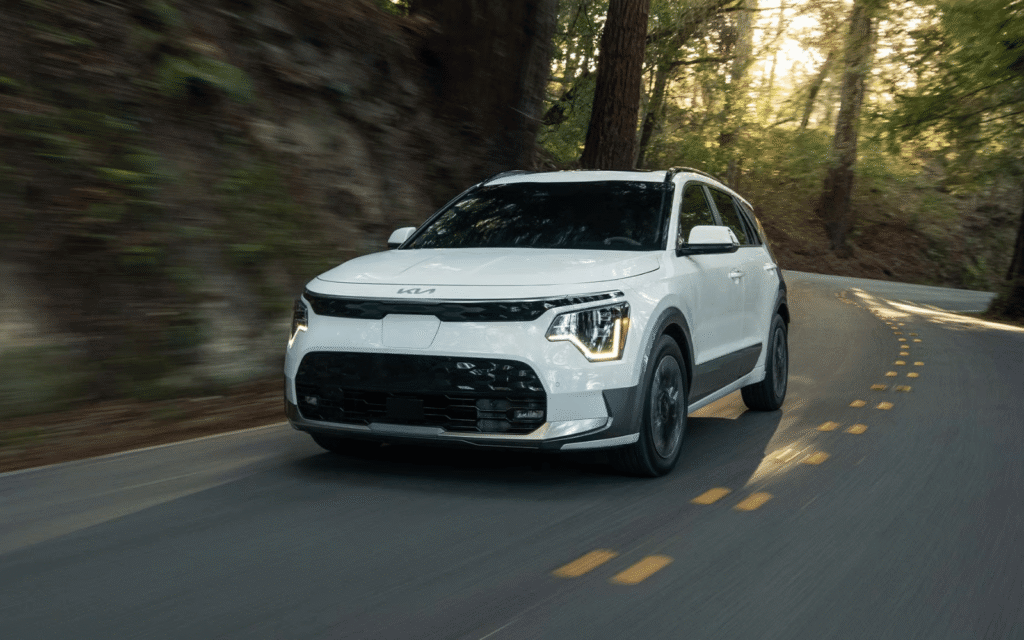
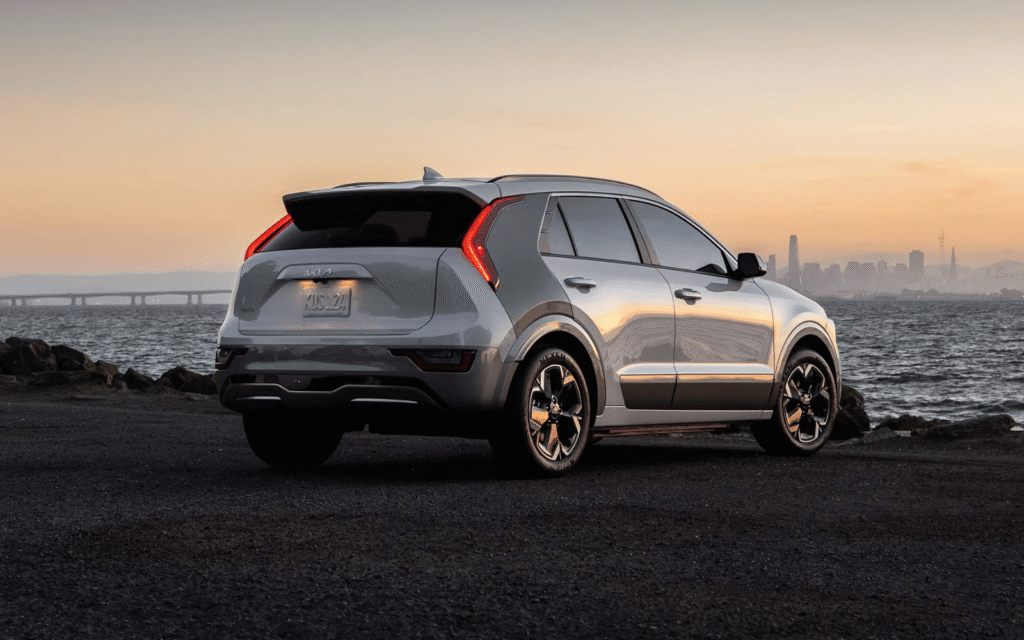
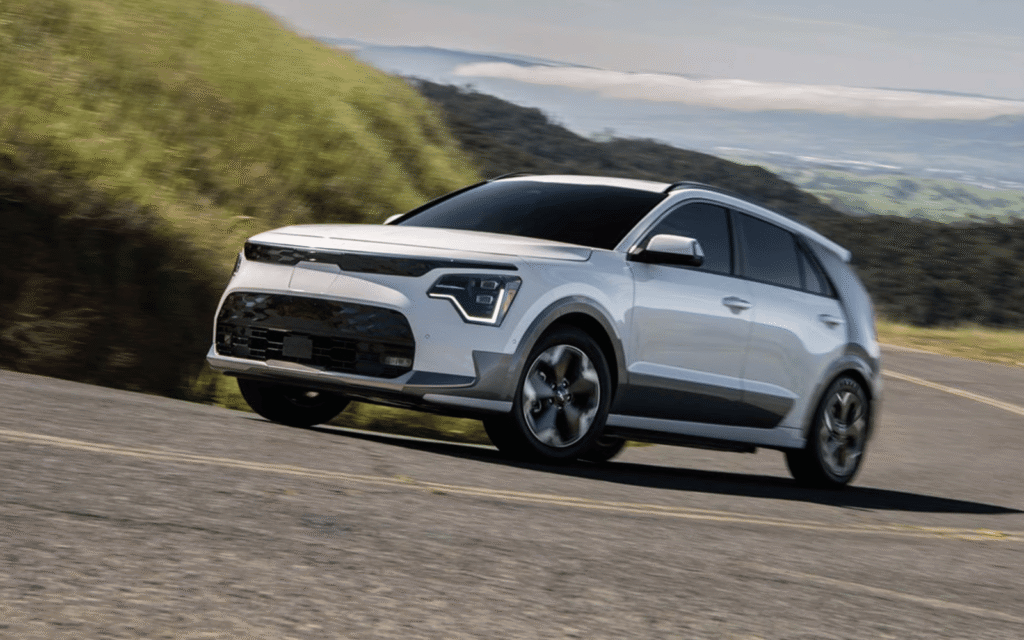
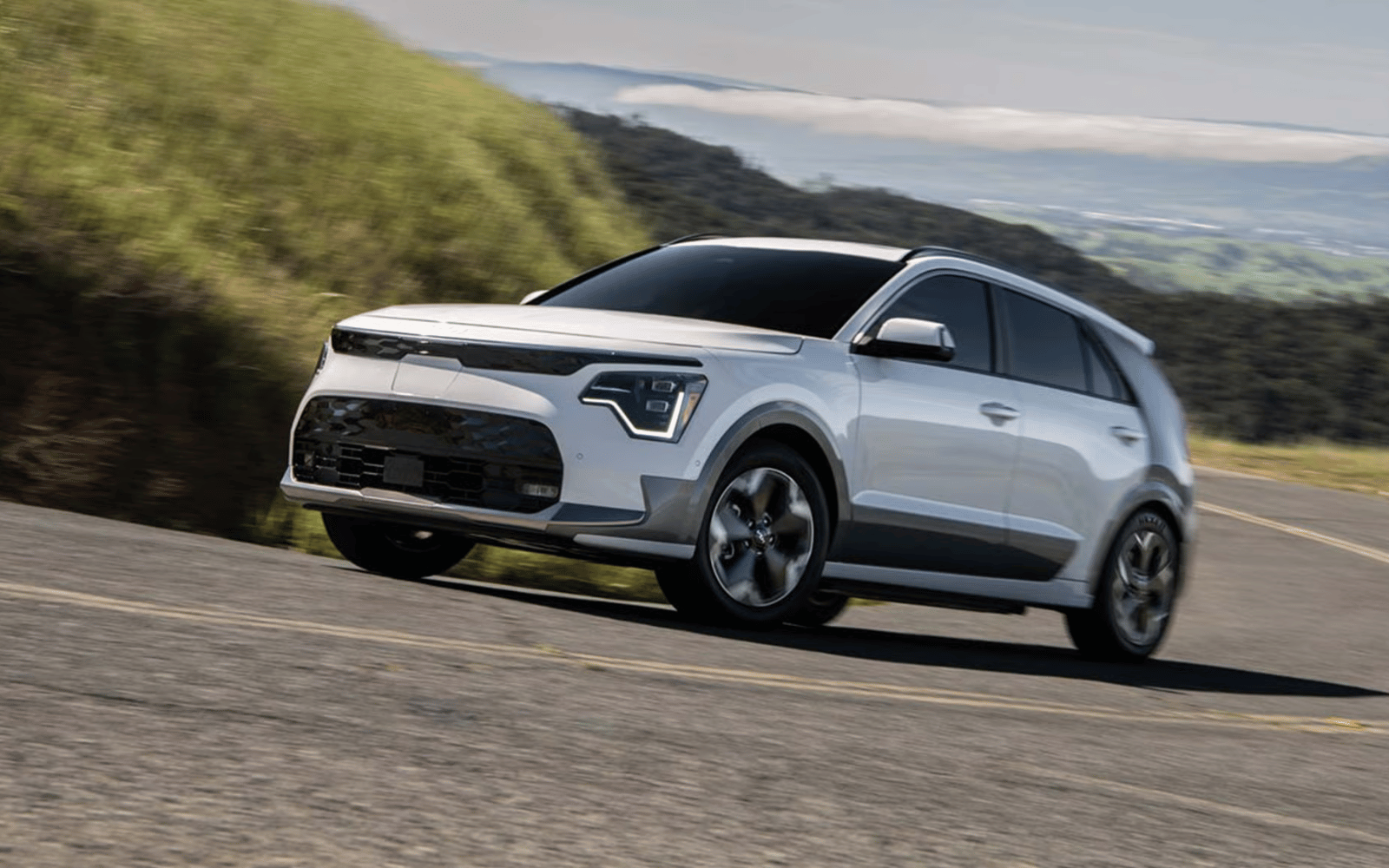
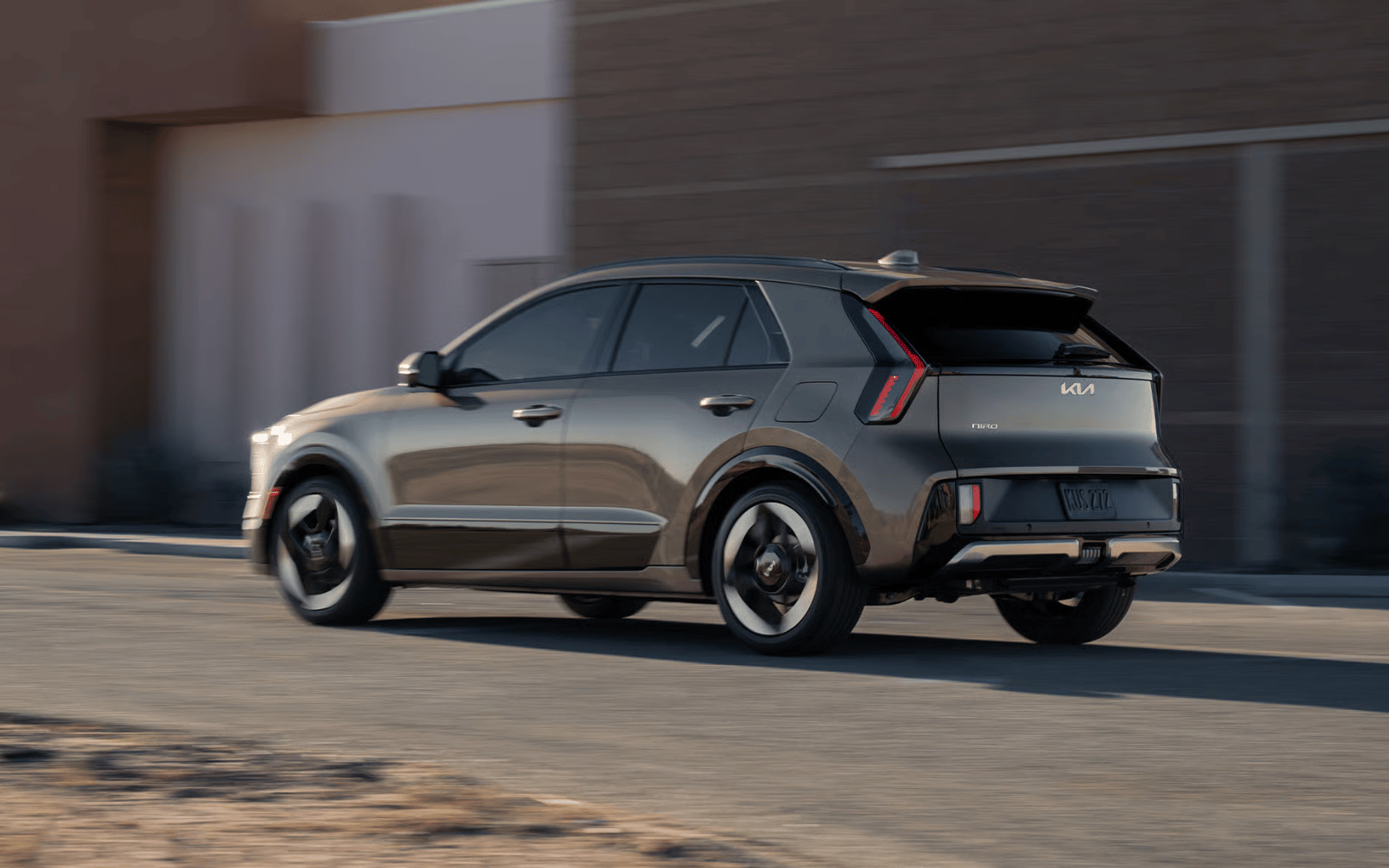
That makes the Niro EV mainly a remaining-inventory and used-EV option. It can suit commuters, small households, and drivers who can charge at home or work. Its limitations are a relatively slow DC fast-charging speed, front-wheel drive only, and original pricing that was high against newer EV rivals.
The Niro EV is a practical EV rather than a performance model. It is quick enough for normal highway driving, comfortable for daily use, and much easier to park than larger electric SUVs.
WheelPedia Rating: 7.8/10
The Kia Niro EV earns a 7.8/10 WheelPedia Rating. It offers good real-world practicality, a useful 253-mile range, strong standard equipment, and a long battery warranty. Its score is held back by its discontinued status, modest fast-charging speed, no AWD option, limited published safety-test data for this generation, and weak new-car value at its original MSRP.
| Rating Category | Score | Weight |
| Safety | 7.2/10 | 20% |
| Reliability and Ownership | 7.8/10 | 15% |
| Performance and Driving | 8.0/10 | 15% |
| Comfort and Practicality | 8.2/10 | 15% |
| Efficiency, Fuel Economy, or Range | 9.2/10 | 15% |
| Features and Technology | 8.3/10 | 10% |
| Price and Value | 5.5/10 | 10% |
| Overall WheelPedia Rating | 7.8/10 | — |
See how WheelPedia rates cars for the full scoring method.
Key Highlights
- Discontinued in the US after the 2026 model year.
- Final lineup included Wind and Wave trims.
- Uses a 64.8-kWh battery and a single front electric motor.
- Produces 201 horsepower and 188 lb-ft of torque.
- EPA-estimated driving range is up to 253 miles.
- EPA-estimated efficiency is up to 126 MPGe city, 101 MPGe highway, and 113 MPGe combined.
- DC fast charging from 10% to 80% takes about 43 minutes under suitable conditions.
- Level 2 home charging takes about seven hours with an appropriate 11-kW charger.
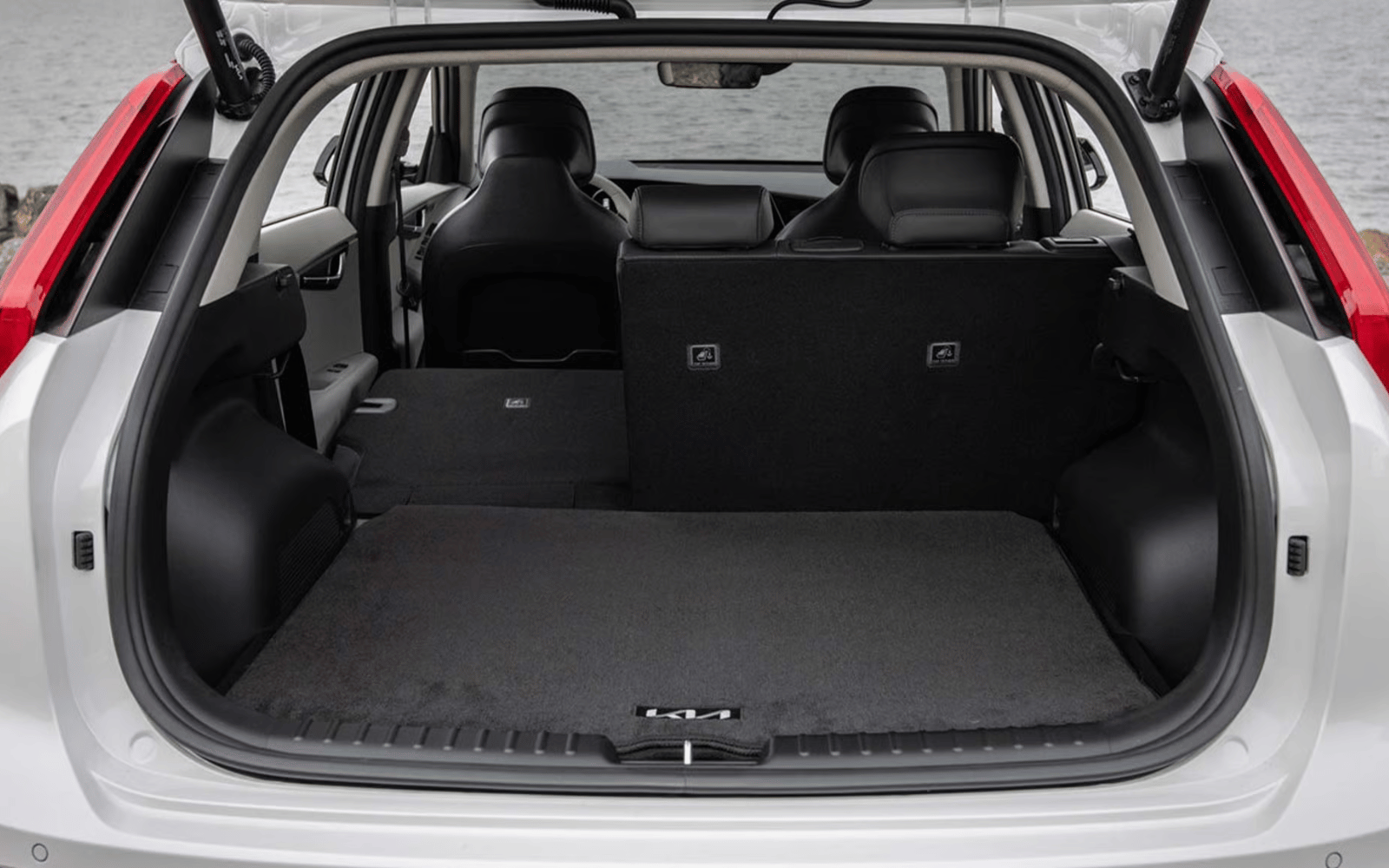
- Offers 22.8 cubic feet of cargo space behind the rear seats.
- Front-wheel drive is standard; AWD was never offered.
- Best for buyers with dependable home or workplace charging.
Key Specifications
| Specification | Kia Niro EV |
| Vehicle type | Small electric crossover |
| Final US model year | 2026 |
| Seating capacity | 5 |
| Battery capacity | 64.8 kWh |
| Motor layout | Single front-mounted electric motor |
| Power | 201 hp |
| Torque | 188 lb-ft |
| Drivetrain | Front-wheel drive |
| Transmission | Single-speed reduction gear |
| EPA-estimated range | Up to 253 miles |
| EPA-estimated efficiency | Up to 113 MPGe combined |
| DC fast charging | 10% to 80% in about 43 minutes |
| Cargo space behind rear seats | 22.8 cu. ft. |
| Maximum cargo space | 63.7 cu. ft. |
| Length | 174.0 in. |
| Wheelbase | 107.0 in. |
Expert tip:
Buy a Niro EV only after confirming where you will charge most of the time. It works best when home or workplace charging handles daily driving. Relying mainly on public fast chargers makes its slower charging speed much more noticeable.
About the Kia Niro EV
The Niro EV was Kia’s smaller, more practical electric crossover. It shared its basic shape and interior layout with the Niro Hybrid, but replaced the gasoline engine and hybrid hardware with a 64.8-kWh battery and a 201-hp electric motor.
The final 2026 model was sold in Wind and Wave trims. Kia has since discontinued the Niro EV in the US, so buyers should treat it as a used vehicle or remaining new-inventory purchase rather than expect a new 2027 version.
Its strongest points are efficiency, interior practicality, and everyday drivability. It is not the right EV for buyers who make frequent long-distance trips and want the fastest possible charging stops.
Price and Trims
The following are final 2026 US MSRPs, before Kia’s $1,495 destination charge, taxes, registration, and dealer fees. They are not current used-market values.
| Trim | Original MSRP | Battery and Range | Key Reason to Choose |
| Wind | $39,700 | 64.8 kWh / up to 253 miles | Better value and the same maximum range |
| Wave | $44,700 | 64.8 kWh / up to 253 miles | More premium comfort, technology, and convenience features |
The final 2026 Niro EV started from $41,195 including destination, while the Wave started from $46,195 including destination.
The Wind is the better choice for most buyers because it gives you the same battery, motor, range, and core practicality as the Wave. The Wave adds comfort features, but its original price premium was significant.
For used buyers, condition matters more than trim. A Wind with documented maintenance, no unresolved recalls, healthy charging behavior, and a strong price is usually a better purchase than an expensive Wave with a weak history.
Battery, Range, and Performance
The Niro EV uses a 64.8-kWh lithium-ion battery pack and a single electric motor driving the front wheels. It produces 201 horsepower and 188 lb-ft of torque.
Its EPA-estimated range is up to 253 miles, which is enough for most daily driving, commuting, and local weekend trips. Range will drop in cold weather, at sustained highway speeds, when carrying more passengers or cargo, and when using cabin heating heavily.
The Niro EV is more responsive than the Niro Hybrid because electric torque arrives immediately. It feels quick in city traffic and confident when merging, although it is not a high-performance EV.
Kia Niro EV 0–60 MPH Performance
Kia does not publish an official 0–60 mph time for the Niro EV.
Independent tests have placed it in the high-six-second range, which is quicker than many gasoline and hybrid small crossovers. It has enough acceleration for normal highway passing and city driving, but buyers wanting sports-car-like acceleration should look at more powerful EVs.
Charging the Kia Niro EV
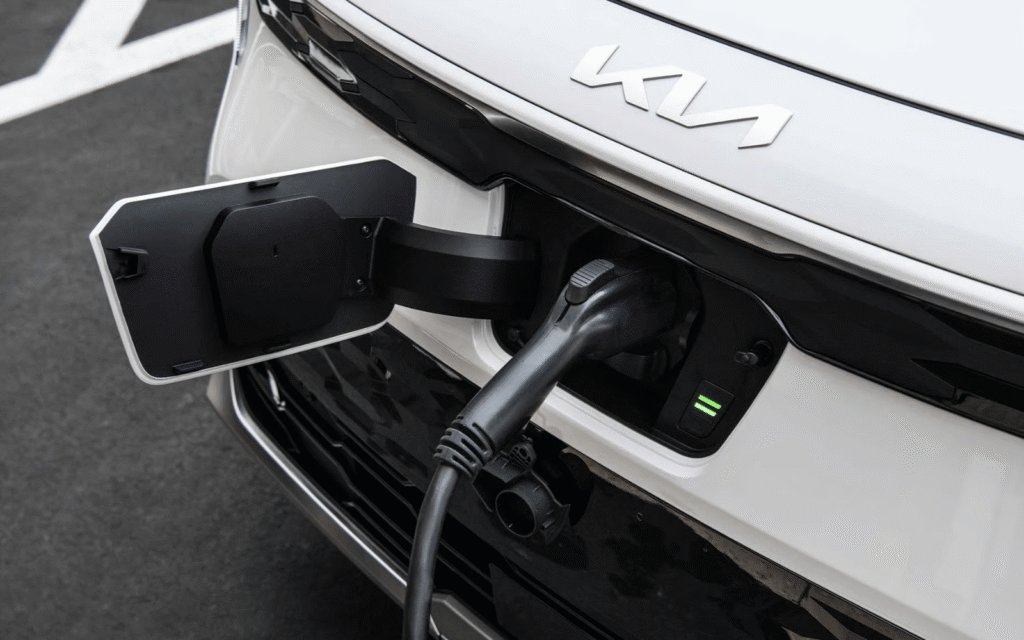
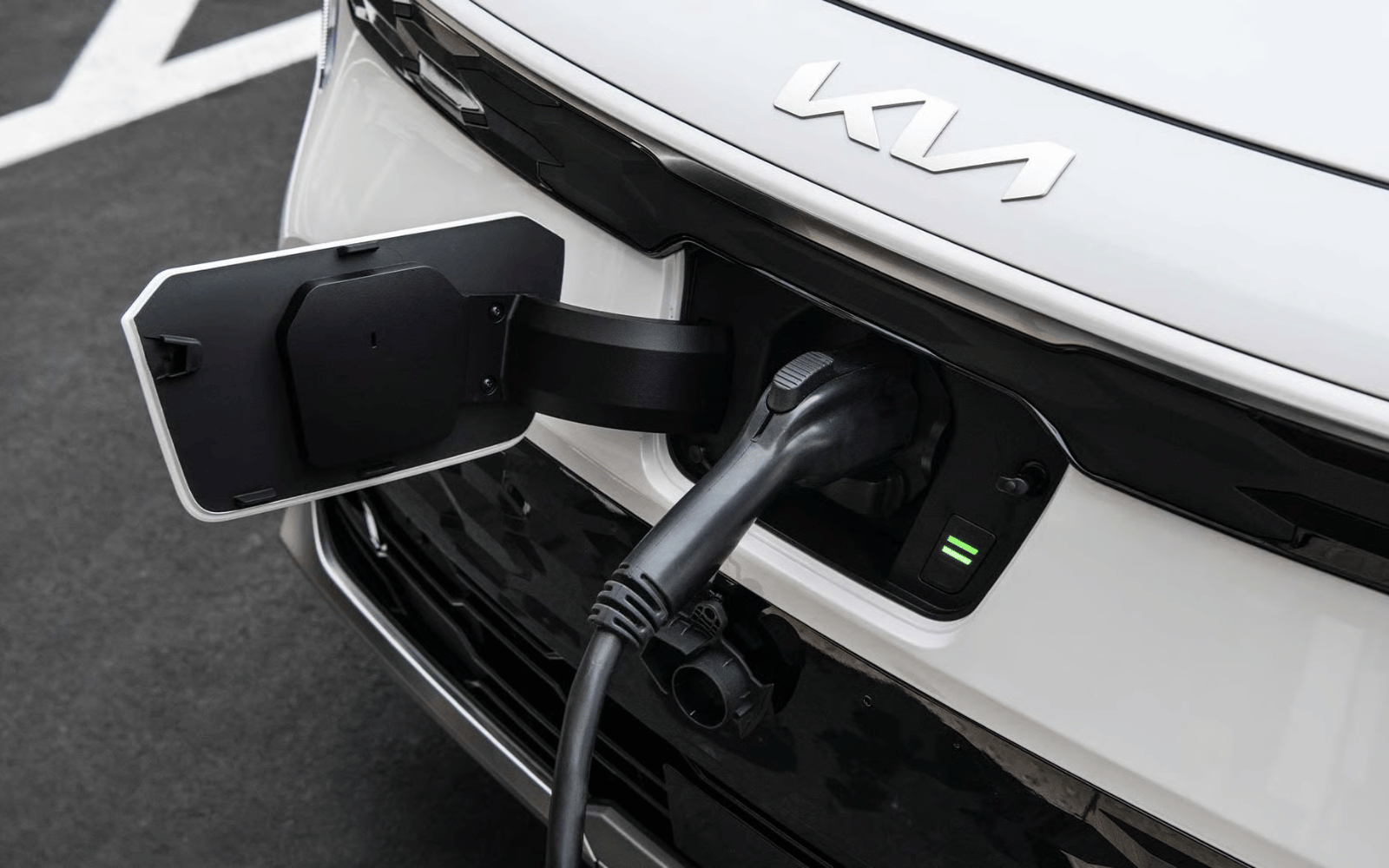
The Niro EV uses a CCS charging port. It can charge at home, at public Level 2 stations, and at DC fast-charging stations.
| Charging Method | Typical Charging Time |
| Level 1 household outlet | More than two days for a full charge |
| Level 2, 240-volt home or public charger | About 7 hours for a full charge |
| DC fast charger | About 43 minutes from 10% to 80% |
The Niro EV can accept DC fast charging at up to about 85 kW. That is acceptable for occasional road trips but slower than newer EVs that can charge at 150 kW, 200 kW, or more.
Kia Niro EV owners can use selected Tesla Supercharger locations with a compatible CCS-to-NACS adapter. Confirm charger compatibility, adapter requirements, pricing, and station access before relying on a specific route.
Is the Kia Niro EV Good for Road Trips?
It can complete road trips, but it is not the strongest choice for drivers who take them often. Its 253-mile rating is useful, yet highway range is lower, and charging stops are longer than in newer 800-volt EVs or models with higher charging speeds.
The Niro EV is a much better fit for drivers who mainly charge overnight and drive locally during the week.
Driving Experience
The Niro EV is quiet, easy to drive, and well suited to city traffic. The compact dimensions make parking simple, while the higher seating position provides good outward visibility.
Its electric motor gives it smooth low-speed response. Regenerative braking helps recover energy when slowing down, and drivers can adjust the amount of regenerative braking through steering-wheel paddles.
Ride quality is generally comfortable, though sharp bumps can be noticeable because of the battery weight and the Niro’s compact crossover size. It is stable on the highway, but it does not feel especially sporty through corners.
The biggest driving limitation is front-wheel drive. The Niro EV can work in mild winter conditions with suitable tires, but it is not the best fit for buyers who regularly drive through deep snow, icy roads, or unpaved terrain.
Interior, Comfort, and Technology
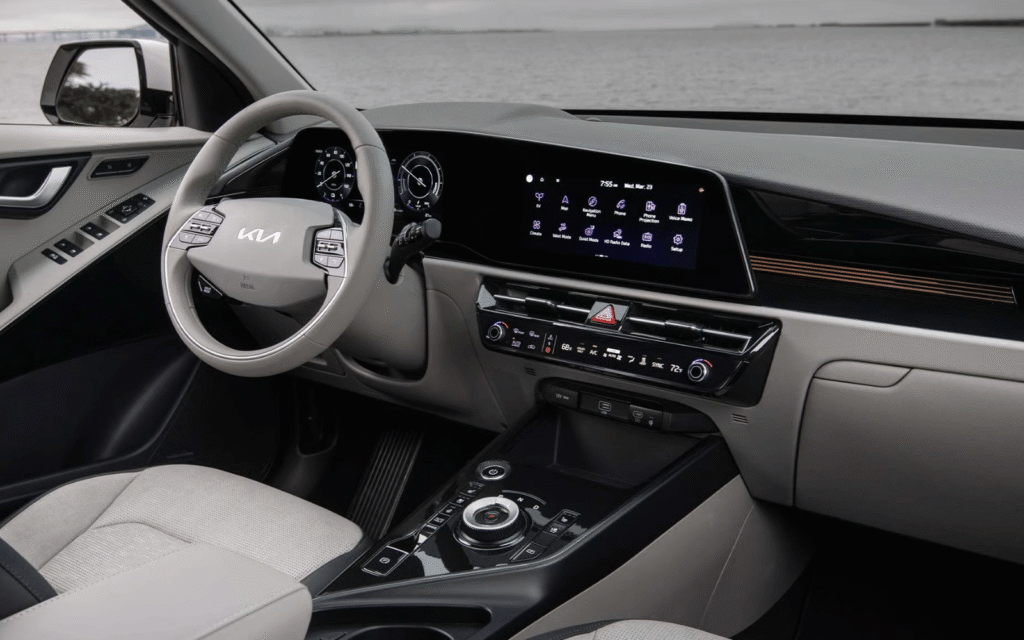
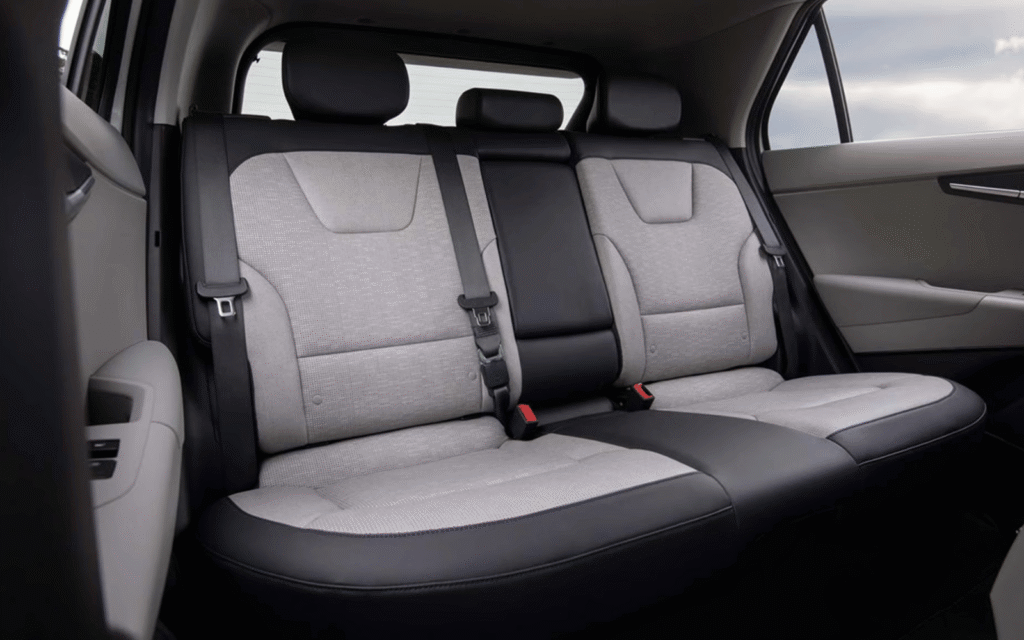
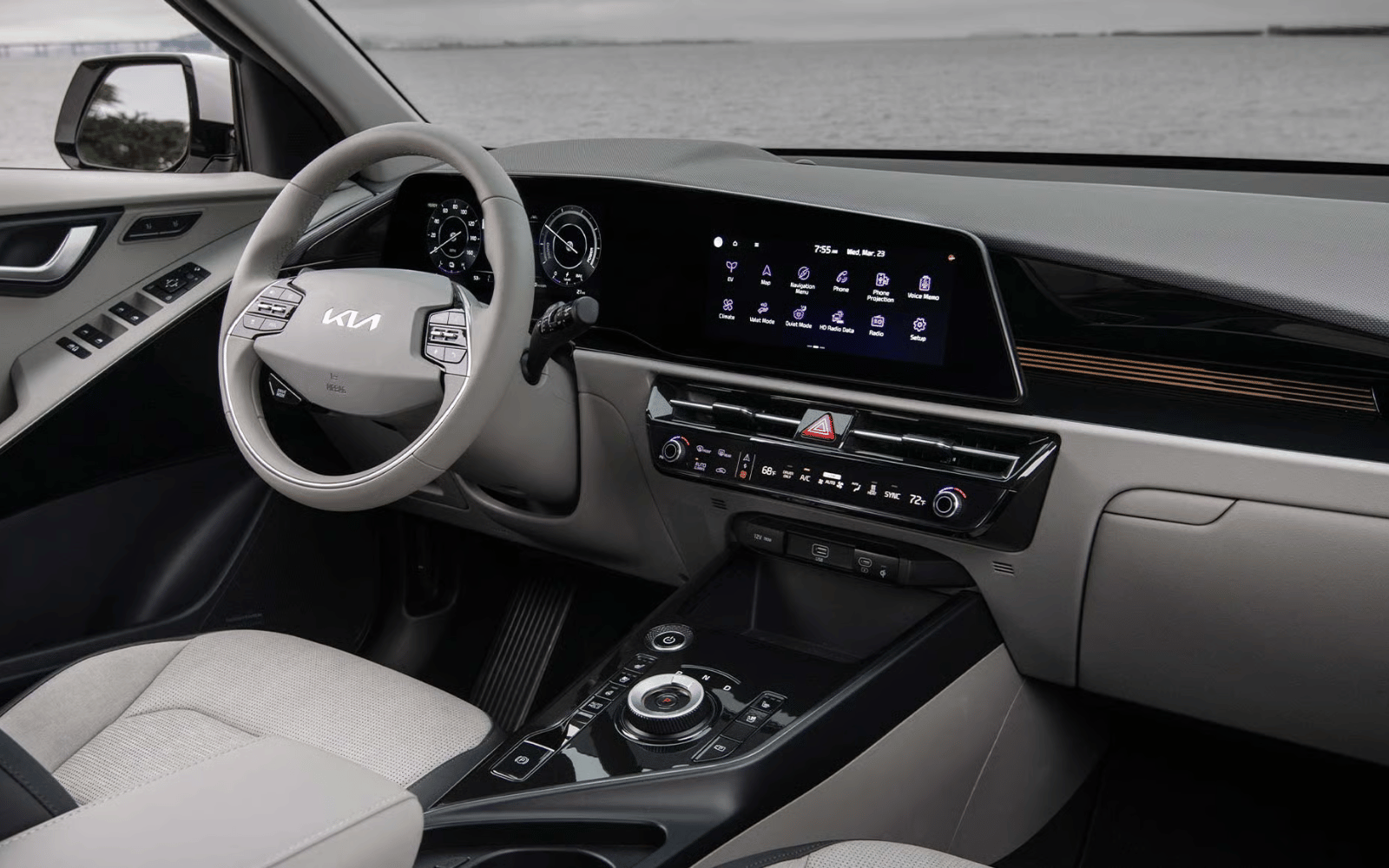
The Niro EV has a clean, practical cabin with a layout designed around daily use rather than luxury. It does not feel as new as the latest Kia EV models, but it remains easy to understand and well equipped.
Standard and available features include:
- 10.25-inch touchscreen with navigation
- Apple CarPlay and Android Auto
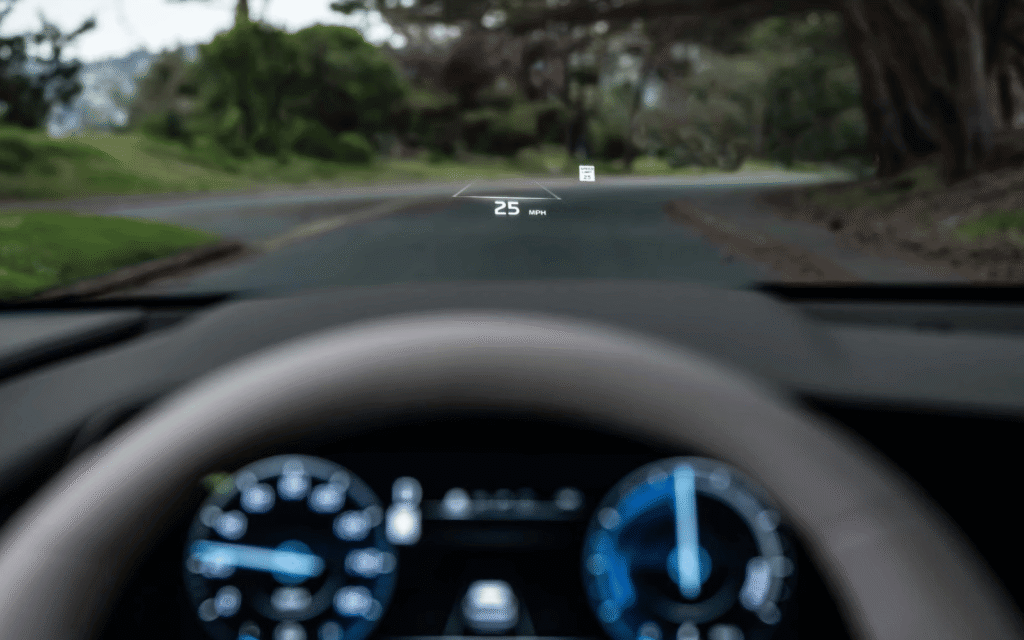
- Digital instrument display
- Kia Connect services
- Dual-zone automatic climate control
- Heated front seats
- Available ventilated front seats
- Available heated steering wheel
- Available heated rear seats
- Available Harman Kardon premium audio
- Available wireless phone charging
- Available power liftgate
- Available sunroof
- Available remote parking assistance
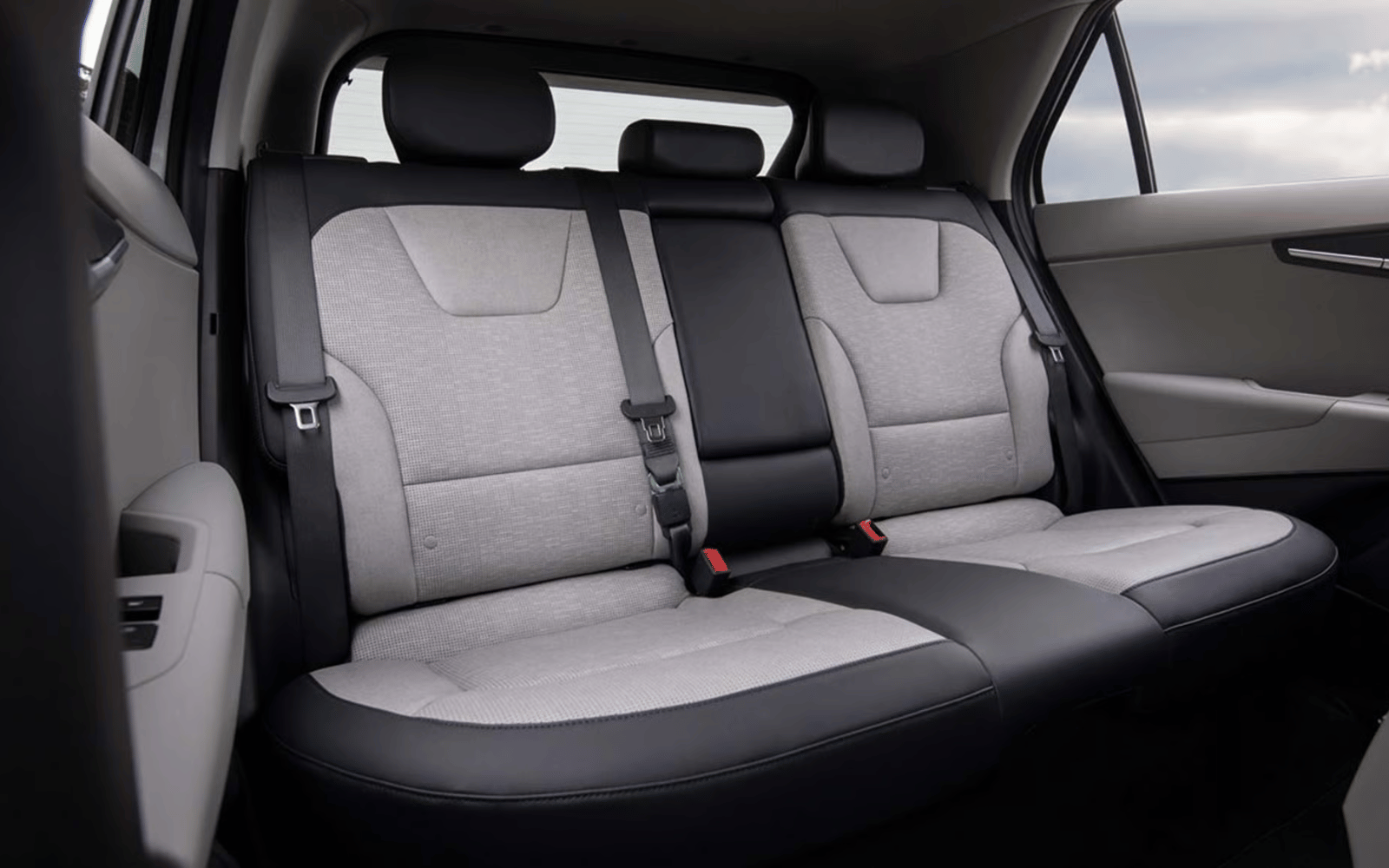
The front seats are comfortable for commuting and longer drives. Rear-seat room is reasonable for a small crossover, but tall adults will have more space in larger EVs.
Dimensions, Cargo, and Practicality
| Dimension | Measurement |
| Length | 174.0 in. |
| Width | 71.8 in. |
| Wheelbase | 107.0 in. |
| Front legroom | 41.5 in. |
| Rear legroom | 39.8 in. |
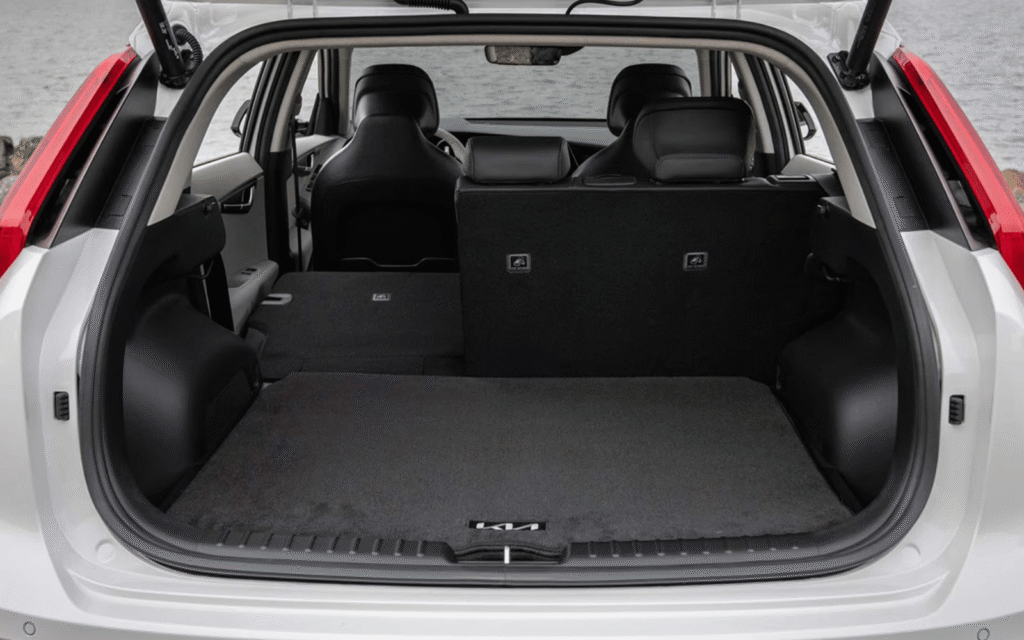
| Cargo space behind rear seats | 22.8 cu. ft. |
| Maximum cargo space | 63.7 cu. ft. |
| Seating | 5 passengers |
The Niro EV’s cargo area is useful for groceries, weekend luggage, small strollers, and everyday errands. The rear seats fold to create more space for longer items.
It is more versatile than a sedan but not large enough for buyers who regularly carry bulky equipment, multiple large suitcases, or a full family’s gear. The Kia EV9, Tesla Model Y, Hyundai IONIQ 5N, and larger electric SUVs are better for those needs.
Exterior Design
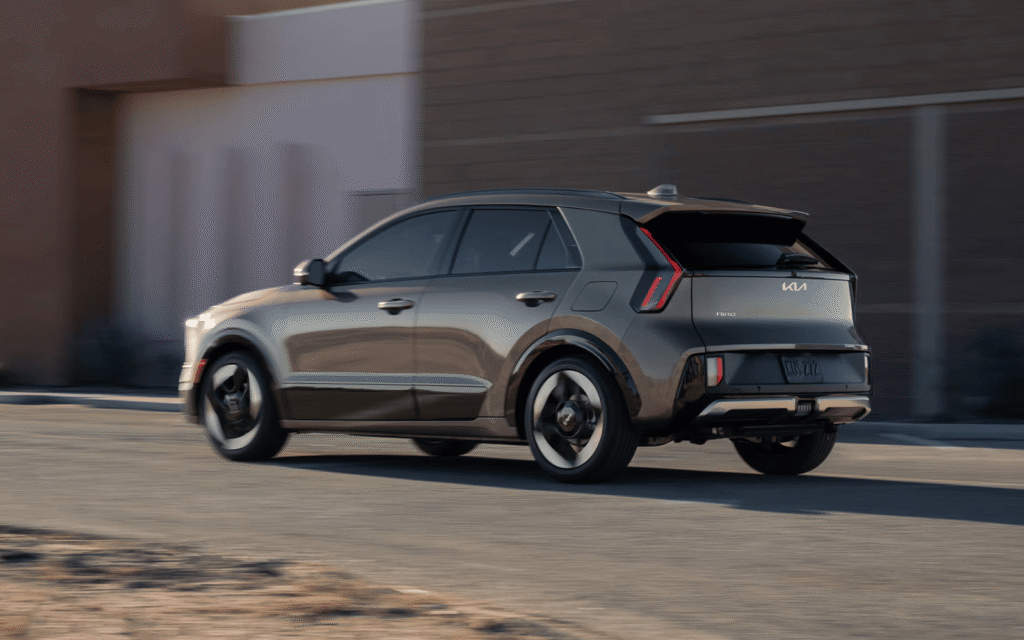
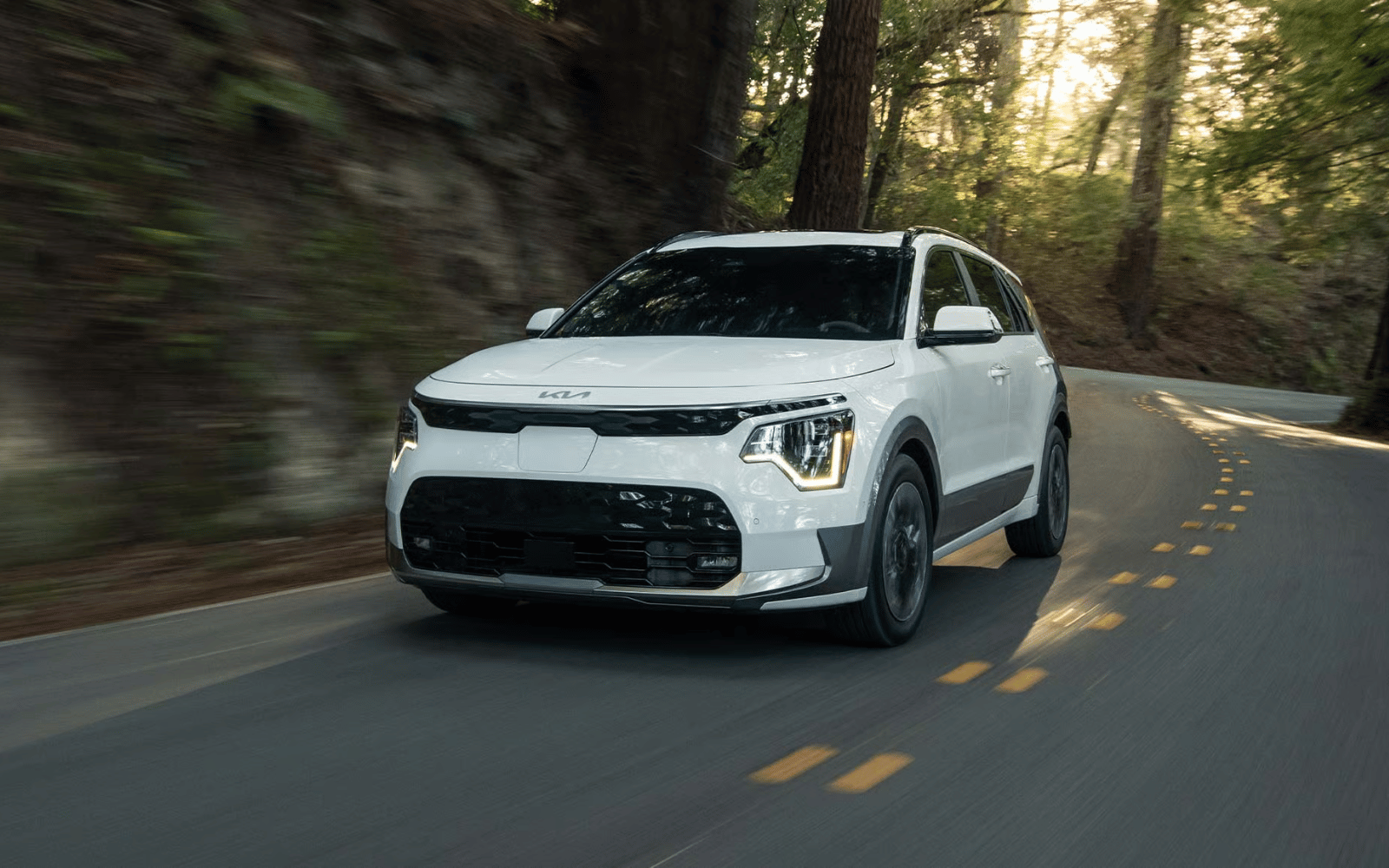
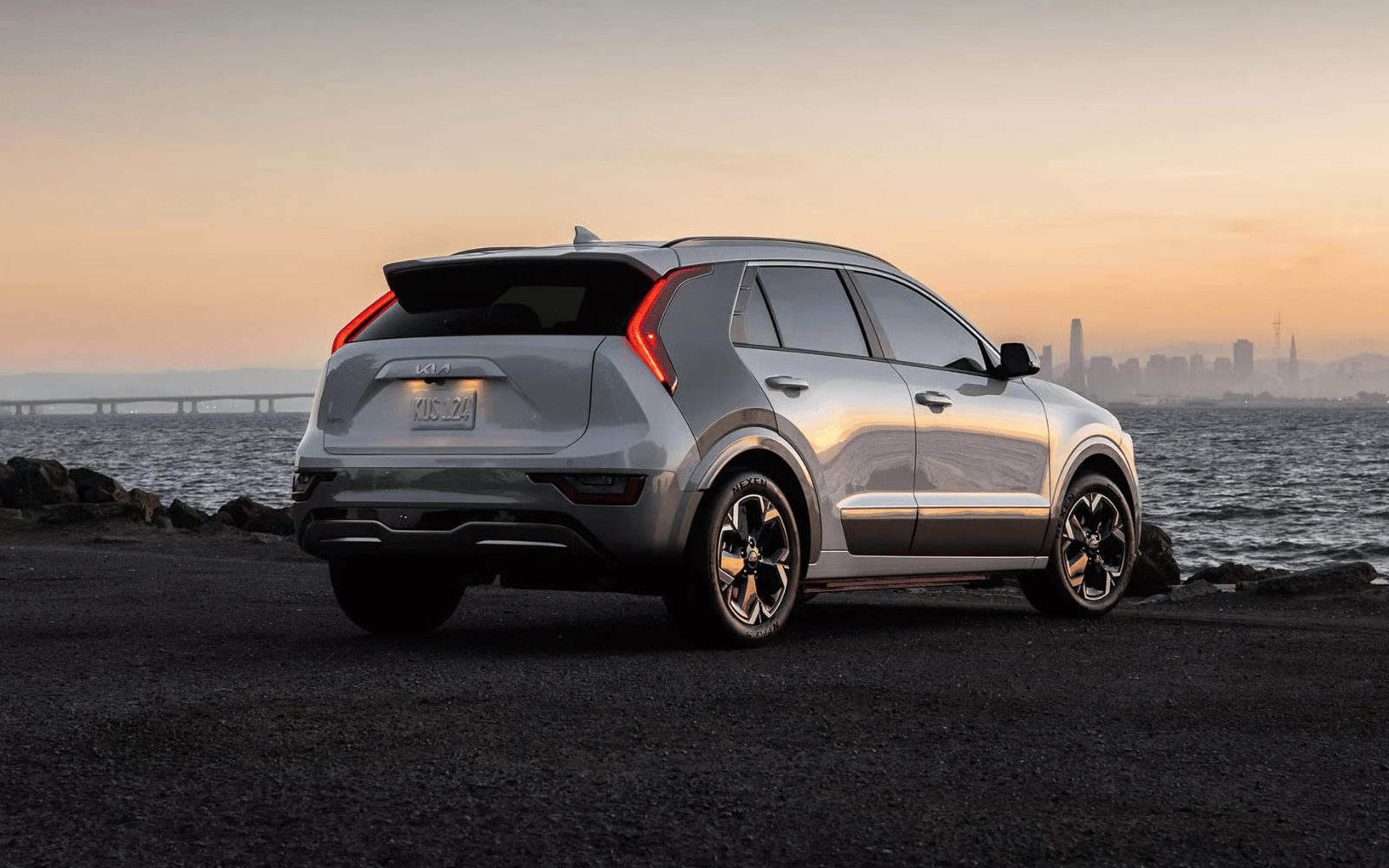
The Niro EV uses a compact crossover design with distinct exterior styling compared with the hybrid Niro. Its closed grille area, charging-port placement, and EV-specific visual details make it look different from a standard gasoline crossover.
- Wind models focus on practical equipment and efficiency.
- Wave models add more premium styling details, lighting, and interior finishes.
The design aged well, but the Niro EV looks more conventional than newer Kia EVs such as the EV6 and EV9.
Safety Features and Ratings
The Niro EV includes a useful set of driver-assistance features. Equipment can vary by trim, package, and model year, so verify the exact vehicle before buying.
Standard and available features include:
- Forward Collision-Avoidance Assist
- Pedestrian detection
- Lane Keeping Assist
- Lane Following Assist
- Driver Attention Warning
- Blind-Spot Collision Warning
- Rear Cross-Traffic Collision-Avoidance Assist
- Smart Cruise Control with Stop and Go
- Rear Occupant Alert
- Rear parking sensors
- Available Highway Driving Assist
- Available parking collision avoidance
- Available remote smart parking assistance
The 2023–2026 Niro EV generation did not have a published IIHS rating or a 2026 NHTSA star rating at the time of writing. Buyers who place crash-test results at the top of their priorities should compare the Niro EV against EVs with current, published ratings.
Reliability, Warranty, and Ownership
The Niro EV avoids oil changes, engine maintenance, and many traditional powertrain service items. However, EV ownership still requires tire inspections, brake servicing, coolant checks where required, cabin-filter replacement, and regular software or recall updates.
Battery health is important when buying used. Have a Kia dealer or qualified EV technician inspect the vehicle, verify charging performance, and review the high-voltage battery warranty before purchase.
| Coverage | Length |
| Basic limited warranty | 5 years / 60,000 miles |
| Powertrain warranty | 10 years / 100,000 miles for original owners |
| EV battery warranty | 10 years / 100,000 miles |
| Anti-perforation warranty | 5 years / 100,000 miles |
| Roadside assistance | 5 years / 60,000 miles |
Earlier 2023–2025 Niro EV models were included in a recall involving wiring beneath the front passenger seat that could affect airbag and seat-belt operation. Check the VIN in the NHTSA recall database and confirm that all recall work has been completed.
Before buying a used Niro EV:
- Confirm the remaining high-voltage battery warranty.
- Check the VIN for open recalls.
- Test Level 2 and DC fast charging where possible.
- Review the service history and software-update record.
- Inspect tires, brakes, suspension, and underbody damage.
- Ask whether the vehicle includes both charging cables.
- Check whether a charging adapter is included if Tesla Supercharger access matters to you.
- Get an independent pre-purchase inspection.
Pros and Cons
What We Like
- Useful 253-mile EPA-estimated range
- Strong city efficiency
- Quick response from the electric motor
- Good cargo room for a small EV
- Comfortable and easy to drive
- Practical crossover seating position
- Good standard safety technology
- Long EV battery warranty
- Compact size works well in cities
What We Don’t Like
- Discontinued in the US
- DC fast charging is slow by current EV standards
- No all-wheel-drive option
- Original MSRP was high for the range and charging speed
- Limited published crash-test data for this generation
- Highway range can fall noticeably in cold weather
- Newer EVs offer better technology and faster charging
Competitors
The Niro EV is best compared with compact EVs that offer similar practicality and price on the used market.
- The Kia EV3 is the natural newer Kia alternative for buyers who want a current small electric crossover.
- The Kia EV6 is a better choice for faster charging, stronger performance, and longer road trips.
- The Hyundai Kona Electric is a close used-market alternative with a similar size and mission.
- The Chevrolet Bolt is worth considering for buyers focused on affordable EV ownership.
- The Nissan Leaf can be less expensive, but buyers should check battery, range, and charging compatibility carefully.
- The Tesla Model 3 and Tesla Model Y may offer stronger charging-network access, but prices, insurance costs, and build quality should be compared closely.
Related Content
The Kia Niro is the better choice for buyers who want similar practicality but do not have reliable charging access. Its hybrid system uses gasoline and returns strong fuel economy without requiring plug-in charging.
Before financing a used EV, read how car financing works and arrange car loan preapproval before visiting a dealership.
Used buyers should also review new vs. used cars to decide whether a discounted Niro EV is a better fit than a newer EV with faster charging and a full warranty.
Should You Buy the Kia Niro EV?
Buy the Kia Niro EV if you can charge at home or work, mainly drive locally or regionally, want a practical small crossover, and can find a clean example at a meaningful discount from its original price.
The Wind is the better value choice because it provides the same battery, range, and motor as the Wave. The Wave makes sense only when its added comfort features matter to you and the price gap is reasonable.
Skip the Niro EV if you regularly take long highway trips, need all-wheel drive, cannot charge where you live or work, or expect modern ultra-fast charging. In those cases, a newer EV or a hybrid crossover may be the better decision.
FAQs
Is the Kia Niro EV discontinued?
Yes. The Kia Niro EV ended after the 2026 model year in the US. Kia’s current Niro lineup is hybrid-only.
What was the final model year for the Kia Niro EV?
The final US model year was 2026.
How far can a Kia Niro EV go on one charge?
The final Niro EV has an EPA-estimated range of up to 253 miles. Actual range depends on weather, speed, terrain, driving style, tire condition, passenger load, and climate-control use.
How long does the Kia Niro EV take to charge?
A Level 2 charger can charge it fully in about seven hours. A compatible DC fast charger can charge the battery from 10% to 80% in about 43 minutes.
Can the Kia Niro EV use Tesla Superchargers?
Yes, selected Tesla Superchargers can be used with a compatible CCS-to-NACS adapter. Confirm compatibility and charging-station access before travelling.
Is the Kia Niro EV fast?
It is reasonably quick for a small crossover. Its 201-hp electric motor provides immediate acceleration and independent testing places it in the high-six-second range from 0 to 60 mph.
Does the Kia Niro EV have all-wheel drive?
No. Every Kia Niro EV uses front-wheel drive.
How much cargo space does the Kia Niro EV have?
It has 22.8 cubic feet of cargo space behind the rear seats and up to 63.7 cubic feet with the rear seats folded.
Is the Kia Niro EV a good used car?
It can be, especially for drivers with home charging. Check battery warranty coverage, charging performance, recall history, accident history, and the vehicle’s overall condition before buying.
Does the Kia Niro EV have a battery warranty?
Yes. Kia provides a 10-year/100,000-mile EV battery warranty. Confirm remaining coverage by VIN when buying used.
Is the Kia Niro EV good for road trips?
It can handle occasional road trips, but its DC fast-charging speed is slower than newer EVs. It is a better fit for commuters and drivers who charge overnight.
Final Verdict
The Kia Niro EV remains a sensible used electric crossover when bought at the right price. It has enough range for most daily driving, useful cargo space, a comfortable cabin, and a battery warranty that adds confidence.
Its biggest weakness is not the vehicle itself—it is the market around it. Newer EVs offer faster charging, more range, and stronger long-distance usability. Since the Niro EV has been discontinued, shoppers should be disciplined about price and condition.
For buyers with home charging who mainly drive locally, a well-kept Niro EV Wind can be a practical and cost-effective EV. For frequent road-trippers or buyers without dependable charging, the current Kia Niro Hybrid or a newer EV is likely the better choice.
The Kia Niro EV is discontinued in the US. Specifications, range estimates, charging performance, warranty coverage, incentives, recall status, and used-vehicle pricing.