
2017 Hyundai Azera: Car Review, Specs & Reliability
The Hyundai Azera is a discontinued large sedan that offered a smooth V6 engine, a roomy cabin, a large trunk, and near-luxury features at a lower price than many premium sedans.
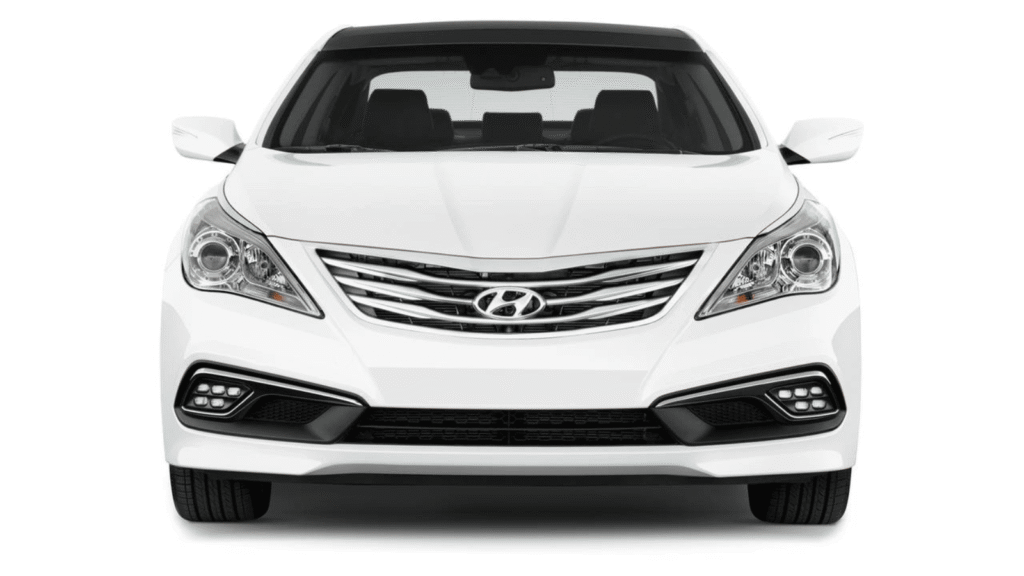
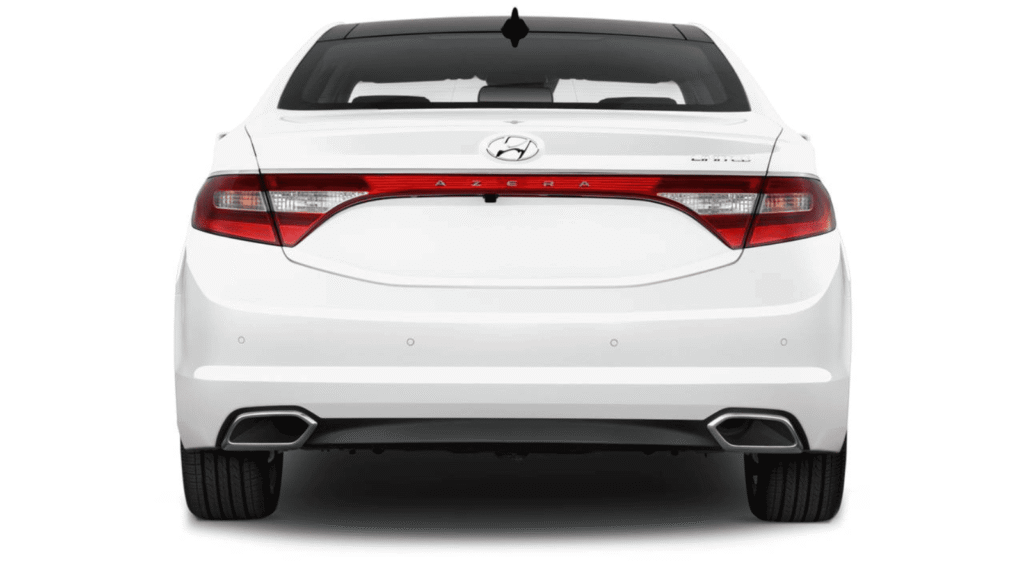
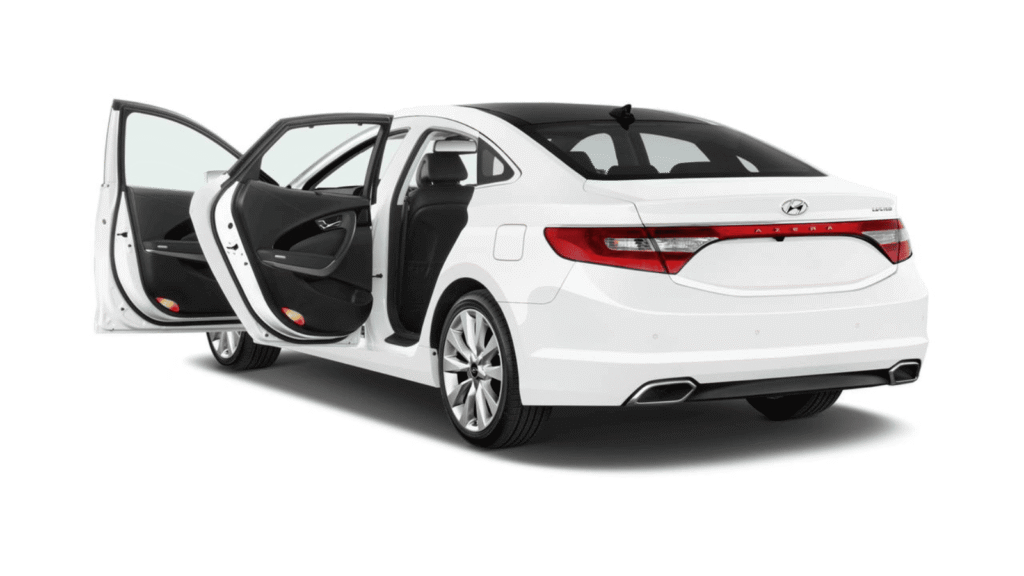
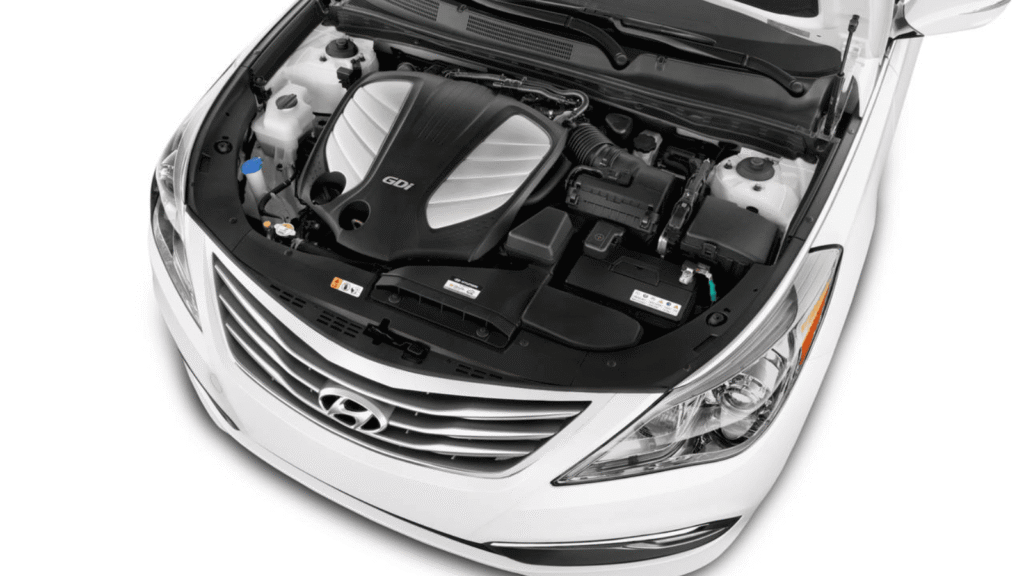
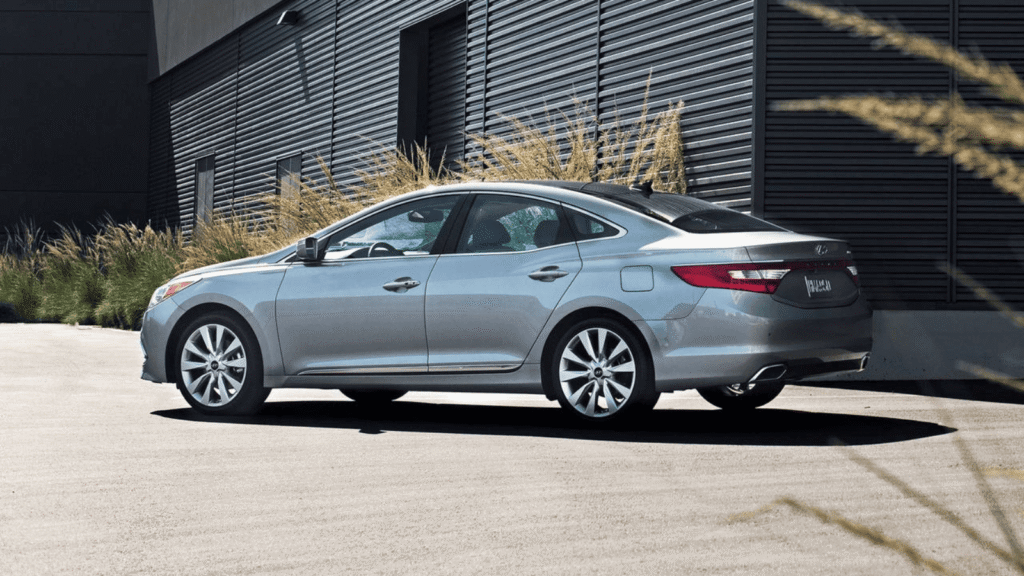
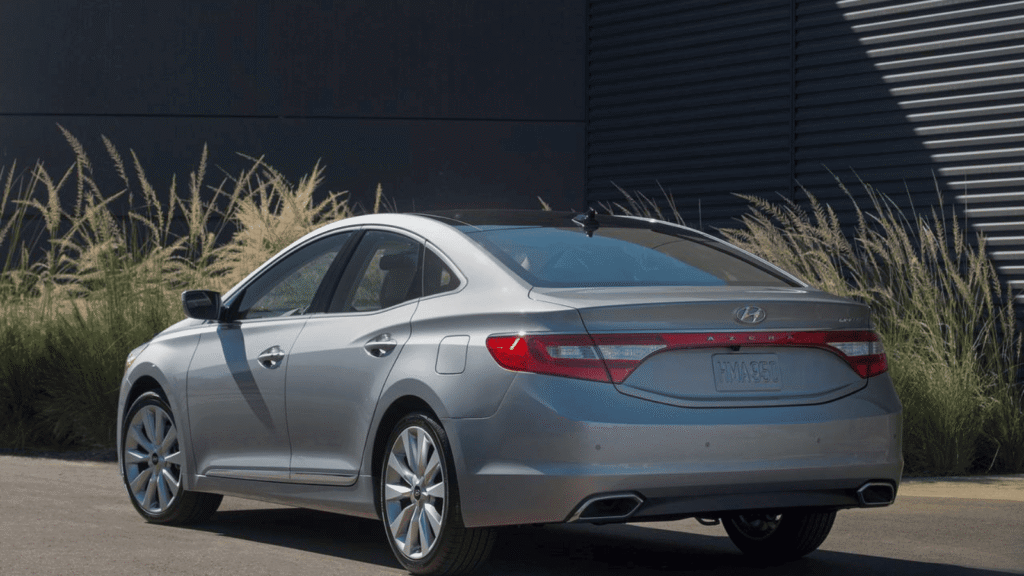
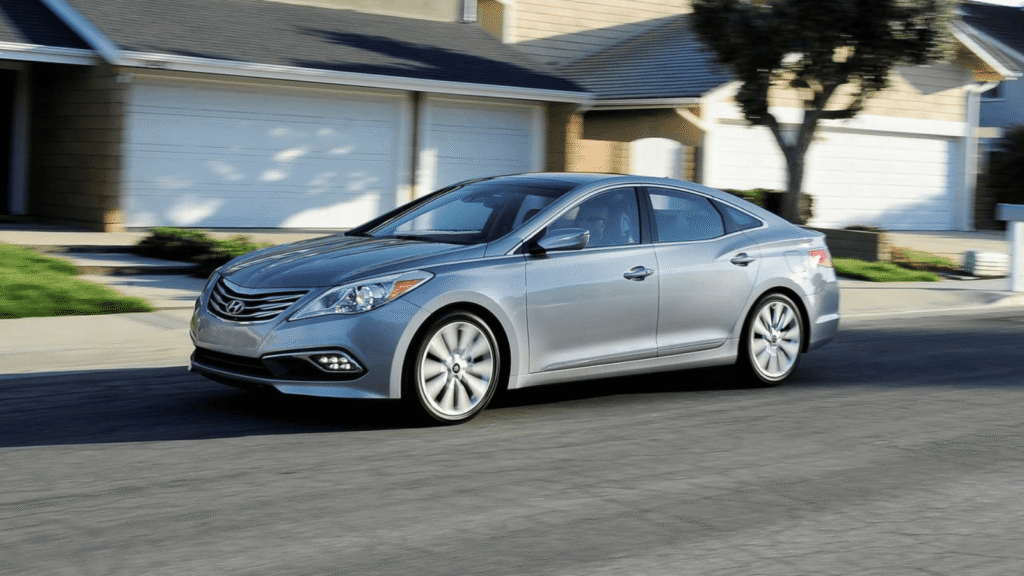
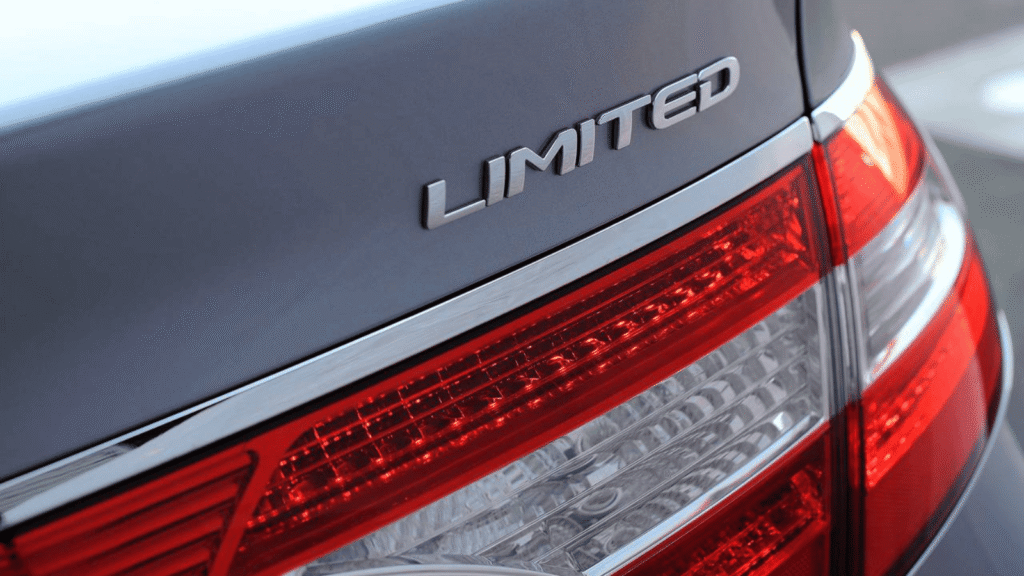
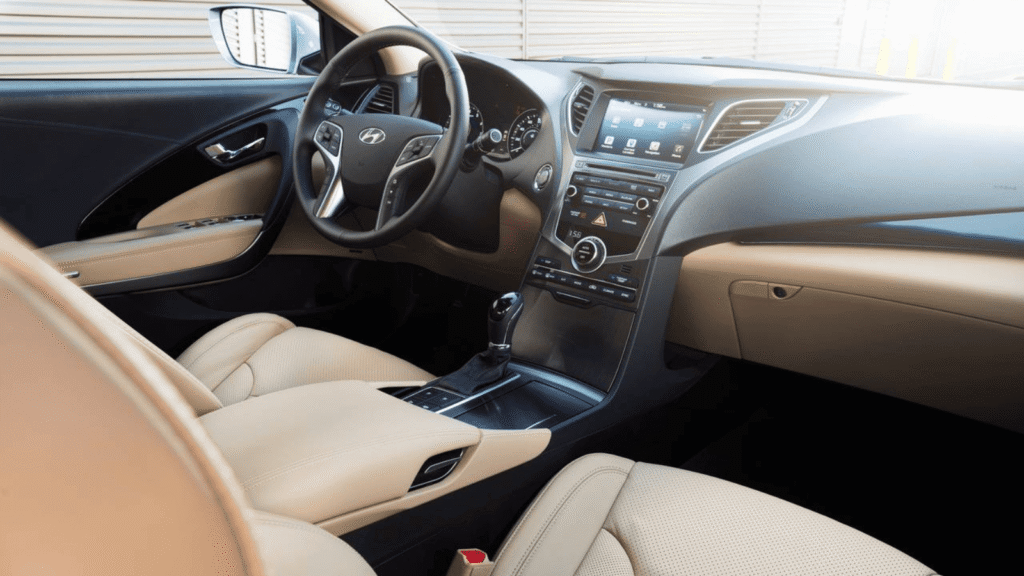
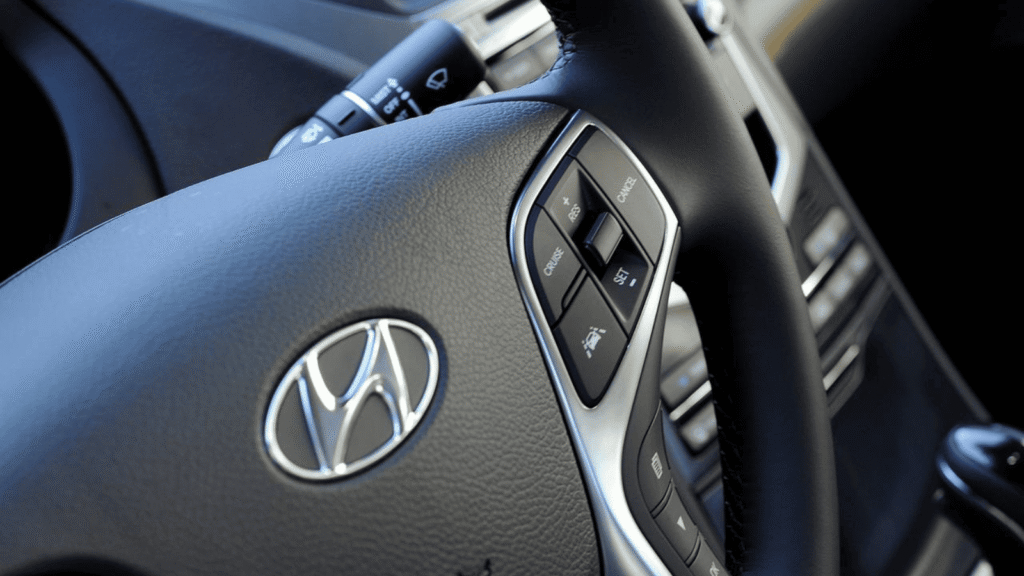
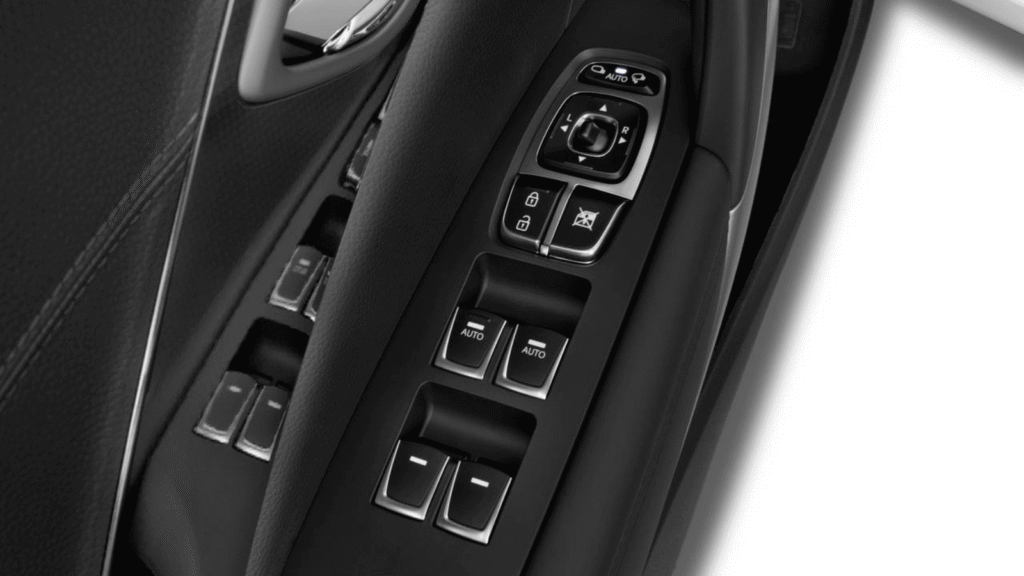
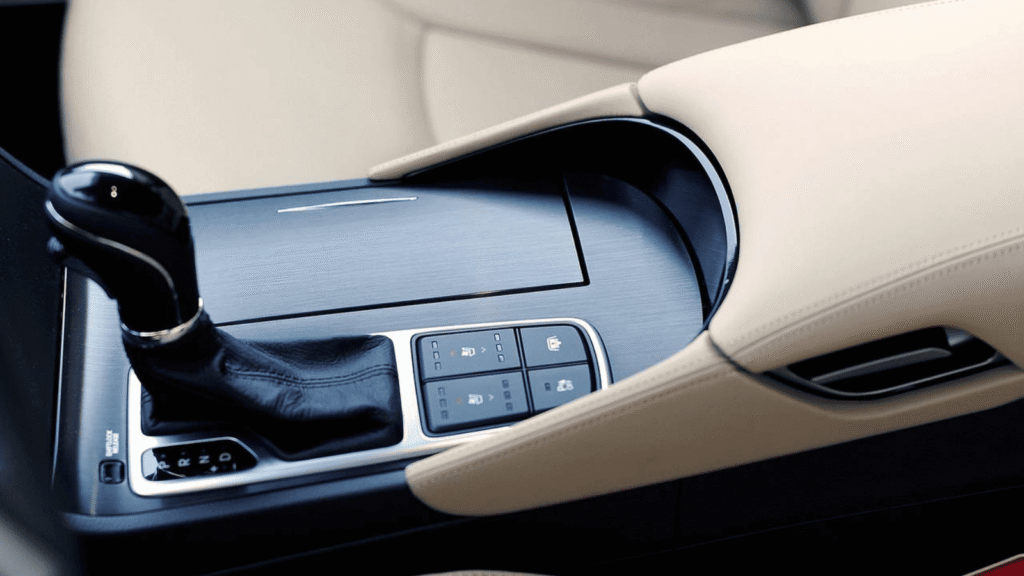
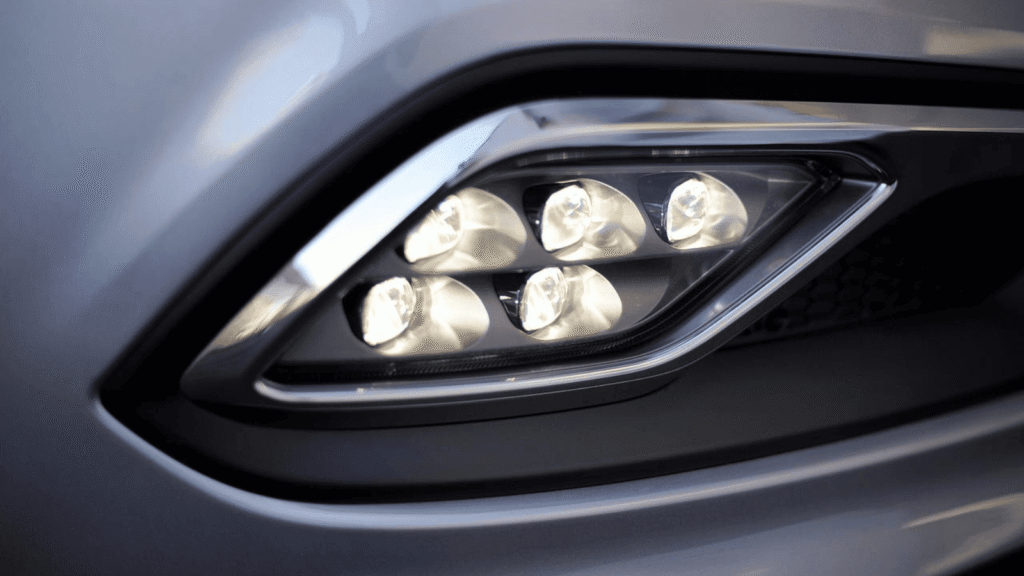
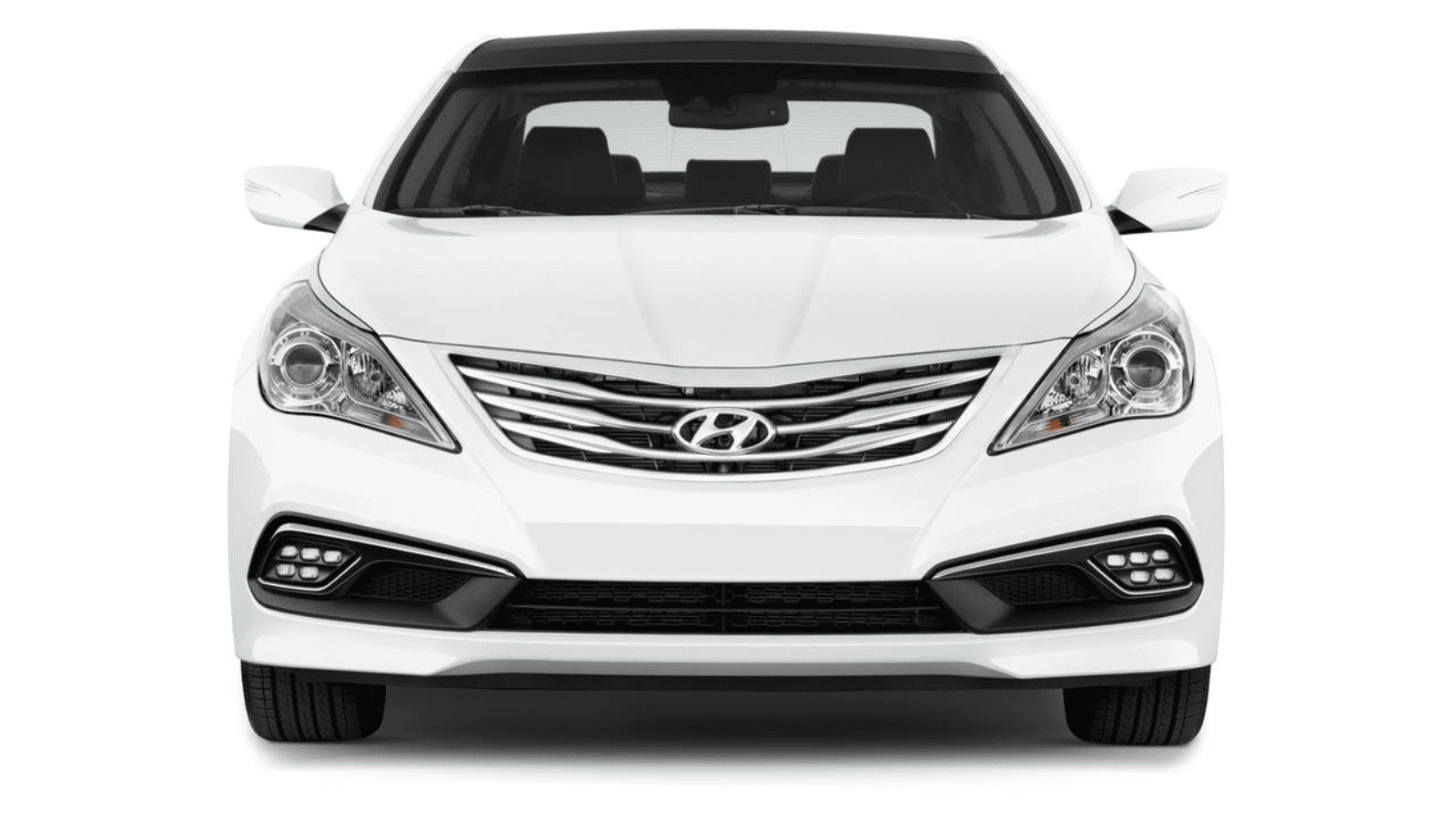
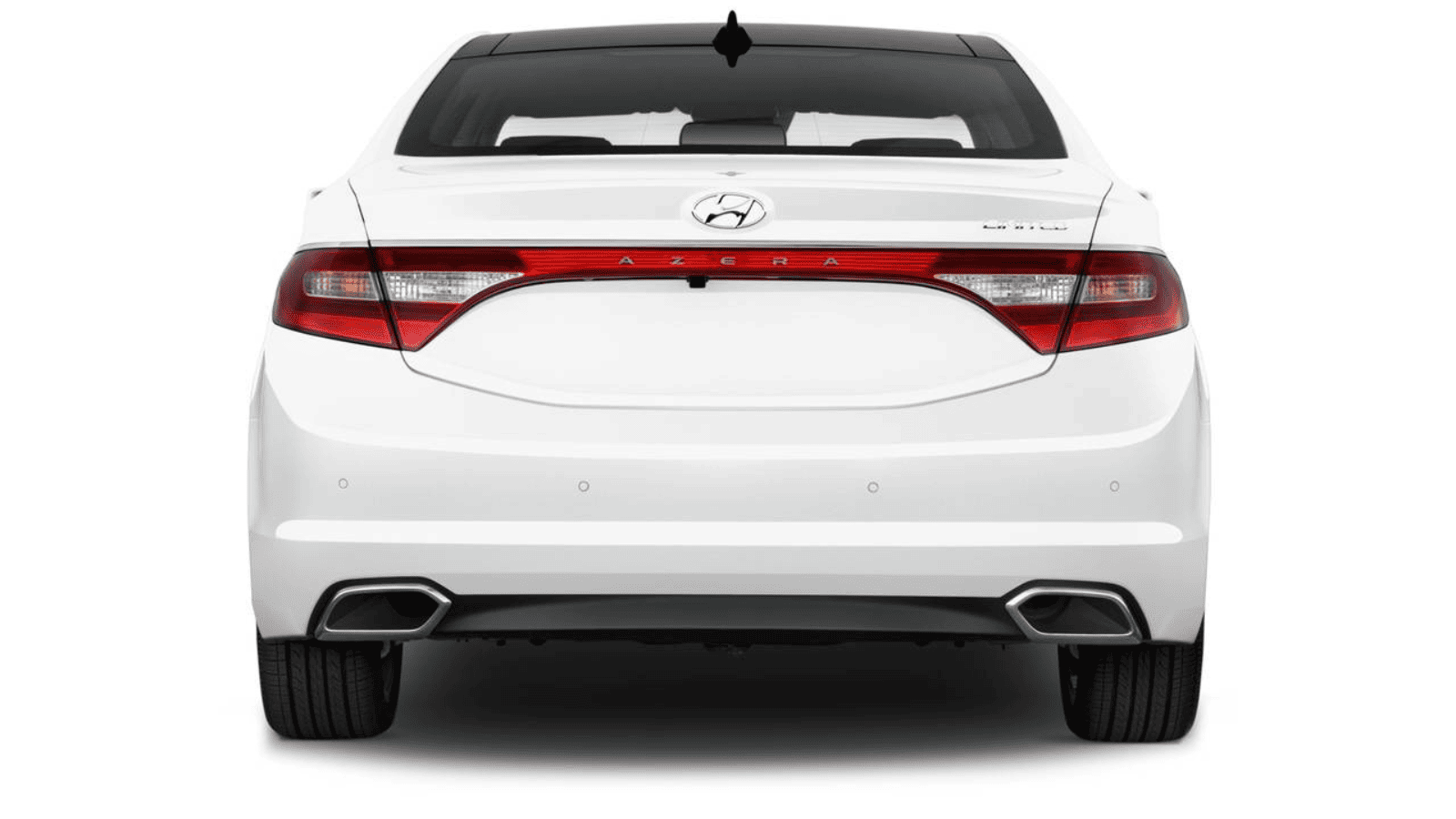
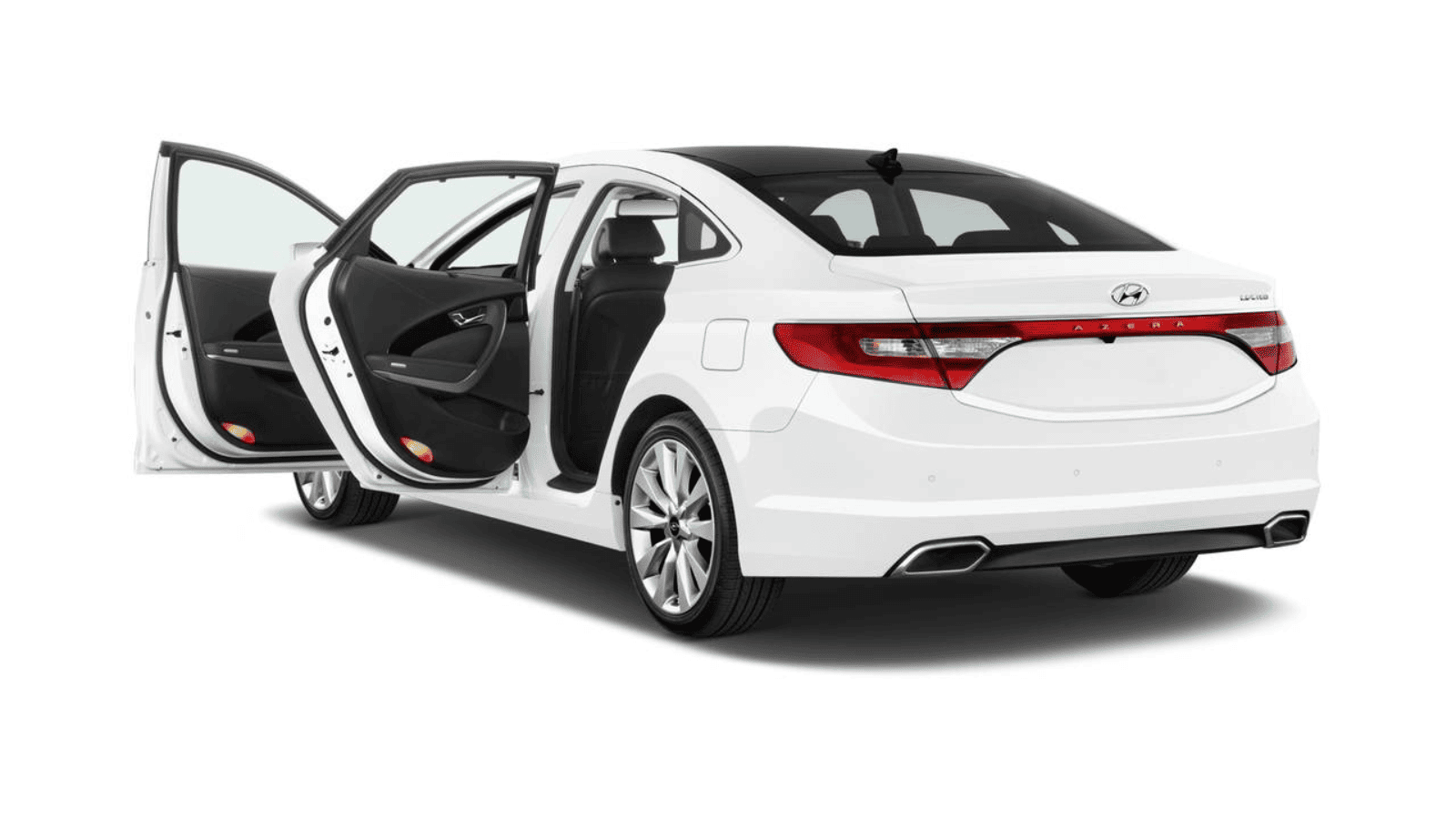
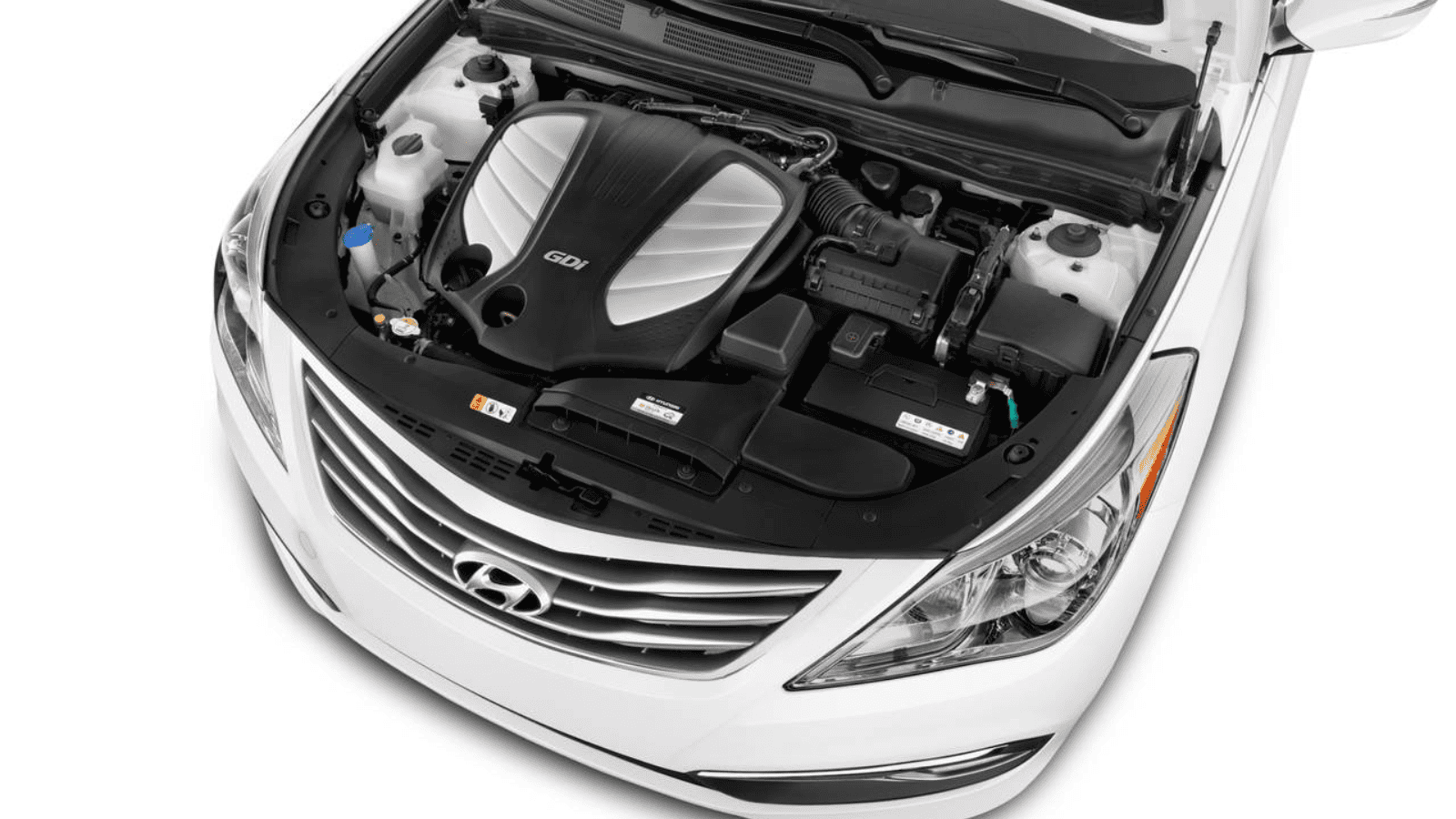
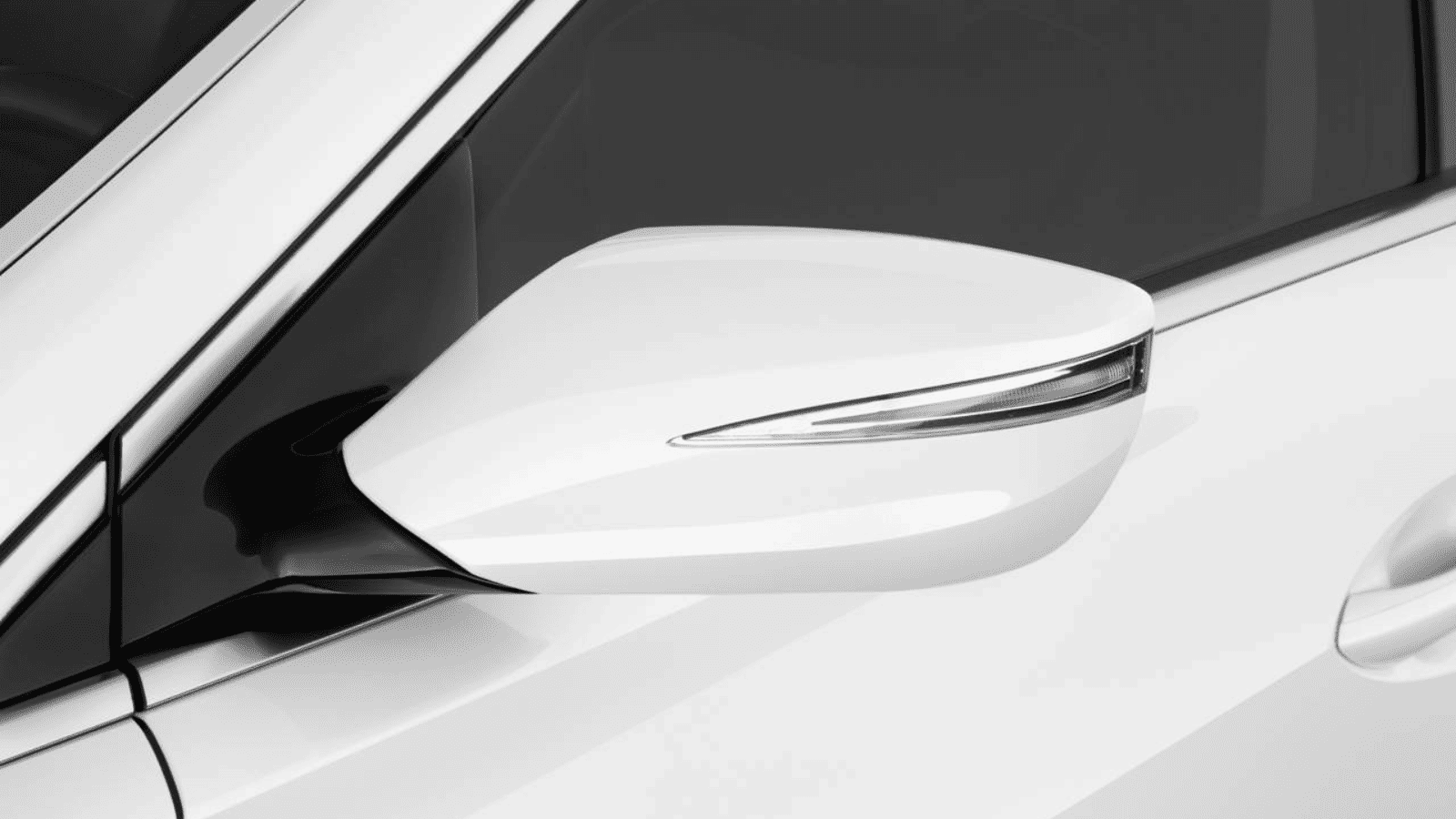
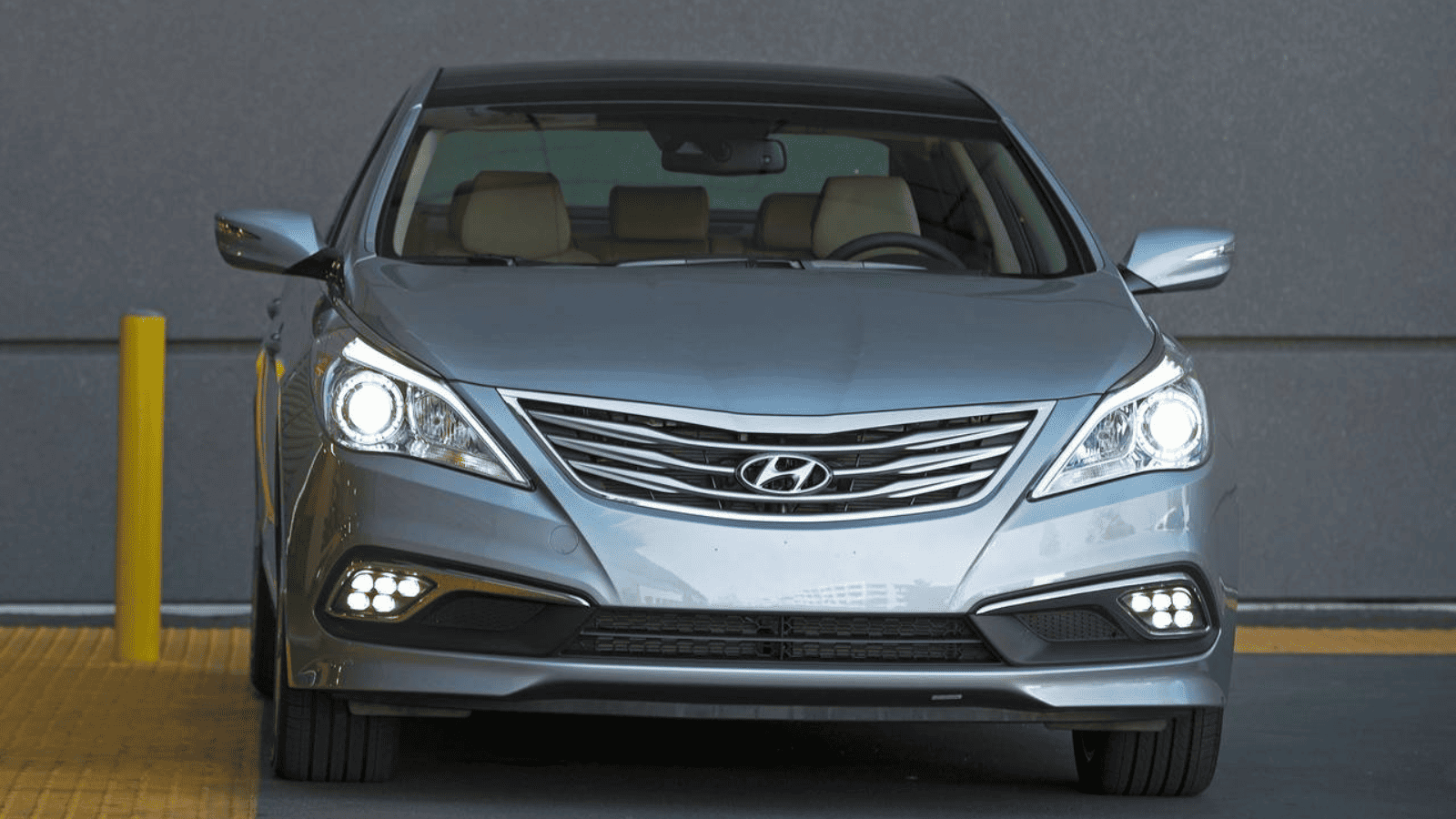
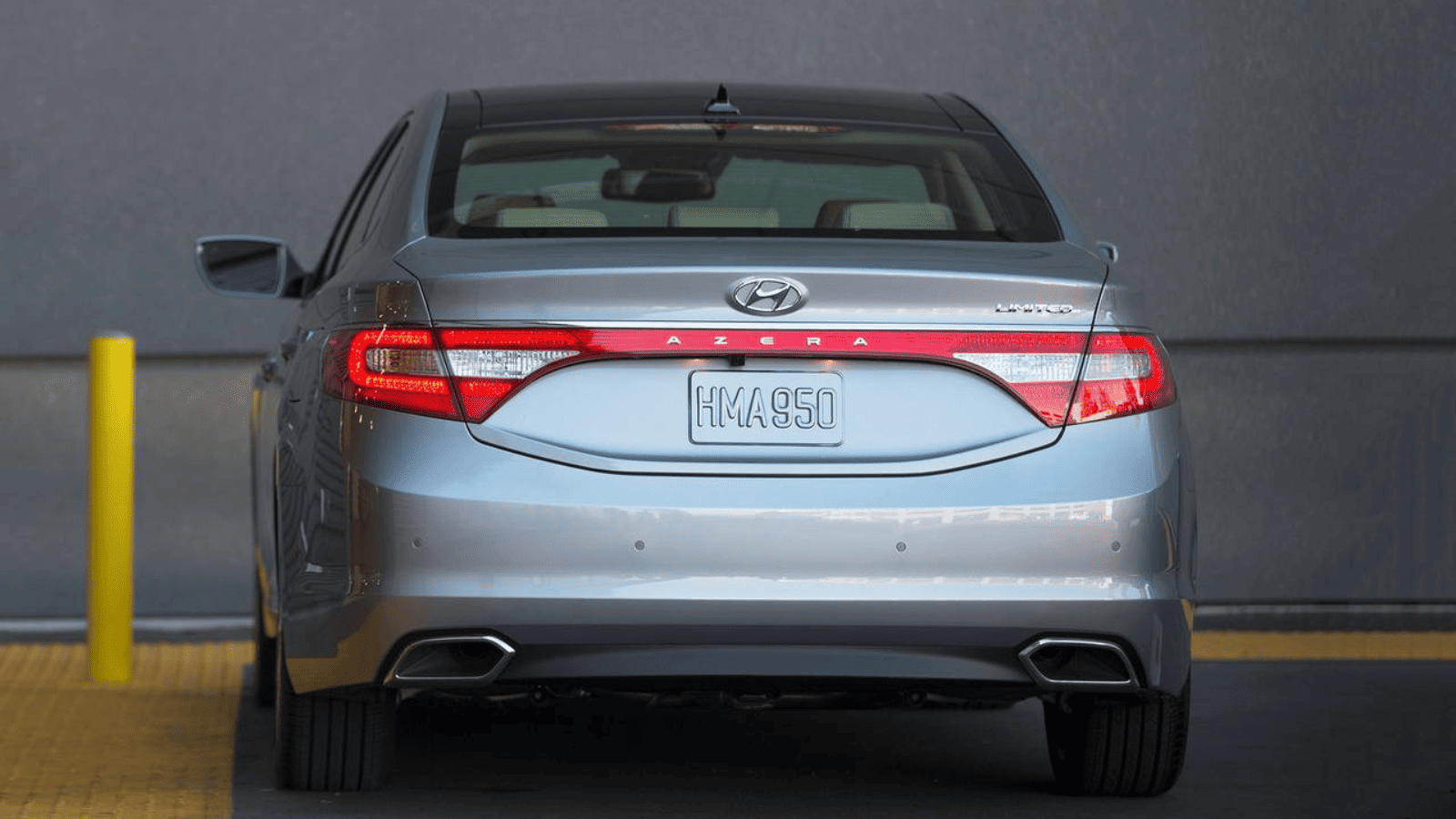
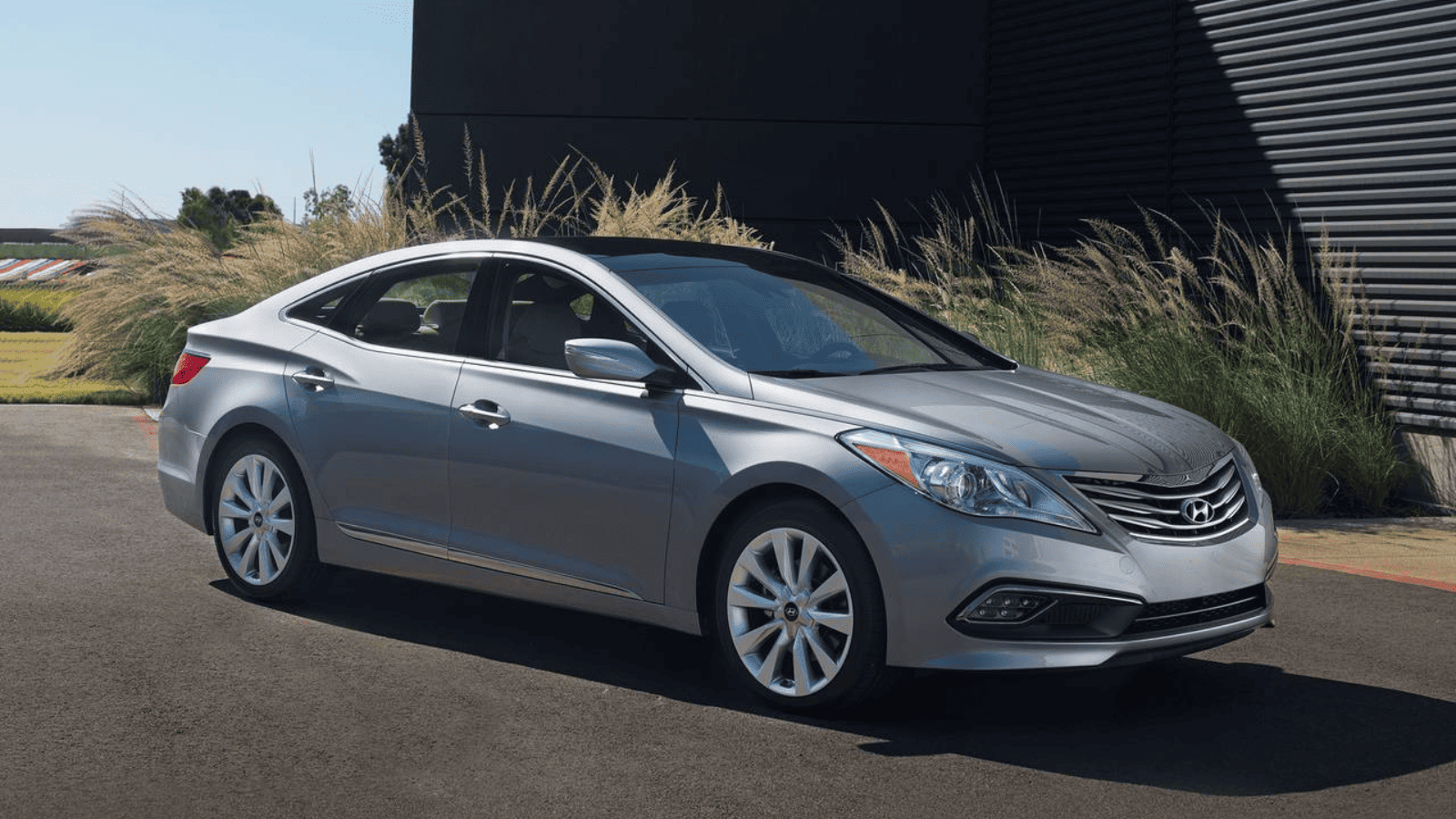
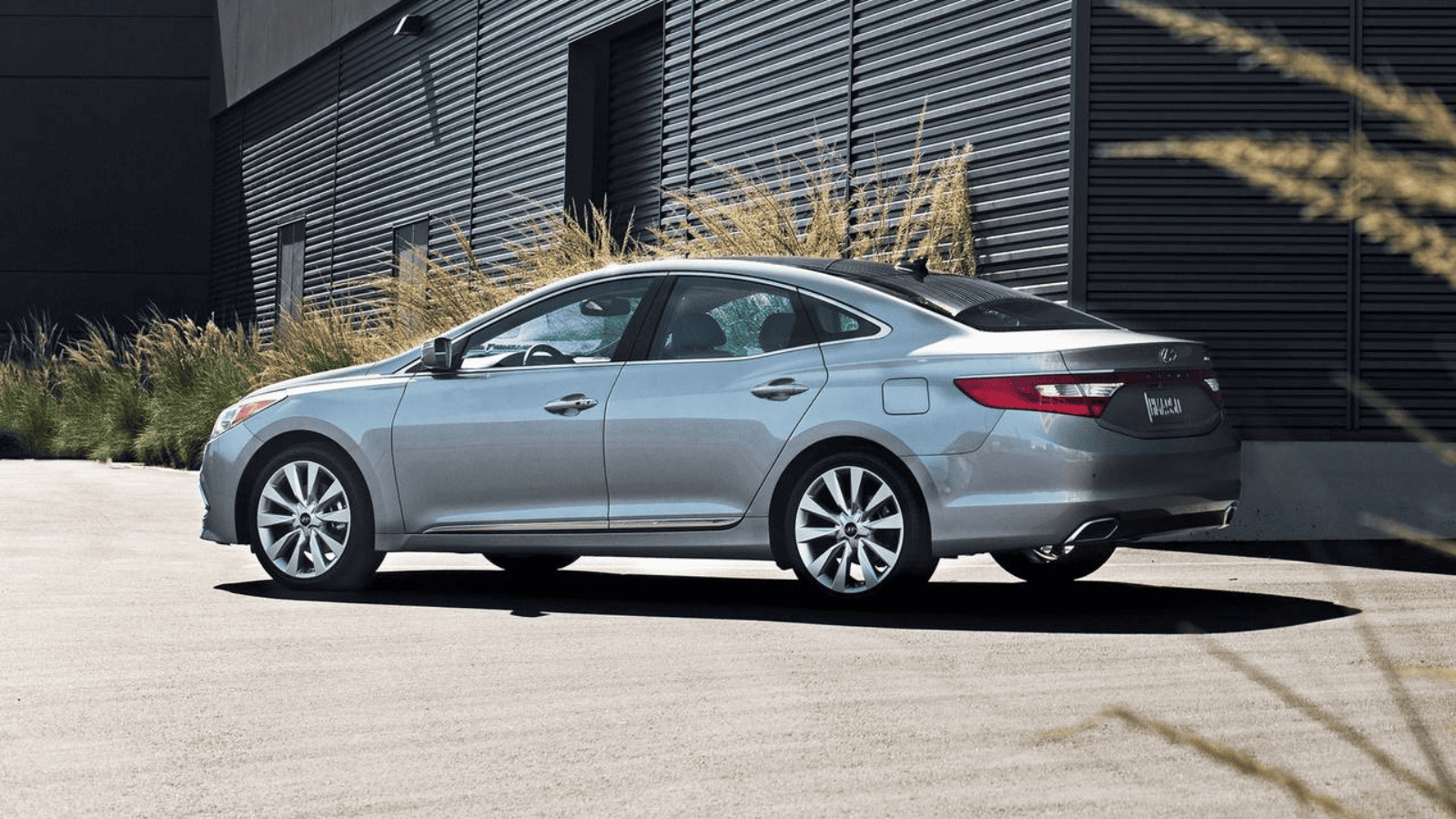
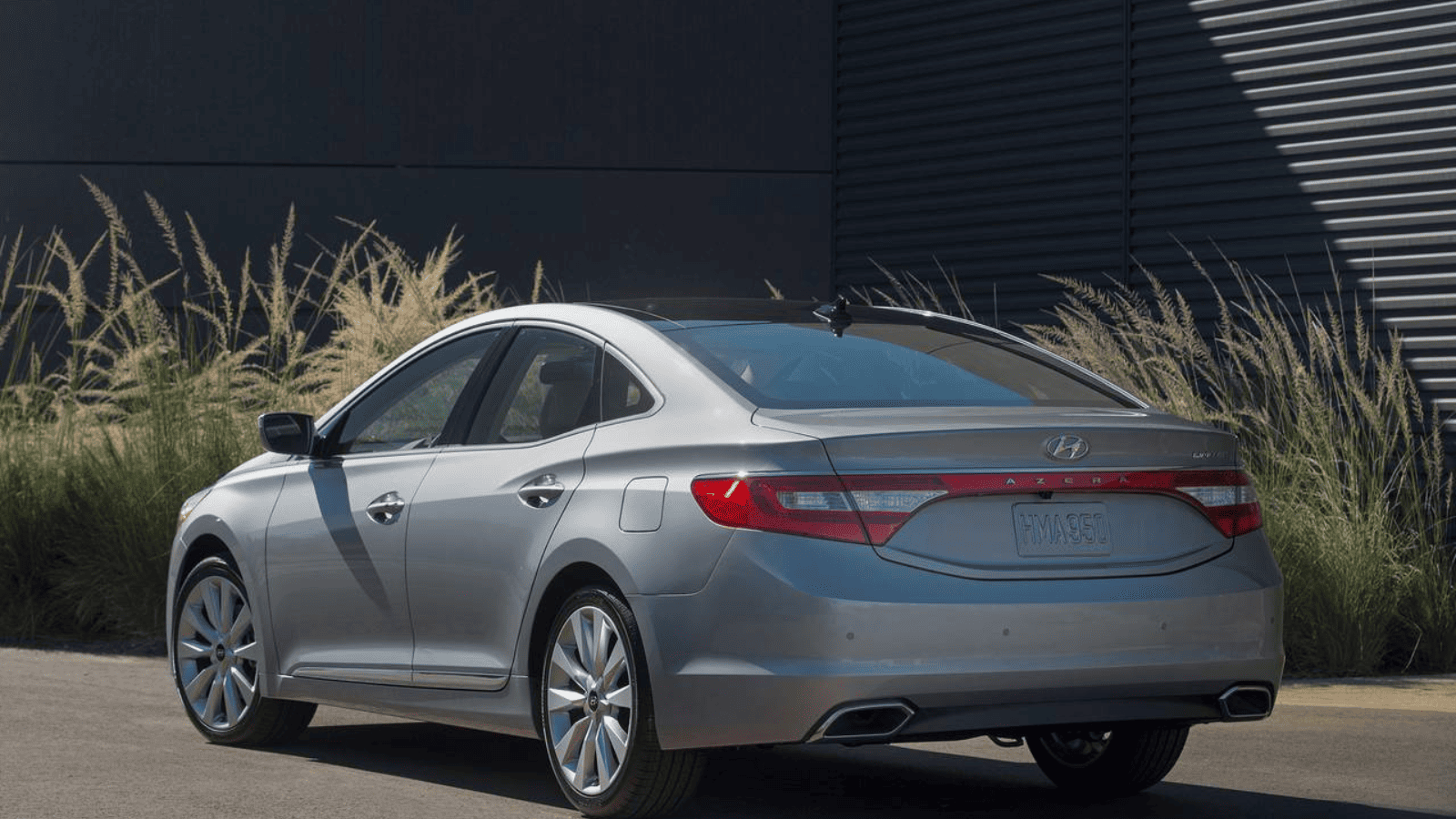
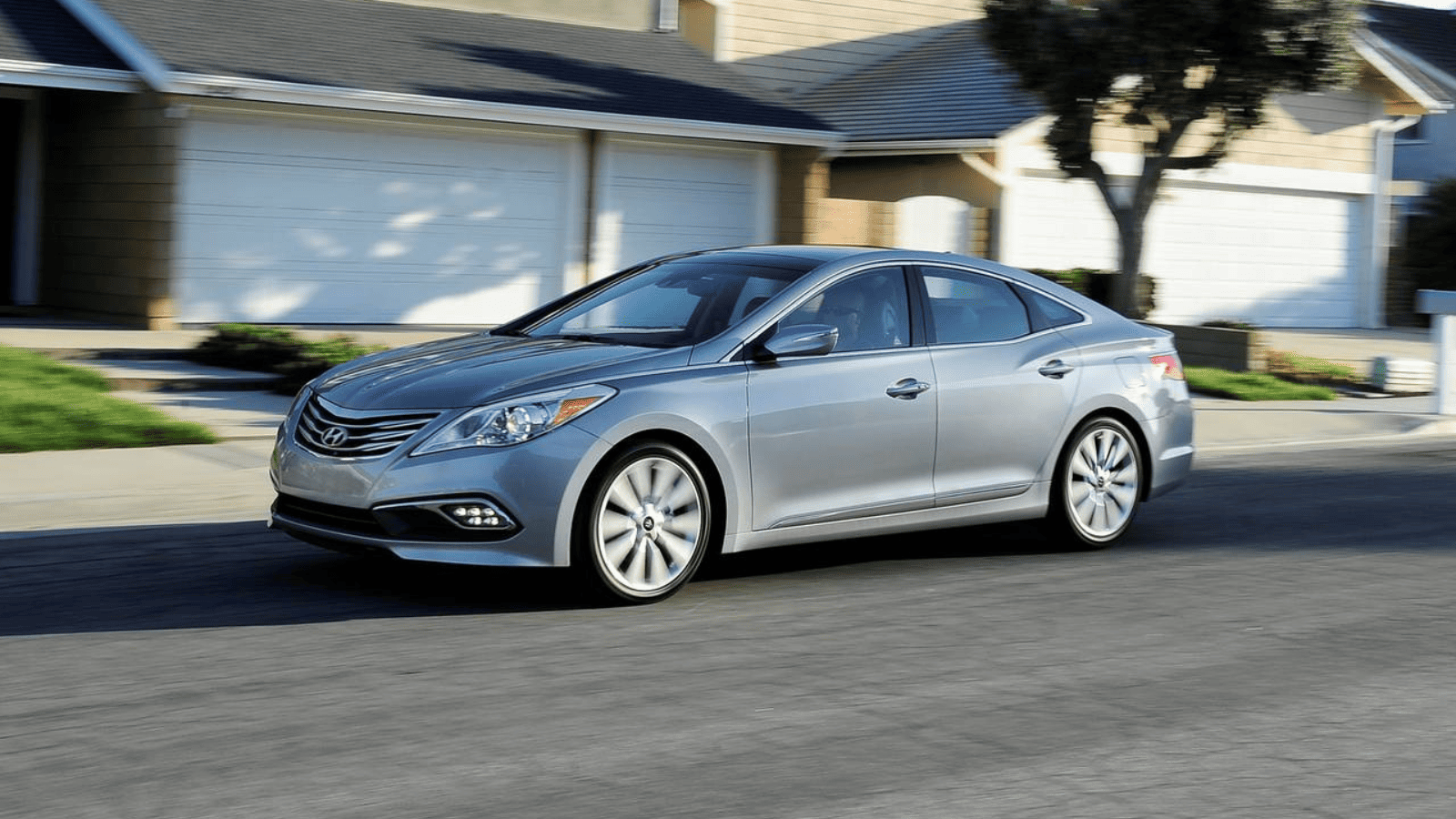
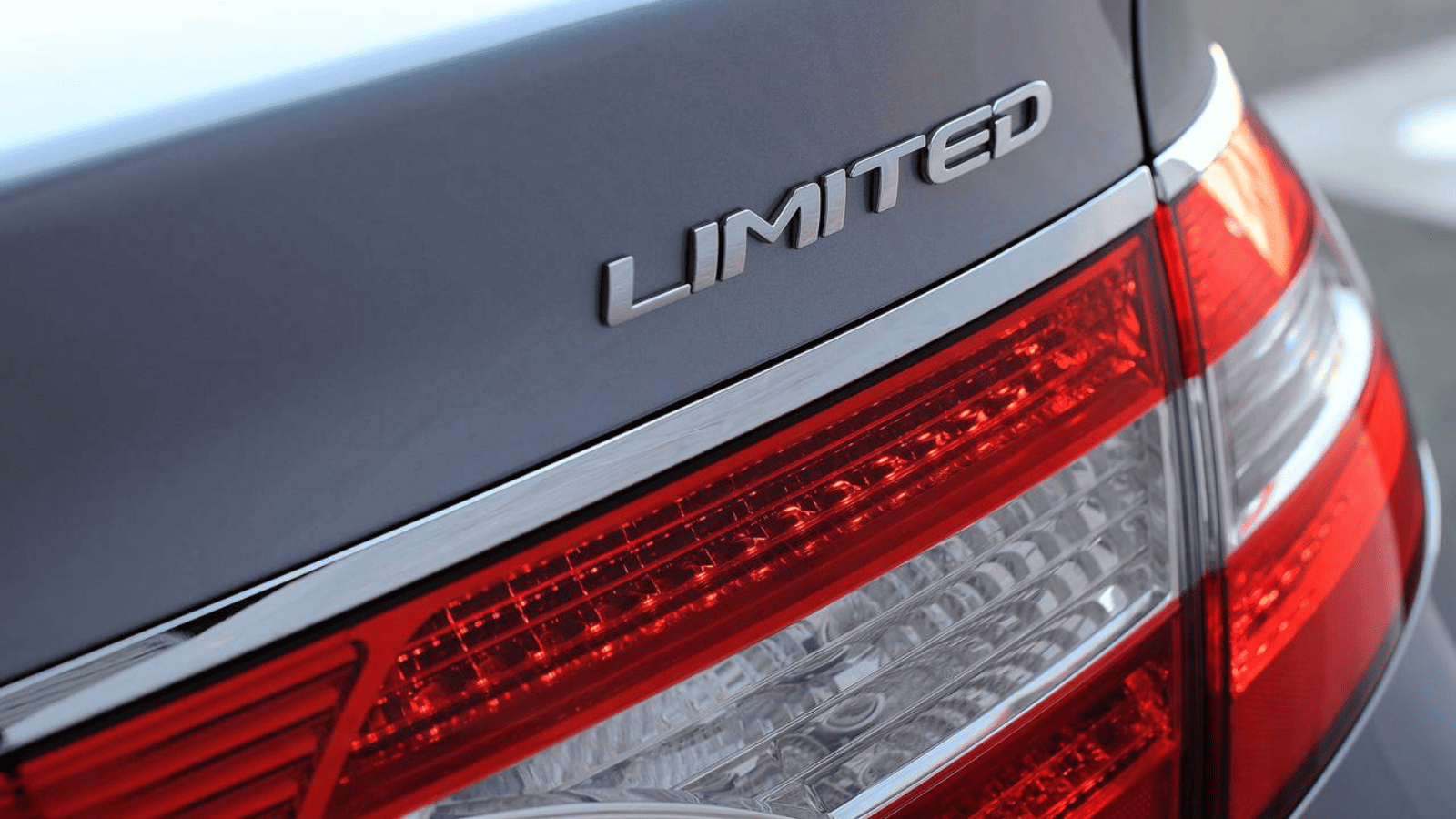
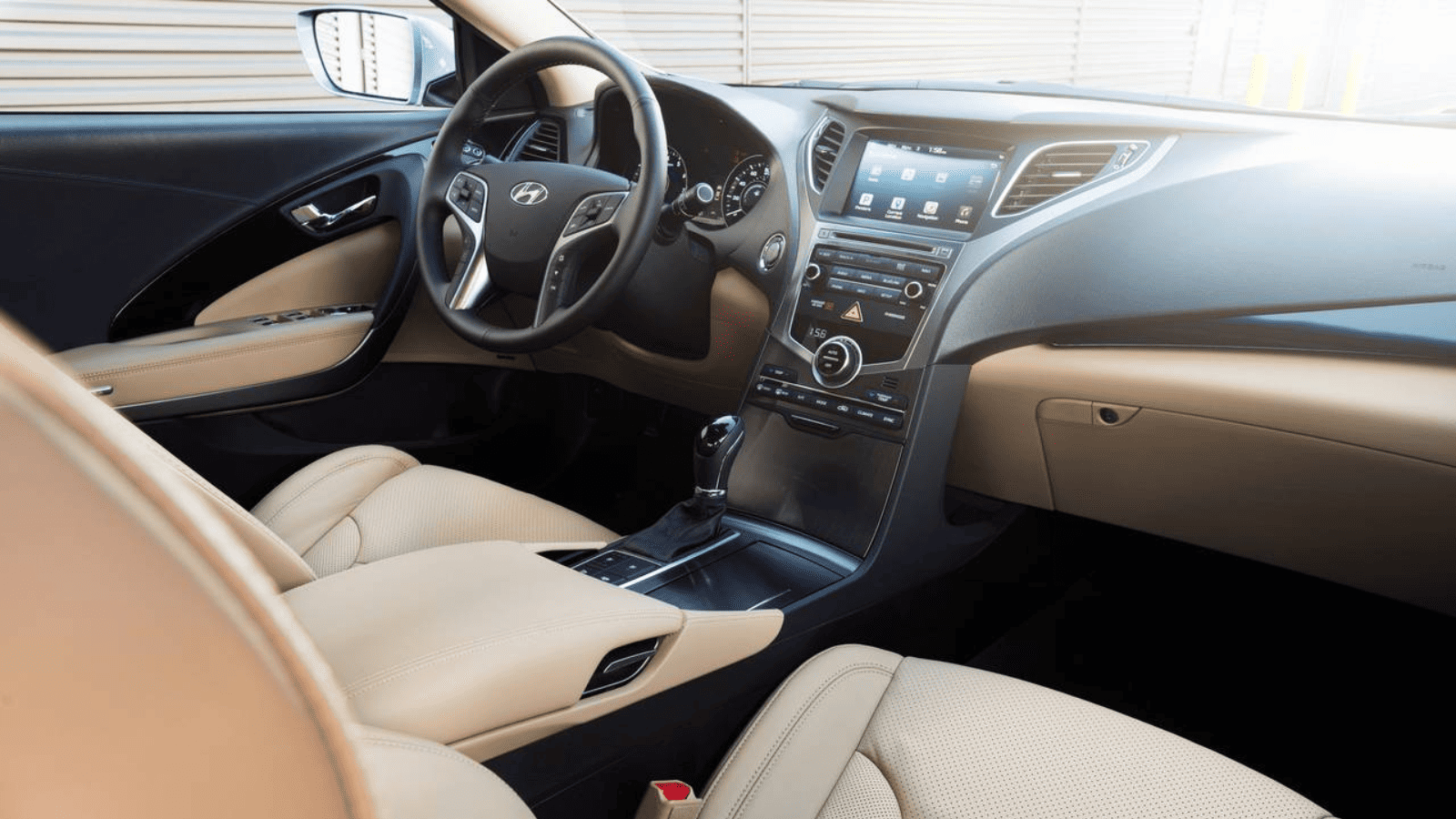
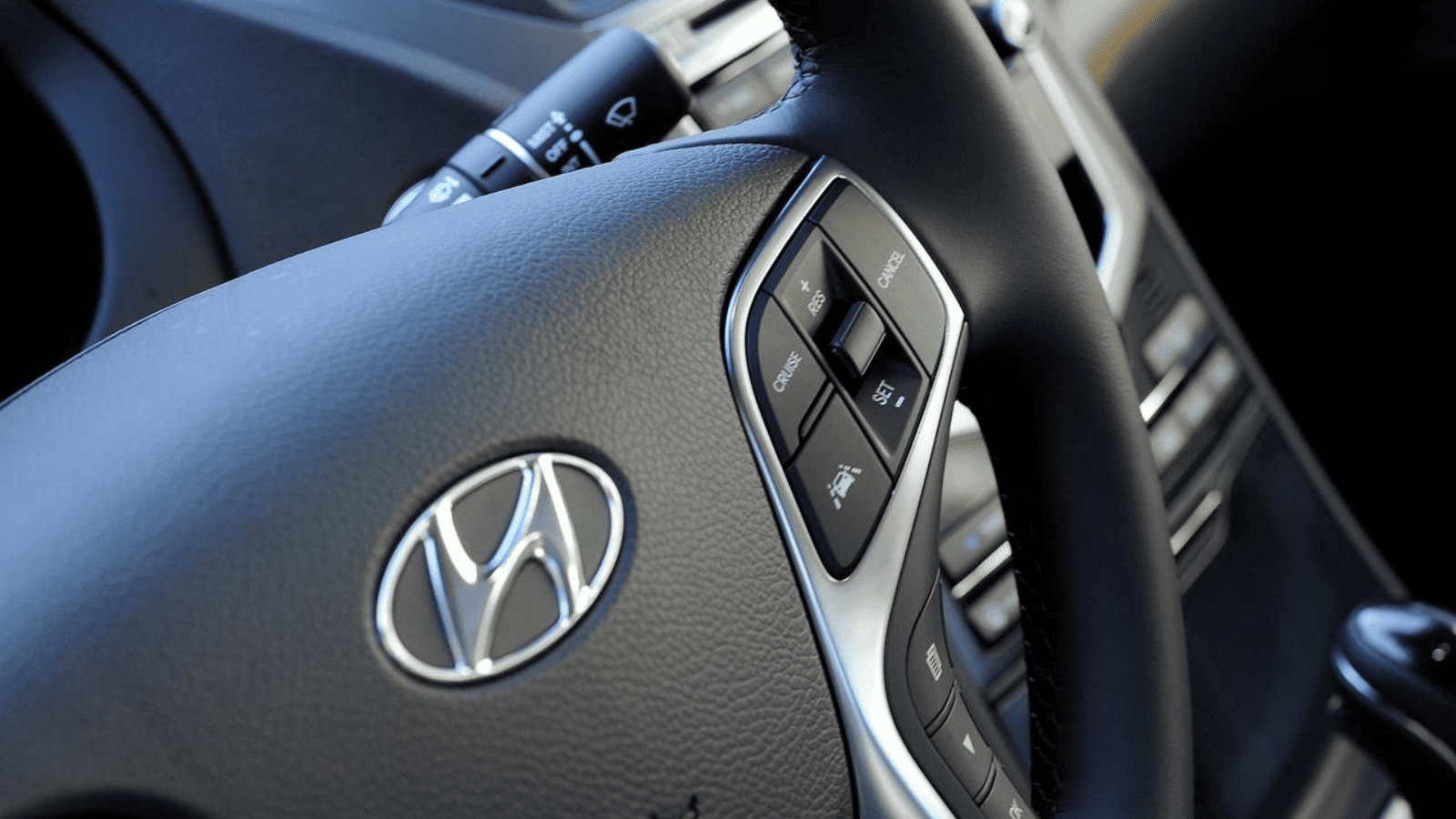
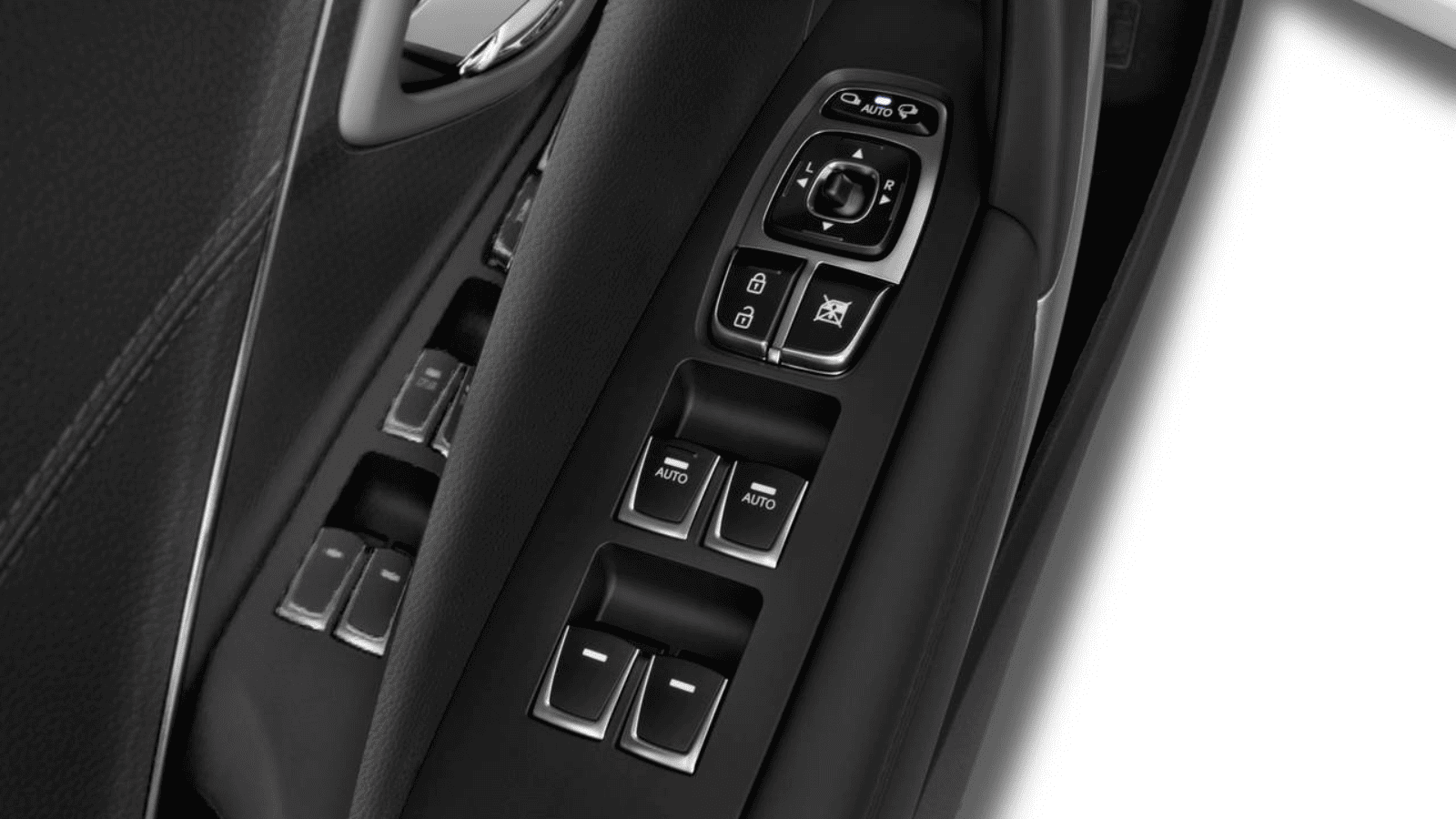
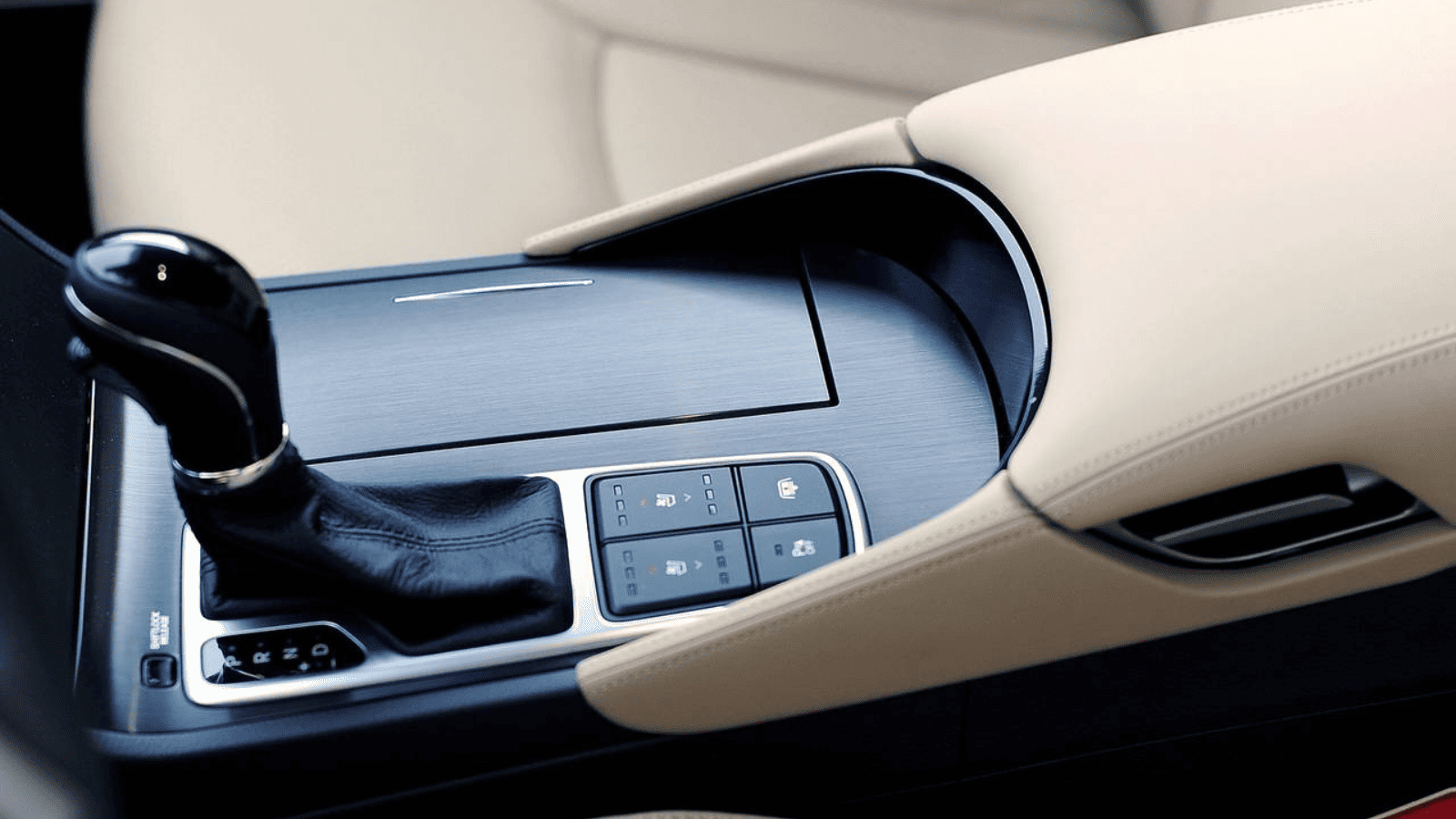
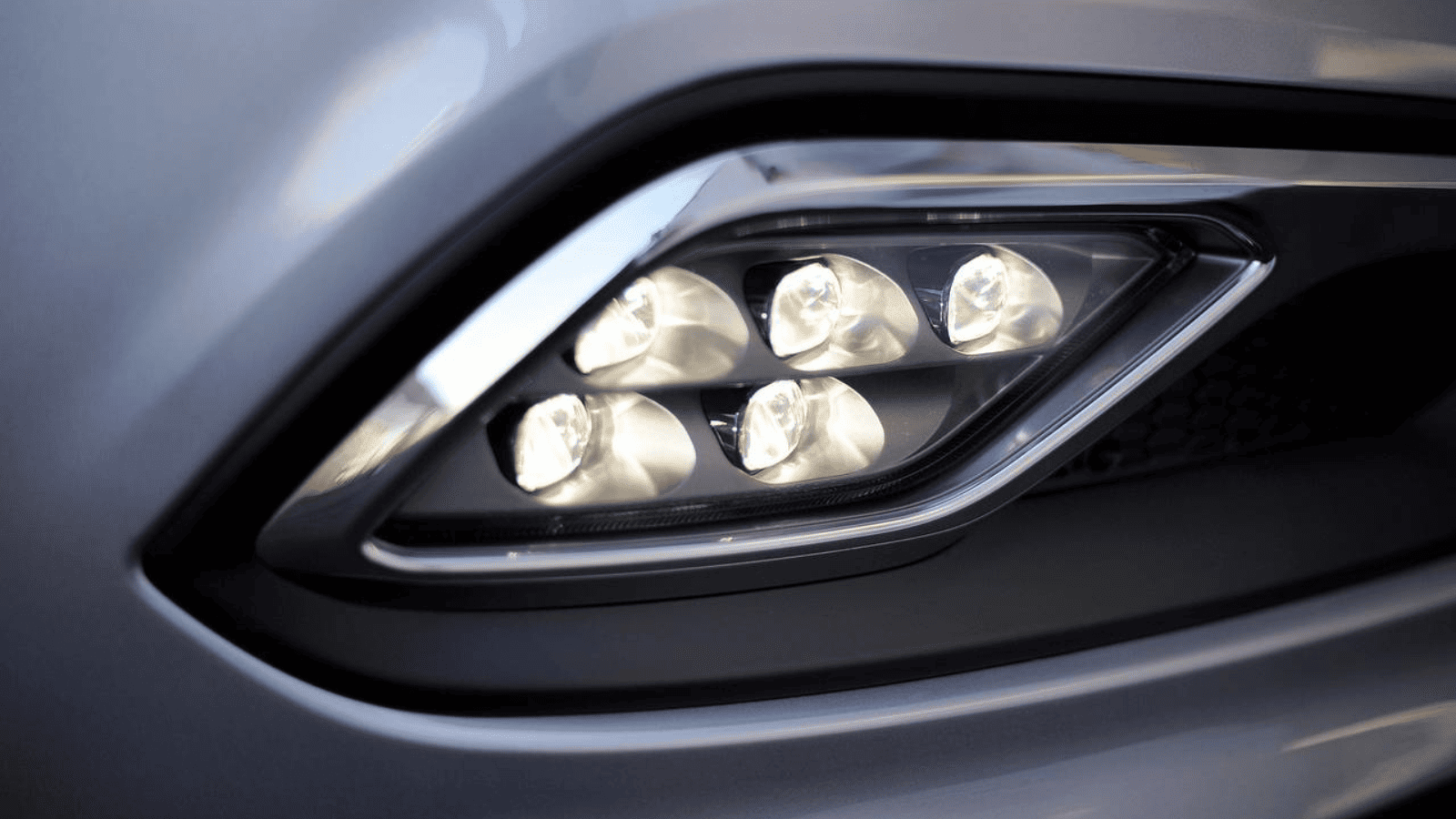
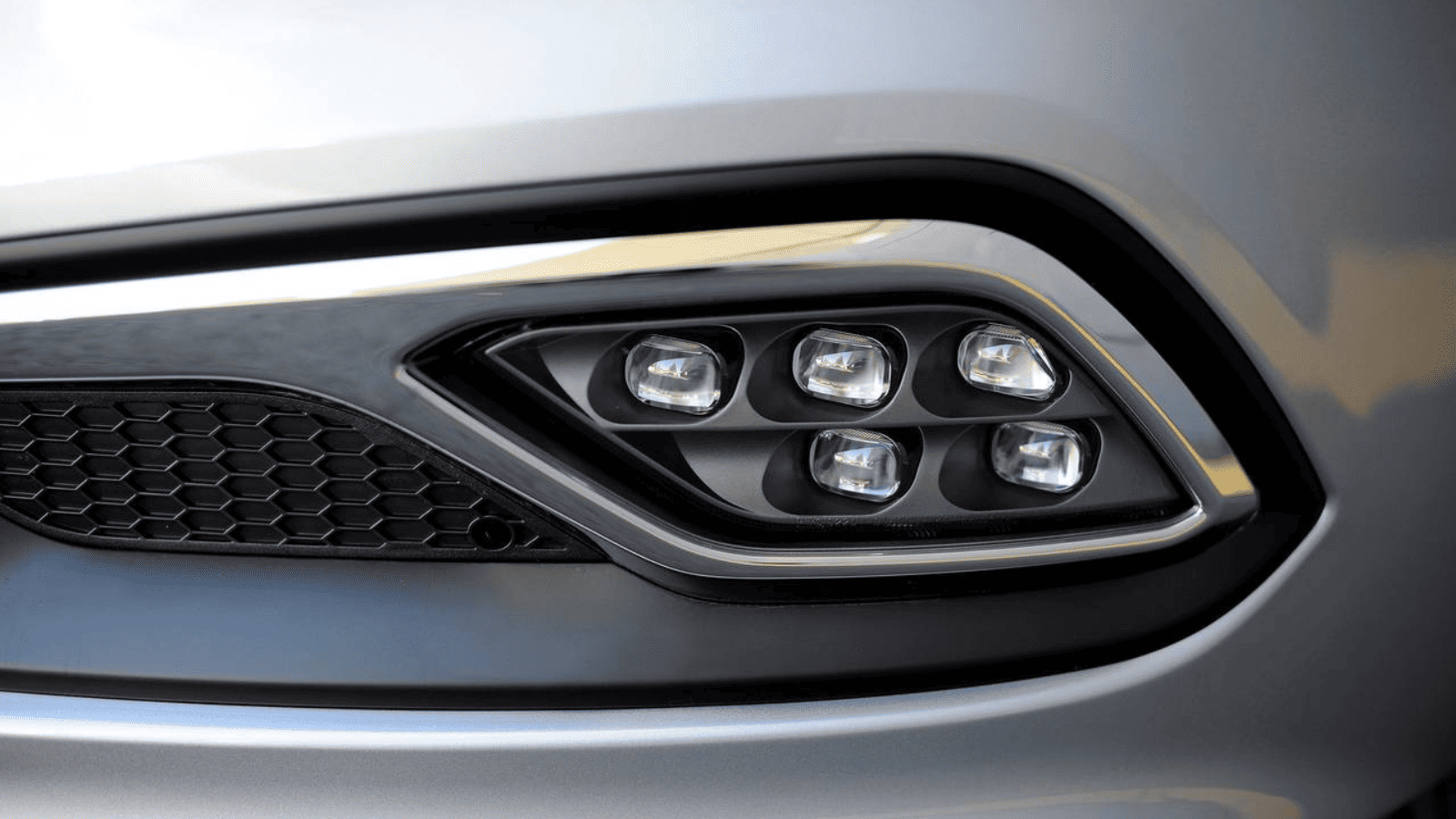
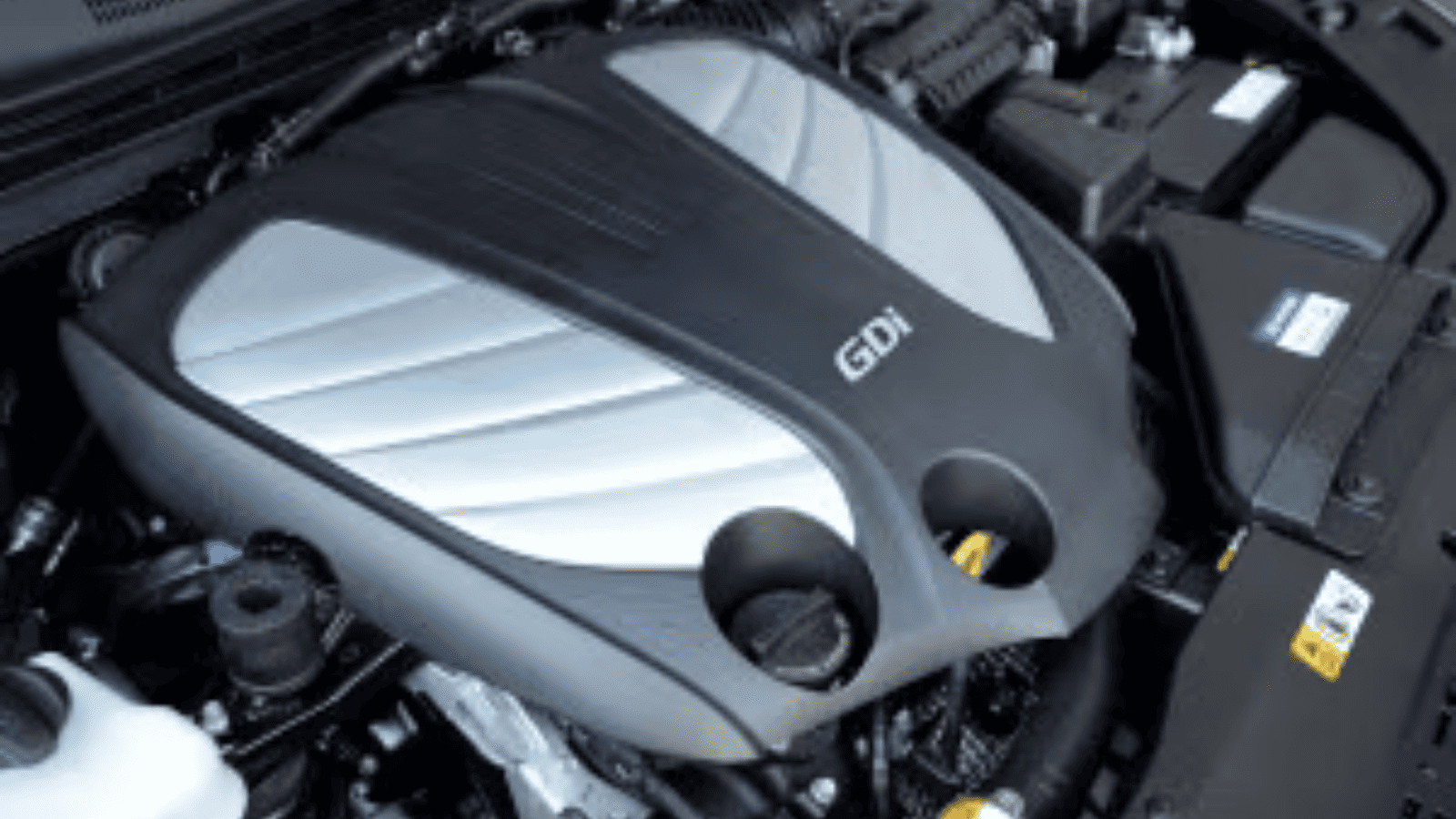
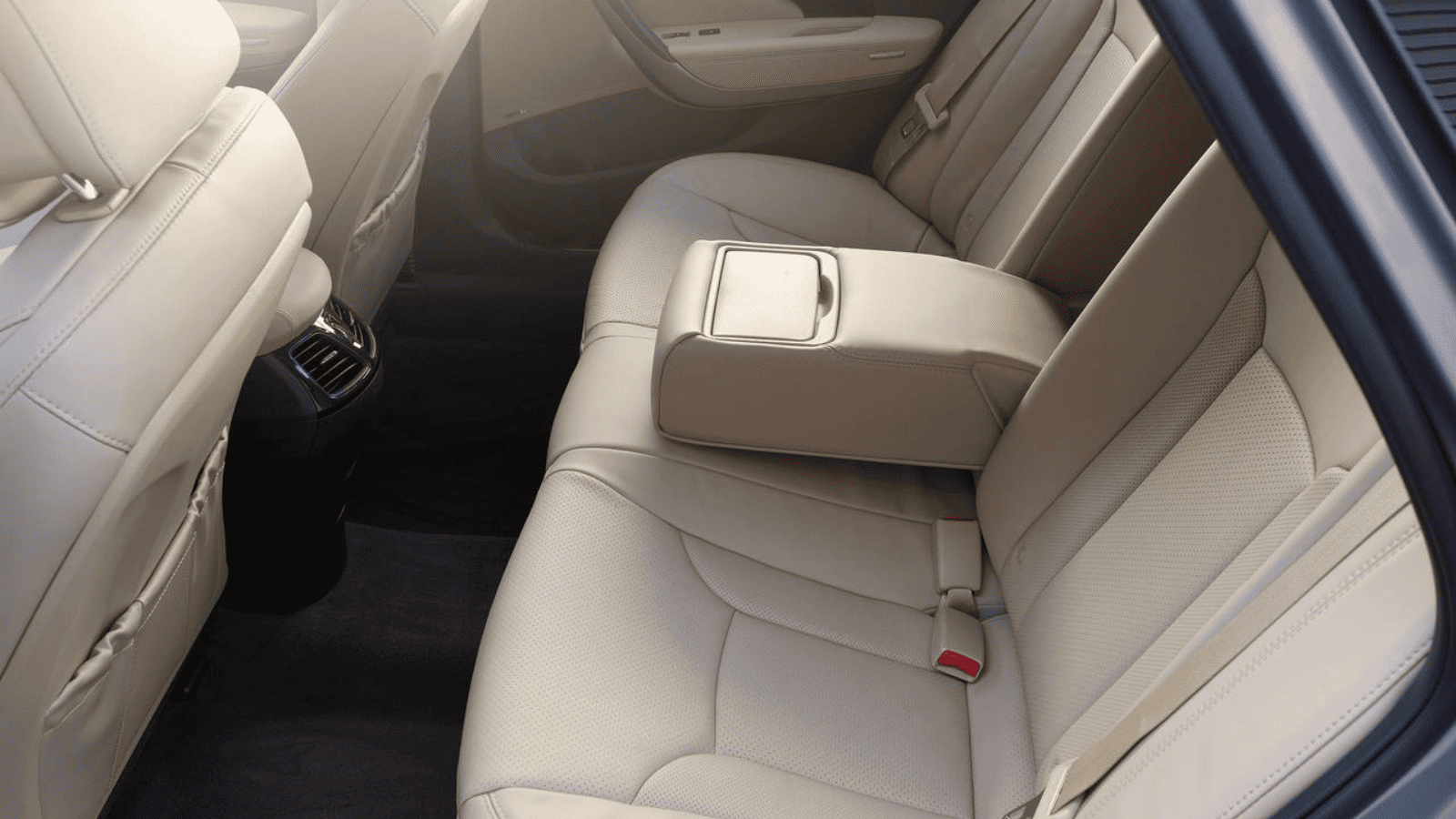
Hyundai sold the Azera in the United States through the 2017 model year. The best-used examples are generally from the 2012–2017 generation, which combined a 293-hp V6, front-wheel drive, a six-speed automatic transmission, leather seating, and a strong feature list.
Today, the Azera makes sense for used-car buyers who want a comfortable, well-equipped sedan and do not need SUV cargo space, modern driver-assistance technology, or high fuel economy.
WheelPedia Rating: 7.5/10
The Hyundai Azera earns a 7.5/10 WheelPedia Rating as a used large sedan. It scores well for comfort, V6 performance, interior equipment, rear-seat room, and used-market value. Its main drawbacks are average fuel economy, aging technology, limited availability, and the need for careful recall and maintenance checks.
| Rating Category | Score | Weight |
| Safety | 7.5/10 | 20% |
| Reliability and Ownership | 7.5/10 | 15% |
| Performance and Driving | 8.0/10 | 15% |
| Comfort and Practicality | 8.5/10 | 15% |
| Efficiency | 6.0/10 | 15% |
| Features and Technology | 6.5/10 | 10% |
| Price and Value | 8.3/10 | 10% |
| Overall WheelPedia Rating | 7.5/10 | — |
See how WheelPedia rates cars for the full methodology.
Key Highlights
- Discontinued in the United States after the 2017 model year.
- Most relevant used models are from 2012–2017.
- Final U.S. model used a 3.3-liter V6 with 293 hp and 255 lb-ft of torque.
- Standard six-speed automatic transmission and front-wheel drive.
- EPA-estimated fuel economy of up to 20 mpg city, 28 mpg highway, and 23 mpg combined.
- Seating for five passengers.
- Trunk capacity of 16.3 cubic feet.
- Strong original crash-test ratings for its era.
- Leather upholstery, heated seating, navigation, and smartphone integration were available.
- Best suited to buyers who want an affordable, comfortable V6 sedan.
Quick Specifications
| Specification | Hyundai Azera |
| Vehicle type | Large four-door sedan |
| Seating capacity | 5 |
| Engine | 3.3L direct-injected V6 |
| Output | 293 hp / 255 lb-ft |
| Transmission | 6-speed automatic |
| Drivetrain | Front-wheel drive |
| Fuel requirement | Regular unleaded |
| Best EPA-estimated fuel economy | 20 city / 28 highway / 23 combined mpg |
| Fuel tank capacity | 18.5 gal. |
| Trunk capacity | 16.3 cu. ft. |
| Length | 193.7 in. |
| Width | 73.2 in. |
| Wheelbase | 112.0 in. |
Expert Tip
Buy an Azera only after a pre-purchase inspection. A clean service history, working infotainment and climate controls, healthy tires, and proof that all recalls have been completed matter more than the trim badge.
About the Hyundai Azera
The Hyundai Azera was Hyundai’s large sedan in the U.S. market. It sat above the Sonata and appealed to buyers who wanted more interior space, a stronger engine, and a more upscale cabin without paying for a luxury-brand badge.
The last U.S. generation ran from 2012 through 2017. It was available in base and Limited trims and used a 3.3-liter V6 paired with a six-speed automatic transmission.
The model was discontinued in the United States after 2017. Hyundai has continued selling related large-sedan models in some international markets under different names, but there is no current new Hyundai Azera offered in the U.S.
The 2017 Azera’s V6, fuel-economy ratings, and core specifications are documented in Hyundai’s U.S. Azera model page.
Pricing and Trims
There is no current new-car MSRP because the Azera is discontinued. Used prices vary widely based on model year, mileage, condition, title history, service records, options, and location.
For context, these were the final U.S. model-year starting prices when new:
| 2017 Trim | Original Starting MSRP | Best For |
| Azera Base | $34,100 | Buyers wanting V6 comfort and strong standard equipment |
| Azera Limited | $39,300 | Buyers wanting more luxury and convenience features |
The Base model already offered a strong level of equipment for its era. It is often the better value if the condition and service history are excellent.
The Limited is worth considering if you want more comfort and convenience features. It may include upgraded wheels, additional cabin trim, added safety equipment, and more luxury-focused features.
Condition matters more than trim. A lower-trim Azera with documented maintenance and no accident history is usually a better purchase than a fully equipped Limited with neglected service or unresolved problems.
Engine, Powertrain, and Performance
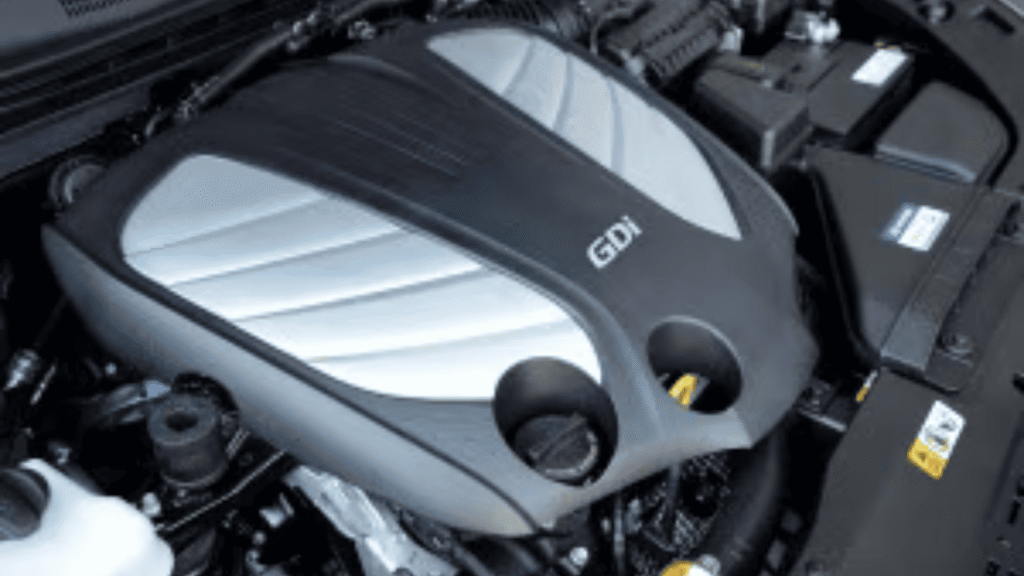
Every final-generation U.S. Azera uses a 3.3-liter direct-injected V6 engine that produces 293 horsepower and 255 lb-ft of torque.
Power goes to the front wheels through a six-speed automatic transmission. The engine uses regular gasoline, which helps keep fuel costs more manageable than in a premium sedan requiring premium fuel.
The V6 is one of the Azera’s main strengths. It is smooth, quiet, and strong enough for normal highway merging and passing. It gives the car a more relaxed driving experience than most four-cylinder family sedans of the same period.
0–60 MPH Performance
Hyundai did not publish an official 0–60 mph time for the 2017 Azera.
It is not a performance sedan, but its 293-hp V6 provides confident acceleration for a large front-wheel-drive car. Buyers should expect smooth and usable power rather than sports-sedan handling or response.
Driving Experience
The Azera is tuned for comfort. Its suspension absorbs most rough pavement well, and the cabin is generally quiet at highway speeds.
The steering is light and easy to use in city traffic. That makes the car simple to park and drive, though it does not provide the sharp responses of a sport-focused sedan.
Front-wheel drive is suitable for everyday use, but there was no all-wheel-drive option. Buyers in snowy areas should budget for good winter tires if the car will be driven year-round.
The Azera is best for drivers who want a relaxed highway cruiser, a comfortable commuter, or a spacious sedan for long family trips.
Fuel Economy
| 2017 Model | EPA-Estimated City/Highway/Combined Fuel Economy |
| Azera Base | 20 / 28 / 23 mpg |
| Azera Limited | 19 / 28 / 22 mpg |
Fuel economy is average for a large V6 sedan from this era. The Azera is less efficient than newer hybrid sedans and modern four-cylinder cars, but it performs reasonably well for its size and power.
Real-world mileage depends on driving style, tire condition, maintenance, traffic, weather, and use of air conditioning. A used example that returns far below its expected fuel economy should be inspected for overdue maintenance, tire issues, or engine problems.
Interior, Comfort, and Technology
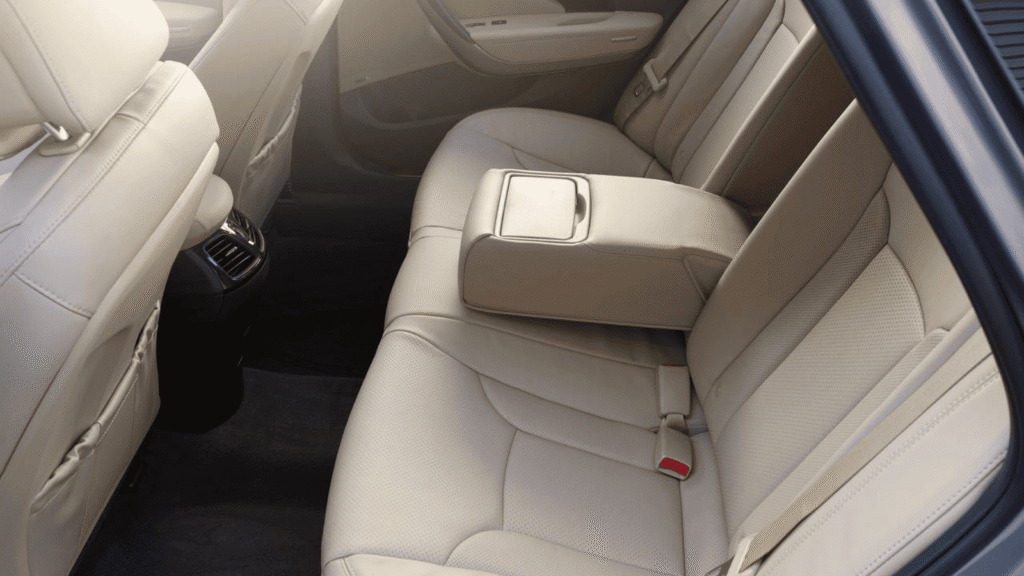
The Azera has a comfortable, upscale cabin for its age. Its main appeal is space: it provides generous front-seat comfort, useful rear-seat room, and a full-size trunk.
Standard and available features on late-model Azeras include:
- Leather seating surfaces
- Heated front seats
- Ventilated front seats
- Heated rear seats
- Power-adjustable front seats
- Dual-zone automatic climate control
- Push-button start
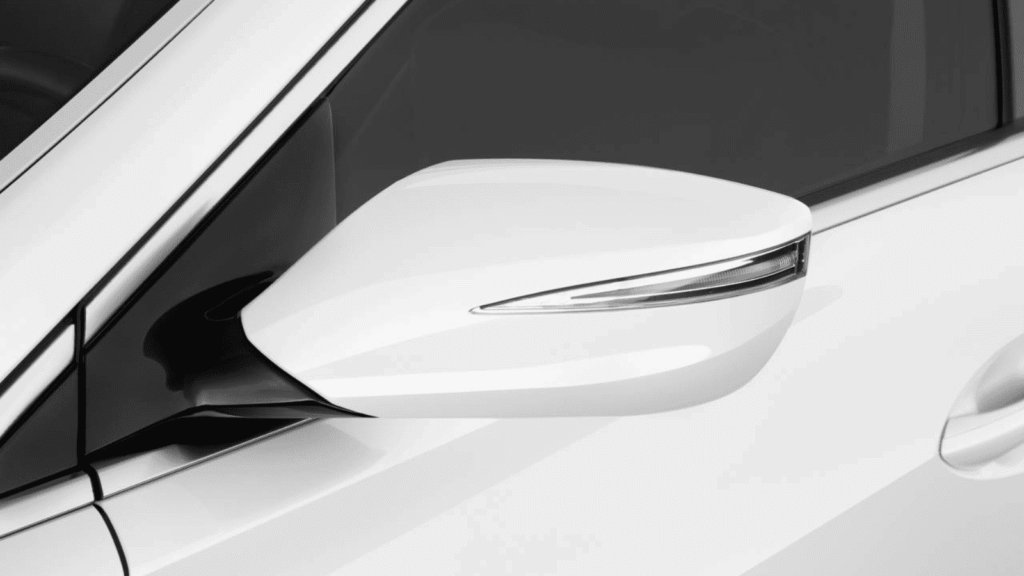
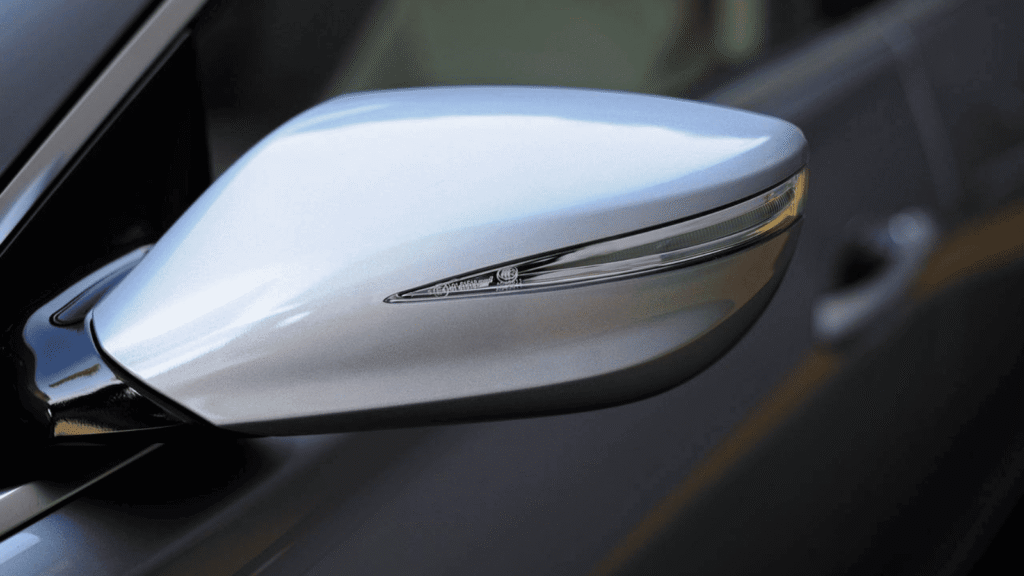
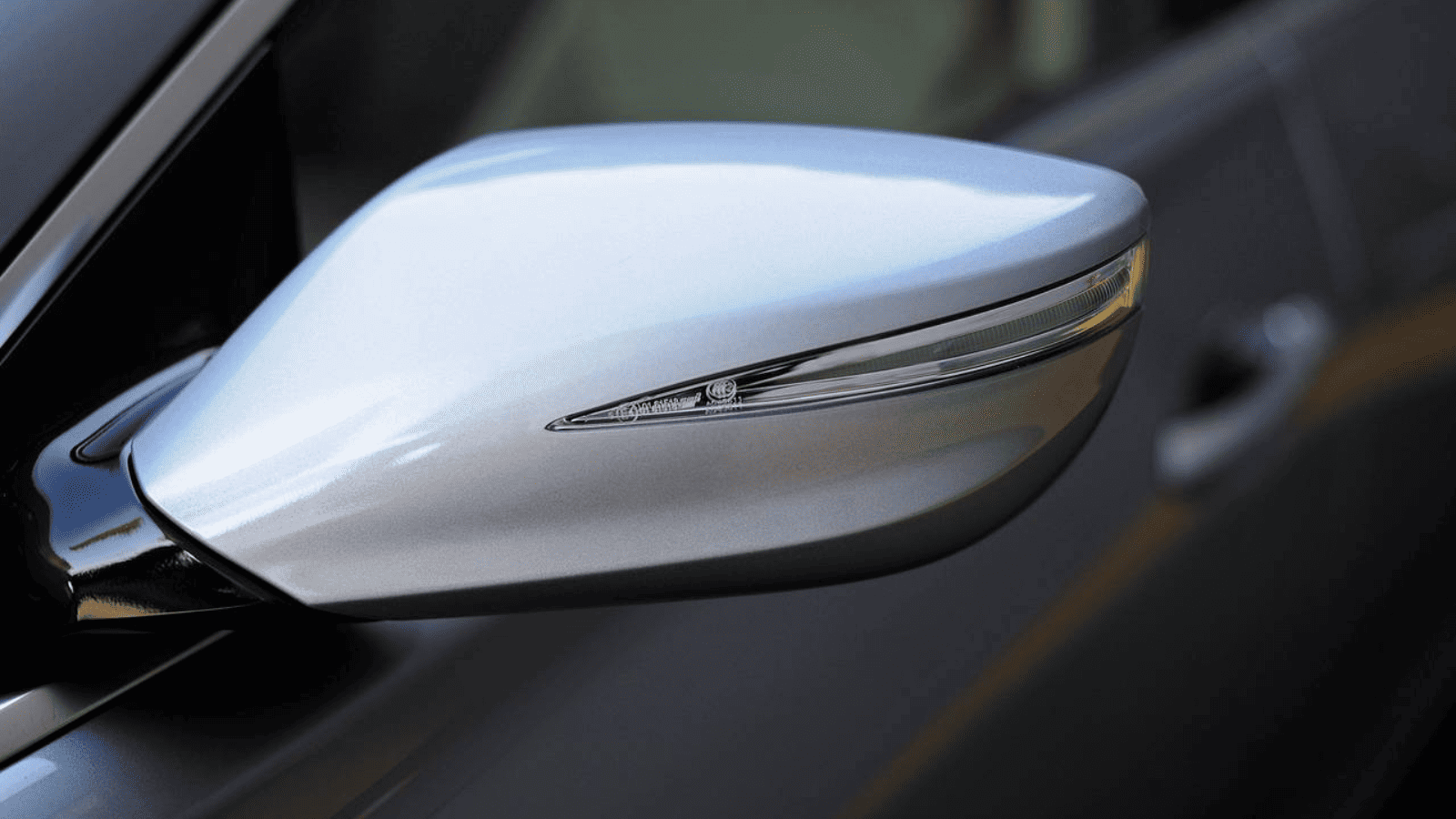
- Power-folding heated side mirrors
- Hands-free trunk opening
- Rearview camera
- Navigation system with an 8-inch touchscreen
- Infinity premium audio system
- Apple CarPlay and Android Auto
- Bluetooth connectivity
- USB and auxiliary inputs
- Power rear sunshade on selected models
- Panoramic sunroof on selected models
The technology was impressive when new, but it now feels dated beside current vehicles. Before purchase, test the touchscreen, navigation, audio system, cameras, Bluetooth connection, power seats, sunroof, and all climate-control functions.
Dimensions, Cargo, and Practicality
| Dimension | Measurement |
| Length | 193.7 in. |
| Width | 73.2 in. |
| Wheelbase | 112.0 in. |
| Trunk capacity | 16.3 cu. ft. |
| Seating | 5 passengers |
The Azera’s 16.3-cubic-foot trunk is useful for groceries, luggage, work items, and family errands. The rear seat also folds in a 60/40 split, adding flexibility for longer cargo.
The main limitation is the sedan body style. It cannot match an SUV or hatchback for carrying tall, bulky, or awkwardly shaped items.
Rear-seat room is good for a large sedan, although the middle rear position is less comfortable than the outboard seats.
Exterior Design
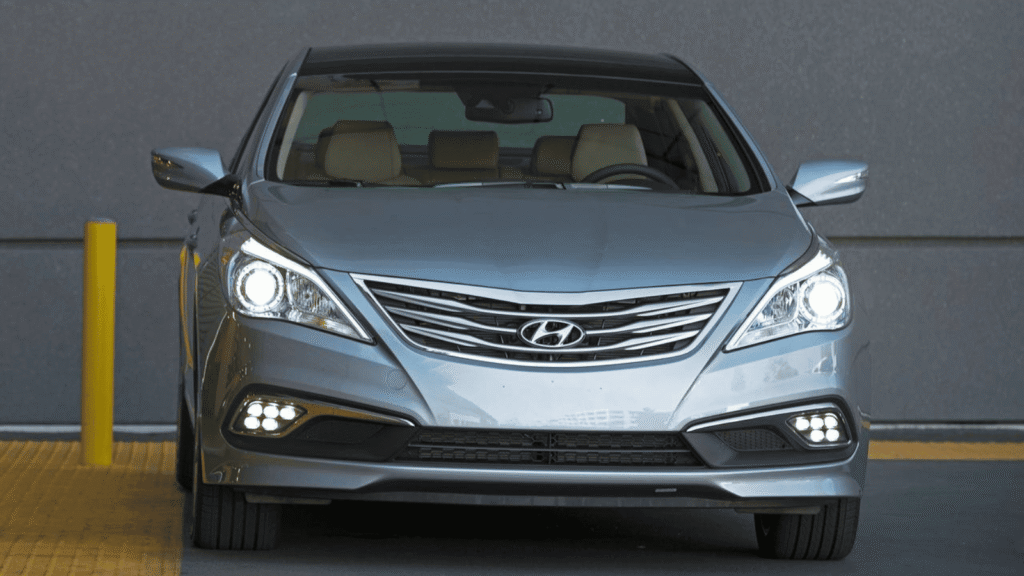
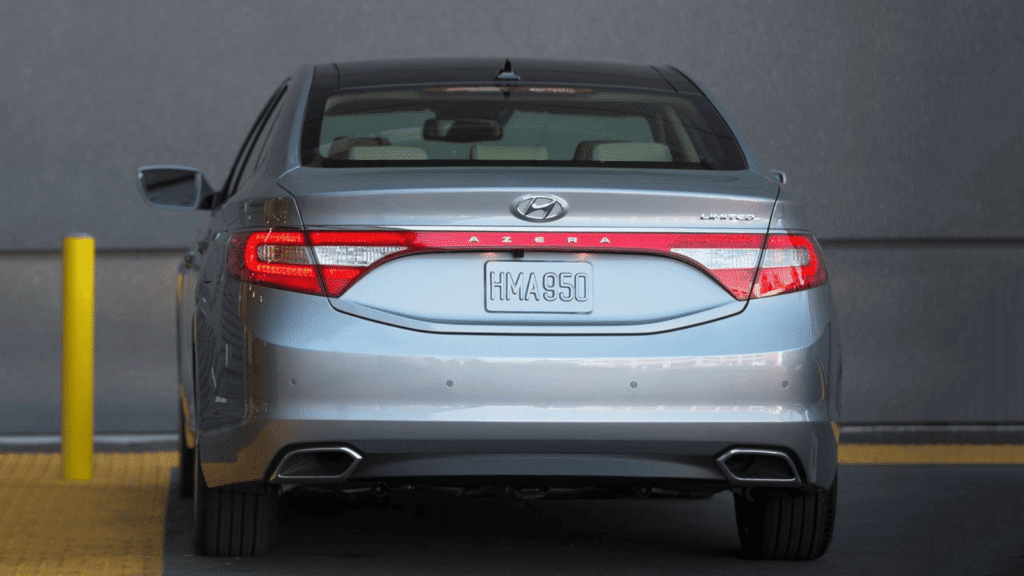
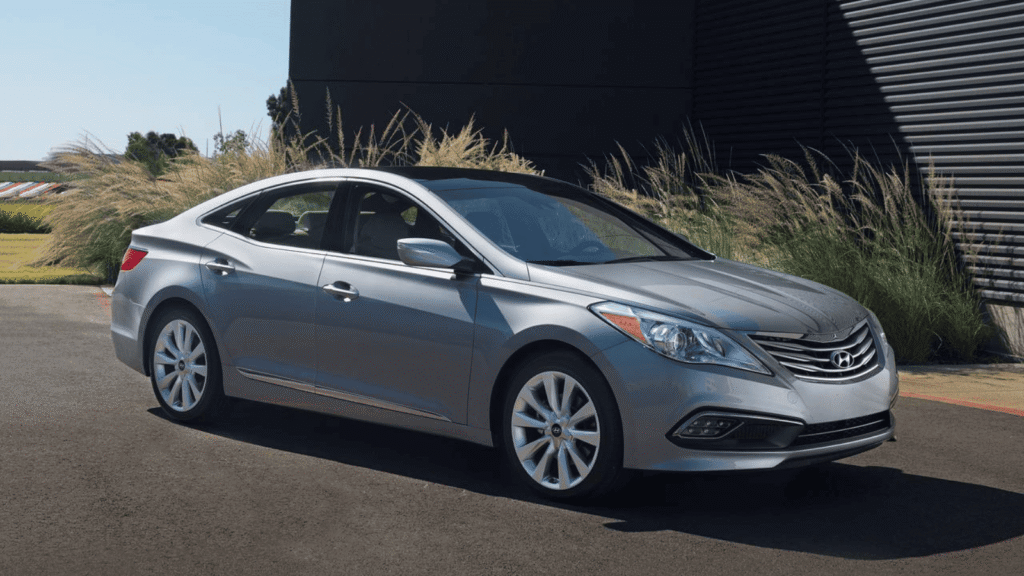
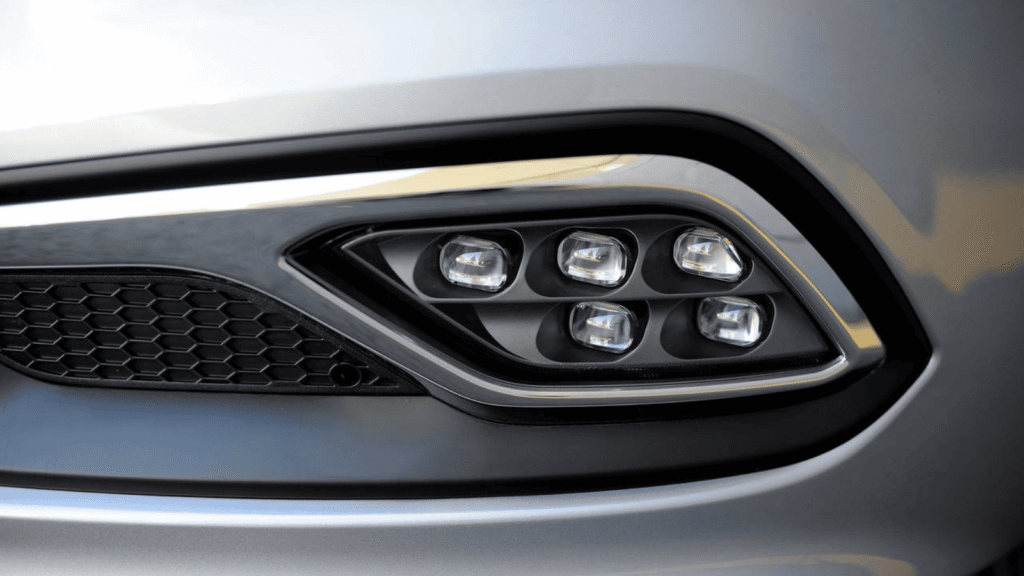
The final U.S. Azera has a clean, conservative large-sedan shape. It uses a long hood, swept-back headlights, chrome details, and a wide grille to create a more premium appearance than a typical family sedan.
The design has aged reasonably well, especially on cars with clean paint, undamaged wheels, and complete exterior trim. However, buyers should look closely for signs of crash repairs, mismatched paint, water intrusion, and fogging headlights.
The Limited trim has a more upscale appearance, often with larger wheels and added exterior details.
Safety Features and Ratings
Standard and available safety equipment on the 2017 Azera includes:
- Front, side, and curtain airbags
- Anti-lock brakes
- Electronic stability control
- Traction control
- Rearview camera
- Blind-spot detection
- Rear cross-traffic alert
- Lane departure warning on selected models
- Forward collision warning on selected models
- Rear parking sensors
- Tire-pressure monitoring system
- LATCH child-seat anchors
The 2017 Hyundai Azera earned Good ratings from IIHS in the original moderate-overlap front crash test, original side-impact test, roof-strength test, and head-restraint evaluation. Its optional forward-collision-warning system received a Basic rating under IIHS’s former front-crash-prevention test.
These results are from older test procedures and should not be compared directly with modern crash-test ratings. Review the full IIHS Azera safety results before purchasing.
Buyers should also run the VIN through NHTSA’s recall database and confirm that every recall repair has been completed.
Reliability, Maintenance, and Ownership
The Azera can be a sensible used car when it has been maintained properly. Its naturally aspirated V6 and conventional six-speed automatic are less complicated than many turbocharged or hybrid systems, but any car of this age can need expensive work.
Check the following before buying:
- Complete maintenance records
- Oil-change history
- Transmission shift quality
- Coolant condition and cooling-system leaks
- Engine idle quality and warning lights
- Suspension noise or worn shocks
- Brake wear and vibration
- Tire age, tread depth, and uneven wear
- Sunroof and power-accessory operation
- Infotainment and camera function
- Accident history and title status
- Open recalls
Important Recall Check
Certain 2016–2017 Azeras were included in a recall involving the anti-lock-brake-system module. Under certain conditions, the module could short-circuit and increase fire risk. Do not assume that a repair was completed because the vehicle appears to drive normally.
Enter the exact VIN on NHTSA’s recall lookup tool and request documentation from the seller or dealer showing that open recall work has been performed.
Original Warranty Coverage
When new, the Azera included Hyundai’s standard warranty coverage:
| Coverage | Original Length |
| New vehicle limited warranty | 5 years / 60,000 miles |
| Powertrain limited warranty | 10 years / 100,000 miles |
| Roadside assistance | 5 years / unlimited miles |
| Anti-perforation warranty | 7 years / unlimited miles |
Most original warranty coverage will have expired by now. Used-car buyers should confirm whether any transferable coverage, service contract, or certified pre-owned coverage remains.
Pros and Cons
What We Like
- Smooth and powerful 293-hp V6
- Comfortable ride quality
- Spacious cabin for a sedan
- Large 16.3-cubic-foot trunk
- Strong original safety-test results
- Available leather, heated seats, ventilation, and navigation
- Uses regular gasoline
- Good used-market value
- Conventional automatic transmission
- Distinctive alternative to common used sedans
What We Don’t Like
- Discontinued, so clean examples can be hard to find
- Fuel economy is only average
- No all-wheel-drive option
- Technology feels dated
- No modern automatic emergency braking
- Older safety ratings do not reflect current test standards
- Front-wheel-drive layout limits enthusiast appeal
- Some repairs can be costly due to age and limited parts availability
- Used-car condition varies widely
Alternatives
The Hyundai Azera is best viewed as a comfort-focused used sedan. It offers more space and V6 power than many smaller used cars, but it is not the best choice for buyers seeking current safety technology, hybrid fuel economy, or SUV cargo practicality.
For a current new Hyundai sedan, see the Hyundai Sonata. Buyers who want a more affordable compact sedan can consider the Hyundai Elantra.
If you are considering an Azera, compare it against other used large sedans based on total condition, maintenance history, recall status, and local service support rather than purchase price alone.
Related Content
Before buying a used Azera, read how to check a car’s accident history and understand the difference between a new vs. used car.
If you need financing, review how car financing works and consider a car loan preapproval before visiting a dealer.
Should You Buy the Hyundai Azera?
Buy the Hyundai Azera if you want a comfortable, spacious used V6 sedan with strong equipment levels and a lower purchase price than many premium alternatives.
Look for a clean 2015–2017 example with documented service records, no accident damage, healthy tires, working electronics, and completed recall repairs.
Choose the Base trim if condition and value matter most. Choose the Limited if its added equipment is important and the car has been maintained just as well.
Skip the Azera if you want current driver-assistance technology, excellent fuel economy, all-wheel drive, an SUV body style, or a vehicle with a remaining factory warranty.
Hyundai Azera FAQs
Is the Hyundai Azera still sold in the United States?
No. Hyundai discontinued the Azera in the United States after the 2017 model year.
What was the last Hyundai Azera model year?
The 2017 Hyundai Azera was the final model year sold new in the United States.
Is the Hyundai Azera a good used car?
It can be a good used car if it has a clean history, complete maintenance records, no major accident damage, and all recall repairs completed. Condition matters more than trim or mileage alone.
What engine does the 2017 Hyundai Azera have?
The 2017 Azera has a 3.3-liter V6 engine producing 293 horsepower and 255 lb-ft of torque.
Is the Hyundai Azera fuel efficient?
Not by modern standards. The 2017 Base model is EPA-rated at 20 mpg city, 28 mpg highway, and 23 mpg combined.
Does the Hyundai Azera have all-wheel drive?
No. All U.S.-market Hyundai Azera models use front-wheel drive.
How much trunk space does the Hyundai Azera have?
The 2017 Hyundai Azera has 16.3 cubic feet of trunk space.
Is the Hyundai Azera safe?
The 2017 Azera earned Good ratings in several IIHS crash tests under the test standards of its era. It lacks the full suite of advanced safety technology found in newer vehicles.
Does the Hyundai Azera have Apple CarPlay and Android Auto?
Late-model 2017 Azera models offered Apple CarPlay and Android Auto. Check the exact vehicle because equipment can vary.
What should I inspect before buying a used Azera?
Check maintenance records, accident history, tire condition, suspension, brakes, electronics, sunroof, transmission behavior, engine condition, and open recalls. A pre-purchase inspection is strongly recommended.
Final Verdict
The Hyundai Azera remains a good used-car option for buyers who want an affordable large sedan with a smooth V6, comfortable seats, useful trunk space, and a premium-leaning feature list.
Its age is the deciding factor. The Azera lacks the fuel economy, safety systems, and technology found in new sedans, so buyers should focus on condition, maintenance records, and recall completion.
A well-kept 2015–2017 Azera can still be an excellent value. A neglected example can quickly become expensive, so do not skip the inspection.
The Hyundai Azera is discontinued in the United States. Used prices, condition, service history, recalls, parts availability, and remaining warranty coverage vary by vehicle.