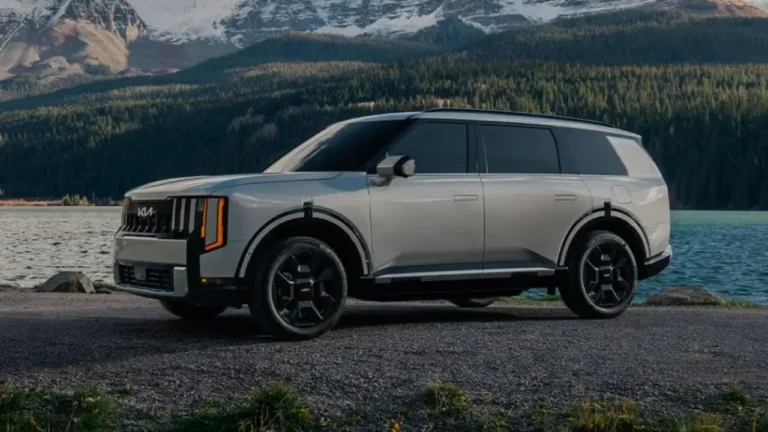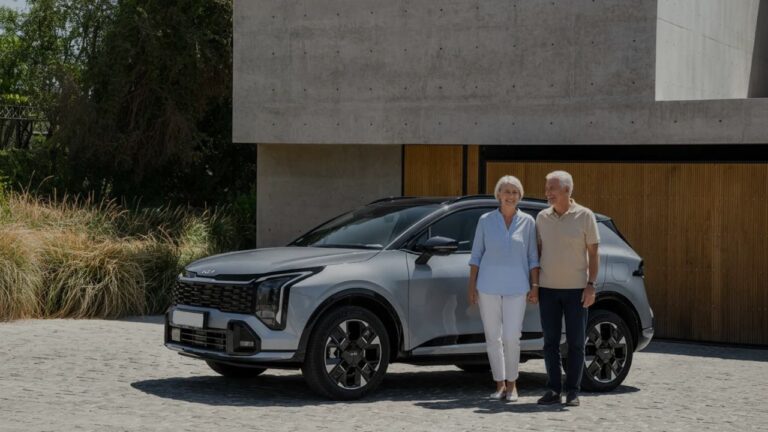
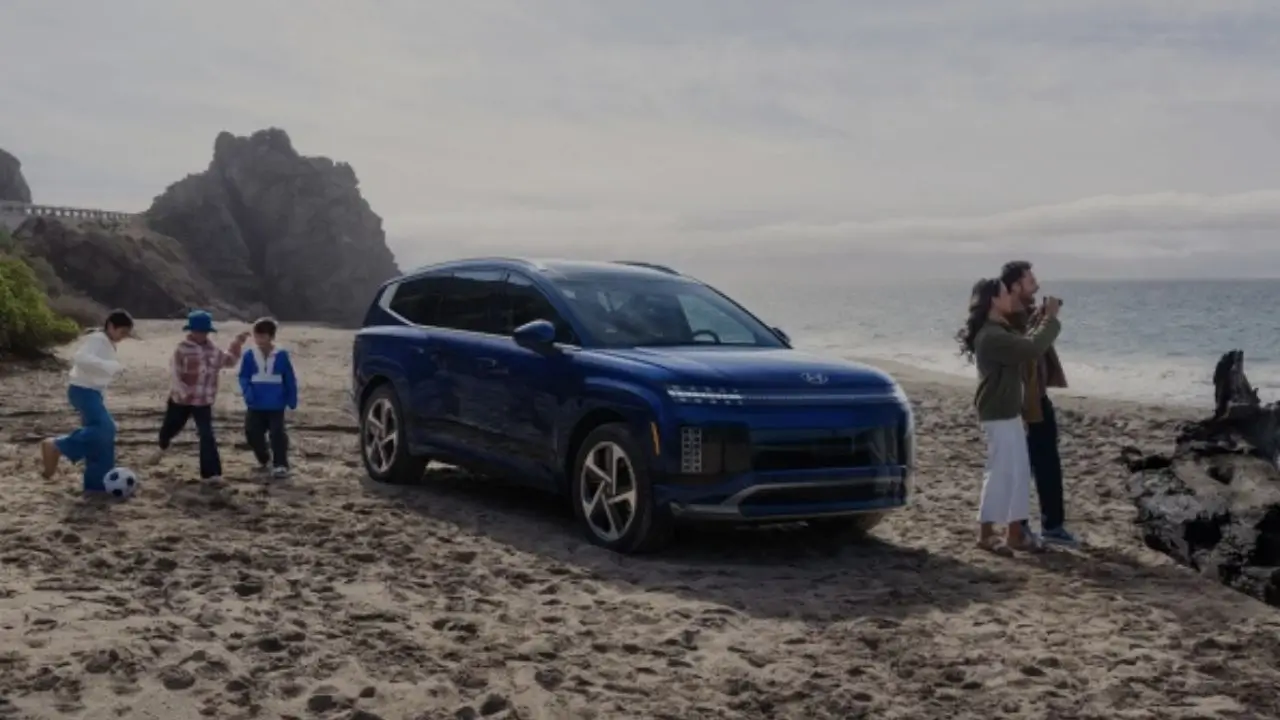
The best family cars in 2026 must handle more than the morning school run. They need enough space for passengers, child seats, strollers, groceries, sports gear, and road-trip luggage without becoming unnecessarily expensive to buy or operate.
Families also need to consider how a vehicle works in real life. A three-row SUV may advertise seating for eight, but its third row may be difficult to access or leave little room for cargo. A compact SUV may offer better fuel economy, yet become restrictive as children grow or when rear-facing child seats are installed.
Purchase price is only one part of the decision. Insurance, fuel, tires, maintenance, depreciation, parking, and financing all affect long-term ownership cost.
Quick Picks
- Best Overall Family Car: 2026 Toyota Sienna
- Best Compact Family SUV: 2026 Honda CR-V
- Best Family Minivan Alternative: 2026 Kia Carnival Hybrid
- Best Three-Row Family SUV: 2026 Toyota Grand Highlander
- Best Premium-Feeling Family SUV: 2026 Hyundai Palisade Hybrid
- Best Value Hybrid With Three Rows: 2026 Hyundai Santa Fe Hybrid
- Best for Outdoor Families: 2026 Subaru Outback
- Best for Smaller Families: 2026 Honda Accord Hybrid
Best Family Cars
| Model | Starting MSRP | Seating | Fuel Economy | Maximum Cargo Space | Best For |
| Toyota Sienna | About $40,420 | 7–8 | Up to 36 mpg combined | Around 101 cu. ft. | Best overall |
| Honda CR-V | $30,920 | 5 | Varies by gas/hybrid trim | Around 76.5 cu. ft. | Smaller families |
| Kia Carnival Hybrid | $41,390 | 7–8 | 32 mpg combined | Over 140 cu. ft. in select layouts | Passenger flexibility |
| Toyota Grand Highlander | $41,360 | 7–8 | Up to 34 mpg hybrid | 97.5 cu. ft. | Three-row SUV buyers |
| Hyundai Palisade Hybrid | $44,160 | 7–8 | Up to 34 mpg combined | Large three-row cargo area | Premium family comfort |
| Hyundai Santa Fe Hybrid | $36,400 | Up to 7 | Up to 36 mpg combined | Around 79.6 cu. ft. | Value and occasional third row |
| Subaru Outback | $34,995 | 5 | Up to 25/31 mpg | 80.5 cu. ft. | Outdoor families |
| Honda Accord Hybrid | Low-$30,000 range | 5 | Hybrid efficiency | Approx. 16.7-cu.-ft. trunk | Family sedan buyers |
Starting prices usually exclude destination fees, taxes, registration, options, and dealer charges. Cargo measurements may use different manufacturer methods and should be treated as general comparisons rather than exact like-for-like figures.
1. 2026 Toyota Sienna — Best Overall Family Car
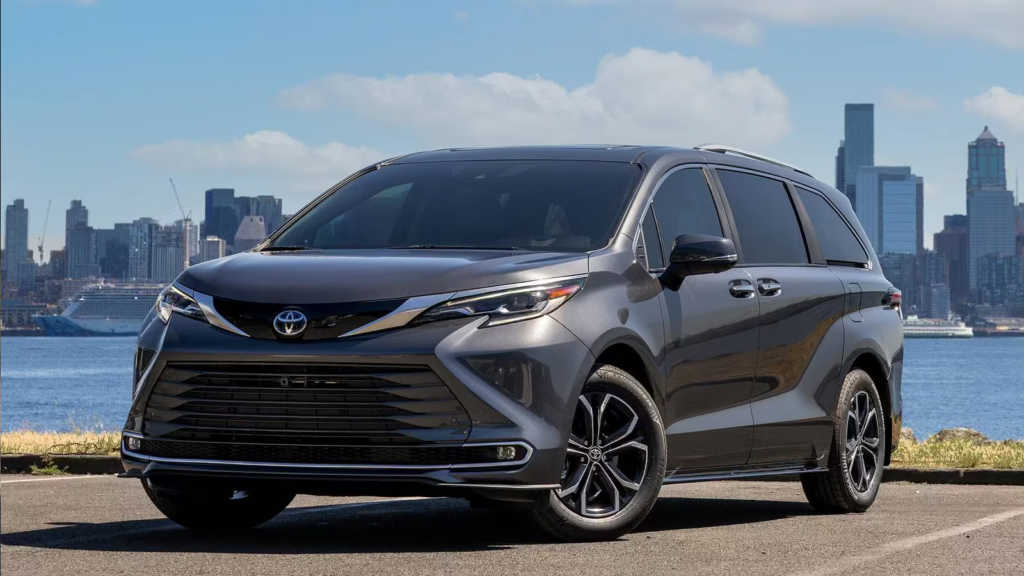
The 2026 Toyota Sienna is the strongest overall choice for families who regularly carry children, adults, and cargo.
Every Sienna uses a hybrid powertrain producing 245 total system horsepower. Front-wheel-drive versions can achieve a manufacturer-estimated 36 mpg combined, which is strong for a vehicle of this size. All-wheel drive is also available for families dealing with winter weather.
The Sienna can carry seven or eight passengers, depending on the trim and seating configuration. Its sliding rear doors make it easier to load children in tight parking spaces, while its lower step-in height is more convenient than that of many three-row SUVs.
The cabin is designed around family use. Available features include multiple climate zones, numerous storage areas, a digital rearview mirror, a rear entertainment system, and second-row captain’s chairs on selected trims.
Its main compromise is flexibility. Unlike some rival minivans, the second-row seats are not designed for quick removal. Families planning to use the vehicle regularly as a cargo van should inspect the seat-folding arrangement carefully.
The Sienna starts at roughly $40,000 before destination, taxes, and options. That is not cheap, but its fuel economy and practical cabin can make it a strong long-term value.
Best for: Large families, road trips, carpools, child-seat access, and buyers prioritizing fuel economy.
2. 2026 Honda CR-V — Best Compact Family SUV
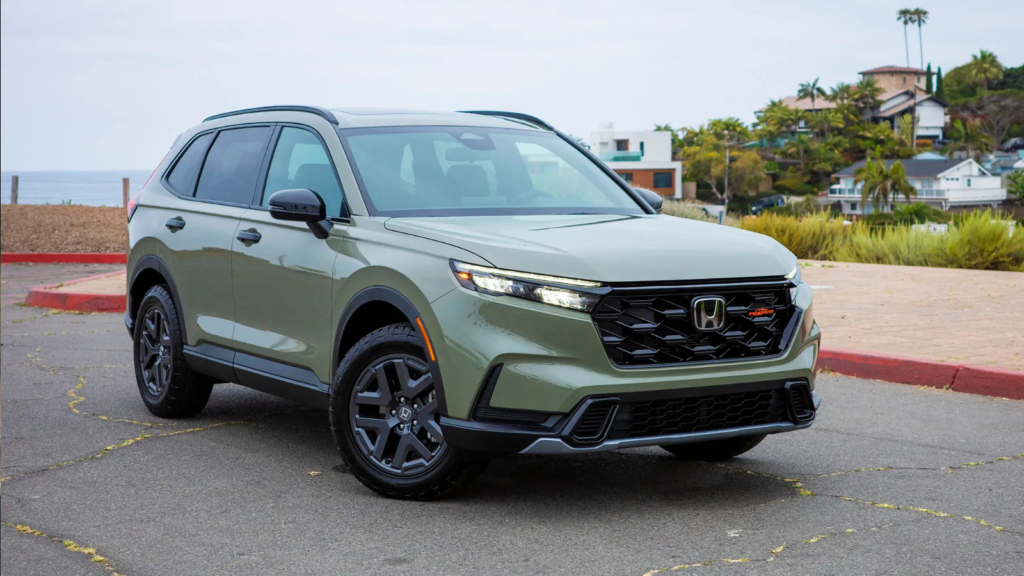
The 2026 Honda CR-V is the best choice for smaller families that do not need a third row.
It starts at approximately $30,920 in LX form and is available with gasoline and hybrid powertrains. The CR-V’s strengths include a roomy rear seat, a broad cargo opening, straightforward controls, and a comfortable ride.
The second row works well for child seats, while wide rear-door openings make installation easier than in many smaller crossovers. The cargo area can accommodate strollers, groceries, school bags, and everyday family equipment without requiring a larger three-row vehicle.
Hybrid trims are particularly attractive for urban and suburban families. They reduce fuel use in stop-and-go traffic while providing smooth low-speed performance.
Honda includes its Honda Sensing driver-assistance package across the range. Buyers should still compare trim specifications because features such as blind-spot monitoring, parking sensors, and low-speed braking control may not be standard on every version.
The CR-V is not the right option for families that regularly carry more than five people. It also becomes more expensive in higher hybrid and all-wheel-drive trims.
Best for: Families with one or two children, suburban commuting, child-seat practicality, and mixed city-highway use.
3. 2026 Kia Carnival Hybrid — Best Family Minivan Alternative
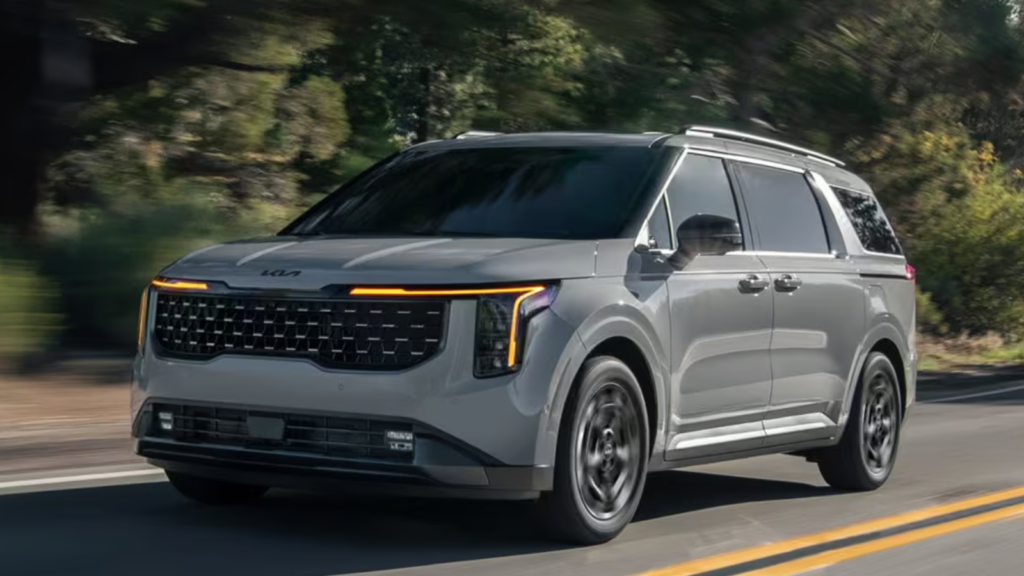
The 2026 Kia Carnival Hybrid combines minivan practicality with styling intended to resemble a large SUV.
It starts at approximately $41,390 and uses a turbocharged hybrid powertrain producing 242 horsepower and 271 lb-ft of torque. Kia rates it at an EPA-estimated 32 mpg combined.
The Carnival’s greatest advantage is its passenger and cargo flexibility. Sliding doors improve access, and the three-row cabin provides substantial room for children and adults. Depending on configuration, the second row may prioritize maximum flexibility or premium lounge-style comfort.
Kia includes 18 standard driver-assistance features on the Carnival Hybrid. Available equipment includes a surround-view camera, blind-view monitor, rear passenger camera, intercom system, and entertainment displays.
The hybrid does not match the Sienna’s fuel-economy rating, and all-wheel drive is not available. Families in snowy areas should decide whether winter tires on a front-wheel-drive minivan are sufficient for their needs.
The gas-powered Carnival starts lower, but the hybrid may make more sense for families covering substantial mileage.
Best for: Families wanting minivan space, strong technology, flexible seating, and SUV-inspired styling.
4. 2026 Toyota Grand Highlander — Best Three-Row Family SUV
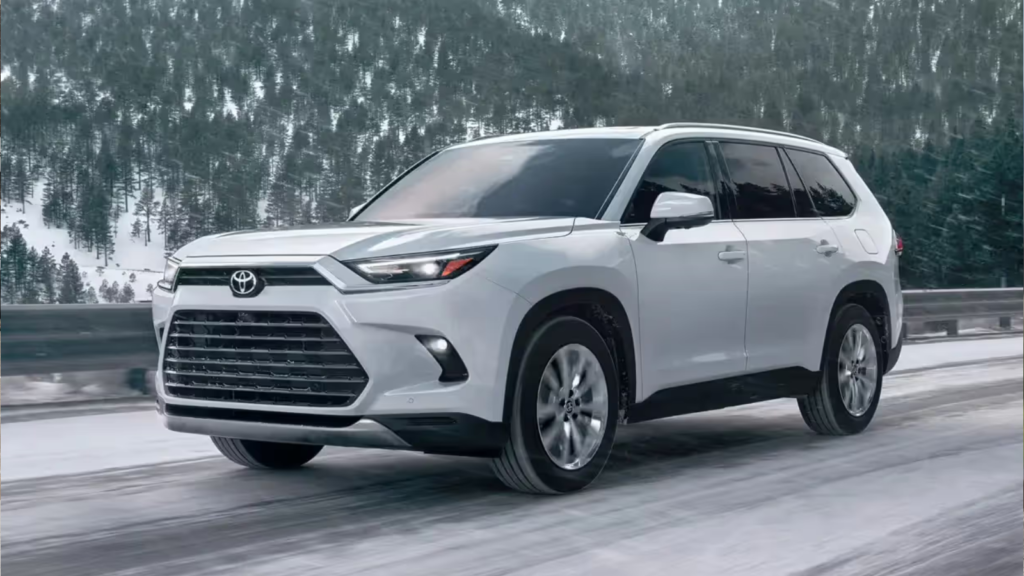
The 2026 Toyota Grand Highlander is the strongest SUV choice for families that need a genuinely usable third row and more cargo room than a conventional midsize crossover provides.
The gas model starts at approximately $41,360, while the standard hybrid begins around $44,710. Toyota offers seating for seven or eight, depending on whether the second row uses captain’s chairs or a bench.
The Grand Highlander provides 20.6 cubic feet of cargo room with all three rows upright and up to 97.5 cubic feet when the rear seating is folded. Those figures make it more useful for road trips than many three-row SUVs that provide little luggage room behind their third row.
Three powertrains are available:
- Turbocharged gasoline
- Fuel-efficient hybrid
- Performance-focused Hybrid MAX
The standard hybrid is the best family choice. It can return a manufacturer-estimated 34 mpg combined while providing enough performance for routine travel. The 362-horsepower Hybrid MAX is quicker, but its price and fuel use are harder to justify for ordinary family duties.
The Grand Highlander is large, so urban families should check garage dimensions and parking comfort. Higher trims can also become expensive.
Best for: Larger families wanting SUV styling, a usable third row, hybrid efficiency, and road-trip cargo capacity.
5. 2026 Hyundai Palisade Hybrid — Best Premium-Feeling Family SUV
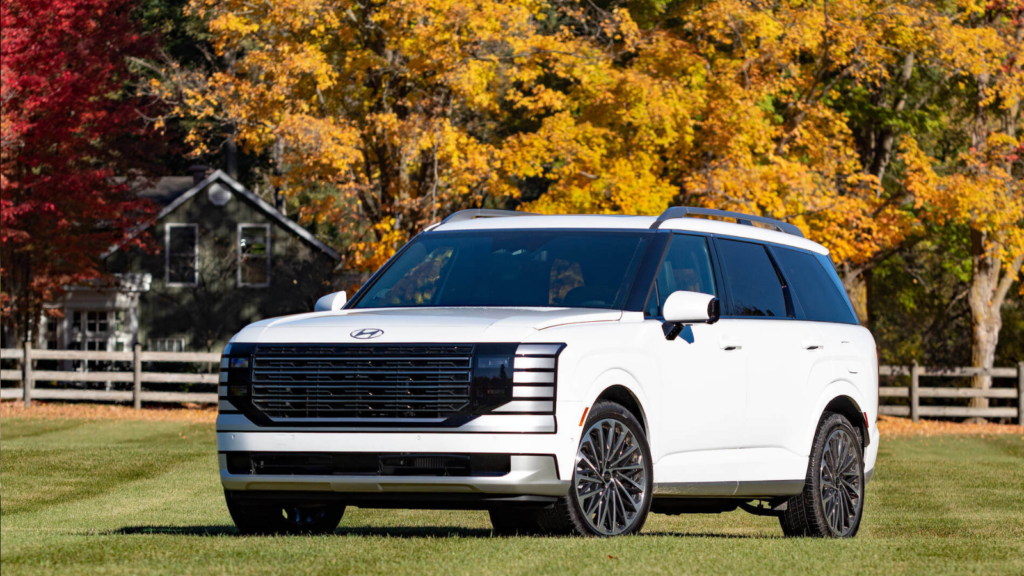
The redesigned 2026 Hyundai Palisade Hybrid is a strong option for families wanting three rows, a refined cabin, and better fuel economy than a conventional large SUV.
It starts at approximately $44,160. Hyundai rates it at up to 34 mpg combined and estimates a driving range of up to 619 miles, depending on configuration.
The Palisade provides a more upscale cabin experience than its mainstream badge may suggest. Available family-focused equipment includes second-row captain’s chairs, multiple climate zones, surround-view cameras, advanced parking assistance, and extensive driver-assistance technology.
Its three rows can accommodate a growing family more effectively than a compact crossover. The third row remains best suited to children and smaller adults for longer journeys, so buyers should test it with their regular passengers.
The Palisade Hybrid costs more than the Hyundai Santa Fe Hybrid and approaches the pricing of some entry-level luxury models in its upper trims. Larger wheels and premium equipment can also raise tire, insurance, and repair costs.
The standard gasoline Palisade begins around $39,435, but families driving significant annual mileage may find the hybrid’s lower fuel use worth the added purchase price.
Best for: Families seeking comfort, three-row space, long-distance range, and a premium cabin without moving to a luxury brand.
6. 2026 Hyundai Santa Fe Hybrid — Best-Value Hybrid With Three Rows
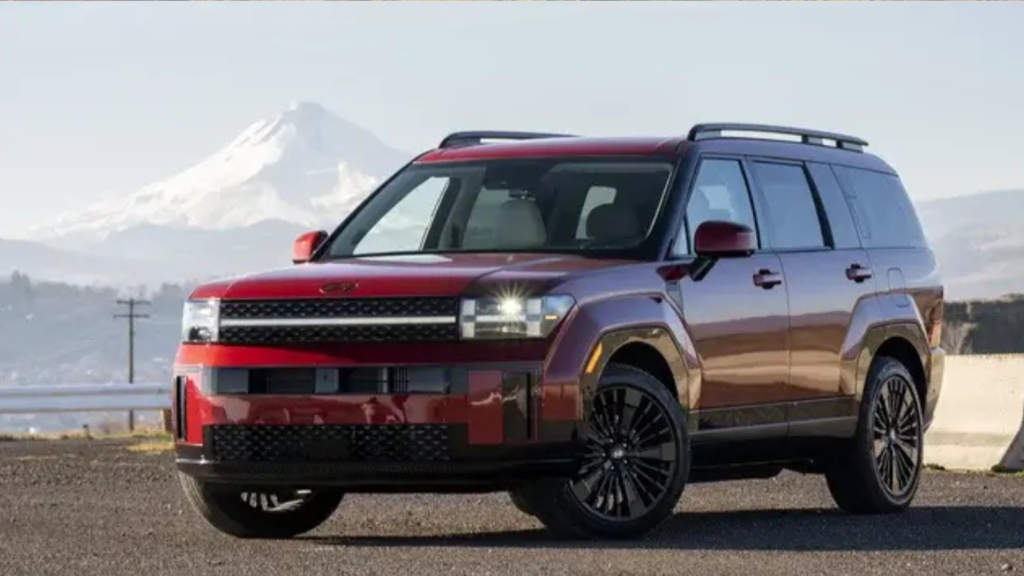
The 2026 Hyundai Santa Fe Hybrid offers three-row seating and good fuel economy at a lower starting price than most large family SUVs.
It begins at approximately $36,400 and produces 231 combined horsepower. Front-wheel-drive versions are rated at 37 mpg city, 36 mpg highway, and 36 mpg combined. All-wheel-drive models are rated at 34 mpg combined.
The Santa Fe’s boxy body creates a practical cabin and makes it easier to judge the vehicle’s corners. Its third row is useful for children or occasional adult passengers, although it is less spacious than the third row in the Palisade or Grand Highlander.
This makes the Santa Fe a good middle-ground option. It gives a five-person family extra seating when needed without requiring the price, size, and fuel use of a larger three-row SUV.
Families that need all seven seats every day should choose a larger vehicle. Cargo capacity behind the occupied third row is also more limited than in a minivan or Grand Highlander.
The available all-wheel-drive system may appeal to buyers in colder regions, but front-wheel drive provides the strongest fuel economy.
Best for: Families needing occasional third-row seating, hybrid fuel savings, and a lower entry price.
7. 2026 Subaru Outback — Best for Outdoor Families
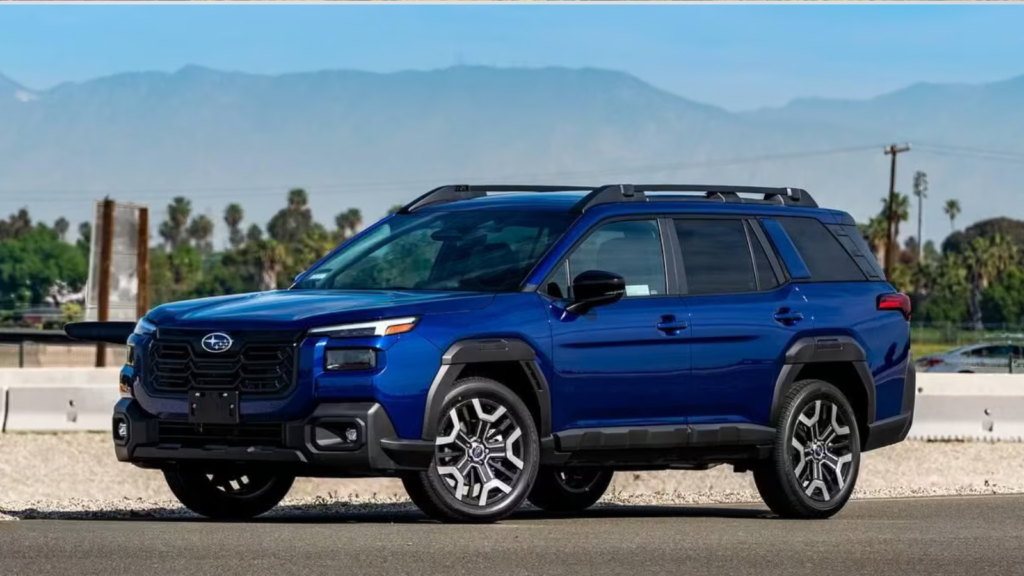
The redesigned 2026 Subaru Outback is a practical five-seat family vehicle for households that spend weekends camping, hiking, skiing, or traveling on poor roads.
The Outback Premium starts at $34,995. Standard features include all-wheel drive, EyeSight driver-assistance technology, dual-zone climate control, and a power rear gate. Non-turbo versions can return up to 25 mpg city and 31 mpg highway.
Its upright 2026 body provides up to 112.3 cubic feet of passenger volume and as much as 80.5 cubic feet of maximum cargo capacity.
The Outback has several family advantages:
- Good outward visibility
- Manageable step-in height
- Standard all-wheel drive
- Wide cargo opening
- Useful roof-load capability
- Comfortable long-distance ride
The two-row layout limits it to five passengers. Families needing a third row should consider the Grand Highlander, Palisade, Santa Fe, Sienna, or Carnival.
The turbocharged XT trims provide stronger performance but cost more and use more fuel. The base 2.5-liter engine is sufficient for many families, though drivers should test it with passengers and cargo to judge highway acceleration.
Best for: Five-person families, winter weather, outdoor equipment, pets, and active lifestyles.
8. 2026 Honda Accord Hybrid — Best Family Sedan
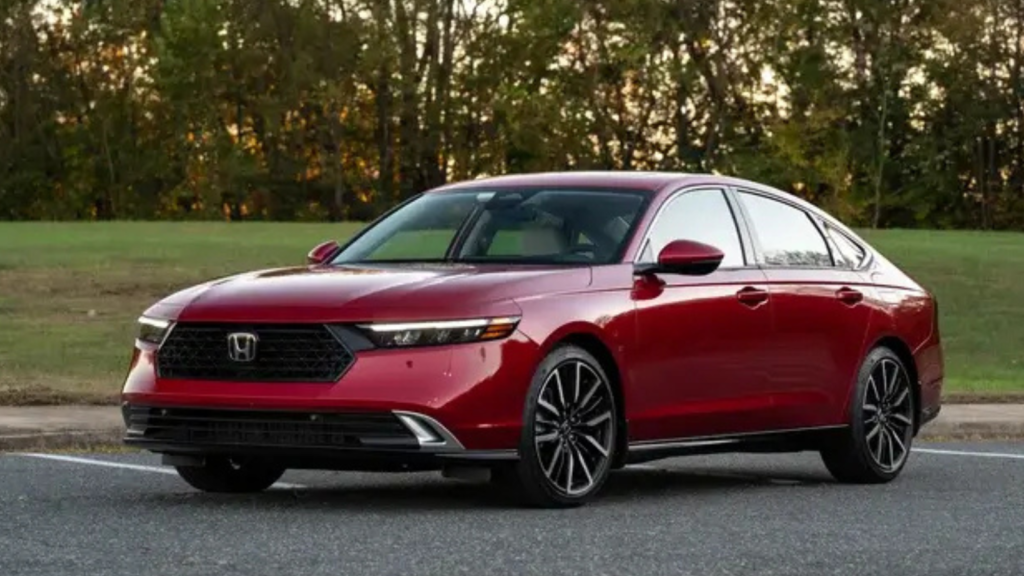
Not every family needs an SUV. The 2026 Honda Accord Hybrid is a sensible choice for parents who prioritize rear-seat comfort, fuel economy, and road manners over maximum cargo height.
The Accord Hybrid uses a 204-horsepower hybrid system. It provides a spacious rear seat, a large conventional trunk, and a lower driving position than the SUVs and minivans in this guide.
A sedan can offer several ownership advantages:
- Lower aerodynamic drag
- Good highway fuel economy
- Easier parking
- Lower purchase price than many three-row SUVs
- Stable road behavior
- Lower loading height for smaller items
The Accord works best for families with one or two older children. Installing rear-facing child seats is possible, but taller SUV doors and seating positions may be more convenient for parents loading infants several times per day.
The trunk handles groceries and luggage well, but it cannot match the vertical cargo flexibility of a hatchback, crossover, or minivan.
Best for: Small families, long commutes, highway travel, older children, and buyers who do not need SUV cargo space.
How to Choose the Right Family Car
The right family vehicle depends on the number of passengers you carry, the ages of your children, your parking environment, and how often you travel with cargo.
Choose the Right Number of Seats
A five-seat vehicle can work well for one or two children, especially when the rear bench is wide enough for child seats.
A three-row model becomes more useful when you regularly carry:
- Three or more children
- Grandparents
- Friends
- Carpool passengers
- Visiting relatives
Do not choose based only on the stated seating capacity. Sit in every row and check whether adults or growing children can use the third row comfortably.
Test Child-Seat Access
Families using child seats should check:
- Width of the rear bench
- LATCH-anchor location
- Top-tether access
- Door-opening angle
- Roof height
- Front-seat space with a rear-facing seat installed
- Ability to reach the third row
- Whether second-row seats move with a child seat attached
Bring your own child seats to the dealership when possible. Specifications cannot show whether your exact seats fit comfortably.
Check Cargo Space With Every Seat in Use
Maximum cargo figures are often measured with the rear seats folded. That number may not reflect family use.
Check space behind:
- The third row
- The second row
- All seats when occupied
A vehicle may offer a large maximum capacity but very little room for luggage when every passenger seat is being used.
Consider Sliding Doors
Sliding rear doors make minivans easier to use in narrow parking spaces. They also improve access when loading children into car seats.
Conventional SUV doors can work well, but they require more side clearance and may be harder for young children to control.
Prioritize Practical Safety Features
Useful family-car technology includes:
- Automatic emergency braking
- Pedestrian and cyclist detection
- Blind-spot monitoring
- Rear cross-traffic alert
- Lane-keeping assistance
- Adaptive cruise control
- Parking sensors
- Surround-view camera
- Rear-seat reminder
- Safe-exit warning
- Rear automatic braking
Feature availability varies by trim. Compare the equipment installed on the exact vehicle rather than relying on the model’s advertising.
Think Beyond the Purchase Price
Estimate the complete monthly cost, including:
- Loan payment
- Insurance
- Fuel or charging
- Maintenance
- Tires
- Registration
- Parking
- Repairs
- Depreciation
A less expensive SUV may use more fuel than a hybrid minivan. A higher trim may also require larger and more expensive tires.
Ownership Cost Considerations
Fuel and Charging
Hybrid family vehicles can reduce fuel expenses, particularly during urban and suburban driving.
The Sienna, Grand Highlander Hybrid, Palisade Hybrid, Santa Fe Hybrid, Carnival Hybrid, and Accord Hybrid do not require external charging. Owners fuel them like regular gasoline vehicles.
The savings depend on:
- Annual mileage
- Local fuel prices
- Driving conditions
- Hybrid purchase premium
- Length of ownership
Families driving fewer miles may not recover a large hybrid premium quickly.
Insurance
Insurance costs can vary based on:
- Driver history
- Location
- Vehicle value
- Repair costs
- Theft rates
- Trim level
- Safety equipment
- Annual mileage
- Coverage limits
Get quotes for the exact trim before buying. High-spec family SUVs with large wheels, panoramic roofs, cameras, and advanced lighting may cost more to repair than lower trims.
Tires
Family vehicles are heavy and often use large tires.
Before buying, check:
- Tire size
- Replacement price
- Expected lifespan
- Availability
- Winter-tire cost
- Whether all four tires must remain closely matched
A higher trim with 20- or 21-inch wheels may cost considerably more to equip with tires than a base model with 18-inch wheels.
Maintenance
Budget for:
- Oil and filters
- Brake servicing
- Tires
- Battery replacement
- Wheel alignment
- Fluid services
- Wiper blades
- Air-conditioning repairs
- Unexpected damage
Hybrid vehicles still require routine maintenance, although regenerative braking may reduce conventional brake wear in some driving conditions.
Resale Value
Resale value is affected by:
- Mileage
- Condition
- Service records
- Accident history
- Trim
- Color
- Local demand
- Fuel prices
Popular family vehicles with practical configurations are often easier to resell than unusually equipped or performance-focused versions.
New vs Used Cars For Family
Buying used can reduce the purchase price and depreciation, but family buyers should pay close attention to safety, condition, and maintenance.
A three- to five-year-old family car can provide:
- Lower purchase cost
- Modern safety technology
- Reduced initial depreciation
- Lower loan amount
- Remaining warranty in some cases
Before buying used:
- Check the title and VIN.
- Review the vehicle history.
- Search for open recalls.
- Inspect all seatbelts and child-seat anchors.
- Test every door and seat-folding mechanism.
- Check climate control in every row.
- Inspect the tires and brakes.
- Arrange an independent mechanical inspection.
Used minivans and SUVs may have experienced heavy family use. Look carefully for damaged interior trim, broken seat mechanisms, stains, electrical faults, and worn sliding doors or liftgates.
Common Car Buying Mistakes
Buying a Third Row That Is Too Small
Do not assume every seven-seat vehicle can carry seven people comfortably. Test third-row access and space with the passengers who will use it.
Ignoring Cargo Space Behind the Third Row
A vehicle may carry seven passengers or their luggage, but not both. Check cargo room with every seat occupied.
Skipping the Child-Seat Test
Bring your child seats and confirm that they fit without forcing the front seats into uncomfortable positions.
Choosing a Higher Trim for Appearance
Large wheels, sport packages, and premium interior materials can raise tire, repair, and insurance costs without improving family practicality.
Buying Too Large a Vehicle
A full-size SUV may provide space but become expensive to fuel, park, and maintain. Buy for your regular use rather than rare occasions.
Assuming All-Wheel Drive Replaces Winter Tires
All-wheel drive can help the vehicle accelerate in slippery conditions. It does not create the same braking and cornering grip as suitable tires.
Ignoring Rear Climate Control
Families living in hot or cold regions should check whether rear passengers receive dedicated vents, fan controls, and temperature settings.
Final Buying Advice
Before buying, test the vehicle with your regular passengers, child seats, stroller, and everyday cargo. Compare insurance, tire prices, fuel use, parking requirements, and the out-the-door cost.
The best family vehicle is not the one with the highest seating capacity. It is the car that makes everyday travel easier while remaining affordable throughout the years your family plans to keep it.