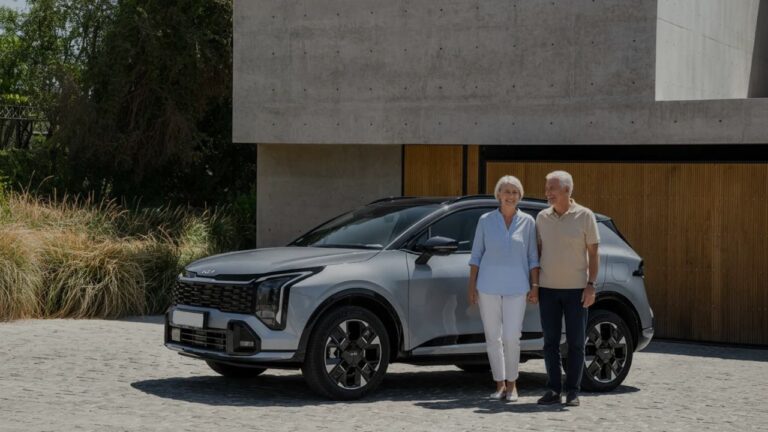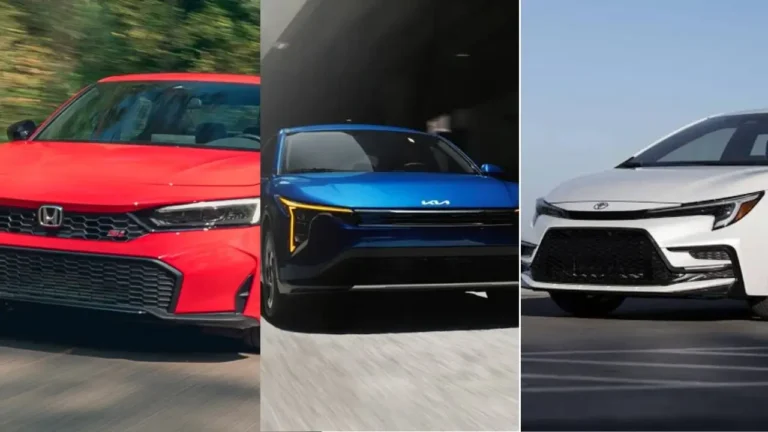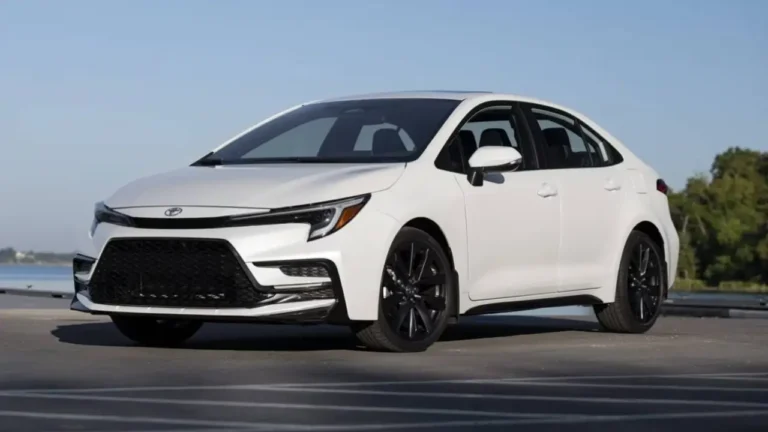
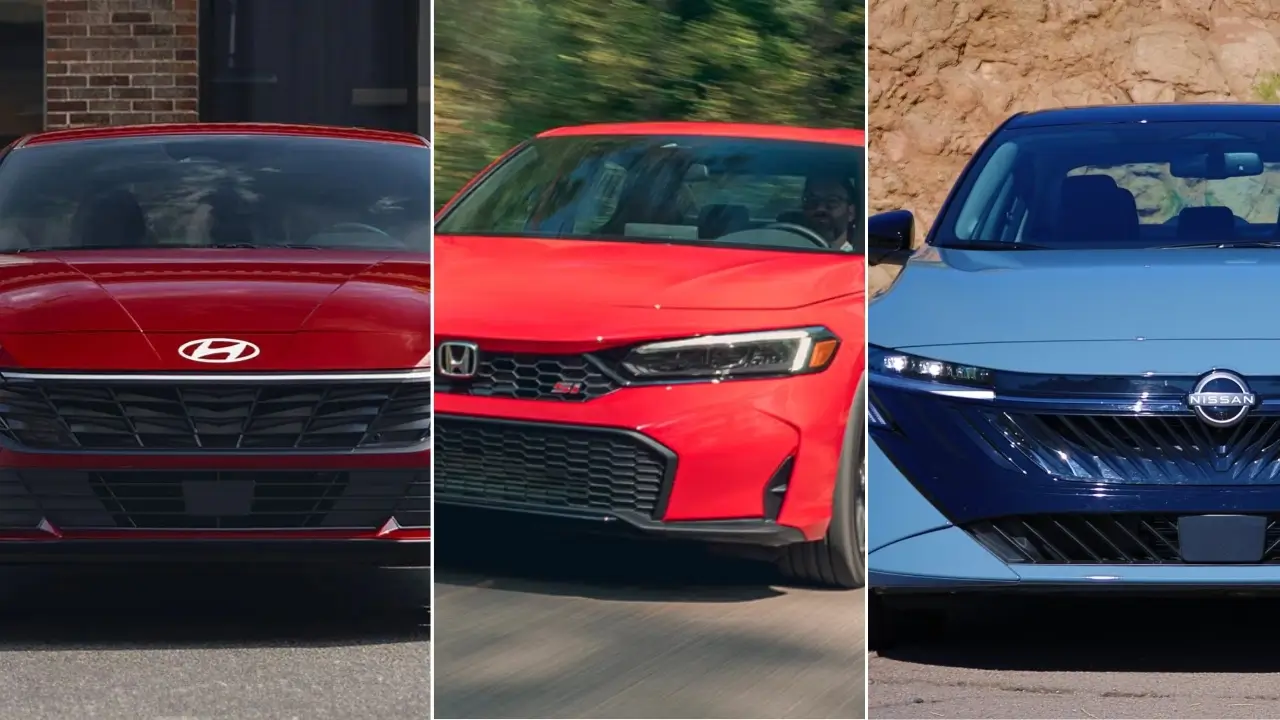
The best cheap cars for young drivers must do more than carry a low sticker price. They should also be economical to insure, efficient in daily traffic, easy to park, reasonably dependable, and equipped with useful safety technology.
This is where many first-time buyers make a costly mistake. A car with a low monthly payment may still have expensive insurance, poor fuel economy, costly tires, or a long loan term. Similarly, a sporty trim can appear affordable until higher premiums, premium fuel, and replacement parts are added.
For most young drivers, a compact sedan or hatchback provides the strongest balance. These cars generally cost less than SUVs, use less fuel, and offer enough space for commuting, college, work, and everyday errands.
Best Cheap Cars for Young Drivers
| Model | Approx. Starting MSRP | Fuel Economy | Power | Body Style | Best For |
| Toyota Corolla | About $23,000 | Up to 35 mpg combined gas | 169 hp | Sedan | Best overall |
| Kia K4 | $22,290 | Around low-30s combined | 147 hp | Sedan | Lowest-price value |
| Hyundai Elantra | $22,625 | 35 mpg combined | 147 hp | Sedan | Features and space |
| Nissan Sentra | $22,600 | Up to 30/38 mpg | 149 hp | Sedan | Discount shoppers |
| Honda Civic | About mid-$24,000s | Up to mid-30s combined gas | 150 hp gas | Sedan | Long-term ownership |
| Chevrolet Trax | About low-$20,000s | 30 mpg combined | 137 hp | Small SUV | Cargo flexibility |
| Subaru Impreza | About mid-$20,000s | Up to 33 mpg highway | Varies by trim | Hatchback | Snow and AWD |
| Mazda3 Sedan | About mid-$20,000s | Around 30 mpg combined | 186 hp | Sedan | Premium feel |
MSRPs generally exclude destination fees, taxes, registration, options, and dealer charges. Prices and specifications can change during the model year.
Quick Picks
- Best Overall: 2026 Toyota Corolla
- Cheapest Well-Rounded Sedan: 2026 Kia K4
- Best Standard Value: 2026 Hyundai Elantra
- Best Low-Cost Alternative: 2026 Nissan Sentra
- Best for Driving and Long-Term Use: 2026 Honda Civic
- Best Affordable SUV: 2026 Chevrolet Trax
- Best for Snowy Areas: 2026 Subaru Impreza
- Best Premium-Feeling Choice: 2026 Mazda3 Sedan
- Best Used-Car Strategy: A three- to five-year-old compact sedan with a clean title and full inspection
1. 2026 Toyota Corolla — Best Overall
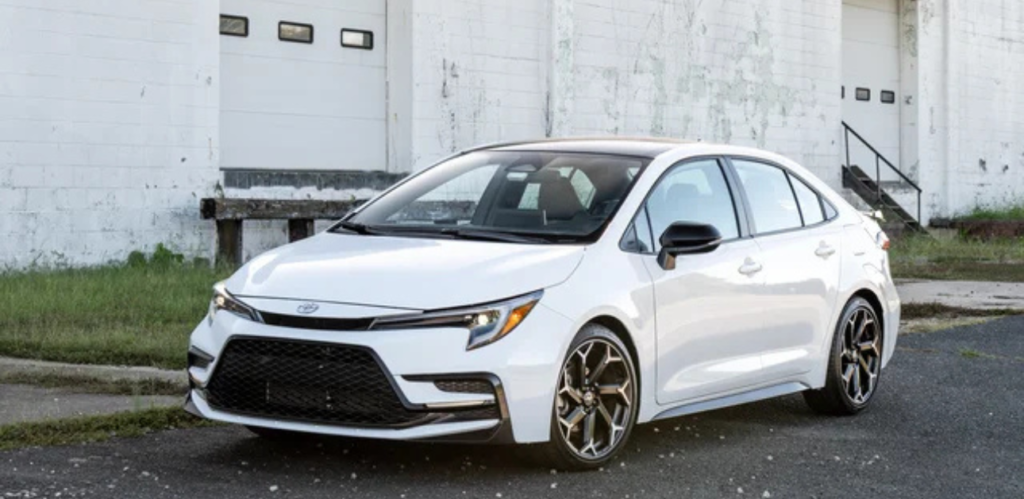
The 2026 Toyota Corolla remains one of the safest recommendations for young drivers who need simple, efficient, everyday transportation.
The Corolla combines manageable dimensions, broad service availability, good fuel economy, and a long-established place in the compact-car market. The standard gasoline model uses a 2.0-liter four-cylinder engine, while a hybrid version is also available.
Toyota lists the Corolla with gasoline and hybrid powertrains, with the most efficient versions returning up to an estimated 50 mpg combined. The Corolla LE gasoline model is rated at approximately 32 mpg city, 41 mpg highway, and 35 mpg combined.
The regular gasoline Corolla is the better value for many young drivers. It costs less than the hybrid and still provides strong fuel economy. The hybrid becomes more appealing for drivers who cover high annual mileage or spend most of their time in congested traffic.
Interior and rear-seat space are adequate rather than class-leading. Buyers who regularly carry several adults may prefer the Honda Civic, Hyundai Elantra, or Kia K4.
The Corolla is best for:
- Students
- City commuters
- First-time buyers
- Drivers planning long ownership
- Buyers prioritizing fuel economy and resale demand
Its biggest strength is balance. It is not the cheapest, largest, or fastest car here, but it performs well across nearly every factor that matters to a young driver.
2. 2026 Kia K4 — Cheapest Well-Rounded Sedan
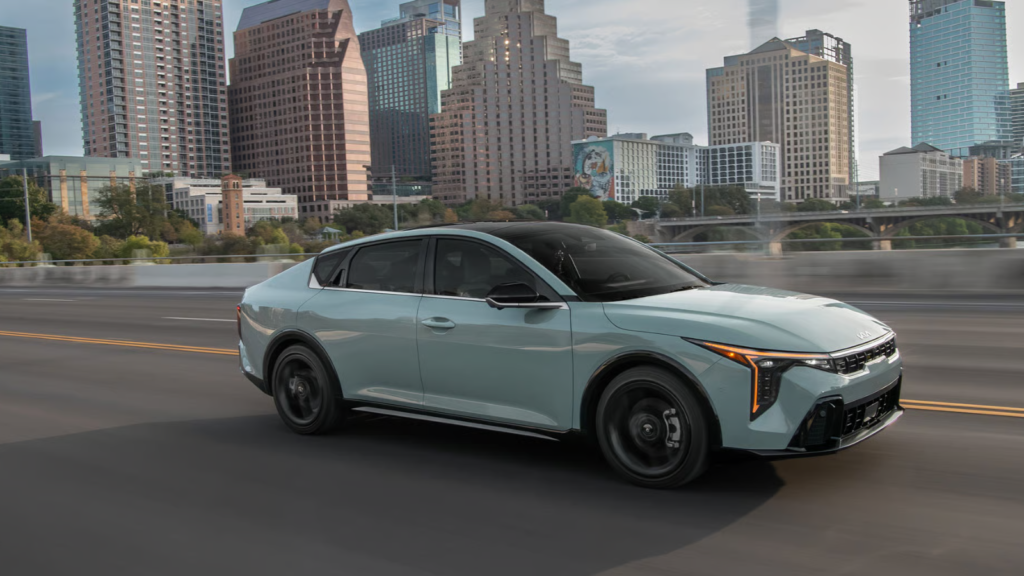
The 2026 Kia K4 is one of the lowest-priced new compact sedans that still offers a modern cabin and useful passenger space.
Kia lists the base K4 LX at a starting MSRP of $22,290. The next LXS trim starts at $23,390.
The standard K4 uses a 147-horsepower engine. That output is adequate for commuting, city driving, and routine highway use without creating the added fuel and insurance concerns associated with the available turbocharged version. Kia also promotes the K4’s generous rear-seat legroom as one of its main practical strengths.
The interior looks more expensive than the base price suggests, which can appeal to young buyers who want a modern design without moving into a higher-priced trim.
The K4 is best for:
- Buyers working with a tight new-car budget
- Drivers carrying friends or family
- College commuters
- Buyers who value cabin technology
- Drivers who do not need high performance
The base and lower trims make the most sense. The turbocharged GT-Line Turbo costs more to buy, fuel, insure, and maintain, which reduces its value as a cheap first car.
Because the K4 is a newer nameplate, its long-term resale pattern is less established than that of the Corolla or Civic. Buyers expecting to sell within a few years should compare estimated trade-in values and insurance quotes.
3. 2026 Hyundai Elantra — Best Standard Value
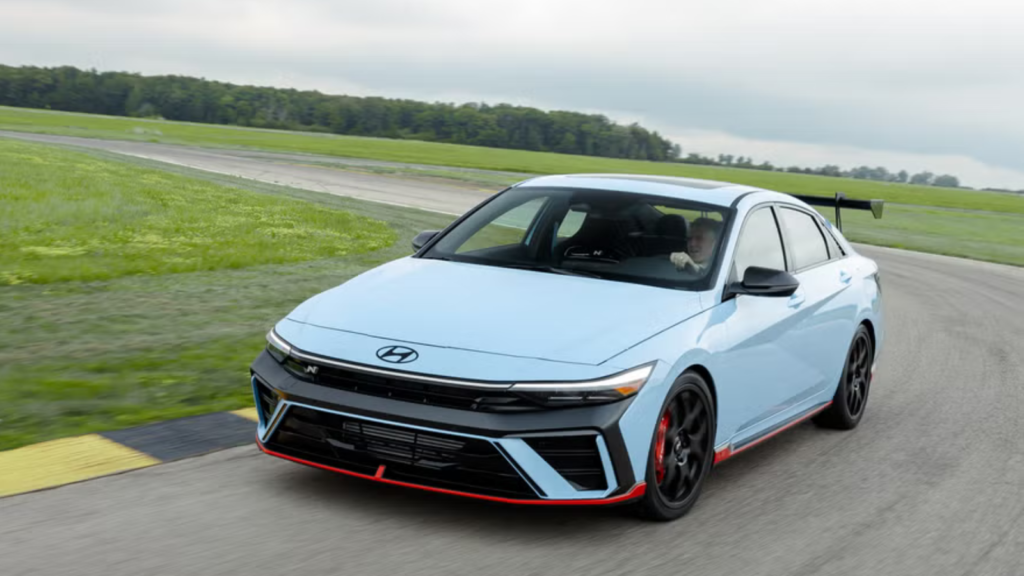
The 2026 Hyundai Elantra gives young buyers a low starting price, strong fuel economy, a roomy cabin, and a broad range of available features.
Hyundai lists the 2026 Elantra SE from $22,625. Its official fuel-economy estimate is 31 mpg city, 40 mpg highway, and 35 mpg combined.
The regular Elantra uses a 147-horsepower engine. It is not especially quick, but that is rarely a disadvantage for a first-time buyer. The powertrain is better suited to affordable commuting than aggressive driving.
The cabin provides good passenger room, and the trunk is practical for groceries, luggage, school supplies, or work equipment.
The Elantra is best for:
- Buyers seeking maximum equipment for the money
- Daily commuters
- Young couples
- Drivers wanting a spacious compact sedan
- Buyers considering a hybrid later
Hyundai also sells an Elantra Hybrid. The most efficient Blue version is rated at 51 mpg city, 58 mpg highway, and 54 mpg combined, while other hybrid trims return 50 mpg combined.
The hybrid can save fuel, but young buyers should compare its higher purchase price and insurance quote with the regular gasoline model. The standard Elantra SE will usually provide the lower initial cost.
4. 2026 Nissan Sentra — Best Low-Cost Alternative
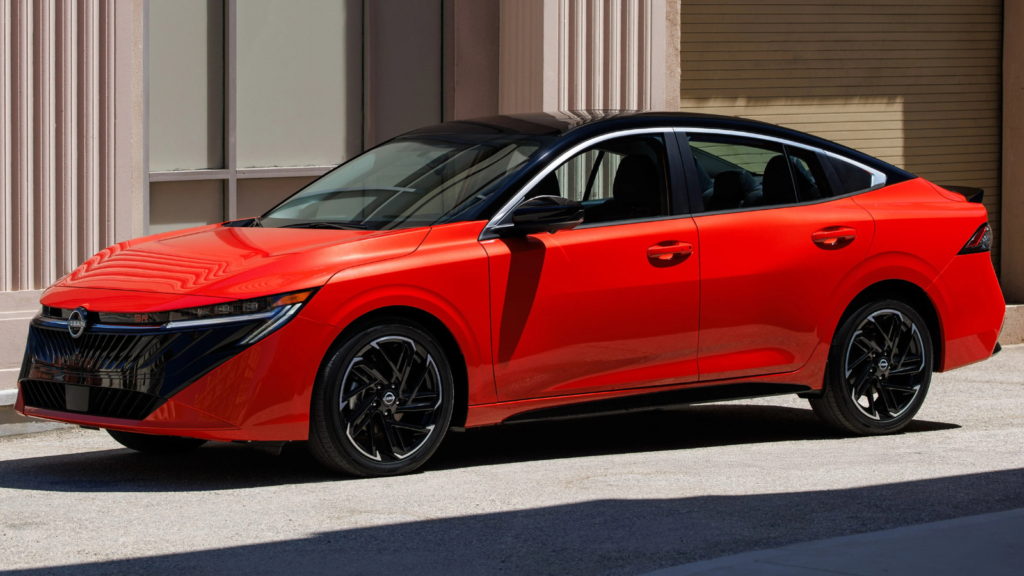
The 2026 Nissan Sentra is a useful option for buyers who want an affordable new sedan with comfortable road manners and current technology.
Nissan lists the 2026 Sentra S at $22,600, the SV at $23,370, and the SR at $25,000. The model produces 149 horsepower and returns up to an estimated 30 mpg city and 38 mpg highway.
The Sentra is designed more for comfort and commuting than performance. That makes it a reasonable first car for drivers who want predictable acceleration and a relaxed ride.
Its strongest value may depend on local dealer pricing. Manufacturer incentives or dealer discounts can make it cheaper than a comparable Corolla, Civic, Elantra, or K4.
The Sentra is best for:
- Budget commuters
- Buyers who find a strong local discount
- Drivers who prioritize ride comfort
- Young buyers wanting a new-car warranty
- Drivers who do not need an SUV
Compare the complete out-the-door price rather than the advertised discount. Dealer accessories, documentation charges, protection packages, and financing can make a discounted vehicle more expensive than expected.
Resale value should also be compared with the Corolla and Civic, particularly for buyers planning a short ownership period.
5. 2026 Honda Civic — Best for Driving and Long-Term Use
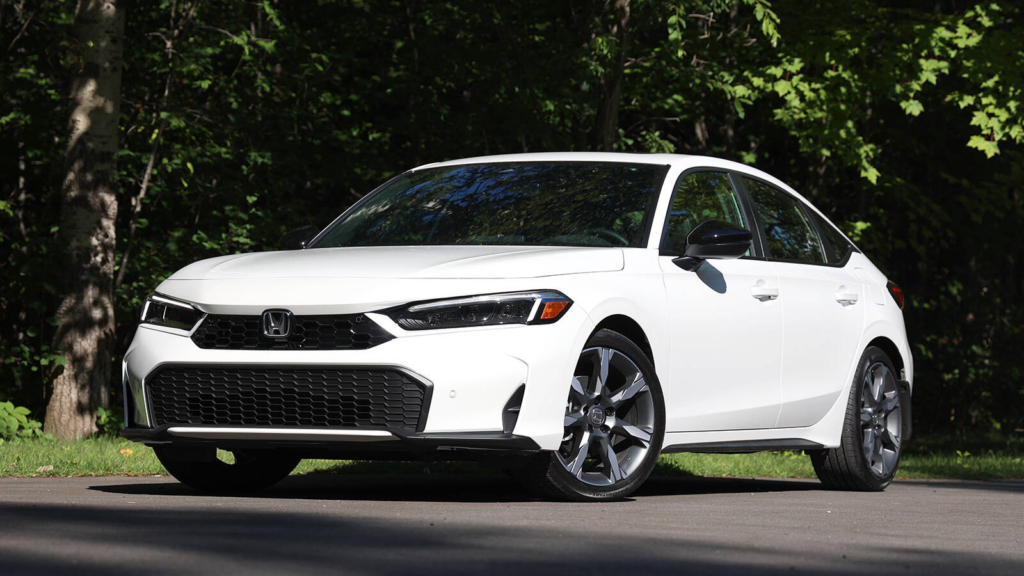
The 2026 Honda Civic costs more than the cheapest cars in this guide, but it remains one of the strongest options for young buyers who plan to keep their vehicle for several years.
The regular Civic provides good passenger room, useful trunk space, efficient highway performance, and more responsive handling than many entry-level sedans.
Honda’s 2026 Civic range includes gasoline and hybrid versions. The hybrid is rated at approximately 50 mpg city and 47 mpg highway, although its higher starting price makes it less suitable for buyers focused strictly on low purchase cost.
For most young drivers, the base gasoline Civic is the smarter choice. It offers enough power for daily driving without the added expense of the Civic Si or other performance-oriented versions.
The Civic is best for:
- Buyers planning long ownership
- Drivers who want a more enjoyable road feel
- Young professionals
- Buyers needing more rear-seat space
- Drivers willing to spend slightly more upfront
The biggest concern is affordability. A higher purchase price can also mean more sales tax, financing cost, and potentially higher insurance.
The Civic should be compared against the Corolla using actual dealer quotes. The better option may depend on local pricing and loan terms rather than the vehicles alone.
6. 2026 Chevrolet Trax — Best Affordable SUV
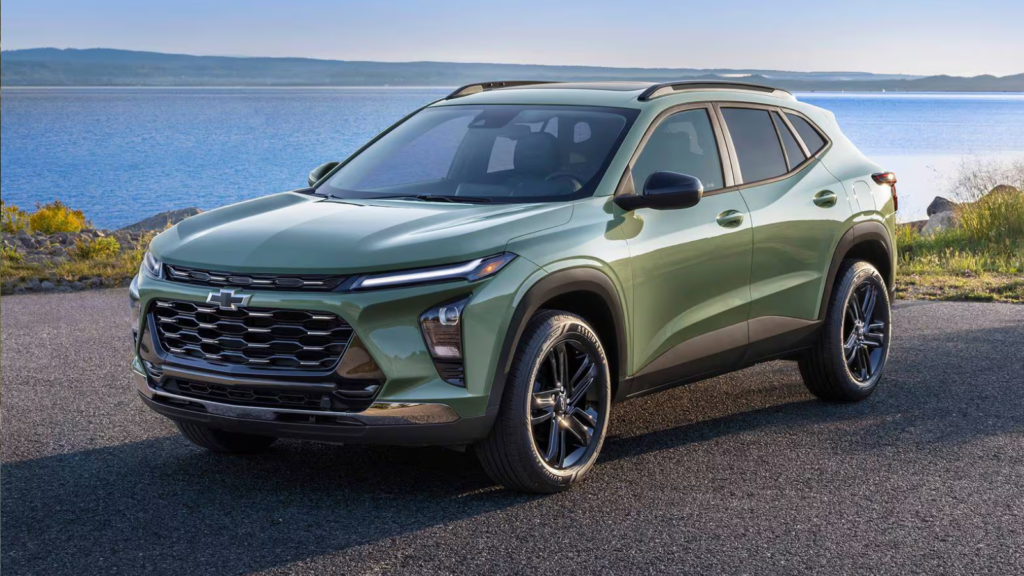
The 2026 Chevrolet Trax is one of the few small SUVs that competes directly with compact sedans on purchase price.
Chevrolet lists the Trax with a 1.2-liter turbocharged three-cylinder engine producing 137 horsepower and 162 lb-ft of torque. It returns an EPA-estimated 30 mpg combined.
The Trax provides an elevated seating position and a more flexible cargo area than a compact sedan. This can make it useful for drivers carrying sports equipment, moving between apartments, transporting pets, or handling work-related items.
The engine is adequate for regular commuting, but acceleration may feel modest with several passengers or during highway passing.
The Trax is best for:
- Young buyers who want an SUV
- Drivers needing flexible cargo space
- Apartment residents
- Buyers who prefer a higher seating position
- Drivers who do not need all-wheel drive
The Trax is front-wheel drive only. Its SUV appearance should not be confused with off-road ability or all-weather traction comparable to an all-wheel-drive vehicle.
Buyers should also compare insurance and tire costs with compact sedans. An attractive starting price does not guarantee lower total ownership expenses.
7. 2026 Subaru Impreza — Best for Snowy Areas
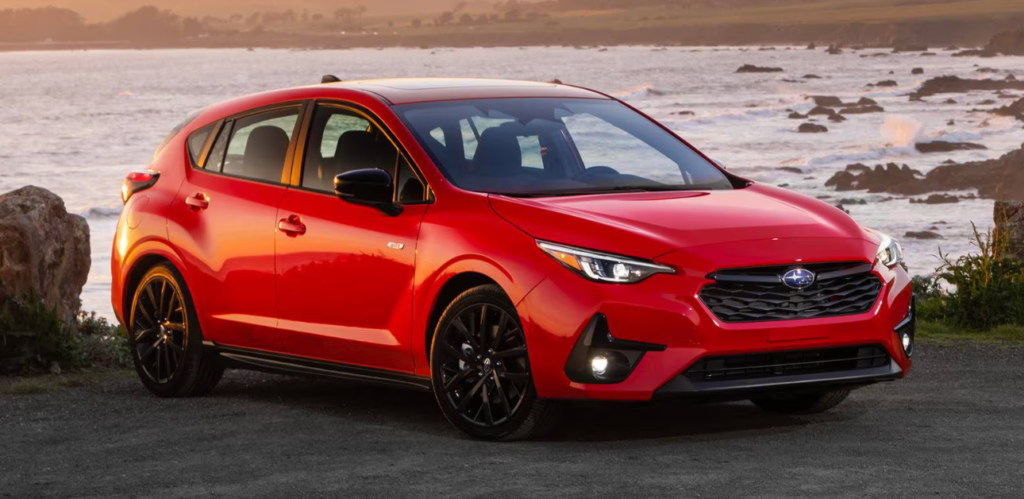
The 2026 Subaru Impreza is the most suitable option here for young drivers who regularly face snow, heavy rain, or poor road conditions.
Unlike most affordable compact cars, the Impreza includes all-wheel drive as standard. Subaru lists fuel economy of up to 33 mpg highway, depending on configuration.
The hatchback body makes it practical for luggage, outdoor equipment, pets, or bulky purchases. It also provides good outward visibility, which can help inexperienced drivers feel more confident.
The Impreza is best for:
- Drivers in snowy regions
- Young outdoor enthusiasts
- Buyers needing hatchback cargo space
- Drivers who want standard all-wheel drive
- Buyers who value predictable road behavior
The main disadvantage is price. It costs more than the base K4, Elantra, Sentra, and Corolla.
All-wheel drive can also increase tire and maintenance considerations. Tires should be closely matched in size, type, and tread depth. Winter tires remain important in severe conditions because all-wheel drive does not improve braking grip on ice.
Young drivers in mild climates may receive better value from a front-wheel-drive compact sedan.
8. 2026 Mazda3 Sedan — Best Premium-Feeling Choice
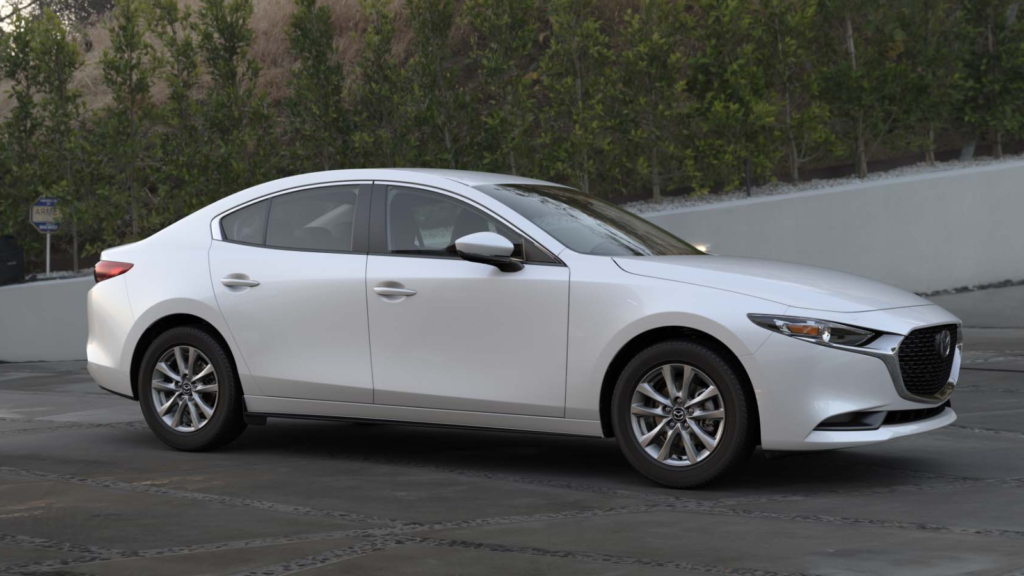
The 2026 Mazda3 Sedan is a good option for young drivers who want an affordable car that feels more polished inside.
Mazda positions the 2026 Mazda3 as a value-focused compact with stronger materials and driving dynamics than many basic sedans. The model has also received recent recognition for its balance of price and standard features.
Its standard 2.5-liter engine provides stronger acceleration than the base engines in the K4, Elantra, or Sentra. That makes the Mazda3 more enjoyable to drive, although it may also affect insurance pricing.
The interior design is one of its strongest advantages. Controls feel well organized, and the cabin has a more restrained appearance than many technology-heavy competitors.
The Mazda3 is best for:
- Young professionals
- Buyers wanting a higher-quality interior
- Drivers who enjoy responsive handling
- Buyers keeping the car for several years
- Drivers who do not regularly use the rear seat
The main compromises are rear-seat room and outward visibility. Taller rear passengers may feel restricted, and some drivers may find the rear pillars harder to see around.
The standard front-wheel-drive sedan is the best value. Turbocharged or all-wheel-drive trims increase the purchase and ownership cost.
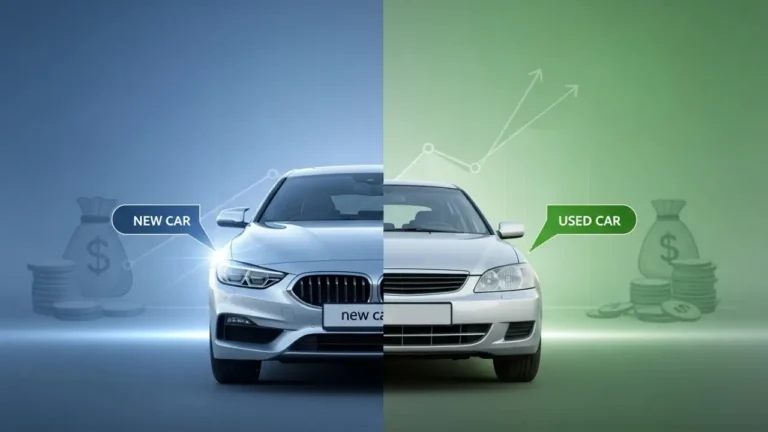
Should Young Drivers Buy New or Used?
A used car is often the more economical option for a young driver, but only when it is selected carefully.
Advantages of Buying Used
- Lower purchase price
- Smaller loan
- Reduced depreciation
- Potentially lower insurance
- Access to a better trim for the same budget
Risks of Buying Used
- Unknown maintenance
- Accident damage
- Worn tires or brakes
- Expired warranty
- Higher loan rate
- Immediate repair needs
For many buyers, a three- to five-year-old compact car offers a good balance between price, safety equipment, and remaining service life.
Useful used-car candidates may include older versions of:
- Toyota Corolla
- Honda Civic
- Mazda3
- Hyundai Elantra
- Kia Forte or K4
- Subaru Impreza
The model name matters less than the condition of the specific vehicle.
Before buying used:
- Check the title.
- Review the vehicle history.
- Verify the mileage.
- Check for open recalls.
- Review maintenance records.
- Take a complete test drive.
- Arrange an independent pre-purchase inspection.
Avoid salvage, rebuilt, flood, or fire-damaged cars unless you fully understand the financial, registration, insurance, and safety risks.
Ownership Cost Considerations
Insurance
Young-driver insurance can vary more than the difference in purchase price between two cars.
A cheaper car with poor theft data or expensive repair parts may cost more to insure than a slightly more expensive competitor.
Always compare actual quotes.
Fuel
The Corolla, Elantra, Civic, and Sentra provide strong fuel economy without requiring a hybrid.
Hybrids can reduce fuel costs but normally have a higher purchase price. Calculate the expected payback period using your annual mileage and local gasoline price.
Maintenance
Budget for:
- Oil changes
- Filters
- Wiper blades
- Brake service
- Tires
- Battery
- Alignment
- Unexpected repairs
New-car warranty coverage does not pay for normal wear or routine servicing.
Depreciation
New cars lose value over time, with the largest dollar loss often occurring during the early ownership years.
Keeping a new car for a long period reduces the importance of short-term depreciation. Buyers expecting to sell soon should consider a used vehicle or a model with strong used-market demand.
Common Mistakes You Should Avoid
Buying Based on Monthly Payment
A low payment can hide a long loan, high interest rate, or overpriced vehicle.
Negotiate the total out-the-door price first.
Choosing a Performance Trim
Sport trims can add power, larger wheels, more expensive tires, and higher insurance without improving daily practicality.
Skipping Insurance Quotes
Do not wait until after buying to discover the premium.
Spending the Entire Savings Balance
Keep money available for:
- Registration
- Insurance
- Fuel
- Repairs
- Maintenance
- Emergencies
Buying a Used Car Without an Inspection
A clean history report does not confirm the mechanical condition.
Use an independent mechanic.
Paying for Unnecessary Dealer Add-Ons
Common extras include:
- Paint protection
- Fabric protection
- VIN etching
- Wheel coverage
- Service contracts
- Key replacement plans
- Theft products
Review each item separately and remove anything you do not need.
Final Buying Advice
The 2026 Toyota Corolla is the best cheap car for most young drivers. It offers good fuel economy, practical dimensions, straightforward performance, and broad appeal in the used-car market.
The Kia K4 and Hyundai Elantra are the strongest choices for buyers trying to keep the new-car purchase price low while still receiving a modern cabin and useful standard features.
The Nissan Sentra becomes attractive when local discounts beat competing offers. The Honda Civic is worth paying more for when the buyer plans to keep the car for many years.
Choose the Chevrolet Trax when cargo space and an SUV seating position are priorities. Select the Subaru Impreza when all-wheel drive is a genuine weather requirement rather than a styling preference.
Young drivers should compare at least three cars, obtain insurance quotes, check financing separately, and calculate the full monthly ownership cost before making a decision.
The cheapest car is not always the one with the lowest advertised price. The best value is the car you can comfortably buy, insure, fuel, maintain, and keep without placing pressure on the rest of your finances.