
Honda HR-V: Price, Specs & Review
The Honda HR-V is Honda’s smallest gas-powered SUV. It is made for buyers who want a higher seating position, flexible cargo space, standard safety technology, and available all-wheel drive without the size or cost of a larger compact SUV.
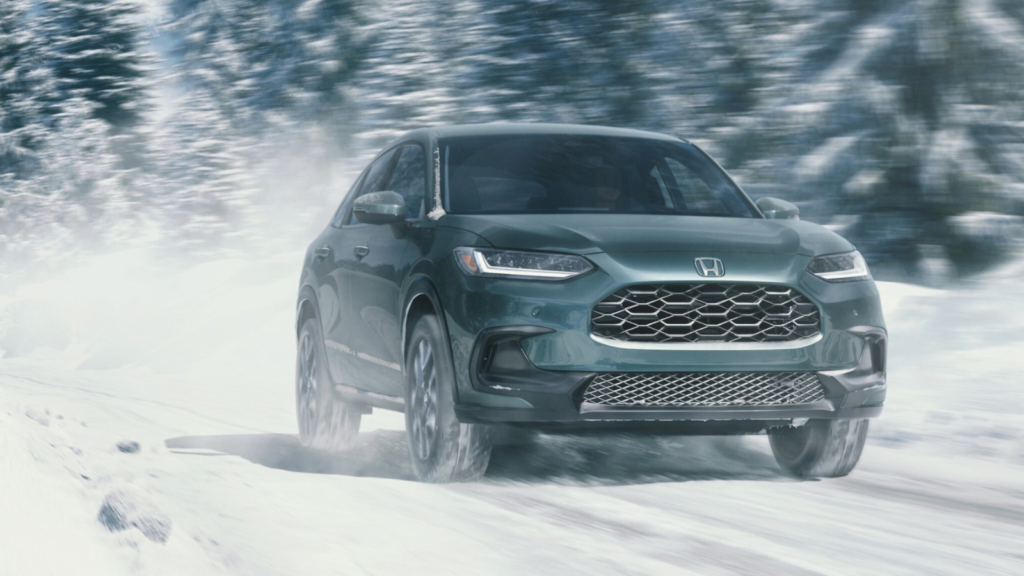
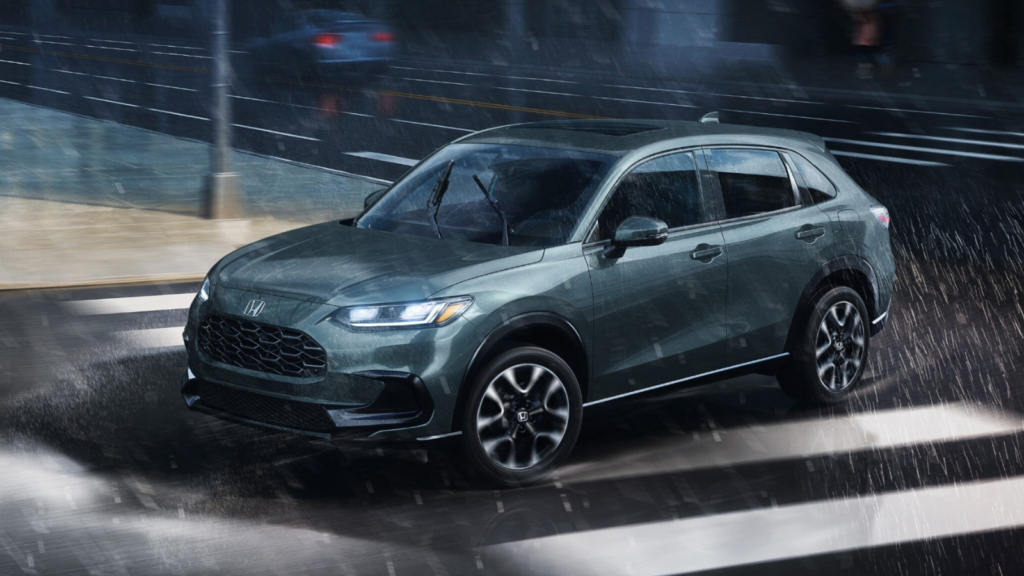
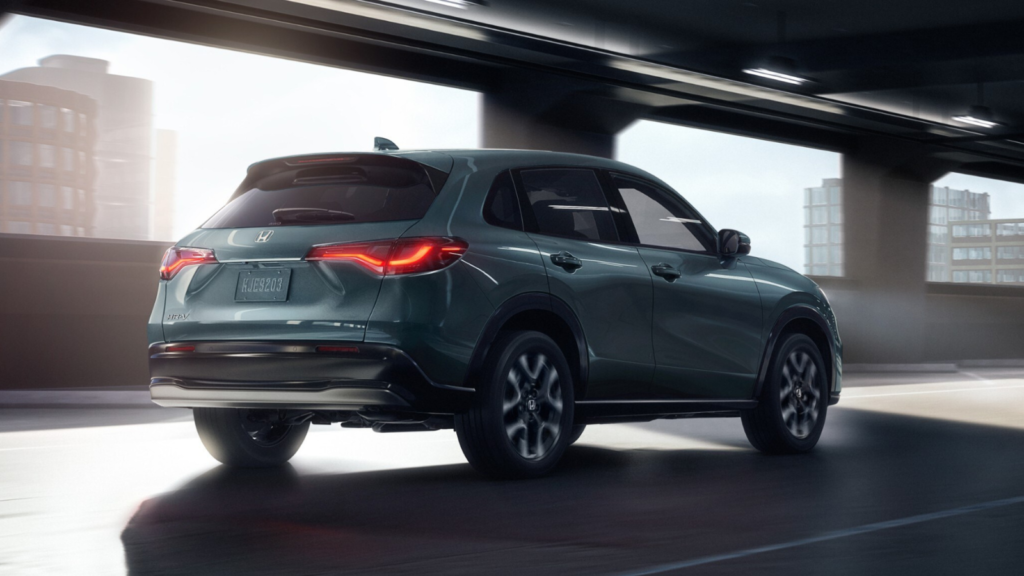
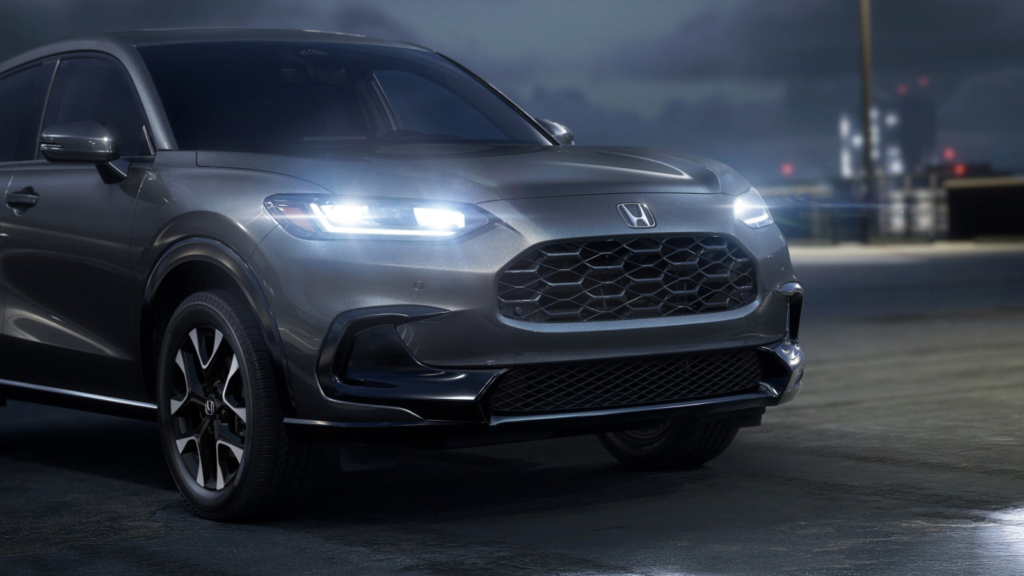
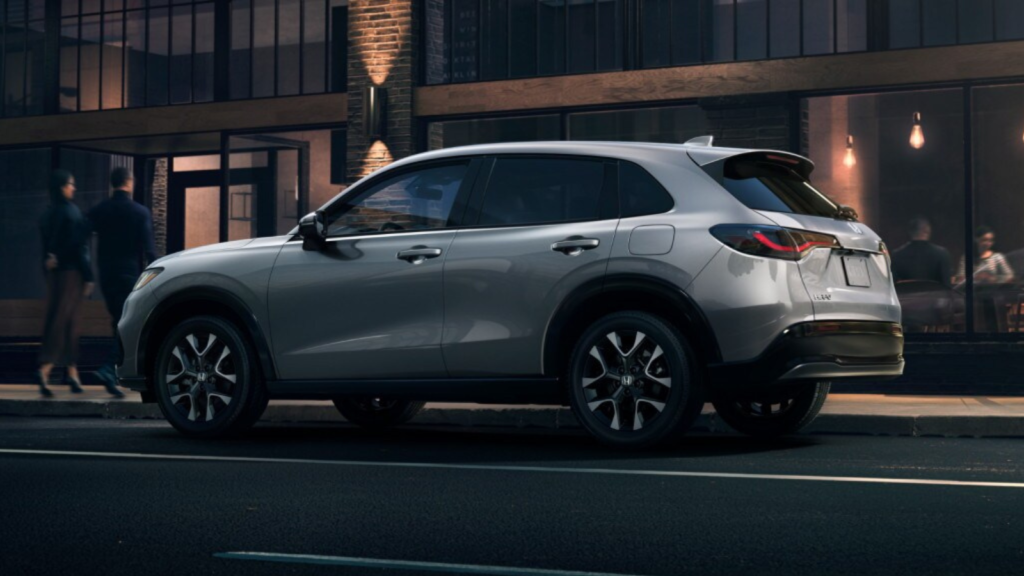
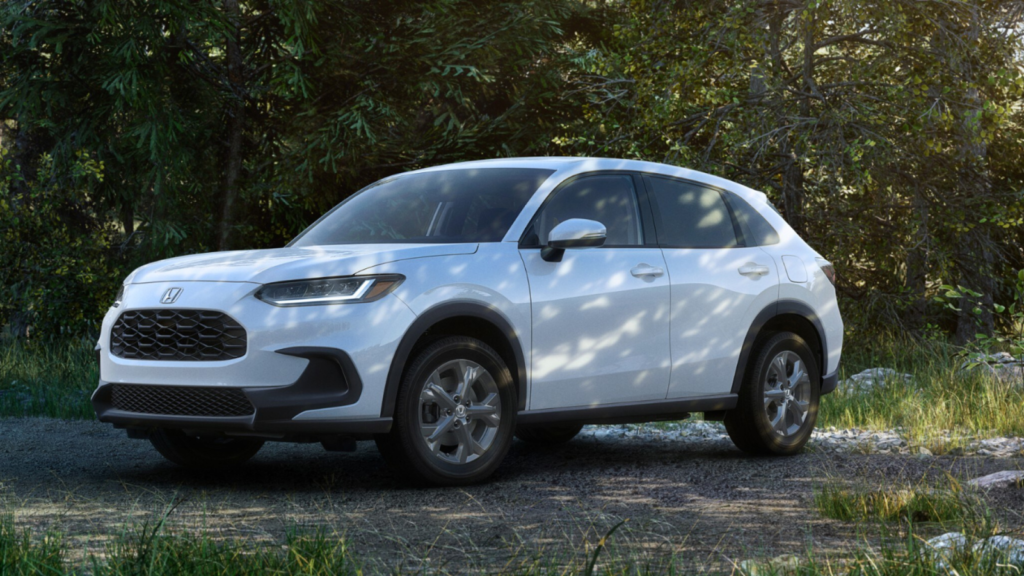
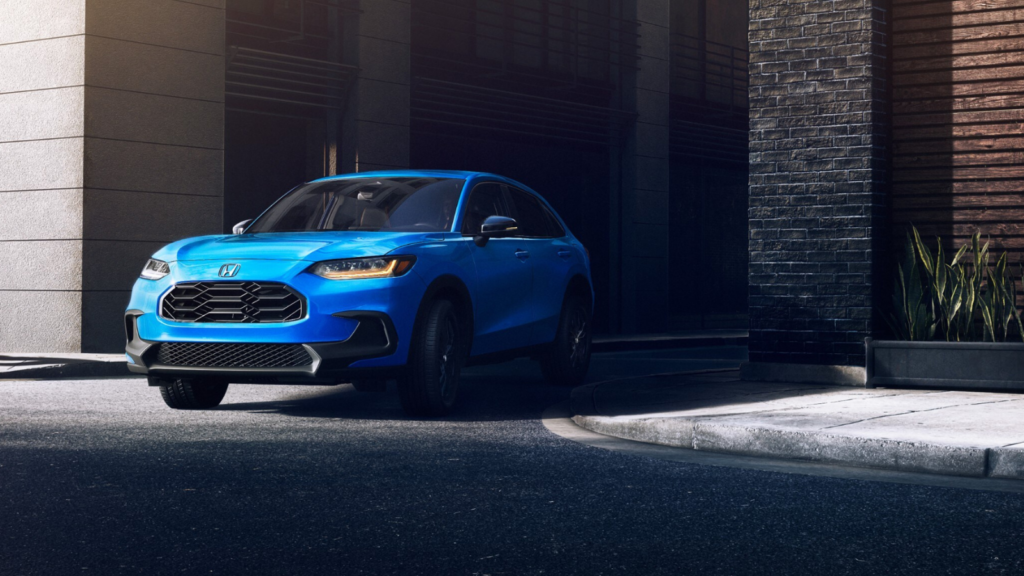
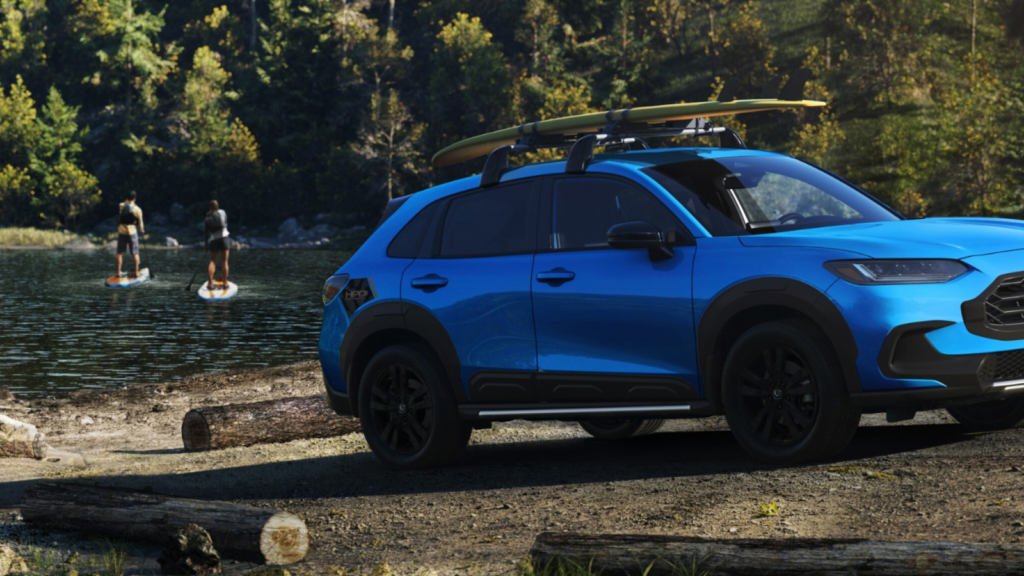
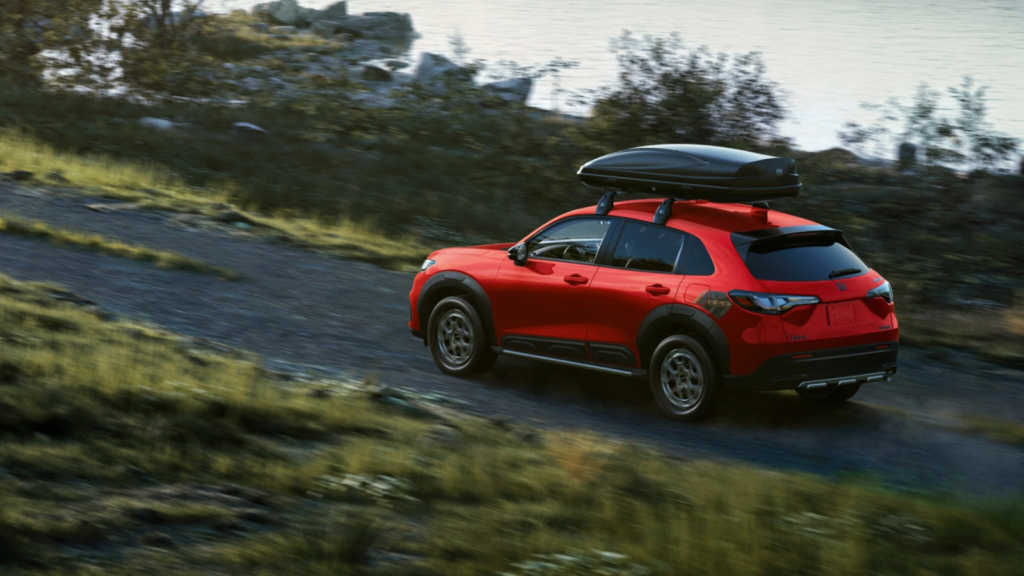
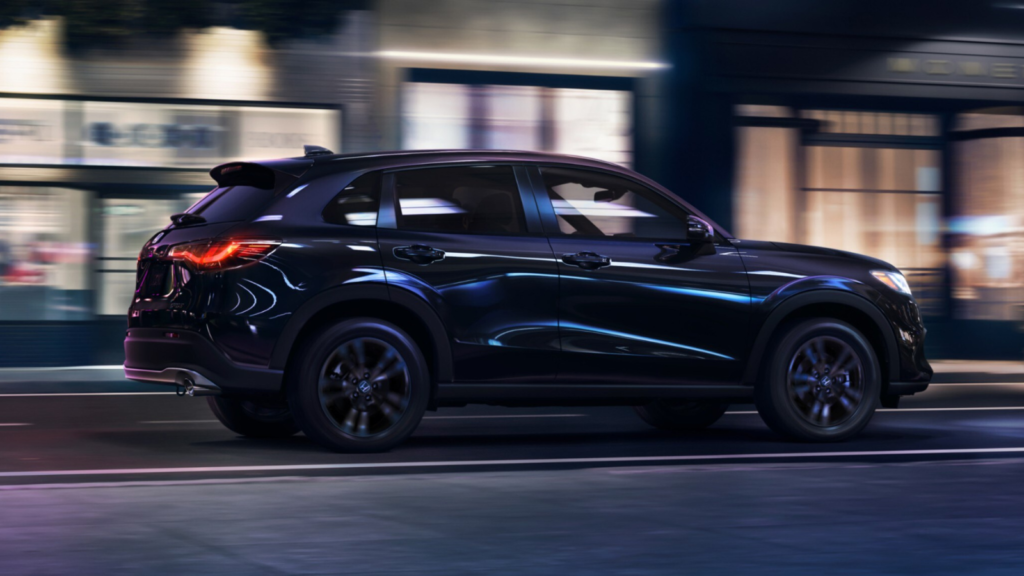
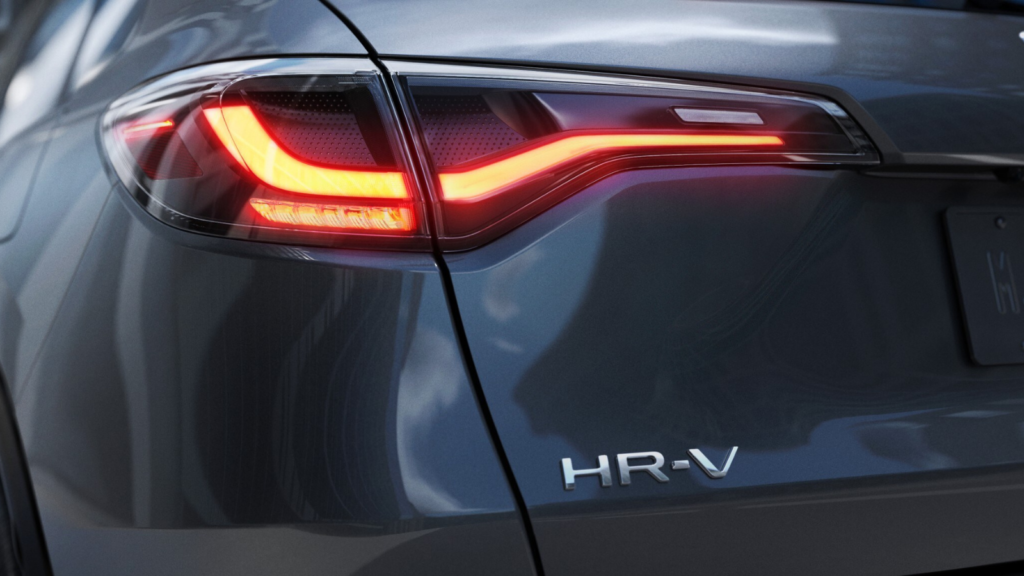
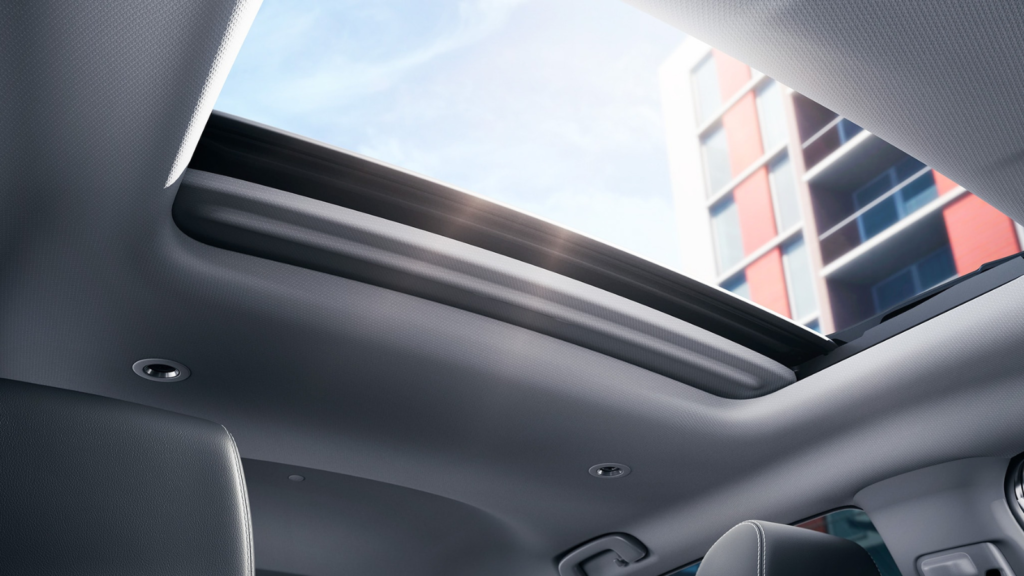
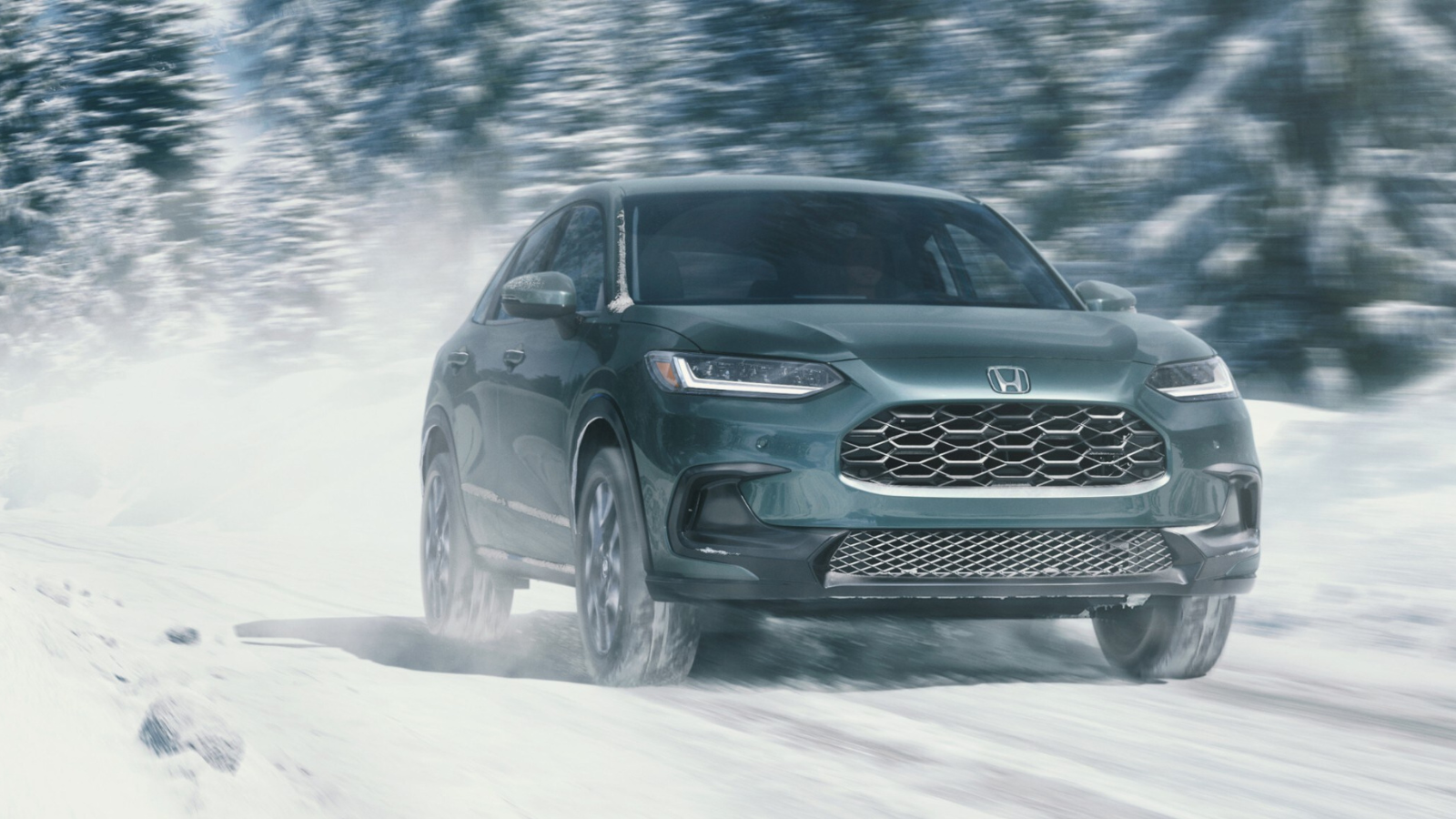
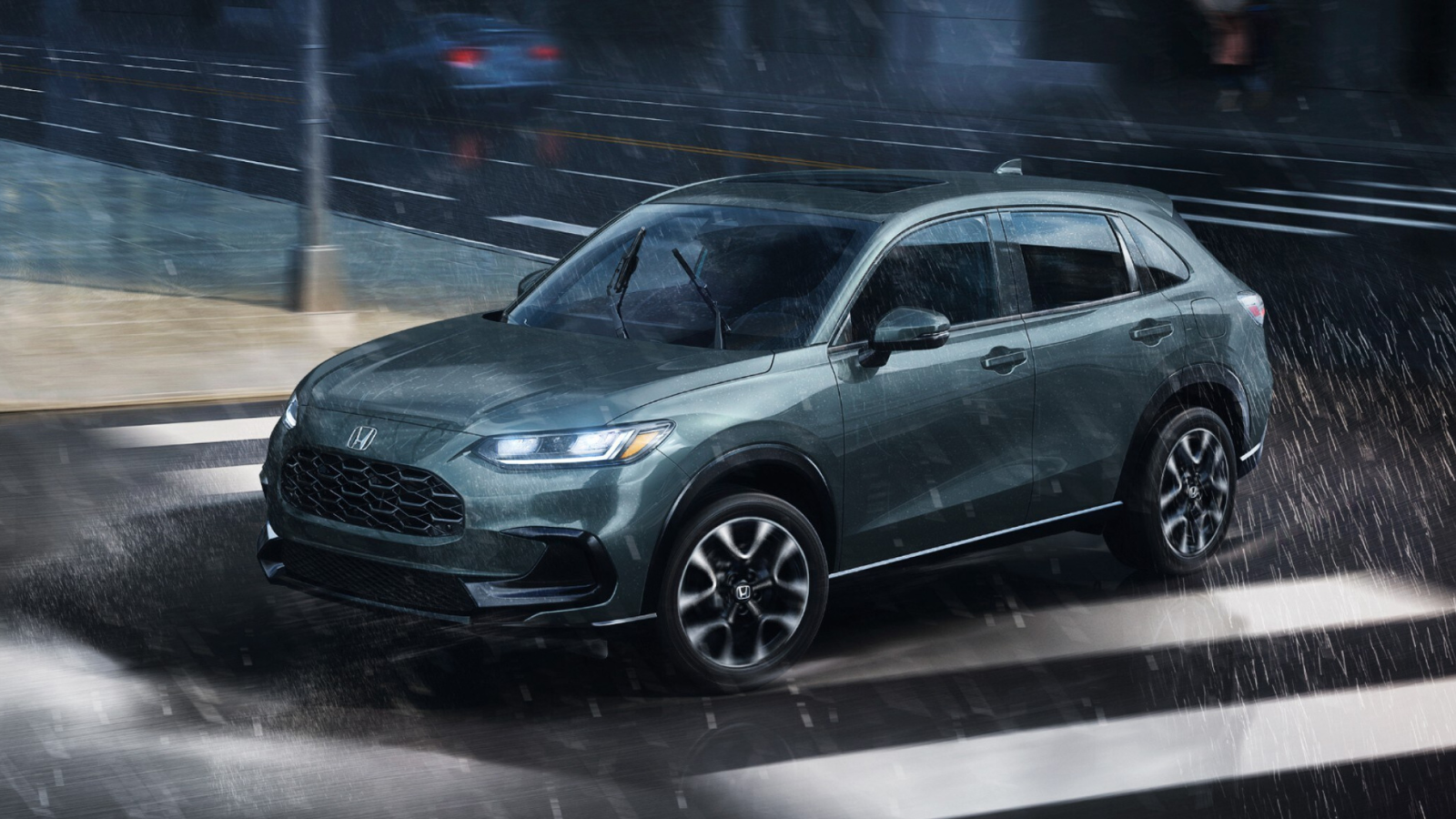
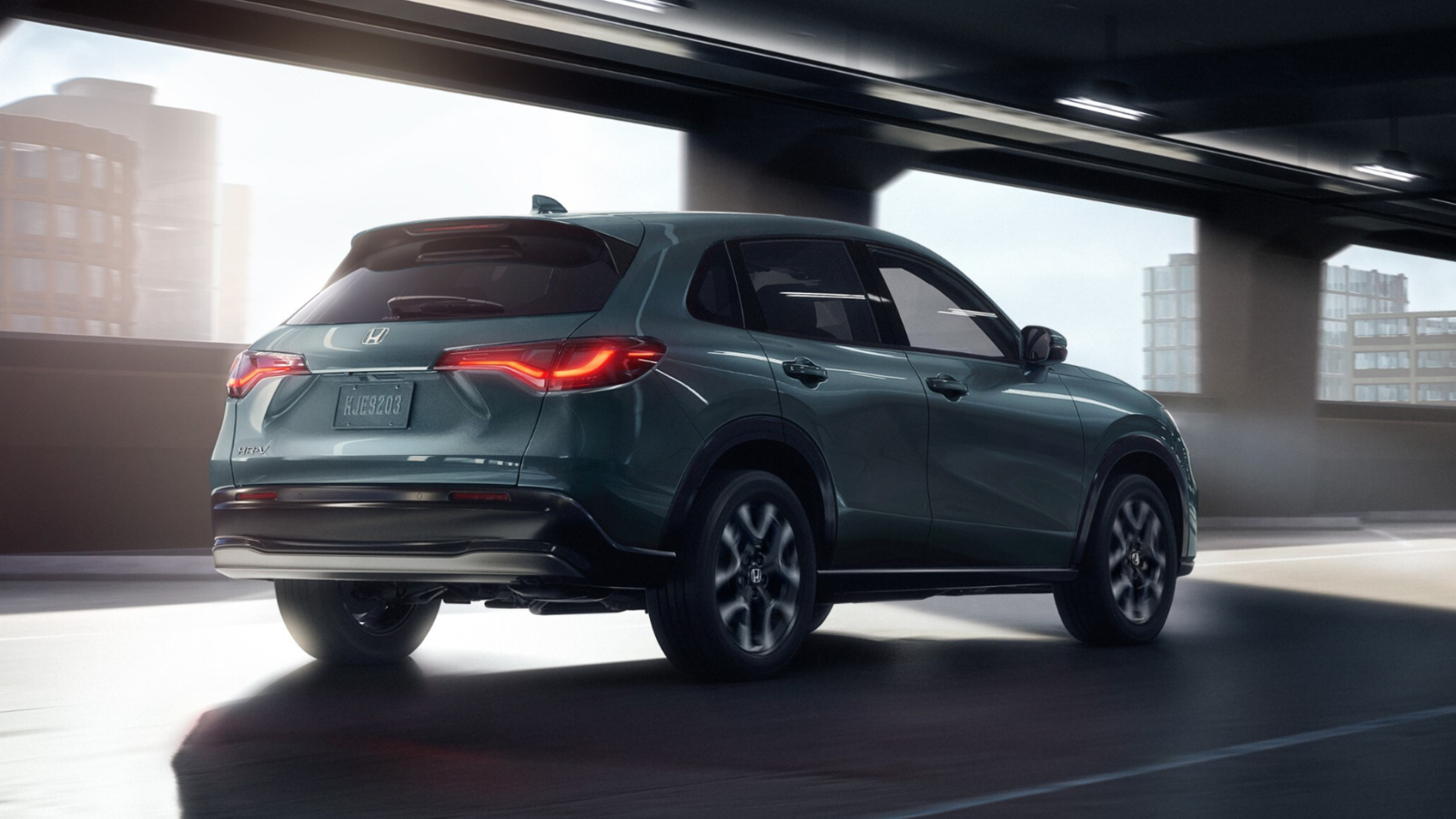
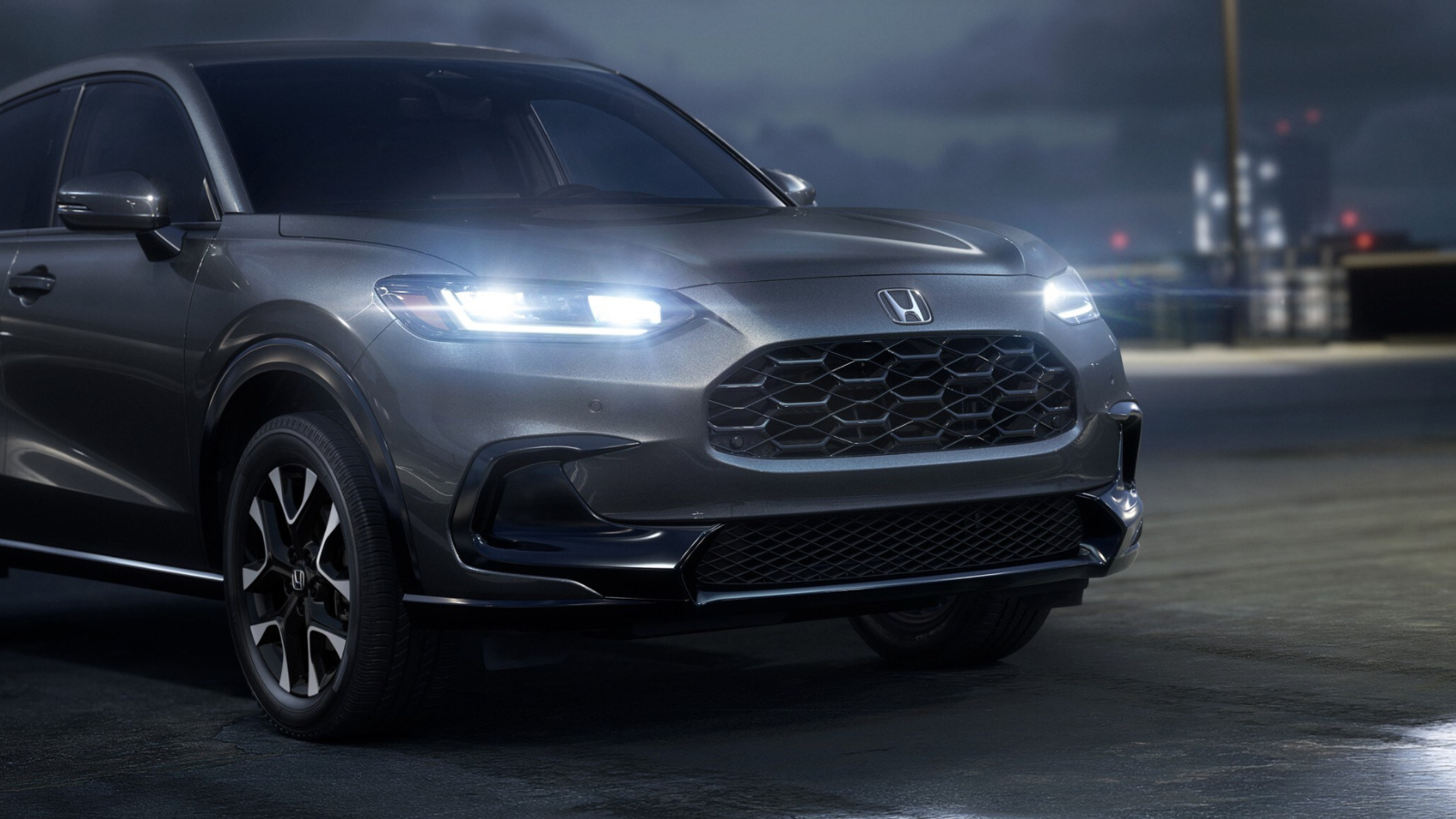
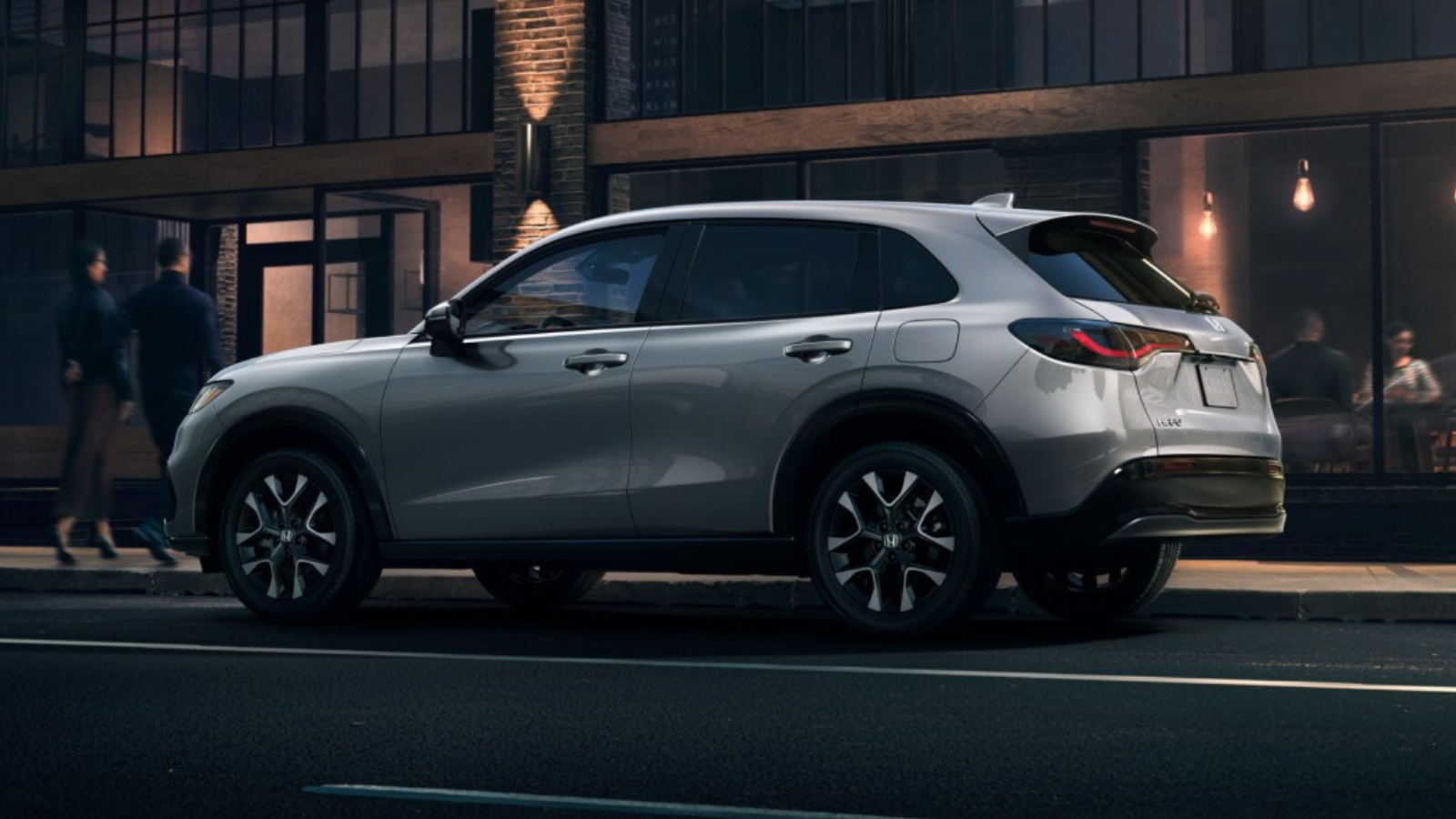
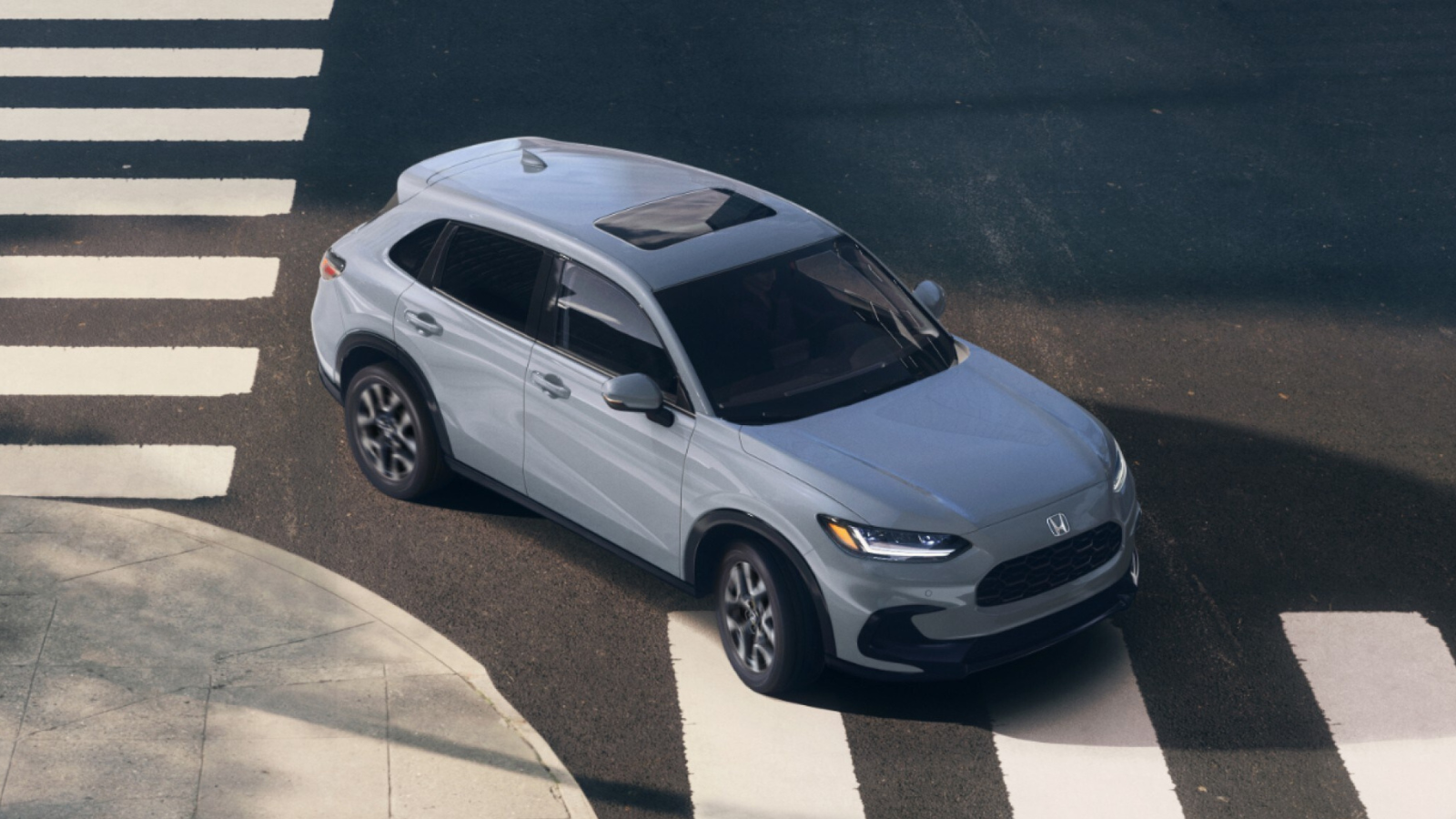
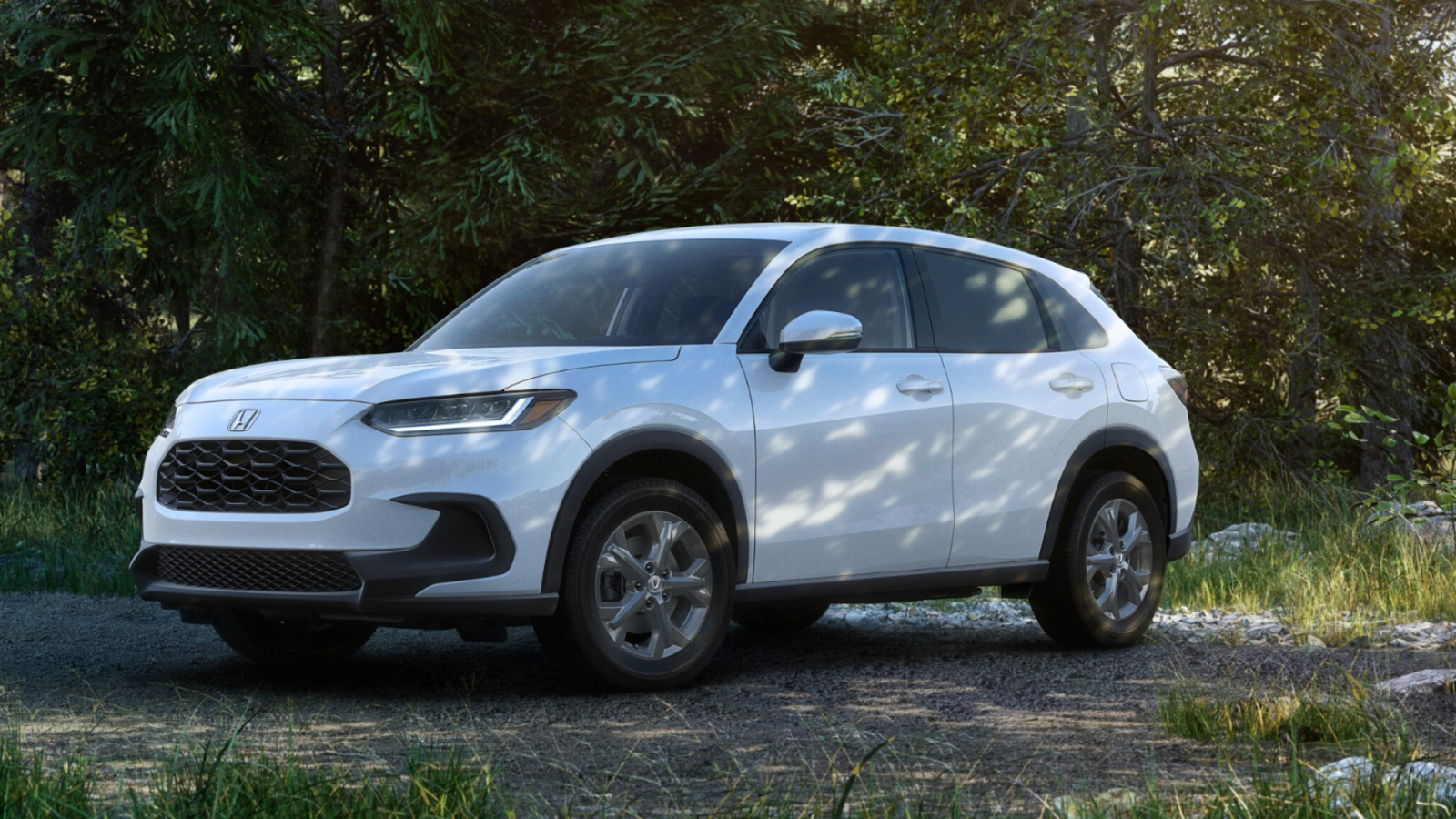
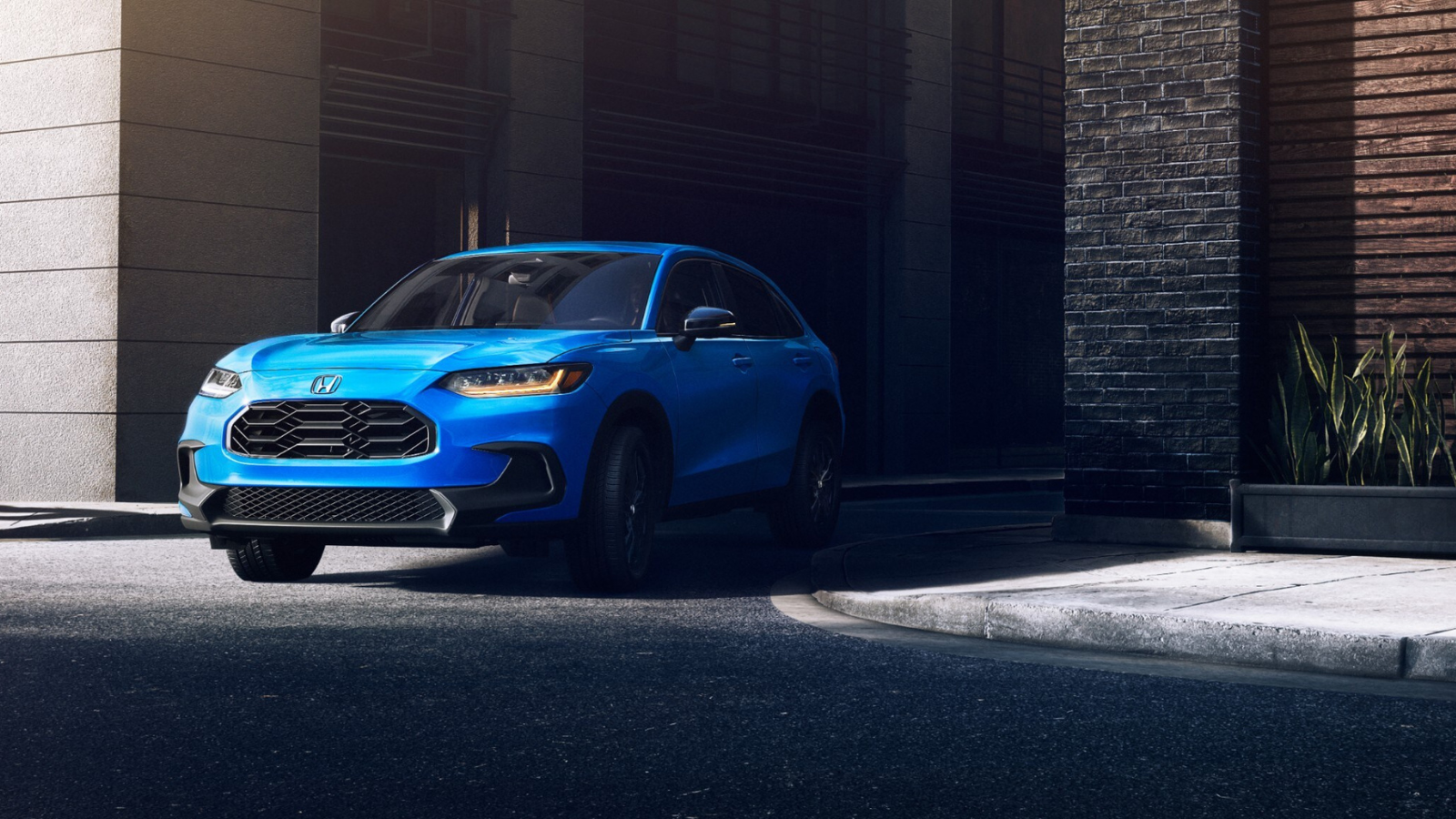
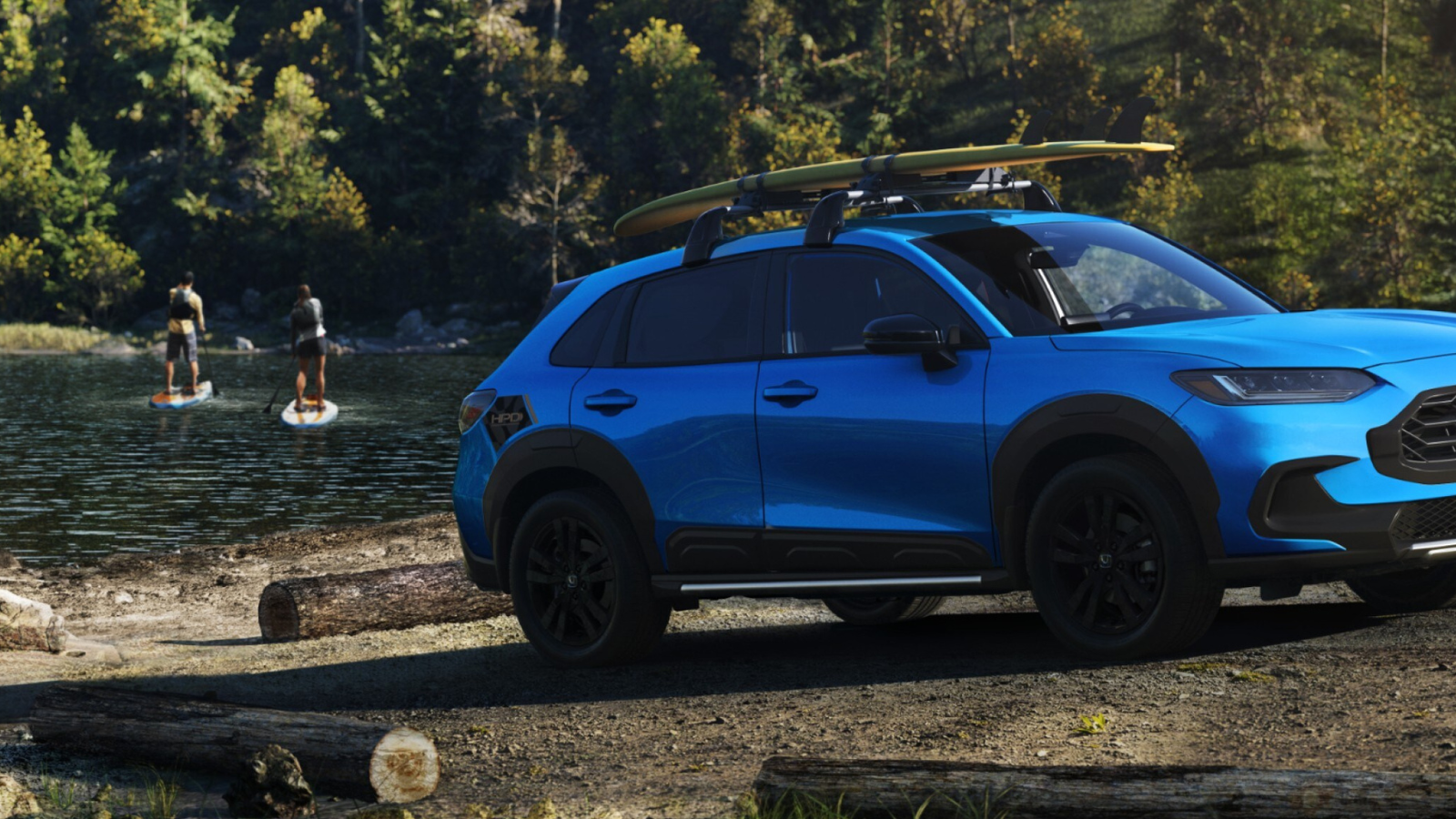
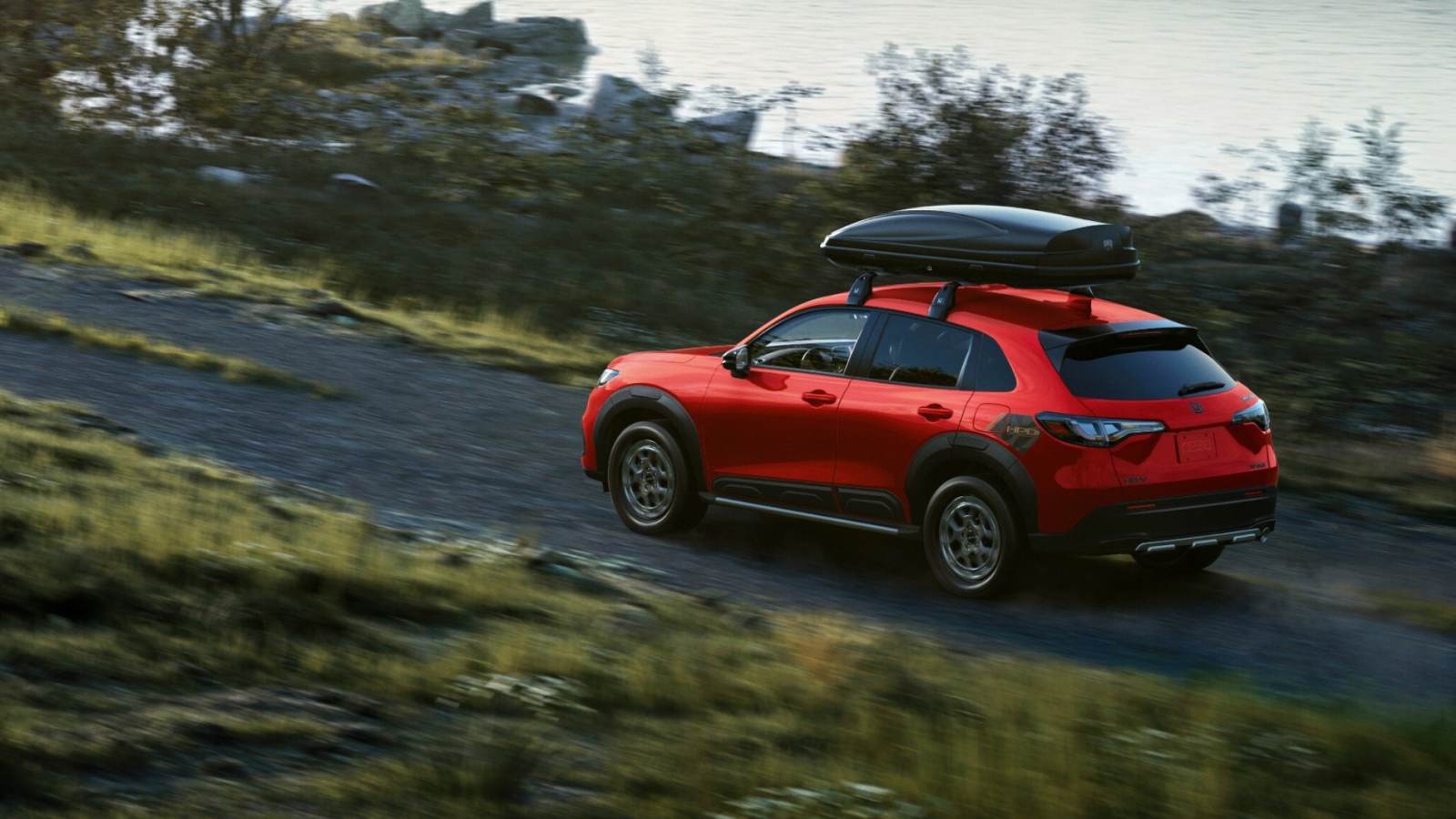
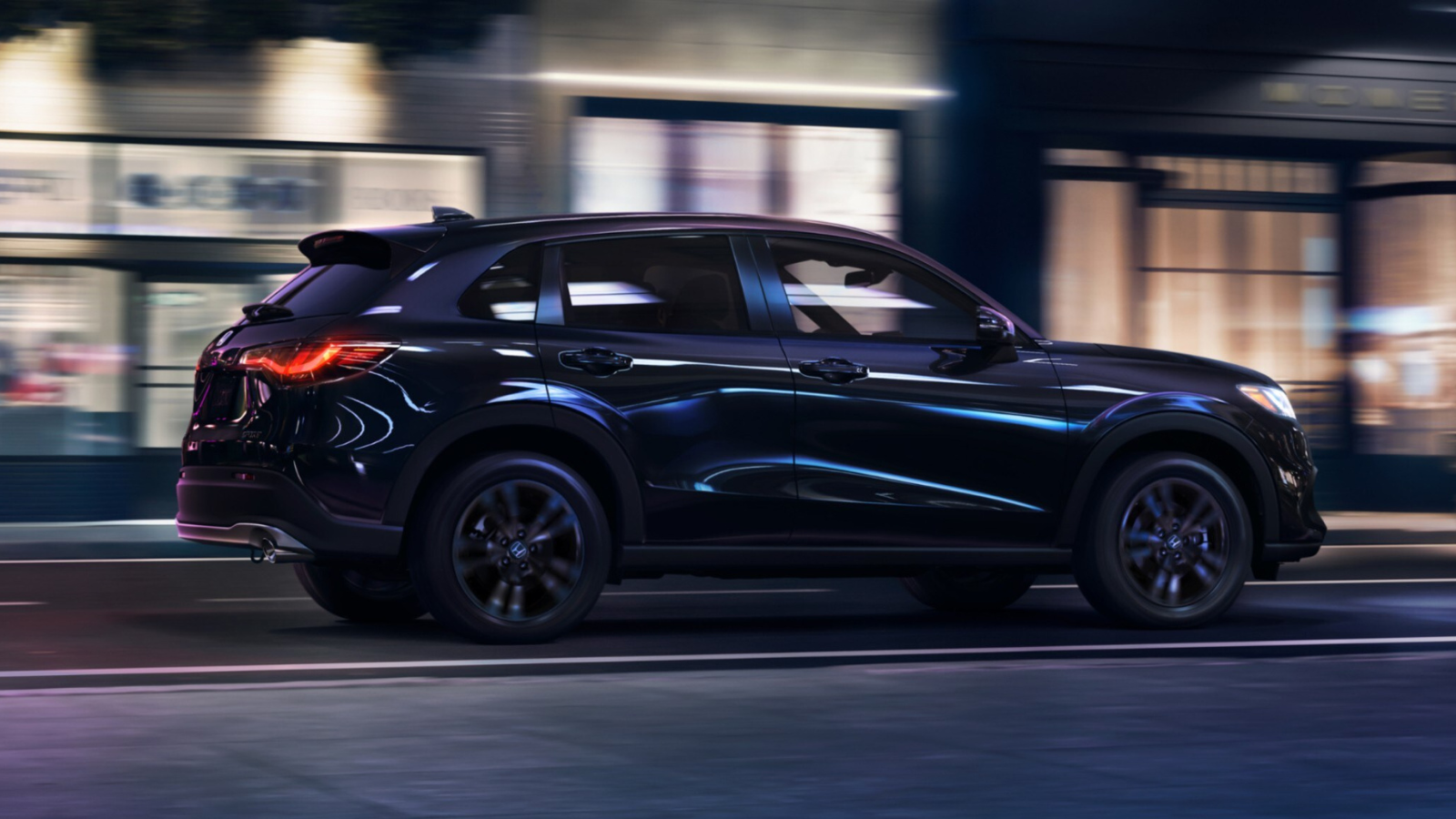
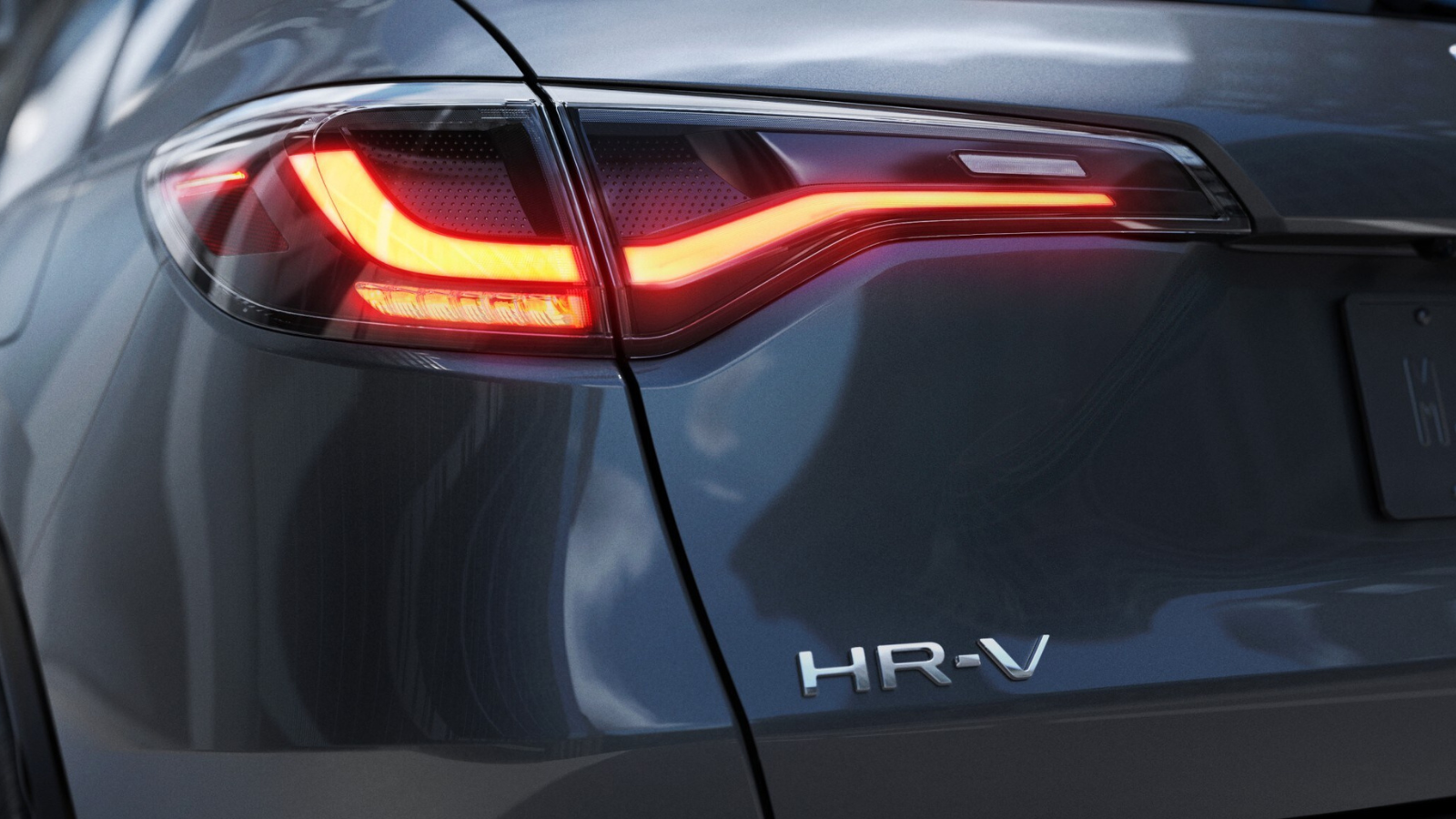
The current Honda HR-V has three trims: LX, Sport, and EX-L. Every version uses the same 158-horsepower 2.0-liter four-cylinder engine and CVT automatic transmission. There is no hybrid, turbocharged, or performance version.
The HR-V is a sensible first SUV, city commuter, or small-family vehicle. Its weak point is acceleration: it is slower than several rivals and far less powerful than the larger Honda CR-V. The Sport is the best choice for most buyers because it adds the features that make daily use easier without moving too close to EX-L pricing.
WheelPedia Rating: 8.2/10
The Honda HR-V earns an 8.2/10 WheelPedia Rating. It offers a well-finished cabin, standard wireless phone connectivity, a useful cargo area, available AWD, and a strong safety record for the previous model year.
It loses points for slow acceleration, modest fuel economy for a small SUV, no hybrid option, and a price that can overlap with larger compact SUVs.
| Rating Category | Score | Weight |
| Safety | 9.0/10 | 20% |
| Reliability and ownership | 8.5/10 | 15% |
| Performance and driving | 7.0/10 | 15% |
| Comfort and practicality | 8.3/10 | 15% |
| Efficiency | 7.6/10 | 15% |
| Features and technology | 8.4/10 | 10% |
| Price and value | 8.4/10 | 10% |
| Overall WheelPedia Rating | 8.2/10 | — |
See how we rate cars for the full methodology.
Key Highlights
- Starts from $26,600 MSRP in the US, before destination and dealer charges.
- Three trims: LX, Sport, and EX-L.
- Every HR-V uses a 158-hp 2.0-liter four-cylinder engine.
- Front-wheel drive is standard; all-wheel drive is available on every trim.
- EPA ratings reach 26 mpg city, 32 mpg highway, and 28 mpg combined with FWD.
- AWD models return 25 mpg city, 30 mpg highway, and 27 mpg combined.
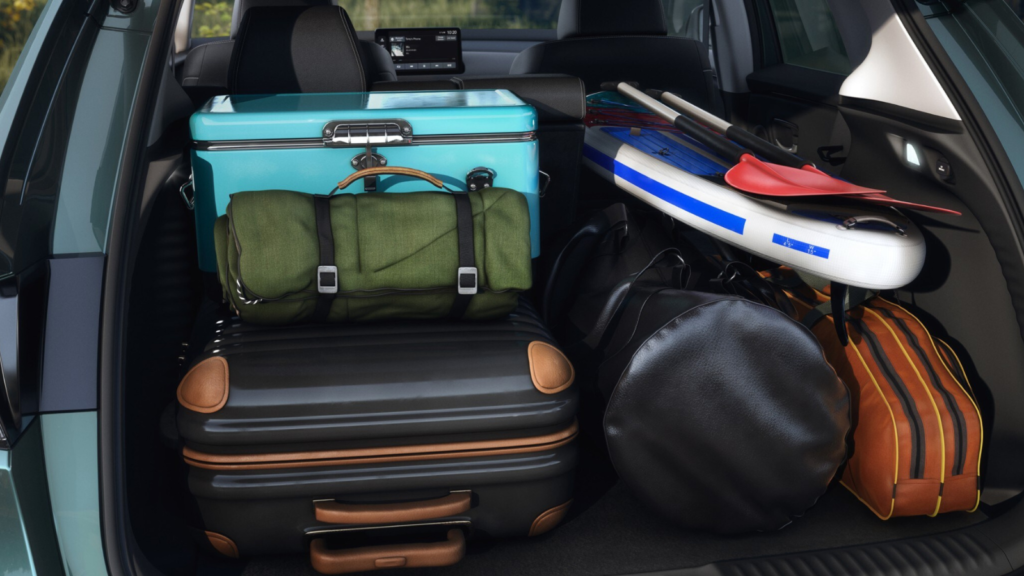
- Cargo capacity measures 24.4 cubic feet behind the rear seats and 55.1 cubic feet with them folded.
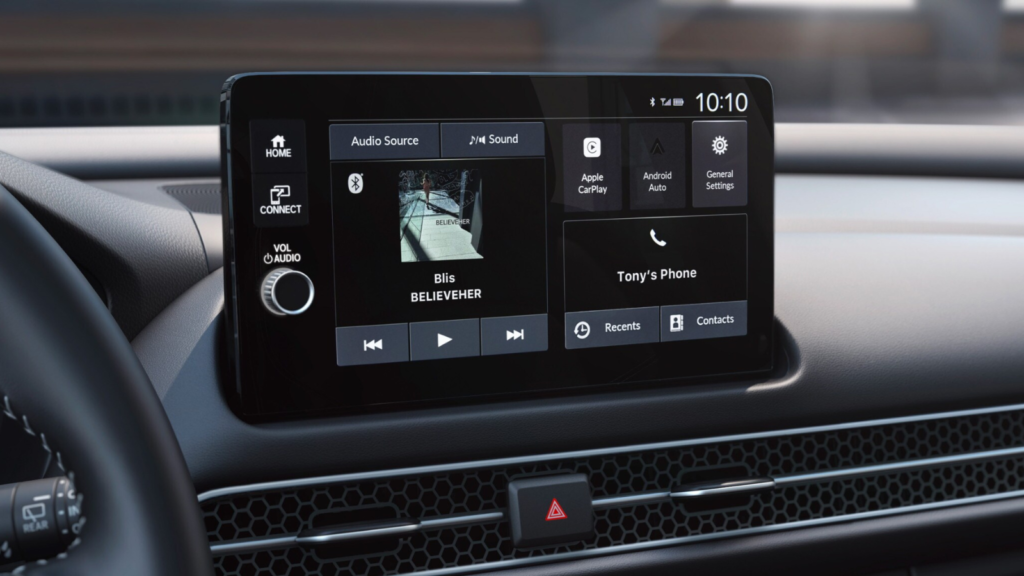
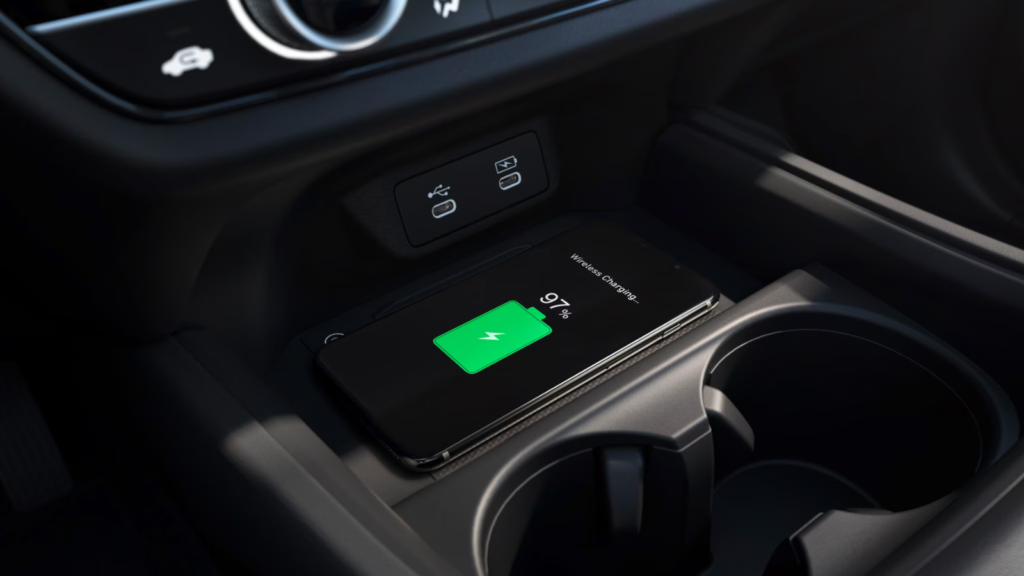
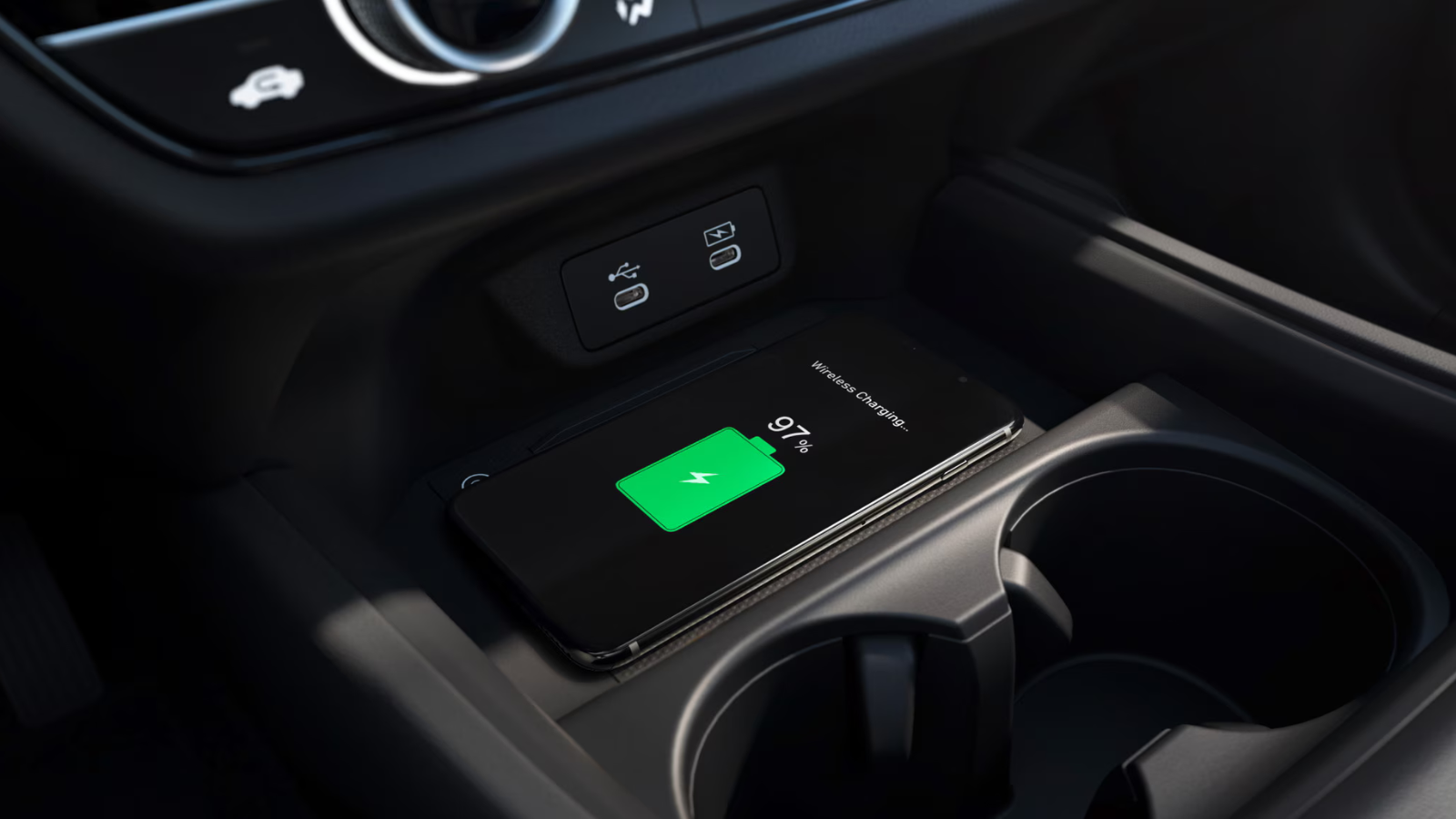
- A 9-inch touchscreen, wireless Apple CarPlay, wireless Android Auto, and a wireless phone charger are standard.
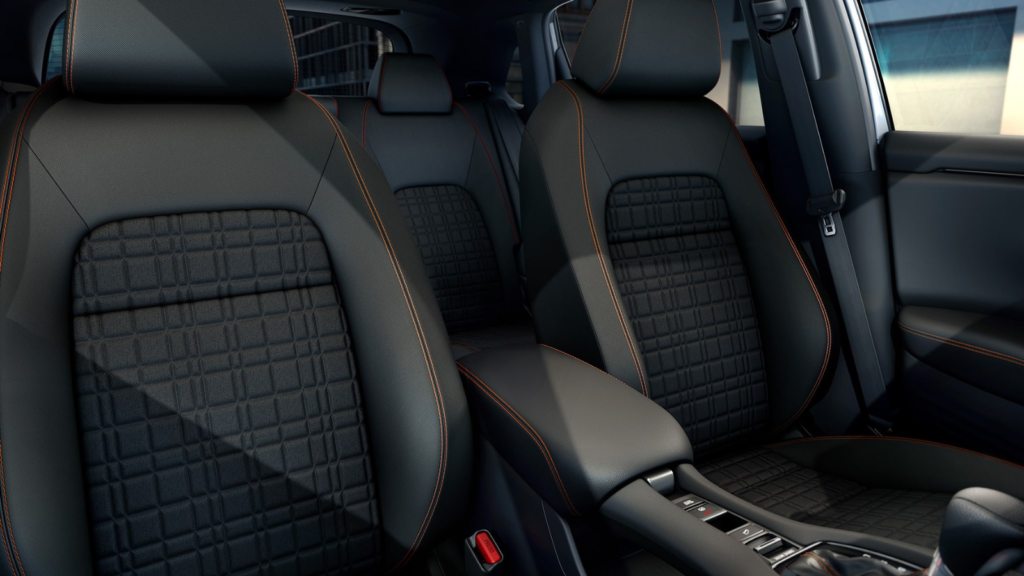
- The Sport adds heated front seats, remote start, and blind-spot monitoring.
- The EX-L adds leather-trimmed seats, a moonroof, parking sensors, and low-speed braking control.
- Best for first-time buyers, commuters, couples, and small families who do not need CR-V-level space.
Quick Specifications
| Specification | Honda HR-V |
| Vehicle type | Subcompact SUV |
| Seating capacity | 5 |
| Engine | 2.0L four-cylinder |
| Output | 158 hp / 138 lb-ft |
| Transmission | Continuously variable transmission (CVT) |
| Drivetrain | FWD standard; AWD available |
| Best fuel economy | 26 city / 32 highway / 28 combined mpg |
| Cargo space | 24.4 / 55.1 cu. ft. |
| Length | 179.8 in. |
| Width | 72.4 in. |
| Wheelbase | 104.5 in. |
| Ground clearance | 7.0–7.3 in. |
| Fuel type | Regular unleaded |
Expert Tip
The HR-V Sport is the trim to buy for most people. It adds heated front seats, remote start, Smart Entry, heated mirrors, 18-inch wheels, and blind-spot monitoring for a reasonable step up from the LX.
About the Honda HR-V
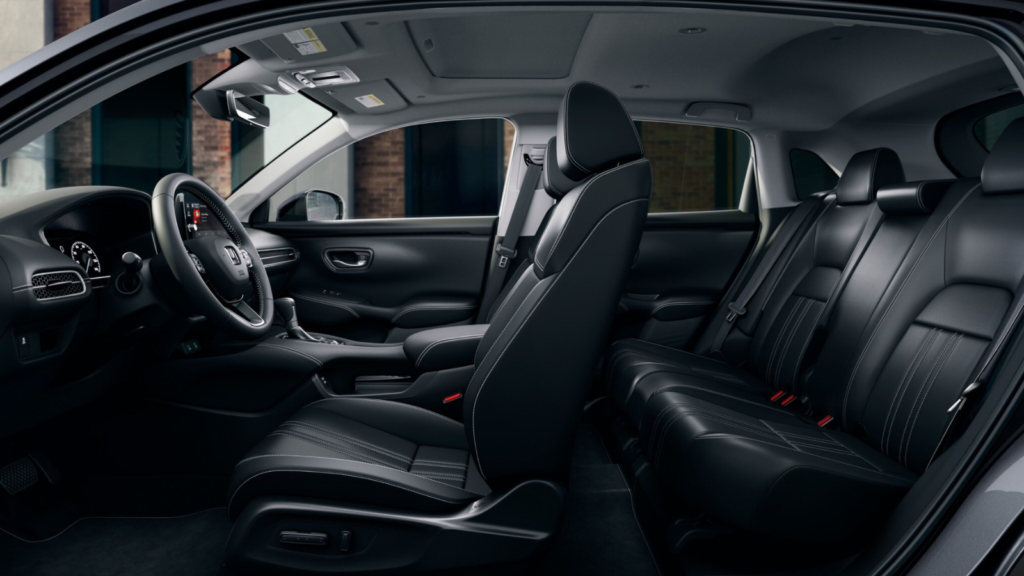
The HR-V sits below the CR-V in Honda’s SUV range. It is easier to park and less expensive to buy, yet still offers a useful rear seat, a 60/40-split folding bench, and enough room for groceries, luggage, sports equipment, or a stroller.
Its main appeal is straightforward ownership. Every trim has the same engine, standard Honda Sensing safety equipment, a 9-inch touchscreen, wireless smartphone integration, and a wireless phone charger. Buyers do not have to move to a more expensive trim just to get the basics.
The trade-off is performance. The 158-hp engine is dependable and adequate for urban driving, but it feels strained with a full load of passengers or during fast highway merging. Buyers who want stronger acceleration, more rear-seat room, better fuel economy, or a hybrid option should consider the Honda CR-V.
Price and Trims
These are US starting MSRPs before the $1,450 destination charge, tax, registration, accessories, premium paint, and dealer pricing.
Check the current Honda HR-V lineup before buying.
| Trim | FWD Starting MSRP | AWD Starting MSRP | Best For |
| LX | $26,600 | $28,100 | Lowest purchase price |
| Sport | $28,400 | $29,900 | Best overall value |
| EX-L | $30,450 | $31,950 | Comfort and premium features |
Which Honda HR-V Trim Is Best?
- Best on a tighter budget: HR-V LX
- Best overall: HR-V Sport
- Best for comfort features: HR-V EX-L
- Best for snow and wet weather: Any trim with AWD
The LX is not a bare-bones base model. It includes a 9-inch touchscreen, wireless Apple CarPlay and Android Auto, a wireless phone charger, LED headlights, Honda Sensing, Hill Descent Control, push-button start, automatic climate control, and 17-inch alloy wheels.
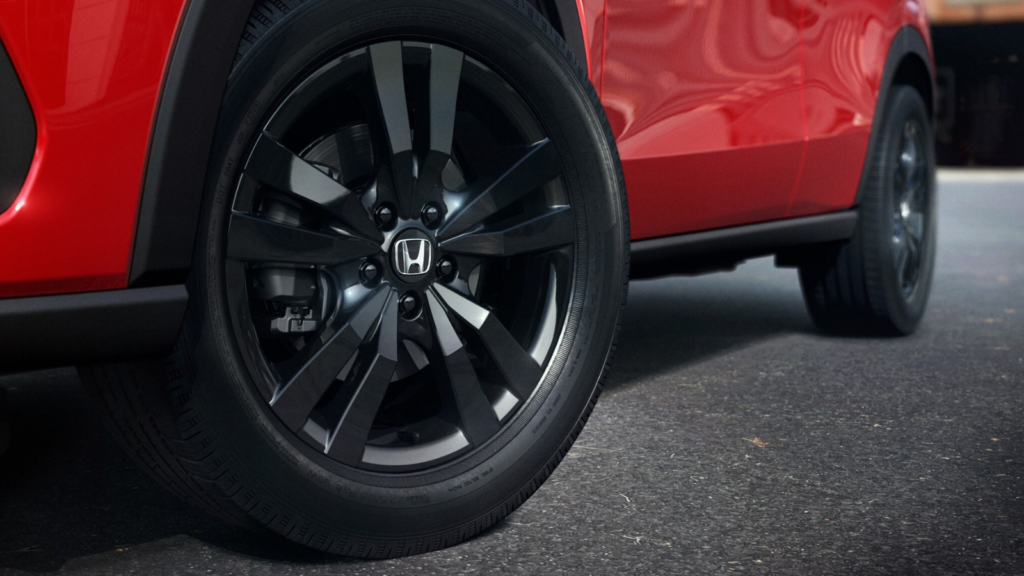
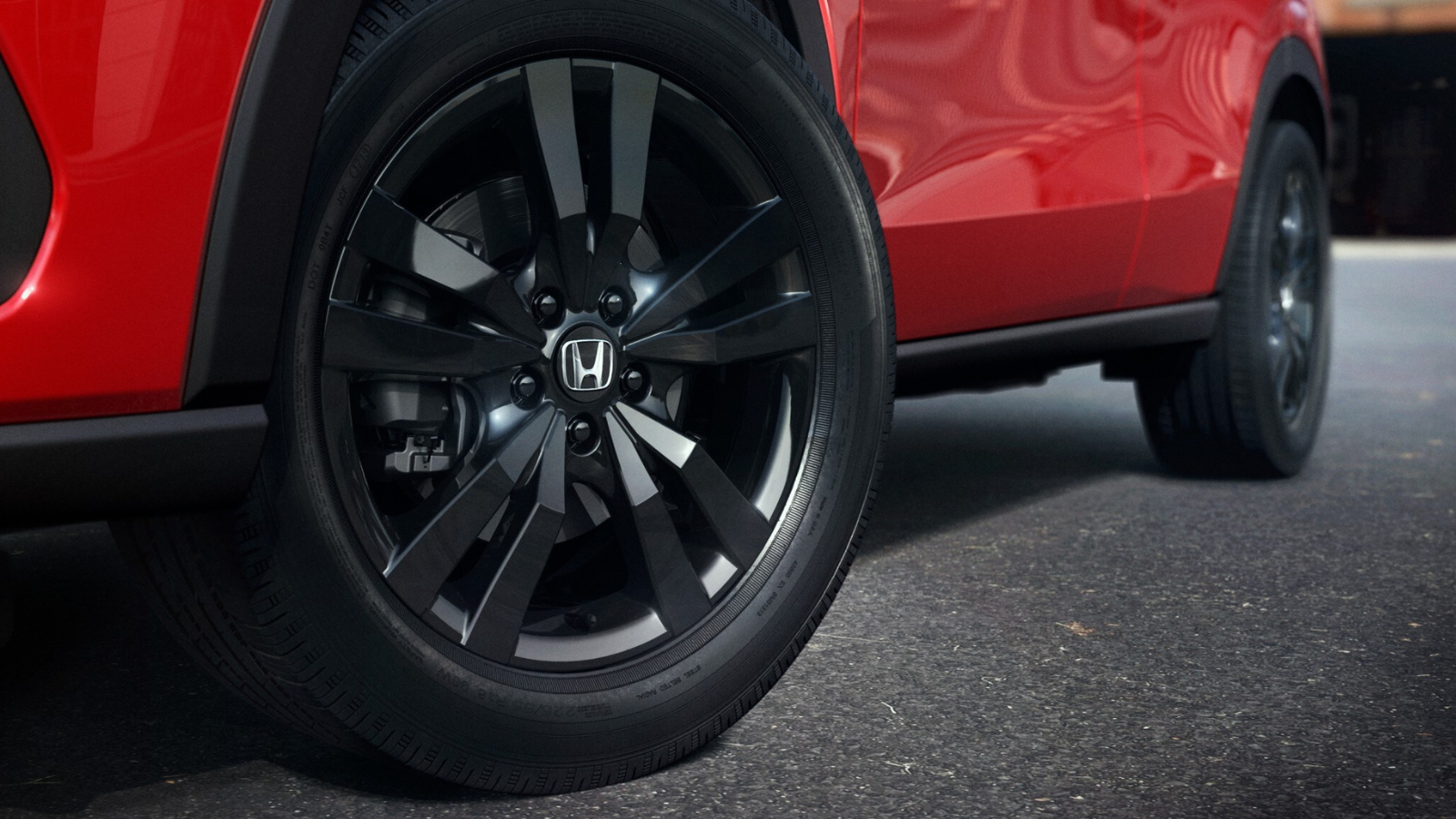
The Sport is the strongest value in the range. It adds 18-inch gloss-black wheels, heated front seats, heated side mirrors, remote engine start, Smart Entry with Walk Away Auto Lock, a leather-wrapped steering wheel and shift knob, a six-speaker audio system, and blind-spot monitoring with rear cross-traffic monitoring.
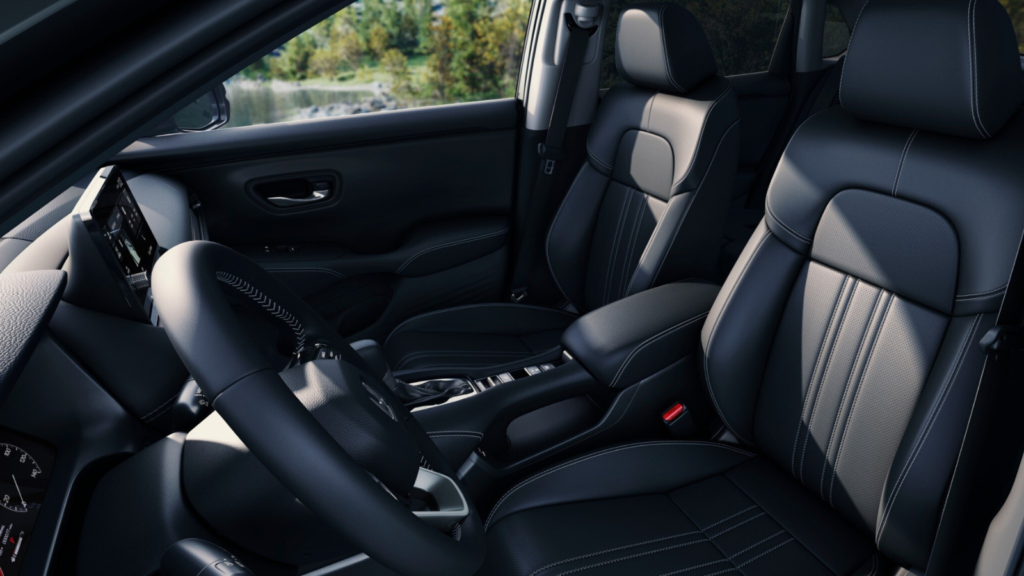
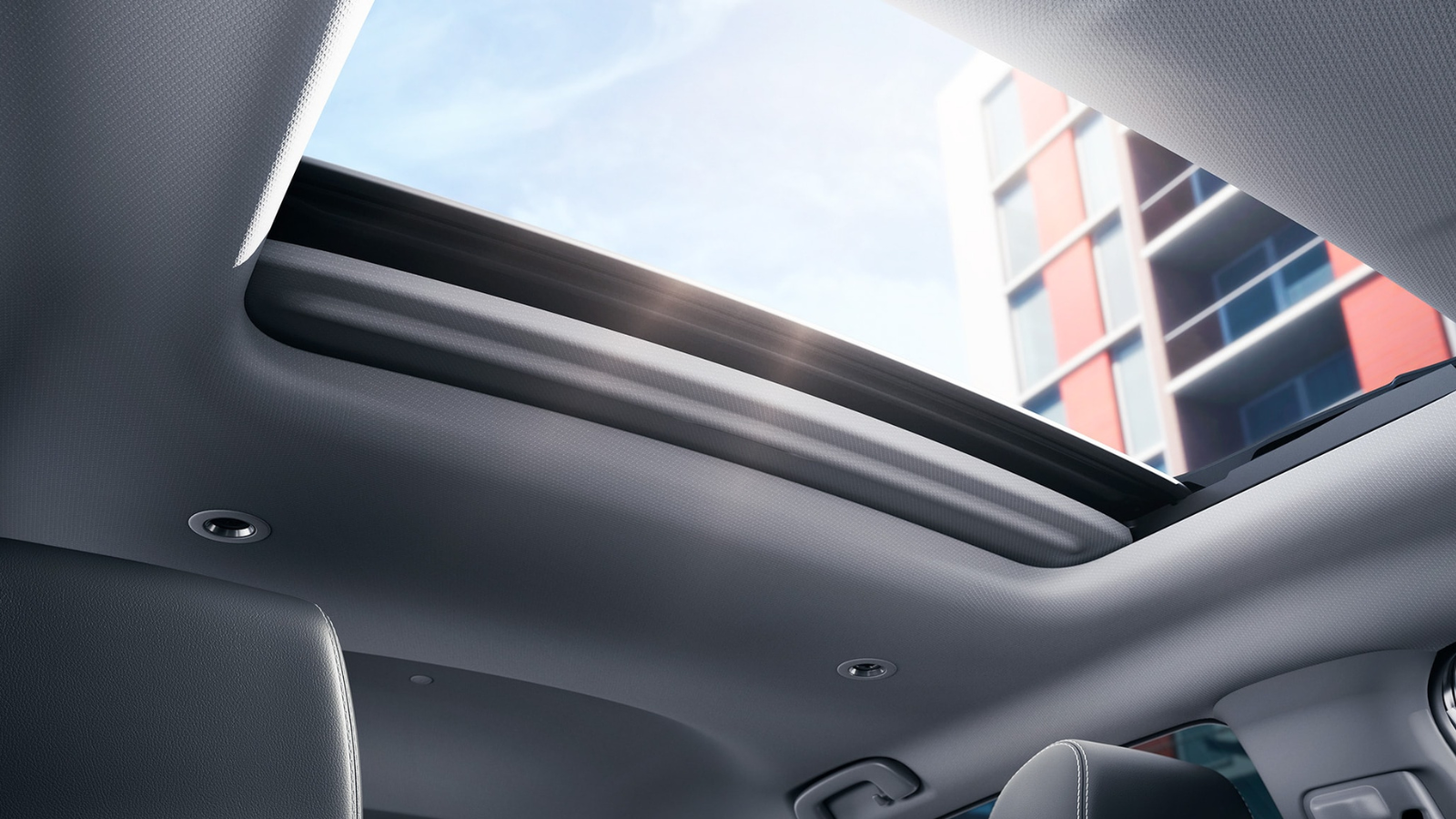
The EX-L is for buyers who care more about cabin comfort than sporty styling. It adds leather-trimmed seats, an eight-way power driver’s seat, dual-zone automatic climate control, an eight-speaker audio system, a one-touch power moonroof, front and rear parking sensors, and low-speed braking control.
Engine, Performance, and Driving Experience
| Specification | Honda HR-V |
| Engine | 2.0L naturally aspirated four-cylinder |
| Horsepower | 158 hp at 6,500 rpm |
| Torque | 138 lb-ft at 4,200 rpm |
| Transmission | CVT |
| Drive modes | Econ, Normal, Snow |
| Drivetrain | FWD or available AWD |
Every HR-V uses the same naturally aspirated 2.0-liter engine. It is a simple setup compared with the turbocharged engines and hybrid systems used by some rivals, which can be appealing for buyers who want predictable long-term ownership.
However, it is not quick. Honda does not publish an official 0–60 mph time, but independent testing of this generation has generally placed it in the low-nine-second range. That is acceptable for city traffic but slower than many subcompact SUVs.
The HR-V rides better than its size suggests. Its independent rear suspension helps it feel controlled over rough roads and more settled on the highway than some small crossovers. The steering is easy in parking lots, and outward visibility is good.
All-wheel drive can help in rain, snow, and loose surfaces. It is not an off-road system. The HR-V does not have low-range gearing, serious underbody protection, or the clearance for demanding trails.
Fuel Economy
| Drivetrain | EPA-Estimated City / Highway / Combined |
| FWD | 26 / 32 / 28 mpg |
| AWD | 25 / 30 / 27 mpg |
The HR-V uses regular unleaded fuel and has a 14.0-gallon fuel tank.
Its 28-mpg combined FWD rating is reasonable, but not class-leading. The Toyota Corolla Cross, Kia Niro, and Honda’s own CR-V Hybrid will cost less to fuel for drivers who cover many miles each year.
At 12,000 miles per year, an HR-V rated at 28 mpg will use roughly 429 gallons of fuel. A 40-mpg compact hybrid SUV would use about 300 gallons over the same distance.
Interior, Comfort, and Technology
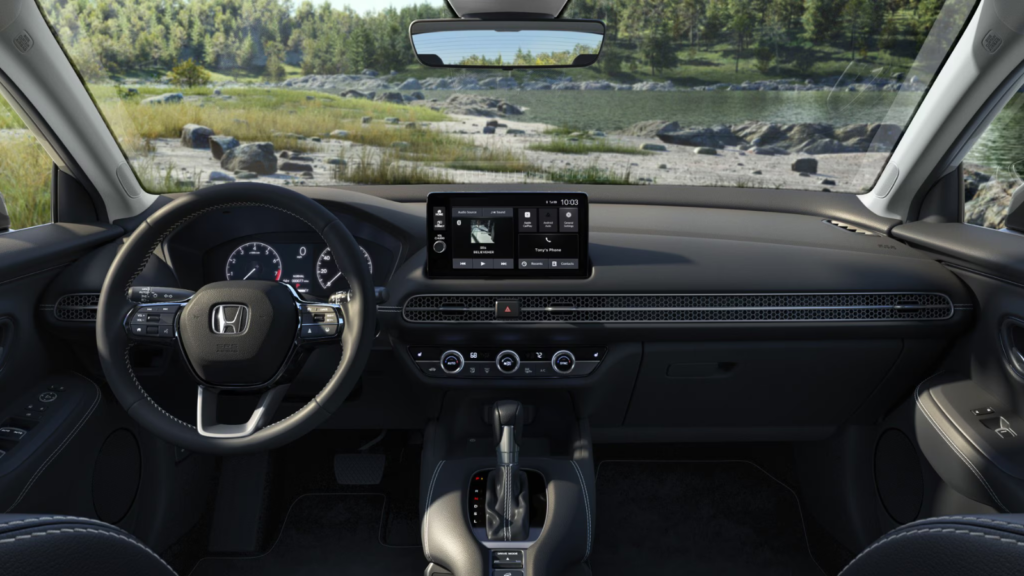
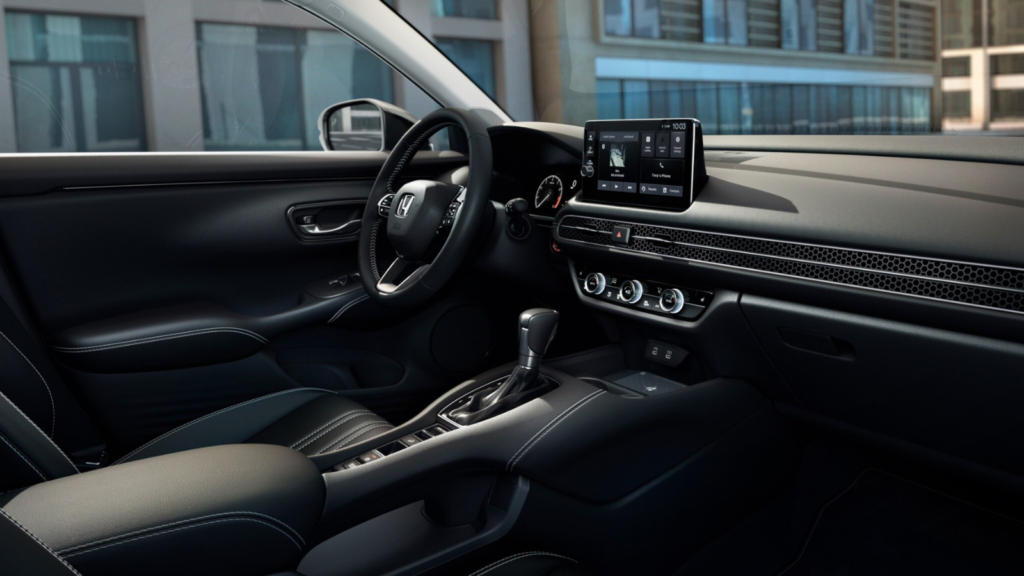
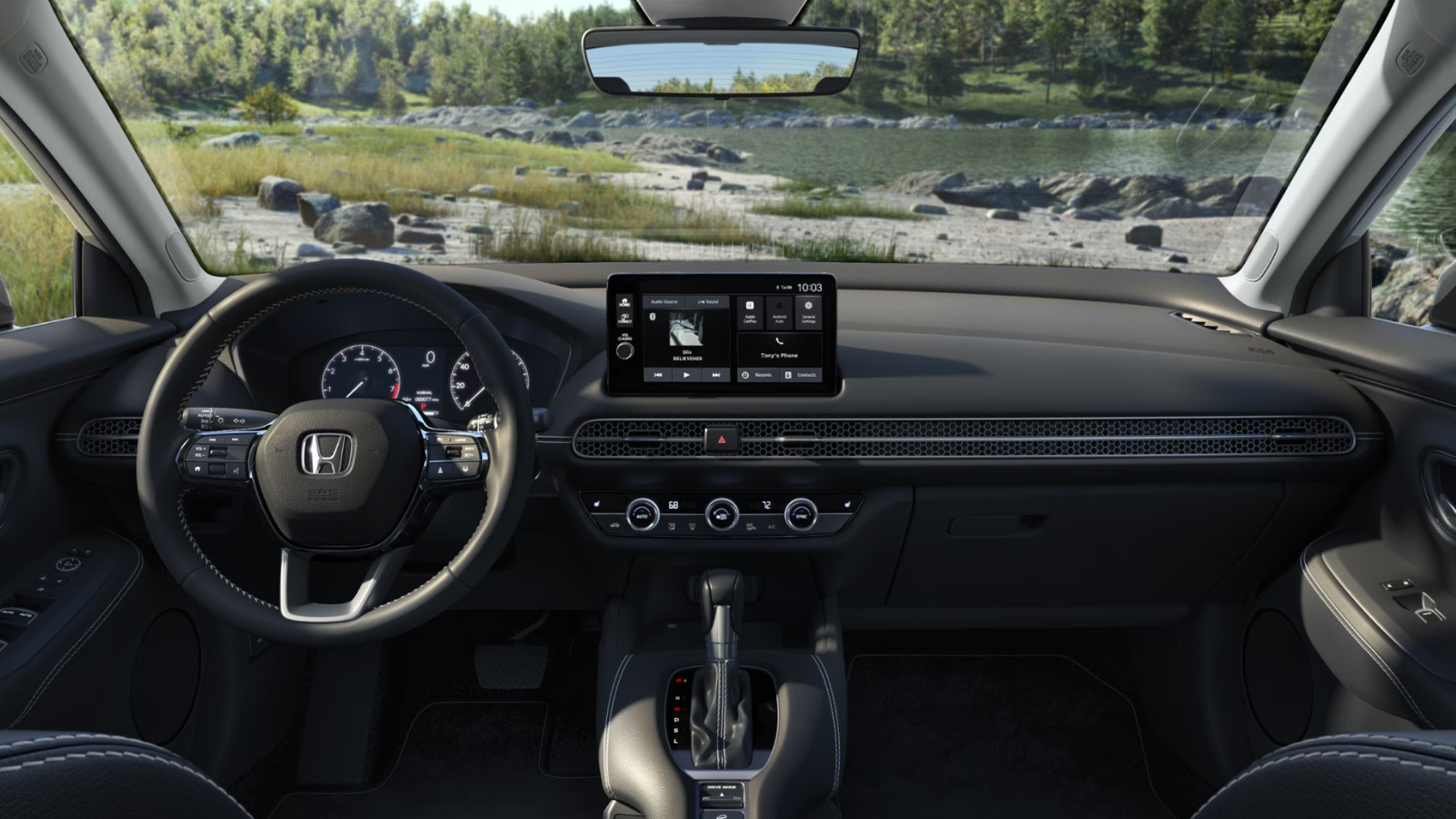
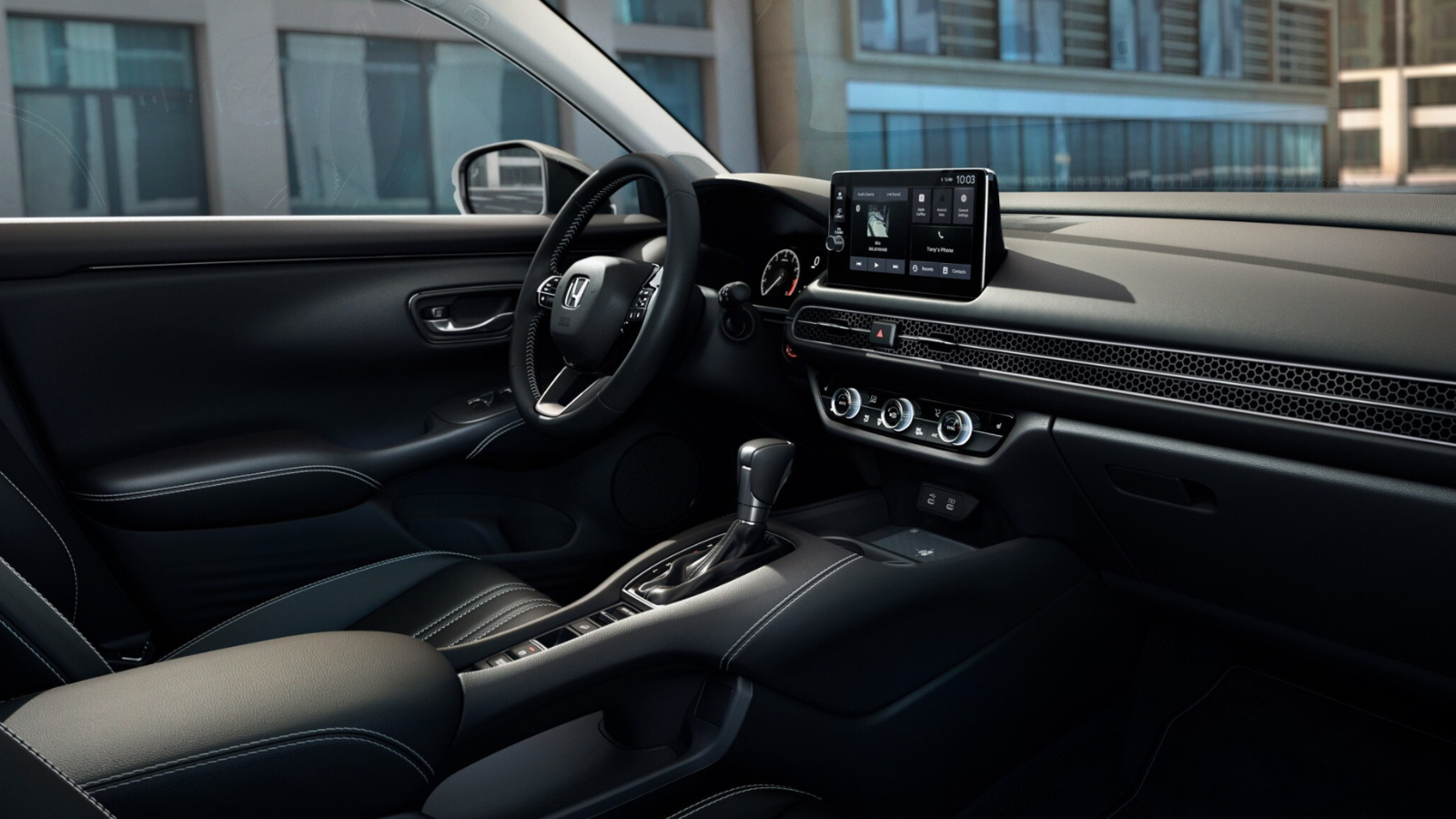
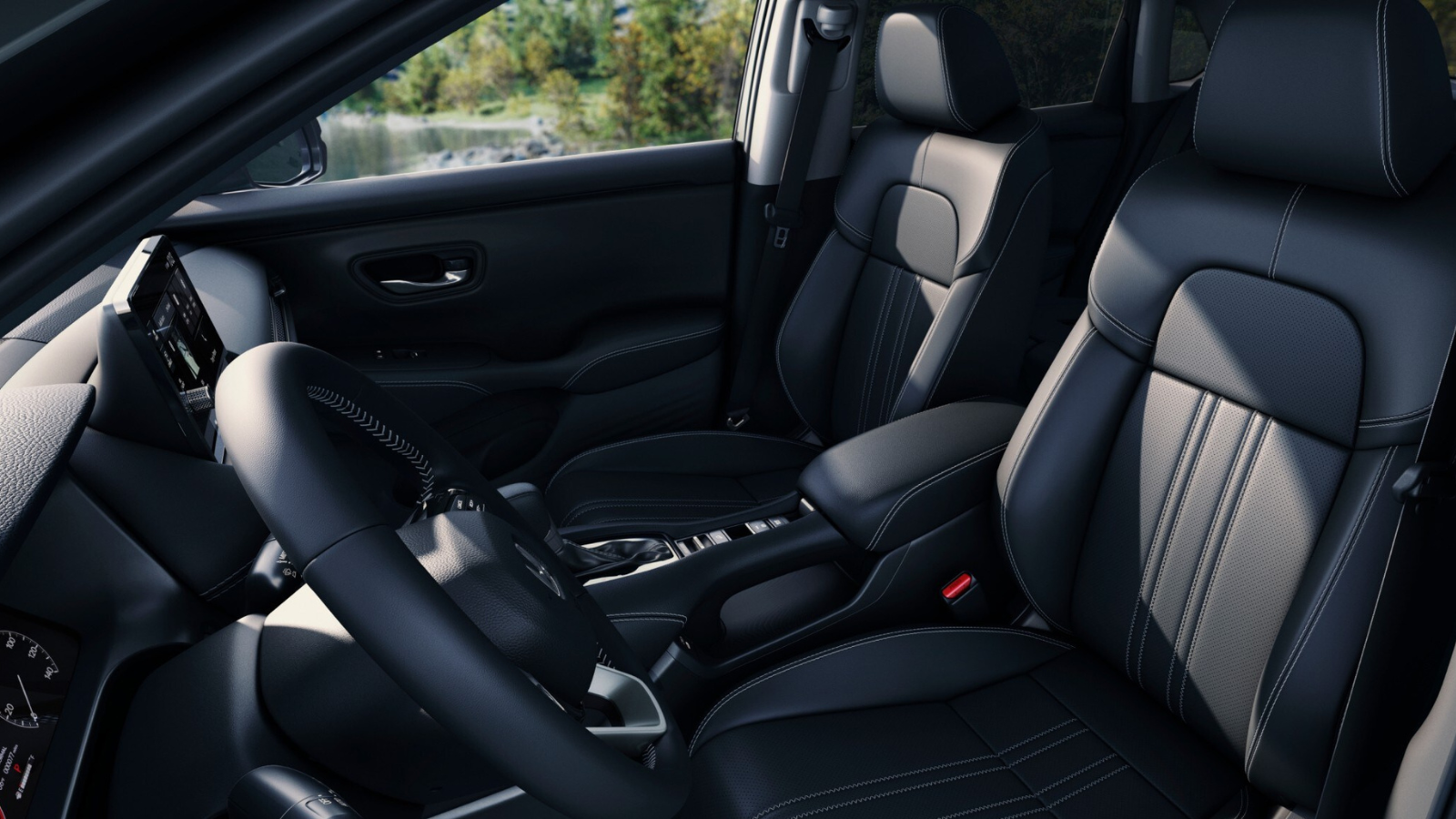
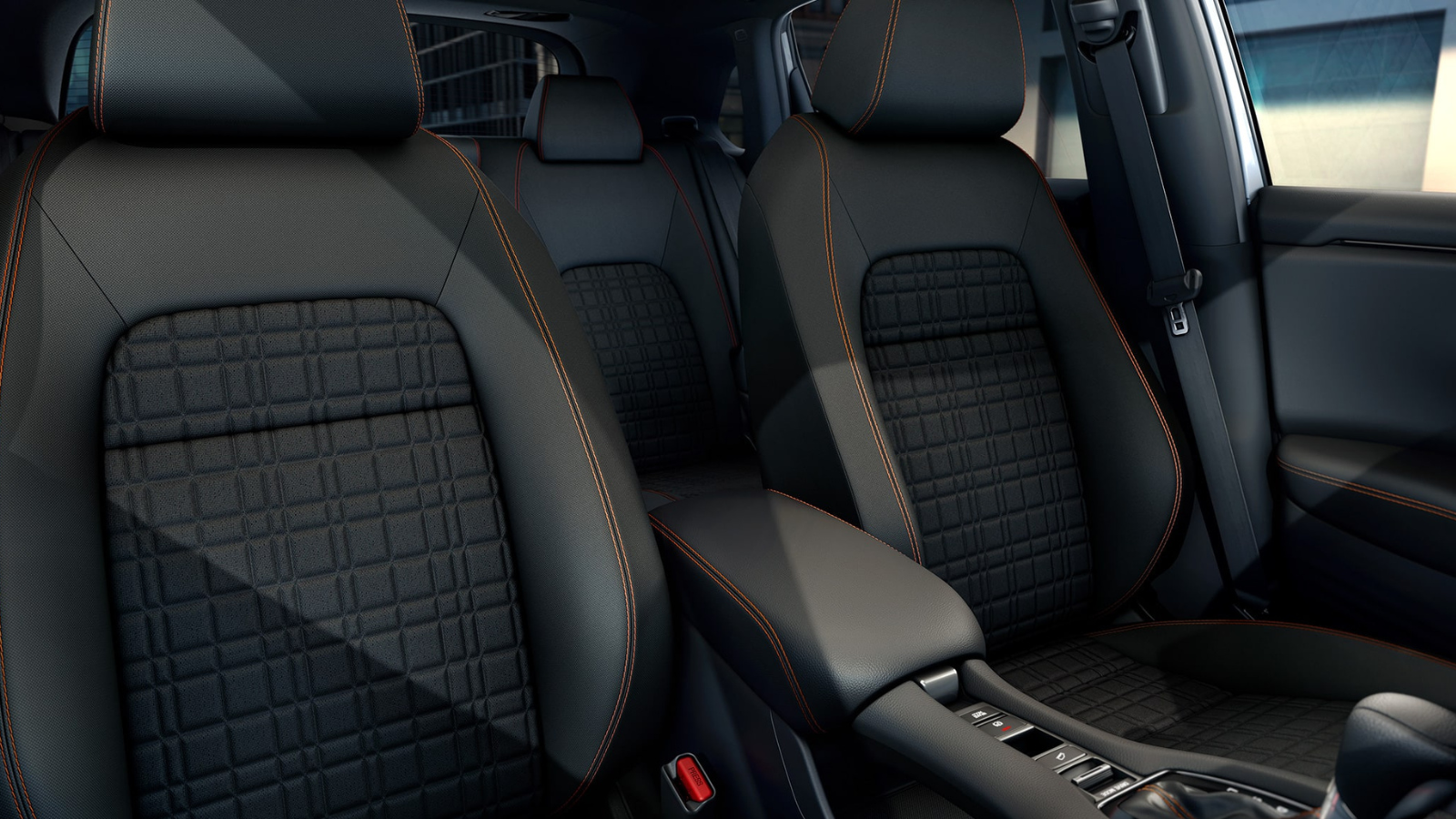
The HR-V has a clean, practical cabin with a honeycomb-style dashboard trim, simple climate controls, and a better finish than many entry-level SUVs. It does not feel luxurious, but it feels thoughtfully designed.
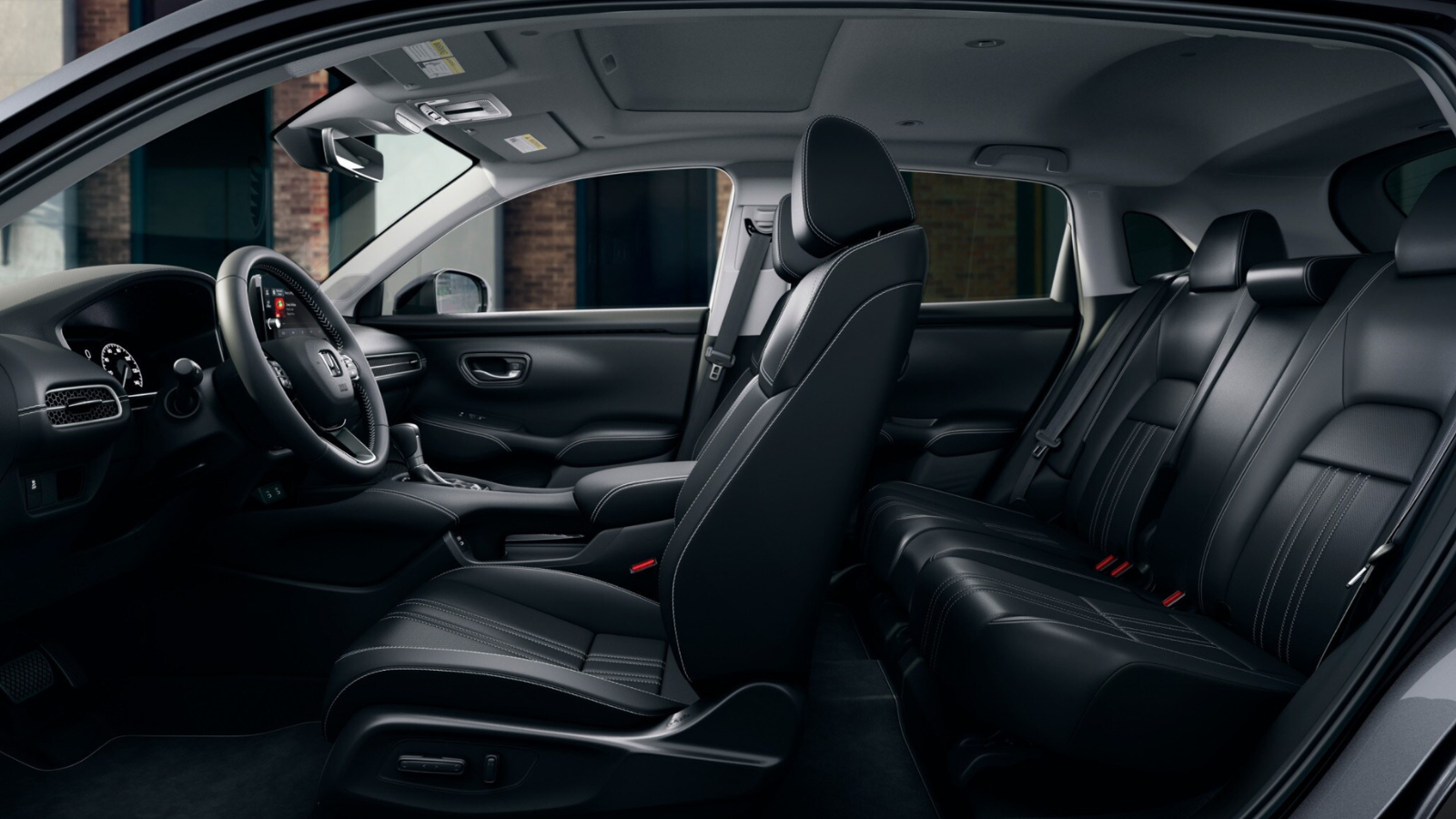
Five people can fit inside, though the rear seat is best for two adults or three children. Rear legroom measures 37.7 inches, which is usable but notably tighter than the Honda CR-V.
Standard and available features include:
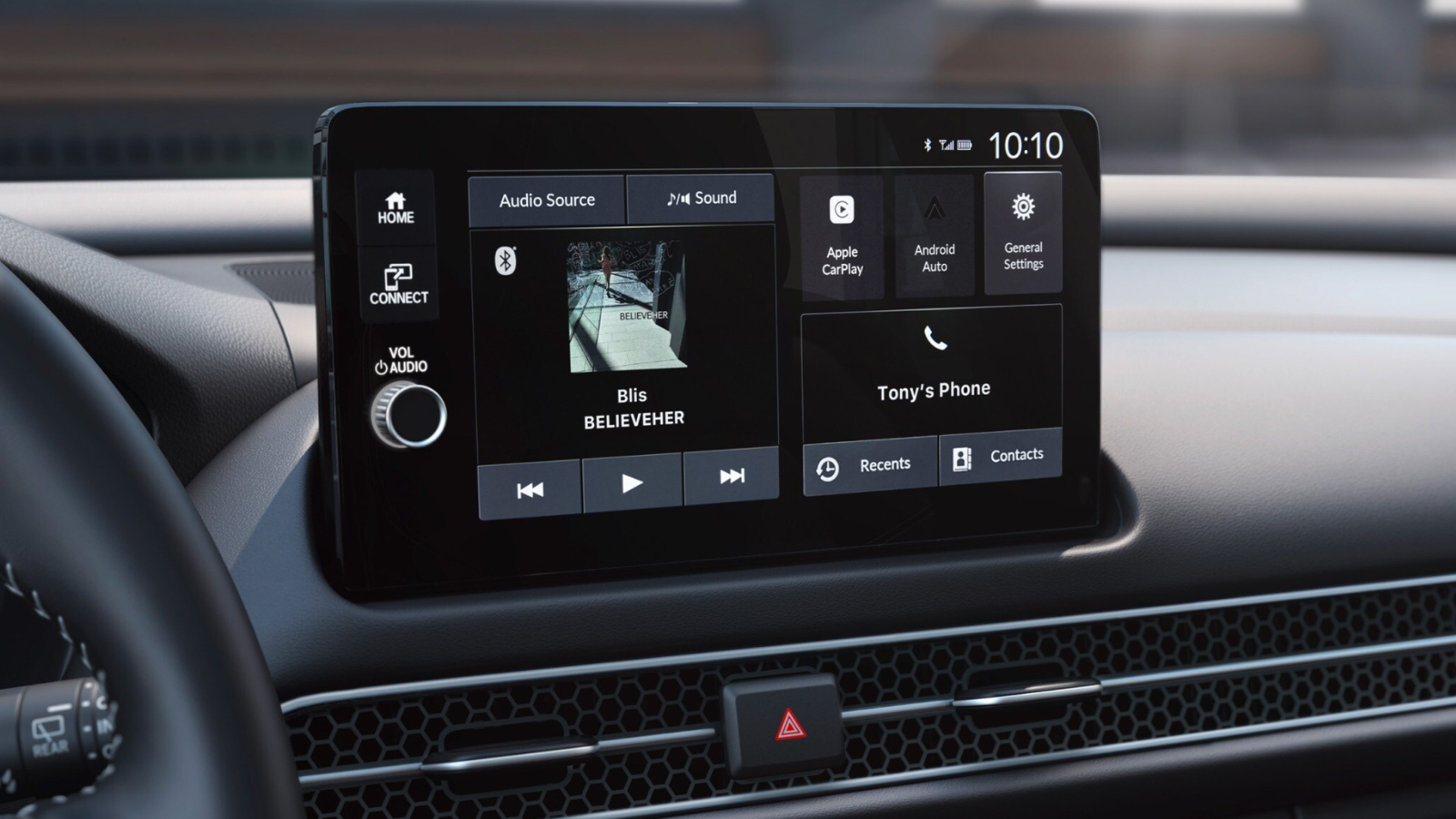
- 9-inch touchscreen
- 7-inch digital instrument display
- Wireless Apple CarPlay
- Wireless Android Auto
- Wireless phone charger
- Front and center-console USB-C ports
- Four-, six-, or eight-speaker audio system
- Remote engine start
- Smart Entry with Walk Away Auto Lock
- Heated front seats
- Leather-trimmed seating
- Eight-way power driver’s seat
- Dual-zone automatic climate control
- One-touch power moonroof
- Automatic-dimming rearview mirror
- Front and rear parking sensors
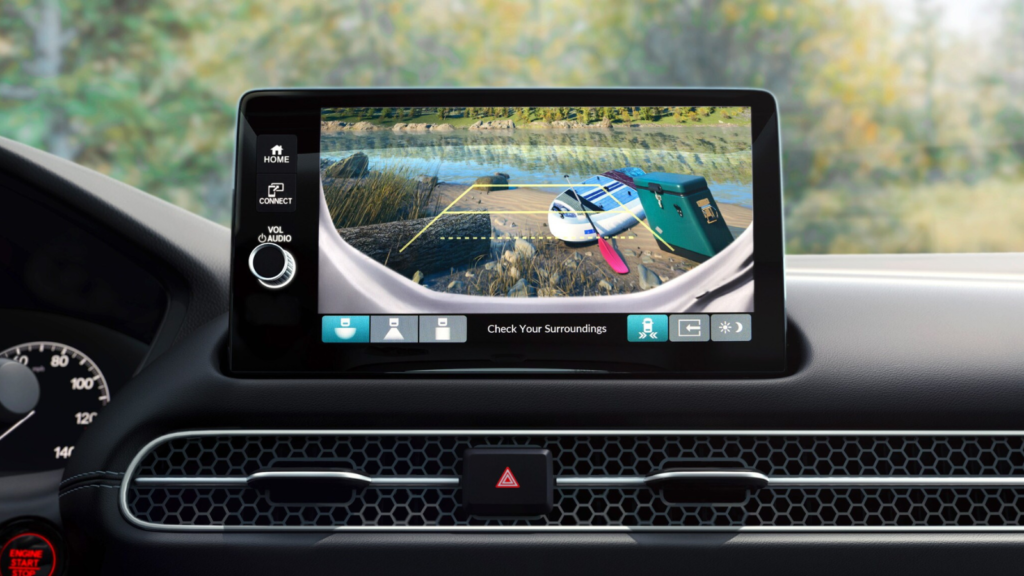
The standard 9-inch screen is a major plus. Many competitors still make buyers upgrade to get a larger display, wireless phone integration, or wireless charging.
Dimensions, Cargo, and Practicality
| Dimension | Measurement |
| Length | 179.8 in. |
| Width | 72.4 in. |
| Height | 63.4–63.8 in. |
| Wheelbase | 104.5 in. |
| Front legroom | 41.9 in. |
| Rear legroom | 37.7 in. |
| Front shoulder room | 56.6 in. |
| Rear shoulder room | 55.2 in. |
| Cargo space behind rear seats | 24.4 cu. ft. |
| Maximum cargo space | 55.1 cu. ft. |
| Seating | 5 passengers |
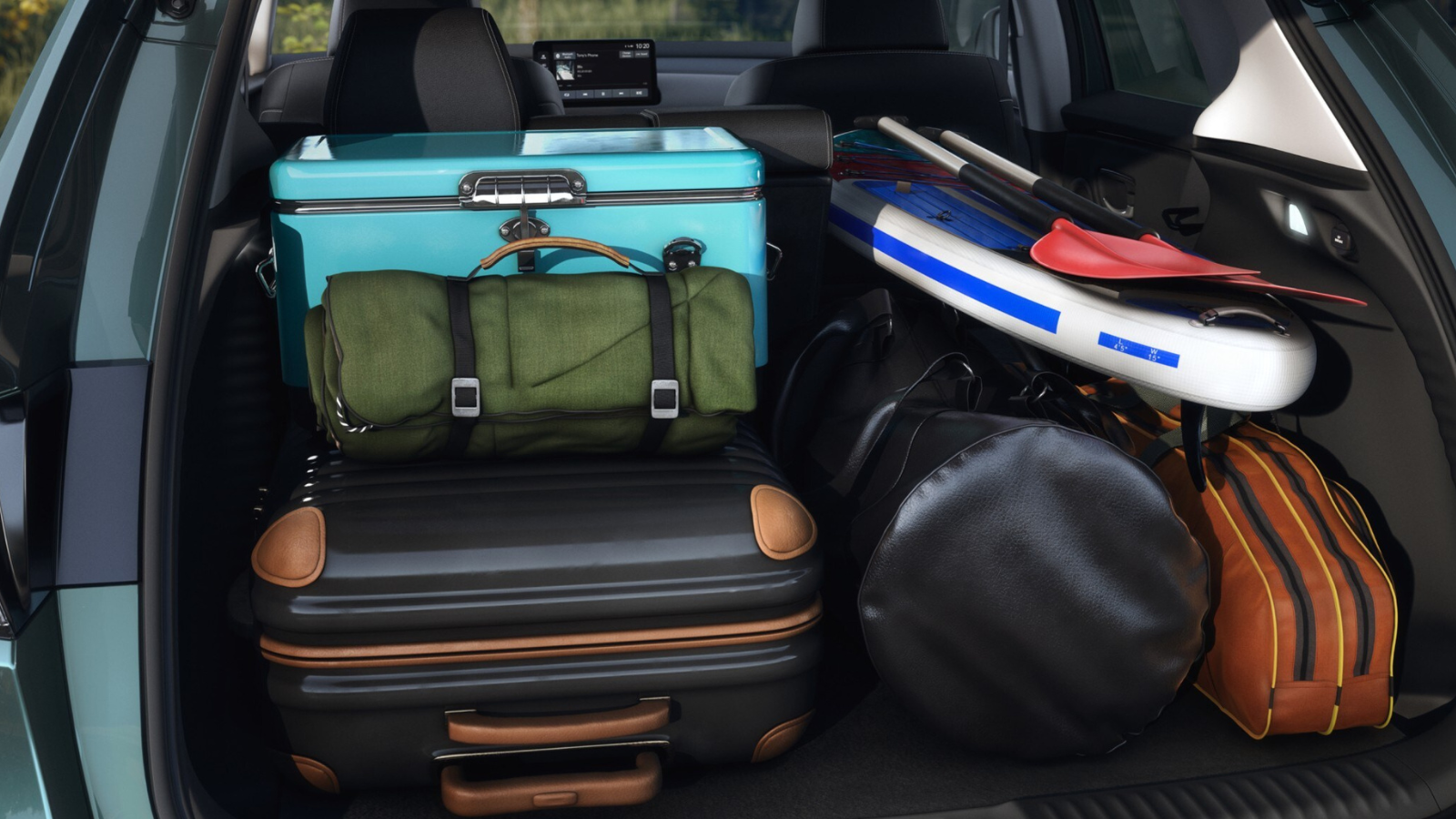
The HR-V has more usable cargo room than its exterior size suggests. With the rear seats upright, it can handle grocery runs, carry-on luggage, backpacks, and many everyday items. Folding the 60/40-split rear seat expands the cargo area for larger purchases or weekend trips.
It is still a small SUV. Families with a large stroller, bulky pet crate, multiple sports bags, or frequent road-trip luggage may find the CR-V’s larger cargo area more suitable.
Honda does not list the HR-V as a tow-rated SUV in the US. Buyers who need to tow should choose a vehicle with a manufacturer-approved towing capacity.
Exterior Design
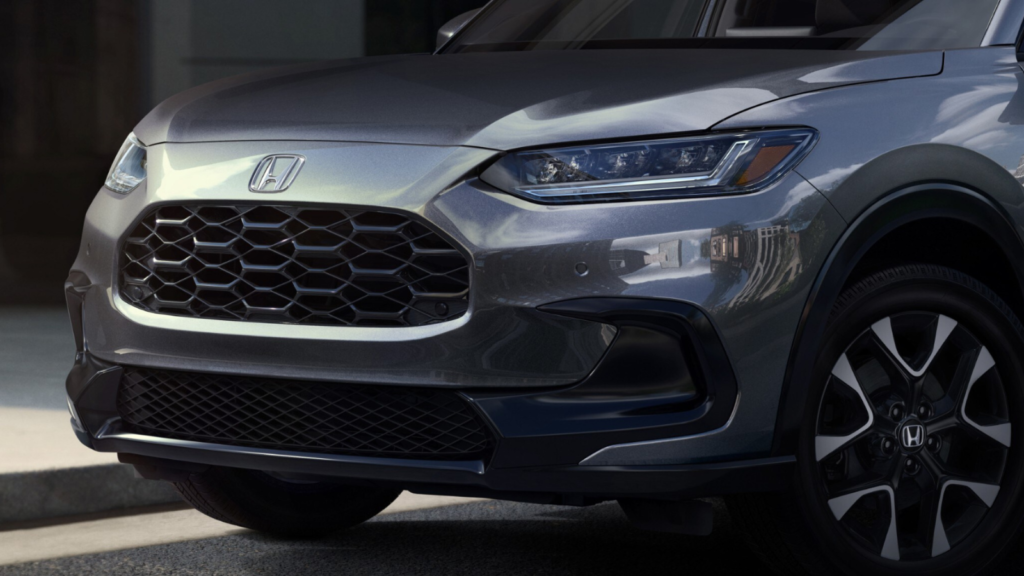
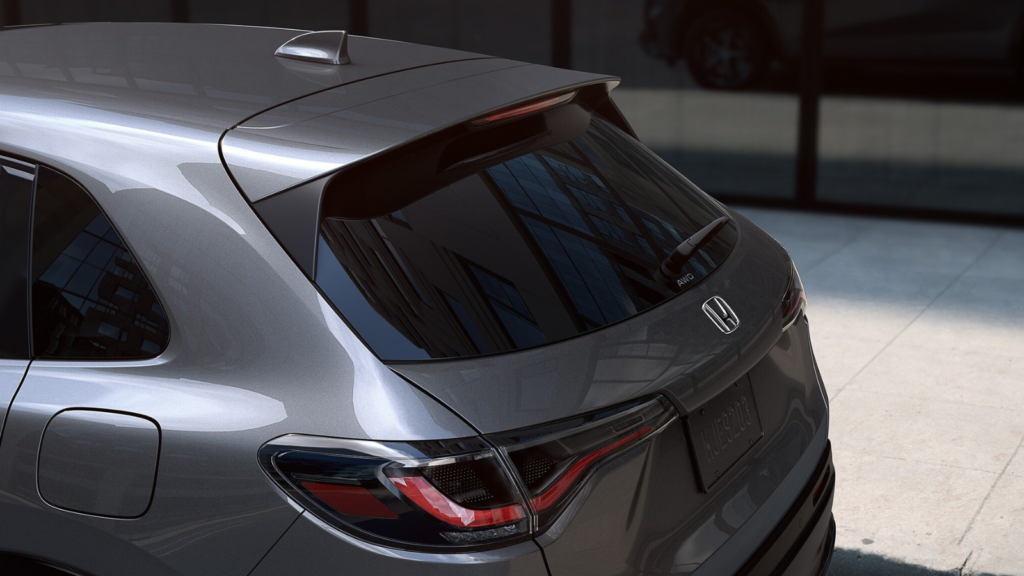
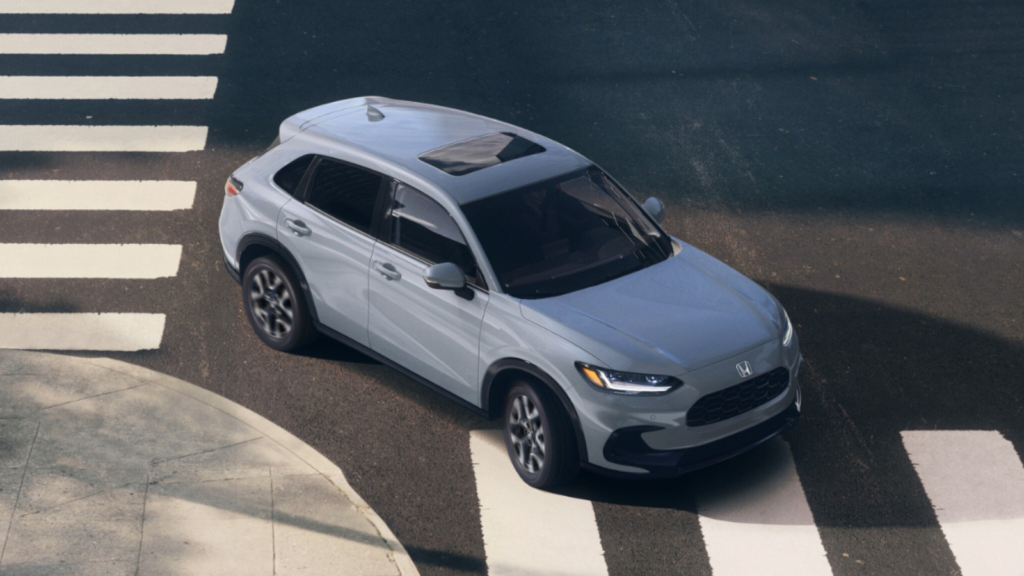
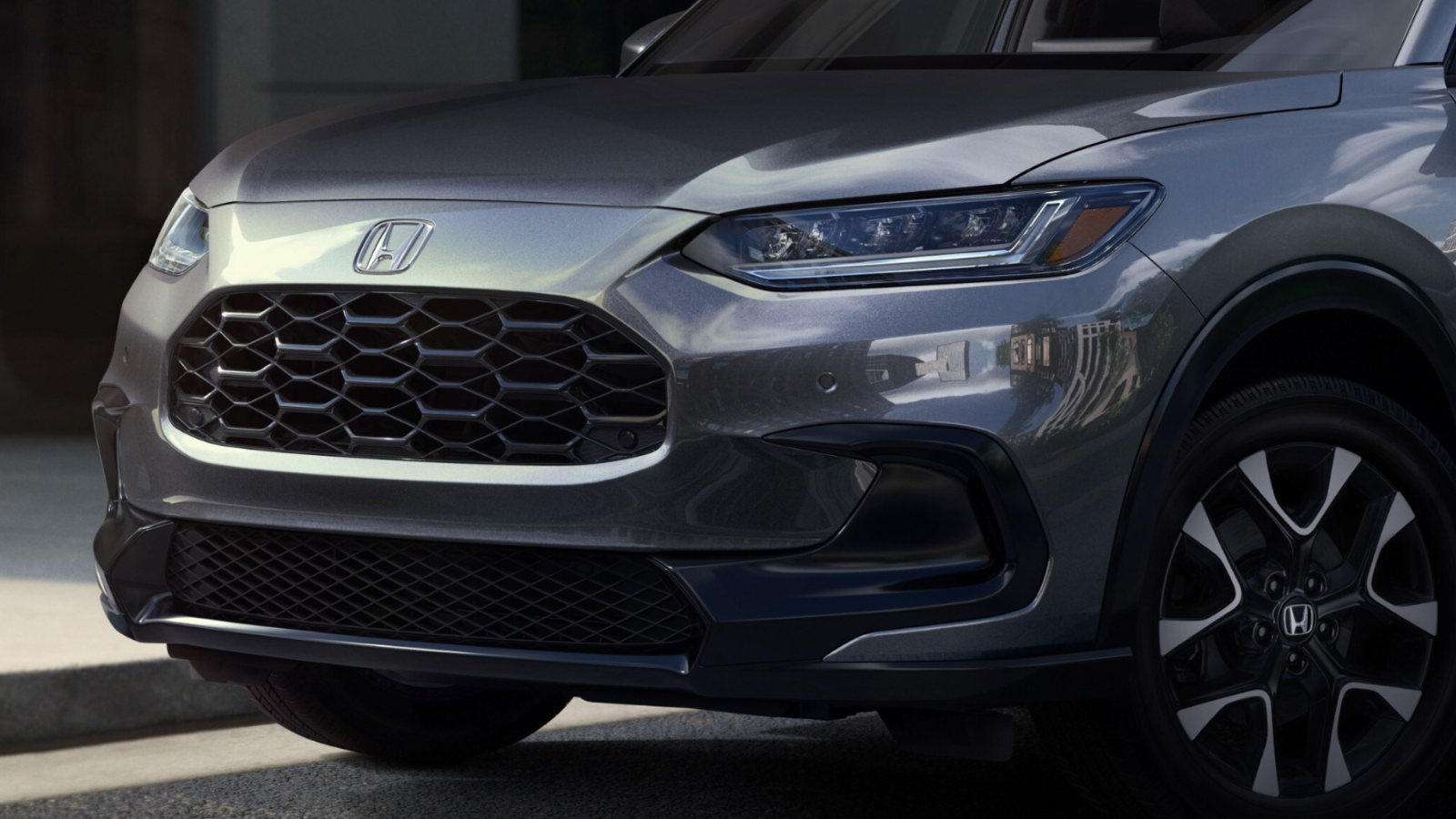
The HR-V has a mature SUV shape with LED headlights, a wide grille, short overhangs, and a compact footprint. It looks less playful than some rivals, which may appeal to buyers who want a small SUV that does not look like a starter vehicle.
Trim differences include:
- LX: 17-inch pewter-gray alloy wheels and body-colored mirrors
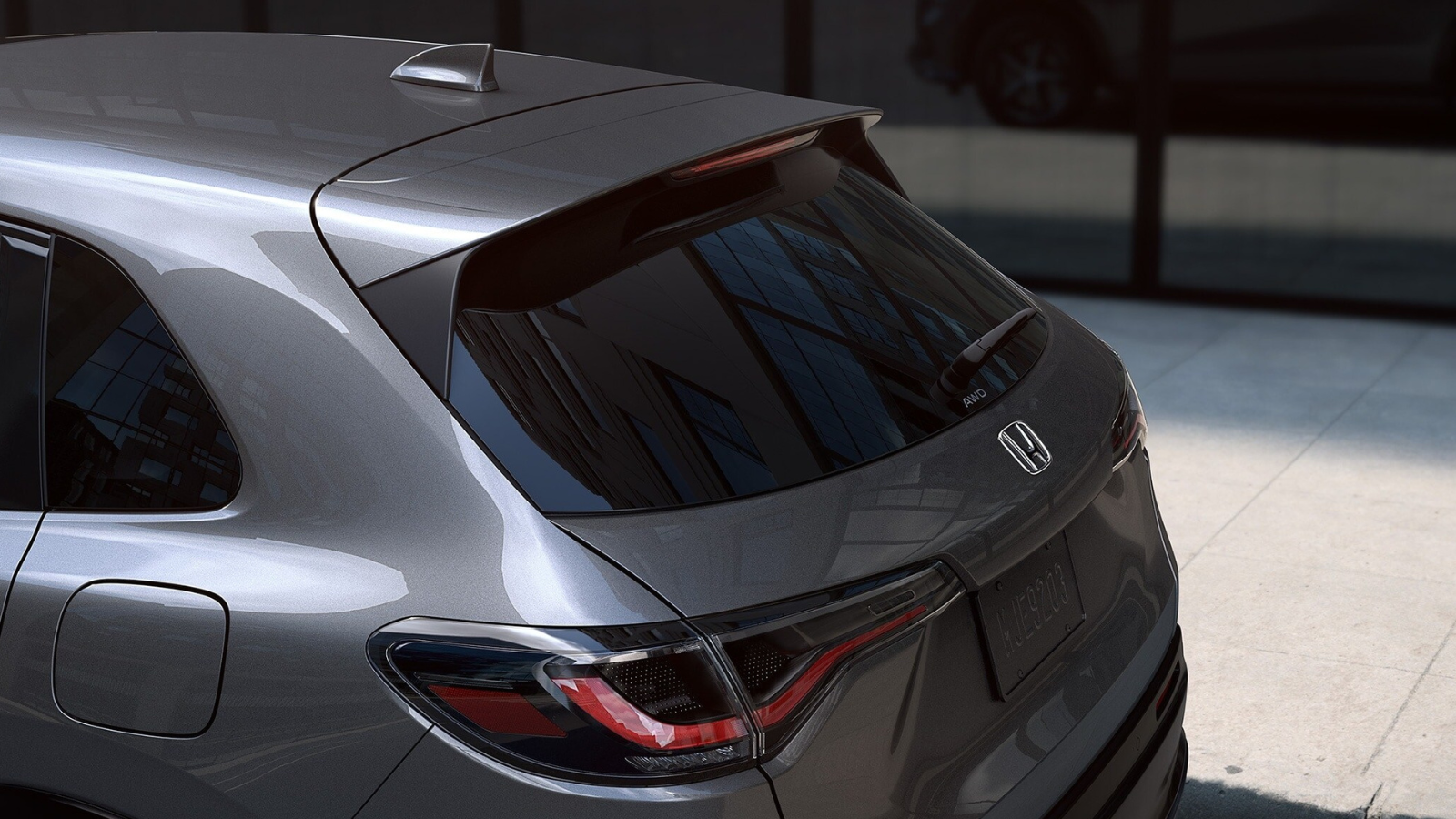
- Sport: 18-inch gloss-black wheels, black grille, black mirror caps, black roof spoiler, and chrome exhaust finisher
- EX-L: 18-inch machine-finished wheels with black inserts, heated mirrors, and a moonroof
The Sport has the most distinctive exterior look. The EX-L is more understated and focuses on interior upgrades.
Safety Features and Ratings
Every Honda HR-V includes Honda Sensing and a broad group of standard safety features:
- Forward Collision Warning
- Collision Mitigation Braking System
- Road Departure Mitigation System
- Lane Departure Warning
- Lane Keeping Assist System
- Adaptive Cruise Control with Low-Speed Follow
- Traffic Sign Recognition
- Traffic Jam Assist
- Automatic high beams
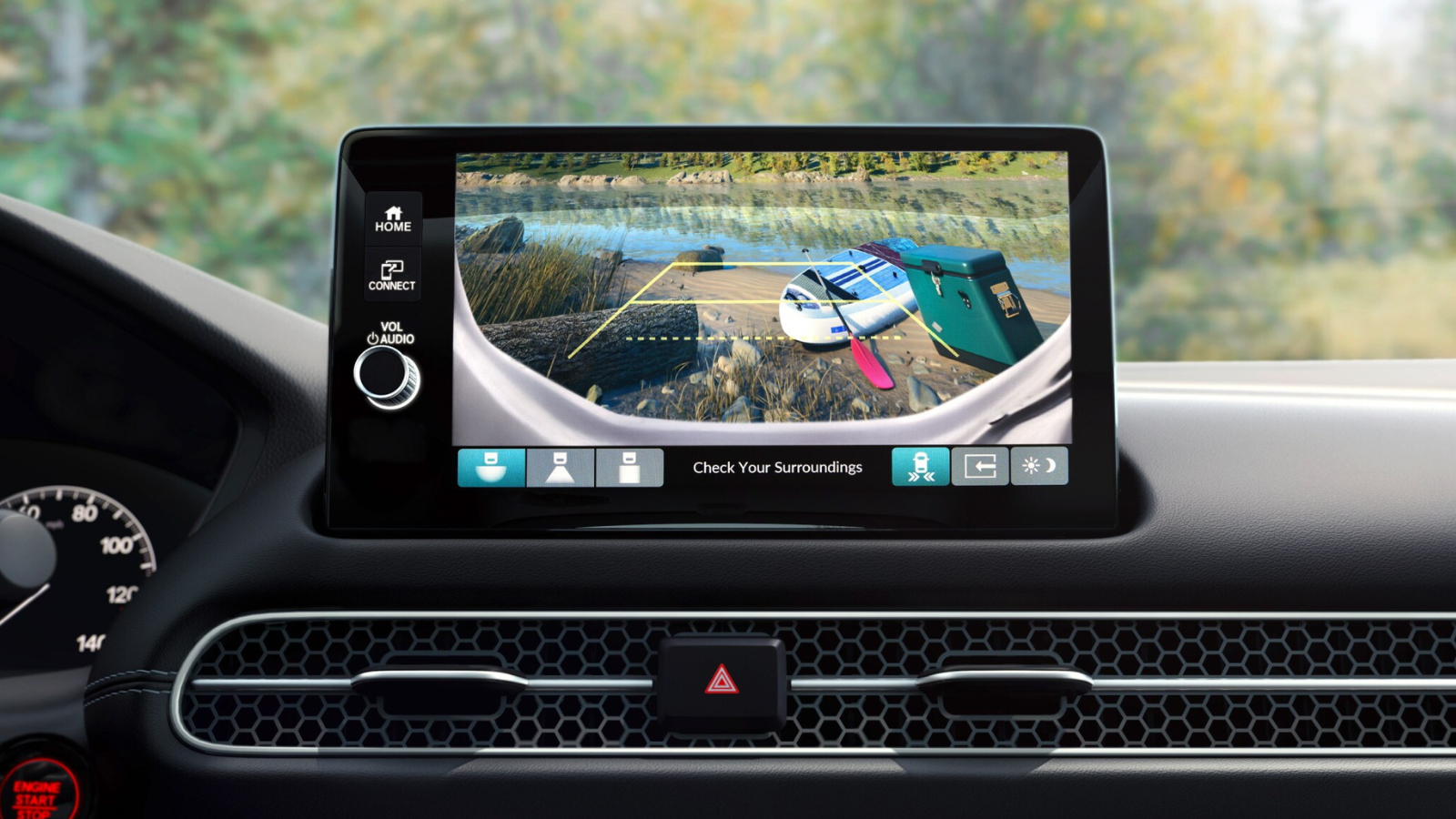
- Rearview camera with dynamic guidelines
- Driver Attention Monitor
- Rear-seat reminder
- Seat-belt reminders for every seating position
- Front knee airbags
- Front side airbags
- Rear outboard side airbags
- Side-curtain airbags with rollover sensor
- Vehicle Stability Assist and traction control
- LATCH anchors in the rear outboard seats and tether anchors across the second row
Blind-spot monitoring with rear cross-traffic monitoring is standard on the Sport and EX-L. The EX-L also has front and rear parking sensors plus low-speed braking control.
The 2026 Honda HR-V earned an IIHS Top Safety Pick+ award. It received Good ratings in the small-overlap front, updated moderate-overlap front, and updated side tests; its standard pedestrian front-crash-prevention system also earned a Good rating.
See the current IIHS HR-V rating for the full test results.
Reliability, Warranty, and Ownership
The HR-V has a simple powertrain, broad Honda dealer coverage, and widely available parts. Its naturally aspirated engine avoids some of the added complexity of a turbocharged engine or hybrid system.
The CVT should be smooth in normal driving, but it can make the engine sound louder when the driver accelerates hard. Follow Honda’s maintenance schedule and avoid treating a CVT like a conventional automatic transmission.
| Coverage | Length |
| New vehicle limited warranty | 3 years / 36,000 miles |
| Powertrain limited warranty | 5 years / 60,000 miles |
| Rust perforation warranty | 5 years / unlimited miles |
| Roadside assistance | 3 years / 36,000 miles |
| Honda Service Pass maintenance | 1 year / 12,000 miles |
For a used HR-V, check service records, tire condition, brake wear, infotainment functions, camera operation, driver-assistance features, and open recalls by VIN number.
Pros and Cons
What We Like
- Standard 9-inch touchscreen
- Wireless Apple CarPlay and Android Auto on every trim
- Standard wireless phone charger
- Useful cargo space for a subcompact SUV
- Available all-wheel drive on every trim
- Comfortable ride and composed handling
- Strong standard safety package
- Sport trim adds meaningful features for a fair price
- Well-finished interior
- Regular unleaded fuel
What We Don’t Like
- Slow acceleration
- No hybrid, turbocharged, or performance version
- Fuel economy is only average for the class
- AWD reduces fuel economy further
- Rear seat is smaller than the CR-V’s
- No manufacturer-rated towing capacity in the US
- EX-L pricing can overlap with larger compact SUVs
- CVT can get loud during hard acceleration
Competitors
The HR-V is a solid option, but these alternatives may better fit certain priorities:
- The Toyota Corolla Cross is worth considering for buyers who want a hybrid option.
- The Mazda CX-30 is a stronger choice for drivers who value more engaging handling and a more premium-feeling cabin.
- The Subaru Crosstrek suits buyers who want standard all-wheel drive and more light-trail ability.
- The Hyundai Kona offers bolder styling and a wider choice of powertrains.
- The Kia Seltos provides more interior space and an available turbocharged engine.
- The Volkswagen Taos offers a more powerful turbocharged engine and a roomy cabin.
Related WheelPedia Content
Compare the HR-V with the Honda CR-V if you are deciding whether the lower purchase price is worth giving up the CR-V’s larger cabin, hybrid option, and stronger performance.
The Honda Civic Hatchback may make more sense for buyers who want lower running costs and hatchback utility but do not need an SUV seating position.
Before financing, read how car financing works and consider getting car loan preapproval before visiting a dealership.
You can also browse all current Honda models on WheelPedia.
Should You Buy the Honda HR-V?
Buy the Honda HR-V if you want a small SUV that is easy to drive, reasonably practical, well equipped, and available with all-wheel drive. It is a good fit for first-time buyers, commuters, couples, and small families who do not need a large cargo area or three-row seating.
Choose the LX if price matters most and you are happy without heated seats or blind-spot monitoring.
Choose the Sport if you want the best balance of price and equipment. Its heated seats, remote start, Smart Entry, heated mirrors, blind-spot monitoring, and more distinctive styling justify the extra cost.
Choose the EX-L if leather seating, a moonroof, a power driver’s seat, dual-zone climate control, and parking assistance matter to you.
Skip the HR-V if quick acceleration, hybrid fuel economy, towing, large-family space, or serious off-road ability are priorities.
FAQs
How much does the Honda HR-V cost?
The 2027 Honda HR-V starts from $26,600 MSRP with front-wheel drive. AWD versions start from $28,100 MSRP. These prices exclude destination, tax, registration, accessories, and dealer pricing.
Is the Honda HR-V available as a hybrid?
No. The current US Honda HR-V is gas-only and uses a 158-hp 2.0-liter four-cylinder engine.
Does the Honda HR-V have all-wheel drive?
Yes. Real Time AWD with Intelligent Control is available on the LX, Sport, and EX-L.
What fuel economy does the Honda HR-V get?
Front-wheel-drive HR-V models are rated at 26 mpg city, 32 mpg highway, and 28 mpg combined. AWD models are rated at 25 mpg city, 30 mpg highway, and 27 mpg combined.
Is the Honda HR-V fast?
No. Its 158-hp engine is suitable for normal commuting but slower than several rivals. Independent tests of this generation have typically placed its 0–60 mph time in the low-nine-second range.
How much cargo space does the Honda HR-V have?
The HR-V has 24.4 cubic feet of cargo space behind the rear seats and 55.1 cubic feet with the 60/40-split rear seats folded.
Does the Honda HR-V have Apple CarPlay and Android Auto?
Yes. Every 2027 Honda HR-V has wireless Apple CarPlay and wireless Android Auto.
Does every Honda HR-V have a wireless phone charger?
Yes. A wireless phone charger is standard on every current HR-V trim.
Does every Honda HR-V have blind-spot monitoring?
No. Blind-spot monitoring with rear cross-traffic monitoring is standard on the Sport and EX-L, but not the LX.
Can the Honda HR-V tow a trailer?
Honda does not list a US towing capacity for the HR-V. Buyers who need to tow should choose a vehicle that is factory-rated for the intended trailer and load.
Is the Honda HR-V safe?
The HR-V includes Honda Sensing on every trim. The 2026 HR-V earned an IIHS Top Safety Pick+ award, but buyers should confirm 2027-specific IIHS and NHTSA results when they become available.
Which Honda HR-V trim is best?
The Honda HR-V Sport is the best trim for most buyers. It adds heated front seats, remote start, Smart Entry, heated mirrors, blind-spot monitoring, and 18-inch wheels without the EX-L’s higher price.
Final Verdict
The Honda HR-V is a smart small SUV for buyers who value easy ownership, standard technology, available AWD, and a well-organized cabin. It is not the quickest or most fuel-efficient choice in its class, but it handles everyday commuting and light family duties well.
The Sport is the standout trim because it adds the practical features most people want. The EX-L is the right choice for buyers who want more comfort, while the LX keeps the entry price lower without cutting important tech or safety equipment.
If you can afford the larger CR-V, it provides more room, stronger powertrains, and hybrid efficiency. But for buyers who want a compact Honda SUV with a lower price and an easier footprint in the city, the HR-V remains a good option.
Prices, specifications, fuel-economy ratings, safety ratings, warranties, and feature availability can change by trim, model year, and market.