There is no single credit score required to buy a car. Some lenders approve buyers with excellent credit, fair credit, poor credit or even limited credit history. The difference is usually not whether a buyer can get a loan, but how expensive that loan becomes.
A credit score of 661 or higher is a useful target because it falls into the prime VantageScore range and generally improves the chance of approval with better terms. For FICO scoring, a score of 670 or higher is commonly considered good.
Buyers with lower scores can still finance a car, but they may face higher APRs, larger down payment requirements, shorter lender choices or the need for a co-signer.
You can buy a car with many different credit scores, but a score of 661 or higher usually gives better approval chances and more reasonable loan terms. A score below 600 can still qualify with some lenders, but the loan may be much more expensive.
Credit Score Needed to Buy a Car
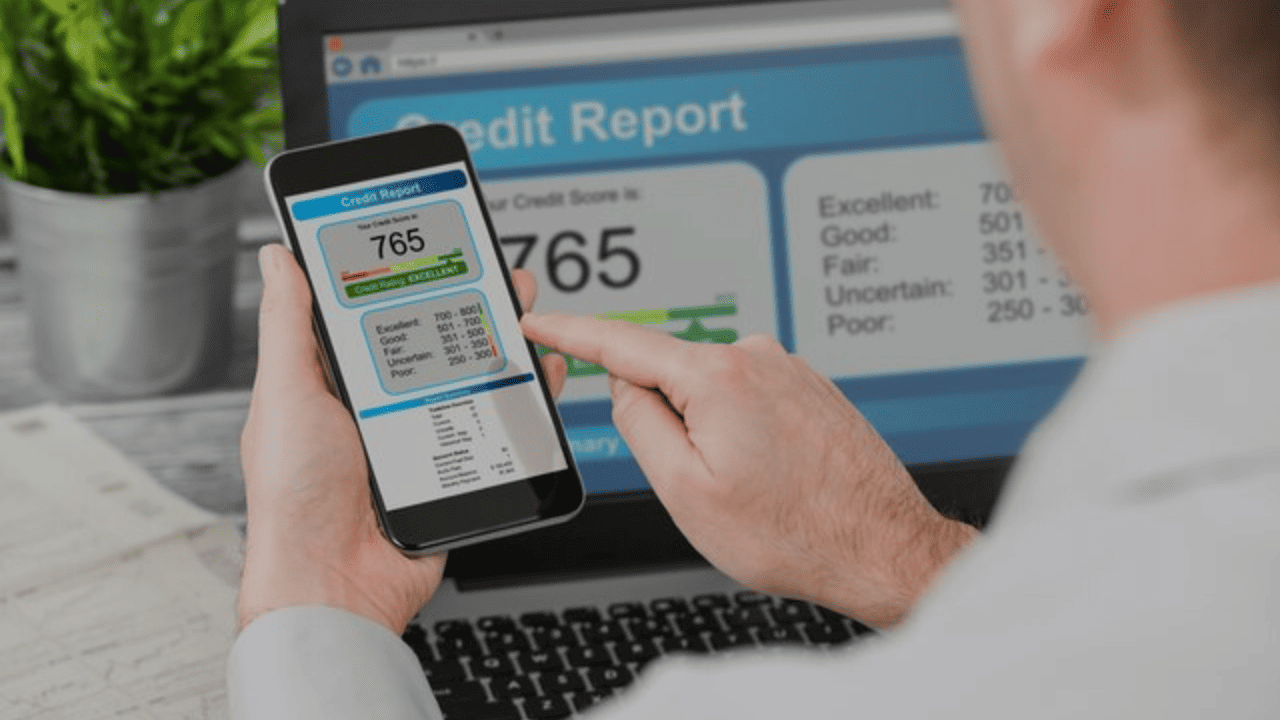
| Credit score range | Common tier | Approval outlook | Typical loan impact |
| 781–850 | Super prime | Strong | Best average rates |
| 661–780 | Prime | Good | Competitive rates |
| 601–660 | Near prime | Possible | Higher APR and stricter terms |
| 501–600 | Subprime | More difficult | High APR, larger down payment likely |
| 300–500 | Deep subprime | Hardest | Very high APR, fewer lenders |
These ranges are based on VantageScore-style auto-loan reporting used in Experian’s Q1 2026 auto finance data. Lenders may also use FICO, FICO Auto Score or their own internal scoring methods.
Is There a Minimum Credit Score to Buy a Car?
No universal minimum exists.
Banks, credit unions, dealerships, online lenders and manufacturer finance companies can each set their own rules. Some lenders have strict cutoff scores. Others may approve a lower-score buyer when the down payment, income, vehicle value and debt level support the application.
Auto lenders may review:
- Credit score
- Credit history
- Income
- Existing debts
- Down payment
- Loan amount
- Loan term
- Vehicle age
- Vehicle mileage
- Employment stability
- Previous auto-loan history
This is why two buyers with the same score may receive different loan offers.
What Is a Good Credit Score for a Car Loan?
A good target is:
- 661+ VantageScore for prime auto-loan positioning
- 670+ FICO Score for a generally good credit profile
Experian reported that the average credit score for new auto-loan applicants was 751 in Q1 2026, while the average for used auto-loan applicants was 682. That does not mean lower-score buyers cannot get approved. It shows that stronger-score borrowers dominate many financed purchases, especially new vehicles.
Average Auto Loan APR by Credit Score
| Credit tier | Score range | New car APR | Used car APR |
| Super prime | 781–850 | 4.55% | 6.30% |
| Prime | 661–780 | 6.23% | 8.77% |
| Near prime | 601–660 | 9.67% | 14.03% |
| Subprime | 501–600 | 13.44% | 19.42% |
| Deep subprime | 300–500 | 16.01% | 21.77% |
Source: Experian Q1 2026 auto finance data using VantageScore 4.0 credit tiers.
The main lesson is simple: a lower score may not block approval, but it can raise the cost sharply.
How Credit Score Affects Your Car Payment
Your credit score can affect:
- APR
- Monthly payment
- Down payment requirement
- Loan approval odds
- Maximum loan amount
- Loan term
- Whether a co-signer is required
- Whether the lender approves a new or used vehicle
- Whether the lender restricts vehicle age or mileage
A buyer with strong credit may qualify for a lower APR and more lender options. A buyer with weak credit may still qualify, but the loan can cost thousands more over the same term.
Example: Same car, different credit score
Assume two buyers finance the same car for the same amount.
| Buyer | Credit tier | APR | Result |
| Buyer A | Prime | Lower | Lower monthly payment and less total interest |
| Buyer B | Subprime | Higher | Higher monthly payment and more total interest |
The vehicle is the same. The loan cost is not.
Can You Buy a Car With Bad Credit?
Yes, but it is usually more expensive.
Experian notes that bad-credit buyers may still get auto loans, but they often face fewer options and higher interest or fees. A large down payment or creditworthy co-signer can improve approval odds.
A bad-credit buyer should be extra careful with:
- Very long loan terms
- High APRs
- Dealer add-ons
- “Guaranteed approval” offers
- Buy-here-pay-here lots
- Rolling old negative equity into a new loan
- Cars with high mileage or poor condition
- Loans where the payment stretches the budget
A car loan with a high APR can quickly become unaffordable when insurance, fuel, repairs and registration are added.
Can You Buy a Car With No Credit?
Yes, but limited credit can create similar problems to bad credit.
A buyer with no credit history may need:
- A larger down payment
- A co-signer
- Proof of stable income
- Proof of residence
- A smaller loan amount
- A less expensive vehicle
- A relationship-based approval from a bank or credit union
Experian says no-credit buyers may face obstacles and higher costs, but approval can be improved with a creditworthy co-signer, a sizable down payment or an existing relationship with a bank or credit union.
What Credit Score Do You Need for 0% Car Financing?
Usually, only buyers with the strongest credit profiles qualify for 0% APR promotional financing.
The CFPB says 0% financing offers are generally available only to consumers with the highest credit scores.
A 0% APR offer may also require:
- Excellent credit
- A new vehicle purchase
- Shorter loan term
- Manufacturer approval
- Specific model eligibility
- No conflicting rebate
- Strong income and debt profile
A 0% offer is not always the cheapest deal. Sometimes a cash rebate with a normal APR may cost less than 0% financing without the rebate.
Why Your Dealer Score May Be Different
The score you see in a consumer app may not be the exact score used by the lender.
Auto lenders may use:
- FICO Score
- FICO Auto Score
- VantageScore
- A specific credit bureau score
- Their own internal risk model
Experian notes that auto lenders can choose different types of credit scores, including VantageScore, base FICO and industry-specific auto FICO scores.
That is why a buyer may believe they have a 720 score while a dealer-lender system sees a different number.
Credit Score Is Important, But It Is Not the Only Factor
The CFPB says auto lenders consider multiple factors when deciding the rate to offer, including credit score, credit history, income, debts and down payment.
A lender may also look at:
- Debt-to-income ratio
- Payment history
- Recent late payments
- Bankruptcy or repossession history
- Loan-to-value ratio
- Vehicle age
- Vehicle mileage
- Employment stability
- Housing stability
- Previous auto-loan performance
A buyer with a decent score but high debt may receive a weaker offer than expected. A buyer with a lower score but strong income, a large down payment and a lower-priced car may have better approval odds.
How to Improve Approval Odds With a Lower Credit Score
- Make a larger down payment
A larger down payment reduces lender risk and lowers the amount financed. It can also reduce the chance of negative equity. - Choose a less expensive car
A smaller loan is easier to approve and easier to repay. - Get preapproved
The FTC recommends getting preapproved before shopping so buyers know their APR, term and borrowing limit before discussing dealer financing. - Compare multiple lenders
Different lenders use different standards. A bank, credit union, online lender and dealer finance office may produce different offers. - Use a co-signer carefully
A co-signer can help approval, but they become legally responsible if payments are missed. - Avoid unnecessary add-ons
Service contracts, protection packages and other extras can increase the amount financed and make approval harder. - Fix credit-report errors
Review your credit report before applying. Incorrect late payments, accounts or balances can hurt approval and APR.
How to Build Credit Before Buying a Car
If the purchase is not urgent, improving credit before applying can reduce borrowing costs.
Useful steps include:
- Pay every bill on time
- Reduce credit card balances
- Avoid unnecessary new credit applications
- Keep older accounts open when sensible
- Resolve collection accounts where appropriate
- Check credit reports for errors
- Build positive payment history
- Delay the car purchase if a better score is realistic soon
Experian identifies payment history and credit utilization as important areas to address before applying for an auto loan.
Should You Wait to Buy if Your Credit Score Is Low?
Sometimes, yes.
Waiting may be smart when:
- Your score is close to a better tier
- Credit card balances are high
- Recent late payments are about to age
- You can save a larger down payment
- Your current car still works
- The loan offer is above your comfort level
- You can avoid high-risk financing
Buying may still be necessary when:
- You need reliable transport for work
- Repairing the current car no longer makes sense
- Public transport is not realistic
- You can afford the payment and total cost
- You have a co-signer or strong down payment
The decision should be based on the total loan cost, not only approval.
How to Shop for a Car Loan by Credit Score
If your score is 781 or higher
You should compare banks, credit unions, online lenders and manufacturer offers. You may qualify for some of the best advertised rates, but still verify the total cost.
If your score is 661–780
You are in a stronger approval range. Preapproval is still useful because dealer offers can vary.
If your score is 601–660
Expect higher rates. Focus on a realistic car price, larger down payment and shorter loan term where affordable.
If your score is 501–600
Shop carefully. Compare several lenders before visiting the dealership. Avoid stretching the loan just to lower the payment.
If your score is below 500
Approval may be difficult or very costly. Consider waiting, using a co-signer, increasing the down payment or buying a cheaper vehicle.
Car Loan Credit Score Checklist
Before applying, check:
- Your credit score from more than one source
- Your full credit report
- Any late payments or collections
- Credit card balances
- Debt-to-income ratio
- Down payment amount
- Trade-in equity or negative equity
- Insurance cost
- Maximum comfortable monthly payment
- Total amount you can afford to finance
- Preapproval offers from at least two or three lenders
Frequently Asked Questions
What credit score do you need to buy a car?
There is no universal minimum. A score of 661 or higher generally improves approval chances and loan terms, while lower scores may still qualify with higher APRs or stricter conditions.
Can I buy a car with a 600 credit score?
Yes, it is possible. A 600 score may fall near the subprime or near-prime boundary, so buyers should expect higher APRs and compare lenders carefully.
Can I buy a car with a 500 credit score?
It may be possible, but approval is harder and rates can be very high. A larger down payment, cheaper car or co-signer may help.
What credit score gets the best car loan rates?
Super-prime borrowers, often around 781 and above on VantageScore ranges, receive the strongest average rates in Experian’s auto finance data.
Is 700 a good credit score to buy a car?
Yes. A 700 score usually puts a buyer in a stronger position than fair or subprime borrowers, although income, debt, down payment and vehicle choice still matter.
Is 0% financing possible with bad credit?
Usually no. Promotional 0% APR offers generally require very strong credit.
Can I get a car loan with no credit?
Yes, but it may require a co-signer, larger down payment, proof of income or a lender willing to work with thin-credit buyers.
Does a co-signer help with a car loan?
Yes, a creditworthy co-signer can improve approval odds. The co-signer is legally responsible if the borrower misses payments.
Does checking my credit hurt my score?
Checking your own credit does not hurt your score. Applying for auto loans may create hard inquiries, but rate shopping within a short period is often treated more favorably by scoring models.
Should I improve my credit before buying a car?
If the purchase can wait, improving credit may help you qualify for a lower APR and save money over the life of the loan.
Is credit score more important for new or used cars?
It matters for both. Used-car loans often have higher average APRs, so credit score can strongly affect the final cost.
Do dealerships use the same credit score I see online?
Not always. Dealers and lenders may use FICO Auto Score, VantageScore, a bureau-specific score or an internal model.
Can income make up for a low credit score?
Strong income can help, but it does not erase credit risk. Lenders usually review income, debt, credit history and down payment together.
What is the best way to get approved for a car loan?
Check your credit, reduce debts, save a down payment, get preapproved, compare lenders and choose a vehicle that fits your budget.
What is the biggest credit mistake before buying a car?
Applying without checking your credit, accepting the first offer and focusing only on monthly payment instead of APR and total cost.
Summary
You do not need a perfect credit score to buy a car. Many buyers can qualify with fair, poor or limited credit.
For most buyers, 661 or higher is a useful target because it generally places the borrower in the prime range. A score of 781 or higher gives access to the strongest average rates. Scores below 600 can still work with some lenders, but the loan may become expensive.
Before buying, check your credit, get preapproved, compare lenders and focus on the full cost of financing. A car loan should fit your budget after insurance, fuel or charging, maintenance and repairs—not just the monthly payment on the contract.