
Tesla Model 3: Price, Range, Specs, Features & Review
The Tesla Model 3 is a five-seat electric sedan that combines long driving range, strong efficiency, quick acceleration, useful technology, and easy access to Tesla’s Supercharger network. The current US lineup covers everything from a lower-priced rear-wheel-drive commuter to the very quick Model 3 Performance.
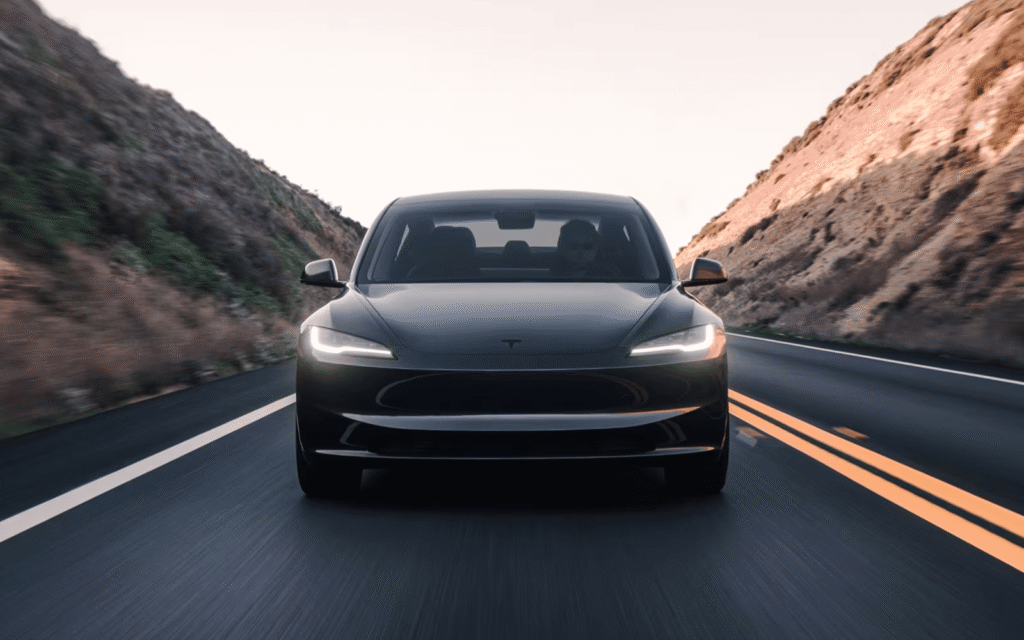
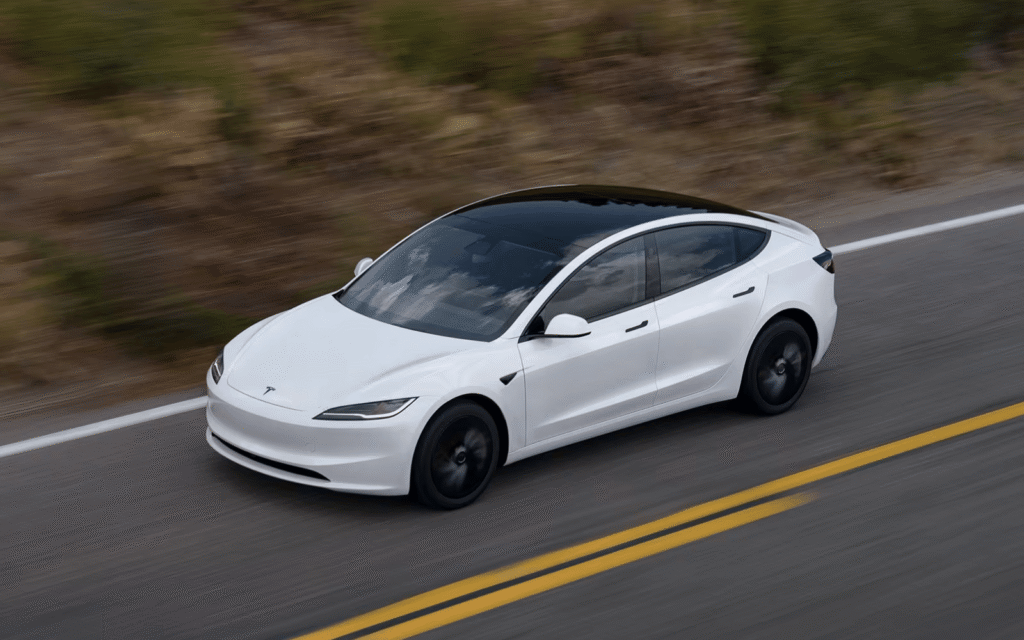
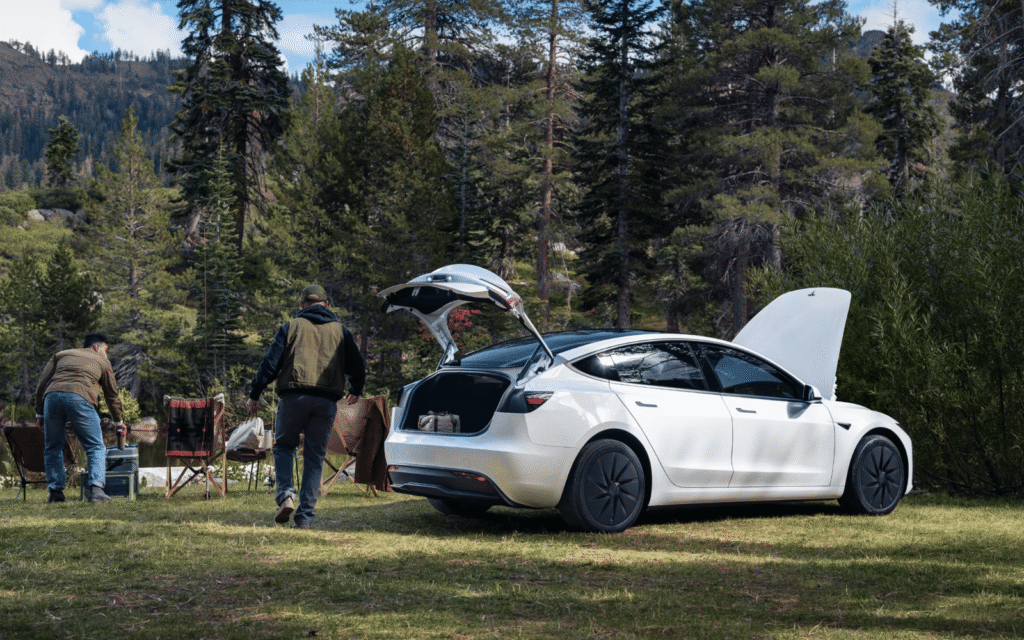
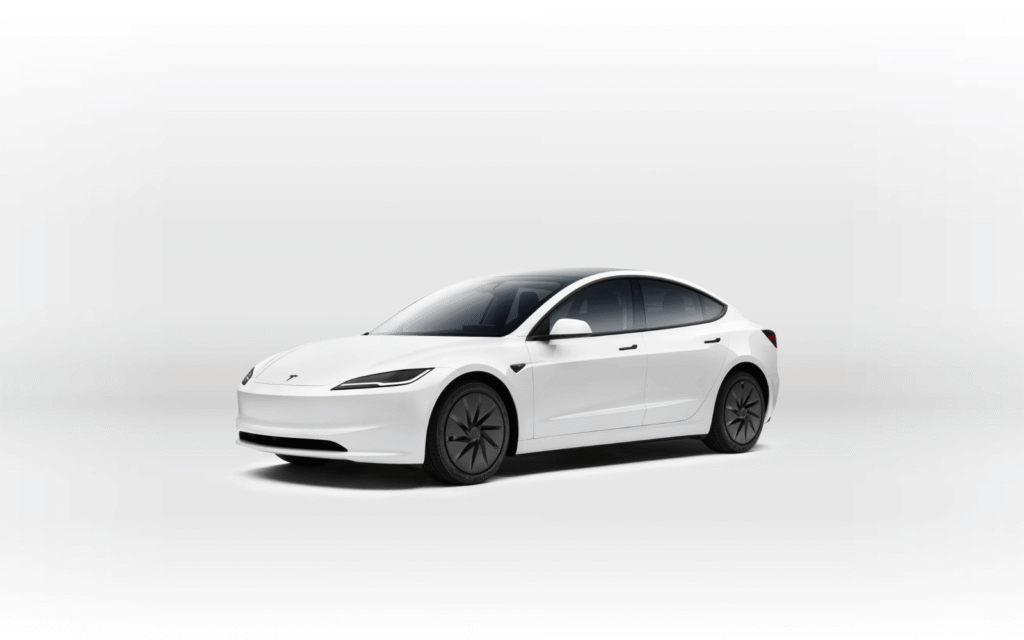
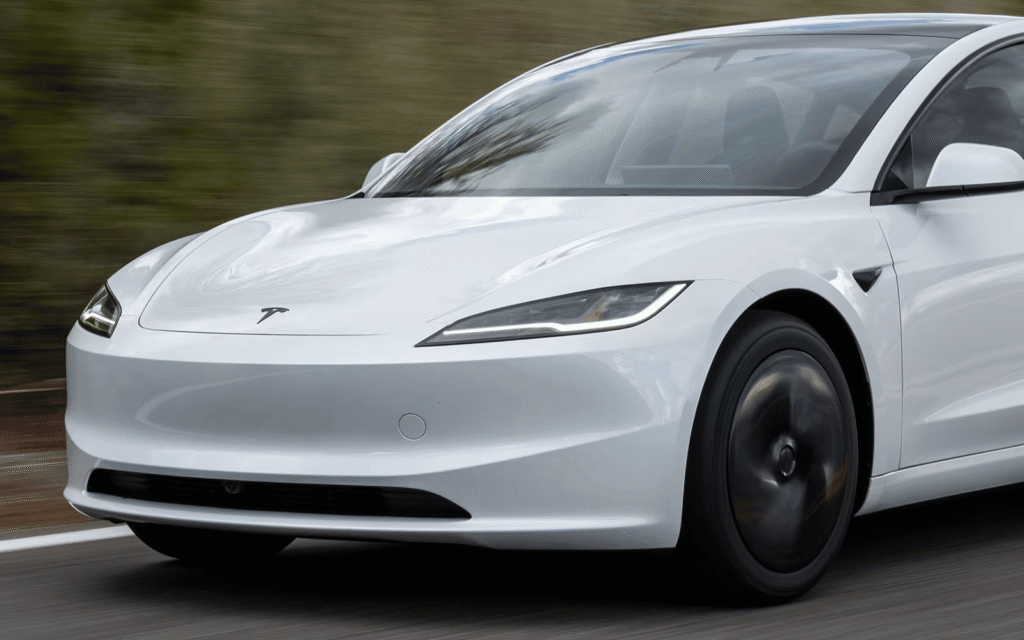
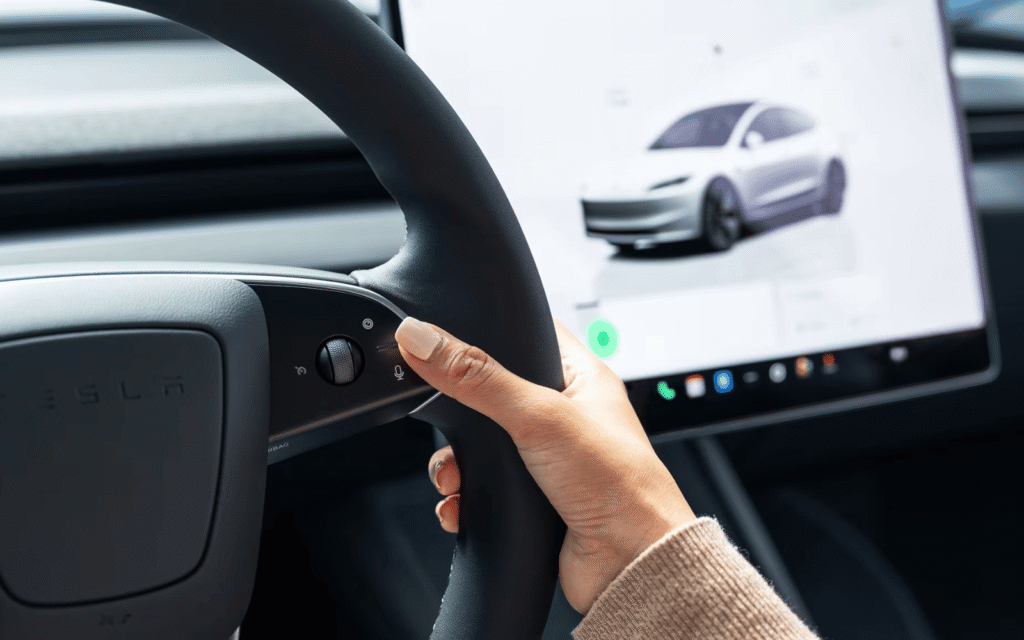
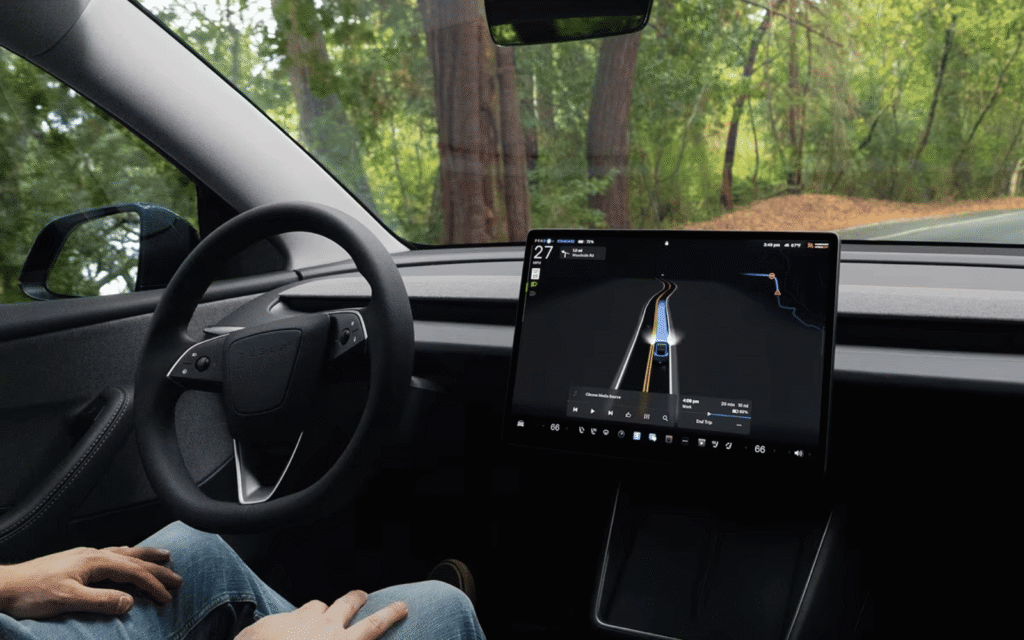
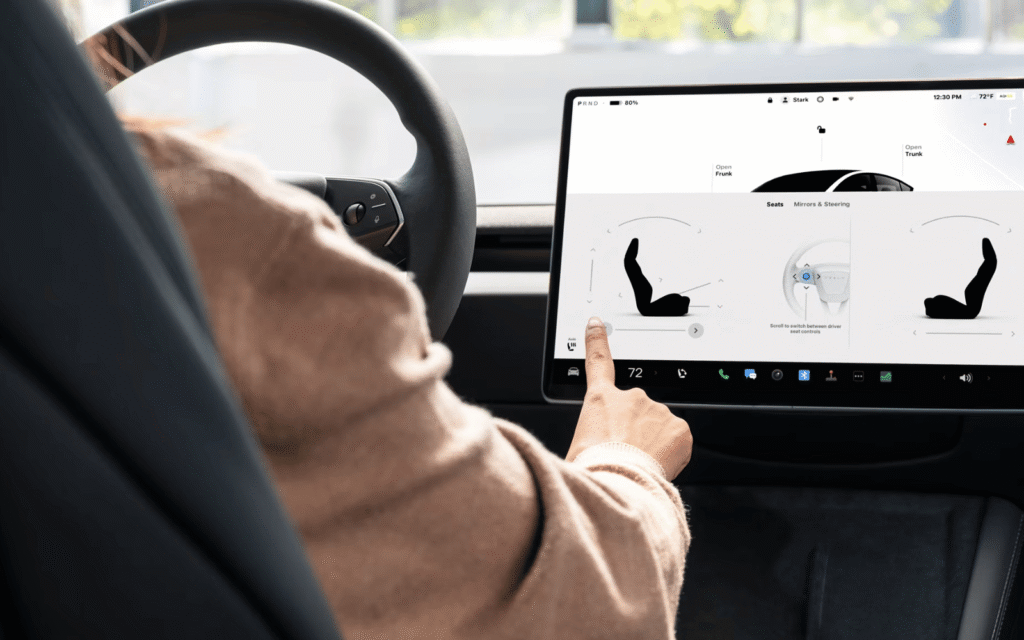
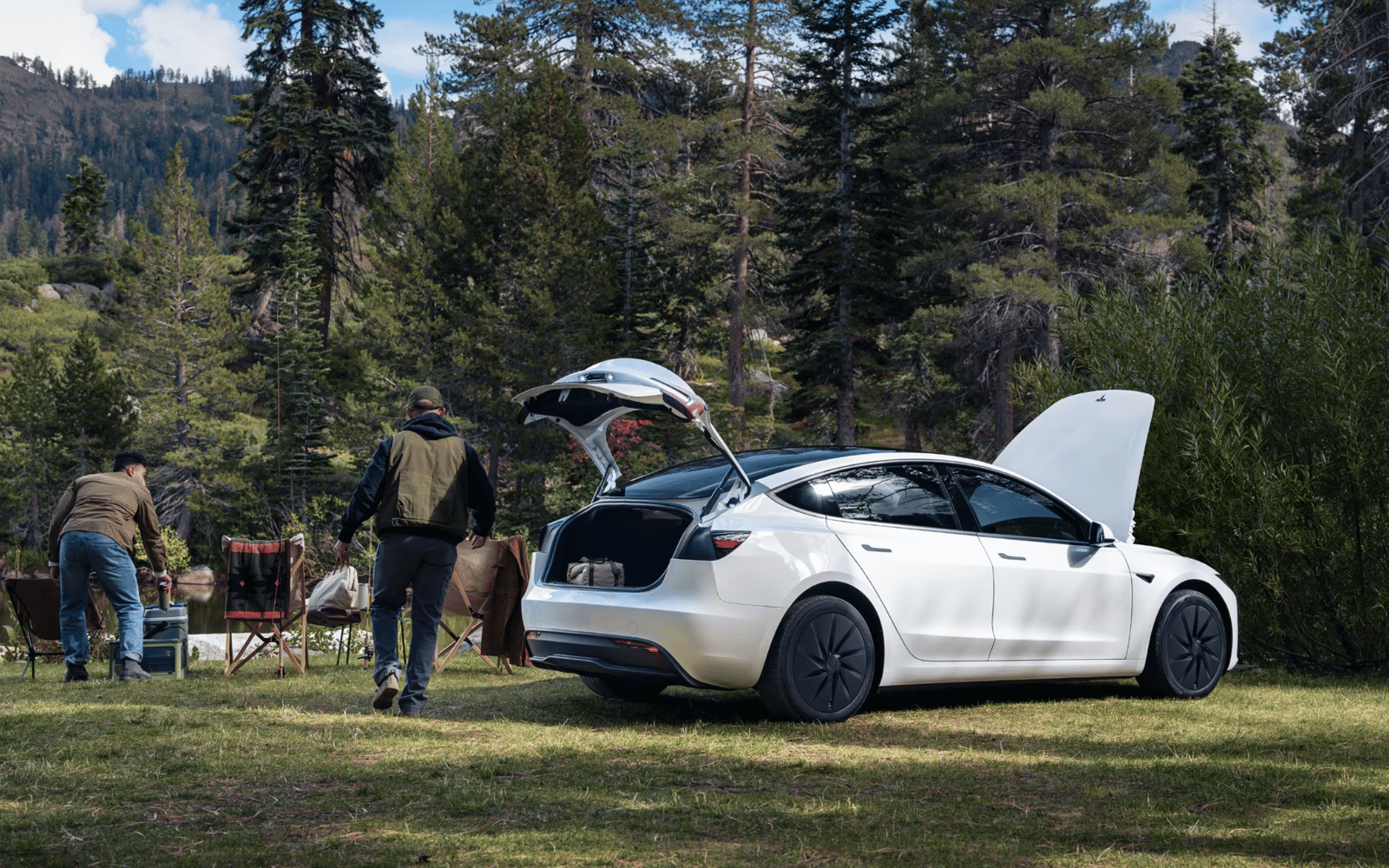
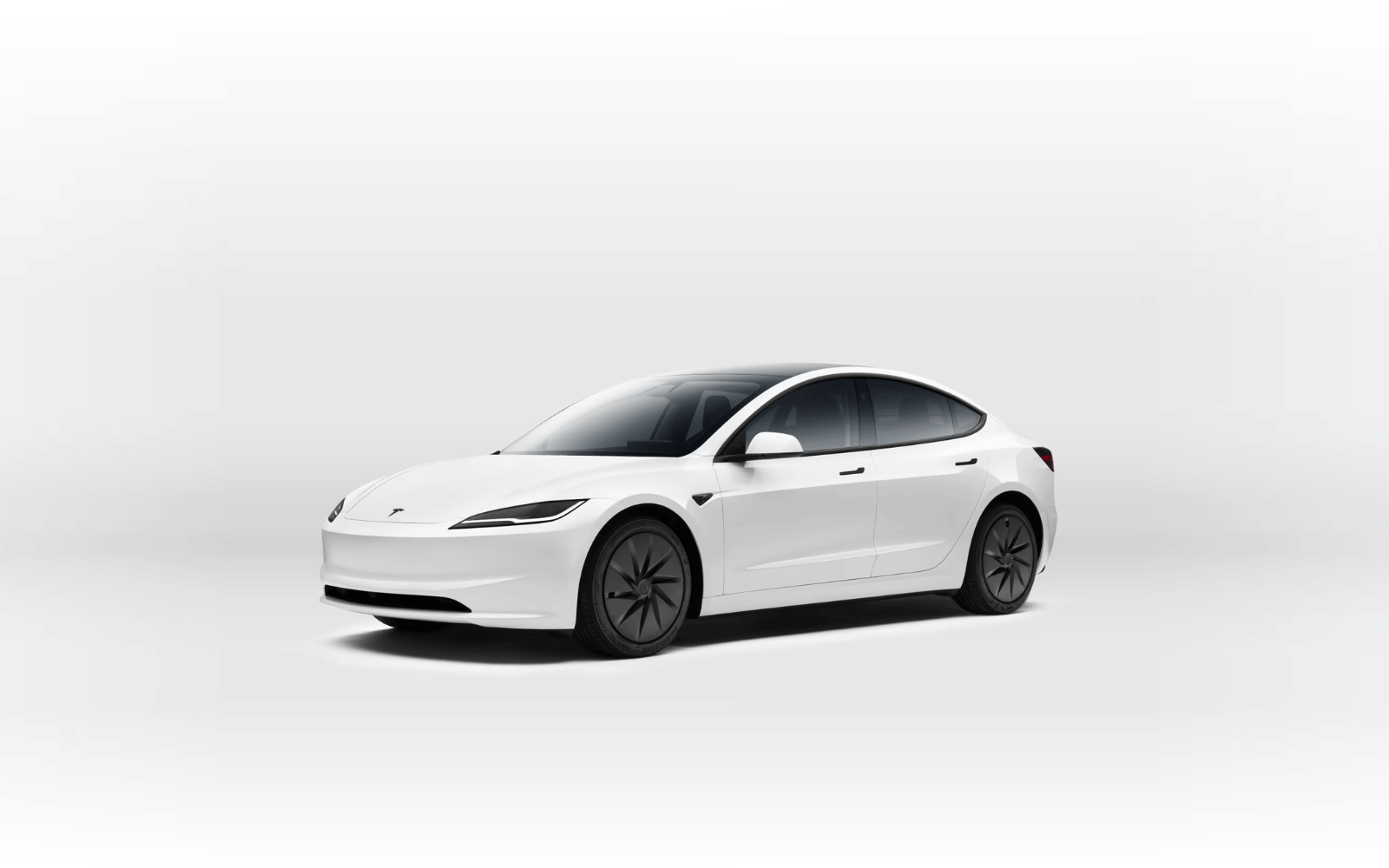
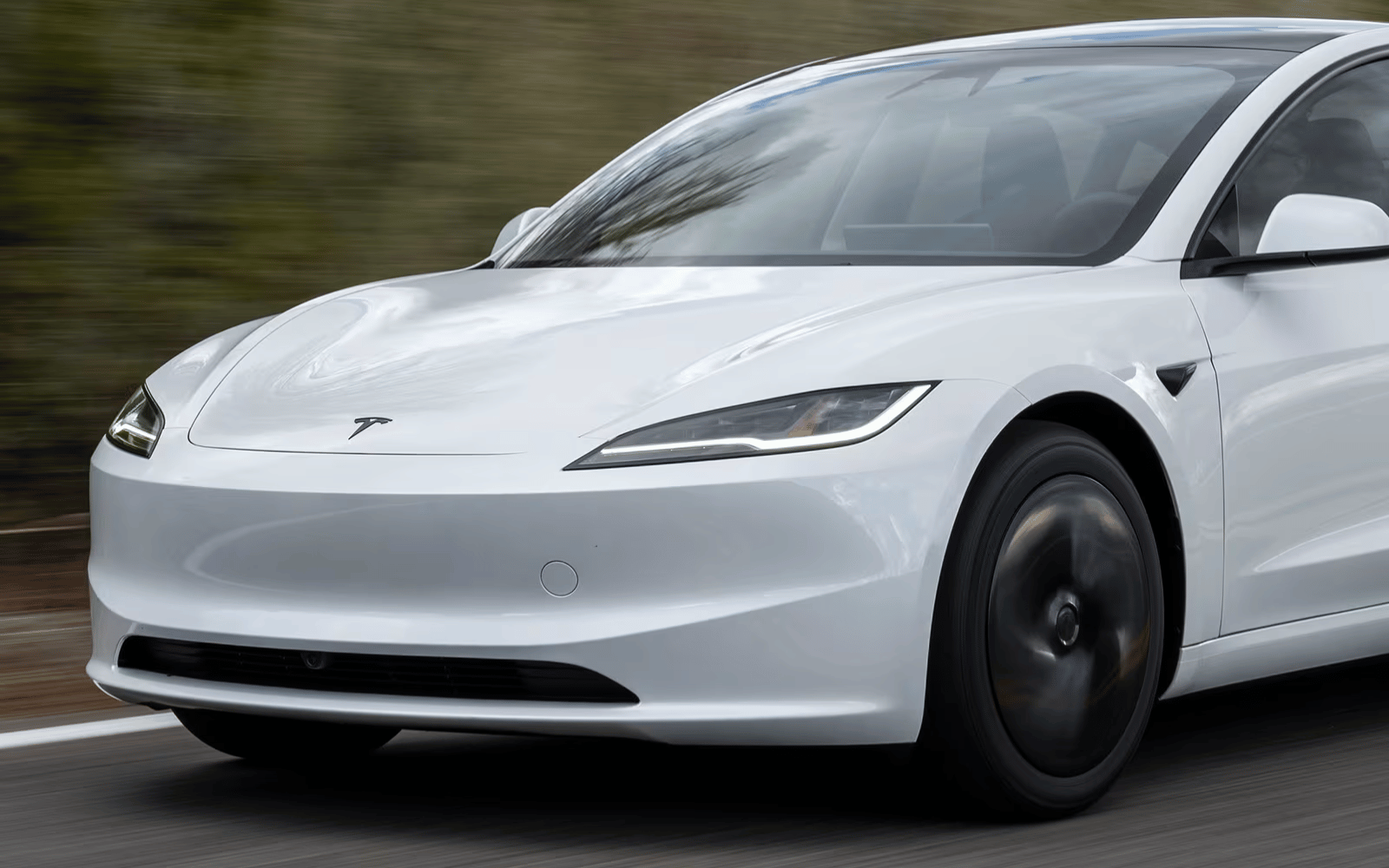
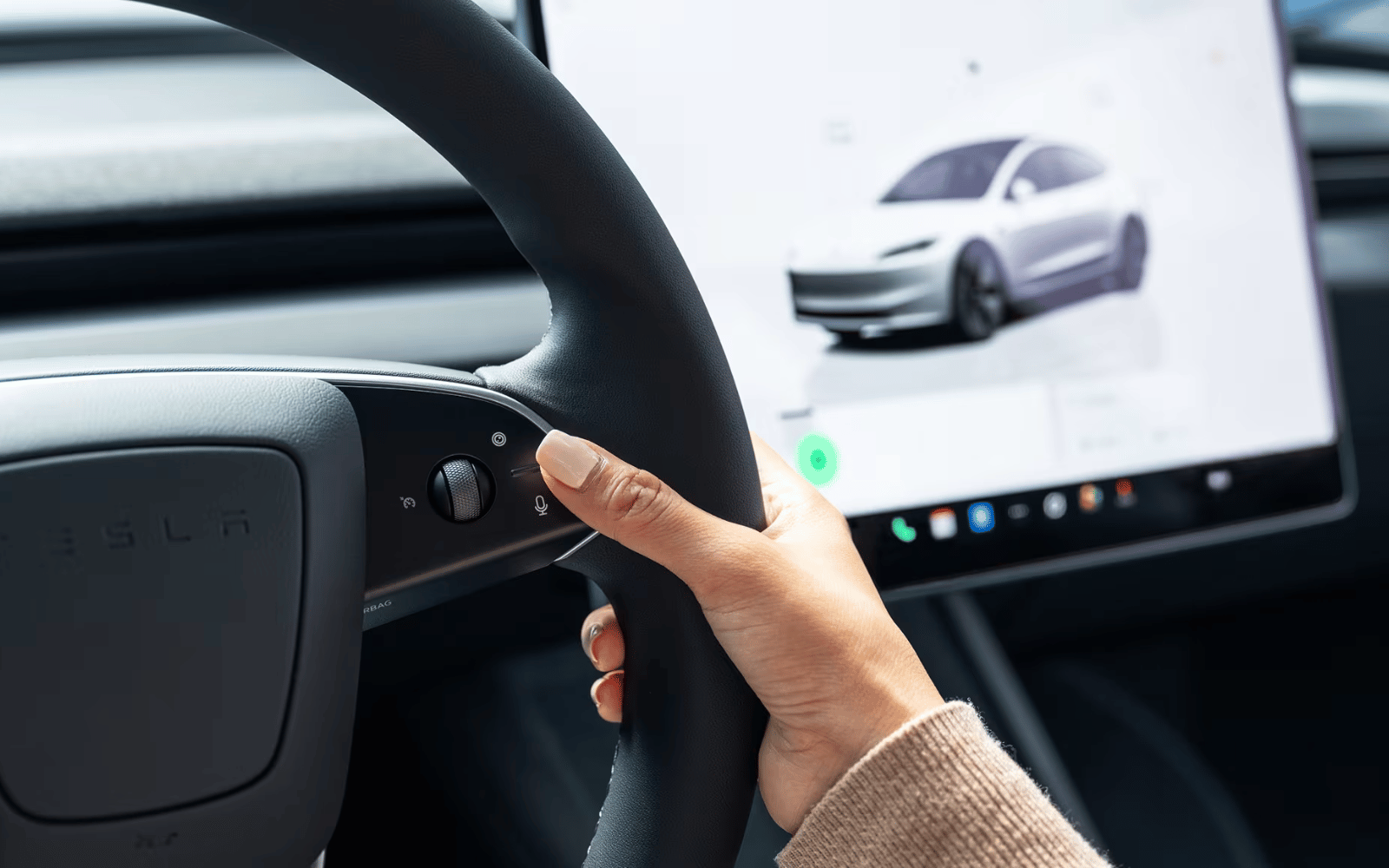
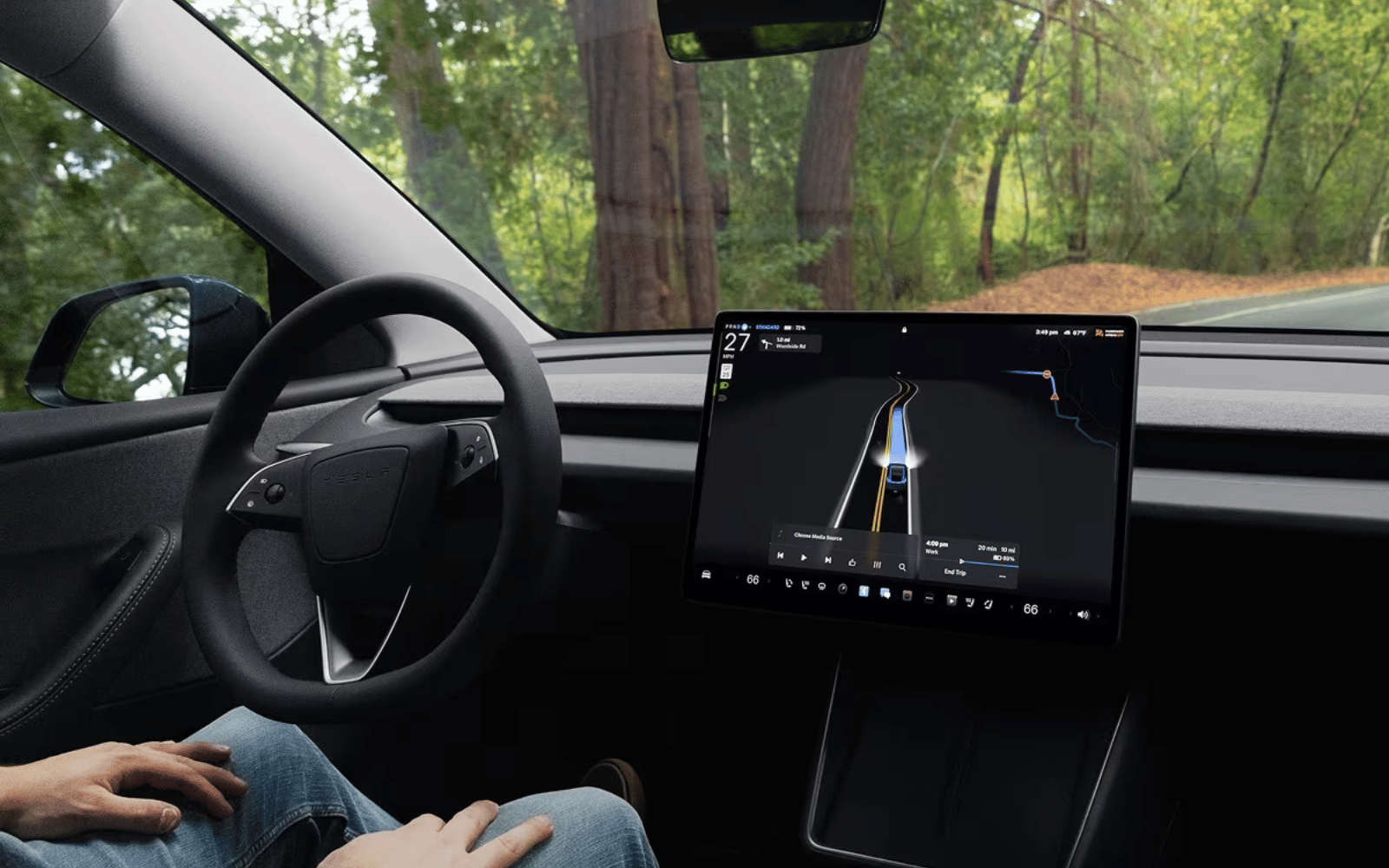
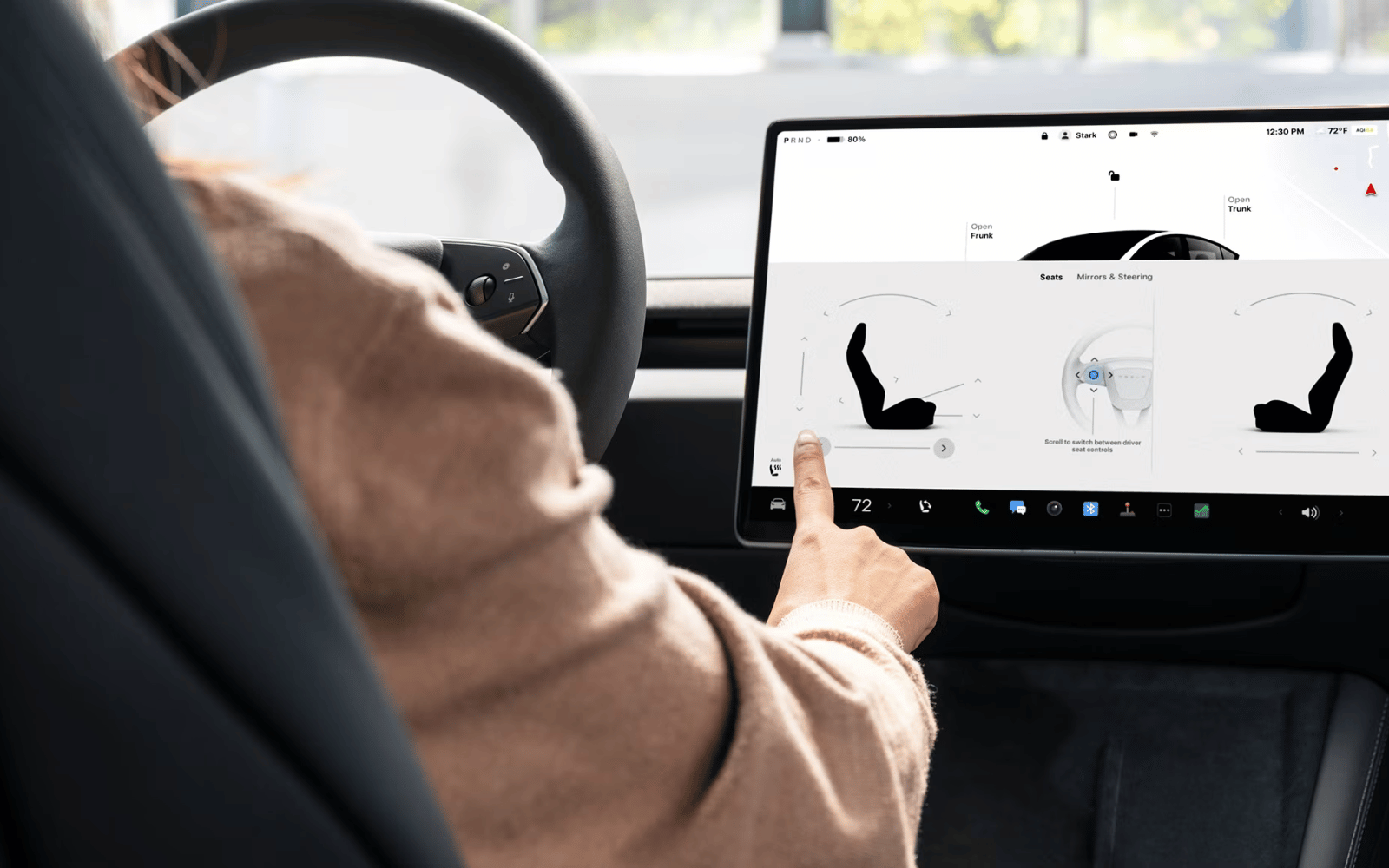
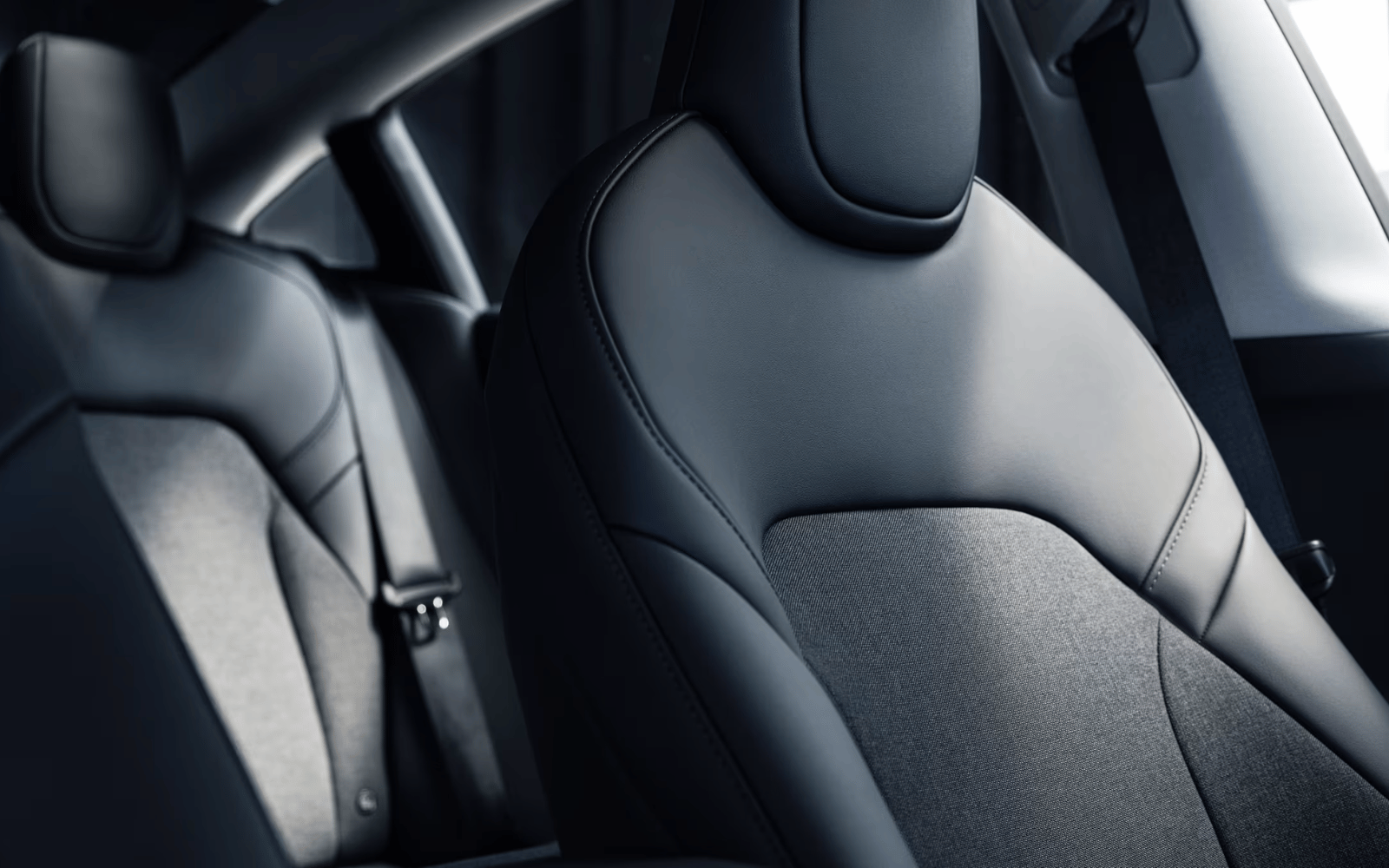
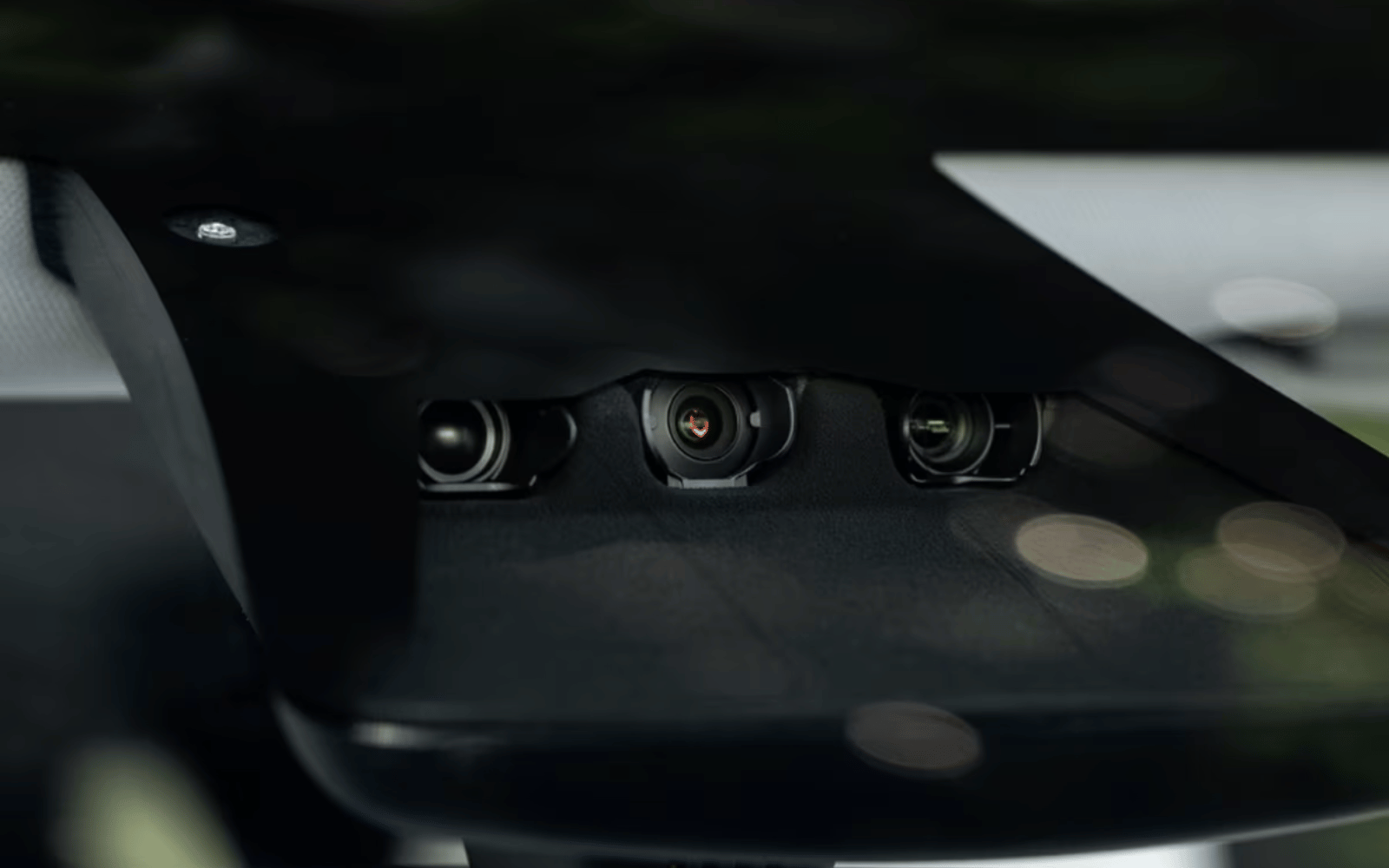
Its biggest attractions are low energy use, simple route planning, strong safety results, and up to 363 miles of EPA-estimated range. However, the screen-based controls, lack of Apple CarPlay and Android Auto, limited standard highway steering assistance, and potentially expensive insurance and repairs will not suit every buyer.
WheelPedia Rating: 8.9/10
The Tesla Model 3 earns an 8.9/10 WheelPedia Rating for its excellent efficiency, long range, strong safety performance, quick acceleration, competitive pricing, and practical charging network. Its touchscreen-heavy interface, mixed long-term quality record, limited standard driver assistance, and higher repair and insurance costs reduce its score.
| Rating Category | Score | Weight |
| Safety | 9.0/10 | 20% |
| Reliability and ownership | 7.8/10 | 15% |
| Performance and driving | 9.4/10 | 15% |
| Comfort and practicality | 8.5/10 | 15% |
| Efficiency and range | 9.7/10 | 15% |
| Features and technology | 8.5/10 | 10% |
| Price and value | 9.0/10 | 10% |
| Overall WheelPedia Rating | 8.9/10 | — |
See how WheelPedia rates cars for the full scoring method.
Key Highlights
- Starts from $36,990 MSRP in the US before destination, order fees, taxes, and options.
- Available with rear-wheel drive or dual-motor all-wheel drive.
- EPA-estimated range reaches up to 363 miles.
- Model 3 Performance reaches 60 mph in a Tesla-estimated 2.9 seconds.
- Maximum DC fast-charging rate reaches 250 kW on selected versions.
- Tesla advertises up to 185 miles of range added in 15 minutes.
- Current lineup includes Rear-Wheel Drive, Premium RWD, Premium AWD, and Performance AWD versions.
- Five-star overall NHTSA safety rating for the 2026 model, with five stars in each tested category.
- 24.1 cubic feet of combined rear-trunk and front-trunk space with five passengers.
- Full Self-Driving (Supervised) is optional and does not make the car autonomous.
- Best suited to commuters and EV buyers who can charge at home.
Quick Specifications
| Specification | Tesla Model 3 |
| Vehicle type | Compact electric sedan |
| Seating capacity | 5 |
| Powertrain | Single or dual electric motors |
| Drivetrain | RWD or AWD |
| Transmission | Single-speed fixed gear |
| EPA-estimated range | 309–363 miles |
| Tesla-estimated 0–60 mph | 2.9–5.8 seconds |
| Maximum DC charging rate | Up to 250 kW |
| Best combined efficiency | Up to approximately 139 MPGe |
| Wheels | 18, 19, or 20 inches |
| Rear cargo capacity | 21.0 cu. ft. |
| Front trunk capacity | 3.1 cu. ft. |
| Total cargo capacity with five passengers | 24.1 cu. ft. |
| Length | 185.8–185.9 in. |
| Width without mirrors | 72.8 in. |
| Height | 56.3–56.7 in. |
| Wheelbase | 113.2 in. |
Expert tip:
The Premium Rear-Wheel Drive is the strongest Model 3 for most buyers. It offers the lineup’s longest range, quicker acceleration than the entry model, and more cabin features without the price and tire costs of the Performance version.
About the Tesla Model 3
The Model 3 is Tesla’s smaller and less expensive sedan. It sits below the discontinued Tesla Model S and focuses more heavily on efficiency, everyday driving, and attainable EV ownership.
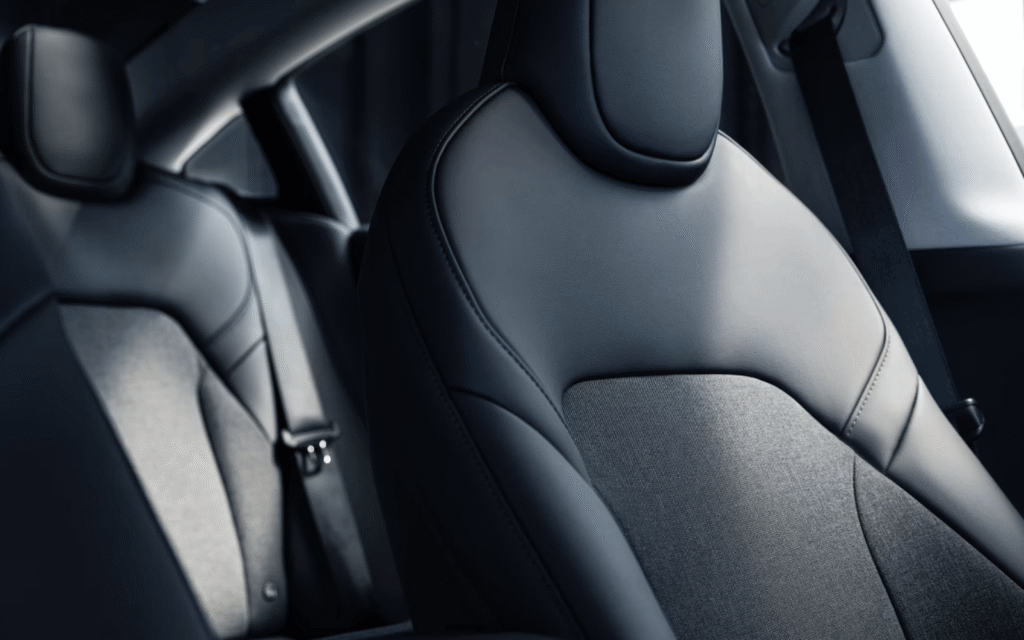
The current design is quieter, more comfortable, and better finished than the original Model 3. Changes introduced with the major update included revised exterior styling, improved cabin materials, more acoustic glass, redesigned seats, better suspension tuning, ambient lighting on higher versions, and an available rear passenger display.
Tesla has since added a lower-priced Rear-Wheel Drive model with fewer comfort features. The former Long Range versions are now called Premium Rear-Wheel Drive and Premium All-Wheel Drive.
The Model 3 is still sold directly through Tesla rather than a conventional dealer network. Buyers configure the vehicle online, receive an estimated delivery window, and complete much of the purchase through the Tesla app.
Price and Trims
The following prices are current US base MSRPs. Destination and order fees, registration, taxes, paint, wheels, interior choices, charging equipment, and software subscriptions can increase the final cost.
| Version | Starting MSRP | Drivetrain | EPA-Estimated Range | Tesla-Estimated 0–60 MPH |
| Rear-Wheel Drive | $36,990 | Single-motor RWD | 321 miles | 5.8 seconds |
| Premium Rear-Wheel Drive | $42,490 | Single-motor RWD | 363 miles | 4.9 seconds |
| Premium All-Wheel Drive | $47,490 | Dual-motor AWD | 346 miles | 4.2 seconds |
| Performance All-Wheel Drive | $54,990 | Dual-motor AWD | 309 miles | 2.9 seconds |
Tesla changes prices, financing offers, inventory discounts, and available configurations more frequently than most manufacturers. Check the complete purchase price rather than comparing advertised monthly payments alone.
The entry Rear-Wheel Drive model saves $5,500 over the Premium RWD. It still provides more than 300 miles of EPA-estimated range, but buyers give up several comfort, audio, and rear-passenger features.
The Premium RWD justifies much of its price increase through its 363-mile range, quicker acceleration, upgraded seating materials, ventilated front seats, heated rear seats, rear touchscreen, improved audio system, and additional cabin details.
Electric Motors, Battery, and Performance
Rear-wheel-drive Model 3 versions use one electric motor mounted at the rear. Premium AWD and Performance models add a front motor, providing more traction and considerably quicker acceleration.
Tesla does not publish official horsepower, torque, or usable battery-capacity figures for every current Model 3 configuration. Published estimates from outside sources can differ, so they should not be treated as official specifications.
| Performance Specification | RWD | Premium RWD | Premium AWD | Performance AWD |
| Motors | 1 | 1 | 2 | 2 |
| Drivetrain | RWD | RWD | AWD | AWD |
| Tesla-estimated 0–60 mph | 5.8 sec. | 4.9 sec. | 4.2 sec. | 2.9 sec. |
| Top speed | Approx. 125 mph | Approx. 125 mph | Approx. 125 mph | 163 mph |
| EPA-estimated range | 321 miles | 363 miles | 346 miles | 309 miles |
| Standard wheel size | 18 in. | 18 in. | 18 in. | 20 in. |
Even the entry model provides quick and smooth responses in city traffic. Premium RWD feels stronger during highway merging, while Premium AWD adds immediate traction and performance without moving into the more aggressive setup of the Performance model.
The Model 3 Performance receives adaptive dampers, larger brakes, 20-inch wheels, performance tires, sport seats, and Track Mode. It is the version for drivers who care about acceleration and handling, but it also has the shortest range and highest tire costs.
0–60 MPH Performance
Tesla estimates that the Model 3 Rear-Wheel Drive reaches 60 mph in 5.8 seconds. The Premium RWD reduces that time to approximately 4.9 seconds, while Premium AWD takes around 4.2 seconds.
The Model 3 Performance has an advertised 2.9-second 0–60 mph time. Independent tests can produce slightly different results based on timing methods and test conditions.
Acceleration can change with:
- Battery temperature
- State of charge
- Tire temperature and condition
- Road surface
- Passenger and cargo weight
- Weather
- Wheel and tire selection
Premium AWD already provides more acceleration than most drivers need. Performance makes sense when its adaptive suspension, brakes, Track Mode, and straight-line speed are central to the purchase.
Driving Experience
The Model 3 feels stable, responsive, and easy to place on the road. Its battery is mounted beneath the cabin, creating a low center of gravity that limits body movement through turns.
Steering is quick and accurately responds to driver inputs, although it provides less road feedback than a traditional sport sedan. Regenerative braking allows one-pedal driving in many situations and reduces regular brake use.
Ride quality is much better than it was in early Model 3 versions. Revised dampers and extra sound insulation reduce harshness and highway noise, though the ride remains controlled rather than soft.
The 18-inch wheels provide the best mix of comfort, range, and tire cost. Larger wheels add visual appeal and sharper responses but make potholes more noticeable and reduce efficiency.
Performance receives adaptive dampers that change based on the selected driving mode. It is more capable through fast turns, but its low-profile tires are more vulnerable to pothole damage.
EV Range and Charging
| Version | EPA Range | Approx. Combined Efficiency | Maximum DC Charging |
| Rear-Wheel Drive | 321 miles | 139 MPGe | Up to 225 kW |
| Premium Rear-Wheel Drive | 363 miles | 137 MPGe | Up to 250 kW |
| Premium All-Wheel Drive | 346 miles | 128 MPGe | Up to 250 kW |
| Performance All-Wheel Drive | 309 miles | 114 MPGe | Up to 250 kW |
Premium RWD provides the best long-distance range. Its 363-mile EPA estimate gives drivers more flexibility between charging stops without adding the weight and energy use of a second motor.
Tesla states that the Model 3 can add up to 185 miles of range in 15 minutes under specified conditions. Actual charging speed depends on the version, charger, battery temperature, current charge level, weather, route, and charger availability.
Charging speed is highest when the battery is warm and at a low state of charge. The rate falls as the battery fills, which means charging from 80% to 100% can take much longer than expected.
Tesla’s route planner can select charging stops and prepare the battery before arriving at a Supercharger. The charging network, automatic payment system, and charger integration remain major reasons to choose a Model 3.
A 240-volt home charger is the best option for most owners. Plugging in overnight allows the car to begin each day with a set charge level. The home’s electrical capacity, circuit size, charger, and Model 3 configuration determine the actual rate.
Read how long it takes to charge an electric car for more information about home and public charging.
Interior, Comfort, and Technology
The Model 3 cabin is simple and open, with nearly every major function controlled through the central touchscreen. There is no conventional instrument panel directly in front of the driver.
Main available interior and technology features include:
- 15.4-inch central touchscreen
- Available 8-inch rear touchscreen
- Wireless phone charging
- Bluetooth connectivity
- Built-in route planning
- Streaming media applications
- Heated front seats
- Available ventilated front seats
- Available heated rear seats
- Dual-zone climate control
- Rear climate controls
- Ambient interior lighting on selected versions
- Seven-, nine-, or 15-speaker audio systems, depending on configuration
- Dashcam
- Sentry Mode
- Phone key
- Tesla mobile app
- Over-the-air software updates
- Gaming and video applications while parked
The entry Rear-Wheel Drive version uses a simpler mix of textile and synthetic upholstery. It does not include the rear touchscreen, rear heated seats, ventilated front seats, or higher-output audio systems found farther up the range.
Premium RWD adds most of the comfort equipment buyers expect at this price. Premium AWD receives the strongest audio system, with 15 speakers and two subwoofers.
The front seats are supportive and the flat floor helps rear-passenger foot space. However, the low roof and 34.5 inches of rear legroom can feel restrictive for taller adults on long journeys.
The Model 3 does not support native Apple CarPlay or Android Auto. Drivers must use Tesla’s interface, Bluetooth, or supported built-in applications.
Some media, traffic visualization, satellite maps, and connected features require Premium Connectivity or a Wi-Fi connection.
Dimensions, Cargo, and Practicality
| Dimension | Measurement |
| Length | 185.8 in. |
| Performance length | 185.9 in. |
| Width without mirrors | 72.8 in. |
| Width with mirrors | 82.2 in. |
| Height | 56.7 in. |
| Performance height | 56.3 in. |
| Wheelbase | 113.2 in. |
| Ground clearance | 5.4 in. |
| Performance ground clearance | 5.0 in. |
| Front headroom | 40.3 in. |
| Rear headroom | 37.8 in. |
| Front legroom | 42.7 in. |
| Rear legroom | 34.5 in. |
| Rear trunk | 21.0 cu. ft. |
| Front trunk | 3.1 cu. ft. |
| Total cargo capacity with five passengers | 24.1 cu. ft. |
| Seating | 5 passengers |
The Model 3 has a conventional trunk rather than a large liftback. Its trunk opening is not as useful for bulky items as the hatch on a Model S, but the cargo area is deep and the rear seatbacks fold for longer loads.
The front trunk provides a separate place for charging equipment, smaller bags, or items that should remain away from the main cargo area.
Five people can fit inside, but four adults will be more comfortable on long trips. Families using rear-facing child seats should test rear-seat clearance behind their normal front-seat positions.
Tesla does not currently approve the US-market Model 3 for trailer towing. Tesla-approved roof racks can be fitted when additional carrying capacity is needed.
Exterior Design
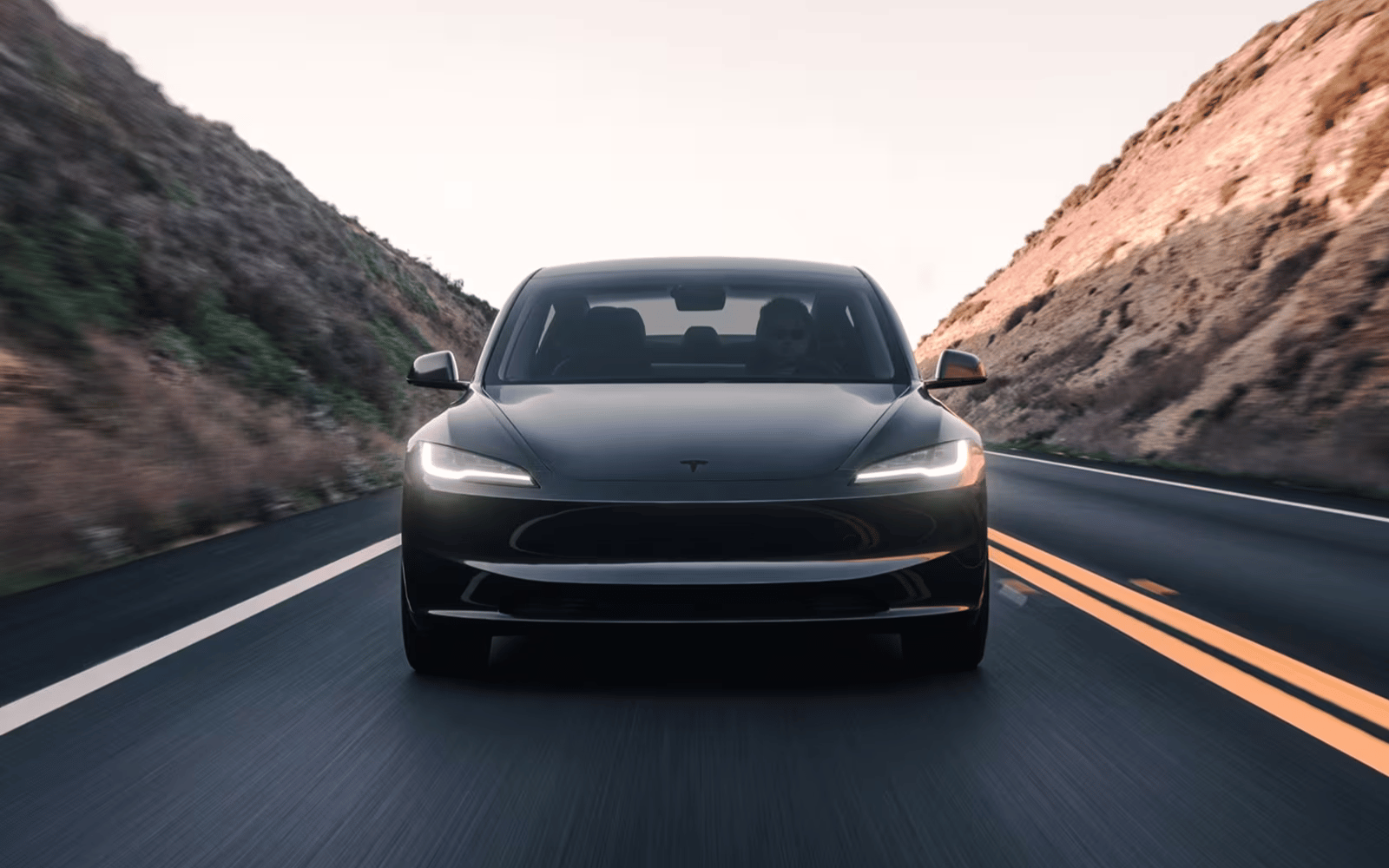
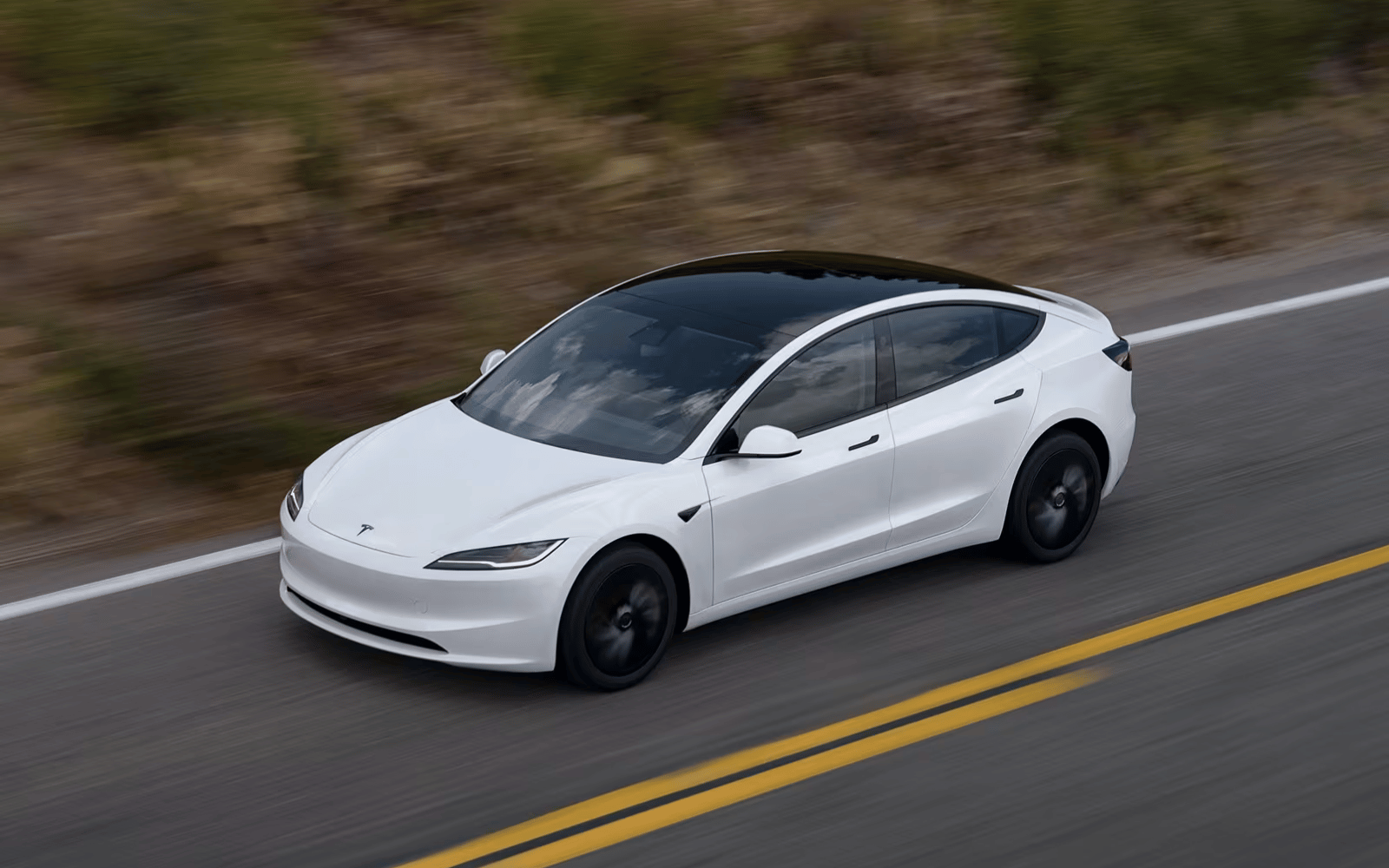
The Model 3 uses a low hood, smooth front section, flush door handles, frameless windows, and a tapered roofline. Its shape reduces aerodynamic drag and contributes to the car’s strong highway efficiency.
Current models receive slim headlights, cleaner front and rear styling, updated wheel designs, and revised taillights. Performance has a more aggressive appearance without looking completely different from the regular sedan.
Performance-specific exterior details include:
- Revised front and rear styling
- Rear diffuser
- Carbon-fiber spoiler
- 20-inch staggered wheels
- Performance tires
- Larger brakes
- Lower ride height
- Performance badging
The 18-inch wheels are the practical choice. They provide the best range, more tire sidewall, and lower replacement costs. Buyers should select the 19- or 20-inch wheels only after accepting their effect on ride quality, range, and tire prices.
Safety Features and Ratings
Standard active safety equipment includes:
- Forward Collision Warning
- Automatic Emergency Braking
- Lane Departure Avoidance
- Emergency Lane Departure Avoidance
- Blind-spot monitoring
- Blind-spot camera display
- Rear Cross-Traffic Alert
- Traffic-Aware Cruise Control
- Automatic high beams
- Adaptive headlights
- Rearview camera
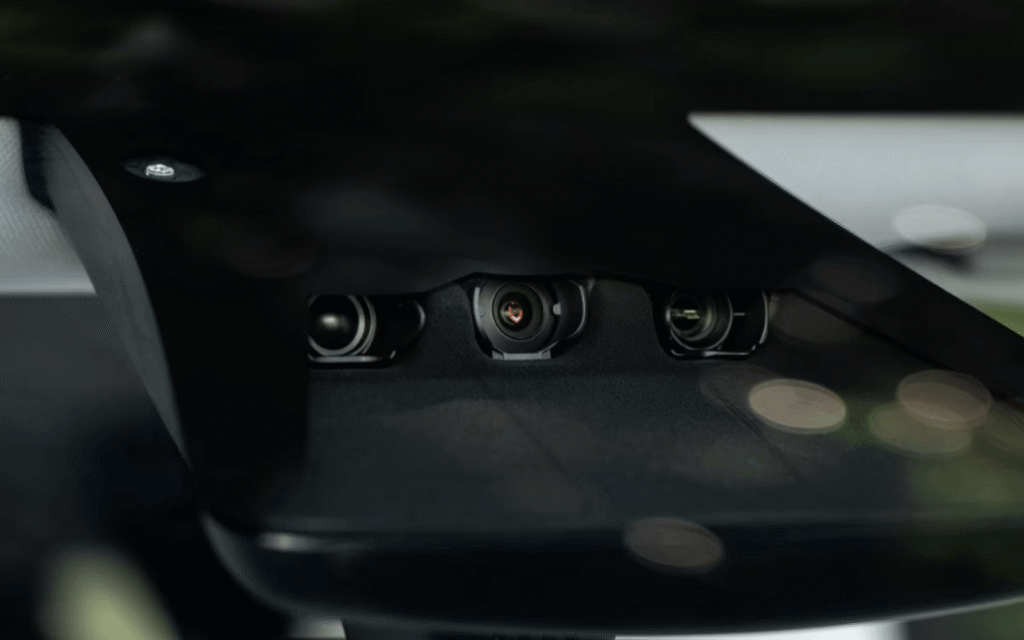
- Multiple exterior cameras
- Driver-monitoring cabin camera
- Electronic stability and traction control
- Multiple airbags
The 2026 Model 3 received a five-star overall NHTSA safety rating, with five stars in every tested category. Buyers can verify ratings and search their vehicle’s VIN through the NHTSA vehicle ratings and recall database.
The current Model 3 also has strong IIHS safety results that apply to 2025–26 models:
| IIHS Evaluation | Rating |
| Small-overlap front | Good |
| Updated moderate-overlap front | Acceptable |
| Updated side test | Good |
| Headlights | Acceptable |
| Vehicle-to-vehicle front crash prevention | Good |
| Pedestrian front crash prevention | Good |
| Seat-belt reminders | Marginal |
| LATCH ease of use | Acceptable |
The Model 3 earned a 2025 IIHS Top Safety Pick award. Its Acceptable updated moderate-overlap result prevents a stronger result under the newest criteria. The main concern within that test was the rear passenger chest measure, which received a Marginal rating.
New Model 3 vehicles include Traffic-Aware Cruise Control, but Autosteer is no longer included as a standard feature in the US. Buyers wanting more advanced lane guidance and automated driving functions need the optional Full Self-Driving (Supervised) subscription.
Full Self-Driving and Driver Assistance
Full Self-Driving (Supervised) is available for $99 per month in the US, subject to pricing and eligibility changes.
The system can assist with:
- Lane changes
- Route following
- Turns and intersections
- Highway driving
- Parking
- Summon functions
- Responding to surrounding traffic
Despite its name, Full Self-Driving (Supervised) does not make the Model 3 autonomous. The driver remains responsible, must watch the road, and must be ready to take control immediately.
Buyers should judge the Model 3 based on what its current software can do at delivery. Future software changes, regulatory approvals, or promised capabilities should not be treated as guaranteed vehicle features.
Reliability, Warranty, and Ownership
The Model 3 has fewer routine powertrain service requirements than a gasoline sedan. It does not need engine oil, spark plugs, exhaust repairs, or conventional transmission servicing. Regenerative braking can also reduce brake-pad wear.
Low scheduled maintenance does not guarantee low total ownership costs. Tires, insurance, collision repairs, body panels, glass, suspension parts, and electronic components can be expensive.
| Warranty Coverage | Length |
| Basic vehicle warranty | 4 years / 50,000 miles |
| Supplemental restraint system | 5 years / 60,000 miles |
| Battery and drive unit: RWD | 8 years / 100,000 miles |
| Battery and drive unit: Premium and Performance | 8 years / 120,000 miles |
| Minimum battery retention during warranty | 70% |
| Body rust perforation | 12 years / unlimited miles |
Tesla recommends:
- Tire rotation every 6,250 miles or when tread-depth differences require it
- Cabin air filter replacement every two years
- Brake-fluid contamination testing every four years
- Annual brake cleaning and lubrication in regions that use road salt
- Wheel alignment when uneven wear or pulling develops
- Regular tire-pressure, wiper, lighting, and camera checks
Long-term dependability can vary by production year and individual vehicle. Earlier Model 3 owners have reported issues involving suspension, paint, trim, electronic systems, glass, and inconsistent panel alignment. The newer version has improved cabin quality, but it does not yet have the same long-term history as the earliest cars.
Owners should check the VIN for open recalls. Some recall work is completed through software updates, while hardware-related repairs require a service appointment.
What to Check Before Buying a Used Model 3
- Remaining basic and battery warranty coverage
- Battery health and displayed range
- DC fast-charging performance
- Accident and body-repair history
- Uneven tire wear
- Wheel and tire damage
- Suspension noise
- Operation of every camera
- Touchscreen performance
- Climate-control operation
- Charging port and cable condition
- Included driver-assistance software
- Open recalls
- Service history
- Whether the vehicle has an LFP or nickel-based battery
- Differences between pre-2024 and refreshed models
Read what to check before buying a used EV before inspecting an older Model 3.
Pros and Cons
What We Like
- Up to 363 miles of EPA-estimated range
- Excellent energy efficiency
- Competitive starting price
- Quick acceleration in every version
- Exceptional Model 3 Performance acceleration
- Five-star NHTSA safety result
- Strong IIHS crash and collision-avoidance performance
- Wide Supercharger coverage
- Accurate charging-stop planning
- Useful front and rear cargo areas
- Improved ride quality and cabin insulation
- Frequent software updates
- Low routine powertrain maintenance
- Long battery and drive-unit warranty
- Easy phone and app integration
What We Don’t Like
- No Apple CarPlay or Android Auto
- Most controls are placed within the central screen
- No traditional driver instrument display
- Autosteer is no longer included as standard
- FSD requires a paid subscription and driver supervision
- Entry version removes several comfort features
- Rear-seat space is limited for taller adults
- Large wheels reduce range and comfort
- Performance tires can be expensive
- Insurance and collision repairs can cost more than expected
- No approved towing capacity in the US
- Tesla changes pricing and configurations frequently
- Long-term quality has varied between production years
- IIHS rated the seat-belt reminder system Marginal
Competitors
The Model 3 competes with electric sedans and similarly priced EVs based on range, charging, performance, technology, and interior quality.
- The Hyundai IONIQ 6 offers fast charging, strong efficiency, physical controls, and native Apple CarPlay and Android Auto.
- The BMW i4 provides a more traditional premium interior and driving position but normally costs more and uses a less practical EV-adapted platform.
- The Polestar 2 has a more conventional control layout and hatchback cargo access, but it cannot match the longest-range Model 3.
- The Lucid Air offers more space, range, and luxury at a considerably higher price.
- The Tesla Model Y provides more passenger and cargo space but costs more and is less efficient.
- The Toyota Prius suits buyers who want excellent efficiency without depending on charging infrastructure.
- The Toyota Camry is a practical alternative for buyers who prefer a gas-electric hybrid sedan and conventional controls.
The Model 3 remains especially strong when range, efficiency, performance, and charging convenience carry more weight than traditional interior controls or dealership support.
Related Content
Before buying an electric vehicle, read are electric cars worth it? to compare charging access, annual mileage, energy prices, insurance, and ownership costs.
You can also read:
- Best electric cars
- How electric cars work
- How long electric cars take to charge
- What to check before buying a used EV
Should You Buy the Tesla Model 3?
Buy the Model 3 if you want an efficient electric sedan with long range, easy road-trip charging, strong acceleration, and a competitive starting price.
Choose the Rear-Wheel Drive model if the lowest purchase price matters most and you do not need the upgraded cabin. Its 321-mile EPA estimate is enough for most daily driving and occasional road trips.
The Premium Rear-Wheel Drive is the best version for most buyers. Its 363-mile range, stronger performance, and extra comfort equipment make it easier to justify than the base car.
Choose Premium All-Wheel Drive if you regularly drive in snow, heavy rain, or steep areas. Its 346-mile range remains strong, and its 4.2-second acceleration is already very quick.
Buy the Performance only if acceleration and sportier handling are major priorities. Its 20-inch tires, shorter range, firmer setup, and higher ownership costs make it less practical for ordinary commuting.
Skip the Model 3 if you cannot charge reliably at home or work, prefer physical controls, need generous rear-seat room, regularly carry bulky cargo, or want Apple CarPlay and Android Auto.
FAQs
How much does the Tesla Model 3 cost?
The Tesla Model 3 starts from $36,990 MSRP in the US. Premium RWD starts at $42,490, Premium AWD at $47,490, and Performance at $54,990. Destination, order fees, taxes, registration, and options add to the final cost.
How far can the Tesla Model 3 travel on one charge?
The Premium Rear-Wheel Drive has the longest EPA-estimated range at 363 miles. The entry RWD provides 321 miles, Premium AWD provides 346 miles, and Performance provides 309 miles.
Which Tesla Model 3 has the longest range?
The Premium Rear-Wheel Drive has the longest range, with an EPA estimate of up to 363 miles.
How long does it take to charge a Tesla Model 3?
Tesla states that the Model 3 can add up to 185 miles of range in 15 minutes at a suitable Supercharger. Charging to 80% takes much less time than charging from 80% to 100%.
Can you charge a Model 3 at home?
Yes. Owners can charge through a standard household outlet, a suitable 240-volt outlet, or a permanently installed home charger. A 240-volt setup is normally the most practical option.
Is the Tesla Model 3 all-wheel drive?
Premium AWD and Performance use dual-motor all-wheel drive. The two lower-priced versions use one rear motor and rear-wheel drive.
How fast is the Tesla Model 3?
The entry version reaches 60 mph in approximately 5.8 seconds. Premium RWD takes 4.9 seconds, Premium AWD takes 4.2 seconds, and Performance takes a Tesla-estimated 2.9 seconds.
Does the Tesla Model 3 have Apple CarPlay or Android Auto?
No. The Model 3 uses Tesla’s own infotainment, route-planning, media, voice-control, and phone-integration systems.
Is the Tesla Model 3 safe?
Yes. The 2026 Model 3 has a five-star overall NHTSA rating, while IIHS gives it Good ratings in the small-overlap and updated side tests. It received an Acceptable result in the updated moderate-overlap front test.
Does the Model 3 include Autopilot?
New US-market Model 3 vehicles include Traffic-Aware Cruise Control, but Autosteer is no longer standard. More advanced assisted-driving features require the Full Self-Driving (Supervised) subscription.
Is Full Self-Driving actually autonomous?
No. Full Self-Driving (Supervised) is a driver-assistance system. The driver must stay attentive and remains responsible for controlling the car.
How much cargo space does the Model 3 have?
The rear trunk provides 21 cubic feet, while the front trunk adds 3.1 cubic feet. Tesla lists 24.1 cubic feet of combined cargo capacity with five passengers.
What warranty does the Model 3 have?
The basic warranty lasts four years or 50,000 miles. The battery and drive-unit warranty lasts eight years or 100,000 miles on the entry RWD and eight years or 120,000 miles on Premium and Performance models.
Is the Tesla Model 3 reliable?
The electric powertrain requires little scheduled maintenance, but reliability and build quality have varied by production year. Tires, suspension, electronics, body repairs, and insurance can also make ownership more expensive than the maintenance schedule suggests.
Can the Tesla Model 3 tow a trailer?
Tesla does not currently approve the US-market Model 3 for towing. Using it to tow without approved equipment can damage the vehicle and affect warranty coverage.
Final Verdict
The Tesla Model 3 is one of the strongest electric sedans for buyers who prioritize range, efficiency, acceleration, and public charging access. The current model is quieter, more comfortable, and better finished than early versions while retaining the simple software-based ownership experience that separates it from conventional sedans.
The entry Rear-Wheel Drive offers a strong starting point, but its reduced cabin equipment makes the $5,500 step to Premium RWD worth considering. With 363 miles of EPA-estimated range, better comfort features, and quicker acceleration, Premium RWD is the standout version.
Premium AWD is the right choice for buyers who genuinely need additional traction. Performance is remarkably quick for its price, but its shorter range, large wheels, costly tires, and aggressive setup make it a more specialized purchase.
For drivers with dependable home charging, the Model 3 Premium RWD provides the best balance of range, price, technology, and everyday comfort. Buyers who prefer physical controls, smartphone projection, or traditional dealer support should compare the IONIQ 6, BMW i4, and other electric sedans before deciding.
Prices, configurations, range estimates, charging speeds, safety ratings, software features, subscription prices, and incentives can change.