
Kia Carnival MPV: Price, Specs, Features & Review
The Kia Carnival MPV is a gasoline-powered minivan for families who need real passenger space, large cargo capacity, easy access through sliding doors, and seating for up to eight people. Its SUV-like exterior styling does not change its core purpose: this is a practical people mover.
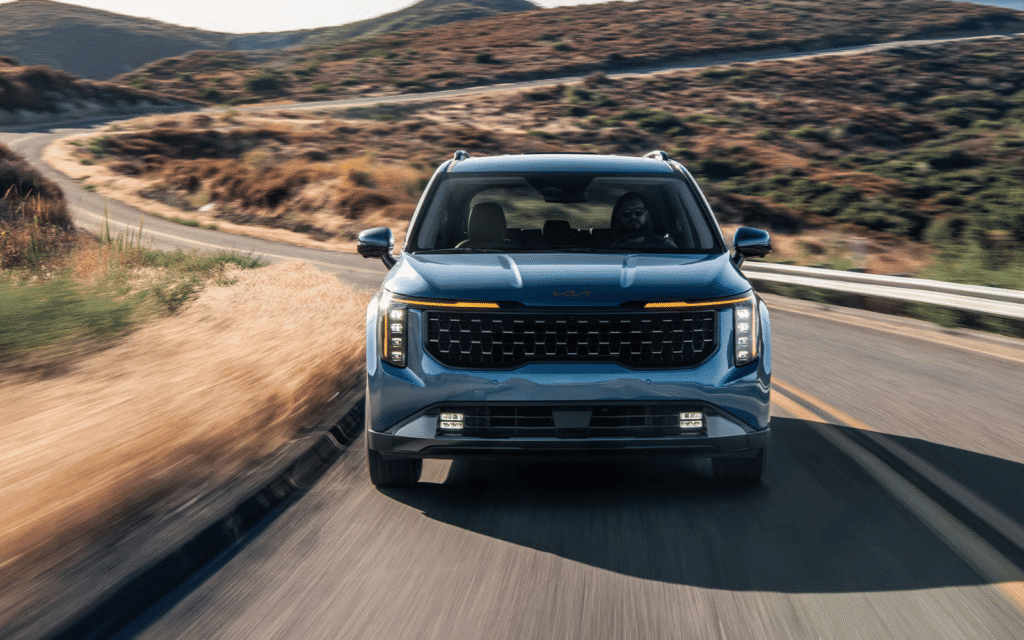
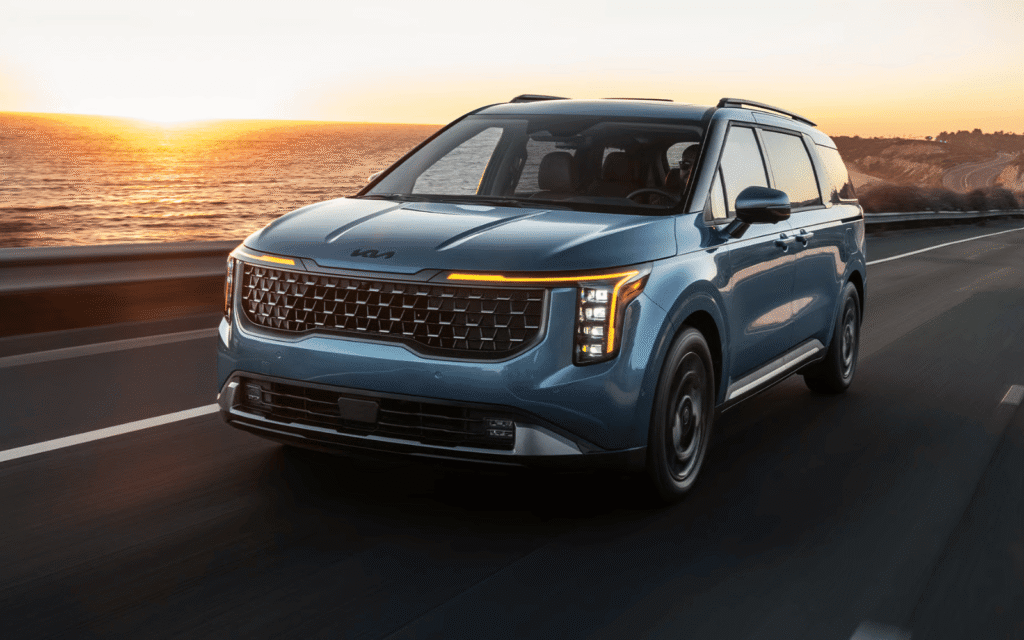

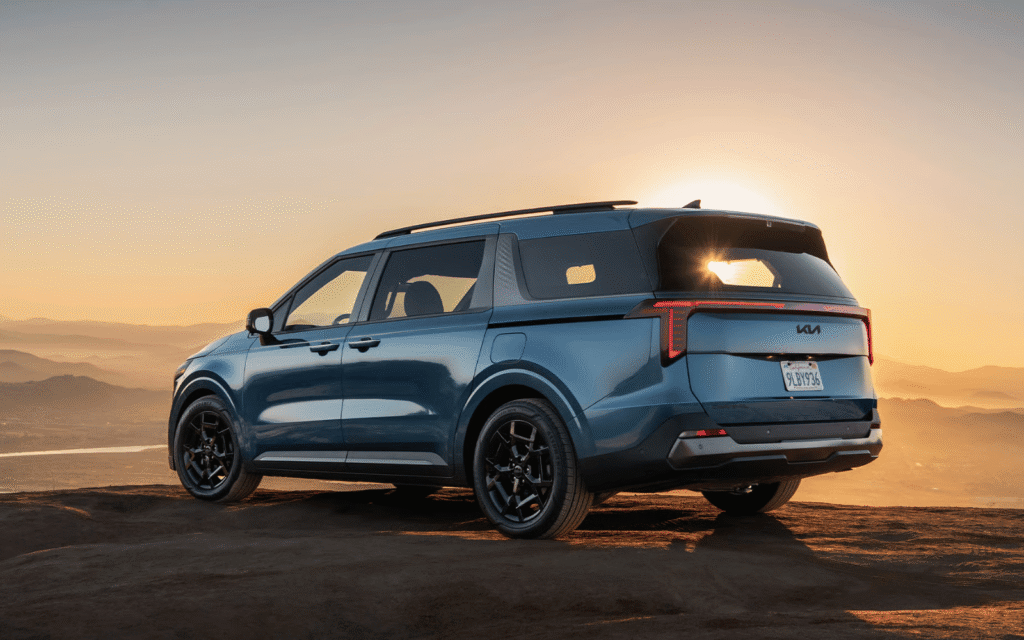
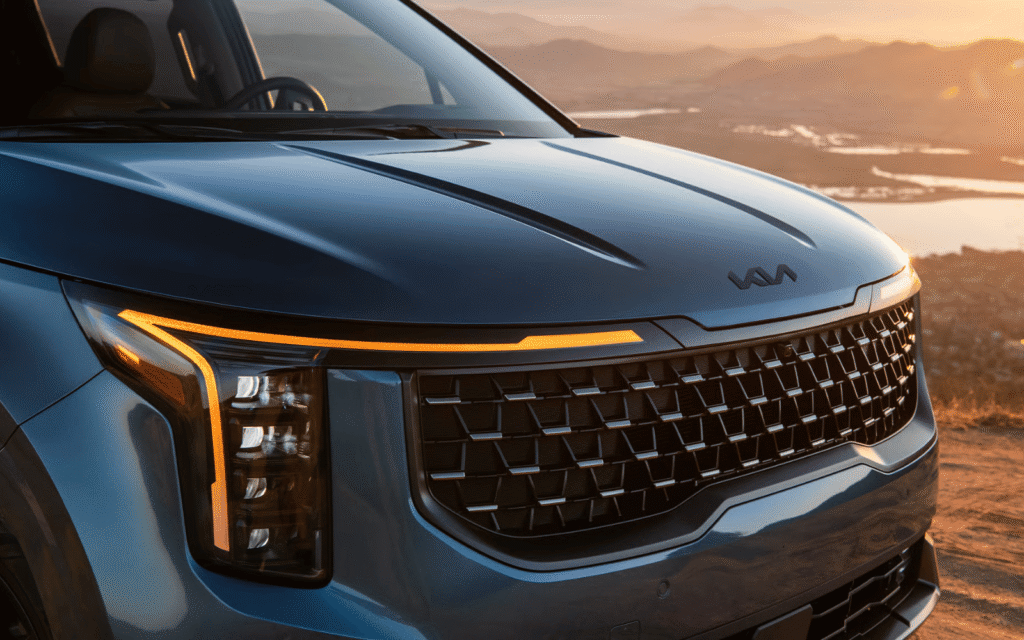
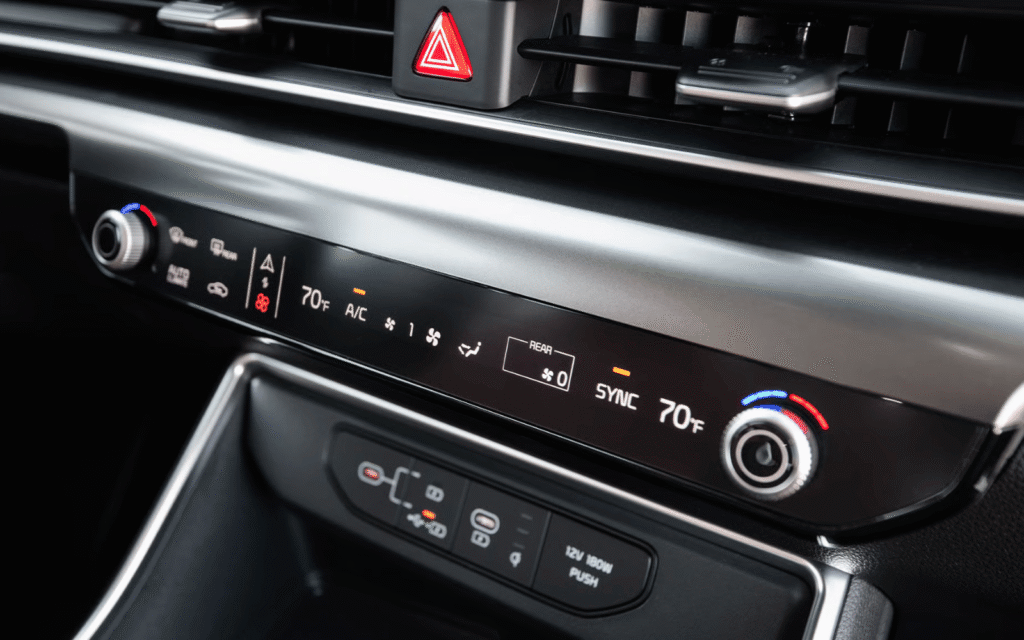
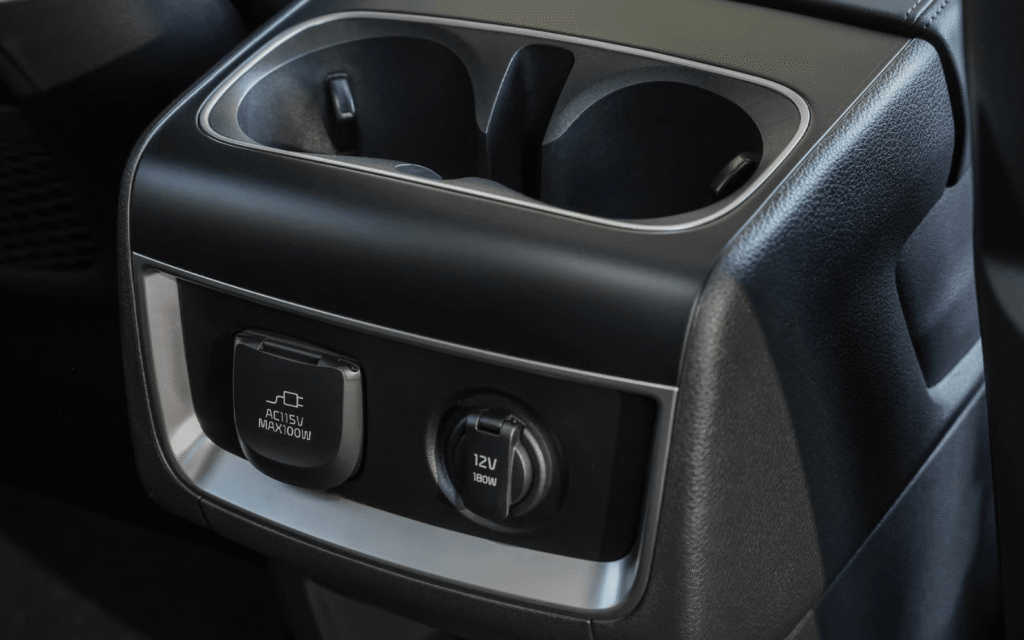
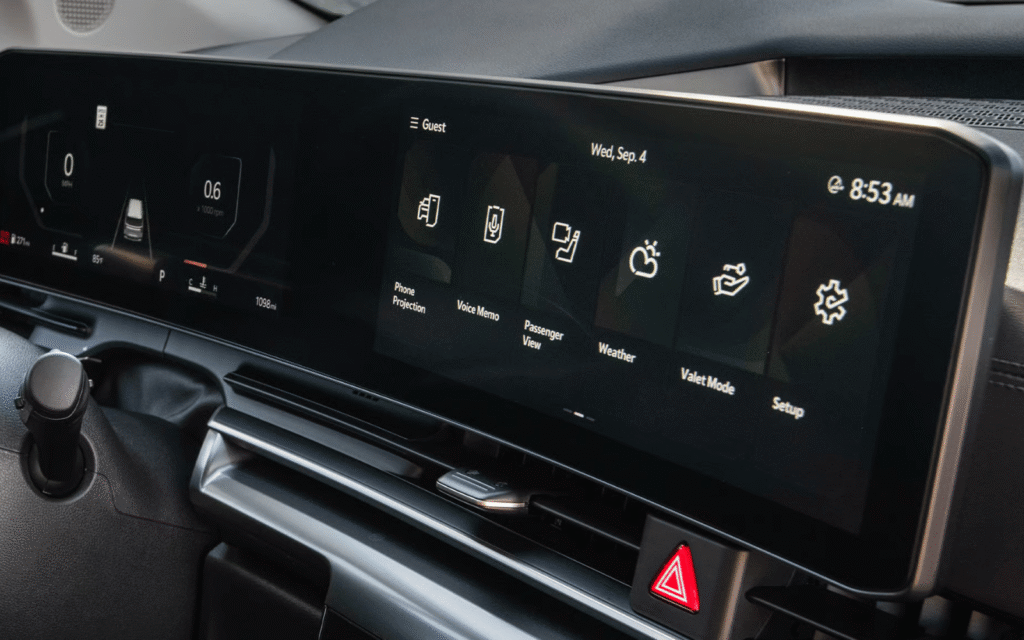
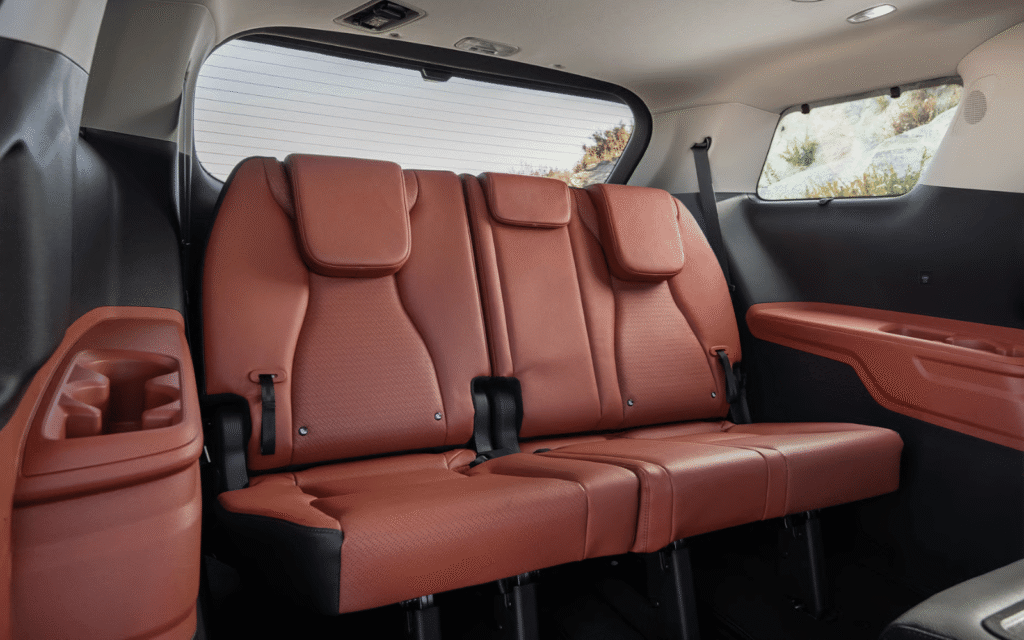
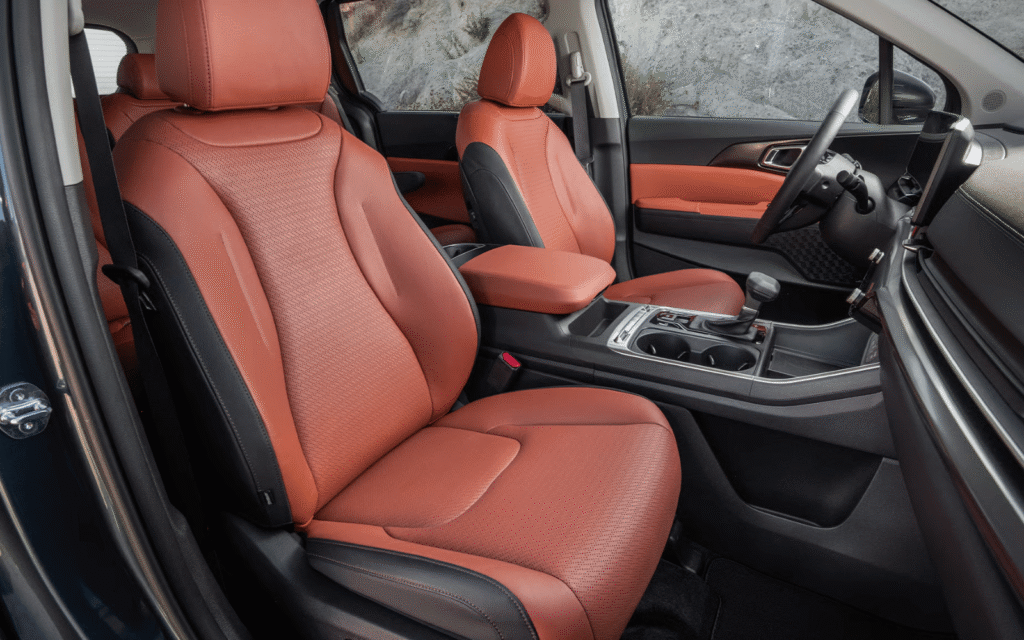
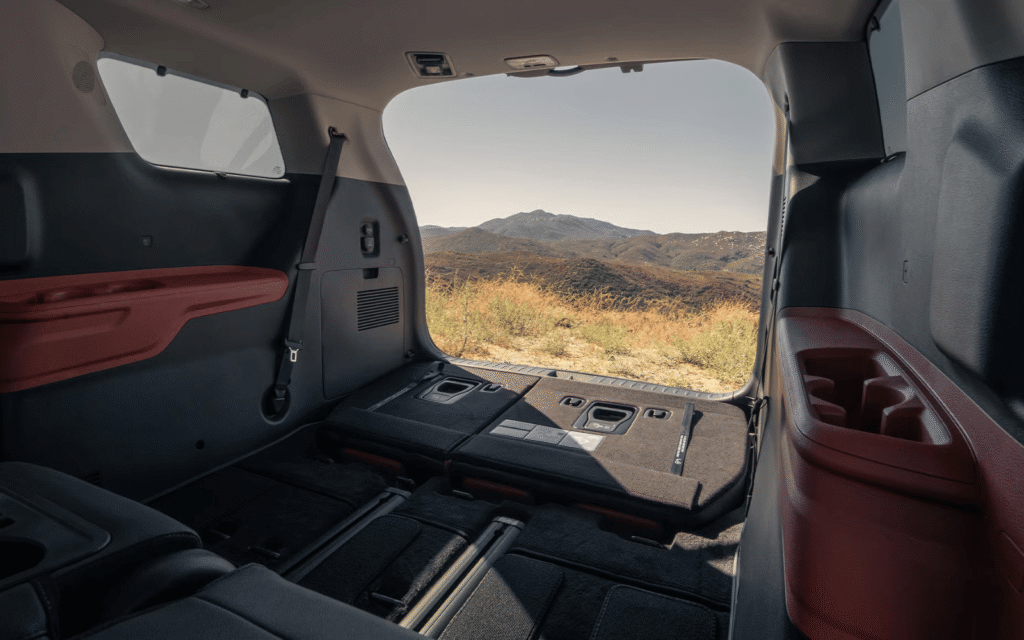
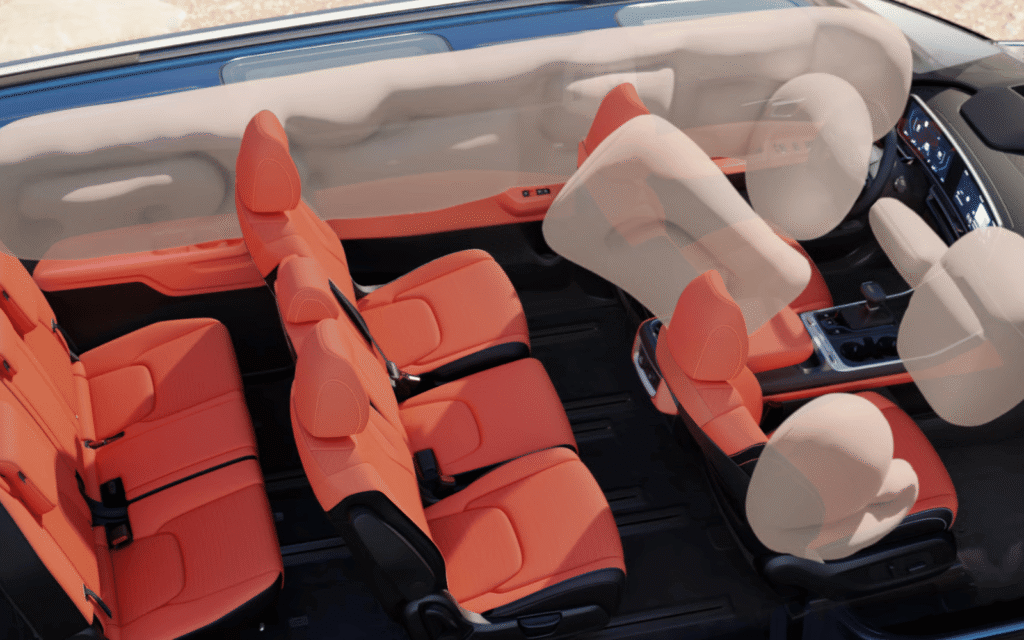
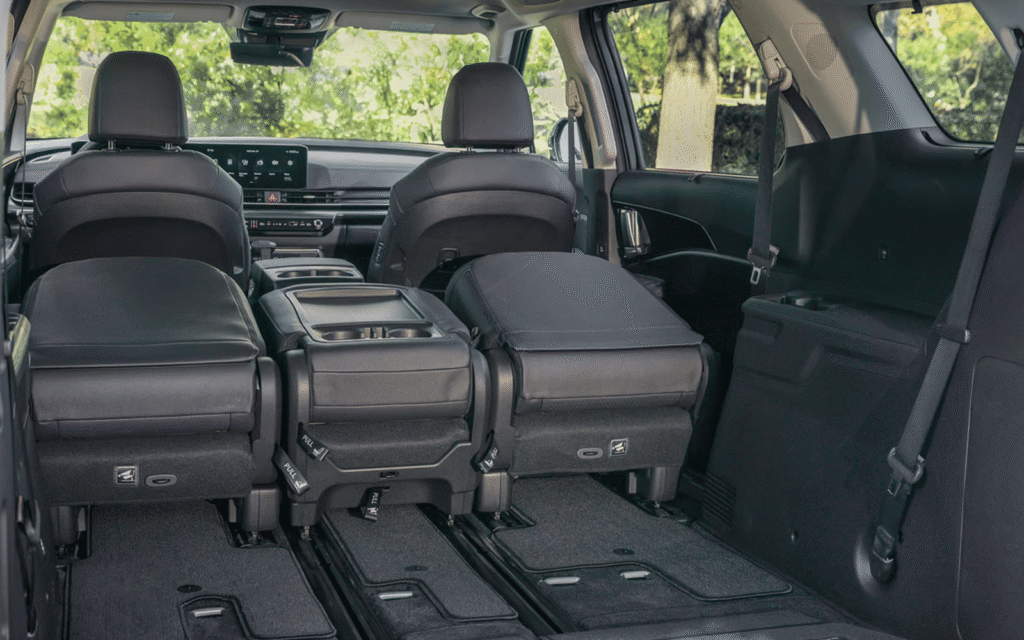
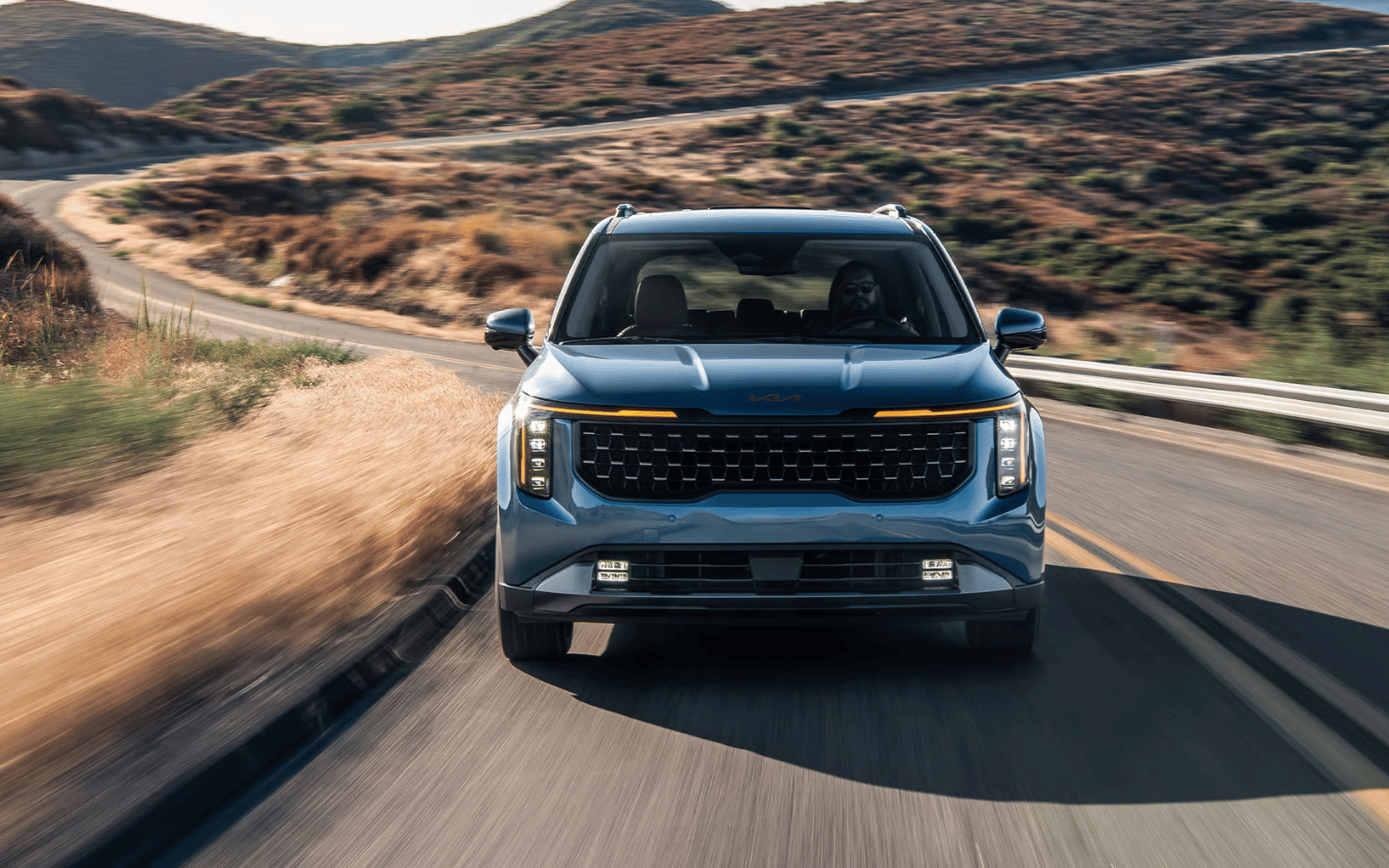
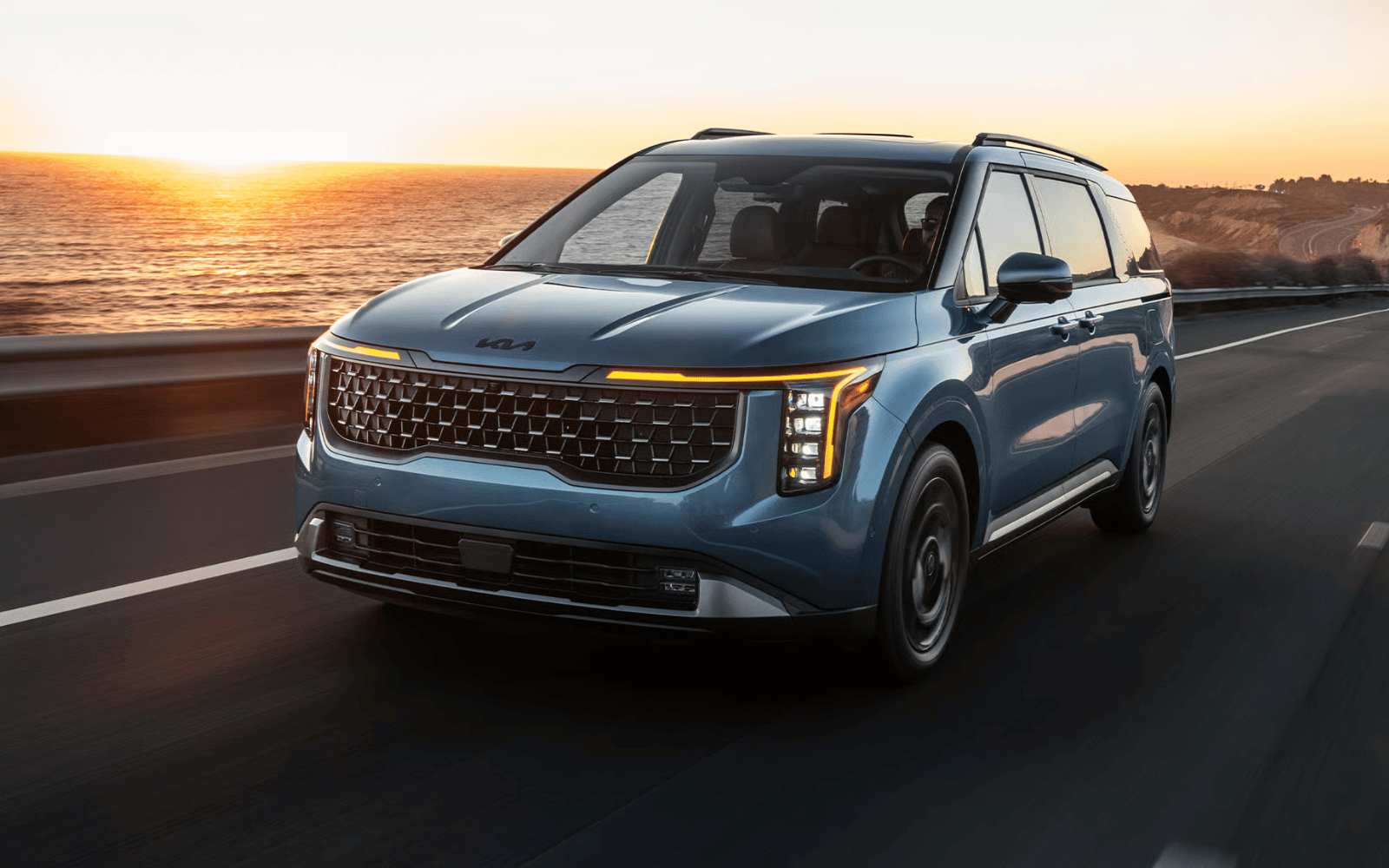
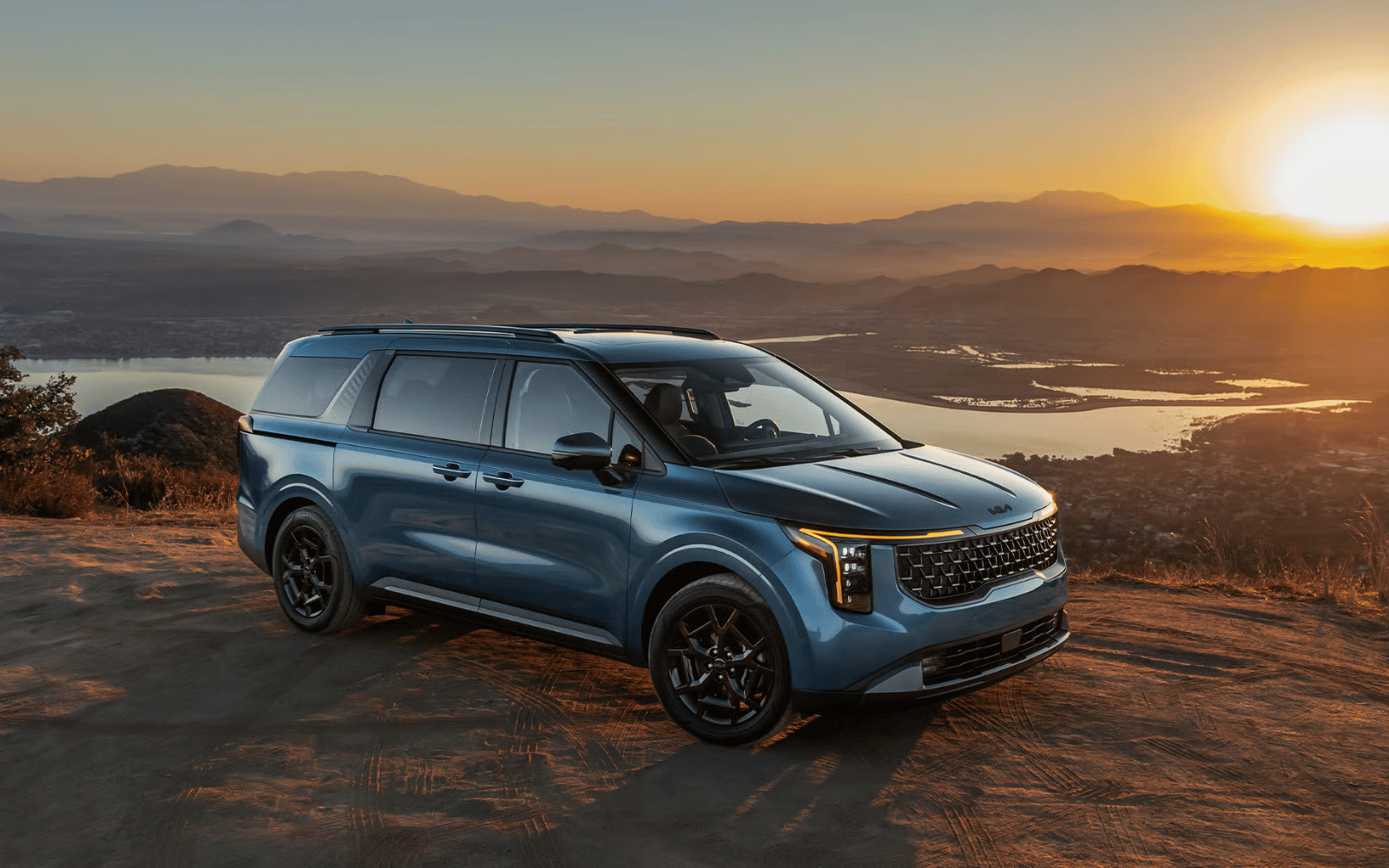
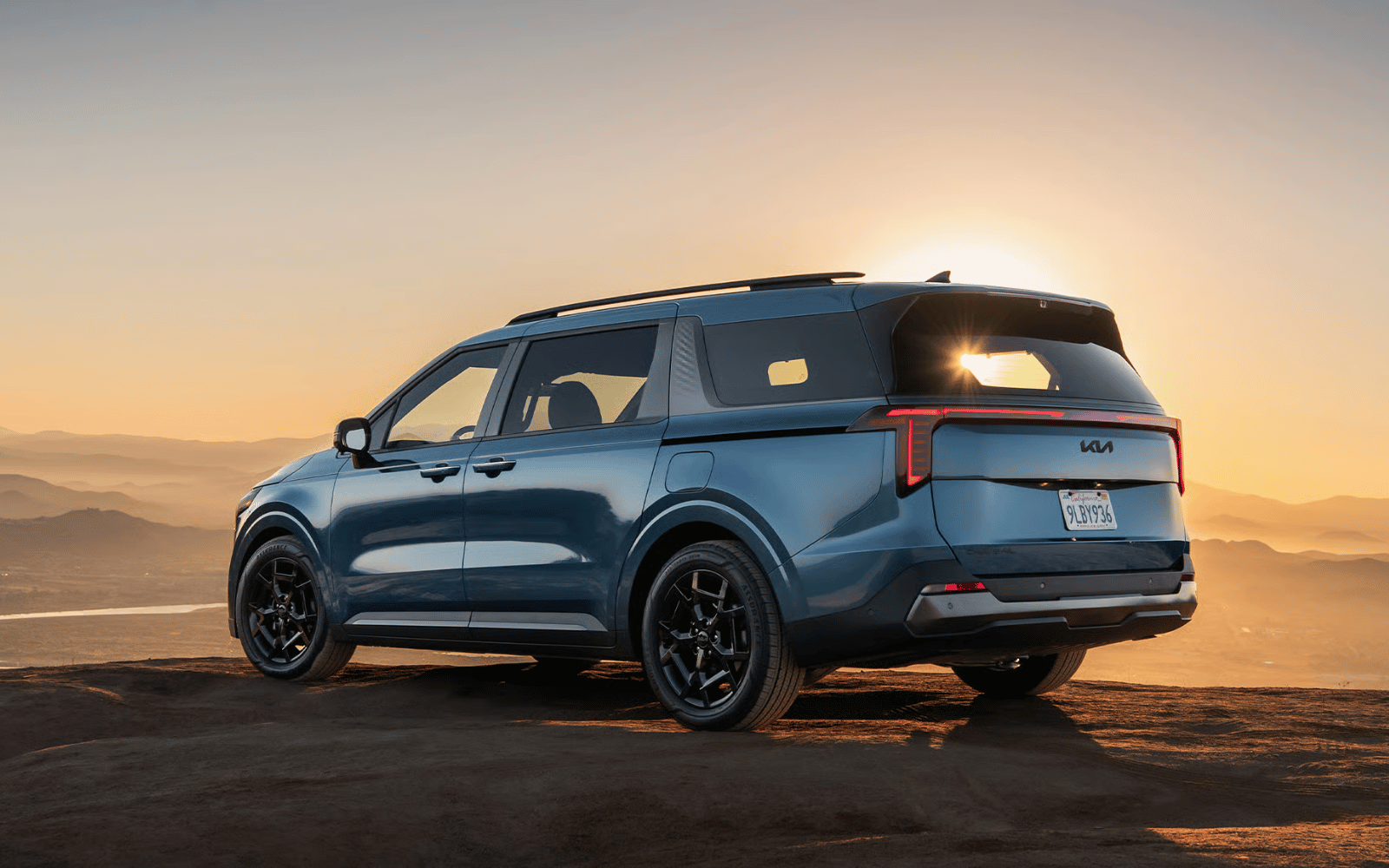
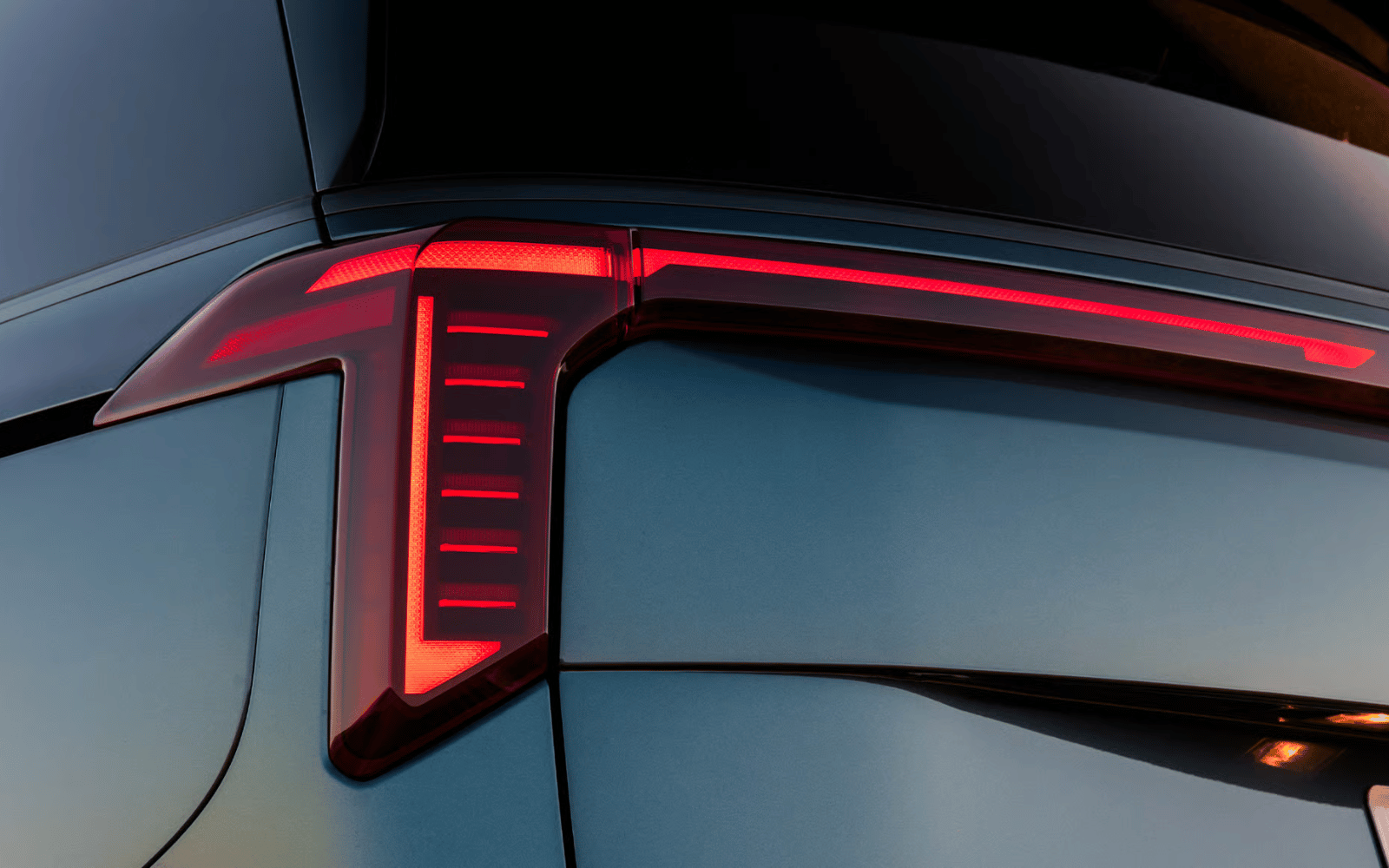
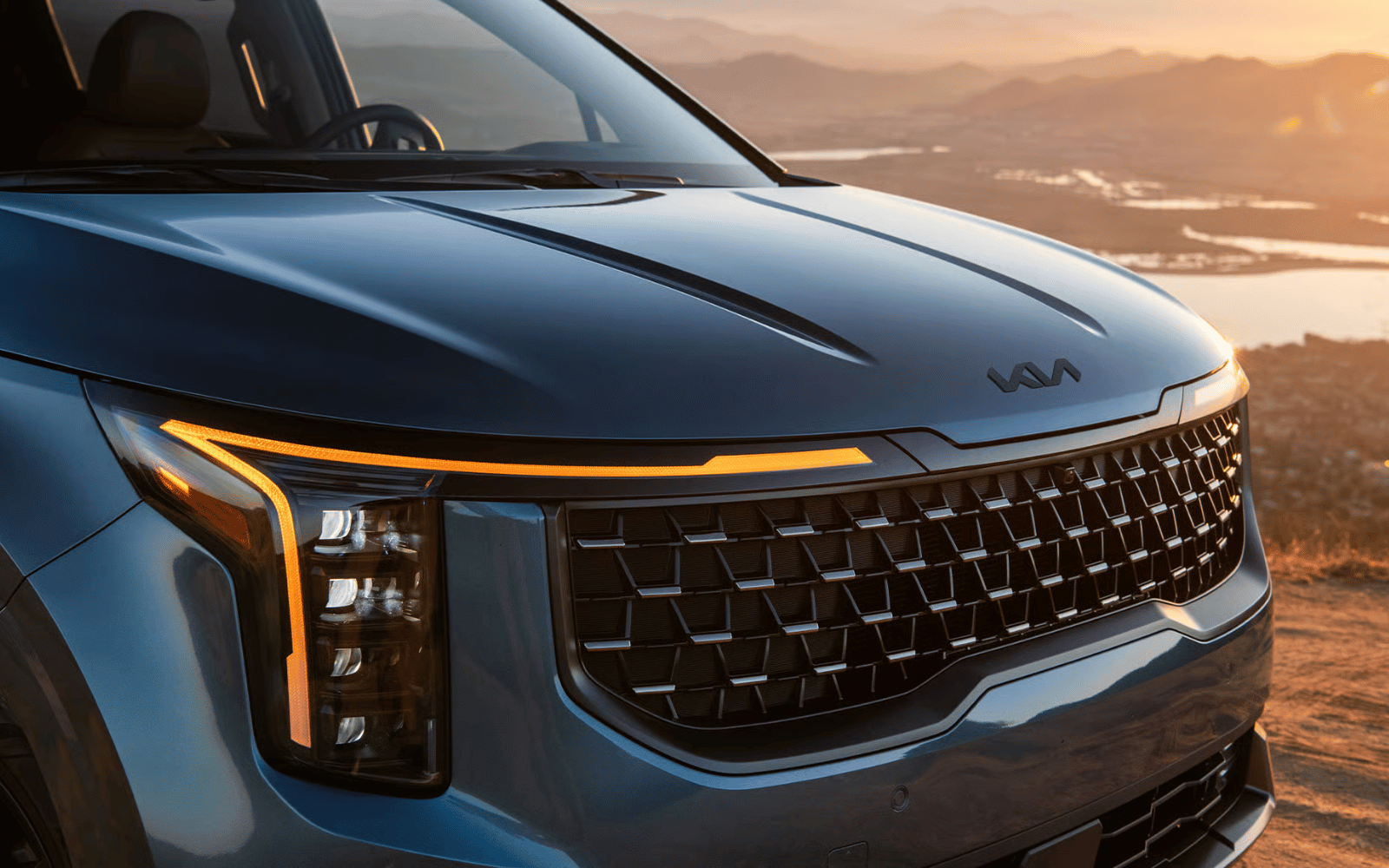
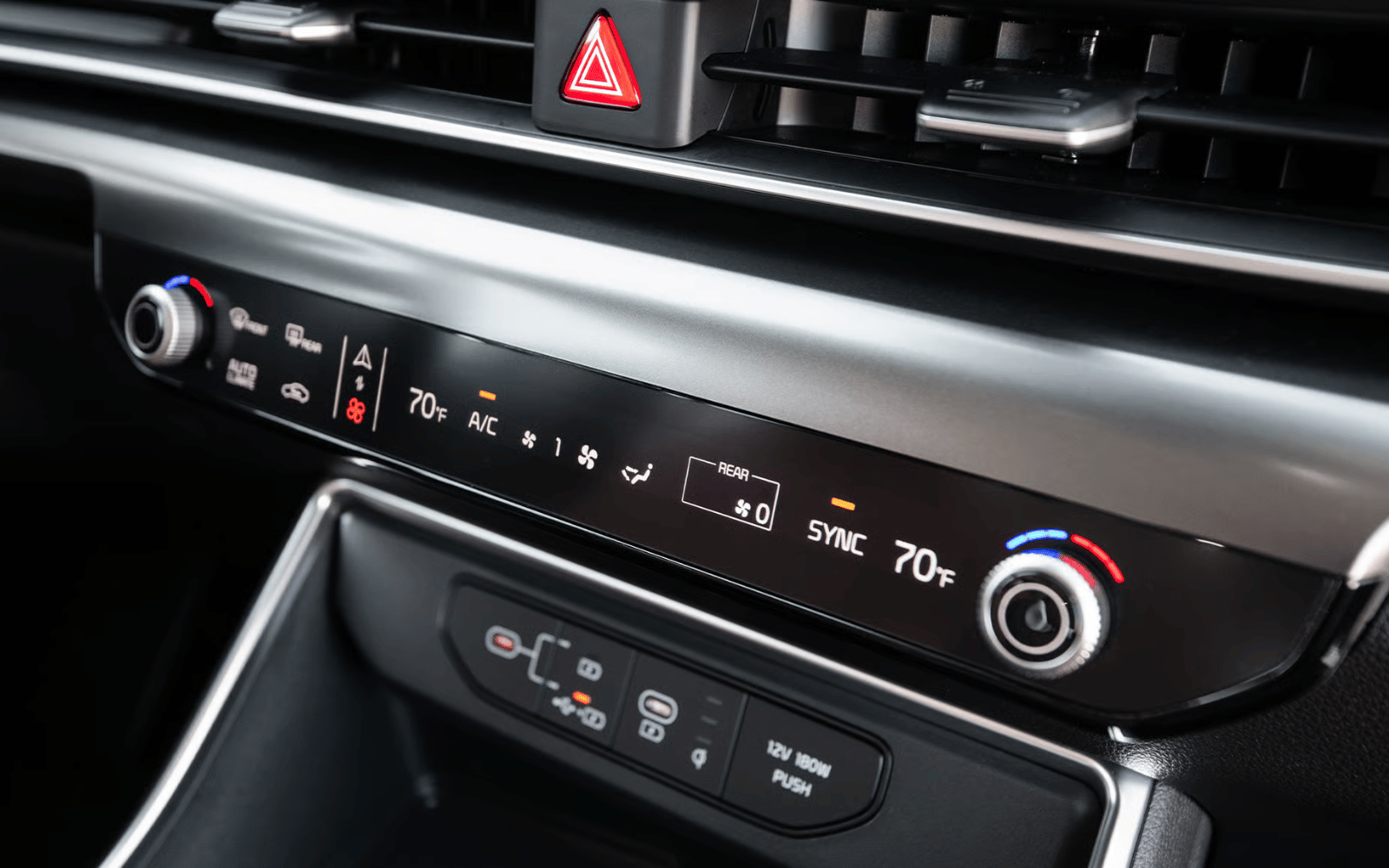
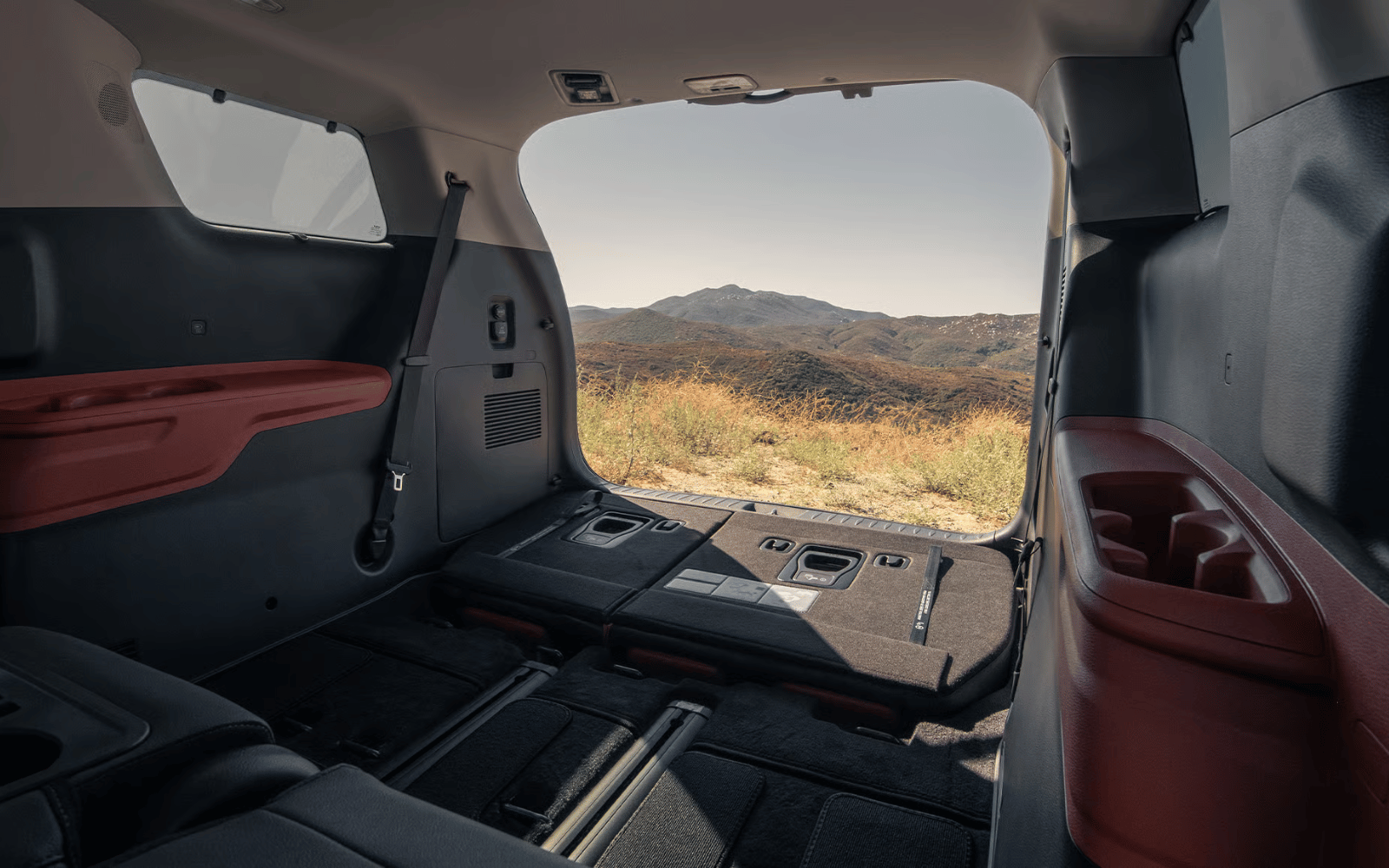
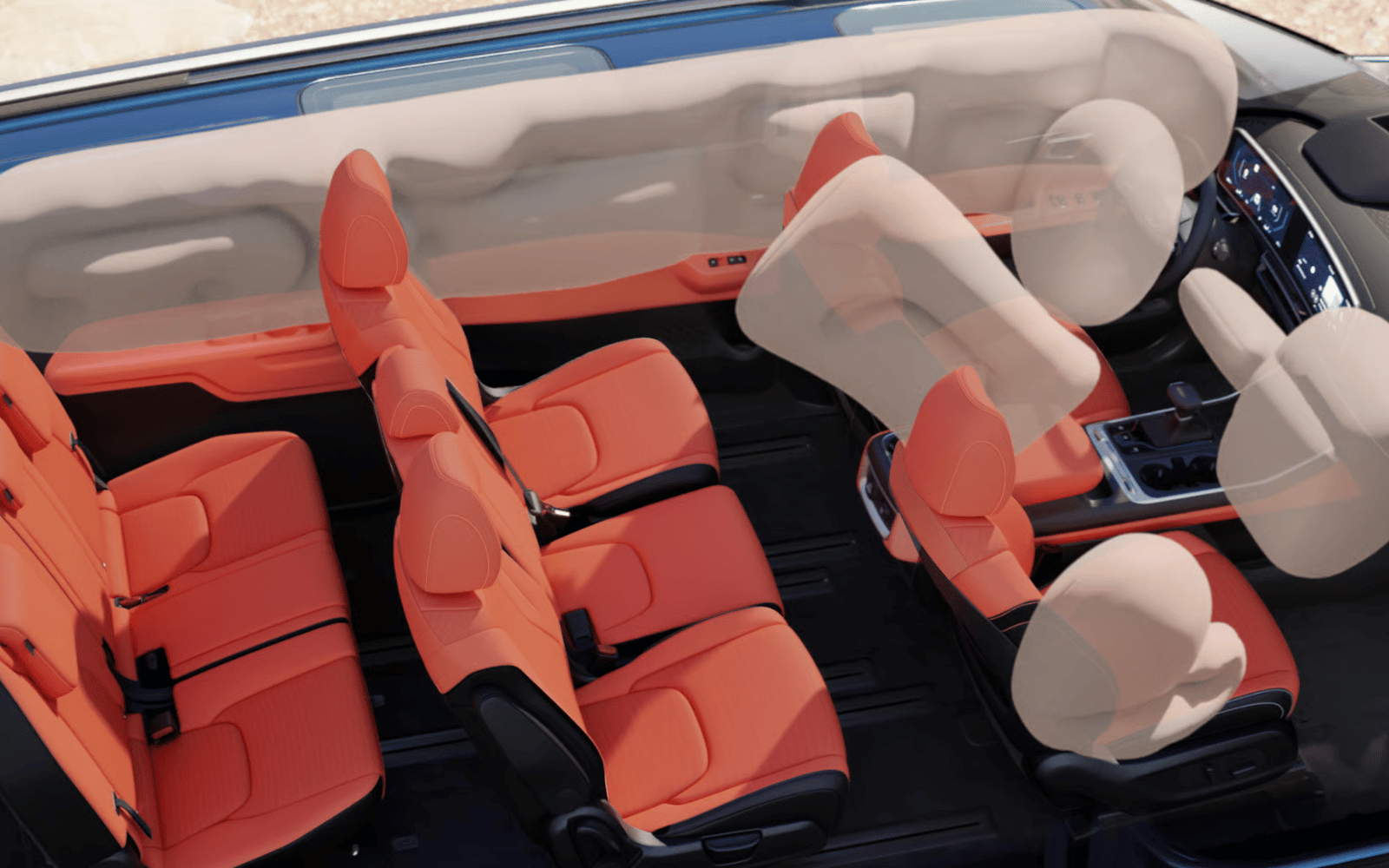
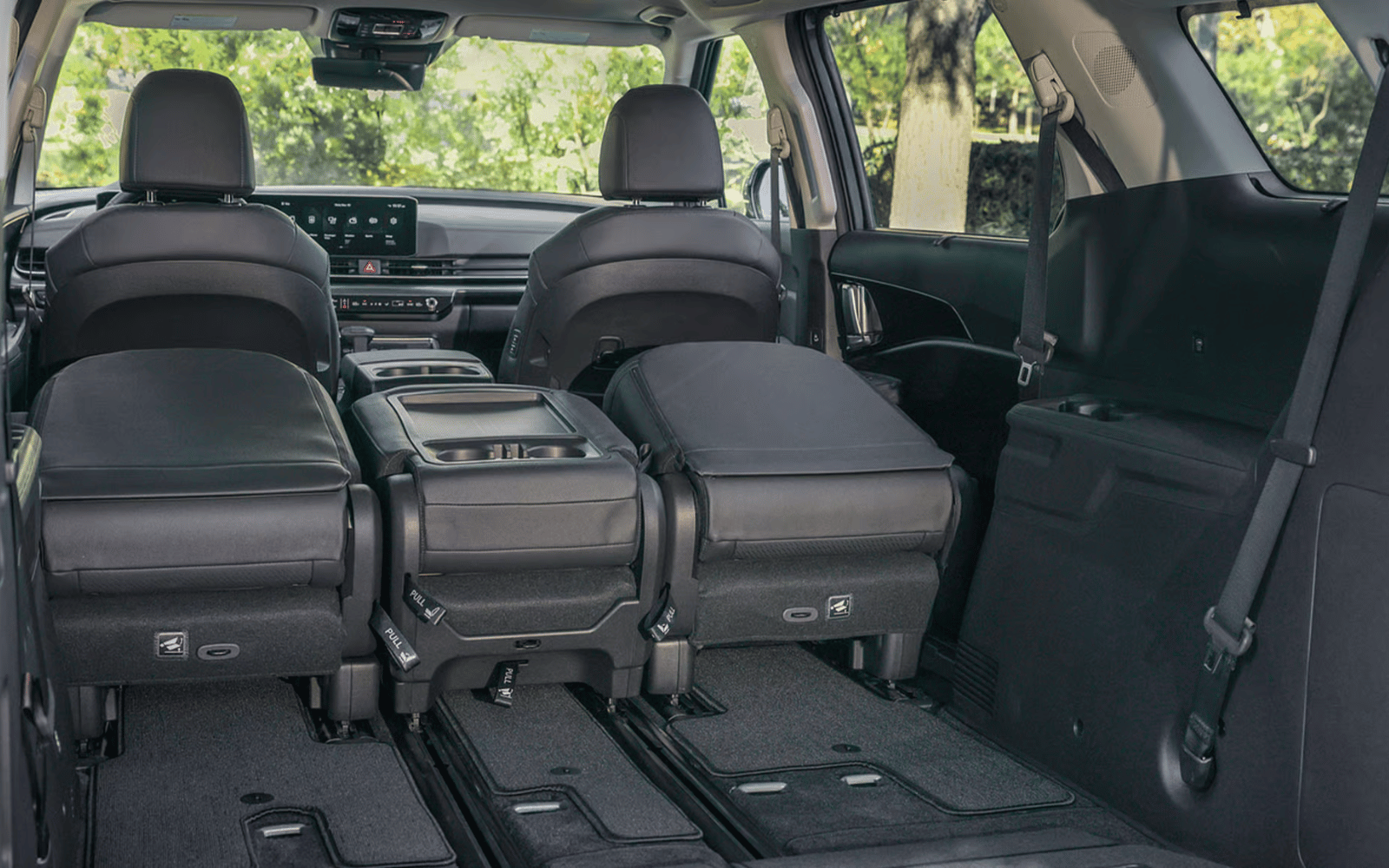
The Carnival makes more sense than a three-row SUV for buyers who regularly use the third row, carry child seats, travel with several passengers, or need room for luggage behind the rear seats. It is front-wheel drive only, but its 287-hp V6 gives it useful power for family travel and towing.
This page covers the regular V6-powered Carnival MPV. The Carnival Hybrid is a separate model with a different powertrain, trim lineup, and fuel-economy case.
WheelPedia Rating: 7.8/10
The Kia Carnival MPV earns a 7.8/10 WheelPedia Rating. It is one of the most practical vehicles for larger families thanks to its spacious cabin, sliding doors, strong V6 engine, useful technology, and generous cargo room. Its updated crash-test results, front-wheel-drive-only layout, and 21-mpg combined fuel economy are its main compromises.
| Rating Category | Score | Weight |
| Safety | 6.7/10 | 20% |
| Reliability and Ownership | 7.8/10 | 15% |
| Performance and Driving | 8.0/10 | 15% |
| Comfort and Practicality | 9.4/10 | 15% |
| Efficiency | 6.8/10 | 15% |
| Features and Technology | 8.6/10 | 10% |
| Price and Value | 8.3/10 | 10% |
| Overall WheelPedia Rating | 7.8/10 | — |
See how WheelPedia rates cars for the full scoring method.
Key Highlights
- Starts from $37,490 MSRP in the US, before destination, taxes, registration, options, and dealer charges.
- Seats seven or eight people, depending on trim and seating layout.
- Uses a 287-hp 3.5-liter V6 engine and eight-speed automatic transmission.
- Front-wheel drive is standard on every regular Carnival.
- Returns an EPA-estimated 18 city / 26 highway / 21 combined mpg.
- Offers 40.2 cubic feet of cargo room behind the third row.
- Maximum cargo capacity is 145.1 cubic feet.
- Can tow up to 3,500 pounds when properly equipped.
- Power sliding rear doors are standard.
- Best for families that need passenger and cargo space more than SUV styling or AWD.
Quick Specifications
| Specification | Kia Carnival MPV |
| Vehicle type | Minivan / MPV |
| Seating capacity | 7 or 8 |
| Engine | 3.5L V6 |
| Output | 287 hp / 260 lb-ft |
| Transmission | 8-speed automatic |
| Drivetrain | Front-wheel drive |
| Fuel economy | 18 city / 26 highway / 21 combined mpg |
| Towing capacity | Up to 3,500 lbs when properly equipped |
| Cargo behind third row | 40.2 cu. ft. |
| Maximum cargo capacity | 145.1 cu. ft. |
| Length | 203.0 in. |
| Wheelbase | 121.7 in. |
Expert tip:
The Carnival EX is the strongest choice for most families. It adds the equipment that makes daily family use easier, including a power liftgate, rear sunshades, and upgraded seating, without moving into SX Prestige pricing.
About the Kia Carnival MPV
The Carnival is Kia’s answer for buyers who need minivan usefulness but prefer a less traditional design. Its raised front end and SUV-inspired styling may appeal to shoppers who would otherwise buy a three-row SUV, but its sliding doors, lower floor, and wider cabin make it far easier to use with children and passengers.
The regular Carnival uses a V6 engine rather than hybrid power. It is more powerful than many minivans and has enough strength for highway travel, a full cabin, and moderate towing. The cost is fuel use: 21 mpg combined is average at best for this category.
The real reason to buy a Carnival is space. It has more usable third-row room and far more luggage capacity than most three-row SUVs, including the Kia Sorento.
Price and Trims
The following figures are current US starting MSRPs and exclude destination, taxes, registration, options, and dealer-installed accessories.
| Trim | Starting MSRP | Seating Layout | Key Reason to Choose |
| LX | $37,490 | 7 passengers | Lowest-cost Carnival with essential family features |
| LXS | $39,490 | Up to 8 passengers | Better family equipment and more seating flexibility |
| EX | $41,690 | Up to 8 passengers | Best balance of comfort, family features, and value |
| SX | $46,590 | Up to 8 passengers | More safety technology, premium displays, and comfort equipment |
| SX Prestige | $51,590 | 7 passengers | Luxury-focused Carnival with premium cabin features |
The EX is the best trim for most buyers. It adds a smart power liftgate, rear sunshades, power-adjustable front seats, upgraded wheels, and family-focused features that make a noticeable difference in daily use.
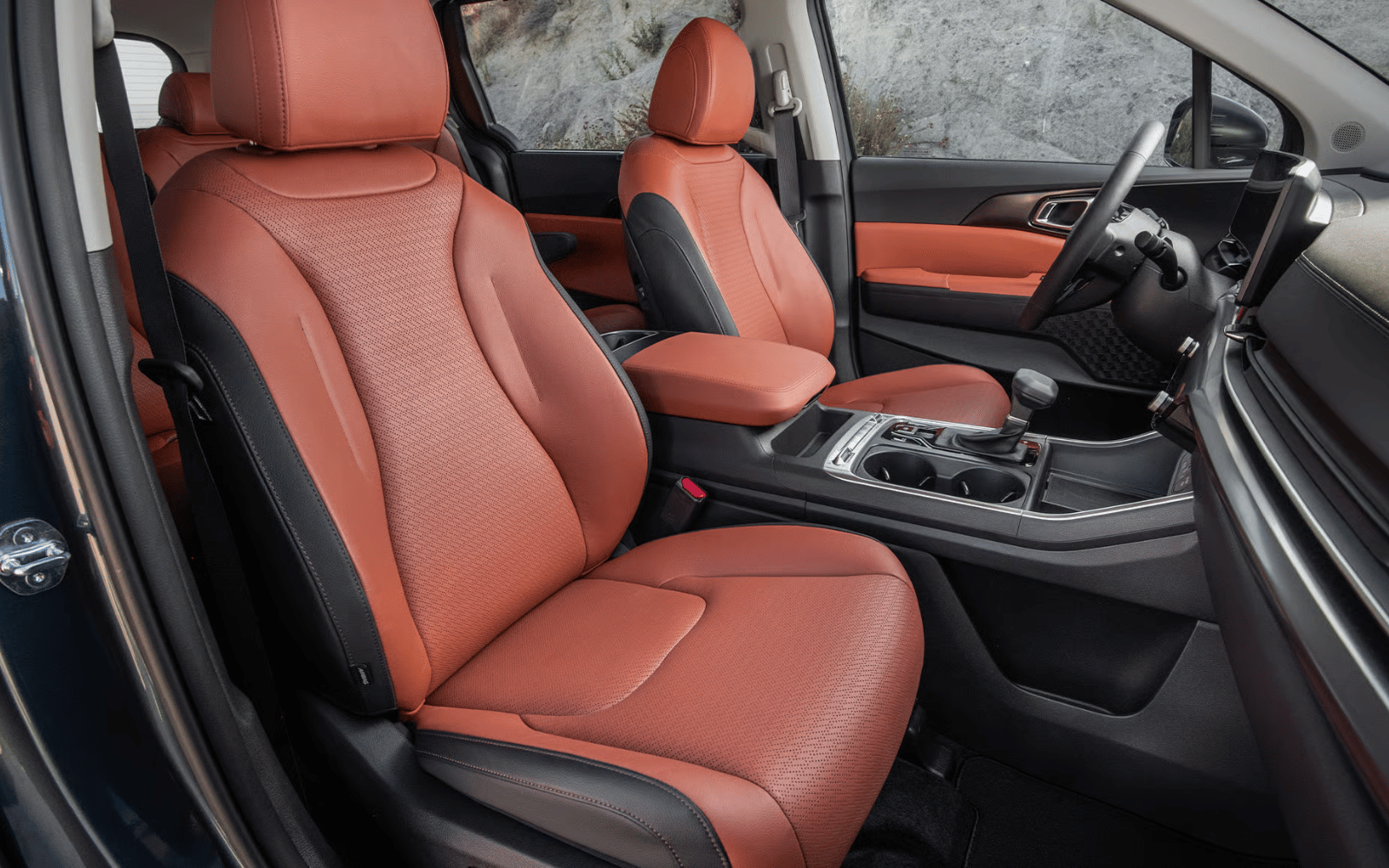
The SX Prestige is appealing, but its price can move close to larger SUVs and premium minivans. It is best for buyers who genuinely want its leather upholstery, upgraded audio, and available VIP Lounge seating.
Engine, Performance, and Driving Experience
Every regular Carnival uses a 3.5-liter V6 engine producing 287 horsepower and 260 lb-ft of torque. It sends power to the front wheels through an eight-speed automatic transmission.
The V6 is a real advantage over smaller four-cylinder family vehicles. It handles a full passenger load well, feels confident at highway speeds, and has enough power for a properly equipped 3,500-pound trailer.
The Carnival is not sporty, but it feels controlled and stable for a large minivan. Steering is light, visibility is good, and the low step-in height makes loading children and older passengers easier than in many SUVs.
0–60 MPH Performance
Kia does not publish an official 0–60 mph figure for the Carnival MPV.
Independent testing of the V6 Carnival recorded a 0–60 mph time of about 7.0 seconds. That is quick enough for a large family vehicle and gives the Carnival an advantage over many slower minivans and three-row SUVs.
Fuel Economy
| Model | EPA-Estimated City / Highway / Combined Fuel Economy |
| Kia Carnival MPV V6 | 18 / 26 / 21 mpg |
The Carnival’s fuel economy is its clearest ownership compromise. Its V6 delivers useful power, but families who drive a high number of miles each year should compare the separate Carnival Hybrid before deciding.
Actual fuel economy will vary with passenger load, cargo, driving style, weather, traffic, and trailer use.
Interior, Comfort, and Technology
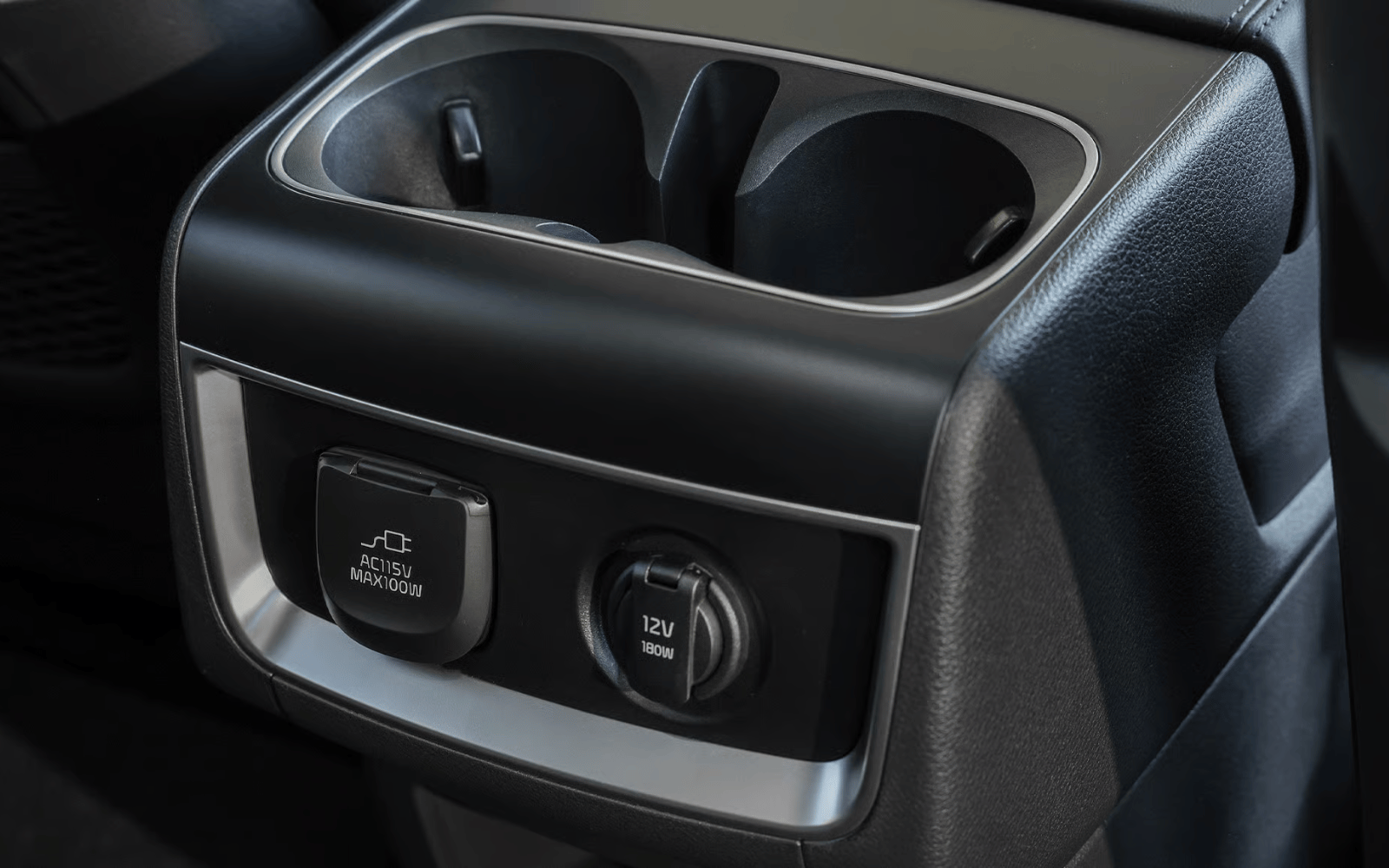
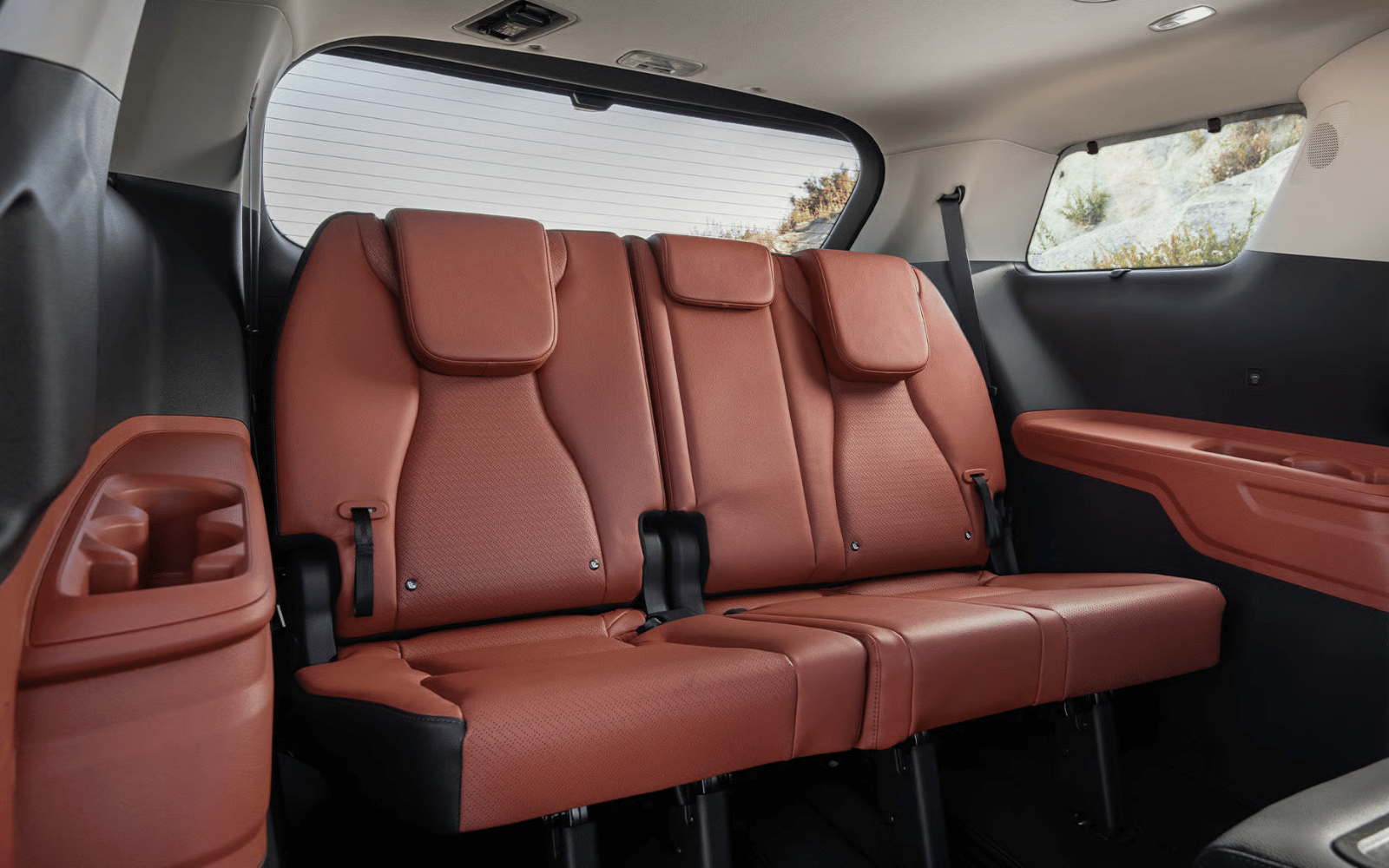
The Carnival’s cabin is its strongest feature. It has room for adults in all three rows, wide-opening power sliding doors, many storage areas, and a low floor that makes entry easier for children and older passengers.
Standard and available features include:
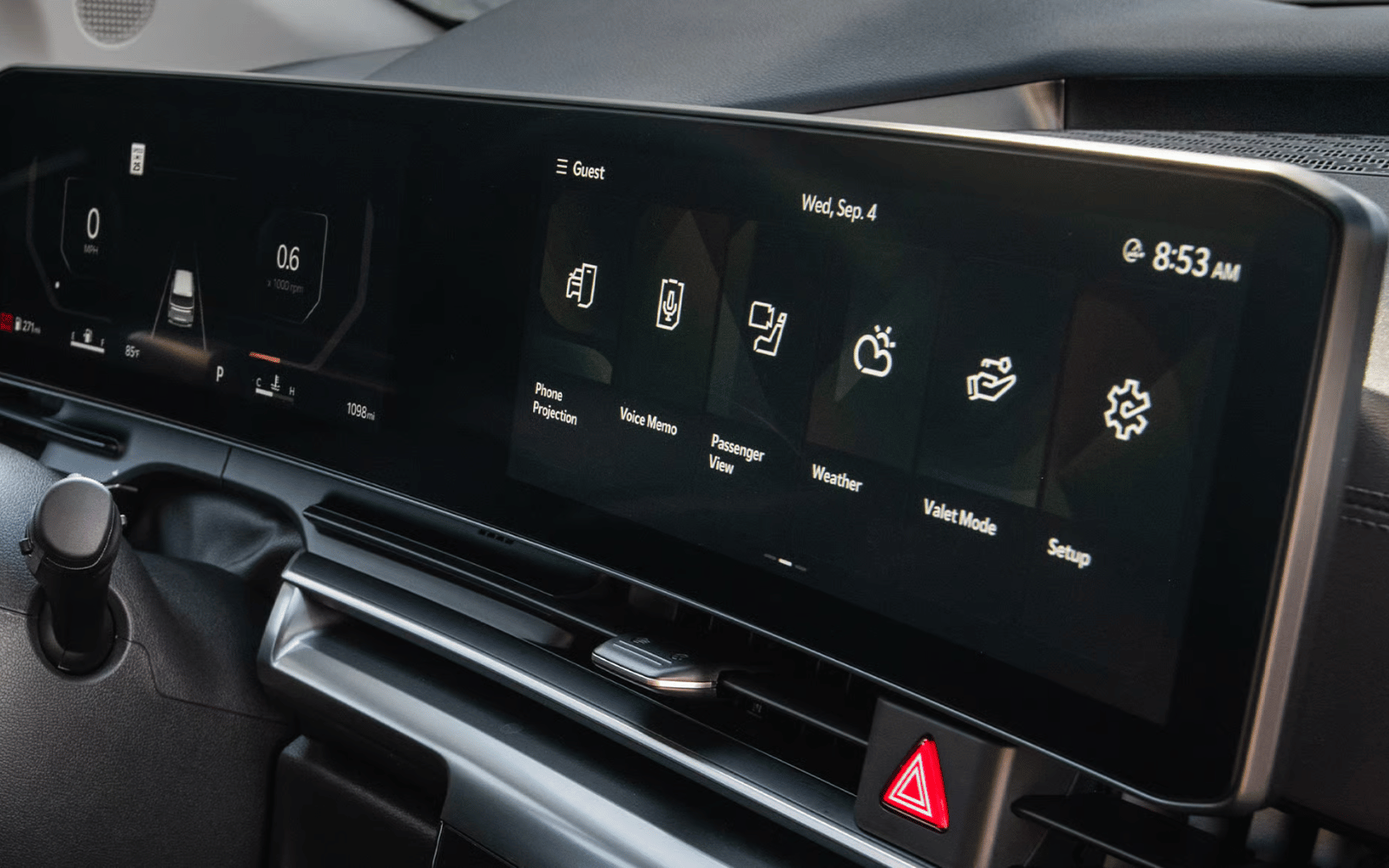
- 12.3-inch touchscreen with navigation
- Wireless Apple CarPlay and Android Auto
- Kia Connect services
- Multiple USB charging ports across all rows
- Power sliding rear doors
- Tri-zone automatic climate control
- Available dual 12.3-inch panoramic displays
- Available wireless phone charging
- Available Bose premium audio system
- Available dual sunroofs
- Available rear-seat entertainment system
- Available head-up display
- Available digital rearview mirror
- Available VIP Lounge seating
The seating layout matters. Seven-seat versions use second-row captain’s chairs, while eight-seat versions add a middle seat and greater passenger capacity. The eight-seat setup is better for larger households, while captain’s chairs make second-row comfort and third-row access easier.
Dimensions, Cargo, and Practicality
| Dimension | Measurement |
| Length | 203.0 in. |
| Width | 78.5 in. |
| Height | 68.5 in. |
| Wheelbase | 121.7 in. |
| Front legroom | 41.1 in. |
| Second-row legroom | 40.5 in. |
| Third-row legroom | 35.6 in. |
| Cargo behind third row | 40.2 cu. ft. |
| Cargo behind second row | 86.9 cu. ft. |
| Maximum cargo capacity | 145.1 cu. ft. |
| Seating | 7 or 8 passengers |
The Carnival provides enough space behind the third row for a family’s groceries, strollers, sports equipment, or travel bags. That is a major benefit over many three-row SUVs, where the third row leaves very little remaining cargo space.
One practical limitation is the second-row seating. It can be moved and removed, but it does not fold flat into the floor. Buyers who need the quickest possible cargo conversion should compare other minivans before deciding.
Exterior Design
The Carnival is designed to look more like a large SUV than a traditional minivan. Its upright front end, wide grille, squared body shape, and available dark exterior details help it stand apart from more conventional family vans.
- LX and LXS trims have a clean, practical appearance.
- EX adds larger wheels, roof rails, and a more upscale exterior look.
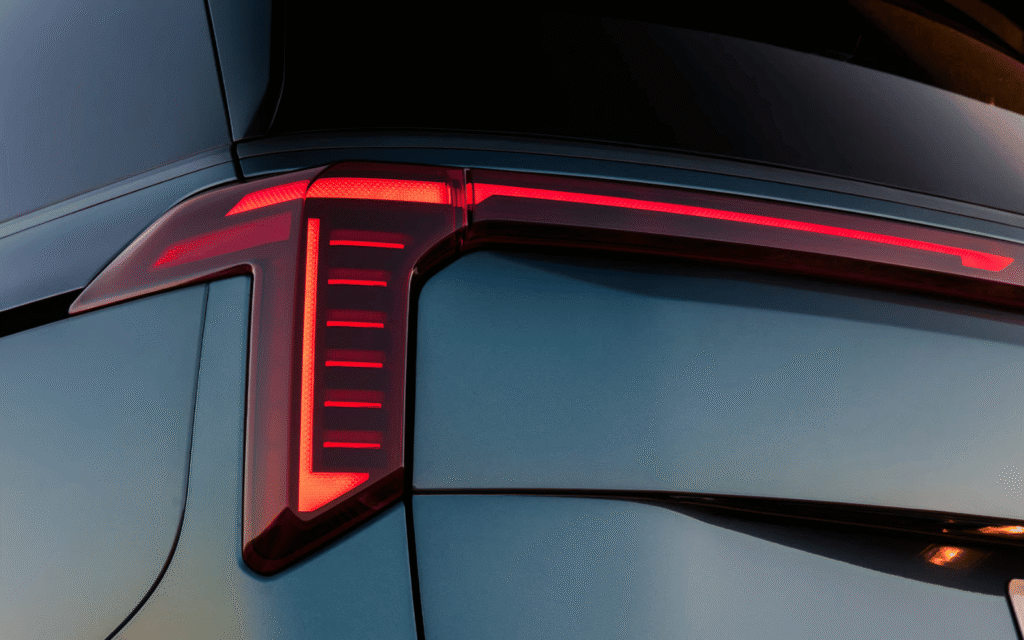
- SX adds more premium lighting and exterior details.
- SX Prestige has the most polished appearance, with exclusive trim details and premium wheels.
The styling may help it appeal to SUV shoppers, but the sliding doors and low floor are what make it more useful for family life.
Safety Features and Ratings
The Carnival includes a broad set of standard driver-assistance features. Higher trims add more advanced camera, parking, and highway-driving features.
Standard and available safety features include:
- Auto Emergency Braking
- Forward Collision-Avoidance Assist
- Lane Keeping Assist
- Lane Following Assist
- Blind-Spot Collision-Avoidance Assist
- Rear Cross-Traffic Collision-Avoidance Assist
- Smart Cruise Control
- Driver Attention Warning
- Rear Occupant Alert
- Front and rear parking sensors
- Available Surround View Monitor
- Available Blind-Spot View Monitor
- Available Highway Driving Assist 2
- Available Rear Parking Collision-Avoidance Assist
The 2027 Carnival does not yet have a separate IIHS result. The latest IIHS rating for the current generation applies to 2026 models and should be treated as useful context rather than a direct 2027 result.
The 2026 Carnival received a Good rating in the small-overlap front test, but Marginal in the updated moderate-overlap front test because of rear-passenger injury measures and restraint performance. It received an Acceptable rating in the updated side-impact test. Review the full IIHS Kia Carnival safety results before buying.
This safety record is the Carnival’s biggest weakness. Families who often carry rear passengers should weigh those results carefully rather than relying only on the Carnival’s long feature list.
Reliability, Warranty, and Ownership
The Carnival uses a naturally aspirated V6 engine and conventional eight-speed automatic transmission. That is a simpler mechanical setup than a turbocharged plug-in hybrid or full electric vehicle, but regular maintenance remains important.
Kia provides strong original-owner powertrain coverage. Used buyers should confirm coverage by VIN because later owners generally receive shorter remaining powertrain protection.
| Coverage | Length |
| Basic limited warranty | 5 years / 60,000 miles |
| Powertrain limited warranty, original owner | 10 years / 100,000 miles |
| Powertrain coverage, later owner | 5 years / 60,000 miles |
| Anti-perforation warranty | 5 years / 100,000 miles |
| Roadside assistance | 5 years / 60,000 miles |
Before buying a used Carnival:
- Check the VIN for open recalls.
- Review maintenance records.
- Test both sliding doors and the power liftgate.
- Check all seating adjustments and USB ports.
- Inspect tires, brakes, and suspension components.
- Test the air conditioning in all three rows.
- Have an independent mechanic inspect it before purchase.
Pros and Cons
What We Like
- Excellent passenger room across all three rows
- Useful 40.2-cubic-foot cargo area behind the third row
- Up to eight-passenger seating
- Standard power sliding doors
- Strong 287-hp V6 engine
- Up to 3,500 pounds of towing capacity
- Modern infotainment and family-focused technology
- Easier child-seat and passenger access than most SUVs
- Strong original-owner powertrain warranty
What We Don’t Like
- Updated IIHS front and side-impact results are not strong
- Only available with front-wheel drive
- Fuel economy is average for a minivan
- Second-row seats do not fold into the floor
- SX Prestige is expensive
- No hybrid efficiency in this V6-only lineup
- Large exterior dimensions can make parking difficult
Competitors
The Carnival should be compared with other minivans and larger family vehicles based on passenger capacity, cargo needs, fuel economy, and safety priorities.
- The Honda Odyssey is worth considering for its family-friendly interior and driving manners.
- The Toyota Sienna is the strongest alternative for buyers who prioritize hybrid fuel economy and available all-wheel drive.
- The Chrysler Pacifica is worth a look for buyers who want available all-wheel drive or plug-in hybrid capability.
- The Volkswagen ID. Buzz is an option for families interested in an electric people mover.
- The Kia Sorento is a better fit for buyers who prefer an SUV and need only occasional third-row use.
Related Content
If you are deciding between a minivan and a three-row SUV, compare the Carnival’s passenger space and cargo room with the Kia Sorento.
Before financing, read how car financing works and consider getting car loan preapproval before visiting a dealership.
Should You Buy the Kia Carnival MPV?
Buy the Kia Carnival MPV if you need real three-row space, large cargo capacity, easy child-seat access, and sliding doors that make daily family life easier.
Choose the EX if you want the best overall balance. Choose the LXS if eight-passenger seating and a lower price matter most. Choose the SX if you want more safety technology and premium displays. Choose the SX Prestige only if you will use its luxury features enough to justify the higher price.
Skip the Carnival if updated crash-test performance is your top priority, if you need all-wheel drive, or if fuel economy matters more than passenger space. In those cases, a hybrid minivan or all-wheel-drive SUV may be a better match.
FAQs
Is the Kia Carnival a minivan or SUV?
The Kia Carnival is a minivan, though Kia calls it an MPV and gives it SUV-inspired styling. Its sliding doors, low floor, and large cabin make it a true family van.
How many people can the Kia Carnival seat?
The Carnival seats seven or eight people, depending on the trim and seating layout.
How much does the Kia Carnival cost?
The 2027 Kia Carnival starts from $37,490 MSRP in the US, before destination, taxes, registration, options, and dealer charges.
Does the Kia Carnival have all-wheel drive?
No. Every regular gasoline Carnival uses front-wheel drive.
What fuel economy does the Kia Carnival get?
The V6-powered Carnival is EPA-estimated at 18 mpg city, 26 mpg highway, and 21 mpg combined.
How much cargo space does the Kia Carnival have?
The Carnival has 40.2 cubic feet of cargo space behind the third row and up to 145.1 cubic feet with the rear seats folded.
Can the Kia Carnival tow a trailer?
Yes. A properly equipped Carnival can tow up to 3,500 pounds.
Is the Kia Carnival fast?
For a large minivan, yes. Independent testing recorded a 0–60 mph time of about 7.0 seconds.
Does the Kia Carnival have power sliding doors?
Yes. Power sliding rear doors are standard across the Carnival lineup.
Is the Kia Carnival safe?
It has useful standard safety technology, but the latest IIHS rating for the current generation included Marginal results in the updated moderate-overlap front test and Acceptable results in the updated side-impact test. Buyers should review those results closely.
Does the Kia Carnival have Apple CarPlay and Android Auto?
Yes. The current Carnival includes Apple CarPlay and Android Auto compatibility.
Is the Kia Carnival good for large families?
Yes. Its available eight-passenger seating, wide sliding doors, adult-friendly third row, and large cargo area make it a strong option for large families.
Final Verdict
The Kia Carnival MPV is one of the most useful family vehicles on sale. It has the passenger space, sliding-door access, and cargo capacity that many three-row SUVs cannot match. Its V6 engine also gives it more power and towing ability than many family vehicles.
The EX is the trim most buyers should choose because it adds the equipment that matters for daily family use without reaching premium-trim pricing.
The main decision comes down to priorities. If you need the best cabin flexibility and often travel with several passengers, the Carnival is a strong fit. If safety-test performance, all-wheel drive, or fuel economy matter more, compare the alternatives carefully before buying.
Prices, specifications, fuel-economy estimates, safety ratings, warranty coverage, and feature availability can change by model year, trim, and market.