
Ford Mustang: Price, Specs, Features, Pros and Cons
The Ford Mustang is a rear-wheel-drive performance car available as a fastback or convertible. Its current lineup starts with a turbocharged four-cylinder EcoBoost model, moves to the V8-powered GT, and reaches track-focused Dark Horse and Dark Horse SC versions.
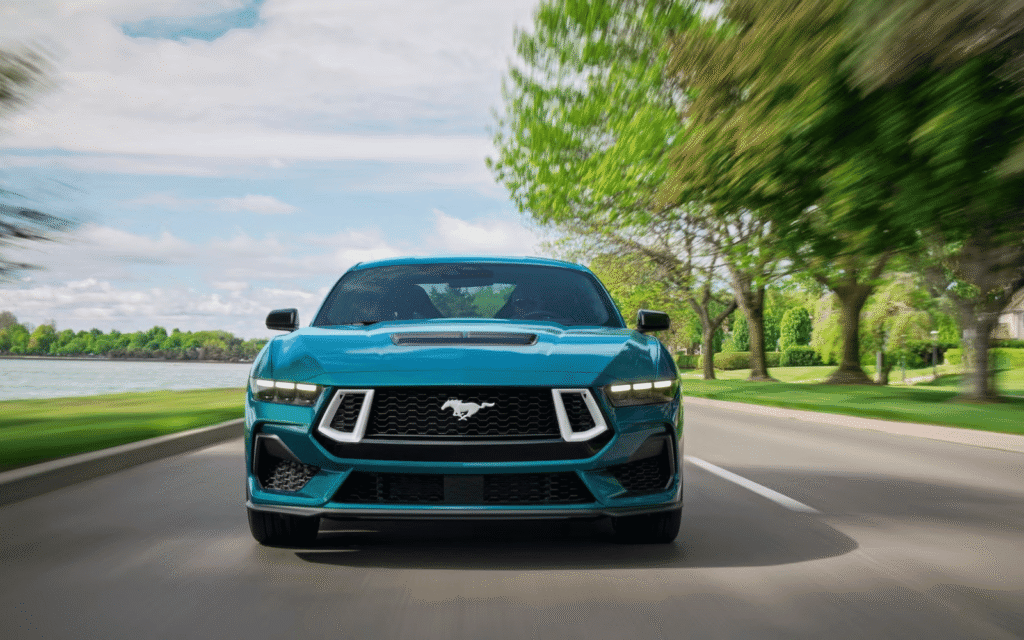
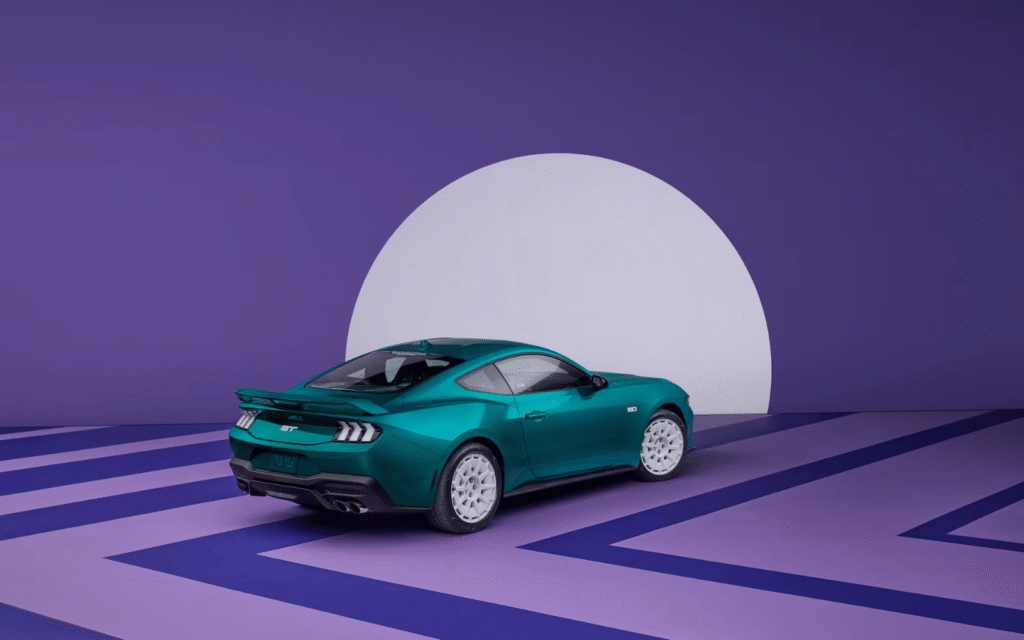
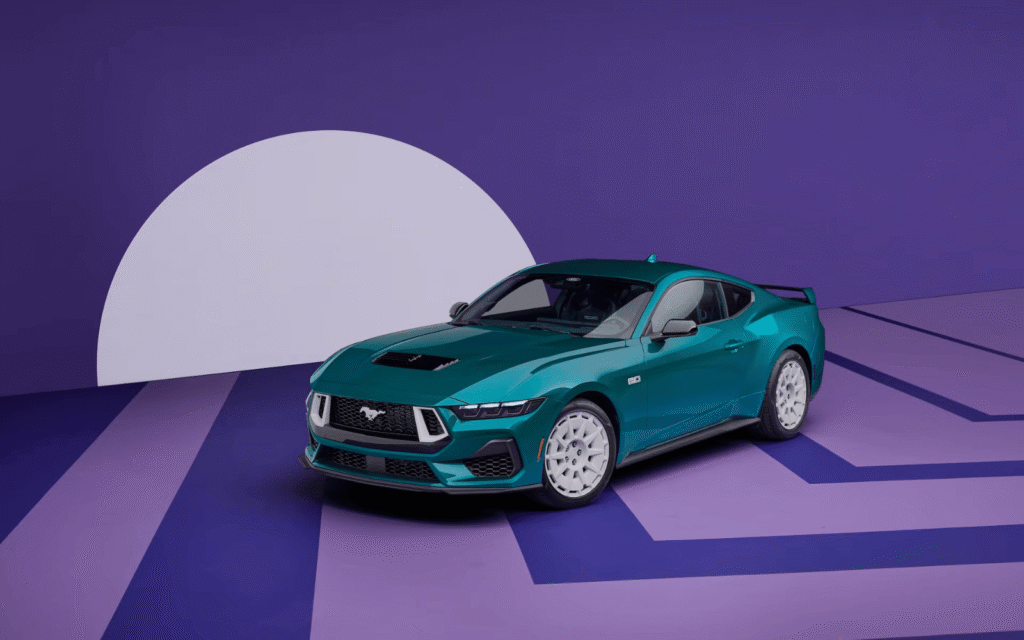
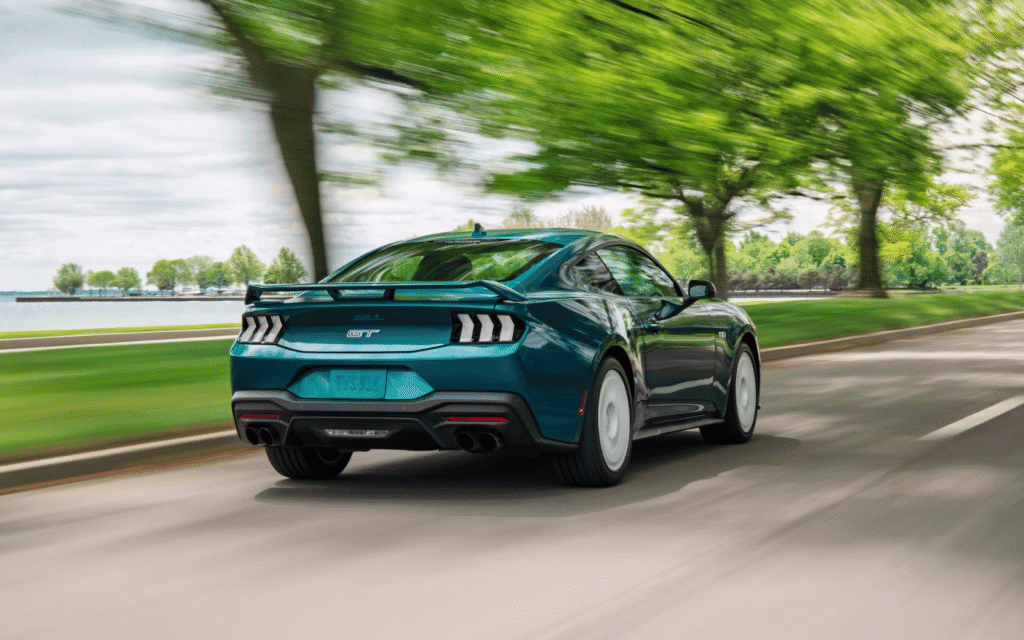
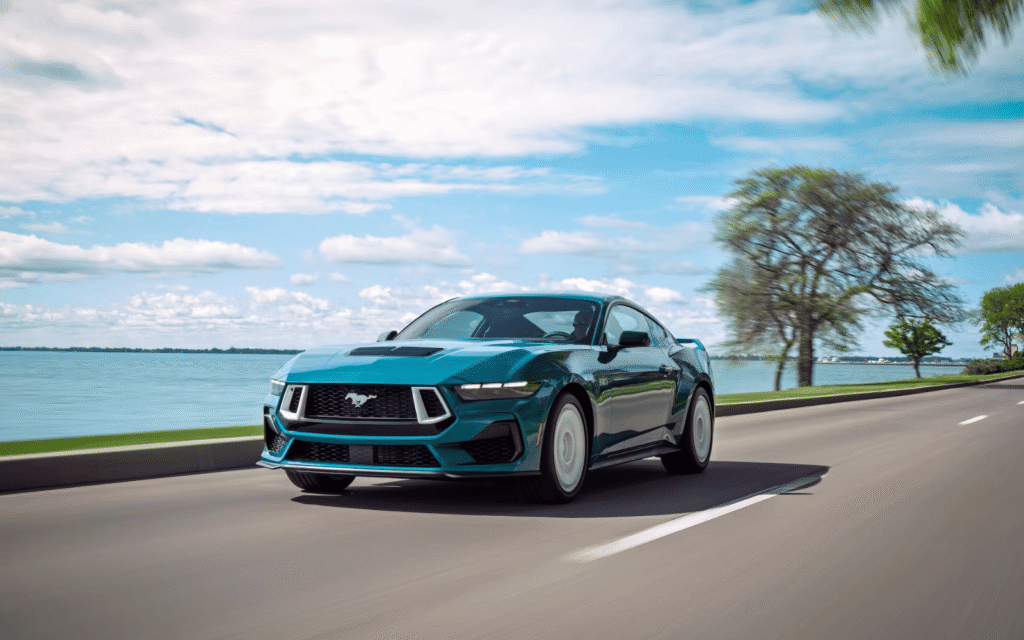
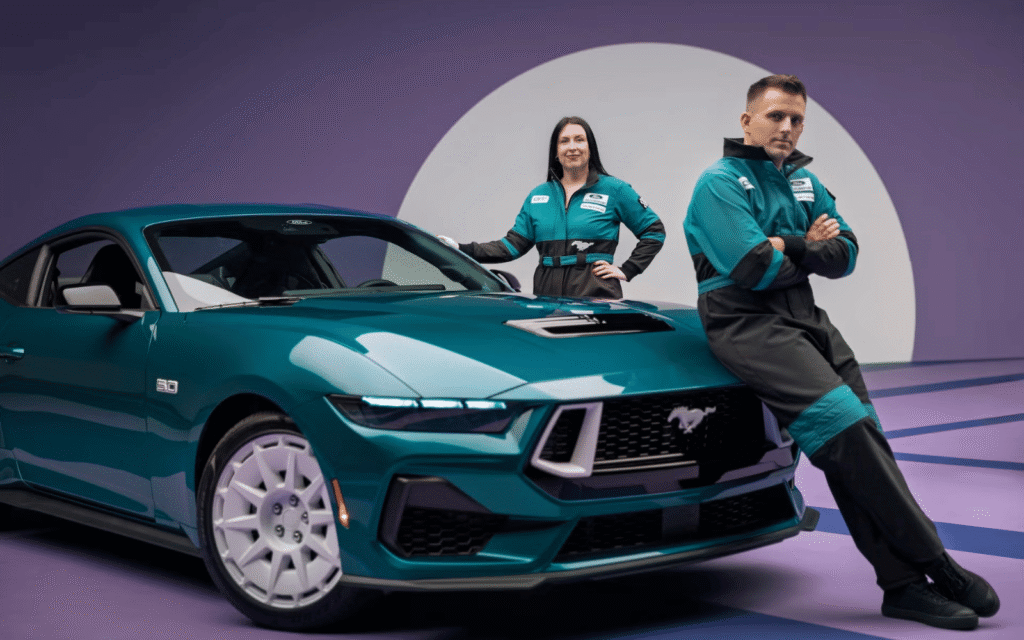
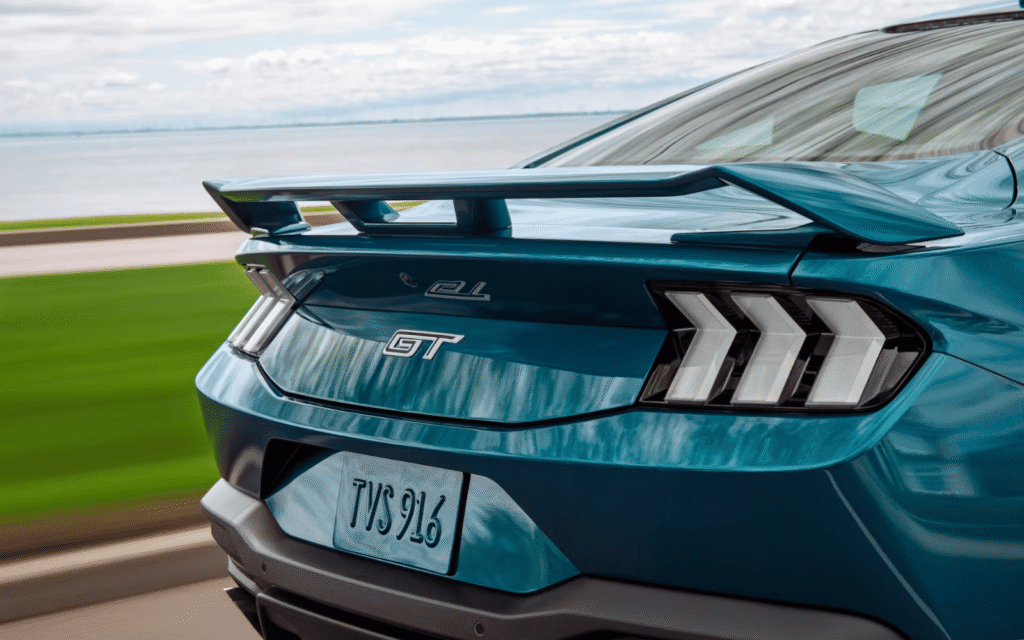
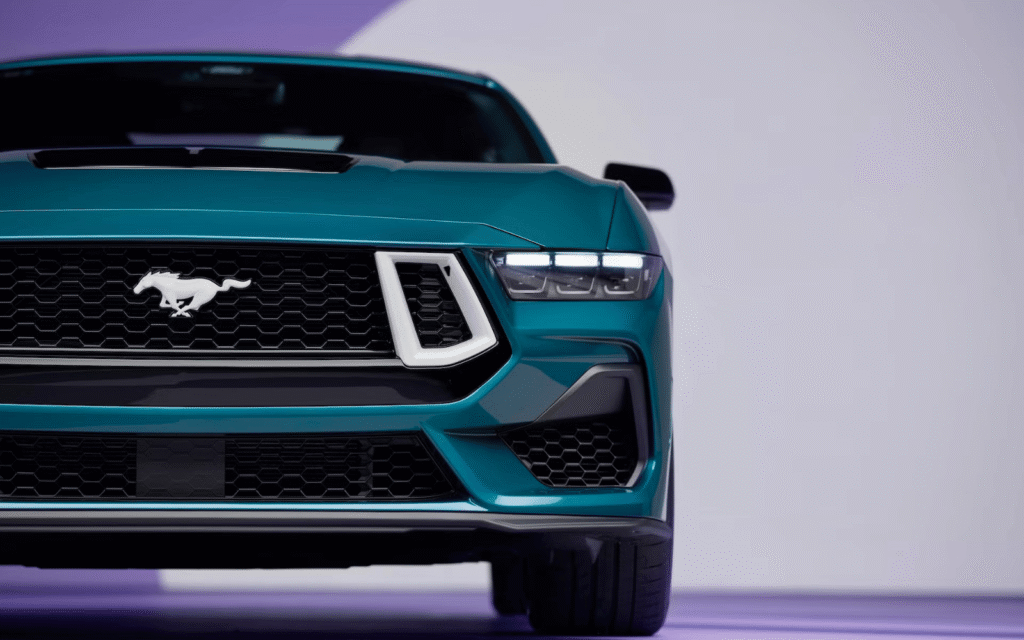
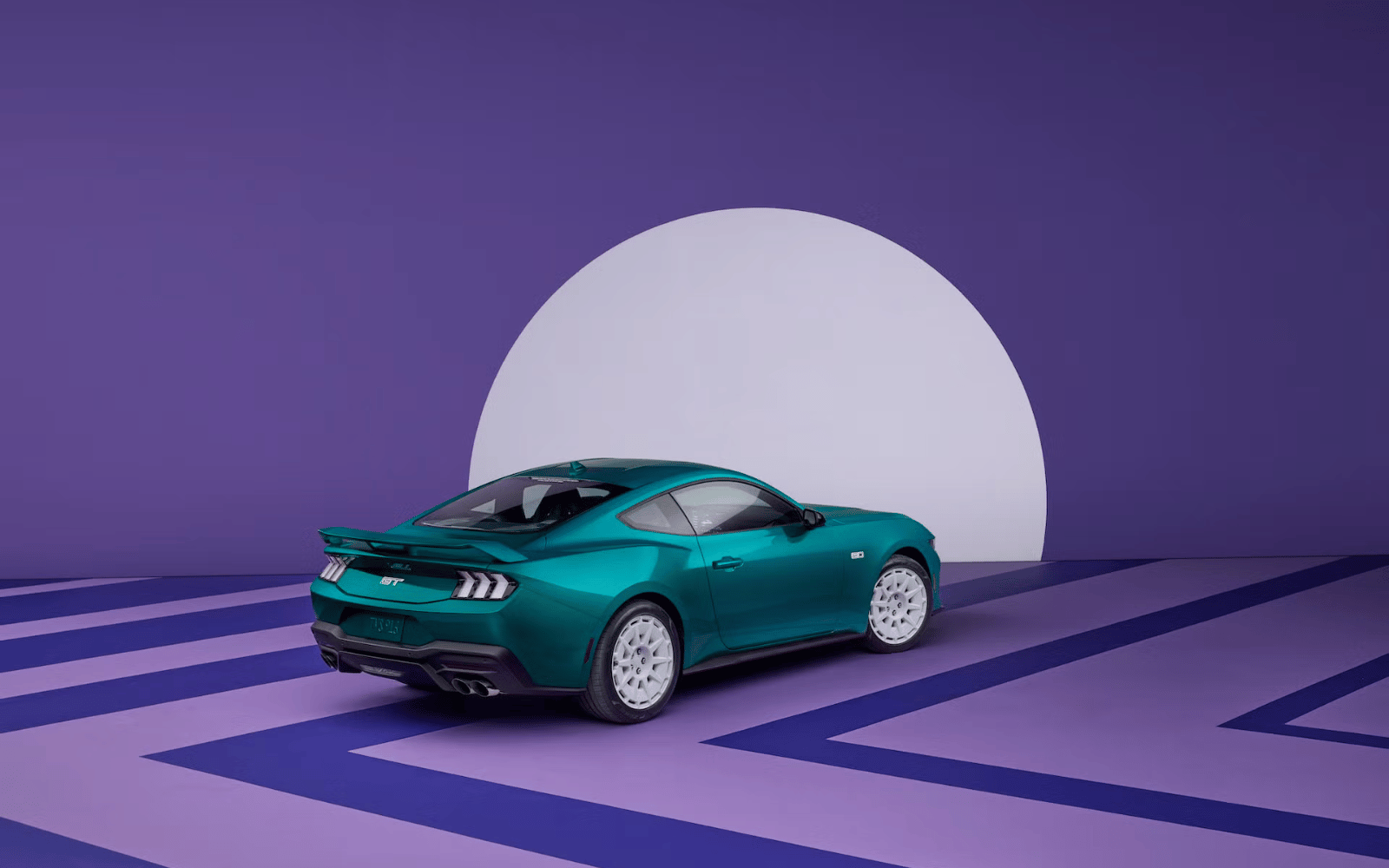
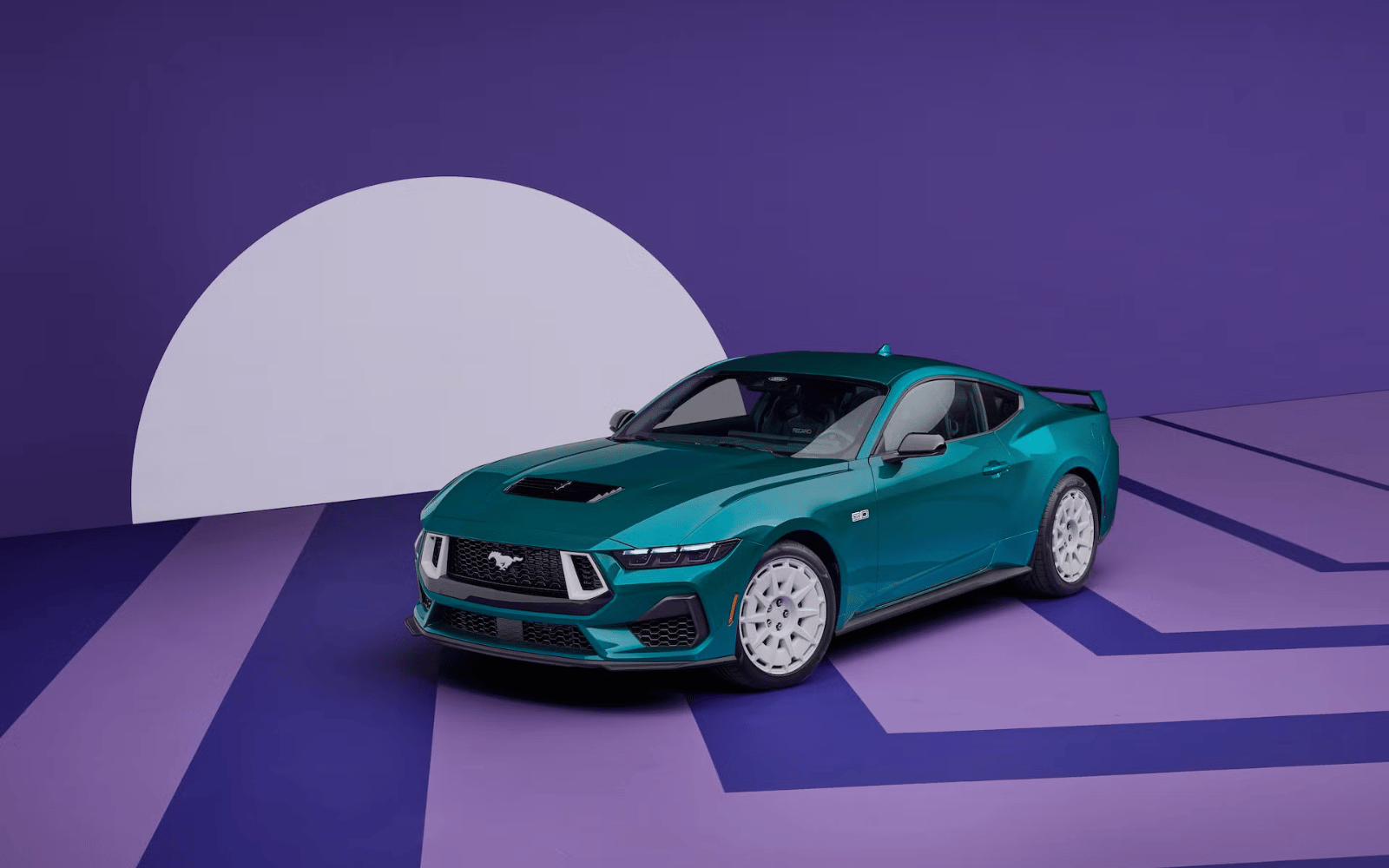
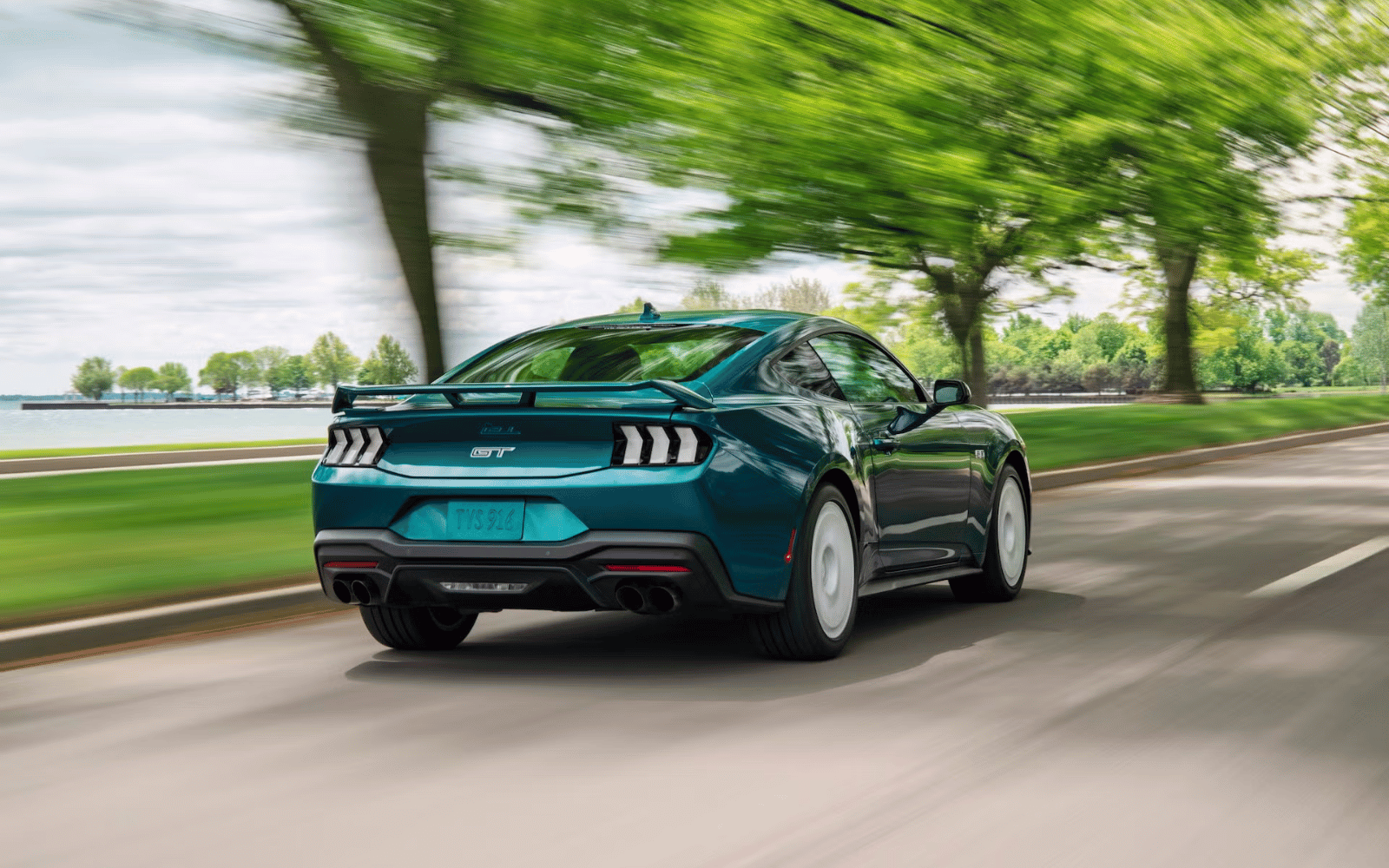
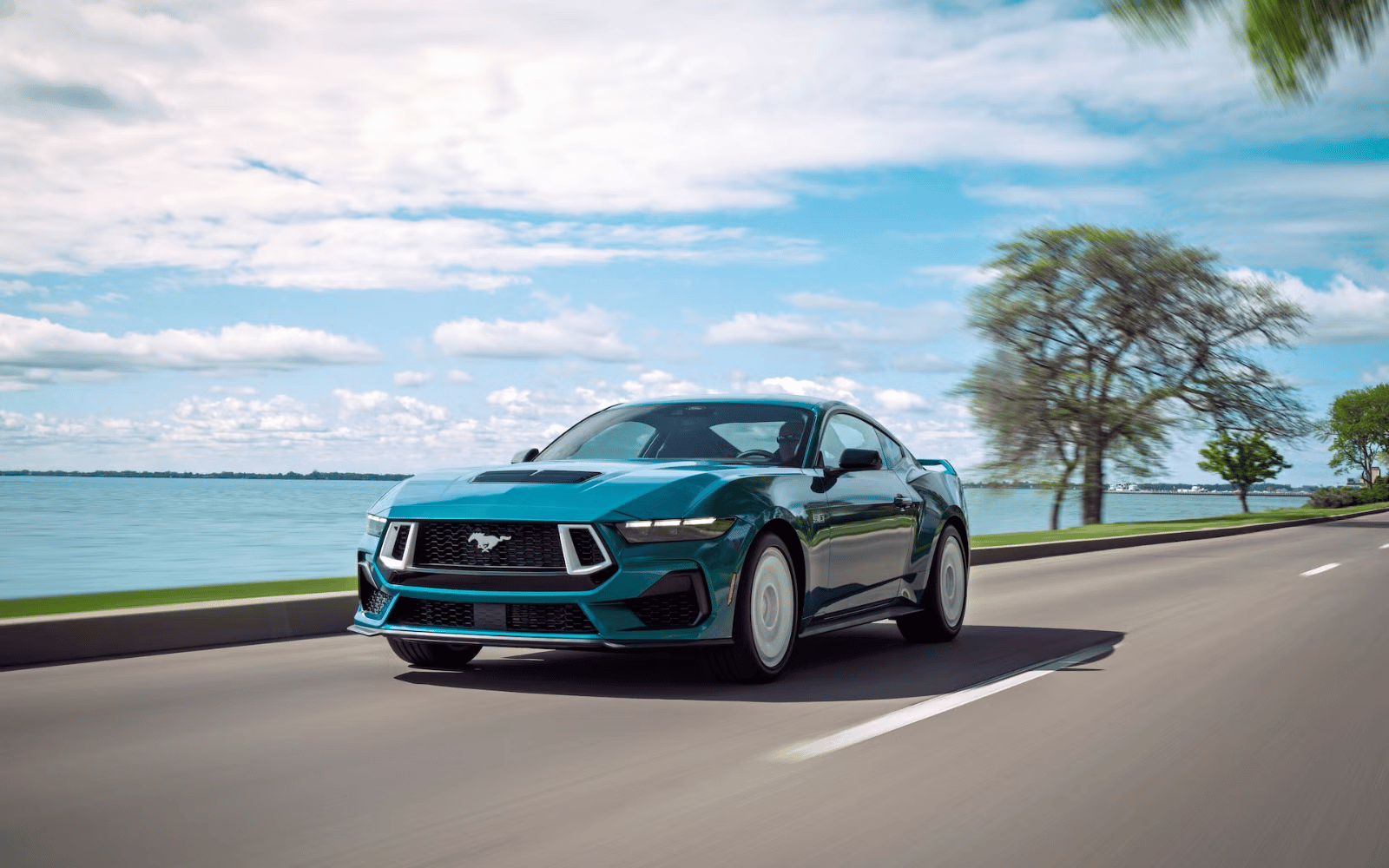
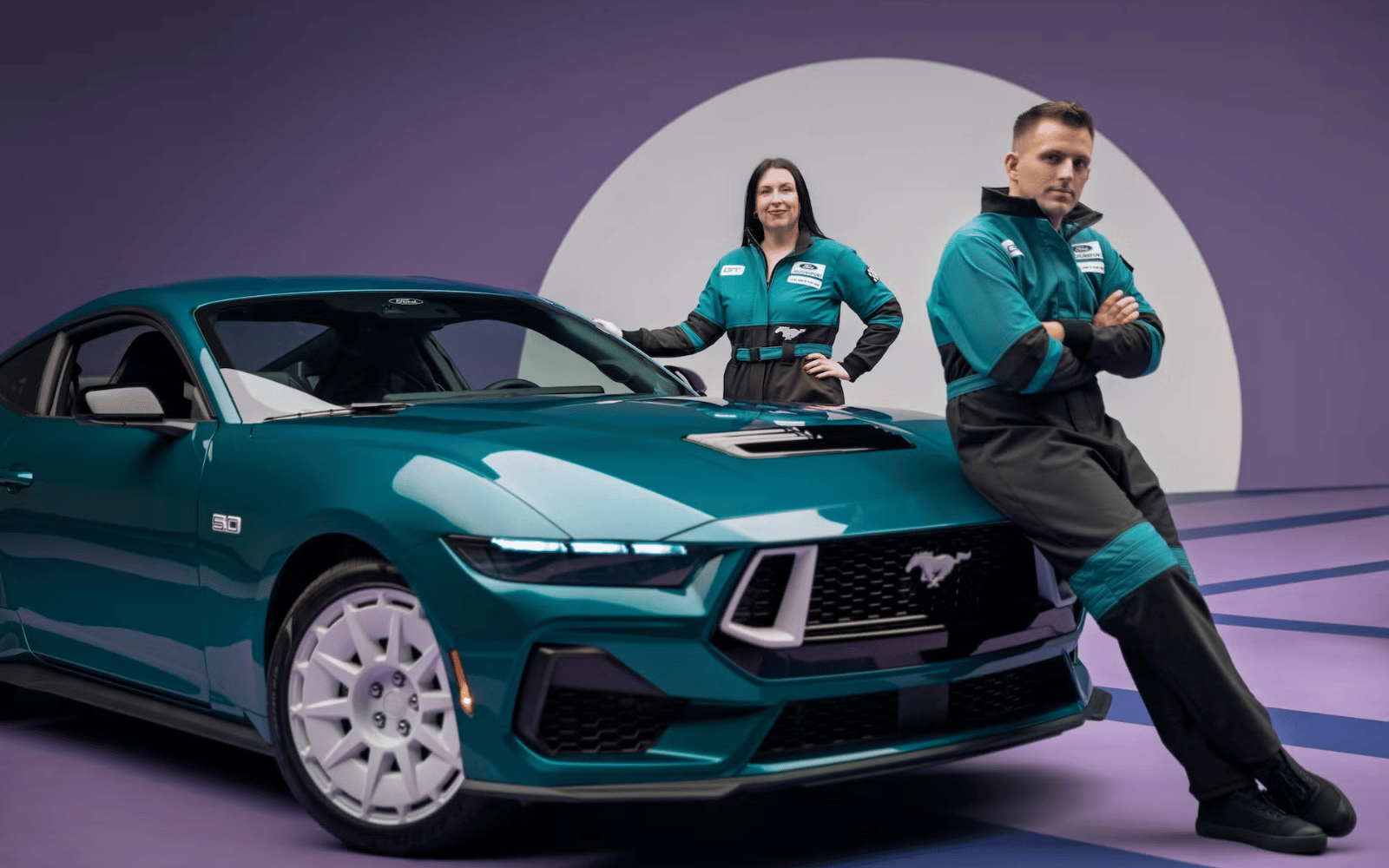
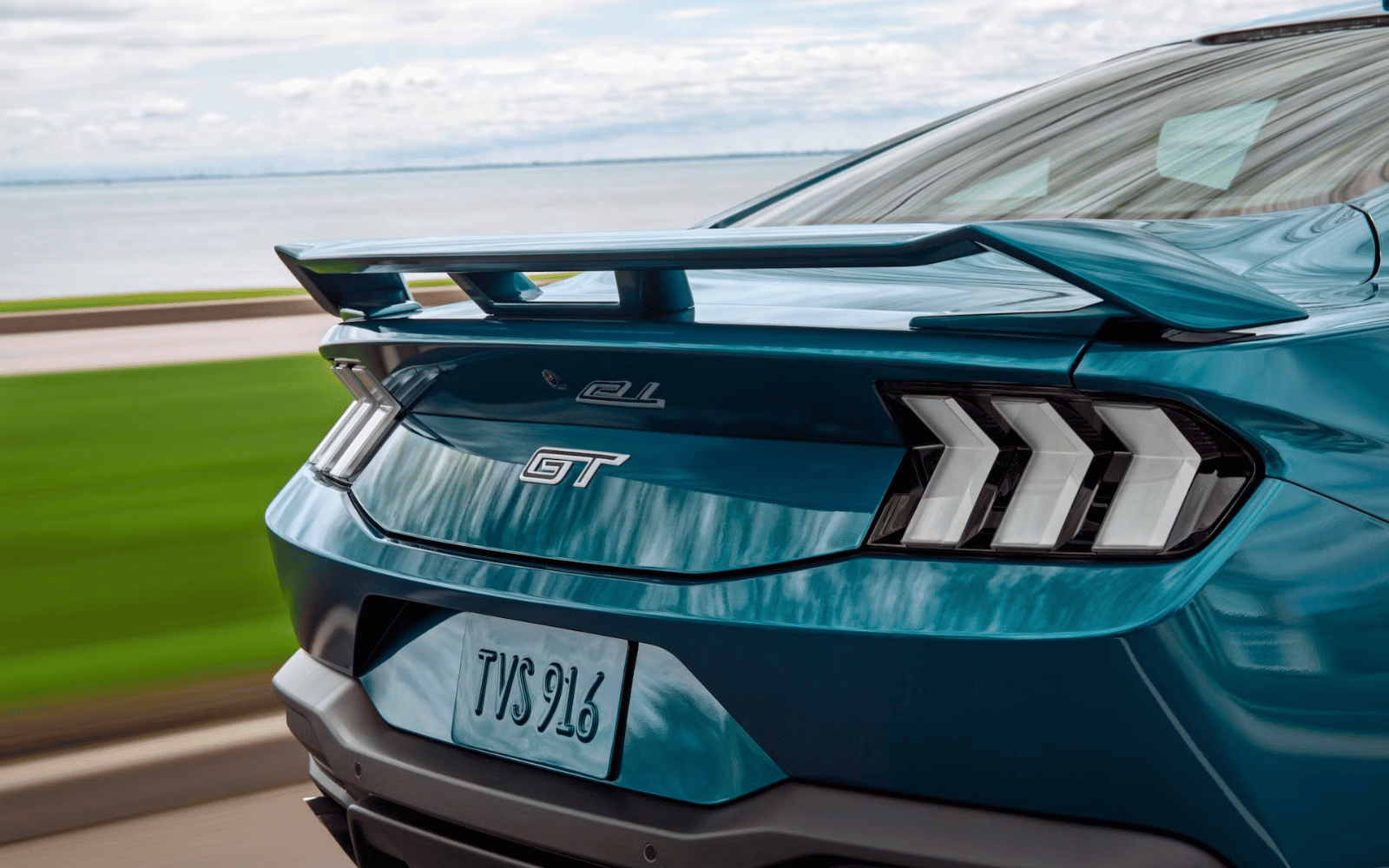
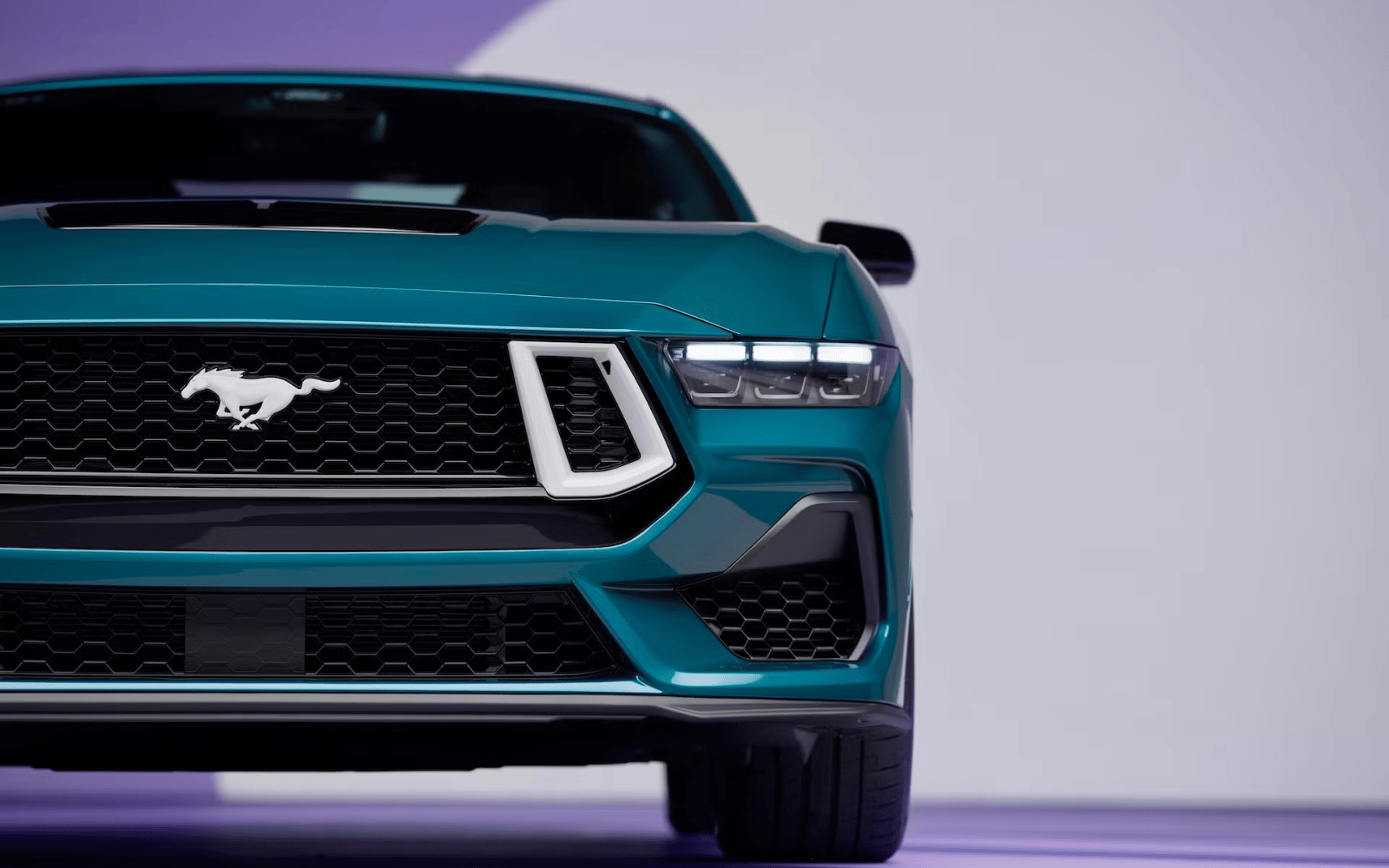
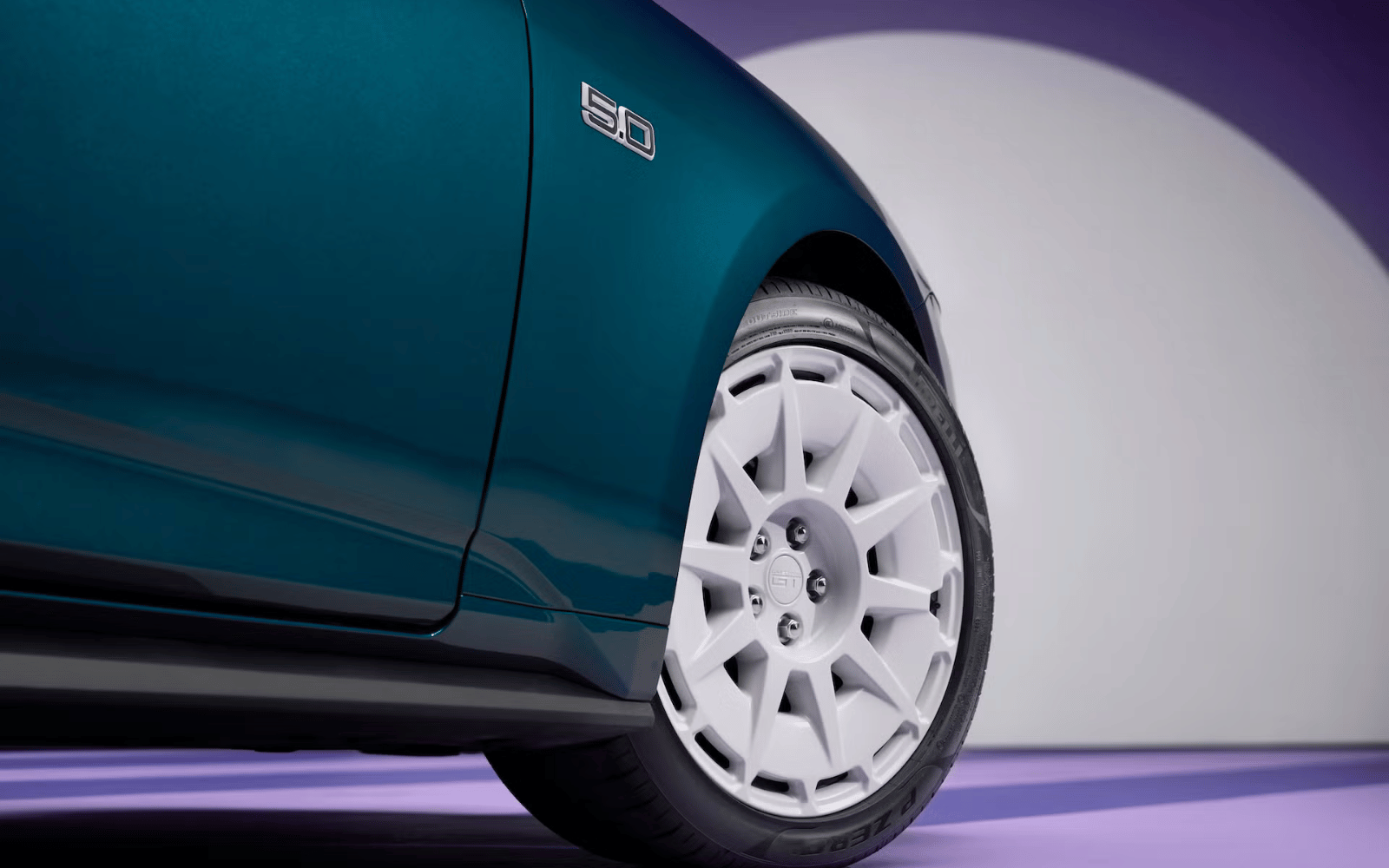
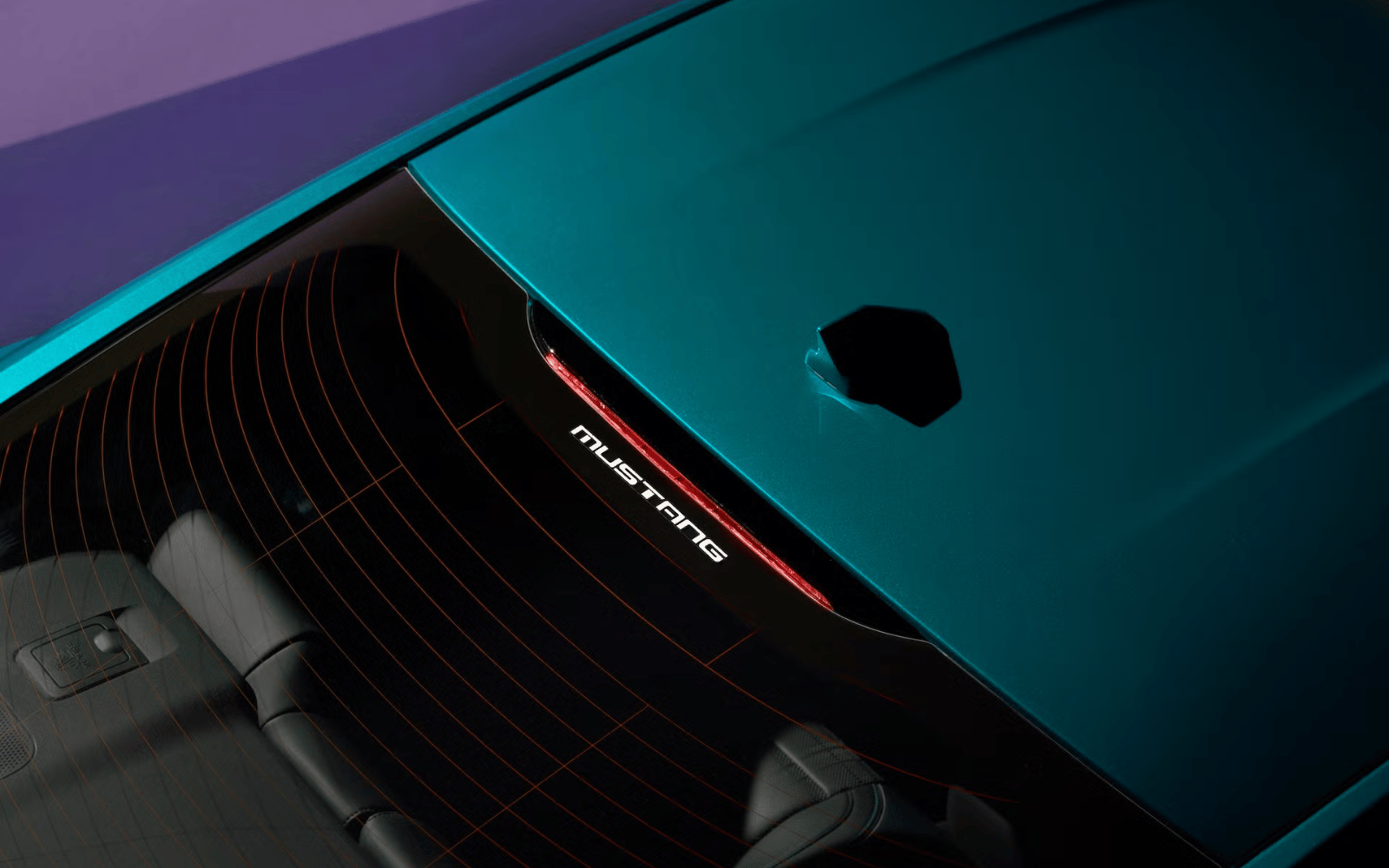
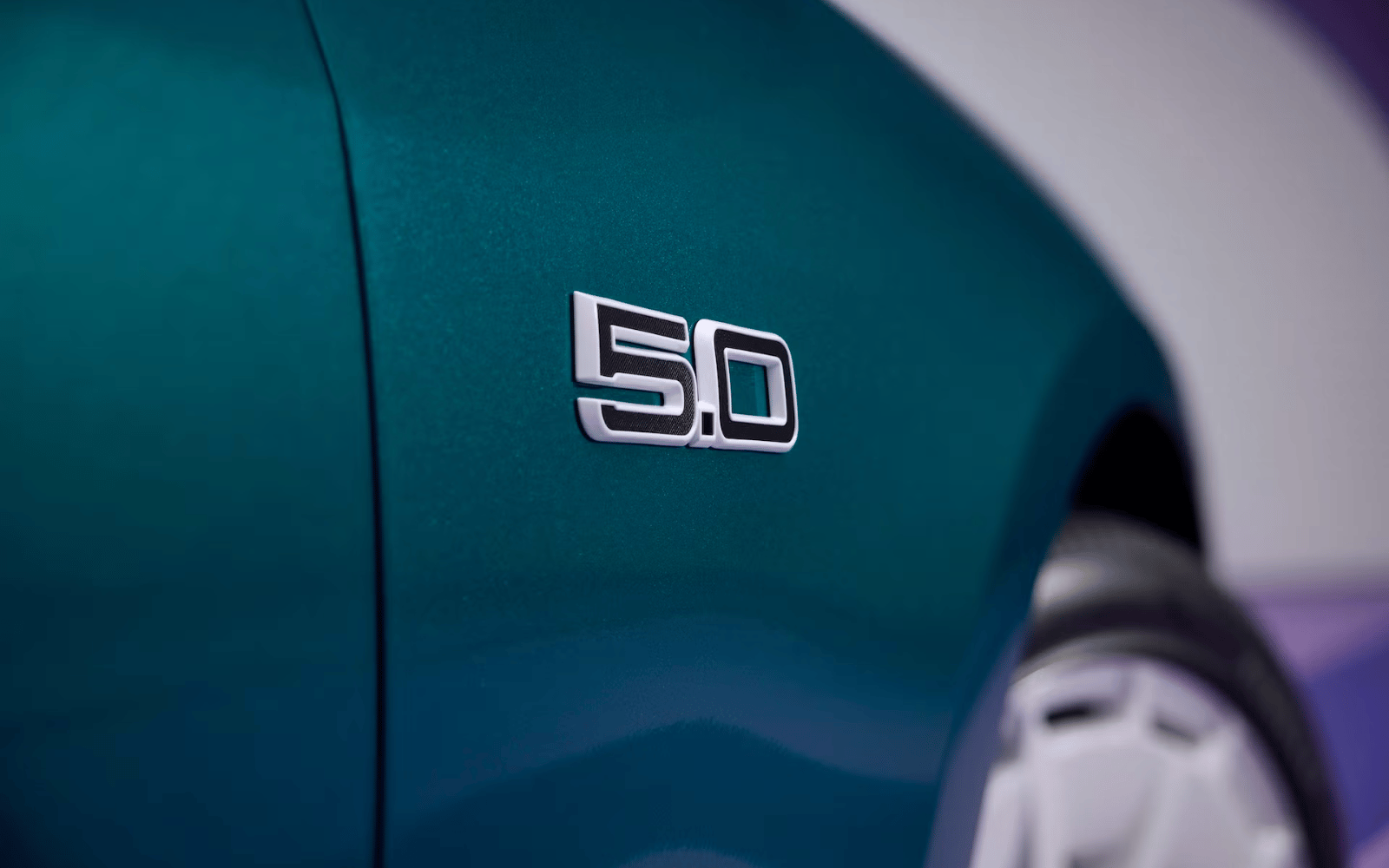
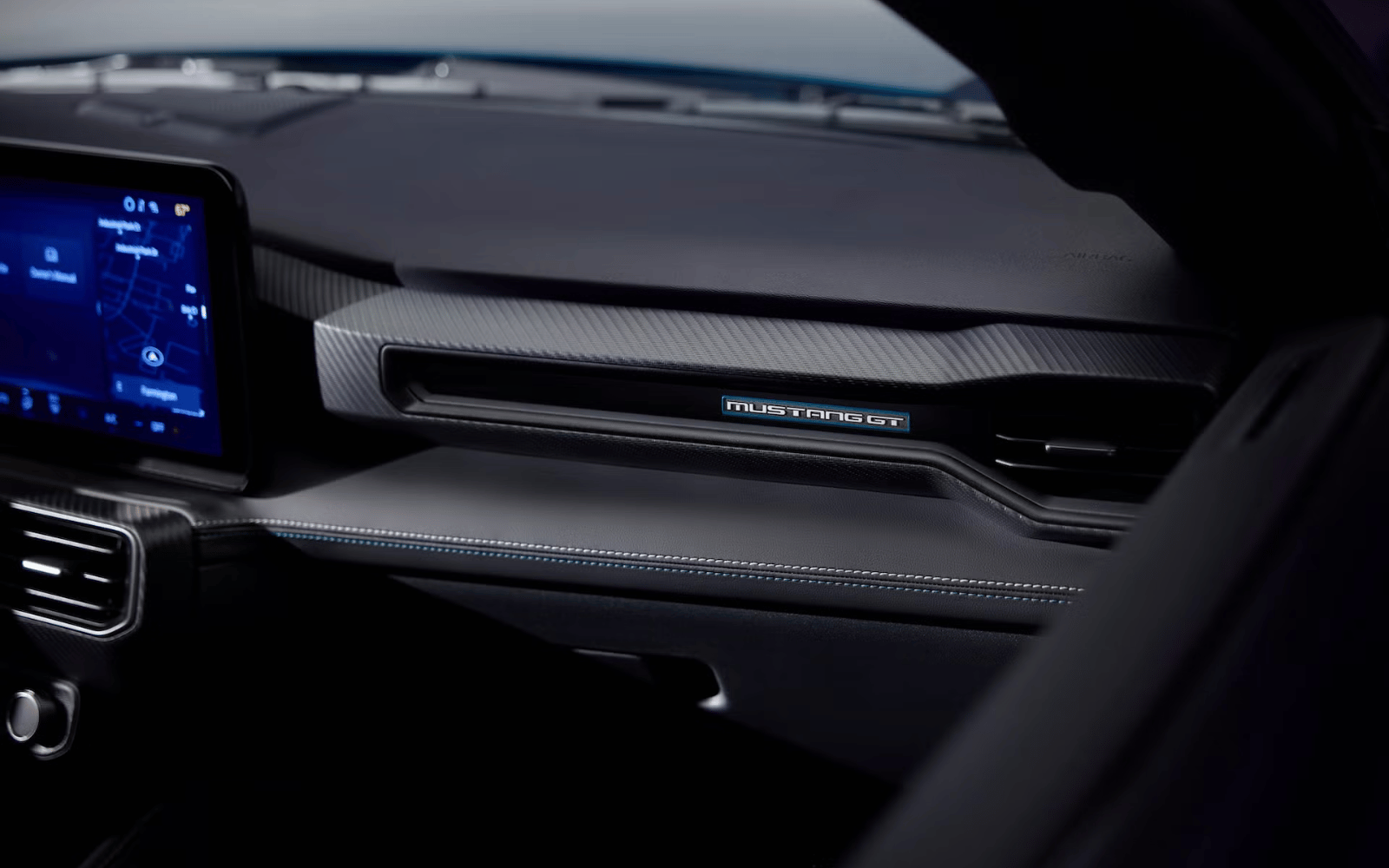
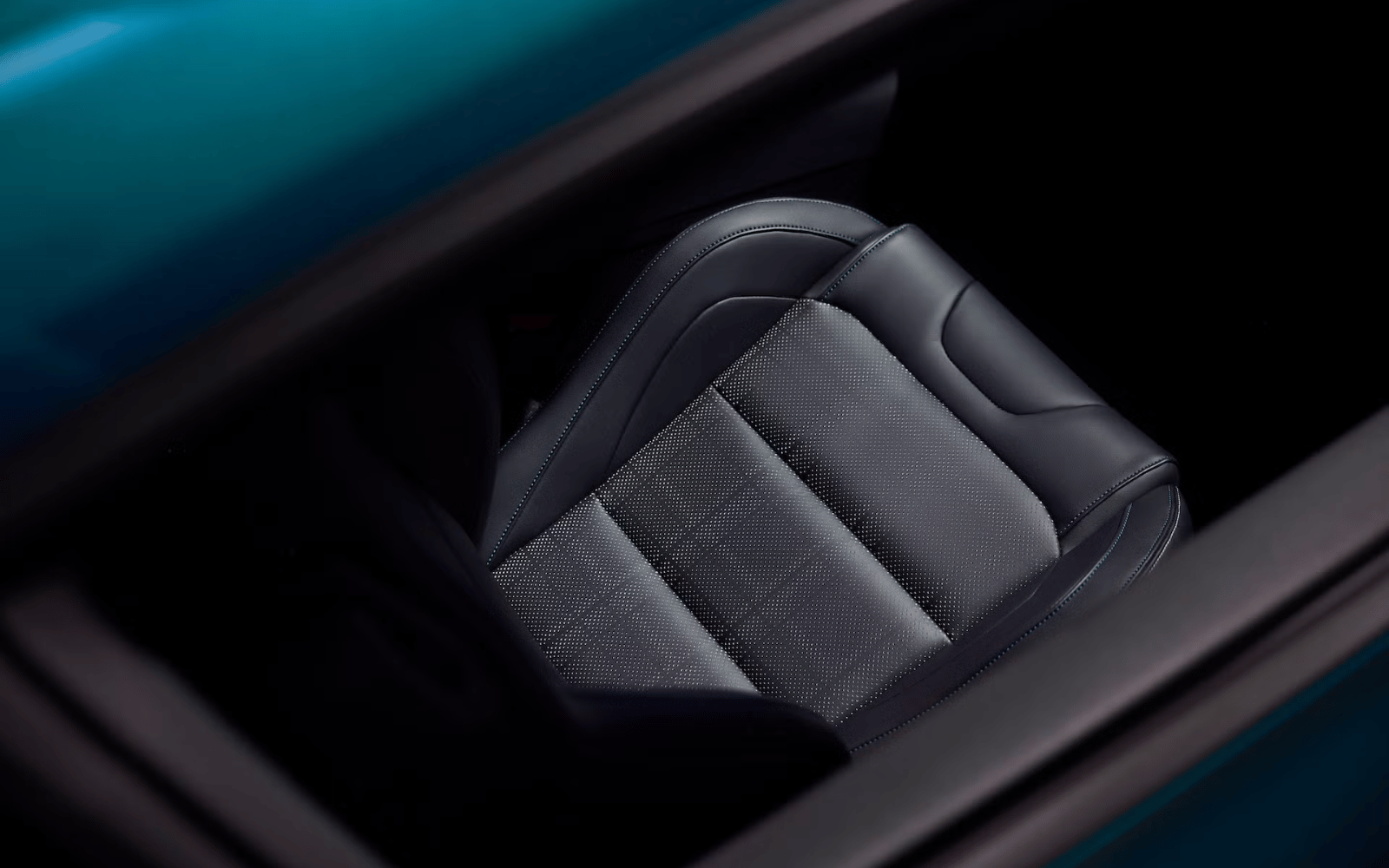
This is not a practical family car or a low-cost commuter. It is for buyers who want a fun, recognizable sports car with real performance choices, a manual transmission on V8 models, and a range that can fit very different budgets.
This Mustang page covers the gas-powered coupe and convertible lineup. The electric Mustang Mach-E is a separate SUV model.
WheelPedia Rating: 7.9/10
The Ford Mustang earns a 7.9/10 WheelPedia Rating for its broad performance range, strong value in core trims, available manual transmission, and everyday usability for a two-door sports car.
It loses points for fuel costs, limited rear-seat usefulness, safety-test gaps, and ownership expenses that rise quickly with V8 and track-focused models.
| Rating Category | Score | Weight |
| Safety | 7.0/10 | 20% |
| Reliability and ownership | 7.5/10 | 15% |
| Performance and driving | 9.5/10 | 15% |
| Comfort and practicality | 7.5/10 | 15% |
| Efficiency | 7.0/10 | 15% |
| Features and technology | 8.5/10 | 10% |
| Price and value | 8.0/10 | 10% |
| Overall Rating | 7.9/10 | — |
See how we rate cars for the full methodology.
Key Highlights
- The current Mustang range starts from $36,345 MSRP in the US, before taxes, title, registration, dealer fees, and optional equipment.
- Choose between a 315-hp turbocharged EcoBoost engine, 480-hp V8, 500-hp Dark Horse V8, or 795-hp supercharged Dark Horse SC V8.
- Rear-wheel drive is standard across the lineup. All-wheel drive is not offered.
- EcoBoost models use a 10-speed automatic; GT and Dark Horse models offer a manual transmission.
- Available as a fastback coupe or convertible, depending on trim.
- Standard technology includes a 12.4-inch digital gauge cluster and 13.2-inch central touchscreen.
- Ford Co-Pilot360 driver-assistance technology is standard.
- The GT is the best fit for most buyers who specifically want V8 sound and performance.
- The Dark Horse is for serious performance driving; the Dark Horse SC is a costly specialist model.
Quick Specifications
| Specification | Ford Mustang |
| Vehicle type | Two-door sports car |
| Body styles | Fastback coupe; convertible on selected trims |
| Seating capacity | 4 |
| Drivetrain | Rear-wheel drive |
| Base engine | 2.3L turbocharged four-cylinder |
| Base output | 315 hp / 350 lb-ft |
| GT engine | 5.0L V8 |
| GT output | 480 hp / 415 lb-ft |
| Dark Horse engine | Modified 5.0L V8 |
| Dark Horse output | 500 hp / 418 lb-ft |
| Dark Horse SC engine | Supercharged 5.2L V8 |
| Dark Horse SC output | 795 hp / 660 lb-ft |
| Transmission | 10-speed automatic; 6-speed manual on selected V8 trims; 7-speed dual-clutch on Dark Horse SC |
| Best EPA-estimated fuel economy | Up to 26 mpg combined, depending on configuration |
| Fastback cargo capacity | 13.4 cu. ft. |
| Wheelbase | 107.1 in. |
| Fastback length | 189.4 in. |
| Seating | 4 passengers |
Expert Tip
Buy the GT Fastback if a V8 is central to why you want a Mustang. The EcoBoost is the lower-cost, more efficient choice, but the GT offers the engine character, manual gearbox, and resale appeal most performance-car buyers expect from this nameplate.
About the Ford Mustang
The Mustang remains one of the few mainstream performance cars that gives buyers a wide range of experiences under one model name. You can choose an EcoBoost fastback for everyday use, a convertible for open-air driving, a V8 GT for traditional muscle-car character, or a Dark Horse for more serious track use.
For 2026, the lineup receives new paint and seat-belt color choices, an available FX Package for GT Premium models, and the high-output Dark Horse SC. The Dark Horse SC uses a supercharged 5.2-liter V8 and sits far above the normal Mustang range in price and performance.
The Mustang works best as a personal car, weekend car, or two-person daily driver. Its front seats, trunk, and infotainment setup make it more usable than many low-slung sports cars, but the rear seats are tight and should not be a deciding reason to buy one.
Price and Trims
Ford’s current online listing shows the 2026 Mustang starting at $36,345 MSRP. Prices can change by destination charge, packages, regional inventory, dealer-installed accessories, and availability.
| Trim | Body Style | Engine | Power | Best For |
| EcoBoost Fastback | Fastback | 2.3L turbo four-cylinder | 315 hp | Lowest-cost entry into Mustang ownership |
| EcoBoost Premium Fastback | Fastback | 2.3L turbo four-cylinder | 315 hp | Buyers wanting more comfort and appearance features |
| EcoBoost Convertible | Convertible | 2.3L turbo four-cylinder | 315 hp | Open-air driving at a lower entry price |
| EcoBoost Premium Convertible | Convertible | 2.3L turbo four-cylinder | 315 hp | Better-equipped turbo convertible |
| GT Fastback | Fastback | 5.0L V8 | 480 hp | Best V8 value |
| GT Premium Fastback | Fastback | 5.0L V8 | 480 hp | V8 performance with more comfort features |
| GT Premium Convertible | Convertible | 5.0L V8 | 480 hp | V8 convertible buyers |
| Dark Horse | Fastback | Modified 5.0L V8 | 500 hp | Track-minded buyers |
| Dark Horse Premium | Fastback | Modified 5.0L V8 | 500 hp | Buyers wanting Dark Horse performance with more equipment |
| Dark Horse SC | Fastback | Supercharged 5.2L V8 | 795 hp | Specialist high-performance buyers |
The EcoBoost is the sensible choice when price, fuel use, and daily comfort matter most. The GT is the better emotional purchase for buyers who want a V8 Mustang and plan to keep it for years.
Engine, Powertrain, and Performance
The Mustang EcoBoost uses a 2.3-liter turbocharged four-cylinder with 315 horsepower and 350 lb-ft of torque when using premium fuel. It comes with a 10-speed automatic transmission and a limited-slip rear axle. It feels quick enough for daily driving, highway merging, and occasional spirited use.
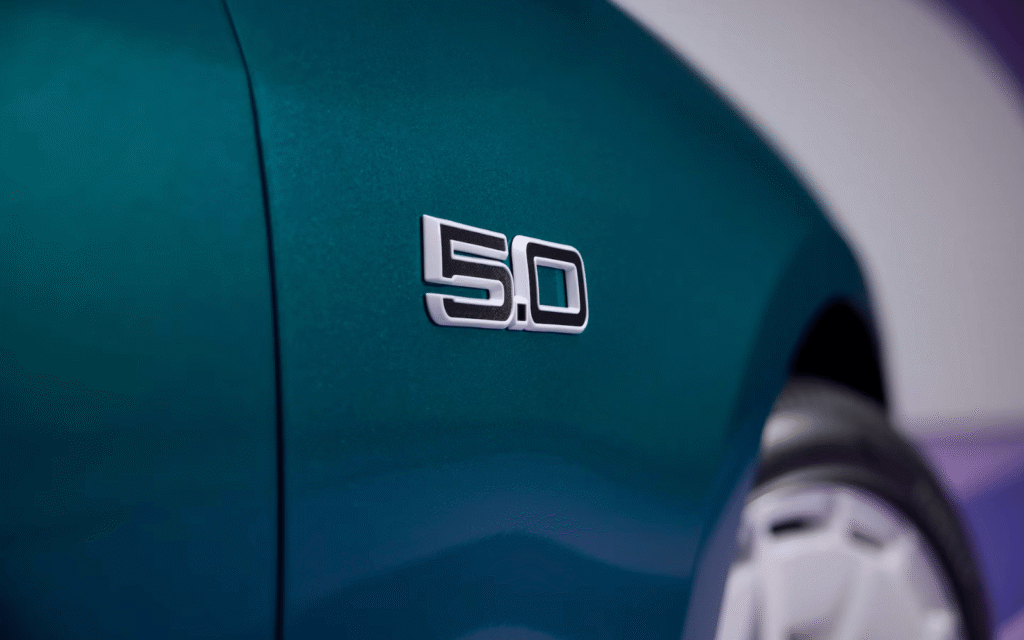
The GT uses a naturally aspirated 5.0-liter V8 producing 480 horsepower and 415 lb-ft of torque. Models with the available active-valve performance exhaust produce up to 486 horsepower and 418 lb-ft. A six-speed manual with rev matching is standard, while a 10-speed automatic is available.
Dark Horse models use a modified 5.0-liter V8 with 500 horsepower and standard MagneRide dampers, upgraded brakes, cooling hardware, and a more track-oriented setup. The standard transmission is a TREMEC six-speed manual, with a 10-speed automatic available.
The Dark Horse SC moves into another category. Its supercharged 5.2-liter V8 produces 795 horsepower and 660 lb-ft of torque, paired with a seven-speed dual-clutch transmission. It is not simply a faster GT; it is a specialist performance car with much higher purchase, insurance, tire, fuel, and maintenance costs.
0–60 MPH Performance
Ford does not publish a single official 0–60 mph time for every Mustang configuration. Results depend on tires, weather, transmission, launch technique, fuel, and test method.
Independent testing generally places the current lineup in these ranges:
| Model | Typical Independent 0–60 MPH Range |
| EcoBoost | Mid-4-second range |
| GT manual | Low-4-second range |
| GT automatic | Around 4 seconds |
| Dark Horse | High-3- to low-4-second range |
| Dark Horse SC | Expected to be substantially quicker than the regular Dark Horse |
The EcoBoost is genuinely quick, but the GT feels more immediate and more dramatic because of its V8 power delivery. The Dark Horse adds better chassis control and endurance for drivers who plan to attend track days.
Driving Experience
The Mustang offers a more mature driving experience than its size and price suggest. It is stable at highway speeds, easy to place on the road, and more comfortable for daily use than many dedicated sports cars.
The EcoBoost has a lighter front end and is the easier Mustang to live with every day. Its turbocharged engine builds torque early, while the 10-speed automatic keeps it responsive in normal driving.
The GT is the core enthusiast choice. The V8 sounds and feels more special, especially with the manual gearbox and active exhaust. It also uses more fuel, and the power can overwhelm the rear tires if you drive carelessly in wet or cold conditions.
Dark Horse models are firmer, more focused, and more expensive to run. They make sense if you will use their brakes, cooling, tires, and suspension hardware. For regular commuting alone, a GT Premium is usually the more balanced choice.
Fuel Economy
Fuel economy depends heavily on engine, body style, transmission, wheel size, tire choice, weather, and driving habits.
| Model | Approximate EPA-Estimated Combined Fuel Economy |
| EcoBoost Fastback | Up to 26 mpg combined |
| EcoBoost Convertible | Around 25 mpg combined |
| GT Fastback | Around 17–18 mpg combined |
| GT Convertible | Around 17–18 mpg combined |
| Dark Horse | Around 17 mpg combined |
| Dark Horse SC | Significantly lower than core Mustang models |
The EcoBoost makes the most financial sense for buyers who drive often or use the Mustang as a daily car. V8 buyers should budget for premium fuel, especially because Ford’s published horsepower figures are based on 93-octane fuel.
Interior, Comfort, and Technology
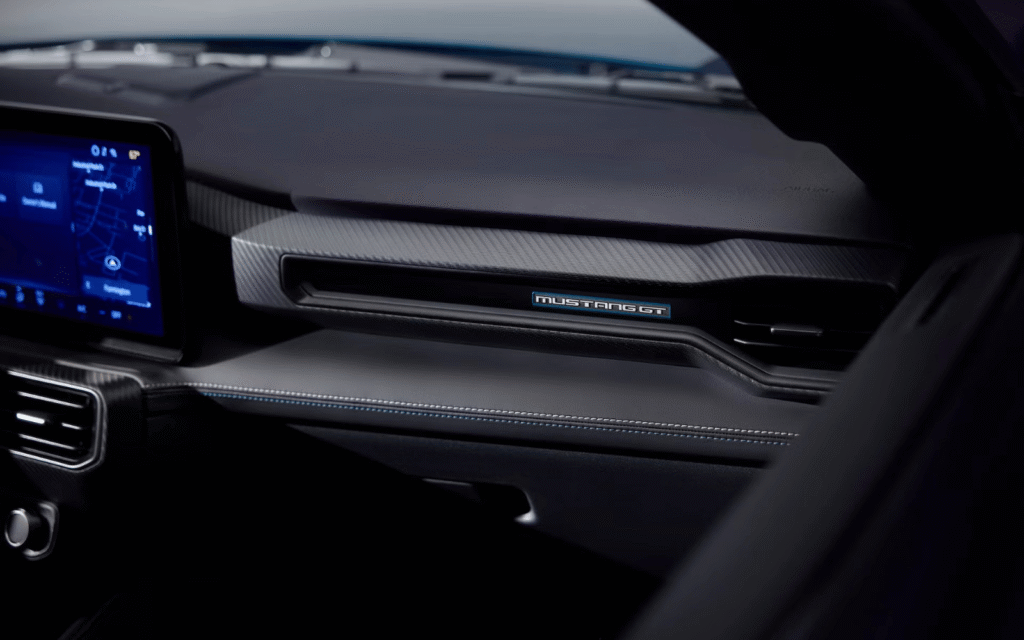
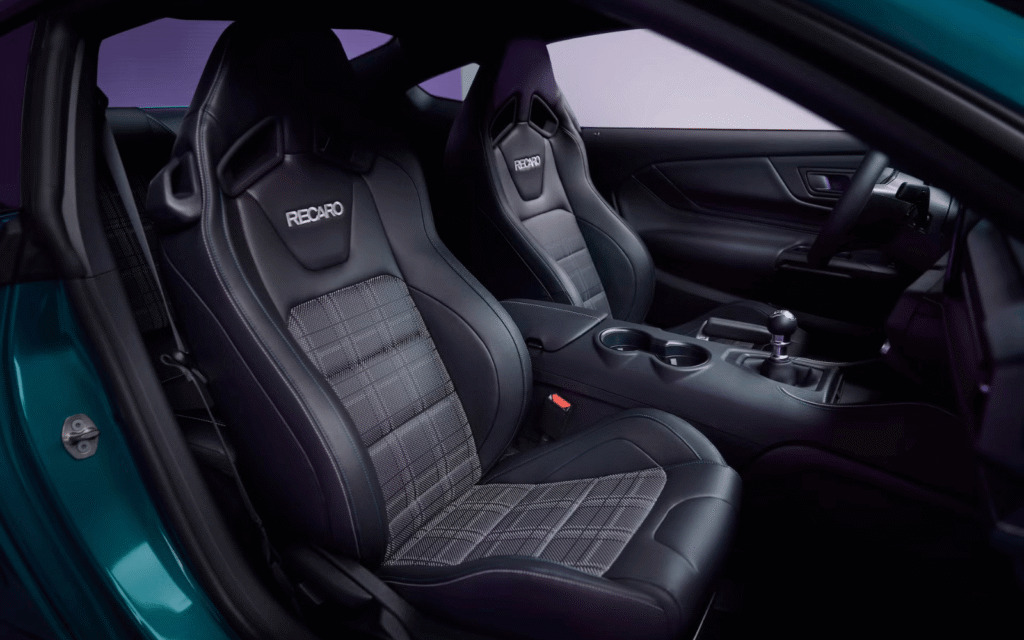
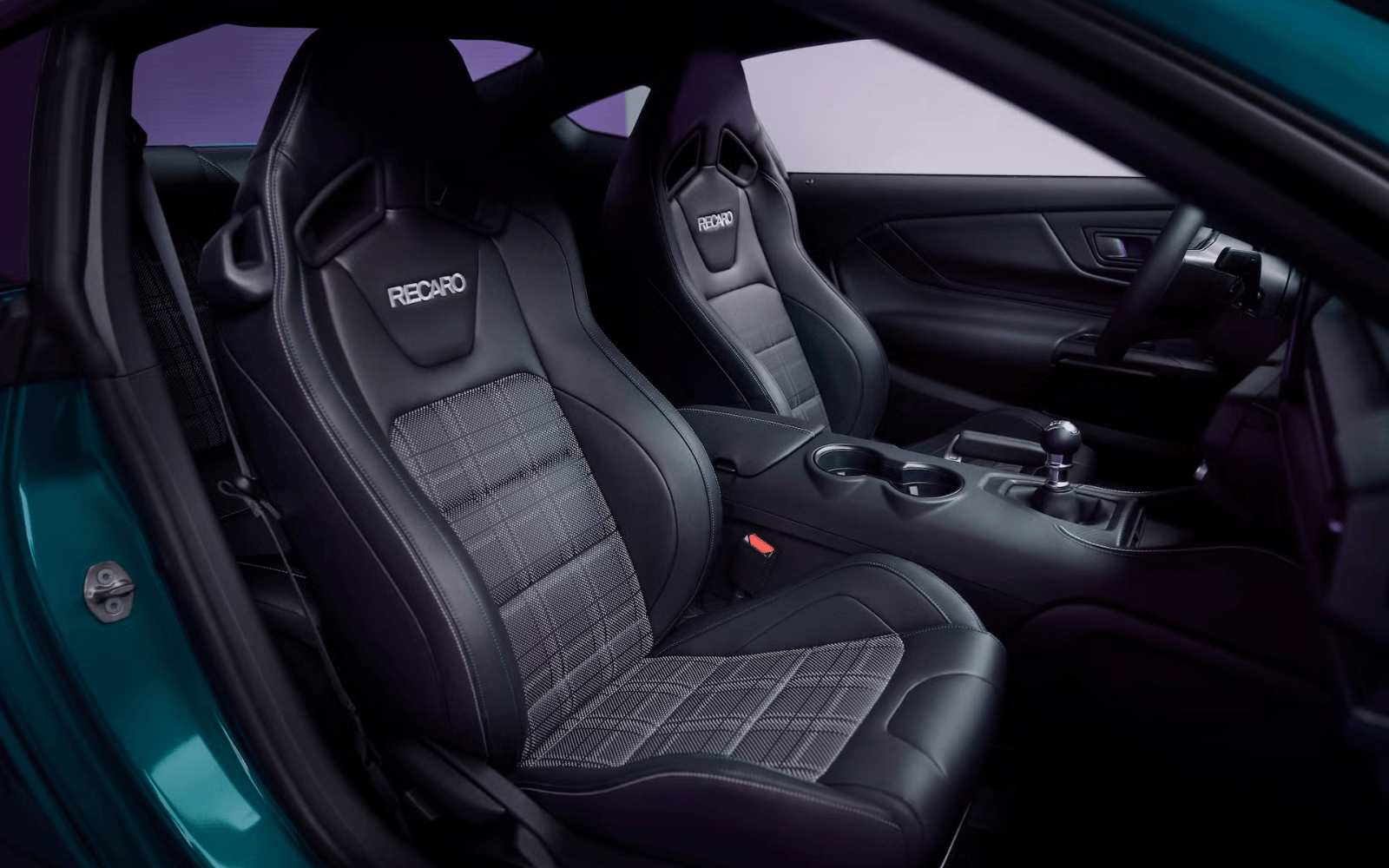
The Mustang’s cabin is driver-focused, with the main screens angled toward the driver. The dashboard uses a 12.4-inch digital gauge cluster beside a 13.2-inch central touchscreen, creating one large display area across the dash.
Standard and available features include:
- 12.4-inch digital instrument cluster
- 13.2-inch touchscreen
- Wireless Apple CarPlay and Android Auto
- Ford Co-Pilot360 driver-assistance technology
- Dual-zone automatic climate control
- Wi-Fi hotspot capability through the Ford Connectivity Package
- Available heated and ventilated front seats
- Available heated steering wheel
- Available ActiveX seating surfaces
- Available B&O sound system
- Available magnesium-framed panoramic curved display
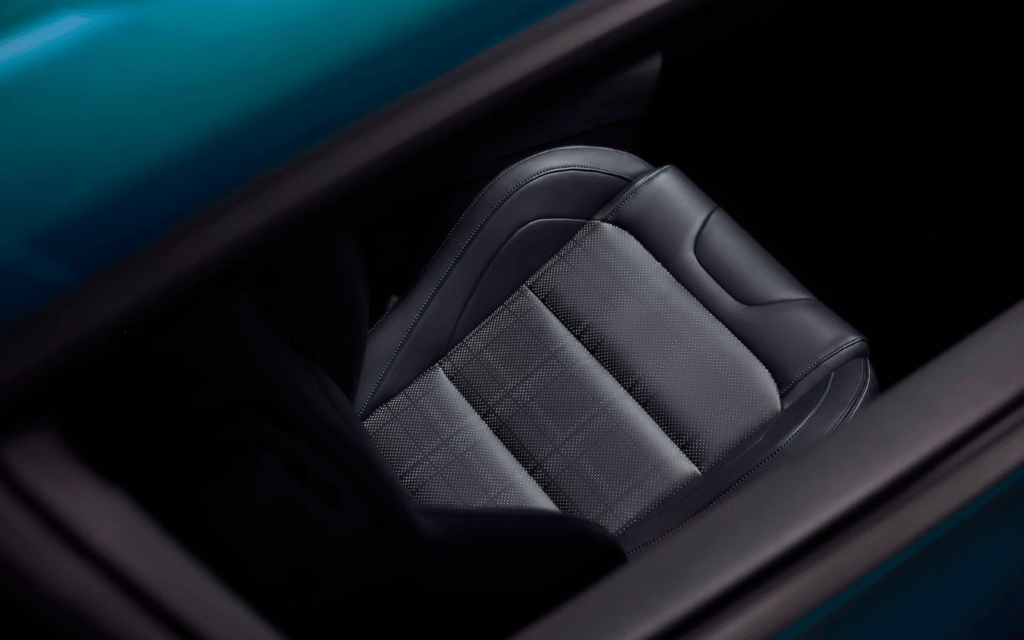
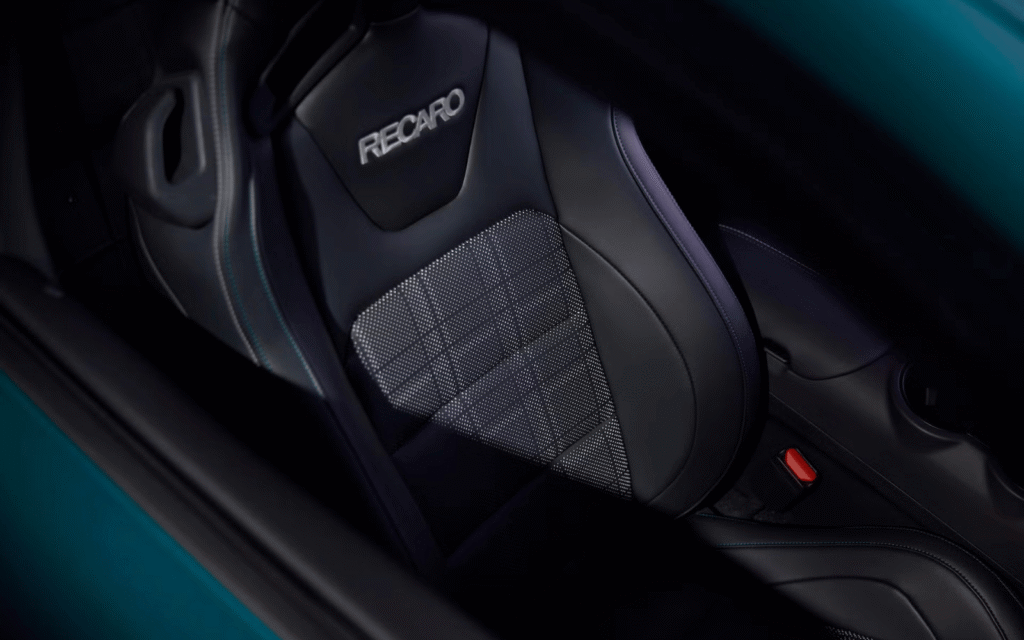
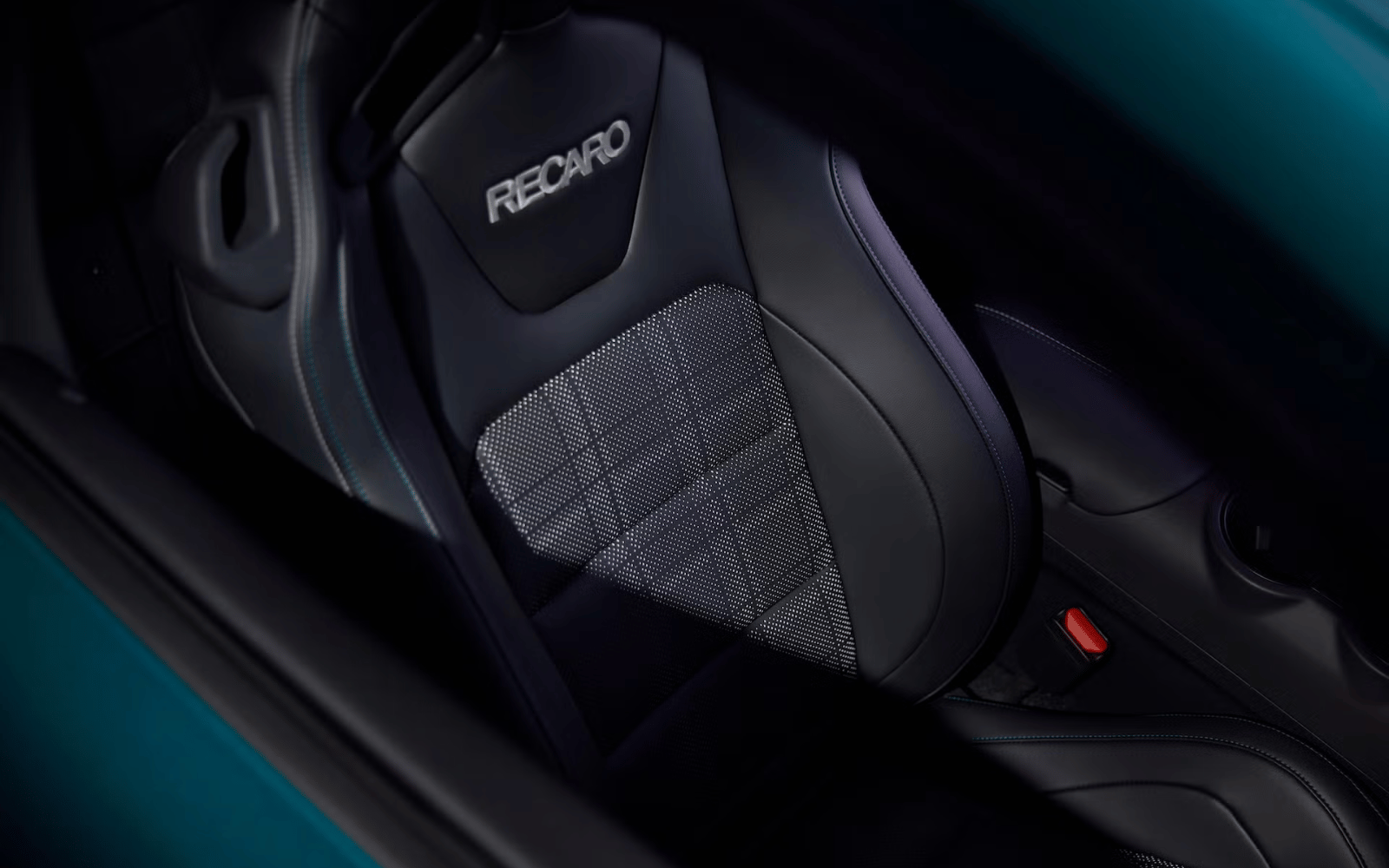
- Available Recaro front seats
- Available ambient lighting
Front-seat space is good for most adults, and the driving position is low but comfortable. The rear seats are best used for children, small bags, or short trips with smaller passengers. Adults will find them restrictive on longer journeys.
Dimensions, Cargo, and Practicality
| Dimension | Fastback | Convertible |
| Length | 189.4 in. | 189.4 in. |
| Width with mirrors | 81.9 in. | 81.9 in. |
| Height | 55.0 in. | Approx. 55 in. |
| Wheelbase | 107.1 in. | 107.1 in. |
| Seating | 4 | 4 |
| Cargo capacity | 13.4 cu. ft. | Approx. 11.4 cu. ft. |
The fastback is the practical choice because it has more cargo room and avoids the convertible roof mechanism. Its trunk is enough for groceries, a few weekend bags, or everyday errands, but it does not replace the usefulness of a sedan or SUV.
The convertible suits buyers who value open-air driving more than cargo room and rear-seat access.
Exterior Design
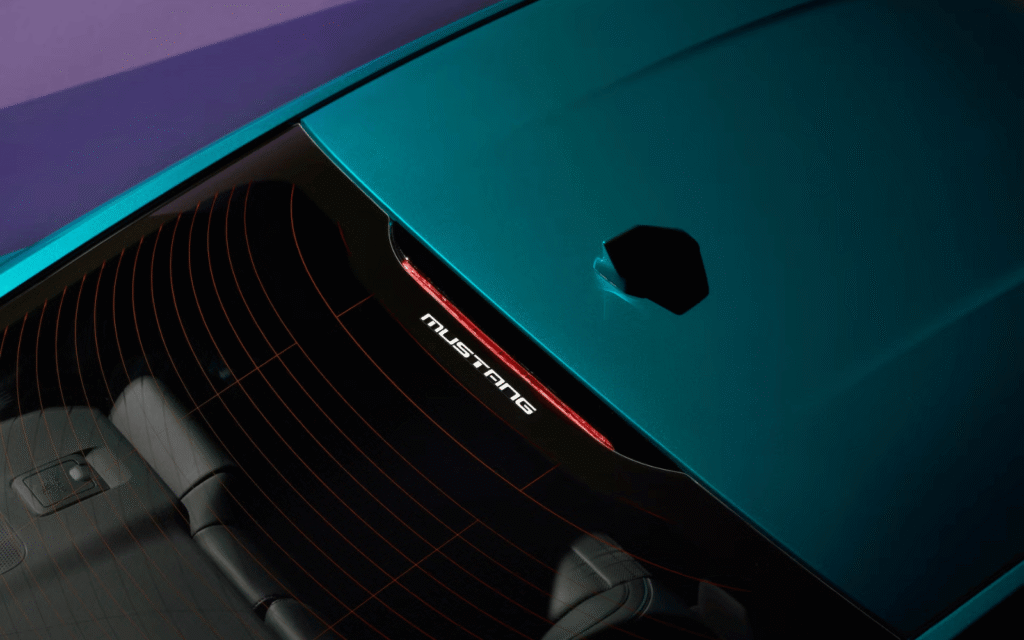
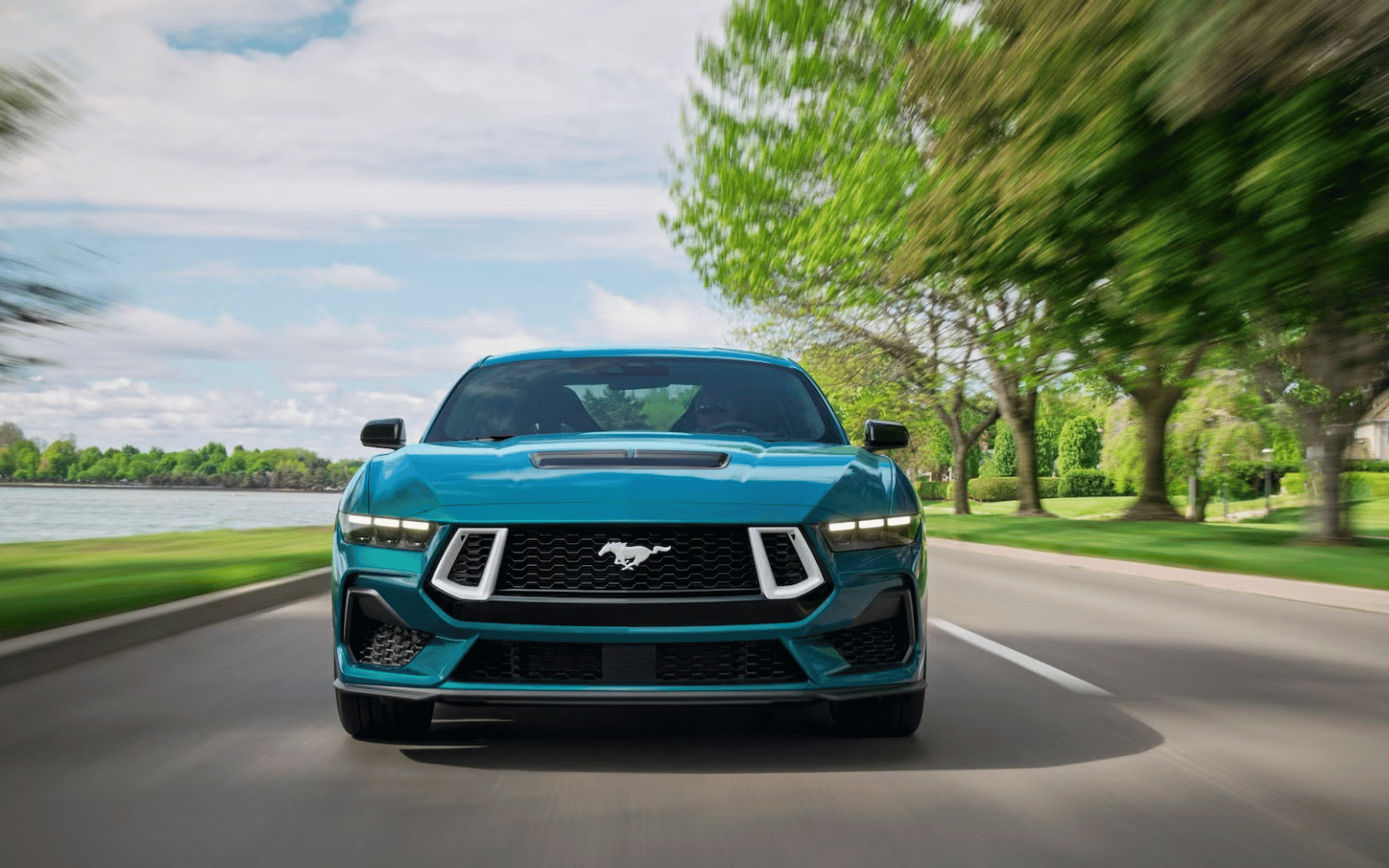
The Mustang keeps its long-hood, short-rear-deck proportions, but its sharper headlights, wide grille, and more angular body panels give the current generation a more modern look.
EcoBoost models have a cleaner appearance, while GT models add V8-specific exterior details, a more aggressive front fascia, hood venting, and available performance styling. Dark Horse models stand apart with unique front and rear fascias, a rear spoiler, distinct badging, and track-oriented hardware.
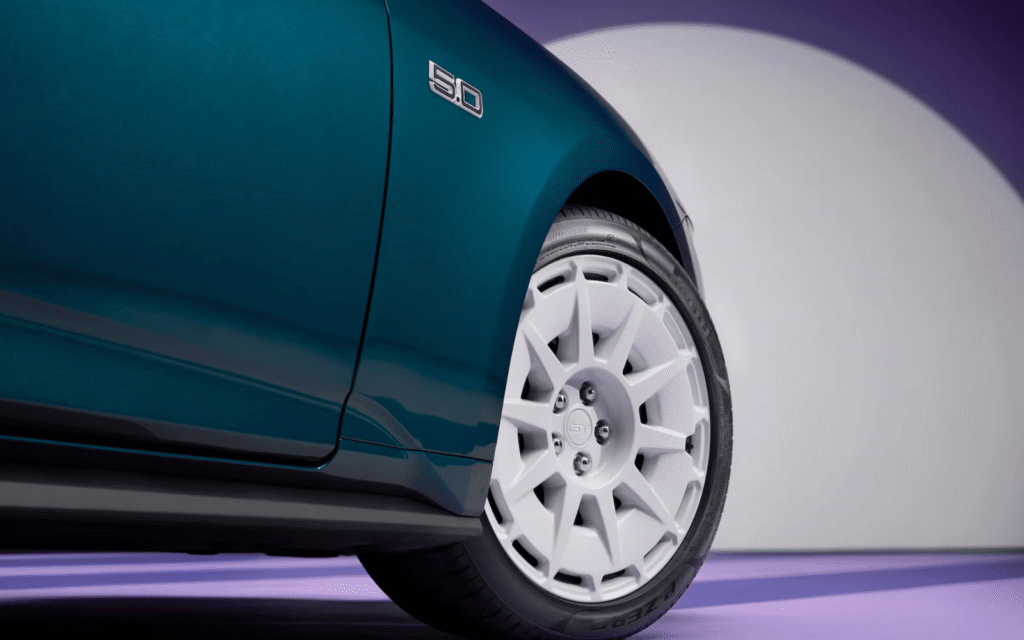
For 2026, Ford adds new paint choices including Adriatic Blue Metallic, Orange Fury Metallic Tri-coat, and Avalanche Gray. The available FX Package gives GT Premium models Oxford White wheels and matching exterior details.
Safety Features and Ratings
Standard Ford Co-Pilot360 features include:
- Pre-Collision Assist with Automatic Emergency Braking
- Blind Spot Information System with Cross-Traffic Alert
- Lane-Keeping System
- Rearview camera
- Automatic high-beam headlamps
- Rear automatic braking
- Available adaptive cruise control
- Available lane centering assistance
The current Mustang has standard blind-spot detection, lane-departure warning and prevention, and rear automatic braking. However, the IIHS Mustang rating shows an incomplete small-overlap front result based on a driver-side test of the 2015–2026 design, rated Acceptable overall. IIHS also rates its LATCH child-seat-anchor ease of use as Marginal.
That does not mean the Mustang is unsafe, but buyers should recognize that it does not have the broad, current crash-test record of some newer vehicles.
Reliability, Warranty, and Ownership
The Mustang has a long production history and broad parts and service support. Still, ownership cost varies widely by engine and trim. A basic EcoBoost fastback will be much cheaper to fuel, insure, and fit with tires than a Dark Horse or Dark Horse SC.
| Coverage | Length |
| Basic warranty | 3 years / 36,000 miles |
| Powertrain warranty | 5 years / 60,000 miles |
| Corrosion perforation warranty | 5 years / unlimited miles |
| Roadside assistance | 5 years / 60,000 miles |
Before buying, budget for more than the payment:
- Premium fuel use, especially for V8 models
- Higher insurance premiums than a mainstream coupe or sedan
- Performance-tire replacement costs
- Brake costs on GT and Dark Horse models
- Possible dealer markups on limited or high-demand versions
- Winter tire needs in cold-weather areas
A used Mustang should receive a detailed pre-purchase inspection. Check for accident repairs, tire wear, modifications, tune files, track use, open recalls, and service history.
Pros and Cons
What We Like
- Broad lineup from accessible EcoBoost to serious V8 performance
- Strong 5.0-liter V8 character in GT and Dark Horse models
- Manual transmission remains available on V8 trims
- Fastback and convertible choices
- Modern digital cockpit and phone connectivity
- Rear-wheel-drive handling and available performance packages
- Good cargo space for a two-door sports car
- Strong value in the core GT Fastback
What We Don’t Like
- Rear seats are cramped
- V8 models use a lot of fuel
- Insurance, tires, brakes, and repairs can become expensive
- No all-wheel-drive option
- Safety testing is less complete than some buyers may expect
- Dark Horse SC pricing moves far beyond the core Mustang value proposition
- Convertible sacrifices some cargo practicality
Related Content
Before committing to a performance-car payment, read how car financing works and consider getting a car loan preapproval before visiting a dealer.
If you are deciding between a new and older Mustang, review the trade-offs in our new vs. used car guide. First-time buyers should also read how to buy your first car before focusing only on the monthly payment.
Should You Buy the Ford Mustang?
Buy the Mustang if you want a rear-wheel-drive performance car with real personality, modern tech, and a choice between turbocharged efficiency and V8 power.
Choose the EcoBoost Fastback if you want a Mustang as a daily driver and care about fuel economy. Choose the GT Fastback if you want the classic V8 experience at a more reasonable price than high-performance trims. Choose the GT Premium if you will value heated and ventilated seats, upgraded materials, and extra comfort features every day.
Choose the Dark Horse only if you expect to use its track-focused upgrades. Choose the Dark Horse SC only if your budget allows for six-figure purchase costs and expensive long-term ownership.
Skip the Mustang if you need easy rear-seat access, regular adult passenger space, all-weather all-wheel drive, low insurance costs, or compact-car fuel economy.
FAQs
How much does the Ford Mustang cost?
The current Mustang starts from $36,345 MSRP in the US before taxes, registration, fees, and optional equipment. V8, convertible, Dark Horse, and Dark Horse SC models cost substantially more.
Is the Ford Mustang available with a V8?
Yes. GT models use a 5.0-liter V8 with 480 horsepower. Dark Horse models use a modified 5.0-liter V8 with 500 horsepower, while the Dark Horse SC uses a supercharged 5.2-liter V8 with 795 horsepower.
Does the Ford Mustang have a manual transmission?
Yes. The GT and Dark Horse offer manual transmissions. EcoBoost models use a 10-speed automatic, while the Dark Horse SC uses a seven-speed dual-clutch transmission.
Is the Ford Mustang rear-wheel drive?
Yes. Every current gas-powered Mustang uses rear-wheel drive. All-wheel drive is not available.
How fast is the Ford Mustang GT?
The Mustang GT is typically capable of reaching 60 mph in around four seconds, depending on transmission, tires, road conditions, and test method.
What fuel economy does the Ford Mustang get?
The EcoBoost Fastback returns up to about 26 mpg combined. V8 GT and Dark Horse versions generally return fuel economy in the high teens combined.
Does the Ford Mustang require premium fuel?
Ford’s published horsepower and torque ratings are based on 93-octane premium fuel. Using lower-octane fuel can reduce performance.
Is the Ford Mustang practical for daily driving?
It can be. The front seats, trunk, technology, and ride quality make it usable as a personal daily car. Its rear seats, fuel costs, and insurance costs are the main limitations.
Is the Ford Mustang available as a convertible?
Yes. EcoBoost and GT Premium versions are available as convertibles. Dark Horse models are fastback-only, though Ford has announced a Dark Horse SC Convertible for the 2026 range.
Is the Ford Mustang safe?
It includes standard driver-assistance technology, including blind-spot monitoring, lane-keeping support, and rear automatic braking. Buyers should review the latest IIHS results and check their specific vehicle’s VIN for recalls.
Which Ford Mustang is best?
The GT Fastback is the best choice for most buyers who want a V8 Mustang. The EcoBoost Fastback is the better lower-cost daily driver, while the Dark Horse is the stronger pick for regular performance driving or track use.
Final Verdict
The Ford Mustang remains one of the most flexible performance-car choices available. It can be a reasonably usable EcoBoost daily driver, a V8 weekend car, a manual-transmission enthusiast car, or a much more focused track machine.
For most buyers, the GT Fastback is the sweet spot. It delivers the V8 sound, rear-wheel-drive feel, and manual-transmission option that make the Mustang special without pushing into Dark Horse-level ownership costs.
Prices, specifications, ratings, packages, and availability can change by model year, trim, region, and vehicle configuration.