
2026 Ford F-150: Price, Specs, MPG & Review
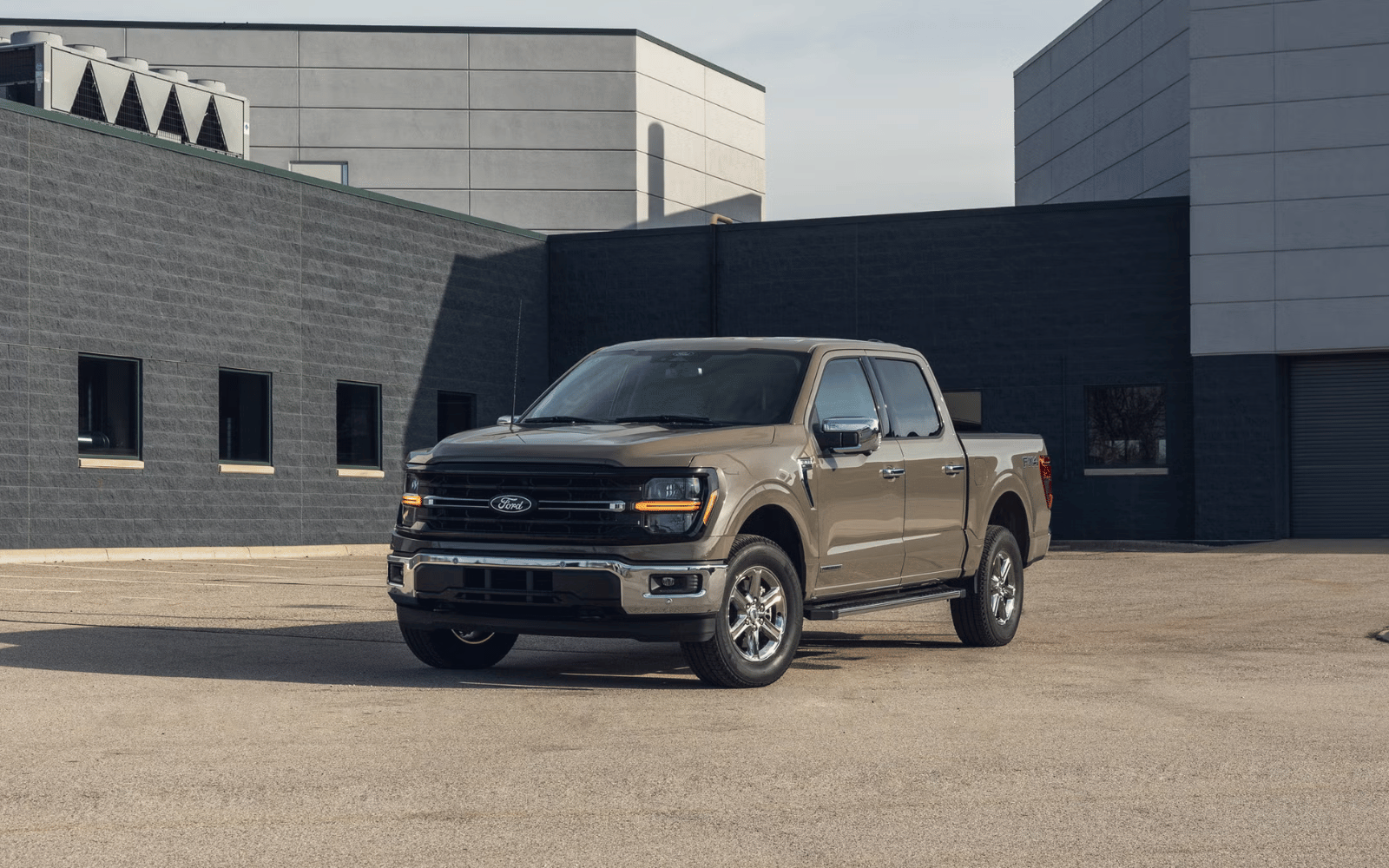
The 2026 Ford F-150 is a full-size pickup with a broad selection of engines, cab styles, cargo beds, luxury features, towing technology, and off-road packages. Its lineup ranges from the work-focused XL to the 720-horsepower Raptor R.
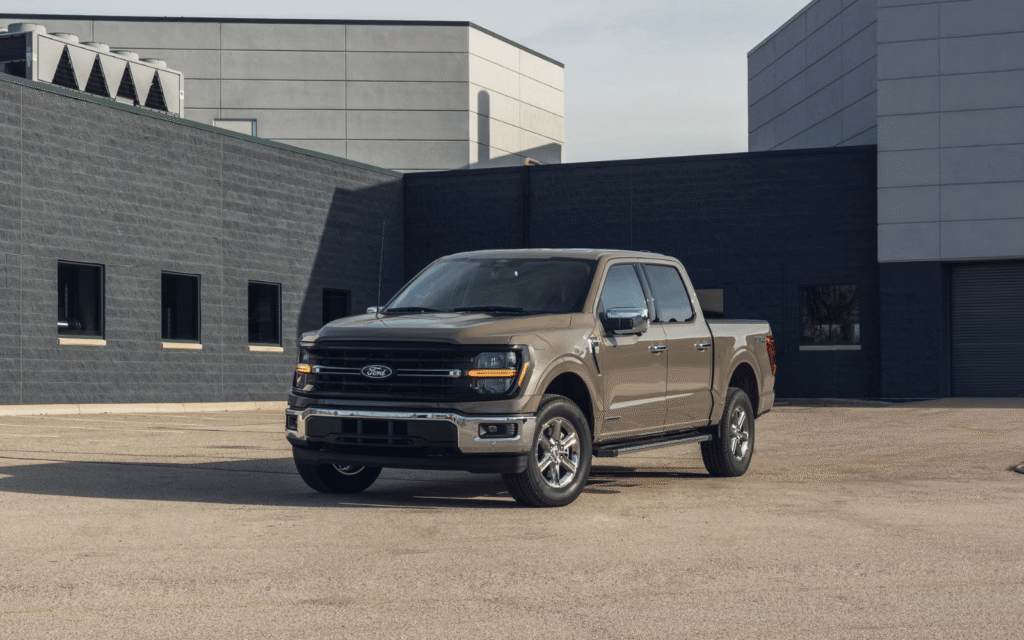
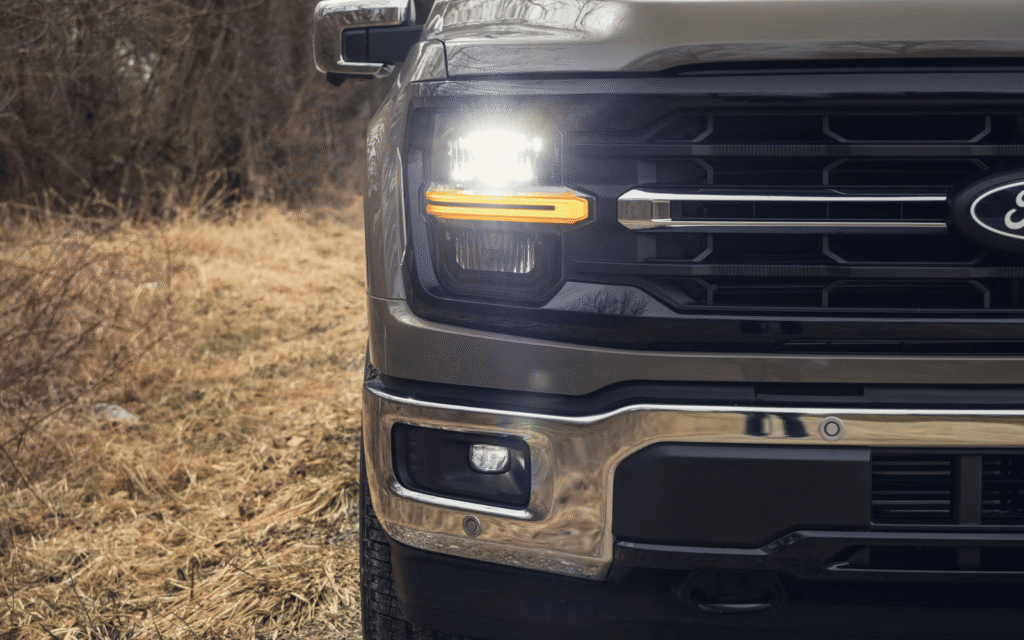
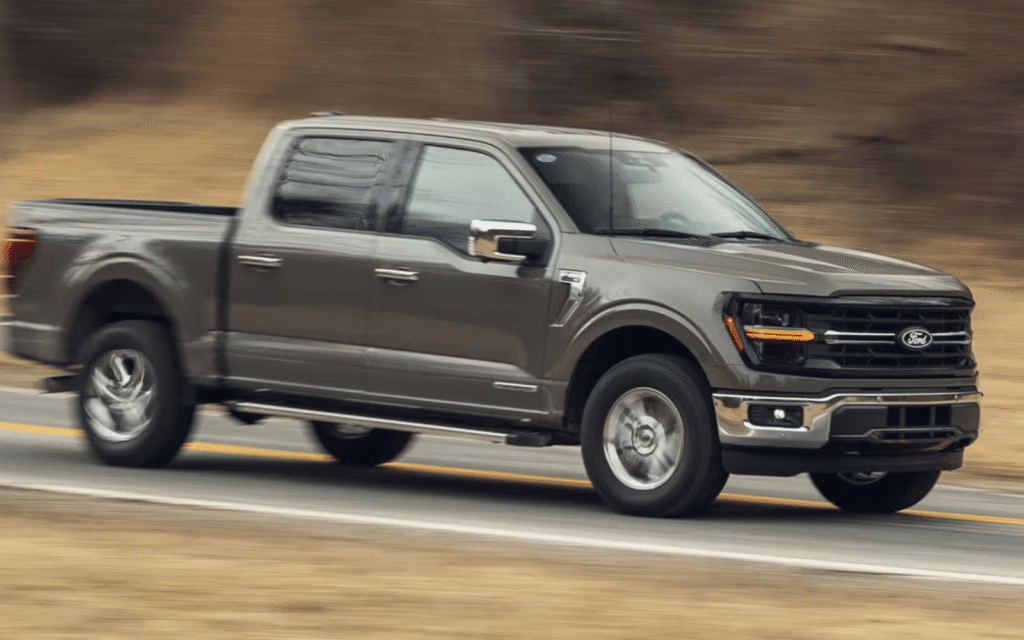
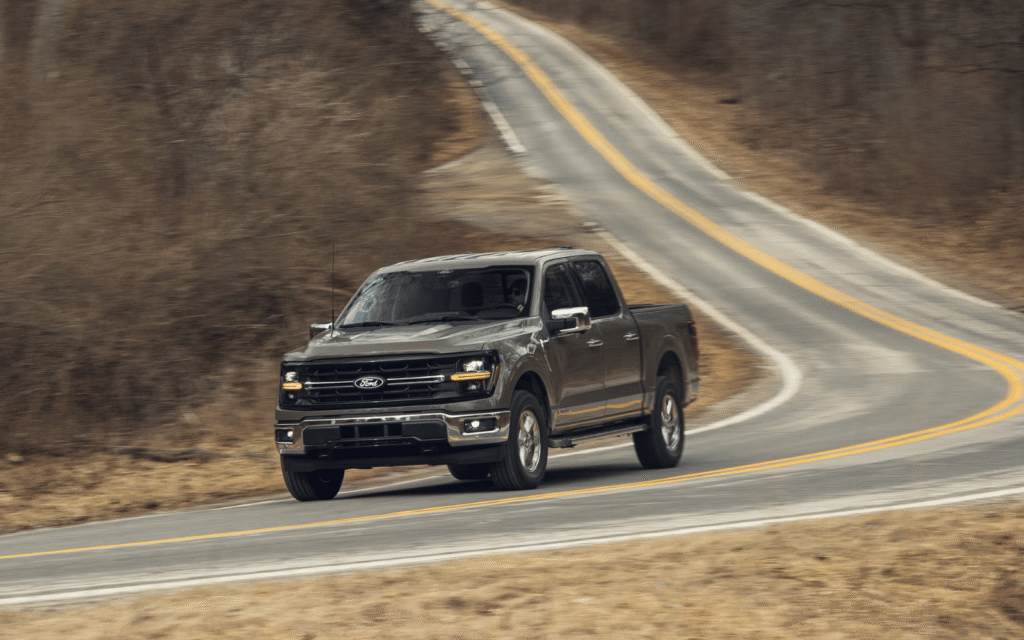
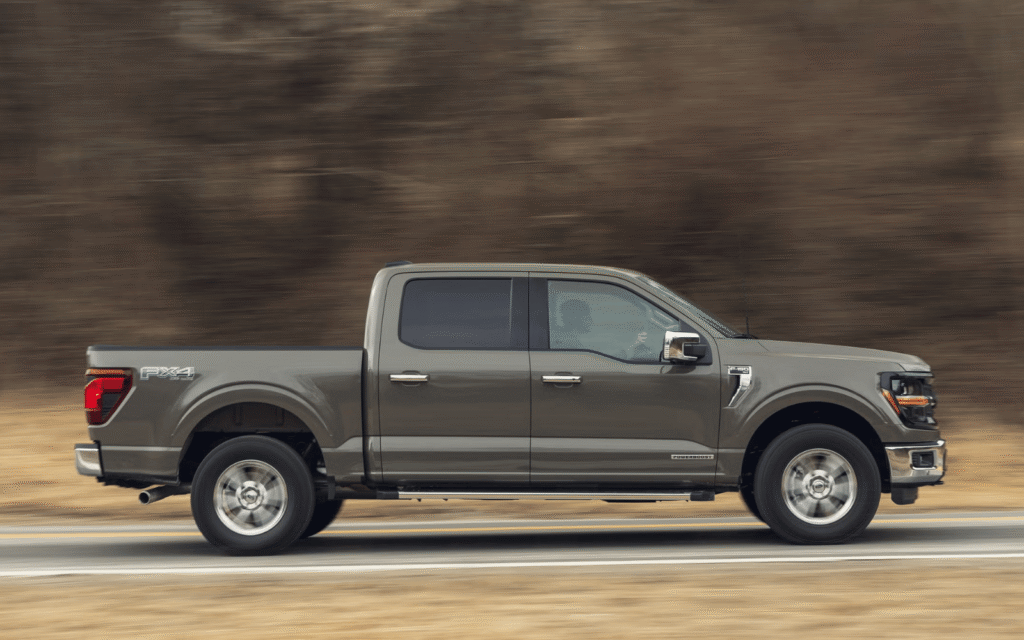
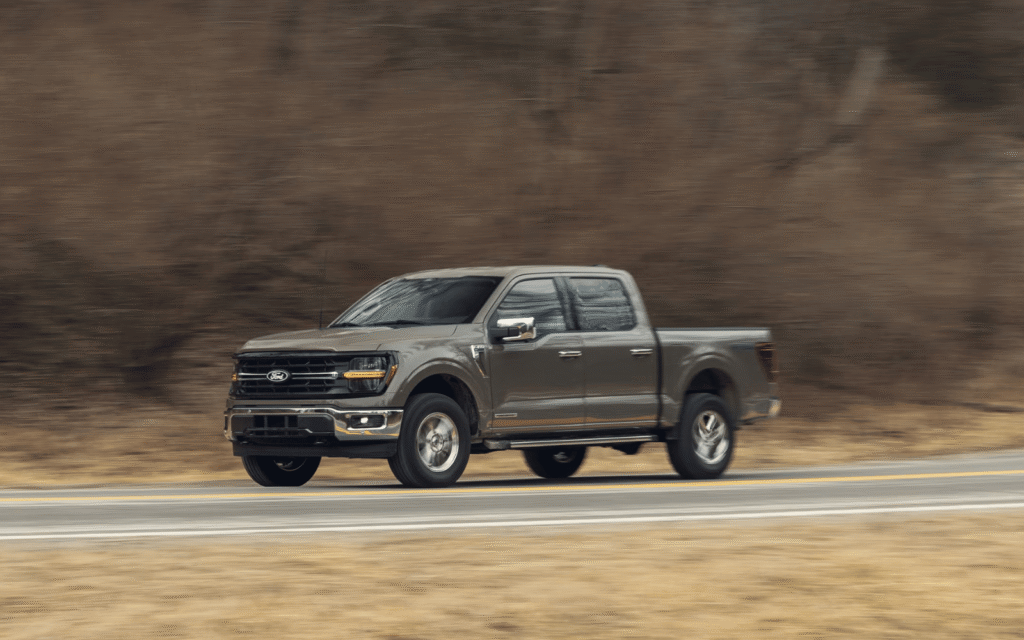
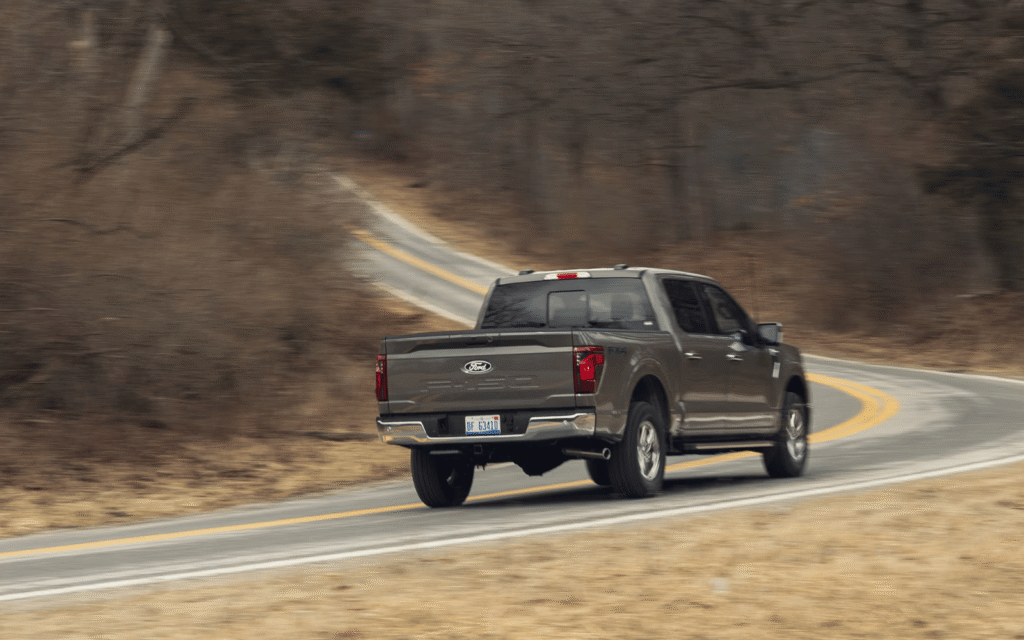
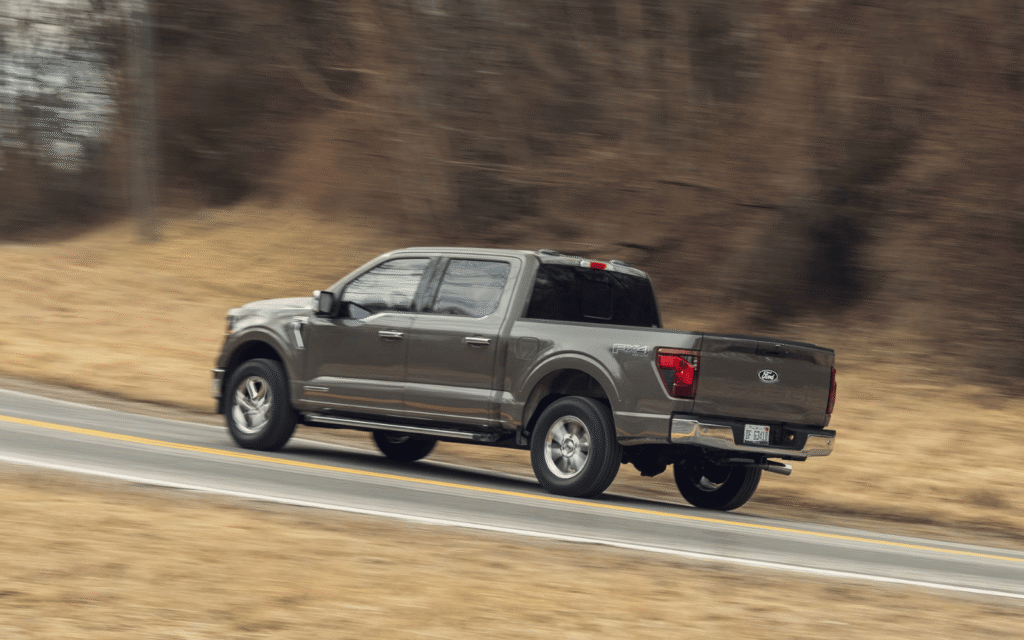
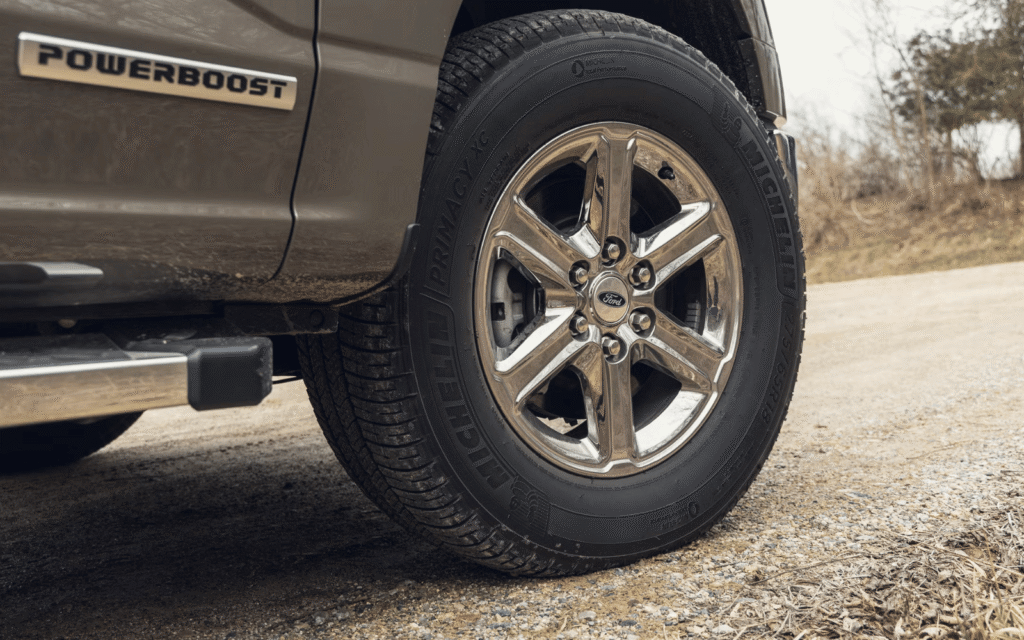
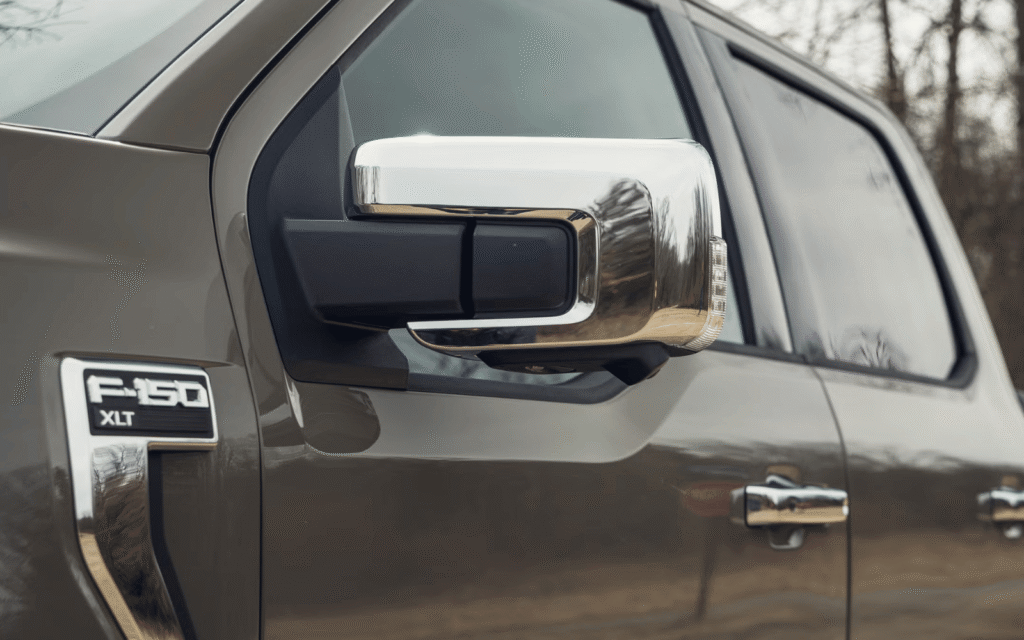
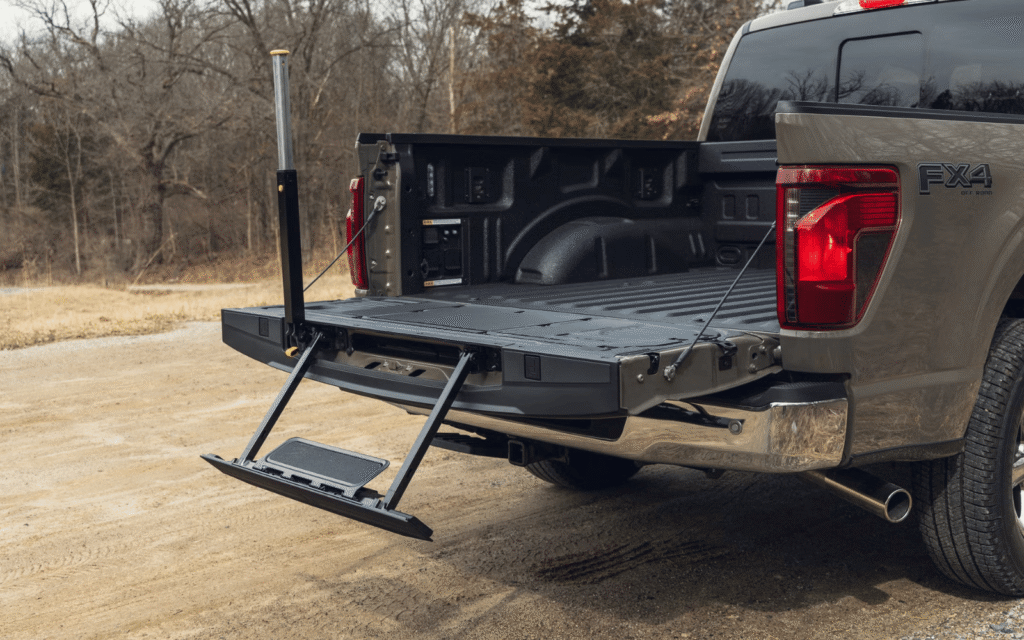
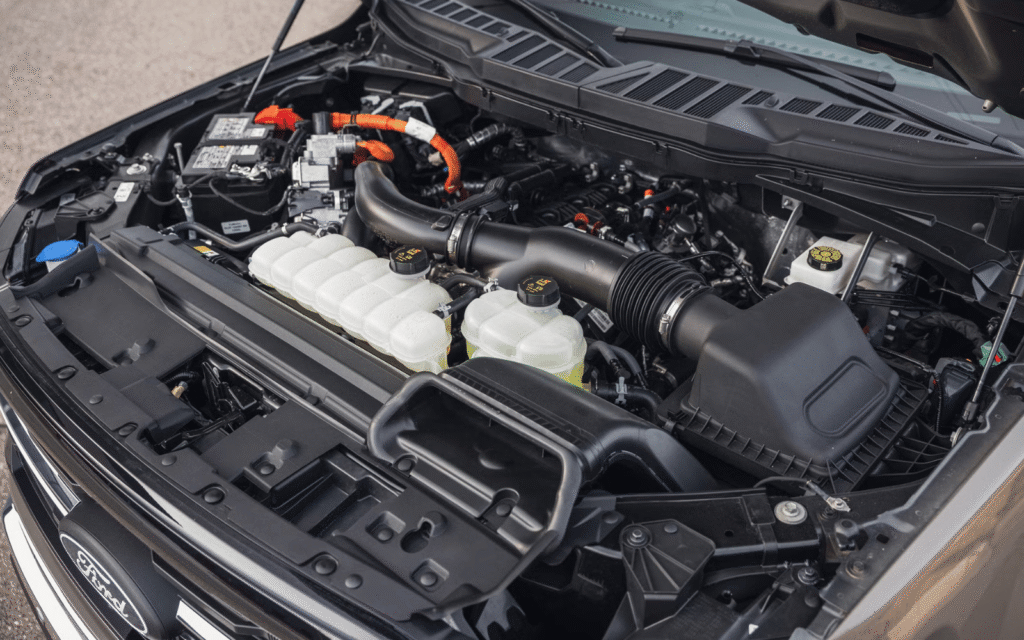
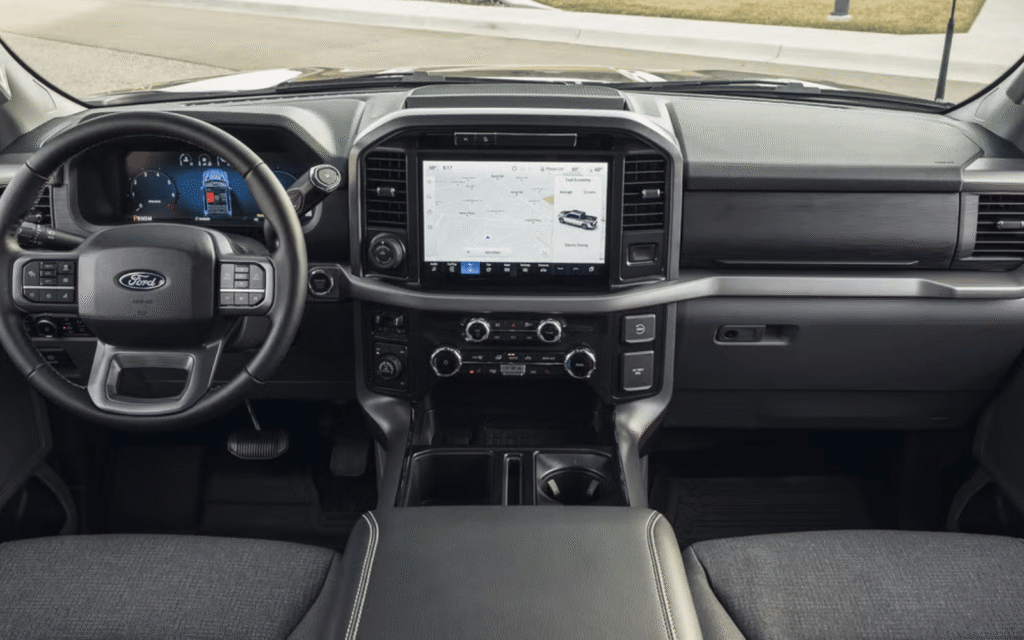
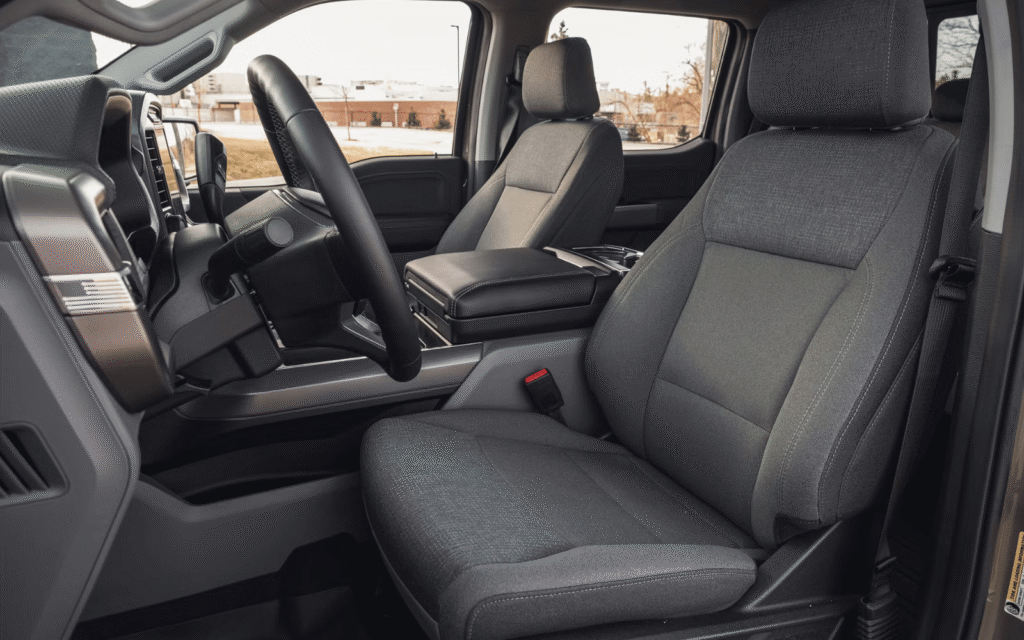
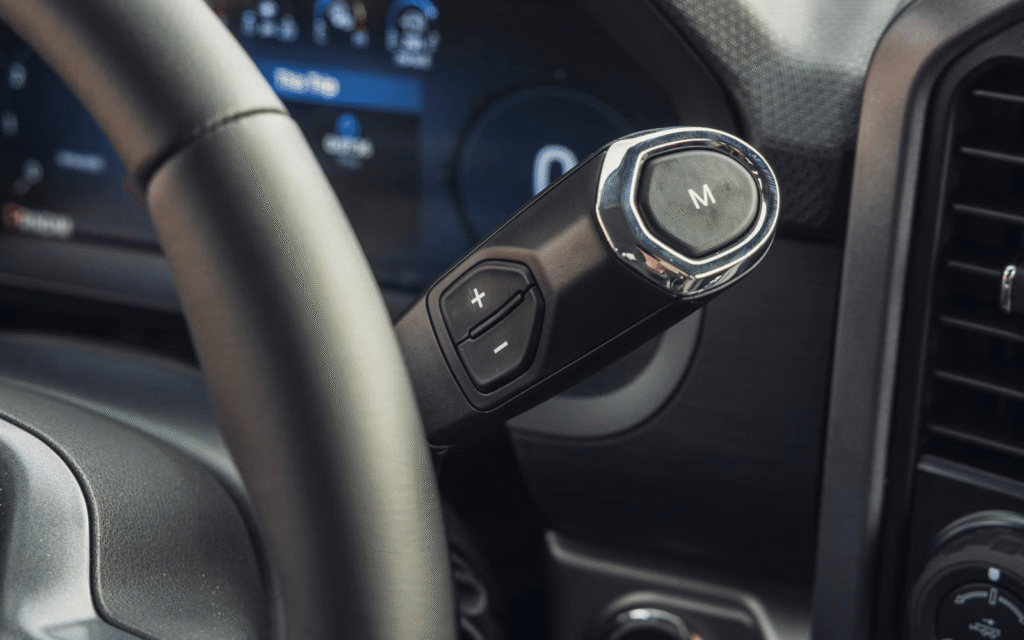
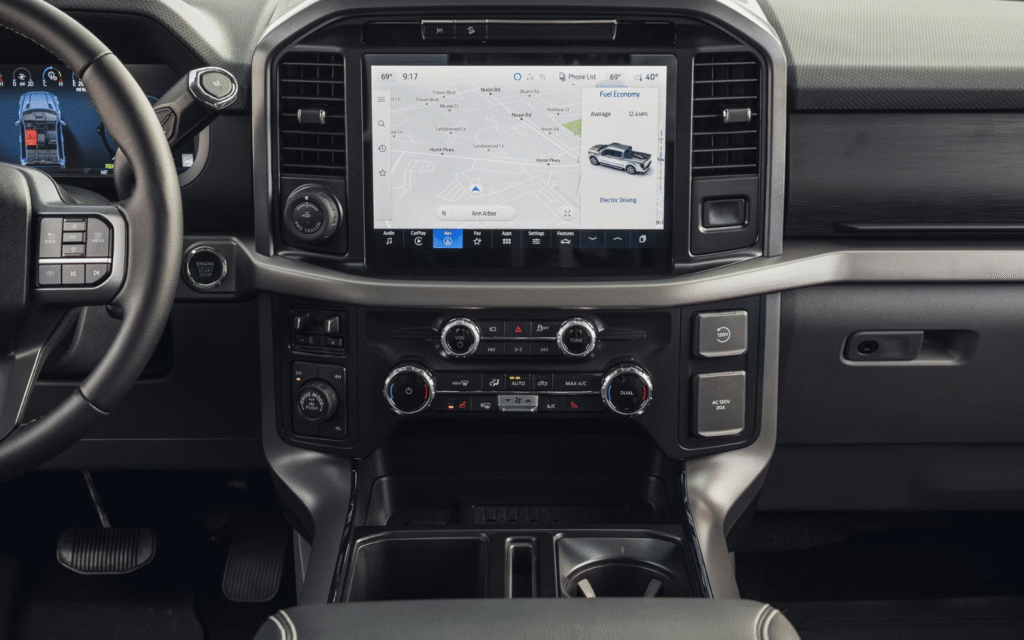
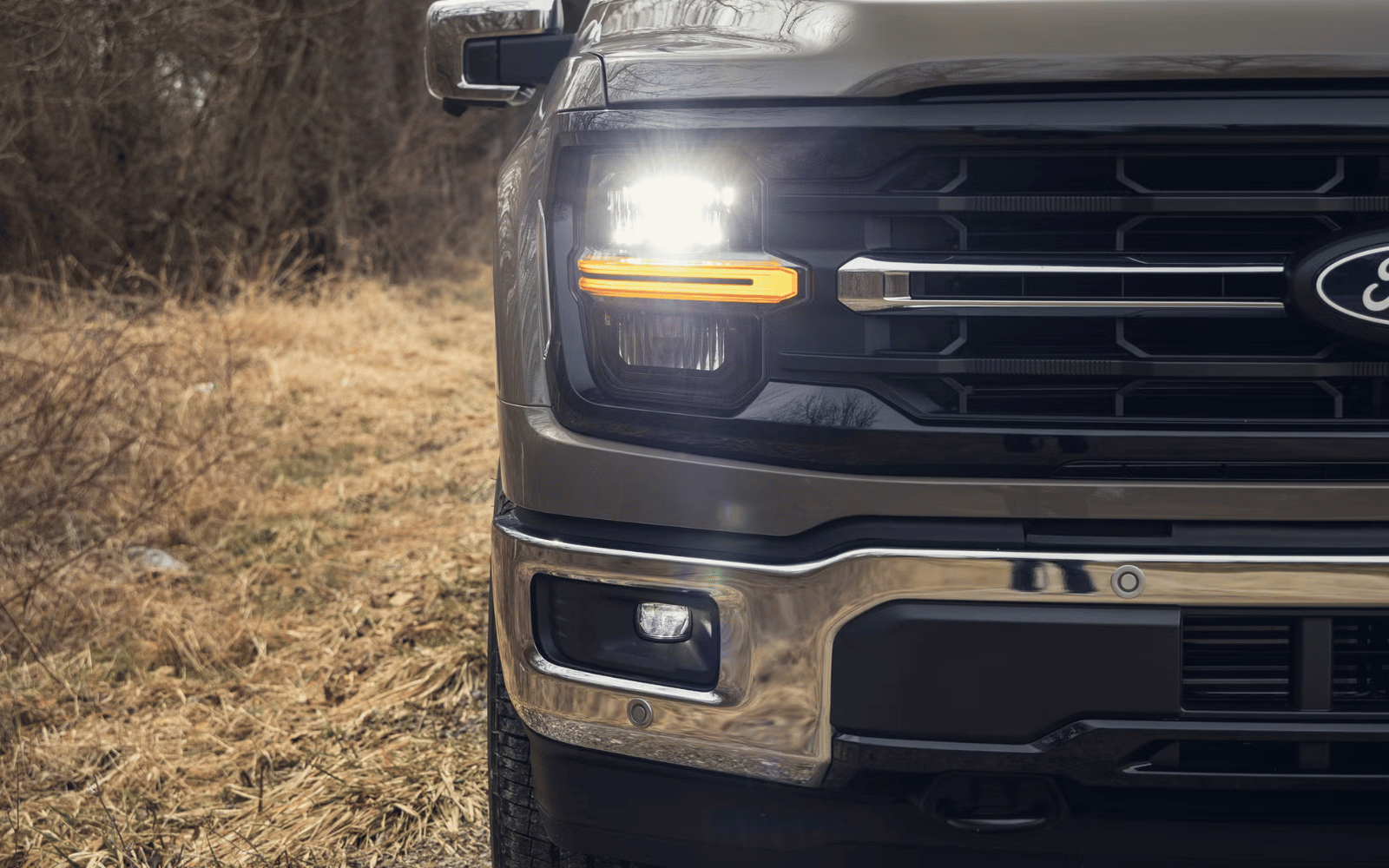
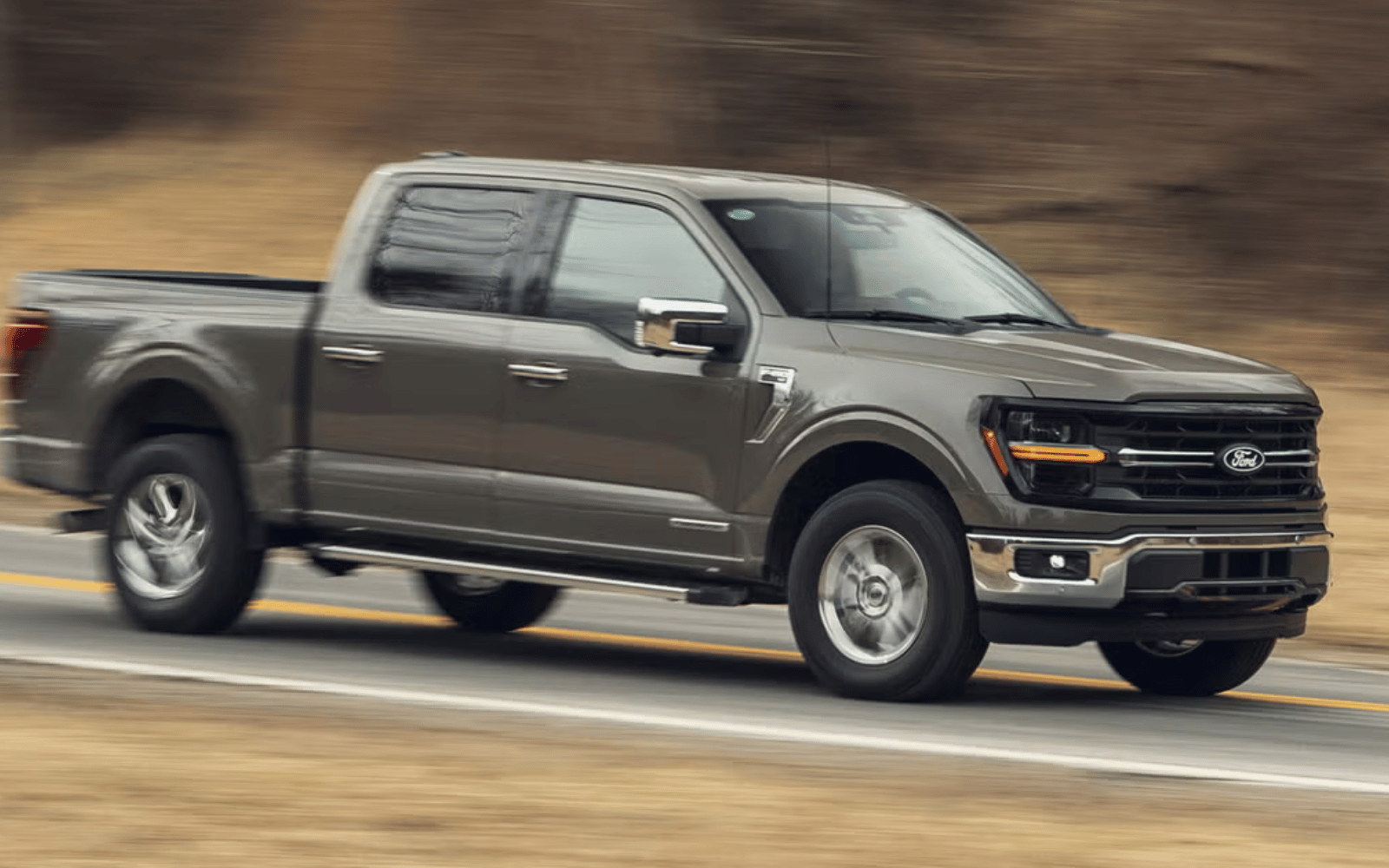
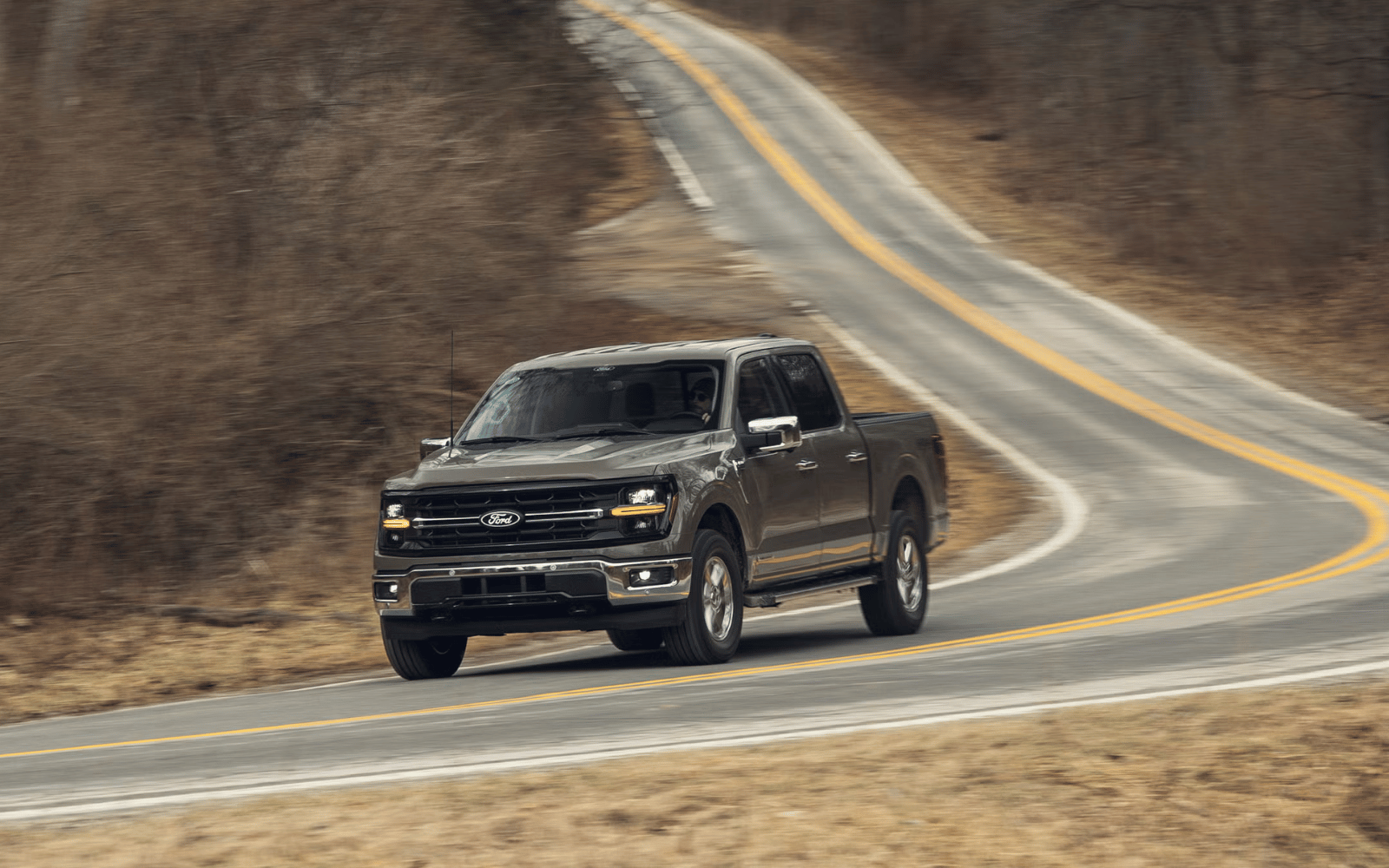
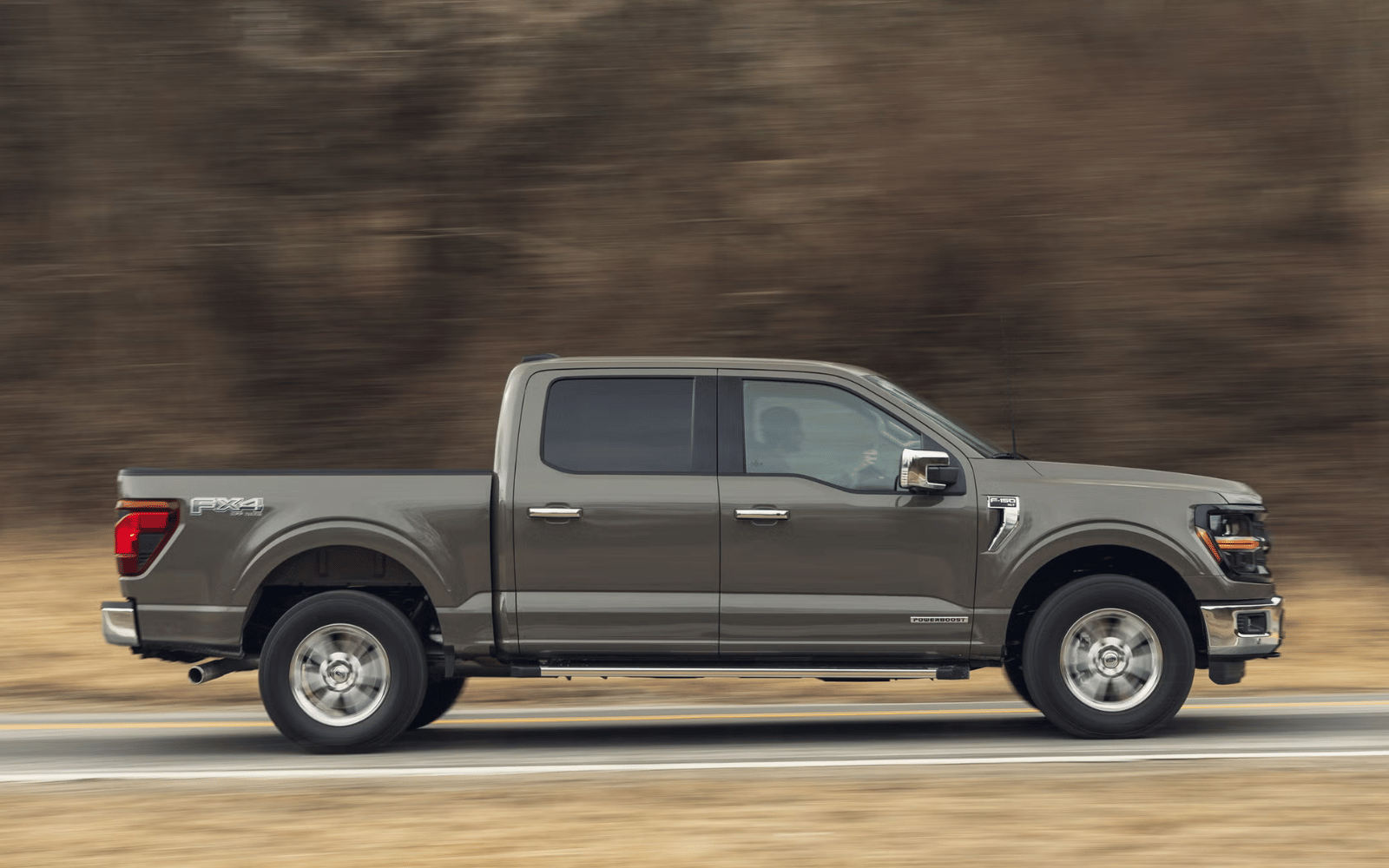
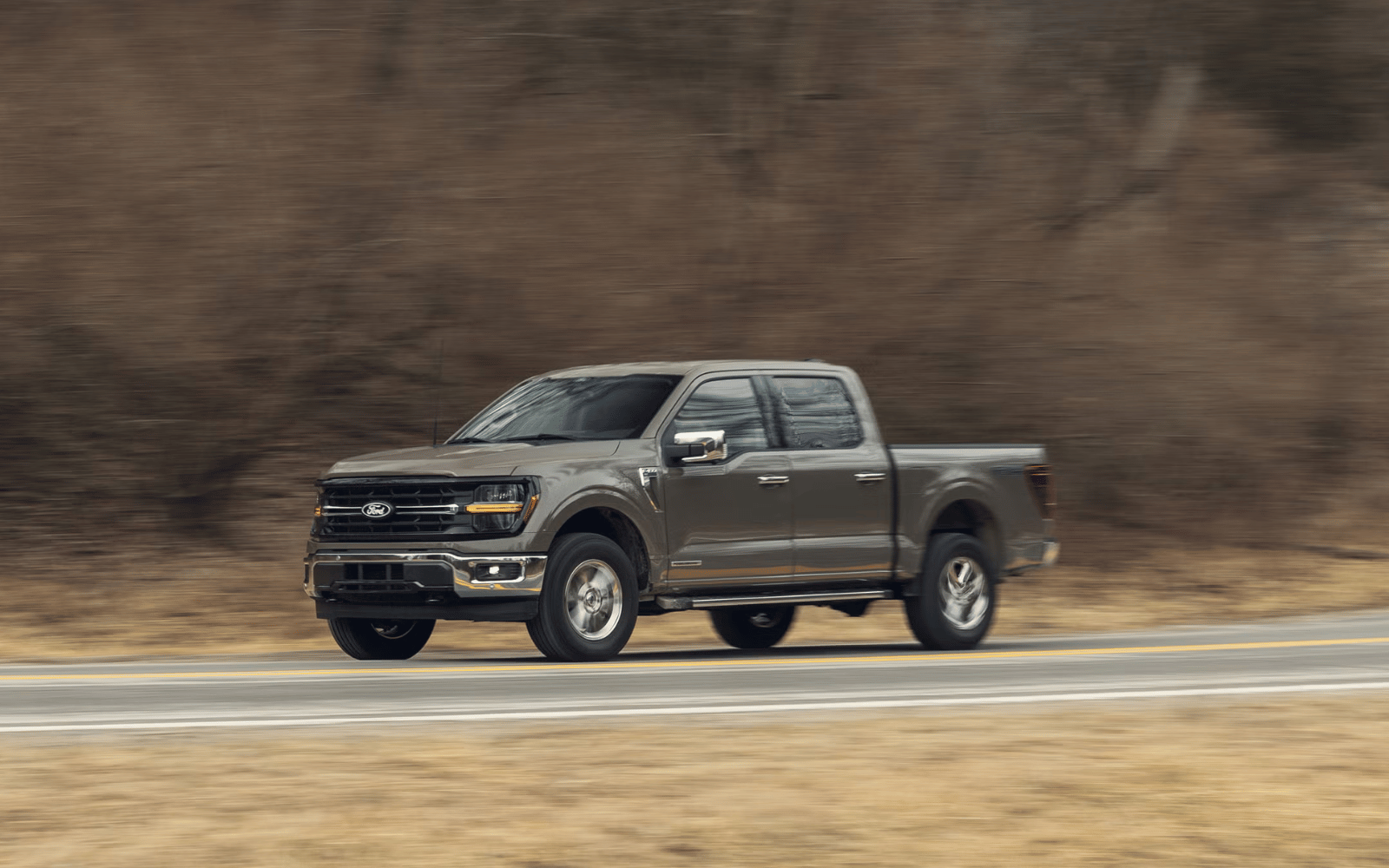
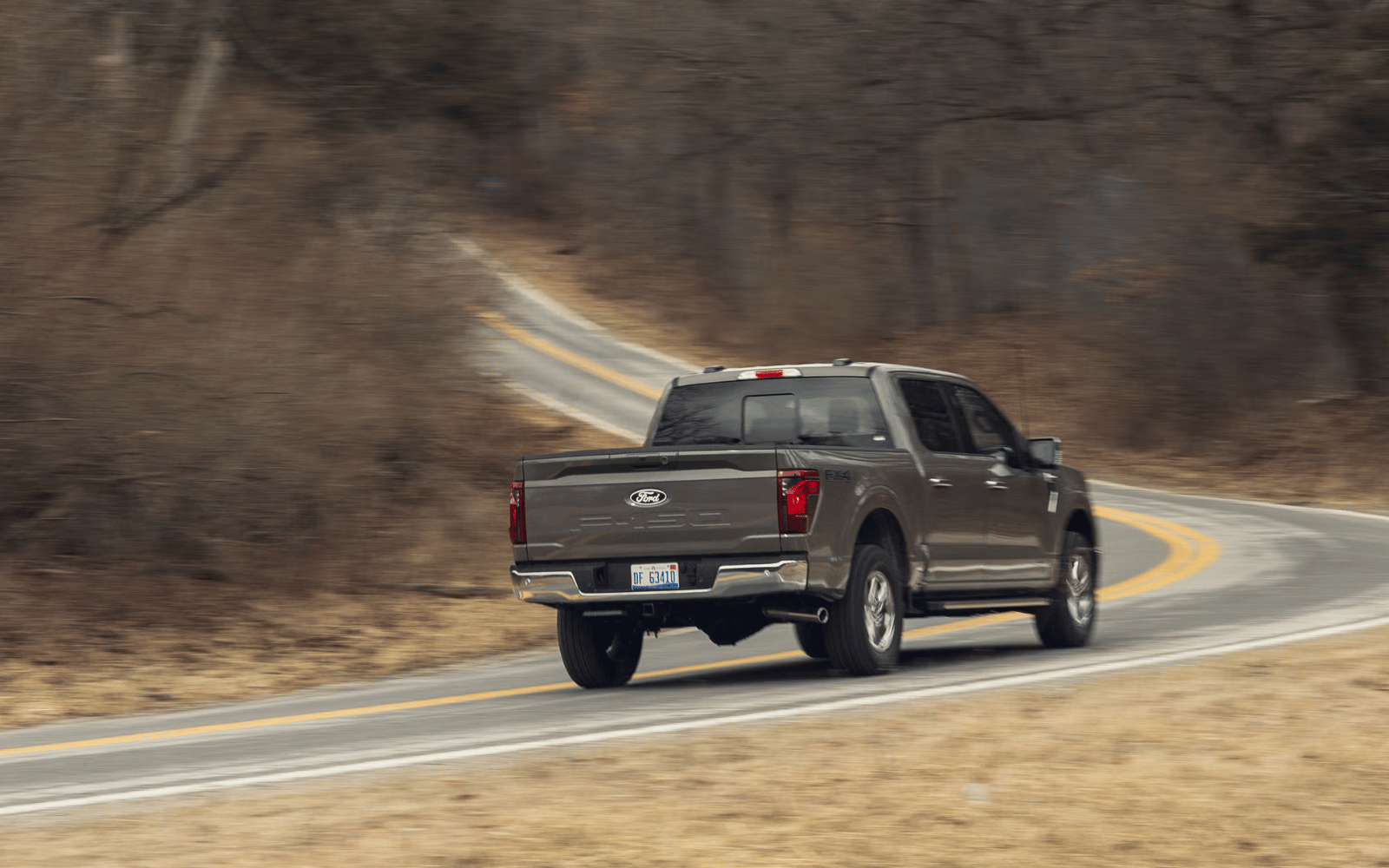
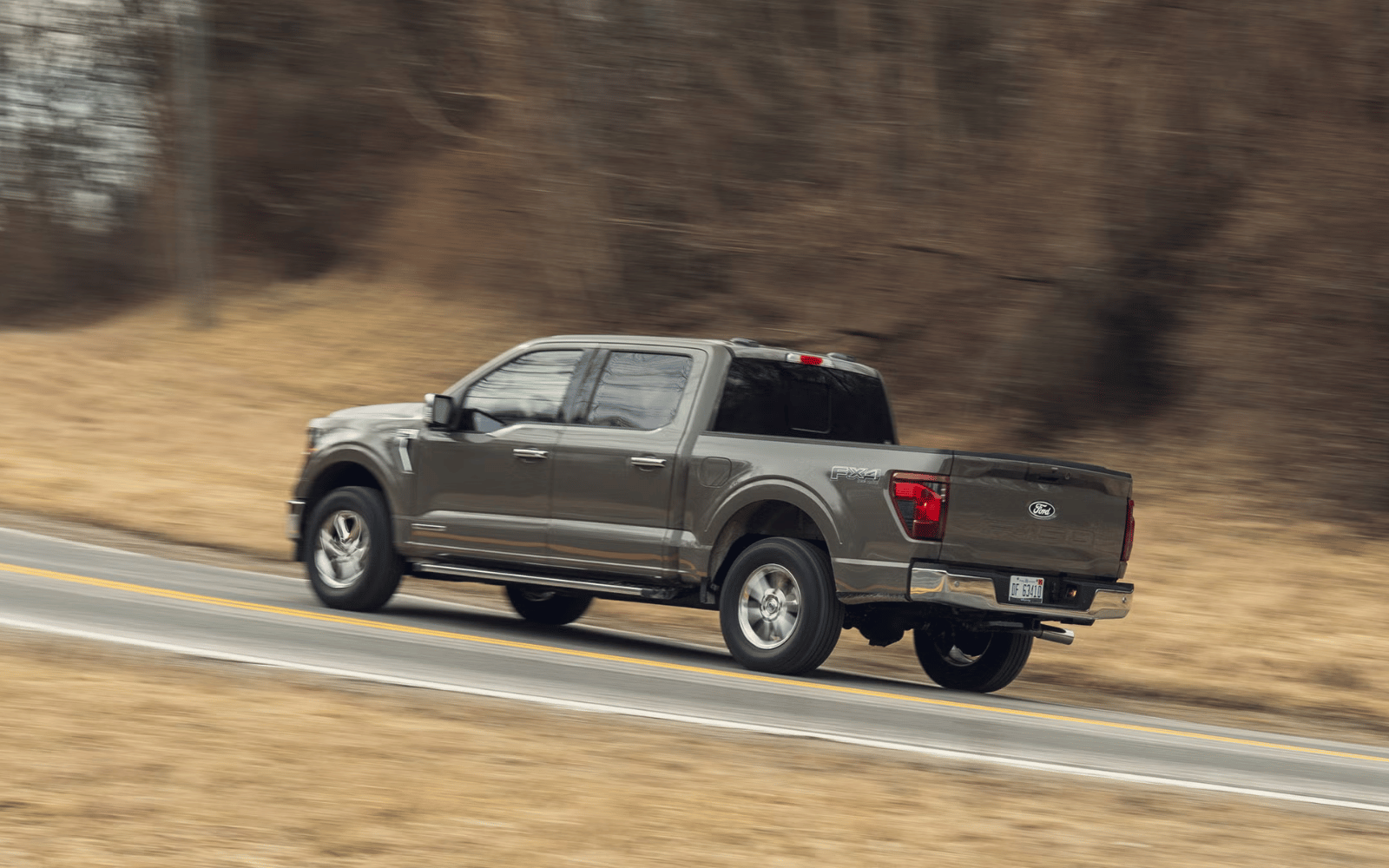
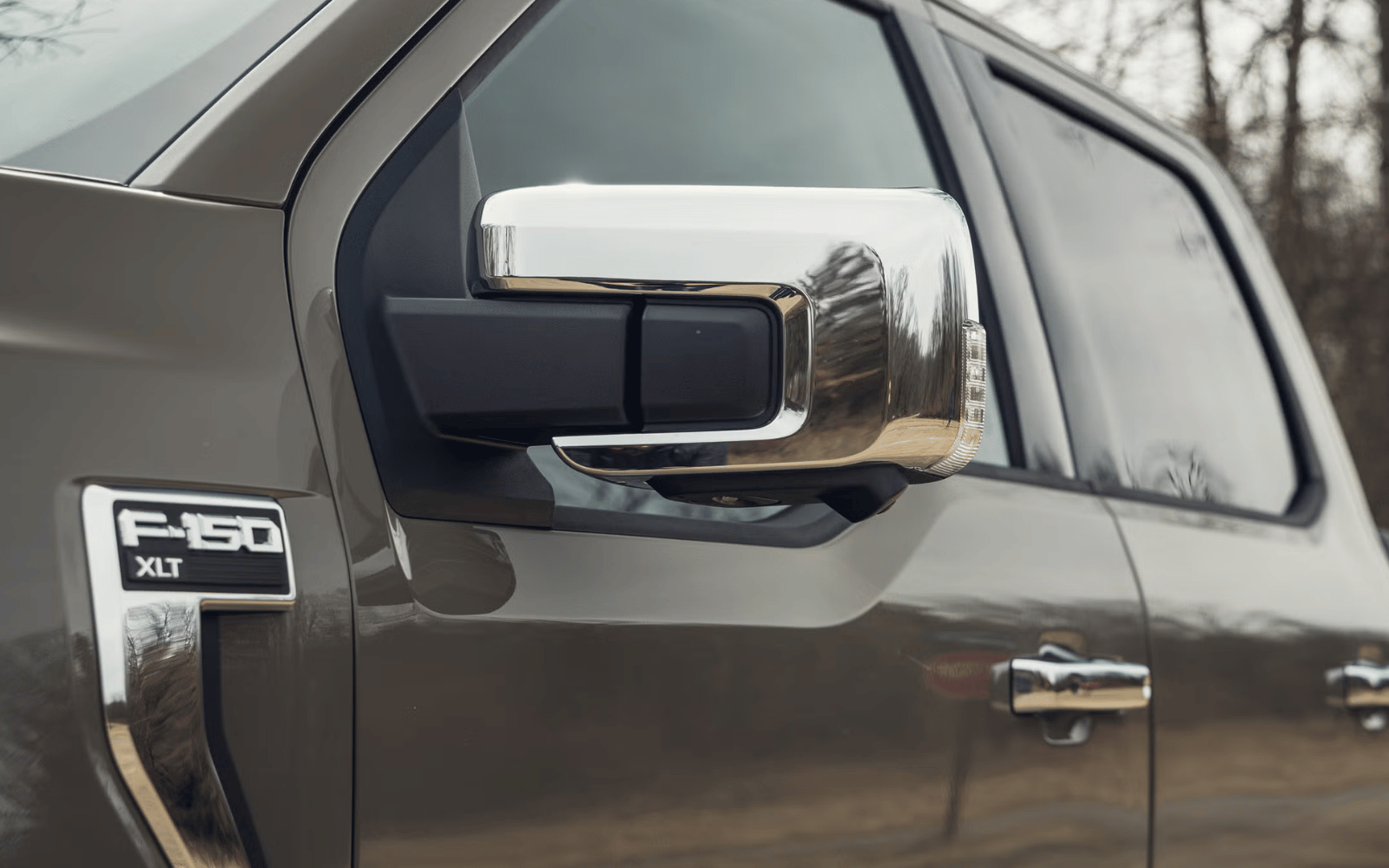
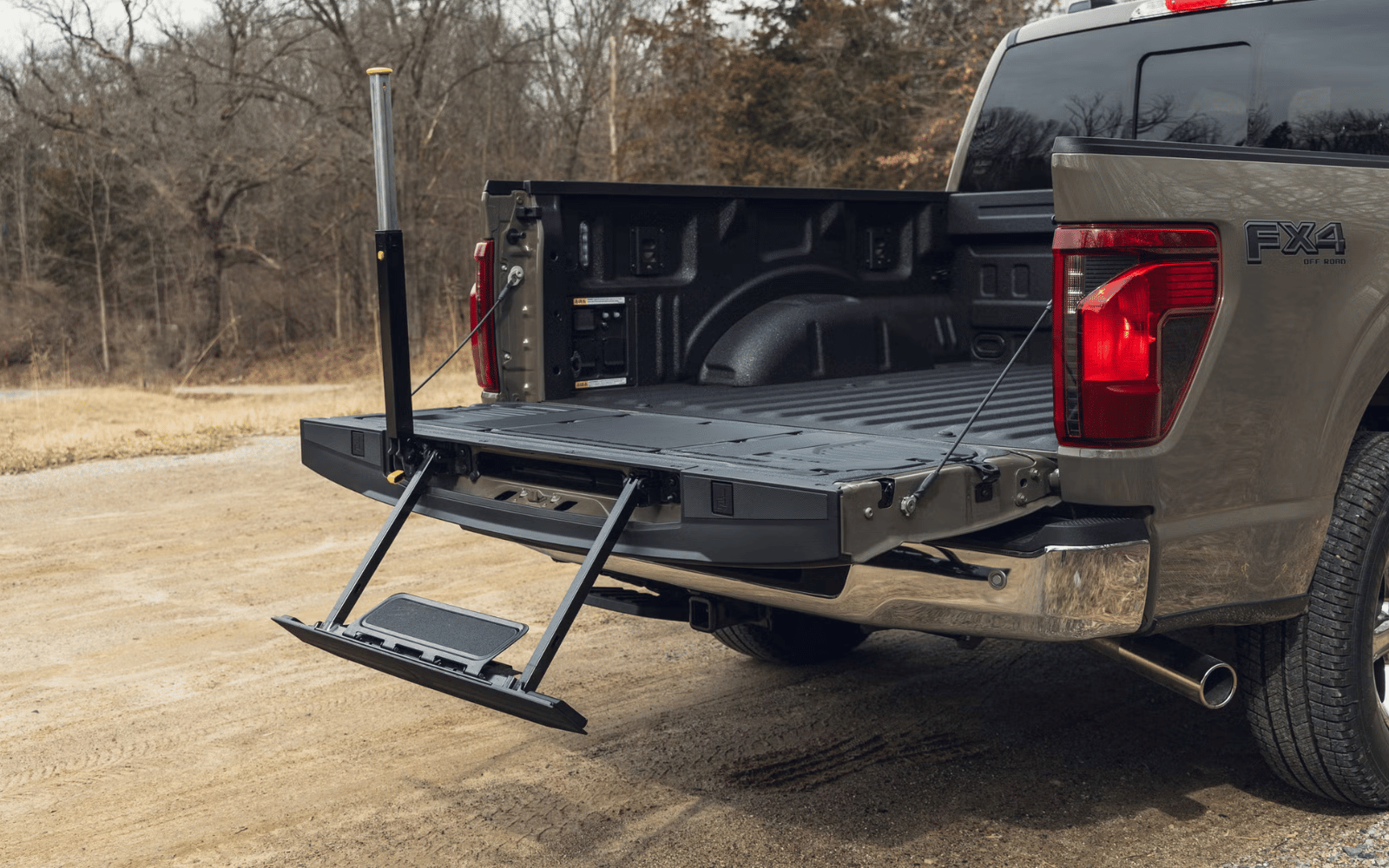
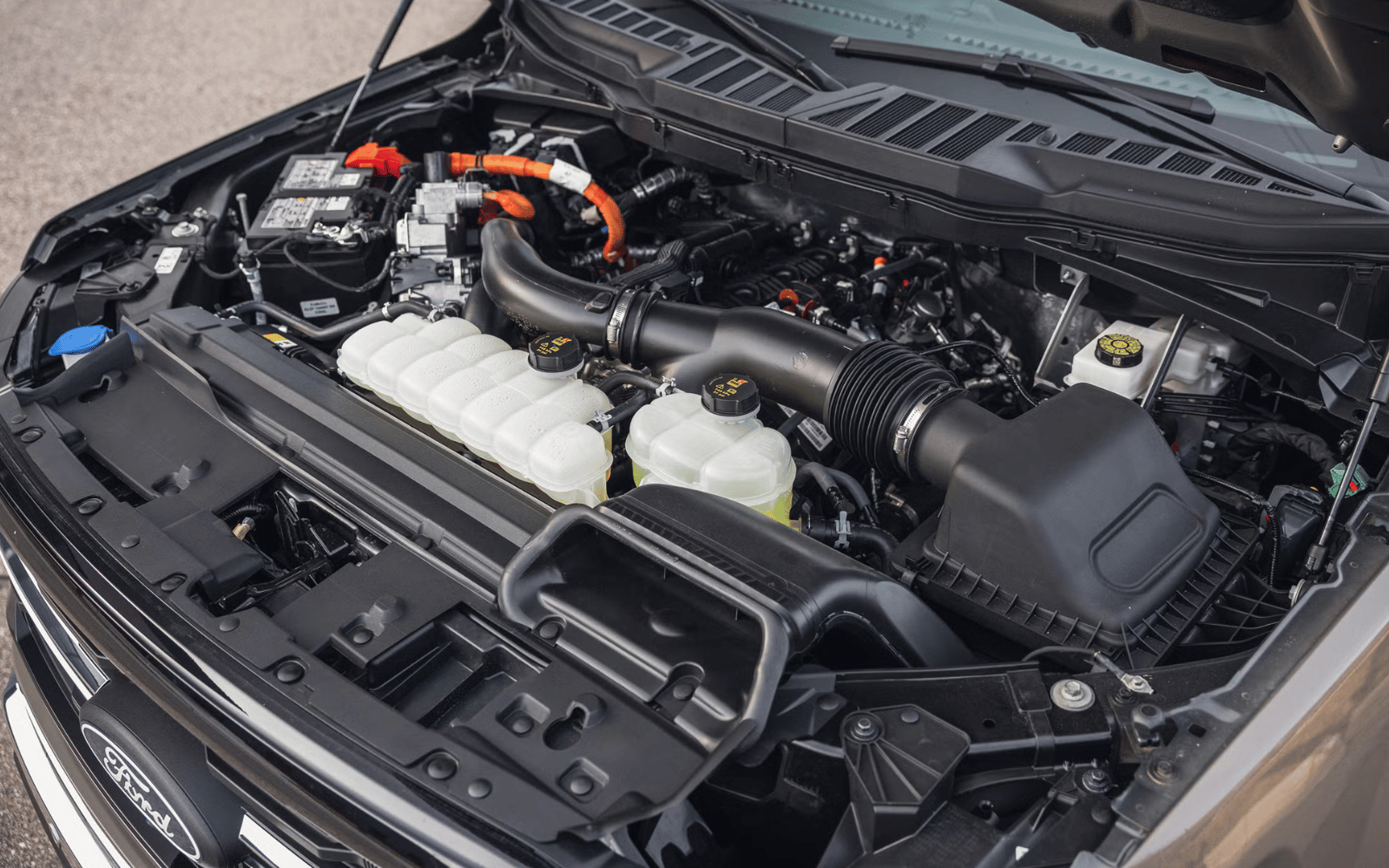
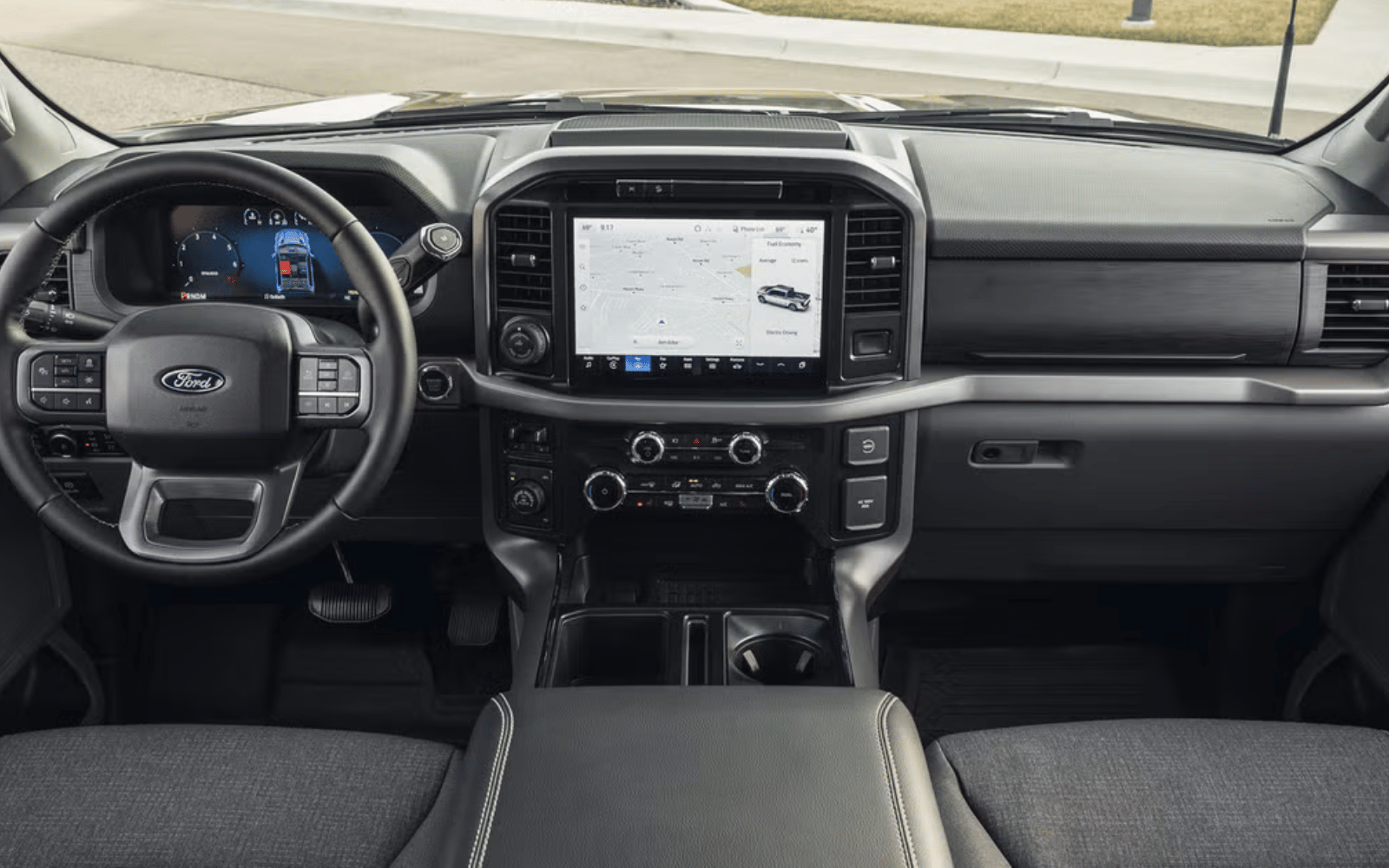
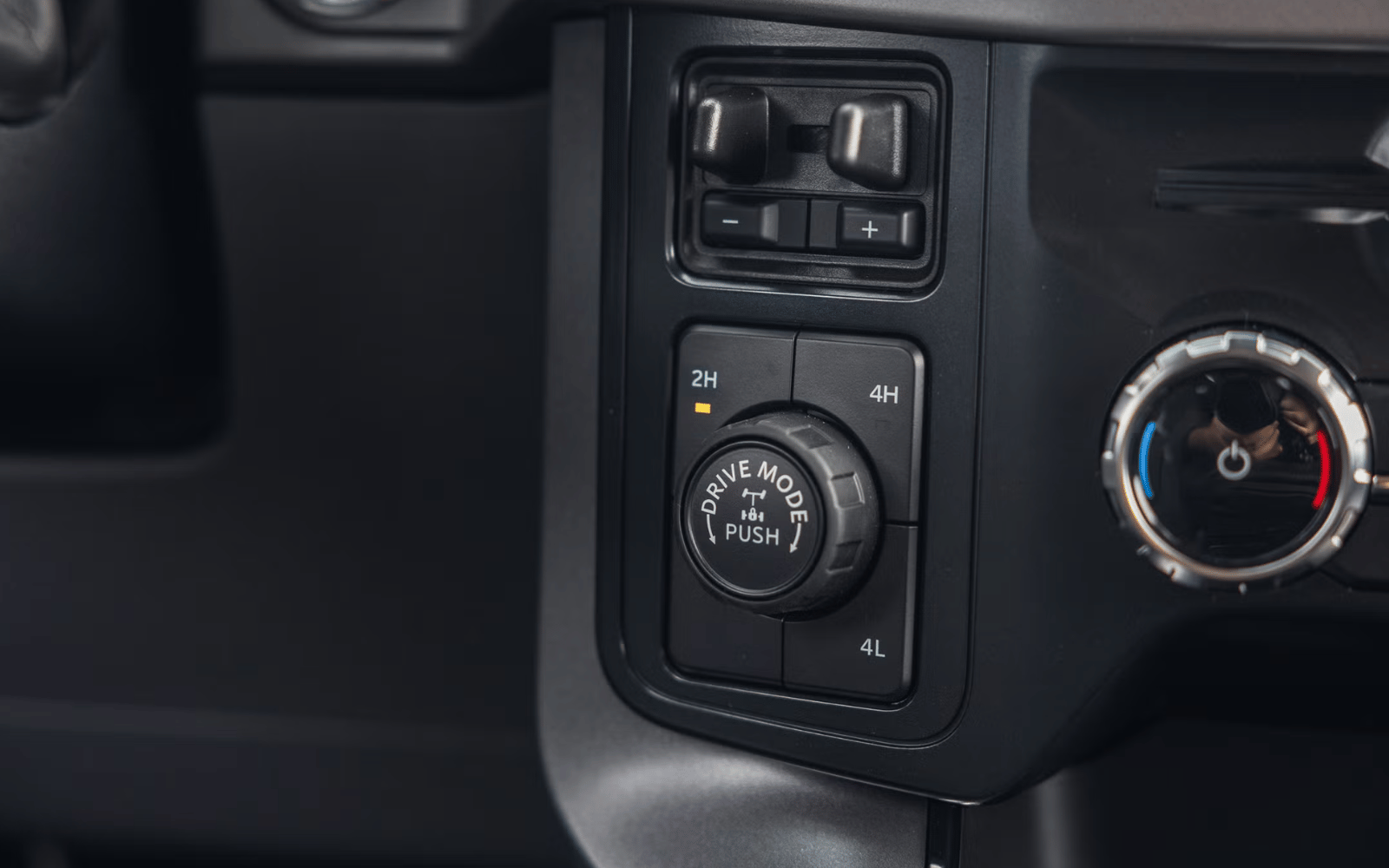
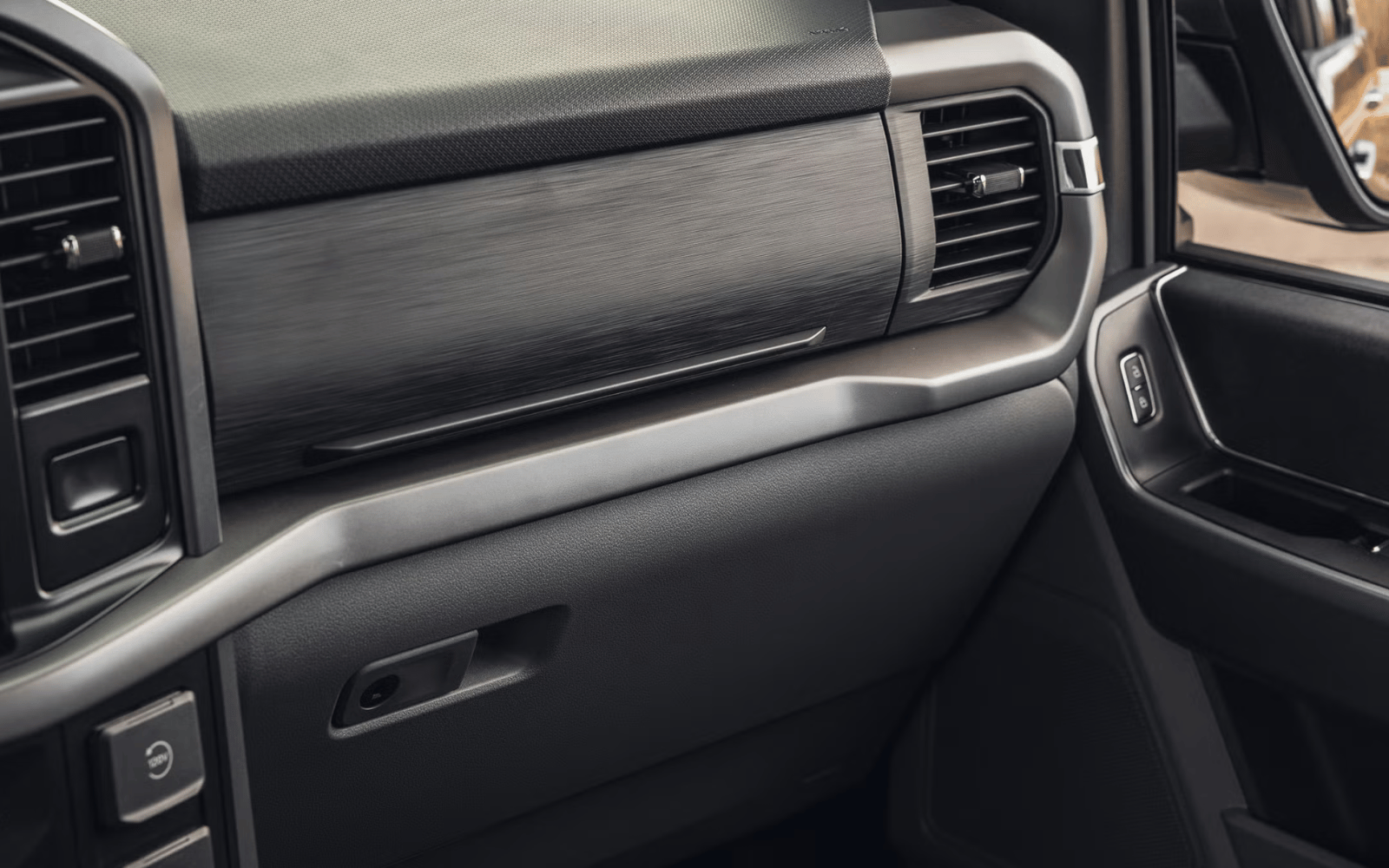
Buyers can choose turbocharged V6, naturally aspirated V8, full-hybrid V6, and high-performance engines. When properly configured, the F-150 can tow up to 13,500 pounds and carry as much as 2,440 pounds of payload. It also offers Pro Power Onboard, which turns the truck into a mobile power source for tools, appliances, camping equipment, and emergency use.
WheelPedia Rating: 8.6/10
| Category | Score |
| Safety | 8.2/10 |
| Reliability and ownership | 8.0/10 |
| Performance and driving | 9.5/10 |
| Comfort and practicality | 9.0/10 |
| Fuel efficiency | 8.0/10 |
| Features and technology | 9.5/10 |
| Price and value | 8.5/10 |
| Overall WheelPedia rating | 8.6/10 |
Key Highlights
- Eight main trim levels
- Six available gas and hybrid powertrains
- Up to 720 horsepower
- Up to 13,500 pounds of towing capacity
- Up to 2,440 pounds of payload capacity
- Regular Cab, SuperCab, and SuperCrew body styles
- 5.5-foot, 6.5-foot, and 8-foot beds
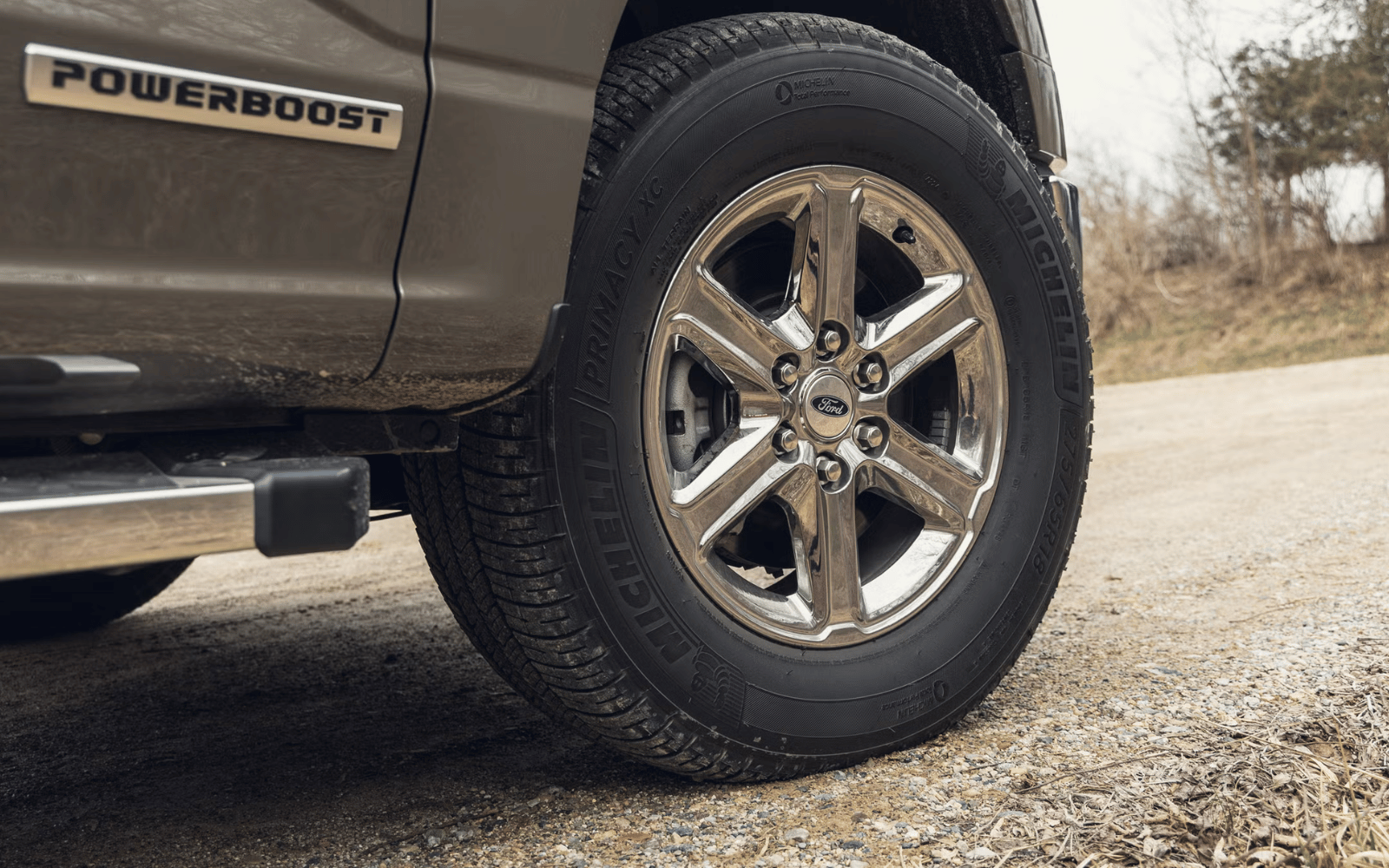
- Available PowerBoost full-hybrid engine
- Up to 7.2 kW of Pro Power Onboard output
- Available Pro Access Tailgate
- Available BlueCruise hands-free highway driving
- Tremor, Raptor, and Raptor R off-road models
- New Lobo street-performance package
- Standard 12-inch center touchscreen
Quick Specifications
| Specification | 2026 Ford F-150 |
| Vehicle class | Full-size pickup truck |
| Cab styles | Regular Cab, SuperCab, SuperCrew |
| Seating capacity | Up to 6 |
| Bed lengths | 5.5, 6.5, and 8 feet |
| Base engine | 2.7L twin-turbo EcoBoost V6 |
| Available engines | 3.5L EcoBoost V6, 5.0L V8, 3.5L PowerBoost hybrid, high-output 3.5L V6, supercharged 5.2L V8 |
| Horsepower | 325–720 hp |
| Torque | 400–640 lb-ft |
| Transmission | 10-speed automatic |
| Drivetrain | Rear-wheel drive or four-wheel drive |
| Maximum towing capacity | 13,500 pounds |
| Maximum payload capacity | 2,440 pounds |
| Maximum onboard power | 7.2 kW |
| Ground clearance | Approximately 8.2–12 inches |
| Starting MSRP | $37,290 |
Expert Tip
The XLT SuperCrew is the best starting point for most buyers. Choose the 2.7-liter EcoBoost for daily driving, the 3.5-liter EcoBoost for maximum towing, or the PowerBoost hybrid if fuel economy and onboard electrical power matter more than reaching the highest tow rating.
About the Ford F-150
The F-150 is Ford’s light-duty full-size pickup. It sits above the compact Ford Maverick and midsize Ford Ranger, but below the heavy-duty Ford Super Duty.
Its broad configuration range lets it serve as a basic work truck, family vehicle, tow rig, mobile jobsite, luxury pickup, or high-performance off-road truck. Buyers can select three cab styles and three bed lengths, although not every cab and bed can be paired together.
The F-150 Lightning is a separate battery-electric model and is not included in this page’s engine, towing, range, or pricing information.
What’s New for the Ford F-150?
The F-150 receives several equipment and package changes rather than a complete redesign.
Important updates include:
- PowerBoost hybrid availability on more trims
- New Ford Connectivity Package with one year included after activation
- New STX Lobo Package
- New XLT Chrome Appearance Package
- New Platinum Satin Appearance Package
- Revised paint-color selection
- Continued availability of BlueCruise on select trims
The Lobo Package gives the STX a street-truck appearance. It combines a 5.0-liter V8 with a two-inch lowered rear suspension, 22-inch gloss-black wheels, a gloss-black grille, ground-effects styling, and other appearance changes.
Price and Trims
Ford offers eight primary F-150 trims. The following prices are starting MSRPs before destination charges, taxes, registration, dealer fees, and optional equipment.
| Trim | Starting MSRP | Best For |
| XL | $37,290 | Work use and basic truck capability |
| STX | $41,855 | Sportier styling at a lower price |
| XLT | $44,695 | Best balance for most buyers |
| Lariat | $59,560 | Comfort, technology, and daily driving |
| Tremor | $64,915 | Trail use and off-road capability |
| King Ranch | $65,825 | Western-themed luxury |
| Platinum | $68,800 | Premium comfort and technology |
| Raptor | $79,005 | High-speed off-road performance |
The Raptor R package raises the price well beyond the standard Raptor. Optional equipment can also push a Platinum or heavily equipped King Ranch past $80,000.
Ford F-150 XL
The XL is the work-focused entry model. It includes the 2.7-liter EcoBoost V6, a 10-speed automatic transmission, LED headlights, a Class IV trailer hitch, a 12-inch center display, SYNC 4, cloth seats, and a washable vinyl floor.
Regular Cab, SuperCab, and SuperCrew configurations are available. The XL’s wide configuration range makes it suitable for contractors, fleets, towing, snow-plow preparation, or buyers who simply want a straightforward full-size truck.
Ford F-150 STX
The STX adds sportier exterior details, gloss-black wheels, unique cloth upholstery, carpeting, and additional option availability.
For 2026, the STX can be ordered with the Lobo Package. This package adds the 5.0-liter V8 and street-oriented styling, but it does not turn the F-150 into an off-road model.
Ford F-150 XLT
The XLT is the best all-around trim for many buyers. It offers more engines, appearance packages, comfort features, towing technology, and safety equipment without moving into luxury-truck pricing.
Available equipment includes:
- PowerBoost full-hybrid engine
- Heated front seats
- 360-degree camera
- Pro Trailer Backup Assist
- Pro Trailer Hitch Assist
- Mobile Office Package
- BlueCruise
- Chrome and Black Appearance Packages
- Zone Lighting
Ford F-150 Lariat
The Lariat offers a more comfortable and technology-focused cabin. Standard or available equipment includes heated and ventilated front seats, a heated steering wheel, a 360-degree camera, power-folding mirrors, an eight-speaker B&O audio system, dynamic-bending LED headlights, and BlueCruise capability.
It is a strong choice for buyers who use their truck as both a work vehicle and family vehicle. However, its starting price is nearly $15,000 above the XLT.
Ford F-150 Tremor
The Tremor is intended for buyers who need greater trail capability without moving to a Raptor.
Its off-road equipment includes:
- Standard four-wheel drive
- 33-inch all-terrain tires
- Increased ride height
- Electronic locking rear axle
- Available Torsen front differential
- Trail Control
- Trail Turn Assist
- Trail One-Pedal Drive
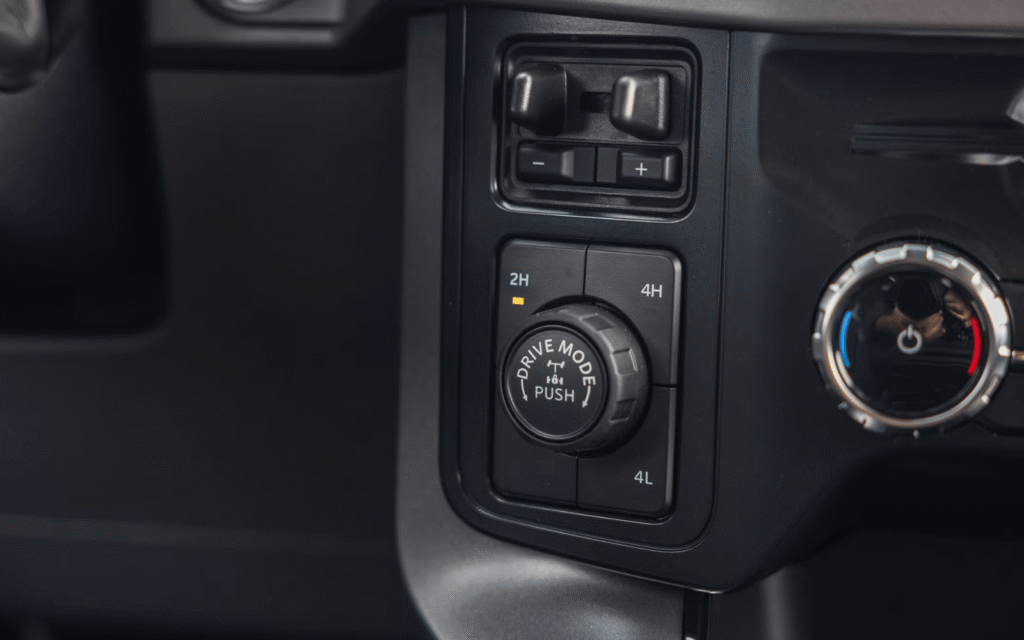
- Selectable drive modes
- Underbody protection
- Six auxiliary switches
The Tremor is available with the 3.5-liter EcoBoost V6 or 5.0-liter V8.
Ford F-150 King Ranch
The King Ranch combines truck capability with Western-inspired luxury. Its cabin uses leather upholstery, genuine wood trim, King Ranch branding, and a model-specific color theme.
Available features include multicontour massaging seats, a twin-panel moonroof, power-deployable running boards, a 14-speaker B&O Unleashed audio system, and 7.2-kW Pro Power Onboard when equipped with the hybrid engine.
Ford F-150 Platinum
The Platinum uses a more contemporary luxury theme. It includes upgraded leather trim, heated rear seats, memory settings, premium exterior details, and access to the Platinum Plus equipment group.
King Ranch and Platinum buyers should compare features carefully. Their main differences are styling, interior materials, standard equipment combinations, and package availability rather than basic capability.
Ford F-150 Raptor
The standard Raptor uses a high-output 3.5-liter twin-turbo V6 producing 450 horsepower and 510 lb-ft of torque.
It also receives:
- Standard four-wheel drive
- FOX Live Valve shocks
- Five-link rear suspension
- 35-inch all-terrain tires
- Available 37-inch tires
- Heavy-duty skid plates
- Baja drive mode
- 360-degree camera
- Widened body and track
- Up to 12 inches of ground clearance
The Raptor is designed for fast driving on rough terrain. Its width, fuel consumption, price, and reduced payload make it less practical as a basic work truck.
Ford F-150 Raptor R
The Raptor R replaces the V6 with a 5.2-liter supercharged V8 producing 720 horsepower and 640 lb-ft of torque.
It also comes with 37-inch tires and upgraded off-road hardware. Its extreme performance comes with very poor fuel economy, high tire costs, expensive insurance, and a six-figure purchase price.
F-150 Engines and Performance
All F-150 engines use a 10-speed automatic transmission.
| Engine | Horsepower | Torque | Maximum Towing |
| 2.7L EcoBoost V6 | 325 hp | 400 lb-ft | 8,400 pounds |
| 5.0L V8 | 400 hp | 410 lb-ft | 12,800 pounds |
| 3.5L EcoBoost V6 | 400 hp | 500 lb-ft | 13,500 pounds |
| 3.5L PowerBoost hybrid V6 | 430 hp | 578 lb-ft | 11,600 pounds |
| High-output 3.5L EcoBoost V6 | 450 hp | 510 lb-ft | Configuration dependent |
| Supercharged 5.2L V8 | 720 hp | 640 lb-ft | Configuration dependent |
2.7-Liter EcoBoost V6
The standard 2.7-liter twin-turbo V6 produces 325 horsepower and 400 lb-ft of torque.
It provides strong low-speed response and enough power for commuting, light hauling, and moderate towing. It is a good match for buyers who want a gasoline F-150 but do not need its maximum tow rating.
5.0-Liter V8
The naturally aspirated 5.0-liter V8 produces 400 horsepower and 410 lb-ft of torque. It can tow up to 12,800 pounds when properly equipped.
The V8 appeals to buyers who prefer linear throttle response, traditional engine sound, and simpler naturally aspirated operation. Its peak torque arrives higher in the rev range than the turbocharged engines.
3.5-Liter EcoBoost V6
The 3.5-liter twin-turbo V6 produces 400 horsepower and 500 lb-ft of torque. It is the engine required for the F-150’s 13,500-pound maximum towing rating.
Its high torque output makes it well suited to frequent trailer use. Buyers should still compare axle ratio, cooling equipment, cab, bed, hitch, and payload before ordering.
3.5-Liter PowerBoost Full-Hybrid V6
The PowerBoost combines a twin-turbo V6 with an electric motor and battery. It produces 430 horsepower and 578 lb-ft of torque, making it the strongest regular F-150 engine by torque output.
It can tow up to 11,600 pounds and provides the best EPA fuel economy in the lineup. Its other major benefit is standard 2.4-kW Pro Power Onboard, with a 7.2-kW system available.
The hybrid adds weight, complexity, and purchase cost. It is most valuable for drivers who spend time in city traffic, use onboard power, or want stronger low-speed response.
High-Output 3.5-Liter EcoBoost V6
Exclusive to the standard Raptor, this engine produces 450 horsepower and 510 lb-ft of torque. It is tuned for rapid acceleration and off-road performance rather than maximum payload or towing.
Supercharged 5.2-Liter V8
The Raptor R’s supercharged V8 produces 720 horsepower and 640 lb-ft of torque. It is the most powerful factory F-150 engine, but it also requires premium fuel and has the lineup’s highest fuel consumption.
Driving Experience
The F-150 feels stable and composed for a body-on-frame pickup. Its steering is light enough for parking while remaining predictable at highway speeds.
Ride comfort changes significantly by configuration. A SuperCrew with standard road tires is generally more comfortable than a short-cab work truck or off-road model. Large wheels, all-terrain tires, heavy-duty payload equipment, and an empty bed can make the ride firmer.
The F-150’s size is its main daily-driving disadvantage. SuperCrew models with a 6.5-foot bed are more than 20 feet long, which can make urban parking, older garages, and narrow roads difficult.
Buyers moving from a midsize truck should test-drive the F-150 in the places where they normally park.
Towing Capacity
The F-150 can tow up to 13,500 pounds when properly equipped. Ford identifies an XLT SuperCrew 4×4 with the 6.5-foot bed, 3.5-liter EcoBoost, Tow/Haul Package, and required axle equipment as the maximum-towing configuration.
| Engine | Maximum Available Towing |
| 2.7L EcoBoost V6 | 8,400 pounds |
| 3.5L PowerBoost hybrid | 11,600 pounds |
| 5.0L V8 | 12,800 pounds |
| 3.5L EcoBoost V6 | 13,500 pounds |
Available towing features include:
- Integrated trailer brake controller
- Pro Trailer Backup Assist
- Pro Trailer Hitch Assist
- Smart trailer connection monitoring
- Blind-spot monitoring with trailer coverage
- Tow/Haul drive mode
- 360-degree camera
- Multiple trailer profiles
- Onboard scales
- Smart hitch measurements
The maximum tow rating is not available on every truck with the same engine. Passengers, cargo, accessories, hitch weight, and trailer tongue weight count against the truck’s payload capacity.
For heavy trailers, payload often becomes the limit before the advertised tow rating. Buyers who regularly tow near 13,500 pounds should also compare the Ford Super Duty.
Ford F-150 Payload Capacity
The 2026 F-150 has a maximum available payload rating of 2,440 pounds.
Achieving that number requires a specific work-oriented configuration. Most SuperCrew 4×4 trucks, and especially luxury, hybrid, Tremor, and Raptor models—have much lower payload ratings.
Payload includes:
- Driver and passengers
- Cargo in the cab and bed
- Trailer tongue or pin weight
- Hitch equipment
- Toolboxes
- Bed covers
- Steps and aftermarket accessories
Always use the payload label on the driver’s door jamb for the capacity of an individual truck. Marketing maximums should not be applied to every F-150.
Ford F-150 MPG
Official EPA fuel-economy ratings vary by engine and drivetrain.
| Powertrain | City MPG | Highway MPG | Combined MPG |
| 2.7L EcoBoost, 2WD | 19 | 25 | 21 |
| 2.7L EcoBoost, 4WD | 18 | 23 | 20 |
| 3.5L EcoBoost, 2WD | 17 | 25 | 20 |
| 3.5L EcoBoost, 4WD | 17 | 23 | 19 |
| 5.0L V8, 2WD | 16 | 24 | 19 |
| 5.0L V8, 4WD | 16 | 24 | 19 |
| PowerBoost hybrid, 2WD | 23 | 25 | 24 |
| PowerBoost hybrid, 4WD | 22 | 24 | 23 |
| Tremor 3.5L | 16 | 21 | 18 |
| Tremor 5.0L | 15 | 20 | 17 |
| Raptor | 14 | 18 | 16 |
| Raptor R | 10 | 15 | 12 |
These figures come from the EPA’s 2026 Ford F-150 fuel-economy listings.
Towing, cold weather, idling, short trips, lift kits, larger tires, and heavy payloads can reduce real-world fuel economy. The PowerBoost hybrid delivers its greatest advantage in city and mixed driving rather than steady highway travel.
Pro Power Onboard
Pro Power Onboard provides household-style electrical outlets in the truck’s bed. Available output depends on the powertrain and equipment:
- Up to 2.0 kW with compatible gasoline engines
- 2.4 kW standard with PowerBoost
- 7.2 kW available with PowerBoost
The higher-output hybrid system can power multiple tools, campsite equipment, appliances, or emergency devices. Exact operating time depends on the electrical load, fuel level, and vehicle settings.
For contractors or buyers who regularly need portable electricity, Pro Power Onboard can be a stronger reason to choose the hybrid than fuel savings alone.
Off-Road Capability
The F-150 offers several levels of off-road equipment.
FX4 Off-Road Package
Available on selected four-wheel-drive trims, the FX4 Package can add:
- Off-road-tuned shocks
- Skid plates
- Electronic locking rear differential
- Hill-descent control
- Off-road drive modes
- FX4 graphics
It is suitable for dirt roads, snow, campsites, and moderate trail use.
F-150 Tremor
The Tremor adds more ground clearance, 33-inch all-terrain tires, improved approach and departure angles, trail-driving technology, and available front Torsen differential.
It is the most practical choice for buyers who want regular off-road capability while retaining useful towing and everyday comfort.
F-150 Raptor and Raptor R
The Raptors are wider, faster, and more specialized. Their long-travel suspensions and FOX dampers are designed to control the truck at higher speeds over rough surfaces.
Their width and reduced payload make them less convenient for narrow trails, parking garages, and commercial work. Buyers who want a smaller trail vehicle should also consider the Ford Bronco.
Interior and Comfort
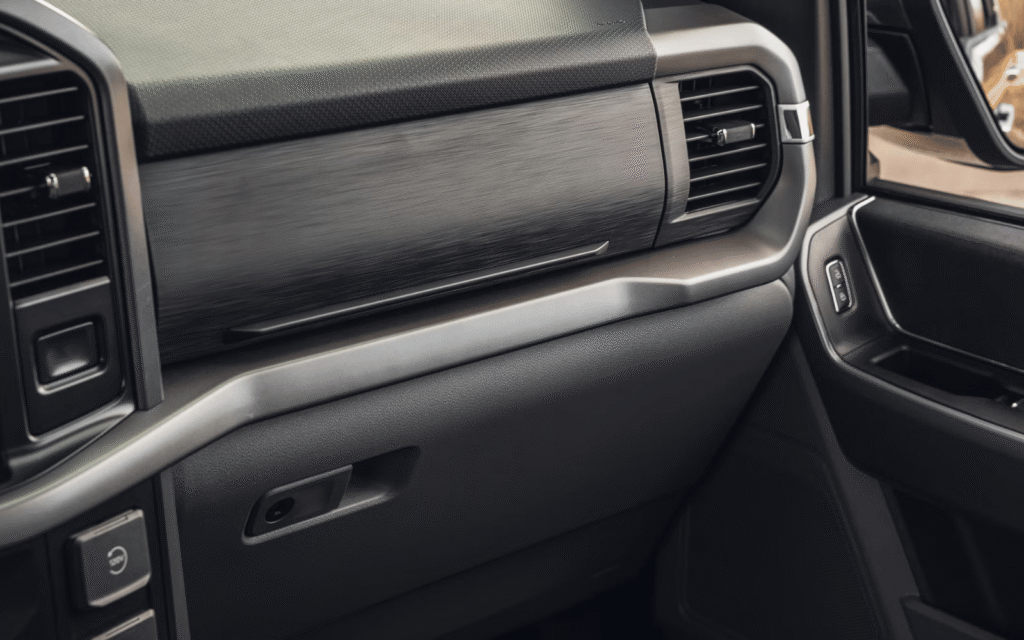
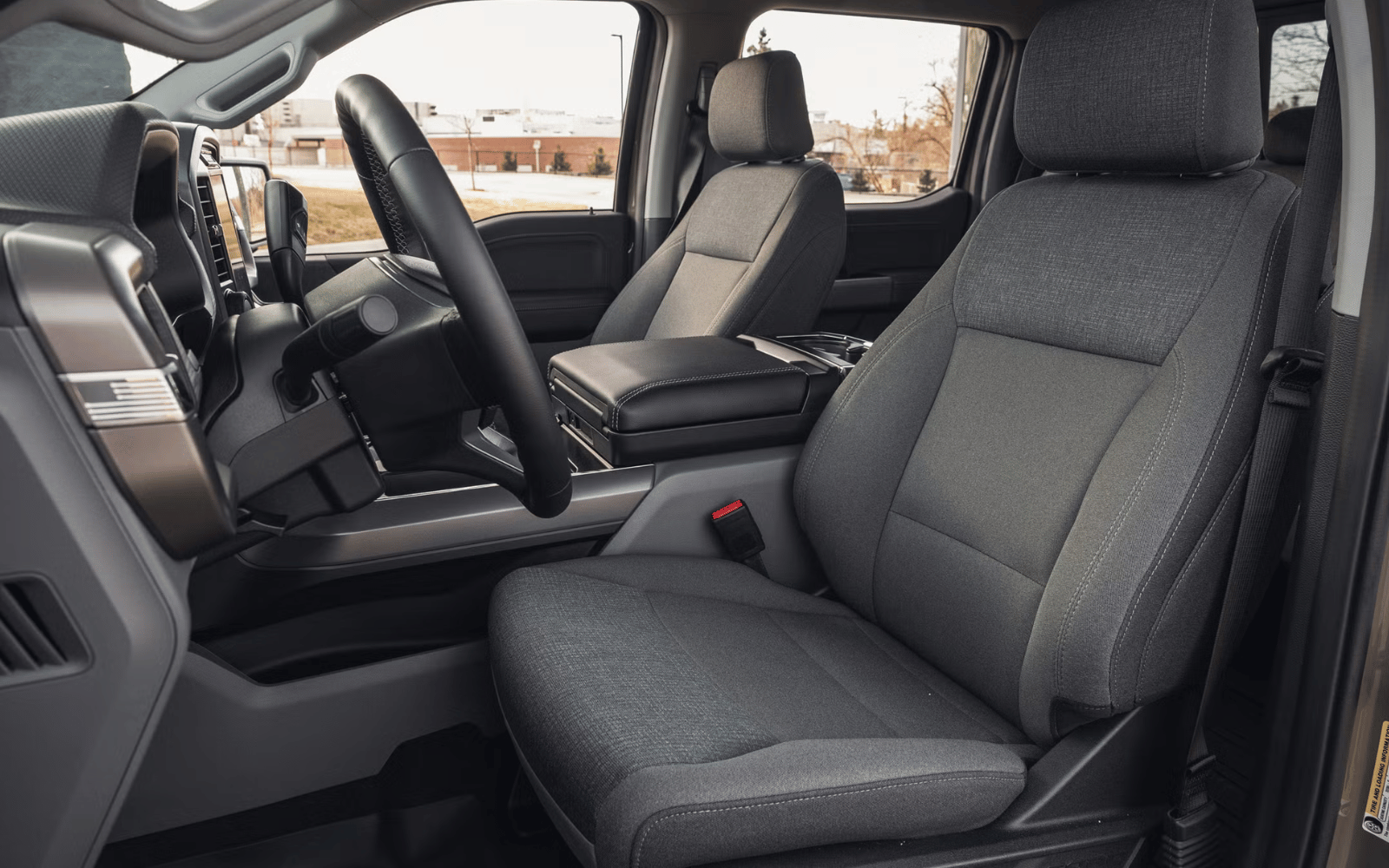
Interior design ranges from durable and simple in the XL to richly trimmed in the King Ranch and Platinum.
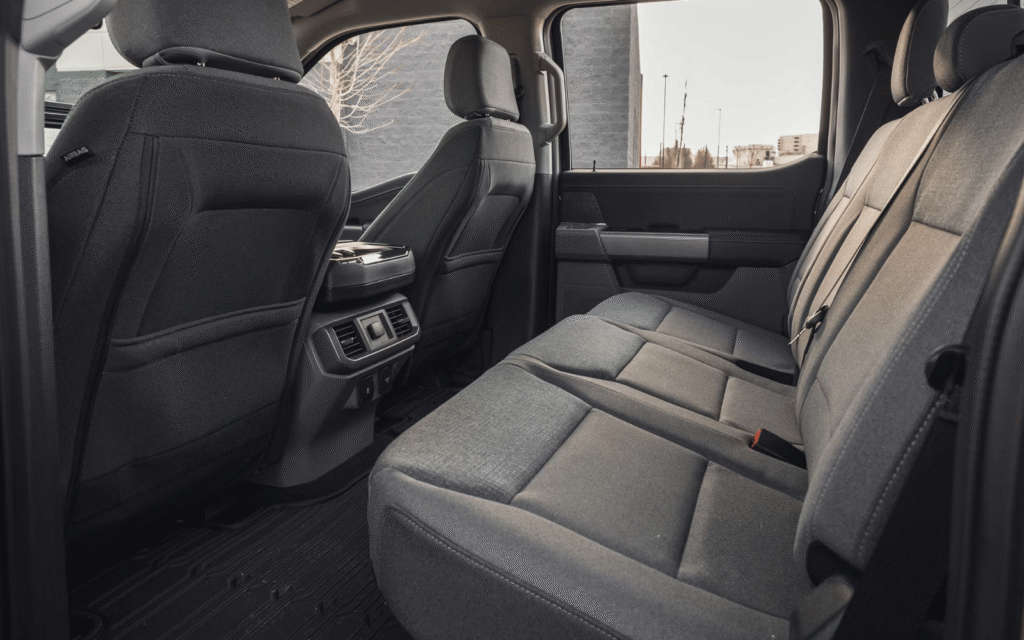
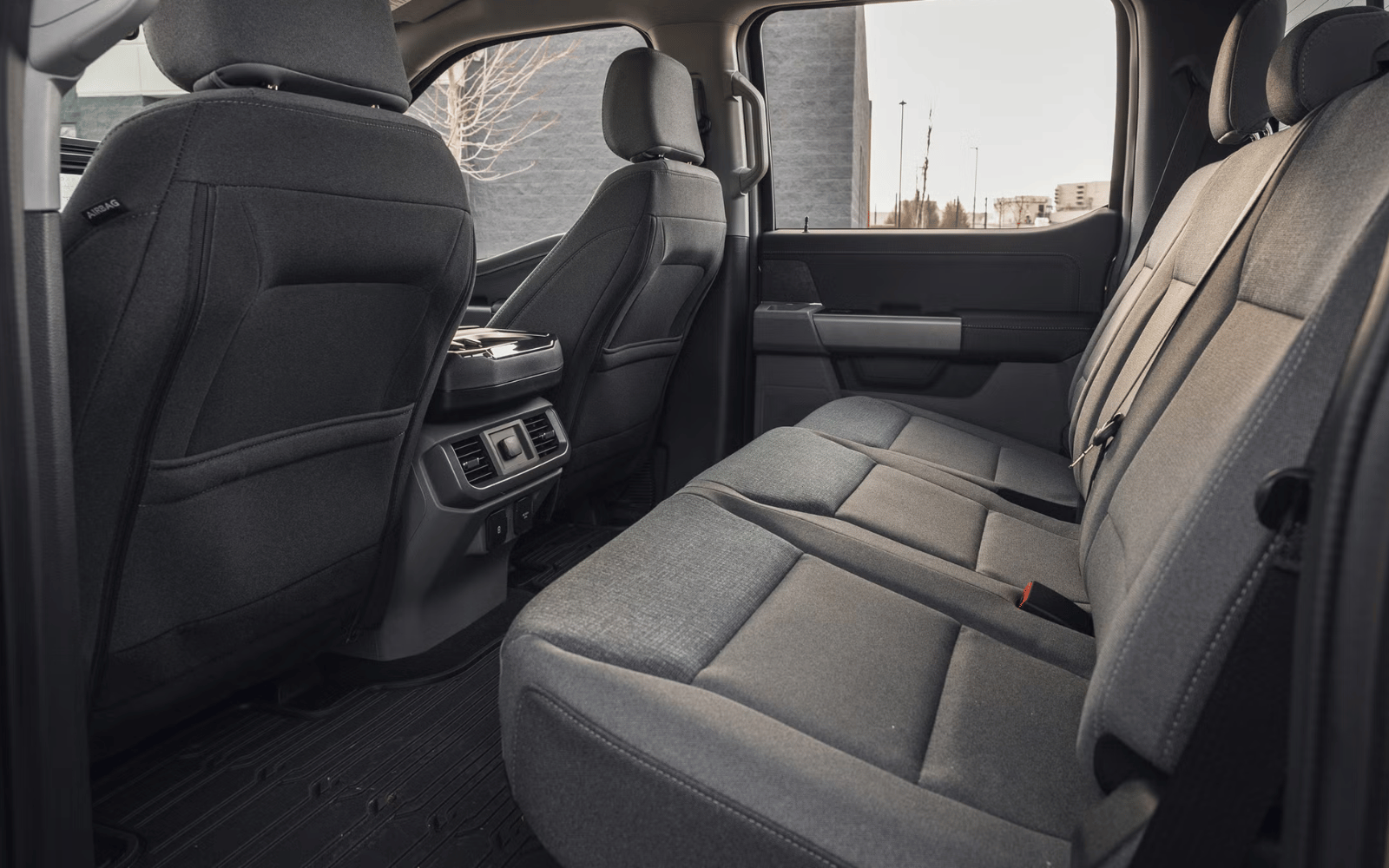
The SuperCrew provides excellent rear-seat space and a flat rear floor. Adults can sit comfortably in both rows, making this cab the best choice for families and work crews. SuperCab models provide smaller rear doors and less rear legroom, while the Regular Cab is intended mainly for one or two occupants.
Available interior features include:
- Heated and ventilated front seats
- Heated rear seats
- Multicontour massaging seats
- Twin-panel moonroof
- Interior Work Surface
- Fold-flat front seating
- Lockable under-seat storage
- Power-adjustable pedals
- Dual-zone climate control
- Premium B&O audio
- Genuine wood and leather trim
The available Interior Work Surface creates a flat area for a laptop, paperwork, or meals when the truck is parked.
Ford F-150 Technology
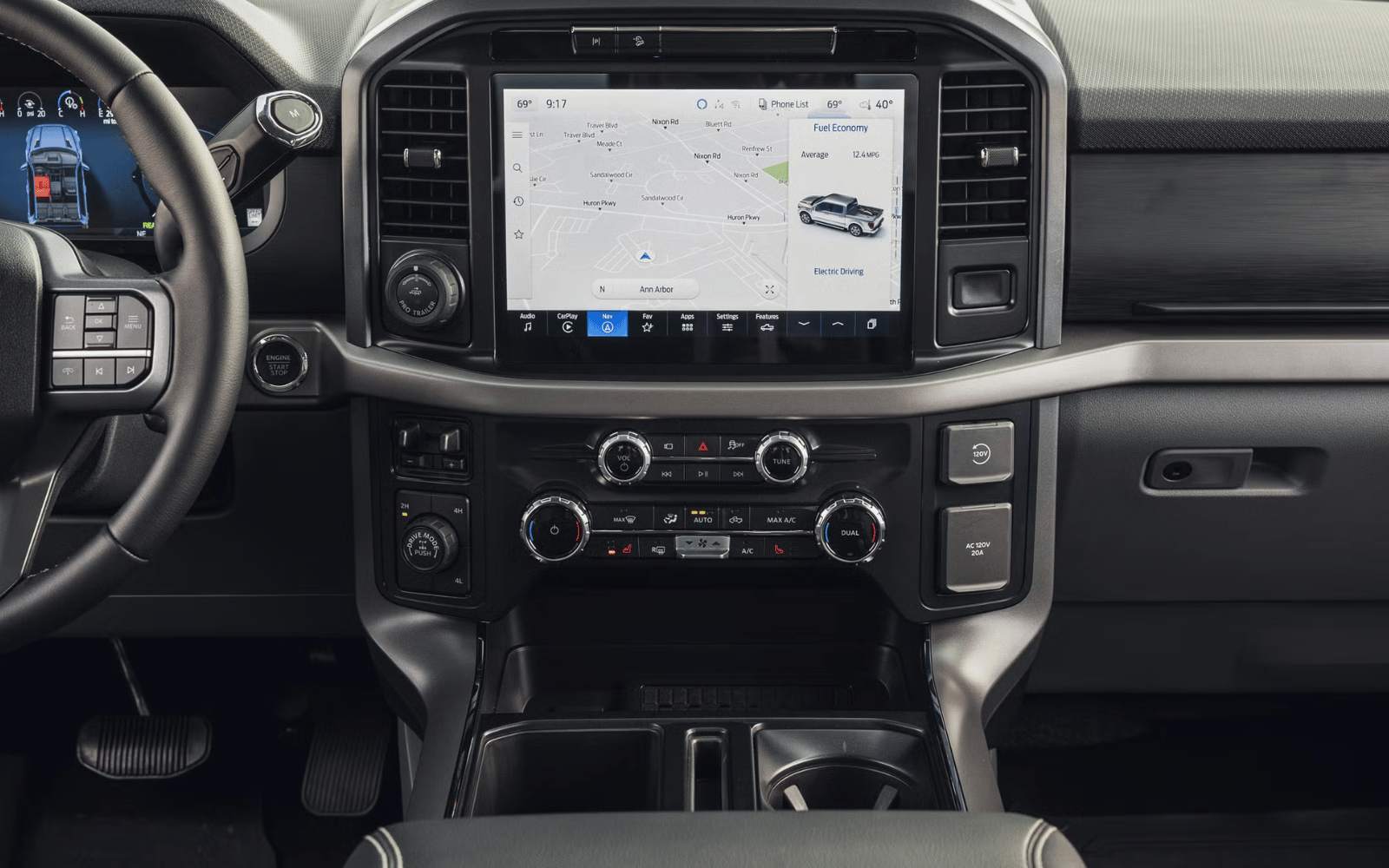
A 12-inch center touchscreen is standard across the lineup. Most trims also offer or include a 12-inch digital instrument cluster.
Available technology includes:
- Wireless Apple CarPlay
- Wireless Android Auto
- SYNC 4
- Connected navigation
- 360-degree camera
- Head-up display
- BlueCruise
- Wireless phone charging
- Ford Connectivity Package
- Ford Security Package
- Digital trailer checklists
- Remote vehicle functions through the Ford app
- Over-the-air software updates
The available Ford Connectivity Package includes unlimited Wi-Fi and selected connected apps for one year after activation. Continued access may require a subscription.
BlueCruise permits hands-free driving on compatible divided highways, but the driver must remain attentive and ready to take control. Feature access may also require an active subscription after the included trial or plan expires.
Cab and Bed Options
| Cab Style | Seating | Available Bed Lengths |
| Regular Cab | Up to 3 | 6.5 or 8 feet |
| SuperCab | Up to 6 | 6.5 feet |
| SuperCrew | Up to 6 | 5.5 or 6.5 feet |
| Raptor SuperCrew | 5 | 5.5 feet |
Bed Dimensions
| Bed | Interior Length | Approximate Volume |
| 5.5-foot bed | 67.1 inches | 52.8 cubic feet |
| 6.5-foot bed | 78.9 inches | 62.3 cubic feet |
| 8-foot bed | 97.6 inches | 77.4 cubic feet |
All beds measure approximately 50.6 inches between the wheel wells and around 21.4 inches deep. A four-foot-wide sheet of plywood can lie flat between the wheel wells.
Available cargo-bed features include:
- Pro Access Tailgate
- Tailgate work surface
- Tailgate step
- BoxLink attachment points
- LED bed lighting
- Bed-mounted electrical outlets
- Zone Lighting
- Power tailgate
- Factory spray-in bedliner
The Pro Access Tailgate includes a center section that swings open from the side, allowing the user to stand closer to the bed when a trailer is connected. Clearance still depends on the hitch and trailer jack.
Exterior Dimensions
Overall length depends heavily on the cab and bed:
| Configuration | Approximate Overall Length |
| Regular Cab with 6.5-foot bed | 209 inches |
| Regular Cab with 8-foot bed | 228 inches |
| SuperCab with 6.5-foot bed | 232 inches |
| SuperCrew with 5.5-foot bed | 232 inches |
| SuperCrew with 6.5-foot bed | 244 inches |
Buyers should measure their garage before selecting a SuperCrew with the 6.5-foot bed. Mirrors, hitch equipment, and front-mounted accessories also affect usable clearance.
Ford F-150 Safety
Standard or available driver-assistance features include:
- Automatic emergency braking
- Pedestrian detection
- Blind-spot monitoring
- Rear cross-traffic alert
- Lane-departure warning
- Lane-keeping assistance
- Rear automatic braking
- Adaptive cruise control
- Intersection assistance
- Evasive steering assistance
- 360-degree camera
- Trailer blind-spot coverage
- BlueCruise
Feature availability varies by trim and package.
In IIHS testing of the 2026 F-150 SuperCrew, the truck earned Good ratings in the small-overlap front and updated side tests. It received a Poor rating in the updated moderate-overlap front test because of rear-passenger protection.
IIHS also rated the truck’s LATCH child-seat anchors Marginal for ease of use. Headlights received Good or Acceptable ratings depending on the type fitted.
These results apply to tested SuperCrew models and should not automatically be extended to every cab style.
Reliability and Ownership Costs
The F-150 has a large dealer and parts network, and its engines are used across many Ford products. However, its mechanical complexity varies considerably by configuration.
Long-term costs can be affected by:
- Turbocharger and cooling-system maintenance
- Hybrid battery and electrical components
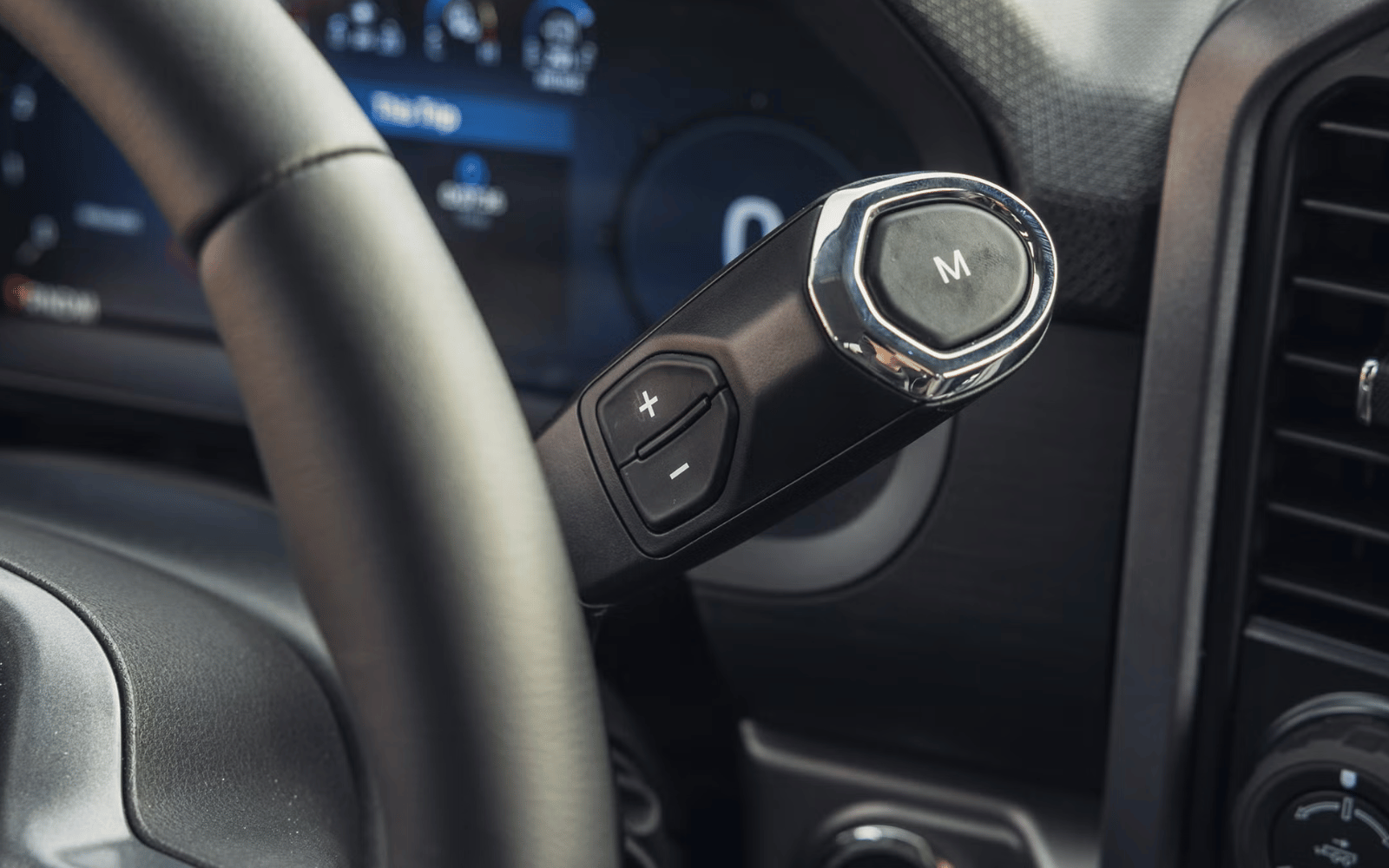
- Ten-speed automatic transmission behavior
- Four-wheel-drive system maintenance
- Large off-road tires
- Active suspension components
- Power running boards
- Advanced camera and driver-assistance systems
- Heavy towing or frequent idling
The 5.0-liter V8 may appeal to buyers seeking a naturally aspirated engine, but no F-150 powertrain is maintenance-free. The EcoBoost and PowerBoost engines need timely oil changes and correct fluids, especially when used for towing.
Before buying, check the truck’s VIN for open recalls through the NHTSA recall lookup or Ford’s owner-support tools.
Ford F-150 Warranty
| Coverage | Term |
| New-vehicle limited warranty | 3 years/36,000 miles |
| Powertrain warranty | 5 years/60,000 miles |
| Safety-restraint coverage | 5 years/60,000 miles |
| Corrosion-perforation coverage | 5 years/unlimited miles |
| Roadside assistance | 5 years/60,000 miles |
| Hybrid unique-component coverage | 8 years/100,000 miles |
Ford does not include a broad complimentary scheduled-maintenance plan with every F-150. Ford Rewards points or optional maintenance plans may cover some services, subject to current program terms.
Pros and Cons
What We Like
- Broad selection of engines and configurations
- Class-competitive 13,500-pound towing capacity
- Up to 2,440 pounds of payload
- Powerful and fuel-conscious hybrid option
- Useful Pro Power Onboard system
- Three cab and three bed choices
- Spacious SuperCrew interior
- Strong trailer-assistance technology
- Standard 12-inch touchscreen
- Tremor and Raptor off-road choices
- Available hands-free highway driving
- Wide dealer and service network
What We Don’t Like
- Options can raise the price quickly
- Maximum towing and payload require specific configurations
- SuperCrew models can be difficult to park
- Poor IIHS updated moderate-overlap rating
- Ten-speed automatic can feel busy in some conditions
- Hybrid adds weight and complexity
- Higher trims become very expensive
- Raptor models have low fuel economy
- No diesel engine
- BlueCruise and connected features may require subscriptions
The Competitors
Ford F-150 vs. Chevrolet Silverado 1500
The Silverado offers strong towing capability, several V8 engines, and an available 3.0-liter Duramax diesel. The F-150 counters with a full-hybrid engine, higher maximum published towing, Pro Power Onboard, and a wider range of performance models.
Choose the Silverado if diesel torque and highway efficiency are priorities. Choose the F-150 if onboard power, hybrid operation, or advanced trailer-assistance features matter more.
Ford F-150 vs. Ram 1500
The Ram 1500 offers one of the most comfortable rides and upscale interiors in the segment. Its available turbocharged inline-six engines also provide strong performance.
The F-150 offers more cab and bed combinations, a hybrid powertrain, higher-output onboard power, and a higher maximum tow rating. Buyers should test both because their ride and driving character differ considerably.
Ford F-150 vs. GMC Sierra 1500
The Sierra shares its engines and structure with the Silverado but offers more premium styling and the off-road AT4 and AT4X trims.
The Ford provides broader powertrain variety and a more useful hybrid-generator combination. The Sierra may appeal to buyers who prefer GM’s diesel engine or upscale Denali models.
Ford F-150 vs. Toyota Tundra
The Toyota Tundra offers turbocharged V6 and hybrid powertrains but no V8. Its maximum towing and payload ratings are lower than the F-150’s headline figures.
The Tundra has a simpler configuration range, while the Ford gives buyers more cab, bed, engine, and trim combinations.
Ford F-150 vs. Nissan Titan
The Nissan Titan is no longer produced as a new US-market competitor. Used Titans may offer good value and a standard V8, but the F-150 has a much broader lineup, newer technology, higher capability limits, and stronger long-term model support.
Should You Buy the 2026 Ford F-150?
The 2026 Ford F-150 is a strong choice for buyers who need one vehicle for towing, hauling, family travel, work, and daily driving. Few trucks offer the same selection of powertrains, body configurations, onboard power systems, and specialized trims.
The XLT SuperCrew provides the best balance for most private buyers. Work-truck customers should start with the XL, while frequent heavy-towing buyers should configure the 3.5-liter EcoBoost carefully around their trailer’s actual loaded weight.
Compare the complete out-the-door price before choosing a truck. Our guides to how car financing works, dealer vs. bank financing, and calculating a monthly car payment can help you assess competing offers.
Frequently Asked Questions
How much does the 2026 Ford F-150 cost?
The 2026 F-150 starts at $37,290 for the XL. The Raptor starts at $79,005, while a Raptor R can cost well above $100,000. Prices exclude destination charges, taxes, registration, options, and dealer fees.
What is the Ford F-150’s towing capacity?
The F-150 can tow up to 13,500 pounds when properly equipped. This rating requires a specific XLT SuperCrew 4×4 configuration with the 3.5-liter EcoBoost, 6.5-foot bed, Tow/Haul Package, and required axle equipment.
What is the Ford F-150’s payload capacity?
The maximum available payload is 2,440 pounds. Actual payload is shown on the door-jamb label and is usually lower on crew-cab, four-wheel-drive, hybrid, luxury, and off-road models.
Which F-150 engine is best for towing?
The 3.5-liter EcoBoost V6 is best for maximum towing. It produces 500 lb-ft of torque and supports a maximum rating of 13,500 pounds when correctly configured.
Is the Ford F-150 available as a hybrid?
Yes. The PowerBoost full-hybrid V6 produces 430 horsepower and 578 lb-ft of torque. It can tow up to 11,600 pounds and is available with 7.2-kW Pro Power Onboard.
Does the Ford F-150 have a V8?
Yes. The standard naturally aspirated 5.0-liter V8 produces 400 horsepower and 410 lb-ft of torque. The Raptor R uses a supercharged 5.2-liter V8 with 720 horsepower.
Does the Ford F-150 have a diesel engine?
No. Ford no longer offers a diesel engine in the F-150. Buyers who require diesel power must consider a competing half-ton or move to a Ford Super Duty.
Which Ford F-150 engine gets the best MPG?
The PowerBoost hybrid receives the best EPA rating. The rear-wheel-drive version is rated at 23 mpg city, 25 mpg highway, and 24 mpg combined.
What is Pro Power Onboard?
Pro Power Onboard provides electrical outlets powered by the truck. Depending on the engine and equipment, the system can produce 2.0, 2.4, or 7.2 kW.
What is the difference between the F-150 Tremor and Raptor?
The Tremor is a more practical off-road trim with 33-inch tires and stronger trail capability than a standard F-150. The Raptor is wider, more powerful, and designed for high-speed driving over rough terrain.
How many people can the Ford F-150 seat?
The F-150 can seat up to six people with a front bench seat. Models with front bucket seats and a center console seat five.
What cab styles are available?
The F-150 is available in Regular Cab, SuperCab, and SuperCrew forms. The SuperCrew provides the most rear-seat room.
What bed sizes are available?
Ford offers 5.5-foot, 6.5-foot, and 8-foot beds. Availability depends on the cab style and trim.
Can a sheet of plywood fit in the F-150 bed?
Yes. The bed is approximately 50.6 inches wide between the wheel wells, allowing a standard four-foot-wide sheet of plywood to lie flat.
Is the Ford F-150 good for families?
A SuperCrew F-150 can work well for families because it provides generous rear-seat room, wide door openings, and a flat rear floor. Its large exterior dimensions can make parking and garage storage difficult.
Is the 2026 Ford F-150 safe?
The SuperCrew earned Good IIHS ratings in the small-overlap front and updated side tests. However, it received a Poor rating in the updated moderate-overlap test because of rear-passenger protection.
Final Verdict
The 2026 Ford F-150 remains one of the most adaptable full-size trucks. Its engine range covers efficient daily driving, maximum towing, hybrid operation, traditional V8 power, and extreme off-road performance. Its cab and bed choices also allow buyers to build anything from a two-seat work truck to a spacious luxury family vehicle.
The F-150’s biggest challenge is configuration complexity. The maximum towing and payload numbers apply only to specialized builds, while highly equipped crew-cab trucks can cost far more and carry considerably less. Its Poor result in the IIHS updated moderate-overlap test is another weakness buyers should consider.
Prices, specifications, safety ratings, warranties, and feature availability can change by trim, model year, and market.