
2026 Ford Ranger: Price, Specs, MPG & Review
The 2026 Ford Ranger is a midsize pickup designed for drivers who want real towing, hauling, and off-road capability without moving up to a full-size truck. It offers three turbocharged engines, a maximum towing capacity of 7,500 pounds, and an available Raptor model built for high-speed off-road driving.
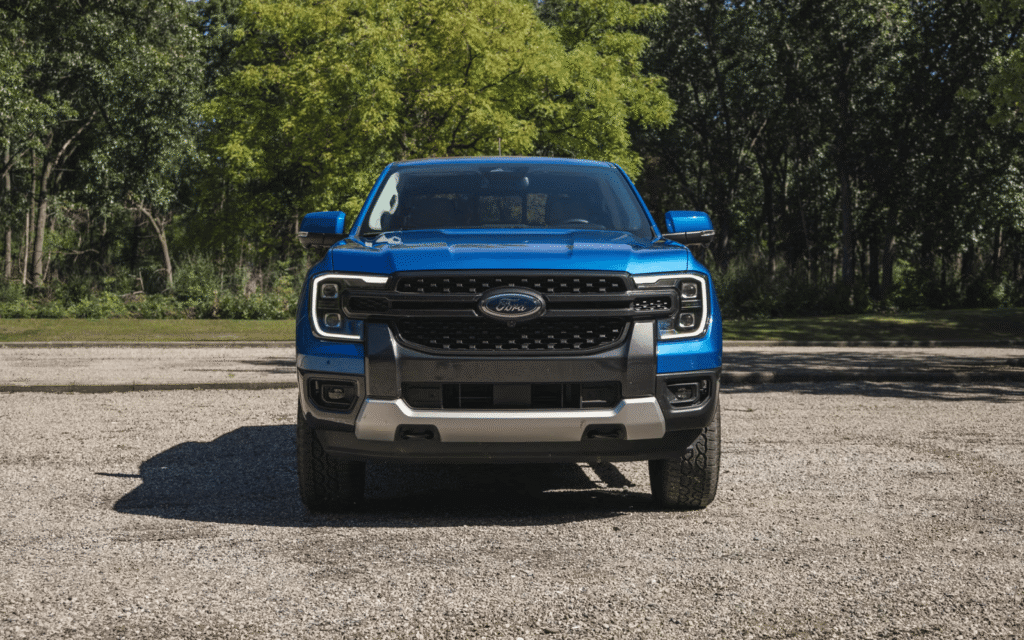
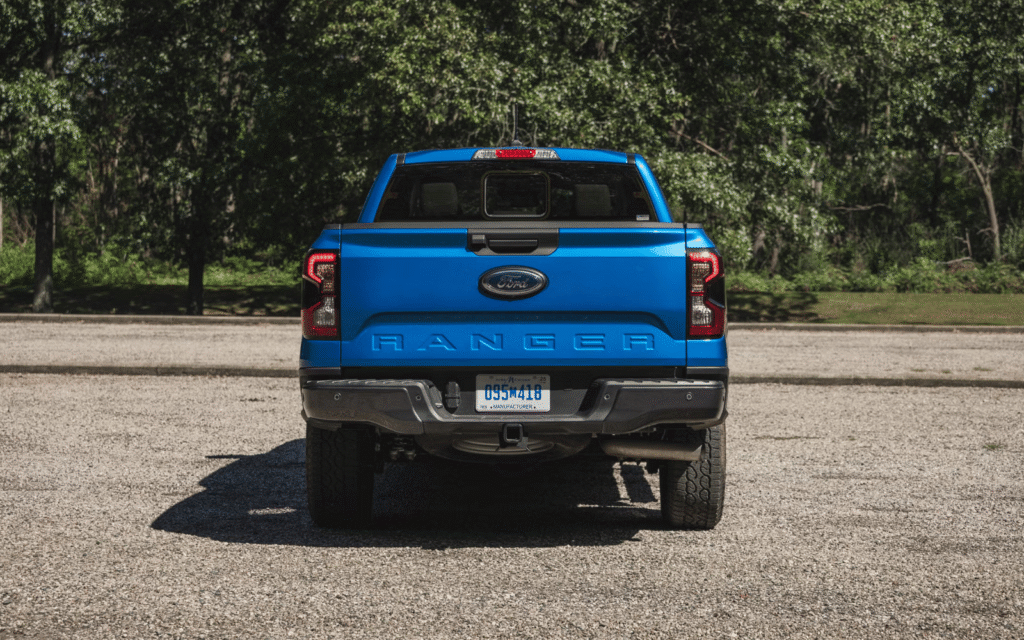
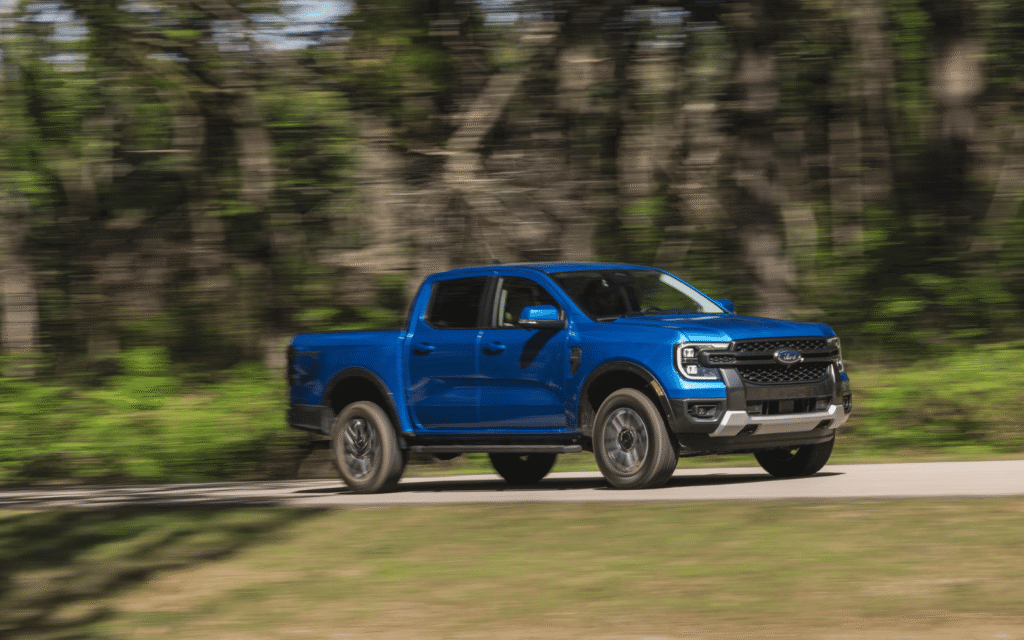
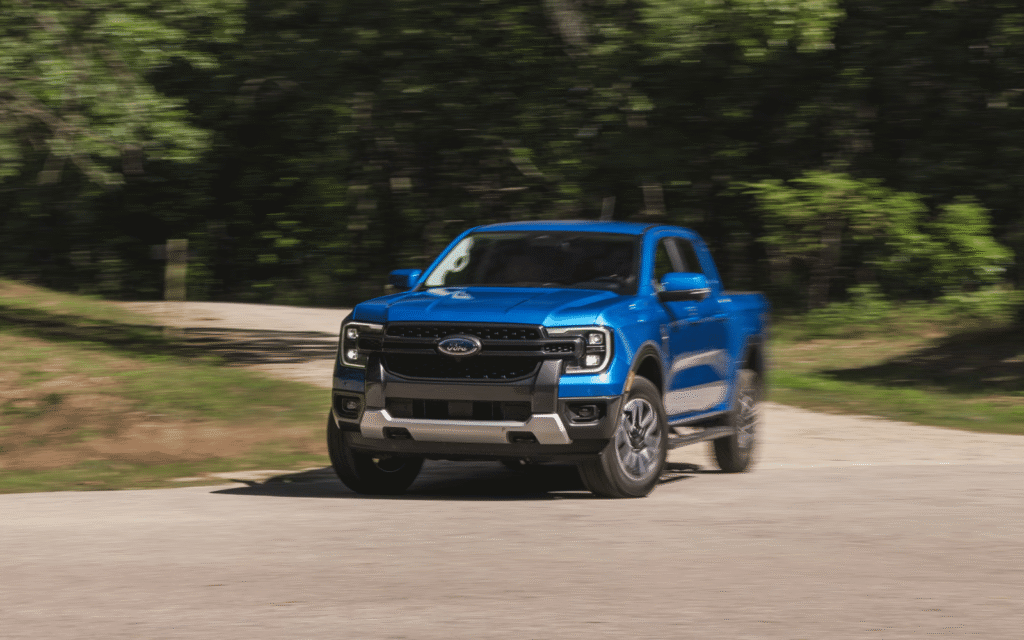
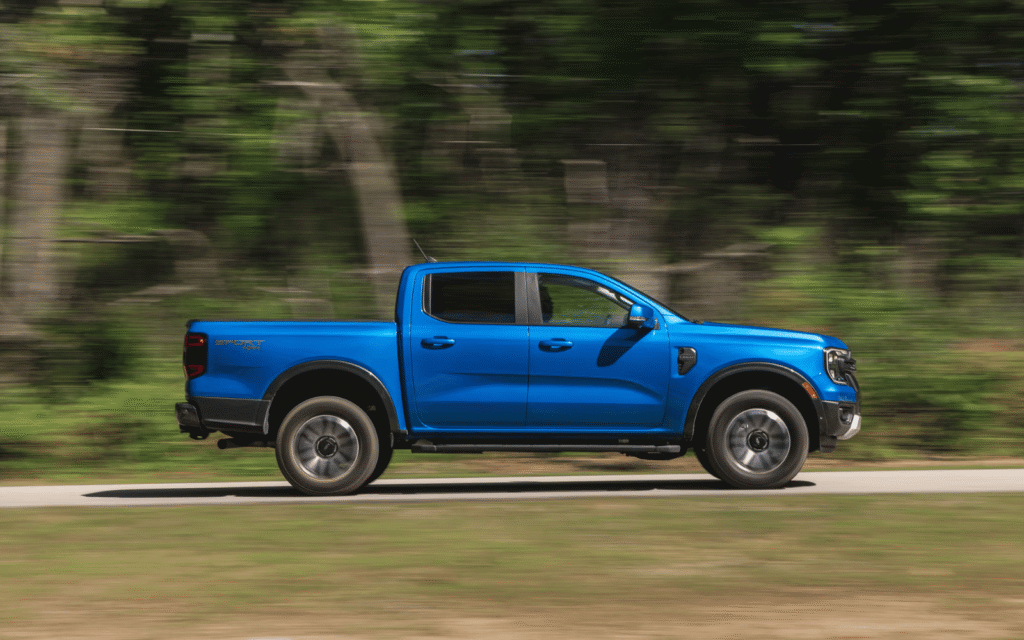
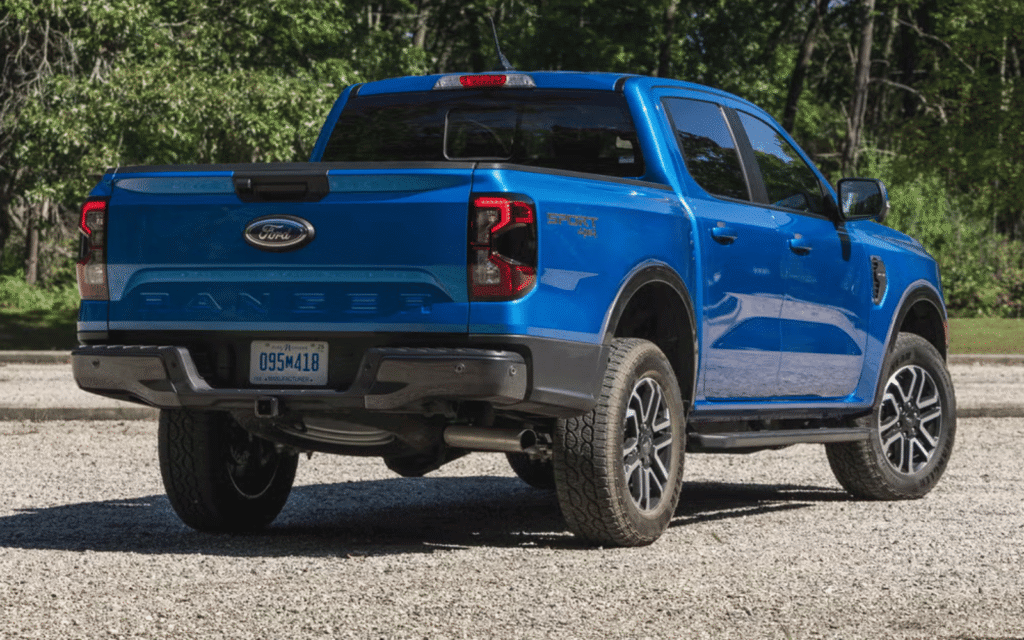
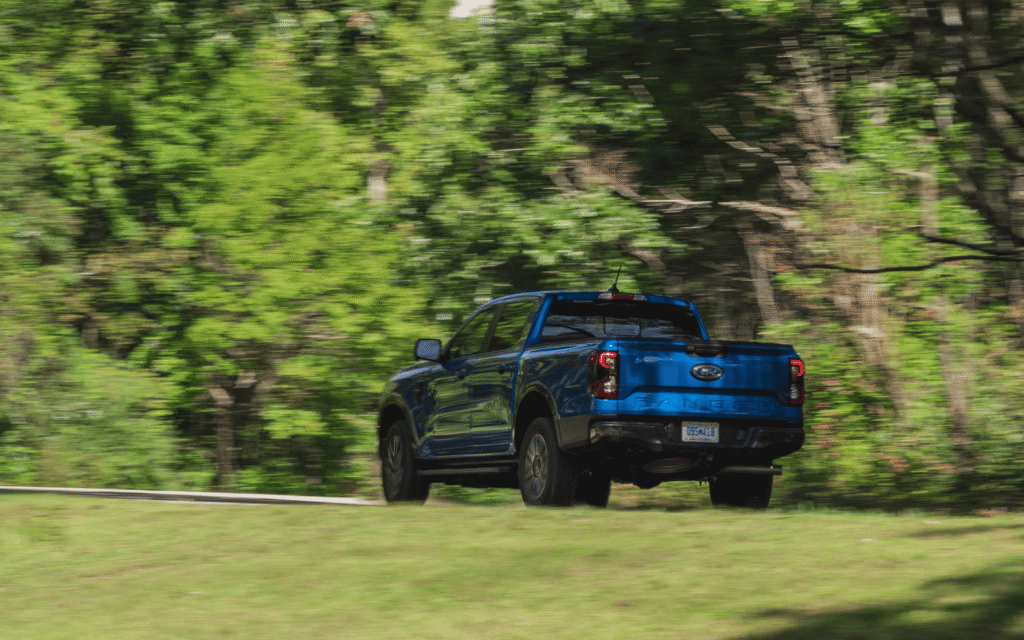
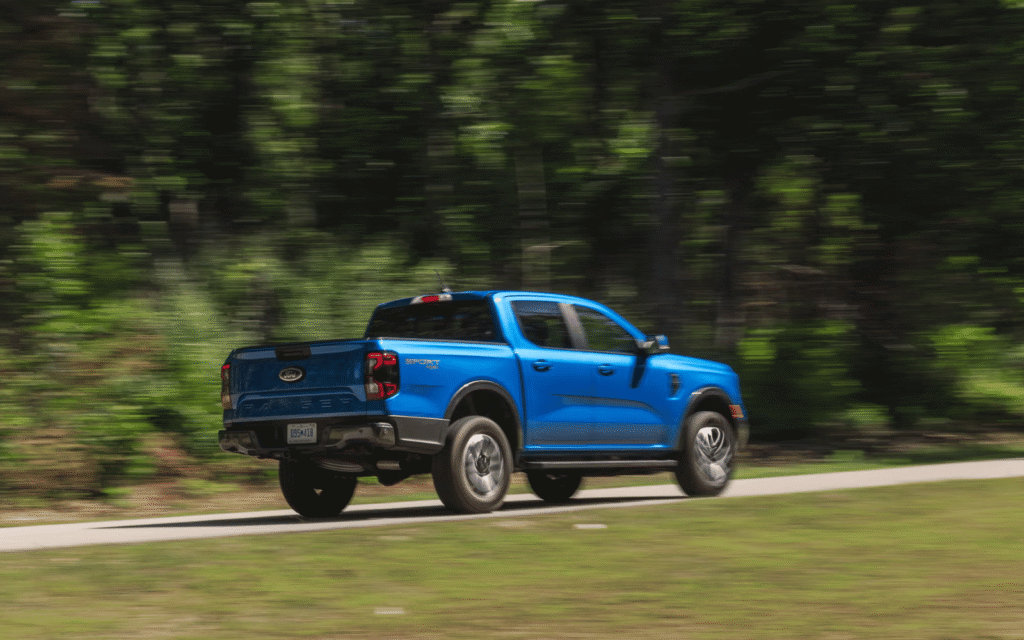
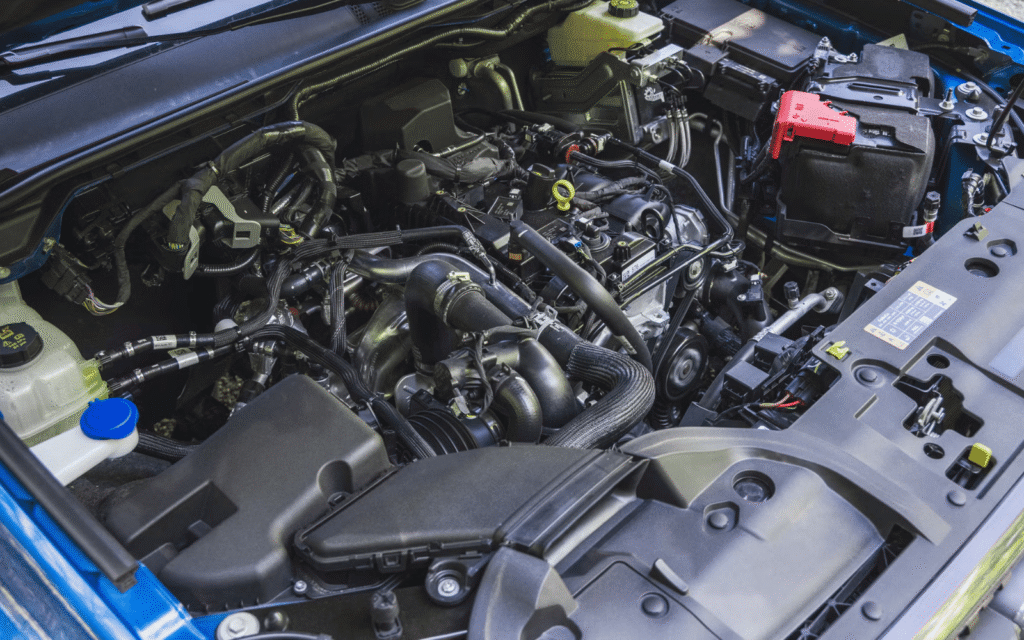
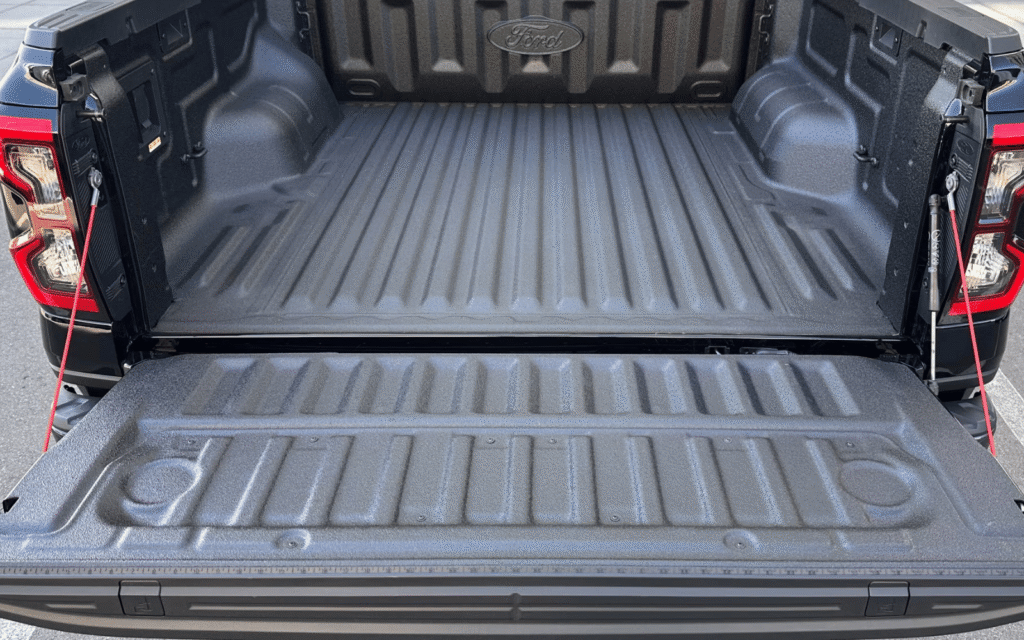
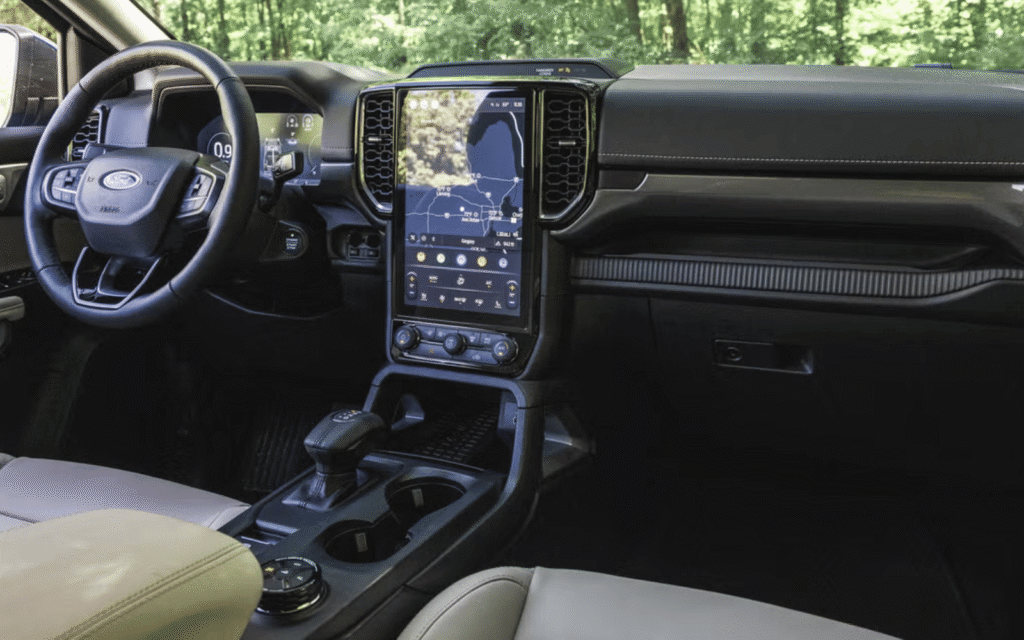
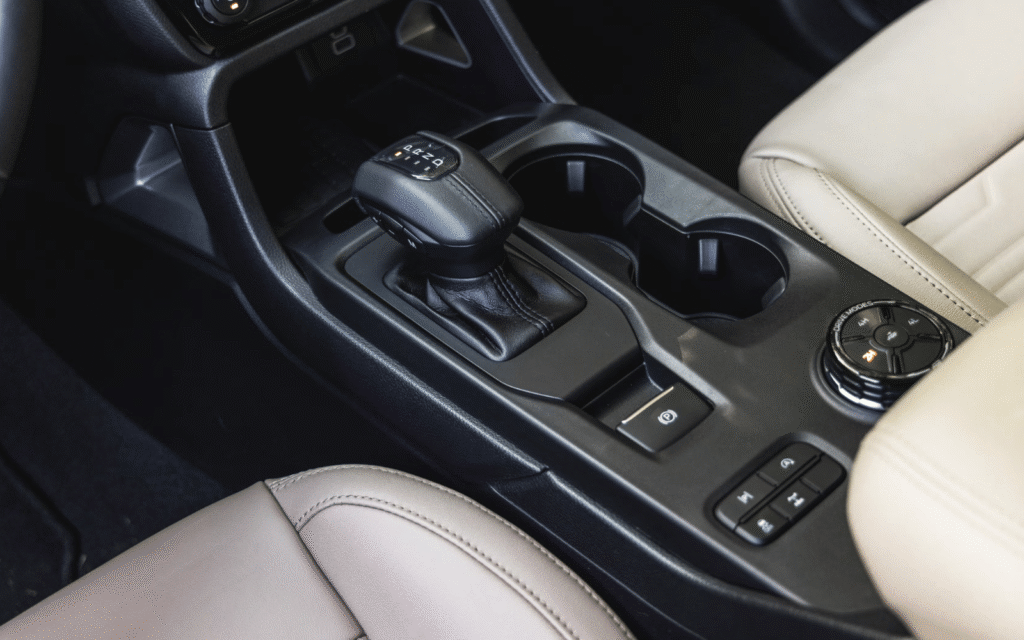
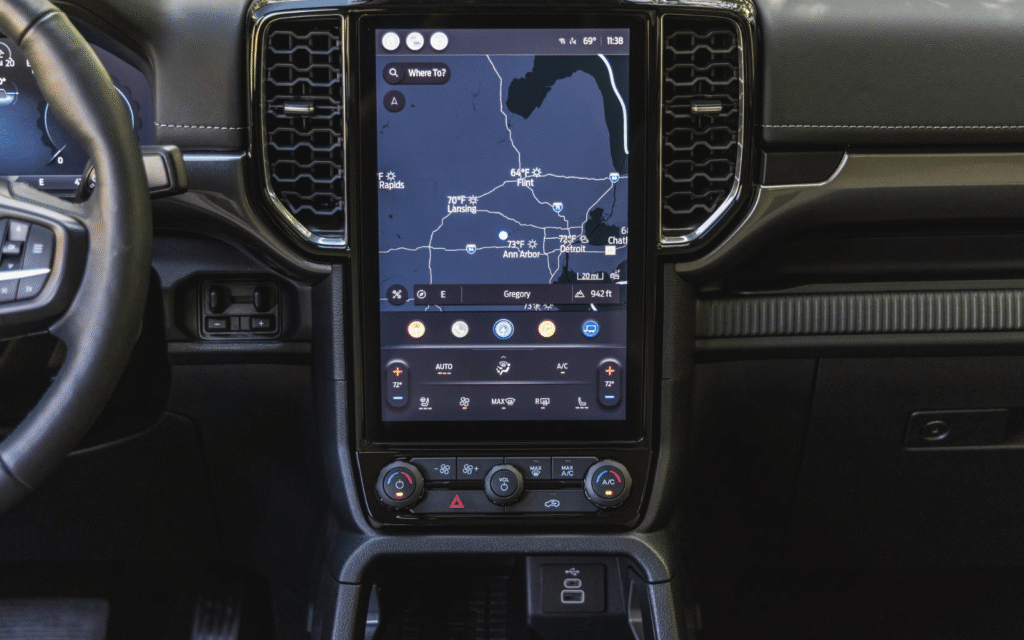
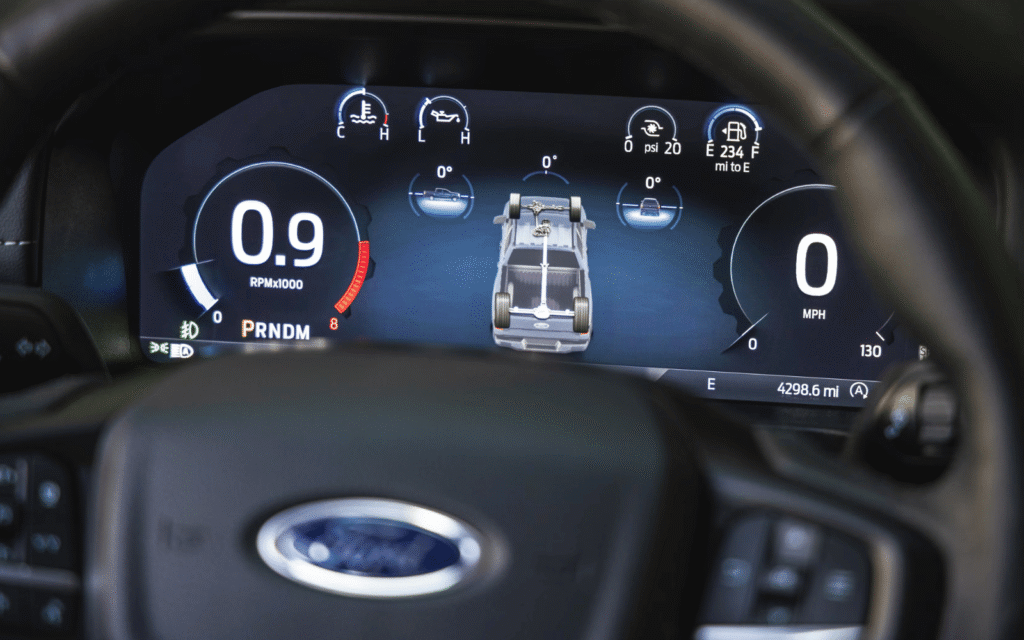
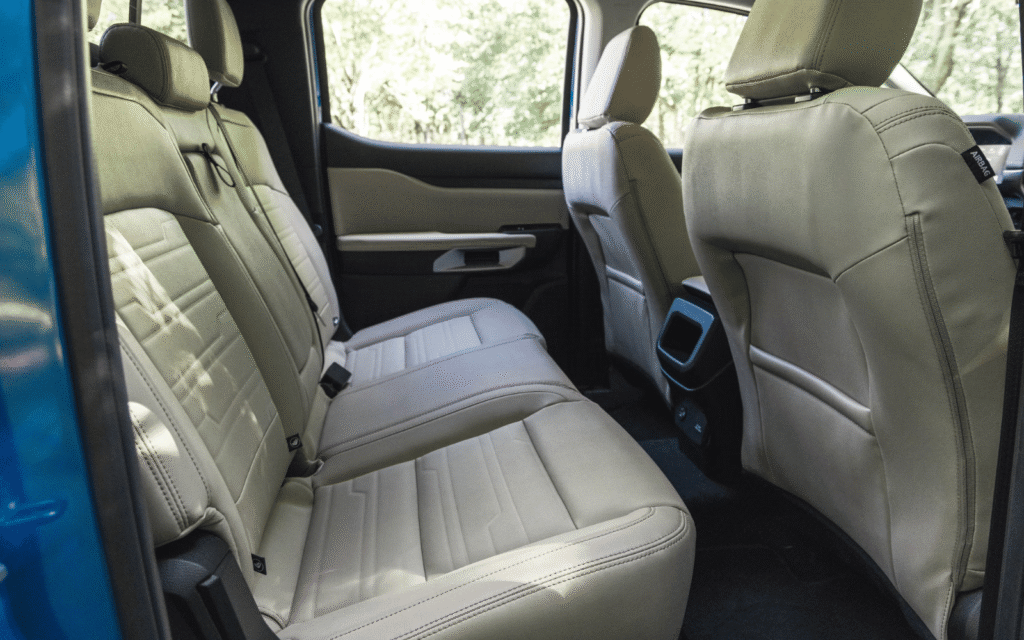
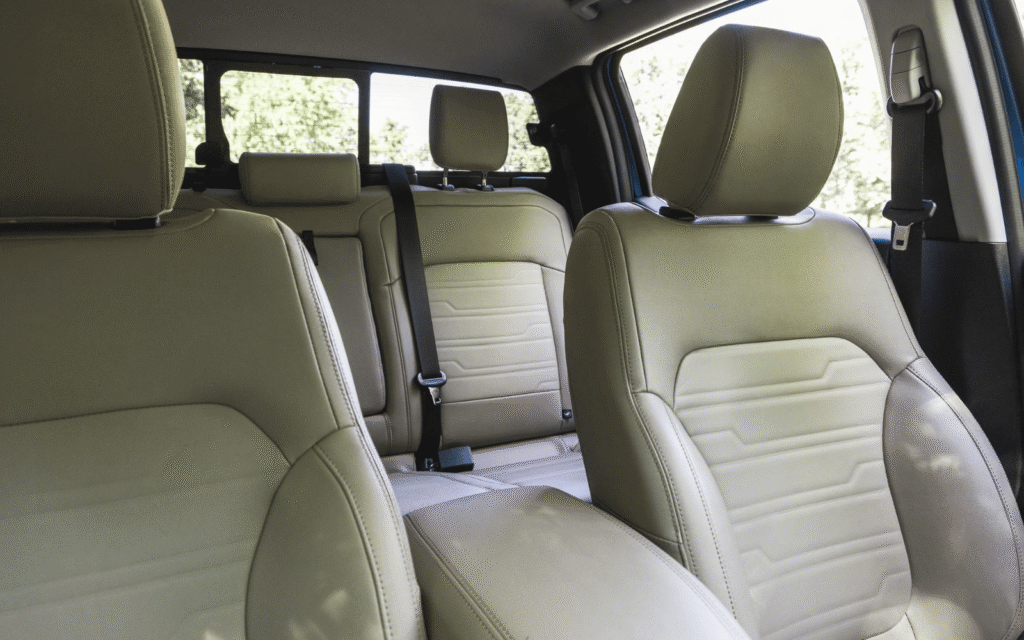
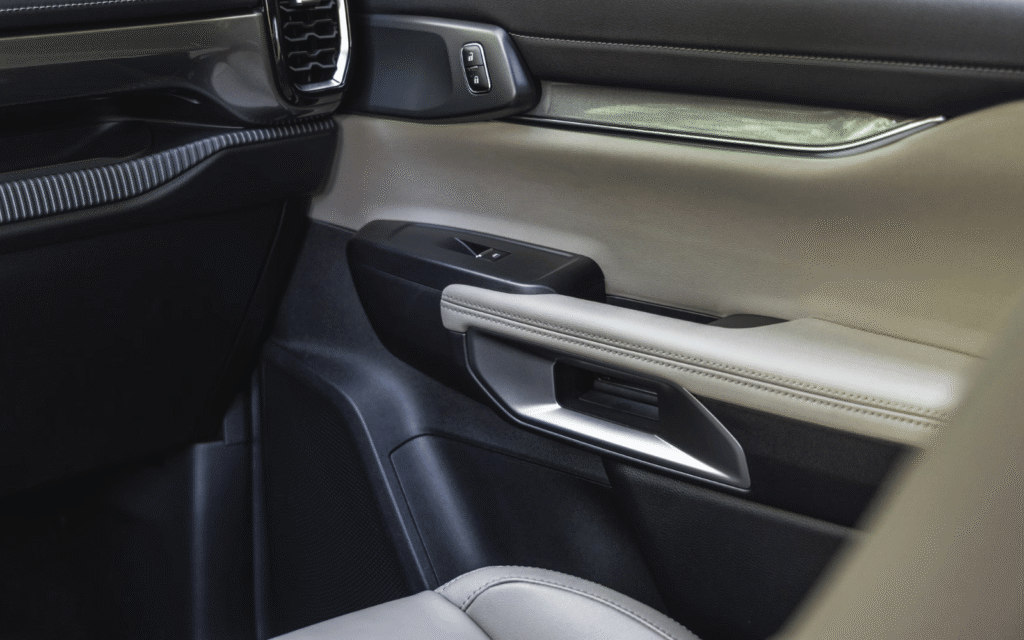
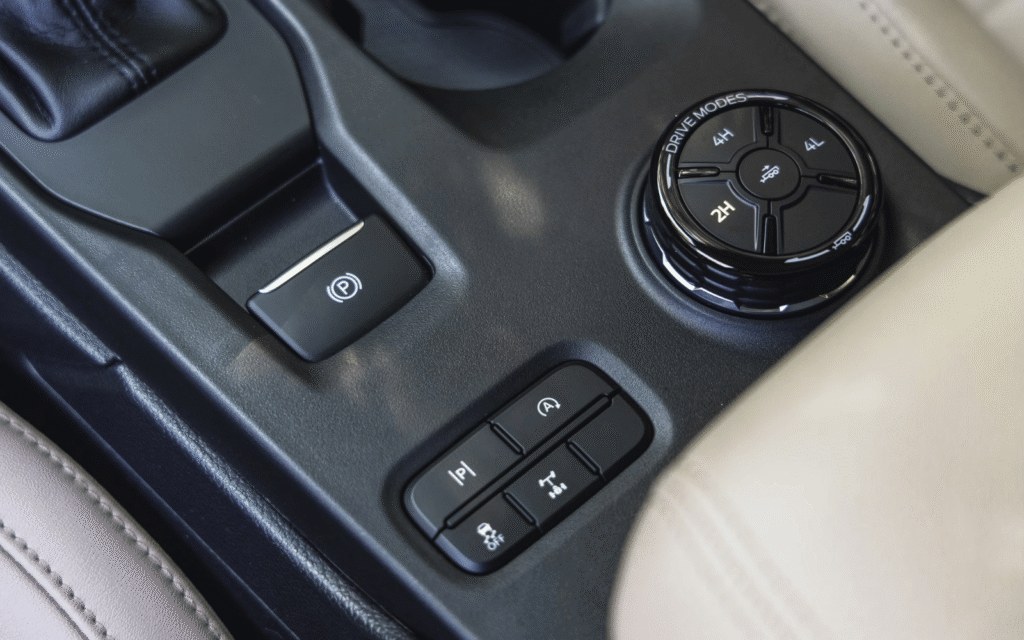
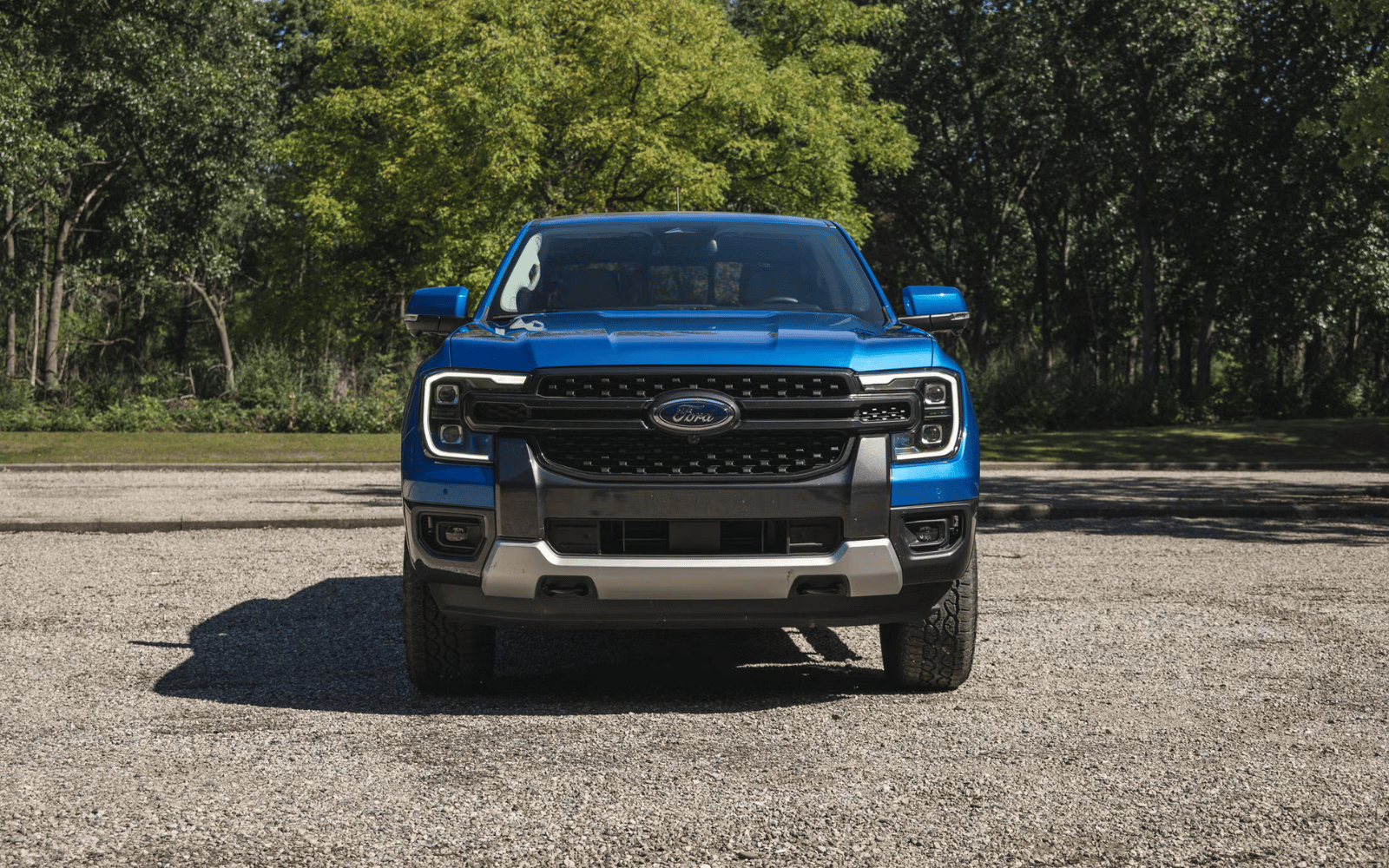
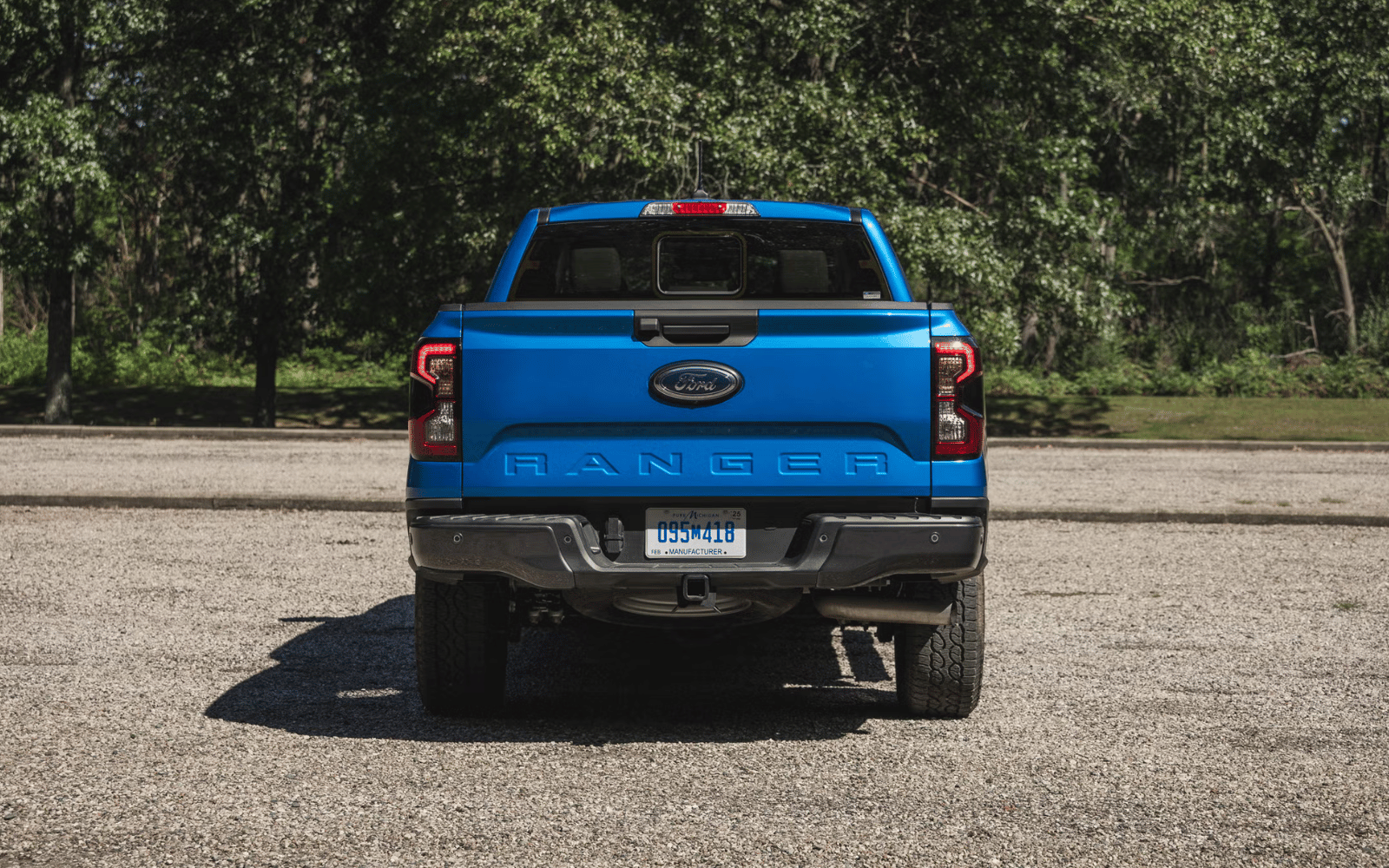
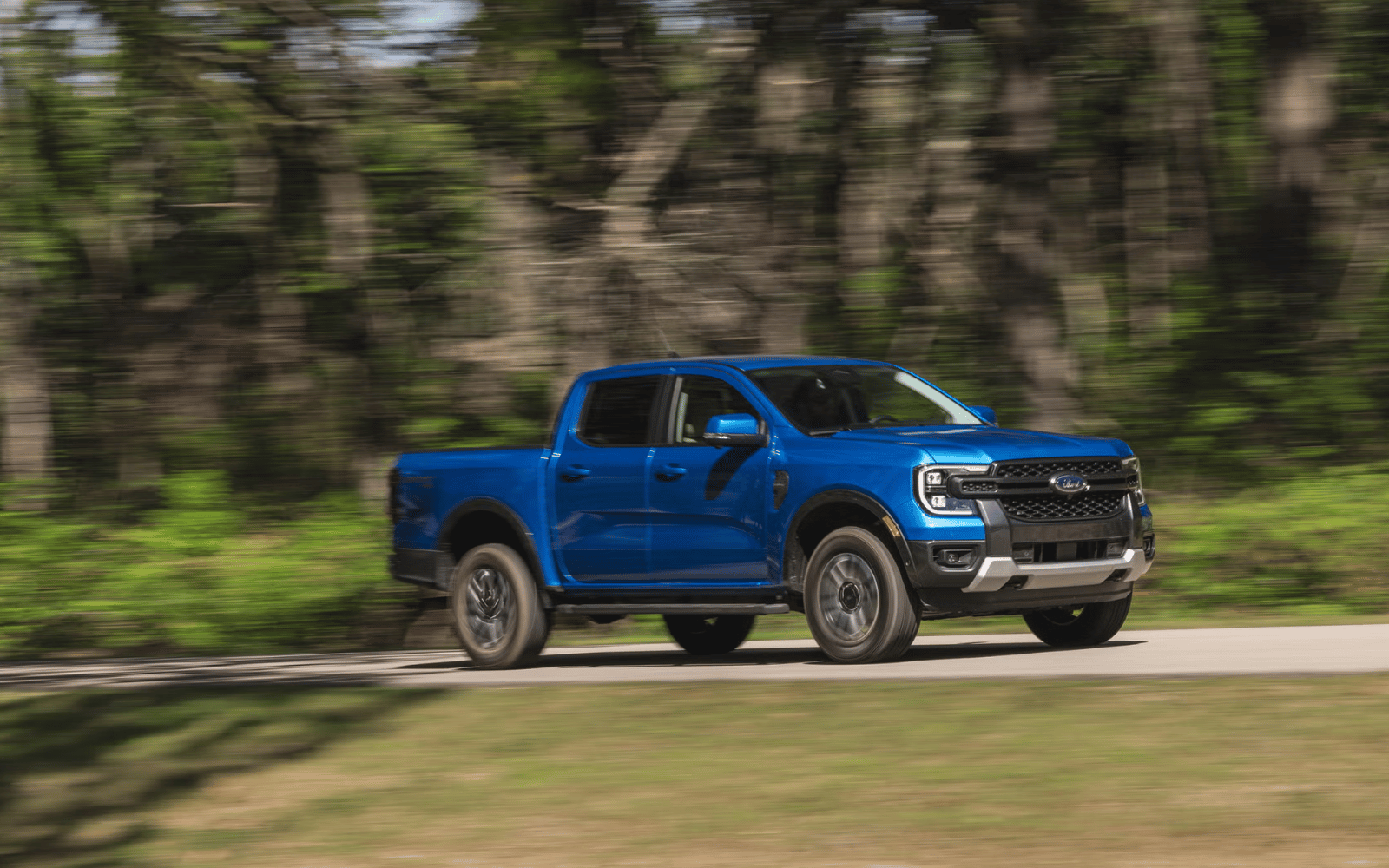
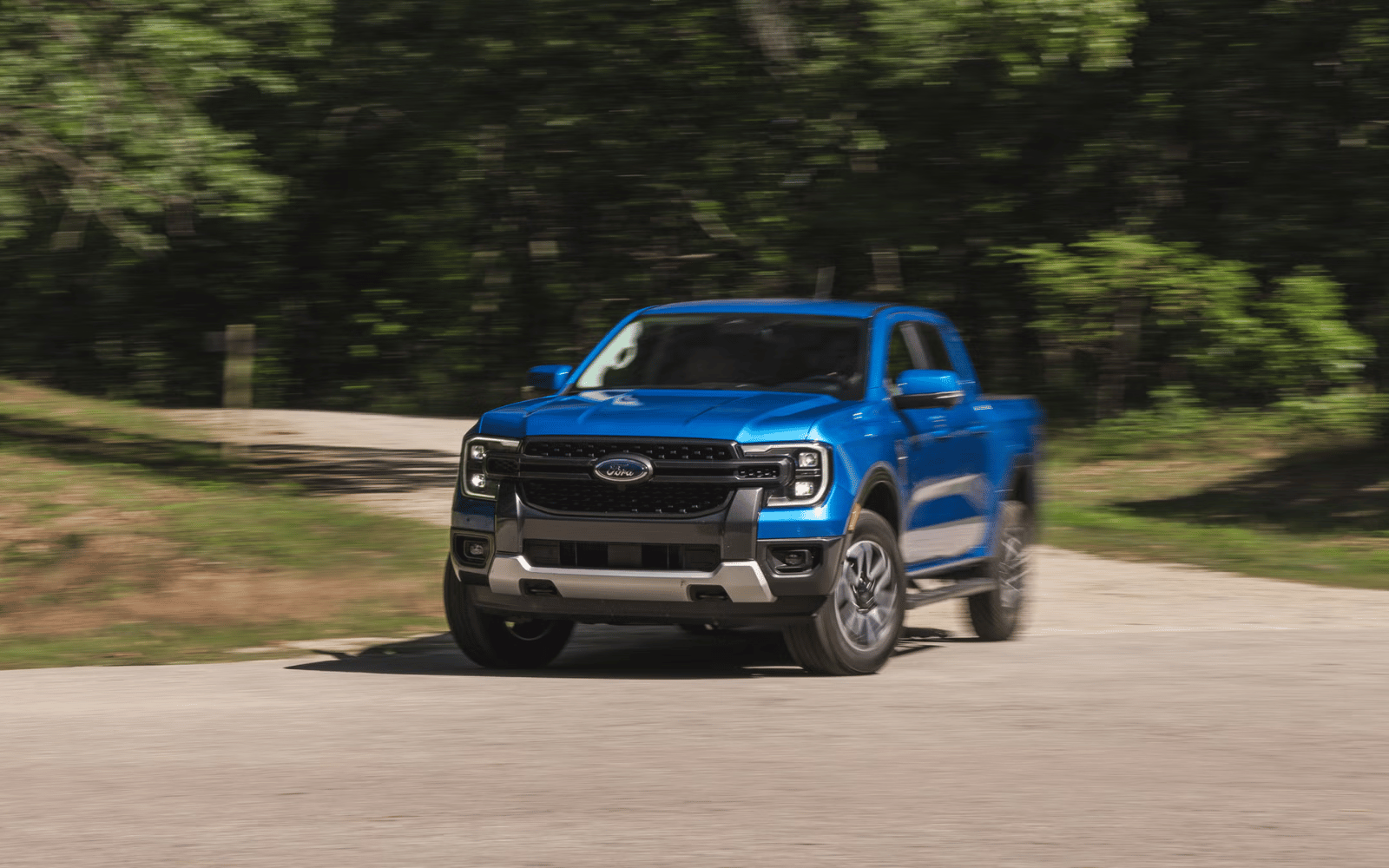
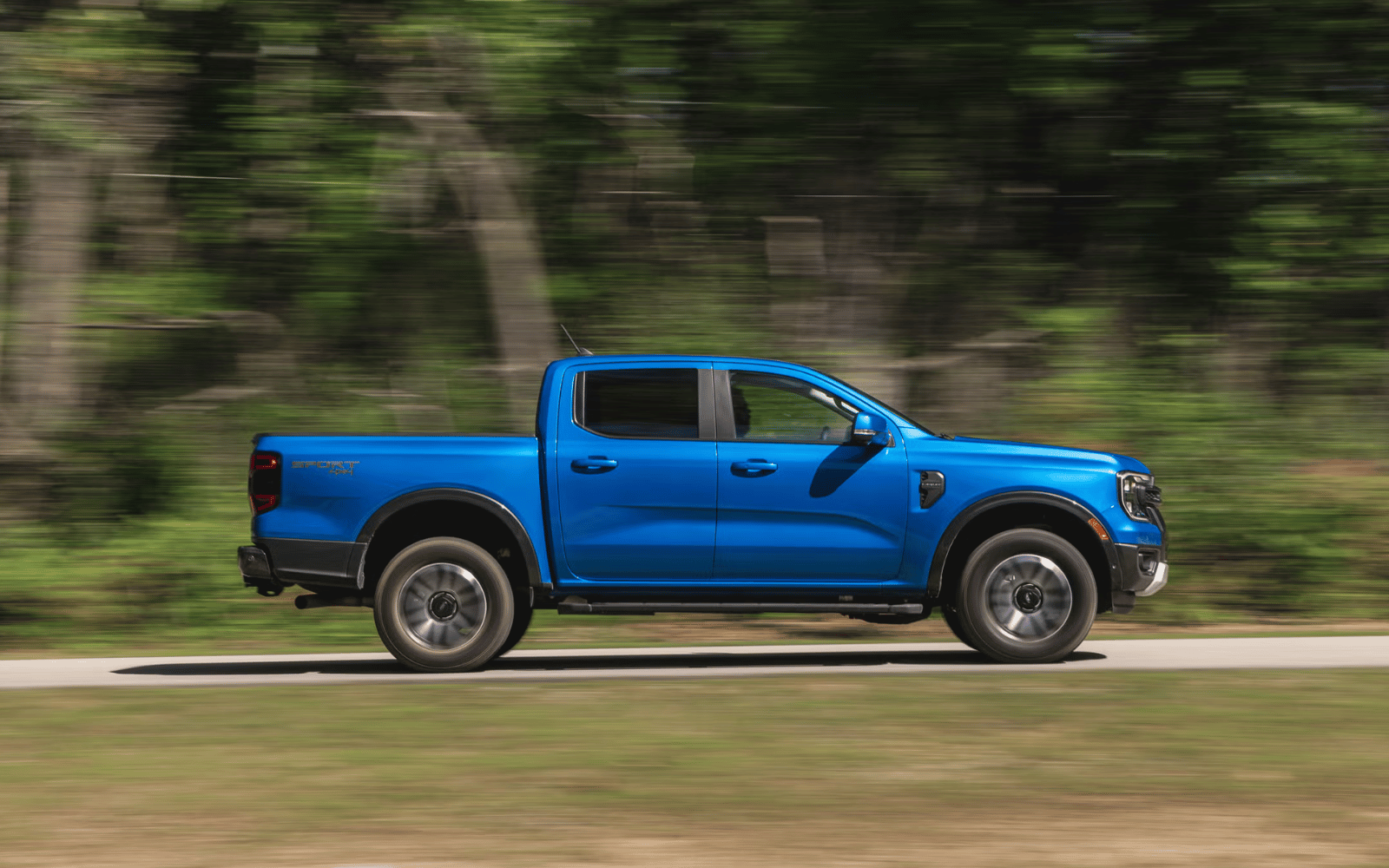
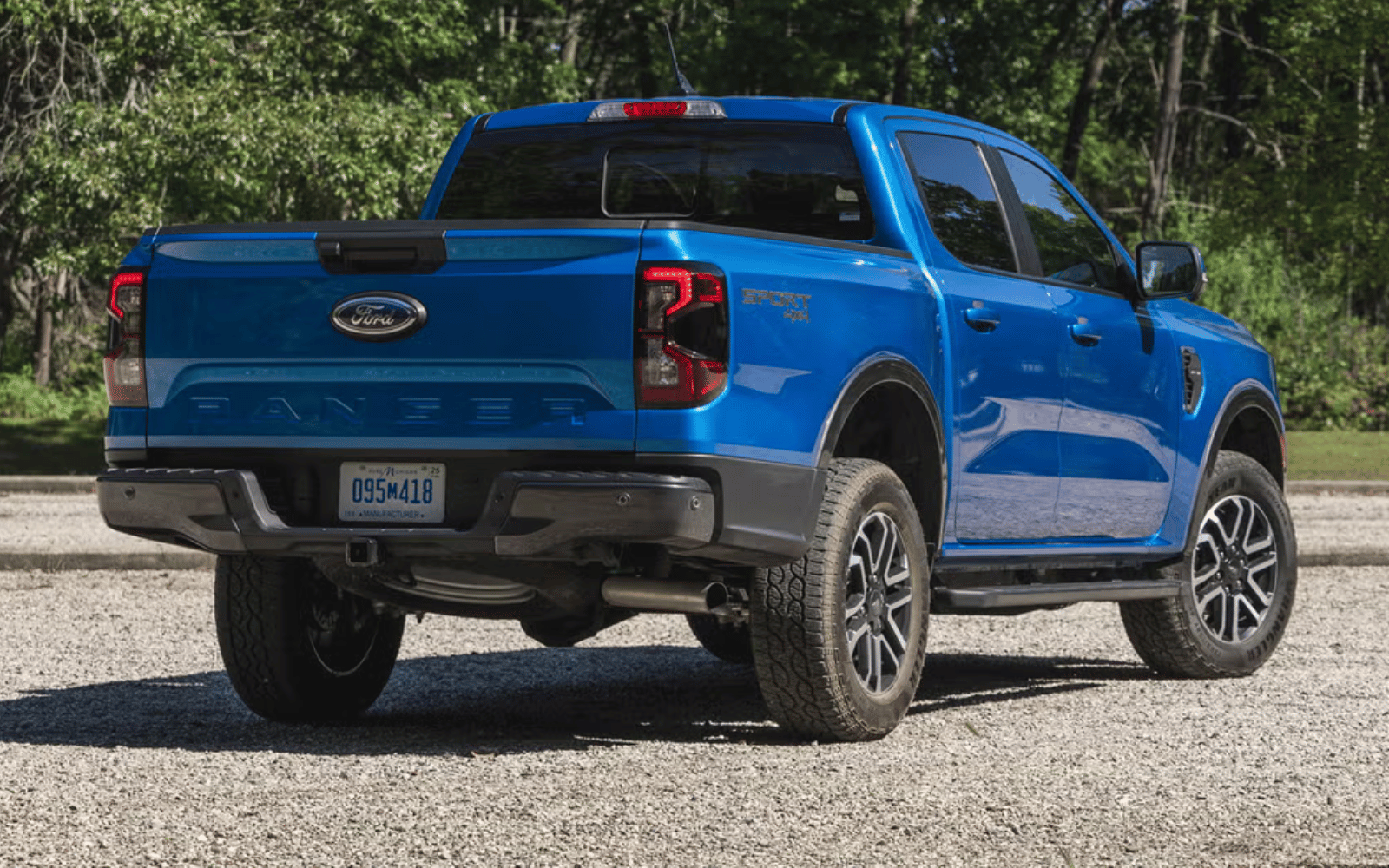
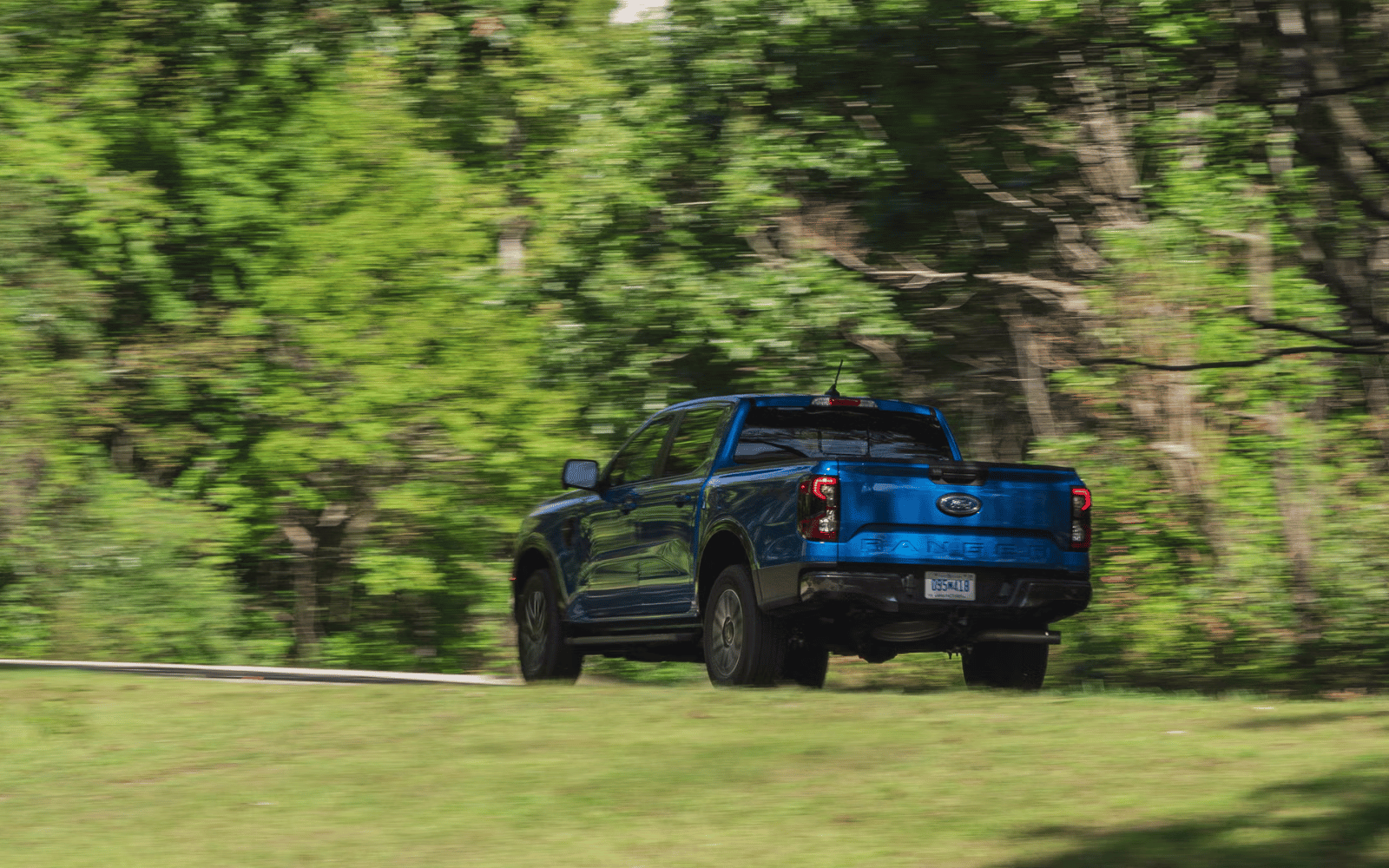
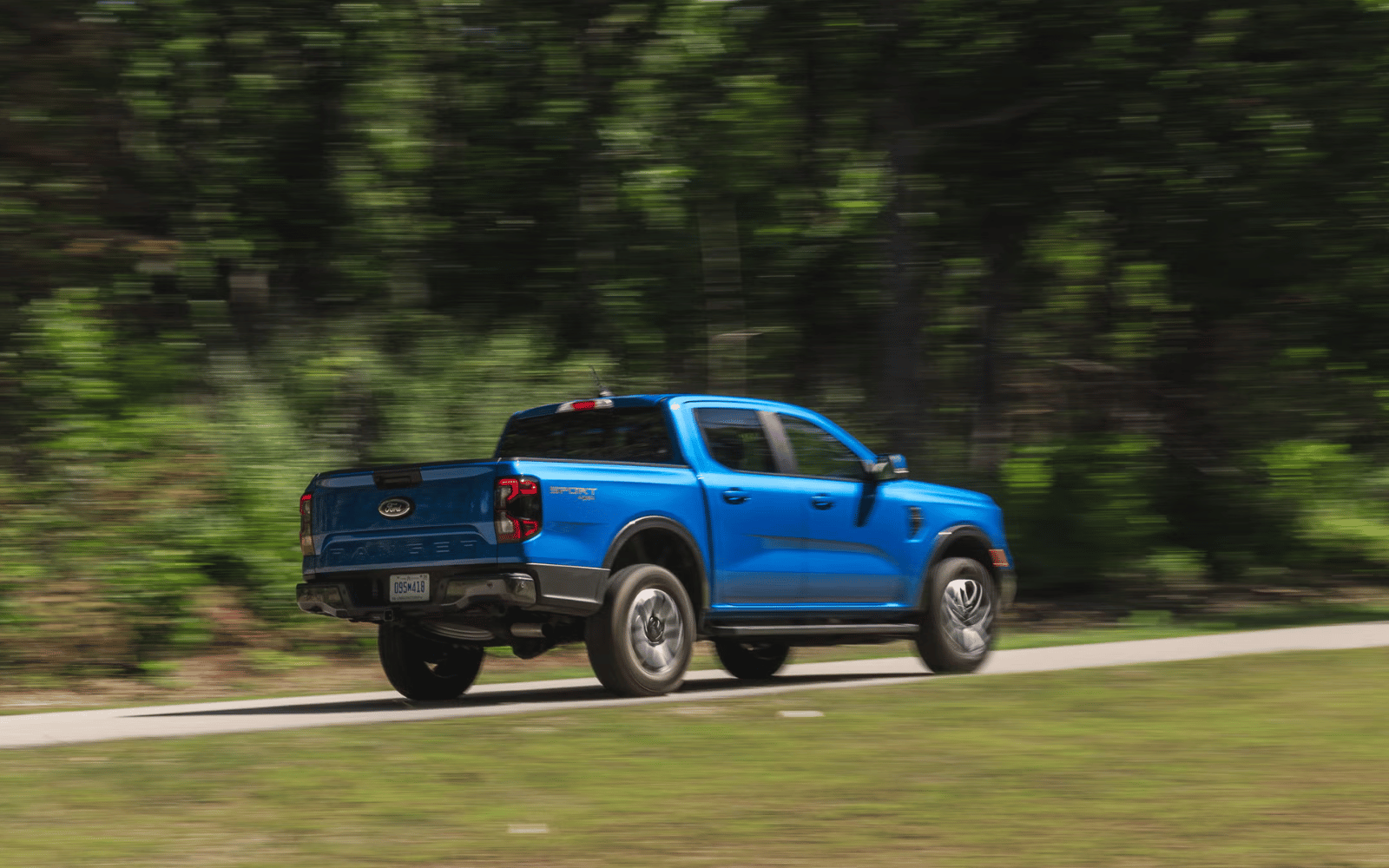
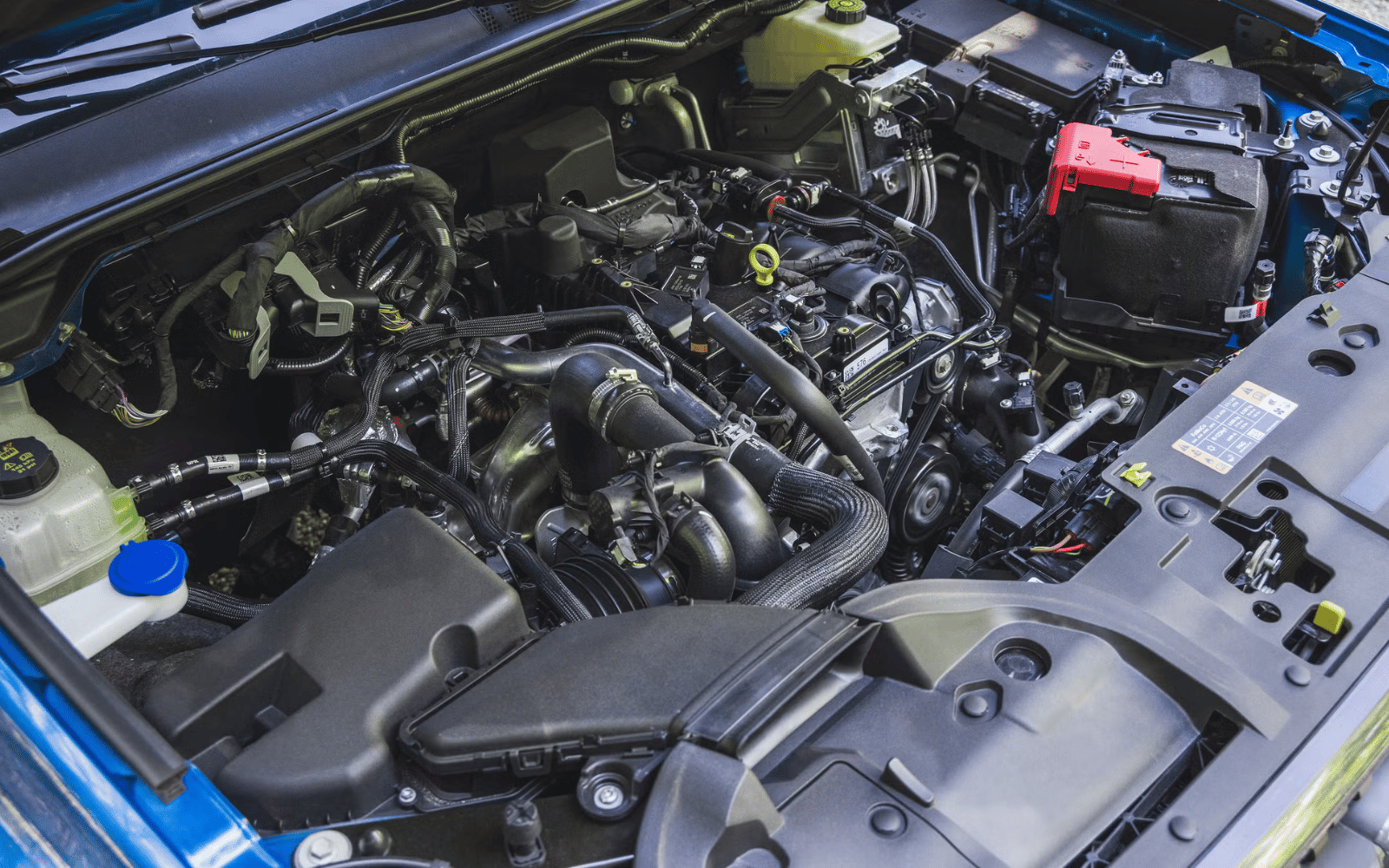
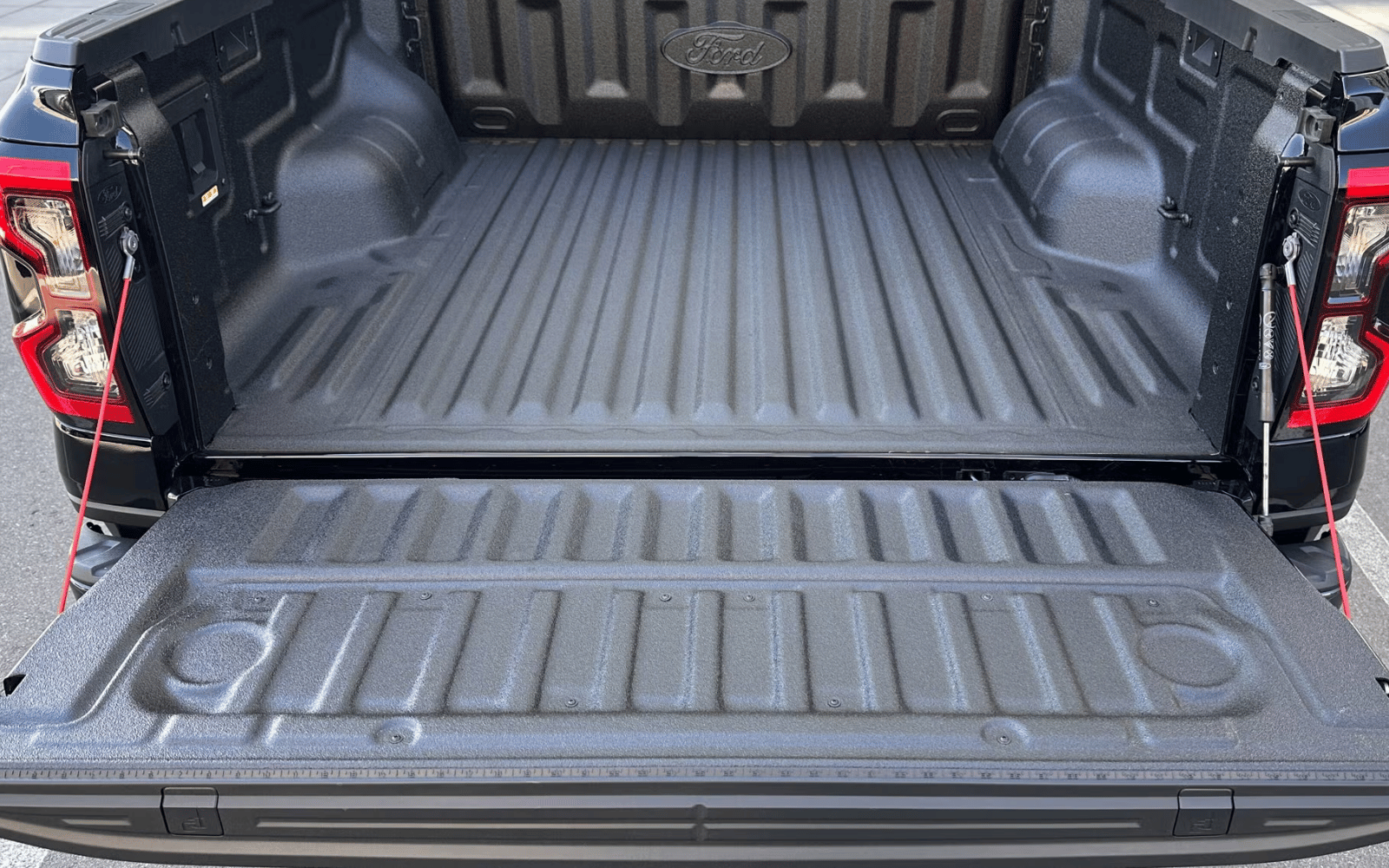
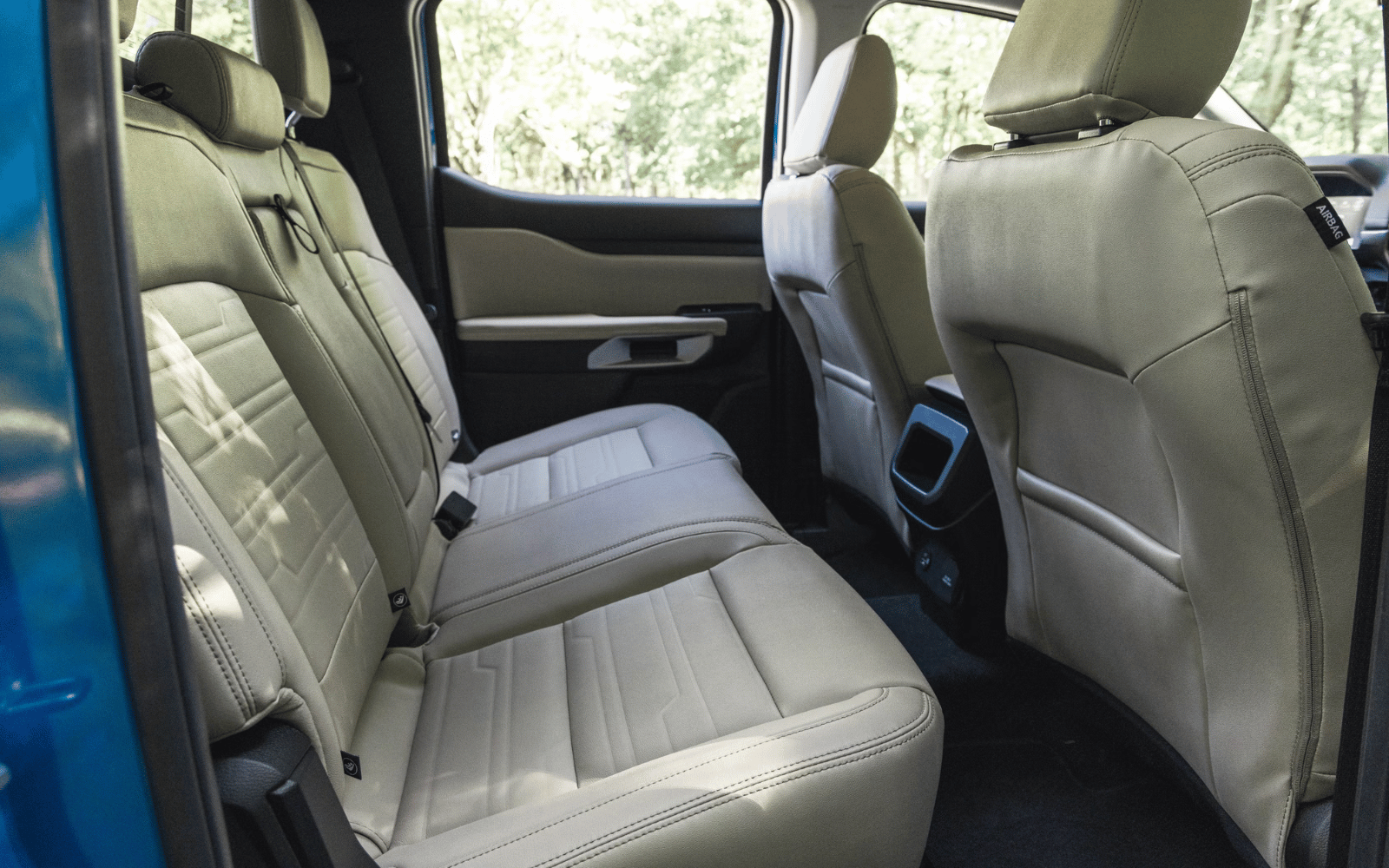
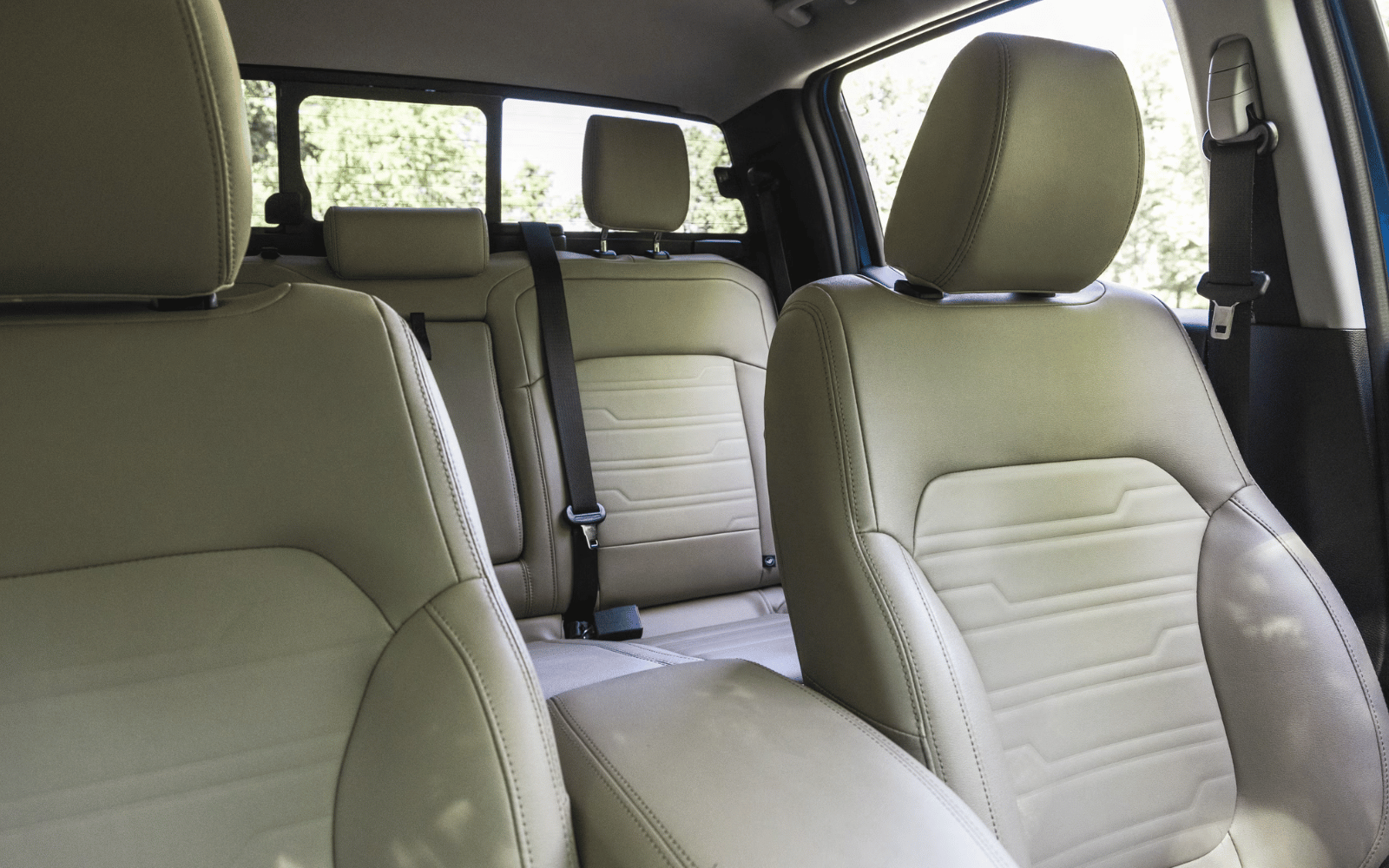
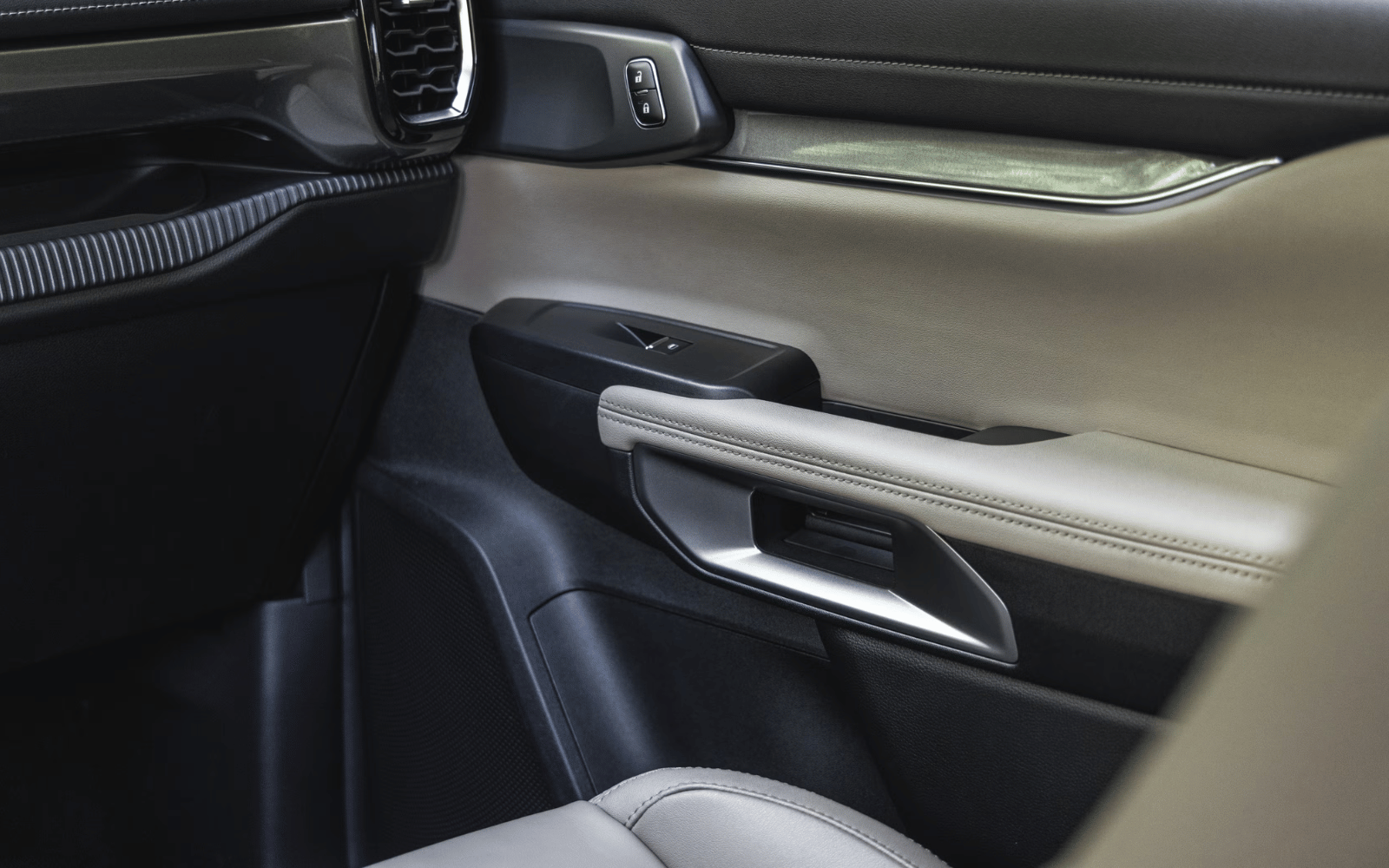
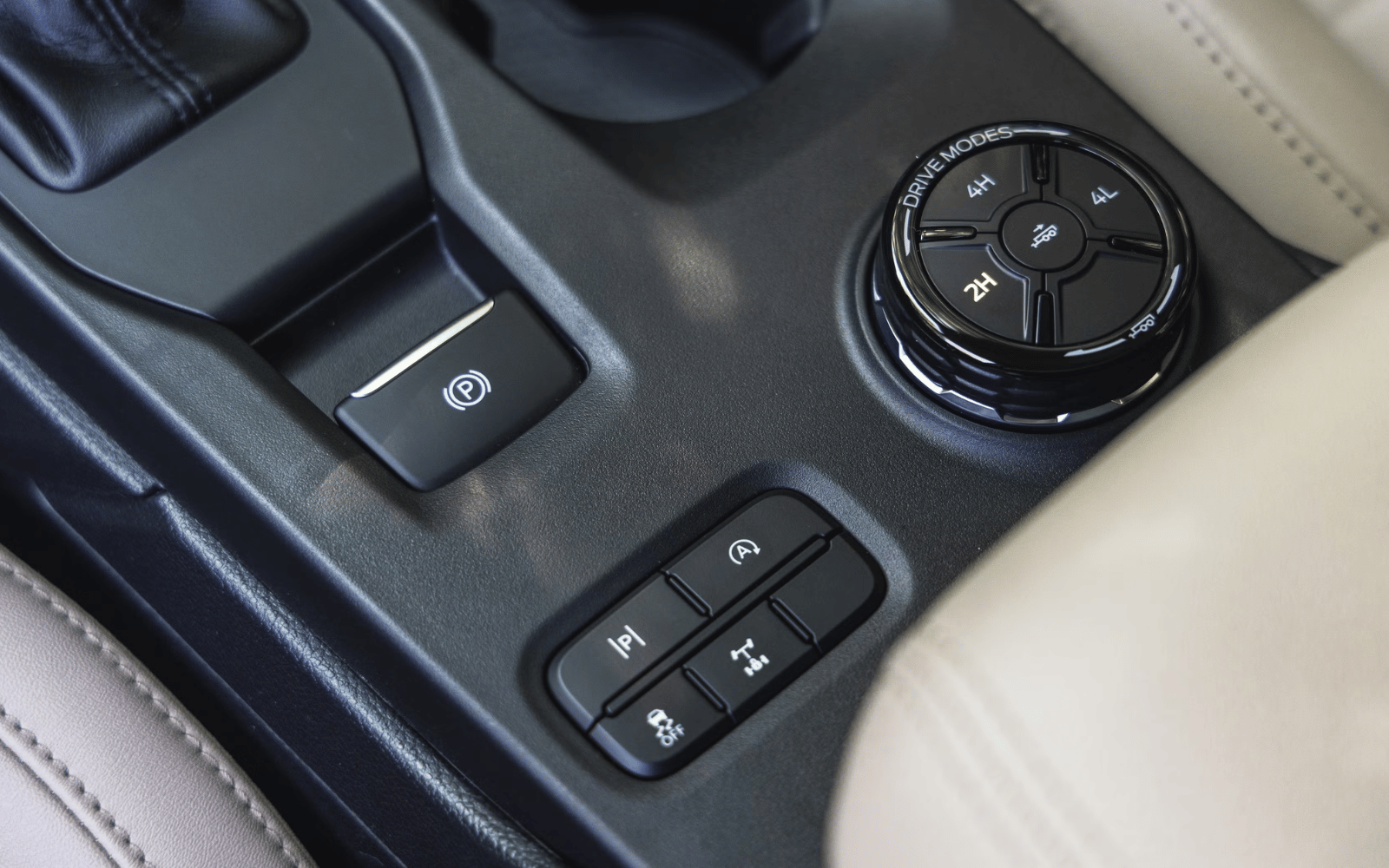
Every US-market Ranger uses a four-door SuperCrew cab, a five-passenger interior, a five-foot bed, and a 10-speed automatic transmission. Buyers can choose rear-wheel drive or four-wheel drive on the standard trims, while the Ranger Raptor comes with four-wheel drive and specialized off-road hardware.
WheelPedia Rating: 8.3/10
| Category | Score |
| Safety | 8.0/10 |
| Reliability and ownership | 8.0/10 |
| Performance and driving | 9.0/10 |
| Comfort and practicality | 8.5/10 |
| Fuel efficiency | 7.5/10 |
| Features and technology | 8.8/10 |
| Price and value | 8.7/10 |
| Overall WheelPedia rating | 8.3/10 |
Key Highlights
- Three turbocharged engine choices
- Up to 405 horsepower and 430 lb-ft of torque
- Maximum towing capacity of 7,500 pounds
- Maximum payload capacity of 1,767 pounds
- Standard four-door SuperCrew cab
- Five-foot bed with 43.5 cubic feet of cargo volume
- Available 12-inch touchscreen
- Available Pro Trailer Backup Assist
- Available four-wheel drive and FX4 Off-Road Package
- Ranger Raptor with FOX Live Valve shocks and locking differentials
- Five-passenger seating
- No hybrid, diesel, or manual-transmission option
Quick Specifications
| Specification | 2026 Ford Ranger |
| Vehicle class | Midsize pickup truck |
| Cab configuration | SuperCrew |
| Seating capacity | 5 |
| Bed length | 59.6 inches |
| Bed volume | 43.5 cubic feet |
| Base engine | 2.3-liter turbocharged four-cylinder |
| Available engines | 2.7-liter twin-turbo V6; 3.0-liter twin-turbo V6 |
| Horsepower | 270–405 hp |
| Torque | 310–430 lb-ft |
| Transmission | 10-speed automatic |
| Drivetrain | Rear-wheel drive or four-wheel drive |
| Maximum towing capacity | 7,500 pounds |
| Maximum payload capacity | 1,767 pounds |
| Ground clearance | Up to 10.7 inches |
| Starting MSRP | $33,550 |
| Top trim | Ranger Raptor |
Expert Tip
The XLT with the 2.7-liter V6 and four-wheel drive offers the strongest balance of power, equipment, and price. Choose the Raptor only if its advanced off-road suspension and locking differentials match how you plan to use the truck.
About the Ford Ranger
The Ranger sits between the compact Ford Maverick and the larger Ford F-150 in Ford’s truck lineup. It is aimed at buyers who need more towing and off-road capability than a compact pickup but do not want the size, fuel use, or higher price of a full-size truck.
Its midsize dimensions make the Ranger easier to park and maneuver than an F-150. At the same time, its 7,500-pound maximum towing rating is enough for many travel trailers, boats, utility trailers, and recreational vehicles.
What’s New for the Ford Ranger?
The 2026 Ranger continues the current-generation design without a major mechanical redesign. Ford retains the XL, XLT, Lariat, and Raptor trim levels, along with the same three-engine range.
Changes are mainly centered on paint colors, package availability, and smaller equipment updates. Avalanche joins the available color selection, though exact colors and package combinations can vary by trim and production date.
Buyers should check the truck’s window sticker because Ford can revise optional equipment and package contents during the model year.
Price and Trims
Ford offers the Ranger in four trim levels. The following prices are starting MSRPs before destination charges, taxes, registration, dealer fees, and optional equipment.
| Trim | Starting MSRP | Key Features |
| XL | $33,550 | 2.3L EcoBoost, 10-speed automatic, 10-inch touchscreen, 8-inch digital cluster |
| XLT | $35,970 | Added comfort features, available 2.7L V6, more package choices |
| Lariat | $44,450 | 12-inch displays, heated ActiveX seats, 360-degree camera, B&O audio |
| Raptor | $57,665 | 405-hp 3.0L V6, standard 4WD, FOX shocks, front and rear lockers |
Ford Ranger XL
The Ranger XL is the work-focused entry model. It comes standard with the 2.3-liter EcoBoost engine, rear-wheel drive, a 10-speed automatic transmission, and essential infotainment features.
Four-wheel drive, the FX4 Off-Road Package, and the Trailer Tow Package are available. This makes the XL a good starting point for fleet customers, contractors, and buyers who care more about capability than luxury equipment.
Ford Ranger XLT
The XLT adds more everyday comfort and opens access to several valuable options. It is also available with the stronger 2.7-liter V6.
Buyers can add packages with advanced towing technology, upgraded driver-assistance systems, a power moonroof, and other convenience features. The XLT’s modest price increase over the XL makes it the value-focused choice for many buyers.
Ford Ranger Lariat
The Lariat moves the Ranger into near-luxury territory. It includes a 12-inch center touchscreen, a 12-inch digital instrument display, heated ActiveX-trimmed seats, driver-seat memory, a heated steering wheel, a 360-degree camera, and a 10-speaker B&O audio system.
It is well suited to drivers who use their truck as a daily vehicle. However, adding four-wheel drive, the V6, and optional packages can push its price close to the Ranger Raptor.
Ford Ranger Raptor
The Raptor is the high-performance off-road model. Its 3.0-liter twin-turbo V6 produces 405 horsepower and 430 lb-ft of torque.
It also receives:
- Standard four-wheel drive
- 2.5-inch FOX Live Valve shocks
- Watts-link rear suspension
- Front and rear locking differentials
- Seven selectable drive modes
- Baja mode
- Wider bodywork and off-road tires
- 10.7 inches of ground clearance
- Six auxiliary upfitter switches
- 400-watt Pro Power Onboard
- Leather-trimmed seating
The Raptor is considerably more capable off pavement, but its 5,510-pound towing limit and 1,373-pound payload rating are lower than those of regular Ranger configurations.
Engines and Performance
2.3-Liter EcoBoost Four-Cylinder
The standard turbocharged four-cylinder produces:
- 270 horsepower
- 310 lb-ft of torque
- 10-speed automatic transmission
- Rear-wheel drive or available four-wheel drive
This engine provides enough output for commuting, light hauling, and occasional towing. It is also the most fuel-conscious choice in the lineup.
Drivers who frequently tow near the Ranger’s limit or travel with a heavy payload may prefer the additional torque of the 2.7-liter V6.
2.7-Liter EcoBoost V6
The available twin-turbocharged V6 produces:
- 315 horsepower
- 400 lb-ft of torque
- 10-speed automatic transmission
- Four-wheel drive
The 2.7-liter engine offers a noticeable improvement in low-speed response and passing power. Its 400 lb-ft torque rating also makes it better suited to towing and carrying heavy loads.
It is the most versatile engine in the lineup because it adds useful power without the Raptor’s price or lower work ratings.
3.0-Liter EcoBoost V6
Exclusive to the Ranger Raptor, the 3.0-liter twin-turbo V6 produces:
- 405 horsepower
- 430 lb-ft of torque
- 10-speed automatic transmission
- Standard four-wheel drive
This engine delivers the quickest acceleration and strongest performance. It is paired with the Raptor’s specialized chassis, wider track, electronic locking differentials, and off-road drive modes.
Driving Experience
The Ranger feels more manageable in traffic and parking areas than a full-size pickup. Its steering is predictable, and the turbocharged engines provide useful low-end torque.
Like most body-on-frame pickups, the Ranger can feel firm or slightly unsettled over broken pavement when its bed is empty. The ride usually becomes more composed with passengers or cargo aboard.
The standard trims are better suited to daily driving than the Raptor. The Raptor’s suspension performs exceptionally well on rough trails and at higher off-road speeds, but its wider body, large tires, greater fuel use, and higher price make it less practical for buyers who stay primarily on pavement.
Off-Road Capability
Four-wheel drive is available on the XL, XLT, and Lariat. Buyers can also select the FX4 Off-Road Package, which adds equipment intended for trails and loose surfaces.
Depending on the trim and package, off-road equipment can include:
- Electronic locking rear differential
- Off-road-tuned suspension
- Underbody protection
- Trail Control
- Selectable drive modes
- Off-road information displays
The Ranger Raptor goes much further. Its FOX Live Valve dampers adjust to changing driving conditions, while the front and rear locking differentials help maintain traction when wheels lose contact with the ground.
The Raptor also provides 10.7 inches of ground clearance, compared with up to approximately 9.3 inches on standard Ranger 4×4 models.
Buyers who want a trail-ready Ford but do not require a pickup bed should also compare the Ford Bronco.
Towing Capacity
The Ford Ranger can tow up to 7,500 pounds when properly equipped.
| Configuration | Maximum Towing Capacity |
| Ranger XL, XLT, or Lariat with proper equipment | 7,500 pounds |
| Ranger Raptor | 5,510 pounds |
Reaching the maximum rating requires the correct drivetrain, hitch equipment, Trailer Tow Package, and trailer setup. Passenger weight, cargo, accessories, and the trailer’s tongue weight can reduce the amount a particular truck can safely tow.
Available towing features include:
- Integrated trailer brake controller
- Pro Trailer Backup Assist
- Trailer Reverse Guidance
- Blind Spot Information System with trailer coverage
- 360-degree camera
- Tow/Haul drive mode
Pro Trailer Backup Assist can help the driver guide a trailer while reversing. It does not replace proper trailer loading, mirrors, spotters, or safe towing practices.
Payload Capacity
Maximum payload depends on the engine and drivetrain.
| Powertrain | Maximum Payload |
| 2.3L EcoBoost, 4×2 | 1,767 pounds |
| 2.3L EcoBoost, 4×4 | 1,763 pounds |
| 2.7L EcoBoost V6, 4×4 | 1,513 pounds |
| 3.0L EcoBoost V6 Raptor, 4×4 | 1,373 pounds |
Although the Raptor is the most powerful Ranger, it has the lowest payload capacity because its suspension, tires, and chassis are tuned for off-road performance.
The payload sticker on the driver’s door jamb is the best source for the capacity of an individual truck. Added options and accessories can lower the truck’s usable payload.
Ford Ranger MPG
Fuel economy varies by engine, drivetrain, tires, and equipment. Current Ranger configurations are expected to return approximately:
| Powertrain | Estimated City/Highway MPG |
| 2.3L EcoBoost, 4×2 | Up to 21/26 mpg |
| 2.3L EcoBoost, 4×4 | Around 20/24 mpg |
| 2.7L EcoBoost V6, 4×4 | Around 19/23 mpg |
| 3.0L EcoBoost V6 Raptor | Around 16/18 mpg |
The rear-wheel-drive 2.3-liter Ranger is the most economical configuration. Four-wheel drive, larger tires, higher output, and off-road equipment reduce fuel economy.
EPA values can change when a manufacturer certifies a new model year or configuration. Check the truck’s Monroney label and the EPA fuel-economy database before purchasing.
Interior and Comfort
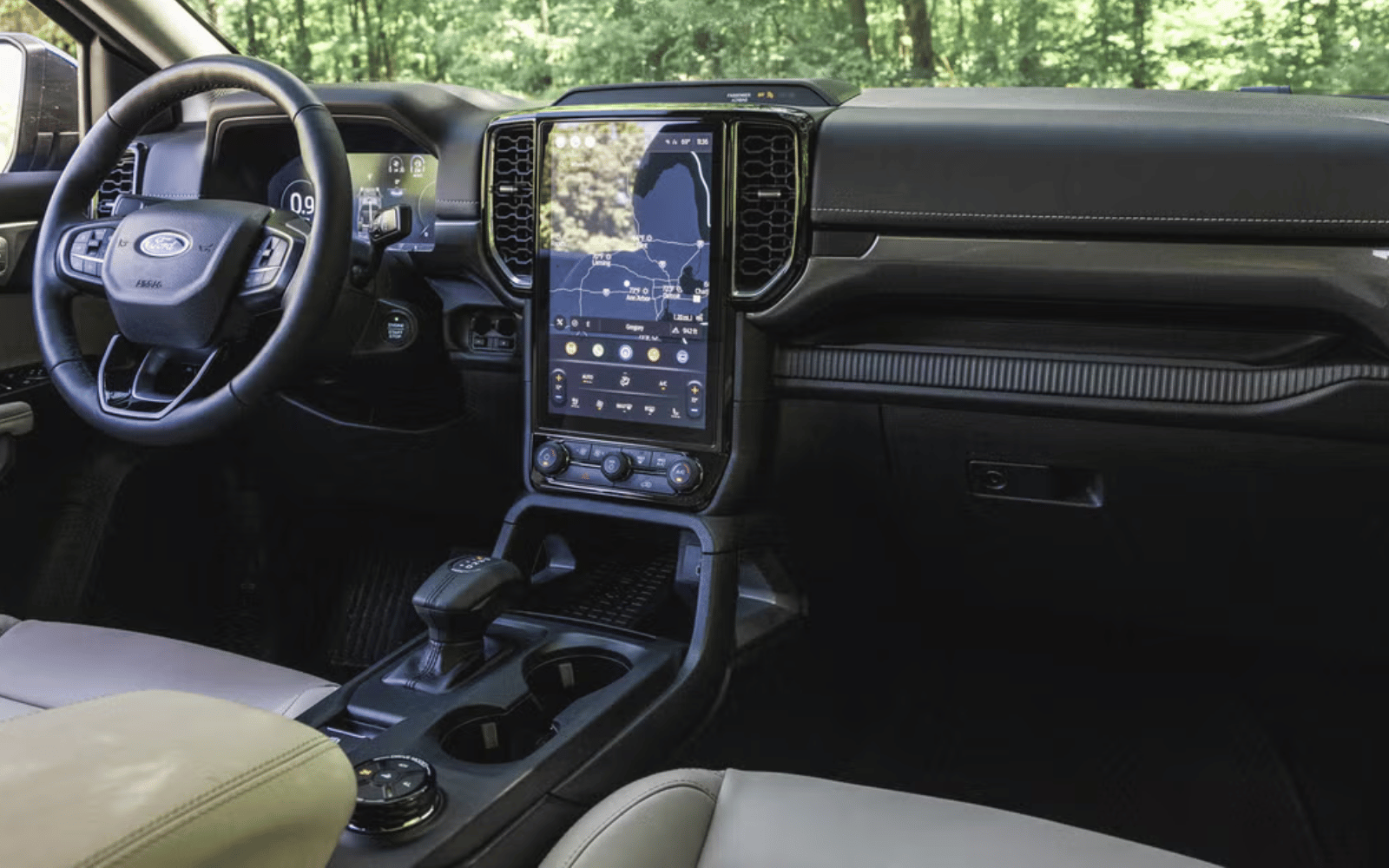
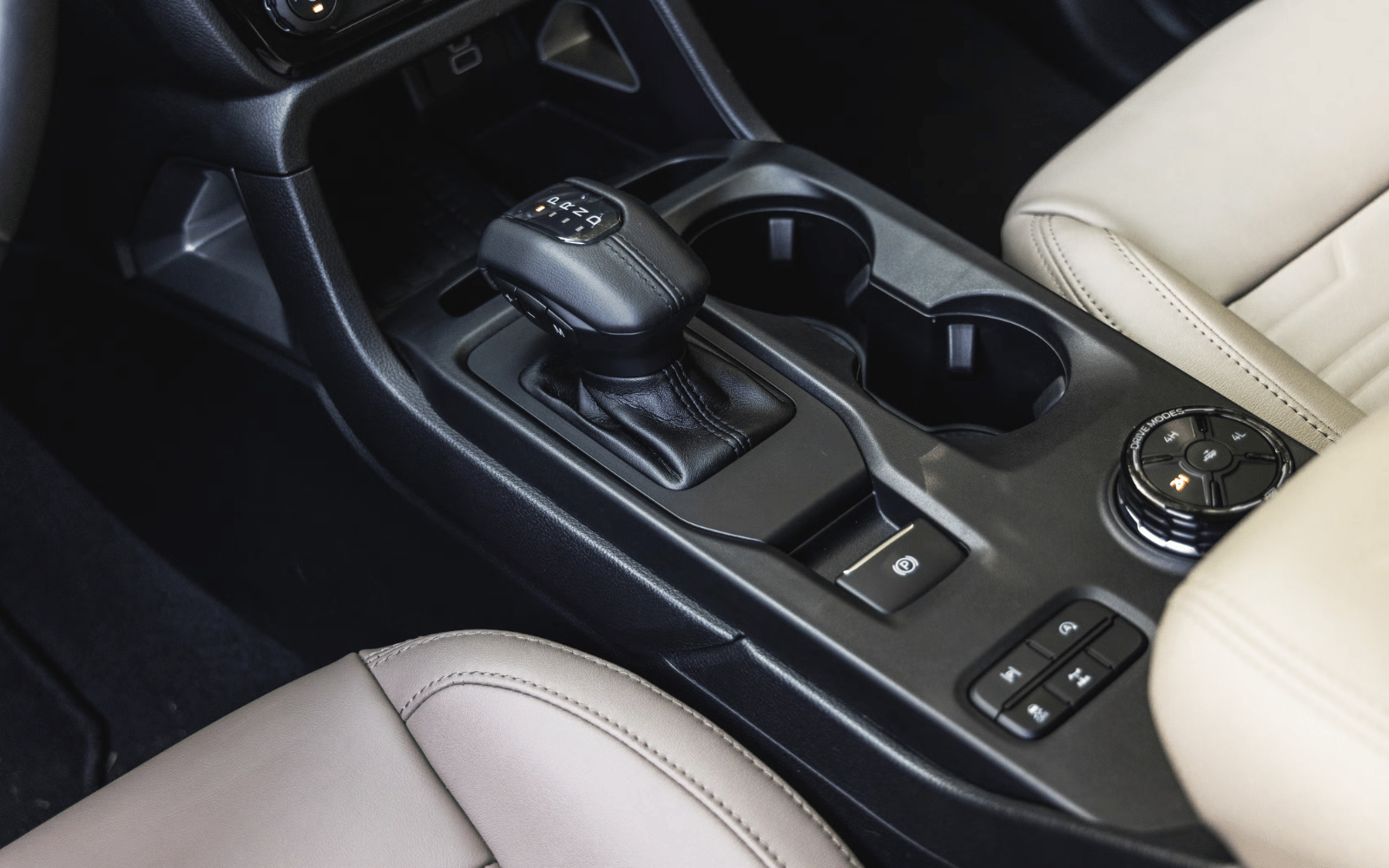
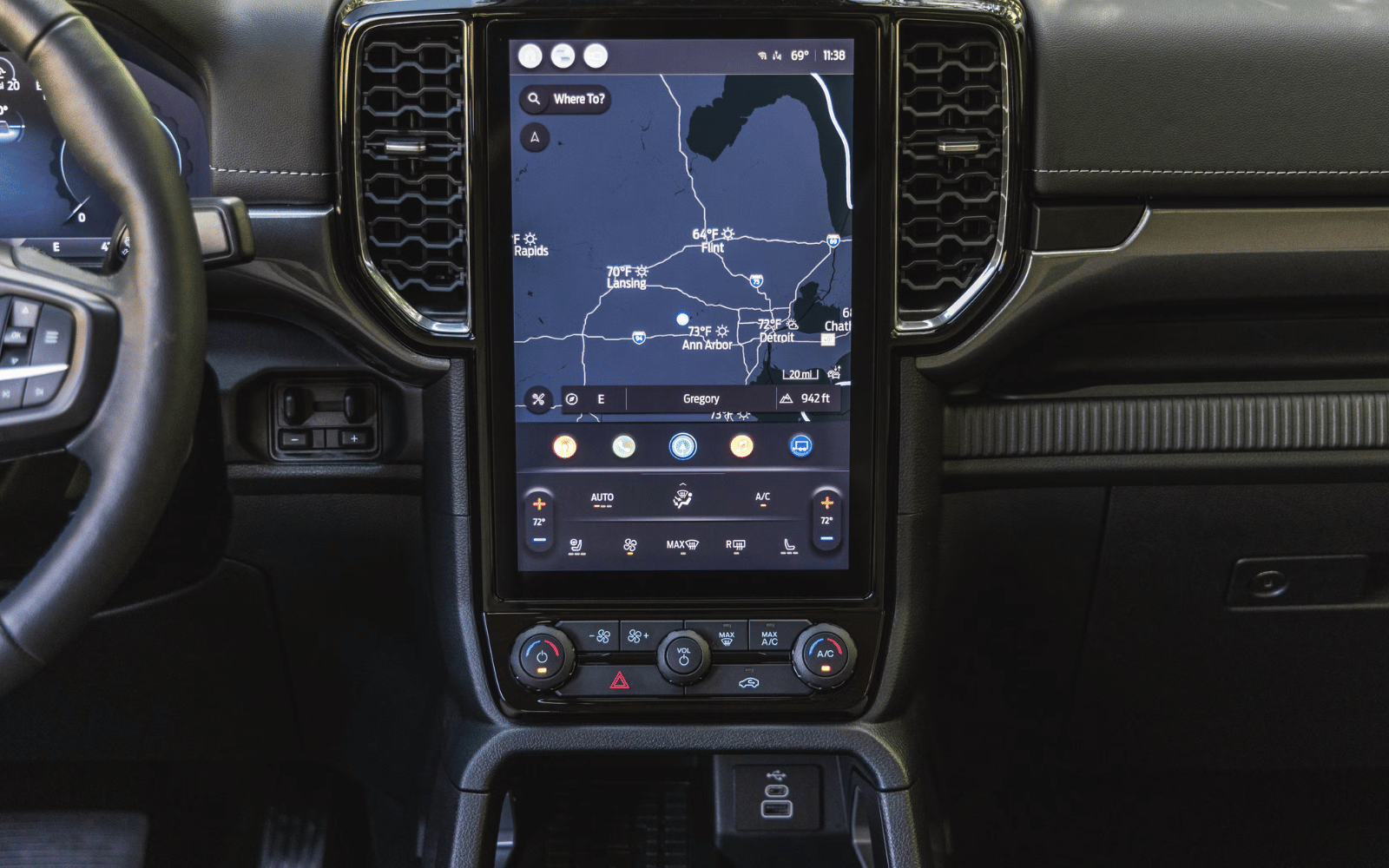
The Ranger’s cabin is functional, modern, and easy to understand. Large physical controls remain available for frequently used functions, while the vertical center display handles navigation, media, vehicle settings, and connected services.
Front-seat space is generous for a midsize truck. The driving position offers a clear view of the road, and the cabin provides several storage areas for phones, small tools, and daily items.
Rear-seat space is more limited. Adults can fit in the second row, but taller passengers may find legroom tight on longer trips. Families should test child-seat placement and front-seat clearance before purchasing.
The rear bench can be folded to create additional interior cargo space. However, the Ranger does not offer the broad cabin or rear legroom of a full-size Ford F-150.
Ford Ranger Technology
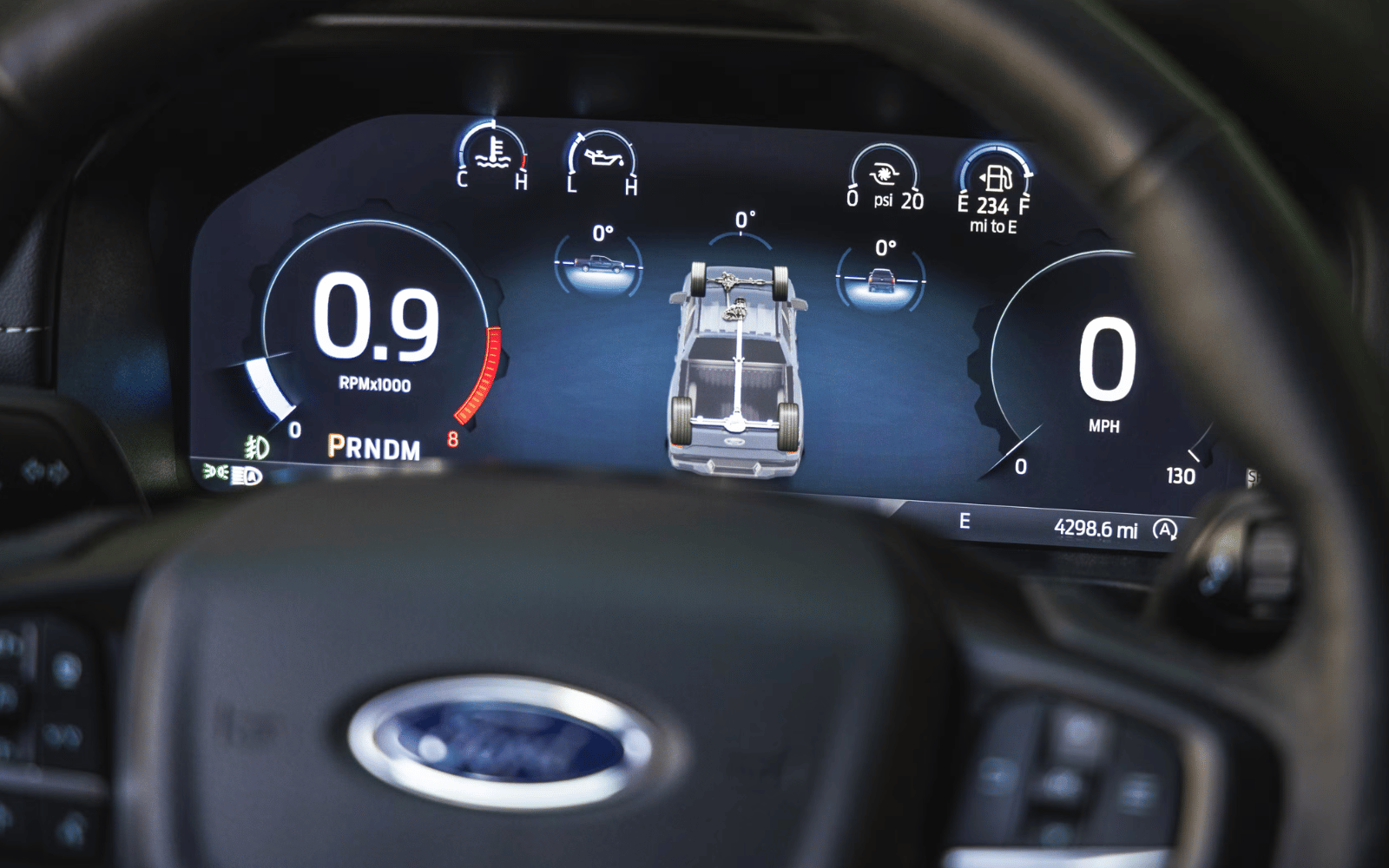
The Ranger XL and XLT use a 10-inch center touchscreen and an 8-inch digital instrument display. The Lariat and Raptor upgrade to larger 12-inch screens.
Available technology includes:
- Ford SYNC infotainment
- Wireless Apple CarPlay
- Wireless Android Auto
- 12-inch center touchscreen
- 12-inch digital instrument cluster
- Wireless phone charging
- 360-degree camera
- B&O premium audio system
- Connected navigation
- Multiple USB ports
- 400-watt Pro Power Onboard
- Six auxiliary switches on the Raptor
The available in-bed power outlet can run small tools, lights, campsite equipment, and other low-draw devices. It is useful, but its 400-watt output is much lower than the high-output onboard power systems available on some full-size Ford trucks.
Dimensions and Bed Size
| Measurement | Ranger Specification |
| Overall length | Approximately 210.6 inches |
| Wheelbase | Approximately 128.7 inches |
| Bed length | 59.6 inches |
| Bed width | 62.4 inches |
| Width between wheel wells | 48.2 inches |
| Bed depth | 20.6 inches |
| Bed volume | 43.5 cubic feet |
| Seating capacity | 5 |
| Maximum ground clearance | 10.7 inches |
One of the Ranger bed’s strongest features is the 48.2-inch width between its wheel wells. This allows a standard four-foot-wide sheet of building material to lie flat between them.
Available bed features include:
- Integrated box side step
- Bed lighting
- In-bed power outlet
- Adjustable tie-down points
- Spray-in or drop-in bedliners
- Zone Lighting
- Power-locking tailgate
The built-in side step is useful because it gives the driver access to the cargo box without stepping on a tire or climbing through the tailgate.
Exterior Design
The Ranger uses a squared-off design influenced by Ford’s larger trucks. Its high beltline, broad grille, and strong wheel arches give it a more substantial appearance than many older midsize pickups.
Exterior styling changes by trim. The XL is simple and work-oriented, while the Lariat adds more polished trim and lighting. The Raptor uses a wide grille with prominent Ford lettering, flared fenders, protective bodywork, off-road tires, and a visibly wider stance.
That extra width helps stability off road but can make the Raptor harder to place in narrow parking spaces and tight trails.
Ford Ranger Safety
Available Ford Co-Pilot360 driver-assistance features include:
- Automatic emergency braking
- Forward-collision warning
- Blind-spot monitoring
- Rear cross-traffic alert
- Lane-departure warning
- Lane-keeping assistance
- Adaptive cruise control
- Rear automatic braking
- 360-degree camera
- Trailer blind-spot coverage
Feature availability varies by trim and package, so buyers should check the window sticker rather than assuming every Ranger includes the same driver-assistance systems.
In IIHS testing of the 2026 Ford Ranger crew cab, the truck earned a Good rating in the small-overlap front test. It received a Marginal rating in the updated moderate-overlap front test and an Acceptable rating in the updated side test. Headlight performance varies by trim and equipment.
These mixed results do not make the Ranger unsafe, but safety-focused buyers should compare exact trim equipment and current crash-test scores with competing trucks.
Reliability and Ownership Costs
The current Ranger uses engines and a 10-speed automatic transmission related to powertrains found in several other Ford models. That broad use can make parts and service support easier to find.
Long-term dependability will still depend on maintenance, driving conditions, towing frequency, off-road use, and how heavily the truck is loaded. Turbocharged engines also require timely oil changes and the correct oil specification.
Potential ownership considerations include:
- Higher tire replacement costs on off-road models
- Increased fuel use with the 2.7L and 3.0L engines
- Additional maintenance after frequent trail or water use
- Higher insurance costs for the Raptor
- Possible alignment and suspension wear after hard off-road driving
- Lower real-world fuel economy while towing
Used and new buyers should check the Ranger’s VIN for open recalls through the NHTSA recall lookup or Ford’s owner support tools.
Ford Ranger Warranty
Ford’s standard new-vehicle coverage includes:
| Coverage | Term |
| New-vehicle limited warranty | 3 years/36,000 miles |
| Powertrain warranty | 5 years/60,000 miles |
| Safety restraint coverage | 5 years/60,000 miles |
| Corrosion-perforation coverage | 5 years/unlimited miles |
| Roadside assistance | 5 years/60,000 miles |
Ford does not include a broad complimentary scheduled-maintenance program with every Ranger. Buyers can use FordPass Rewards points or purchase a maintenance plan, depending on current program terms.
Pros and Cons
What We Like
- Strong selection of turbocharged engines
- Competitive 7,500-pound towing capacity
- Up to 1,767 pounds of payload capacity
- Bed fits four-foot-wide material between the wheel wells
- Easier to maneuver than a full-size truck
- Useful towing and camera technology
- Well-equipped Lariat cabin
- Raptor offers serious off-road hardware
- XLT provides strong value
What We Don’t Like
- Only one cab and bed configuration
- Rear seating can feel tight for adults
- No hybrid, diesel, or manual-transmission option
- Empty-bed ride can feel firm
- Raptor has lower towing and payload ratings
- Fuel economy drops considerably with the Raptor
- Mixed IIHS crash-test results
- A heavily optioned Lariat becomes expensive
- Some valuable safety features depend on trim or package
The Competitors
Ford Ranger vs. Toyota Tacoma
The Toyota Tacoma offers a wider selection of off-road trims and an available hybrid powertrain. The Ranger counters with a strong 2.7-liter V6, competitive towing, a wide cargo bed, and the high-performance Raptor.
The Tacoma may appeal more to buyers seeking a hybrid or broader configuration selection. The Ranger is attractive for buyers who prefer turbocharged V6 power and simple trim choices.
Ford Ranger vs. Chevrolet Colorado
The Chevrolet Colorado also uses a crew-cab and short-bed-only format. It offers several off-road trims, including the ZR2, while the Ranger offers three engine choices instead of different tunes of one four-cylinder engine.
The Ranger Raptor provides more horsepower than the standard Colorado lineup, but the Colorado’s trail-focused trims deserve consideration.
Ford Ranger vs. GMC Canyon
The GMC Canyon shares its basic platform and engine with the Colorado but has a more upscale design and a higher starting price. The Ranger offers a broader price range and gives buyers the choice of four-cylinder or V6 engines.
Ford Ranger vs. Nissan Frontier
The Nissan Frontier uses a naturally aspirated V6 and has a more traditional pickup feel. It can also be less expensive in some configurations. The Ranger offers more torque, more advanced trailer technology, and the much more powerful Raptor.
Ford Ranger vs. Honda Ridgeline
The Honda Ridgeline is smoother and more comfortable on pavement. Its in-bed trunk and dual-action tailgate also add everyday practicality.
The Ranger is the better choice for higher towing demands, heavier payloads, traditional truck use, and challenging off-road terrain.
Ford Ranger vs. Jeep Gladiator
The Jeep Gladiator offers removable doors, a folding windshield, an available manual transmission, and stronger open-air appeal. The Ranger feels more refined during normal driving and offers more powerful engine choices.
The Gladiator is the lifestyle-focused choice, while the Ranger is generally easier to live with as a daily truck.
Should You Buy the 2026 Ford Ranger?
The 2026 Ford Ranger is worth considering if you need useful towing and hauling capacity in a truck that is easier to maneuver than a full-size pickup. It is especially appealing with the 2.7-liter V6, which adds strong torque without requiring the high price or specialized hardware of the Raptor.
Before visiting a dealership, compare the truck’s full out-the-door price rather than focusing only on MSRP. Our guides to how car financing works, dealer vs. bank financing, and calculating a monthly car payment can help you compare offers.
Frequently Asked Questions
How much does the 2026 Ford Ranger cost?
The 2026 Ford Ranger starts at $33,550 for the XL. The XLT starts at $35,970, the Lariat at $44,450, and the Raptor at $57,665. These prices exclude destination charges, options, taxes, registration, and dealer fees.
What is the Ford Ranger’s towing capacity?
The Ranger can tow up to 7,500 pounds when properly equipped. The Ranger Raptor has a lower maximum towing capacity of 5,510 pounds.
What is the Ford Ranger’s payload capacity?
Maximum payload is 1,767 pounds for a 2.3-liter rear-wheel-drive Ranger. Payload falls to 1,373 pounds in the Ranger Raptor.
Does the Ford Ranger have a V6?
Yes. The XLT and Lariat offer a 2.7-liter twin-turbo V6 producing 315 horsepower and 400 lb-ft of torque. The Raptor uses a 3.0-liter twin-turbo V6 producing 405 horsepower and 430 lb-ft.
Does the Ford Ranger come with four-wheel drive?
Four-wheel drive is available on the XL, XLT, and Lariat. It is standard on the Ranger Raptor.
Is the Ford Ranger available with a hybrid engine?
No. The 2026 US-market Ranger does not offer a hybrid powertrain.
Is the Ford Ranger available with a diesel engine?
Ford does not offer a diesel Ranger in the United States. Diesel versions sold in other countries should not be confused with the US model.
Does the Ford Ranger have a manual transmission?
No. Every US-market 2026 Ranger uses a 10-speed automatic transmission.
How long is the Ford Ranger bed?
The Ranger has a 59.6-inch bed, commonly described as a five-foot bed. It provides 43.5 cubic feet of cargo volume.
Can plywood fit in the Ford Ranger bed?
The bed measures 48.2 inches between the wheel wells, allowing a standard four-foot-wide sheet of plywood or drywall to lie flat between them. The tailgate must remain open for a full eight-foot sheet.
How many people can the Ford Ranger seat?
The Ranger seats up to five people. Every US model has a four-door SuperCrew cab.
Is the Ford Ranger Raptor good for towing?
The Raptor can tow up to 5,510 pounds, which is enough for many recreational trailers. Buyers focused mainly on towing should consider an XL, XLT, or Lariat because those trims can tow up to 7,500 pounds.
Is the Ford Ranger a good daily driver?
Yes, especially in XLT or Lariat form. Its midsize dimensions make it easier to maneuver than a full-size truck, though its rear seat is relatively tight and the ride can feel firm when the bed is empty.
Final Verdict
The 2026 Ford Ranger combines strong engines, competitive towing capacity, a useful cargo bed, and modern trailer technology in a manageable midsize package. The 2.7-liter V6 gives it one of the most appealing powertrains in its class, while the Raptor provides exceptional off-road performance for buyers willing to accept its price and lower work ratings.
Its one-cab, one-bed strategy limits buyer choice, and its safety scores are not class-leading across every test. Even so, the Ranger’s broad capability makes it a strong alternative to both smaller lifestyle trucks and larger full-size pickups.