
Ford Explorer: Price, Specs, MPG, Towing, Pros and Cons
The Ford Explorer is a three-row midsize SUV with seating for six or seven, rear-wheel-drive-based handling, available four-wheel drive, and up to 5,000 pounds of towing capacity.
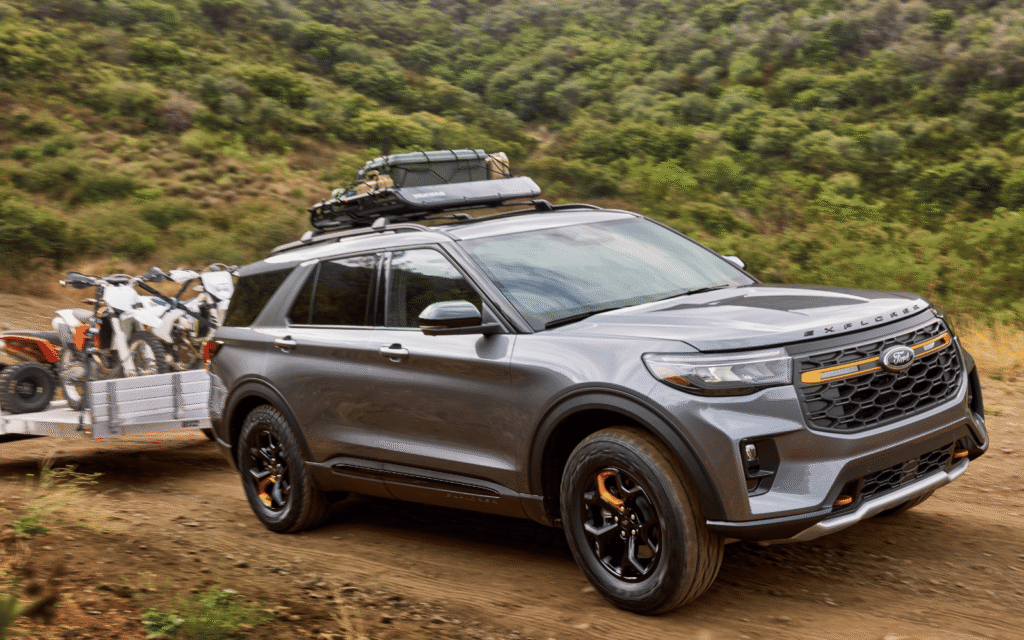
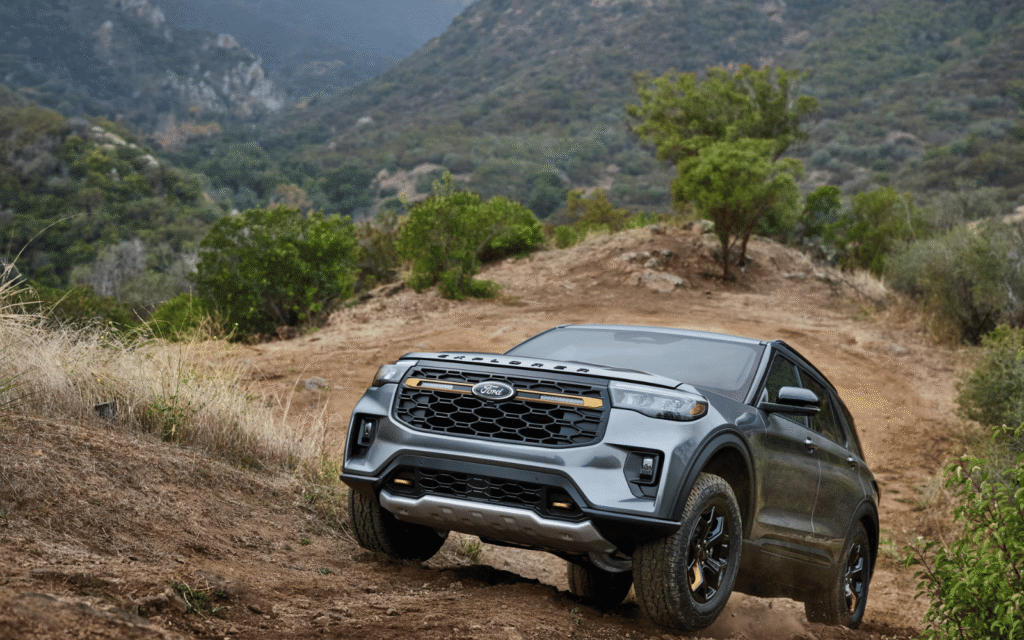
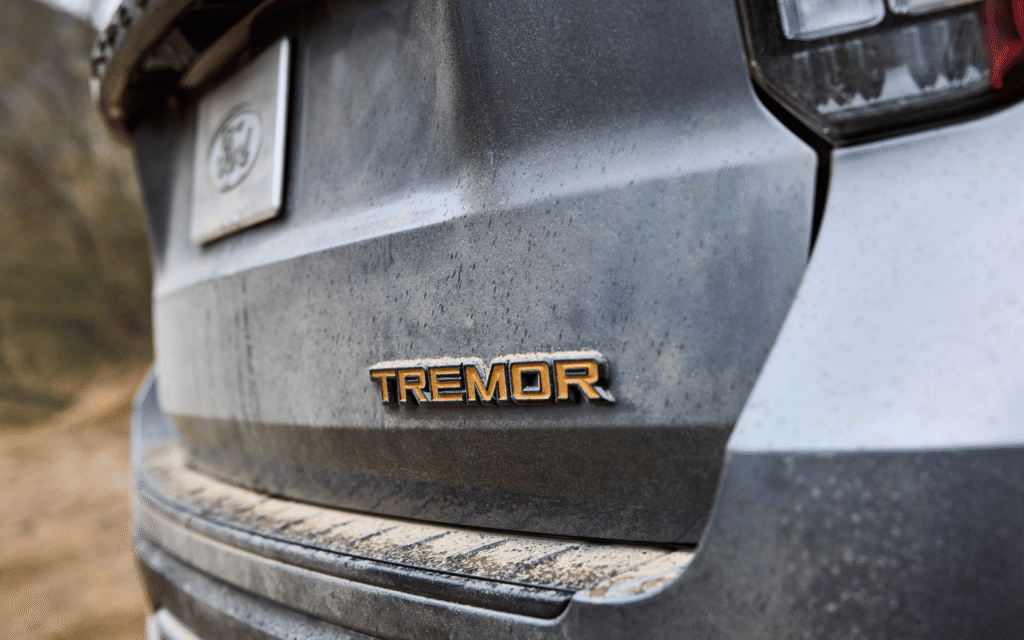
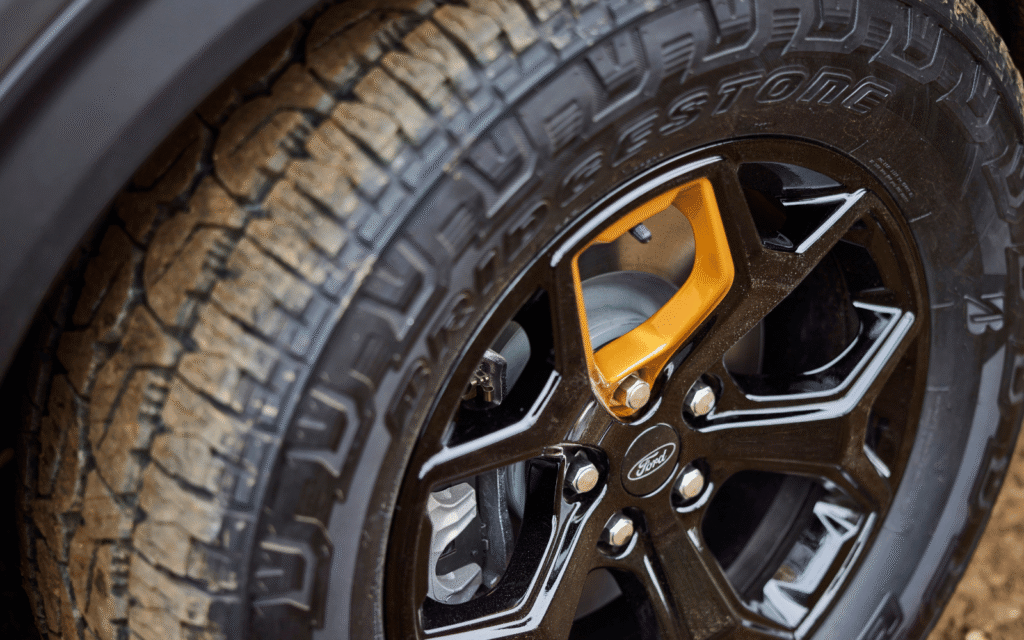
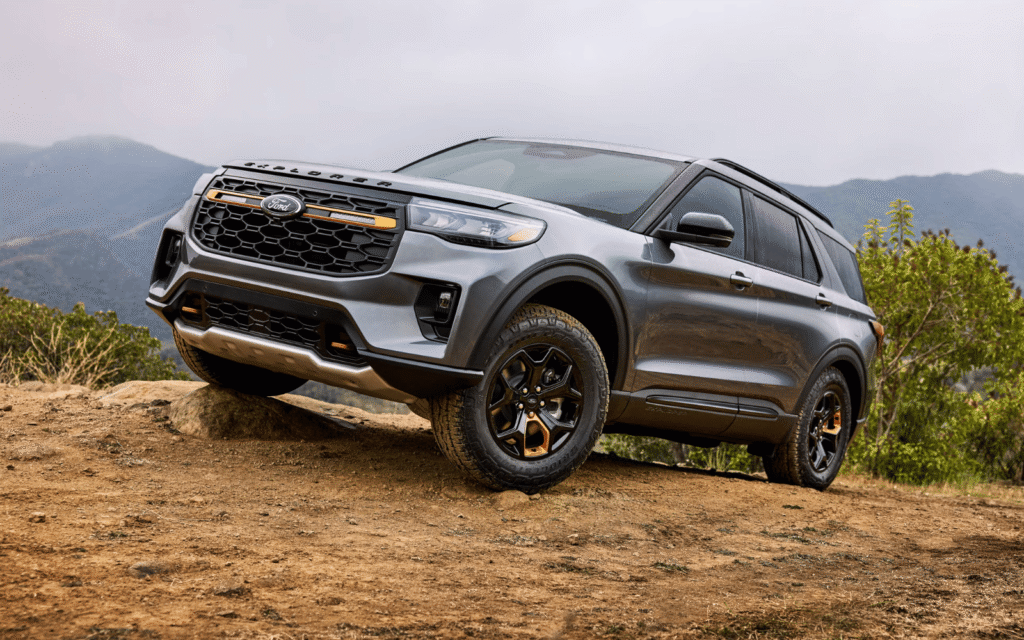
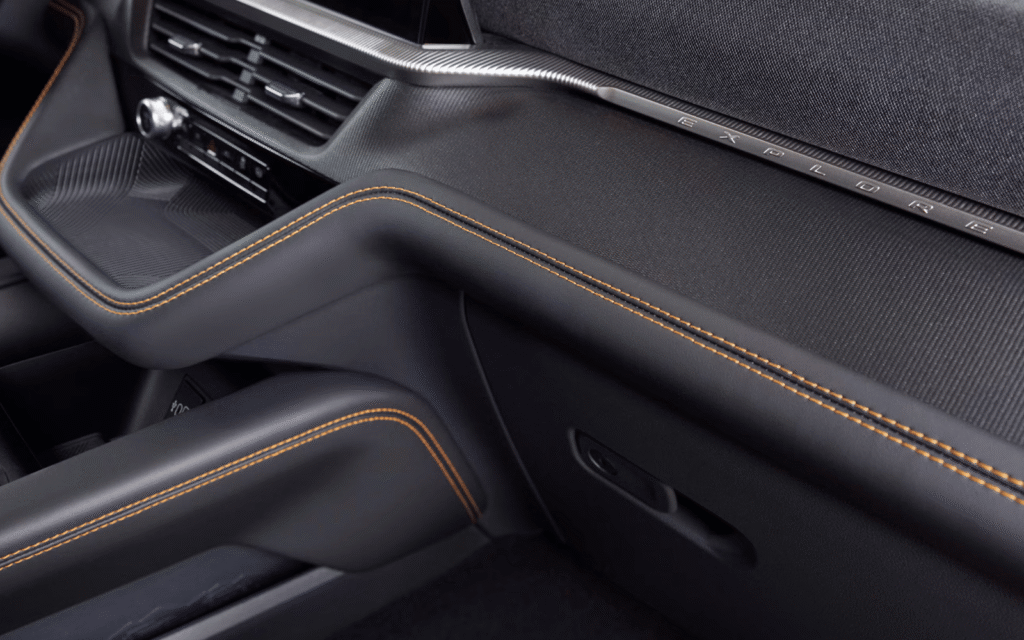
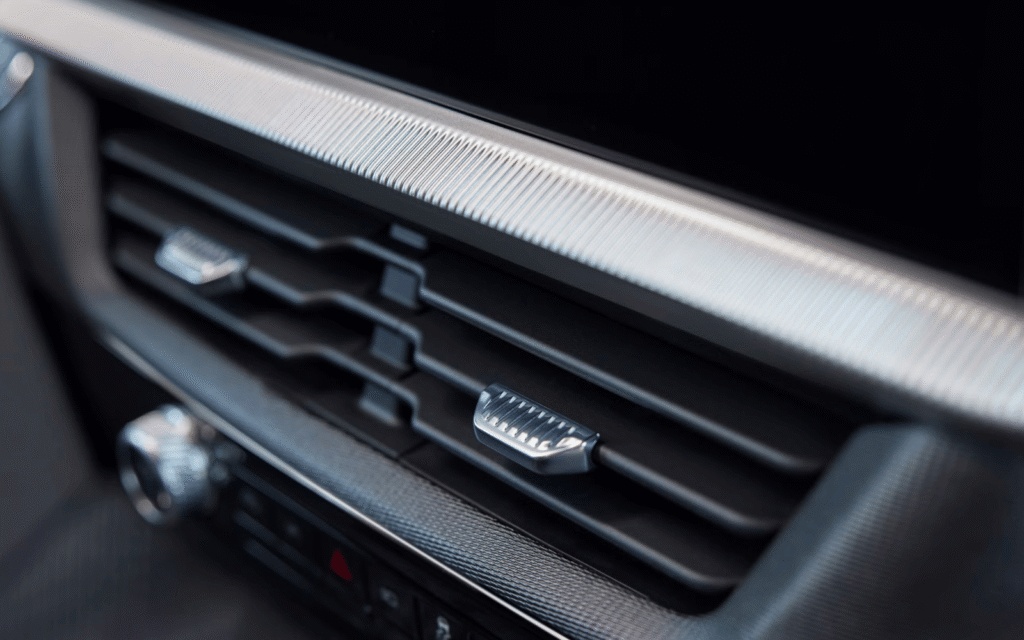
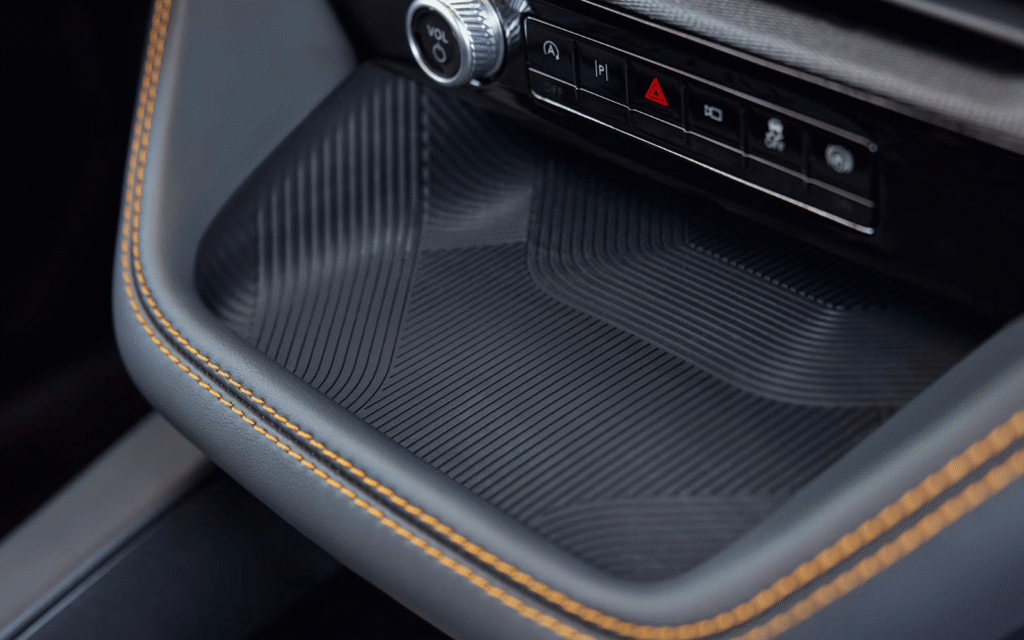
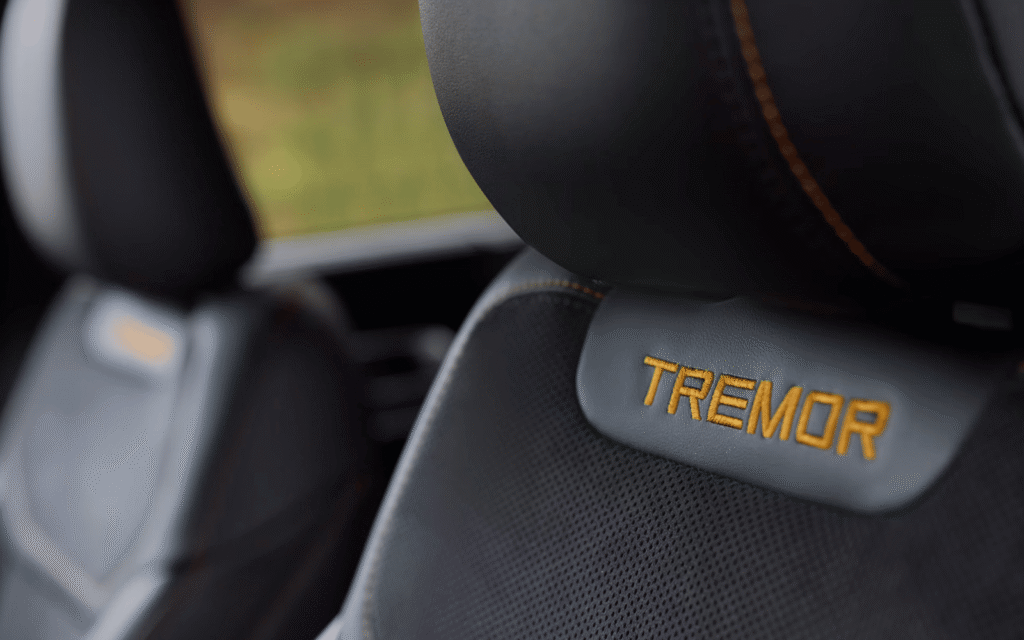
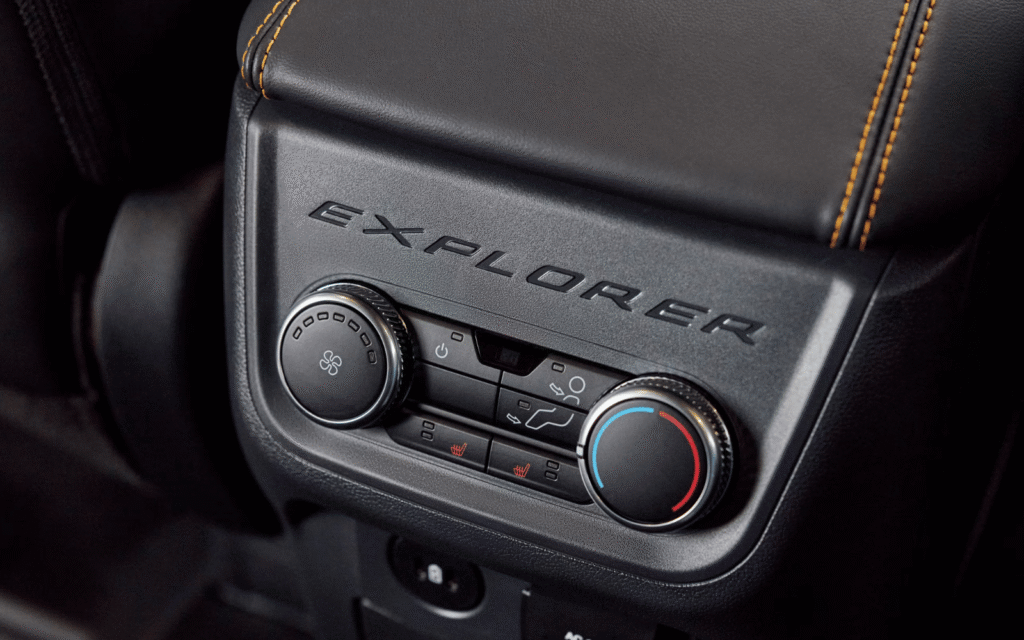
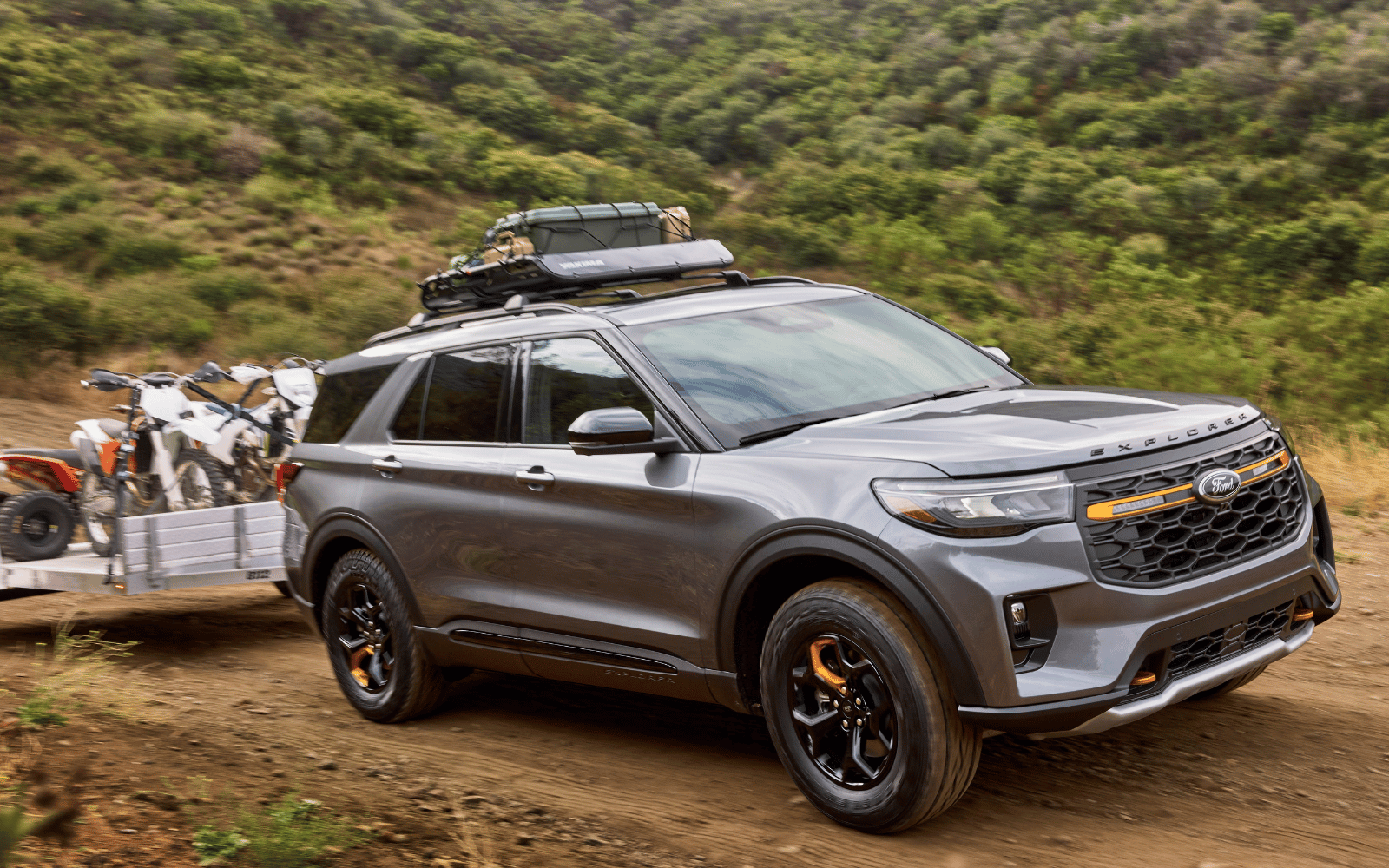
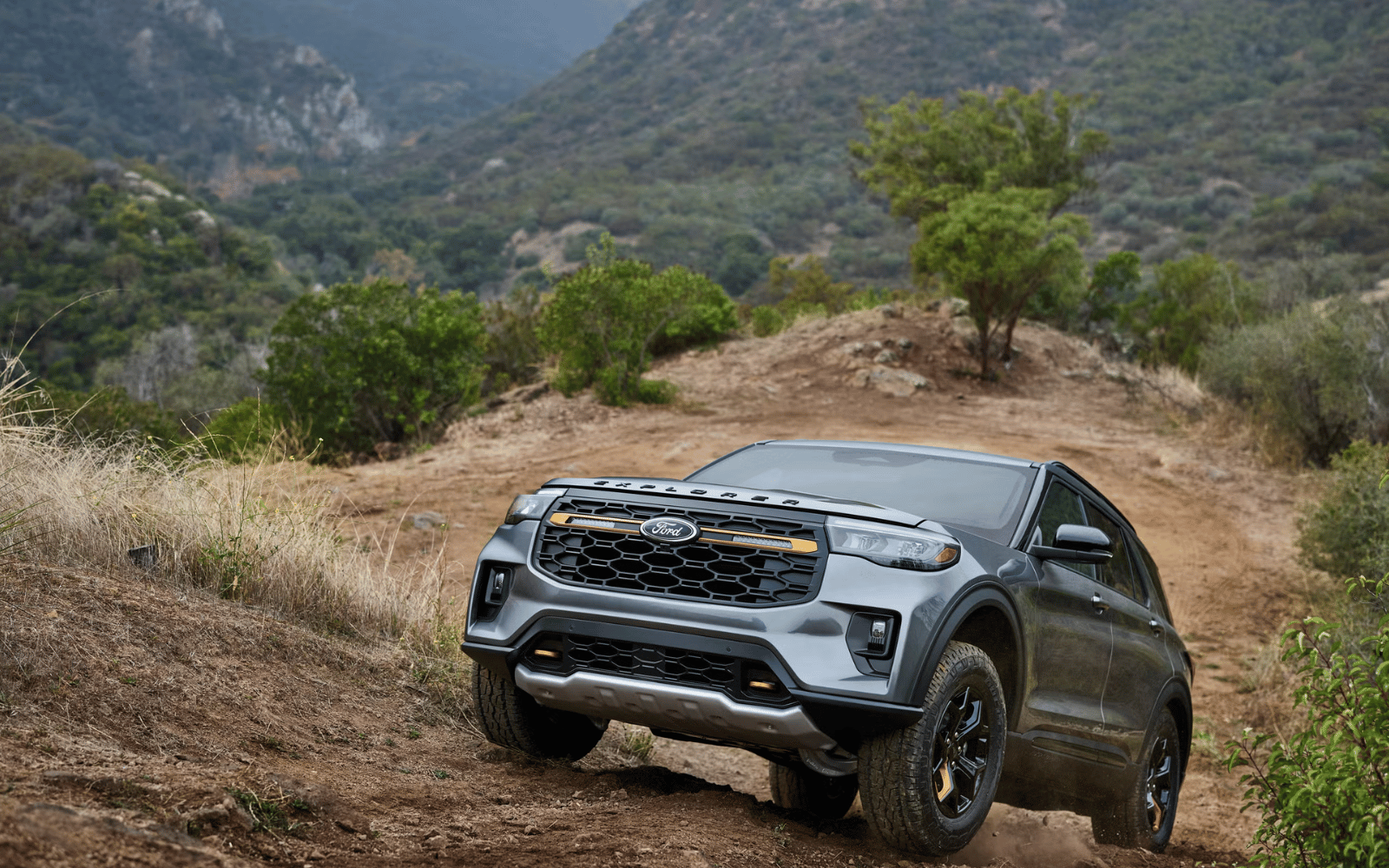
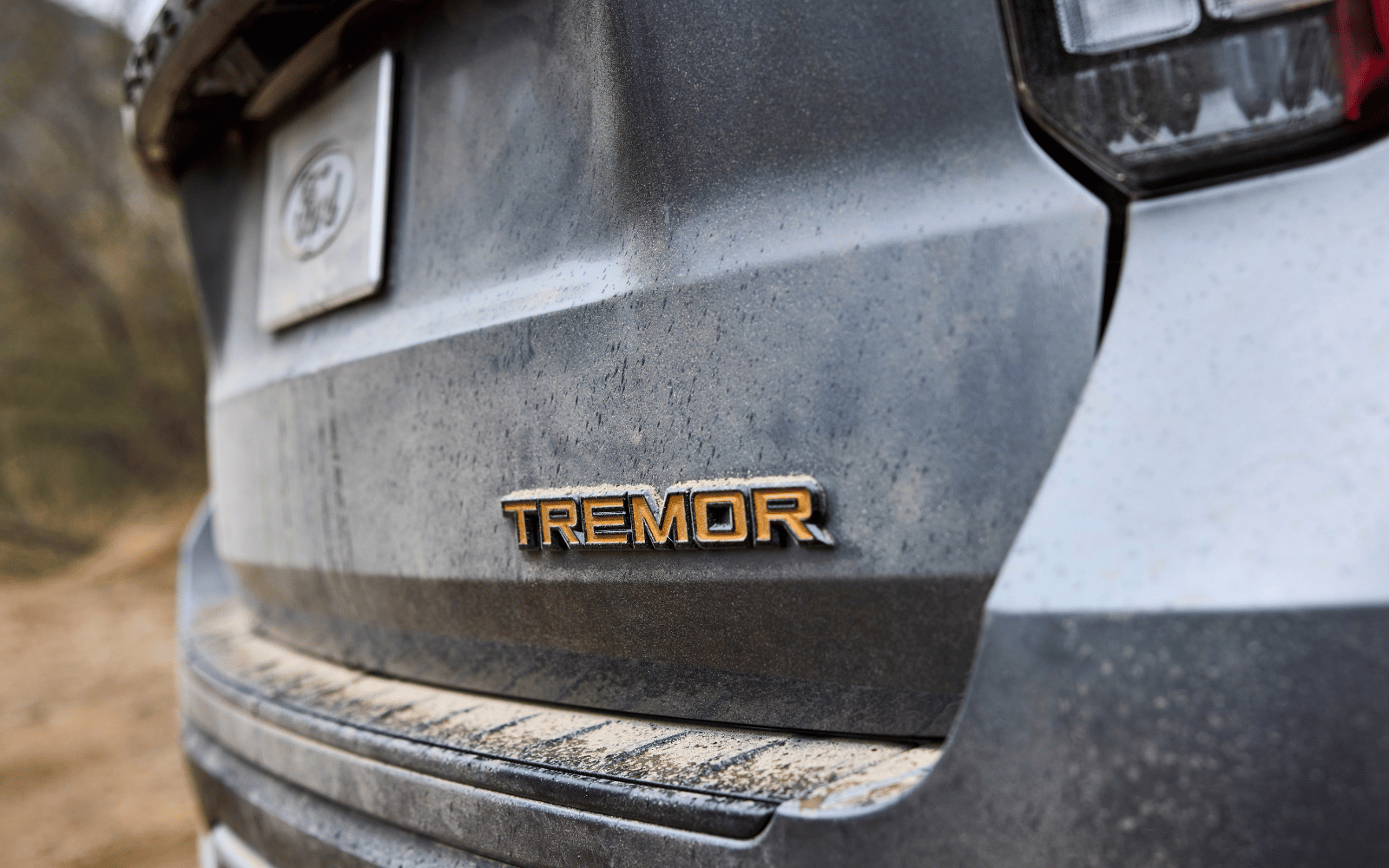
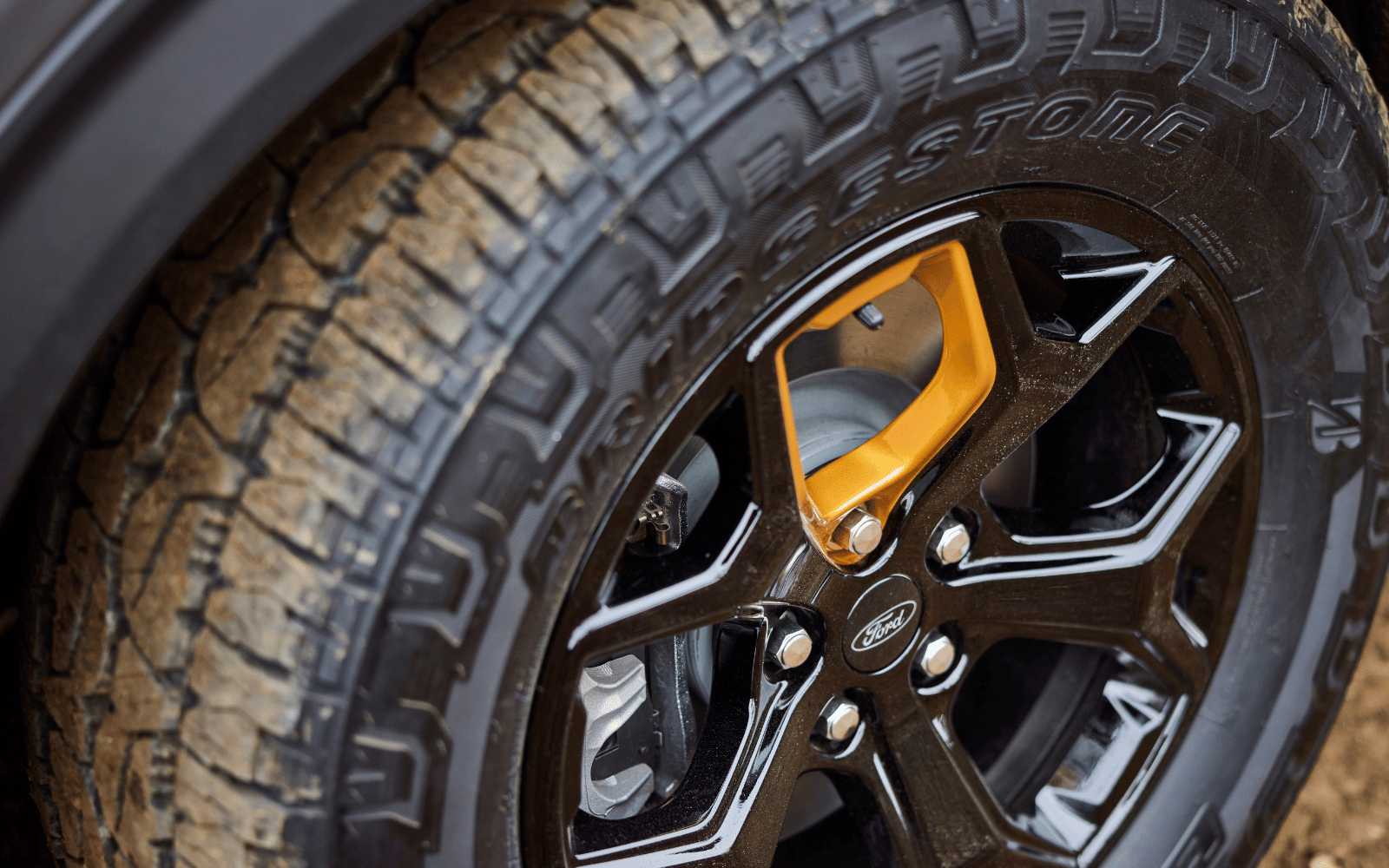
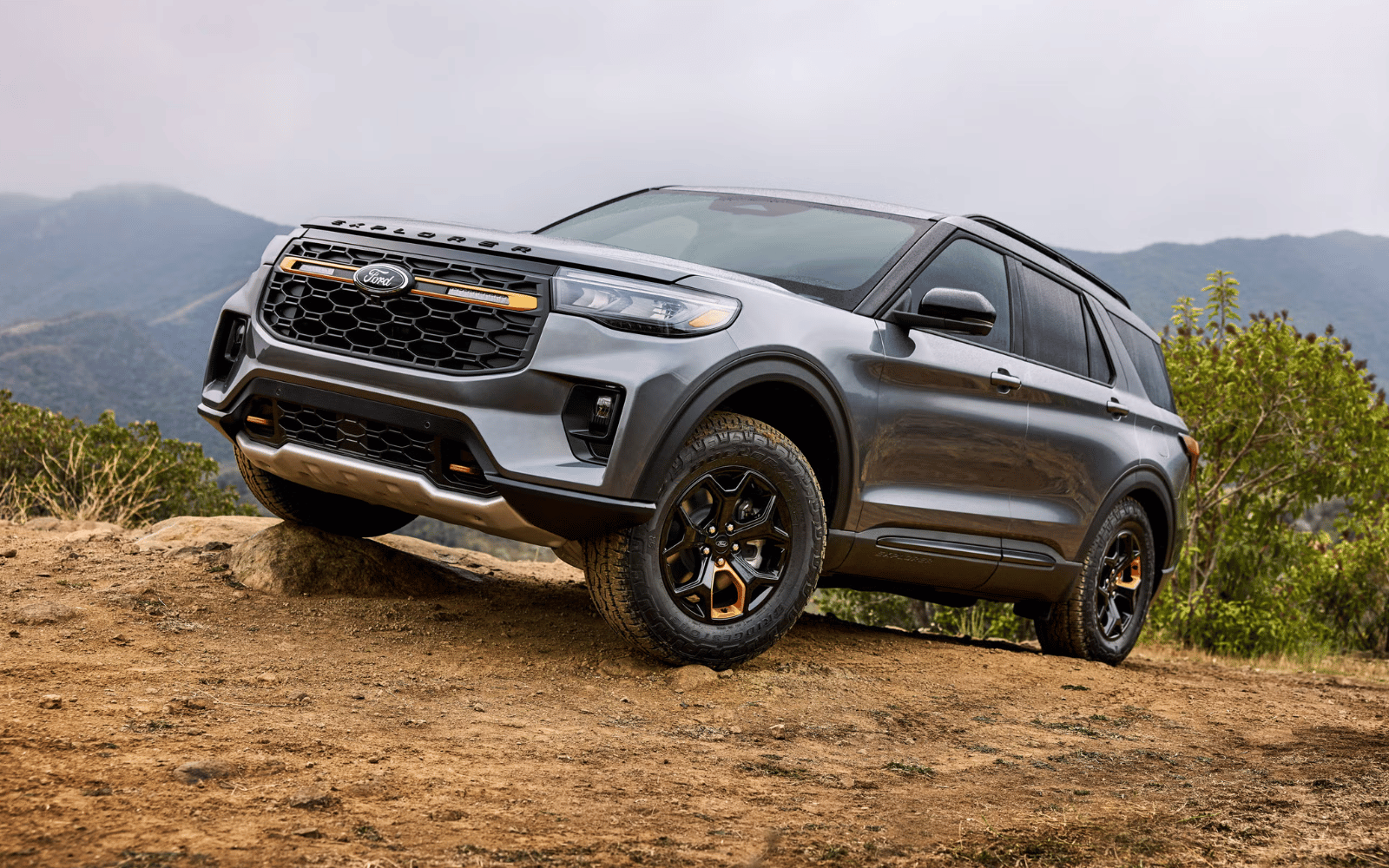
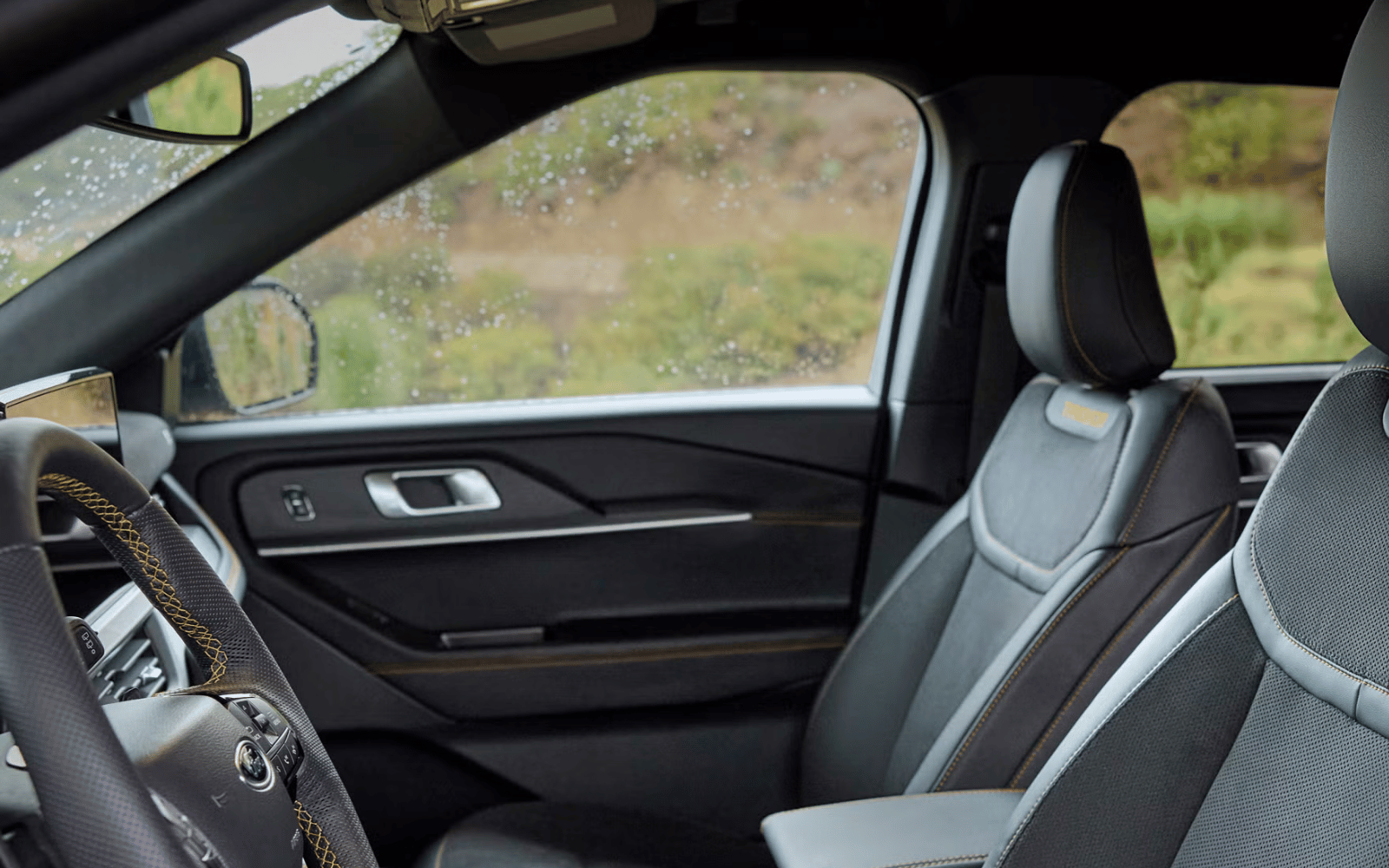
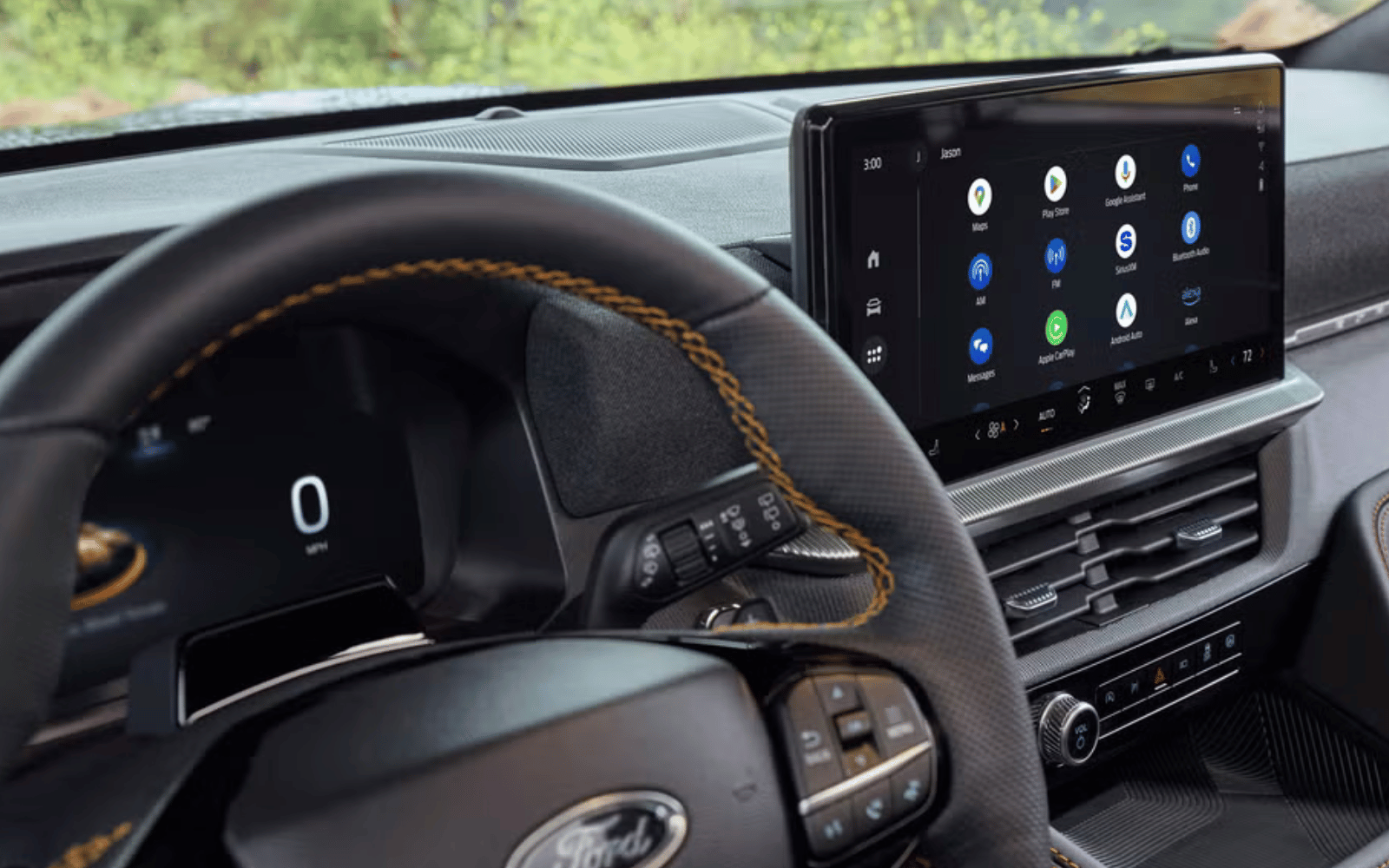
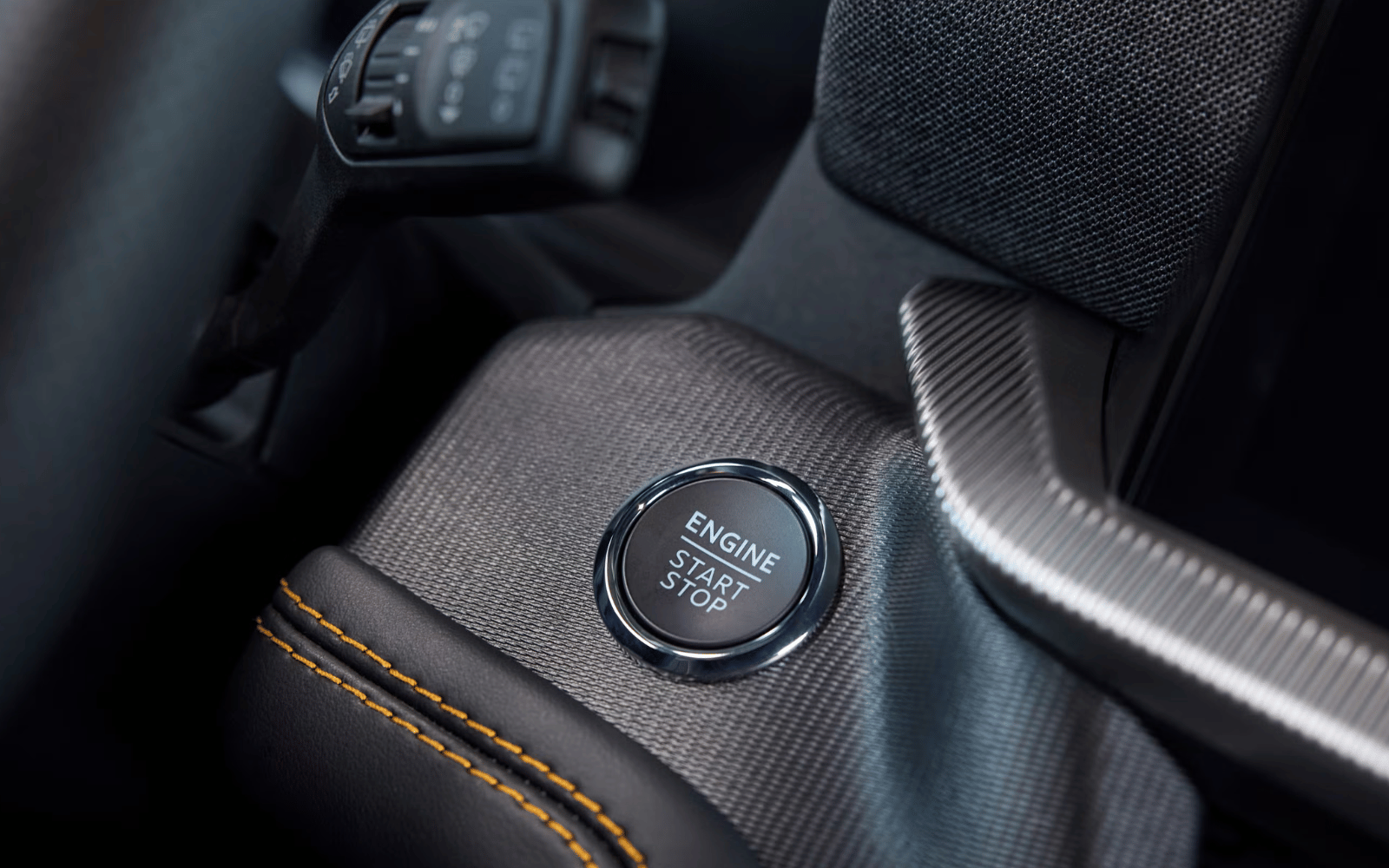
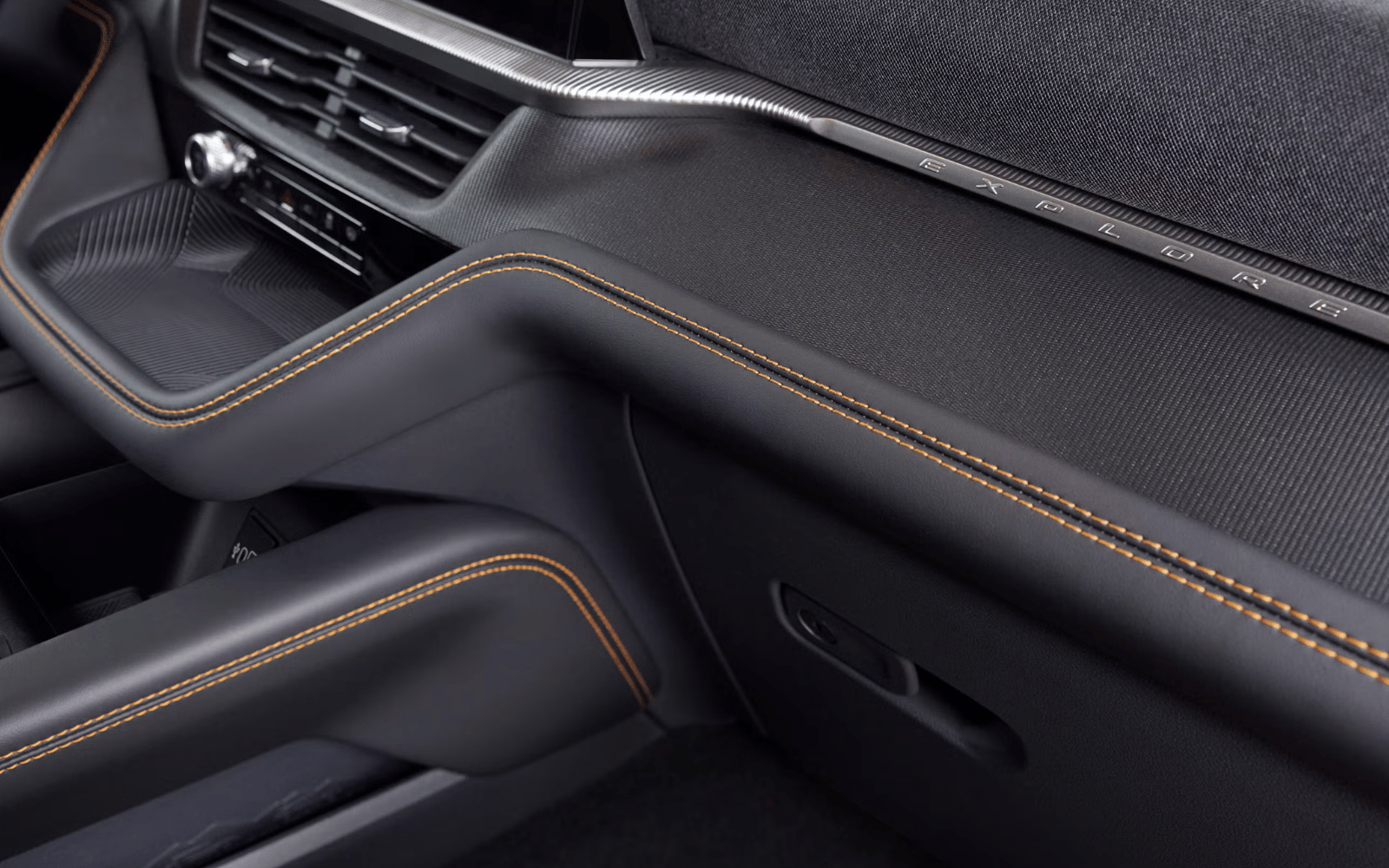
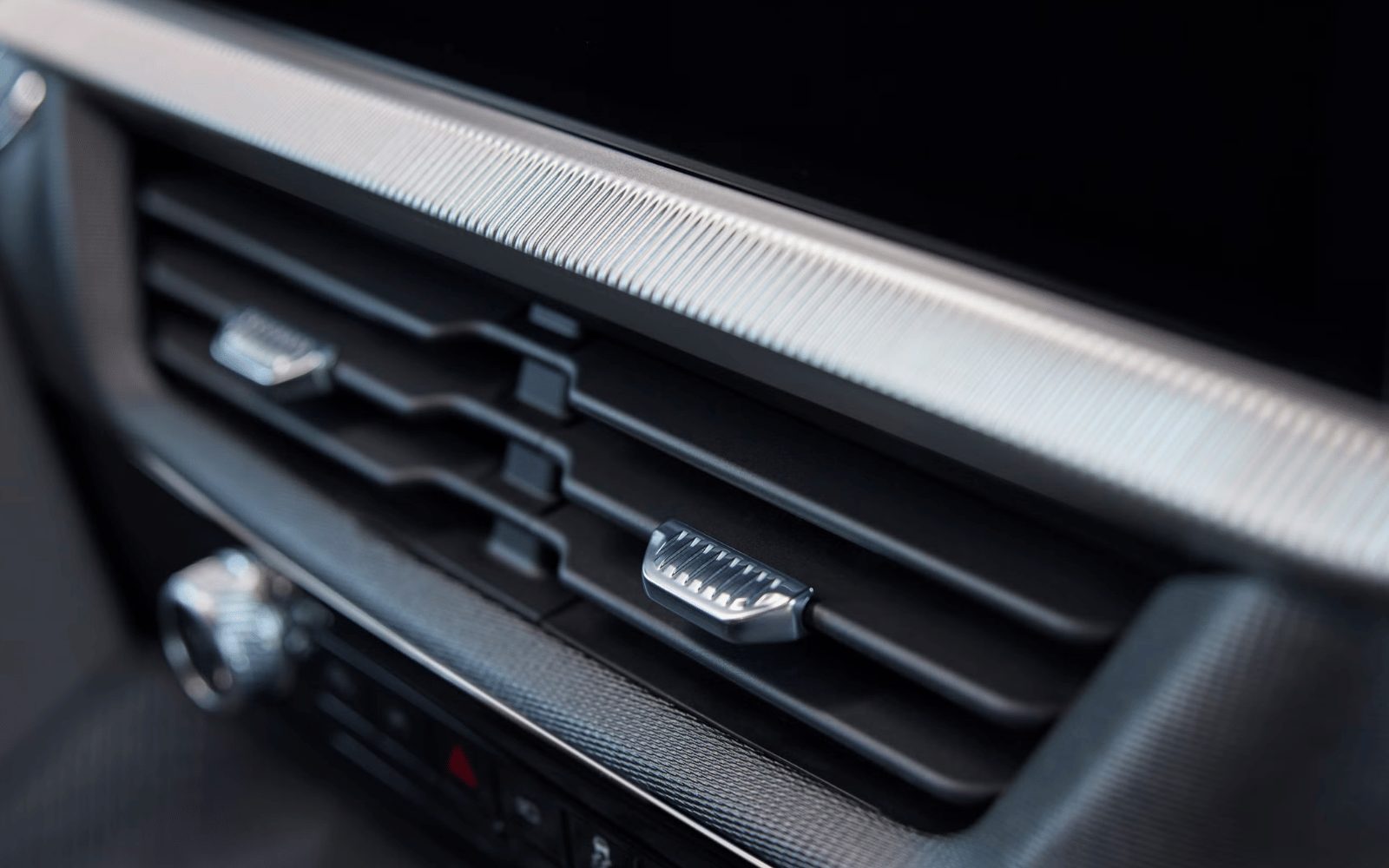
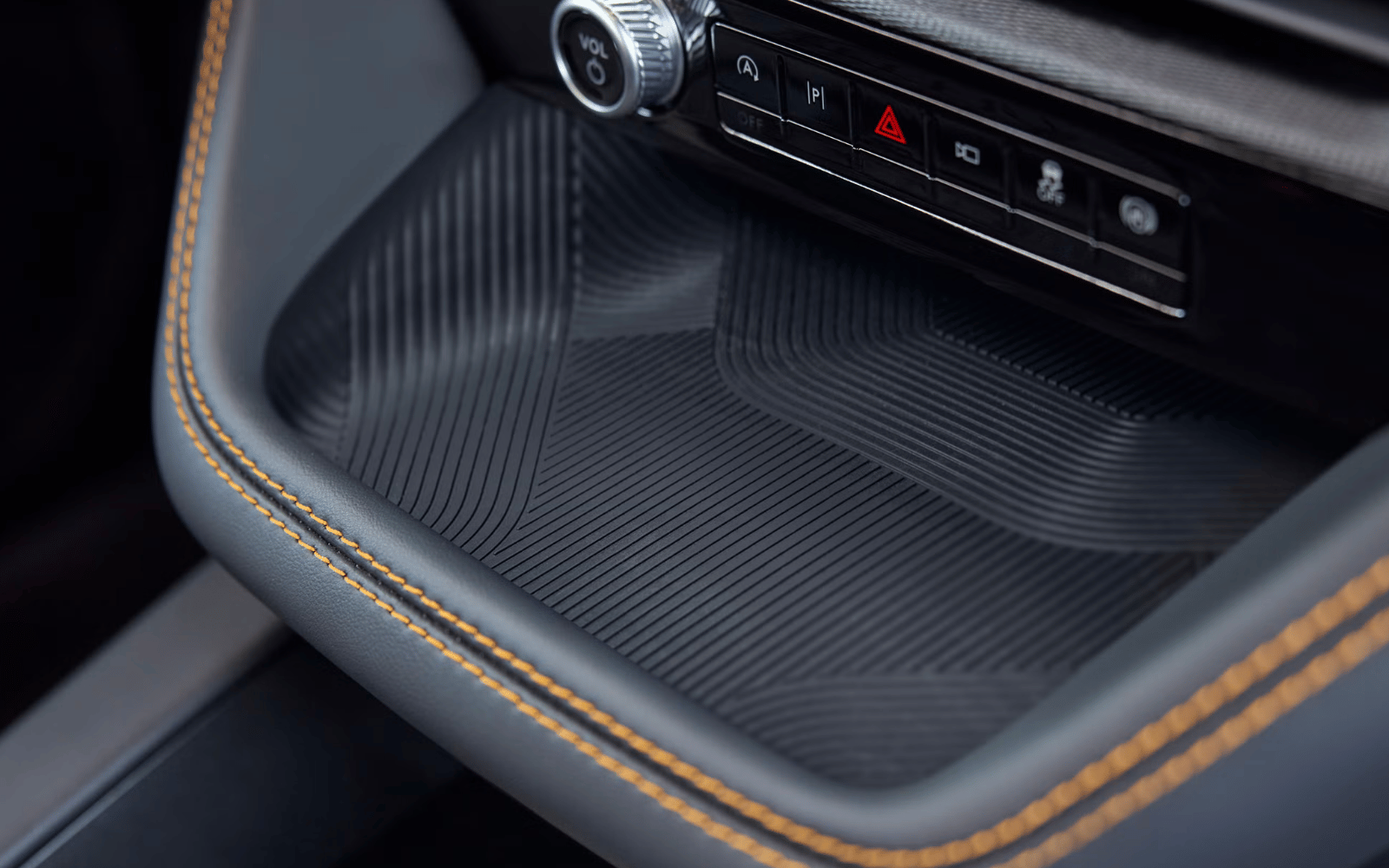
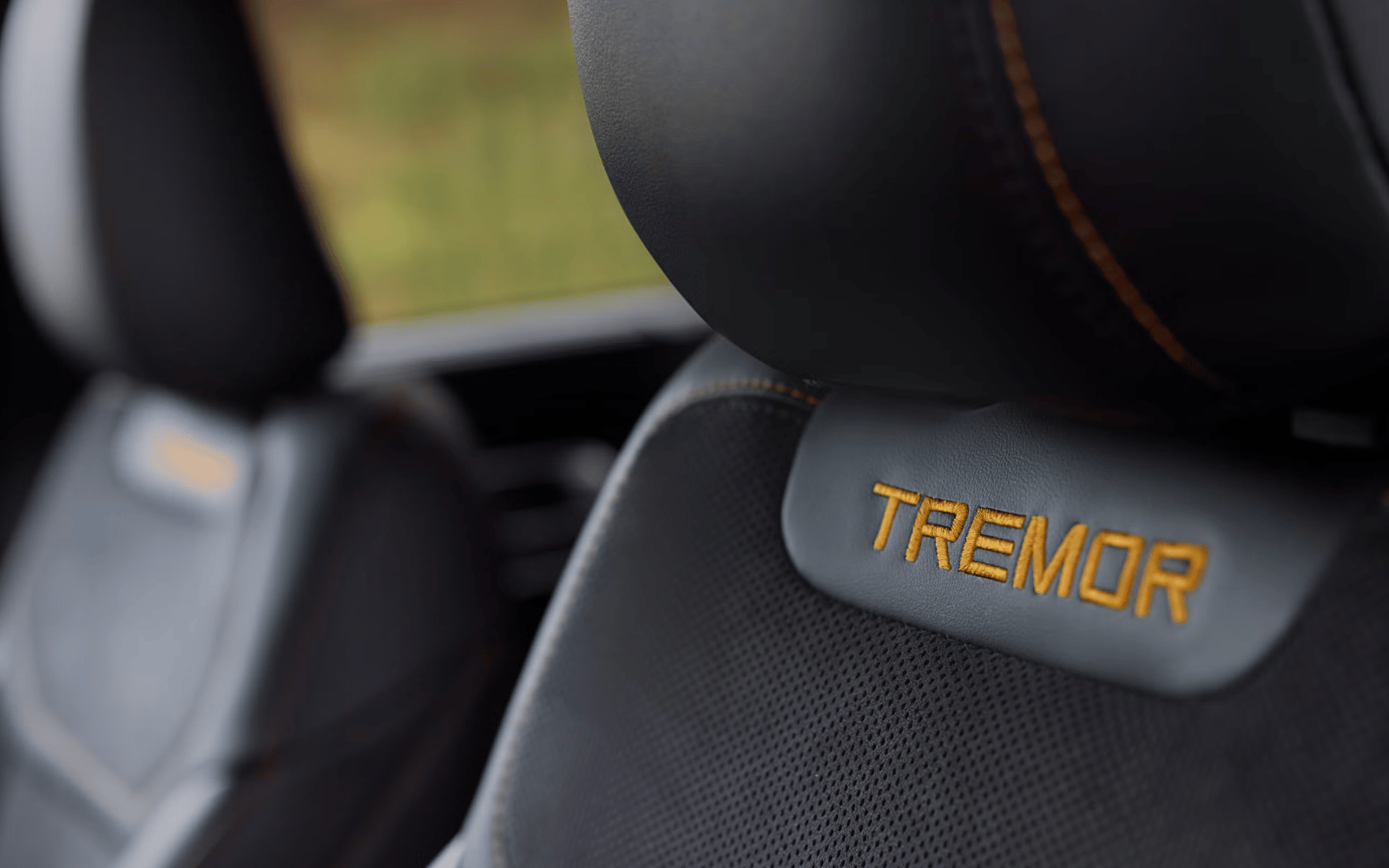
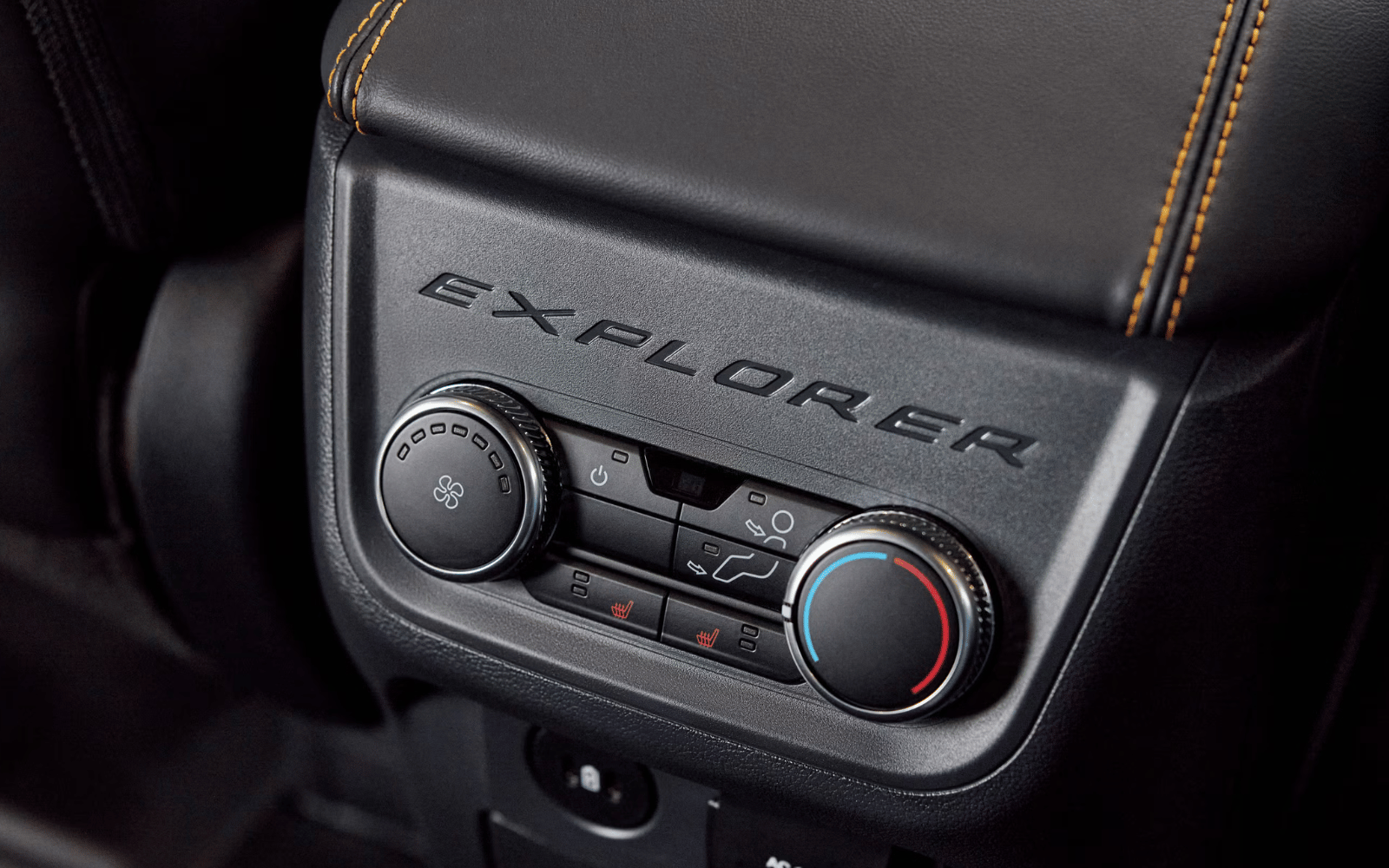
The current 2027 lineup spans several types of buyers. The Active is the lower-cost family model, the ST-Line adds sporty styling, the Tremor brings added off-road hardware, the Platinum focuses on comfort, and the ST pairs family practicality with a 400-horsepower twin-turbo V6.
The Explorer’s main drawbacks are its tight third row, modest cargo space behind that third row, lack of a hybrid model, and the higher fuel and tire costs associated with the ST and Tremor.
WheelPedia Rating: 8.2/10
The Ford Explorer earns an 8.2/10 WheelPedia Rating for its strong safety results, broad trim range, useful towing capacity, modern technology, and powerful engine choices.
Its score is held back by limited third-row room, average cabin materials on lower trims, and the absence of a fuel-saving hybrid.
| Rating Category | Score | Weight |
| Safety | 9.0/10 | 20% |
| Reliability and ownership | 7.5/10 | 15% |
| Performance and driving | 8.5/10 | 15% |
| Comfort and practicality | 8.0/10 | 15% |
| Efficiency | 7.0/10 | 15% |
| Features and technology | 9.0/10 | 10% |
| Price and value | 8.0/10 | 10% |
| Overall Rating | 8.2/10 | — |
See how we rate cars for the full methodology.
Key Highlights
- Starts from $38,465 MSRP for the Explorer Active.
- Three-row seating for six or seven people.
- Standard 2.3-liter EcoBoost engine produces 300 horsepower.
- Available 3.0-liter EcoBoost V6 produces up to 400 horsepower.
- Rear-wheel drive is standard on selected trims.
- Intelligent four-wheel drive is available.
- Tremor includes standard four-wheel drive and off-road hardware.
- Maximum towing capacity is 5,000 pounds.
- Maximum cargo space reaches 85.8 cubic feet.
- Standard 13.2-inch center display and 12.3-inch instrument screen.
- Available BlueCruise hands-free highway driving.
- The 2026 model earned an IIHS Top Safety Pick award.
- No hybrid or plug-in-hybrid powertrain is offered.
Quick Specifications
| Specification | Ford Explorer |
| Vehicle type | Three-row midsize SUV |
| Seating capacity | 6 or 7 |
| Base engine | 2.3L turbocharged EcoBoost four-cylinder |
| Base output | 300 hp / 310 lb-ft |
| Available engine | 3.0L twin-turbo EcoBoost V6 |
| Maximum output | Up to 400 hp / 415 lb-ft |
| Transmission | 10-speed automatic |
| Drivetrain | RWD or Intelligent 4WD |
| Maximum towing | 5,000 lbs. |
| Maximum cargo space | 85.8 cu. ft. |
| Cargo behind third row | 16.3 cu. ft. |
| Maximum fuel economy | Up to 20 city / 29 highway mpg |
| Length | 198.7 in. |
| Wheelbase | 119.1 in. |
| Maximum width without mirrors | 78.9 in. |
Expert Tip
The standard 300-horsepower engine is strong enough for most families. Choose the V6 only if you want ST performance or expect to carry heavy loads regularly. It does not raise the Explorer’s 5,000-pound maximum tow rating.
About the Ford Explorer
The Explorer sits between Ford’s compact Escape and larger Expedition. It is aimed at families who need three rows but do not want the price, size, and fuel costs of a full-size SUV.
Its rear-wheel-drive-based platform gives it a different feel from many front-wheel-drive-based family SUVs. Rear-wheel drive is standard on the Active, ST-Line, Platinum, and ST, while Intelligent 4WD is optional. The Tremor receives 4WD as standard.
The 2027 range also adds or expands features such as new exterior colors, the ST Sinister Package, Tremor option packages, Ford Security Package availability, and an optional 3.0-liter V6 for the Platinum.
Price and Trims
These are US starting MSRPs before destination, taxes, registration, dealer fees, accessories, and optional packages.
| Trim | Starting MSRP | Main Focus |
| Active | $38,465 | Lower-cost family SUV |
| ST-Line | $44,200 | Sporty styling and added technology |
| Tremor | $49,200 | Improved trail and poor-weather ability |
| Platinum | $50,660 | Comfort and premium equipment |
| ST | $53,660 | Maximum on-road performance |
The Explorer Active is also sold with different equipment groups. Adding 4WD generally raises the price by about $2,000 before other options.
The Active gives most families the important Explorer benefits without pushing the price beyond $45,000. The ST-Line makes sense if its 360-degree camera, larger wheels, upgraded audio, and appearance changes matter to you.
The Platinum is the stronger road-trip choice. The ST is quick and entertaining, but it costs more to buy, fuel, insure, and maintain.
Engine, Powertrain, and Performance
2.3-Liter EcoBoost Four-Cylinder
The standard 2.3-liter turbocharged four-cylinder produces 300 horsepower and 310 lb-ft of torque. It is paired with a 10-speed automatic transmission.
This engine is standard on the Active, ST-Line, Tremor, and Platinum. It provides enough power for daily driving, highway passing, family trips, and towing lighter trailers.
3.0-Liter EcoBoost V6
The 3.0-liter twin-turbocharged V6 produces up to 400 horsepower and 415 lb-ft of torque. It is standard on the ST and optional on the Tremor and Platinum.
Ford lists lower horsepower figures for some configurations and states, so buyers should check the window sticker and specifications for the exact vehicle.
| Engine | Output | Availability | Best For |
| 2.3L EcoBoost four-cylinder | 300 hp / 310 lb-ft | Active, ST-Line, Tremor, Platinum | Daily driving and family use |
| 3.0L EcoBoost V6 | Up to 400 hp / 415 lb-ft | ST; optional Tremor and Platinum | Faster acceleration and heavy-load driving |
The 10-speed automatic can occasionally feel busy as it moves between gears, particularly during low-speed driving. Under stronger acceleration, both engines provide confident highway performance.
0–60 MPH Performance
Ford does not publish official 0–60 mph times. Independent testing of recent models suggests the following approximate ranges:
| Configuration | Estimated 0–60 MPH |
| 2.3L EcoBoost RWD | Around 6.0–6.5 seconds |
| 2.3L EcoBoost 4WD | Around 6.2–6.7 seconds |
| 3.0L EcoBoost V6 | Around 5.0–5.5 seconds |
| Explorer ST | Around 5 seconds |
The ST is unusually quick for a three-row family SUV. However, most buyers will find that the 2.3-liter engine already provides more than enough power.
Driving Experience
The Explorer feels more composed and responsive than its size suggests. Its rear-wheel-drive-based layout helps give it balanced handling, while the long wheelbase contributes to stable highway driving.
Ride comfort depends heavily on the trim and wheel choice. Active models with 18-inch wheels generally provide the softest ride. ST-Line, Platinum, and ST models with 20- or 21-inch wheels can feel firmer over broken pavement.
The ST receives a lower ride height, sport-tuned suspension, paddle shifters, and wide 21-inch wheels. It is much quicker and sharper than the regular Explorer but sacrifices some ride comfort.
The Tremor takes the opposite approach. It has:
- Standard Intelligent 4WD
- Off-road-tuned suspension
- Increased ride height
- Approximately 8.7 inches of ground clearance
- Torsen limited-slip rear axle
- Steel underbody protection
- 18-inch wheels
- All-terrain tires
- Hill-descent control
The Tremor is suitable for gravel roads, snow, campsites, muddy access routes, and moderate trails. It does not have low-range gearing and should not be treated like a dedicated rock-crawling SUV.
Fuel Economy
Current published estimates for these powertrains are:
| Configuration | EPA-Estimated MPG |
| 2.3L EcoBoost RWD | 20 city / 29 highway / 24 combined |
| 2.3L EcoBoost 4WD | 20 city / 27 highway / 23 combined |
| 3.0L EcoBoost RWD | 18 city / 25 highway / 21 combined |
| 3.0L EcoBoost 4WD | 18 city / 25 highway / 20 combined |
| Tremor 2.3L 4WD | 19 city / 23 highway / 21 combined |
| Tremor 3.0L 4WD | 17 city / 22 highway / 19 combined |
Final ratings can vary by model year, tires, wheels, drivetrain, and equipment. Buyers should confirm the rating printed on the exact vehicle’s window sticker.
The four-cylinder RWD model is the sensible choice for lower fuel use. Tremor models pay a fuel penalty because of their added ride height, all-terrain tires, 4WD system, and off-road hardware.
There is no current Explorer Hybrid. Buyers prioritizing city fuel economy may find a hybrid three-row SUV more suitable.
Towing Capacity
Every 2027 Explorer comes with a Class III Trailer Tow Package and can tow up to 5,000 pounds when properly equipped.
The standard towing equipment includes:
- Class III hitch receiver
- Four-pin and seven-pin trailer connectors
- Trailer sway control
- Tow/Haul drive mode
A 5,000-pound limit can cover small travel trailers, utility trailers, personal watercraft, motorcycles, and lightweight boats.
Maximum towing capacity assumes the correct equipment and a properly loaded vehicle. Passenger weight, cargo, accessories, and tongue weight reduce the amount available for the trailer.
Interior, Comfort, and Technology
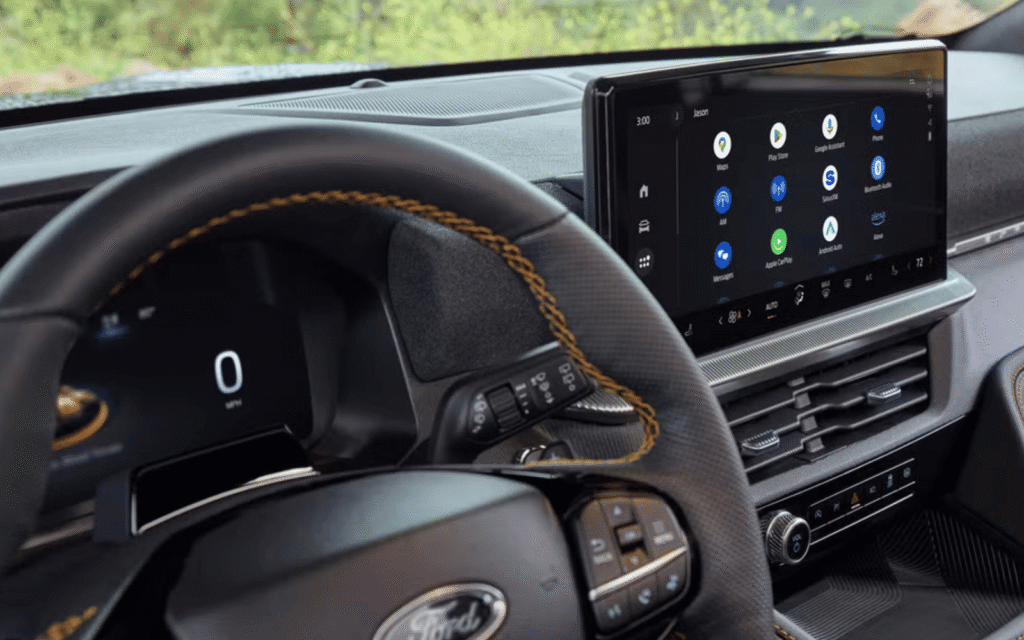
Every Explorer includes a 13.2-inch center display and a 12.3-inch digital instrument screen. The Google-based Ford Digital Experience supports wireless Apple CarPlay and Android Auto, apps, voice controls, and connected services.
Standard and available features include:
- Wireless Apple CarPlay and Android Auto
- Eight USB ports
- Tri-zone automatic climate control
- Heated front seats
- Available heated steering wheel
- Available ventilated front seats
- Available multicontour massaging seats
- Available panoramic Vista Roof
- Available wireless phone charging
- Available 10- or 14-speaker B&O audio
- Available 360-degree camera
- Available power-folding third row
- Available BlueCruise
- Available power-folding side mirrors
- Power liftgate
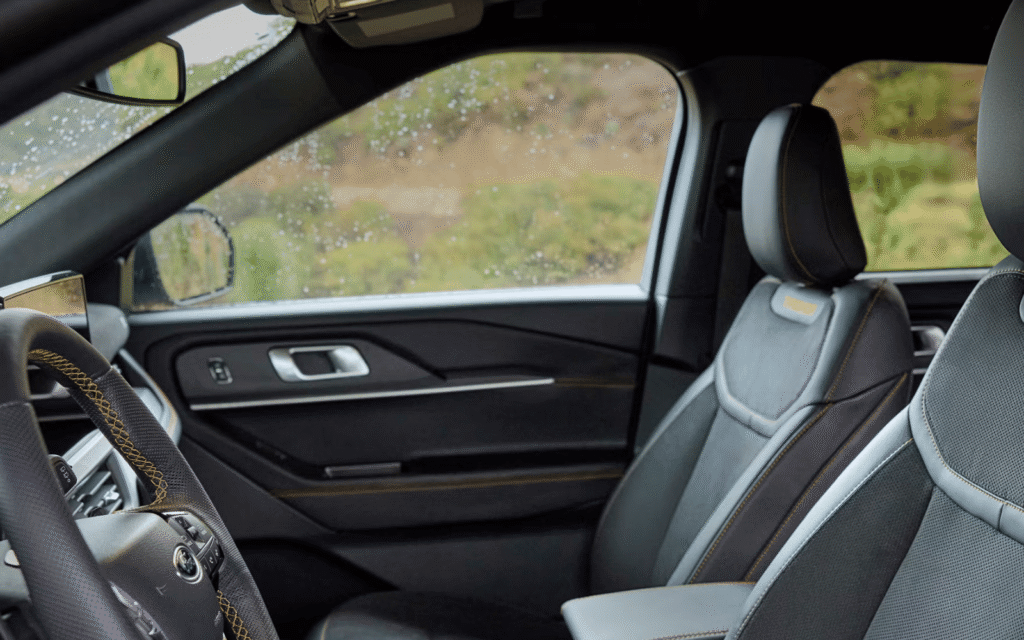
The dashboard design is modern and easy to understand, but material quality varies. Higher trims feel more suitable for the Explorer’s price, while harder plastics remain visible in some parts of lower trims.
Seating and Passenger Space
The Explorer seats six with standard second-row captain’s chairs. An optional second-row bench raises capacity to seven on selected trims.
| Interior Measurement | Ford Explorer |
| First-row legroom | Up to 43.0 in. |
| Second-row legroom | Up to 37.5 in. |
| Third-row legroom | 31.8 in. |
| First-row headroom | 40.7 in. |
| Second-row headroom | 40.5 in. |
| Third-row headroom | 38.9 in. |
The first two rows provide good adult space. The third row works better for children, teenagers, or short journeys. Adults may find the seating position low and the legroom limited.
Families planning to use all three rows every day should test access, child-seat placement, and third-row comfort before buying.
Dimensions, Cargo, and Practicality
| Dimension or Capacity | Ford Explorer |
| Length | 198.7 in. |
| Width without mirrors | 78.9 in. |
| Width including mirrors | 89.3 in. |
| Wheelbase | 119.1 in. |
| Standard-model height | Approximately 69.6–70.2 in. |
| Tremor height | 70.8 in. |
| Cargo behind third row | 16.3 cu. ft. |
| Maximum cargo space, Active/ST-Line | 85.8 cu. ft. |
| Maximum cargo space, ST/Tremor/Platinum | 85.3 cu. ft. |
| Maximum towing | 5,000 lbs. |
The Explorer offers plenty of room with its second and third rows folded. With all seats occupied, however, the 16.3-cubic-foot cargo area can feel restrictive for a large family’s luggage.
A roof box or trailer may be needed when six or seven people travel together with suitcases, strollers, or camping gear.
Exterior Design
The Explorer has a broad grille, slim LED lighting, a long roofline, and a wide stance. Each trim receives its own exterior details.
- Active: Chrome-accented grille and 18-inch wheels
- ST-Line: Black grille, dark lighting details, ST-Line badges, and 20-inch wheels
- Tremor: Raised suspension, steel protection, orange accents, and all-terrain tires
- Platinum: Satin and chrome trim with 20-inch wheels
- ST: Black exterior treatment, quad exhaust tips, lower stance, and 21-inch wheels
Available options include a black-painted roof, panoramic roof, roof crossbars, illuminated Ford badge, larger wheels, and trim-specific appearance packages.
Safety Features and Ratings
Standard and available driver-assistance features include:
- Automatic emergency braking
- Forward-collision warning
- Pedestrian detection
- Blind-spot monitoring
- Rear cross-traffic alert
- Lane-keeping assistance
- Rear automatic braking
- Rear parking sensors
- Adaptive cruise control
- Lane-centering assistance
- Evasive steering assistance
- Intersection assistance
- 360-degree camera
- Available BlueCruise hands-free highway driving
The 2026 Explorer earned an IIHS Top Safety Pick award. IIHS gave it Good ratings in the small-overlap front, updated moderate-overlap front, and updated side tests. Its headlights and pedestrian crash-prevention system also received Good ratings. LATCH ease of use was rated Acceptable. See the full IIHS Explorer safety results.
A separate 2027 IIHS evaluation may not yet be available. Safety ratings can also depend on production dates and equipment.
Reliability, Warranty, and Ownership
The Explorer uses widely available Ford engines and has a large US dealer network. Long-term costs will depend on the engine, drivetrain, wheel size, and technology fitted.
The four-cylinder Active is likely to be the least expensive configuration to operate. The ST and V6 Tremor have higher fuel use, larger performance tires, more costly brakes, and additional mechanical hardware.
| Coverage | Length |
| Basic warranty | 3 years / 36,000 miles |
| Powertrain warranty | 5 years / 60,000 miles |
| Corrosion perforation warranty | 5 years / unlimited miles |
| Roadside assistance | 5 years / 60,000 miles |
Ownership Considerations
- Large wheels can increase replacement-tire costs.
- The ST may cost more to insure.
- The V6 uses more fuel and adds mechanical complexity.
- Tremor all-terrain tires may wear faster and create more road noise.
- BlueCruise and some connected features require paid service after the included period.
- Used Explorers should be checked for open recalls, service history, collision repairs, transmission behavior, and infotainment faults.
- A pre-purchase inspection is recommended for used ST and Tremor models.
Pros and Cons
What We Like
- Strong 300-horsepower standard engine
- Very quick ST performance
- Good IIHS safety results
- Six- or seven-passenger seating
- Standard 13.2-inch center display
- Standard Class III towing package
- Up to 5,000 pounds of towing
- Available rear-wheel drive or 4WD
- Tremor offers genuine trail-focused upgrades
- Up to 85.8 cubic feet of cargo space
- Available BlueCruise
- Wide choice of family, comfort, off-road, and performance trims
What We Don’t Like
- No hybrid powertrain
- Third row is tight for adults
- Limited luggage space with all seats occupied
- Fuel economy drops sharply with the V6 Tremor
- Some lower-cabin materials feel basic
- Higher trims become expensive
- Large wheels can reduce ride comfort
- BlueCruise requires an ongoing paid plan after the included period
- Tire inflator kit is standard instead of a spare wheel on many configurations
Popular Competitors
The Ford Explorer should be compared with other three-row SUVs based on passenger space, power, towing, efficiency, and drivetrain.
- The Honda Pilot is worth considering for its family-friendly cabin and usable third row.
- The Toyota Grand Highlander offers more rear-seat and cargo room, plus hybrid options.
- The Kia Telluride has a refined interior and strong feature value.
- The Hyundai Palisade is a good alternative for comfort-focused families.
- The Chevrolet Traverse provides generous passenger and cargo space.
- The Jeep Grand Cherokee L is worth considering for towing and trail use.
- The Mazda CX-90 suits buyers who want sharp road manners and an available plug-in hybrid.
- The Ford Expedition is better for buyers who need more third-row room and towing capacity.
Related Content
Before selecting a loan or lease, read how car financing works and consider arranging car loan preapproval before visiting a dealership.
Buyers comparing a new Explorer with an older model should also read our new vs. used car guide.
Should You Buy the Ford Explorer?
Buy the Ford Explorer if you want a three-row SUV with strong acceleration, up to 5,000 pounds of towing, modern cabin technology, and a choice between family, performance, luxury, and light off-road configurations.
Choose the Active if value and family use matter most. Choose the ST-Line if you want sporty styling without V6 fuel costs. Choose the Platinum for long-distance comfort and additional cabin features.
The Tremor makes sense for buyers who regularly encounter snow, unpaved roads, campsites, and uneven terrain. The ST is for buyers who genuinely want its 400-horsepower performance.
Skip the Explorer if you need spacious adult seating in all three rows, regularly travel with seven people and their luggage, or want hybrid fuel economy. A larger SUV or hybrid-focused competitor may fit those needs better.
FAQs
How much does the Ford Explorer cost?
The 2027 Ford Explorer starts from $38,465 MSRP for the Active. Higher trims, four-wheel drive, the V6 engine, and optional packages raise the price.
How many people can sit in the Ford Explorer?
The Explorer seats six with second-row captain’s chairs or seven with the optional second-row bench available on selected trims.
Does the Ford Explorer have a third row?
Yes. Every Ford Explorer includes three-row seating.
Is the Ford Explorer available as a hybrid?
No. The current Explorer lineup does not include a hybrid or plug-in-hybrid model.
What engine comes in the Ford Explorer?
Most trims use a 2.3-liter EcoBoost four-cylinder producing 300 horsepower. A 3.0-liter twin-turbo V6 with up to 400 horsepower is standard on the ST and optional on the Tremor and Platinum.
Does the Ford Explorer have four-wheel drive?
Yes. Intelligent 4WD is optional on most trims and standard on the Tremor.
How much can the Ford Explorer tow?
Every 2027 Explorer can tow up to 5,000 pounds when properly equipped.
What is the Ford Explorer’s fuel economy?
The 2.3-liter RWD model returns up to an estimated 20 mpg city, 29 mpg highway, and 24 mpg combined. Four-wheel-drive, V6, and Tremor models use more fuel.
How much cargo space does the Ford Explorer have?
It provides 16.3 cubic feet behind the third row and up to 85.8 cubic feet with the rear seats folded.
Is the Ford Explorer safe?
The 2026 model earned an IIHS Top Safety Pick award with Good results in its main crashworthiness tests. Standard equipment includes automatic emergency braking, blind-spot monitoring, lane support, and rear automatic braking.
What is the difference between Explorer ST-Line and ST?
The ST-Line has sport-inspired styling but uses the standard 300-horsepower four-cylinder. The ST receives the twin-turbo V6 with up to 400 horsepower, sport-tuned suspension, larger wheels, and added performance hardware.
Is the Explorer Tremor good for off-road driving?
The Tremor is suitable for moderate trails and rough access roads. It includes standard 4WD, added ground clearance, all-terrain tires, underbody protection, off-road suspension, and a limited-slip rear axle. It is not intended for extreme rock crawling.
Which Ford Explorer is best?
The Explorer Active is the best fit for most families because it provides the same basic power, seating, towing capacity, and digital displays as more expensive trims. Buyers wanting more comfort should consider the Platinum.
Final Verdict
The Ford Explorer covers a wide range of three-row SUV needs. It is powerful, safe, practical, and capable of towing more than many families will require. Its standard screens and driver-assistance features also give the lower trims a strong equipment list.
The Explorer Active is the sensible choice for most buyers. The Platinum is better for comfort, while the Tremor and ST serve buyers with specific off-road or performance priorities.
The Explorer is less convincing for buyers who need an adult-friendly third row or hybrid efficiency. For everyone else, it remains a strong midsize SUV with one of the broadest trim ranges in its segment.
Prices, specifications, EPA estimates, safety ratings, engine outputs, features, packages, and availability can change by model year, state, drivetrain, and vehicle configuration.