
Honda Civic Sedan: Price, Specs, Features & Review
The Honda Civic sedan is one of the strongest compact-car choices for buyers who want a practical daily driver that does not feel basic. It offers useful rear-seat space, a large trunk, standard driver-assistance features, and a choice between an efficient gas engine and a much quicker hybrid system.
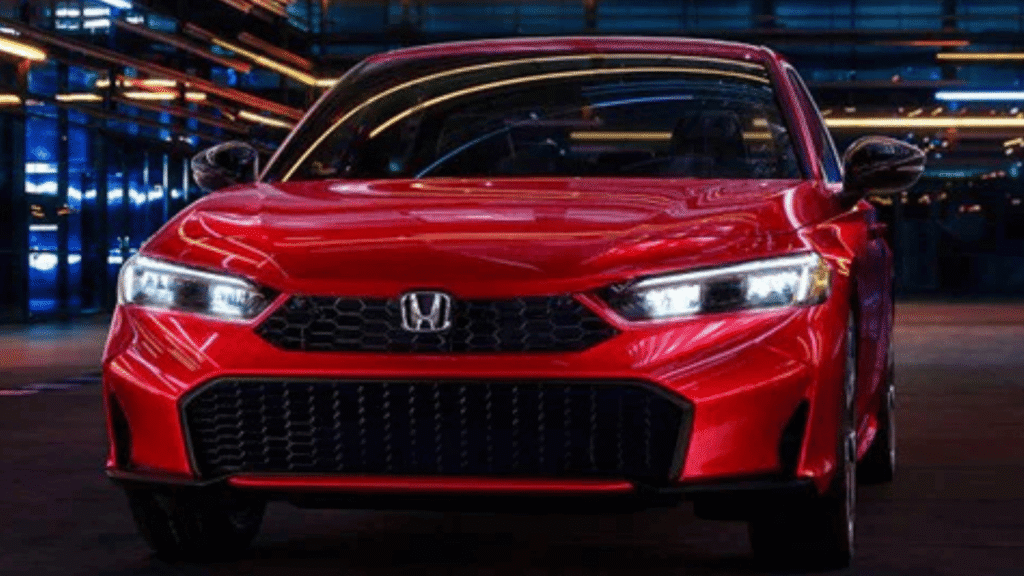
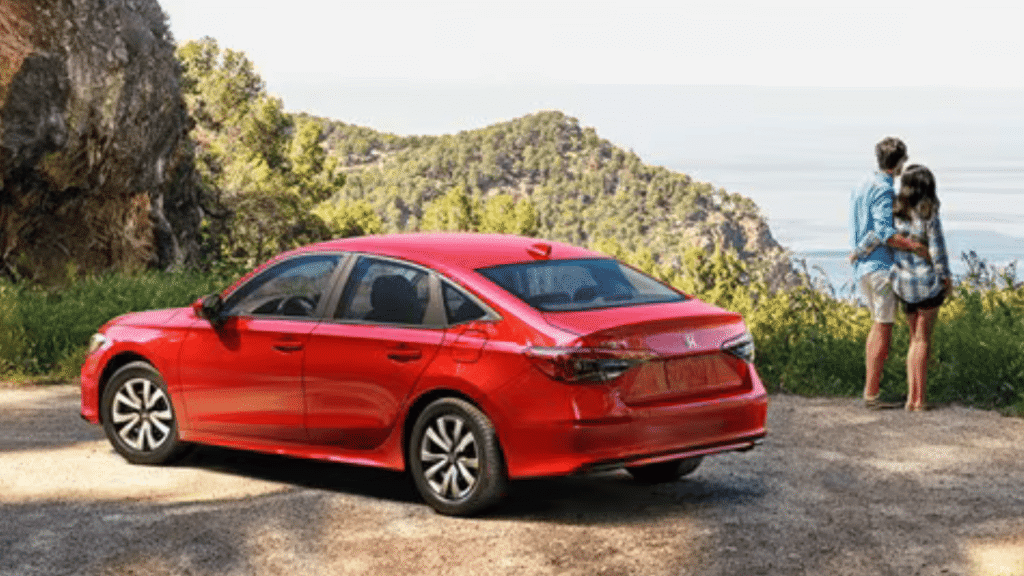
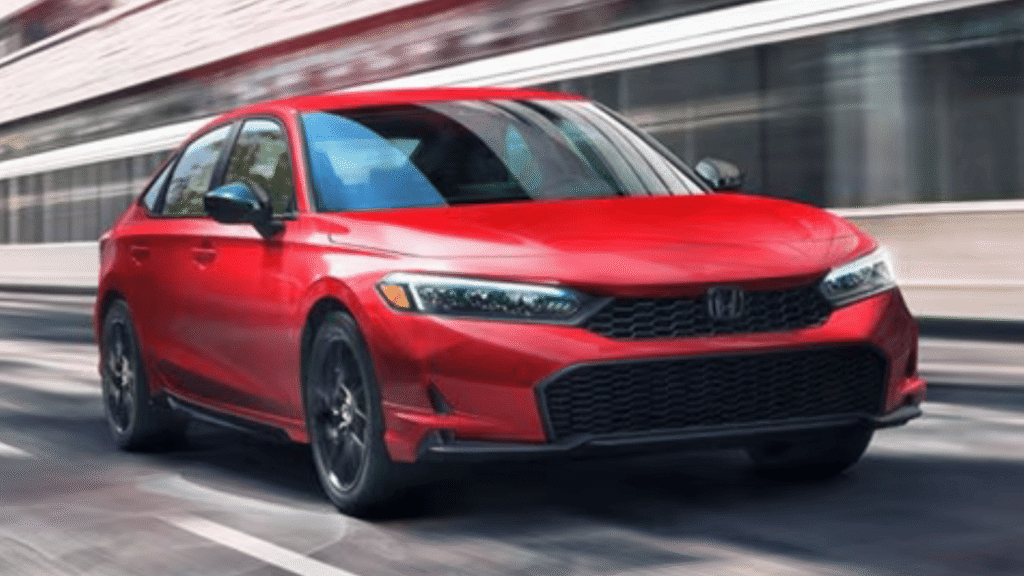
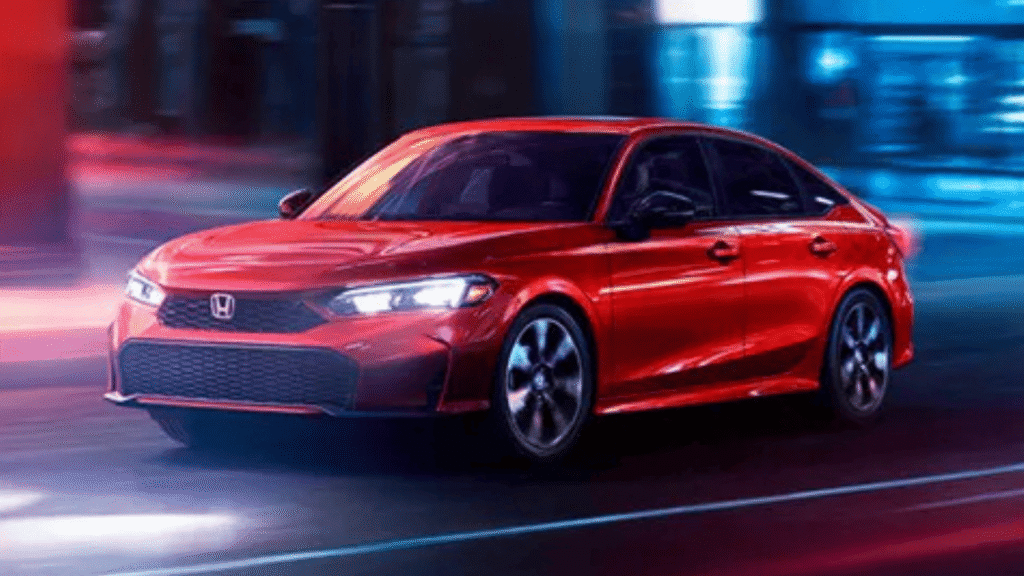
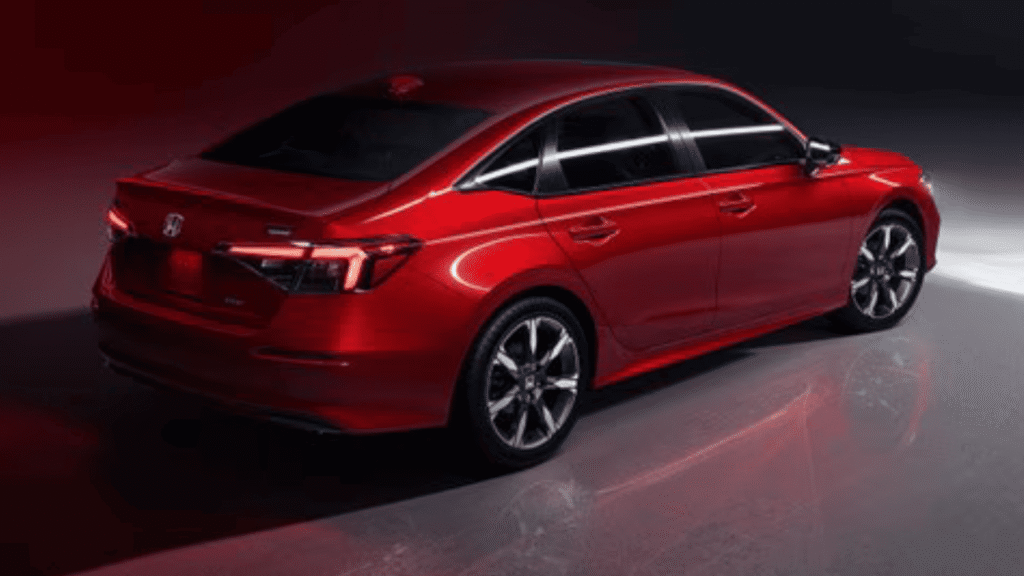
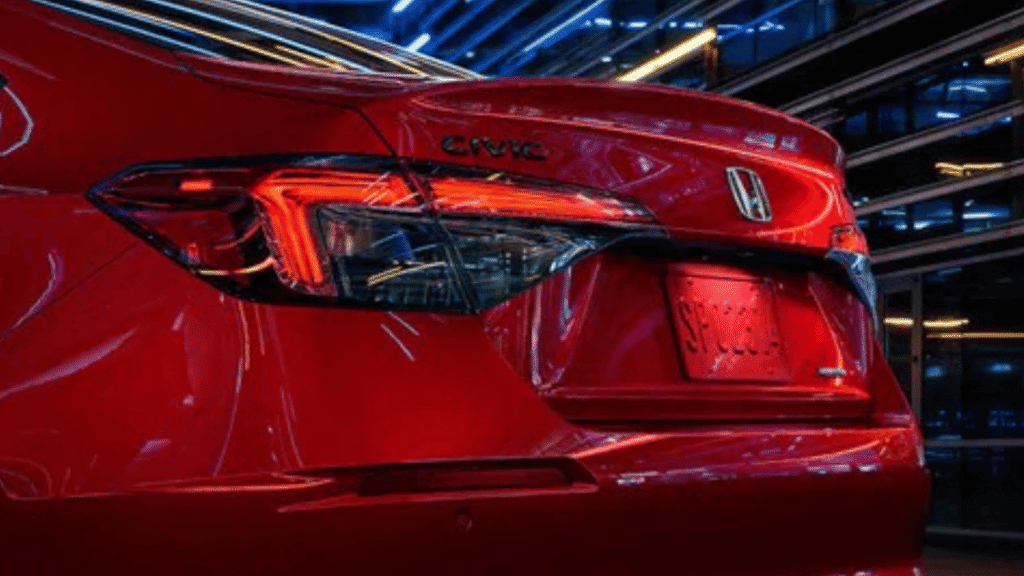
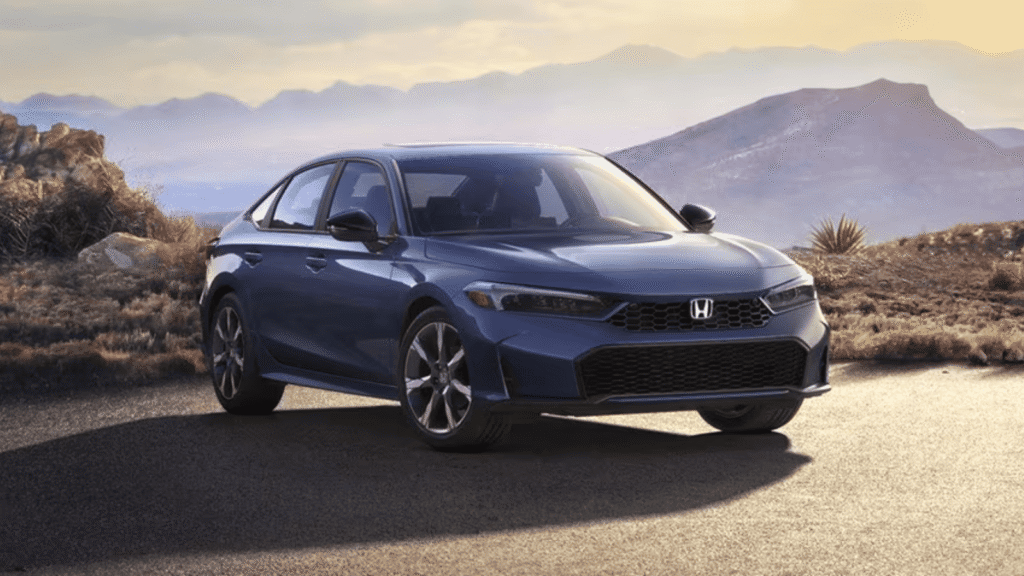
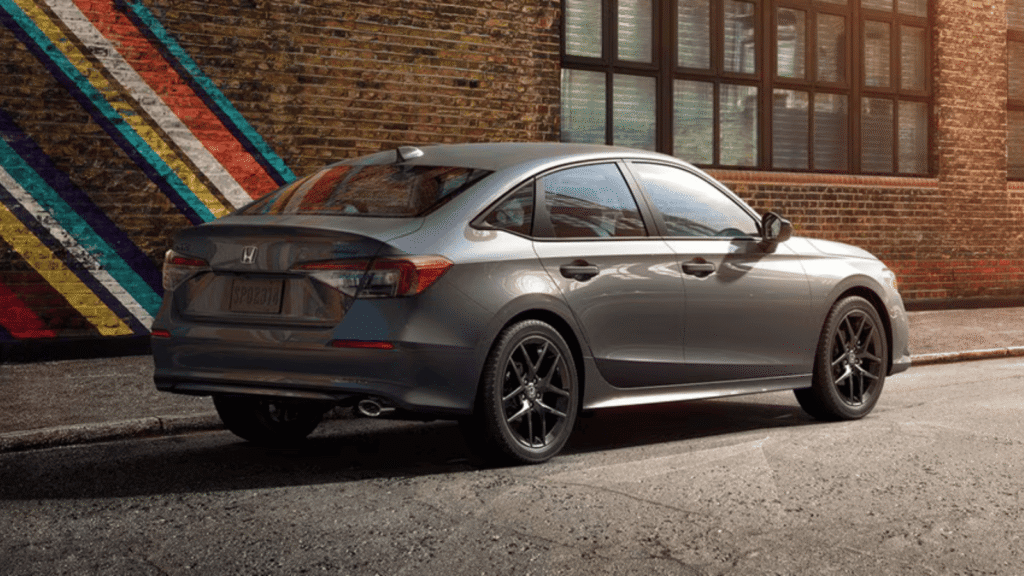
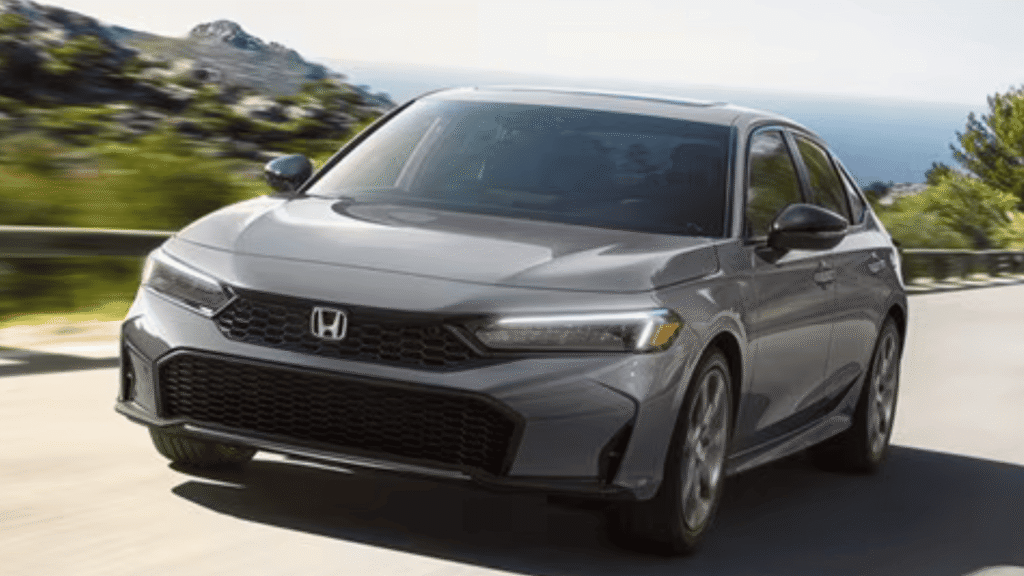
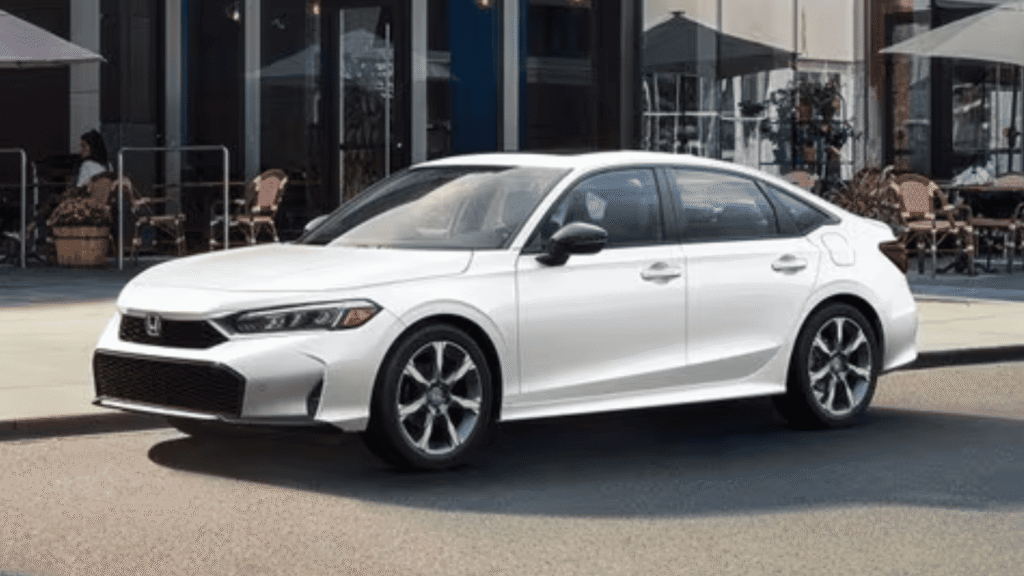
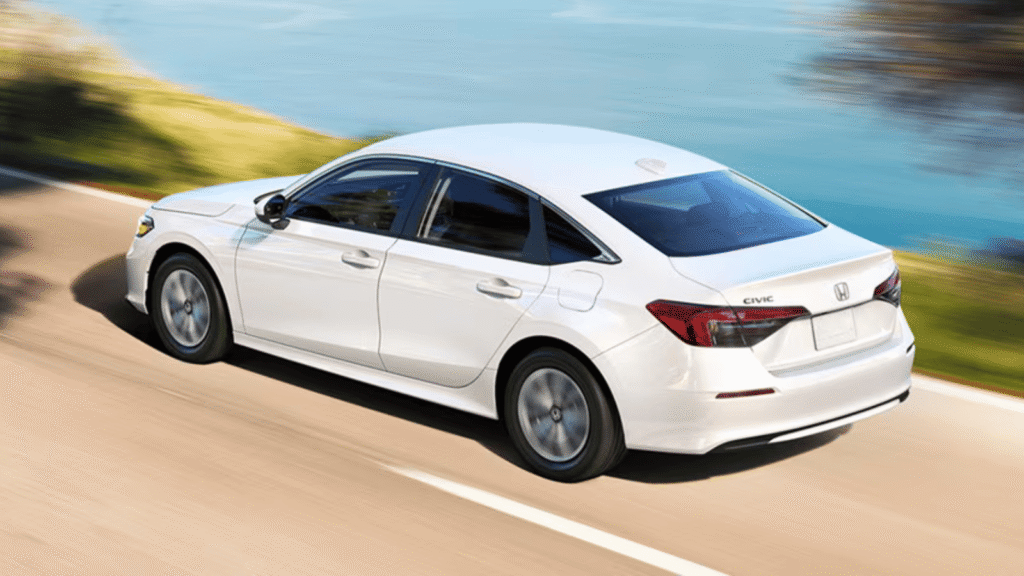
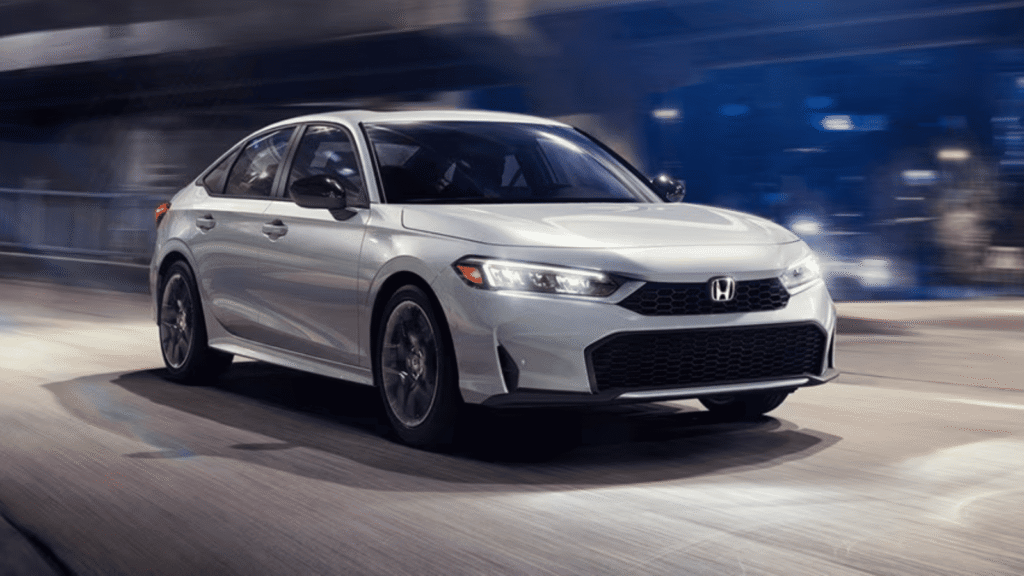
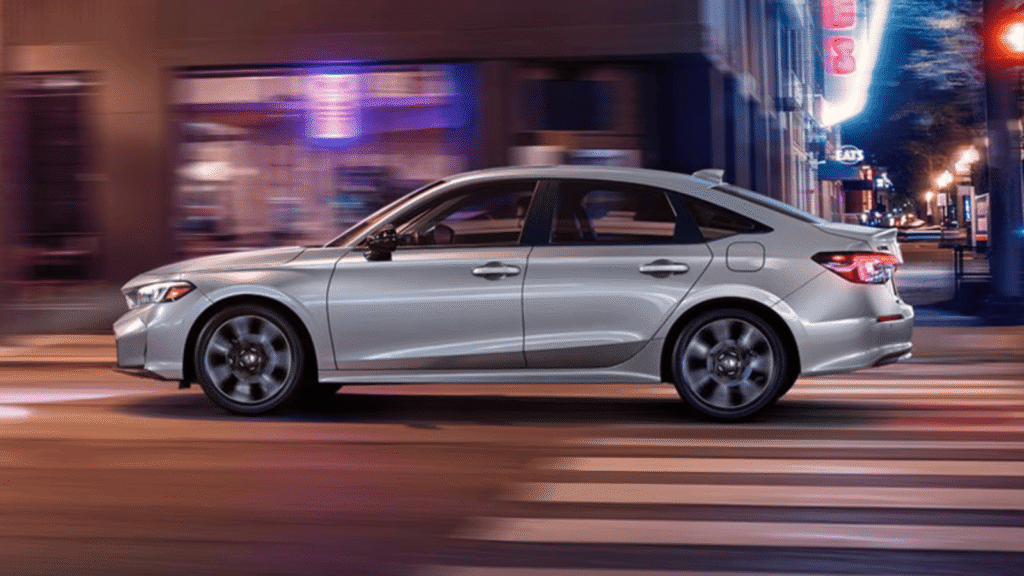
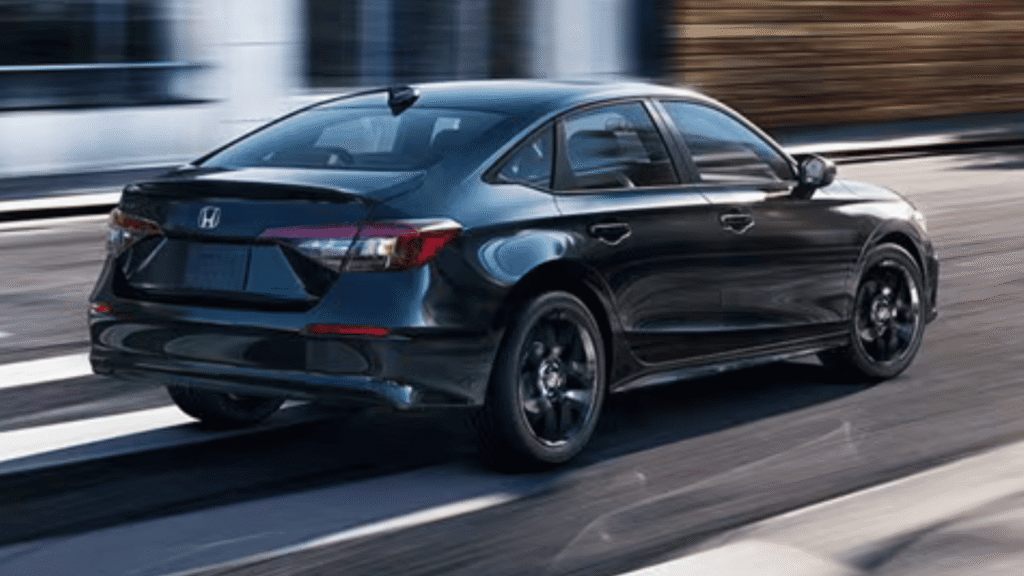
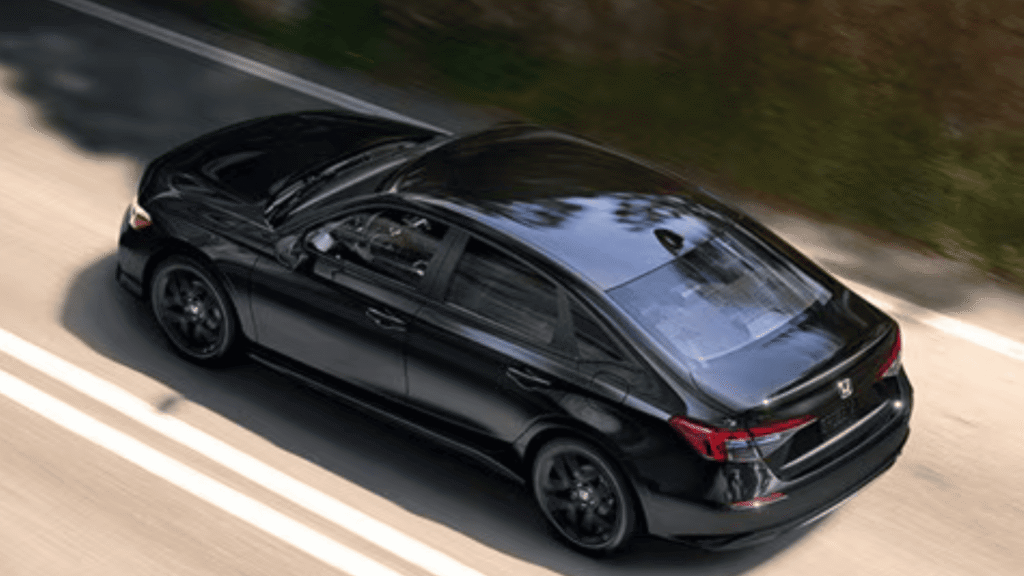
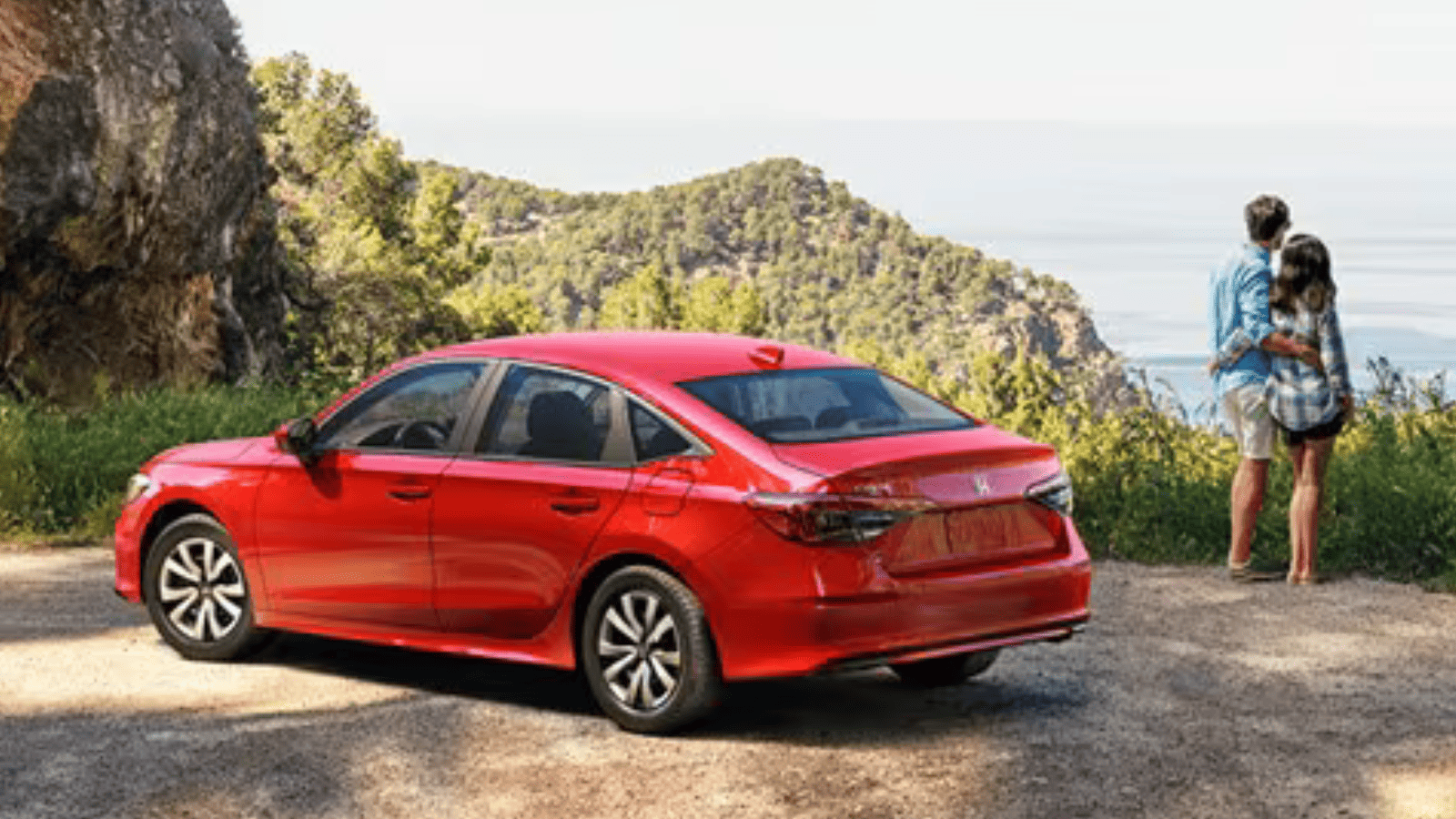
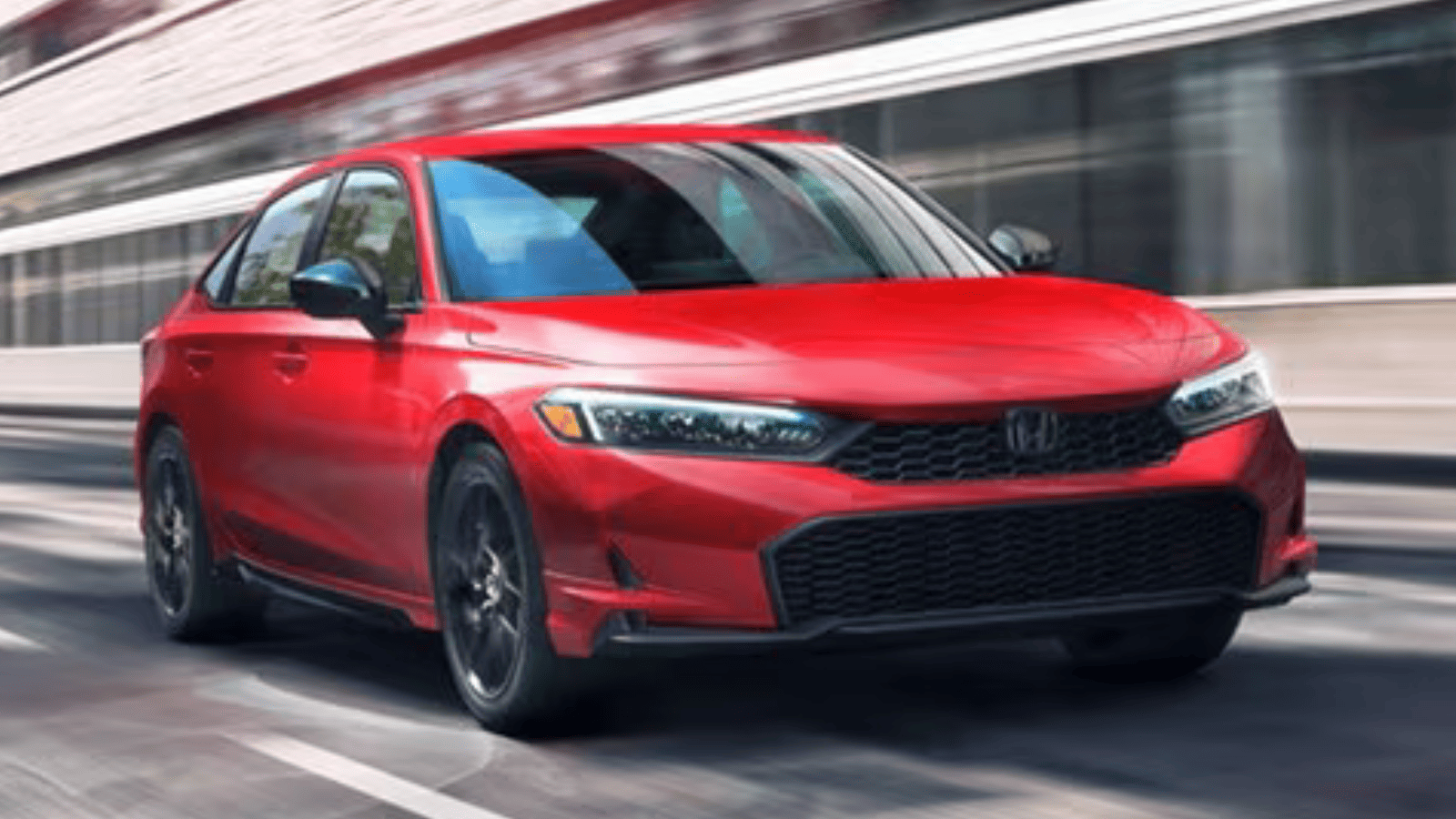
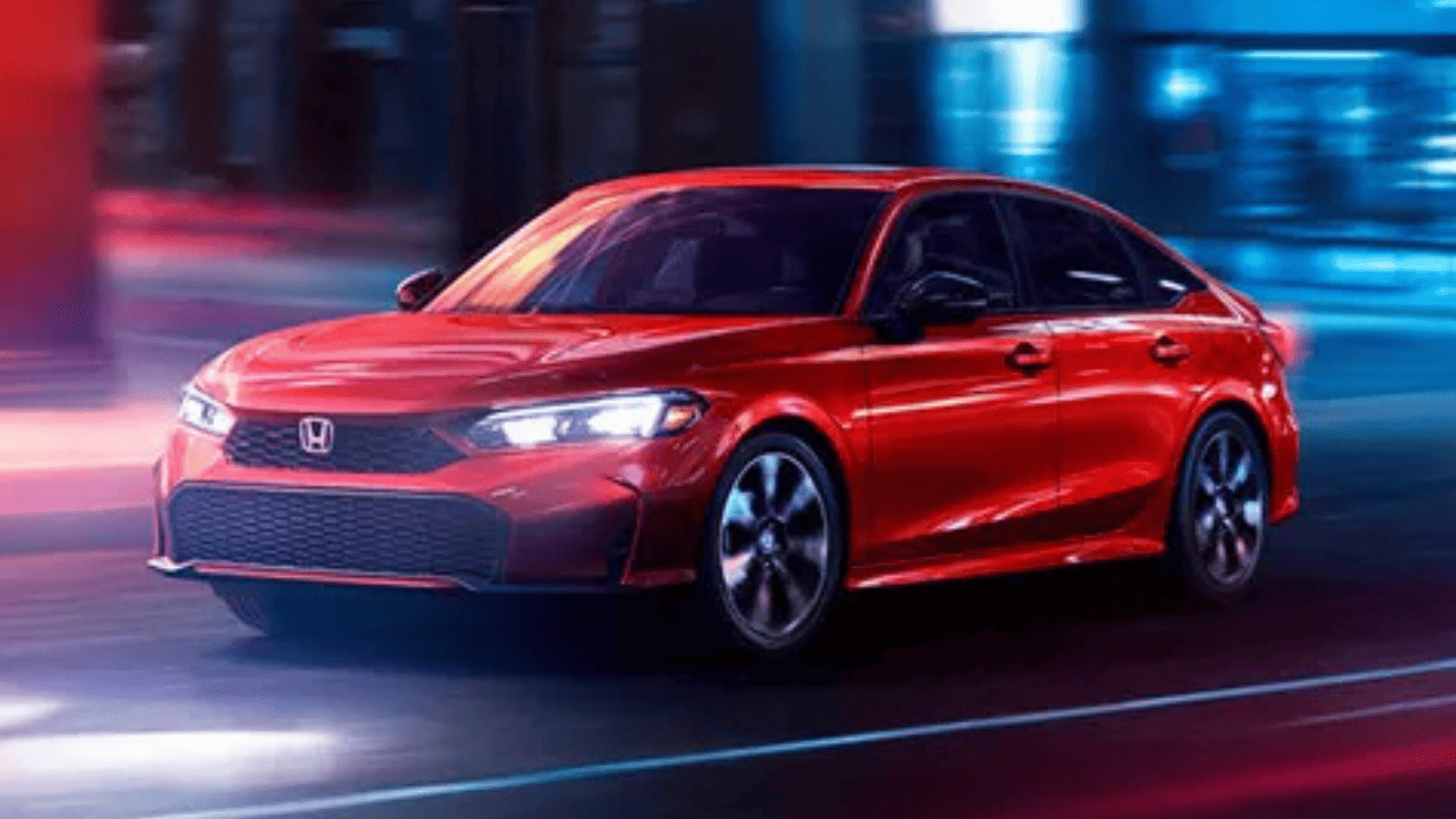
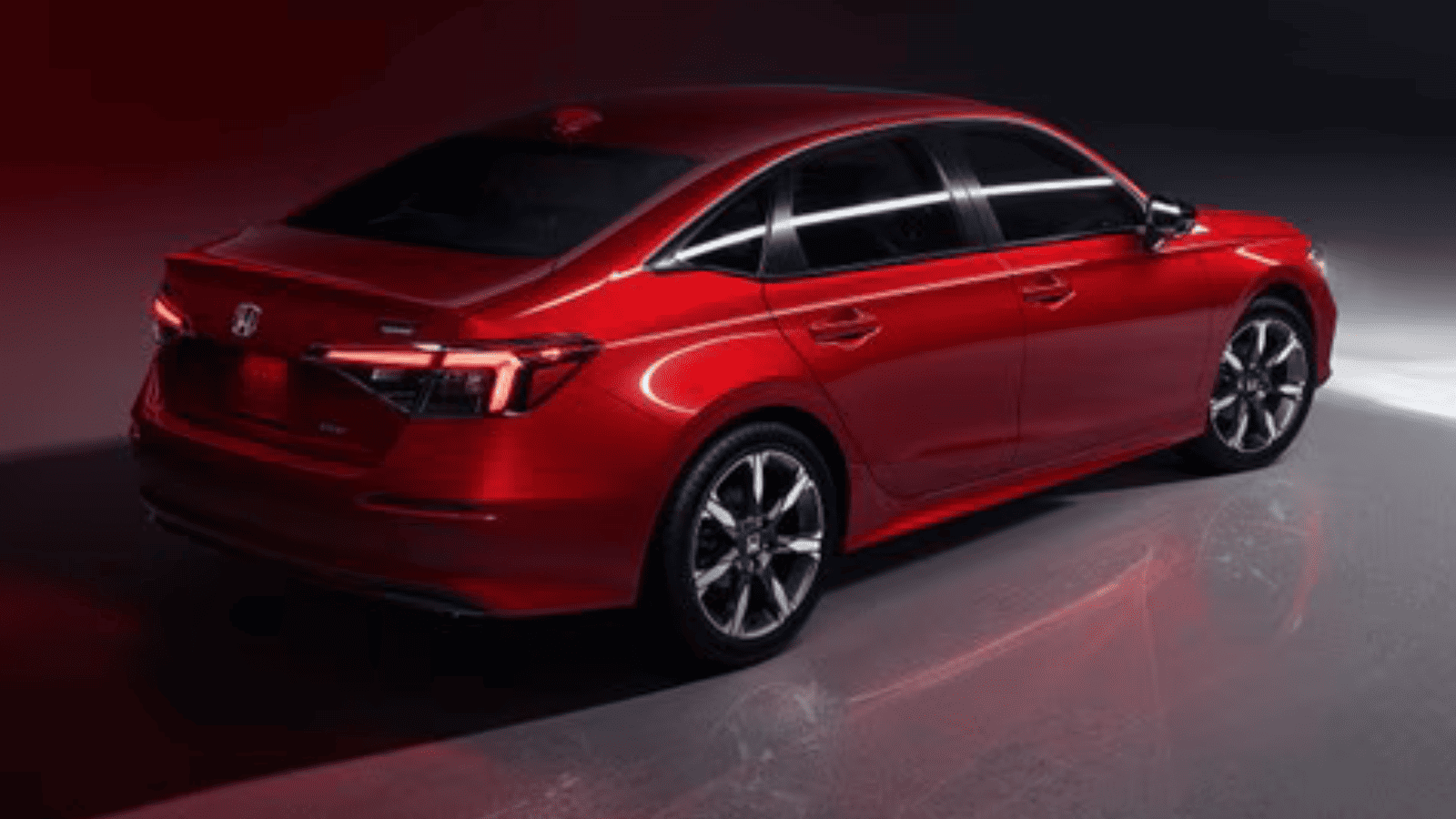
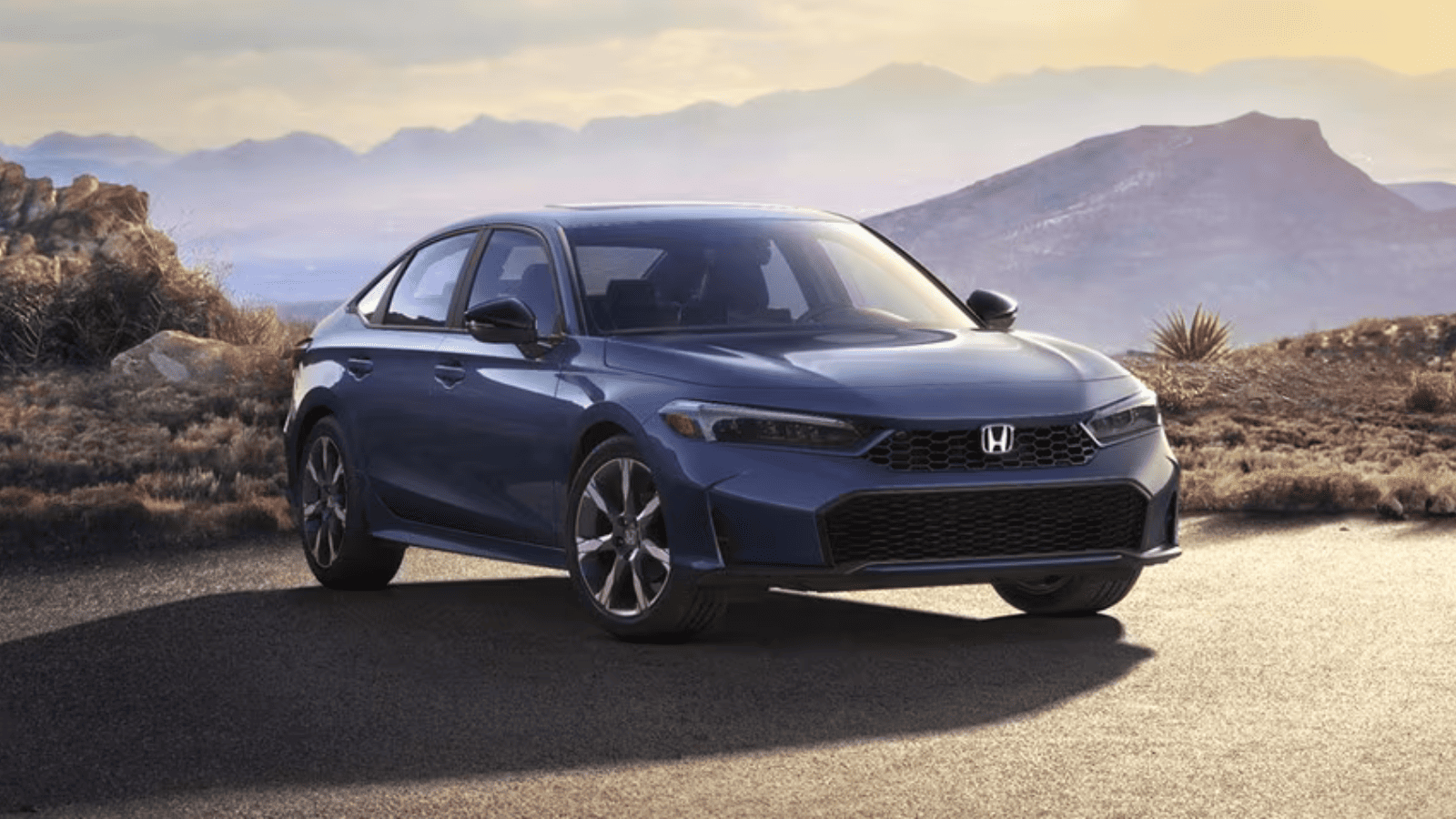
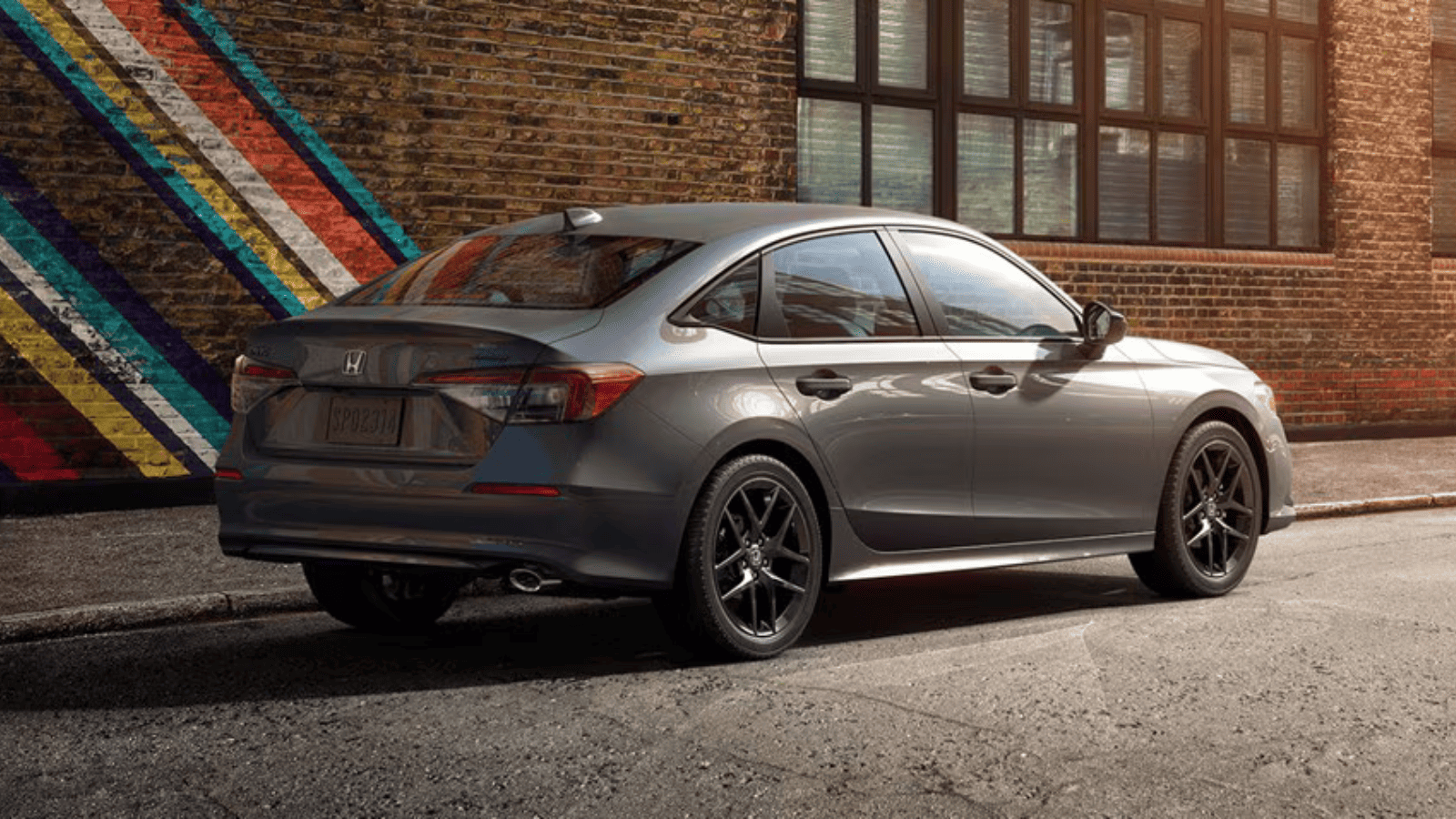
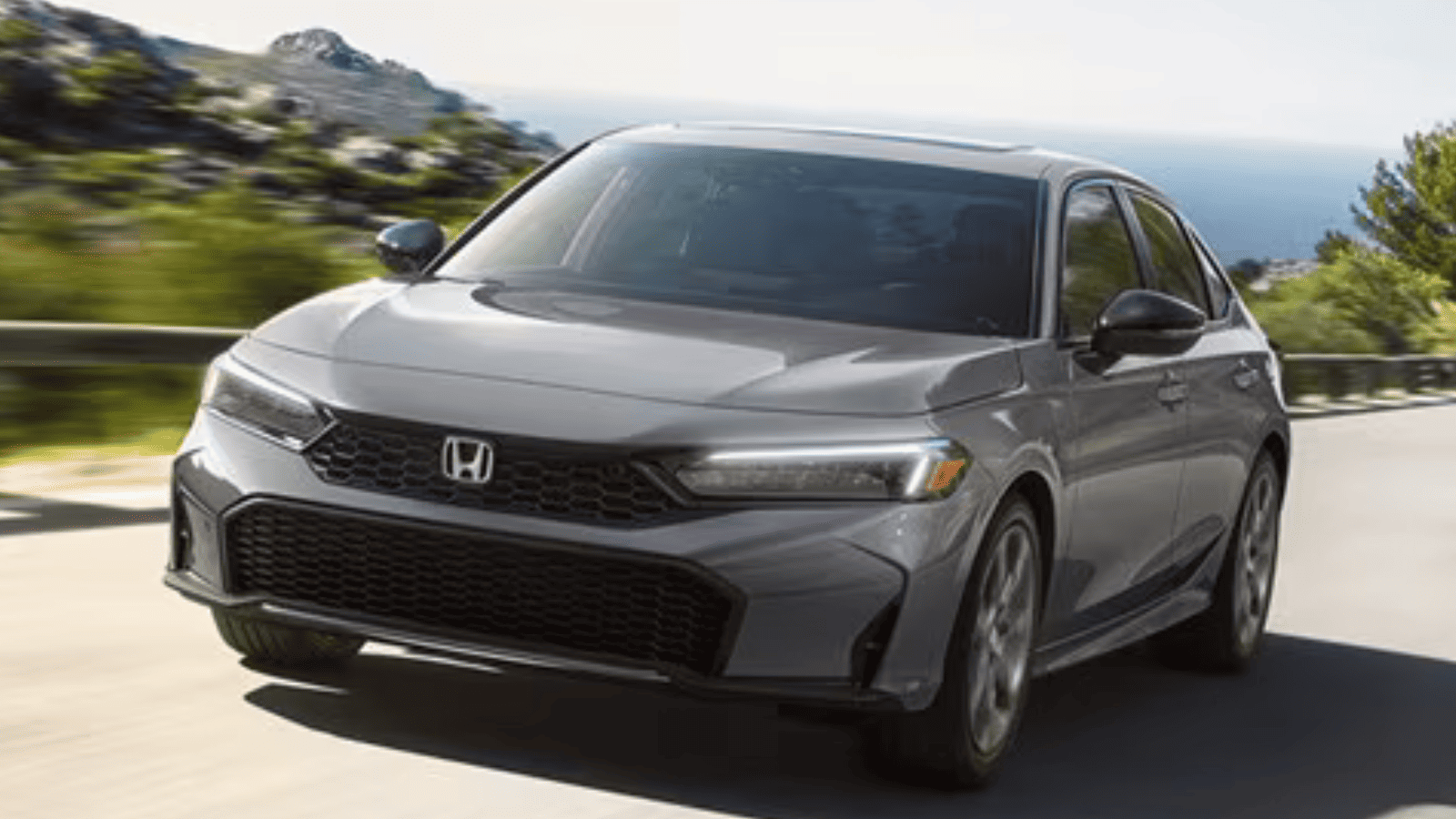
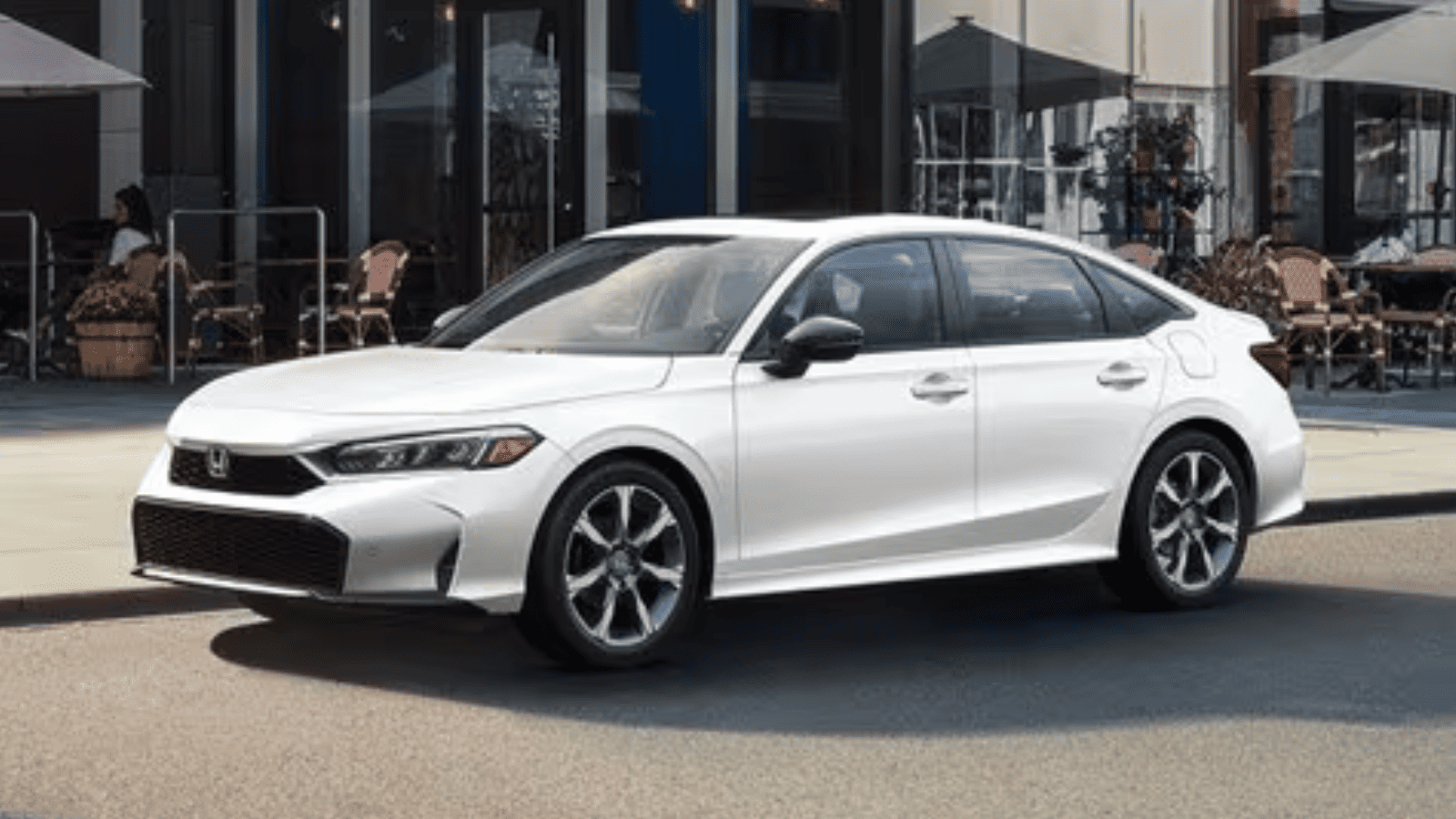
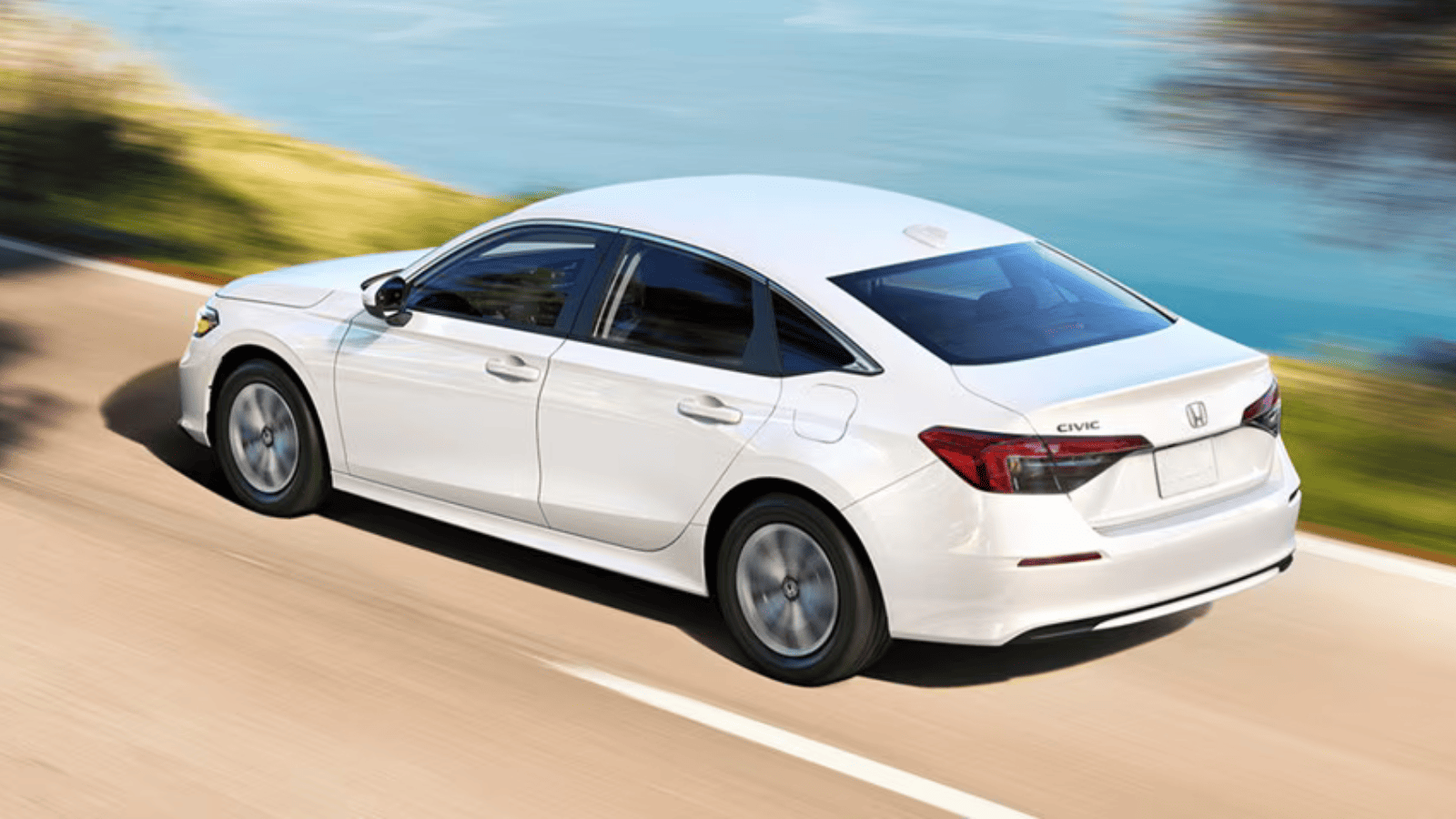
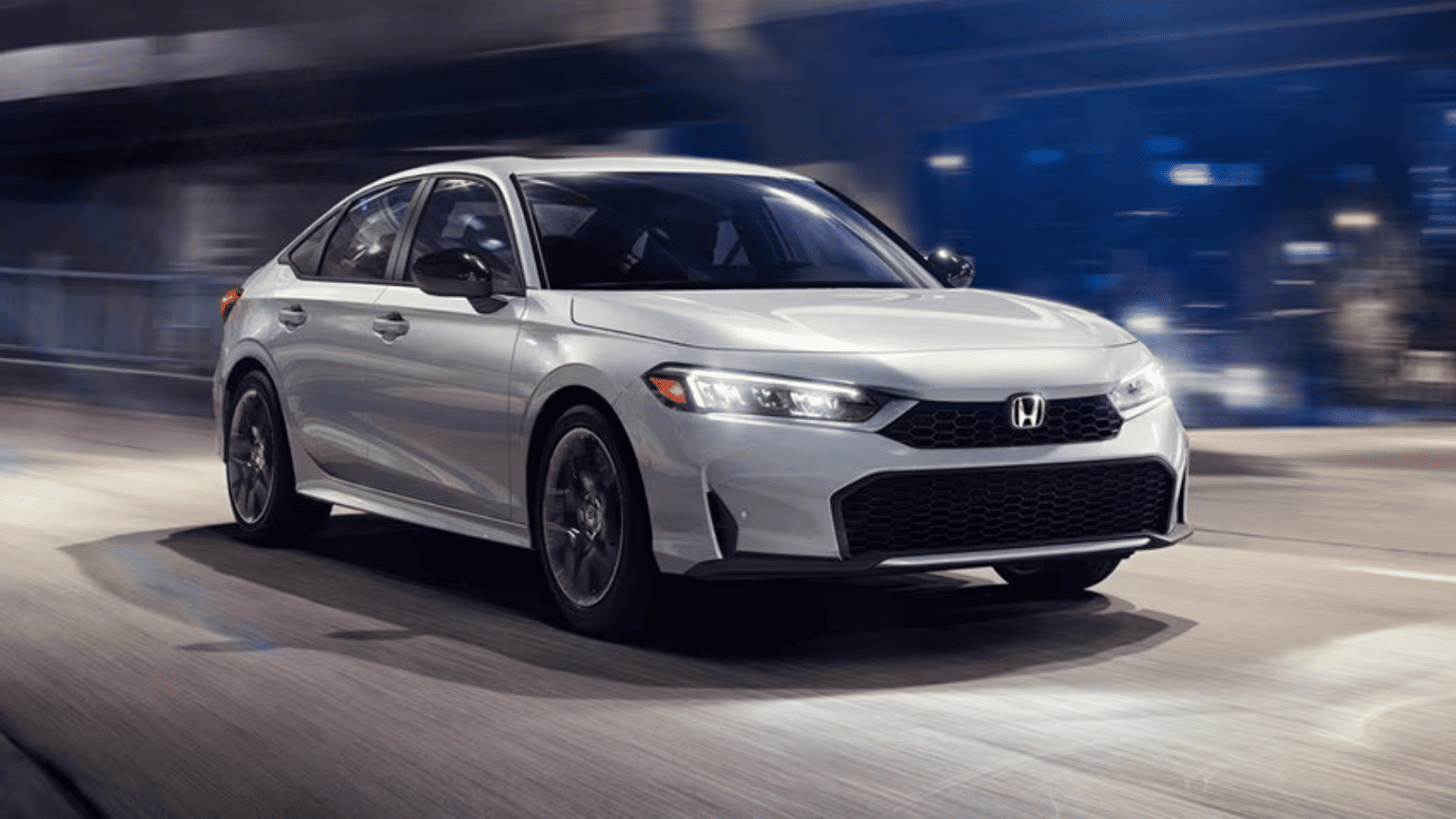
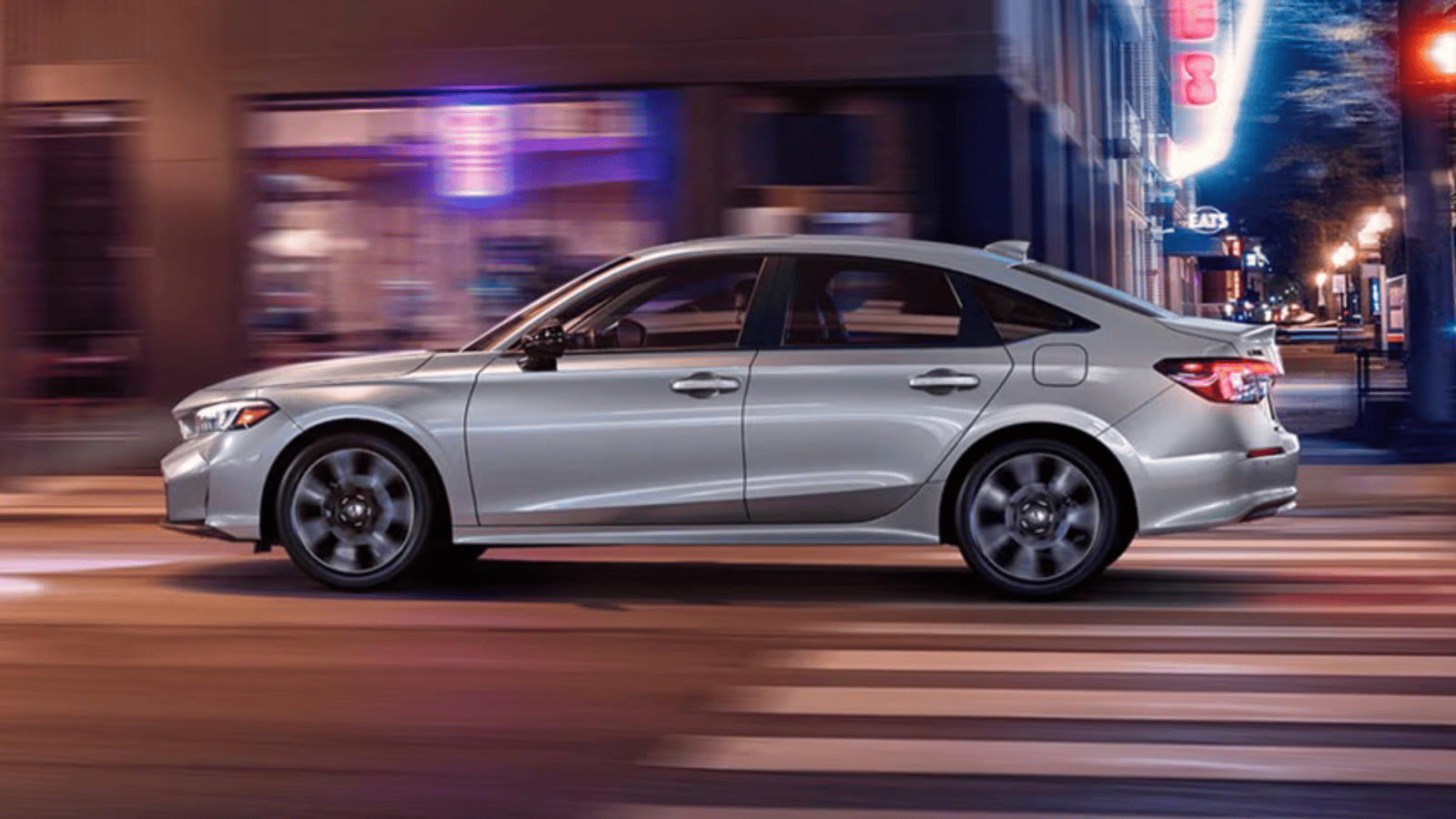
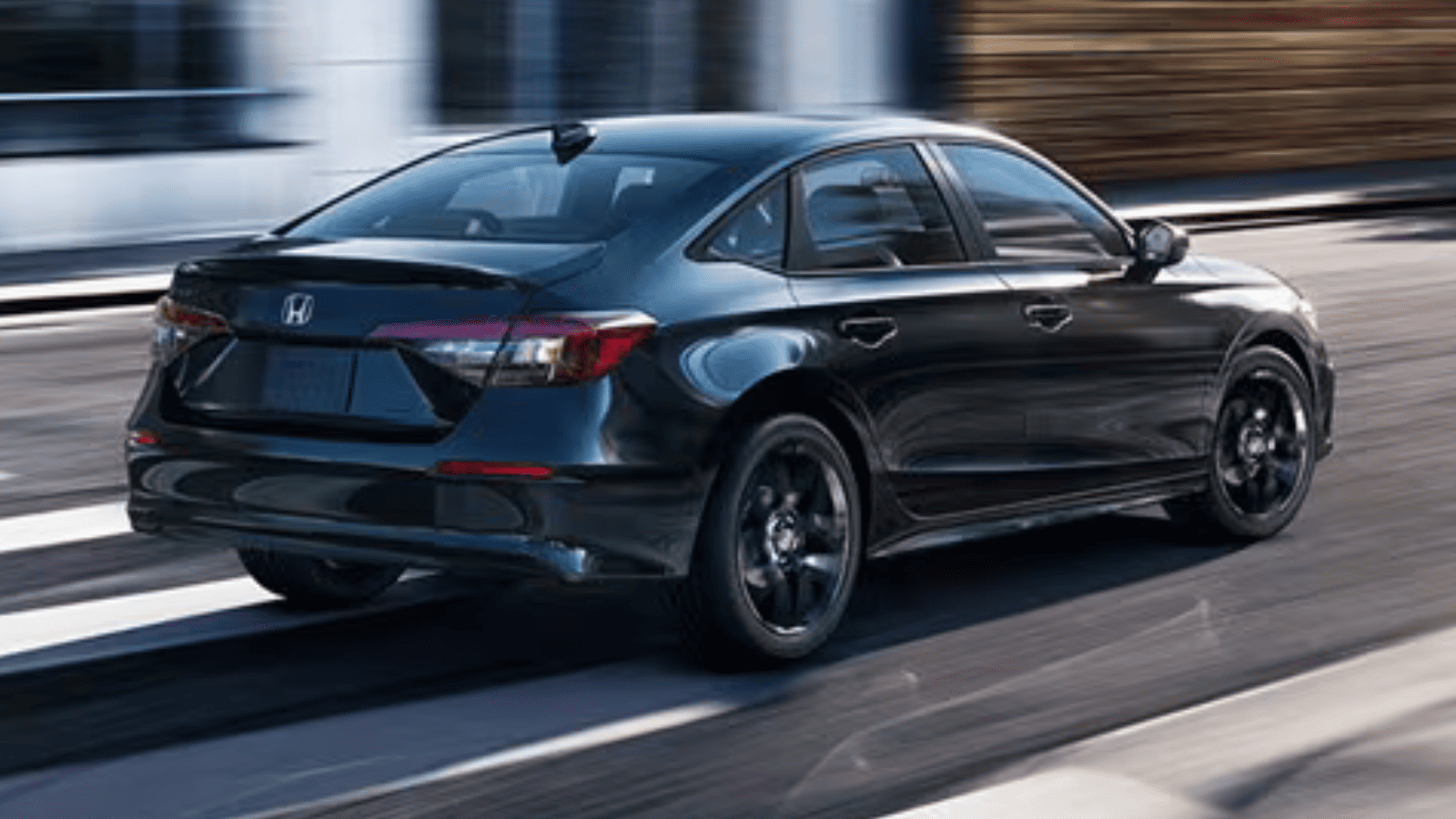
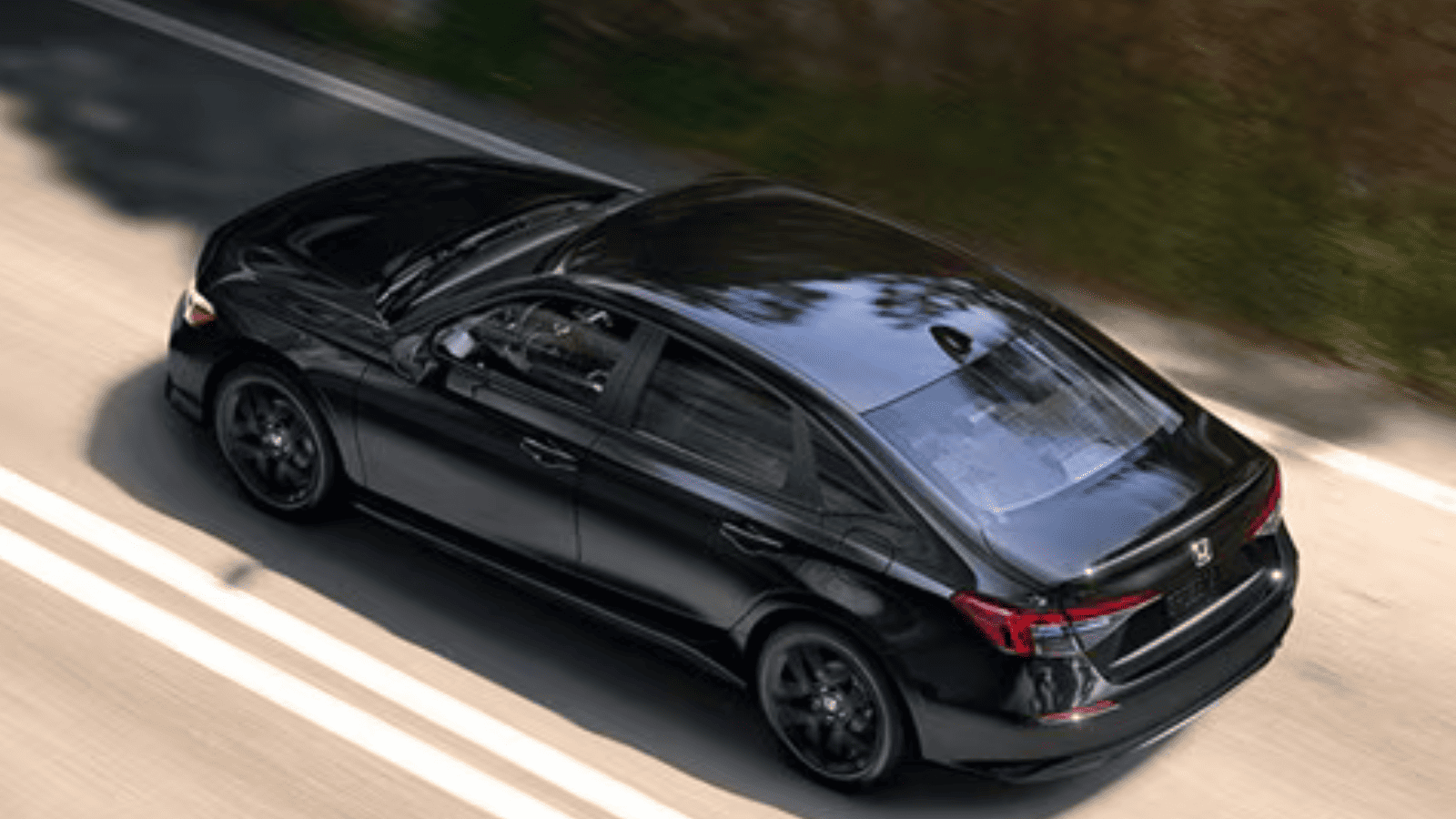
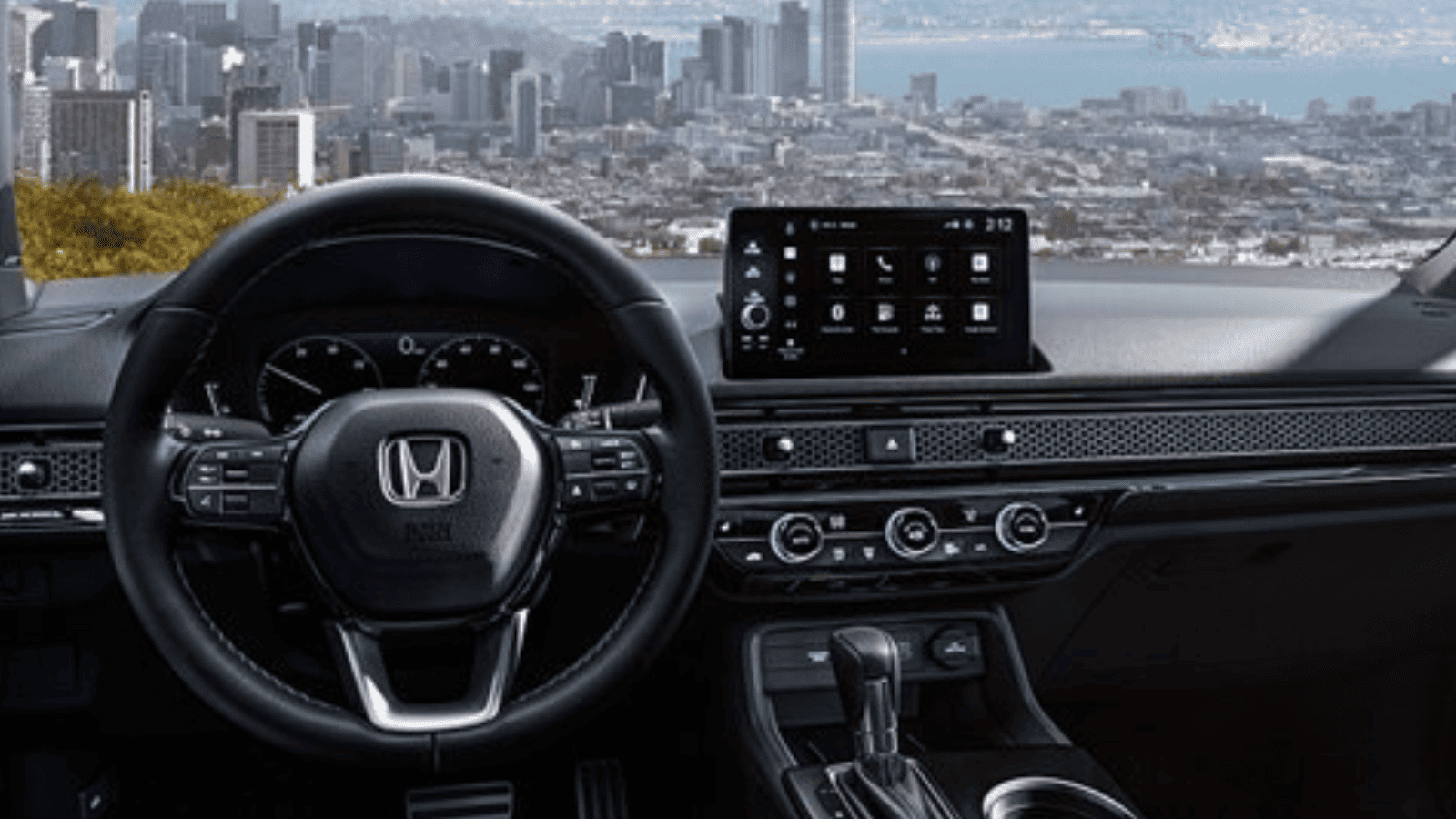
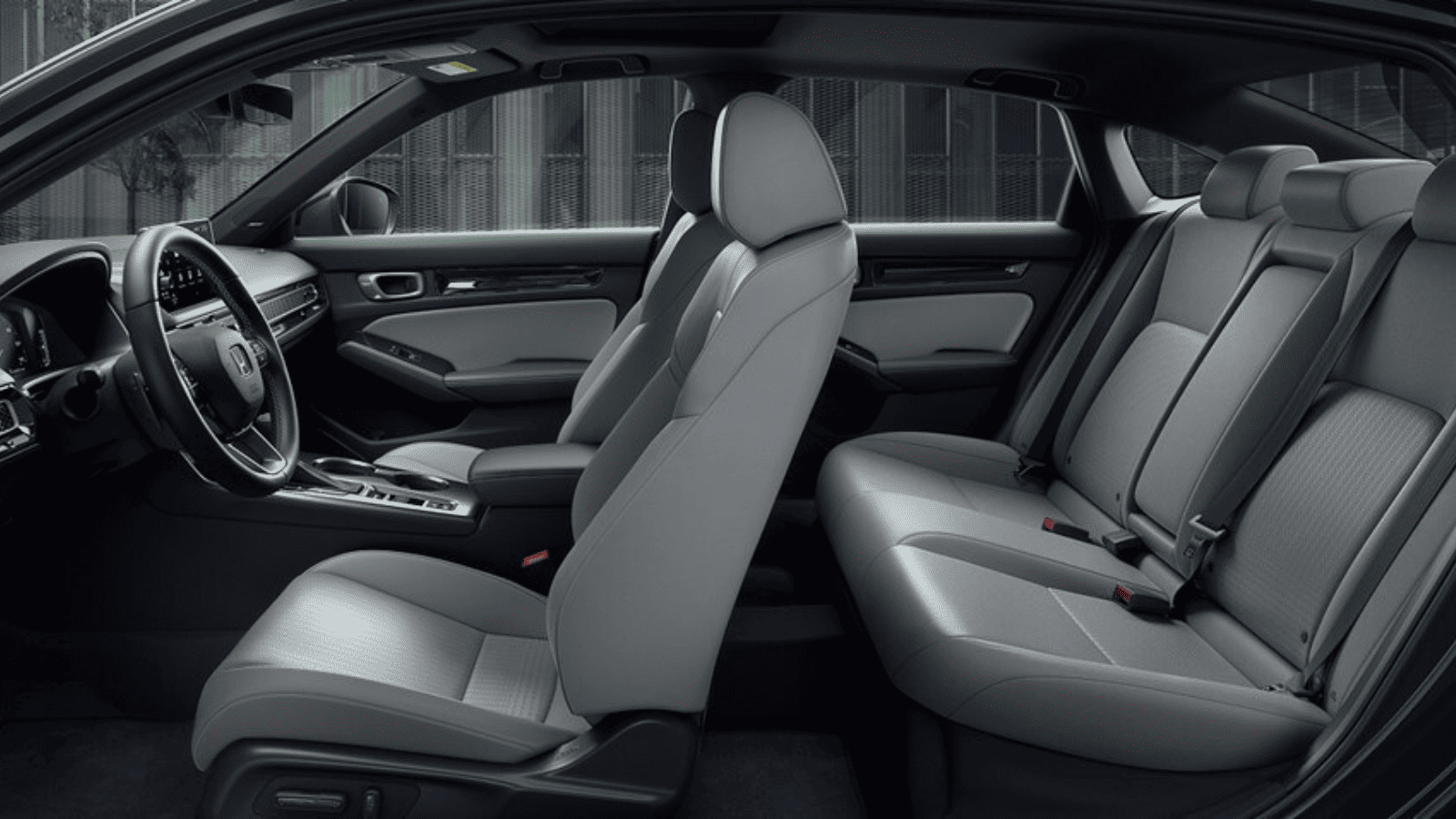
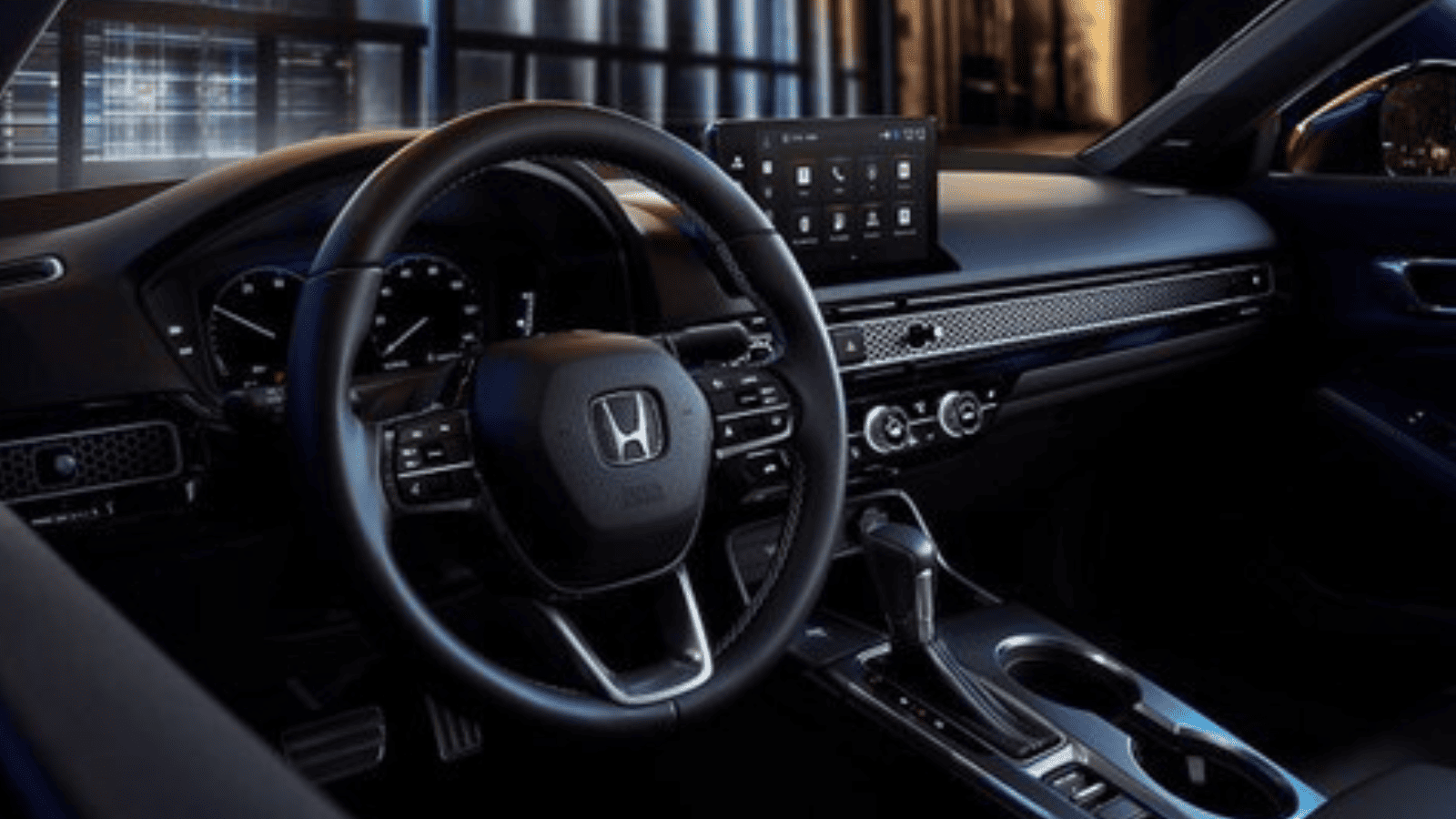
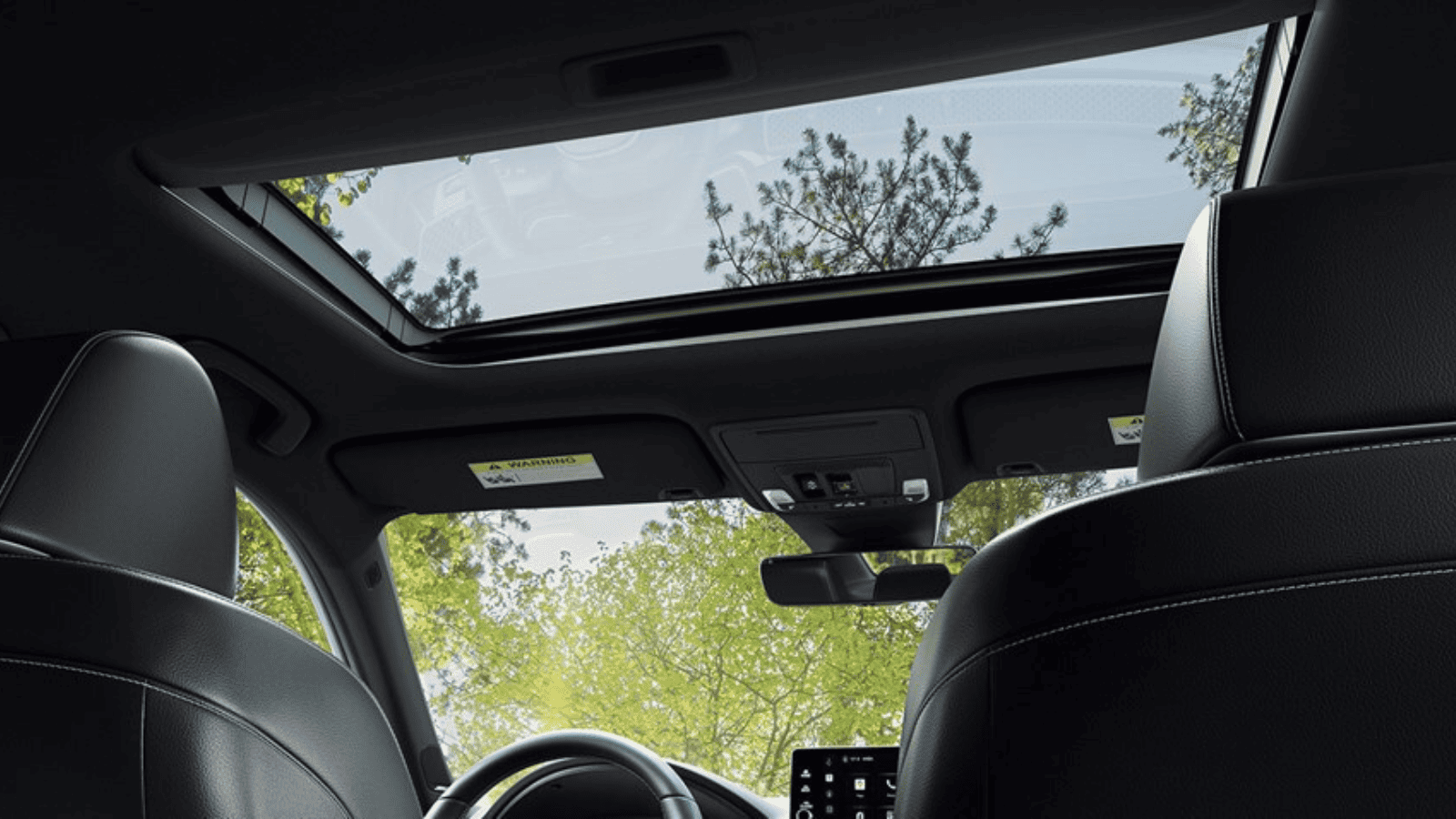
The current US lineup is simple: two gas trims and two hybrid trims. The regular Civic is the lower-cost option, while the Civic Hybrid adds 200 horsepower, near-50-mpg fuel economy, and more standard comfort equipment.
This page covers the Civic Sedan, including gas and hybrid versions. The Civic Hatchback, Civic Si, and Civic Type R are separate models.
WheelPedia Rating: 8.9/10
The Honda Civic Sedan earns an 8.9/10 WheelPedia Rating. It stands out for its polished driving manners, roomy cabin, strong hybrid powertrain, fuel economy, and everyday practicality.
Its main compromises are the higher price of hybrid trims, the lack of all-wheel drive, and the fact that some useful safety and convenience features are not included on the base LX.
| Rating Category | Score | Weight |
| Safety | 8.5/10 | 20% |
| Reliability and ownership | 8.8/10 | 15% |
| Performance and driving | 9.0/10 | 15% |
| Comfort and practicality | 9.2/10 | 15% |
| Efficiency | 9.2/10 | 15% |
| Features and technology | 8.8/10 | 10% |
| Price and value | 8.5/10 | 10% |
| Overall WheelPedia Rating | 8.9/10 | — |
See how we rates cars for the full methodology.
Key Highlights
- Starts from $24,695 MSRP in the US.
- Available with a 150-hp gas engine or 200-hp hybrid system.
- Civic Hybrid models return up to 50 mpg city and 49 mpg combined.
- All Civic Sedan models are front-wheel drive.
- Seats five and offers 14.8 cubic feet of trunk space.
- Honda Sensing driver-assistance technology is standard on every trim.
- Blind Spot Information with Cross Traffic Monitor starts on the Sport trim.
- Best for commuters, first-time buyers, small families, and drivers who want a compact sedan with a more refined feel.
Quick Specifications
| Specification | Honda Civic Sedan |
| Vehicle type | Compact sedan |
| Seating capacity | 5 |
| Gas engine | 2.0L four-cylinder |
| Gas output | 150 hp / 133 lb-ft |
| Hybrid system | 2.0L two-motor hybrid |
| Hybrid output | 200 total system hp |
| Transmission | CVT on gas models; direct-drive hybrid system |
| Drivetrain | Front-wheel drive |
| Best gas fuel economy | Up to 36 mpg combined |
| Best hybrid fuel economy | Up to 49 mpg combined |
| Cargo capacity | 14.8 cu. ft. |
| Length | 184.8 in. |
| Width | 70.9 in. |
| Height | 55.7 in. |
| Wheelbase | 107.7 in. |
Expert tip
The Civic Sport Hybrid is the best fit for most buyers who can afford it. It is much quicker than the gas models, gets excellent fuel economy, and includes useful comfort features. Choose the LX if keeping the upfront price as low as possible matters more than power or equipment.
About the Honda Civic Sedan
The Civic sedan is aimed at drivers who want more than basic transportation without moving into a larger or more expensive car. It has a mature interior, easy controls, good visibility, and a ride-and-handling balance that works well in city traffic and on longer highway drives.
The gas models are sensible and efficient. The hybrid models are the more interesting option because they combine stronger acceleration with fuel economy that is close to many dedicated hybrid competitors.
Rear-seat room and trunk capacity are also major Civic strengths. It gives passengers more space than many compact sedans, while its 14.8-cubic-foot trunk is larger than the one in the Toyota Corolla.
Price and Trims
The following prices are current US starting MSRPs before destination charges, taxes, registration, accessories, and dealer pricing. Check the current Honda Civic Sedan lineup before buying.
| Trim | Starting MSRP | Powertrain | Key Reason to Choose |
| LX | $24,695 | 150-hp gas, FWD | Lowest Civic price and best gas fuel economy |
| Sport | $26,695 | 150-hp gas, FWD | Sportier appearance, 18-inch wheels, blind-spot monitoring |
| Sport Hybrid | $29,395 | 200-hp hybrid, FWD | Best balance of power, fuel economy, and comfort features |
| Sport Touring Hybrid | $32,395 | 200-hp hybrid, FWD | Best-equipped Civic Sedan with leather, Bose audio, and Google built-in |
Which Honda Civic Sedan Trim Is Best?
- Best value on a tight budget: Civic LX
- Best overall: Civic Sport Hybrid
- Best gas-only trim: Civic Sport
- Best for technology and comfort: Civic Sport Touring Hybrid
The LX is the right choice if you want the lowest possible entry price and do not mind simpler equipment. It still includes Honda Sensing, Apple CarPlay, Android Auto, LED headlights, automatic climate control, and a 7-inch touchscreen.
The Sport is worth considering if you prefer its 18-inch wheels, paddle shifters, Blind Spot Information System, heated mirrors, and remote engine start. However, it uses more fuel than the LX and does not add more power.
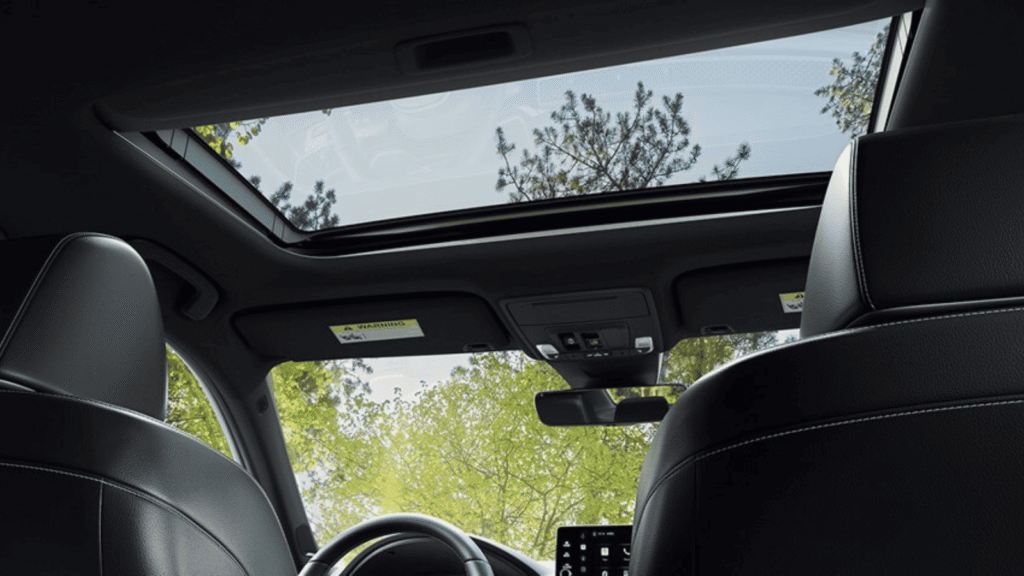
The Sport Hybrid is the strongest all-round trim. Its price is higher, but it adds the 200-hp hybrid system, a moonroof, heated front seats, dual-zone climate control, and far stronger acceleration. Fuel savings alone may take time to recover the price difference, but the extra performance and equipment make the upgrade easier to justify.
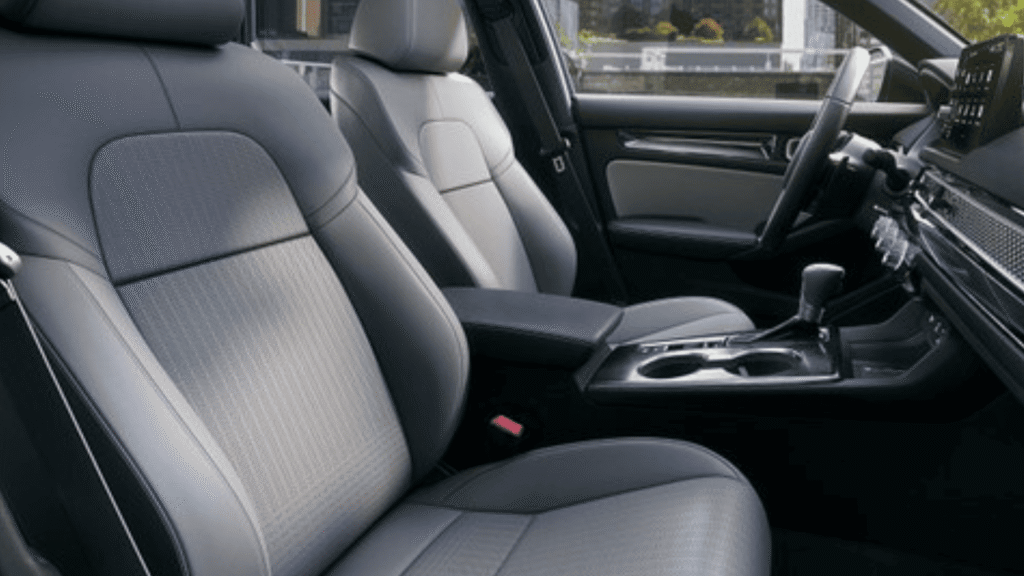
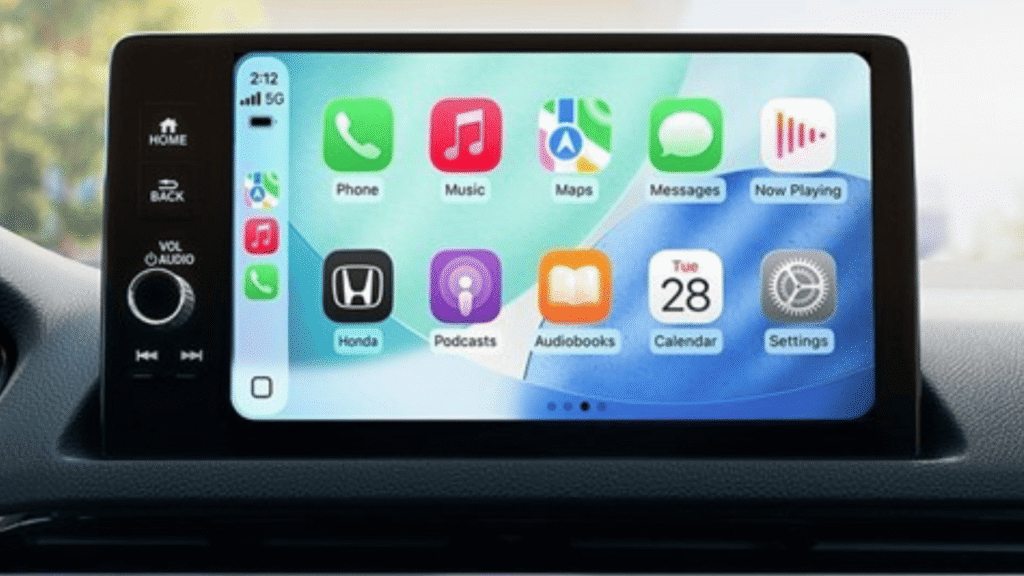
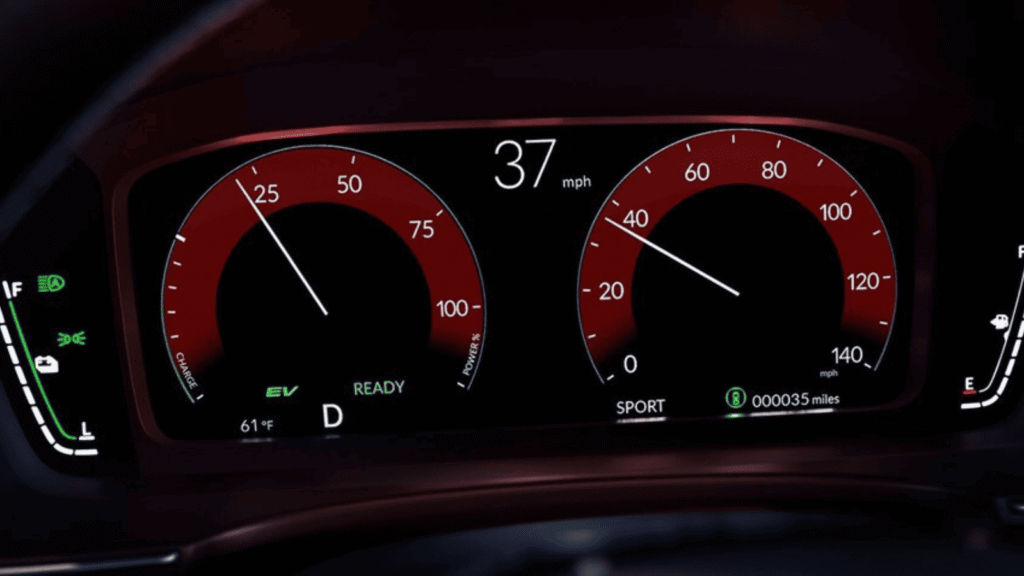
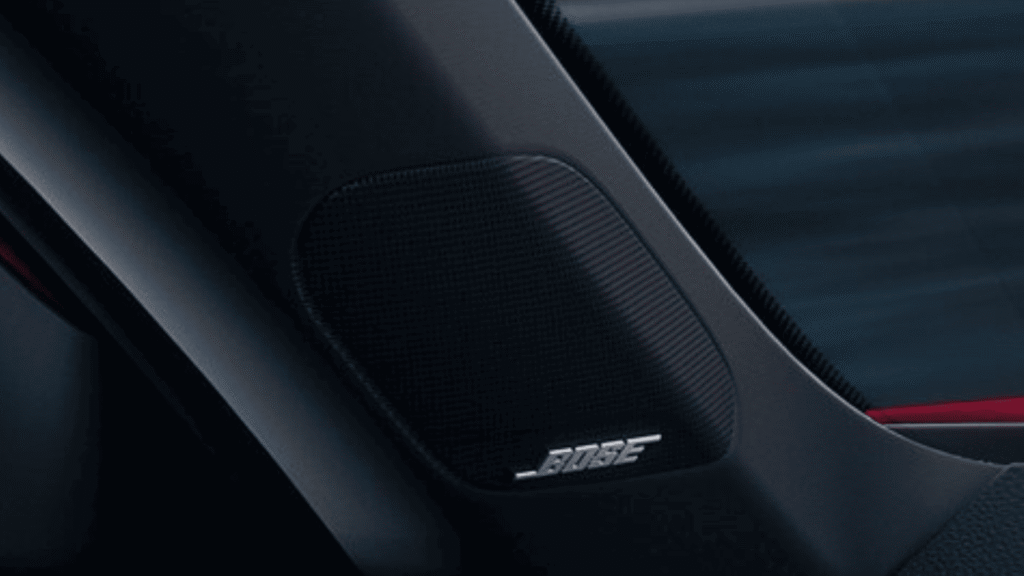
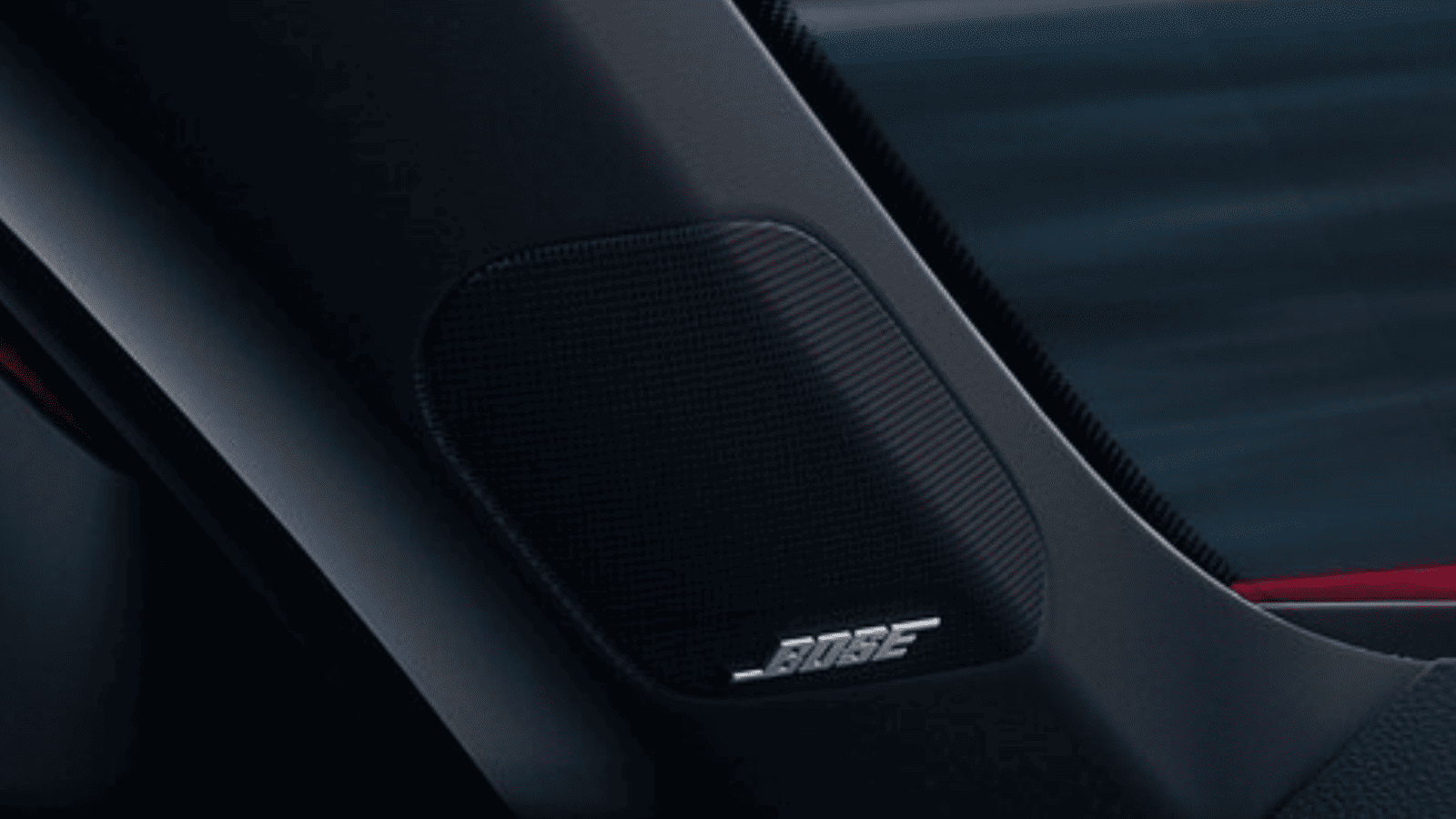
The Sport Touring Hybrid is for buyers who specifically want leather-trimmed seats, a 9-inch screen, Google built-in, wireless phone connectivity, a 12-speaker Bose audio system, and a 10.2-inch digital instrument display. It is well equipped, though less value-focused than the Sport Hybrid.
Engine, Powertrain, and Performance
Gas Honda Civic models use a 2.0-liter four-cylinder engine producing 150 horsepower and 133 lb-ft of torque. It is paired with a continuously variable transmission and is tuned for smooth, efficient daily driving rather than quick acceleration.
The Civic Hybrid uses a two-motor hybrid system with 200 total system horsepower. Its electric drive motor produces up to 232 lb-ft of torque, giving the hybrid stronger response from a stop and more confidence when merging or passing.
| Model | Powertrain | Output | Transmission |
| Civic LX / Sport | 2.0L four-cylinder | 150 hp / 133 lb-ft | CVT |
| Civic Sport Hybrid | 2.0L two-motor hybrid | 200 total system hp | Direct-drive hybrid system |
| Civic Sport Touring Hybrid | 2.0L two-motor hybrid | 200 total system hp | Direct-drive hybrid system |
All Civic (sedan) trims use front-wheel drive. Buyers who need all-weather traction should know that Honda does not offer AWD on this model.
0–60 MPH Performance
Honda does not publish official 0–60 mph times for the Civic Sedan. Independent instrumented testing puts the hybrid sedan at about 6.2 seconds to 60 mph, while the non-hybrid sedan takes about 8.9 seconds.
The gas Civic is adequate for commuting and normal highway use. The hybrid feels much stronger in everyday driving and is one of the quicker compact hybrid sedans available.
Driving Experience
The Honda Civic feels composed and easy to drive. Its steering is direct without being heavy, the ride is controlled over most roads, and the car stays settled at highway speeds.
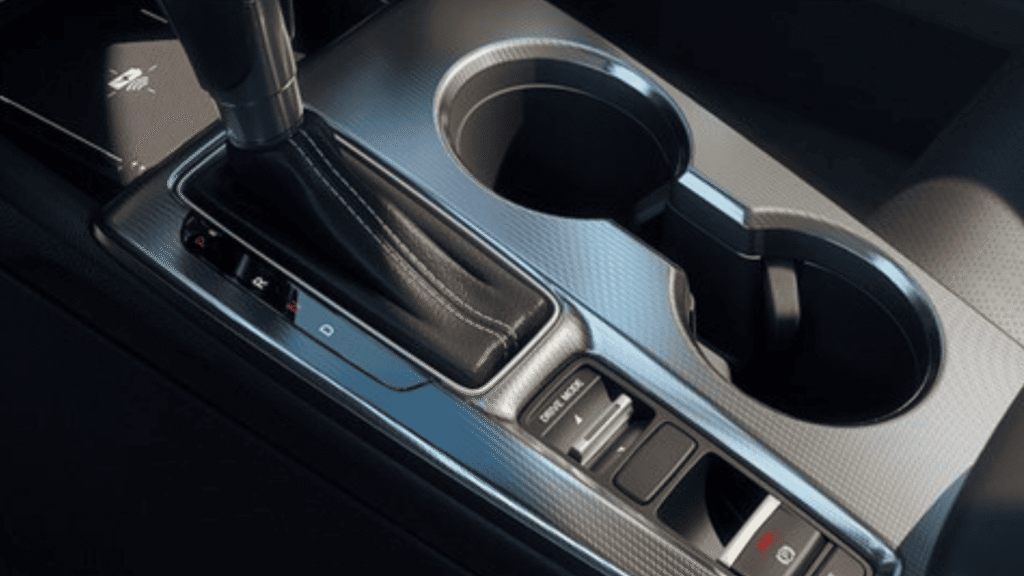
Gas trims are light and predictable around town, though the CVT can make the engine sound strained when accelerating hard. The Sport trim adds paddle shifters and a Sport drive mode, but it does not change the basic performance level.
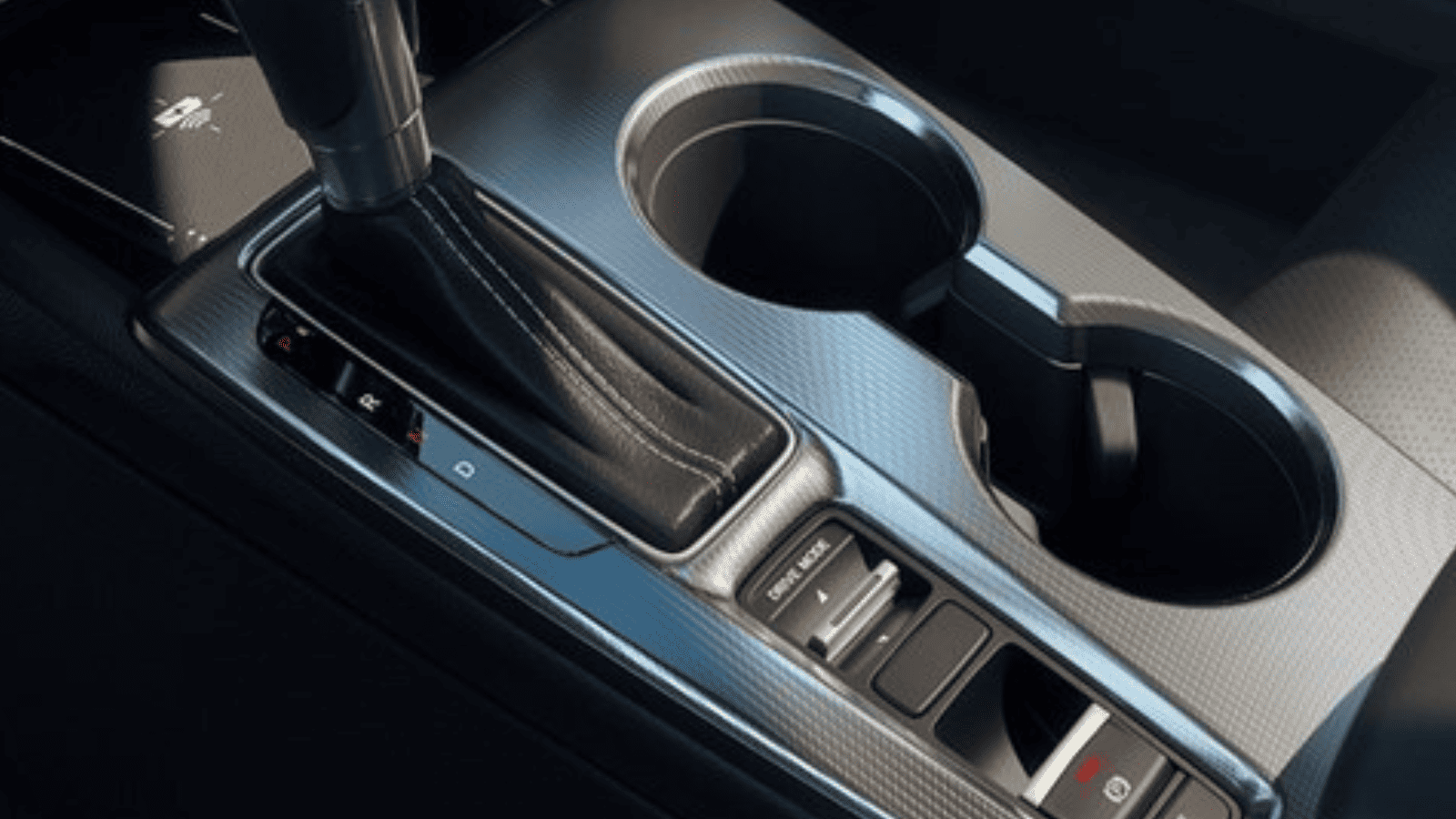
The Civic Hybrid is the better choice for drivers who care about how the car responds. Its electric assistance gives it quicker low-speed acceleration, smoother stop-and-go driving, and less engine noise in urban traffic. Hybrid models also include steering-wheel deceleration selectors that let drivers adjust regenerative braking.
The main trade-off is ride comfort on the 18-inch-wheel trims. They look better and improve cornering response, but rough pavement is more noticeable than in the LX with 16-inch wheels.
Fuel Economy
| Model | EPA-Estimated City / Highway / Combined Fuel Economy |
| Civic LX | 32 / 41 / 36 mpg |
| Civic Sport | 31 / 39 / 34 mpg |
| Civic Sport Hybrid | 50 / 47 / 49 mpg |
| Civic Sport Touring Hybrid | 50 / 47 / 49 mpg |
The Civic LX is already economical for a compact sedan. The hybrid takes a major step forward, using far less fuel in city driving while also providing stronger acceleration.
At 12,000 miles per year, the difference between 34 mpg and 49 mpg can save roughly 100 gallons of fuel annually. Actual savings depend on fuel prices, driving style, weather, traffic, passenger load, and how often you drive in stop-and-go conditions.
All trims use regular unleaded gasoline.
Interior, Comfort, and Technology
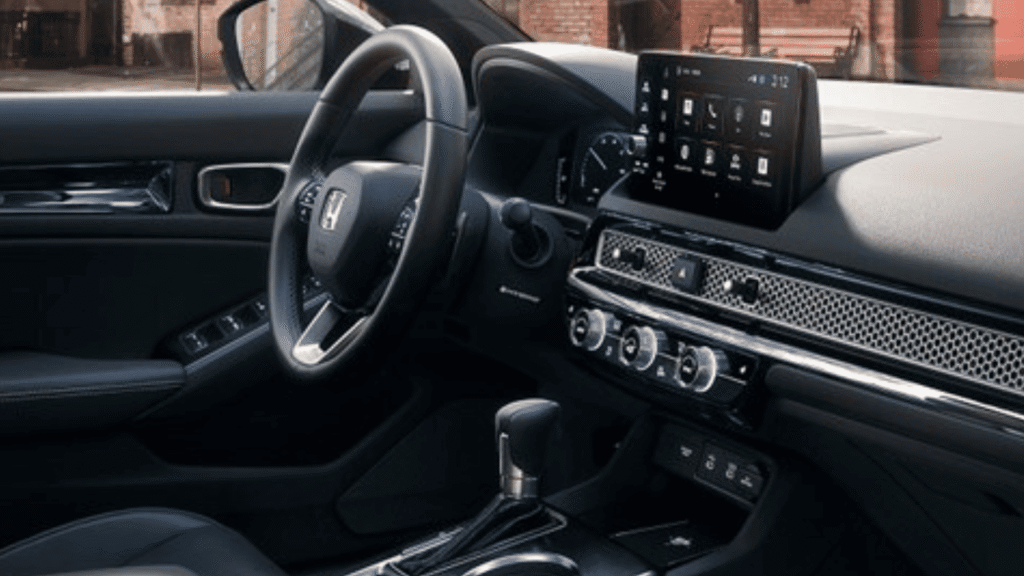
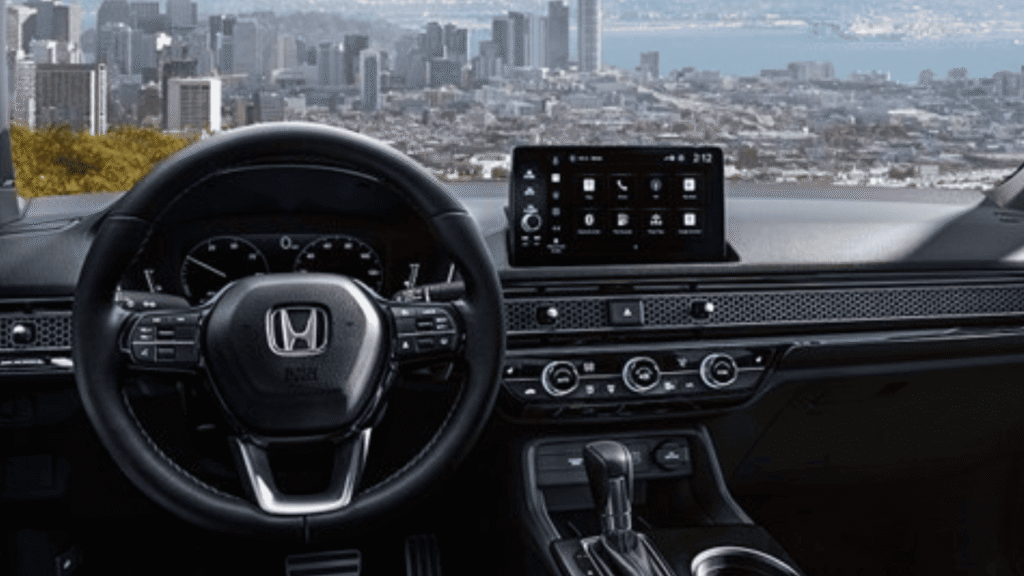
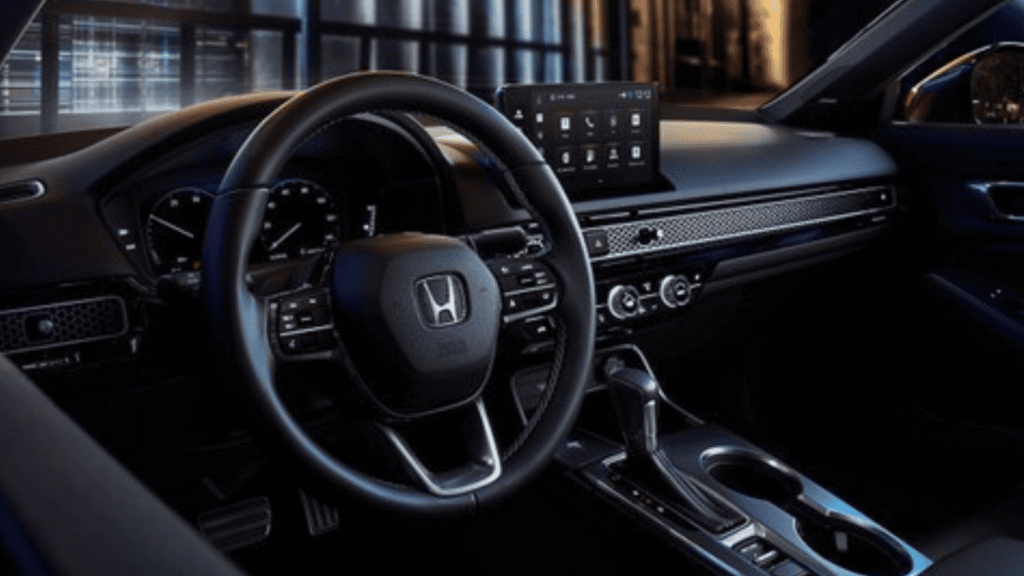
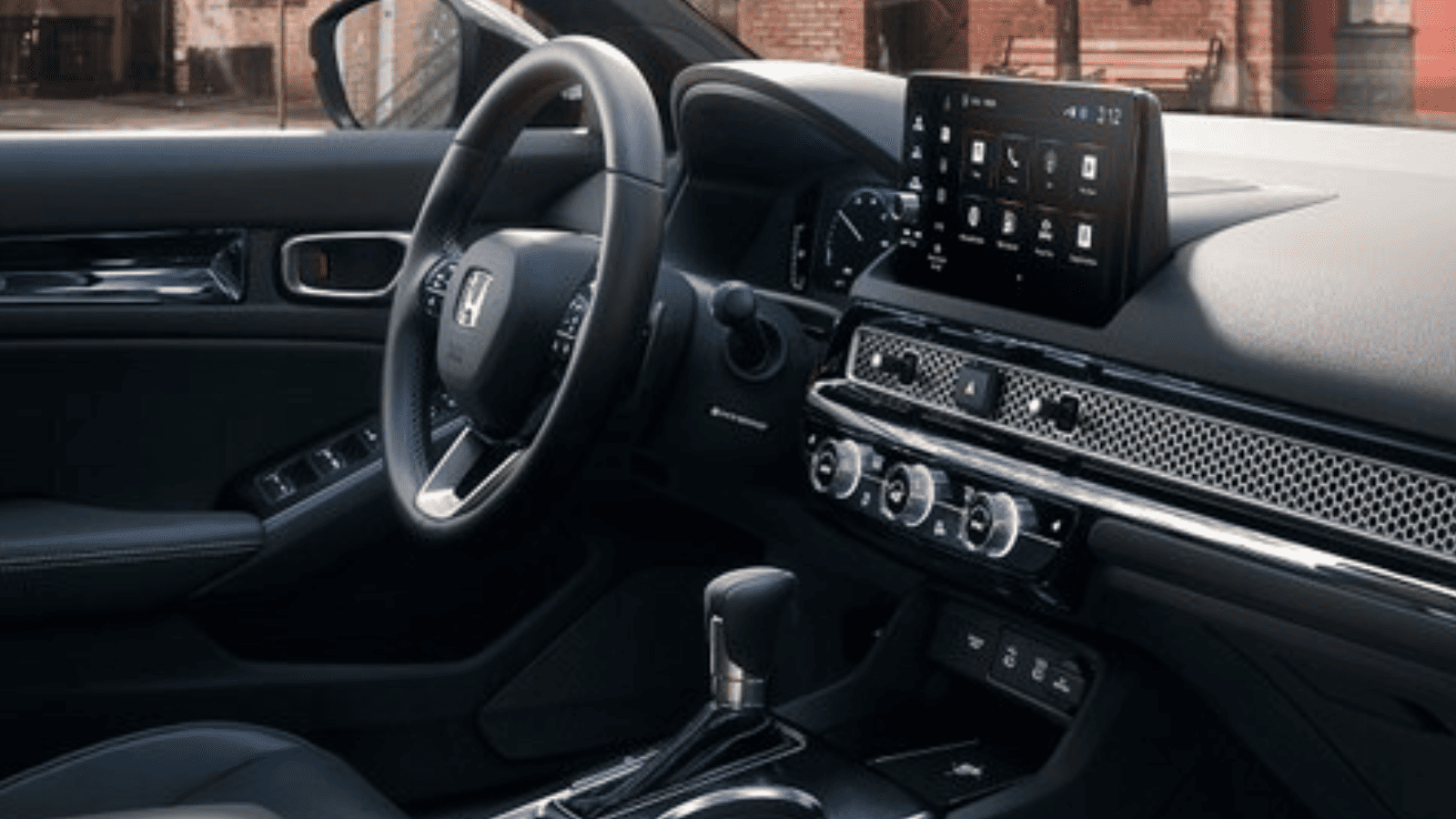
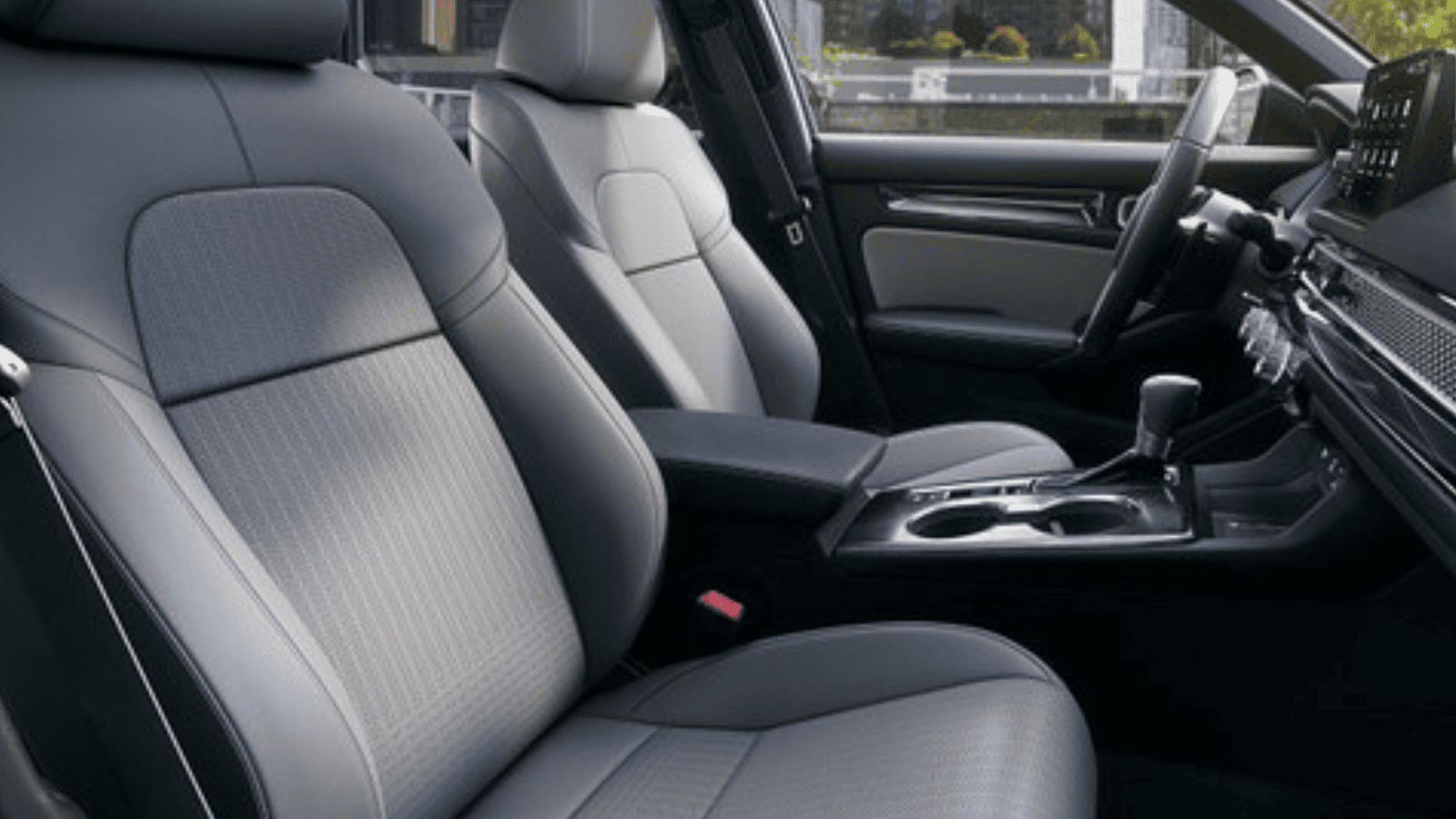
The Honda Civic has one of the more practical interiors in its class. The dashboard design is clean, controls are easy to reach, and the front seats are comfortable for daily driving and longer trips.
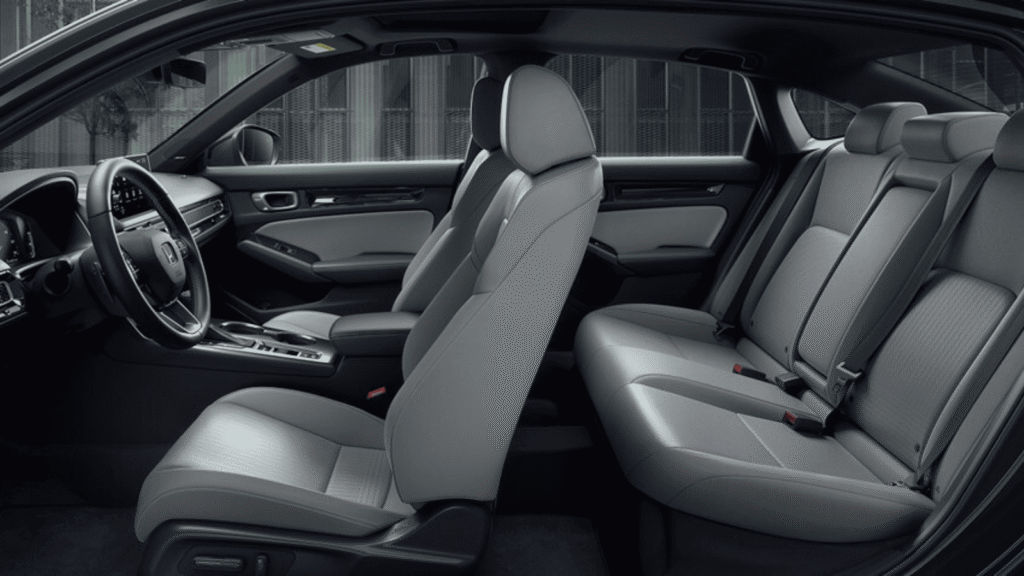
The cabin seats five, although four adults will be more comfortable on longer journeys. Rear legroom is generous for a compact sedan, and the trunk is large enough for groceries, airport luggage, and everyday errands.
Standard and available features include:
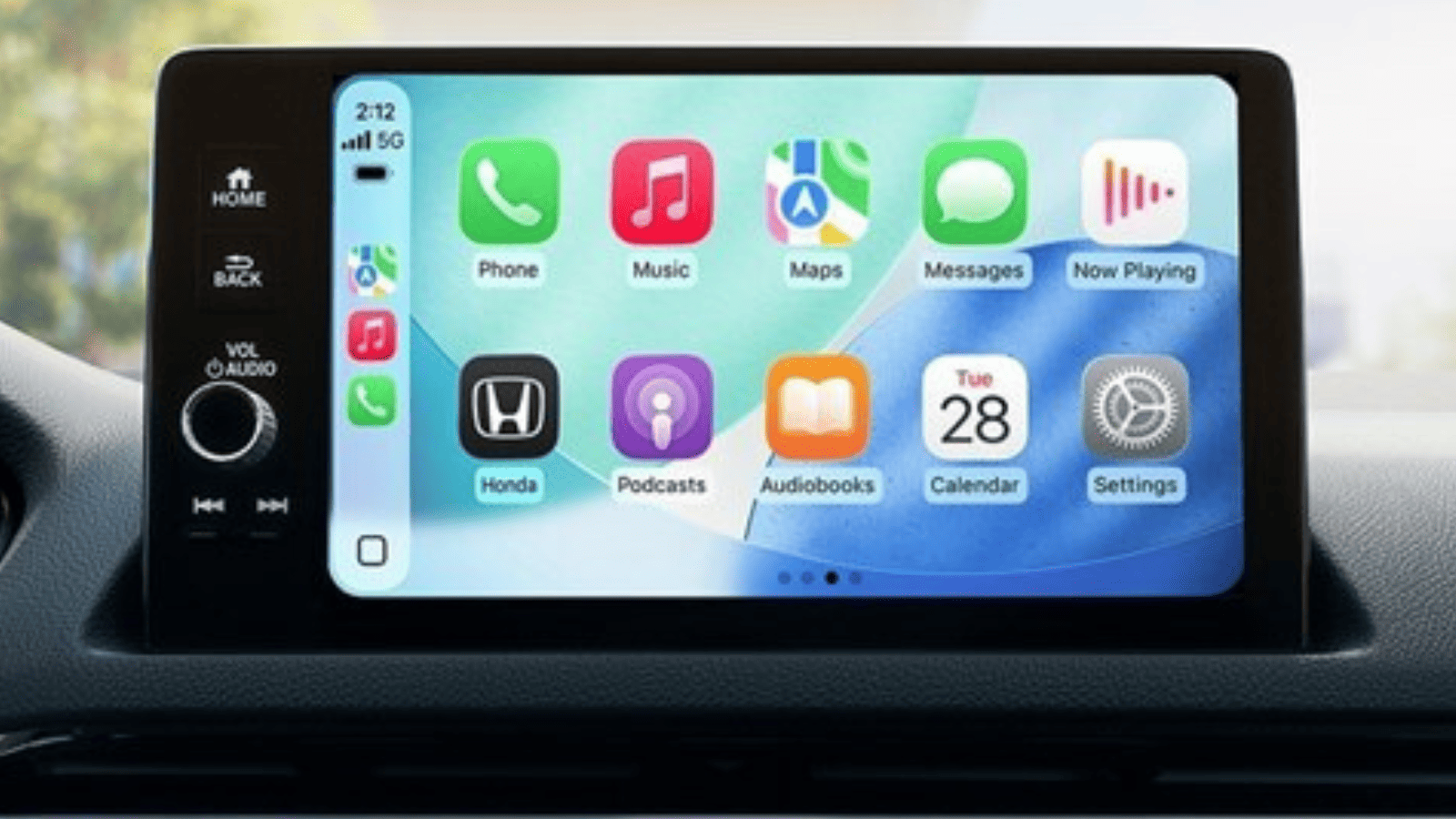
- 7-inch or 9-inch touchscreen
- Apple CarPlay and Android Auto
- Wireless Apple CarPlay and Android Auto on Sport Touring Hybrid
- Two front USB-C ports
- Remote engine start on Sport and above
- One-touch power moonroof on hybrid trims
- Heated front seats on hybrid trims
- Dual-zone automatic climate control on hybrid trims
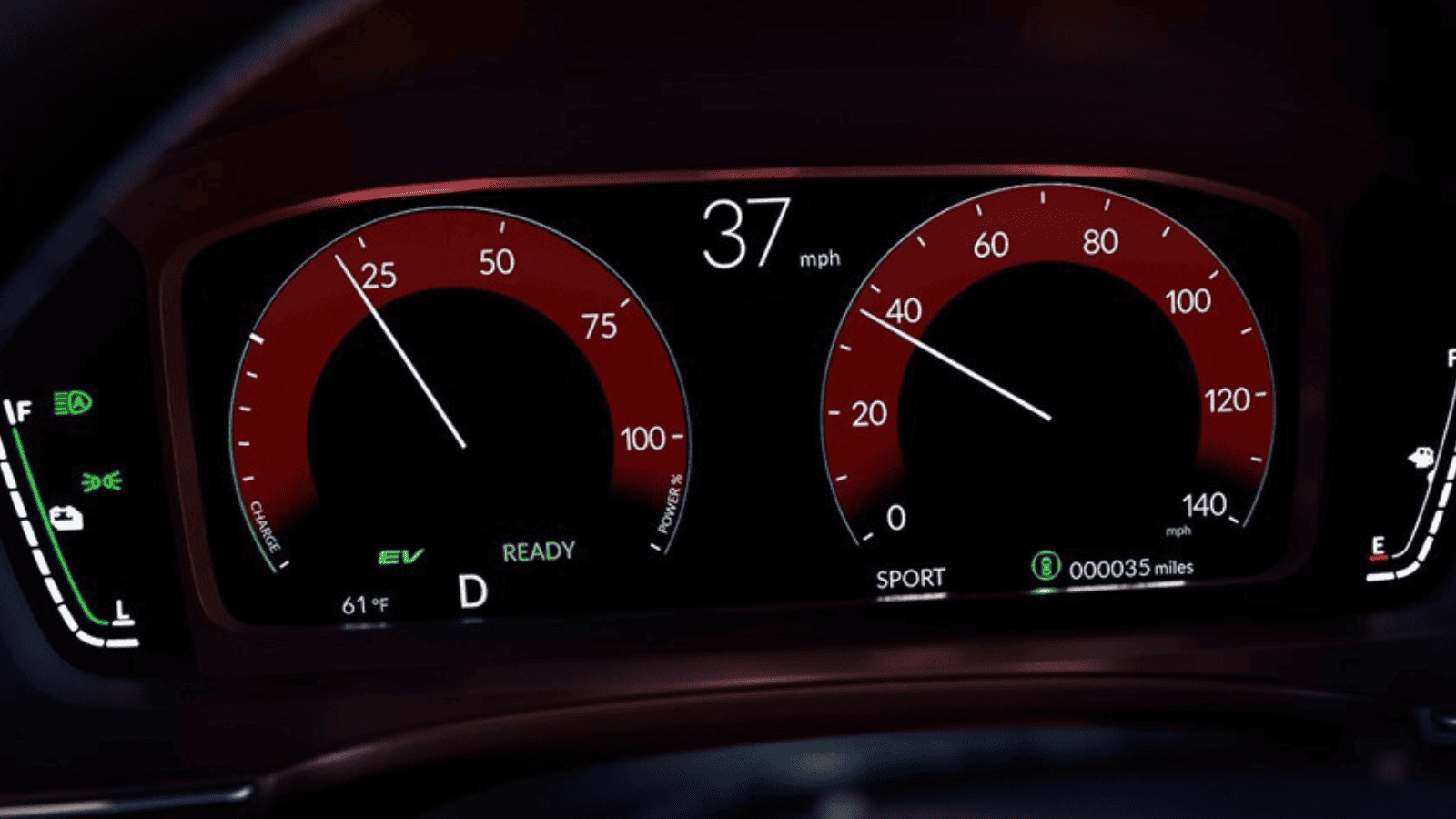
- 10.2-inch digital instrument cluster on Sport Touring Hybrid
- Google built-in on Sport Touring Hybrid
- Wireless phone charger on Sport Touring Hybrid
- 12-speaker Bose premium audio system on Sport Touring Hybrid
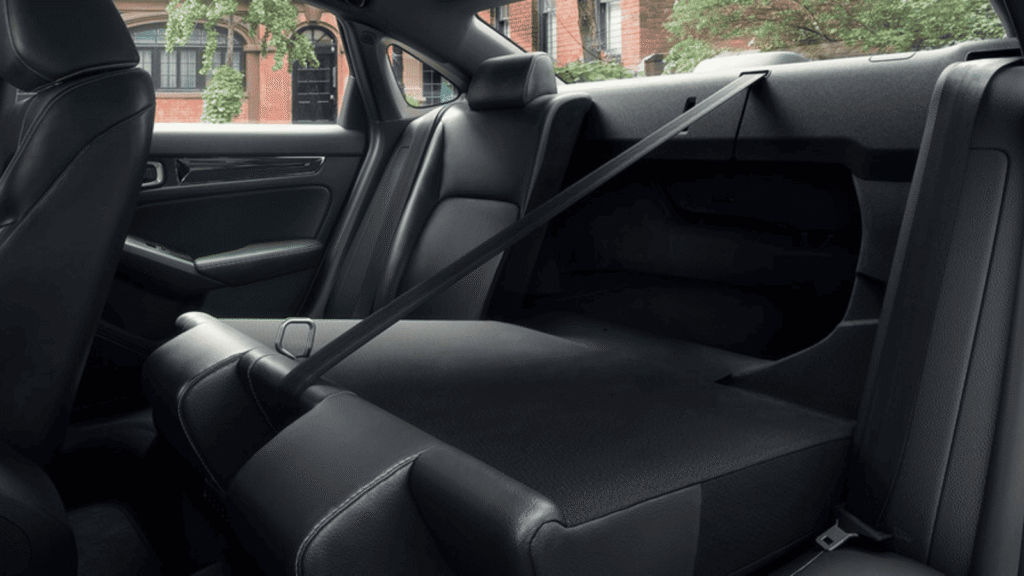
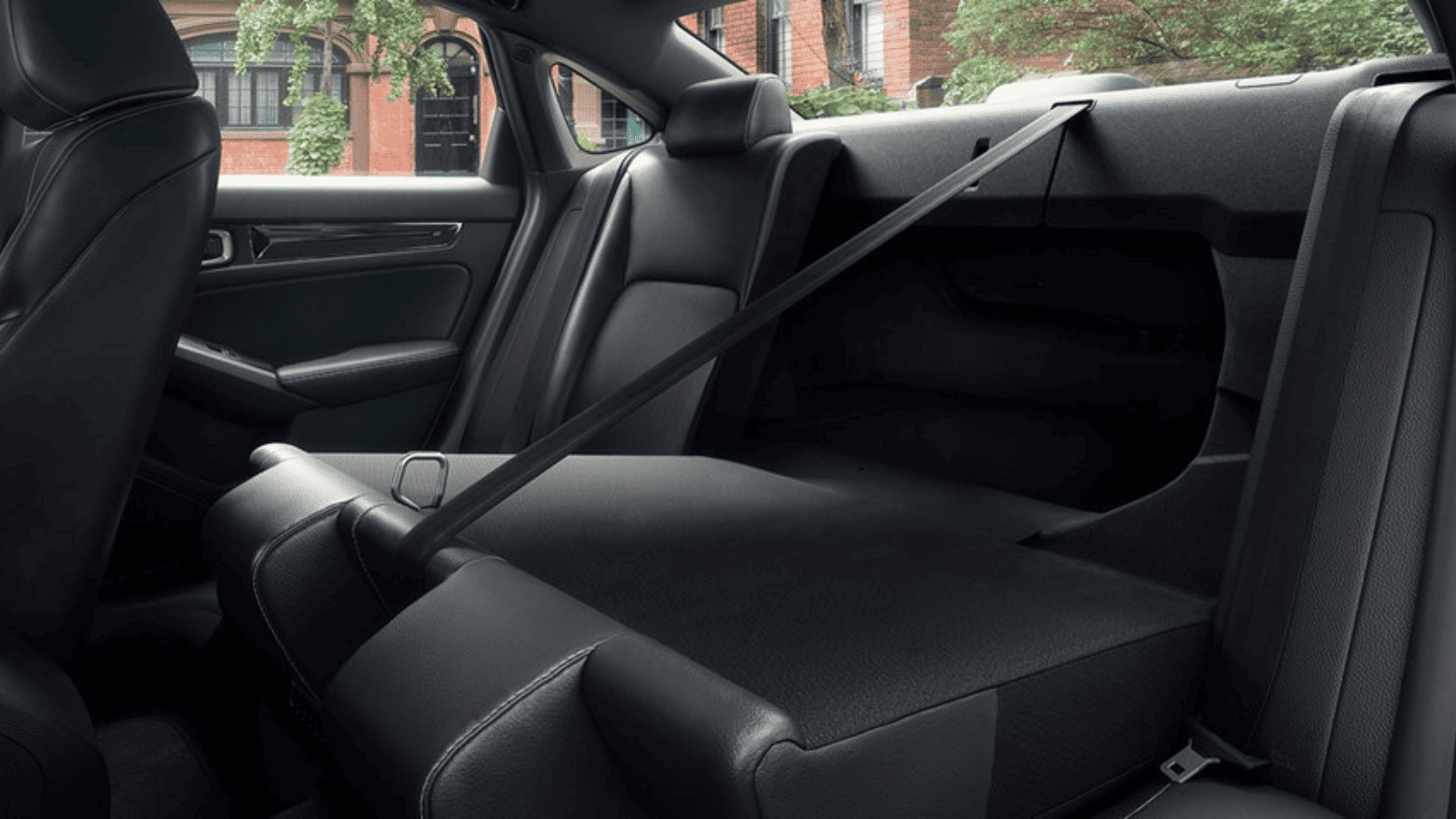
The base LX uses a four-speaker sound system and a one-piece folding rear seatback. Sport and hybrid trims add an eight-speaker system and a more useful 60/40-split folding rear seat.
Dimensions, Cargo, and Practicality
| Dimension | Measurement |
| Length | 184.8 in. |
| Width | 70.9 in. |
| Height | 55.7 in. |
| Wheelbase | 107.7 in. |
| Front legroom | 42.3 in. |
| Rear legroom | 37.4 in. |
| Front shoulder room | 57.0 in. |
| Rear shoulder room | 56.0 in. |
| Trunk capacity | 14.8 cu. ft. |
| Seating | 5 passengers |
The Civic’s trunk is one of its biggest practical advantages. Its 14.8 cubic feet of cargo space is enough for most daily needs, and Sport and hybrid trims make it easier to carry longer items with their split-folding rear seatbacks.
Drivers who need more cargo flexibility may prefer the Civic Hatchback. Buyers who want more rear-seat space, a larger overall footprint, and a standard hybrid lineup should compare the Civic with the Honda Accord.
Exterior Design
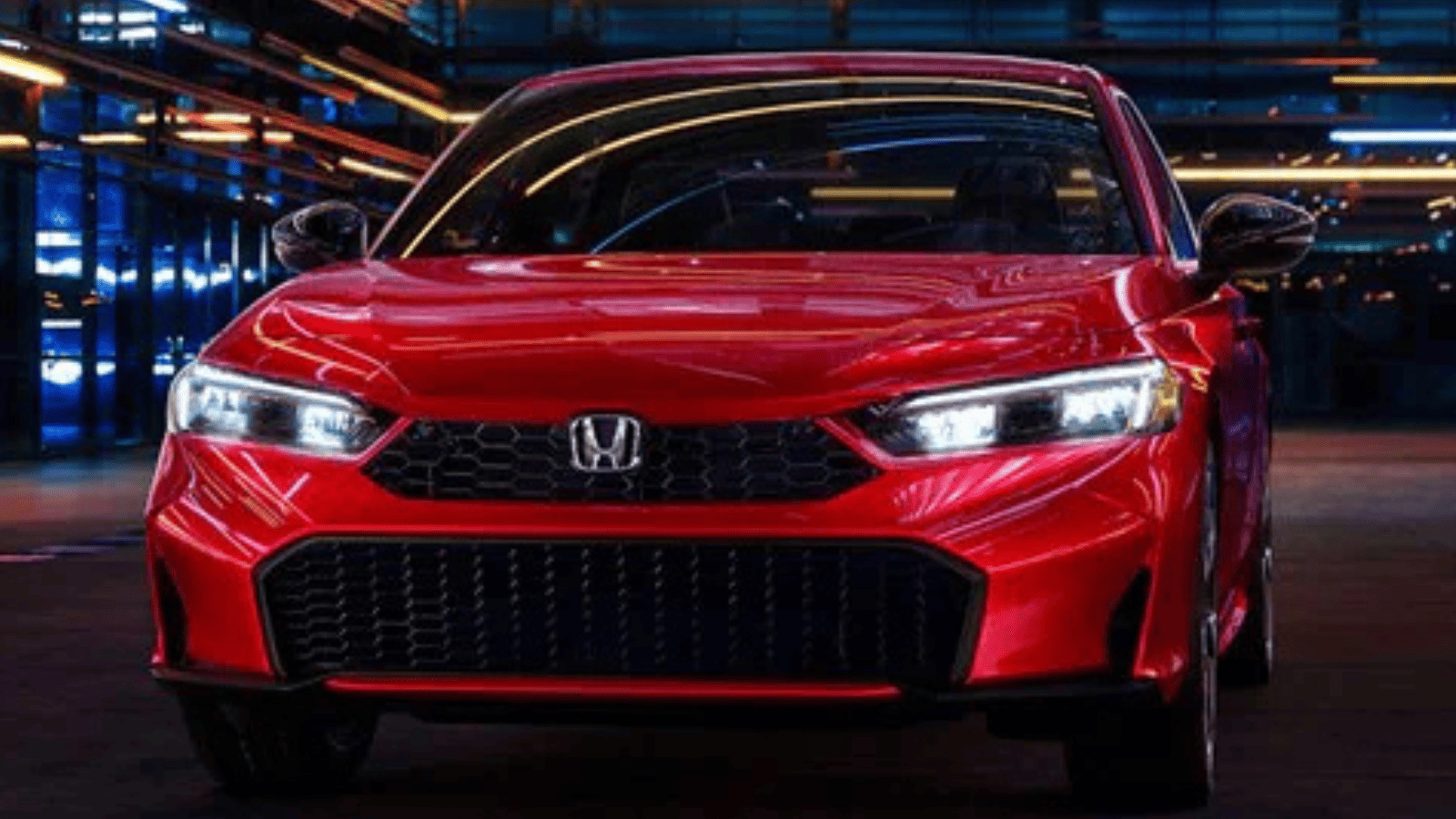
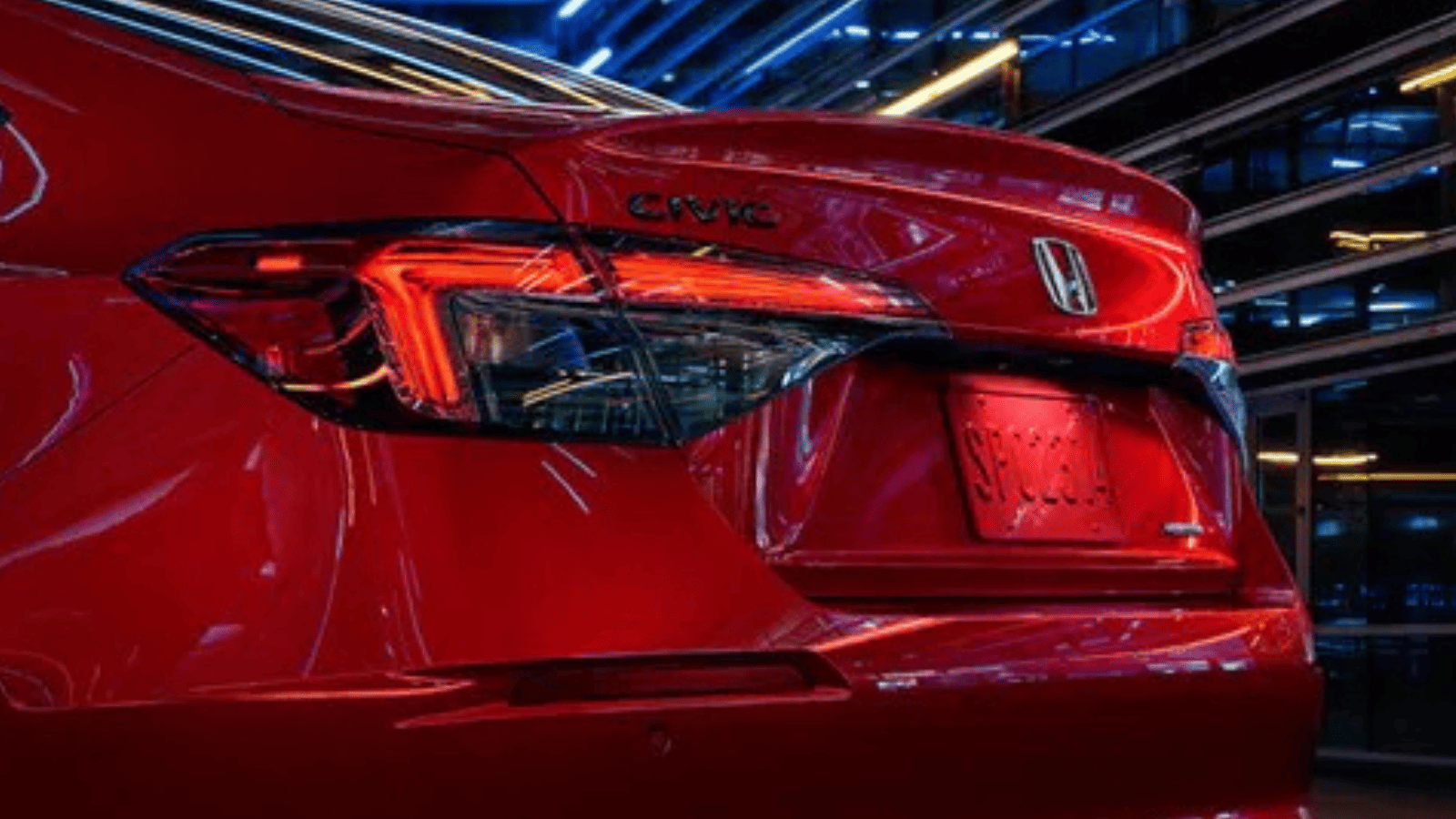
The Civic has a low, clean shape that looks more mature than many entry-level compact cars. Every trim gets LED headlights, LED daytime running lights, and LED taillights.
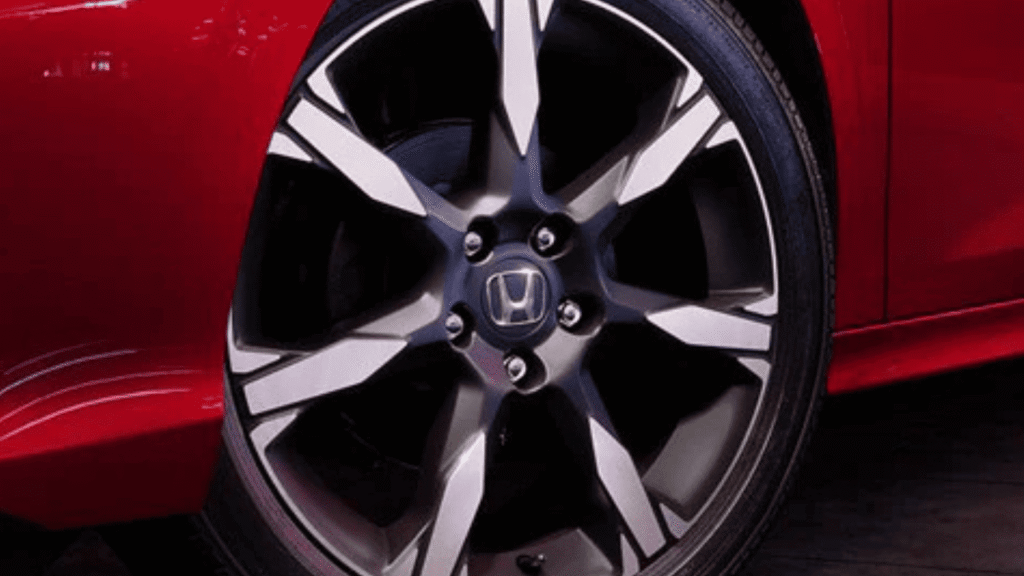
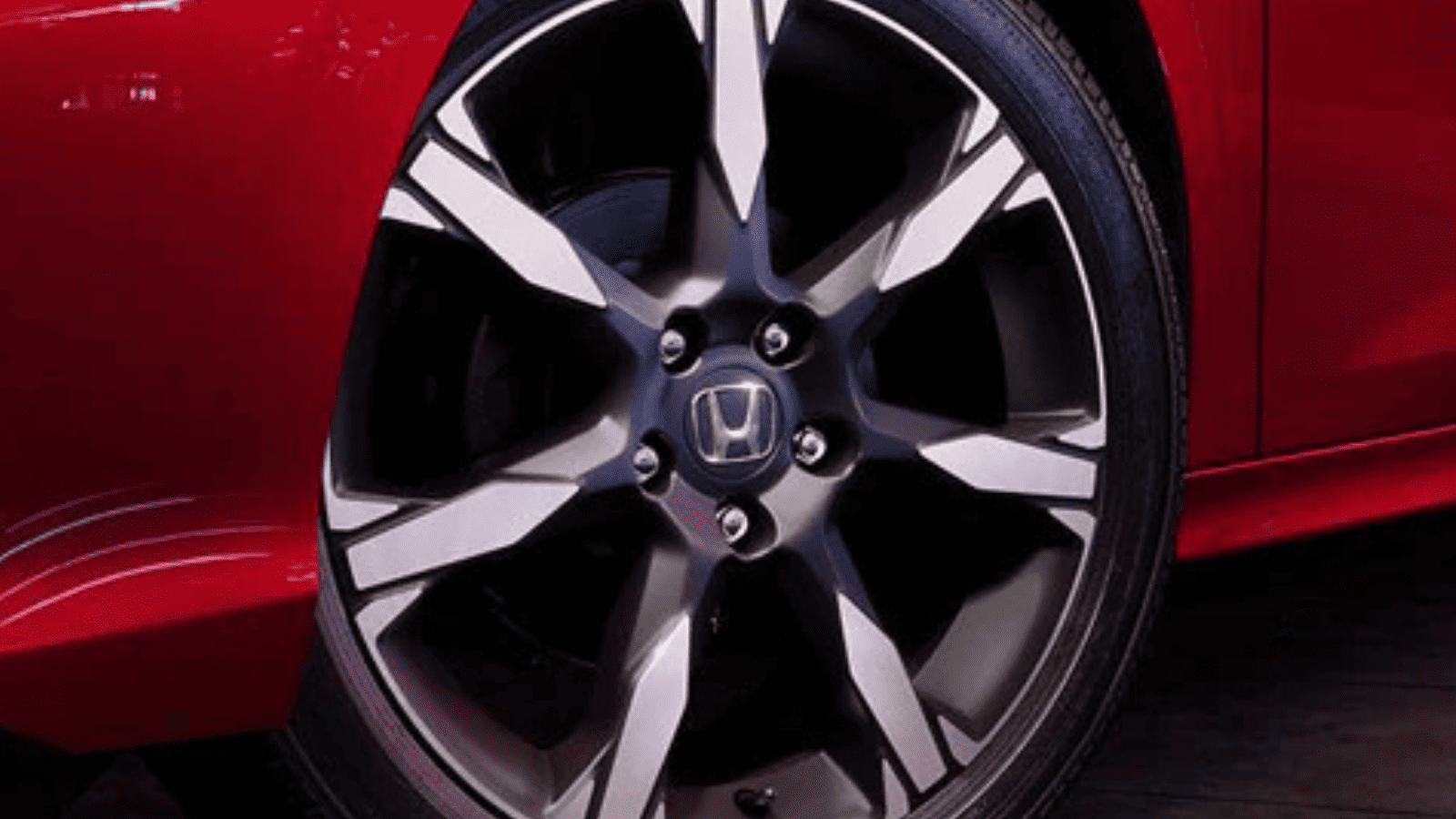
The LX uses 16-inch wheels with covers and has the most understated appearance. Sport and Sport Hybrid models get 18-inch gloss-black alloy wheels, darker trim details, and a more athletic look. The Sport Touring Hybrid adds 18-inch alloy wheels with matte Shark Gray inserts.
Safety Features and Ratings
Every Civic includes Honda Sensing, a suite of standard driver-assistance systems that includes:
- Forward Collision Warning
- Collision Mitigation Braking System
- Road Departure Mitigation System
- Lane Departure Warning
- Lane Keeping Assist System
- Traffic Jam Assist
- Adaptive Cruise Control with Low-Speed Follow
- Traffic Sign Recognition
- Automatic high beams
- Rearview camera with dynamic guidelines
The Blind Spot Information System with Cross Traffic Monitor is not standard on the LX. It starts with the Sport trim.
The Honda Civic is an IIHS Top Safety Pick. In the current IIHS evaluations, it earned Good ratings in the small-overlap front test, updated side-impact test, and headlights. It earned an Acceptable rating in the updated moderate-overlap front test, where rear-passenger restraint performance was the main limitation.
See the full IIHS Honda Civic Sedan safety ratings for test details and model applicability.
Reliability, Warranty, and Ownership
The Civic has a strong long-term ownership case because it combines efficient engines, a broad dealer network, readily available parts, and a well-established reputation for daily usability.
The gas 2.0-liter engine is the simpler choice for buyers who prefer conventional ownership. The current hybrid system has performed well so far, but it is newer than the gas powertrain, so long-term ownership data is still developing.
| Coverage | Length |
| New vehicle limited warranty | 3 years / 36,000 miles |
| Powertrain limited warranty | 5 years / 60,000 miles |
| Rust perforation warranty | 5 years / unlimited miles |
| Roadside assistance | 3 years / 36,000 miles |
| Honda maintenance program | 1 year / 12,000 miles |
| Hybrid high-voltage battery capacity coverage | 8 years / 100,000 miles* |
*Hybrid battery and emissions-related coverage can vary by state. Confirm the warranty terms for your location before purchase.
For used Civic buyers, check the service history, inspect tire wear, confirm the infotainment and driver-assistance features work properly, and run the VIN numbes through NHTSA’s recall database before completing the purchase.
Pros and Cons
What We Like
- Strong hybrid performance with 200 horsepower
- Up to 49 mpg combined in hybrid form
- Comfortable, spacious cabin for a compact sedan
- Large 14.8-cubic-foot trunk
- Refined driving manners and good highway stability
- Standard Honda Sensing safety technology
- Clean interior layout with easy-to-use controls
- Sport Hybrid includes useful comfort features
What We Don’t Like
- No all-wheel-drive option
- Hybrid trims cost noticeably more than gas models
- Base LX misses blind-spot monitoring and rear cross-traffic alert
- Sport trims use more fuel and ride more firmly than the LX
- Gas models are slow when fully loaded or driven aggressively
- Updated IIHS moderate-overlap result highlights a rear-passenger restraint concern
Competitors
The Honda Civic sedan is one of the more complete compact sedans, but the right alternative depends on your priorities.
- The Toyota Corolla is a better fit for buyers who want a lower starting price and a proven hybrid ownership case.
- The Hyundai Elantra is worth considering for bold styling, feature value, and hybrid fuel economy.
- The Kia K4 is a strong option for buyers who want a larger-feeling cabin and more standard technology.
- The Mazda3 suits drivers who care most about interior design and steering feel.
- The Nissan Sentra is worth a look if you want a comfortable, simple compact sedan at a competitive price.
Related Content
If this is your first major vehicle purchase, read our guide to the best cars for first-time buyers and learn how to buy your first car.
Before financing a Civic, understand how car financing works and consider getting car loan preapproval before visiting a dealership.
Should You Buy the Honda Civic Sedan?
Buy the Honda Civic Sedan if you want a compact car with enough space for real daily use, strong fuel economy, good standard safety technology, and a more composed driving experience than many lower-priced alternatives.
Choose the Civic LX if your main goal is a sensible new-car price with solid fuel economy. Choose the Civic Sport if blind-spot monitoring, larger wheels, and a sportier appearance matter to you.
Choose the Civic Sport Hybrid if you want the best version of the Civic Sedan for most driving situations. It is quicker, more efficient, and better equipped than the gas models.
Skip the Civic Sedan if you need all-wheel drive, regularly carry bulky cargo, or want a lower-priced hybrid. In those cases, a compact SUV, hatchback, or lower-cost hybrid sedan may make more sense.
FAQs
How much does the Honda Civic Sedan cost?
The Honda Civic Sedan starts from $24,695 MSRP in the US. The Civic Hybrid starts from $29,395 MSRP. Final pricing will vary with destination charges, taxes, registration, accessories, and dealer pricing.
Is the Honda Civic Sedan available as a hybrid?
Yes. The Civic Sport Hybrid and Sport Touring Hybrid use a 200-hp two-motor hybrid system.
Does the Honda Civic Sedan have all-wheel drive?
No. Every Civic Sedan trim is front-wheel drive.
What fuel economy does the Honda Civic Sedan get?
The Civic LX returns up to 36 mpg combined. Civic Hybrid models return up to an EPA-estimated 49 mpg combined.
Is the Civic Hybrid faster than the gas Civic?
Yes. Independent testing puts the Civic Hybrid sedan at about 6.2 seconds from 0–60 mph, compared with about 8.9 seconds for the non-hybrid sedan.
Does the Honda Civic Sedan require premium gasoline?
No. All Civic Sedan trims use regular unleaded gasoline.
How much trunk space does the Honda Civic Sedan have?
The Civic Sedan has 14.8 cubic feet of trunk space.
Does every Honda Civic Sedan have blind-spot monitoring?
No. Blind Spot Information with Cross Traffic Monitor is available from the Sport trim upward. The base LX does not include it.
Does the Honda Civic Sedan have Apple CarPlay and Android Auto?
Yes. Every Civic Sedan includes Apple CarPlay and Android Auto compatibility. Wireless connectivity is standard on the Sport Touring Hybrid.
Is the Honda Civic Sedan safe?
The Civic Sedan includes Honda Sensing on every trim and is an IIHS Top Safety Pick. Buyers should still review the safety results and equipment on their chosen trim.
Which Honda Civic Sedan trim is best?
The Civic Sport Hybrid is the best overall trim for most buyers because it combines the 200-hp hybrid system, 49-mpg combined rating, heated seats, a moonroof, and dual-zone climate control.
Is the Civic Hatchback included on this page?
No. This page covers the Honda Civic Sedan only. The Civic Hatchback has a different body style, cargo area, trim range, and equipment mix.
Final Verdict
The Honda Civic Sedan remains one of the best all-round compact cars for buyers who want a vehicle that is efficient, practical, safe, and enjoyable to drive.
The LX works well as a simple entry-level sedan, but the Sport Hybrid is where the Civic lineup becomes especially compelling. It delivers far stronger performance than the gas models while using less fuel and adding comfort features that most buyers will appreciate every day.
The Civic is not the least expensive compact sedan, and it does not offer AWD. But if you value cabin space, trunk room, a well-finished interior, and a hybrid that feels genuinely quick, it is one of the strongest choices in the class.
Prices, specifications, safety ratings, warranties, and feature availability can change by trim, model year, and market.