
Hyundai Tucson Plug-in Hybrid: Price, Range & Review
The Hyundai Tucson Plug-in Hybrid is a compact SUV for buyers who can charge at home, work, or another regular location and want to handle many daily trips on electricity while retaining a gas engine for longer journeys.

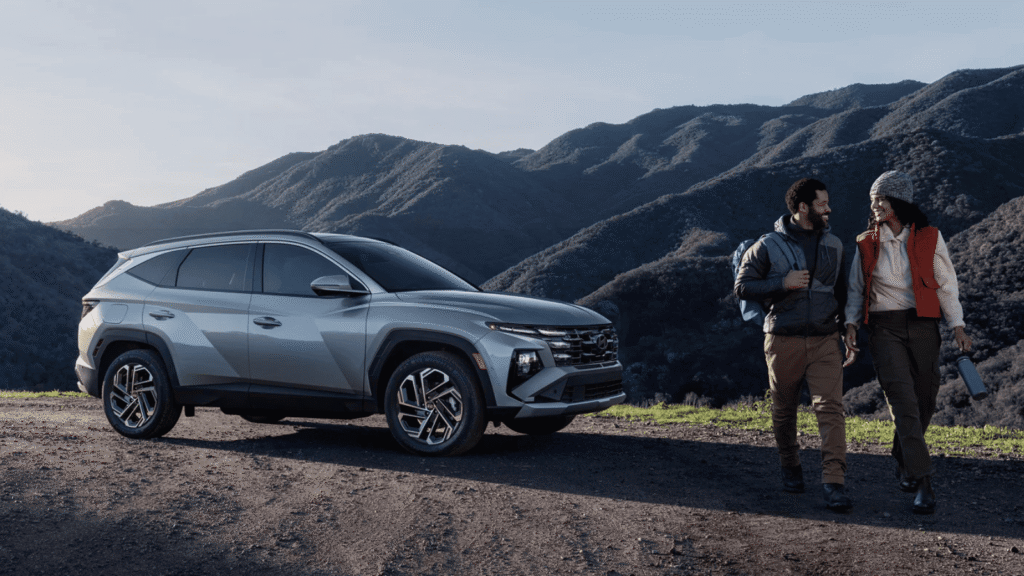
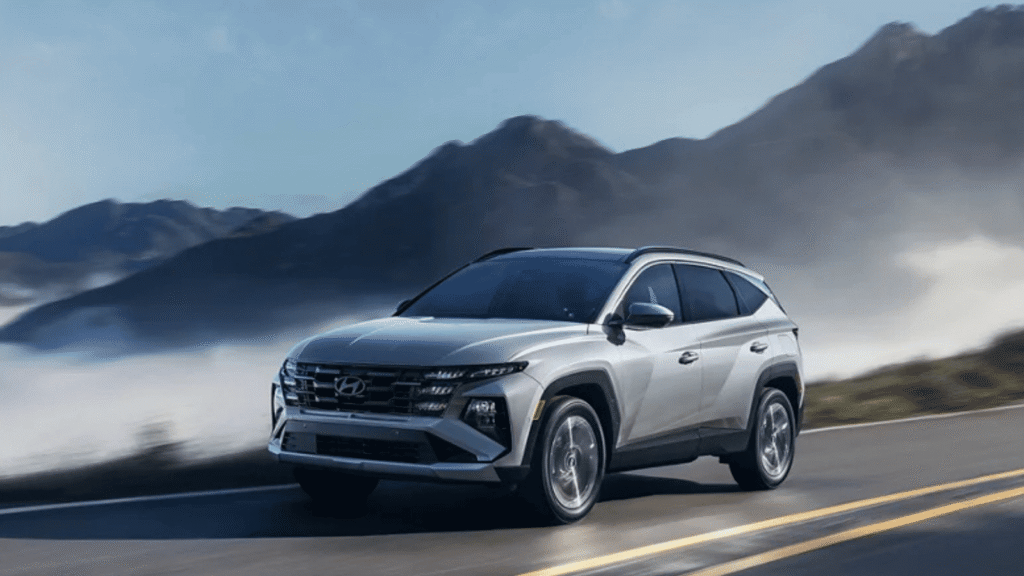
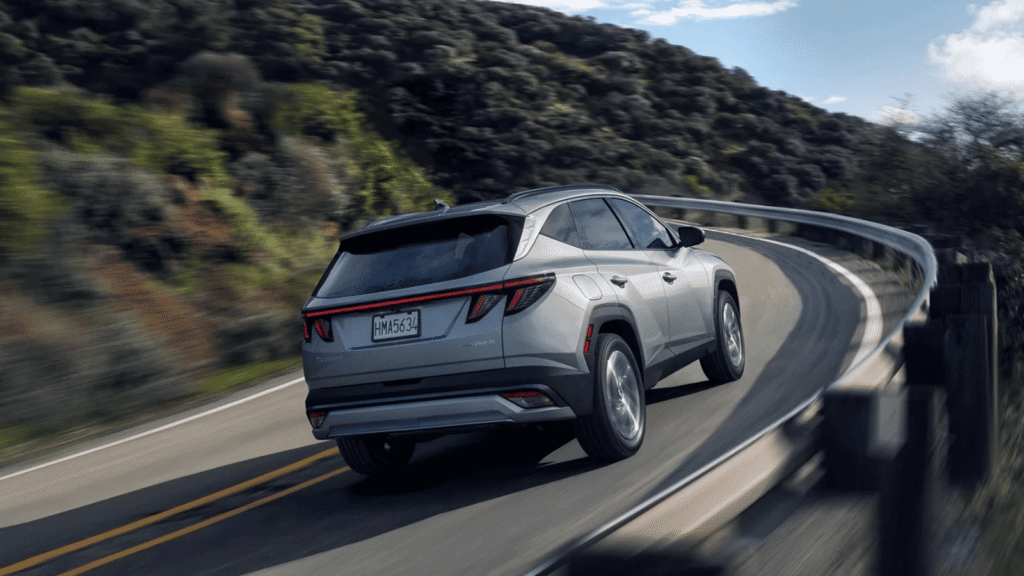
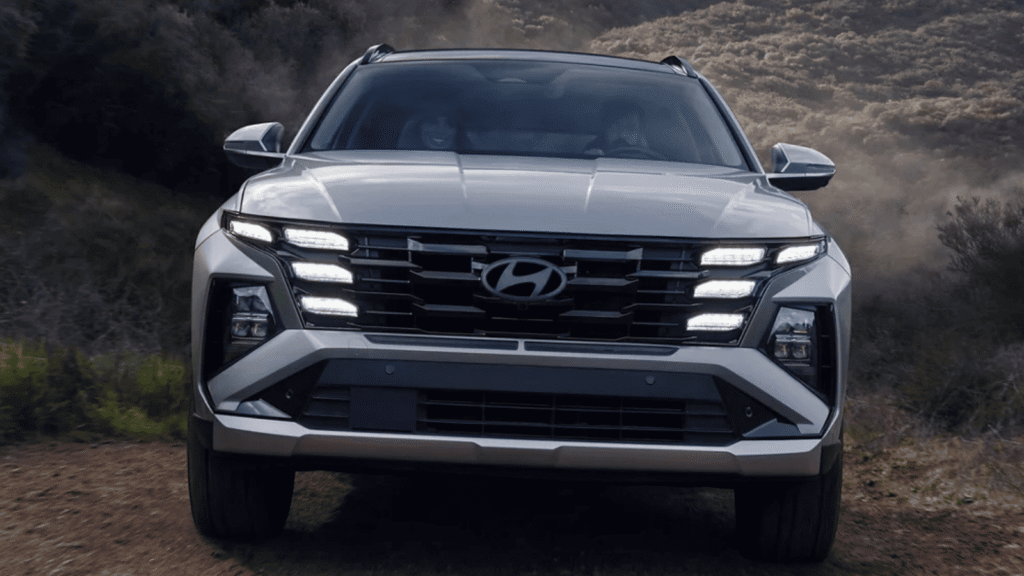
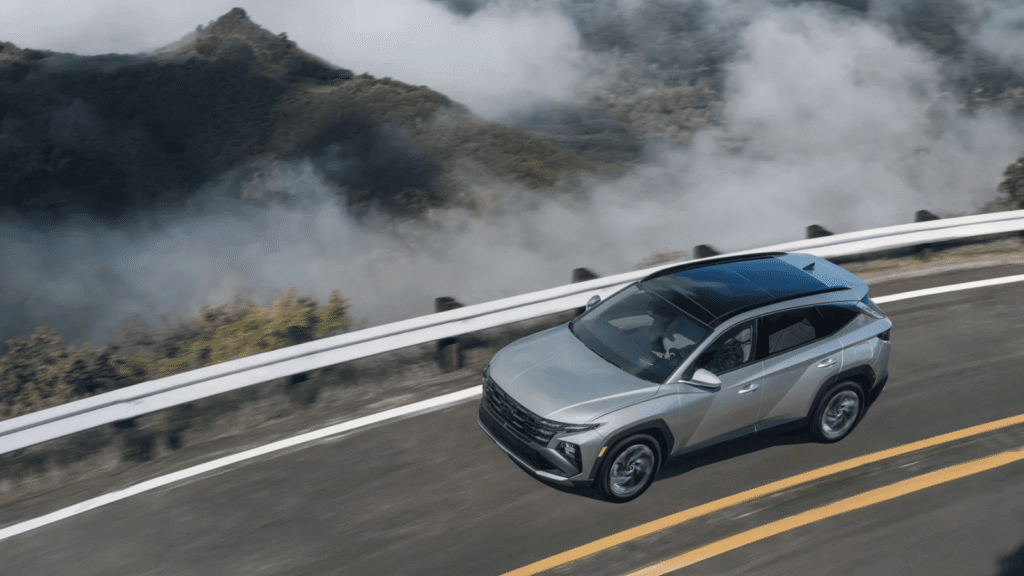
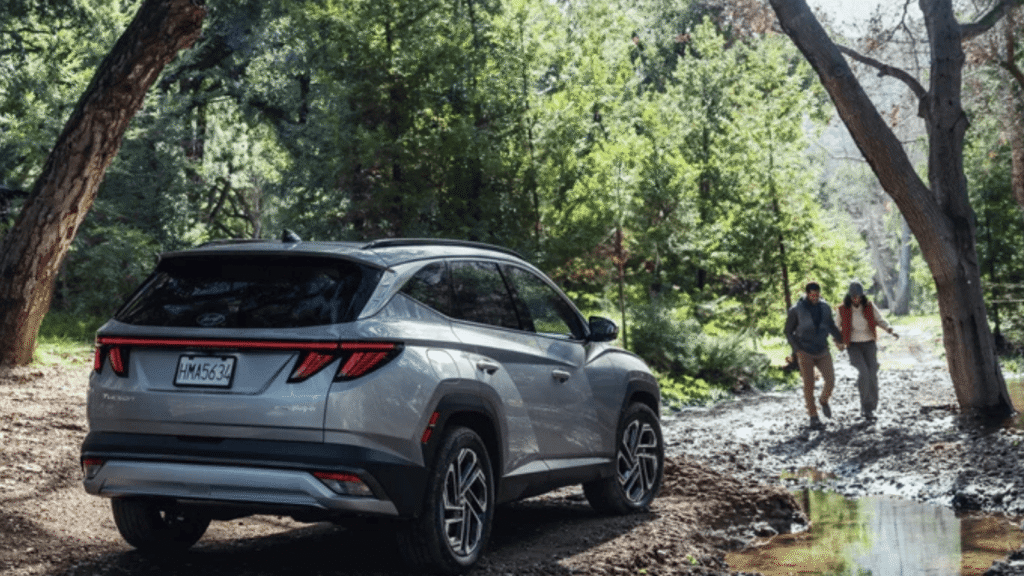
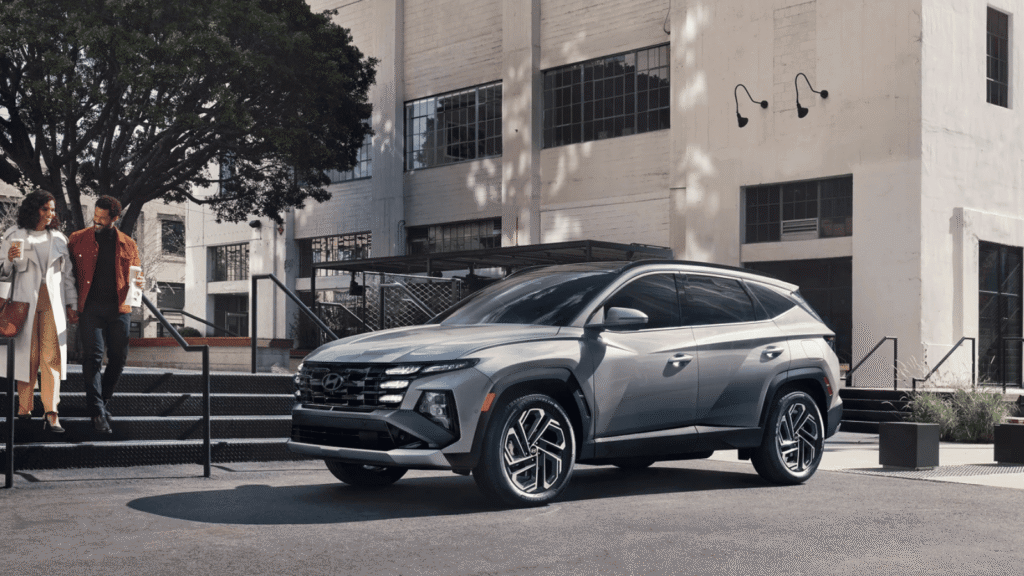
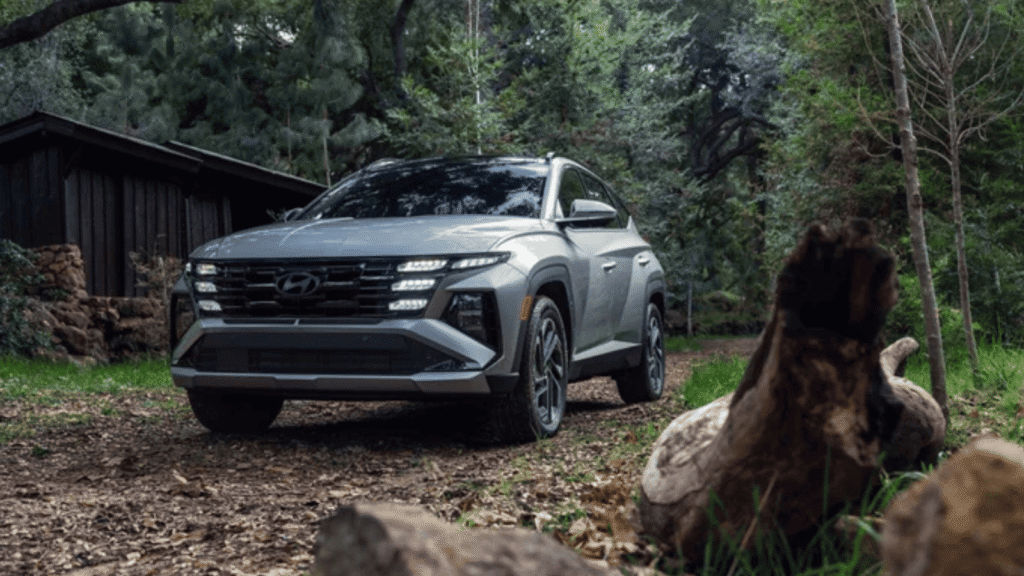
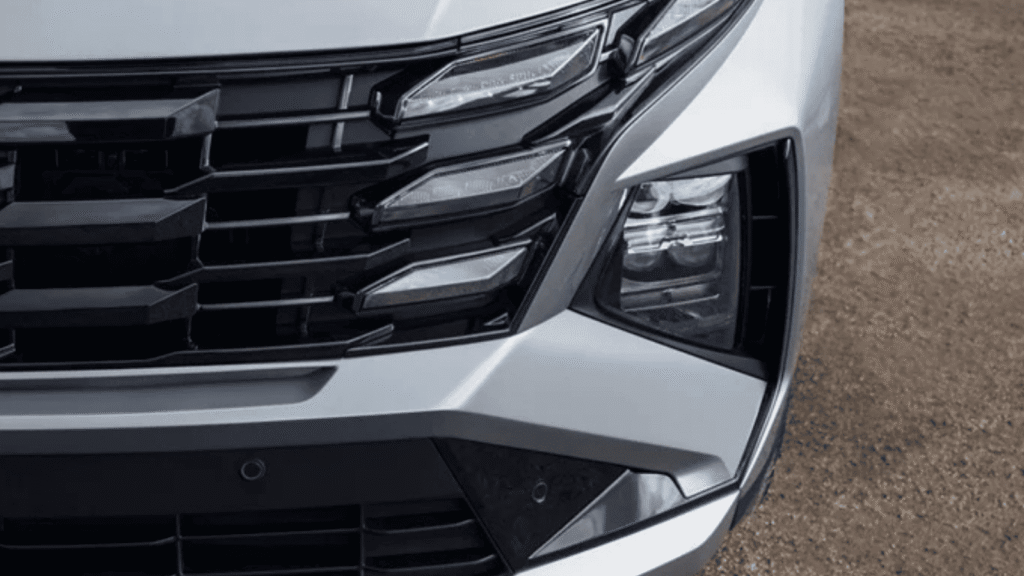
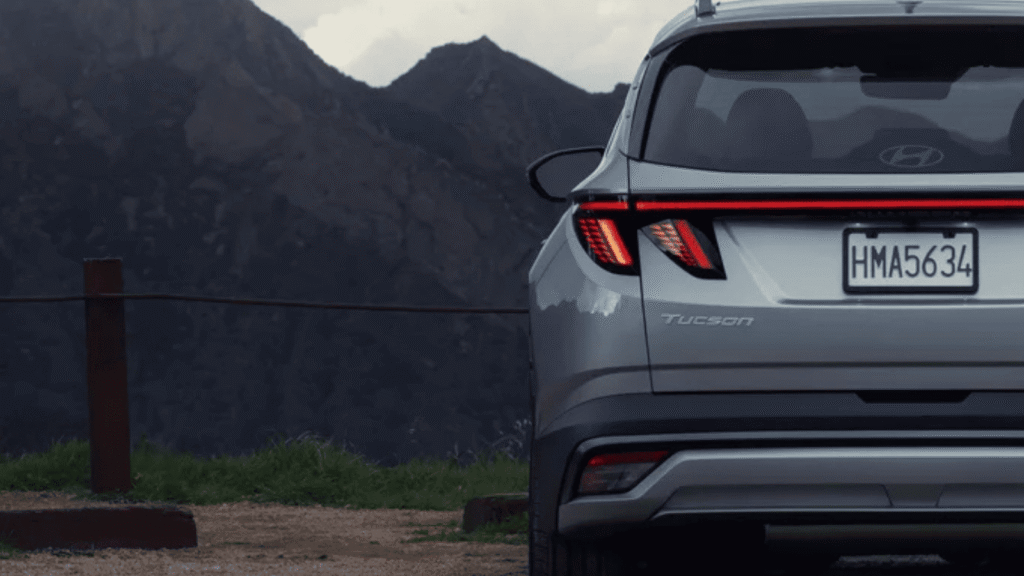


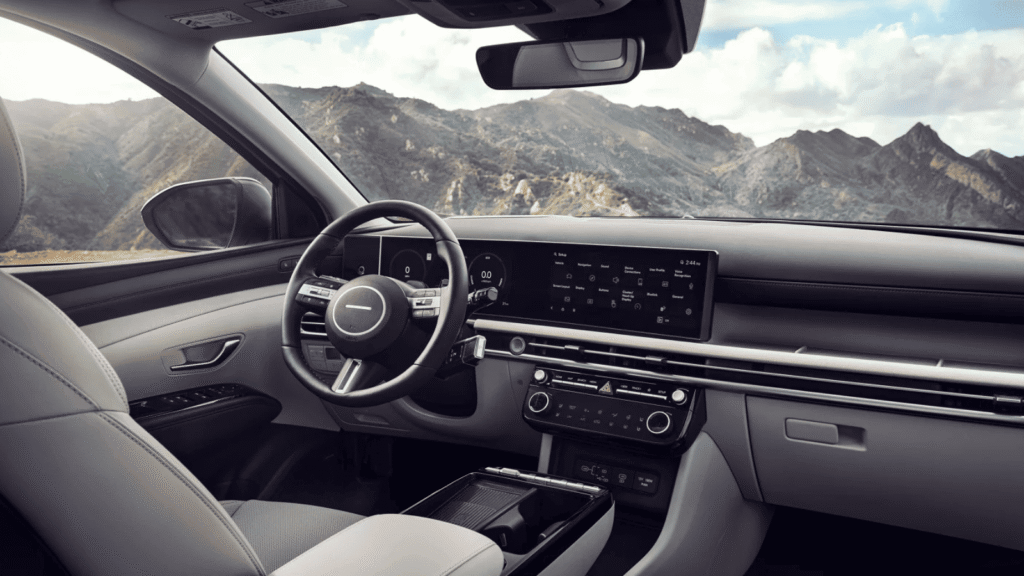
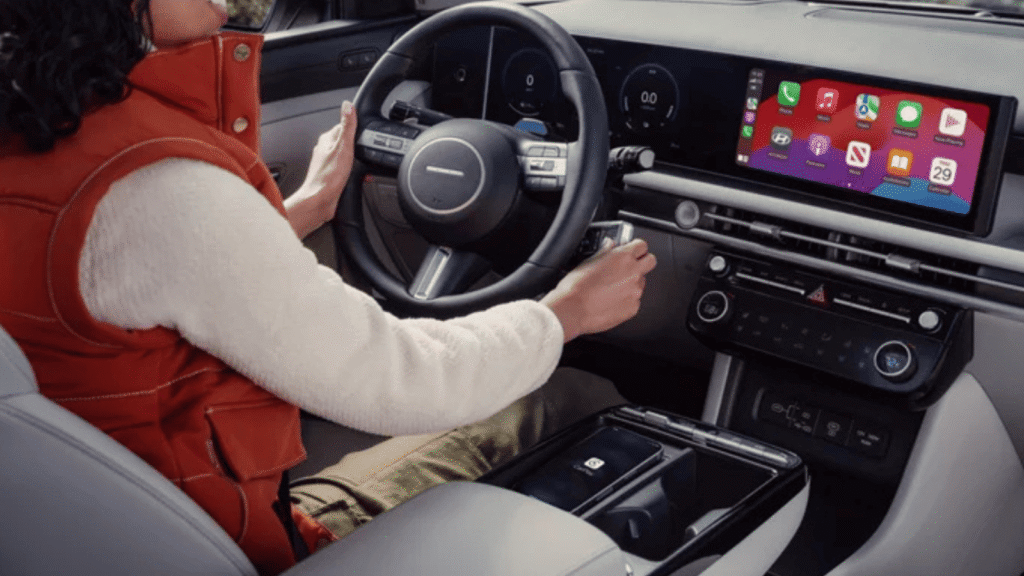


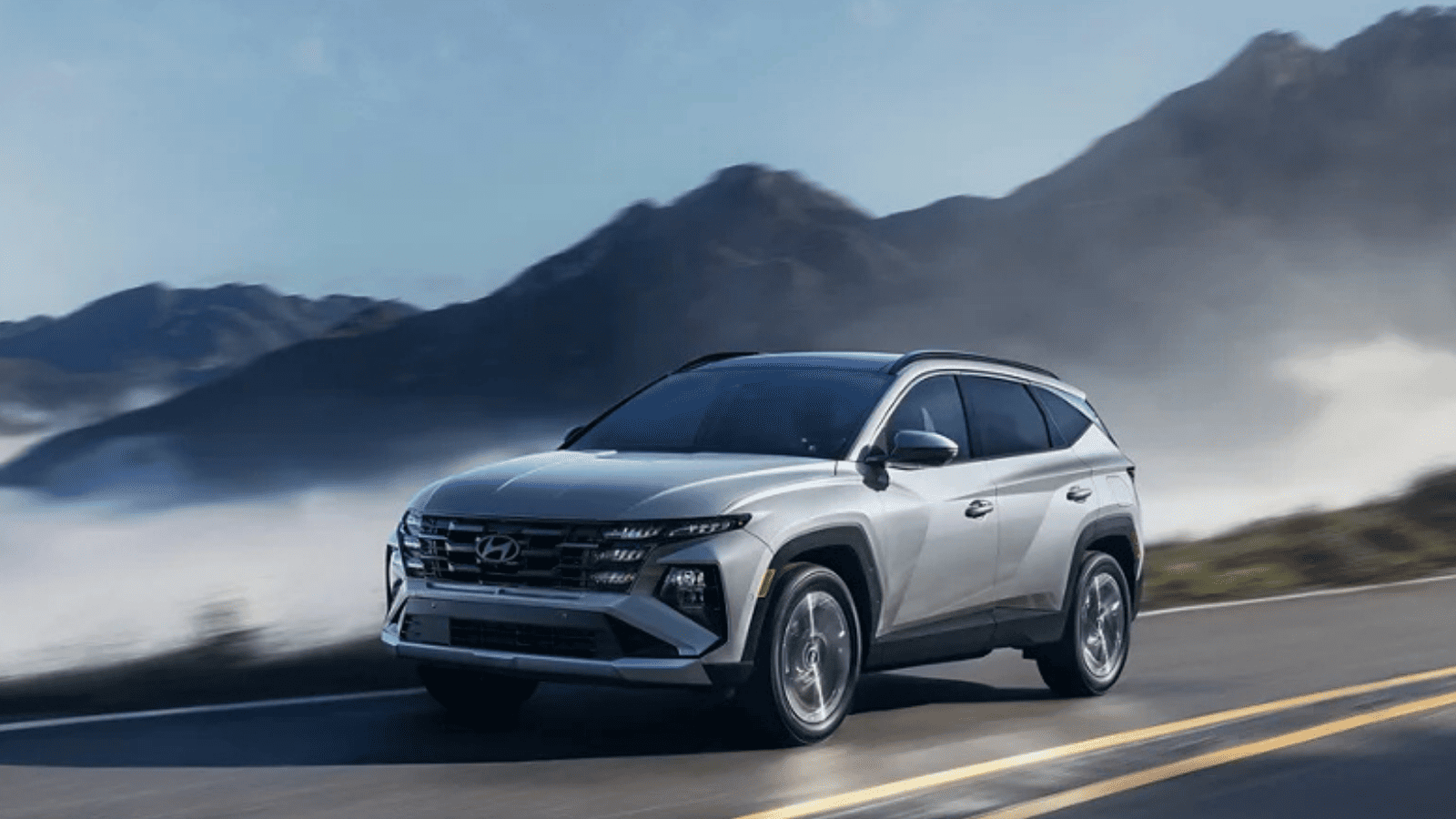
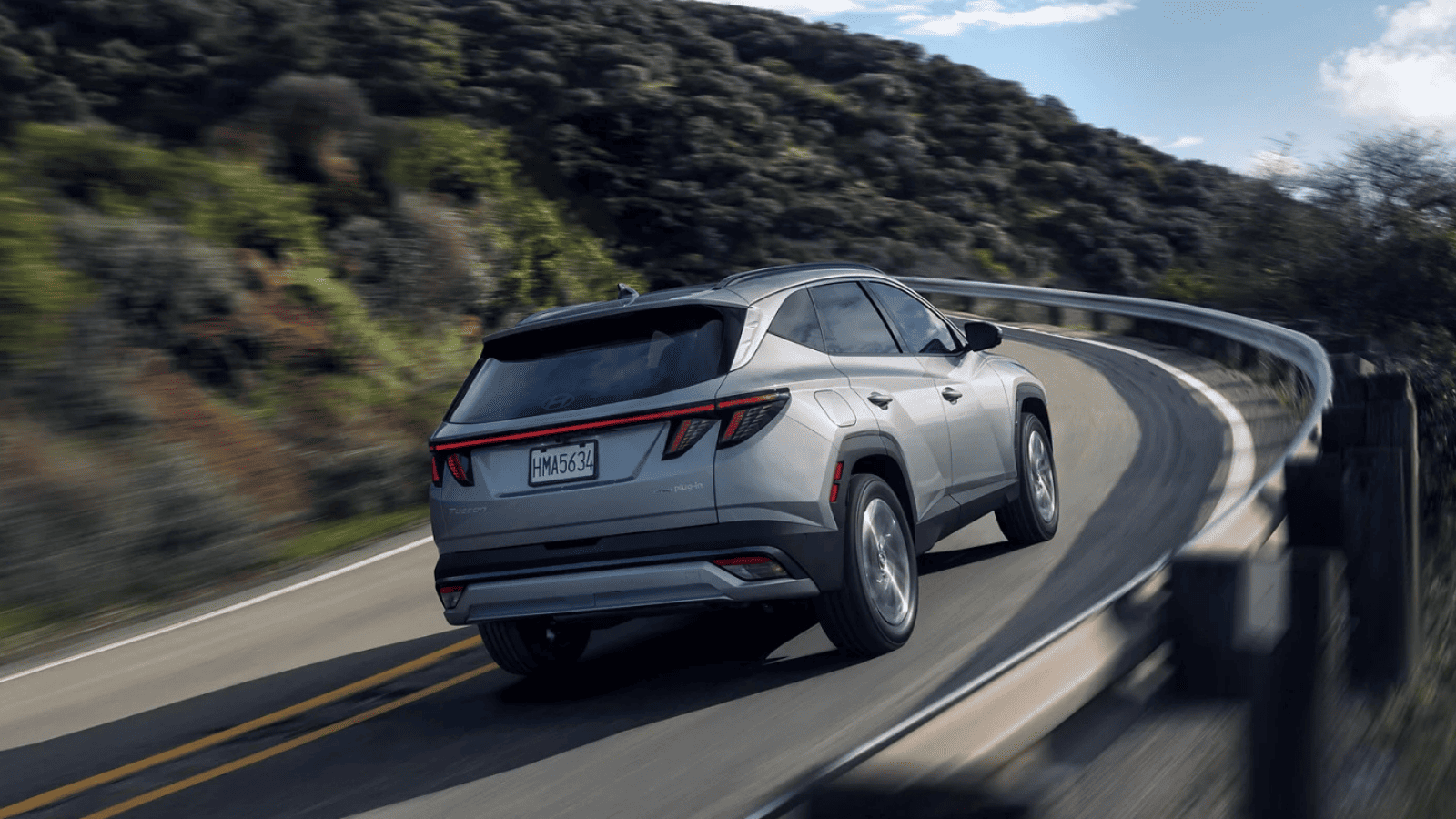
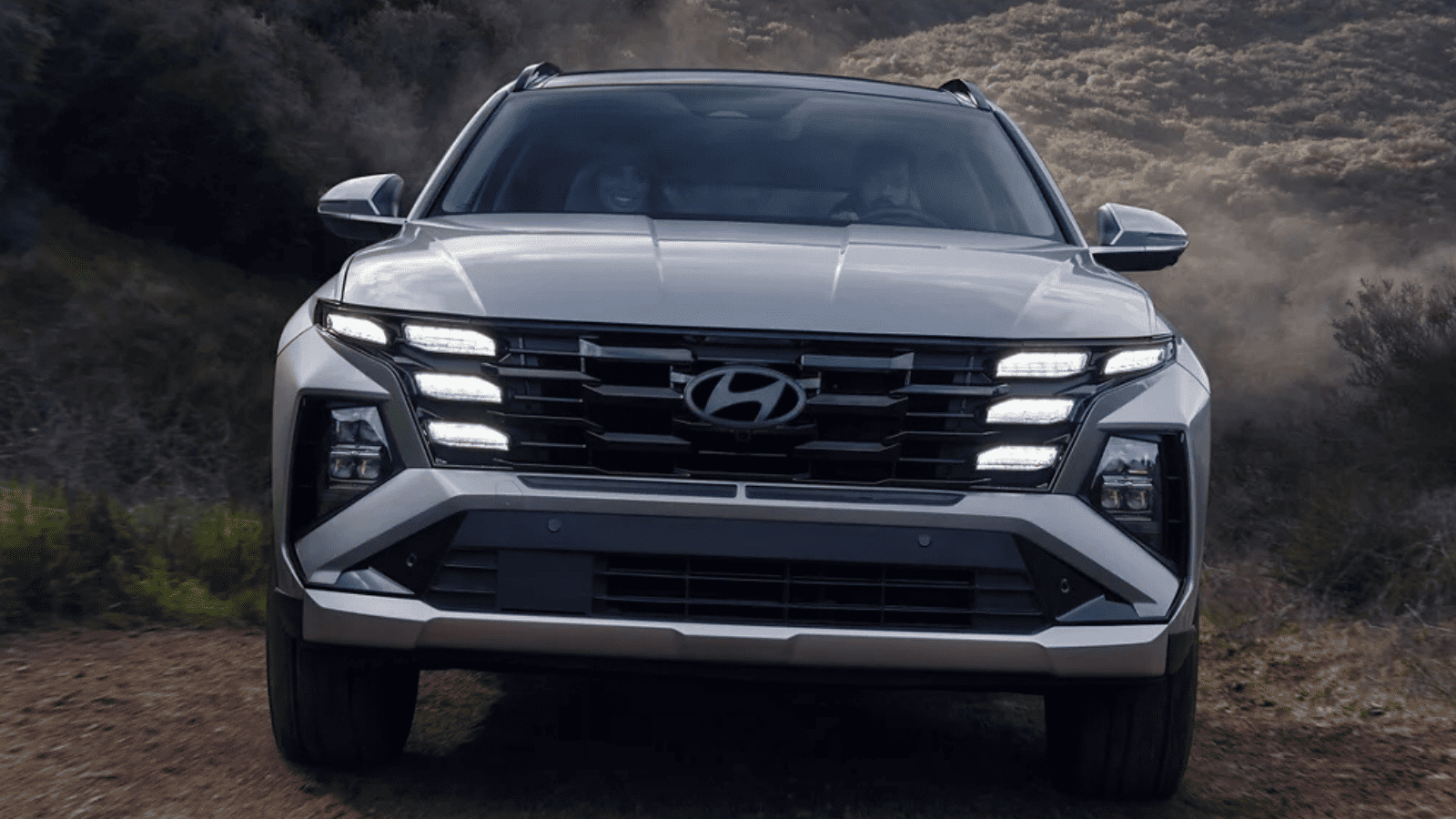
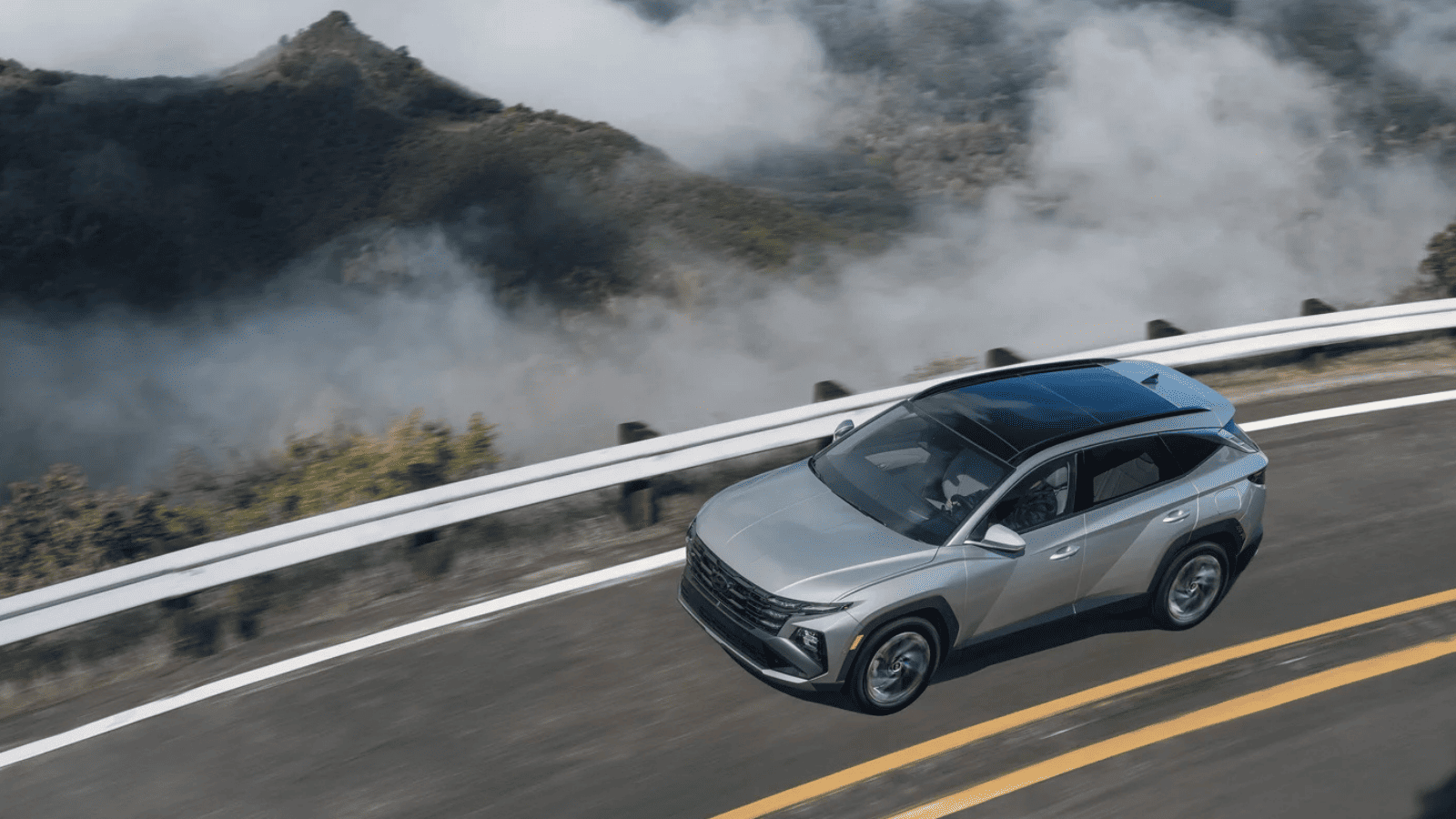
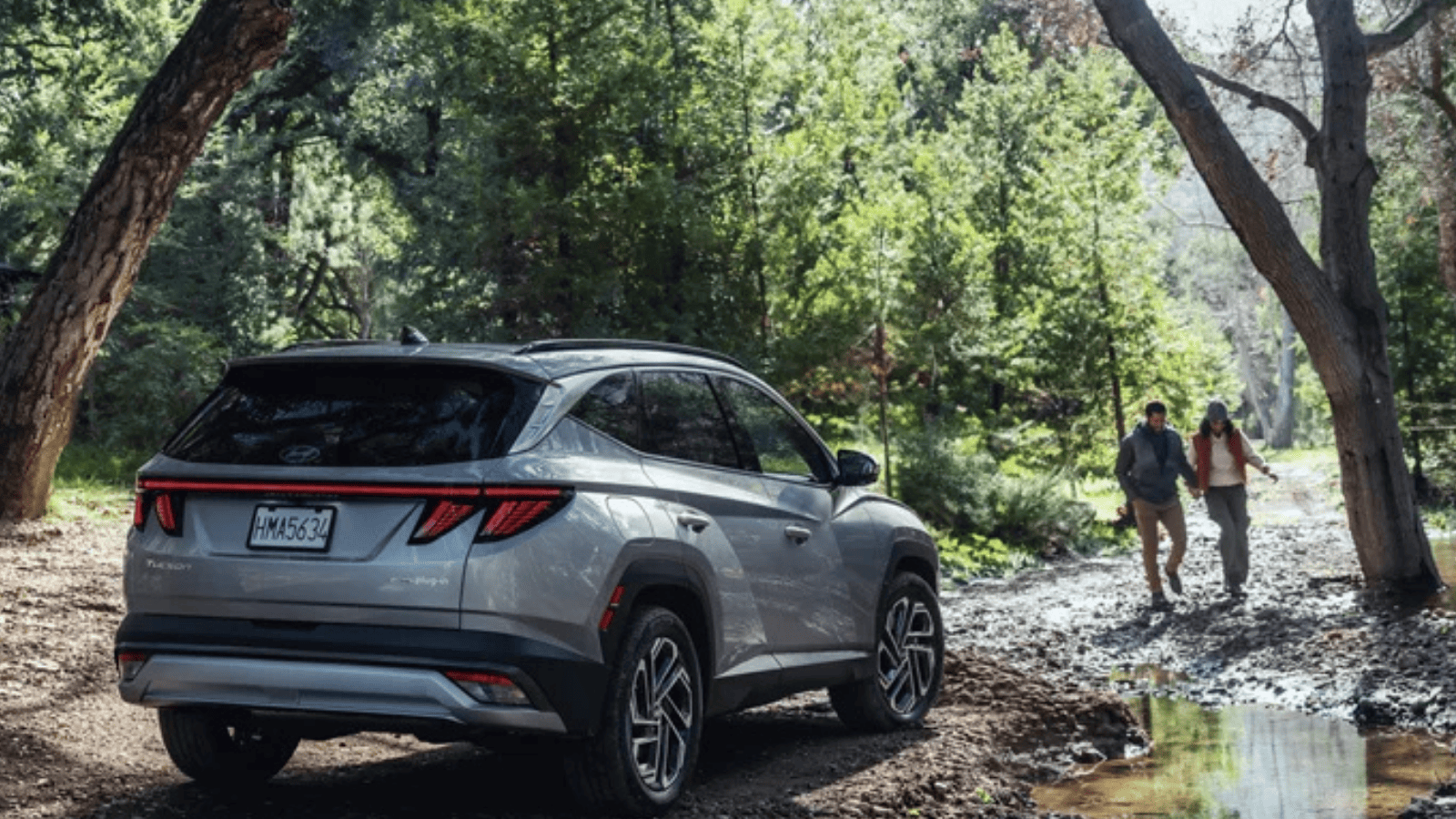
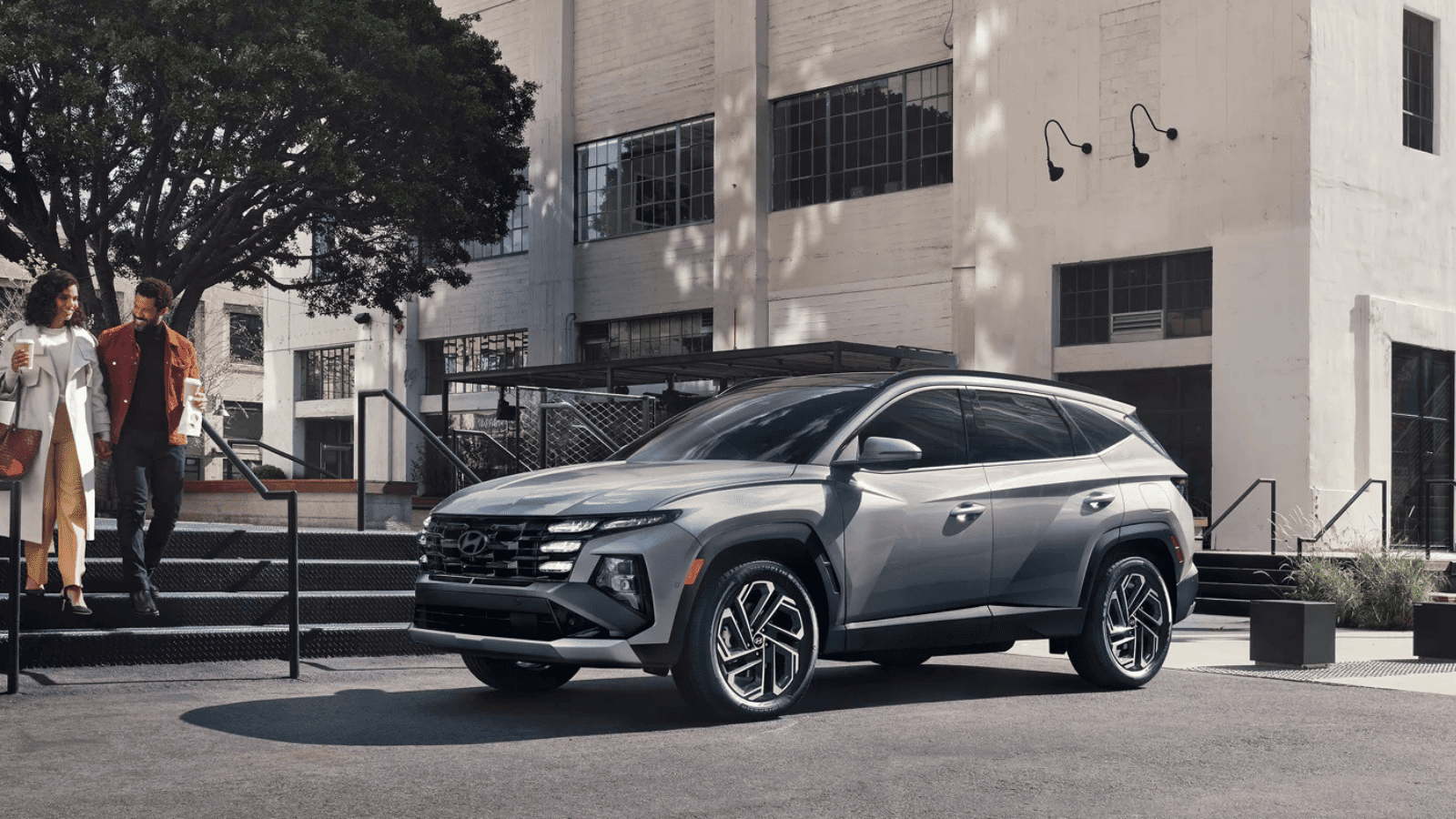
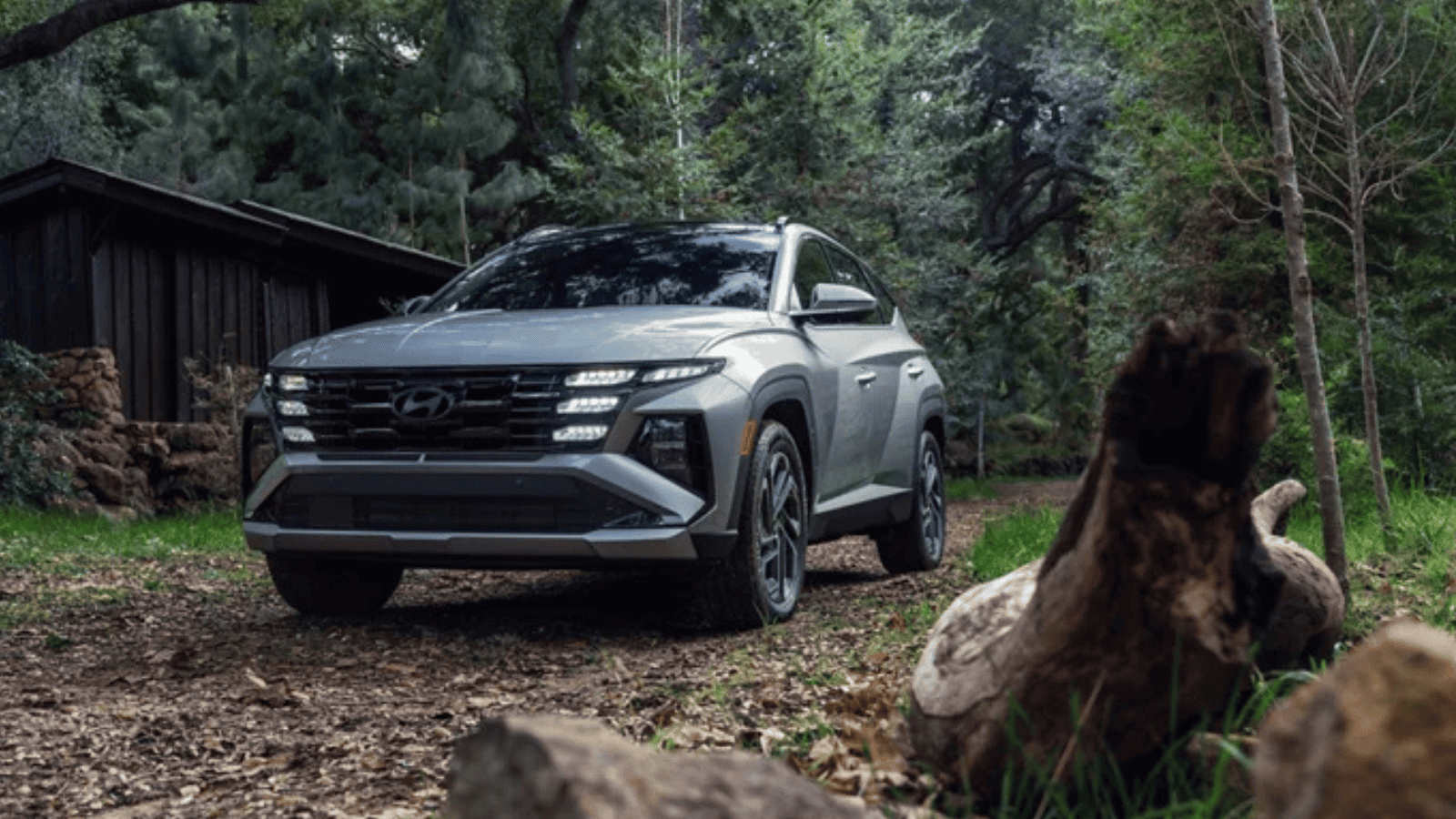



It pairs a turbocharged 1.6-liter four-cylinder engine with an electric motor, a larger rechargeable battery, a six-speed automatic transmission, and standard HTRAC all-wheel drive. Combined output is 268 horsepower and 271 lb-ft of torque.
The Tucson Plug-in Hybrid is a strong choice for drivers with for daily commuter that fit within its EPA-rated 32-mile electric range. It is less suited to buyers who cannot charge regularly, need a third row, or want maximum cargo capacity from a compact SUV.
WheelPedia Rating: 8.5/10
The Hyundai Tucson Plug-in Hybrid earns an 8.5/10 WheelPedia Rating for its useful electric range, strong power, standard all-wheel drive, roomy passenger cabin, and long hybrid-system warranty coverage. Its main compromises are its high price, smaller cargo area than the regular Tucson, and the fact that its ownership case is far less compelling without regular charging.
| Rating Category | Score | Weight |
| Safety | 8.7/10 | 20% |
| Reliability and Ownership | 8.0/10 | 15% |
| Performance and Driving | 8.5/10 | 15% |
| Comfort and Practicality | 8.6/10 | 15% |
| Efficiency | 9.2/10 | 15% |
| Features and Technology | 9.0/10 | 10% |
| Price and Value | 7.3/10 | 10% |
| Overall WheelPedia Rating | 8.5/10 | — |
See how WheelPedia rates cars for the full methodology.
Key Highlights
- Starts at $40,325 MSRP in the United States before freight, taxes, registration, options, and dealer charges.
- Uses a 268-hp plug-in hybrid powertrain with 271 lb-ft of torque.
- Standard HTRAC all-wheel drive.
- EPA-rated for up to 32 miles of all-electric driving on a full battery charge.
- Returns an EPA-estimated 80 MPGe combined and 35 mpg combined after battery charge is depleted.
- Estimated total driving range is up to 388 miles.
- Charges from a standard 110V/120V outlet or in less than two hours with a 240V Level 2 charger.
- Provides 31.9 cubic feet of SAE-measured cargo space behind the rear seats.
- Tows up to 2,000 pounds with trailer brakes when properly equipped.
- Best suited to drivers who can charge consistently and want electric commuting with gas backup.
Quick Specifications
| Specification | Hyundai Tucson Plug-in Hybrid |
| Vehicle type | Compact plug-in hybrid SUV |
| Seating capacity | 5 |
| Engine | 1.6L turbocharged GDI four-cylinder plug-in hybrid |
| System output | 268 hp |
| Maximum torque | 271 lb-ft |
| Transmission | 6-speed automatic |
| Drivetrain | HTRAC all-wheel drive |
| All-electric range | Up to 32 miles |
| Efficiency | Up to 80 MPGe combined |
| Hybrid fuel economy | 35 mpg combined |
| Cargo capacity | 31.9 / 66.3 cu. ft. (SAE) |
| Maximum towing | 2,000 lb. with trailer brakes |
| Length | 182.7 in. |
| Width | 73.4 in. |
| Height | 66.3 in. |
| Wheelbase | 108.5 in. |
Expert Tip: Buy the Tucson Plug-in Hybrid only if charging will be part of your normal routine. The electric range can cover many short daily drives, but regularly operating it with an empty battery weakens the value case against the less expensive Hyundai Tucson Hybrid.
About the Hyundai Tucson Plug-in Hybrid
The Tucson Plug-in Hybrid, often called the Tucson PHEV, is Hyundai’s rechargeable version of its compact SUV. It has a larger battery than the regular Tucson Hybrid and can drive on electricity alone for a limited distance before the gas engine is needed.
Unlike a fully electric SUV, it does not rely on public fast-charging infrastructure for long trips. When the battery charge is low, it continues as a hybrid vehicle using gasoline and electric assistance.
This makes the Tucson Plug-in Hybrid a sensible fit for drivers who make shorter weekday trips but also take occasional longer road trips. It is not a substitute for an electric vehicle if your goal is to avoid gasoline altogether, but it offers more flexibility than a conventional hybrid.
Price and Trims
The 2026 Tucson Plug-in Hybrid is available in SEL and Limited trims, and both include HTRAC all-wheel drive.
| Trim | Starting MSRP | Drivetrain | Best For |
| SEL | $40,325 | HTRAC AWD | Buyers wanting plug-in capability and strong standard equipment |
| Limited | $48,550 | HTRAC AWD | Buyers wanting premium comfort and advanced technology |
Pricing can vary by destination, local market, options, dealer charges, and availability. See the current Hyundai Tucson Plug-in Hybrid lineup before purchase.
Which Tucson Plug-in Hybrid Trim Is Best?
- Best overall: SEL
- Best value: SEL
- Best for premium comfort and technology: Limited
The SEL is the right choice for most buyers. It includes the same 268-hp powertrain, standard all-wheel drive, electric range, and core plug-in capability as the Limited at a much lower price.
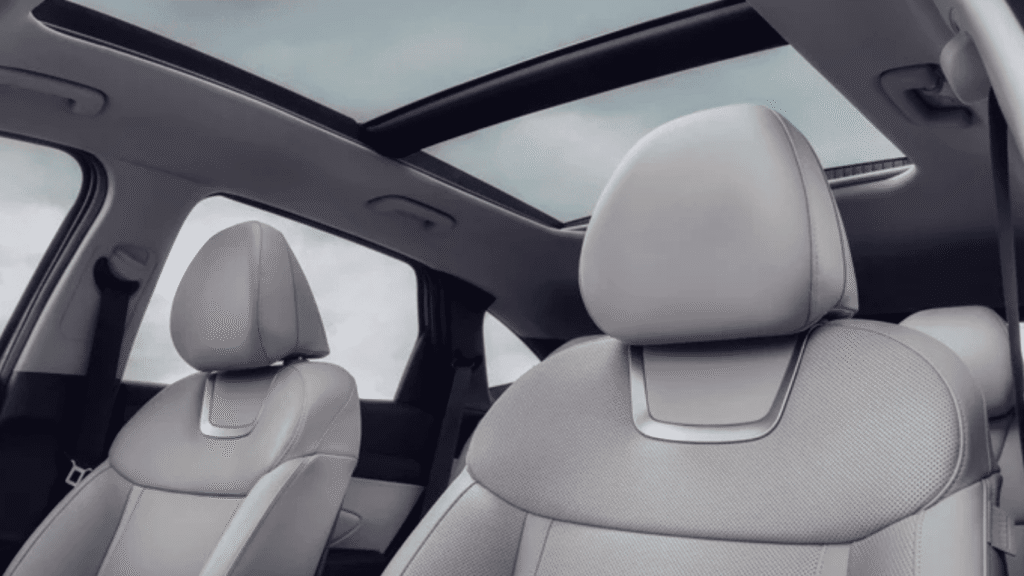
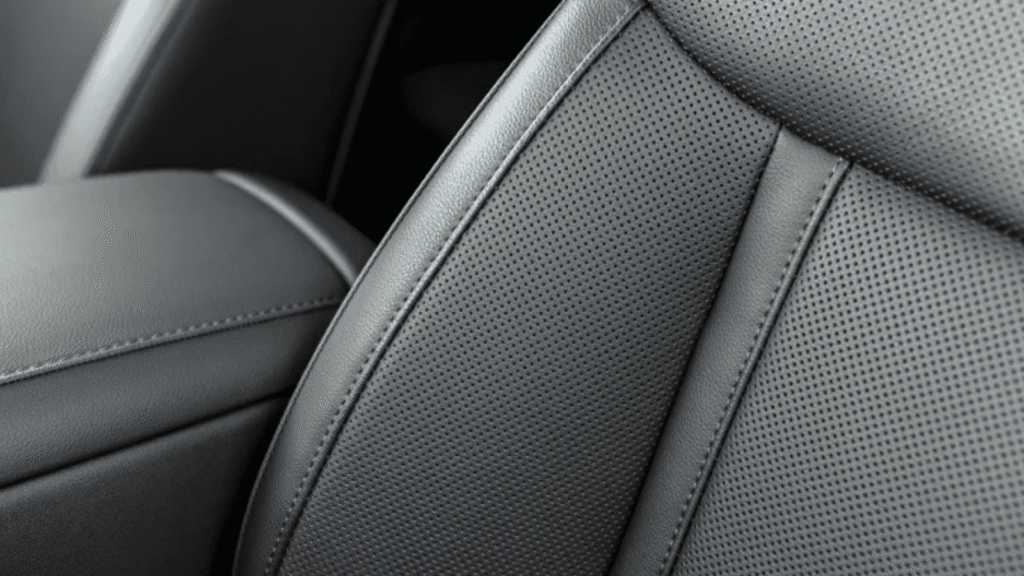
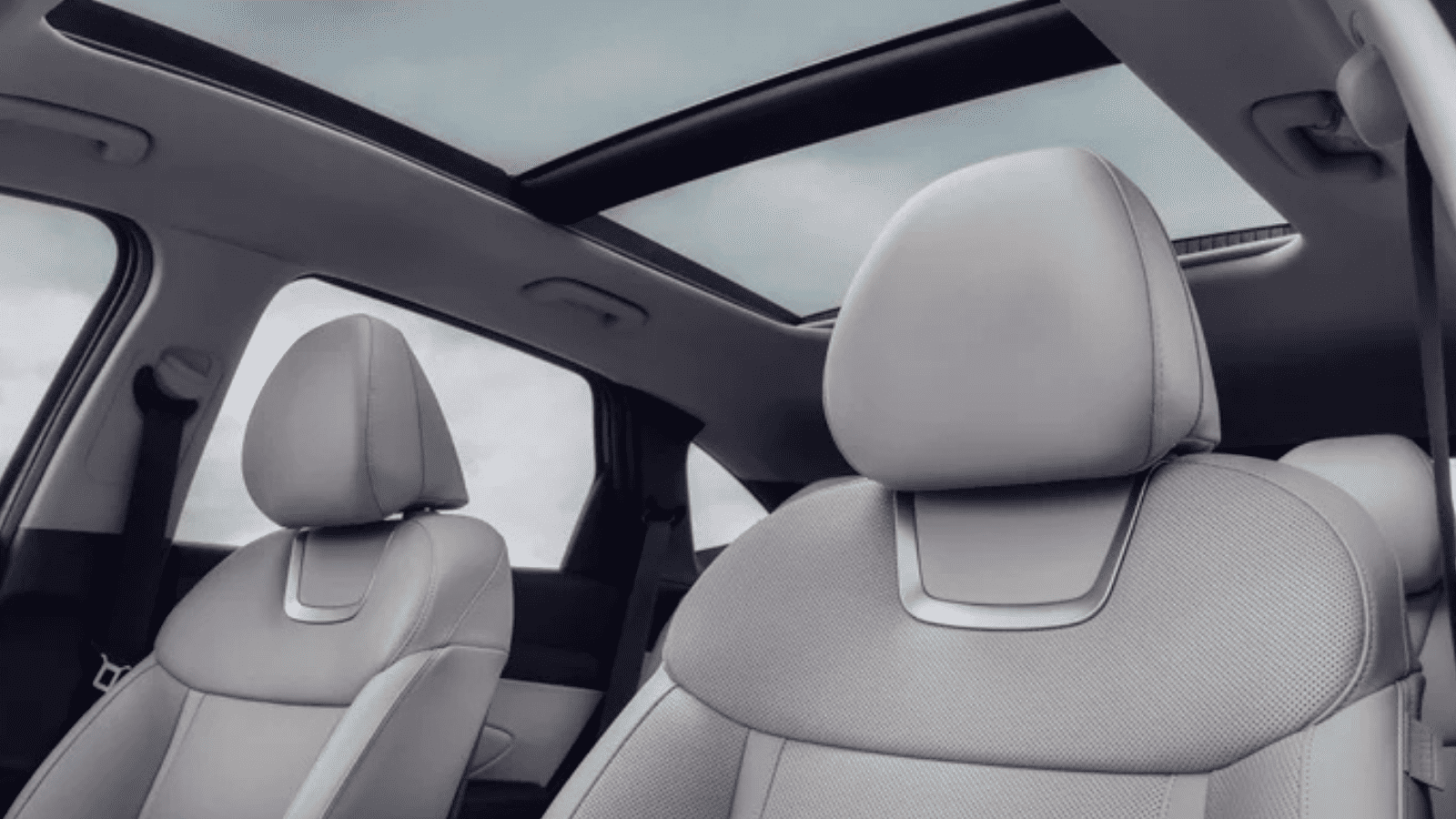
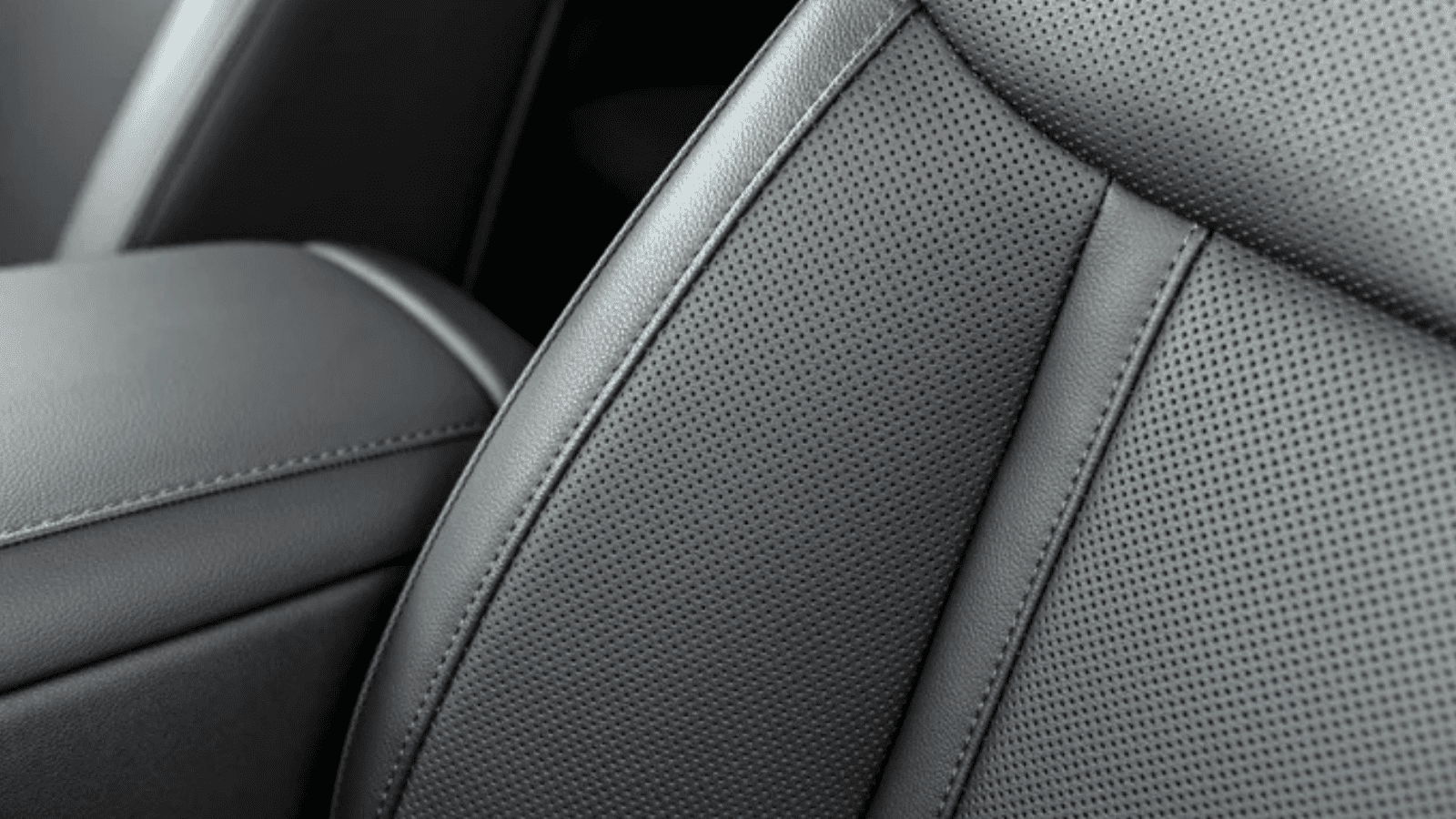
The Limited is for buyers who want leather-trimmed seating, ventilated front seats, a panoramic sunroof, Bose audio, a surround-view camera, Blind-Spot View Monitor, and more upscale interior details.
The Limited is appealing, but its price moves close to larger or more premium alternatives. Unless its added features are important to your daily use, the SEL is the more rational purchase.
Plug-in Hybrid Powertrain and Performance
The Tucson Plug-in Hybrid uses a turbocharged 1.6-liter GDI engine, electric motor, rechargeable battery, and six-speed automatic transmission. Total system output is 268 horsepower and 271 lb-ft of torque.
Every Tucson Plug-in Hybrid has HTRAC all-wheel drive. That gives it a useful advantage for drivers in snow-prone areas or those who want extra traction in rain and on loose surfaces.
The powertrain has more output than the regular Hyundai Tucson and the conventional Tucson Hybrid. Electric torque makes it feel responsive from low speeds, while the gas engine provides useful power once the battery charge drops.
0–60 MPH Performance
Hyundai does not publish an official 0–60 mph time for the Tucson Plug-in Hybrid.
WheelPedia has not independently tested the SUV, so this page does not list a verified acceleration figure. Its 268-hp output gives it stronger everyday performance than the gas Tucson, but buyers looking for a specific benchmark should compare current independent instrumented tests.
Electric Range, MPGe, and Charging
The Tucson Plug-in Hybrid is EPA-rated for up to 32 miles of all-electric range from a full battery charge. It is also rated at up to 80 MPGe combined when operating on electricity and gasoline.
Once the battery charge is depleted, the Tucson Plug-in Hybrid is rated at 35 mpg combined in hybrid operation. It can continue driving normally, but fuel use will be higher than during charged electric operation.
| Measurement | EPA Estimate |
| All-electric range | Up to 32 miles |
| Combined MPGe | Up to 80 MPGe |
| Combined mpg after battery depletion | 35 mpg |
| Total driving range | Up to 388 miles |
The most important ownership question is not the 32-mile headline figure; it is whether you can charge often enough to use it. A home charger or reliable workplace charging will have a far greater effect on fuel savings than occasional public charging.
Charging Times
The Tucson Plug-in Hybrid can be charged from a standard 110V/120V household outlet. That is convenient for overnight charging, though it is slower than a dedicated charger.
A 240V Level 2 charger can provide a full charge in less than two hours, according to Hyundai. Charging times vary with battery temperature, equipment, electrical supply, and the current battery level.
The Tucson Plug-in Hybrid does not support DC fast charging. That is normal for a plug-in hybrid, since its battery is designed for daily top-ups rather than long-distance fast-charging stops.
Driving Experience
The Tucson Plug-in Hybrid is quiet and smooth at lower speeds when it is operating on electric power. It feels most natural on short urban trips, suburban errands, and daily commutes where the battery can cover a large share of the driving.
Under stronger acceleration, uphill driving, or when the battery charge is low, the gas engine joins in. The six-speed automatic gives the SUV a more conventional driving feel than an eCVT-equipped hybrid, although its shifts may be more noticeable in some situations.
Standard all-wheel drive makes the Tucson Plug-in Hybrid useful year-round. It adds confidence in poor weather, but buyers should still use suitable tires for winter conditions.
Ride quality is comfortable for a compact SUV, especially on trims with smaller wheels. The extra battery weight is noticeable less in normal driving than it is in the reduced cargo space.
Interior, Comfort, and Technology
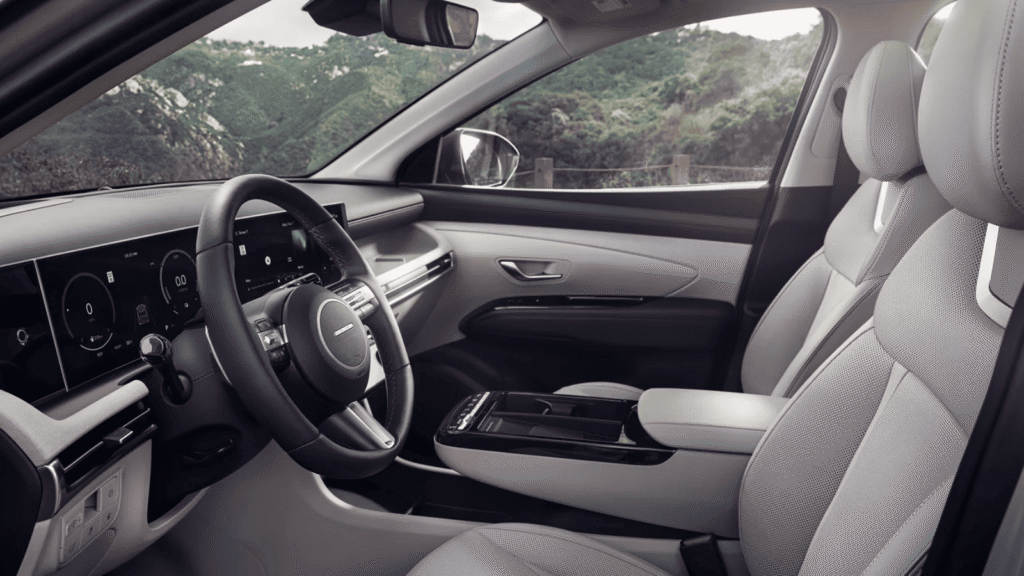
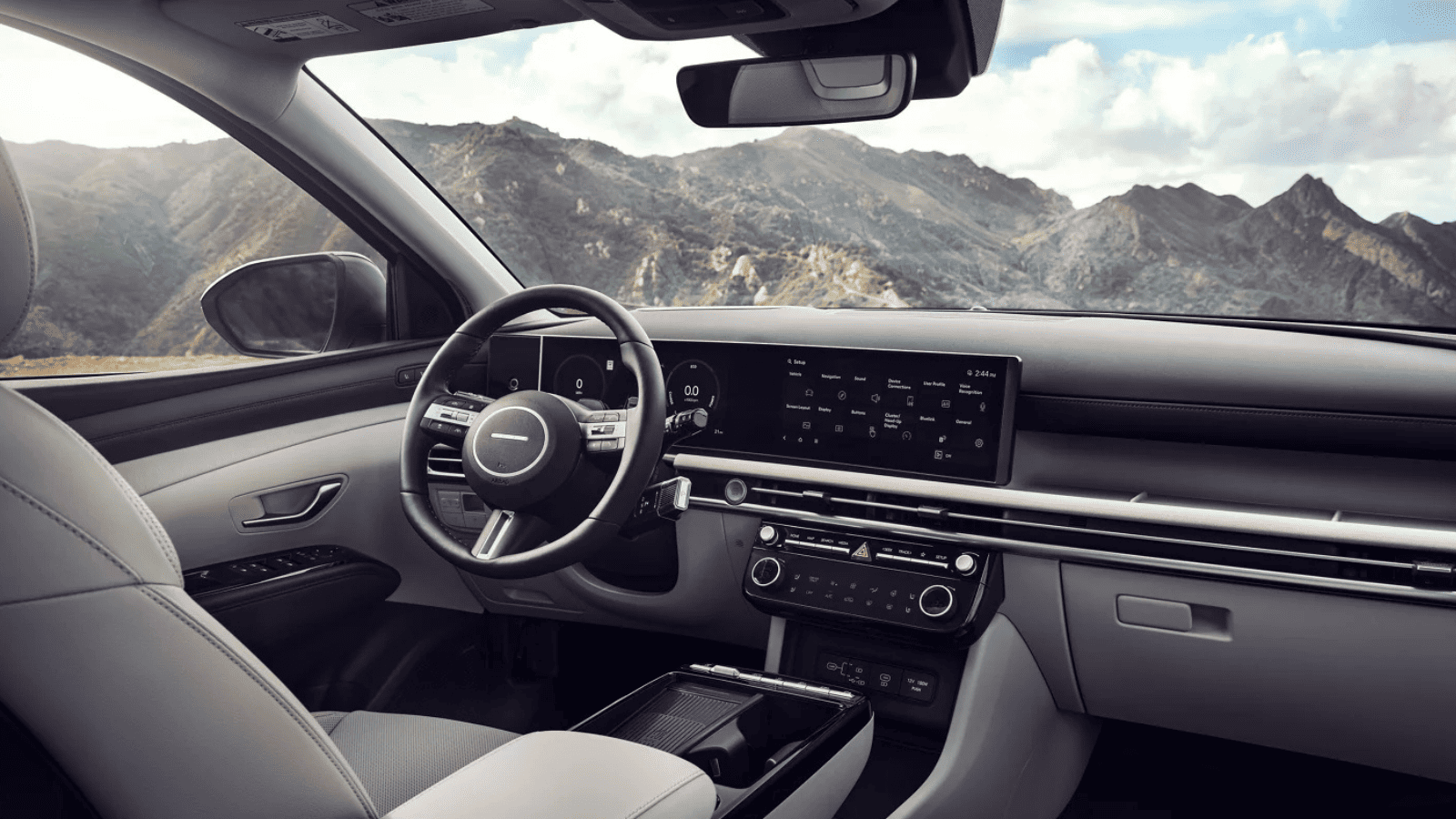
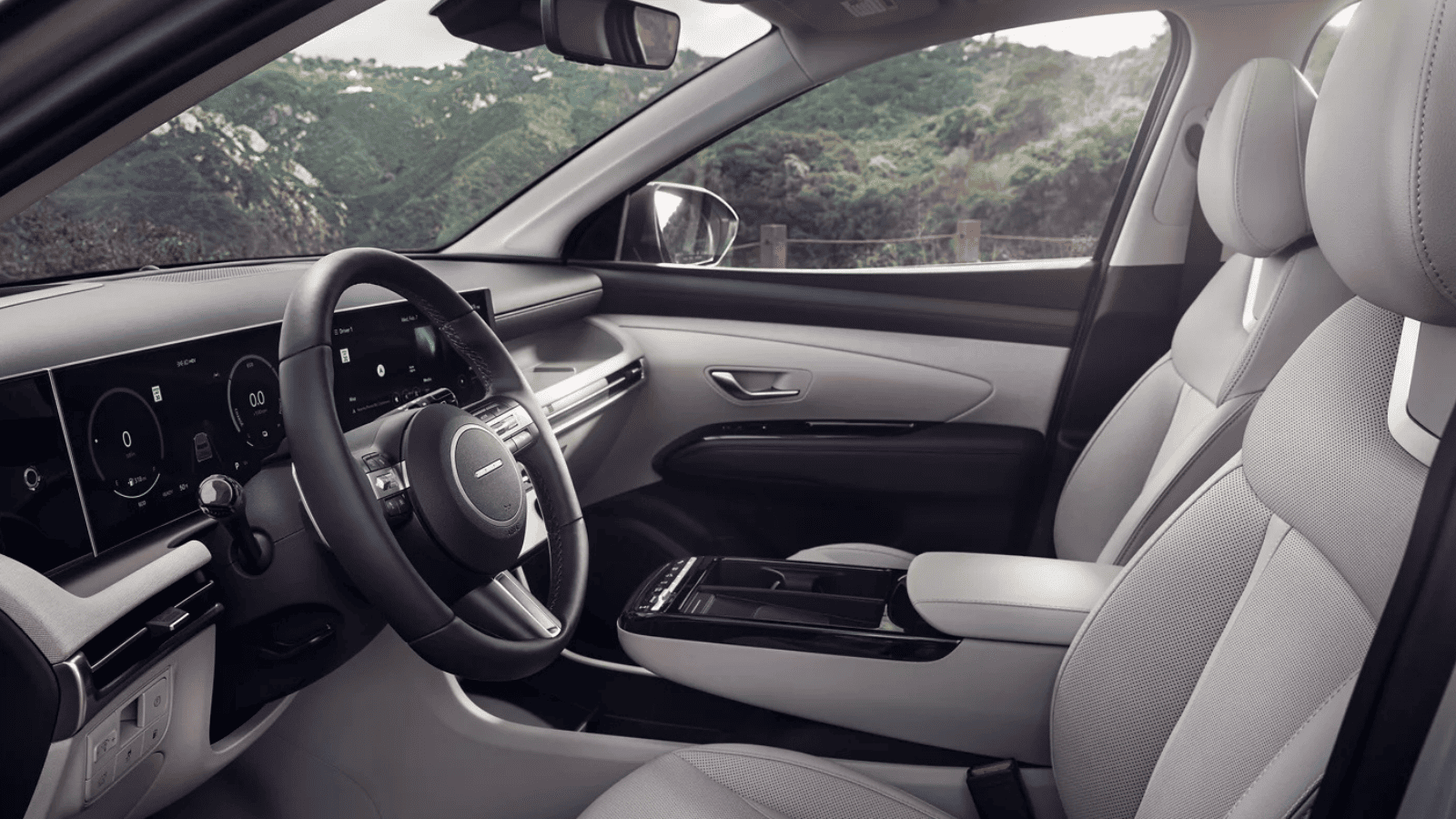
The Tucson Plug-in Hybrid has the same spacious passenger cabin as the rest of the Tucson range. It has supportive front seats, generous rear-seat legroom, and a modern dashboard design.
Standard and available features include:
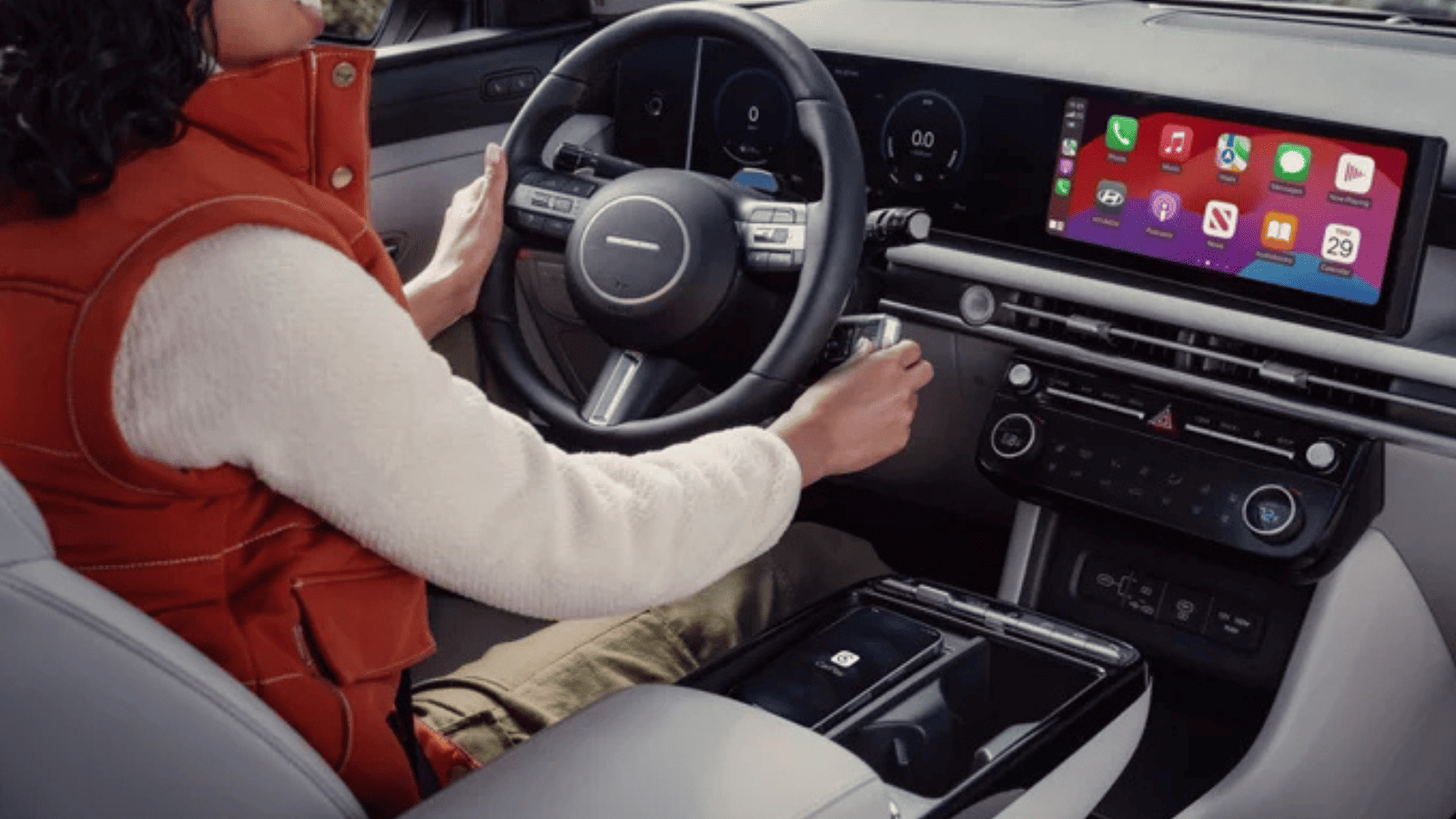
- 12.3-inch touchscreen display
- Wireless Apple CarPlay and Android Auto
- Bluetooth connectivity
- USB-C charging ports
- Available 12.3-inch digital instrument cluster
- Hyundai Digital Key on selected trims
- Bluelink+ connected-car services
- Available wireless device charging
- Available Bose premium audio system
- Available panoramic sunroof
- Available heated and ventilated front seats
- Available heated rear seats
- Dual-zone automatic climate control
- Hands-free smart liftgate
- Available Surround View Monitor
The front seats are comfortable for commuting and road trips. Rear-seat legroom is generous for a compact SUV, although five adults will still be more comfortable for shorter journeys than long highway trips.
The Limited is the trim for buyers who want the more upscale cabin. The SEL already has enough technology for most owners.
Dimensions, Cargo, and Practicality
| Dimension | Measurement |
| Length | 182.7 in. |
| Width | 73.4 in. |
| Height | 66.3 in. |
| Wheelbase | 108.5 in. |
| Front legroom | 41.4 in. |
| Rear legroom | 41.3 in. |
| Cargo space behind rear seats | 31.9 cu. ft. |
| Maximum cargo space | 66.3 cu. ft. |
| Seating | 5 passengers |
The Tucson Plug-in Hybrid’s cabin space is strong, but the larger battery reduces cargo capacity compared with the gas Tucson and Tucson Hybrid.
Its 31.9-cubic-foot cargo area is still useful for groceries, luggage, strollers, and daily errands. However, buyers who regularly carry bulky equipment or travel with several passengers and their bags should compare the PHEV’s smaller cargo area carefully.
With the rear seats folded, cargo capacity rises to 66.3 cubic feet. That is practical for many households, but it is materially less than the conventional hybrid model.
When properly equipped, the Tucson Plug-in Hybrid can tow up to 2,000 pounds with trailer brakes or 1,650 pounds without trailer brakes. That suits light trailers and smaller recreational equipment, not regular heavy towing.
Exterior Design
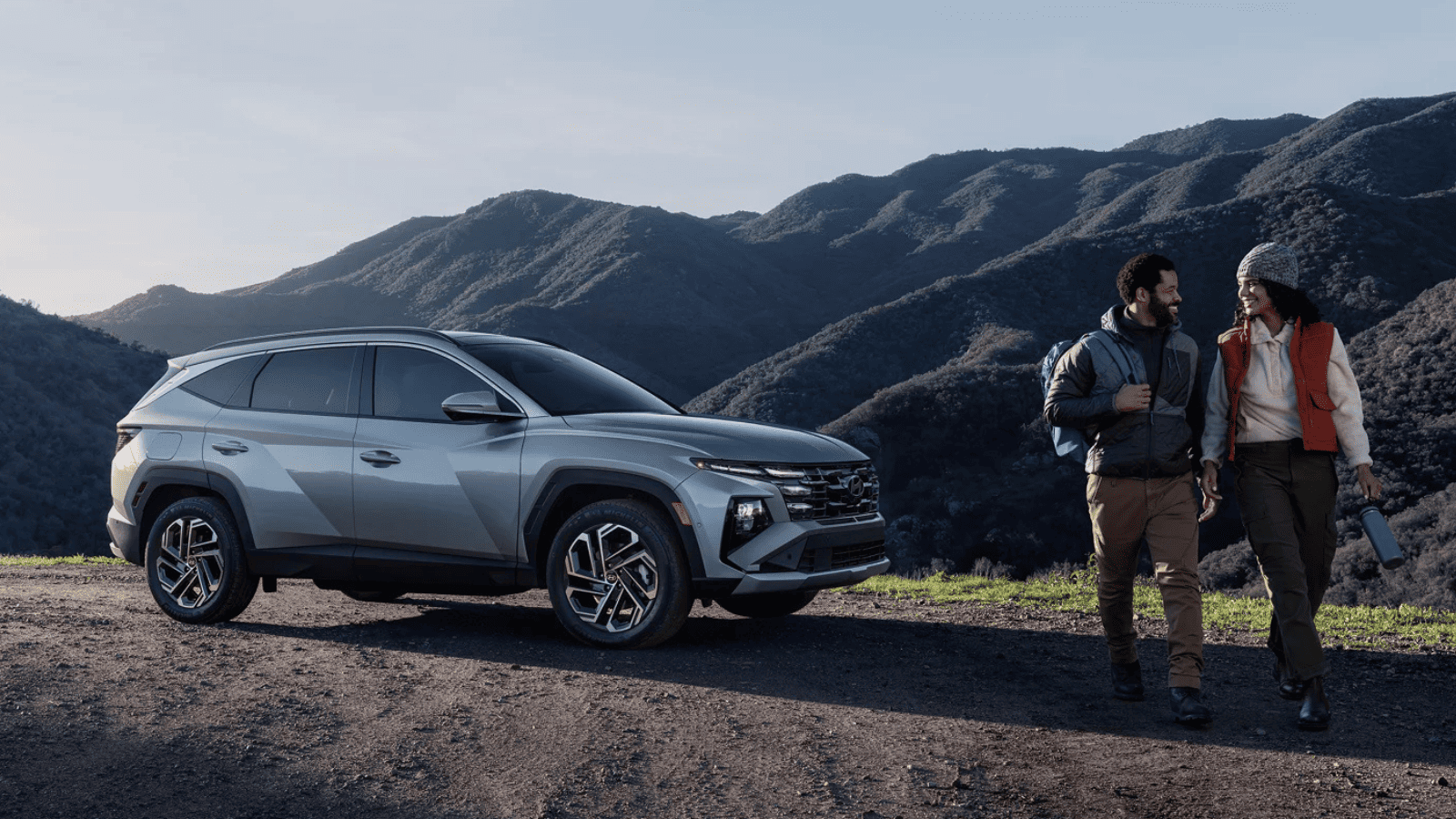
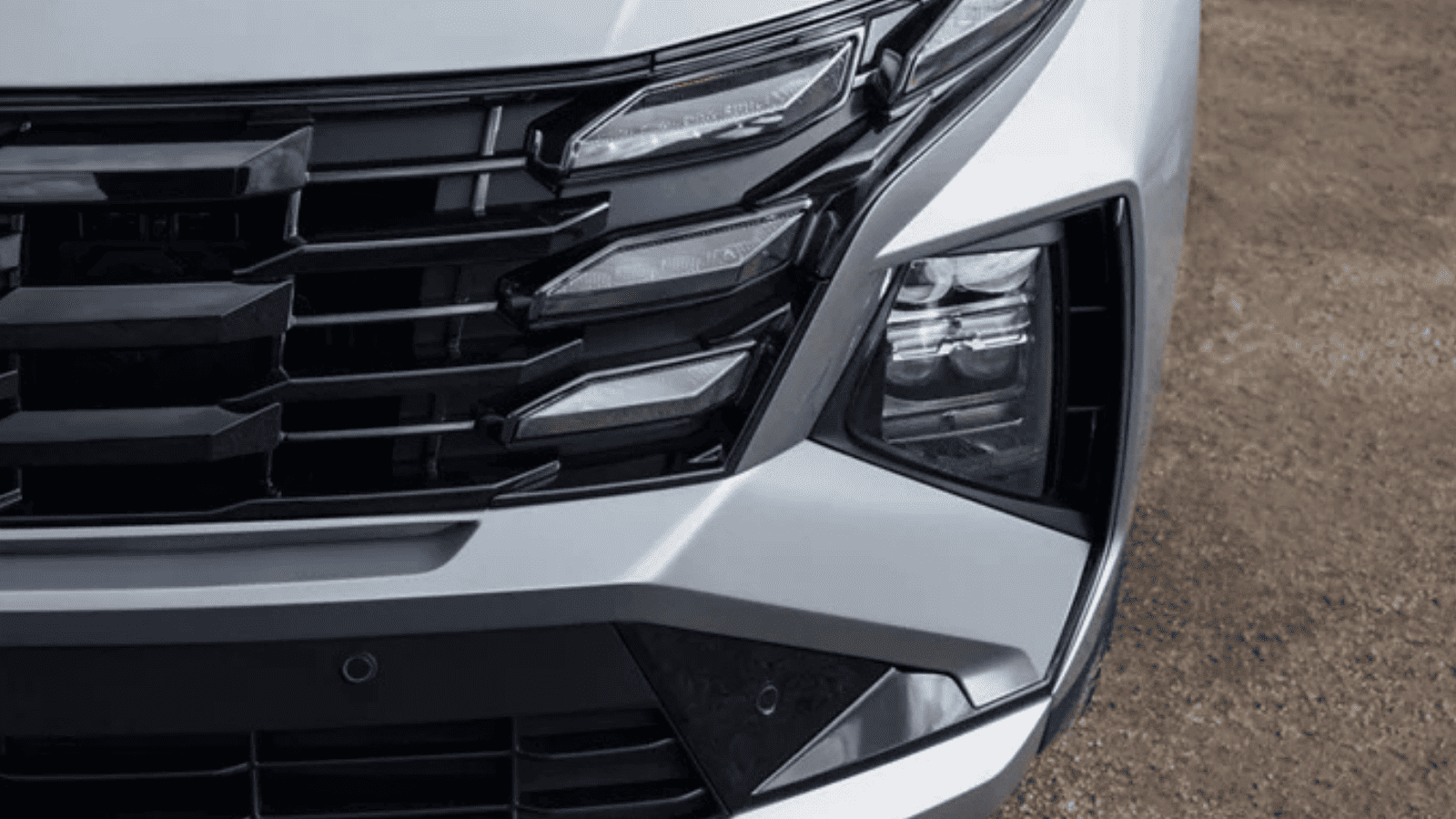
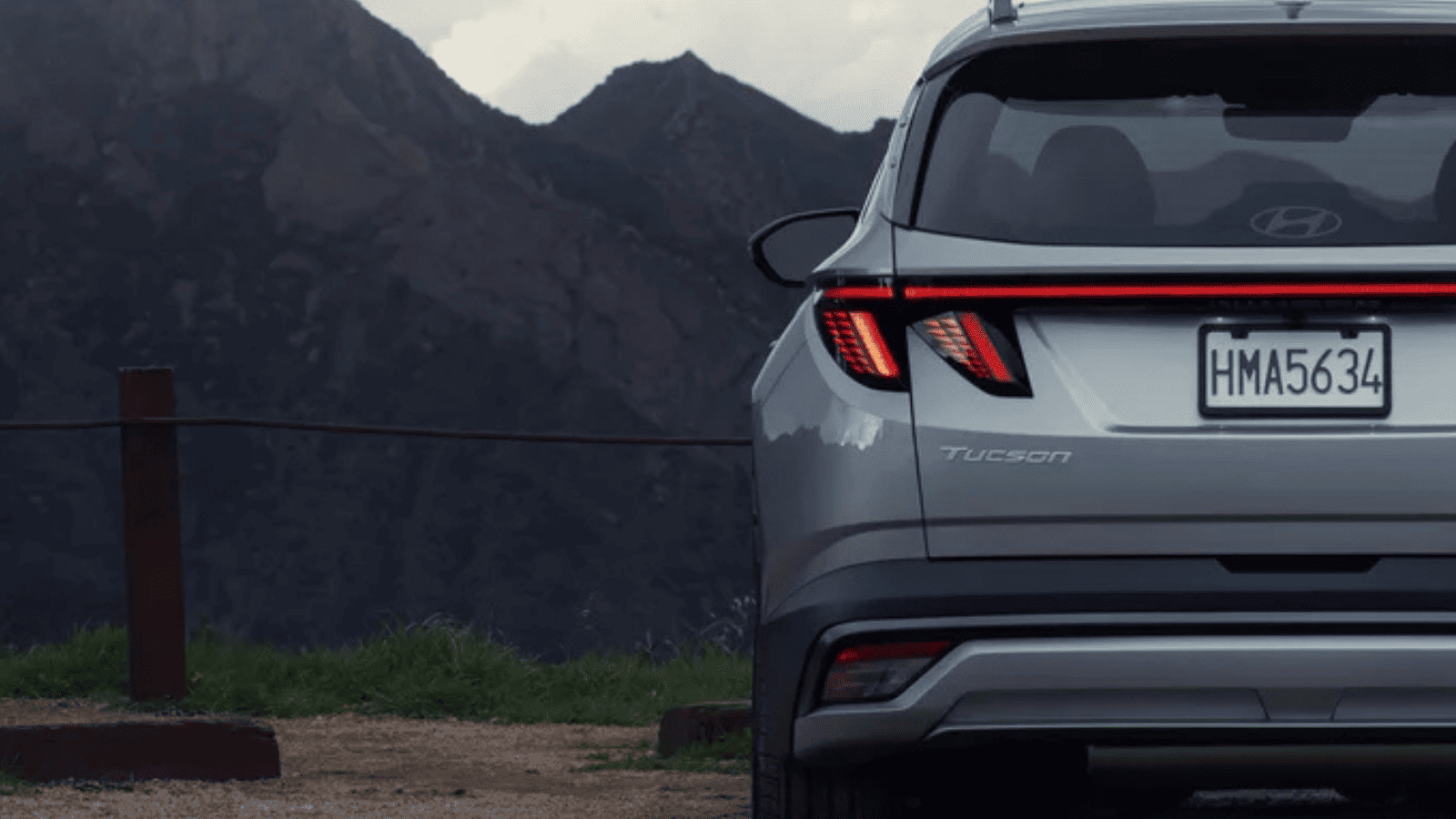
The Tucson Plug-in Hybrid shares the broader Tucson family’s sharp body lines, wide grille, and integrated daytime running lights. It looks like a conventional compact SUV rather than an electric vehicle with unusual styling.
The SEL has a clean and modern appearance. The Limited adds more upscale lighting, wheels, and exterior trim to match its richer interior.
The charging port is integrated into the bodywork, allowing the Tucson Plug-in Hybrid to retain the familiar proportions and driving position of a compact SUV.
Safety Features and Ratings
The Tucson Plug-in Hybrid includes Hyundai SmartSense driver-assistance technology. Standard and available features include:
- Forward Collision-Avoidance Assist
- Pedestrian, cyclist, and junction-turning detection
- Lane Keeping Assist
- Lane Following Assist
- Driver Attention Warning
- High Beam Assist
- Blind-Spot Collision Warning
- Rear Cross-Traffic Collision-Avoidance Assist
- Rear automatic braking
- Safe Exit Warning
- Smart Cruise Control
- Highway Driving Assist
- Surround View Monitor on the Limited
- Blind-Spot View Monitor on the Limited
- Rearview camera
IIHS’s current 2026 Tucson rating page records Good results for the Tucson in the small-overlap front, updated moderate-overlap front, and updated side-impact crash tests, along with Good ratings for standard vehicle and pedestrian front-crash-prevention systems. However, IIHS does not separately identify the 2026 Tucson Plug-in Hybrid on that page, so buyers should confirm rating applicability for the exact vehicle before purchase. Read the current IIHS Tucson safety results.
The current IIHS results also show that headlight ratings vary by trim and that the tested power synthetic-leather seat received a Poor whiplash-prevention rating.
Reliability, Warranty, and Ownership
The Tucson Plug-in Hybrid offers useful long-term reassurance through Hyundai’s warranty coverage, particularly for its plug-in hybrid components.
| Coverage | Length |
| New vehicle limited warranty | 5 years / 60,000 miles |
| Powertrain limited warranty | 10 years / 100,000 miles |
| Hybrid battery and system components | 10 years / 100,000 miles |
| Roadside assistance | 5 years / unlimited miles |
| Anti-perforation warranty | 7 years / unlimited miles |
The long powertrain and hybrid-system coverage is valuable because plug-in hybrid systems add mechanical and electrical complexity. Warranty terms can differ for later owners, so used-car buyers should verify the remaining coverage.
To get the intended ownership benefit, charge consistently, follow the maintenance schedule, keep service records, and check the VIN for open recalls before purchase.
Pros and Cons
What We Like
- Useful 32-mile electric range
- No range anxiety on longer trips
- Strong 268-hp hybrid system
- Standard all-wheel drive
- Quick Level 2 charging time
- Roomy rear seat
- Modern technology and available premium features
- Long hybrid-system warranty coverage
- Conventional six-speed automatic transmission
- Useful light-duty towing capability
What We Don’t Like
- High purchase price
- Smaller cargo area than other Tucson models
- 32-mile electric range may not cover every commute
- Fuel savings depend heavily on regular charging
- No DC fast charging
- Limited trim is expensive
- No third-row seating
- Current IIHS page does not separately list Tucson Plug-in Hybrid applicability
Alternatives
The Tucson Plug-in Hybrid makes the most sense for buyers who have regular charging access and want short-trip electric driving with gas flexibility for longer journeys.
Choose the Hyundai Tucson Hybrid if you want strong fuel economy but cannot charge regularly. Choose the regular Hyundai Tucson if you want a lower purchase price and more cargo space. Buyers who need a larger family vehicle should consider the Hyundai Santa Fe Hybrid.
The Plug-in Hybrid is worth its price premium only if its electric range will replace a meaningful share of your gasoline use.
Related WheelPedia Content
If you are buying your first car, read how to buy your first car before visiting a dealership.
Before arranging finance, review how car financing works and consider a car loan preapproval. Used-car buyers should also read how to check a car’s accident history.
Should You Buy the Hyundai Tucson Plug-in Hybrid?
Buy the Hyundai Tucson Plug-in Hybrid if you can charge at home or work, mostly drive within its electric range, and want all-wheel drive plus gasoline backup for longer trips.
Choose the SEL if you want the strongest value. Choose the Limited if premium features, cameras, ventilated seats, and a more upscale cabin justify the higher price.
Skip the Tucson Plug-in Hybrid if you cannot charge regularly, need maximum cargo room, want a lower purchase price, or regularly tow heavier loads.
Hyundai Tucson Plug-in Hybrid FAQs
How much does the Hyundai Tucson Plug-in Hybrid cost?
The 2026 Tucson Plug-in Hybrid starts at $40,325 MSRP in the United States. Final pricing can increase with freight, taxes, registration, options, accessories, and dealer charges.
What is the electric range of the Tucson Plug-in Hybrid?
The Tucson Plug-in Hybrid is EPA-rated for up to 32 miles of all-electric driving from a full battery charge.
How long does it take to charge a Tucson Plug-in Hybrid?
It can charge from a standard 110V/120V household outlet. With a 240V Level 2 charger, Hyundai estimates a full charge in less than two hours.
Does the Tucson Plug-in Hybrid have all-wheel drive?
Yes. Every 2026 Tucson Plug-in Hybrid includes Hyundai HTRAC all-wheel drive.
How much horsepower does the Tucson Plug-in Hybrid have?
It produces a combined 268 horsepower and 271 lb-ft of torque.
What MPGe does the Tucson Plug-in Hybrid get?
It is EPA-rated at up to 80 MPGe combined. After its battery charge is depleted, it is rated at 35 mpg combined.
Does the Tucson Plug-in Hybrid use a CVT?
No. It uses a six-speed automatic transmission.
How much cargo space does the Tucson Plug-in Hybrid have?
It has 31.9 cubic feet of SAE-measured cargo space behind the rear seats and 66.3 cubic feet with the seats folded.
Can the Tucson Plug-in Hybrid tow?
Yes. When properly equipped, it can tow up to 2,000 pounds with trailer brakes or 1,650 pounds without trailer brakes.
Is the Tucson Plug-in Hybrid good for commuting?
Yes, if you can charge consistently. Its 32-mile electric range can cover many shorter commutes and daily errands without using gasoline.
How long is the Tucson Plug-in Hybrid warranty?
It includes a 5-year/60,000-mile new-vehicle limited warranty, a 10-year/100,000-mile powertrain limited warranty, and 10-year/100,000-mile hybrid battery and system-component coverage.
Final Verdict
The Hyundai Tucson Plug-in Hybrid is a smart compact SUV for a specific type of buyer: someone who can charge regularly and wants to drive much of the week on electricity without planning long trips around charging stations.
It is quicker than the regular Tucson, standard all-wheel drive is useful, and the cabin remains spacious for passengers. Its weak point is value. The price premium and smaller cargo area only make sense when electric driving replaces enough gasoline use to matter.
For most buyers, the SEL is the Tucson Plug-in Hybrid to choose. It provides the complete plug-in powertrain, all-wheel drive, and useful technology without the Limited’s substantial price increase.