
Hyundai Tucson Hybrid: Price, Specs, MPG & Review
The Hyundai Tucson Hybrid is a compact SUV for buyers who want strong fuel economy, useful cargo space, a roomy rear seat, and available all-wheel drive without plugging in to charge.
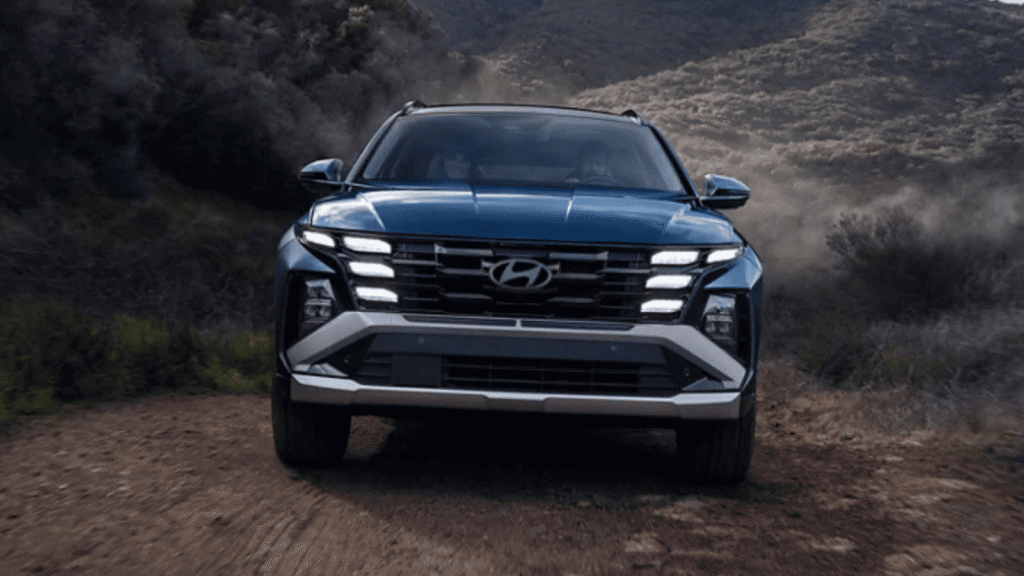
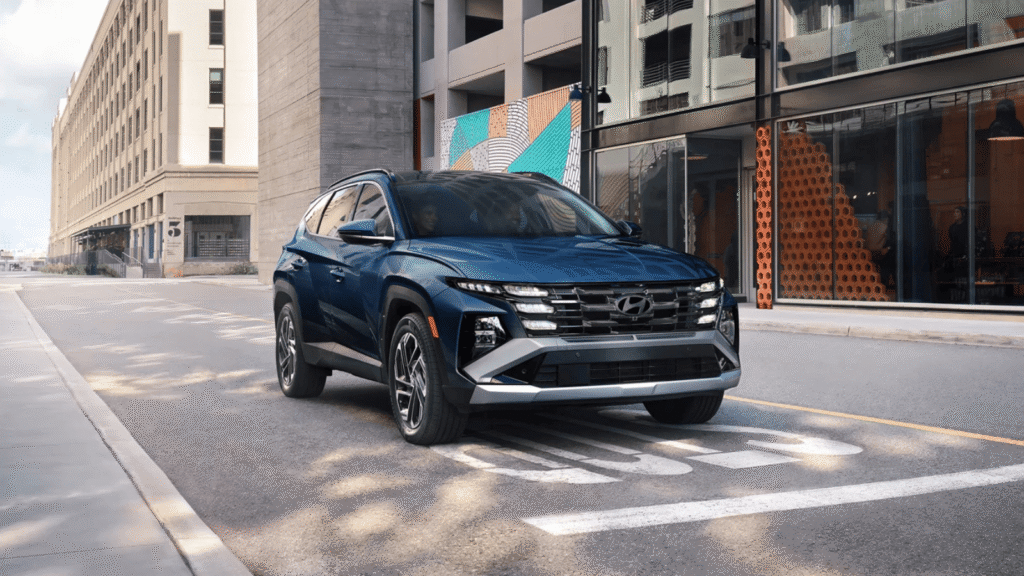
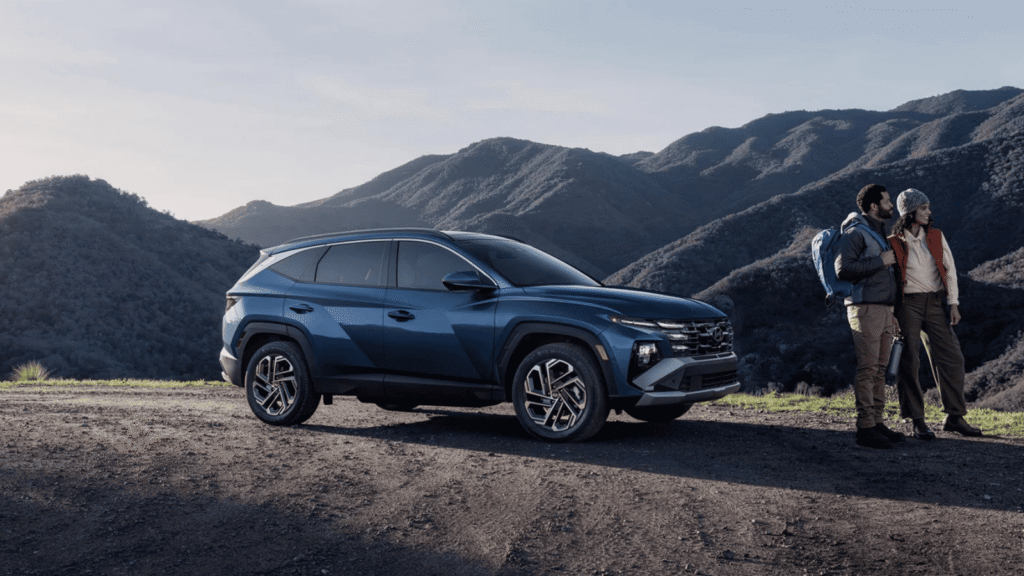
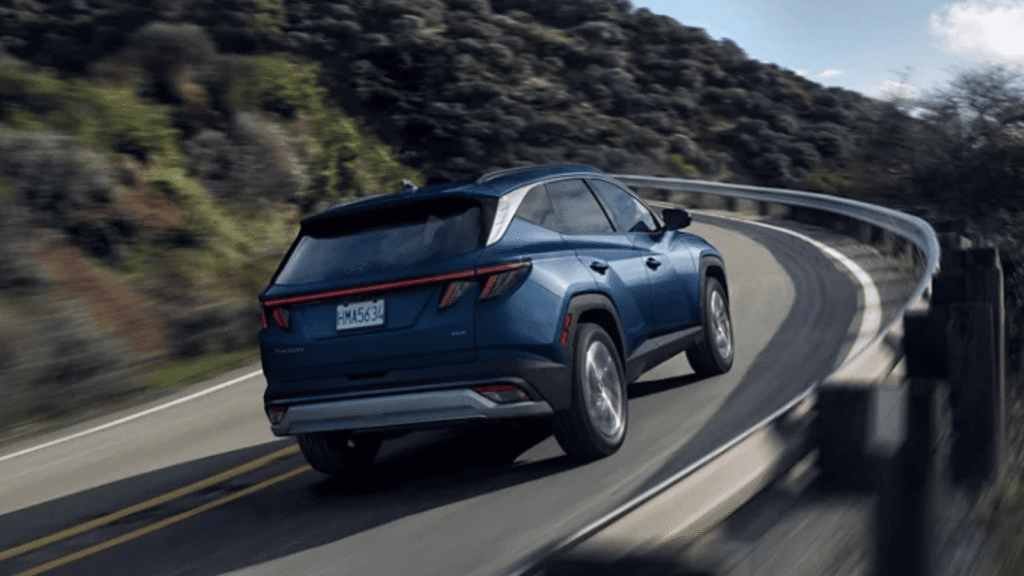


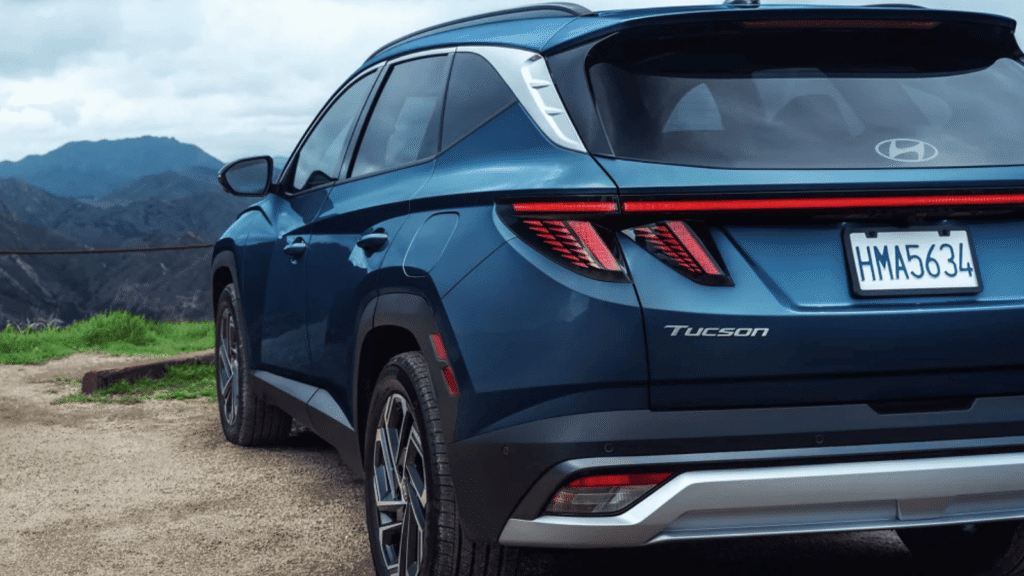


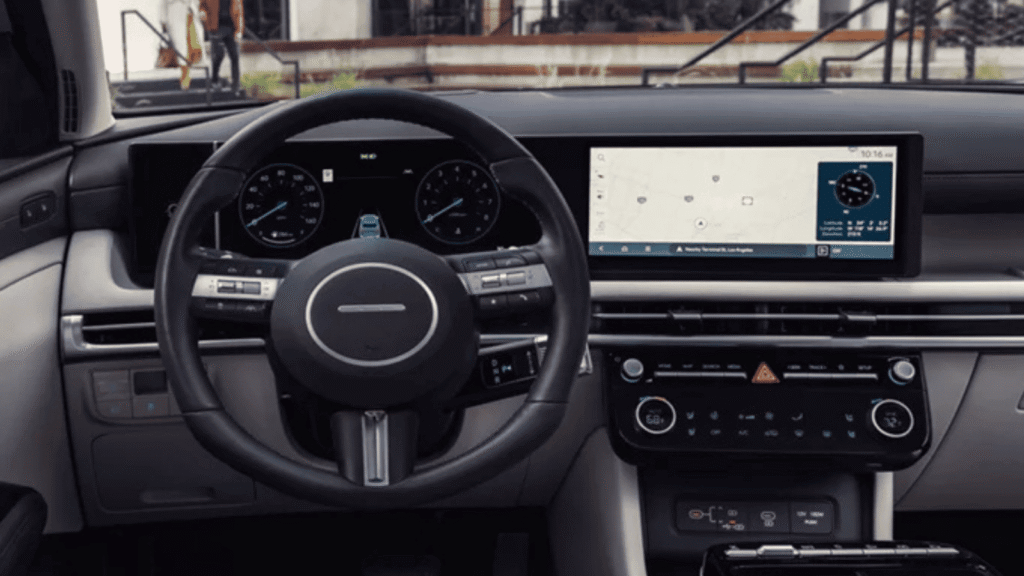
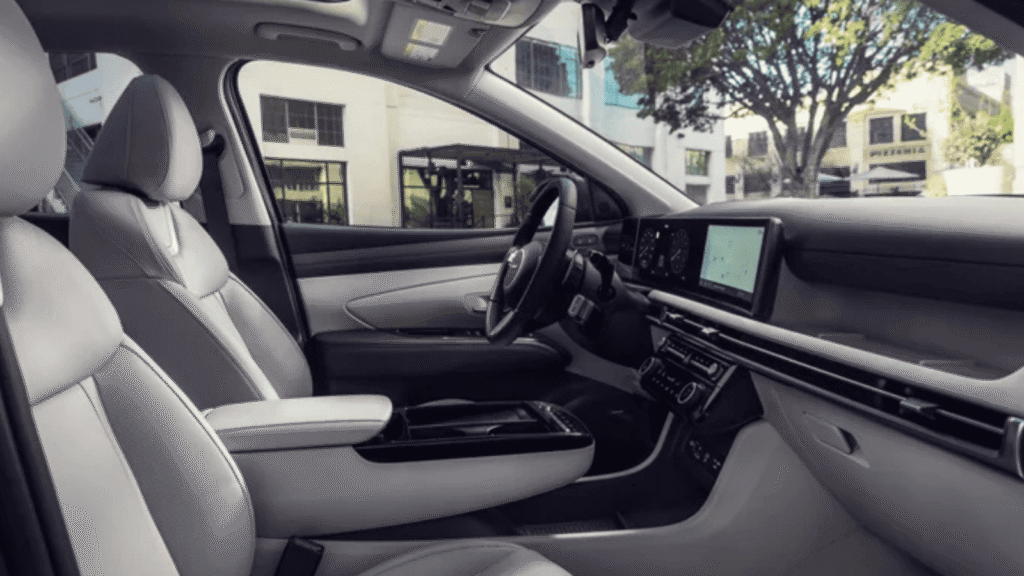

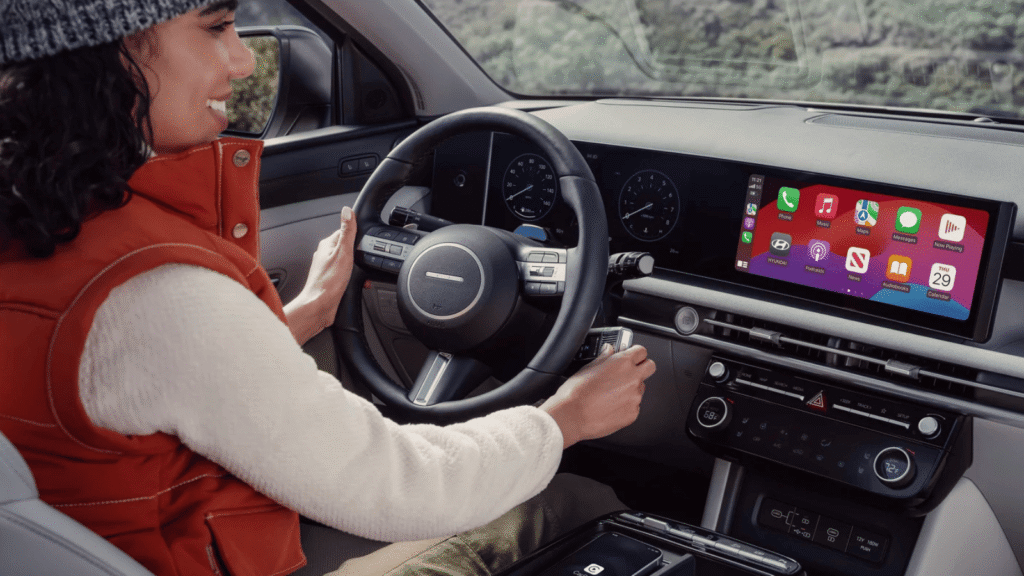
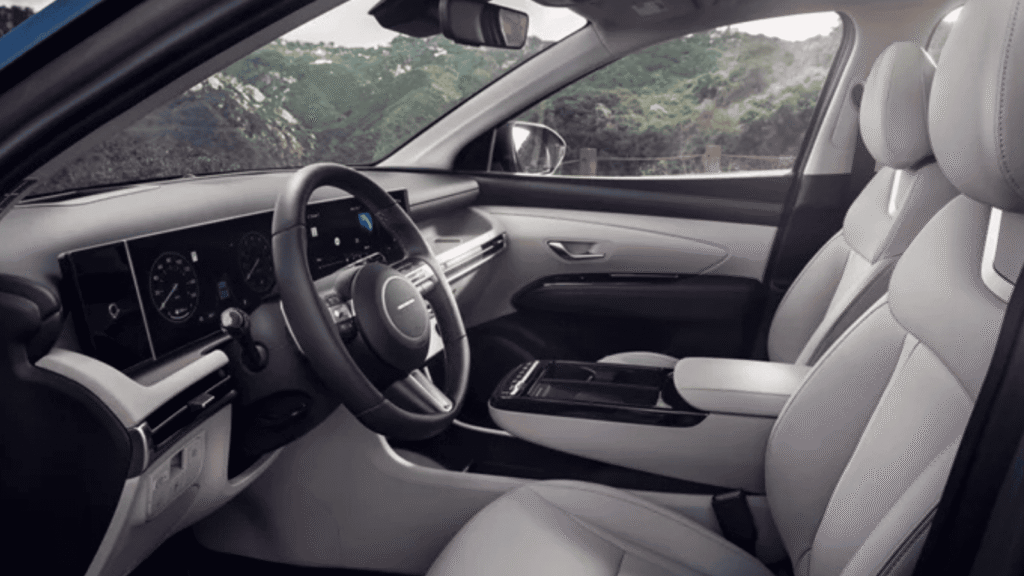
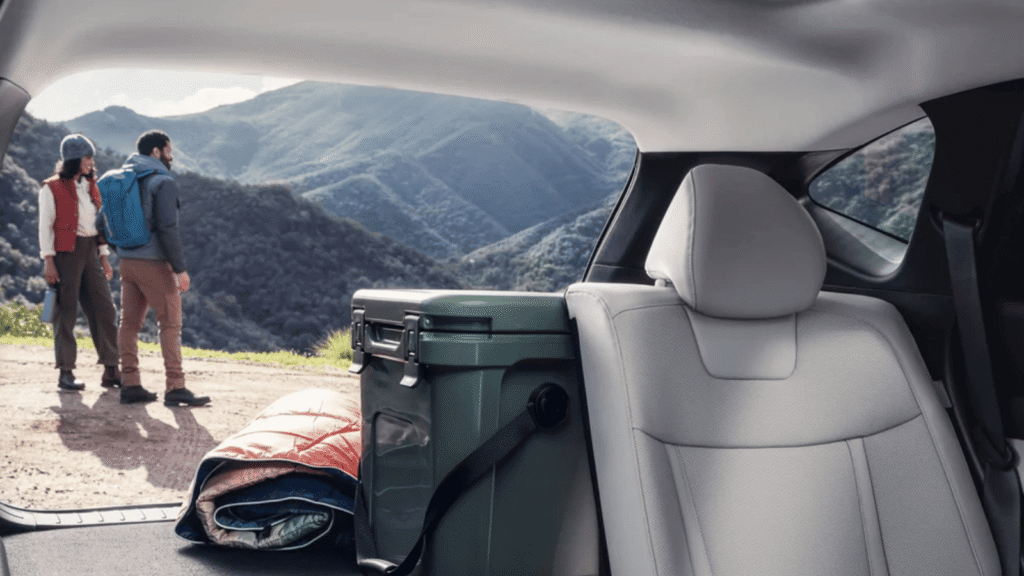
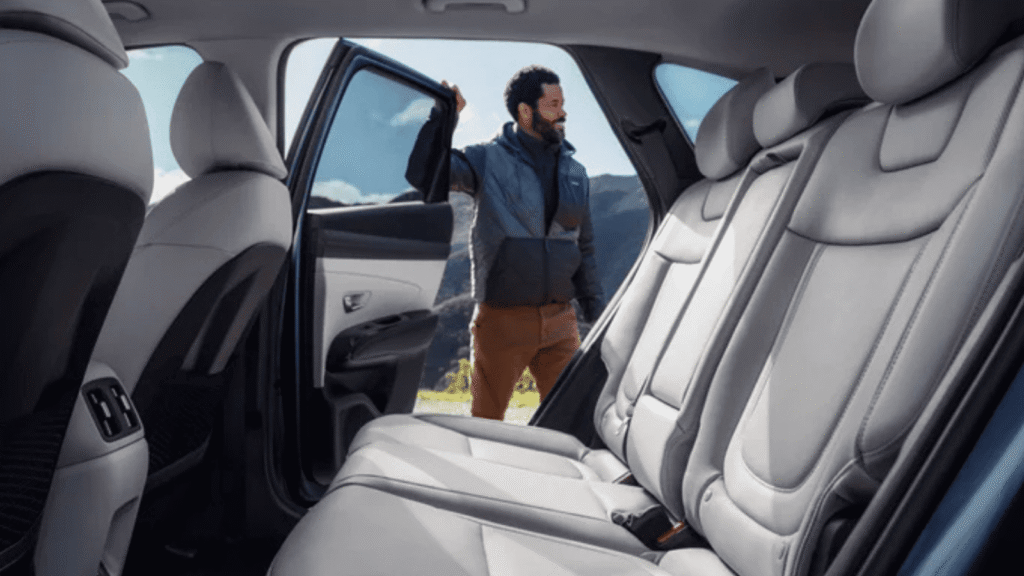
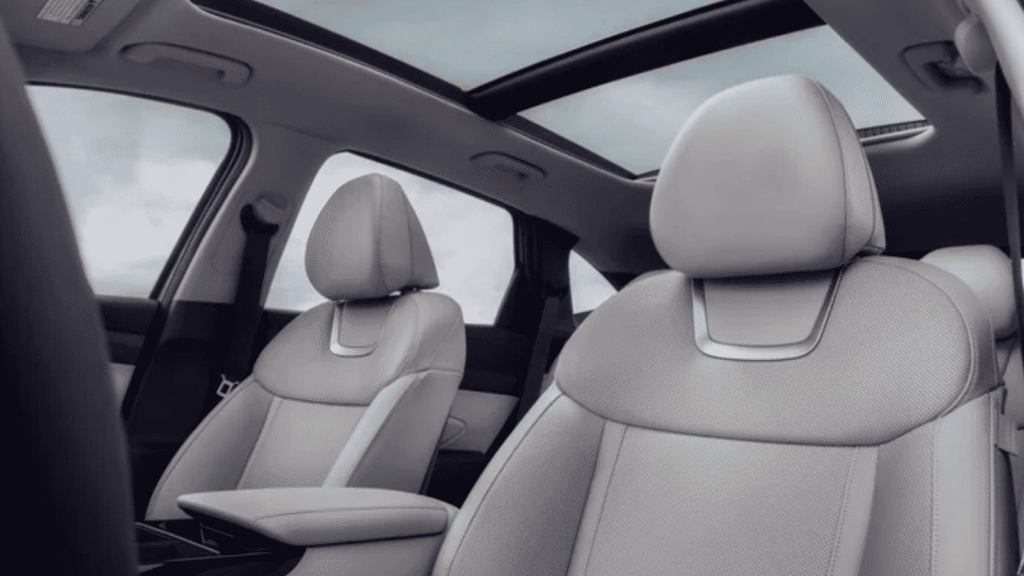
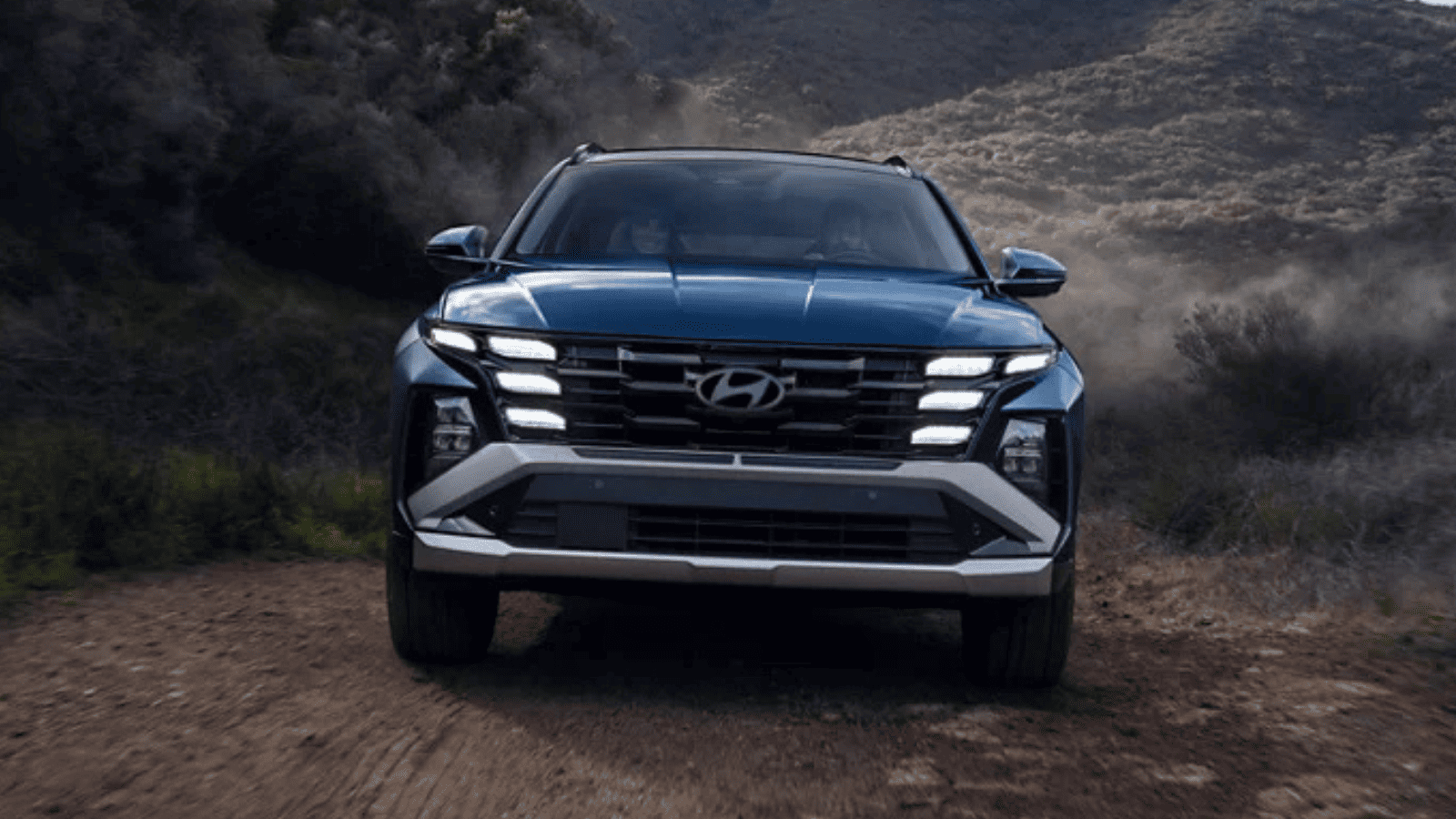
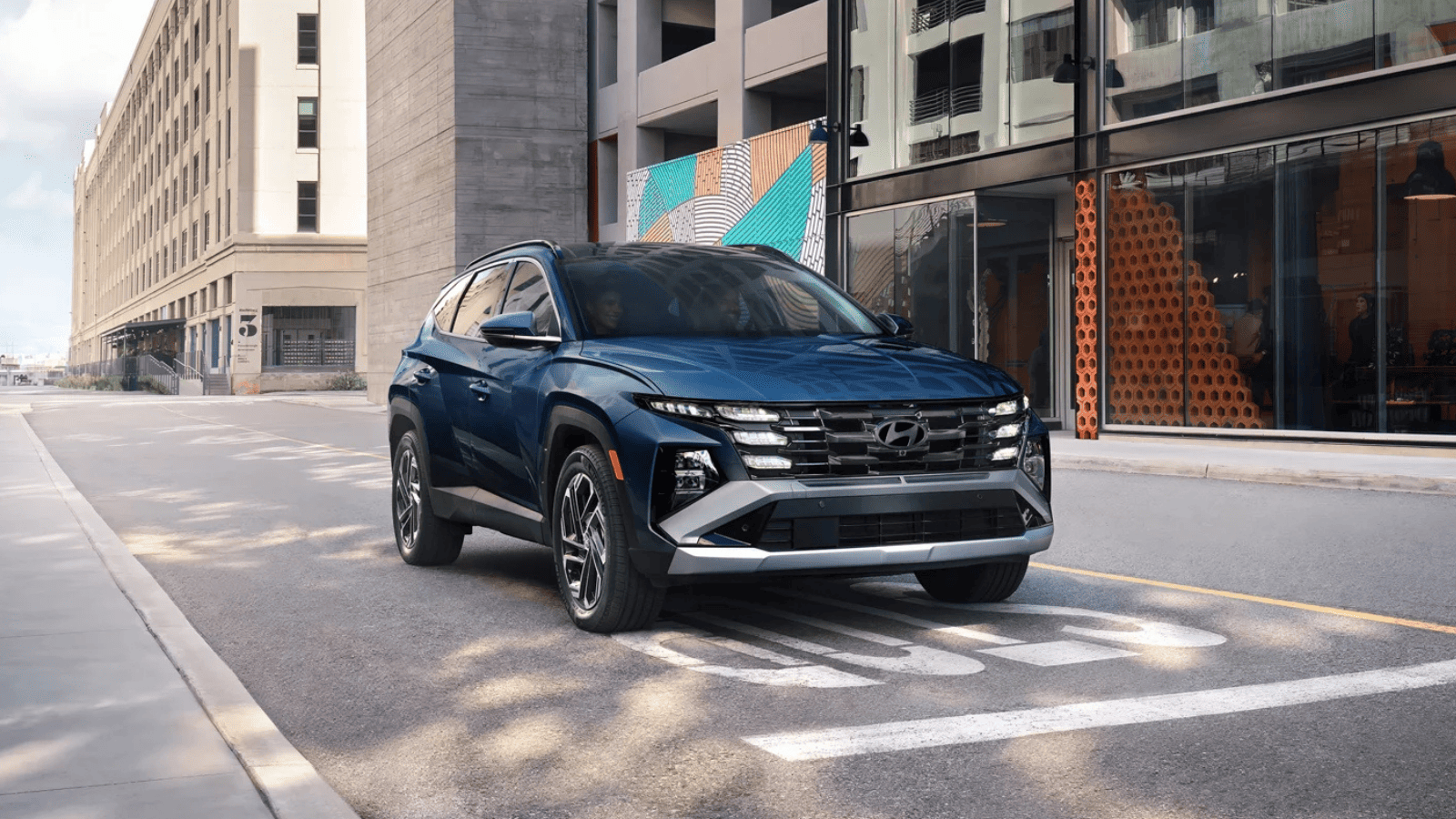
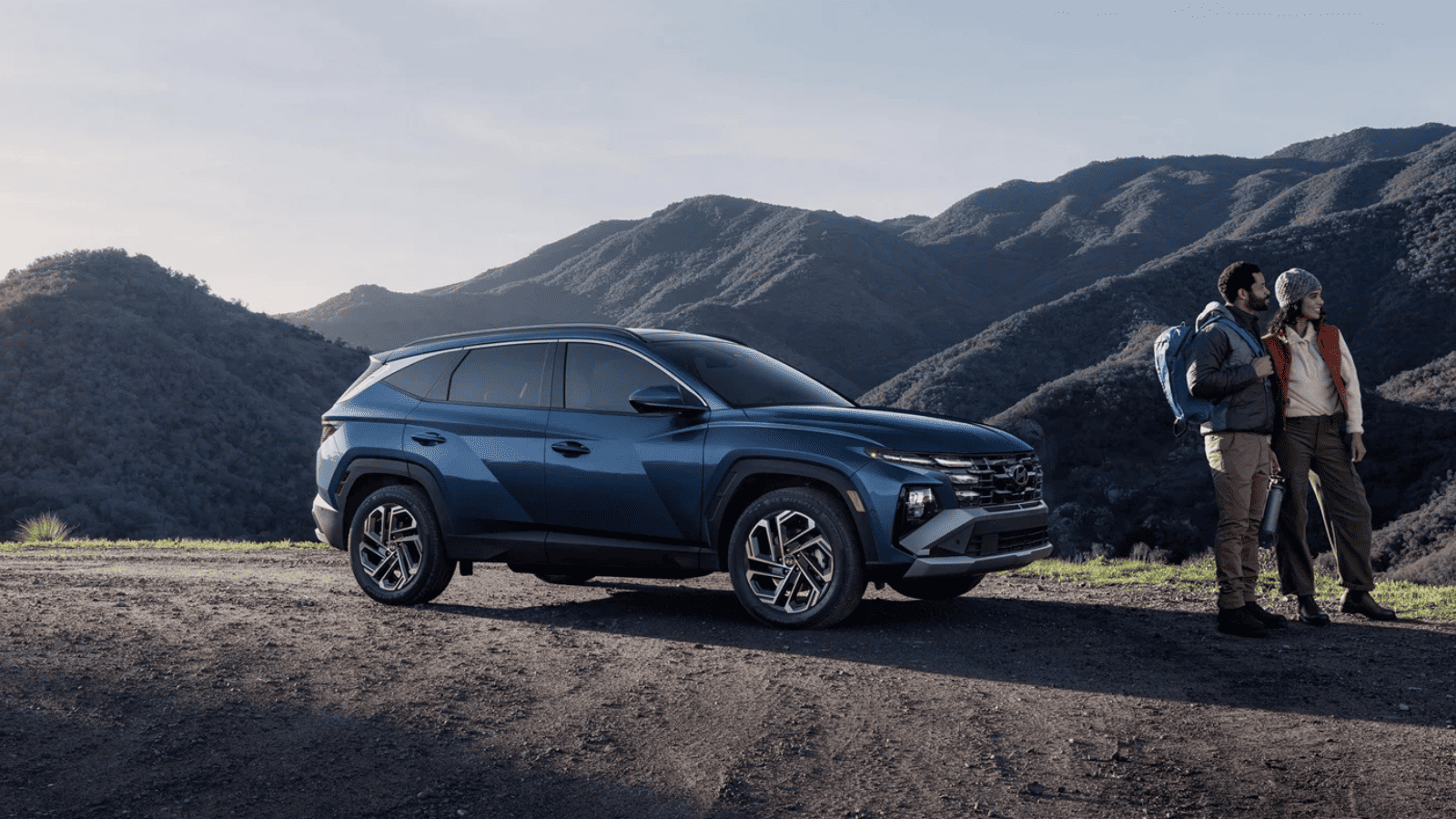
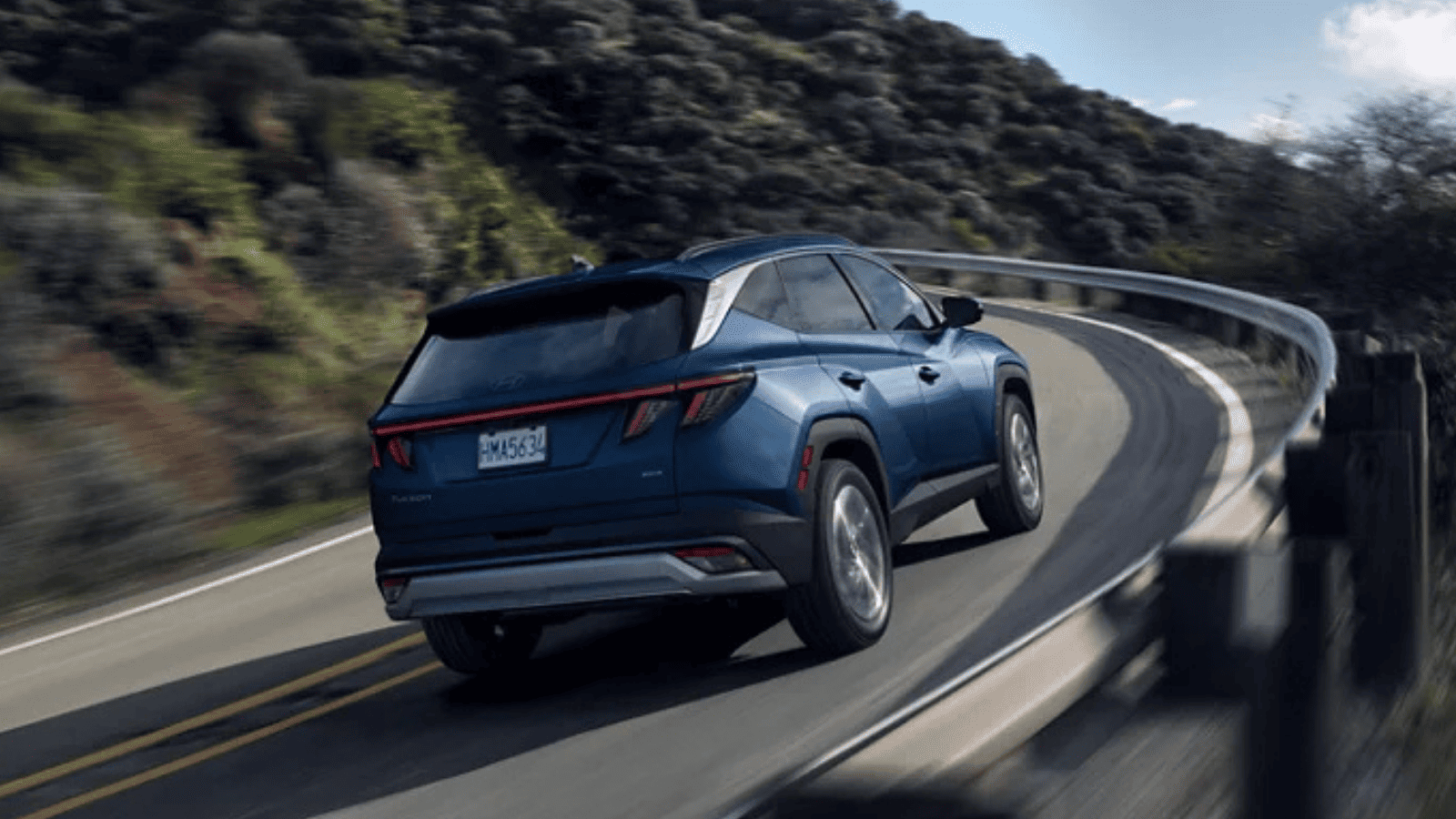
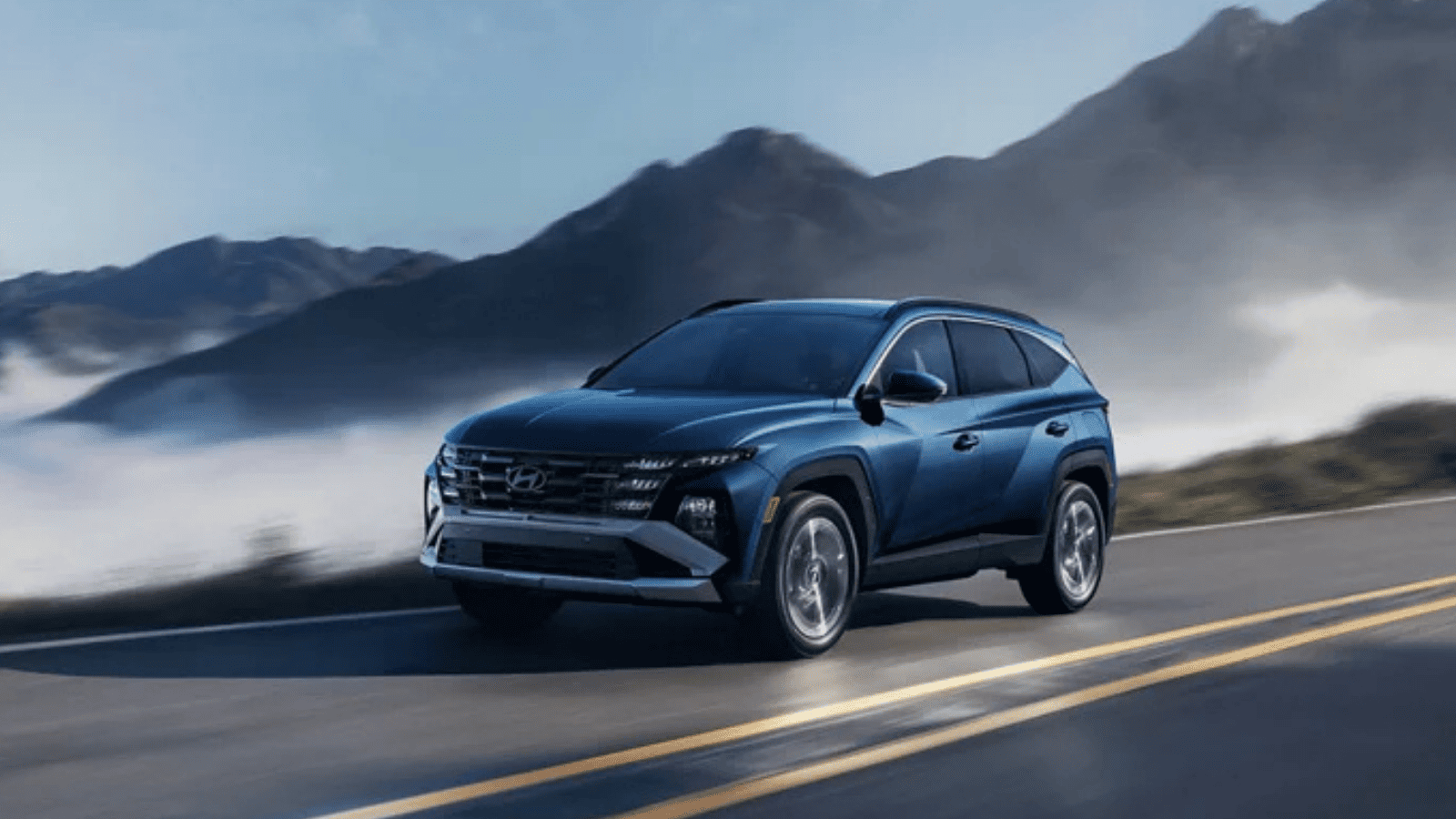
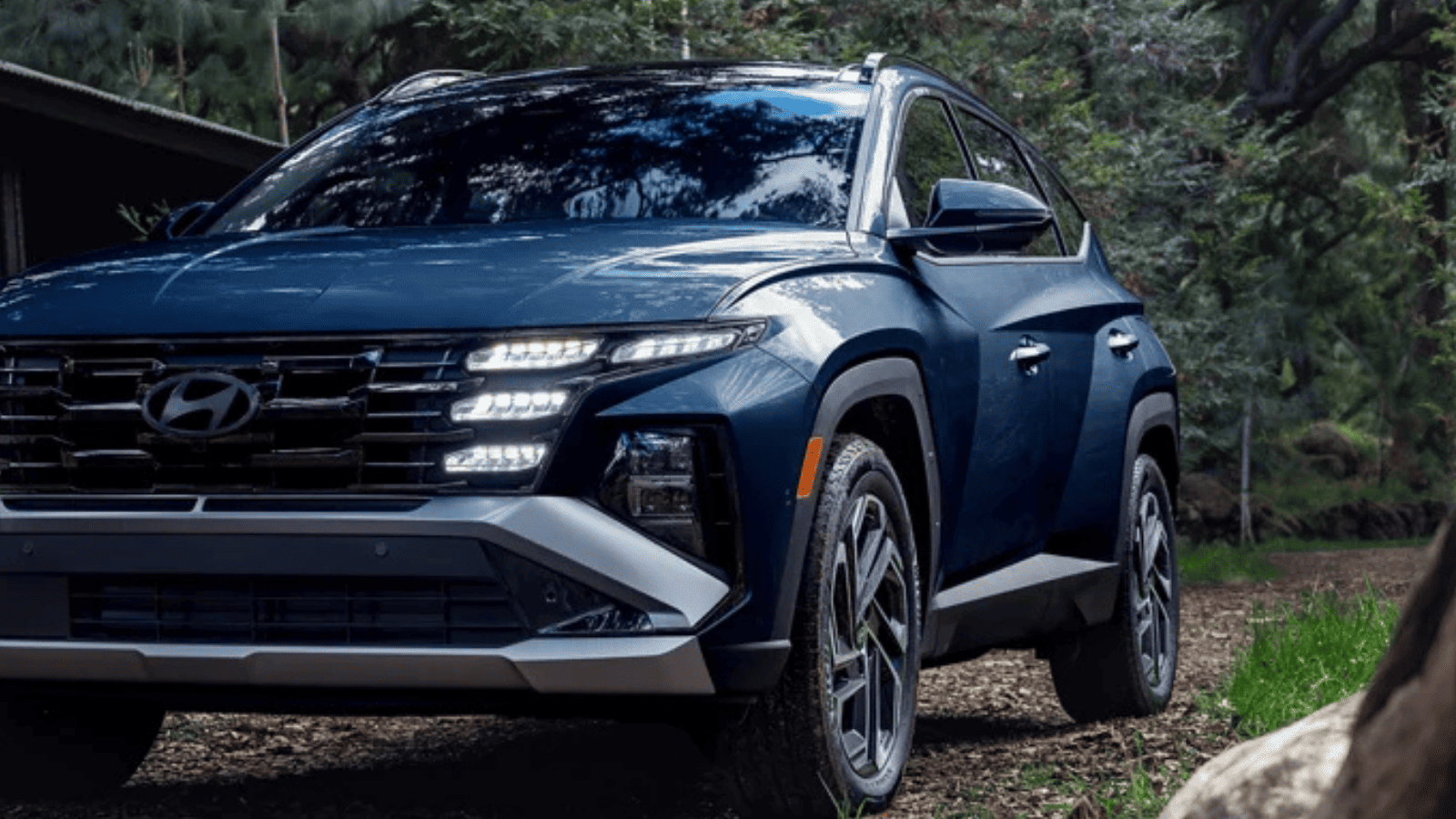

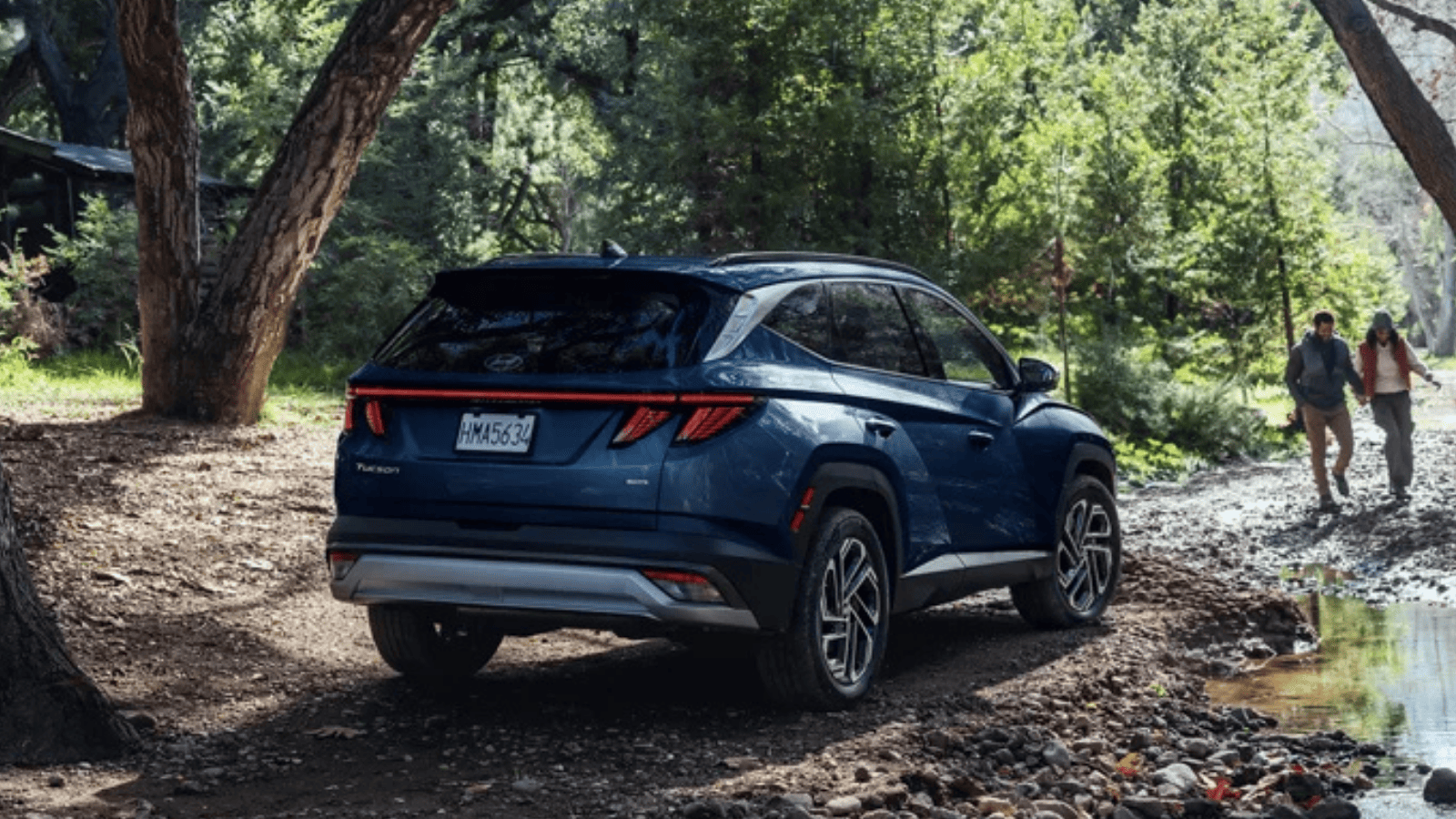
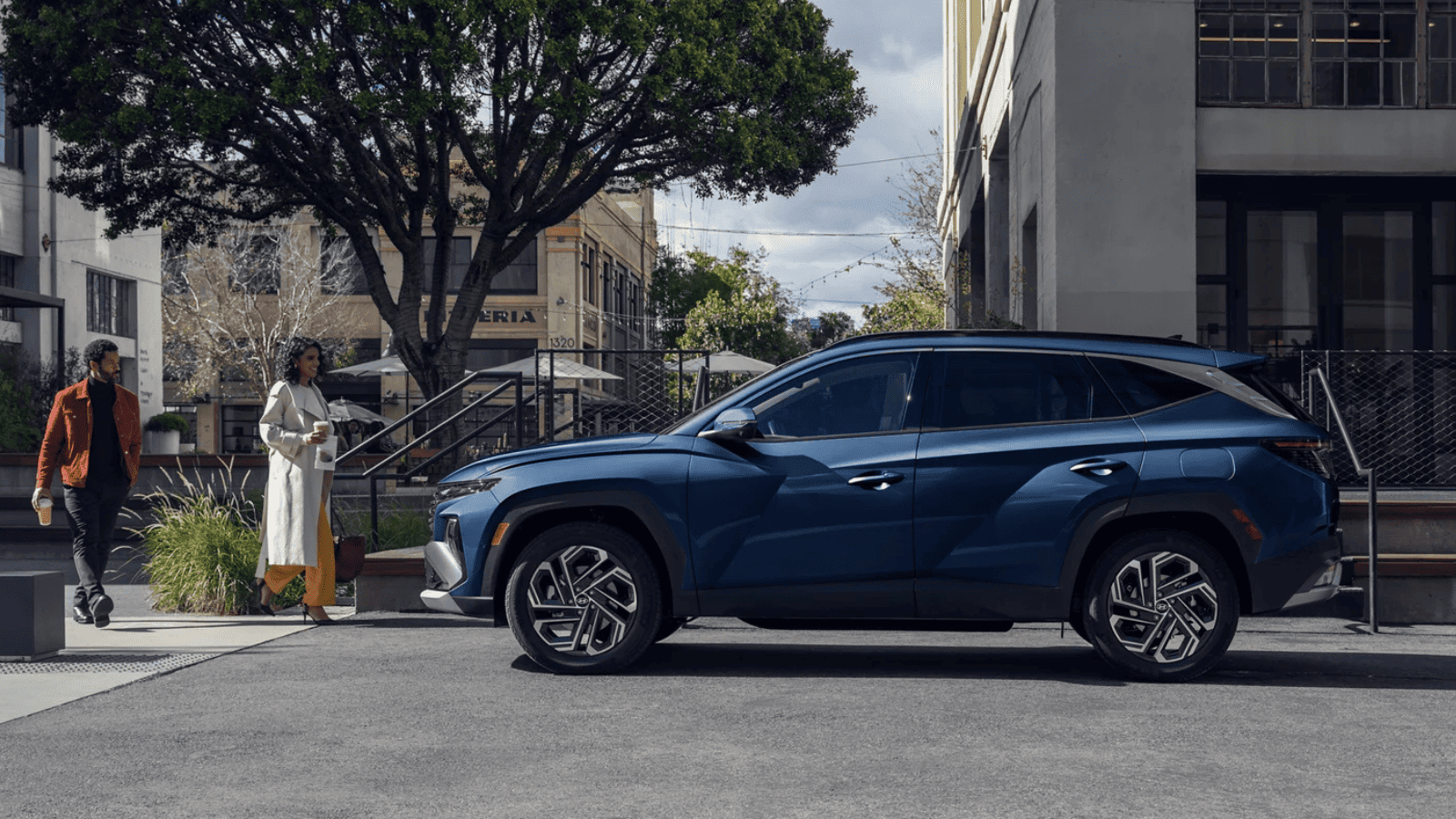



It uses a turbocharged 1.6-liter four-cylinder engine, an electric motor, and a six-speed automatic transmission. Combined output is 231 horsepower and 271 lb-ft of torque, giving it noticeably stronger everyday performance than the regular gas-only Hyundai Tucson.
The Tucson Hybrid works well for daily commuters, small families, and high-mileage drivers who want an efficient SUV without giving up everyday practicality. It is less suited to buyers who need three-row seating, substantial towing capability, or all-electric driving.
WheelPedia Rating: 8.6/10
The Hyundai Tucson Hybrid earns an 8.6/10 WheelPedia Rating for its strong fuel economy, quick low-speed response, roomy interior, cargo capacity, technology, and long warranty coverage. Its main trade-offs are a higher starting price than the gas Tucson, limited towing capacity, and a six-speed transmission that can feel less refined than the smoothest hybrid systems.
| Rating Category | Score | Weight |
| Safety | 8.7/10 | 20% |
| Reliability and Ownership | 8.0/10 | 15% |
| Performance and Driving | 8.1/10 | 15% |
| Comfort and Practicality | 8.8/10 | 15% |
| Efficiency | 9.0/10 | 15% |
| Features and Technology | 8.7/10 | 10% |
| Price and Value | 8.6/10 | 10% |
| Overall WheelPedia Rating | 8.6/10 | — |
See how WheelPedia rates cars for the full methodology.
Key Highlights
- Starts at $31,300 MSRP in the United States before freight, taxes, registration, options, and dealer charges.
- Turbocharged 1.6-liter hybrid powertrain produces 231 hp and 271 lb-ft of torque.
- No charging cable or home charger required.
- SE FWD returns up to an EPA-estimated 40 mpg city, 35 mpg highway, and 38 mpg combined.
- HTRAC all-wheel drive is available on SE and SEL, and standard on SEL Convenience and Limited.
- Provides 38.7 cubic feet of SAE-measured cargo space behind the rear seats.
- Maximum SAE-measured cargo capacity is 74.5 cubic feet.
- Can tow up to 2,000 pounds with trailer brakes when properly equipped.
- Includes Hyundai SmartSense driver-assistance technology.
- Best suited to buyers seeking a spacious, fuel-efficient compact SUV.
Quick Specifications
| Specification | Hyundai Tucson Hybrid |
| Vehicle type | Compact hybrid SUV |
| Seating capacity | 5 |
| Engine | 1.6L turbocharged GDI four-cylinder hybrid |
| System output | 231 hp |
| Maximum torque | 271 lb-ft |
| Transmission | 6-speed automatic |
| Drivetrain | FWD or HTRAC AWD, depending on trim |
| Best fuel economy | Up to 38 mpg combined |
| Cargo capacity | 38.7 / 74.5 cu. ft. (SAE) |
| Maximum towing | 2,000 lb. with trailer brakes |
| Length | 182.7 in. |
| Width | 73.4 in. |
| Height | 66.3 in. |
| Wheelbase | 108.5 in. |
Expert Tip: The SEL Convenience is the trim to target for most buyers. It brings standard all-wheel drive, a more complete technology package, and upgraded cabin materials without reaching the Limited’s price. Choose the SE FWD if maximum fuel economy and the lowest entry price matter most.
About the Hyundai Tucson Hybrid
The Tucson Hybrid is Hyundai’s conventional hybrid compact SUV. It is not a plug-in hybrid, so its battery recharges through the gas engine and regenerative braking rather than a charging port.
Its main appeal is that it combines hybrid efficiency with useful power. The 231-hp system output makes it more responsive than many gas compact SUVs, particularly when pulling away from traffic lights or merging onto a highway.
The Tucson Hybrid sits between the smaller Hyundai Kona and the larger Hyundai Santa Fe Hybrid. It is a practical middle ground for buyers who want two-row SUV flexibility without the size and cost of a three-row vehicle.
Price and Trims
These are Hyundai’s listed starting MSRPs for the 2026 Tucson Hybrid. Pricing can vary by drivetrain, destination, location, accessories, dealer charges, and availability.
| Trim | Starting MSRP | Drivetrain | Best For |
| SE | $31,300 | FWD standard; AWD available | Maximum efficiency and lower entry cost |
| SEL | $32,750 | FWD standard; AWD available | Everyday comfort and value |
| SEL Convenience | $35,250 | HTRAC AWD standard | Best mix of features and capability |
| Limited | $42,425 | HTRAC AWD standard | Buyers wanting the fullest feature set |
Check the current Hyundai Tucson Hybrid lineup and local availability before purchase.
Which Hyundai Tucson Hybrid Trim Is Best?
- Best overall: SEL Convenience
- Best for fuel economy: SE FWD
- Best low-price choice: SE
- Best for premium features: Limited
- Best for standard all-wheel drive: SEL Convenience
The SE is the choice for buyers who want the Tucson Hybrid powertrain and its fuel savings at the lowest price. Its front-wheel-drive version is also the efficiency leader.
The SEL adds more convenience and comfort equipment while retaining the option of front- or all-wheel drive. It is a good value choice for buyers who do not need the SEL Convenience’s additional technology.
The SEL Convenience is the strongest all-round trim. It has standard HTRAC all-wheel drive, more upscale interior materials, a larger digital display setup, and useful family-oriented features.
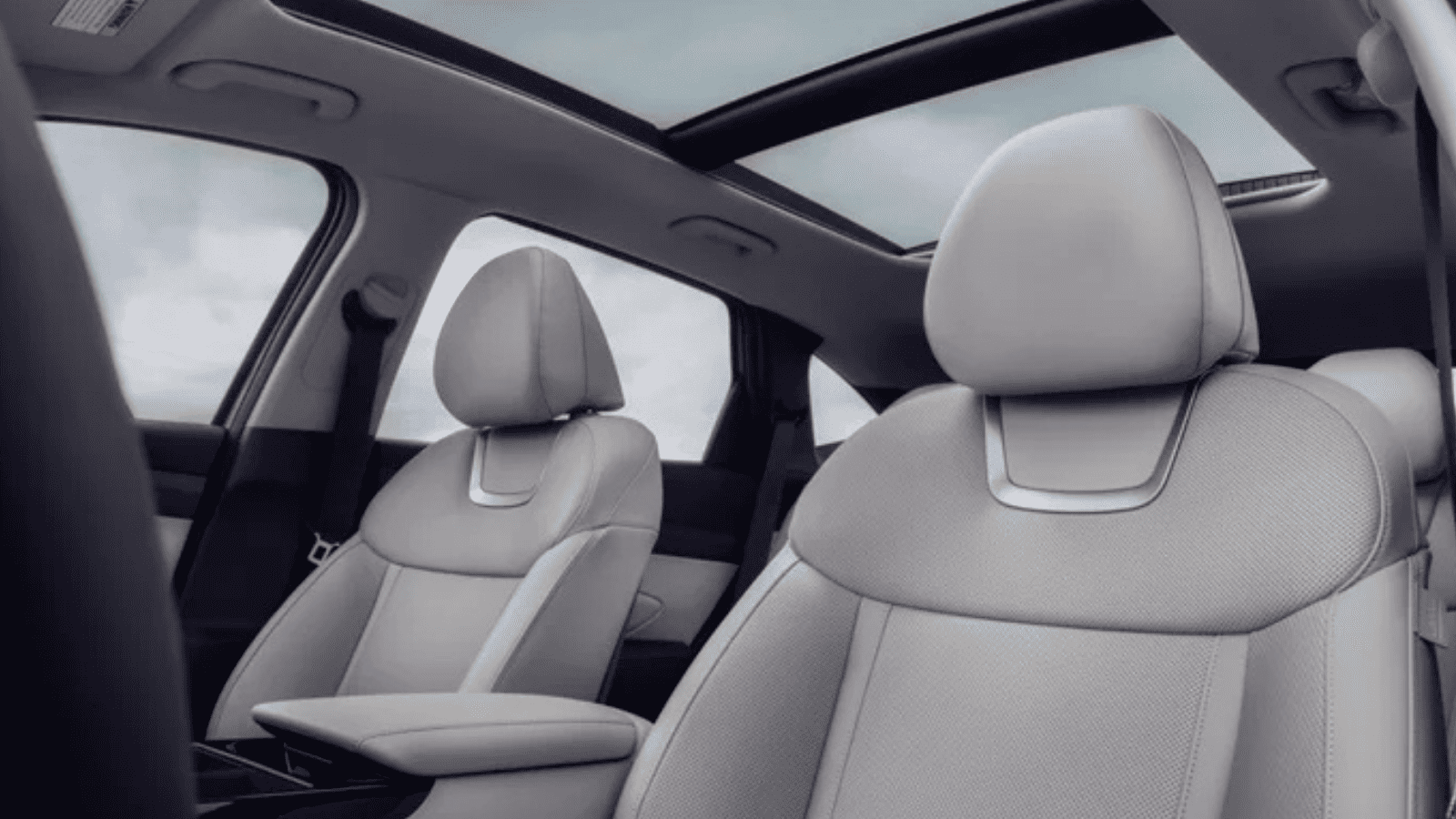
The Limited adds leather-trimmed seating, ventilated front seats, Bose audio, a panoramic sunroof, a surround-view camera, and advanced driver-assistance features. It is appealing, but its price makes the SEL Convenience easier to justify for most buyers.
Hybrid Powertrain and Performance
Every Tucson Hybrid uses a turbocharged 1.6-liter four-cylinder engine, an electric motor, and a lithium-ion battery. Combined output is 231 horsepower and 271 lb-ft of torque.
A six-speed automatic transmission sends power to either the front wheels or Hyundai’s HTRAC all-wheel-drive system. This differs from the eCVT used in many hybrid SUVs and gives the Tucson Hybrid a more familiar geared driving feel.
The electric motor adds useful torque at lower speeds, helping the Tucson Hybrid feel more responsive in city traffic than the regular gas Tucson. It is still tuned for everyday use rather than performance driving, but the extra output is meaningful when carrying passengers or joining fast-moving traffic.
0–60 MPH Performance
Hyundai does not publish an official 0–60 mph time for the Tucson Hybrid.
WheelPedia has not independently tested the Tucson Hybrid, so this page does not list a verified acceleration time. Its 231-hp hybrid system should feel stronger in normal traffic than the 187-hp gas Tucson, but buyers who want a specific performance benchmark should compare current independent instrumented tests.
Driving Experience
The Tucson Hybrid is easy to drive in crowded areas, on long commutes, and on family trips. Its elevated seating position provides good forward visibility, while its compact footprint keeps parking manageable.
At lower speeds, the electric motor can move the SUV quietly or assist the gas engine. During stronger acceleration, the turbocharged engine becomes more noticeable, but the hybrid system supplies enough torque to keep the Tucson from feeling sluggish.
The six-speed automatic gives the Tucson Hybrid more conventional shift behavior than an eCVT hybrid. Some drivers will prefer that familiar feel; others may notice occasional shifts that are less fluid than the smoothest eCVT-equipped alternatives.
HTRAC all-wheel drive is worthwhile for drivers who regularly face rain, snow, loose surfaces, or steep driveways. The SE FWD is the better fit for drivers who spend most of their time on paved roads and want the highest fuel-economy rating.
Fuel Economy
| Model | EPA-Estimated City/Highway/Combined Fuel Economy |
| Tucson Hybrid SE FWD | 40 / 35 / 38 mpg |
| Tucson Hybrid SE HTRAC AWD | 38 / 38 / 38 mpg |
| Tucson Hybrid SEL, SEL Convenience, and Limited HTRAC AWD | 36 / 37 / 36 mpg |
The SE FWD delivers the best city rating, making it the strongest choice for drivers with daily stop-and-go commuting.
The SE AWD remains highly efficient while giving buyers all-weather traction. The higher trims trade a small amount of fuel economy for additional equipment, larger wheels, and standard all-wheel drive.
Actual fuel economy will vary with weather, traffic, route, tire pressure, cargo, driving style, and use of heating or air conditioning.
Interior, Comfort, and Technology
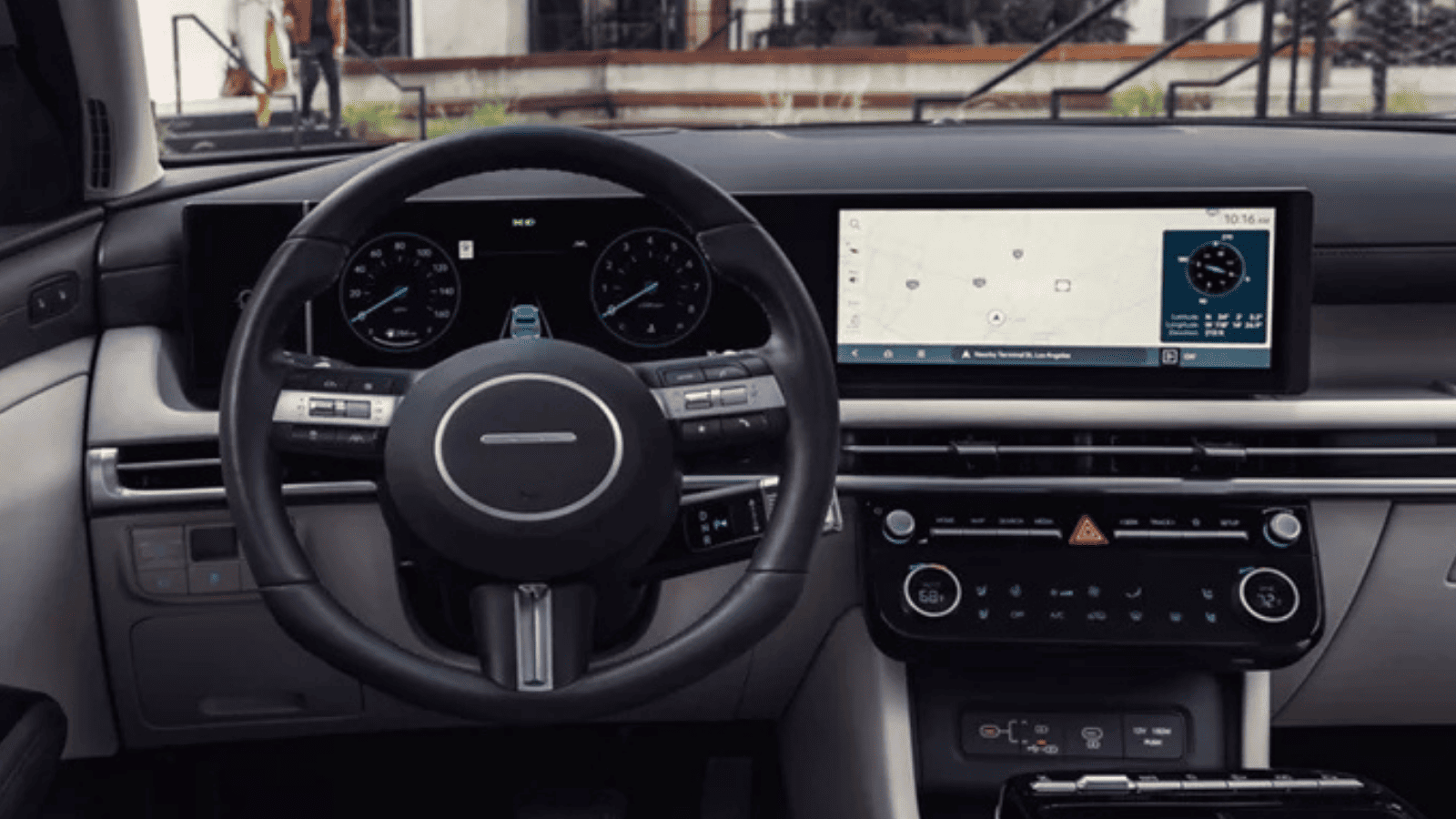
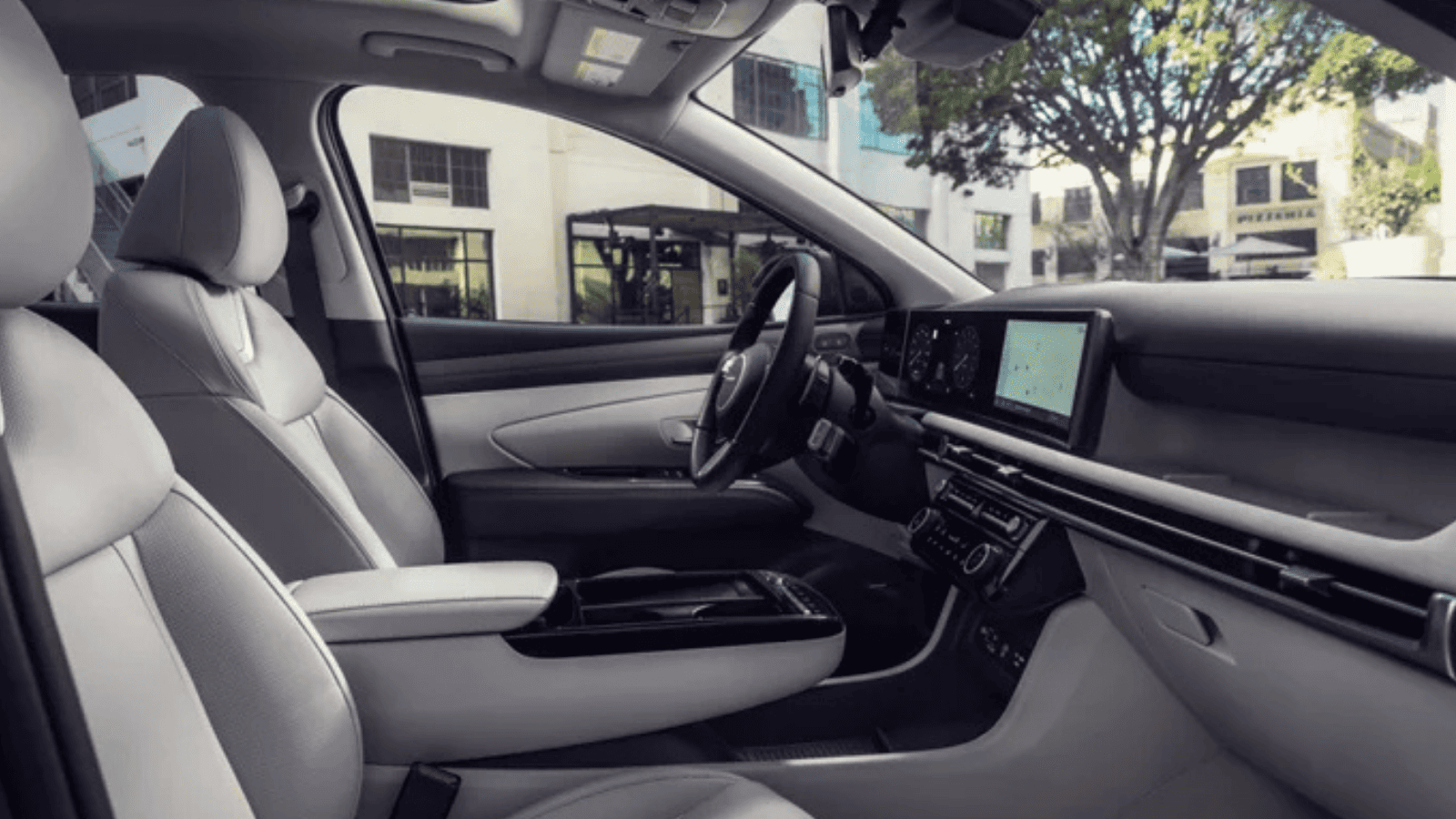
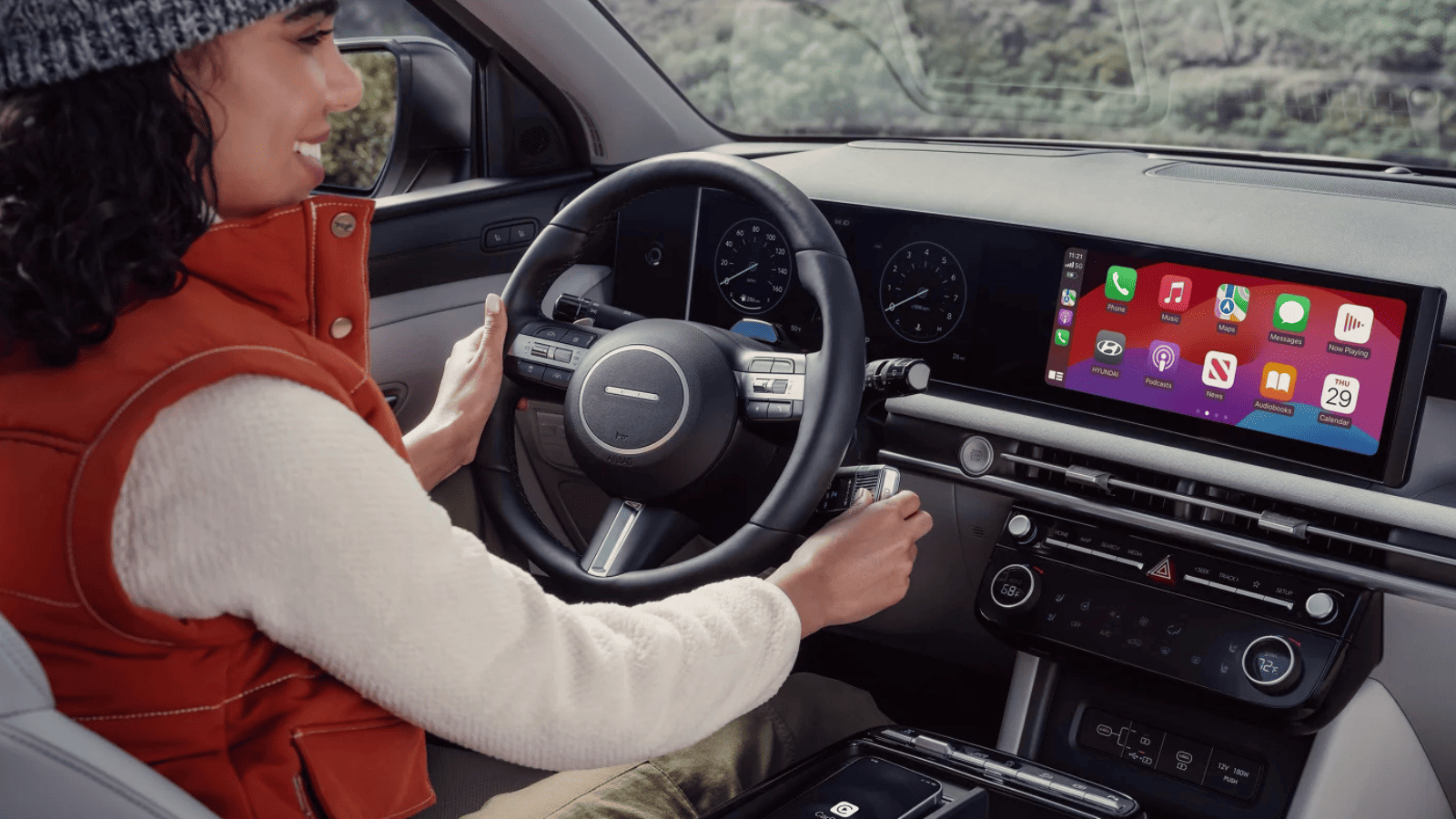
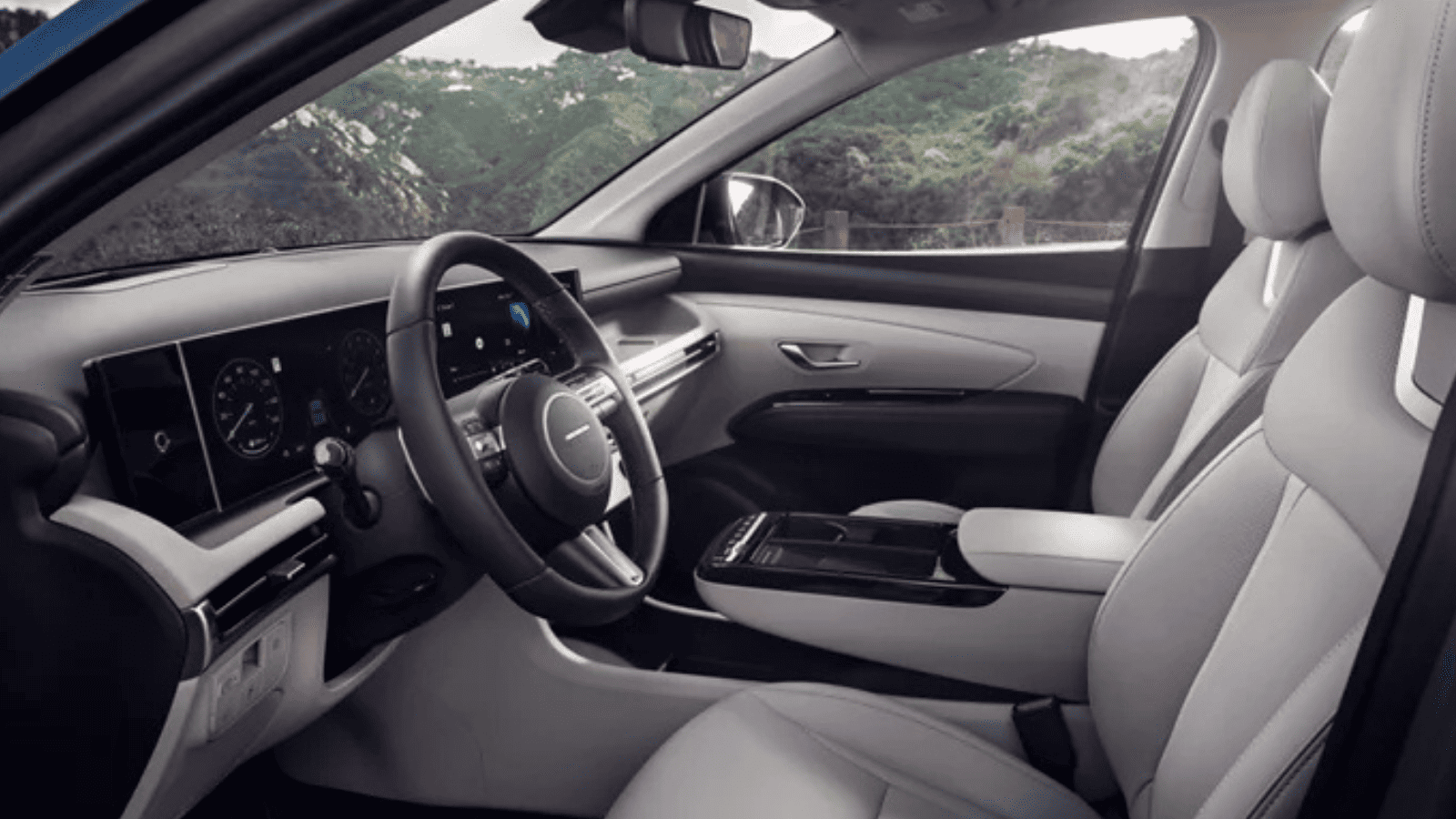
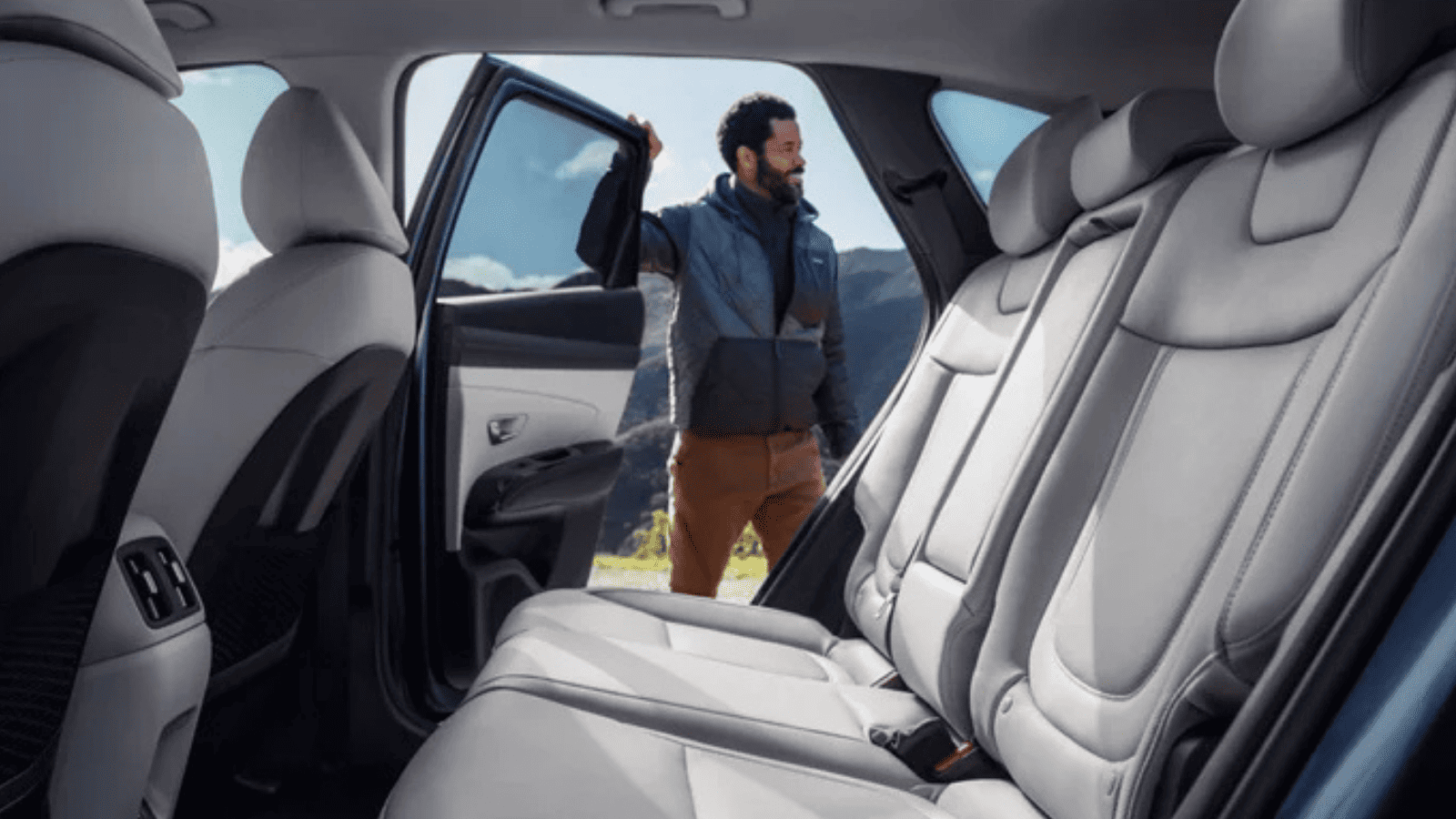
The Tucson Hybrid has a roomy, modern cabin with useful storage and a straightforward dashboard layout. The rear seat offers 41.3 inches of legroom, which is generous for this size of SUV.
Standard and available equipment includes:
- 12.3-inch touchscreen display
- Wireless Apple CarPlay and Android Auto
- Bluetooth connectivity
- USB-C charging ports
- Available 12.3-inch digital instrument cluster
- Hyundai Digital Key on selected trims
- Bluelink+ connected-car services
- Available wireless device charging
- Available Bose premium audio system
- Available panoramic sunroof
- Available heated and ventilated front seats
- Available heated rear seats
- Dual-zone automatic climate control
- Hands-free smart liftgate
The front seats are supportive enough for longer trips, while the rear seat can accommodate adults more comfortably than many compact SUVs. The cabin is best suited to four passengers on longer journeys, though it can seat five when needed.
The SEL Convenience has the equipment most buyers will want, while the Limited is the trim to choose if features such as ventilated seats, leather trim, premium audio, and a surround-view camera are important.
Dimensions, Cargo, and Practicality
| Dimension | Measurement |
| Length | 182.7 in. |
| Width | 73.4 in. |
| Height | 66.3 in. |
| Wheelbase | 108.5 in. |
| Front legroom | 41.4 in. |
| Rear legroom | 41.3 in. |
| Cargo space behind rear seats | 38.7 cu. ft. |
| Maximum cargo space | 74.5 cu. ft. |
| Seating | 5 passengers |
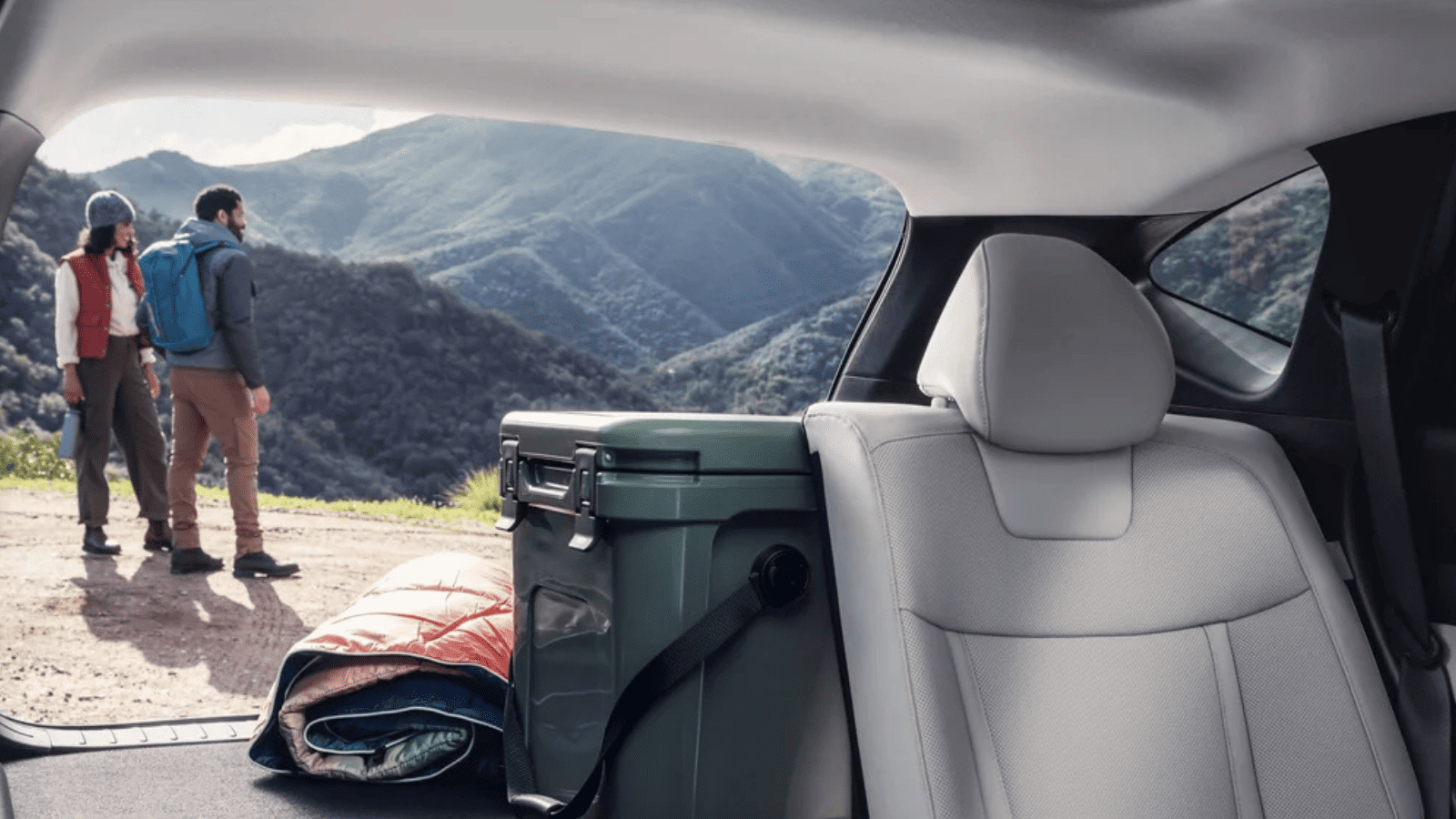
The Tucson Hybrid is especially practical for a compact SUV. Its 38.7-cubic-foot cargo area can handle groceries, luggage, strollers, work gear, and sports equipment without folding the rear seats.
With the rear seats folded, cargo capacity rises to 74.5 cubic feet. The large opening and low load floor are useful when carrying bulkier items.
When properly equipped, the Tucson Hybrid can tow up to 2,000 pounds with trailer brakes or 1,650 pounds without trailer brakes. That is enough for light trailers and small recreational gear, but buyers who tow regularly should consider a larger SUV.
Exterior Design
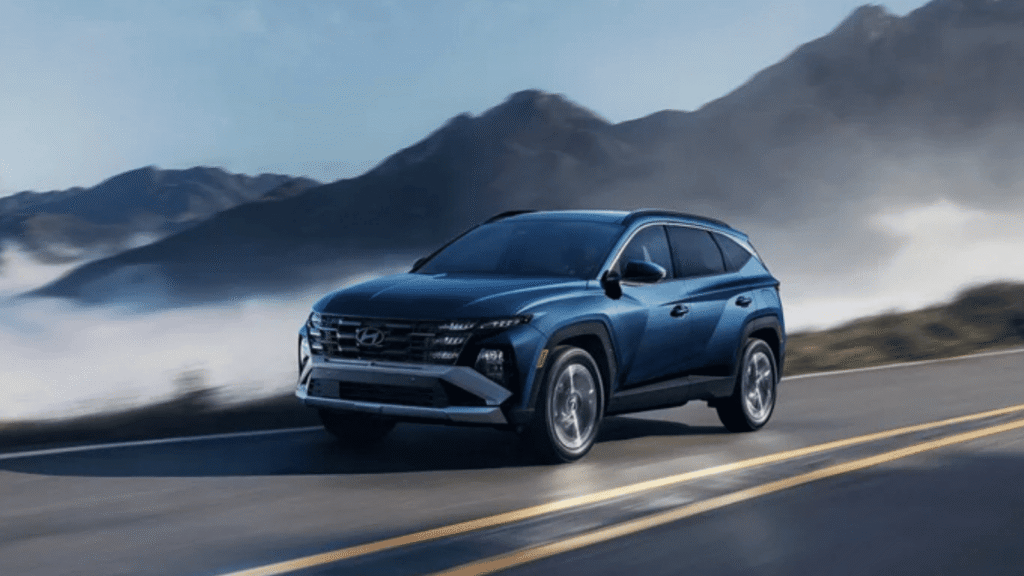
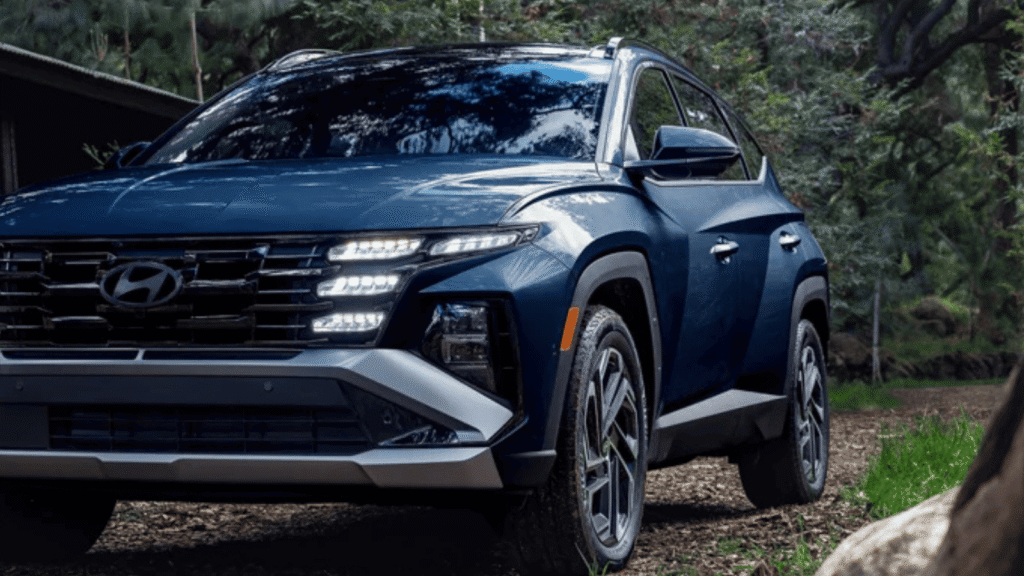
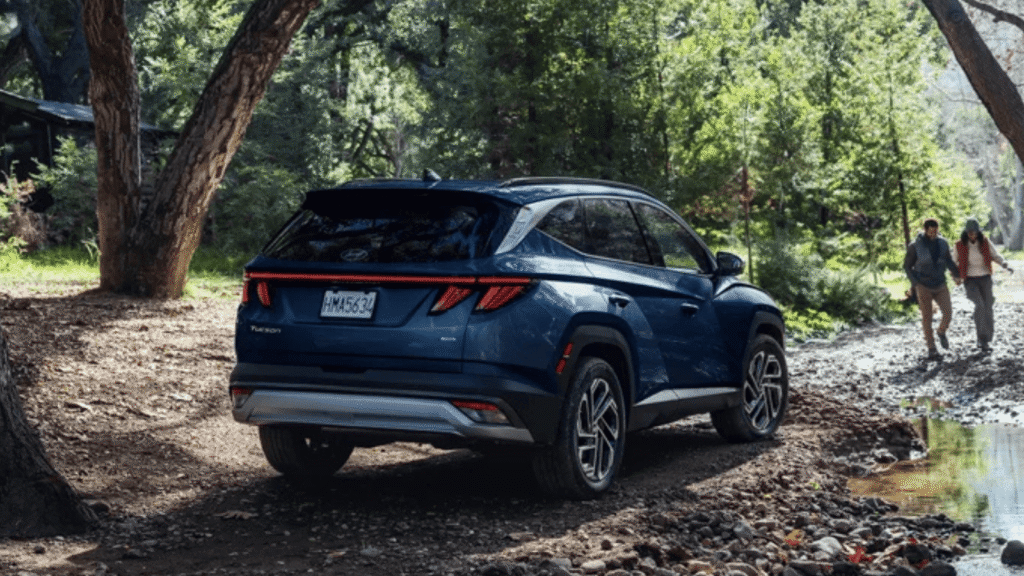
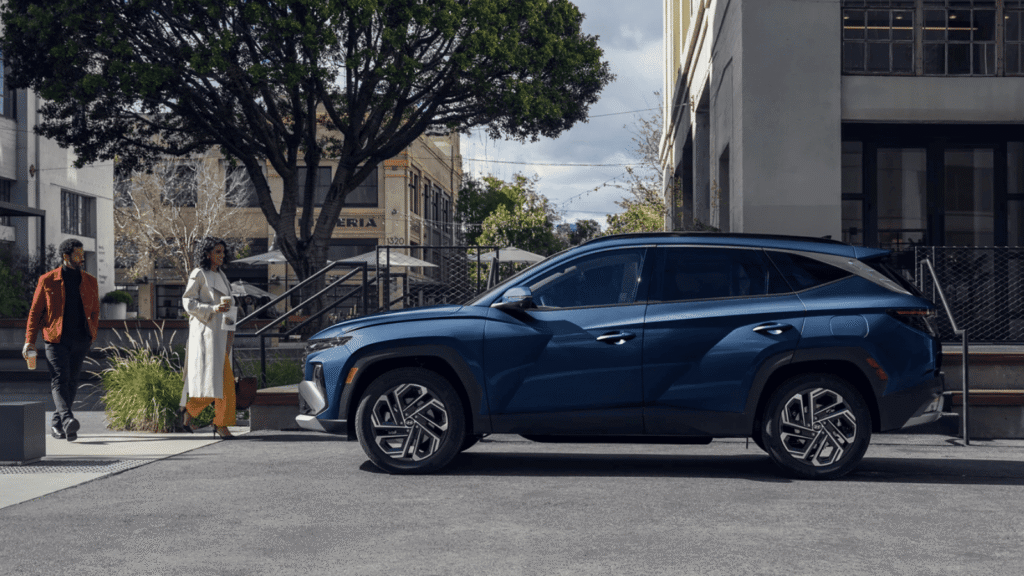
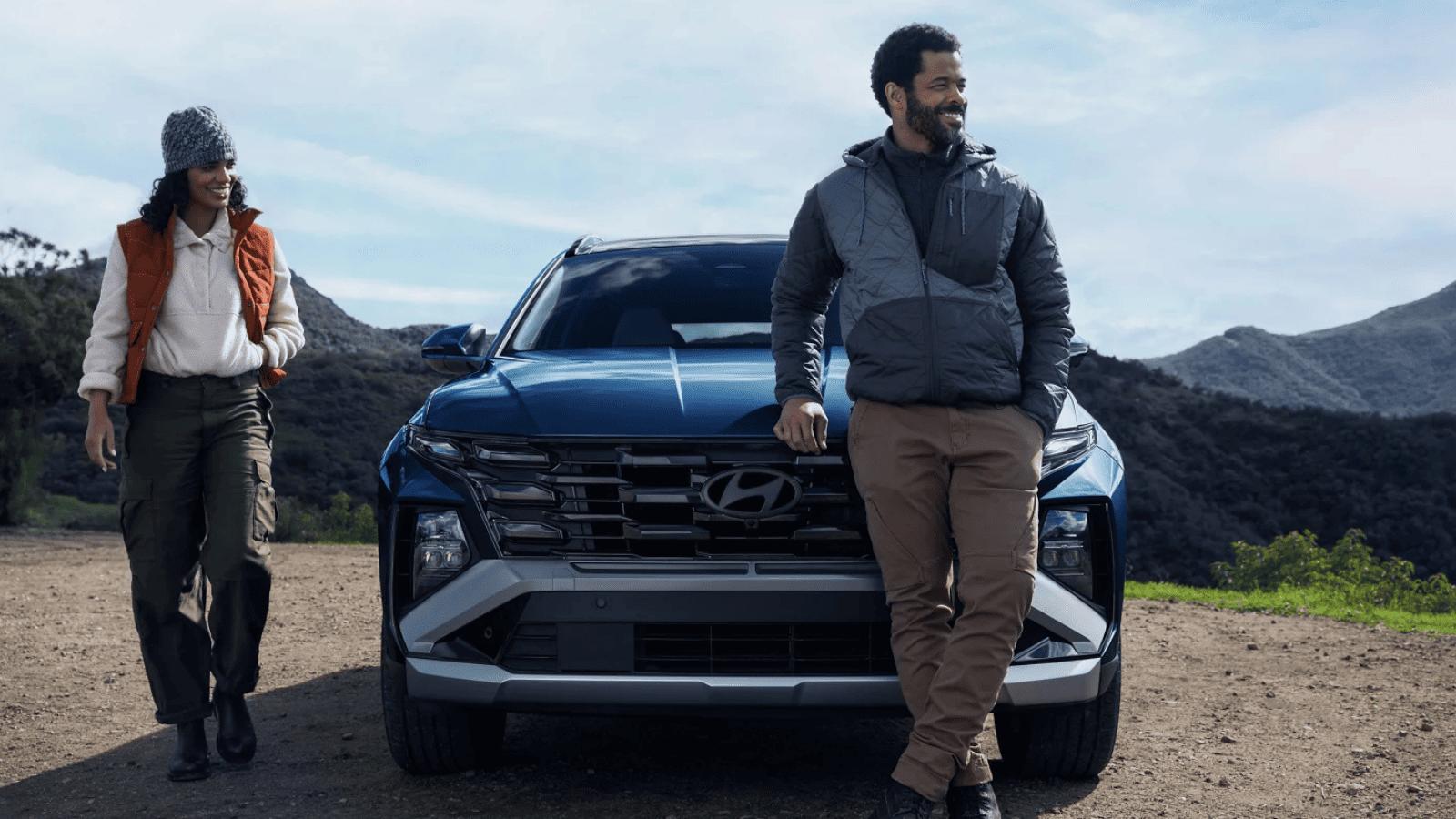
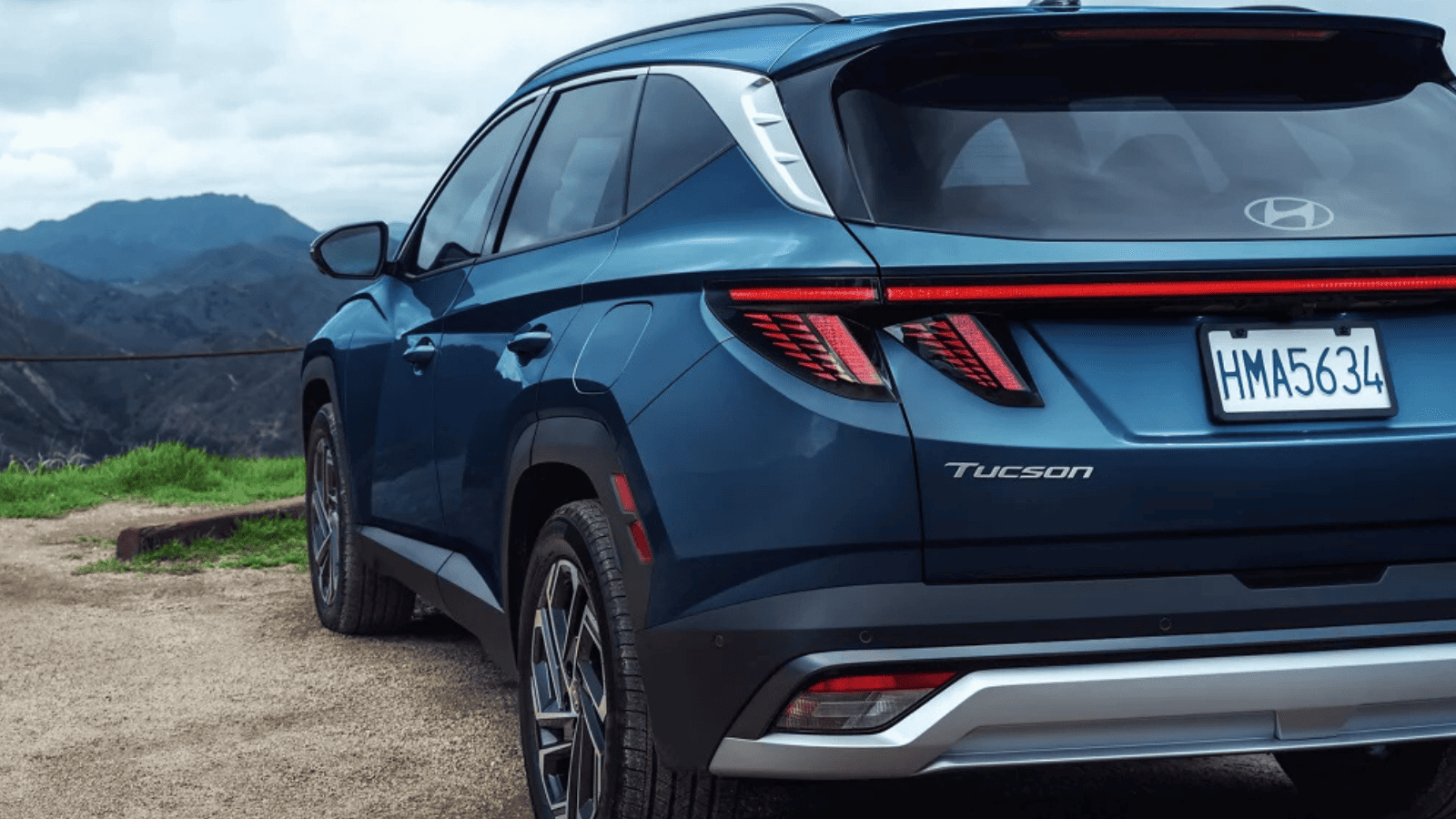
The Tucson Hybrid shares the regular Tucson’s angular bodywork, wide grille, and integrated daytime running lights. It has a distinctive appearance that helps it stand out from more traditional compact SUVs.
The SE and SEL have a clean, understated design. The SEL Convenience adds more polished exterior and interior details. The Limited has the most upscale appearance, with premium lighting and trim elements that match its richer cabin equipment.
Its styling will not appeal to every buyer, but it gives the Tucson Hybrid a clear visual identity rather than making it look like a generic crossover.
Safety Features and Ratings
The Tucson Hybrid includes Hyundai SmartSense safety technology. Standard and available features include:
- Forward Collision-Avoidance Assist
- Pedestrian, cyclist, and junction-turning detection
- Lane Keeping Assist
- Lane Following Assist
- Driver Attention Warning
- High Beam Assist
- Blind-Spot Collision Warning
- Rear Cross-Traffic Collision-Avoidance Assist
- Rear automatic braking
- Safe Exit Warning
- Smart Cruise Control on selected trims
- Highway Driving Assist on selected trims
- Surround View Monitor on selected trims
- Rearview camera
IIHS’s current 2026 Tucson rating page records Good results for the Tucson in the small-overlap front, updated moderate-overlap front, and updated side-impact crash tests, plus Good results for its standard vehicle and pedestrian front-crash-prevention systems. However, IIHS does not separately identify the 2026 Tucson Hybrid on that current page, so buyers should confirm the exact rating and vehicle applicability before purchase. Read the current IIHS Tucson safety results.
The current IIHS results also show that headlight ratings vary by trim and that the rated power synthetic-leather seat received a Poor whiplash-prevention score. Safety technology helps reduce risk, but it does not replace attentive driving, suitable tires, and safe speeds.
Reliability, Warranty, and Ownership
The Tucson Hybrid offers a strong ownership package through its fuel savings, practical size, broad dealer network, and Hyundai warranty coverage.
| Coverage | Length |
| New vehicle limited warranty | 5 years / 60,000 miles |
| Powertrain limited warranty | 10 years / 100,000 miles |
| Hybrid battery and system components | 10 years / 100,000 miles |
| Roadside assistance | 5 years / unlimited miles |
| Anti-perforation warranty | 7 years / unlimited miles |
The long hybrid-system coverage gives buyers useful reassurance, especially if they plan to keep the SUV for many years. Terms can differ for later owners, so used-car buyers should check the remaining coverage for the exact vehicle.
Follow Hyundai’s maintenance schedule, keep tire pressures correct, retain service records, and run a VIN-specific recall check before buying.
Pros and Cons
What We Like
- Strong fuel economy for a roomy compact SUV
- More power than the gas Tucson
- No charging required
- Available and standard all-wheel-drive options
- Spacious rear seat
- Large cargo area
- Useful standard safety technology
- Wide trim range
- Long powertrain and hybrid-system warranty coverage
- Conventional six-speed automatic transmission
What We Don’t Like
- Higher entry price than the gas Tucson
- Limited towing capacity
- Six-speed transmission can feel less smooth than some hybrid systems
- Top trims become expensive
- No third-row seating
- Current 2026 IIHS page does not separately list Tucson Hybrid applicability
- Fuel economy drops on better-equipped AWD trims
Alternatives
The Tucson Hybrid is a strong fit for buyers who want better fuel economy and stronger low-speed response than the regular Hyundai Tucson while retaining similar cargo capacity and rear-seat room.
Choose the Hyundai Kona if you need a smaller SUV for tight urban parking. Choose the Hyundai Santa Fe Hybrid if you need more passenger space, a third-row option, or greater family-trip flexibility.
The Tucson Hybrid is the right middle-ground choice for buyers who want an efficient two-row SUV without moving up to a larger, more expensive family vehicle.
Related WheelPedia Content
If you are buying your first car, read how to buy your first car before visiting a dealership.
Before arranging finance, review how car financing works and consider a car loan preapproval. Used-car buyers should also read how to check a car’s accident history.
Should You Buy the Hyundai Tucson Hybrid?
Buy the Hyundai Tucson Hybrid if you want a fuel-efficient compact SUV with useful cargo room, a roomy back seat, solid power, and the option of all-wheel drive.
Choose the SE FWD if your priority is the highest mpg rating and the lowest entry price. Choose the SEL if you want a sensible middle ground. Choose the SEL Convenience if you want standard all-wheel drive and the best overall equipment mix. Choose the Limited if premium comfort, camera technology, and upscale cabin features matter most.
Skip the Tucson Hybrid if you need three-row seating, frequent heavy towing, plug-in charging capability, or a lower purchase price than the gas Tucson.
Hyundai Tucson Hybrid FAQs
How much does the Hyundai Tucson Hybrid cost?
The 2026 Hyundai Tucson Hybrid starts at $31,300 MSRP in the United States. The final price will increase with freight, taxes, registration, accessories, options, and dealer charges.
Is the Hyundai Tucson Hybrid a plug-in hybrid?
No. It is a conventional hybrid that recharges its battery through the engine and regenerative braking. You do not plug it in to charge.
How many mpg does the Tucson Hybrid get?
The Tucson Hybrid SE FWD is EPA-rated at up to 40 mpg city, 35 mpg highway, and 38 mpg combined. The SE AWD is rated at 38 mpg combined, while SEL, SEL Convenience, and Limited AWD models are rated at 36 mpg combined.
Does the Tucson Hybrid have all-wheel drive?
Yes. HTRAC all-wheel drive is optional on SE and SEL trims and standard on SEL Convenience and Limited trims.
How much horsepower does the Tucson Hybrid have?
The Tucson Hybrid produces a combined 231 horsepower and 271 lb-ft of torque.
Does the Tucson Hybrid use a CVT?
No. It uses a six-speed automatic transmission rather than a continuously variable transmission.
How much cargo space does the Tucson Hybrid have?
It has 38.7 cubic feet of SAE-measured cargo room behind the rear seats and 74.5 cubic feet with the rear seats folded.
Can the Tucson Hybrid tow?
Yes. When properly equipped, it can tow up to 2,000 pounds with trailer brakes or 1,650 pounds without trailer brakes.
Is the Hyundai Tucson Hybrid safe?
It includes standard driver-assistance technology, and the current 2026 IIHS Tucson page records strong crashworthiness and front-crash-prevention results. Buyers should verify rating applicability for the specific Tucson Hybrid they are considering.
How long is the Tucson Hybrid warranty?
It includes a 5-year/60,000-mile new-vehicle limited warranty, a 10-year/100,000-mile powertrain limited warranty, and 10-year/100,000-mile hybrid battery and system-component coverage.
Final Verdict
The Hyundai Tucson Hybrid is one of the better all-round choices for buyers who want a fuel-efficient compact SUV without moving to a plug-in model.
It offers meaningful power, useful cargo space, good rear-seat room, available all-wheel drive, and a warranty package that adds ownership confidence. Its higher price over the regular Tucson is justified for drivers who cover enough miles to benefit from the lower fuel use.
For most buyers, the SEL Convenience is the trim to choose. It has standard all-wheel drive, useful comfort and technology features, and a more balanced price than the Limited.