
Hyundai Tucson: Price, Specs, Features & Review
The Hyundai Tucson is a compact SUV for buyers who want a roomy cabin, generous cargo space, modern safety technology, and available all-wheel drive without moving up to a larger three-row vehicle.
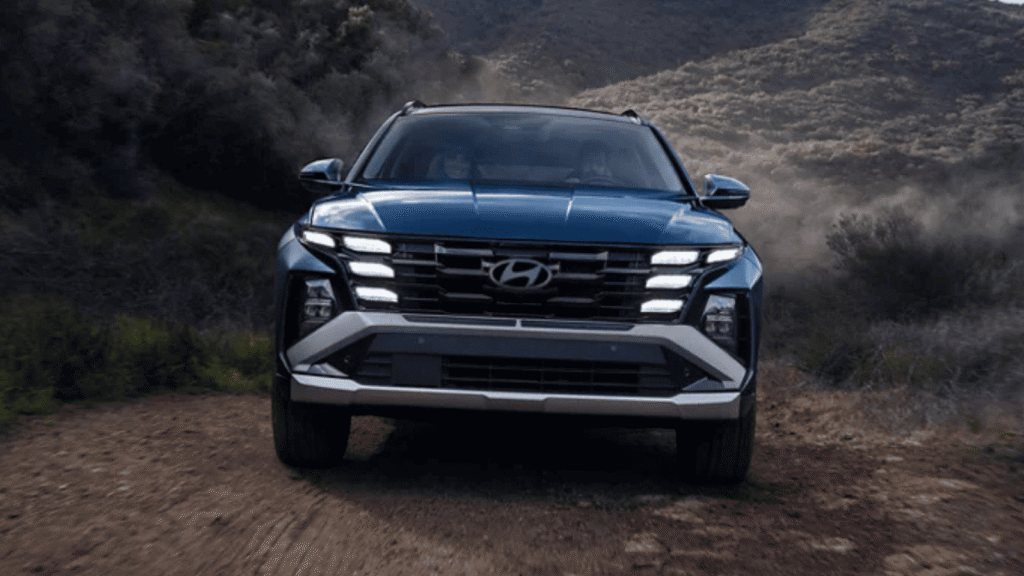
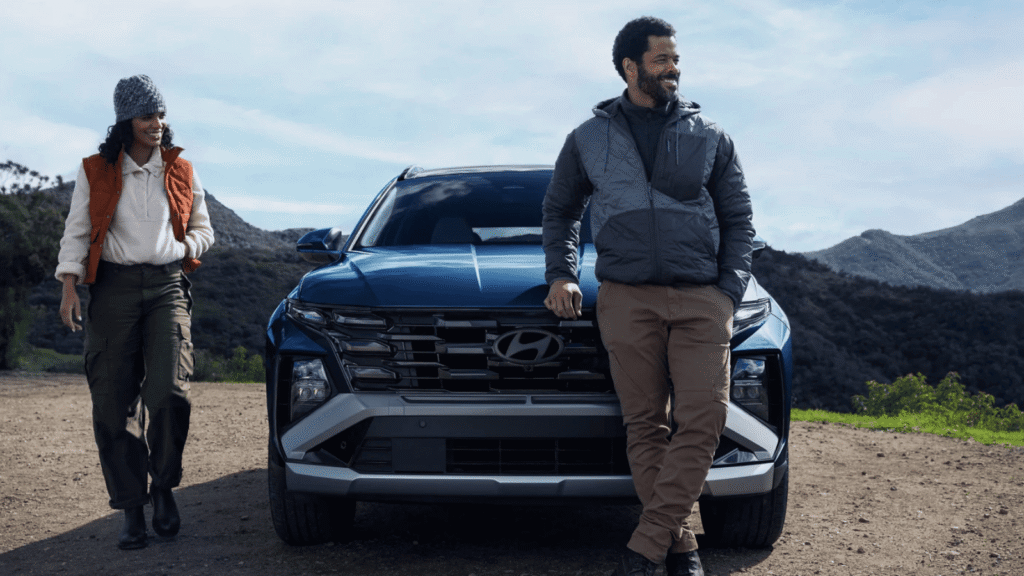
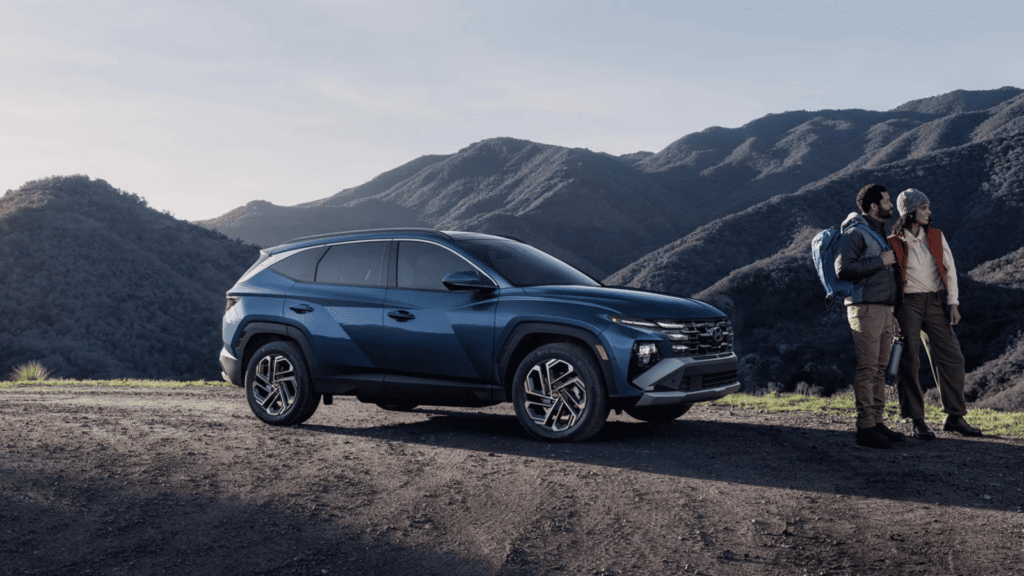
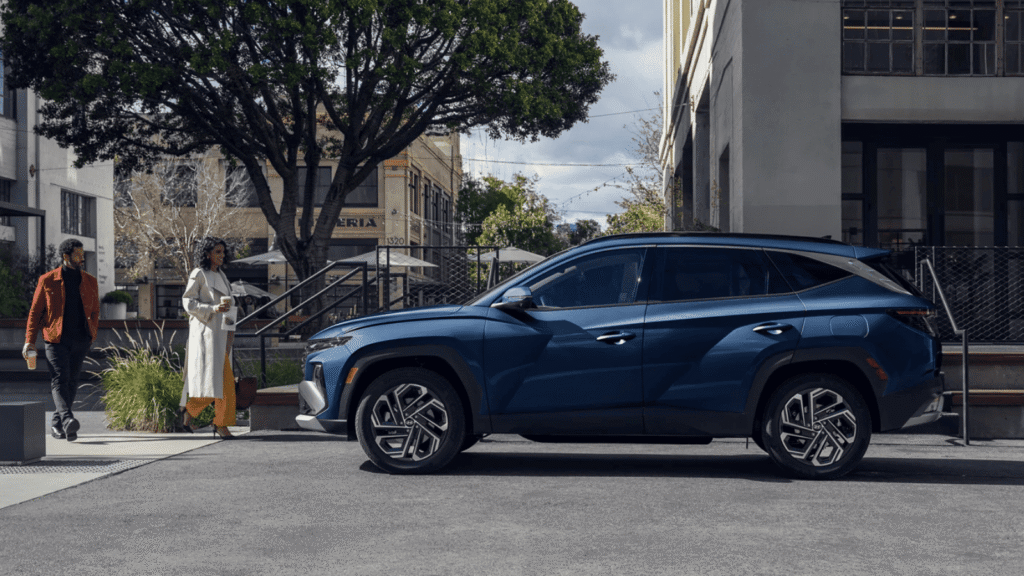
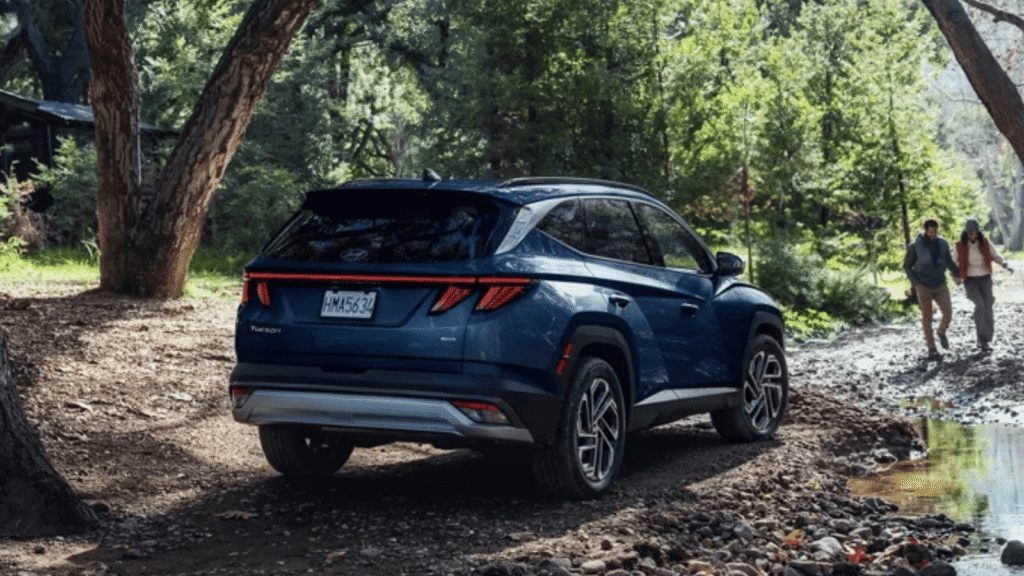
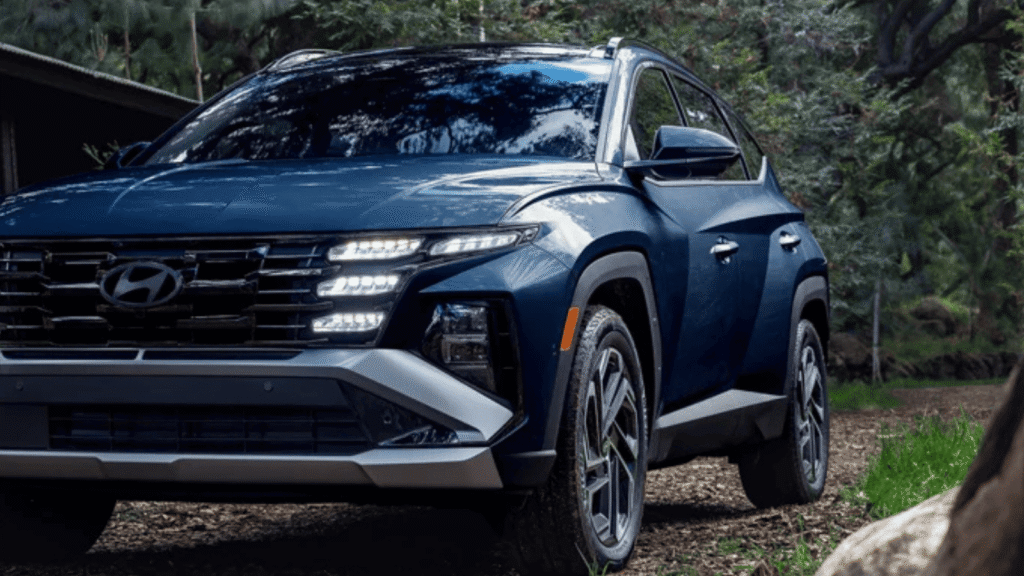
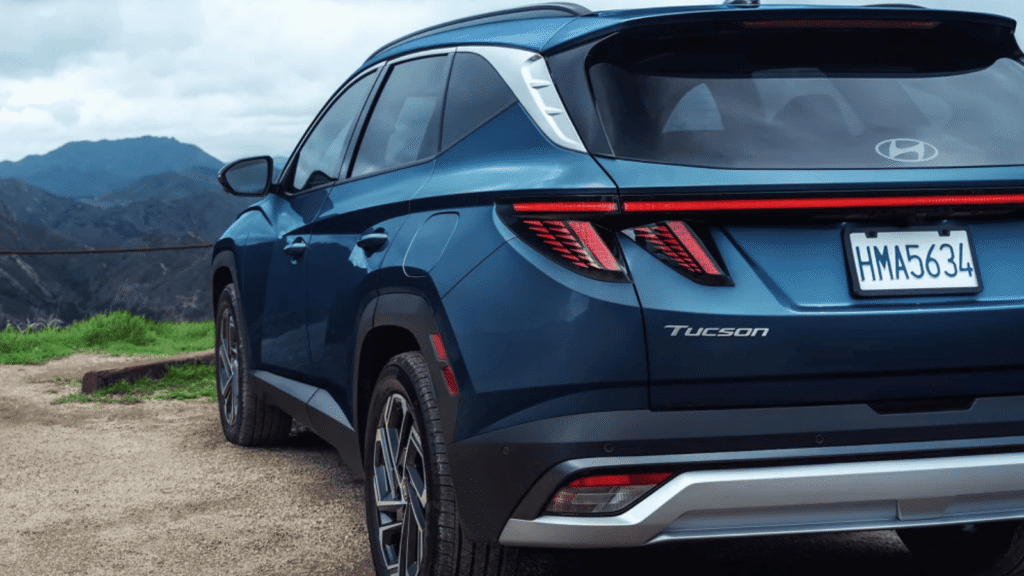
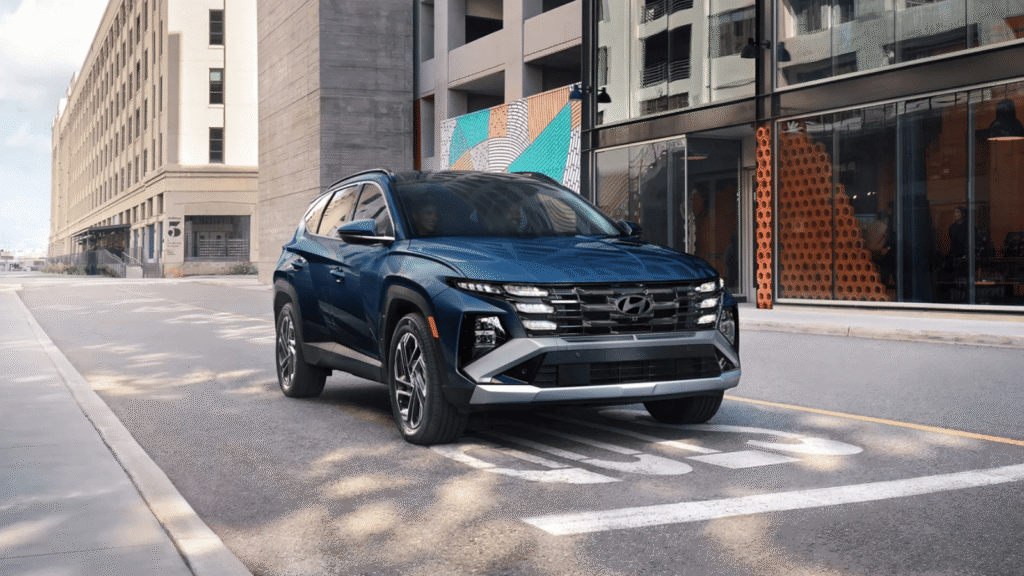
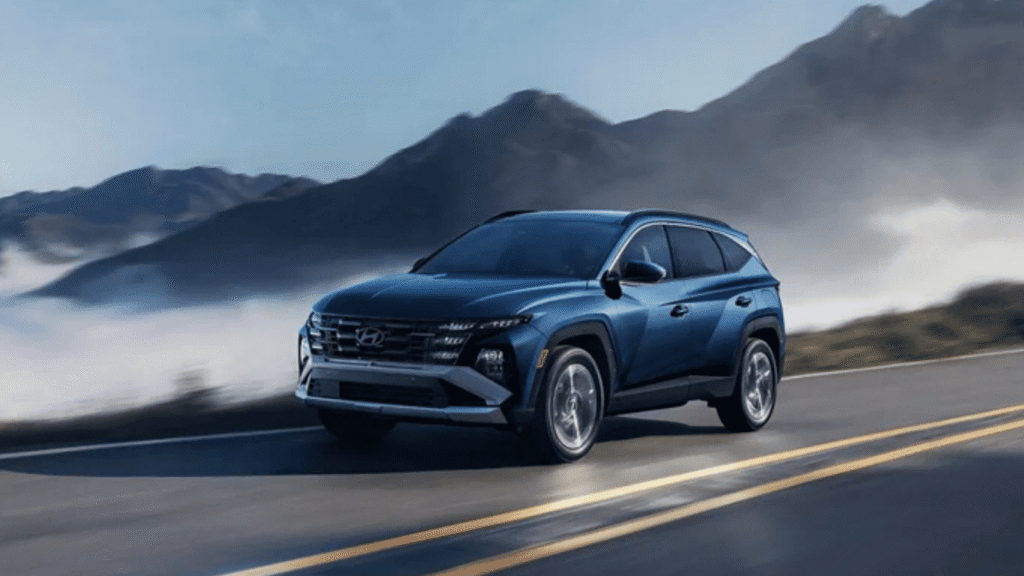
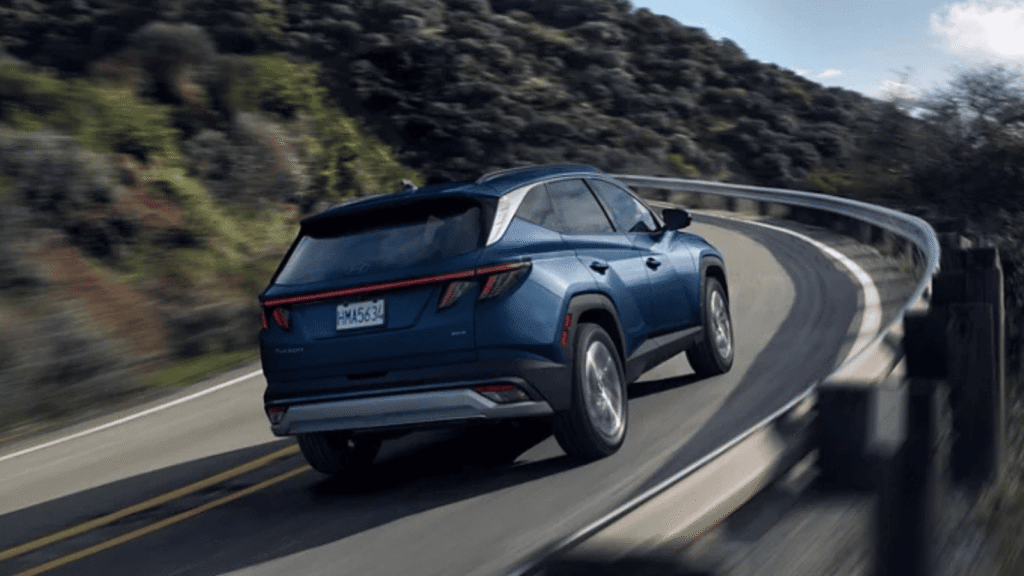

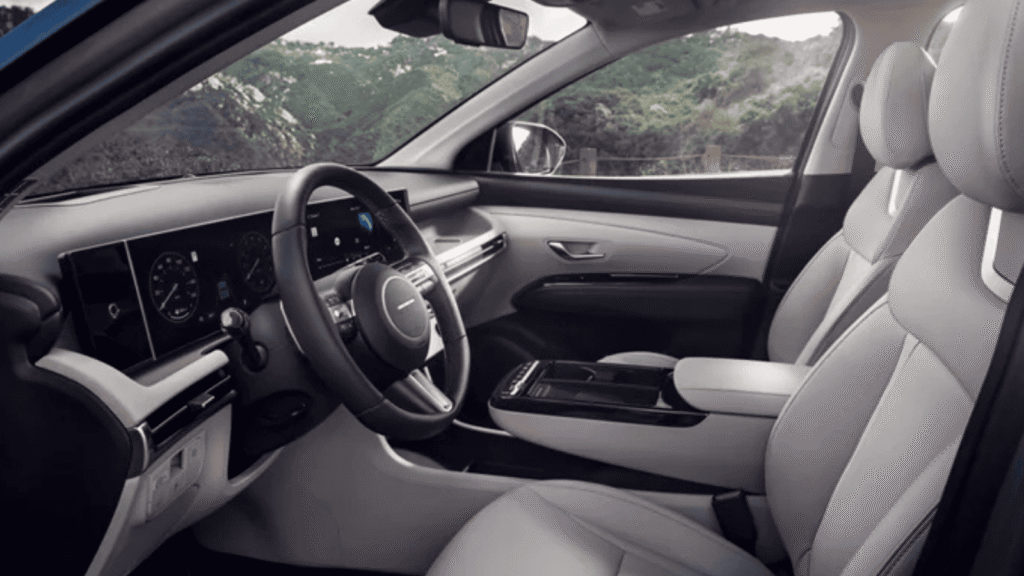
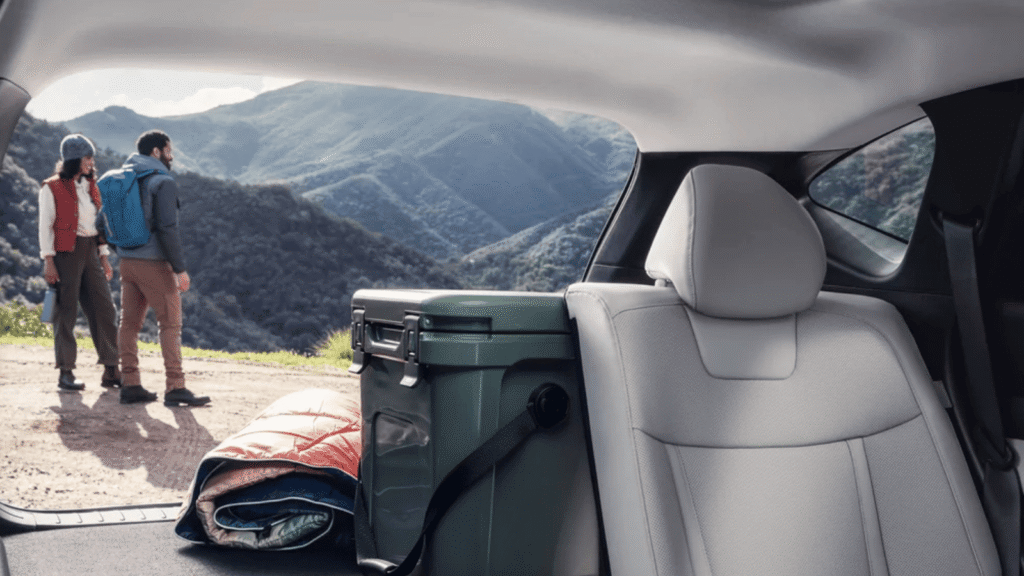
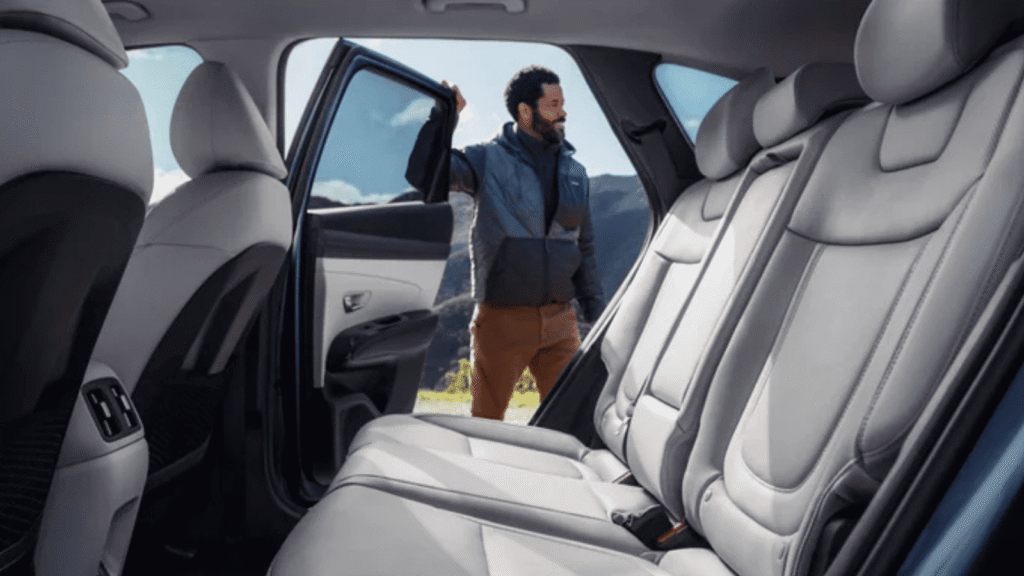
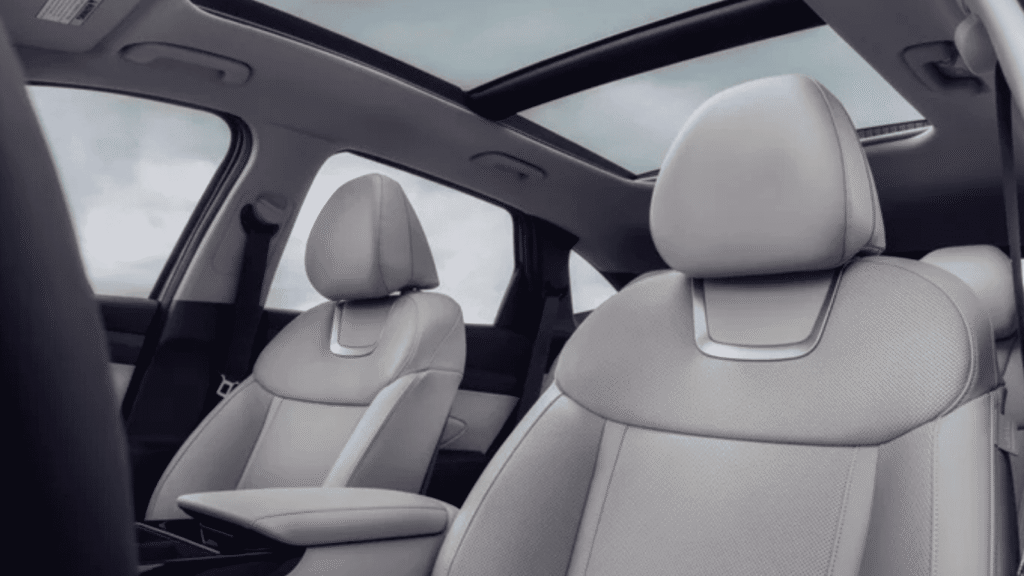
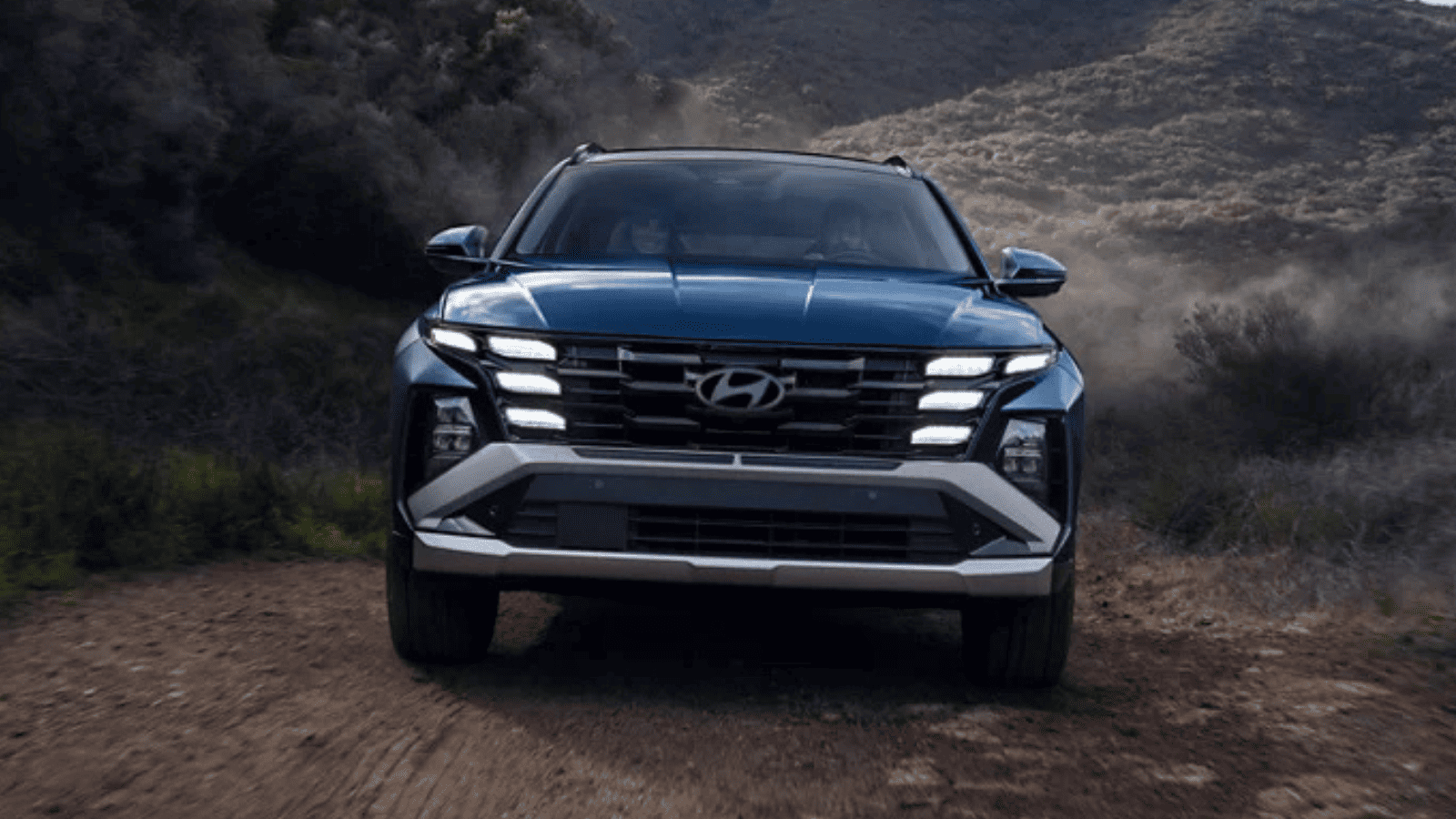
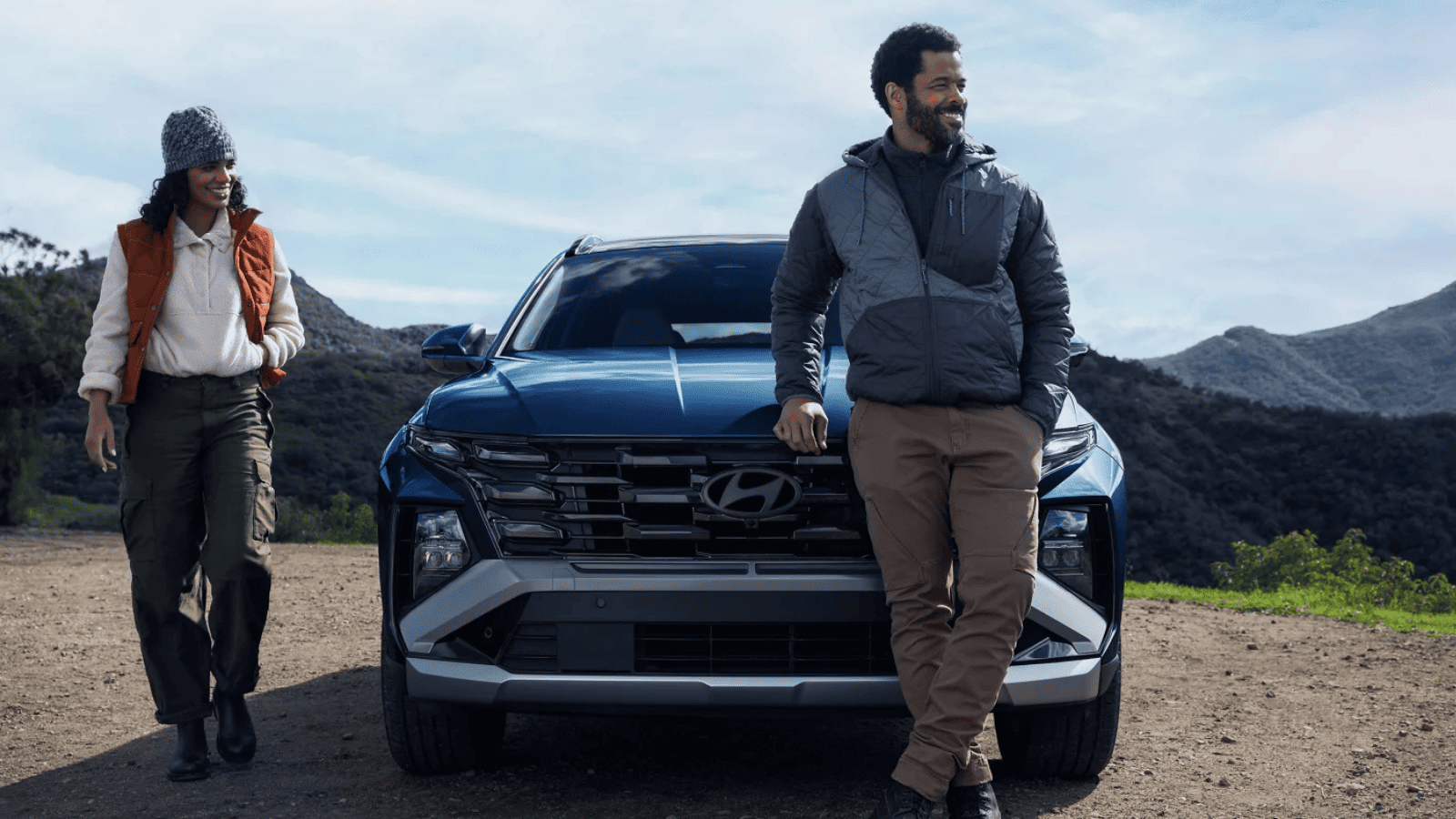
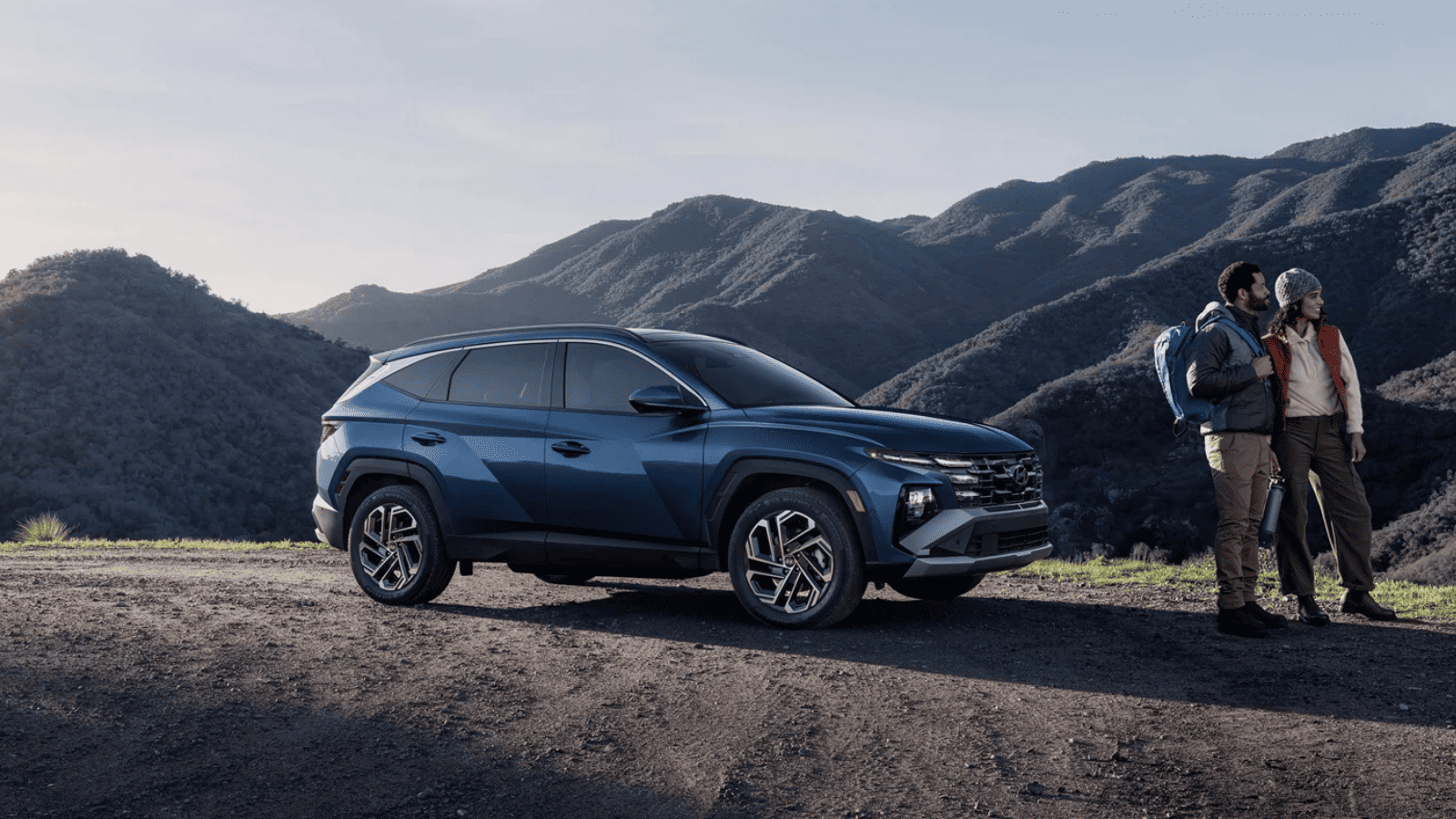
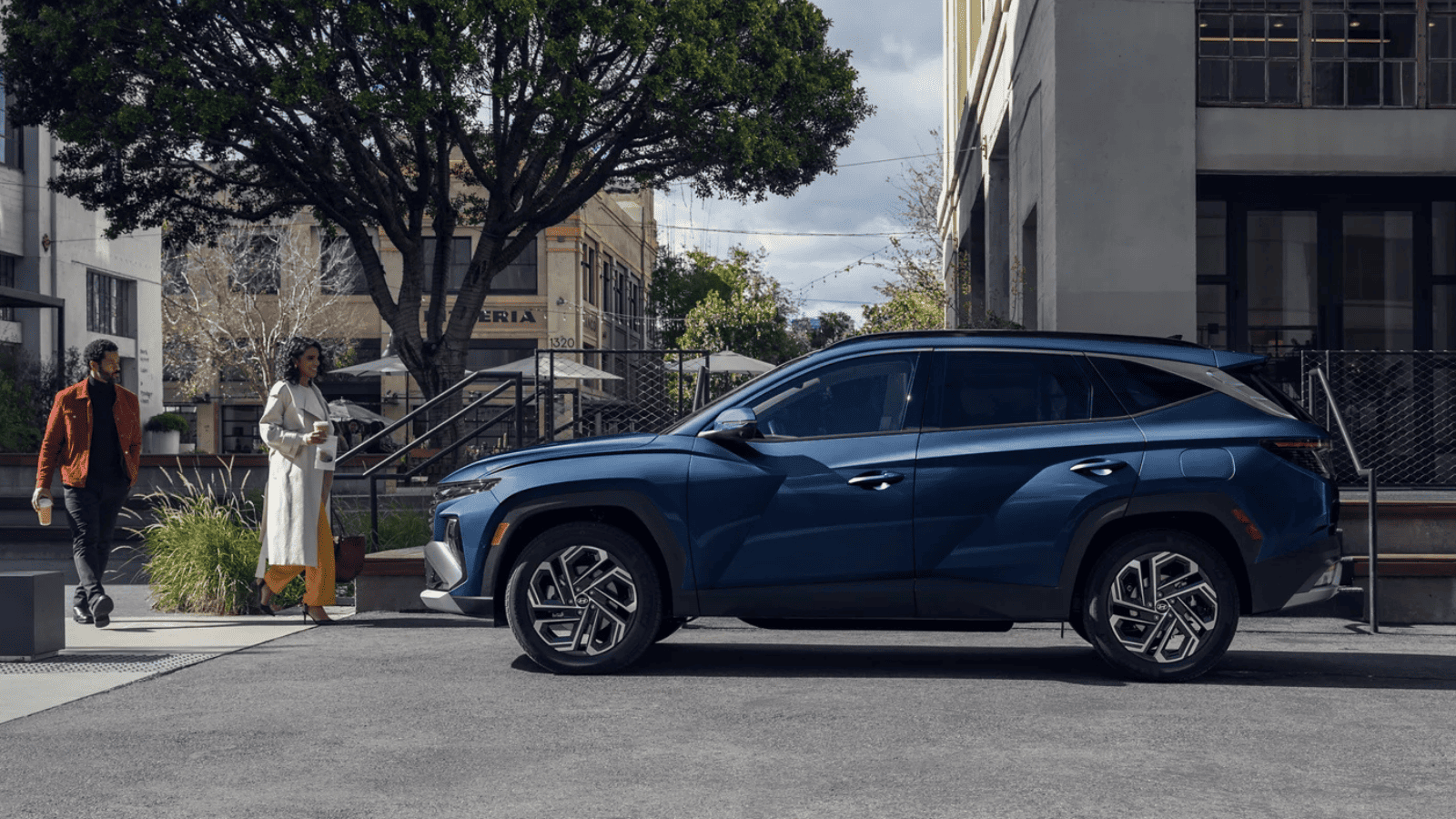
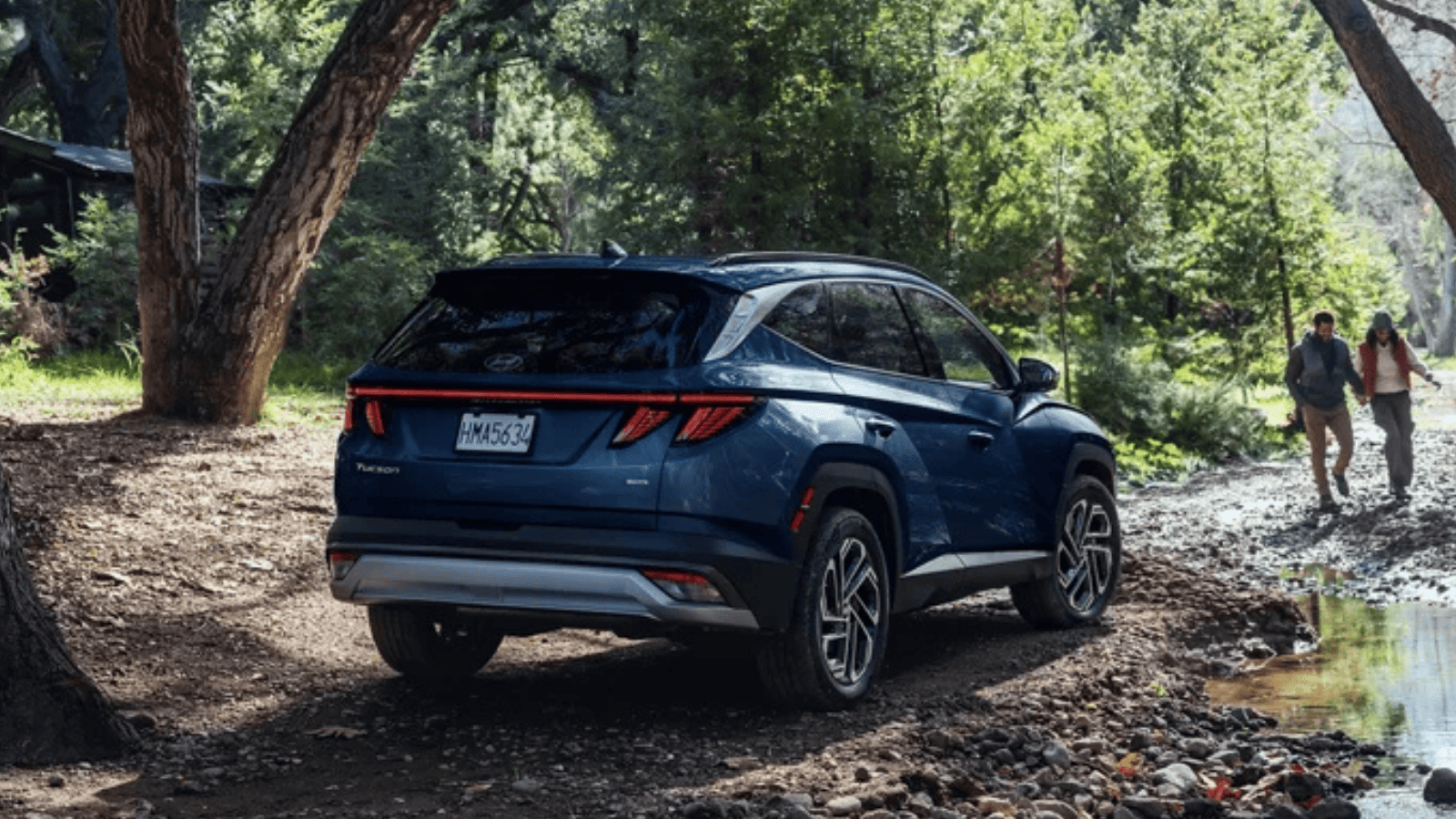
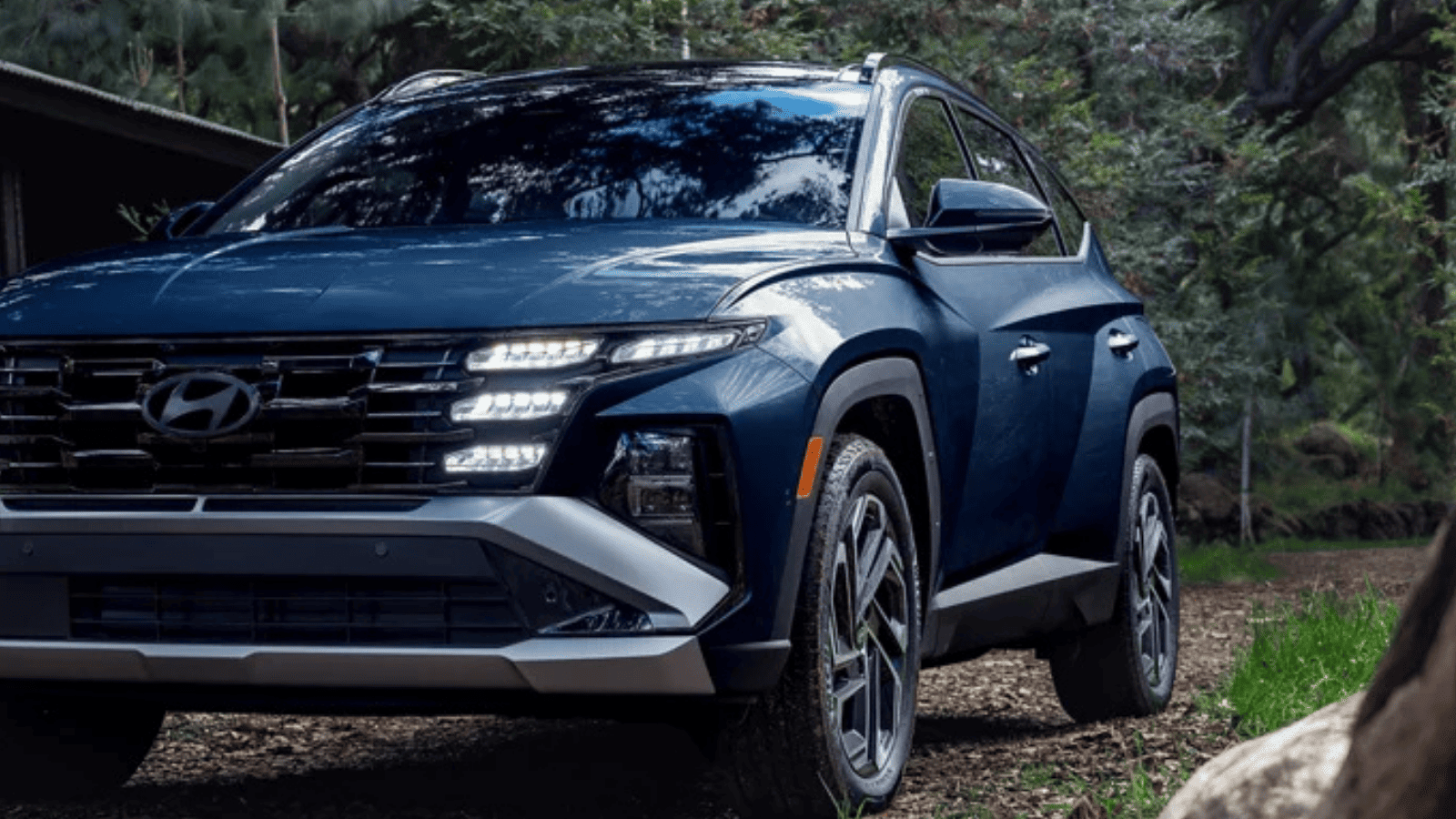
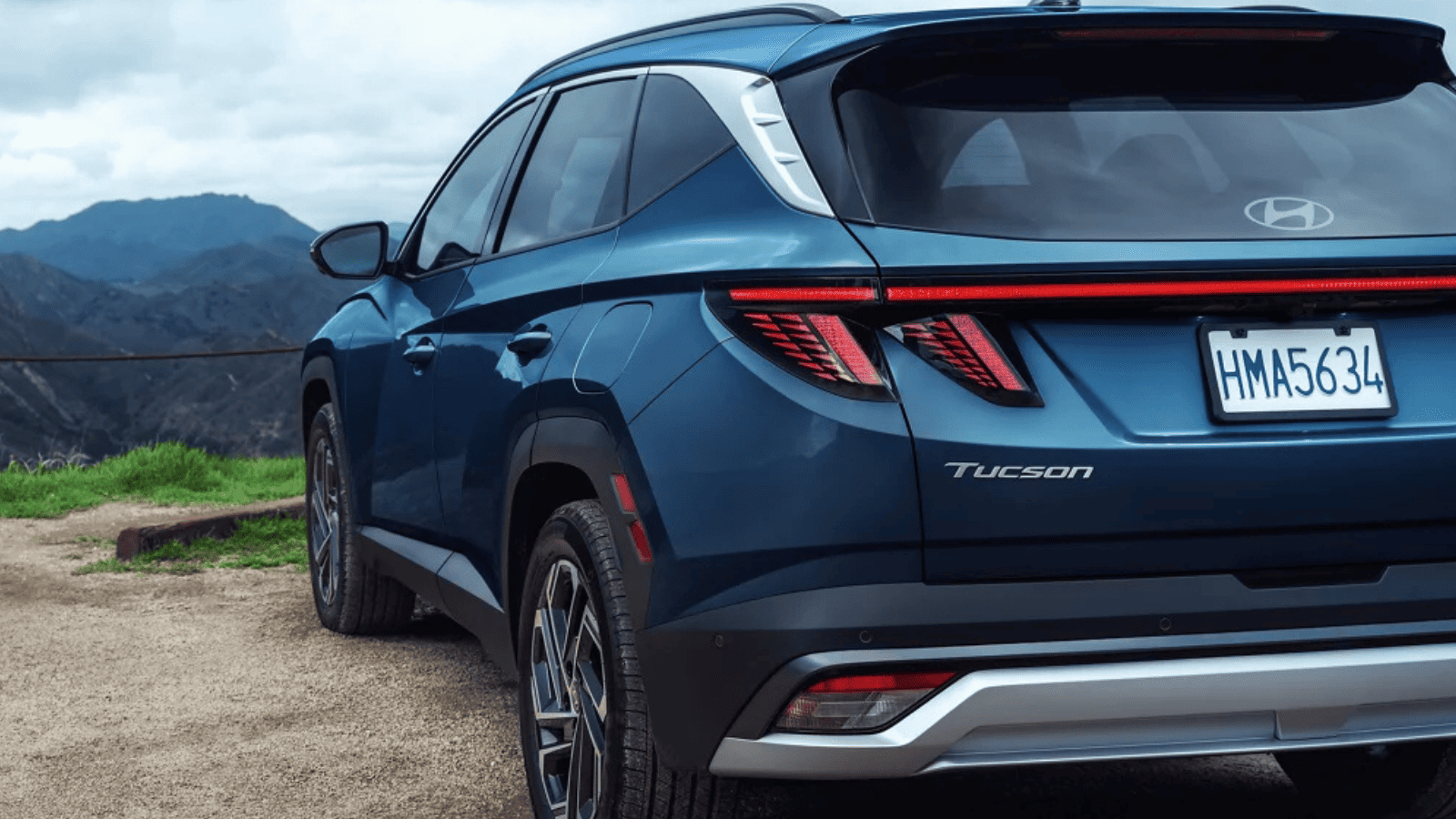
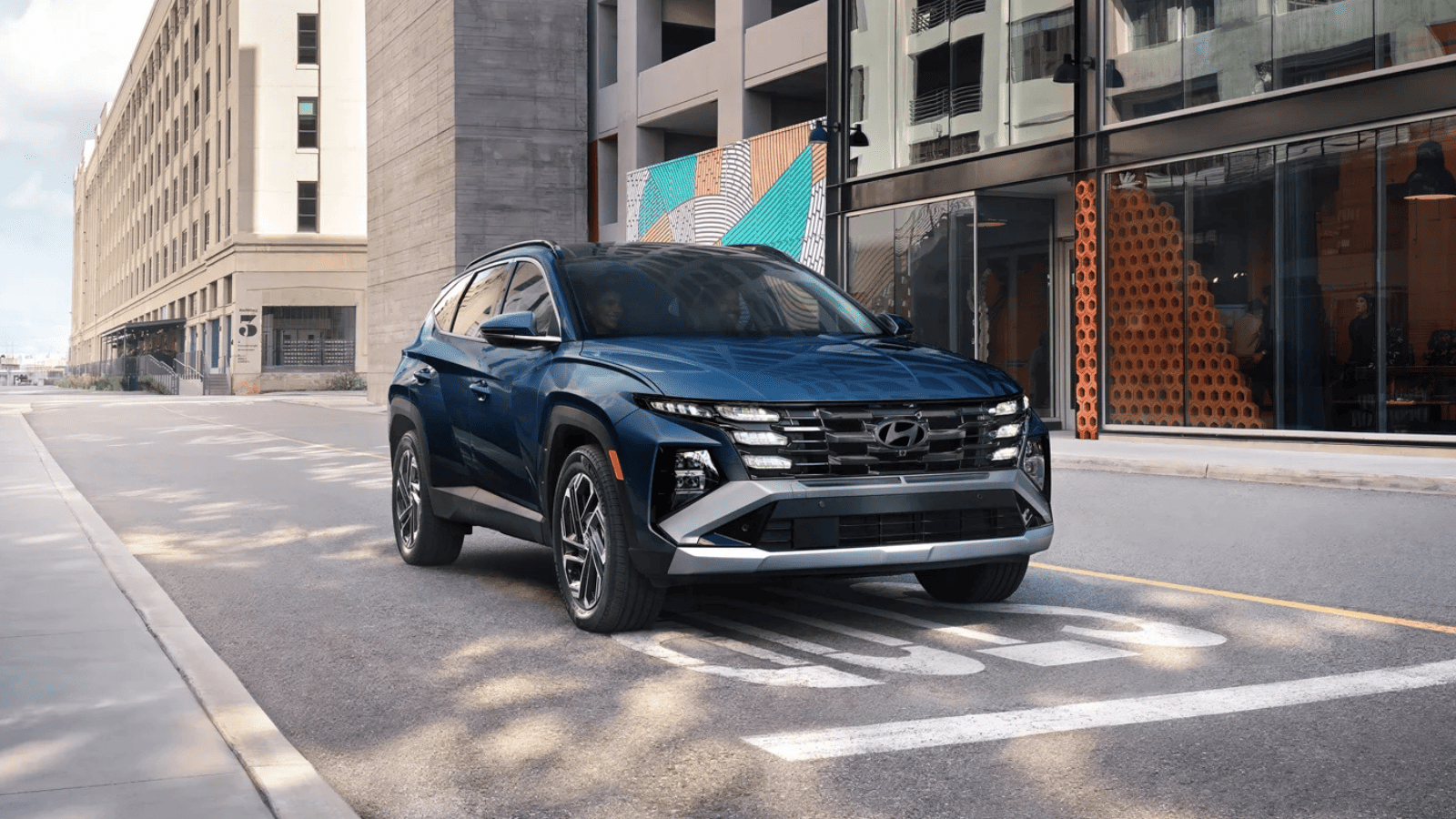
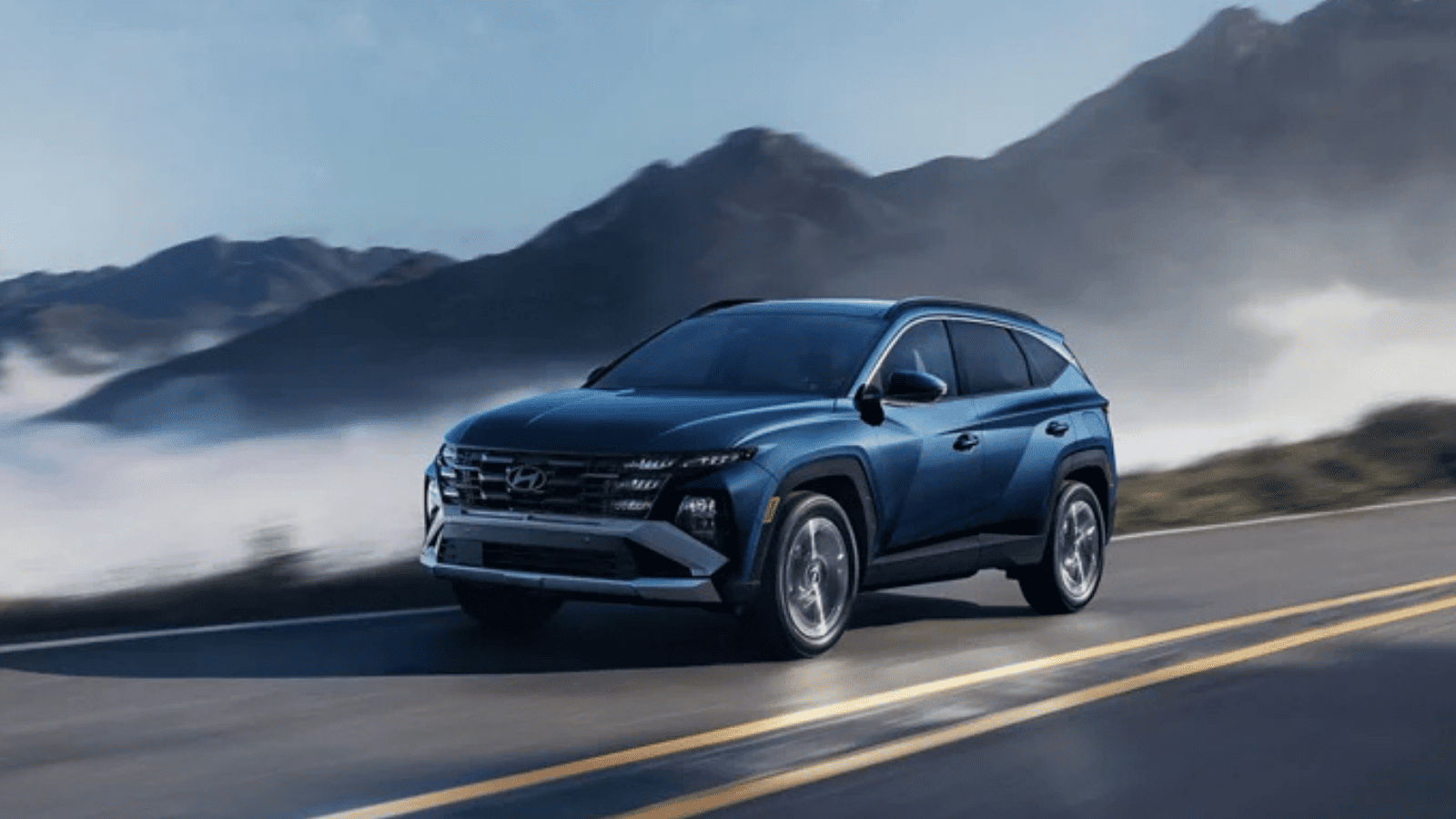
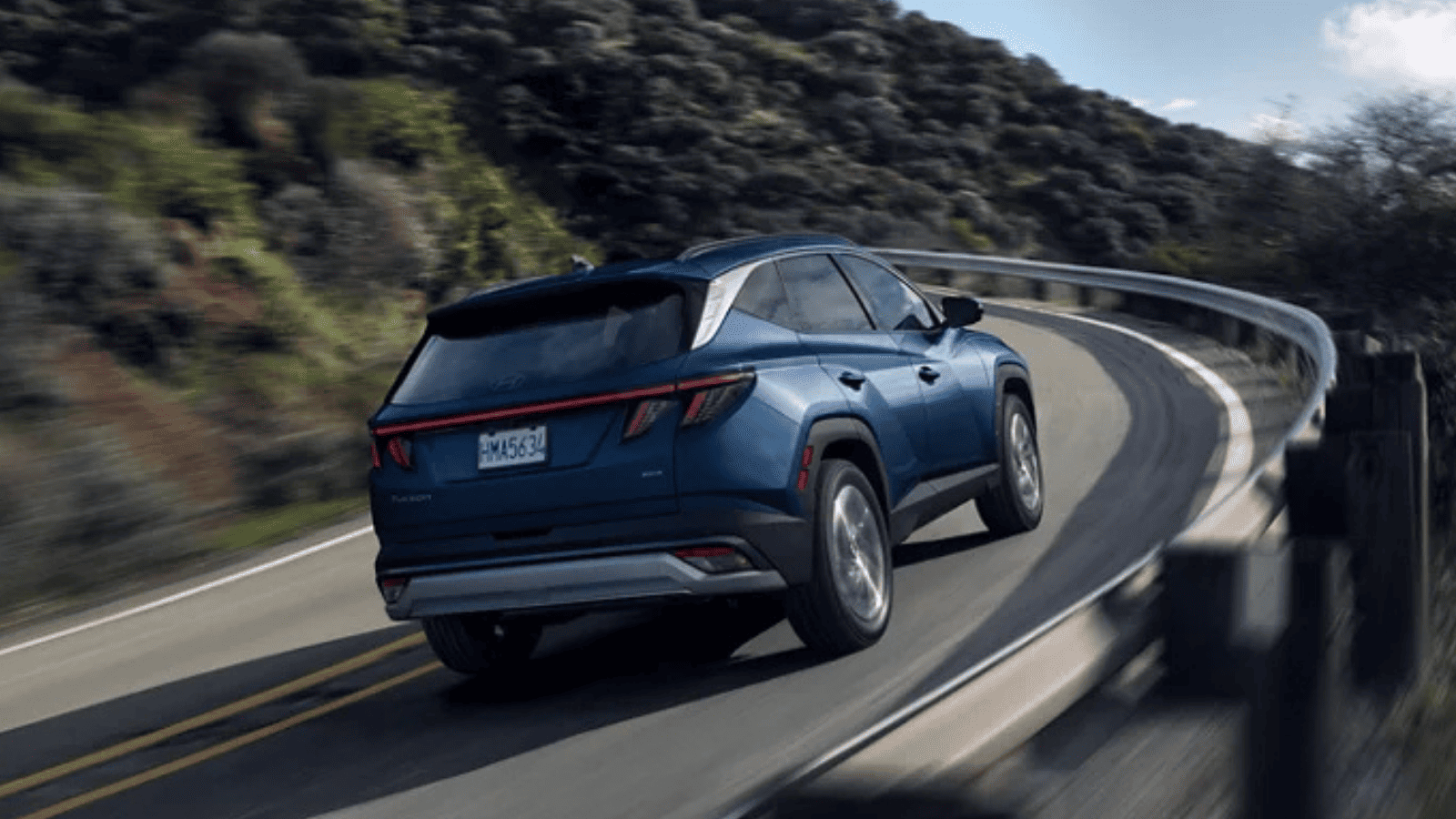

For 2026, the regular gas Tucson uses a 187-horsepower 2.5-liter four-cylinder engine and an eight-speed automatic transmission. It comes in SE, SEL, SEL Plus, XRT, and Limited trims. Front-wheel drive is standard on most trims, while Hyundai’s HTRAC all-wheel-drive system is available; the XRT has all-wheel drive as standard.
The Tucson suits small families, for daily commuters, and buyers who need more flexibility than a sedan can offer. It is less suitable for drivers who need a third row, strong towing capability, or hybrid-level fuel economy.
WheelPedia Rating: 8.3/10
The Hyundai Tucson earns an 8.3/10 WheelPedia Rating for its safety credentials, practical interior, strong cargo capacity, broad trim range, and long warranty coverage. Its main limits are modest acceleration, average fuel economy for the class, and a towing rating better suited to light-duty use.
| Rating Category | Score | Weight |
| Safety | 9.5/10 | 20% |
| Reliability and Ownership | 8.0/10 | 15% |
| Performance and Driving | 7.0/10 | 15% |
| Comfort and Practicality | 8.8/10 | 15% |
| Efficiency | 7.5/10 | 15% |
| Features and Technology | 8.7/10 | 10% |
| Price and Value | 8.2/10 | 10% |
| Overall WheelPedia Rating | 8.3/10 | — |
See how WheelPedia rates cars for the full methodology.
Key Highlights
- Starts at $29,700 MSRP in the United States before taxes, title, registration, options, and dealer charges.
- Uses a 187-hp 2.5-liter four-cylinder engine with an eight-speed automatic transmission.
- Returns up to an EPA-estimated 28 mpg combined with front-wheel drive.
- Offers available HTRAC all-wheel drive; XRT includes it as standard.
- Provides 38.7 cubic feet of cargo space behind the rear seats and 74.8 cubic feet with them folded, measured by SAE standards.
- Tows up to 2,750 pounds with trailer brakes when properly equipped.
- Includes standard Hyundai SmartSense driver-assistance technology.
- Earned a 2026 IIHS Top Safety Pick+ award.
- Best suited to buyers who want a spacious, well-equipped compact SUV.
Quick Specifications
| Specification | Hyundai Tucson |
| Vehicle type | Compact SUV |
| Seating capacity | 5 |
| Engine | 2.5L GDI/MPI four-cylinder |
| Output | 187 hp / 178 lb-ft |
| Transmission | 8-speed automatic |
| Drivetrain | FWD standard; HTRAC AWD available or standard on XRT |
| Best fuel economy | Up to 28 mpg combined |
| Cargo capacity | 38.7 / 74.8 cu. ft. (SAE) |
| Maximum towing | 2,750 lb. with trailer brakes |
| Length | 182.7 in. |
| Width | 73.4 in. |
| Wheelbase | 108.5 in. |
Expert Tip: The SEL Plus is the trim to target for most buyers. It adds meaningful comfort and technology equipment while staying well below the Limited’s price. Choose the SE for a lower entry price, the XRT for standard all-wheel drive and a tougher appearance, or the Limited for the fullest feature set.
About the Hyundai Tucson
The Tucson is Hyundai’s mainstream two-row compact SUV. It sits between the smaller Hyundai Kona and the larger Hyundai Santa Fe in the brand’s SUV range.
It is offered as a regular gas model, while Tucson Hybrid and Tucson Plug-in Hybrid models are sold as separate vehicle lines. The regular Tucson is the straightforward choice for buyers who want familiar gas refueling, lower entry pricing, and a roomy daily-driver layout.
The 2026 update gives the Tucson a wide choice of trims, from a practical base SE to the feature-rich Limited. That range makes it easy to choose between value, appearance, all-weather traction, and premium cabin equipment.
Price and Trims
These are Hyundai’s listed starting MSRPs for the 2026 Tucson. Prices exclude taxes, title, registration, accessories, and dealer charges.
| Trim | Starting MSRP | Drivetrain | Best For |
| SE | $29,700 | FWD; AWD available | Buyers focused on value |
| SEL | $31,050 | FWD; AWD available | Everyday comfort and convenience |
| SEL Plus | $31,550 | FWD; AWD available | Best overall mix of features and price |
| XRT | $33,725 | AWD | Buyers wanting standard AWD and rugged styling |
| Limited | $39,675 | FWD; AWD available | Buyers wanting premium equipment |
Check the current Hyundai Tucson lineup and local availability before purchase, as pricing and equipment can change.
Which Hyundai Tucson Trim Is Best?
- Best overall: SEL Plus
- Best low-price choice: SE
- Best for all-weather use: XRT
- Best for premium features: Limited
The SE is a sensible starting point for buyers who want the Tucson’s space and safety technology at the lowest price. It is practical, but its equipment level is more basic than the upper trims.
The SEL adds useful everyday features and is a good fit for buyers who do not need the larger display and extra convenience equipment of the SEL Plus.
The SEL Plus is the strongest value choice. It adds a 12.3-inch touchscreen, larger wheels, a hands-free smart liftgate, and more comfort-focused equipment for only a modest step up from the SEL.
The XRT is for buyers who want a more rugged look and standard all-wheel drive. It adds XRT-specific exterior details, black wheels, dark exterior trim, roof rails, and a trail-oriented appearance. It is not a serious off-road SUV, but it is the right Tucson for buyers who want traction and style without paying Limited money.
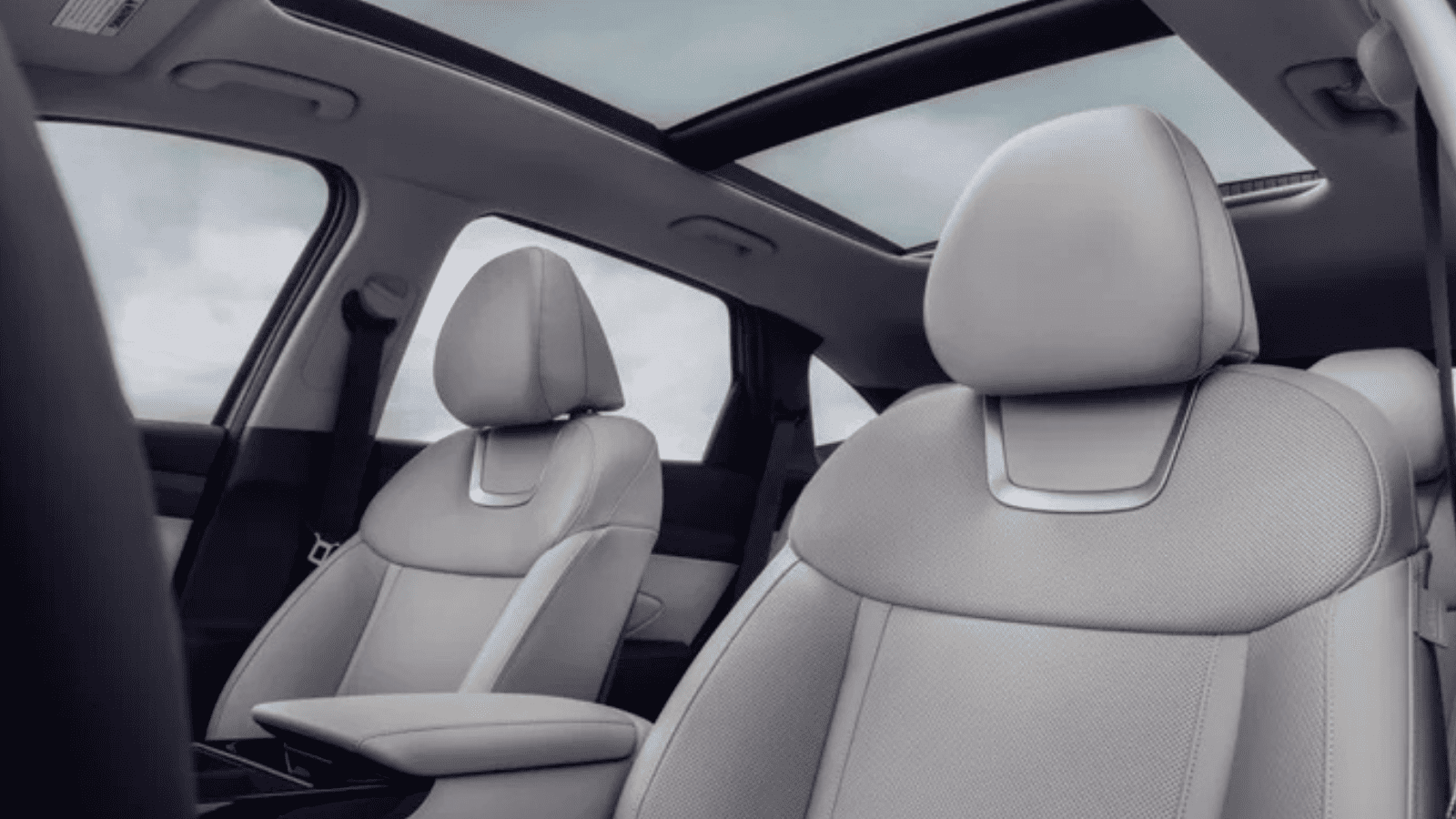
The Limited adds the most upscale cabin treatment, including leather-trimmed seating, ventilated front seats, a panoramic sunroof, a premium audio system, and more driver-assistance equipment.
Engine, Powertrain, and Performance
Every regular 2026 Tucson uses a naturally aspirated 2.5-liter GDI/MPI four-cylinder engine producing 187 horsepower and 178 lb-ft of torque. It pairs with an eight-speed automatic transmission.
The standard setup is front-wheel drive. Hyundai’s HTRAC all-wheel-drive system is available on SE, SEL, SEL Plus, and Limited trims, while the XRT is all-wheel drive only.
This powertrain is tuned for predictable everyday use rather than quick acceleration. It handles commuting, school runs, errands, and highway travel without difficulty, but it can feel relaxed when fully loaded or during fast passing maneuvers.
0–60 MPH Performance
Hyundai does not publish an official 0–60 mph time for the Tucson.
WheelPedia has not independently tested the Tucson, so this page does not list a verified acceleration figure. Buyers who place a high priority on quick acceleration should test-drive the Tucson and consider whether the separately sold hybrid powertrain better suits their needs.
Driving Experience
The Tucson is easy to place on the road for a compact SUV. Its steering is light enough for parking lots and city driving, while its composed chassis gives it a steady feel at highway speeds.
The eight-speed automatic behaves more like a traditional SUV transmission than a continuously variable transmission. It shifts smoothly in normal driving and keeps the powertrain simple for buyers who prefer a conventional gas-only setup.
Front-wheel-drive models provide the best fuel economy. HTRAC all-wheel drive is worth considering for buyers who regularly face snow, rain, gravel roads, or unpaved driveways. It adds traction, but it also lowers fuel economy.
The XRT has standard all-wheel drive and 18-inch wheels, but it is still designed primarily for paved-road use. Its rugged design should not be mistaken for dedicated off-road hardware.
Fuel Economy
| Drivetrain | EPA-Estimated City/Highway/Combined Fuel Economy |
| Tucson FWD | 25 / 33 / 28 mpg |
| Tucson HTRAC AWD | 24 / 30 / 26 mpg |
The front-wheel-drive Tucson is the better choice for drivers who want the lowest fuel use. All-wheel-drive versions lose 2 mpg combined but provide added confidence in poor weather.
Actual fuel economy depends on traffic, terrain, weather, tire pressure, passenger load, driving style, and use of climate control. The regular Tucson is efficient enough for a gas compact SUV, though shoppers who drive many miles each year should also compare the hybrid version’s lower fuel use.
Interior, Comfort, and Technology
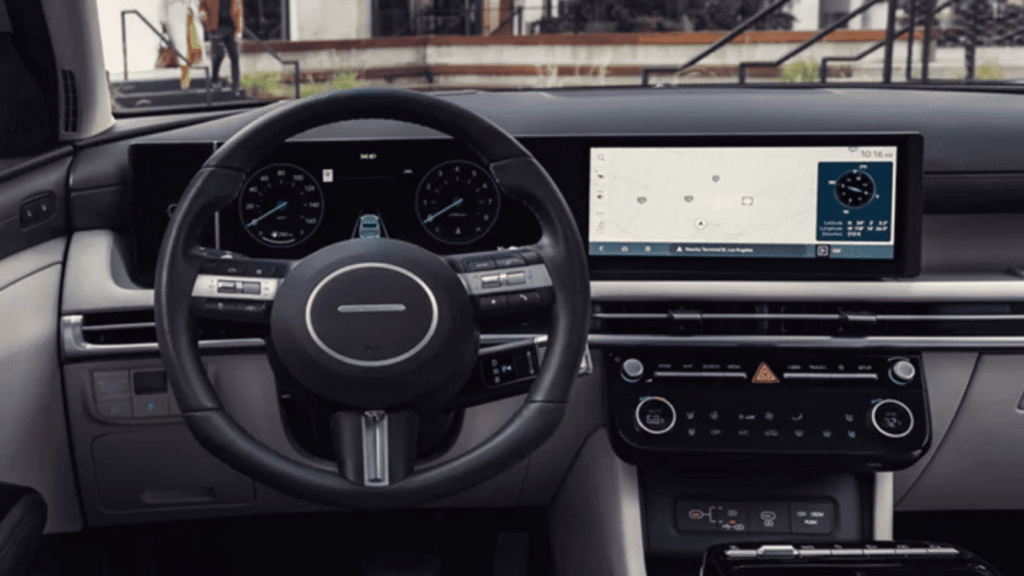
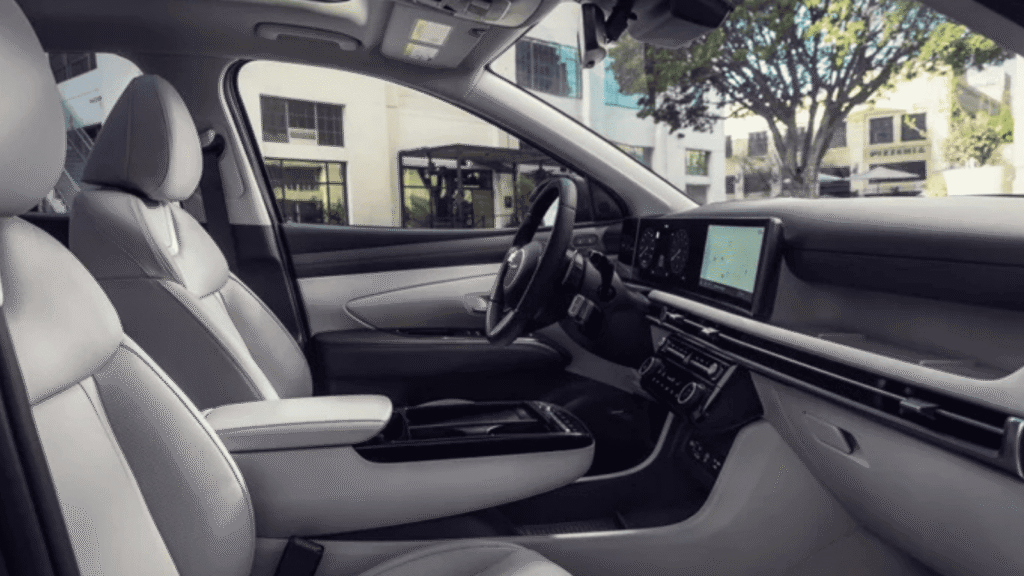
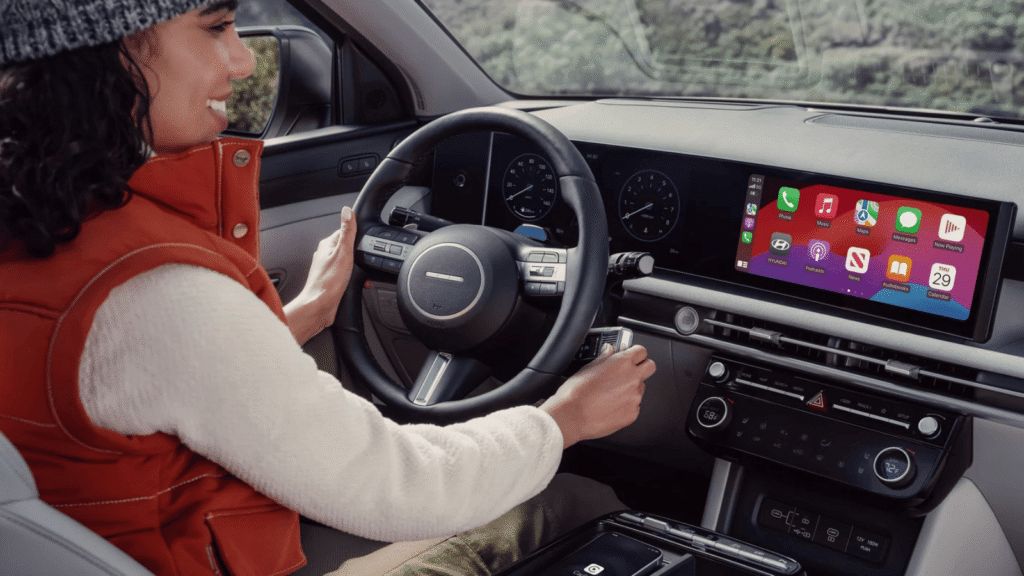
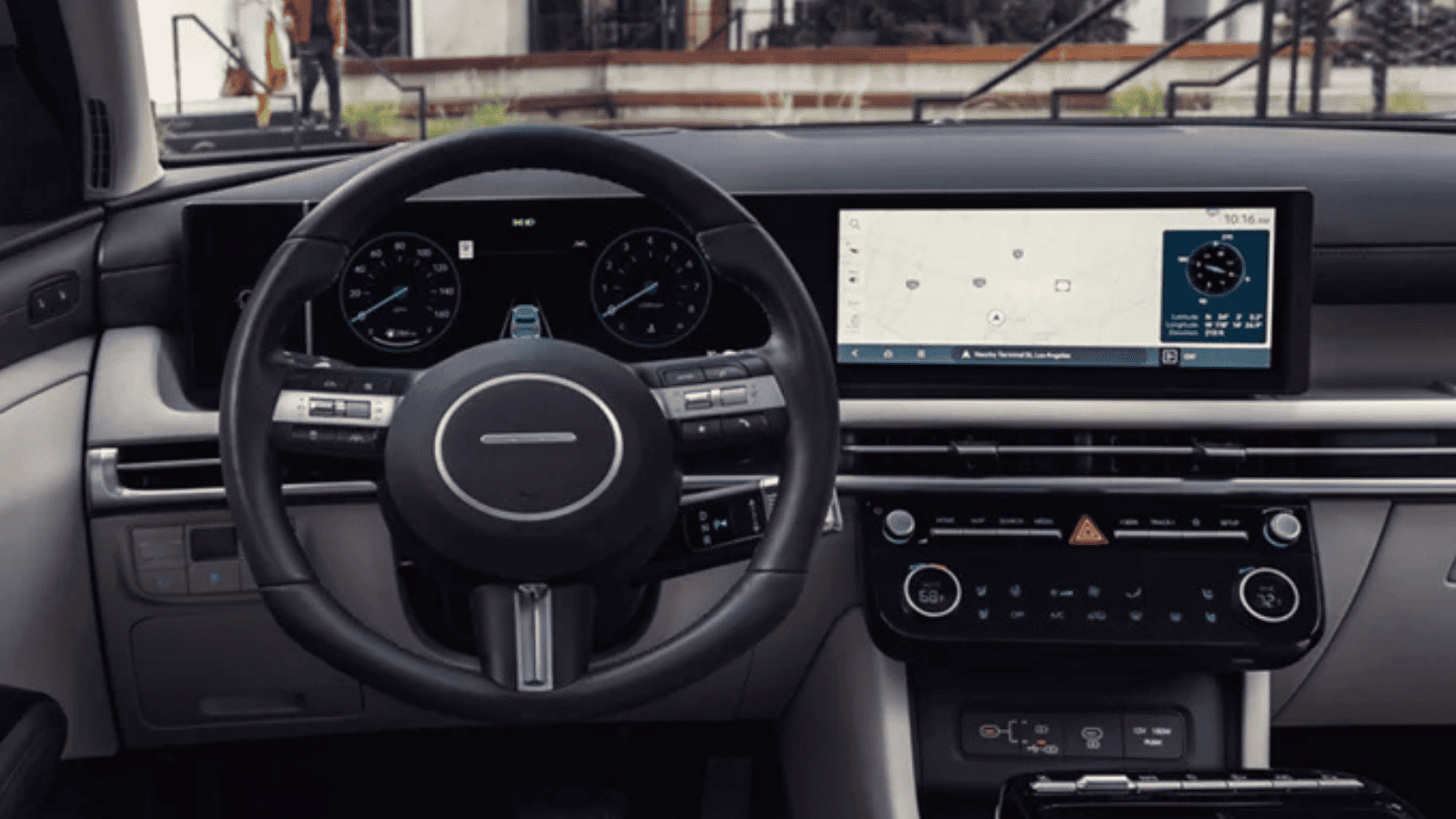
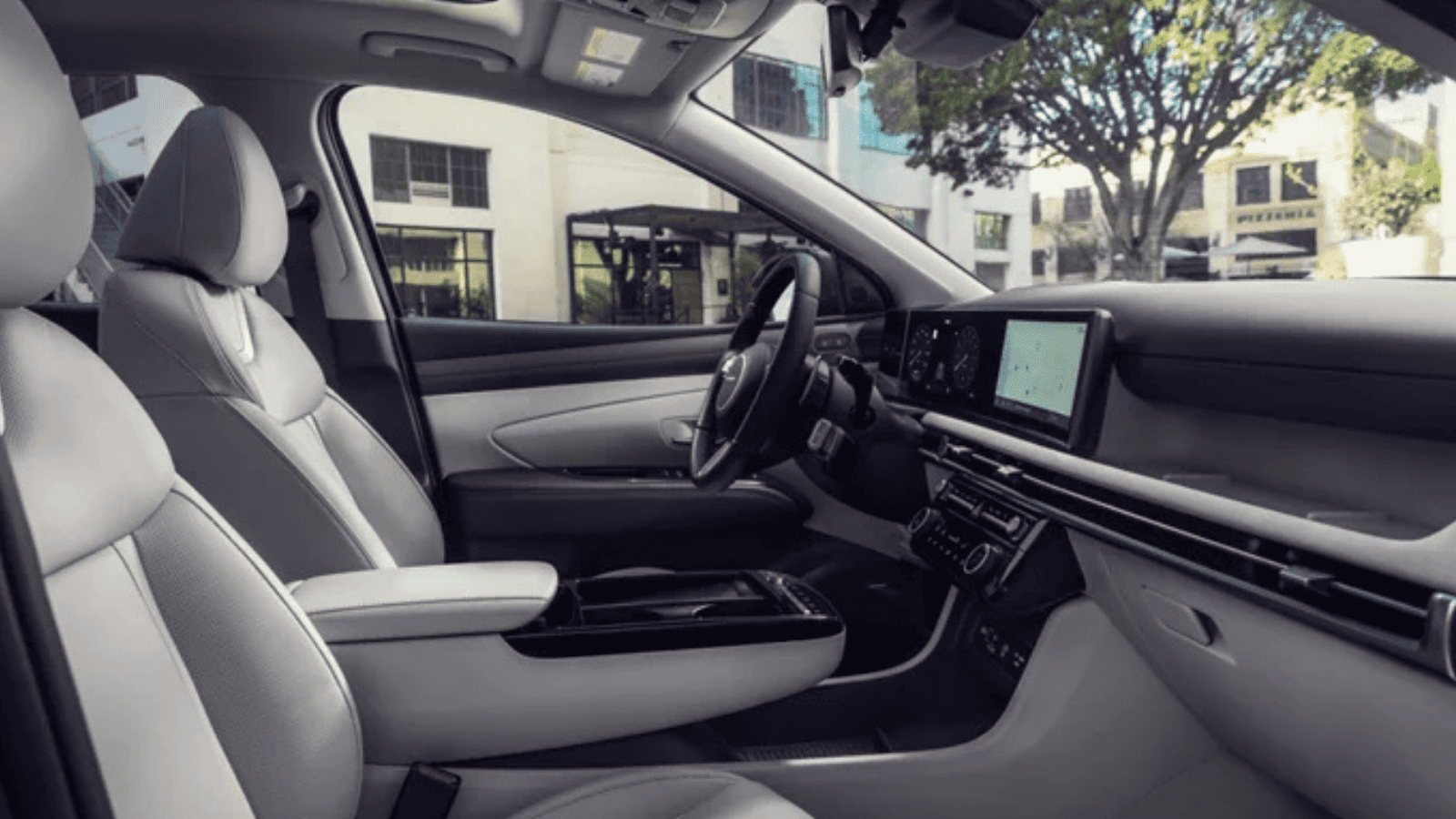
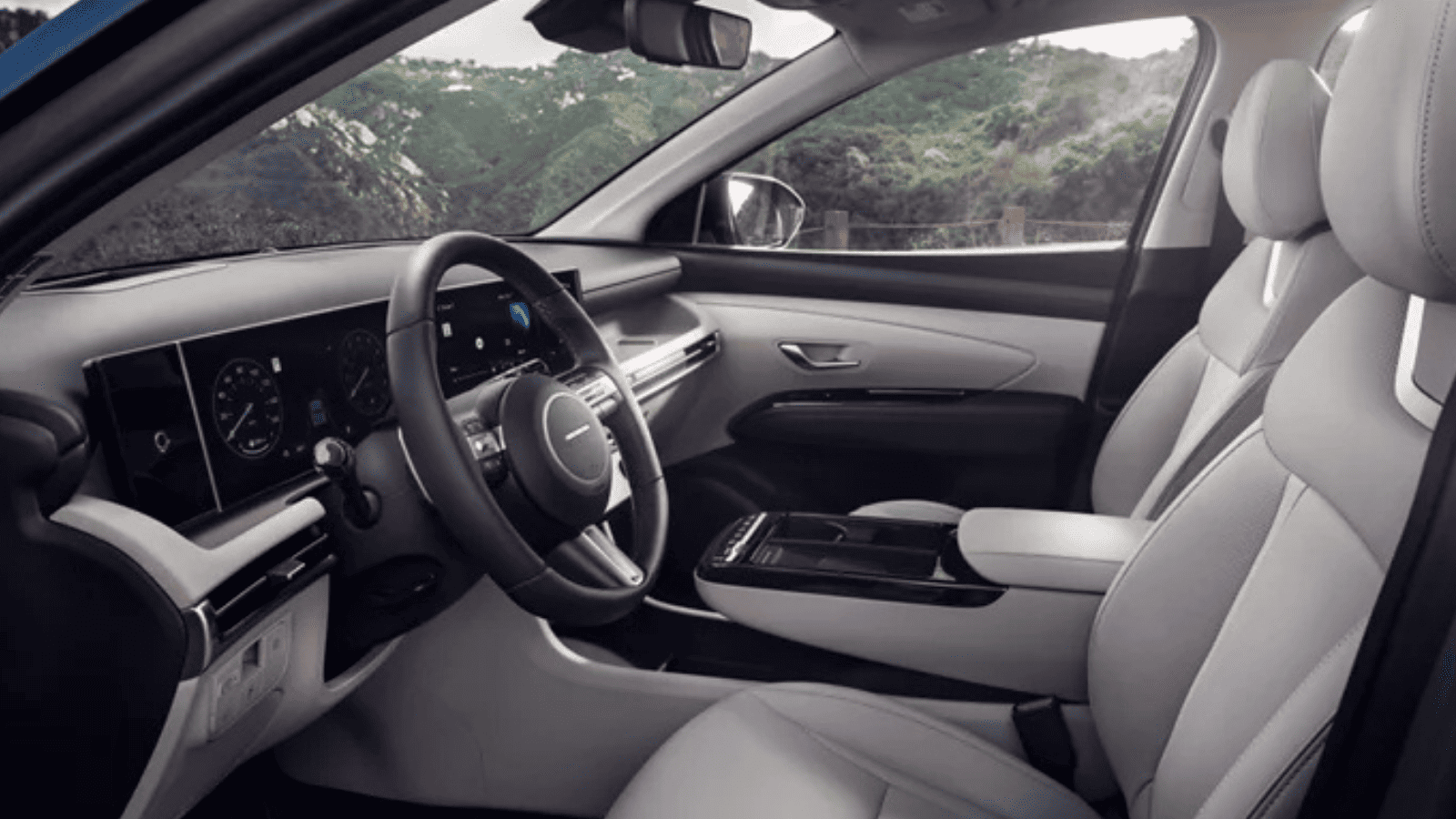
The Tucson has one of the roomier cabins in the compact-SUV class. The dashboard design is clean and modern, and the available dual-screen layout gives upper trims a more premium appearance.
Standard and available features include:
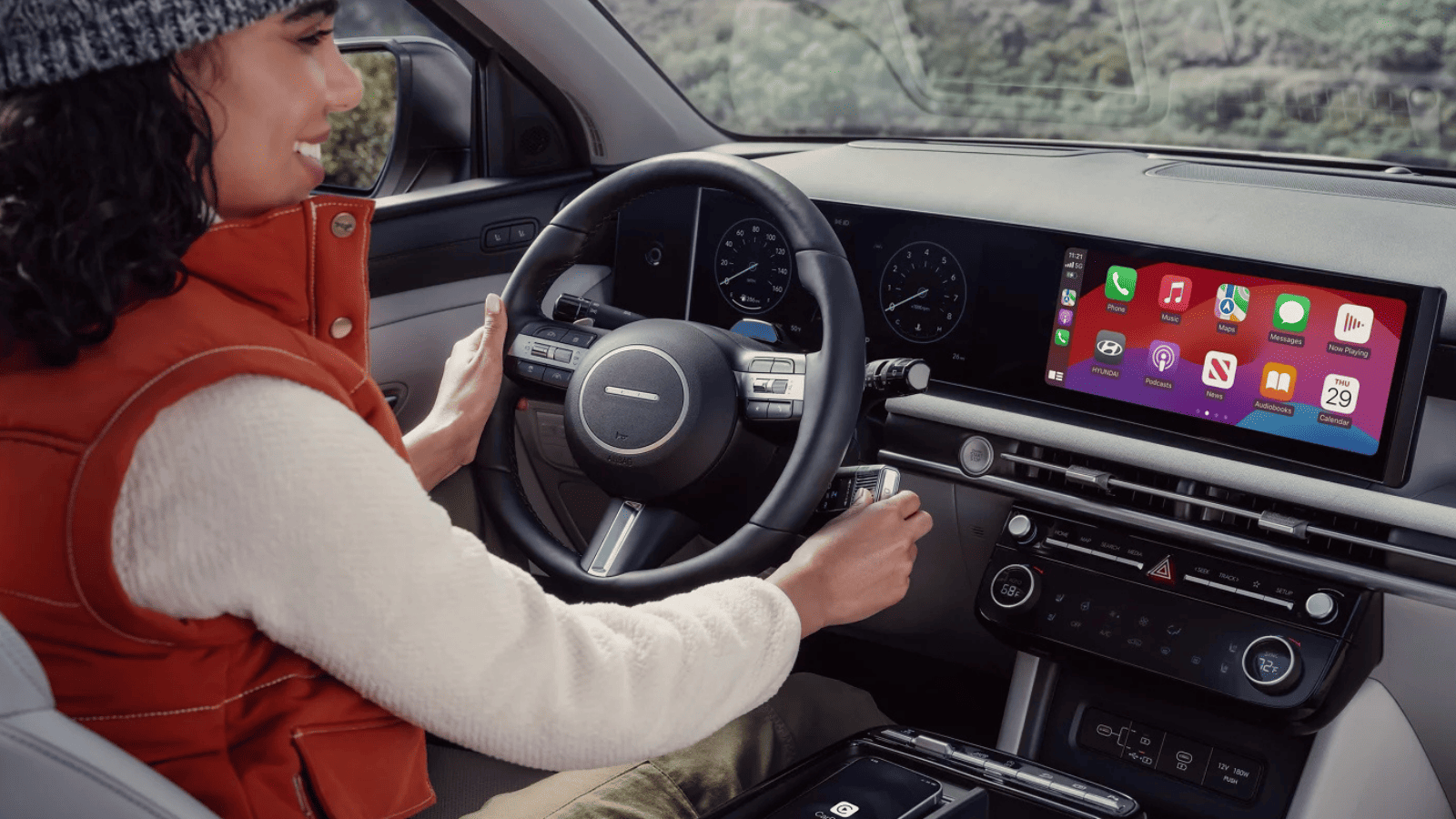
- 12.3-inch touchscreen display
- Wireless Apple CarPlay and Android Auto
- Bluetooth connectivity
- USB-C charging ports
- Available 12.3-inch digital instrument cluster
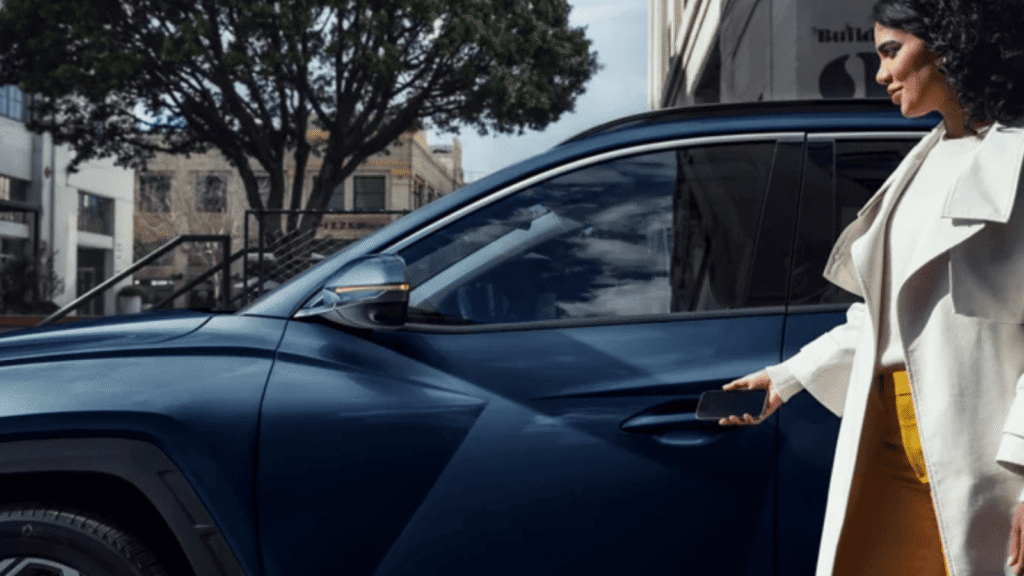
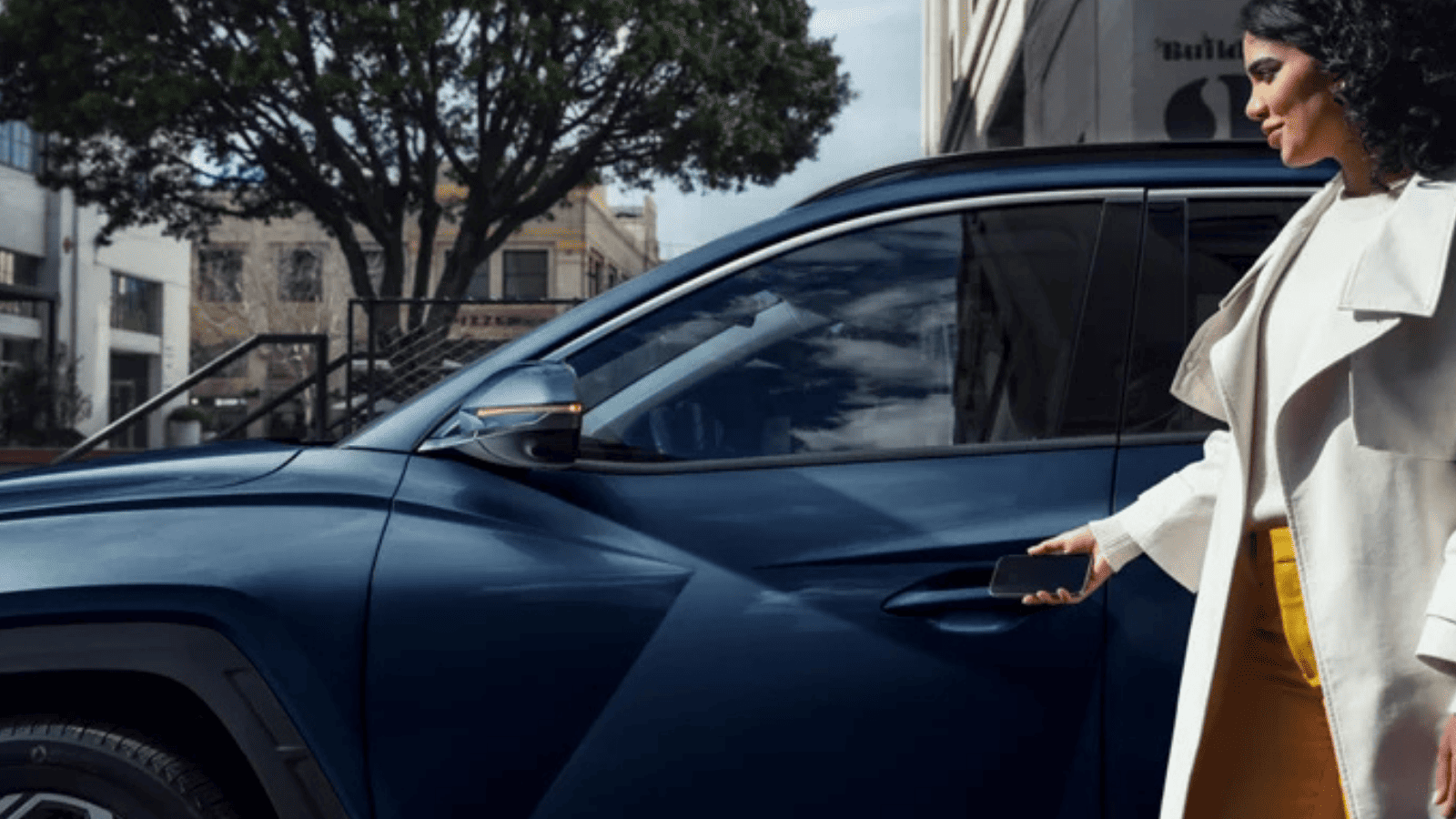
- Hyundai Digital Key on selected trims
- Bluelink+ connected-car services
- Available wireless device charging
- Available Bose premium audio system
- Available panoramic sunroof
- Available heated and ventilated front seats
- Available heated rear seats
- Dual-zone automatic climate control
- Hands-free smart liftgate on selected trims
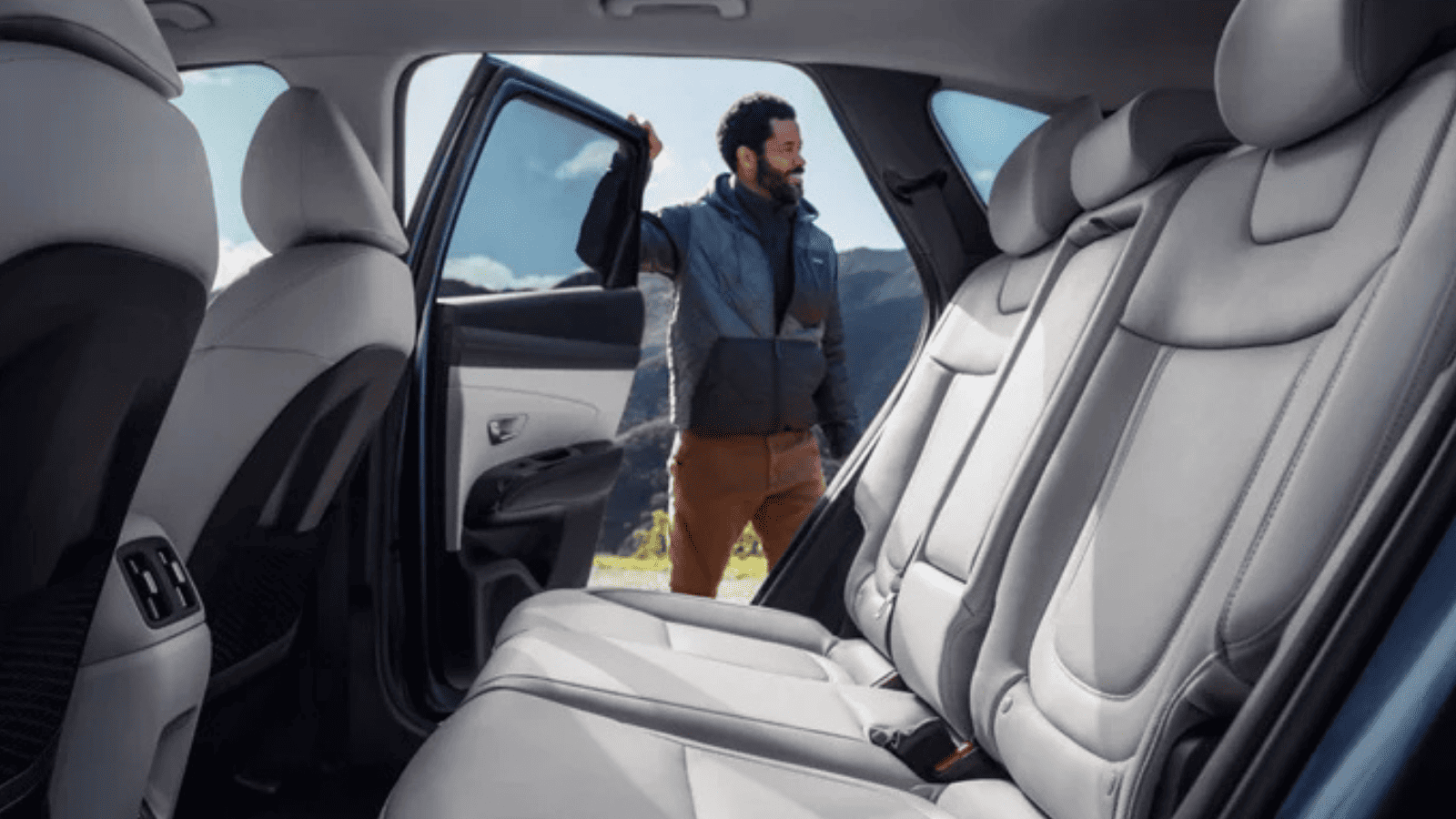
Front-seat comfort is good for commuting and longer trips. Rear-seat legroom is a major strength, with 41.3 inches available. Adults can sit behind average-height front occupants without feeling cramped.
The Limited is the best choice for buyers who want a near-luxury feature set. The SEL Plus is the better value for buyers who care more about useful technology and cargo flexibility than leather upholstery and ventilated seats.
Dimensions, Cargo, and Practicality
| Dimension | Measurement |
| Length | 182.7 in. |
| Width | 73.4 in. |
| Wheelbase | 108.5 in. |
| Front legroom | 41.4 in. |
| Rear legroom | 41.3 in. |
| Cargo space behind rear seats | 38.7 cu. ft. |
| Maximum cargo space | 74.8 cu. ft. |
| Seating | 5 passengers |
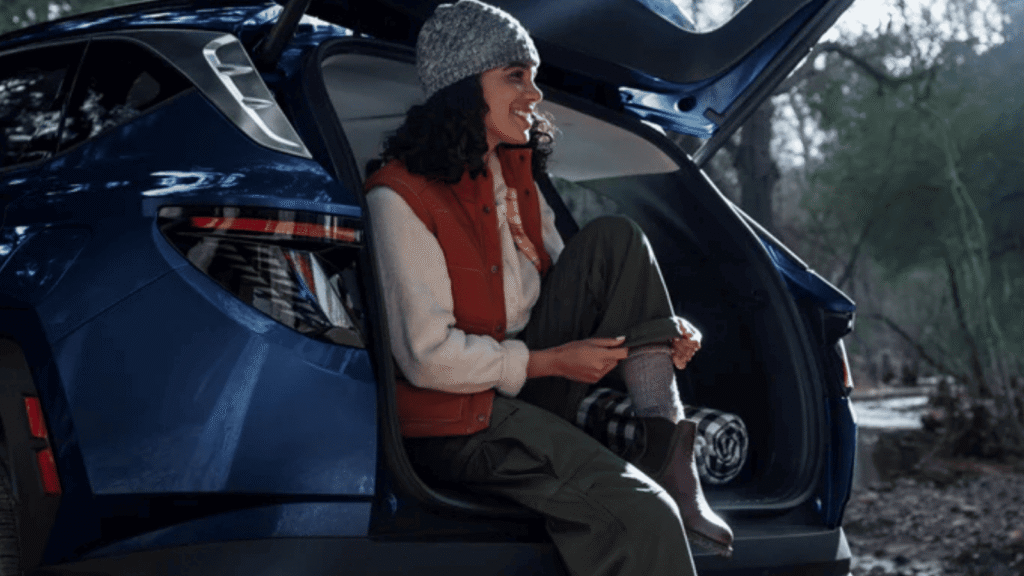
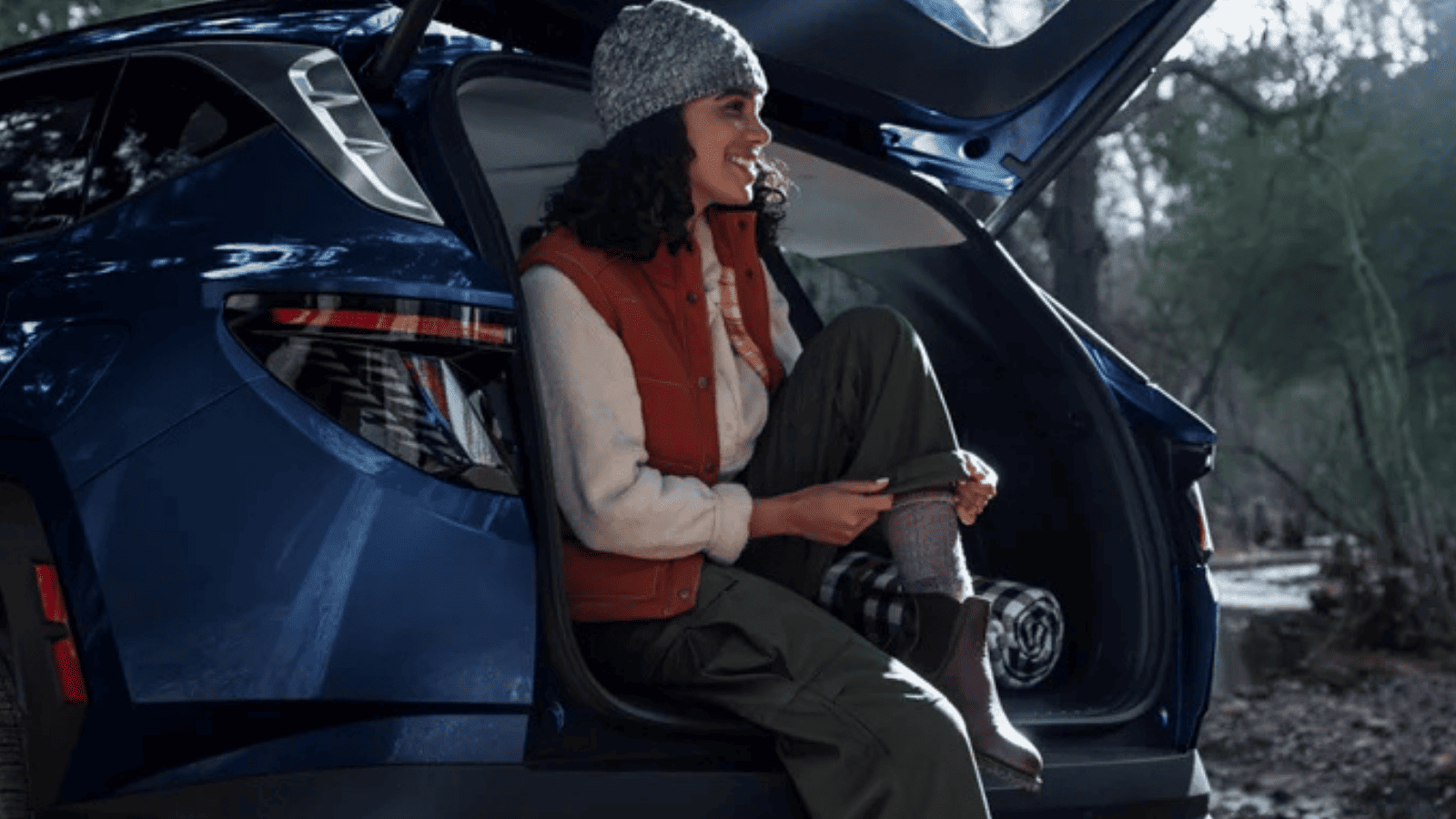
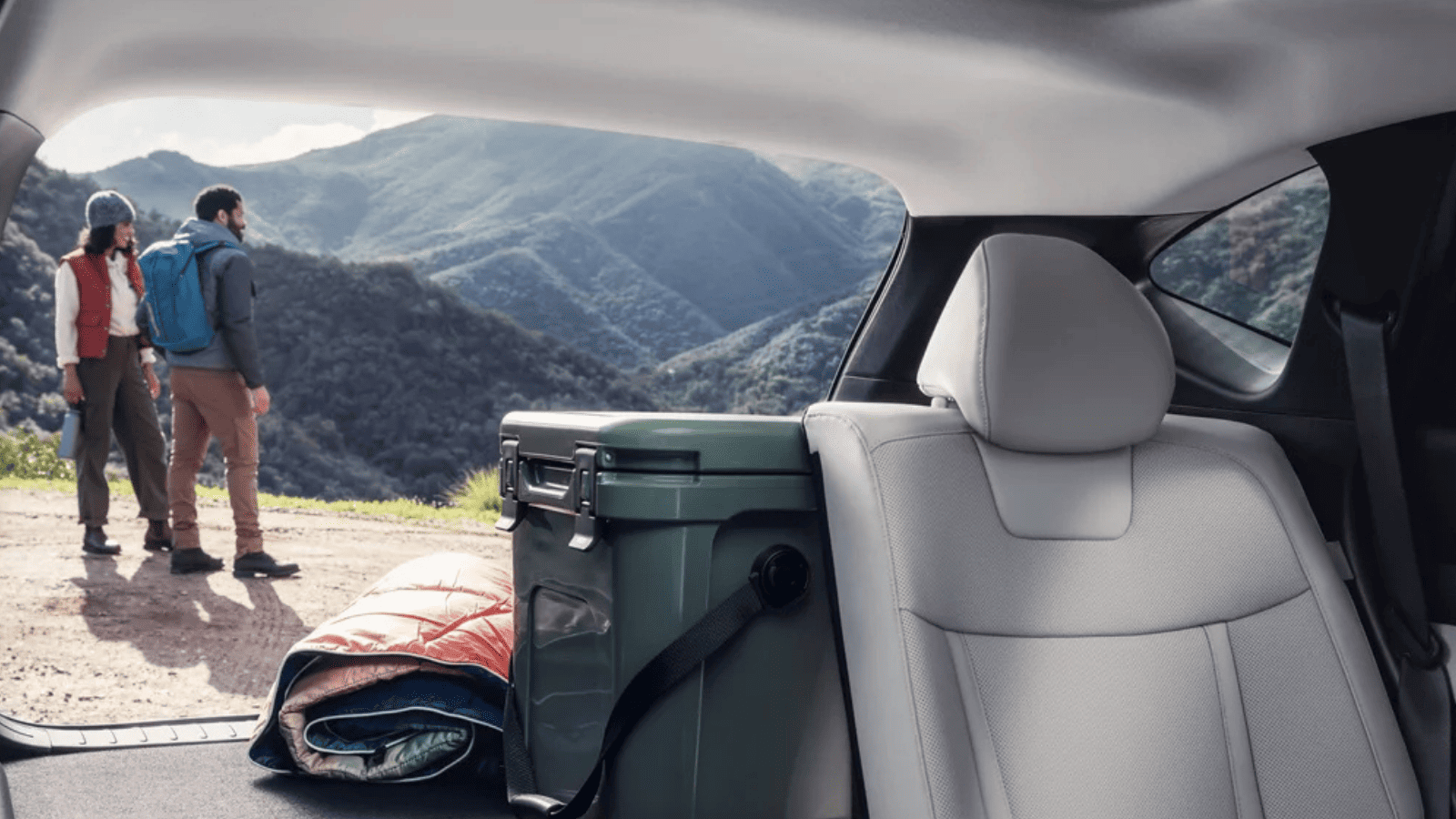
The Tucson’s cargo area is one of its strongest practical advantages. Its 38.7 cubic feet behind the rear seats can handle groceries, a stroller, luggage, sports gear, and everyday family use without requiring the rear seats to be folded.
Folding the rear seats expands capacity to 74.8 cubic feet. The wide opening and low load floor make it easier to manage bulky items than in a sedan.
The Tucson can tow up to 2,750 pounds with trailer brakes or 1,650 pounds without trailer brakes when properly equipped. That is enough for small utility trailers and light recreational equipment, but buyers who tow heavier loads should look at a larger SUV.
Exterior Design
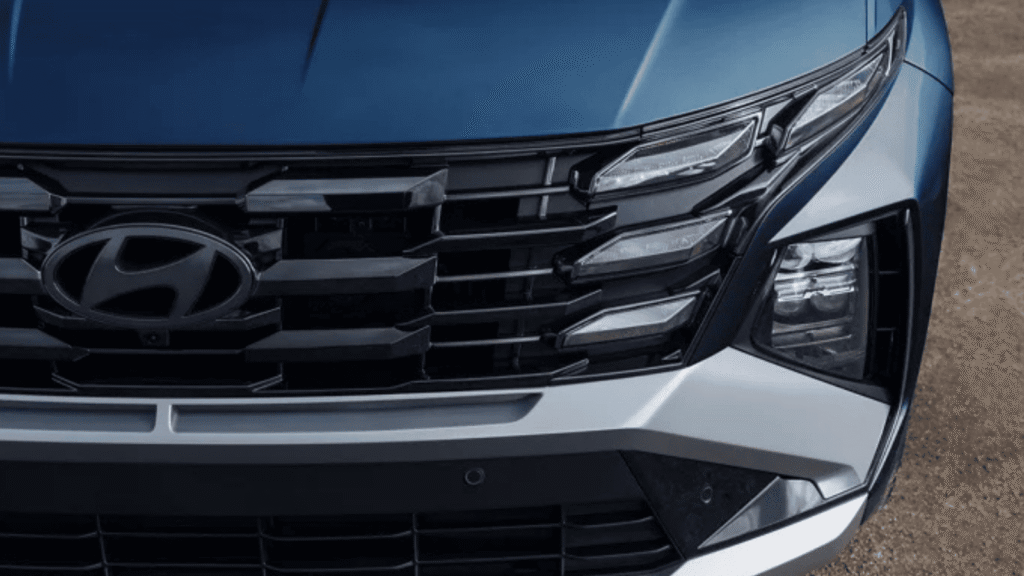
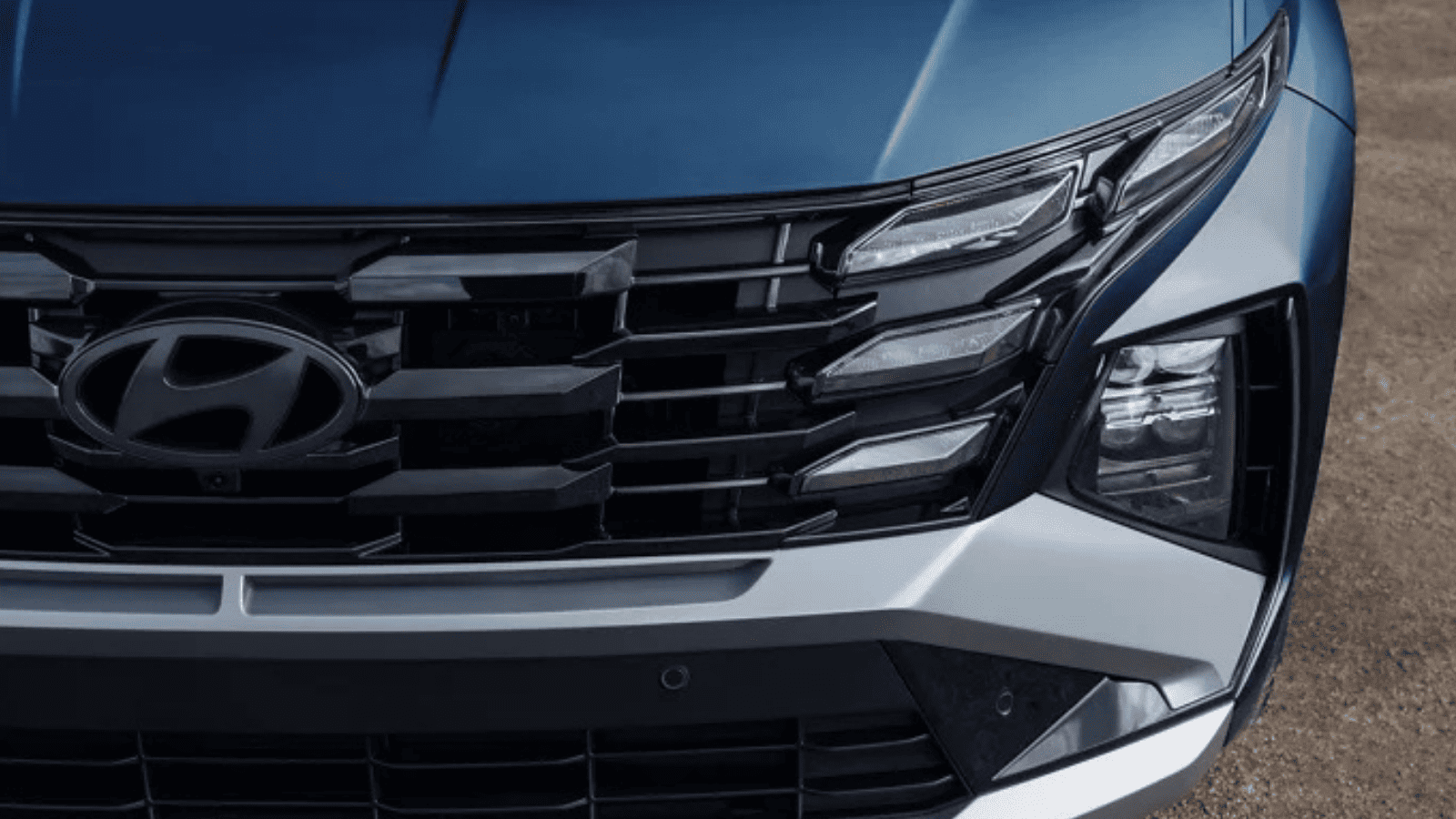
The Tucson has a bold, geometric design that separates it from more conservative compact SUVs. Its grille integrates the daytime running lights, and its angular body lines give it a more distinctive look than a typical family crossover.
The SE and SEL have the cleanest appearance. The SEL Plus adds larger wheels and more polished exterior details. The XRT changes the look most dramatically with black exterior accents, side cladding, roof rails, and unique wheels.
The Limited is the more upscale version, with additional exterior details that match its richer interior. Its design is modern without being overly aggressive, although buyers who prefer a very traditional SUV shape may want to see it in person before deciding.
Safety Features and Ratings
The Tucson includes Hyundai SmartSense driver-assistance technology. Standard and available features include:
- Forward Collision-Avoidance Assist with pedestrian, cyclist, and junction-turning detection
- Lane Keeping Assist
- Lane Following Assist
- Driver Attention Warning
- High Beam Assist
- Blind-Spot Collision Warning
- Rear Cross-Traffic Collision-Avoidance Assist
- Rear automatic braking
- Safe Exit Warning
- Smart Cruise Control on selected trims
- Highway Driving Assist on selected trims
- Surround View Monitor on selected trims
- Rearview camera
The 2026 Hyundai Tucson earned an IIHS Top Safety Pick+ award. IIHS gave it Good ratings in the small-overlap front, updated moderate-overlap front, and updated side-impact crash tests. Its standard vehicle-to-vehicle and pedestrian front-crash-prevention systems also received Good ratings. The updated moderate-overlap result applies to 2024–2026 Tucsons built after March 2024, so buyers should confirm the build date of the vehicle they are considering. Read the full IIHS Tucson safety results.
IIHS rated the Limited’s headlights Good and the SE, SEL, and XRT headlight setup Acceptable. Its whiplash-prevention rating is Poor, which is a worthwhile consideration for buyers comparing detailed safety results.
Reliability, Warranty, and Ownership
The Tucson makes a strong ownership case through its practical size, widespread dealer support, conventional powertrain, and long Hyundai warranty coverage.
| Coverage | Length |
| New vehicle limited warranty | 5 years / 60,000 miles |
| Powertrain limited warranty | 10 years / 100,000 miles |
| Roadside assistance | 5 years / unlimited miles |
| Anti-perforation warranty | 7 years / unlimited miles |
The 10-year/100,000-mile powertrain coverage applies to the original owner. Warranty terms can differ for later owners, so used-car shoppers should check the remaining coverage for the exact vehicle.
Follow the maintenance schedule, keep service records, inspect tires regularly, and run a VIN-specific recall check before buying new or used.
Pros and Cons
What We Like
- Roomy rear seat for a compact SUV
- Large, useful cargo area
- Wide trim range
- Available all-wheel drive
- Strong standard driver-assistance technology
- 2026 IIHS Top Safety Pick+ award
- Modern touchscreen and available digital displays
- Long powertrain warranty
- Conventional eight-speed automatic transmission
- Useful light-duty towing capacity
What We Don’t Like
- Engine is adequate rather than quick
- All-wheel drive reduces fuel economy
- No third-row seating
- XRT styling does not add serious off-road capability
- Limited trim has a sizable price jump
- Whiplash-prevention result is a weak point in IIHS testing
- Hybrid model is a better fit for high-mileage drivers
Alternatives
The Tucson is a compelling choice for buyers who want a roomy compact SUV with good cargo space, a conventional gas engine, available all-wheel drive, and long warranty coverage.
Buyers who need a smaller, easier-to-park Hyundai should consider the Hyundai Kona. Those who need a third row, more family space, or greater towing ability should look at the Hyundai Santa Fe or Hyundai Santa Fe Hybrid.
The regular Tucson is the better choice when lower upfront cost and a conventional gas setup matter most. The separately sold hybrid version is worth the extra consideration for drivers who cover many miles and want lower fuel costs.
Related WheelPedia Content
If you are buying your first car, read our guide to how to buy your first car before visiting a dealership.
Before arranging finance, review how car financing works and consider a car loan preapproval. Used-car shoppers should also read how to check a car’s accident history.
Should You Buy the Hyundai Tucson?
Buy the Hyundai Tucson if you want a two-row compact SUV with a spacious cabin, generous cargo room, current safety technology, and the option of all-wheel drive.
Choose the SE if price matters most. Choose the SEL Plus if you want the strongest balance of useful features and value. Choose the XRT if standard all-wheel drive and its rugged styling are priorities. Choose the Limited if you want a more premium interior and the fullest technology package.
Skip the Tucson if you need three-row seating, fast acceleration, substantial towing capability, or the highest possible fuel economy.
Hyundai Tucson FAQs
How much does the Hyundai Tucson cost?
The 2026 Hyundai Tucson starts at $29,700 MSRP in the United States. Final pricing will vary with drivetrain, destination, taxes, registration, accessories, and dealer charges.
Is the Hyundai Tucson all-wheel drive?
All-wheel drive is available on SE, SEL, SEL Plus, and Limited trims. The Tucson XRT includes Hyundai HTRAC all-wheel drive as standard.
How much horsepower does the Hyundai Tucson have?
The regular Tucson has a 2.5-liter four-cylinder engine producing 187 horsepower and 178 lb-ft of torque.
What mpg does the Hyundai Tucson get?
Front-wheel-drive Tucsons are EPA-rated at 25 mpg city, 33 mpg highway, and 28 mpg combined. HTRAC all-wheel-drive models are rated at 24 mpg city, 30 mpg highway, and 26 mpg combined.
Is the Hyundai Tucson a hybrid?
The standard Tucson is a gas-only model. Hyundai also sells Tucson Hybrid and Tucson Plug-in Hybrid models as separate vehicle lines.
How much cargo space does the Hyundai Tucson have?
The Tucson has 38.7 cubic feet of SAE-measured cargo space behind the rear seats and 74.8 cubic feet with the rear seats folded.
Can the Hyundai Tucson tow?
Yes. When properly equipped, the Tucson can tow up to 2,750 pounds with trailer brakes or 1,650 pounds without trailer brakes.
Is the Hyundai Tucson safe?
Yes. The 2026 Tucson earned an IIHS Top Safety Pick+ award and includes standard forward-collision, lane-support, blind-spot, and rear automatic-braking technology. Buyers should still check the exact trim, build date, and current recall status.
Does the Hyundai Tucson have Apple CarPlay and Android Auto?
Yes. Wireless Apple CarPlay and Android Auto are available on the Tucson.
How long is the Hyundai Tucson warranty?
The Tucson includes a 5-year/60,000-mile new-vehicle limited warranty and a 10-year/100,000-mile powertrain limited warranty for the original owner.
Final Verdict
The Hyundai Tucson is one of the more well-rounded compact SUVs for buyers who value space, safety, technology, and long-term ownership coverage over sporty acceleration.
Its cabin and cargo area are particularly useful, its trim range is broad, and available all-wheel drive makes it viable for buyers in colder climates. The engine is not exciting, but it is easy to live with and paired with a conventional eight-speed automatic transmission.
For most shoppers, the SEL Plus is the right Tucson. It adds the equipment many buyers want while retaining a far more manageable price than the Limited.