
Mercedes-Benz GLA: Price, Specs, Features & Review
The Mercedes-Benz GLA is a subcompact luxury SUV for buyers who want the premium look and technology of a Mercedes-Benz in a city-friendly size. It has a raised seating position, a turbocharged mild-hybrid engine, standard smartphone connectivity, and more cargo flexibility than a luxury sedan.
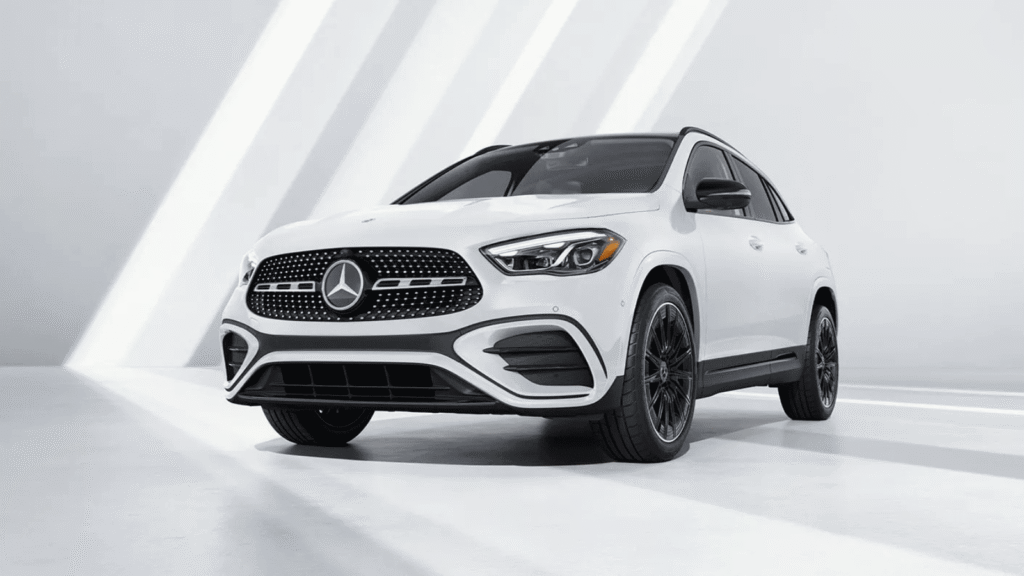
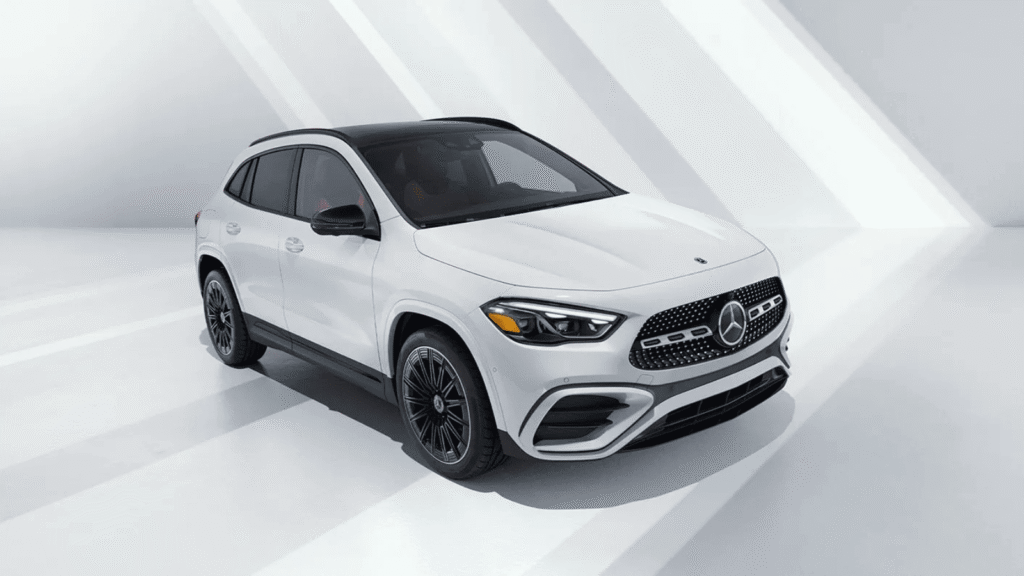
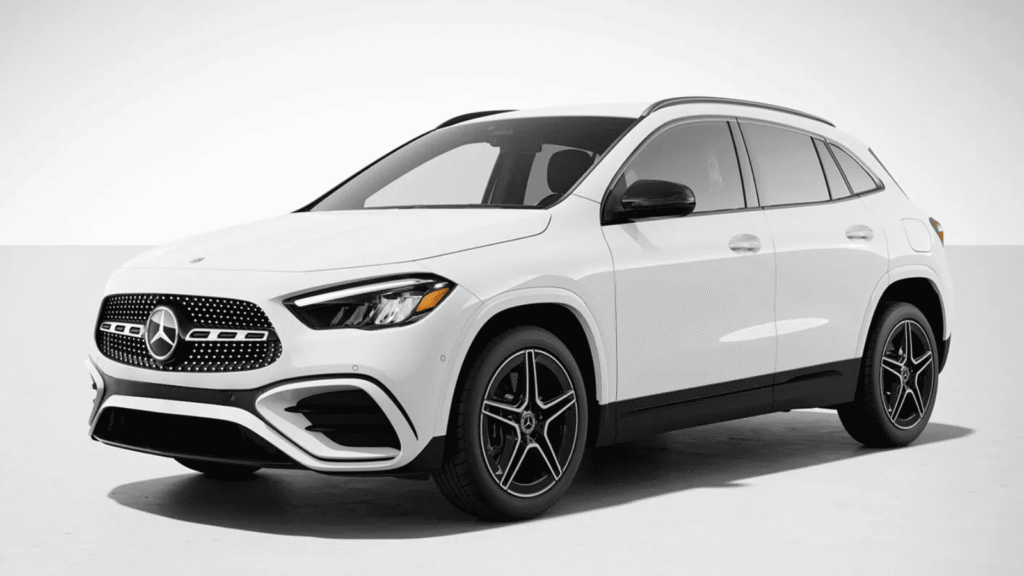
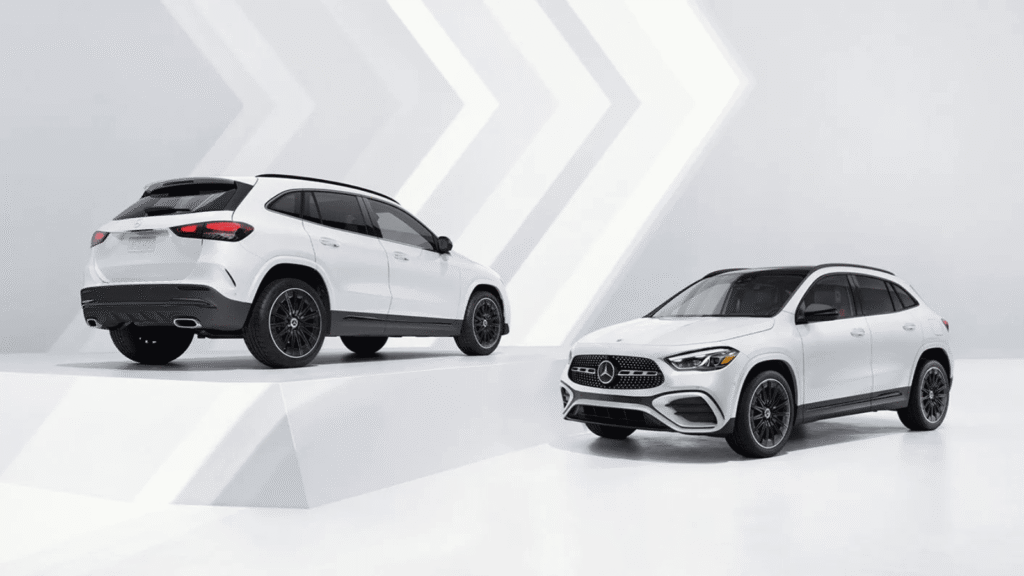
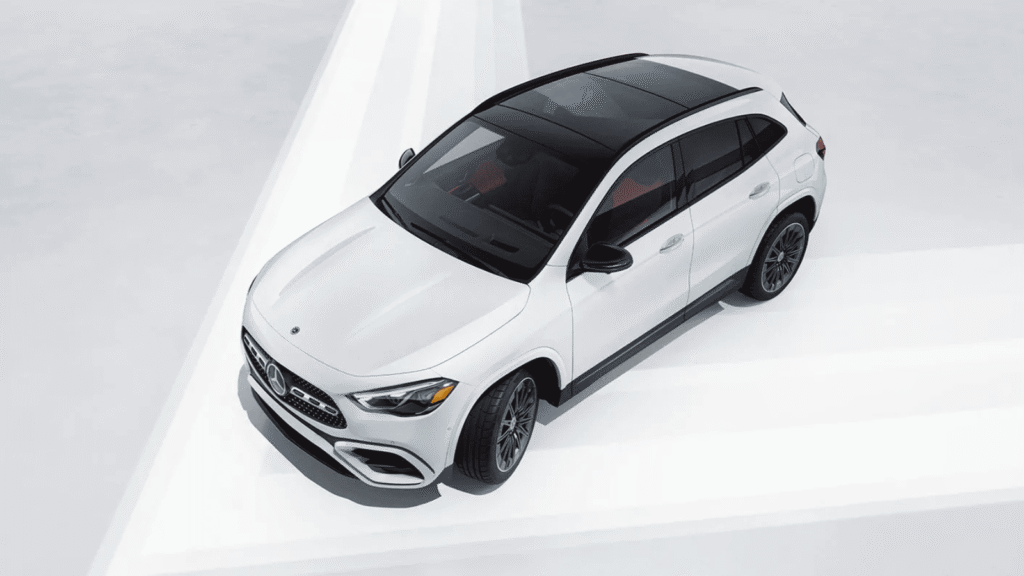
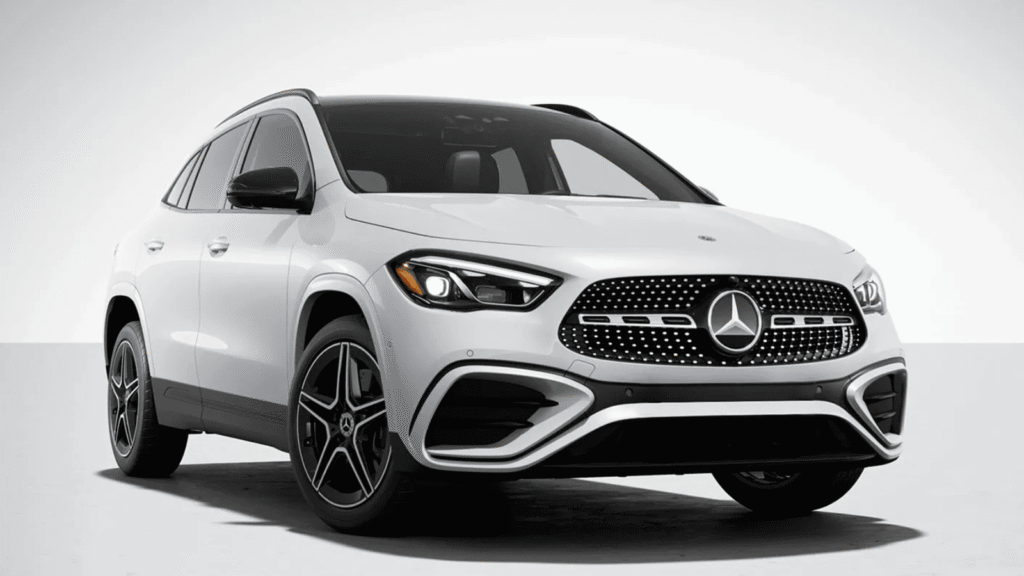
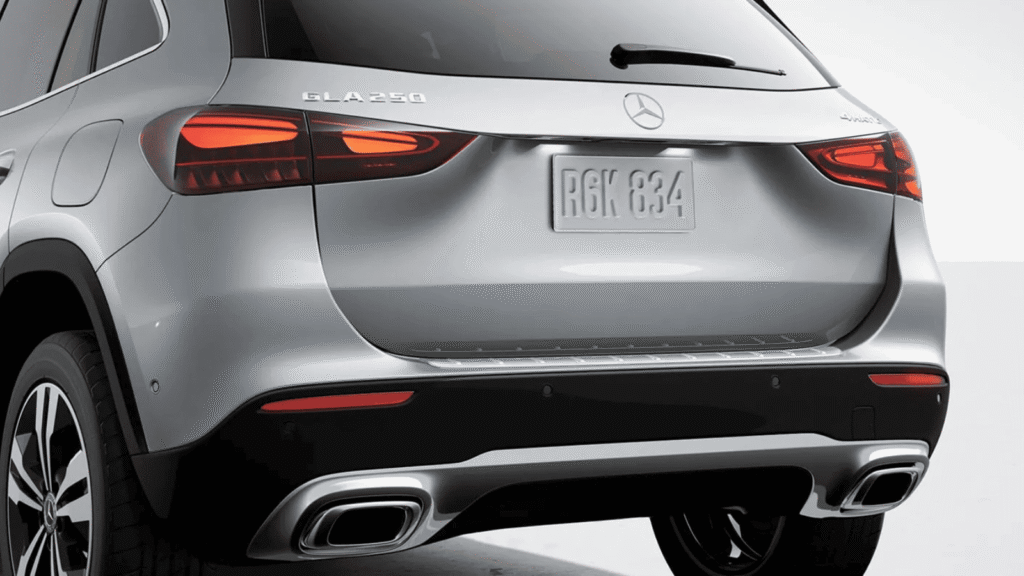
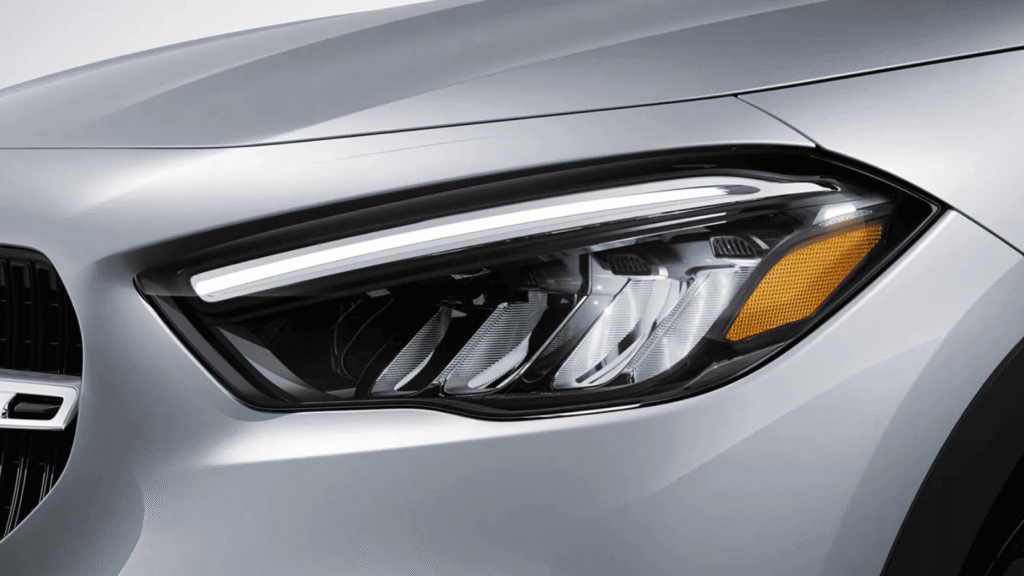
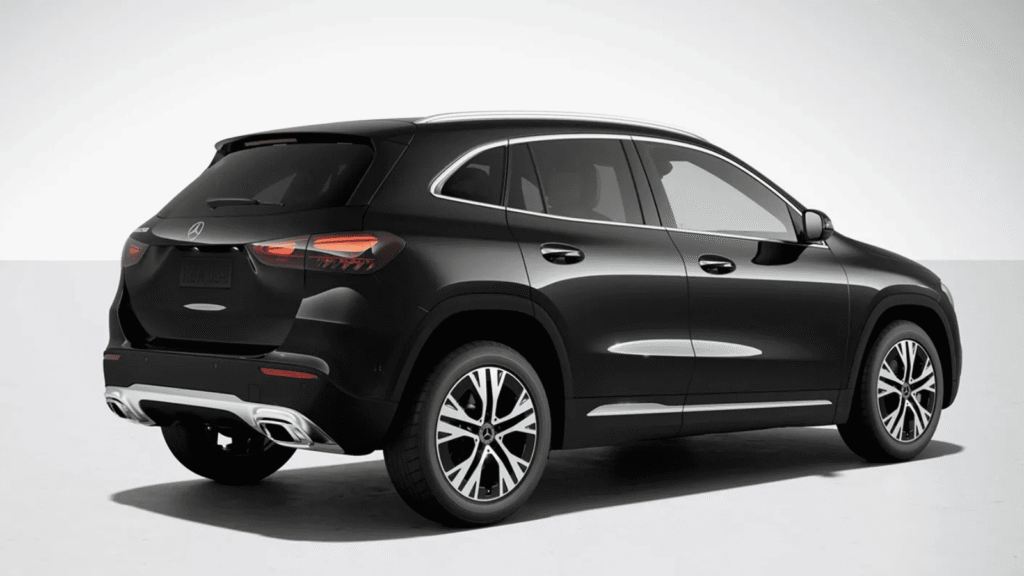
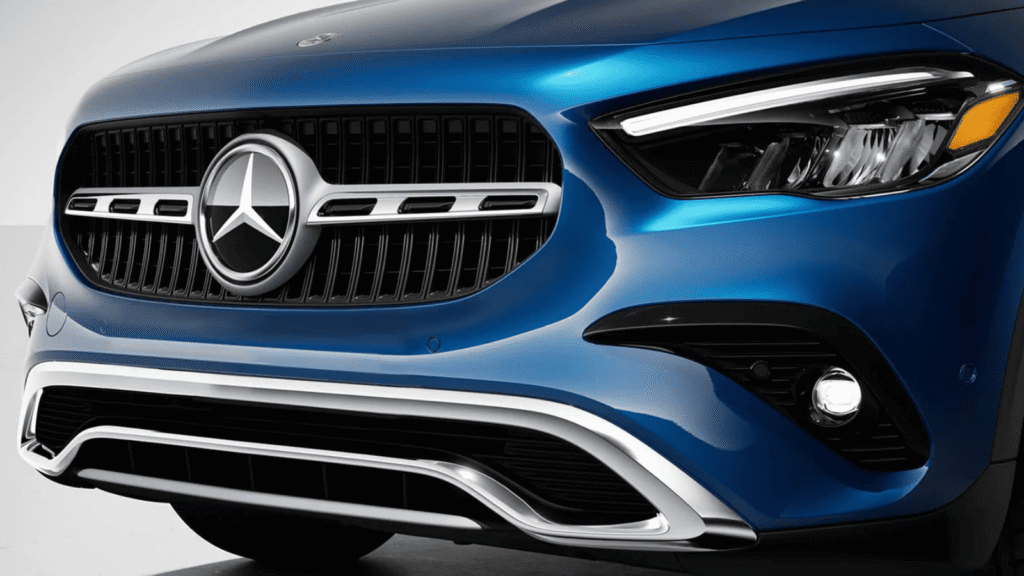
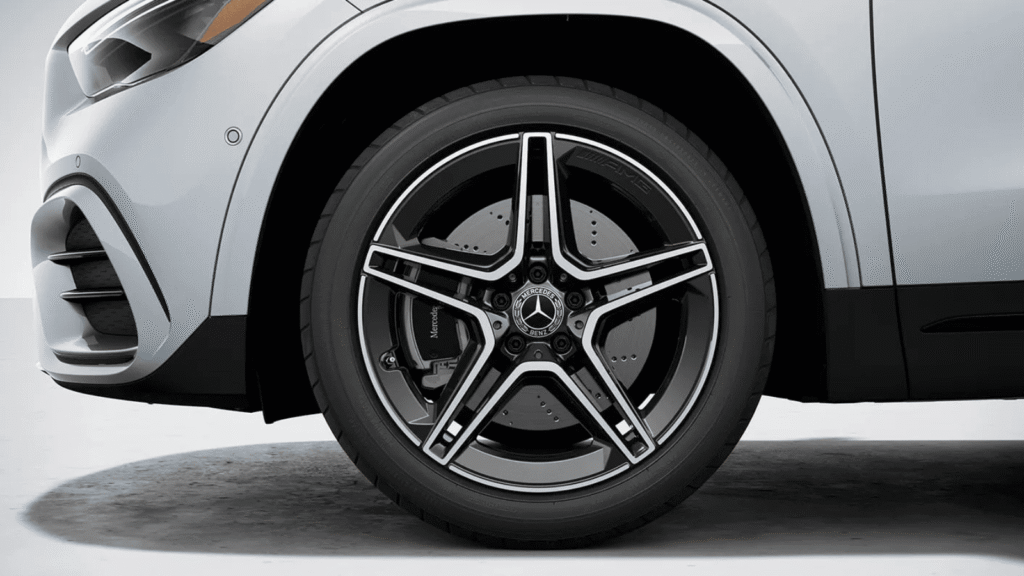
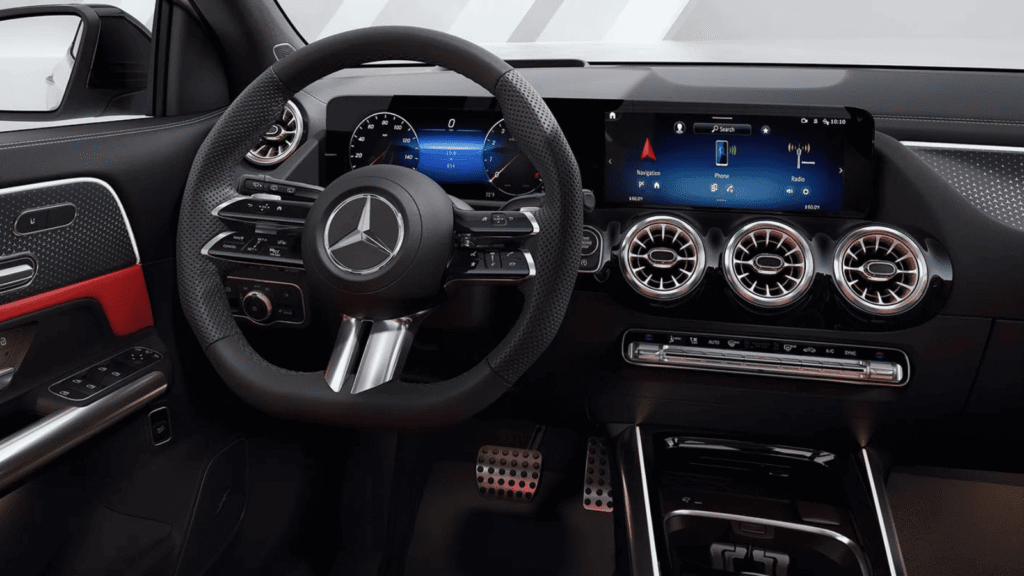
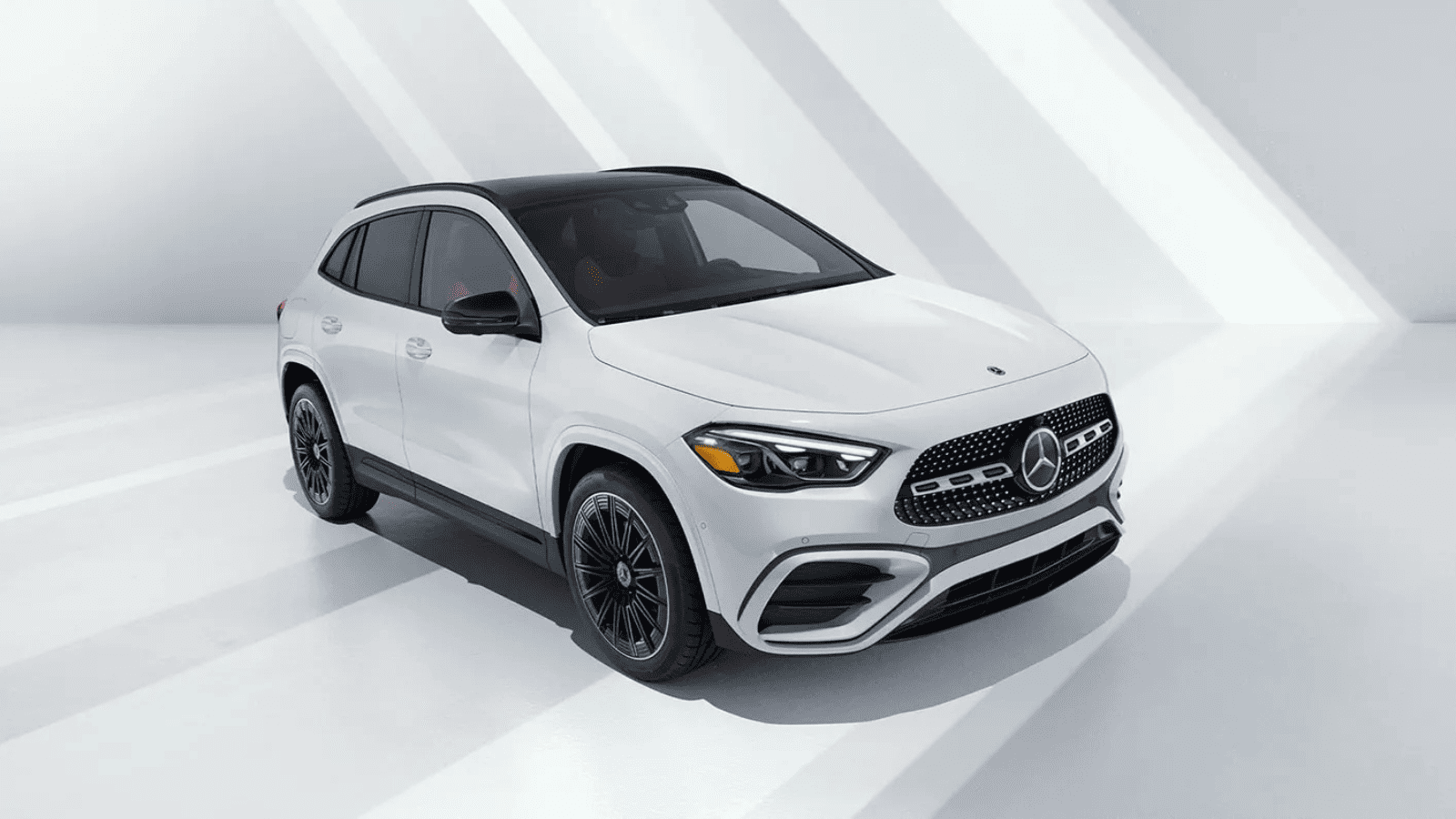
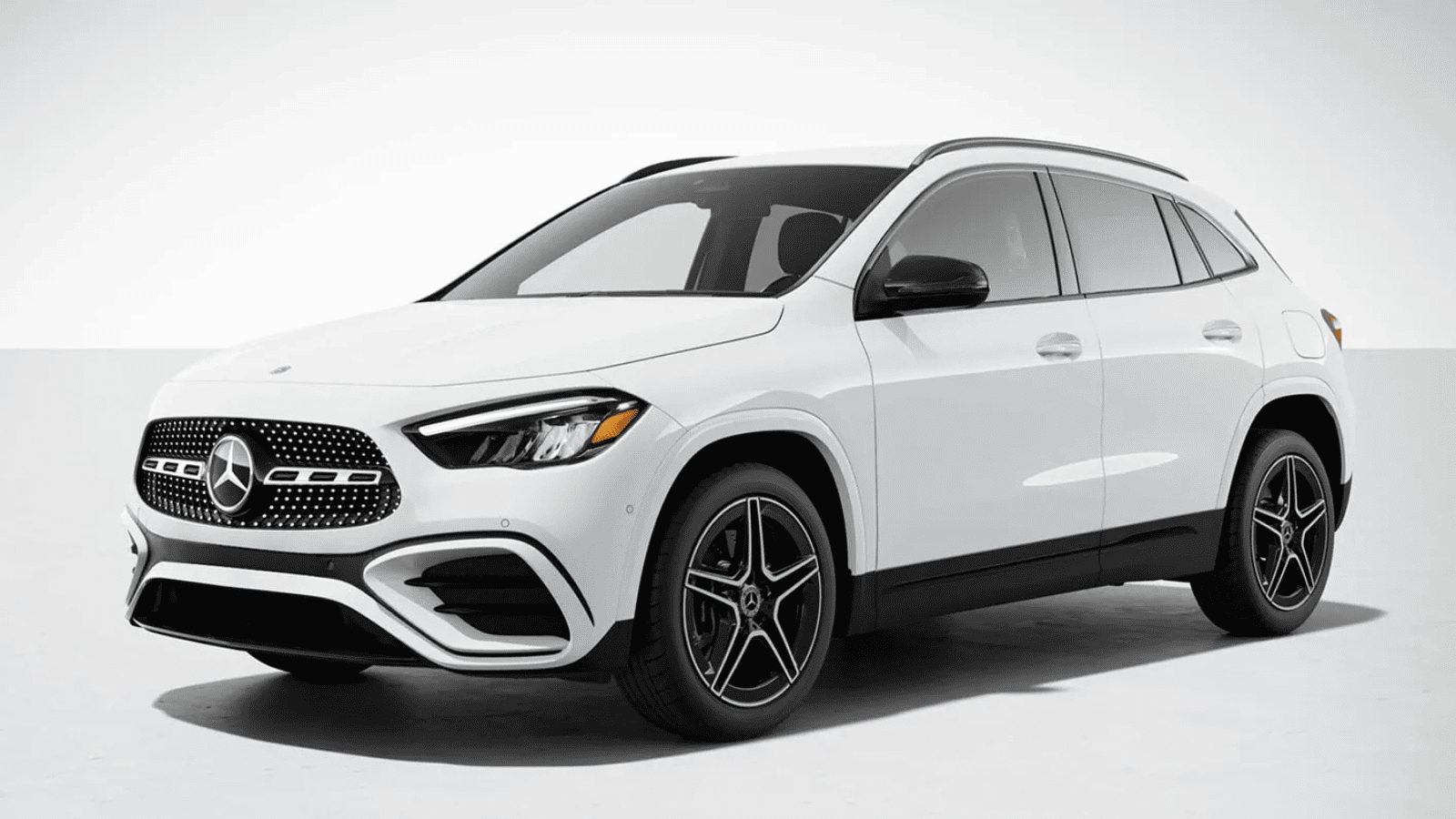
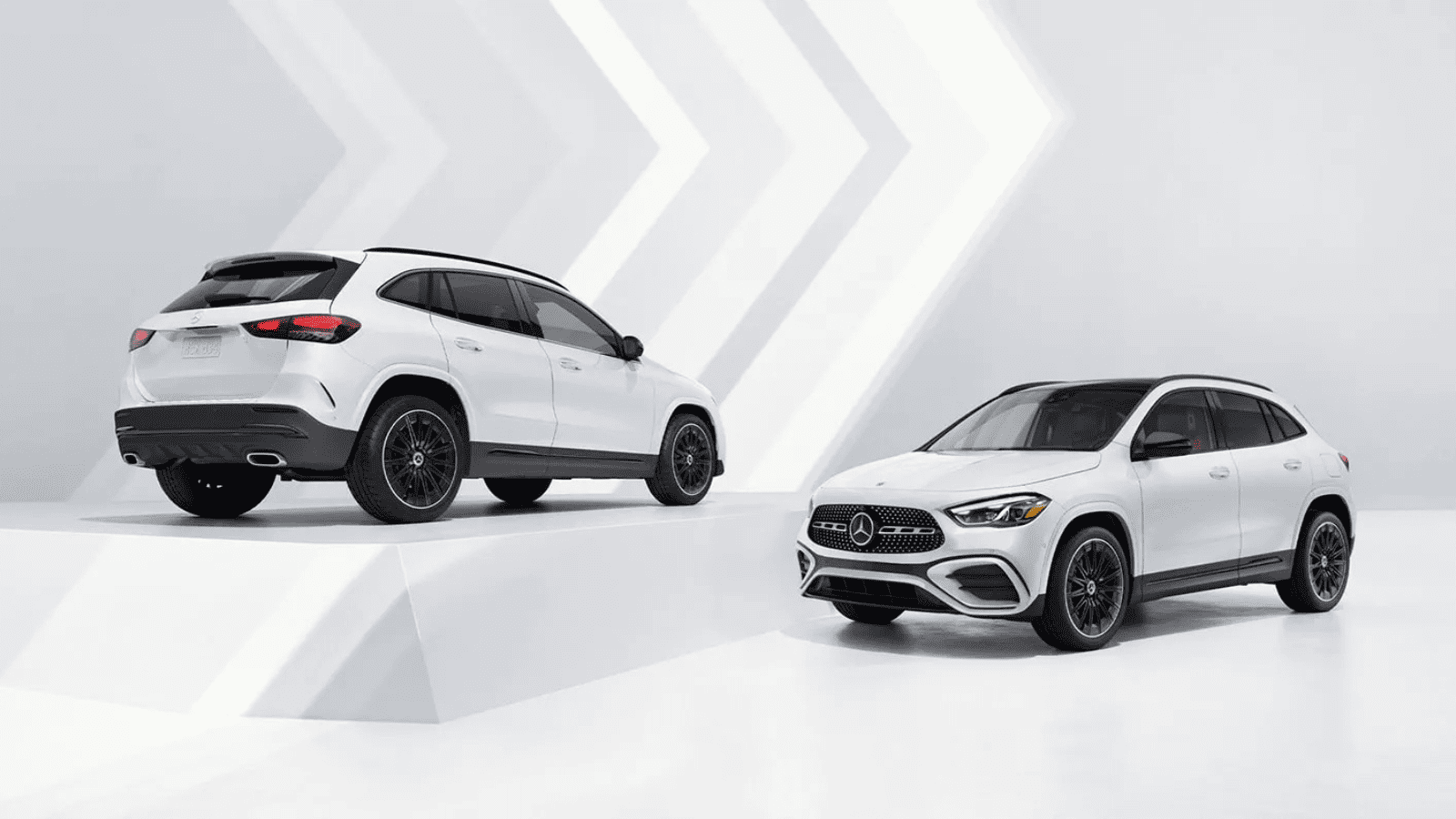
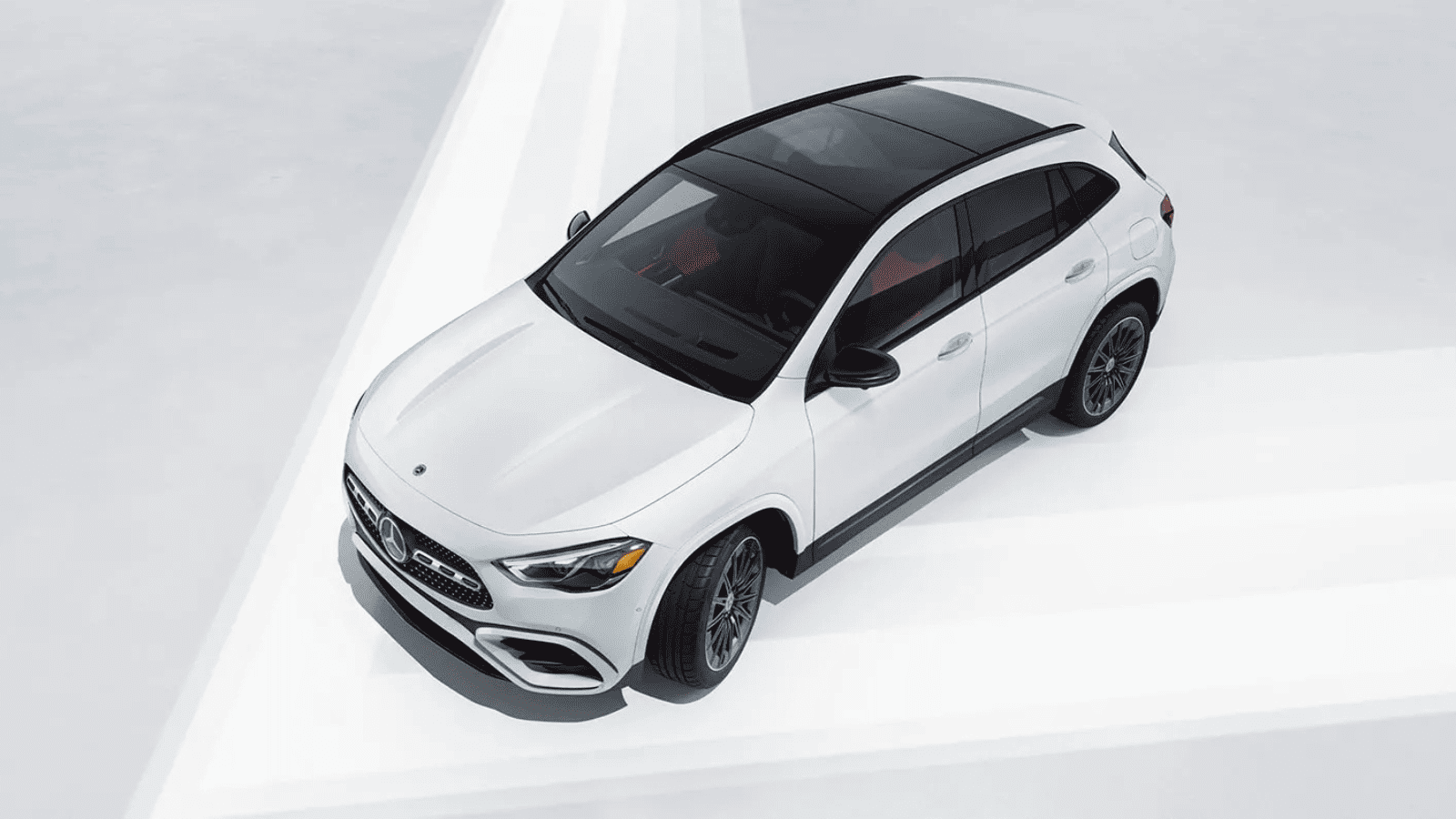
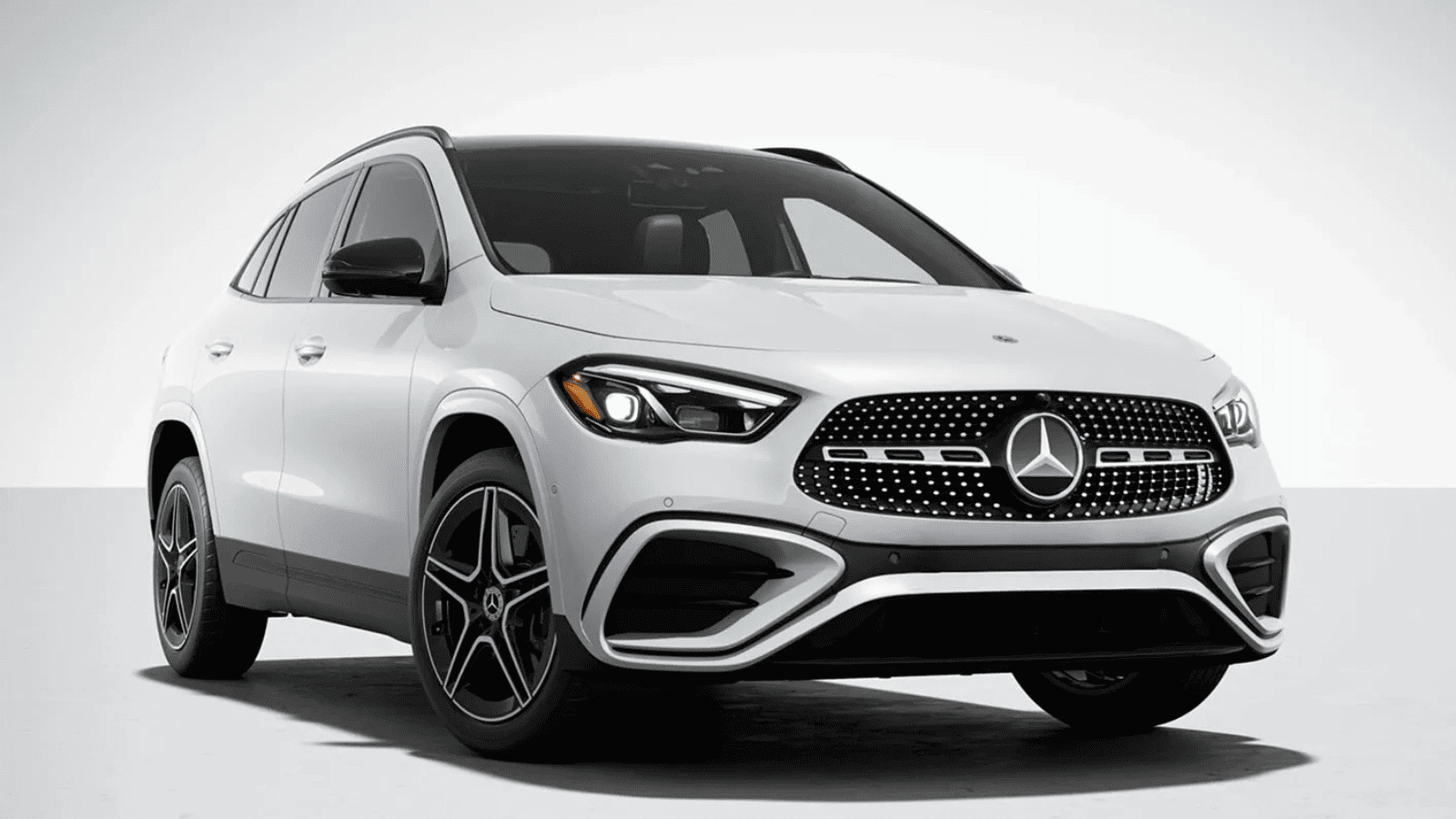
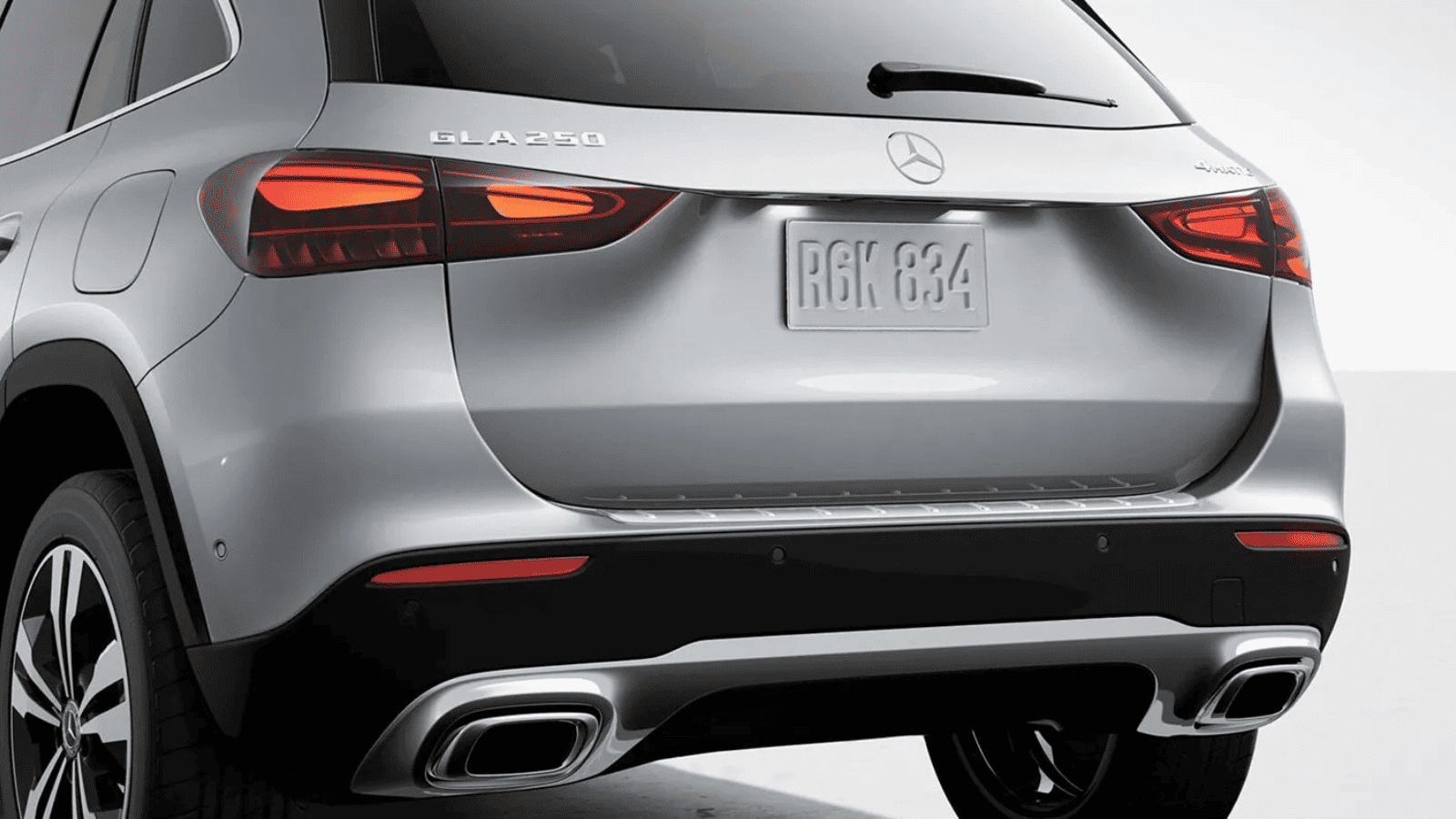
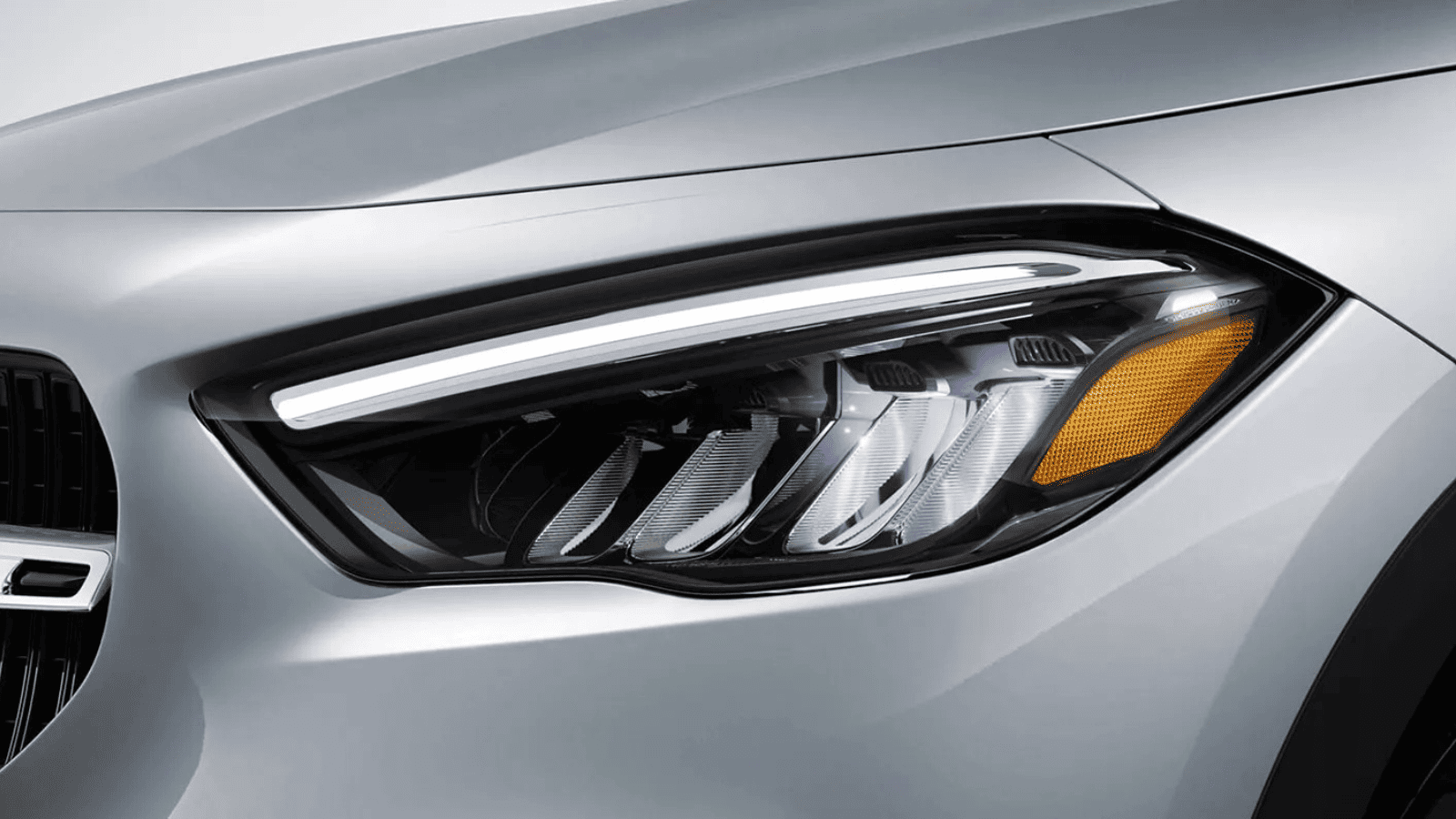
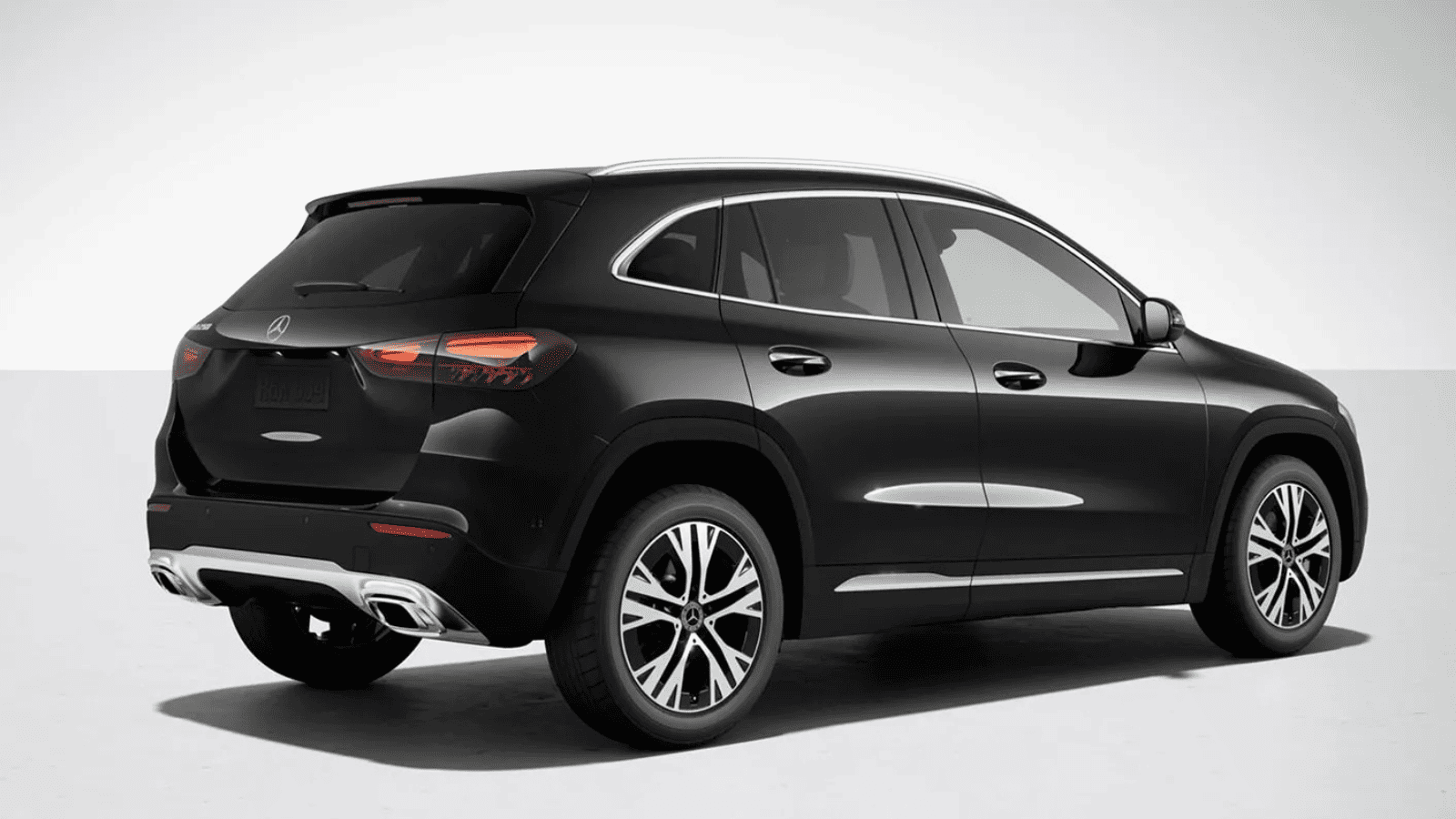
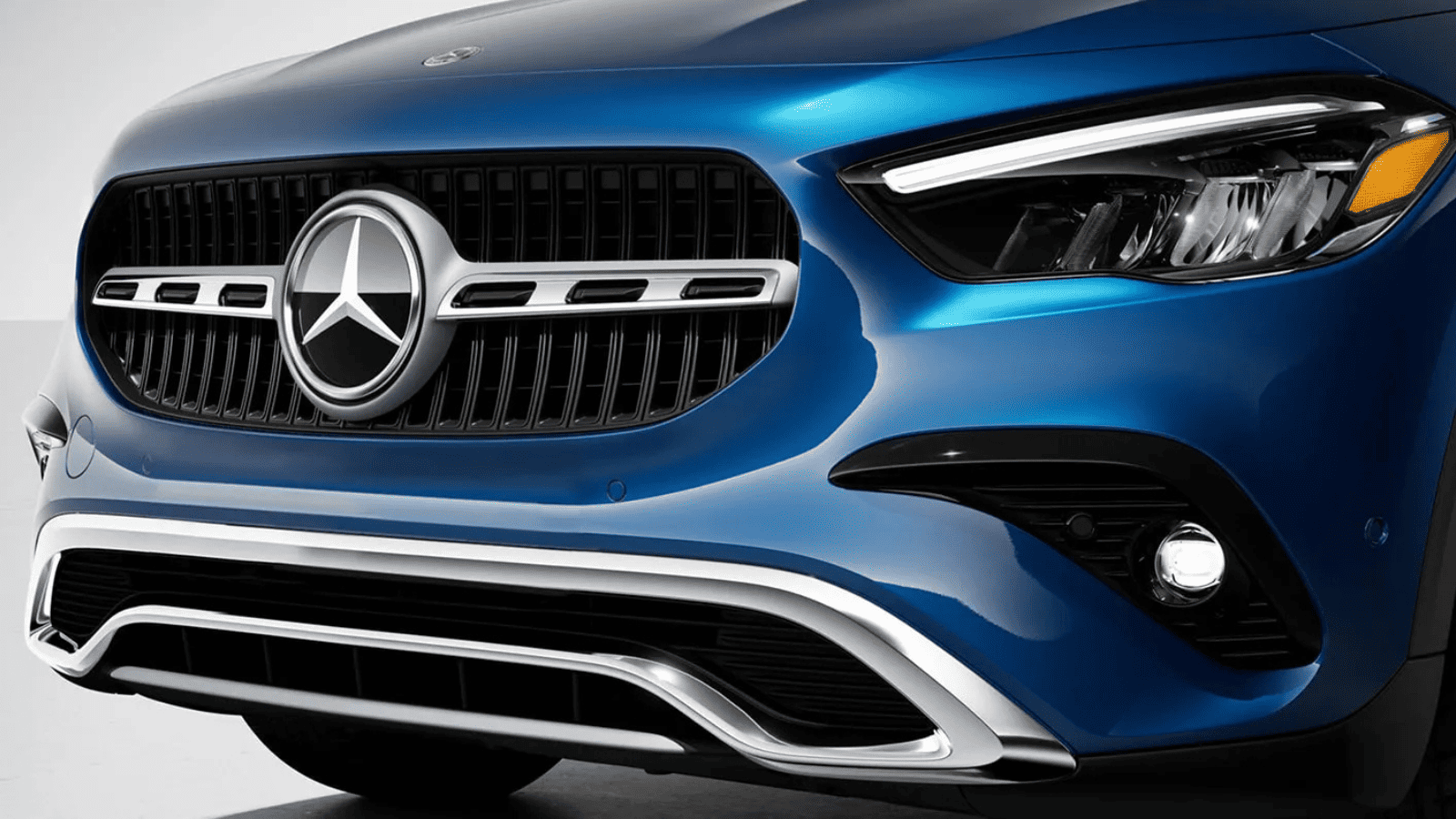
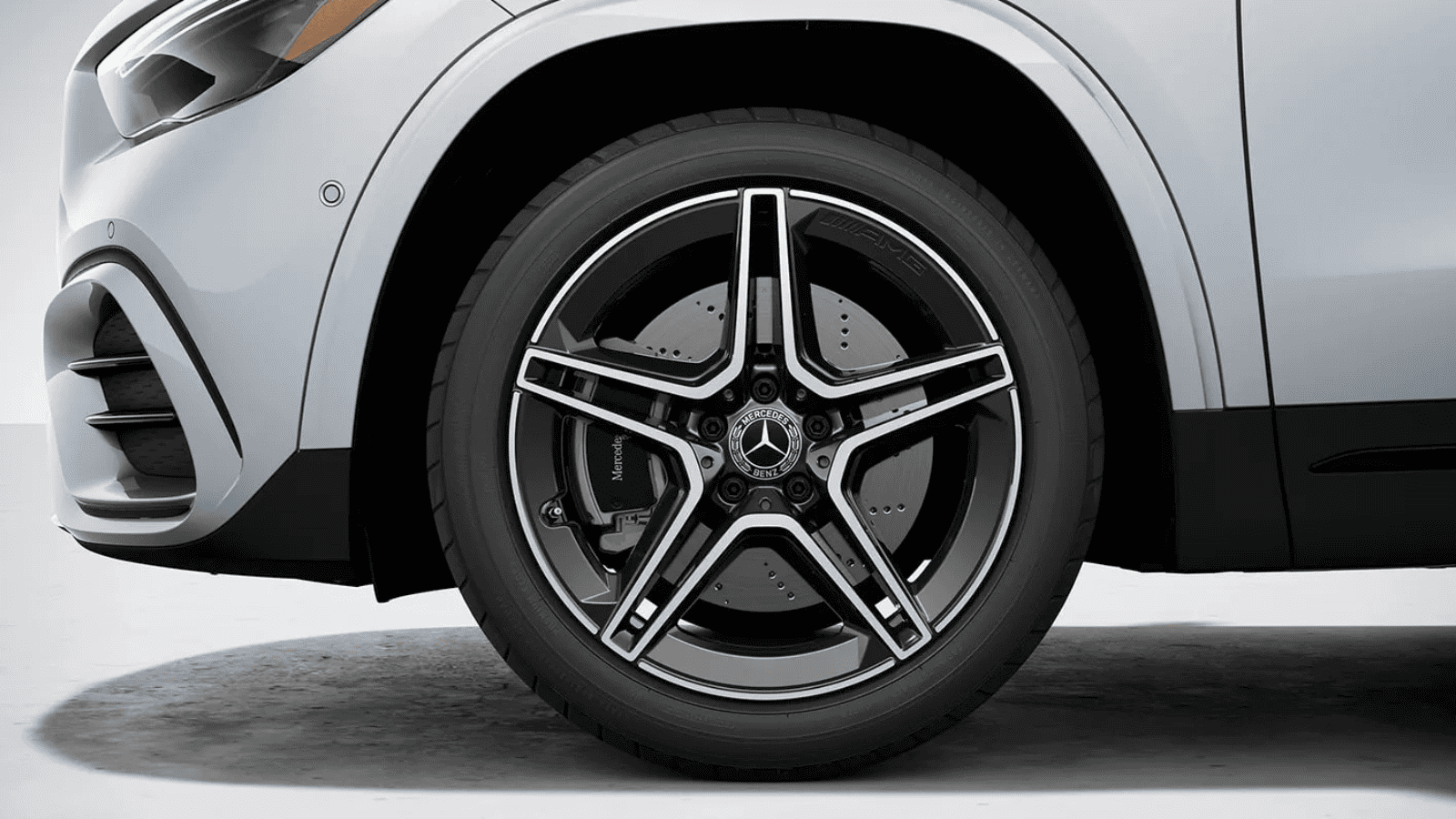
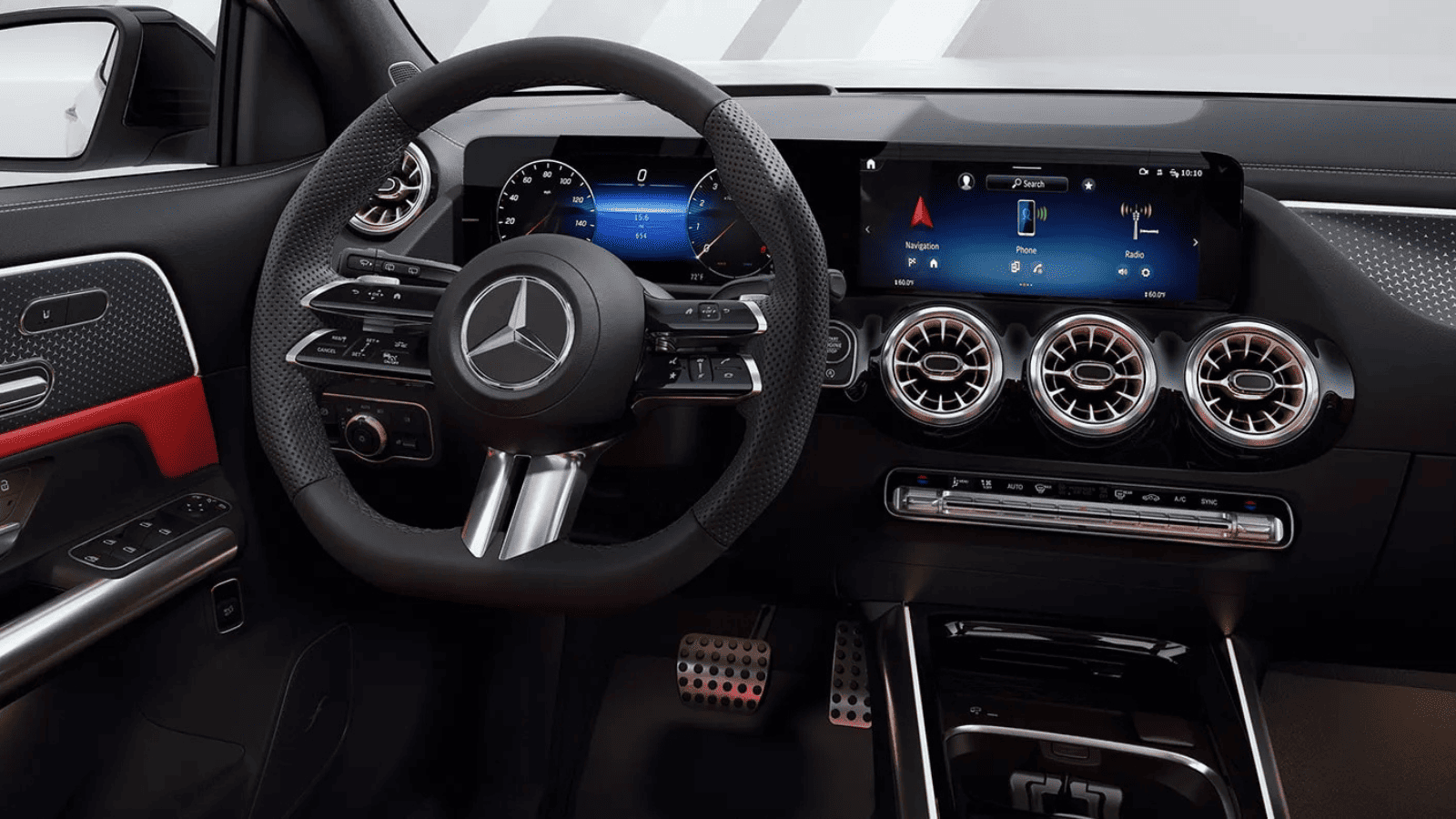
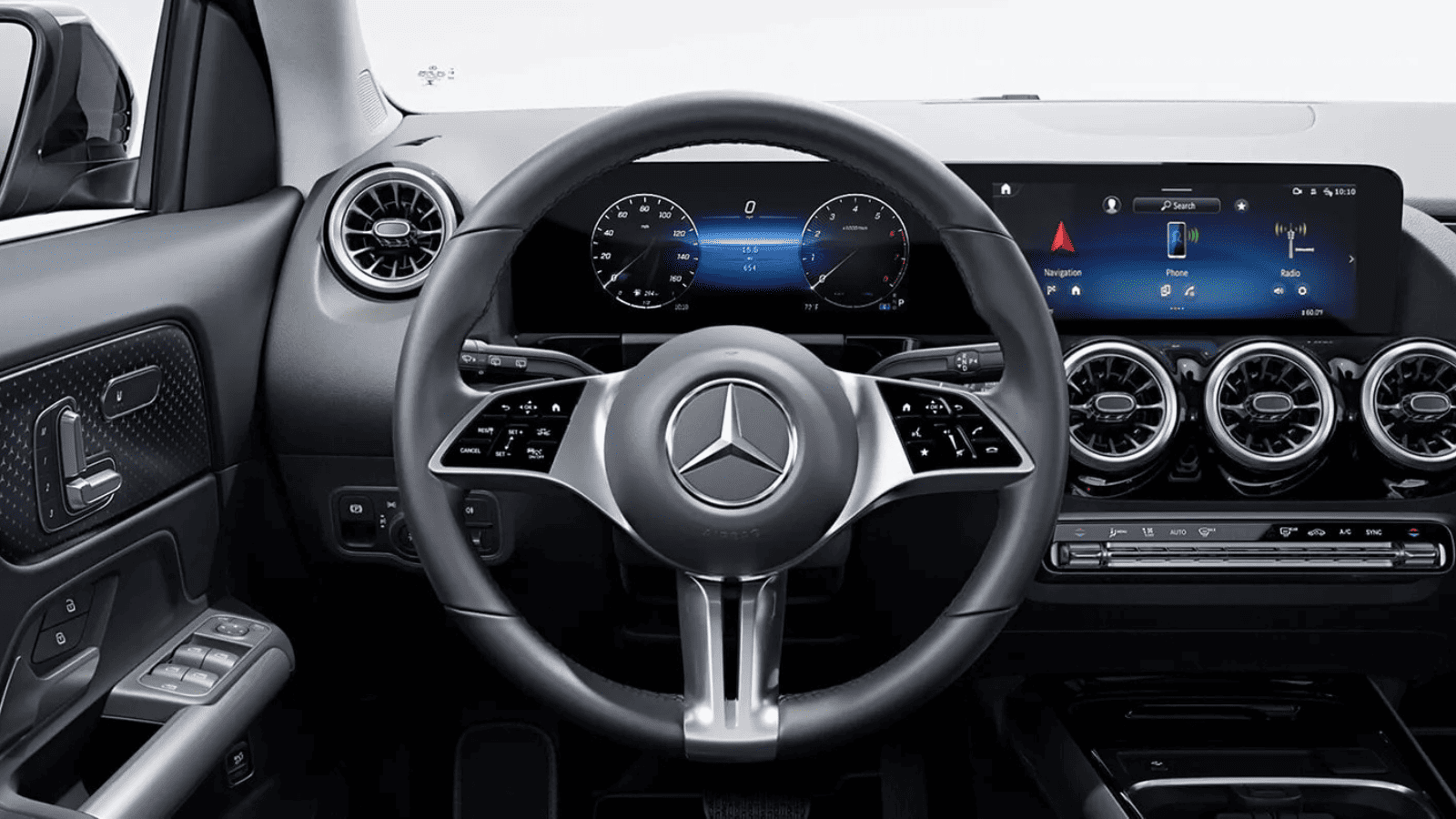
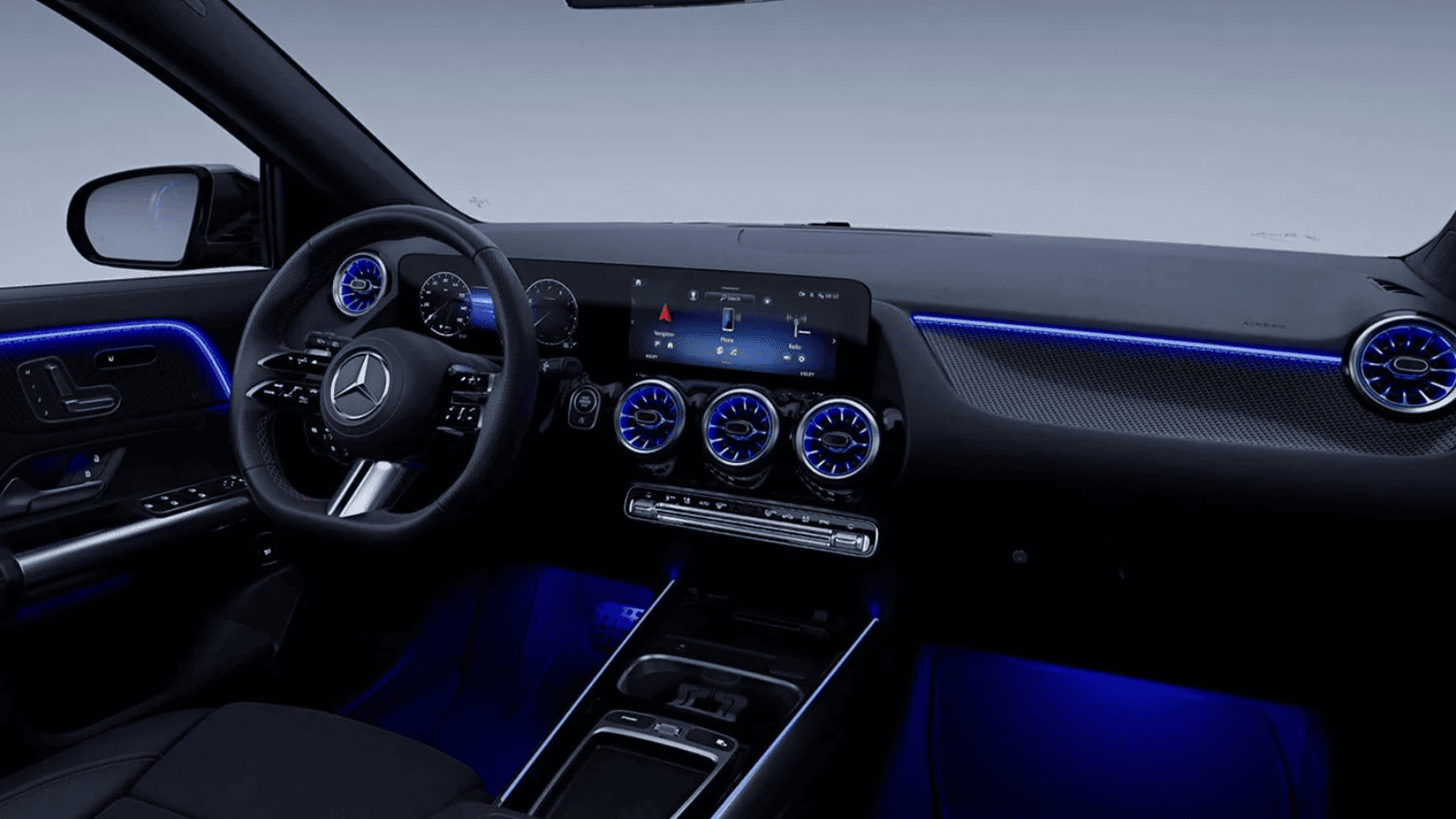
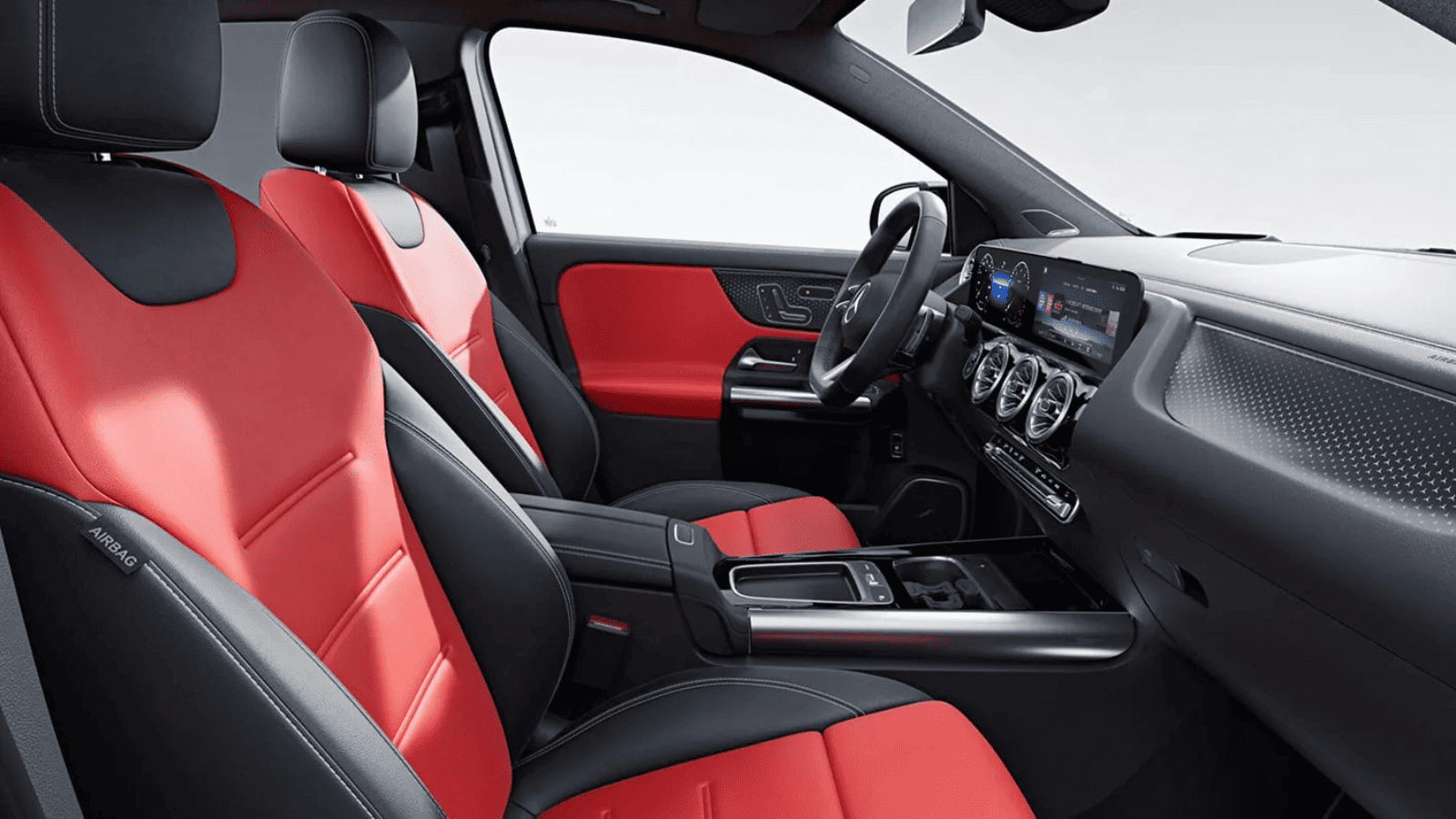
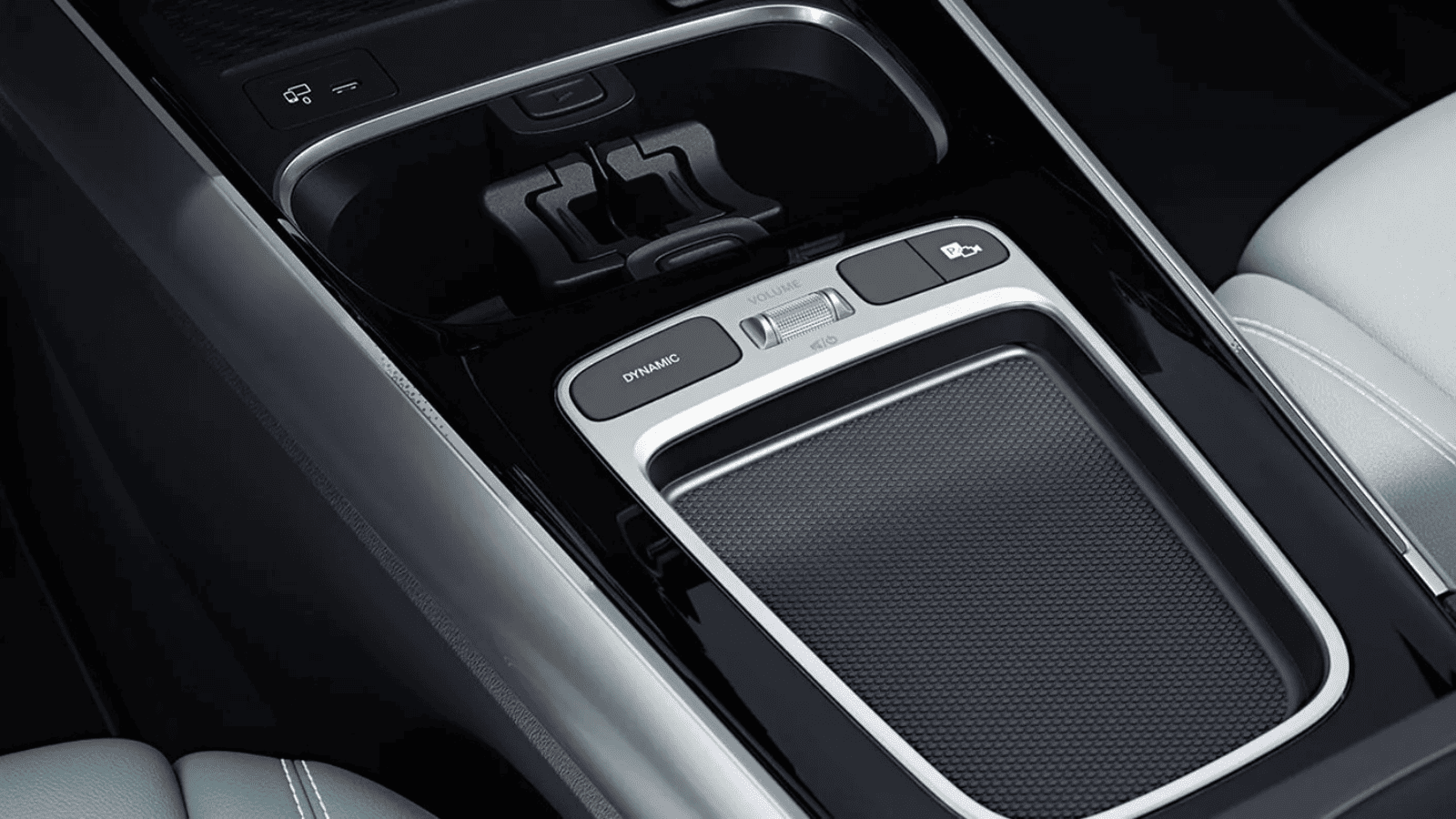
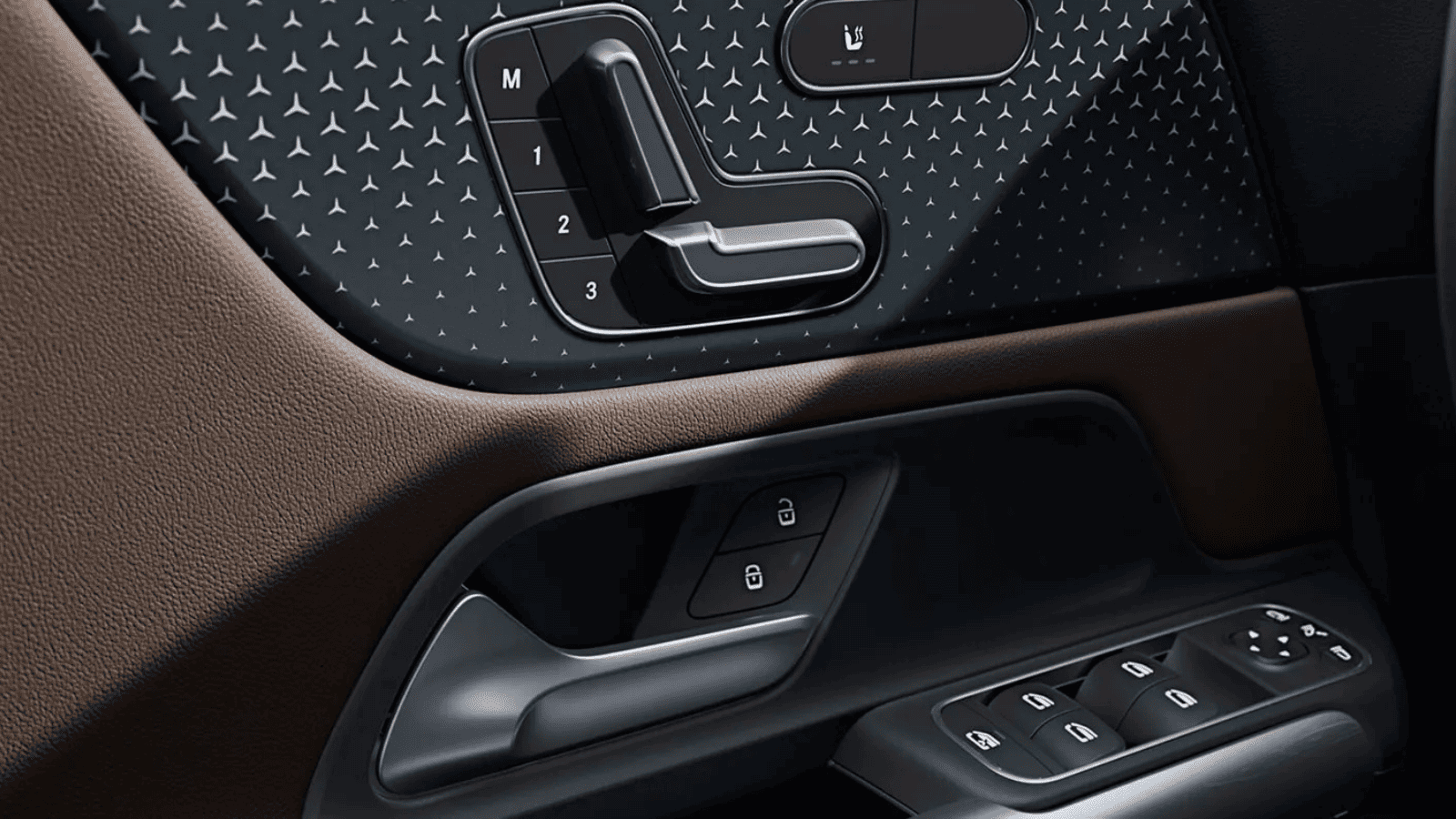
The standard GLA 250 is the sensible choice for daily commuting, while the all-wheel-drive GLA 250 4MATIC adds confidence in wet or snowy conditions. The Mercedes-AMG GLA 35 is the performance option, with much quicker acceleration and a firmer, more focused driving character.
The GLA is smaller and lower than many compact SUVs. That makes it easy to park and maneuver, but it also means buyers should be realistic about rear-seat comfort and cargo space before choosing it over a larger alternative.
WheelPedia Rating: 8.0/10
The Mercedes-Benz GLA earns an 8.0/10 WheelPedia Rating for its premium interior, efficient standard engine, strong technology, usable cargo flexibility, and compact size.
Its main compromises are a high price for its size, modest cargo room behind the rear seats, a rear seat better suited to occasional adult use, and luxury-brand maintenance costs after the warranty ends.
| Rating Category | Score | Weight |
| Safety | 7.8/10 | 20% |
| Reliability and ownership | 8.0/10 | 15% |
| Performance and driving | 8.0/10 | 15% |
| Comfort and practicality | 7.8/10 | 15% |
| Efficiency | 8.3/10 | 15% |
| Features and technology | 8.3/10 | 10% |
| Price and value | 7.8/10 | 10% |
| Overall WheelPedia Rating | 8.0/10 | — |
See how WheelPedia rates cars for the full scoring method.
Key Highlights
- Starts from $41,500 MSRP in the United States, before destination, taxes, registration, and options.
- Available as the front-wheel-drive GLA 250, all-wheel-drive GLA 250 4MATIC, or Mercedes-AMG GLA 35.
- GLA 250 models use a 221-hp turbocharged 2.0-liter four-cylinder engine with mild-hybrid assistance.
- The AMG GLA 35 produces 302 hp and reaches 60 mph in 5.1 seconds.
- GLA 250 models return up to an EPA-estimated 29 mpg combined.
- Standard 40/20/40-split rear seats help increase cargo flexibility.
- Cargo capacity measures 15.4 cubic feet behind the rear seats and up to 50.5 cubic feet with them folded.
- Dual 10.25-inch displays, wireless Apple CarPlay, wireless Android Auto, and Blind Spot Assist are standard.
- Best for buyers who want a small premium SUV that is easy to live with in urban and suburban areas.
Key Specifications
| Specification | Mercedes-Benz GLA 250 |
| Vehicle type | Subcompact luxury SUV |
| Seating capacity | 5 |
| Engine | 2.0L turbocharged inline-four with mild-hybrid assist |
| Power | 221 hp |
| Torque | 258 lb-ft |
| Transmission | 8-speed dual-clutch automatic |
| Drivetrain | FWD standard; 4MATIC AWD available |
| 0–60 mph | 6.8 seconds |
| Best fuel economy | 26 city / 34 highway / 29 combined mpg |
| Cargo capacity | 15.4 cu. ft. behind rear seats; 50.5 cu. ft. maximum |
| Length | 173.6 in. |
| Width without mirrors | 72.2 in. |
| Height | 63.5 in. |
| Wheelbase | 107.4 in. |
| Fuel requirement | Premium unleaded gasoline |
Expert Tip:
The GLA 250 4MATIC is the better all-round choice if you live with regular rain, snow, or steep driveways. Choose the front-wheel-drive GLA 250 if you want the lowest price and best fuel economy, and do not need all-wheel drive.
About the Mercedes-Benz GLA
The GLA is the smallest conventional SUV in the Mercedes-Benz lineup. It sits below the Mercedes-Benz GLC in size and price, and it is more crossover-like than a traditional upright SUV.
Its lower roofline and compact footprint make it feel more like a tall hatchback than a larger family SUV. That is a benefit for drivers who value easy parking and a lower step-in height, but it comes with less rear-seat and cargo space than some competitors.
The GLA 250 is built around everyday luxury driving. It has enough power for city traffic and highway merging, a well-finished cabin, and a useful standard technology package. The AMG GLA 35 is a different kind of vehicle, aimed at buyers who want a quick and agile performance SUV.
Price and Trims
These are current U.S. starting MSRPs. Final pricing can change with destination charges, packages, paint, wheels, dealer-installed accessories, and local market conditions. Check the current Mercedes-Benz GLA lineup before buying.
| Trim | Starting MSRP | Powertrain | Drivetrain | 0–60 mph |
| GLA 250 SUV | $41,500 | 221-hp 2.0L turbo mild hybrid | FWD | 6.8 sec |
| GLA 250 4MATIC SUV | $43,500 | 221-hp 2.0L turbo mild hybrid | AWD | 6.6 sec |
| Mercedes-AMG GLA 35 SUV | $58,550 | 302-hp 2.0L turbo mild hybrid | AWD | 5.1 sec |
The front-wheel-drive GLA 250 makes the most sense for buyers who want the lowest entry cost, mostly drive on dry roads, and value its 29-mpg combined rating.
The GLA 250 4MATIC is the recommended trim for most buyers. It costs $2,000 more, gives up only a small amount of fuel economy, and adds all-wheel-drive traction for changing weather.
The AMG GLA 35 is much quicker, but it is also considerably more expensive and uses more fuel. It is best for drivers who will genuinely value its sharper responses, stronger brakes, and performance-focused suspension.
Engine, Powertrain, and Performance
GLA 250 models use a turbocharged 2.0-liter inline-four engine with a 48-volt mild-hybrid system. The combination produces 221 horsepower and 258 lb-ft of torque. An 8-speed dual-clutch automatic transmission is standard.
The mild-hybrid system can provide brief electric assistance during acceleration and helps make stop-start operation smoother. It does not allow the GLA to drive as a full electric vehicle, but it supports fuel economy and low-speed refinement.
| Model | Engine | Horsepower | Torque | Drivetrain |
| GLA 250 | 2.0L turbo mild hybrid | 221 hp | 258 lb-ft | FWD |
| GLA 250 4MATIC | 2.0L turbo mild hybrid | 221 hp | 258 lb-ft | AWD |
| AMG GLA 35 | AMG-enhanced 2.0L turbo mild hybrid | 302 hp | 295 lb-ft | AWD |
The standard GLA is adequately quick for normal use. Its strong low- and mid-range torque helps it feel responsive when pulling away from traffic lights or merging onto the highway.
The AMG GLA 35 has a more powerful engine, AMG-tuned transmission programming, all-wheel drive, adaptive damping, and larger brakes. It is substantially more urgent than the GLA 250, but its ride is firmer and its ownership costs are higher.
0–60 MPH Performance
| Model | Manufacturer-Claimed 0–60 mph Time |
| GLA 250 SUV | 6.8 sec |
| GLA 250 4MATIC SUV | 6.6 sec |
| Mercedes-AMG GLA 35 SUV | 5.1 sec |
The GLA 250 does not feel slow, but it is tuned for everyday driving rather than aggressive acceleration. The 4MATIC model is marginally quicker because all-wheel drive helps it put power down more effectively from a stop.
The AMG GLA 35 is the right choice if quick acceleration is a major priority. It is more than 1.5 seconds quicker to 60 mph than the standard GLA 250 and feels much more responsive on a fast road.
Driving Experience
The GLA is easy to drive in tight spaces. Its compact dimensions, elevated seating position, and relatively small turning footprint make it well suited to urban parking garages, narrow streets, and crowded shopping areas.
The GLA 250 has a composed but not especially sporty character. Steering is light and predictable, and the suspension generally handles everyday pavement well. Optional larger wheels can improve appearance, though they can also make sharp road imperfections more noticeable in the cabin.
The 4MATIC system can send power between the axles when traction is limited. It is useful in rain and light snow, but it does not replace proper winter tires in severe winter conditions.
The AMG GLA 35 feels more direct and energetic. Its steering, braking, and suspension are tuned for faster driving, and its all-wheel-drive system gives it strong traction. The trade-off is a firmer ride and more road noise than in the standard GLA.
Fuel Economy
| Model | City | Highway | Combined |
| GLA 250 SUV | 26 mpg | 34 mpg | 29 mpg |
| GLA 250 4MATIC SUV | 25 mpg | 33 mpg | 28 mpg |
| Mercedes-AMG GLA 35 SUV | 22 mpg | 30 mpg | 25 mpg |
The front-wheel-drive GLA 250 is the most efficient model in the range. Its 29-mpg combined rating is competitive for a gasoline-powered luxury SUV, though it requires premium fuel.
The GLA 250 4MATIC loses only 1 mpg combined compared with the front-wheel-drive model. That is a reasonable trade-off for buyers who want added traction.
The AMG GLA 35 uses more fuel because of its higher-output engine and performance hardware. Buyers should also budget for more expensive tires, brakes, and insurance.
Real-world fuel economy varies with traffic, weather, driving habits, wheel size, passenger load, and use of heating or air conditioning.
Interior, Comfort, and Technology
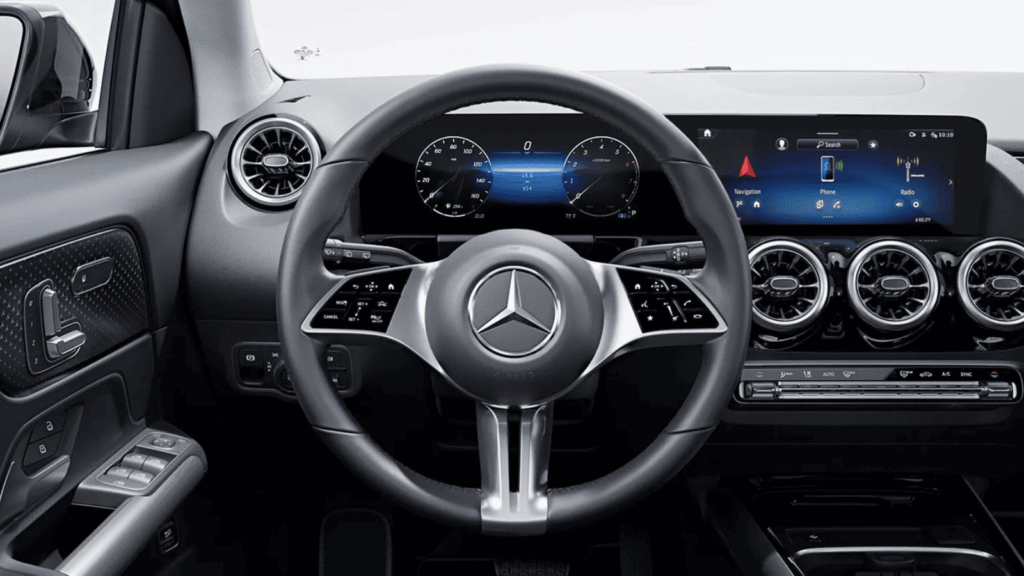
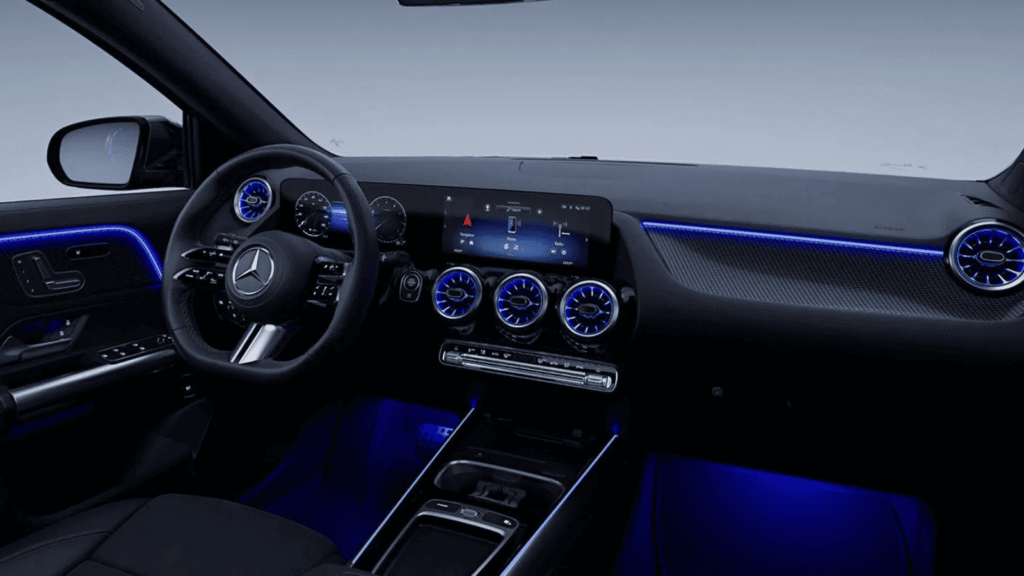
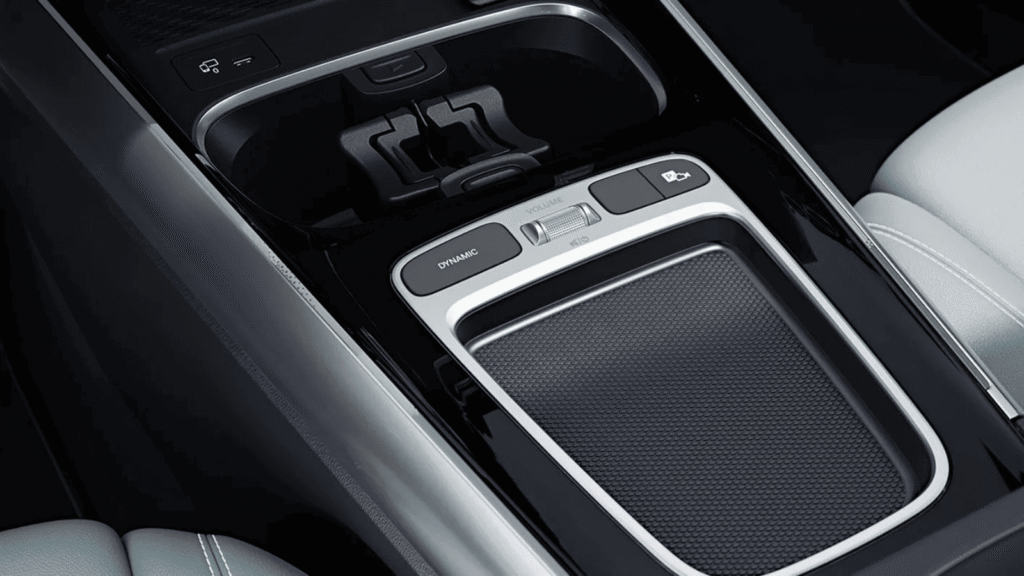
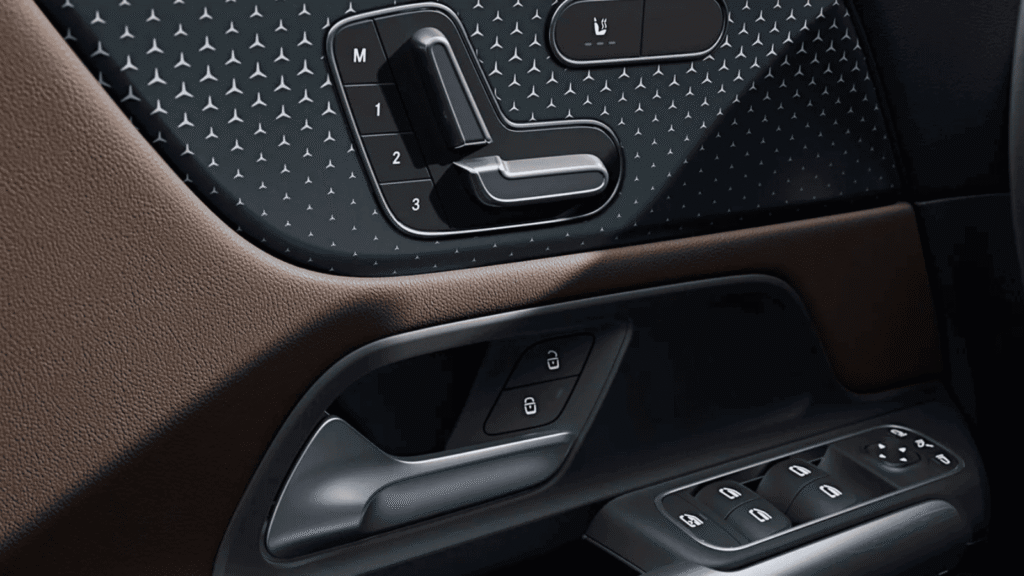
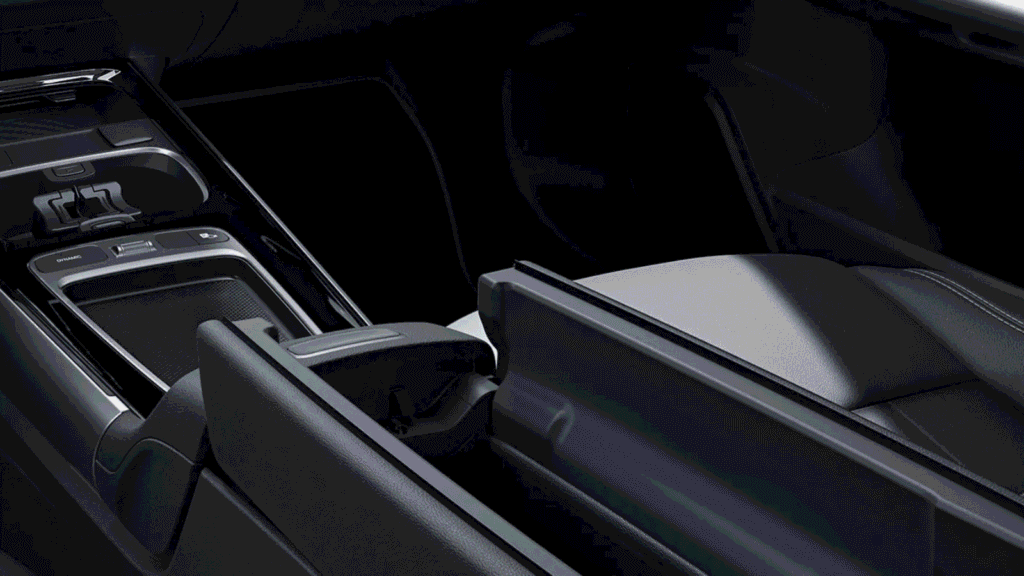
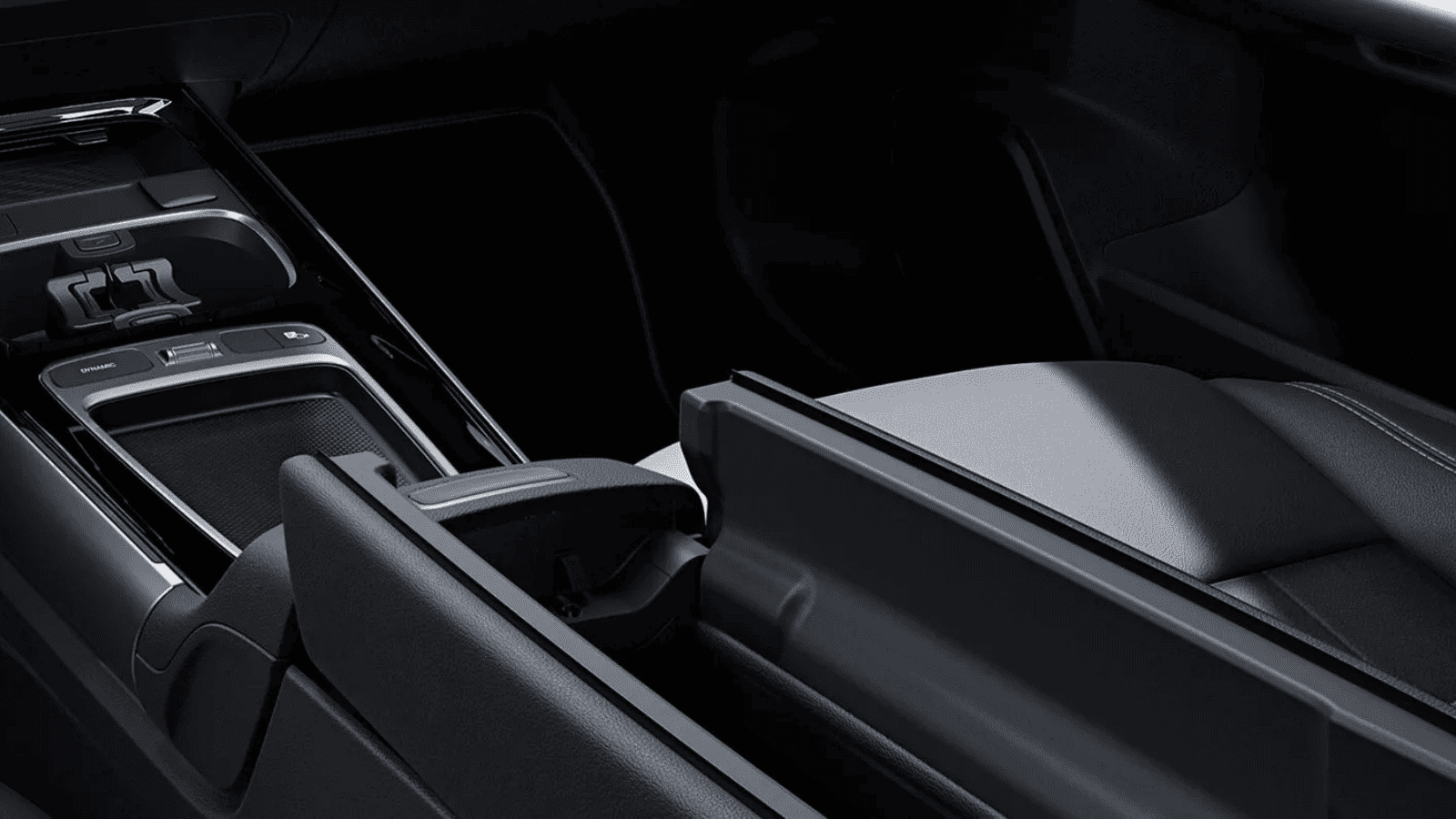
The GLA cabin feels more upscale than its exterior size might suggest. Its design is centered around two 10.25-inch displays: one for the digital instrument cluster and one for MBUX infotainment.
Standard and available features include:
- Dual 10.25-inch digital displays
- MBUX infotainment system
- “Hey, Mercedes” voice assistant
- Wireless Apple CarPlay
- Wireless Android Auto
- Power front seats with memory
- Dual-zone automatic climate control
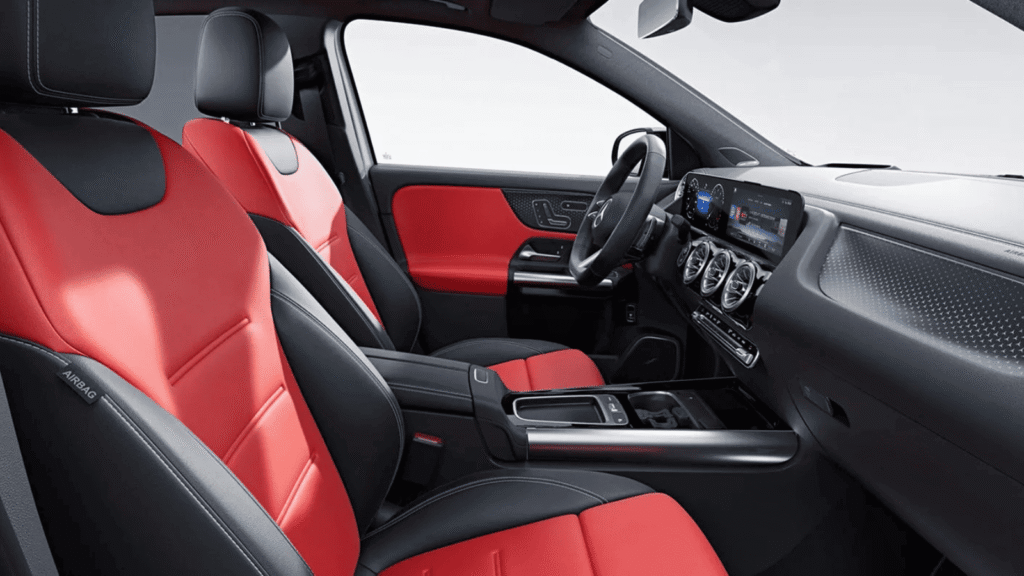
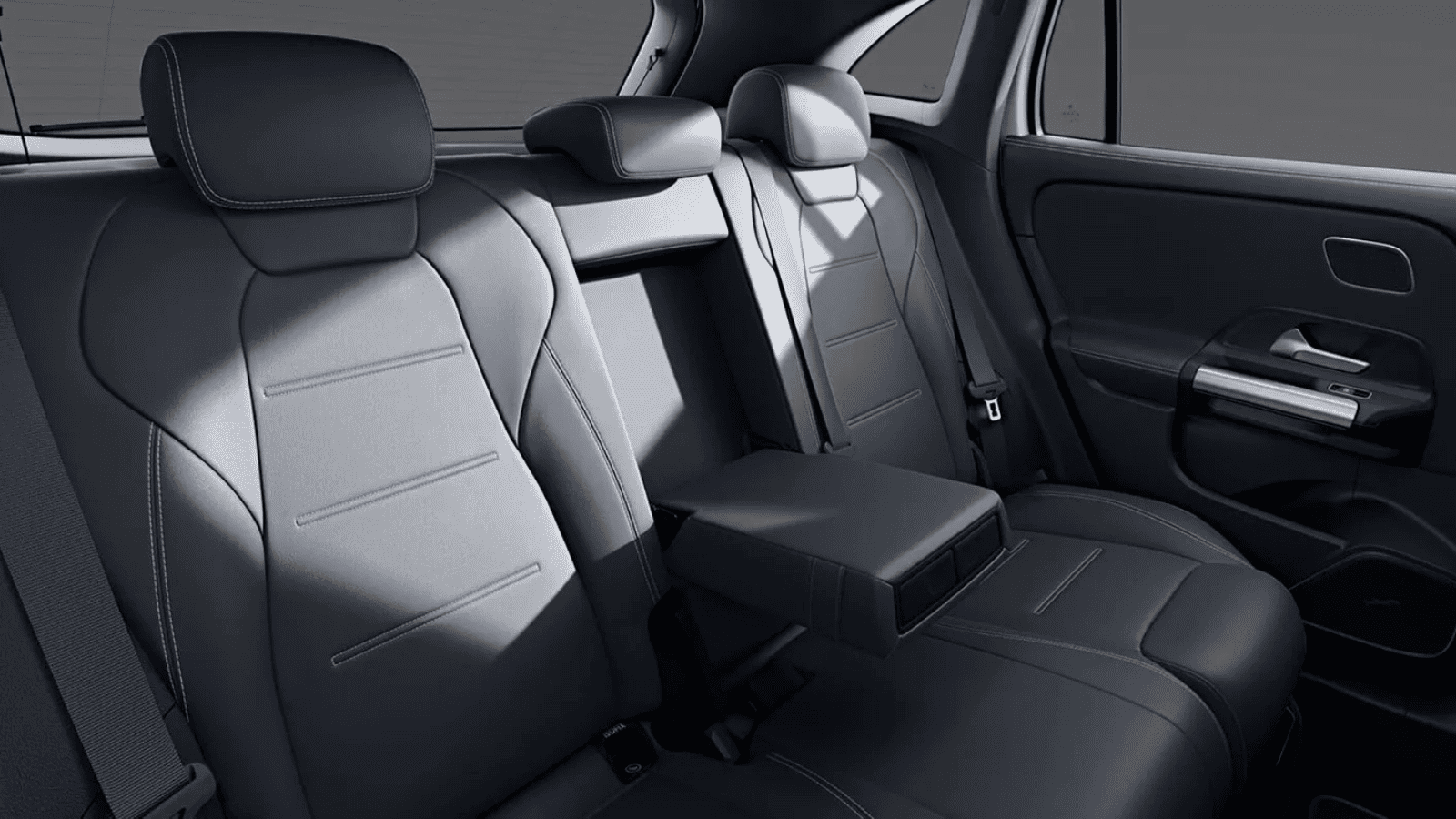
- 40/20/40-split folding rear seats
- Power liftgate
- Available wireless device charging
- Available 64-color ambient lighting
- Available panoramic roof
- Available Burmester surround-sound system
- Available head-up display
- Available navigation with augmented-reality guidance
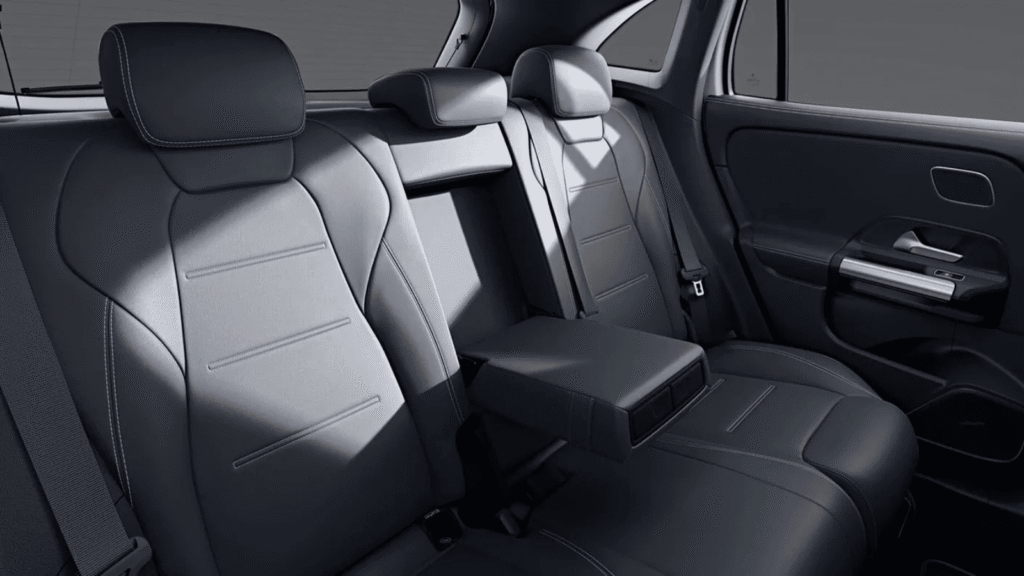
The front seats are supportive and comfortable for commuting and longer drives. The rear seat has enough room for children and average-sized adults, but it is not ideal for regularly carrying tall passengers on long trips.
The GLA is best suited to singles, couples, small households, and families with younger children. Buyers who routinely carry adults in the second row should test the rear seat carefully and compare it with a larger SUV before deciding.
Dimensions, Cargo, and Practicality
| Dimension | Measurement |
| Length | 173.6 in. |
| Width without mirrors | 72.2 in. |
| Width with mirrors | 79.5 in. |
| Height | 63.5 in. |
| Wheelbase | 107.4 in. |
| Front headroom | 39.0 in. |
| Rear headroom | 38.1 in. |
| Front legroom | 41.0 in. |
| Rear legroom | 38.0 in. |
| Cargo capacity behind rear seats | 15.4 cu. ft. |
| Maximum cargo capacity | 50.5 cu. ft. |
| Seating capacity | 5 |
The GLA offers 15.4 cubic feet of cargo room behind the rear seats. That is enough for groceries, backpacks, smaller luggage, and everyday errands, but it is limited for a family vacation or bulky equipment.
Folding the 40/20/40-split rear seats expands maximum cargo capacity to 50.5 cubic feet. The center section can be folded separately for longer items while keeping two rear seating positions available.
If you need a third row, a larger cargo area, or more regular rear-seat space, consider the Mercedes-Benz GLB or a larger compact luxury SUV. If you want a similarly premium but fully electric small SUV, compare the GLA with the Mercedes-Benz EQB.
Exterior Design
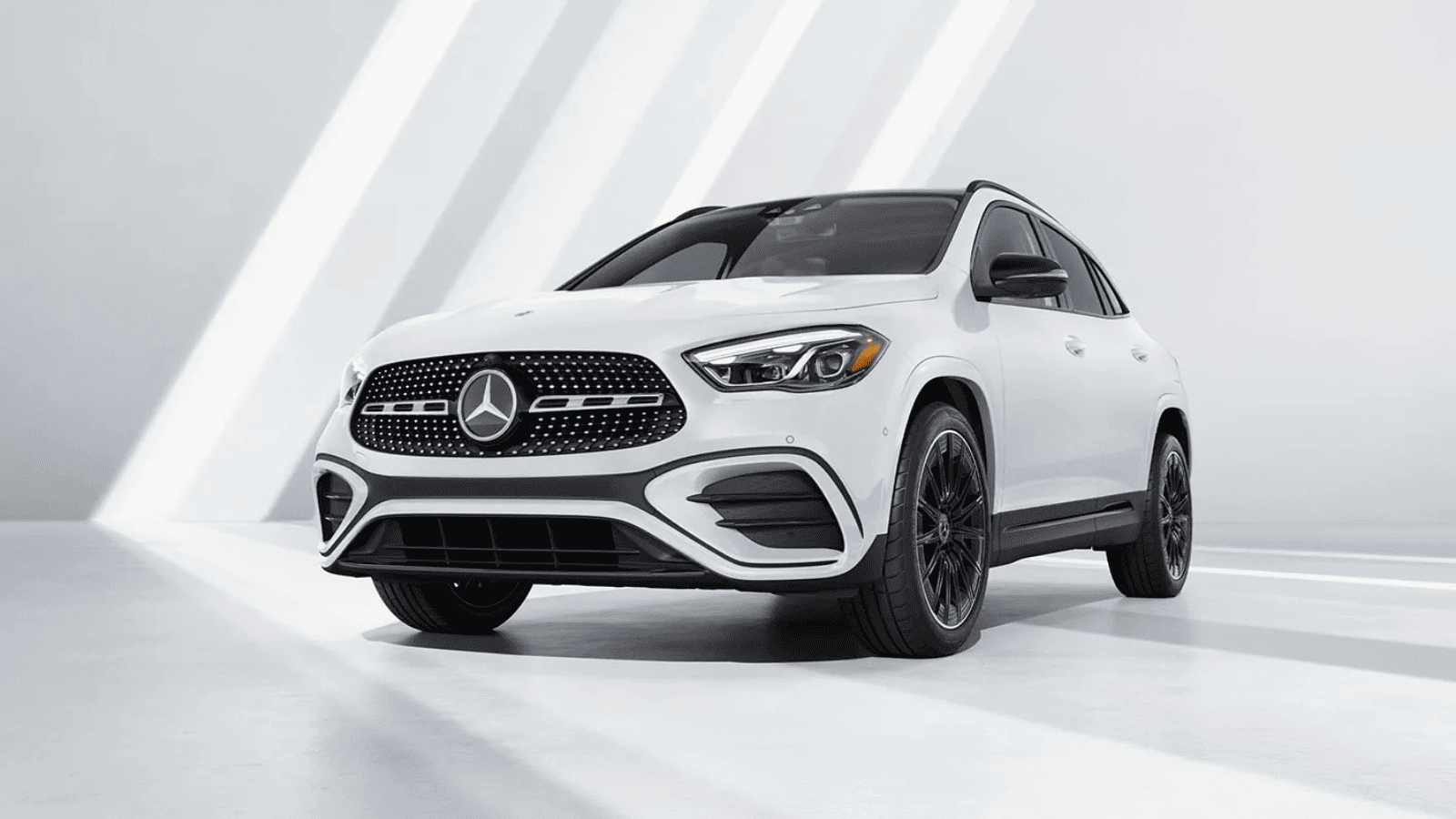
The GLA has a low, rounded SUV shape with a short overhang, raised ride height, and a hatchback-style rear end. It is less upright than many small SUVs, which helps it look sportier but slightly reduces its interior packaging advantages.
The standard GLA 250 uses 18-inch wheels, with larger 19- and 20-inch wheel designs available. Appearance packages can add darker exterior accents, sportier wheels, and AMG-inspired design elements.
The AMG GLA 35 has more aggressive front and rear styling, AMG wheels, larger brakes, and AMG-specific cabin details. It looks and feels more performance-oriented than the standard GLA.
Safety Features and Ratings
Standard and available driver-assistance features include:
- Active Brake Assist
- Blind Spot Assist with Exit Warning Assist
- Rearview camera
- ATTENTION ASSIST driver monitoring
- LED headlamps
- PRE-SAFE occupant protection system
- Available DISTRONIC adaptive cruise control
- Available Active Steering Assist
- Available Active Lane Keeping Assist
- Available Active Lane Change Assist
- Available surround-view camera system
- Available Active Parking Assist
The GLA includes a useful standard safety foundation, especially Active Brake Assist and Blind Spot Assist. However, buyers should confirm the exact equipment fitted to a specific vehicle because several advanced driving-assistance features are optional or package-dependent.
The current GLA does not appear in the 2026 IIHS award listings, so buyers should not assume it holds a current IIHS Top Safety Pick designation. Check the latest IIHS vehicle ratings and the vehicle’s exact model year before purchase.
Reliability, Warranty, and Ownership
The GLA uses a turbocharged engine, mild-hybrid electrical system, dual-clutch transmission, and technology-heavy interior. It can be a satisfying long-term vehicle when serviced properly, but it is likely to cost more to maintain and repair than a mainstream small SUV.
The standard GLA 250 is the simpler and less expensive ownership choice. The AMG GLA 35 adds performance-specific hardware, larger brakes, wider tires, and a more highly tuned engine, all of which can increase running costs.
| Coverage | Length |
| New Vehicle Limited Warranty | 4 years / 50,000 miles |
| Roadside Assistance | 4 years / 50,000 miles |
| Federal Emissions Warranty | Up to 8 years / 80,000 miles on selected components |
Before buying a used GLA, check its complete service history, tire condition, brake wear, wheel damage, electronics, panoramic-roof operation if fitted, and open recall status. A Mercedes-Benz Certified Pre-Owned vehicle can be worth considering if extended warranty coverage matters to you.
Pros and Cons
What We Like
- Premium cabin design and useful standard technology
- Compact size makes city parking easy
- Good fuel economy for a gasoline luxury SUV
- Strong turbocharged performance from the GLA 250
- Available 4MATIC all-wheel drive
- Flexible 40/20/40-split rear seats
- Maximum cargo capacity is useful with the rear seats folded
- AMG GLA 35 offers genuinely quick acceleration
What We Don’t Like
- High starting price for a subcompact SUV
- Rear-seat space is only average
- Cargo room behind the rear seats is modest
- Premium fuel is required
- Many desirable driver-assistance and comfort features cost extra
- Long-term maintenance and repair costs can be high
- AMG GLA 35 has a firmer ride and higher running costs
Competitors
The GLA competes with other premium small SUVs, each with a different advantage:
- The BMW X1 is worth considering if you want a more spacious cabin and a more traditional small-SUV shape.
- The Audi Q3 is a good alternative for buyers who prefer a conservative design and a comfortable ride.
- The Volvo XC40 is worth a look for its clean interior design and safety-focused approach.
- The Lexus UX is a sensible option for buyers who prioritize fuel efficiency and long-term ownership confidence.
- The Mercedes-Benz C-Class is the better choice if you want a more traditional luxury-car driving position and do not need a hatchback cargo area.
- The Mercedes-Benz EQB is the stronger Mercedes option if you want electric driving and more family-oriented space.
Related Content
Before financing a GLA, read our guide to car loan preapproval and understand the difference between APR and interest rate on a car loan.
Used-car buyers should also read how to check a car’s accident history and how to read a VIN number before completing a purchase.
Should You Buy the Mercedes-Benz GLA?
Buy the Mercedes-Benz GLA if you want a small luxury SUV with modern technology, strong everyday performance, easy maneuverability, and a premium cabin.
Choose the GLA 250 SUV if you want the lowest entry price and mainly drive in dry climates. Choose the GLA 250 4MATIC if you want the best overall mix of capability, fuel economy, and all-weather confidence.
Choose the AMG GLA 35 if driving enjoyment and quick acceleration matter more than ride comfort, fuel economy, and lower ownership costs.
Skip the GLA if you need a roomy rear seat, a large cargo area with all seats in use, a third row, regular-grade fuel, or lower-cost long-term maintenance.
FAQs
How much does the Mercedes-Benz GLA cost?
The GLA starts from $41,500 MSRP for the front-wheel-drive GLA 250. The GLA 250 4MATIC starts from $43,500, while the Mercedes-AMG GLA 35 starts from $58,550.
Is the Mercedes-Benz GLA available with all-wheel drive?
Yes. The GLA 250 4MATIC and Mercedes-AMG GLA 35 use Mercedes-Benz 4MATIC all-wheel drive. The standard GLA 250 is front-wheel drive.
How much horsepower does the Mercedes-Benz GLA have?
The GLA 250 produces 221 horsepower and 258 lb-ft of torque. The AMG GLA 35 produces 302 horsepower and 295 lb-ft of torque.
Is the Mercedes-Benz GLA fast?
The GLA 250 reaches 60 mph in 6.8 seconds, while the GLA 250 4MATIC does it in 6.6 seconds. The AMG GLA 35 reaches 60 mph in 5.1 seconds.
What fuel economy does the Mercedes-Benz GLA get?
The front-wheel-drive GLA 250 is rated at up to 26 mpg city, 34 mpg highway, and 29 mpg combined. The GLA 250 4MATIC is rated at 28 mpg combined.
Does the Mercedes-Benz GLA require premium gasoline?
Yes. Mercedes-Benz specifies premium unleaded gasoline for the GLA.
How much cargo space does the GLA have?
The GLA has 15.4 cubic feet of cargo room behind the rear seats and up to 50.5 cubic feet with the rear seats folded.
Is the Mercedes-Benz GLA good in snow?
The GLA 250 4MATIC and AMG GLA 35 are better choices for snow because they use all-wheel drive. Winter tires remain important in severe winter conditions.
Does the Mercedes-Benz GLA have Apple CarPlay and Android Auto?
Yes. The current GLA includes wireless Apple CarPlay and wireless Android Auto compatibility.
Is the Mercedes-Benz GLA expensive to maintain?
It can be. The GLA is likely to cost more to service and repair than a non-luxury small SUV, particularly after the factory warranty ends. AMG models usually require a larger budget for tires, brakes, insurance, and maintenance.
What is the best Mercedes-Benz GLA trim?
For most buyers, the GLA 250 4MATIC is the best trim. It adds all-wheel drive while maintaining strong fuel economy and everyday comfort.
Final Verdict
The Mercedes-Benz GLA is a good fit for buyers who want a premium small SUV without the size, price, or parking challenges of a larger luxury model. It has a polished cabin, useful standard technology, efficient turbocharged power, and enough cargo flexibility for everyday life.
The GLA 250 4MATIC is the strongest choice for most buyers. It adds useful all-weather traction, remains efficient, and avoids the higher purchase and ownership costs of the AMG model.
Its limitations are clear: rear-seat and cargo space are modest, options can raise the final price quickly, and long-term servicing will not be inexpensive. But if you value compact dimensions and a premium driving environment more than maximum interior space, the GLA is a well-rounded entry point into Mercedes-Benz SUV ownership.