
Buying your first car is a major financial decision. It gives you more independence, but it also creates new expenses, including insurance, fuel, registration, maintenance, repairs, and monthly loan payments.
Many first-time buyers focus too heavily on the advertised price or monthly payment. That can lead to buying more car than they can afford, accepting an expensive loan, or paying for dealer extras they do not need.
See how to buy your first car starts with setting a complete ownership budget. From there, you can compare suitable models, arrange financing, inspect the vehicle, negotiate the total price, and review every document before signing.
This step-by-step guide explains the process for buying a new or used car in the United States.
First-Car Buying Checklist
Before purchasing your first vehicle, complete these steps:
- Calculate your total monthly car budget.
- Check your credit reports and credit score.
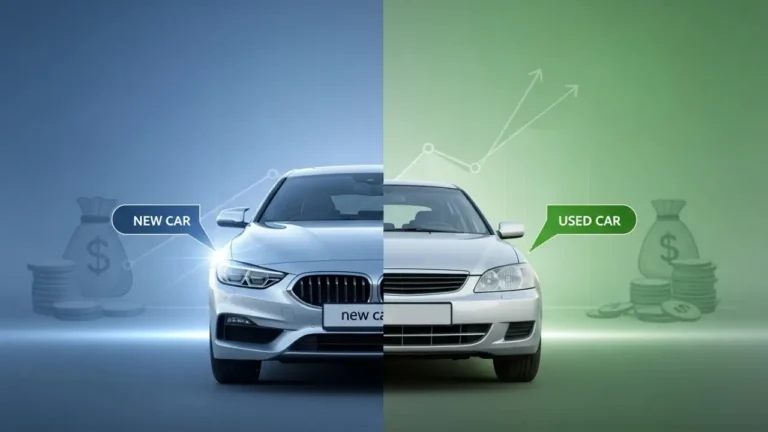
- Decide whether to buy new or used.
- Identify the right vehicle type.
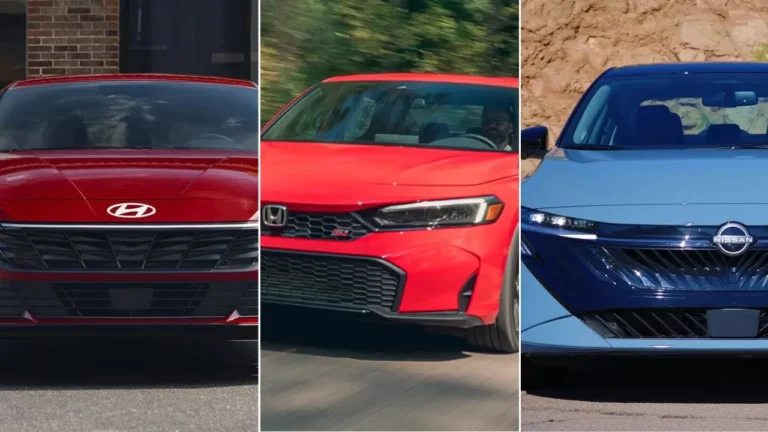
- Research three to five suitable models.
- Get insurance estimates.
- Compare auto-loan preapproval offers.
- Research market prices and ownership costs.
- Contact sellers and request written pricing.
- Inspect and test-drive the vehicle.
- Check the history, title, and recalls.
- Arrange an independent inspection for a used car.
- Negotiate the vehicle and financing separately.
- Review the purchase contract carefully.
- Confirm insurance, title, and registration.
- Build a maintenance and emergency fund.
Step 1: Calculate What You Can Afford
Do not begin by asking how much a lender or dealership will approve. Start by deciding how much your monthly budget can support without affecting rent, food, savings, debt payments, and other essentials.
Your car budget should include more than the loan payment.
Monthly Car Expenses
Estimate the following:
- Car payment
- Insurance premium
- Fuel or charging
- Routine maintenance
- Tires
- Registration and inspection fees
- Parking
- Tolls
- Car washing
- Emergency repairs
For example, a $400 monthly payment may appear affordable. However, adding $200 for insurance, $140 for fuel, $50 for maintenance savings, and $60 for parking raises the real monthly cost to $850.
Upfront Costs
You may also need money for:
- Down payment
- Sales tax
- Title fee
- Registration fee
- Documentation fee
- Dealer charges
- Initial insurance payment
- Pre-purchase inspection
- Immediate maintenance or tires
Keep part of your savings available after the purchase. Using every dollar for the down payment can leave you unable to handle an unexpected repair or insurance deductible.
Focus on the Total Cost
A lower monthly payment does not always mean a better deal. Dealers and lenders can reduce the payment by extending the loan term. This can increase the amount of interest paid and keep you in debt longer.
Compare:
- Vehicle price
- Down payment
- Annual percentage rate
- Loan term
- Amount financed
- Monthly payment
- Total of payments
- Total interest cost
The total amount paid is more important than the monthly payment alone.
Step 2: Check Your Credit Before Applying
Your credit history can affect whether you qualify for financing and what interest rate you receive.
Before applying for an auto loan:
- Review your credit reports for errors.
- Check your current credit score.
- Pay down credit-card balances where possible.
- Avoid applying for unnecessary new credit.
- Make all existing payments on time.
- Gather proof of income and residence.
A limited credit history does not automatically prevent you from buying a car. However, it may result in a higher interest rate or require a larger down payment.
A qualified co-signer may help some buyers receive better terms, but co-signing creates a serious obligation. The co-signer becomes responsible for the debt if the primary borrower does not pay. Late payments can damage both people’s credit.
Step 3: Decide Between a New and Used Car
Both options can work for a first-time buyer.
Advantages of Buying New
A new car generally provides:
- Full manufacturer warranty
- No previous accident or maintenance history
- Current safety technology
- Lower immediate repair risk
- Possible manufacturer financing offers
- Ability to choose the trim and color
The main disadvantages are higher purchase cost, faster early depreciation, and potentially higher insurance premiums.
Advantages of Buying Used
A used car may provide:
- Lower purchase price
- Slower depreciation
- Lower registration costs in some states
- Access to a better-equipped model for the same budget
- Potentially lower insurance costs
The tradeoff is greater uncertainty. A used vehicle may have hidden damage, overdue maintenance, worn tires, or repairs that will soon be needed.
What Is the Best Used-Car Age?
A vehicle around three to five years old can provide a useful balance. It has usually passed through the steepest period of depreciation but may still include modern safety equipment and years of useful service.
Age alone does not determine whether a car is a good purchase. Maintenance history, mileage, condition, title status, previous use, and inspection results matter more.
Step 4: Choose the Right Type of Car
The best first car should match your daily needs rather than your idealized lifestyle.
Ask the following questions:
- How many miles will I drive each week?
- Will most driving occur in a city or on a highway?
- How many passengers will I carry?
- Do I need room for children, pets, or equipment?
- Do local roads receive frequent snow?
- Is parking space limited?
- Can I charge an electric vehicle at home?
- How long do I plan to keep the car?
- What fuel and maintenance costs can I support?
Compact Sedan
A compact sedan often offers the best balance of price, fuel economy, driving comfort, and insurance cost.
It suits:
- Students
- Commuters
- Couples
- Small households
- Budget-focused buyers
Hatchback
A hatchback provides a flexible cargo area while remaining easy to park.
It works well for:
- Apartment residents
- Pet owners
- Outdoor hobbies
- Buyers carrying bulky items
Small SUV
A small SUV offers easier entry, a higher seating position, and more cargo flexibility. However, it may cost more to insure, fuel, and maintain than a comparable sedan.
Hybrid
A hybrid can reduce fuel use, especially in congested city driving. Compare the purchase premium with your expected annual mileage before paying extra.
Electric Vehicle
An electric vehicle may work well when you have reliable home charging and suitable local infrastructure. Consider insurance, range, winter performance, charging speed, battery warranty, and apartment charging limitations.
Step 5: Research Three to Five Models
Do not become attached to one model before comparing alternatives.
Create a shortlist based on:
- Purchase price
- Fuel efficiency
- Safety ratings
- Reliability history
- Insurance cost
- Maintenance needs
- Cargo capacity
- Passenger space
- Resale value
- Local service availability
Compare equivalent trim levels. A low base price may exclude features such as blind-spot monitoring, adaptive cruise control, alloy wheels, or upgraded infotainment.
Useful First-Car Features
Prioritize practical equipment such as:
- Automatic emergency braking
- Forward-collision warning
- Lane-departure warning
- Blind-spot monitoring
- Rear cross-traffic alert
- Reversing camera
- Clear outward visibility
- Smartphone connectivity
- Easy-to-use climate controls
- Spare tire or tire repair equipment
Avoid paying substantially more for features that do not improve your daily ownership experience.
Step 6: Get Insurance Quotes Early
Insurance is often one of the largest expenses for a first-time buyer, especially for young or newly licensed drivers.
Get estimates before choosing the final vehicle. Use the exact:
- Model year
- Make
- Model
- Trim
- Engine
- Drivetrain
- Vehicle identification number, when available
Insurance costs can vary between two trims of the same vehicle.
Factors that may influence premiums include:
- Driver age
- Driving history
- Location
- Annual mileage
- Credit-based insurance information where permitted
- Vehicle repair costs
- Theft frequency
- Engine power
- Safety technology
- Coverage limits
- Deductible
Do not buy a car and assume insurance will be affordable afterward.
Step 7: Get Preapproved for an Auto Loan
Arrange financing before visiting the dealership.
Request quotes or preapproval from several sources, such as:
- Banks
- Credit unions
- Online lenders
- Automobile finance companies
- The dealership
A preapproval gives you a reference point for comparing the dealer’s financing offer.
Compare More Than the Interest Rate
Review:
- Annual percentage rate
- Loan length
- Required down payment
- Monthly payment
- Amount financed
- Total finance charge
- Total of all payments
- Prepayment penalties, if any
- Late-payment terms
- Optional products added to the loan
A dealer may be able to beat your preapproved offer. That is useful only when the complete loan terms are better.
Avoid Excessively Long Loans
A long loan term reduces the monthly payment but increases interest and the risk of negative equity.
Negative equity means owing more than the car is worth. This can become a problem when the vehicle is totaled, traded, or sold before the loan is paid off.
Choose the shortest loan term that fits your budget without creating financial strain.
Step 8: Research a Fair Market Price
Before contacting a dealership or private seller, determine a reasonable price range.
Compare:
- Manufacturer’s suggested retail price
- Dealer advertised prices
- Local inventory
- Similar used listings
- Vehicle mileage
- Trim level
- Options
- Condition
- Accident history
- Certified pre-owned status
- Regional demand
For a new car, ask about manufacturer incentives, loyalty discounts, recent-graduate programs, and special financing. Confirm every eligibility requirement.
For a used car, compare vehicles with similar age, mileage, trim, drivetrain, and condition. A cheaper listing may have an accident history, branded title, missing equipment, or overdue maintenance.
Step 9: Request the Out-the-Door Price in Writing
The out-the-door price is the full amount required to purchase the vehicle before financing costs.
It may include:
- Agreed vehicle price
- Sales tax
- Title fee
- Registration fee
- Documentation fee
- Dealer-installed products
- Delivery or destination charge
- Other mandatory charges
Ask the seller to provide an itemized out-the-door price by email before you travel to the dealership.
This lets you compare offers using the same standard and identify unwanted extras early.
Do not compare one dealer’s advertised vehicle price with another dealer’s complete out-the-door quote. The first price may exclude several charges.
Step 10: Inspect the Vehicle Before Driving
Even a new car should be checked for transport damage, paint defects, warning lights, missing accessories, and incorrect equipment.
For a used vehicle, inspect it during daylight and in dry conditions when possible.
Check:
- Body panel alignment
- Paint color consistency
- Rust
- Dents and scratches
- Windshield chips
- Headlights and taillights
- Tire brand, condition, and tread
- Uneven tire wear
- Fluid leaks
- Interior wear
- Seat and carpet condition
- Air conditioning
- Windows and locks
- Infotainment
- Reversing camera
- Dashboard warning lights
- Spare tire or repair kit
Make sure the VIN on the dashboard matches the VIN on the title and sales documents.
Signs of wear do not always mean the vehicle is unsuitable. They should, however, influence the price and inspection decision.
Step 11: Take a Proper Test Drive
Do not limit the test drive to a short trip around the dealership.
Drive on roads similar to those you use every day. Include city traffic, uneven pavement, parking maneuvers, and highway speeds when practical.
Evaluate:
- Seat comfort
- Driving position
- Visibility
- Steering response
- Brake feel
- Acceleration
- Transmission behavior
- Road noise
- Wind noise
- Suspension comfort
- Turning circle
- Parking ease
- Climate controls
- Infotainment controls
Listen for:
- Knocking
- Clunking
- Squealing
- Grinding
- Excessive vibration
- Wind noise around repaired areas
Test-drive at least two competing models before deciding. A vehicle that looks ideal online may feel uncomfortable or difficult to see out of in person.
Step 12: Check the Vehicle History, Title, and Recalls
For a used car, obtain the VIN before committing to the purchase.
Use it to check:
- Vehicle history report
- Accident records
- Reported mileage
- Number of owners
- Title status
- Flood or fire history
- Rental or fleet use
- Service records
- Open safety recalls
A vehicle history report is useful but not perfect. Not every accident, repair, or maintenance event is reported.
Avoid Problem Titles
Be cautious with vehicles carrying titles marked:
- Salvage
- Rebuilt
- Flood
- Fire
- Lemon-law buyback
- Odometer discrepancy
Such cars can be difficult to finance, insure, repair, or resell. They are generally unsuitable for inexperienced buyers unless examined by a specialist and purchased with full knowledge of the risks.
Step 13: Arrange a Pre-Purchase Inspection
An independent pre-purchase inspection is one of the most important steps when buying a used car.
Choose a qualified mechanic who does not work for the seller. The inspection should assess:
- Engine condition
- Transmission behavior
- Brakes
- Suspension
- Steering
- Tires
- Cooling system
- Fluid leaks
- Battery and charging system
- Electronic faults
- Previous crash repairs
- Structural damage
- Rust
- Upcoming maintenance needs
A clean history report does not replace a physical inspection.
A seller who refuses a reasonable independent inspection should be treated cautiously.
Use the results to:
- Continue with the purchase
- Negotiate repairs or a lower price
- Request additional diagnosis
- Walk away
Walking away from a problematic vehicle is cheaper than repairing it after purchase.
Step 14: Negotiate the Car Price Separately
Keep each part of the transaction separate:
- Vehicle selling price
- Trade-in value, when applicable
- Financing
- Optional products
Combining everything into one monthly payment makes it harder to see what you are paying.
Start With the Out-the-Door Price
Negotiate using the total out-the-door amount rather than the monthly payment.
Support your offer with:
- Comparable local listings
- Written dealer quotes
- Inspection findings
- Tire or brake condition
- Missing maintenance records
- Upcoming repair needs
Remain polite and prepared to leave. The ability to walk away is one of the buyer’s strongest negotiating tools.
Step 15: Review Dealer Add-Ons Carefully
The finance office may offer products such as:
- Extended service contract
- Guaranteed asset protection
- Tire-and-wheel coverage
- Paint protection
- Fabric protection
- Key replacement
- VIN etching
- Theft-recovery products
- Prepaid maintenance
- Dent repair coverage
These products are generally optional. Do not assume they are required for loan approval unless the lender confirms that requirement in writing.
Ask:
- What does it cost?
- Is the price negotiable?
- What exactly is covered?
- What is excluded?
- Is there a deductible?
- Can repairs be completed anywhere?
- Can the product be canceled?
- Is the cost being financed?
- How much interest will be paid on it?
An add-on costing $1,500 becomes more expensive when included in a multi-year loan.
Step 16: Read Every Document Before Signing
Do not sign incomplete paperwork or rely only on verbal promises.
Review:
- Buyer’s order
- Purchase agreement
- Financing contract
- Odometer statement
- Title documents
- Warranty documents
- Service contract
- Add-on agreements
- Trade-in paperwork
- Temporary registration
- Delivery conditions
Confirm that the documents show the agreed:
- Vehicle price
- Out-the-door price
- Down payment
- Trade-in credit
- Annual percentage rate
- Loan term
- Monthly payment
- Amount financed
- Optional products
- Vehicle VIN
- Mileage
Ask for corrections before signing.
Take your time. Pressure, fatigue, and excitement can cause buyers to overlook expensive changes.
Step 17: Confirm That Financing Is Final
Before taking the vehicle, ask whether the financing has received final lender approval.
In some transactions, a buyer leaves with the car before financing is finalized. The dealer may later request a higher interest rate, a larger down payment, a co-signer, or different terms.
Read the conditional-delivery language carefully. Do not assume the transaction is final merely because you drove the vehicle home.
Keep copies of every document and record the name of the lender.
Step 18: Arrange Insurance, Registration, and Title
Most buyers need active insurance before taking possession of the vehicle or completing lender requirements.
Confirm:
- Policy start date
- Required liability coverage
- Collision and complete coverage requirements
- Deductible
- Lienholder information
- Temporary insurance card
Registration and title procedures vary by state. A dealership may submit the paperwork, while a private-party buyer may need to visit the state motor vehicle office.
Keep copies of:
- Bill of sale
- Signed title
- Registration application
- Tax receipt
- Loan documents
- Insurance proof
- Odometer disclosure
- Inspection or emissions certificate, where required
Do not drive without valid plates, temporary registration, and insurance.
Step 19: Complete Immediate Maintenance
After buying a used car, do not assume all maintenance is current unless reliable records prove it.
Consider checking or replacing:
- Engine oil and filter
- Air filters
- Wiper blades
- Brake fluid
- Coolant
- Transmission fluid, when appropriate
- Battery
- Tires
- Brake pads
- Spark plugs
- Timing belt, when applicable
Follow the manufacturer’s maintenance schedule rather than accepting generic service recommendations.
Create a folder for receipts, inspection records, warranty documents, and maintenance history. Good records can support reliability and resale value.
Step 20: Build an Emergency Car Fund
Car expenses continue after the purchase.
Set aside money each month for:
- Routine services
- Tires
- Insurance deductible
- Battery replacement
- Brake repairs
- Towing
- Unexpected mechanical problems
Even a vehicle under warranty can create expenses for tires, damage, maintenance, transportation, or items excluded from coverage.
A repair fund reduces the need to use high-interest credit when something goes wrong.
Buying From a Dealer vs Private Seller
Dealer Purchase
A dealer may provide:
- Financing access
- Trade-in options
- Temporary registration
- Warranty coverage
- Certified pre-owned vehicles
- More formal paperwork
However, dealer fees, add-ons, and sales pressure can increase the cost.
Private-Party Purchase
A private seller may offer a lower price and simpler negotiation.
The buyer may need to handle:
- Financing
- Title transfer
- Registration
- Taxes
- Inspection
- Lien verification
- Bill of sale
- Temporary transportation arrangements
Never pay a private seller until identity, ownership, title status, VIN, and lien information have been confirmed.
Meet in a safe location and use a secure payment method.
Final Buying Advice
The safest way to buy your first car is to make decisions in the correct order.
Set a realistic ownership budget first. Then compare suitable vehicles, obtain insurance quotes, and arrange loan preapproval. Research fair prices before contacting sellers and request an itemized out-the-door quote in writing.
For a used car, review the history, check the title and recalls, and pay for an independent inspection. During negotiation, focus on the vehicle price and total cost rather than the monthly payment.
Before signing, verify every number, remove unwanted add-ons, and confirm that financing is final. Keep copies of the complete transaction and set aside money for maintenance.
The right first car is not the most expensive vehicle you can qualify for. It is the one that meets your needs while leaving enough room in your budget to own, insure, maintain, and enjoy it responsibly.